Sommy WineCoach Blog
Wine education articles to sip and savor.
Recent Articles
Blanc de Noirs: White Wine from Black Grapes, Explained
Blanc de noirs is a pale wine pressed from black grapes, in Champagne only Pinot Noir and Meunier. It tastes rounder and fuller than blanc de blancs, can carry a faint copper tint, and goes with roast chicken, mushrooms and fried food.
Cru Beaujolais Guide: The 10 Villages and How They Taste
Cru Beaujolais is Gamay from ten granite hill villages, sold under the village name. Chiroubles and Fleurie are light and floral; Morgon and Moulin-à-Vent are firm and age for years.
Dry White Wine: The Driest Whites and How to Pick One
Almost every white on the shelf is legally dry. The ones that taste driest are tart, unoaked and from cool places: Muscadet, Assyrtiko, Chablis and Sauvignon Blanc lead the list.
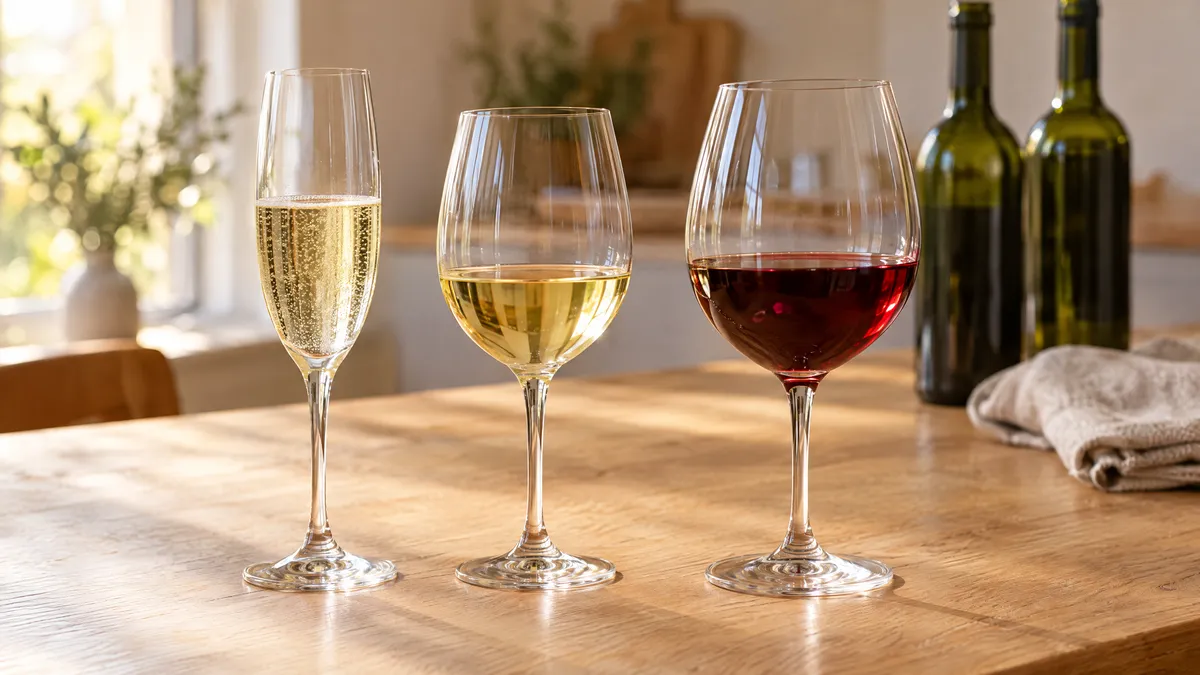
How to Get Into Wine: A Simple 90-Day Plan for Beginners
Open two contrasting bottles side by side, describe them with five structure words, write one line each, and buy more of what you wanted a second glass of. A 90-day plan.
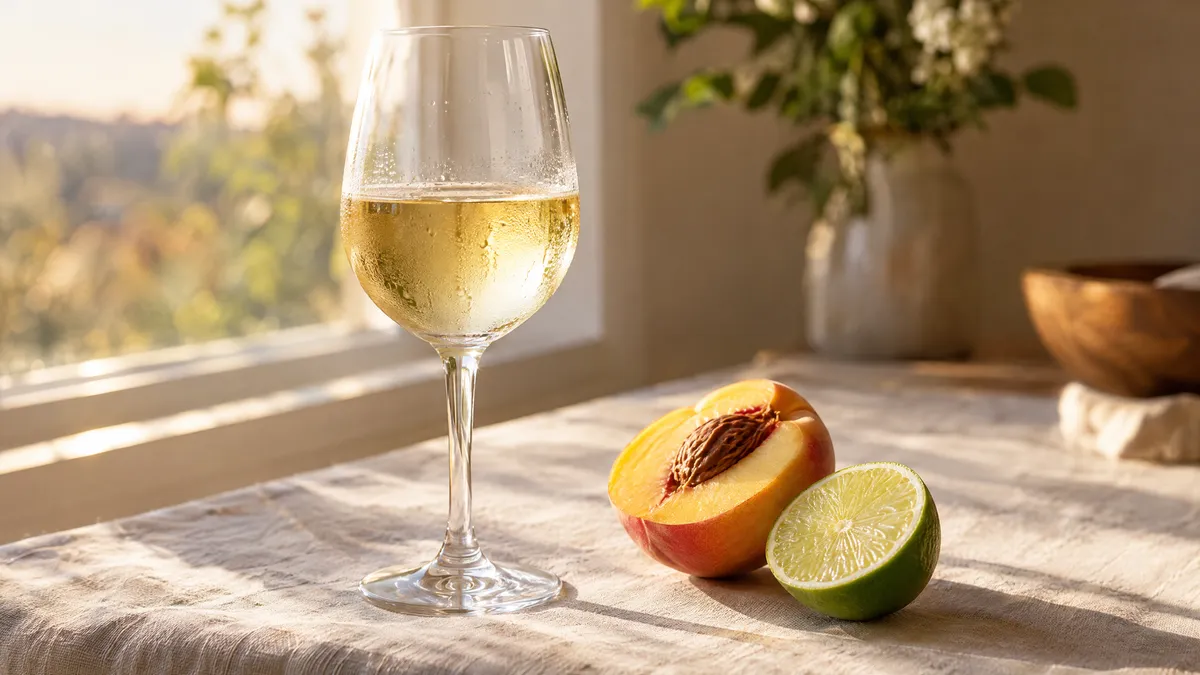
Off-Dry Wine: A Little Sweet, Not Too Much, Explained
Off-dry wine keeps a few grams of grape sugar you can just taste. How much sugar that is on the EU, German and Vouvray scales, why acidity makes some taste dry, and what to eat with it.
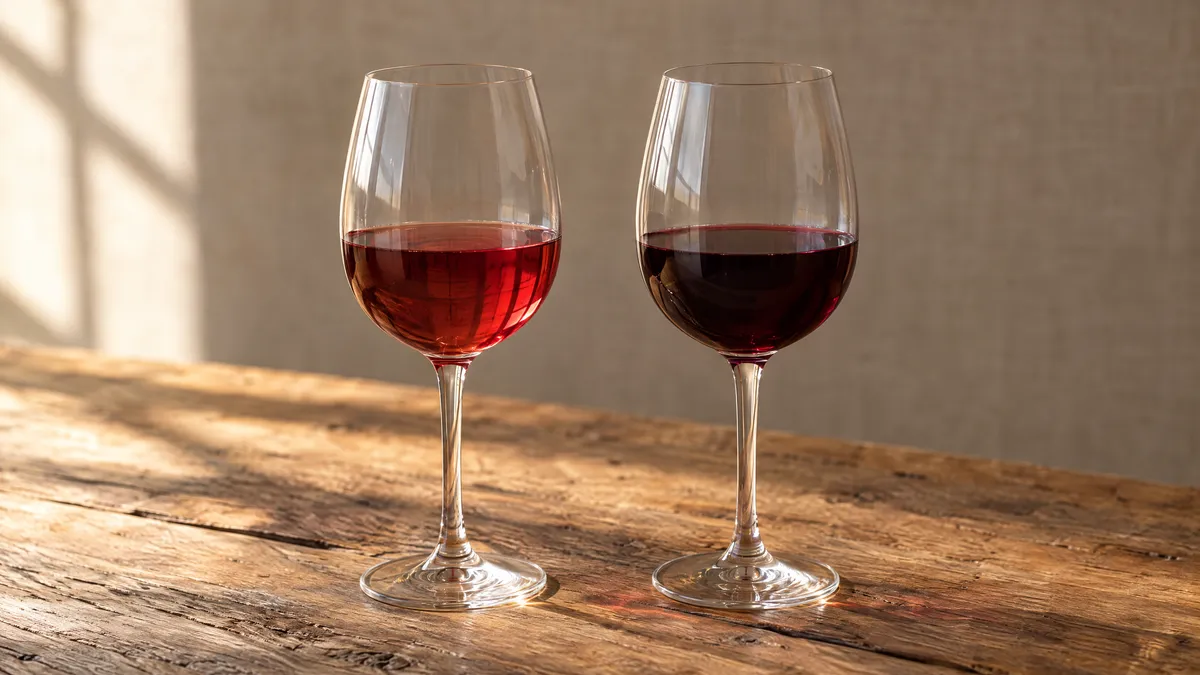
Pinot Noir vs Merlot: How the Two Reds Taste Different
Pinot Noir is pale, tart and low in tannin; Merlot is darker, rounder and stronger. What causes the gap, which food each one suits, and how to tell them apart in three sips.
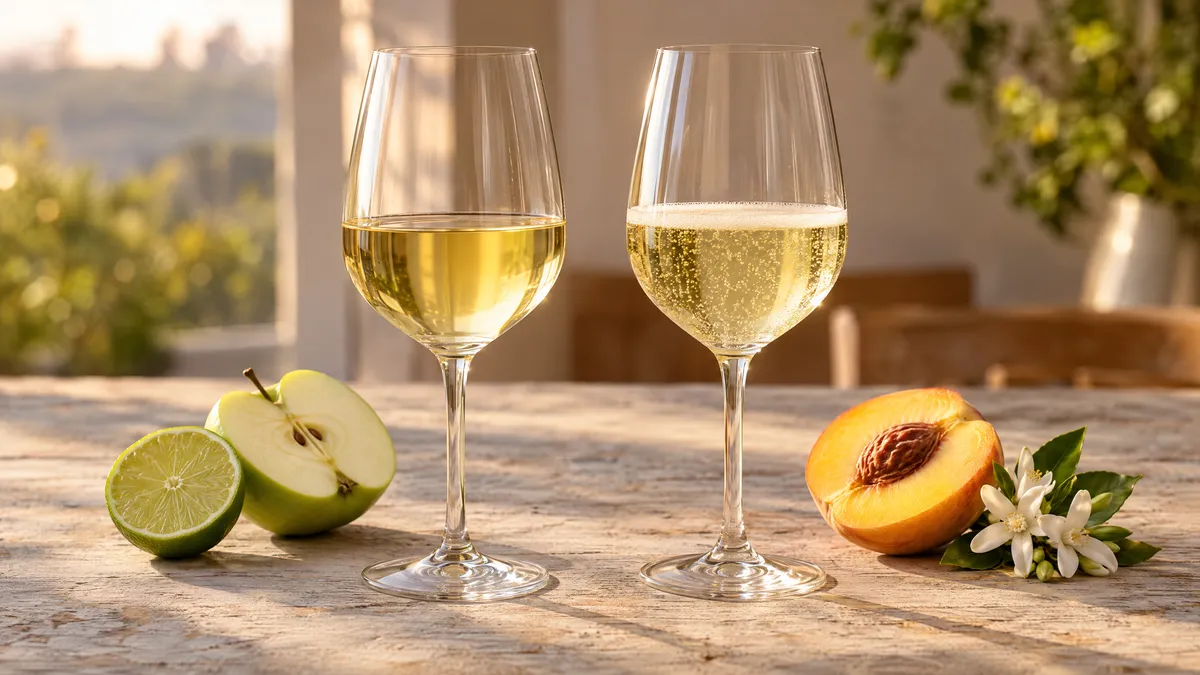
Riesling vs Moscato: Sweetness, Acidity and Fizz Compared
Moscato d'Asti is sweet, lightly fizzy and about 5% alcohol. Riesling runs from bone dry to dessert-sweet, and its high acidity makes even sweet bottles taste less sugary. How to tell them apart on the label and in the glass.
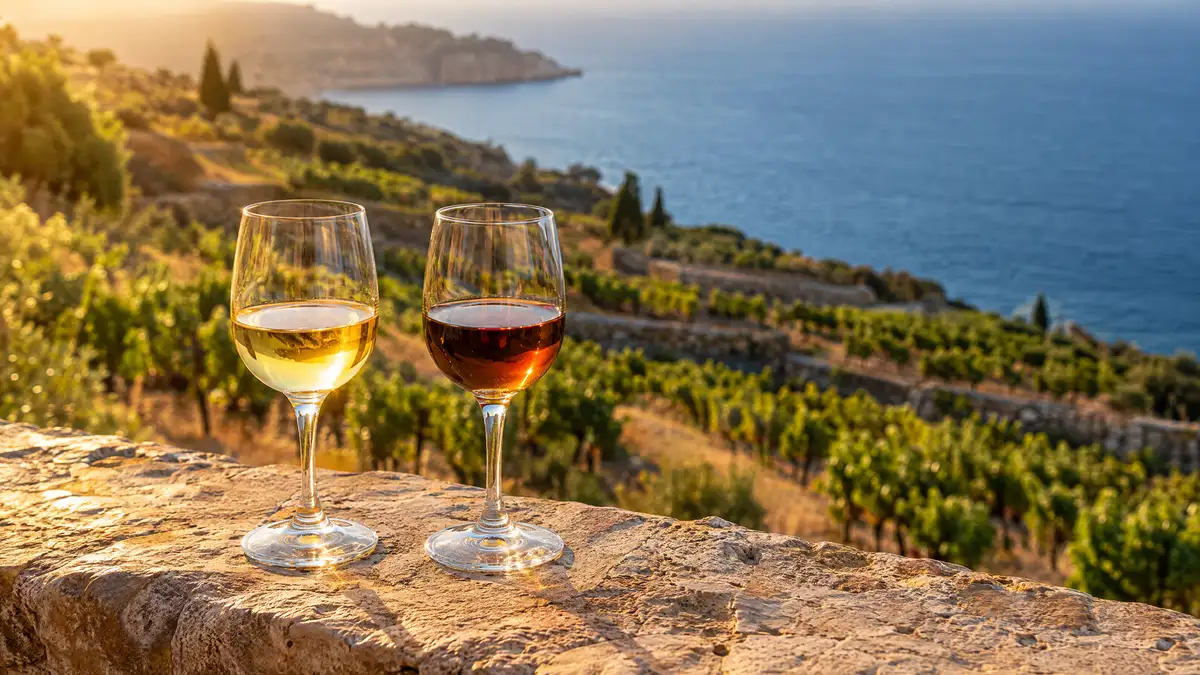
Vin Doux Naturel Guide: France's Sweet Fortified Wines
Vin doux naturel is French wine stopped partway through fermentation with grape spirit, so it keeps the grape's own sugar at about 15 to 17% alcohol. Muscat, Banyuls, Maury and Rivesaltes compared, with label words, Port differences, serving and pairing.
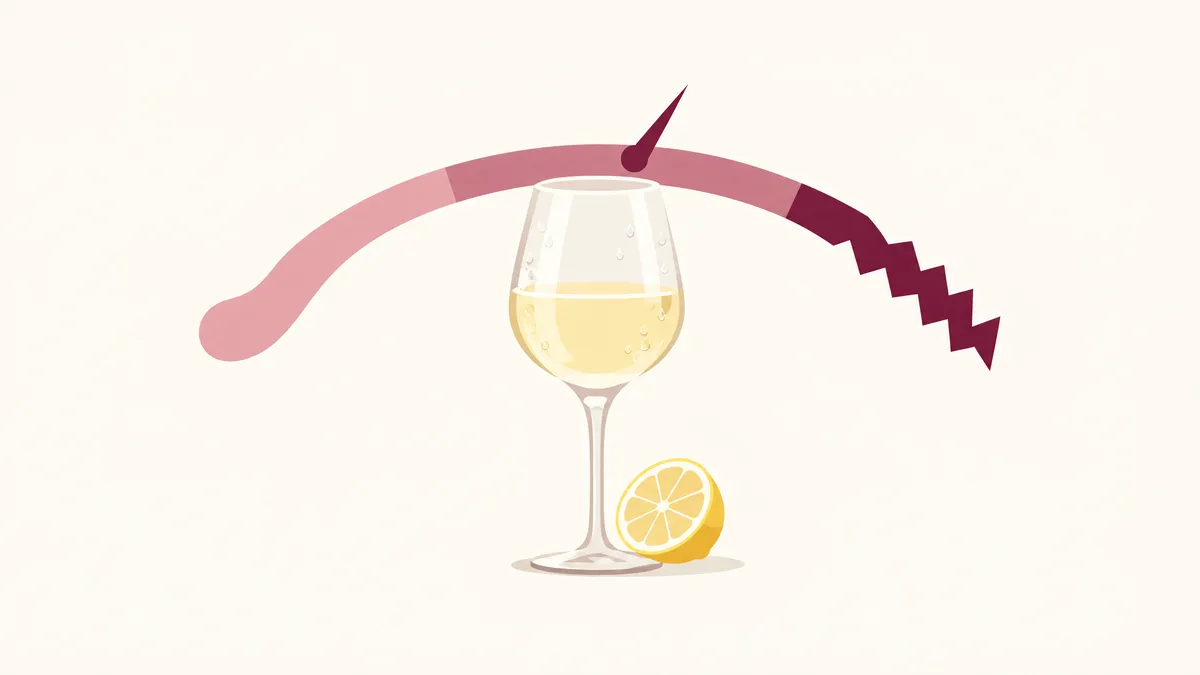
Crisp Wine: What the Word Means and How to Taste It
A crisp wine has enough acidity to make your mouth water and too little sugar to blur it. How to spot it in one sip, why cold makes it stronger, and how crisp differs from tart and dry.
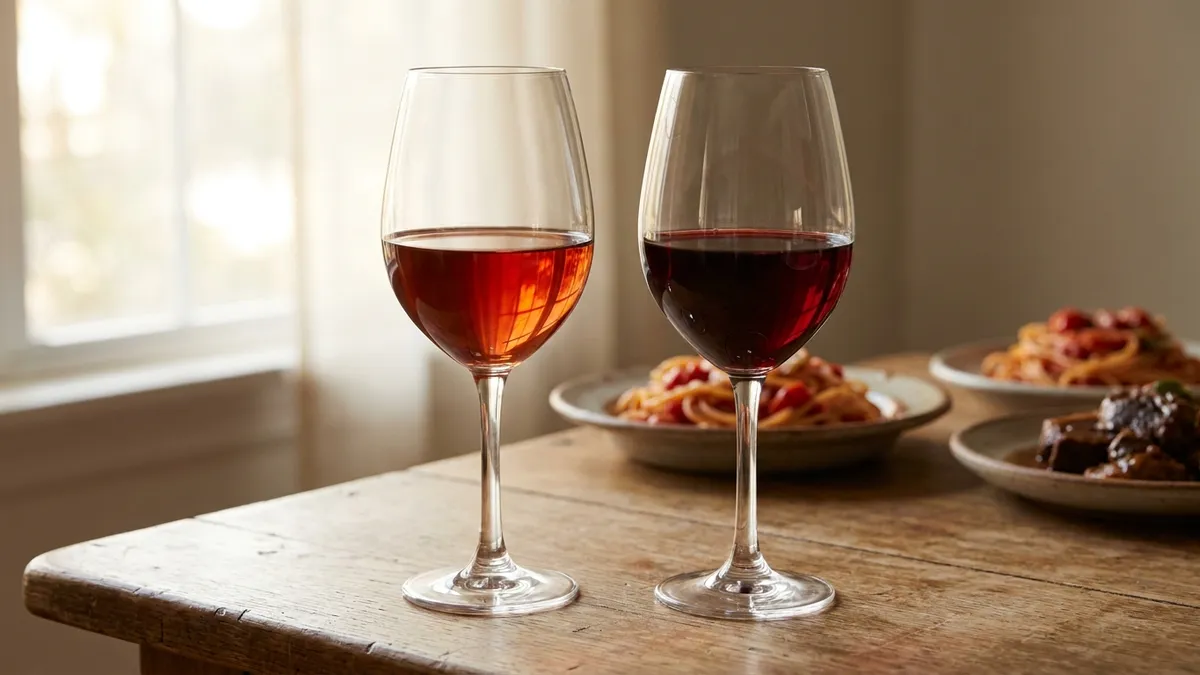
Barolo vs Chianti: Nebbiolo, Sangiovese, and Which to Open
Barolo vs Chianti: pale, grippy Nebbiolo from Piedmont that needs years, against brighter Sangiovese from Tuscany that is ready on release. Grapes, label ladders, food and when to open each.
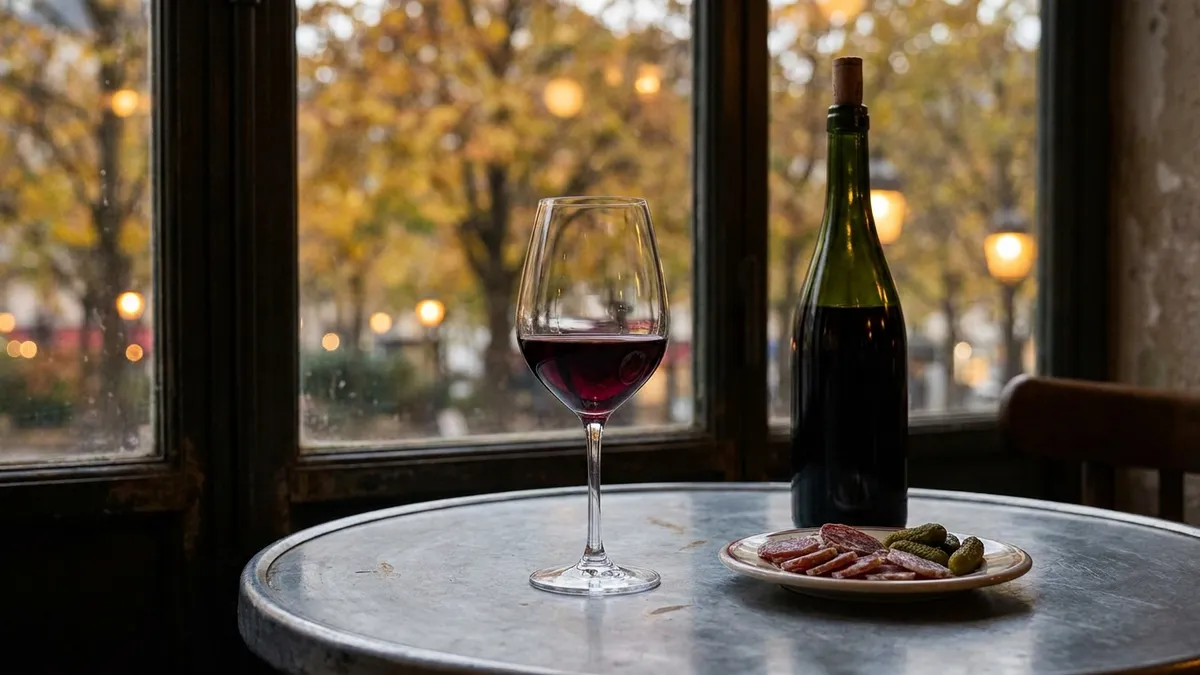
Beaujolais Nouveau: The Wine That Arrives Every November
Beaujolais Nouveau is a Gamay red bottled weeks after harvest and released on the third Thursday of November. How it is made so fast, why it smells of banana, and how to chill, pair and drink it.
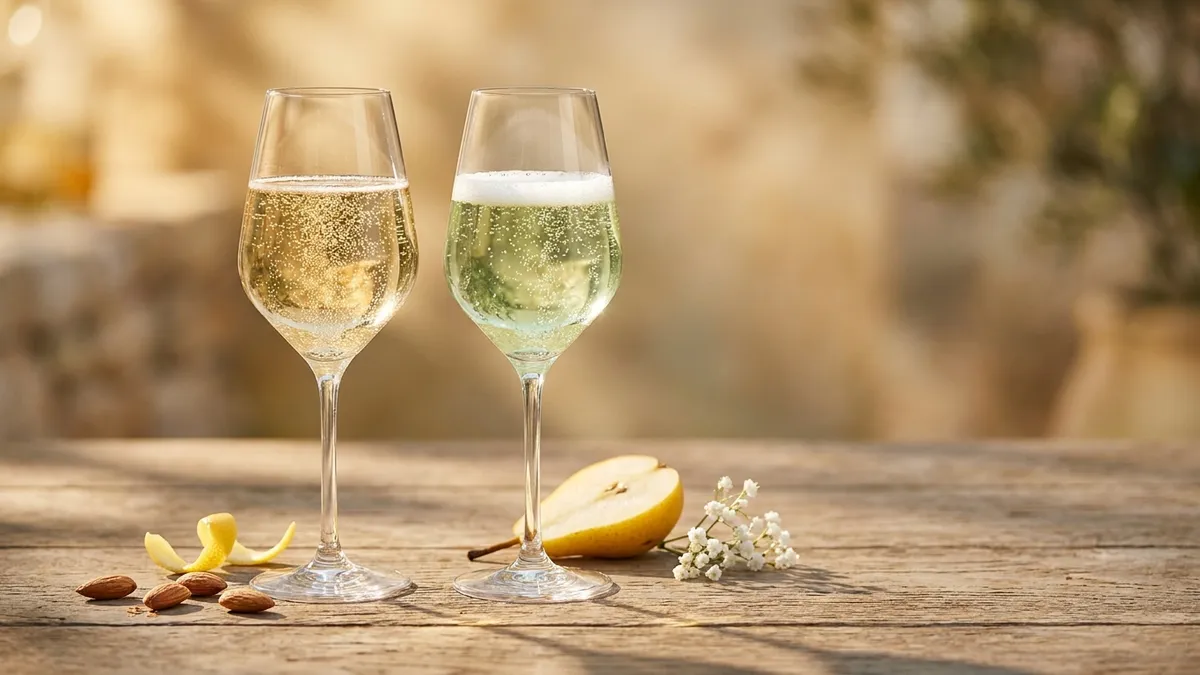
Cava vs Prosecco: Method, Taste and Which One to Pick
Cava is fermented in the bottle and rests on yeast for at least nine months; Prosecco is usually fermented in a steel tank. That one step sets the flavour, the bubbles, the label words and the best use for each.
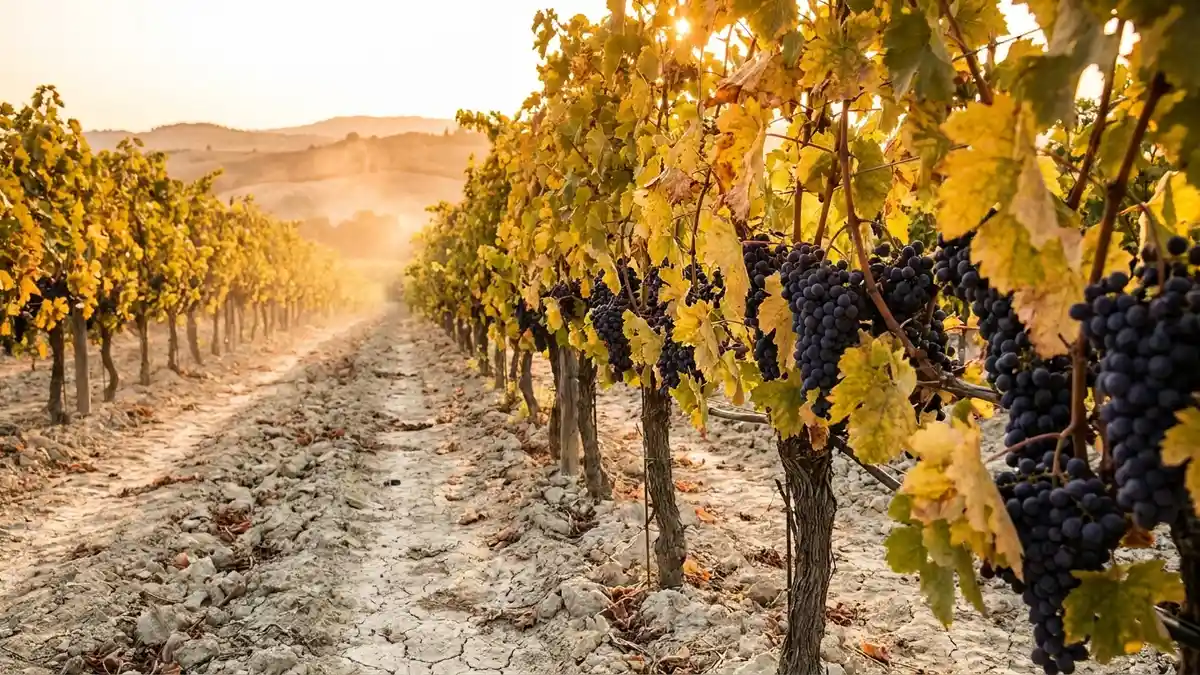
Climate Change and Wine: How the Wine Map Is Being Redrawn
Warmer summers make grapes pile up sugar while their acid burns off. Harvests in France now come about 10 days early, and vineyards are moving uphill and north.
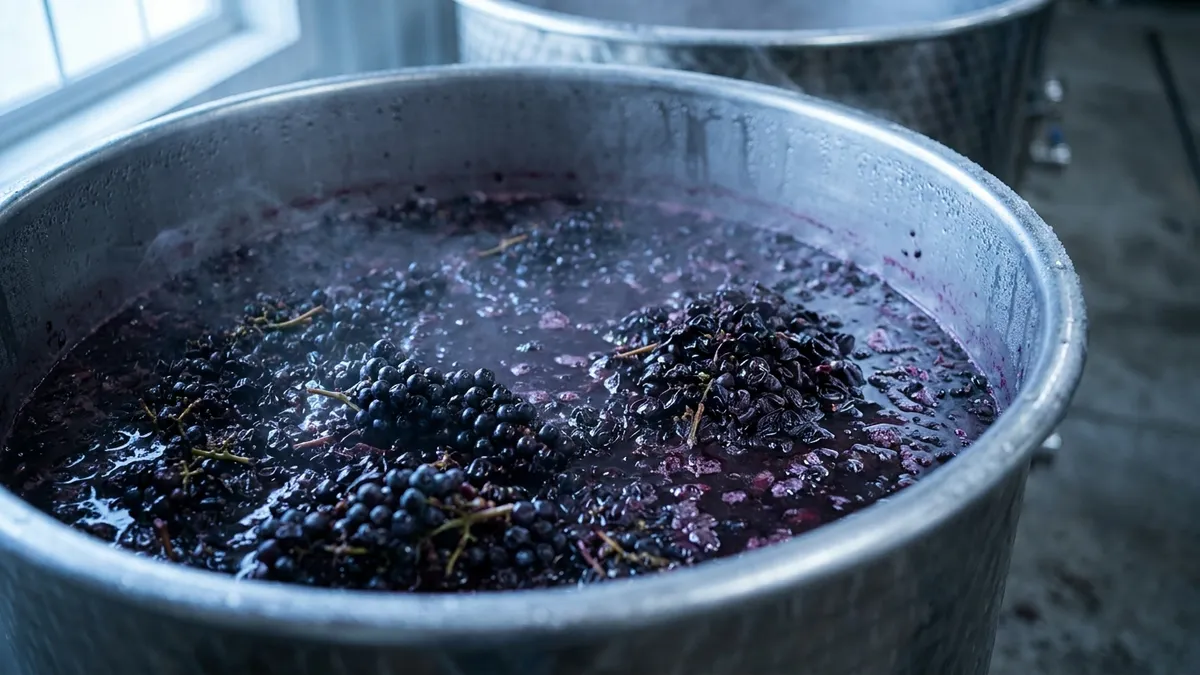
Cold Soak Winemaking: What It Does and Why It Matters
Cold soak winemaking chills crushed red grapes for a few days before fermentation so cold juice pulls colour from the skins. What it changes, how long it lasts, and why studies disagree on whether it works.
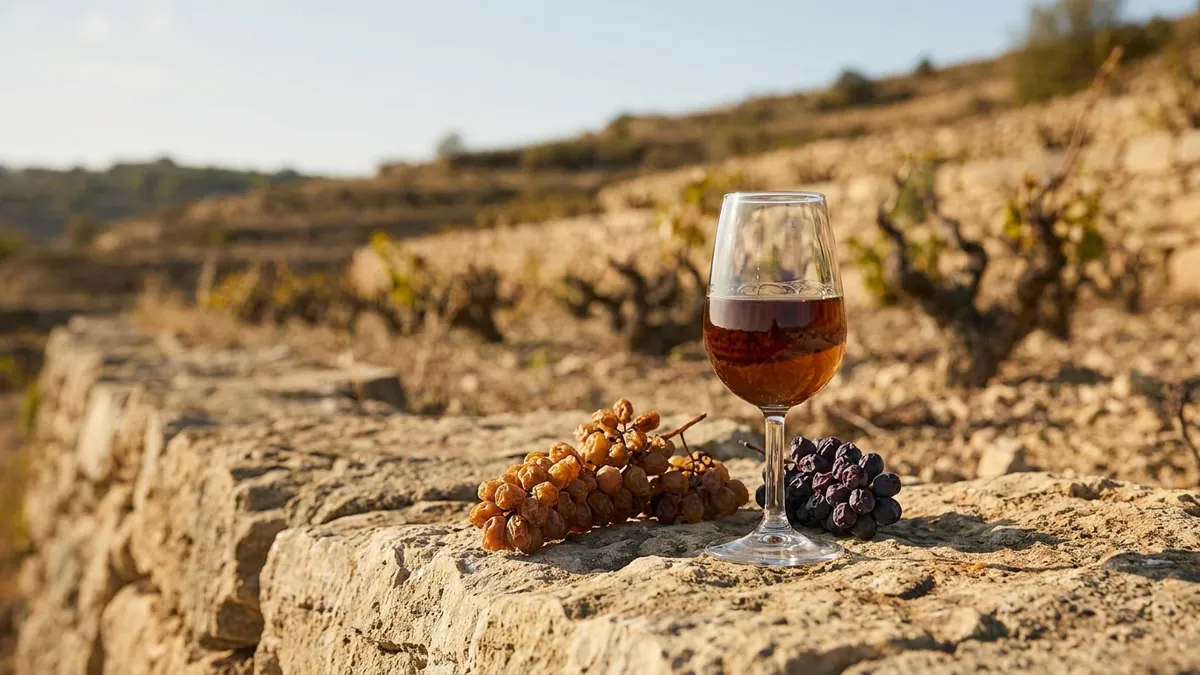
Commandaria Wine: The Oldest Wine Name Still on a Label
Commandaria wine is Cyprus's amber sweet wine from sun-dried Xynisteri and Mavro grapes. Its name dates to the 12th-century crusader knights, and it must age at least two years in oak.
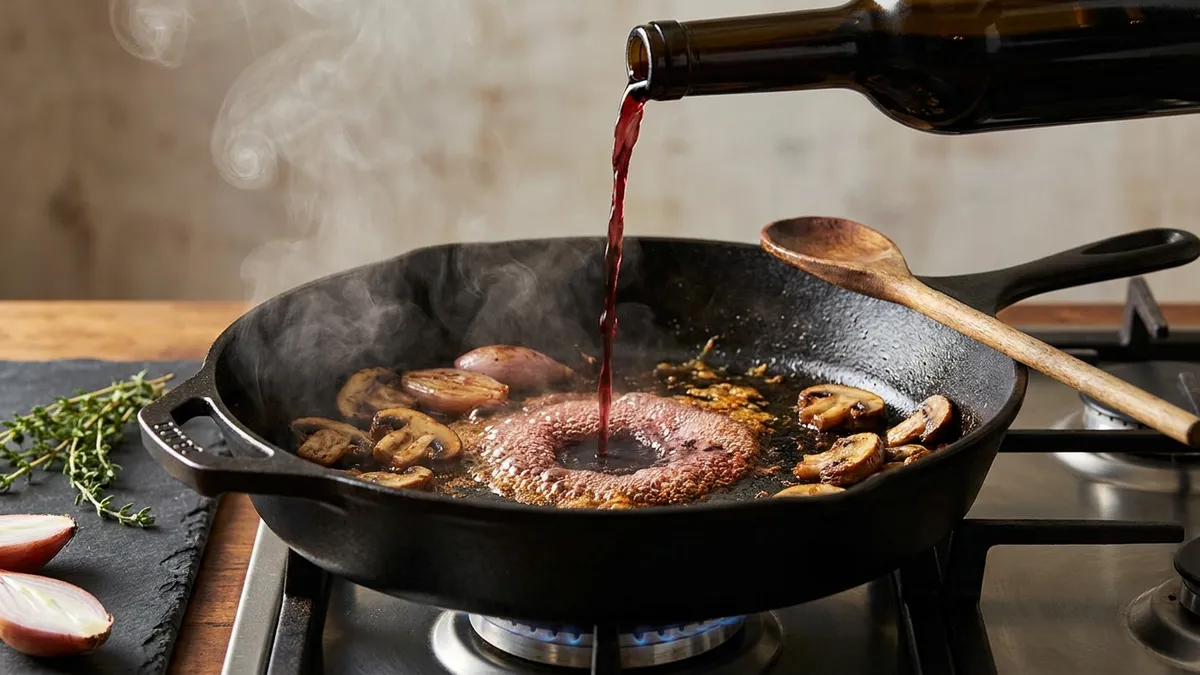
Cooking With Wine Guide: Which Wine to Use and When
Which wine to cook with, when to add it, red or white for each dish, why salted cooking wine stays on the shelf, and how much alcohol is left after simmering.
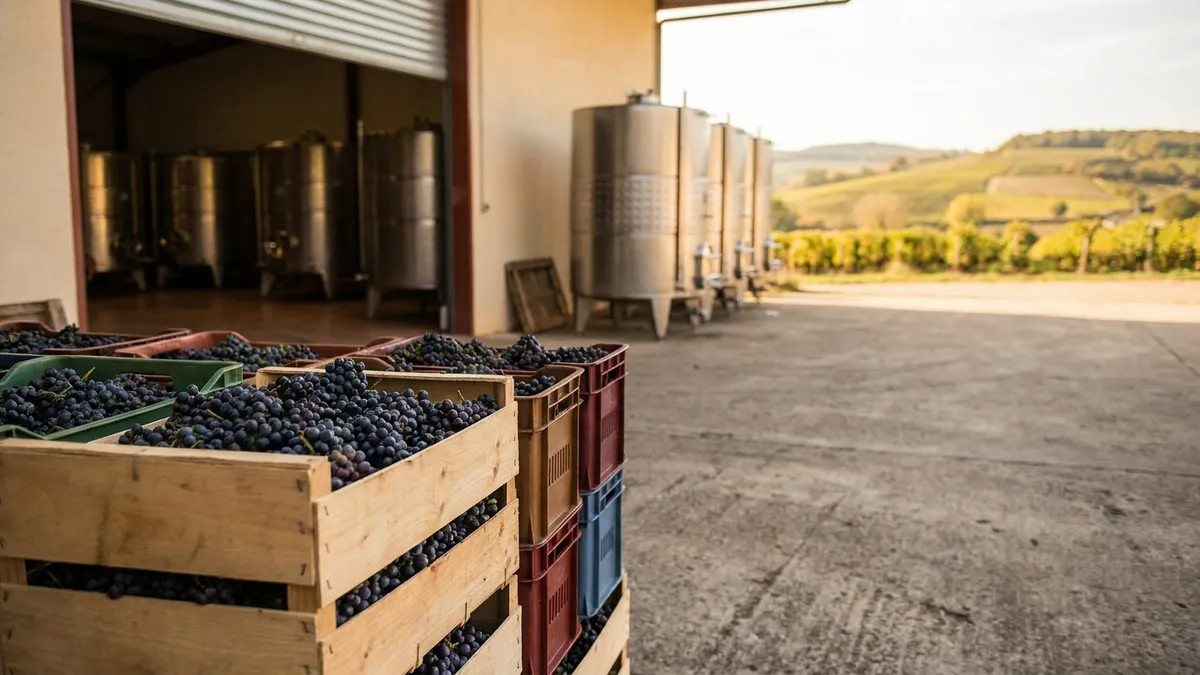
Wine Cooperatives: How Farmer Co-Ops Shape the Wine World
A wine cooperative is a winery owned by the farmers who grow its grapes. Co-ops make most of the wine in Spain and more than half in France, and how they pay their growers decides whether the bottle is bulk or excellent.
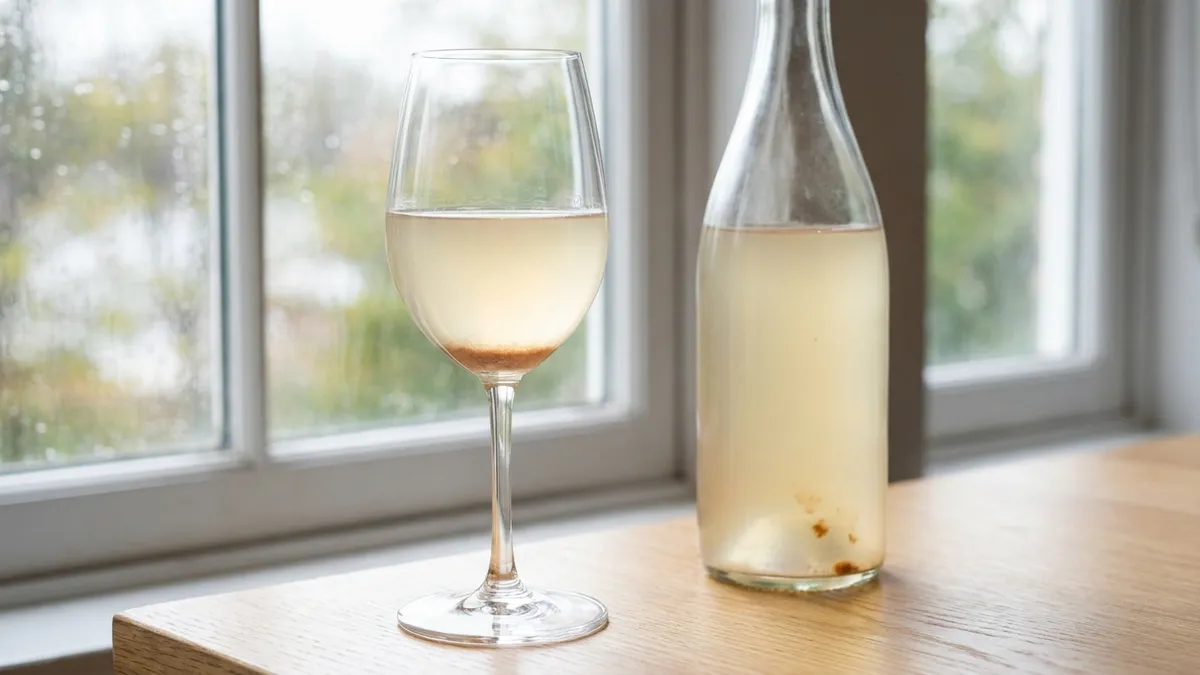
Copper Haze in Wine: What It Looks Like and Why It Forms
Copper haze is a cloud of copper sulfide that forms in sealed white and rosé bottles. How to spot it, how it differs from tartrates and protein haze, and why the copper got there.
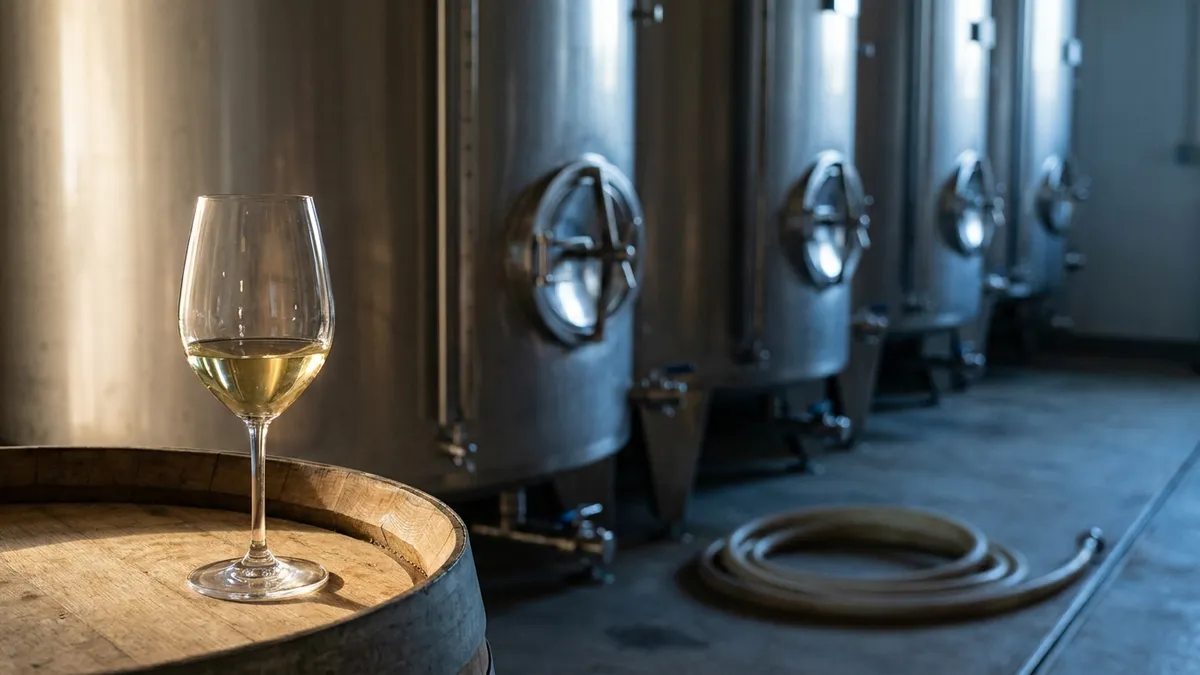
Cuvée Meaning in Wine: What the Label Word Tells You
Cuvée comes from the French word for vat. On a label it names a blend or batch, in Champagne it is the first juice from the press, and on its own it guarantees nothing about quality.
Estate Bottled Wine Meaning: The Four Rules on the Label
Estate bottled wine meaning, decoded: US law lets a winery print it only if it grew every grape inside the named AVA and made the wine there start to finish. It proves control, not quality.
Extended Maceration Wine: What Long Skin Contact Changes
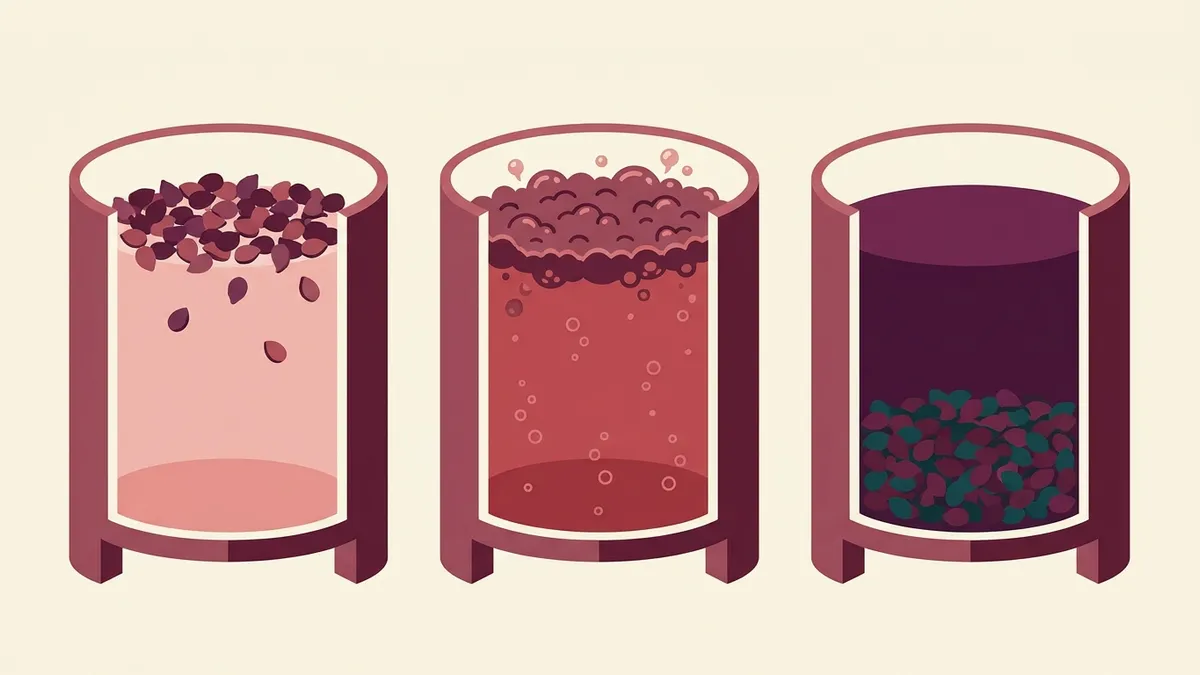
Extended maceration keeps a red wine on its skins after fermentation for days or months. It reshapes tannin and colour, and lab trials show it adds tannin to some grapes and none to others.
Feast of the Seven Fishes Wine: A Course-by-Course Plan
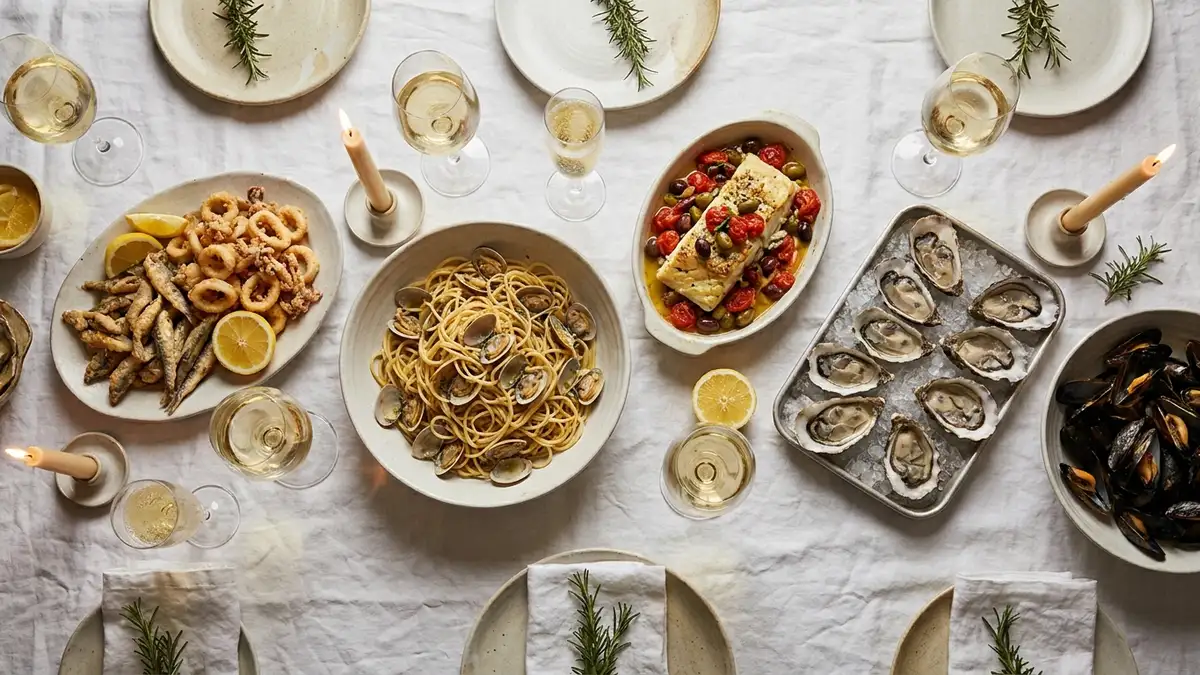
Feast of the Seven Fishes wine, matched to the cooking: Muscadet for raw shellfish, traditional-method sparkling for fried fish, Vermentino for clams, Fiano for baccalà, and a three-bottle plan for the whole night.
Half Bottle Wine (375ml): When a Full Bottle Is Too Much
A half bottle of wine holds 375 ml, about two and a half glasses. When it beats a full bottle, why it costs more per glass, how it ages, and how to order one.
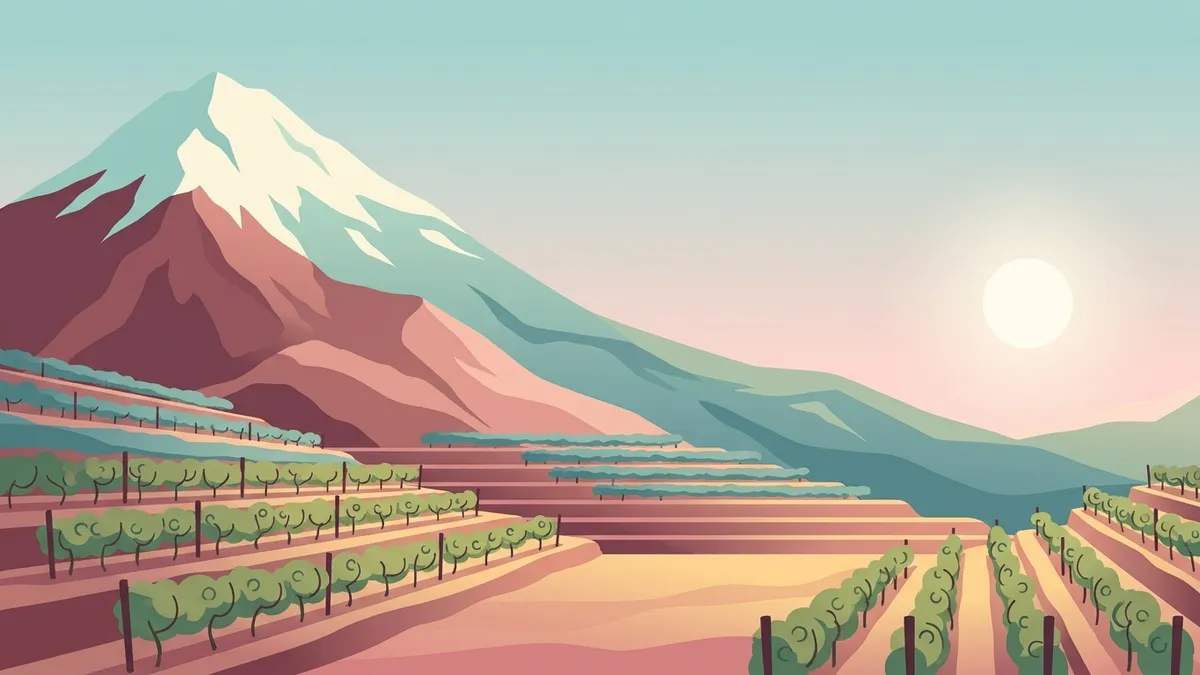
High Altitude Wine: Why Elevation Makes Wine Different
High altitude wine comes from vineyards where the climb cools the air, widens the day-night swing and raises UV light, so grapes keep their acidity while their skins grow darker.
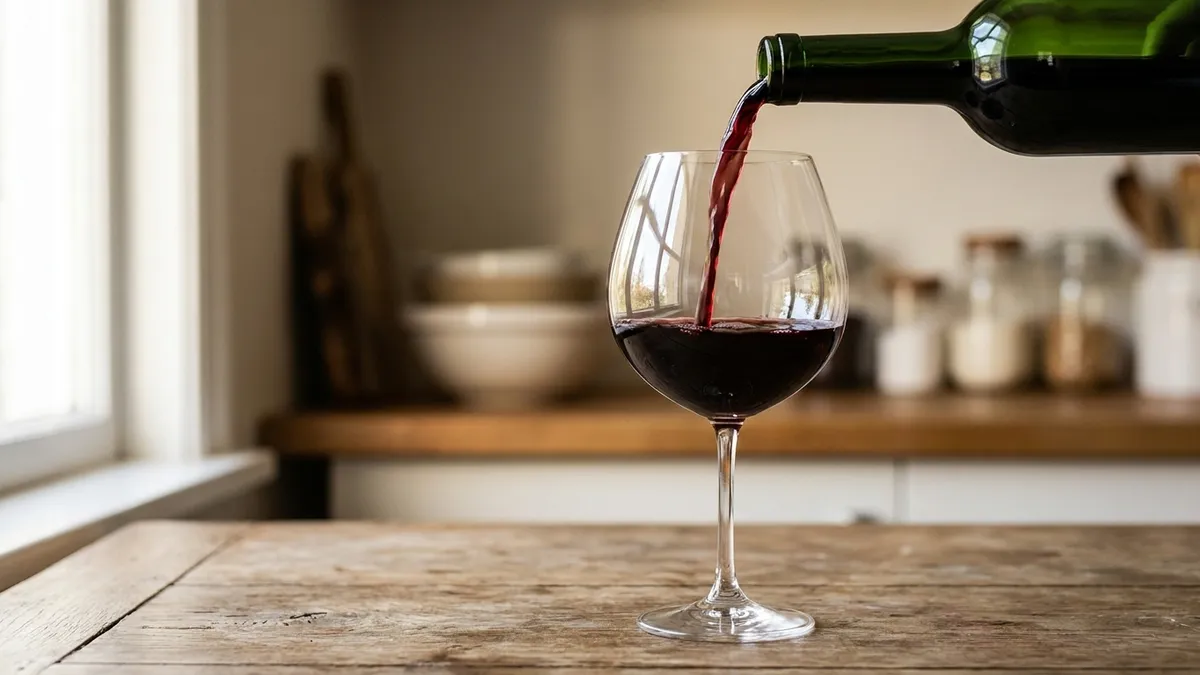
How Much Wine to Pour: The Standard Pour, Glass by Glass
How much wine to pour: 5 oz (150 ml) for still wine, about a third of the glass for red, half for white, half to two-thirds for sparkling, and half a pour for tastings.
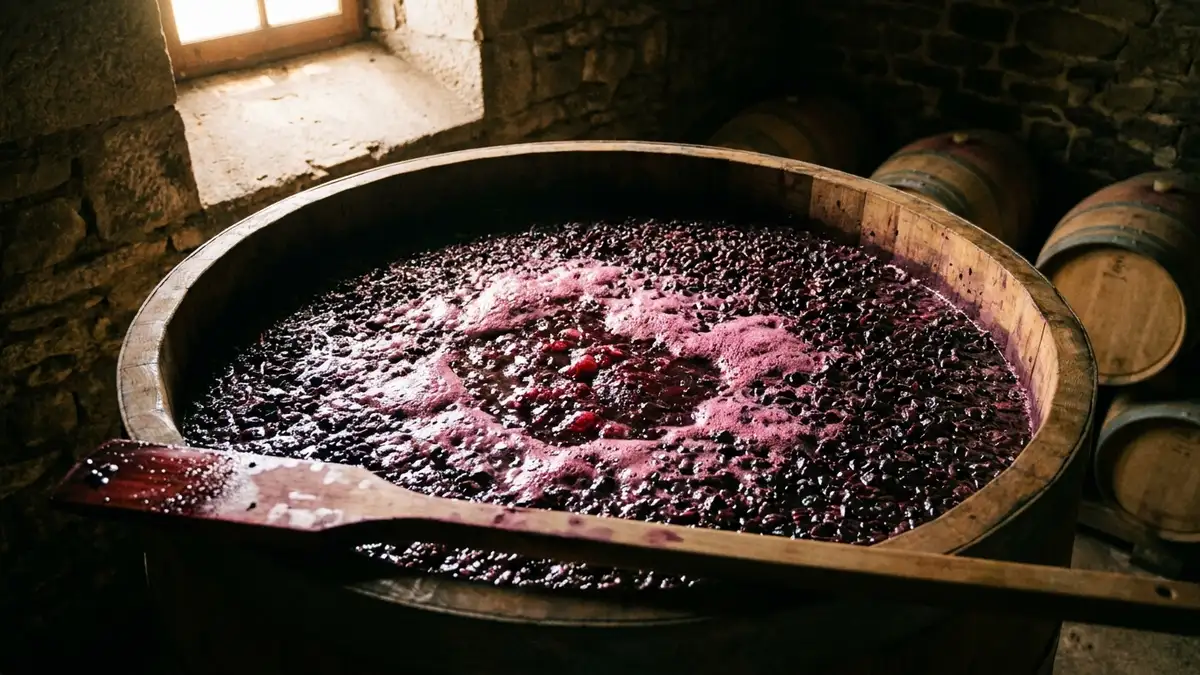
How Red Wine Is Made: From Crush to Bottle, Step by Step
Red wine gets its colour and grip because the juice ferments with the skins before pressing. Each step, from crushing to bottling, and the winemaker choices you can taste in the glass.
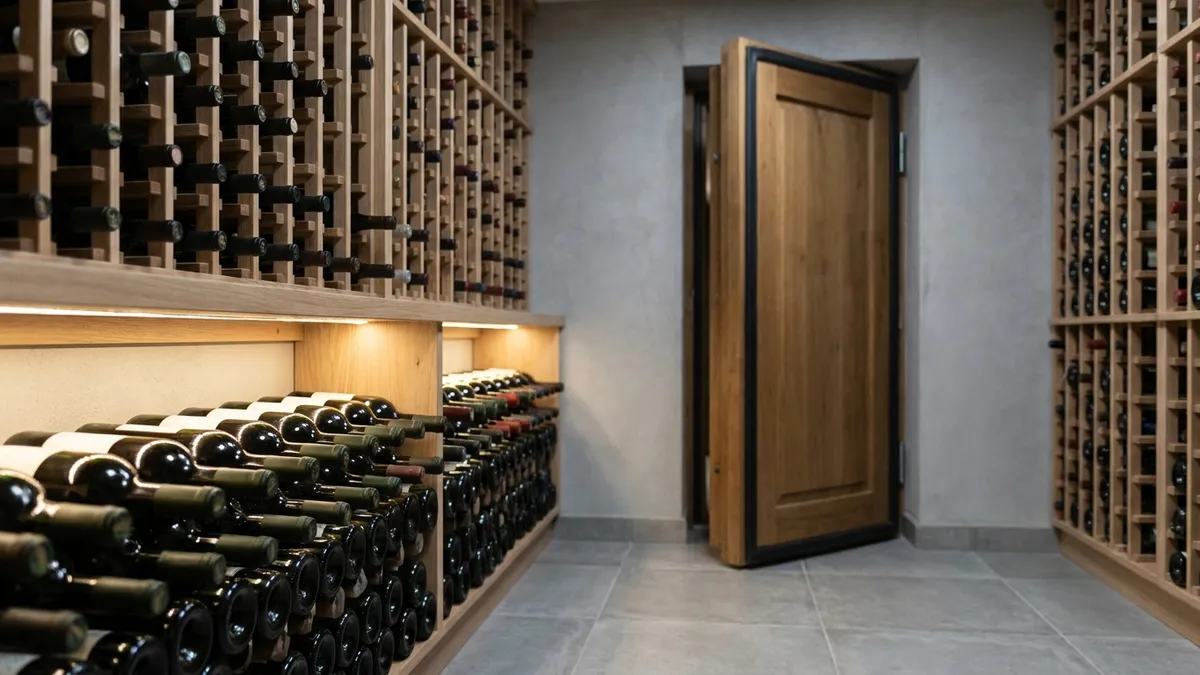
How to Build a Home Wine Cellar: A Step-by-Step Guide
A home wine cellar is a dark, insulated room that holds about 13°C with slow changes. Build it in order: test the spot, insulate and seal, add cooling only if needed, then rack and check.
How to Hold a Wine Glass — Stem, Foot or Bowl, and Why
How to hold a wine glass by the stem, the foot or the bowl, why the stem matters more for a clear view than for temperature, and when cupping the bowl is the right call.
How to Open Sparkling Wine Safely: Sabering Not Required
How to open sparkling wine without a flying cork or a fountain of foam: chill it to 7°C, keep the cage on, hold the cork, turn the bottle, and let the gas out with a quiet hiss.
How White Wine Is Made: Pressing, Fermenting, Aging
White wine is juice pressed off its skins, fermented cool, then shaped by three cellar switches: malolactic fermentation, oak and lees. Each one changes the glass and shows up on the label.
Kosher Wine Explained: Rules, Quality, and What to Try
Kosher wine is defined by who handles it and what goes into it, not by grape or sweetness. The three layers of rules, what mevushal means, when you need it, and how to pick a good dry kosher bottle.
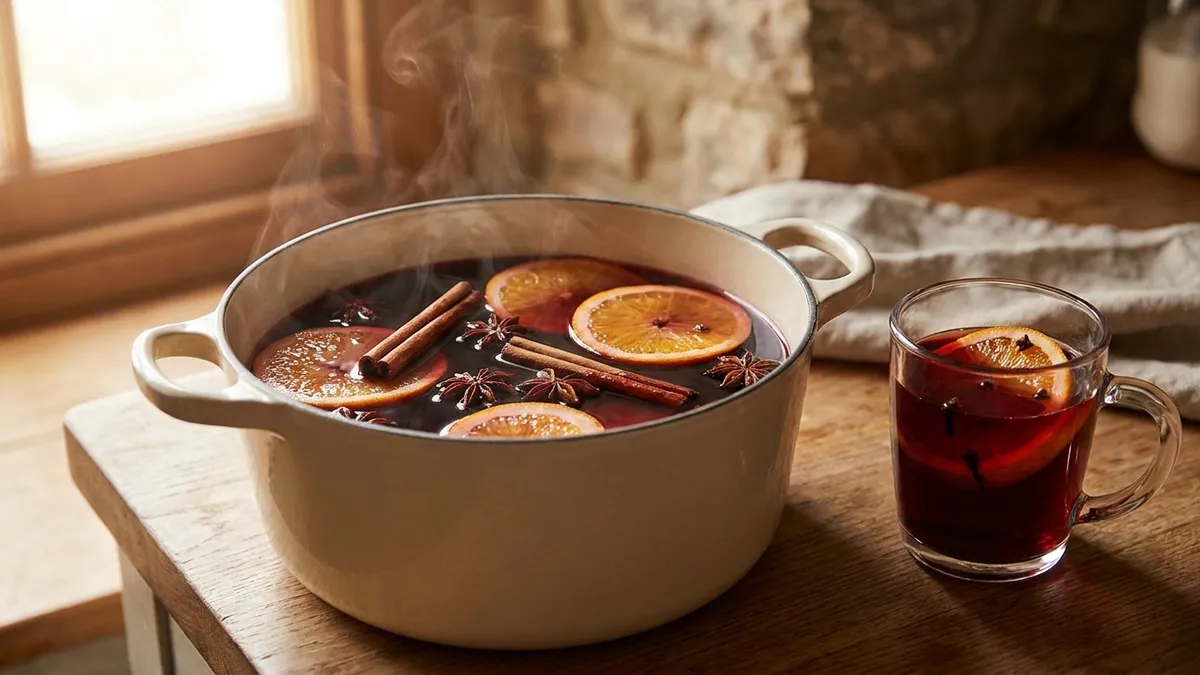
Mulled Wine Recipe: Best Wine, Spices and Heat for Glühwein
A mulled wine recipe built on three choices: a fruity low-tannin red, whole spices, and heat that steams but never bubbles. Plus how much alcohol survives and what EU law says Glühwein must be.
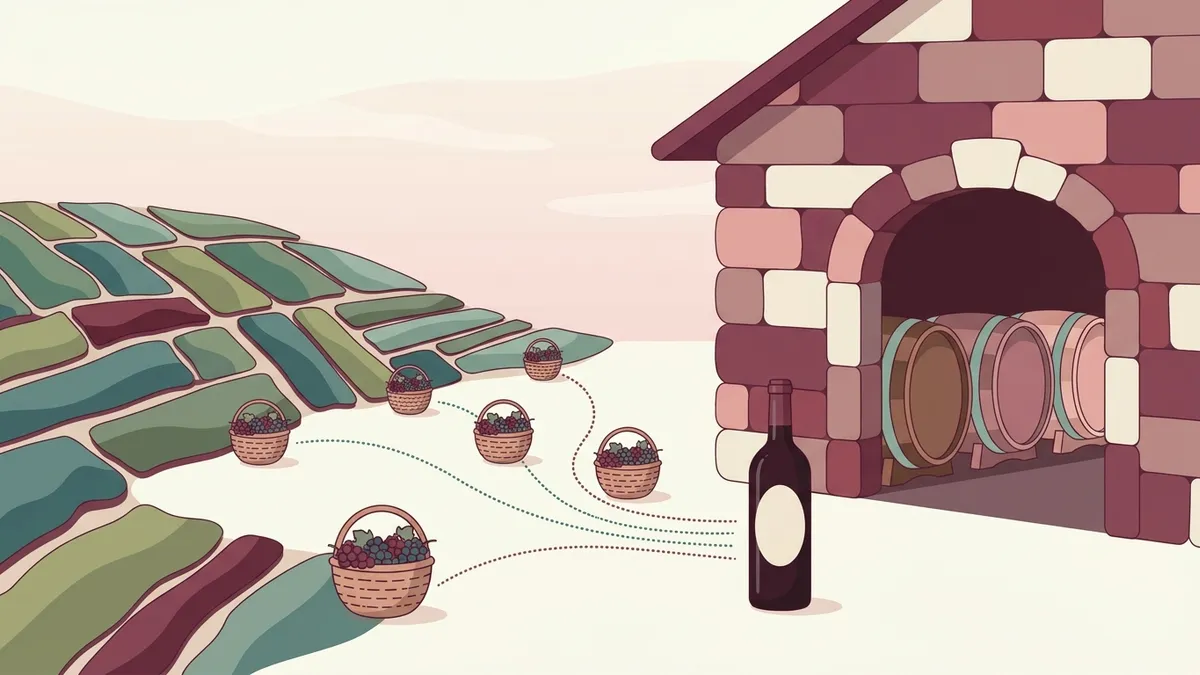
Négociant Wine Explained: What It Means and Why It Matters
Négociant wine is made by a merchant from grapes, juice or wine bought from growers. How it differs from a domaine, how to spot it on a label, and what NM means on Champagne.
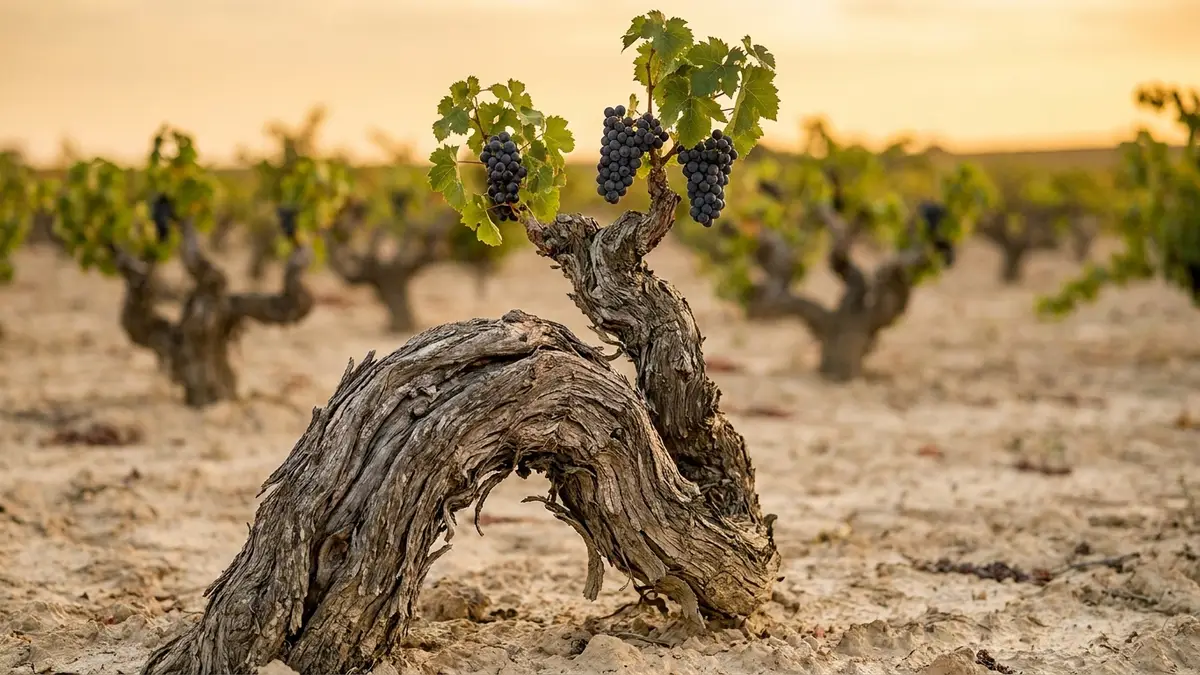
Old Vine Wine: Do Older Vines Really Make Better Wine?
Old vine wine has no legal minimum age in the EU or US. The 2024 world benchmark is 35 years, and a stated vine age on a good site tells you far more than the words alone.
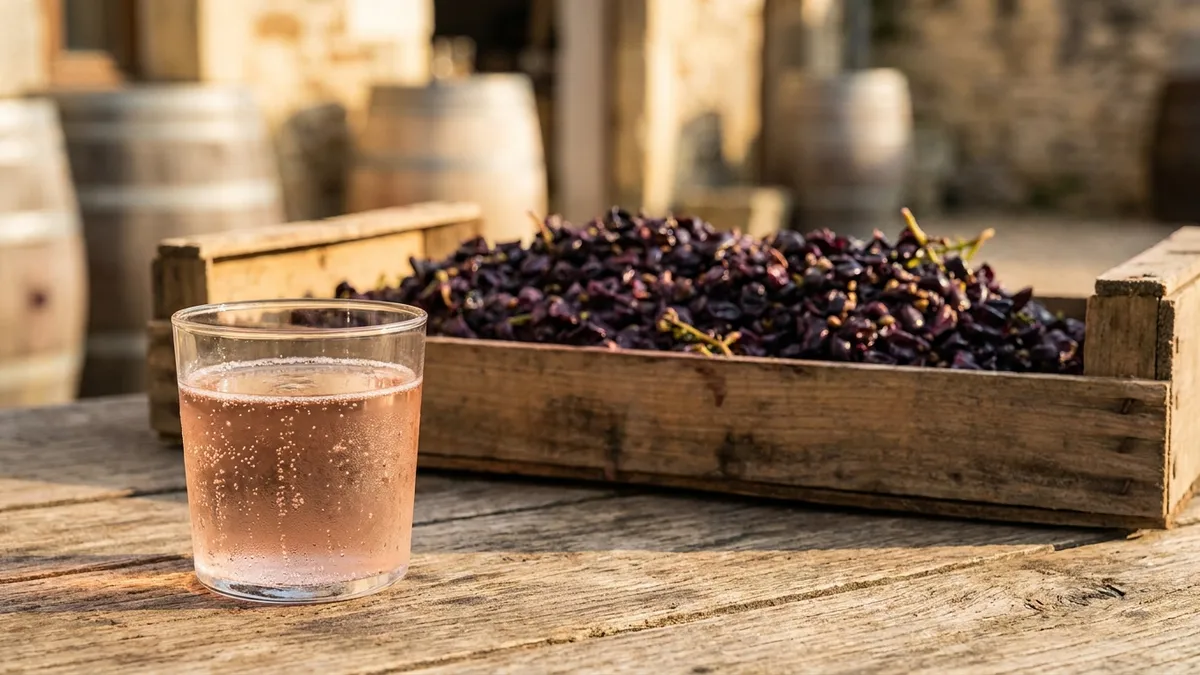
Piquette Wine: The Low-Alcohol Second-Press Wine Trend
Piquette wine is made by soaking pressed grape skins in water and fermenting them again. The result is a light, fizzy drink of about 4 to 9% alcohol that you drink cold and young.
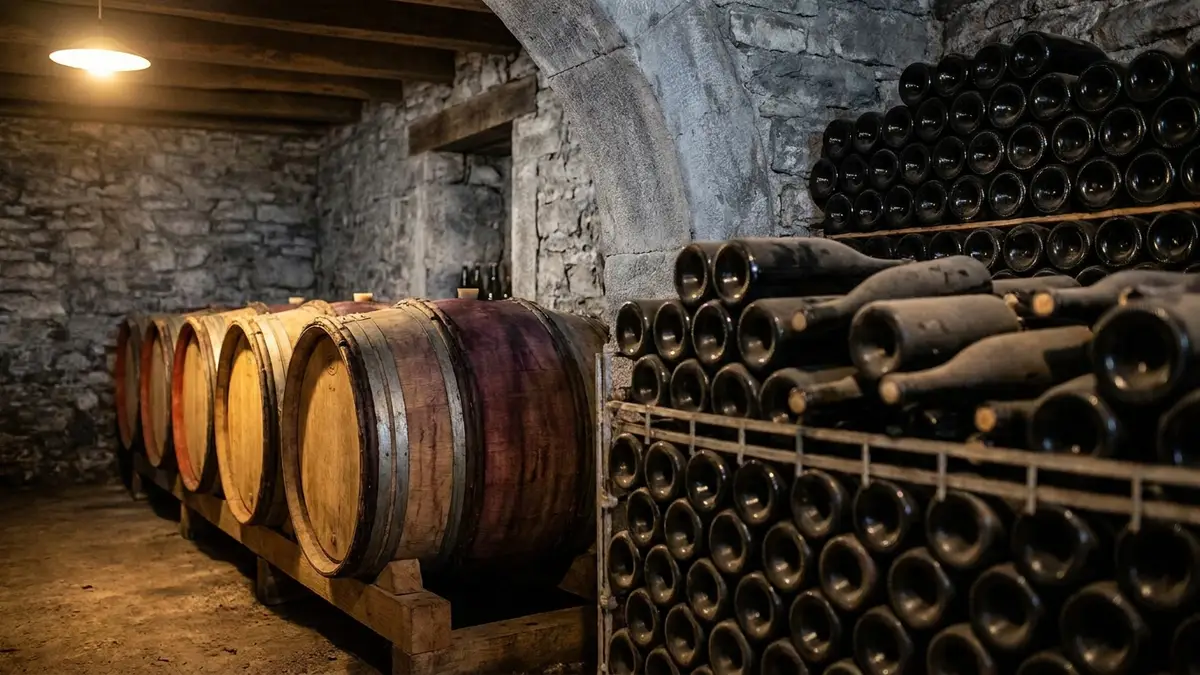
Reserve Wine Meaning: What the Word Promises on a Label
Reserve is a legal ageing minimum in Rioja, Chianti Classico and Barolo, and no legal promise at all on a US label. How to tell which one you are holding.
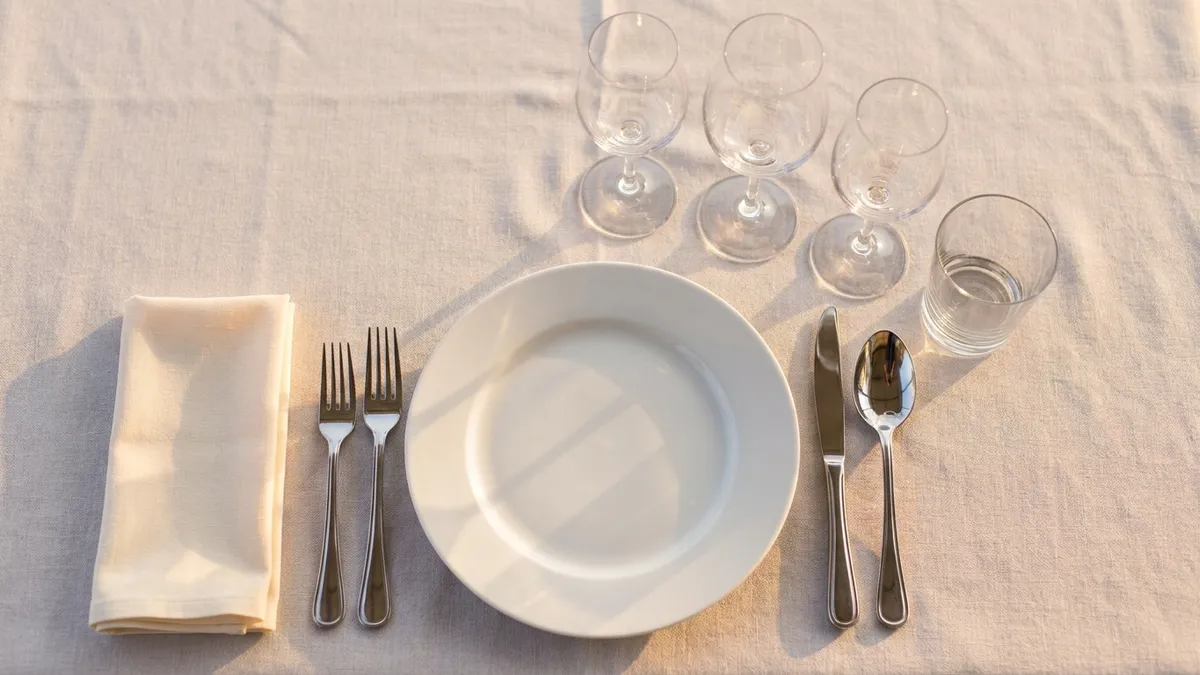
Wine Table Setting: Glass Placement, Order and Etiquette
Wine glasses go on the right, just above the knife, one for each wine you pour, lined up in pouring order. Where the water glass goes, how full to pour, and what a casual table can skip.
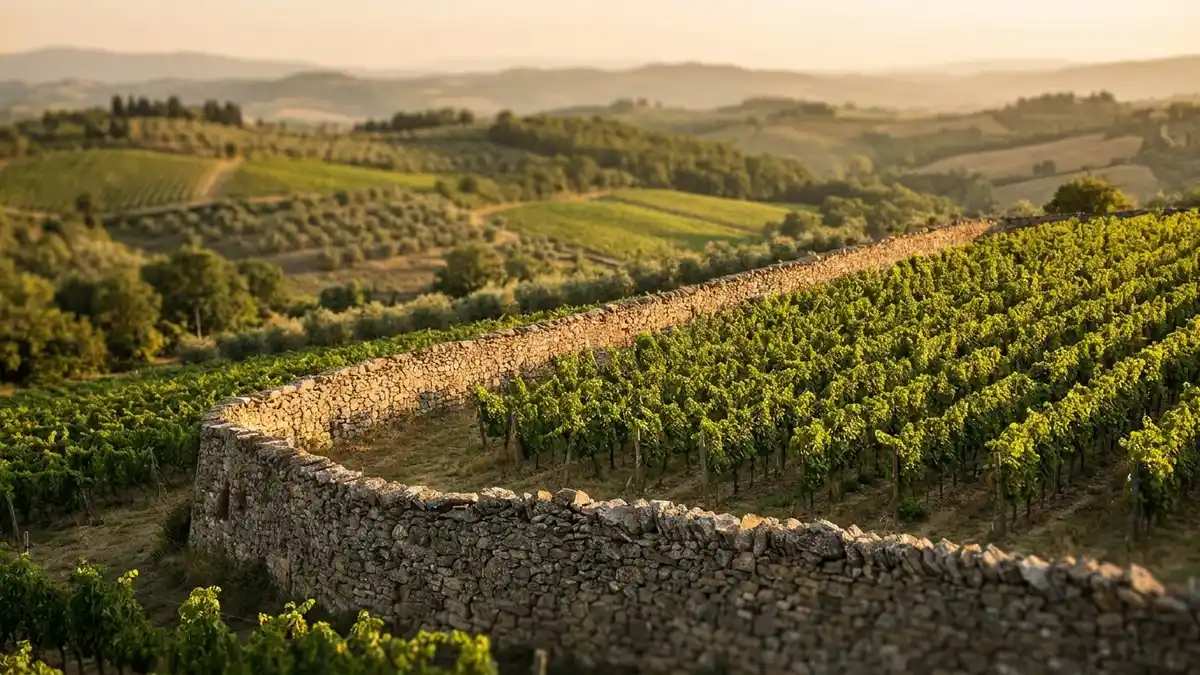
Single Vineyard Wine: What It Means and When It's Worth It
Single vineyard wine promises where the grapes grew, not how good the wine is. What the words mean in the US, South Africa, Germany and Burgundy, and when the higher price makes sense.
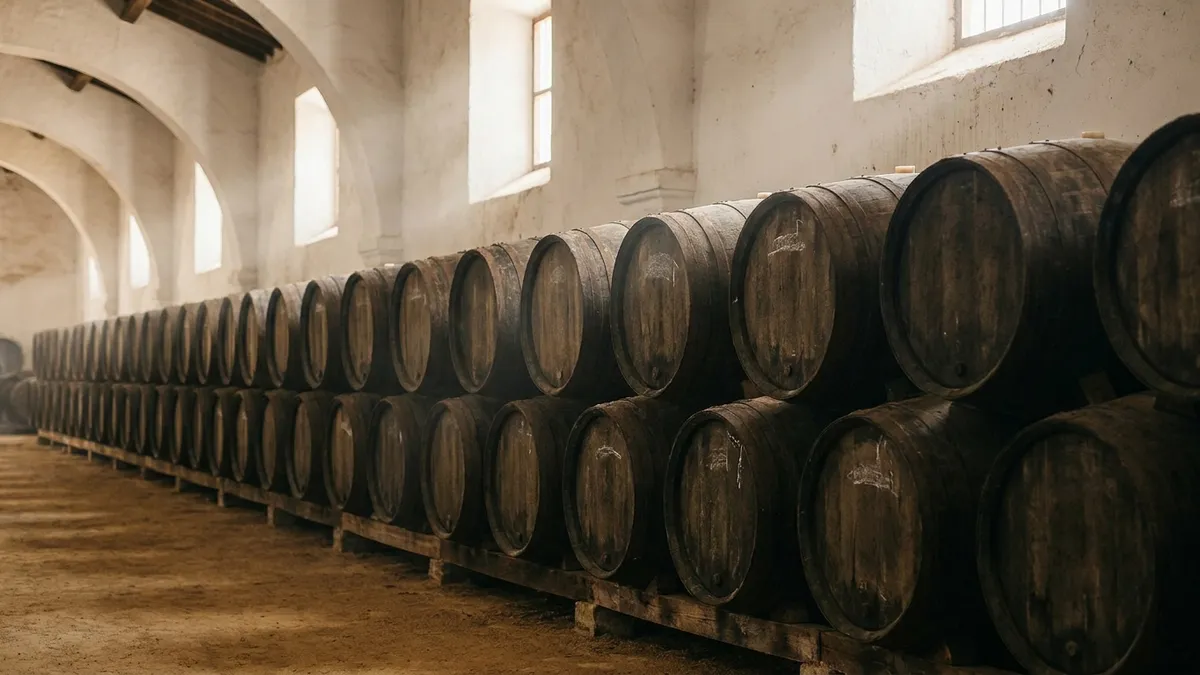
Solera System Wine: How Sherry and Madeira Are Aged
The solera system ages sherry by drawing part of each barrel and topping it up with younger wine. How the tiers work, why the age on the label is an average, and where Madeira fits.
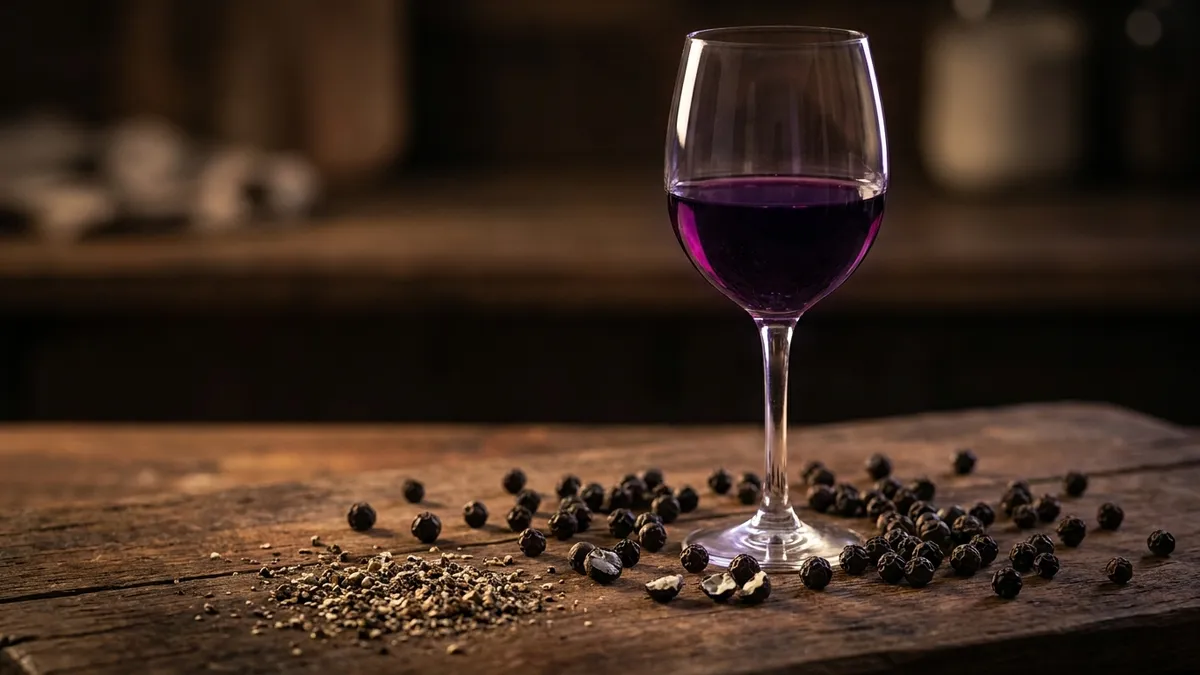
Spicy Red Wine: Which Reds Taste of Pepper, and Why
The black pepper in a spicy red wine is rotundone, made in the grape skins. Which reds carry it, how to find it on a label, and why one in five people cannot smell it.
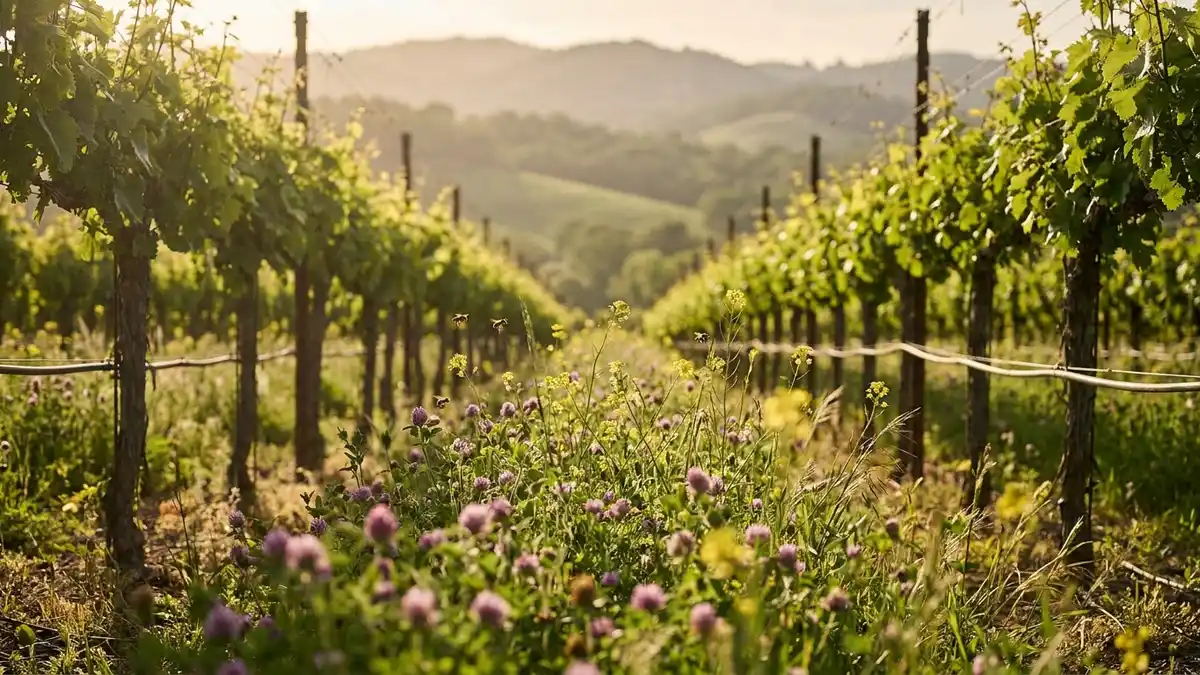
Sustainable Wine Explained: What Each Certification Means
The word sustainable on a wine label is checked by nobody unless a named scheme sits beside it. What audits cover, how sustainable differs from organic and biodynamic, and how to read the seal.
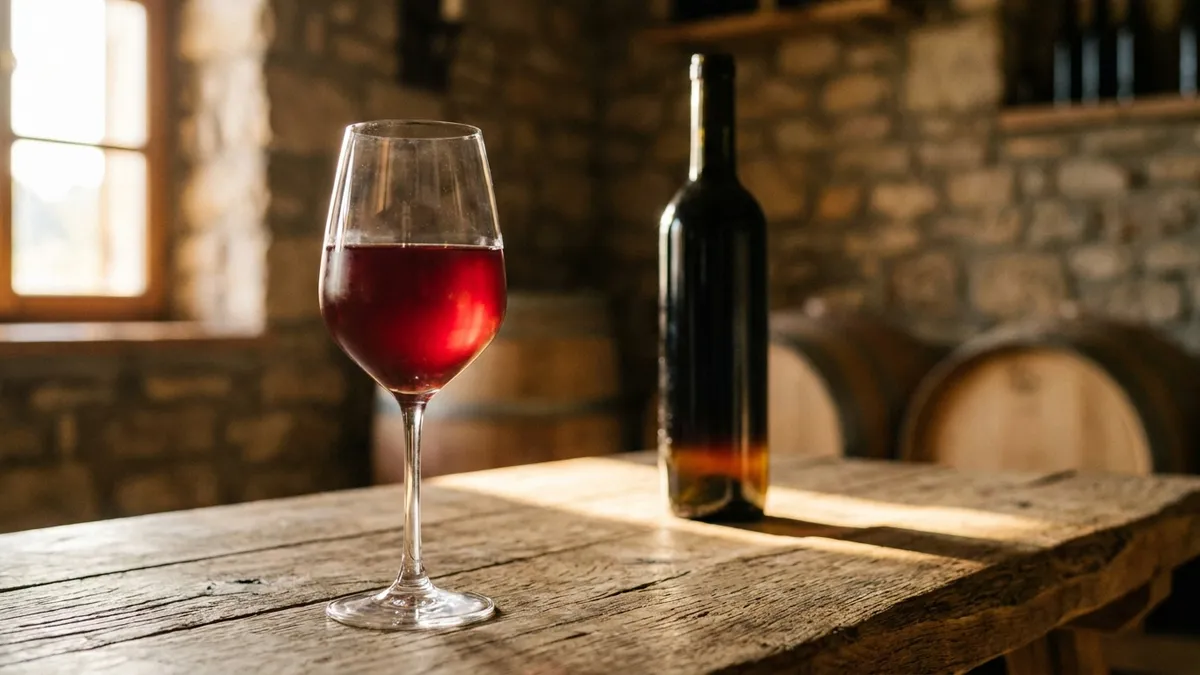
Unfiltered Wine: What It Is and Why Winemakers Skip It
Unfiltered wine skips the last pass through a filter before bottling, so it can show haze or sediment. What filtering removes, why some winemakers skip it, and how to tell a harmless deposit from a fault.
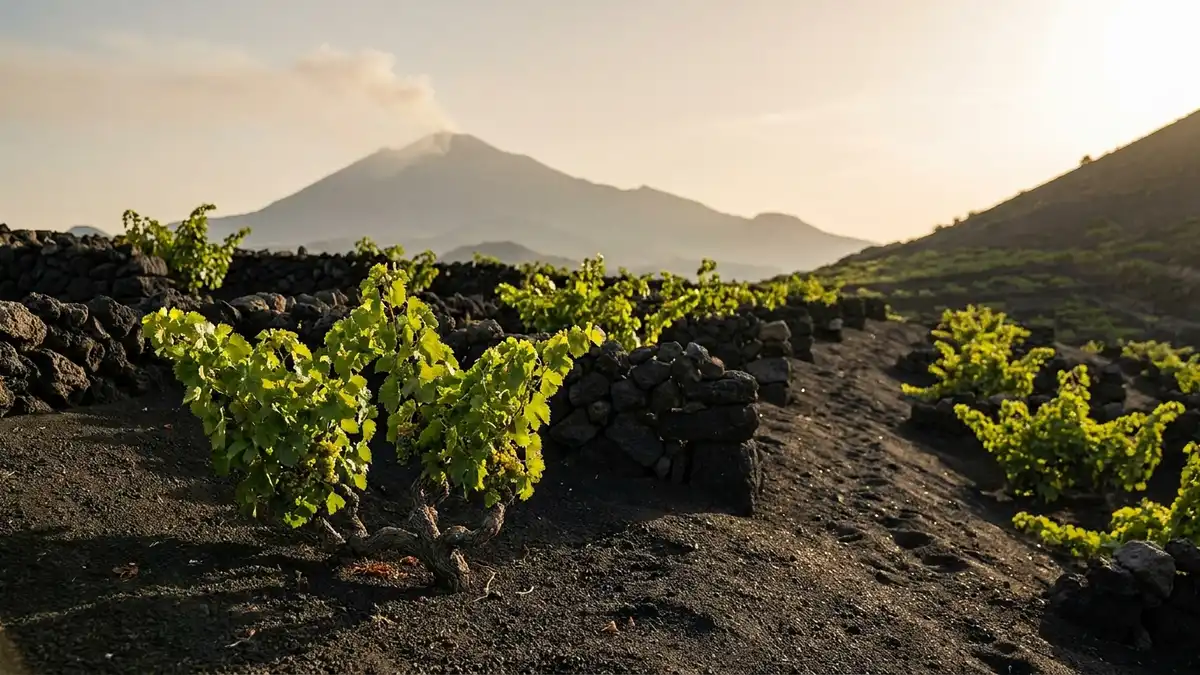
Volcanic Wine Explained: How Volcanic Soil Shapes Flavor
Volcanic wine comes from vines rooted in lava, ash and pumice. The rock adds no taste of its own, but it shapes how the vine grows, which is why Etna and Santorini wines taste tart, salty and lean.
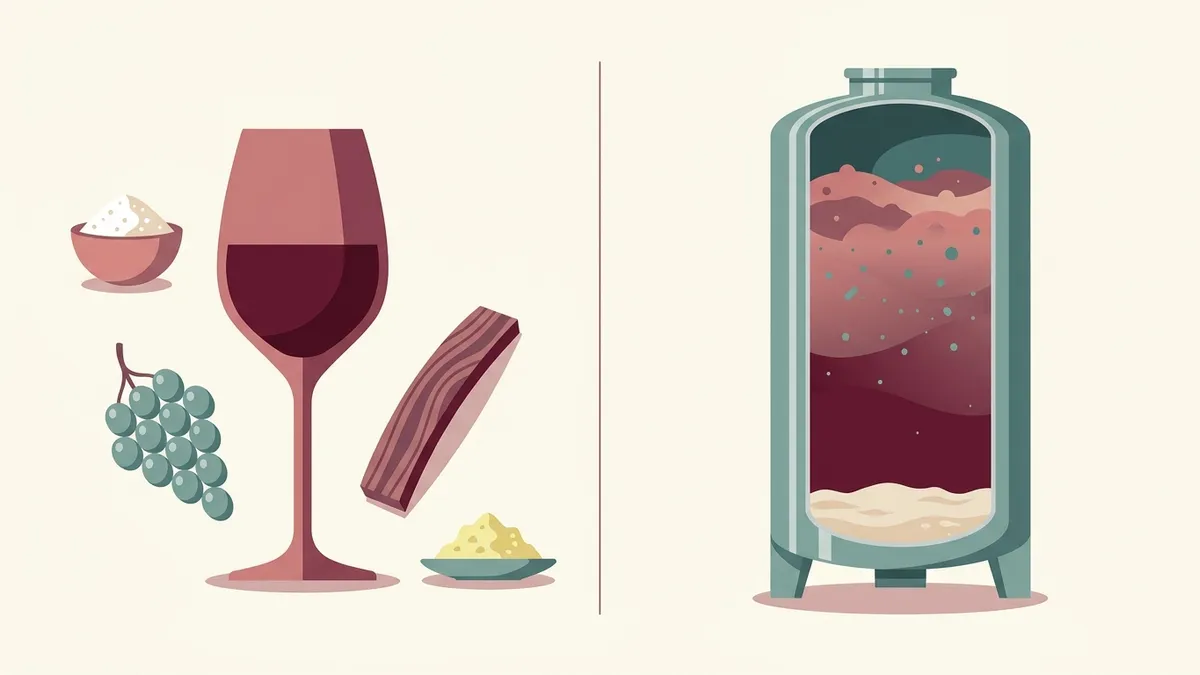
Wine Additives List: What Is Really in Your Wine Glass
The wine additives list is long, but most entries are processing aids that are removed before bottling. Sulfites, sugar, acid, tannin, oak and grape concentrate are what stay, and the label names almost none of them.
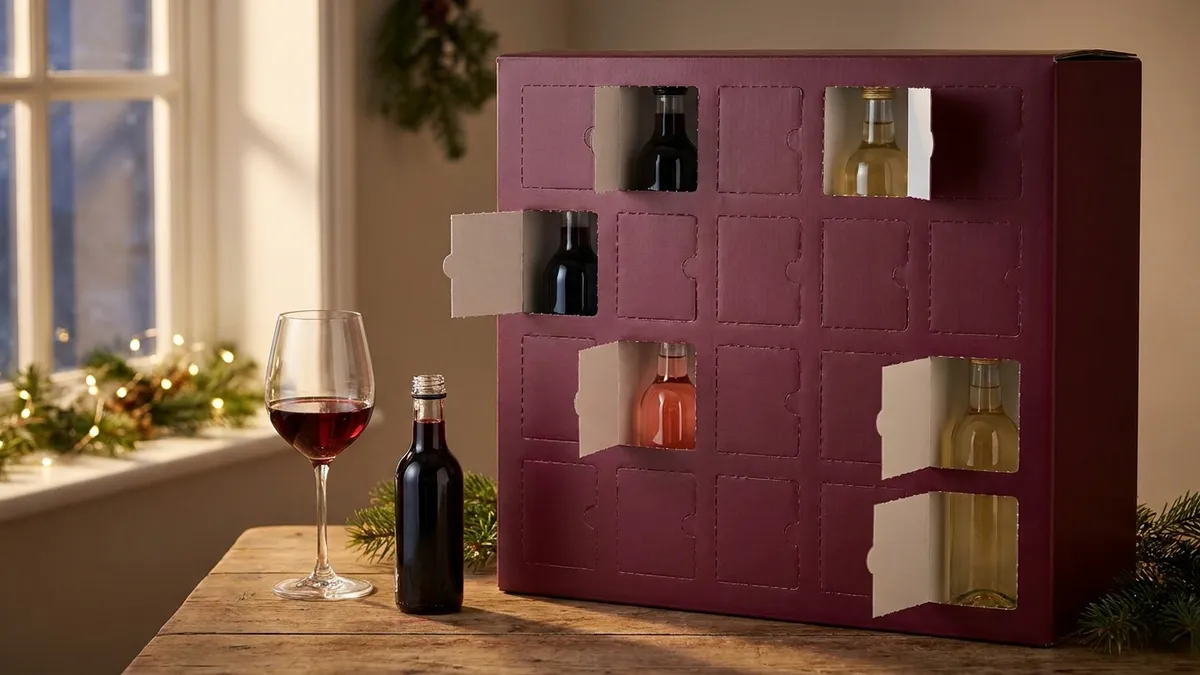
Wine Advent Calendar Guide — Are They Worth the Money?
A wine advent calendar holds 24 small bottles but only six to twelve full bottles of wine. The price per full-bottle equivalent decides whether it is a fair deal.
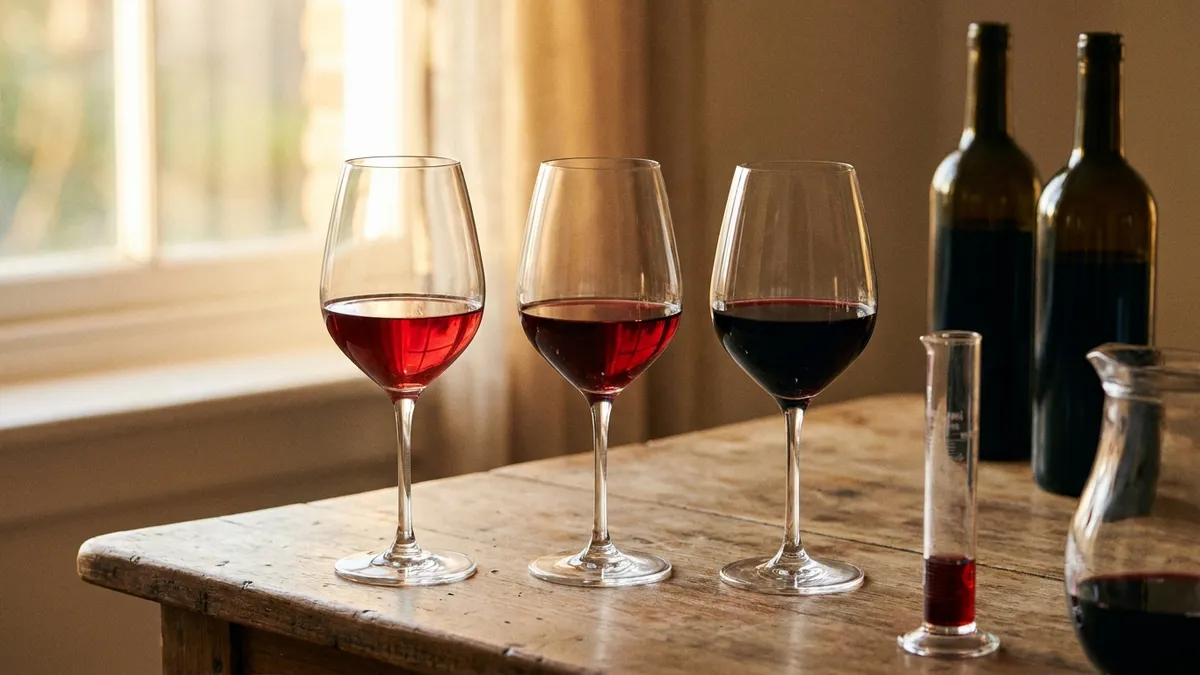
Wine Blending at Home: A Simple Kitchen Bench Trial
Wine blending at home is a measured experiment: a base wine near 70%, a second wine for lift, a splash for spice, mixed in small samples and tasted blind before you pour a full glass.
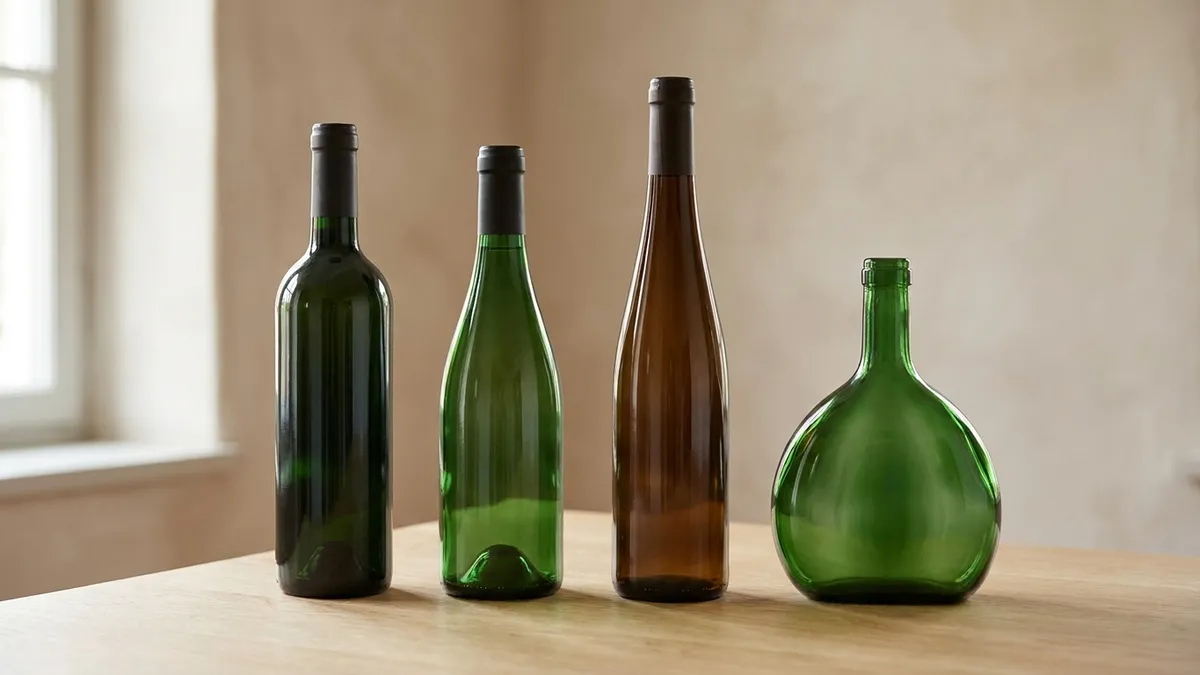
Wine Bottle Shapes: What the Bottle Shape Tells You
Wine bottle shapes follow regional traditions: high shoulders for Bordeaux, sloping ones for Burgundy, a tall flute for Riesling, thick glass for bubbles. Only a few shapes are fixed by law.
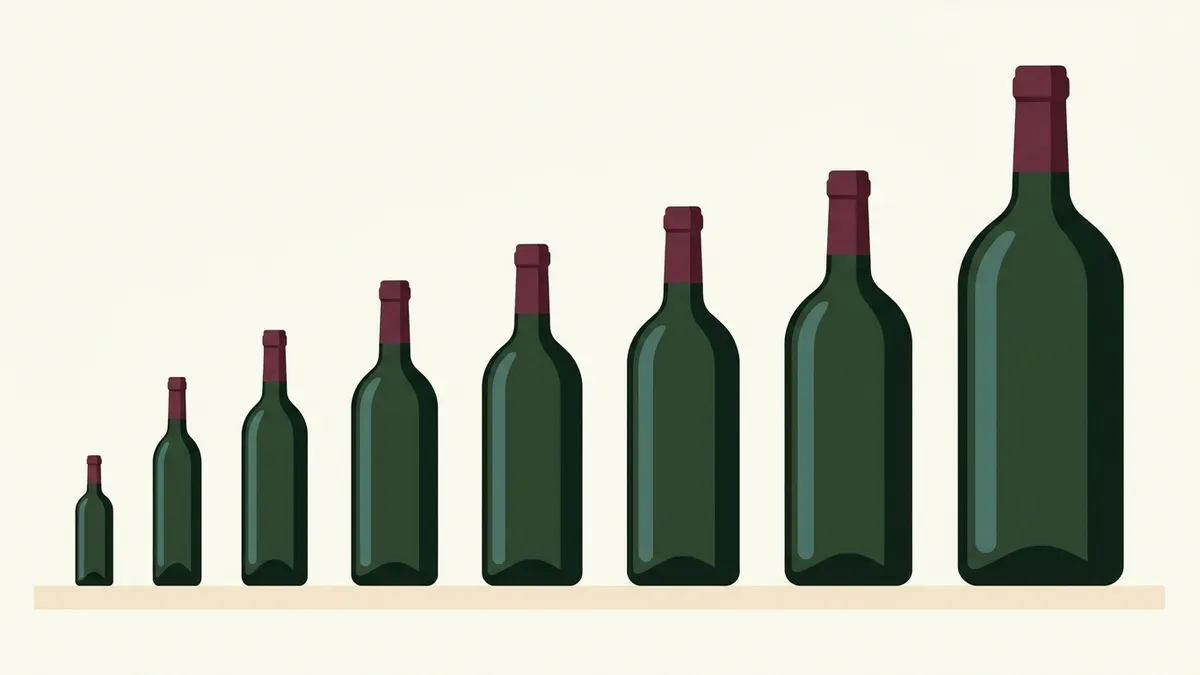
Wine Bottle Sizes: Every Name From Split to Nebuchadnezzar
Wine bottle sizes from the 187.5 ml split to the 15-litre Nebuchadnezzar: litres, bottle counts, why a Jeroboam is 3 litres in Champagne but 5 in Bordeaux, and when a magnum is worth buying.
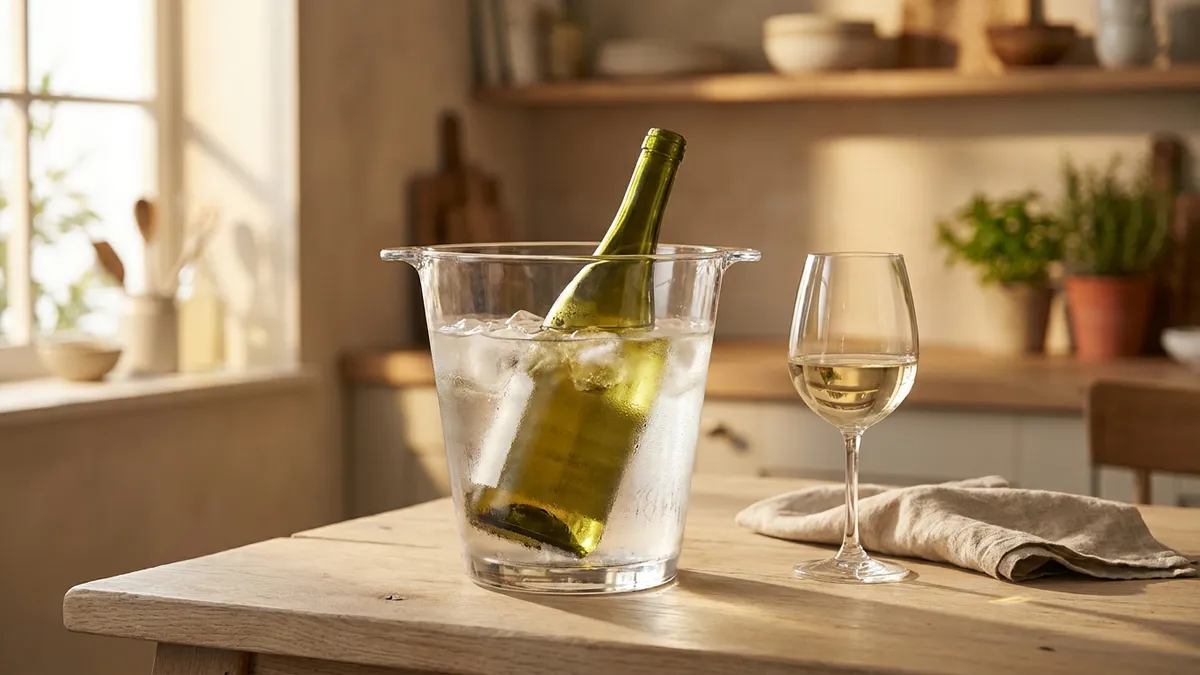
Wine Chiller Bucket and Sleeve Guide: Keep Bottles Cold
A wine chiller bucket chills only when it holds water as well as ice. How to fill one, how long each wine needs, when salt helps, and when a frozen sleeve is the better tool.
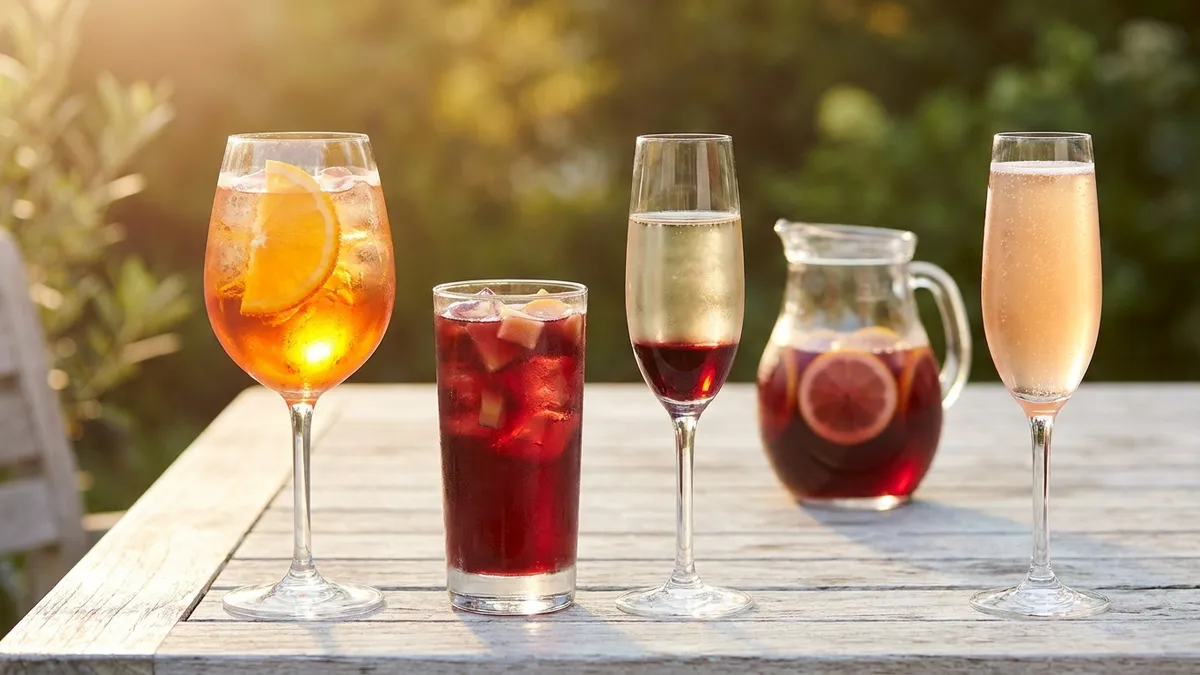
Wine Cocktail Recipes: Sangria, Spritz, Kir and Bellini
Wine cocktail recipes with the real ratios: the 3-to-2 Spritz, the Kir at one part cassis to nine of wine, the 2-to-1 Bellini, homemade sangria, and which wine to pour into each.
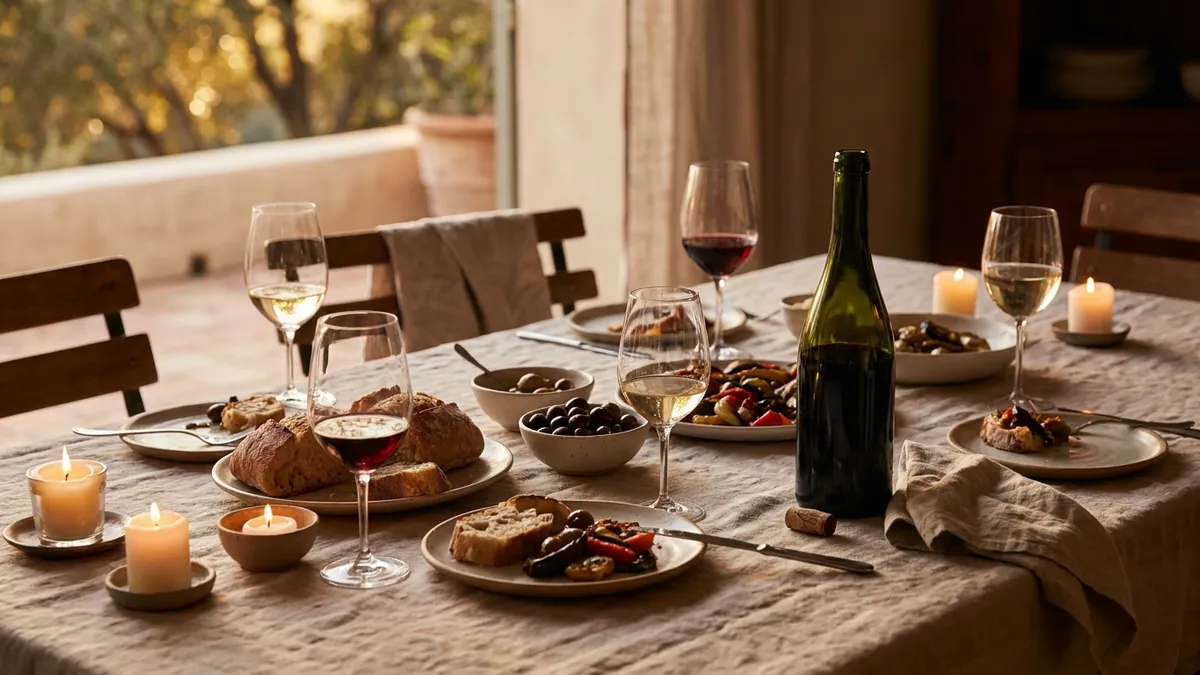
Wine Conversation Starters That Never Sound Snobby
The wine conversation starters that work are questions about what people taste, remember and like. Lines for dinner, shops, tasting rooms and the wine snob, plus answers to the four myths that always come up.
Best Online Wine Courses for Beginners, Matched to Your Goal
Online wine courses sorted by goal: free university and regional courses, WSET Level 1 and 2 hours and exams, when the Court of Master Sommeliers fits, and what you need to taste at home.
Wine Too Tannic? Why It Grips and How to Fix It Tonight
A wine is too tannic when its grip outlasts its fruit. What causes it, the three quick tests that tell a harsh wine from a young one, and why food beats the decanter.
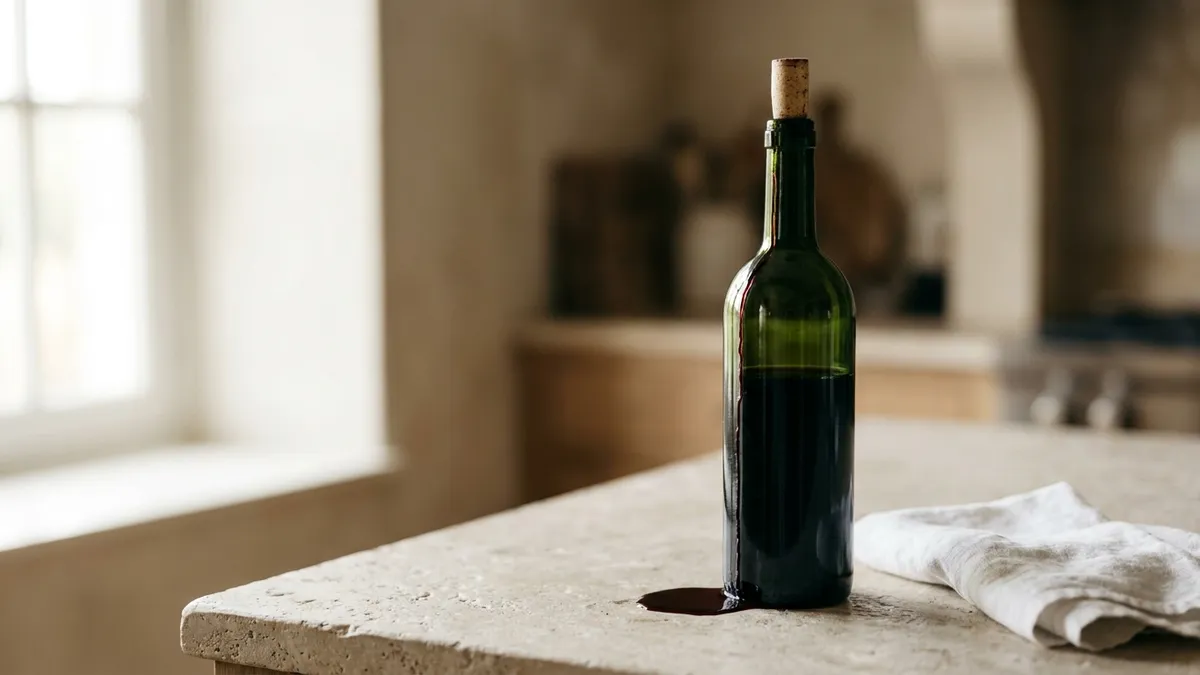
Wine Bottle Exploded? The Four Causes and What to Do
A wine bottle explodes or loses its cork for one of four reasons: yeast making gas, heat, ice, or weak glass. How to tell which, how to handle a bulging bottle, and how to store wine so it never happens.
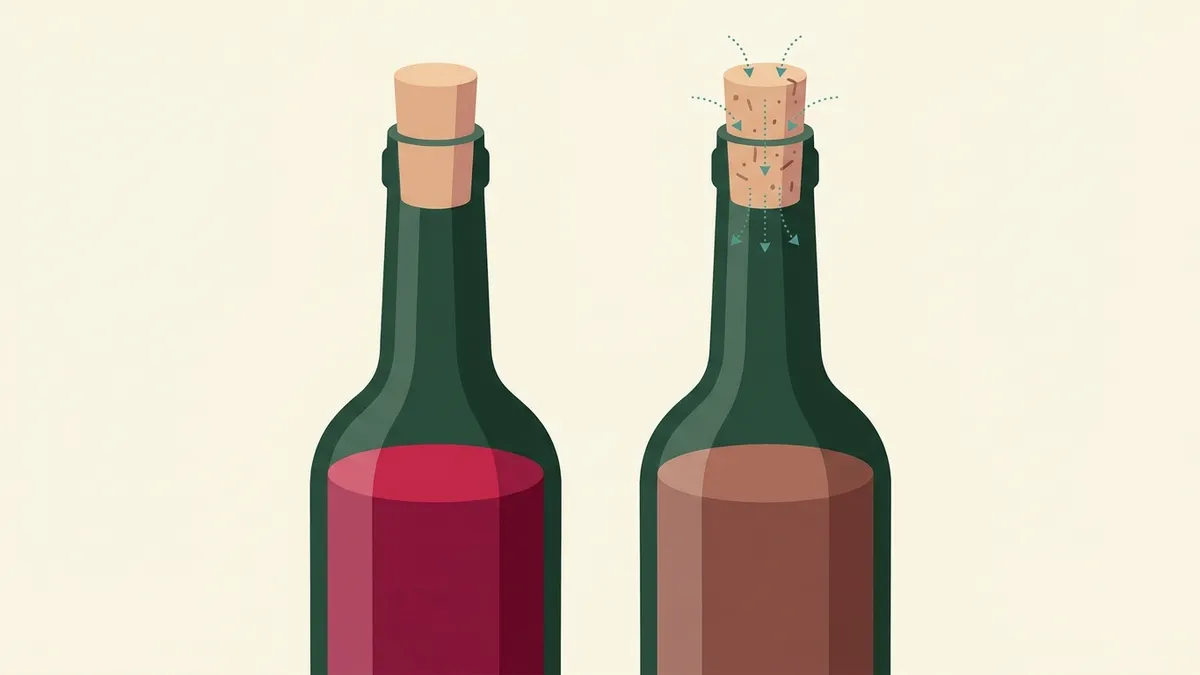
Bottle Variation in Wine: Why Two Bottles Taste Different
Bottle variation in wine comes from corks that let in different amounts of air, bottles that travelled differently and nights that were served differently. A second bottle tells you which.
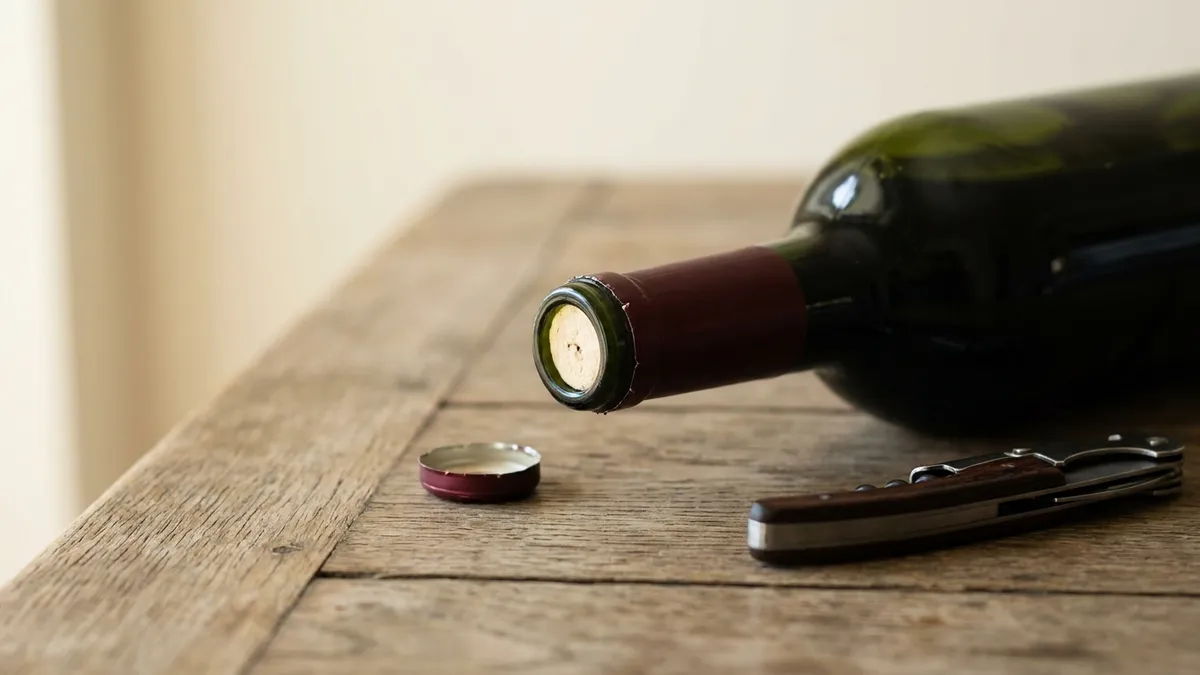
Wine Foil Cutter: Do You Need One? Opening Tools Ranked
A wine foil cutter is optional: the blade on a waiter's corkscrew does the same job. What matters is cutting below the lip, and handling wax, plastic and sparkling capsules the right way.
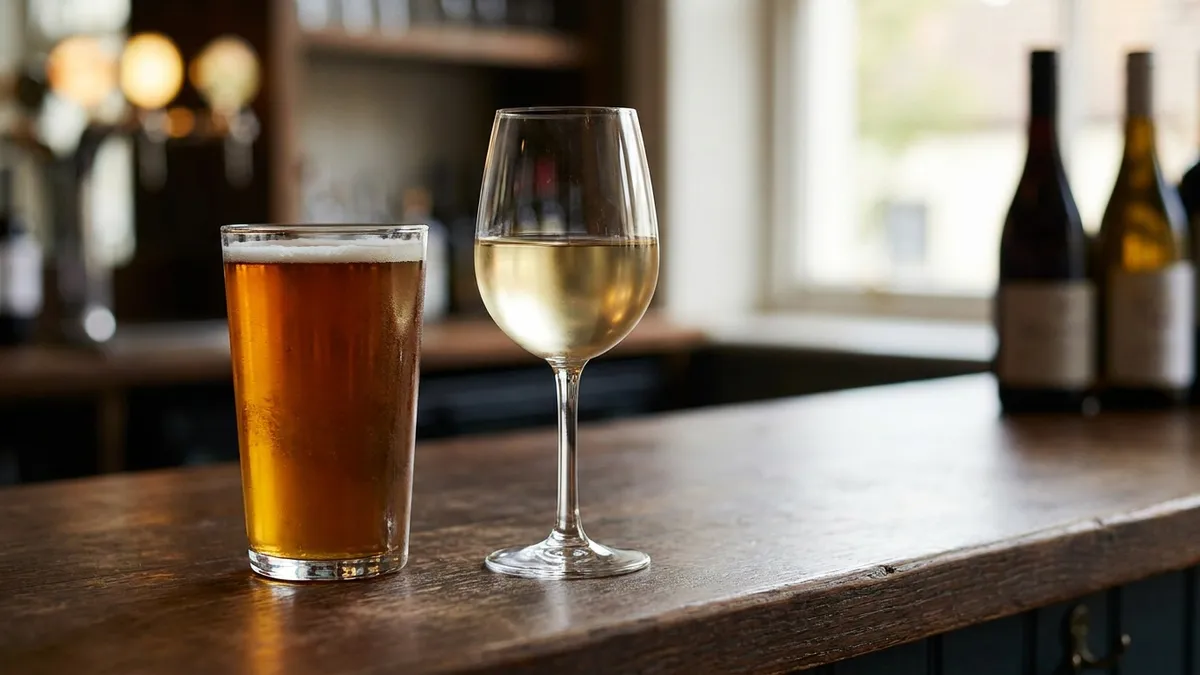
Wine for Beer Lovers: Crossover Picks for Every Beer Style
Wine for beer lovers, matched by what you enjoy in your glass: dry sparkling for lager fans, Sauvignon blanc and Riesling for IPA drinkers, high-acid whites for sour beer, oak-aged reds for stout.
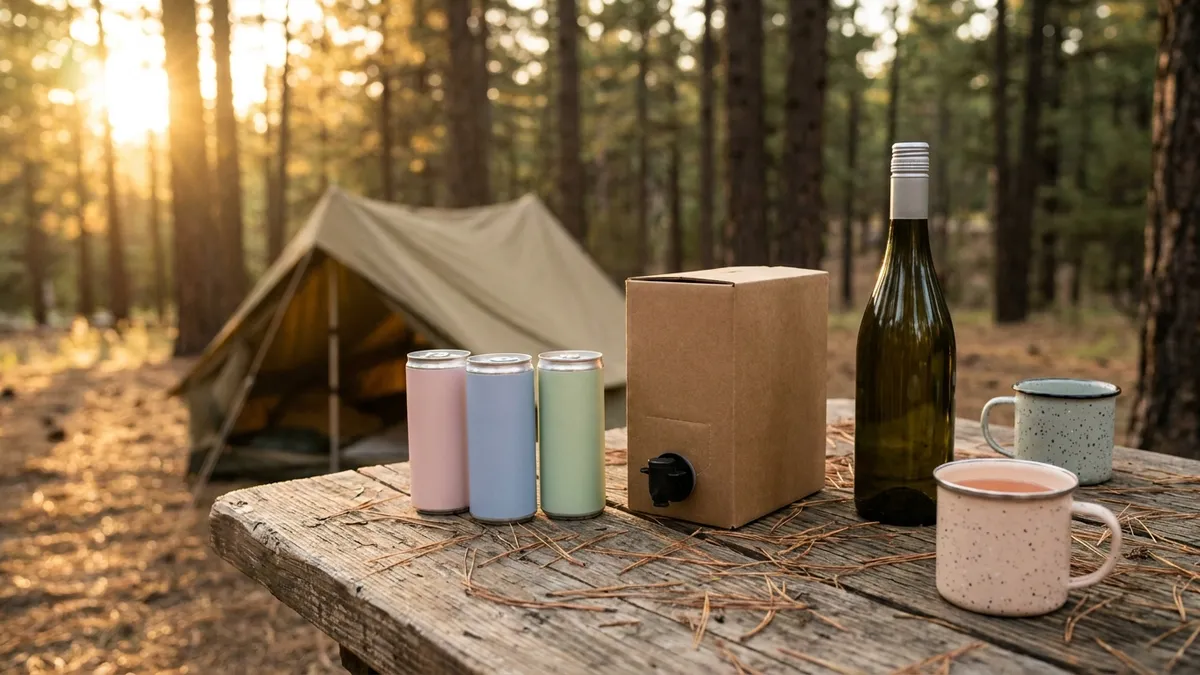
Wine for Camping: What to Pack, Chill and Carry Out
Choose wine for camping by how far it travels: screw-cap bottles for car camping, cans or a soft pouch for backpacking, a bag-in-box for a group staying several nights.
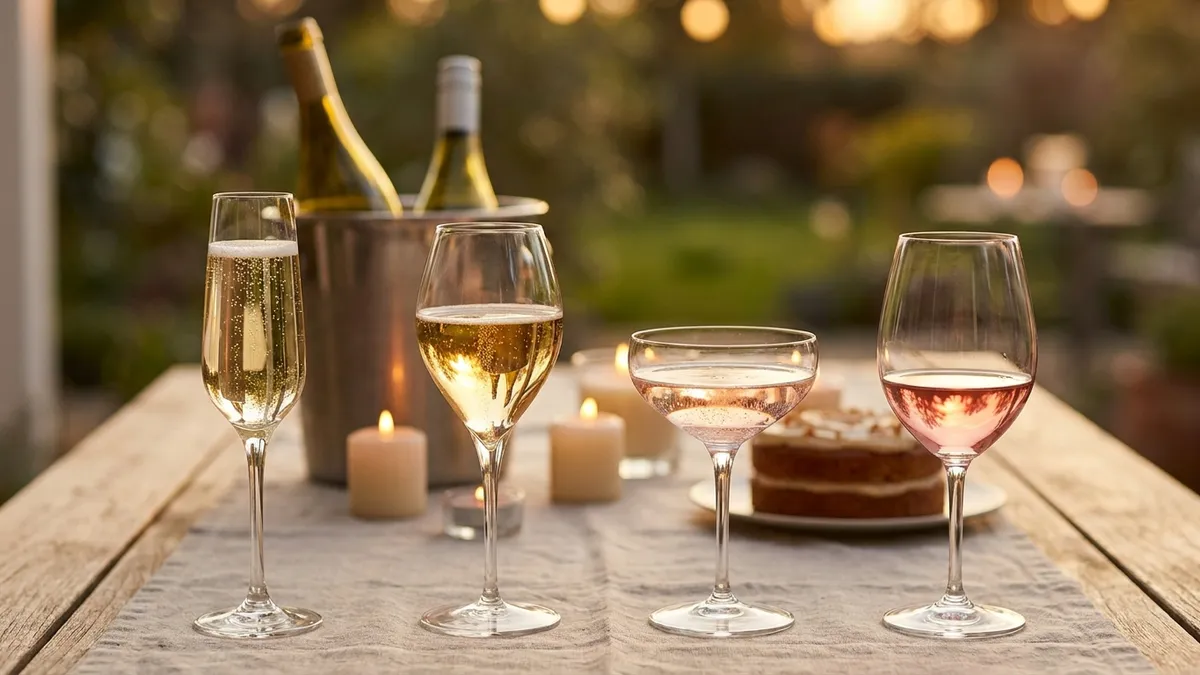
Wine for Celebrations: What to Pour Beyond Champagne
Wine for celebrations, matched to the moment: Crémant or Cava for small toasts, brut Prosecco for big ones, Moscato d'Asti for sweet tooths, and how to read brut, extra dry and demi-sec.
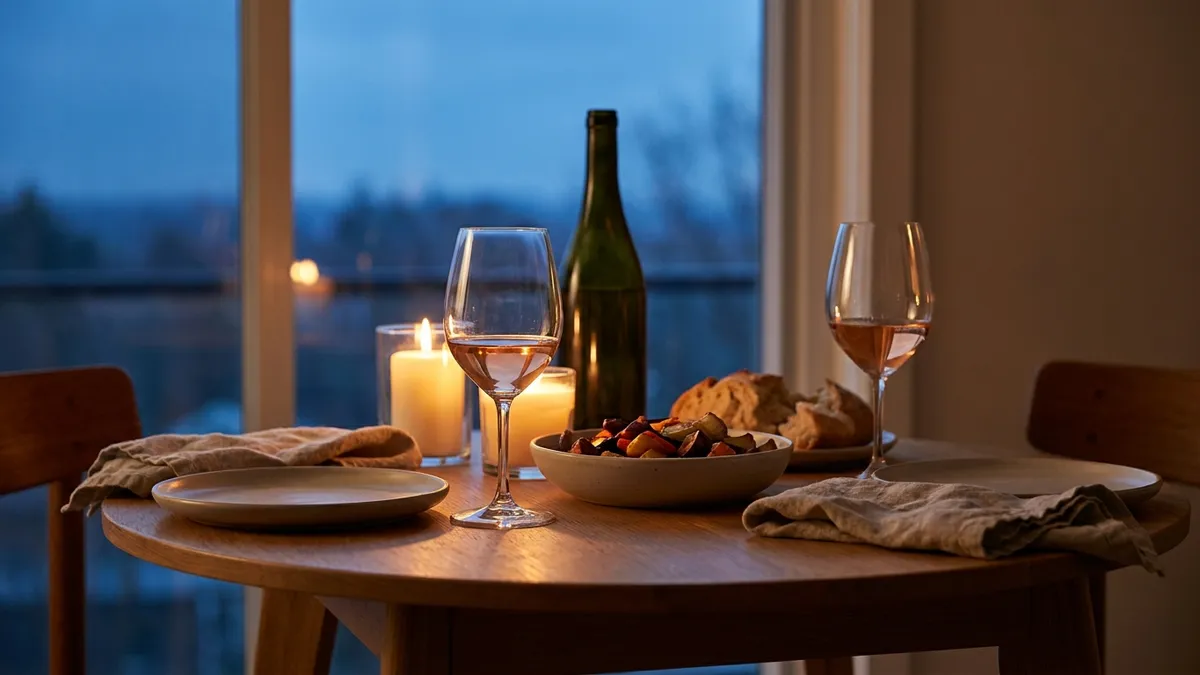
Wine for Date Night: Styles, Pairings and Serving Tips
Pick wine for date night by the richest thing on the plate: a dry sparkling wine to start, a rosé or light red as the one-bottle answer, and a dessert wine sweeter than the dessert.
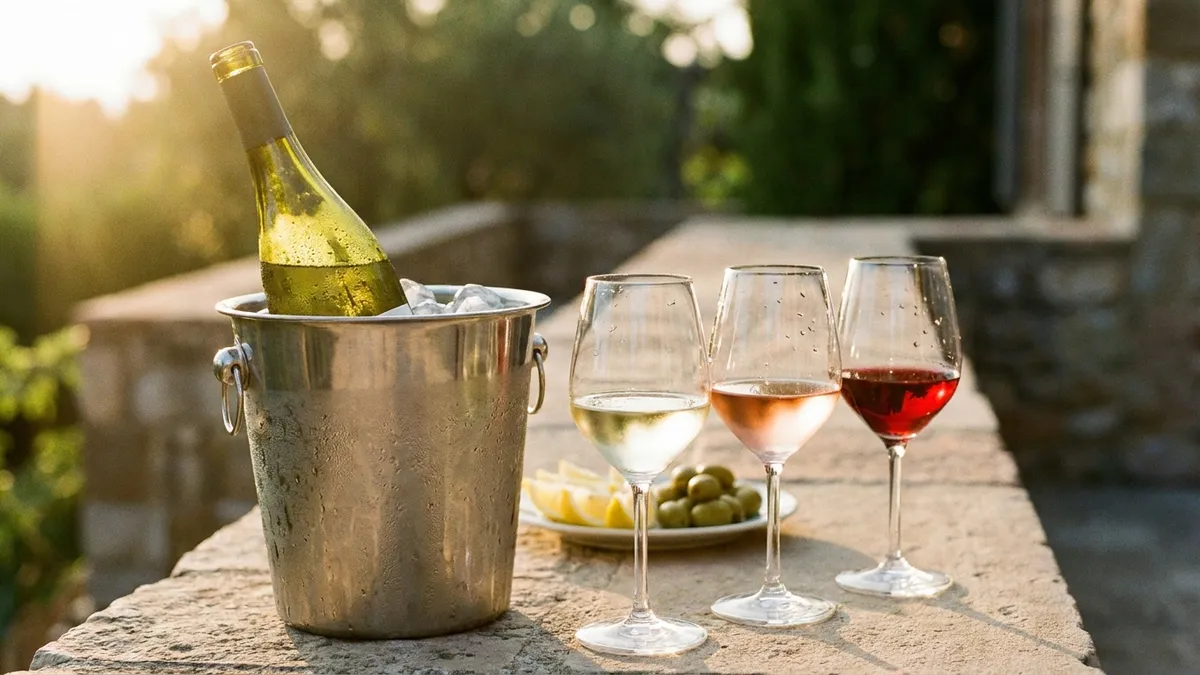
Best Wines for Summer: Light, Refreshing, and Chillable
The best wines for summer have high acidity, moderate alcohol and no oak: Vinho Verde, Albariño, Muscadet, dry rosé, Prosecco and chilled Gamay, with serving temperatures and food rules.
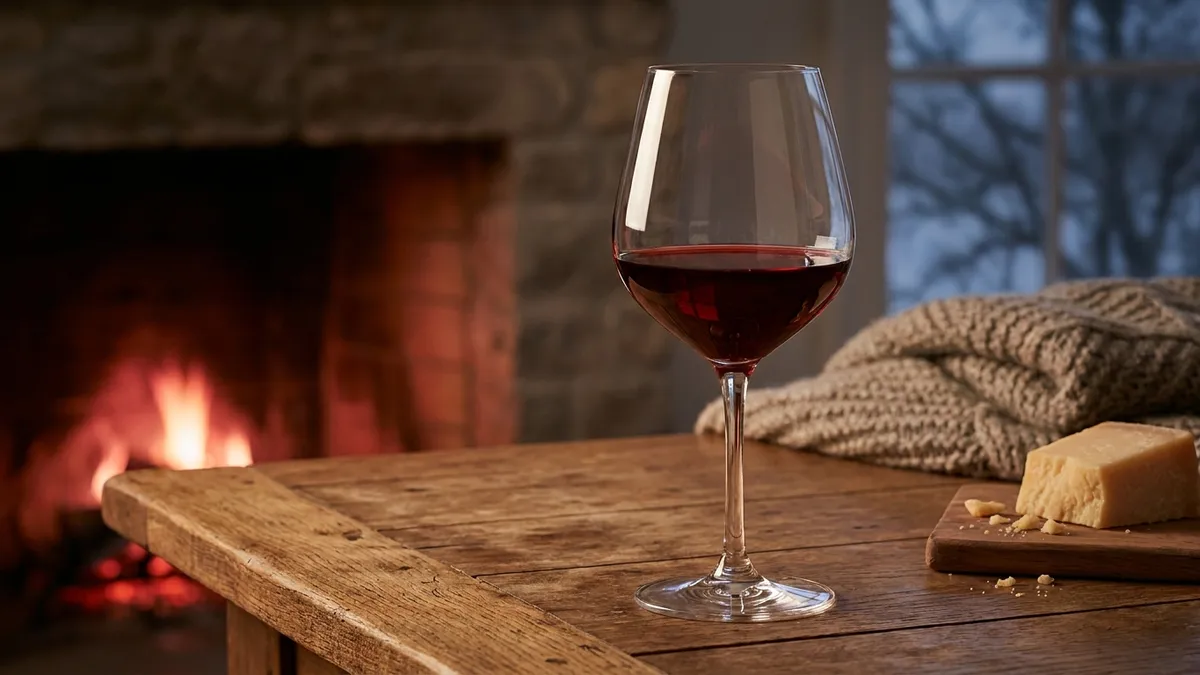
Best Wines for Winter: Reds, Whites and Port for the Cold
The best wines for winter are chosen by the food and the serving temperature: firm reds for braises, oaked whites for cream sauces, Port for cheese, and big reds poured at 16 to 18°C.
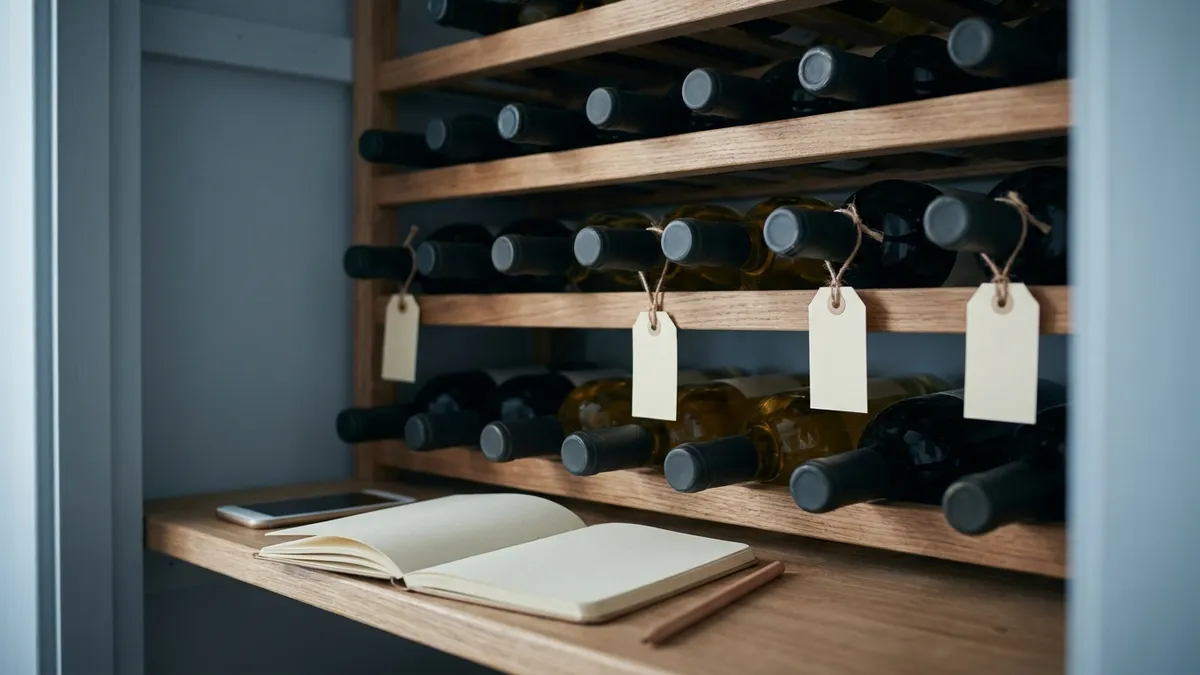
Wine Inventory App Guide: Track and Organize Your Bottles
Most buyers open a bottle within two weeks of purchase, so a wine inventory matters only for the bottles you hold. Seven fields, a location code and an estimated drinking window cover it.
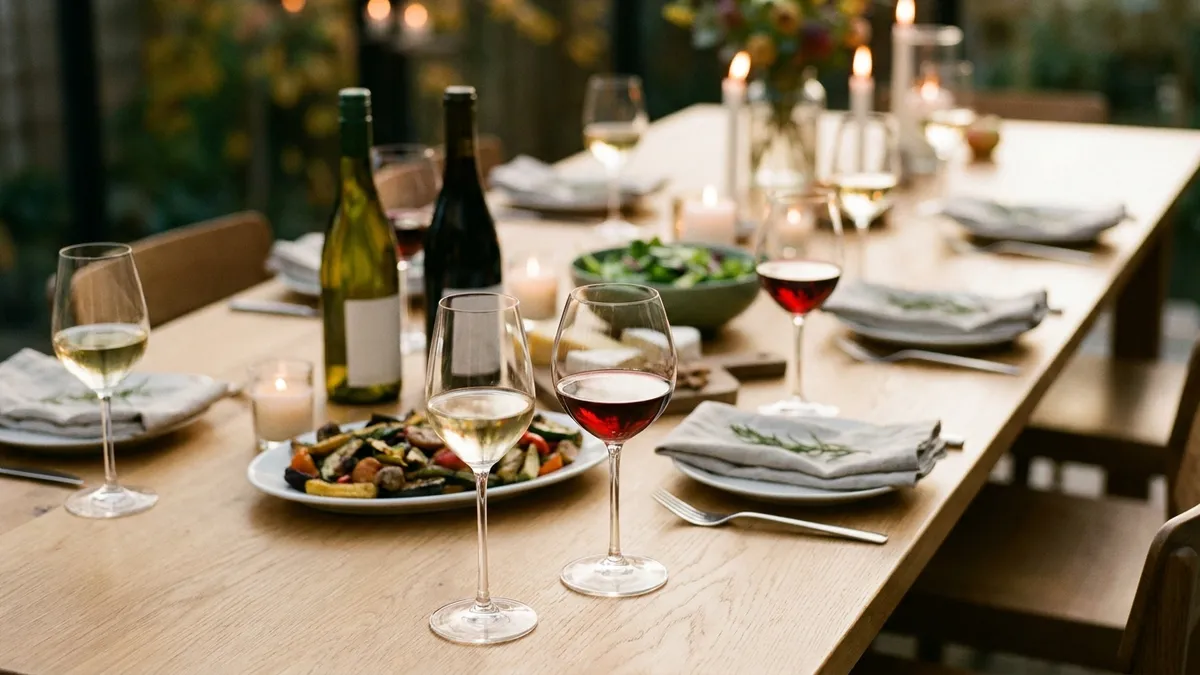
Wine Pairing for a Dinner Party: Plan the Whole Menu
Wine pairing for a dinner party: sort the courses into light, rich and sweet, pour two or three wines instead of four, buy about three-quarters of a bottle per guest, and serve each wine at the right temperature.
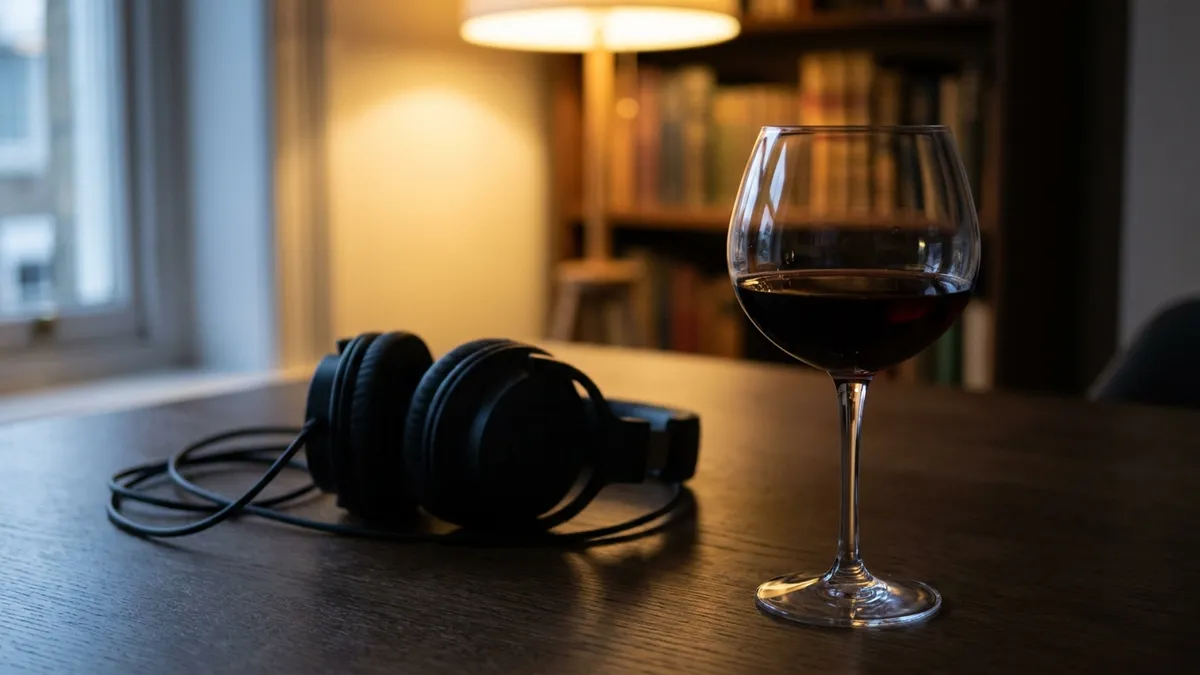
Best Wine Podcasts for Beginners — Learn on Your Commute
Pick a wine podcast by the length of your drive and your goal: short single-topic shows, funny host-led chats, long interviews and exam-level study, plus how to turn each episode into a tasting.
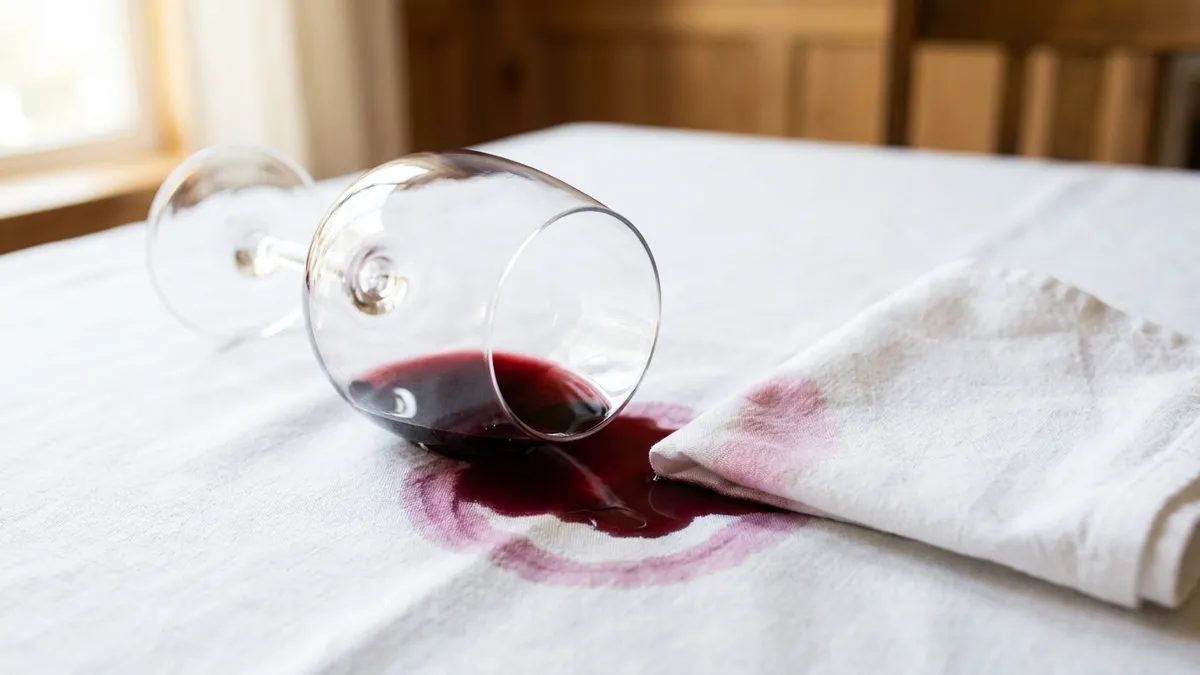
Red Wine Stain Removal: What Works, From Salt to Peroxide
Blot fresh red wine with cool water, then lift the pigment with hydrogen peroxide and liquid soap. A UC Davis test found salt, white wine and commercial removers did far less.
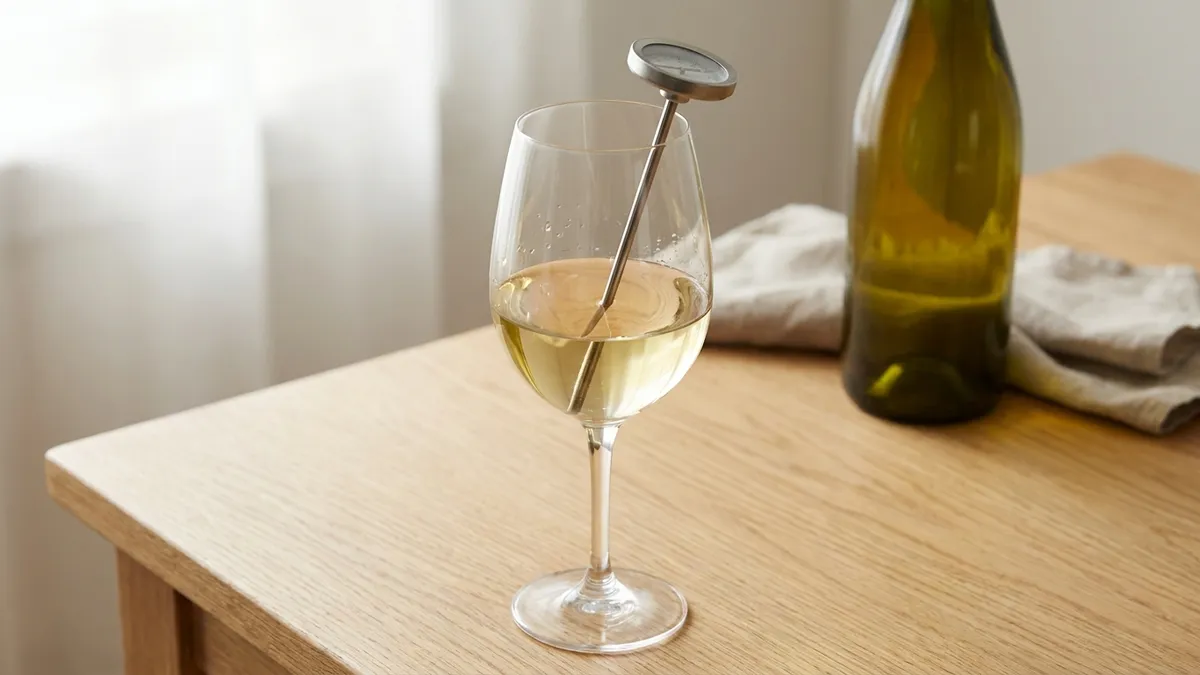
Wine Thermometer Guide: Measure the Glass, Not the Bottle
A wine thermometer is only as good as where it reads. Probes in the glass give the true number, bottle straps give an estimate, and infrared guns read the glass surface. Measure the poured wine, then chill or rest it to close the gap.
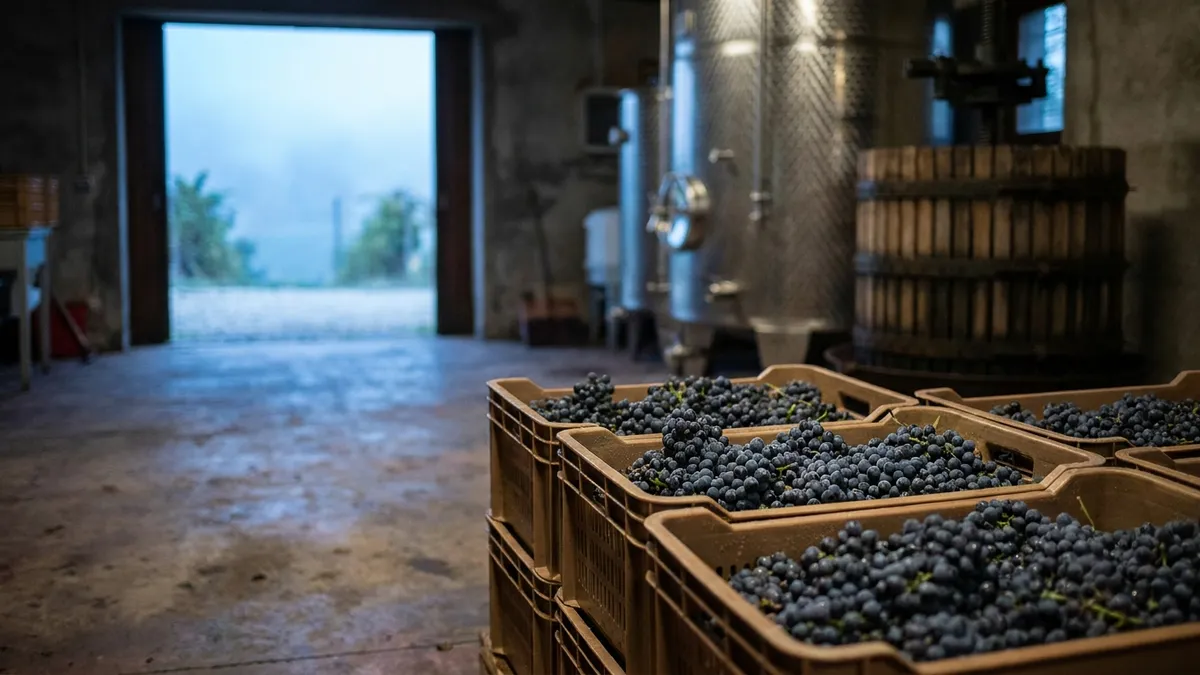
How Wine Is Made: The Winemaking Process from Grape to Glass
How wine is made in five steps: picking, crushing or pressing, fermenting, ageing and bottling. Skin contact sets the colour, and later choices like oak, malolactic fermentation and fining set the taste.
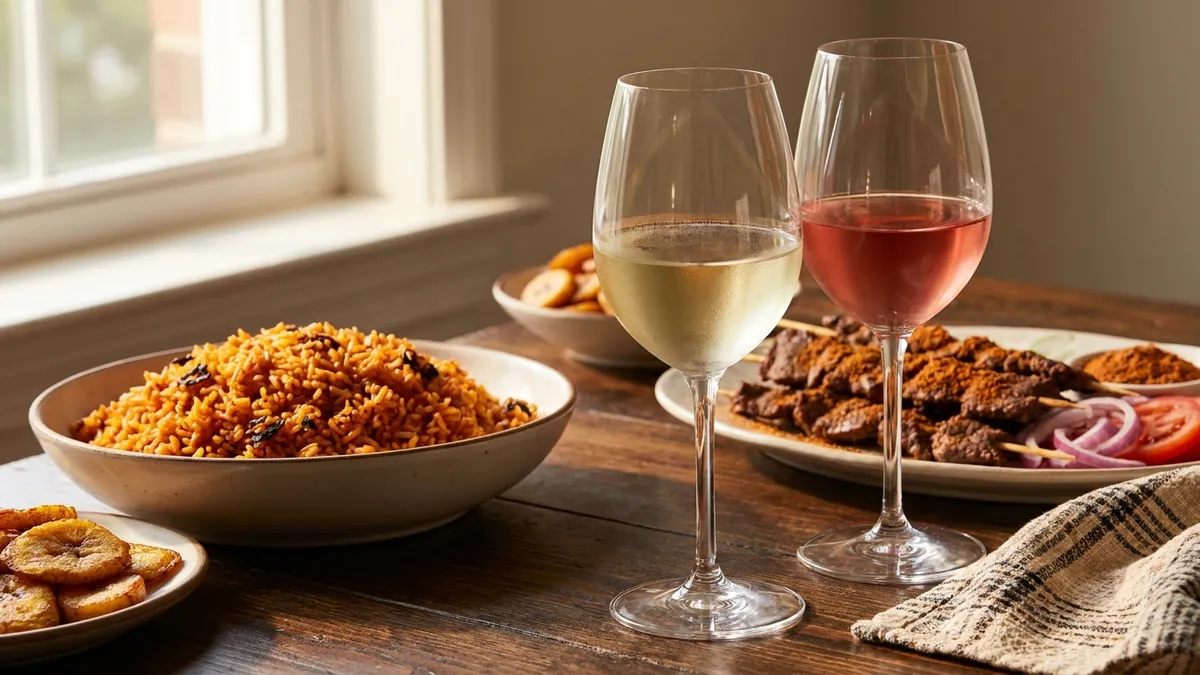
Wine with African Food: Jollof, Suya, Egusi and Pepper Soup
West African dishes run on three dials, chilli heat, fat and smoke. Read them and the wine follows: chilled light reds for jollof, off-dry whites for hot suya and pepper soup, sparkling for fried plantain.
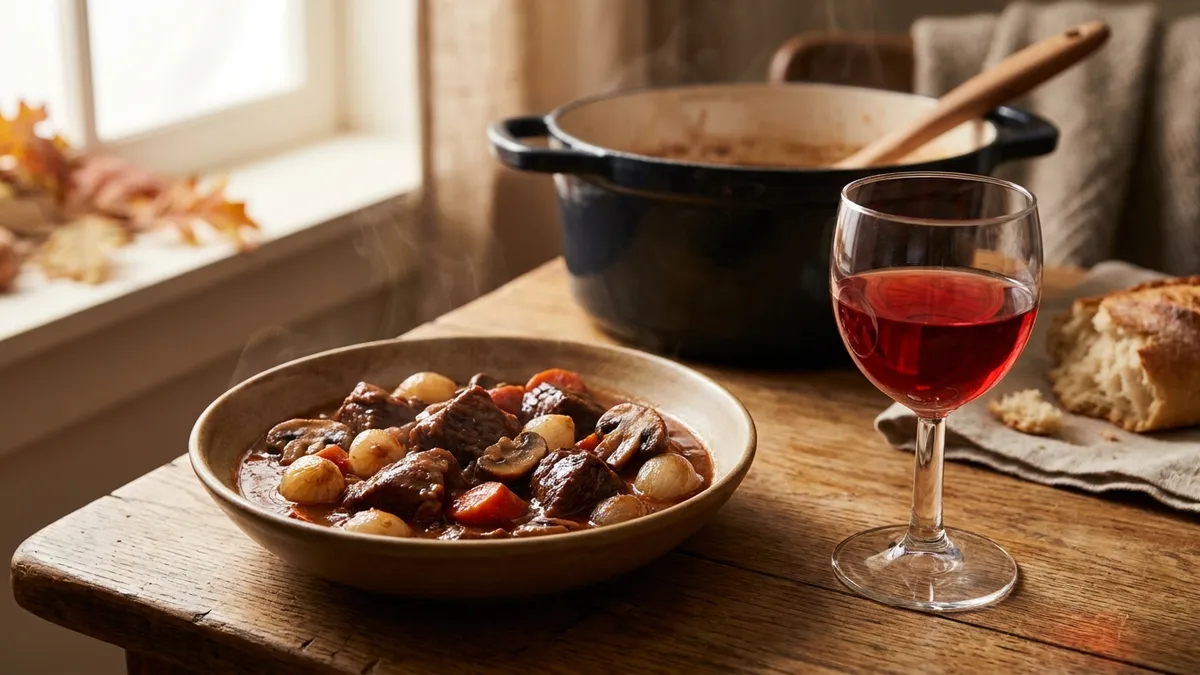
Wine with Beef Stew: From Bourguignon to Weeknight Stew
Choose wine with beef stew by the liquid in the pot: Pinot Noir for a red-wine braise, a sharp Sangiovese for tomato, Syrah or Cabernet for a fatty, peppery stew.
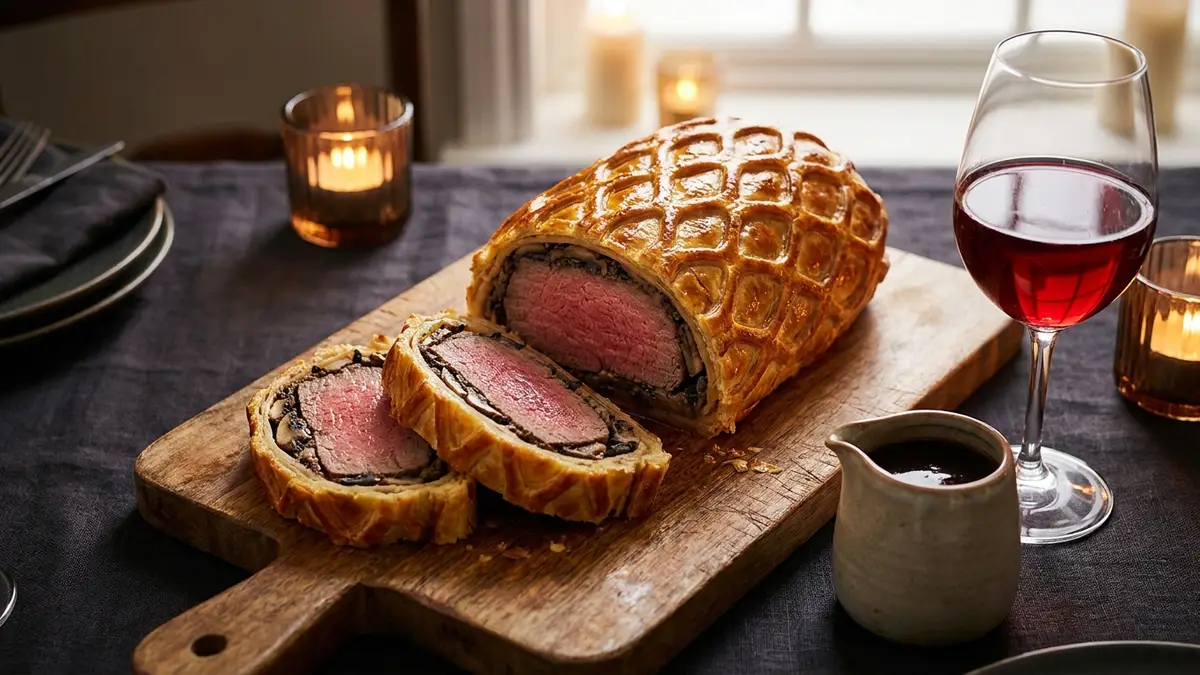
Wine with Beef Wellington: The Showpiece Roast Pairing
Wine with beef Wellington: why a lean fillet in mushroom paste and buttery pastry wants Pinot Noir or Merlot-led Bordeaux, and when Cabernet, white or sparkling wine fits.
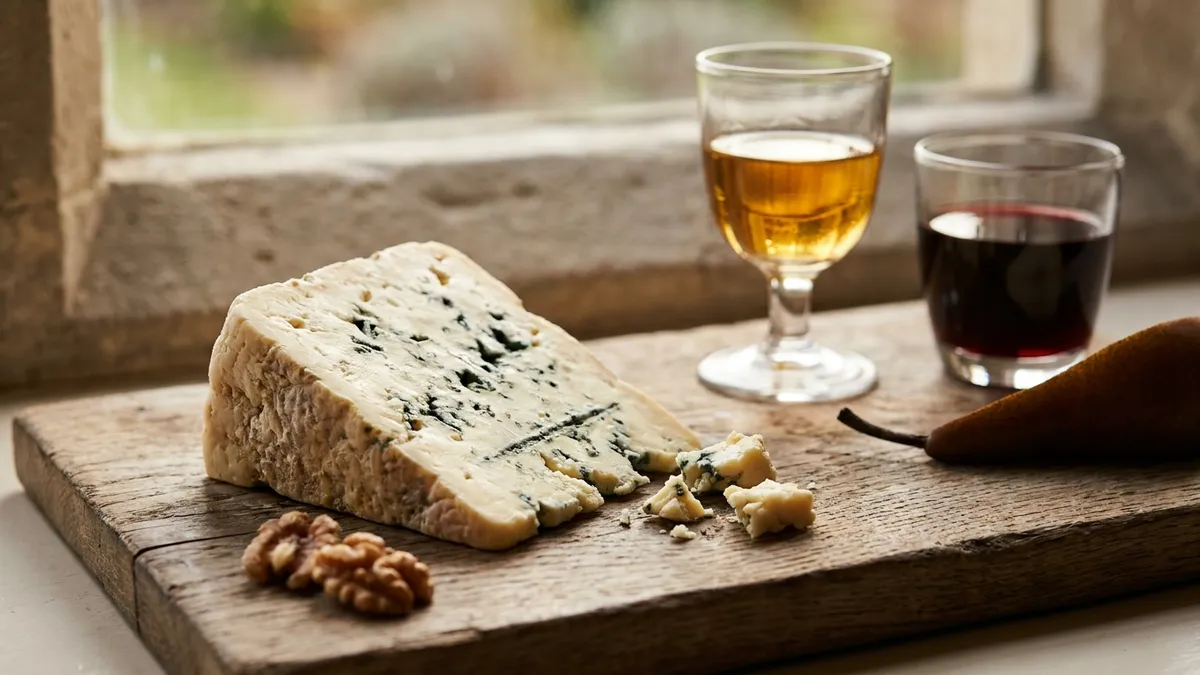
Wine with Blue Cheese: Sweet, Fortified and Red Picks
The saltier and sharper the blue cheese, the sweeter the wine it needs. Port for Stilton, Sauternes for Roquefort, off-dry Riesling for Gorgonzola dolce, and a fruity red only when the blue is melted on beef.
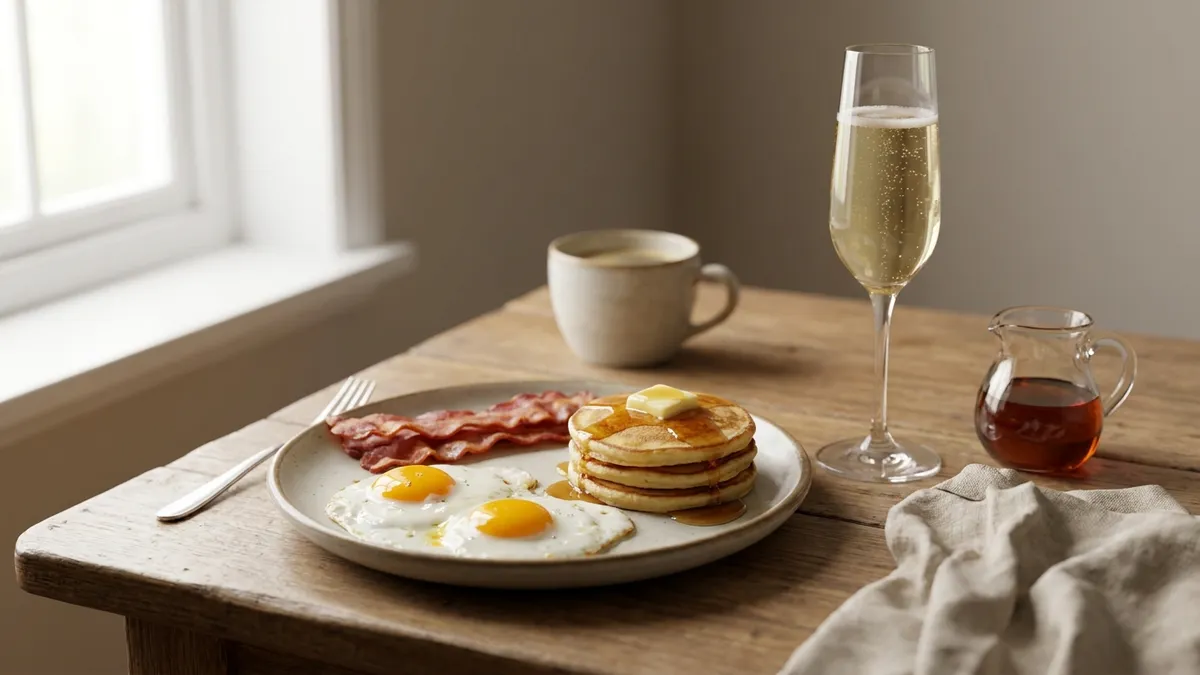
Wine with Breakfast: Eggs, Bacon, and Pancakes (Really)
Wine with breakfast works when you pour for the fat, salt and sugar on the plate: bubbles or dry Riesling for eggs, low-alcohol wines for bacon, and a wine sweeter than the syrup for pancakes.
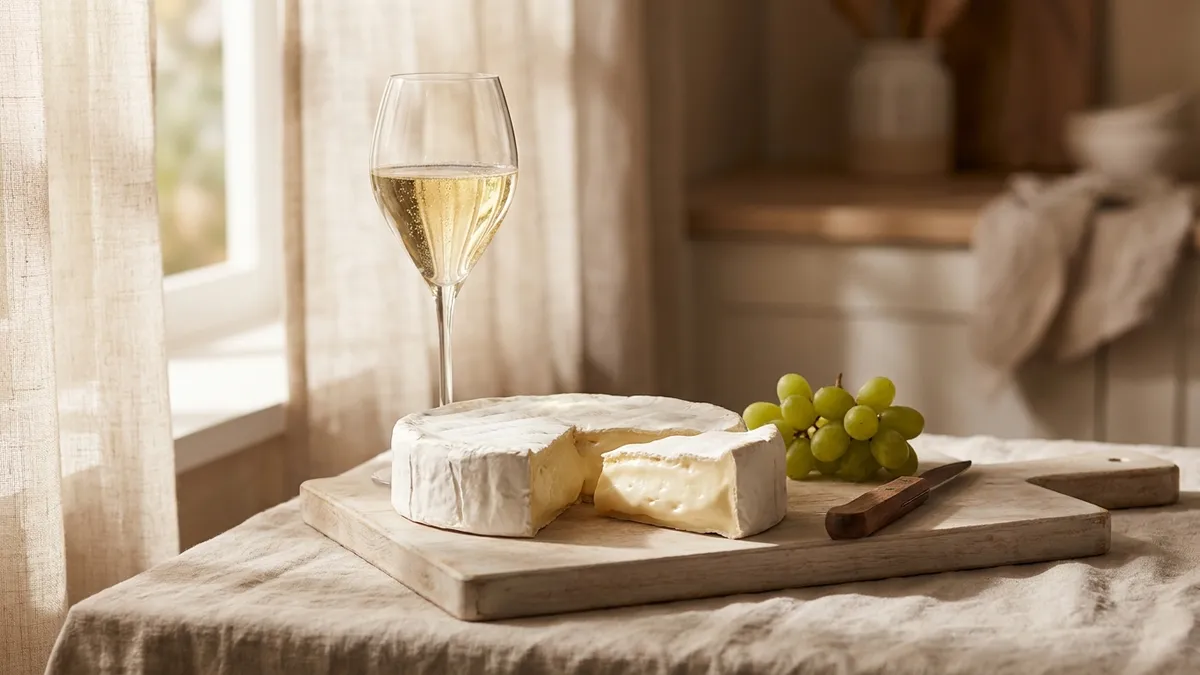
Wine with Brie and Camembert: The Soft Cheese Match
Brie and Camembert want acidity and bubbles, not tannin. Which sparkling, white and light red wines work, how ripeness changes the pick, and what to pour with baked Brie.
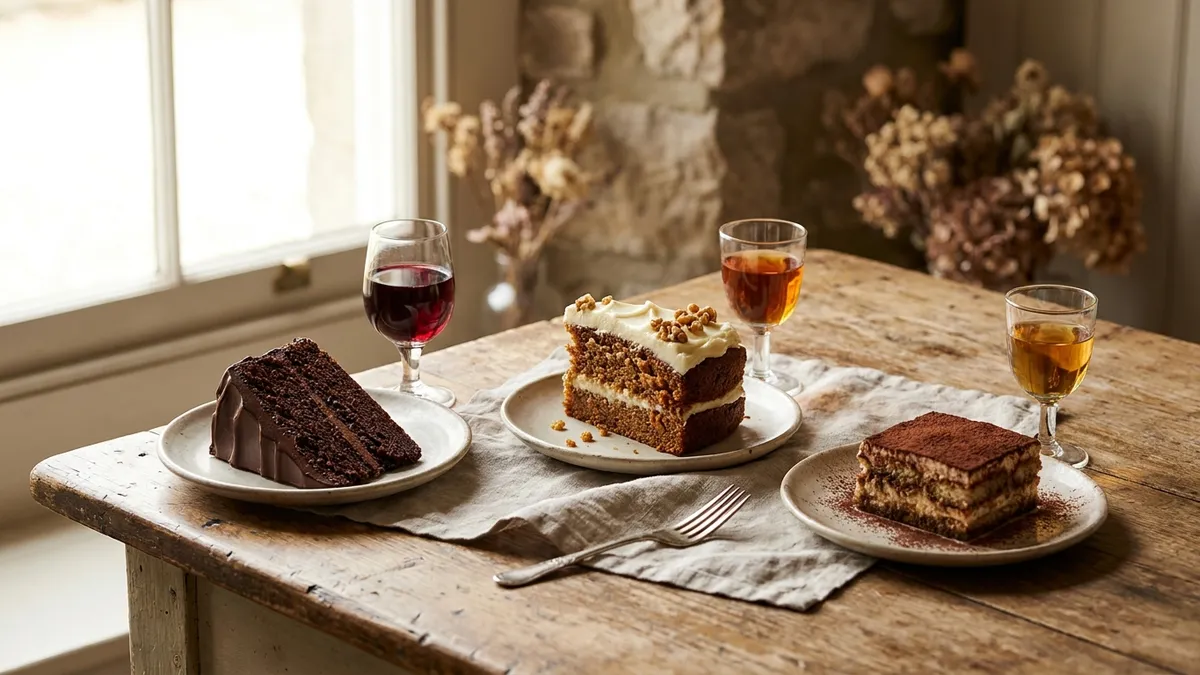
Wine with Cake: Best Pairings From Carrot Cake to Tiramisu
Wine with cake works when the wine is sweeter than the slice. Sweet reds for chocolate, tawny Port or late-harvest whites for carrot cake, Marsala for tiramisu, and demi-sec bubbles for wedding cake.
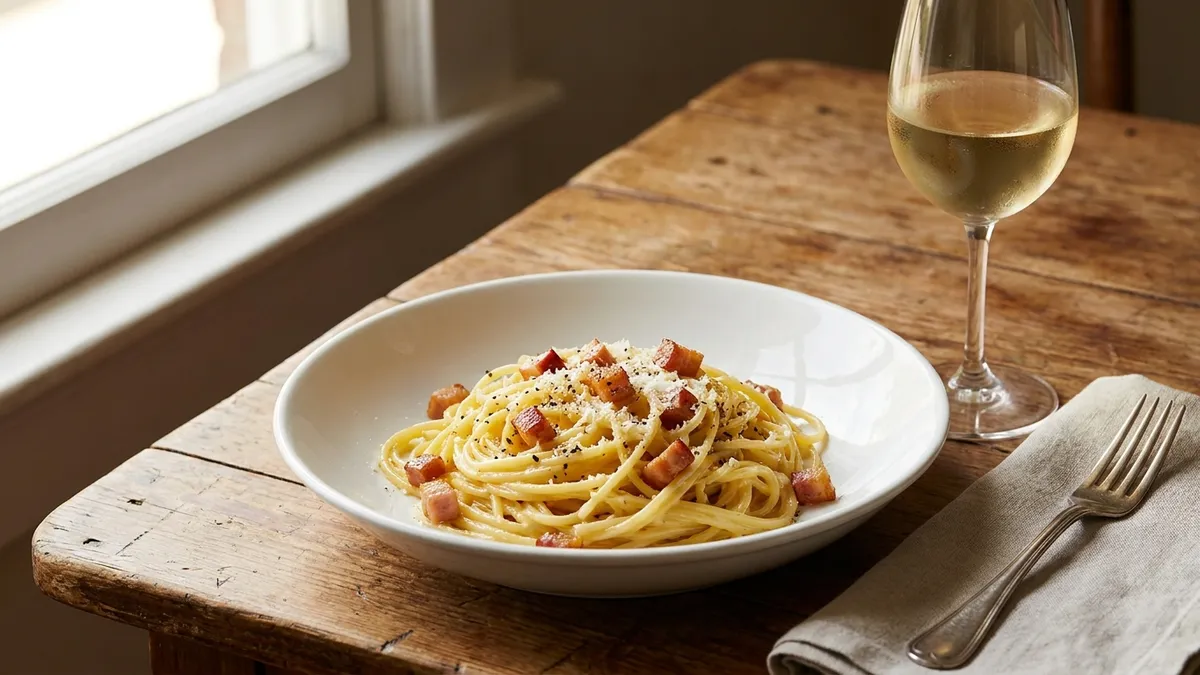
Wine with Carbonara: Crisp Whites, Bubbles and Light Reds
Carbonara is egg yolk, pork fat and salty pecorino with no tomato, so it needs a crisp unoaked white, dry sparkling wine or a light, low-tannin red. Which wine fits which version, and what to skip.
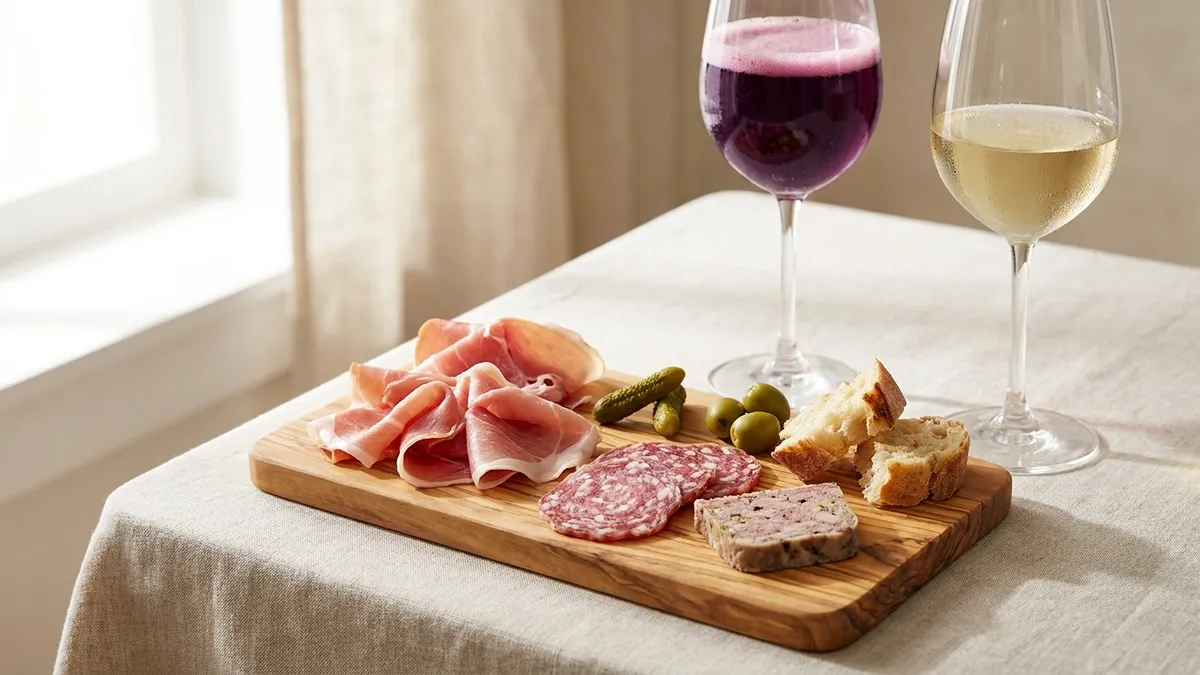
Wine Charcuterie Board Pairing: Which Wine for Each Meat
Cured meat is salt and fat, so the wines that work on a charcuterie board have high acidity, low tannin and moderate alcohol. Here is what to pour with salami, prosciutto, pâté and rillettes.
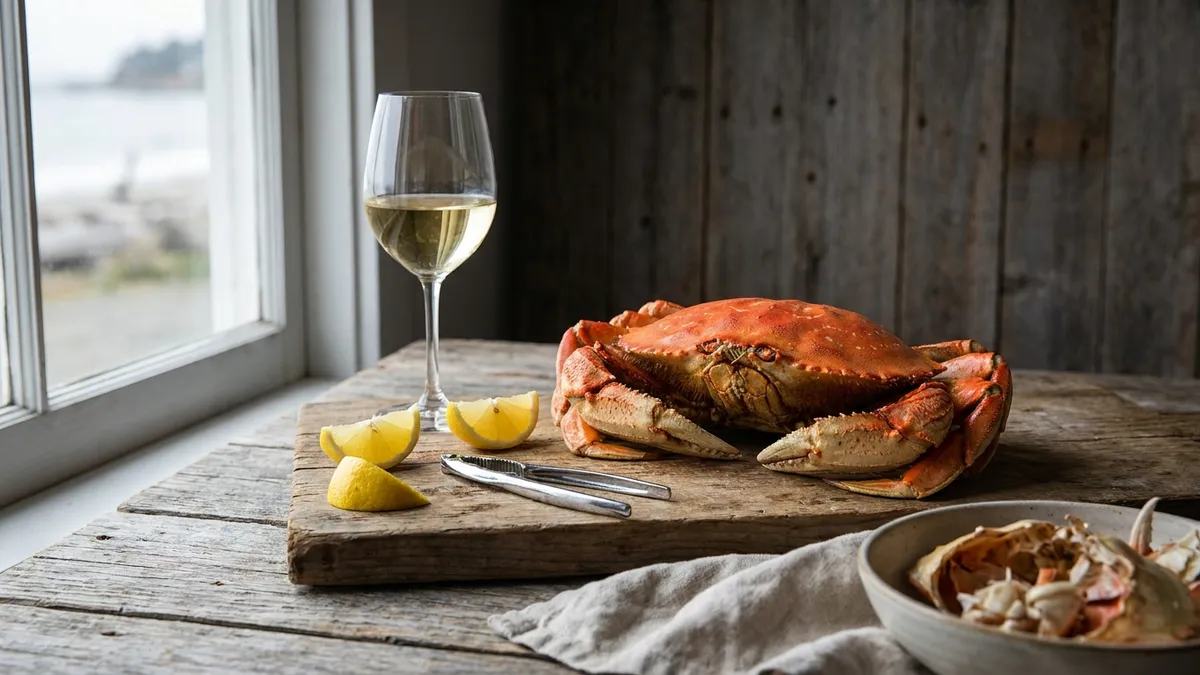
Wine with Crab: From Crab Cakes to Buttery King Crab Legs
Choose wine with crab by what is on the crab: Muscadet or Chablis for plain steamed crab, fuller Chardonnay for butter and crab cakes, off-dry Riesling for chilli, and Brut Champagne for almost all of it.
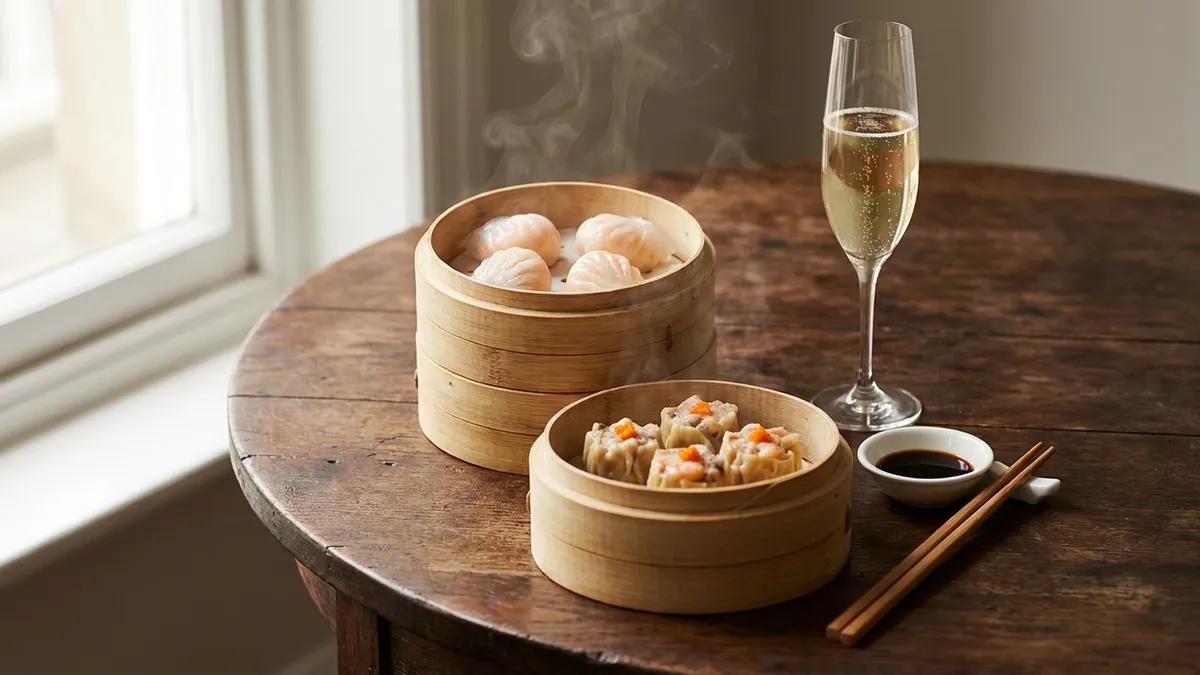
Wine with Dim Sum: Dumplings, Bao, and Small Plates
Wine with dim sum, basket by basket: dry sparkling or dry Riesling for steamed shrimp, off-dry Riesling for pork buns and chili oil, and how to read Brut, Extra Dry and Kabinett on the label.
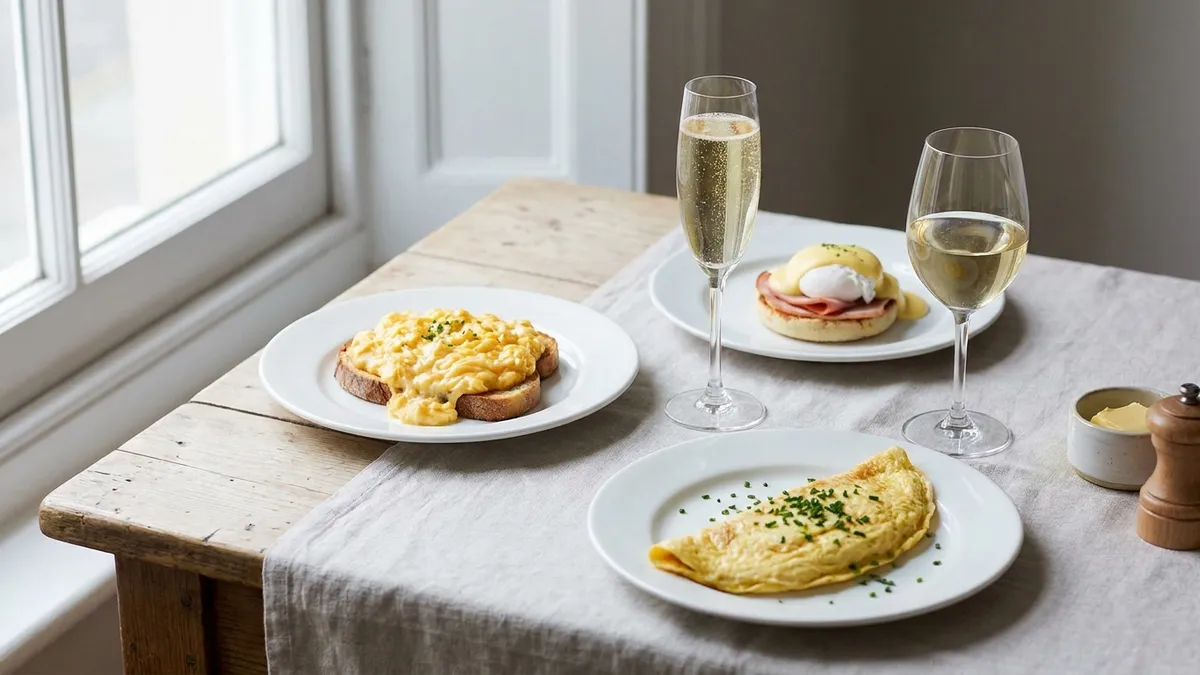
Wine with Eggs: Scrambled, Poached, and Omelette Pairings
Wine with eggs, matched by how they are cooked: crisp whites for soft scrambled eggs, dry sparkling wine for eggs Benedict, and the filling's wine for an omelette or quiche.
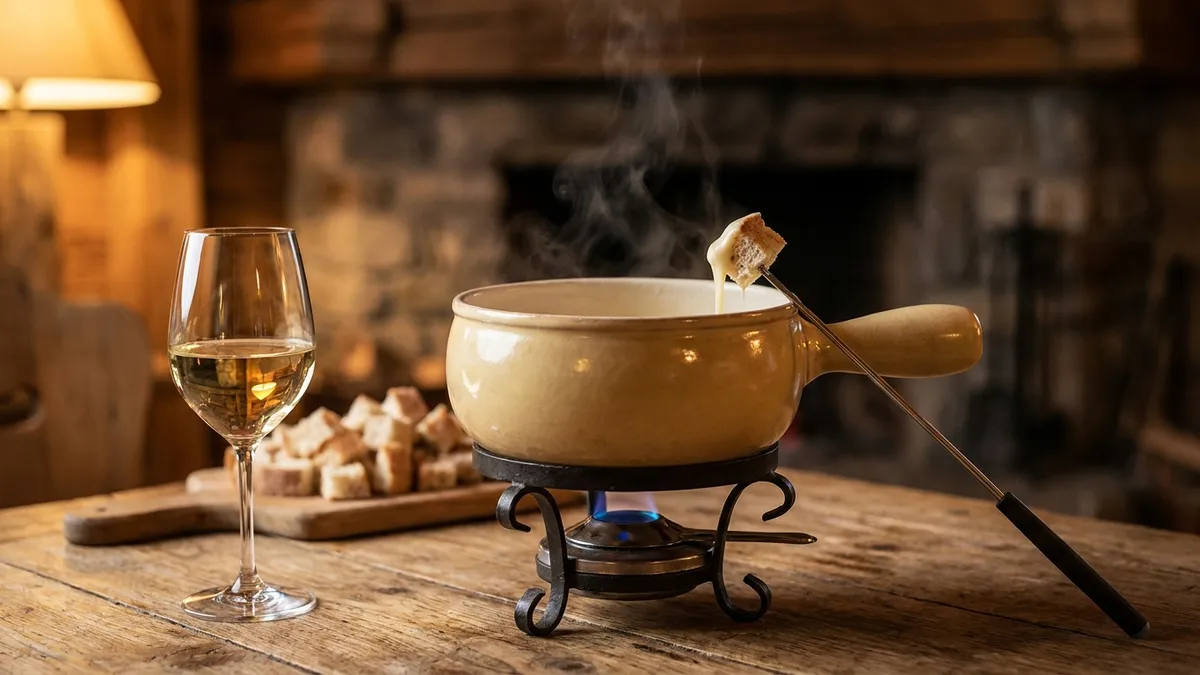
Wine with Fondue: Cheese, Chocolate, and Broth Dips
Wine with fondue depends on the pot: a crisp dry white for cheese, a wine at least as sweet as the dip for chocolate, and a light, fresh red for meat in oil or broth.
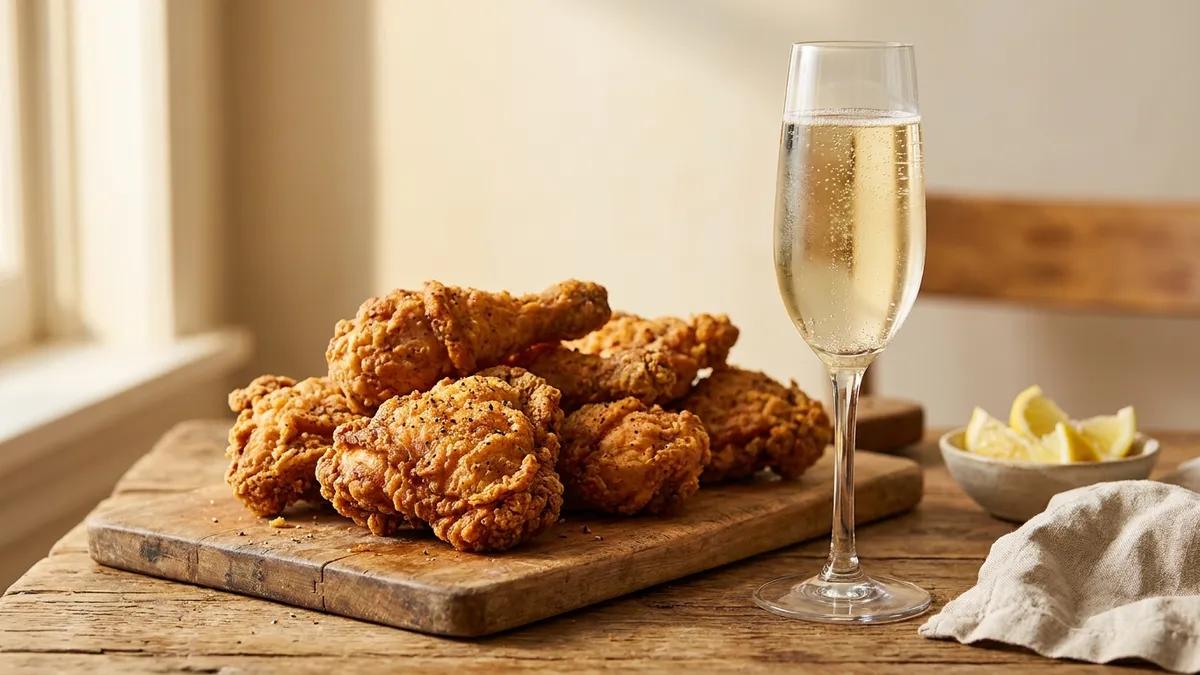
Wine with Fried Food: Crispy Matches That Cut the Grease
Fried food needs a cold wine with high acidity and little oak or tannin. Dry sparkling wine is the easiest pick; dry Riesling, Vinho Verde and chilled light reds work too.
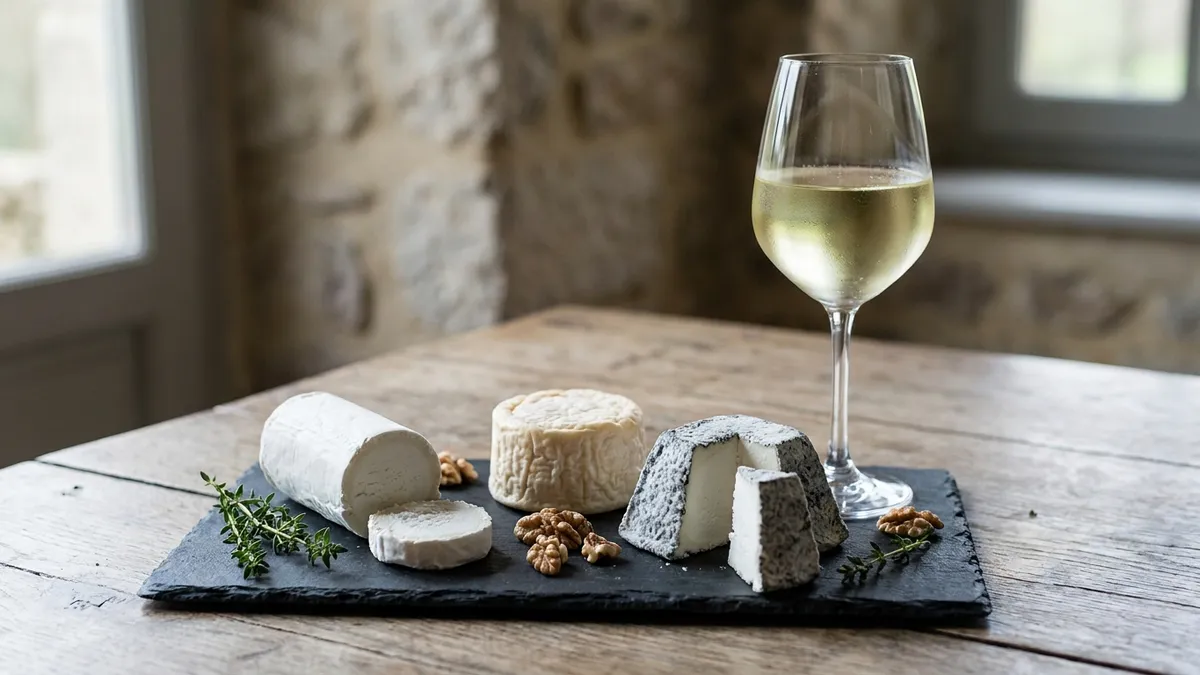
Wine with Goat Cheese: From Chèvre to Aged Varieties
The best wine with goat cheese is a tart, unoaked white like Sauvignon Blanc. As the cheese ages and firms up, the wine can gain body, up to a light, low-tannin red.
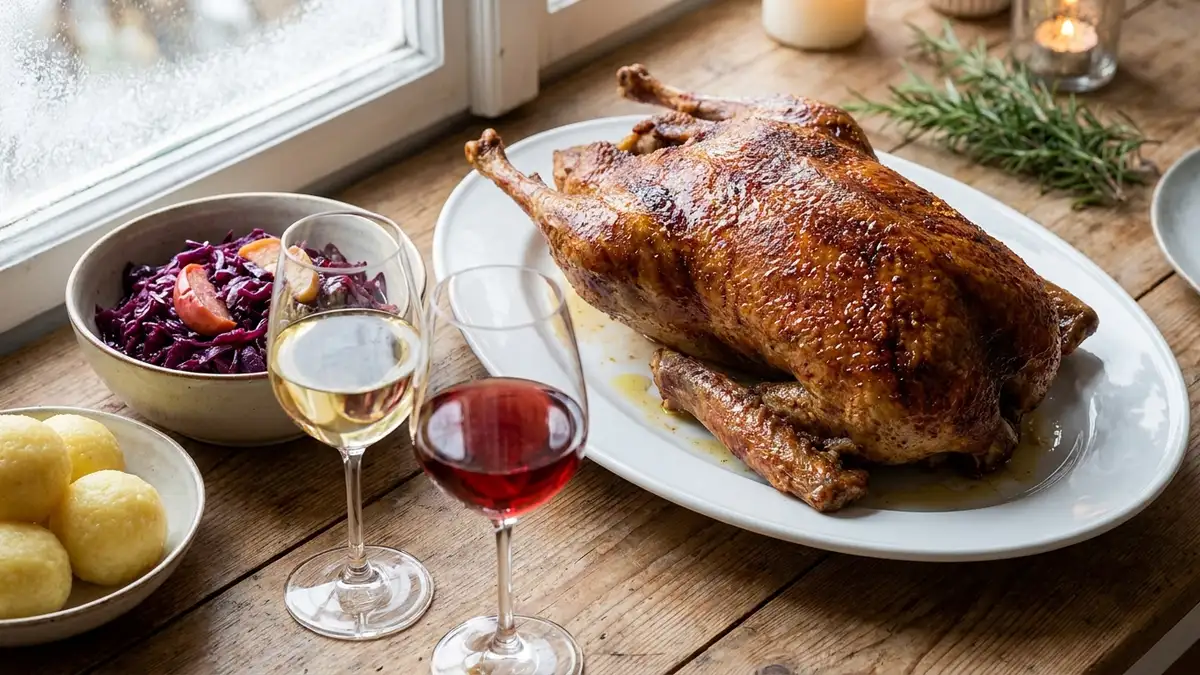
Wine with Goose: Best Pairings for a Rich Holiday Roast
Wine with goose, plate by plate: Riesling for red cabbage, Pinot Noir for gravy and goose-fat potatoes, off-dry whites for apple and prune stuffing, young reds for Martinmas.
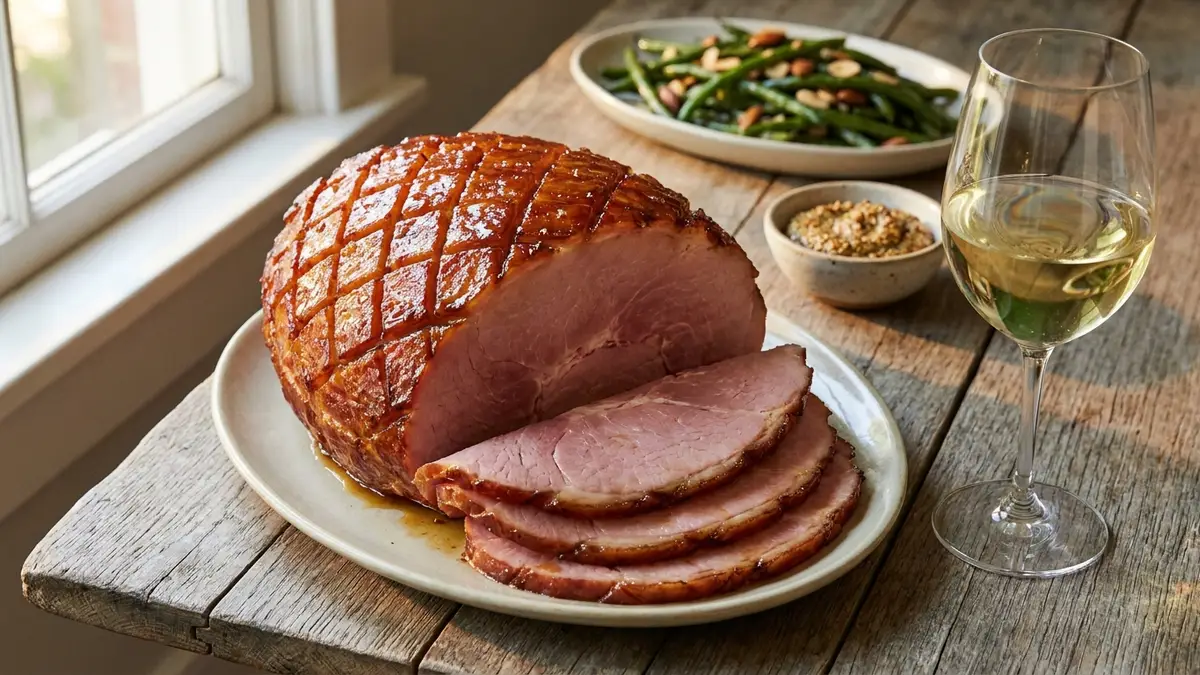
Wine with Ham: Pairings for Glazed, Smoked and Cured Ham
Wine with ham follows the loudest flavour on the slice: off-dry Riesling for a sweet glaze, light low-tannin reds for smoke, fino sherry or dry bubbles for salty cured ham.
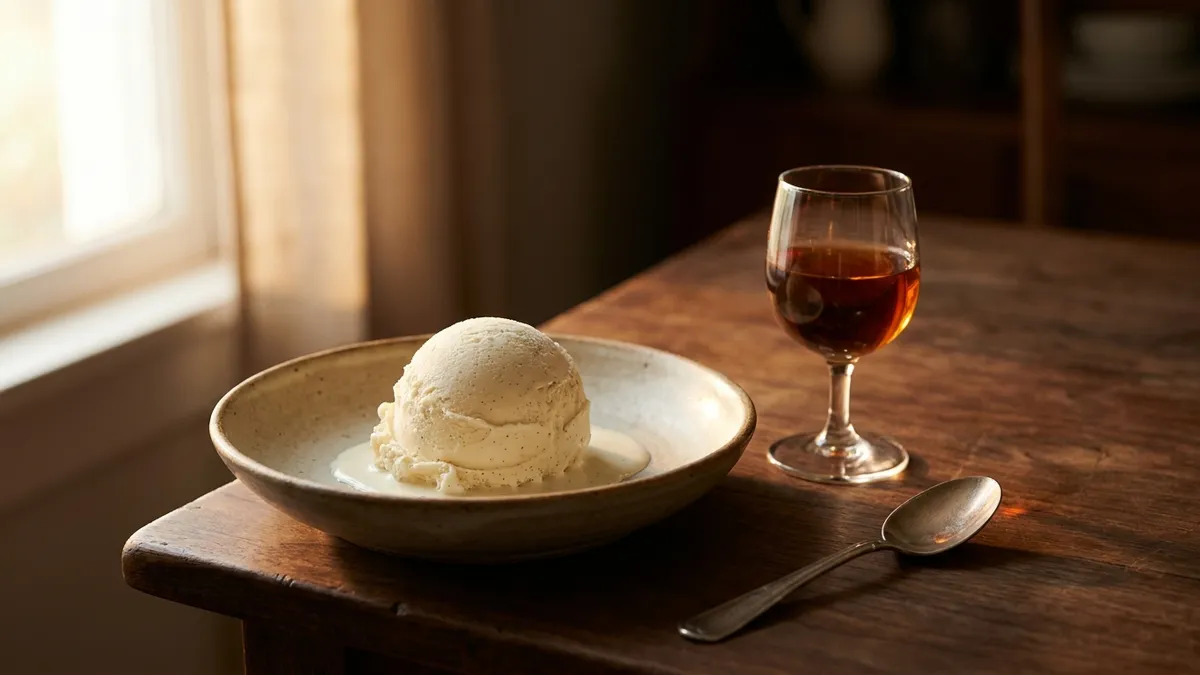
Wine with Ice Cream: The Pairing Nobody Expects to Love
Wine with ice cream works when the wine is sweeter than the scoop and poured small. Port, Pedro Ximénez and Moscato d'Asti by flavour, plus the pour-over trick.
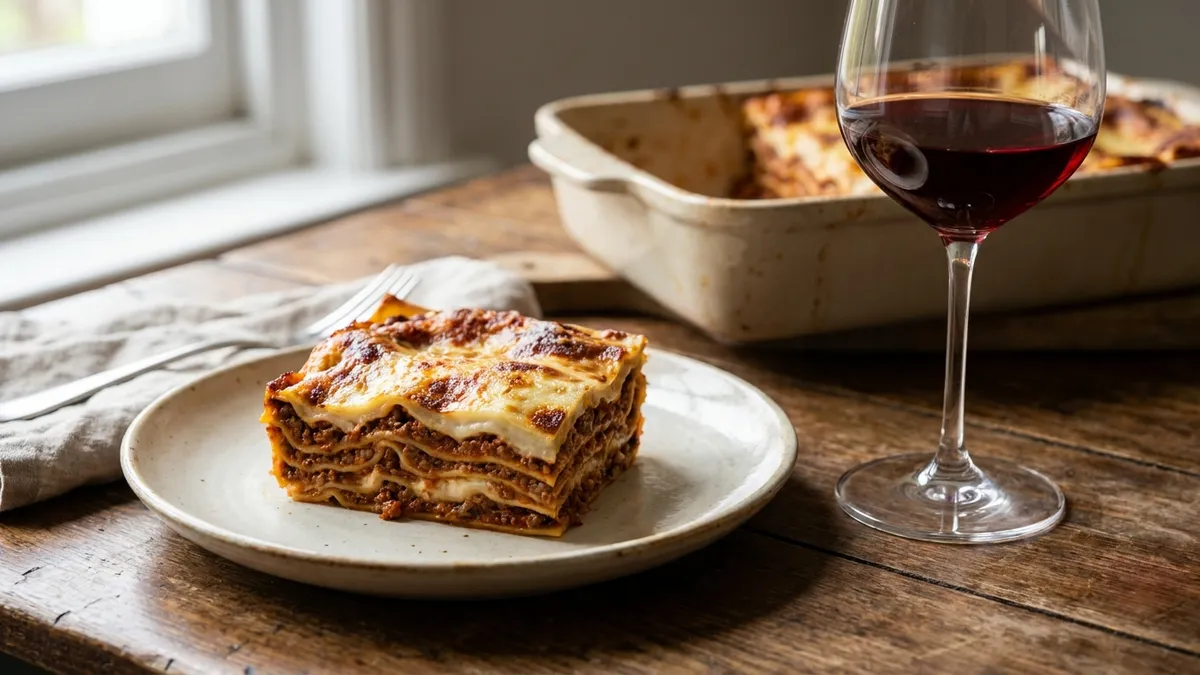
Wine with Lasagna: Meat, Vegetable and White Lasagna
Wine with lasagna follows the loudest layer: high-acid Sangiovese or Barbera for tomato ragù, dry Lambrusco for butter and Parmesan, crisp whites for spinach and béchamel.
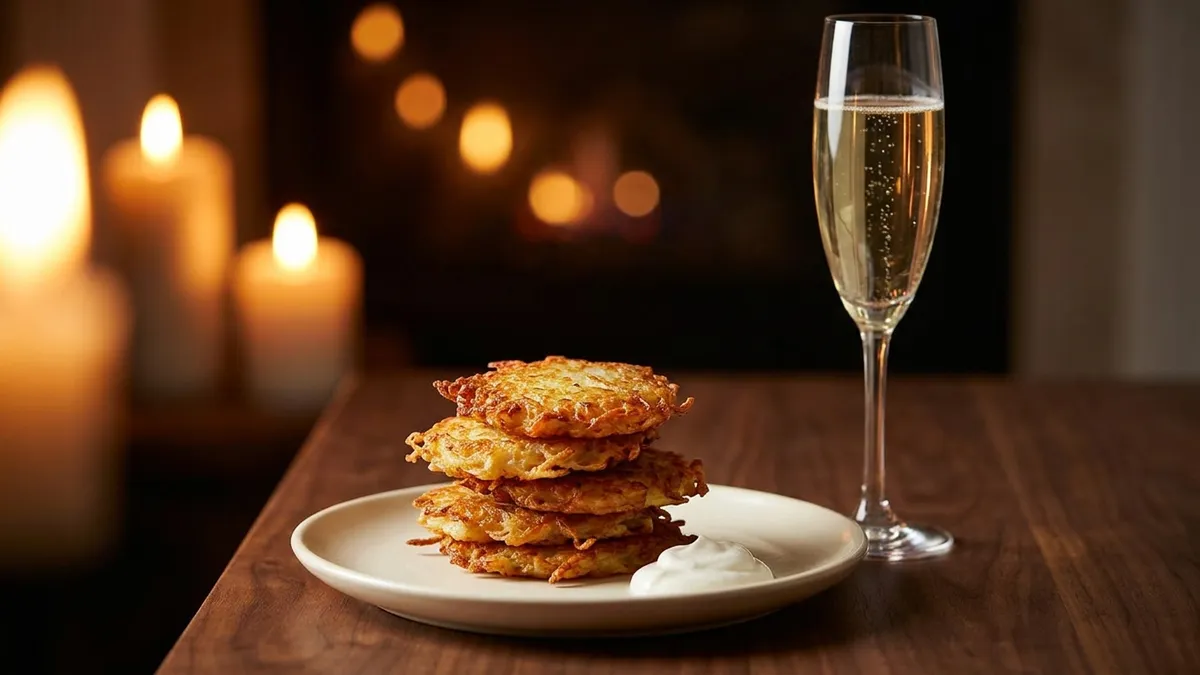
Wine with Latkes: What to Pour for Hanukkah, by Topping
Latkes are potato fried in oil, so the best wine scrubs the oil away: dry Brut sparkling first, off-dry Riesling for applesauce, and the topping decides the rest.
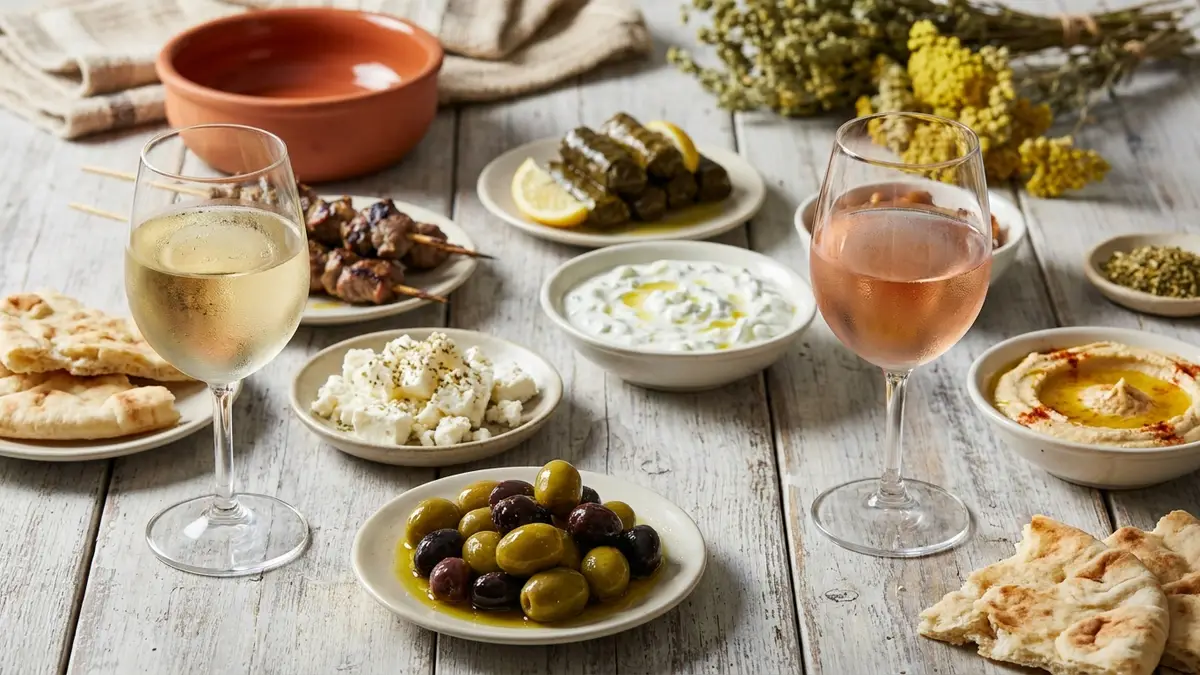
Wine with Mediterranean Food: Greek, Turkish, and Levantine
Lemon, olive oil, yogurt, salt and grill smoke set the rules: crisp unoaked whites and dry rosé for meze, Assyrtiko for Greek seafood, soft Turkish reds for kebabs, tannic reds for fatty lamb.
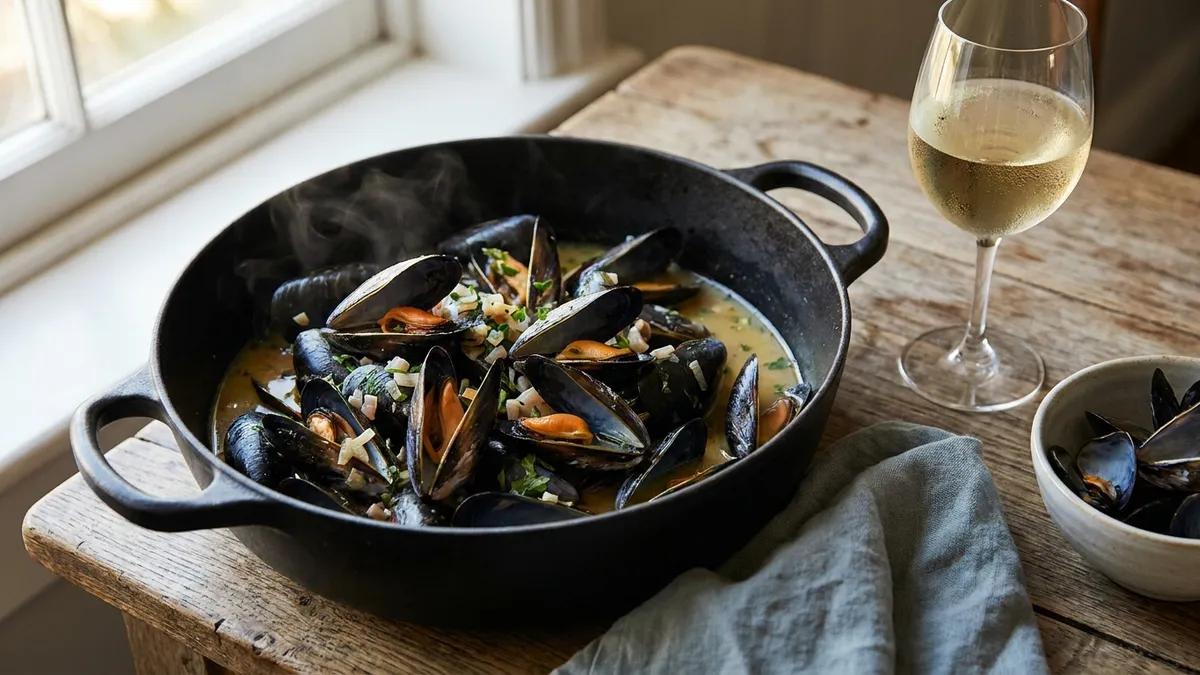
Wine with Mussels: Steamed, Grilled, and Fra Diavolo
Wine with mussels depends on the sauce: lean, salty whites like Muscadet for wine broth, rounder whites for cream and curry, chilled rosé for tomato and chili.
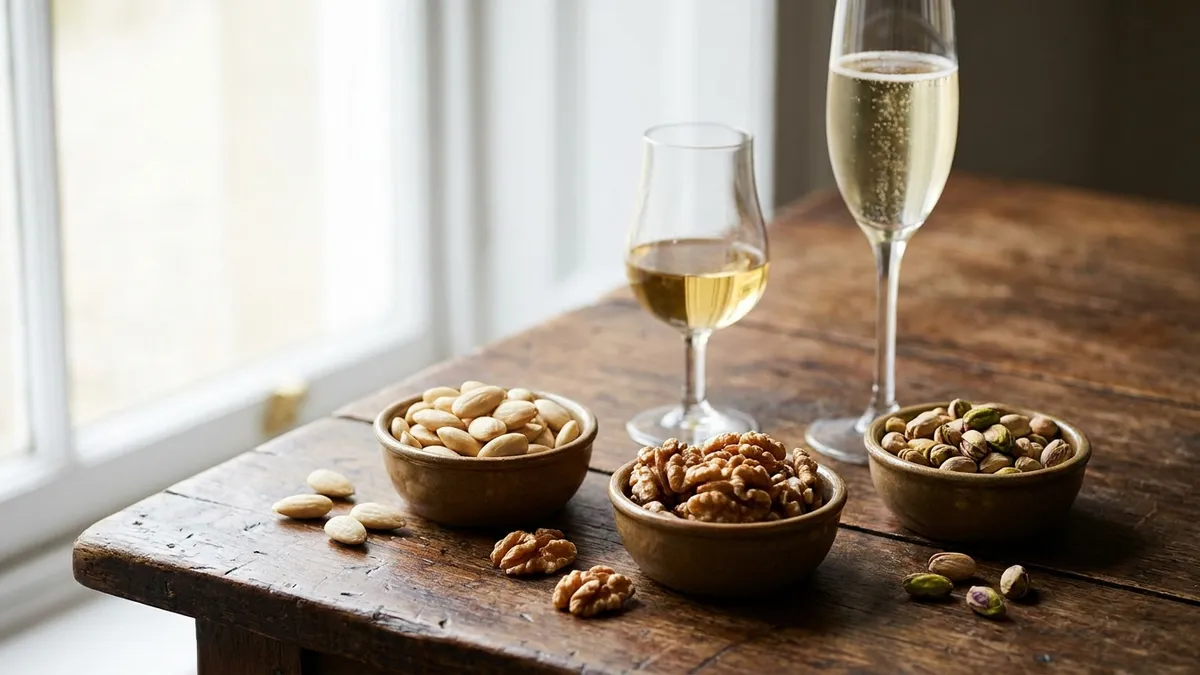
Wine with Nuts: Almonds, Walnuts, Pistachios, and More
Wine with nuts works when the wine brings acid, bubbles or its own nutty taste. Dry sherry with almonds, sparkling wine with salted pistachios, soft reds with walnuts, and Vin Santo with almond biscotti.
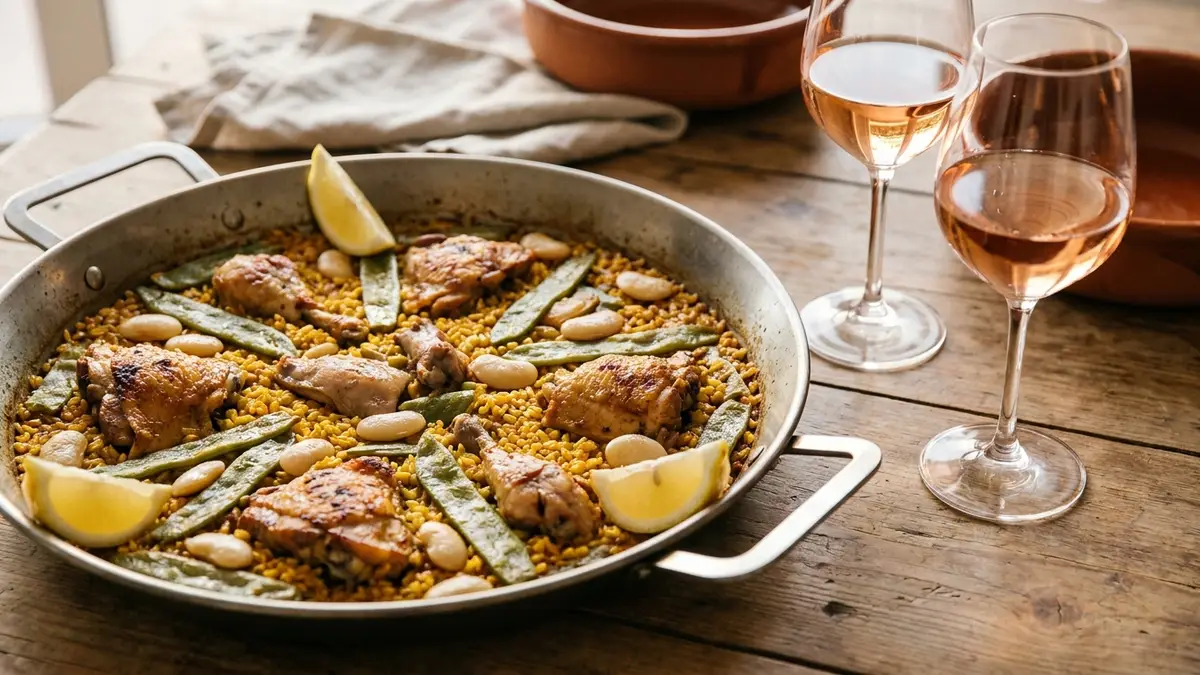
Wine with Paella: Match the Wine to What's in the Pan
Wine with paella depends on the pan: Garnacha rosado or a chilled light red for rabbit-and-chicken valenciana, Albariño or brut Cava for seafood, and acidity for every version.
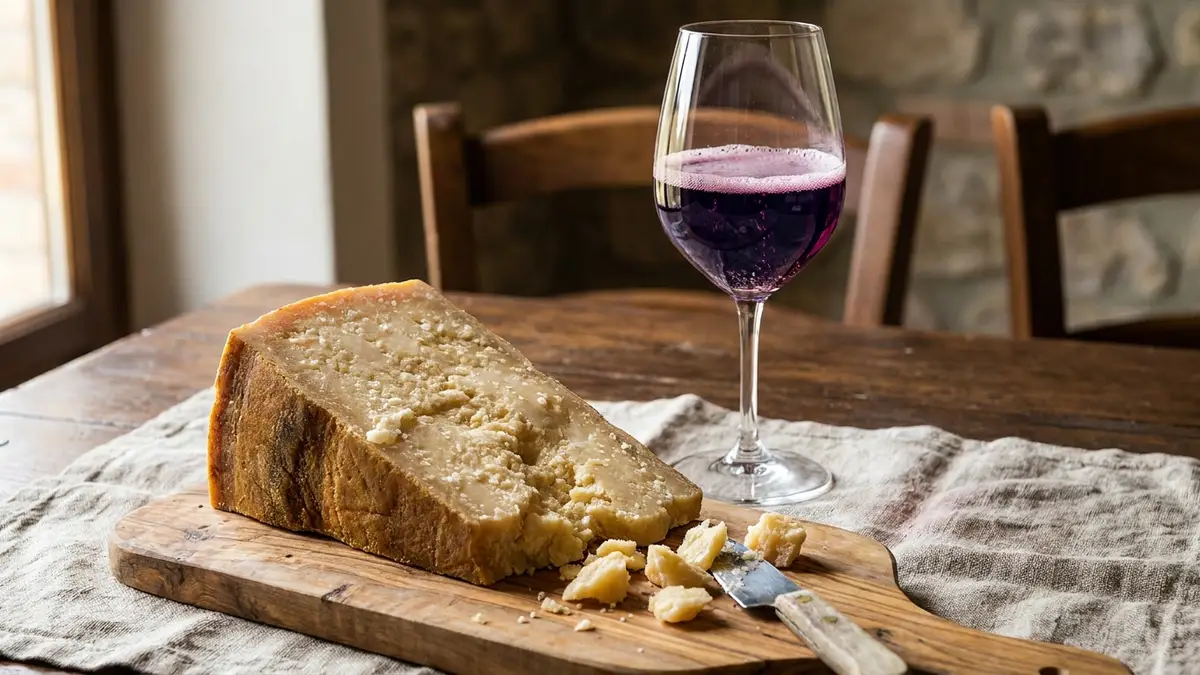
Wine with Parmesan: Italy's Greatest Cheese Pairing
Dry Lambrusco is the best wine with Parmesan: its bubbles and acidity cut the cheese's salt and fat. Older wedges call for Sangiovese, Nebbiolo or dry sherry.
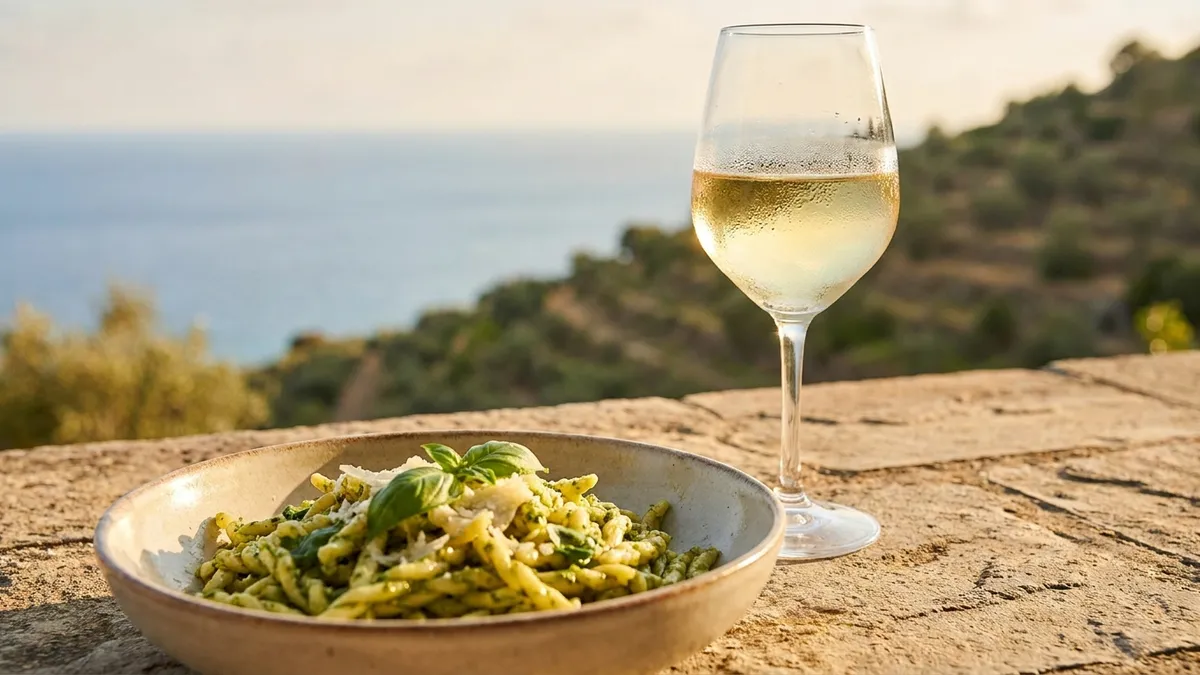
Wine with Pesto: Basil, Pine Nuts, and the Right Pour
Pesto wants a dry, unoaked white with high acidity and a herbal smell: Vermentino first, Sauvignon Blanc second. A red works only if it is light, low in tannin and served cool.
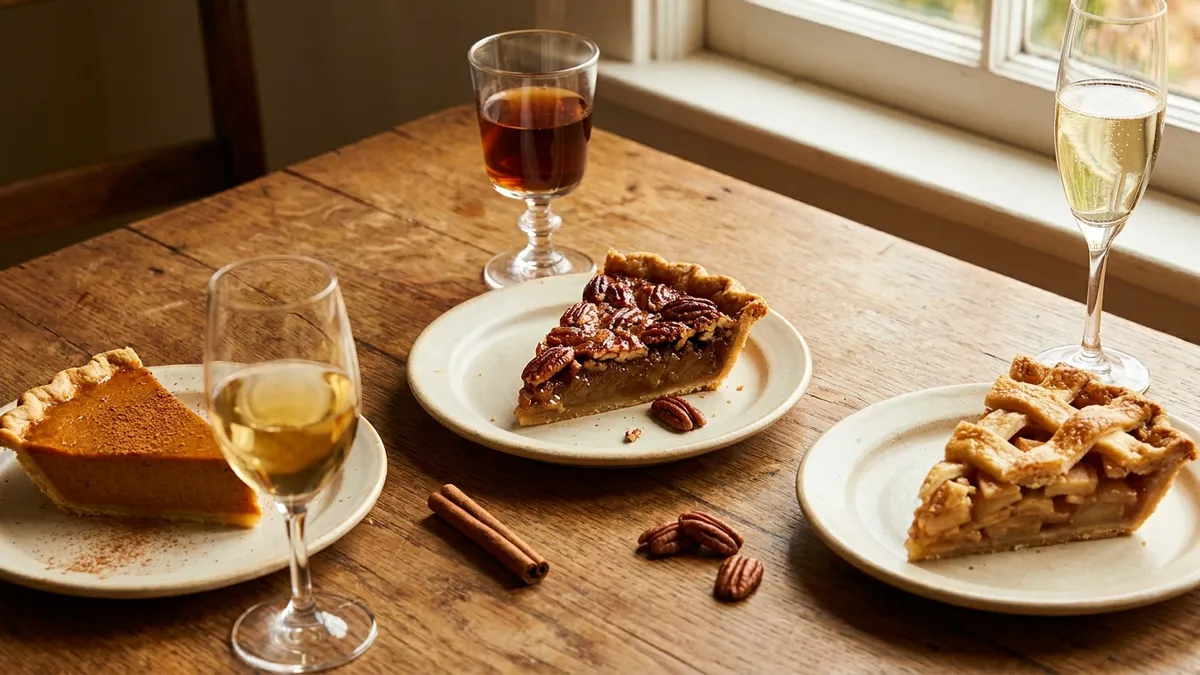
Wine with Pumpkin Pie, Plus Pecan and Apple Pie Pairings
Wine with pumpkin pie, pecan pie and apple pie: the wine must be at least as sweet as the slice, and the filling picks the style, from Moscato d'Asti to tawny port to ice wine.
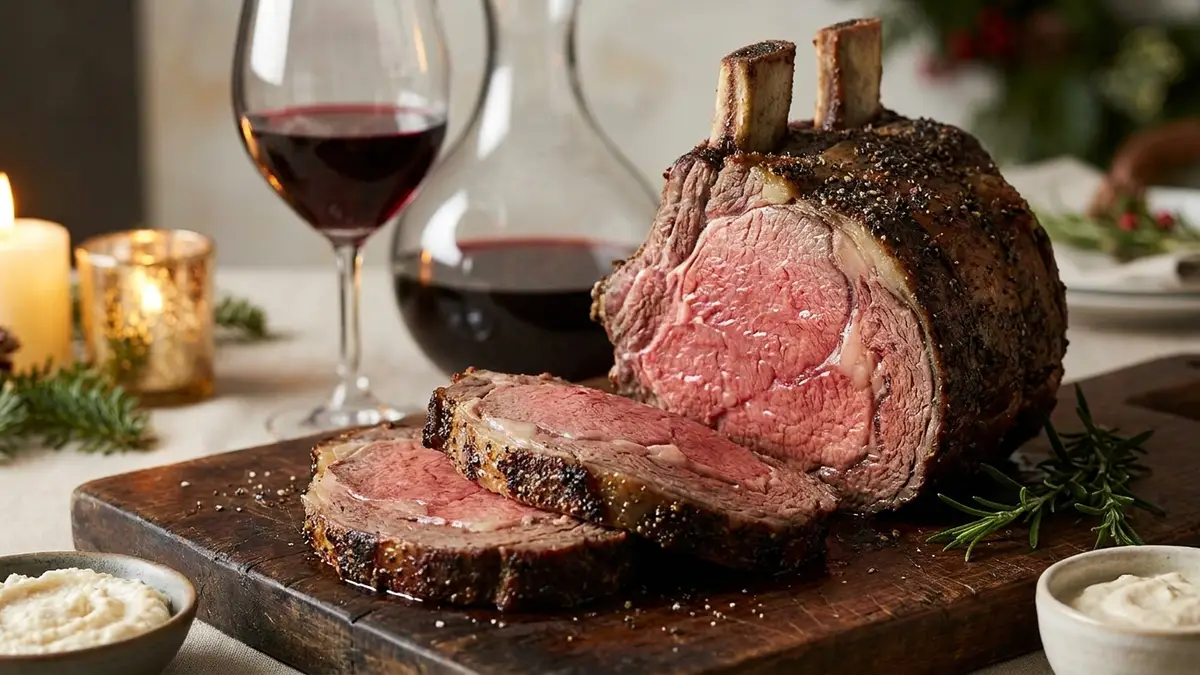
Wine with Prime Rib: The Christmas Roast Pairing Guide
The best wine with prime rib is a firm, tannic red such as Cabernet Sauvignon or Syrah. Doneness, the slice on your plate and the horseradish decide how firm.
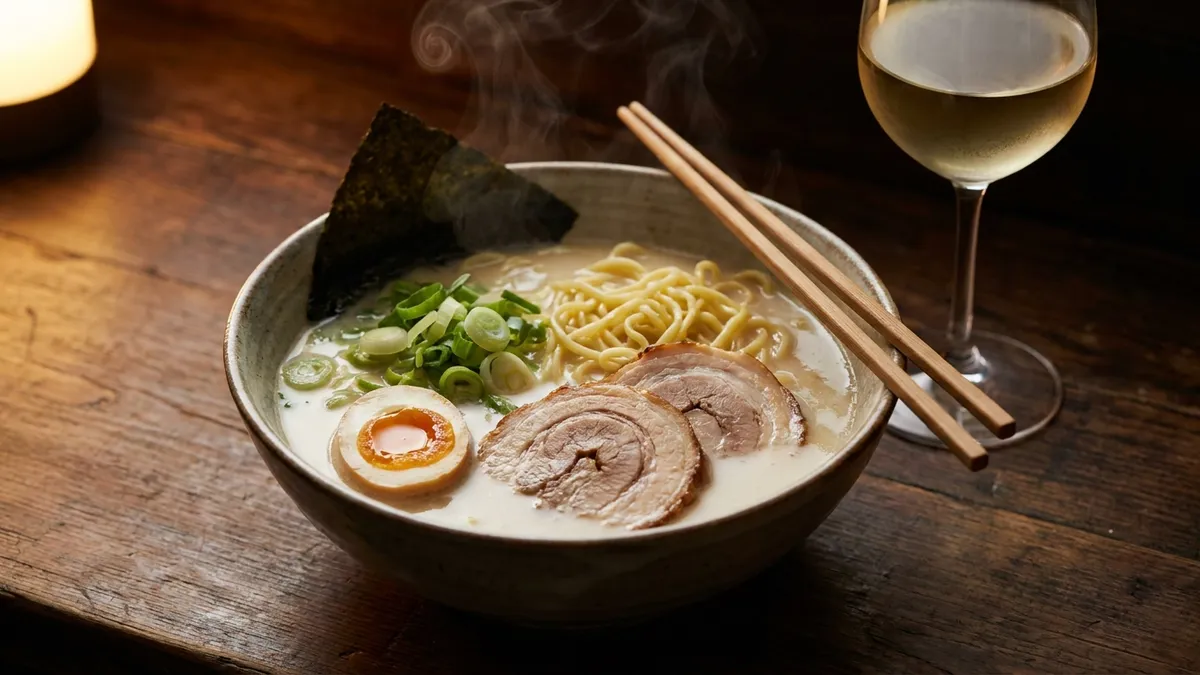
Wine with Ramen: Unexpected Pairings for Every Broth
Wine with ramen works when you match the broth: dry sparkling for clear shoyu, off-dry Riesling or Pinot Gris for creamy tonkotsu, nutty whites for miso, and sweeter, lighter Riesling for chili oil.
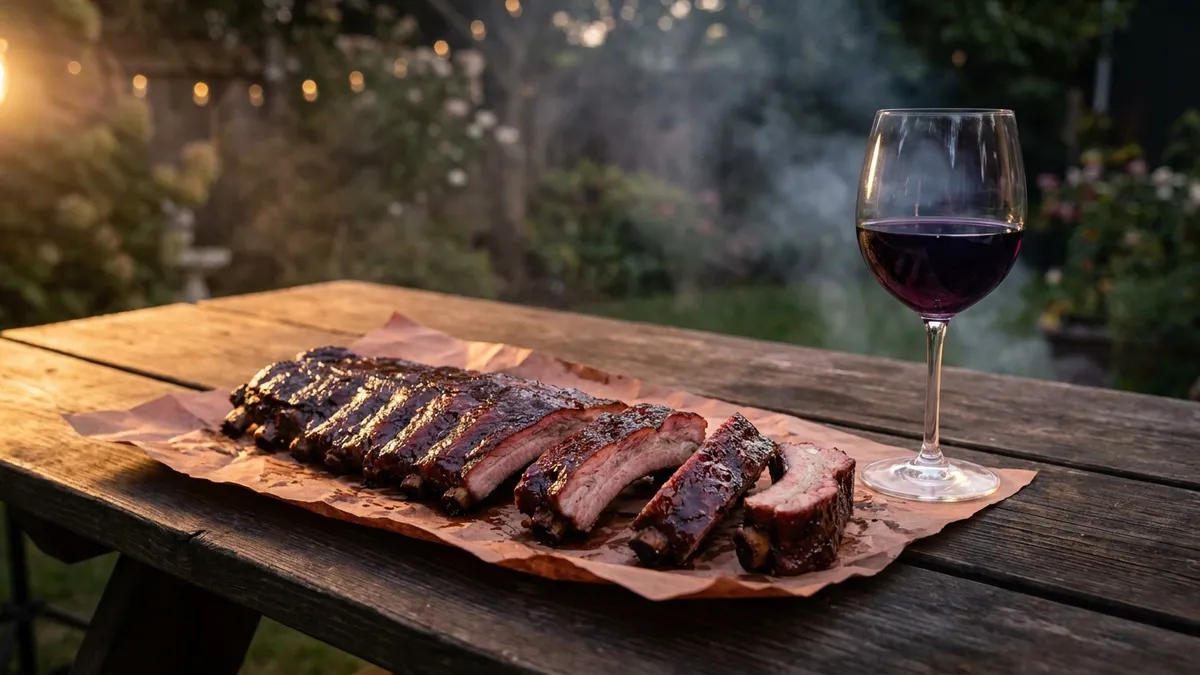
Wine with Ribs: Sweet, Smoky and Sticky BBQ Pairings
The best wine with ribs follows the last thing brushed on the rack. Dry-rub, sticky-glazed, spicy and beef short ribs each want a different red, rosé or sparkling red.
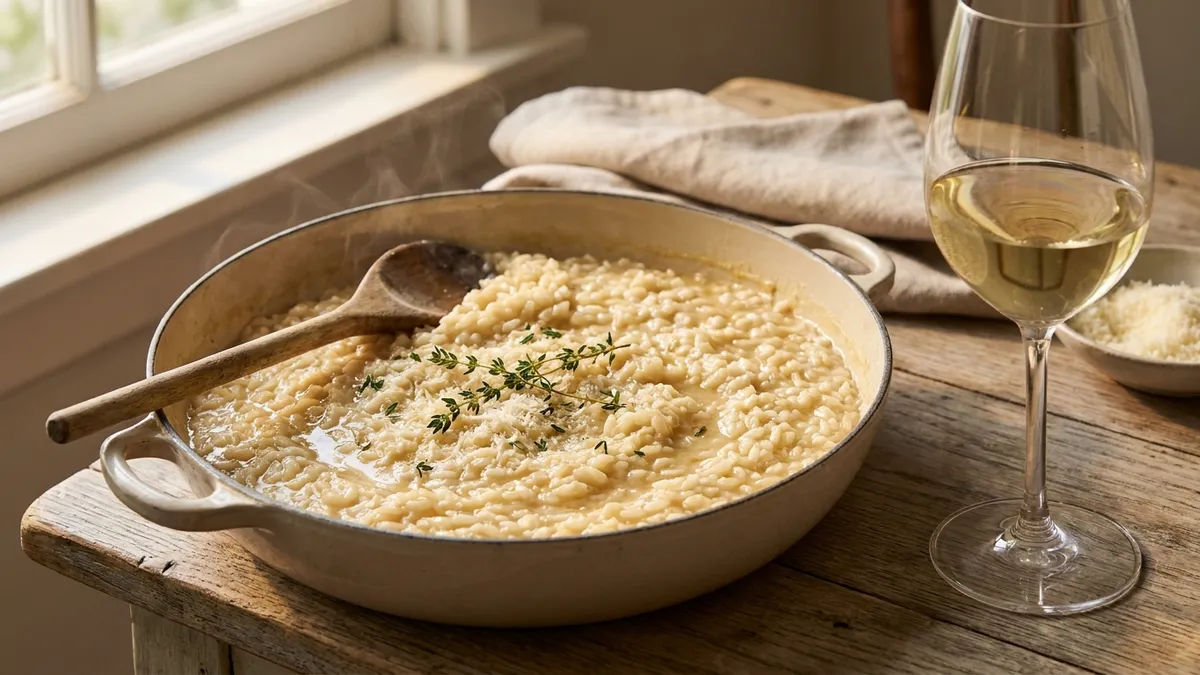
Wine with Risotto: Matching the Flavor, Not Just the Rice
Wine with risotto, matched to what you stir in: Gavi or Soave for seafood and spring greens, Pinot Noir for mushrooms, Barbera for sausage, and a rounder white for saffron.
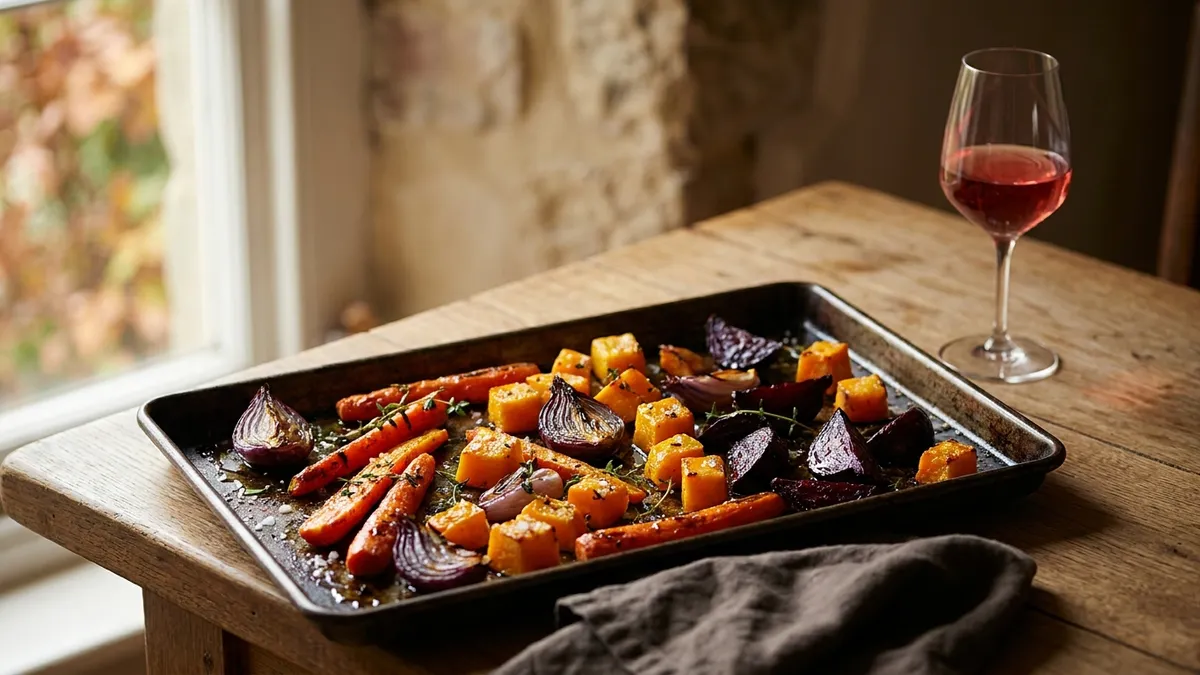
Wine with Roasted Vegetables: Roots, Squash and Sprouts
Wine with roasted vegetables follows the roast: pale trays take crisp whites, browned ones take riper whites, rosé or soft reds. Picks for squash, beets, sprouts and peppers.
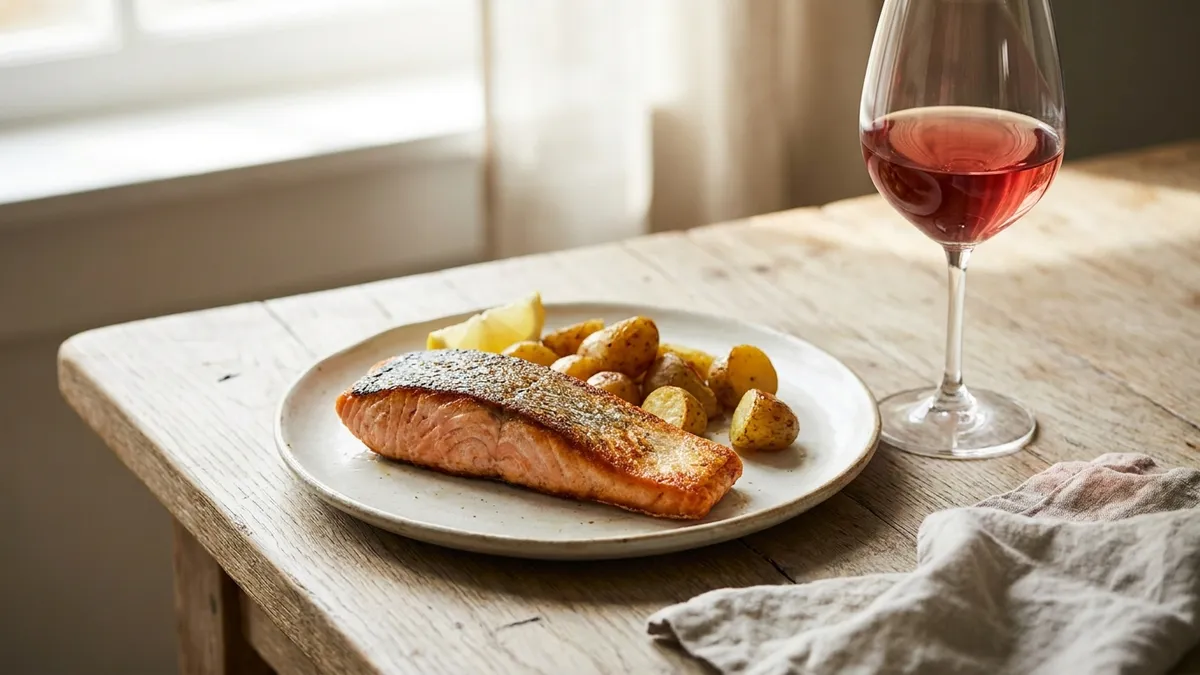
Wine with Salmon: Grilled, Smoked, Baked and Raw Pairings
Salmon is a fatty fish that needs acidity more than a wine colour. Cooking method, sauce and salt decide between Chardonnay, Pinot Noir, rosé and sparkling wine.
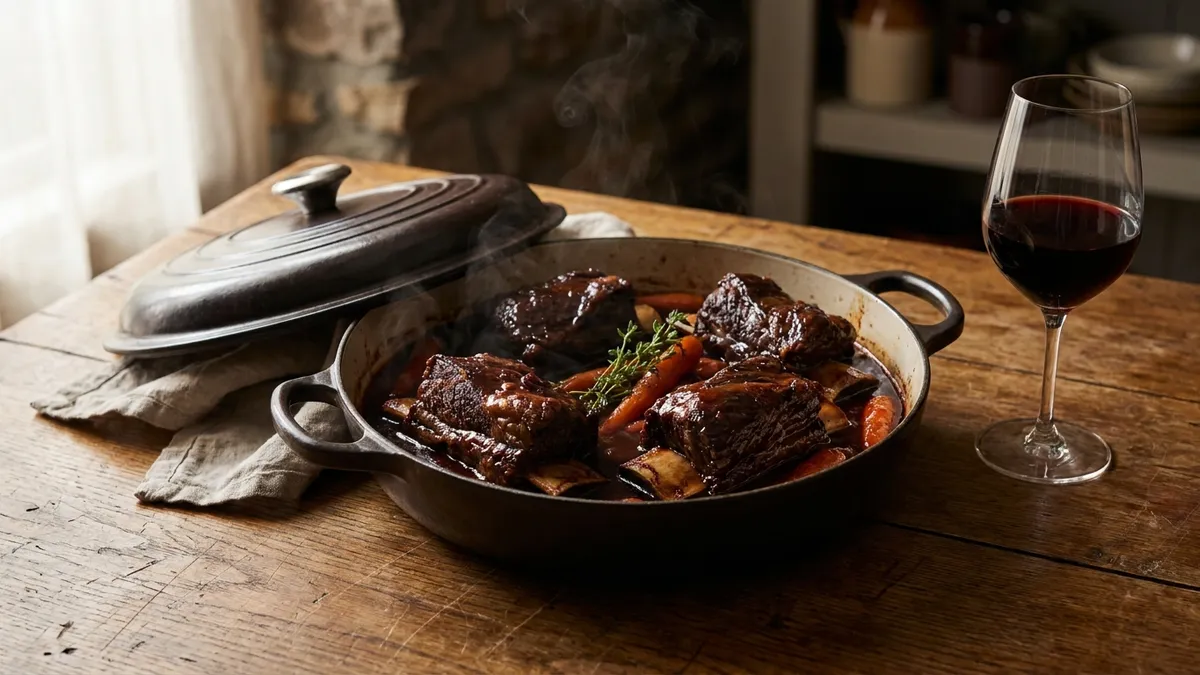
Wine with Short Ribs: Match the Big Red to the Sauce
Braised short ribs soften tannin with gelatin, fat and protein, so a full-bodied dry red works best. The sauce decides which one: Cabernet, Syrah, Malbec or Nebbiolo.
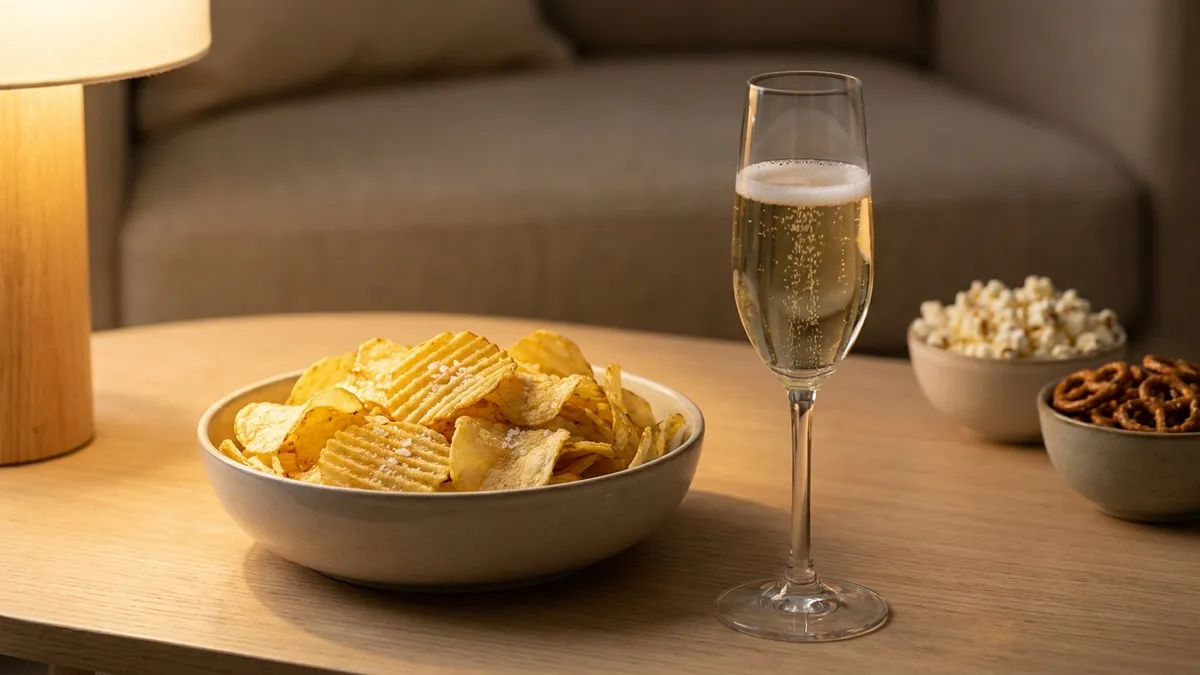
Wine with Snacks: Pairing Chips, Popcorn and Party Food
Salty, fried snacks want a wine with high acidity and bubbles. Which wine to pour with chips, popcorn, flavoured crisps, nuts and dips, and how sweetness on the label changes the match.
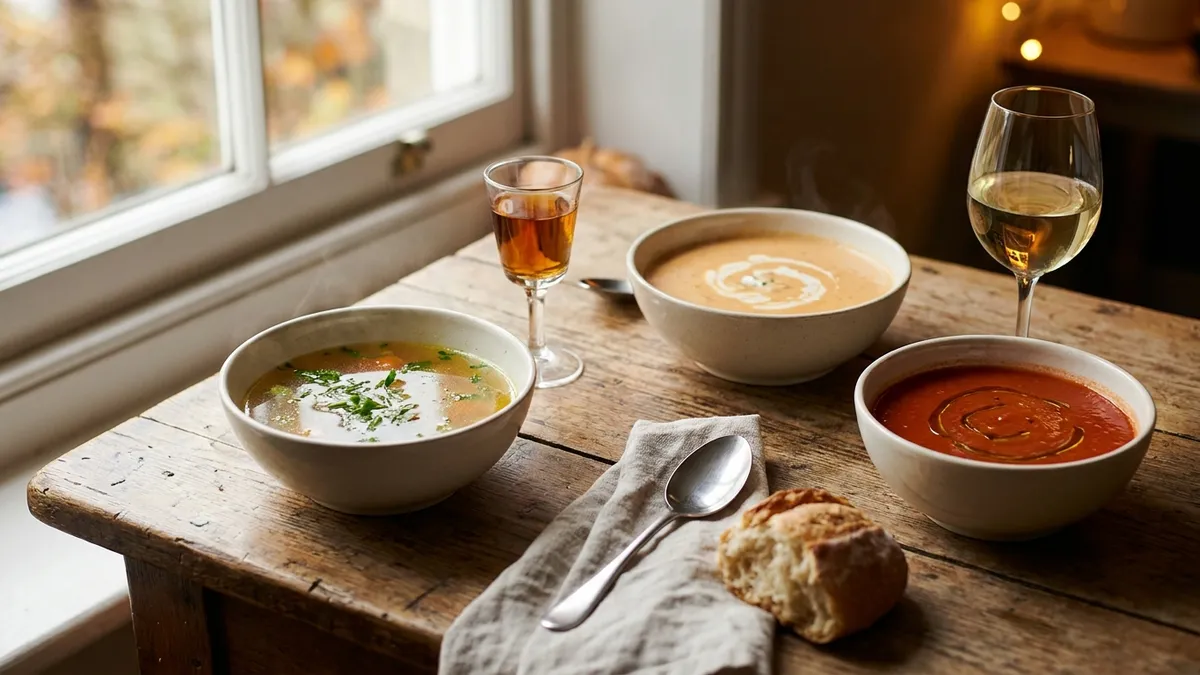
Wine with Soup: What to Pour With Every Bowl, Hot or Cold
Wine with soup works when you pair the broth, not the vegetable: heat and salt make alcohol burn, cream wants acidity, and dry sherry has gone with consommé for generations.
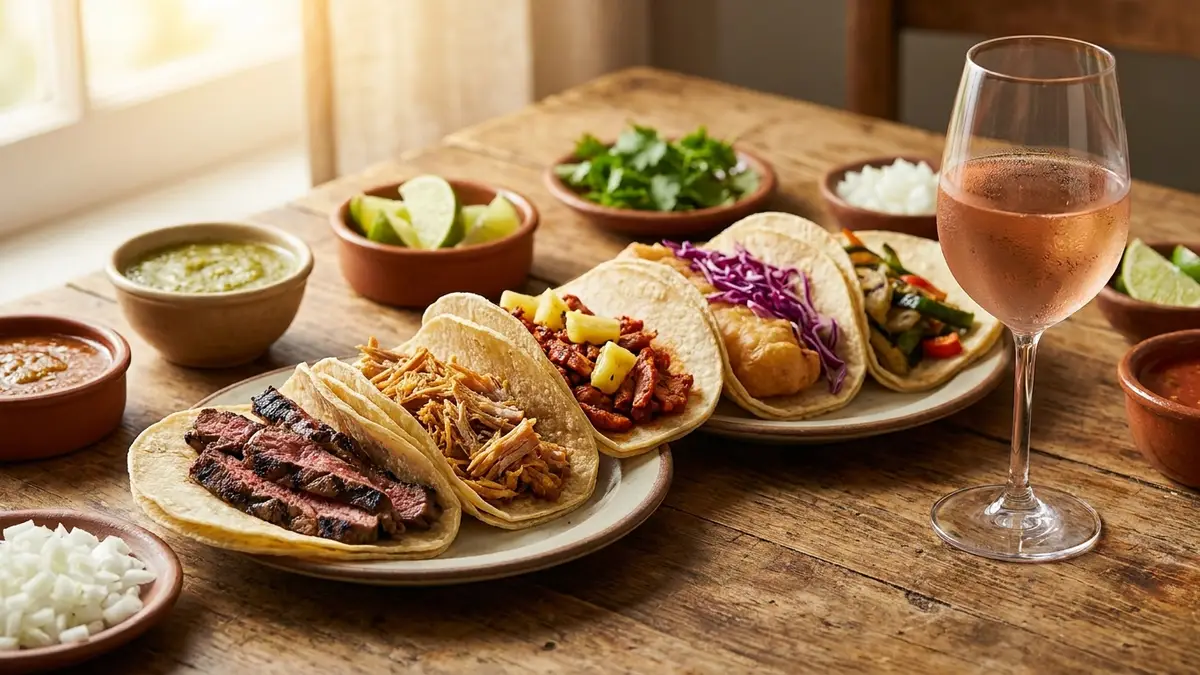
Wine with Tacos: A Pairing for Every Filling and Salsa
Wine with tacos works when you pair the salsa, not the meat: chilli heat wants cold, low-alcohol and off-dry wine, lime wants acid, and fat wants acid plus soft tannin.
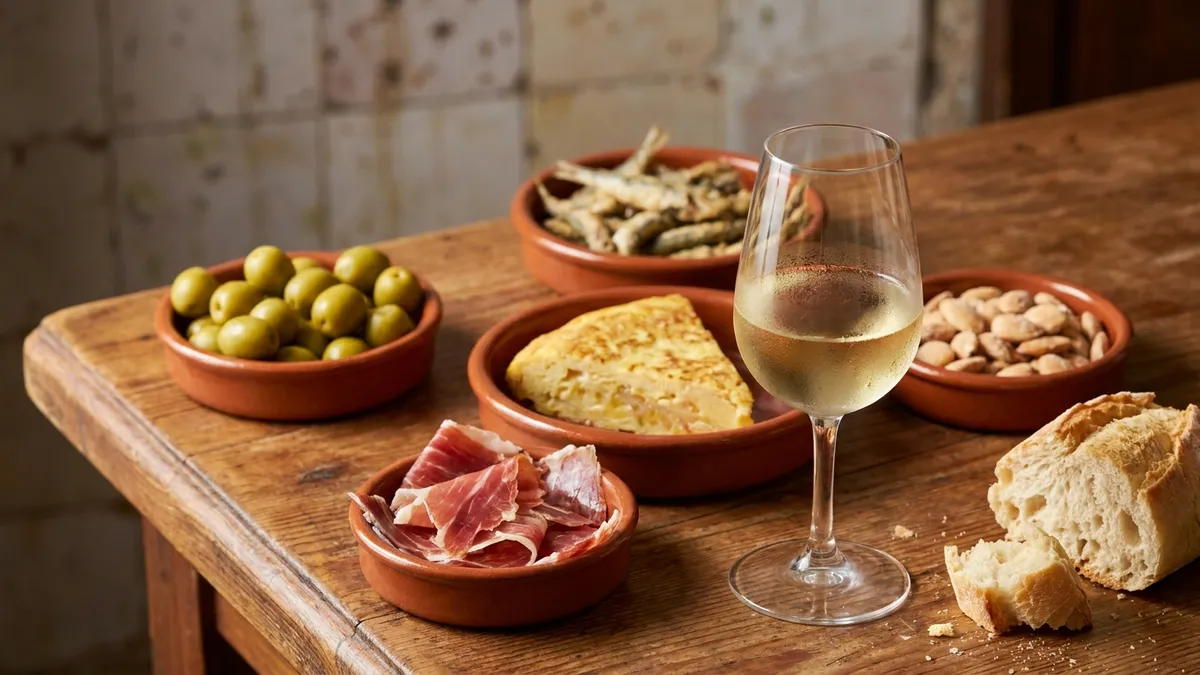
Wine with Tapas: A Spanish Small Plates Pairing Guide
Wine with tapas works best dry, sharp and cold: fino sherry for ham and olives, Cava for fried plates, Albariño for seafood, rosado for patatas bravas, and a light red for chorizo.
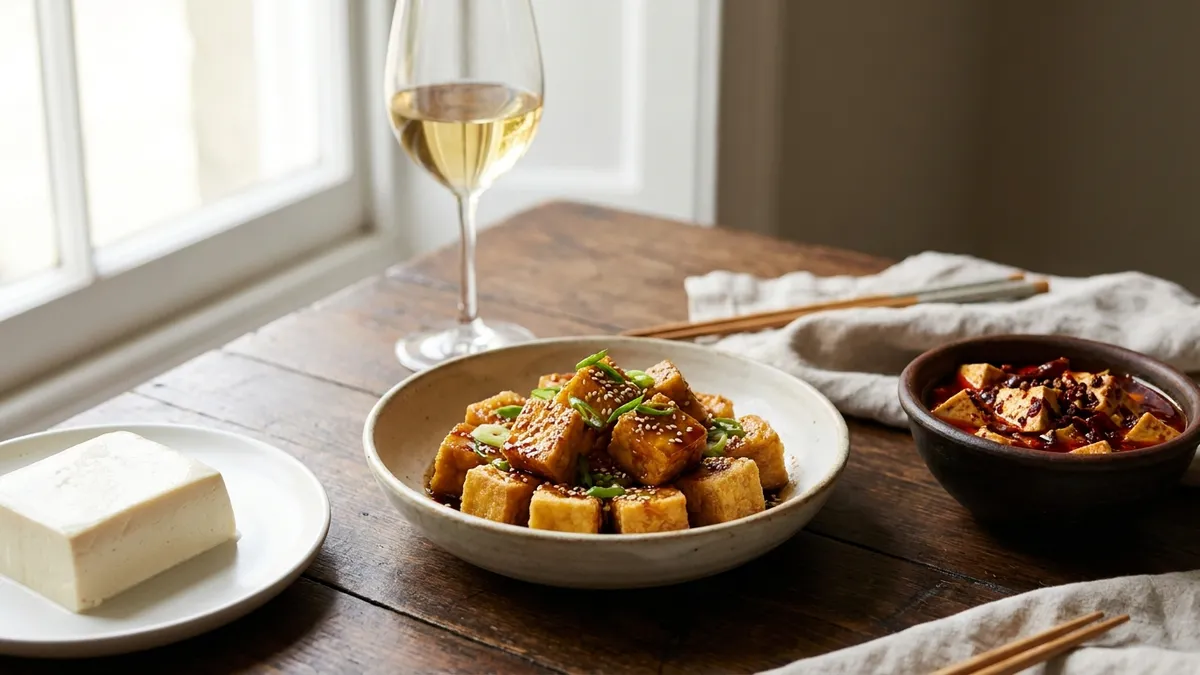
Wine with Tofu: Match the Preparation, Not the Protein
Tofu tastes of almost nothing, so the wine follows the sauce, the cooking method and the chili. Brut bubbles for crispy tofu, off-dry Riesling for mapo tofu and sweet glazes, a light chilled red for mushroom or miso braises.
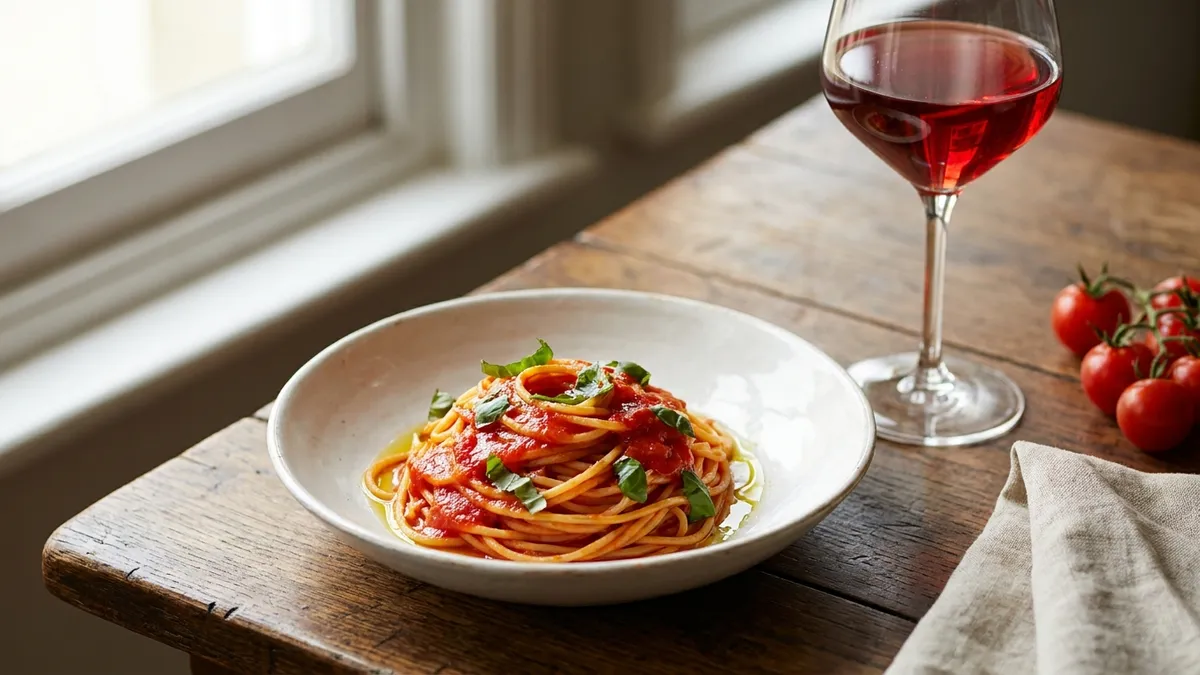
Wine with Tomato Sauce: Why the Acidity Has to Match
Tomato sauce is tart, so the wine beside it has to be at least as tart. Which wine to pour with marinara, ragù, vodka sauce, arrabbiata and sweet jarred sauce, and why.
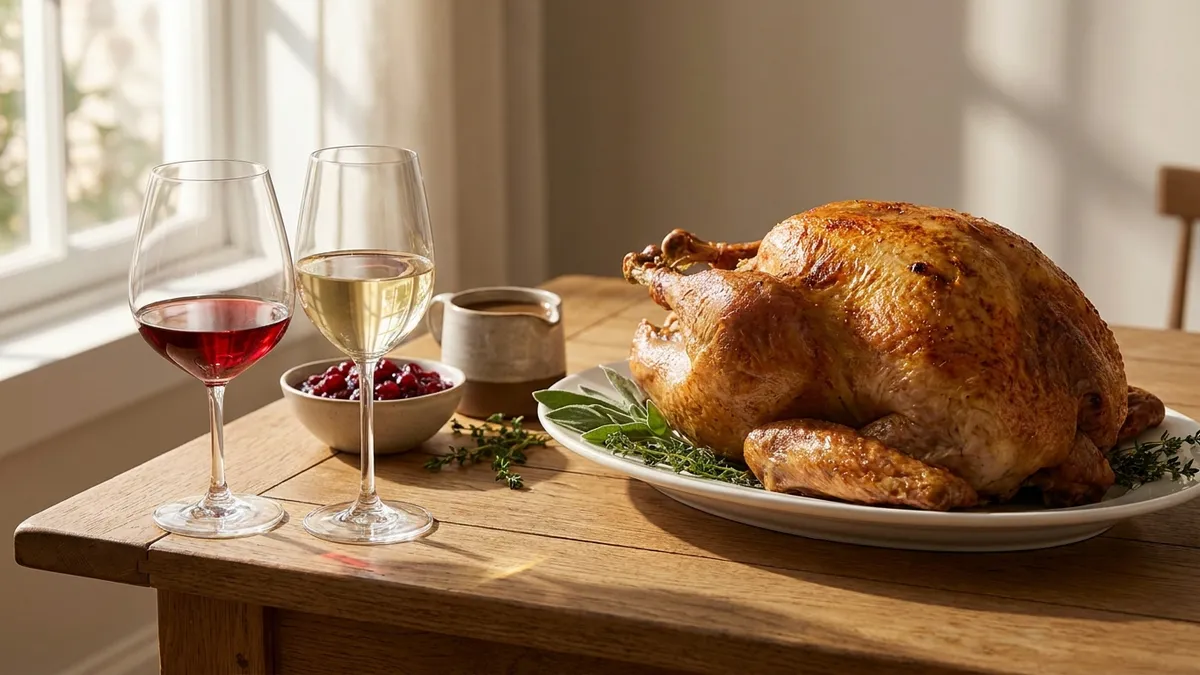
Wine with Turkey: The Best Pairings Beyond Thanksgiving
Turkey breast is about 1% fat, so tannic reds taste dry beside it. Pinot Noir, Gamay, light Chardonnay, dry Riesling and sparkling wine fit, and the sauce or cooking method picks between them.
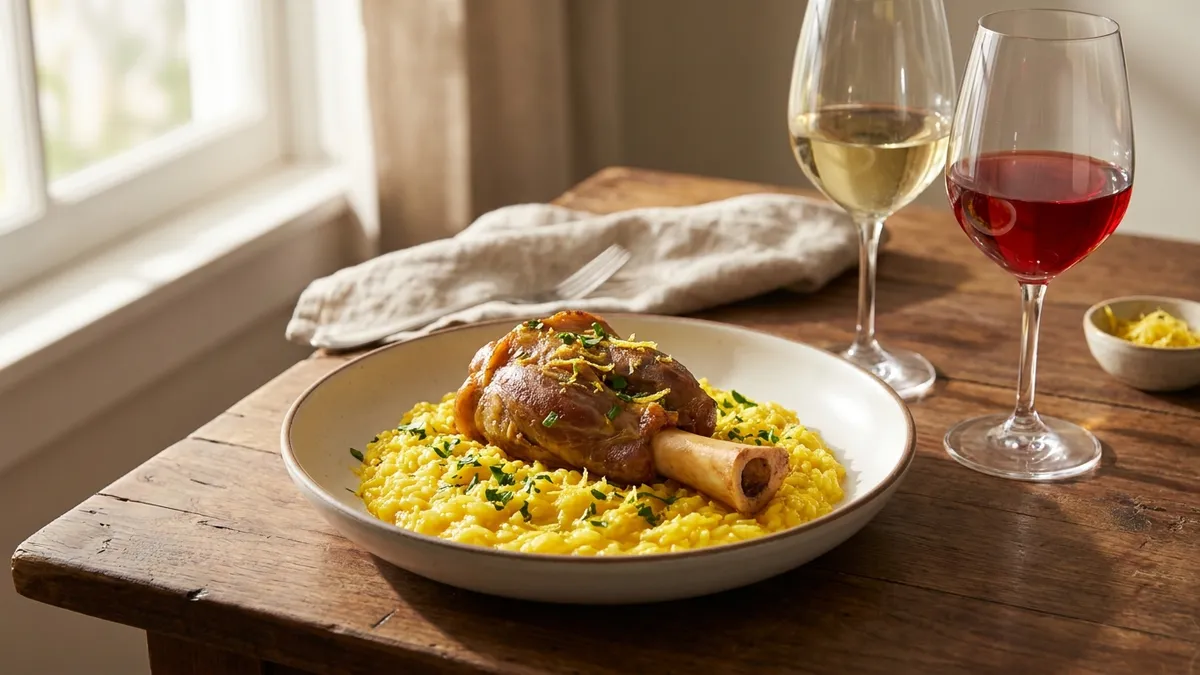
Wine with Veal: Osso Buco, Piccata, Schnitzel and More
Veal is lean and mild, so the sauce picks the wine: sharp whites for piccata and schnitzel, a firm red for osso buco, a round white for cream.
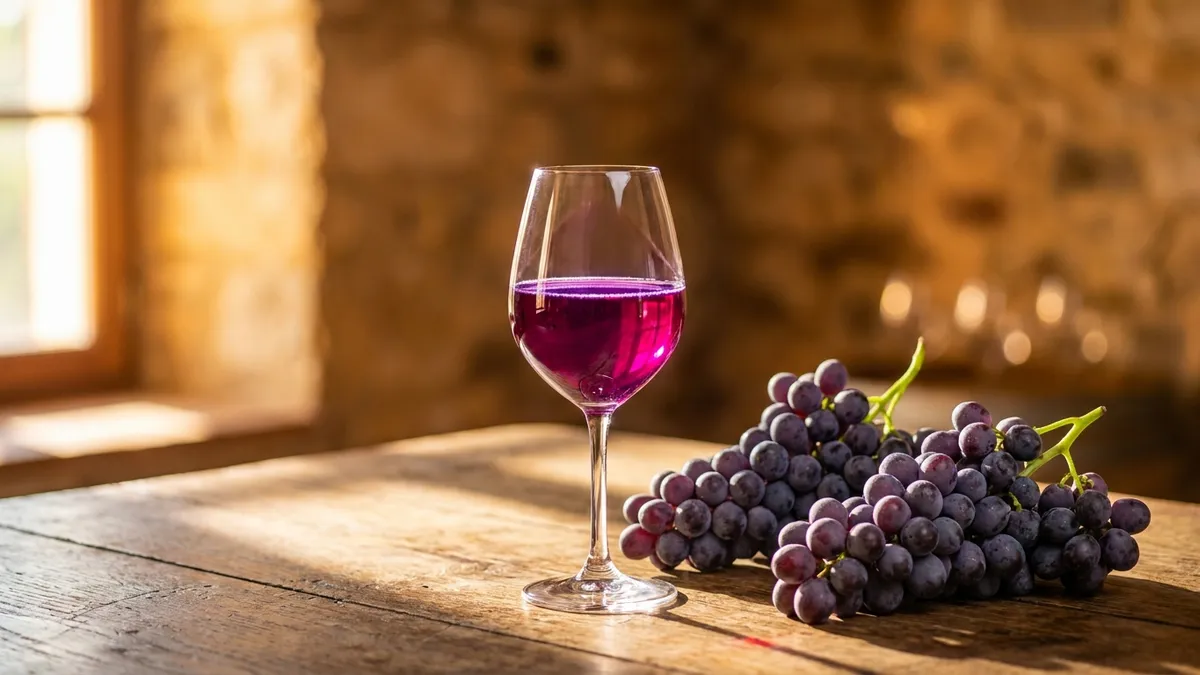
Carbonic Maceration Wine Explained: Fruity, Low-Tannin Reds
How carbonic maceration works, how it differs from semi-carbonic, why the wines taste of crushed strawberry and banana, and how to serve, pair and choose them.
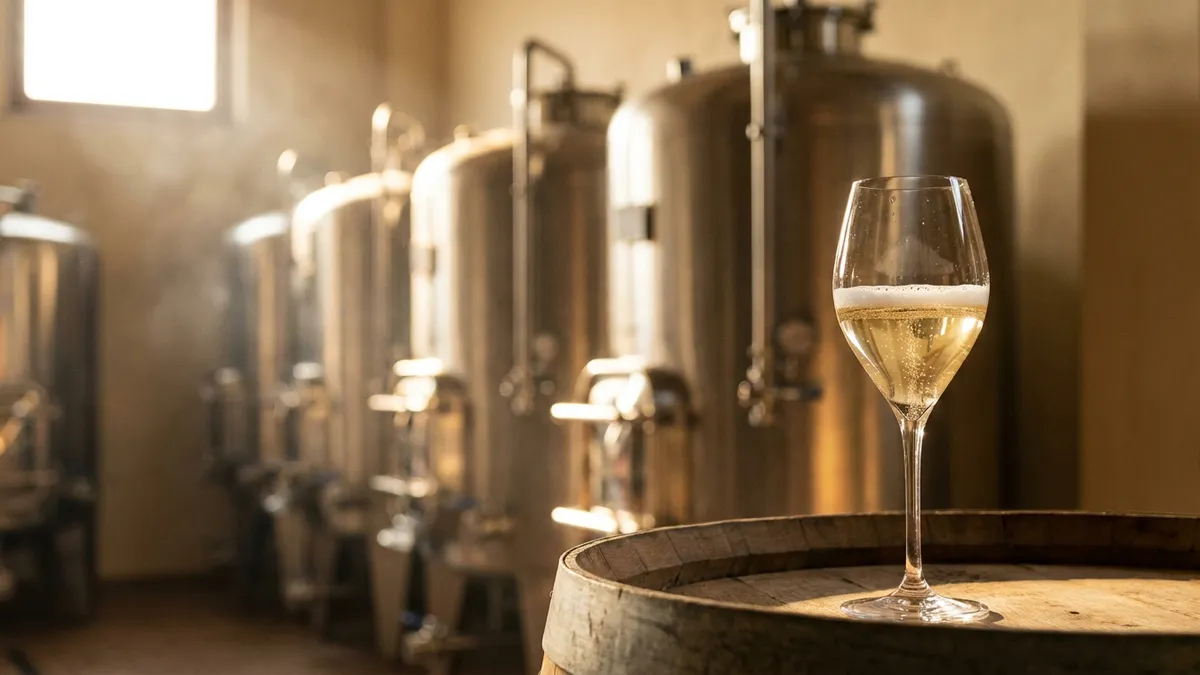
Charmat Method Sparkling Wine: How Prosecco Gets Its Fizz
How the Charmat or tank method puts bubbles in Prosecco, Lambrusco and Asti: the sealed steel tank, legal minimum times, why it tastes fruity, and how to buy and serve it.
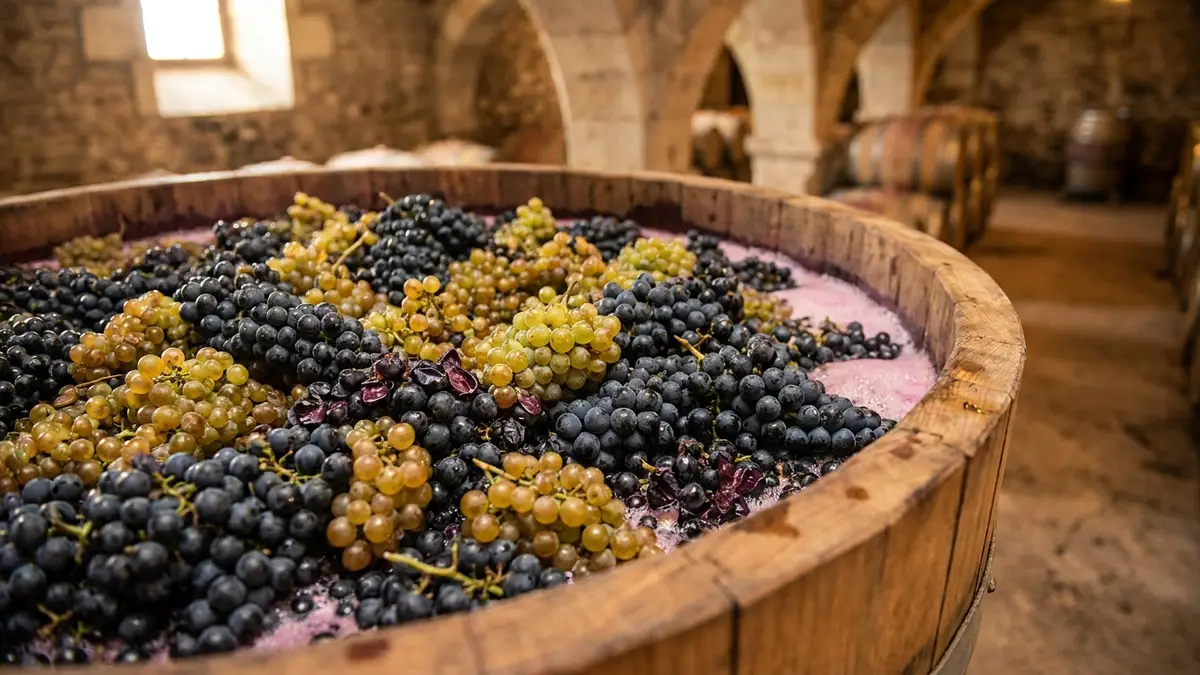
Co-Fermentation Wine: Red and White Grapes in One Tank
What co-fermentation wine is, how it differs from a field blend and a normal blend, why Côte-Rôtie ferments Viognier with Syrah, and where to find co-fermented wines today.
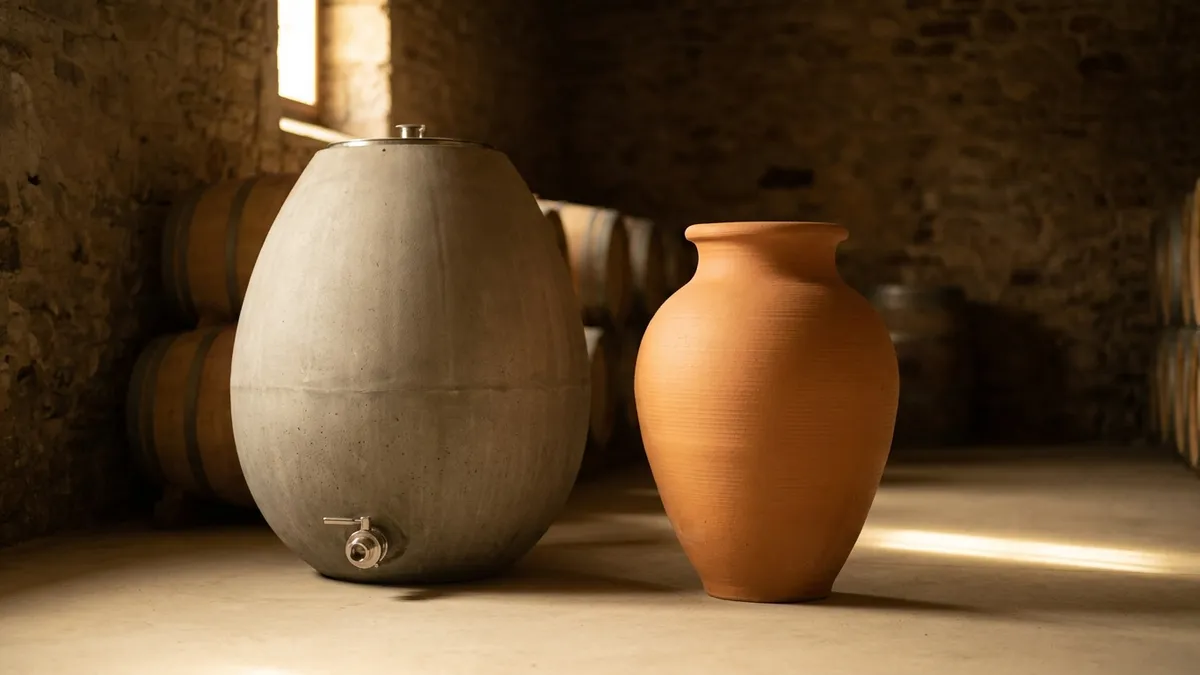
Concrete Egg and Amphora Wine: What the Vessel Changes
How concrete eggs, clay amphorae and Georgian qvevri shape wine compared with oak and stainless steel, what they do to taste and texture, and how to spot them on a label.
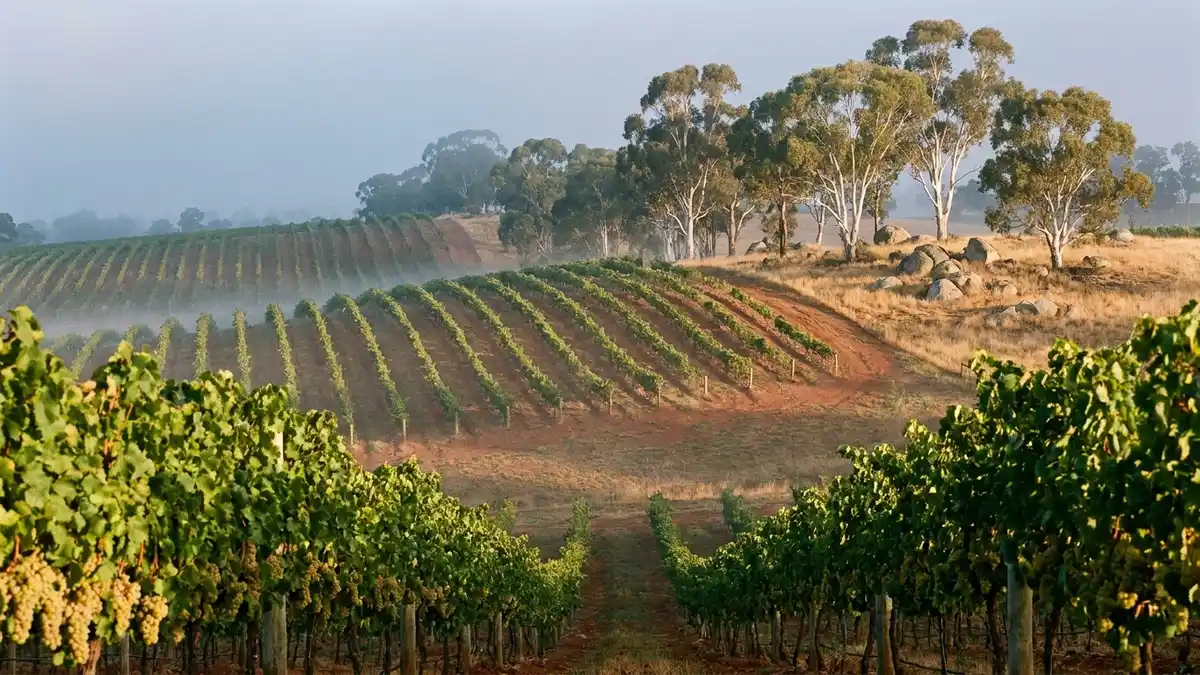
Eden Valley Wine Guide: Australia's Other Great Riesling
An Eden Valley wine guide: how this cool South Australian region differs from the Barossa Valley and Clare Valley, what its riesling tastes like young and old, and how to buy it.
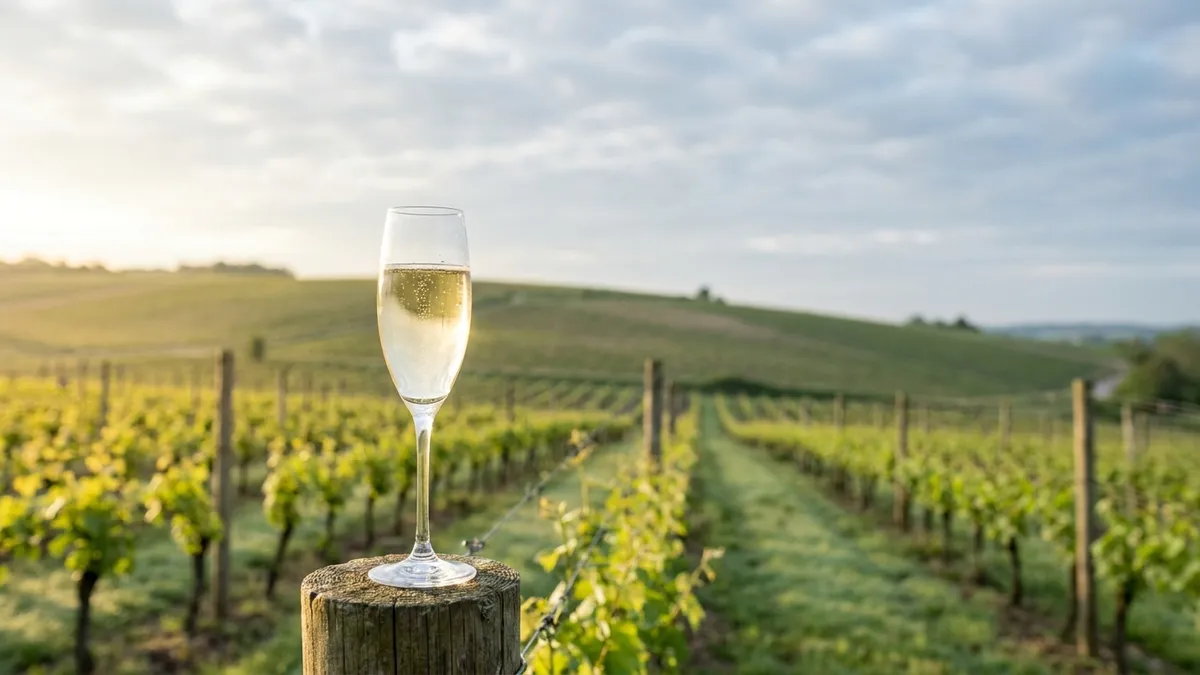
Emerging Wine Regions: 10 Places Redrawing the Wine Map
Ten emerging wine regions, from England and Sweden to Ningxia, Thailand and Uruguay, grouped by the four routes that put them on the map, with what to pour first from each.
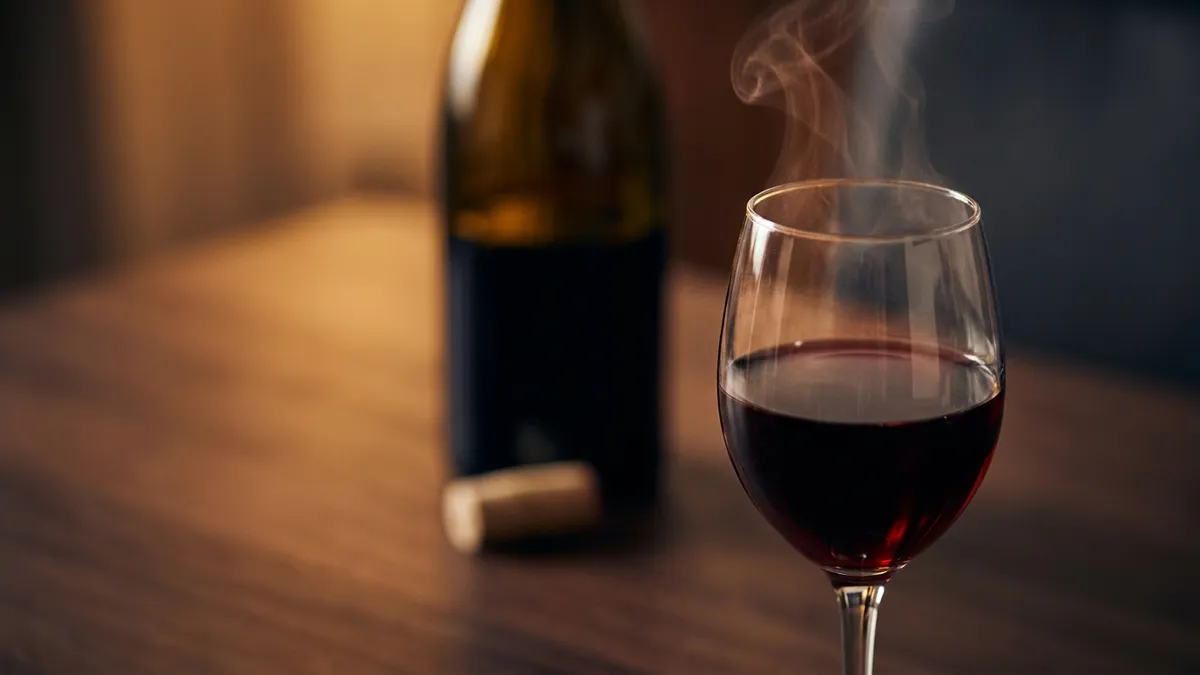
Ethyl Acetate Wine Fault: The Nail Polish Remover Smell
Why some wines smell of nail polish remover: what ethyl acetate is, how it differs from volatile acidity, what causes it, the US and EU legal limits, and how to check a glass.
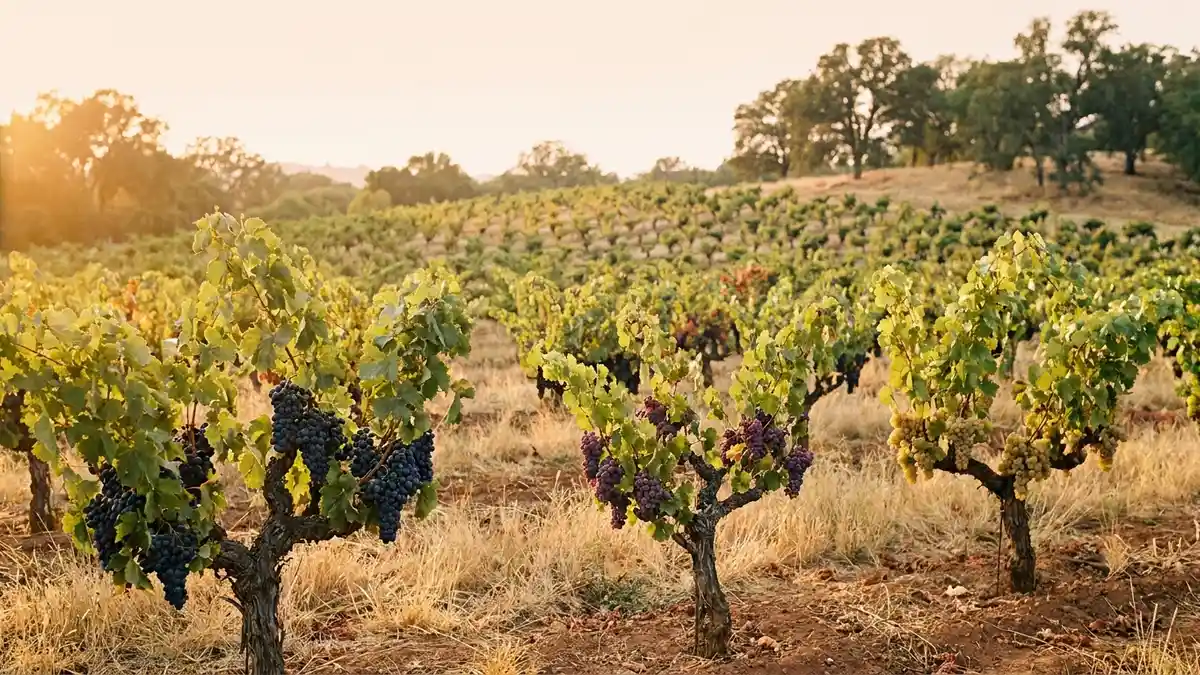
Field Blend Wine: How Grapes Were Blended in the Vineyard
What a field blend wine is, how it differs from a cellar blend and co-fermentation, how to spot one on the shelf, and where the tradition survives: California, Vienna and the Douro.
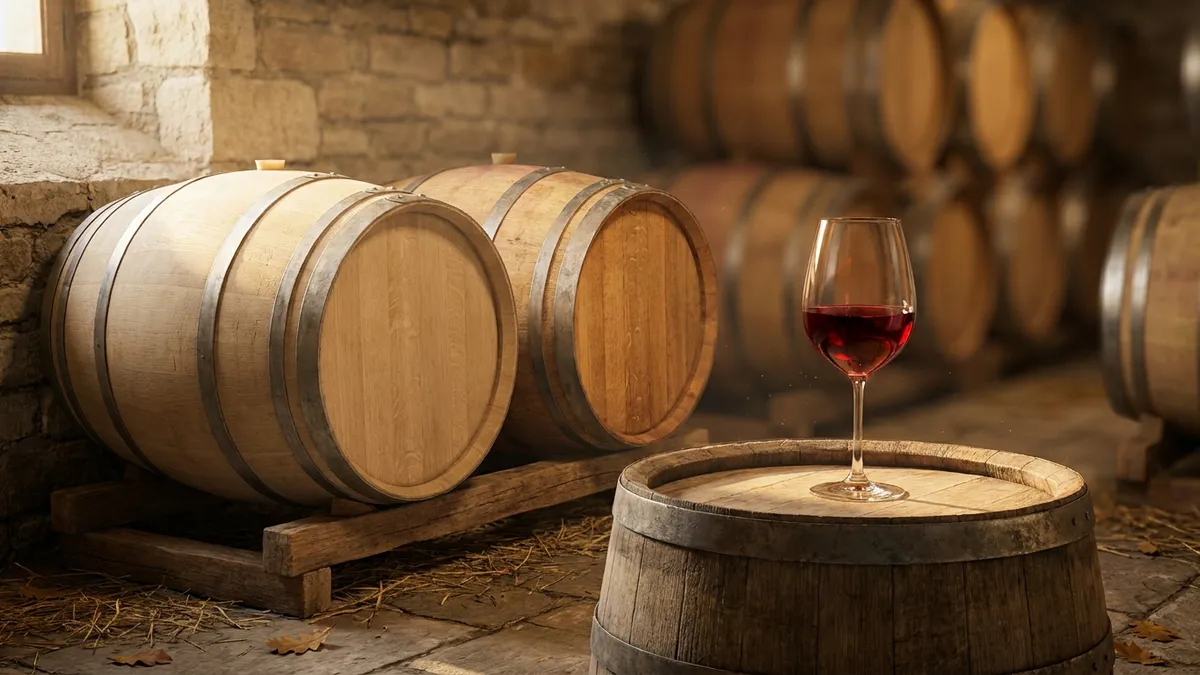
French Oak vs American Oak Wine: The Barrel Flavor Breakdown
French oak vs American oak wine, explained: why American oak smells of vanilla and coconut, why French oak costs more, how toasting works, and which wines use each.
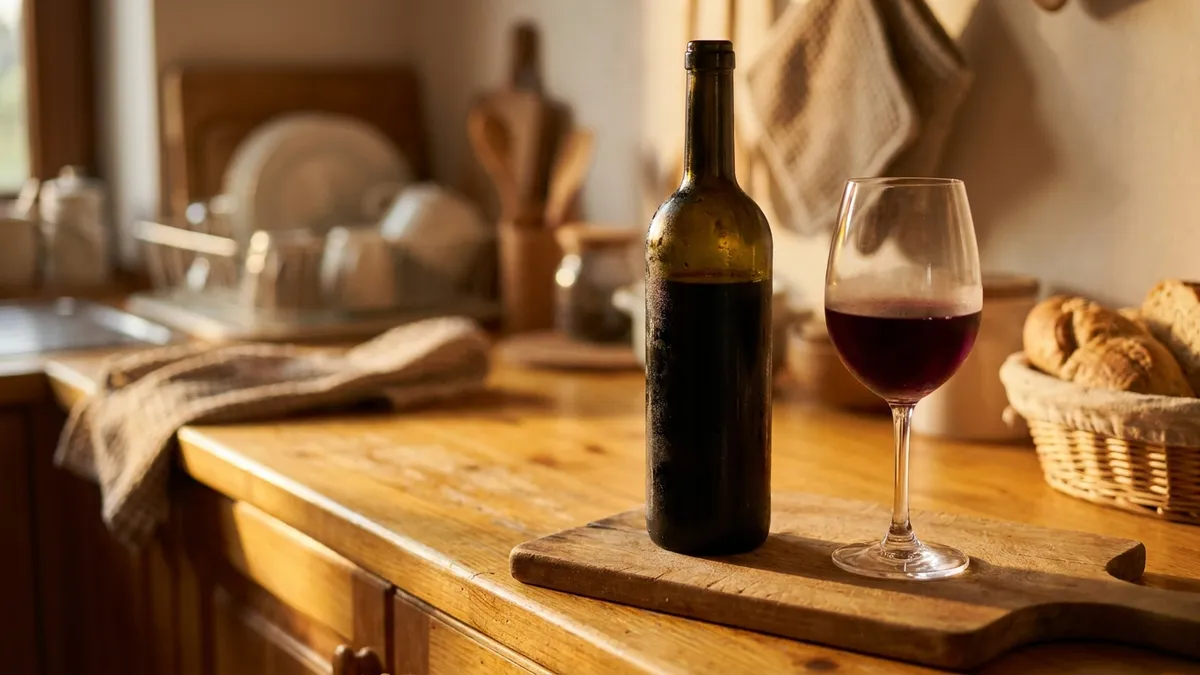
How to Warm Up Red Wine: 4 Gentle Ways to Fix a Cold Bottle
A red poured too cold smells faint and tastes hard. Four gentle ways to warm up red wine, how cold is too cold, and why the microwave is a bad idea.
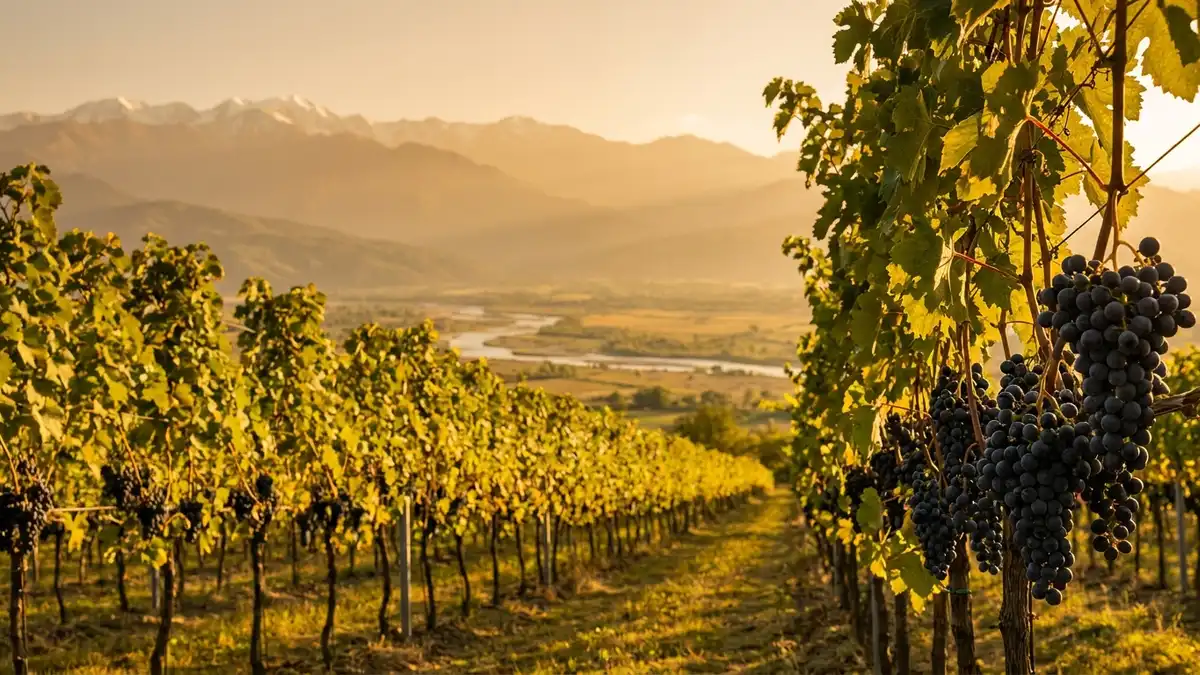
Kakheti Wine Guide: Georgia's Qvevri and Saperavi Region
A Kakheti wine guide for beginners: the Georgian region's appellations, its grapes, the six-month qvevri method behind its amber wines, and how to serve and pair them.
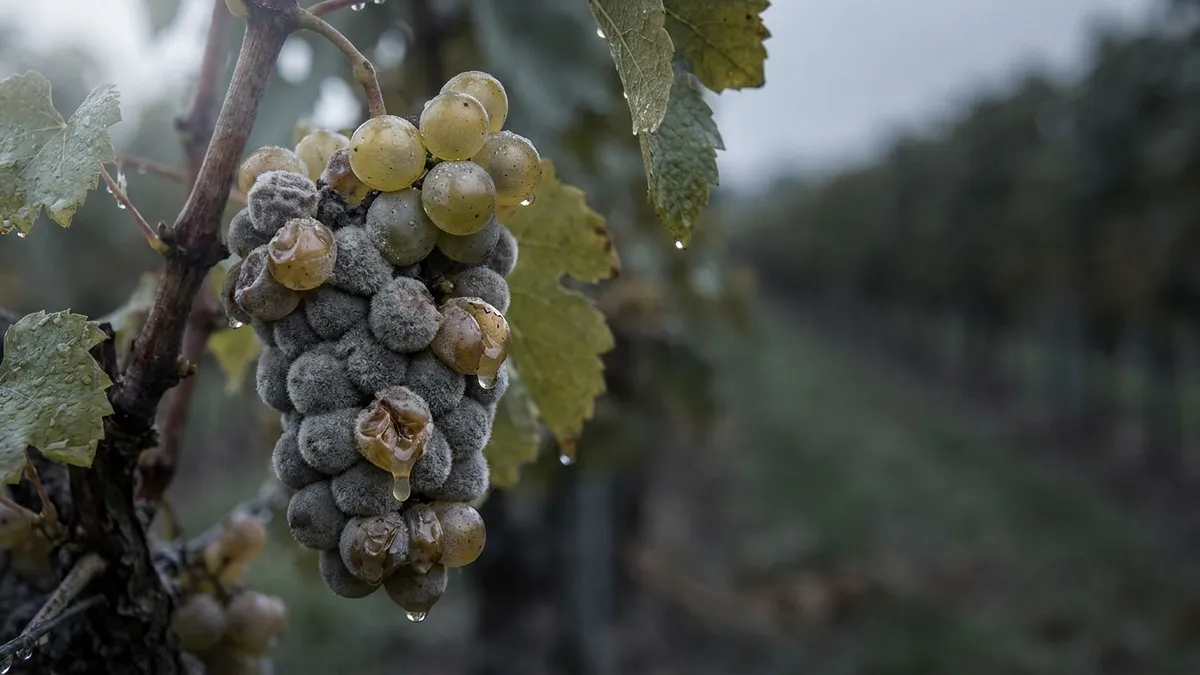
Laccase Enzyme in Wine — When Botrytis Turns Wine Brown
The laccase enzyme in wine explained: how grey rot brings a browning enzyme into grape juice, why sulfur dioxide barely slows it, and how winemakers keep it out.
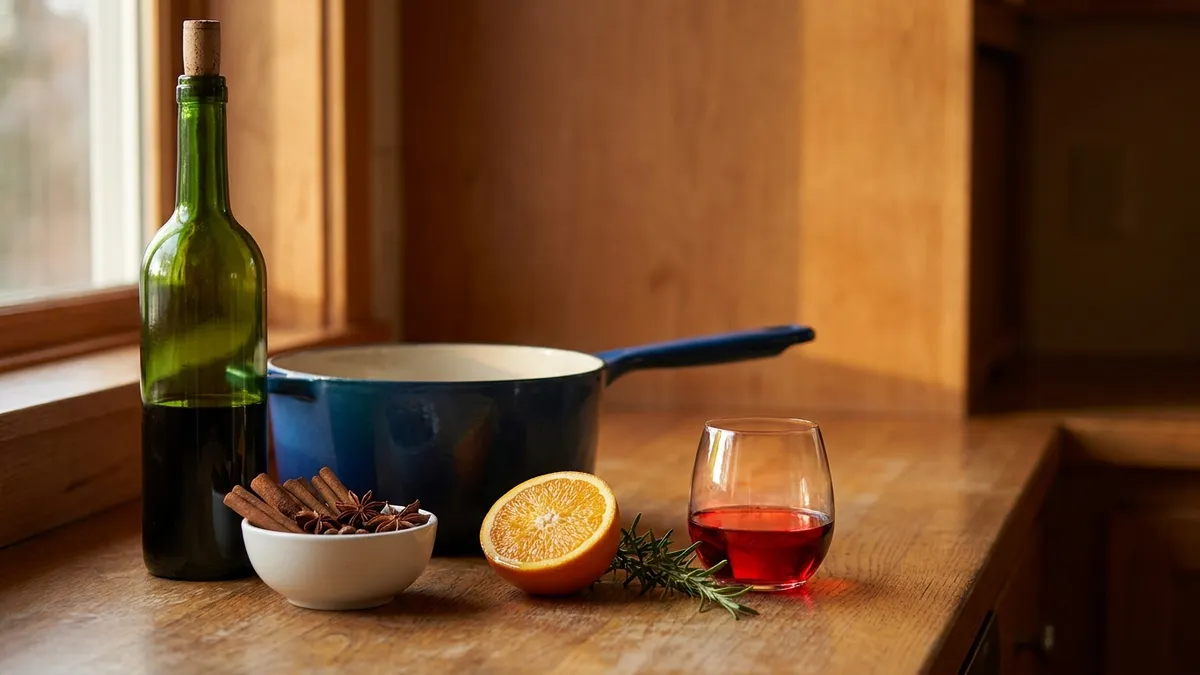
Leftover Wine Uses: 12 Things to Do Besides Drinking It
Twelve leftover wine uses, sorted by how far gone the bottle is: pan sauces, braises, marinades, mulled wine, sangria, poached fruit, vinegar and more, with the food-safety rules that matter.
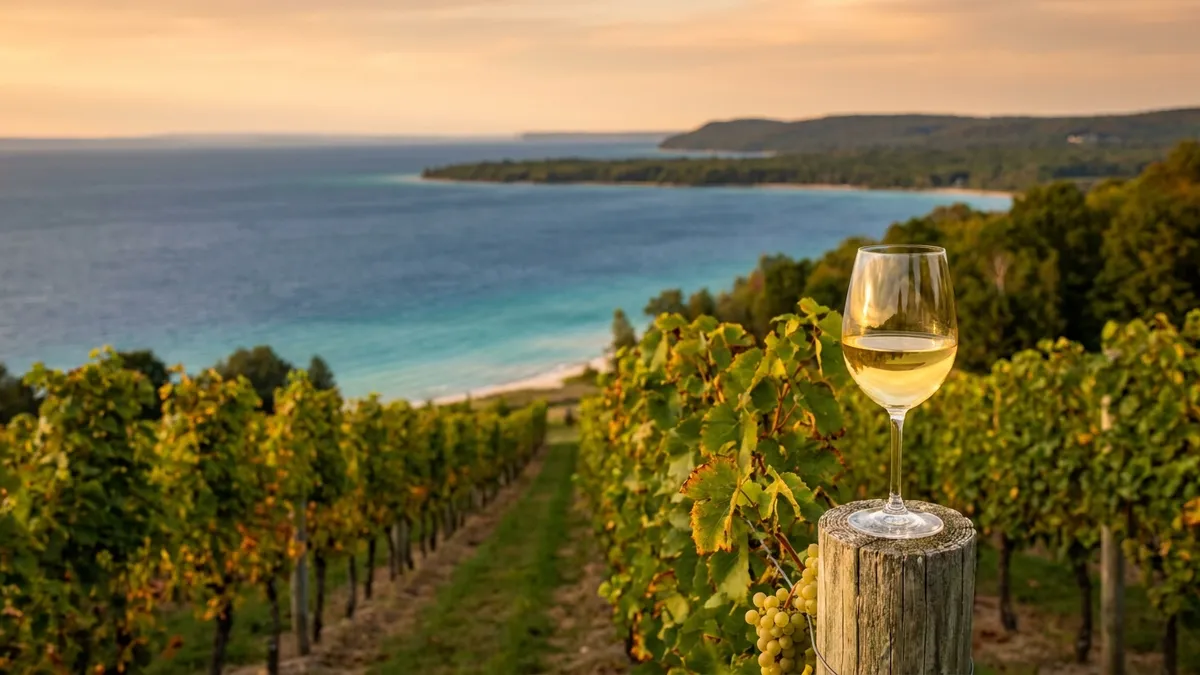
Michigan Wine Guide: Lake-Effect Riesling and Five AVAs
A Michigan wine guide to the five AVAs, the lake effect that makes vineyards possible, which grapes to buy first, ice wine, and how to serve and pair the wines.
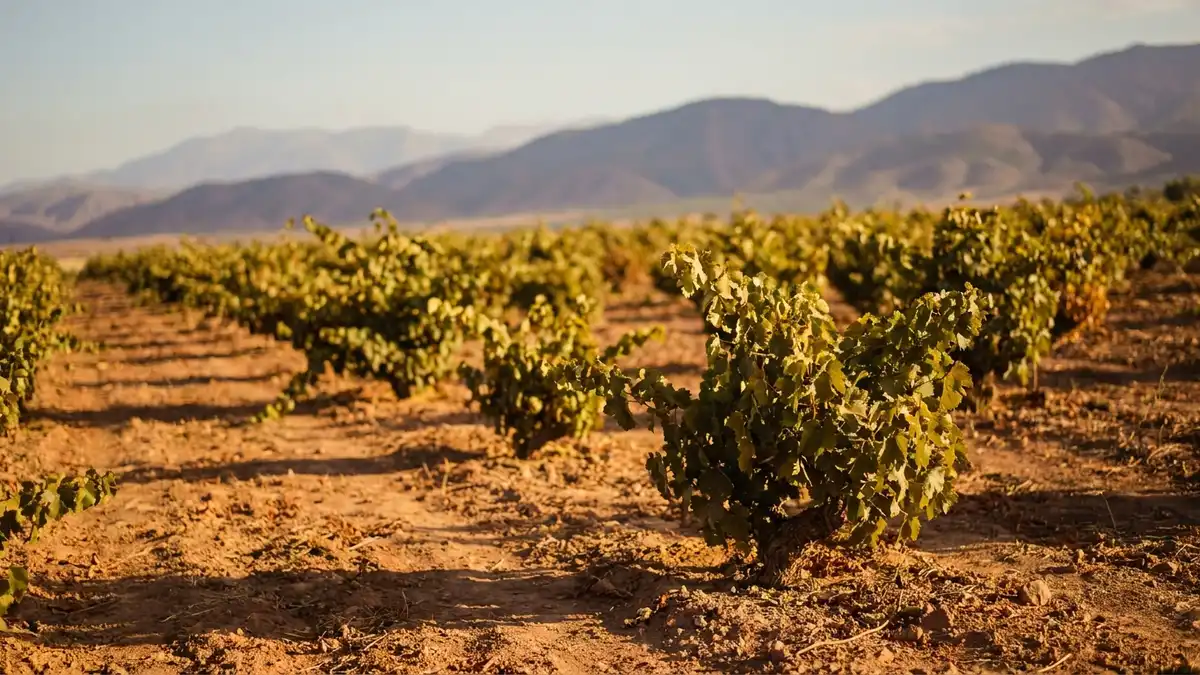
Morocco Wine Guide: North Africa's Surprising Wine Scene
A Morocco wine guide for curious drinkers: what the Cinsault-led reds and pale vin gris taste like, what to eat with them, the five regions, AOG vs AOC labels, and how visitors can buy wine.
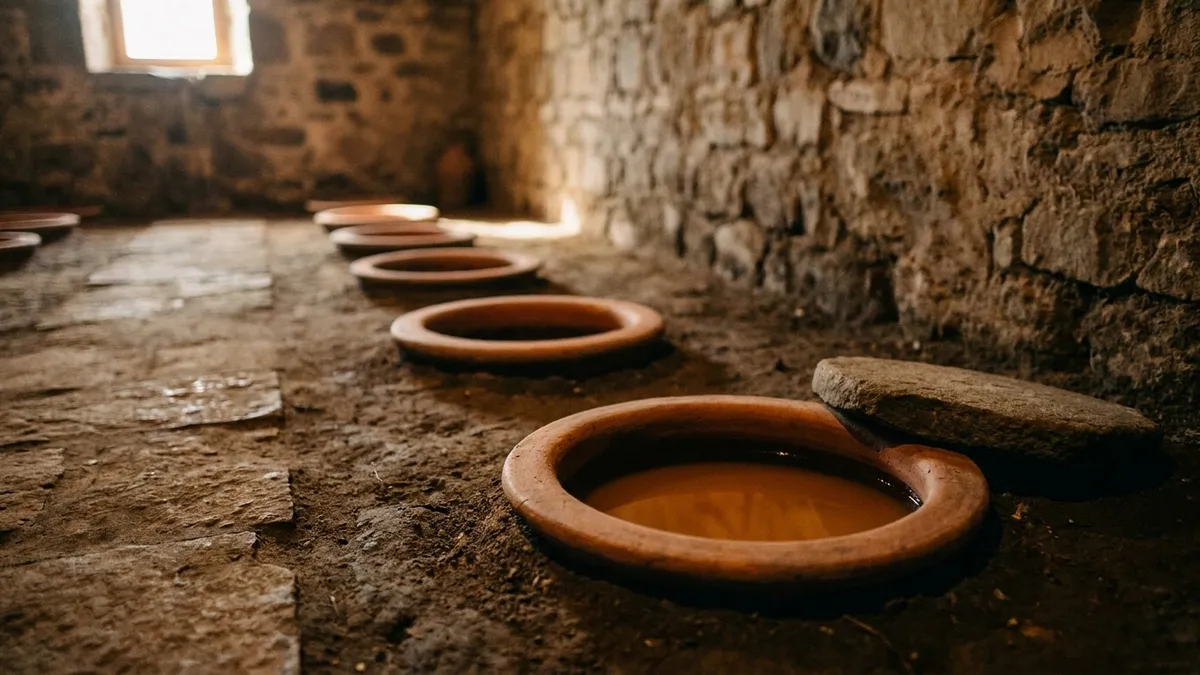
Qvevri Wine Explained: Georgia's Buried Clay Vessels
Qvevri wine is fermented and aged in egg-shaped clay vessels buried in Georgian soil. Learn how it is made, how it differs from orange wine, and how to taste it.
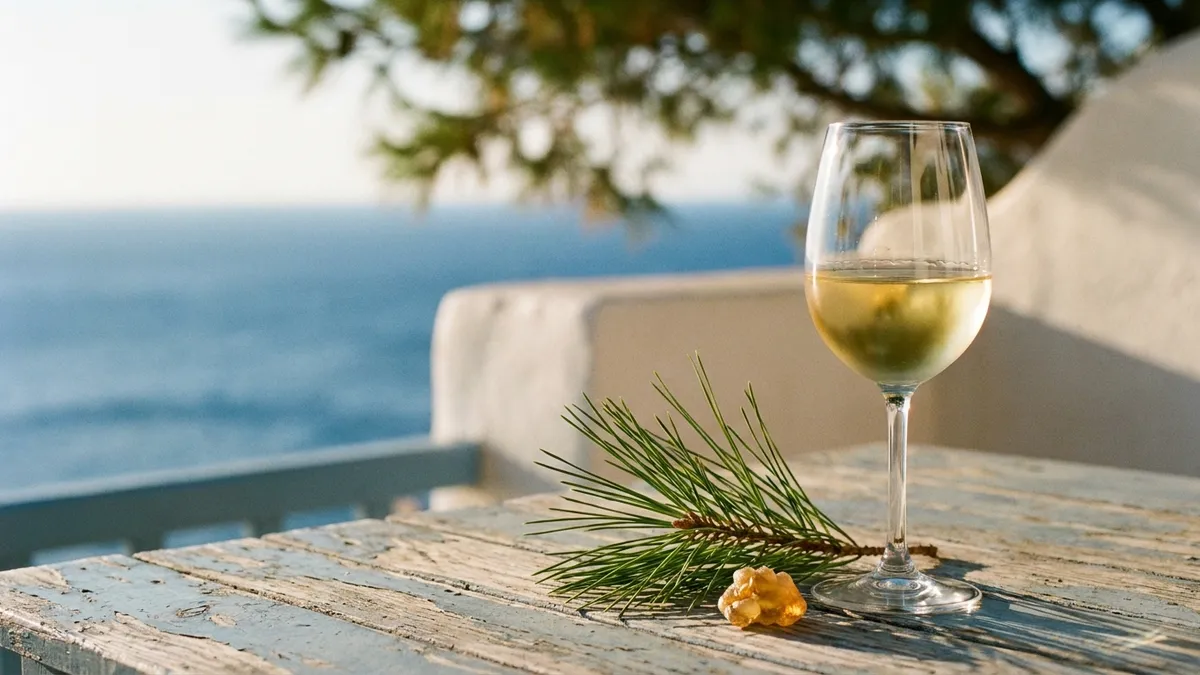
Resinated Wine: What Retsina Is and Why It Tastes of Pine
Resinated wine is wine fermented with pine resin, and Greek retsina is the best-known kind. How it tastes, how it is made, which grapes go into it and what food suits it.
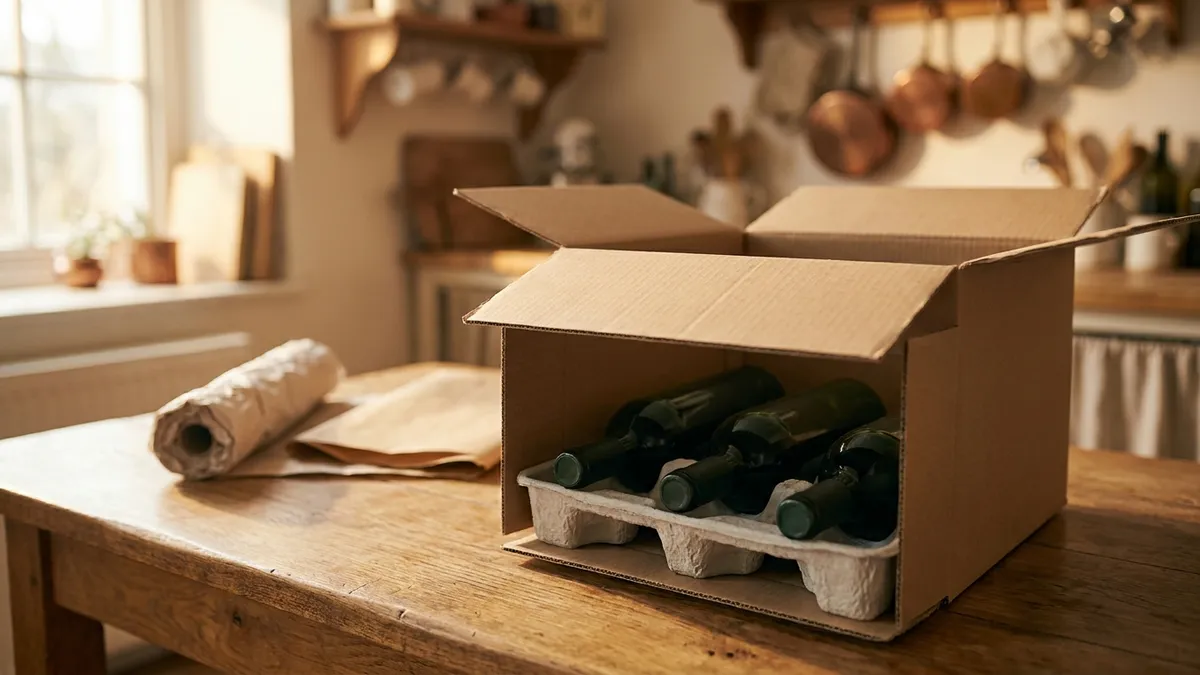
How to Ship Wine Safely: The Legal Routes and Packing
How to ship wine in the US: why you cannot post a bottle yourself, the legal routes through wineries, shops and your own luggage, how to pack, and how to keep heat out.
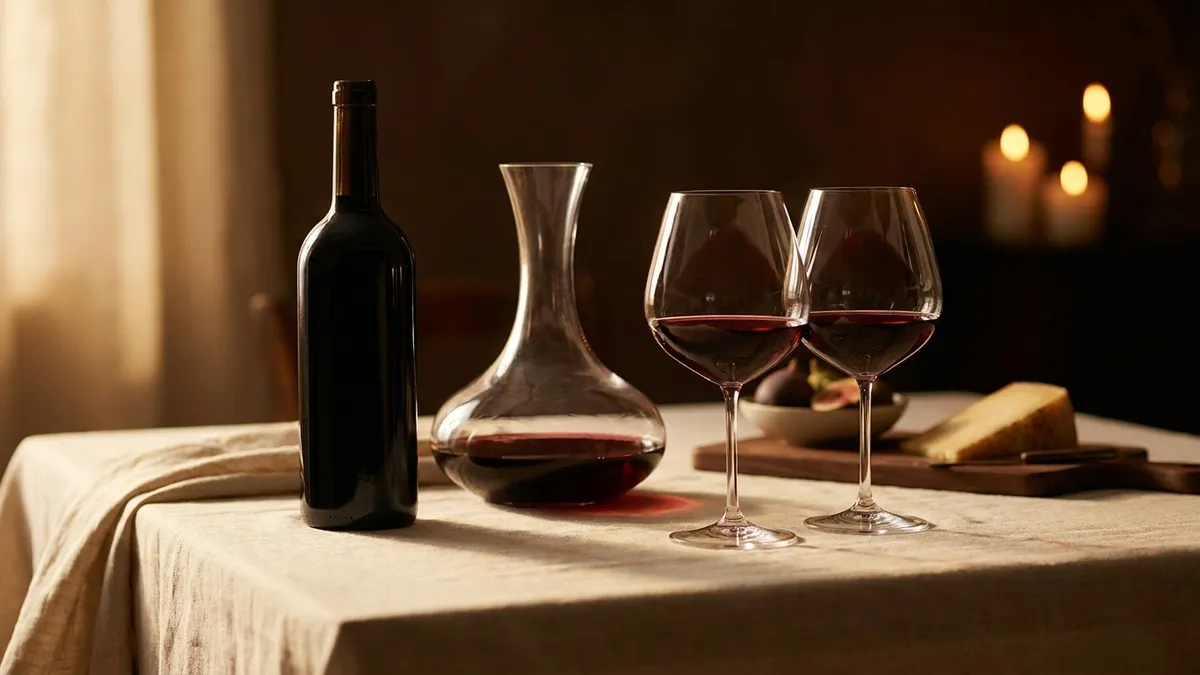
When to Spend More on Wine — and When to Save Instead
When to spend more on wine: the situations where extra money buys aging, oak and stricter rules you can taste, and the ones where a cheaper bottle does the job.
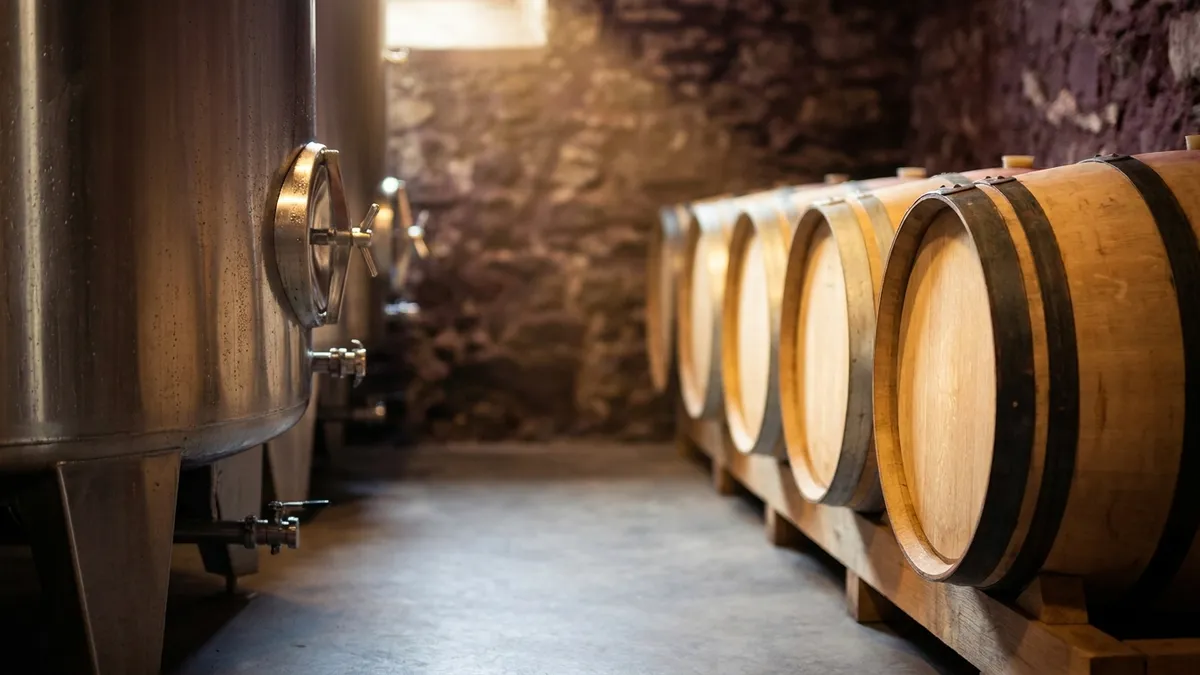
Stainless Steel vs Oak Wine: How the Vessel Shapes Taste
Stainless steel vs oak wine explained: why steel keeps fruit crisp, how oak adds vanilla, toast and softer tannin, and how to spot each on a label or in the glass.
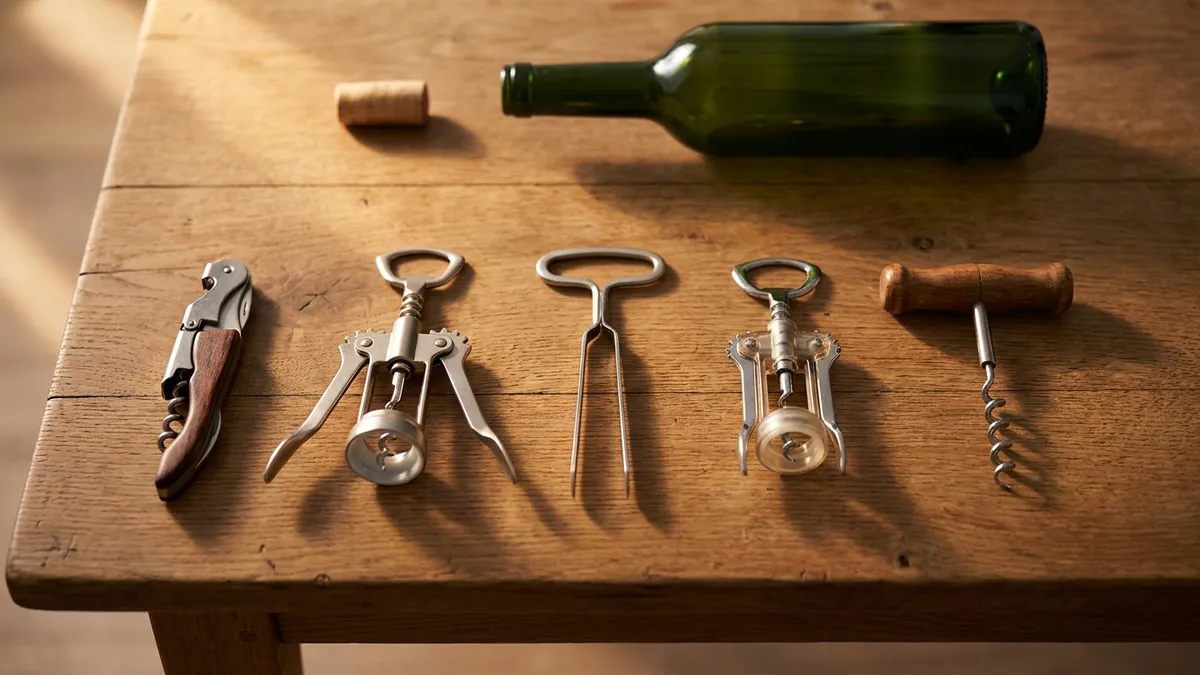
Types of Corkscrews: Waiter's Friend, Wing, Lever and More
The main types of corkscrews compared: waiter's friend, winged, lever, Ah-So, electric, self-pulling and mounted, with the cork each one suits and the one to buy first.
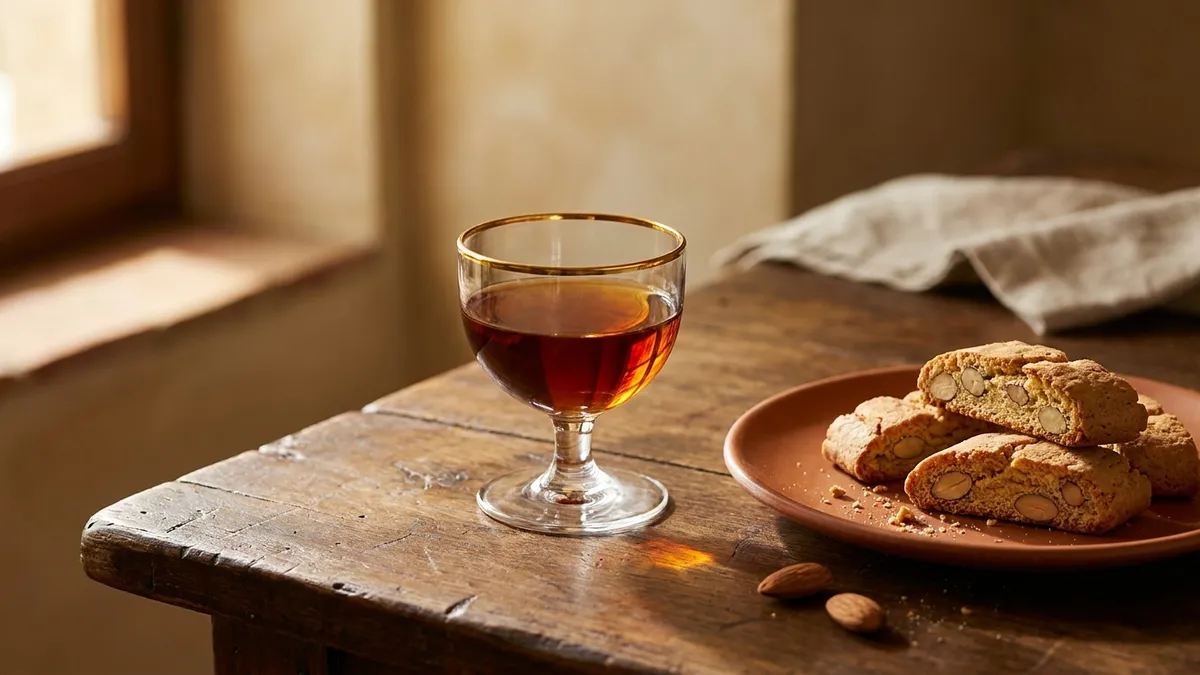
Vin Santo Wine: Tuscany's Holy Sweet Wine, Explained
What vin santo wine is, how drying and years in small sealed barrels shape it, how four main DOCs differ, and what to eat and pour it with tonight.
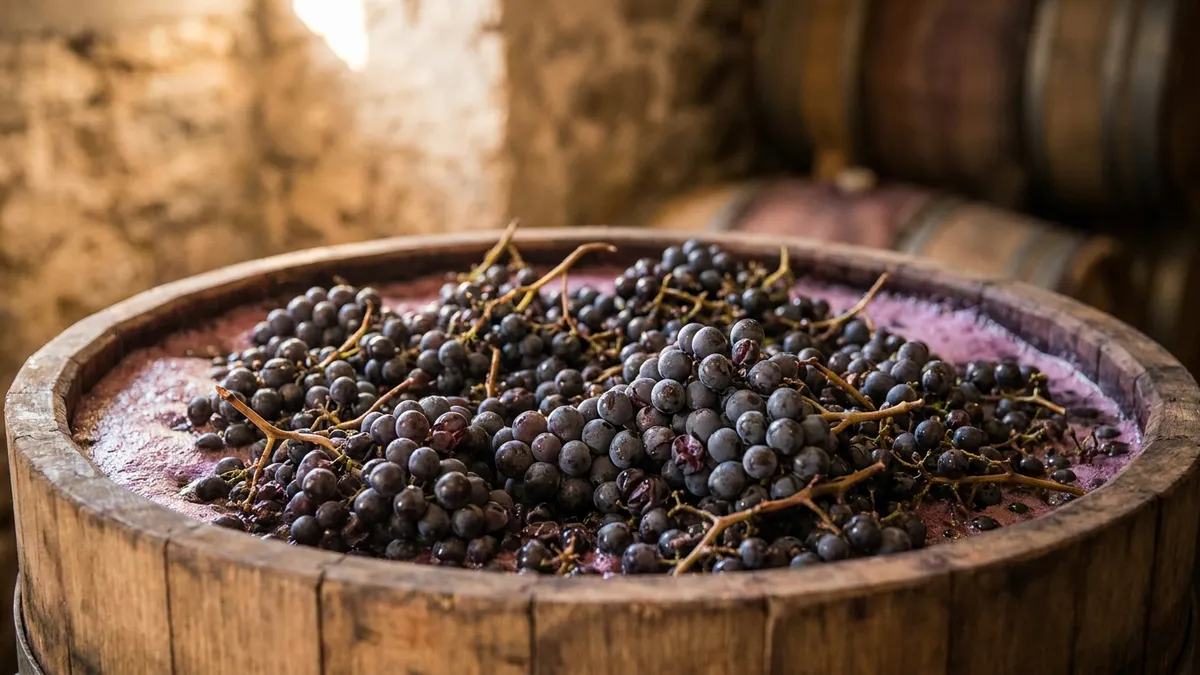
Whole Cluster Fermentation Wine: Stems, Spice, Structure
What whole cluster fermentation does to red wine: why winemakers keep the stems, how it differs from carbonic maceration, when stems turn a wine green, and how to taste for them.
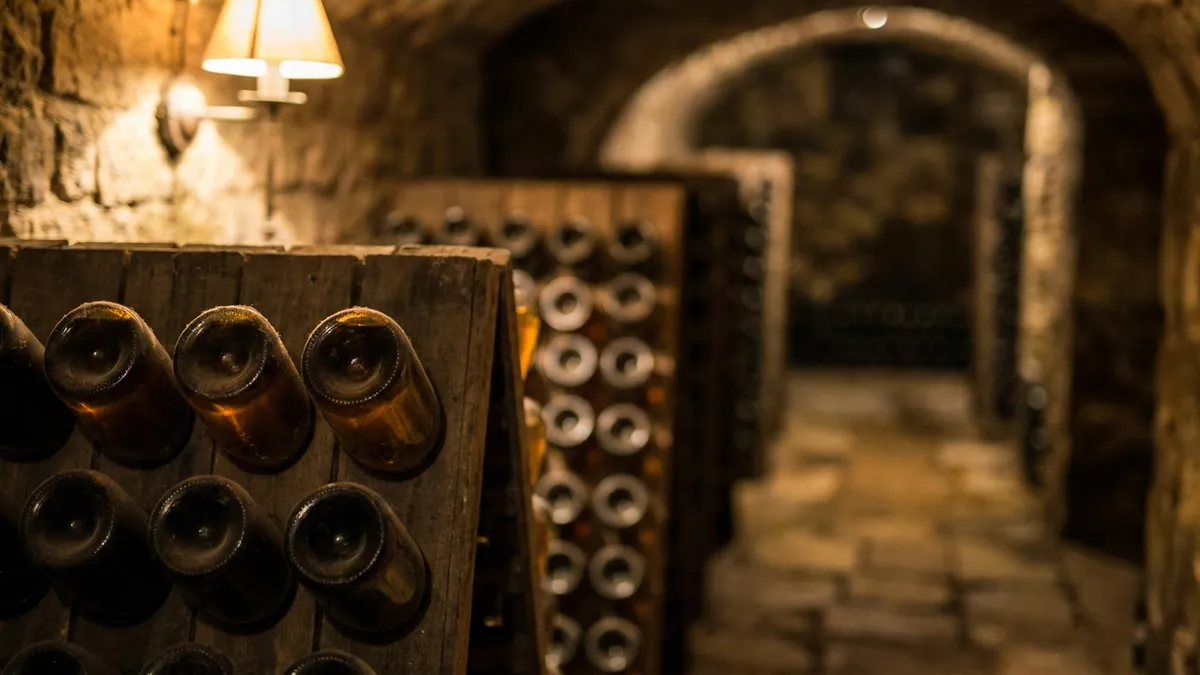
Which Wines Age Well? The Four Traits That Decide It
Which wines age well, and why most do not: the four traits that let a wine improve, a shelf chart of age-worthy styles, and how to store and time them.
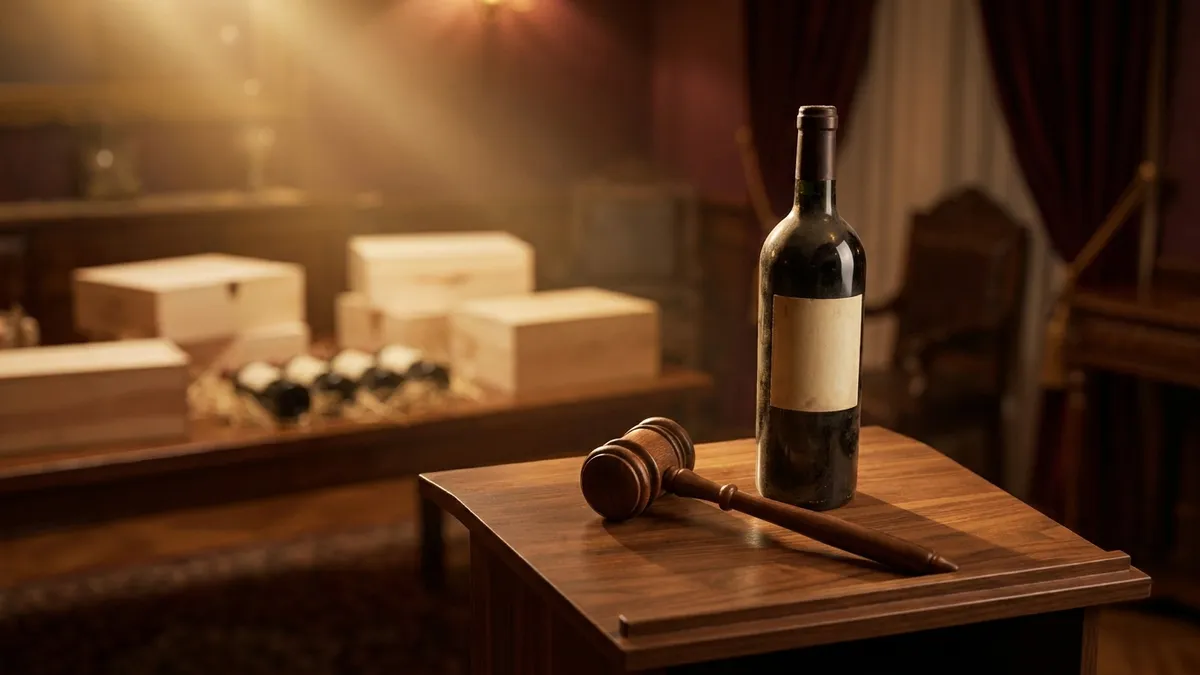
Wine Auction Guide: How to Bid, Buy and Avoid Bad Lots
A beginner's wine auction guide: how estimates, reserves and the buyer's premium work, how to read fill levels and condition reports, how to spot fakes, and what happens after you win.
Wine Budget Guide: How to Drink Better Without Spending More
A practical wine budget guide: how much to spend by occasion, where the money in a bottle goes, where to save without tasting the difference, and how to stop paying for wine you pour away.
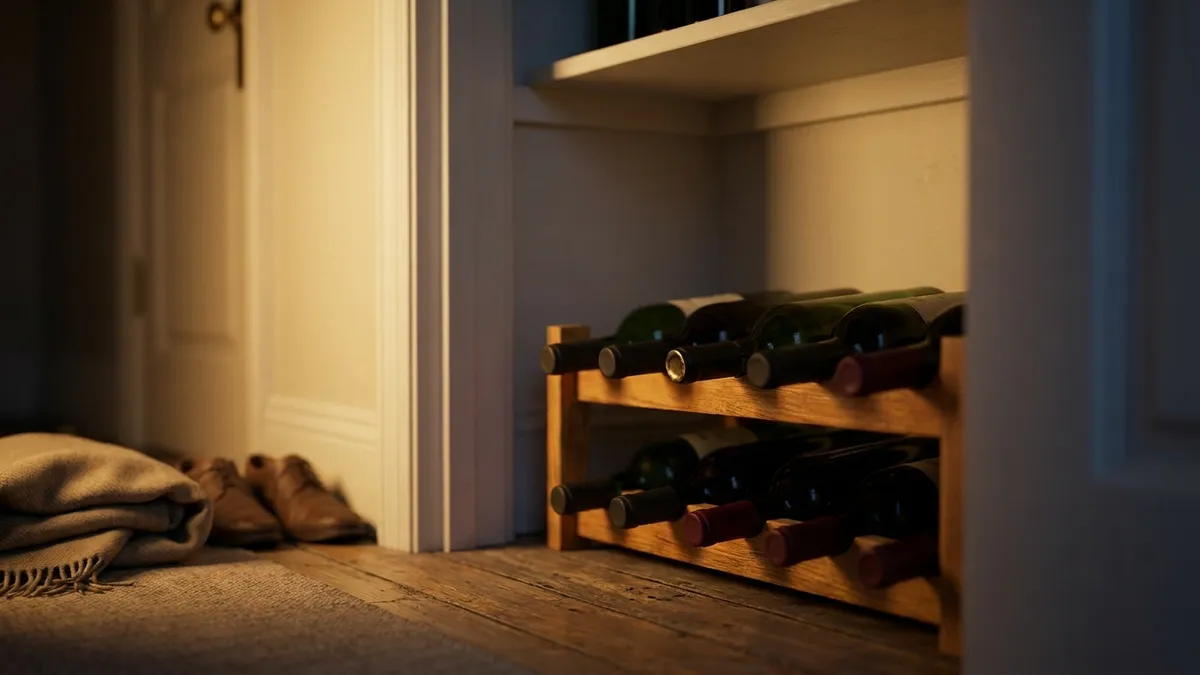
Wine Cellar Alternatives: Where to Keep Wine Without One
The best wine cellar alternatives for a flat or house with no basement, ranked by how long your bottles will wait: closets, cupboards, wine fridges and the spots to avoid.
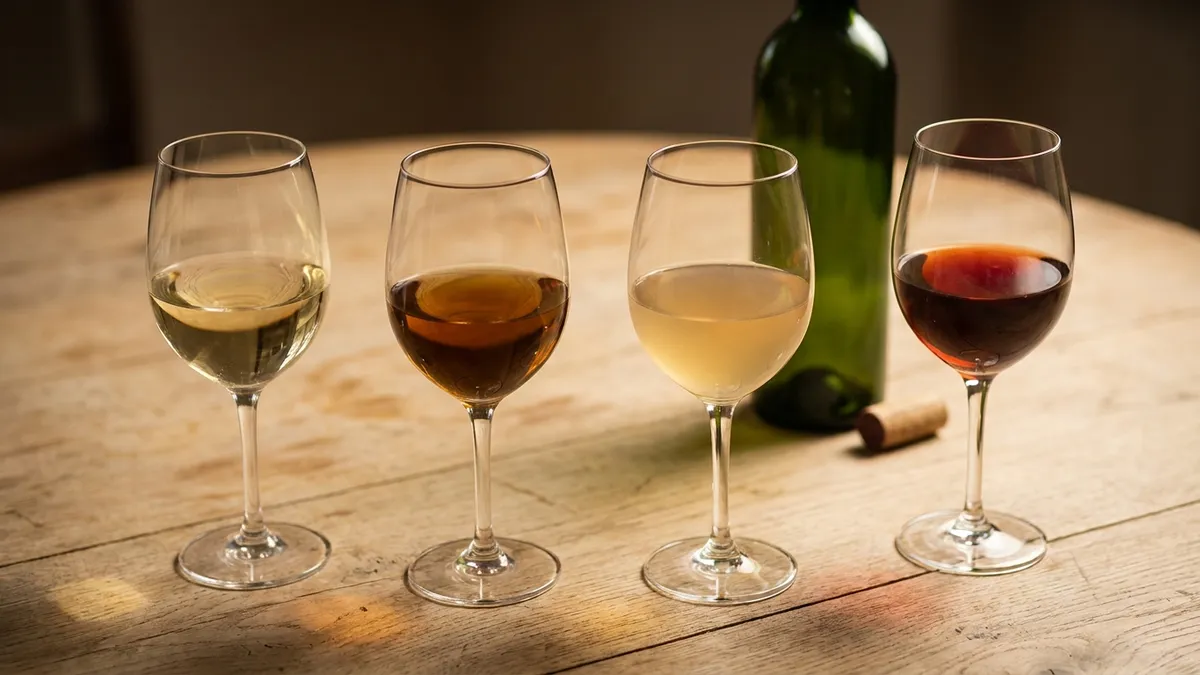
Wine Color Faults: Brown, Cloudy and Unusual Hues Decoded
How to read wine color faults: when brown, brick, cloudy, orange or crystal-flecked wine is a normal style, when it is a fault, and what to do with the bottle.
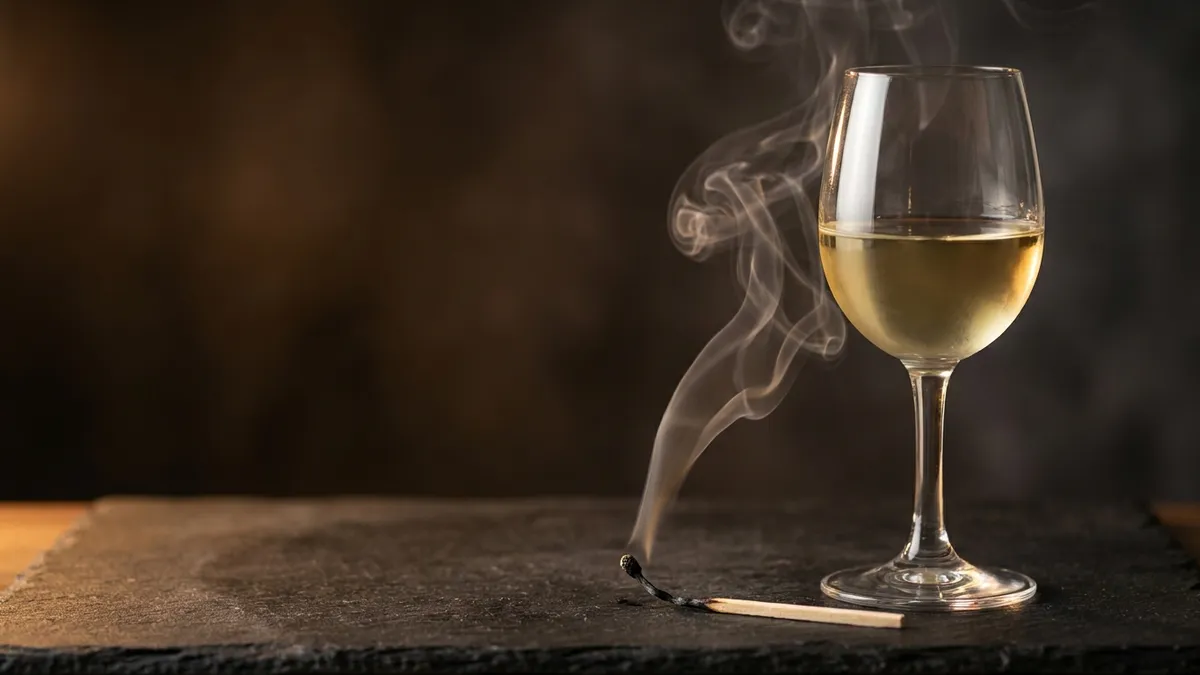
Excess SO2 in Wine: The Burnt Match Smell That Fades
What excess SO2 in wine smells like, why the burnt match prickle usually fades with a swirl, how to tell it from rotten egg, and when a sulfitic bottle is worth sending back.
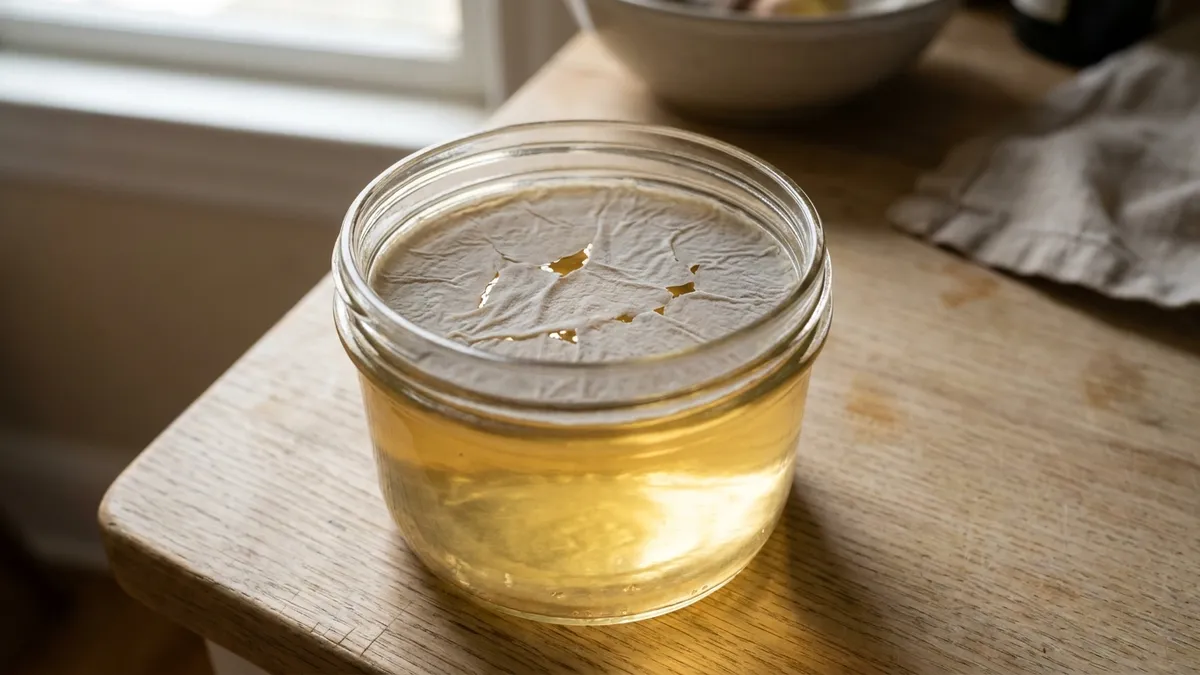
Film Yeast on Wine: What That White Surface Film Means
Found a white skin on leftover wine? Learn what film yeast is, how to tell it from mold, whether the wine is still drinkable, how to save it, and why sherry grows a film on purpose.
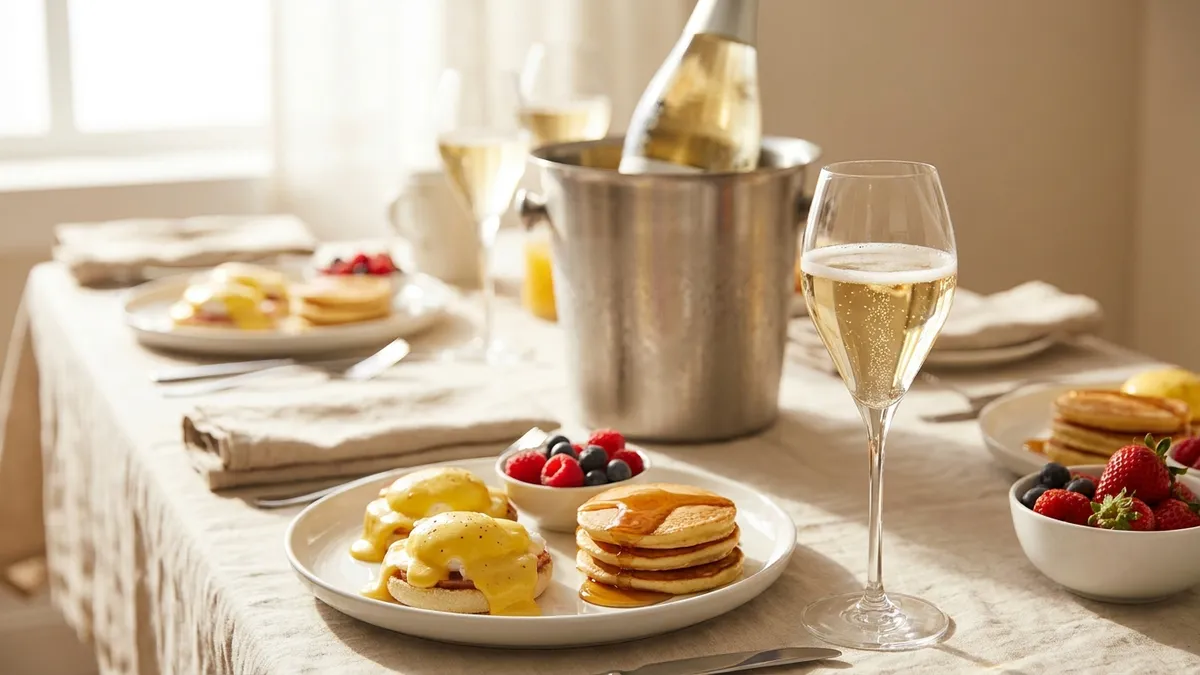
Best Wine for Brunch: What to Pour Beyond the Mimosa
How to choose wine for brunch dish by dish: bubbles for eggs, sweet sparklers for pancakes, rosé for smoked salmon, a chilled red for fried chicken, and a better mimosa.
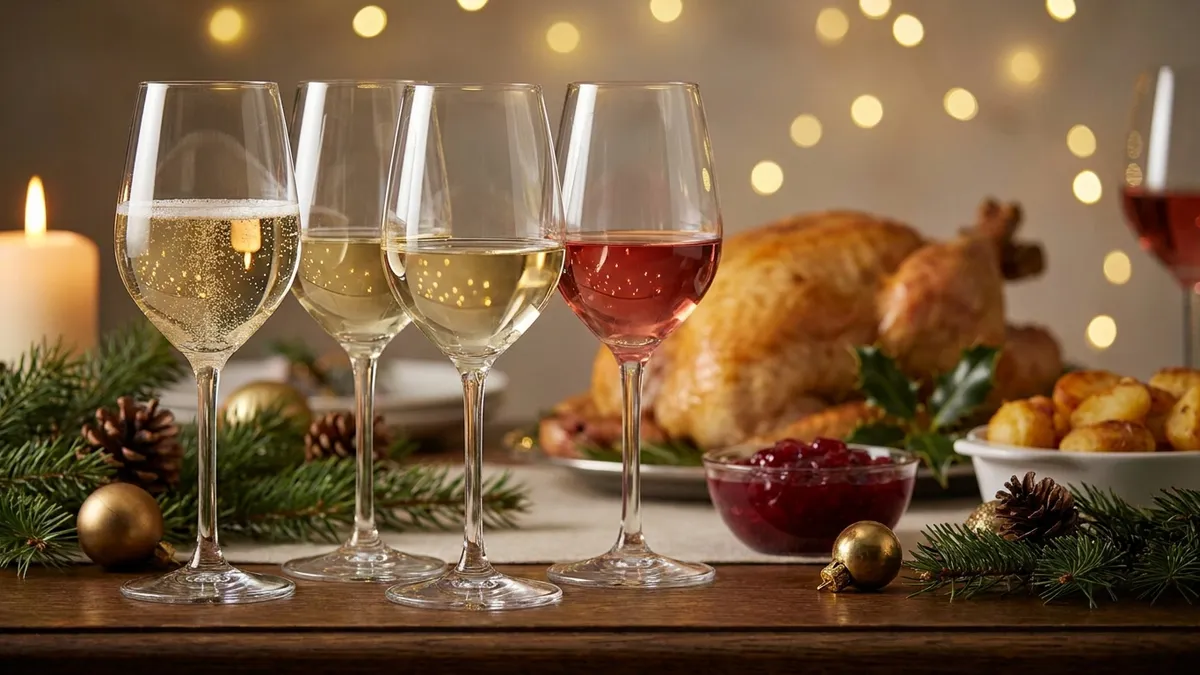
Wine for Christmas Dinner: Every Course, Bubbles to Port
How to choose wine for Christmas dinner course by course: sparkling to start, one wine for the mixed plate, turkey, glazed ham, roast beef, pudding, cheese and mulled wine.
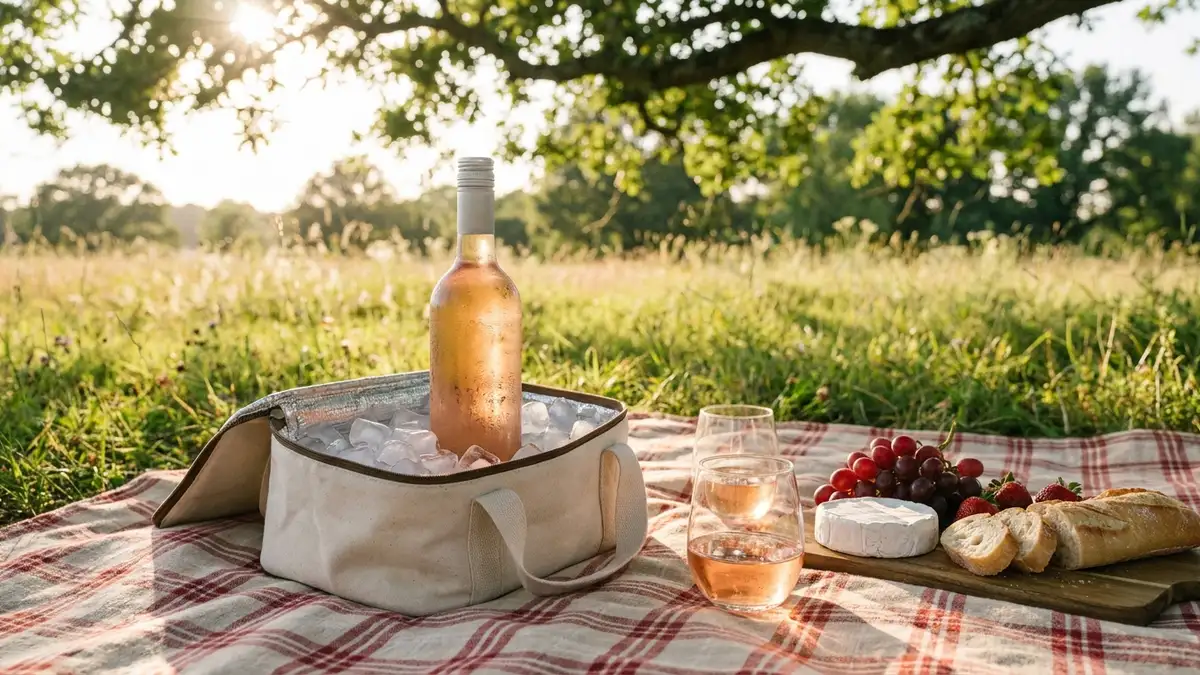
Wine for a Picnic: The Best Styles and Formats to Pack
How to choose wine for a picnic: dry rosé, crisp whites and chilled light reds, the screw cap, can or box that survives the trip, and how to keep it cold without a fridge.
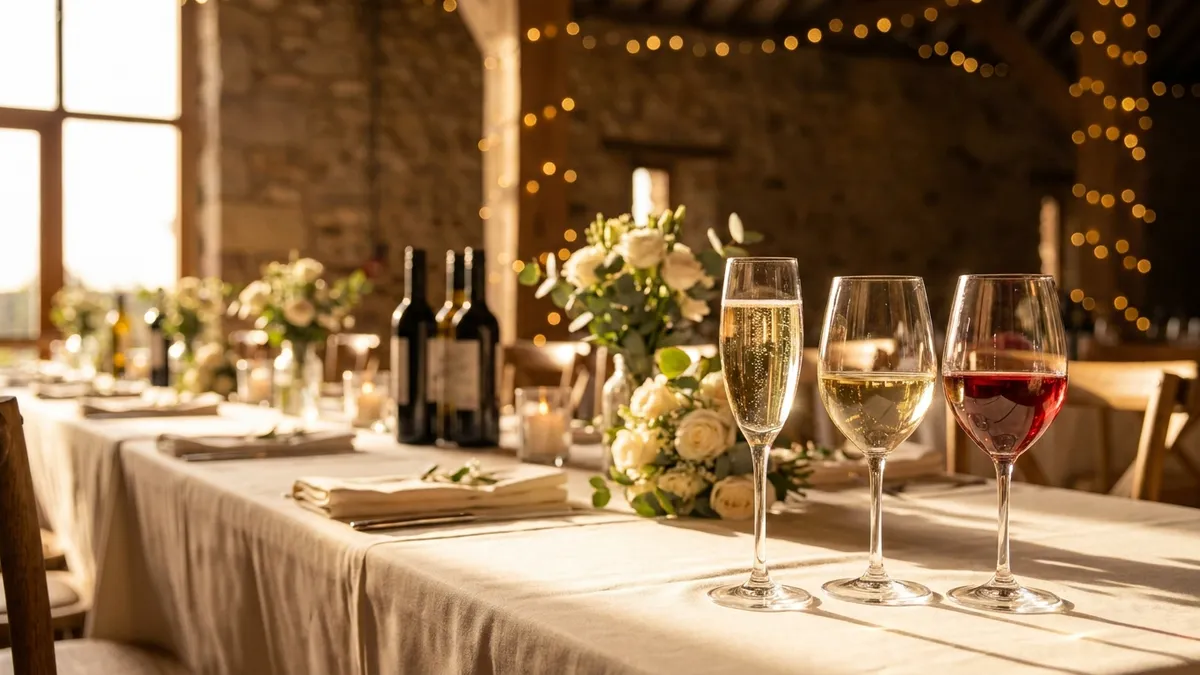
Wine for a Wedding Reception: How to Please Every Guest
How to choose wine for a wedding reception: how many bottles to buy, Champagne vs Prosecco vs Cava for the toast, and the three-wine menu that suits every dish.
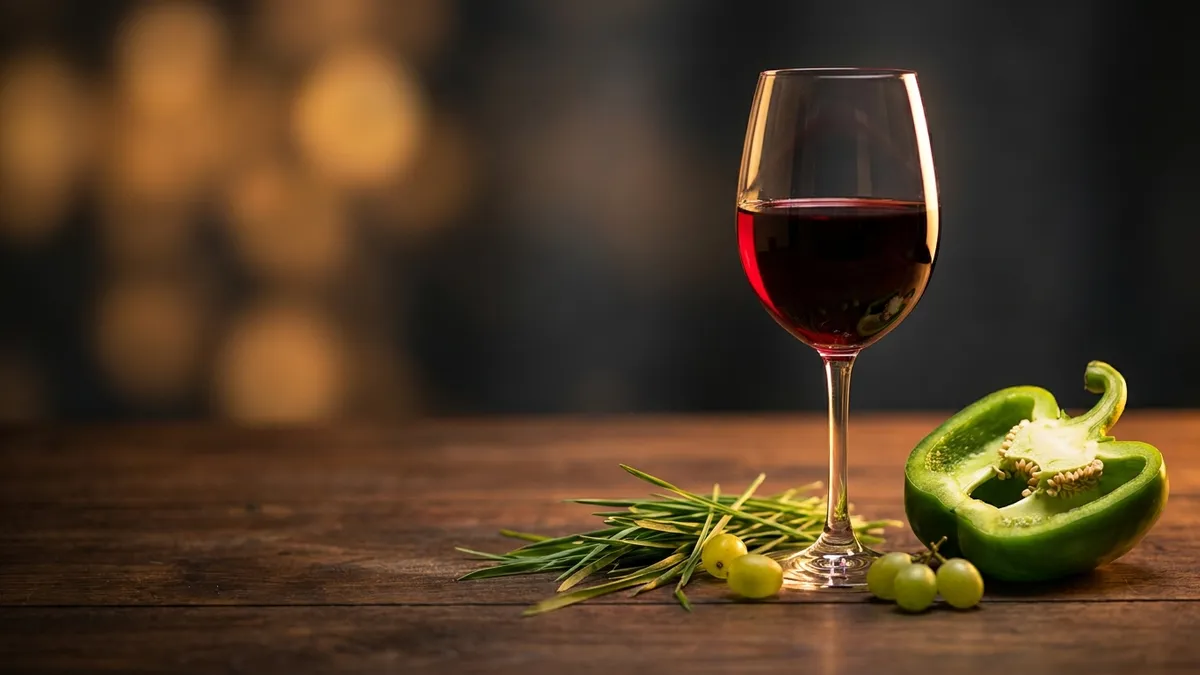
Herbaceous Green Wine Faults: When Unripe Grapes Take Over
Why some wines smell of green pepper or cut grass, the two chemical sources behind it, when green crosses from style into fault, and how to taste for it.
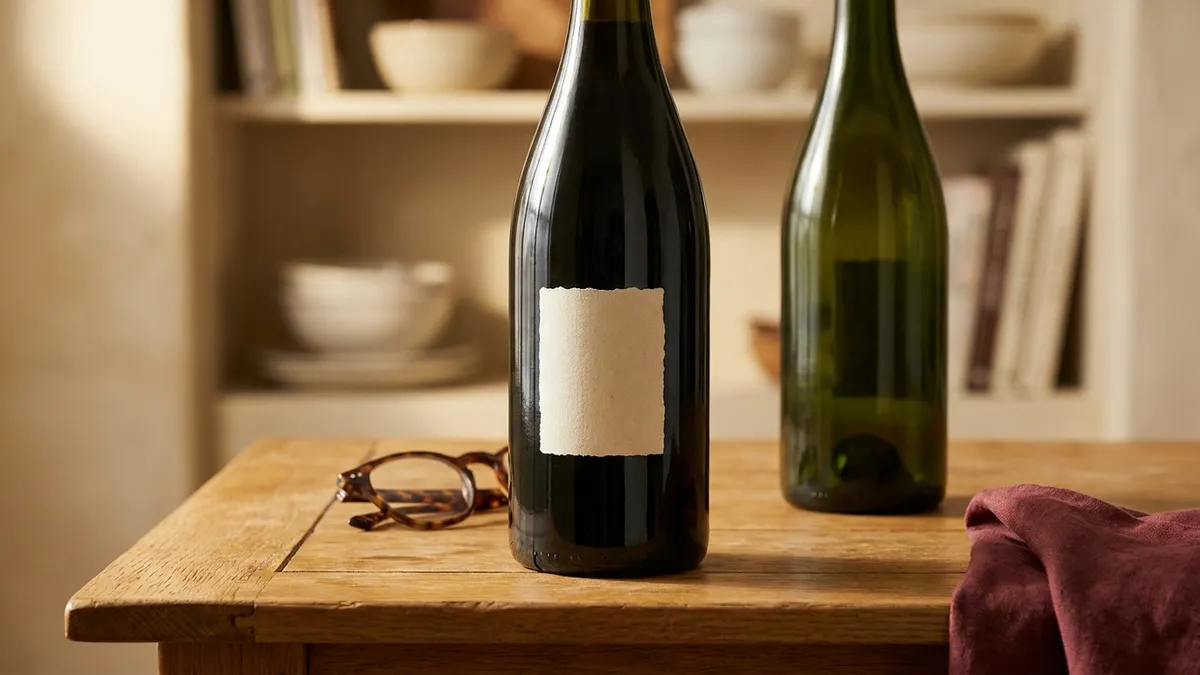
Wine Back Label Information: What Each Line Tells You
Wine back label information decoded: which lines US law defines, from the alcohol tolerance to Estate Bottled and Contains Sulfites, and which words like Reserve nobody checks.
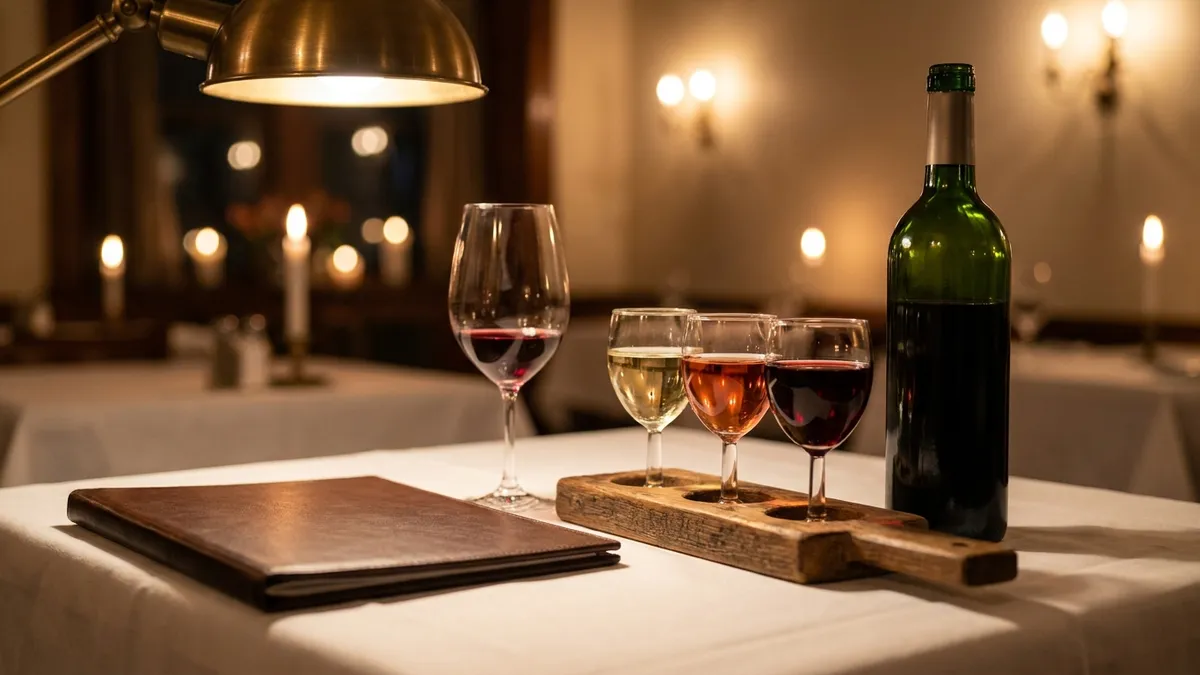
Wine List Types Explained: By the Glass, Flight or Bottle
Wine list types explained for beginners: how big a restaurant glass is, when a flight beats a glass, when a half or full bottle is cheaper, how corkage works, and what a reserve list is.
Microbial Spoilage in Wine: Brett, Vinegar and Mouse
Microbial spoilage in wine comes from three microbe families: Brett yeast, vinegar bacteria and lactic acid bacteria. Learn what each smells like and what stops it.
Protein Haze in Wine: Why Your White Wine Went Cloudy
Protein haze in wine explained: why a white wine turns cloudy after heat, whether it is safe, how to tell it from tartrate crystals or a fault, and how winemakers prevent it.
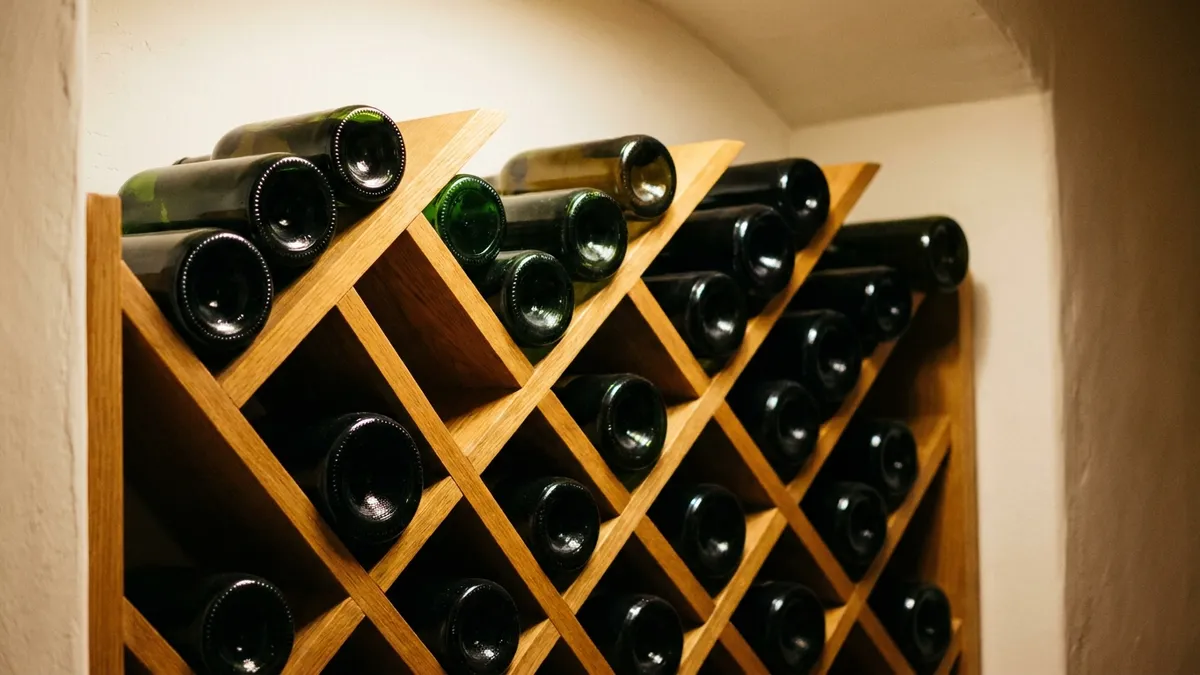
Wine Rack Guide: Types, Materials and How to Choose
A practical wine rack guide: the six rack types, which material suits which room, where to put the rack, how big to buy, and when a wine fridge does the job better.
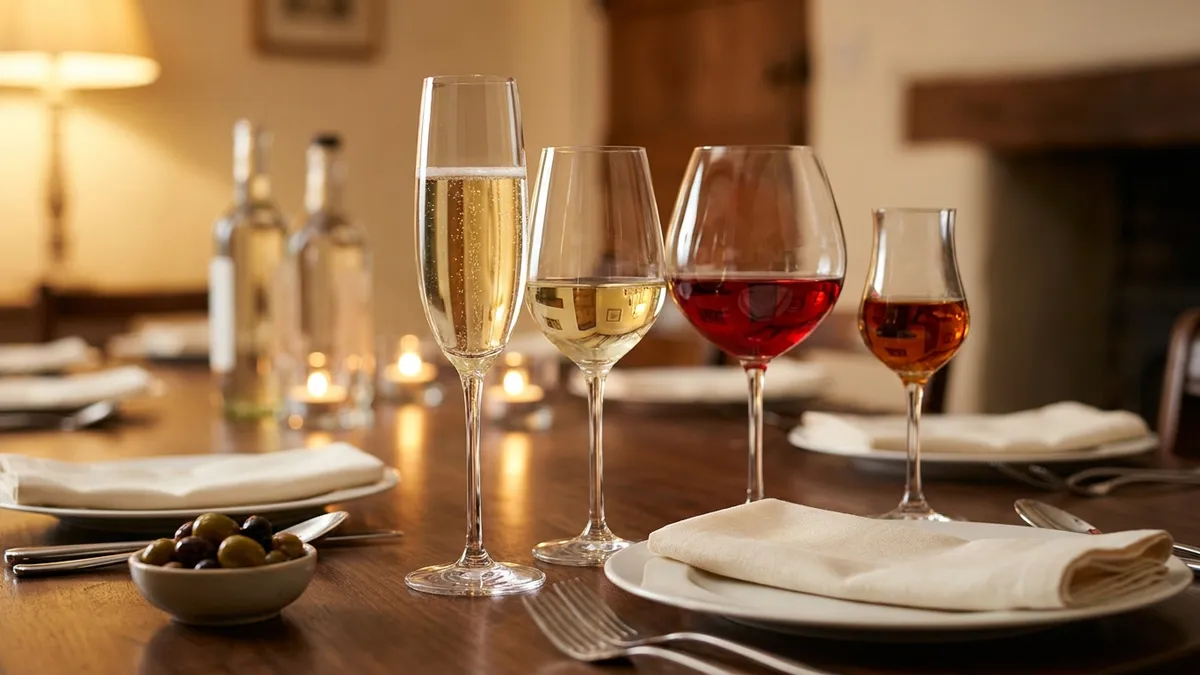
Wine Serving Order at Dinner: Light to Heavy, Dry to Sweet
The wine serving order at dinner, course by course: dry sparkling first, light whites, fuller whites and reds with the main, sweet wine with dessert, port after, plus which rule wins when two clash.
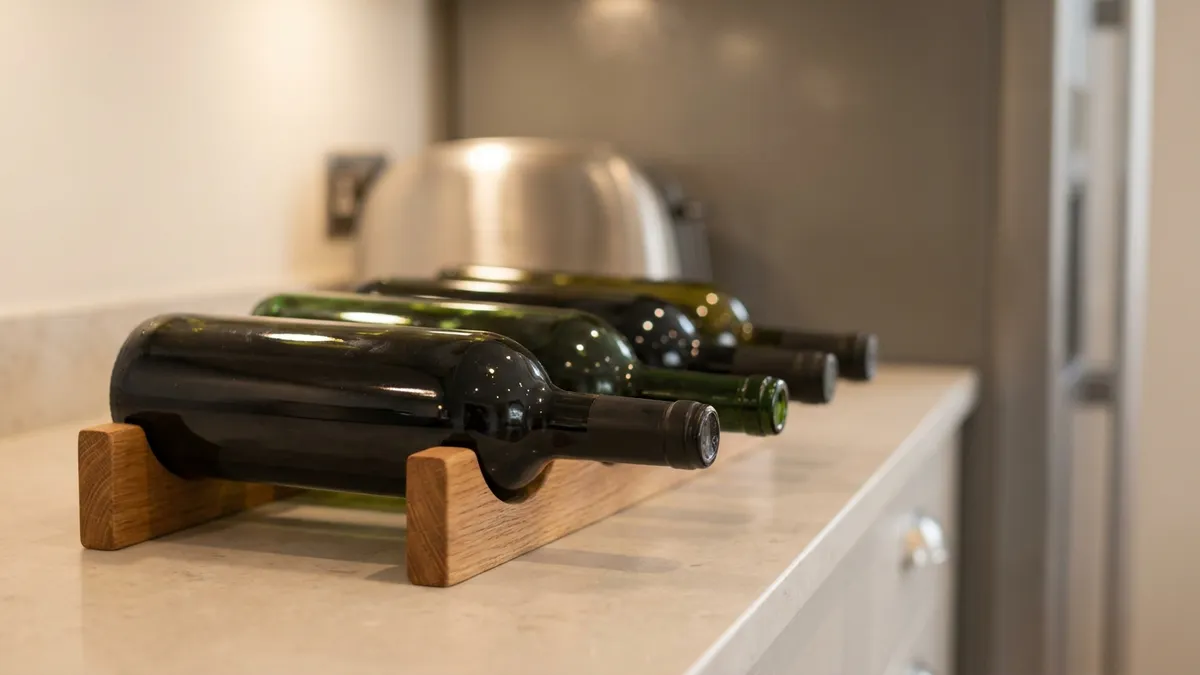
Does Vibration Affect Wine Storage? Appliances and Moves
Does vibration affect wine storage? What fridge hum, washing machines, shipping and house moves really do to a bottle, why sparkling wine is shaken on purpose, and where to keep wine instead.
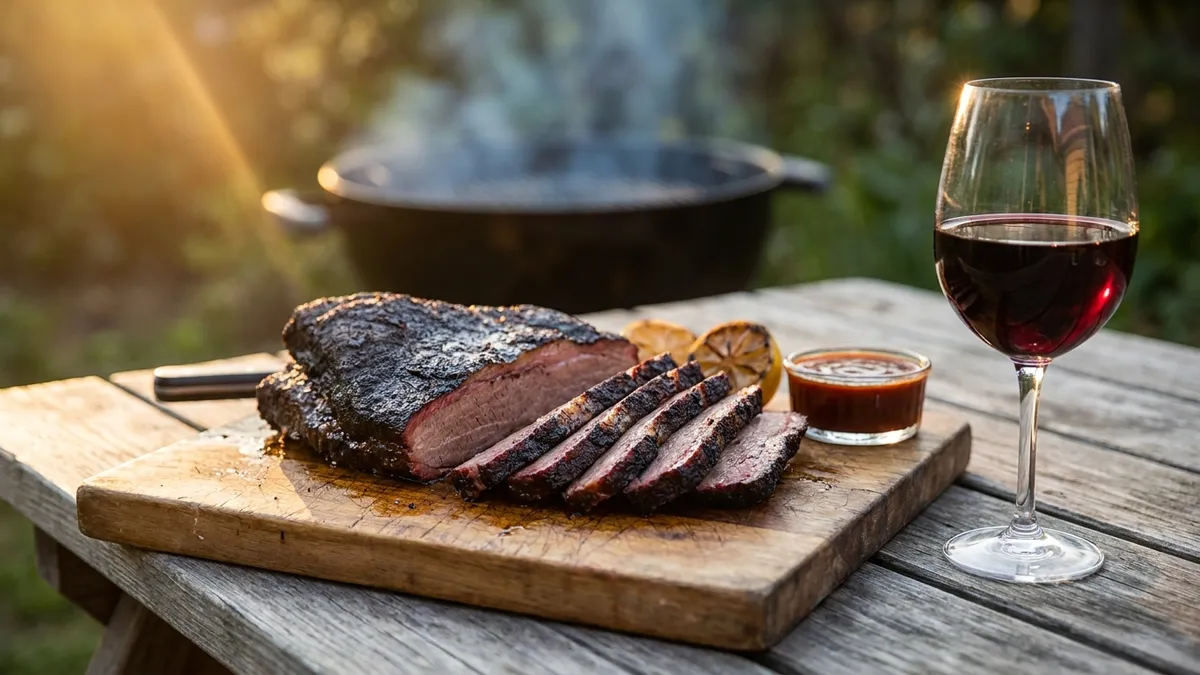
Wine with BBQ: Match the Smoke, the Char and the Sauce
Wine with BBQ is chosen by the sauce and the fire, not the meat. Which wine goes with brisket, ribs, pulled pork, grilled chicken and hot wings, and how to serve it outdoors.
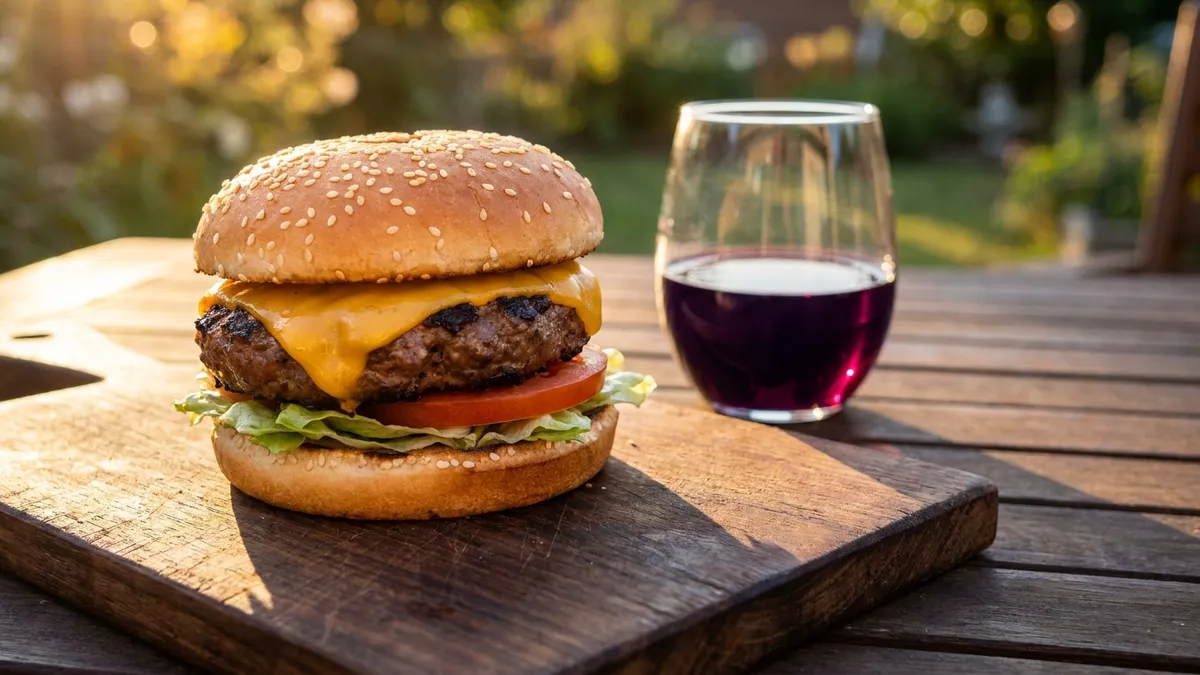
Wine with Burgers: The Best Pairings, Topping by Topping
The best wine with burgers, matched to what is on the bun: Zinfandel, Malbec and Syrah for a cheeseburger, Cabernet for blue cheese, Lambrusco for BBQ sauce, Gamay for veggie.
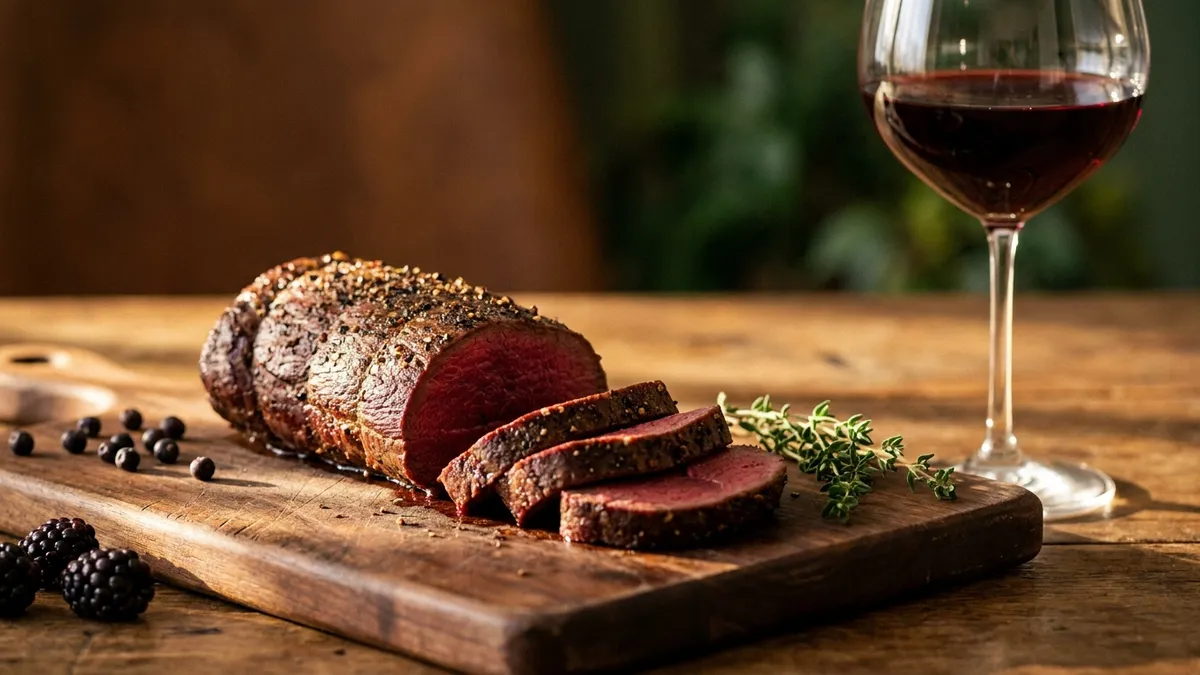
Wine with Game Meat: Venison, Elk, Wild Boar, and More
Wine with game meat, sorted by fat and cooking method: juicy medium-tannin reds for lean venison and elk, firm Italian reds for wild boar, and lighter wines for pheasant.
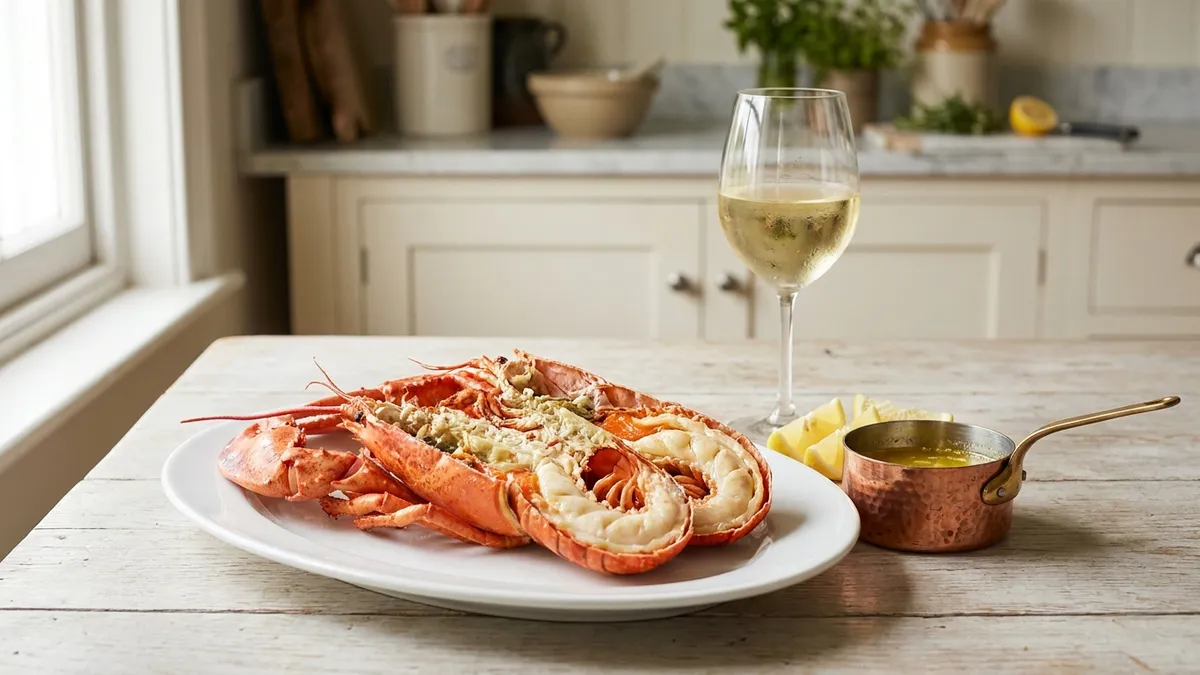
Wine with Lobster: Butter-Poached, Grilled, and More
How to choose wine with lobster by the way it is cooked: crisp Muscadet or Chablis for steamed, oaked Chardonnay for butter, fuller whites for the grill, and Champagne for everything.
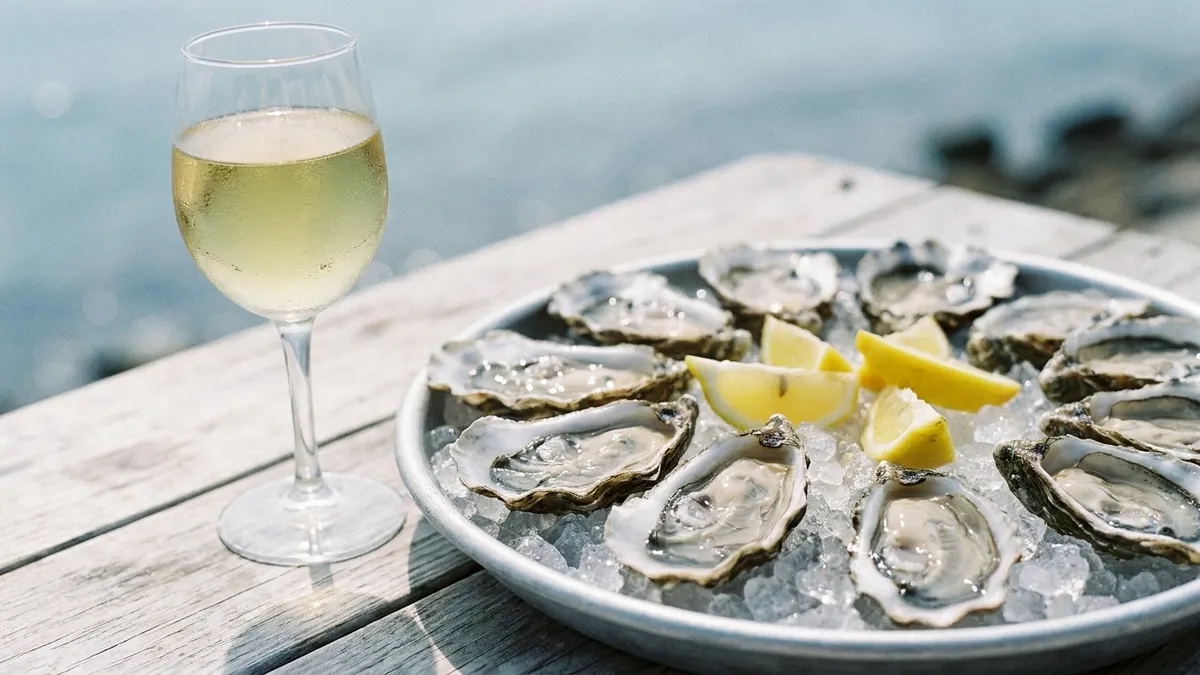
Wine with Oysters: Why Muscadet, Chablis and Champagne Work
The best wine with oysters is dry, high in acidity and free of oak and tannin. Learn why Muscadet, Chablis, Sancerre and Brut Champagne work, and what to avoid.
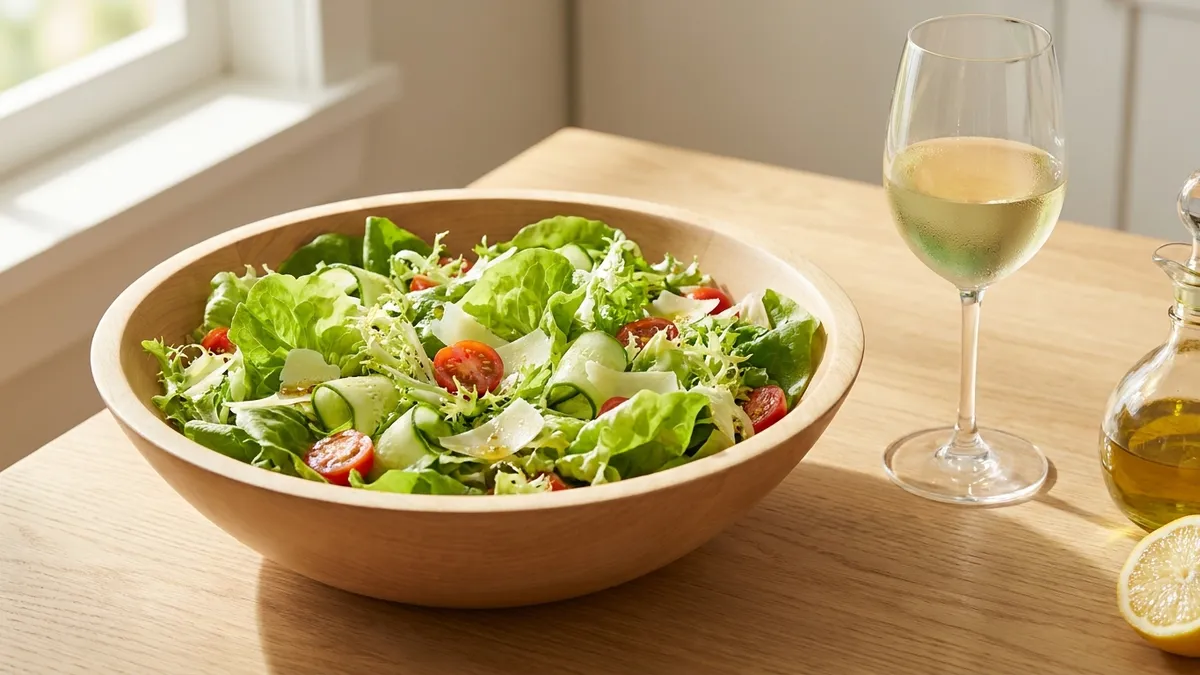
Wine with Salad: Yes, It Works (If You Match the Dressing)
Wine with salad works when the wine is at least as tart as the dressing. Match vinaigrette, creamy, balsamic, citrus and bitter-leaf salads to the right style.
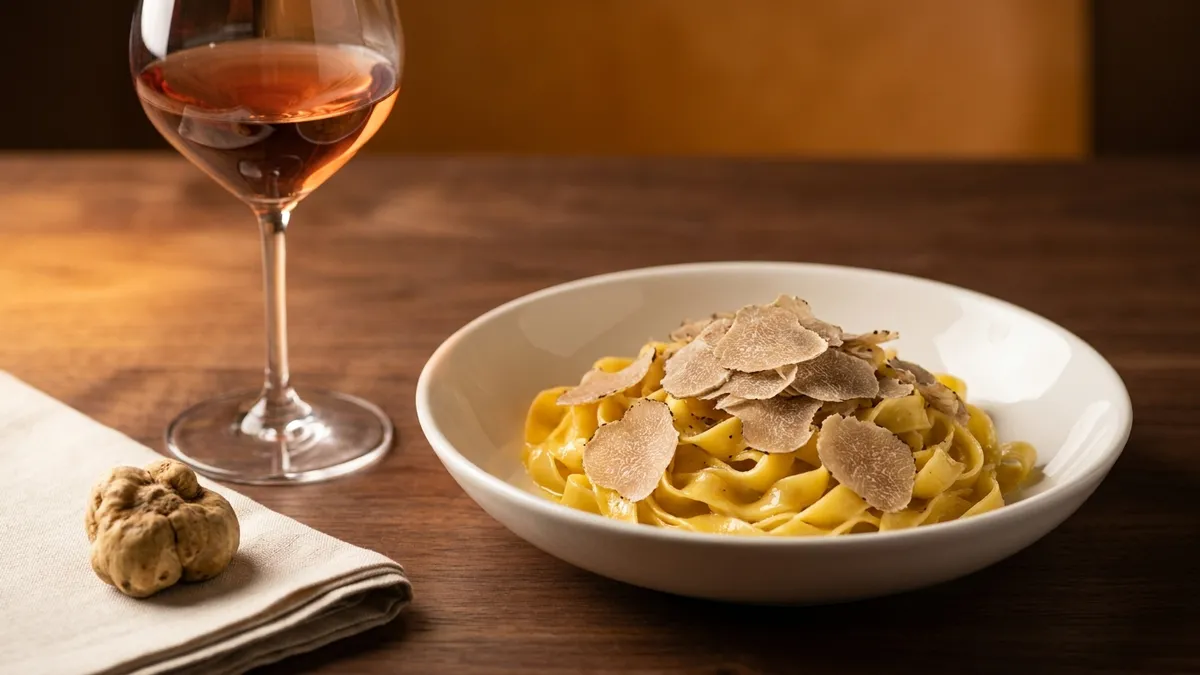
Wine with Truffles: How to Match White and Black Truffle
What wine goes with truffles? Aged Nebbiolo for shaved white truffle, a wine chosen for the dish under black truffle, older Champagne for eggs, and what to pour with truffle oil.
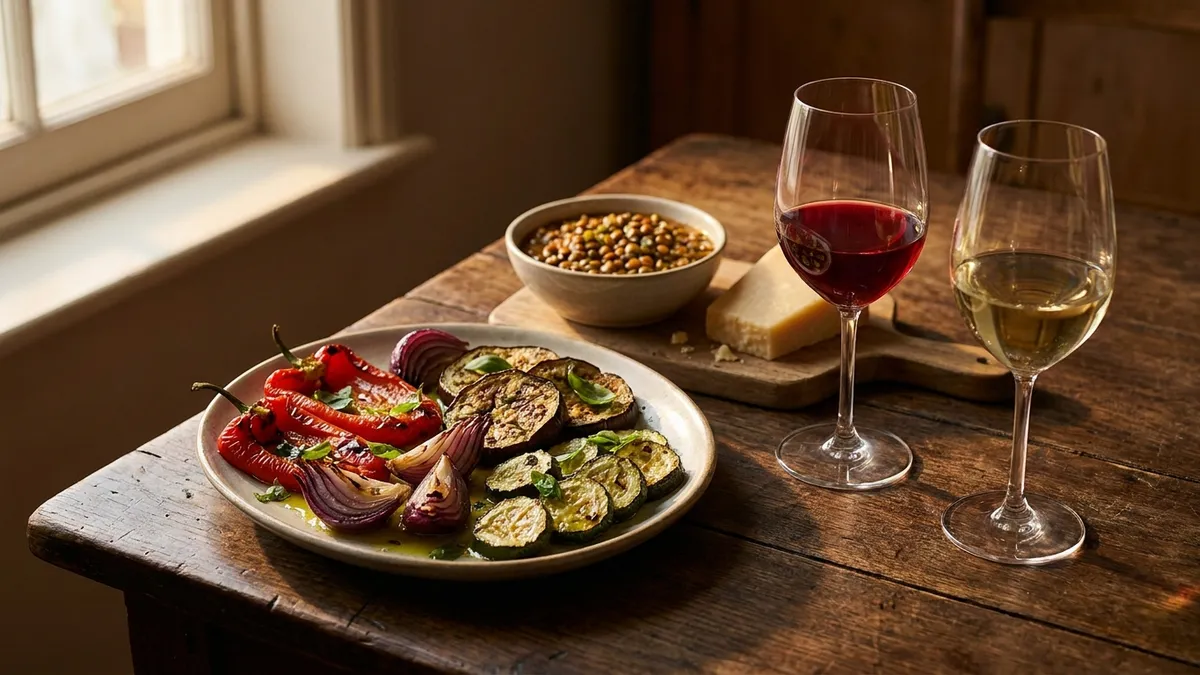
Wine Pairing for Vegetarian Food — A Three-Question Rule
Wine pairing for vegetarian food, explained through tannin, fat and cooking method: a three-question rule plus picks for roasted vegetables, mushrooms, lentils, cheese, asparagus and spicy dishes.
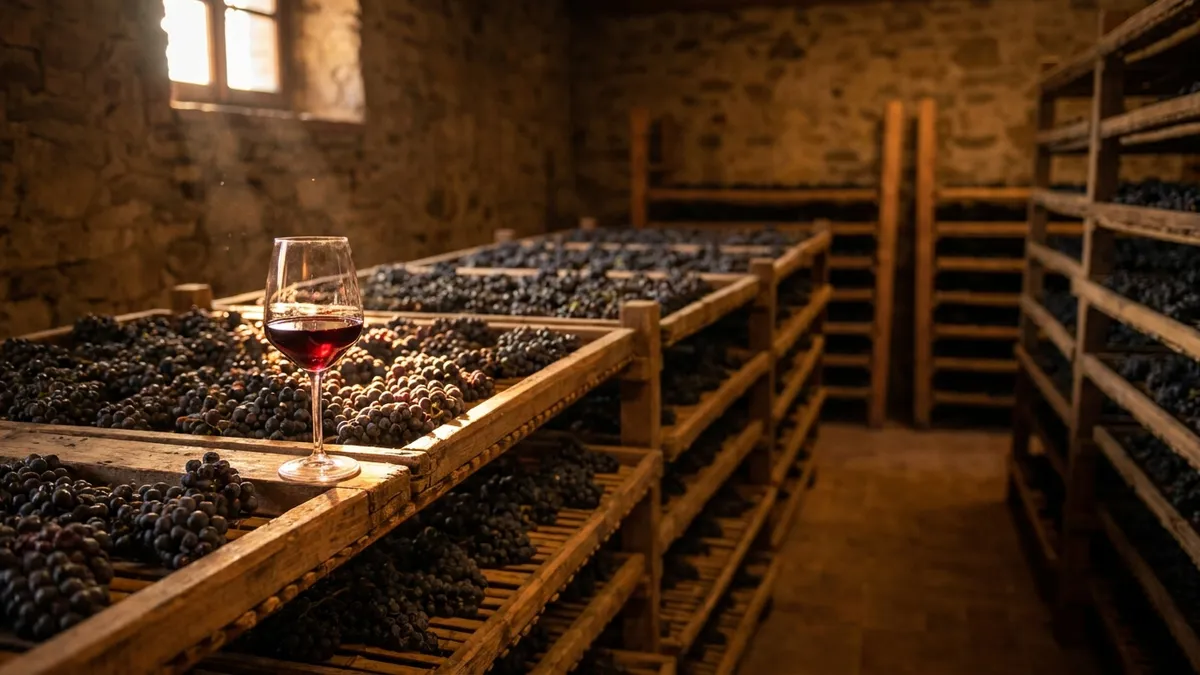
Amarone Wine Guide: Italy's Dried-Grape Red, Explained
Amarone wine explained: how months of grape drying make a dry red of 14% alcohol and up, what the DOCG rules require, why it costs what it does, and how it compares with Ripasso and Recioto.
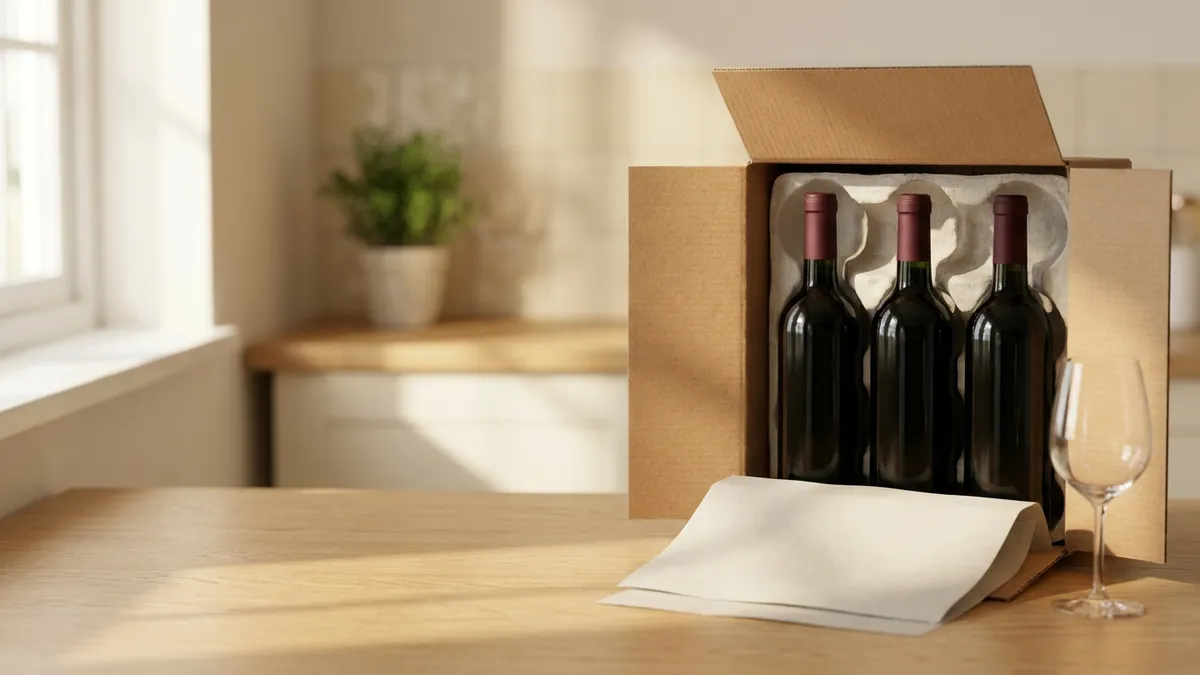
Buying Wine Online Tips: Shipping, Heat and Scam Checks
Buying wine online tips for US shoppers: which states allow shipping, how age checks work, why USPS can't carry wine, how to beat summer heat, and how to spot a fake seller.
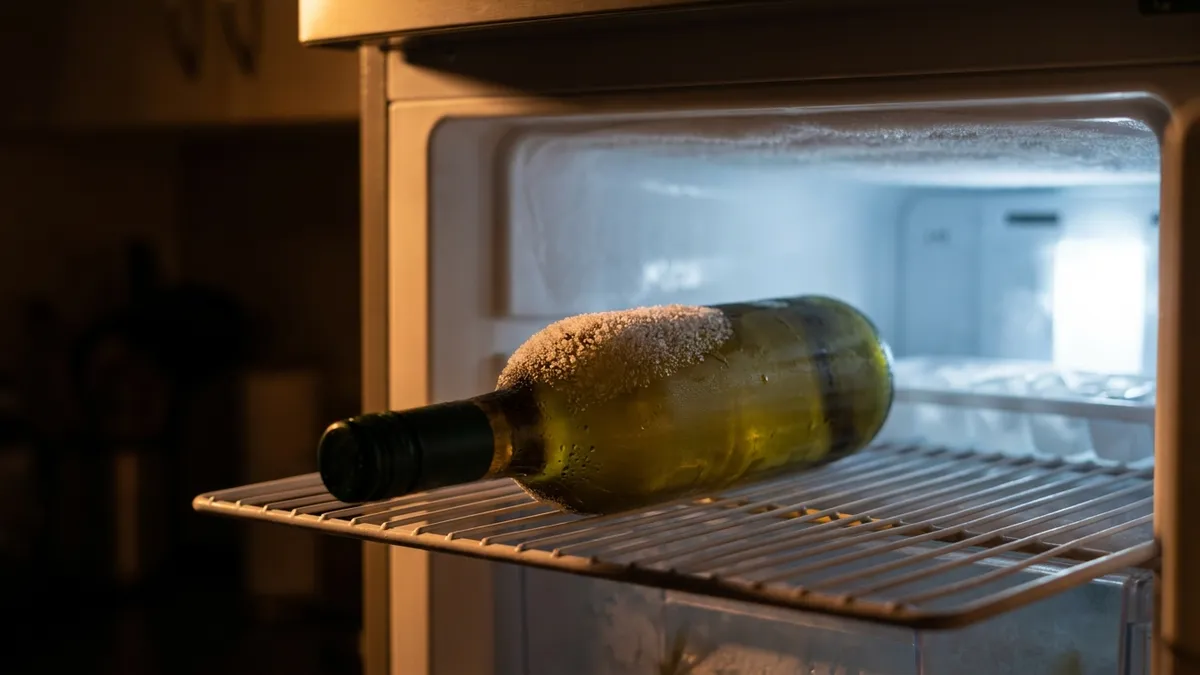
Wine in the Freezer: What Happens, and When It Helps
Can you put wine in the freezer? Yes, with a timer. What temperature wine freezes at, why bottles crack and corks pop, whether thawed wine is safe, and faster ways to chill.
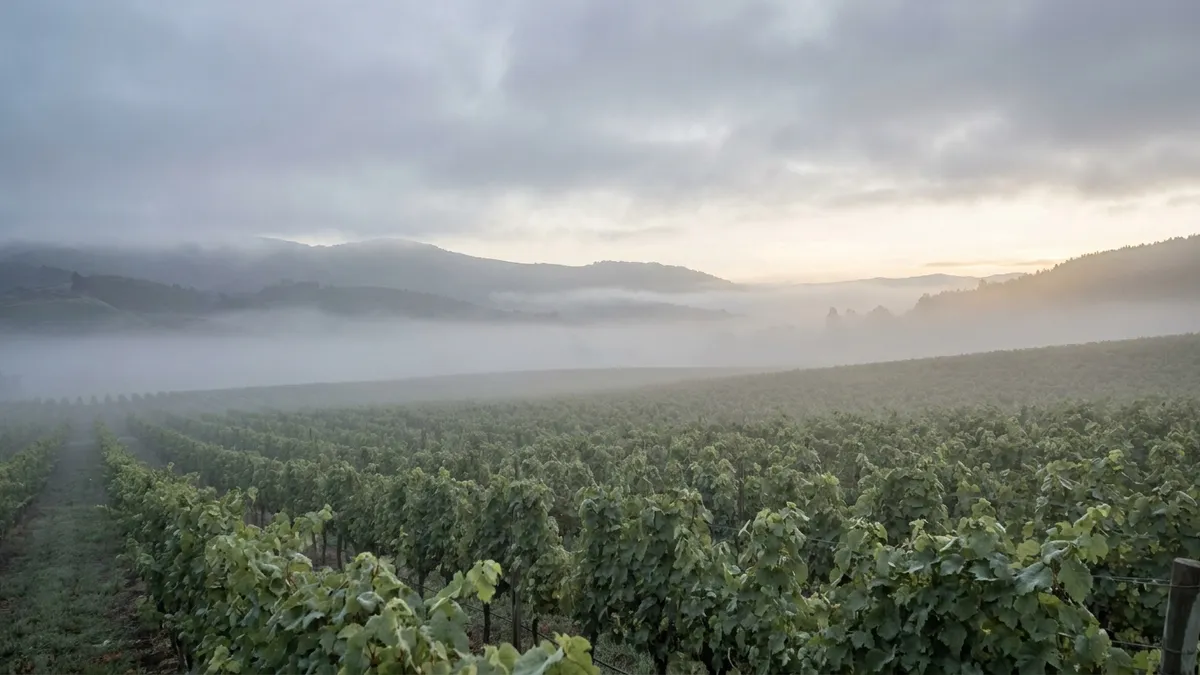
Casablanca Valley Wine Guide: Chile Cool-Climate Whites
A Casablanca Valley wine guide to Chile's pioneering cool-climate coast: why fog and the Humboldt Current chill it, Pablo Morandé's 1982 founding, DO and Costa labeling, and how it compares to Leyda.
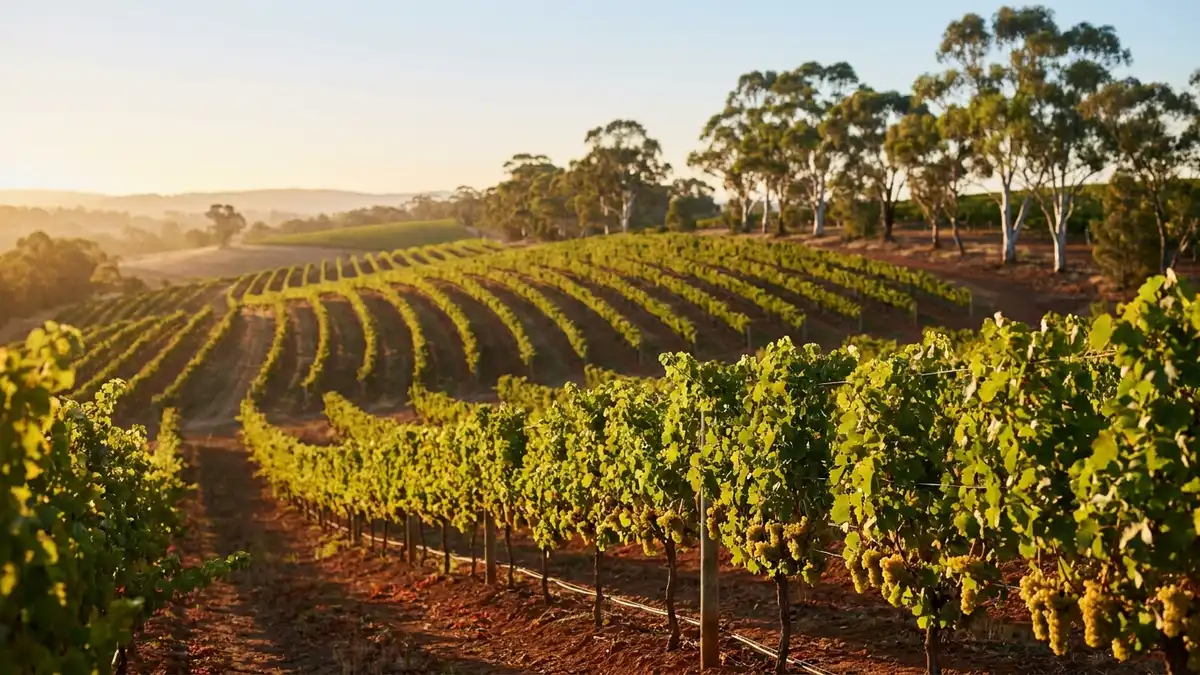
Clare Valley Wine Guide: Australia's Home of Dry Riesling
A Clare Valley wine guide for curious drinkers: why its riesling is bone-dry and lime-scented, what else grows there, the sub-regions, ageing, food, screw caps and the Riesling Trail.
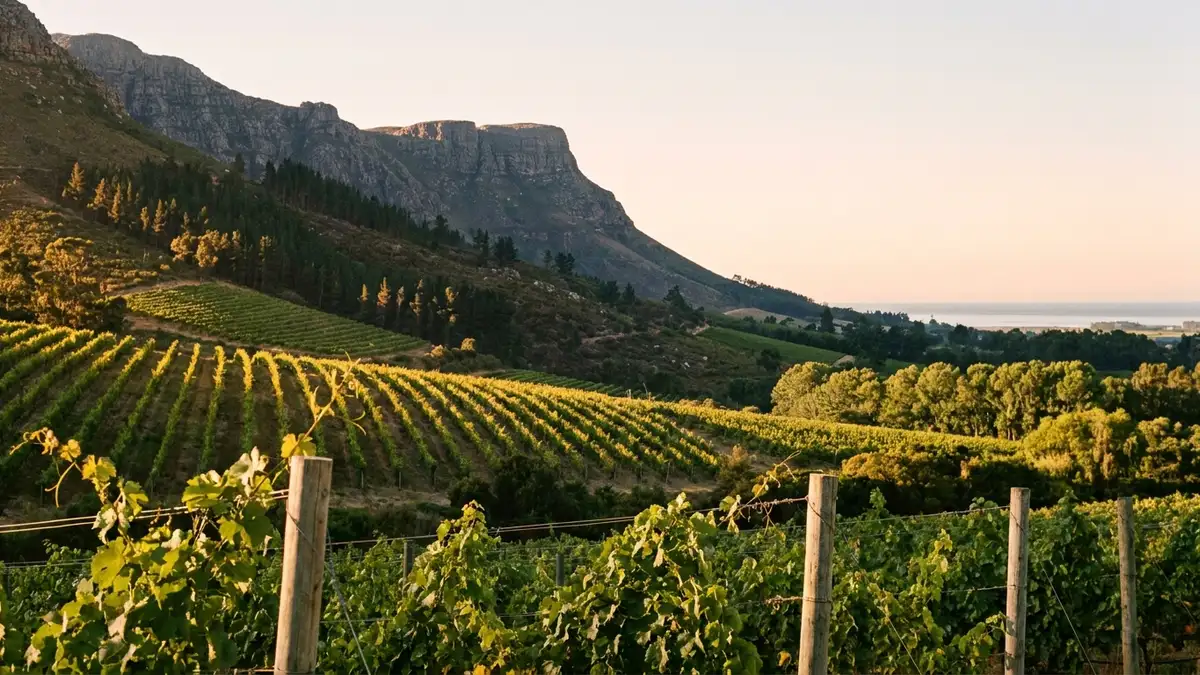
Constantia Wine Guide: South Africa's Oldest Wine Region
A Constantia wine guide: the cool Cape Town valley that made Napoleon's sweet wine, why its Muscat is raisined rather than noble-rotted, and why Sauvignon Blanc now fills nearly half its vineyards.
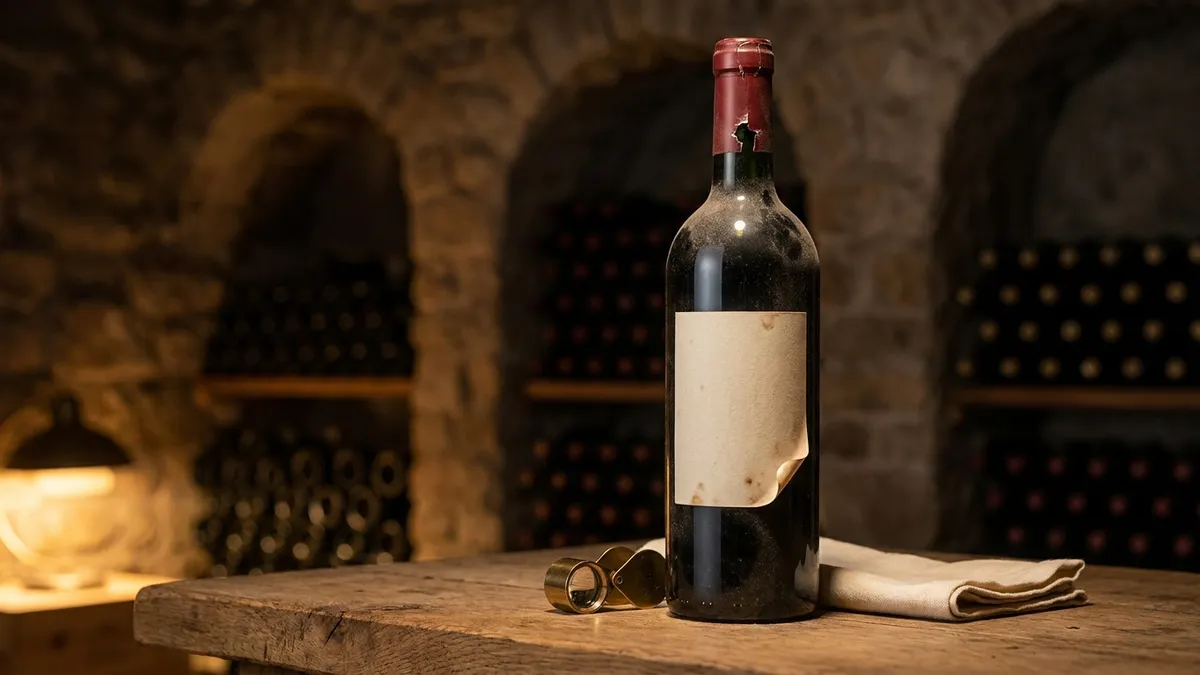
Counterfeit Wine: How to Spot a Fake Bottle Before You Buy
Counterfeit wine explained for everyday buyers: who fraudsters target, the warning signs on a bottle, what appellation seals do and do not prove, and what to do if you suspect a fake.
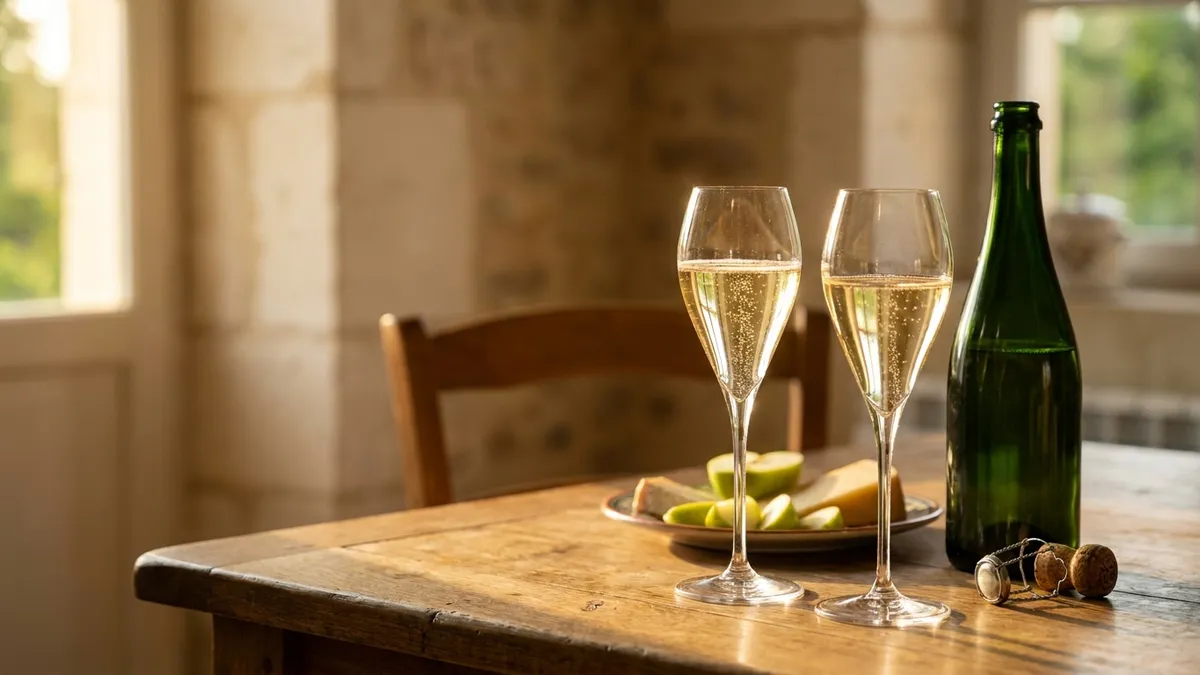
Crémant Wine: France's Other Sparkling Wine (and a Bargain)
A beginner's guide to crémant wine: the eight French regions and their grapes, how it is made, how long it ages, why it costs less than Champagne, and what to eat with it.
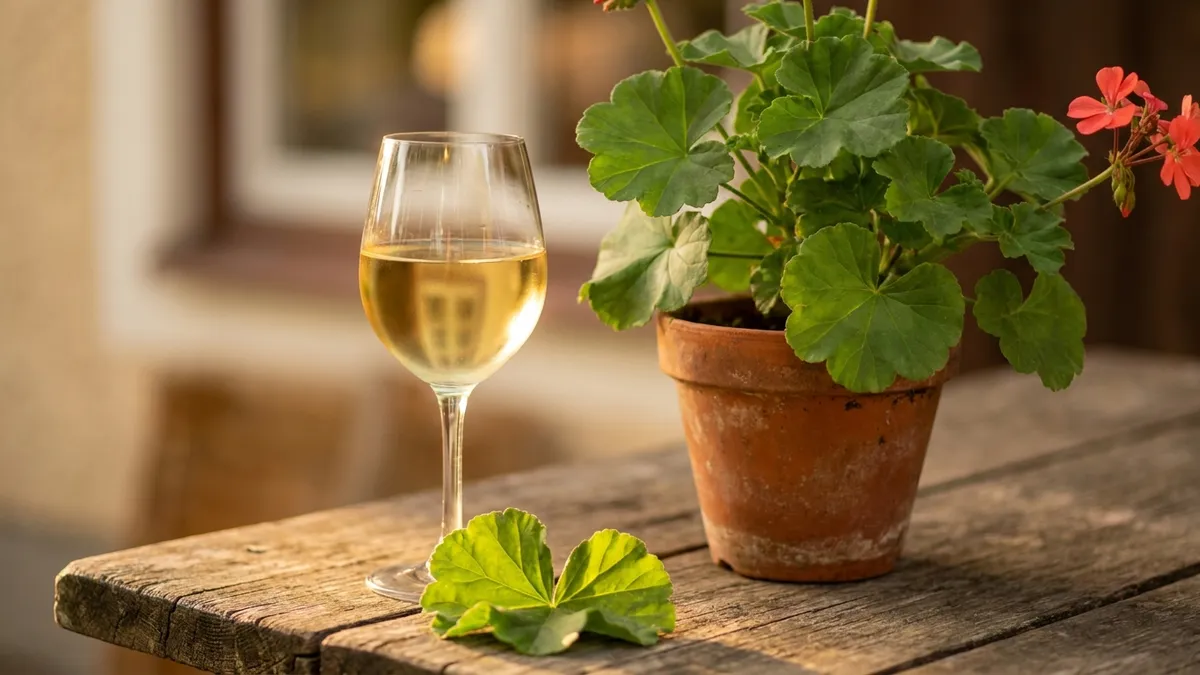
Geranium Taint in Wine: The Floral Fault From Sorbic Acid
Geranium taint makes a wine smell of crushed geranium leaves. Learn what causes it, which wines are at risk, how to tell it from a floral grape, and what to do with a tainted bottle.
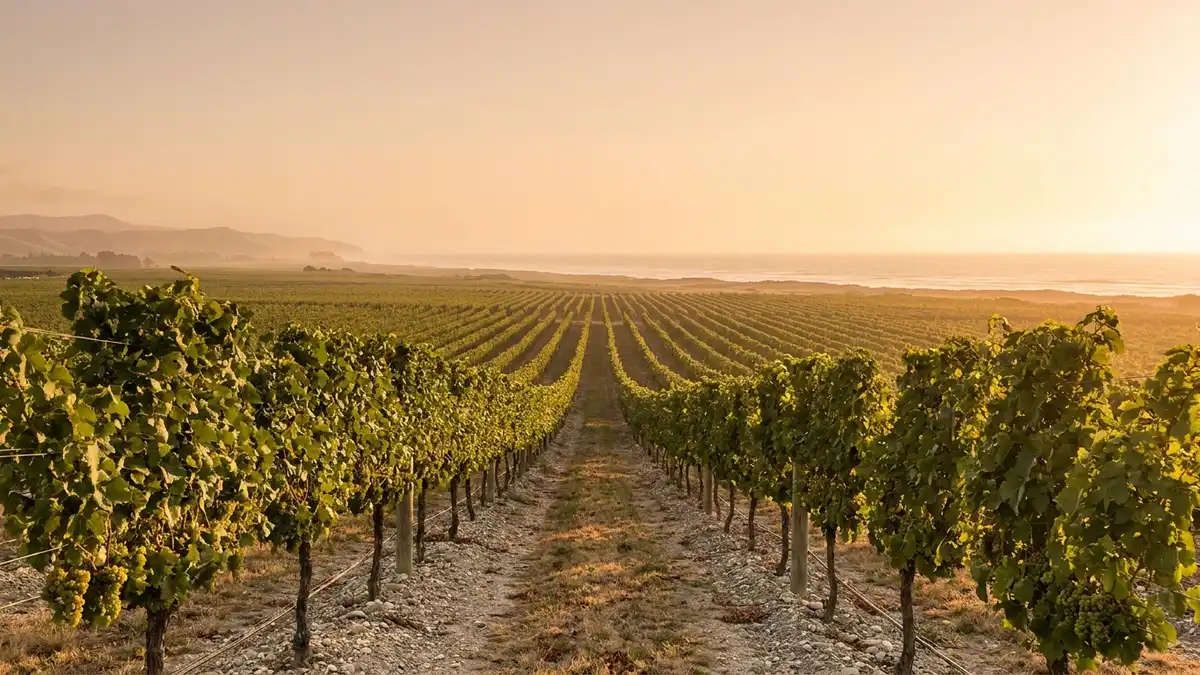
Hawke's Bay Wine Guide: New Zealand Red Wine Region
A Hawke's Bay wine guide to New Zealand's oldest and second-largest wine region: the Gimblett Gravels soil story, Bordeaux-style reds, cool-climate Syrah, and the real grape numbers.
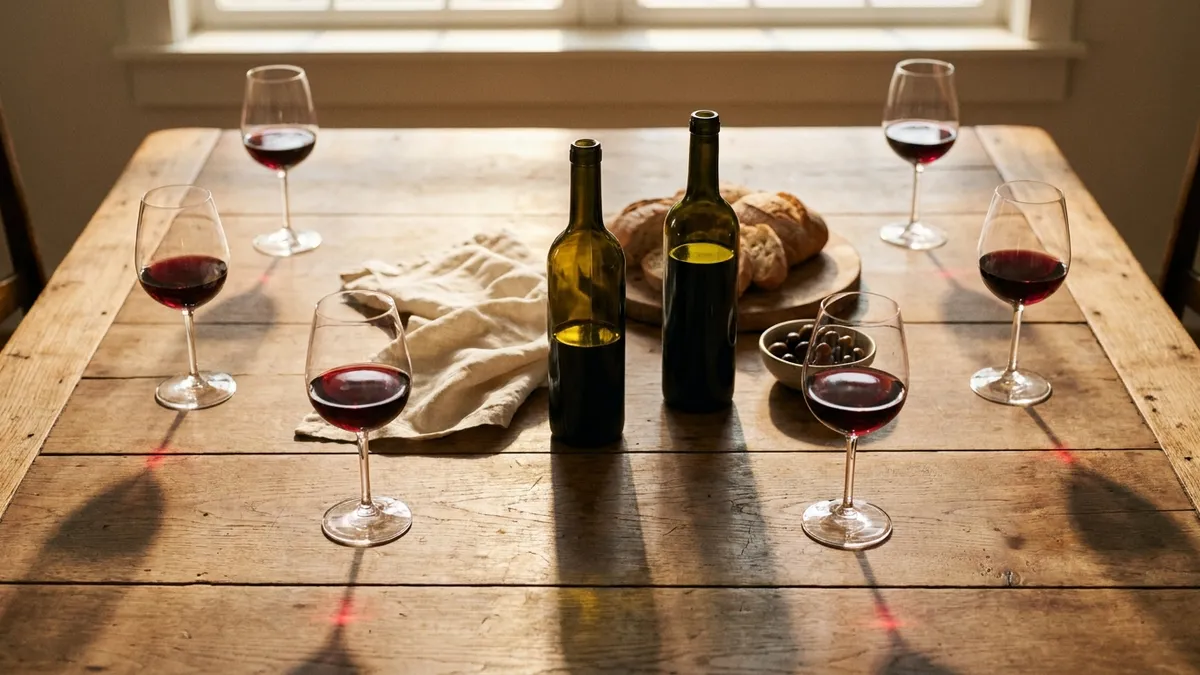
How Many Glasses in a Bottle of Wine? A Pour-Size Guide
How many glasses in a bottle of wine: five at a 150 ml pour, six at 125 ml. Pour sizes, sparkling and dessert wine, magnums, and party bottle math.
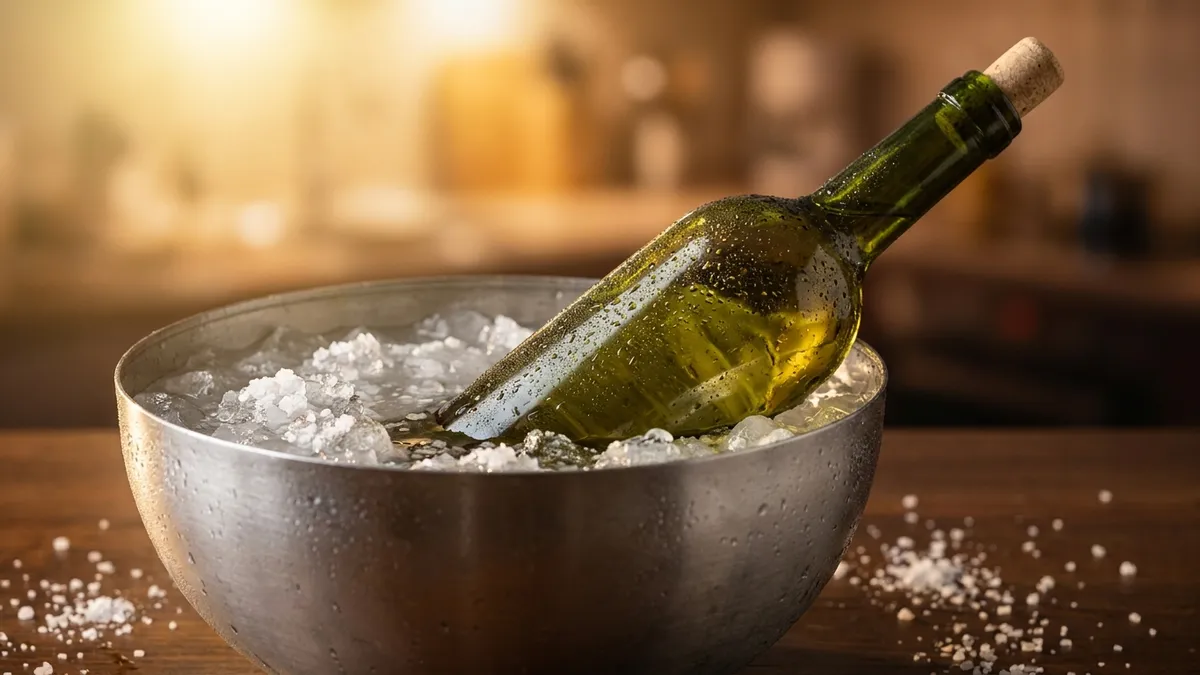
How to Chill Wine Fast: 5 Methods That Actually Work
How to chill wine fast with salted ice water, an ice bucket, a wet towel, the freezer or the fridge, ranked by the physics of how each one pulls heat out of the bottle.
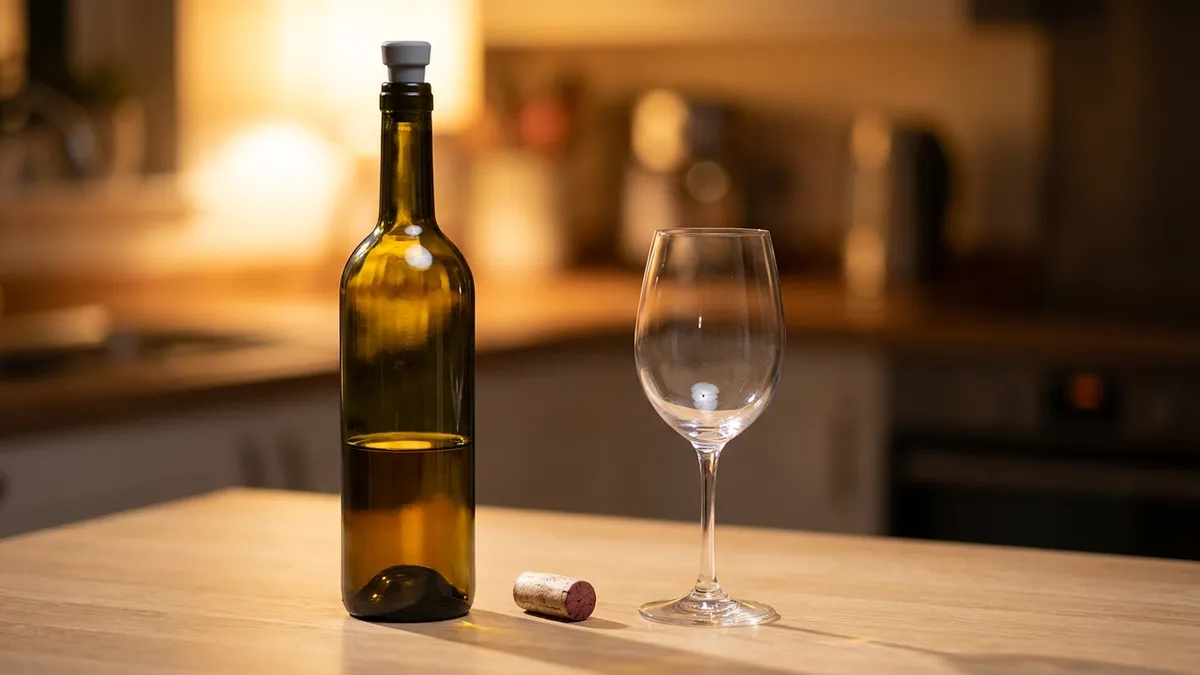
How to Reseal a Wine Bottle: Stoppers, Pumps and Gas Sprays
How to reseal a wine bottle with its cork, a screw cap, a stopper, a vacuum pump, a gas spray or a sparkling clamp, and which one each bottle needs tonight.
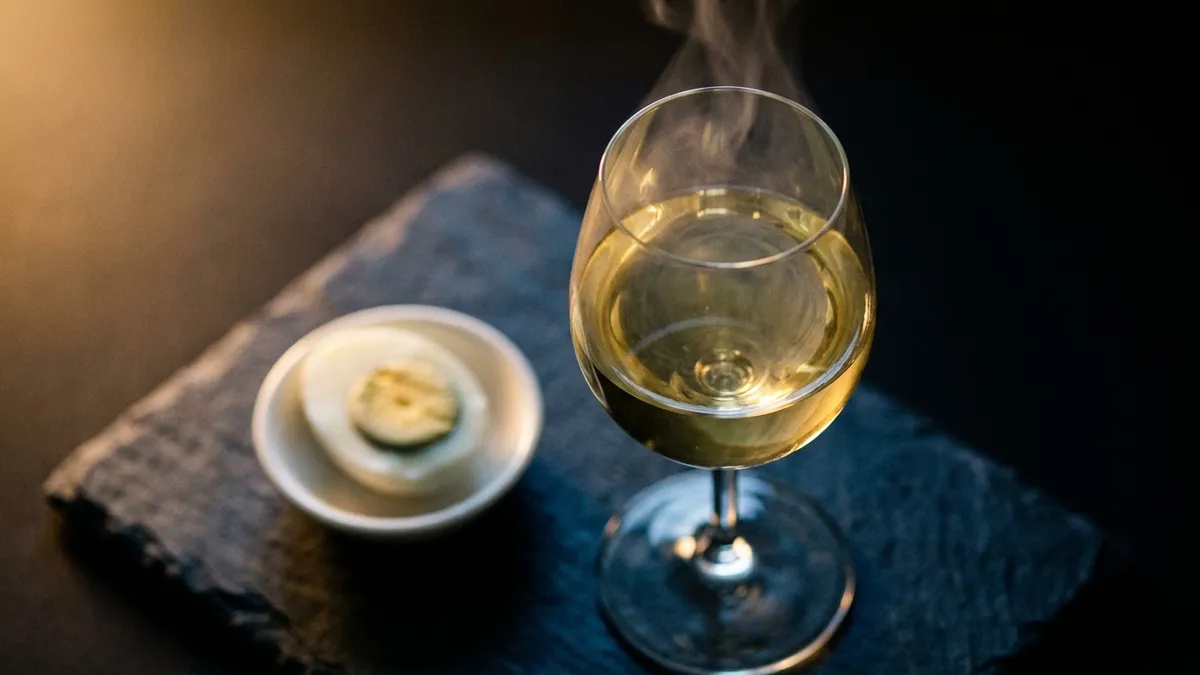
Hydrogen Sulfide in Wine — The Rotten Egg Smell Explained
Hydrogen sulfide in wine is the rotten-egg smell. Learn why hungry yeast make it, how it differs from sulfites and cork taint, and when air fixes it.
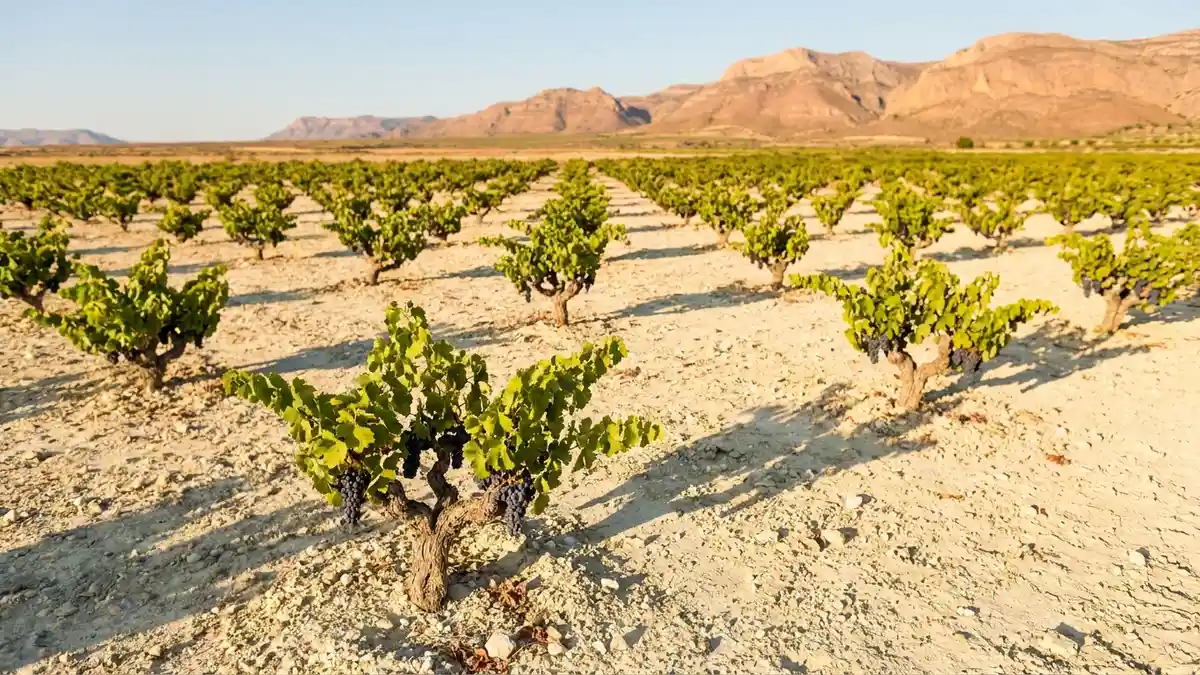
Jumilla Wine Guide: Spain's Big Monastrell Reds for Less
A Jumilla wine guide for curious drinkers: the Monastrell grape, what the wines taste like, how Jumilla compares with Yecla, Alicante and Bullas, label words, food and serving.
Lambrusco Wine Guide: Italy's Sparkling Red, Reinvented
A Lambrusco wine guide for beginners: the four sweetness words on the label, the main grape zones from pale Sorbara to dark Grasparossa, what to eat with it, and how cold to serve it.
Late Harvest Wine: How Extra Hang Time Builds Sweetness
A late harvest wine guide to the three real paths to sweetness: extended hang time, noble rot, and freezing, plus the German, Tokaji, and Sauternes rules that set how sweet each one is.
Lightstruck Wine Fault: How Light Turns Wine to Cabbage
Why a white, rosé or sparkling wine left under shop lights smells of cabbage and wet cardboard, which bottle colours protect it, and why the damage cannot be undone.
Marsala Wine Guide: The Real Sicilian Fortified Wine
A marsala wine guide to the real DOC classification grid by color, sweetness, and age, why supermarket cooking wine is a different product, and how Marsala compares to sherry and port.
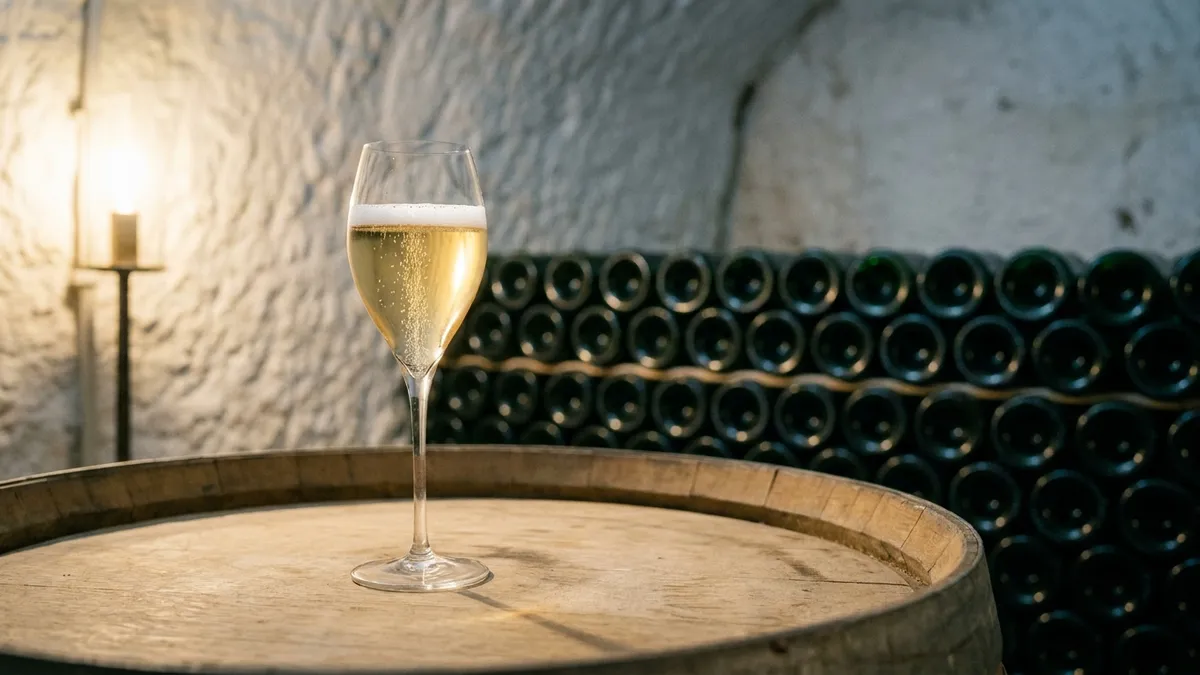
Méthode Champenoise Explained — How the Bubbles Get In
Méthode champenoise explained step by step: tirage, lees ageing, riddling, disgorgement and dosage, the legal names in each country, ageing minimums, and how to taste the method.
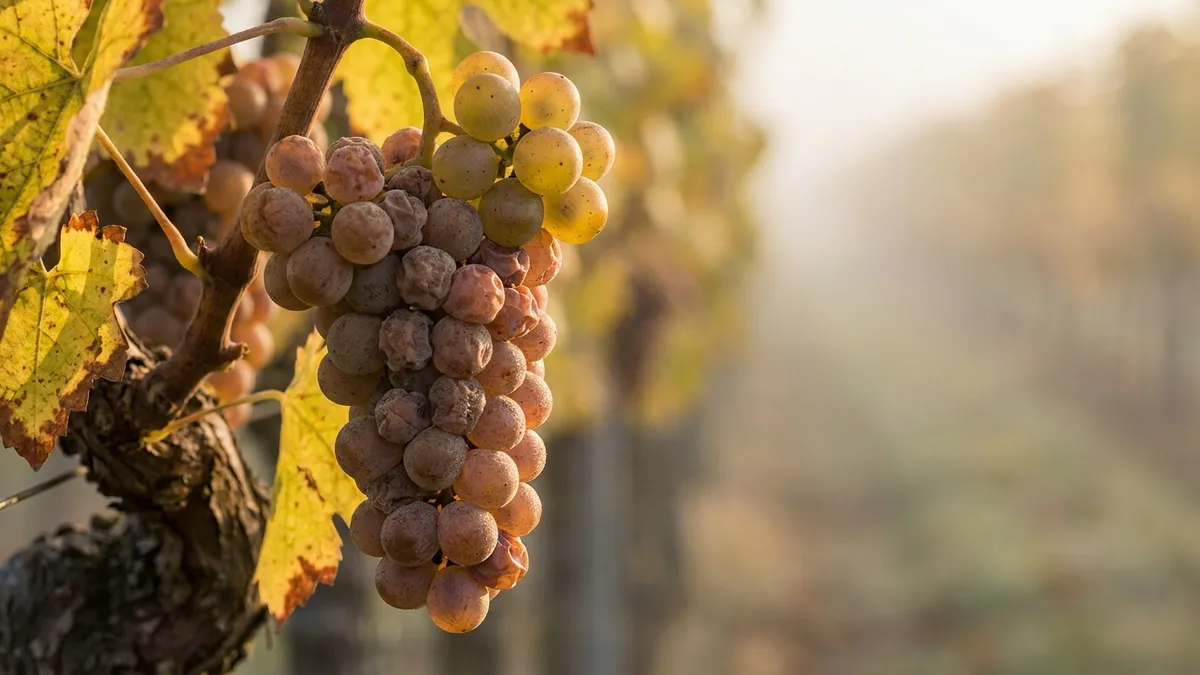
Noble Rot (Botrytis) Wine: How Mold Makes Great Sweet Wine
Noble rot botrytis wine explained: how a gray mold shrivels grapes into Sauternes, Tokaji Aszú and TBA, why wet weather turns it into grey rot, and how to read, serve and pair these sweet wines.
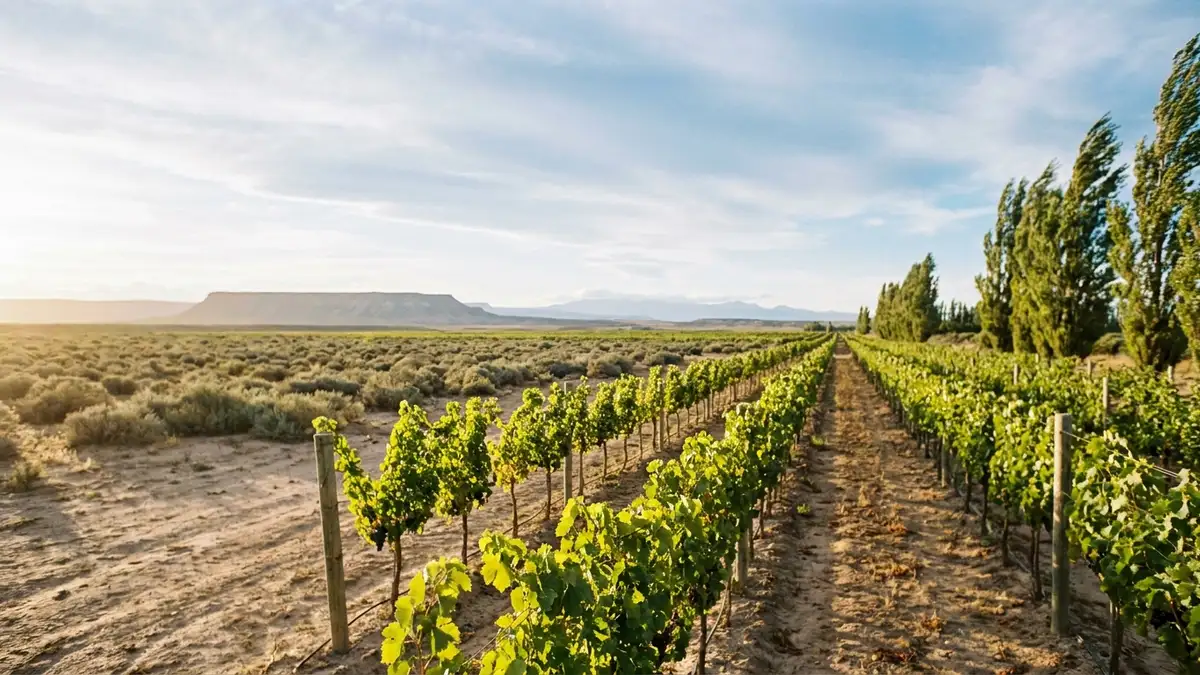
Patagonia Wine Guide: Desert Vineyards of the Far South
A Patagonia wine guide: where Río Negro, Neuquén and Chubut sit, why a desert steppe grows fresh Pinot Noir, which grapes to buy and how to serve them.
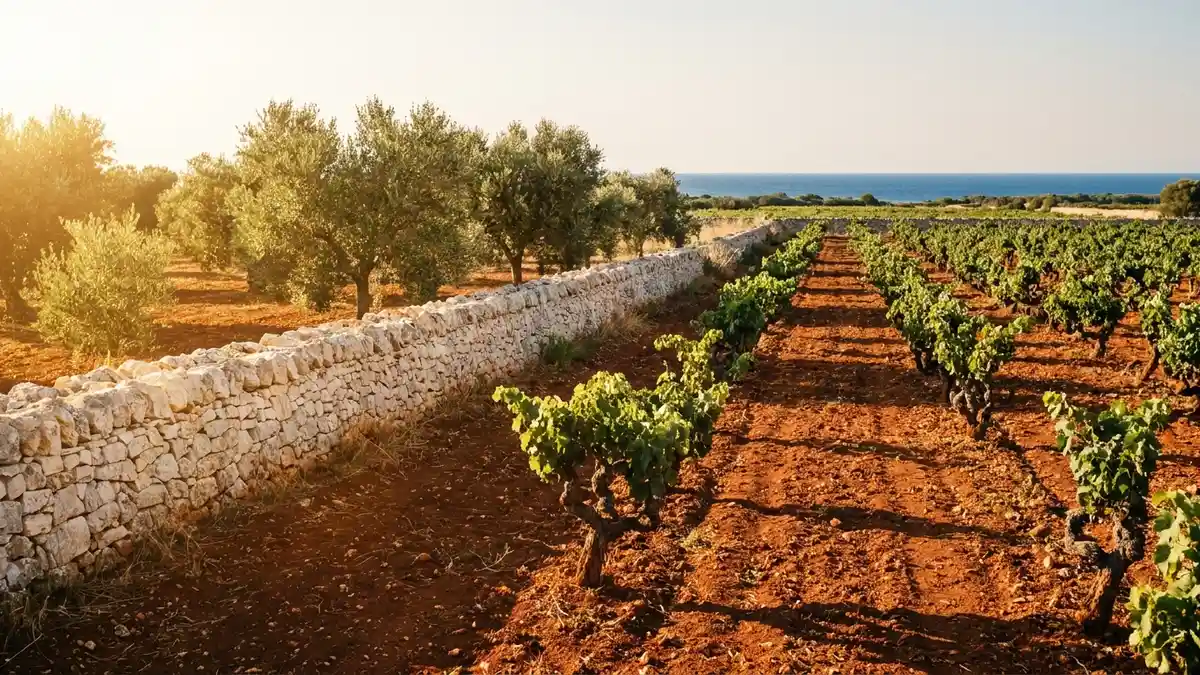
Puglia Wine Guide: Primitivo, Negroamaro, Nero di Troia
A Puglia wine guide for curious drinkers: what Primitivo, Negroamaro and Nero di Troia taste like, which label words to look for, the four DOCGs, and what to eat with each.
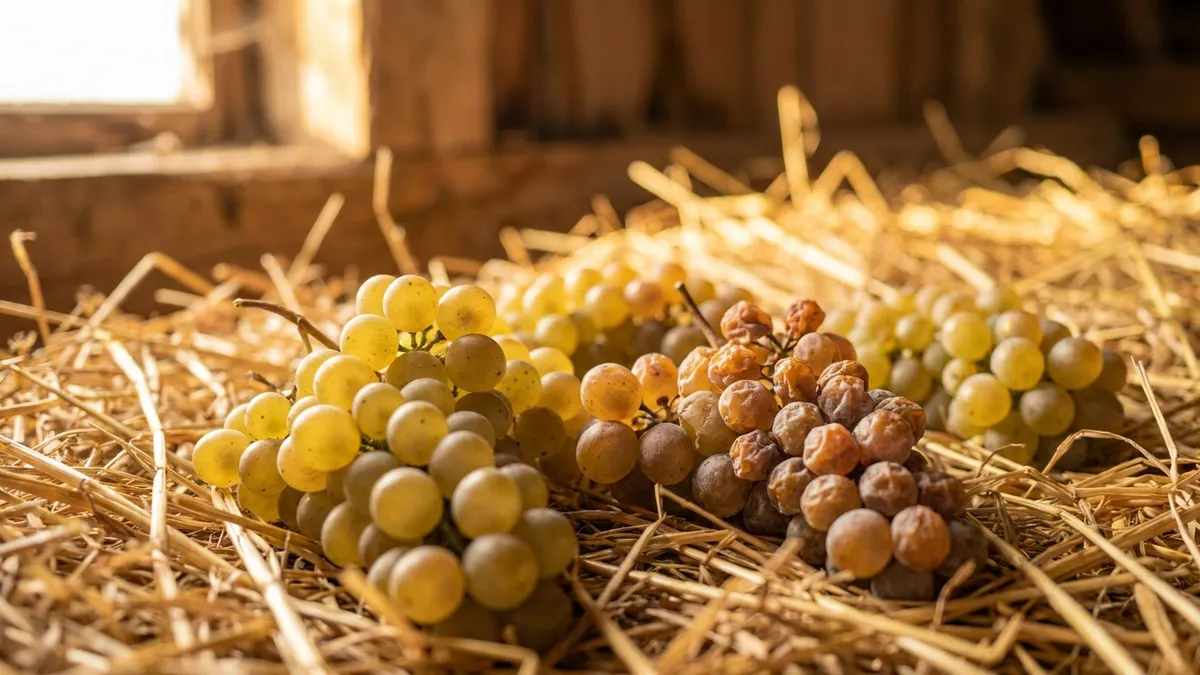
Straw Wine and Passito: Dried Grape Wines Explained
Straw wine and passito explained: how grapes are dried after picking, why it concentrates sugar, how it differs from noble rot and ice wine, and which styles to try.
Super Tuscan Wine: How Rule-Breakers Changed Italian Wine
What a Super Tuscan wine is, which grapes go into it, how to spot one on a label, how it differs from Chianti, and why Italy's best reds were once sold as table wine.
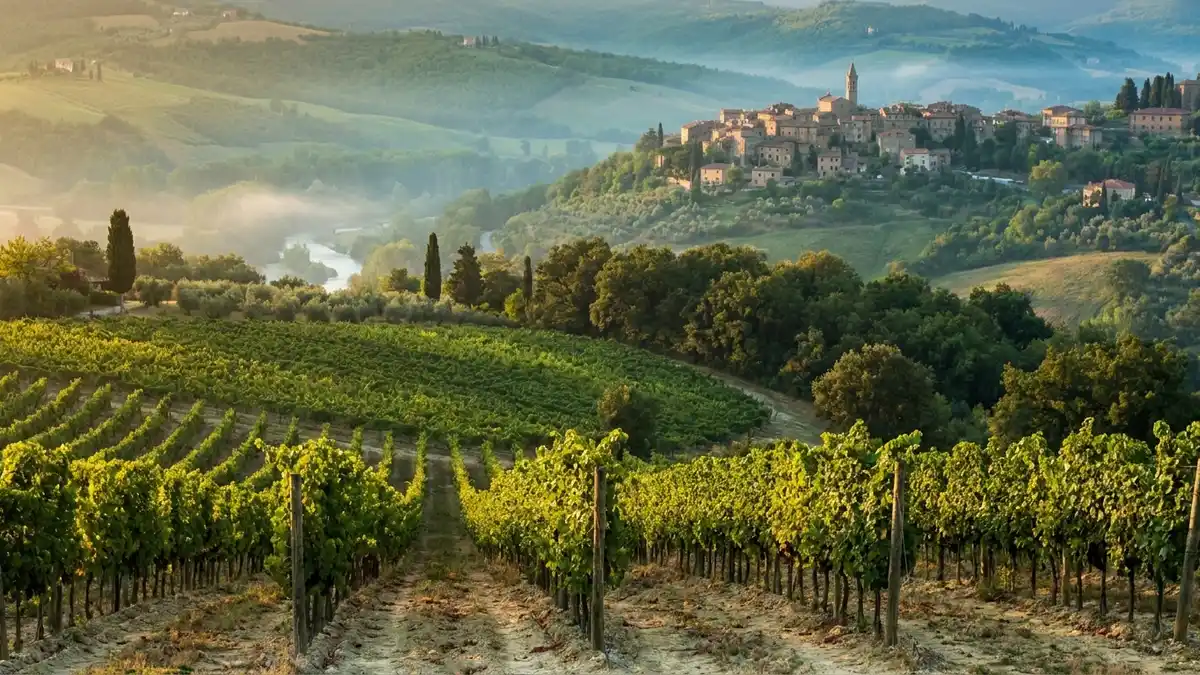
Umbria Wine Guide: Sagrantino, Orvieto and Torgiano
An Umbria wine guide for curious drinkers: Montefalco Sagrantino and why it grips, dry Orvieto and its sweet past, Torgiano, Montefalco Rosso, and what to eat with each.
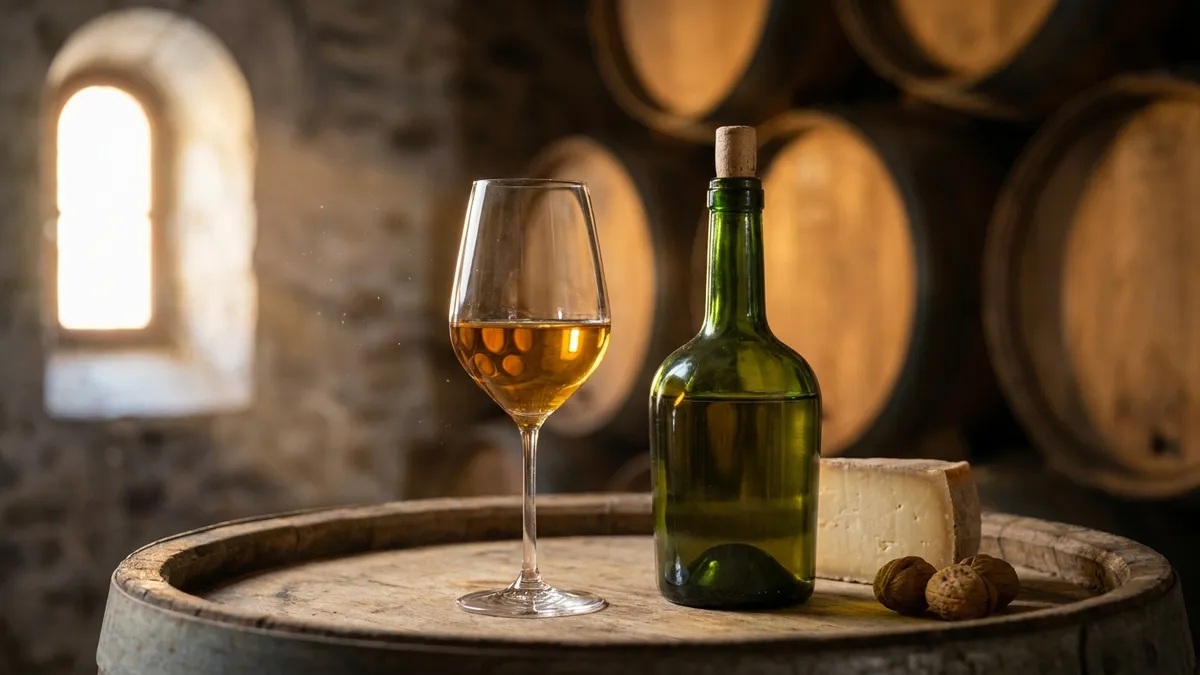
Vin Jaune Wine: France's Unfortified Answer to Fino Sherry
Vin jaune wine explained: how the Jura's yellow wine ages six years under a yeast film like fino sherry, why it smells of curry and walnuts, and how to serve, pair and buy it.
Walla Walla Wine Guide: Rocks, Loess and Washington Reds
A Walla Walla wine guide for curious drinkers: the Cabernet, Merlot and Syrah it is known for, how to read the label, what to eat with it, and why its soils make it taste different.
What Makes Wine Expensive? The Factors Behind the Price Tag
What makes wine expensive, broken into real numbers: vineyard land prices in Napa, Burgundy, and Bordeaux, legal yield limits, oak aging, tax, and distribution markup.
Willamette Valley Sub-AVAs: Dundee Hills to Eola-Amity
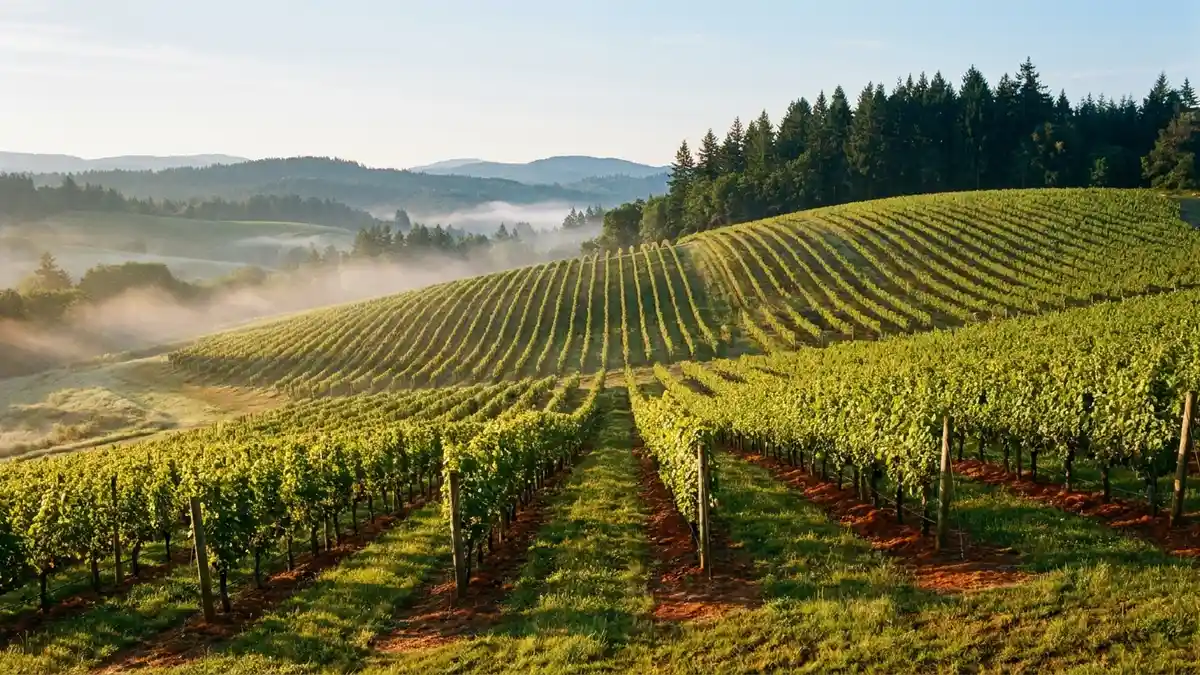
All 11 Willamette Valley sub-AVAs in one table: what red basalt clay, old seabed soils and Pacific wind do to Oregon Pinot Noir, and what the label name guarantees.
Premature Oxidation in Wine: Why Young Whites Turn Brown
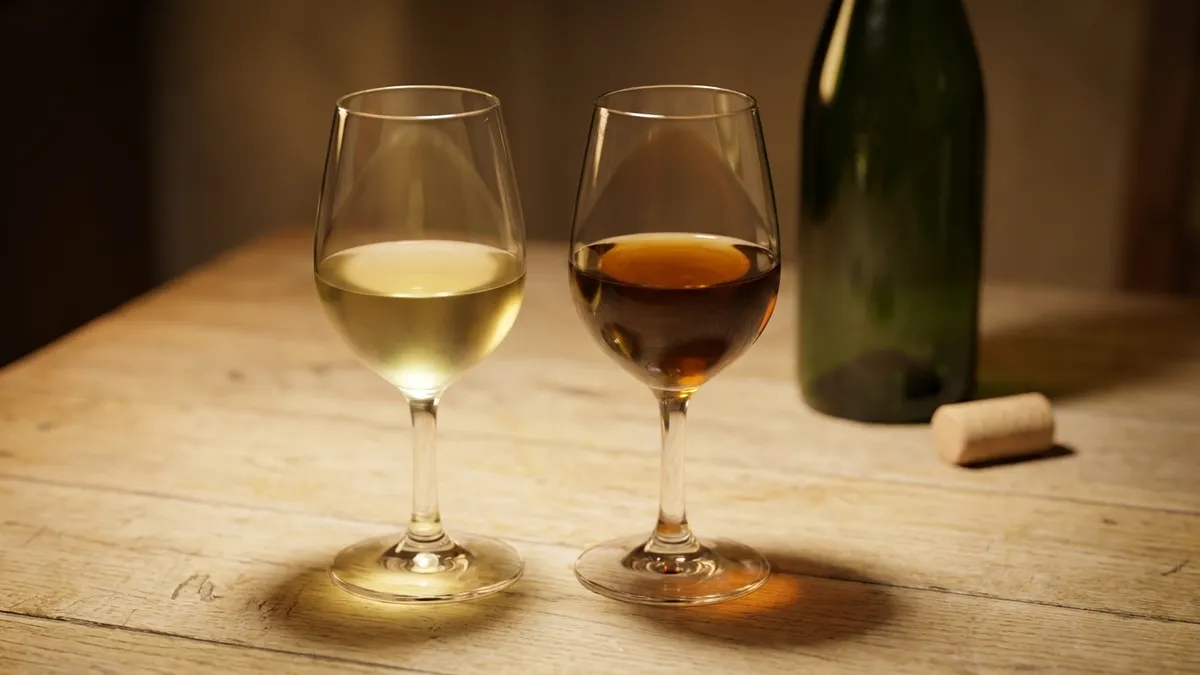
Premature oxidation turns young white wine brown, flat and Sherry-like years too early. Learn the signs, how it differs from normal aging, the causes and what to do.
Wine Cellar Temperature and Humidity: The Ideal Range
The real wine cellar temperature and humidity range, reconciled from four named sources, plus the science of why heat and dry air actually damage a bottle.
Wine Certifications: WSET vs CMS, and Which to Choose
Wine certifications compared: the four WSET levels, the four Court of Master Sommeliers levels and the Master of Wine, with study hours, exam formats and the right starting point for each goal.
Wine Fault vs Style: How to Tell Funk From a Bad Bottle
Wine fault vs style, settled with numbers: the doses where brett, volatile acidity, reduction and diacetyl turn from character into faults, and the three questions to ask at the table.
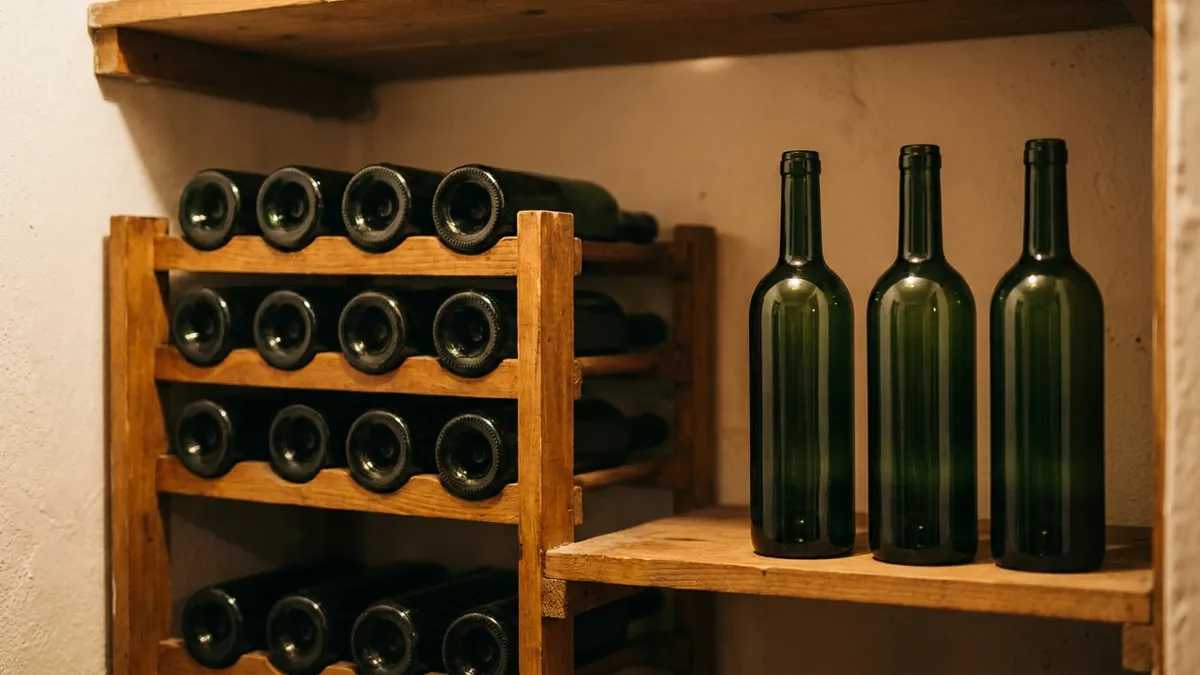
Store Wine Horizontal or Vertical? What the Research Says
Should you store wine horizontal or vertical? Lay cork-sealed bottles down for long holds; screw caps and sparkling wine can stand. Heat matters far more than angle.
Wine Awards and Medals: How Much Do They Really Mean?
Wine awards and medals explained: what gold, silver and bronze stickers mean, how competitions judge, what the research on judge consistency found, and how to use a medal at the shelf.
Wine Markup at Restaurants: How Wine List Pricing Works
Why restaurant wine costs what it does: the three businesses paid before the bottle reaches you, the 2.5 to 3 times average markup, glass-versus-bottle maths, corkage, and how to spot value on a list.
Smoke Taint in Wine: How Wildfires Affect Vineyards
How wildfire smoke gets into grapes, why smoke taint hides until after fermentation, what it tastes like, how to tell it from oak, and what winemakers can do about it.
10 Wine Storage Mistakes That Quietly Ruin Good Bottles
Ten wine storage mistakes ranked by how much damage they actually do, from heat and light that ruin a bottle in days to humidity and vibration that only matter over years.
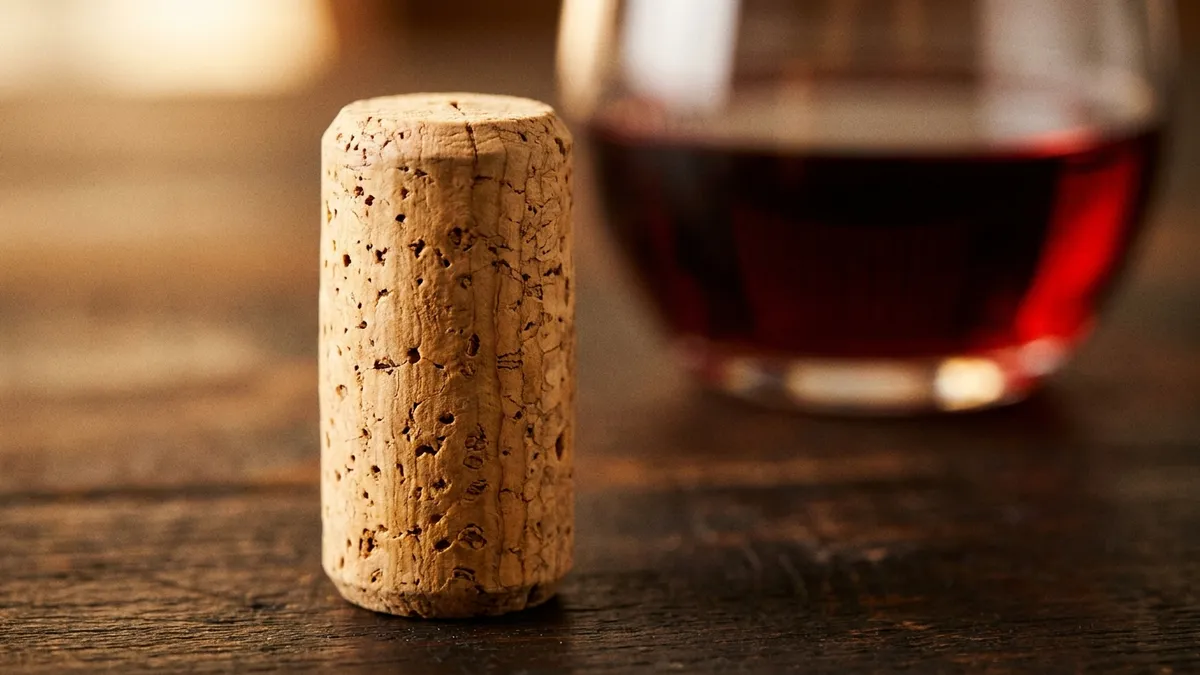
TCA and Cork Taint: The Real Science Behind a Corked Wine
TCA cork taint science, explained plainly: what 2,4,6-trichloroanisole actually is, how it forms, why it mutes fruit instead of just smelling musty, and why the taint-rate numbers you see everywhere disagree.
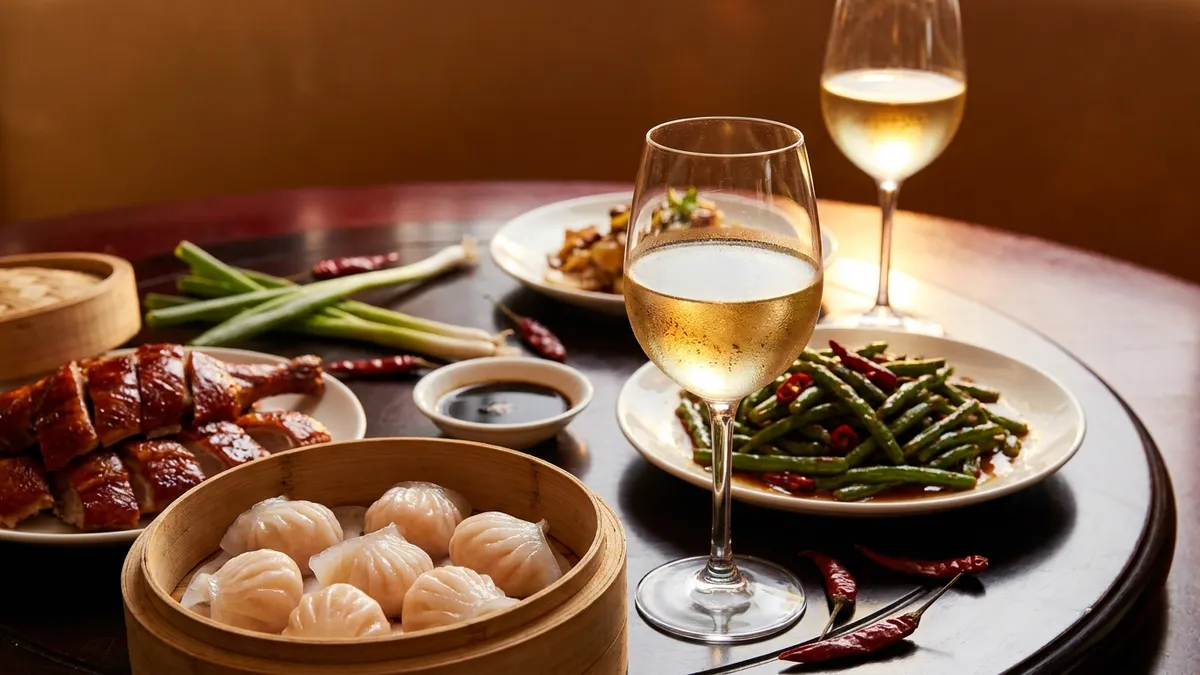
Wine with Chinese Food: Dim Sum, Stir-Fry, and Peking Duck
How to pick wine with Chinese food by the dish's loudest flavour: sparkling for dim sum, sauce-led choices for stir-fry, acidity for Peking duck, and off-dry whites for Sichuan heat.
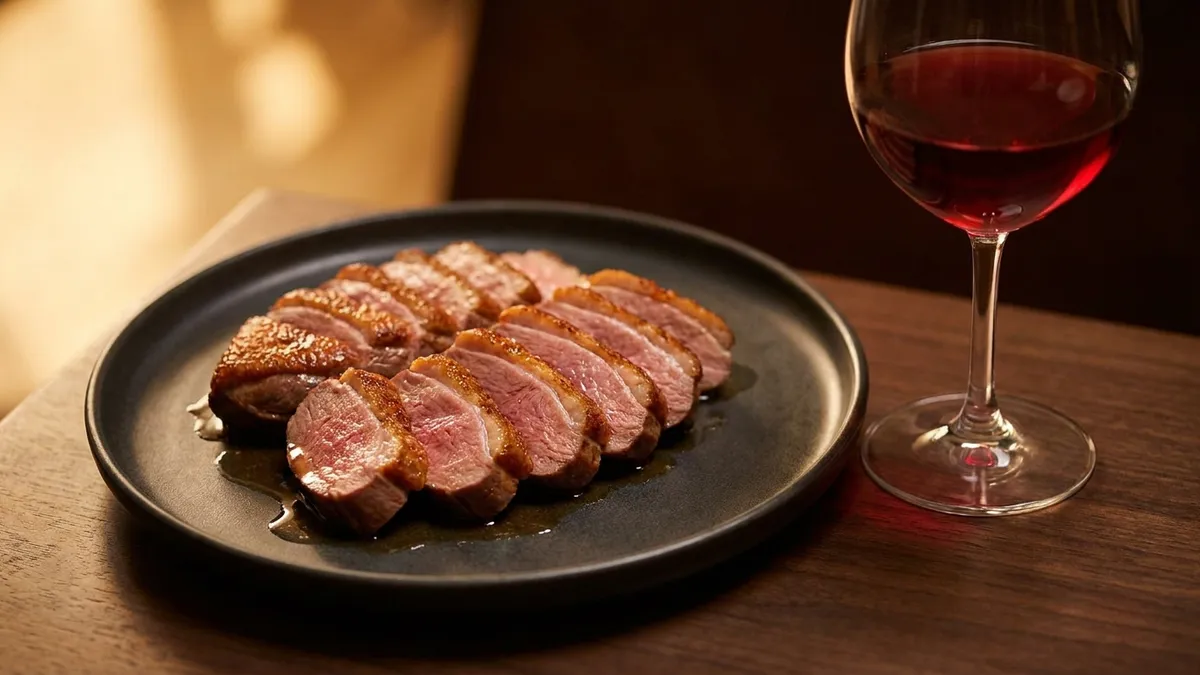
Wine with Duck: Confit, Roast, Pan-Seared and Peking
Wine with duck, dish by dish: tart low-tannin reds for confit and roast, a firmer Rioja for pink duck breast, and off-dry Gewürztraminer for Peking duck.
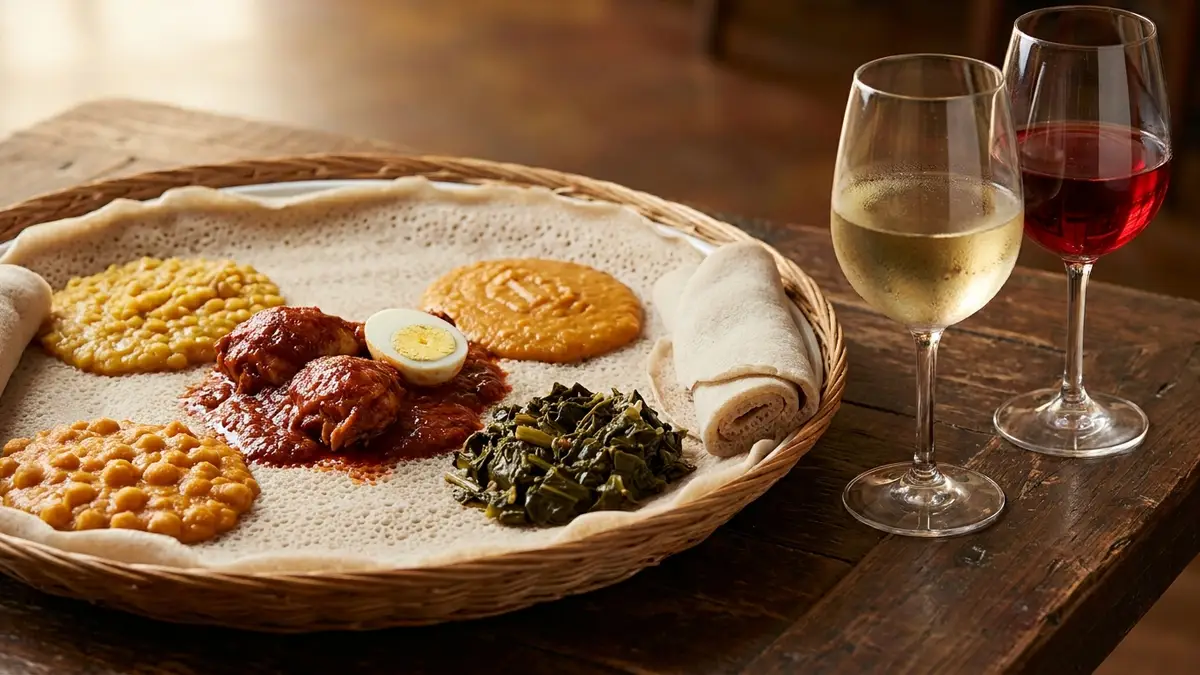
Wine with Ethiopian Food: Injera, Berbere, and Doro Wat
How to pick wine with Ethiopian food: why berbere heat and sour injera call for off-dry whites, fizzy reds and chilled Gamay, dish by dish from doro wat to kitfo and shiro.
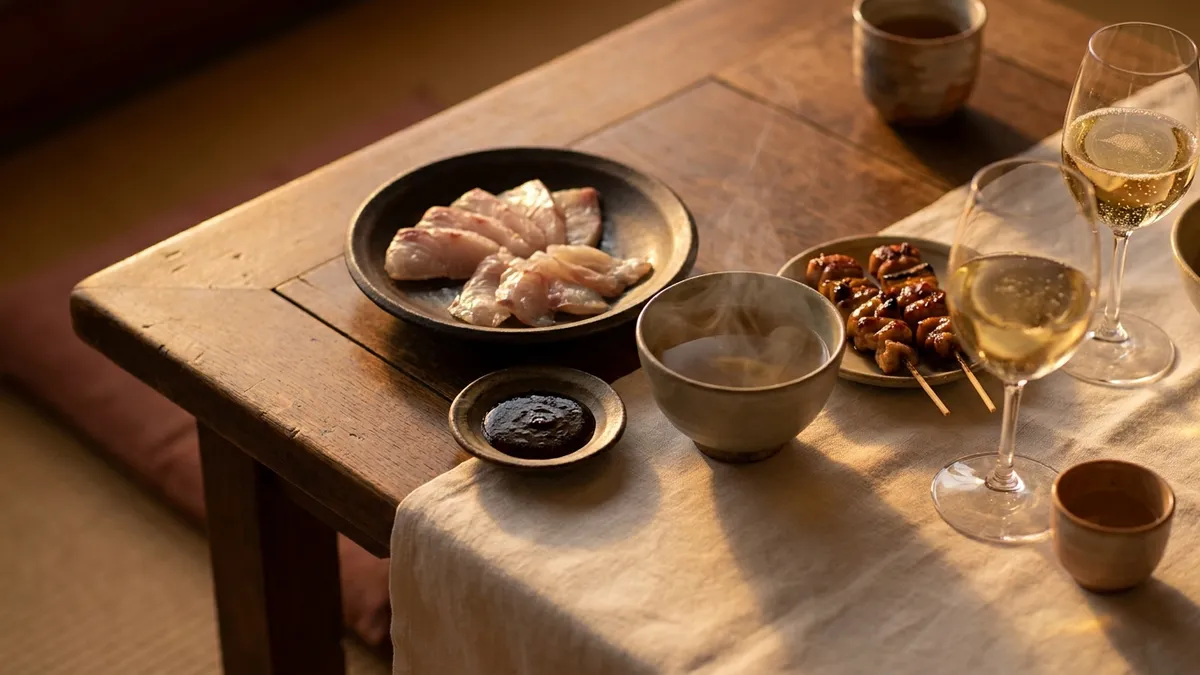
Wine with Japanese Food: Beyond Sushi, Ramen and Tempura
Wine with Japanese food goes far past sushi rules: the real iron science behind red wine and raw fish, a wine-vs-sake framework by dish, and what actually pairs with ramen, yakitori and tempura.
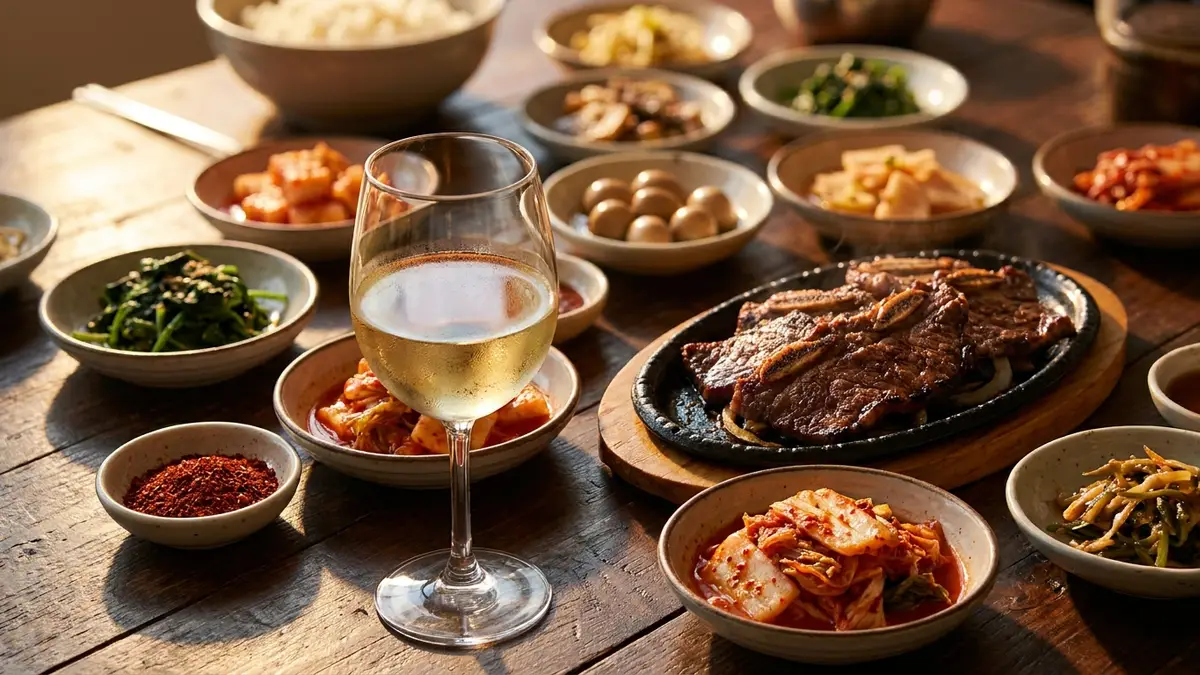
Wine with Korean Food: BBQ, Kimchi, and Fried Chicken
A practical guide to wine with Korean food: what to pour with bulgogi and galbi, kimchi, gochujang dishes, and Korean fried chicken, and which reds to skip.
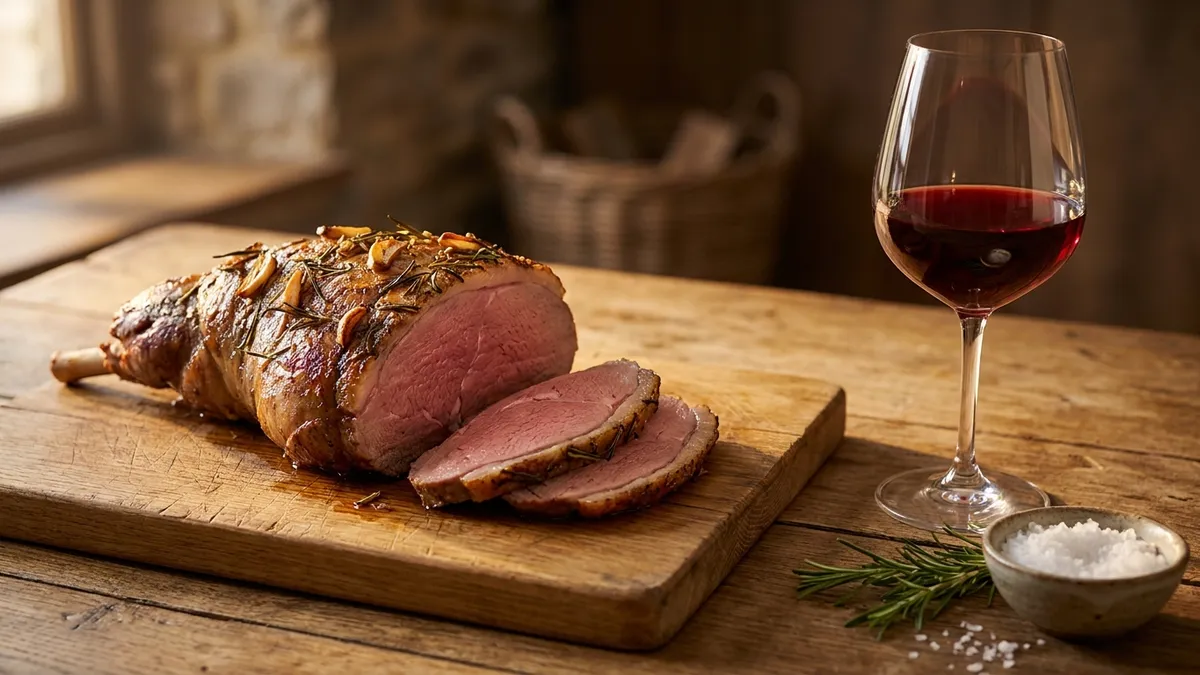
Best Wine with Lamb: Roast Leg, Chops, and Slow-Cooked
How to choose wine with lamb by cut and cooking method: medium-tannin reds for roast leg, firmer reds for chops, soft Grenache blends for braises, plus mint sauce and rosé.
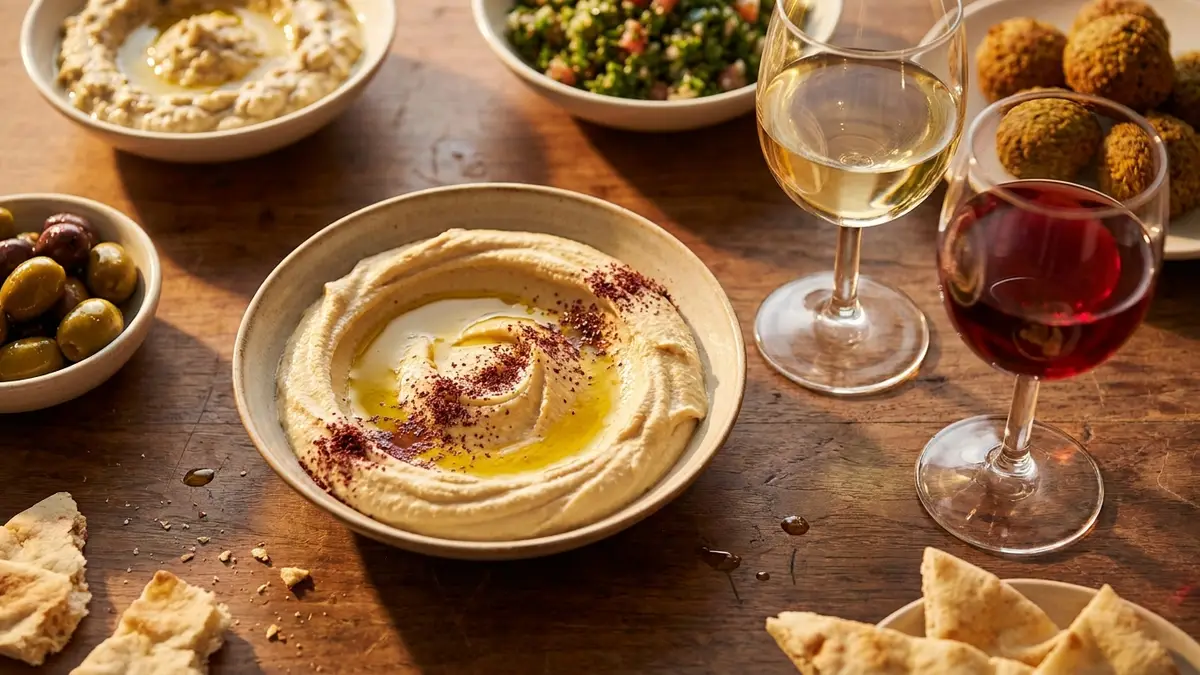
Wine with Middle Eastern Food: Hummus, Kebabs, and Mezze
How to pick wine with Middle Eastern food: high-acid whites and dry rosé for hummus and mezze, tannic reds for grilled lamb kebabs, and the regional grapes grown beside this cuisine.
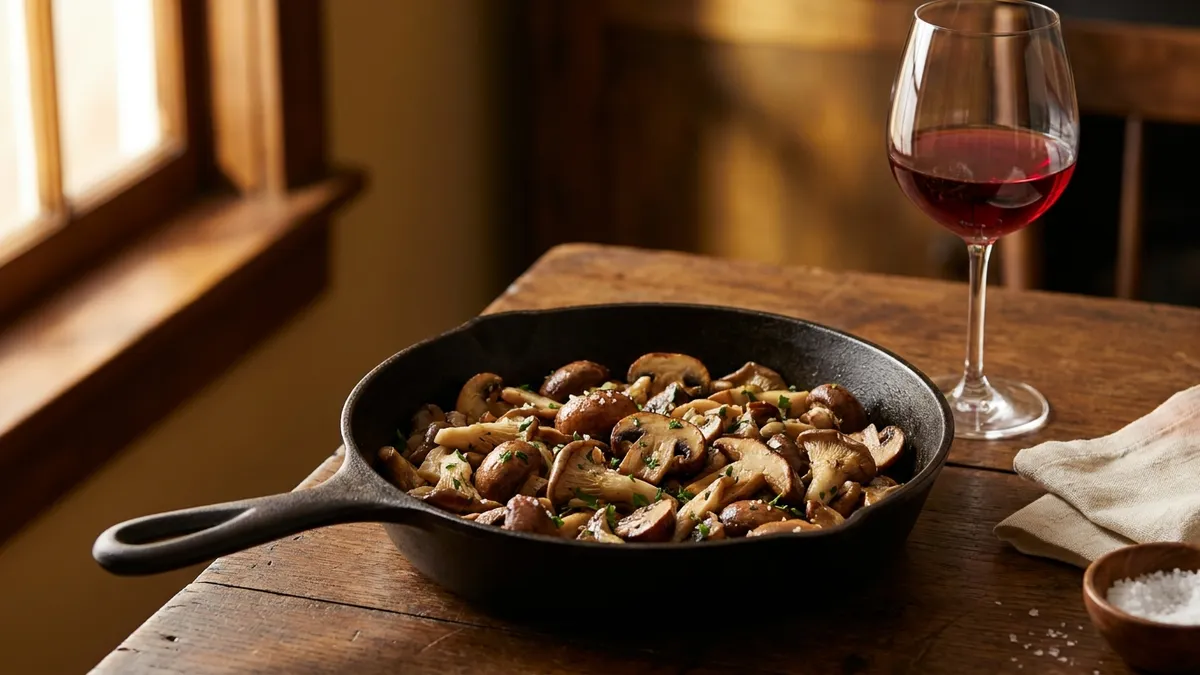
Wine with Mushrooms: From Risotto to Grilled Portobellos
What wine goes with mushrooms? Pinot Noir, full Chardonnay, Sangiovese, Nebbiolo and dry sherry, matched to risotto, portobellos, cream sauces, porcini and truffle.
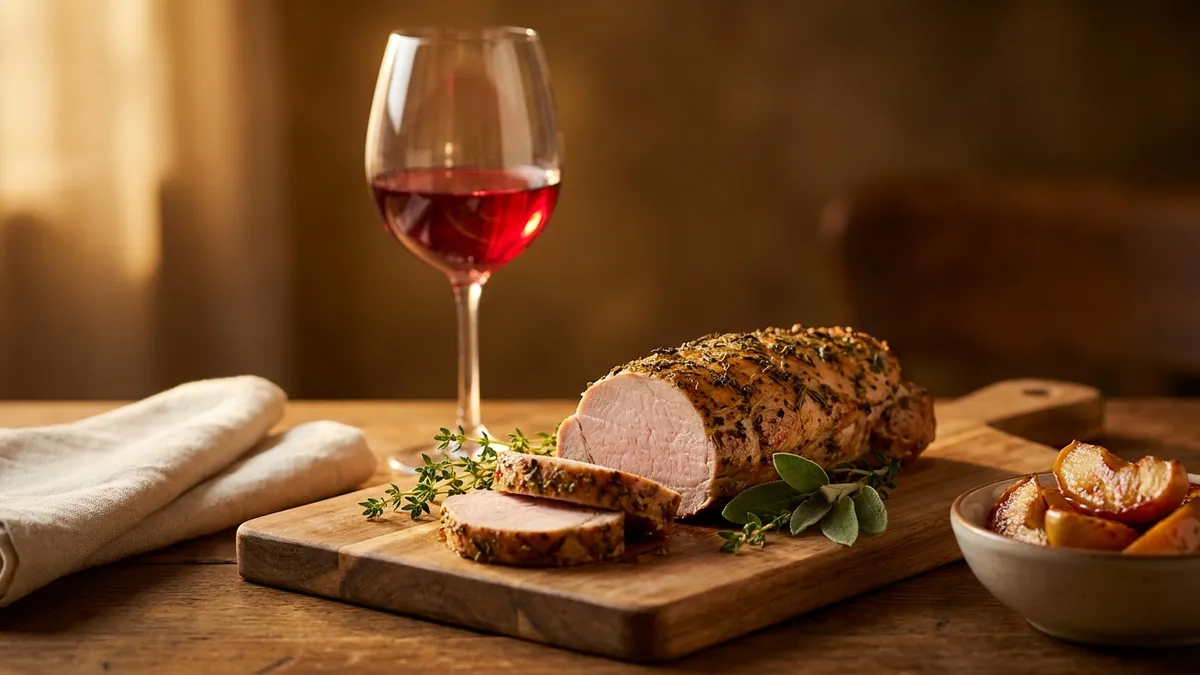
Wine with Pork: Tenderloin, Ribs, Chops, and Pulled Pork
Wine with pork is chosen by the plate, not the animal. How to pair tenderloin, chops, roast pork with crackling, BBQ ribs and pulled pork, and why low tannin wins.
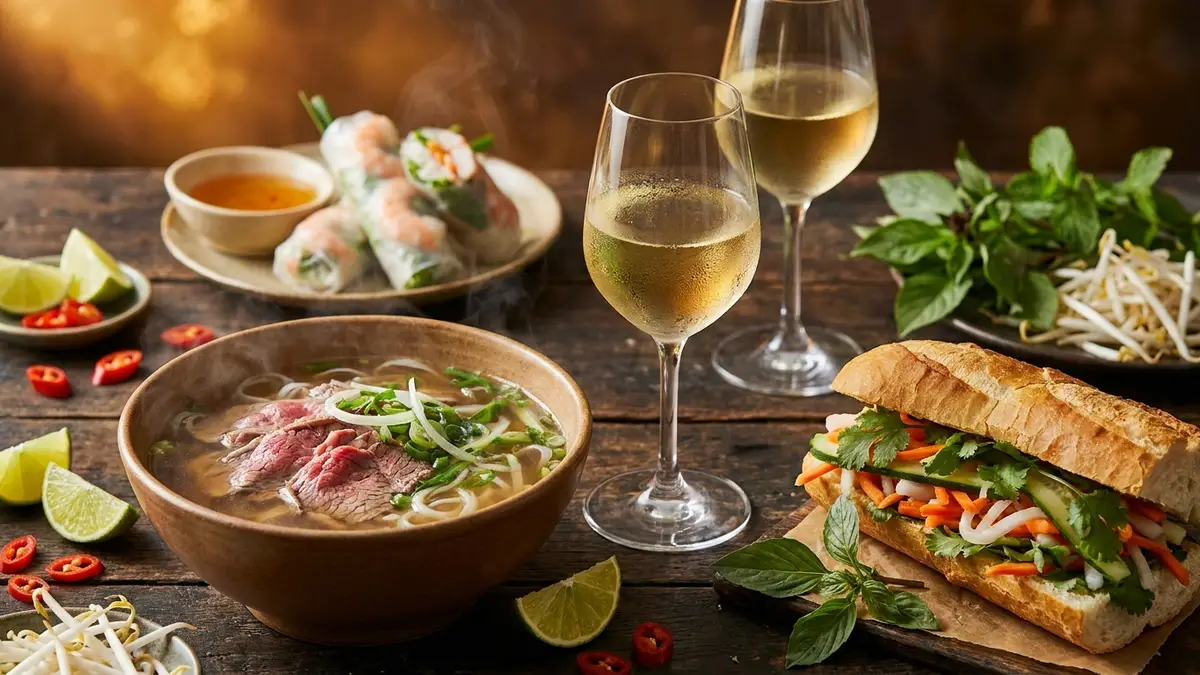
Wine with Vietnamese Food: Pho, Banh Mi, and Spring Rolls
Wine with Vietnamese food starts with herbs, lime and fish sauce, not chili. Pair pho, banh mi, summer rolls, banh xeo and bo kho dish by dish, and learn when off-dry Riesling earns its place.
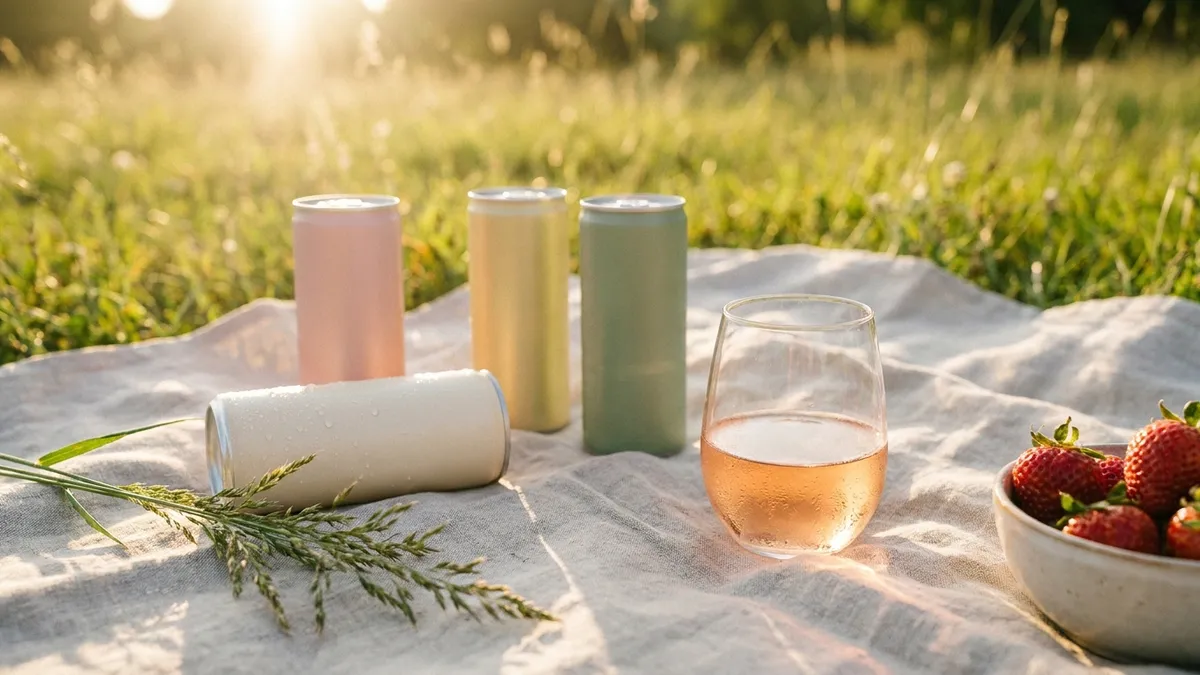
Canned Wine: Everything You Need to Know Before Buying
Canned wine explained without the marketing: the liner science behind the rotten-egg smell, can sizes in standard drinks, shelf life, which styles suit a can, and how it compares with bottle and box.
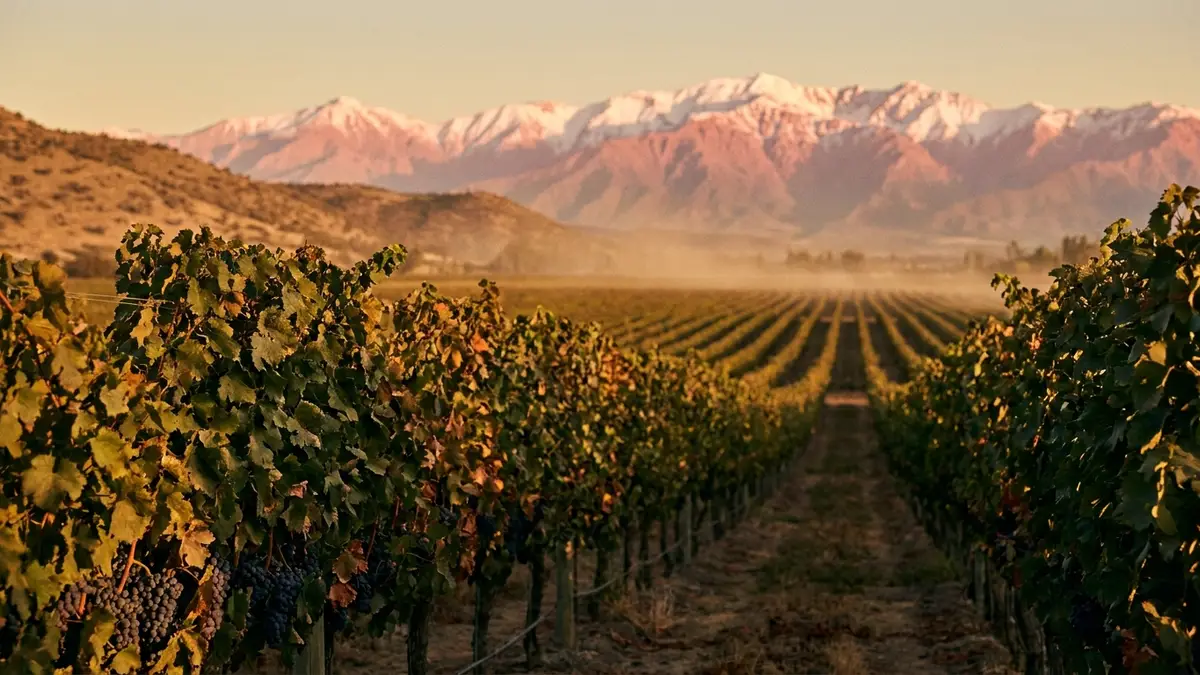
Colchagua Valley Wine Guide: Chile's Red Wine Powerhouse
A plain-spoken Colchagua Valley wine guide: where the valley sits, how its Costa, Entre Cordilleras and Andes sub-zones differ, why Carménère calls it home, what Apalta is, and how its Cabernet, Syrah and Malbec taste.
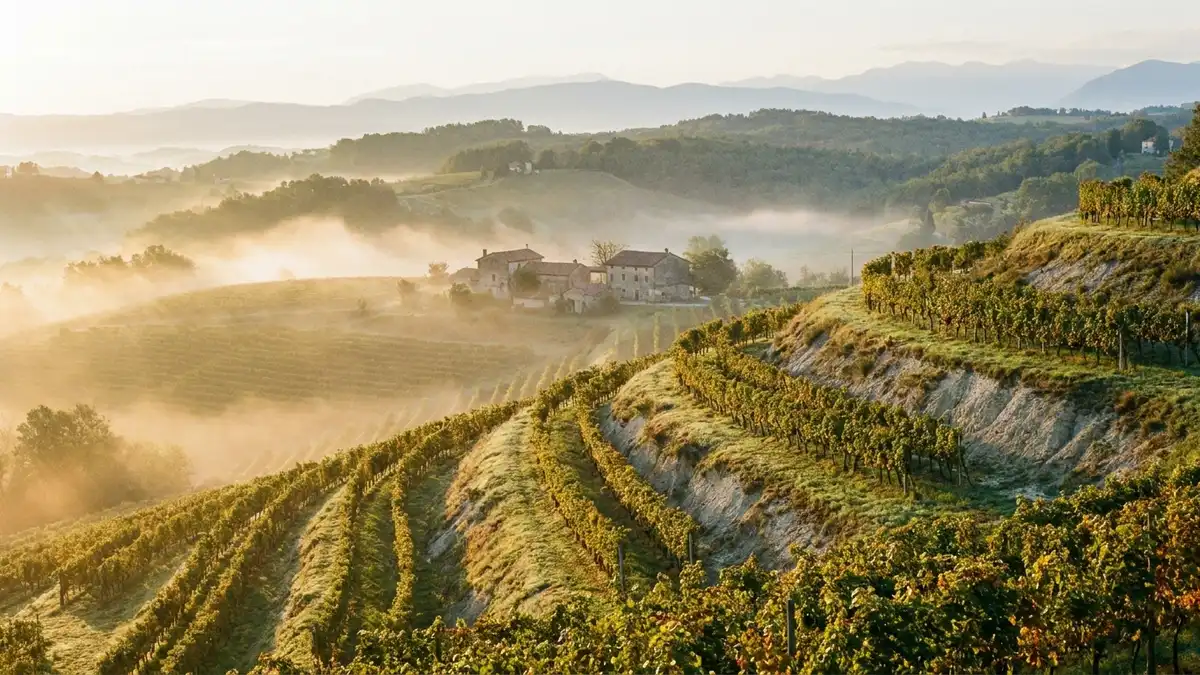
Friuli Wine Guide: Italy's White Wine Heartland Explained
A plain-spoken Friuli wine guide: the grapes (Friulano, Ribolla Gialla, Refosco), the DOC zones compared, ponca soil, the Tocai name change, and why orange wine started here.
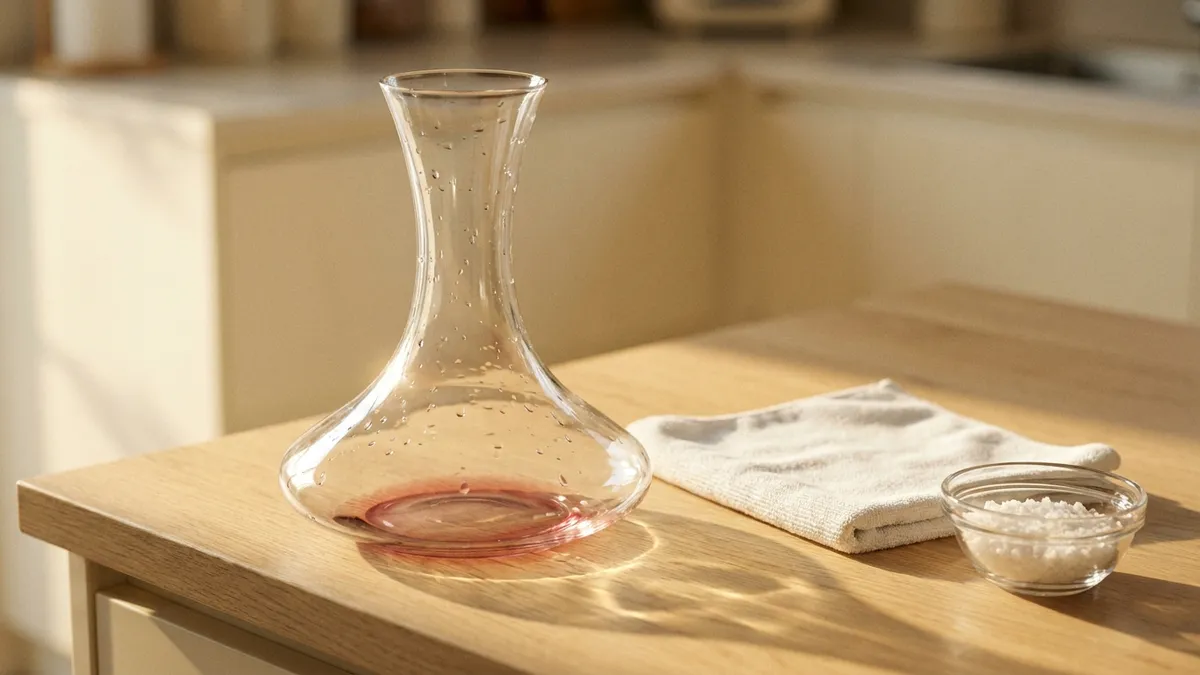
How to Clean a Wine Decanter: Stains, Haze, and Crystal Care
How to clean a wine decanter properly: the 60-second rinse that prevents stains, why vinegar, salt, rice and cleaning beads each work, how to tell haze from residue, and how to care for lead crystal.
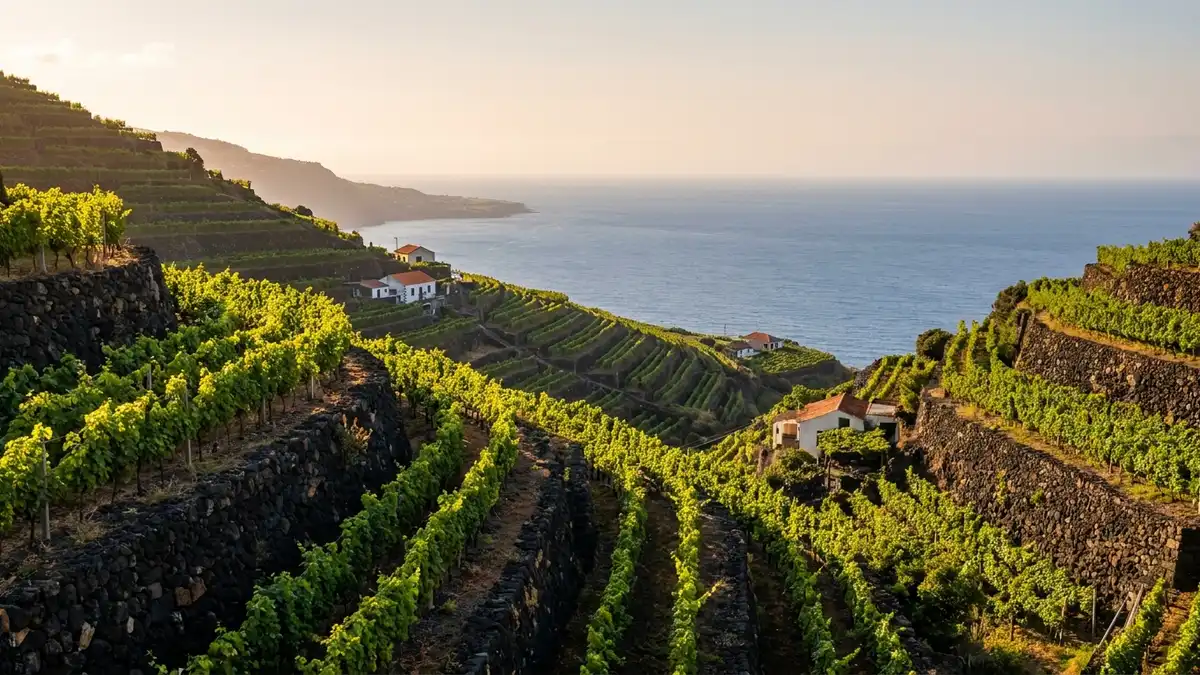
Madeira Wine Guide: The Indestructible Fortified Wine
A beginner's Madeira wine guide: the four noble grapes and their sweetness ladder, Tinta Negra, estufagem vs canteiro aging, label age categories, and why an open bottle lasts for months.
Mousy Wine Taint: The Fault You Taste but Can't Smell
Mousy wine taint smells like nothing in the glass and like a hamster cage on the finish. Learn the compounds, the pH trick behind it, the home test, and how it differs from brett and VA.
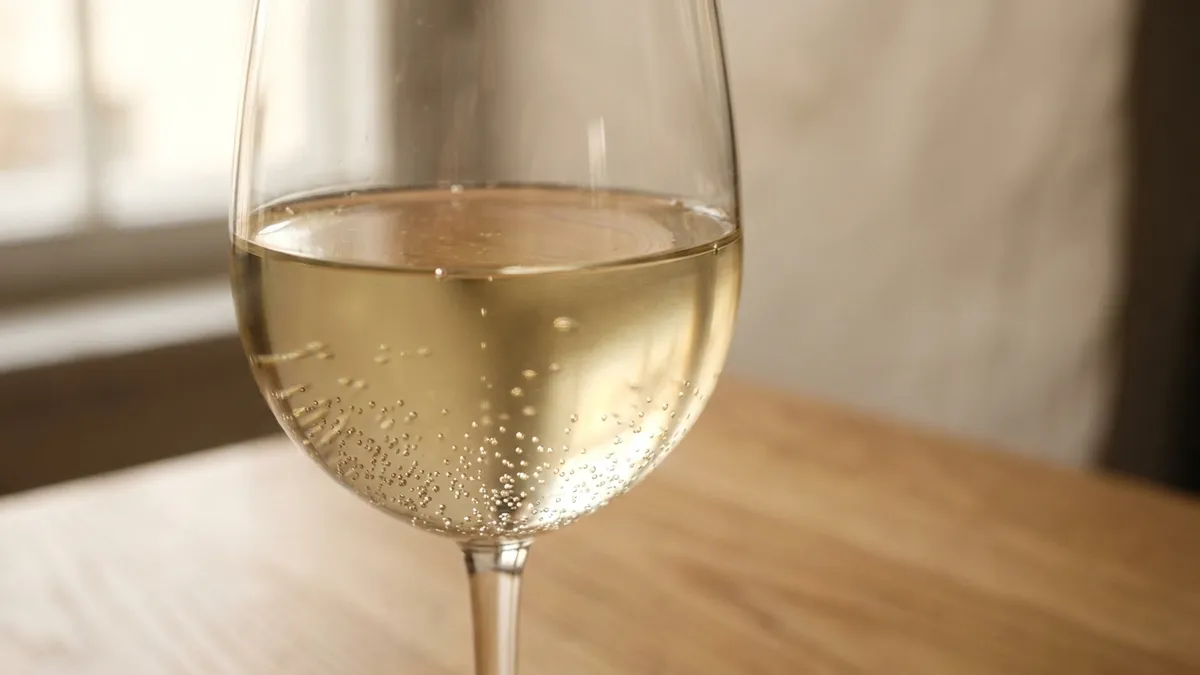
Why Is My Wine Fizzy? Refermentation in the Bottle Explained
Bubbles in a still wine? Learn what refermentation is, how to tell a deliberate prickle from a real fault, whether fizzy wine is safe, and when to return the bottle.
Wine Price vs Quality: Does Expensive Wine Taste Better?
Wine price vs quality, explained with the actual studies: what blind tastings show, why a price tag changes how wine tastes, what really drives cost, and where each dollar of a bottle goes.
Standard Drink of Wine: Why It's Smaller Than You Think
What a standard drink of wine really is: the official gram figures for the US, UK, Canada and Australia, a pour-size by ABV table, and why a restaurant glass is rarely one drink.
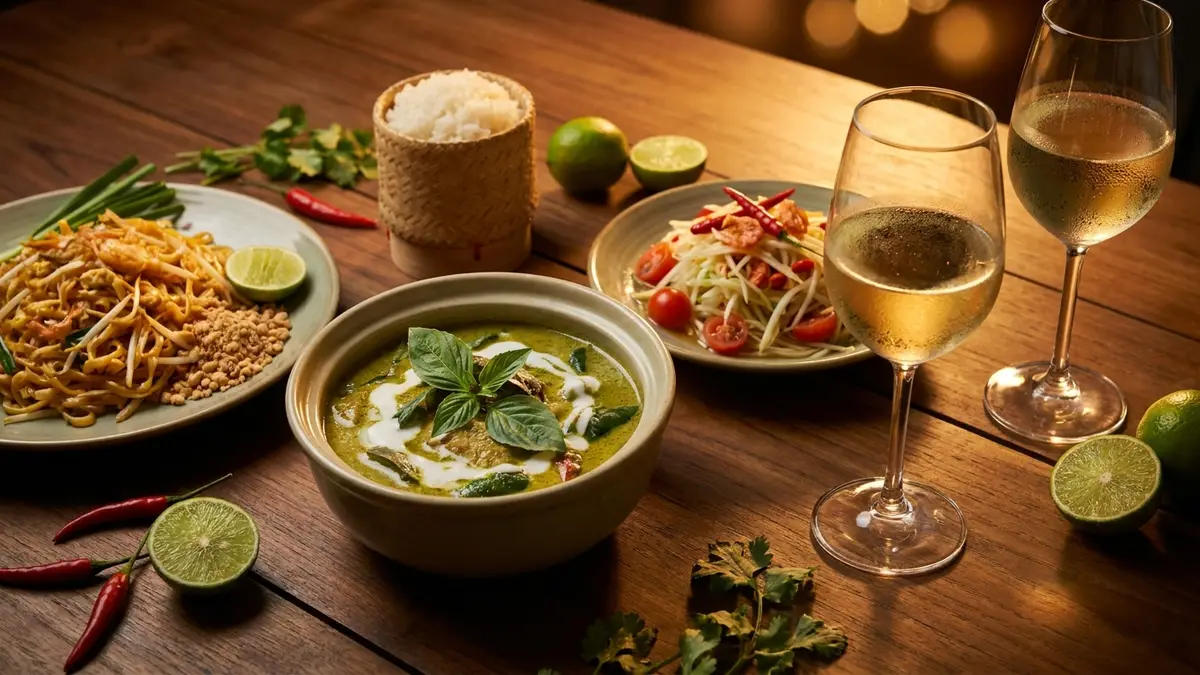
Wine with Thai Food: Balancing Sweet, Sour, Salty, and Spicy
Wine with Thai food is a four-flavor problem, not just a heat problem. Translate sweet, sour, salty, and spicy into wine traits, then pair pad thai, curries, som tam, larb, tom yum, and khao soi dish by dish.
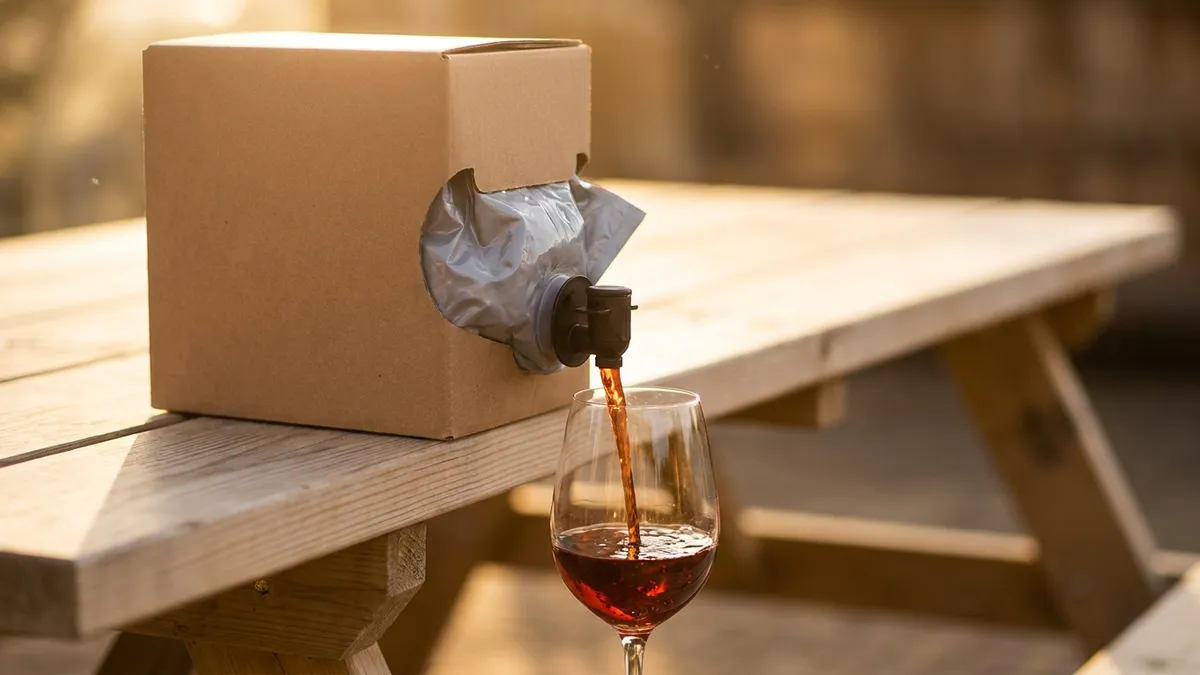
Boxed Wine: Is Box Wine Actually Good Now?
Boxed wine has come a long way since the goon bag. Here is how bag-in-box works, why it stays fresh for weeks, when the quality is genuinely good, and when a bottle still wins.
Sauternes Wine: Grapes, Taste, Sweetness and Pairings
Sauternes wine explained: the five villages, the four legal grapes, how noble rot makes it sweet, why it is not fortified, what it tastes like and what to serve with it.
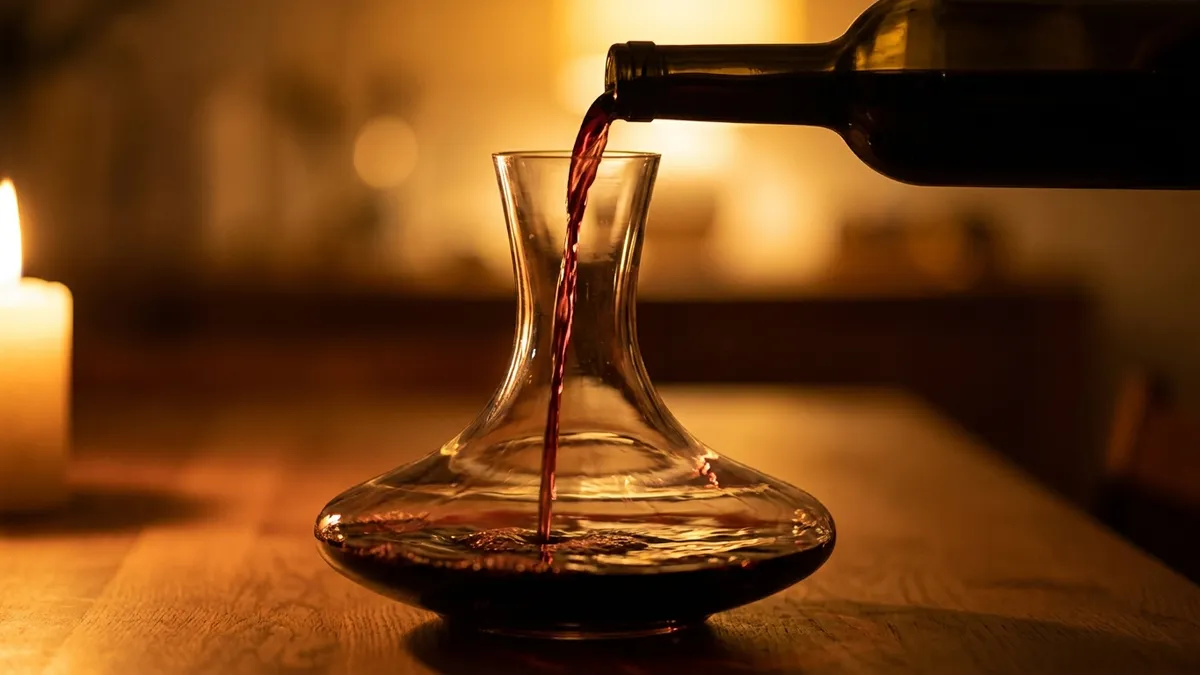
What Is Decanting? Wine Term Explained for Beginners
Decanting explained in plain language — what it means, the two jobs it does, and how it differs from aeration and breathing. A beginner's definition.
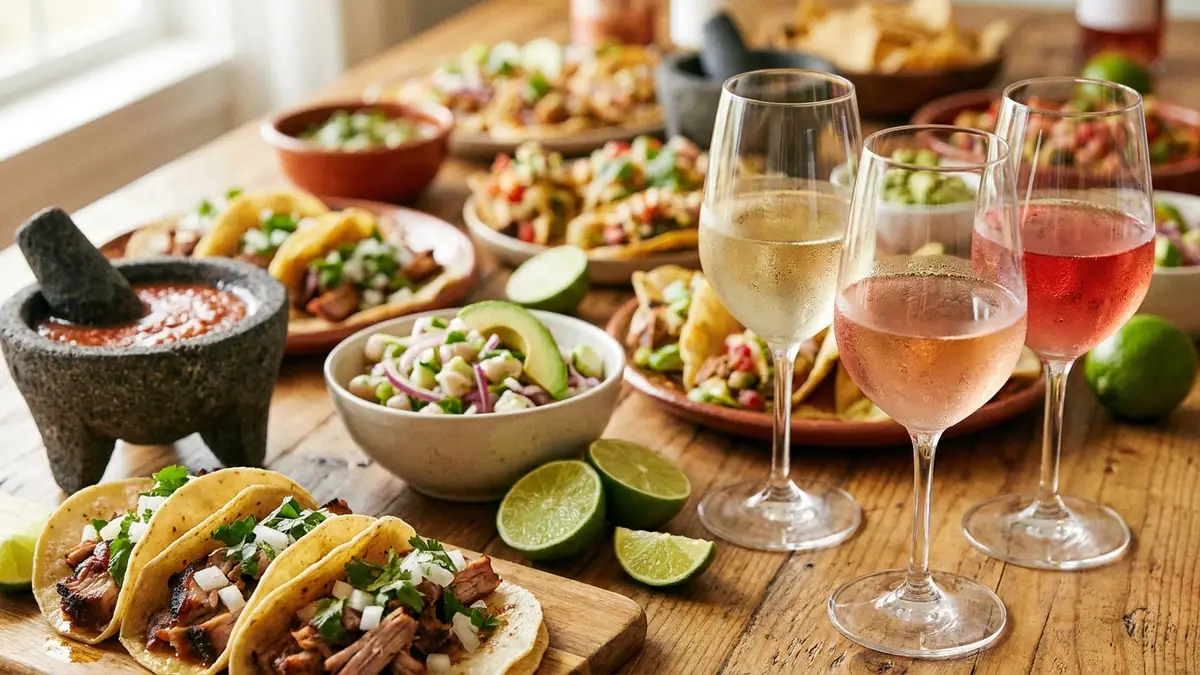
Wine with Mexican Food: Tacos, Mole, and Ceviche
The dedicated guide to pairing wine with Mexican food — how to read chile heat, lime brightness, and smoky richness, then match tacos, mole, ceviche, carnitas, and salsa to the glass in front of you.
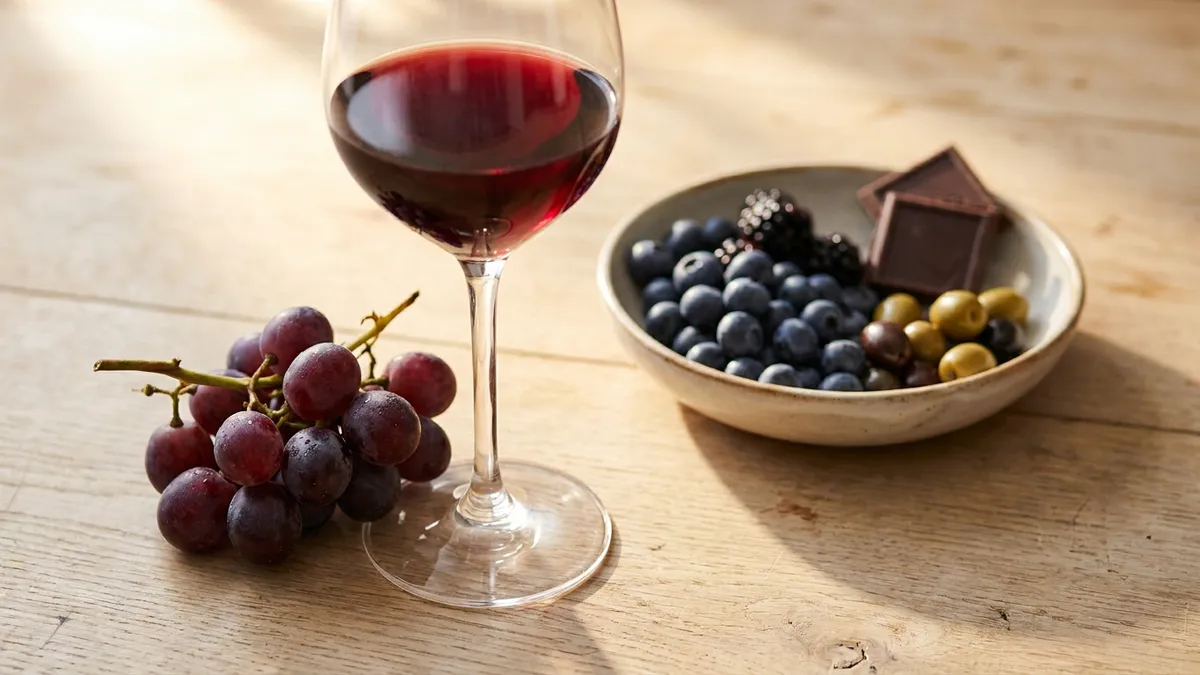
Wine and Gut Health: What the Research Shows
The link between wine and gut health is real but narrow — red wine polyphenols feed gut bacteria, while alcohol works against them. Here is what the studies actually found.
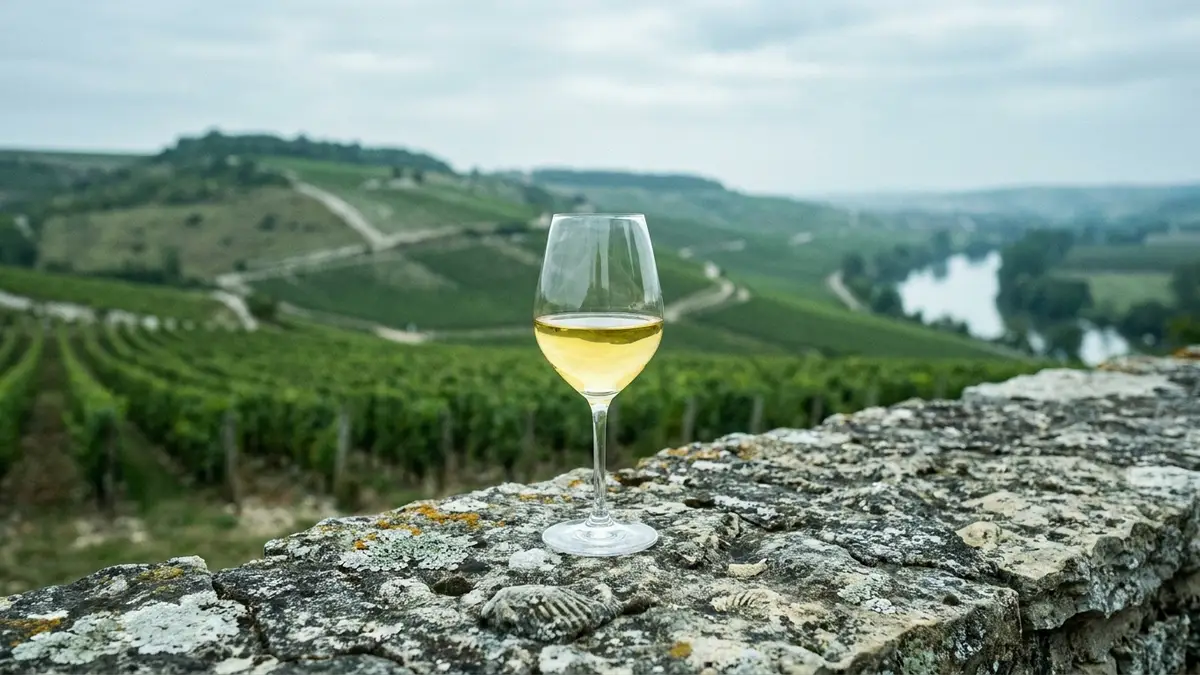
Chablis Wine Guide: Lean, Mineral Chardonnay at Its Purest
A beginner-friendly Chablis wine guide to the coolest corner of Burgundy — unoaked Chardonnay, Kimmeridgian soil, the four quality tiers, and how to taste it.
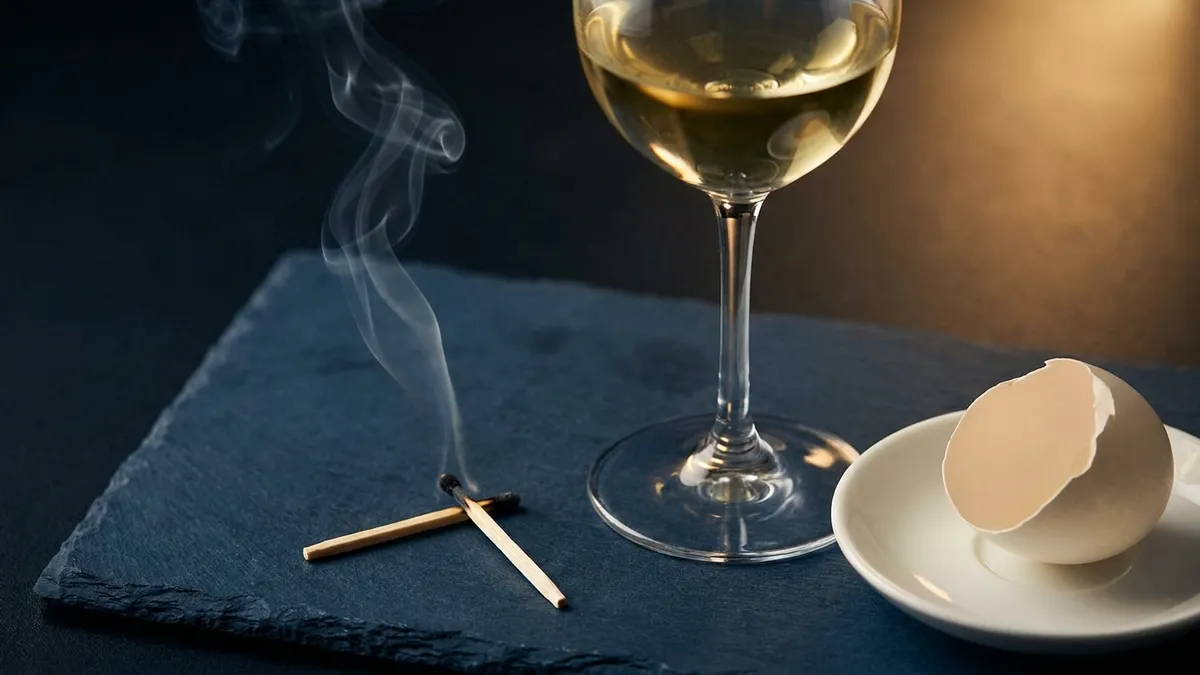
Sulfur Smell in Wine — Rotten Egg, Match, or Fault?
A sulfur smell in wine can mean three very different things — added preservative, reductive winemaking, or a fault. Here is how to tell them apart and what to do.
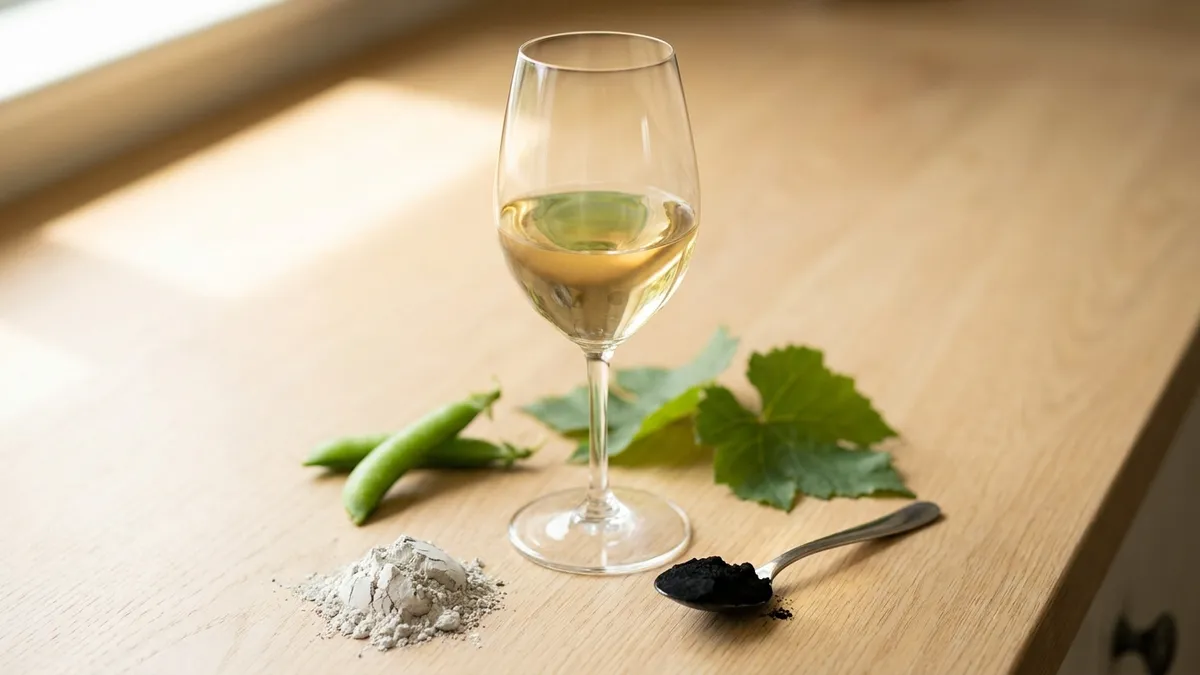
What Is Vegan Wine? Why Not All Wine Is Plant-Based
Wine is made from grapes, so why isn't it all vegan? The answer is fining — and the animal products used to clarify most bottles. Here is what vegan wine really means.
What Is a Sommelier? Roles, Training, and Certifications
What a sommelier actually does — the role, the skills, and the four certification levels from Introductory to Master Sommelier — explained in plain language for beginners.
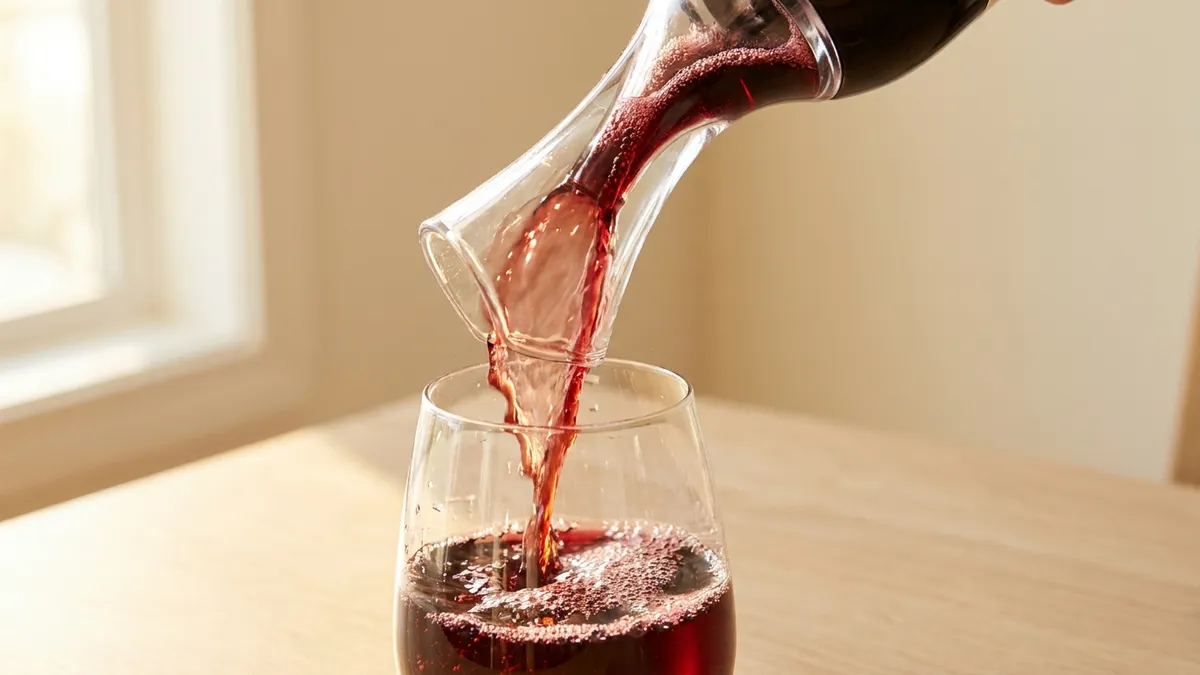
Wine Aerators: Do They Work and Which Should You Buy?
Wine aerators promise instant decanting in a single pour. Here is how they actually work, which wines benefit, the types worth owning, and whether you need one at all.
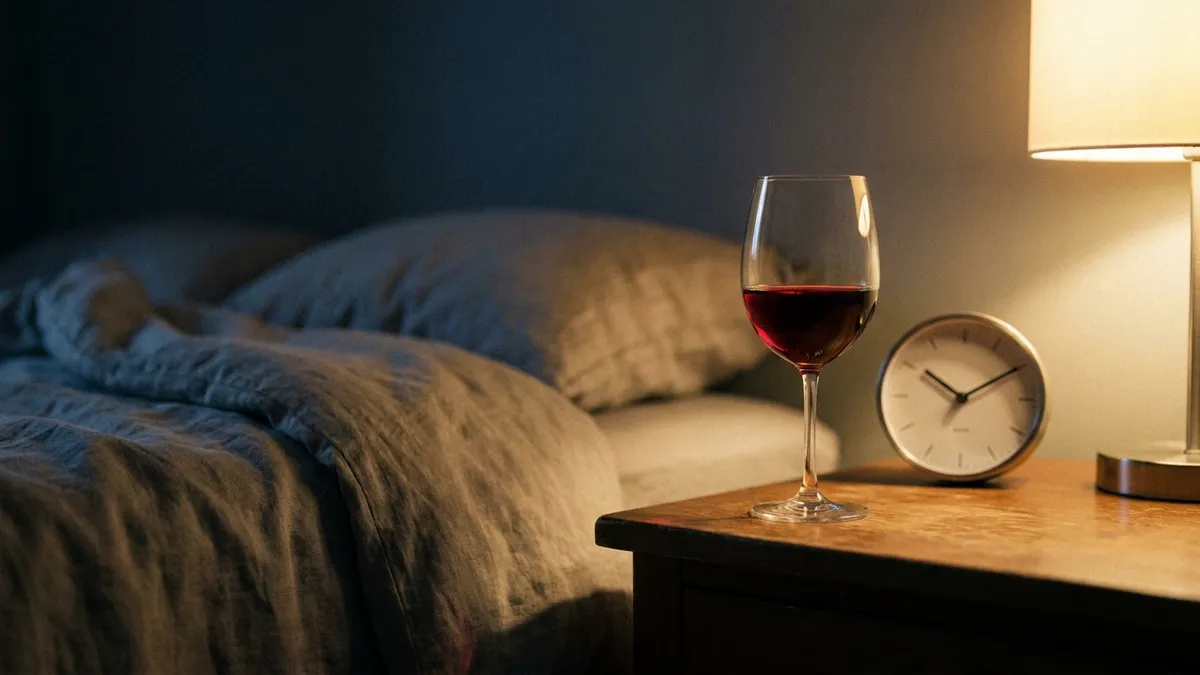
Wine and Sleep: How Alcohol Affects Your Rest
Wine and sleep have a deceptive relationship. Alcohol helps you fall asleep faster but wrecks the back half of the night — here is the science on REM, rebound wakefulness, dehydration, and how to time your last glass.
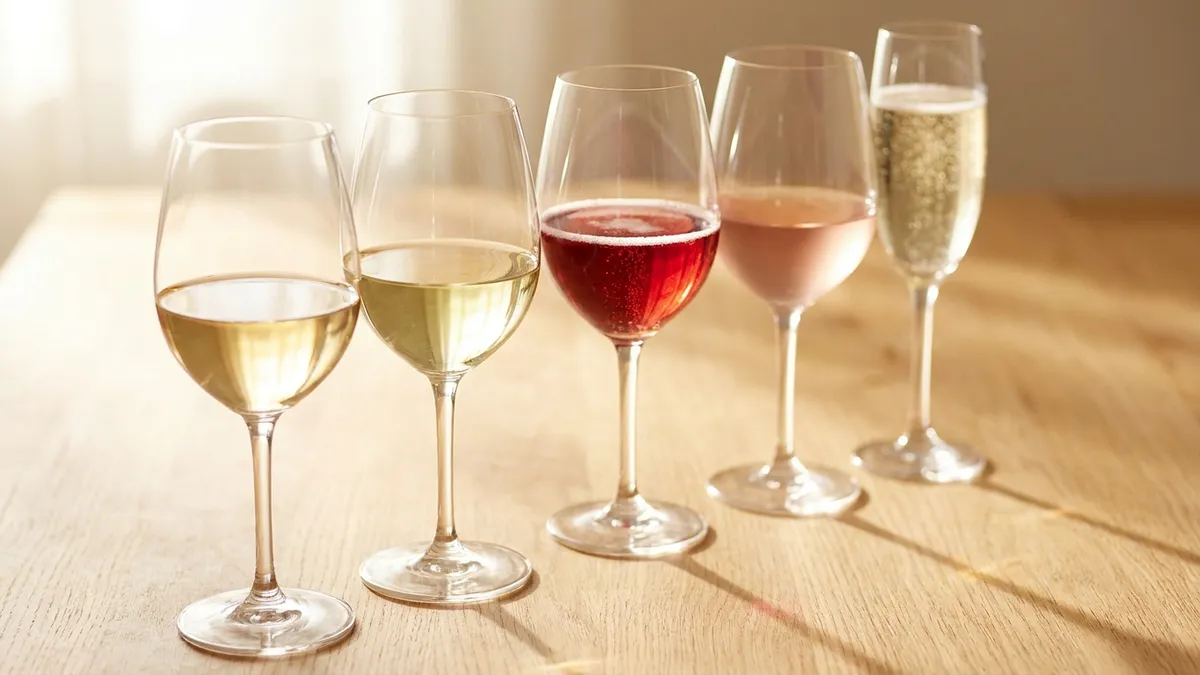
Wine for People Who Don’t Like Wine: Where to Start
If you think you don’t like wine, you probably dislike one specific sensation, not wine itself. Here is how to find it and the sweeter, fizzier, lower-alcohol styles that fix it.
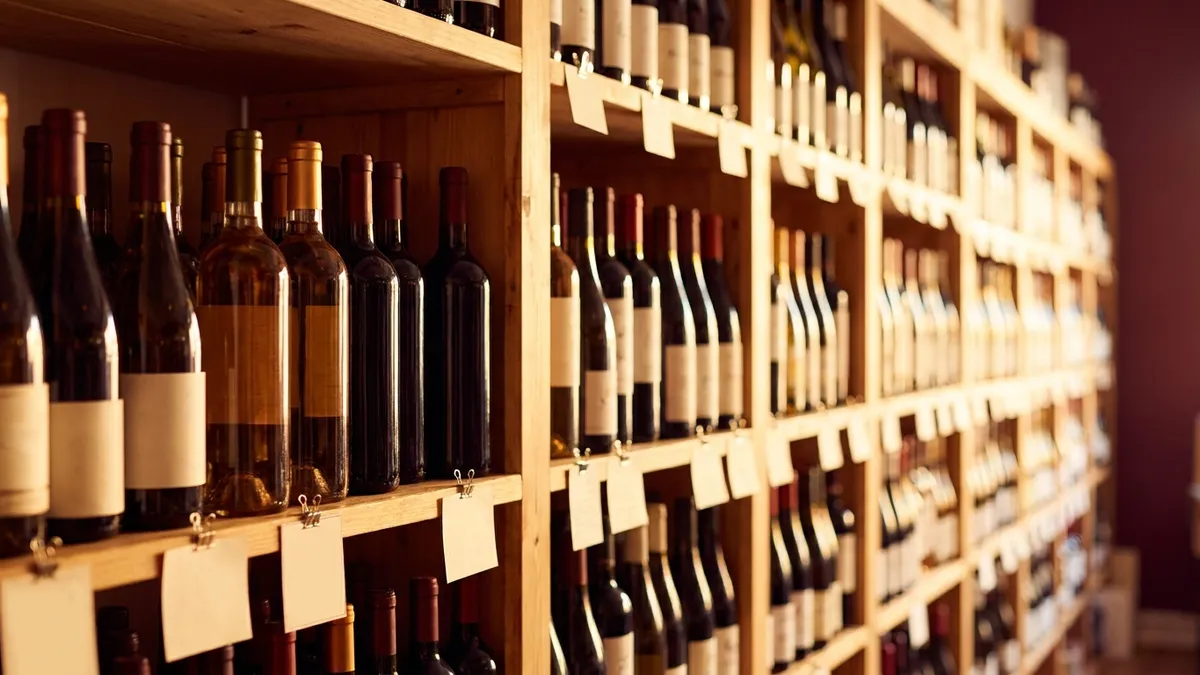
Wine Shop Guide: How to Buy Wine You'll Actually Like
A wine shop is not random — bottles are grouped by country, region, grape, and price. This guide shows you how to read the shelves, talk to the staff, and walk out with a bottle you will enjoy.
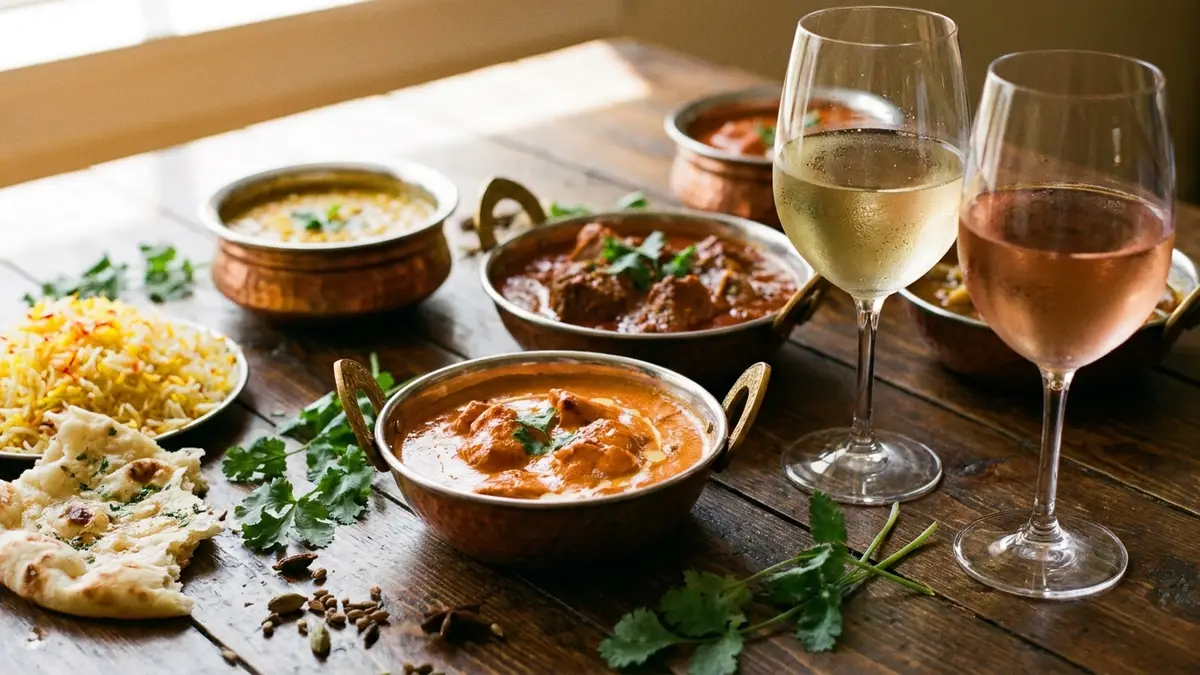
Wine with Curry and Indian Food: Pick by Sauce and Heat
Which wine goes with curry and Indian food: off-dry Riesling for most dishes, dry rosé for tandoori, a chilled light red for lamb, crisp whites for fish and shrimp curries, and how the heat of the dish changes the pick.
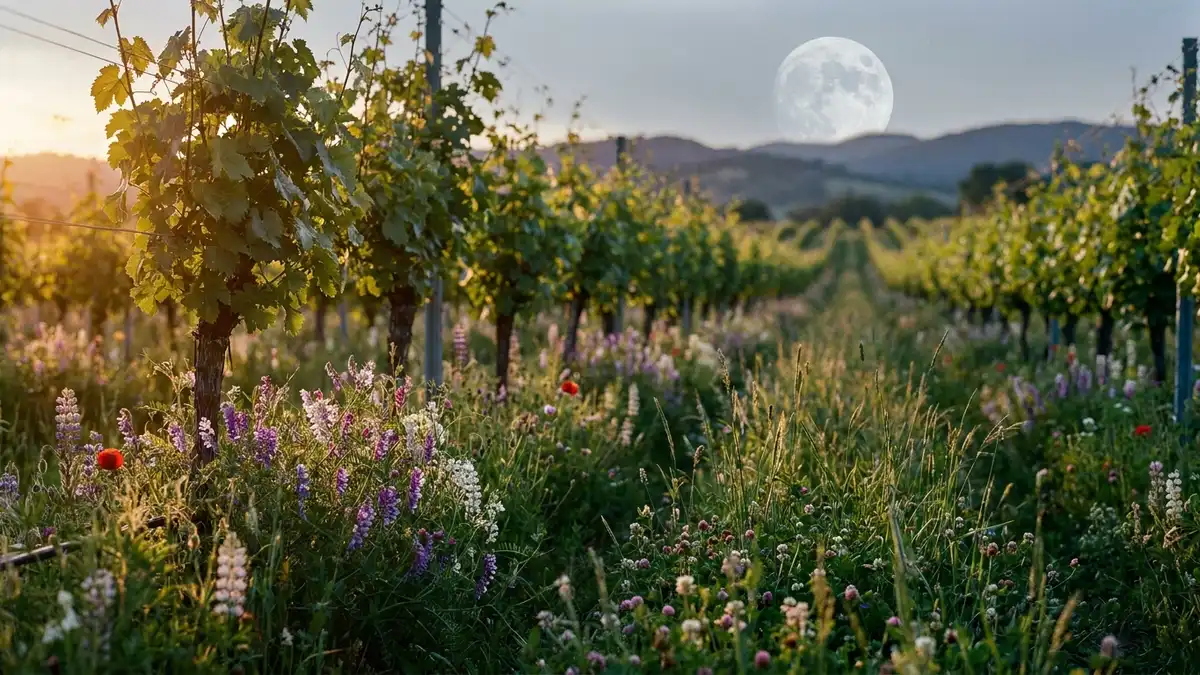
Biodynamic Wine Explained: Certification, Calendar, and Truth
Biodynamic wine takes organic farming further — cow horns, herbal preparations, and a lunar calendar. Here is what it means, whether the science backs it, and how the wine tastes.
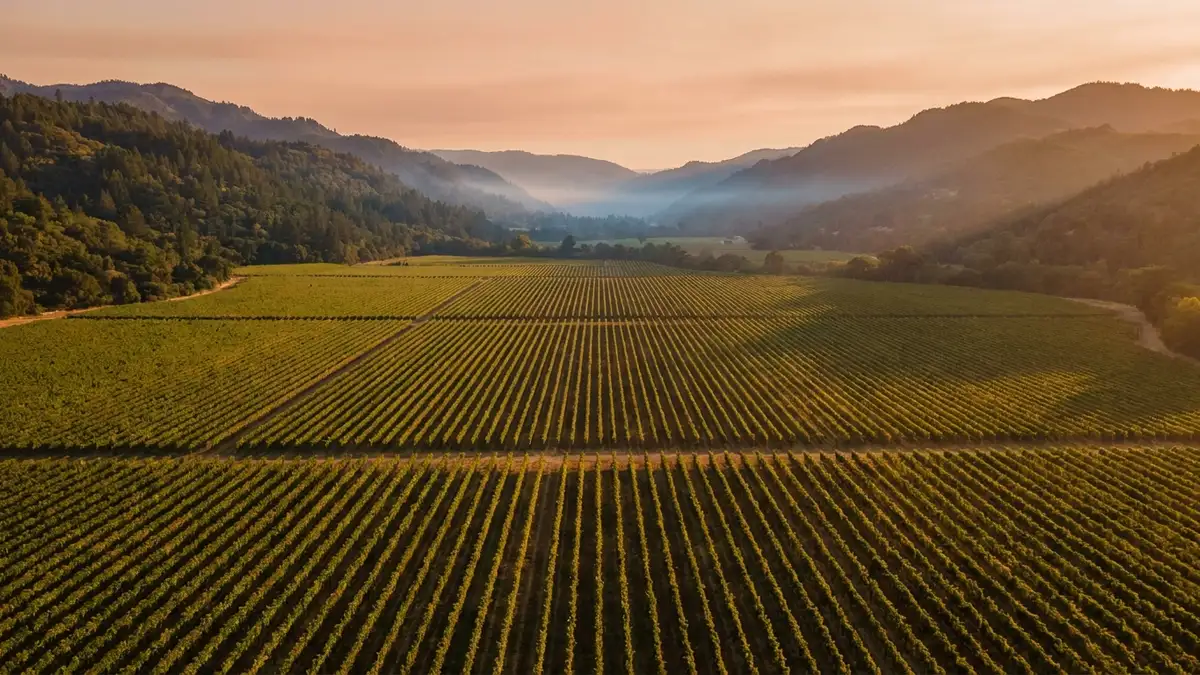
Napa Valley Sub-AVAs: Oakville, Rutherford, Stags Leap, and More
A tour of Napa Valley's 16 nested sub-AVAs — from the valley-floor Cabernet of Oakville and Rutherford to the mountain reds of Howell Mountain and Mount Veeder — and how to read them on a label.
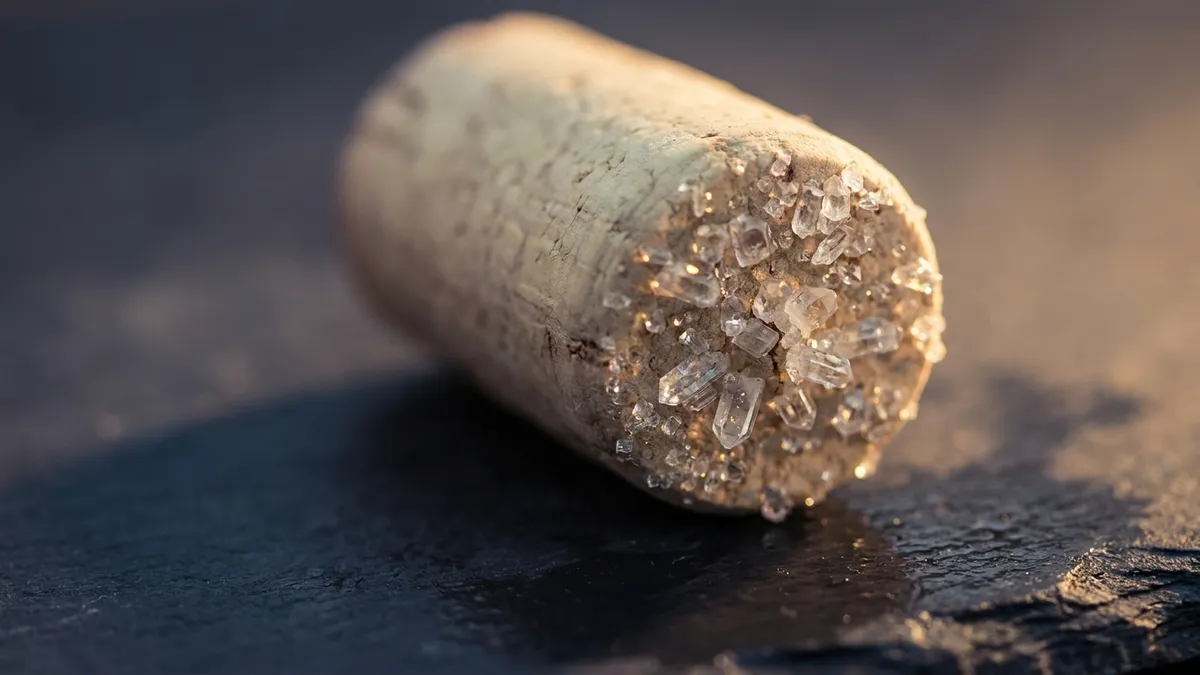
Tartrate Crystals in Wine: Harmless Wine Diamonds Explained
Those clear crystals on a wine cork are not broken glass or sugar — they are tartrate crystals, a harmless natural salt. Here is what causes them, why whites and rosés show them most, and how to serve a bottle so they stay put.
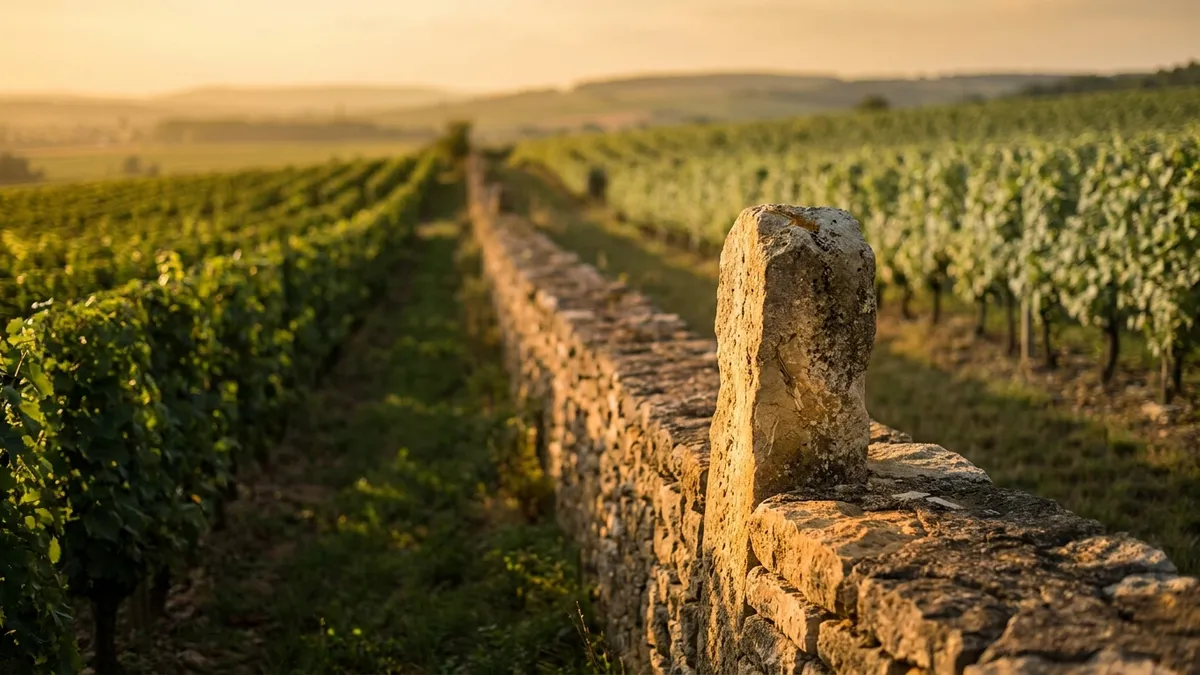
What Is Cru in Wine? Grand Cru, Premier Cru, and Cru Explained
Cru wine meaning, decoded — what Grand Cru and Premier Cru actually rank, why the word changes meaning from Burgundy to Bordeaux to Champagne, and how to read it on a label.
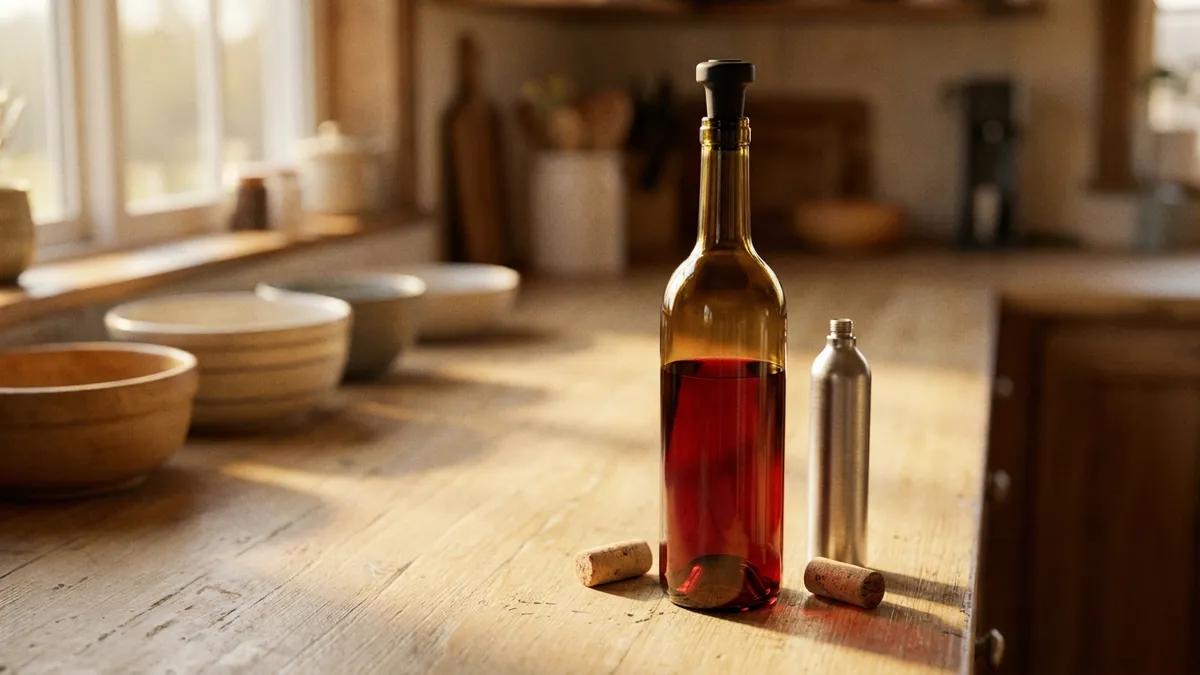
Wine Preservation Tools: What Works and What to Skip
A head-to-head comparison of the five wine preservation tools — vacuum pumps, inert gas sprays, argon needle systems, and more — with how each works and how many days it buys you.
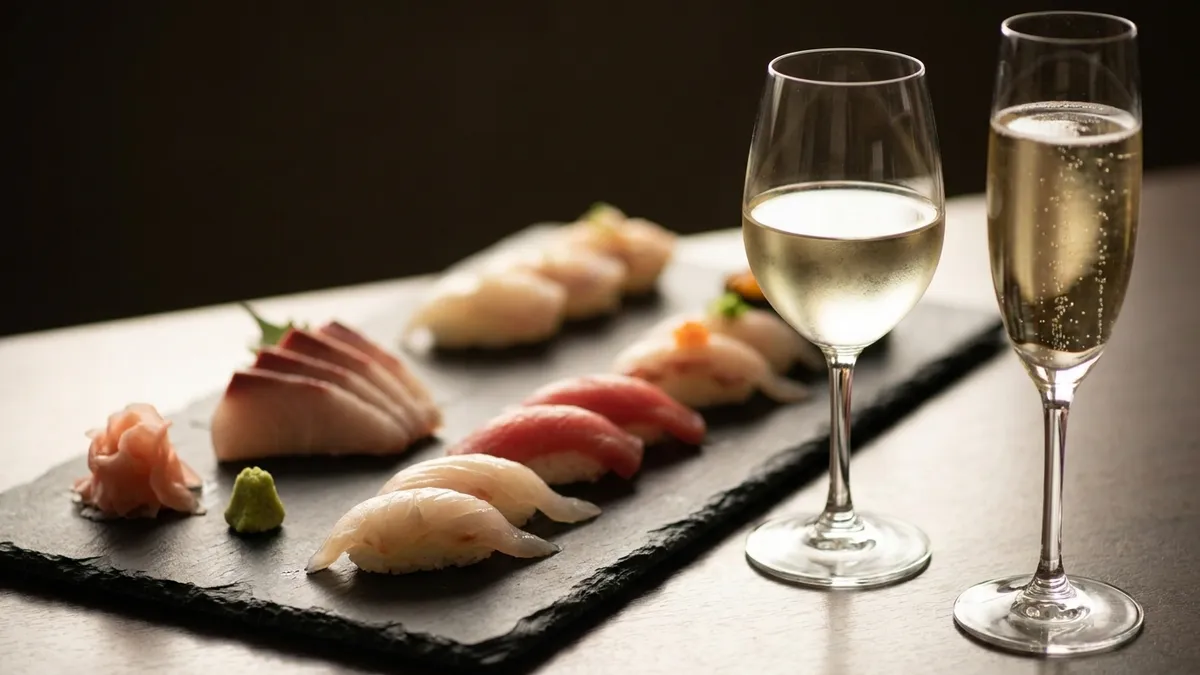
Wine with Sushi: Pairing Sashimi, Nigiri, and Rolls
The dedicated guide to pairing wine with sushi — why sparkling wine, dry Riesling, and Grüner Veltliner beat oak and tannin, and how to match sashimi, nigiri, and rolls to the glass in front of you.
Brazilian Wine Guide: From Serra Gaúcha to the Vale do São Francisco
A beginner-friendly Brazil wine guide to a country of two climates — cool-mountain Serra Gaúcha sparkling and tropical Vale do São Francisco reds — plus the grapes and where to start.
Chinese Wine Guide — Ningxia, Marselan, and Buried Vines
A beginner-friendly Chinese wine guide to Ningxia and the Helan Mountains, Cabernet and Marselan, why growers bury their vines each winter, and where to start.
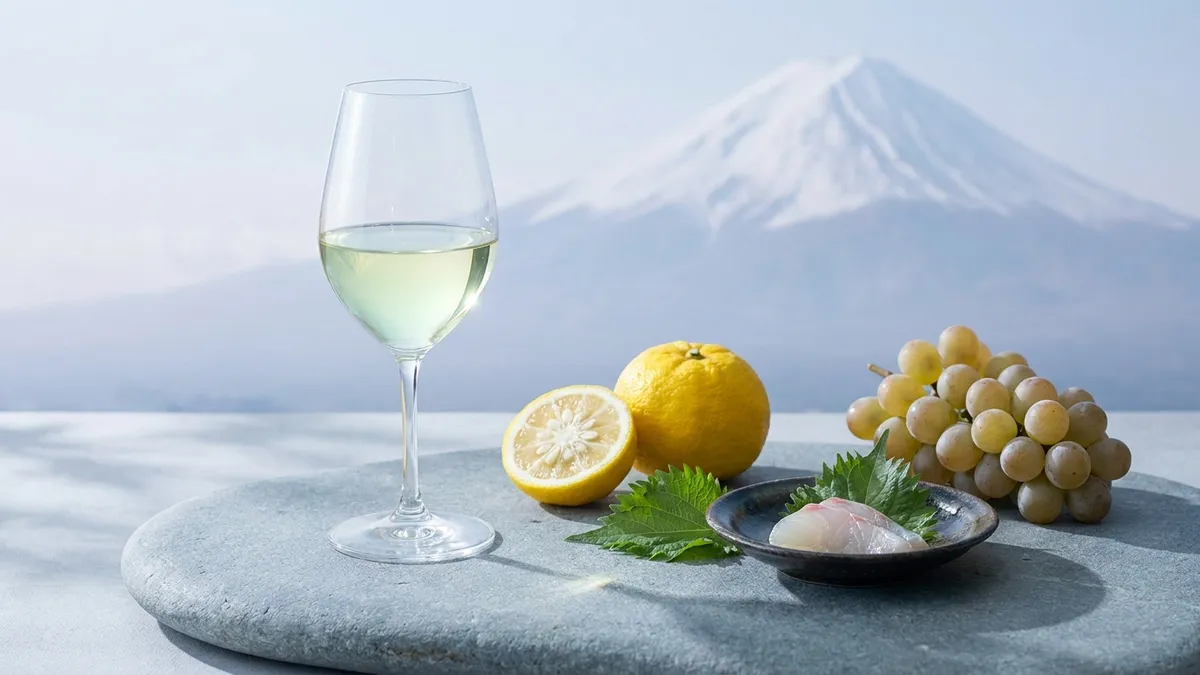
Japanese Wine Guide: Koshu, Muscat Bailey A, and Beyond
A beginner-friendly Japanese wine guide to Koshu, Muscat Bailey A, the four main regions, why rain shapes every vintage, and where to start tasting.
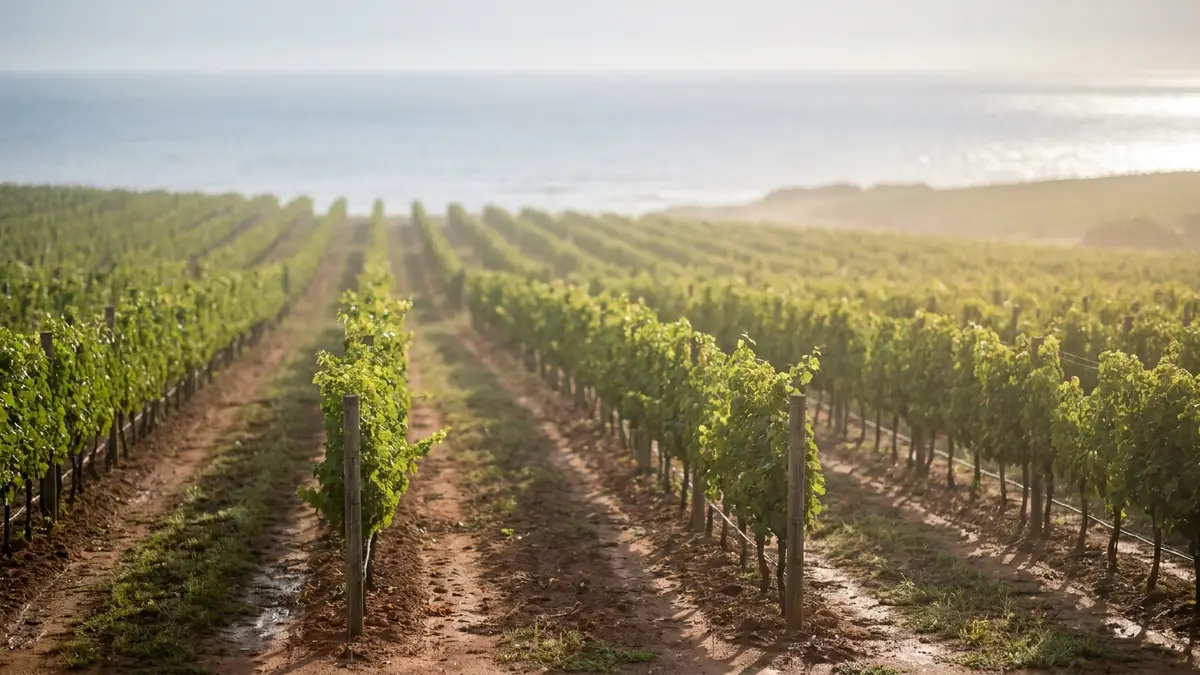
Uruguayan Wine Guide: Tannat and the Atlantic Coast
Uruguay is South America's quiet wine star — a small, sea-cooled country famous for bold Tannat and rising Albariño. This beginner-friendly guide covers its maritime terroir, key regions, grapes, and how to start tasting.
Israeli Wine Guide: Modern Winemaking in an Ancient Land
A beginner-friendly Israeli wine guide to five regions, high-altitude vineyards, the grapes that dominate the harvest, what kosher production actually involves, and how to start tasting.
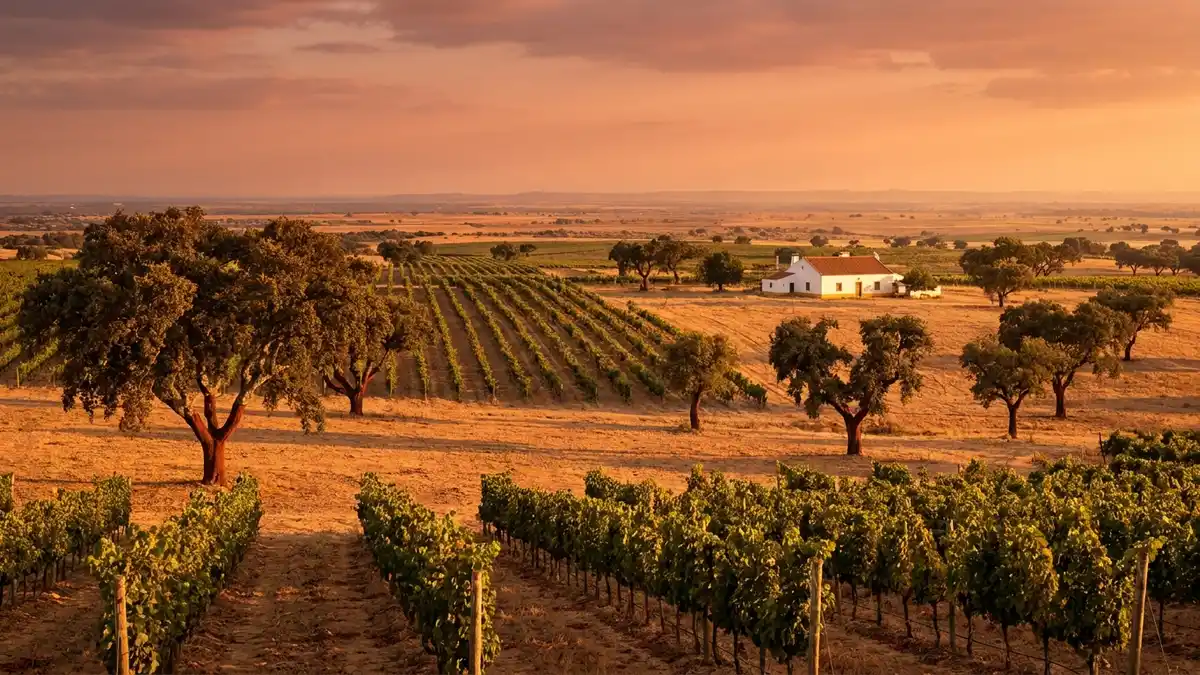
Alentejo Wine Guide: Portugal's Sunny Southern Region
A beginner-friendly Alentejo wine guide to southern Portugal — ripe, approachable reds and whites, the ancient talha clay-amphora tradition, the cork-oak landscape, and how to start.
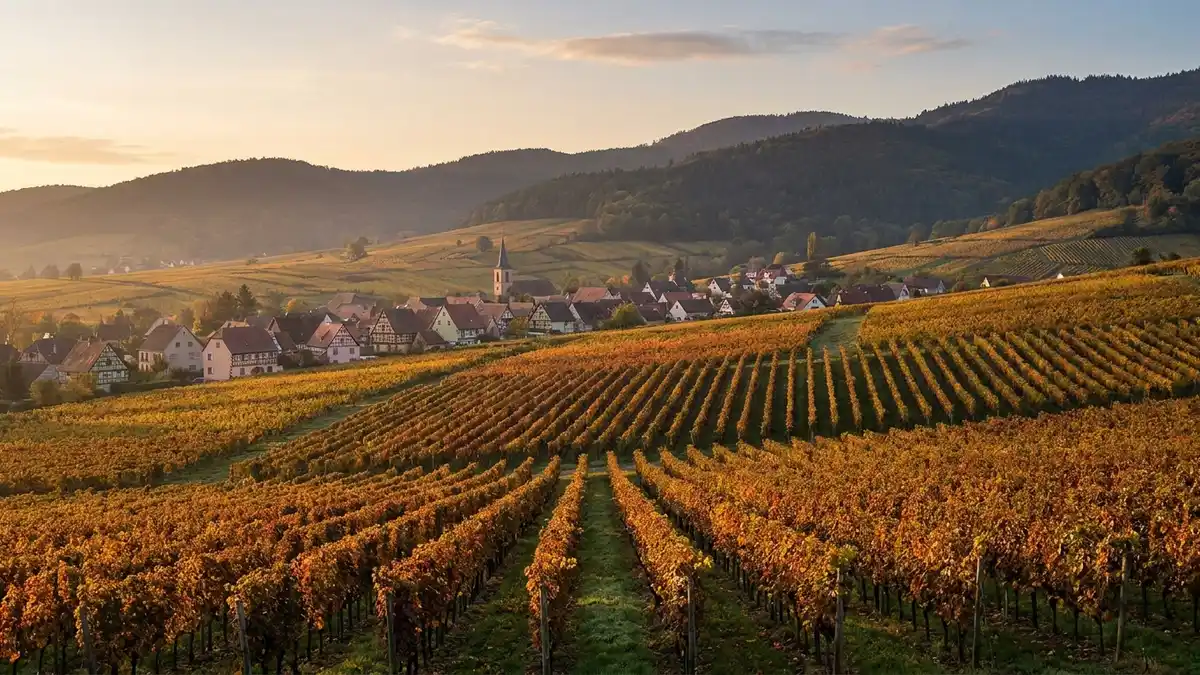
Alsace Wine Guide: France's Most Germanic Wine Region
A beginner-friendly Alsace wine guide to France's most Germanic region — varietal labeling, the four noble grapes, dry to lusciously sweet styles, the Grand Cru system, and Crémant.
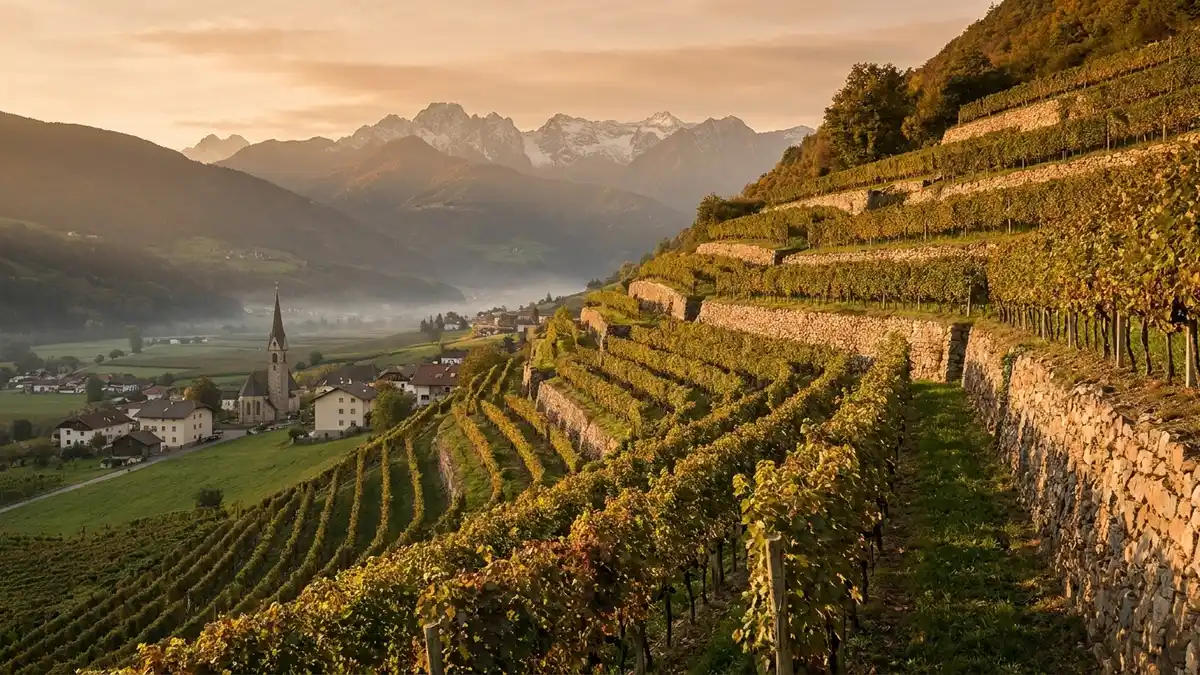
Alto Adige Wine Guide: Italy's Alpine Wine Paradise
A beginner-friendly alto adige wine guide to Italy's German-speaking Südtirol — crisp aromatic whites like Pinot Grigio and Gewürztraminer, local reds Schiava and Lagrein, and how to start.
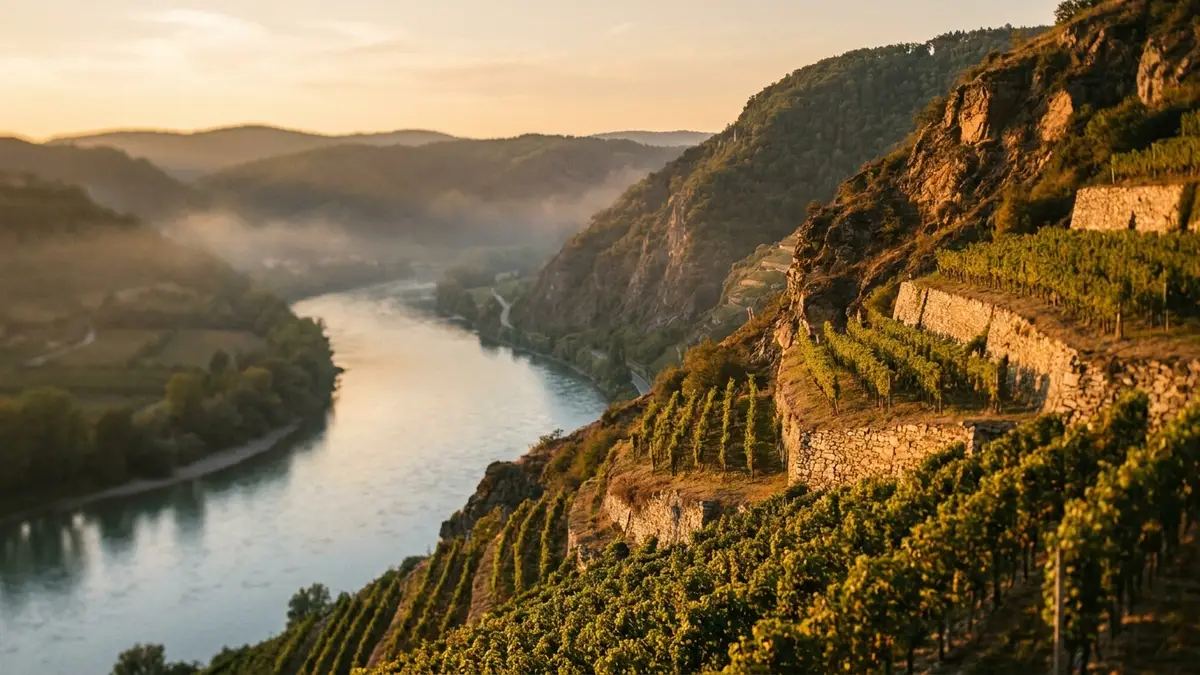
Austrian Wine Guide: Grüner Veltliner, Riesling, and Beyond
A beginner-friendly Austrian wine guide to Grüner Veltliner, world-class dry Riesling along the Danube, Burgenland reds, the DAC system, and where to start.
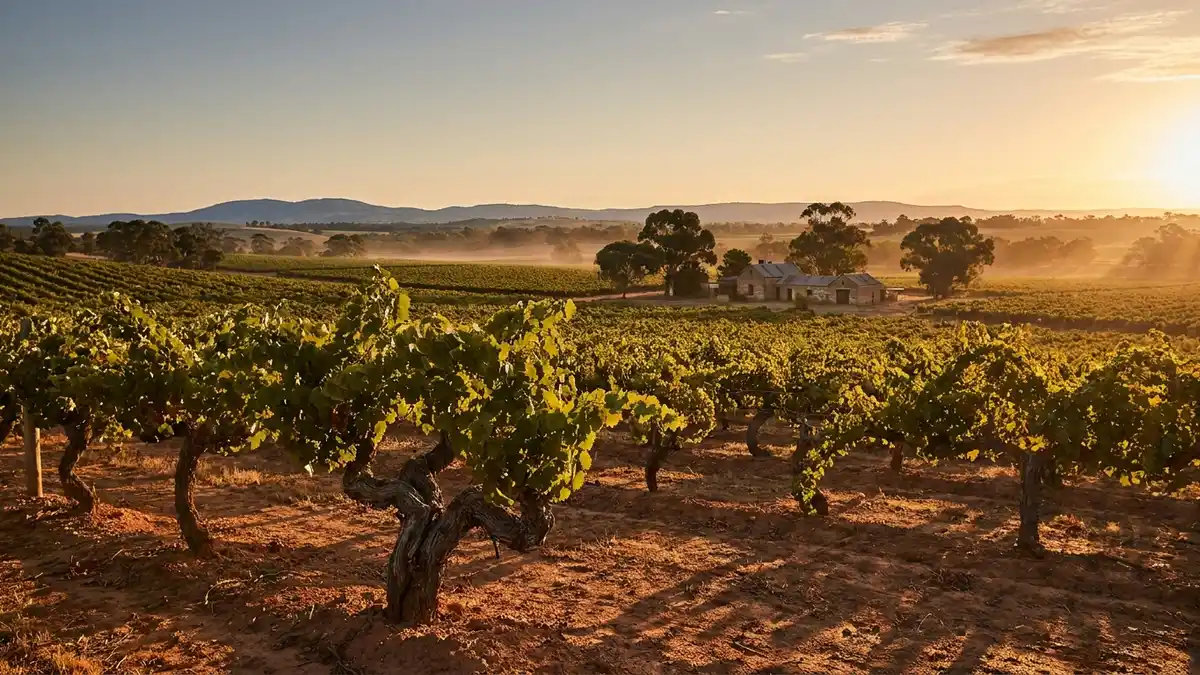
Barossa Valley Wine Guide: Australia's Shiraz Heartland
A beginner-friendly Barossa Valley wine guide to South Australia's warm-climate Shiraz heartland — old vines, rich GSM blends, cool Eden Valley Riesling, and how to start.
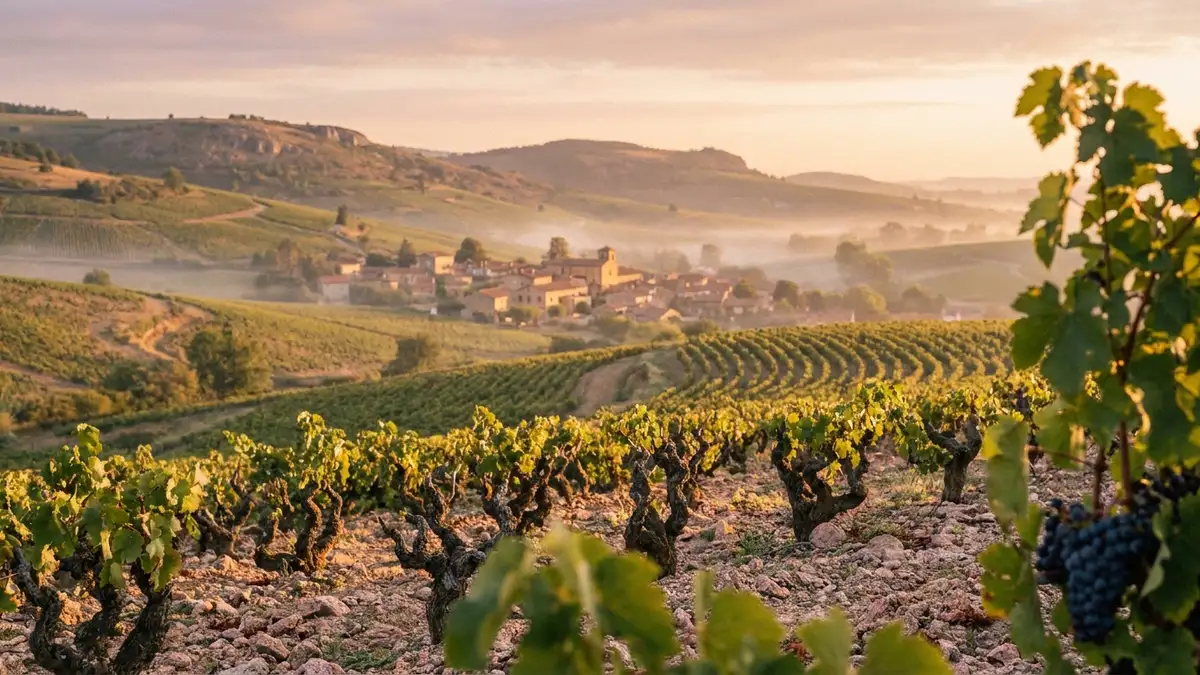
Beaujolais Wine Guide: Far More Than Nouveau
A beginner-friendly beaujolais wine guide to Gamay on granite — carbonic maceration, the three-tier quality ladder, the 10 Crus, and how to start.
Bonarda: Argentina's Second Most Planted Red Grape
Argentine Bonarda is the plush, plum-and-blackberry red hiding behind Malbec. Learn its true identity, flavor profile, key regions, and why it is one of South America's best value reds.
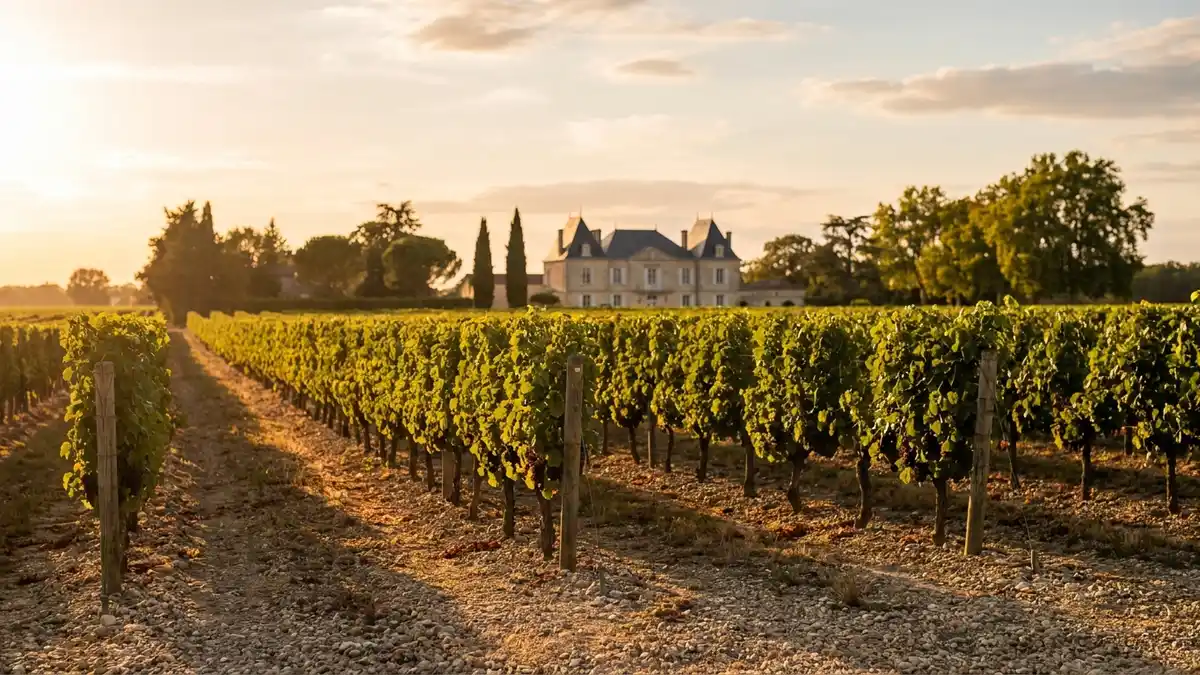
Bordeaux Left Bank vs Right Bank: A Beginner Wine Guide
Bordeaux Left Bank vs Right Bank, side by side: Cabernet Sauvignon on gravel for firm reds built to age, Merlot on clay for plusher reds ready sooner, plus the 1855 Classification, the whites and where to start.
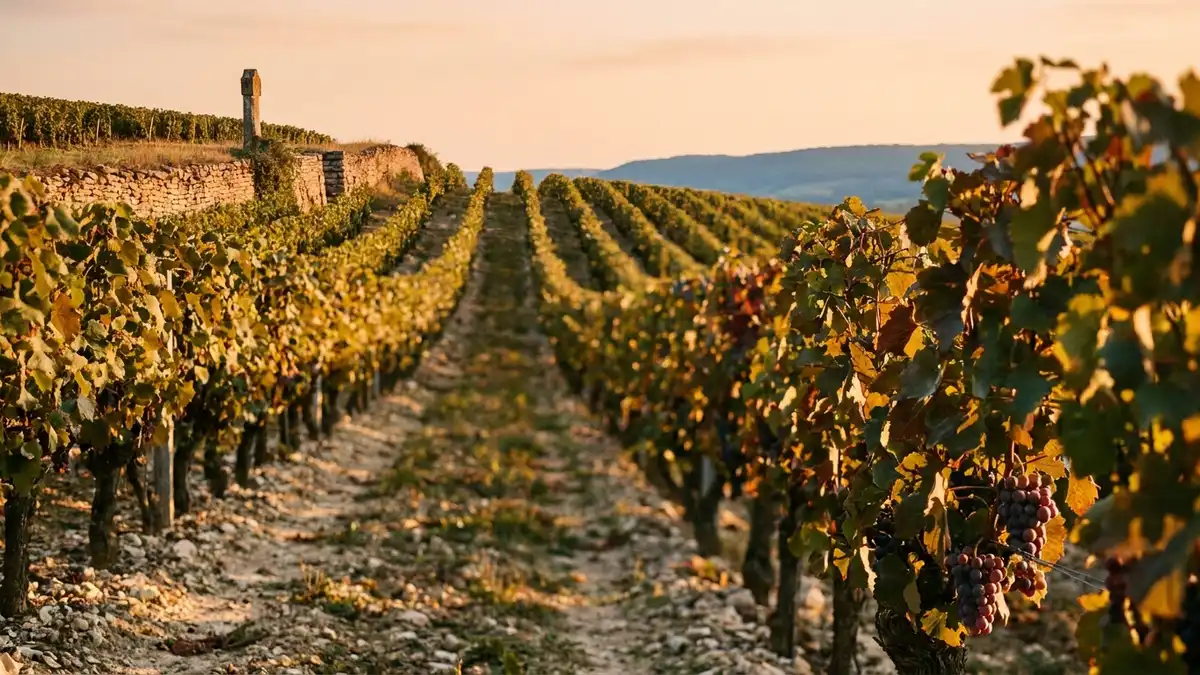
Burgundy Wine Guide: Understanding the Most Complex Region on Earth
A beginner-friendly burgundy wine guide to Bourgogne — Pinot Noir, Chardonnay, the four-tier classification, the sub-regions, and how to start without getting lost.
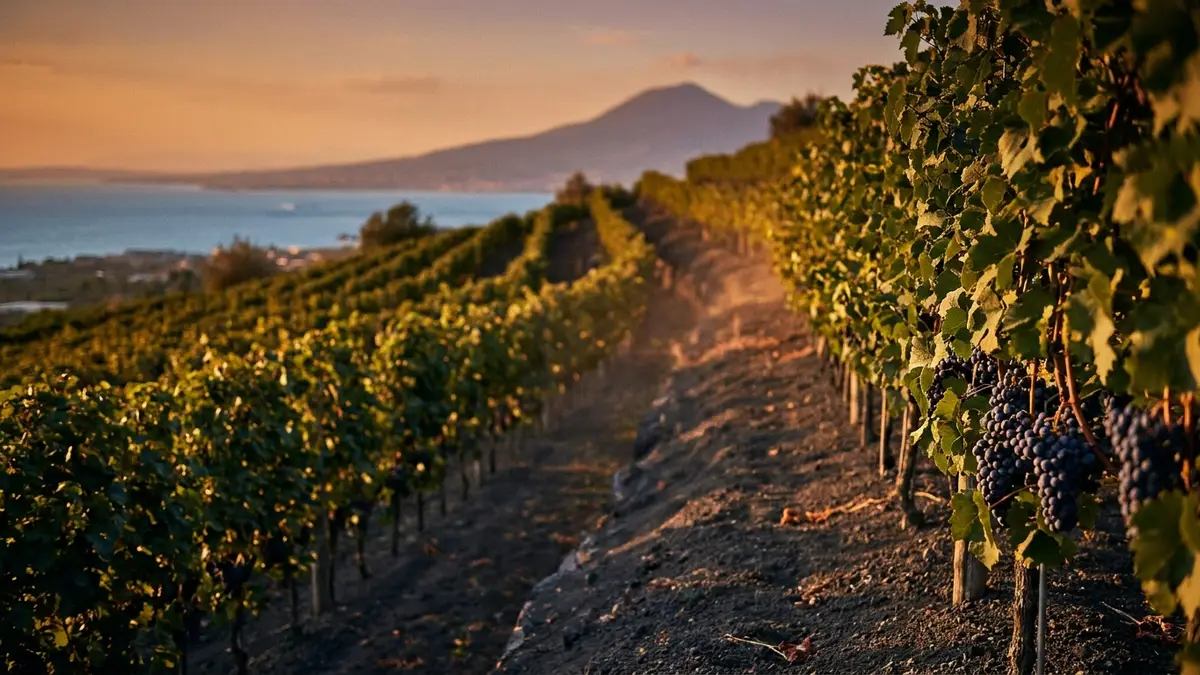
Campania Wine Guide: Aglianico, Fiano, and Greco
A beginner-friendly Campania wine guide to southern Italy's ancient grapes — tannic Aglianico, mineral Fiano and Greco di Tufo, volcanic Lacryma Christi, and how to start.
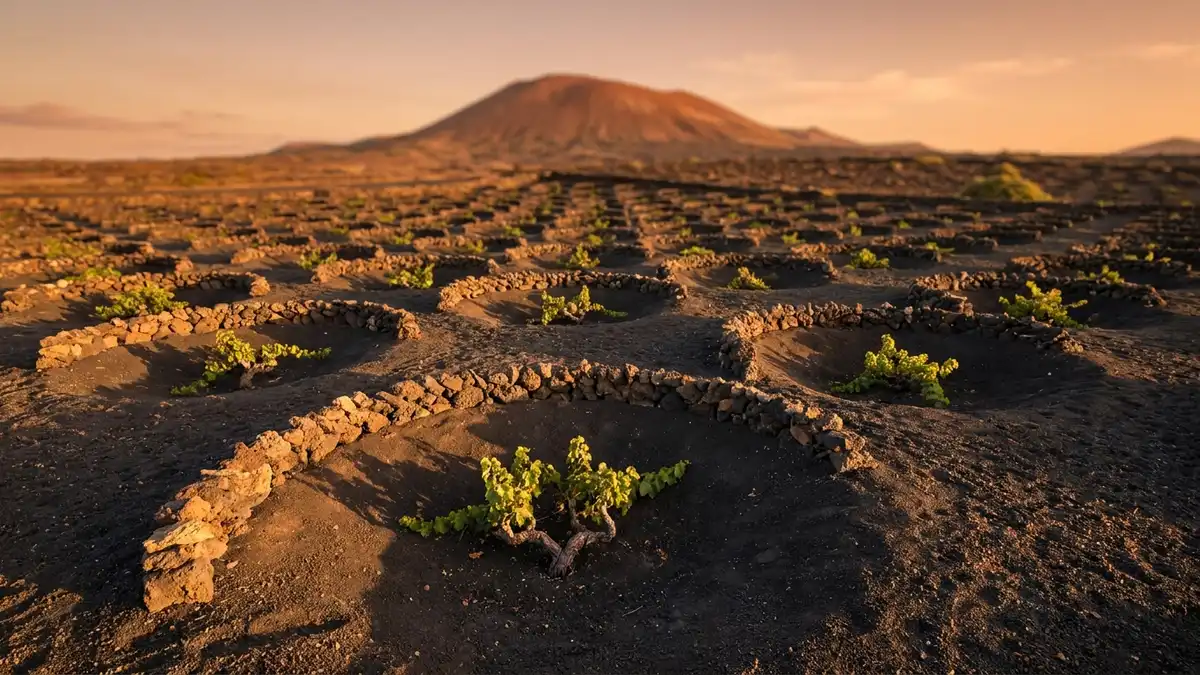
Canary Islands Wine Guide: Volcanic Terroir Like Nowhere Else
A beginner-friendly Canary Islands wine guide to Spain's Atlantic volcanic archipelago — Listán Negro and Malvasía Volcánica, ungrafted old vines, Lanzarote's vine pits, and how to start tasting smoky, saline island wines.
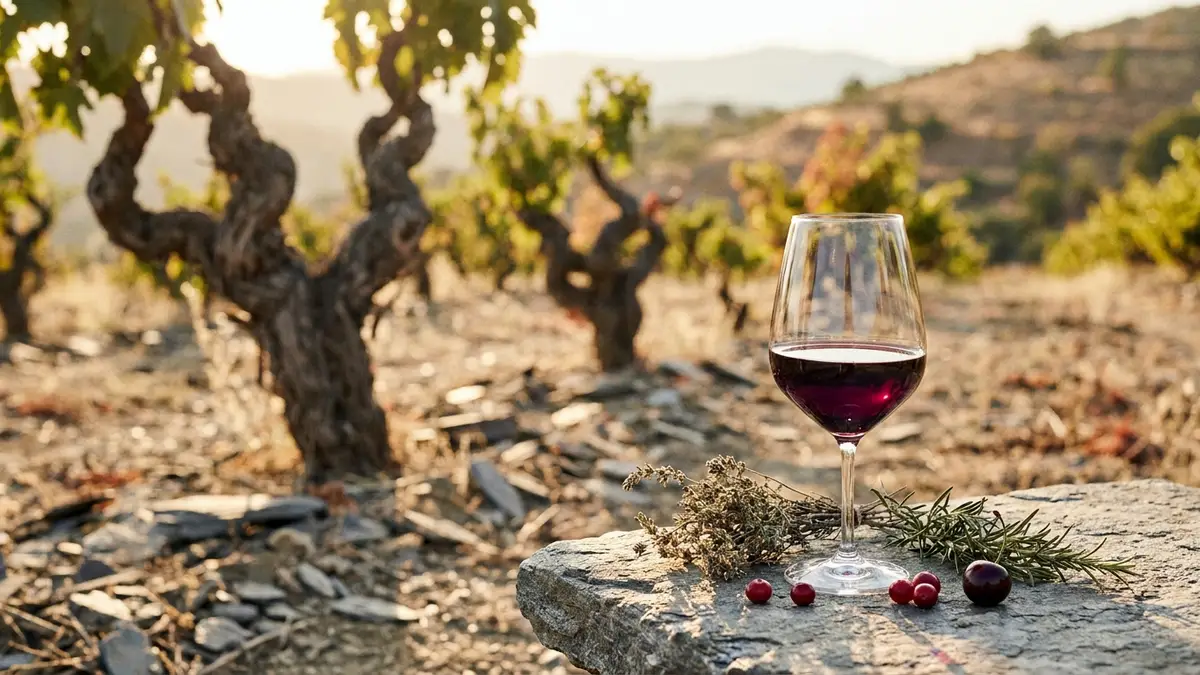
Carignan Wine Guide: Old-Vine Mediterranean Character
Carignan is the Mediterranean's old-vine secret — tart, savory, and high in acid and tannin. Learn its flavor profile, key regions from Languedoc to Priorat, carbonic styles, blending role, and how a beginner should taste it.
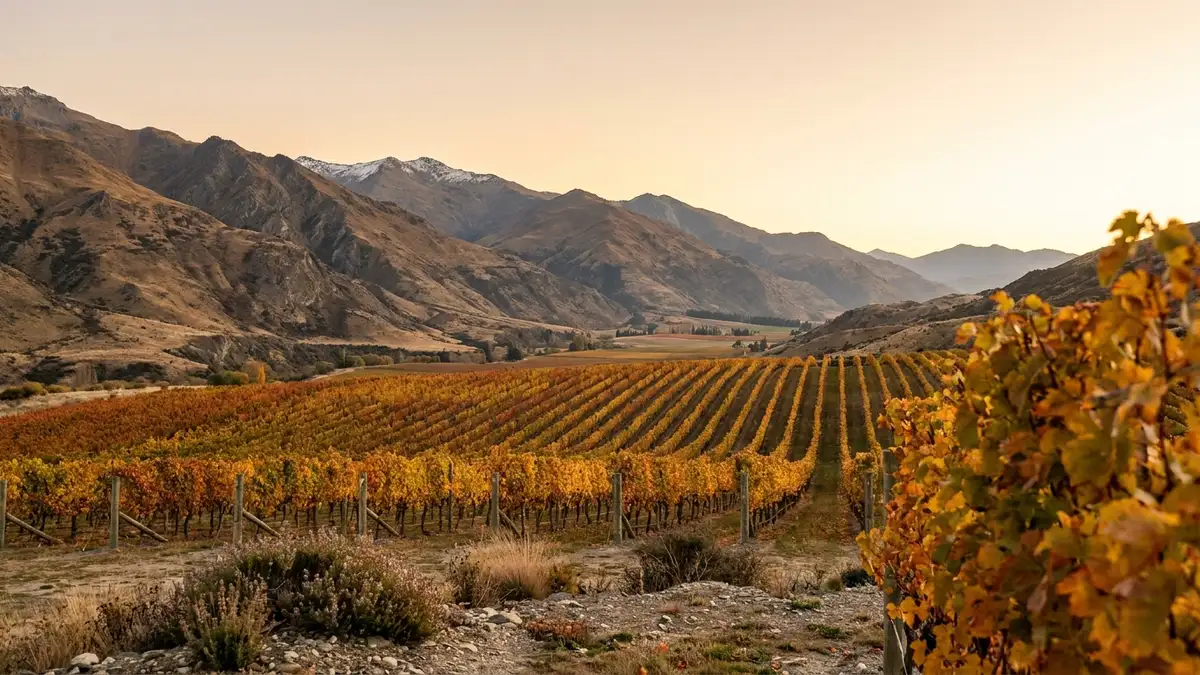
Central Otago Wine Guide: The World's Southernmost Pinot Noir
A beginner-friendly central otago wine guide to New Zealand's high-country region — its rare continental climate, perfumed Pinot Noir, aromatic whites, the key sub-areas, and how to start.
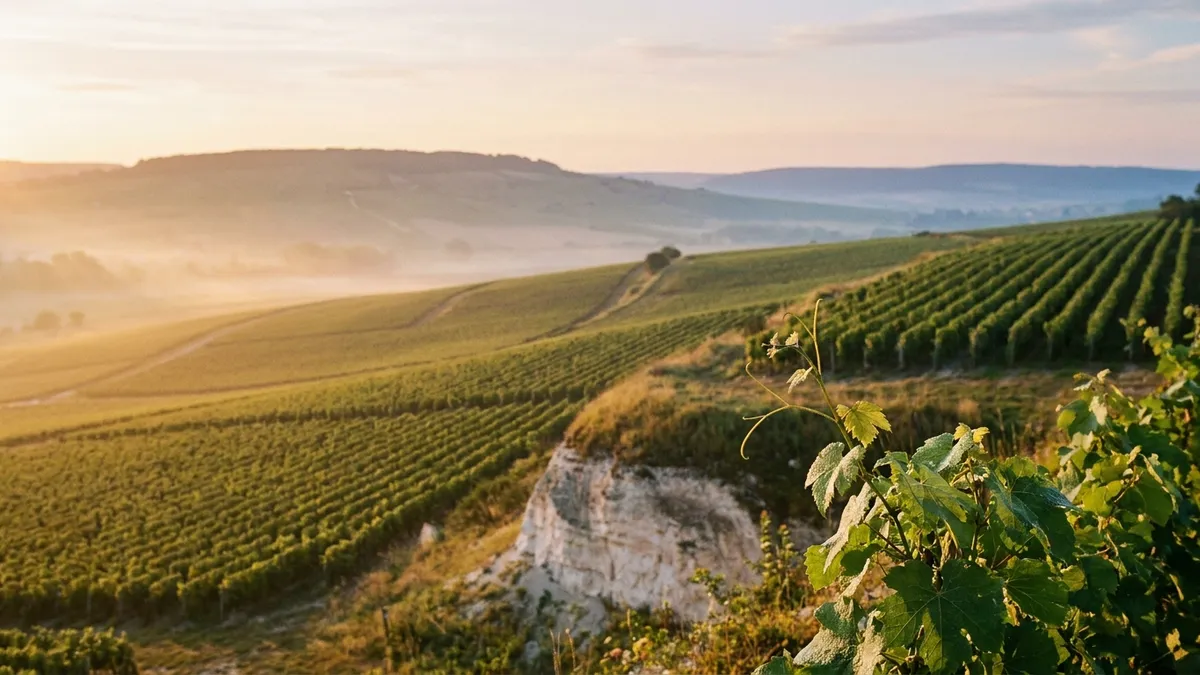
Champagne Region Guide: Terroir, Grapes, Grower vs House
What grower champagne means and how to spot RM on the label, plus the Champagne region's chalk terroir, three grapes, sub-areas, cru villages, styles and sweetness scale.
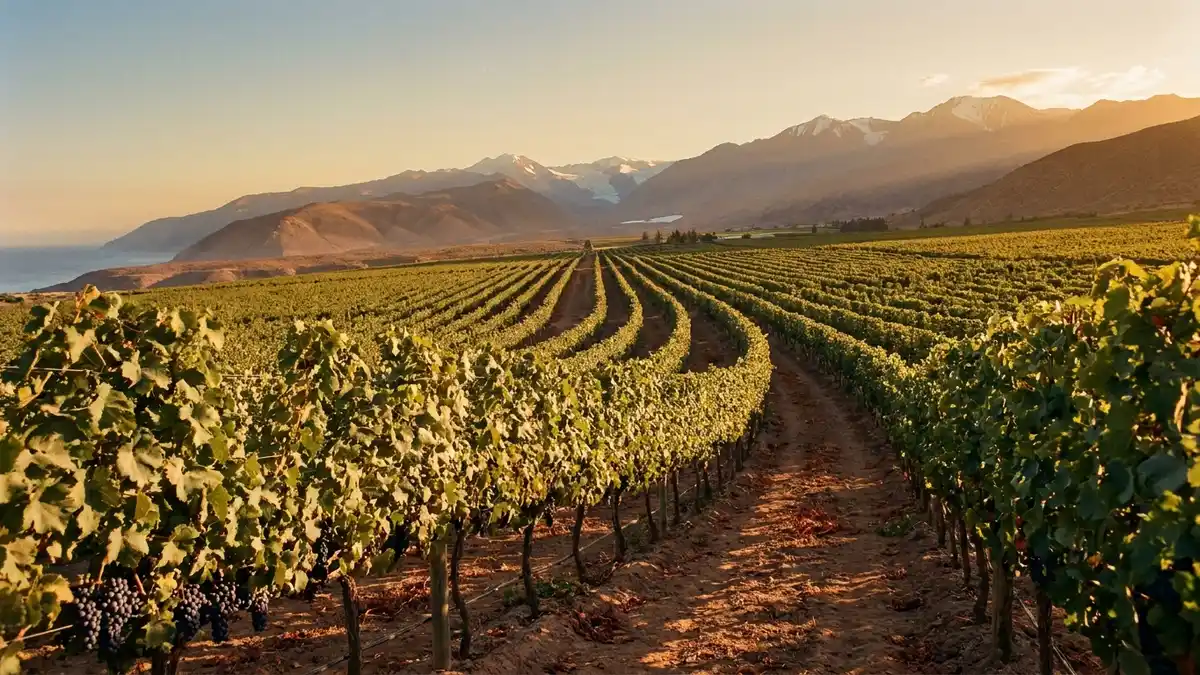
Chilean Wine Guide: From the Andes to the Pacific
A beginner-friendly Chilean wine guide to a country squeezed between the Andes and the Pacific — Carmenère, Cabernet, cool-coast whites, old-vine País, and how to start.
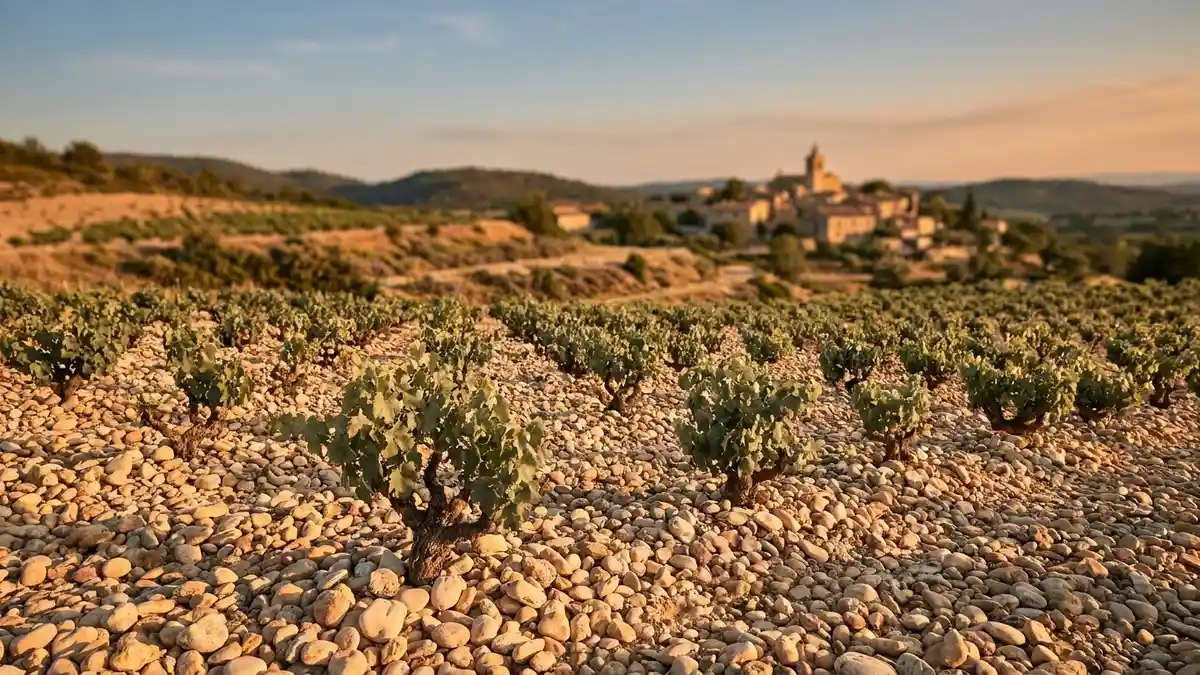
Côtes du Rhône: France's Best-Value Red Wine
A beginner-friendly Côtes du Rhône wine guide — the four-tier value pyramid, the Grenache-Syrah-Mourvèdre blend, the warm southern climate, and how to read the label.
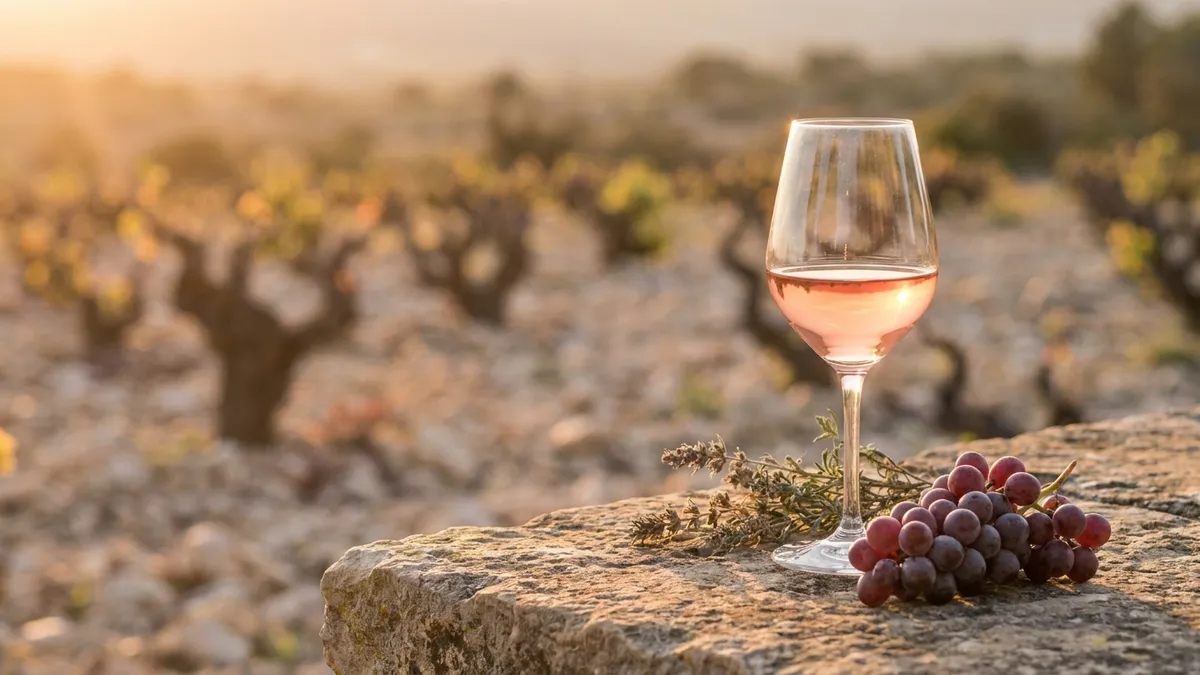
Counoise and the Minor Rhône Grapes You Should Know
Counoise is one of the 13 grapes permitted in Châteauneuf-du-Pape, adding pepper, acidity, and lift to GSM blends. Learn its flavor profile plus eight other minor Rhône grapes worth knowing.
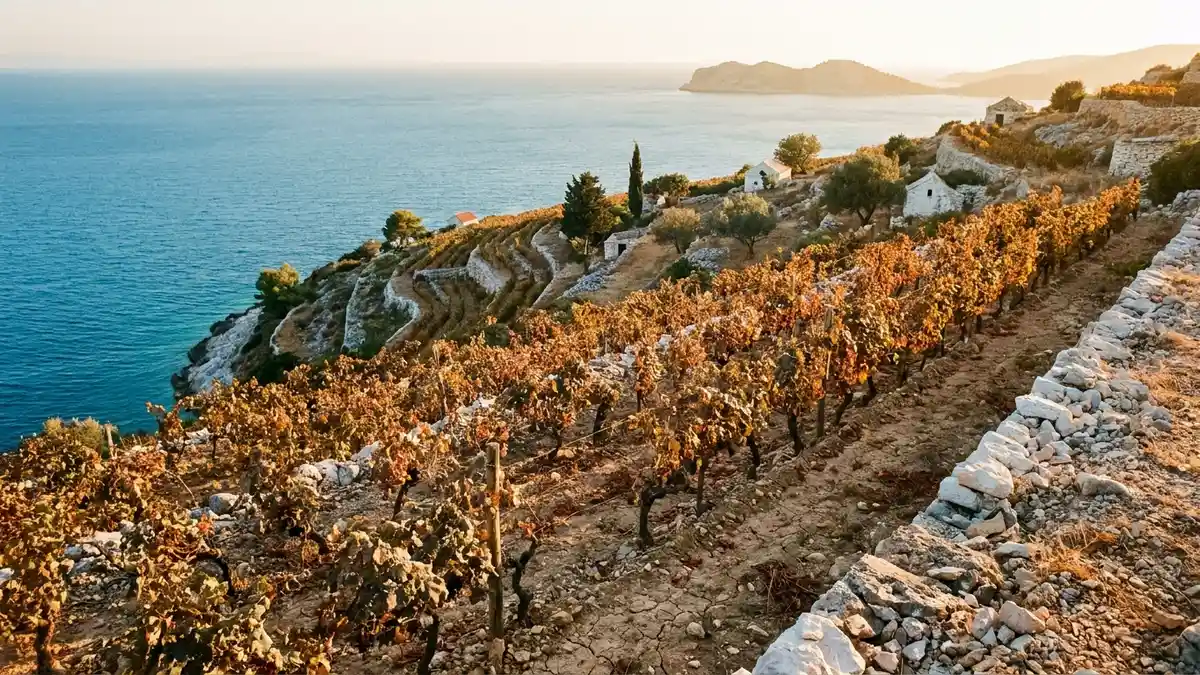
Croatian Wine Guide: Istria, Dalmatia, and Ancient Grapes
A beginner-friendly croatia wine guide to Istria's Malvazija and Teran, Dalmatia's Plavac Mali and Pošip, continental Graševina, and the Zinfandel homeland story.
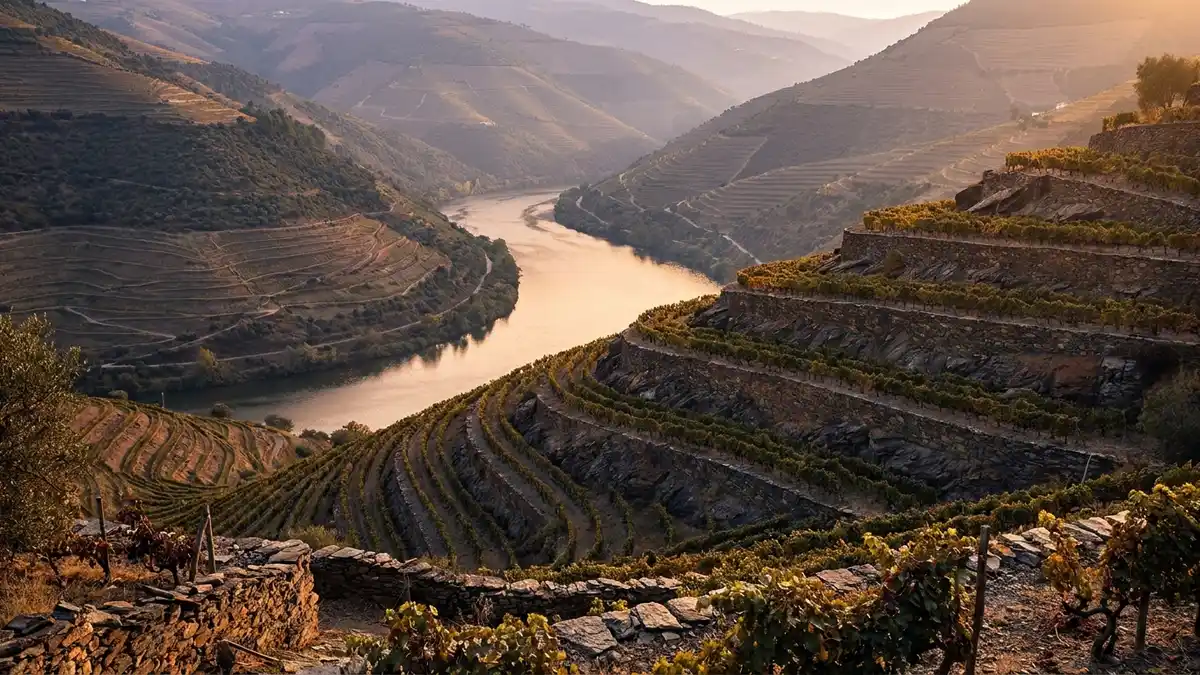
Douro Valley Wine Guide: Port Country's Table Wines
A beginner-friendly Douro Valley wine guide to northern Portugal's schist terraces — the field-blend grapes, the dry Douro reds and whites, the vineyard classification, and a quick map of Port styles.
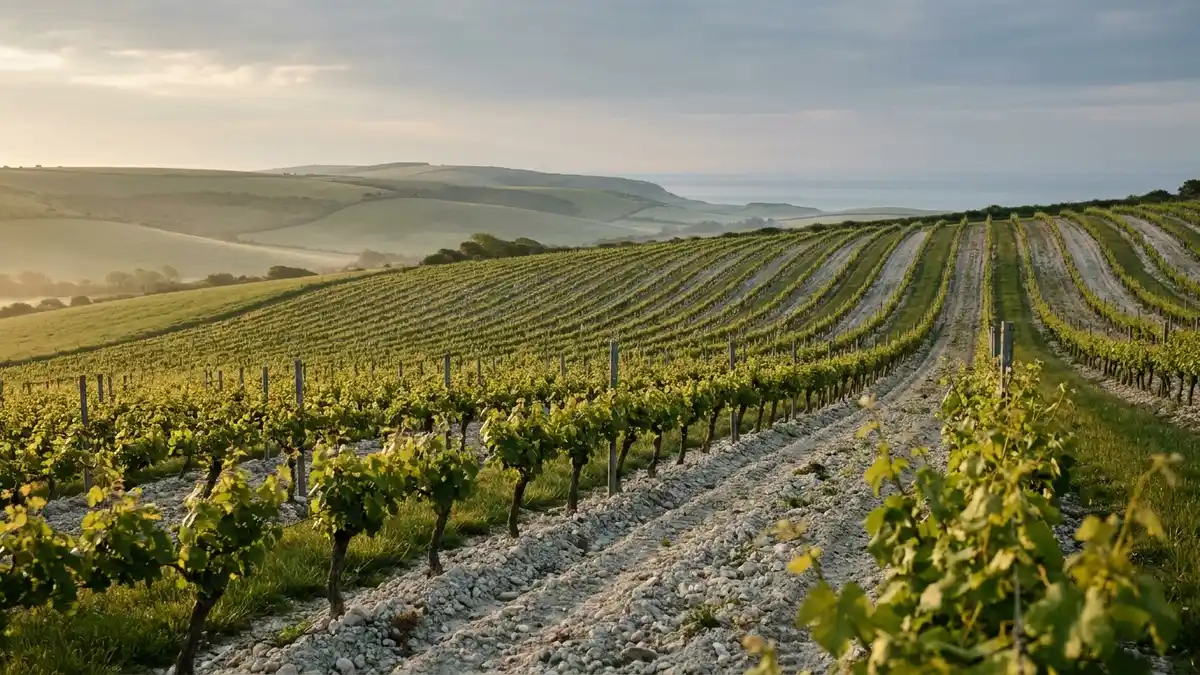
English Wine Guide: Sparkling Success and Beyond
A beginner-friendly english wine guide to England's rise as a sparkling powerhouse — chalk soils, the three Champagne grapes, Bacchus whites, key counties, and how to start.
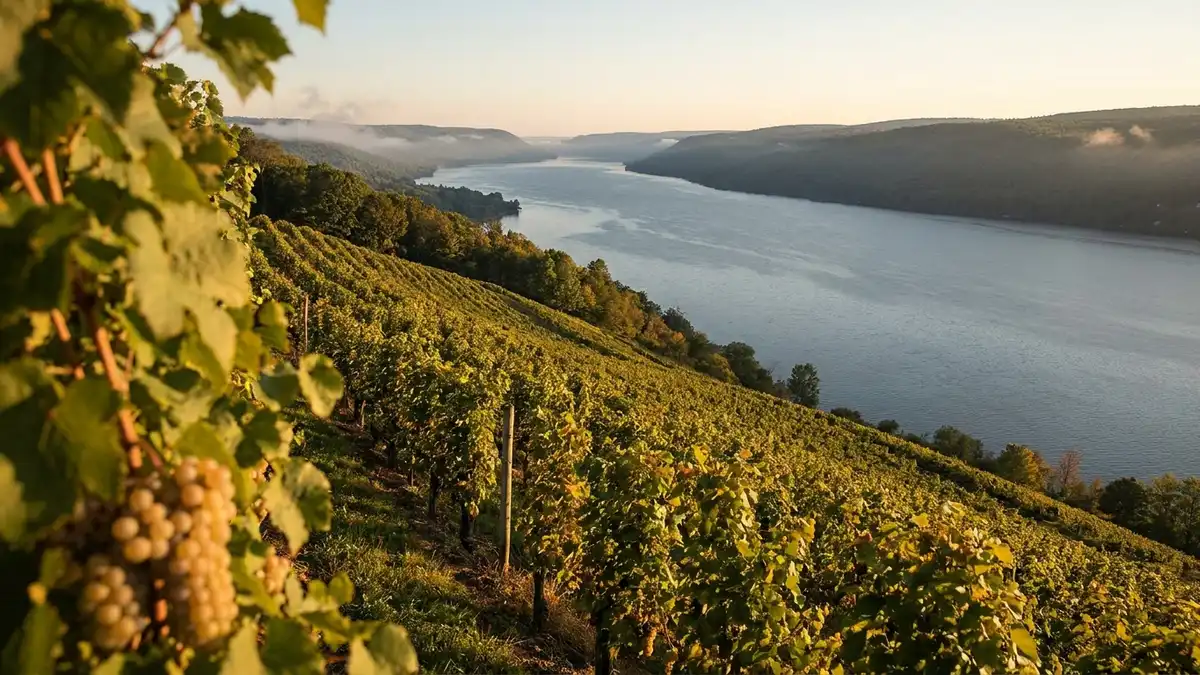
Finger Lakes Wine Guide: New York Riesling Country
A beginner-friendly Finger Lakes wine guide to upstate New York — Riesling from dry to sweet, Cabernet Franc, Grüner, hybrids, the steep lake slopes, and how to start.
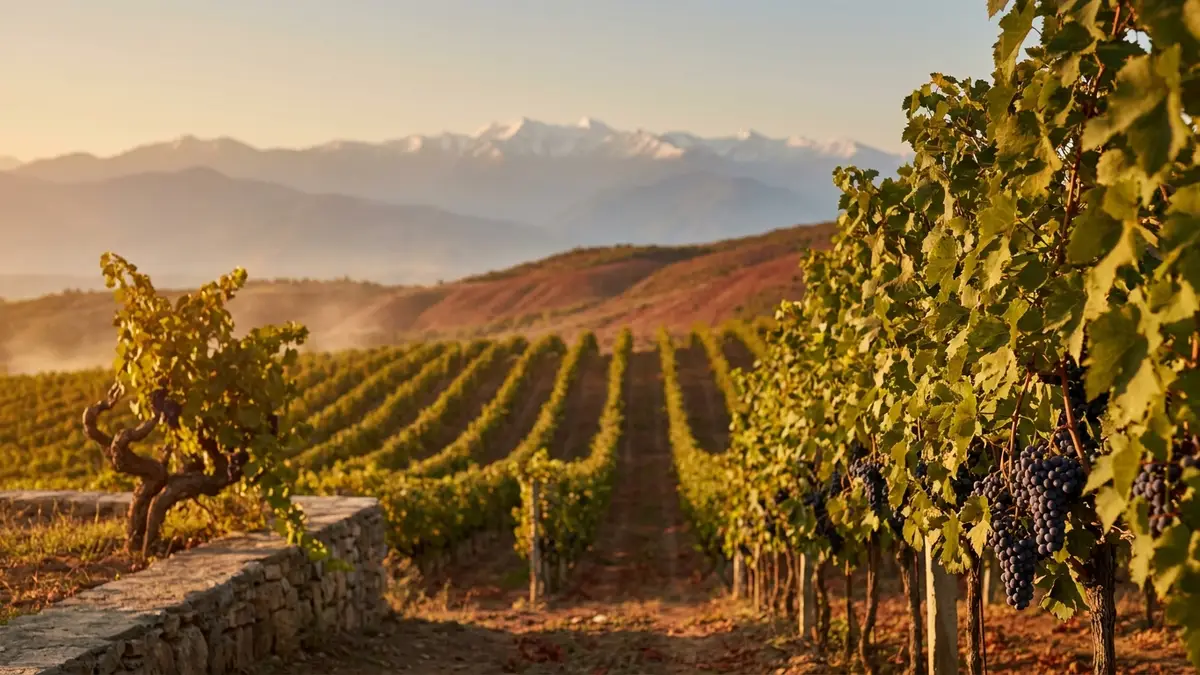
Georgian Wine Guide: 8,000 Years of Winemaking in Qvevri
A beginner-friendly Georgian wine guide to the cradle of wine — the 8,000-year qvevri tradition, amber wine, Saperavi and Rkatsiteli grapes, Kakheti, and how to start tasting.
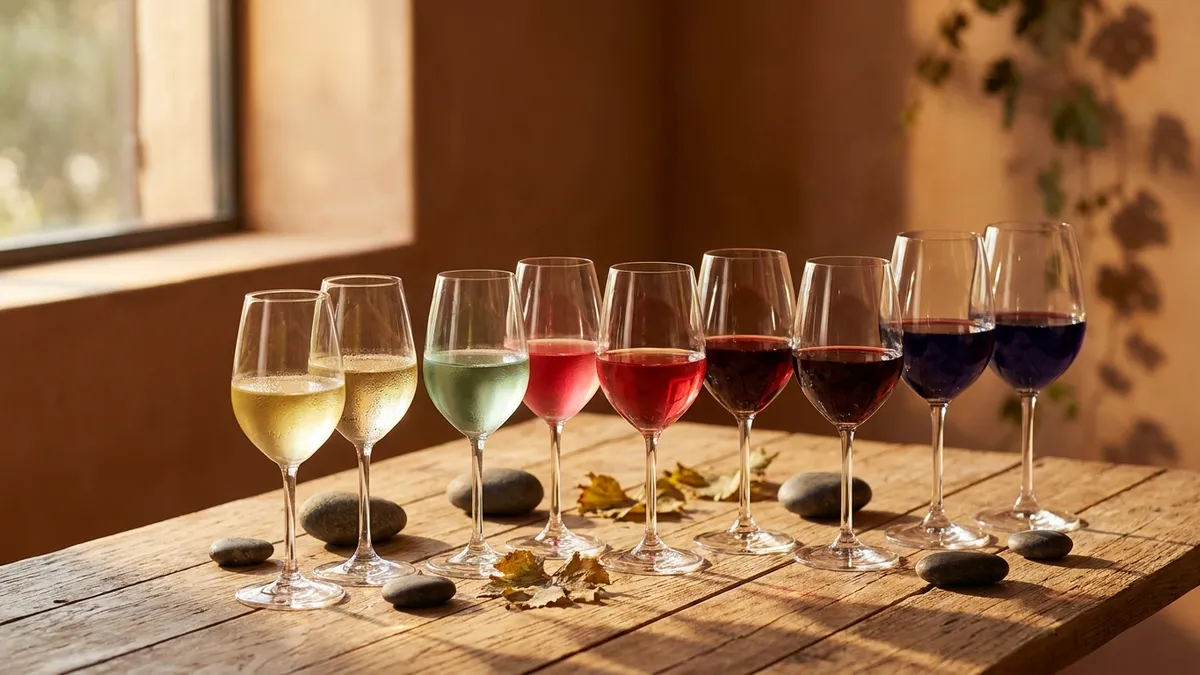
10 Up-and-Coming Wine Grapes to Watch in the Next Decade
A field guide to ten up and coming wine grapes rising on store shelves — heat-tolerant indigenous varieties, regional revivals, and disease-resistant newcomers reshaping what we drink.
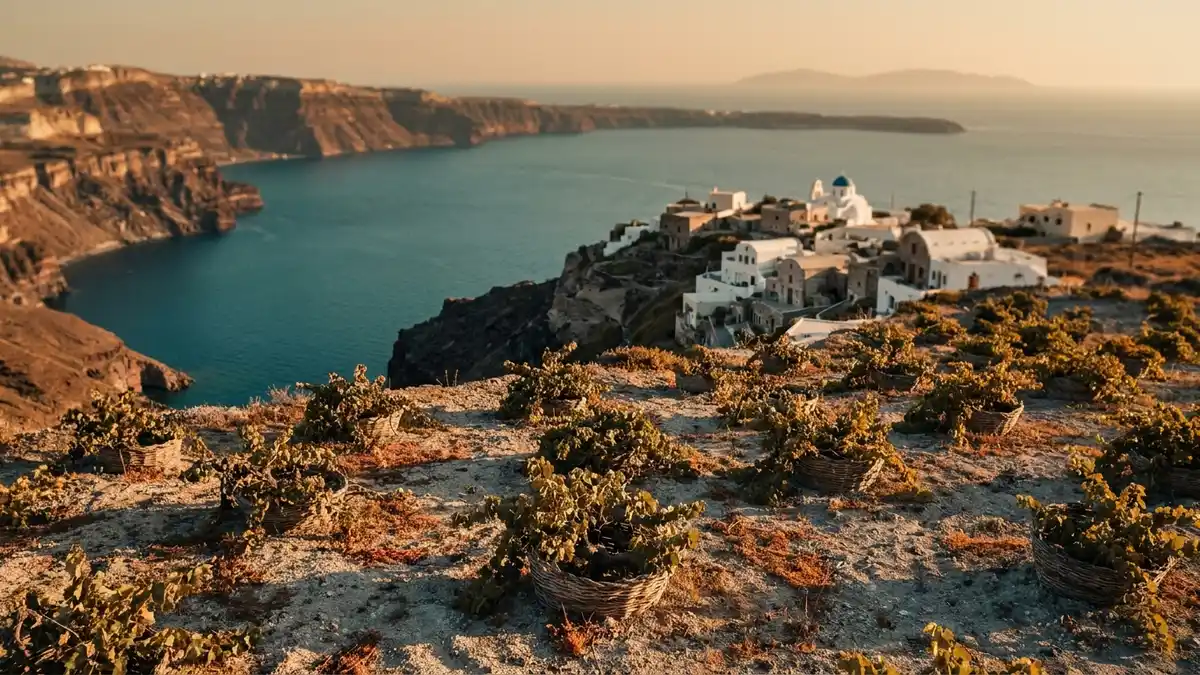
Greek Wine Guide: Ancient Grapes, Modern Wines
A beginner-friendly greek wine guide to Santorini's Assyrtiko, Naoussa's Xinomavro, Nemea's Agiorgitiko, and Mantinia's Moschofilero — plus Retsina, terroir, and where to start.
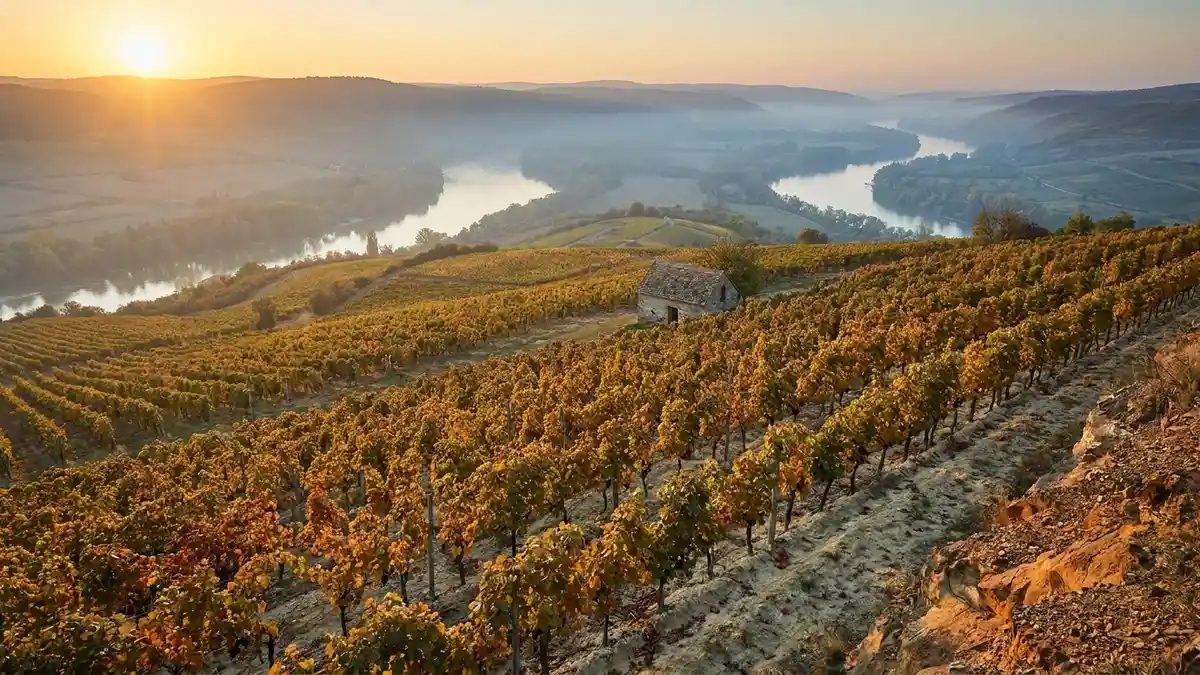
Hungarian Wine Guide: Tokaji, Bull's Blood, and More
A beginner-friendly hungarian wine guide to Tokaji aszú, dry Furmint, Egri Bikavér, the bold reds of Villány, and the indigenous-grape revival reshaping Hungary.
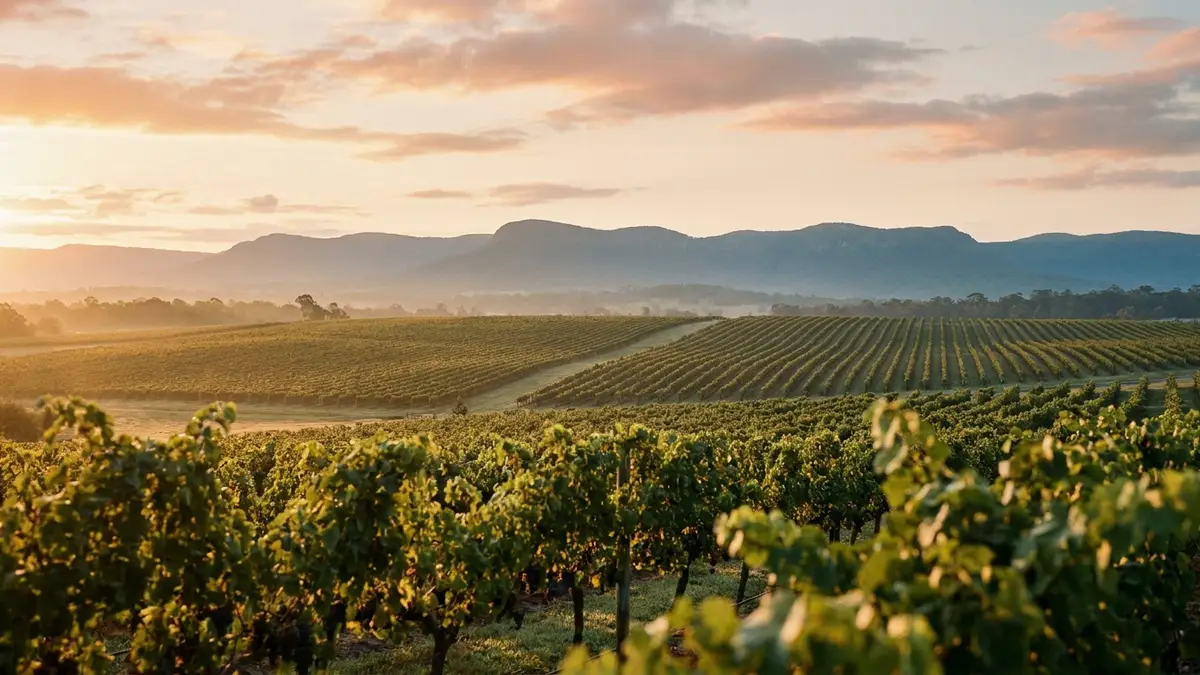
Hunter Valley Wine Guide: Sémillon and Shiraz Country
A beginner-friendly Hunter Valley wine guide to Australia's oldest wine region — ageworthy low-alcohol Sémillon, earthy medium-bodied Shiraz, the humid subtropical climate, and how to start.
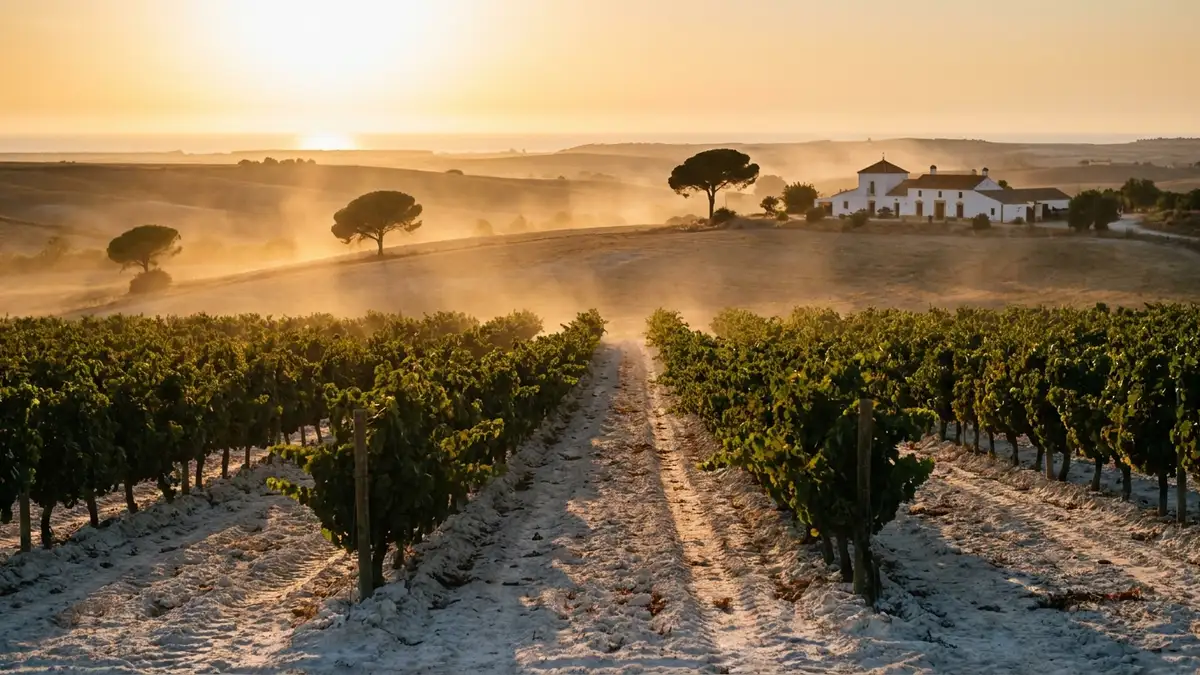
Jerez: The Sherry Triangle and Its Unique Winemaking
A beginner-friendly guide to the Jerez sherry region in Andalucía — the Sherry Triangle, albariza soils, Palomino and Pedro Ximénez, flor aging, the solera system, and the full style spectrum.
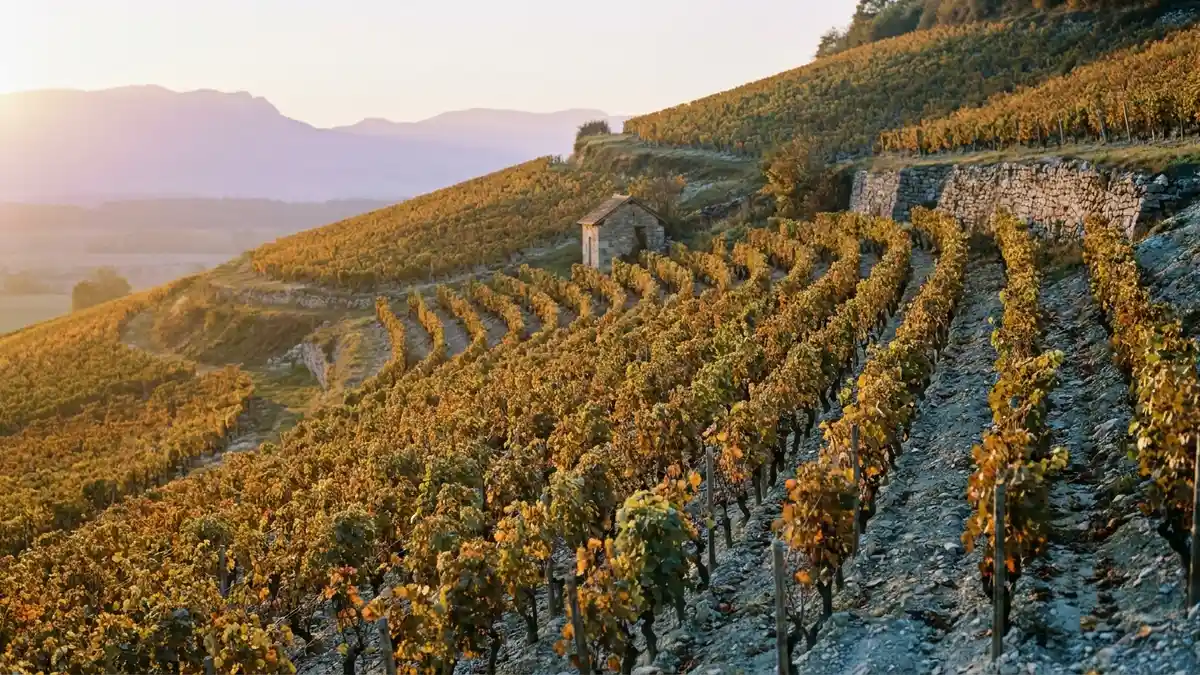
Jura Wine Guide: Vin Jaune, Vin de Paille, and Natural Wines
A beginner-friendly jura wine guide to eastern France's smallest cult region — Vin Jaune, Vin de Paille, oxidative Savagnin, Poulsard and Trousseau reds, and how to start.
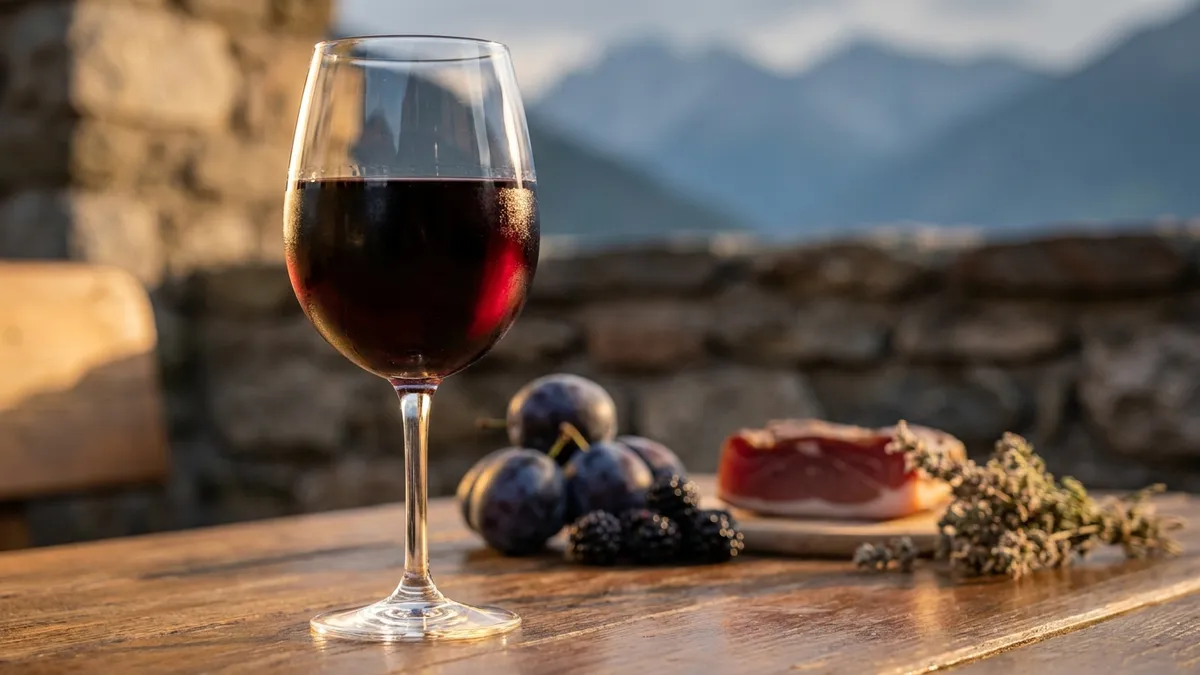
Lagrein: Alto Adige's Dark, Smoky Red Grape
Lagrein is the deeply colored, smoky red grape of Italy's Alto Adige. Learn its flavor profile, the Dunkel and Kretzer styles, its links to Syrah and Teroldego, and how to pair it with smoked alpine food.
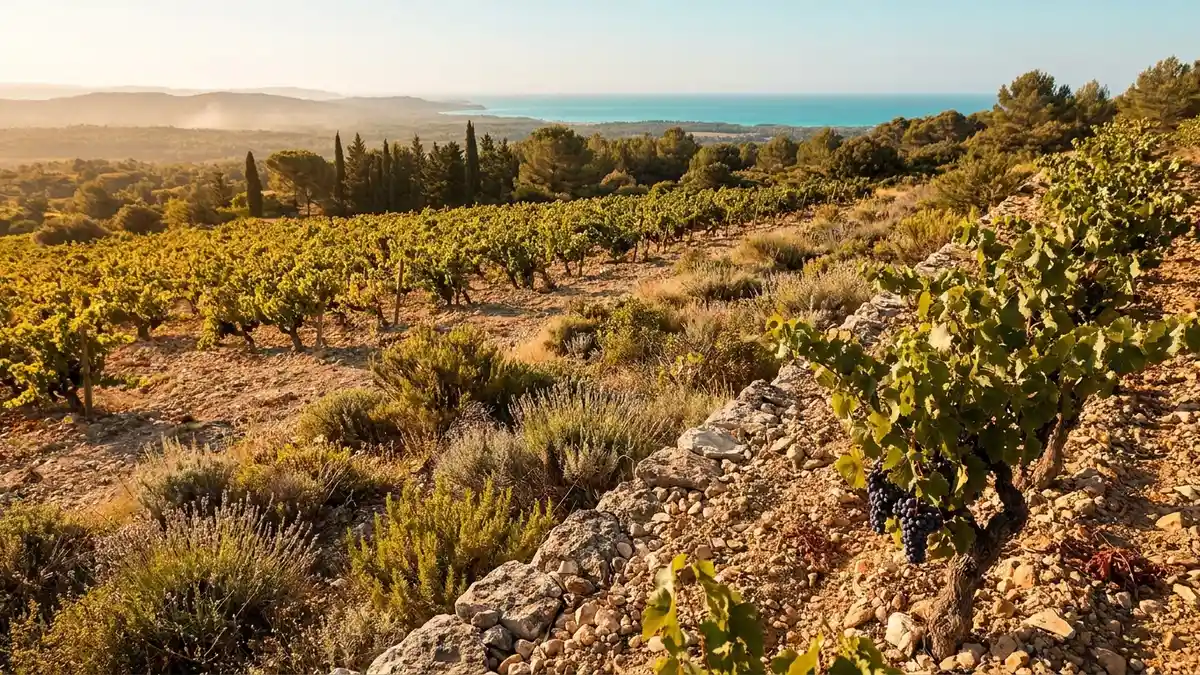
Languedoc Wine Guide: France's Best-Value Region
A beginner-friendly Languedoc wine guide to France's largest wine region — GSM and Carignan reds, garrigue character, Picpoul whites, Limoux sparkling, fortified Maury, and how to find value.
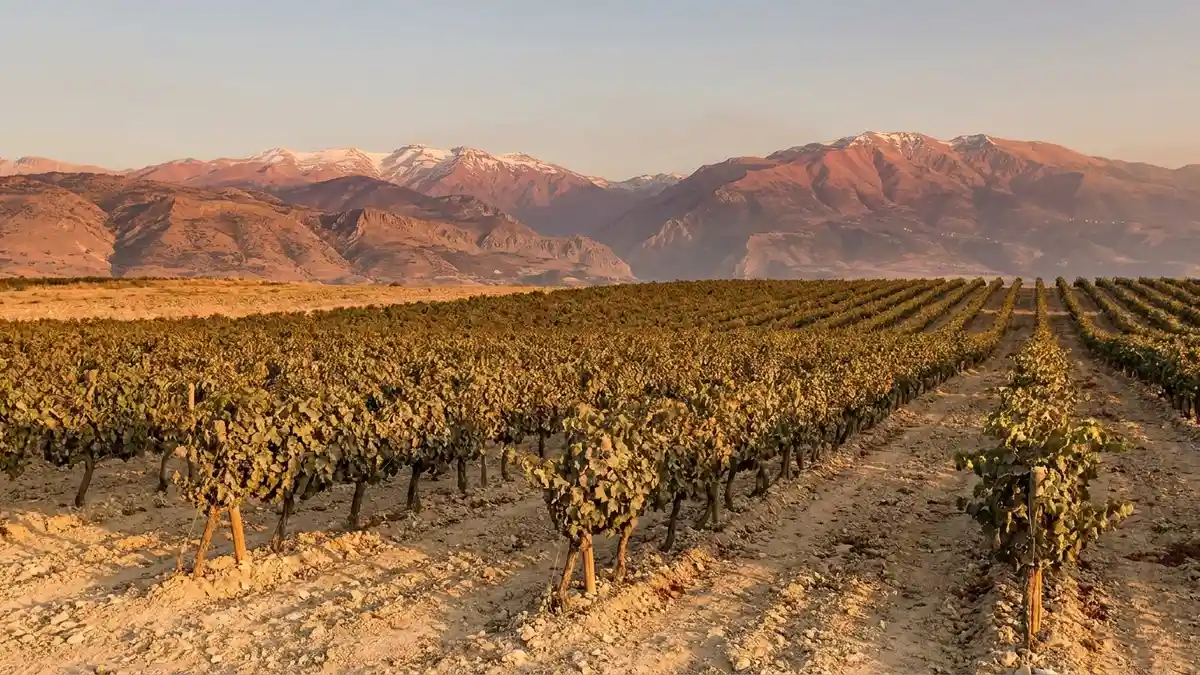
Lebanese Wine Guide: One of the Oldest Wine Regions on Earth
A beginner-friendly Lebanese wine guide to the Bekaa Valley — Phoenician heritage, high-altitude reds of Cinsault and Cabernet, native whites from Obeidi and Merwah, and how to start.
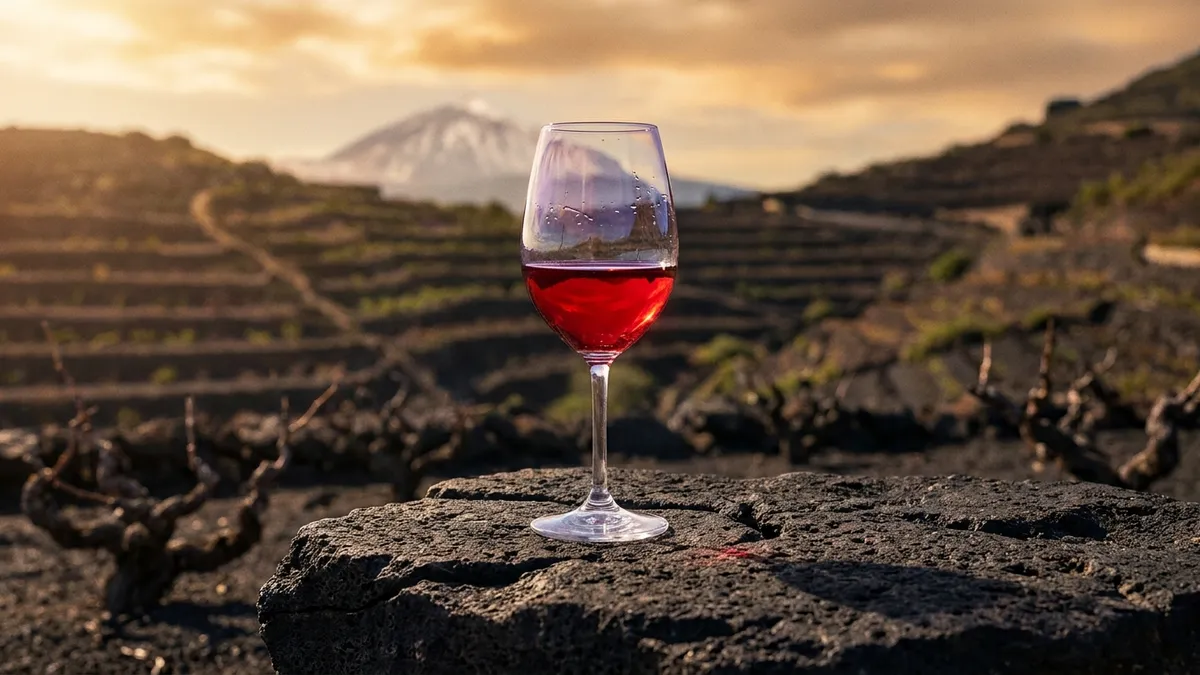
Listán Negro: The Canary Islands' Volcanic Red Grape
Listán Negro is the volcanic red grape of the Canary Islands, grown on ungrafted, phylloxera-free old vines on Tenerife. Learn its smoky flavor, braided cordón trenzado training, and its link to País.
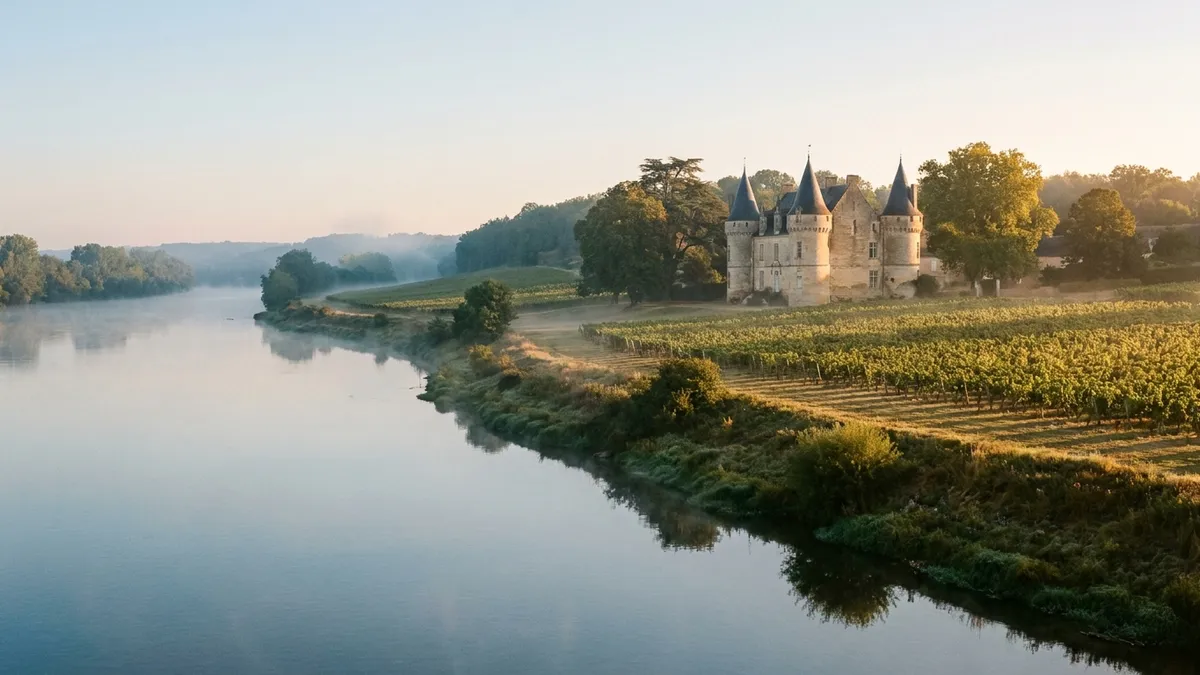
Loire Valley Wine Guide: From Muscadet to Sancerre
A beginner-friendly Loire Valley wine guide to France's most diverse cool-climate region — Muscadet, Chenin Blanc, Cabernet Franc, Sancerre, and how to start tasting your way along the river.
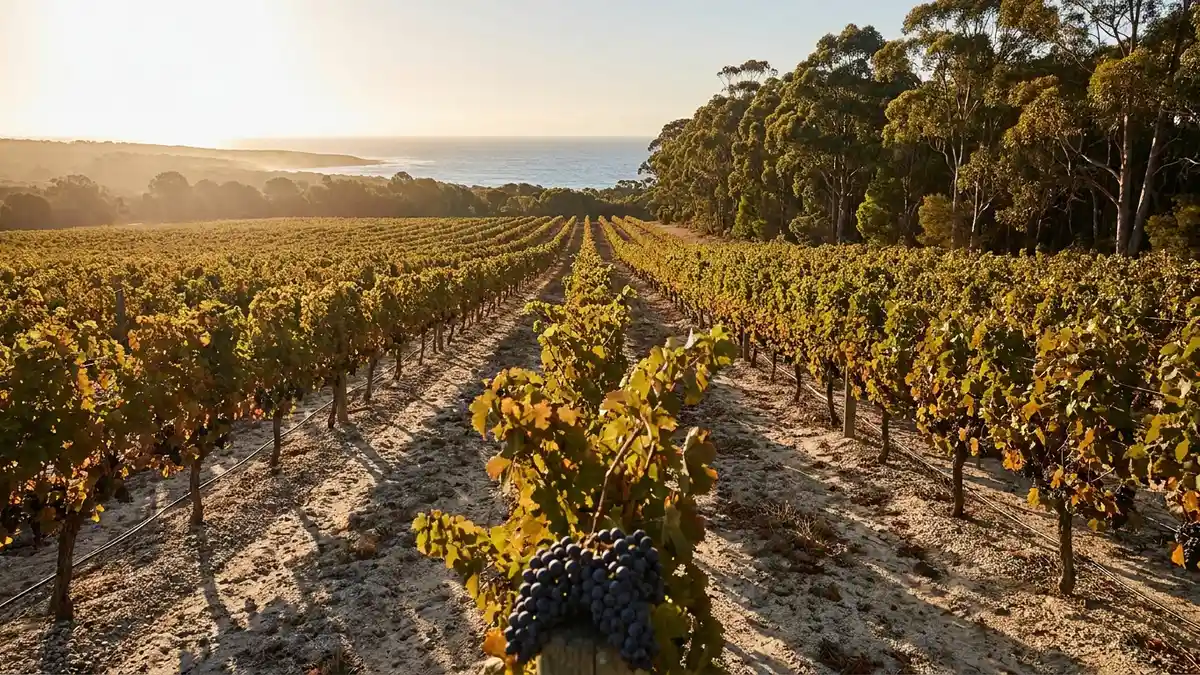
Margaret River Wine Guide: Australia's Premium Cabernet Region
A beginner-friendly Margaret River wine guide to Western Australia's premium region — elegant Cabernet, top-tier Chardonnay, the SSB blend, sub-regions, and how to start.
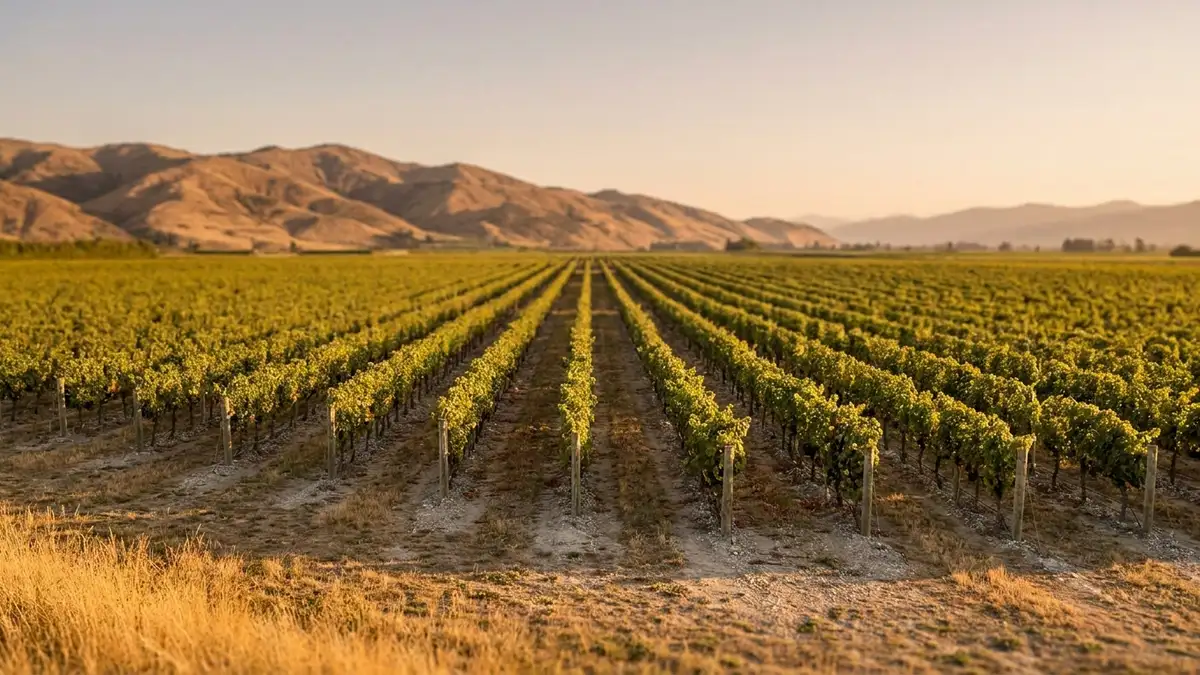
Marlborough Wine Guide: The Sauvignon Blanc Capital of the World
A beginner-friendly marlborough wine guide to New Zealand's flagship region — the pungent, zesty Sauvignon Blanc style, the Wairau and Awatere valleys, Pinot Noir, and how to start.
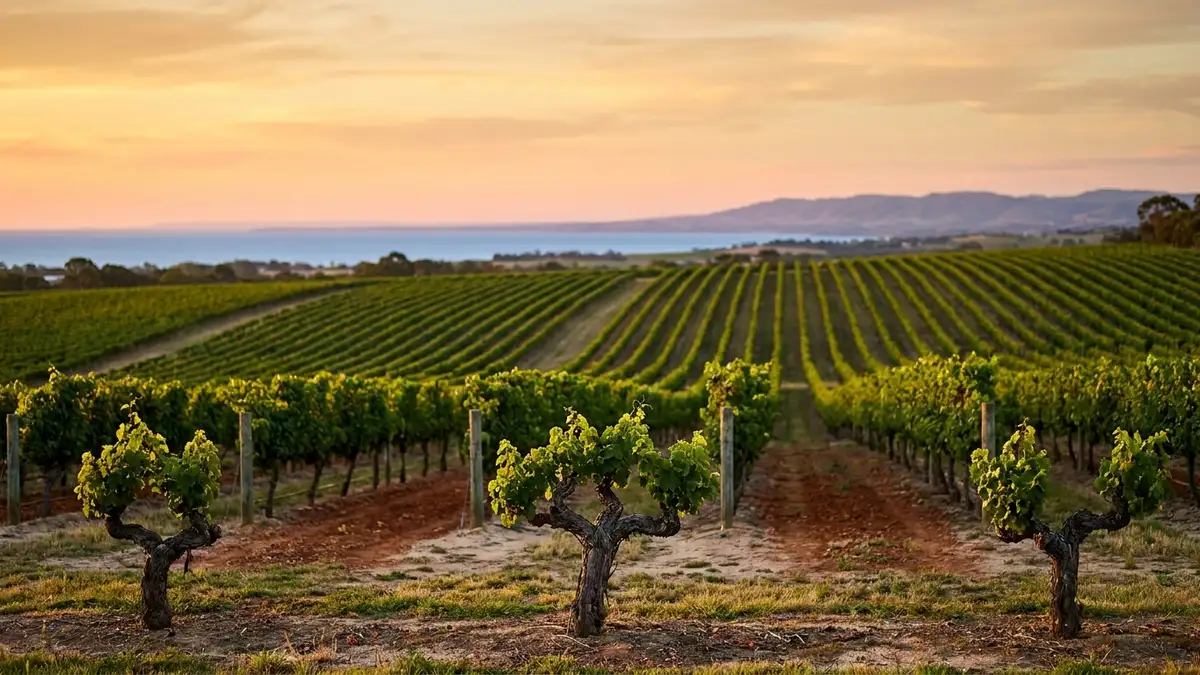
McLaren Vale Wine Guide: Shiraz, Grenache, and Sea Breezes
A beginner-friendly McLaren Vale wine guide to South Australia's maritime region — plush Shiraz, old-vine Grenache, GSM blends, Mediterranean grapes, and how to start.
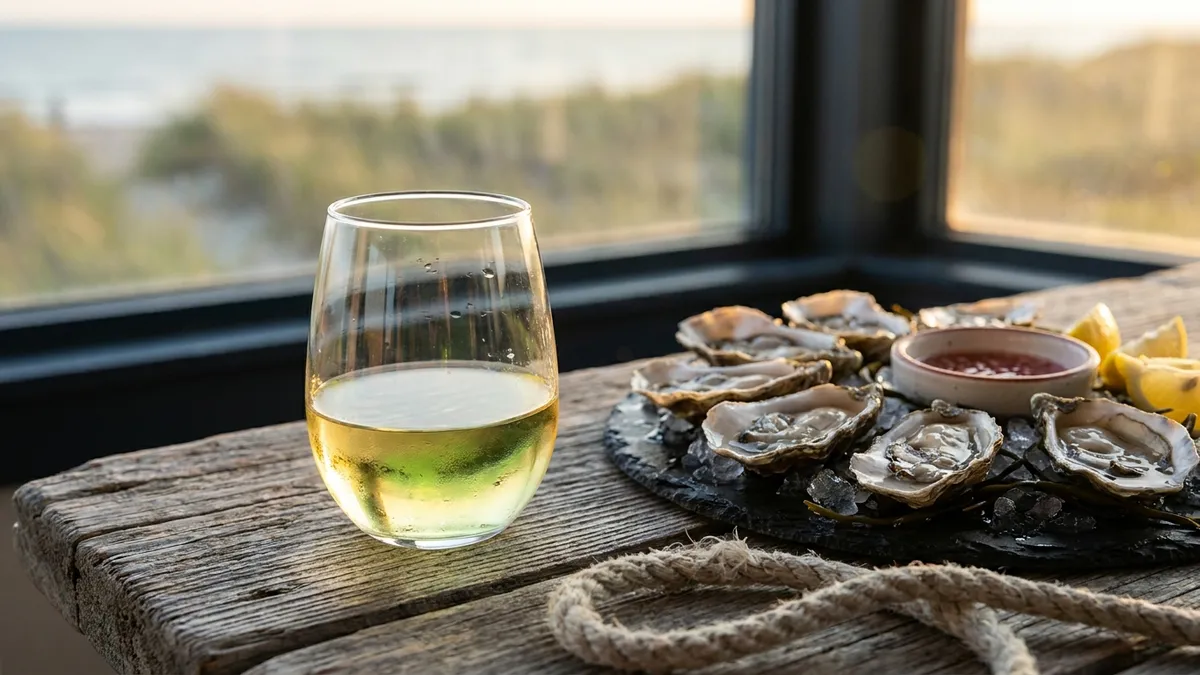
Melon de Bourgogne: The Grape That Makes Muscadet
Melon de Bourgogne is the high-acid white grape behind Muscadet, the Loire's crisp, saline oyster wine. Learn its origin, sur lie aging, flavor profile, food pairings, and why it's one of France's best wine values.
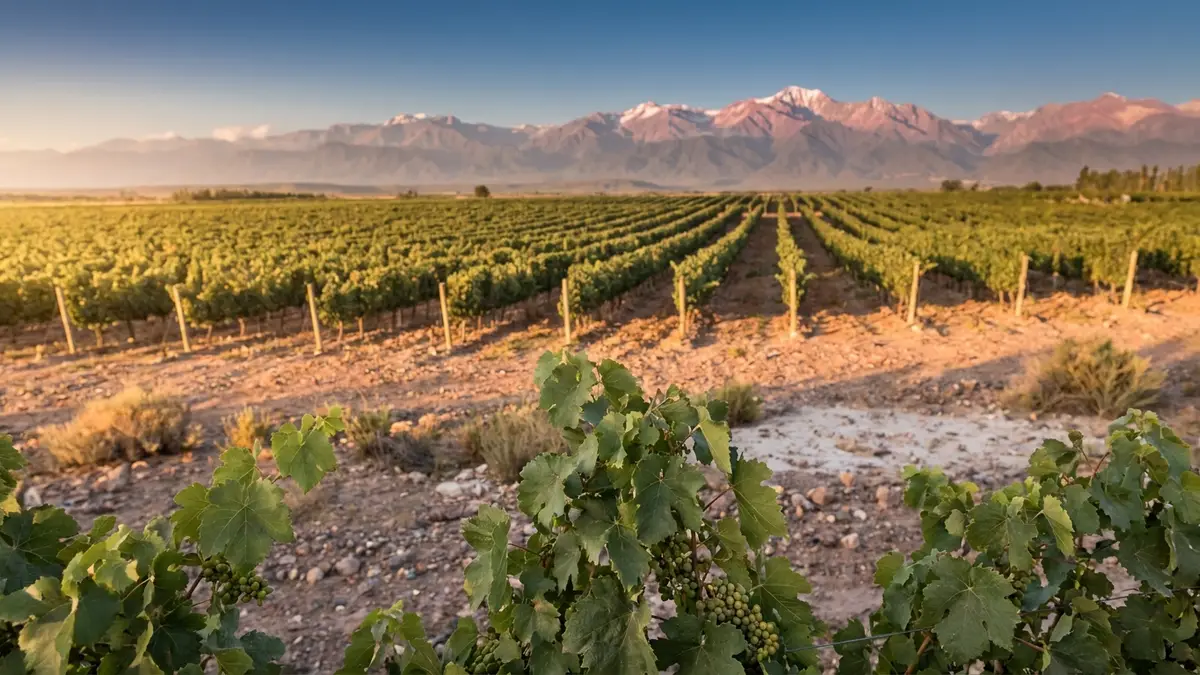
Mendoza Wine Guide: High-Altitude Winemaking at Its Best
A beginner-friendly Mendoza wine guide to Argentina's flagship region — Malbec, the Andes rain shadow, high-altitude vineyards, the key sub-zones, and how to start tasting.
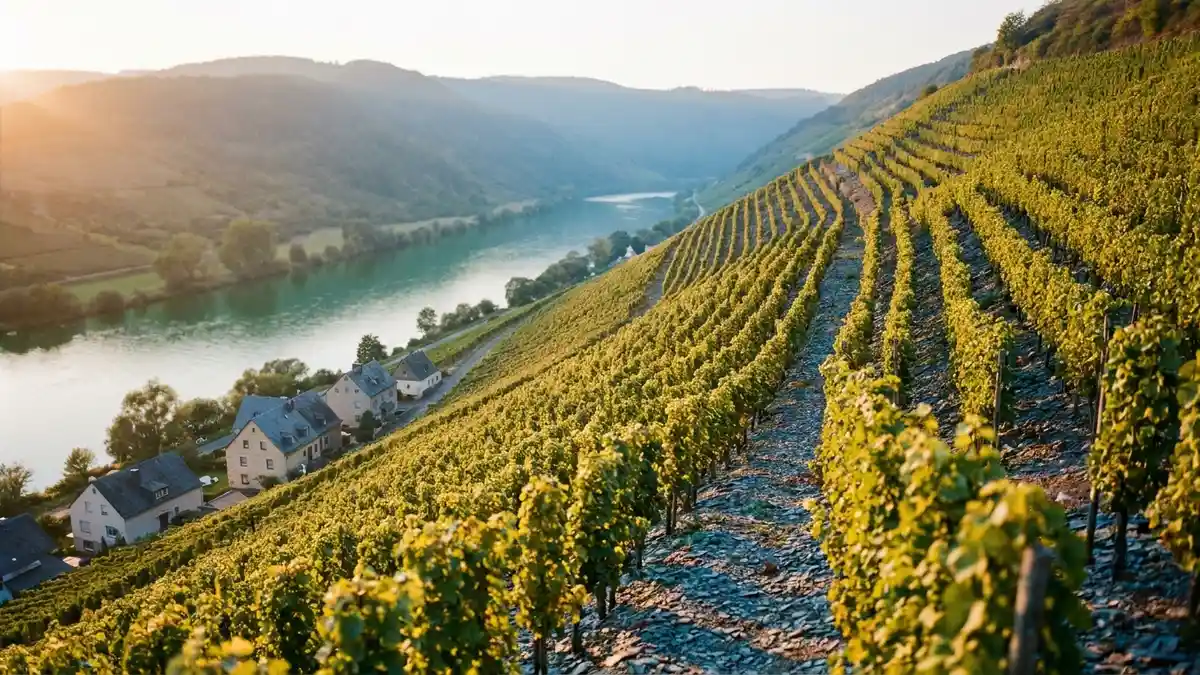
Mosel Wine Guide: Steep Slopes and Stunning Riesling
A beginner-friendly mosel wine guide to Germany's steepest vineyards — racy low-alcohol Riesling, the Prädikat ripeness ladder, dry vs sweet styles, the Saar and Ruwer, and how to read a German label.
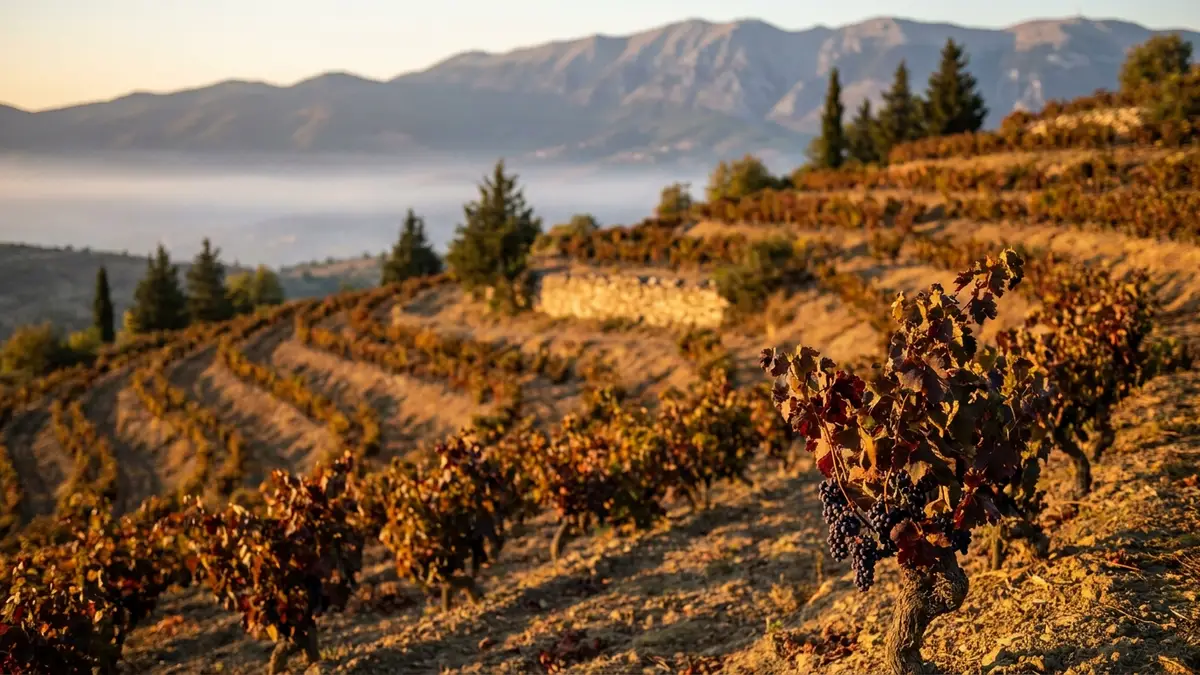
Naoussa Wine Guide: Greece's Xinomavro Heartland
A beginner-friendly Naoussa wine guide to northern Greece — Xinomavro, the pale, high-acid, high-tannin red often compared to Nebbiolo, plus the Mount Vermio terroir and how to start tasting it.
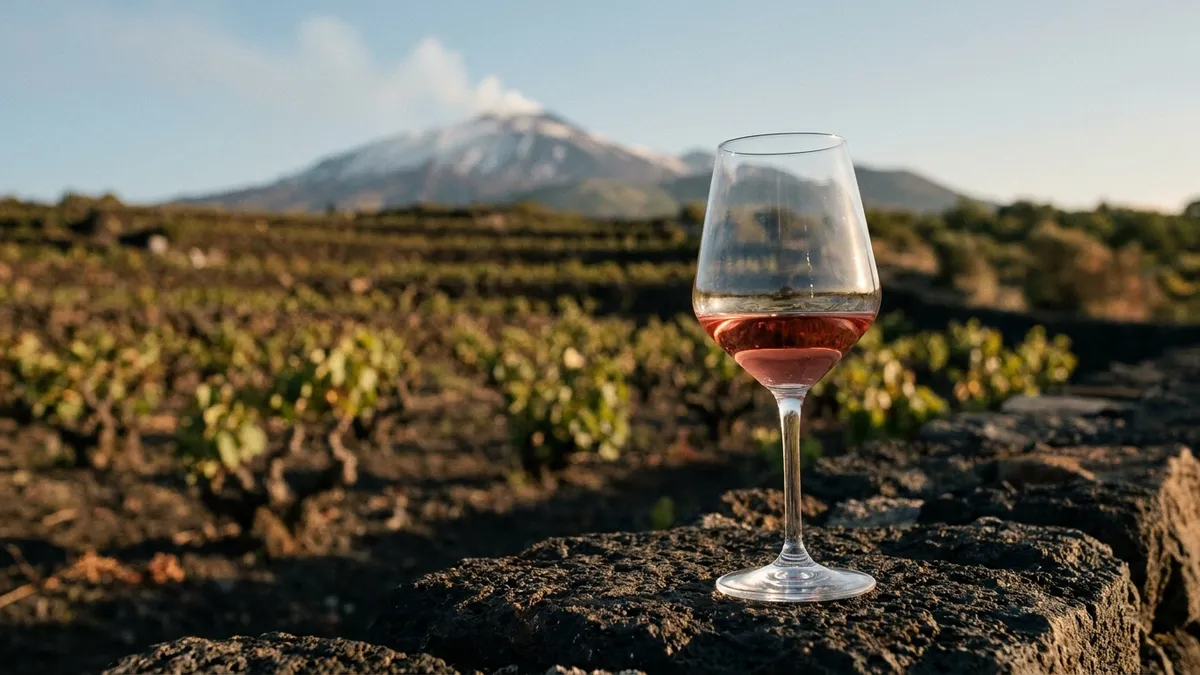
Nerello Mascalese: Etna's Volcanic Red Grape
Nerello Mascalese is the noble red grape of Mount Etna in Sicily — pale, perfumed, and high in acid. Learn its volcanic flavor profile, the contrade cru culture, Etna Rosso, and how it compares to Pinot Noir and Nebbiolo.
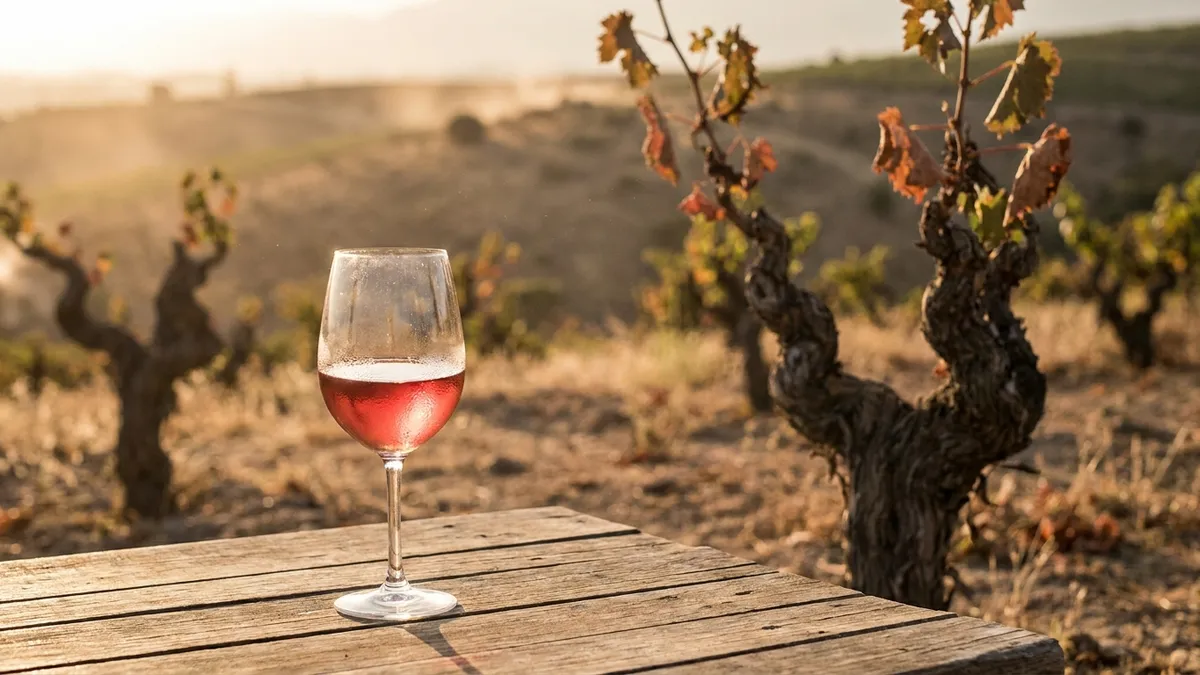
País (Mission) Grape: The Comeback of South America's Oldest Vine
País — the Mission grape — is Chile's oldest and most historic red variety, carried by missionaries in the 1500s and now reborn through the natural-wine revival. Learn its origin, flavor, regions, and how it relates to California Mission.
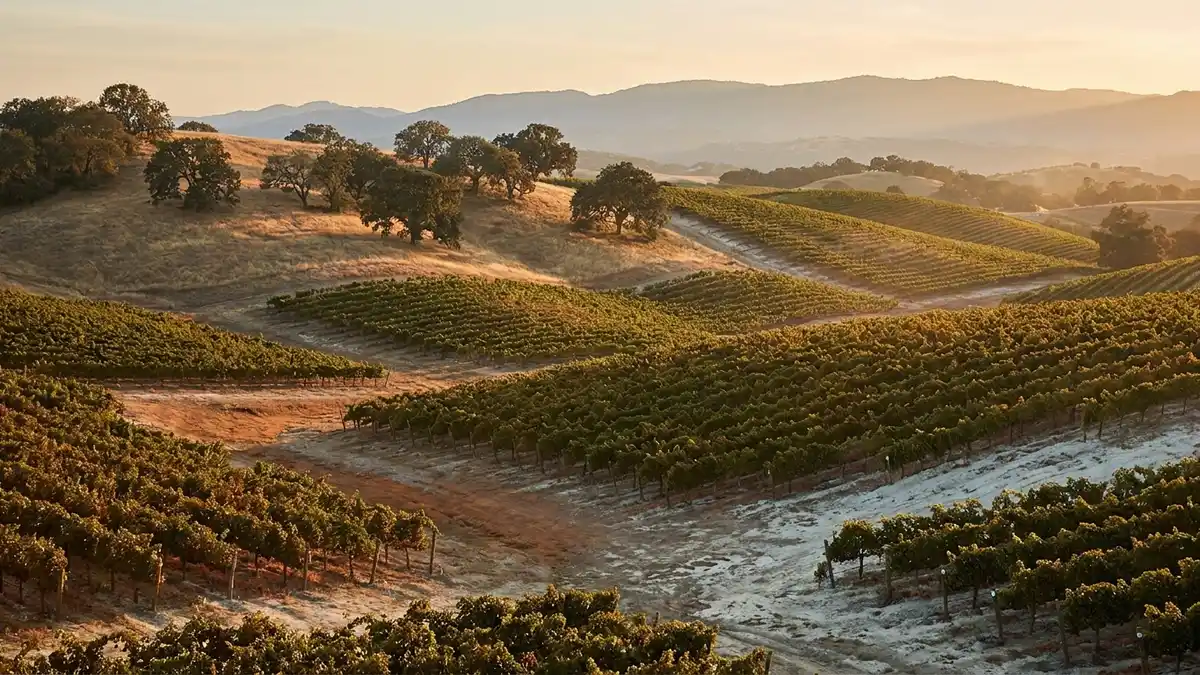
Paso Robles Wine Guide: California's Emerging Star
A beginner-friendly paso robles wine guide to California's Central Coast — Rhône varieties, bold Cabernet, Zinfandel heritage, the 11 sub-AVAs, and how to start.
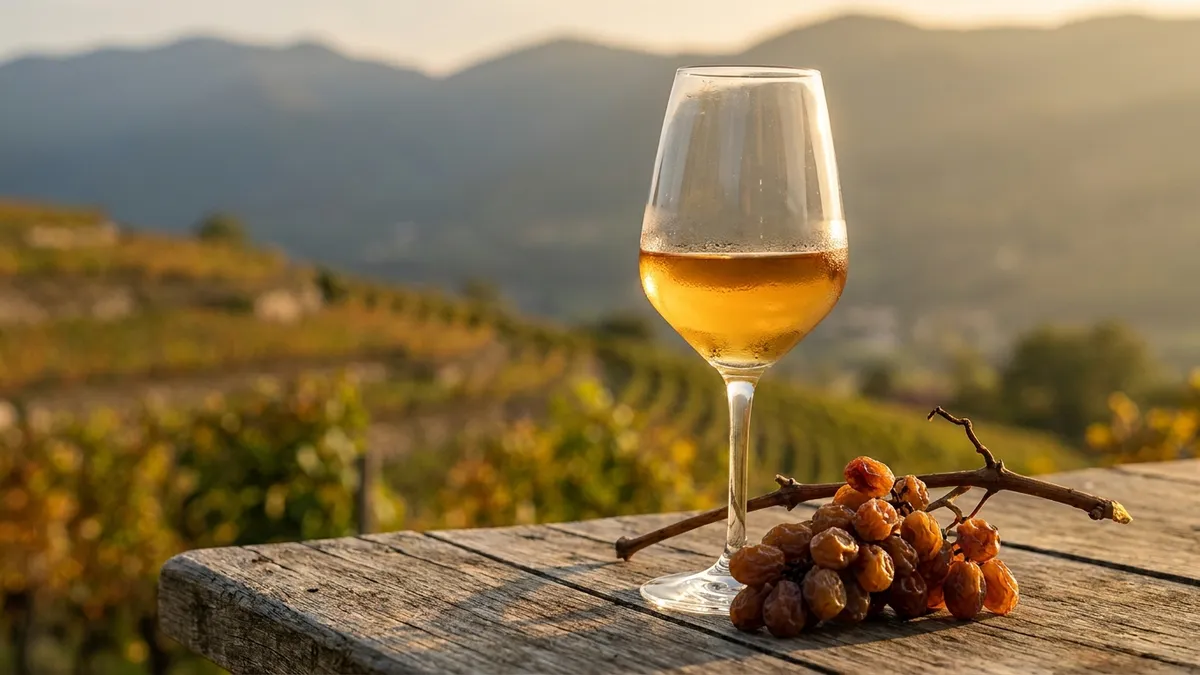
Petit Manseng: Southwest France's Sweet and Dry Treasure
Petit Manseng is the thick-skinned, tiny-berried white grape of Jurançon and Gascony, capable of both racy dry wines and honeyed late-harvest sweet wines. Learn its flavors, styles, and growing regions.
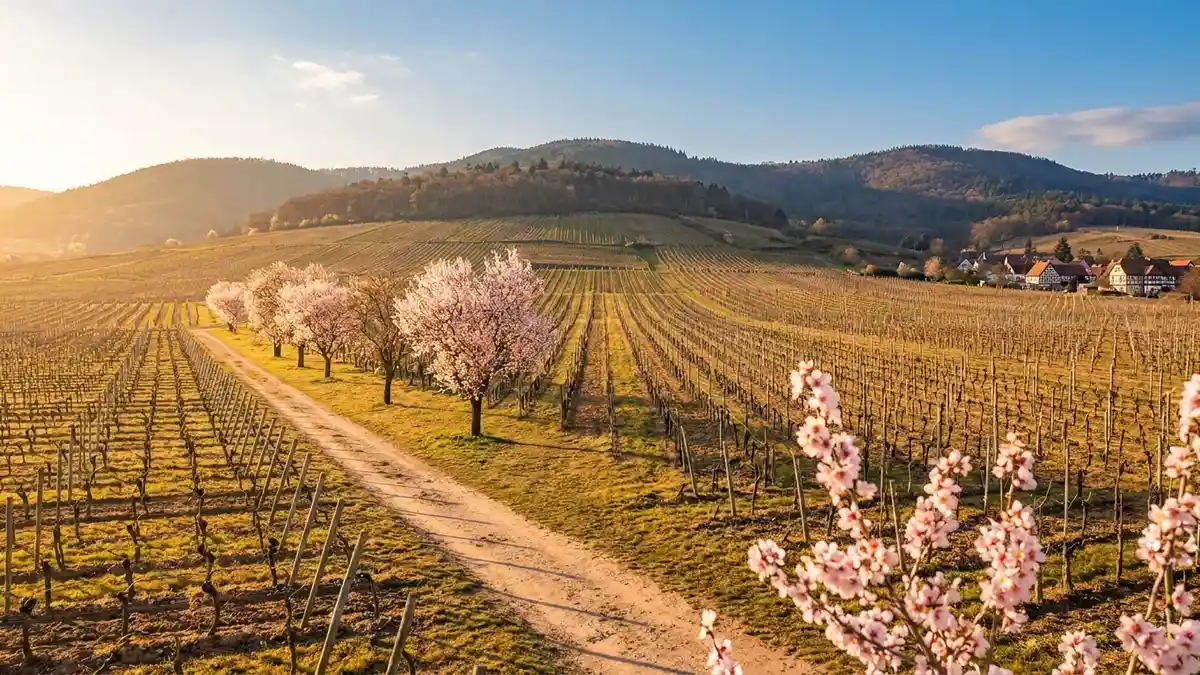
Pfalz Wine Guide: Germany's Sunniest Wine Region
A beginner-friendly Pfalz wine guide to Germany's warm, sunny Palatinate — ripe dry Riesling, the Pinot family, Dornfelder, the German Wine Route, and GG classification.
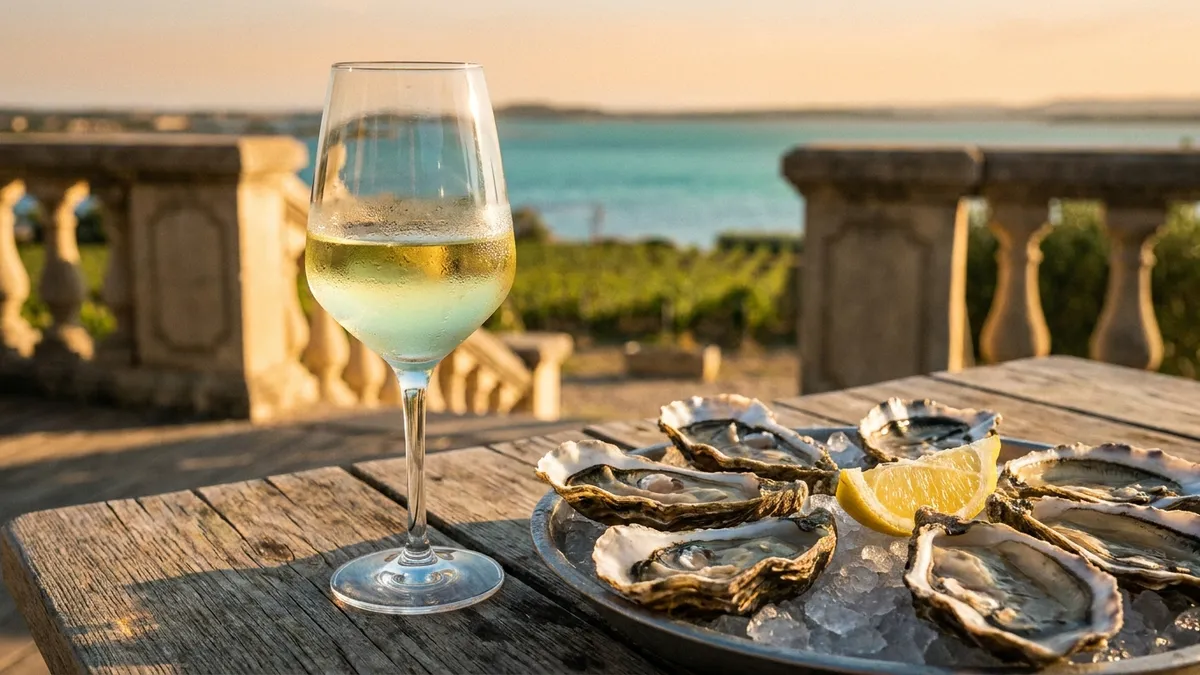
Picpoul de Pinet Wine: Dry, Unoaked, Made for Oysters
Picpoul de Pinet is a dry, unoaked white made only from Piquepoul Blanc on France's Languedoc coast. What it tastes like, what sur lie means on the label, and why it suits oysters so well.
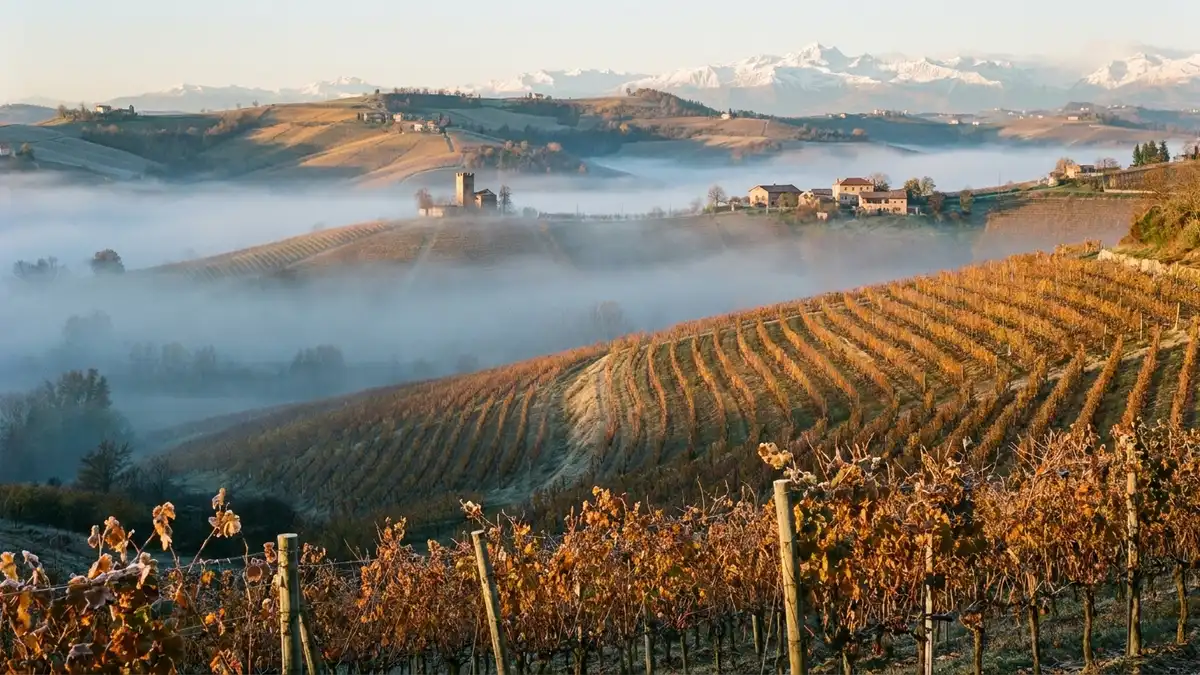
Piedmont Wine Guide: Barolo, Barbaresco, and Barbera
A beginner-friendly piedmont wine guide to northwest Italy — Nebbiolo's Barolo and Barbaresco, everyday Barbera and Dolcetto, sweet Moscato d'Asti, and where to start.
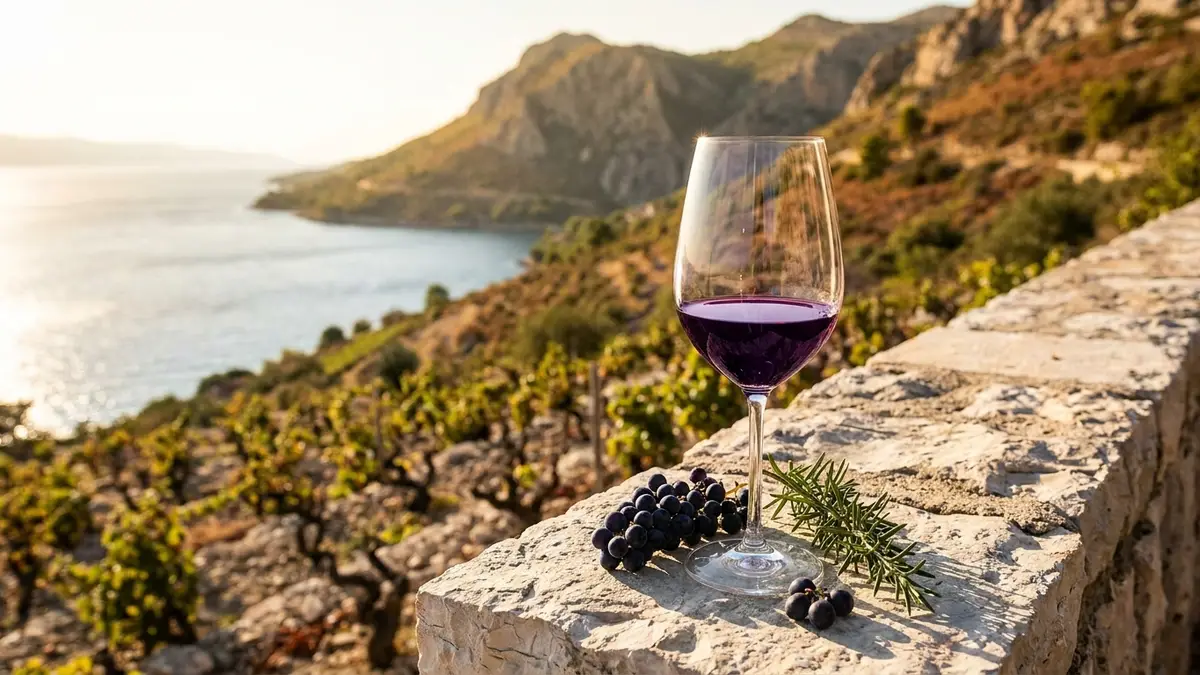
Plavac Mali: Croatia's Bold Coastal Red
Plavac Mali is Croatia's flagship red grape, grown on steep, sun-baked slopes of the Dalmatian coast. Learn its flavor profile, the Dingač and Postup vineyards, its Zinfandel parentage, and how to taste it.
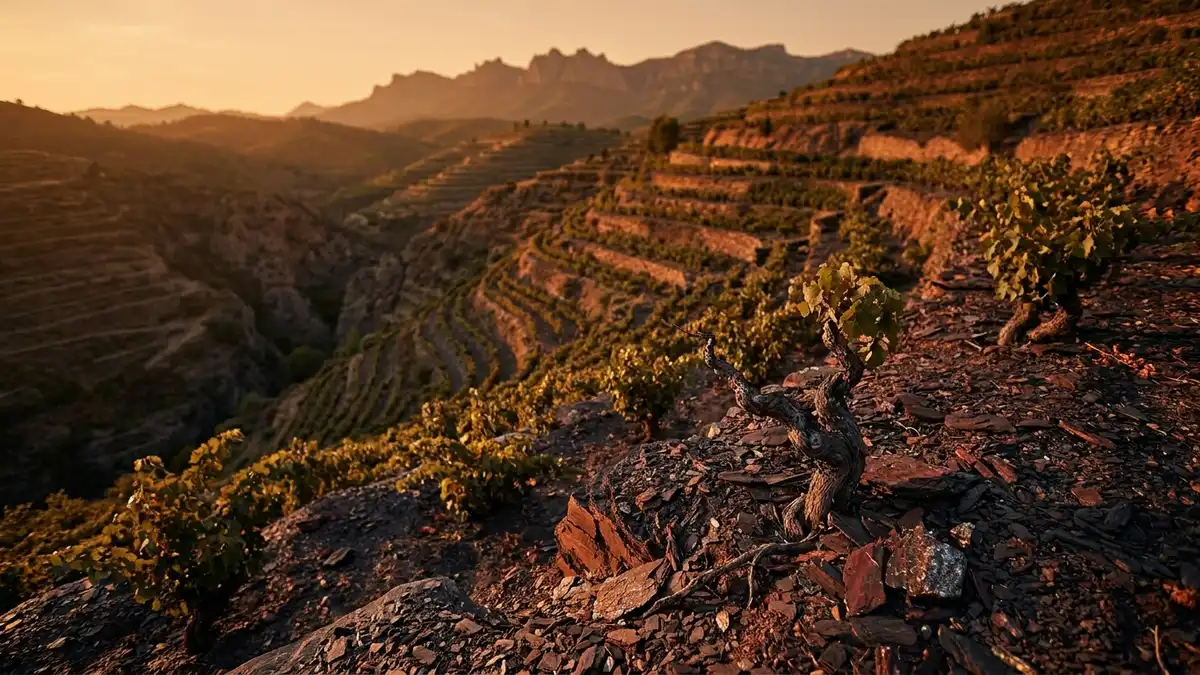
Priorat Wine Guide: Spain's Cult Wine Region
A beginner-friendly priorat wine guide to Catalonia's cult region — the llicorella slate soils, steep costers terraces, old-vine Garnacha and Cariñena, and how to start.
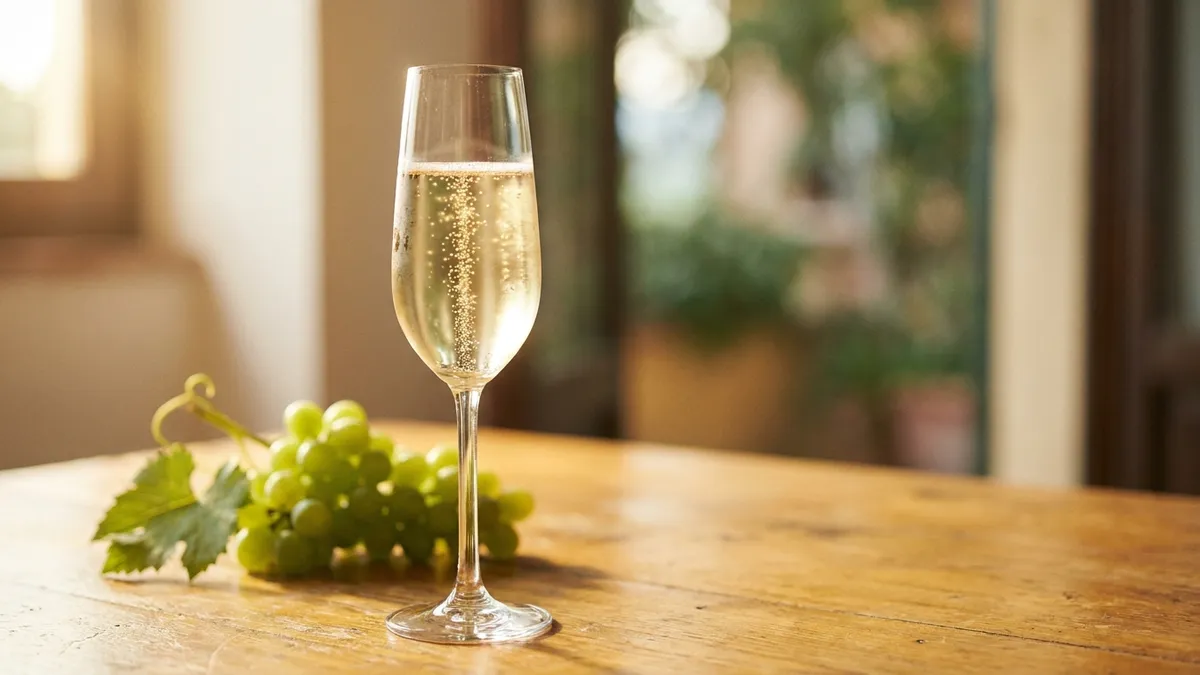
Glera: The Grape Behind Every Glass of Prosecco
Glera is the white grape behind every bottle of Prosecco. Learn how it tastes, where it grows in Veneto, why it was renamed in 2009, and how the Charmat method keeps it fresh and floral.
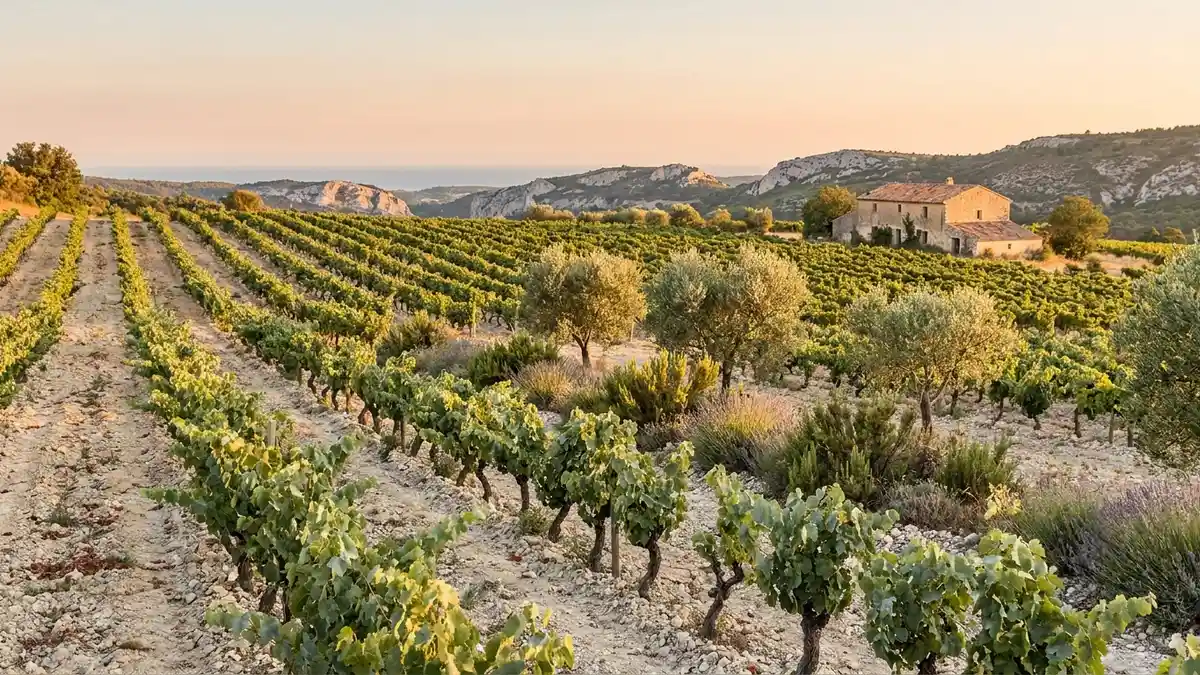
Provence Wine Guide: The Spiritual Home of Rosé
A beginner-friendly provence wine guide to southeast France — the pale dry rosé benchmark, the Grenache-led blends, Côtes de Provence, Bandol, Cassis, and how to start tasting it.
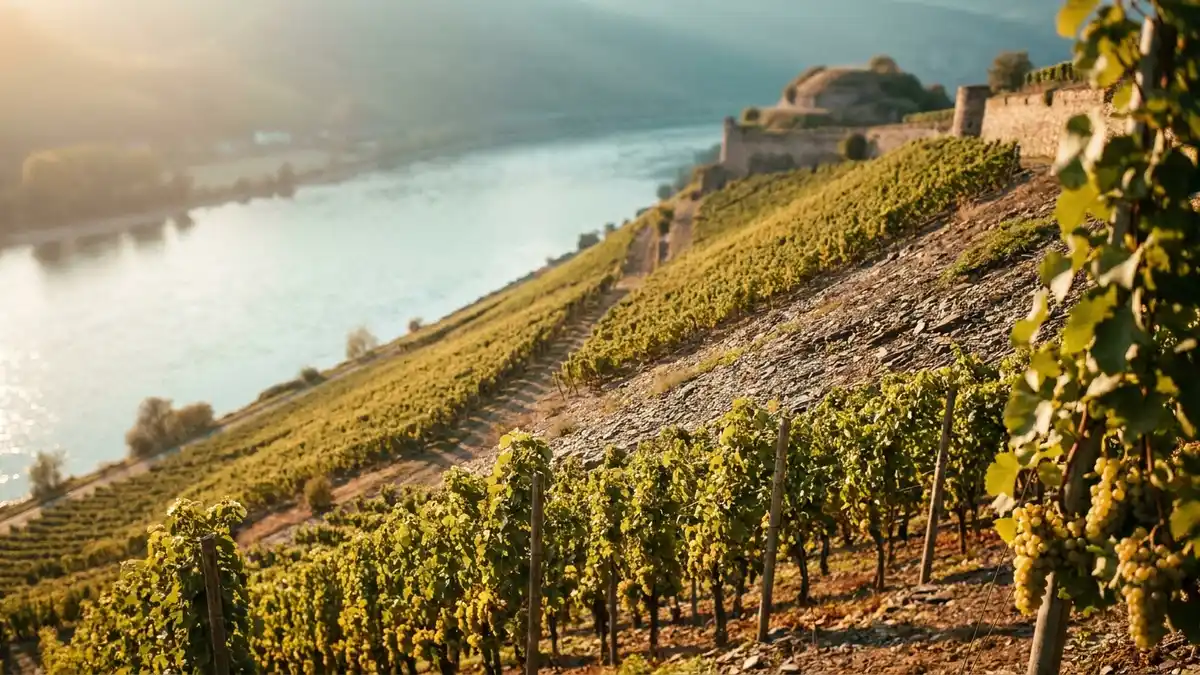
Rheingau Wine Guide: Germany's Most Historic Wine Region
A beginner-friendly rheingau wine guide to Germany's historic Rhine region — fuller, drier Riesling, Assmannshausen Spätburgunder, the GG dry classification, and how to start.
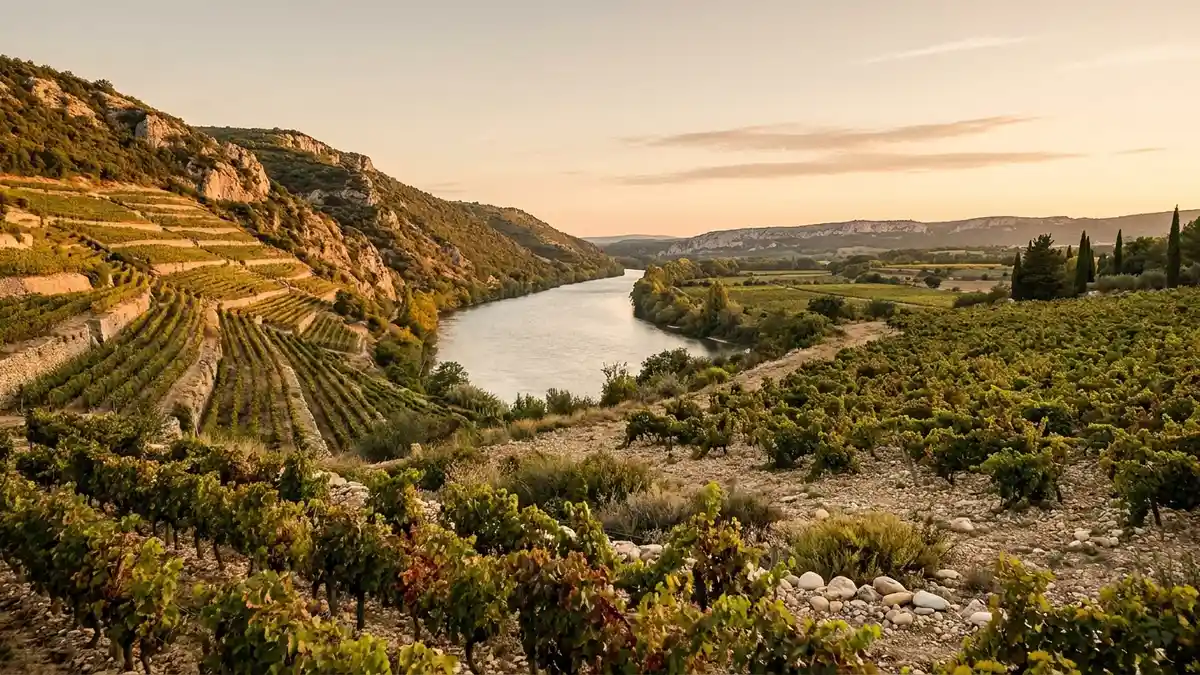
Rhône Valley Wine Guide: Northern vs Southern Rhône
A beginner-friendly Rhône Valley wine guide to the two halves of the region — varietal Syrah in the steep North, GSM blends in the warm South, plus the appellations and how to start.
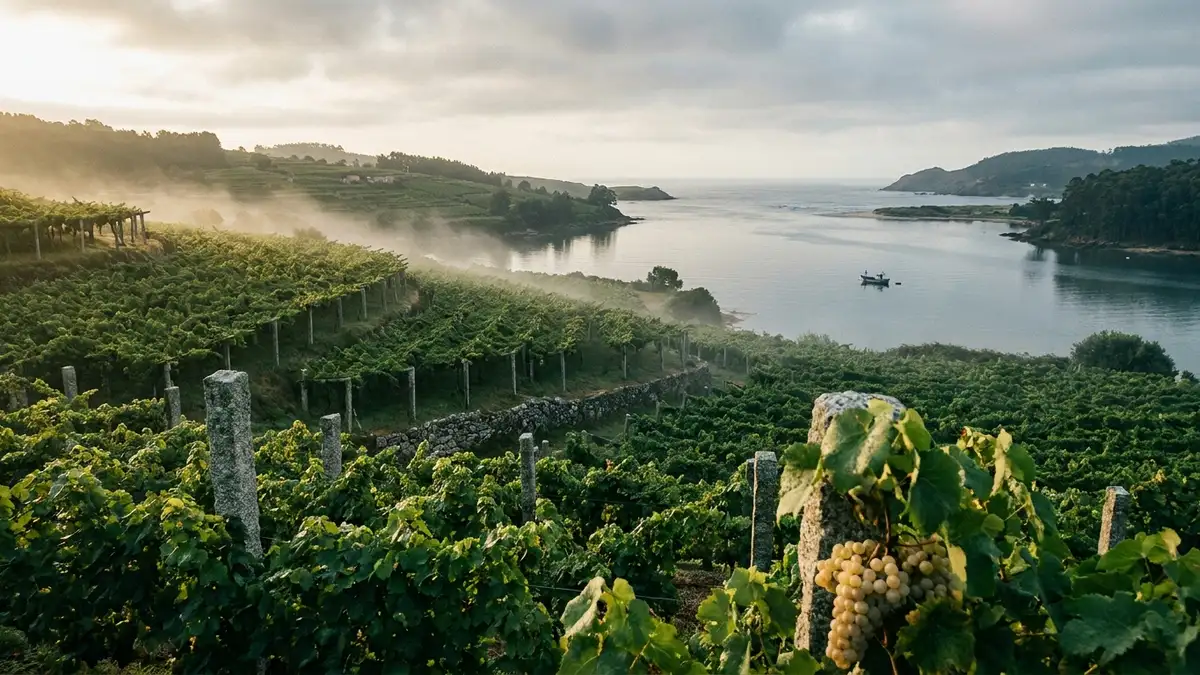
Rías Baixas Wine Guide: Albariño with Atlantic Mist
A beginner-friendly Rías Baixas wine guide to Galicia's Atlantic coast — Albariño, the granite soils and damp maritime climate, the five sub-zones, seafood pairing, and how to start.
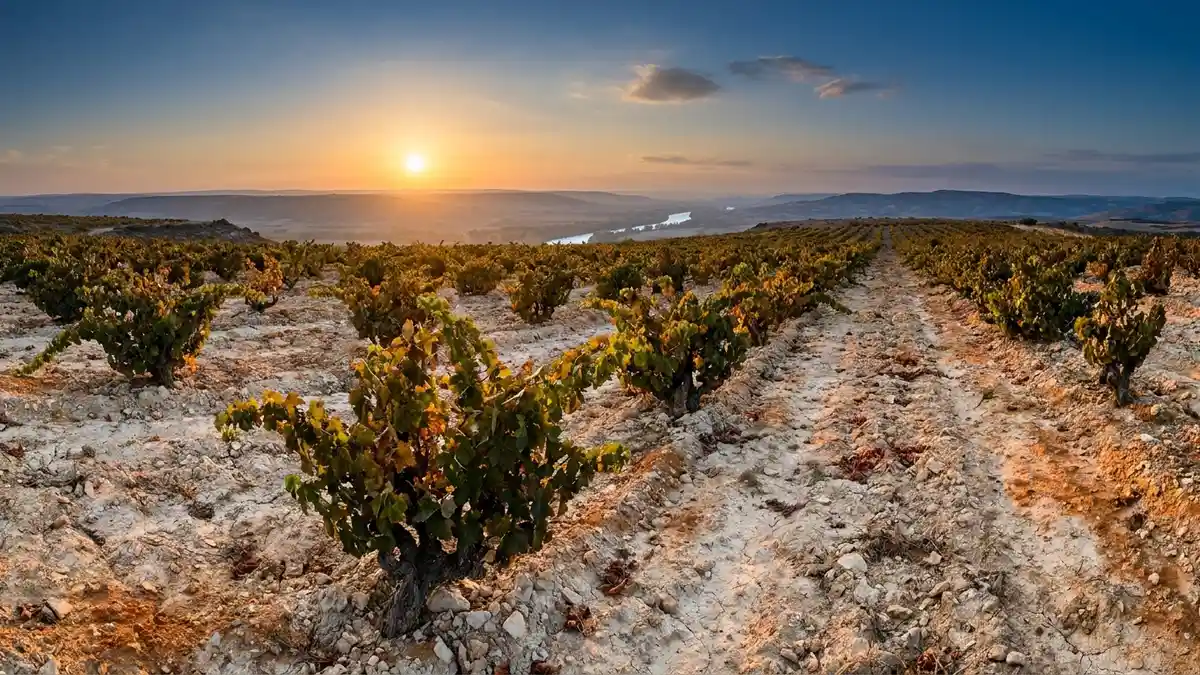
Ribera del Duero Wine Guide: Spain's Other Great Tempranillo Region
A beginner-friendly Ribera del Duero wine guide — the high-altitude Tempranillo (Tinto Fino) plateau, its bold structured reds, the Crianza-to-Gran Reserva aging tiers, and how it differs from Rioja.
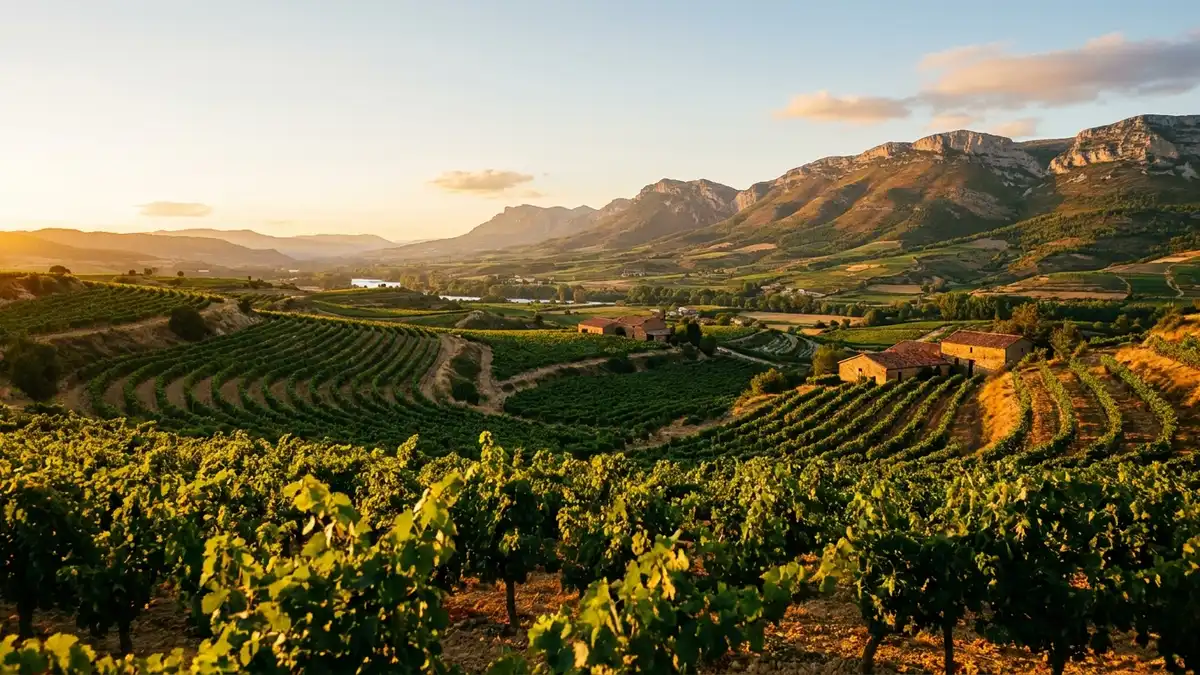
Rioja Wine Guide: Crianza, Reserva, and Gran Reserva
A beginner-friendly Rioja wine guide to northern Spain — Tempranillo-led blends, the oak-aging tiers from Genérico to Gran Reserva, the three zones, white Rioja, and how to start.
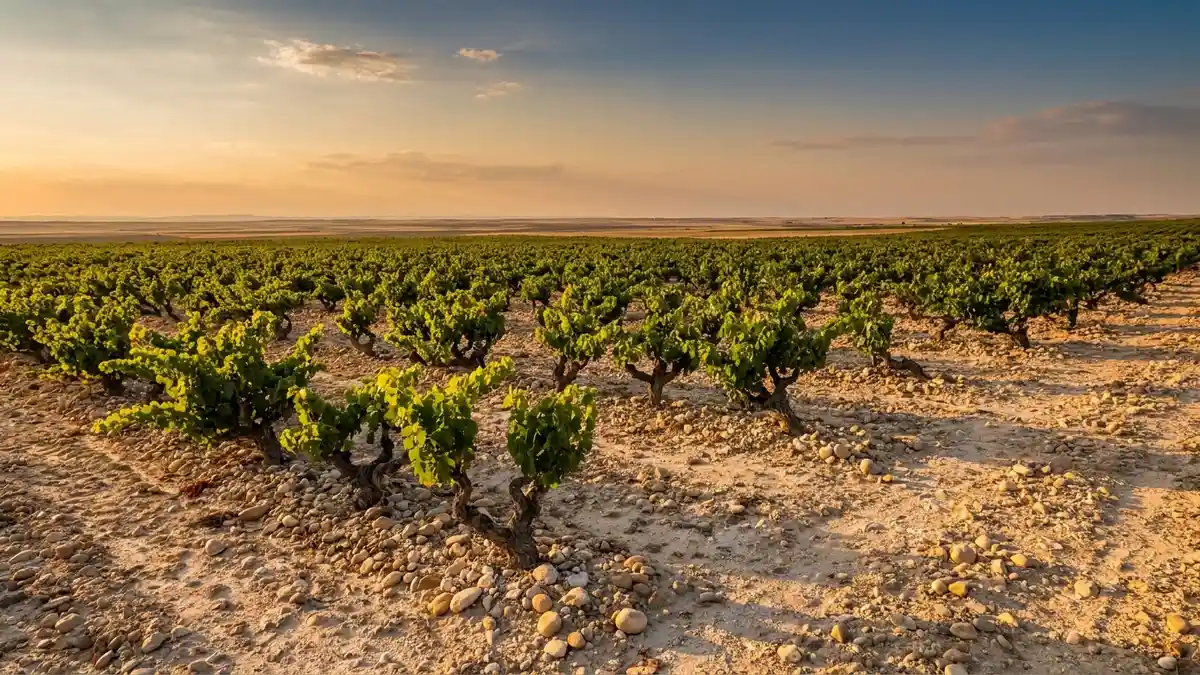
Rueda Wine Guide: Spain's Crisp White Wine Region
A beginner-friendly rueda wine guide to Spain's high-altitude white wine region — the Verdejo grape, the stony Castilla y León plateau, old vines, the historic Dorado style, and how to start.
Sagrantino: Umbria's Tannic Powerhouse Grape
Sagrantino is one of the most tannic grapes on earth, the dark, structured red of Montefalco in Umbria. Learn its flavor profile, its historic sweet passito style, why it needs long oak aging, and how to decant and pair it.
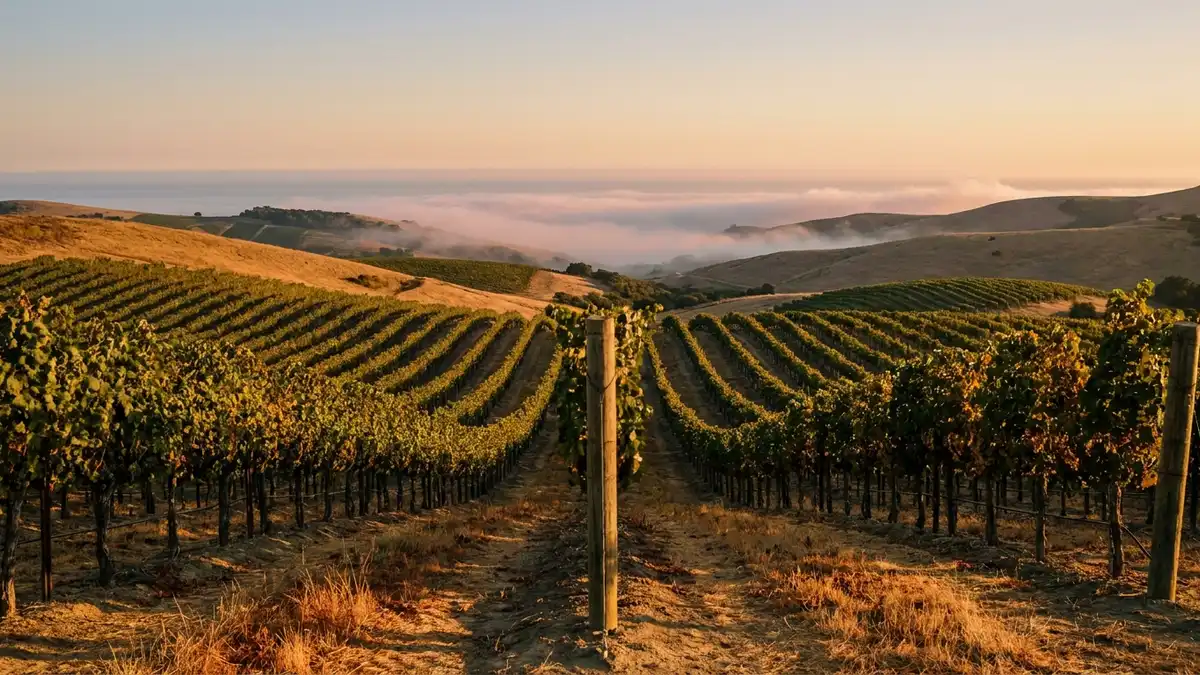
Santa Barbara Wine Guide: Sideways Country and Beyond
A beginner-friendly santa barbara wine guide to California's Central Coast — the cool Sta. Rita Hills, Santa Maria Valley, warmer Ballard Canyon and Happy Canyon, the Sideways effect, and how to start.
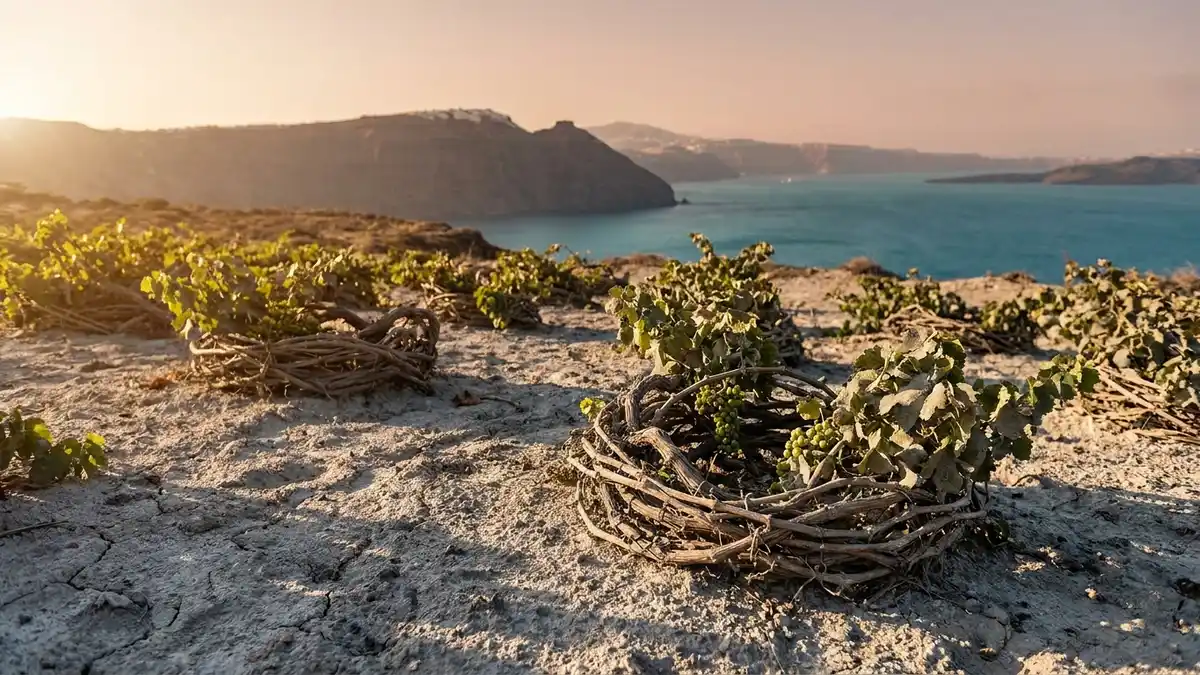
Santorini Wine Guide: Volcanic Vineyards and Assyrtiko
A beginner-friendly Santorini wine guide to the Greek volcanic island — bone-dry Assyrtiko, basket-trained kouloura vines, ungrafted ancient vines, sweet Vinsanto, and how to start.
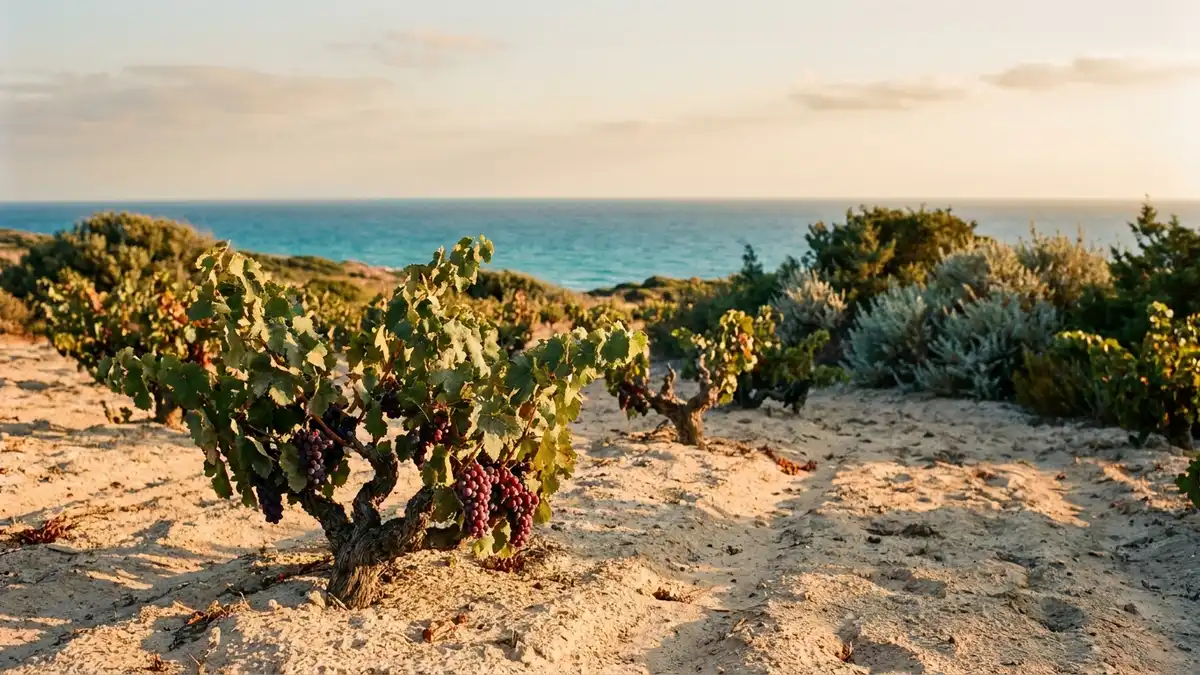
Sardinia Wine Guide: Cannonau, Vermentino, and Island Wines
A beginner-friendly Sardinia wine guide to the Mediterranean island — Cannonau reds, Vermentino di Gallura whites, Carignano del Sulcis, the Spanish and Italian influences, and how to start.
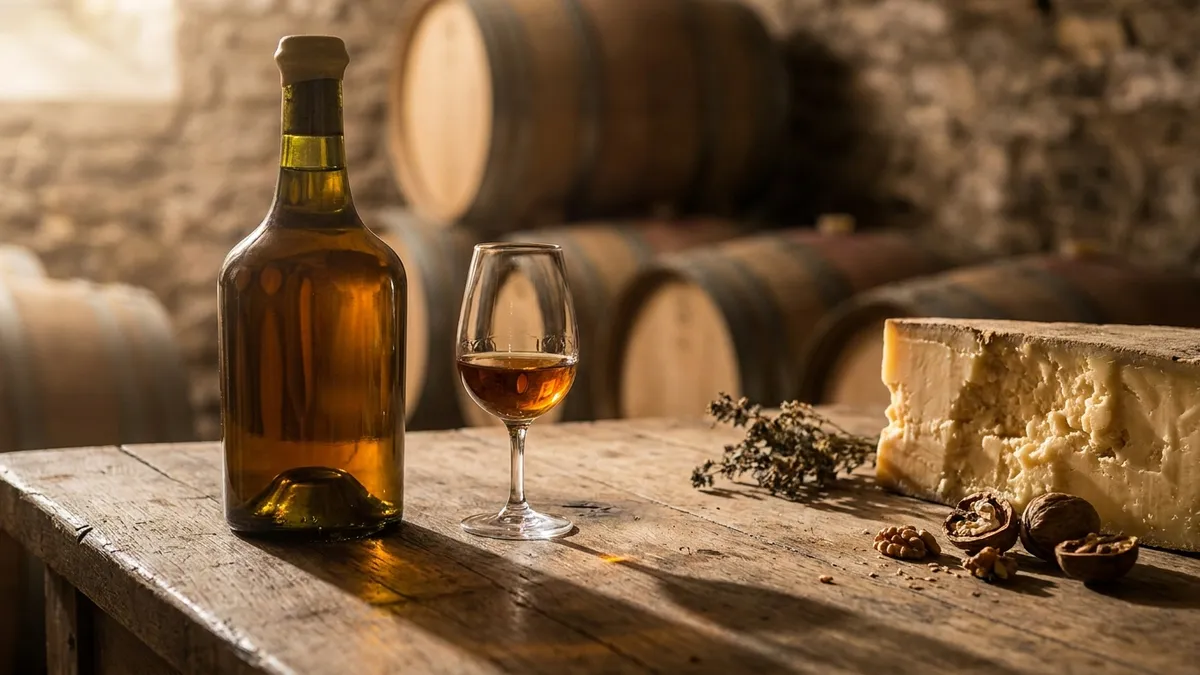
Savagnin: The Grape Behind Vin Jaune
Savagnin is the white grape behind Vin Jaune, the Jura's legendary nutty, oxidative wine aged six years under a veil of flor yeast. Learn its flavors, styles, and food pairings.
Schiava (Vernatsch): The Light Alpine Red of Northern Italy
Schiava is the pale, feather-light red of Italy's Alto Adige — strawberry, cotton candy, and violet in a chillable, low-tannin glass. Learn its three names, flavor profile, key styles, and how to serve it.
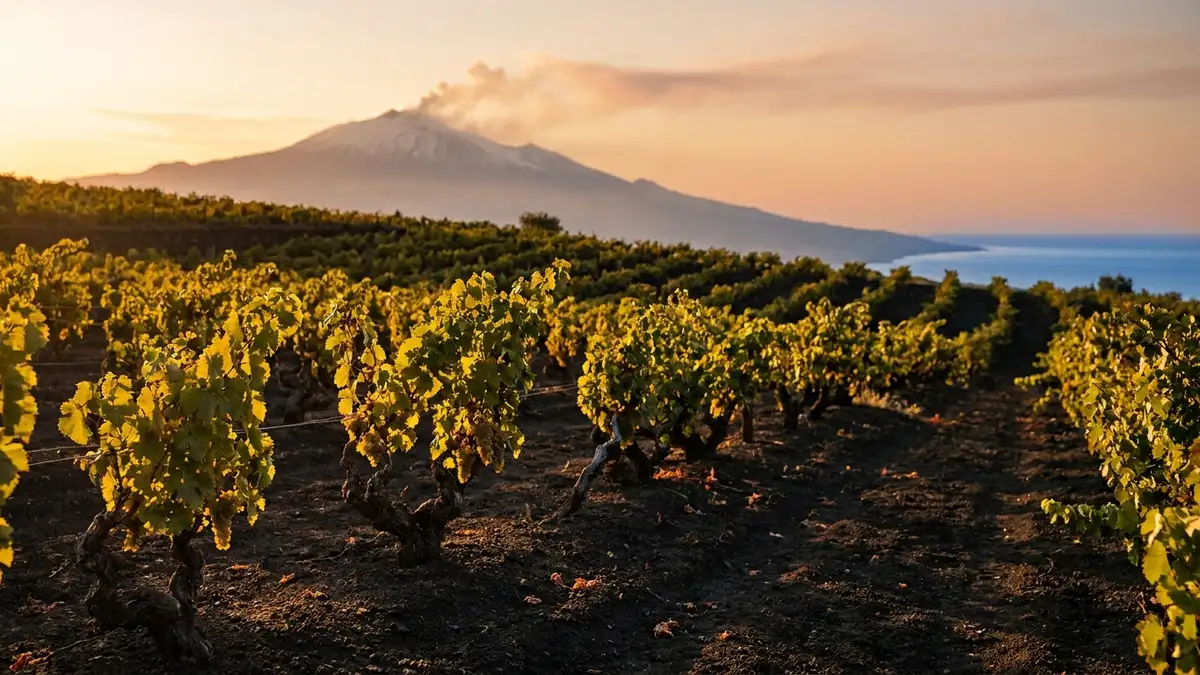
Sicily Wine Guide: Etna, Nero d'Avola, and Volcanic Terroir
A beginner-friendly sicily wine guide to the Mediterranean island — volcanic Etna reds and whites, the flagship Nero d'Avola, Frappato, Grillo, Marsala, and how to start.
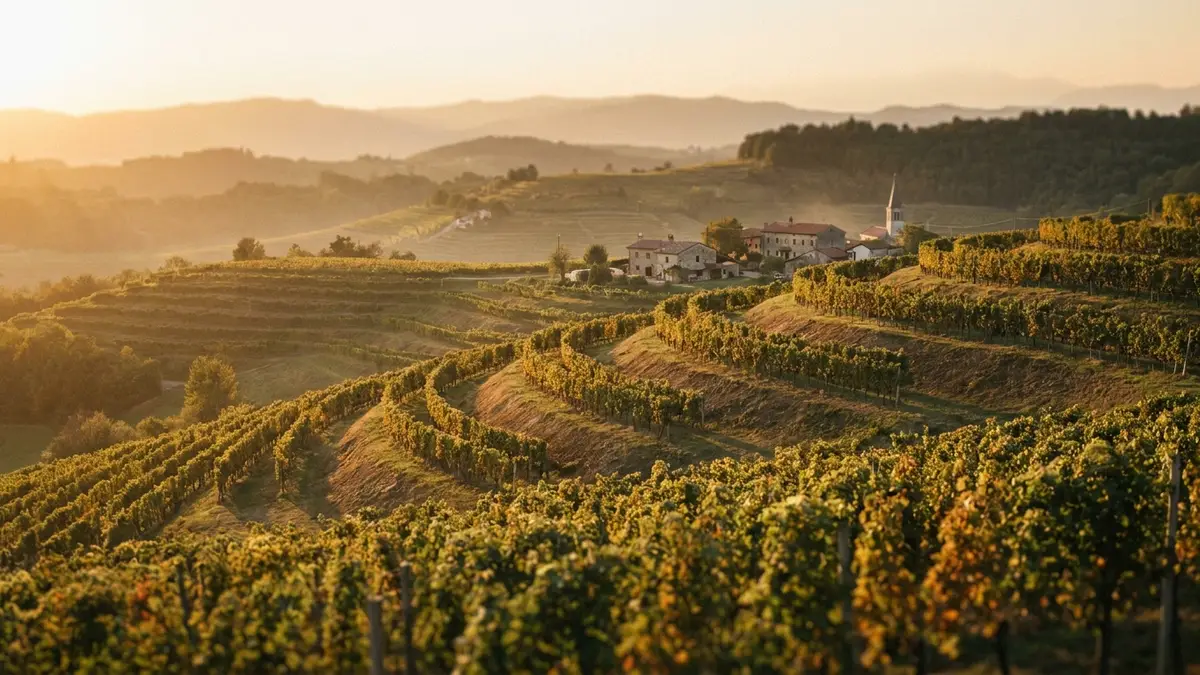
Slovenian Wine Guide: Europe's Best-Kept Wine Secret
A beginner-friendly slovenia wine guide to three regions — Primorska, Podravje, and Posavje — covering Rebula, Šipon, orange wine, and how to start exploring.
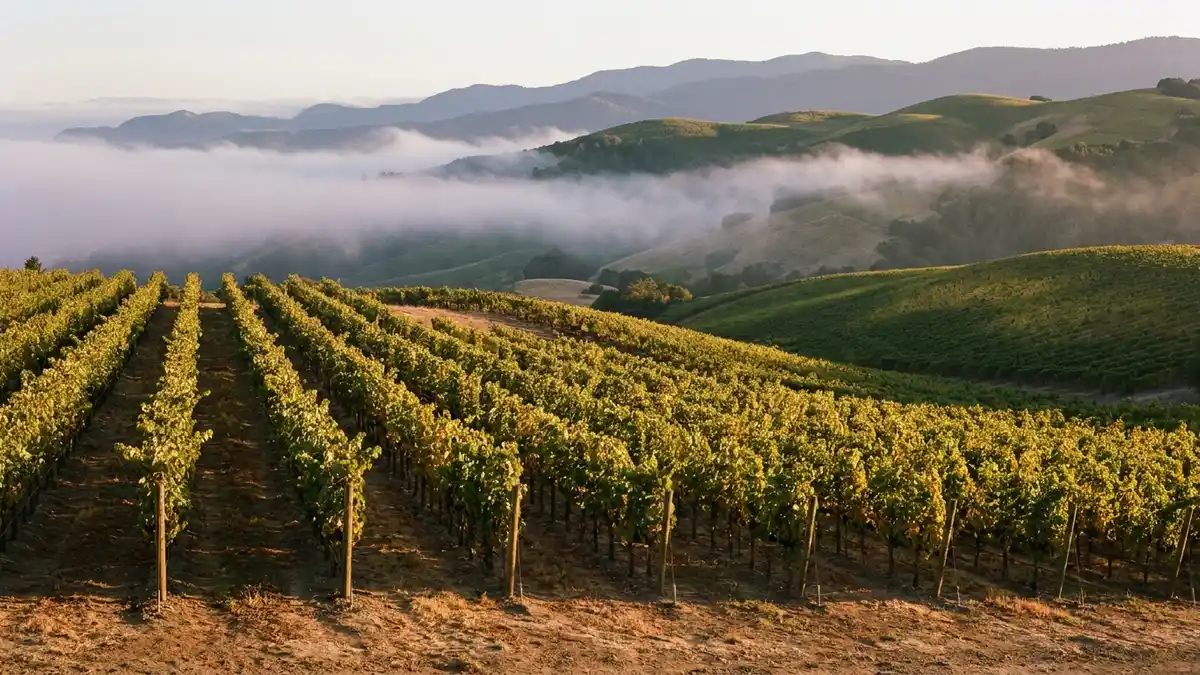
Sonoma County Wine Guide: Beyond Napa's Neighbor
A beginner-friendly Sonoma wine guide to California's most diverse county — cool-coast Pinot Noir and Chardonnay, old-vine Zinfandel, Alexander Valley Cabernet, and how to start.
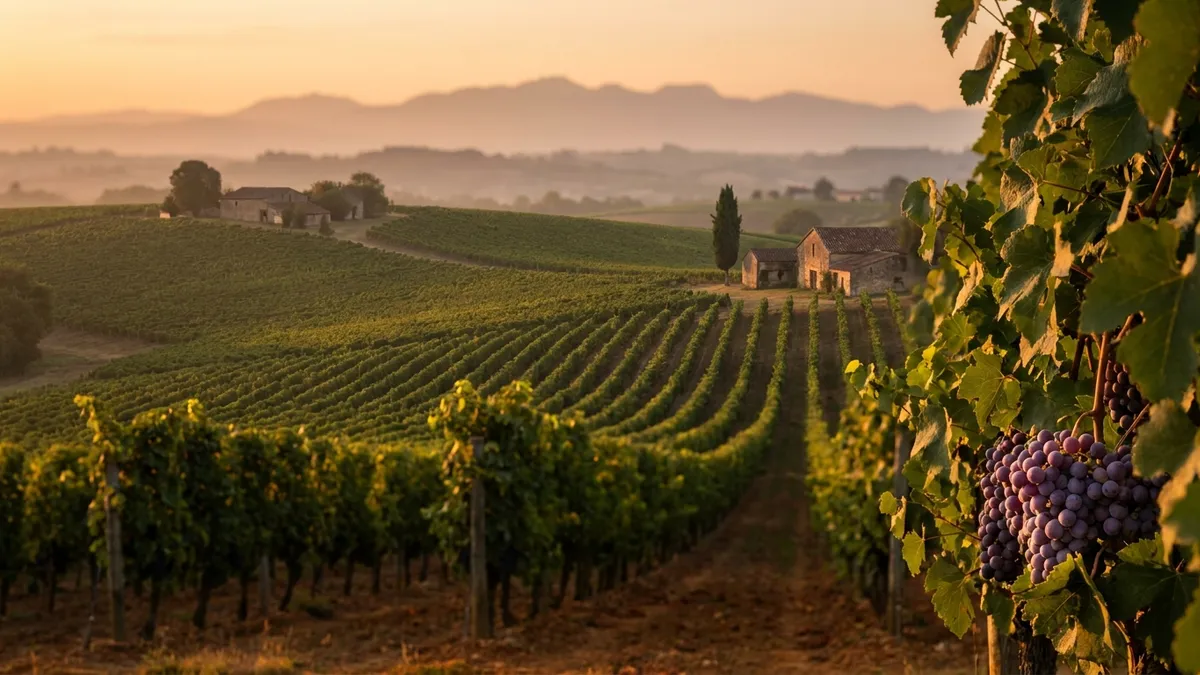
South West France Wine Guide: The Hidden Gem Regions
A beginner-friendly south west france wine guide to the Sud-Ouest — Cahors Malbec, Madiran Tannat, Jurançon's Petit Manseng, plus local grapes, value, and how to start.
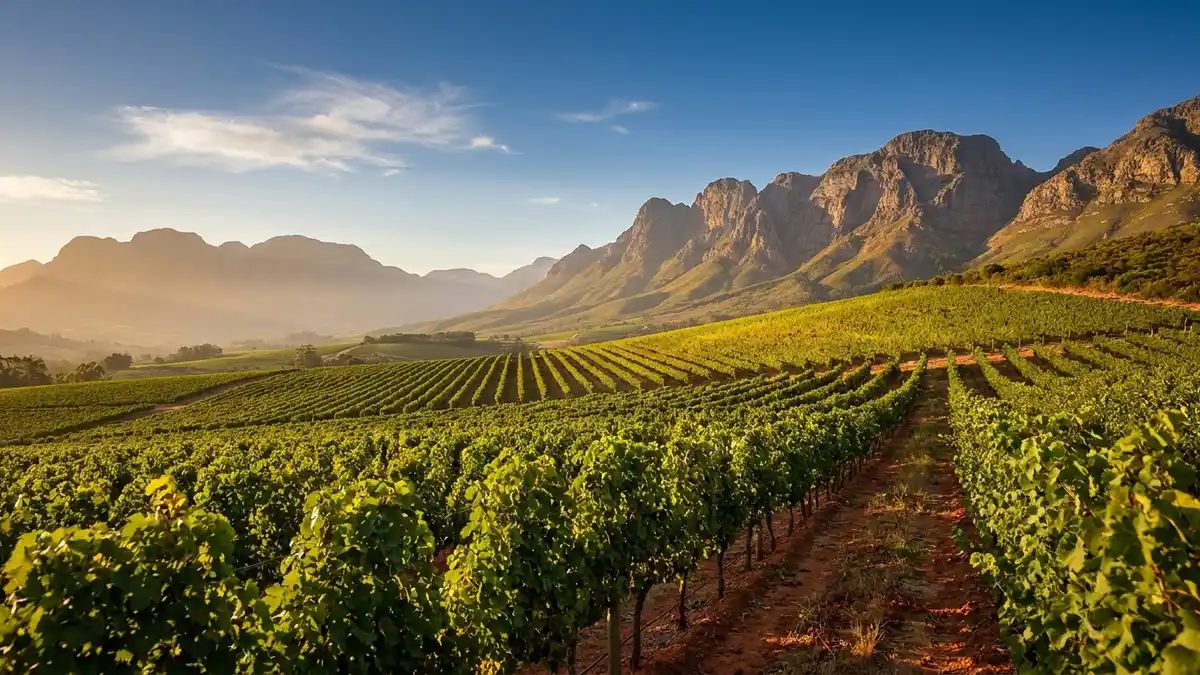
Stellenbosch Wine Guide: South Africa's Most Famous Wine Region
A beginner-friendly Stellenbosch wine guide to South Africa's flagship region — Cabernet and Bordeaux blends, the local Pinotage and Cape Blend, old-vine Chenin Blanc, mountain terroir, and how to start.
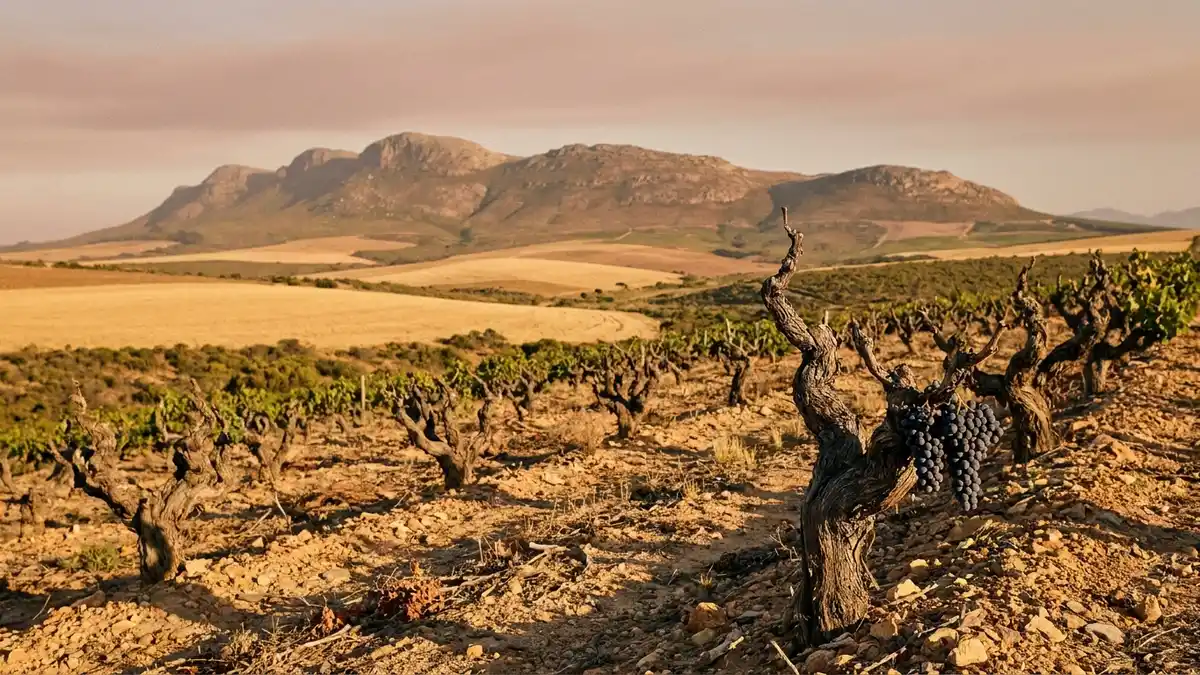
Swartland Wine Guide: South Africa's Revolutionary Wine Region
A beginner-friendly swartland wine guide to South Africa's dry-farmed frontier — old-vine Chenin Blanc, Syrah and Rhône blends, granite-and-schist soils, and how to start.
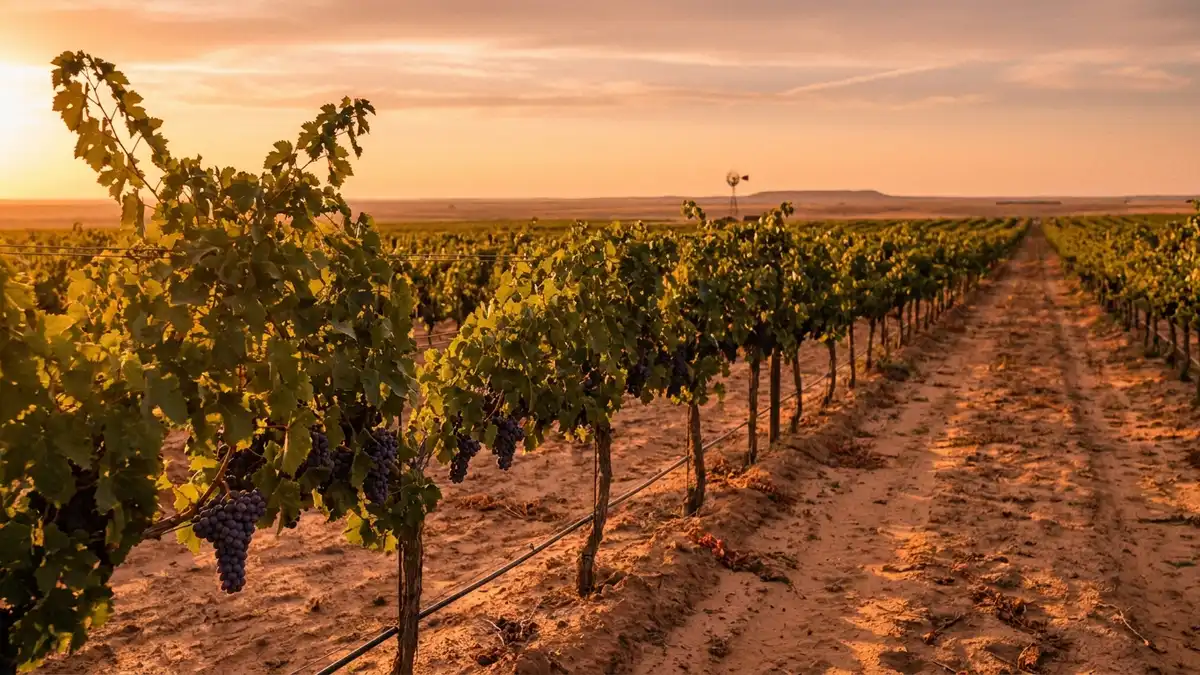
Texas Wine Guide: The Lone Star State's Growing Wine Scene
A beginner-friendly Texas wine guide to the High Plains and Hill Country — the Mediterranean grapes that thrive in the heat, the spring-frost challenge, and how to start tasting.
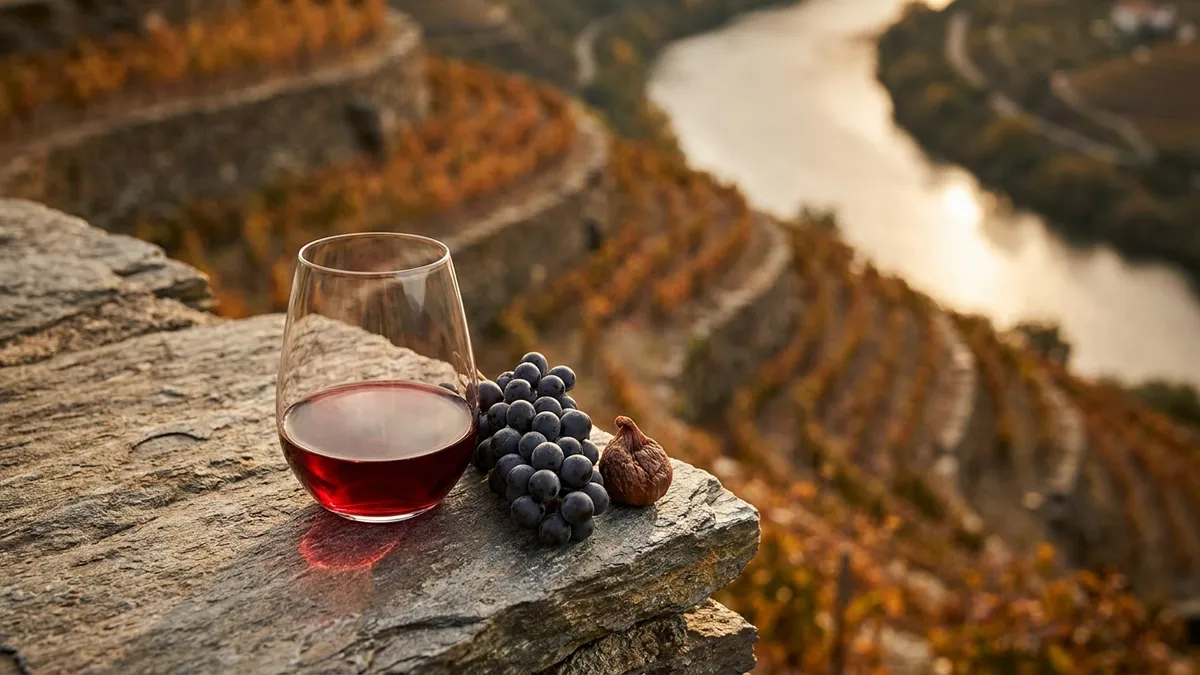
Tinta Roriz: Tempranillo's Portuguese Alter Ego
Tinta Roriz is Portugal's name for Tempranillo — the same grape, grown across the Douro and Alentejo with riper fruit and a starring role in Port. Learn its flavors, names, and blends.
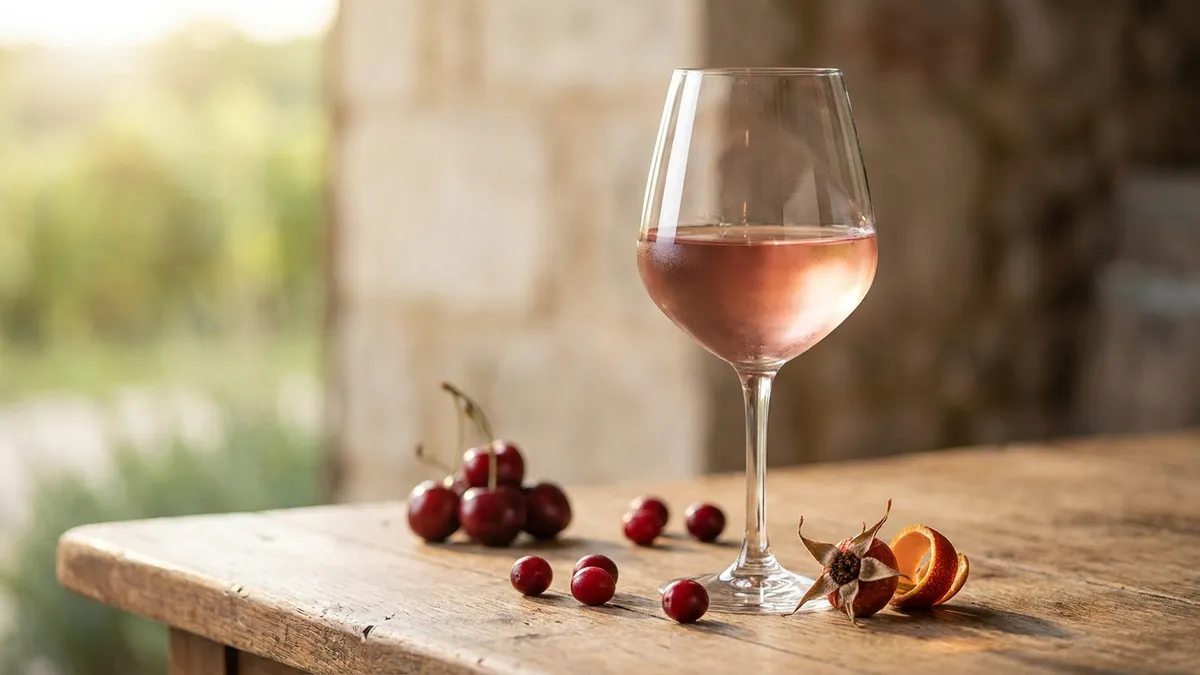
Trousseau: The Delicate Jura Red Making a Comeback
Trousseau is the pale, perfumed red grape of France's Jura — a natural-wine darling built on red cherry, rosehip, and high acidity. Learn its flavor profile, how it compares to Pinot Noir, and why to serve it chilled.
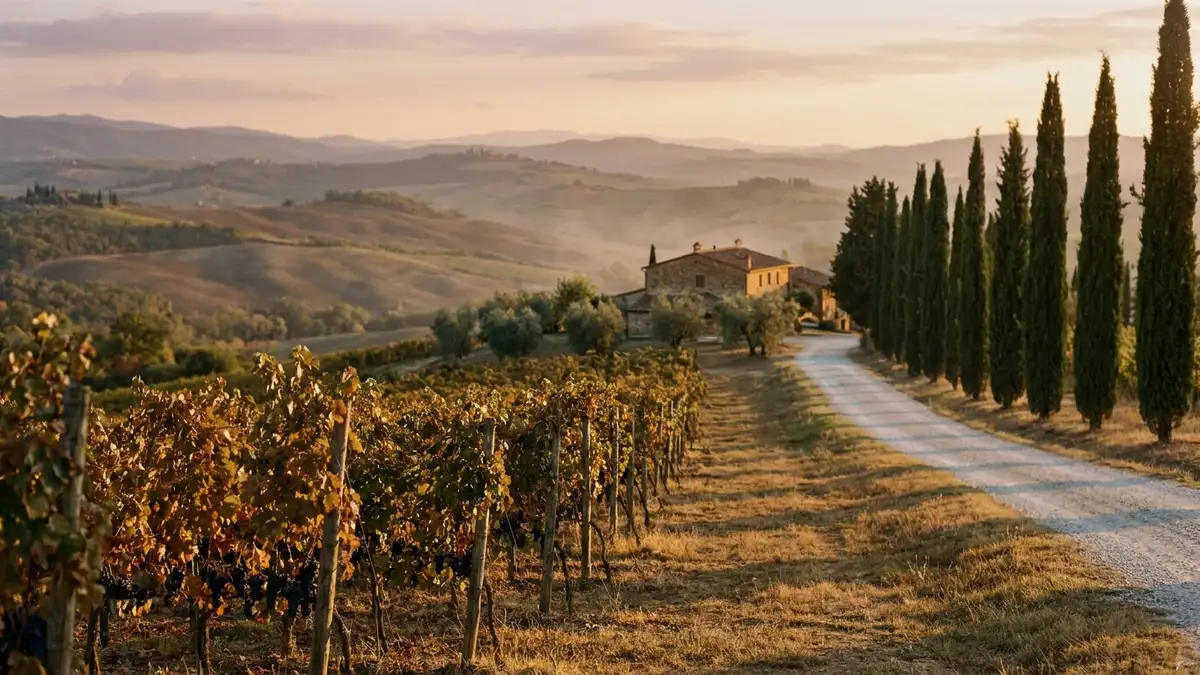
Tuscany Wine Guide: Chianti, Brunello, and Super Tuscans
A beginner-friendly tuscany wine guide to Sangiovese country — Chianti Classico, Brunello di Montalcino, Vino Nobile, Super Tuscans, and the DOC, DOCG, and IGT system.
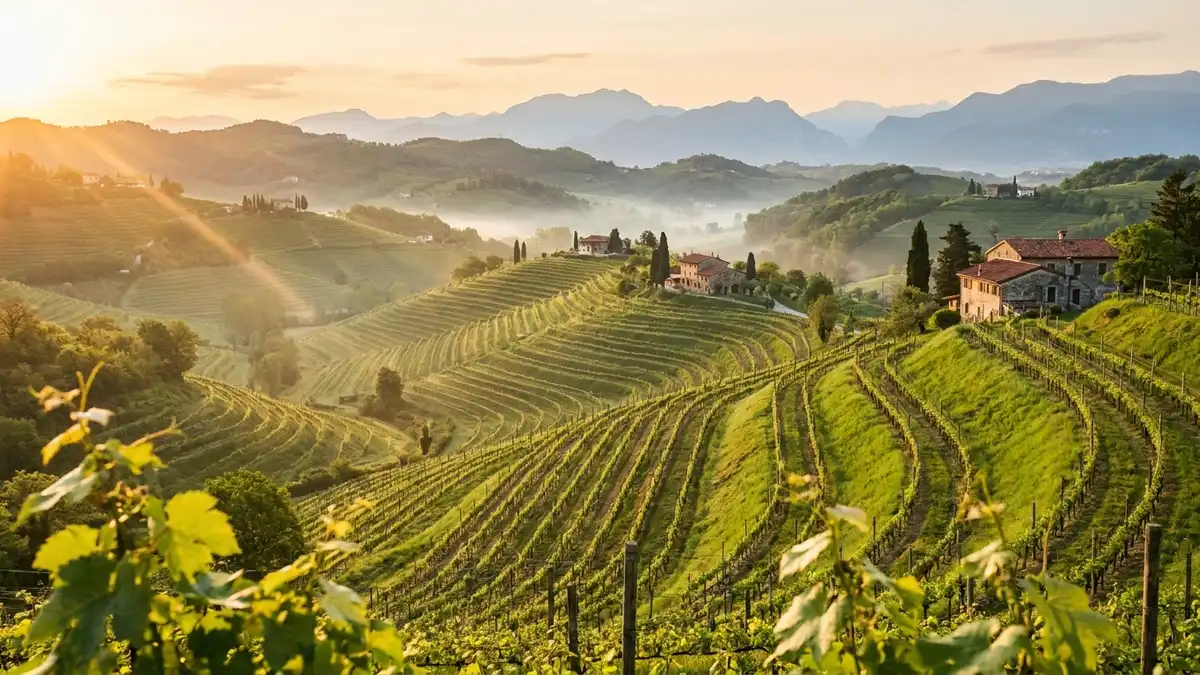
Veneto Wine Guide: Prosecco, Soave, Valpolicella, and Amarone
A beginner-friendly veneto wine guide to northeast Italy's biggest wine region — Prosecco, Soave, the Valpolicella family, Amarone, Bardolino, and how to start.
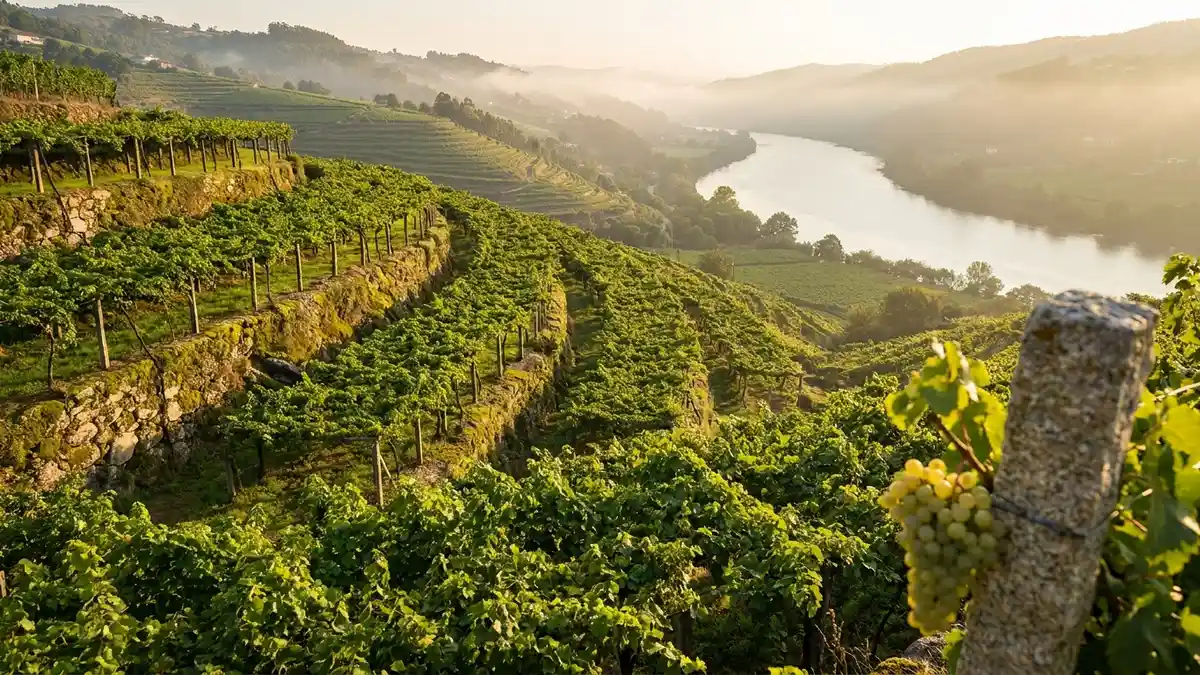
Vinho Verde: Portugal's Young, Fresh, and Fizzy Wine
A beginner-friendly guide to the Vinho Verde wine region in northwest Portugal — its light, high-acid spritzy whites, the grapes Alvarinho and Loureiro, the Monção e Melgaço sub-region, and how to start.
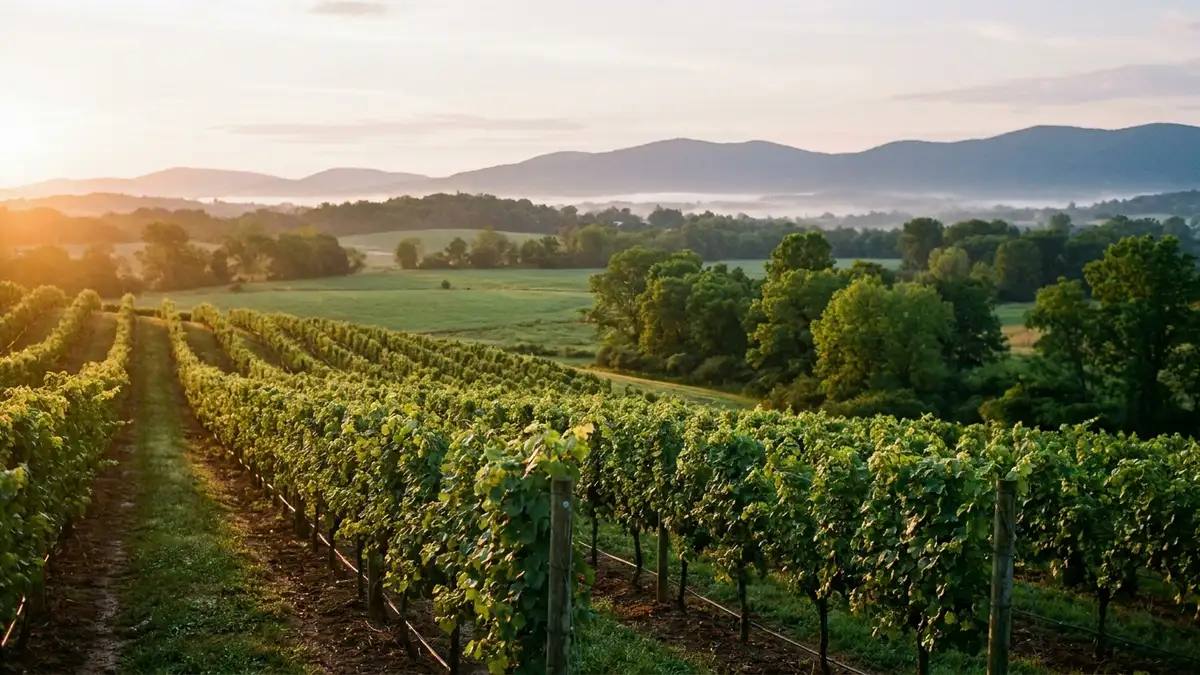
Virginia Wine Guide: The East Coast Wine Region to Watch
A beginner-friendly Virginia wine guide to America's mid-Atlantic region — Viognier, Cabernet Franc, Petit Verdot, Petit Manseng, the Monticello heritage, and how to start tasting.
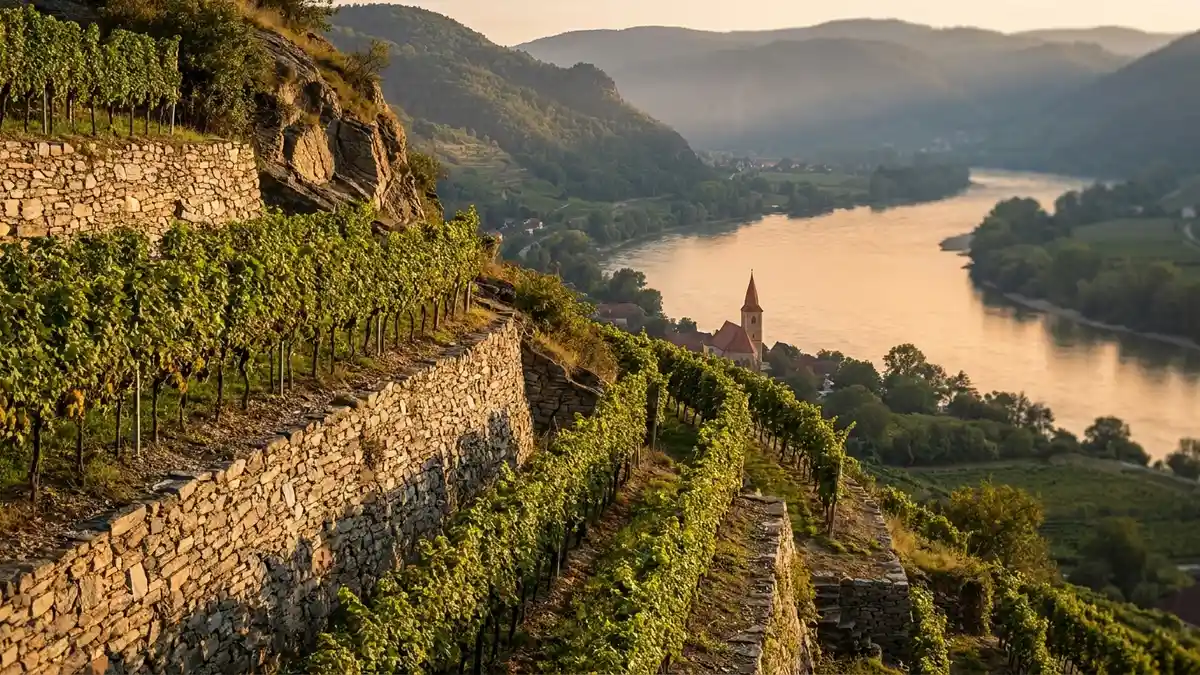
Wachau Wine Guide: Austria's Riesling and Grüner Veltliner Terraces
A beginner-friendly Wachau wine guide to Austria's steep Danube terraces — dry Grüner Veltliner and Riesling on gneiss, the Steinfeder–Federspiel–Smaragd classification, and how to start.
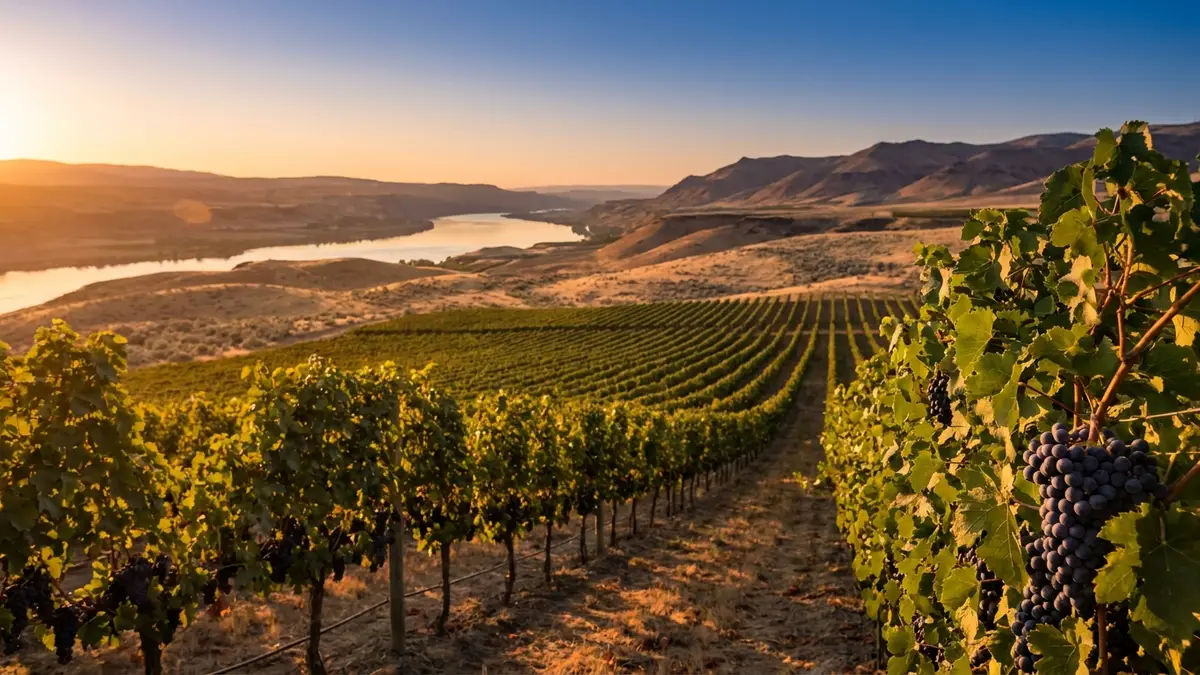
Washington State Wine Guide: Walla Walla, Columbia Valley, and More
A beginner-friendly washington state wine guide to the Columbia Valley and its sub-AVAs — Walla Walla, Red Mountain, Yakima Valley, Cabernet, Merlot, Syrah, and Riesling.
Can You Make White Wine from Red Grapes? Yes, Here Is How
Yes, you can make white wine from red grapes. The juice of almost every grape is clear — color lives in the skins. Learn how pressing without skin contact creates pale wine, why blanc de noirs exists, and the reverse limitation.
Yarra Valley Wine Guide: Cool-Climate Pinot and Chardonnay
A beginner-friendly Yarra Valley wine guide to Victoria's coolest classic region — elegant Pinot Noir, restrained Chardonnay, traditional-method sparkling, and how to start.
Aromatic vs Neutral Grapes: What the Nose Tells You
Aromatic grapes like Muscat and Gewürztraminer smell intensely of flowers and fruit before you sip, while neutral grapes like Chardonnay are blank canvases shaped by winemaking. Learn the chemistry, the food pairings, and how to tell them apart.
A Guide to Red Wine Grapes: 20 Varieties Worth Knowing
A beginner-friendly guide to 20 red wine grapes, grouped by body and tannin — from bold Cabernet and Syrah to juicy Gamay and Zweigelt — with flavor signatures and home regions.
Blaufränkisch Wine Guide: Central Europe's Elegant Red
Blaufränkisch is Central Europe's most exciting red grape — dark-berried, peppery, and built on firm acidity. Learn its flavor profile, key regions, aging potential, and how a beginner should taste it.
Early vs Late Ripening Grapes: How Harvest Timing Shapes Wine
Why some grapes need cool climates and others demand long warm seasons. Learn how early and late ripening windows shape flavor, why grape-climate matching matters, and what goes wrong when a grape lands in the wrong place.
Godello: The Rising Star White Grape of Northwest Spain
A complete guide to Godello wine — Galicia's revived white grape from Valdeorras and Bierzo, its near-extinction comeback, tasting profile, oak and lees aging, food pairings, and how it differs from Albariño.
Graciano: Rioja's Secret Spice Grape
Graciano is the dark, floral, high-acid grape that gives Rioja its backbone — long the silent partner in the blend and now bottled on its own. Learn its flavor profile, where it grows, its aging power, and how a beginner should approach it.
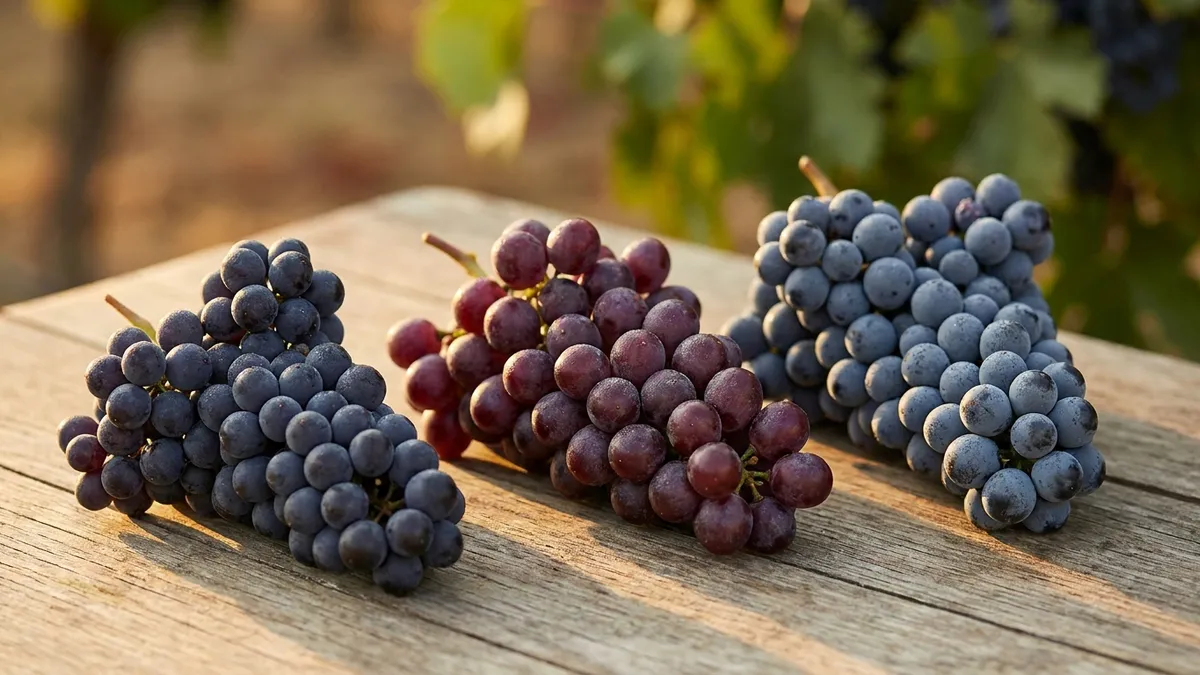
What Are Grape Clones? How the Same Variety Can Taste Different
Grape clones are propagated selections of a single variety. Learn how clones shape flavor, why Pinot Noir Dijon clones matter, and how clone differs from rootstock.
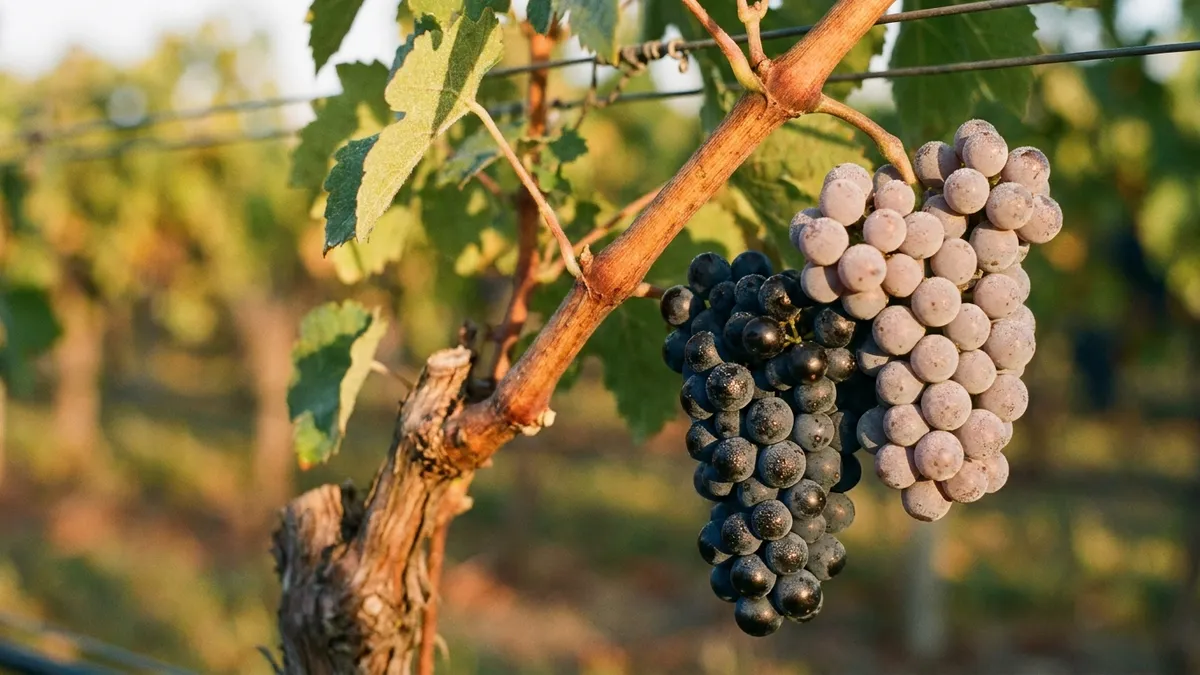
Grape Mutations and Sports: How Pinot Gris Came from Pinot Noir
Pinot Gris, Pinot Blanc, and Pinot Meunier are not separate grapes — they are mutations of Pinot Noir. Learn how bud sports rewrite a vine and reshape the wine.
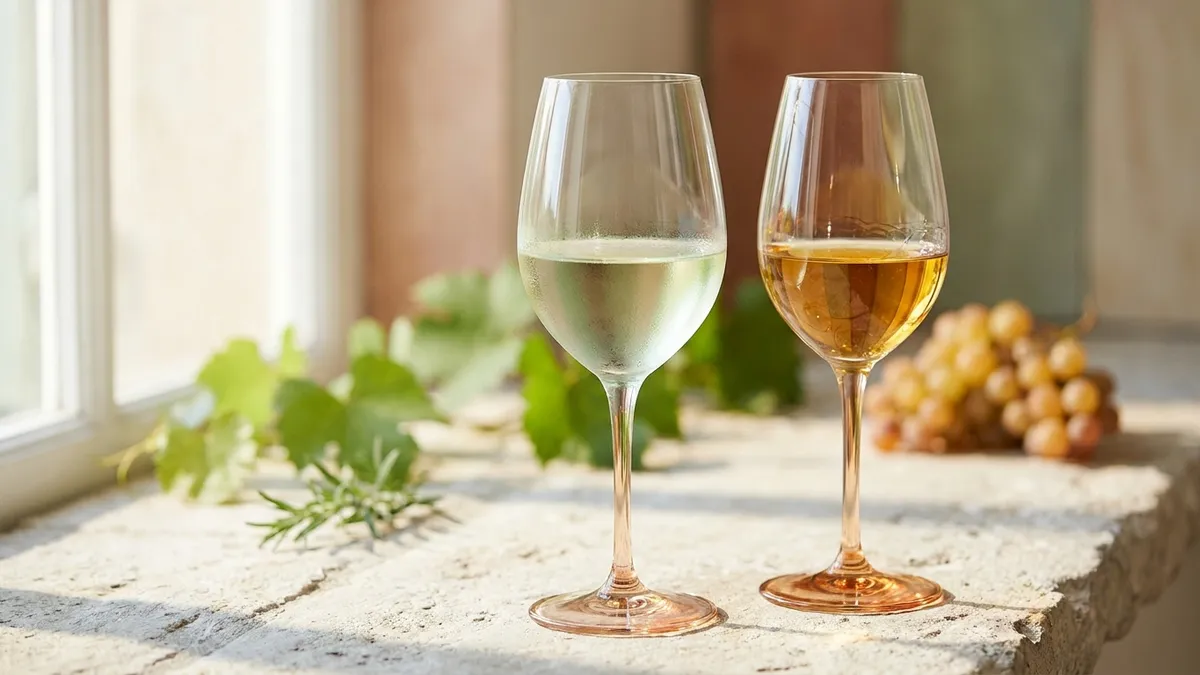
Same Grape, Different Wine: How Region Changes Everything
Why does one grape variety taste completely different from place to place? Climate, soil, and winemaking reshape the same grape into wildly different wines — here's how to read the pattern.
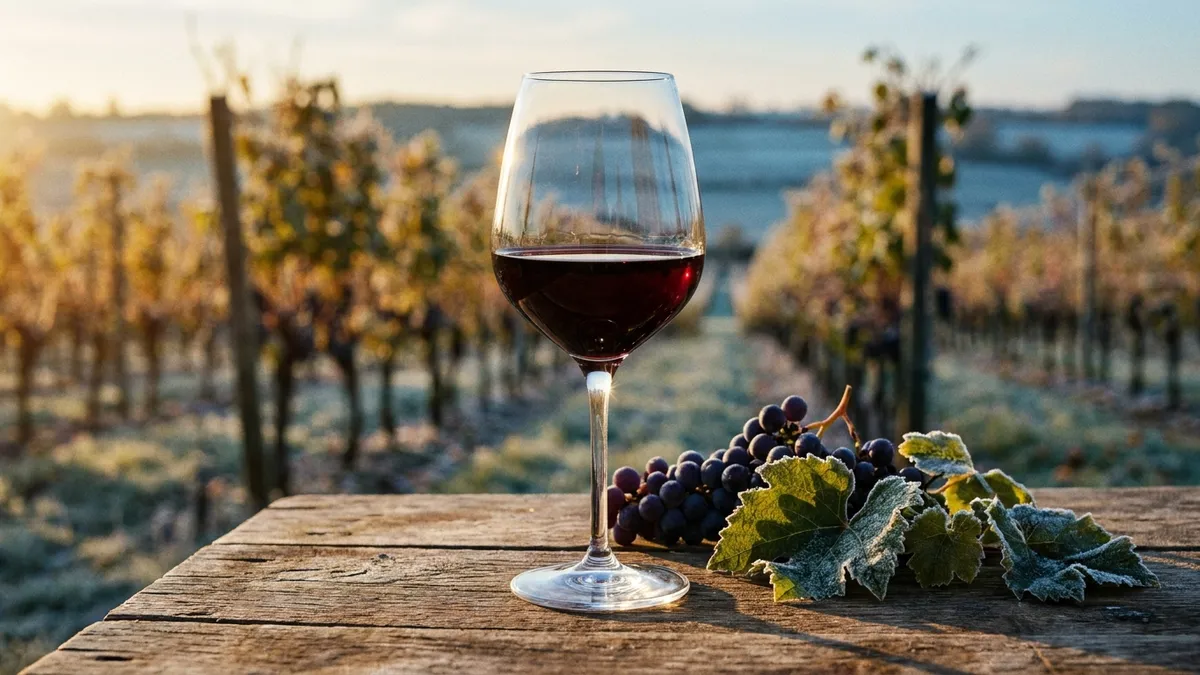
Hybrid Grapes in Wine: From Chambourcin to Marquette
Hybrid grapes cross European wine vines with tough American and Asian species to survive cold and disease. Here is what they are, where they grow, and how Chambourcin, Marquette, Vidal Blanc, and more actually taste.
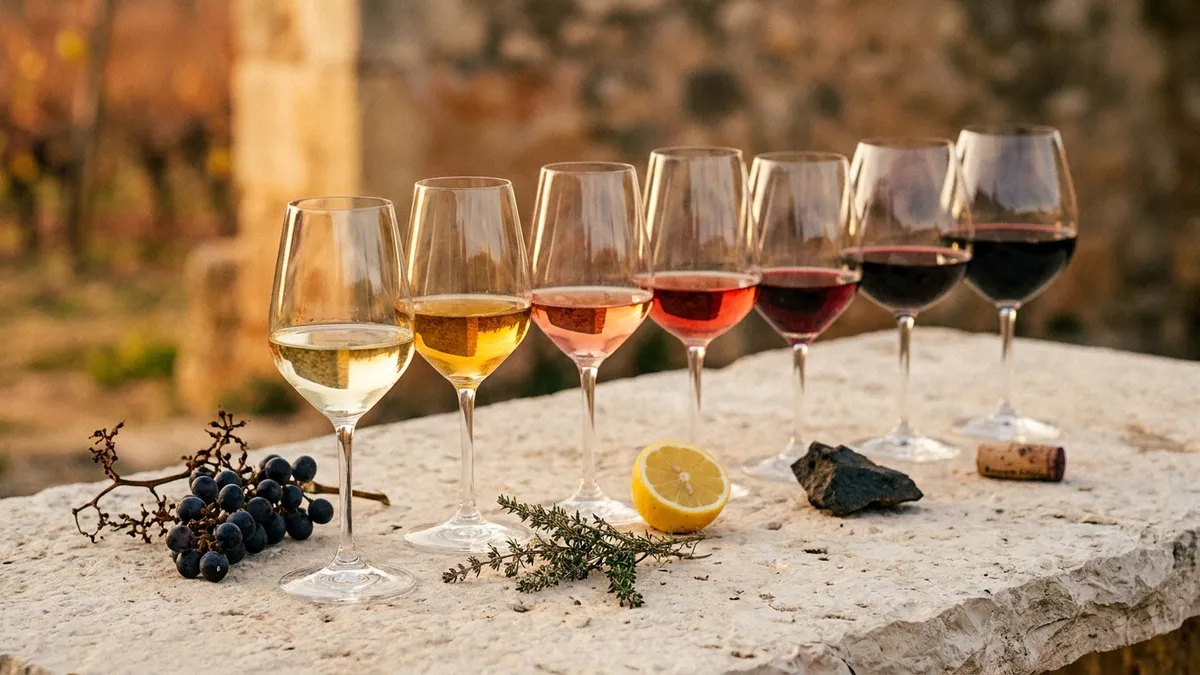
15 Indigenous Grapes You've Never Heard of but Should Try
A field guide to 15 indigenous wine grapes worth seeking out — from Greece's Assyrtiko to Croatia's Plavac Mali — with country, color, and flavor signatures.
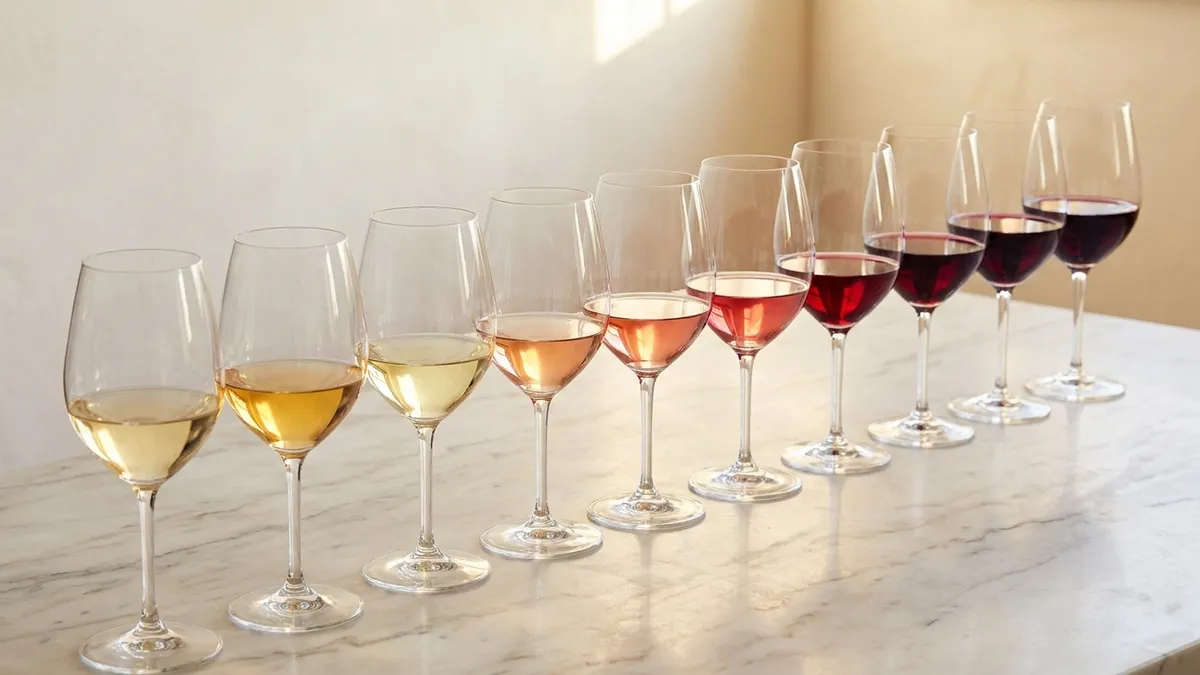
Most Planted Grapes in the World (and the Famous Ones)
Kyohō, a table grape, is the most planted grape in the world. Cabernet leads the wine grapes and Chardonnay the whites. The top 10 by hectares, and why fame is a different list.
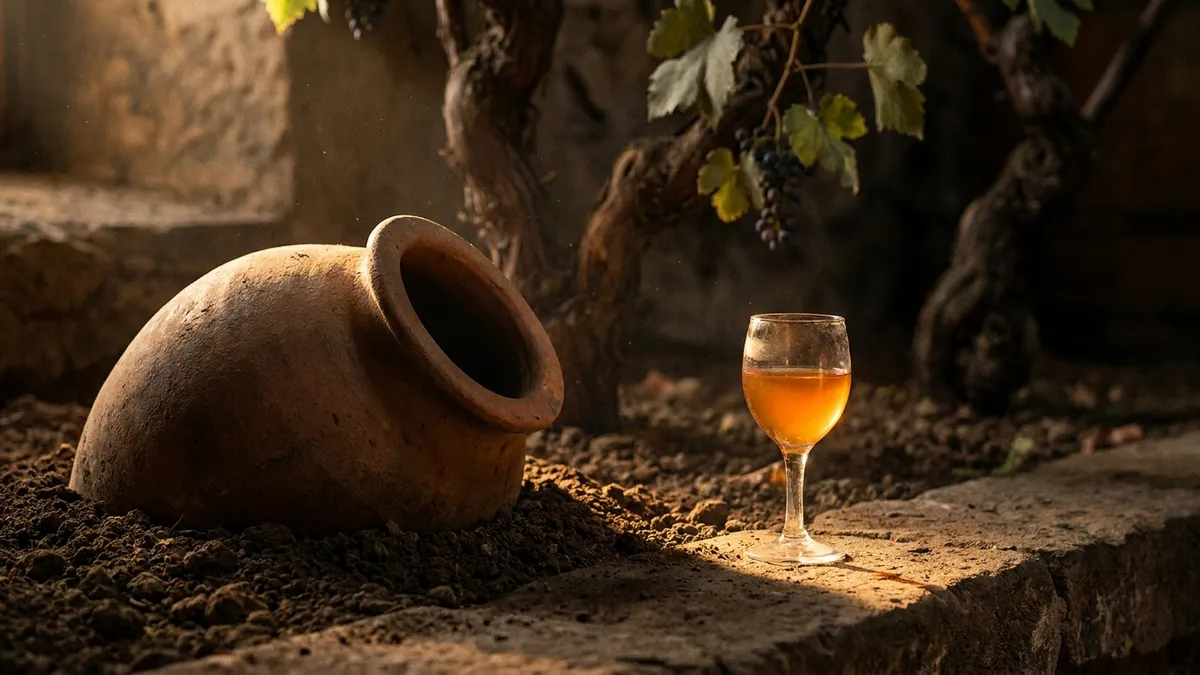
The Oldest Grape Varieties Still in Production Today
A guide to the oldest wine grape varieties still made into wine today — from Georgia's Saperavi and Rkatsiteli to Muscat, Savagnin, Nebbiolo, and Aglianico — and what DNA and history actually tell us about their age.
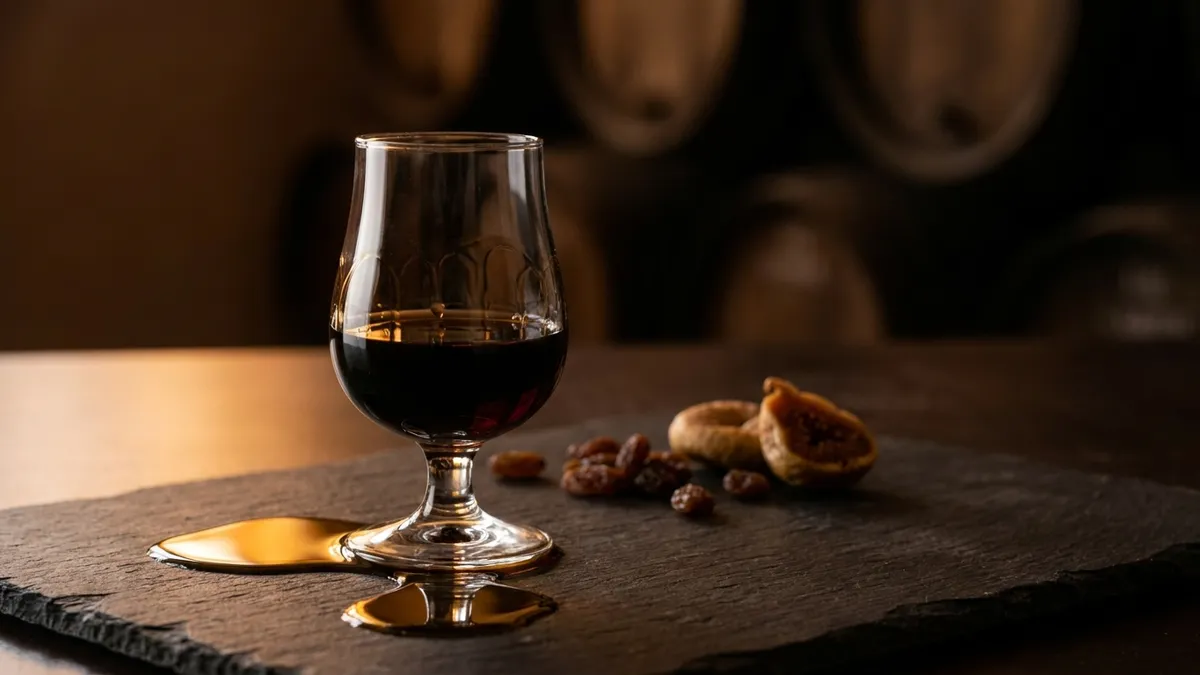
Pedro Ximénez: The Sweetest Wine Grape You Will Ever Taste
Pedro Ximénez is the sun-dried Spanish grape behind the darkest, sweetest sherry on earth. Learn how it is made, what it tastes like, and how to serve it over ice cream.
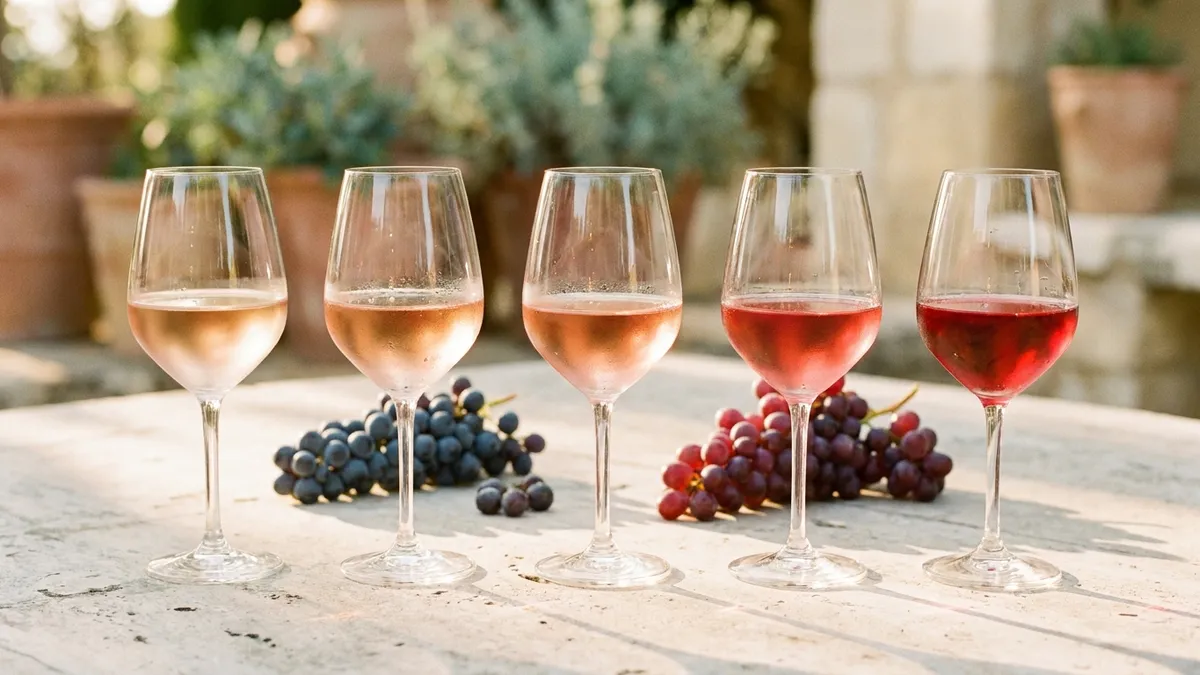
Rosé Wine Grapes: Which Red Grapes Make Rosé, by Region
Rosé wine grapes are red grapes given 2 to 24 hours on their skins. See the common rosé grapes, the style each one gives and the label words that name them.
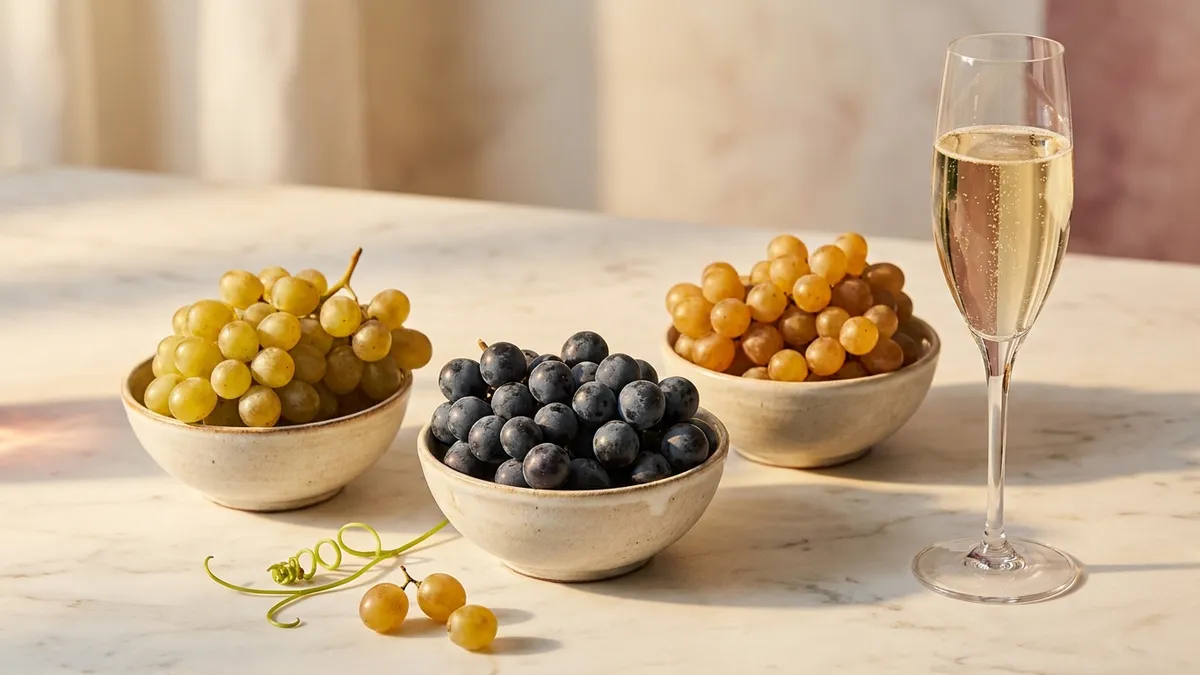
Which Grapes Make Sparkling Wine? Beyond Chardonnay
A clear guide to the grapes behind the world's sparkling wines — the Champagne trio, Glera, Cava's Spanish trio, Lambrusco, and Muscat — plus blanc de blancs vs blanc de noirs.
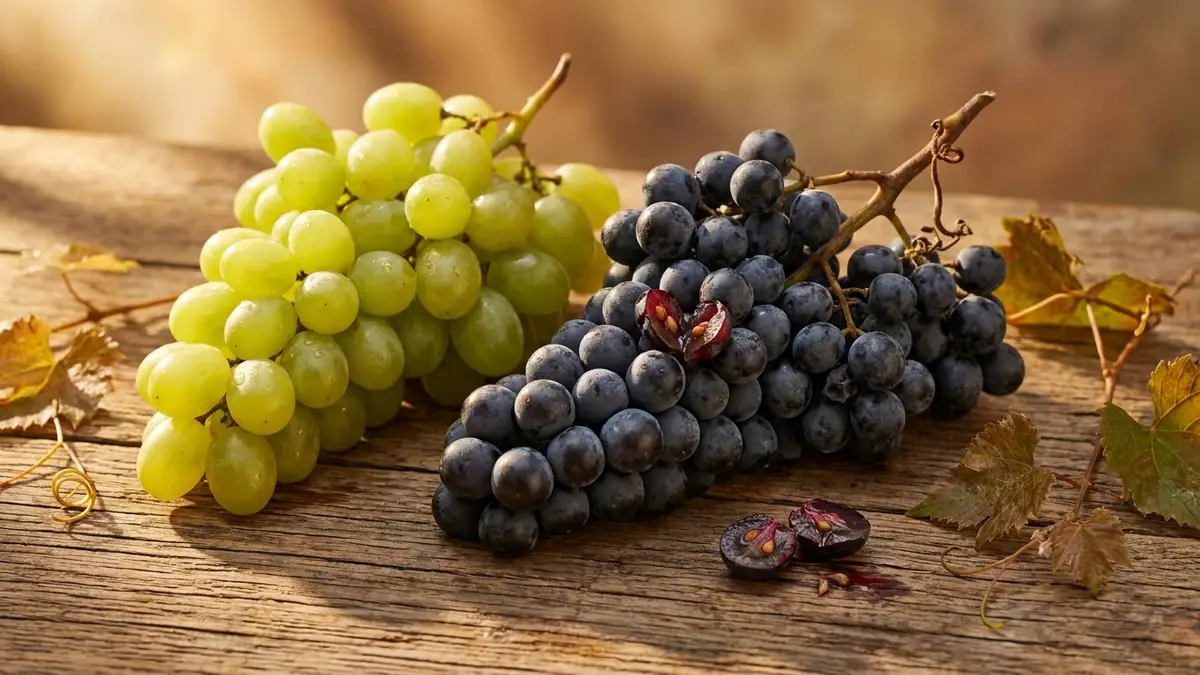
Table Grapes vs Wine Grapes: Why You Can't Make Wine from Grocery-Store Grapes
Table grapes and wine grapes are bred for opposite jobs. Learn the differences in size, sugar, skin, seeds, and acidity — and why grocery-store grapes make thin, bland wine.
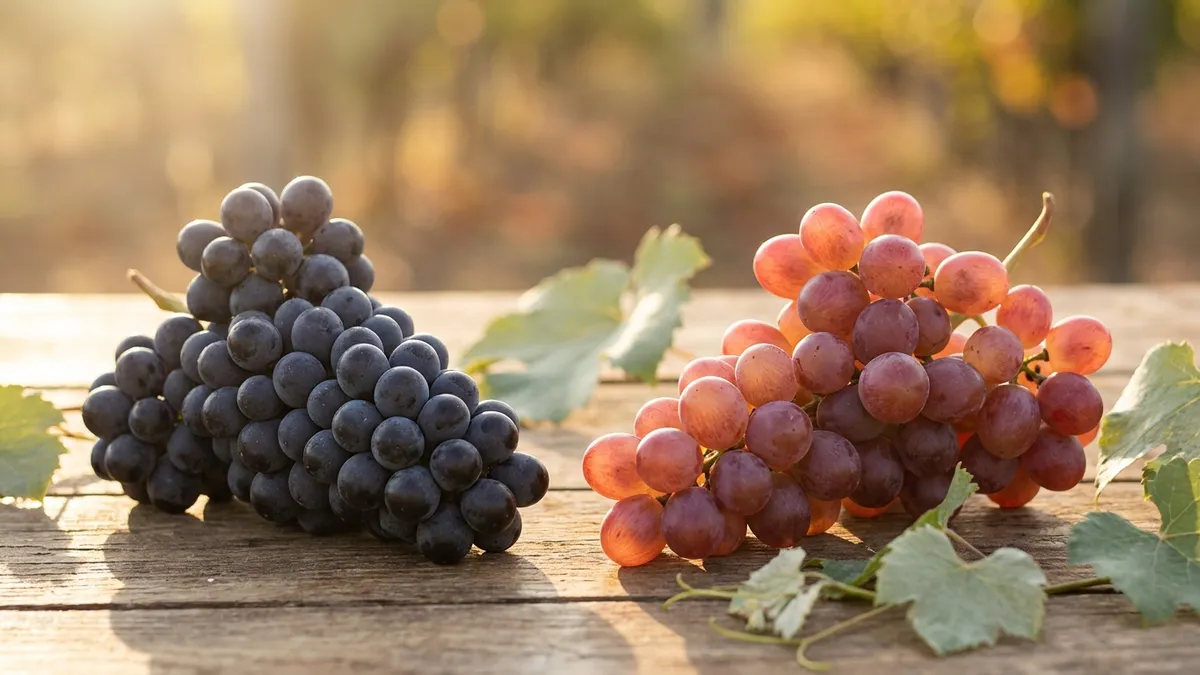
Thick-Skinned vs Thin-Skinned Grapes: Why It Matters for Wine
Grape skin thickness drives a wine's color, tannin, body, and how the vine copes with rot and climate. Learn why thick- and thin-skinned grapes taste so different.
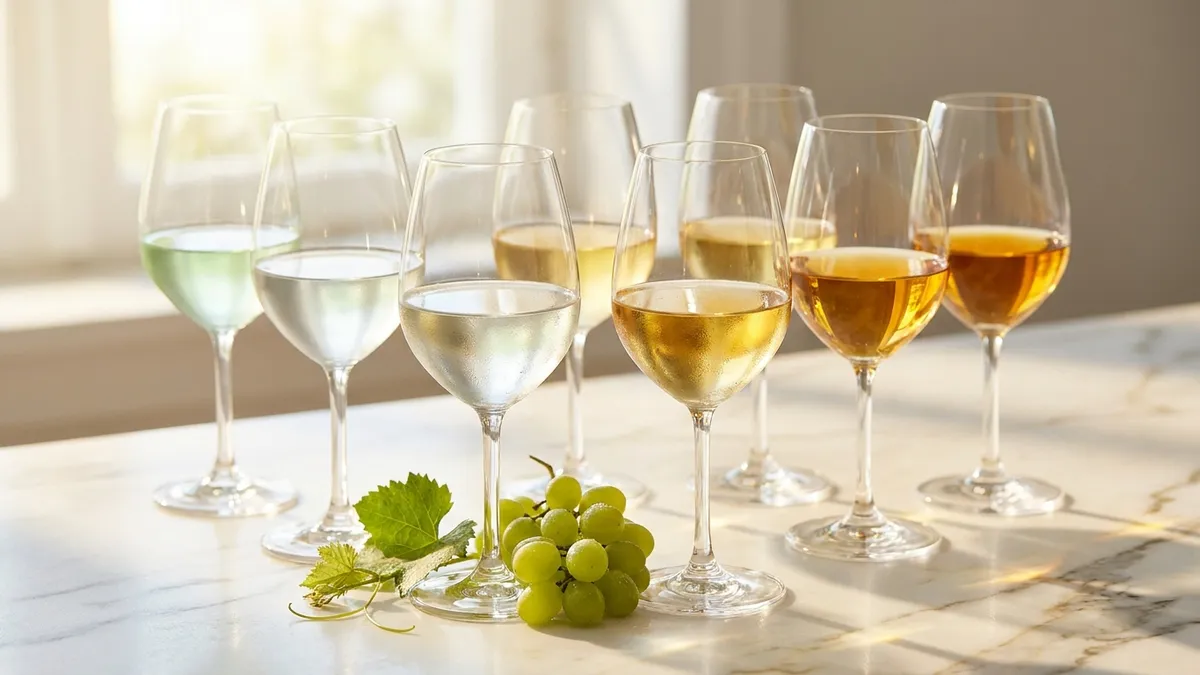
White Wine Grapes: 20 Varieties to Know, Grouped by Style
White wine grapes explained: 20 varieties in four styles, the sweetest-smelling white grapes, 10 grape names to learn first, and a 10-grape comparison table.
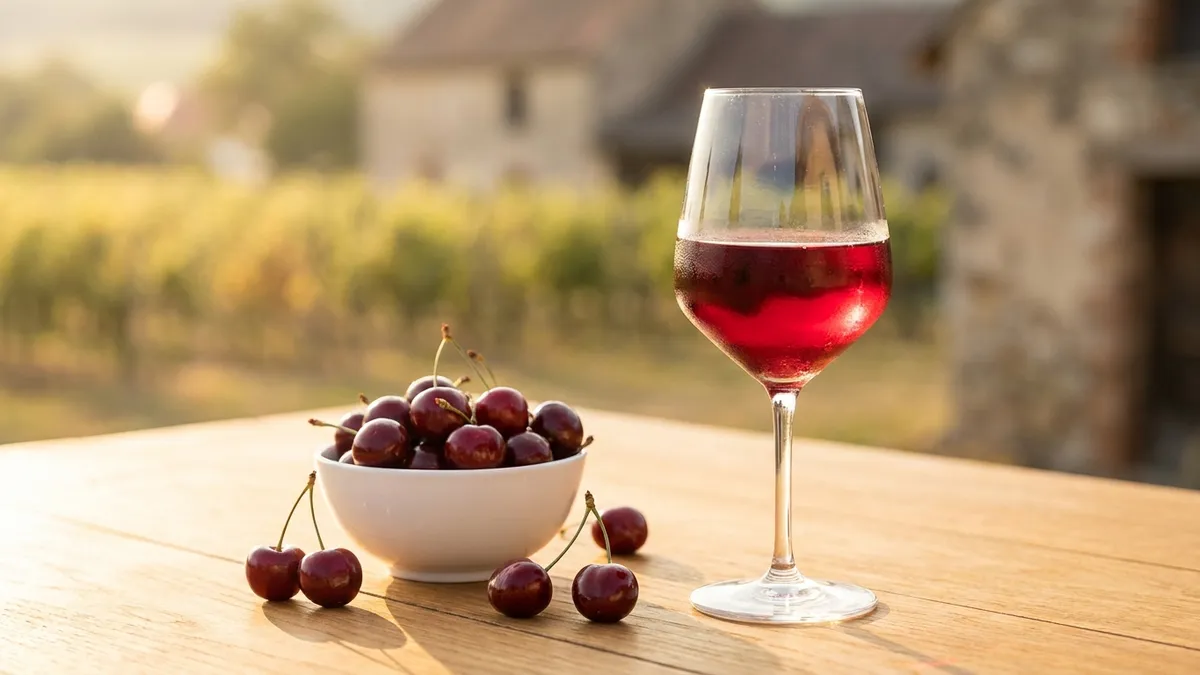
Zweigelt: Austria's Most Popular Red Grape
Zweigelt is Austria's most-planted red grape — a juicy, sour-cherry-driven crossing of Blaufränkisch and St. Laurent. Learn its flavor profile, styles, serving temperature, food pairings, and how a beginner should approach it.
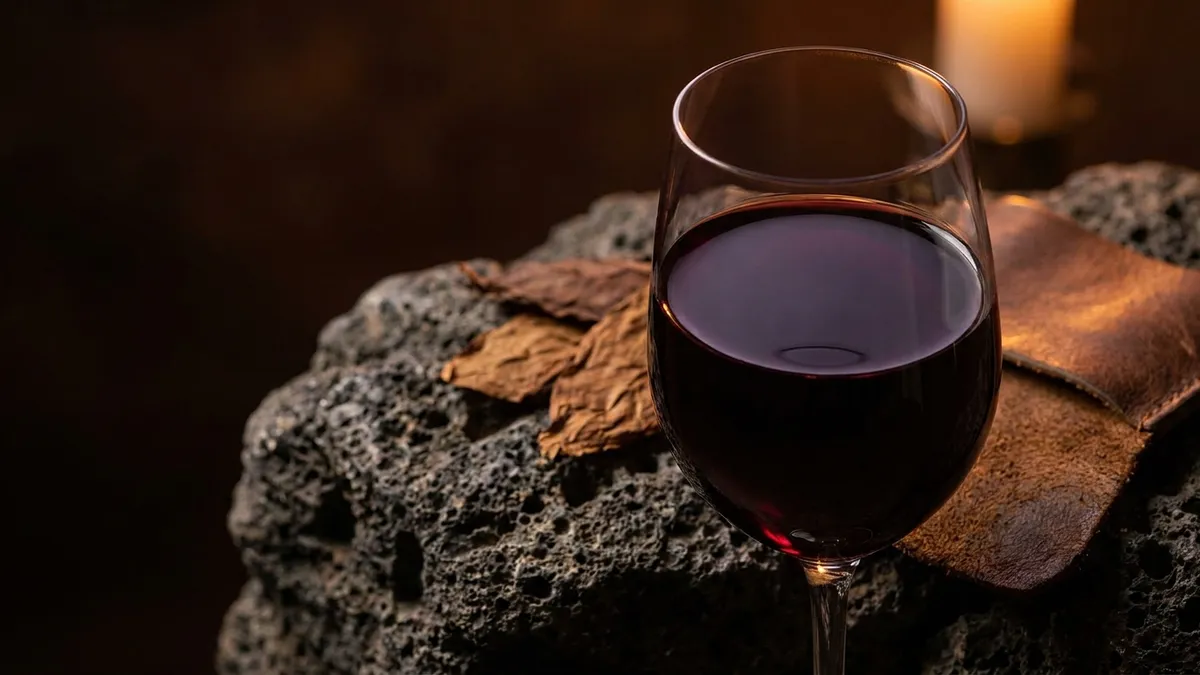
Aglianico: Southern Italy's Powerful Ancient Grape
Aglianico wine is southern Italy's most powerful red — Taurasi, Aglianico del Vulture, volcanic terroir, towering tannin, and the Barolo of the South.
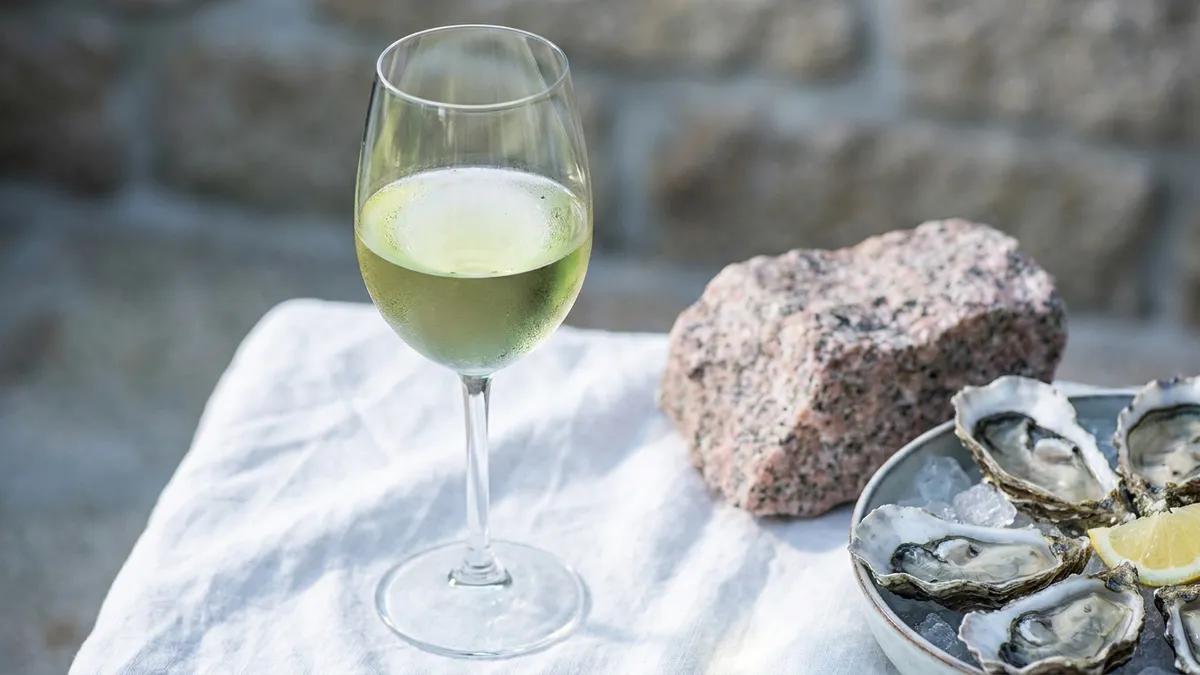
Albariño Wine Guide: Spain's Crisp Coastal White
A complete guide to Albariño wine — Galicia's signature white grape, its Atlantic terroir, tasting profile, food pairings, and how to drink it well.
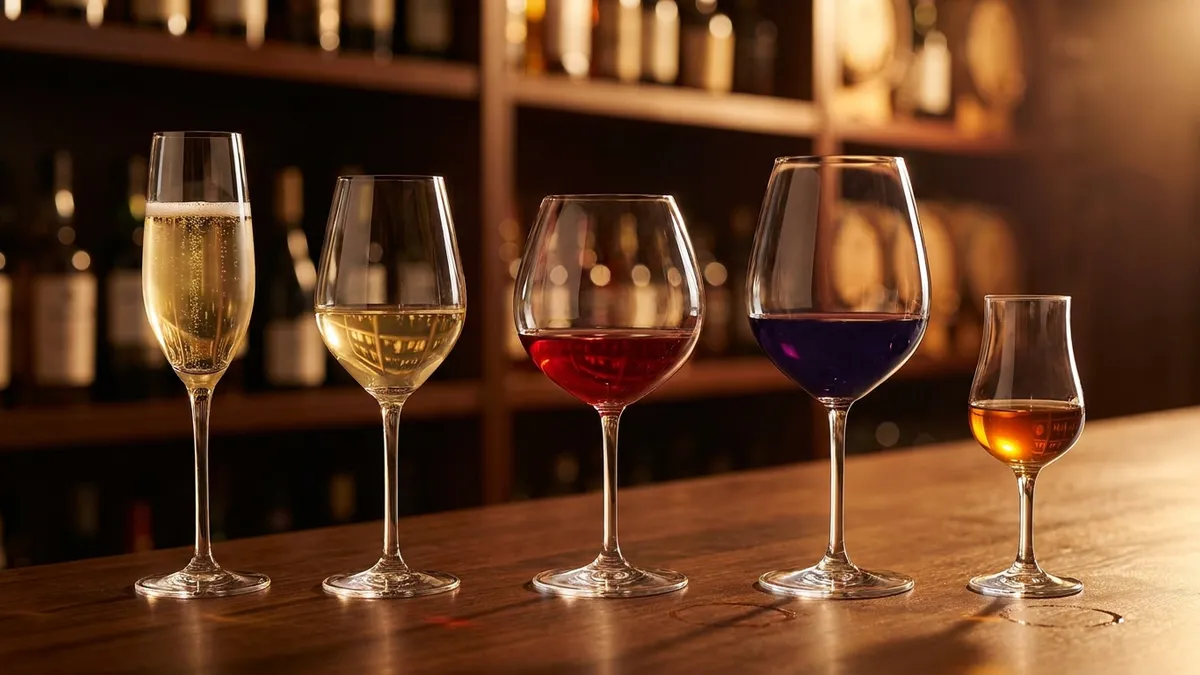
Alcohol in Wine by Type: A Guide to ABV by Style
A clear guide to alcohol content in wine by type — from 5% Moscato to 22% fortified Madeira, plus what ABV signals about flavor, body, and balance.
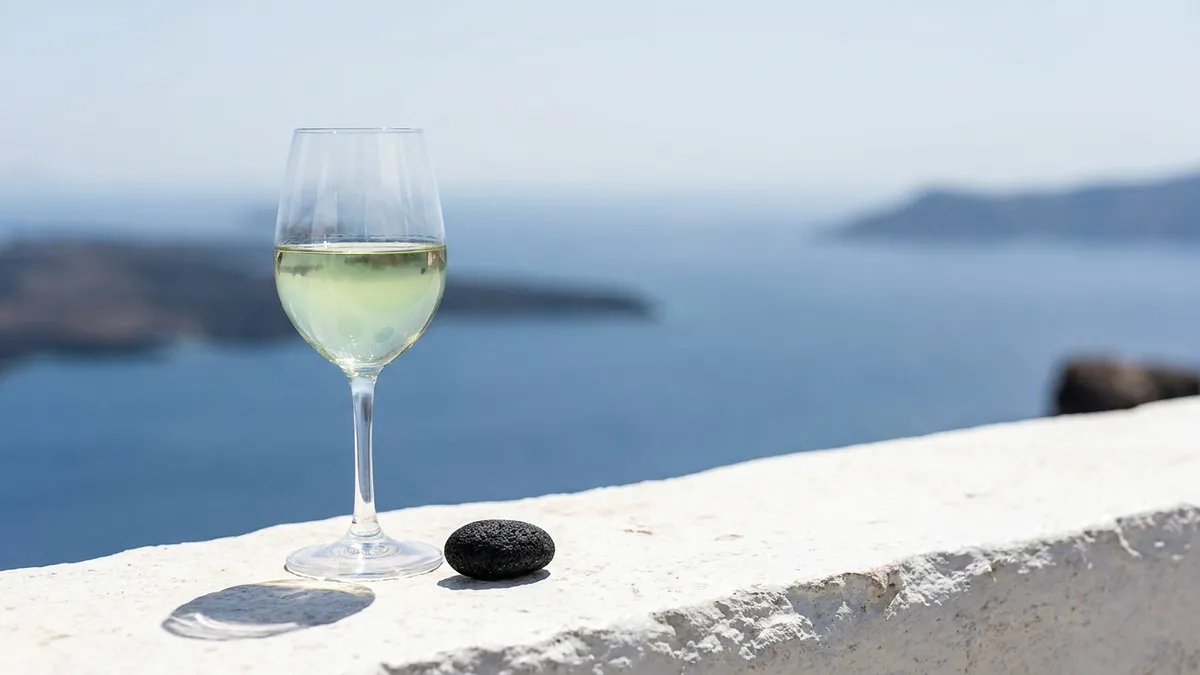
Assyrtiko: The Volcanic White Grape of Santorini
Assyrtiko is Greece's flagship white grape — a high-acid, saline, volcanic-soil wine from Santorini that ages for 15 years and rivals the world's great whites.
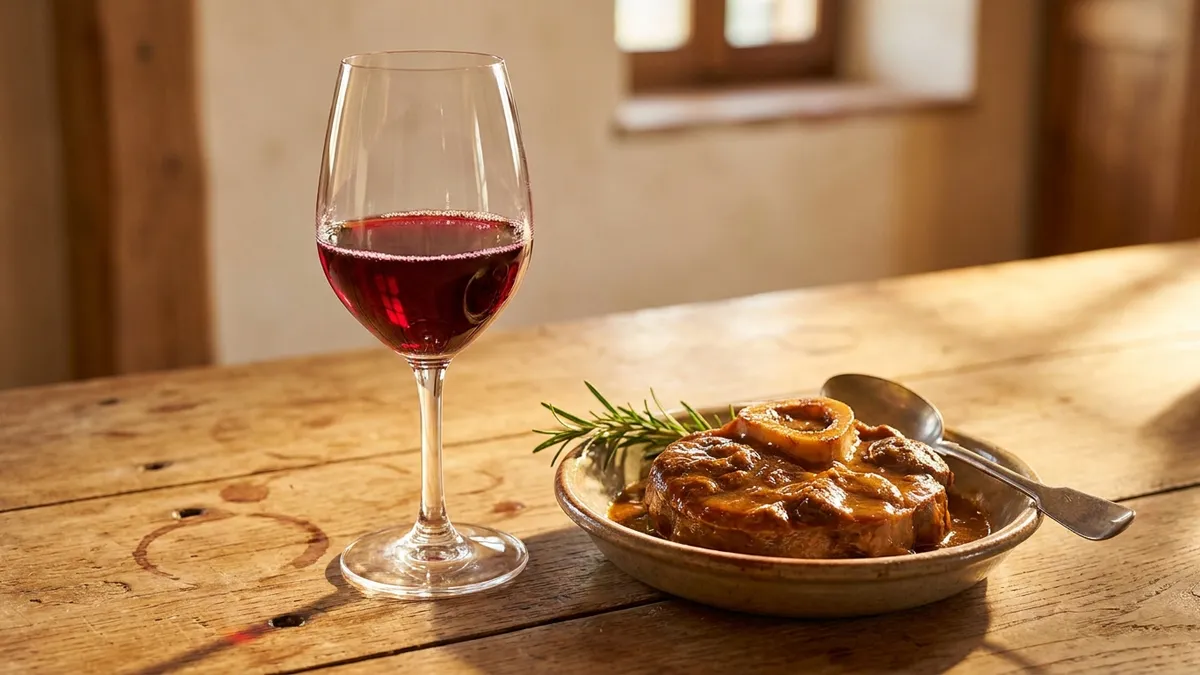
Barbera Wine Guide: Piedmont's Everyday Red
Barbera is Piedmont's everyday red — high acid, low tannin, juicy cherry fruit. Learn the three main DOCs, food pairings, and how it compares to Nebbiolo.
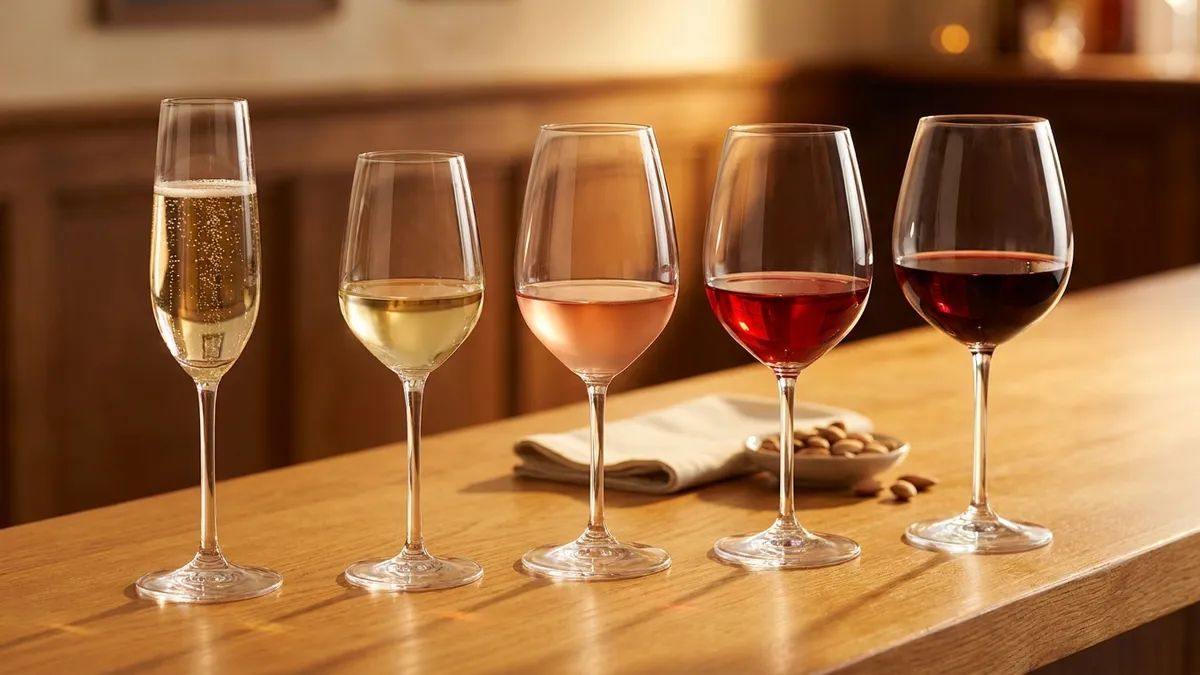
Best Wine for Beginners: 10 Approachable Styles to Try
The best wine for beginners is a short list of forgiving styles, not one bottle. Ten approachable wines compared, a six-bottle starter tasting case, and how to taste them.
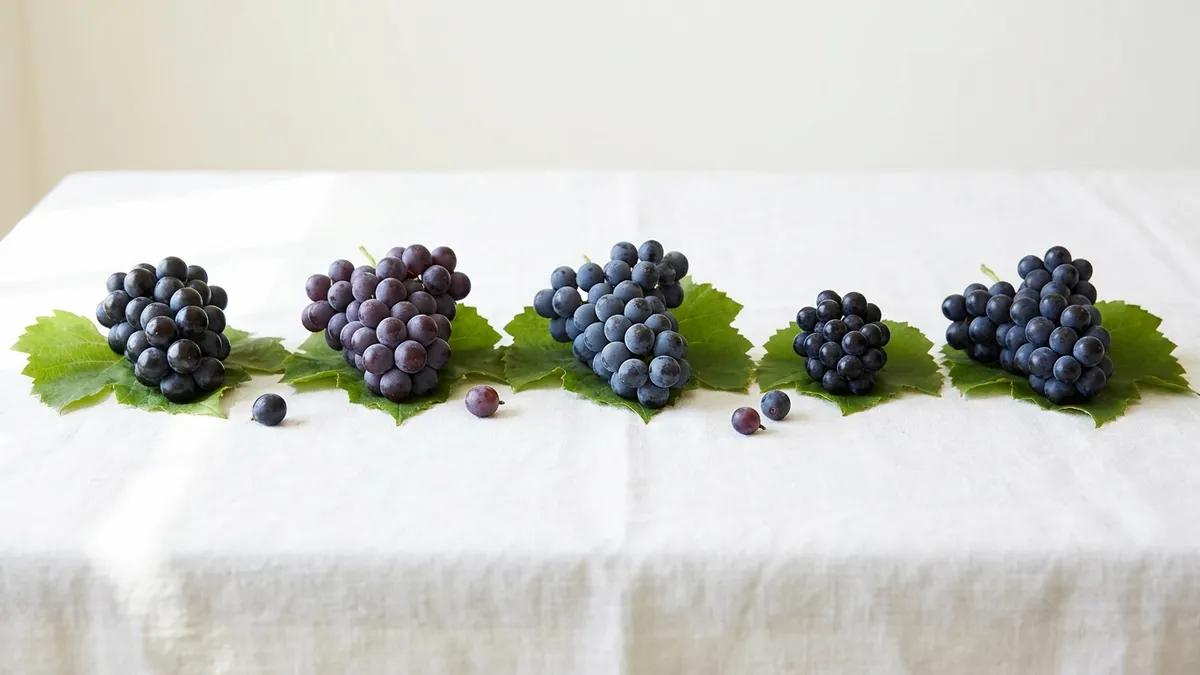
The Bordeaux Blend: Which Grapes and Why They Work Together
Inside the Bordeaux blend grapes — the five red varieties that make up France's most copied wine formula and how they balance one another in the glass.
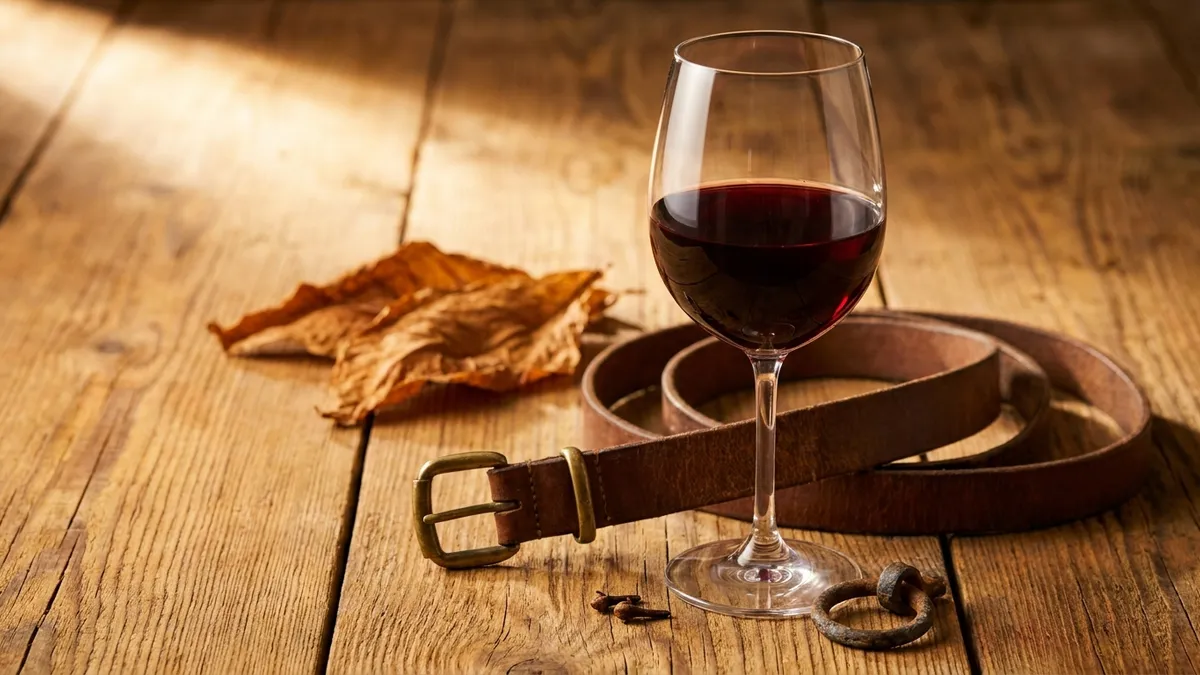
What Causes Brett in Wine? Smell, Fault and What to Do
Brett is a wild yeast, Brettanomyces, that turns leftover sugar into barnyard and band-aid smells. What causes it, when it counts as a fault, how labs test for it, and what a drinker can do.
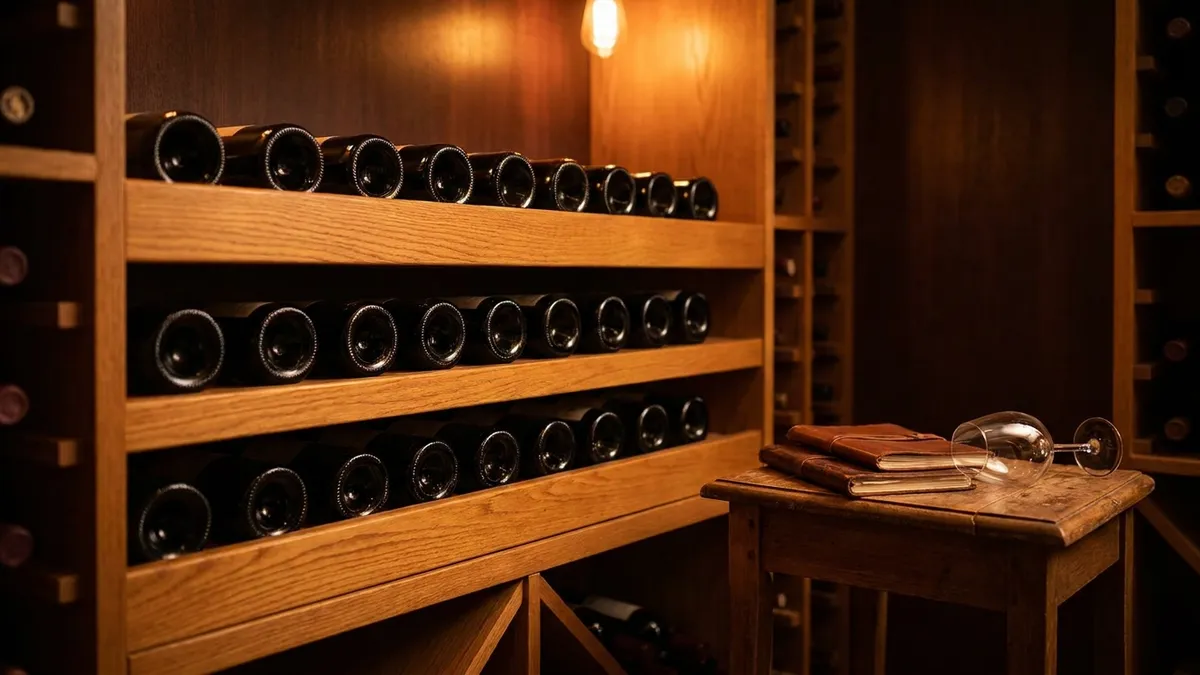
How to Build a Wine Collection on a Budget
How to build a wine collection on a budget — when to drink versus cellar, the 30-30-30-10 rule, which bottles age well, and a starter cellar plan that actually fits a real life.
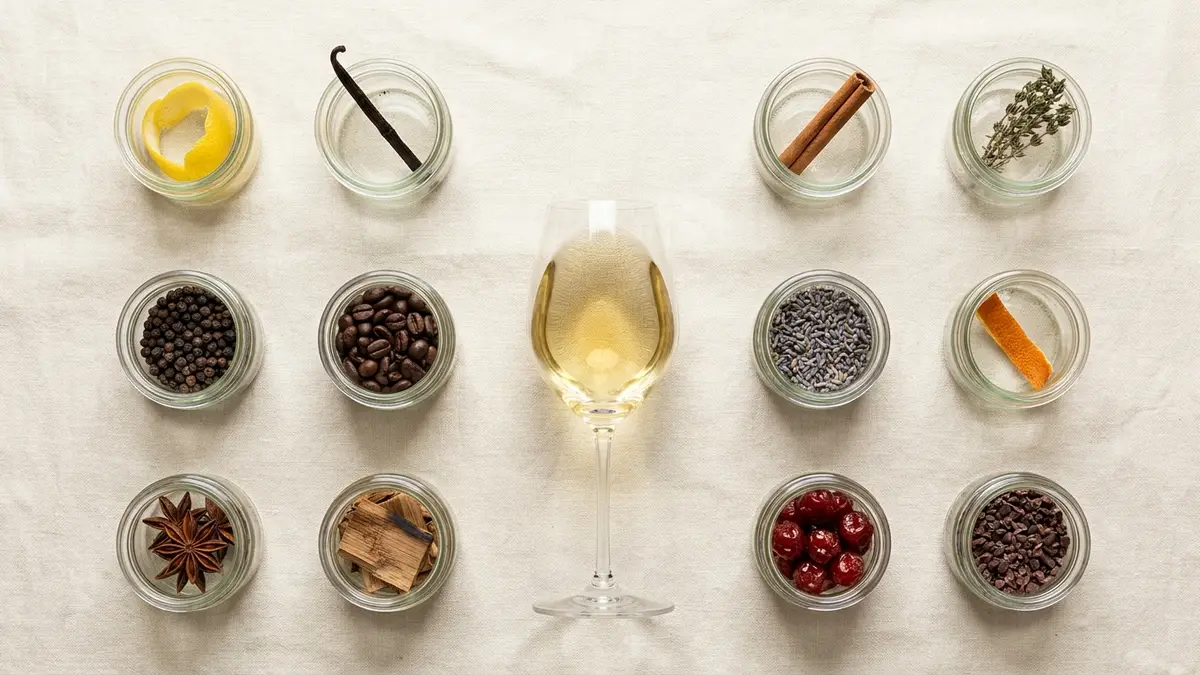
Building Your Personal Wine Flavor Library
A wine flavor library is the curated set of reference smells and tastes you train your brain to recognize instantly. Build one with jars, real wines, and five minutes a day.
Cabernet Franc: The Elegant Parent of Cabernet Sauvignon
Cabernet Franc is the genetic parent of Cabernet Sauvignon and Merlot — lighter, more aromatic, and more graphite-driven. Here is how to recognize it, where it grows, and what to pair with it.
Cabernet Sauvignon: The King of Red Grapes Explained
A complete cabernet sauvignon wine guide — history, DNA, regions, sensory profile, oak tradition, food pairings, and aging trajectory of the world's most planted red grape.
Calories in Wine: A Guide by Type, Glass, and Bottle
How many calories are in wine? A clear breakdown by type, pour size, and bottle — plus the two factors that drive every number on the chart.
Can You Train Your Sense of Smell for Wine? Yes, and Here Is How
Olfactory training is real, measurable, and works at any age. A complete protocol — science, kitchen drills, wine-specific reps — to train your sense of smell for wine.
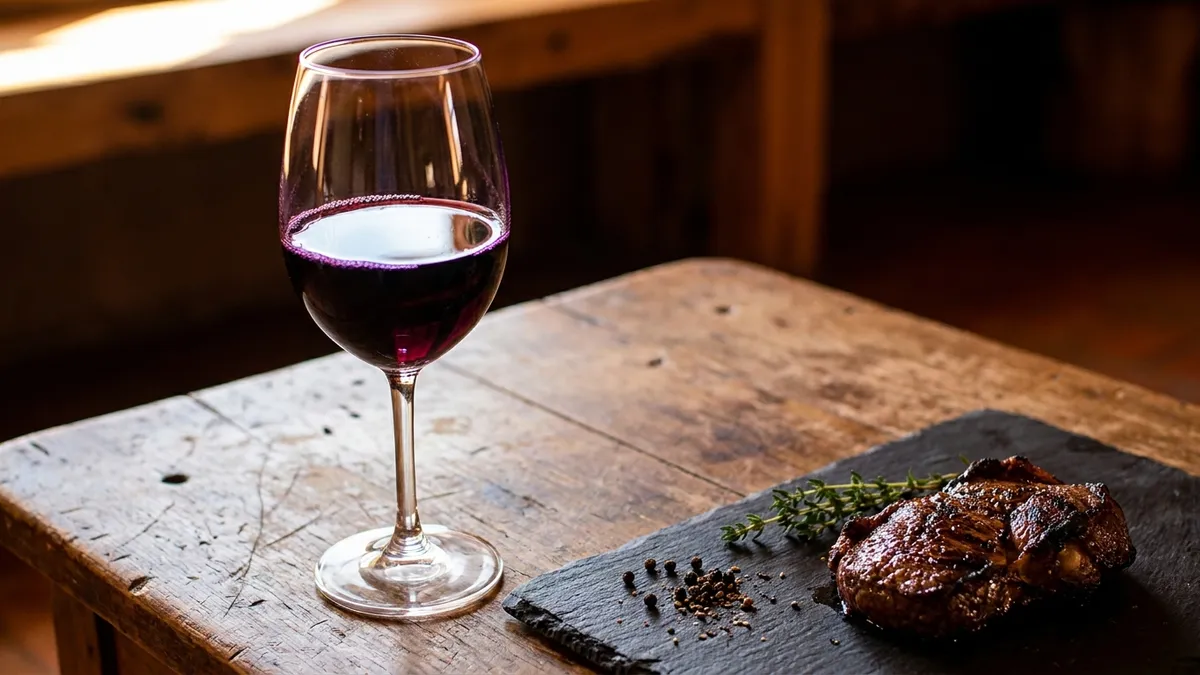
Carménère: Chile's Lost Bordeaux Grape, Rediscovered
Carménère wine was thought extinct in France for over a century — until 1994, when DNA testing revealed Chile had been growing it under the wrong name. Profile, regions, food pairings, and how to taste the bell-pepper signature.
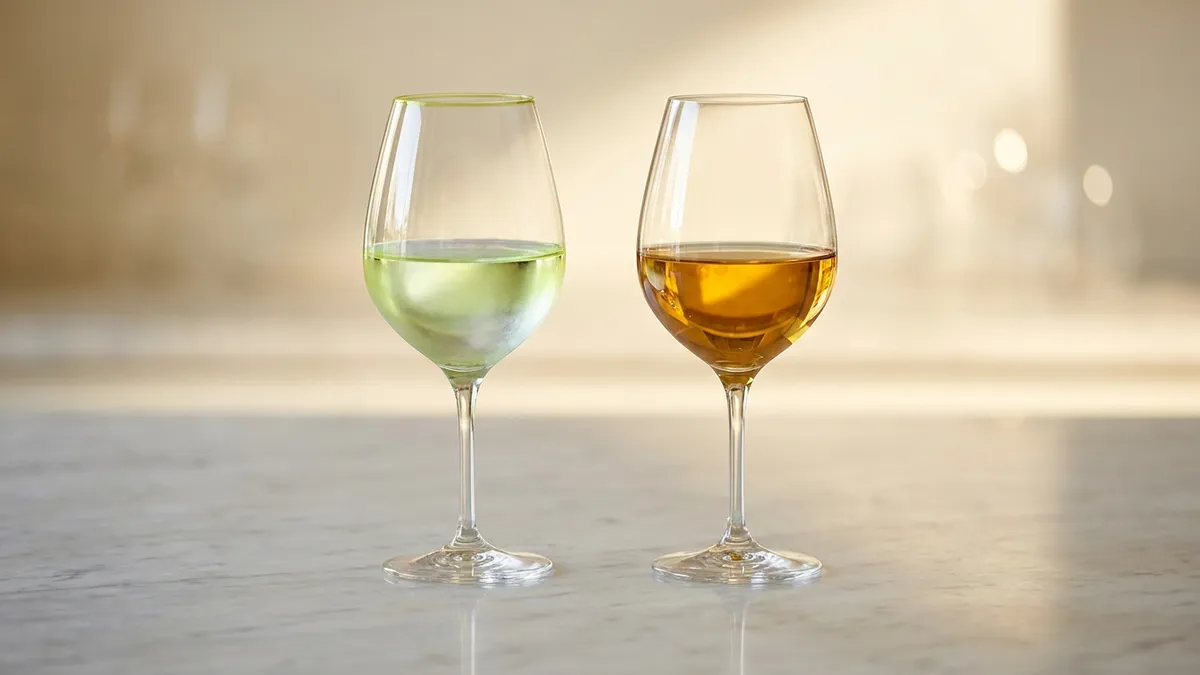
Chardonnay: From Lean Chablis to Buttery California
A complete chardonnay wine guide covering the world's most planted noble white grape — from steely Chablis to butter-bomb California, plus oak, food pairings, and aging.
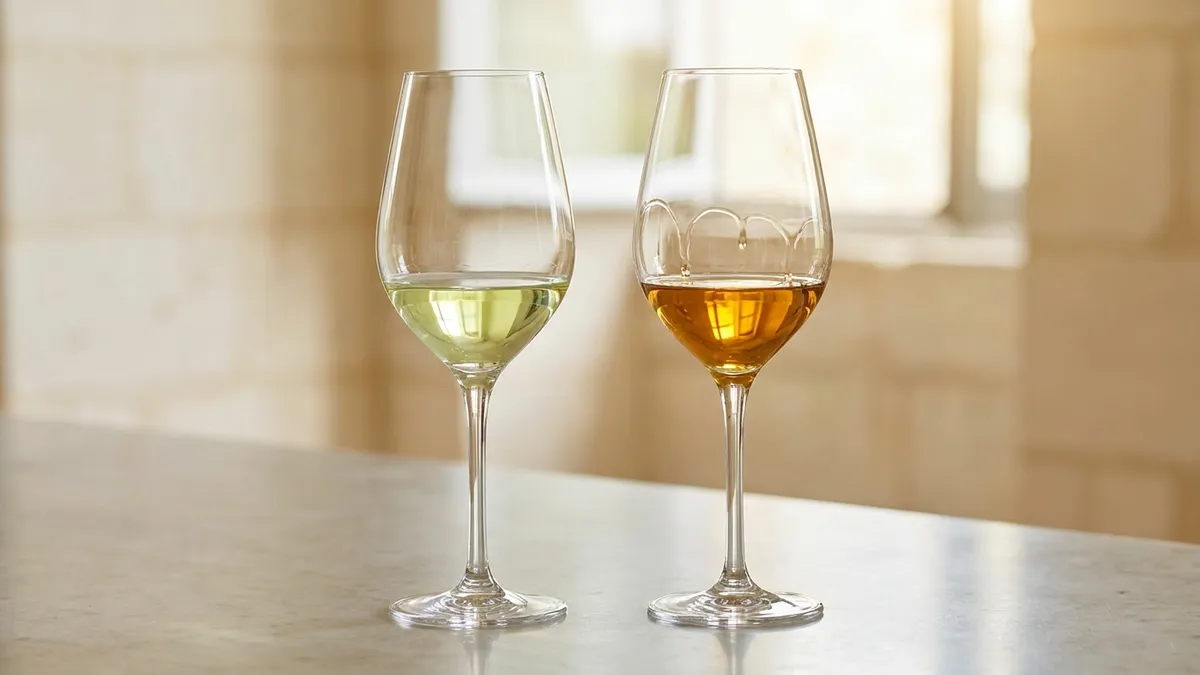
Chenin Blanc: The Most Versatile White Grape in the World
Chenin Blanc produces every white wine style on Earth — bone dry to dessert, still to sparkling, fresh to oxidative. This guide covers the Loire Valley, South African Steen, the five distinct styles, food pairings, and why top sweet versions age 50+ years.
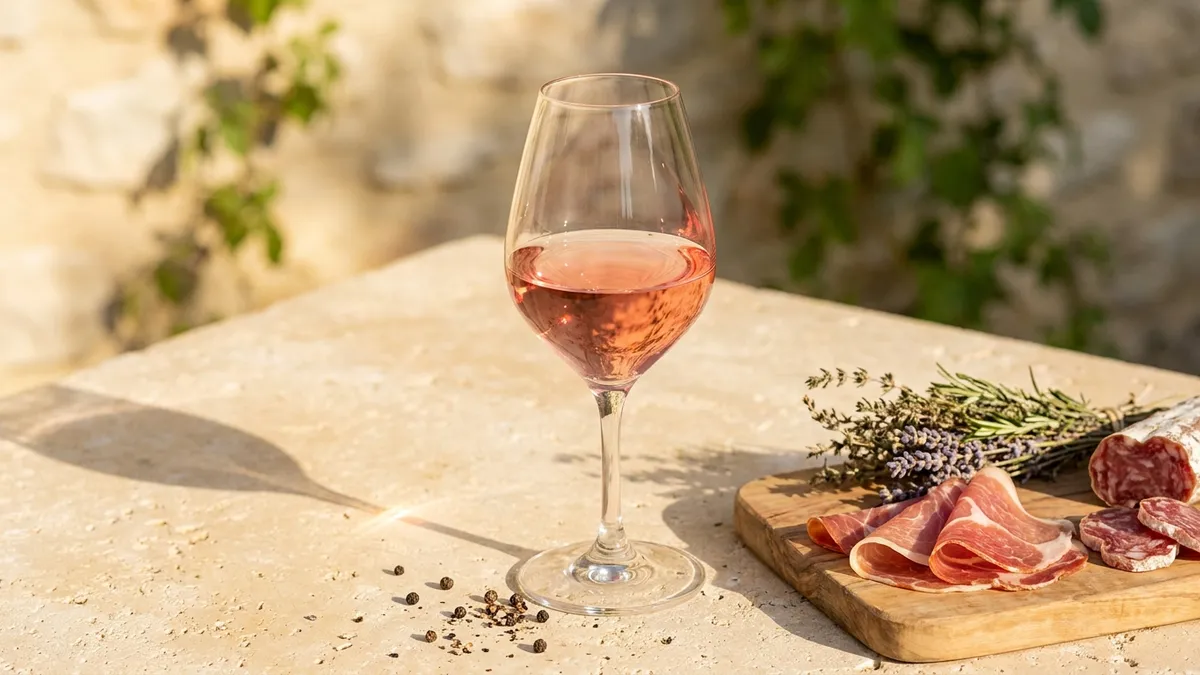
Cinsault Wine Guide: The Light, Juicy Southern Grape
A complete guide to cinsault wine — its pale color, juicy red-fruit profile, role in Provence rosé, the South African old-vine revival, and food pairings.
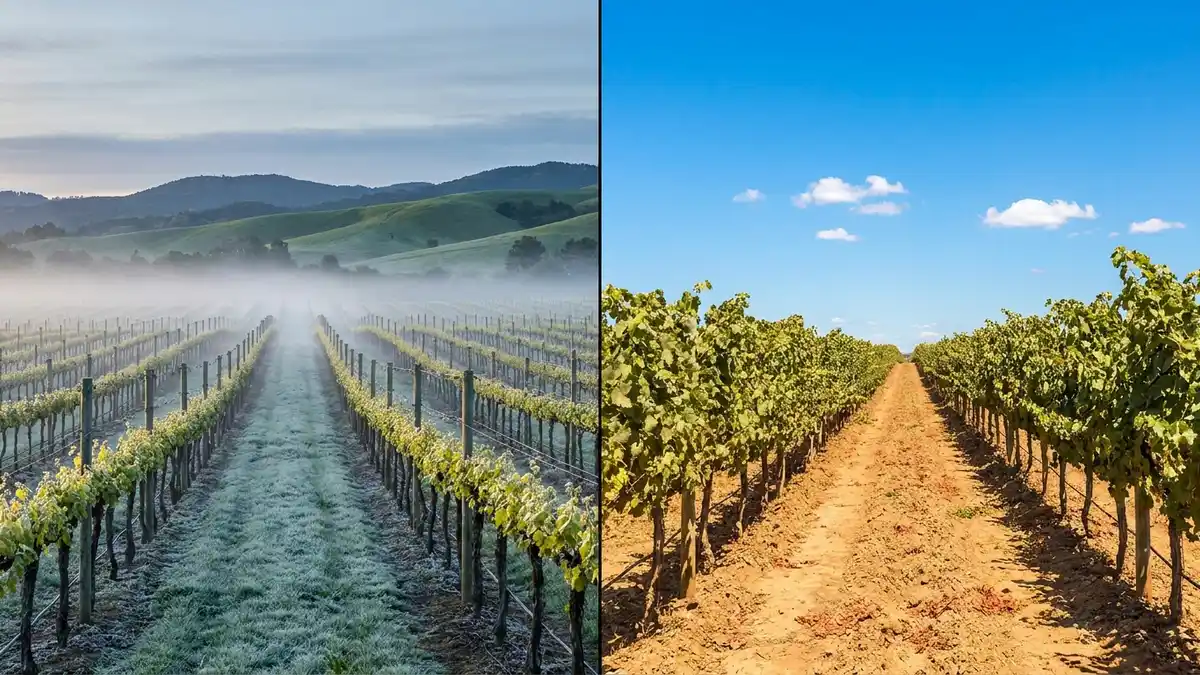
How Climate Shapes Wine Flavor: Warm vs Cool Climate Wines
Warm vs cool climate wine taste differs by acid, alcohol, color, and fruit profile. Here's how to read climate from the glass and predict what the bottle will taste like.
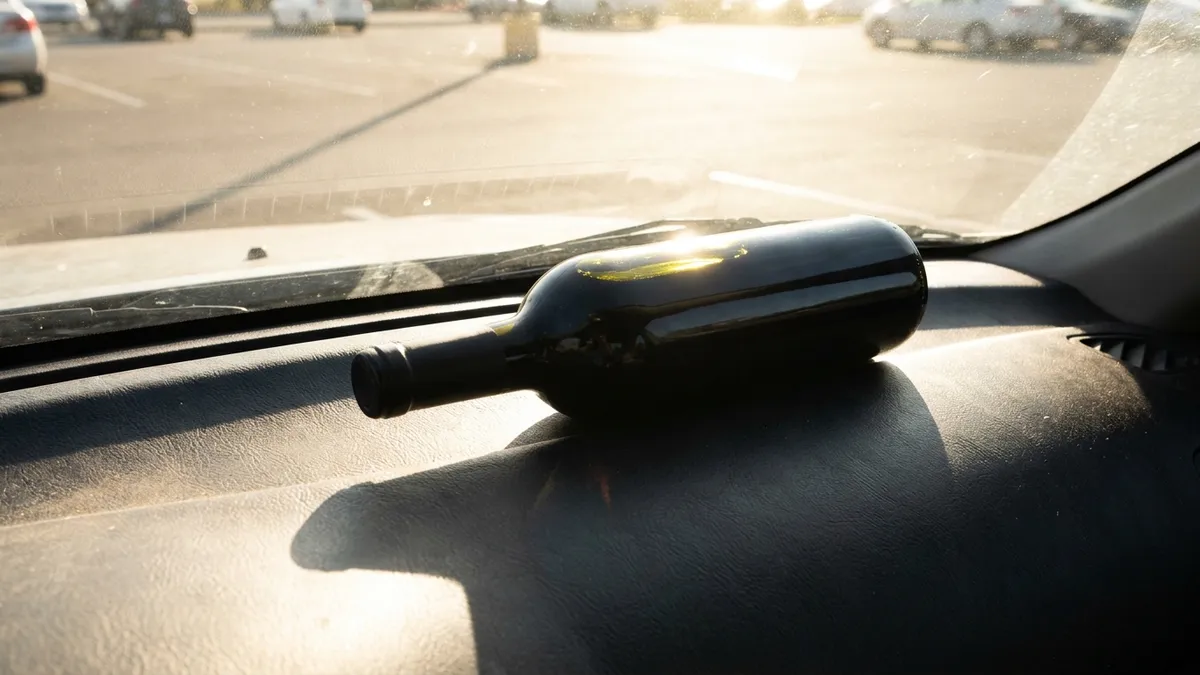
What Is Cooked Wine? How Heat Ruins a Bottle
Cooked wine is wine damaged by heat exposure during shipping or storage. Here is what the fault smells like, why it happens, the temperature thresholds that ruin a bottle, and how to spot a heat-damaged wine before you buy it.
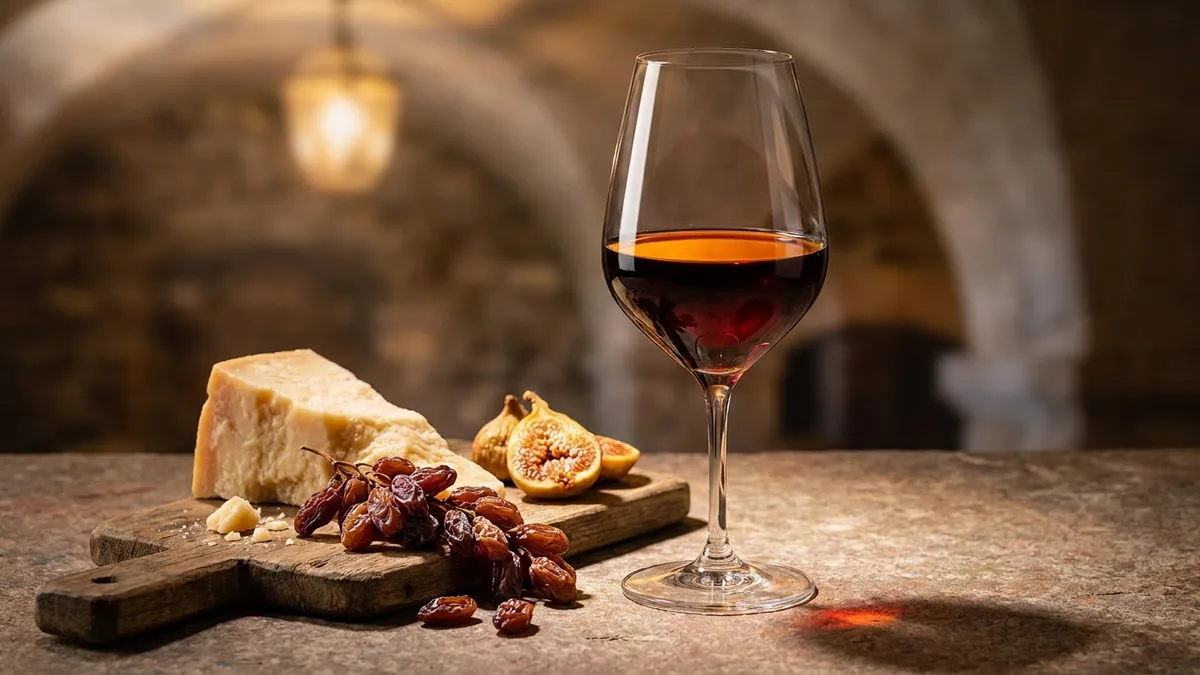
Corvina: The Grape Behind Valpolicella and Amarone
Corvina is the lead grape of Veneto's Valpolicella zone, the foundation of Amarone, Ripasso, and fresh red wine. Here's what to know about its taste, styles, and food pairings.
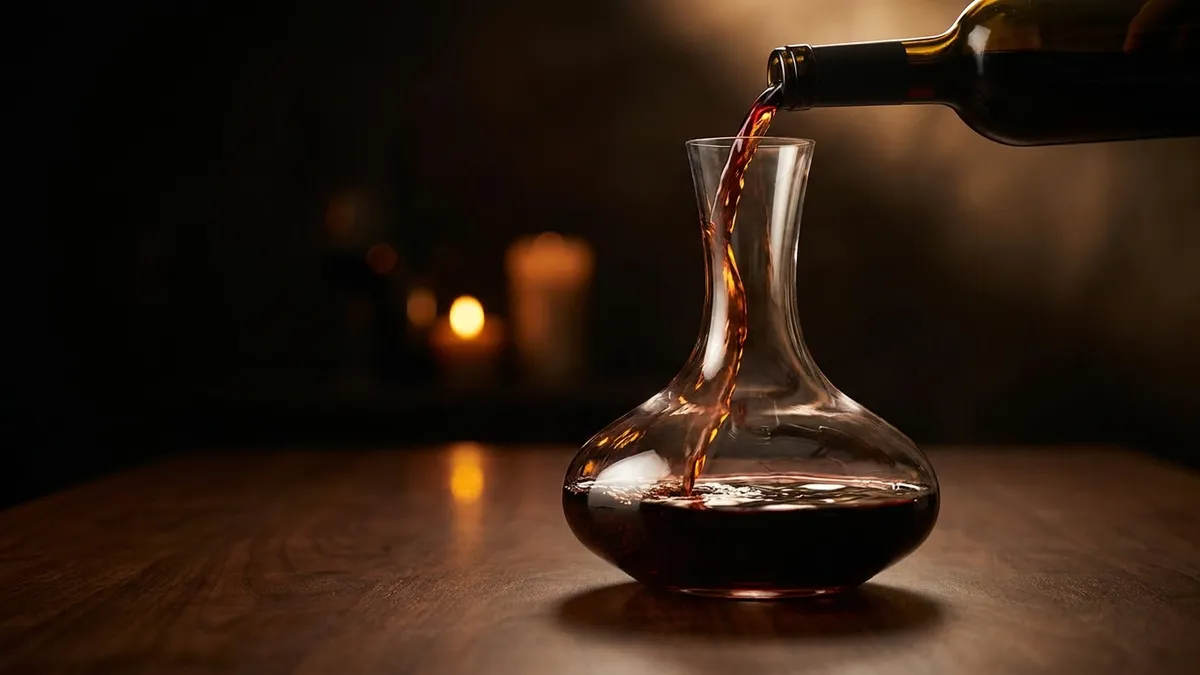
Does Decanting Actually Change How Wine Tastes?
Decanting is more than ceremony — it changes wine chemistry in measurable ways. Here is what decanting actually does, when it helps, and when it ruins a bottle.
Dolcetto Wine Guide: Piedmont's Easygoing Everyday Red
Dolcetto is Piedmont's third pillar — deep purple, soft tannin, low acid, juicy plum and bitter-almond finish. Learn the key DOCs, food pairings, and how it differs from Barbera.
Earthy Flavors in Wine: Mushroom, Forest Floor, and Beyond
Earthy flavors in wine include forest floor, mushroom, truffle, leather, and damp soil. Learn where they come from and how to taste them with confidence.
Fiano Wine Guide: Southern Italy's Aromatic White
Discover Fiano, Southern Italy's most age-worthy white grape. Learn its volcanic origins in Campania, sensory profile, and why Romans praised it 2,000 years ago.
Floral Notes in Wine: How to Detect Rose, Violet, and Jasmine
Floral notes in wine come from real aromatic compounds. Learn how to detect rose, violet, jasmine, and elderflower across grape varieties — and how to train your nose to find them.
From Casual Drinker to Serious Taster: A 30-Day Plan
Become a better wine taster in 30 days with a structured plan — sense building, method, comparison, and integration. Thirty minutes a day, three to four wines a week.
Furmint: Hungary's Royal Grape from Tokaj
Furmint is Hungary's flagship white grape — the soul of legendary Tokaji Aszú dessert wine and an increasingly celebrated dry white from volcanic Tokaj and Somló.
Gamay Wine Guide: The Grape Behind Beaujolais
Gamay is the juicy, low-tannin red grape behind every bottle of Beaujolais. Here is a complete guide to its flavor, the 10 Beaujolais Crus, carbonic maceration, food pairings, and why it might be the best-value red in France.
Garganega: The Grape Behind Soave
Garganega is the white grape behind Italy's Soave. Learn its volcanic terroir, the Soave Classico hierarchy, food pairings, and why quality bottles are exceptional value.
Gewürztraminer Wine Guide: Love It or Hate It
Gewürztraminer is the most polarizing aromatic white grape on Earth. This guide covers its lychee-rose-ginger perfume, key regions from Alsace to South Tyrol, sweetness levels, and why it conquers spicy food like no other variety.
Good Wine Under $20: 12 Styles That Taste Expensive
Twelve wine styles under $20 that consistently overdeliver — from Argentine Malbec to Mosel Riesling. What to taste, how to pair, and how to spot real value on the shelf.
Greco di Tufo: The Mineral White of Campania
Greco di Tufo is Campania's flagship white — an ancient Greek-origin grape grown on volcanic tufa soils, prized for its saline minerality, citrus drive, and DOCG status.
Grenache Wine Guide: From Southern Rhône to Priorat
A complete guide to grenache wine — its flavors, key regions from Châteauneuf-du-Pape to Priorat, blending tradition, food pairings, and how to taste it.
Grüner Veltliner: Austria's Signature White Grape
Grüner Veltliner is Austria's flagship white grape, famous for its distinctive white pepper note. This guide covers regions, ripeness tiers, food pairing, and how it differs from Riesling and Sauvignon Blanc.
Herbal and Green Notes in Wine: From Bell Pepper to Eucalyptus
Herbal notes in wine fall into three families — pyrazine greens, Mediterranean dried herbs, and menthol-eucalyptus. Here's how to tell them apart and what each one says about the grape, the climate, and the place.
How Your Age Affects Your Wine Palate
Taste buds shrink, smell slows, and bitter sensitivity fades — but trained noses outrun untrained ones at any age. What changes by decade and how to keep your palate sharp.
How Food Changes the Way Wine Tastes: A Tasting Exercise
Run a hands-on tasting that reveals how four common foods reshape the same wine. See acidity, tannin, sweetness, and fruit shift in your glass.
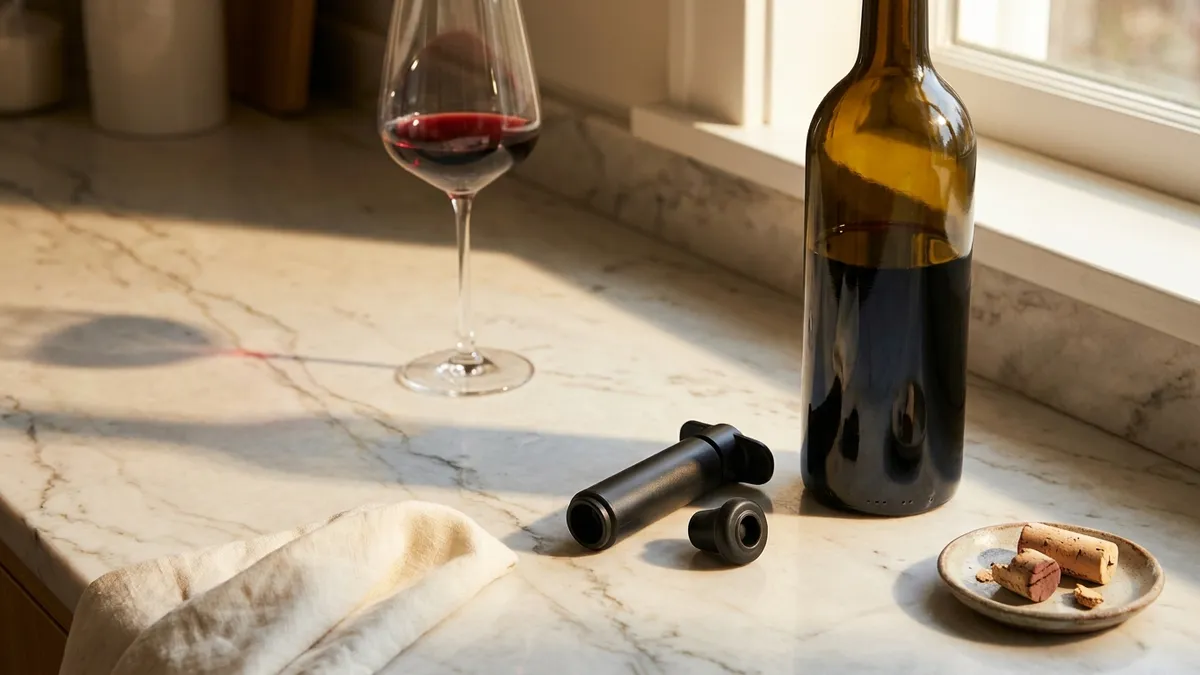
How Long Does Wine Last After Opening? A Type-by-Type Guide
How long does wine last after opening? A type-by-type guide with day counts for sparkling, white, rosé, red, sweet, and fortified wines, plus storage tips.
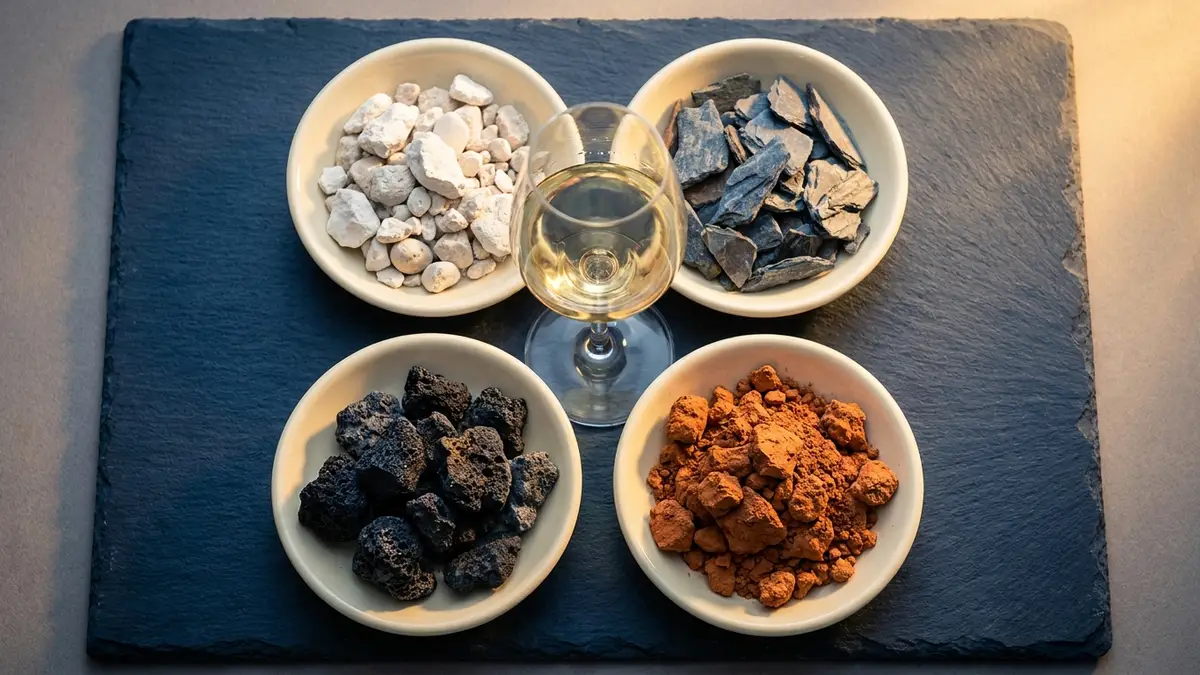
How Soil Type Affects Wine Taste: Limestone, Clay, Slate, and More
How soil affects wine taste — limestone gives chiseled acidity, slate gives steely Riesling, volcanic gives saline edge. A plain-English guide to six soil types.
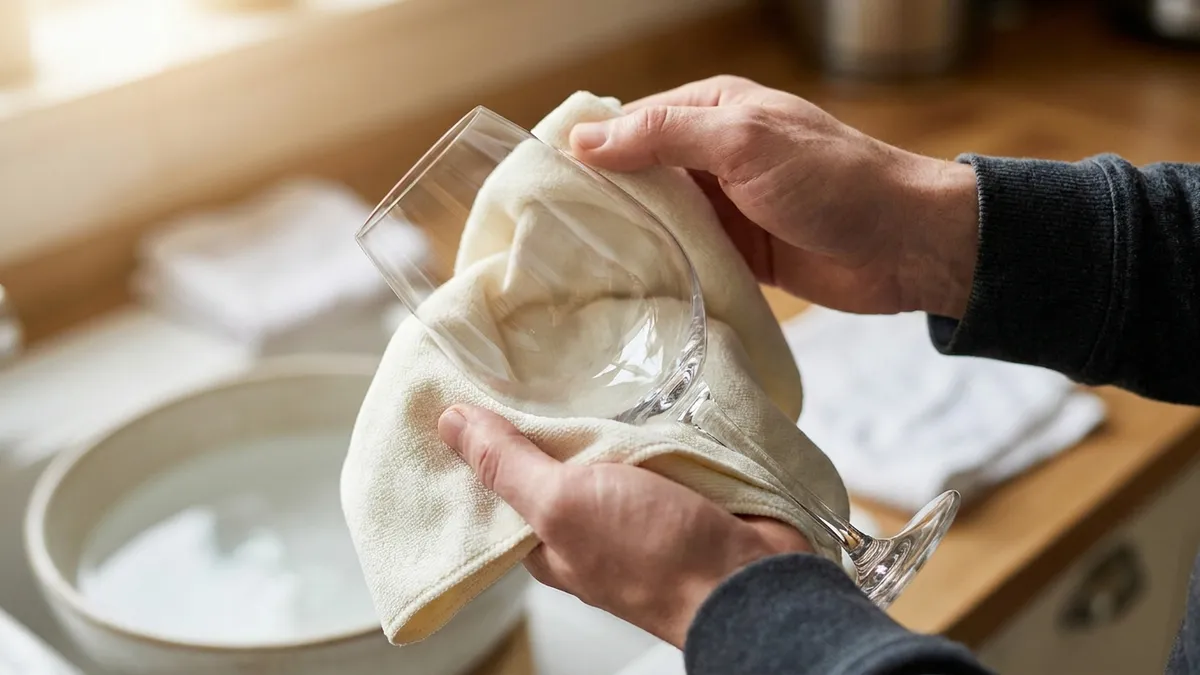
How to Clean Wine Glasses: The Right Way to Wash, Dry, and Store
How to clean wine glasses without leaving detergent film, water spots, or off-smells. The 5-step protocol, dishwasher pitfalls, and the polish that protects every pour.
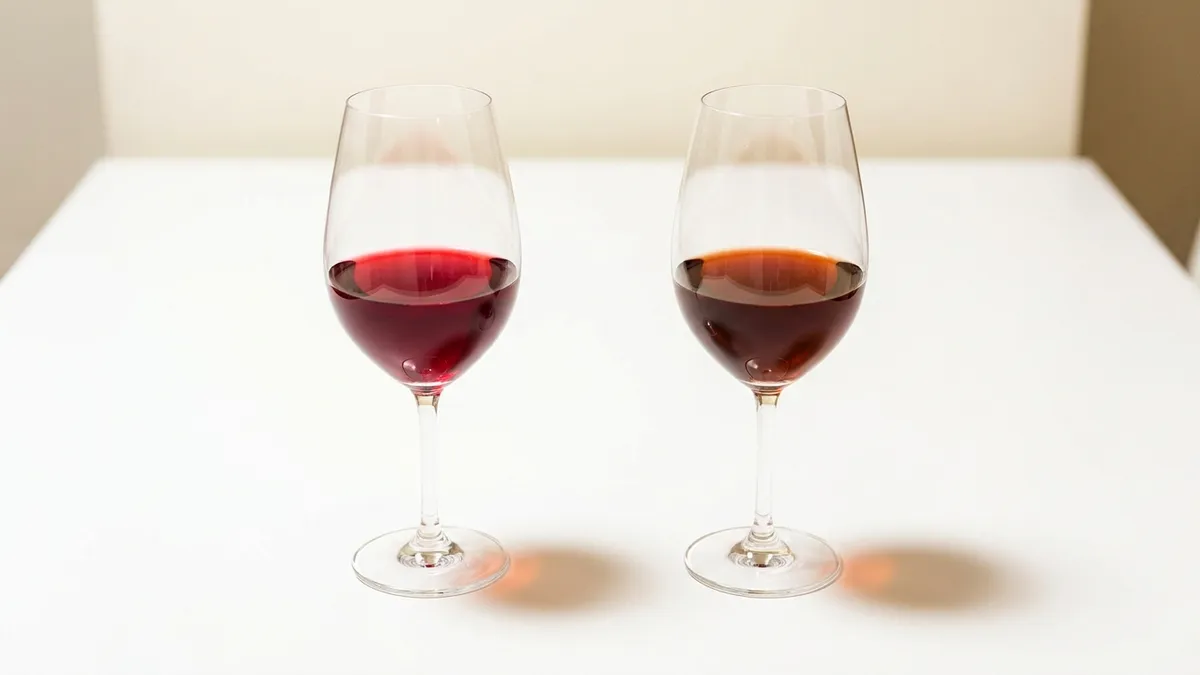
How to Compare Two Wines Side by Side: A Practical Method
How to compare two wines side by side, what to hold constant, what to vary, and how to write notes that show contrast rather than describe one glass at a time.
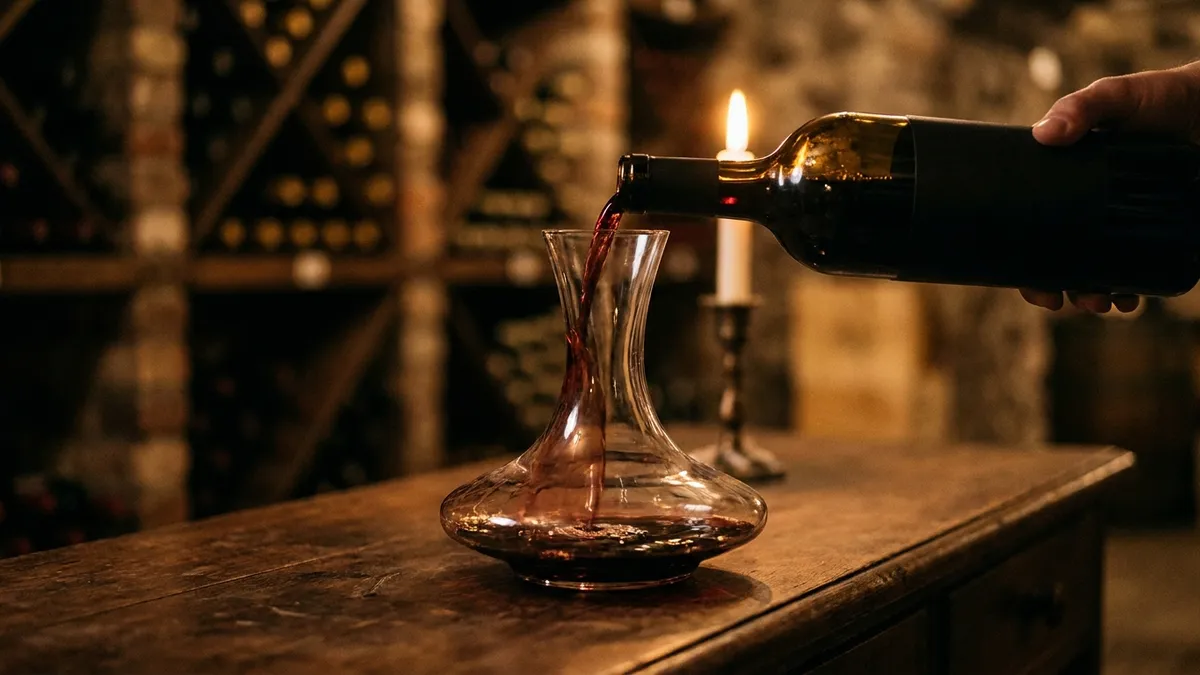
How to Decant Wine: When, Why, and How Long
A practical guide to how to decant wine — when it actually helps, when it ruins a bottle, and exact decant times for Cabernet, Bordeaux, Barolo, Burgundy, and aged reds.
How to Evaluate Wine Quality: Beyond "I Like It"
Wine quality is not the same as wine preference. Here is the five-dimension framework sommeliers use to evaluate wine quality, and how to apply it the next time you pour a glass.
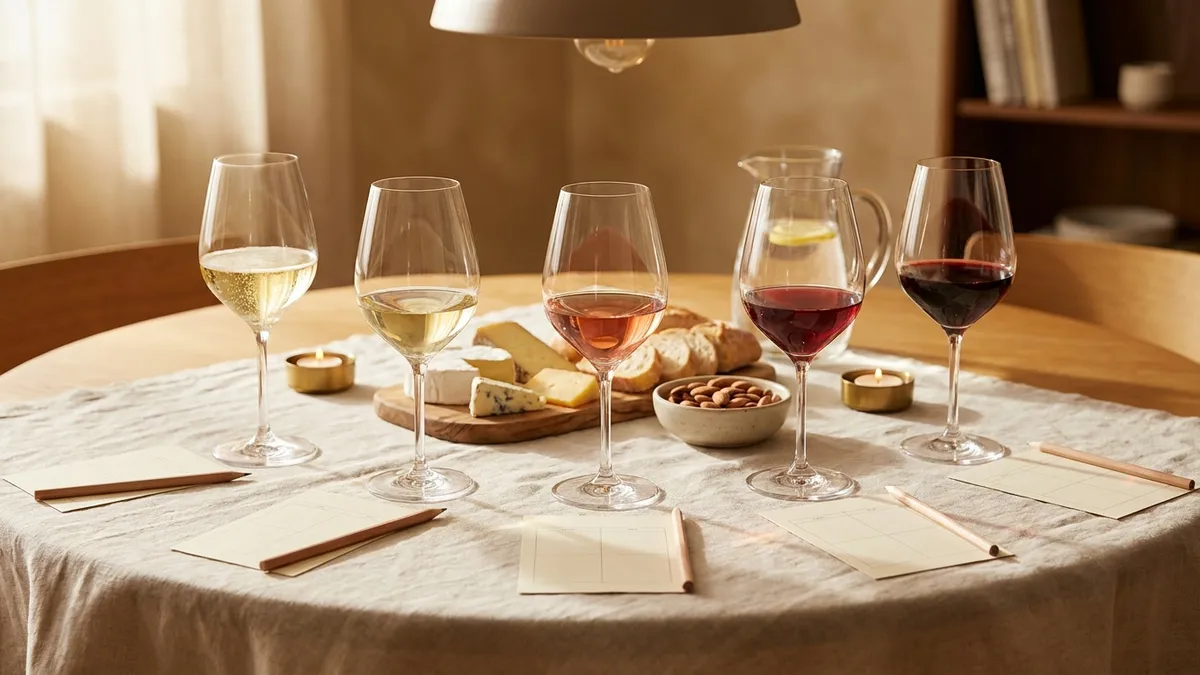
How to Host a Wine Tasting at Home: A Practical Guide
How to host a wine tasting at home — themes, bottle math, the four-step host prep timeline, conversation prompts, and the small rituals that turn a dinner into an experience.
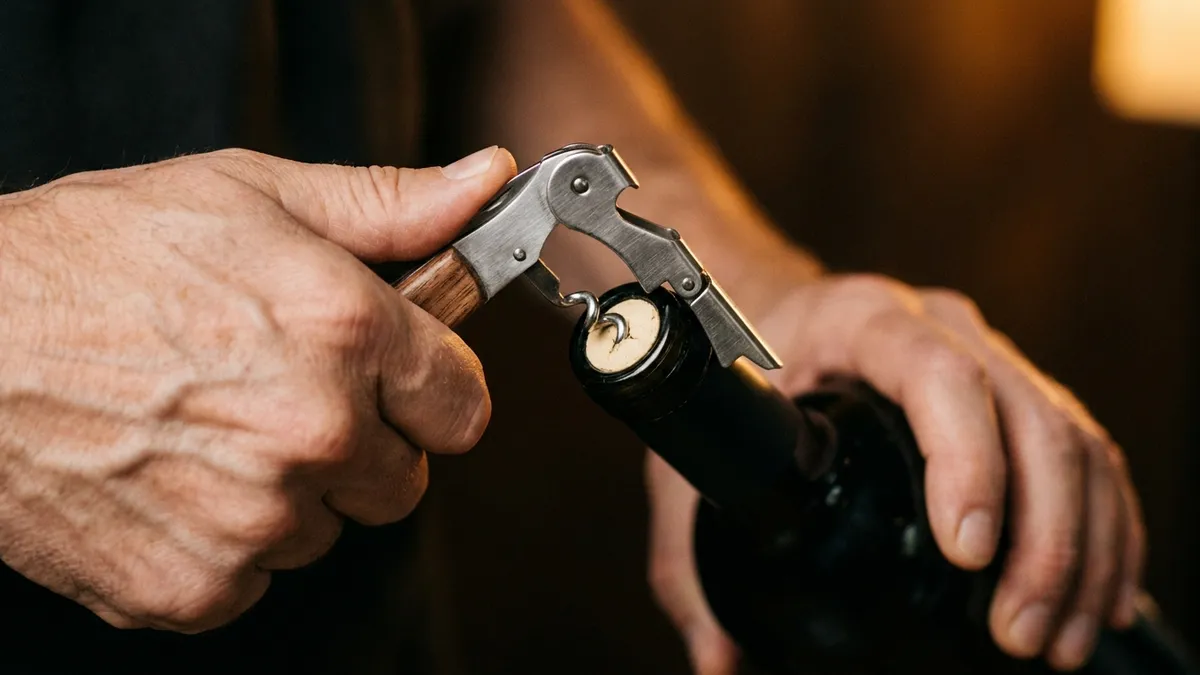
How to Open a Wine Bottle: Corkscrew, Key, and No-Tool Methods
How to open a wine bottle the right way — the four corkscrew types, the waiter's-friend technique, sparkling without the loud pop, and what to do when you have no tools.
How to Order Wine at a Restaurant Without the Anxiety
How to order wine at a restaurant without panic — a 3-step script, the price-pointing trick, wine list anatomy, and pairing rules that actually fit on a napkin.
How to Read a Wine Label: Everything You Need to Know
Learn how to read a wine label from any country. Decode producers, regions, vintages, and classifications so you can shop with confidence.
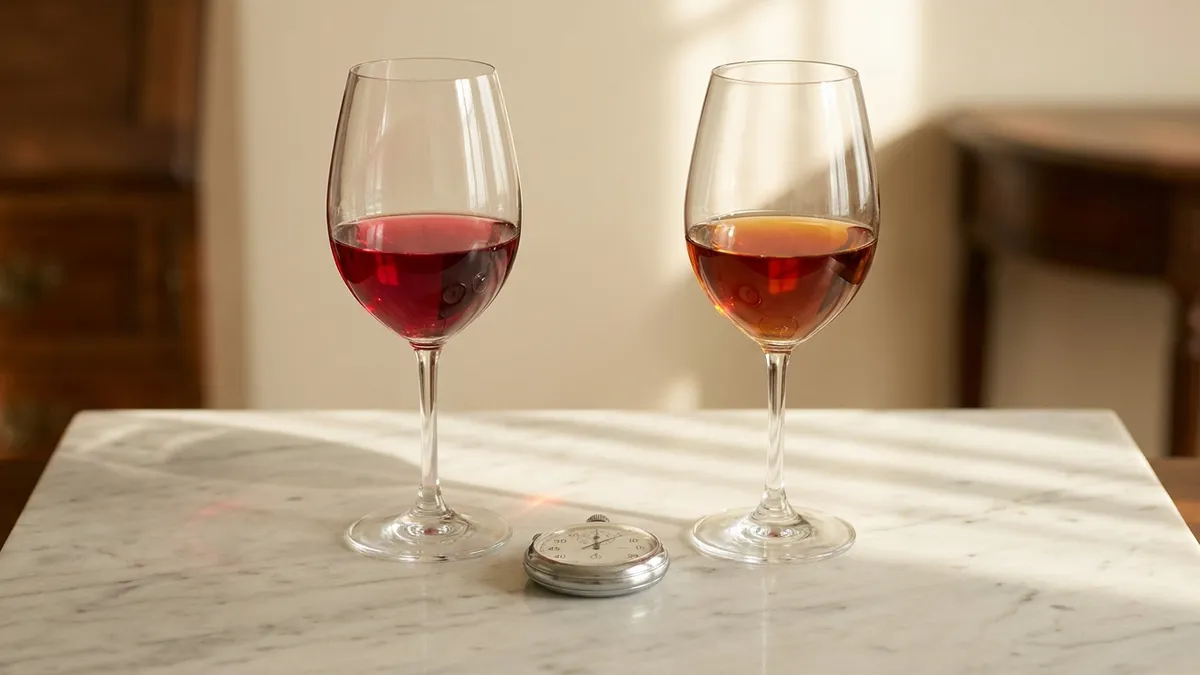
How to Re-Taste a Wine: Getting More from a Second Pour
Learning how to retaste wine — a second pour 30 to 60 minutes later, or the next day — reveals which bottles open up, which fade, and which deserve a different drinking strategy.
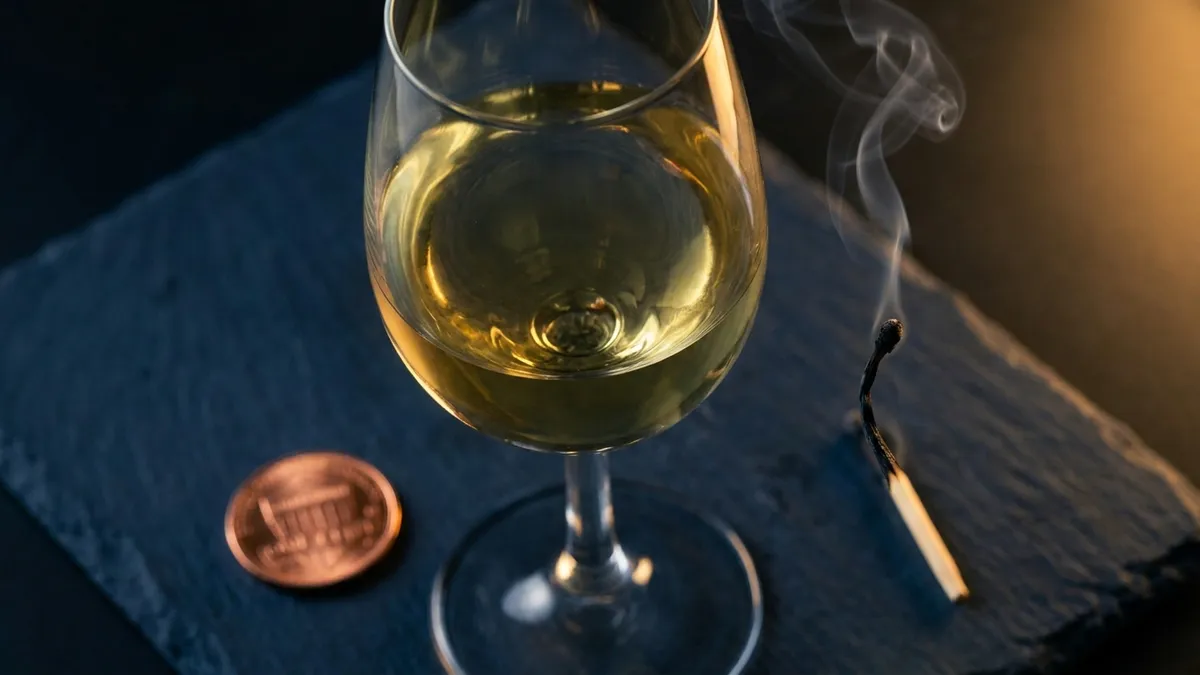
How to Detect Reduction in Wine: Struck Match, Rubber, and Fixes
Reduction in wine smells like a struck match, burnt rubber, or rotten egg — sometimes a stylistic feature, sometimes a fault. Here is how to recognize wine reduction smell, fix the mild kind with air or a copper coin, and tell it apart from cork taint.
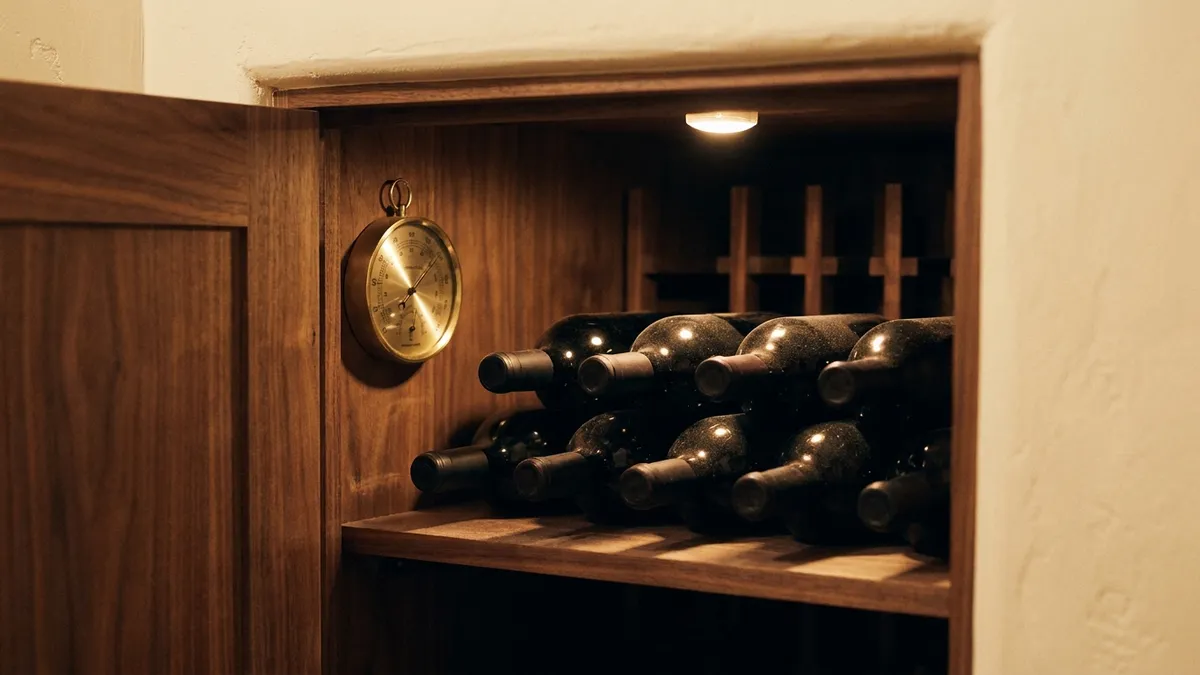
How to Store Wine at Home Without a Cellar
How to store wine at home without a dedicated cellar. The five enemies of wine, the realistic apartment-friendly setup, and the cheap upgrades that actually move the needle.
How to Taste Fortified Wine: Port, Sherry, and Madeira
Learn how to taste fortified wine — Port, Sherry, Madeira, and more — with a method built around higher alcohol, oxidative aging, and the full sweetness spectrum.
How to Taste Red Wine: A Step-by-Step Method
A complete step-by-step method for tasting red wine — read the rim for age, identify red and black fruit, assess tannin grip, and judge balance and length.
How to Taste Rosé: Beyond "Pink and Refreshing"
A structured five-step method for tasting rosé wine — read the color, swirl, smell the fruit and herbal notes, sip for acidity and weight, then reflect on style.
How to Taste Sparkling Wine: Bubbles, Mousse, and More
Learn how to taste sparkling wine like a pro — assess bubble size, mousse texture, autolytic notes, and dosage sweetness across Champagne, Prosecco, Cava, and more.
How to Taste White Wine: Focus on Acidity and Aromatics
Learn how to taste white wine with a five-step method that highlights acidity, aromatic intensity, oak, and color depth — adapted for whites from the classic tasting framework.
Ice Wine and Eiswein: A Guide to Frozen Grape Dessert Wine
Ice wine and Eiswein come from grapes frozen on the vine and pressed solid. This guide covers the production rules, regions, grapes, taste profile, and pairing logic behind one of wine's most extreme styles.
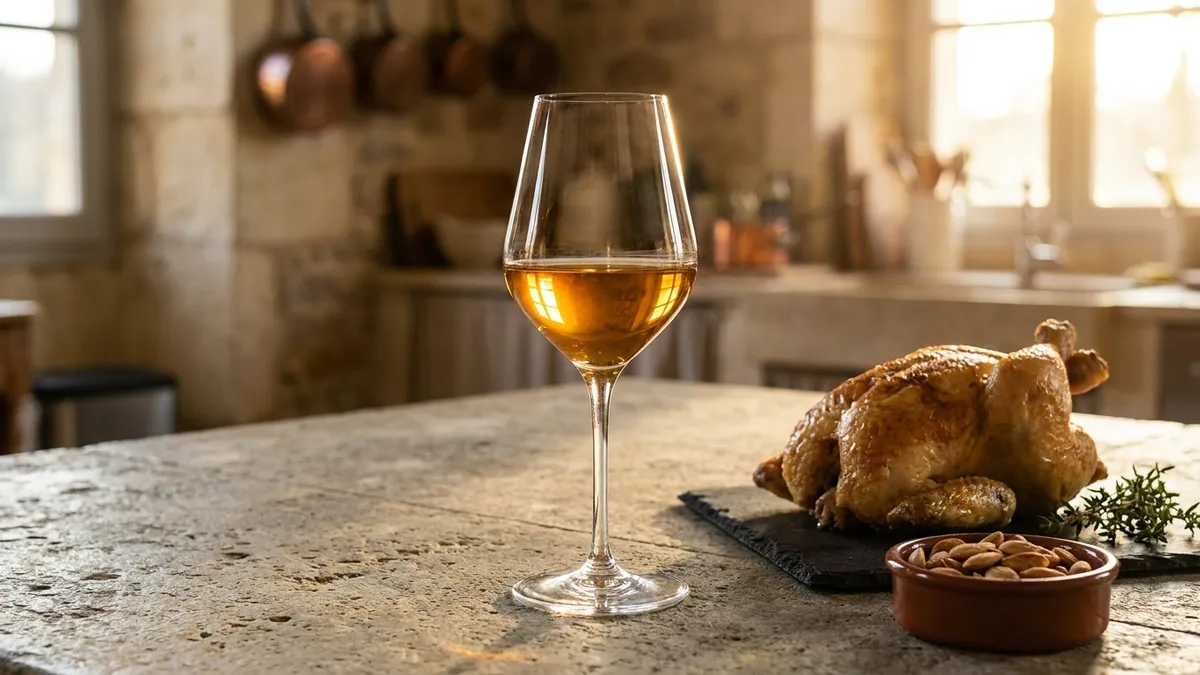
Marsanne Wine Guide: The Rich White of the Northern Rhône
Marsanne is the rich, waxy white grape behind Hermitage Blanc and Saint-Joseph Blanc. Learn its sensory profile, key regions, food pairings, and aging arc.
Mencía: Spain's Hidden Gem Red Grape
Mencía is Spain's most exciting rediscovered red grape — a slate-mineral, cherry-driven variety from Bierzo and Ribeira Sacra that drinks like Pinot Noir's Atlantic cousin.
Merlot Wine Guide: The Smooth Red That Deserves More Respect
A complete merlot wine guide covering flavor, structure, regions, food pairings, aging, and the truth behind the 'Sideways' backlash that bruised the grape's reputation.
Montepulciano Grape Guide: Not the Town, the Grape
Montepulciano is one of Italy's most-planted red grapes — and one of the most confusingly named. Learn how Montepulciano d'Abruzzo differs from Vino Nobile di Montepulciano, what the grape tastes like, and why it remains an exceptional value buy.
Moscato Wine Guide: Sweet, Fizzy, and Surprisingly Complex
Moscato is the Italian face of the Muscat family — gently sparkling, low in alcohol, and far more serious than its 2010s pop-culture image. Here is what to taste and pour.
Mourvèdre (Monastrell): The Dark, Meaty Mediterranean Grape
Mourvèdre — known as Monastrell in Spain and Mataro elsewhere — is the dark, savory backbone of Bandol and a key player in GSM blends. Learn its profile, regions, and food pairings.
Muscat Wine Guide: Styles, Taste, and How to Drink It
Muscat wine covers 200+ grapes and every style from dry to fortified. Learn how it tastes, how to drink it, and how muscat differs from moscato and muscatel.
Natural Wine Guide: What It Is and How to Drink It
A practical natural wine guide for drinkers — how to buy it, taste it, pair it, and tell good funk from real faults without the dogma.
How to Taste Natural Wine: Adjusting Your Expectations
Natural wine breaks the rules conventional wine taught you. This guide explains how to taste natural wine — what to expect in the glass, what counts as in-style funk, and how to tell character from a real fault.
Nebbiolo Wine Guide: The Grape Behind Barolo and Barbaresco
Nebbiolo is the noble red grape of Piedmont — behind Barolo, Barbaresco, Roero, Gattinara, and Ghemme. Learn its tasting profile, key zones, aging arc, and food pairings.
Nero d'Avola: Sicily's Bold Native Red
Nero d'Avola is Sicily's most-planted indigenous red grape — bold, sun-soaked, and full of black cherry, plum, and Mediterranean herbs. Learn its flavor profile, key Sicilian regions, food pairings, and how it compares to Etna's Nerello Mascalese.
How to Detect Oak Flavors When Tasting Wine
Learn how to identify oak flavors in wine — vanilla, clove, coconut, toast — and tell French oak from American oak, new from neutral, and oak from age.
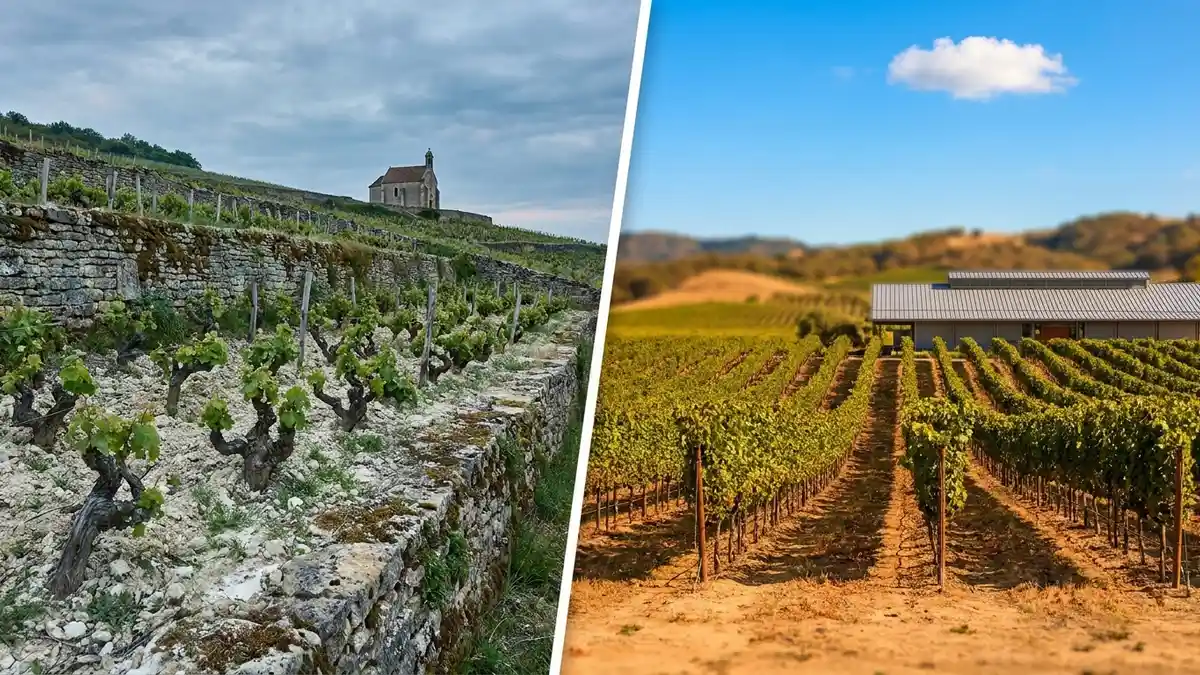
Old World vs New World Wine: What Is the Difference?
Old world vs new world wine is one of the most useful frames in wine. Here is what the terms actually mean — geography, climate, style, labeling — and how the differences show up in your glass.
Wine Aroma Kits: Are Le Nez du Vin and Others Worth Buying?
An honest wine aroma kit review — what Le Nez du Vin, Aromaster, and the Wine Aroma Library actually include, what they cost, and when a $20 DIY kit beats them.
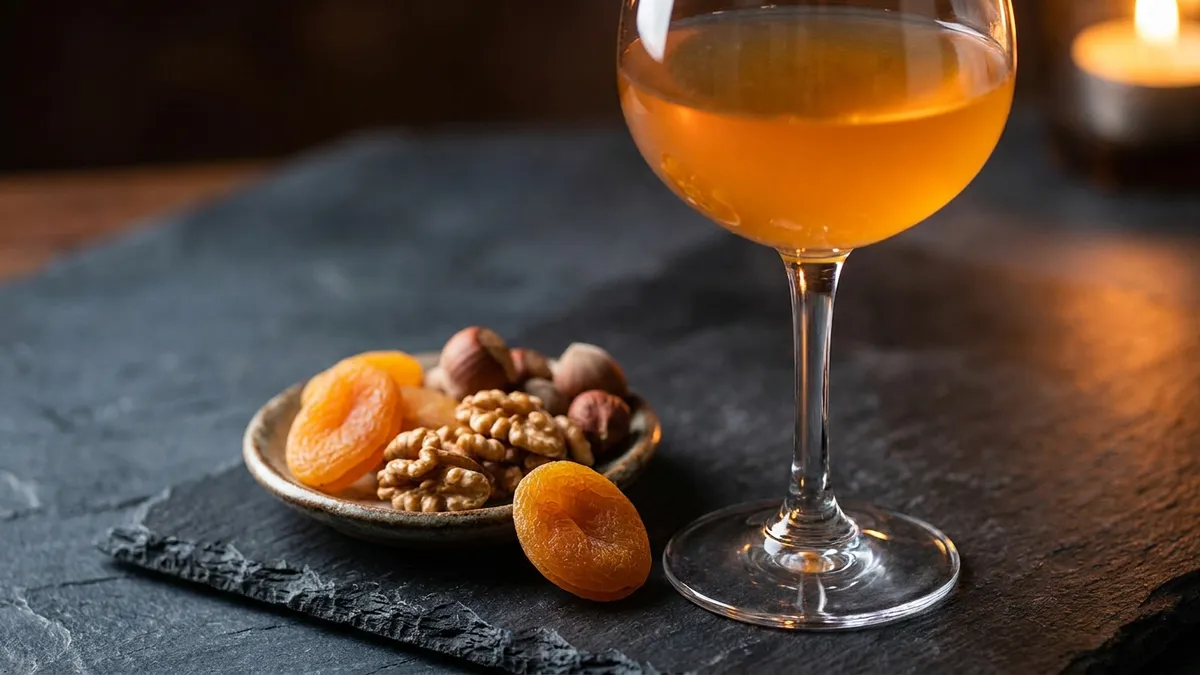
Orange Wine Guide: What It Is and How to Taste It
A practical guide to orange wine — what skin contact does to white grapes, how amber wines taste, and a four-bottle flight for tasting them with confidence.
Organic Wine vs Conventional Wine: Is It Worth the Price?
Organic wine costs 10 to 30 percent more than conventional. Learn what the certification actually means, whether you can taste the difference, and when the premium is worth paying.
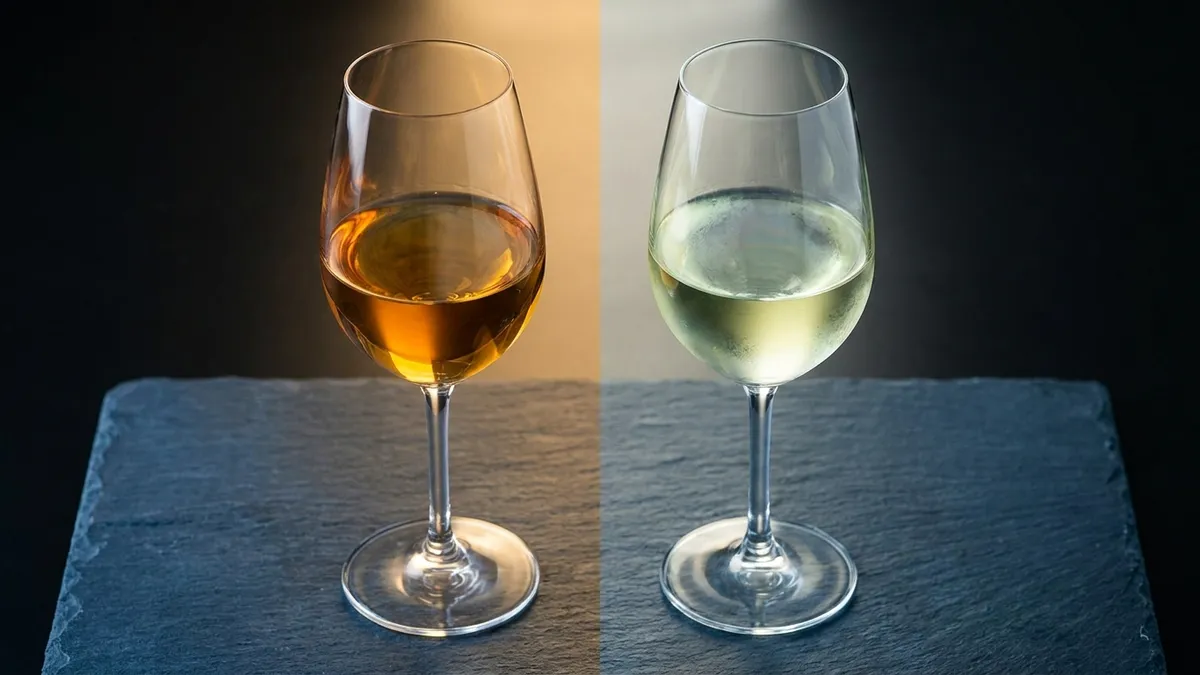
Oxidative vs Reductive Winemaking: How They Change the Taste
Oxidative and reductive winemaking shape every bottle you drink. Learn how oxygen contact creates nutty, salty, dried-fruit notes — and how strict oxygen exclusion locks in fresh fruit, citrus, and flintiness.
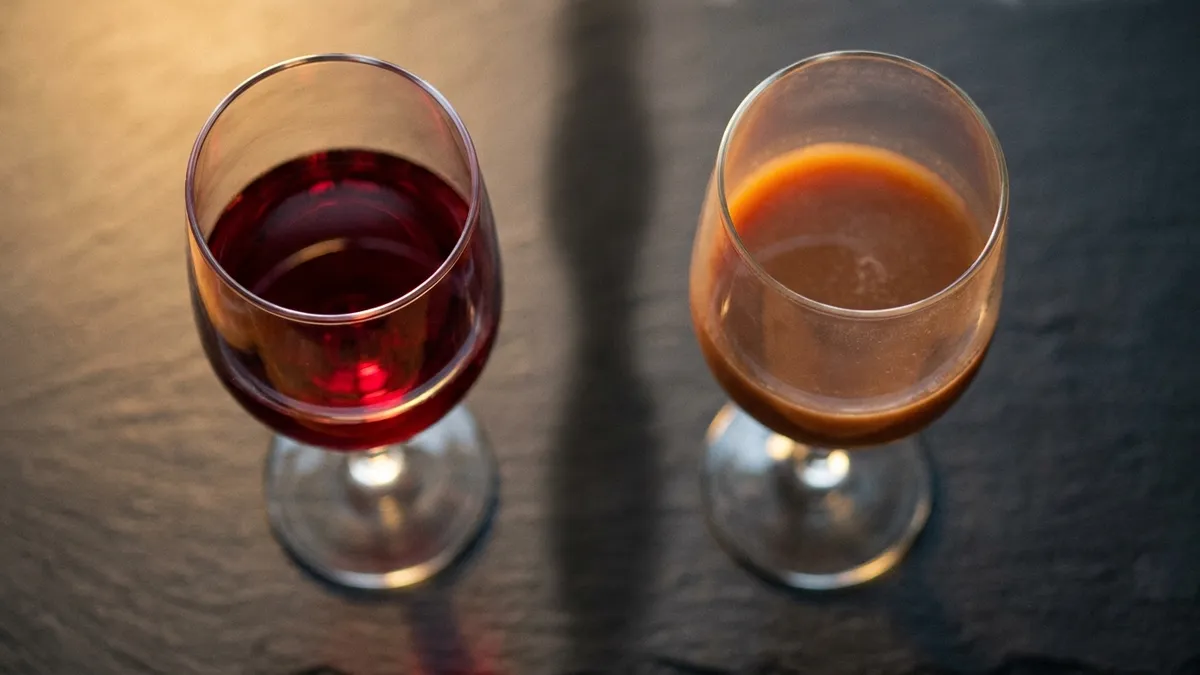
Oxidized Wine: What It Smells Like and How It Happens
Oxidized wine smells of bruised apple, sherry, and roasted nuts because oxygen has converted ethanol into acetaldehyde. Here is exactly what oxidation does, when it is a fault, and when it is the whole point of the bottle.
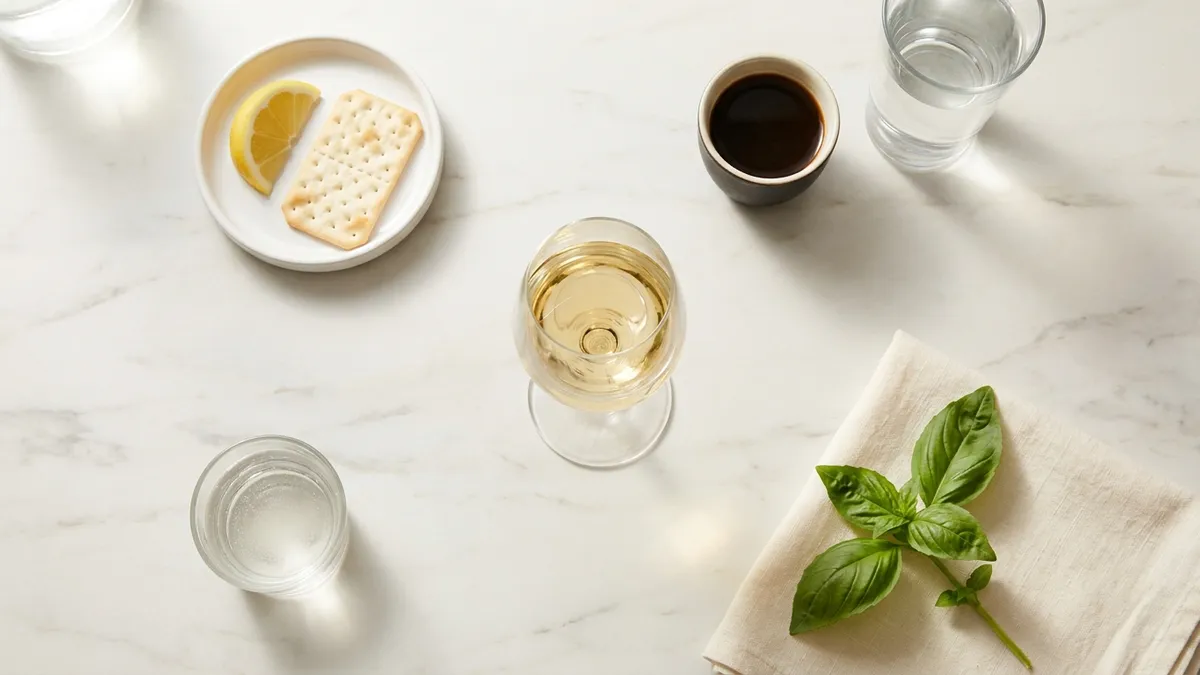
Palate Calibration: Quick Exercises Before Any Tasting
Five short palate calibration exercises that prime your senses before tasting wine — anchor acid, bitter, sweet, aroma, and clear the palate in under ten minutes.
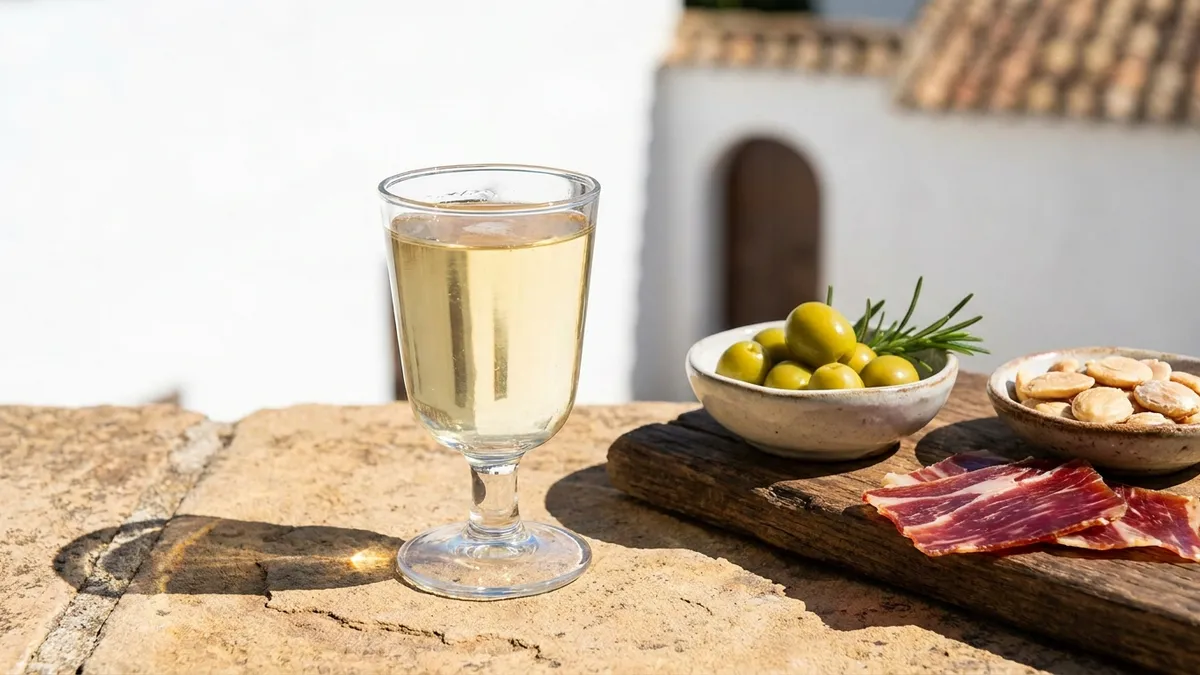
Palomino Fino: The Unsung Grape of Sherry
Palomino Fino is the neutral white grape behind Sherry. Learn how flor yeast, fortification, and the solera system transform it into Fino, Manzanilla, Amontillado, and Oloroso.
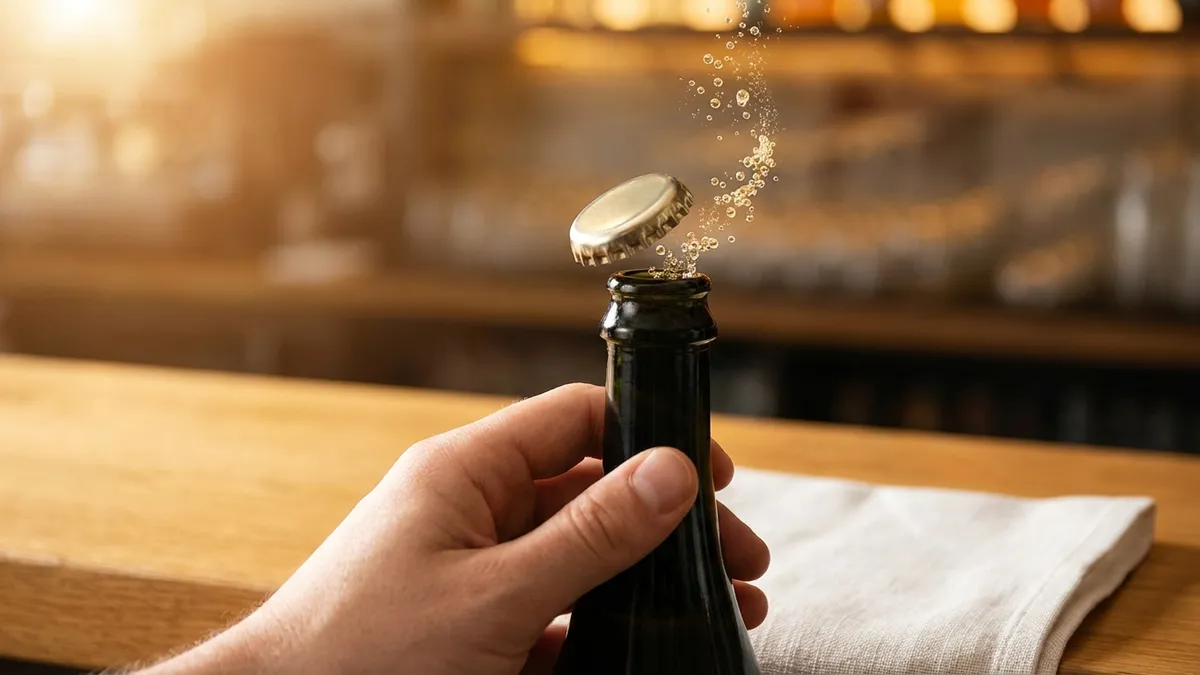
Pet-Nat Wine: A Beginner's Guide to Pétillant-Naturel
Pet-nat wine is sparkling wine made the old-fashioned way — one fermentation, finished in the bottle. A beginner's guide to pétillant-naturel, its taste, and how to choose a bottle.
Petit Verdot: The Blending Grape That Stands Alone
Petit Verdot is the deep, floral, late-ripening fifth Bordeaux grape — long used as a 1 to 5 percent blender, now bottled solo across the warm New World. Here is how to recognize it.
Petite Sirah Wine Guide: Not Petite at All
Petite Sirah is one of California's most powerful red wines — inky, tannic, and unapologetically bold. Learn the grape's history as Durif, how it differs from Syrah, and why it pairs so well with barbecue and grilled meats.
Pinotage: South Africa's Unique Cross Grape
Pinotage is South Africa's signature red — a 1925 cross of Pinot Noir and Cinsault that tastes like nothing else. Here is the full guide to its flavor, regions, modern style, and food pairings.
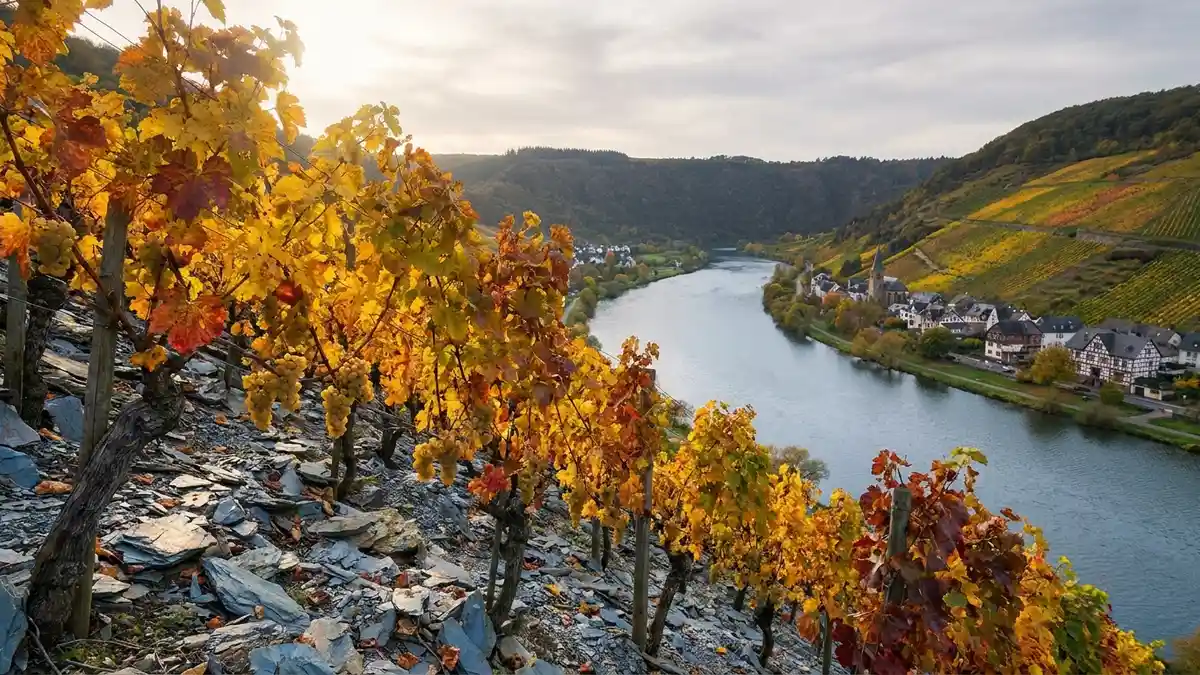
Prädikat Wine Classification: A Guide to German Riesling Levels
The Prädikat wine classification grades Germany's finest Rieslings by grape ripeness at harvest. This guide walks through all six levels, the Oechsle scale, what each tier tastes like, and how to read a label without confusing ripeness with sweetness.
Primitivo Wine Guide: Zinfandel's Italian Twin
Primitivo is Puglia's signature red — bold, sun-ripened, and genetically identical to California Zinfandel. Learn the styles, regions, food pairings, and what sets Italian Primitivo apart.
A Practical Guide to Responsible Wine Drinking
A clear, non-preachy guide to responsible wine drinking — standard drink math, current government guidelines, pacing strategies, mindful habits, and a 30-day reset.
Resveratrol in Red Wine: What the Science Actually Says
Resveratrol red wine benefits are the most overhyped claim in wine. Here is what the molecule actually does, how little is in your glass, and why the dose math does not work.
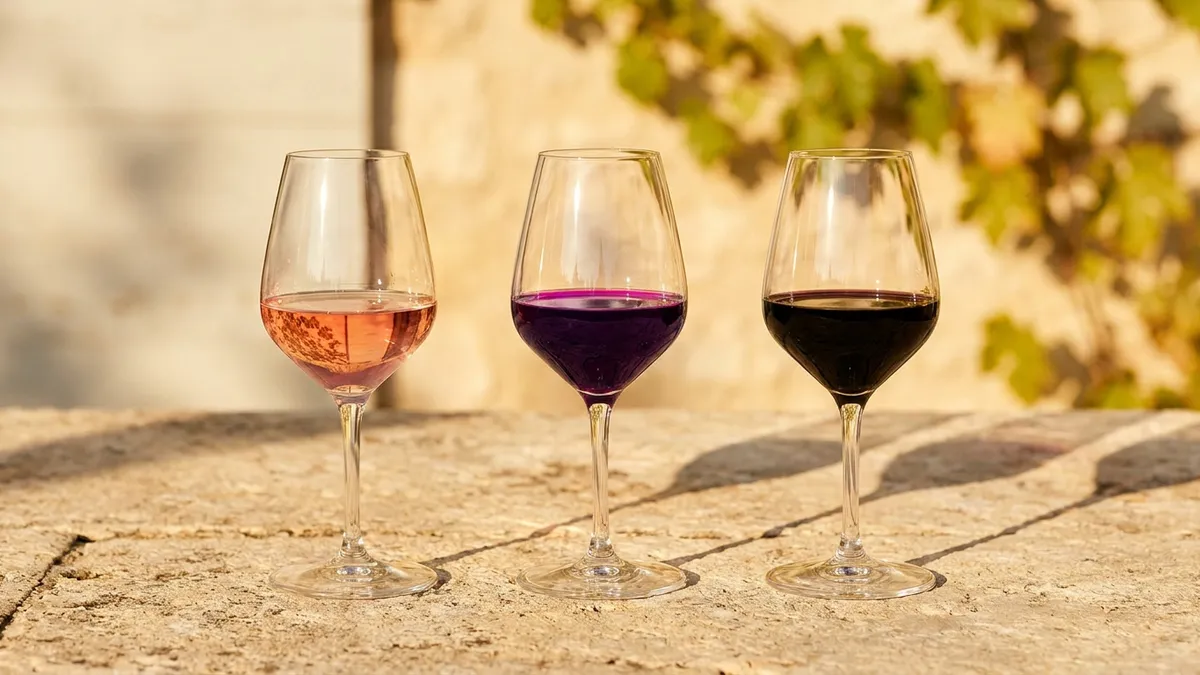
Rhône Blends: GSM and the Art of Southern French Wine
A complete guide to Rhône blend grapes — the GSM trinity of Grenache, Syrah, and Mourvèdre, the 13-grape rule of Châteauneuf-du-Pape, and how the formula travels from southern France to the New World.
Roussanne: The Aromatic Rhône White with Herbal Charm
Roussanne is the perfumed, herbal white grape behind the great whites of Hermitage and Châteauneuf-du-Pape. Learn its sensory profile, the Roussanne-Marsanne co-blend, regions, and how to age it.
Saperavi: Georgia's Ancient, Inky Red Grape
Saperavi wine from Georgia is one of the world's oldest red grapes — a teinturier variety with red flesh that produces inky, full-bodied wines often aged in clay qvevri for thousands of years.
Sauvignon Blanc: The Complete Guide to the World's Most Crisp White
A complete sauvignon blanc wine guide — how it tastes, where it grows, why Marlborough and Sancerre taste so different, and how to pair it with food.
Screw Cap vs Cork: Does the Closure Affect Wine Quality?
Screw cap vs cork wine — does the closure actually change quality, aging, or flavor? An honest, science-backed look at TCA, oxygen exchange, and which seal works best for which style.
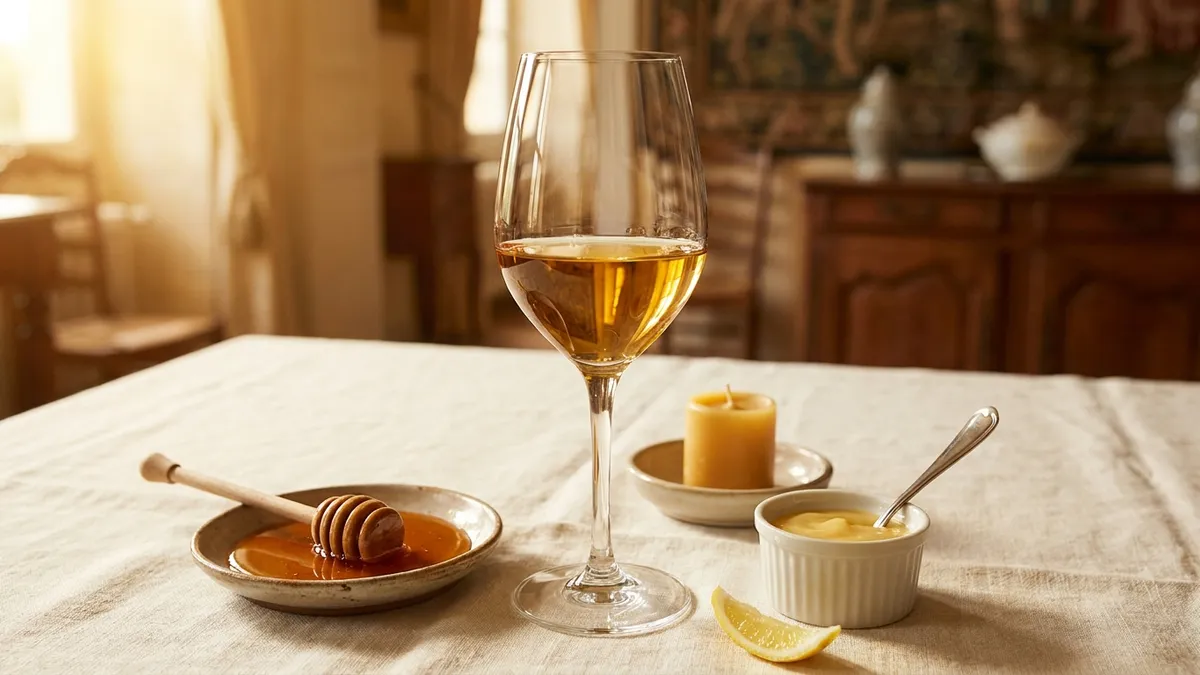
Sémillon Wine Guide: Bordeaux's Secret White Grape
Sémillon is the unsung half of white Bordeaux, the backbone of Sauternes, and the star of Hunter Valley's age-worthy dry whites. This guide covers the grape's three signature roles, flavor profile, and food pairings.
The Science of Sensory Evaluation in Wine
Sensory evaluation is the disciplined science behind serious wine tasting. Here is how olfaction, taste, trigeminal touch, and trained-panel methodology turn subjective sips into reproducible data.
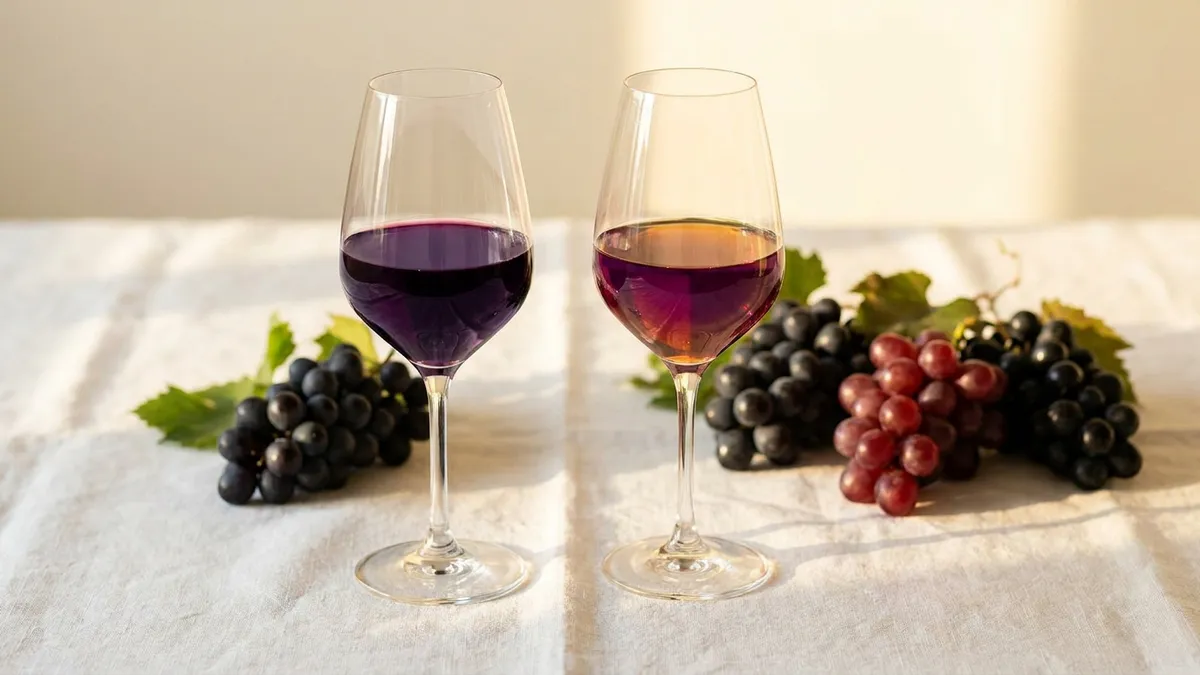
Single Varietal vs Blend: Which Is Better?
Single varietal vs blend wine — neither is better. Learn the philosophy behind each, how labels differ between Old World and New World, and how to pick from a wine list.
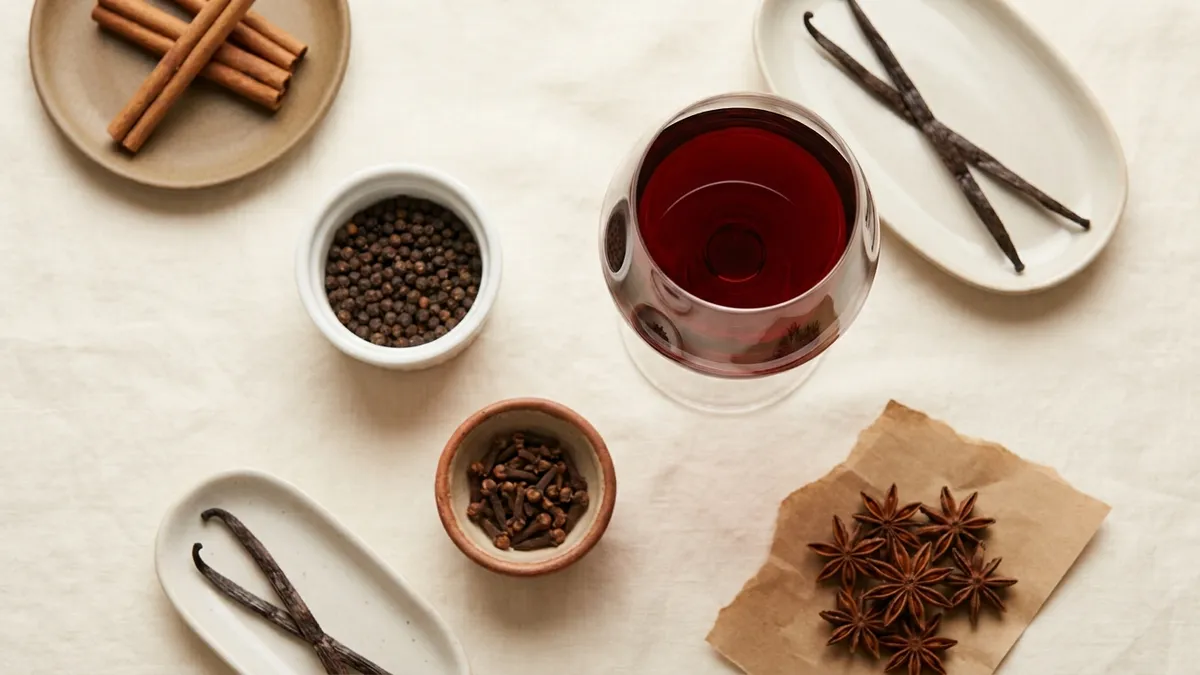
Spice Notes in Wine: Pepper, Clove, Vanilla, and More
Spice notes in wine come from the grape, the oak barrel, or the stems. Learn how to tell them apart and what each spice tells you about the wine.
Tannat Wine Guide: Uruguay's Bold Signature Red
A complete guide to tannat wine — from its French origins in Madiran to its rise as Uruguay's national grape. Tasting notes, aging, food pairings, and the famous resveratrol story.
How to Taste Dessert Wines: Sweetness, Acidity, and Balance
Learn how to taste dessert wine properly — small pours, the right temperature, the balance test between sugar and acid, and pairings that make sweet wines sing.
Blind vs Sighted Tasting: How Labels Bias Your Perception
Blind vs sighted wine tasting changes what you actually taste. Three famous studies show how labels, price tags, and color cues shift perception by up to 30 percent.
Torrontés: Argentina's Aromatic White Grape
Torrontés is Argentina's signature aromatic white wine, grown almost exclusively in the country's high-altitude Andean valleys. This guide covers the three sub-varieties, why Cafayate matters, the perfume-vs-dryness paradox, and how to pair it.
Touriga Nacional: Portugal's Noble Red Grape
Touriga Nacional is Portugal's flagship red grape — the soul of Port wine and a rising star of dry Douro DOC reds. Learn its profile, regions, food pairings, and aging potential.
Trebbiano Wine: Taste, Types and the Ugni Blanc Link
Trebbiano wine is a dry, pale, high-acid white from the grape family behind a third of Italy's white wine. What it tastes like, what each Trebbiano label means, how it compares with Chardonnay, and why Ugni Blanc makes Cognac.
Verdejo: Spain's Answer to Sauvignon Blanc
Verdejo wine is Spain's flagship white grape from Rueda — high-acid, herbal, with a signature bitter-almond finish. This guide covers Rueda DO, styles, food pairings, and how Verdejo compares to Sauvignon Blanc.
Vermentino Wine Guide — Dry or Sweet, and How It Tastes
Vermentino is a dry white wine. Learn how it tastes, how it compares with Sauvignon Blanc and Chardonnay, where it grows, and what to eat with it.
Vermouth Guide: Italian, French, and Modern Aromatized Wine
A complete vermouth guide covering Italian rosso, French dry, modern craft styles, classic cocktails, food pairings, and how to drink vermouth like a local.
Vintage vs Non-Vintage Wine: What Is the Difference?
Vintage vs non-vintage wine — the difference is one harvest year vs many. Learn when each style matters and how to spot it on Champagne, Port, and Sherry labels.
Viognier Wine Guide: The Aromatic White You Should Know
Viognier is the perfumed, full-bodied white grape behind Condrieu and Côte-Rôtie. Learn its aromatic signature, key regions, food pairings, and why it nearly went extinct in the 1960s.
How to Host a Virtual Wine Tasting That Actually Works
A practical virtual wine tasting guide — how to align bottles, structure a 60-90 minute schedule, fix audio and shipping, and host like a pro on Zoom or Google Meet.
Volatile Acidity in Wine: When Vinegar Notes Go Too Far
Volatile acidity in wine is the sharp vinegar note that creeps into a glass when acetic acid bacteria meet oxygen and ethanol. Here is what causes it, when it ruins a bottle, and when it is the whole point of the style.
What Does "Bright" Mean in Wine? Acidity and Freshness
Bright in wine means lively, fresh, vivid — driven by high acidity, pure primary fruit, and a faintly luminous color. Learn what creates brightness and how to spot it.
What Does "Elegant" Mean When Describing Wine?
Sommeliers reach for the word elegant the way poets reach for grace — often, and rarely with a clear definition. Here is what elegance in wine actually means, how it differs from power, and how to taste it in the glass.
What Does "Grippy" Mean in Wine? Tannin Texture Explained
Grippy wine means tannins are leaving a noticeable, drying, slightly chewy hold on your cheeks and gums. Here is what causes it, when it is a virtue, and when it is a flaw.
What Does "Jammy" Mean in Wine Tasting?
Jammy in wine means cooked-down, syrupy, overripe black-fruit character — like blackberry preserves and fig. Here is what causes it, where it shows up, and why tasters love or critique it.
What Does "Rustic" Mean in Wine? Charm or Fault?
Rustic wine sits between charm and fault. Learn what rustic wine means, where it shines, and how to tell honest village character from poor winemaking.
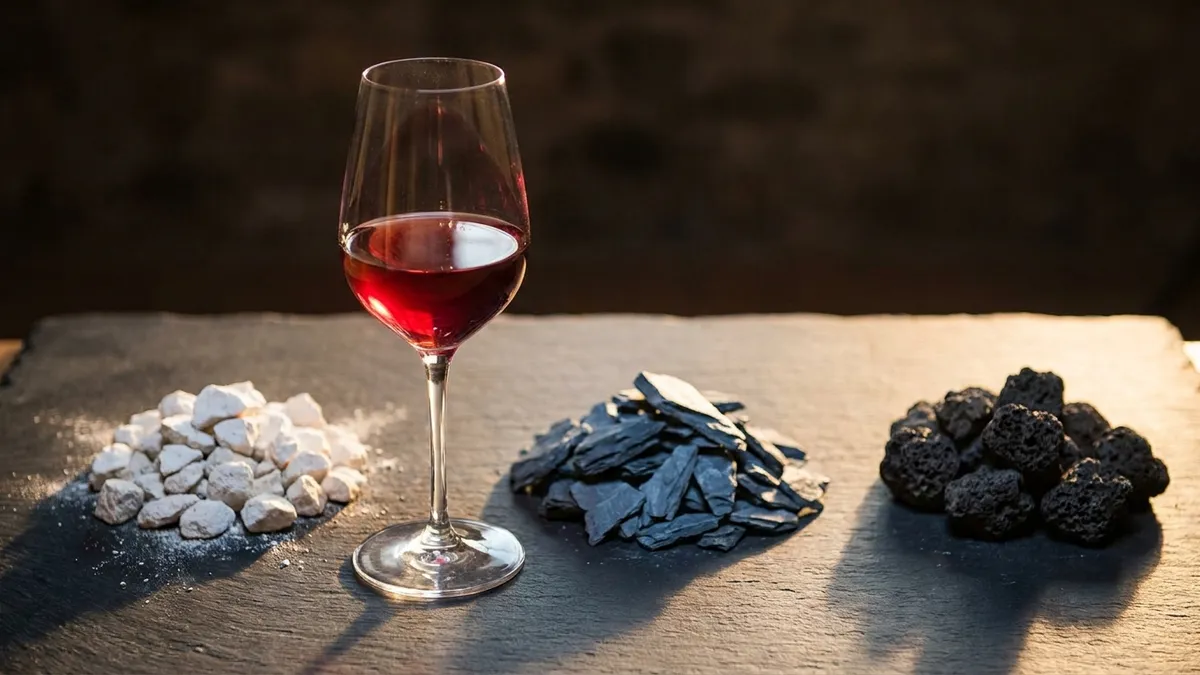
What Does Terroir Actually Taste Like?
Terroir is not abstract — it shows up as specific sensory markers. Here is what limestone, slate, volcanic, granite, and clay soils taste like in real wines you can buy.
What Is Malolactic Fermentation? The Buttery Chardonnay Secret
Malolactic fermentation is the secondary process that turns sharp green-apple acid into soft, creamy lactic acid — the reason buttery Chardonnay tastes the way it does. Here is how it works, why winemakers choose it, and how to taste it in the glass.
What Is Wine Finish? Length, Persistence, and What It Tells You
Wine finish is the lingering taste, sensation, and impression after you swallow. Here is what it means, how to measure it on the WSET scale, and why it is the single most honest quality signal in the glass.
What Is Length in Wine? Why the Finish Lingers
Wine length is the duration of flavor after you swallow — and one of the clearest signals of quality. Here is how to time it, count caudalies, and read what the seconds reveal.
What Is Typicity in Wine? Recognizing a Grape's True Character
Typicity is how faithfully a wine expresses the expected character of its grape and region. Learn what wine typicity means and how to taste for it.
When to Send Wine Back at a Restaurant (and How to Do It)
The polite, practical guide to when you can send wine back at a restaurant — the three valid faults, the three invalid reasons, the tasting ritual decoded, and the exact words to use.
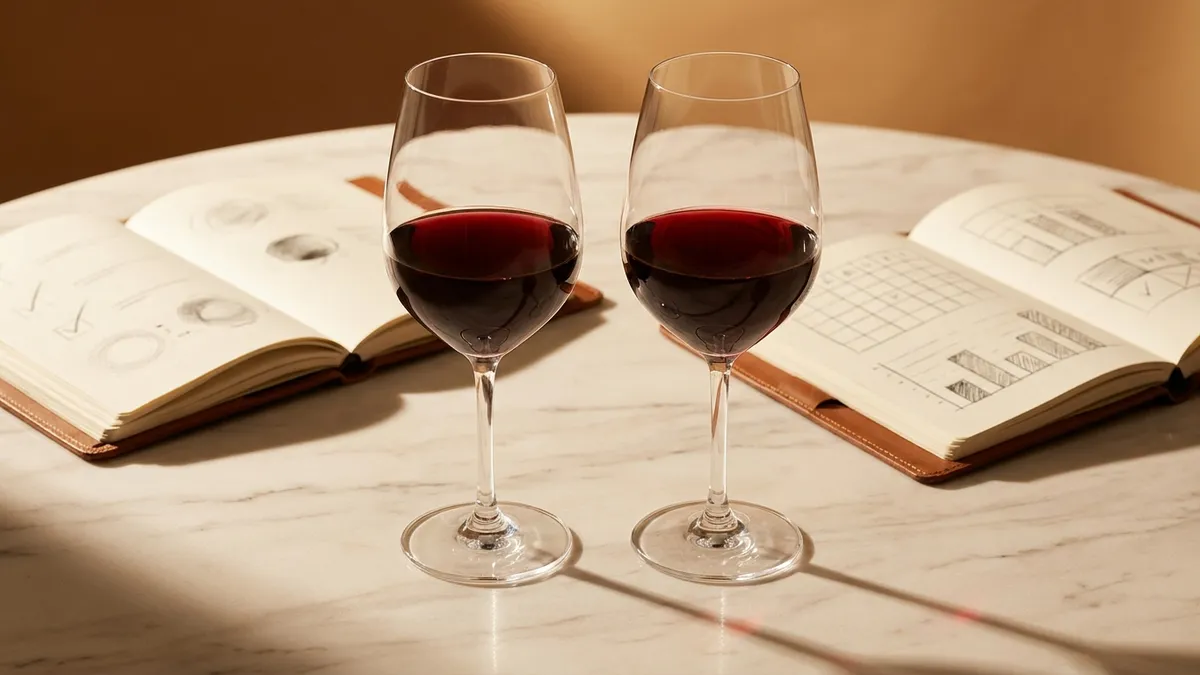
Why Wine Experts Disagree: The Subjectivity of Tasting
Why wine experts disagree even when tasting the same bottle blind — genetic taste differences, palate calibration drift, school-of-thought traditions, regional aesthetics, and point inflation explained.
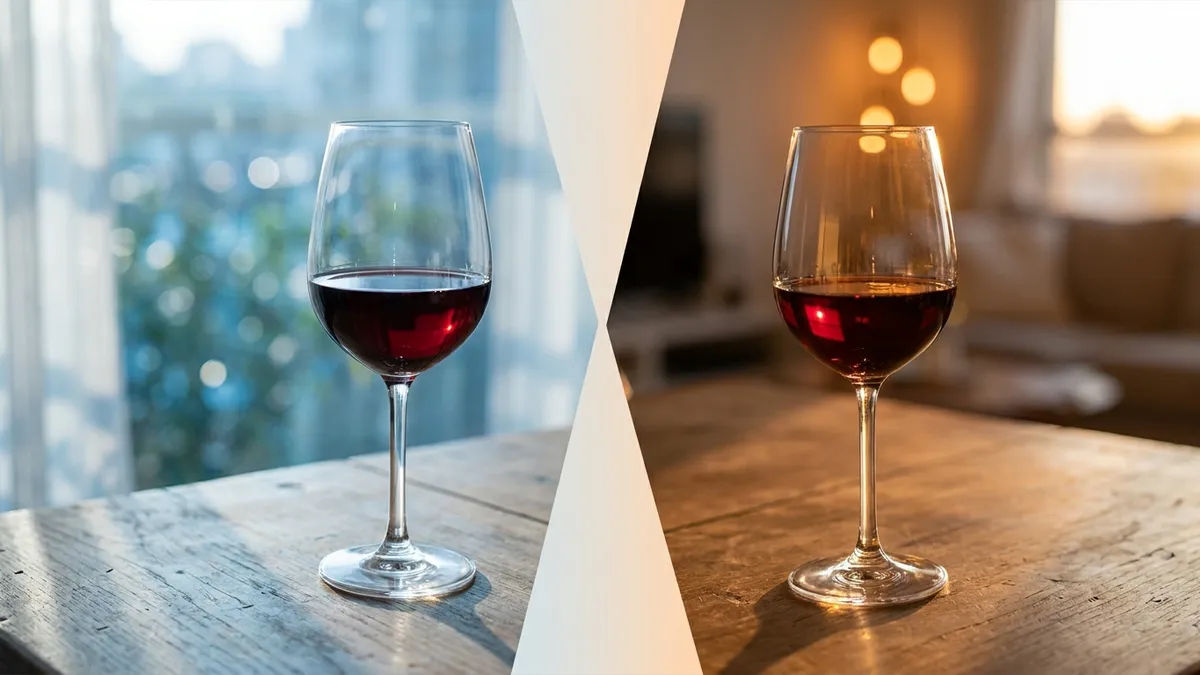
Why the Same Wine Tastes Different Every Time You Open It
The same wine can taste like a different bottle from one night to the next. Six reasons explain why wine tastes different each time — bottle variation, temperature, glassware, food, palate state, and context.
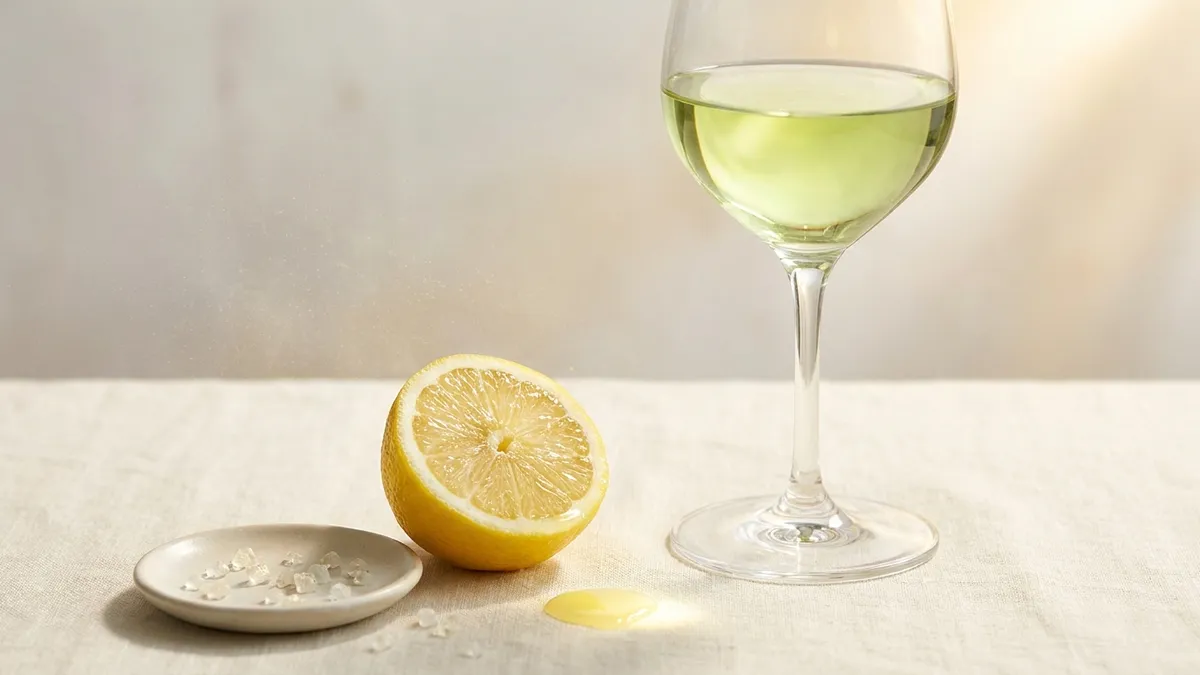
Wine Acidity Explained: How to Taste It and Why It Matters
Wine acidity is the spine of every great glass — the mouthwatering tang that lifts fruit, cuts richness, and keeps wine from tasting flat. Learn how to taste it, what it means, and why balance matters more than maximum.
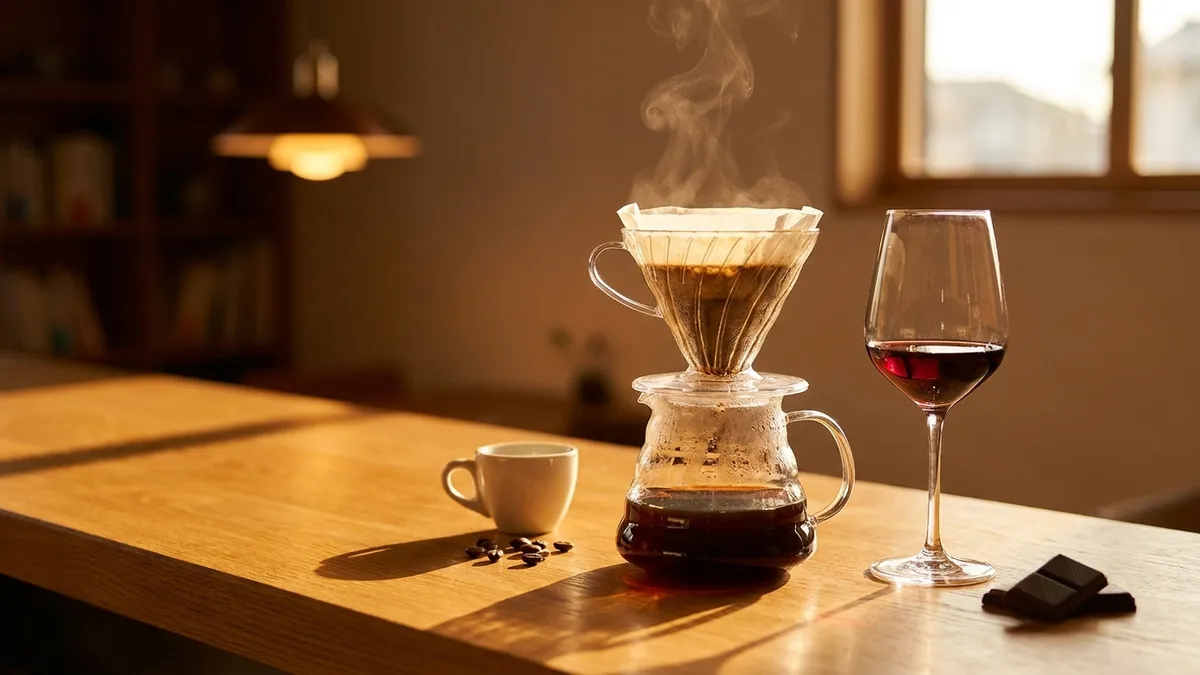
Wine and Coffee: Surprising Pairings and Shared Flavor Notes
A wine and coffee pairing guide for tasters who want to map flavors, find dessert combinations that work, and avoid the mistakes that ruin both.
Wine and Histamine Intolerance: What to Know Before You Drink
Wine histamine intolerance explained — what histamine is, why aged reds hit hardest, which wines are lower-histamine, the symptoms to watch for, and how to drink without the flush, congestion, and headache spiral.
Wine and Meditation: A Mindful Tasting Practice
Most wine drinking is rushed and distracted. Mindful wine tasting uses meditation principles to slow the glass down, train the palate, and turn one pour into a fuller experience than four hurried ones.
Reading Wine by Appearance: Clues Before Your First Sip
A complete wine appearance guide to reading the glass before you smell or sip — depth, hue, clarity, rim, legs, and bubbles, and what each one really tells you.
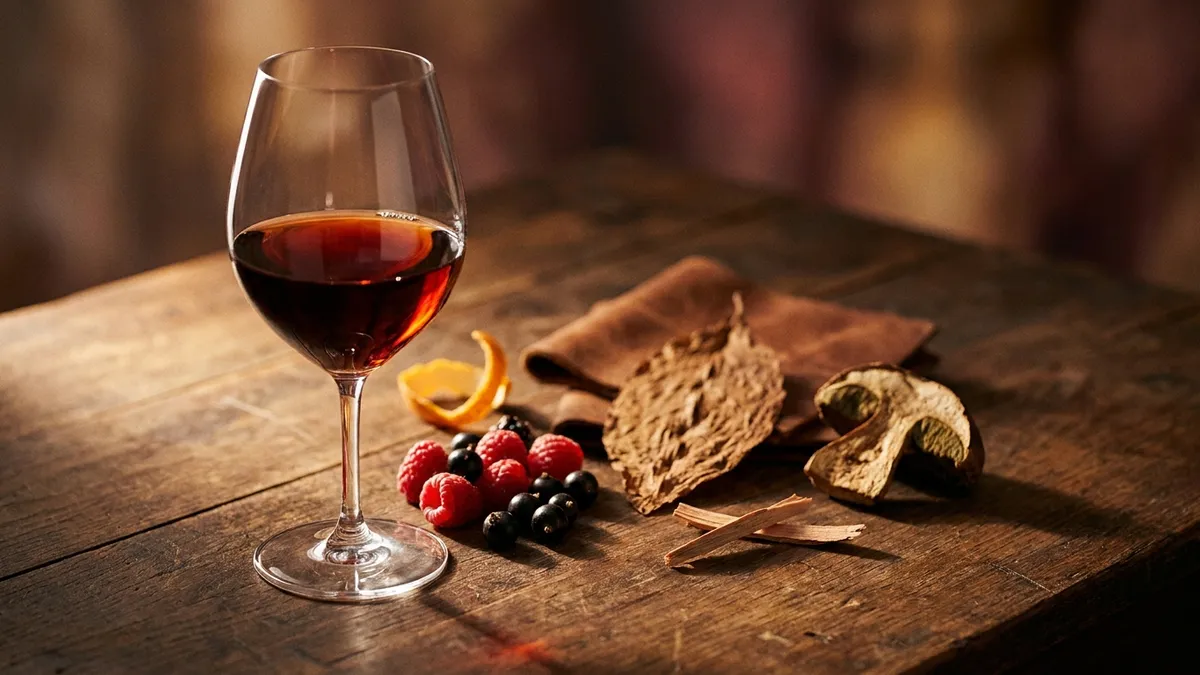
Wine Aroma vs Bouquet: What Is the Difference?
Wine aroma vs bouquet is one of tasting's oldest debates. Here is the historical distinction, the modern usage, and a simple framework for telling fruit-driven smells from age-driven ones in any glass.
Astringency vs Bitterness in Wine: How to Tell Them Apart
Astringency is a drying tactile grip. Bitterness is a basic taste at the back of the tongue. Here is how to feel the difference, why it matters, and which compounds cause each.
Wine Bar Etiquette: How to Order, Tip, and Not Look Lost
Wine bar etiquette without the snobbery — how to read the by-the-glass list, ask for a taste, order a flight, tip correctly, and walk in like a regular.
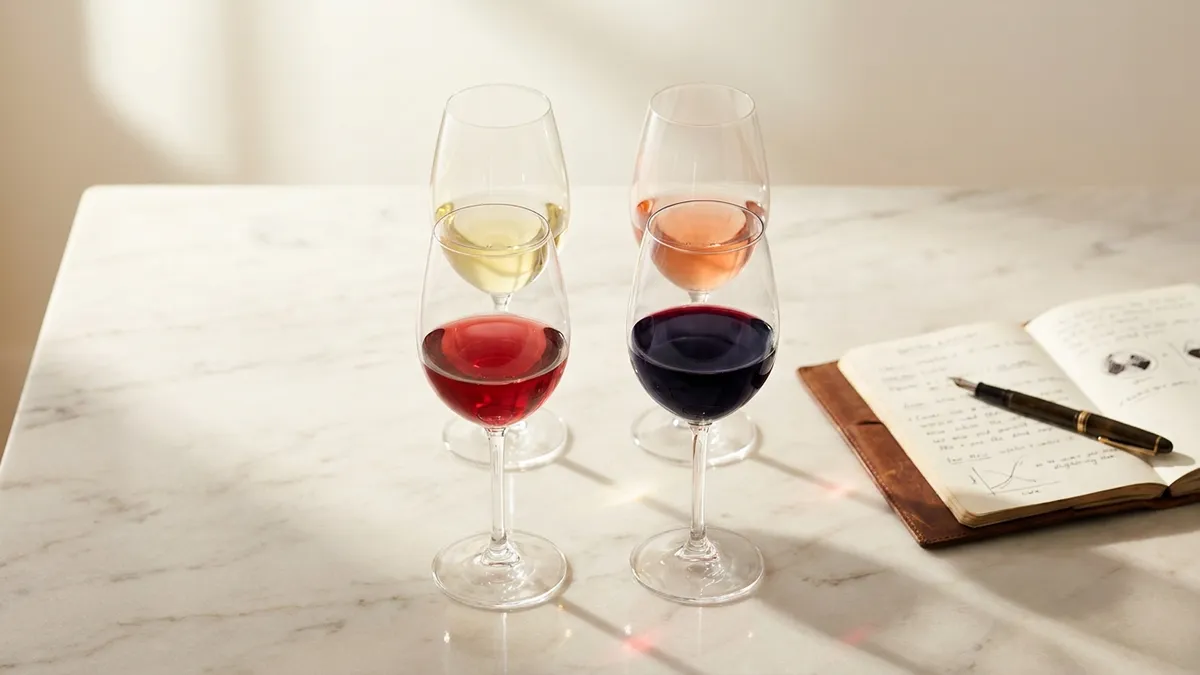
Wine Blends Explained: Why Winemakers Mix Grapes
Wine blends explained in plain language — why winemakers mix grape varieties, the four famous blend traditions, and how to read blend percentages on a label.
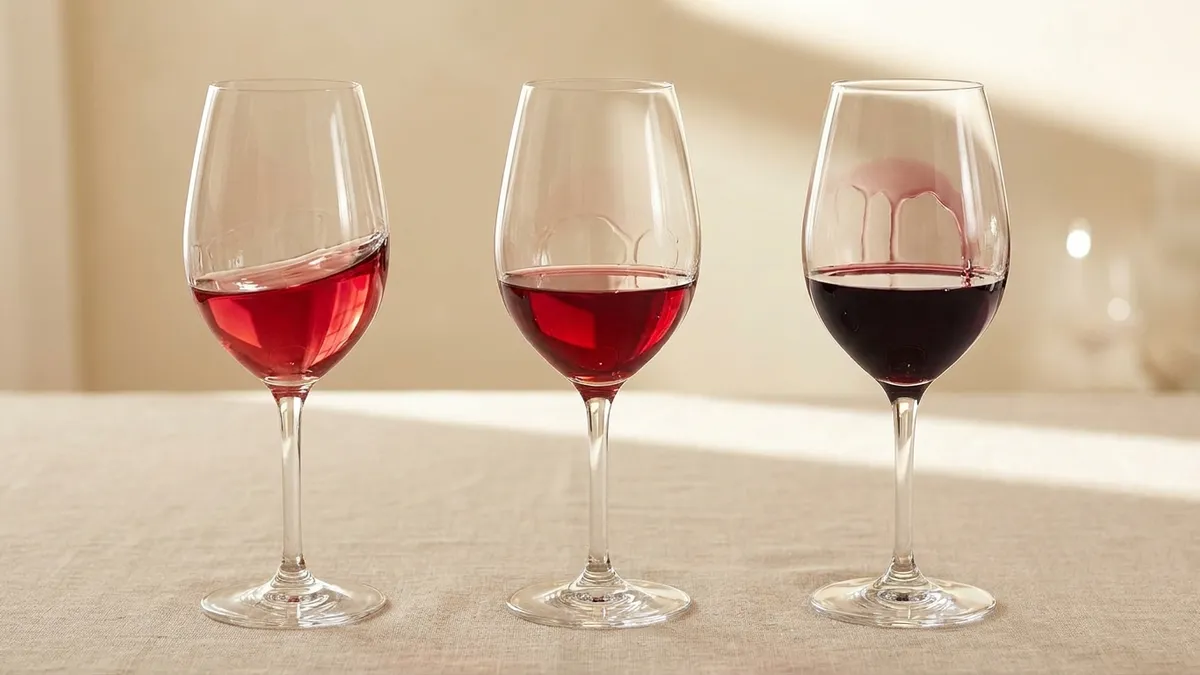
Wine Body Explained: Light, Medium, and Full-Bodied Wines
Wine body is the weight and viscosity wine has in your mouth. Learn the light-medium-full spectrum, what creates it, and how to use it for smarter pairings.
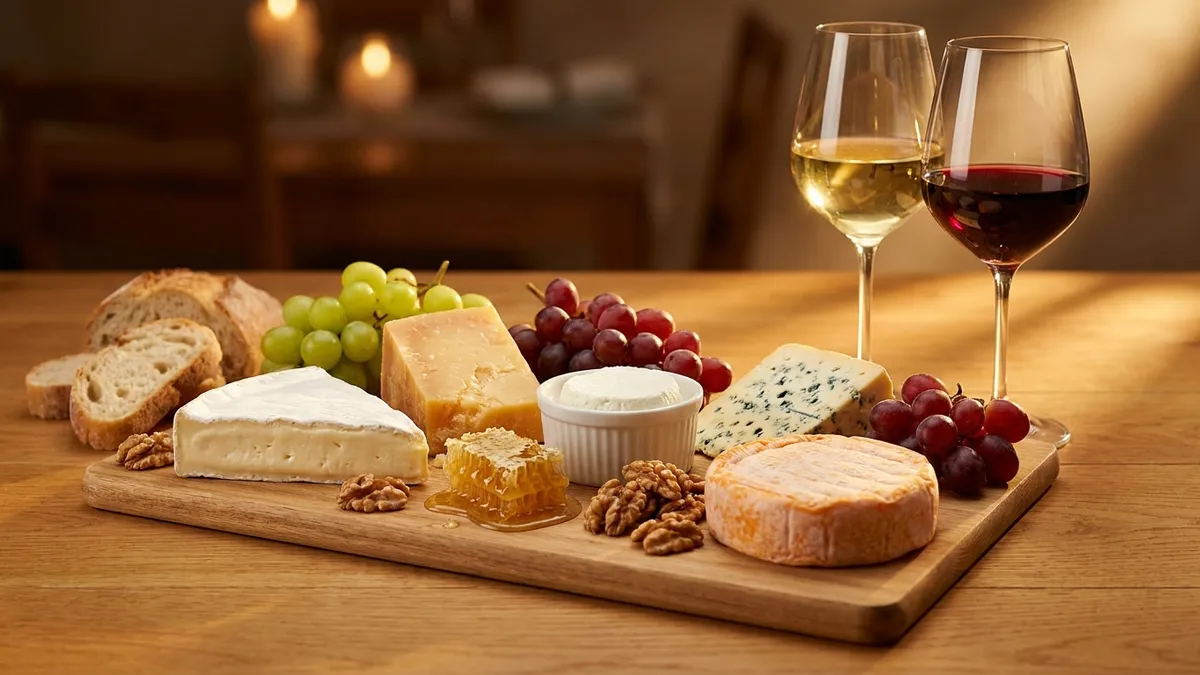
The Definitive Wine and Cheese Pairing Guide
A practical wine and cheese pairing guide covering 30+ cheeses with specific wine matches, the three core rules, and a one-bottle-one-cheese decision tree.
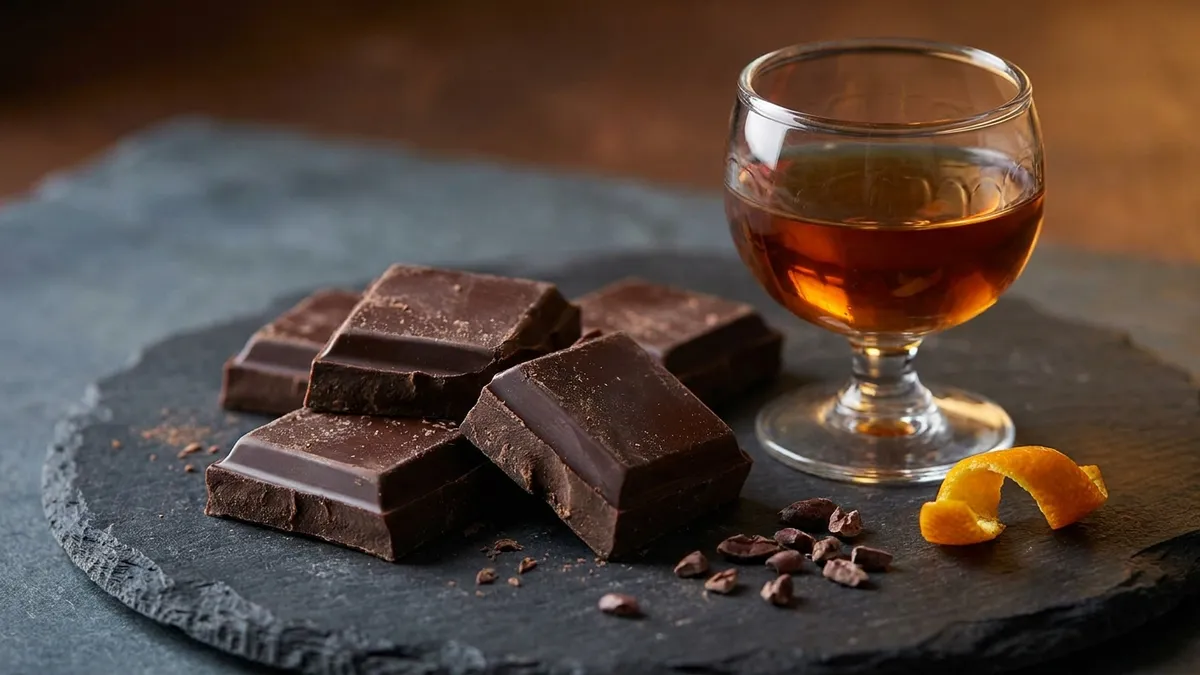
Wine and Chocolate Pairing: A Practical Guide
A practical, structured guide to wine and chocolate pairing — broken down by cocoa percentage, fillings, and category. Learn the rules, the traps, and the safe go-to bottles.
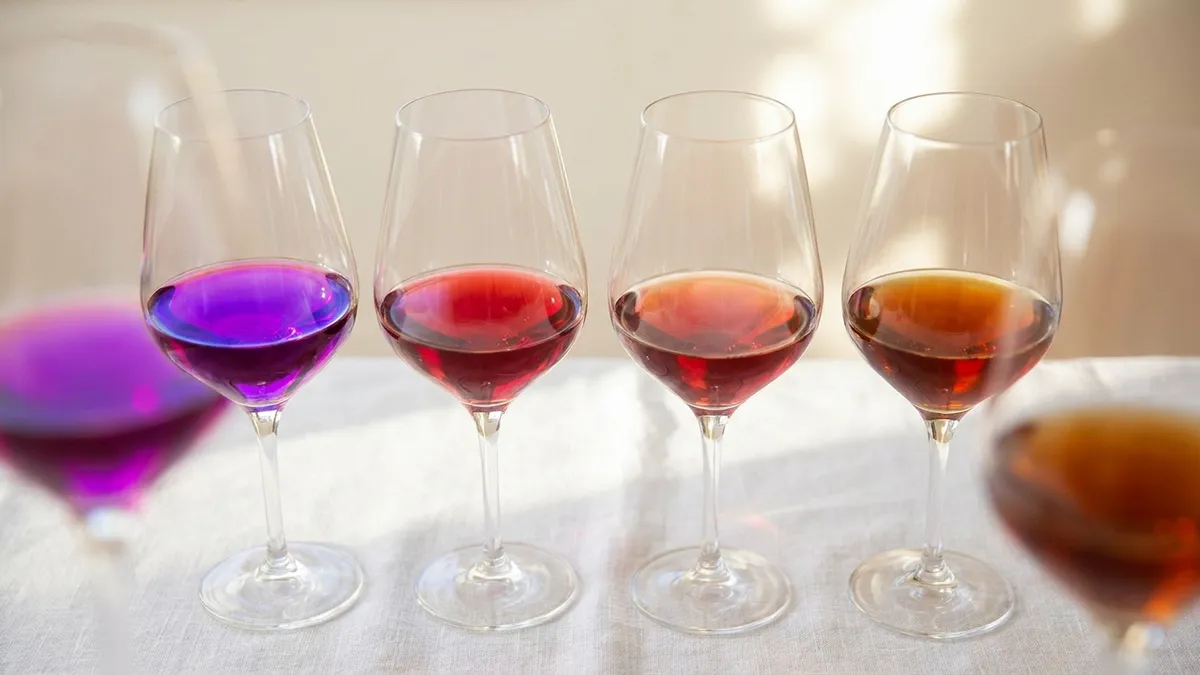
How Wine Color Changes with Age: A Visual Guide
Wine color age shifts are the fastest way to date a bottle by eye. See how reds fade from purple to tawny and whites darken from lemon to amber, and learn to read it.
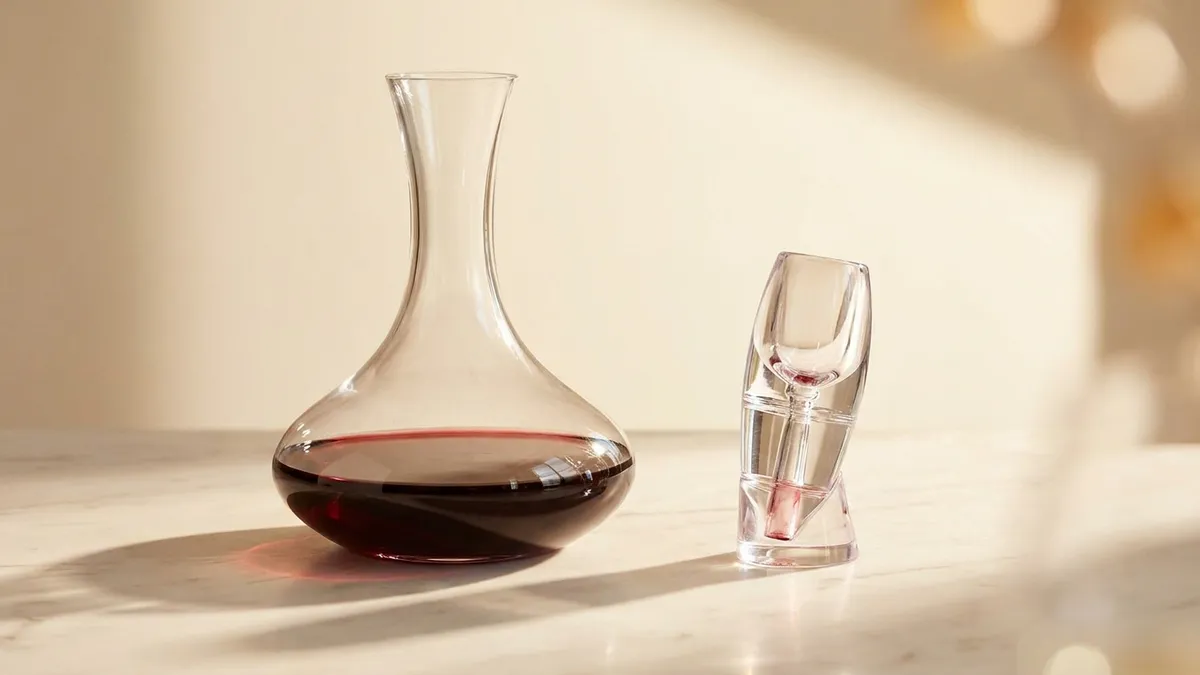
Wine Decanter vs Aerator: Which Do You Need?
Decanter vs aerator — which one actually belongs on your shelf? A practical comparison of speed, aeration, sediment handling, and which wines each tool helps or hurts.
Wine Expectations vs Reality: Why Reviews Rarely Match Your Experience
Why a 95-point reviewer's tasting note rarely matches the bottle in your glass — bottle variation, palate calibration, context, expectations, fatigue, point inflation, and palate drift.
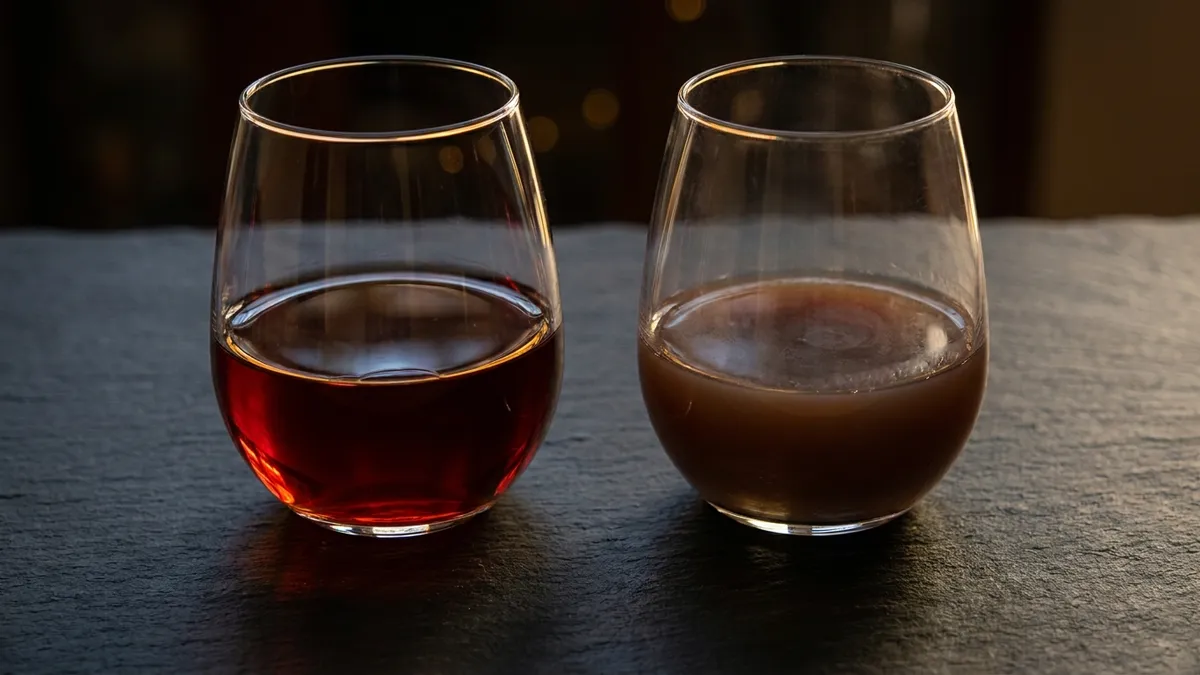
Wine Flaws vs Faults: When "Off" Is Actually Interesting
Not every off-note is a defect. This guide explains wine flaws vs faults — the dose-dependent line between character-shaping imperfections and bottles that should go back to the shop.
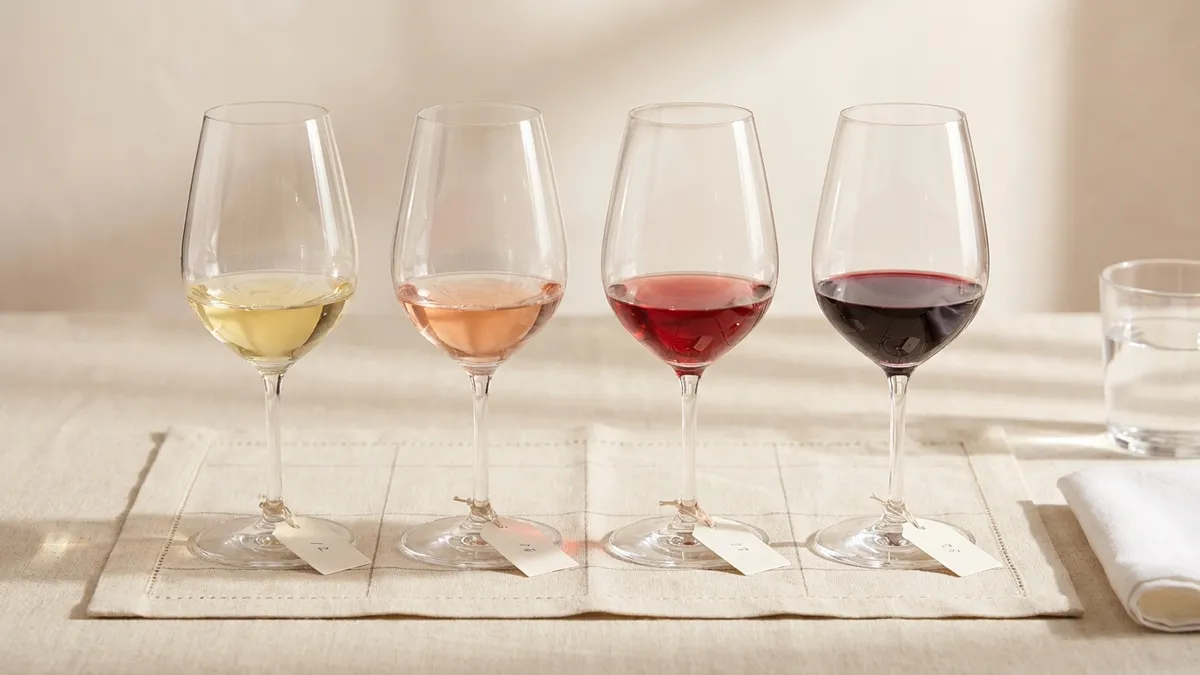
How to Run a Wine Flight: A Practical Comparison Tasting Guide
Wine flight tasting compares 3 to 6 wines side by side in small pours. Here is how to plan one at home — formats, glassware, order, and mistakes to avoid.
Do You Need a Wine Fridge? A Practical Buying Guide
An honest wine fridge guide for home drinkers — when you actually need one, compressor vs thermoelectric, single vs dual zone, the right capacity, and what to skip.
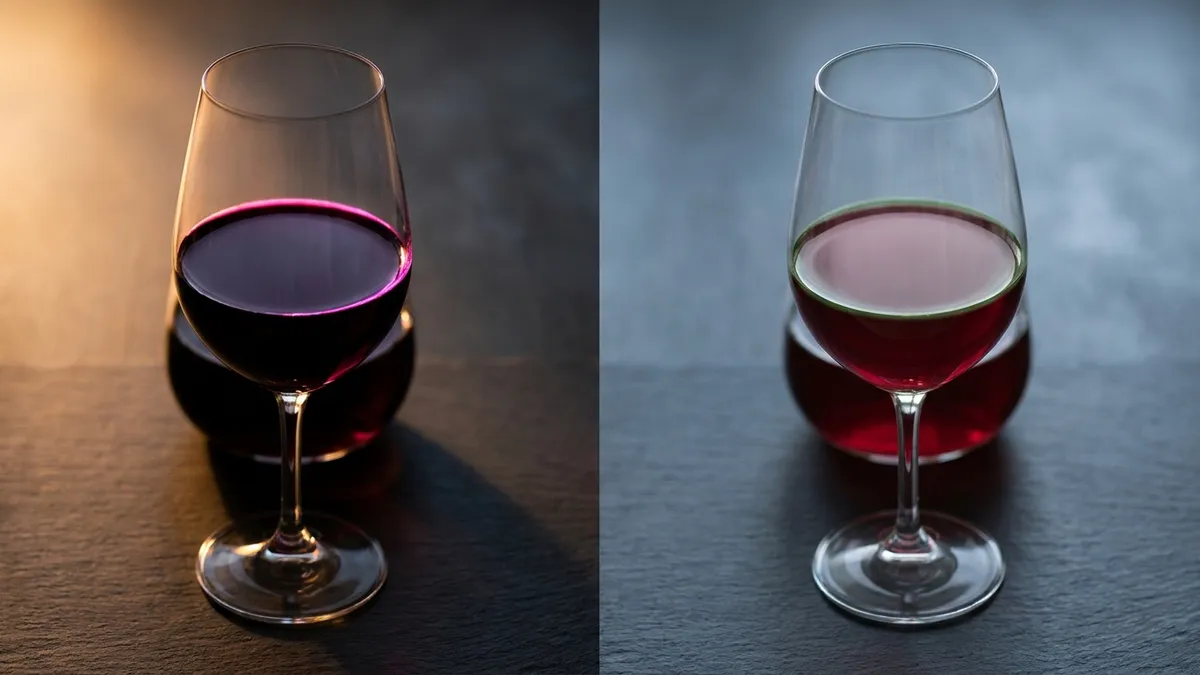
Ripe vs Green Fruit in Wine: What the Fruit Character Tells You
Ripe vs green fruit in wine reveals climate, vintage, and harvest timing. Here's how to read the spectrum from green pepper to jammy fig and what each tier signals about the bottle.
Wine Gift Guide: What to Buy for Every Type of Wine Lover
A practical wine gift guide that matches the right style, region, or accessory to every kind of wine lover — from beginners and adventurers to classics fans and collectors.
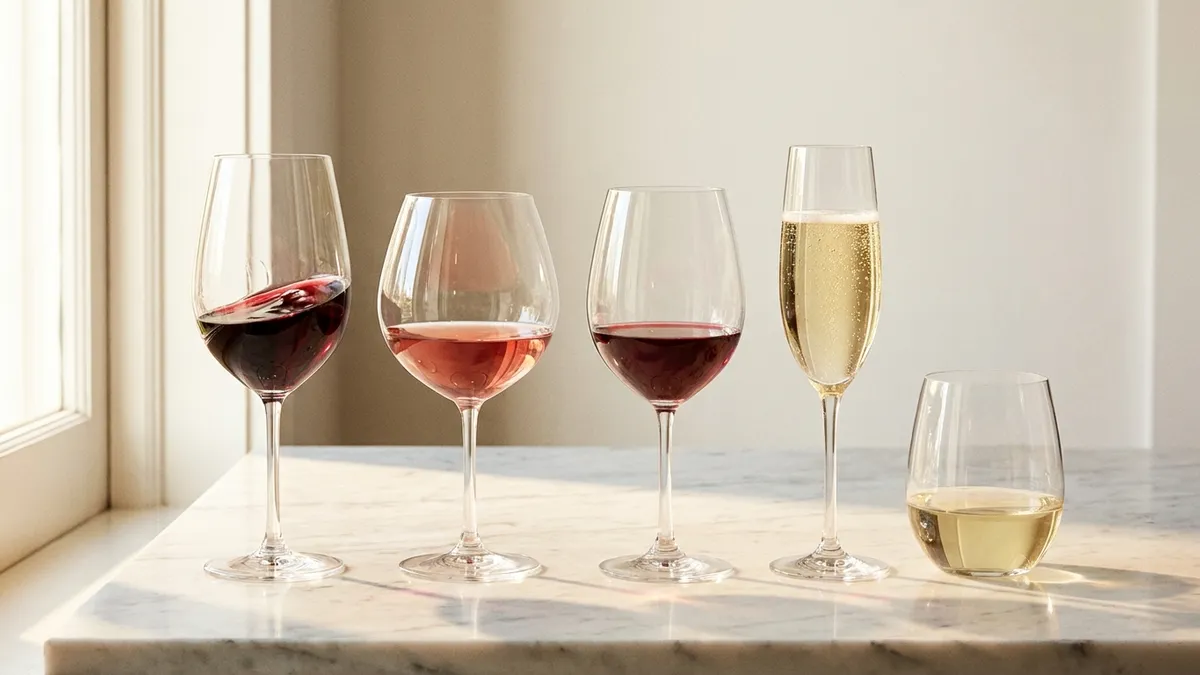
Wine Glass Guide: Does the Shape Really Matter?
An honest look at wine glass types — what shape actually changes about wine, what marketing exaggerates, and the five glasses most homes really need.
Has Your Wine Gone Bad? 5 Ways to Tell Before You Sip
Wondering if your wine has gone bad? Five visual, aromatic, and physical signs that tell you whether a bottle is still drinkable — before you take that first sip.
How to Prevent a Wine Hangover: What Actually Works
A practical, evidence-based guide to wine hangover prevention — what causes the next-morning misery, an 8-step protocol, which wines hurt least, and the recovery moves that actually help.
Why Does Wine Give Me a Headache? Causes and Prevention
Wine headache causes are rarely sulfites. Tannins, histamines, dehydration, and congeners do most of the damage. Here is what triggers a wine headache and how to prevent one.
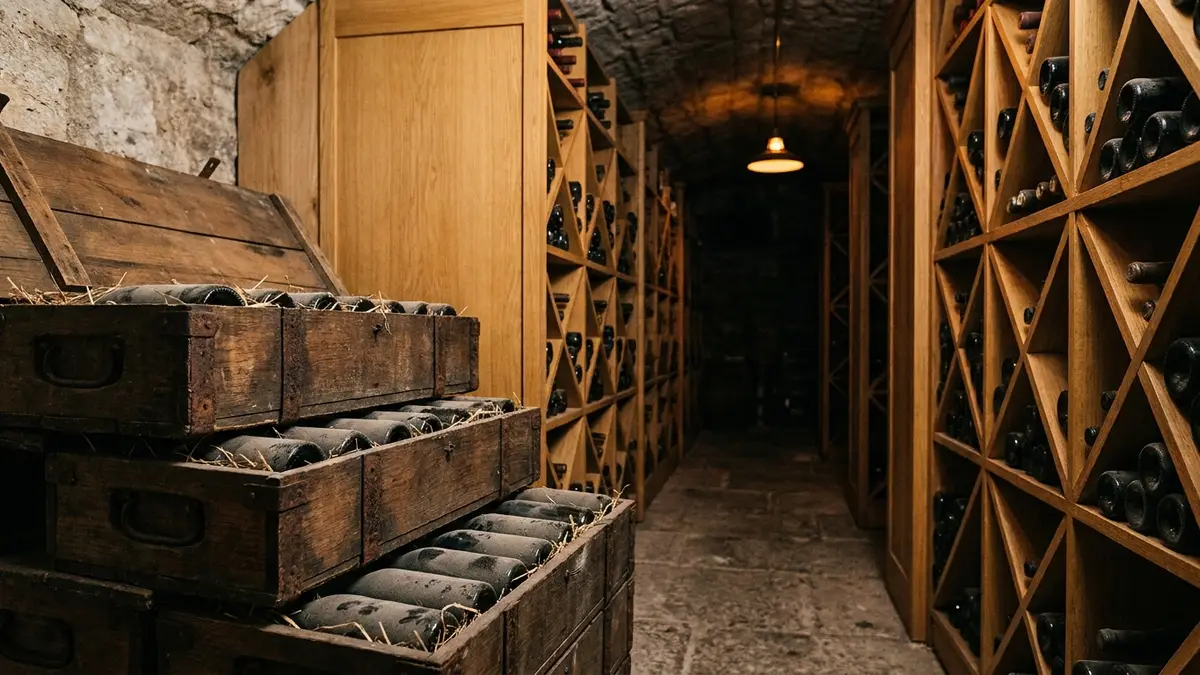
Wine as an Investment: A Beginner's Guide to Fine Wine Returns
An honest wine investment guide for beginners — how fine wine actually performs, what makes a bottle investment-grade, the five real routes in, hidden costs, and the red flags.
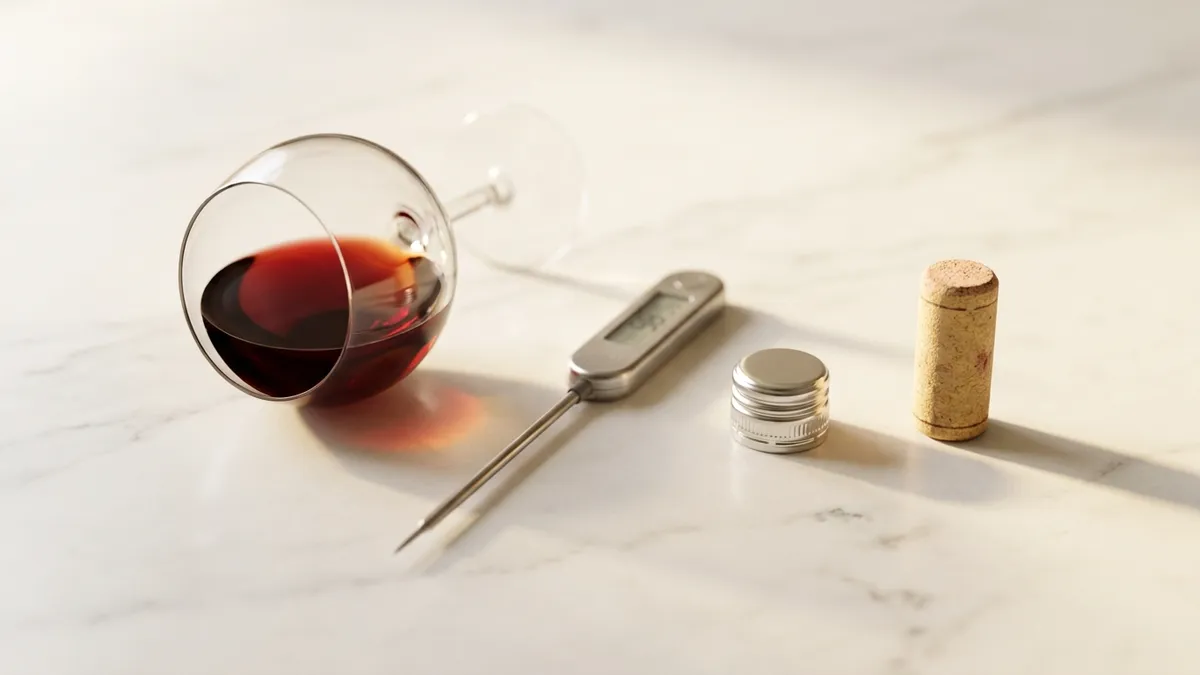
15 Common Wine Myths Debunked: What's True and What Isn't
Fifteen of the most stubborn wine myths debunked — from room temperature reds and sulfite headaches to expensive bottles, French superiority, and corks versus screw caps — with the science behind each.
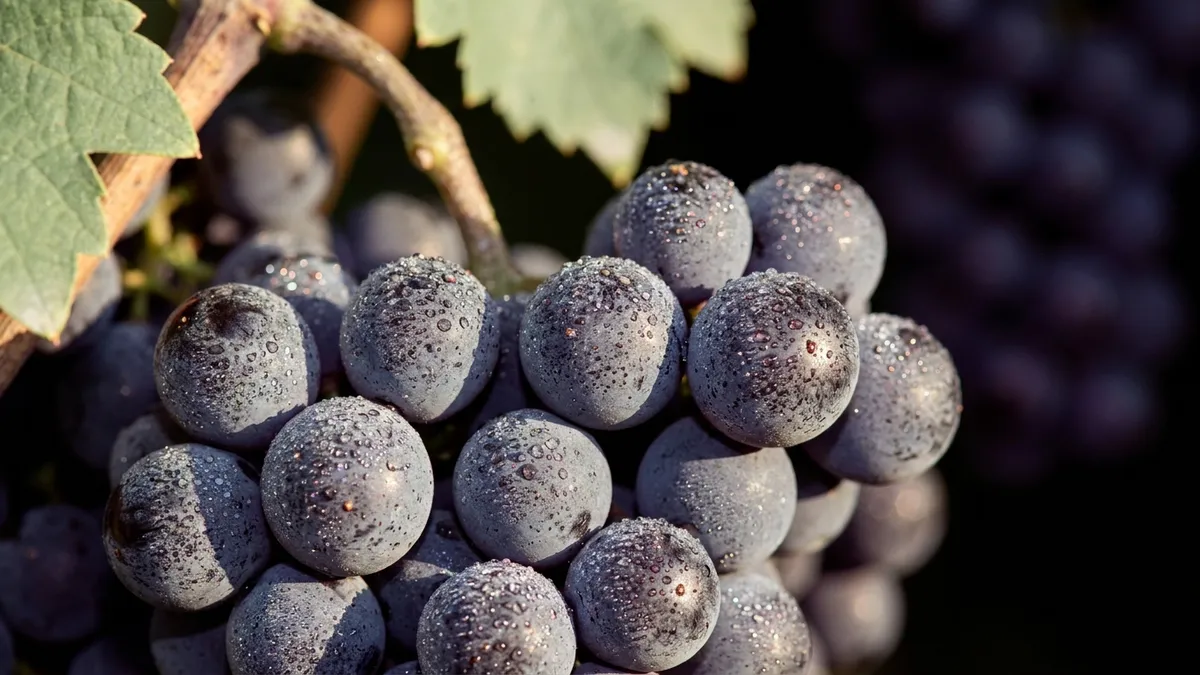
Wine Phenolics: What They Are and How They Affect Taste
Wine phenolics are the molecular family behind color, tannin, mouthfeel, and age potential. Here is what they are, how each family tastes, and why reds carry roughly ten times more than whites.
Wine Ratings Explained: What 90 Points Actually Means
Wine ratings explained without the snobbery — how the 100-point and 20-point systems work, what 90 points really signals, and how to use scores without being fooled by inflated shelf tags.
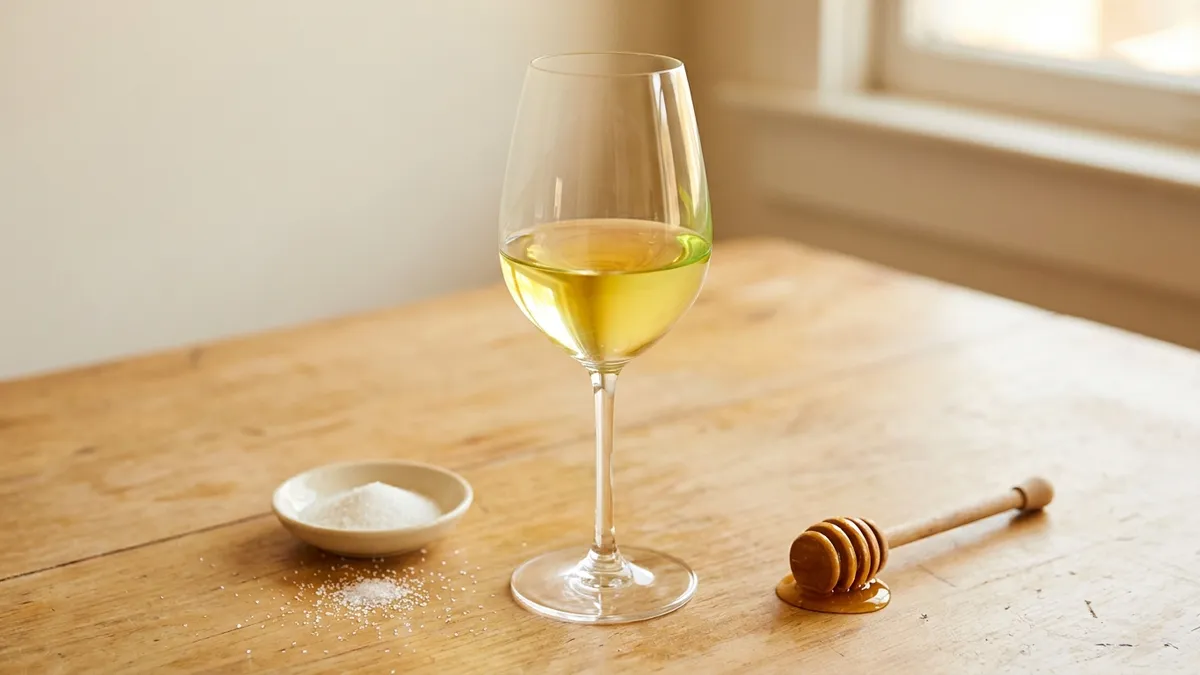
How to Detect Residual Sugar in Wine by Taste
Most wines labeled dry are not actually dry — they hide 4-12 g/L of residual sugar. Here is how to taste RS, decode labels, and tell why high-acid sweet wines fool the palate.
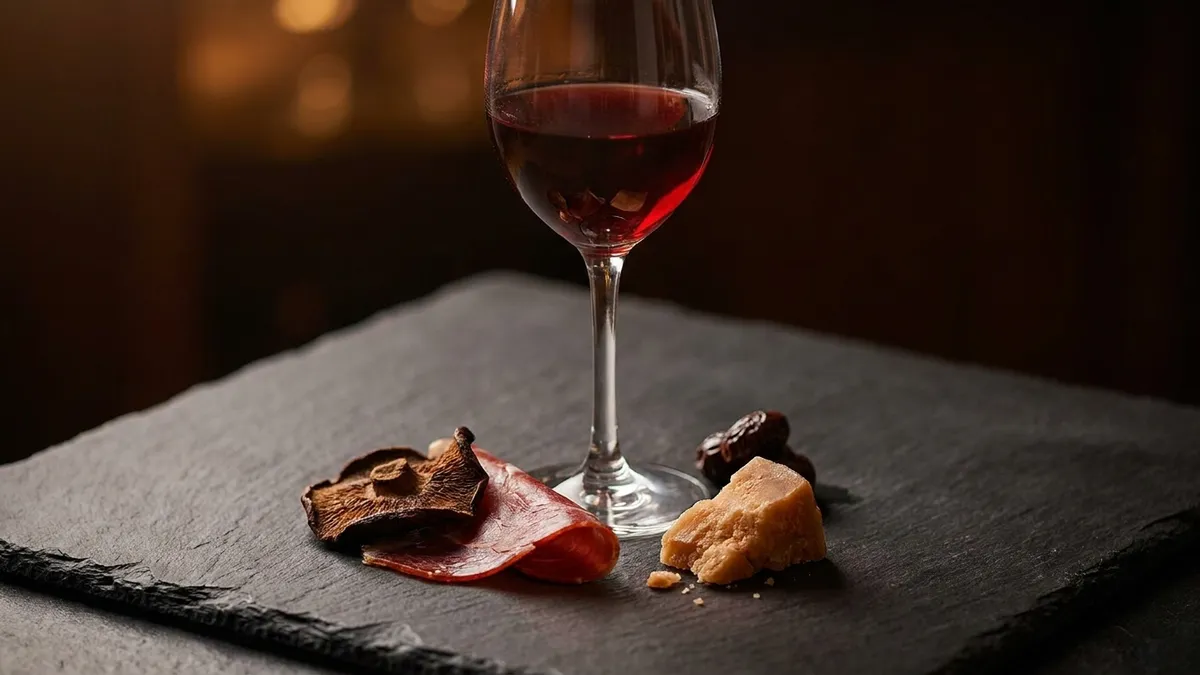
Savory and Umami Flavors in Wine: What to Look For
Umami in wine shows up as broth, mushroom, miso, soy, and cured meat. Learn where these savory wine flavors come from and how to taste them with confidence.
The 100-Point Wine Scale: How to Score Wine Yourself
How the 100-point wine scale really works — its origins, rubric, tier breaks, and a practical way to score wine yourself without pretending to be a critic.
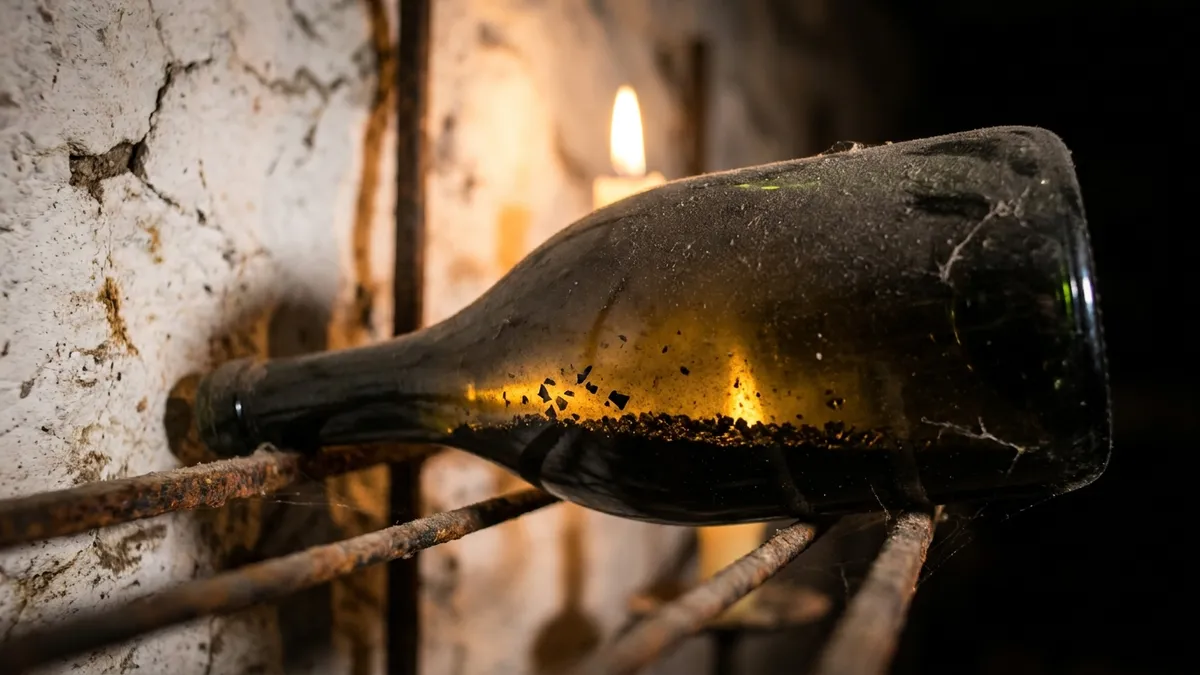
Wine Sediment: Is It Safe and What Does It Mean?
Wine sediment is harmless, predictable, and often a sign of quality. Here is exactly what those crystals and dark grains are, why some bottles have them, and how to serve a bottle so the sediment stays in the bottle, not the glass.
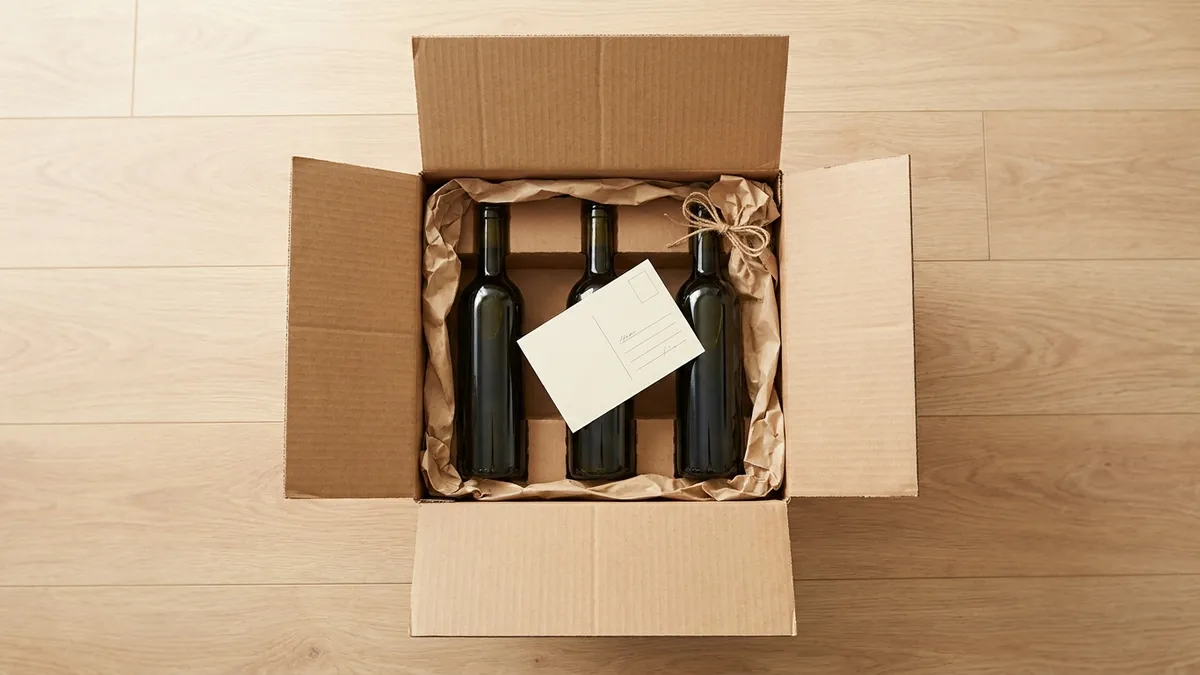
Best Wine Subscription Boxes: Are They Worth It?
An honest take on the wine subscription box — who benefits, who should skip it, what to look for in a good service, and the traps that make most boxes a mediocre deal.
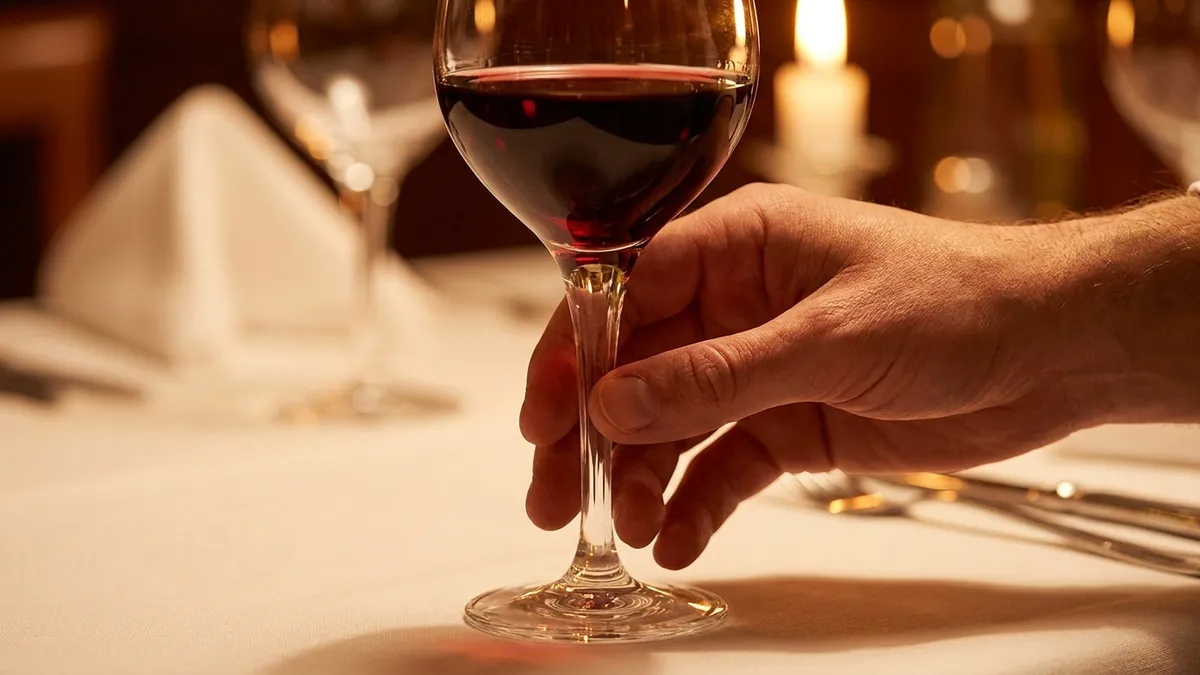
Wine Tasting Etiquette: The Unwritten Rules
The unwritten rules of wine tasting etiquette — how to hold the glass, when to spit, how to comment, and how to fit in across restaurants, dinners, and tastings.
Wine Tasting for Introverts: How to Enjoy Without the Pressure
A quiet, depth-first guide to wine tasting for introverts — solo practice, journaling, online courses, and small structured tastings instead of crowded wine bars and small talk.
8 Wine Tasting Games That Make Learning Fun
Eight wine tasting games that turn study into play — blindfolded color matches, Old World vs New World ID, aroma jar challenges, and palate-calibration drills you can run at home.
How to Keep a Wine Tasting Journal That Is Actually Useful
How to keep a wine tasting journal that pays you back — what to record, how to organize entries, paper vs digital, and the weekly review habit that turns notes into a real palate map.
7 Wine Tasting Myths Debunked: Legs, Temperature, and Glassware
Seven wine tasting myths about technique — reading legs, serving temperature, glassware, price calibration, aging, and pairing levers — corrected with what actually improves how you taste.
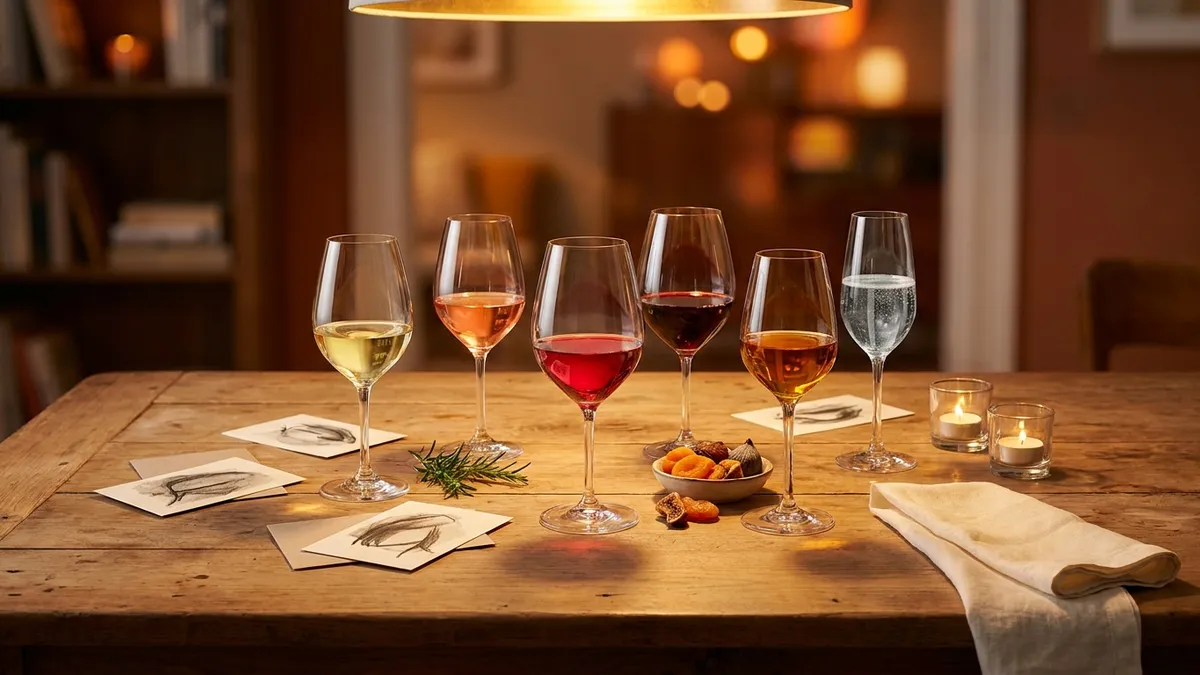
20 Fun Wine Tasting Theme Ideas for Your Next Get-Together
Twenty wine tasting theme ideas — from beginner grape comparisons to old world vs new world, verticals, sparkling showdowns, and seasonal flights — with grapes, formats, and bottle counts.
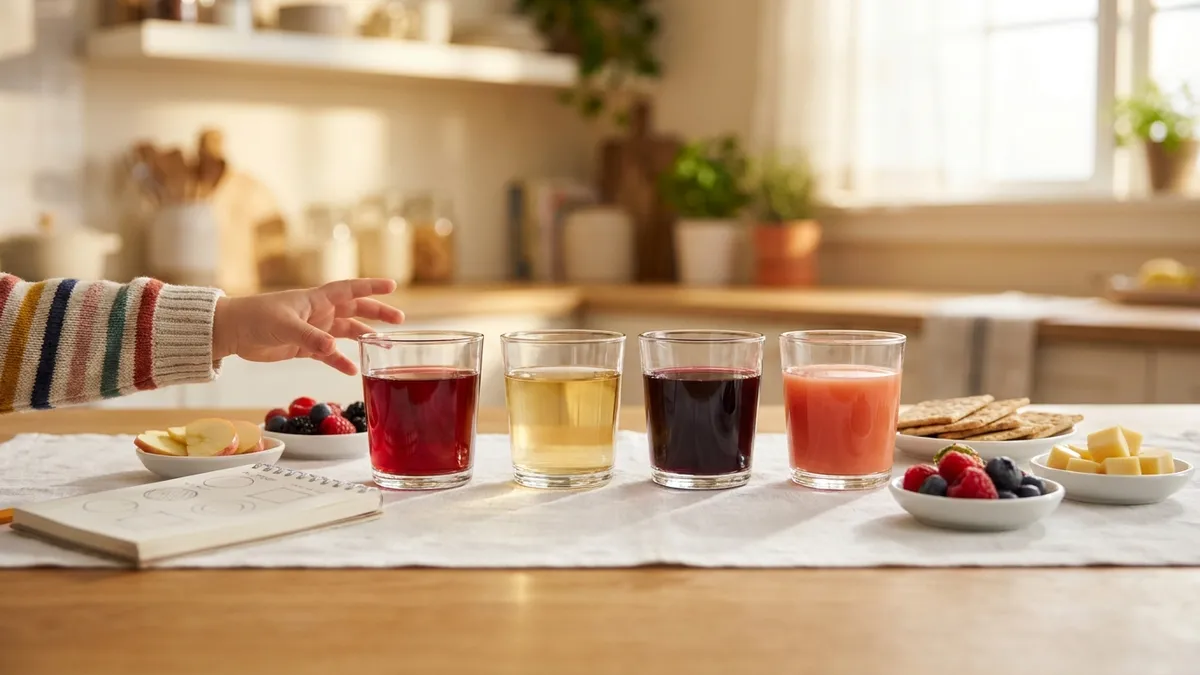
Teaching Kids About Wine Tasting (Using Juice and Snacks)
A parent-friendly framework for teaching kids the sensory skills of wine tasting using juices, herbal teas, and snacks — no alcohol involved.
Does Music Change How Wine Tastes? What Research Shows
Charles Spence's Oxford research shows music affects wine taste in measurable ways — pitch shifts sweetness, key shifts astringency, tempo shifts perceived alcohol heat. Here is what the science actually says.
Wine Tasting Without the Snobbery: A Relaxed Approach
A friendly approach to wine tasting that ditches the performance and keeps the parts that actually help — proper temperature, a decent glass, plain-language notes, and curiosity.
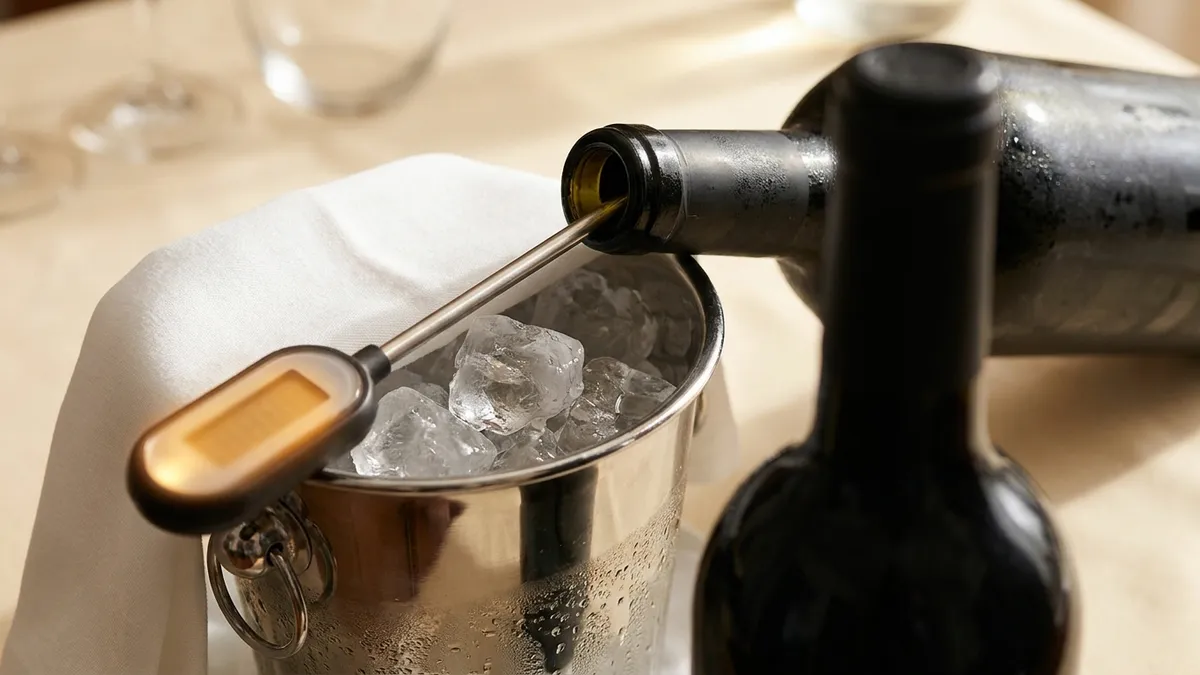
Wine Serving Temperature Cheat Sheet by Style
A by-style wine serving temperature cheat sheet — exact ranges for Champagne, Riesling, Chardonnay, Pinot Noir, Cabernet, Port, Sherry, and dessert wines, plus quick-chill tricks.
Wine Tourism Guide: How to Plan a Vineyard Visit
A practical wine tourism guide for first-time travelers — top regions, when to go, how to book, what to budget, and how to behave at the cellar door.
Wine Yeast and Fermentation: How Grapes Become Wine
Wine yeast fermentation is the moment grape juice becomes wine. Learn how sugar, yeast, temperature, and vessel choices shape every flavour in your glass — from crisp Riesling to jammy Zinfandel.
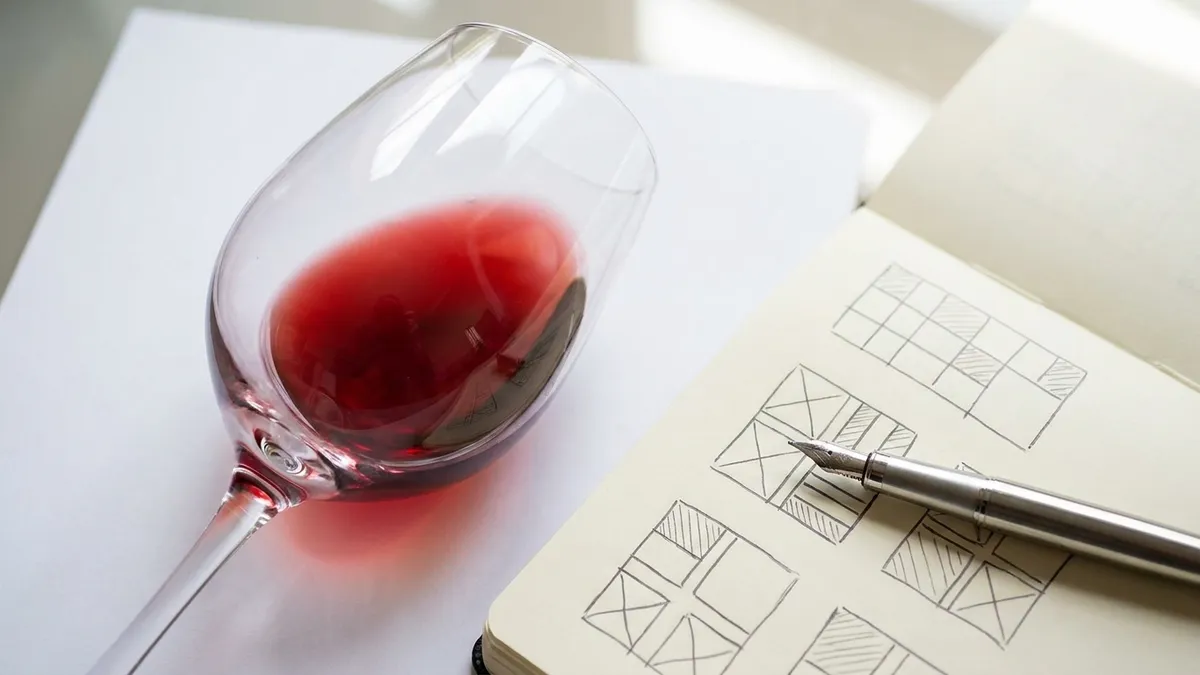
The WSET Systematic Approach to Tasting: An Overview
The WSET Systematic Approach to Tasting (SAT) explained — appearance, nose, palate, quality, and readiness — with the BLIC framework and Level 2, 3, and 4 grids.
Xinomavro: Greece's Answer to Nebbiolo
Xinomavro is Greece's flagship red grape from Naoussa and Amyndeo — pale ruby, ferociously tannic, and built for decades in the cellar. Often called Greece's Nebbiolo.
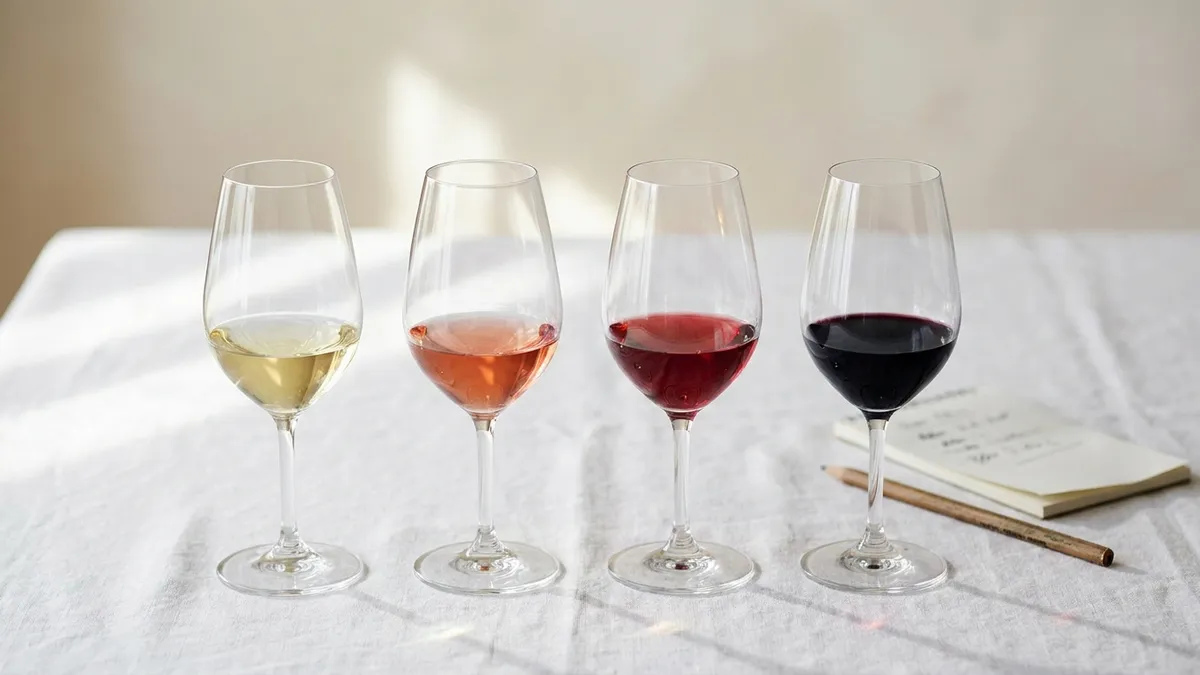
The Deductive Tasting Method: A Step-by-Step Framework
The deductive tasting method explained step by step — sight, smell, palate, and conclusions — with the assess-describe-conclude logic sommeliers use to identify any wine.
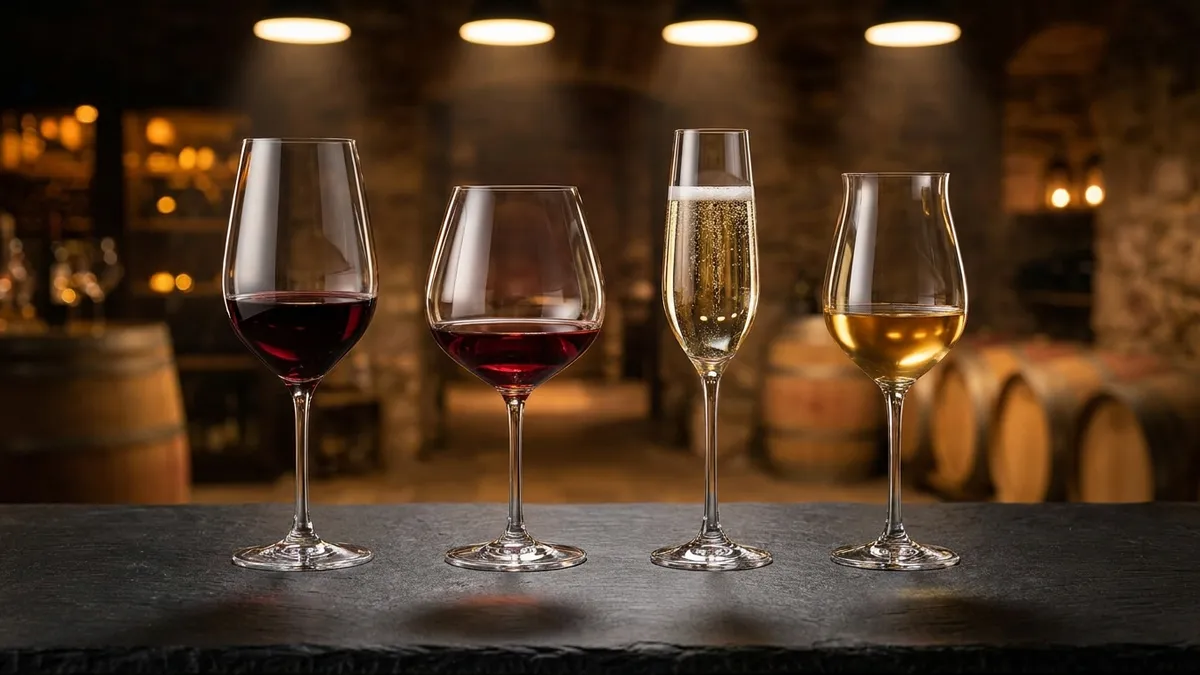
Does Wine Glass Shape Affect Taste? The Science
Wine glass shape changes how a wine smells and tastes — but the effect is smaller than marketing claims. Here is what the science actually shows.
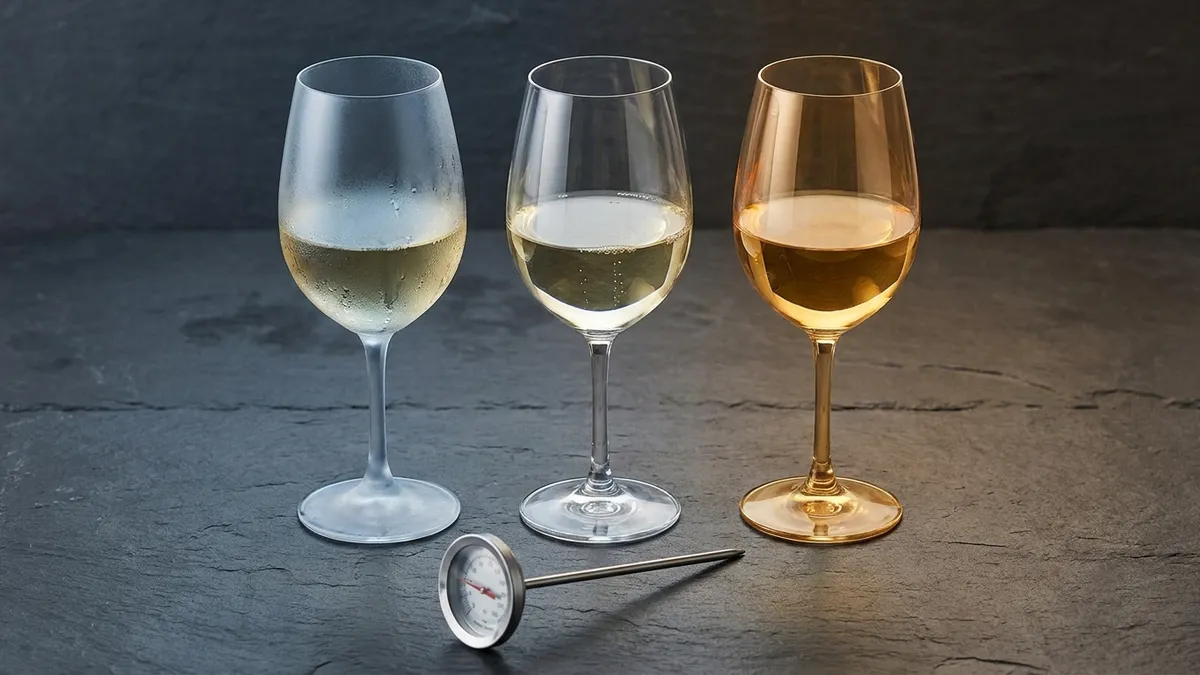
How Temperature Affects Wine Taste: A Tasting Experiment
Pour the same Sauvignon Blanc and Cabernet at three temperatures and the wine seems to change shape. A hands-on tasting experiment that proves how temperature affects wine taste — and why your fridge is probably lying to you.
How to Identify Wine Faults by Smell Alone
Most wine faults give themselves away on the nose long before you take a sip. Here is how to identify wine faults by smell — TCA, oxidation, brett, VA, reduction, and heat damage — in under a minute.
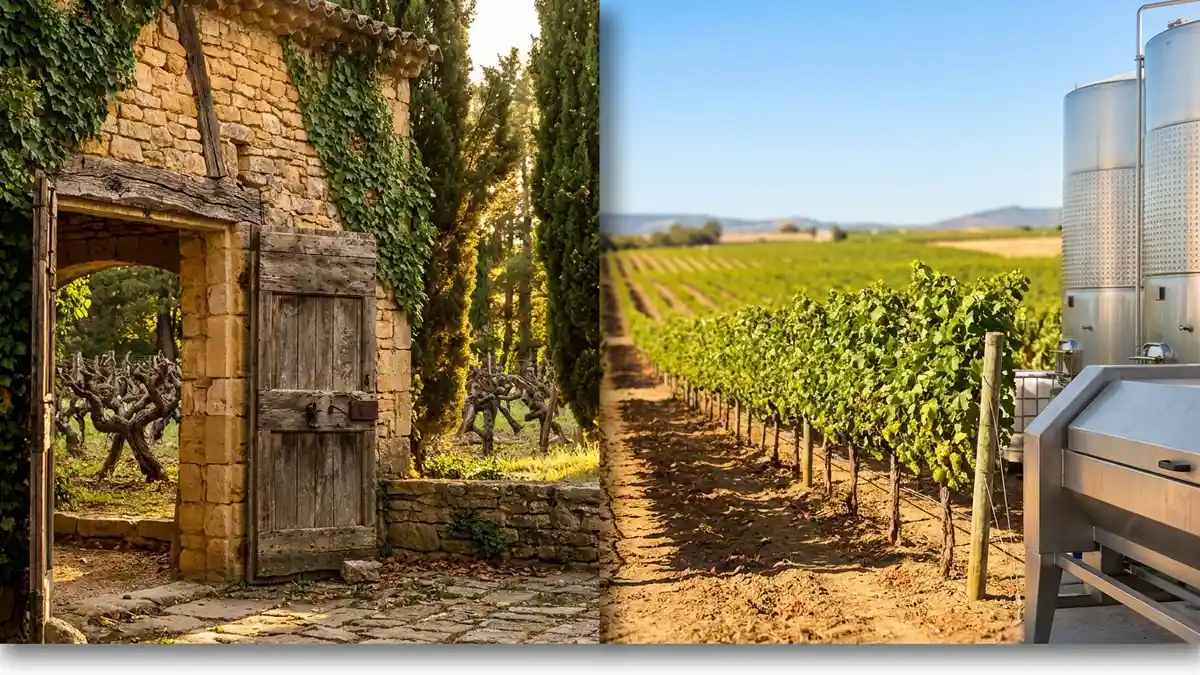
How to Taste the Difference Between Old World and New World Wine
Old World and New World wines come from the same grapes but taste completely different. Learn the structural cues that let you tell them apart blind — alcohol, acid, oak, fruit ripeness, and savory undertones.
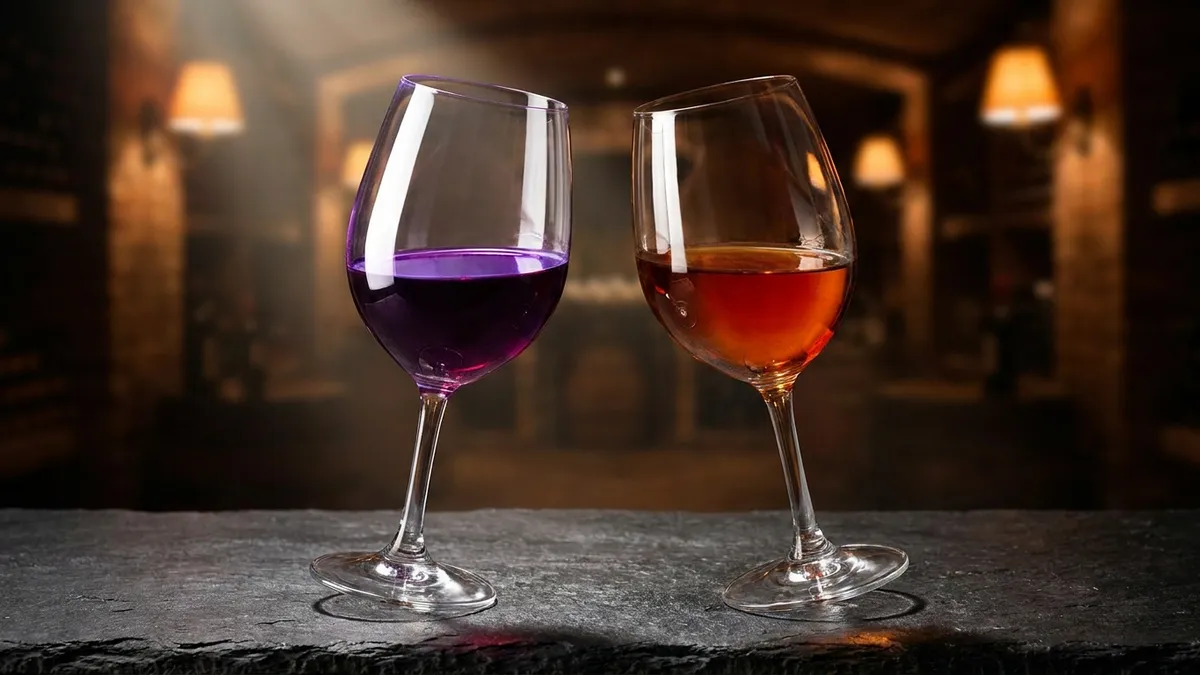
Tasting Young vs Aged Wine: How Flavors Change Over Time
Tasting young vs aged wine side by side reveals how fruit, color, tannin, and aromatics transform with bottle age. Here is exactly what shifts, and why.
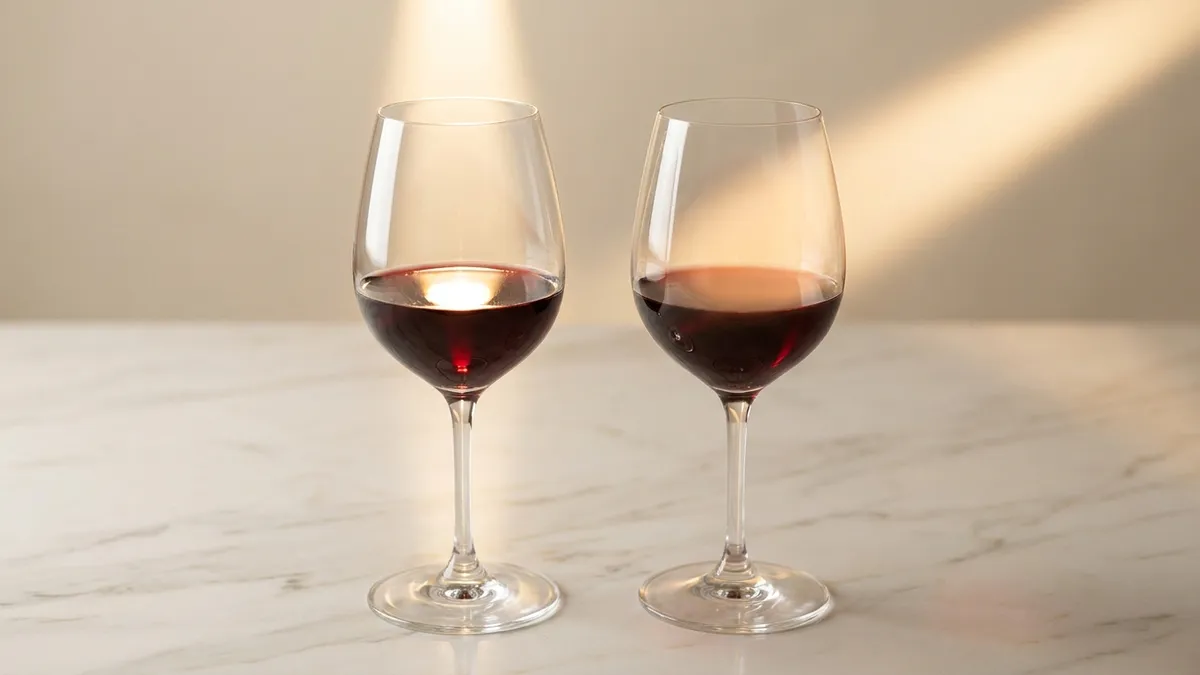
Wine Flavor vs Aroma: Understanding the Difference
Wine flavor and wine aroma are not the same thing. Here is the precise difference, why it matters for tasting, and how to use both deliberately.
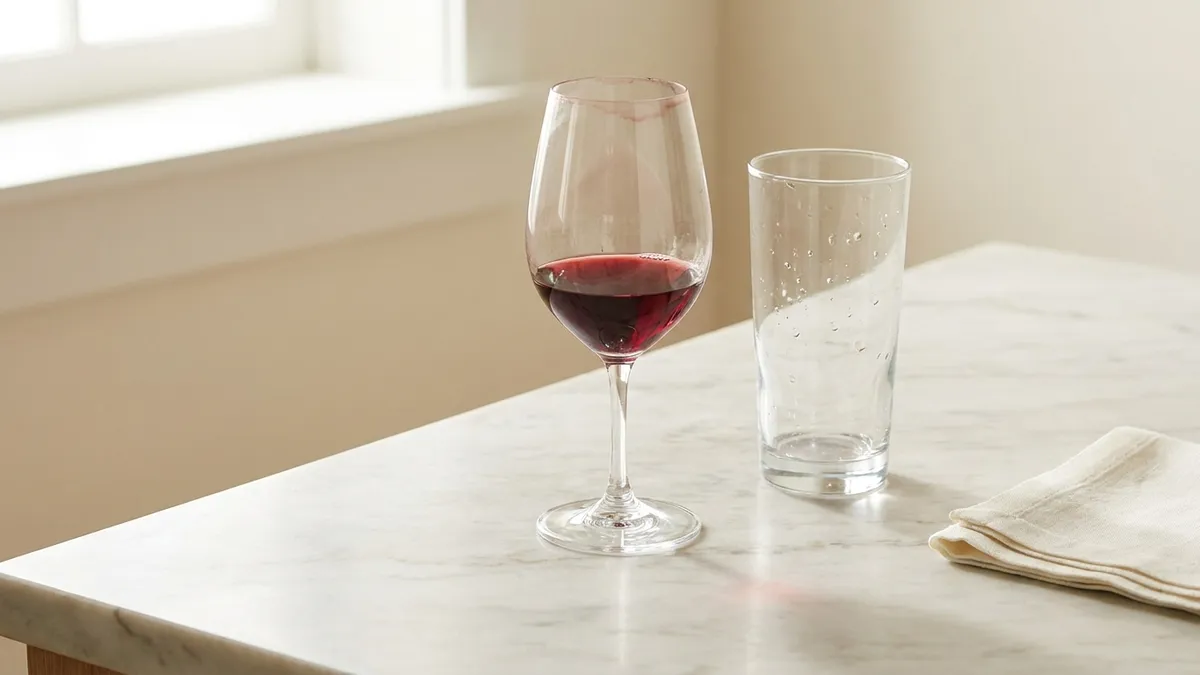
Wine Palate Fatigue: How to Reset Your Taste Buds Mid-Tasting
Wine palate fatigue is the silent reason your last three wines all tasted the same. Learn how to spot it, slow it down, and reset between glasses.
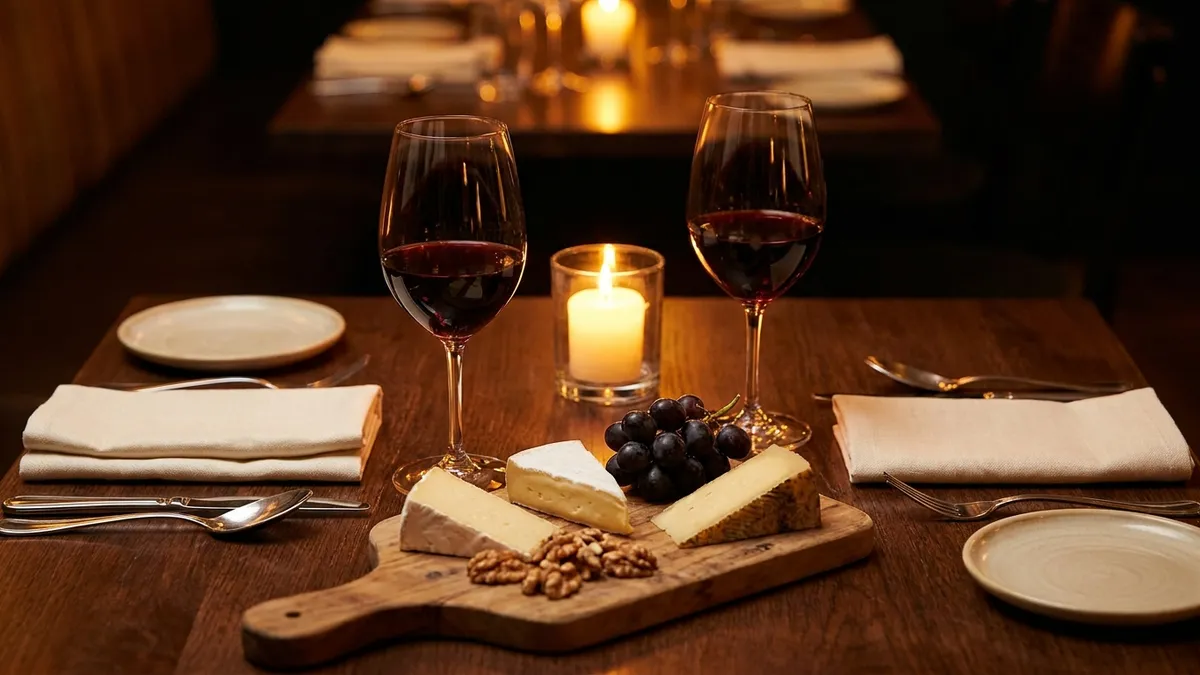
Wine Tasting for Couples: A Date Night Guide
A wine tasting date night for two: two bottles, four glasses, ninety minutes, one simple theme. The setup, conversation prompts, and scoring that turn a quiet evening at home into a small ritual you will want to repeat.
Wine Tasting Vocabulary: 50 Words You Actually Need
A printable wine tasting vocabulary cheat sheet — 50 essential terms grouped by sight, smell, palate, flavor, finish, winemaking, and faults. Plain-language definitions, real usage examples.
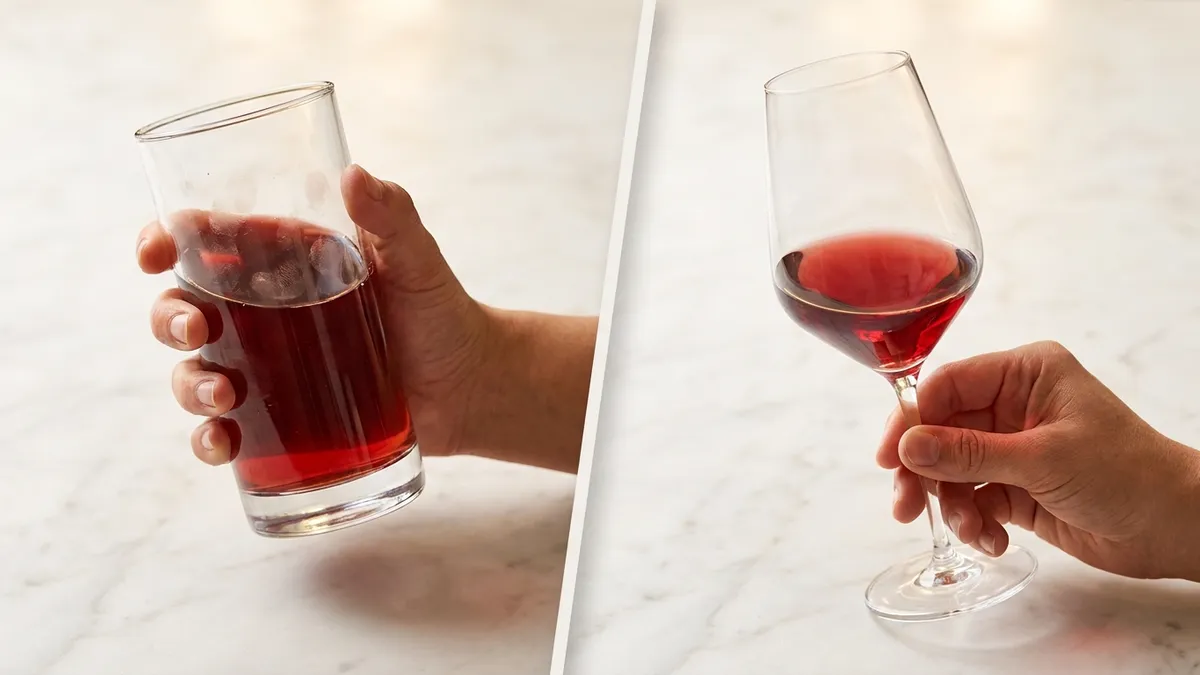
10 Common Wine Tasting Mistakes (and How to Fix Them)
The ten wine tasting mistakes that quietly stall most beginners, with a specific fix for each. From wrong glass temperature to over-sniffing, every fix takes under a minute.
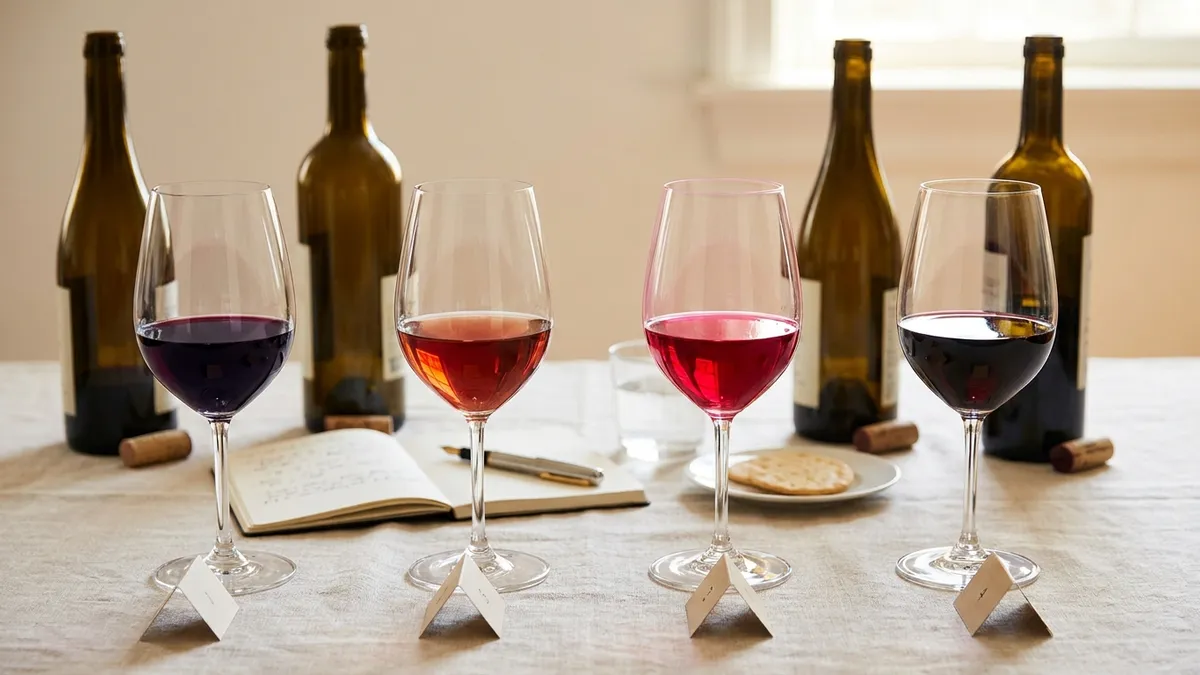
Horizontal Wine Tasting: Compare the Same Vintage Across Producers
A horizontal wine tasting compares different producers from the same vintage. Here's how to plan one, what to taste for, and why it is the fastest way to understand regional style and winemaker signature.
How to Taste Wine Like a Sommelier: The 6-Step Method
The exact 6-step method Master Sommeliers use on every wine: sight, swirl, smell, sip, structure, conclusion — plus the deduction grid for blind tasting.
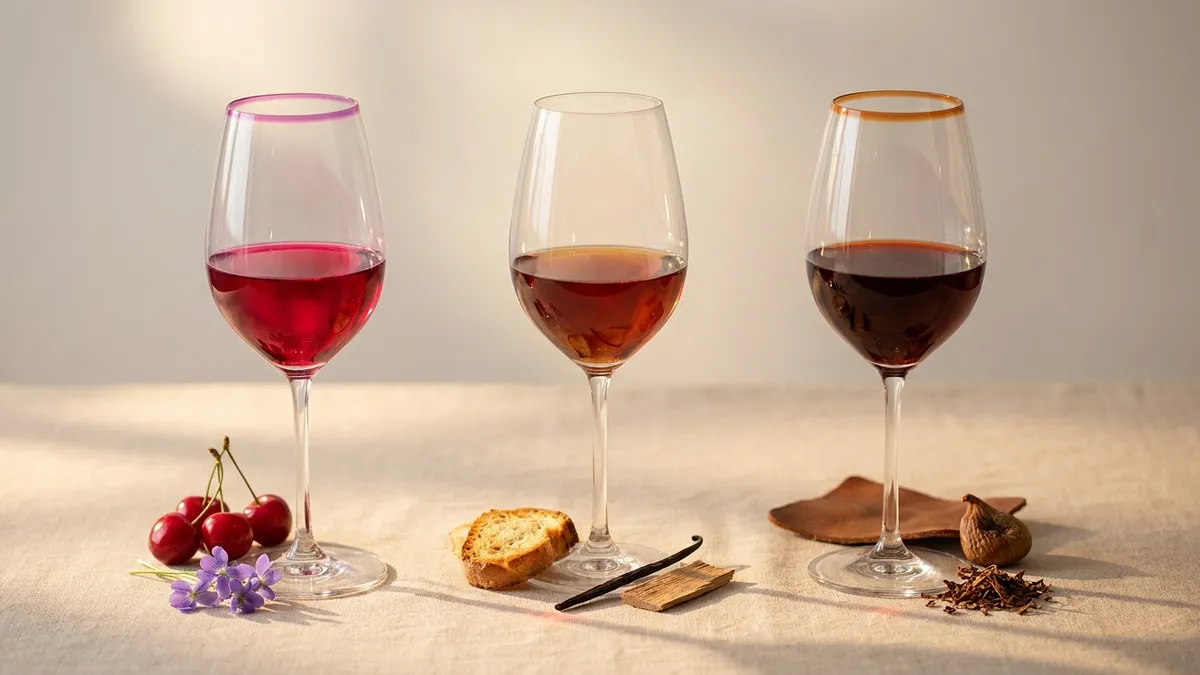
Primary, Secondary, and Tertiary Aromas in Wine Explained
Primary, secondary, and tertiary aromas in wine come from different stages of a wine's life. Here's what each category smells like, where it comes from, and how to tell them apart in the glass.
Retronasal Smell: The Secret to Tasting More Flavors in Wine
Retronasal smell is how you actually taste wine. Here's what it is, why it matters more than the nose in the glass, and the exact sommelier technique that puts it to work.
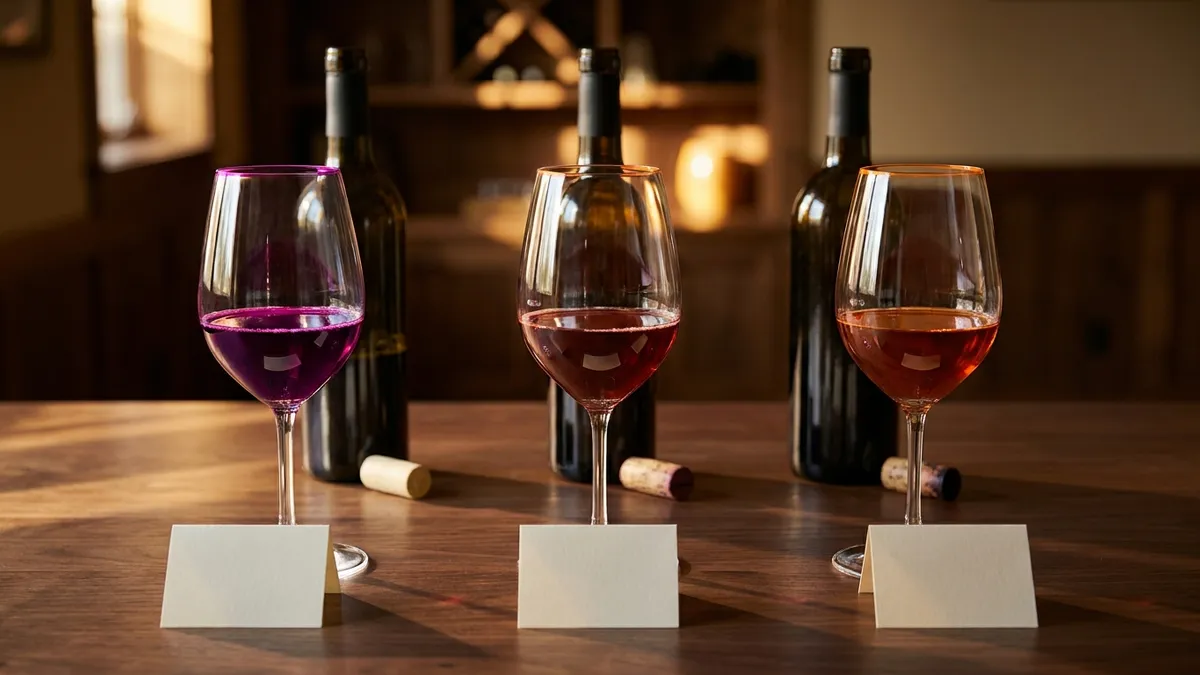
Vertical Wine Tasting: What It Is and How to Host One
A vertical wine tasting compares the same wine across different vintages. Here's how to plan one, what to look for, and why it is the single fastest way to understand how wine ages.
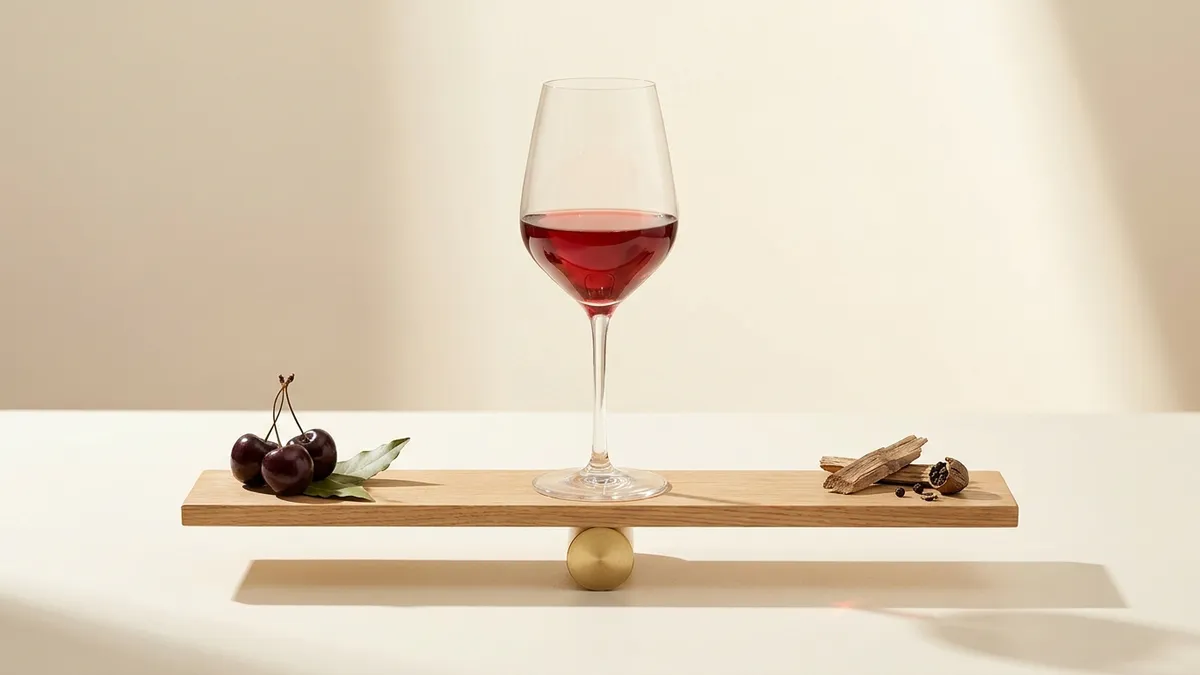
What Is Balance in Wine? The Key to Quality
Wine balance is the quiet marker of quality every sommelier reaches for but rarely defines. Here's what balance actually is, how to taste it, and why it separates great wines from merely correct ones.
What Makes a Wine Complex? Understanding Depth and Layers
Wine complexity is more than a long list of aromas. Here's what complex really means, how to identify it in the glass, and why it is one of the clearest markers of a great wine.
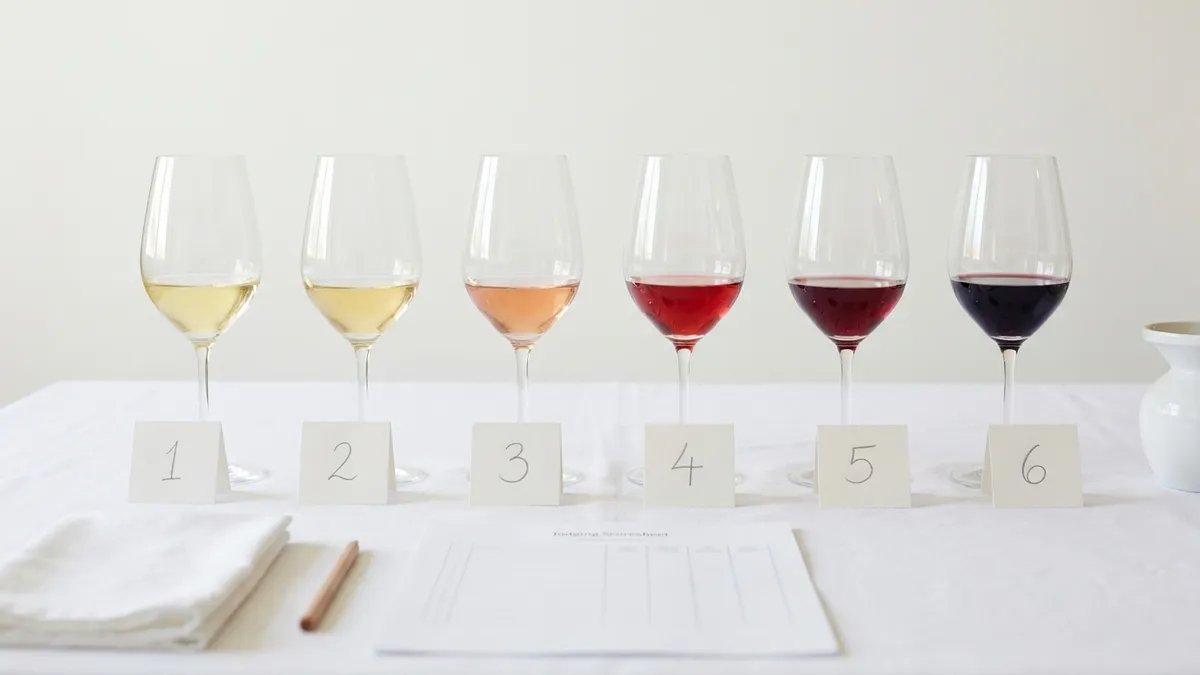
Wine Judging Criteria — How Wine Judges Score a Glass
Wine judging criteria explained: how wine judges score a glass on the 100-point, OIV, and WSET frameworks, why panels taste blind, and what a medal means.
Wine Memory Training: How Sommeliers Remember Hundreds of Wines
How top sommeliers remember hundreds of wines — and the evidence-backed memory techniques you can steal. Six drills that build recall without demanding a cellar or a classroom.
What Is Minerality in Wine? The Controversial Tasting Term
Minerality in wine is one of the most argued-over tasting terms. Here's what tasters actually mean when they say it, what science has (and hasn't) confirmed, and how to identify it in the glass.
Wine Structure Meaning: What Makes a Wine Structured
Wine structure is the frame under the flavor: acidity, tannin, alcohol, body and sweetness. What a structured wine is, and how to feel each part in one sip.
Wine Tasting Notes Template: What to Write Down and Why
A ready-to-use wine tasting notes template plus the reasoning behind every field. Five short sections, ten minutes per wine, and a record you can actually use six months later.
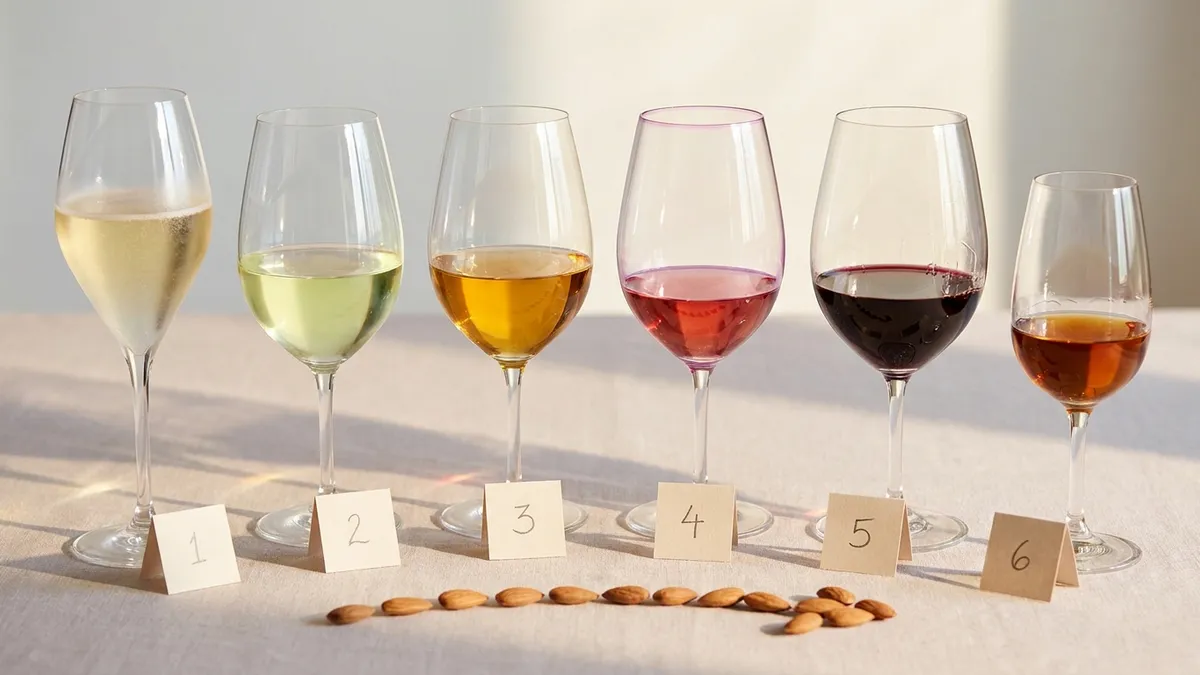
Wine Tasting Order: The Sommelier Rules (With a Chart)
Wine tasting order with a chart: sparkling, light white, full white, rosé, light red, full red, sweet last — plus white-only and red-only flights and the exceptions.
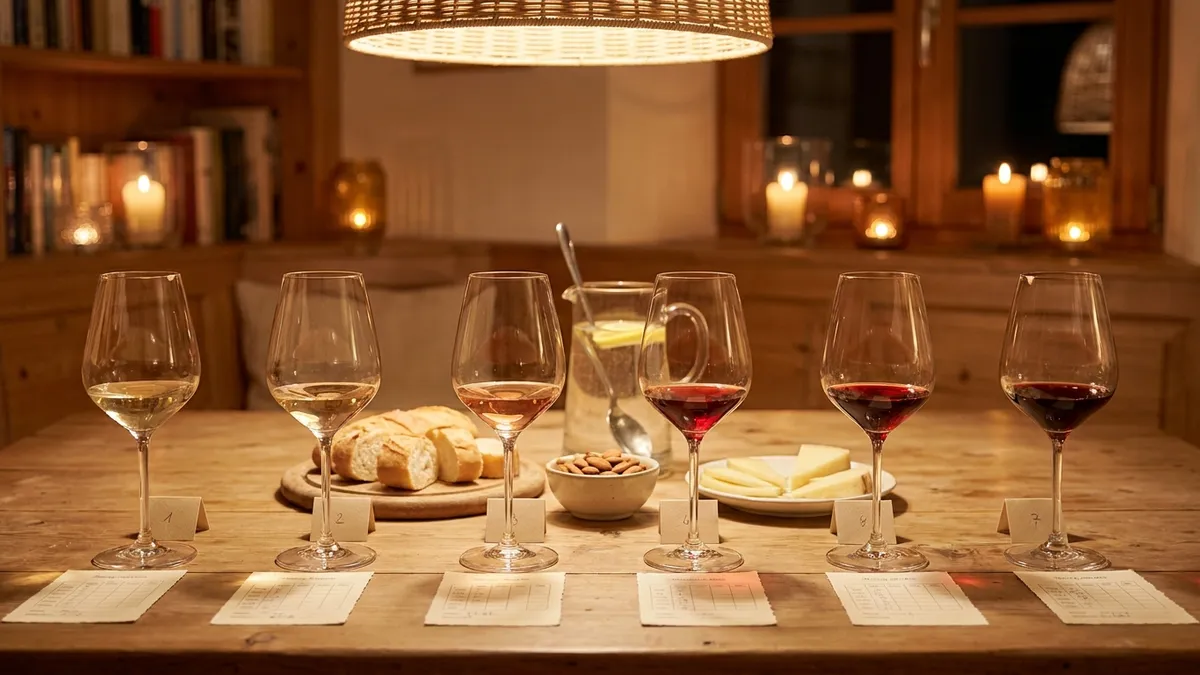
How to Host a Wine Tasting Party at Home
Host a wine tasting party at home that feels like a proper experience, not a free-for-all. Theme picks, pour sizes, food, order, and the small rituals that make guests leave smarter.
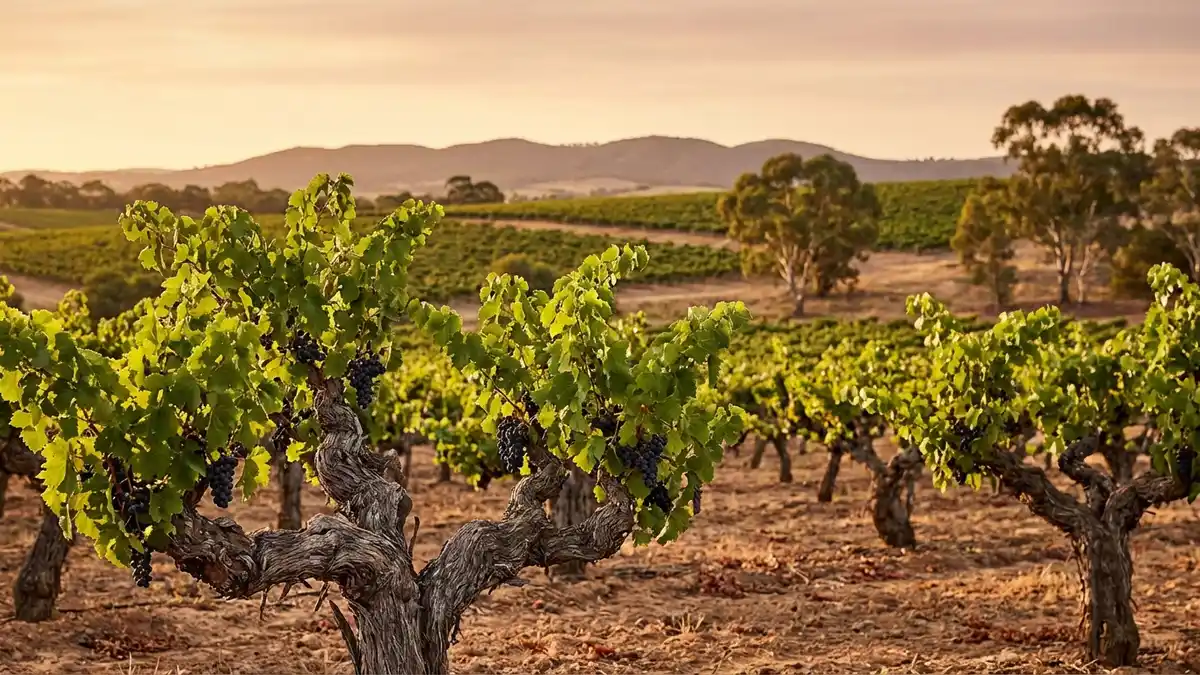
Australian Wine Guide: Shiraz, Barossa Valley, and Beyond
Australia produces some of the world's most distinctive wines, from blockbuster Barossa Shiraz to elegant Tasmanian sparkling. This guide covers the key regions, grapes, styles, and food pairings.
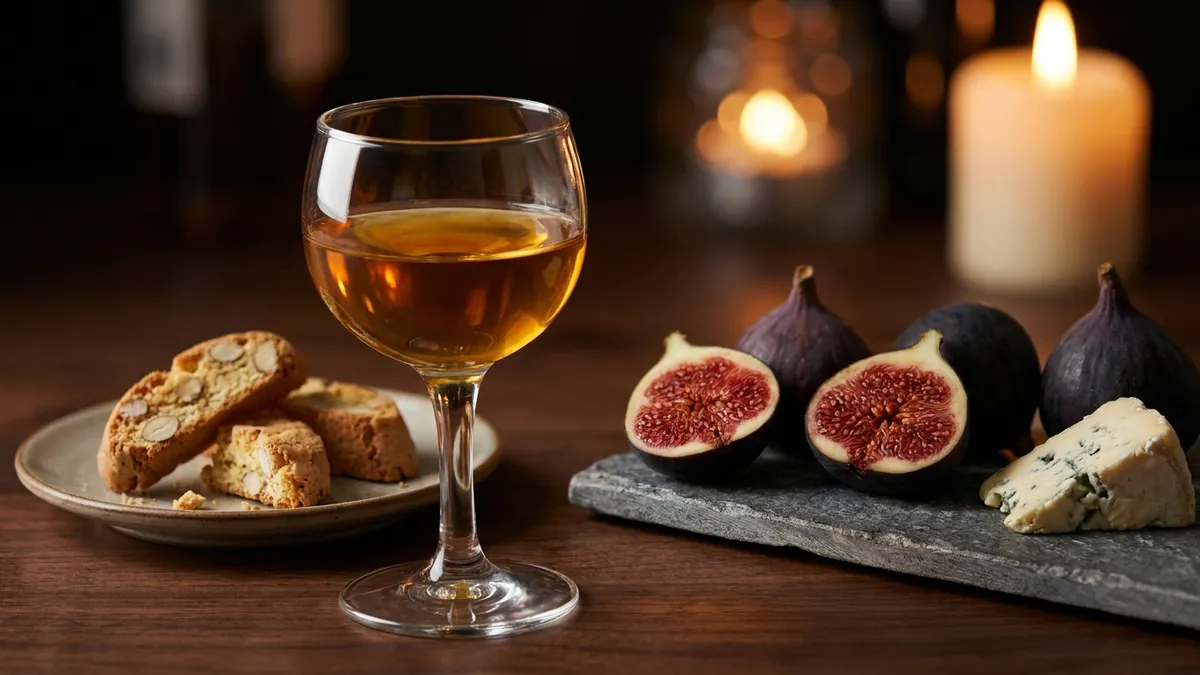
Dessert Wine Types and Examples: Five Ways Wine Gets Sweet
Dessert wine types and examples in one table: noble rot, ice wine, dried-grape, late harvest and fortified, with the grapes, flavours and food for each.
How to Develop Your Wine Palate: Exercises That Work
Your palate is trainable — but most advice wastes your time. Seven evidence-backed exercises that actually build recall, from scent libraries to 10-minute comparison drills.
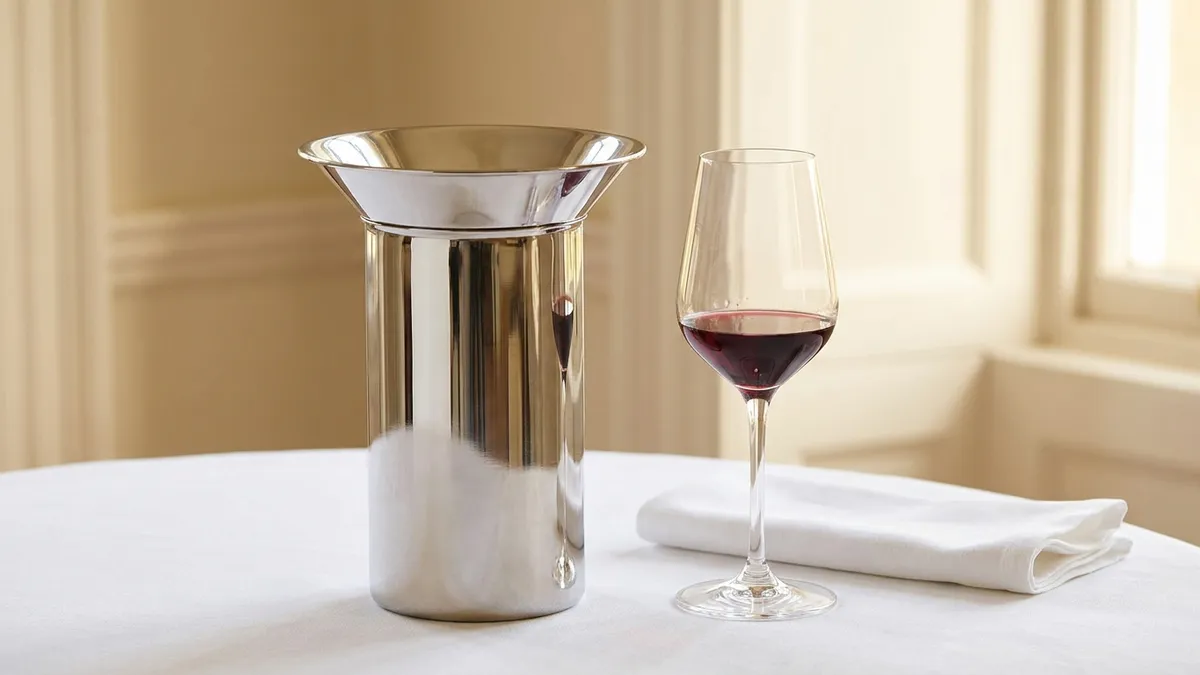
How to Spit Wine at a Tasting (Without Embarrassing Yourself)
Spitting is standard at wine tastings — not rude. Learn the technique, why professionals do it, and how to spit confidently at your next tasting event.
How to Swirl Wine: The Technique That Unlocks Aromas
Swirling wine is not a pretentious move — it is science. Learn the technique, why it works, and when swirling actually helps versus hurts your tasting.
Low-Alcohol Wine Guide: Types, Labels, and Best Styles
Low-alcohol wine explained: naturally light styles at 5-11% ABV, dealcoholized wine, 0.5% non-alcoholic wine, what the label terms legally mean, and calories per glass.
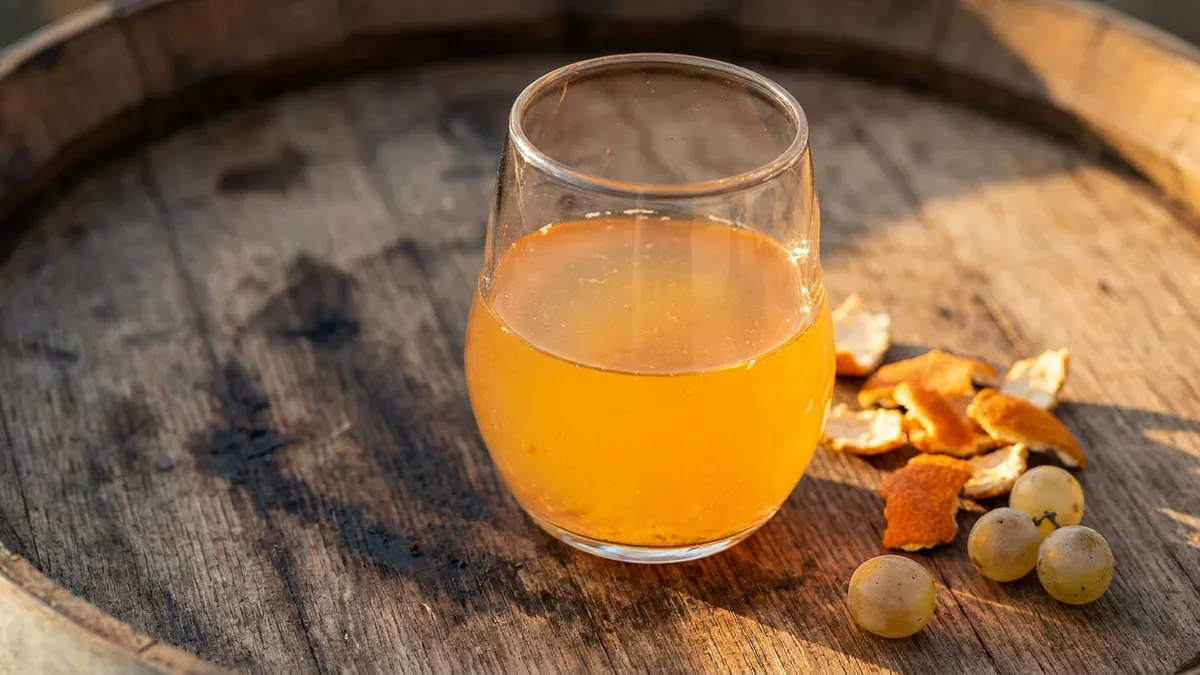
What Is Orange Wine? Skin Contact Wine vs Rosé Explained
Orange wine, also called skin contact wine or amber wine, is white wine fermented on its grape skins for days to months. How it differs from rosé, how it tastes and how to serve it.
Port Wine Guide: Tawny, Ruby, Vintage, and More
Understand the different styles of Port wine — from ruby to tawny to vintage. Learn how Port is made, how to serve it, and what to pair it with.
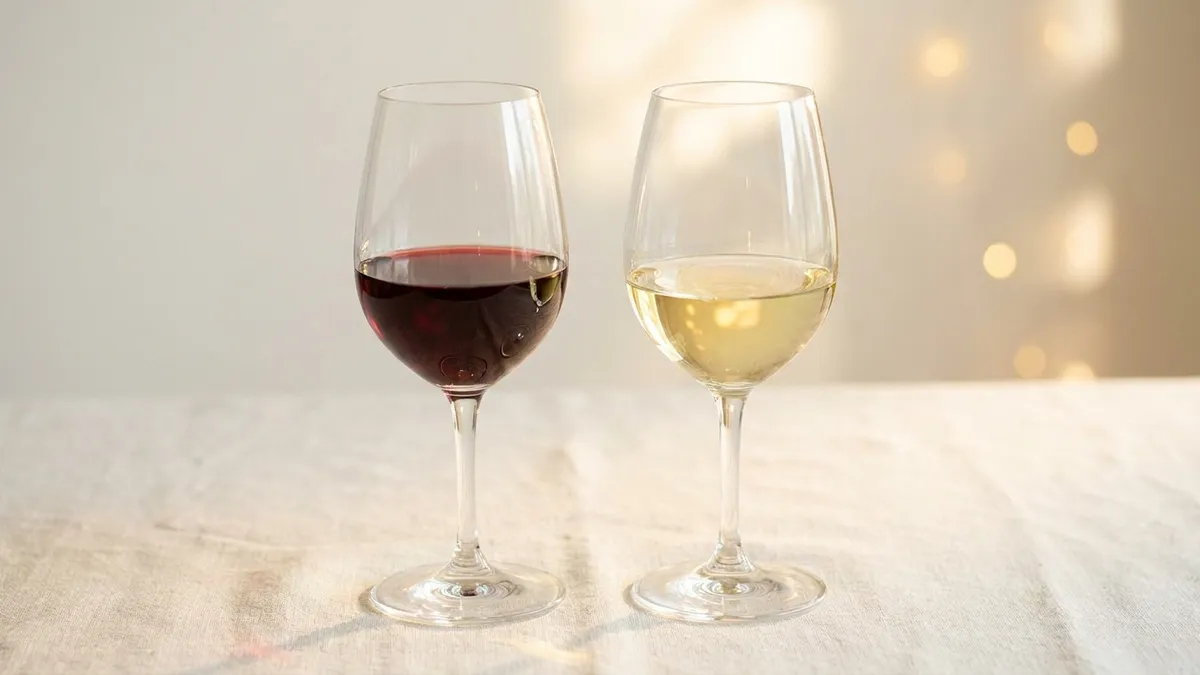
Red Wine vs White Wine: Key Differences Explained
Understand the real differences between red and white wine — from how they are made to how they taste, age, and pair with food. A clear guide for beginners.
Rosé Wine Guide: How It Is Made and What to Drink
Everything you need to know about rosé wine — how it gets its color, the major styles, and how to choose one you will actually enjoy.
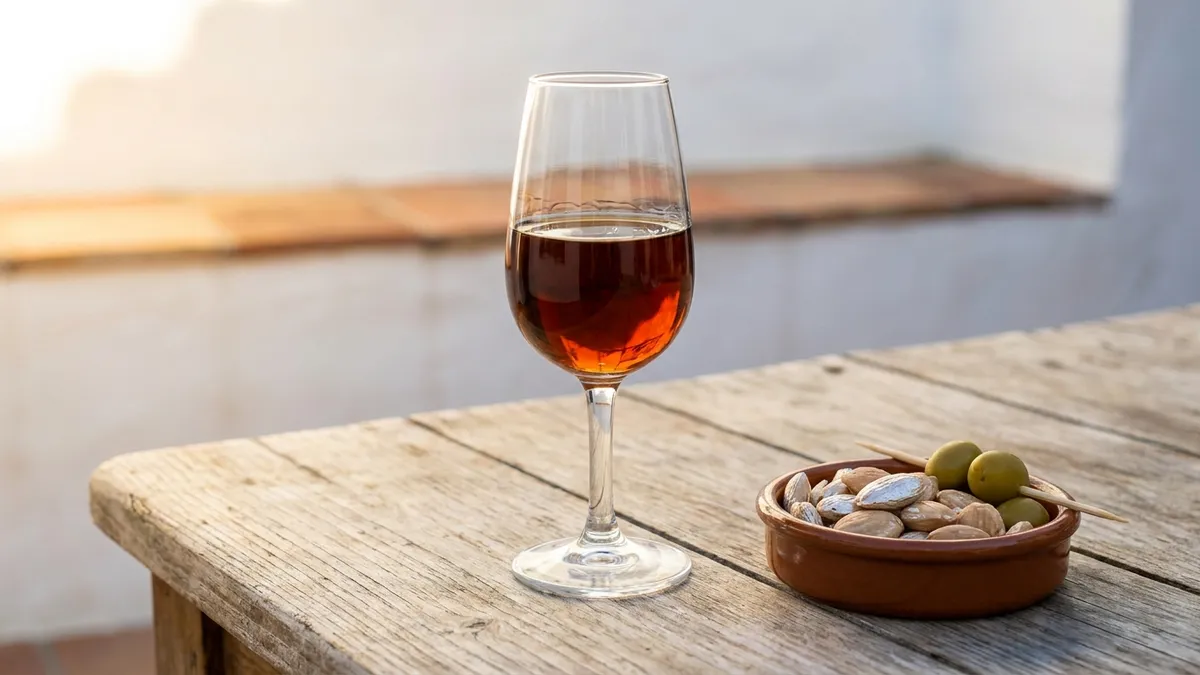
Sherry Wine Guide: Fino, Amontillado, Oloroso Explained
Understand the world of Sherry — from bone-dry Fino to rich Pedro Ximenez. Learn how each style is made, what it tastes like, and how to serve and pair it.
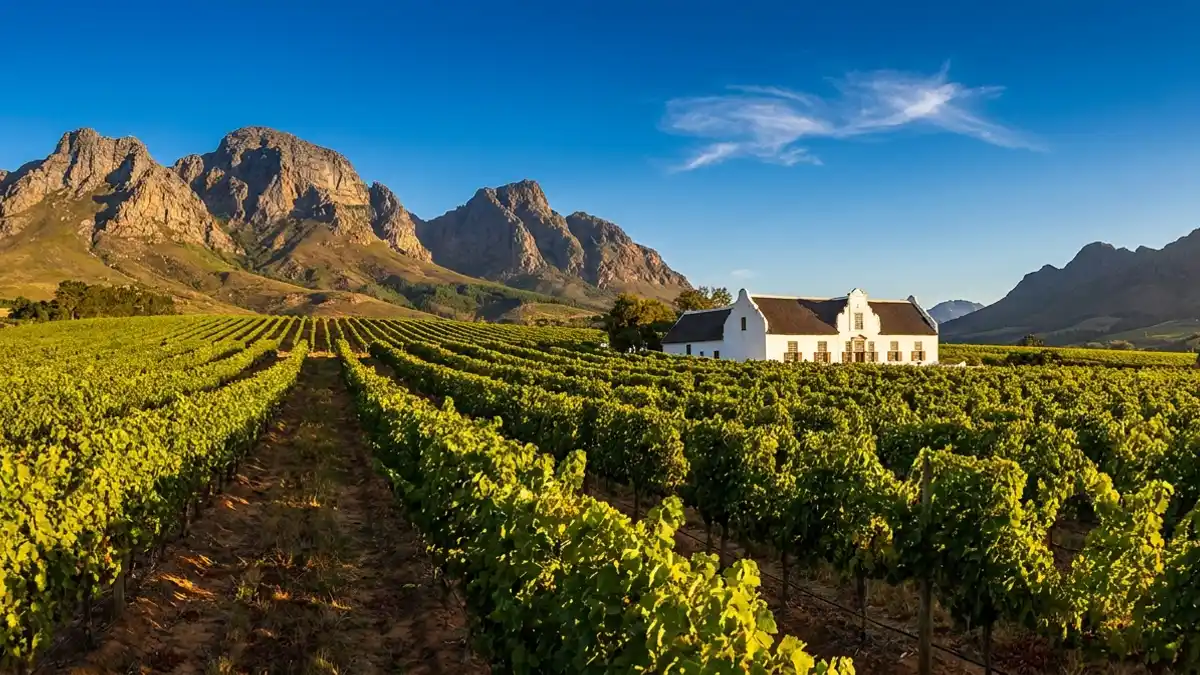
South African Wine: Stellenbosch, Chenin Blanc, and Pinotage
South Africa makes some of the world's most distinctive wines — fresh Chenin Blanc, structured Cabernet from Stellenbosch, and Pinotage like nowhere else. This guide covers the regions, grapes, styles, and food pairings.
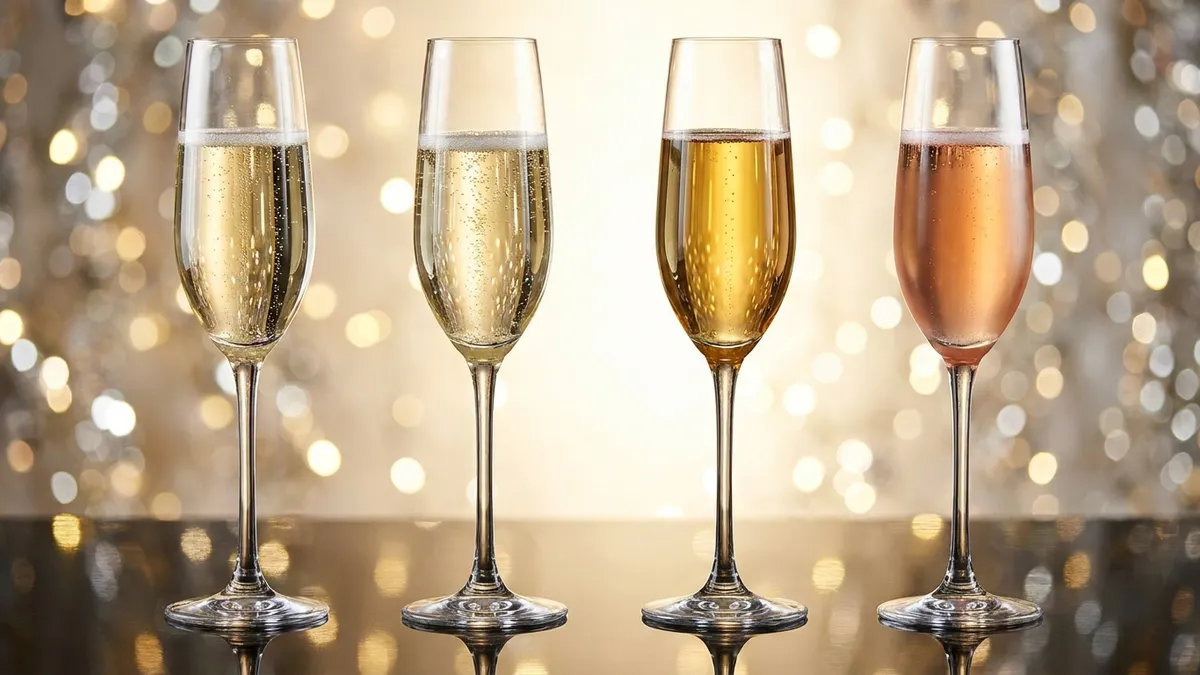
Types of Sparkling Wine — Every Style, Method, and Name
Types of sparkling wine explained: Champagne, Prosecco, Cava, Cremant, Franciacorta, Sekt, Lambrusco, and Pet-Nat, with an 11-style comparison table, legal aging minimums, and sweetness codes.
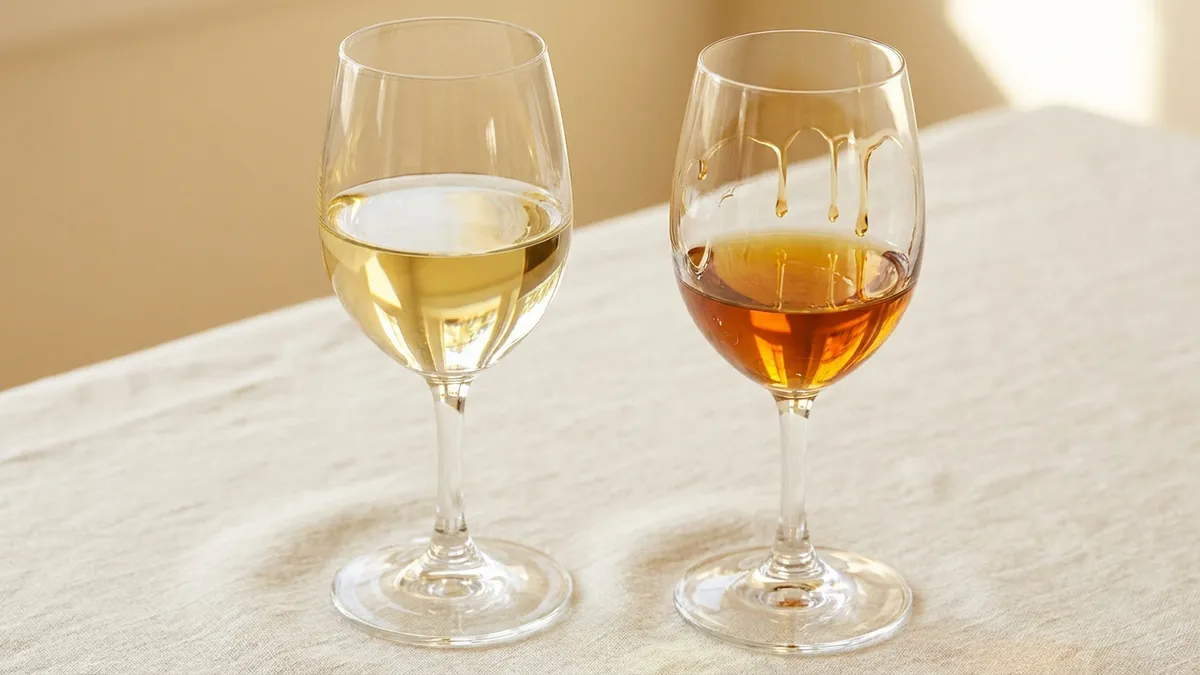
Sweet Wine vs Dry Wine: How to Tell the Difference
Learn the real difference between sweet and dry wine — what causes sweetness, how to identify it, and why your perception might be fooling you.
What Are Tannins in Wine? A Plain-English Explanation
Tannins are the compounds that make red wine feel dry and grippy. Learn what they are, where they come from, why they matter, and how to taste them.
What Does Oaked Mean? How Oak Aging Changes Wine Flavor
Oak aging adds vanilla, spice, and toast to wine — but how does it work? Learn what oaked and unoaked mean, why it matters, and how to tell the difference.
What Is an Appellation? Wine Labels Decoded
An appellation is a legally defined wine region on a bottle's label. Learn what appellations mean, how they work across countries, and what they tell you about the wine inside.
What Is Terroir? Why the Same Grape Tastes Different Everywhere
Terroir explains why Pinot Noir from Burgundy tastes nothing like Pinot Noir from Oregon. Learn what terroir means and why it shapes every wine you drink.
What Is Acidity in Wine and Why Does It Matter?
Acidity makes wine taste fresh, bright, and food-friendly. Learn what acidity is, how to identify it, and why it is one of wine's most important structural elements.
What Is Body in Wine? Light, Medium, and Full Body Explained
Body is how heavy or light wine feels in your mouth. Learn what determines it, how to identify it, and why it matters for choosing wines you enjoy.
What Does Vintage Mean on a Wine Bottle?
The vintage on a wine bottle tells you the year the grapes were harvested. Learn why vintage matters, when it does not, and how to use it when choosing wine.
Wine and Cheese Pairing: The Ultimate Matching Guide
Learn how to pair wine and cheese like a sommelier. Match fresh, soft, hard, washed-rind, and blue cheeses to the right wine styles with confidence.
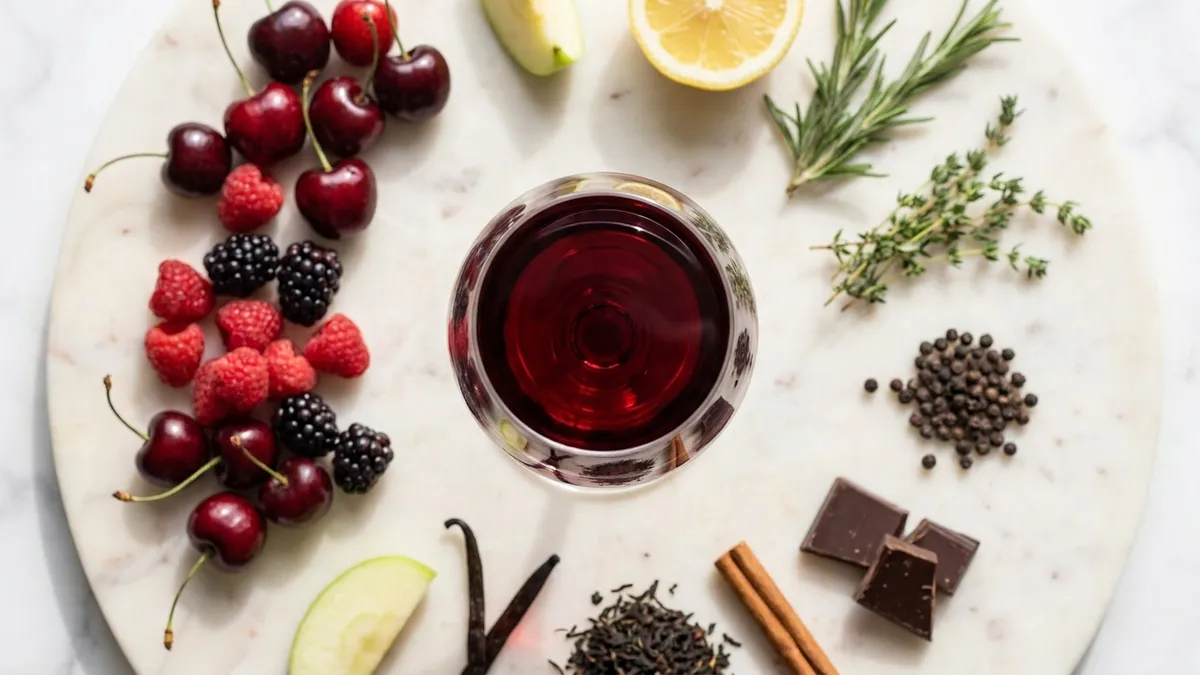
The Wine Aroma Wheel: A Beginner's Guide to Using It
The wine aroma wheel sorts wine smells into 12 categories across three rings. Learn how to read it, how it differs from a flavor wheel, and how to use it.
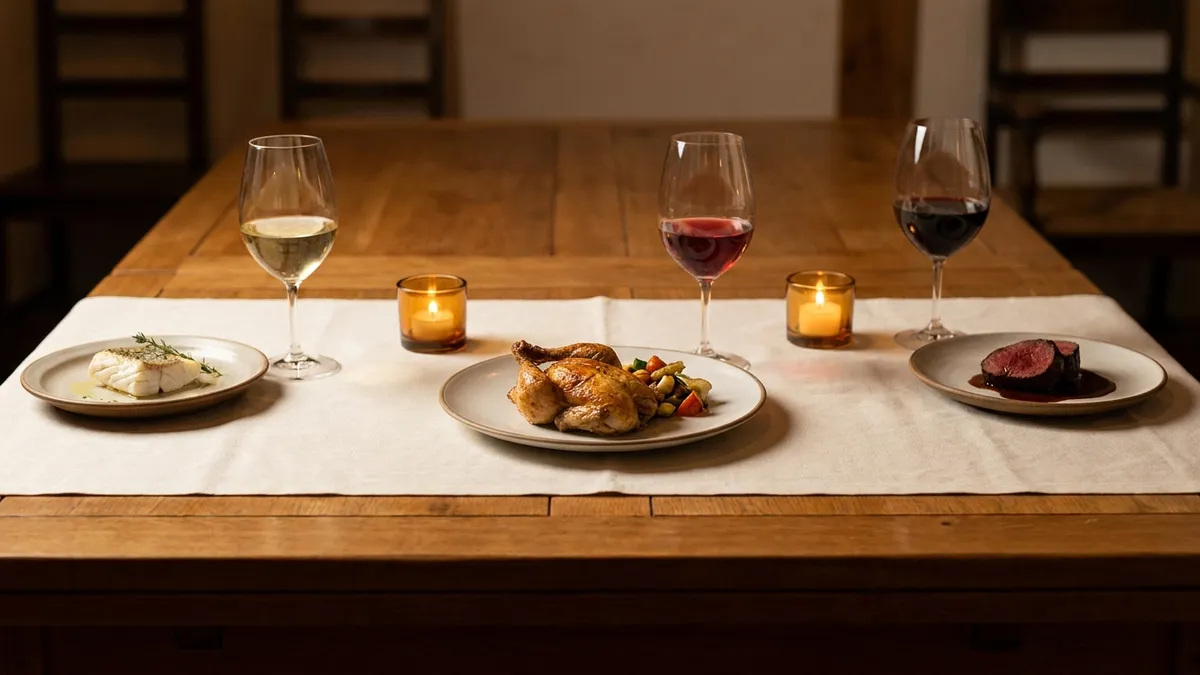
5 Wine Pairing Rules That Actually Work (and 3 to Ignore)
Cut through the noise of wine pairing advice. Learn the 5 rules that sommeliers actually use and the 3 outdated rules you can safely forget.
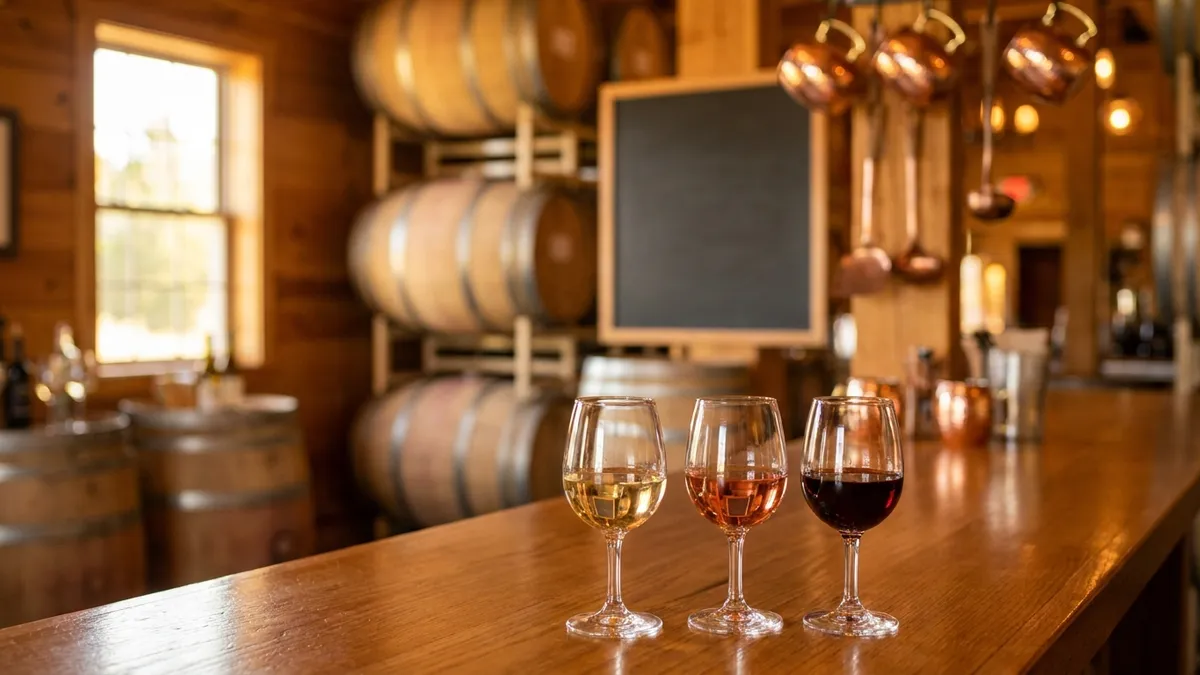
Wine Tasting at Wineries: Etiquette, Tips, and What to Expect
A first-timer's guide to visiting a winery — what to wear, what to expect, how to taste without getting drunk, and how to not embarrass yourself at the counter.
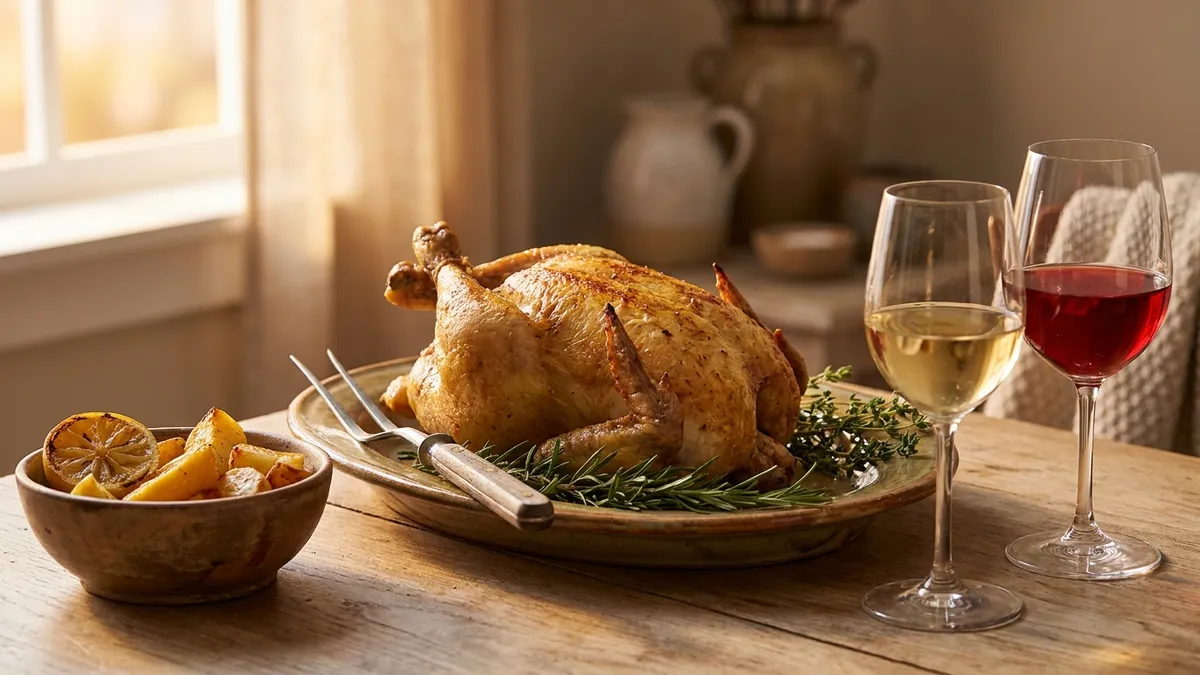
What Wine Goes with Chicken? Pairings for Every Recipe
Find the right wine for every chicken dish, from roast to grilled to creamy piccata. Match the preparation and sauce, not just the protein.
Wine and Chocolate Pairing: A Sweet Match Made Right
Learn how to pair wine with chocolate by matching sweetness, intensity, and flavor profiles. From dark chocolate to milk and white, find the right wine every time.
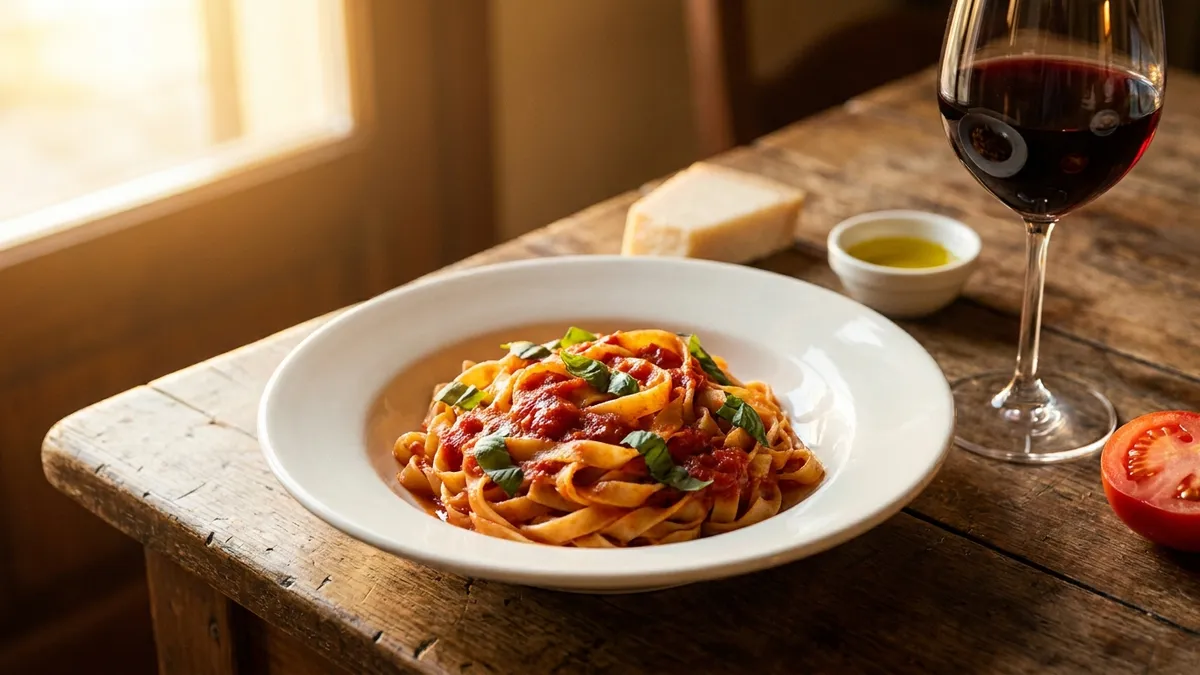
Wine and Pasta Pairing: Match the Sauce, Not the Noodle
Choosing wine with pasta doesn't start with the shape — it starts with the sauce. Learn the practical rules for pairing red, white, and sparkling wine with every pasta dish.
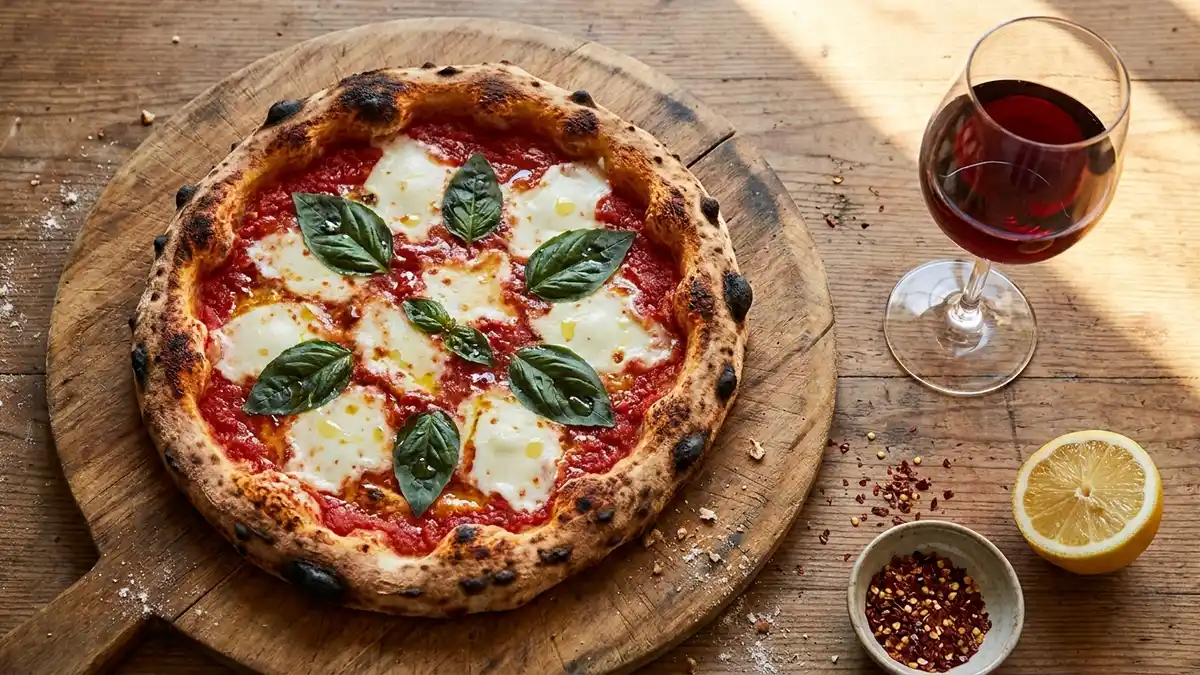
Best Wine for Pizza (Margherita, Pepperoni, and More)
The best wine for pizza, style by style — Sangiovese for Margherita, Barbera for pepperoni, crisp whites for pizza bianca, and a bubbly for every slice.
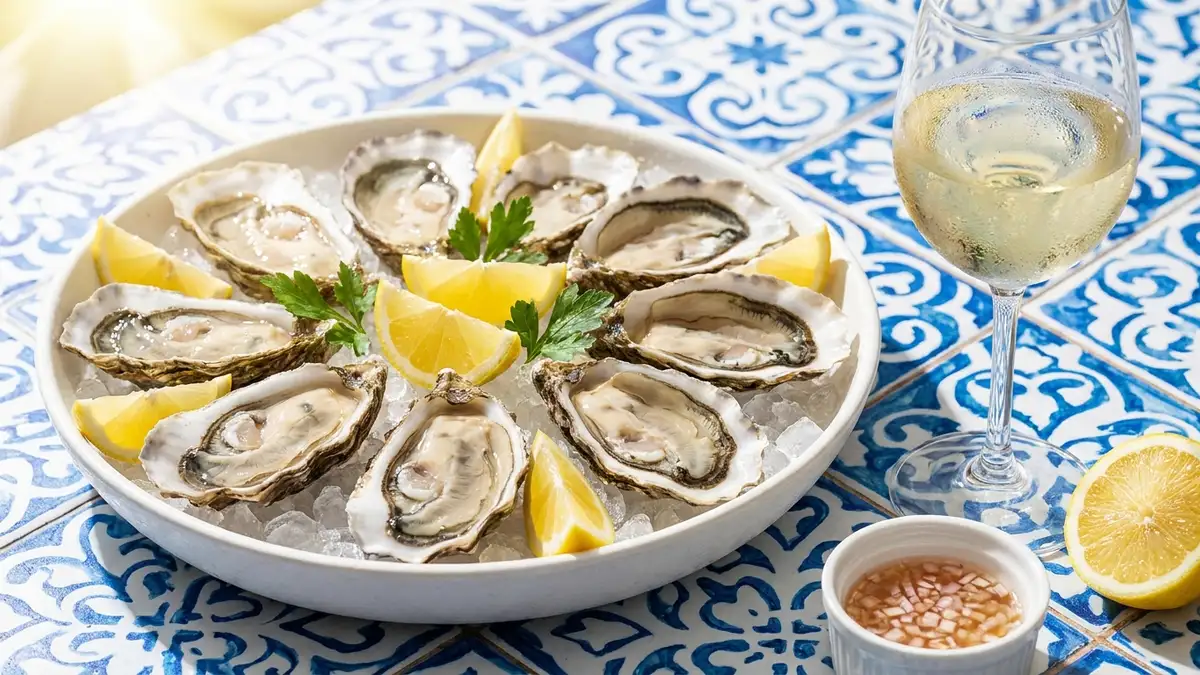
Wine and Seafood Pairing Guide: Fish, Shellfish, and Sushi
Learn how to pair wine with seafood, from delicate white fish to rich shellfish and sushi. Match the preparation and sauce for a perfect pairing every time.
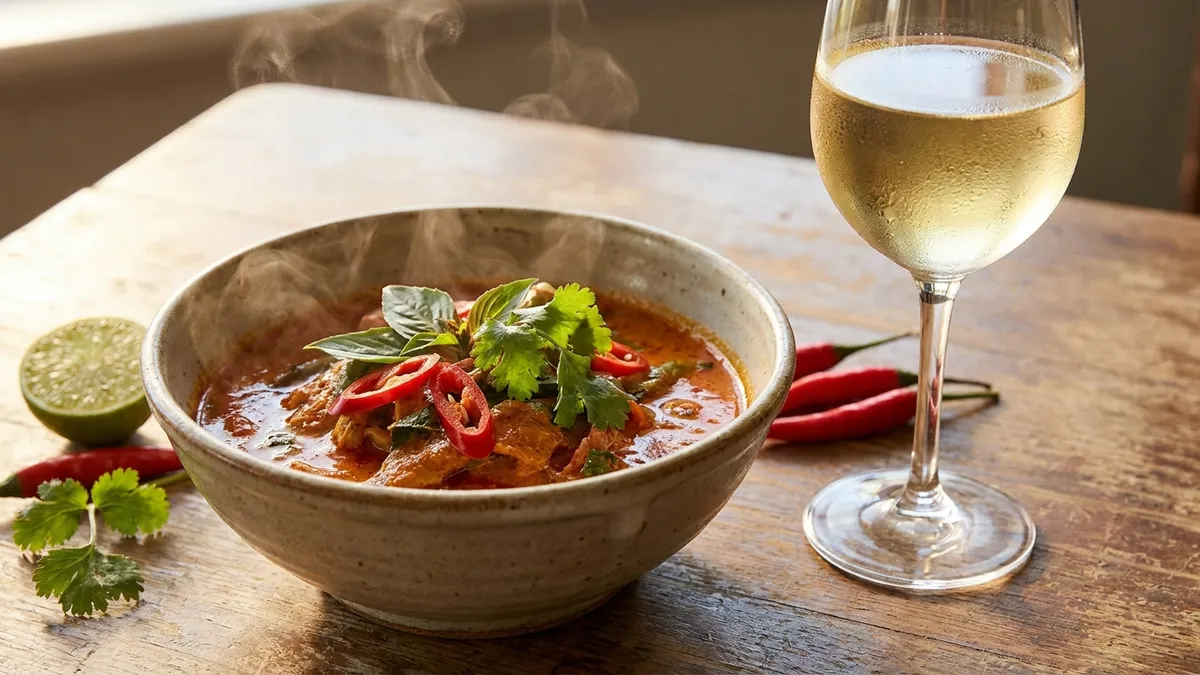
Best Wine for Spicy Food — the Off-Dry Rule Sommeliers Use
The best wine for spicy food is off-dry, low-alcohol, and low-tannin. See why Riesling beats red, what the EU legally calls dry, and a grape-by-heat table.
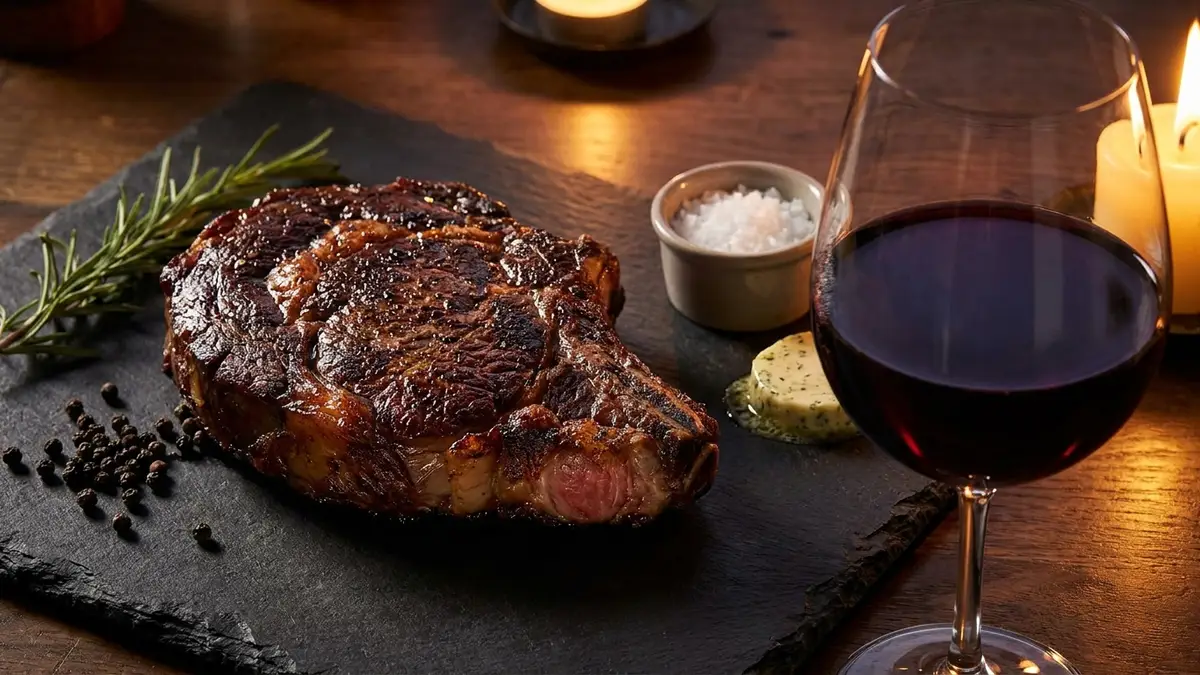
Best Wine with Steak: How to Match Red Wine to Your Cut
Learn how to pair wine with steak by matching the right red to your cut, cooking method, and sauce. From ribeye to filet mignon, find the perfect match.
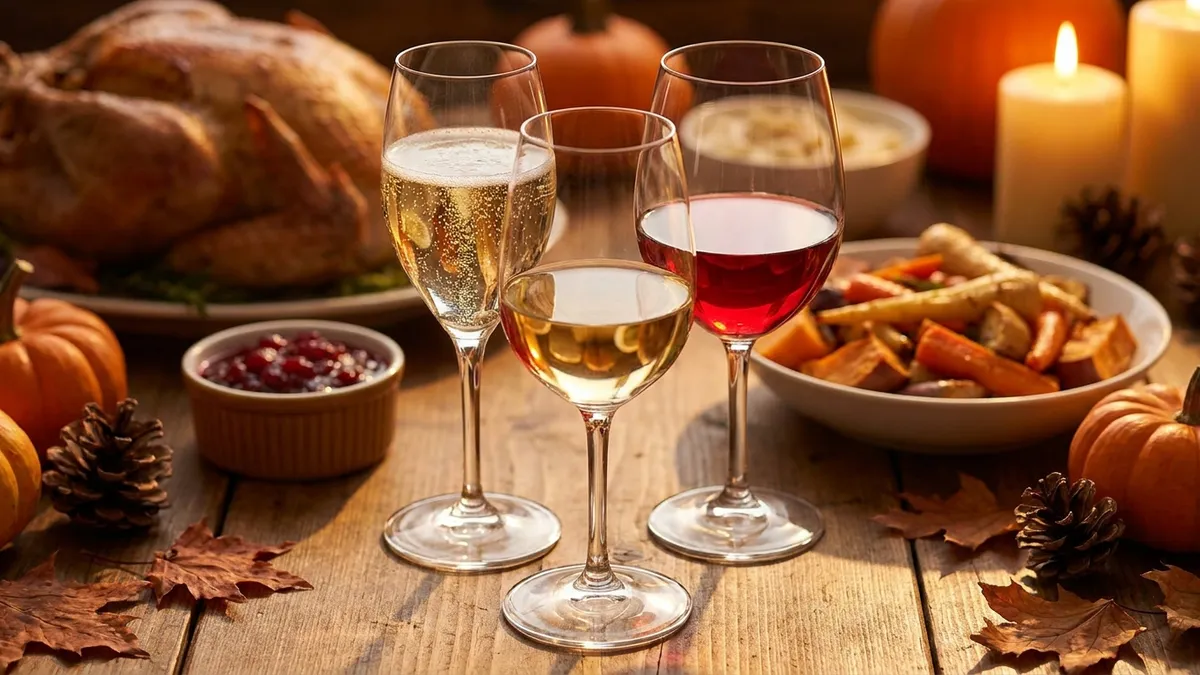
Best Wine for Thanksgiving: Pairing Guide for the Full Feast
Find the best wines for Thanksgiving dinner, from turkey and stuffing to cranberry sauce and pumpkin pie. A practical guide to pairing the entire feast.
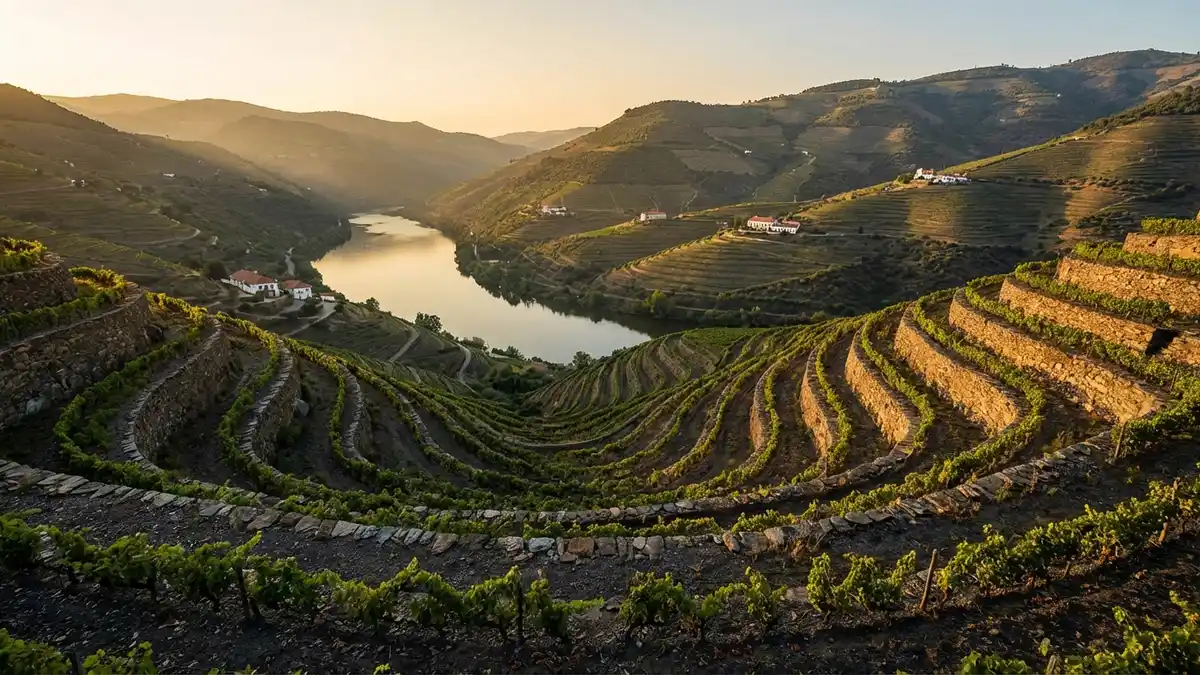
Portuguese Wine Guide: From Vinho Verde to Port
Portugal is one of the world's most exciting wine countries — home to Port, Vinho Verde, and hundreds of indigenous grape varieties. This guide covers the key regions, grapes, styles, and food pairings.
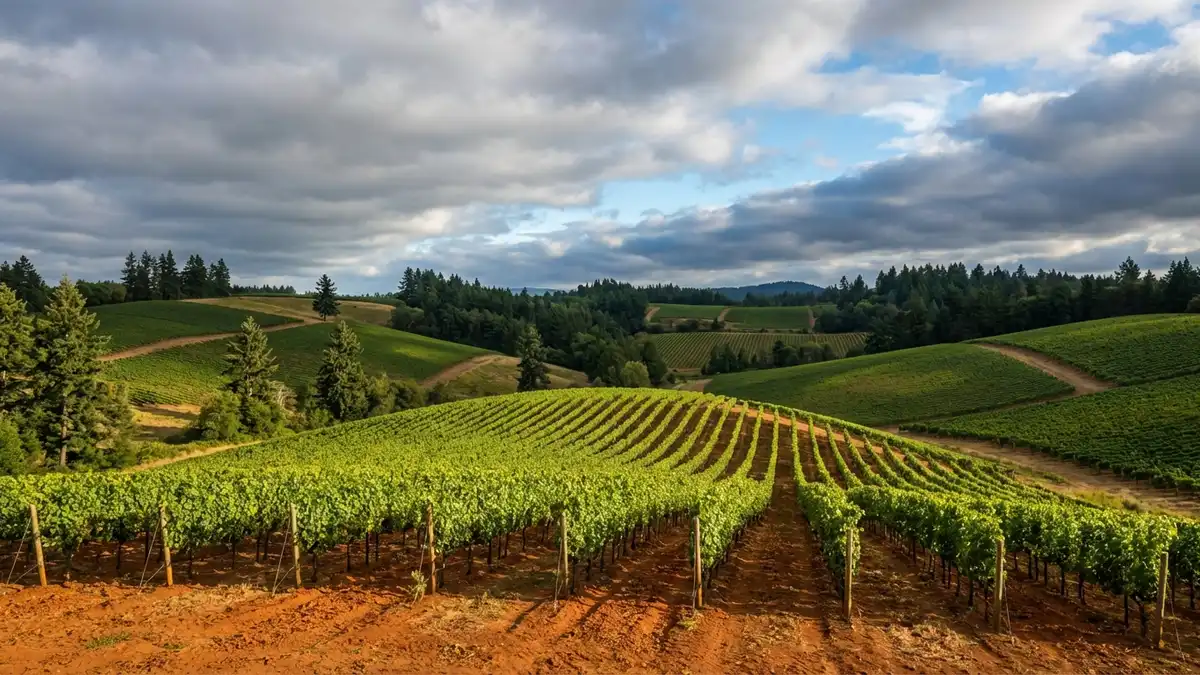
Oregon Wine Guide: Willamette Valley Pinot Noir and More
Oregon has become one of the world's top Pinot Noir regions. This guide covers the Willamette Valley's 11 AVAs, key grapes, soil types, sparkling wine, food pairings, and what makes Oregon wine unique.
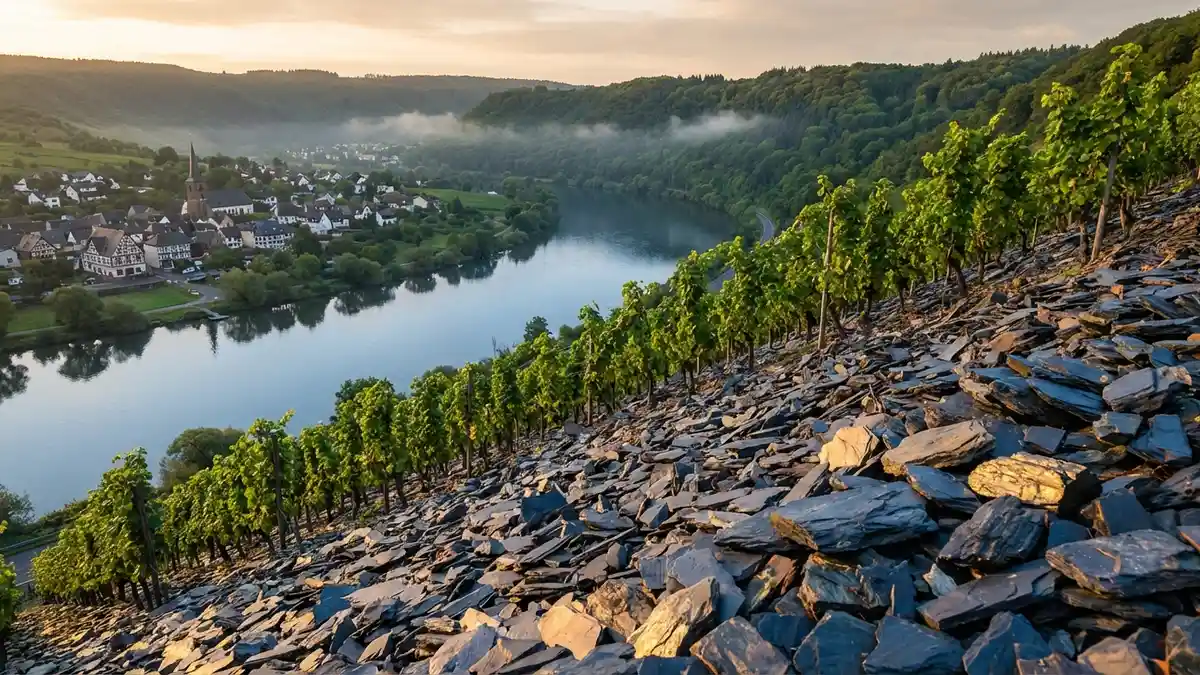
German Wine Regions: A Guide to Riesling Country
Germany is home to some of the world's finest Riesling and 13 distinct wine regions. This guide covers the key regions, the Prädikat classification system, grape varieties, and how to read a German wine label.
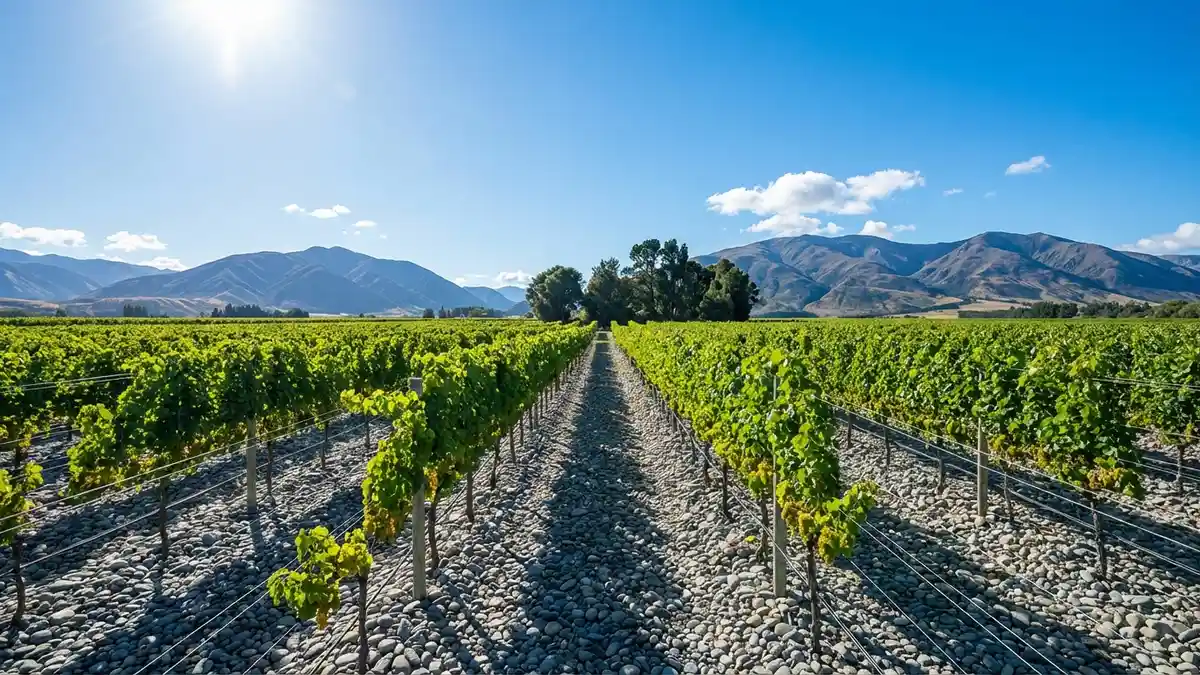
New Zealand Wine Guide: Sauvignon Blanc and Beyond
New Zealand transformed the world's expectations for Sauvignon Blanc and now produces world-class Pinot Noir, Chardonnay, and Syrah. This guide covers the key regions, grapes, styles, and food pairings.
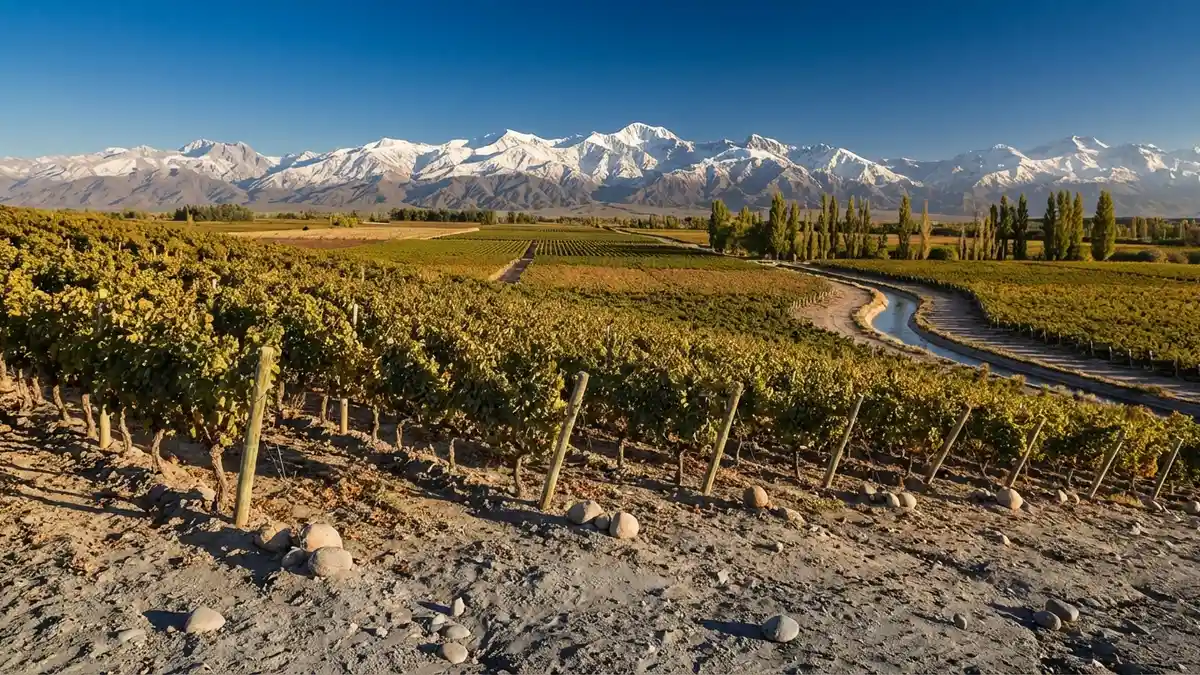
Argentine Wine Guide: From Mendoza Malbec to Patagonia
Argentina is the world's capital of Malbec and home to some of the highest vineyards on earth. This guide covers the key regions — Mendoza, Salta, Patagonia — along with grapes, styles, and food pairings.
Malbec Wine Guide: Argentina's Flagship Grape Explained
Everything you need to know about Malbec wine — from its French origins in Cahors to its rise as Argentina's most celebrated grape. Tasting notes, food pairings, and regions.
Napa Valley Wine Guide: Regions, Grapes, and What to Try
Napa Valley is California's most celebrated wine region — home to world-class Cabernet Sauvignon and 16 distinct AVAs. This guide covers the key sub-regions, grapes, wine styles, and what to look for on the label.
Pinot Grigio vs Pinot Gris: Same Grape, Different Wine
Pinot Grigio and Pinot Gris are the same grape, but they produce very different wines. Learn how region, climate, and winemaking style create two distinct personalities from one variety.
Sangiovese: The Grape Behind Chianti, Brunello, and More
Sangiovese is Italy's most important red grape — the backbone of Chianti, Brunello di Montalcino, and dozens of Tuscan wines. Learn its flavor profile, key regions, aging potential, and food pairings.
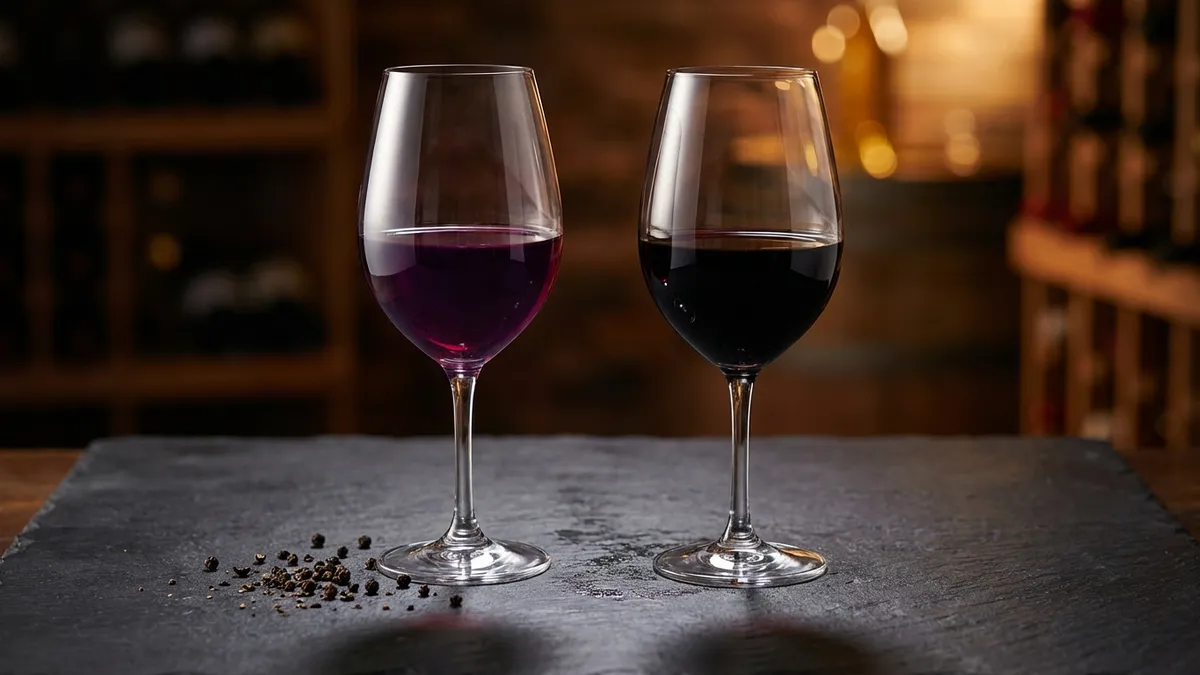
Syrah vs Shiraz: What Is the Difference?
Syrah and Shiraz are the same grape, but the wines can taste completely different. Learn how climate, winemaking, and regional tradition create two distinct styles from one variety.
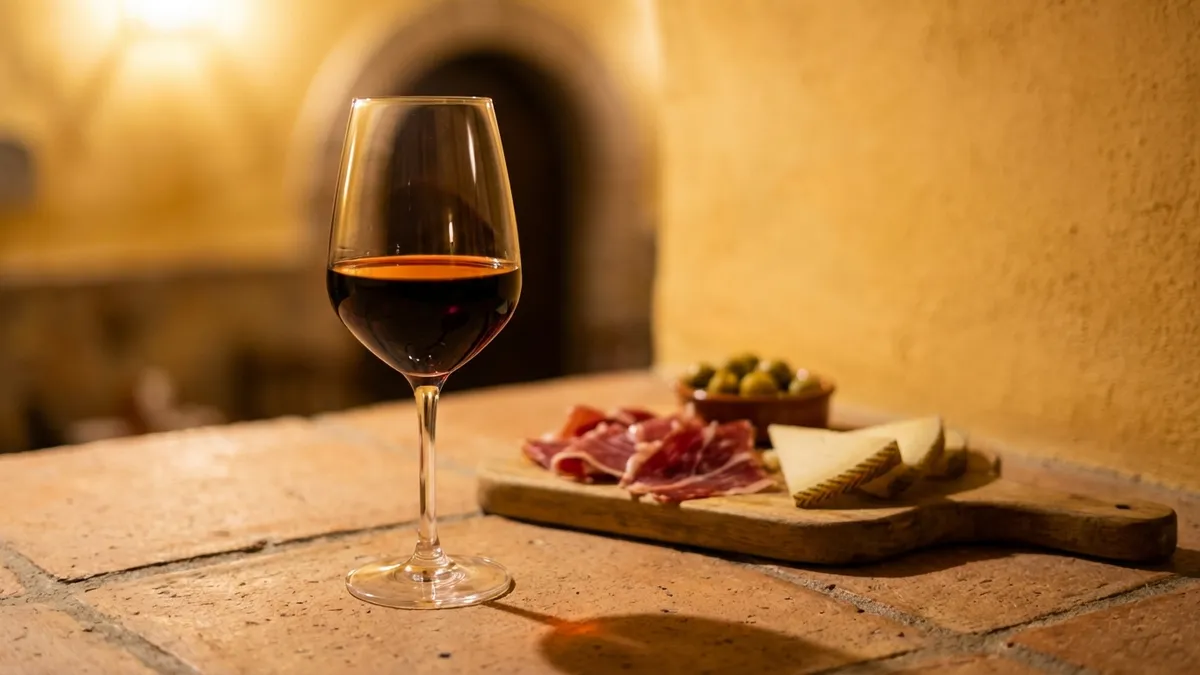
Tempranillo Wine Guide: Spain's Noble Red Grape
Tempranillo is Spain's most important red grape — the backbone of Rioja, Ribera del Duero, and dozens of other regions. Learn about its flavor profile, aging classifications, key regions, and food pairings.
Zinfandel Wine Guide: From White Zin to Old Vine Reds
Zinfandel is California's heritage grape — bold, spicy, and endlessly versatile. This guide covers red Zinfandel, White Zin, old vine wines, the Primitivo connection, key regions, and food pairings.
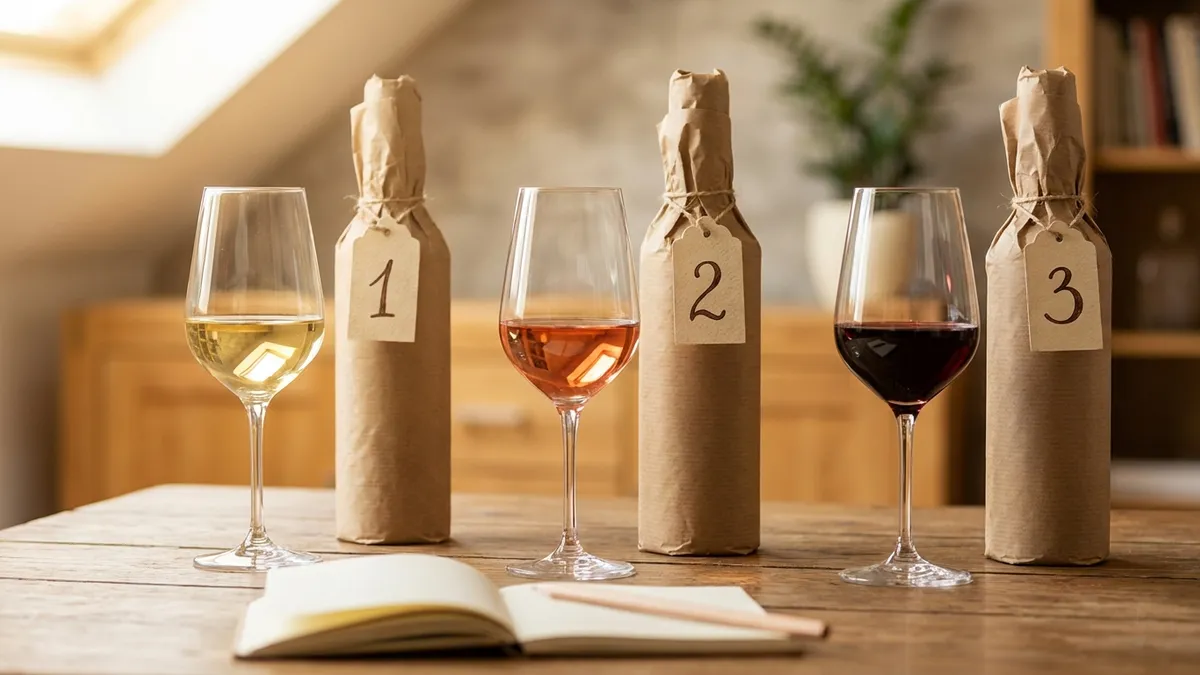
Blind Wine Tasting: How to Host and What to Look For
Blind wine tasting is the single fastest way to sharpen your palate. Here is how to host one, what to look for in each glass, and the deduction grid sommeliers use to guess a wine's identity.
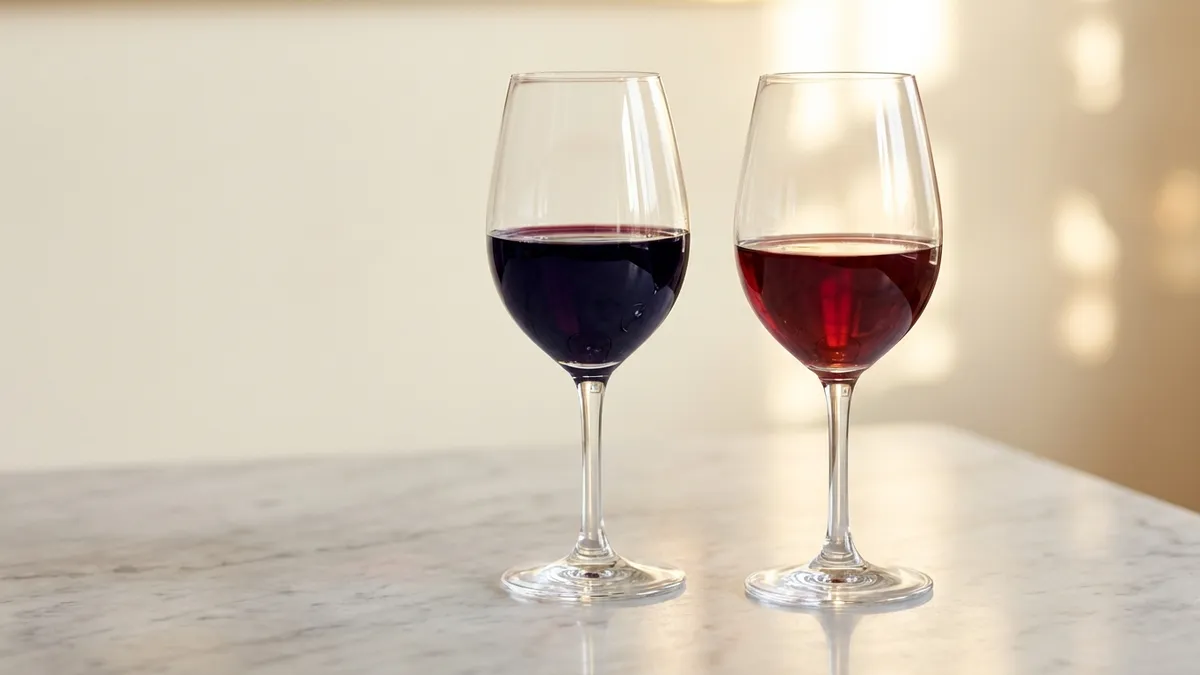
Cabernet Sauvignon vs Merlot: What Is the Difference?
Cabernet Sauvignon vs Merlot is the most common wine comparison in the world. Here is how they actually differ in flavor, structure, food pairing, and aging, with a side-by-side comparison you can try at home.
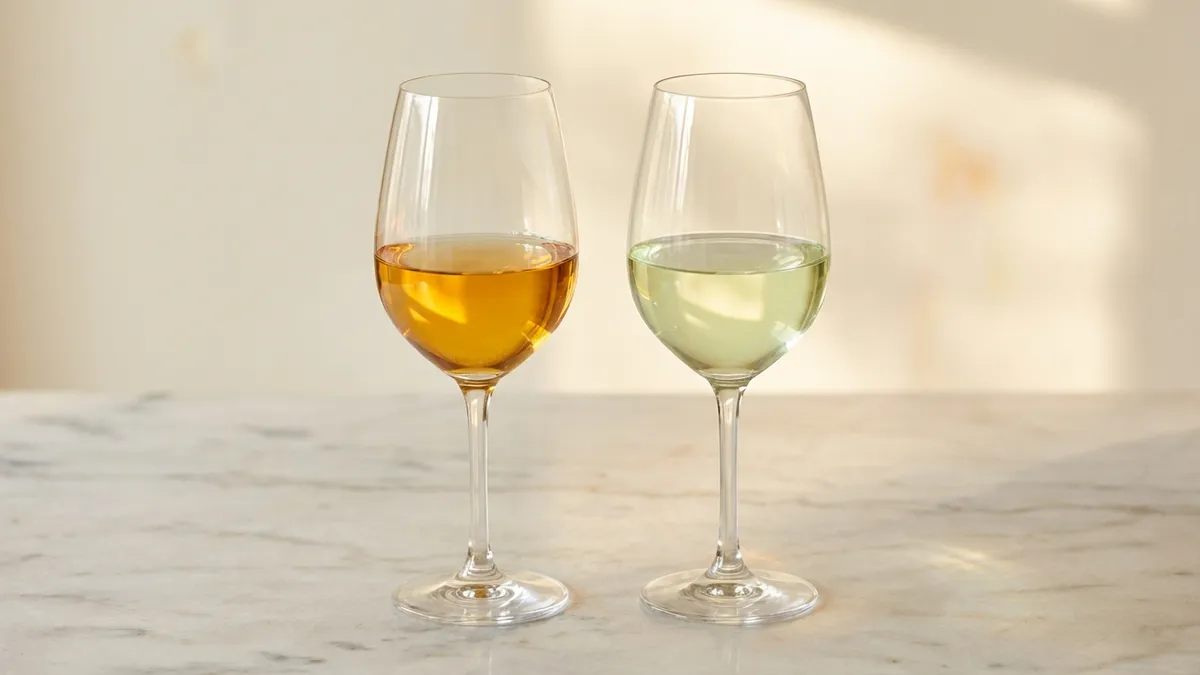
Chardonnay vs Sauvignon Blanc: How to Choose
Chardonnay vs Sauvignon Blanc is the white wine version of Cab vs Merlot. Here is how they actually differ in flavor, body, oak, food pairing, and style — and how to pick the right one for any occasion.
Pinot Noir: The Complete Guide to the World's Most Elusive Red
Pinot Noir is the grape that drives winemakers crazy and wine lovers deeper. Here is a complete guide to its flavor, key regions, food pairings, and why thin skin changes everything.
Riesling Wine Guide: From Bone Dry to Lusciously Sweet
Riesling is the most versatile white grape on Earth. This guide covers the dry-to-sweet spectrum, key regions from Mosel to Clare Valley, the Prädikat system, food pairing, and why this grape ages better than almost any white wine.
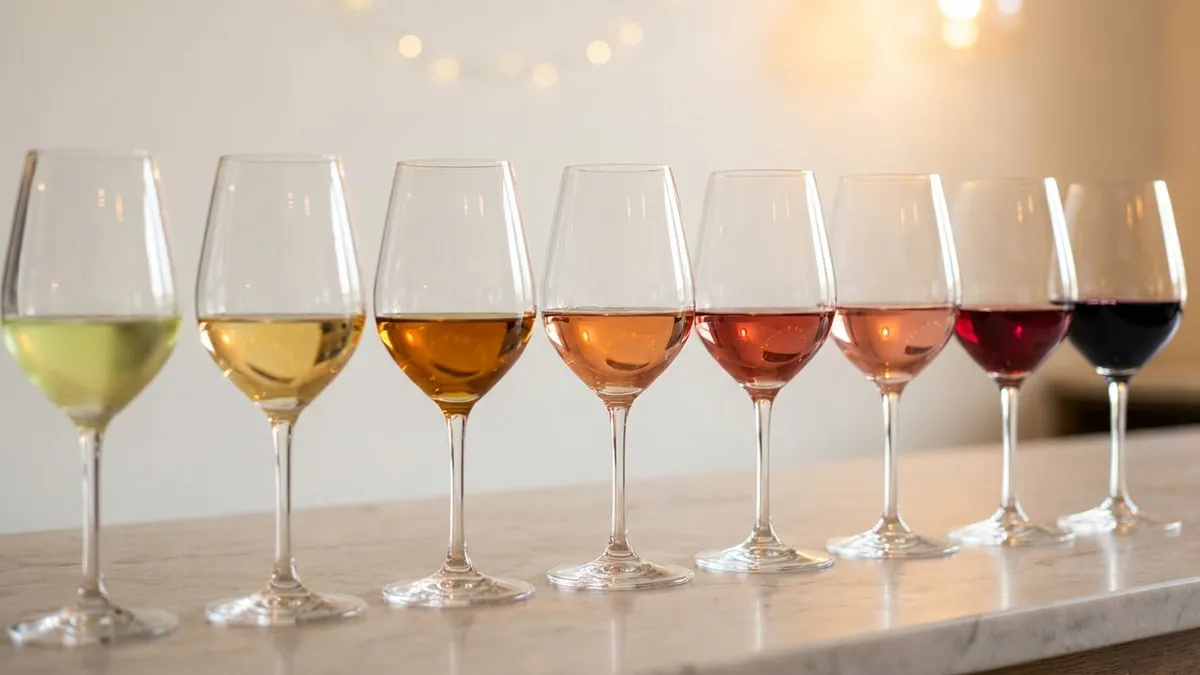
Wine Color Guide: What the Color of Wine Tells You
Wine color is the first information your senses pick up, and most beginners ignore it. Here is what wine color actually reveals about age, grape variety, climate, and style — before you even take a sniff.
Wine Mouthfeel Explained: Body, Texture, and Balance
Wine mouthfeel is the physical sensation of wine in your mouth — weight, grip, warmth, and texture. Here is how to identify it, what causes it, and why sommeliers consider it as important as flavor.
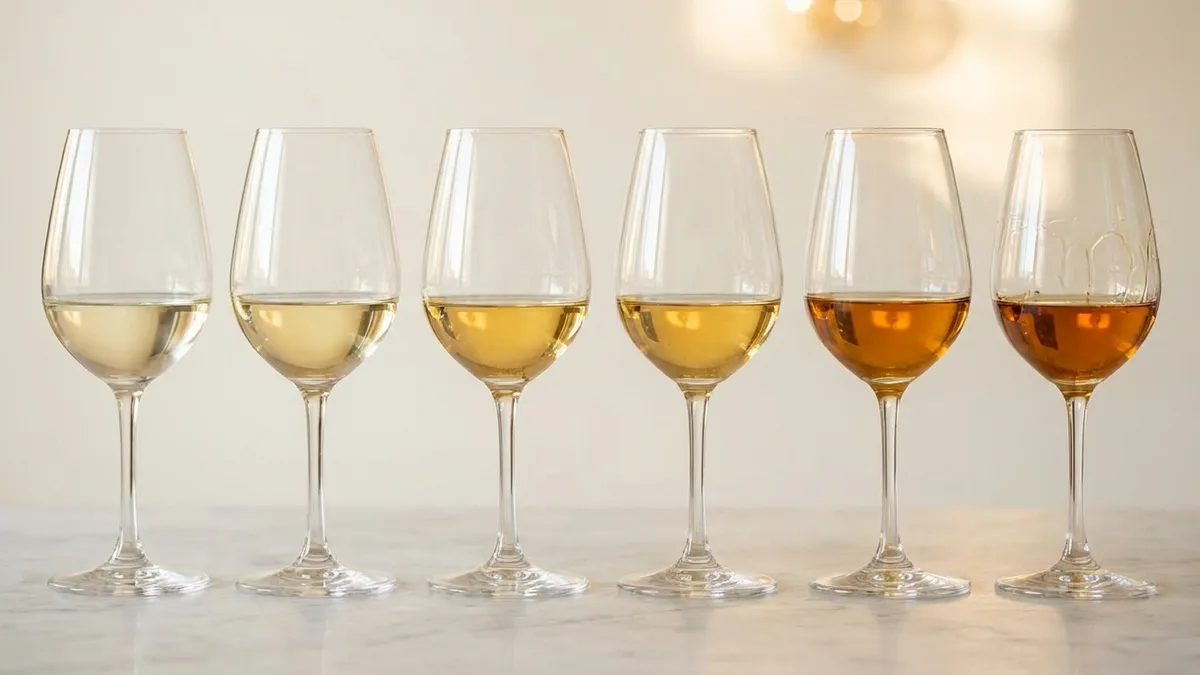
Wine Sweetness Scale: From Bone Dry to Dessert Sweet
The wine sweetness scale is one of the most misunderstood concepts in wine. Here is a plain-English breakdown of every level, with real residual sugar numbers and label vocabulary for still and sparkling wines.
How to Describe Wine: Tasting Notes Made Simple
Describing wine feels impossible until you have a framework. Here is the one sommeliers use, the vocabulary to start with, and how to go from 'I don't know how to say it' to a real tasting note in one session.
How to Smell Wine: A Beginner's Guide to Wine Aromas
Most wine flavor comes from your nose, not your tongue. Here is how to smell wine properly, what to look for, and how to build an aroma vocabulary from scratch.
How to Tell If Wine Is Corked: Signs, Smell, and What to Do
Corked wine is the most common wine fault, but most people have never been taught to spot it. Here is exactly what corked wine smells like, why it happens, and how to handle it at home or in a restaurant.
Sulfites in Wine: What They Are and Why They Are There
Sulfites in wine are misunderstood. Here is what sulfites actually do, how much is in your glass, who is really sensitive, and why dried apricots have ten times more than your Cabernet.
What Is the Finish of a Wine? Length, Flavor, and Quality
The finish is the most overlooked part of wine tasting and the single best signal of quality. Here is what wine finish actually means, how to measure it, and why sommeliers rate it in seconds.
What Do Wine Legs Mean? The Truth About Tears on Your Glass
Wine legs are one of the most misunderstood visual cues in wine. Here is what those tears on your glass actually mean, the physics behind them, and what sommeliers really look for.
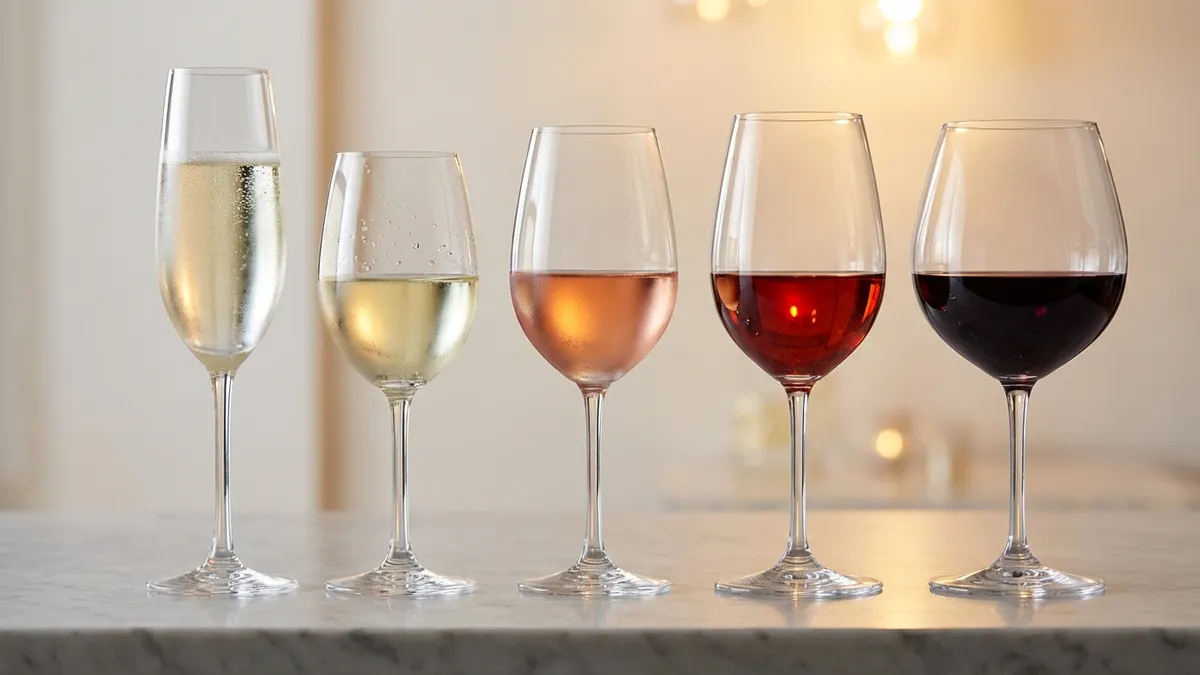
Wine Serving Temperature Chart: The Complete Guide for Every Style
A plain-English wine serving temperature chart for red, white, rosé, and sparkling. The 20/20 rule, the room temperature myth, and why serving temp changes everything in the glass.
What Does Dry Wine Mean? Sugar Levels and Off-Dry Explained
Dry wine means little or no sugar left after fermentation: up to 4 g/L under EU rules, or 9 g/L with high acidity. What off-dry means, why tannin feels dry, and how to read dry on still and sparkling labels.
Spanish Wine Regions: From Rioja to Sherry
Explore Spain's major wine regions, from the legendary Rioja to the unique world of Sherry. Learn the DO system, key grapes, and aging classifications.
Natural Wine Explained: What It Is and Why It Matters
Understand what natural wine actually means, from orange wine to pet-nat. Learn the difference between organic, biodynamic, and natural winemaking.
Champagne vs Prosecco vs Cava (Taste, Method, Price)
Champagne vs Prosecco vs Cava, compared pair by pair: production method, grapes, sweetness labels, and price — plus which bottle fits which occasion.
Understanding Tannins, Acidity, and Body in Wine
Learn what tannins, acidity, and body actually are, how to identify them on your palate, and why they matter for food pairing and aging.
Best Wine Learning Apps in 2026 — Tested and Compared
The best wine learning apps, compared: AI tasting coaches, flashcard apps, Udemy and Wine Folly courses, and label scanners — and which fits how you learn.
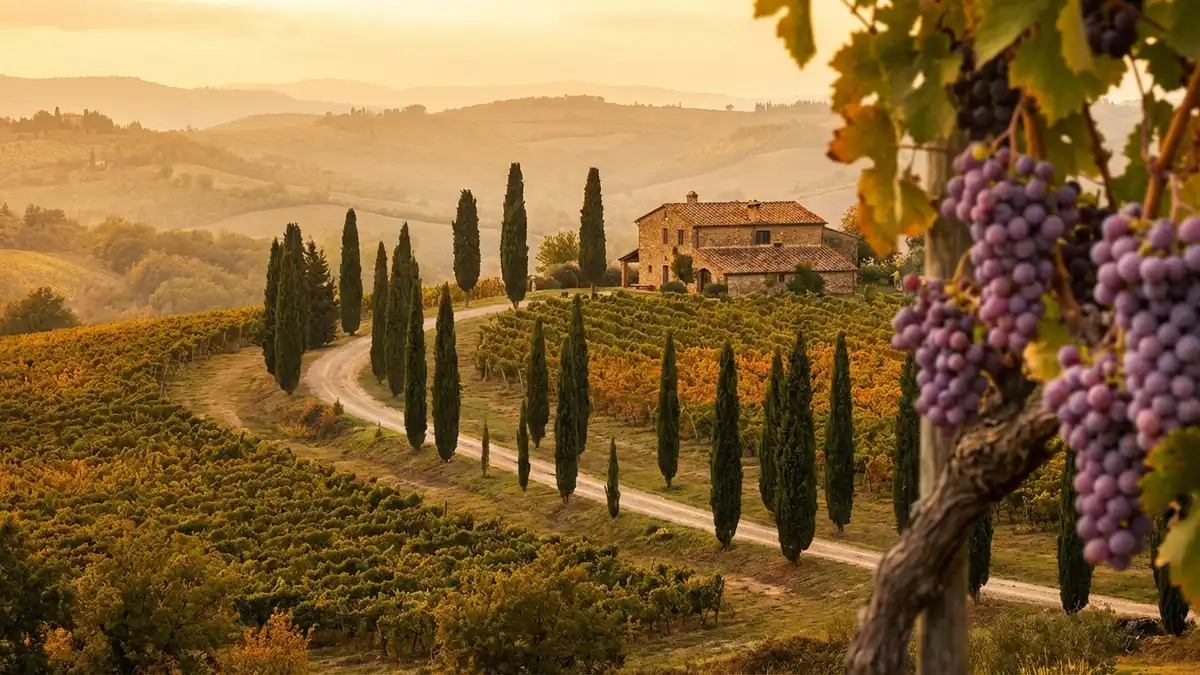
Italian Wine: From Chianti to Barolo
Discover Italian wine from north to south. Learn the key regions, native grapes, classification system, and why Italian wine and food are inseparable.
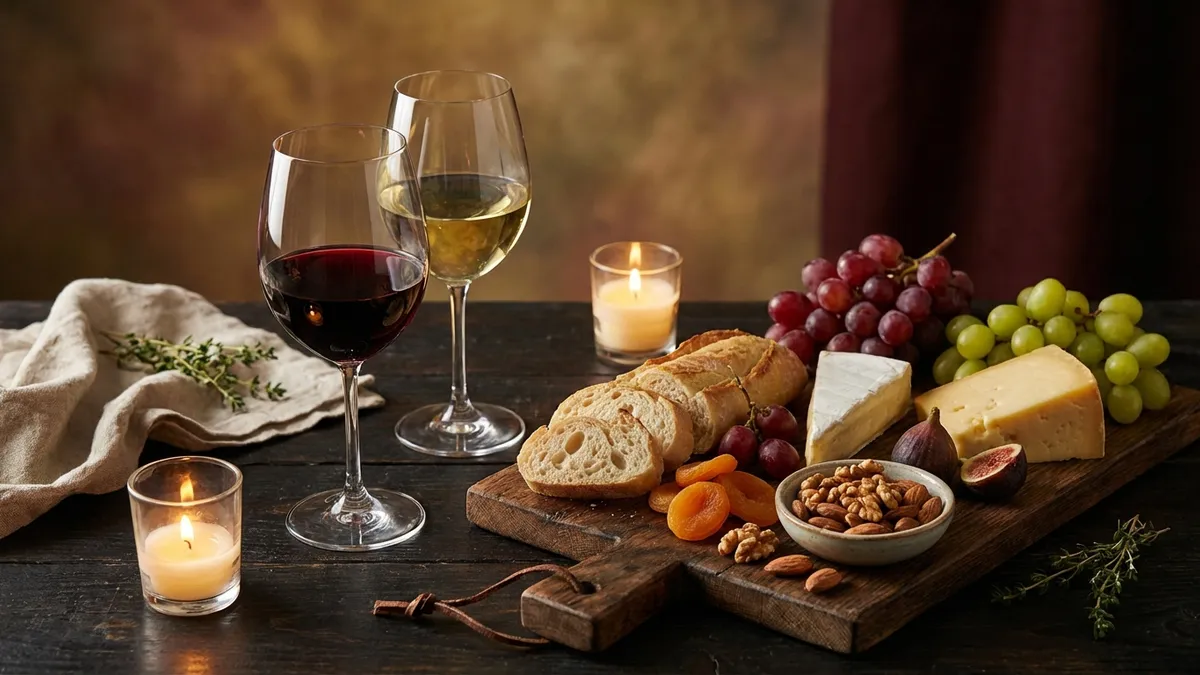
Wine and Food Pairing: The Ultimate Guide
Go beyond the basics of wine and food pairing. Learn the principles that work with every cuisine, including tricky foods like spicy dishes and chocolate.
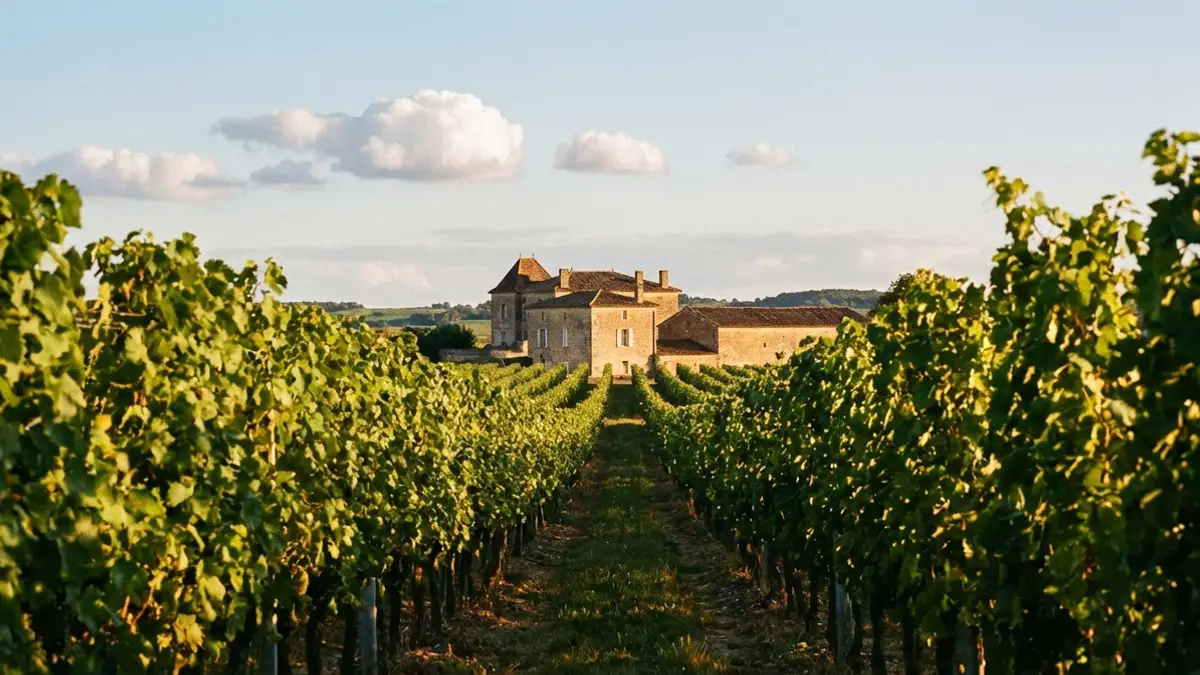
French Wine Regions: A Complete Guide
Explore the major French wine regions from Bordeaux to Provence. Understand the AOC system, signature grapes, and what makes each region unique.
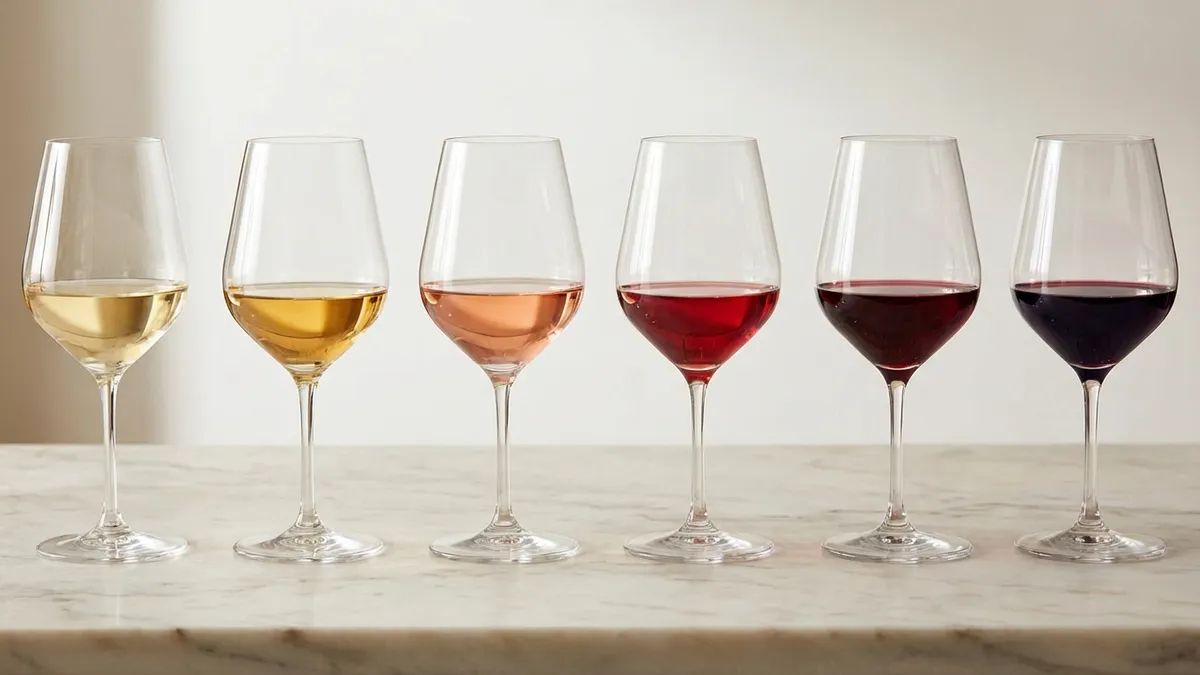
The 6 Noble Grapes Every Wine Lover Should Know
Meet the six grape varieties that form the foundation of the wine world. Learn their flavor profiles, key regions, and food pairings.
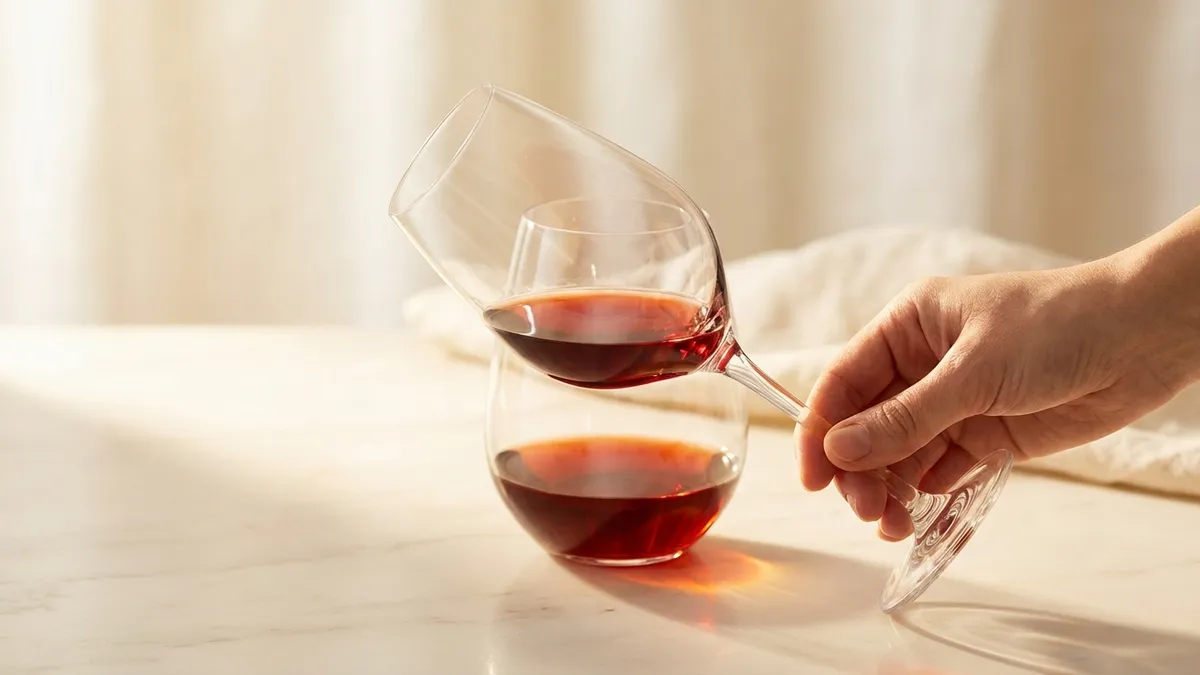
How to Taste Wine: The Complete Beginner's Guide
Learn the four-step method that sommeliers use to evaluate every glass. Master the look, swirl, sniff, and sip technique with this comprehensive guide.