How to Compare Two Wines Side by Side: A Practical Method

By the Sommy Team — AI-assisted, human-edited.
Updated Apr 29, 2026
Contents (10)
TL;DR
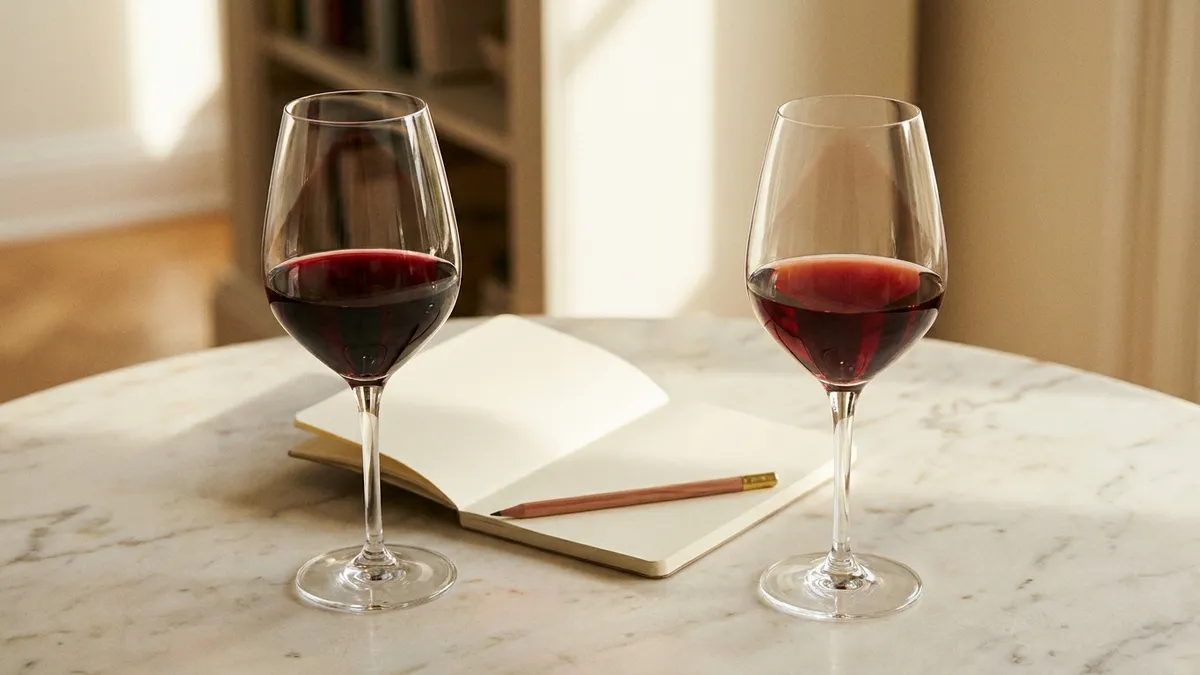
Comparing two wines side by side teaches more than tasting ten alone. Constrain one variable — same grape, different region, or same region, different vintage — and hold the rest constant. Pour into matched glasses, alternate sips rather than finishing one first, and write notes that name the difference rather than describe each wine in isolation.
TLDR
Comparing two wines side by side teaches more than tasting ten alone. Constrain one variable — same grape, different region, or same region, different vintage — and hold the rest constant. Pour into matched glasses, alternate sips rather than finishing one first, and write notes that name the difference rather than describe each wine in isolation.
How to Compare Two Wines, in 120 Words
To compare two wines side by side, constrain a single variable so the difference is visible, then taste them in alternation rather than one after the other. Pick a pairing where everything is held constant except one element — same grape from two regions, same region from two vintages, same producer from two bottlings. Pour matched glasses to the same level. Run sight, smell, and palate on wine A, then on wine B, then alternate sips. Write notes in parallel columns — one per wine — and add a third section that names the difference explicitly. One wine alone teaches almost nothing. Two wines, properly constrained, teach the structural vocabulary your palate has been missing.
Why Two Wines Beat Ten
The brain does not learn from absolutes. It learns from contrast. Tell someone a wine has medium-plus acidity, and the description is meaningless to them until they have tasted a wine with low acidity in the same minute and felt the difference on their own tongue.
This is why a beginner who tastes one bottle of Pinot Noir per week for a year often ends the year with vague impressions, while a beginner who tastes two Pinot Noirs side by side once a month — same grape, different country — ends with a structural map. The single-wine taster has ten thousand data points and no reference axis. The comparative taster has twelve carefully constrained pairs and a calibrated palate.
The deductive grid only works once the structural words mean something. Side-by-side tasting is the fastest way to make those words mean something.
For the procedural framework that runs inside each glass, see the deductive wine tasting method. Comparative tasting is the deductive method run twice in parallel, then collapsed into a difference.
The Constraint Principle
The single most important rule of comparative tasting is this — change one thing, hold everything else constant. Two variables at once destroys the lesson.
What to vary
Pick exactly one of these as the variable you are studying.
- Grape variety, holding region constant — two grapes from the same appellation teach the difference between varieties as winemakers in that place express them (Cabernet Sauvignon vs Pinot Noir is a clear first pair)
- Region, holding grape constant — same grape from two regions teaches climate, soil, and tradition without the noise of varietal swap
- Vintage, holding grape and region constant — same wine from two years teaches weather, aging, and time in the bottle
- Producer, holding grape, region, and vintage constant — two producers teach winemaking choice and house style
- Winemaking technique, holding everything else constant — oaked versus unoaked, sparkling method versus tank, dry versus off-dry
Each of these is a separate lesson. A Malbec and a Cabernet Sauvignon from the same Mendoza valley make an easy grape-only pair, and the Malbec vs Cabernet Sauvignon table lists what to look for. Mixing them — say, comparing a Sauvignon Blanc from one country with a Chardonnay from another — produces too many simultaneous differences for the palate to attribute correctly.
What to hold constant
Beyond the wine itself, hold these five things constant on the table — they are silent variables that distort comparisons more than most beginners realize.
- Glass shape and size — pour into identical glasses
- Volume poured — same level in each glass, roughly one and a half ounces
- Temperature — both wines at the same serving temperature
- Time in the glass — pour both within the same minute so air exposure is matched
- Order of attention — alternate sips, do not finish one before starting the other
A useful sanity check — before pouring, write down what your one variable is. If you cannot finish the sentence "today I am comparing two wines that differ only in ___," the pairing is too noisy to teach anything specific.
The Comparative Tasting Protocol
The protocol is the deductive method, run twice in parallel, with explicit difference notes at the end. Plan for fifteen to twenty minutes for two wines.
Step 1 — Pre-setup
Put both bottles on the table at the same time. Set out two matched glasses, a glass of still water, plain crackers as a neutral palate cleanser, and your notebook or tasting log open to a fresh page. No food on the table. No coffee or chewing gum in the previous thirty minutes. No strong perfume or ambient cooking smells in the room.
Label the glasses A and B. The labels matter — without them, halfway through the tasting you will not remember which wine is which. Place a small piece of tape, a coaster, or a written marker under the base of each glass.
Step 2 — Pour both at once
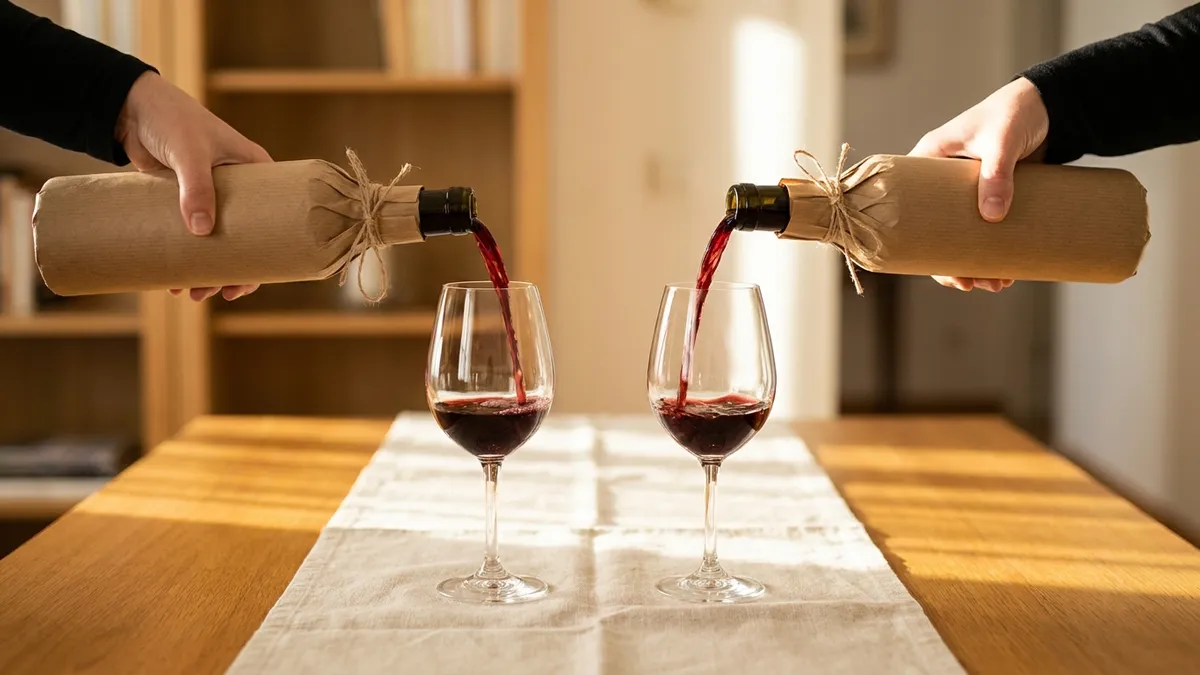
Pour both wines within the same sixty-second window. Use the same volume in each glass — about one and a half ounces, or enough to fill the bowl to its widest point. Volume affects aroma concentration; mismatched pours produce mismatched comparisons.
If one bottle was opened earlier and the other is fresh, decant or rest the fresh one for a few minutes so air exposure starts roughly even. Side-by-side comparison breaks down quickly when one wine has been breathing for an hour and the other for thirty seconds.
Step 3 — Sight pass on both
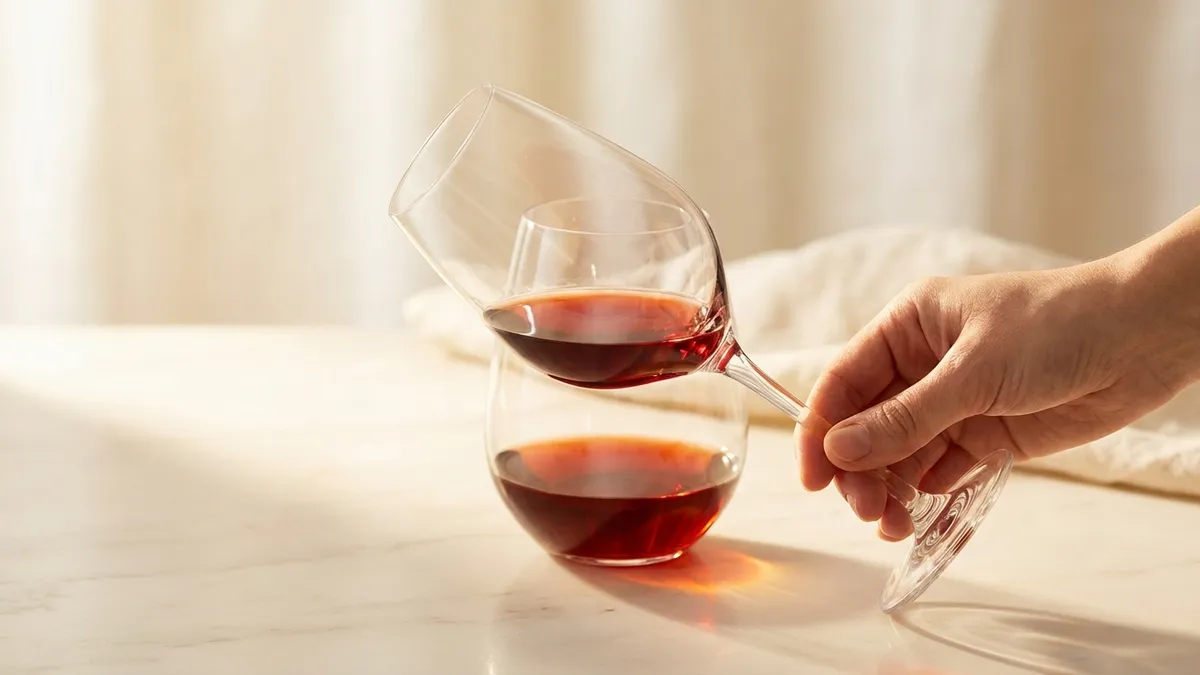
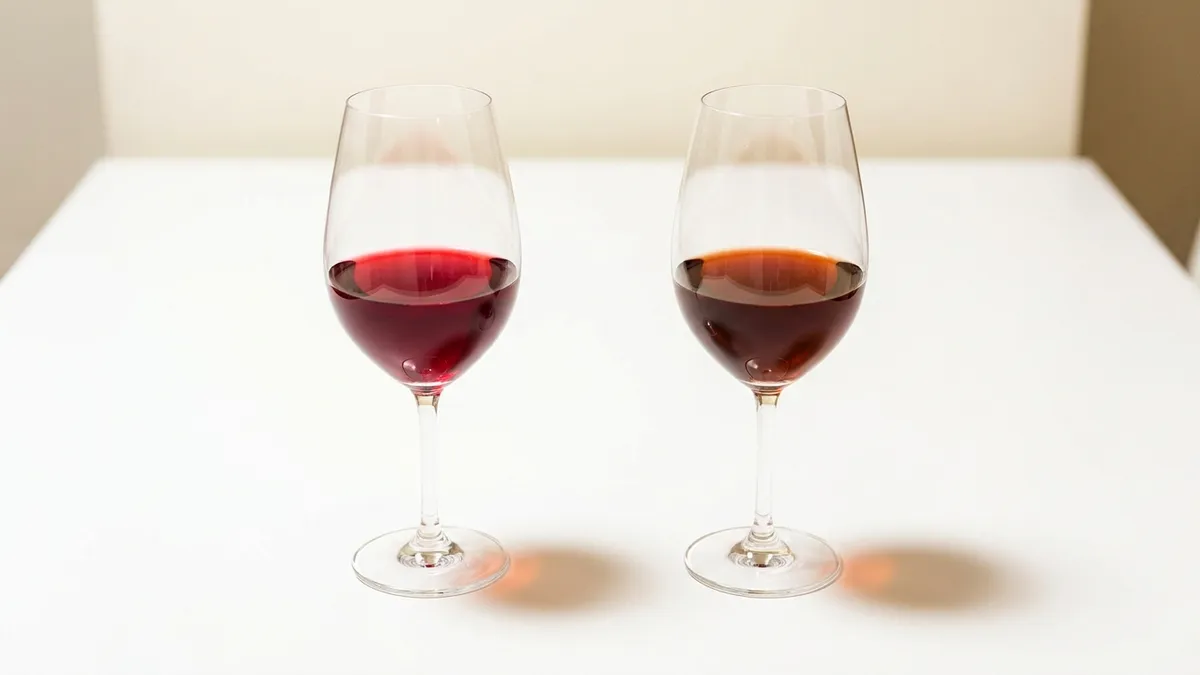
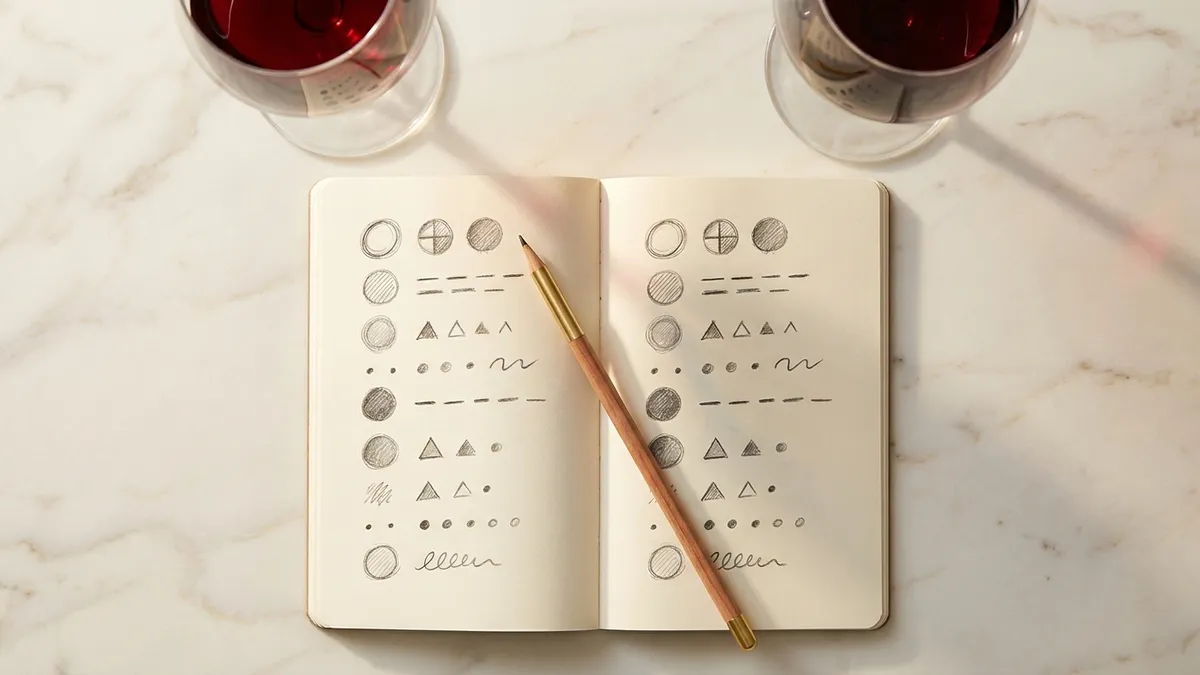
Tilt glass A at a 45-degree angle against a white surface. Note color, intensity, clarity, and rim variation. Set it down. Repeat with glass B. Write the appearance notes in parallel columns — wine A in the left, wine B in the right.
Already, the comparison is teaching. One wine may be paler, with a clearer orange rim. The other may be inkier, with a vivid violet edge. These are the same diagnostic cues the deductive method trains in isolation, but in parallel they become impossible to miss. For more on what color tells you about a wine, see the wine color meaning guide.
Step 4 — Smell pass on both
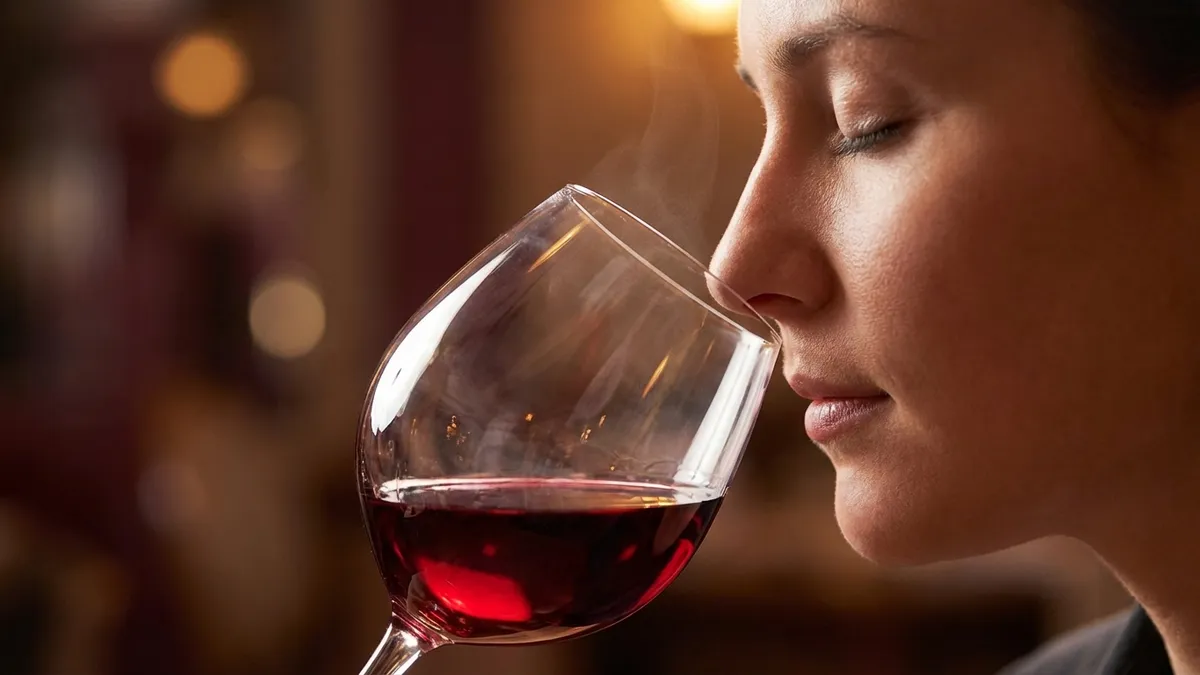
Swirl glass A gently — three to five rotations with the base on the table. Bring the nose to the bowl, two short inhales, name a dominant aromatic family. Set it down and rest for ten seconds. Repeat with glass B.
Then go back to A for a second pass searching for specific aromas, and repeat on B. The two-pass nose still applies — broad recognition first, specific identification second — but now you are running it across two glasses instead of one.
The comparison becomes useful in the second pass. You will notice that the aromas you call "red fruit" in glass A are different from the aromas you call "red fruit" in glass B. That difference is the lesson. Try to name what kind of red fruit each one is — cherry versus raspberry, fresh versus dried.
Step 5 — Alternate sips, do not sequence
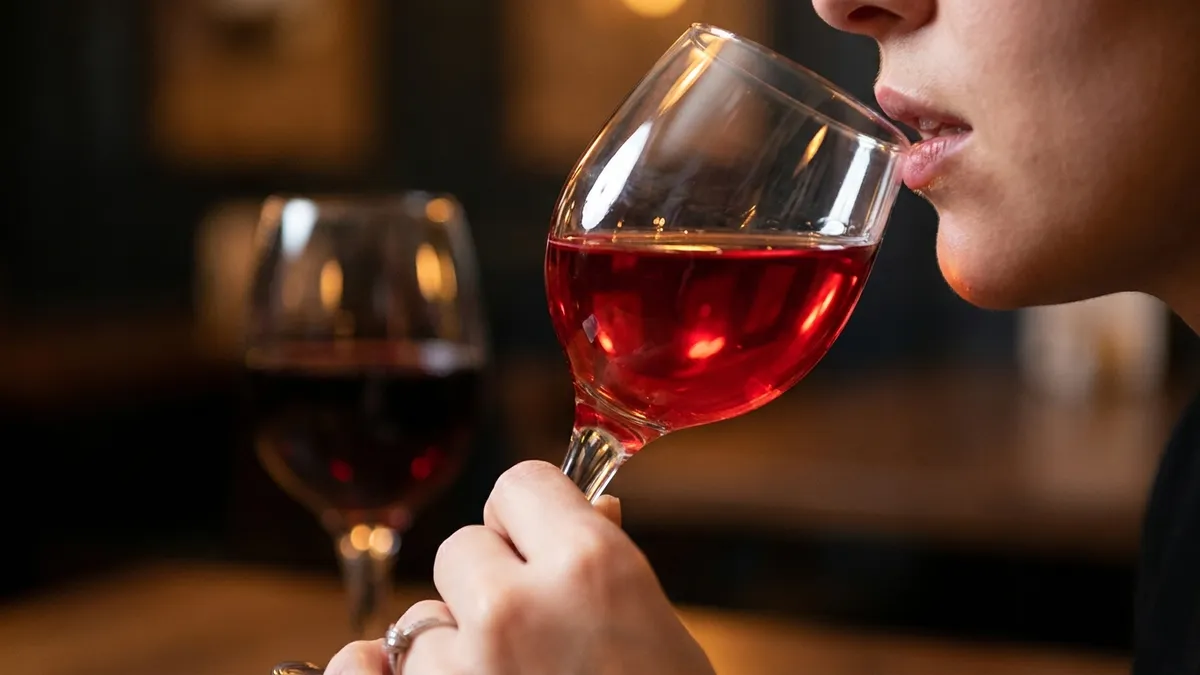
This is the step most beginners get wrong. Do not taste glass A, finish your impression, then move to glass B. The brain compares aromas best when the second glass arrives within a few seconds of the first.
The rhythm to use is alternation, not sequence.
- Sip A. Hold for three seconds. Swallow or spit.
- Sip B. Hold for three seconds. Swallow or spit.
- Pause for ten to fifteen seconds.
- Sip A again. Compare to the memory of B.
- Sip B again. Compare to the memory of A.
- Repeat the cycle two or three times.
Each cycle sharpens one structural variable. The first cycle usually surfaces acidity differences — the wine with higher acid makes the mouth water more after swallowing. The second cycle surfaces tannin and body. The third cycle surfaces alcohol and finish length.
If you spit, alternate the spittoon between glasses too. If you sit with one wine in your mouth for too long, the contrast resets and the comparison drifts back toward sequence.
Step 6 — Rest the palate, then re-read
After three full alternation cycles, the palate starts to fatigue. The signal is a flatness in the second sip — the differences that were sharp at the start feel duller. Stop. Drink a sip of still water. Eat a plain cracker. Wait sixty seconds.
Then return to both glasses for a final read on length and finish. The finish is the easiest variable to compare directly because it lingers — count the seconds the flavor stays in your mouth after each wine and write the numbers down. For a deeper read on what finish actually measures, see the wine finish meaning guide.
Step 7 — Write the difference, not the description
This is the step that separates a comparative tasting from two parallel solo tastings. Open a third section in your notebook called difference. Write one to three sentences that name the contrast explicitly.
A useful template — "Wine A is more ___ than wine B, which is more ___. The clearest single variable separating them is ___."
Filled in, it might read — "Wine A is paler, more acidic, and shorter on the finish than wine B, which is denser, lower in acid, and lingers longer. The clearest single variable separating them is climate — A reads as cooler-grown, B as warmer-grown."
The difference paragraph is what you will actually reread three months later. The two parallel descriptions on their own would tell you almost nothing.
Common Mistakes That Break the Comparison
A handful of subtle errors collapse the training value of a side-by-side tasting back to that of two solo tastings.
- Using two different glasses. Different shapes change aroma and mouth contact. Always match.
- Pouring at different times. A ten-minute gap means one wine has aerated more than the other. Pour together.
- Finishing one wine before starting the other. Memory cannot replace direct comparison. Alternate.
- Changing two variables at once. A different grape from a different region from a different vintage is not a comparison — it is two separate wines with no shared axis.
- Skipping the difference paragraph. Without it, the comparison is two descriptions stacked on top of each other, and the lesson disappears.
- Tasting at different temperatures. A red served warm next to a red served cool will appear to differ in alcohol and body for reasons that have nothing to do with the wine itself.
- Letting the palate fatigue. Past three or four alternation cycles, the differences blur. Stop earlier rather than later.
For more on the routine errors that quietly degrade home tastings, see common wine tasting mistakes and the guide to wine palate fatigue.
Suggested Pairings to Try
A starter list of two-wine comparisons that each teach one specific variable. Ask a wine shop for grape and region only — no need for specific bottle recommendations.
Same grape, different region
- Chardonnay from a cool climate next to Chardonnay from a warm climate
- Sauvignon Blanc from a cool maritime region next to Sauvignon Blanc from a sunnier inland one
- Pinot Noir from an old-world region next to Pinot Noir from a new-world region
The difference you should expect is acidity, fruit ripeness, and oak handling. Cool climate produces sharper acid and brighter fruit; warm climate produces rounder acid and riper, darker fruit. The Chardonnay vs Sauvignon Blanc guide is a useful read before this one.
Same region, different vintage
- Two vintages of the same wine, three to five years apart
- A current vintage next to one ten or more years older
The difference you should expect is fruit shifting from primary to tertiary, tannin softening, and structure receding. This is the most direct way to feel what aging actually does to a wine. The tasting young vs aged wine guide goes deeper.
Old world vs new world
- Same grape, one bottle from Europe, one from the Americas, Australia, or New Zealand
- Match the grape, not the price tier
The difference you should expect is acidity, oak, and stylistic restraint versus generosity. The new world vs old world tasting style guide pairs naturally with this format.
Oaked vs unoaked
- Same grape from the same producer, one with oak aging, one without
- Most often available in Chardonnay, Tempranillo, or Sauvignon Blanc
The difference you should expect is texture and aroma — oak adds vanilla, baking spice, and a creamy mouthfeel; unoaked stays sharper and more fruit-driven. The what does oaked mean guide unpacks the mechanics.
Where Comparative Tasting Fits in a Practice Routine
A useful weekly rhythm — three solo tastings using the deductive grid, one comparative tasting using this protocol. The solo days build vocabulary and procedure. The comparative day calibrates the vocabulary against real, measurable contrast.
For tasters who already keep a tasting journal, add a recurring comparative-pair page format to the back of the notebook — two columns, one difference paragraph, dated. Over a year, that page format becomes a personal map of the most useful contrasts you have actually experienced.
The Sommy app's tasting flow lets you log two wines in a single session and tags them as a comparative pair, so the side-by-side notes stay linked when you search the archive months later. The app also nudges you toward the variable you said you were studying, which keeps the constraint principle honest.
The Short Version
If only the protocol sticks, remember three rules.
- Change one variable, hold everything else constant.
- Pour both, alternate sips, never sequence them.
- Write the difference explicitly, not just two descriptions.
Run that protocol once a week with two carefully chosen wines, and the structural vocabulary that abstract tasting guides keep using will start to mean something concrete on your own tongue.
The Bottom Line
Comparing two wines side by side is the fastest training accelerator available to a home taster. The constraint principle — one variable changed, everything else held constant — makes the difference visible. The alternating-sip protocol keeps both wines present in the same sensory window so the brain can actually compare. The parallel notes plus the difference paragraph turn the comparison into searchable data. One wine alone teaches almost nothing. Two wines, carefully constrained and properly tasted, teach more in a single sitting than ten wines tasted in isolation across a month.
Frequently Asked Questions
Why compare two wines instead of tasting one carefully?
Contrast is what the brain learns from. A single wine gives you one data point with no reference, so the description floats free of any anchor. Two wines side by side force a comparison your senses can actually measure — this one is more acidic, that one is darker on the rim, this one has a longer finish. The structural language clicks into place because the differences are visible, not abstract.
What should I hold constant when I compare wines?
Hold everything constant except the one variable you want to study. Same grape but different region teaches climate and terroir. Same region but different vintage teaches age and weather variation. Same producer but different bottling teaches winemaking choice. If you change two variables at once, you cannot tell which one caused the difference, and the comparison loses its training value.
Should I finish one wine before tasting the other?
No. Finishing one before starting the second turns the second tasting into memory work, and memory of a wine fades within minutes. Pour both at the same time, sniff one then the other, sip one then the other, and keep alternating. The brain compares best when both glasses are present in the same sensory window, not separated by ten minutes of forgetting.
How many wines should I compare in one session?
Two is the sweet spot for learning. Three works for advanced practice. Four or more starts to fatigue the palate and blur the comparisons, especially for beginners. The point of side-by-side tasting is fine resolution, not breadth — a careful two-wine flight teaches more than a sloppy six-wine flight where the third wine onward is half-noticed.
Do the glasses have to match?
Yes. Glass shape changes the way aromas concentrate at the rim and the way the wine hits the tongue, so two different glasses can make the same wine taste like two different wines. Use the same shape, same size, and pour the same volume — roughly one and a half ounces — into each. Matching glasses removes a hidden variable from the comparison.
How long should a side-by-side tasting take?
Plan for fifteen to twenty minutes for two wines. The first five minutes are appearance and a first nose pass on each glass. The next ten are alternating sips and structural reads. The last five are written conclusions that explicitly compare the two. Rushing under ten minutes flattens the comparison; stretching past thirty introduces palate fatigue and air-exposure drift.
What should I write down during a comparative tasting?
Use two parallel columns — one per wine — for sight, smell, palate, and verdict, and add a fifth section called difference. The difference section is the whole point. It captures the contrast in one or two sentences: wine A is paler with higher acidity, wine B is denser with lower acid and a longer finish. Notes that only describe each glass separately miss the comparison.
Sommy Team
LinkedInFounder & Wine Educator
The Sommy Team is building the world's most approachable wine education app, helping beginners develop real tasting skills through structured courses and AI-guided practice.