Grape Varieties
The six noble grapes, how many wine grape varieties really exist, and which types of wine grapes to learn first — your map to the grape world.
100 articlesStart here
Bonarda: Argentina's Second Most Planted Red GrapeArgentine Bonarda is the plush, plum-and-blackberry red hiding behind Malbec. Learn its true identity, flavor profile, key regions, and why it is one of South America's best value reds.
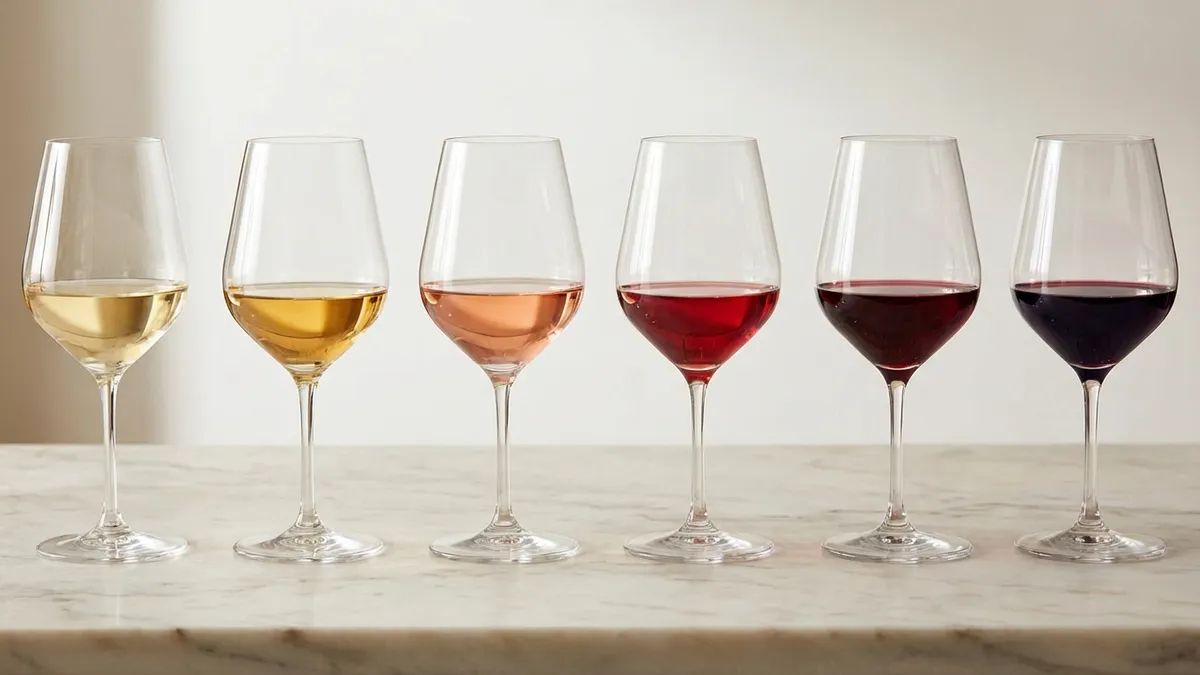
The main wine grape varieties are the six noble grapes. Among reds: Cabernet Sauvignon, a bold, blackcurrant-scented wine with firm structure; Merlot, its plusher, plummier partner; and Pinot Noir, a silky, light-bodied red built on cherry and earth. Among whites: Chardonnay, a chameleon that runs from lean and citrusy to rich and creamy; Sauvignon Blanc, zesty and herbaceous with racy acidity; and Riesling, an intensely aromatic white made in every sweetness level from bone-dry to dessert-rich. Learn these six and you can decode most wine lists on the planet.
They are the start of the story, not the whole of it. The International Organisation of Vine and Wine (OIV) counts roughly 10,000 grape varieties worldwide, and this hub is your map through them — what the key terms mean, which grapes to learn first, and where each guide below fits into the bigger picture.
What are the six noble grapes?
The six noble grapes are Cabernet Sauvignon, Merlot, and Pinot Noir among reds, plus Chardonnay, Sauvignon Blanc, and Riesling among whites. They earned the title by producing recognizably excellent wine across many different countries, which makes them the most useful varieties to learn first and the backbone of most wine education.
"Noble" is a traditional label, not an official ranking — plenty of grapes outside the six make world-class wine. What sets the noble grapes apart is consistency: each one has a personality distinct enough that, with practice, you can pick it out of a lineup blind. Our full guide to the six noble grapes profiles each one in detail.
A good way in is through contrast. Cabernet Sauvignon and Merlot are frequent blending partners, yet they diverge sharply in tannins — the drying, gripping sensation red wines leave on your gums. Seeing how Cabernet Sauvignon compares with Merlot side by side teaches you more about structure than either grape alone.
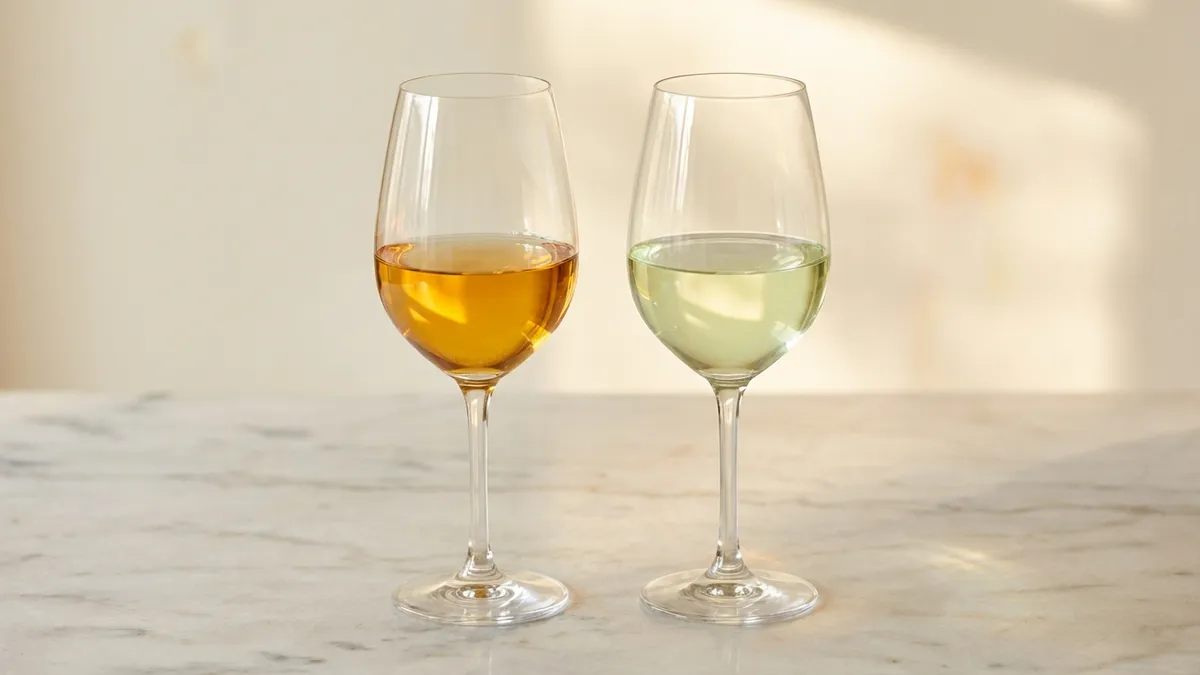
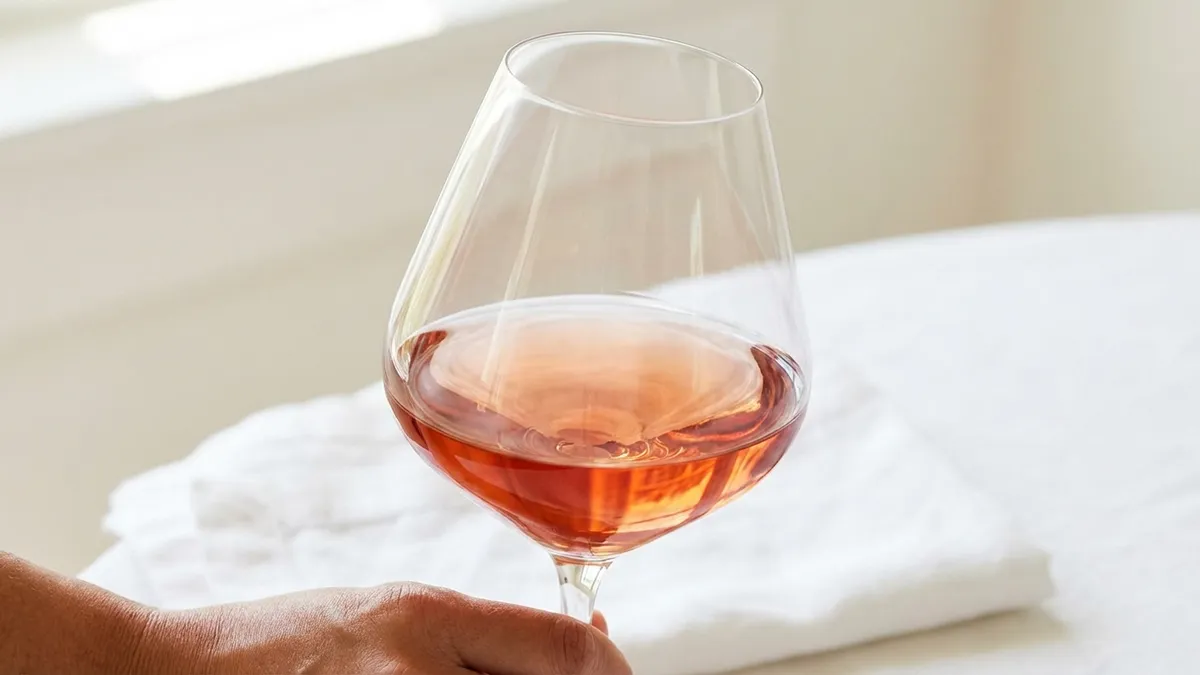
The same trick works for whites. Chardonnay and Sauvignon Blanc sit at opposite poles of the white wine spectrum — one round and malleable, the other piercing and aromatic — and the Chardonnay versus Sauvignon Blanc comparison is one of the easiest blind-tasting wins a beginner can score. Pinot Noir, meanwhile, is the noble red most defined by delicacy; our Pinot Noir guide explains why it is both the most beloved and the most heartbreak-prone grape in the vineyard.
What is the difference between a grape variety and a wine style?
A grape variety is the plant and its fruit — Pinot Noir, Chardonnay, Riesling — while a wine style is what a winemaker does with that fruit: still or sparkling, dry or sweet, oaked or unoaked. One variety can produce many styles, which is why two bottles of the same grape can taste dramatically different.
The distinction matters because wine shelves mix the two freely. A varietal wine is one named after its dominant grape — a bottle labeled "Merlot" is a varietal. But "rosé" is a style, not a grape: nearly any dark-skinned variety can make pink wine, as our guide to the grapes behind rosé shows. Champagne is a style too, made mostly from noble grapes you already know.
Sometimes one grape even carries two names that signal two style traditions. Pinot Grigio and Pinot Gris are genetically the same variety, yet the Italian name usually promises a light, crisp wine while the French name suggests something richer and spicier — the full story is in our Pinot Grigio versus Pinot Gris explainer. Once you separate grape from style, wine labels stop feeling like a trick question.
Why do some wine labels not name the grape?
Many European wines are labeled by place rather than grape because local law and tradition tie each region to specific varieties. A white Burgundy is Chardonnay, a Sancerre is Sauvignon Blanc, and a Chianti is built on Sangiovese — the region name quietly tells you the grape, once you know the code.
This is the single biggest reason grape knowledge pays off at the shop. New World producers in the Americas, Australia, and beyond usually print the variety on the front label, but much of France, Italy, and Spain assumes you already know what grows where. Learn a handful of region-to-grape pairs and those "mystery" labels turn transparent:
- White Burgundy and Chablis — Chardonnay
- Red Burgundy — Pinot Noir
- Sancerre and Pouilly-Fumé — Sauvignon Blanc
- Barolo and Barbaresco — Nebbiolo
- Rioja — mostly Tempranillo
- Chianti — Sangiovese
You do not need to memorize hundreds of appellations. Fifteen or so pairs cover the bottles you will actually meet, and every regional guide in this hub spells out its grapes so the decoder ring builds itself as you read.
How many wine grape varieties exist?
Roughly 10,000 grape varieties exist worldwide, according to the International Organisation of Vine and Wine (OIV). Of those, the reference work Wine Grapes by Jancis Robinson, Julia Harding, and José Vouillamoz documents 1,368 varieties in commercial wine production — and a few dozen of them fill the vast majority of the world's vineyards.
The concentration at the top is striking. The OIV's 2017 report on the distribution of the world's grapevine varieties found that just 13 varieties account for more than a third of the planet's vineyard area, with Cabernet Sauvignon leading all wine grapes at around 340,000 hectares. Our tour of the world's most planted grapes walks through that leaderboard and explains how each grape got there.
Two details put the big number in perspective. First, the 10,000 figure counts every cultivated grapevine variety, including table and raisin grapes — the pool of wine grapes is smaller. Second, the dominance of a few dozen varieties is largely a story of commerce: familiar names sell, nurseries propagate what growers order, and international varieties have proven they can adapt to many climates.
For a learner, these numbers are reassuring rather than intimidating. You do not need 10,000 varieties, or even 100. Fluency in about 20 grapes covers nearly every list, shelf, and tasting menu you will ever face — and everything beyond that is bonus territory, not homework.
Which grapes should a beginner learn first?
Start with the six noble grapes, then add one representative from each major family: a light, juicy red such as Gamay, a bold ripe red such as Zinfandel, a crisp neutral white, and a perfumed aromatic white. Ten to twelve varieties give you a reference point for nearly everything you will ever be poured.
Think of it as building a mental bookshelf. The noble six are the reference volumes; each new grape gets filed next to the one it most resembles. Gamay — the grape behind Beaujolais — slots in beside Pinot Noir as the lighter, more gulpable neighbor, and our Gamay guide shows why it may be the most underrated red in the world. Zinfandel anchors the opposite shelf: sun-soaked, brambly, and unapologetically bold.
On the white side, it helps to see the whole landscape at once before zooming in. Our overview of white wine grapes groups the major whites by weight and aroma, so you can pick your next variety deliberately instead of grabbing whatever label looks familiar.
If you want a concrete starter dozen, this covers the whole map:
- The noble six — Cabernet Sauvignon, Merlot, Pinot Noir, Chardonnay, Sauvignon Blanc, Riesling
- A light, juicy red — Gamay
- A bold, sun-ripened red — Zinfandel or Syrah
- A Mediterranean classic — Sangiovese or Tempranillo
- A crisp, easygoing white — Pinot Grigio
- An unmistakably aromatic white — Gewürztraminer or Viognier
Resist the urge to sprint through it. One new grape a week, tasted with attention, beats ten tasted on autopilot — flavor memory is built through repetition, not exposure.
What is an international grape vs an indigenous grape?
An international grape, such as Cabernet Sauvignon or Chardonnay, is planted successfully across many countries and continents. An indigenous grape, such as Sangiovese in Italy or Assyrtiko in Greece, remains closely tied to the region where it originated — and often delivers flavors no international variety can replicate.
Indigenous (or native) varieties are grapes that evolved in one place over centuries, shaped by its climate and cuisine. The scale of this hidden diversity is remarkable: wine scholar Ian D'Agata documented roughly 500 native varieties in Italy alone. Most never travel, which is exactly what makes them worth seeking out — our guide to indigenous grapes worth trying picks the best entry points.
The border between the categories is blurry, and that is part of the fun. Sangiovese is indigenous to central Italy yet famous worldwide as the heart of Chianti. Tempranillo grew up in Spain and now ranks among the most planted grapes on Earth. A native grape that conquers the world does not stop being a window into its homeland — it just gets easier to find.
How does the same grape taste different by region?
Climate is the biggest reason one grape tastes different by region. Cooler areas preserve acidity and give fresher, more delicate fruit flavors with lower alcohol; warmer areas ripen grapes further, giving jammier fruit, fuller body, and softer acidity. Soil, altitude, and local winemaking tradition then layer extra differences on top of that climate signature.
This is the idea behind terroir — the total environment a grape grows in, from soil and slope to sunlight and fog. Terroir is why memorizing a grape's "official" tasting note only gets you halfway: the variety sets the range, but the place picks the spot within it.
Chardonnay is the clearest classroom example. From a cool, chalky region it can be steely and lemon-sharp; from a warm, sunny one it turns golden, ripe, and tropical. Same grape, same winemaking toolbox — the thermometer wrote the difference.
No grape demonstrates this better than Syrah. In its cooler homeland it leans peppery, savory, and taut; under a hotter sun — where it usually goes by Shiraz — it turns rich, sweet-fruited, and plush. Same DNA, two personalities, and our Syrah versus Shiraz breakdown uses the pair to teach the whole cool-versus-warm framework in one sitting.
Once you internalize this, regional surprises become predictions. Hand you an unfamiliar bottle, and knowing just the grape and the climate lets you sketch its acidity, body, and fruit character before you pull the cork.
How do you learn to recognize grape varieties by taste?
Taste comparatively. Pour two single-varietal wines side by side and note the differences in aroma, acidity, tannin, and body — contrast teaches faster than tasting one wine in isolation. Then repeat a favorite variety across two or three regions, and its core personality, the part that survives every climate, starts to stand out.
Aromatic grapes make the best training wheels because their signatures are loud. Gewürztraminer announces itself with lychee and rose petal; Viognier pours apricot and honeysuckle out of the glass. Nail a few unmistakable grapes first and your confidence carries over to subtler ones.
Keep notes, even messy ones. Writing "tart cherry, tea leaf, light body" after a Pinot Noir does more for your memory than any chart, because retrieval is what locks flavors in. If you want structure for that practice, Sommy's guided tastings walk you through the same side-by-side method with a coach in your pocket, building your personal flavor library one glass at a time.
And taste blind when you can. Hiding the label for even one pour a week strips away expectation and forces your palate to do the work — the fastest honest feedback a wine learner can get.
Finally, give each grape more than one chance. A single disappointing bottle says more about that bottle than about the variety, so before writing off any grape, try it from a different region or producer style. Some of the most rewarding varieties are the ones that need a second introduction.
Where should you go from here?
Follow the guides below in whatever order your curiosity suggests. The comparison articles sharpen your palate fastest, the single-grape deep dives build your reference shelf, and the regional stories connect each variety to the places that shaped it.
A practical path: read one comparison, taste the two grapes it covers, then read the deep dive on whichever one you preferred. That loop — read, taste, go deeper — turns an afternoon of browsing into skills you can actually use at a dinner table.
There is no syllabus and no exam. Every variety you learn adds one more voice you can recognize in the glass — and with about 10,000 of them out there, the conversation never runs out.
Articles in this topic
Bonarda: Argentina's Second Most Planted Red Grape
Argentine Bonarda is the plush, plum-and-blackberry red hiding behind Malbec. Learn its true identity, flavor profile, key regions, and why it is one of South America's best value reds.
Carignan Wine Guide: Old-Vine Mediterranean Character
Carignan is the Mediterranean's old-vine secret — tart, savory, and high in acid and tannin. Learn its flavor profile, key regions from Languedoc to Priorat, carbonic styles, blending role, and how a beginner should taste it.
Counoise and the Minor Rhône Grapes You Should Know
Counoise is one of the 13 grapes permitted in Châteauneuf-du-Pape, adding pepper, acidity, and lift to GSM blends. Learn its flavor profile plus eight other minor Rhône grapes worth knowing.
10 Up-and-Coming Wine Grapes to Watch in the Next Decade
A field guide to ten up and coming wine grapes rising on store shelves — heat-tolerant indigenous varieties, regional revivals, and disease-resistant newcomers reshaping what we drink.
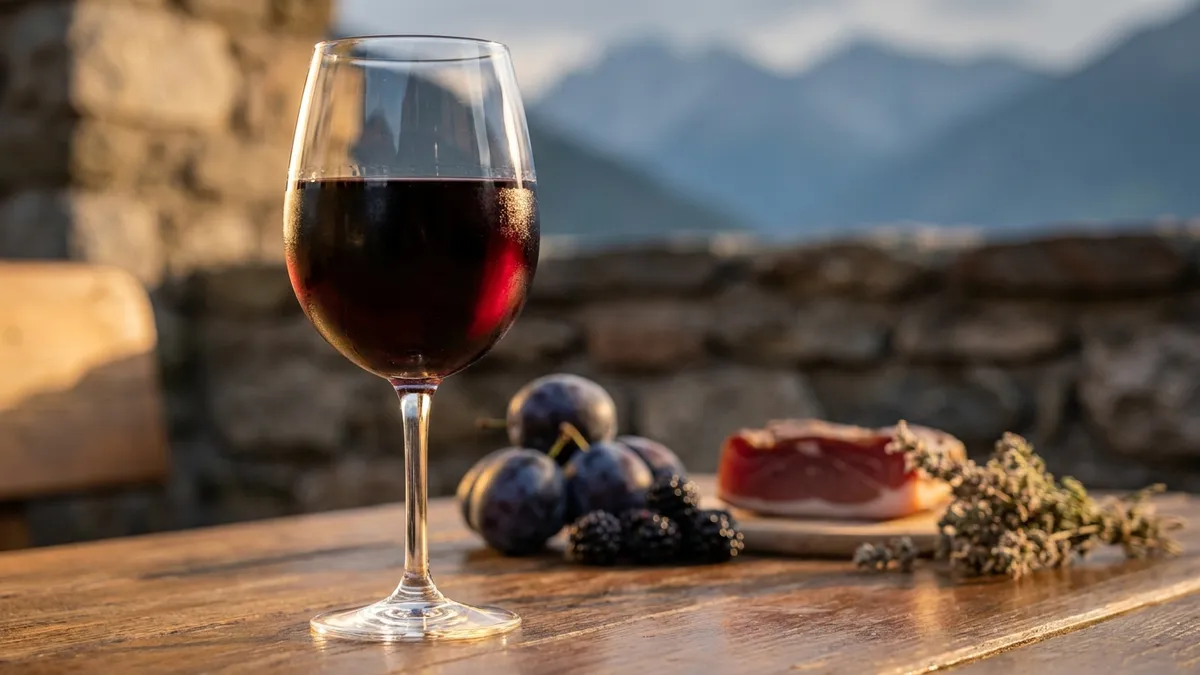
Lagrein: Alto Adige's Dark, Smoky Red Grape
Lagrein is the deeply colored, smoky red grape of Italy's Alto Adige. Learn its flavor profile, the Dunkel and Kretzer styles, its links to Syrah and Teroldego, and how to pair it with smoked alpine food.
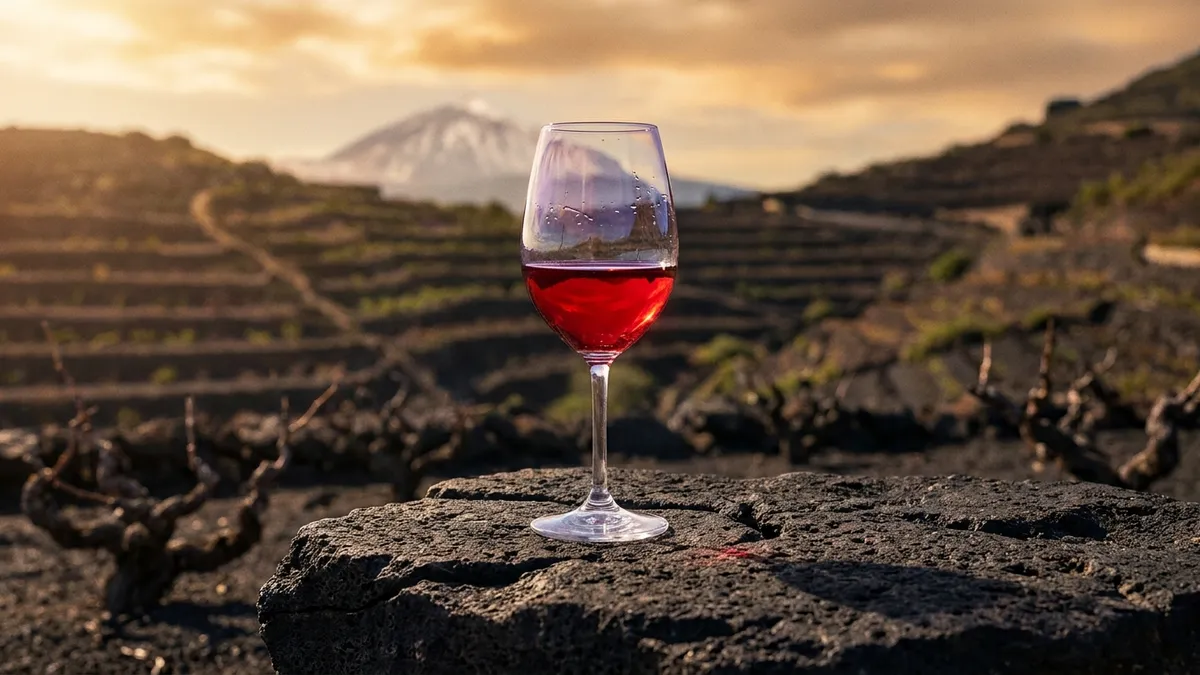
Listán Negro: The Canary Islands' Volcanic Red Grape
Listán Negro is the volcanic red grape of the Canary Islands, grown on ungrafted, phylloxera-free old vines on Tenerife. Learn its smoky flavor, braided cordón trenzado training, and its link to País.
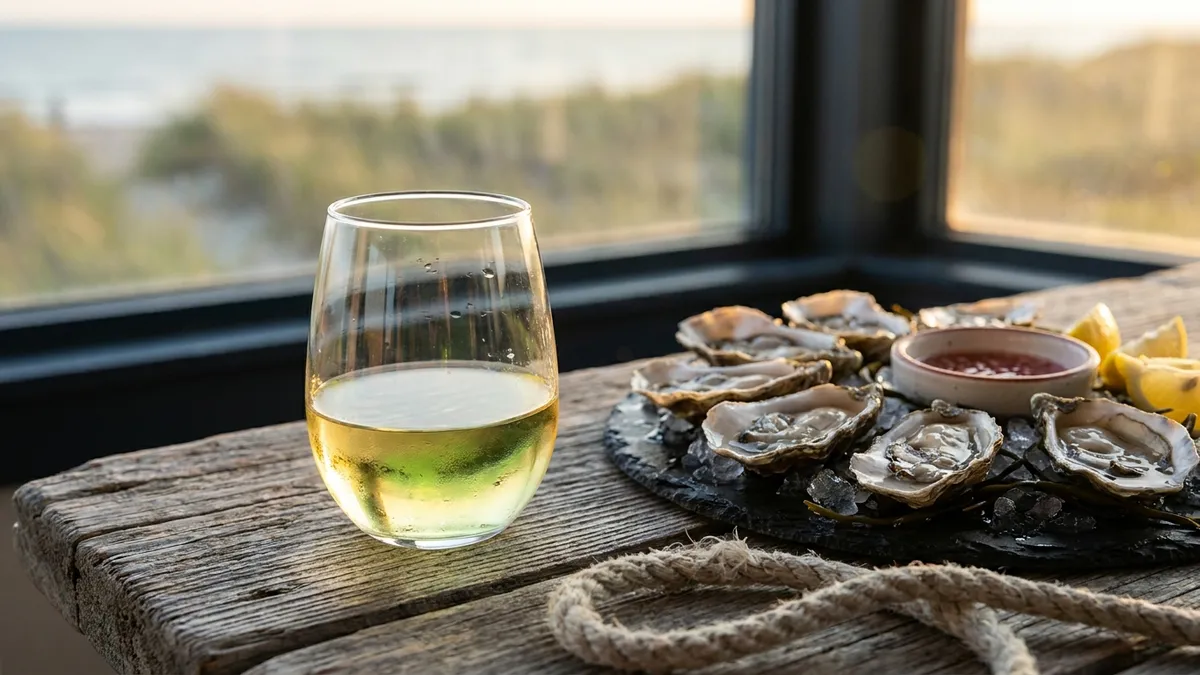
Melon de Bourgogne: The Grape That Makes Muscadet
Melon de Bourgogne is the high-acid white grape behind Muscadet, the Loire's crisp, saline oyster wine. Learn its origin, sur lie aging, flavor profile, food pairings, and why it's one of France's best wine values.
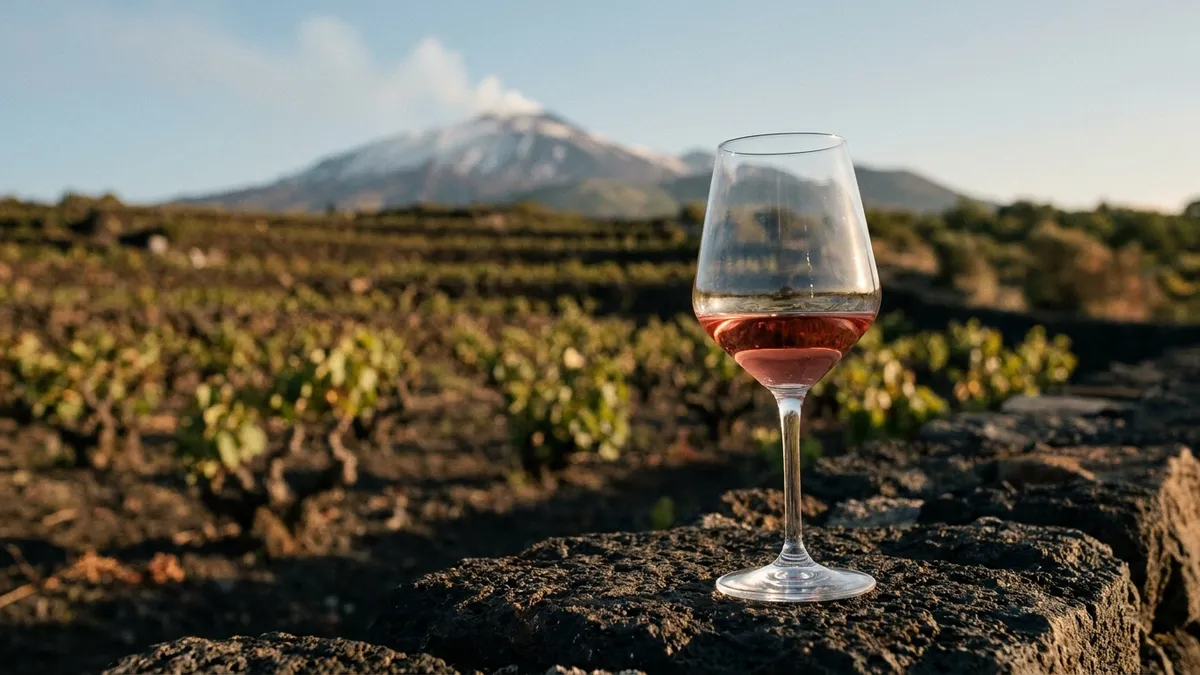
Nerello Mascalese: Etna's Volcanic Red Grape
Nerello Mascalese is the noble red grape of Mount Etna in Sicily — pale, perfumed, and high in acid. Learn its volcanic flavor profile, the contrade cru culture, Etna Rosso, and how it compares to Pinot Noir and Nebbiolo.
País (Mission) Grape: The Comeback of South America's Oldest Vine
País — the Mission grape — is Chile's oldest and most historic red variety, carried by missionaries in the 1500s and now reborn through the natural-wine revival. Learn its origin, flavor, regions, and how it relates to California Mission.
Petit Manseng: Southwest France's Sweet and Dry Treasure
Petit Manseng is the thick-skinned, tiny-berried white grape of Jurançon and Gascony, capable of both racy dry wines and honeyed late-harvest sweet wines. Learn its flavors, styles, and growing regions.
Picpoul de Pinet Wine: Dry, Unoaked, Made for Oysters
Picpoul de Pinet is a dry, unoaked white made only from Piquepoul Blanc on France's Languedoc coast. What it tastes like, what sur lie means on the label, and why it suits oysters so well.
Plavac Mali: Croatia's Bold Coastal Red
Plavac Mali is Croatia's flagship red grape, grown on steep, sun-baked slopes of the Dalmatian coast. Learn its flavor profile, the Dingač and Postup vineyards, its Zinfandel parentage, and how to taste it.
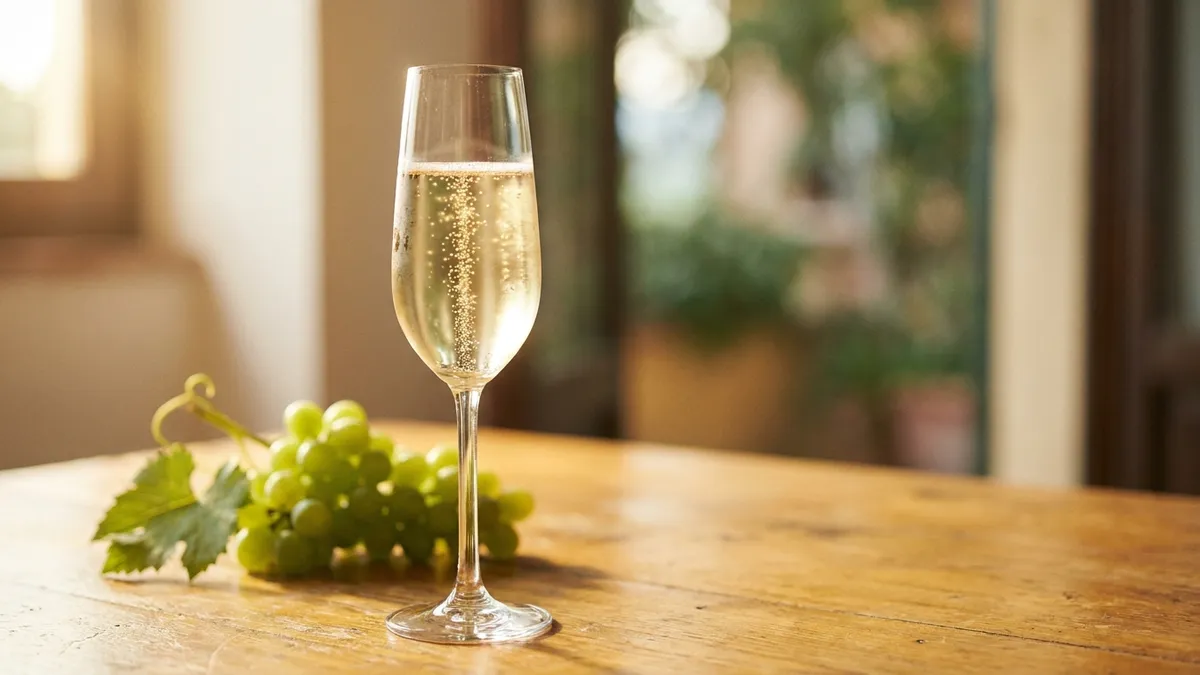
Glera: The Grape Behind Every Glass of Prosecco
Glera is the white grape behind every bottle of Prosecco. Learn how it tastes, where it grows in Veneto, why it was renamed in 2009, and how the Charmat method keeps it fresh and floral.
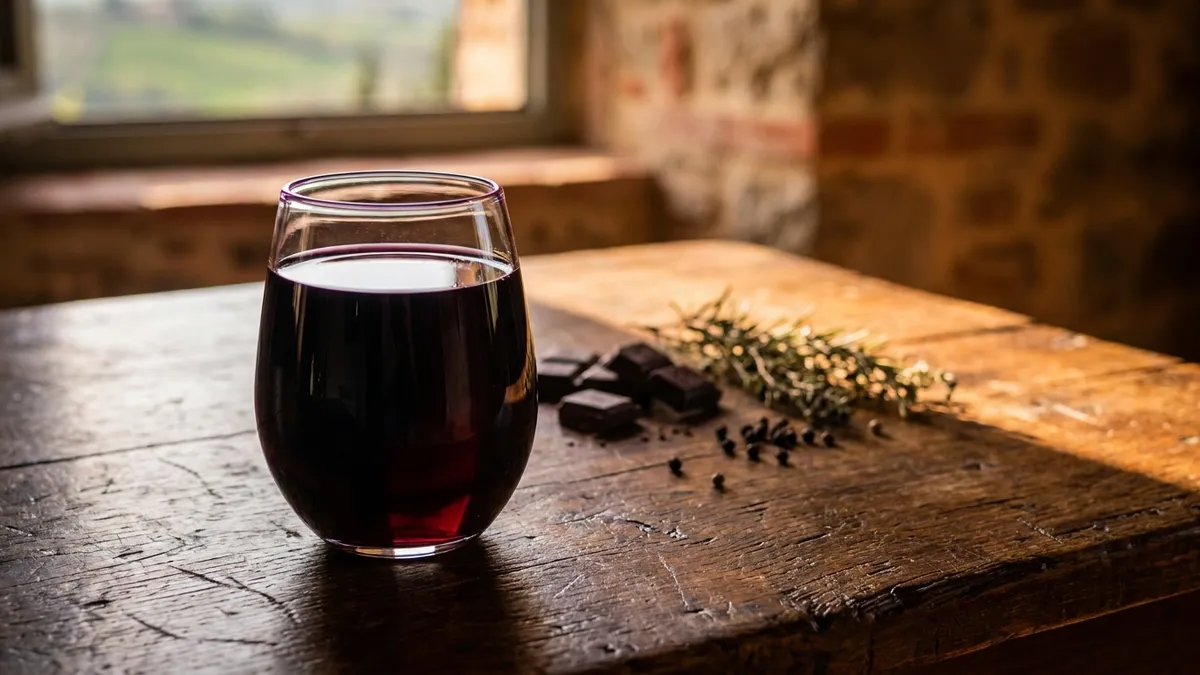
Sagrantino: Umbria's Tannic Powerhouse Grape
Sagrantino is one of the most tannic grapes on earth, the dark, structured red of Montefalco in Umbria. Learn its flavor profile, its historic sweet passito style, why it needs long oak aging, and how to decant and pair it.
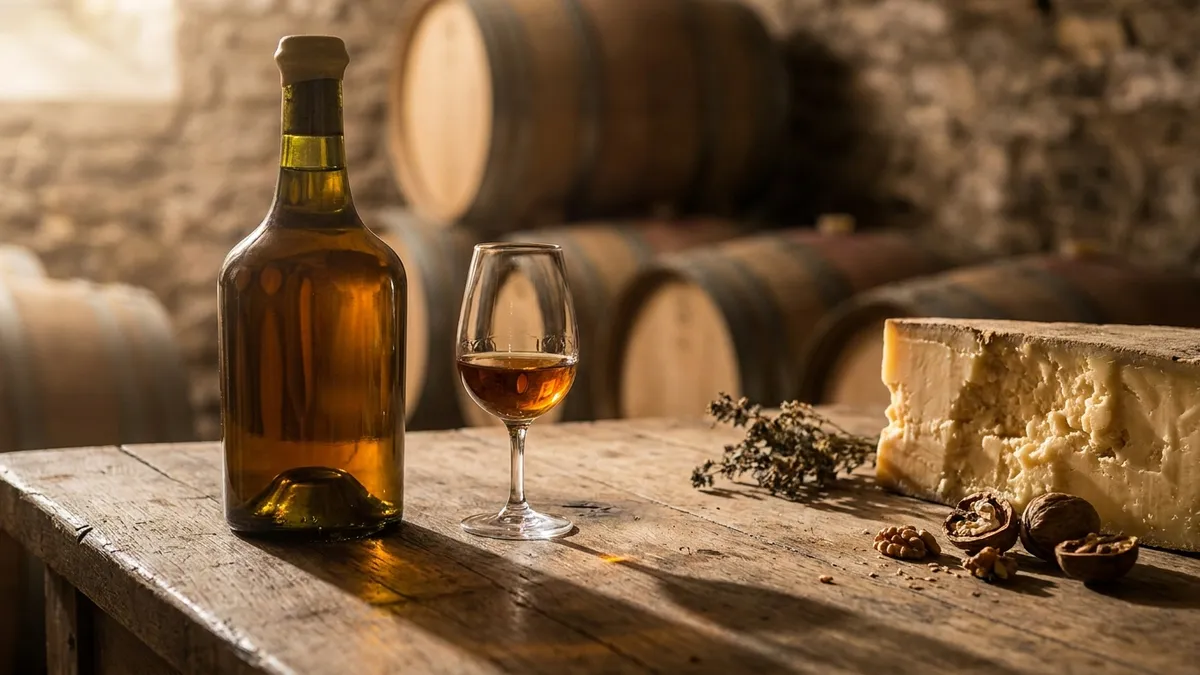
Savagnin: The Grape Behind Vin Jaune
Savagnin is the white grape behind Vin Jaune, the Jura's legendary nutty, oxidative wine aged six years under a veil of flor yeast. Learn its flavors, styles, and food pairings.
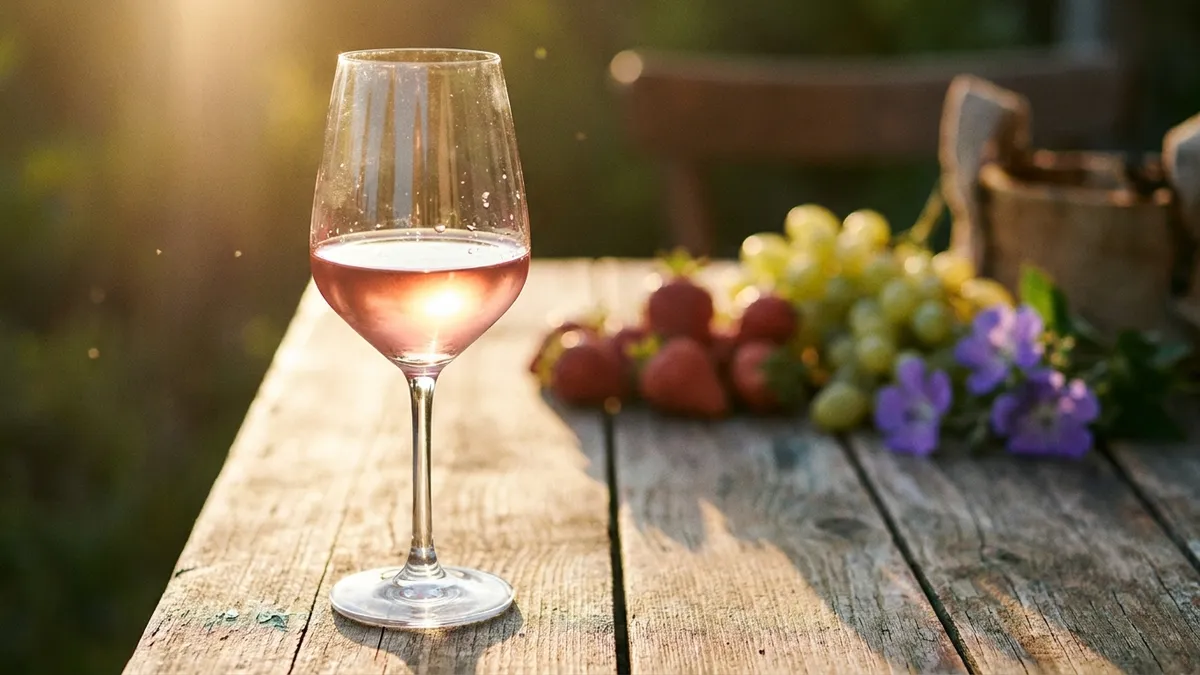
Schiava (Vernatsch): The Light Alpine Red of Northern Italy
Schiava is the pale, feather-light red of Italy's Alto Adige — strawberry, cotton candy, and violet in a chillable, low-tannin glass. Learn its three names, flavor profile, key styles, and how to serve it.
Tinta Roriz: Tempranillo's Portuguese Alter Ego
Tinta Roriz is Portugal's name for Tempranillo — the same grape, grown across the Douro and Alentejo with riper fruit and a starring role in Port. Learn its flavors, names, and blends.
Trousseau: The Delicate Jura Red Making a Comeback
Trousseau is the pale, perfumed red grape of France's Jura — a natural-wine darling built on red cherry, rosehip, and high acidity. Learn its flavor profile, how it compares to Pinot Noir, and why to serve it chilled.
Can You Make White Wine from Red Grapes? Yes, Here Is How
Yes, you can make white wine from red grapes. The juice of almost every grape is clear — color lives in the skins. Learn how pressing without skin contact creates pale wine, why blanc de noirs exists, and the reverse limitation.
Aromatic vs Neutral Grapes: What the Nose Tells You
Aromatic grapes like Muscat and Gewürztraminer smell intensely of flowers and fruit before you sip, while neutral grapes like Chardonnay are blank canvases shaped by winemaking. Learn the chemistry, the food pairings, and how to tell them apart.
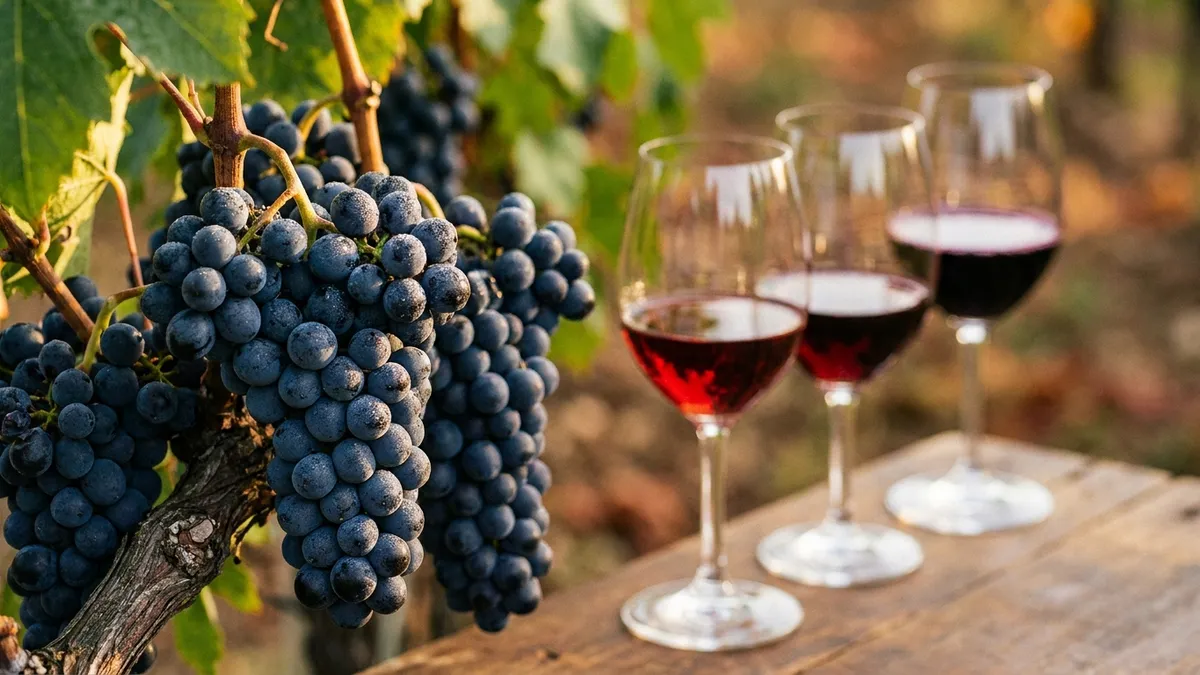
A Guide to Red Wine Grapes: 20 Varieties Worth Knowing
A beginner-friendly guide to 20 red wine grapes, grouped by body and tannin — from bold Cabernet and Syrah to juicy Gamay and Zweigelt — with flavor signatures and home regions.
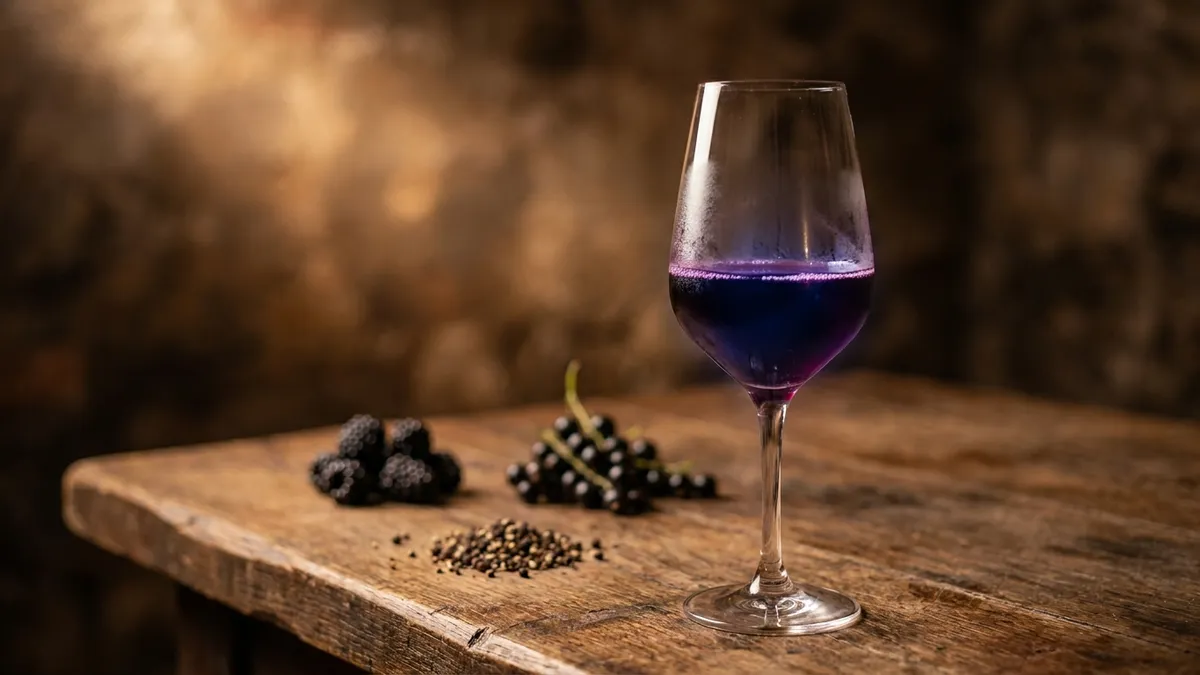
Blaufränkisch Wine Guide: Central Europe's Elegant Red
Blaufränkisch is Central Europe's most exciting red grape — dark-berried, peppery, and built on firm acidity. Learn its flavor profile, key regions, aging potential, and how a beginner should taste it.
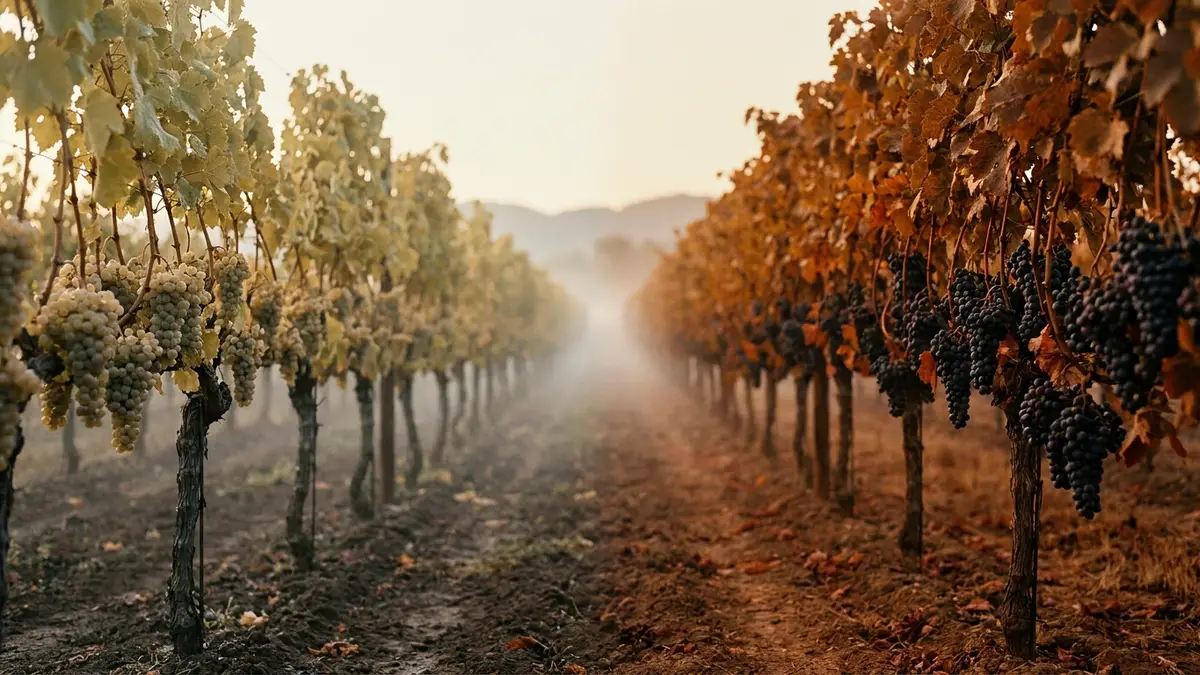
Early vs Late Ripening Grapes: How Harvest Timing Shapes Wine
Why some grapes need cool climates and others demand long warm seasons. Learn how early and late ripening windows shape flavor, why grape-climate matching matters, and what goes wrong when a grape lands in the wrong place.
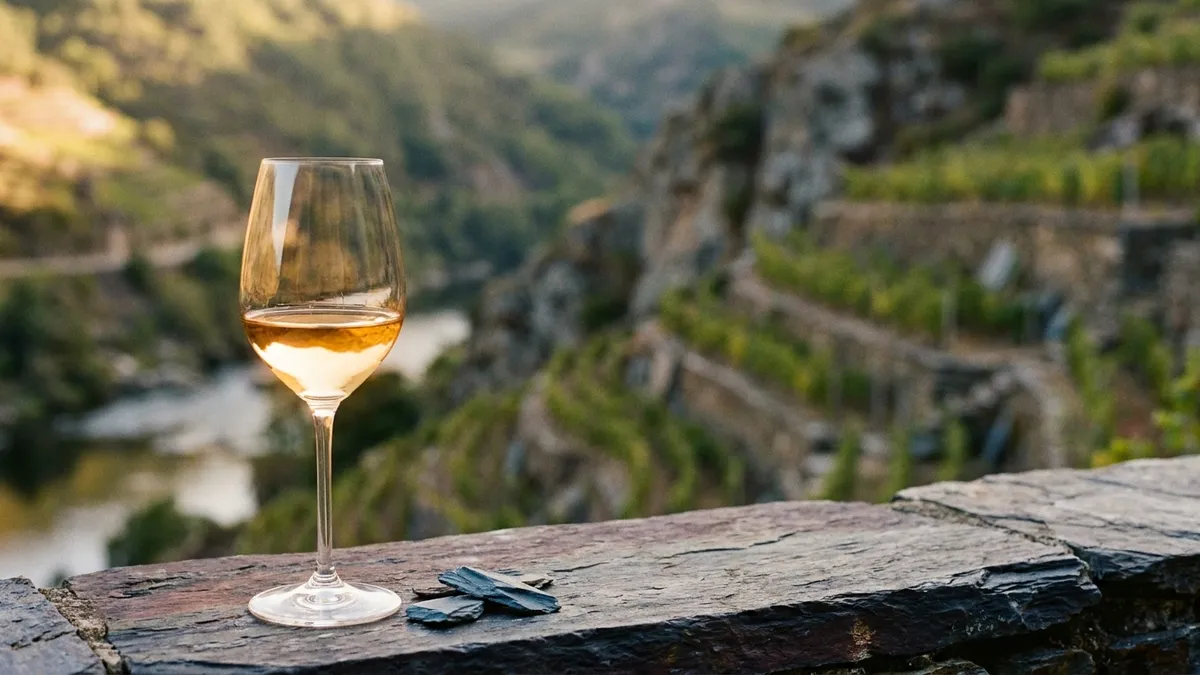
Godello: The Rising Star White Grape of Northwest Spain
A complete guide to Godello wine — Galicia's revived white grape from Valdeorras and Bierzo, its near-extinction comeback, tasting profile, oak and lees aging, food pairings, and how it differs from Albariño.
Graciano: Rioja's Secret Spice Grape
Graciano is the dark, floral, high-acid grape that gives Rioja its backbone — long the silent partner in the blend and now bottled on its own. Learn its flavor profile, where it grows, its aging power, and how a beginner should approach it.
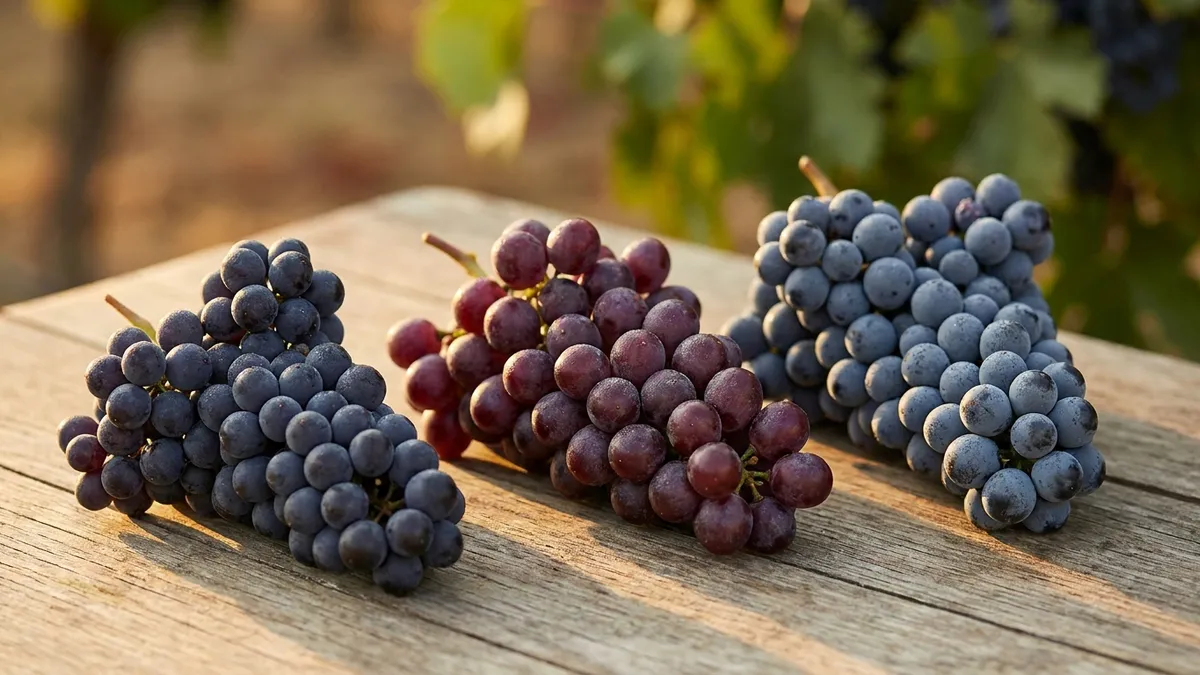
What Are Grape Clones? How the Same Variety Can Taste Different
Grape clones are propagated selections of a single variety. Learn how clones shape flavor, why Pinot Noir Dijon clones matter, and how clone differs from rootstock.
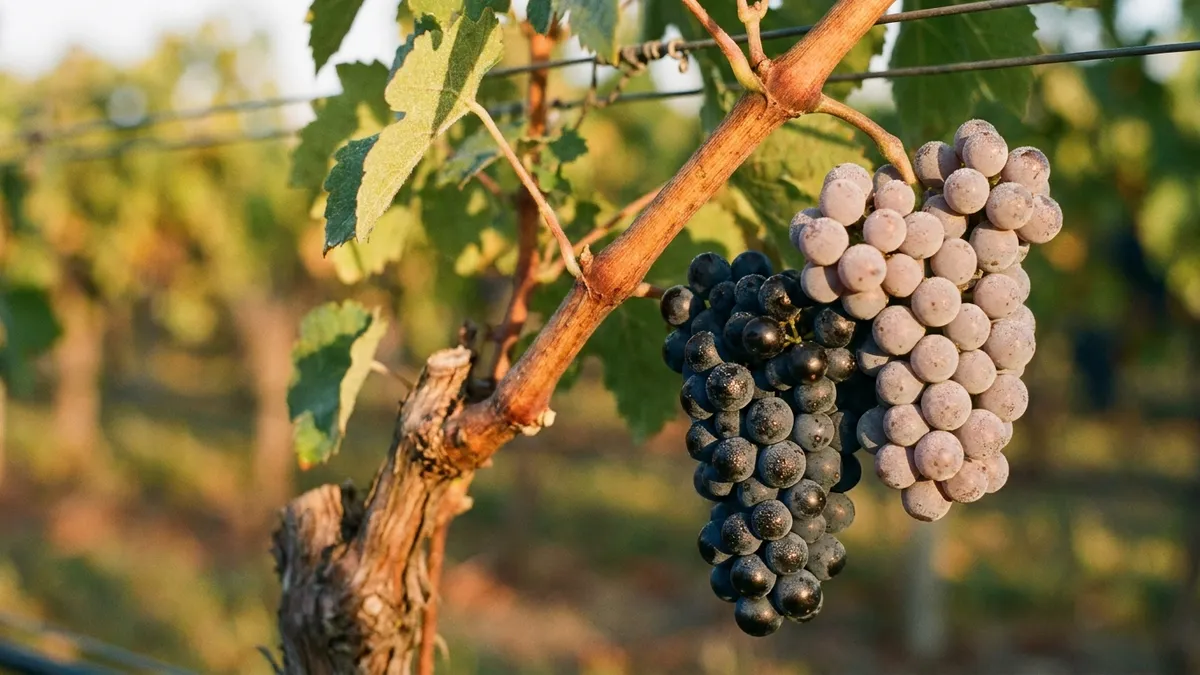
Grape Mutations and Sports: How Pinot Gris Came from Pinot Noir
Pinot Gris, Pinot Blanc, and Pinot Meunier are not separate grapes — they are mutations of Pinot Noir. Learn how bud sports rewrite a vine and reshape the wine.
Same Grape, Different Wine: How Region Changes Everything
Why does one grape variety taste completely different from place to place? Climate, soil, and winemaking reshape the same grape into wildly different wines — here's how to read the pattern.
Hybrid Grapes in Wine: From Chambourcin to Marquette
Hybrid grapes cross European wine vines with tough American and Asian species to survive cold and disease. Here is what they are, where they grow, and how Chambourcin, Marquette, Vidal Blanc, and more actually taste.
15 Indigenous Grapes You've Never Heard of but Should Try
A field guide to 15 indigenous wine grapes worth seeking out — from Greece's Assyrtiko to Croatia's Plavac Mali — with country, color, and flavor signatures.
Most Planted Grapes in the World (and the Famous Ones)
Kyohō, a table grape, is the most planted grape in the world. Cabernet leads the wine grapes and Chardonnay the whites. The top 10 by hectares, and why fame is a different list.
The Oldest Grape Varieties Still in Production Today
A guide to the oldest wine grape varieties still made into wine today — from Georgia's Saperavi and Rkatsiteli to Muscat, Savagnin, Nebbiolo, and Aglianico — and what DNA and history actually tell us about their age.
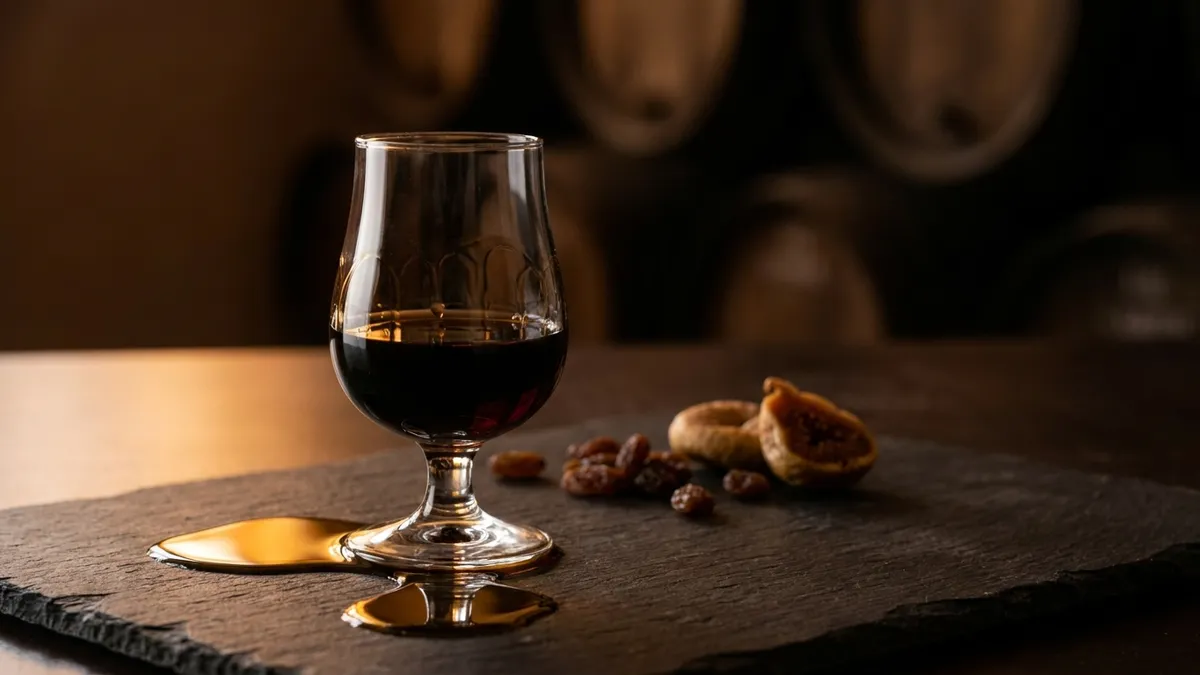
Pedro Ximénez: The Sweetest Wine Grape You Will Ever Taste
Pedro Ximénez is the sun-dried Spanish grape behind the darkest, sweetest sherry on earth. Learn how it is made, what it tastes like, and how to serve it over ice cream.
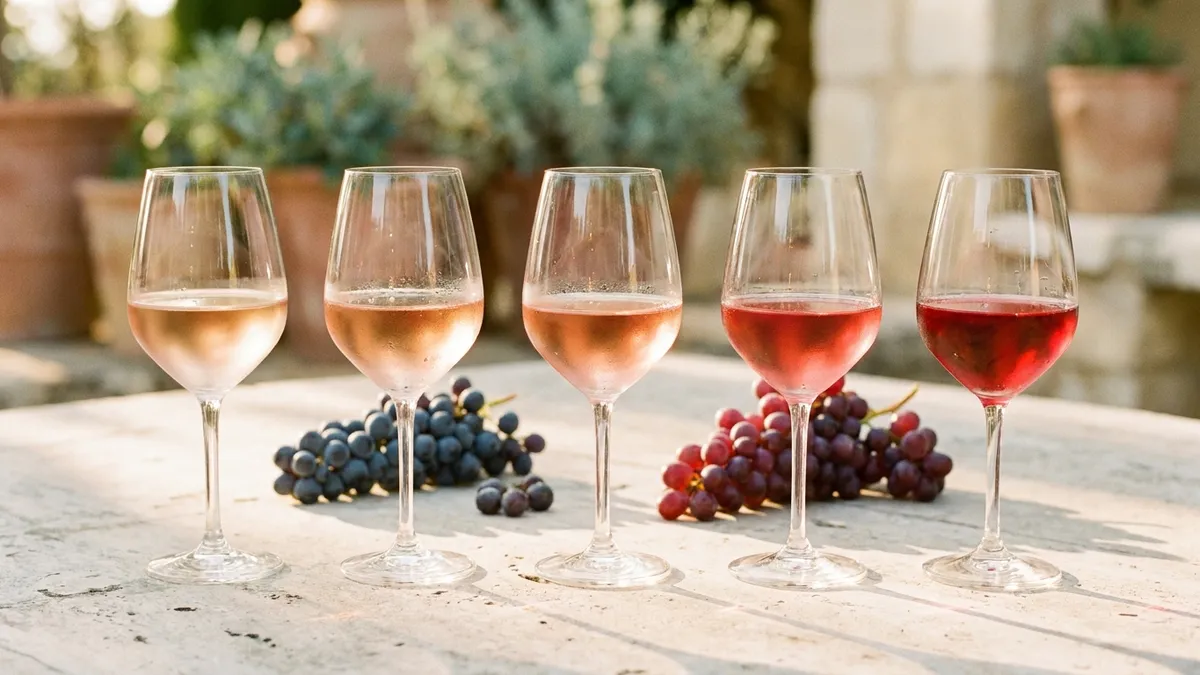
Rosé Wine Grapes: Which Red Grapes Make Rosé, by Region
Rosé wine grapes are red grapes given 2 to 24 hours on their skins. See the common rosé grapes, the style each one gives and the label words that name them.
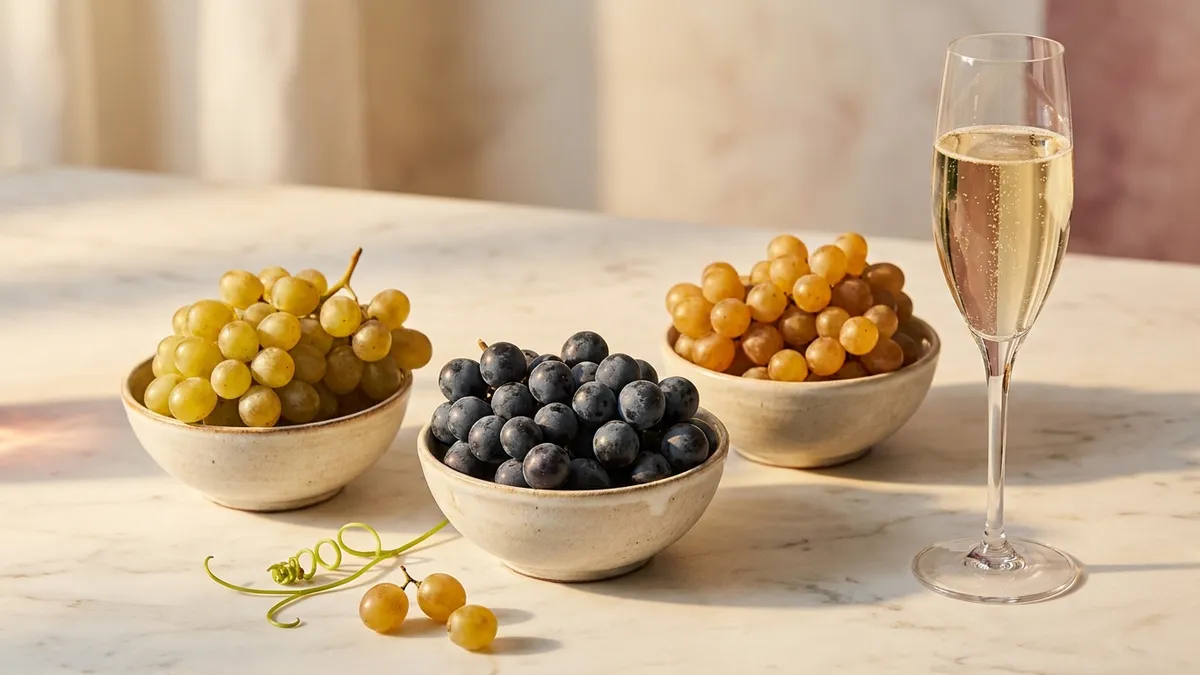
Which Grapes Make Sparkling Wine? Beyond Chardonnay
A clear guide to the grapes behind the world's sparkling wines — the Champagne trio, Glera, Cava's Spanish trio, Lambrusco, and Muscat — plus blanc de blancs vs blanc de noirs.
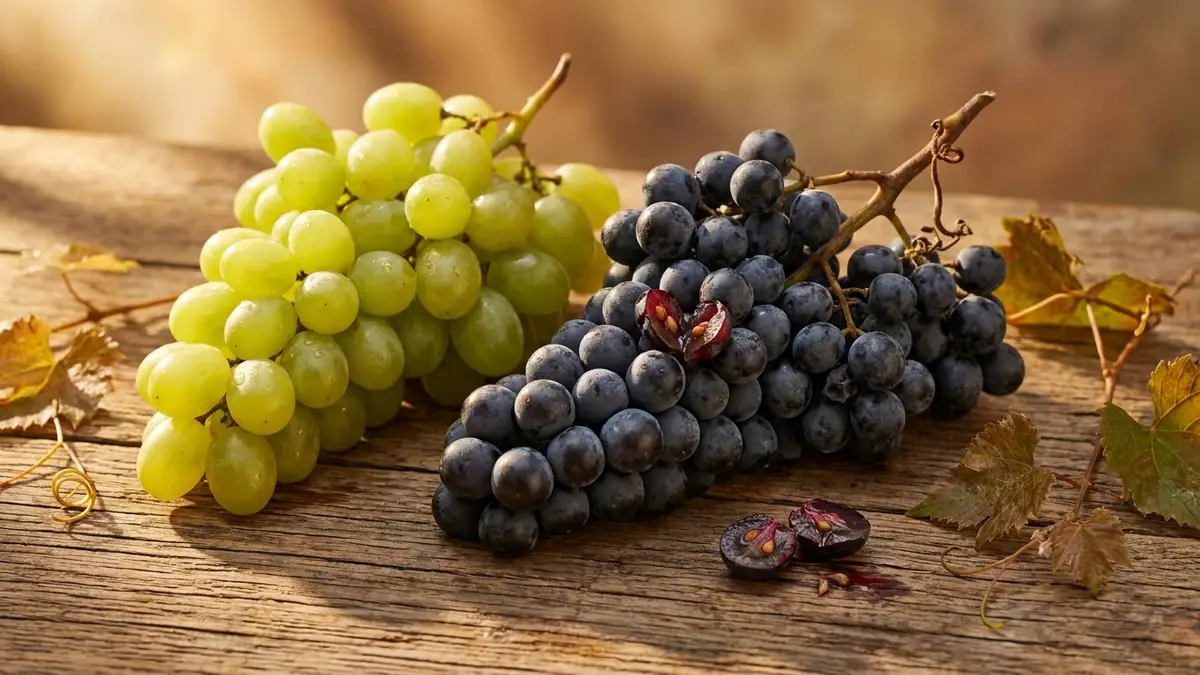
Table Grapes vs Wine Grapes: Why You Can't Make Wine from Grocery-Store Grapes
Table grapes and wine grapes are bred for opposite jobs. Learn the differences in size, sugar, skin, seeds, and acidity — and why grocery-store grapes make thin, bland wine.
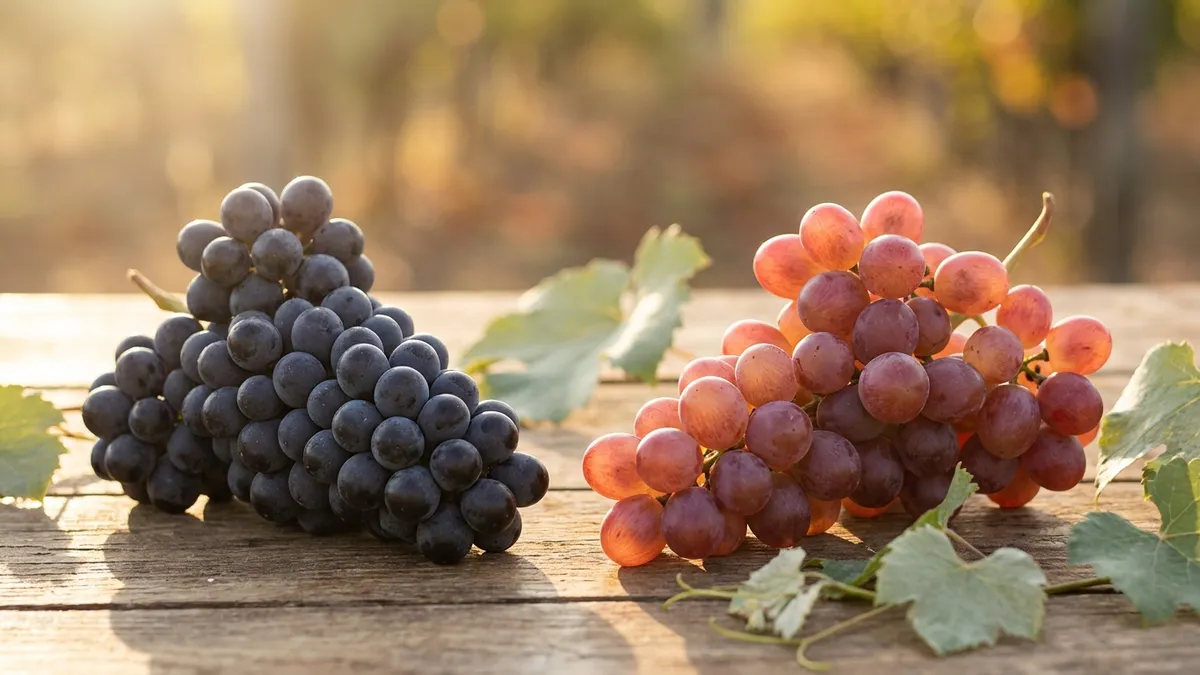
Thick-Skinned vs Thin-Skinned Grapes: Why It Matters for Wine
Grape skin thickness drives a wine's color, tannin, body, and how the vine copes with rot and climate. Learn why thick- and thin-skinned grapes taste so different.
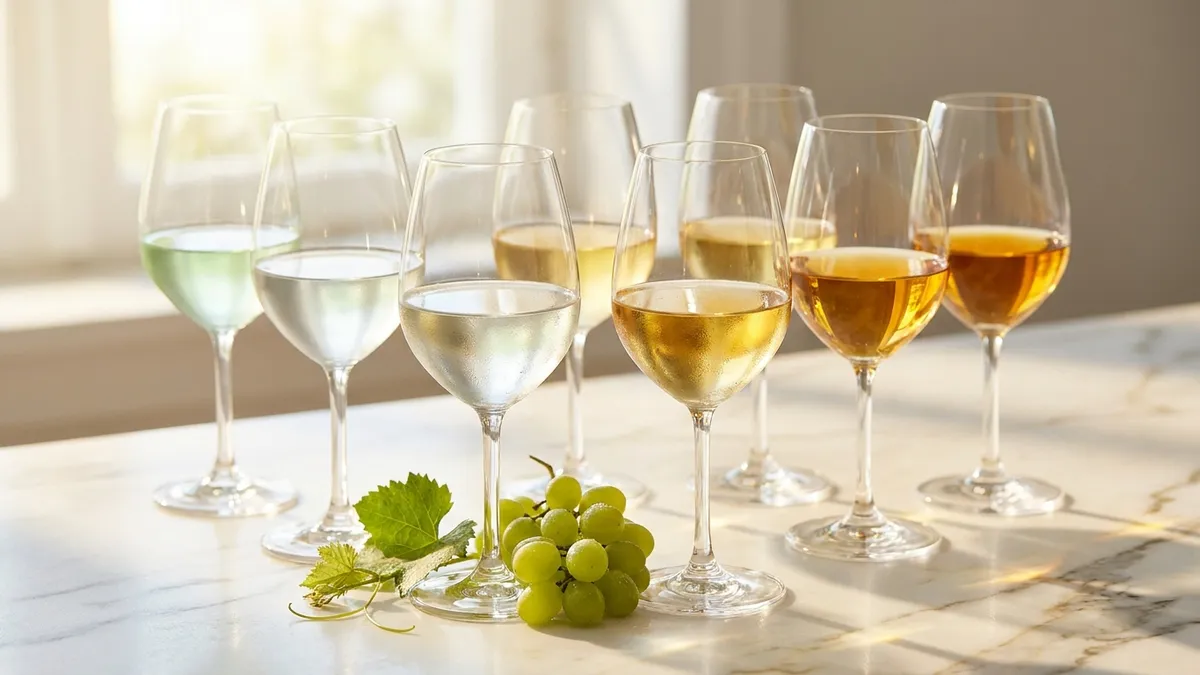
White Wine Grapes: 20 Varieties to Know, Grouped by Style
White wine grapes explained: 20 varieties in four styles, the sweetest-smelling white grapes, 10 grape names to learn first, and a 10-grape comparison table.
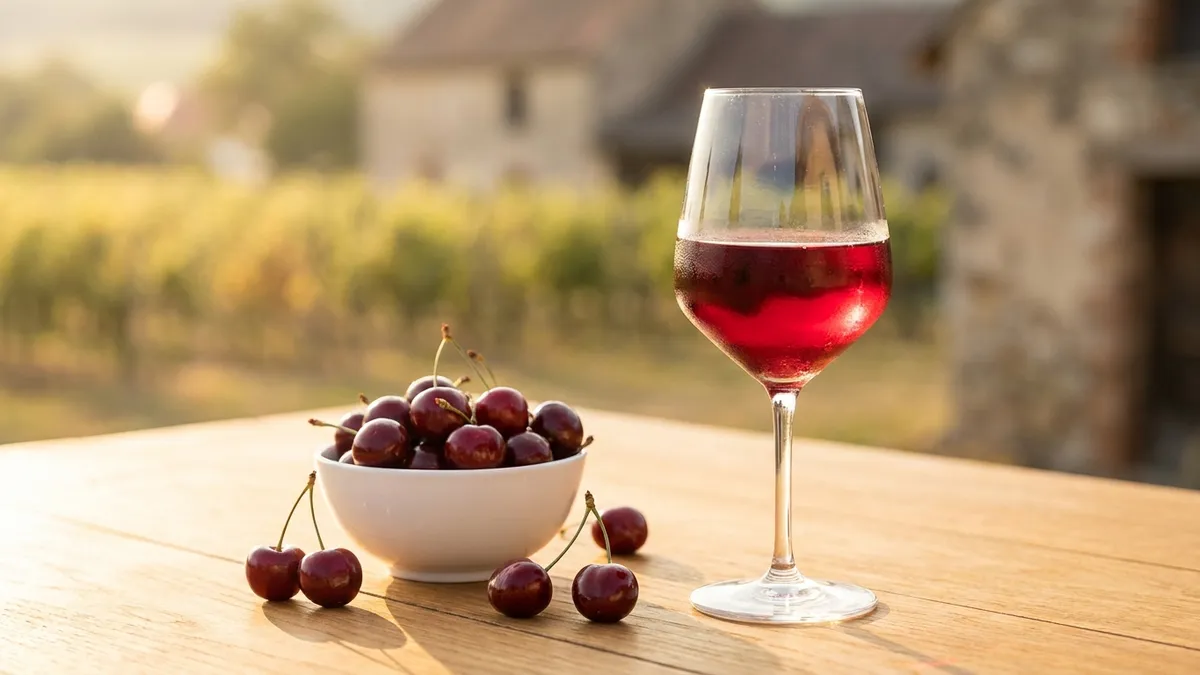
Zweigelt: Austria's Most Popular Red Grape
Zweigelt is Austria's most-planted red grape — a juicy, sour-cherry-driven crossing of Blaufränkisch and St. Laurent. Learn its flavor profile, styles, serving temperature, food pairings, and how a beginner should approach it.
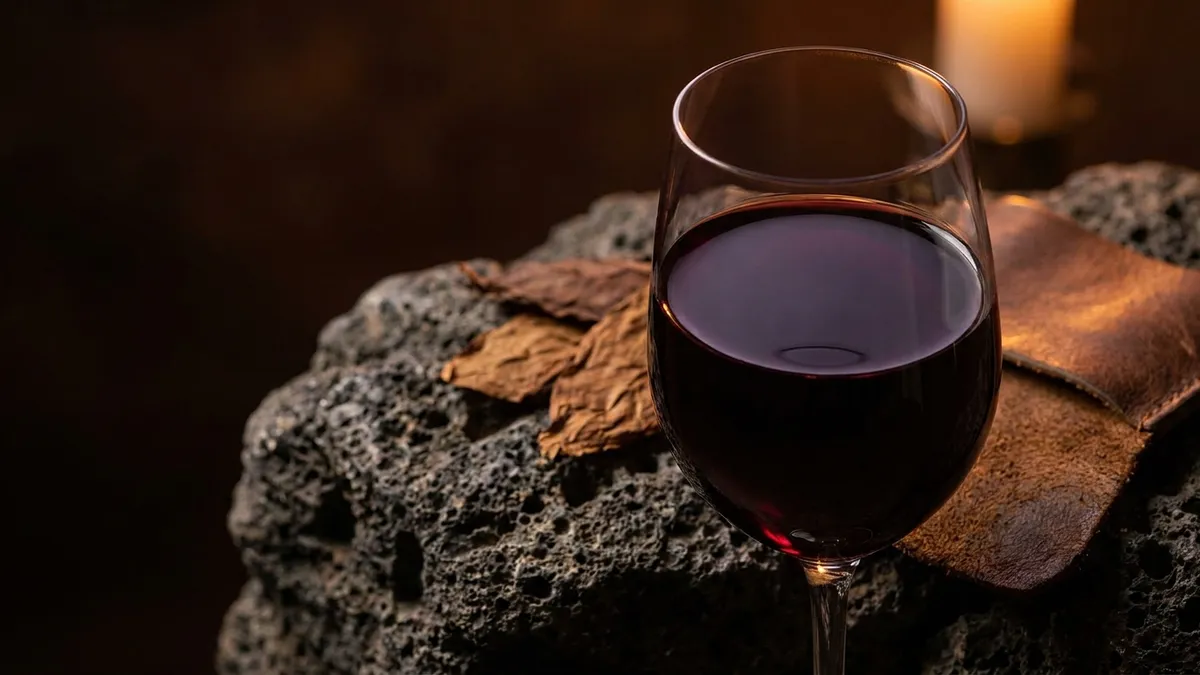
Aglianico: Southern Italy's Powerful Ancient Grape
Aglianico wine is southern Italy's most powerful red — Taurasi, Aglianico del Vulture, volcanic terroir, towering tannin, and the Barolo of the South.
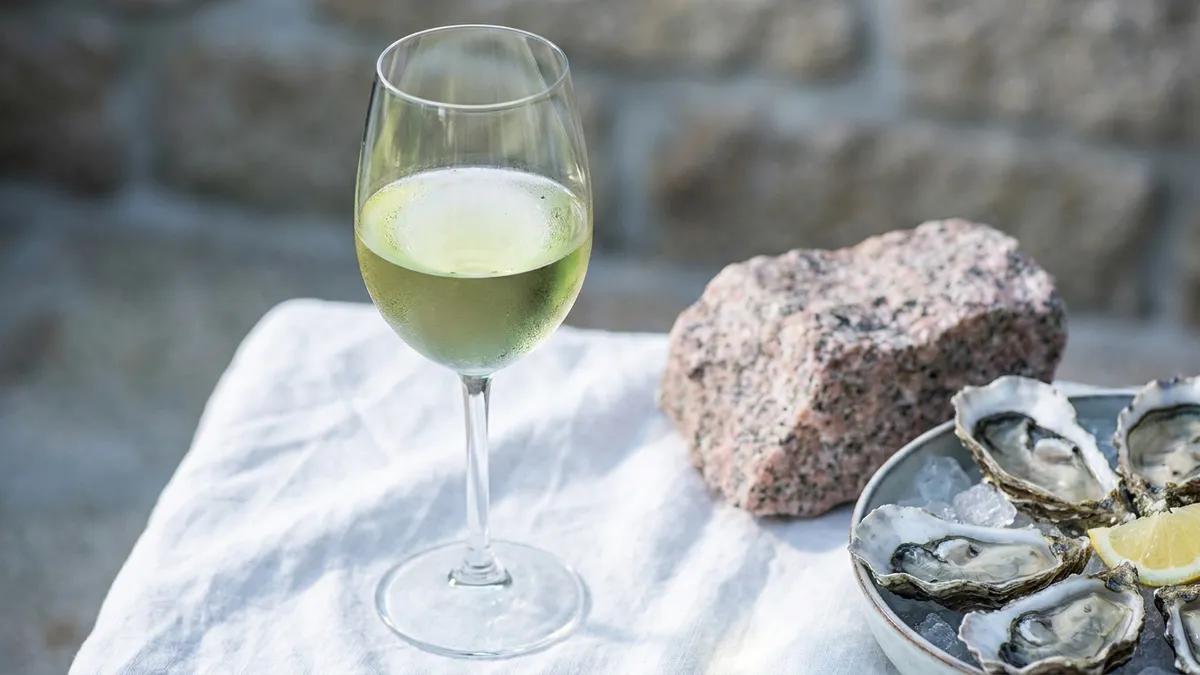
Albariño Wine Guide: Spain's Crisp Coastal White
A complete guide to Albariño wine — Galicia's signature white grape, its Atlantic terroir, tasting profile, food pairings, and how to drink it well.
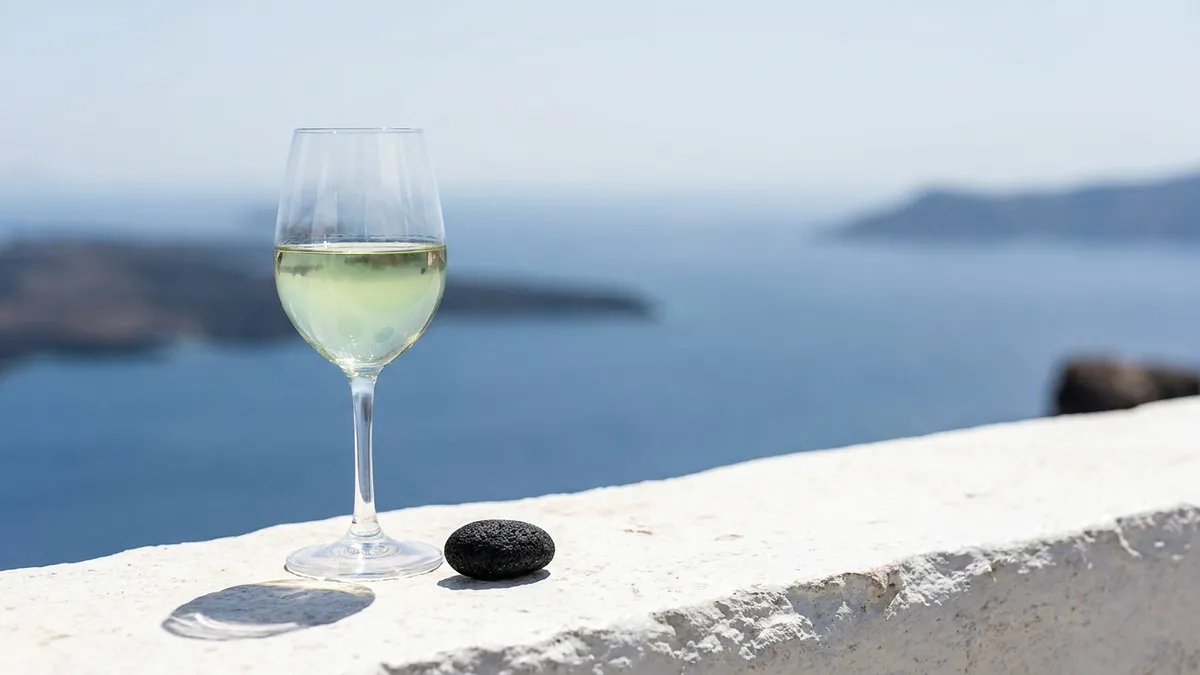
Assyrtiko: The Volcanic White Grape of Santorini
Assyrtiko is Greece's flagship white grape — a high-acid, saline, volcanic-soil wine from Santorini that ages for 15 years and rivals the world's great whites.
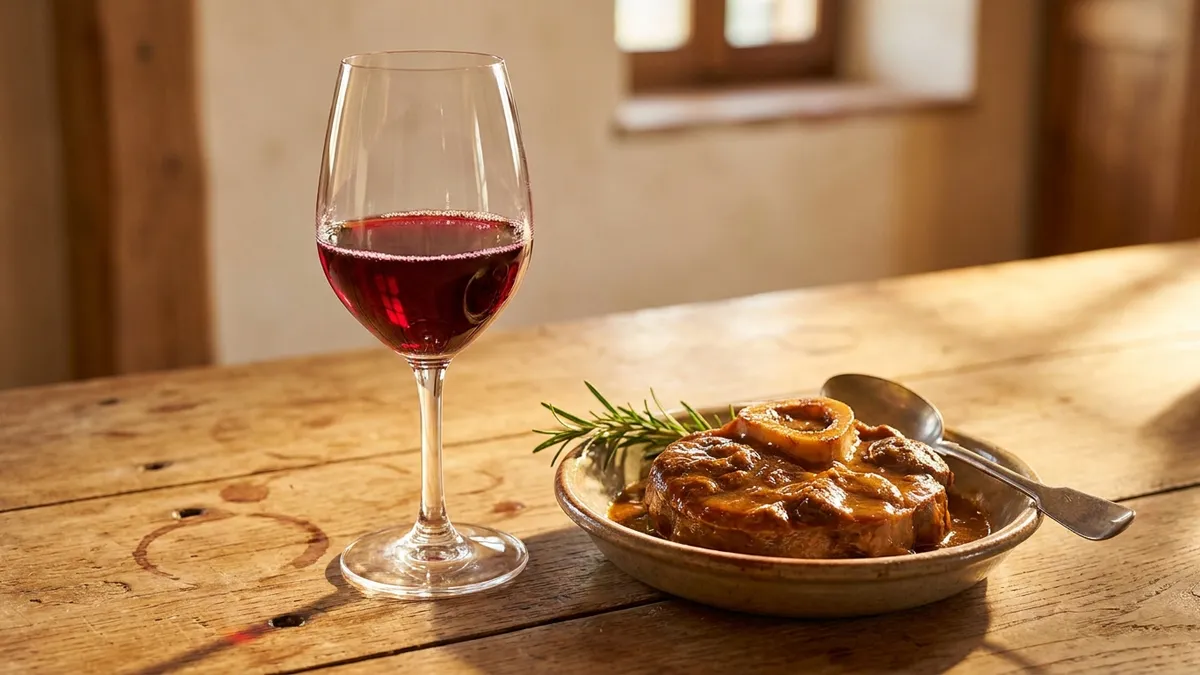
Barbera Wine Guide: Piedmont's Everyday Red
Barbera is Piedmont's everyday red — high acid, low tannin, juicy cherry fruit. Learn the three main DOCs, food pairings, and how it compares to Nebbiolo.
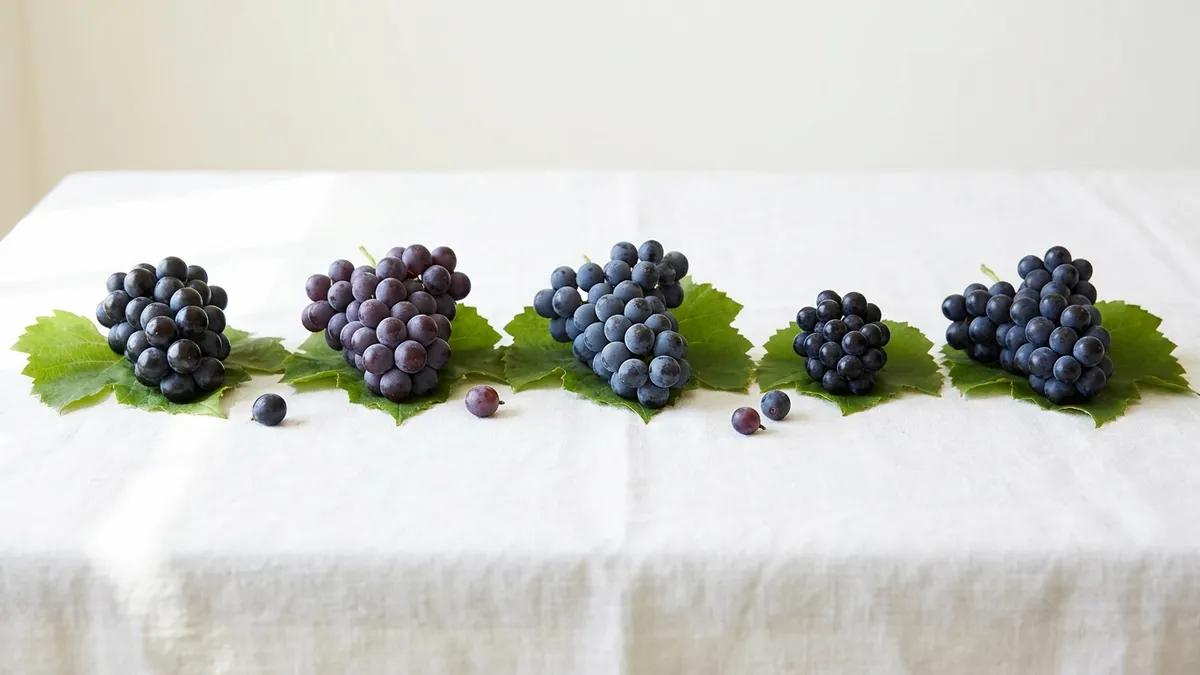
The Bordeaux Blend: Which Grapes and Why They Work Together
Inside the Bordeaux blend grapes — the five red varieties that make up France's most copied wine formula and how they balance one another in the glass.
Cabernet Franc: The Elegant Parent of Cabernet Sauvignon
Cabernet Franc is the genetic parent of Cabernet Sauvignon and Merlot — lighter, more aromatic, and more graphite-driven. Here is how to recognize it, where it grows, and what to pair with it.
Cabernet Sauvignon: The King of Red Grapes Explained
A complete cabernet sauvignon wine guide — history, DNA, regions, sensory profile, oak tradition, food pairings, and aging trajectory of the world's most planted red grape.
Carménère: Chile's Lost Bordeaux Grape, Rediscovered
Carménère wine was thought extinct in France for over a century — until 1994, when DNA testing revealed Chile had been growing it under the wrong name. Profile, regions, food pairings, and how to taste the bell-pepper signature.
Chardonnay: From Lean Chablis to Buttery California
A complete chardonnay wine guide covering the world's most planted noble white grape — from steely Chablis to butter-bomb California, plus oak, food pairings, and aging.
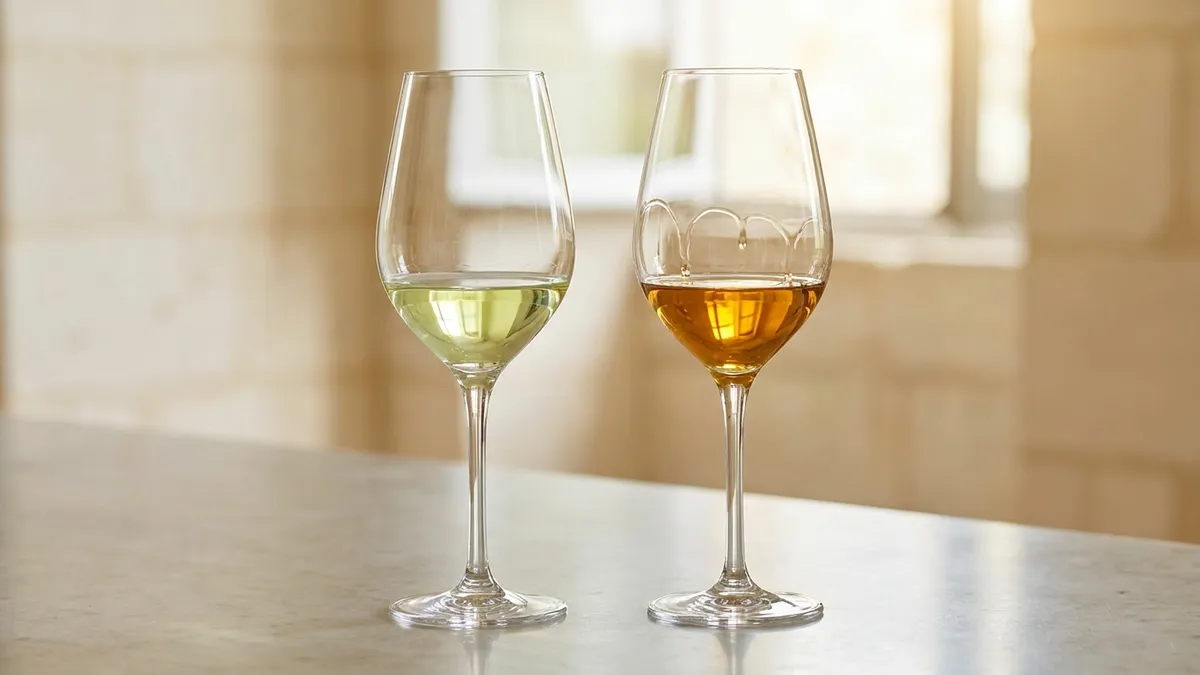
Chenin Blanc: The Most Versatile White Grape in the World
Chenin Blanc produces every white wine style on Earth — bone dry to dessert, still to sparkling, fresh to oxidative. This guide covers the Loire Valley, South African Steen, the five distinct styles, food pairings, and why top sweet versions age 50+ years.
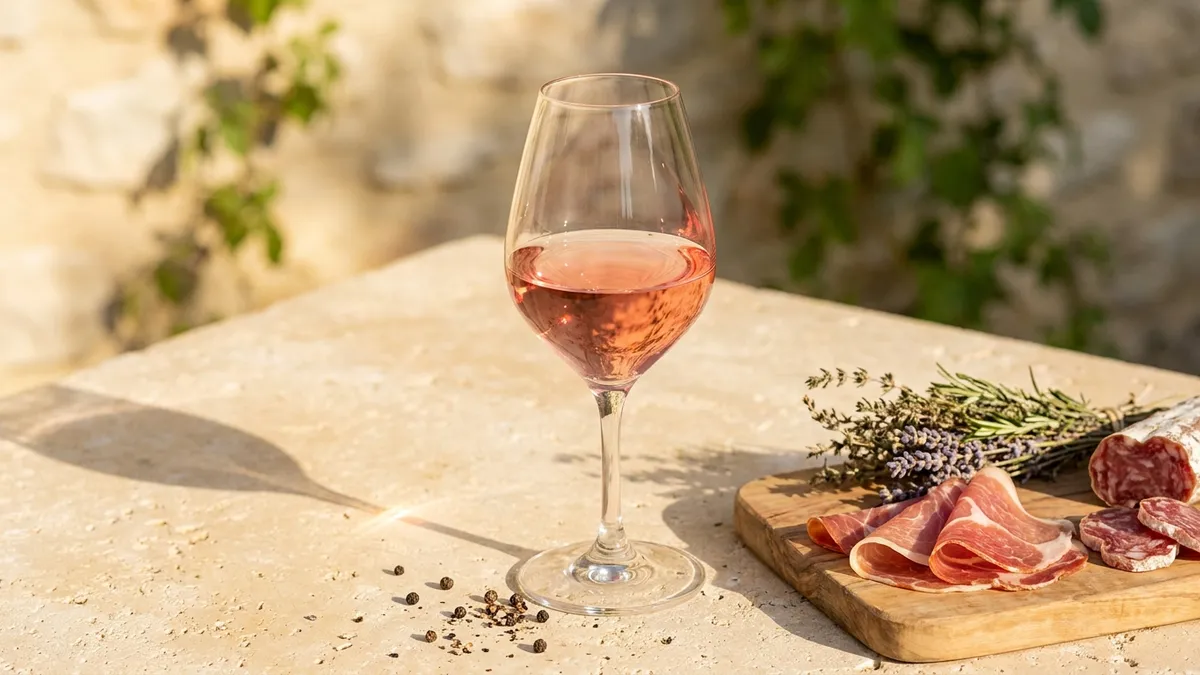
Cinsault Wine Guide: The Light, Juicy Southern Grape
A complete guide to cinsault wine — its pale color, juicy red-fruit profile, role in Provence rosé, the South African old-vine revival, and food pairings.
Corvina: The Grape Behind Valpolicella and Amarone
Corvina is the lead grape of Veneto's Valpolicella zone, the foundation of Amarone, Ripasso, and fresh red wine. Here's what to know about its taste, styles, and food pairings.
Dolcetto Wine Guide: Piedmont's Easygoing Everyday Red
Dolcetto is Piedmont's third pillar — deep purple, soft tannin, low acid, juicy plum and bitter-almond finish. Learn the key DOCs, food pairings, and how it differs from Barbera.
Fiano Wine Guide: Southern Italy's Aromatic White
Discover Fiano, Southern Italy's most age-worthy white grape. Learn its volcanic origins in Campania, sensory profile, and why Romans praised it 2,000 years ago.
Furmint: Hungary's Royal Grape from Tokaj
Furmint is Hungary's flagship white grape — the soul of legendary Tokaji Aszú dessert wine and an increasingly celebrated dry white from volcanic Tokaj and Somló.
Gamay Wine Guide: The Grape Behind Beaujolais
Gamay is the juicy, low-tannin red grape behind every bottle of Beaujolais. Here is a complete guide to its flavor, the 10 Beaujolais Crus, carbonic maceration, food pairings, and why it might be the best-value red in France.
Garganega: The Grape Behind Soave
Garganega is the white grape behind Italy's Soave. Learn its volcanic terroir, the Soave Classico hierarchy, food pairings, and why quality bottles are exceptional value.
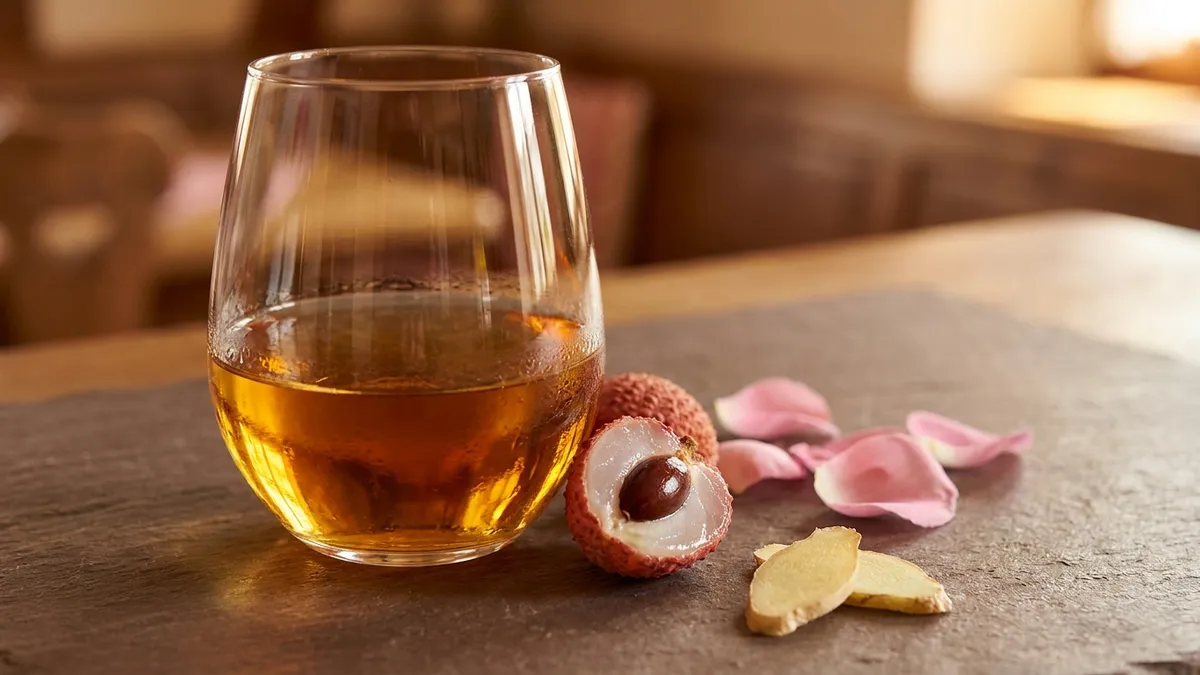
Gewürztraminer Wine Guide: Love It or Hate It
Gewürztraminer is the most polarizing aromatic white grape on Earth. This guide covers its lychee-rose-ginger perfume, key regions from Alsace to South Tyrol, sweetness levels, and why it conquers spicy food like no other variety.
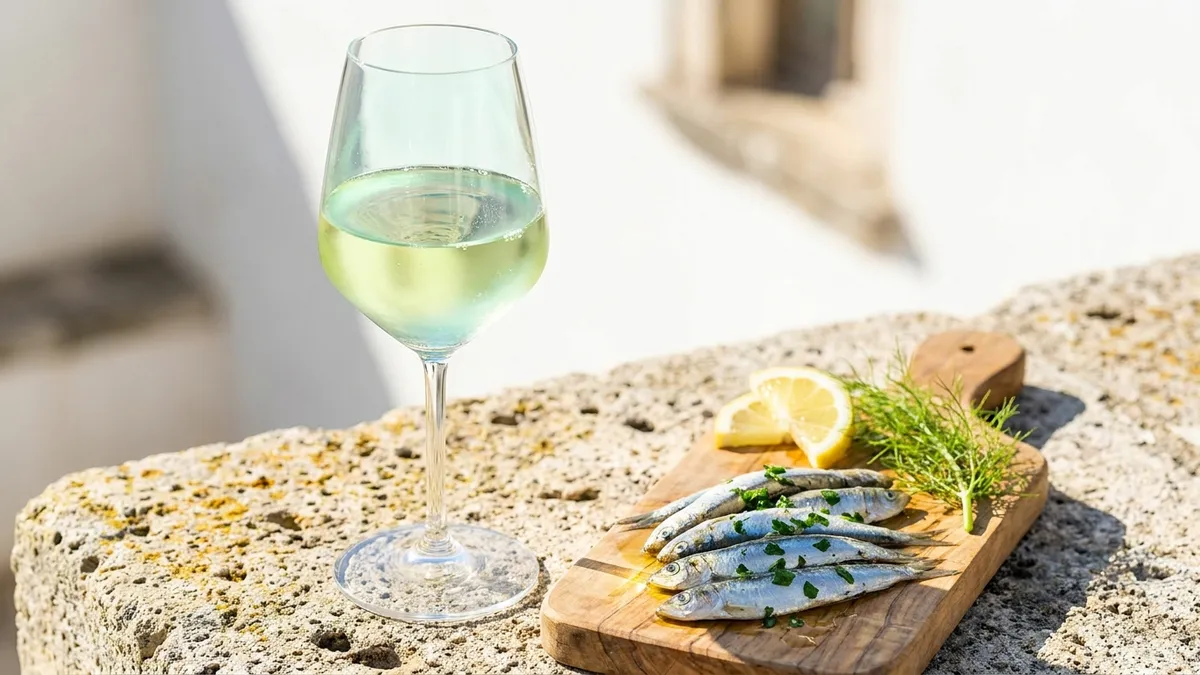
Greco di Tufo: The Mineral White of Campania
Greco di Tufo is Campania's flagship white — an ancient Greek-origin grape grown on volcanic tufa soils, prized for its saline minerality, citrus drive, and DOCG status.
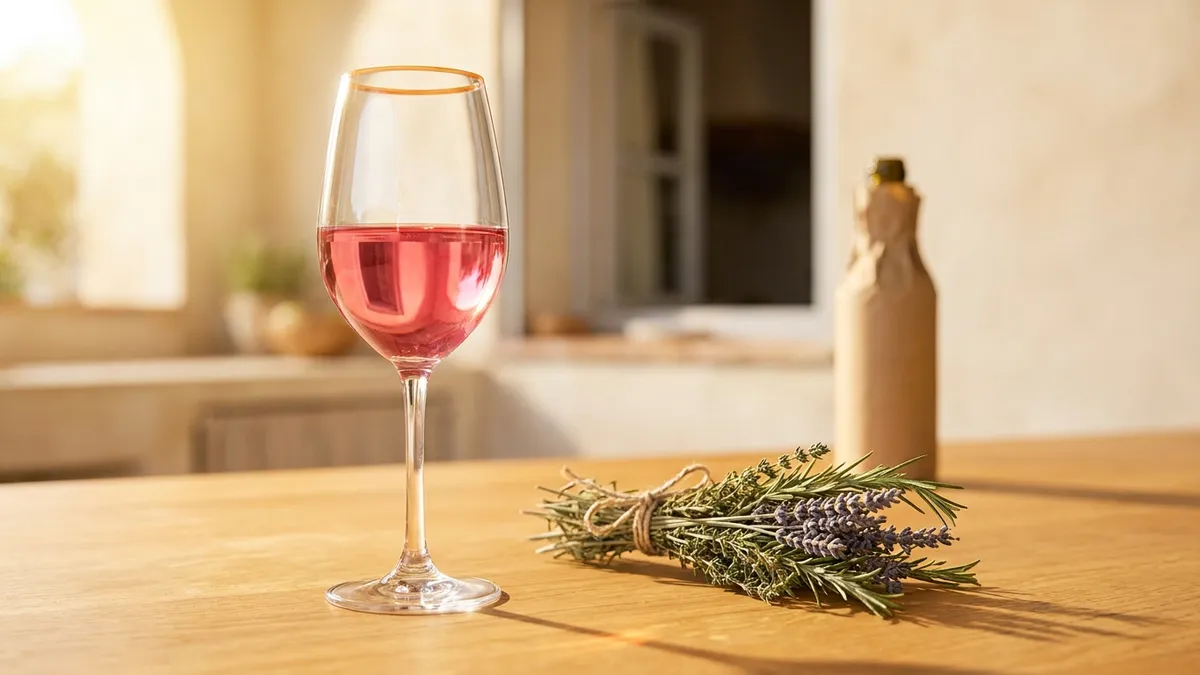
Grenache Wine Guide: From Southern Rhône to Priorat
A complete guide to grenache wine — its flavors, key regions from Châteauneuf-du-Pape to Priorat, blending tradition, food pairings, and how to taste it.
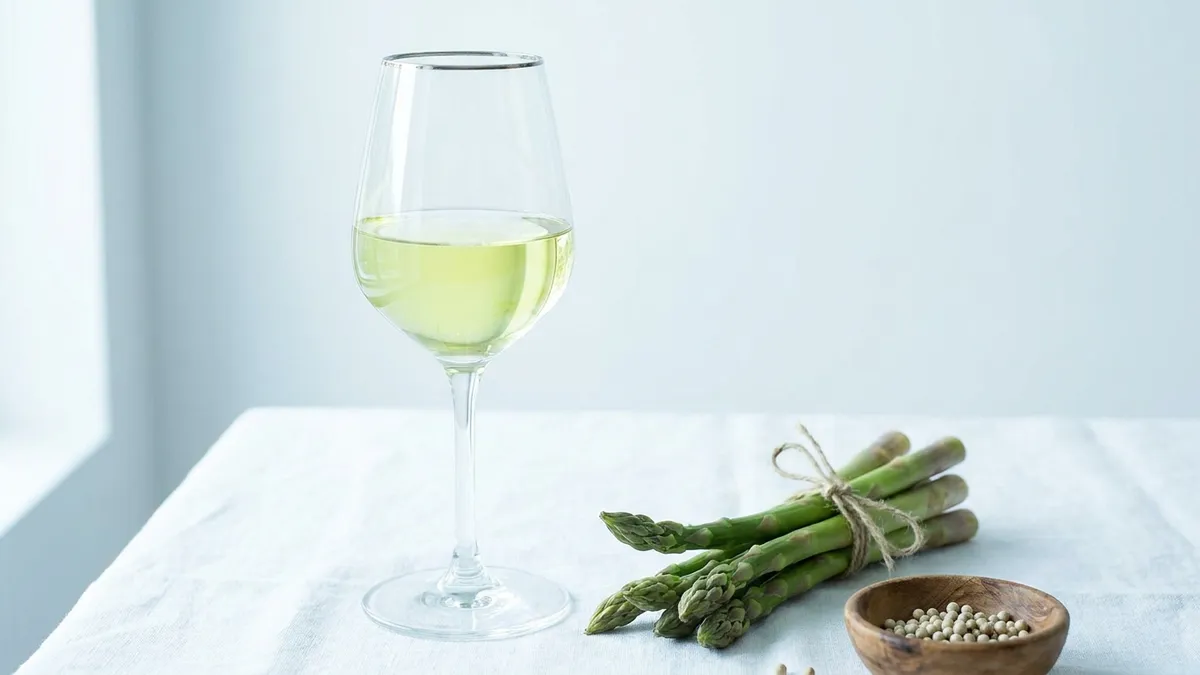
Grüner Veltliner: Austria's Signature White Grape
Grüner Veltliner is Austria's flagship white grape, famous for its distinctive white pepper note. This guide covers regions, ripeness tiers, food pairing, and how it differs from Riesling and Sauvignon Blanc.
Marsanne Wine Guide: The Rich White of the Northern Rhône
Marsanne is the rich, waxy white grape behind Hermitage Blanc and Saint-Joseph Blanc. Learn its sensory profile, key regions, food pairings, and aging arc.
Mencía: Spain's Hidden Gem Red Grape
Mencía is Spain's most exciting rediscovered red grape — a slate-mineral, cherry-driven variety from Bierzo and Ribeira Sacra that drinks like Pinot Noir's Atlantic cousin.
Merlot Wine Guide: The Smooth Red That Deserves More Respect
A complete merlot wine guide covering flavor, structure, regions, food pairings, aging, and the truth behind the 'Sideways' backlash that bruised the grape's reputation.
Montepulciano Grape Guide: Not the Town, the Grape
Montepulciano is one of Italy's most-planted red grapes — and one of the most confusingly named. Learn how Montepulciano d'Abruzzo differs from Vino Nobile di Montepulciano, what the grape tastes like, and why it remains an exceptional value buy.
Moscato Wine Guide: Sweet, Fizzy, and Surprisingly Complex
Moscato is the Italian face of the Muscat family — gently sparkling, low in alcohol, and far more serious than its 2010s pop-culture image. Here is what to taste and pour.
Mourvèdre (Monastrell): The Dark, Meaty Mediterranean Grape
Mourvèdre — known as Monastrell in Spain and Mataro elsewhere — is the dark, savory backbone of Bandol and a key player in GSM blends. Learn its profile, regions, and food pairings.
Muscat Wine Guide: Styles, Taste, and How to Drink It
Muscat wine covers 200+ grapes and every style from dry to fortified. Learn how it tastes, how to drink it, and how muscat differs from moscato and muscatel.
Nebbiolo Wine Guide: The Grape Behind Barolo and Barbaresco
Nebbiolo is the noble red grape of Piedmont — behind Barolo, Barbaresco, Roero, Gattinara, and Ghemme. Learn its tasting profile, key zones, aging arc, and food pairings.
Nero d'Avola: Sicily's Bold Native Red
Nero d'Avola is Sicily's most-planted indigenous red grape — bold, sun-soaked, and full of black cherry, plum, and Mediterranean herbs. Learn its flavor profile, key Sicilian regions, food pairings, and how it compares to Etna's Nerello Mascalese.
Palomino Fino: The Unsung Grape of Sherry
Palomino Fino is the neutral white grape behind Sherry. Learn how flor yeast, fortification, and the solera system transform it into Fino, Manzanilla, Amontillado, and Oloroso.
Petit Verdot: The Blending Grape That Stands Alone
Petit Verdot is the deep, floral, late-ripening fifth Bordeaux grape — long used as a 1 to 5 percent blender, now bottled solo across the warm New World. Here is how to recognize it.
Petite Sirah Wine Guide: Not Petite at All
Petite Sirah is one of California's most powerful red wines — inky, tannic, and unapologetically bold. Learn the grape's history as Durif, how it differs from Syrah, and why it pairs so well with barbecue and grilled meats.
Pinotage: South Africa's Unique Cross Grape
Pinotage is South Africa's signature red — a 1925 cross of Pinot Noir and Cinsault that tastes like nothing else. Here is the full guide to its flavor, regions, modern style, and food pairings.
Primitivo Wine Guide: Zinfandel's Italian Twin
Primitivo is Puglia's signature red — bold, sun-ripened, and genetically identical to California Zinfandel. Learn the styles, regions, food pairings, and what sets Italian Primitivo apart.
Rhône Blends: GSM and the Art of Southern French Wine
A complete guide to Rhône blend grapes — the GSM trinity of Grenache, Syrah, and Mourvèdre, the 13-grape rule of Châteauneuf-du-Pape, and how the formula travels from southern France to the New World.
Roussanne: The Aromatic Rhône White with Herbal Charm
Roussanne is the perfumed, herbal white grape behind the great whites of Hermitage and Châteauneuf-du-Pape. Learn its sensory profile, the Roussanne-Marsanne co-blend, regions, and how to age it.
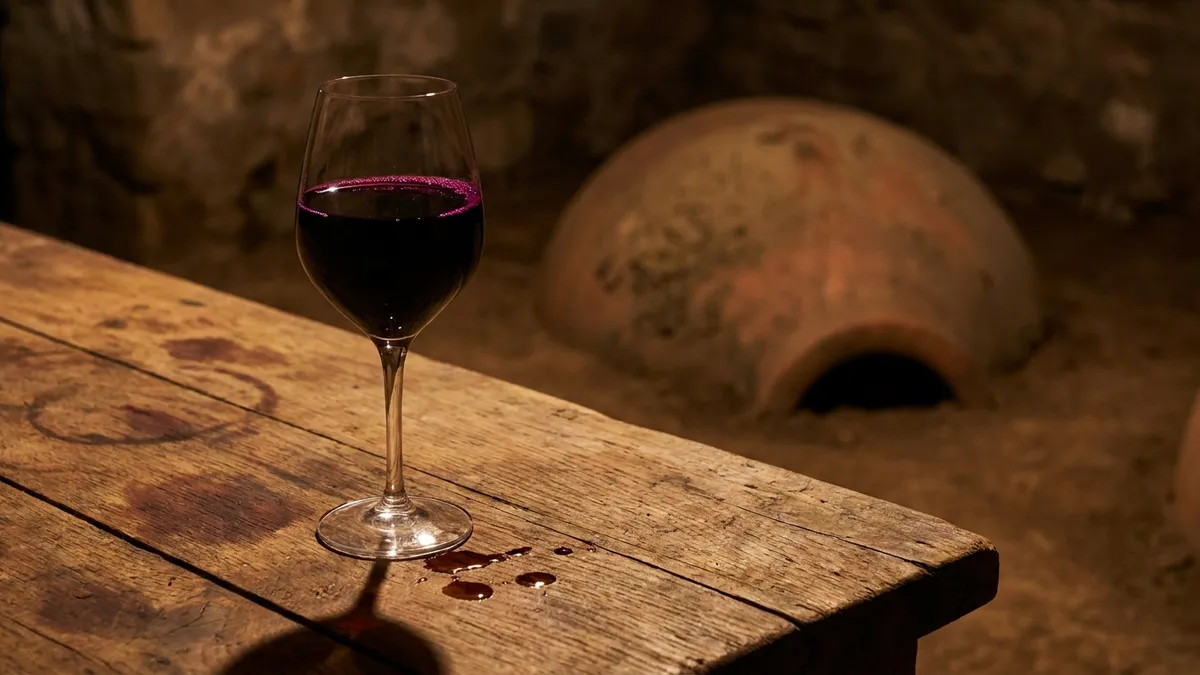
Saperavi: Georgia's Ancient, Inky Red Grape
Saperavi wine from Georgia is one of the world's oldest red grapes — a teinturier variety with red flesh that produces inky, full-bodied wines often aged in clay qvevri for thousands of years.
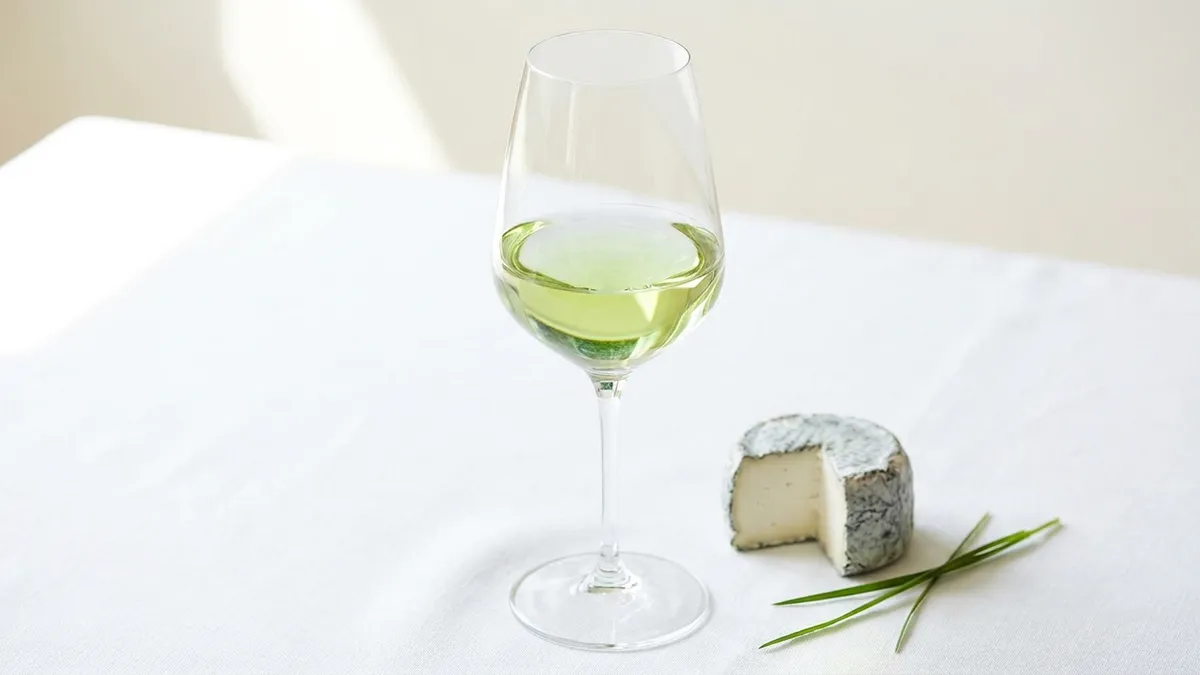
Sauvignon Blanc: The Complete Guide to the World's Most Crisp White
A complete sauvignon blanc wine guide — how it tastes, where it grows, why Marlborough and Sancerre taste so different, and how to pair it with food.
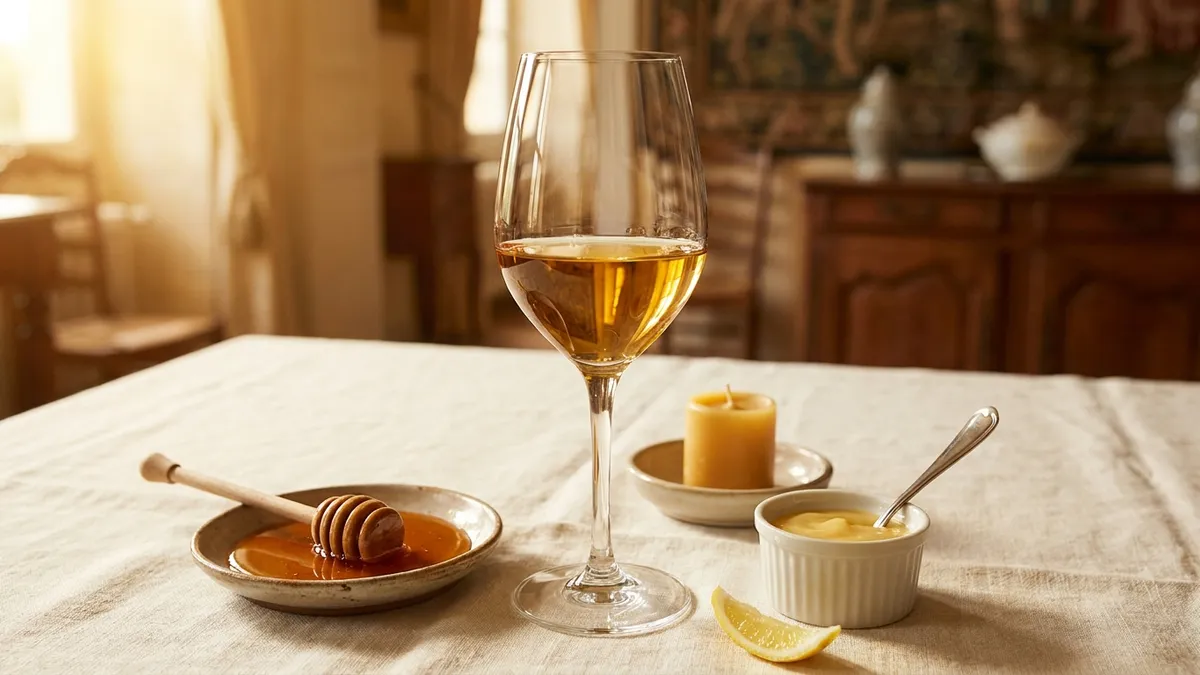
Sémillon Wine Guide: Bordeaux's Secret White Grape
Sémillon is the unsung half of white Bordeaux, the backbone of Sauternes, and the star of Hunter Valley's age-worthy dry whites. This guide covers the grape's three signature roles, flavor profile, and food pairings.
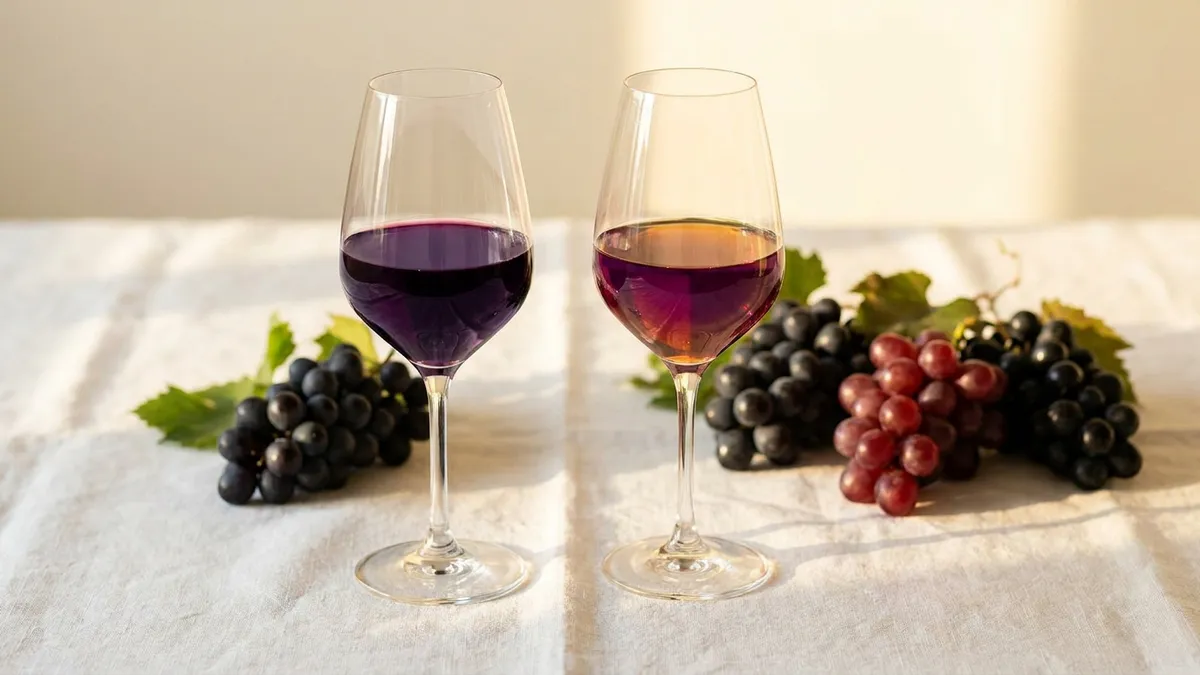
Single Varietal vs Blend: Which Is Better?
Single varietal vs blend wine — neither is better. Learn the philosophy behind each, how labels differ between Old World and New World, and how to pick from a wine list.
Tannat Wine Guide: Uruguay's Bold Signature Red
A complete guide to tannat wine — from its French origins in Madiran to its rise as Uruguay's national grape. Tasting notes, aging, food pairings, and the famous resveratrol story.
Torrontés: Argentina's Aromatic White Grape
Torrontés is Argentina's signature aromatic white wine, grown almost exclusively in the country's high-altitude Andean valleys. This guide covers the three sub-varieties, why Cafayate matters, the perfume-vs-dryness paradox, and how to pair it.
Touriga Nacional: Portugal's Noble Red Grape
Touriga Nacional is Portugal's flagship red grape — the soul of Port wine and a rising star of dry Douro DOC reds. Learn its profile, regions, food pairings, and aging potential.
Trebbiano Wine: Taste, Types and the Ugni Blanc Link
Trebbiano wine is a dry, pale, high-acid white from the grape family behind a third of Italy's white wine. What it tastes like, what each Trebbiano label means, how it compares with Chardonnay, and why Ugni Blanc makes Cognac.
Verdejo: Spain's Answer to Sauvignon Blanc
Verdejo wine is Spain's flagship white grape from Rueda — high-acid, herbal, with a signature bitter-almond finish. This guide covers Rueda DO, styles, food pairings, and how Verdejo compares to Sauvignon Blanc.
Vermentino Wine Guide — Dry or Sweet, and How It Tastes
Vermentino is a dry white wine. Learn how it tastes, how it compares with Sauvignon Blanc and Chardonnay, where it grows, and what to eat with it.
Viognier Wine Guide: The Aromatic White You Should Know
Viognier is the perfumed, full-bodied white grape behind Condrieu and Côte-Rôtie. Learn its aromatic signature, key regions, food pairings, and why it nearly went extinct in the 1960s.
Wine Blends Explained: Why Winemakers Mix Grapes
Wine blends explained in plain language — why winemakers mix grape varieties, the four famous blend traditions, and how to read blend percentages on a label.
Xinomavro: Greece's Answer to Nebbiolo
Xinomavro is Greece's flagship red grape from Naoussa and Amyndeo — pale ruby, ferociously tannic, and built for decades in the cellar. Often called Greece's Nebbiolo.
Malbec Wine Guide: Argentina's Flagship Grape Explained
Everything you need to know about Malbec wine — from its French origins in Cahors to its rise as Argentina's most celebrated grape. Tasting notes, food pairings, and regions.
Pinot Grigio vs Pinot Gris: Same Grape, Different Wine
Pinot Grigio and Pinot Gris are the same grape, but they produce very different wines. Learn how region, climate, and winemaking style create two distinct personalities from one variety.
Sangiovese: The Grape Behind Chianti, Brunello, and More
Sangiovese is Italy's most important red grape — the backbone of Chianti, Brunello di Montalcino, and dozens of Tuscan wines. Learn its flavor profile, key regions, aging potential, and food pairings.
Syrah vs Shiraz: What Is the Difference?
Syrah and Shiraz are the same grape, but the wines can taste completely different. Learn how climate, winemaking, and regional tradition create two distinct styles from one variety.
Tempranillo Wine Guide: Spain's Noble Red Grape
Tempranillo is Spain's most important red grape — the backbone of Rioja, Ribera del Duero, and dozens of other regions. Learn about its flavor profile, aging classifications, key regions, and food pairings.
Zinfandel Wine Guide: From White Zin to Old Vine Reds
Zinfandel is California's heritage grape — bold, spicy, and endlessly versatile. This guide covers red Zinfandel, White Zin, old vine wines, the Primitivo connection, key regions, and food pairings.
Cabernet Sauvignon vs Merlot: What Is the Difference?
Cabernet Sauvignon vs Merlot is the most common wine comparison in the world. Here is how they actually differ in flavor, structure, food pairing, and aging, with a side-by-side comparison you can try at home.
Chardonnay vs Sauvignon Blanc: How to Choose
Chardonnay vs Sauvignon Blanc is the white wine version of Cab vs Merlot. Here is how they actually differ in flavor, body, oak, food pairing, and style — and how to pick the right one for any occasion.
Pinot Noir: The Complete Guide to the World's Most Elusive Red
Pinot Noir is the grape that drives winemakers crazy and wine lovers deeper. Here is a complete guide to its flavor, key regions, food pairings, and why thin skin changes everything.
Riesling Wine Guide: From Bone Dry to Lusciously Sweet
Riesling is the most versatile white grape on Earth. This guide covers the dry-to-sweet spectrum, key regions from Mosel to Clare Valley, the Prädikat system, food pairing, and why this grape ages better than almost any white wine.
The 6 Noble Grapes Every Wine Lover Should Know
Meet the six grape varieties that form the foundation of the wine world. Learn their flavor profiles, key regions, and food pairings.