Nerello Mascalese: Etna's Volcanic Red Grape

By the Sommy Team — AI-assisted, human-edited.
Updated Jun 17, 2026
Contents (8)
TL;DR
Nerello Mascalese is the noble red grape of Mount Etna in Sicily, grown on high-altitude volcanic soils. It produces pale ruby, perfumed wines with red cherry, orange peel, ash, and stony minerality, plus high acid and fine grippy tannin. The signature wine is Etna Rosso, often compared to Pinot Noir and Nebbiolo.
What Is Nerello Mascalese Wine?
Nerello Mascalese is the noble red grape of Mount Etna, the active volcano that dominates eastern Sicily. It is the defining grape of nerello mascalese wine etna — the pale, perfumed, high-acid reds that have made this volcanic slope one of Italy's most talked-about wine zones. Despite the dark name (nerello means "little black one"), the wine in the glass is surprisingly pale: a translucent ruby closer to Pinot Noir or Nebbiolo than to a typical Sicilian red. Grown on terraced volcanic soils between roughly 400 and 1,000 meters of altitude, often on ungrafted bush vines that are decades or even a century old, Nerello Mascalese produces wines of remarkable transparency, freshness, and stony, smoky minerality.
Nerello Mascalese on Mount Etna: Sicily's Volcanic Vineyard
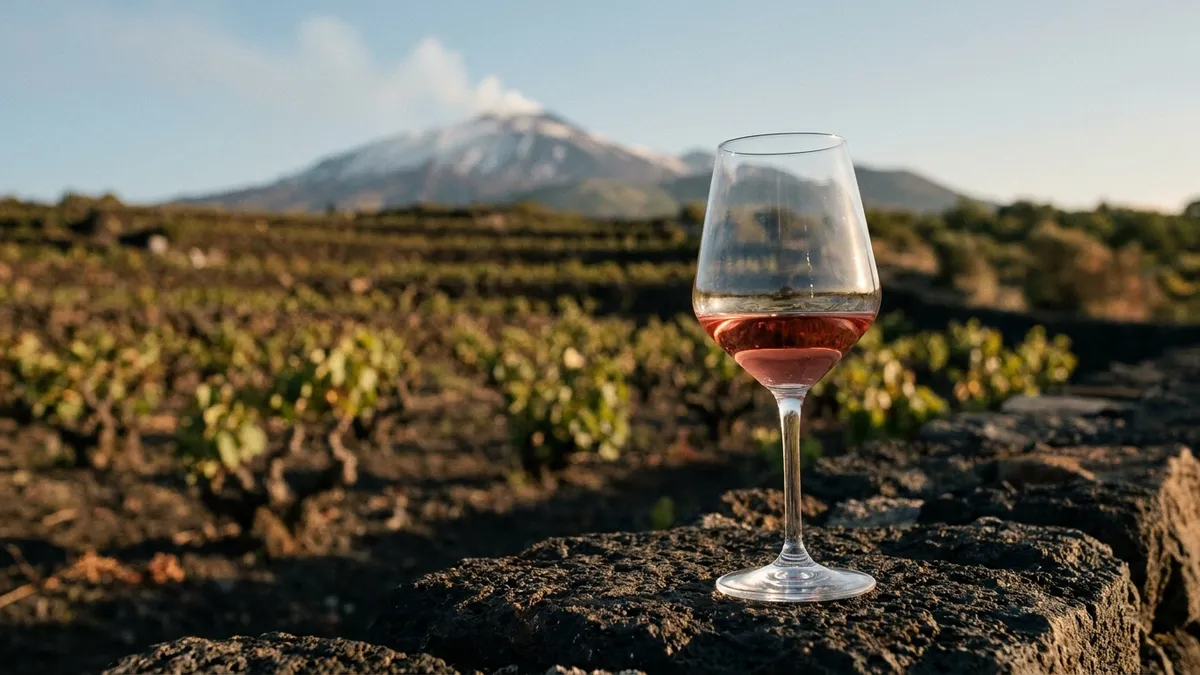
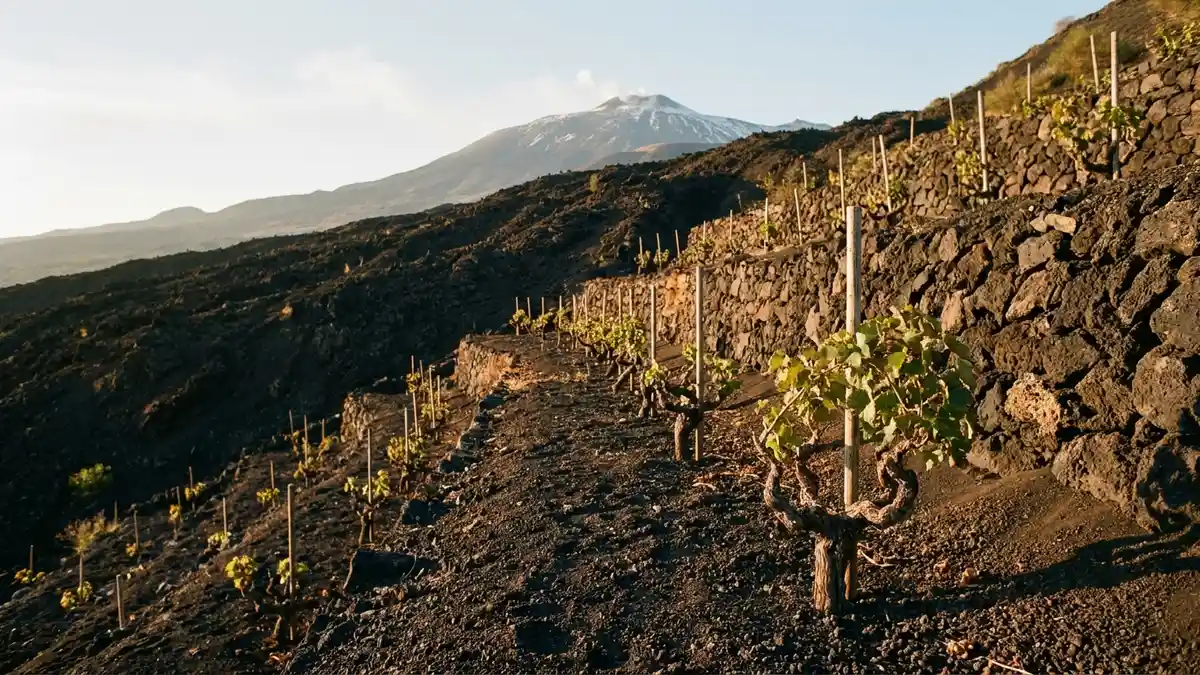
Most people picture Sicily as hot, sun-baked, and ripe. Etna upends that picture. The vineyards climb the flanks of an active volcano, where altitude and cool mountain air keep the grapes fresh long into autumn — Nerello Mascalese is a late ripener, often picked in October or even early November, weeks after the rest of Sicily.
The vines grow in soil unlike almost anywhere else: black, mineral-rich, free-draining sand and gravel built from centuries of lava flows, ash, and pumice. Each eruption laid down a new layer, so the volcanic soils vary street by street depending on which flow came through and when. That patchwork is the foundation of Etna's obsession with site.
Altitude and the Long, Cool Ripening
Altitude is Etna's secret weapon. Higher up the mountain, days are warm and bright but nights turn cold, and that wide day-to-night temperature swing — the diurnal range (the daily gap between high and low temperatures) — locks in aromatics and natural acidity while the grapes slowly accumulate sugar. The result is a red that ripens fully in flavor without losing its nervy freshness, a balance that warmer lowland sites struggle to match.
This mountain-grown style is why Etna gets compared to far cooler, more northerly regions rather than to the rest of southern Italy. To understand where Nerello Mascalese sits among the country's grapes, the Italian wine guide maps out how Sicily fits alongside Piedmont, Tuscany, and the rest.
Old Alberello Bush Vines and the Phylloxera Escape
Etna is a living museum of old vines. The grape is often trained as alberello (literally "little tree"), a free-standing, head-pruned bush vine staked individually rather than trellised on wires. These low, gnarled vines concentrate flavor into small crops and tolerate the steep, wind-scoured terraces.
Many of them are also ungrafted — growing on their own roots rather than on the grafted American rootstock used almost everywhere else in Europe. When the phylloxera louse (a root-feeding pest that destroyed most of the world's vineyards in the late 1800s) swept through, it could not thrive in Etna's loose, sandy volcanic soil. Vines that would have died elsewhere survived here, and some pre-date 1900. Old, low-yielding, ungrafted bush vines are a big part of why Etna's best reds carry such depth and tension.
Contrade: Etna's Cru Culture
The most Burgundian thing about Etna is its devotion to contrade — named single-vineyard districts mapped across the volcano, used much like the crus of Barolo or the climats of Burgundy. There are well over a hundred officially delimited contrade ringing the mountain, each with its own altitude, exposure, and unique mix of lava flows and ash.
Because the volcanic soils change so sharply from one flow to the next, two contrade a short walk apart can yield noticeably different wines. Producers increasingly bottle them separately, naming the contrada on the label so drinkers can taste the volcano's geography directly. If you have explored the Nebbiolo wine guide and its cru system in Barolo and Barbaresco, Etna's contrada culture will feel familiar — same idea, different mountain.
Sommelier tip: When two Etna Rosso bottles list different contrade, treat them as a built-in tasting flight. Pour both side by side and the only major variable is the site — a fast, delicious way to learn what "minerality" actually means in the glass.
Nerello Mascalese Tasting Notes and Flavor Profile
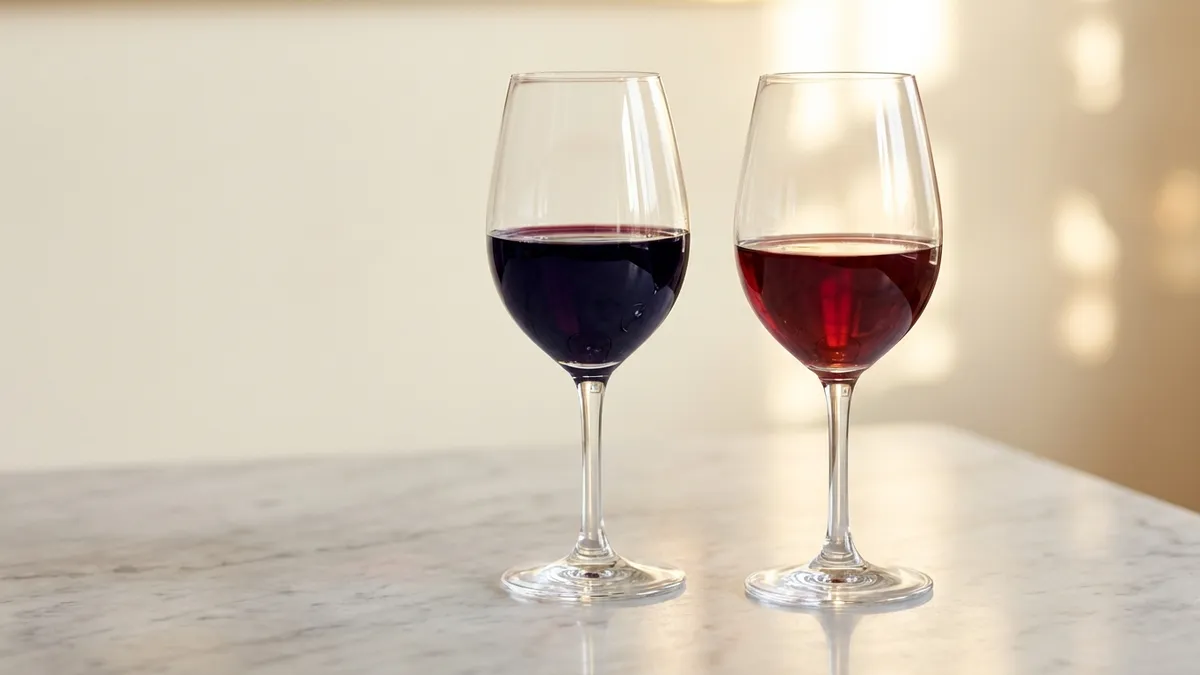
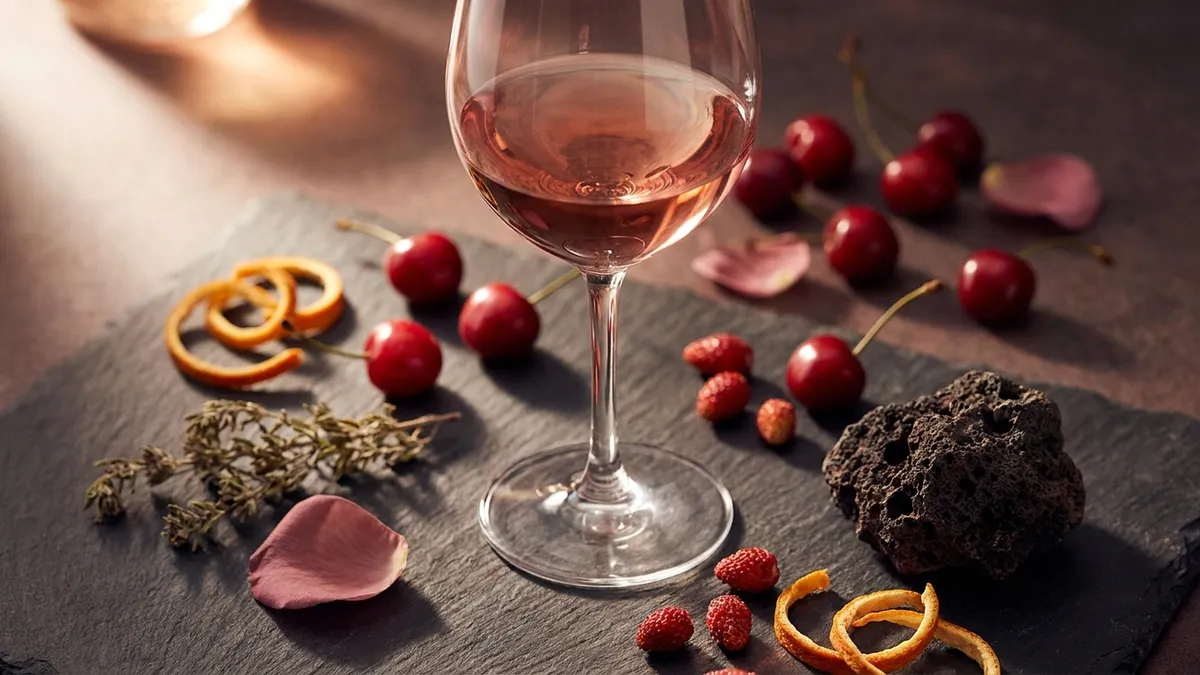
Nerello Mascalese is a study in elegance over power. The color is the first surprise: a pale, almost see-through ruby that signals a lighter, more aromatic style before you even smell it.
Typical aromas: red cherry, wild strawberry, dried orange peel, rose petal, crushed stone, wood smoke, ash, dried herbs, and a savory iron-like minerality.
On the palate, the wine stays light on its feet but firmly structured. Here is the standard profile in numbers:
- Body: light to medium (2–3/5)
- Acidity: high (4–5/5)
- Tannins: medium to high, but fine and grippy (4/5)
- Sweetness: bone-dry (1/5)
- Alcohol: medium, typically 13 to 14 percent
That combination — pale color, high acid, fine grippy tannin, and smoky volcanic minerality — is the fingerprint of Etna Rosso. To unpack why those three structural elements matter so much, the guide to tannins, acidity, and body is the best place to build the vocabulary. It also explains why Nerello Mascalese sits comfortably among the world's noble grapes in terms of pedigree, even though it never earned the label.
The Volcanic Signature
The smoky, ashy, stony character is what sets Nerello Mascalese apart from other pale reds. Drinkers describe it as crushed rock, gunflint, wet ash, or graphite — a savory edge that runs underneath the red fruit and lingers on the finish. It is the most literal taste of terroir you will find: the sense that the wine genuinely carries the volcano in it. Putting words to that sensation is exactly the kind of skill the Sommy app coaches step by step, so a vague "it tastes mineral" becomes a specific, repeatable note you can trust.
Etna Rosso: The Signature Wine
Etna Rosso is the red DOC (a regulated Italian appellation) of Mount Etna and the showcase for Nerello Mascalese. The rules require the blend to be at least 80 percent Nerello Mascalese, with up to 20 percent Nerello Cappuccio — a softer, deeper-colored partner grape — permitted to round it out. Many top wines are made from 100 percent Nerello Mascalese to keep the spotlight on its perfume and tension.
Styles range from bright, early-drinking bottlings to serious, contrada-specific, old-vine wines built for the cellar. There is also a celebrated Etna Rosato (rosé), prized for being one of Italy's most structured and ageworthy pink wines, and a white, Etna Bianco, made from the local Carricante grape. But Nerello Mascalese and Etna Rosso are the heart of the region's reputation.
For a pale, high-acid red, Etna Rosso is shockingly food-friendly. The smoky minerality loves grilled and charred dishes, while the bright acidity slices through fat:
- Grilled and roasted poultry — roast chicken, quail, guinea fowl
- Mushrooms — sautéed, in risotto, or grilled, echoing the wine's earthy side
- Tuna and meaty fish — Sicilian grilled tuna is a classic local match
- Pork and lighter cuts of lamb — the acid keeps richer meats fresh
- Tomato-based pasta — the wine's acidity harmonizes with tomato's brightness
Nerello Mascalese vs Pinot Noir and Nebbiolo
The fastest way to understand Nerello Mascalese is to place it between two famous reference points. It has the pale color and aromatic lift of Pinot Noir with much of the firm tannic grip and savory structure of Nebbiolo — then adds a smoky volcanic dimension all its own.
Here is how the three compare, feature by feature:
- Color — Pinot Noir: pale ruby · Nebbiolo: pale ruby to garnet, fades fast · Nerello Mascalese: pale ruby, translucent
- Body — Pinot Noir: light to medium · Nebbiolo: medium · Nerello Mascalese: light to medium
- Tannins — Pinot Noir: low to medium, silky · Nebbiolo: very high, firm · Nerello Mascalese: medium to high, fine and grippy
- Acidity — Pinot Noir: high · Nebbiolo: high · Nerello Mascalese: high
- Signature flavors — Pinot Noir: red cherry, earth, mushroom · Nebbiolo: rose, tar, dried cherry · Nerello Mascalese: red cherry, orange peel, ash, crushed stone
- Defining trait — Pinot Noir: transparency and elegance · Nebbiolo: power under a pale disguise · Nerello Mascalese: volcanic minerality and freshness
If You Love Pinot Noir
Reach for Etna Rosso when you want the perfume and lightness of Pinot but a touch more grip and a smoky, stony savor. The Pinot Noir guide covers the benchmark style so you can taste exactly where Etna diverges.
If You Love Nebbiolo
Nerello Mascalese delivers a similar high-acid, fine-tannin, site-driven experience at a generally lighter weight. Fans of Italy's other great pale, structured reds — including Tuscany's Sangiovese — tend to fall for Etna fast, because all three reward attention rather than brute power.
Ageability and Cellaring
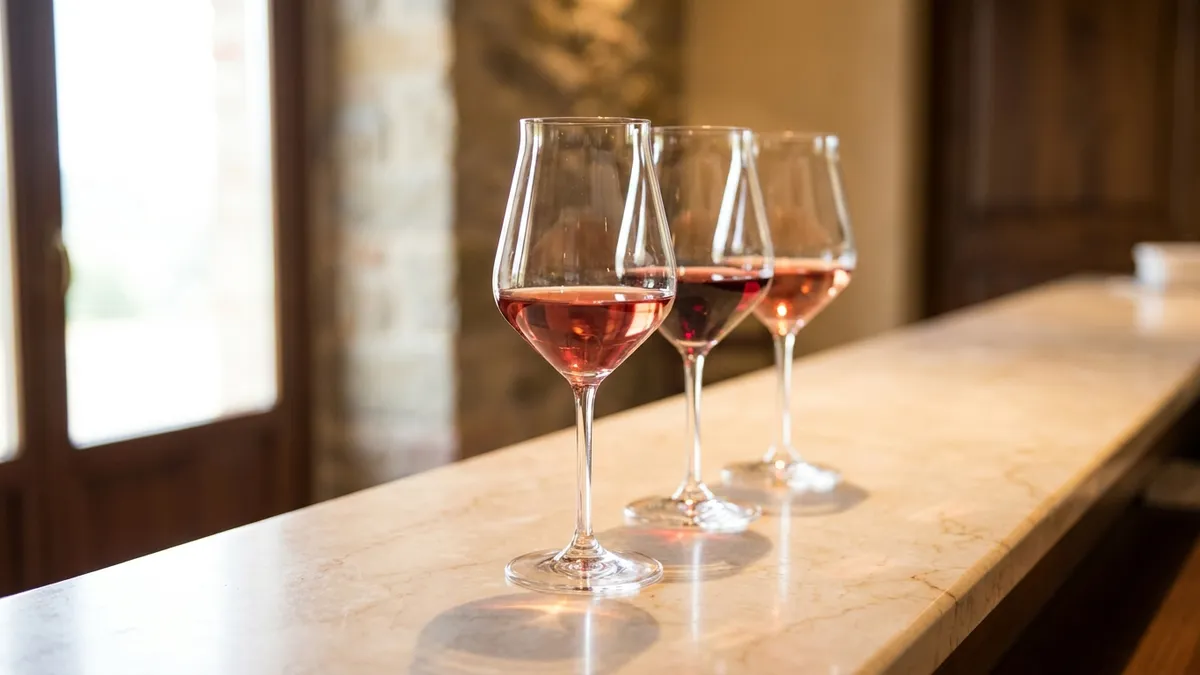
High acidity and fine tannin are natural preservatives, and Nerello Mascalese has both in abundance. Everyday Etna Rosso drinks beautifully young, full of bright cherry and smoke. But serious old-vine and contrada wines are built to evolve.
- Entry-level Etna Rosso — drink within 2 to 5 years for fresh fruit and energy
- Mid-tier and single-contrada wines — 5 to 12 years, gaining spice and complexity
- Top old-vine bottlings — 10 to 20 years or more, the best going well beyond
With time, the fresh red cherry softens into dried fruit, blood orange, leather, tea leaf, and forest floor, while the smoky volcanic minerality grows more insistent. The pale color shifts toward brick and orange at the rim — a hallmark of pale, high-acid reds as they mature.
A Grape Worth Seeking Out
Nerello Mascalese rewards curiosity. It is proof that a grape from a hot island can make some of Italy's most delicate, cool-climate-tasting reds, all because of altitude, old vines, and black volcanic soil. It also belongs to a wider movement of native varieties stepping back into the spotlight — a theme the round-up of indigenous grapes worth trying explores across Italy and beyond.
Its pale color and fine, grippy tannin also make it a great teaching grape. Because so much of the wine's character comes from skin contact and ripeness rather than sheer pigment, comparing it to other thin-skinned reds is a quick lesson in structure — the guide to thick vs thin-skinned grapes shows why a paler skin so often means a more aromatic, higher-acid wine.
To get the most from a bottle, taste it slowly and deliberately. Note the pale color, search for the orange-peel and ash notes hiding behind the cherry, and feel how the fine tannin grips even though the body stays light. The method in how to taste wine gives you a repeatable framework, and the Sommy app turns each tasting into guided practice — naming what you sense, one mineral, smoky, cherry-scented glass at a time. Nerello Mascalese is a grape that, once it clicks, tends to rewire how you think about what a "big" wine even means.
Sources
- Consorzio Tutela Vini Etna DOC — Etna Rosso production rules and contrade
- Jancis Robinson, Julia Harding, José Vouillamoz, Wine Grapes — Nerello Mascalese entry
- Wine Folly — Etna and Nerello Mascalese regional profile
Frequently Asked Questions
What does Nerello Mascalese taste like?
Nerello Mascalese tastes of red cherry, wild strawberry, dried orange peel, and rose, layered with smoky ash, crushed stone, and a savory volcanic minerality. The wine is pale in color, light to medium in body, high in acidity, and built on fine, grippy tannins. Older vines add depth, spice, and a long, mineral finish.
Is Nerello Mascalese similar to Pinot Noir?
Yes, in many ways. Both grapes make pale, perfumed, transparent reds with red-fruit aromas, high acidity, and the ability to show their site. Nerello Mascalese differs by carrying firmer, grippier tannin and a smoky volcanic minerality from Etna's soils, making it sit somewhere between Pinot Noir and Nebbiolo in structure.
What is Etna Rosso?
Etna Rosso is the red DOC wine of Mount Etna in Sicily. It must be at least 80 percent Nerello Mascalese, with up to 20 percent Nerello Cappuccio permitted. The wines are pale, high in acid, finely tannic, and deeply mineral, reflecting the volcano's altitude, old bush vines, and black volcanic soils.
What are contrade on Etna?
Contrade are named single vineyard districts on Mount Etna, used much like crus in Burgundy or Barolo. Each contrada sits at a particular altitude and elevation on the volcano, with its own lava flows, ash, and exposure. These differences shape the wine, so producers increasingly bottle contrada wines separately to show site character.
Can Nerello Mascalese age?
Yes. Good Nerello Mascalese from old vines ages well for 10 to 20 years, and the best wines can go longer. Its high acidity and fine tannin act as a natural preservative. With age, the fresh cherry fruit softens into dried fruit, leather, tea leaf, and forest floor, while the volcanic minerality grows more pronounced.
Why are Etna's vines so old?
Etna's steep, remote, lava-strewn slopes were never replanted on grafted rootstock the way most of Europe was after the phylloxera louse arrived, because the sandy volcanic soils resist the pest. Many alberello bush vines are ungrafted and well over 80 years old, with some pre-dating 1900, giving concentrated, low-yielding fruit.
What food pairs with Nerello Mascalese?
Nerello Mascalese pairs with dishes that respect its lighter body and high acid: roast chicken, grilled mushrooms, tuna, pork, and tomato-based pasta. Its smoky minerality loves charred and grilled food, while the bright acidity cuts through fat. Avoid heavy, sweet, or overly spiced dishes that would bury its delicate perfume.
Sommy Team
LinkedInFounder & Wine Educator
The Sommy Team is building the world's most approachable wine education app, helping beginners develop real tasting skills through structured courses and AI-guided practice.