Thick-Skinned vs Thin-Skinned Grapes: Why It Matters for Wine

By the Sommy Team — AI-assisted, human-edited.
Updated Jun 16, 2026
Contents (10)
- What Is the Difference Between Thick and Thin Skinned Wine Grapes?
- Why Grape Skin Thickness Matters More Than You Think
- How Skin Thickness Shapes Color, Tannin, and Body
- Vineyard Vulnerability: Rot, Climate, and Ripening
- Thick vs Thin Skinned Grapes: Side-by-Side
- The Thick-Skinned Grapes Worth Knowing
- The Thin-Skinned Grapes Worth Knowing
- Why Skin Thickness Decides Ageability
- What Skin Thickness Means for Rosé
- Putting It Together
TL;DR
Thick-skinned grapes like Cabernet Sauvignon and Nebbiolo give deep color, high tannin, and structure but need warmth to ripen. Thin-skinned grapes like Pinot Noir and Gamay give pale color, gentle tannin, and fragility, ripening early but rotting easily in damp, cool sites where careful growing matters most.
What Is the Difference Between Thick and Thin Skinned Wine Grapes?
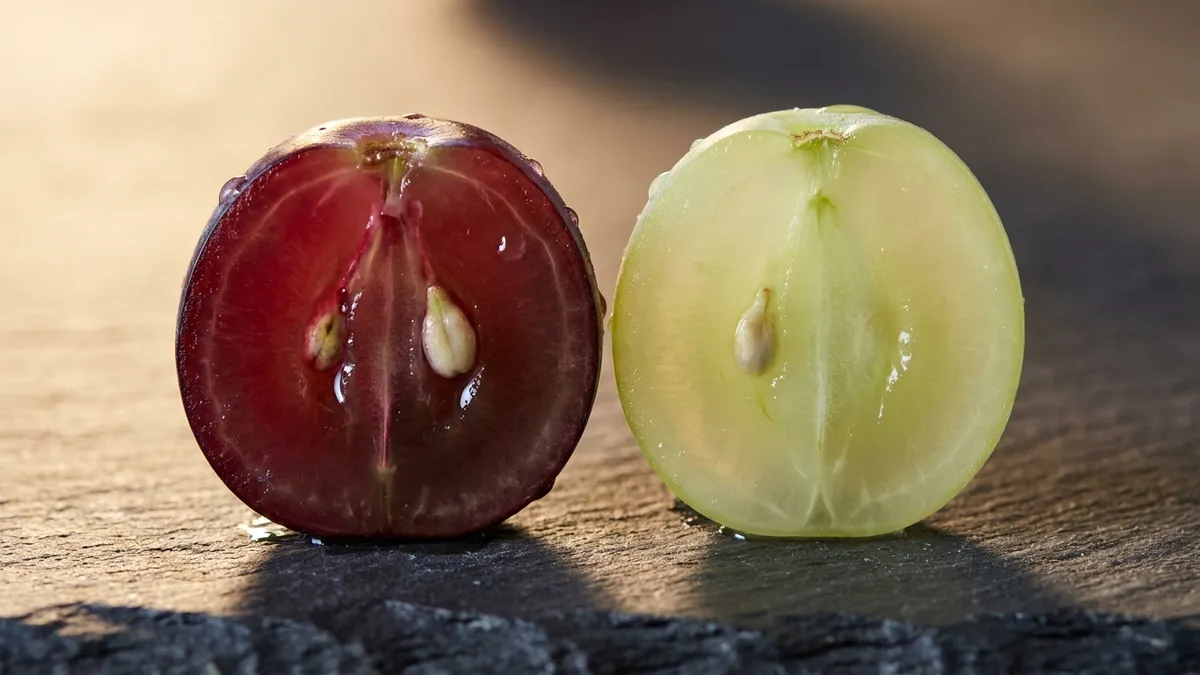
The contrast between thick thin skinned wine grapes comes down to one tiny part of the berry that controls almost everything you taste. A grape's skin holds its anthocyanins (the pigments that color red wine) and most of its tannin (the drying, gripping sensation on your gums). Thick-skinned grapes like Cabernet Sauvignon, Nebbiolo, and Tannat pack more of both, giving deep color, high tannin, full body, and the structure to age 10 to 30 years. Thin-skinned grapes like Pinot Noir and Gamay carry less, making pale, soft, aromatic wines that drink young. Skin thickness also governs vine fragility: thick skins shrug off rot, while thin skins are far more vulnerable.
Why Grape Skin Thickness Matters More Than You Think
Wine is made from juice, but its personality comes from the skins. When you crush a red grape, the juice that runs out is almost colorless — even for the darkest varieties. The color, the grip, and much of the flavor are locked in that thin outer layer.
During red winemaking, the juice ferments in contact with the skins. This is called maceration, and it is the stage where pigment and tannin leach from skin into wine. The more skin there is relative to juice, the more color and tannin the finished wine carries.
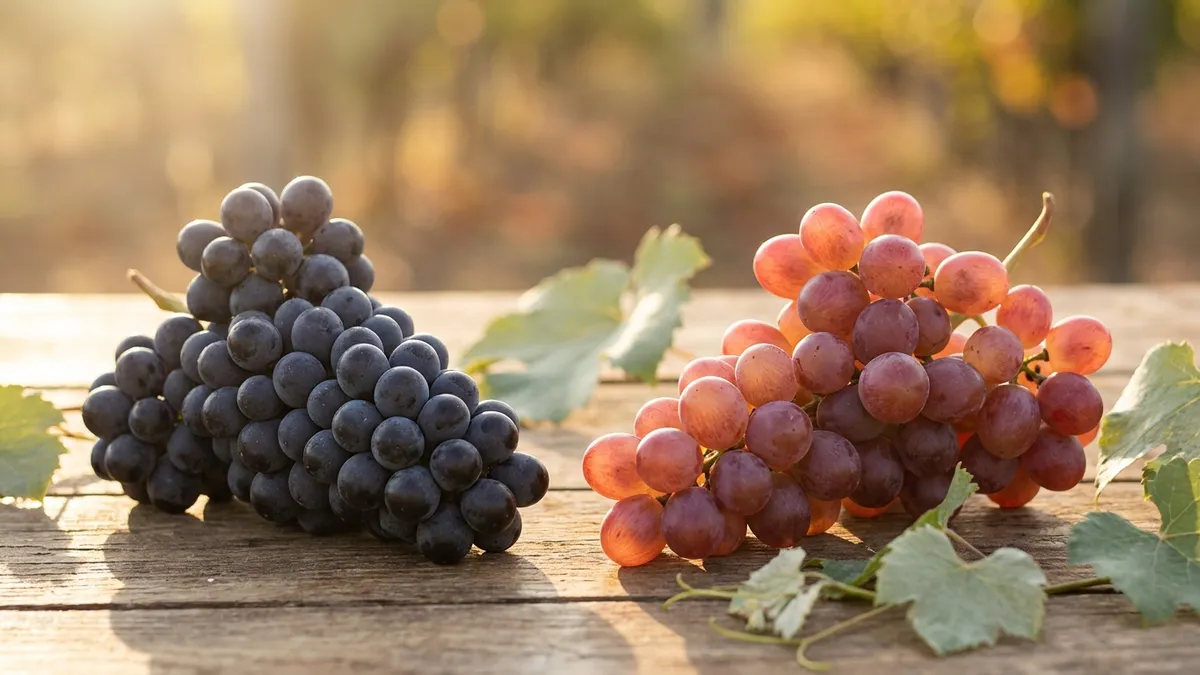
Thick-skinned grapes tend to have small berries with a high skin-to-juice ratio. Thin-skinned grapes often have larger, more delicate berries with proportionally more juice. That single ratio explains a remarkable amount about why two red wines can look and feel like completely different drinks.
Skin thickness is not just a winemaking lever, though. It is also a survival trait in the vineyard, shaping where a grape can grow and how it copes with weather.
How Skin Thickness Shapes Color, Tannin, and Body
Color: The Pigment Lives in the Skin
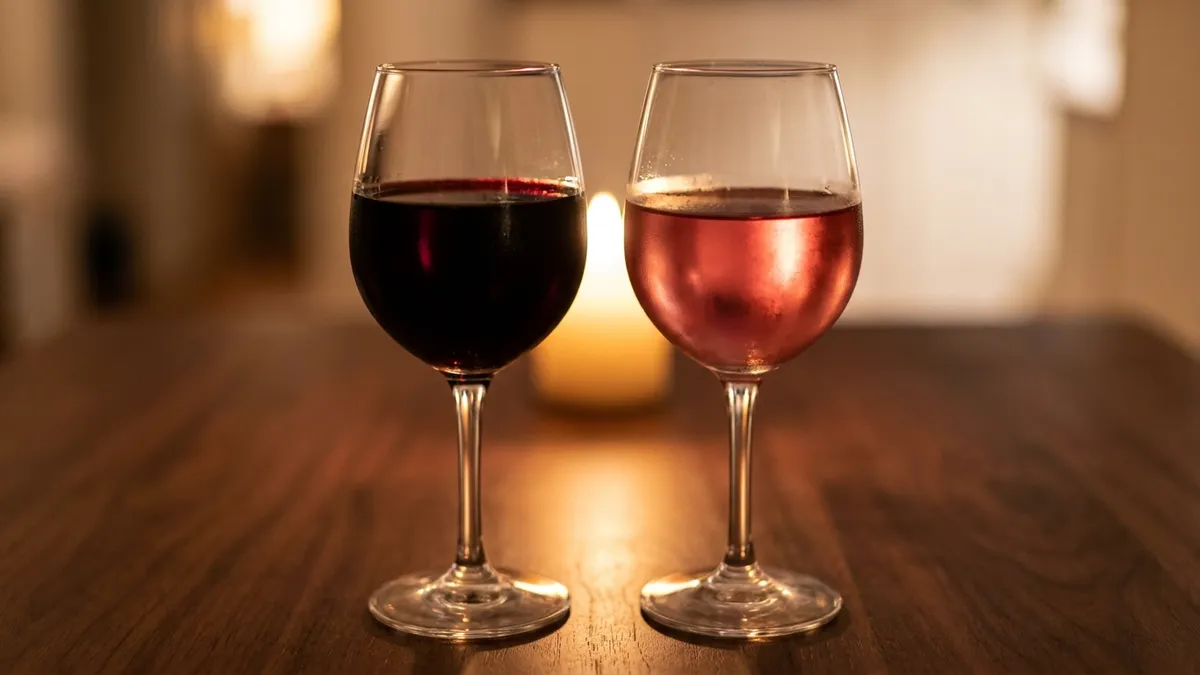
The pigments responsible for red wine color, the anthocyanins, are concentrated almost entirely in the skin. A thick-skinned grape is a denser package of these compounds, so its wine pours out inky and opaque, often staining the side of the glass.
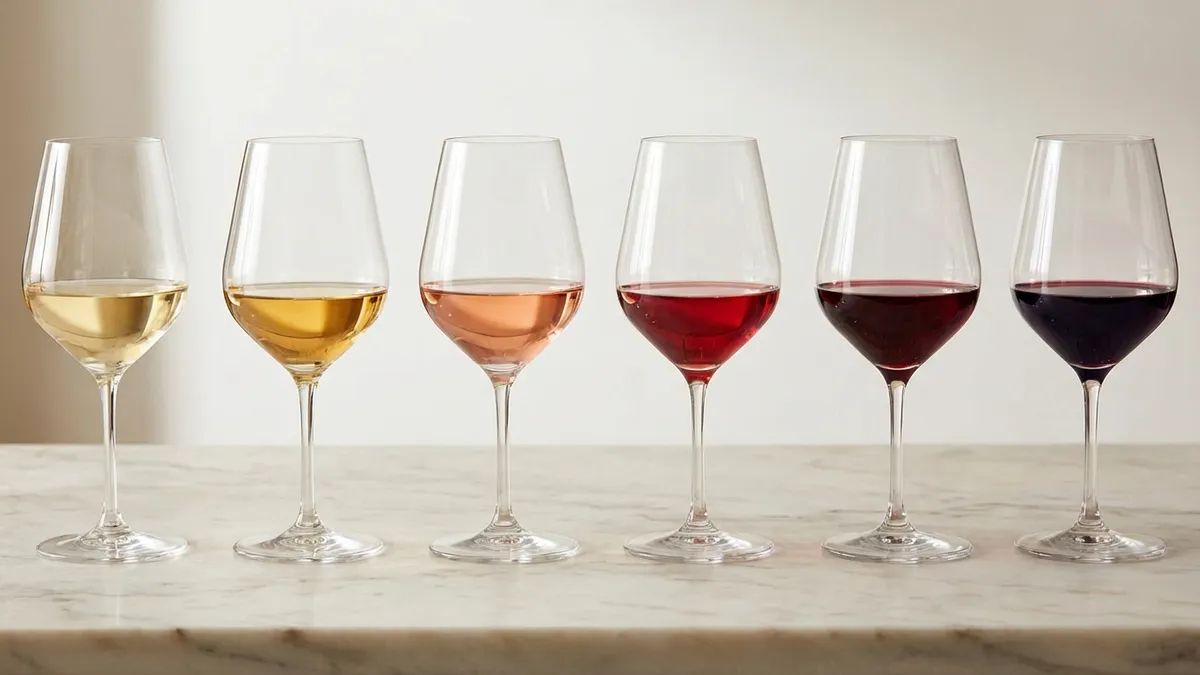
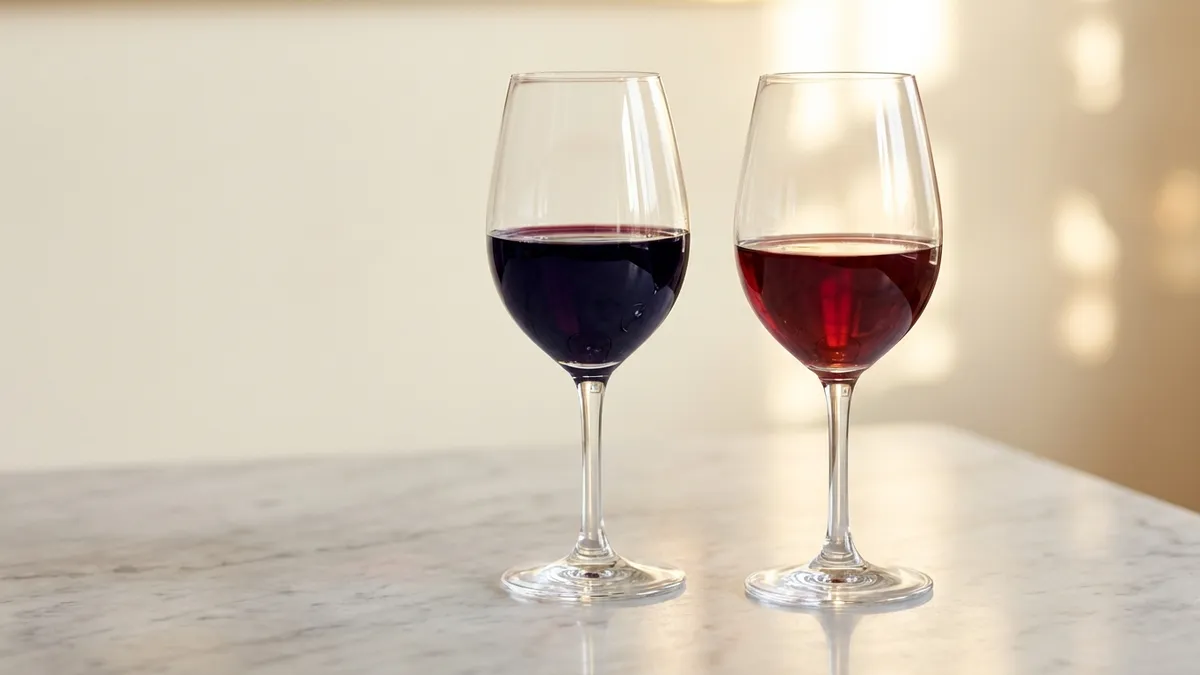
A thin-skinned grape simply has less pigment to give. Hold a glass of Pinot Noir to the light and you can usually read text through it. Hold a glass of Syrah up and you see a near-black core. Learning to link that visual cue back to the grape is a core tasting skill — our guide to what wine color tells you walks through reading the glass step by step.
Tannin: Structure You Can Feel
Tannin is the compound that makes your mouth feel dry and slightly furry, like over-steeped black tea. It also lives mostly in the skin (plus the seeds and any stems). Thick skins carry more of it.
That is why a young Cabernet Sauvignon or Tannat can feel almost chewy, while a Gamay slips down smooth. Tannin is not a flaw — it is the scaffolding that gives a wine grip and a long, savory finish. The full relationship between tannin, acidity, and body is the single most useful framework a beginner can learn, and we break it down in understanding tannins, acidity, and body.
Body: Weight in the Mouth
Body is how heavy or light a wine feels on the palate, from watery to full and coating. Thick-skinned grapes, with their concentration of tannin, color, and extract, usually taste fuller and weightier. Thin-skinned grapes lean lighter and more delicate.
This is a tendency, not an iron law — alcohol, ripeness, and oak all influence body too. But skin thickness sets the baseline. A thin-skinned grape rarely makes a blockbuster, and a thick-skinned grape rarely makes something feather-light.
Vineyard Vulnerability: Rot, Climate, and Ripening
Skin is the vine's armor. The same thickness that drives color and tannin also decides how well a grape survives a difficult season.
Thick Skins Resist Rot and Tolerate Heat
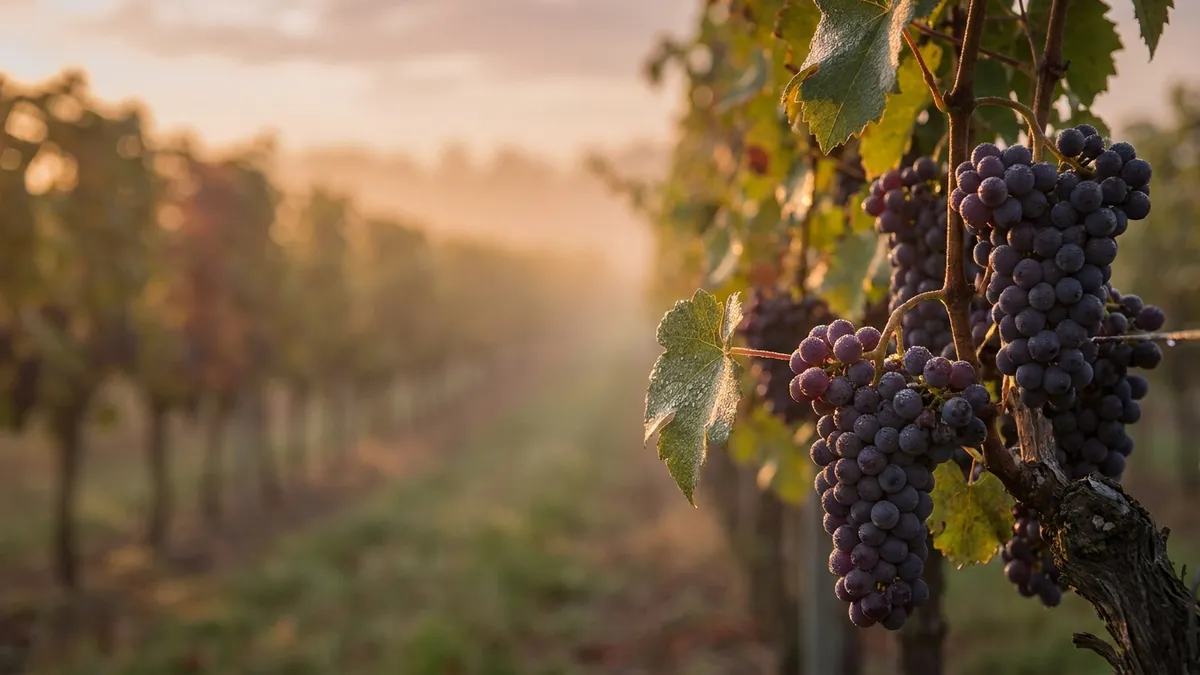
A thick skin is a physical barrier against fungal disease, splitting after rain, and bird damage. Thick-skinned grapes generally handle warm, sunny climates well, where their abundant tannins ripen fully.
The catch: those tannins need heat and time to mature. Pick a thick-skinned grape too early, in a climate that is too cool, and the tannins stay harsh and green, with vegetal, bell-pepper notes instead of ripe fruit. This is why Cabernet Sauvignon and Syrah are warm-climate specialists.
Thin Skins Are Fragile and Site-Sensitive
Thin skins offer little protection. Thin-skinned grapes are far more prone to rot, mildew, sunburn, and rain-split berries. A wet harvest can devastate a thin-skinned crop while a thick-skinned vineyard next door shrugs it off.
Yet thin-skinned grapes ripen earlier and need less heat, so they suit cooler regions where thick-skinned varieties would never get ripe. The trade-off is fragility: these grapes demand the right site, careful canopy work, and a bit of luck with the weather. That sensitivity is exactly why Pinot Noir is famous for reflecting its vineyard so precisely.
Thick vs Thin Skinned Grapes: Side-by-Side
Skin thickness is the single trait that shapes most of these differences.
- Color: thick-skinned deep, opaque, inky — stains the glass; thin-skinned pale to medium — often see-through ruby
- Tannin: thick-skinned high, grippy, structural; thin-skinned low to moderate, soft
- Body: thick-skinned fuller, weightier; thin-skinned lighter, more delicate
- Aroma: thick-skinned dark fruit, spice, savory depth; thin-skinned red fruit, florals, perfumed lift
- Climate need: thick-skinned warm, long season to ripen tannin; thin-skinned cooler climates, ripens earlier
- Rot resistance: thick-skinned high — tough natural barrier; thin-skinned low — prone to rot and weather damage
- Site sensitivity: thick-skinned more forgiving; thin-skinned highly site-sensitive
- Ageability: thick-skinned often 10–30 years; thin-skinned usually best young to medium-term
- Example grapes: thick-skinned Cabernet Sauvignon, Syrah, Nebbiolo, Tannat; thin-skinned Pinot Noir, Gamay, Grenache, Sangiovese
The Thick-Skinned Grapes Worth Knowing
These are the structural heavyweights — built for color, grip, and the cellar. Each is dry and tannic, and each rewards a warm site and patience.
- Cabernet Sauvignon — The benchmark thick-skinned red: blackcurrant, cedar, firm tannin, and decades of aging potential. Our full Cabernet Sauvignon wine guide covers its style and regions in depth.
- Syrah — Dark, peppery, and full-bodied, with smoky, savory depth in cooler sites and ripe blackberry in warm ones.
- Nebbiolo — Pale in color but ferociously tannic, the great grape of Barolo and Barbaresco. A useful reminder that color and tannin do not always move together; the Nebbiolo wine guide explains this quirk.
- Tannat — Named for its tannin. The signature grape of Madiran in France and a star in Uruguay, it is among the most tannic varieties on earth.
- Petit Verdot — A small, deeply colored Bordeaux blending grape that adds color, tannin, and violet-tinged spice to a blend.
- Sagrantino — Italy's most tannic native grape, from Montefalco in Umbria, producing dense, age-worthy reds.
The Thin-Skinned Grapes Worth Knowing
These grapes trade power for finesse: lighter color, gentler tannin, and aromatic detail that rewards a good vineyard and a careful hand.
- Pinot Noir — The classic thin-skinned grape: pale ruby, soft tannin, and aromas of red cherry, raspberry, and rose. Famously fragile and site-sensitive, as our Pinot Noir guide explains.
- Gamay — The grape of Beaujolais. Bright, juicy, low in tannin, and built for early, chilled-down drinking.
- Grenache — Generous red-berry fruit, higher alcohol, and gentle tannin. Its pale pigment makes it a rosé workhorse; the Grenache wine guide traces its many styles.
- Sangiovese — Sits toward the thinner end of the spectrum, with high acidity, moderate tannin, and savory cherry fruit. The backbone of Chianti and Brunello.
These varieties are not lesser than their thick-skinned cousins — they simply express different virtues. Where a thick skin builds a fortress, a thin skin builds a window onto the vineyard.
Why Skin Thickness Decides Ageability
The reason most cellar-worthy reds are thick-skinned comes back to tannin. As a wine ages, its tannins slowly link together and soften, while fresh fruit flavors fade and complex notes of leather, tobacco, and earth emerge. A wine needs enough tannin and structure at the start to survive that slow transformation.
Thick-skinned grapes have that structure built in. A young Nebbiolo or Cabernet can feel almost severe, but that grip is a deposit against the future — it mellows into something layered over a decade or more.
Thin-skinned grapes generally lack the tannic backbone for very long aging. Most are at their best within a few years, when their bright fruit and perfume are still vivid. There are exceptions — top Pinot Noir ages beautifully — but the rule holds: tannin is the currency of ageability, and thick skins mint more of it. To taste this for yourself, follow a structured method like the one in our guide on how to taste wine.
What Skin Thickness Means for Rosé
Rosé is the clearest demonstration that color comes from the skin. To make pink wine, the juice rests on the skins for only a few hours, then the skins are removed before they tint the wine fully red.
A grape's pigment level shapes the outcome. Lightly pigmented, thinner-skinned grapes such as Grenache and Pinot Noir give the pale, salmon-pink rosés that dominate today's market. Thicker-skinned, deeply pigmented grapes can produce darker, more saturated rosé with a touch more grip and body.
So the same skin trait that makes one grape a structural red makes another a delicate rosé — a neat reminder that skin thickness is a thread running through nearly every style on the shelf.
Putting It Together
Once you understand skin thickness, a wine list starts to read like a map. A deeply colored, grippy red is almost certainly thick-skinned and built to age. A pale, perfumed, gentle red is thin-skinned and likely best enjoyed young. The grape's vineyard fragility, its climate home, and even its rosé potential all trace back to that one outer layer.
This single lens connects color, tannin, body, ageability, and growing risk into one story. For a broader picture of how varieties relate to one another, the overview of the noble grapes is a natural next step, and a structured path through every major variety is exactly what Sommy is built to give you — one glass, one cue, one grape at a time.
Sources
- Wine Grapes: A Complete Guide to 1,368 Vine Varieties — Jancis Robinson, Julia Harding, José Vouillamoz, 2012
- The WSET Level 2 Wines Study Guide — Wine & Spirit Education Trust, 2024
- Understanding Wine Technology — David Bird, 2010
Frequently Asked Questions
What is the difference between thick-skinned and thin-skinned grapes?
Thick-skinned grapes have more pigment and tannin packed into a tougher skin, so they make darker, more tannic, fuller-bodied wines that age well. Thin-skinned grapes have less color and tannin, producing paler, softer, more delicate wines. Thick skins also resist rot better, while thin skins are far more vulnerable to disease and weather.
Why do thick-skinned grapes make more tannic wine?
Tannin lives mainly in grape skins, seeds, and stems. A thick skin simply contains more tannin and color compound per berry, and it holds more of it in contact with the juice during fermentation. That is why Cabernet Sauvignon, Nebbiolo, and Tannat feel grippy and dry, while thin-skinned Pinot Noir stays soft.
Are thin-skinned grapes harder to grow?
Generally yes. Thin skins offer less protection against rot, mildew, sunburn, and rain damage, so thin-skinned grapes like Pinot Noir and Grenache demand careful vineyard sites and attentive growing. They reward the effort with elegance and aromatic detail, but they punish a bad season more harshly than tough-skinned varieties.
Does skin thickness affect wine color?
Yes, directly. The pigments that give red wine its color, called anthocyanins, sit in the skin. Thick-skinned grapes carry far more pigment, so they produce inky, opaque wines. Thin-skinned grapes carry less, giving translucent ruby or pale garnet wines you can almost see through in the glass.
Which grapes are thick-skinned?
Classic thick-skinned red grapes include Cabernet Sauvignon, Syrah, Nebbiolo, Tannat, Petit Verdot, and Sagrantino. These varieties deliver deep color, firm tannin, and the structure needed for long aging. They generally require warm climates and a long growing season to ripen those abundant tannins fully and avoid harsh, green flavors.
Which grapes are thin-skinned?
Pinot Noir, Gamay, and Grenache are the best-known thin-skinned reds, with Sangiovese sitting toward the thinner end. They make lighter-colored, lower-tannin, aromatic wines. Because thin skins rot easily, these grapes are highly site-sensitive and express the character of their vineyard with unusual transparency.
Does skin thickness matter for rosé wine?
It helps. Rosé gets its color from brief skin contact, so a grape's pigment level shapes the result. Thinner-skinned or lightly pigmented grapes like Grenache and Pinot Noir give the pale, delicate pinks fashionable today, while thicker-skinned grapes can produce deeper, more saturated rosé with a bit more grip.
Sommy Team
LinkedInFounder & Wine Educator
The Sommy Team is building the world's most approachable wine education app, helping beginners develop real tasting skills through structured courses and AI-guided practice.