Wine and Food Pairing
Wine and food pairing made simple — match weight, balance acid, fat, salt, and spice, and know when to contrast. Practical rules for every meal.
87 articlesStart here
Feast of the Seven Fishes Wine: A Course-by-Course PlanFeast of the Seven Fishes wine, matched to the cooking: Muscadet for raw shellfish, traditional-method sparkling for fried fish, Vermentino for clams, Fiano for baccalà, and a three-bottle plan for the whole night.
To pair wine with food, match the weight of the wine to the weight of the dish, then balance the structural elements: acid, fat, salt, sweetness, and spice. Light dishes suit light wines; rich dishes need wines with enough body, acidity, or tannin to keep up. Acidity in wine cuts through fat and refreshes the palate. Salt in food softens a wine's hard edges. Sweet dishes need wines at least as sweet as the food, or the wine turns thin and sour. Chili heat is amplified by alcohol and calmed by a touch of sweetness. From there, choose one of two strategies: a congruent pairing that echoes flavors the wine and dish share, or a contrasting pairing that plays opposites against each other. Master those principles and you can pair a bottle with almost anything on a plate.
That is the whole framework in one paragraph. Everything else on this page — and in the articles below it — is those ideas unpacked, with the sensory science that explains why they work and the specific dishes where they earn their keep. You do not need to memorize a chart of "this wine with that food." Charts fail the moment dinner is not on the chart. Principles travel.
If you want the complete method in one place, start with our ultimate guide to wine and food pairing. For everything else, read on.
What are the basic rules of wine and food pairing?
The basic rules of wine and food pairing are: match the wine's body to the dish's weight, keep the wine more acidic than the food, keep it at least as sweet as the food, give tannic reds protein and fat to grip, and meet chili heat with sweetness and lower alcohol rather than more power.
Weight is the rule that does the most work. A delicate steamed fish disappears under a heavy, oaky white; a slow-braised short rib flattens a featherweight red. Before you think about flavors at all, ask whether the wine and the dish are in the same weight class. Body, alcohol, and intensity of flavor are your clues on the wine side; fat, cooking method, and sauce are your clues on the plate.
The remaining rules manage the push and pull between the wine's structure and the food's. They are not folklore. The Wine & Spirit Education Trust — whose qualifications train much of the world's wine trade — teaches food and wine interaction as a systematic framework: sweetness and umami (the savory depth in foods like mushrooms, aged cheese, and soy) make wines taste harder, more bitter, and less fruity, while salt and acid in food make wines taste softer, rounder, and fruitier. In other words, the food changes the wine more than the wine changes the food, and the rules exist to keep that change working in your favor.
We walk through each rule, with dishes to test them on, in our guide to the rules of wine pairing.
What is a congruent vs contrasting pairing?
A congruent pairing matches shared flavors and textures — a buttery, creamy white alongside a cream-sauced pasta amplifies the richness both already have. A contrasting pairing sets opposites against each other — a crisp, high-acid white against fried food, where the acidity scrubs the palate clean. Both strategies work; they simply do different jobs.
Congruent pairings deepen and echo. They are the comfortable choice, and often the luxurious one: richness layered on richness, earthiness answering earthiness. The risk is monotony — two rich partners with no acidity anywhere can tire the palate by the third bite.
Contrasting pairings refresh and reset. Each sip undoes what the last bite did, so the tenth mouthful tastes as vivid as the first. Bubbles with anything fried or salty is the textbook case: the carbonation and acidity slice through fat and reset your palate between bites.
Most real dinners reward a mix of both instincts. Tomato-sauced dishes are a useful practice ground, because ripe tomatoes bring both sweetness and sharp acidity to the table — our guides to pairing wine with pasta and what to drink with pizza show how a bright, acidic red pairs congruently on acid while contrasting with the richness of cheese.
Should wine be sweeter than the food?
Yes — the wine should be at least as sweet as the food it accompanies. Sugar in a dish strips a drier wine of its fruit, leaving it lean, sharp, and sour by comparison. This is the most unforgiving rule in pairing: dessert served with a bone-dry wine makes the wine taste like a mistake.
The mechanism is contrast on the palate. After a bite of something sweet, your perception recalibrates — the wine's fruit reads as less sweet than it did alone, its acidity and bitterness step forward, and the balance the winemaker built collapses. A wine with matching or greater sweetness holds its shape. This is exactly why late-harvest and fortified dessert styles exist: they are built to stand next to sugar.
Getting this right starts with knowing where a wine actually sits between bone dry and lusciously sweet, which is less obvious than it sounds — ripeness and fruitiness often masquerade as sugar. Our explainer on sweet vs dry wine untangles the difference, and the wine sweetness scale puts the major styles in order from driest to sweetest.
The classic stress test is chocolate: intensely sweet, slightly bitter, and coating. Most table wines fail against it, while sweet fortified styles shine — we cover the matches that survive in pairing wine with chocolate.
How do tannins interact with food?
Tannins — the drying, grippy compounds red wine draws from grape skins, seeds, and oak — bind to proteins and fats. A firmly tannic red tastes softer, rounder, and fruitier alongside steak because the meat's protein occupies the tannin before it can dry out your mouth. Without that buffer, the same tannins can turn harsh or bitter.
The sensation of astringency comes from tannins binding the lubricating proteins in your saliva, which is why a big young red can leave your mouth feeling like suede. Give those tannins a rich, protein-dense dish and they have something else to grab. Each bite of fat and protein effectively re-lubricates your palate, so the wine reads as smoother than it would alone. This is the science behind the oldest pairing cliché there is, and it holds up — our guide to wine with steak turns it into specific matches by cut and cooking style.
The rule cuts both ways. Tannin with the wrong partner misfires: against delicate white fish it can taste metallic, and against very salty or very spicy food it can read as aggressively bitter. High-tannin wines are the least flexible wines at the table — powerful with the right dish, punishing with the wrong one.
If tannin, acidity, and body still feel abstract, our primer on understanding tannins, acidity, and body builds the foundation every pairing decision rests on.
Why do high-acid wines pair so well with rich food?
High-acid wines cut through fat. Acidity triggers salivation, rinsing the coating that butter, cream, cheese, and fried food leave on your palate, so each sip resets your mouth for the next bite. That is why crisp whites, bright reds, and sparkling wines are the most flexible food wines of all.
Think of acidity as the palate's reset button. Rich food is delicious precisely because fat carries flavor, but fat lingers — and by the fifth bite, lingering becomes fatigue. A high-acid wine interrupts that build-up the way a squeeze of lemon does, which is no coincidence: it is the same sensory lever.
The interaction runs in both directions, and it has been measured. Researchers at the Centre for Taste and Feeding Behaviour in Dijon, publishing in the Journal of Food Science in 2016, tracked tasters' perceptions sip by sip and found that eating cheese between sips of red wine reduced the wine's perceived astringency and made its fruity notes last longer. The food was actively improving the wine — a result any pairing framework should take seriously.
Cheese, in fact, is where acid and fat logic gets tested hardest, because cheeses range from fresh and tangy to aged and intensely savory. Our wine and cheese pairing guide applies these principles board by board.
What wine goes with spicy food?
Off-dry, lower-alcohol, aromatic whites are the classic answer to spicy food — styles with a touch of sweetness, modest alcohol, and no oak. Sweetness soothes the burn of chili, low alcohol avoids amplifying it, and serving the wine well chilled adds its own relief. Big, tannic, high-alcohol reds do the opposite.
The science here is unusually direct. Capsaicin — the compound that makes chilies hot — activates a heat receptor in your mouth called TRPV1, the same sensor that responds to genuinely hot temperatures. Alcohol sensitizes that receptor: research published in Nature Neuroscience by Trevisani and colleagues in 2002 showed that ethanol lowers the receptor's activation threshold from roughly 42°C to about 34°C — below body temperature. That is why a high-alcohol wine makes a spicy dish feel hotter, and why "fighting fire with fire" fails at the table.
Sugar works in the opposite direction, taking the edge off the burn the way a mango note calms a chili salsa. Put those together and the profile writes itself: aromatic, off-dry, light on alcohol, served cold. It is the rare pairing question with a near-universal answer, though the best match still shifts with the cuisine — our guide to wine with spicy food matches styles to heat levels and dishes from tacos to green curry.
One more practical note: chili heat builds cumulatively across a meal, so a pairing that works on bite one needs enough refreshment — acid, chill, sweetness — to still be working on bite twenty.
Do reds always go with meat and whites with fish?
No. "Red with meat, white with fish" is a decent shortcut, not a law. Structure matters more than color: a light, low-tannin red is wonderful with meaty fish like tuna or salmon, while a rich, full-bodied white can outperform many reds next to roast chicken or pork.
The shortcut survives because it encodes a real pattern — reds tend to carry tannin, which wants protein and fat; whites tend to carry acid, which flatters seafood and lighter dishes. But the exceptions are where pairing gets interesting. Color tells you less than body, acidity, tannin, and sweetness do, and dishes are defined as much by their sauce and cooking method as by their protein.
There is even chemistry behind the one part of the rule that genuinely bites: researchers publishing in the Journal of Agricultural and Food Chemistry in 2009 traced the unpleasant fishy aftertaste some red wines leave with seafood to the wines' iron content — a compositional detail, not a color rule. Low-iron, low-tannin reds sail through the same test.
Chicken is the best proof that color rules underdetermine the answer: roasted, fried, grilled, or creamed, it welcomes whites, rosés, and lighter reds alike, as our guide to wine with chicken shows. And on the other side of the old divide, pairing wine with seafood covers when the white-wine default holds, and when a chilled red is actually the better glass.
How do you get better at wine and food pairing?
Practice deliberately: taste the wine before a bite of food, then again after, and notice what changed. Did the wine get softer or sharper, fruitier or leaner? That before-and-after comparison, repeated over ordinary dinners, teaches pairing faster than any chart — because you are learning the interactions, not memorizing outputs.
Two habits accelerate it. First, change one variable at a time — same dish, two different wines, and suddenly the effect of acidity or tannin is obvious in a way no description can match. Second, keep the stakes low: a "failed" pairing costs you nothing. Dinner is still dinner; the wine is still wine. At worst they ignore each other, and you have learned something a chart could never have told you.
It helps to be able to name what you are tasting. The structural levers pairing turns — acidity, tannin, sweetness, body — are exactly what the Sommy app trains you to recognize, one guided tasting at a time, so the vocabulary is there when dinner needs it.
For a final exam, cook for a holiday. A table holding turkey, cranberry sauce, sweet potatoes, and green beans at once is the hardest pairing puzzle most people ever face, which is why our Thanksgiving wine guide leans on versatile, high-acid, low-tannin bottles that get along with everything.
The articles below go dish by dish and principle by principle. Start with whatever is on your table tonight.
Articles in this topic
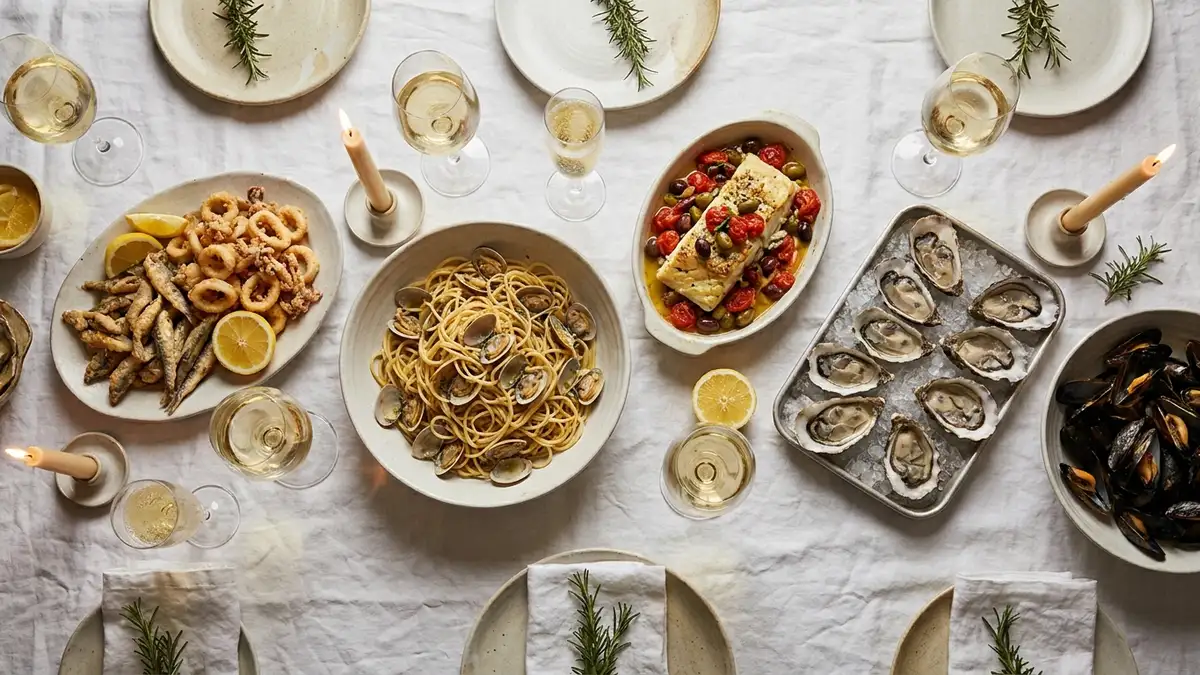
Feast of the Seven Fishes Wine: A Course-by-Course Plan
Feast of the Seven Fishes wine, matched to the cooking: Muscadet for raw shellfish, traditional-method sparkling for fried fish, Vermentino for clams, Fiano for baccalà, and a three-bottle plan for the whole night.
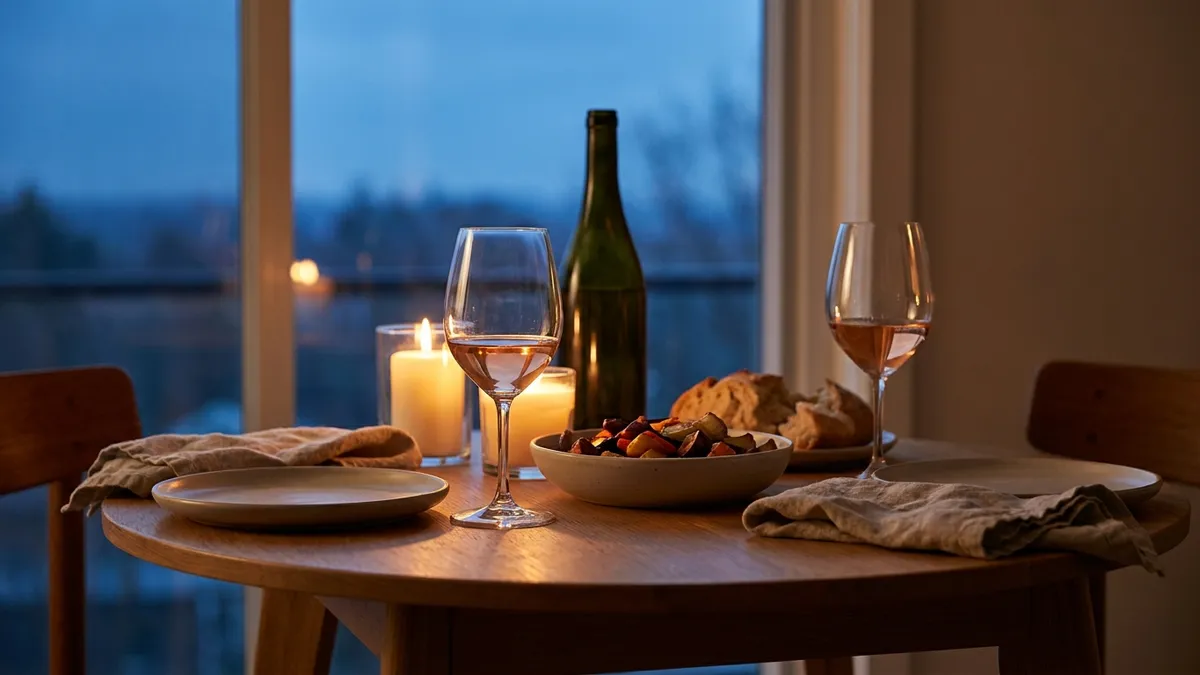
Wine for Date Night: Styles, Pairings and Serving Tips
Pick wine for date night by the richest thing on the plate: a dry sparkling wine to start, a rosé or light red as the one-bottle answer, and a dessert wine sweeter than the dessert.
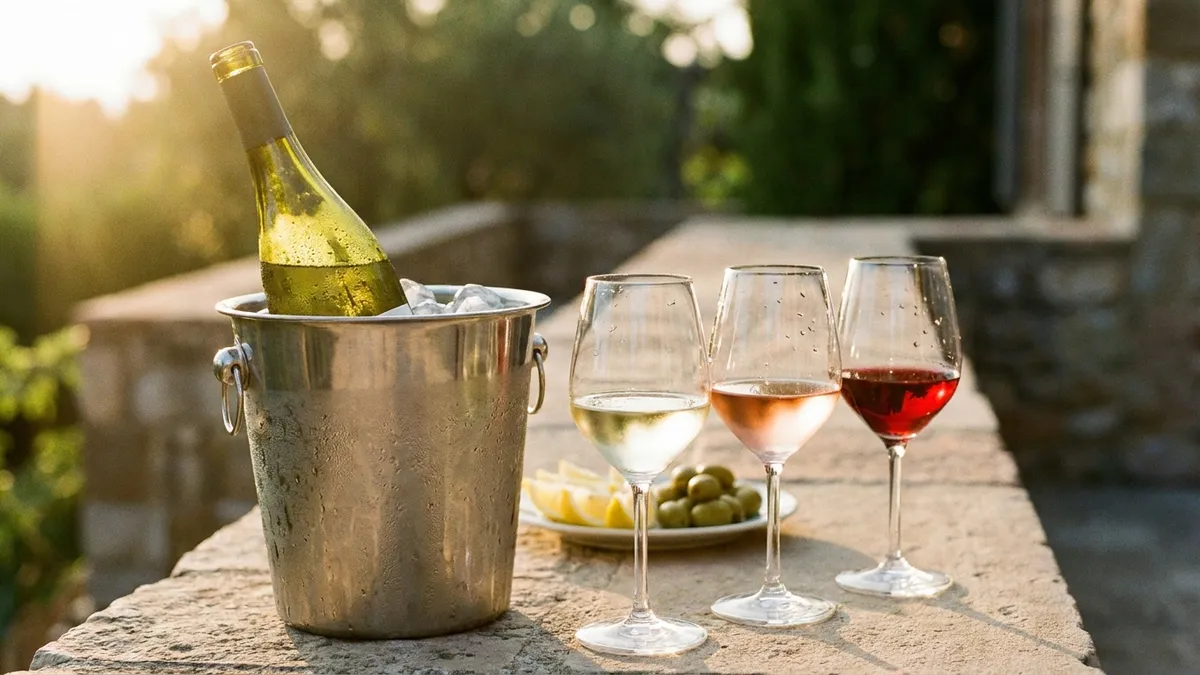
Best Wines for Summer: Light, Refreshing, and Chillable
The best wines for summer have high acidity, moderate alcohol and no oak: Vinho Verde, Albariño, Muscadet, dry rosé, Prosecco and chilled Gamay, with serving temperatures and food rules.
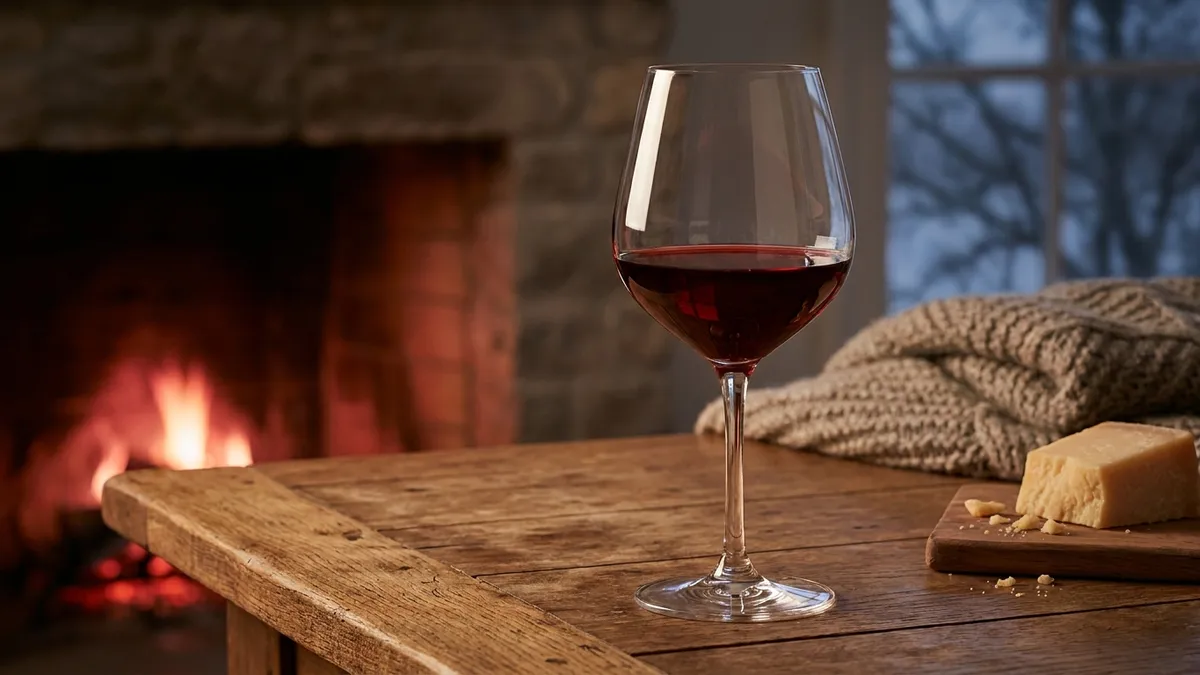
Best Wines for Winter: Reds, Whites and Port for the Cold
The best wines for winter are chosen by the food and the serving temperature: firm reds for braises, oaked whites for cream sauces, Port for cheese, and big reds poured at 16 to 18°C.
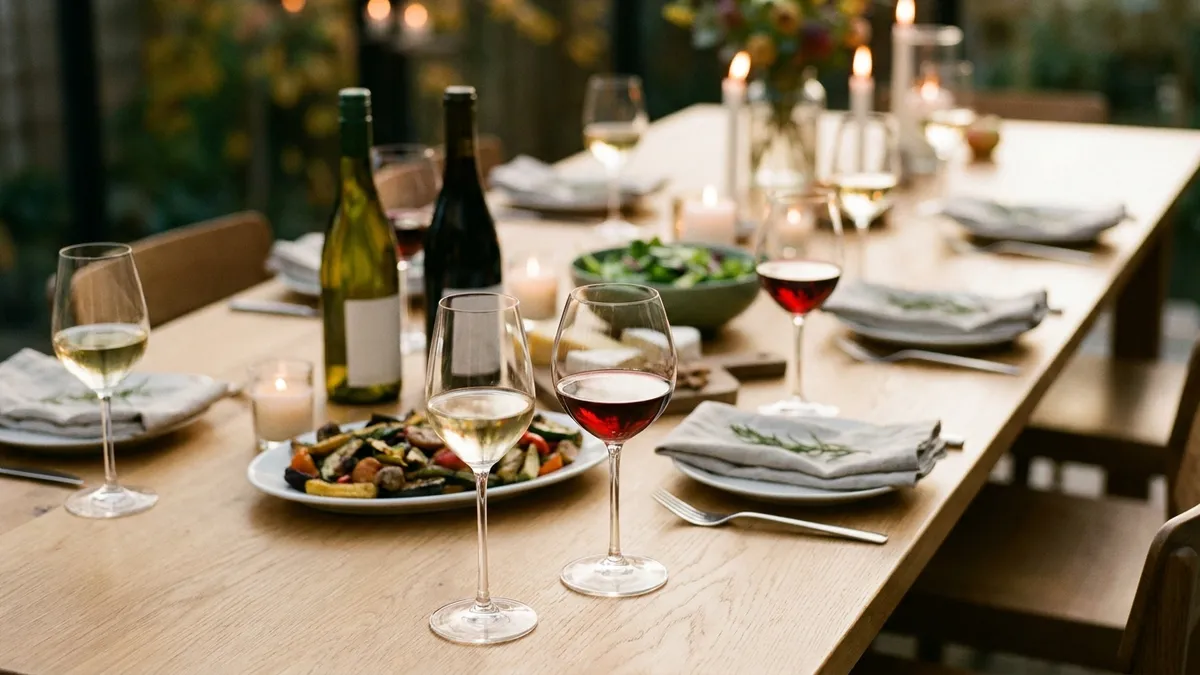
Wine Pairing for a Dinner Party: Plan the Whole Menu
Wine pairing for a dinner party: sort the courses into light, rich and sweet, pour two or three wines instead of four, buy about three-quarters of a bottle per guest, and serve each wine at the right temperature.
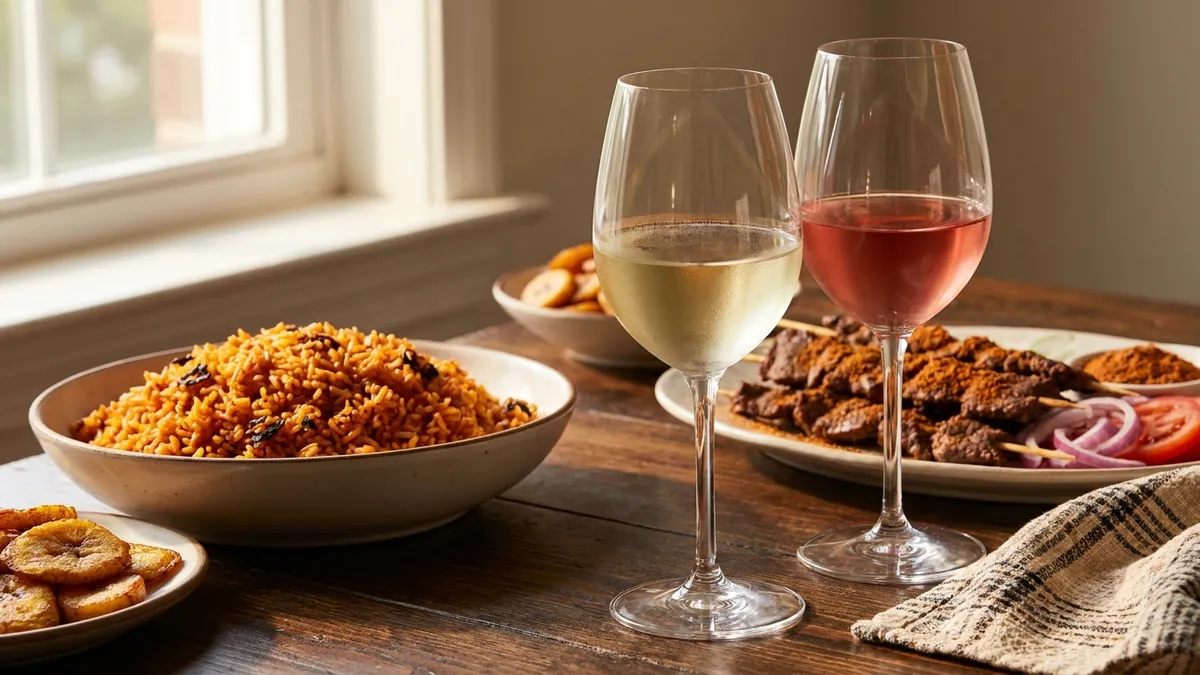
Wine with African Food: Jollof, Suya, Egusi and Pepper Soup
West African dishes run on three dials, chilli heat, fat and smoke. Read them and the wine follows: chilled light reds for jollof, off-dry whites for hot suya and pepper soup, sparkling for fried plantain.
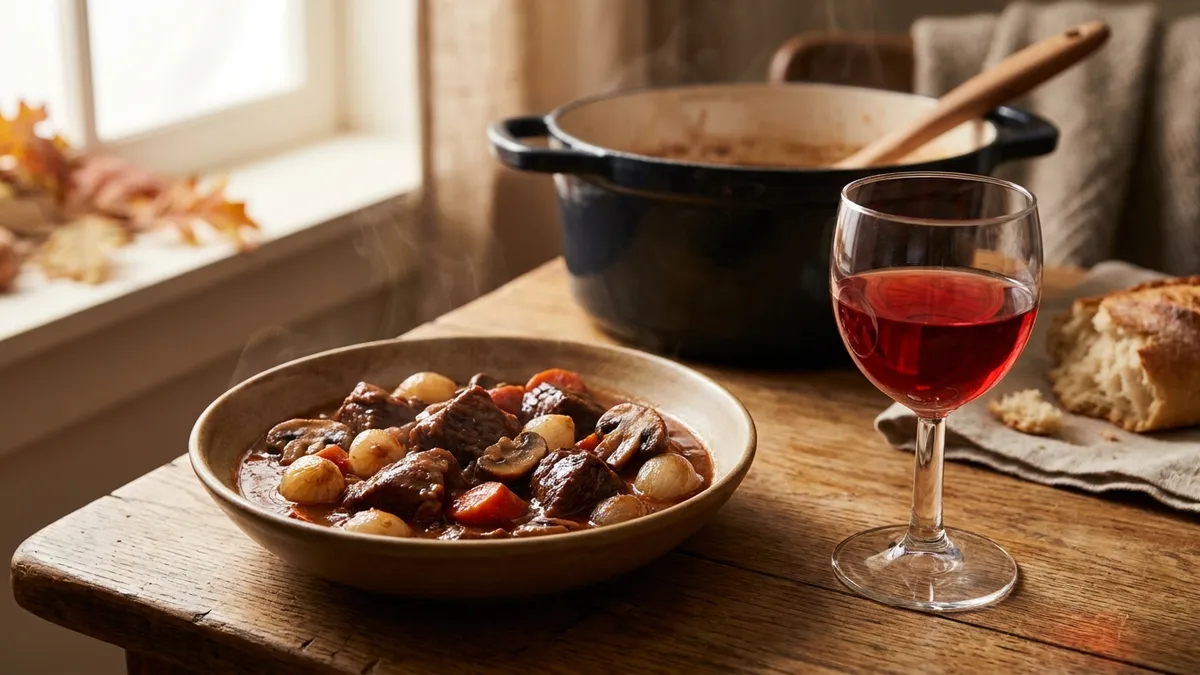
Wine with Beef Stew: From Bourguignon to Weeknight Stew
Choose wine with beef stew by the liquid in the pot: Pinot Noir for a red-wine braise, a sharp Sangiovese for tomato, Syrah or Cabernet for a fatty, peppery stew.
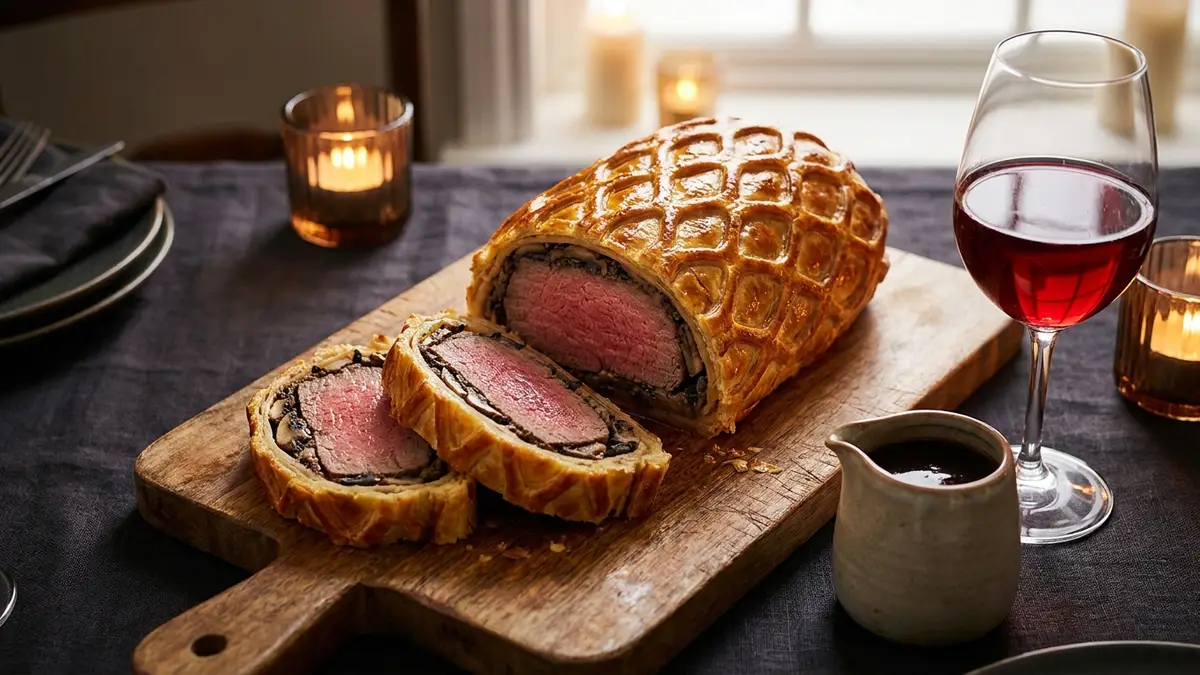
Wine with Beef Wellington: The Showpiece Roast Pairing
Wine with beef Wellington: why a lean fillet in mushroom paste and buttery pastry wants Pinot Noir or Merlot-led Bordeaux, and when Cabernet, white or sparkling wine fits.
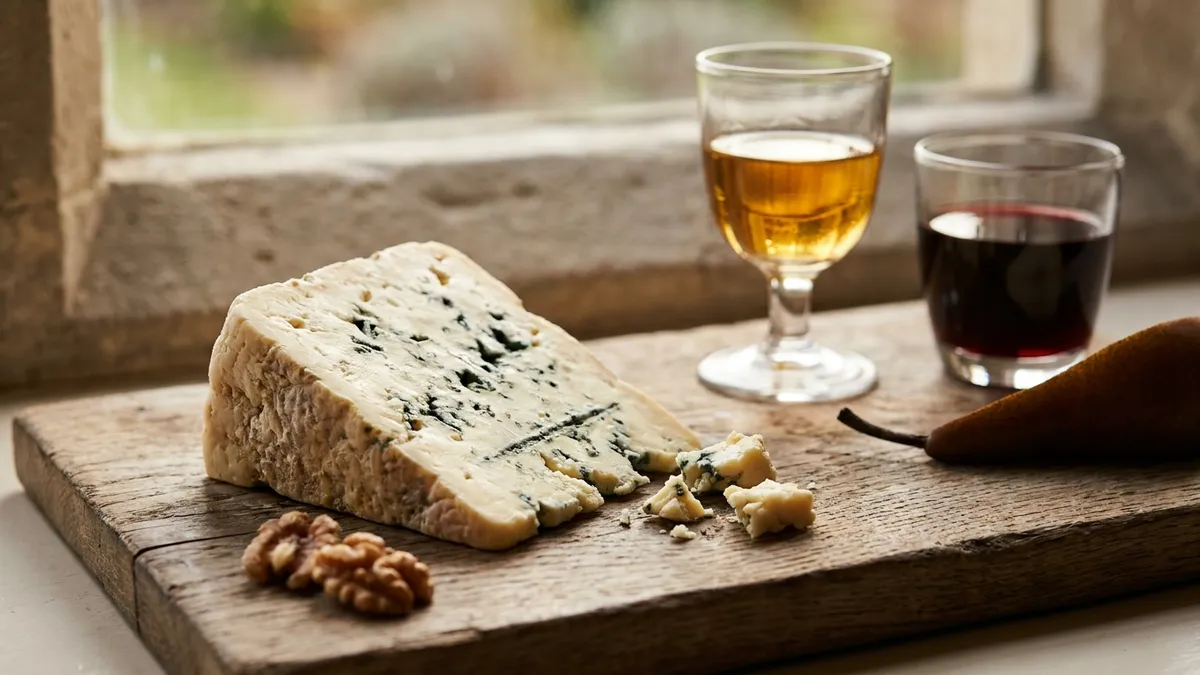
Wine with Blue Cheese: Sweet, Fortified and Red Picks
The saltier and sharper the blue cheese, the sweeter the wine it needs. Port for Stilton, Sauternes for Roquefort, off-dry Riesling for Gorgonzola dolce, and a fruity red only when the blue is melted on beef.
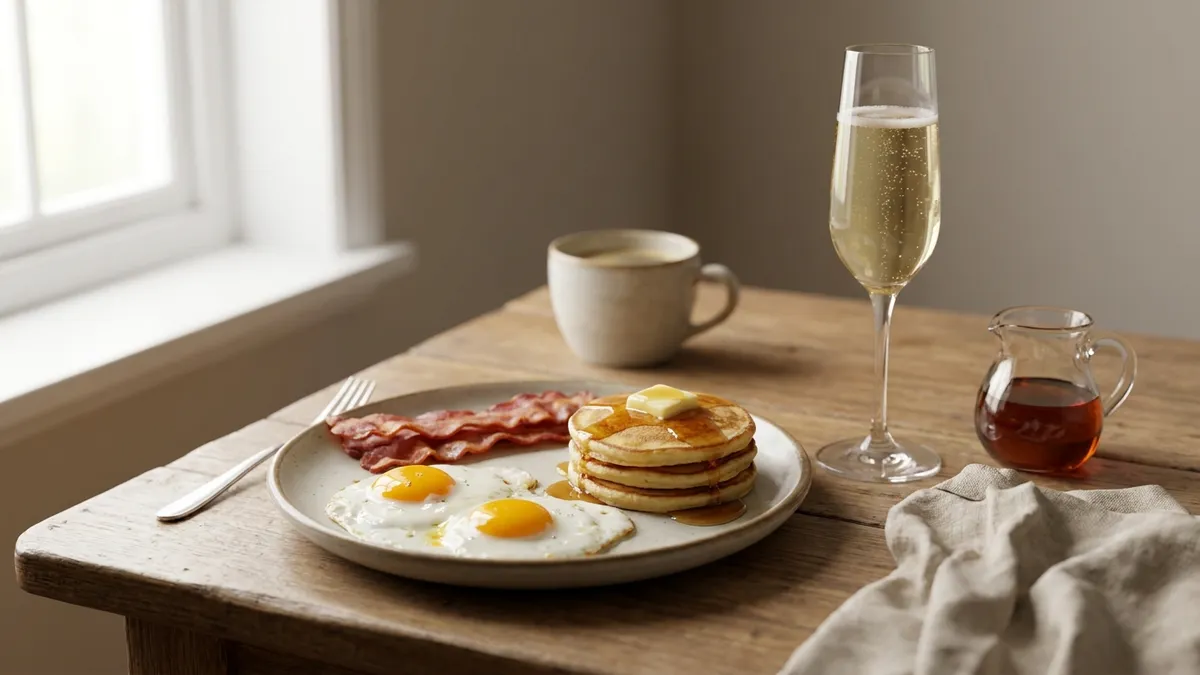
Wine with Breakfast: Eggs, Bacon, and Pancakes (Really)
Wine with breakfast works when you pour for the fat, salt and sugar on the plate: bubbles or dry Riesling for eggs, low-alcohol wines for bacon, and a wine sweeter than the syrup for pancakes.
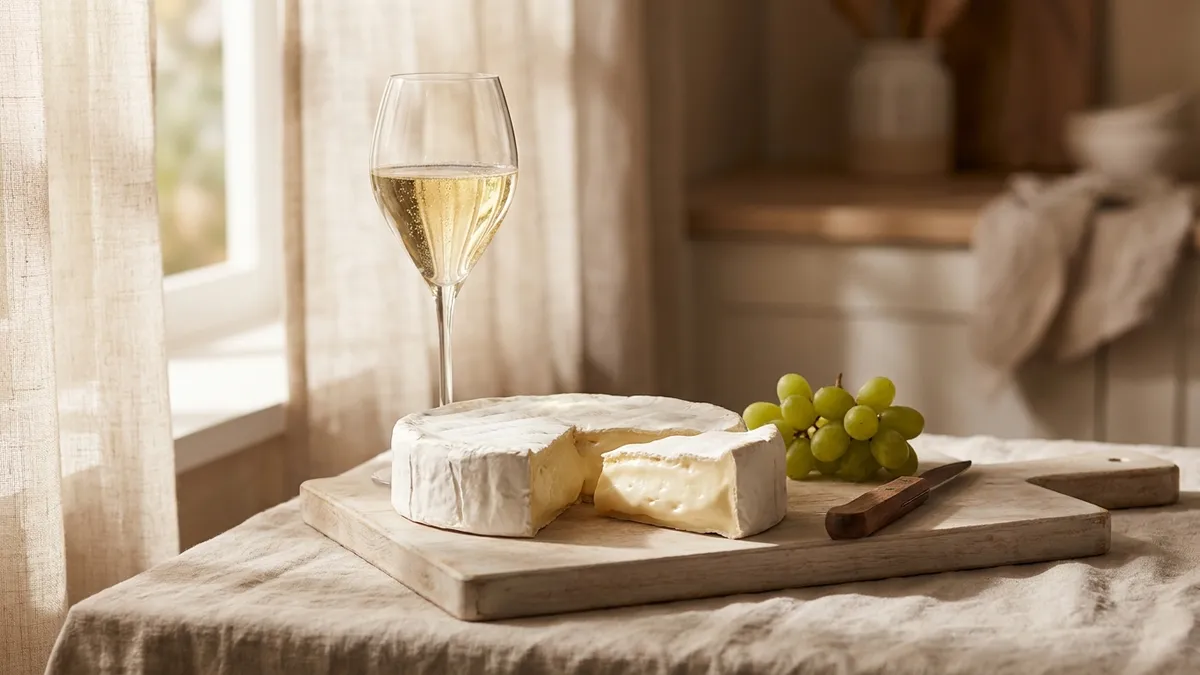
Wine with Brie and Camembert: The Soft Cheese Match
Brie and Camembert want acidity and bubbles, not tannin. Which sparkling, white and light red wines work, how ripeness changes the pick, and what to pour with baked Brie.
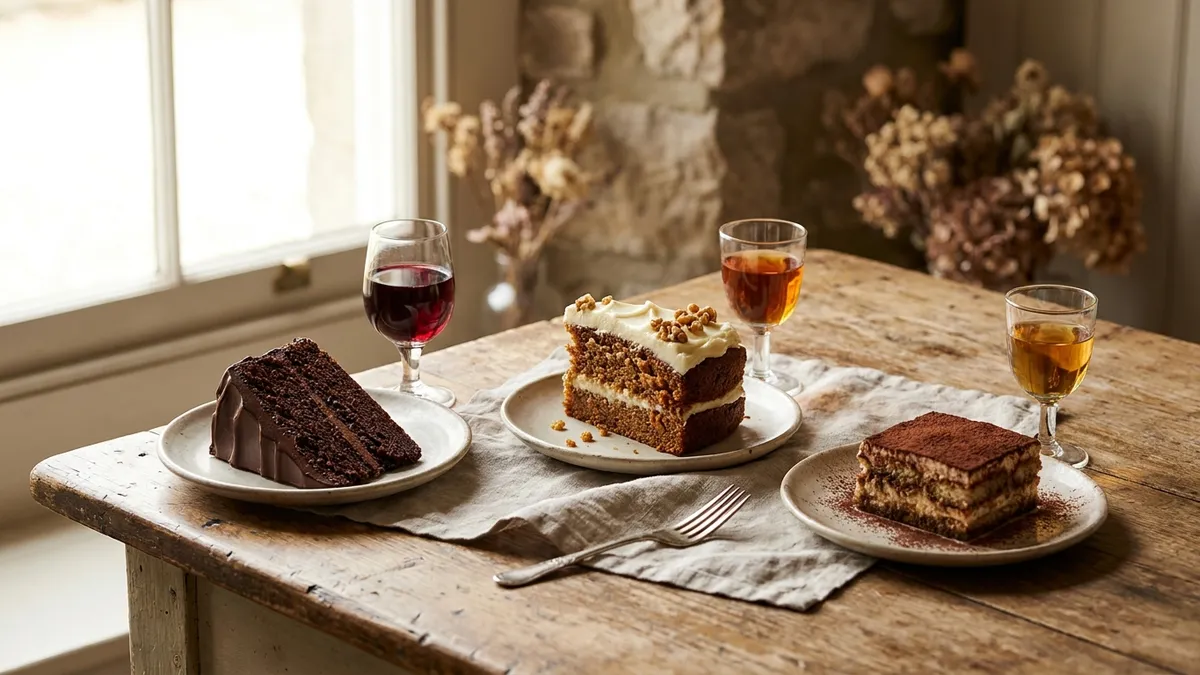
Wine with Cake: Best Pairings From Carrot Cake to Tiramisu
Wine with cake works when the wine is sweeter than the slice. Sweet reds for chocolate, tawny Port or late-harvest whites for carrot cake, Marsala for tiramisu, and demi-sec bubbles for wedding cake.
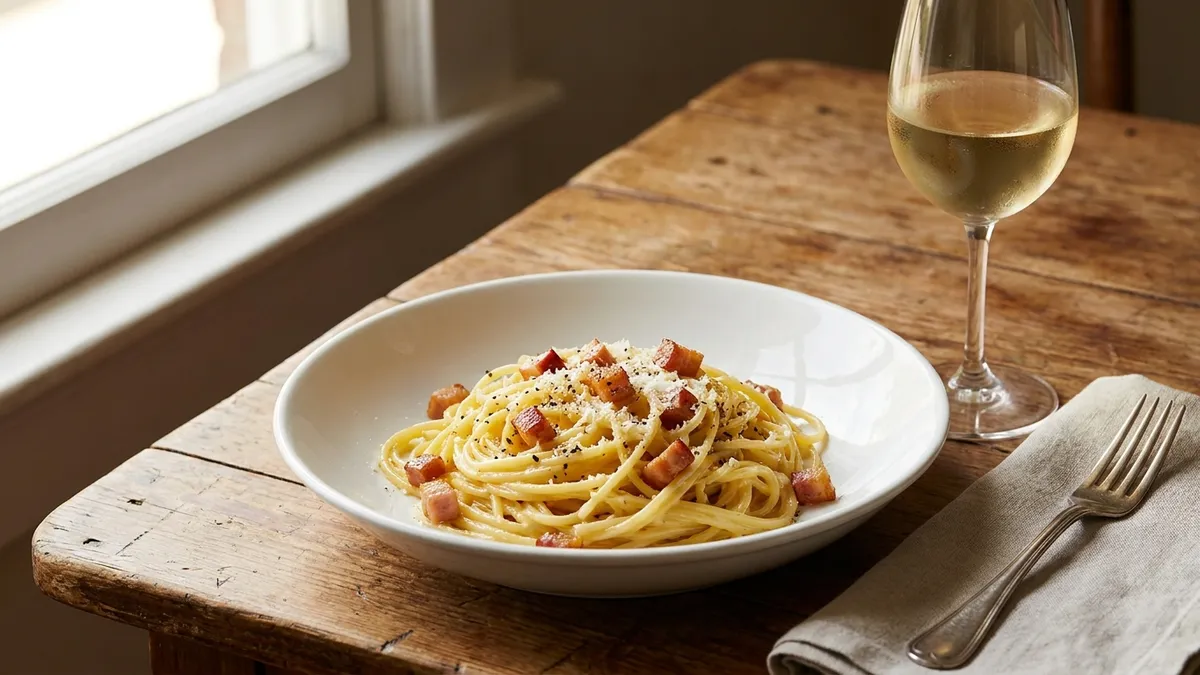
Wine with Carbonara: Crisp Whites, Bubbles and Light Reds
Carbonara is egg yolk, pork fat and salty pecorino with no tomato, so it needs a crisp unoaked white, dry sparkling wine or a light, low-tannin red. Which wine fits which version, and what to skip.
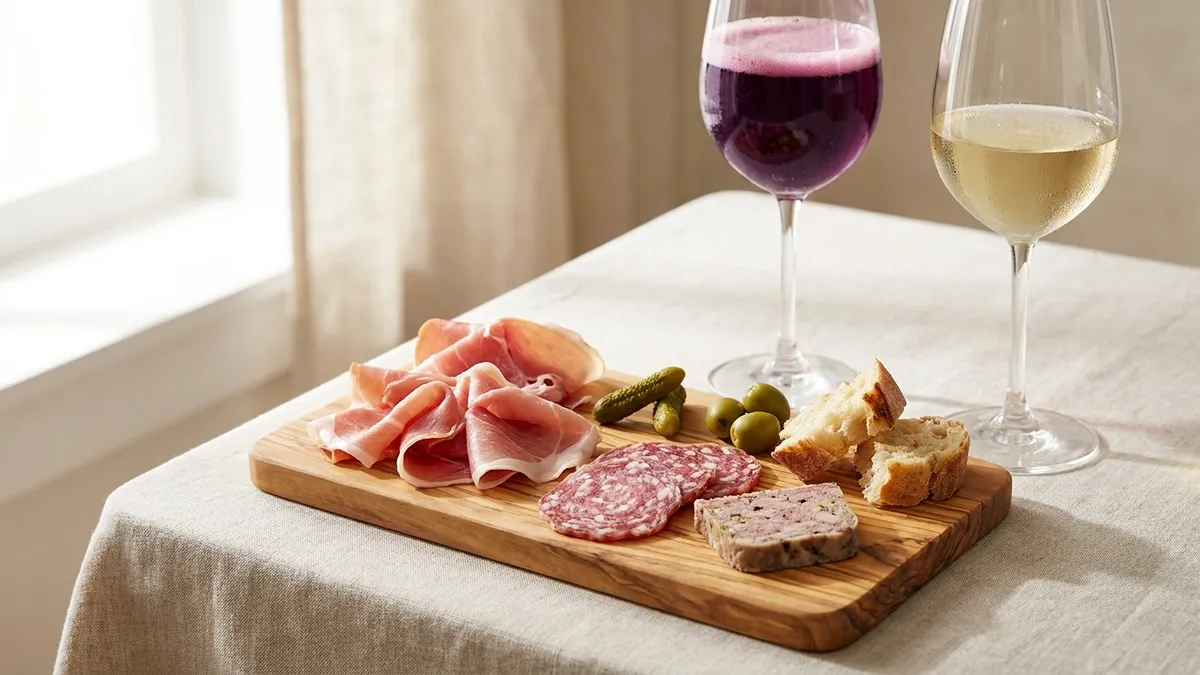
Wine Charcuterie Board Pairing: Which Wine for Each Meat
Cured meat is salt and fat, so the wines that work on a charcuterie board have high acidity, low tannin and moderate alcohol. Here is what to pour with salami, prosciutto, pâté and rillettes.
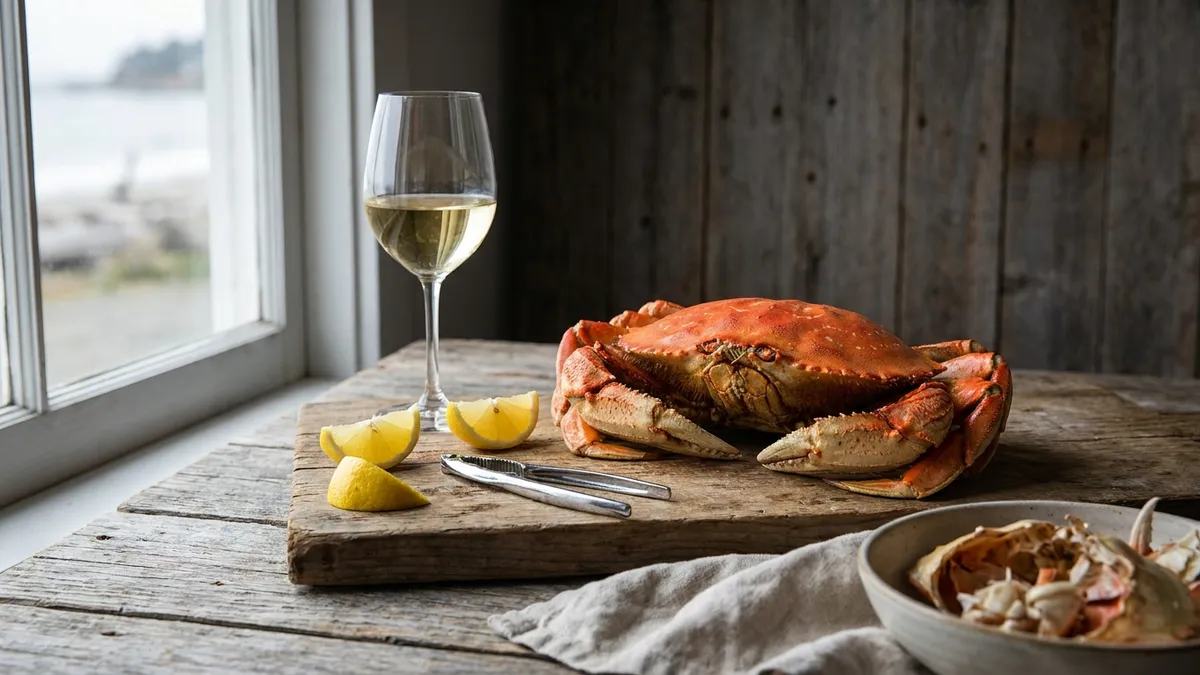
Wine with Crab: From Crab Cakes to Buttery King Crab Legs
Choose wine with crab by what is on the crab: Muscadet or Chablis for plain steamed crab, fuller Chardonnay for butter and crab cakes, off-dry Riesling for chilli, and Brut Champagne for almost all of it.
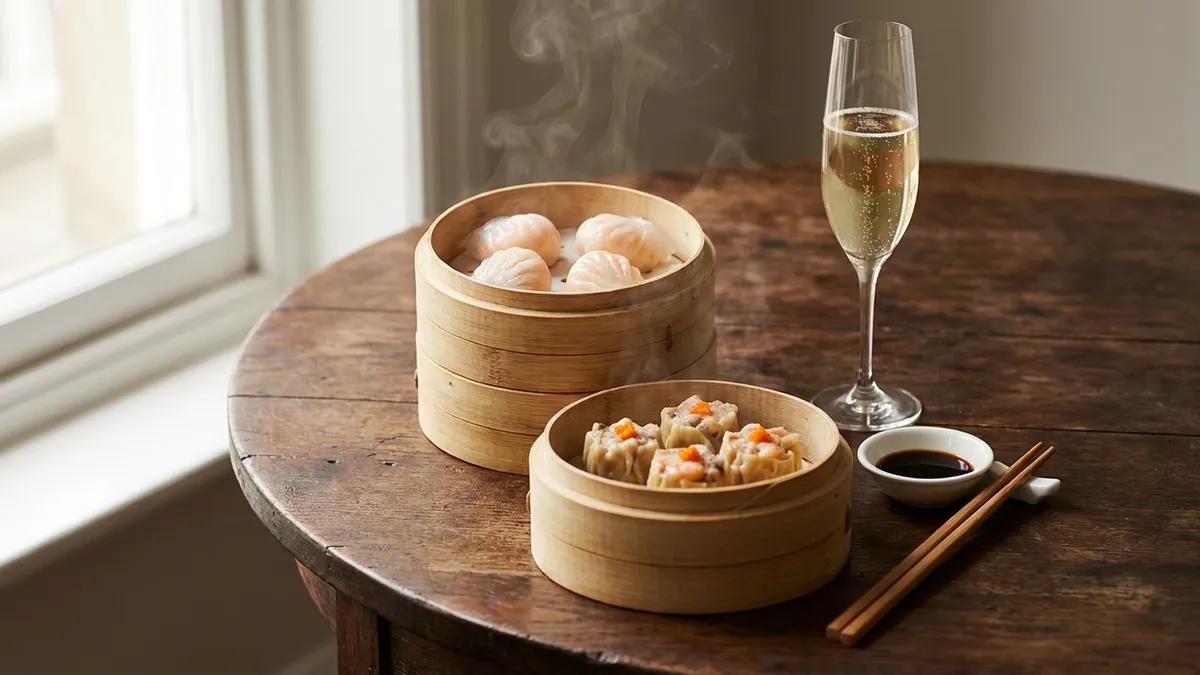
Wine with Dim Sum: Dumplings, Bao, and Small Plates
Wine with dim sum, basket by basket: dry sparkling or dry Riesling for steamed shrimp, off-dry Riesling for pork buns and chili oil, and how to read Brut, Extra Dry and Kabinett on the label.
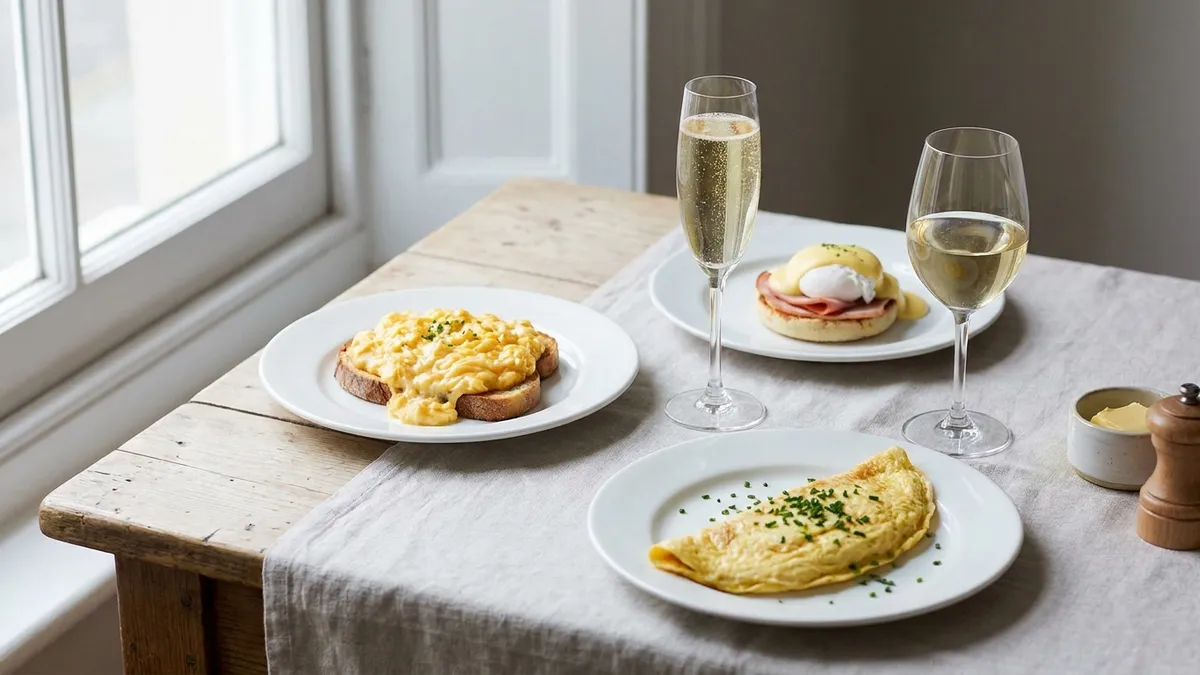
Wine with Eggs: Scrambled, Poached, and Omelette Pairings
Wine with eggs, matched by how they are cooked: crisp whites for soft scrambled eggs, dry sparkling wine for eggs Benedict, and the filling's wine for an omelette or quiche.
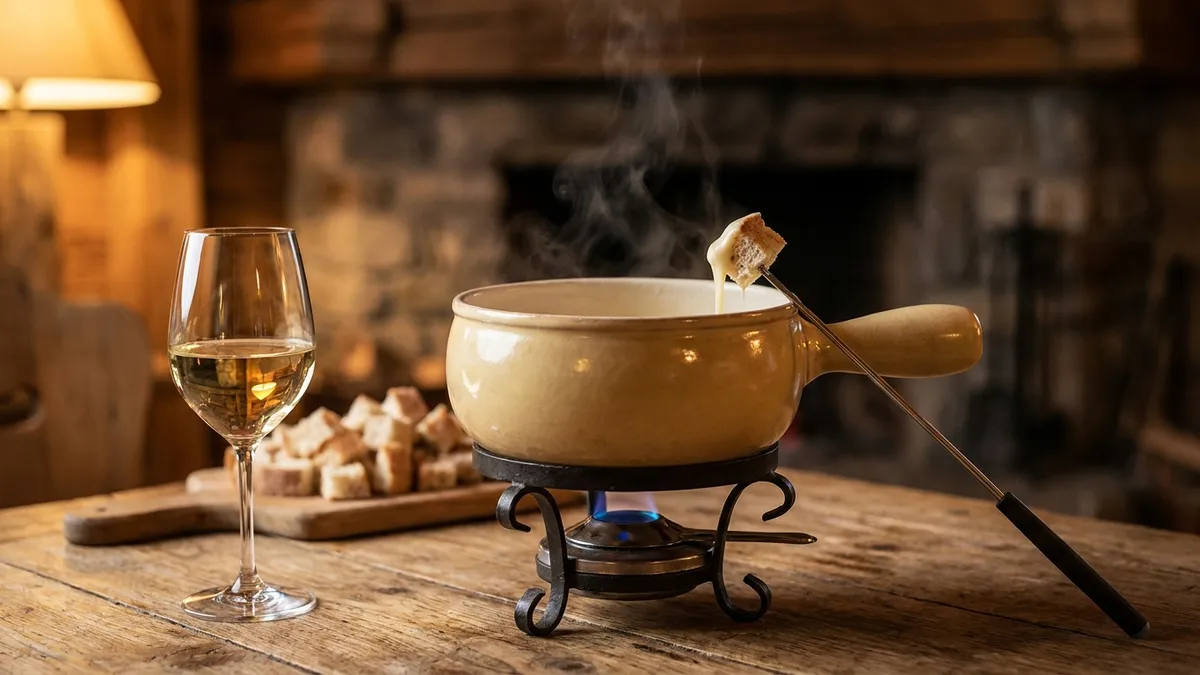
Wine with Fondue: Cheese, Chocolate, and Broth Dips
Wine with fondue depends on the pot: a crisp dry white for cheese, a wine at least as sweet as the dip for chocolate, and a light, fresh red for meat in oil or broth.
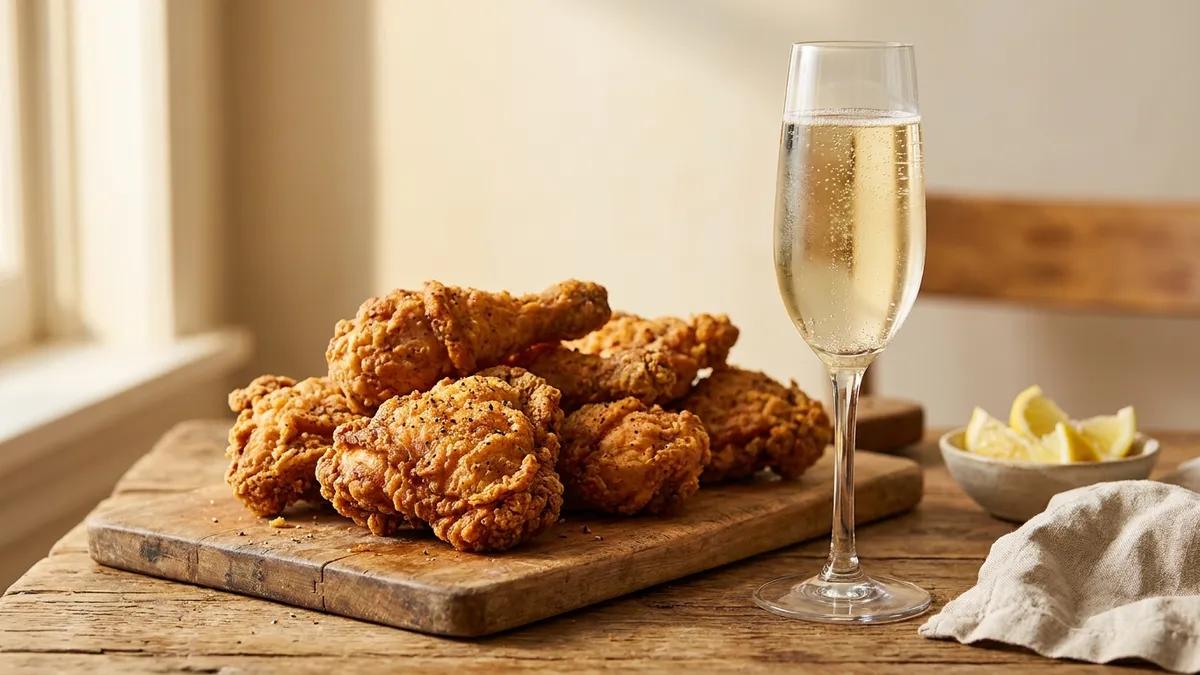
Wine with Fried Food: Crispy Matches That Cut the Grease
Fried food needs a cold wine with high acidity and little oak or tannin. Dry sparkling wine is the easiest pick; dry Riesling, Vinho Verde and chilled light reds work too.
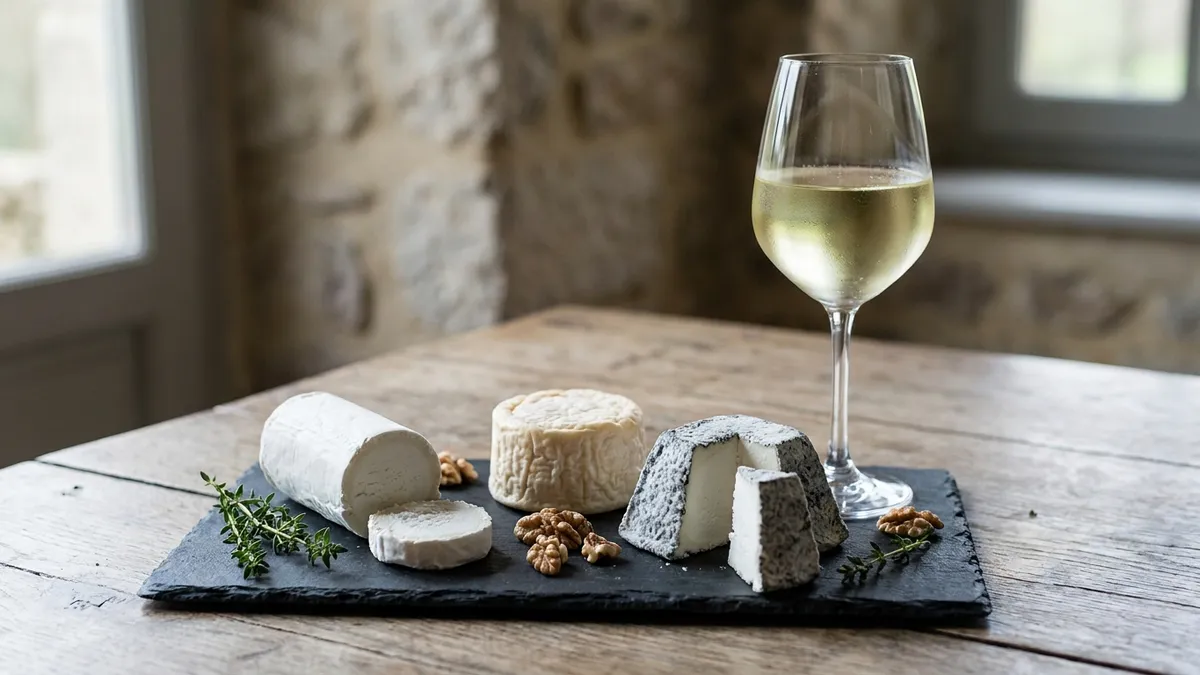
Wine with Goat Cheese: From Chèvre to Aged Varieties
The best wine with goat cheese is a tart, unoaked white like Sauvignon Blanc. As the cheese ages and firms up, the wine can gain body, up to a light, low-tannin red.
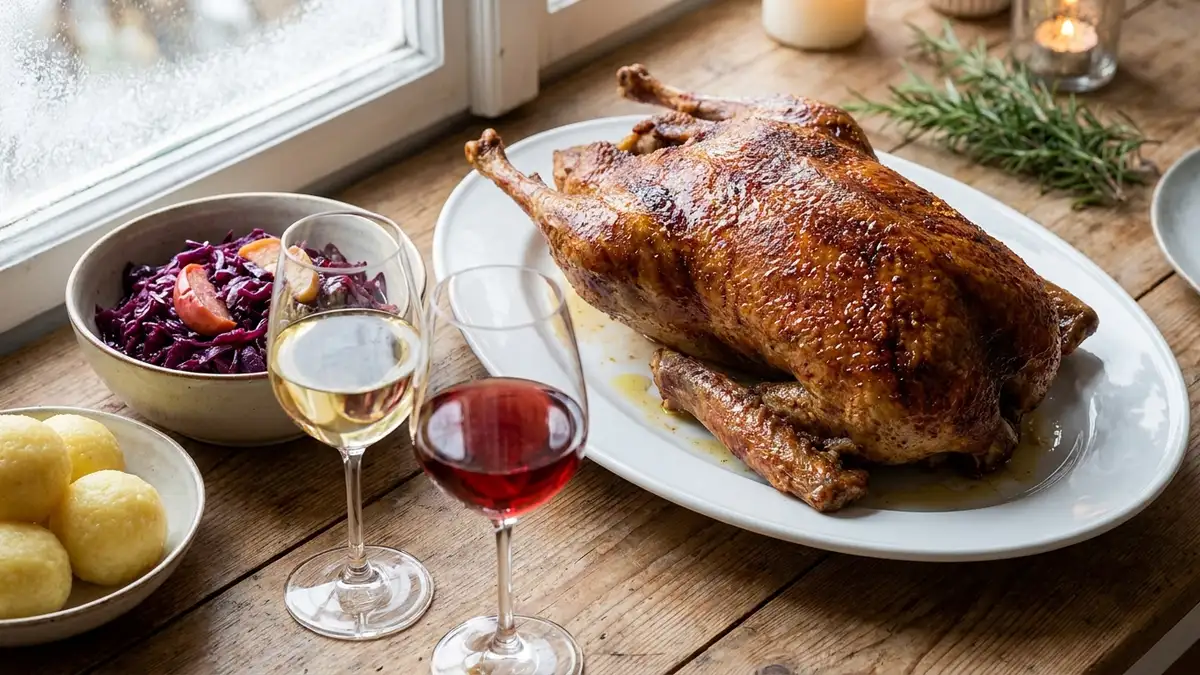
Wine with Goose: Best Pairings for a Rich Holiday Roast
Wine with goose, plate by plate: Riesling for red cabbage, Pinot Noir for gravy and goose-fat potatoes, off-dry whites for apple and prune stuffing, young reds for Martinmas.
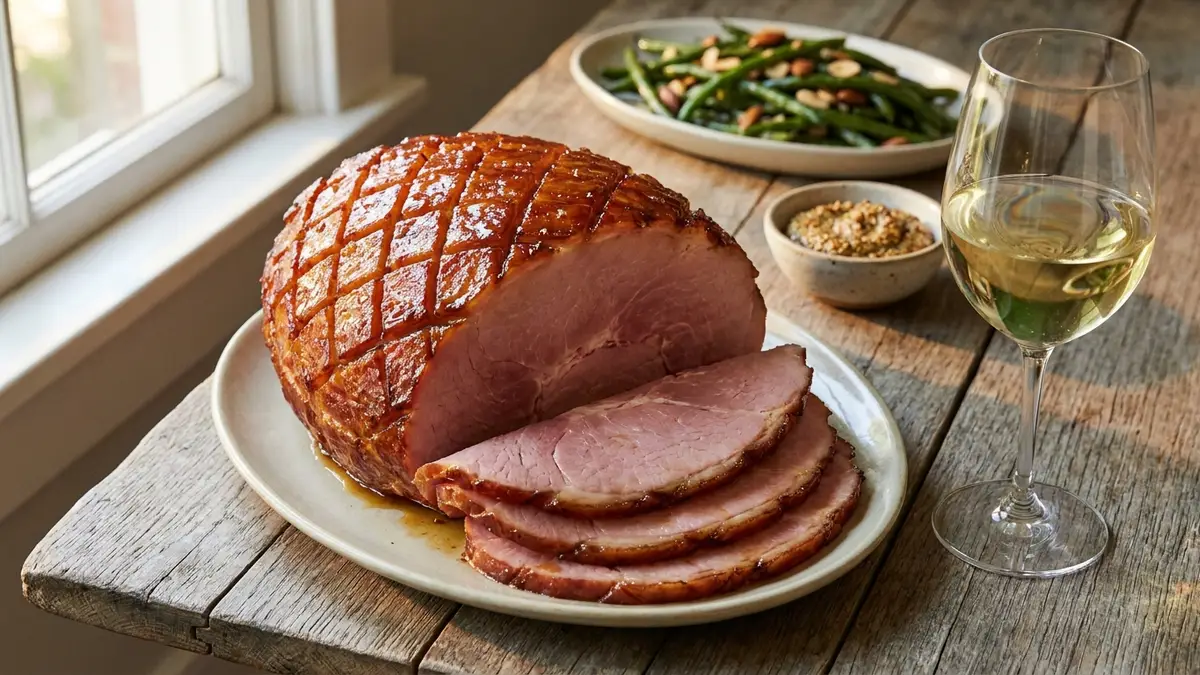
Wine with Ham: Pairings for Glazed, Smoked and Cured Ham
Wine with ham follows the loudest flavour on the slice: off-dry Riesling for a sweet glaze, light low-tannin reds for smoke, fino sherry or dry bubbles for salty cured ham.
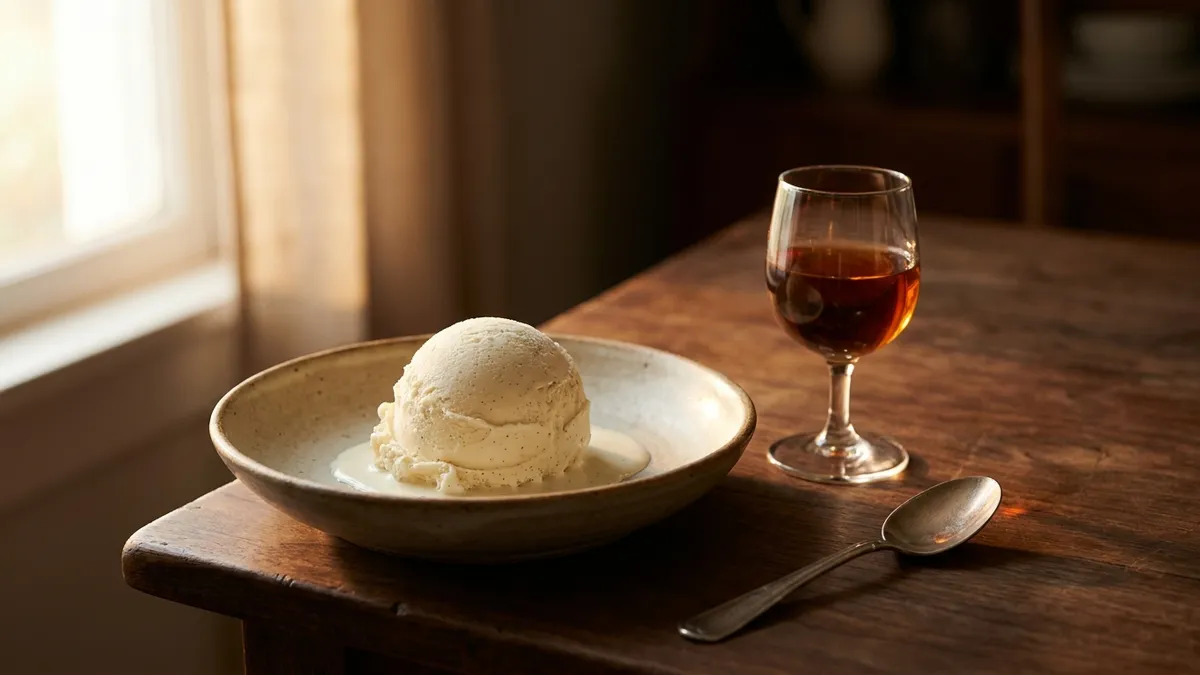
Wine with Ice Cream: The Pairing Nobody Expects to Love
Wine with ice cream works when the wine is sweeter than the scoop and poured small. Port, Pedro Ximénez and Moscato d'Asti by flavour, plus the pour-over trick.
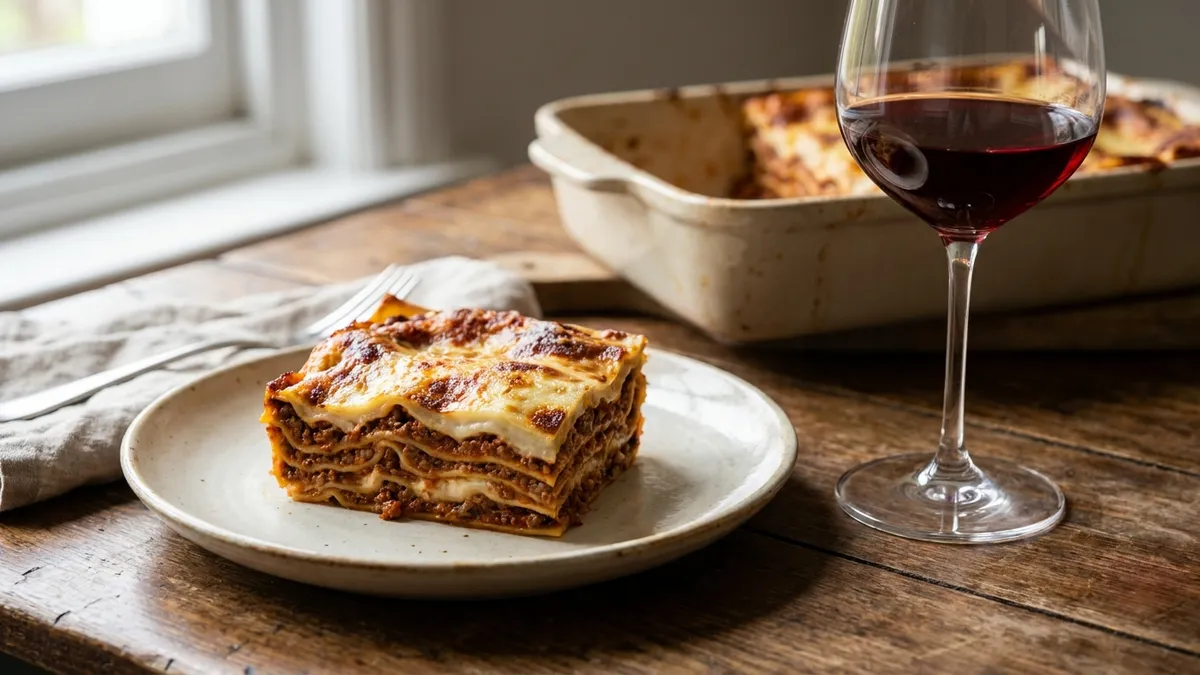
Wine with Lasagna: Meat, Vegetable and White Lasagna
Wine with lasagna follows the loudest layer: high-acid Sangiovese or Barbera for tomato ragù, dry Lambrusco for butter and Parmesan, crisp whites for spinach and béchamel.
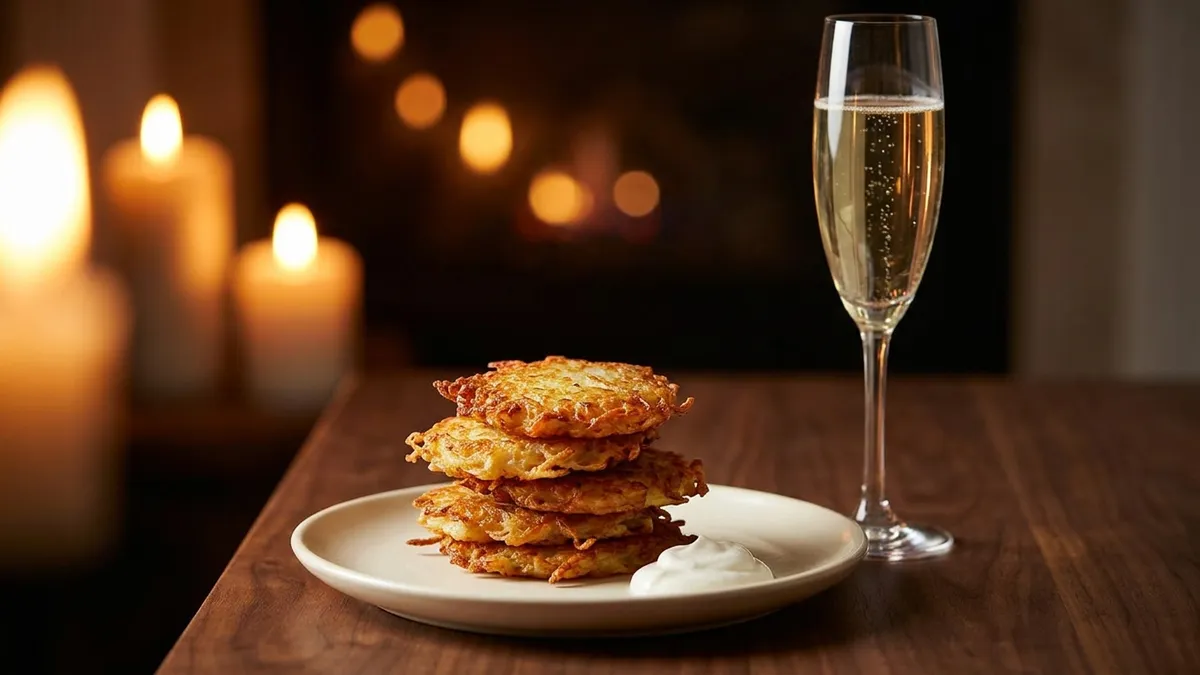
Wine with Latkes: What to Pour for Hanukkah, by Topping
Latkes are potato fried in oil, so the best wine scrubs the oil away: dry Brut sparkling first, off-dry Riesling for applesauce, and the topping decides the rest.
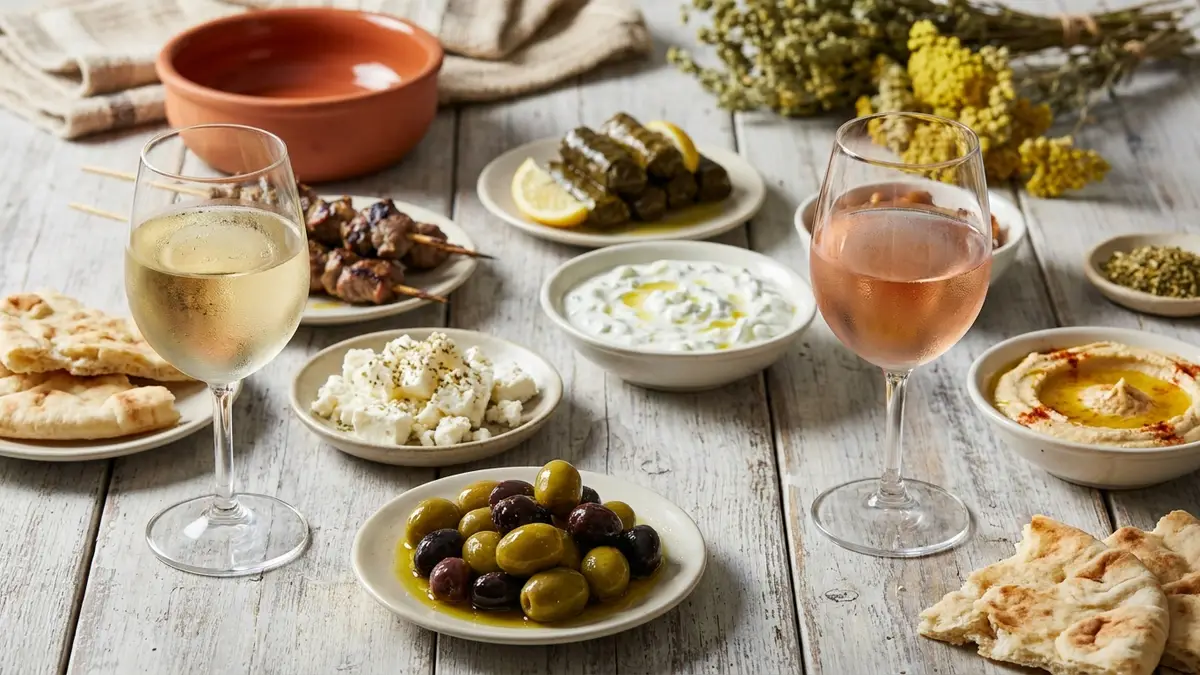
Wine with Mediterranean Food: Greek, Turkish, and Levantine
Lemon, olive oil, yogurt, salt and grill smoke set the rules: crisp unoaked whites and dry rosé for meze, Assyrtiko for Greek seafood, soft Turkish reds for kebabs, tannic reds for fatty lamb.
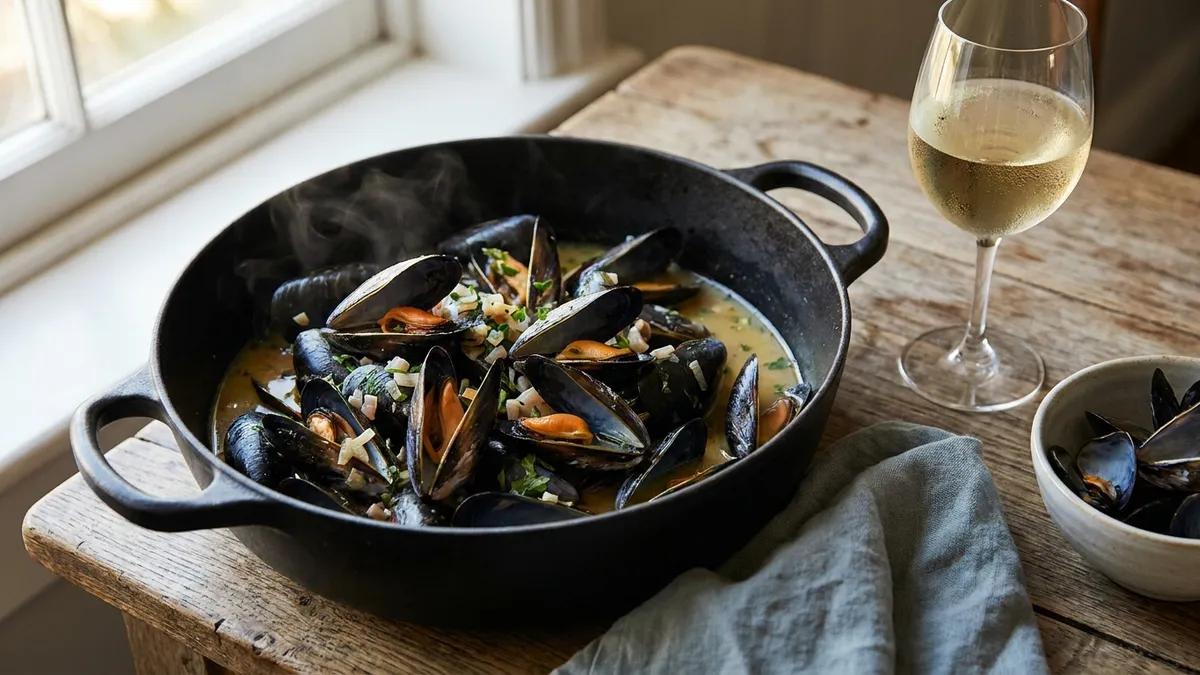
Wine with Mussels: Steamed, Grilled, and Fra Diavolo
Wine with mussels depends on the sauce: lean, salty whites like Muscadet for wine broth, rounder whites for cream and curry, chilled rosé for tomato and chili.
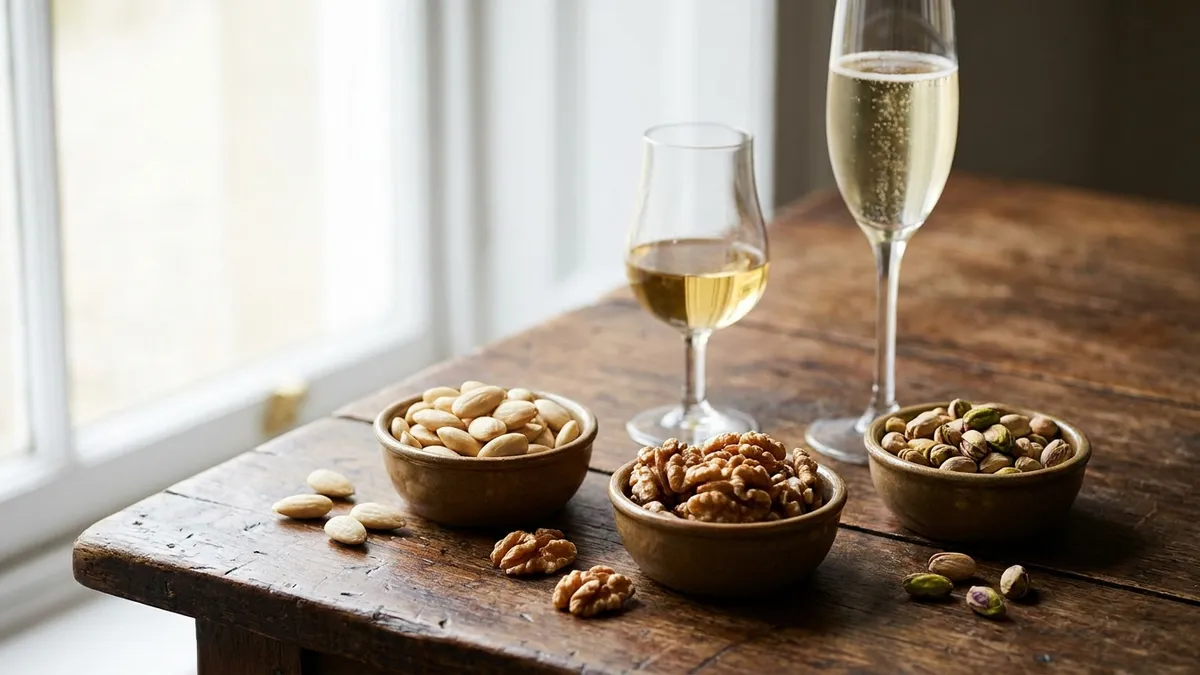
Wine with Nuts: Almonds, Walnuts, Pistachios, and More
Wine with nuts works when the wine brings acid, bubbles or its own nutty taste. Dry sherry with almonds, sparkling wine with salted pistachios, soft reds with walnuts, and Vin Santo with almond biscotti.
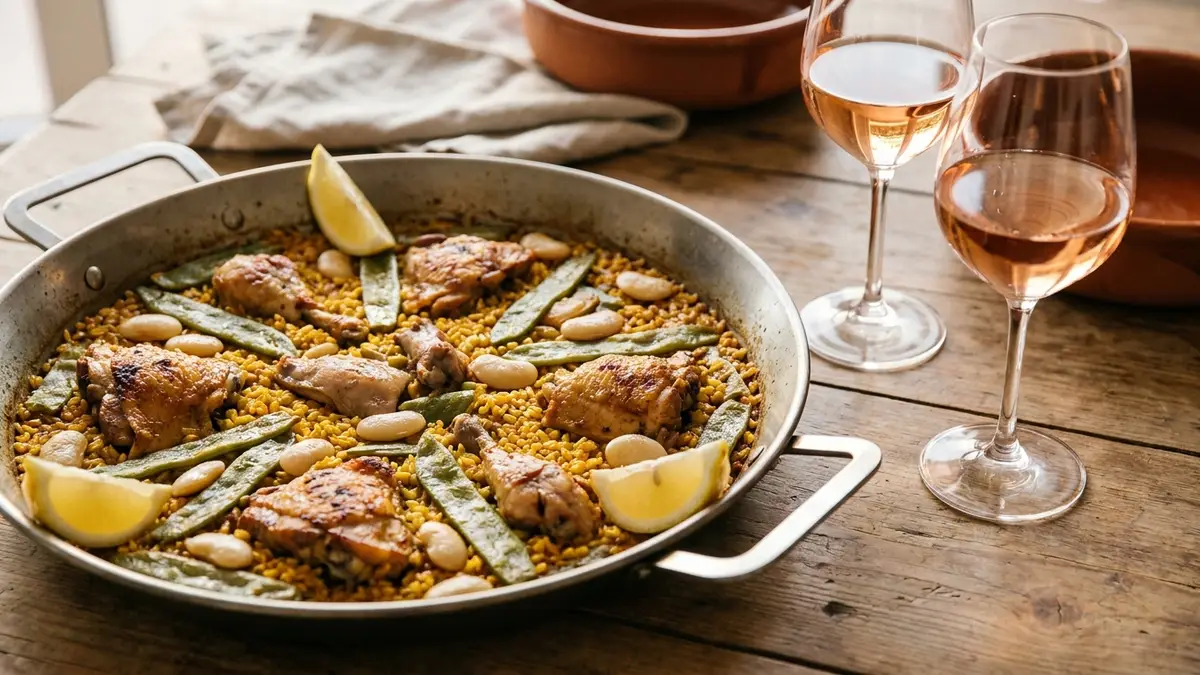
Wine with Paella: Match the Wine to What's in the Pan
Wine with paella depends on the pan: Garnacha rosado or a chilled light red for rabbit-and-chicken valenciana, Albariño or brut Cava for seafood, and acidity for every version.
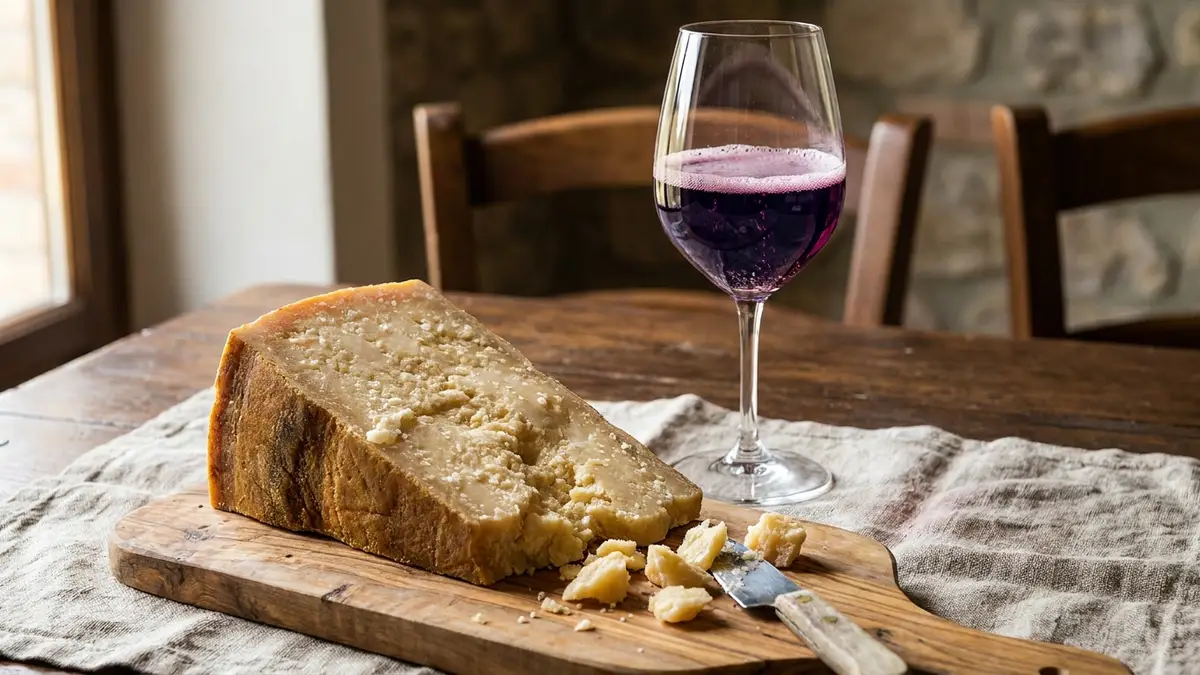
Wine with Parmesan: Italy's Greatest Cheese Pairing
Dry Lambrusco is the best wine with Parmesan: its bubbles and acidity cut the cheese's salt and fat. Older wedges call for Sangiovese, Nebbiolo or dry sherry.
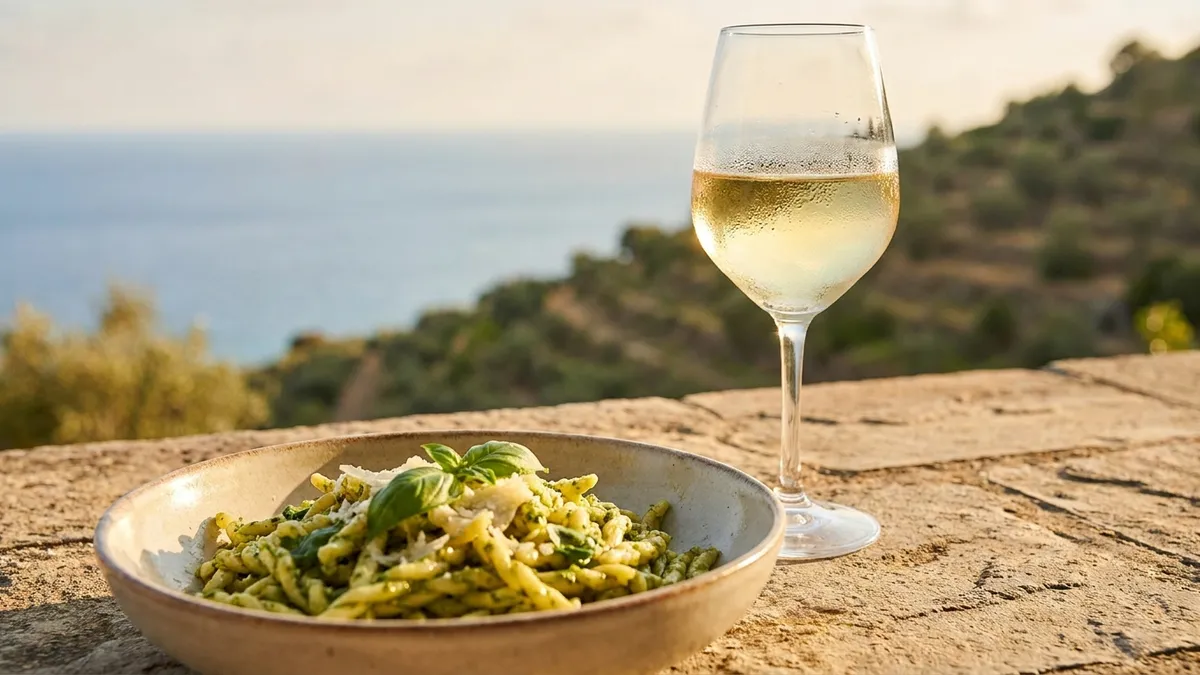
Wine with Pesto: Basil, Pine Nuts, and the Right Pour
Pesto wants a dry, unoaked white with high acidity and a herbal smell: Vermentino first, Sauvignon Blanc second. A red works only if it is light, low in tannin and served cool.
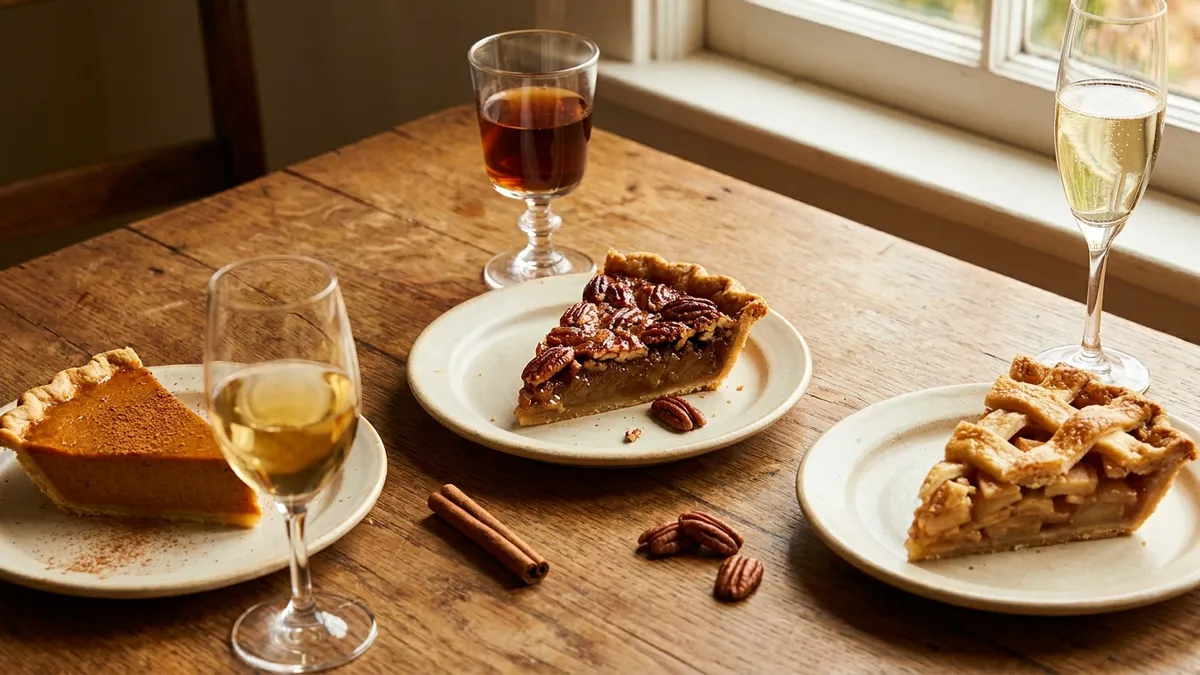
Wine with Pumpkin Pie, Plus Pecan and Apple Pie Pairings
Wine with pumpkin pie, pecan pie and apple pie: the wine must be at least as sweet as the slice, and the filling picks the style, from Moscato d'Asti to tawny port to ice wine.
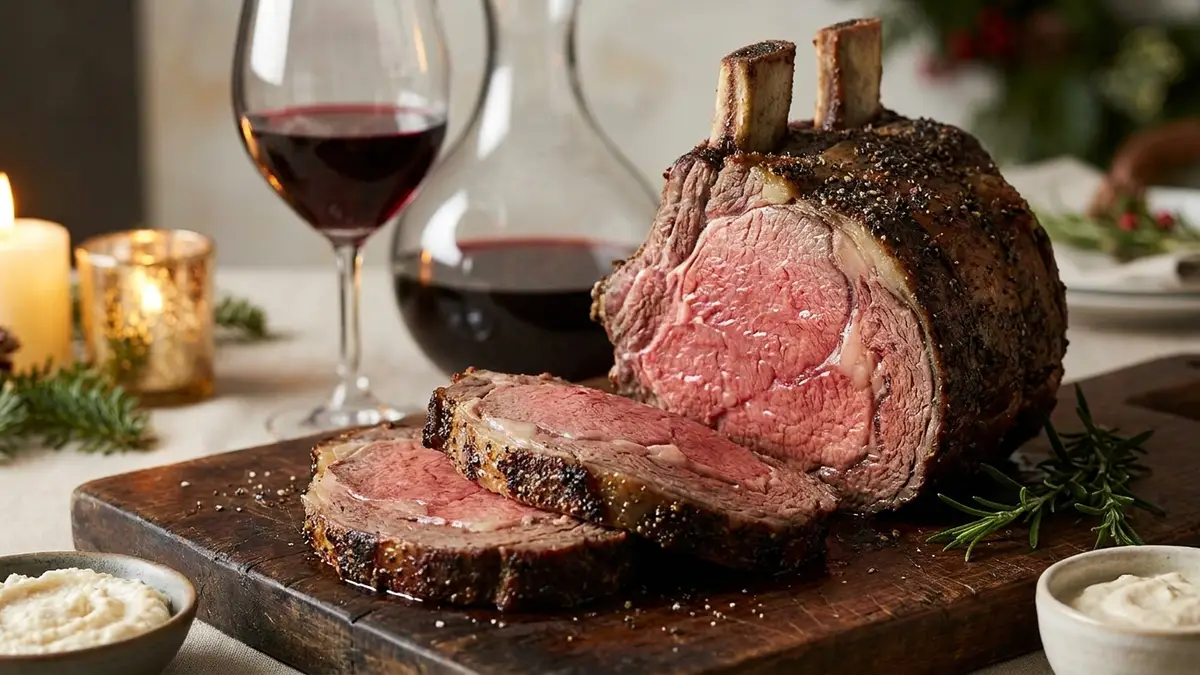
Wine with Prime Rib: The Christmas Roast Pairing Guide
The best wine with prime rib is a firm, tannic red such as Cabernet Sauvignon or Syrah. Doneness, the slice on your plate and the horseradish decide how firm.
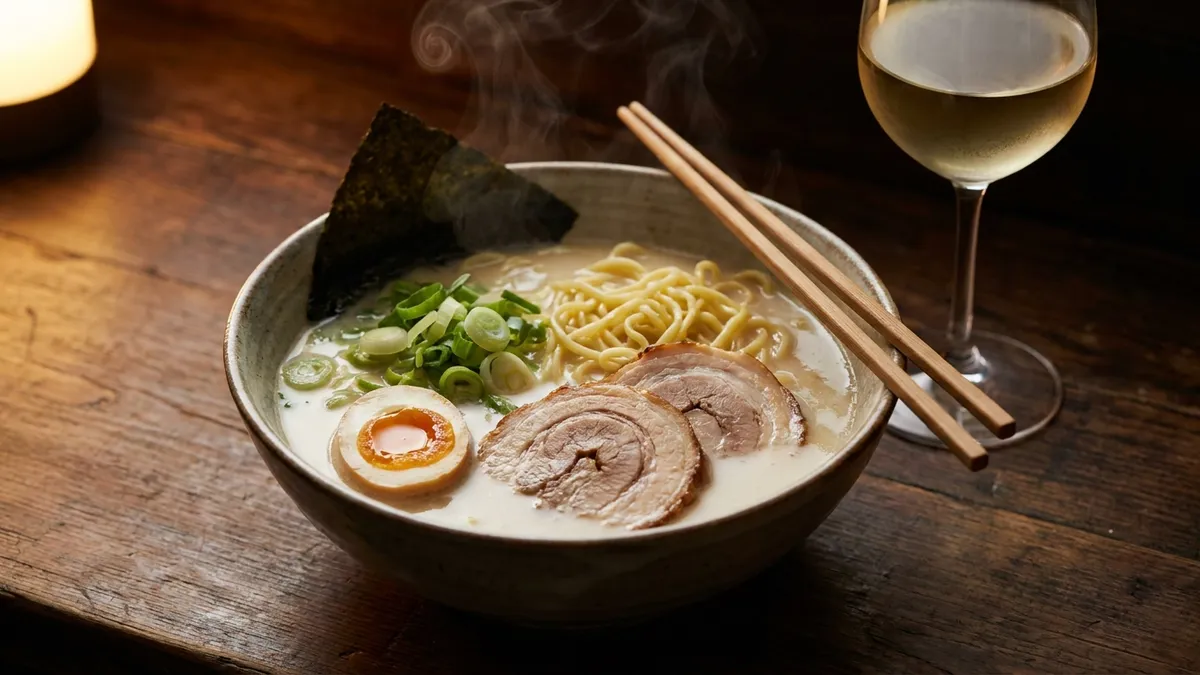
Wine with Ramen: Unexpected Pairings for Every Broth
Wine with ramen works when you match the broth: dry sparkling for clear shoyu, off-dry Riesling or Pinot Gris for creamy tonkotsu, nutty whites for miso, and sweeter, lighter Riesling for chili oil.
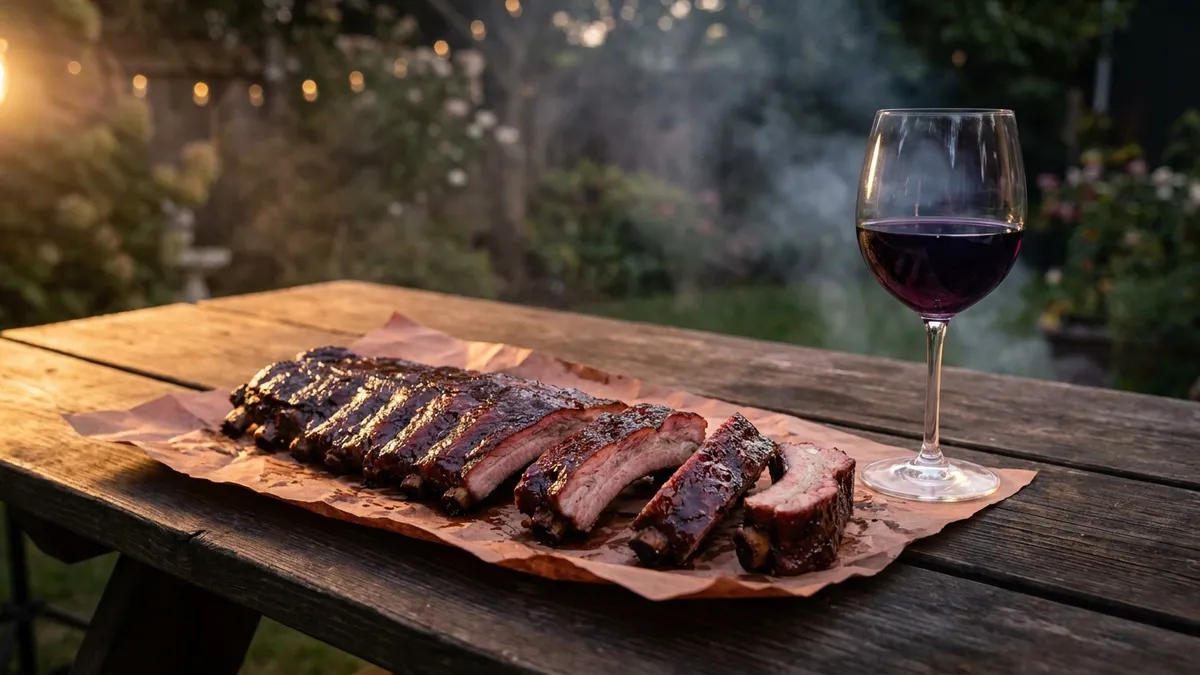
Wine with Ribs: Sweet, Smoky and Sticky BBQ Pairings
The best wine with ribs follows the last thing brushed on the rack. Dry-rub, sticky-glazed, spicy and beef short ribs each want a different red, rosé or sparkling red.
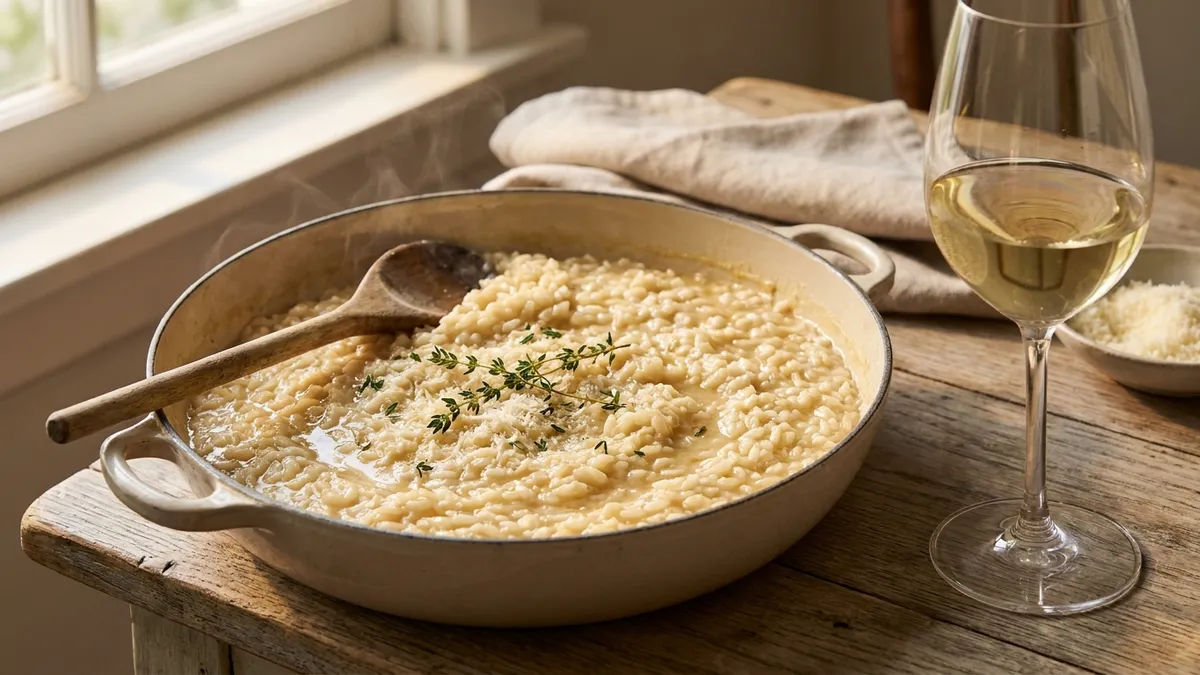
Wine with Risotto: Matching the Flavor, Not Just the Rice
Wine with risotto, matched to what you stir in: Gavi or Soave for seafood and spring greens, Pinot Noir for mushrooms, Barbera for sausage, and a rounder white for saffron.
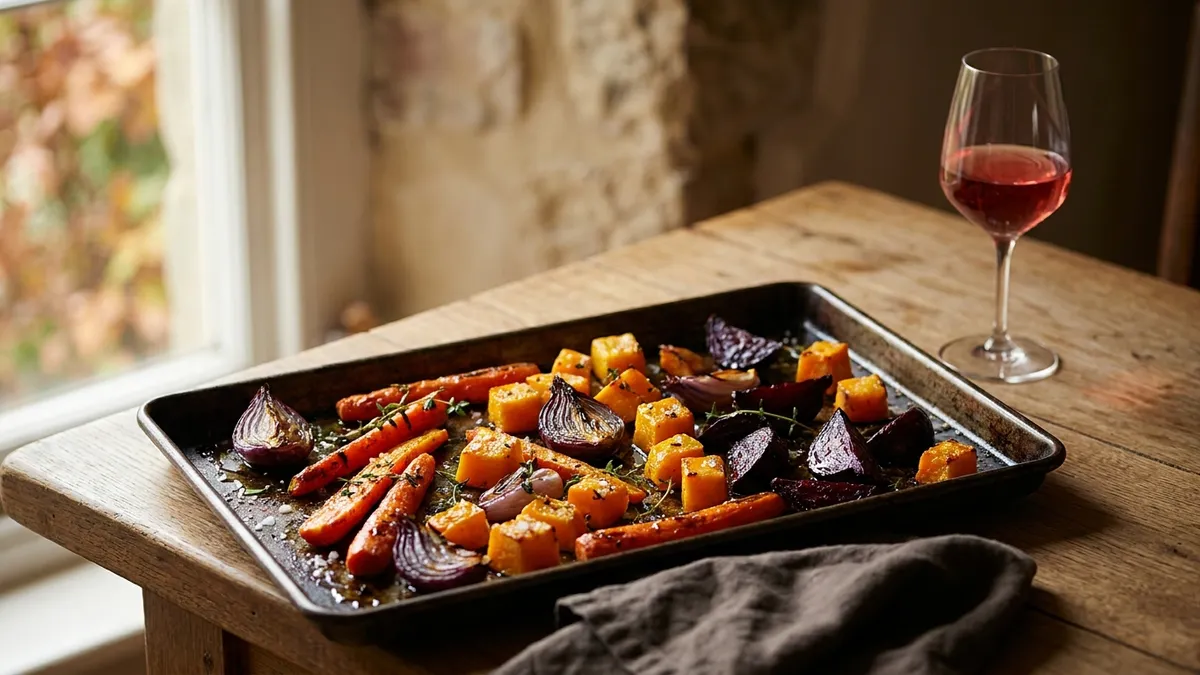
Wine with Roasted Vegetables: Roots, Squash and Sprouts
Wine with roasted vegetables follows the roast: pale trays take crisp whites, browned ones take riper whites, rosé or soft reds. Picks for squash, beets, sprouts and peppers.
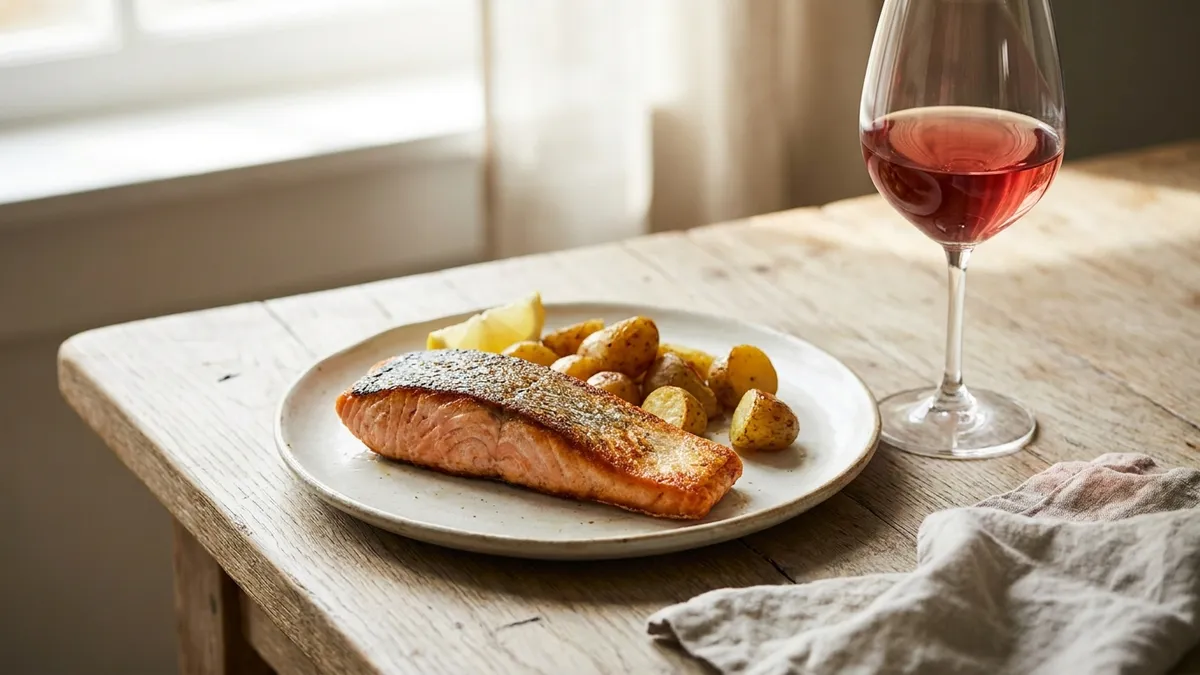
Wine with Salmon: Grilled, Smoked, Baked and Raw Pairings
Salmon is a fatty fish that needs acidity more than a wine colour. Cooking method, sauce and salt decide between Chardonnay, Pinot Noir, rosé and sparkling wine.
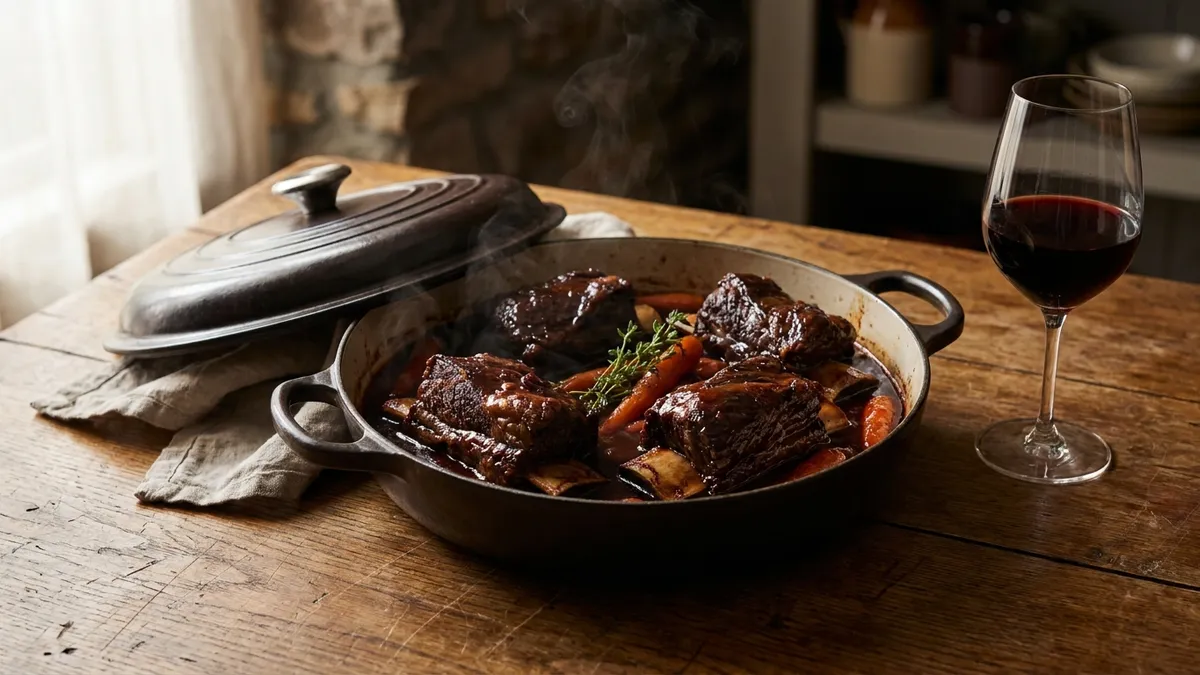
Wine with Short Ribs: Match the Big Red to the Sauce
Braised short ribs soften tannin with gelatin, fat and protein, so a full-bodied dry red works best. The sauce decides which one: Cabernet, Syrah, Malbec or Nebbiolo.
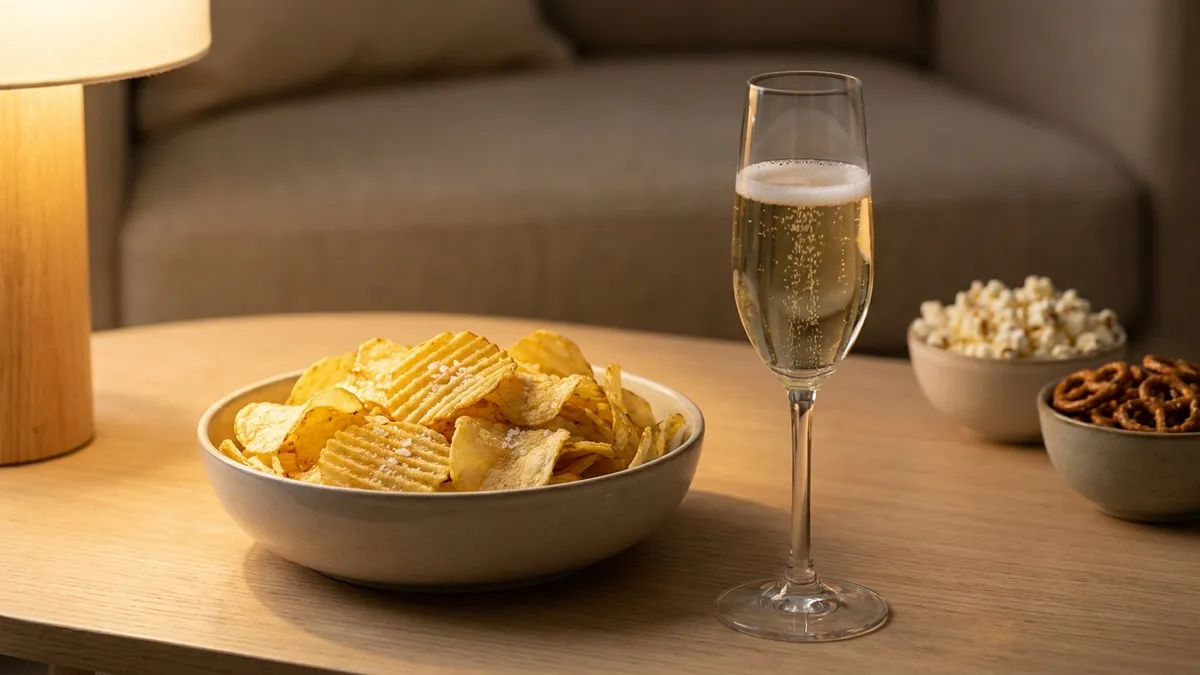
Wine with Snacks: Pairing Chips, Popcorn and Party Food
Salty, fried snacks want a wine with high acidity and bubbles. Which wine to pour with chips, popcorn, flavoured crisps, nuts and dips, and how sweetness on the label changes the match.
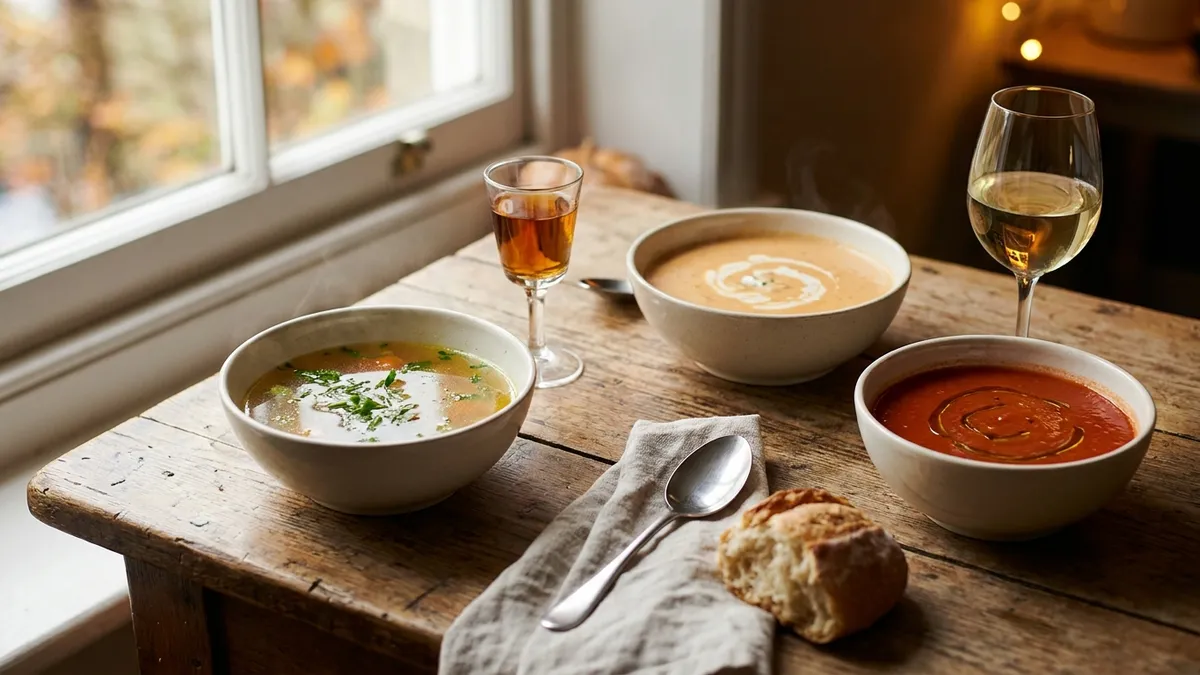
Wine with Soup: What to Pour With Every Bowl, Hot or Cold
Wine with soup works when you pair the broth, not the vegetable: heat and salt make alcohol burn, cream wants acidity, and dry sherry has gone with consommé for generations.
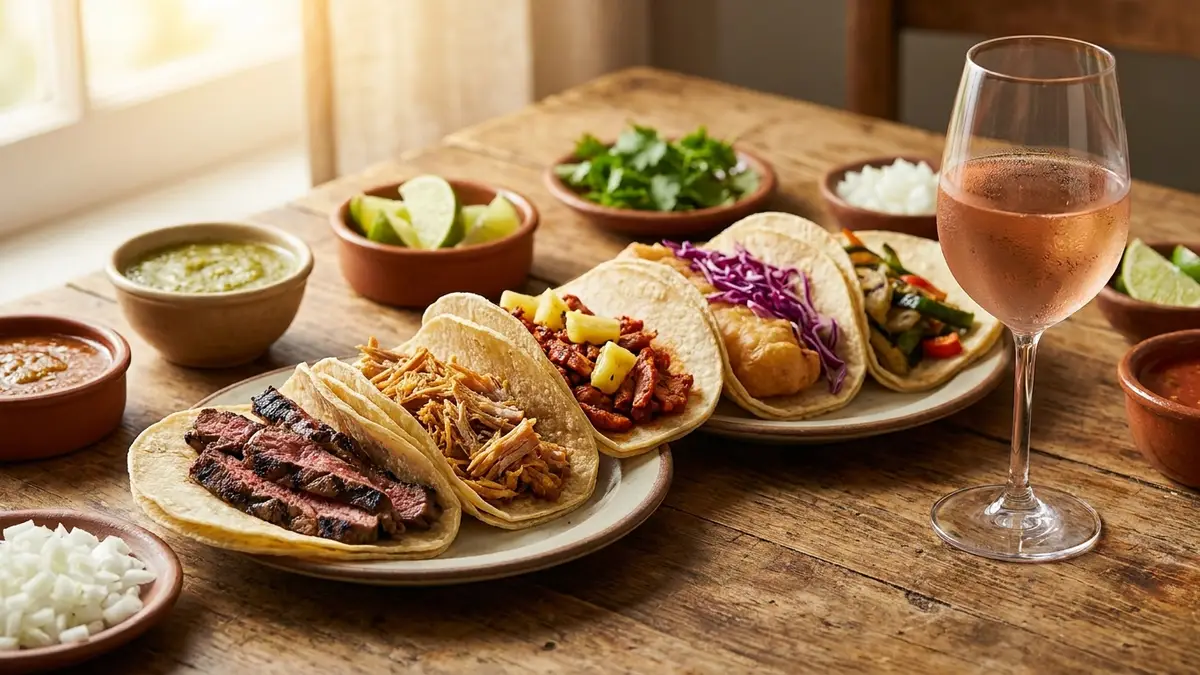
Wine with Tacos: A Pairing for Every Filling and Salsa
Wine with tacos works when you pair the salsa, not the meat: chilli heat wants cold, low-alcohol and off-dry wine, lime wants acid, and fat wants acid plus soft tannin.
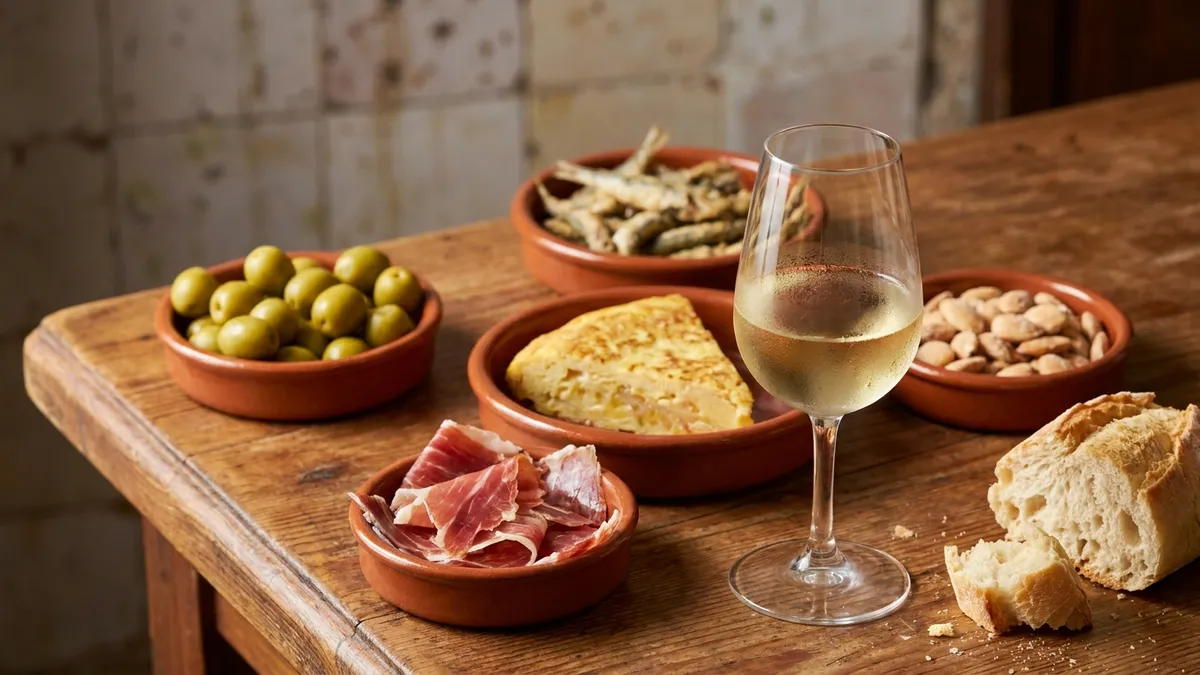
Wine with Tapas: A Spanish Small Plates Pairing Guide
Wine with tapas works best dry, sharp and cold: fino sherry for ham and olives, Cava for fried plates, Albariño for seafood, rosado for patatas bravas, and a light red for chorizo.
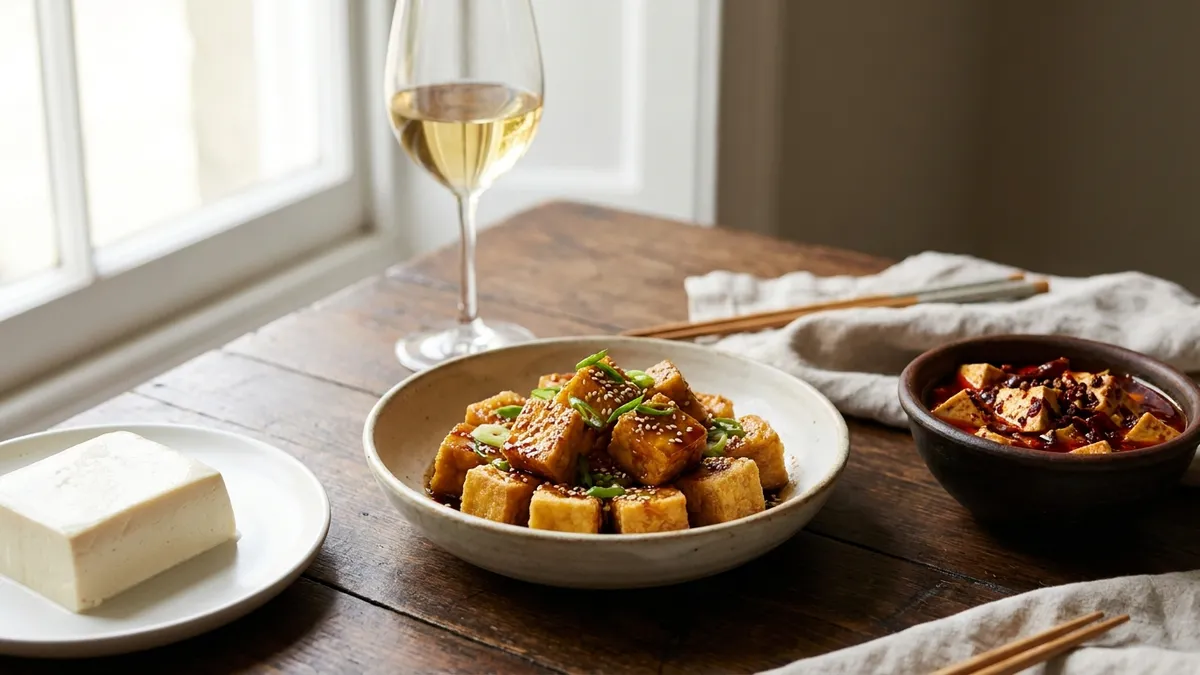
Wine with Tofu: Match the Preparation, Not the Protein
Tofu tastes of almost nothing, so the wine follows the sauce, the cooking method and the chili. Brut bubbles for crispy tofu, off-dry Riesling for mapo tofu and sweet glazes, a light chilled red for mushroom or miso braises.
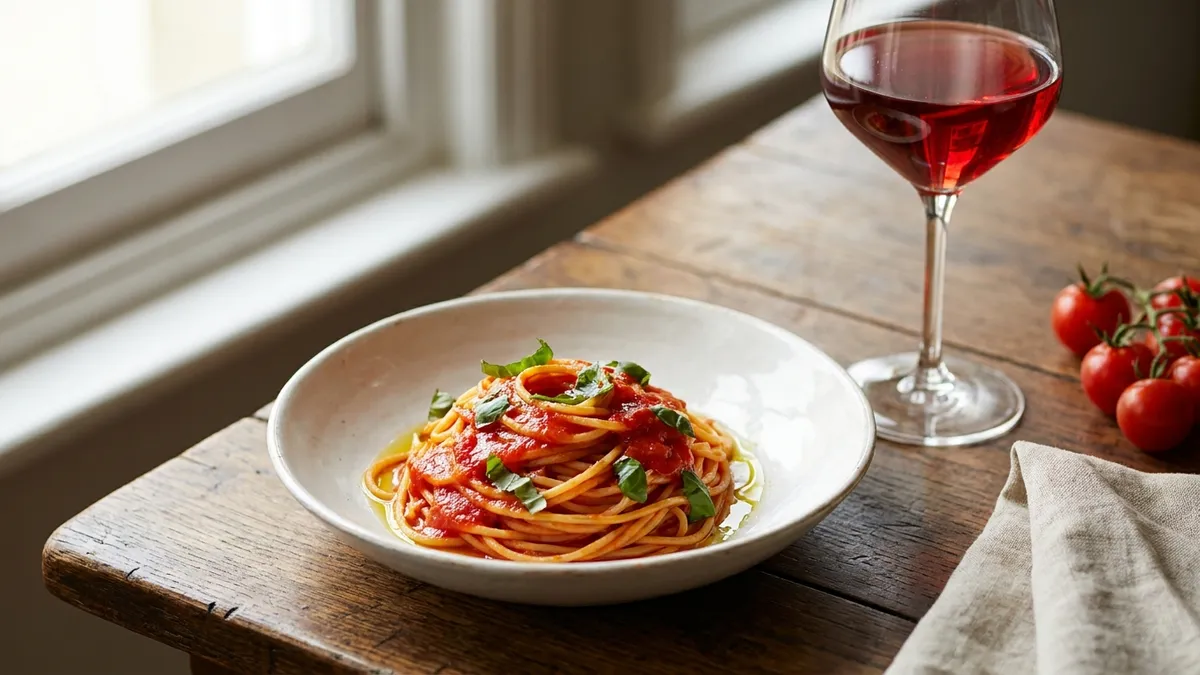
Wine with Tomato Sauce: Why the Acidity Has to Match
Tomato sauce is tart, so the wine beside it has to be at least as tart. Which wine to pour with marinara, ragù, vodka sauce, arrabbiata and sweet jarred sauce, and why.
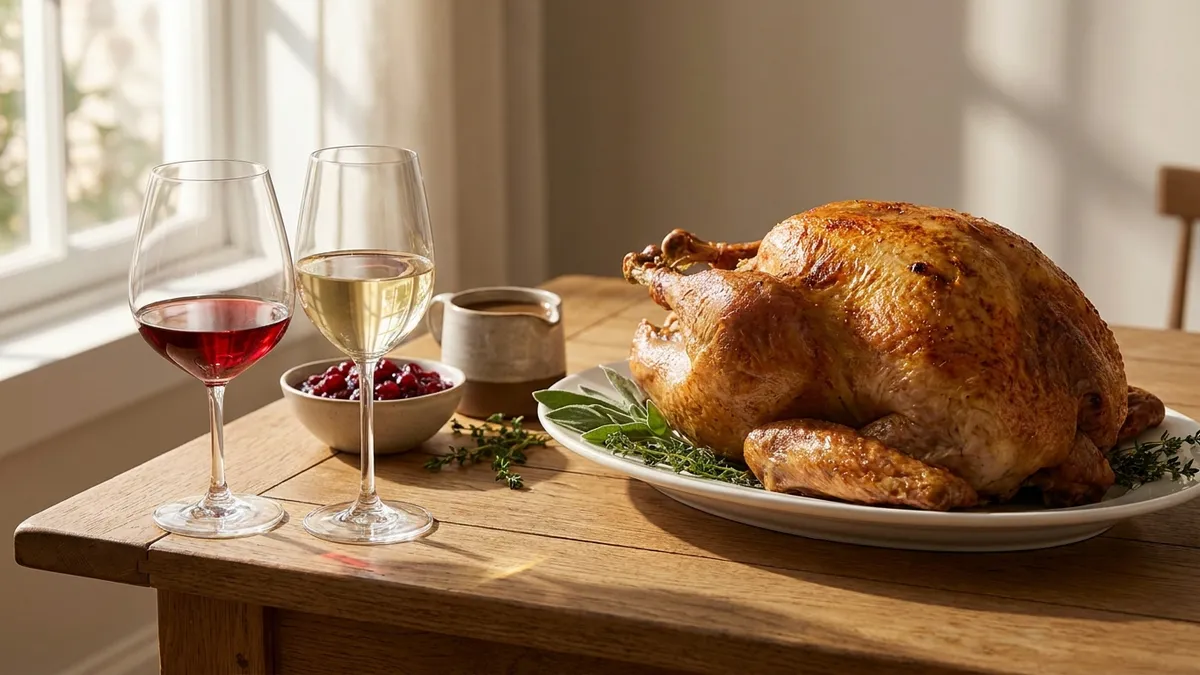
Wine with Turkey: The Best Pairings Beyond Thanksgiving
Turkey breast is about 1% fat, so tannic reds taste dry beside it. Pinot Noir, Gamay, light Chardonnay, dry Riesling and sparkling wine fit, and the sauce or cooking method picks between them.
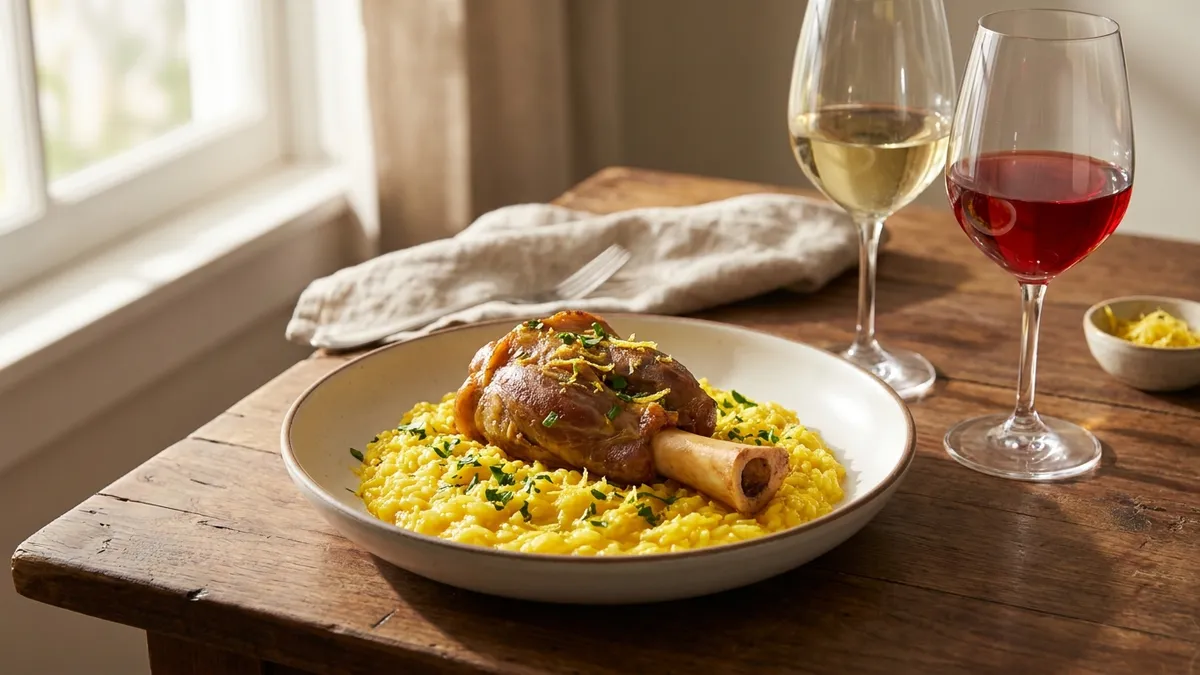
Wine with Veal: Osso Buco, Piccata, Schnitzel and More
Veal is lean and mild, so the sauce picks the wine: sharp whites for piccata and schnitzel, a firm red for osso buco, a round white for cream.
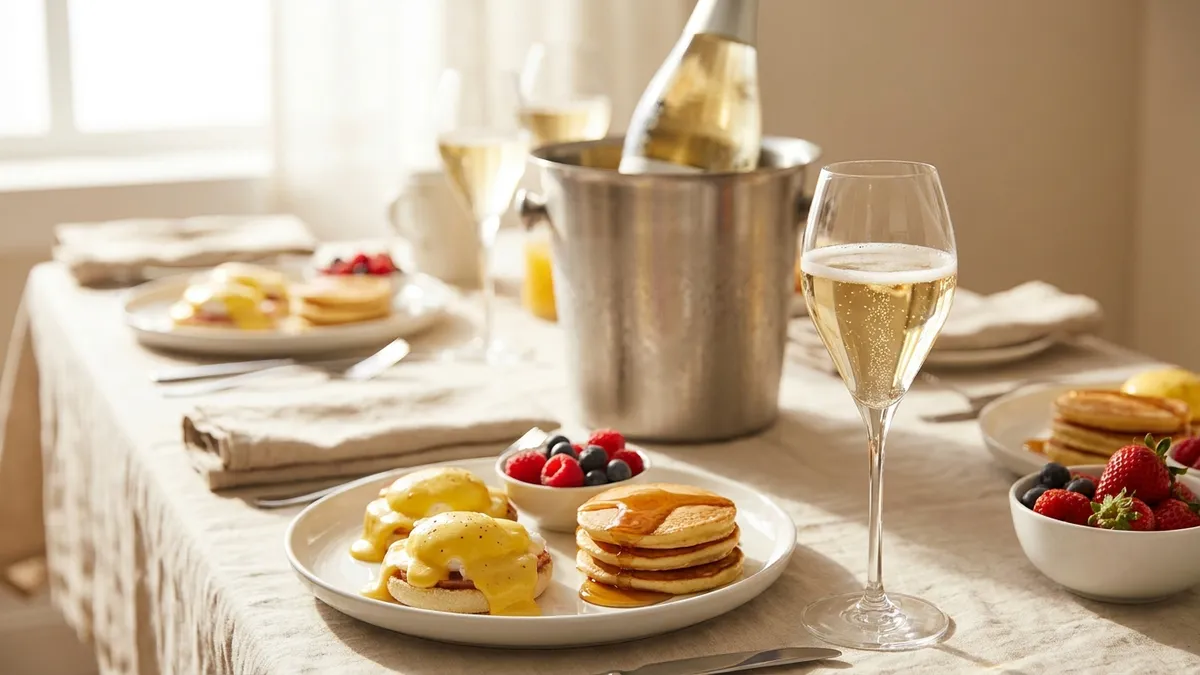
Best Wine for Brunch: What to Pour Beyond the Mimosa
How to choose wine for brunch dish by dish: bubbles for eggs, sweet sparklers for pancakes, rosé for smoked salmon, a chilled red for fried chicken, and a better mimosa.
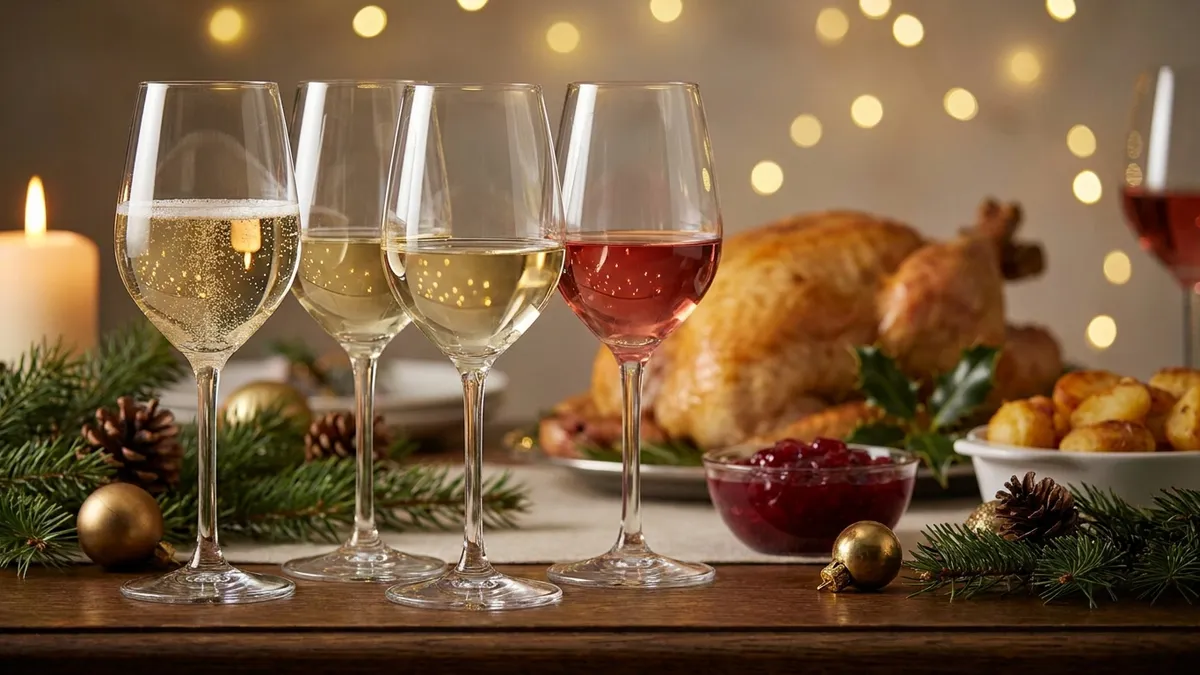
Wine for Christmas Dinner: Every Course, Bubbles to Port
How to choose wine for Christmas dinner course by course: sparkling to start, one wine for the mixed plate, turkey, glazed ham, roast beef, pudding, cheese and mulled wine.
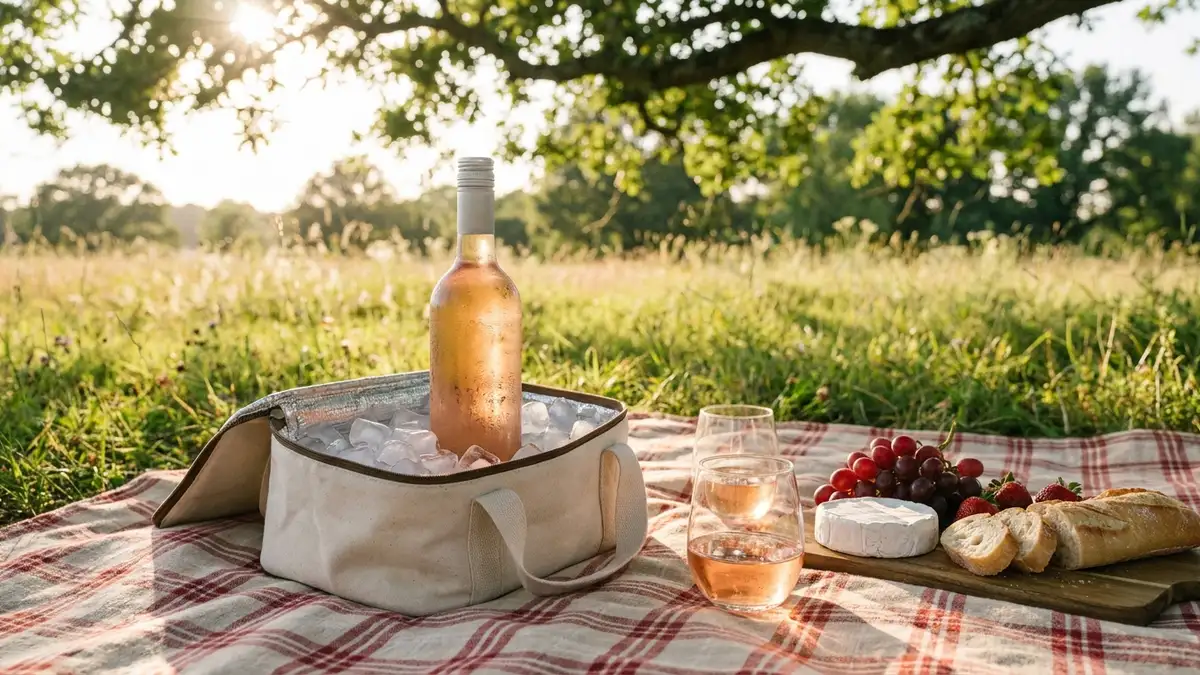
Wine for a Picnic: The Best Styles and Formats to Pack
How to choose wine for a picnic: dry rosé, crisp whites and chilled light reds, the screw cap, can or box that survives the trip, and how to keep it cold without a fridge.
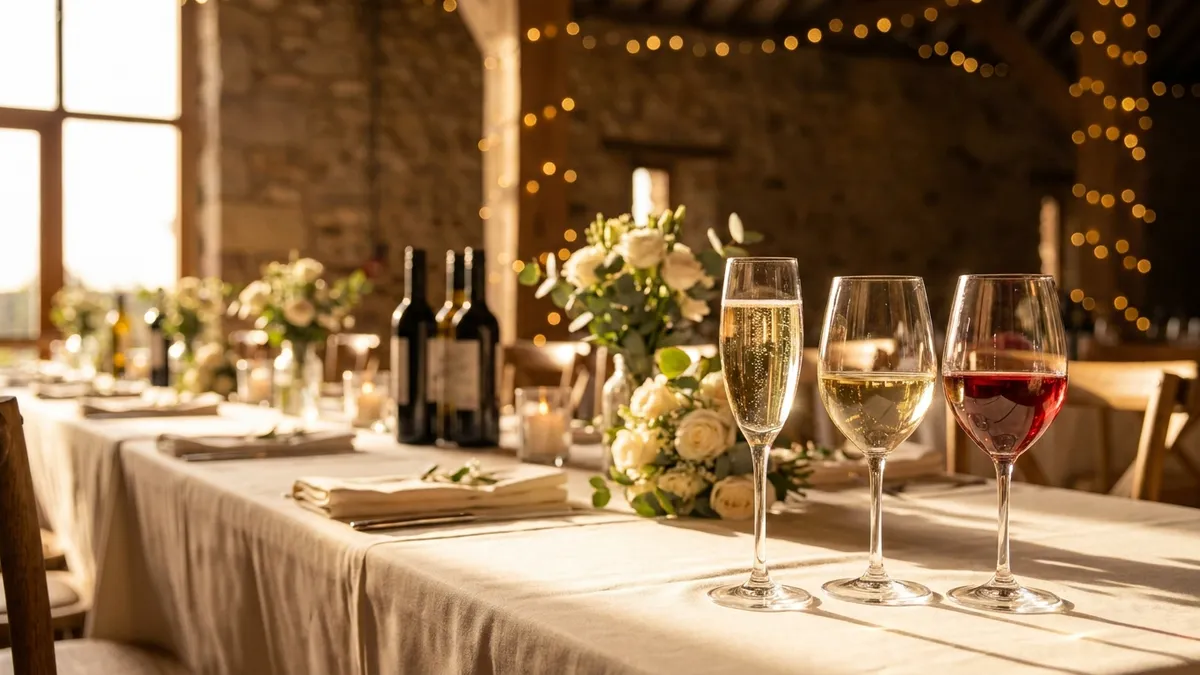
Wine for a Wedding Reception: How to Please Every Guest
How to choose wine for a wedding reception: how many bottles to buy, Champagne vs Prosecco vs Cava for the toast, and the three-wine menu that suits every dish.
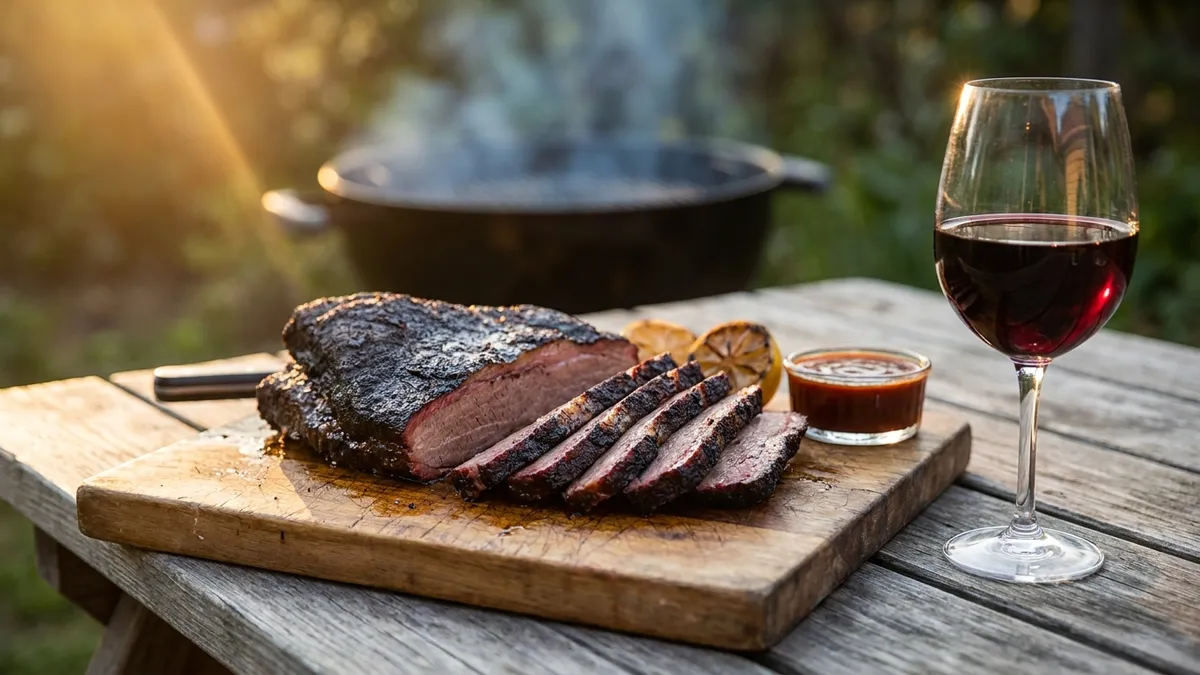
Wine with BBQ: Match the Smoke, the Char and the Sauce
Wine with BBQ is chosen by the sauce and the fire, not the meat. Which wine goes with brisket, ribs, pulled pork, grilled chicken and hot wings, and how to serve it outdoors.
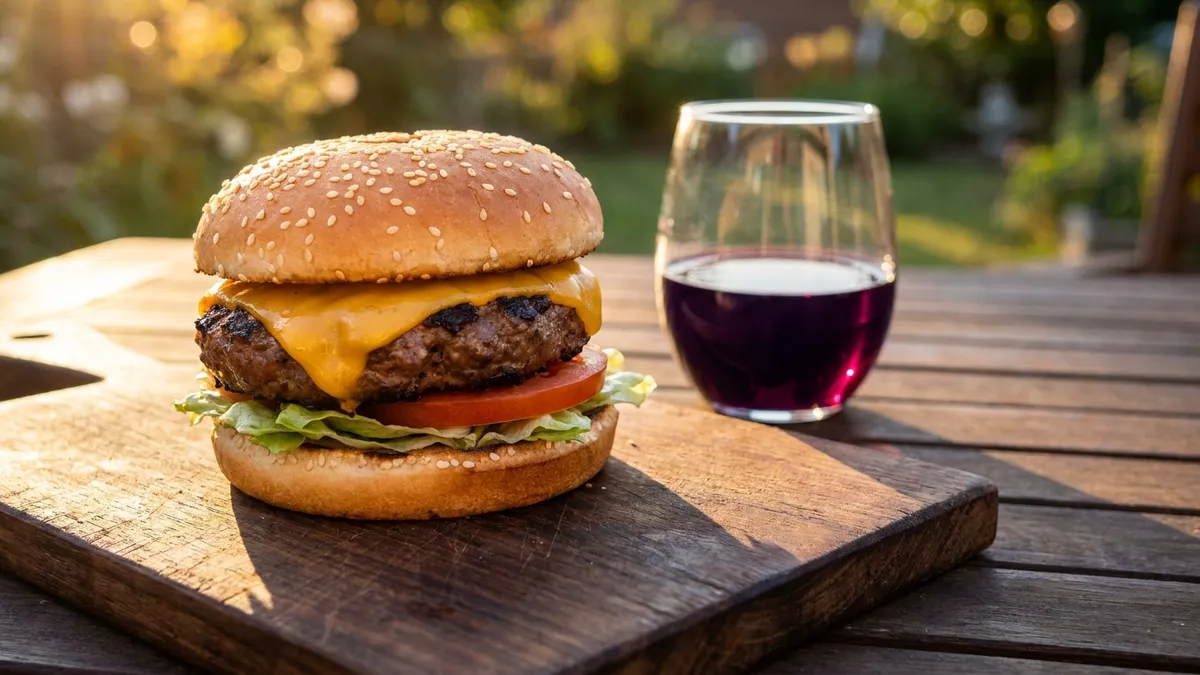
Wine with Burgers: The Best Pairings, Topping by Topping
The best wine with burgers, matched to what is on the bun: Zinfandel, Malbec and Syrah for a cheeseburger, Cabernet for blue cheese, Lambrusco for BBQ sauce, Gamay for veggie.
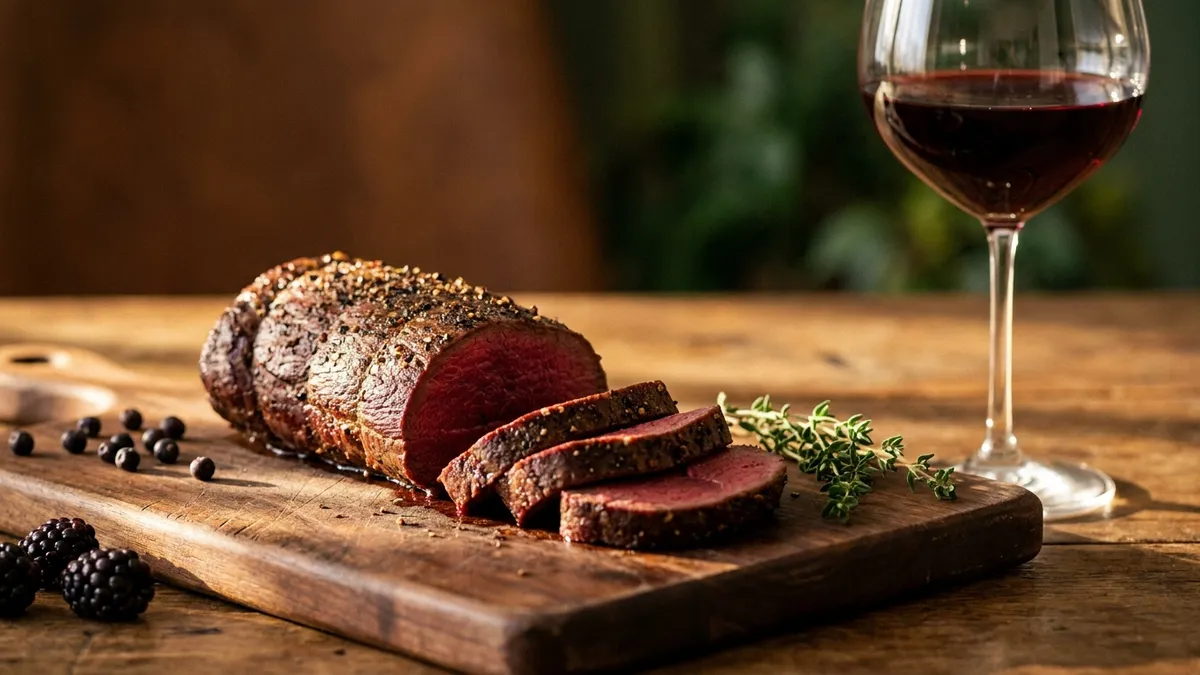
Wine with Game Meat: Venison, Elk, Wild Boar, and More
Wine with game meat, sorted by fat and cooking method: juicy medium-tannin reds for lean venison and elk, firm Italian reds for wild boar, and lighter wines for pheasant.
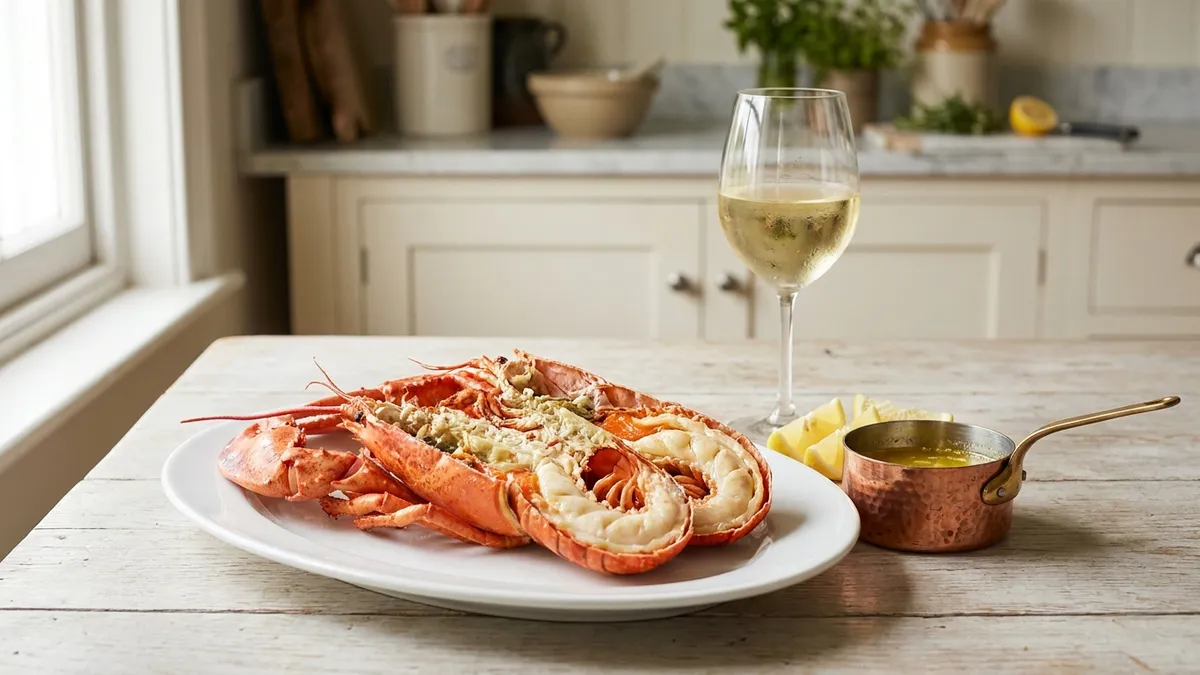
Wine with Lobster: Butter-Poached, Grilled, and More
How to choose wine with lobster by the way it is cooked: crisp Muscadet or Chablis for steamed, oaked Chardonnay for butter, fuller whites for the grill, and Champagne for everything.
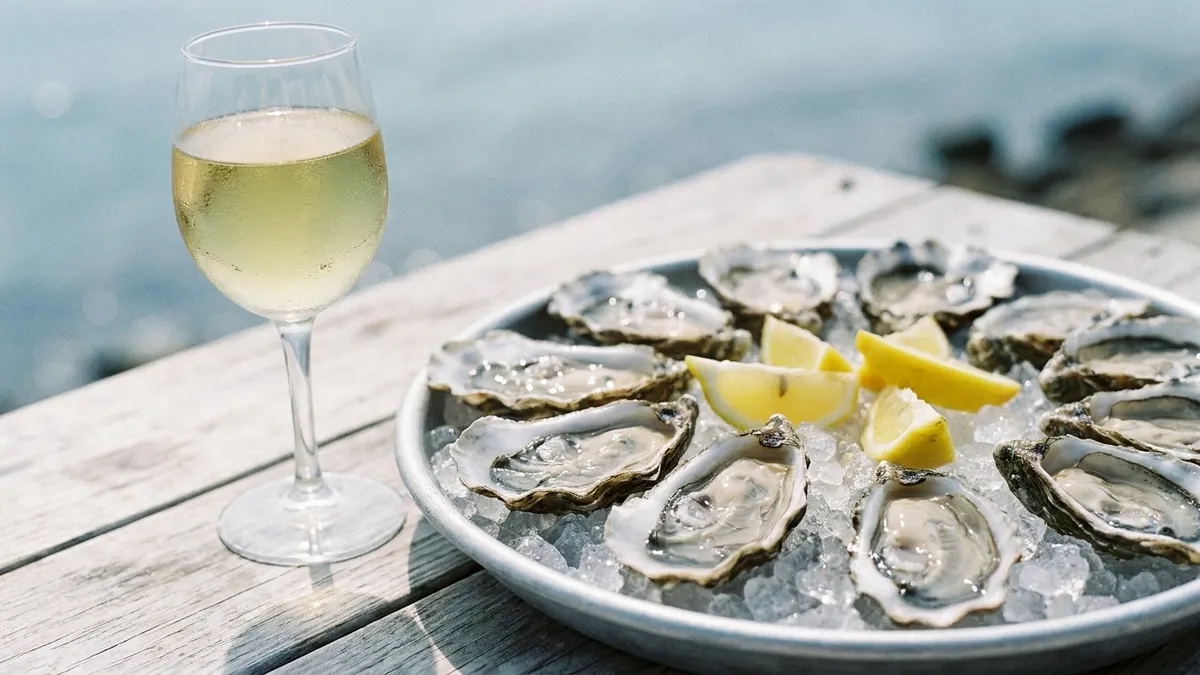
Wine with Oysters: Why Muscadet, Chablis and Champagne Work
The best wine with oysters is dry, high in acidity and free of oak and tannin. Learn why Muscadet, Chablis, Sancerre and Brut Champagne work, and what to avoid.
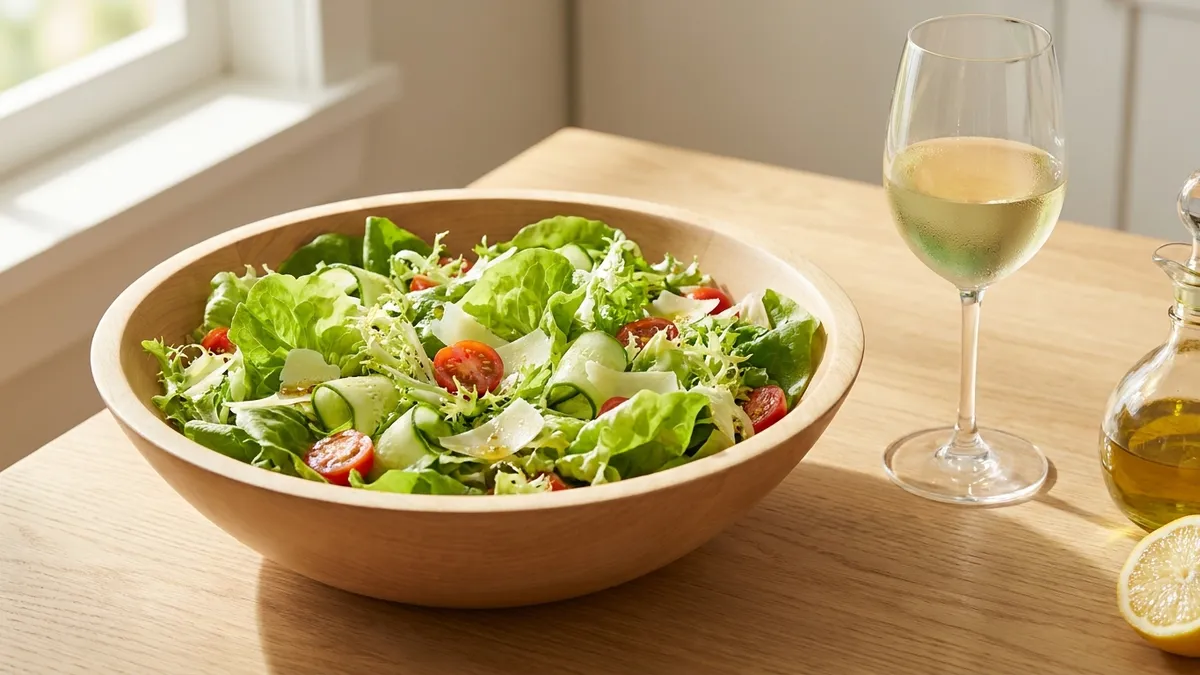
Wine with Salad: Yes, It Works (If You Match the Dressing)
Wine with salad works when the wine is at least as tart as the dressing. Match vinaigrette, creamy, balsamic, citrus and bitter-leaf salads to the right style.
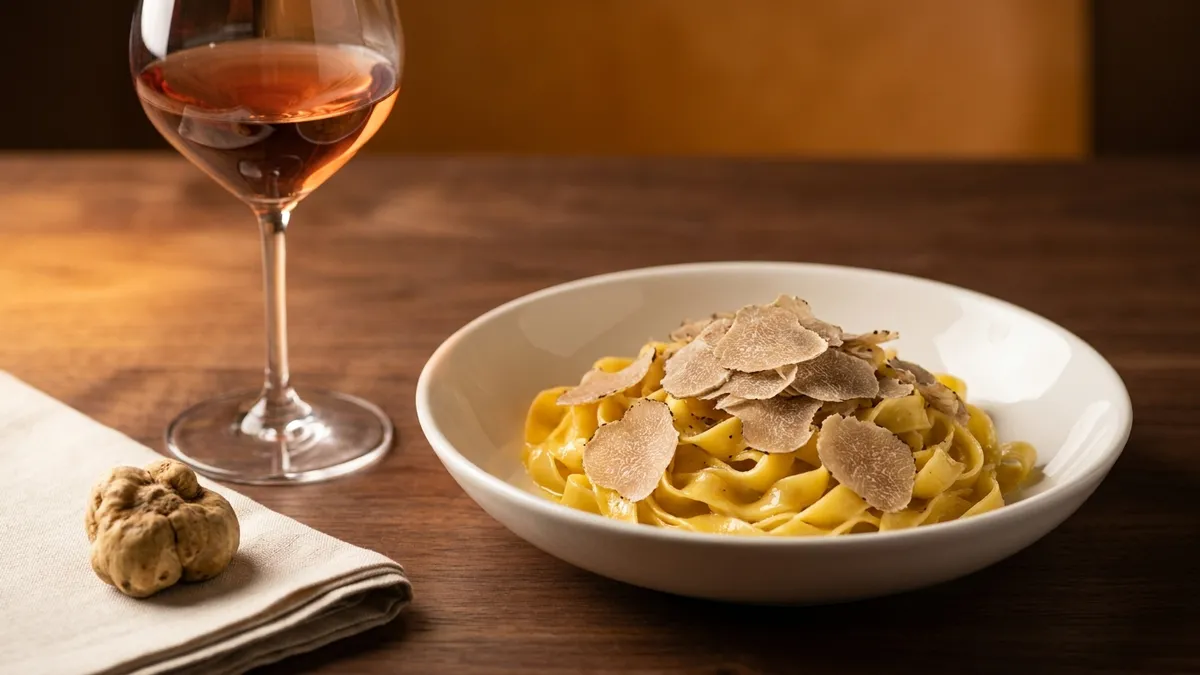
Wine with Truffles: How to Match White and Black Truffle
What wine goes with truffles? Aged Nebbiolo for shaved white truffle, a wine chosen for the dish under black truffle, older Champagne for eggs, and what to pour with truffle oil.
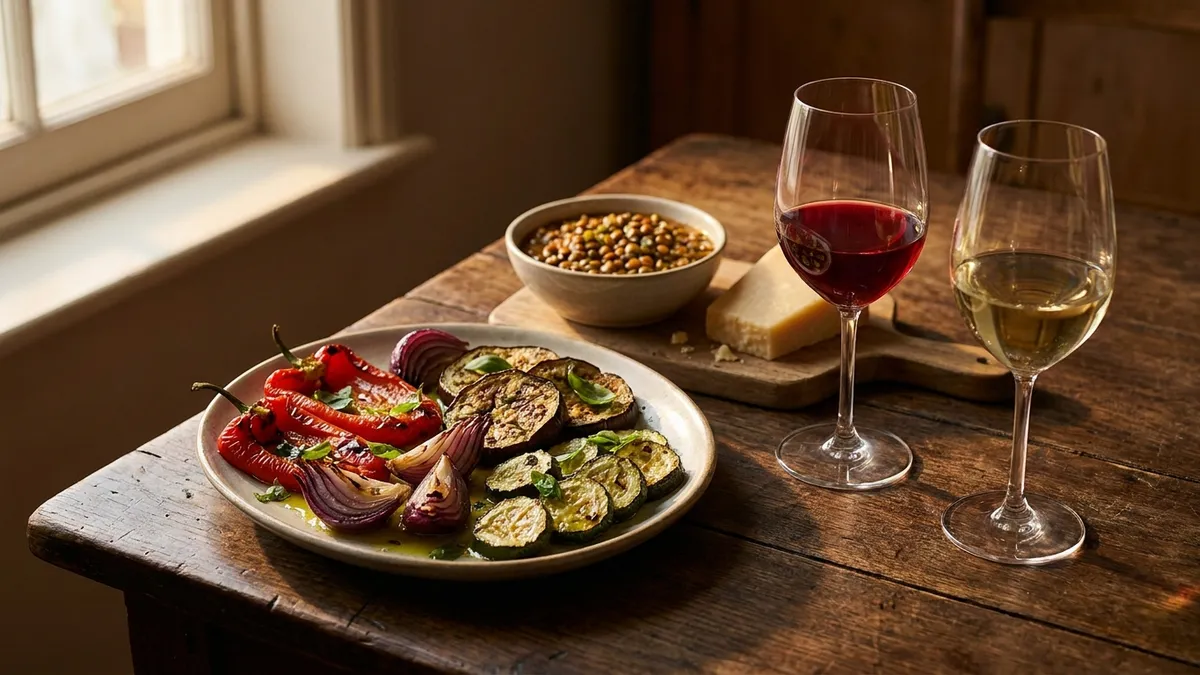
Wine Pairing for Vegetarian Food — A Three-Question Rule
Wine pairing for vegetarian food, explained through tannin, fat and cooking method: a three-question rule plus picks for roasted vegetables, mushrooms, lentils, cheese, asparagus and spicy dishes.
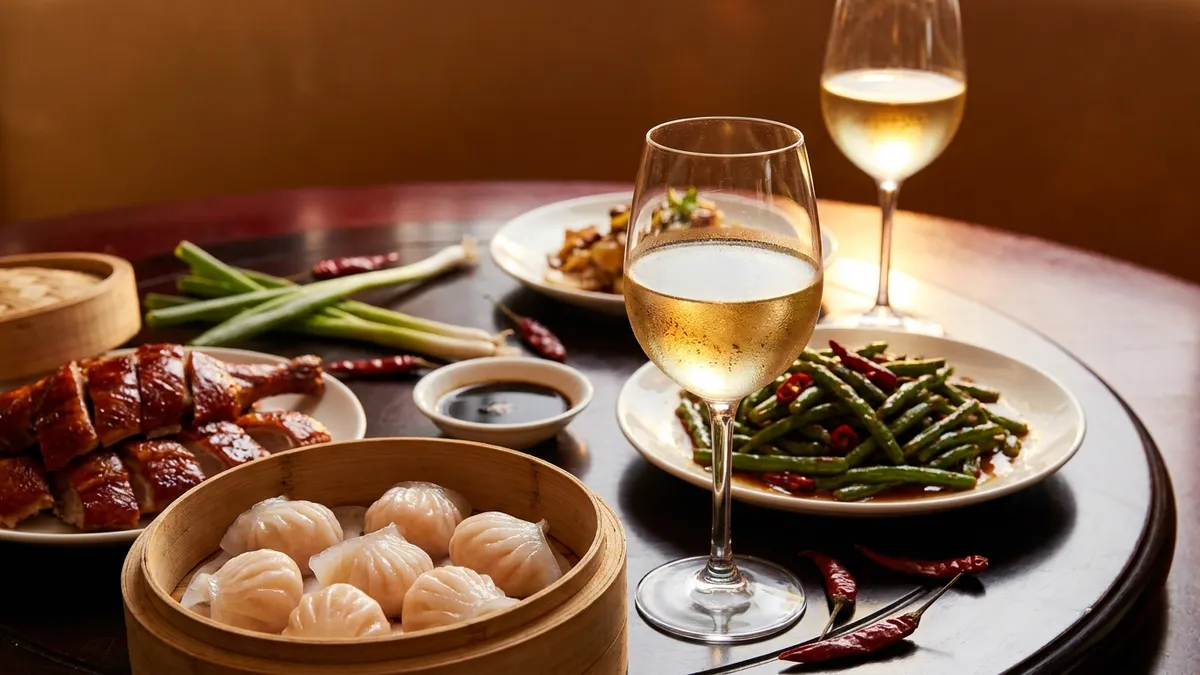
Wine with Chinese Food: Dim Sum, Stir-Fry, and Peking Duck
How to pick wine with Chinese food by the dish's loudest flavour: sparkling for dim sum, sauce-led choices for stir-fry, acidity for Peking duck, and off-dry whites for Sichuan heat.
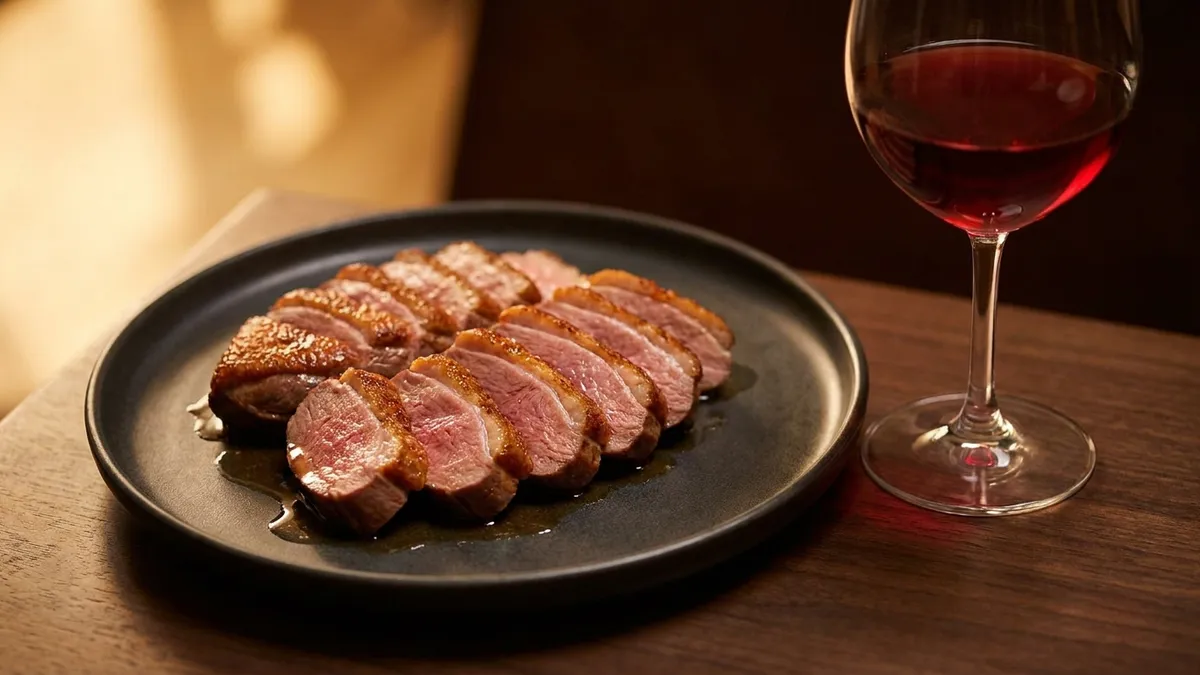
Wine with Duck: Confit, Roast, Pan-Seared and Peking
Wine with duck, dish by dish: tart low-tannin reds for confit and roast, a firmer Rioja for pink duck breast, and off-dry Gewürztraminer for Peking duck.
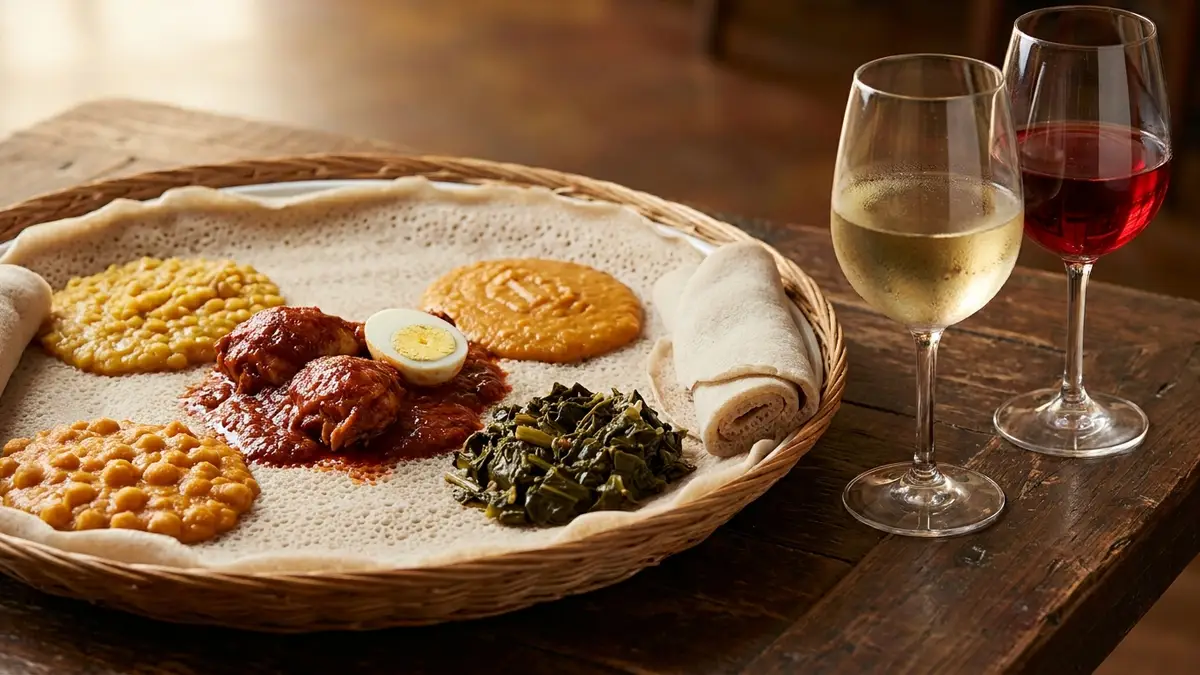
Wine with Ethiopian Food: Injera, Berbere, and Doro Wat
How to pick wine with Ethiopian food: why berbere heat and sour injera call for off-dry whites, fizzy reds and chilled Gamay, dish by dish from doro wat to kitfo and shiro.
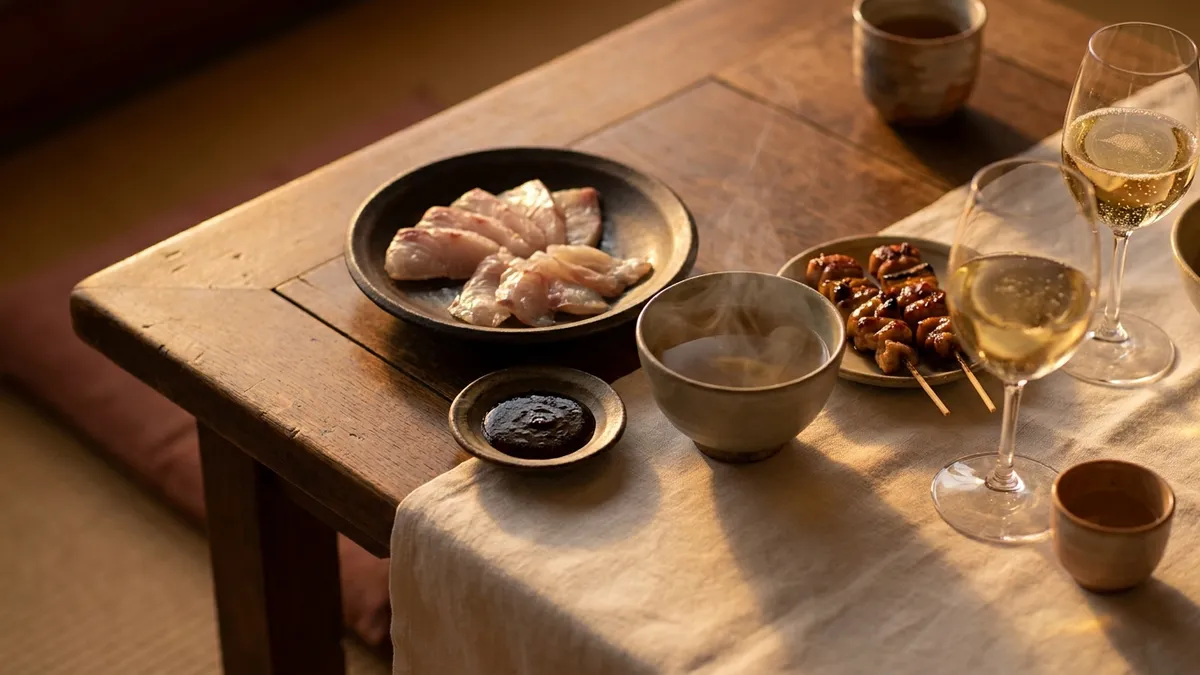
Wine with Japanese Food: Beyond Sushi, Ramen and Tempura
Wine with Japanese food goes far past sushi rules: the real iron science behind red wine and raw fish, a wine-vs-sake framework by dish, and what actually pairs with ramen, yakitori and tempura.
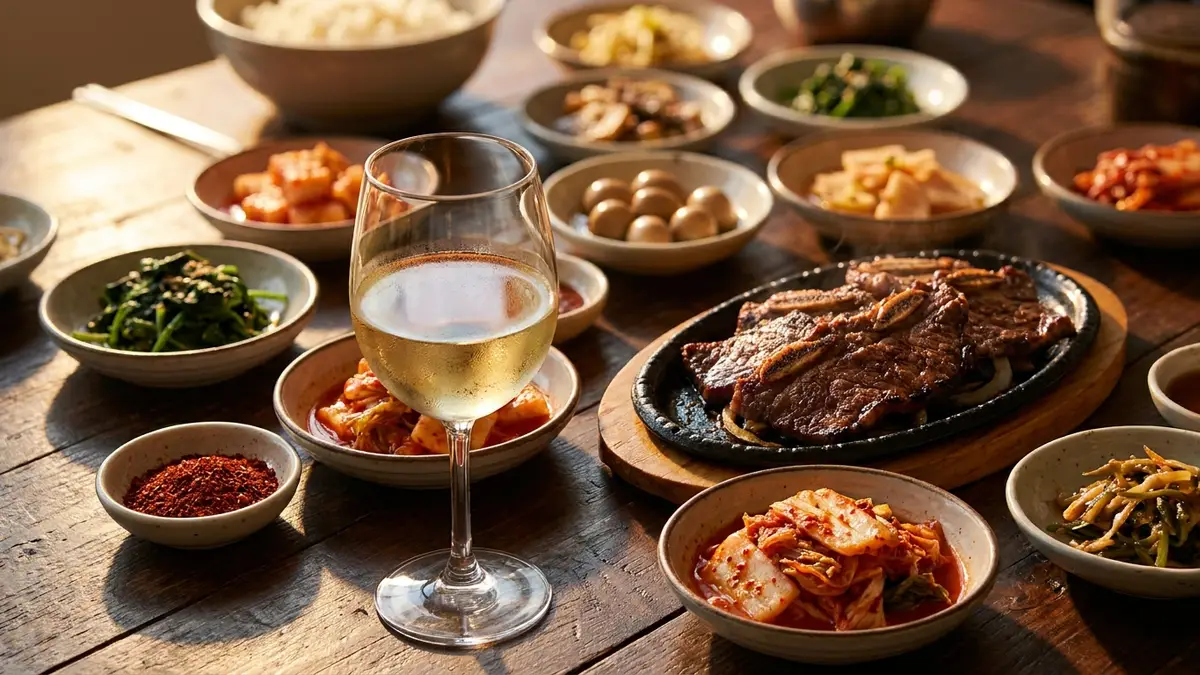
Wine with Korean Food: BBQ, Kimchi, and Fried Chicken
A practical guide to wine with Korean food: what to pour with bulgogi and galbi, kimchi, gochujang dishes, and Korean fried chicken, and which reds to skip.
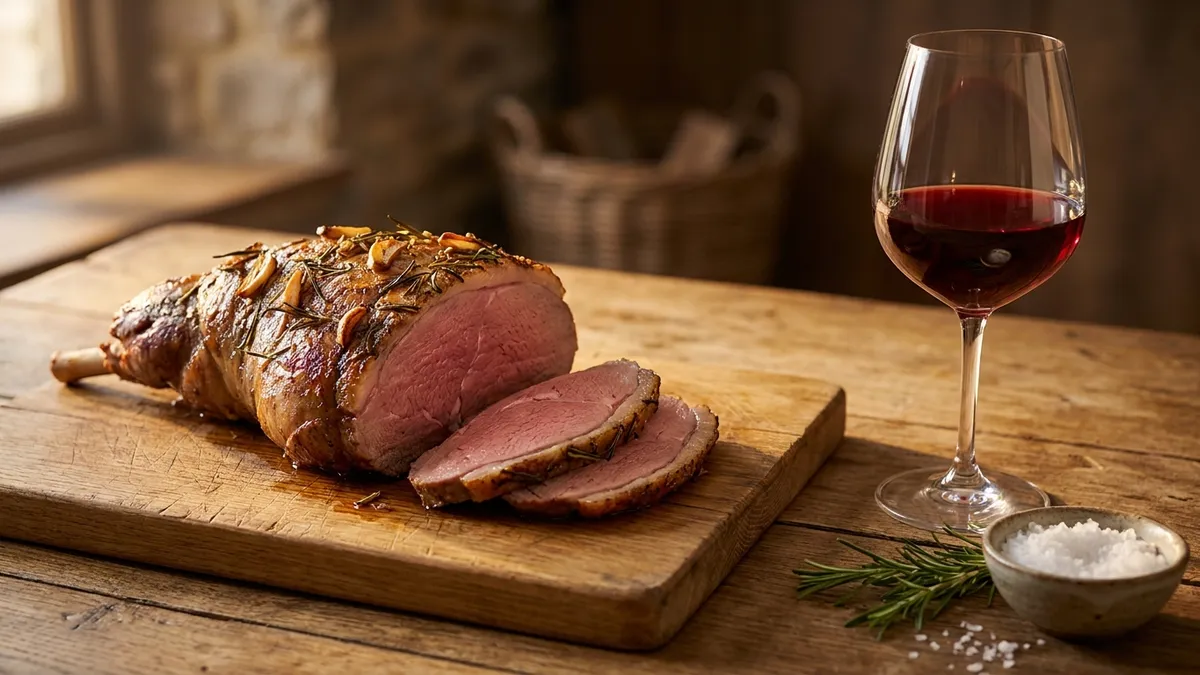
Best Wine with Lamb: Roast Leg, Chops, and Slow-Cooked
How to choose wine with lamb by cut and cooking method: medium-tannin reds for roast leg, firmer reds for chops, soft Grenache blends for braises, plus mint sauce and rosé.
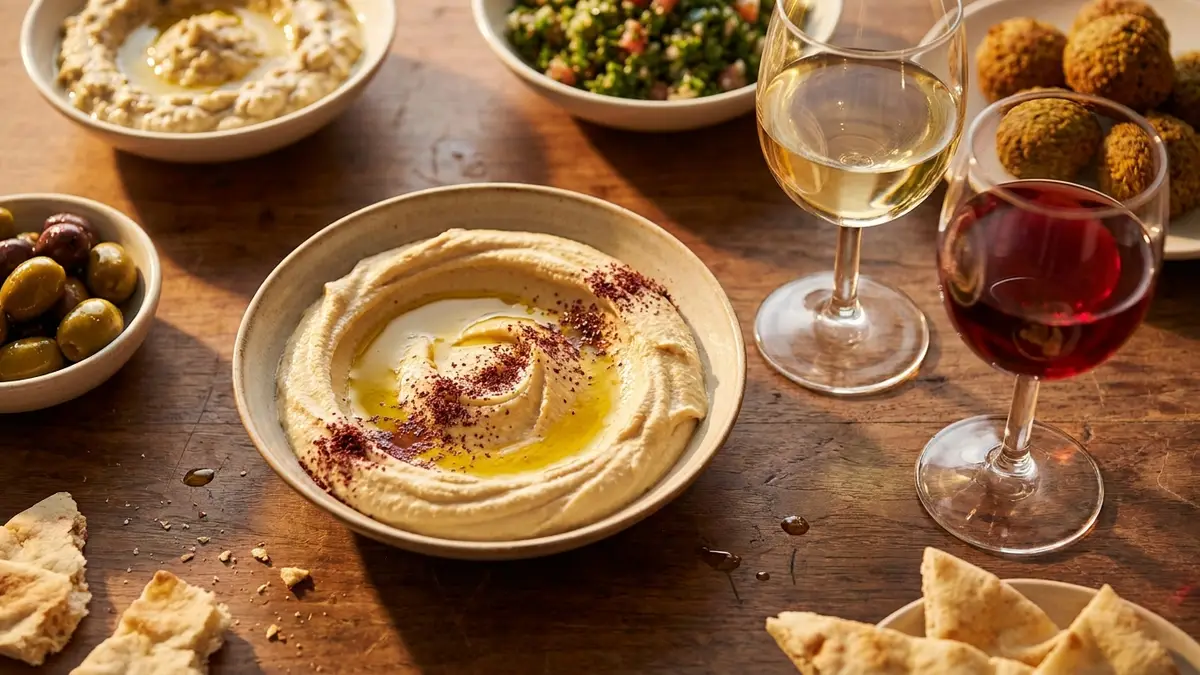
Wine with Middle Eastern Food: Hummus, Kebabs, and Mezze
How to pick wine with Middle Eastern food: high-acid whites and dry rosé for hummus and mezze, tannic reds for grilled lamb kebabs, and the regional grapes grown beside this cuisine.
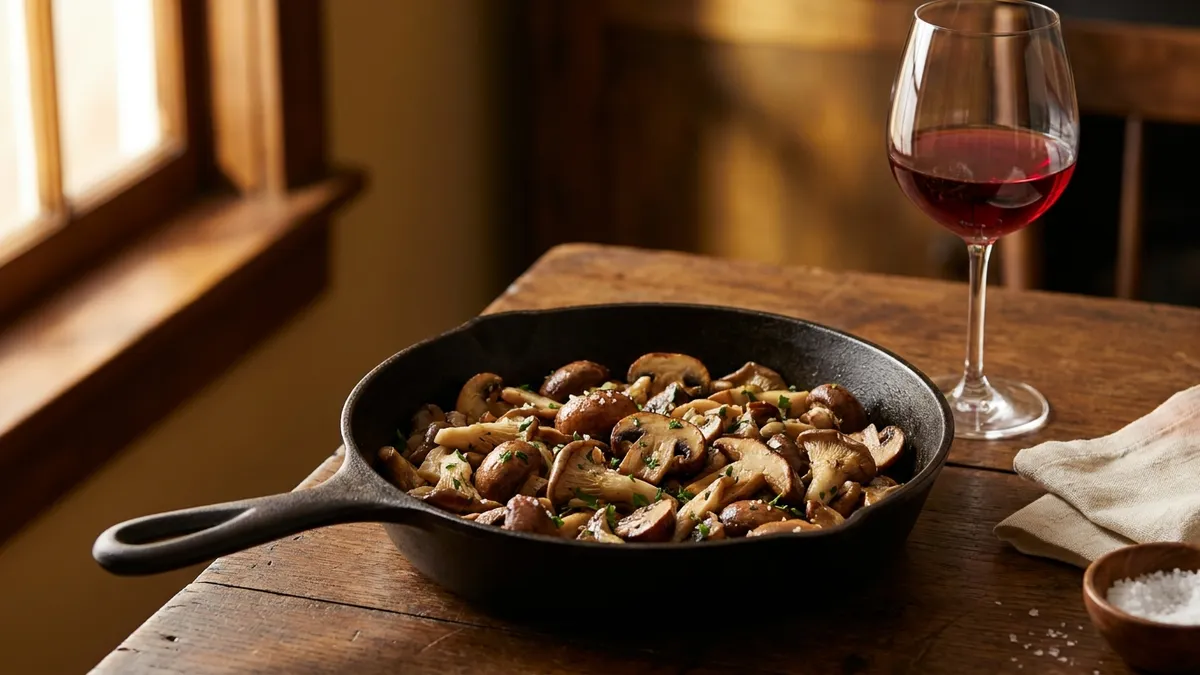
Wine with Mushrooms: From Risotto to Grilled Portobellos
What wine goes with mushrooms? Pinot Noir, full Chardonnay, Sangiovese, Nebbiolo and dry sherry, matched to risotto, portobellos, cream sauces, porcini and truffle.
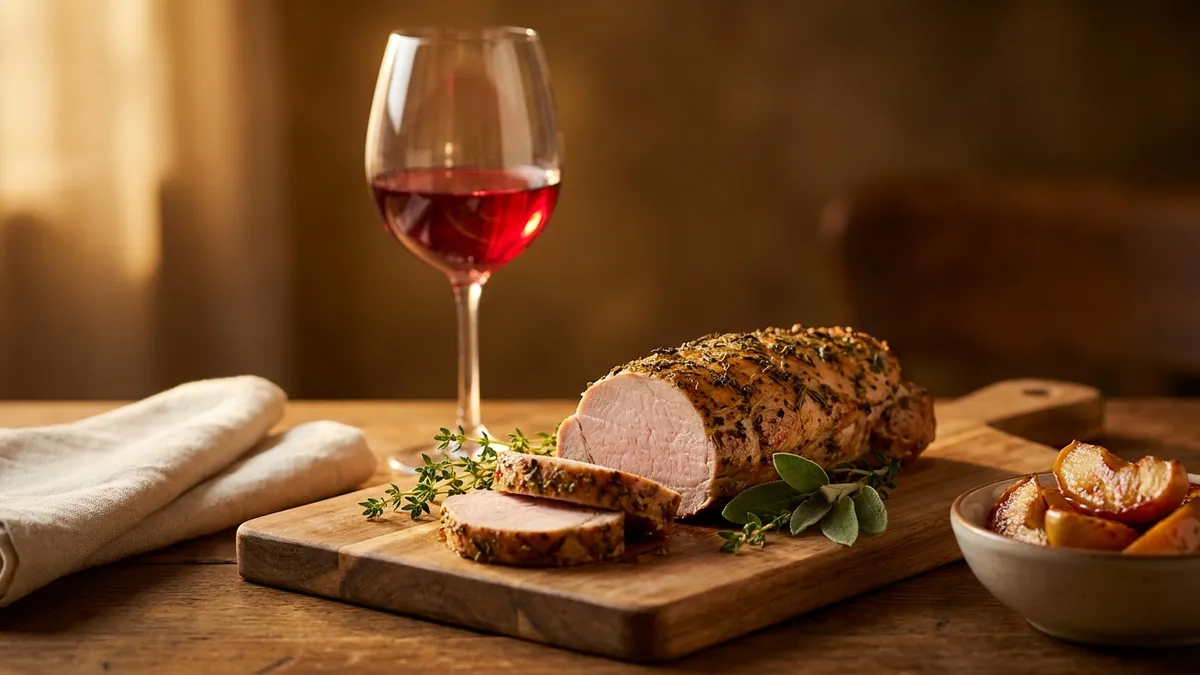
Wine with Pork: Tenderloin, Ribs, Chops, and Pulled Pork
Wine with pork is chosen by the plate, not the animal. How to pair tenderloin, chops, roast pork with crackling, BBQ ribs and pulled pork, and why low tannin wins.
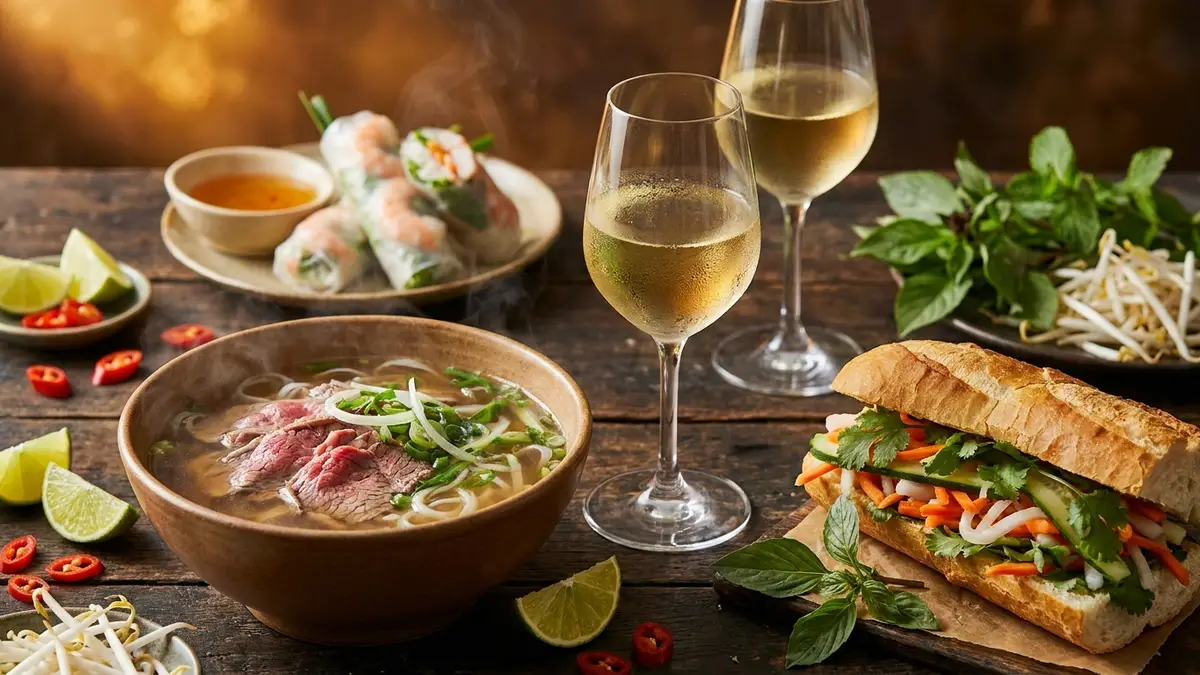
Wine with Vietnamese Food: Pho, Banh Mi, and Spring Rolls
Wine with Vietnamese food starts with herbs, lime and fish sauce, not chili. Pair pho, banh mi, summer rolls, banh xeo and bo kho dish by dish, and learn when off-dry Riesling earns its place.
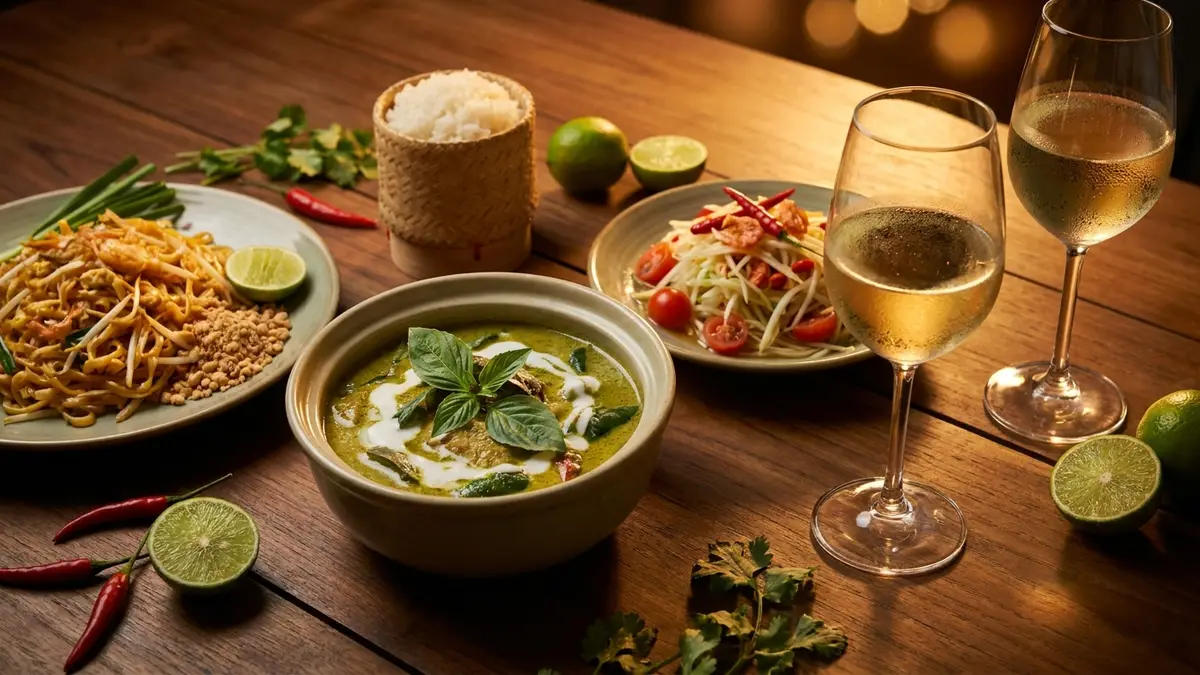
Wine with Thai Food: Balancing Sweet, Sour, Salty, and Spicy
Wine with Thai food is a four-flavor problem, not just a heat problem. Translate sweet, sour, salty, and spicy into wine traits, then pair pad thai, curries, som tam, larb, tom yum, and khao soi dish by dish.
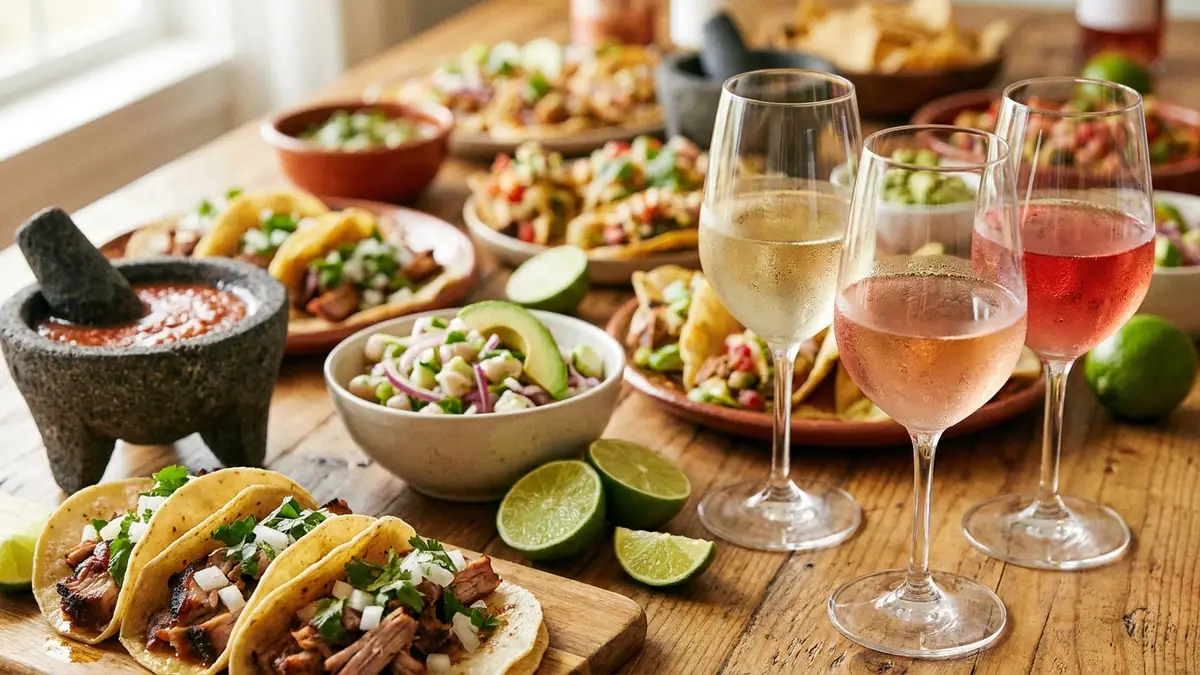
Wine with Mexican Food: Tacos, Mole, and Ceviche
The dedicated guide to pairing wine with Mexican food — how to read chile heat, lime brightness, and smoky richness, then match tacos, mole, ceviche, carnitas, and salsa to the glass in front of you.
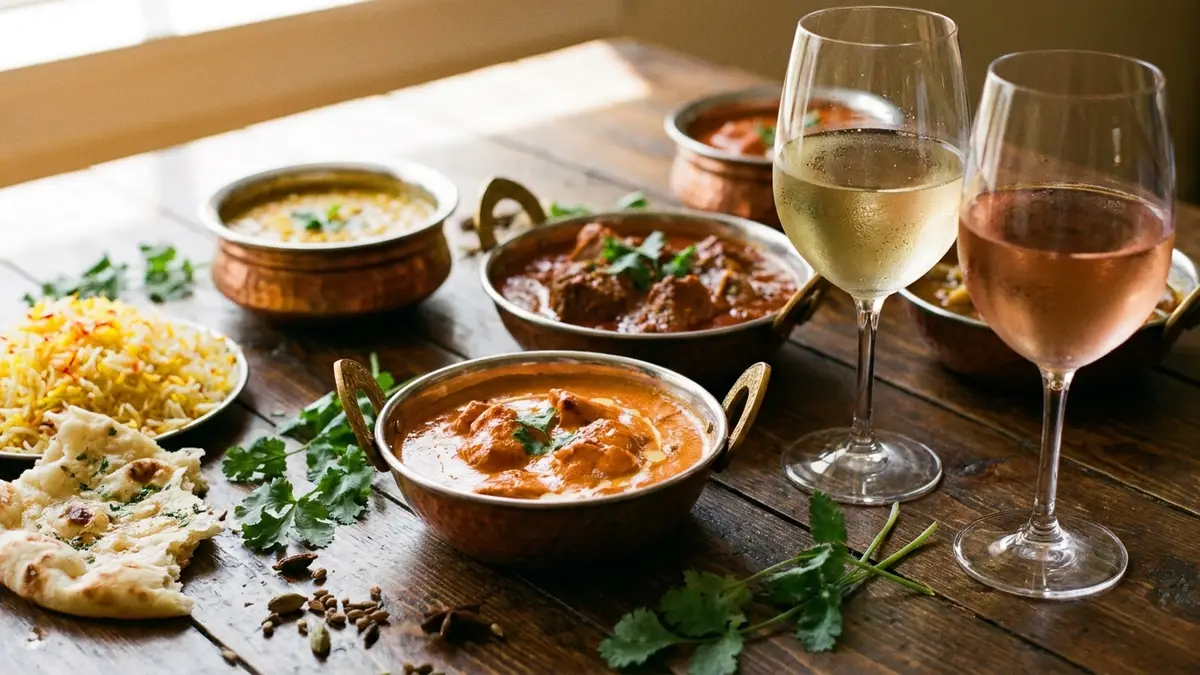
Wine with Curry and Indian Food: Pick by Sauce and Heat
Which wine goes with curry and Indian food: off-dry Riesling for most dishes, dry rosé for tandoori, a chilled light red for lamb, crisp whites for fish and shrimp curries, and how the heat of the dish changes the pick.
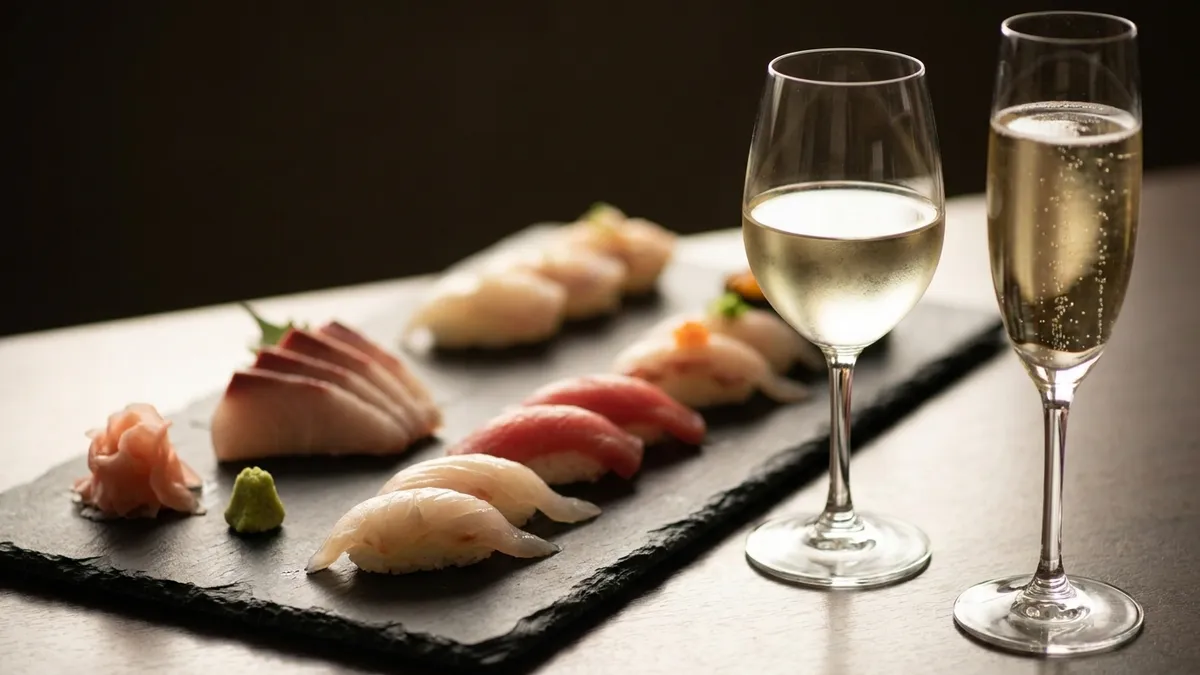
Wine with Sushi: Pairing Sashimi, Nigiri, and Rolls
The dedicated guide to pairing wine with sushi — why sparkling wine, dry Riesling, and Grüner Veltliner beat oak and tannin, and how to match sashimi, nigiri, and rolls to the glass in front of you.
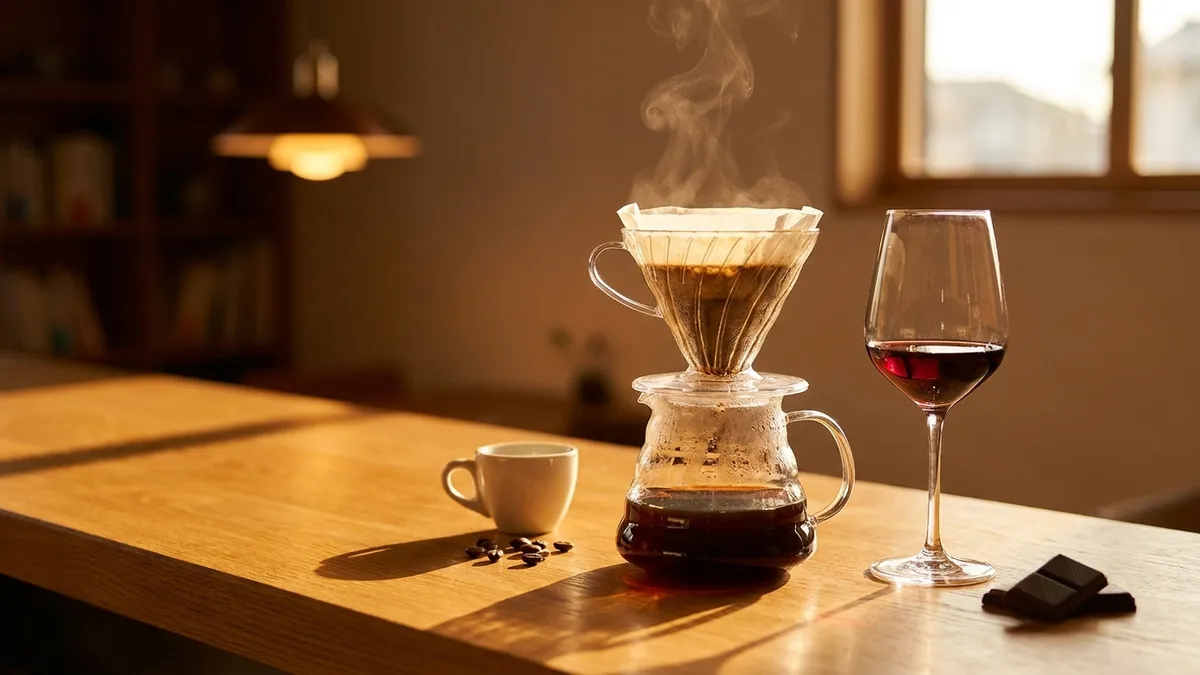
Wine and Coffee: Surprising Pairings and Shared Flavor Notes
A wine and coffee pairing guide for tasters who want to map flavors, find dessert combinations that work, and avoid the mistakes that ruin both.
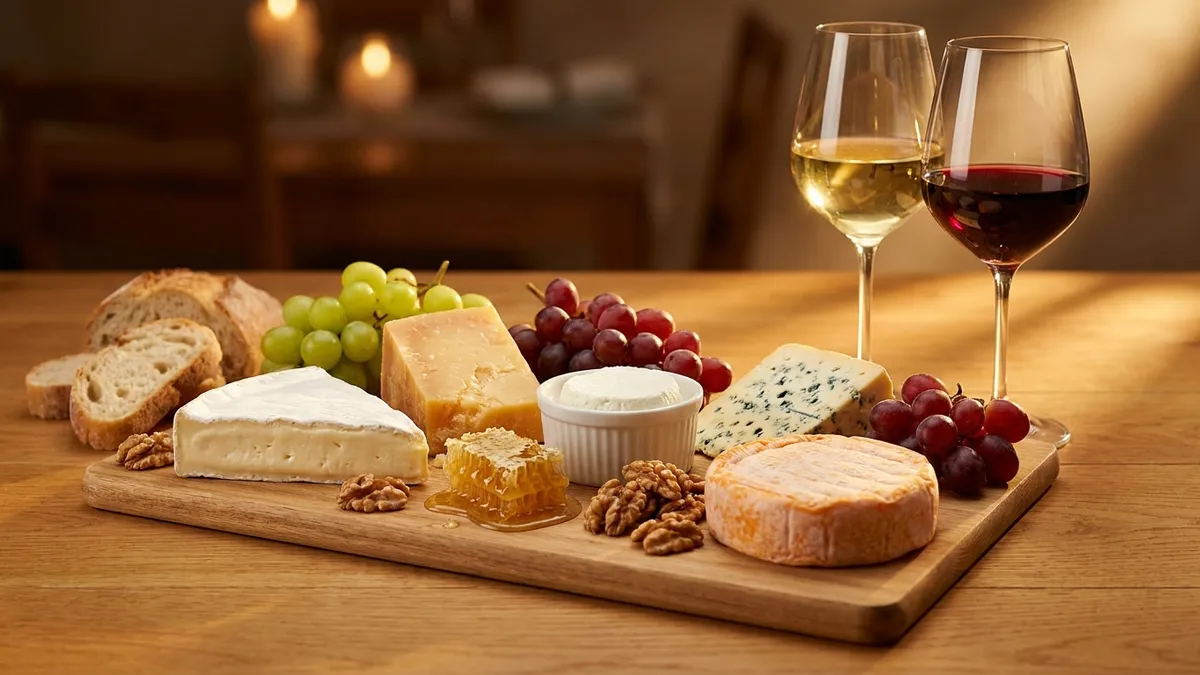
The Definitive Wine and Cheese Pairing Guide
A practical wine and cheese pairing guide covering 30+ cheeses with specific wine matches, the three core rules, and a one-bottle-one-cheese decision tree.
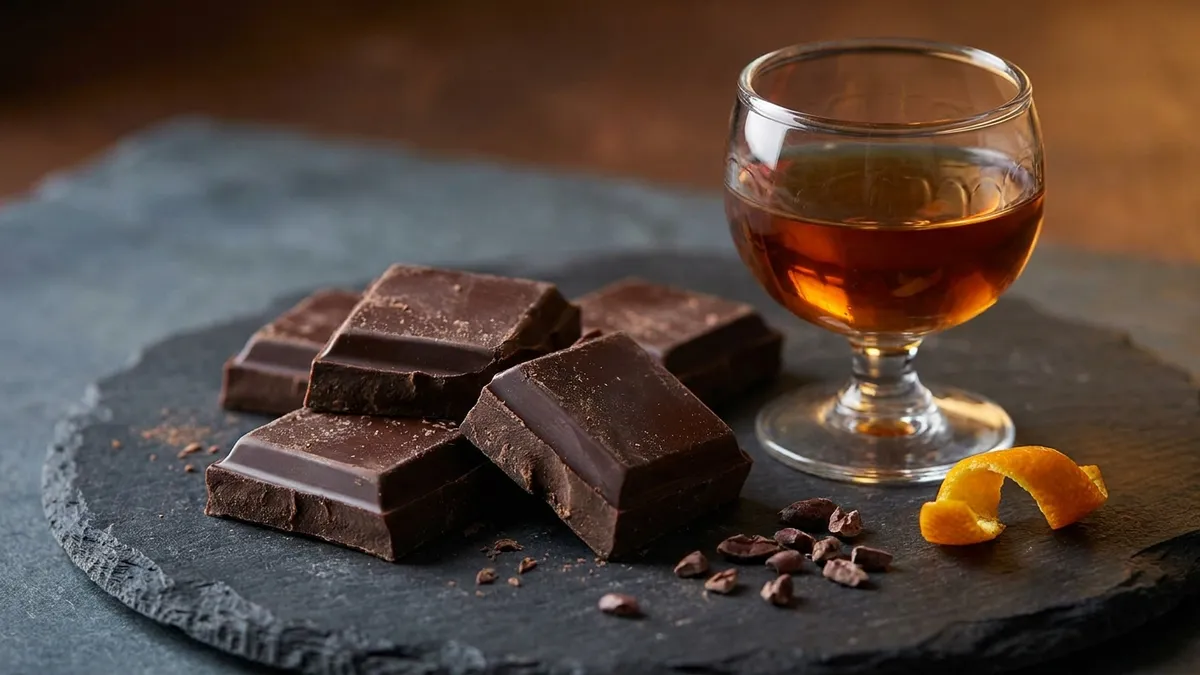
Wine and Chocolate Pairing: A Practical Guide
A practical, structured guide to wine and chocolate pairing — broken down by cocoa percentage, fillings, and category. Learn the rules, the traps, and the safe go-to bottles.
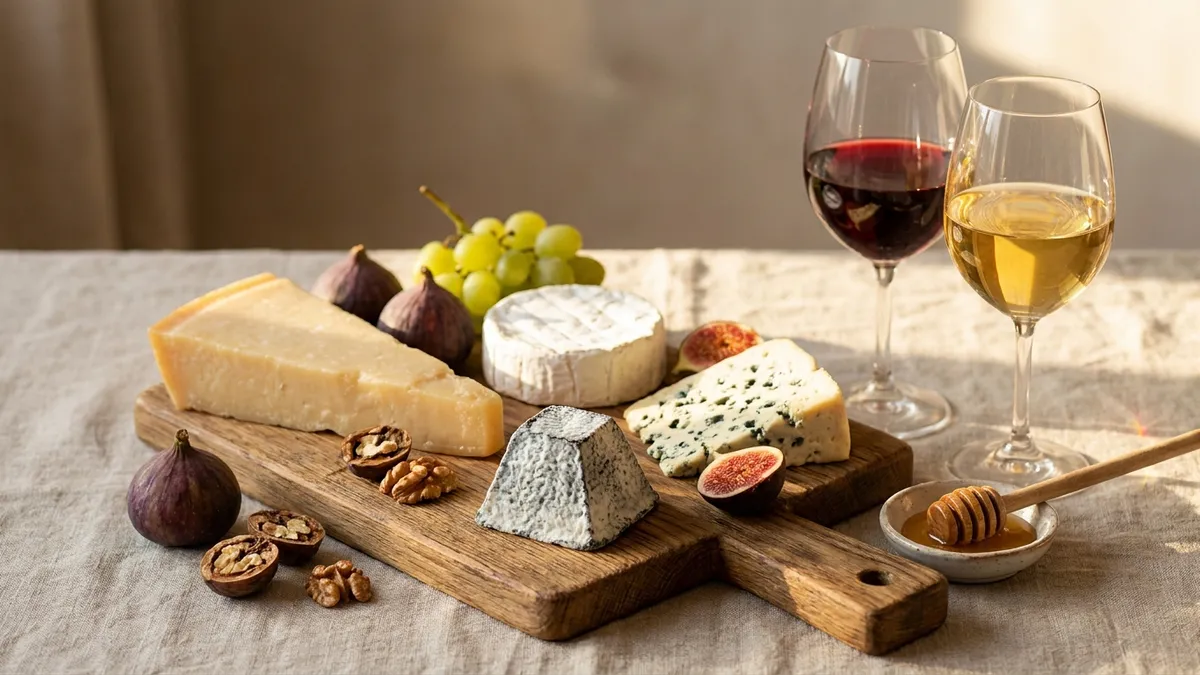
Wine and Cheese Pairing: The Ultimate Matching Guide
Learn how to pair wine and cheese like a sommelier. Match fresh, soft, hard, washed-rind, and blue cheeses to the right wine styles with confidence.
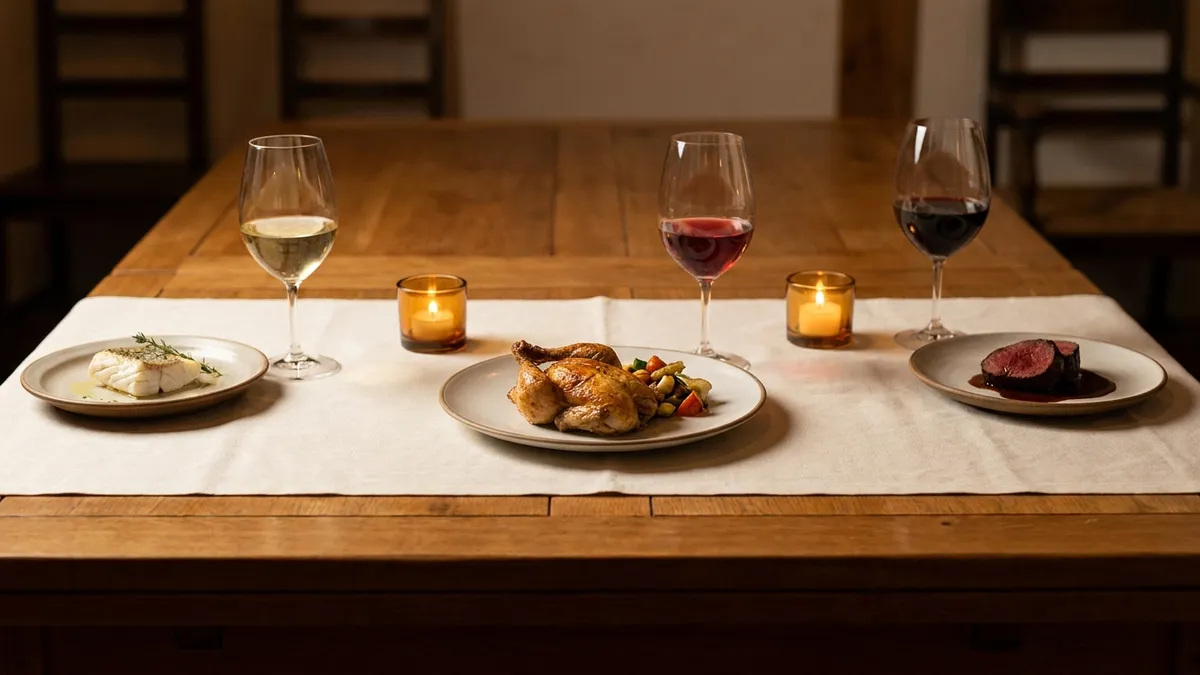
5 Wine Pairing Rules That Actually Work (and 3 to Ignore)
Cut through the noise of wine pairing advice. Learn the 5 rules that sommeliers actually use and the 3 outdated rules you can safely forget.
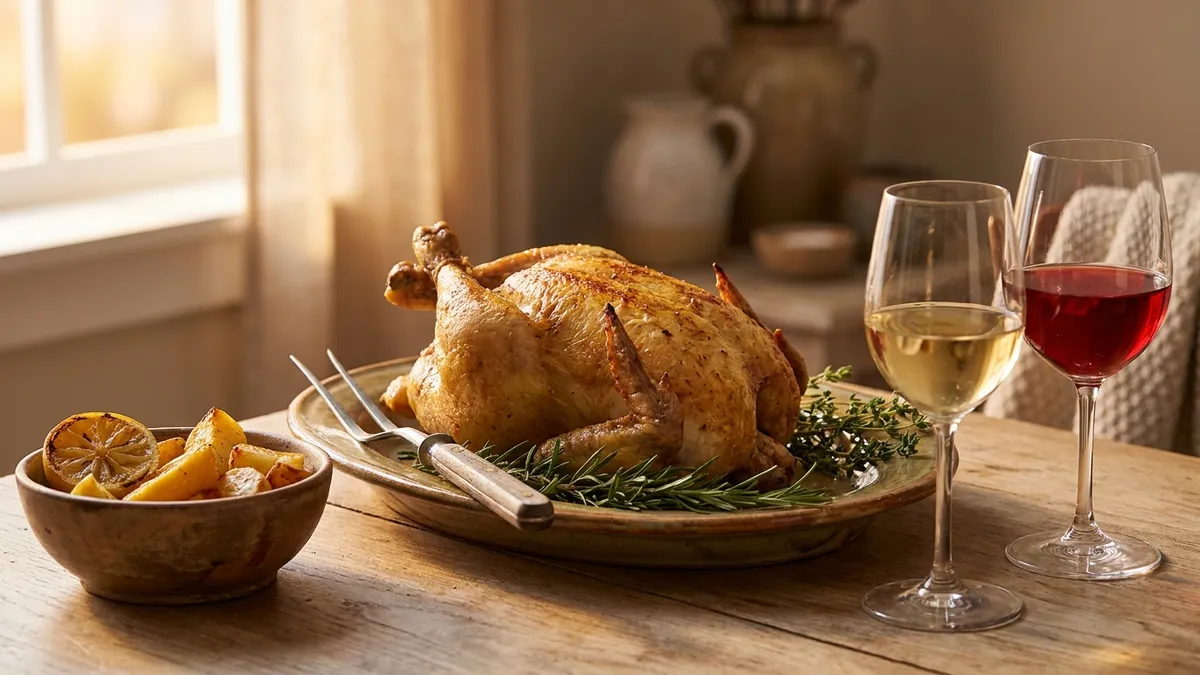
What Wine Goes with Chicken? Pairings for Every Recipe
Find the right wine for every chicken dish, from roast to grilled to creamy piccata. Match the preparation and sauce, not just the protein.
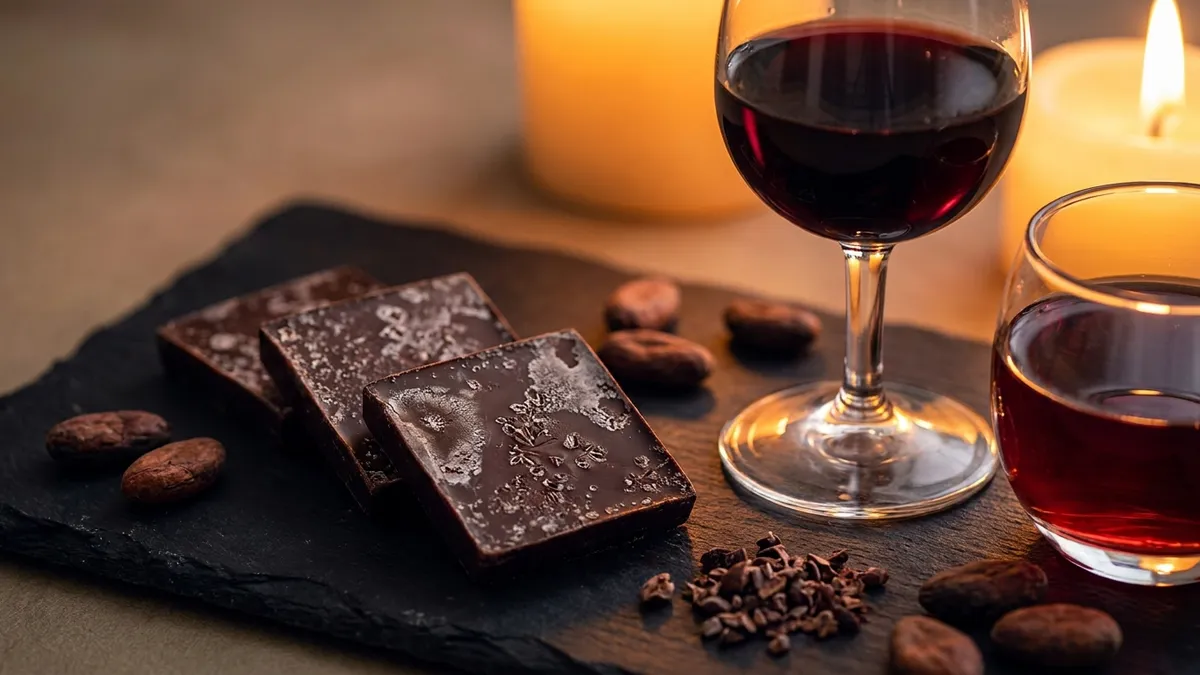
Wine and Chocolate Pairing: A Sweet Match Made Right
Learn how to pair wine with chocolate by matching sweetness, intensity, and flavor profiles. From dark chocolate to milk and white, find the right wine every time.
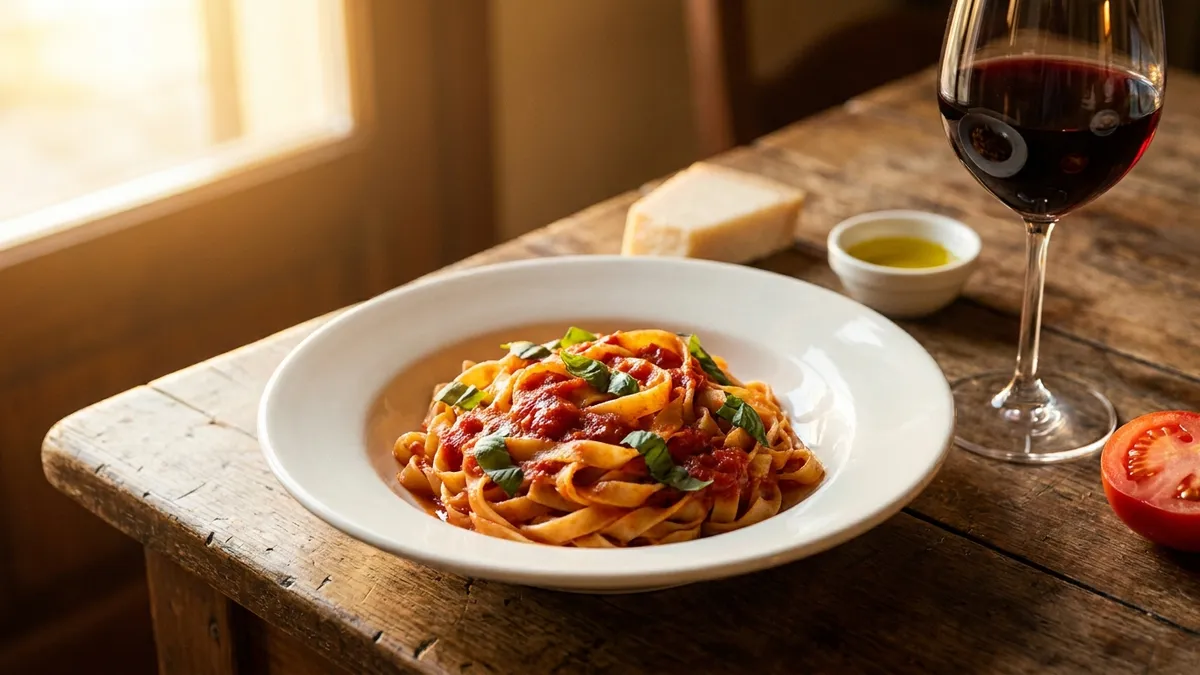
Wine and Pasta Pairing: Match the Sauce, Not the Noodle
Choosing wine with pasta doesn't start with the shape — it starts with the sauce. Learn the practical rules for pairing red, white, and sparkling wine with every pasta dish.
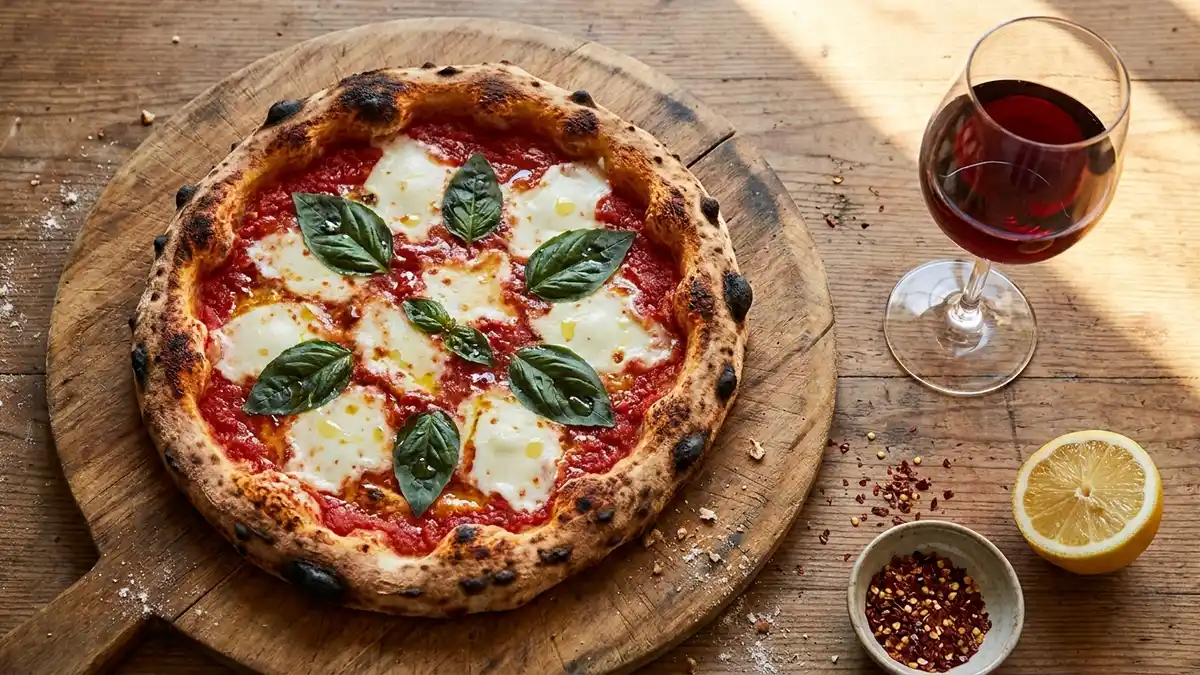
Best Wine for Pizza (Margherita, Pepperoni, and More)
The best wine for pizza, style by style — Sangiovese for Margherita, Barbera for pepperoni, crisp whites for pizza bianca, and a bubbly for every slice.
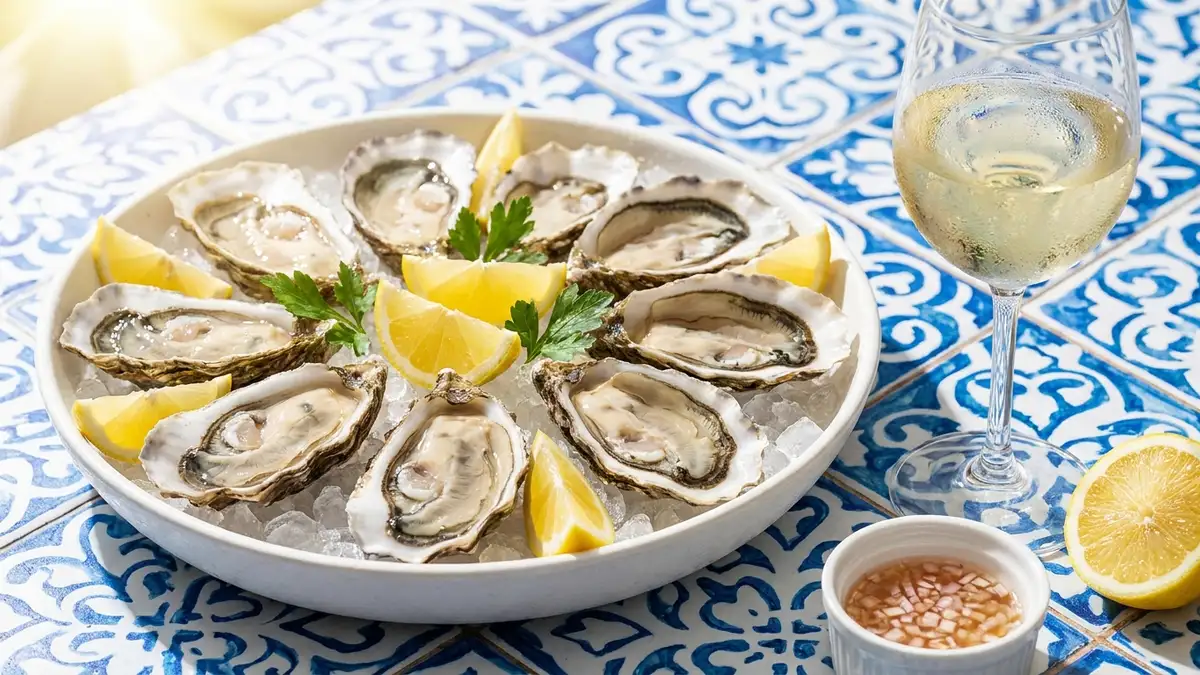
Wine and Seafood Pairing Guide: Fish, Shellfish, and Sushi
Learn how to pair wine with seafood, from delicate white fish to rich shellfish and sushi. Match the preparation and sauce for a perfect pairing every time.
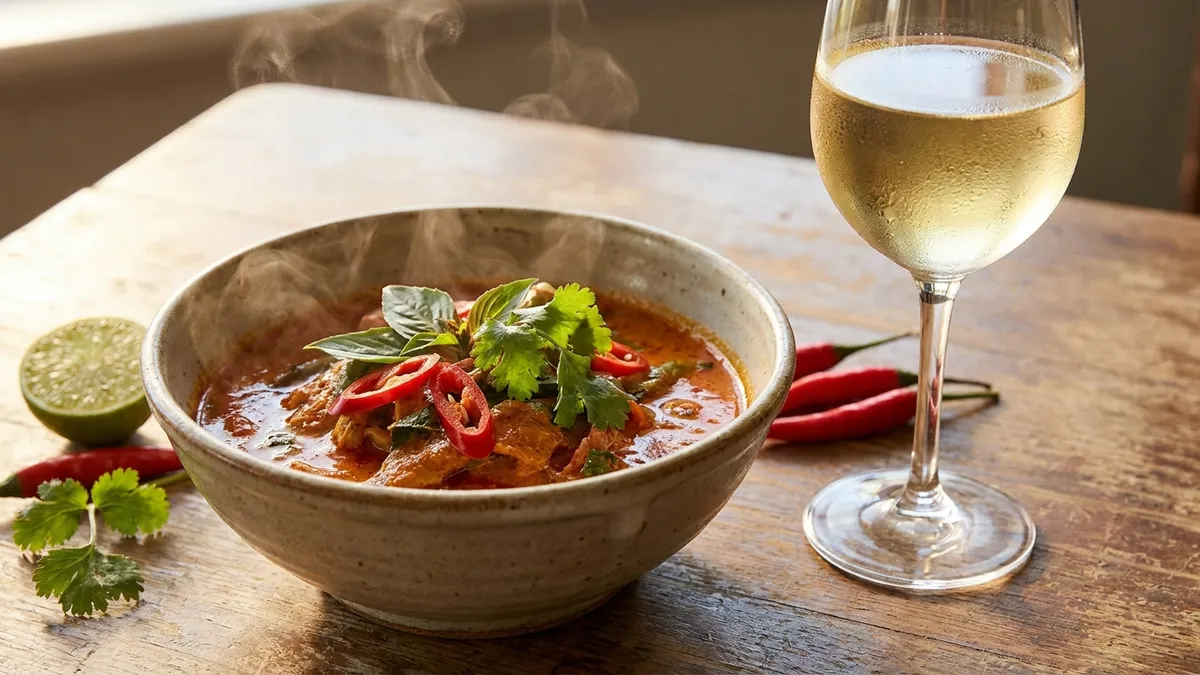
Best Wine for Spicy Food — the Off-Dry Rule Sommeliers Use
The best wine for spicy food is off-dry, low-alcohol, and low-tannin. See why Riesling beats red, what the EU legally calls dry, and a grape-by-heat table.
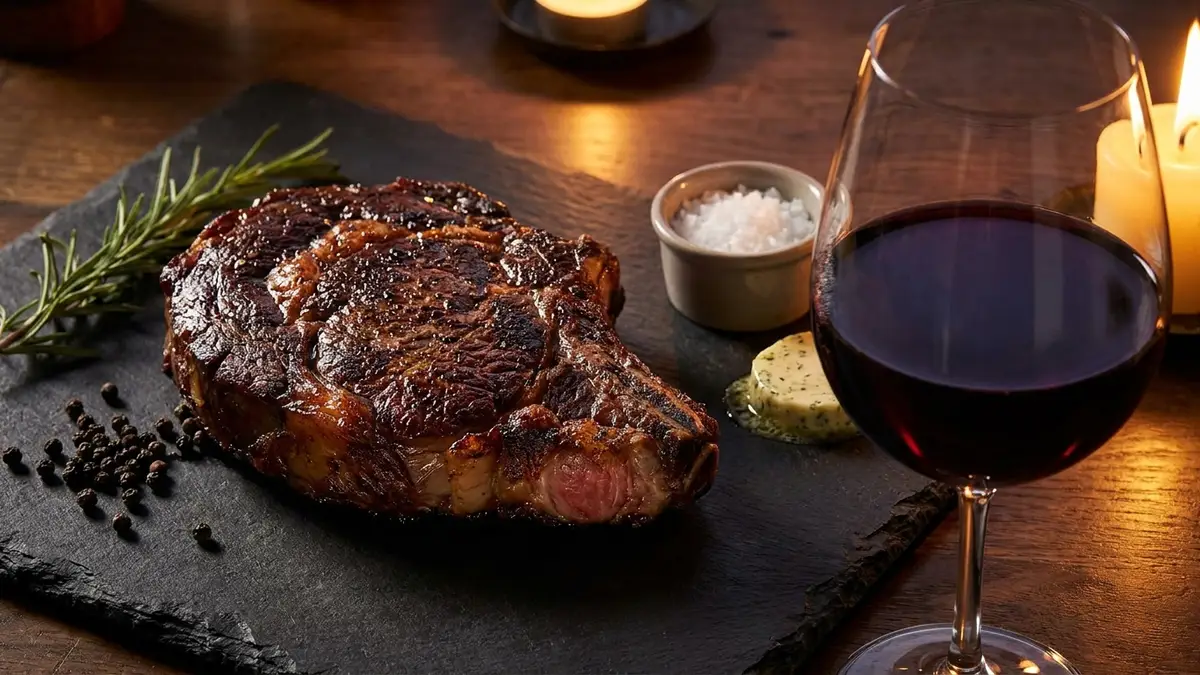
Best Wine with Steak: How to Match Red Wine to Your Cut
Learn how to pair wine with steak by matching the right red to your cut, cooking method, and sauce. From ribeye to filet mignon, find the perfect match.
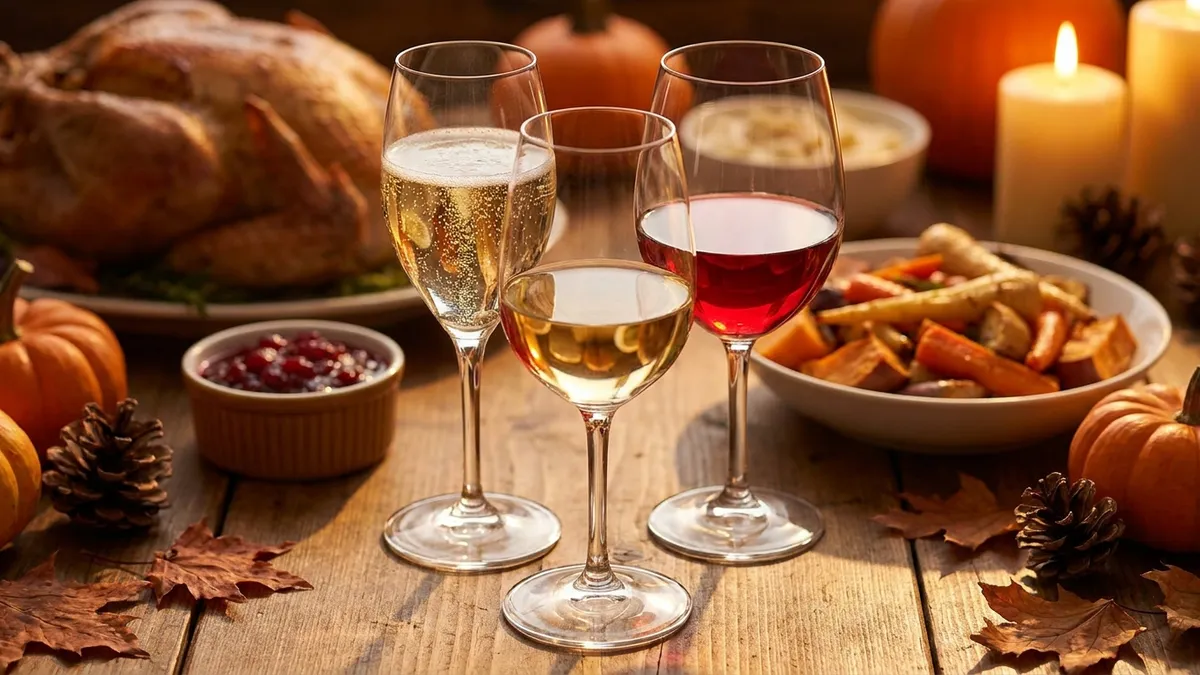
Best Wine for Thanksgiving: Pairing Guide for the Full Feast
Find the best wines for Thanksgiving dinner, from turkey and stuffing to cranberry sauce and pumpkin pie. A practical guide to pairing the entire feast.
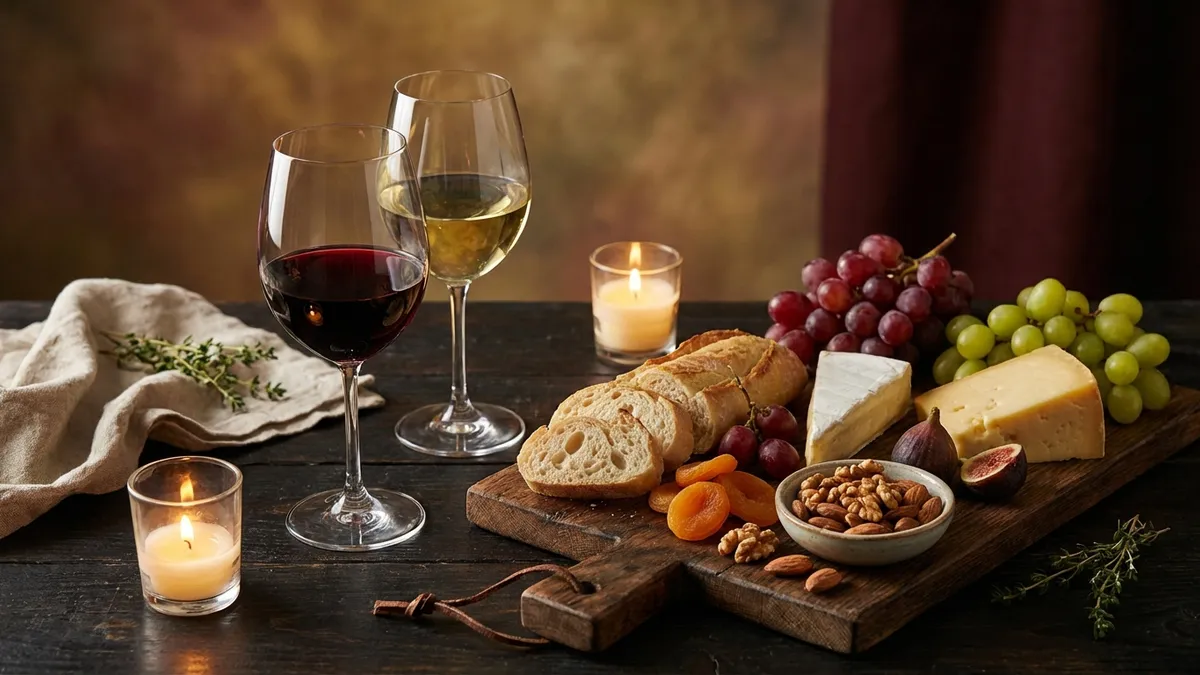
Wine and Food Pairing: The Ultimate Guide
Go beyond the basics of wine and food pairing. Learn the principles that work with every cuisine, including tricky foods like spicy dishes and chocolate.