Best Wines for Winter: Reds, Whites and Port for the Cold

By the Sommy Team — AI-assisted, human-edited.
Updated Oct 1, 2026
Contents (8)
TL;DR
The best wines for winter follow the food. Braises and roasts want full-bodied, tannic reds; creamy dishes want oaked whites; melted cheese wants high acid; Port suits blue cheese at 19 to 22% alcohol. Serve big reds at 16 to 18°C, below a heated room. Wine feels warming but speeds heat loss.
The best wines for winter are chosen by the plate and the thermometer. A slow braise, a roast or a pot of melted cheese decides the bottle, and a big red tastes better a few degrees below the heated room it sits in. Alcohol itself makes you feel warm while your body loses heat faster.
What Are the Best Wines for Winter, in One Paragraph?
The best wines for winter are full-bodied reds such as Cabernet Sauvignon, Syrah, Malbec, Grenache blends, Nebbiolo and Amarone. Add rich whites like oaked Chardonnay and Chenin Blanc, Port after dinner and mulled wine for a crowd. Each earns its place through winter food: tannin for fatty braises, oak and body for cream sauces, acidity for melted cheese, sweetness for blue cheese and dessert. Serve the big reds at 16 to 18°C, cooler than most heated homes. More alcohol does not mean a better winter wine. Port runs 19 to 22% and Amarone starts at 14%, yet a 13% red is often the better glass with spiced stew.
Which Winter Wine Goes With Which Dish?
Match the wine to the fattiest, slowest-cooked thing on the plate. Winter cooking adds fat, browned crusts and warm spices, and each changes how a wine tastes. Tannin (the drying grip on your gums, from grape skins) feels harsh on its own.
Fat and protein coat the mouth and soften that grip. A firm red that tastes rough before dinner tastes round beside short ribs.
| Dish or moment | Pour this | Why it works | Serve at |
|---|---|---|---|
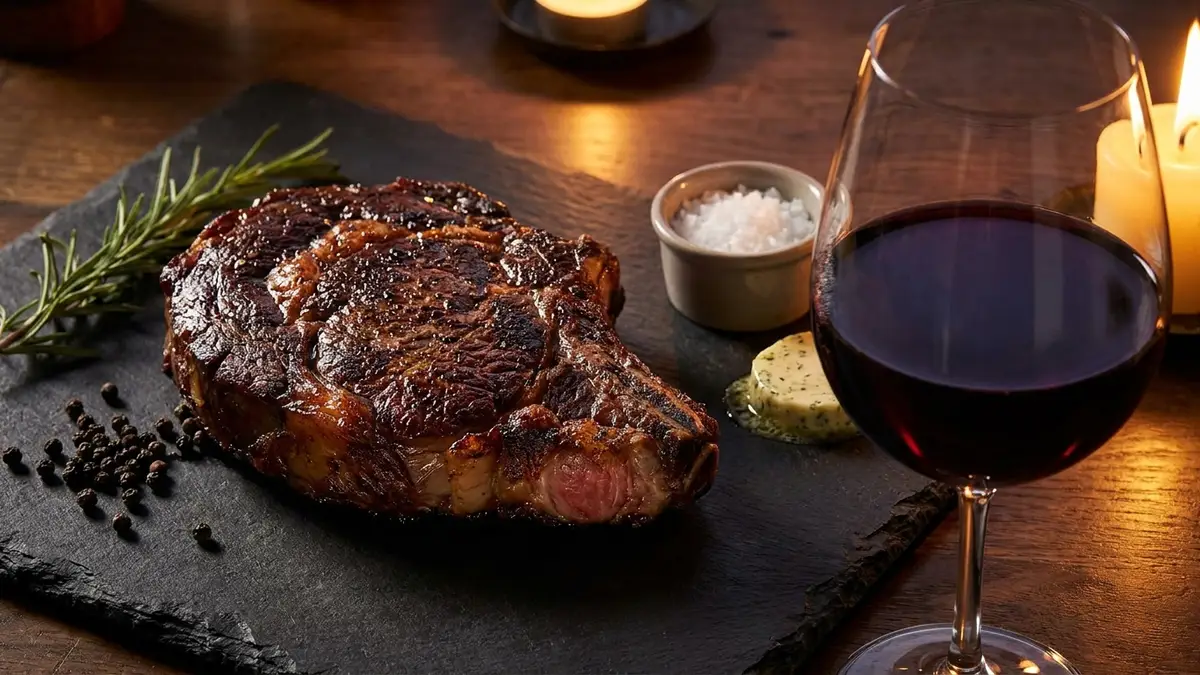
| Beef braise, short ribs, lamb shank | Cabernet Sauvignon, Barolo, Syrah | Fat and protein soften firm tannin | 16-18°C |
| Spiced or chilli stew, barbecue | Zinfandel, Grenache blend, Malbec under 14% | Ripe fruit meets sweet spice; lower alcohol burns less with chilli | 14-16°C |
| Roast chicken, pork, creamy mushrooms | Oaked Chardonnay, Chenin Blanc | Body and oak match butter and cream | 10-13°C |
| Cheese fondue, raclette | Dry Riesling, other high-acid dry whites | Acidity cuts melted fat | 7-10°C |
| Fried starters, party snacks | Traditional-method sparkling | Bubbles and acid scrub salt and oil | 6-9°C |
| Blue cheese, walnuts, chocolate | Ruby or tawny Port | Sweetness balances salt and bitterness | 13-18°C |
| A crowd on a cold evening | Mulled wine from a fruity red | Spice and sugar replace oak and age | Hot, never boiling |
If the dish was braised for hours, pour a tannic red; if it is creamy or buttery, pour an oaked white. The dish-by-dish logic for meat goes further in wine with lamb and wine with steak.
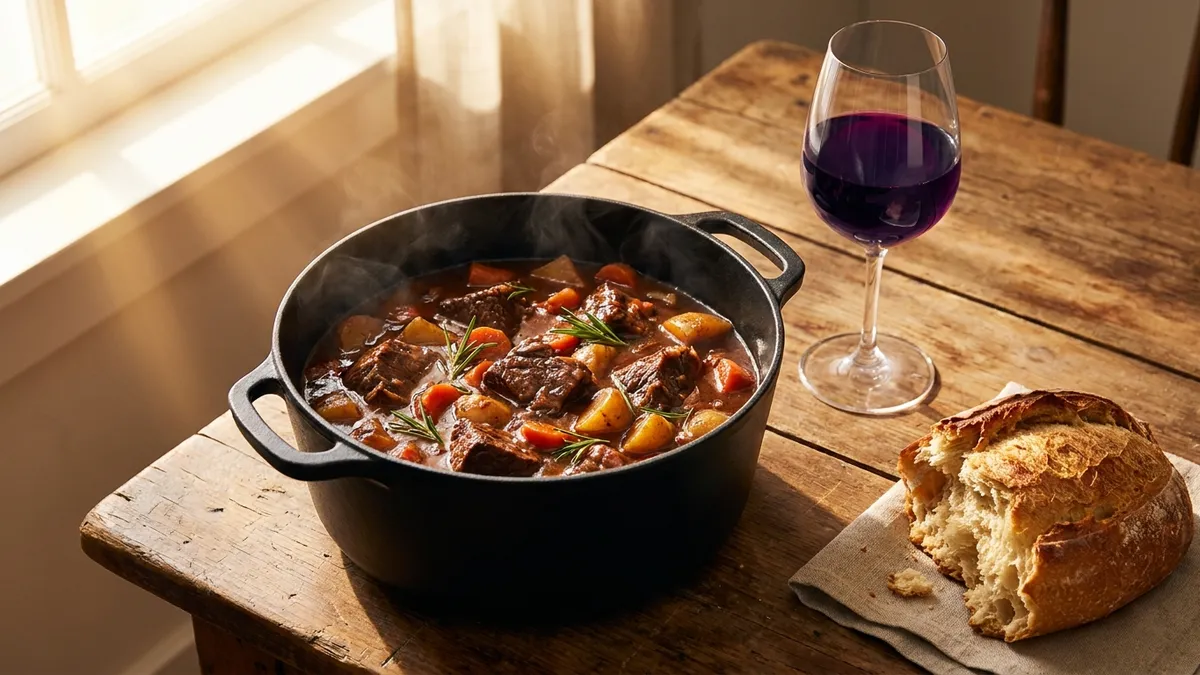
Does Wine Really Warm You Up?
No. Wine makes you feel warm, but it does not keep you warm. The Cleveland Clinic explains that alcohol expands blood vessels, letting heat leave the surface of the skin more quickly. The glow in the cheeks is warm blood moving outward, where cold air takes its heat away.
So the reasons winter wine feels right are in the glass and on the plate. Heavier food needs heavier wine. Flavours from oak (barrels that add vanilla, toast and clove) and from ripe fruit in warm climates read as warming spices. A fire and a long dinner do the rest. Save the glass for indoors, after the winter walk.
What Are the Best Red Wines for Winter?
Pick reds with firm tannin and full body (weight in the mouth: whole milk rather than skimmed) for slow-cooked meat. For spiced or sweeter dishes, pick reds with riper fruit and less grip. Cabernet and Barolo sit at the firm end; Grenache and Malbec sit at the ripe end.
Cabernet Sauvignon has high tannin and tastes of blackcurrant and cedar, so it is the default for beef and lamb; the Cabernet Sauvignon guide maps its regional styles. Syrah adds black pepper and smoked meat flavours, which echo browned crusts and peppery rubs. Malbec from Argentina tastes of plum and blackberry ripened under high-altitude sun, with softer tannin than Cabernet.
Grenache leads the blends of the southern Rhône. Châteauneuf-du-Pape, its best-known village name, allows 18 grape varieties and must reach at least 12.5% alcohol, and Grenache covered 72% of its vineyards in 2004. It tastes of ripe strawberry and dried herbs, with gentle tannin that suits lamb with rosemary and garlic.
Italian reds for the richest dishes
Barolo is 100% Nebbiolo from Piedmont. The rules require at least 13% alcohol and 36 months of ageing before release, at least 18 of them in wood, and five years for Riserva. Nebbiolo is pale in the glass but high in both tannin and acidity, so it needs fatty, savoury food: braised beef, mushrooms, truffled pasta. The grape is covered in depth in the Nebbiolo guide.
Amarone is made mainly from Corvina and Rondinella grapes dried for about 120 days before fermenting, which lifts it to a legal minimum of 14% alcohol and flavours of dried cherry and cocoa. It is the richest red here and wants the richest food. The drying process is explained in the Amarone guide.
If the stew carries chilli, pick a red under 14%: alcohol makes chilli heat burn harder. A juicy Grenache or Malbec at that strength works better there than Amarone or a heavy Cabernet.
Are White Wines Good in Winter?
Yes, as long as they have weight or high acidity (the tartness that makes your mouth water). Weight matches cream and roast meat; acidity cuts melted cheese and fried food. Light, neutral whites served ice-cold are the ones that vanish next to winter food.
Oaked Chardonnay has the body and the buttery, toasty flavours from barrel ageing to stand next to roast chicken, pork with apples or a creamy mushroom pie. The Chardonnay guide explains how to spot oaked bottles on the label. Chenin Blanc from the Loire or South Africa tastes of baked apple and honey with high acidity, so it handles both pork and cream.
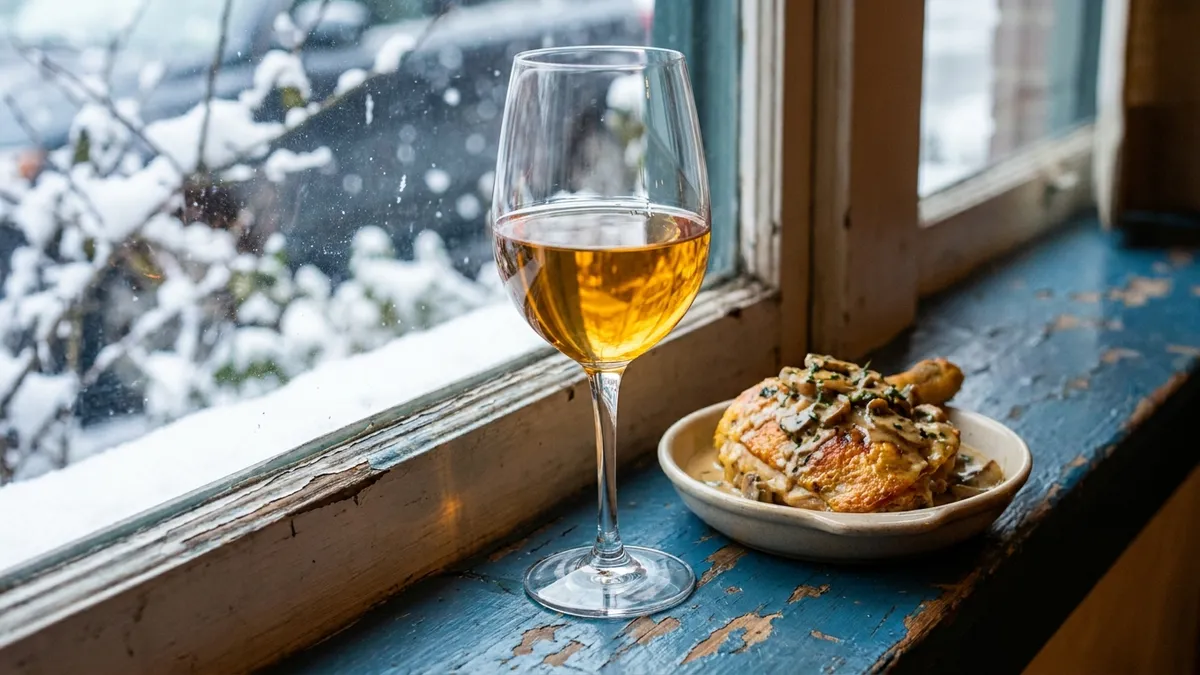
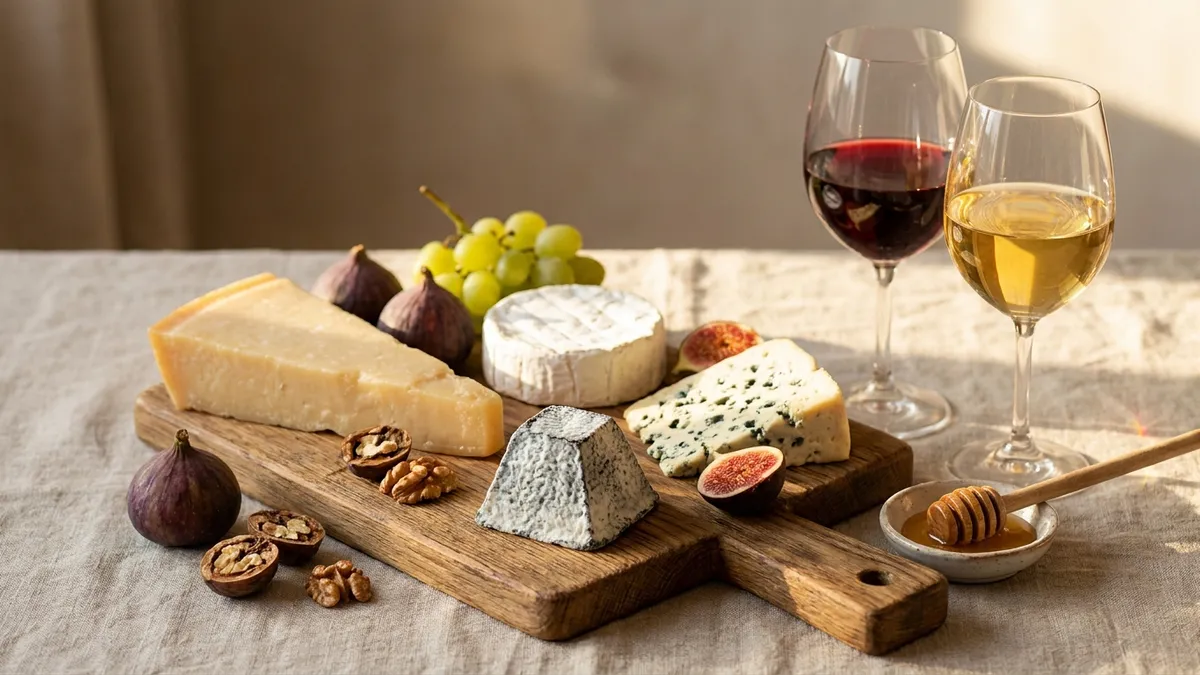
Melted cheese is the exception to the "weight meets weight" rule. If the dish is melted cheese, pick a high-acid dry white such as Riesling: the acid cuts the fat, while a heavy, tannic red can taste harsh next to it. The same logic applies to the cheese board in wine and cheese pairing.
Sparkling wine belongs in winter too. Its acidity and bubbles scrub salt and oil from fried starters, roast potatoes and smoked fish. Bottles made by the traditional method, with a second fermentation in the bottle, carry toasty, bready flavours from lees (spent yeast) that add weight for colder months. The styles are compared in sparkling wine types.
How Warm Should Red Wine Be in Winter?
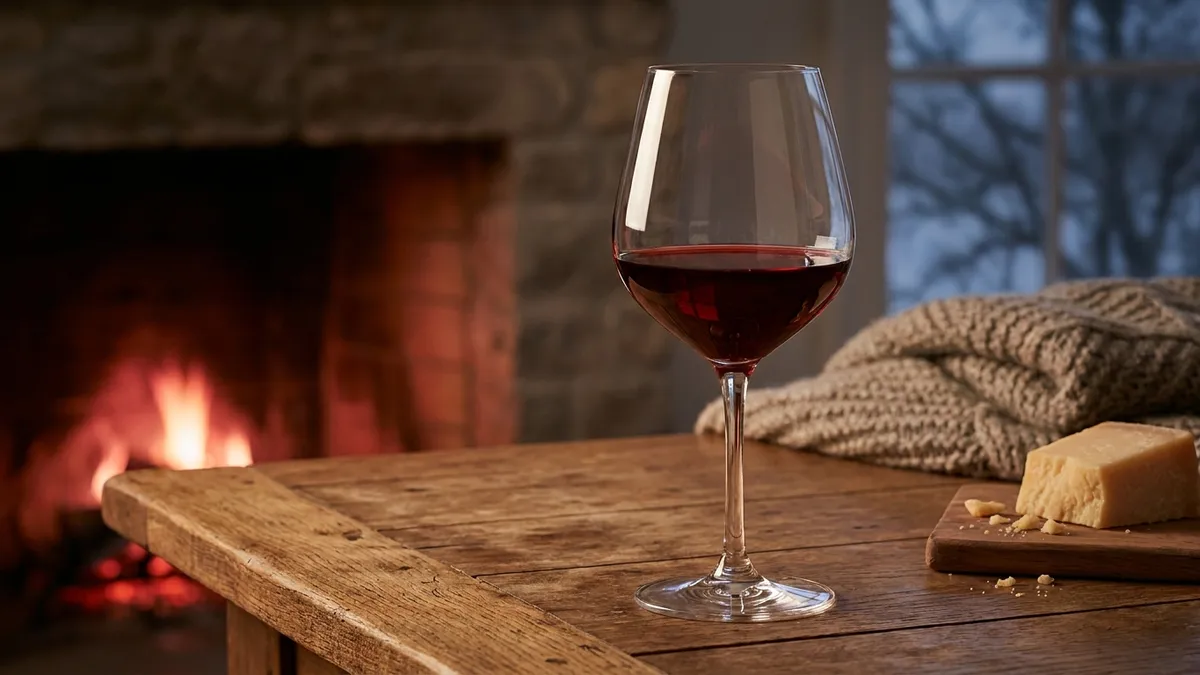
Serve full-bodied reds at 16 to 18°C, which in a heated winter home means cooler than the room. Decanter gives that range for full-bodied reds and 14 to 16°C for medium-bodied ones. Light reds go cooler still.
The "room temperature" rule is a leftover from cold houses. Decanter cites an average UK home of 12°C in 1966 and about 18°C today, while the US Department of Energy recommends setting thermostats at 20°C. Even a red poured at 18°C can climb to 22°C or more in the glass, a Decanter sommelier warns. Too warm, the alcohol smells and tastes hot and the acidity fades, leaving a flat, soupy glass.
If the bottle sits in a heated room, give it 10 to 20 minutes in the fridge before you open it. The full chart for every style is in the wine serving temperature chart, and alcohol by style is listed in alcohol in wine by type.
Is Port a Good Winter Wine?
Yes: Port is a fortified wine, usually red, of 19 to 22% alcohol with natural sweetness left in, so a small glass suits the end of a cold evening. Fortified means grape spirit is added; in Port it goes in during fermentation, which stops the yeast, leaves sugar in the wine and raises the alcohol.
The two styles to know are ruby and tawny. Ruby Port is young and tastes of fresh plum and blackberry. Tawny ages longer in wood, turns amber-brown and tastes of walnut, toffee and dried fig; its labels can state an average age of 10, 20, 30 or 40 years. Vintage Port spends at most two and a half years in barrel and then ages for decades in bottle.
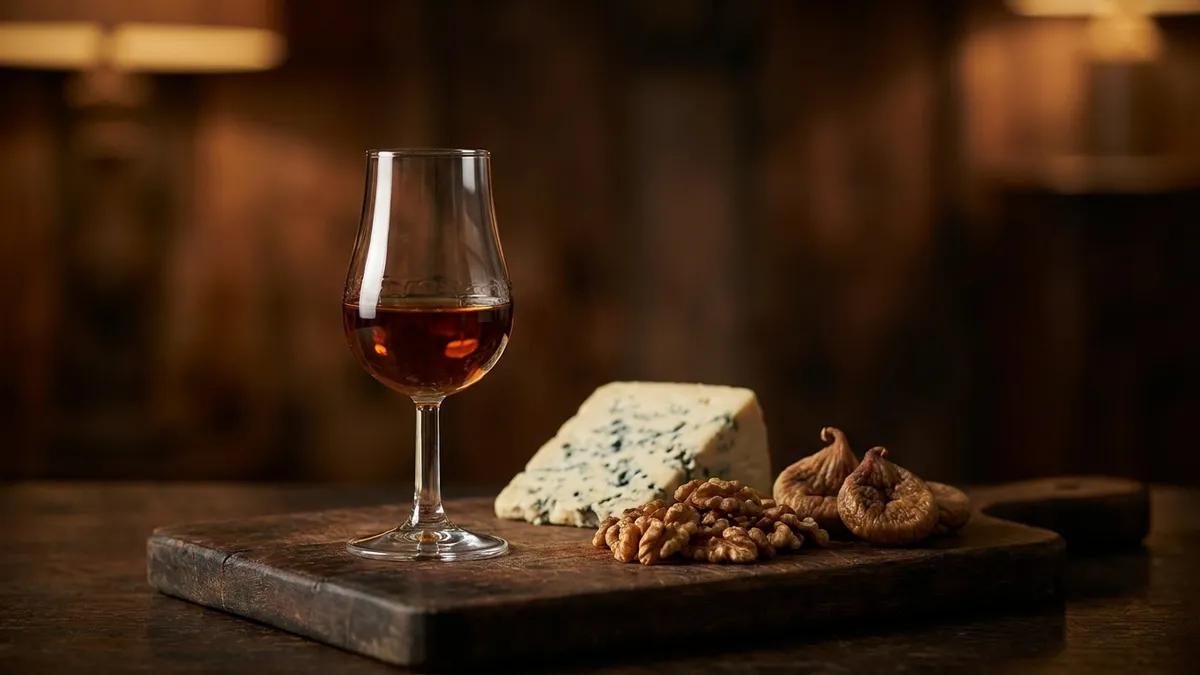
If the label says ruby, open it with dark chocolate or blue cheese; if tawny, serve it with nuts, dried fruit and caramel desserts. Pour half a standard glass, because a Port pour carries far more alcohol than the same pour of table wine. The full style map is in the Port wine guide, and other sweet and fortified bottles are in the dessert wine guide.
How Do You Make Mulled Wine?
Warm a fruity dry red gently with orange, cinnamon, cloves and a little sugar, and never let it boil. Boiling drives off alcohol and turns the spices bitter. The usual spices are orange, lemon, cinnamon, nutmeg, cloves, cardamom and ginger.
Use a cheap red with soft tannin, such as Grenache, Merlot or a basic Zinfandel. Tannic reds can turn bitter when heated with citrus peel. Heat it in a wide pot until it steams, then hold it there until the spices have infused, and taste for sugar at the end. If the wine costs more than a takeaway, drink it unheated instead.
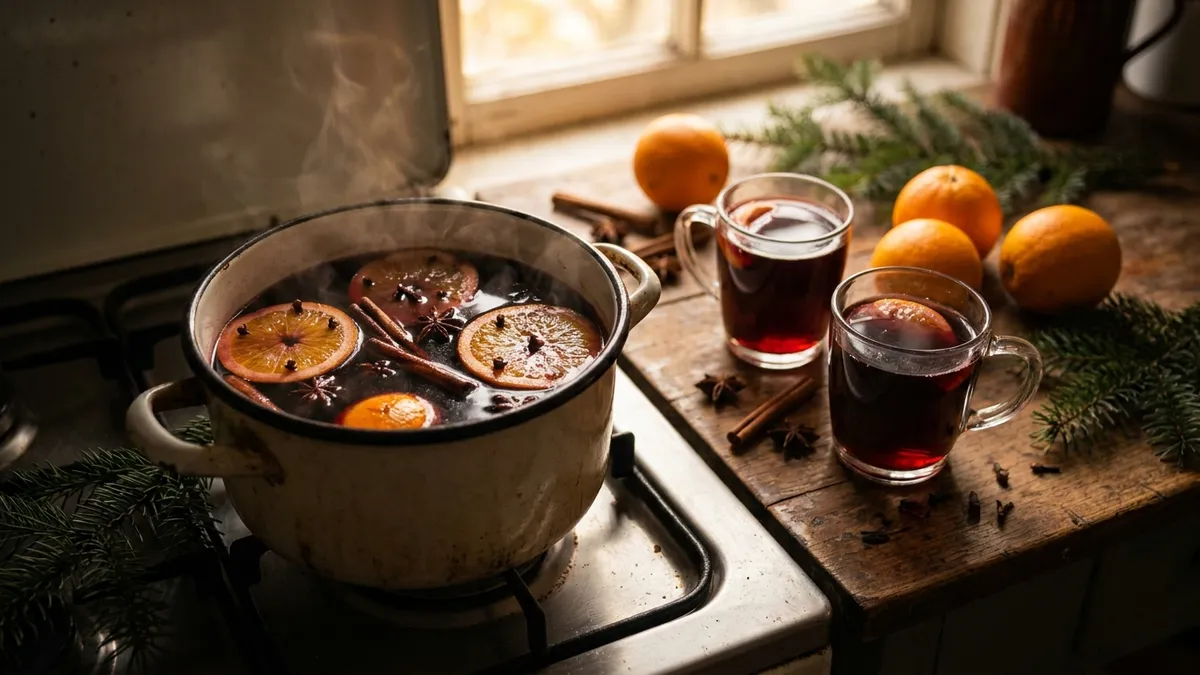
Spiced warm wine is old. An English cookbook from 1390, The Forme of Cury, already lists cinnamon, ginger and cloves, the same spices in most recipes today.
More winter matches by plate are in the wine for Christmas dinner guide and the food pairing hub. The Sommy app has bite-sized courses, including Wine 101 and regional courses on Italy, Spain, France and California. Put tonight's red in the fridge for 15 minutes, pour it beside the stew, then photograph the label in Sommy and log how the first bite changes the second sip.
Sources
Frequently Asked Questions
What is the best wine to drink in winter?
A full-bodied red is the default: Cabernet Sauvignon, Syrah, Malbec, a Grenache blend such as Châteauneuf-du-Pape, Barolo or Amarone. Their tannin and weight stand up to braises, roasts and stews. For creamy dishes, oaked Chardonnay or Chenin Blanc does the same job, and Port is the classic glass with cheese after dinner.
Does red wine warm you up in winter?
It makes you feel warm, but it does not keep you warm. Alcohol widens the blood vessels near your skin, so you feel a glow while heat leaves your body faster. That is why advice for anyone who is genuinely cold says to skip alcohol. Drink winter wine for the food and the flavour, indoors.
Should red wine be served at room temperature in winter?
Not in a heated home. The old room-temperature rule came from cold, unheated houses. Decanter puts full-bodied reds at 16 to 18°C and medium-bodied reds at 14 to 16°C, while modern homes run around 18 to 20°C. Give a red from a warm room 10 to 20 minutes in the fridge before pouring.
What white wine is good for winter?
Pick a white with weight or high acidity. Oaked Chardonnay and Chenin Blanc have the body for roast chicken, pork and cream sauces. A dry, high-acid white such as Riesling cuts through cheese fondue and raclette. Light, neutral whites served ice-cold are the ones that disappear next to winter food.
Is Port a winter wine?
Yes. Port is a fortified wine, usually red, from Portugal's Douro Valley with 19 to 22% alcohol and natural sweetness left in, so a small glass suits the end of a cold evening. Ruby Port goes with dark chocolate and blue cheese; tawny Port, aged longer in wood, goes with nuts, dried fruit and caramel desserts.
What wine is best for mulled wine?
A cheap, fruity, dry red with soft tannin, such as Grenache, Merlot or a basic Zinfandel. Heat and spices cover the subtle flavours of an expensive bottle, and tannic reds can turn bitter when warmed with citrus peel. Warm it gently with orange, cinnamon, cloves and sugar, and keep it well below a boil.
Can you drink sparkling wine in winter?
Yes. Sparkling wine's high acidity and bubbles cut salt and fat, which makes it a strong match for fried starters, roast potatoes, smoked fish and hard cheese at winter parties. Choose a traditional-method sparkling with toasty, bready flavours from aging on its yeast if you want more weight for colder-weather food.
Sommy Team
LinkedInFounder & Wine Educator
The Sommy Team is building the world's most approachable wine education app, helping beginners develop real tasting skills through structured courses and AI-guided practice.