Types of Sparkling Wine — Every Style, Method, and Name

By the Sommy Team — AI-assisted, human-edited.
Updated Sep 10, 2026

Contents (13)
- What Makes Wine Sparkle
- Examples of Sparkling Wine by Type
- The Three Production Methods
- Champagne: The Reference Standard
- Prosecco: Fresh and Fruit-Forward
- Cava: Spain's Traditional Method Sparkler
- Cremant: Champagne's Method, Elsewhere in France
- Franciacorta: Italy's Premium Sparkler
- Other Sparkling Wine Types
- What Are the Characteristics of Sparkling Wine?
- Which Sparkling Wine Is Closest to Champagne?
- Same Bottle, Two Notes: Beginner vs Trained Taster
- Choosing the Right Sparkling Wine
TL;DR
The main types of sparkling wine are Champagne, Cremant, Cava, Franciacorta, and English sparkling wine (traditional method, bottle-fermented), Prosecco, Asti, Lambrusco, and most Sekt (tank method), and Pet-Nat (ancestral method). The method sets the style: bottle fermentation with lees aging gives fine bubbles and toasty depth, tank fermentation keeps fresh fruit, and the ancestral method gives soft, cloudy, rustic fizz.
What Makes Wine Sparkle
The main types of sparkling wine are Champagne, Cremant, Cava, Franciacorta, Prosecco, Asti, Lambrusco, Sekt, English sparkling wine, and Pet-Nat. They differ mainly in production method, meaning how the carbon dioxide gets into the wine, and in their region's rules.
The traditional method (a second fermentation in the bottle, then months on yeast) gives fine bubbles and toast: Champagne, Cava, Cremant, Franciacorta. The tank method keeps fresh fruit: Prosecco, Asti, most Sekt. The ancestral method gives soft, cloudy fizz: Pet-Nat.
Examples of Sparkling Wine by Type
Price tiers are typical shelf ranges: $ everyday, $ mid-range, $$ special occasion. Which style suits which party, from a big toast to a cake course, is in our guide to wine for celebrations.
| Type | Country | Method | Typical taste | Price tier |
|---|---|---|---|---|
| Champagne | France (Champagne) | Traditional | Citrus, green apple, brioche, toast; fine, persistent bubbles | $$$ |
| Cremant | France (Alsace, Loire, Burgundy, Limoux, Jura, Bordeaux) | Traditional | Apple, pear, light toast; crisp and mineral | $-$$ |
| Cava | Spain (mainly Penedes) | Traditional | Citrus, almond, earthy, faintly saline | $-$$ |
| Franciacorta | Italy (Lombardy) | Traditional | Ripe apple, hazelnut, cream; Champagne-like depth | $$-$$$ |
| English sparkling wine | England (southern counties) | Traditional | Sharp green apple, lemon, chalky minerality | $$-$$$ |
| Cap Classique | South Africa | Traditional | Yellow apple, citrus, toasty richness | $-$$ |
| Prosecco | Italy (Veneto, Friuli) | Tank | Green apple, pear, white peach, honeysuckle; soft froth | $ |
| Asti and Moscato d'Asti | Italy (Piedmont) | Tank | Peach, apricot, orange blossom; sweet, low alcohol | $ |
| Lambrusco | Italy (Emilia-Romagna) | Tank (some traditional) | Red cherry, violet, light tannin; dry to sweet, red or rosé | $ |
| Sekt | Germany, Austria | Tank (premium: traditional) | Riesling-style citrus and stone fruit; basic to excellent | $-$$ |
| Pet-Nat | Anywhere | Ancestral | Cider-like, yeasty, fruit-forward; cloudy, gentle fizz | $-$$ |
What are the different names for sparkling wine?
Most sparkling wine names are a protected place (Champagne, Cava, Prosecco, Franciacorta) or the local word for "sparkling". The local words are Cremant and Mousseux in France, Sekt in Germany, Spumante in Italy, Espumoso in Spain, Espumante in Portugal, and Cap Classique in South Africa. Frizzante, Petillant, and Perlwein mean lightly sparkling. For the grapes behind the names, see the grapes used for sparkling wine.
The Three Production Methods
The method sets bubble size, texture, and flavor.
Traditional Method (Methode Traditionnelle)
The traditional method, called méthode champenoise in Champagne, ferments the wine twice. Still wine is bottled with a little yeast and sugar (the liqueur de tirage), capped, and ferments again, so the CO2 dissolves into the wine.
The wine then ages for months or years on the spent yeast (lees), which gives toast, biscuit, and brioche. The sediment is then collected in the neck and ejected (riddling and disgorgement).
A little sweetened wine (dosage) sets the final sweetness. Our méthode champenoise explainer walks through each step.
Tank Method (Charmat or Martinotti Method)
The tank method runs the second fermentation in a large pressurized tank, then filters and bottles the wine under pressure. It is faster and cheaper, and with no long lees aging the wine keeps its fresh fruit.
Ancestral Method (Methode Ancestrale)
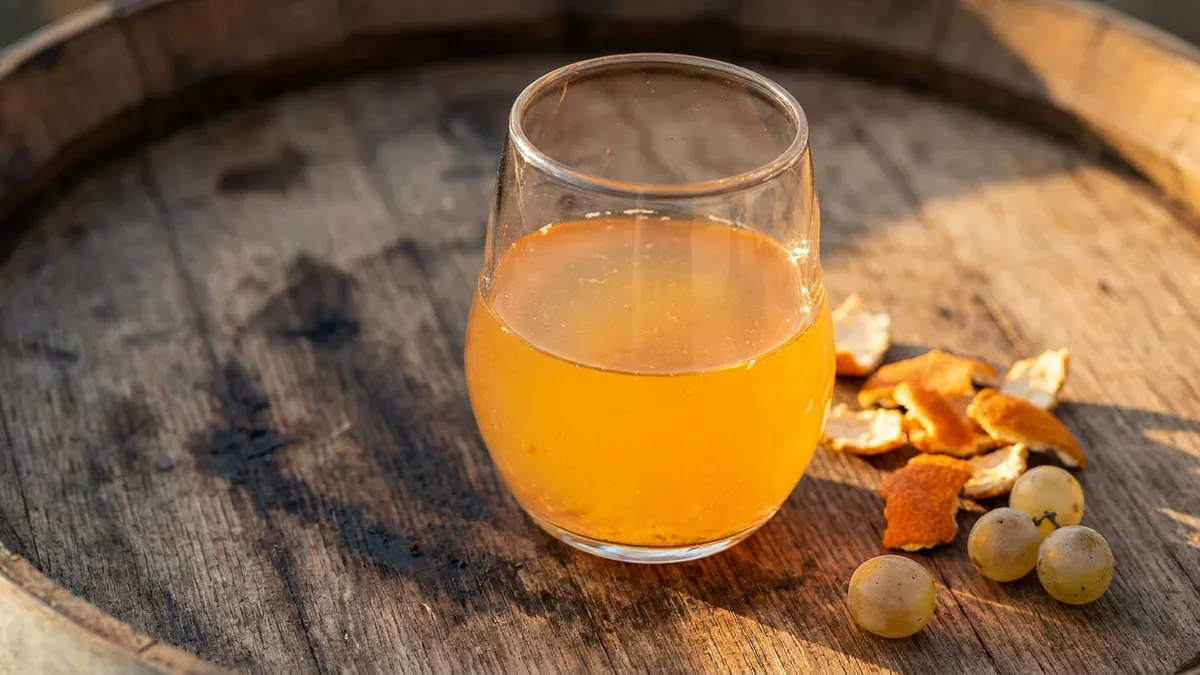
The ancestral method is older than the others by centuries. The wine is bottled before its first fermentation finishes, and the leftover sugar makes the CO2 in the bottle. With no dosage, usually no disgorgement, and often no filtration, it is lower in pressure and often cloudy.
Pet-Nat (petillant naturel) is the modern name for these wines, alongside Blanquette de Limoux Methode Ancestrale. It is the sparkling wine of the natural wine movement, made from any grape anywhere. It usually has a crown cap rather than a cork. Quality runs from charming to undrinkable, so for a first bottle take a trusted shop's recommendation. Our Pet-Nat explainer covers opening, pouring, and judging one.
Champagne: The Reference Standard
Champagne can only come from the Champagne region of northeastern France, must use the traditional method, and must be made from approved grapes, mainly Chardonnay, Pinot Noir, and Pinot Meunier.
According to the Comite Champagne, the region's official trade body, every Champagne must mature at least 15 months in the cellar before release, and vintage cuvees at least three years. In practice non-vintage wines rest two to three years and vintage wines four to ten. Our guide to the Champagne region covers its villages, soils, and house styles.
The Major Styles
- Non-Vintage (NV): a blend of several years for a consistent house style
- Vintage: one exceptional year; more intense and longer-lived
- Blanc de Blancs: Chardonnay only; usually the lightest and chalkiest
- Blanc de Noirs: Pinot Noir and/or Pinot Meunier, red grapes pressed gently for clear juice; fuller and fruitier
- Rosé: still red wine blended in, or brief skin contact (saignee); pale salmon to deeper pink
Sweetness Levels
Dosage sets the final sweetness. The labels are fixed by EU law (Commission Delegated Regulation 2019/33, Annex III), so they mean the same thing on Champagne, Cava, Prosecco, and Sekt:
- Brut Nature / Zero Dosage: under 3 g/L sugar, with no sugar added after the second fermentation; bone-dry
- Extra Brut: 0-6 g/L; very dry
- Brut: under 12 g/L; dry, and the most common style
- Extra Dry / Extra Sec: 12-17 g/L; confusingly, slightly sweet, and the safer pick for a wedding toast served with cake
- Sec / Dry: 17-32 g/L; medium sweet
- Demi-Sec: 32-50 g/L; sweet, and excellent with dessert
- Doux: over 50 g/L; very sweet and rare
The bands overlap, so a wine at 5 g/L may legally be labeled Extra Brut or Brut, and two "Brut" bottles can taste different. If you want a sweet sparkling wine, look for Demi-Sec or Doux on the label, or buy a Moscato d'Asti. Our wine sweetness scale puts sparkling and still wines on one chart, and Champagne vs. Prosecco vs. Cava compares the big three.
Prosecco: Fresh and Fruit-Forward
Prosecco comes from the Veneto and Friuli-Venezia Giulia in northeastern Italy and is made from the Glera grape by the tank method. By volume it outsells every other sparkling wine, Champagne included. Until 2009 the grape itself was called Prosecco; our Glera grape profile explains the rename.
Quality Levels
- Prosecco DOC: the broadest designation; the everyday style
- Prosecco Superiore DOCG: the Conegliano-Valdobbiadene zone in the Treviso hills; higher quality
- Cartizze: a 107-hectare vineyard within the DOCG zone; the top of Prosecco
- Col Fondo: a traditional, unfiltered style with lees left in the bottle; cloudy
Prosecco comes as Spumante (fully sparkling, 3+ atmospheres), Frizzante (gently sparkling, 1-2.5 atmospheres), or Tranquillo (still, rare outside Italy).
Cava: Spain's Traditional Method Sparkler
Cava is a traditional method sparkling wine made mainly in Catalonia, in the Penedes region near Barcelona. Its main grapes are Macabeo, Parellada, and Xarel-lo, with Chardonnay and Pinot Noir increasingly used.
It costs a fraction of Champagne's price because land is cheaper, the name carries less prestige, and the minimum aging is shorter. The D.O. Cava Regulatory Board reorganized its aging ladder in 2020 and raised Reserva from 15 to 18 months on lees. The top tier, Cava de Paraje Calificado, comes from a single named vineyard; the full ladder is in the table below.
Cava is earthier than Champagne: citrus, almond, and toast rather than brioche and stone fruit. Xarel-lo adds an herbal, slightly oxidative edge.
Cremant: Champagne's Method, Elsewhere in France
Cremant is French sparkling wine made by the traditional method outside the Champagne region. Our crémant wine guide compares all eight appellations and their ageing rules.
- Cremant d'Alsace: often Pinot Blanc-based; clean, precise, and chalky
- Cremant de Loire: Chenin Blanc; honeyed, with good acidity
- Cremant de Bourgogne: Chardonnay and Pinot Noir; the closest in style to Champagne
- Cremant de Limoux: Languedoc, France's oldest sparkling region; Chardonnay and Chenin, crisp with green apple
- Cremant du Jura: Chardonnay; often nutty
- Cremant de Bordeaux: a blend of Semillon, Sauvignon Blanc, and Merlot
Franciacorta: Italy's Premium Sparkler
Franciacorta is traditional method sparkling wine from Lombardy, made from Chardonnay, Pinot Noir, and Pinot Bianco. Its aging minimums, in the table below, are stricter than Cava's. Saten is a blanc de blancs style with lower pressure, which gives a creamy, silky mousse.
Other Sparkling Wine Types
Sekt (Germany)
German Sekt ranges from cheap tank method wine, often from imported base wine, to traditional method Riesling, Pinot Blanc, or Pinot Noir. If the label says Winzersekt or names a specific region, expect the better end.
English Sparkling Wine
Southern England's chalk soils are geologically identical to Champagne's. English sparkling wine is traditional method, often from Chardonnay and Pinot Noir, and regularly rivals Champagne in blind tastings.
Asti and Moscato d'Asti (Italy)
Asti and Moscato d'Asti are sweet sparkling wines from Piedmont, made from Muscat grapes by a modified tank method. Asti is fully sparkling; Moscato d'Asti is gently frizzante at just 5-6% alcohol. Our Moscato guide covers the rest of the family.
Are there red sparkling wines?
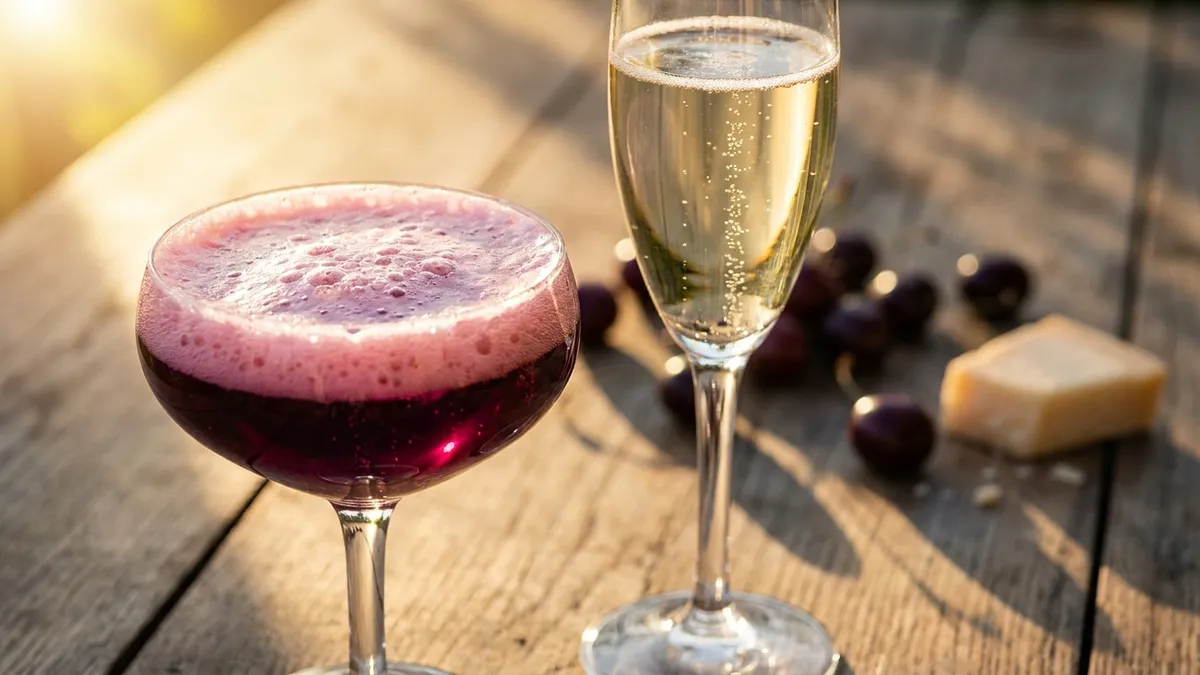
Yes, and Italy makes most of them. Lambrusco from Emilia-Romagna is a red or rosé fizz that runs from bone-dry to sweet; the dry ones are refreshing with food. Our Lambrusco wine guide explains its four sweetness words. Brachetto d'Acqui from Piedmont is a sweet, rose-scented red fizz. Australia's sparkling Shiraz is full-bodied and tannic. Rosé sparkling wine exists in every category from Champagne to Cava.
What Are the Characteristics of Sparkling Wine?
Sparkling wine holds carbon dioxide under pressure, has high acidity because base wines are picked early, and carries a sweetness level set by dosage and printed on the label. Alcohol usually sits around 11-12.5 percent, and lower in Moscato d'Asti.
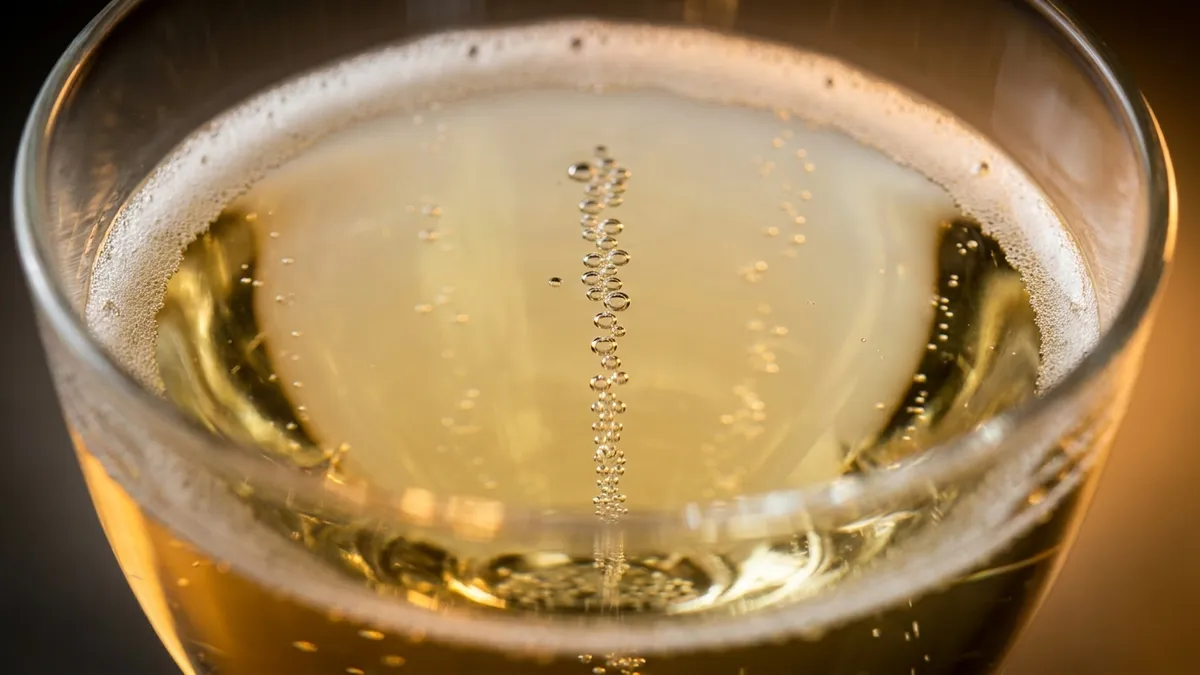
Mousse is the foam and feel of the bubbles. WSET's Systematic Approach to Tasting, the framework behind its Level 3 qualification, rates mousse from delicate to creamy to aggressive; traditional method wines usually sit at delicate or creamy. Pressure sets how hard the bubbles feel: Champagne carries around 5-6 atmospheres, while Frizzante and many Pet-Nats sit at 1-2.5. Our guide to how to taste sparkling wine covers reading both in the glass.
Which Sparkling Wine Is Closest to Champagne?
The sparkling wines closest to Champagne are Cremant de Bourgogne, English sparkling wine, Franciacorta, and Gran Reserva Cava. All four use the traditional method, and the first three also use Champagne's grapes, Chardonnay and Pinot Noir, in a cool climate. What separates them from Champagne is mostly time on lees, set by each region's law.
| Wine | Legal minimum on lees | Longer tiers | Source |
|---|---|---|---|
| Champagne | 15 months in cellar | Vintage: 36 months; NV in practice 2-3 years | Comite Champagne |
| Cava de Guarda | 9 months | Reserva 18, Gran Reserva 30, Paraje Calificado 36 | D.O. Cava Regulatory Board |
| Franciacorta | 18 months | Saten/Rose 24, Millesimato 30, Riserva 60 | Consorzio Franciacorta |
| Prosecco DOC | No lees minimum (tank method) | Weeks in tank, by design | Tank method, not aging-based |
Nine months on lees gives a light bread smell, eighteen noticeable toast, and thirty or more Champagne's nutty, honeyed depth. If you want that depth for less, buy the bottle with the most months on lees.
Same Bottle, Two Notes: Beginner vs Trained Taster
Two illustrative notes on the same wine show what tasting skill adds.
Wine one: a traditional method Brut, around two years on lees
| Step | Beginner's note | Trained note |
|---|---|---|
| Appearance | "Pale yellow, lots of bubbles." | Pale lemon, brilliant, fine persistent bead: a bottle-fermented signature. |
| Nose | "Apple and something bready." | Green apple, lemon zest, brioche, a hint of almond; bread and nut notes point to lees aging. |
| Palate | "Really fizzy and quite sour, but nice." | High acidity, dry (Brut, under 12 g/L), creamy mousse, medium body, long chalky finish. |
| Conclusion | "A good Champagne, probably." | Traditional method, dry, at least a year on lees; consistent with Champagne, Cremant, Cava Reserva, or English sparkling. Not enough evidence to name the region. |

On a Prosecco labeled Extra Dry, the trained note flips. The bubbles are larger and fade fast, the nose is pear and blossom with no bread, and 12-17 g/L of sugar reads as off-dry. That is tank method, unaged. Which sweetness word suits eggs, bacon or pancakes is set out in wine with breakfast.
Choosing the Right Sparkling Wine
- For celebrations: Champagne or premium Cremant de Bourgogne.
- For everyday drinking: if you want toast, pick Cava or Cremant; if you want fresh fruit, pick Prosecco.
- For cocktails: Prosecco or Cava. The ratios for a Spritz, Bellini and Kir Royale are in our wine cocktail recipes.
- For food: traditional method wines, whose acidity stands up to dishes, from fried chicken and other fried food to eggs Benedict and scrambled eggs. See wine with seafood for oysters and fried foods, wine with Korean food for a dry sparkler with fried chicken, and wine with dim sum for reading Brut and Extra Dry against shrimp dumplings and pork buns. For chips, popcorn and party bowls, see wine with snacks. For Hanukkah's fried potato pancakes, wine with latkes reads Brut and Extra Brut against each topping.
- For experimentation: Pet-Nat.
Serve tank wines colder and traditional method wines a few degrees warmer so the aromas open. Our serving temperature chart has the ranges, and how to open sparkling wine covers getting the cork out with a hiss instead of a pop.
Start tonight: pour a Brut and an Extra Dry side by side, and let Sommy guide you through the mousse, the fruit, and the sweetness.
Sources
- Maturation: how Champagne is made (minimum 15 months in cellar, 3 years for vintage) — Comite Champagne
- Cava Designation of Origin: minimum 9 months on lees — D.O. Cava Regulatory Board
- Cava Reserva: minimum 18 months aging (raised in 2020) — D.O. Cava Regulatory Board
- Cava de Paraje Calificado: minimum 36 months aging — D.O. Cava Regulatory Board
- Production regulations, Art. 5.6: minimum cellaring on lees from tirage: Franciacorta 18 months, Saten/Rose 24, millesimato 30, riserva 60 — Consorzio Franciacorta
- Commission Delegated Regulation (EU) 2019/33, Annex III Part A: sugar content terms for sparkling wine — EUR-Lex, 2019
- Systematic Approach to Tasting Wine (Level 3) — WSET
Frequently Asked Questions
What is the difference between Champagne and sparkling wine?
Champagne is sparkling wine made exclusively in the Champagne region of France using the traditional method: second fermentation in the bottle, extended aging on lees, and strict production rules. All Champagne is sparkling wine, but not all sparkling wine is Champagne. The term is legally protected.
Is Prosecco the same as Champagne?
No. Prosecco and Champagne differ in grape variety, production method, region, and flavor profile. Prosecco is made from Glera grapes in northeastern Italy using the tank method, which preserves fresh fruit character. Champagne is made from Chardonnay, Pinot Noir, and Pinot Meunier using the traditional method, which adds toasty, yeasty flavors.
What are the 3 methods of making sparkling wine?
The three methods are the traditional method, the tank method, and the ancestral method. The traditional method runs a second fermentation inside each bottle and ages the wine on its yeast (Champagne, Cava, Cremant). The tank method runs that second fermentation in a pressurized tank (Prosecco, Asti). The ancestral method bottles the wine before its first fermentation finishes (Pet-Nat).
What does Brut mean on sparkling wine?
Brut indicates the sweetness level. Brut sparkling wine contains less than 12 grams of residual sugar per liter, making it dry. Other sweetness levels include Extra Brut (under 6 g/L), Brut Nature or Zero Dosage (under 3 g/L), Extra Dry (12-17 g/L, confusingly slightly sweet), and Demi-Sec (32-50 g/L, noticeably sweet).
What is Pet-Nat?
Pet-Nat (petillant naturel) is sparkling wine made by the ancestral method. It is bottled before the first fermentation finishes, so the remaining sugar creates carbonation in the bottle. It predates the traditional method by centuries. Pet-Nats tend to be lower in pressure, cloudier, and more rustic than traditional method sparklers.
Which sparkling wine is best for mimosas?
Prosecco or Cava are the best choices for mimosas and other sparkling cocktails. Their lower price point makes them practical for mixing, and their fruit-forward profiles complement orange juice well. Using Champagne in a mimosa is unnecessary, because the nuances that justify its price are lost when mixed with juice.
How should sparkling wine be stored?
Store sparkling wine on its side in a cool, dark place at 45-55°F (7-13°C). The pressure inside the bottle keeps the cork moist even when stored upright, but horizontal storage is still preferred for long-term aging. Most sparkling wine (except Vintage Champagne) should be consumed within 1-3 years of purchase.
What is Cremant?
Cremant is French sparkling wine made using the traditional method (same as Champagne) but produced outside the Champagne region. Cremant d'Alsace, Cremant de Loire, Cremant de Bourgogne, and Cremant de Limoux are the most common. Cremant offers traditional-method quality at significantly lower prices than Champagne.
Sommy Team
LinkedInFounder & Wine Educator
The Sommy Team is building the world's most approachable wine education app, helping beginners develop real tasting skills through structured courses and AI-guided practice.