Rosé Wine Guide: How It Is Made and What to Drink

By the Sommy Team — AI-assisted, human-edited.
Updated Apr 16, 2026
Contents (8)
TL;DR
Rosé gets its pink color from brief skin contact with red grapes — not from mixing red and white wine. Styles range from pale, bone-dry Provence rosé to deeper, fruitier versions from Spain and the New World. Serve it chilled, drink it young, and match it to lighter foods. It is one of the most versatile and underrated wine categories.
What Makes Rosé Wine Pink
The first thing most people wonder about rosé wine is where the pink color comes from. The answer reveals something fundamental about how all wine gets its color — and it is simpler than you might expect.
All grape juice starts out clear. The color in red wine comes from the grape skins, not the juice itself. When making red wine, the juice ferments with the skins for days or weeks, extracting deep color, tannin, and flavor. When making white wine, the skins are removed immediately after pressing.
Rosé sits in between. The winemaker presses red grapes and allows the clear juice to stay in contact with the red skins for a short period — anywhere from two to twenty-four hours. This brief skin contact (also called maceration) extracts just enough pigment to turn the wine pink without picking up the heavy tannins and deep color of a red wine. The juice is then drained off and fermented on its own, like a white wine, the mirror image of skin contact wine, where white grapes stay on their skins for days to months.
This is why a rosé wine guide starts with production method: the color is not cosmetic, it is structural. How long the juice sits on the skins determines not just the hue but the body, flavor intensity, and food-pairing profile of the finished wine.
The Three Methods of Making Rosé
Direct Press (Pressurage Direct)
The most common method, and the one used for the majority of Provence rosé. Red grapes are pressed immediately, and the juice picks up just a whisper of color during the pressing process. The resulting wines are very pale — almost transparent pink — with delicate aromas and a bone-dry finish.
This method produces the lightest, most elegant rosés. If your rosé looks like it was made with a single drop of food coloring in a glass of water, it was probably direct-pressed.
Short Maceration (Saignée)
Saignée (French for "bleeding") involves draining off a portion of juice from a red wine fermentation after a few hours of skin contact. The drained juice is then fermented separately to become rosé, while the remaining juice continues fermenting as red wine with a higher skin-to-juice ratio.
Saignée rosés tend to be deeper in color and more full-bodied than direct-press versions. They often carry more fruit intensity and a hint of the tannin structure of the parent red wine. This method is common in Napa Valley, where the primary goal is often to concentrate the red wine rather than to make rosé as a standalone product.
Blending
Mixing finished red wine and white wine together to create rosé is the third method. This approach is largely prohibited for still wines in France and most of Europe, but it is the standard method for rosé Champagne. In non-European wine regions, blending is legal but uncommon for quality rosés — most serious rosé producers use direct press or saignée.
Understanding the differences between these methods helps you predict what a rosé will taste like before you open it. The production method is covered in our wine color meaning guide, which explains how color relates to winemaking across all wine styles.
Major Rosé Styles by Region
Provence: The Global Standard
Provence, in southeastern France, produces roughly 40% of all French rosé and has become the global reference point for the style. Provençal rosé is pale, dry, and refreshing — built around Grenache, Cinsault, Mourvèdre, and Syrah grapes.
What to expect:
- Color — very pale, from nearly transparent to light salmon
- Aromas — white peach, strawberry, citrus zest, herbs, mineral
- Palate — bone-dry, light-bodied, crisp acidity, saline finish
- Alcohol — typically 12-13%
Provence rosé is the default summer wine for a reason, and it sits beside crisp whites and chilled Gamay among the best wines for summer. Its restraint and subtlety make it incredibly food-friendly and endlessly refreshing in warm weather. The style has been so successful commercially that producers worldwide now imitate the pale Provençal look and feel.
Tavel: The Serious Rosé
Just across the Rhône River from Châteauneuf-du-Pape sits Tavel, the only appellation in France dedicated entirely to rosé. Tavel rosés are deeper in color, fuller in body, and more structured than their Provençal neighbors. They are made primarily from Grenache and Cinsault, with saignée-style skin contact that gives them more grip and intensity.
What to expect:
- Color — deeper salmon to coral pink
- Aromas — red fruits, garrigue herbs, spice, stone fruit
- Palate — medium-bodied, dry, textured, with a savory finish
- Alcohol — typically 13-14%
Tavel is the rosé for people who find Provence too light. It can handle grilled meats, richer fish dishes, and even light stews — pairings where a typical Provence rosé would be overwhelmed.
Spain: Rosado
Spanish rosado is made across several regions, with Navarra, Rioja, and Cigales being the most prominent. Traditional rosado from Garnacha (Grenache) tends to be deeper and fruitier than French rosé, often with a touch more sweetness and cherry-driven fruit.
Modern Spanish producers increasingly make paler, Provence-influenced rosados alongside the traditional darker style. Both are worth exploring — the traditional version offers more personality, while the modern version is more versatile at the table.
Italy: Rosato
Italian rosato varies by region. In the south, rosato from Negroamaro or Primitivo (Puglia) tends to be full-bodied and richly flavored. In the north, rosato from Bardolino (Lake Garda) or the northeast is lighter and more delicate. Cerasuolo d'Abruzzo, made from Montepulciano grapes, is cherry-pink and medium-bodied — one of the best Italian rosatos for the dinner table.
New World: America, Australia, South Africa
New World rosés span the full spectrum. American rosé from California often uses Grenache, Mourvèdre, or Pinot Noir, ranging from pale Provence-style to deeper, fruitier versions. Australian rosé frequently comes from Grenache or Sangiovese and tends toward the fruit-forward end.
South African rosé — often from Pinotage, Cinsault, or Mourvèdre — is an emerging category with excellent quality at competitive prices.
How to Read a Rosé Label
Rosé labels communicate less about style than red or white wine labels do, which makes choosing one harder. Here are the signals that tell you what to expect:
Pale color in the bottle — if you can barely see the pink through the glass, expect a dry, light-bodied wine in the Provence style.
Deeper color — visible salmon, coral, or darker pink suggests more skin contact, more fruit intensity, and potentially a touch more body.
Region — Provence, Bandol, and Cotes de Provence indicate the pale, dry style. Tavel, Navarra, and Puglia indicate a fuller style. Champagne rosé is its own category entirely.
Grape variety — if listed, it gives you a flavor preview. Grenache-based rosé tends toward strawberry and white pepper. Mourvèdre adds structure and herb notes. Pinot Noir rosé is usually light with red berry and mineral character. Syrah rosé can be darker and spicier.
Vintage date — always buy the most recent vintage available. Rosé does not improve with age. A 2024 rosé in 2026 has likely lost its freshness.
Serving Rosé Right
Temperature
Serve rosé between 45-55°F (7-13°C). Most people over-chill it, which mutes the aromas and flattens the flavors. If you have been storing it in the fridge, pull it out ten minutes before serving. If it has been at room temperature, give it thirty minutes in the fridge or ten minutes in an ice bucket.
Lighter Provence-style rosé can handle colder serving temperatures. Fuller Tavel or New World rosé benefits from being slightly warmer, where its complexity can express itself.
Glassware
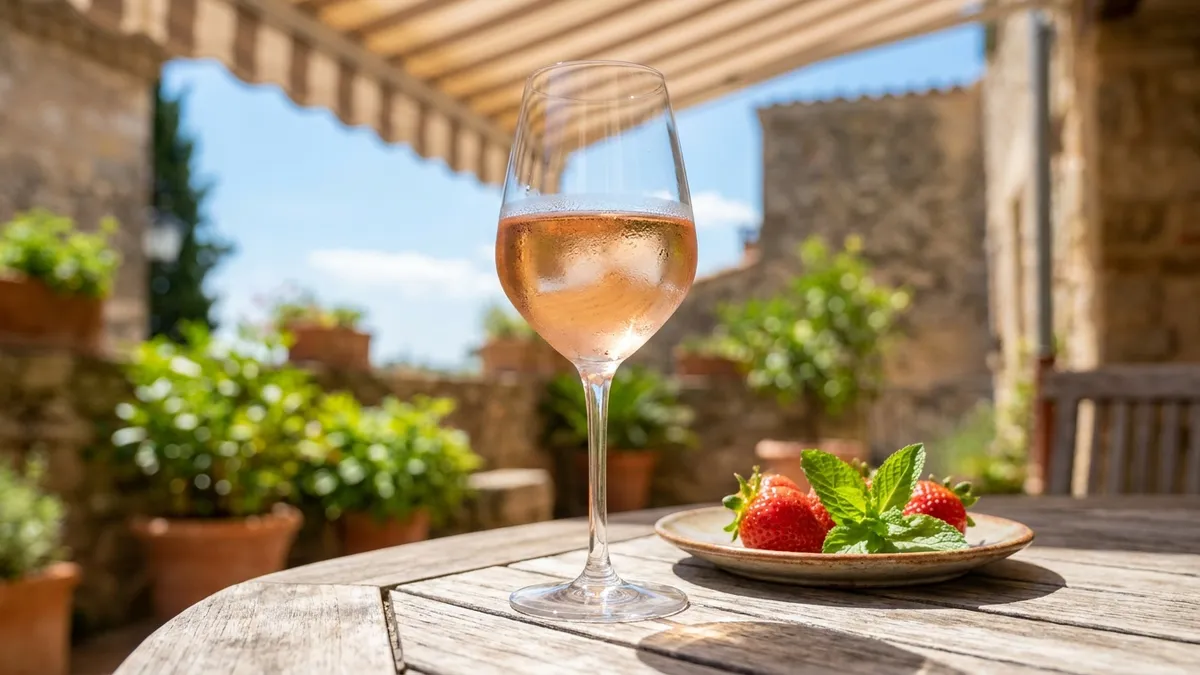
A standard white wine glass works perfectly for rosé. The slightly narrower bowl than a red wine glass concentrates the delicate aromas. Avoid drinking rosé from a tumbler or a very wide-bowled glass — you will miss the aromatics.
Storage
Rosé is a drink-now wine. Buy it, chill it, drink it. Storing rosé for more than a year is almost never beneficial. The bright fruit and fresh acidity that make rosé appealing are the first qualities to fade. If you have a bottle from two years ago, it is still safe to drink but will likely taste flat and oxidized compared to the current vintage.
Rosé and Food Pairing
Rosé is arguably the most versatile wine category for food pairing because it occupies the middle ground between white and red. It has enough body to handle preparations that would overwhelm a Pinot Grigio, and enough freshness to complement dishes that would clash with a Cabernet Sauvignon. That range makes a pale, dry rosé the go-to still wine for smoked salmon at brunch.
Best Pairings for Light Rosé (Provence Style)
- Fresh salads with vinaigrette
- Grilled vegetables
- Raw oysters and shellfish
- Sushi and sashimi
- Goat cheese and soft cheeses
- Light Mediterranean appetizers, olives, dips and other party snacks
Best Pairings for Fuller Rosé (Tavel, Rosado)
- Grilled chicken and lamb
- Charcuterie and cured meats
- Bouillabaisse and fish stews
- Pizza and flatbreads
- Paella and rice dishes (matched version by version in wine with paella)
- Roasted pork
For deeper guidance on pairing rosé with specific dishes, our wine and food pairing guide covers the principles in detail. Rosé often appears as a recommended option for difficult-to-pair dishes — it is the sommelier's safety net for mixed tables where guests are eating different things. A taco night is the classic case, covered in wine with tacos.
The Sommy app includes tasting exercises that help you identify the structural differences between light and full rosé styles — a skill that directly improves your ability to match rosé to food.
Common Rosé Myths
"Rosé is a summer wine"
Rosé is refreshing in summer, and it is the easiest wine for a picnic, but it works year-round. Fuller rosés from Tavel, Bandol, or the New World pair comfortably with autumn and winter dishes. The seasonal stigma limits how people experience this versatile category. It is also the safest single bottle for wine for date night when the menu is mixed.
"Rosé is sweet"
Most quality rosé is bone-dry. The confusion arises from two sources: first, the pink color subconsciously signals sweetness to many drinkers. Second, mass-market "blush" wines (like White Zinfandel) are genuinely sweet, and people associate all pink wine with that style. A Provence rosé has no more residual sugar than a typical Sauvignon Blanc.
"Rosé is not serious wine"
Some of the world's finest rosés — Bandol rosé, Tavel, certain Champagne rosés — are produced with the same care and rigor as top red and white wines. The category includes everything from casual poolside sippers to wines that can age and develop complexity over several years.
Finding Your Rosé Style
Start with two bottles at opposite ends of the spectrum:
- A pale Provence rosé — to experience the light, dry, mineral-driven style that defines the modern category
- A deeper Tavel or Spanish rosado — to taste the fuller, more structured approach that handles richer food
Tasting them side by side reveals just how much variety exists within the rosé category. The pale version will be all freshness and subtlety. The deeper version will have more fruit, more grip, and more personality.
From there, explore rosé from different grape varieties — Pinot Noir rosé is silky and delicate, Grenache rosé is fruity and approachable, Mourvèdre rosé is structured and savory. Each grape brings a distinct character to the pink, as the grape-by-grape rosé table shows.
Sommy offers structured courses that build tasting vocabulary for identifying these differences — understanding body, acidity, and flavor profiles across wine styles is the foundation for appreciating what makes each rosé unique. The skills you develop tasting rosé transfer directly to every other wine category.
For more on the French wine regions where many of the world's best rosés originate, and for understanding how natural wine approaches rosé production differently, explore our other guides.
Frequently Asked Questions
How is rosé wine made?
Most rosé is made by pressing red grapes and allowing the juice to sit on the skins for a short period — typically 2 to 24 hours. This brief skin contact extracts just enough color and flavor to create a pink wine. The juice is then fermented like a white wine, without further skin contact.
Is rosé just a mix of red and white wine?
No. Blending red and white wine to make rosé is actually prohibited in most European wine regions. The exception is Champagne, where rosé Champagne can be made by blending still red and white wines before the second fermentation. Nearly all still rosé is made through the skin contact method.
Should rosé be served chilled?
Yes. Serve rosé between 45-55°F (7-13°C). Lighter, drier styles should be served colder, closer to 45°F. Fuller, more complex rosés can be served slightly warmer, around 50-55°F. Over-chilling mutes the aromas and flavors, so take it out of the fridge ten minutes before serving.
Does the color of rosé tell you anything about the taste?
Generally, yes. Paler rosés tend to be drier and more delicate, with subtle citrus and mineral notes. Deeper pink or salmon-colored rosés tend to be fruitier and sometimes have a touch more body. But color alone is not a reliable indicator — winemaking decisions matter more than hue.
How long does rosé last after opening?
Rosé should be consumed within two to three days of opening, stored in the refrigerator with the cork or cap replaced. It loses its freshness faster than most reds because its appeal depends on bright fruit and acidity, which fade quickly with oxygen exposure.
Can you age rosé wine?
Most rosé is made to drink young — within one to two years of the vintage date. Unlike red wine, rosé does not benefit from aging in most cases. The fresh fruit flavors and bright acidity that define good rosé fade with time. A few premium rosés from Bandol or Tavel can age three to five years, but these are exceptions.
What food pairs well with rosé?
Rosé is one of the most food-friendly wines. It pairs well with salads, grilled vegetables, seafood, light pasta dishes, charcuterie, soft cheeses, and Mediterranean cuisine. Its position between white and red in terms of body and flavor makes it a safe choice when the table has diverse dishes.
Sommy Team
LinkedInFounder & Wine Educator
The Sommy Team is building the world's most approachable wine education app, helping beginners develop real tasting skills through structured courses and AI-guided practice.