Wine Color Guide: What the Color of Wine Tells You
Sommy Team
Founder & Wine Educator
April 10, 2026
11 min read
TL;DR
The wine color meaning is about more than aesthetics. Color tells you a wine's grape family, climate, age, and sometimes the winemaking style — before you have even smelled the glass. Whites darken as they age; reds lighten and shift toward brick. Learn to read the color first and the rest of the tasting becomes easier.
The Overlooked First Step of Every Tasting
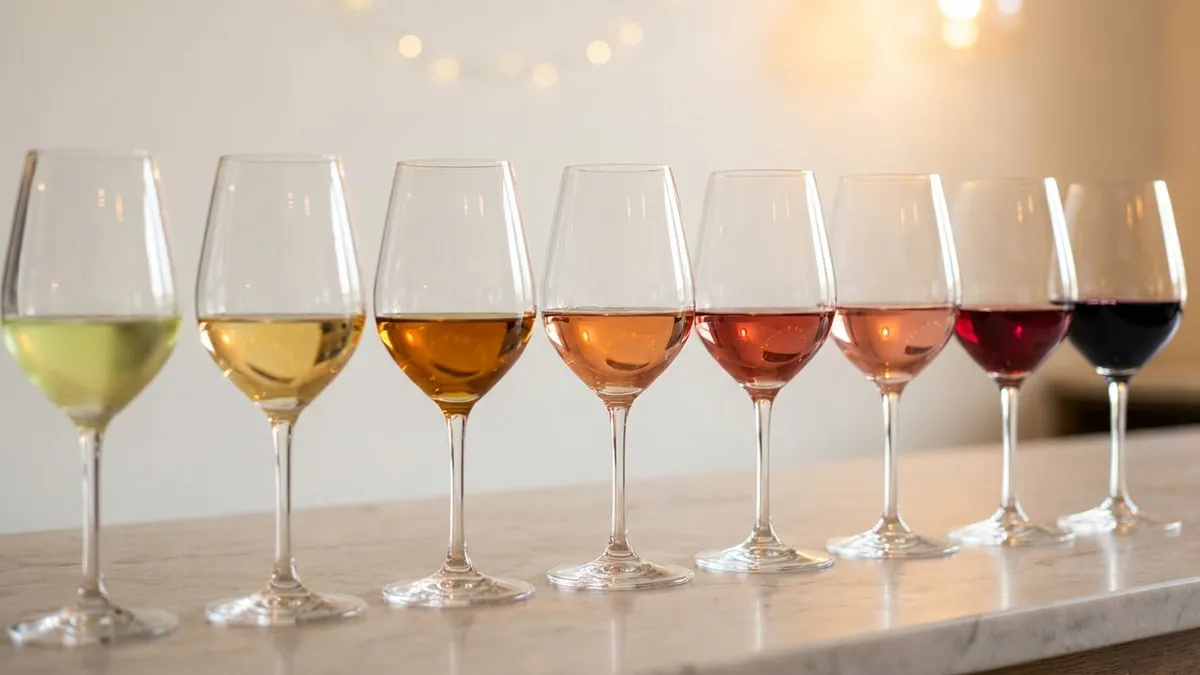
When beginners learn to taste wine, they skip straight to the nose. The glass goes up, the sniff happens, and the color of the wine barely registers — a quick glance, maybe a note about "it's red," and then on to the aroma. This is a missed opportunity. The wine color meaning is more information-dense than any other visual cue you will ever get from a glass of wine. In the few seconds before you take a sniff, the color is already telling you about the grape, the climate, the age, and sometimes the entire style of winemaking that produced the bottle. You just have to learn to read it.
This guide walks through exactly what wine color reveals, why wines change color as they age, what specific hues point to specific grape varieties, how to evaluate color properly with the tilt-and-look technique, and how to use the wine color spectrum as the first step of any structured tasting. By the end, you will be able to pick up a glass of red or white and make several educated guesses about what is in the bottle before your nose even gets involved.
Why Wine Color Is a Real Signal
Wine color is not decoration. It is a physical, chemical consequence of what grape was used, how ripe it was at harvest, how long the skins stayed in contact with the juice, and how much time the wine has spent aging. Every one of those variables leaves a fingerprint on the hue you see in the glass. The color of a wine is a slow-motion snapshot of its entire production history.
Two broad physical facts drive wine color:
- For whites, the color starts pale and gets darker over time. Oxygen slowly reacts with phenolic compounds from the grape skins, deepening the color from lemon-green to straw to gold to amber to brown.
- For reds, the opposite happens. Red wine pigments (anthocyanins) from the grape skins bind to tannins and slowly precipitate out of the wine as sediment. A red wine starts deep purple or ruby and lightens toward garnet, then brick, then tawny as it ages.
Learning those two rules — whites darken with age, reds lighten with age — is the single most useful piece of wine color knowledge you can own. It flips most of your assumptions about "dark wine = strong wine" on their head.
The Four Things Color Can Tell You
Every color cue in a wine points to one of four underlying facts:
- Age. Whites darken, reds lighten. The rim of a red gives away its age more reliably than any other visual cue.
- Grape variety. Thick-skinned grapes make darker, more opaque wines. Thin-skinned grapes make paler, more translucent wines. Knowing which grapes fall into which category narrows your guess fast.
- Climate. Warm-climate wines tend to be deeper and more saturated because the grapes ripen more fully and develop more phenolic compounds. Cool-climate wines tend to be lighter and more refreshing in color.
- Winemaking style. Oaked wines are darker than unoaked. Skin-contact whites (orange wines) are amber even when young. Natural wines often have unusual hues due to minimal filtration.
Keep those four categories in mind and every color observation becomes diagnostic.
The White Wine Color Spectrum
White wines run a wider color range than most beginners expect. From a pale lemon-green Vinho Verde to a deep amber Sauternes, the spectrum covers nearly half the visible light wheel. Here are the main colors and what they usually mean.
Pale Lemon-Green (Young, Cool Climate, Unoaked)
The palest whites have a subtle greenish tinge at the rim, a reflection of the chlorophyll still present in young, underripe grapes. This color points to cool-climate whites like Sauvignon Blanc from Sancerre, unoaked Chardonnay (Chablis), Assyrtiko from Santorini, Muscadet, Vinho Verde, and dry Riesling from the Mosel.
These wines are typically crisp, high in acidity, low in oak character, and meant to be drunk young. If you pour a wine and see a green edge, expect it to taste bright and zippy.
Pale Straw (Young, Unoaked)
One step deeper: straw-yellow without the green cast. This is the default color for most young unoaked whites. Pinot Grigio, Albariño, dry Chenin Blanc, and Verdejo all land here. These wines still taste fresh but have slightly more body and phenolic presence than the lemon-green category.
Medium Gold (Oaked or Slightly Aged)
A wine that looks golden rather than straw is usually telling you one of two things: it has been oaked, or it has aged for several years. Oaked Chardonnay, white Burgundy, Viognier, Marsanne, and older Riesling all show this richer gold tone. Oak barrels contribute vanillin and lignin-related compounds that subtly darken the wine during maturation.
Deep Gold (Aged or Late Harvest)
When a white wine crosses from gold into deep gold, it is almost always an older wine, a late-harvest wine, or both. Aged Burgundy, mature Chenin Blanc from the Loire, Tokaji dry, and older Alsatian Gewürztraminer sit here. Expect complex tertiary aromas like honey, nuts, dried fruit, and beeswax.
Amber and Brown (Very Aged or Oxidized)
A white that looks amber is either very old, oxidized on purpose, or both. Old Sauternes, vin jaune from the Jura, Madeira, aged Sherry, and long-aged Rieslings all live here. The color is beautiful and the flavors are intense — nutty, raisiny, sometimes smoky — but this is a niche category for specific occasions, not everyday drinking.
The Red Wine Color Spectrum
Red wines span an even more dramatic range, from almost-translucent pink to inky, near-black purple. Here are the main color categories and what they reveal.
Pale Ruby (Thin-Skinned Grape, Cool Climate)
The palest reds are usually made from thin-skinned grape varieties grown in cooler regions. Pinot Noir, Gamay (Beaujolais), and lighter Nebbiolo (Barolo, Barbaresco) all look surprisingly pale in the glass. A good Burgundy can be so translucent that you can see your fingers through it against the light.
Do not confuse pale with weak. These grapes often produce some of the most structured, tannic, and complex wines in the world. Nebbiolo in particular is famous for being pale in color but thunderous on the palate. If you hold up a red and it looks almost transparent at the rim, Pinot Noir or Nebbiolo should jump to the top of your guess list. For more on how to use this kind of visual evidence in a structured tasting, see our guide to blind wine tasting.
Medium Ruby (Young Medium-Bodied Reds)
The most common color category. Merlot, Sangiovese (Chianti), Tempranillo, Cabernet Franc, and most Bordeaux blends fall here. The wine is clearly red but not opaque. You can see through it to the stem of your glass with some effort. These are the workhorses of the wine world — balanced, food-friendly, medium-bodied.
Deep Ruby to Purple (Young, Warm Climate, Thick-Skinned)
A wine that looks nearly opaque purple is telling you the grapes were thick-skinned, very ripe, and probably from a warm climate. Young Cabernet Sauvignon, Syrah/Shiraz, Malbec, Zinfandel, and Petite Sirah all show this saturation. The color is dramatic. The palate is usually big, dark-fruited, and high in alcohol.
Garnet (Aged Medium-Bodied Reds)
As a ruby red ages, it shifts toward garnet — a slightly browner, warmer-toned red. This is an intermediate age marker. A ten-year-old Bordeaux often looks garnet rather than ruby. The core of the wine may still be red, but the edges have started to lose their vibrancy.
Brick and Tawny (Very Aged Reds)
The oldest reds take on a brick-orange or tawny-brown color, especially at the rim. A 20-year-old Barolo or a 30-year-old Bordeaux shows a visible orange halo when you tilt the glass. The core may still hold some red color but the rim is unmistakably brick. This is the visual signature of a fully mature wine — the anthocyanins have mostly precipitated out as sediment, leaving behind a softer, gentler hue.
How to Actually Evaluate Wine Color
The technique is simple but the details matter. Here is the full process sommeliers use.
Step 1: Use the Right Light
Evaluate color in neutral, even light — daylight is ideal, or a clean white light indoors. Avoid colored lighting, which will lie to you. Candlelight is terrible for color evaluation.
Step 2: Hold the Glass Against a White Background
Color cannot be read against a busy or dark backdrop. Use a clean napkin, a plain tablecloth, or a blank sheet of paper as your background. The white surface gives you a reference against which the wine's true color is visible.
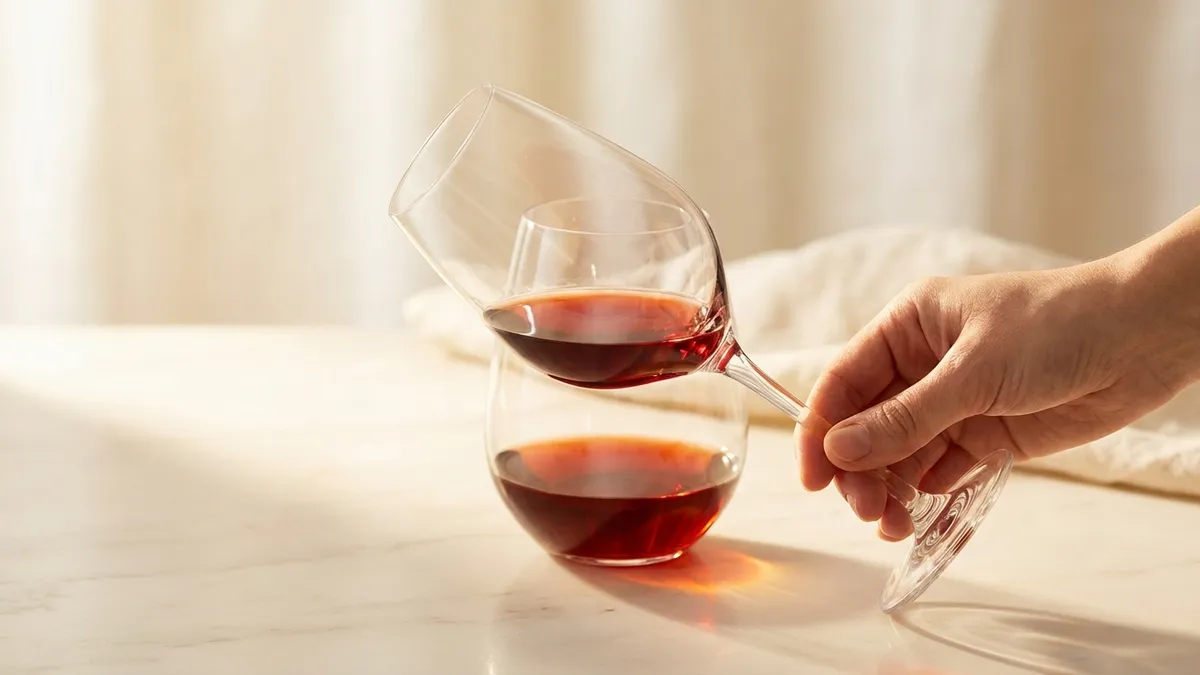
Step 3: Tilt the Glass at 45 Degrees
Hold the glass by the stem and tilt it so the wine flows toward one side and thins out at the upper edge. This does two things: it shows you the core color at the deepest point and the rim color at the thinnest edge. Both pieces of information matter. The rim in particular is where age hides.
Step 4: Ask Three Questions
Look at the tilted wine and answer three simple questions in order:
- What is the core color? Name the specific hue: lemon-green, straw, gold, amber for whites; ruby, purple, garnet, brick for reds.
- How intense is it? Pale, medium, or deep. Can you see through it clearly, with effort, or not at all?
- What does the rim look like? Does it match the core (young wine) or shift toward brick/orange (aged) or toward pale water (very aged)?
Write those three observations down before you smell or sip. That is your color note. It should take about 10 seconds once the habit is built.
Read the color first, always. The color will never lie as long as you read it before the nose biases your perception.
Putting Color Into the Full Tasting Sequence
Color is the first step of the classic four-step tasting flow: look, swirl, sniff, sip. When you evaluate color before anything else, it anchors the rest of the tasting. You form a hypothesis from the visual cues, then use the nose and palate to either confirm it or revise it.
For example, you pour a wine and see deep ruby with a tight young rim. Your hypothesis: this is a young, warm-climate, thick-skinned grape. Then you swirl and sniff, and you pick up blackcurrant, cedar, and tobacco — classic Cabernet Sauvignon markers. Your palate step then confirms high tannin and full body. Every step reinforces the one before it. The color was your first calibration point, and it turned out to be right.
For the full four-step framework, see our guides to how to taste wine and how to smell wine. Color is step one, and it punches above its weight when you treat it as a real evaluation instead of a formality.
The Sommy app includes a calibrated color swatch reference inside its tasting courses, so you can train your eye against real wine hues rather than guessing from memory. Over a few weeks, your color vocabulary grows from "it's red" to "deep ruby with a slightly garnet rim" — and your whole tasting note sharpens with it.
Common Mistakes When Reading Wine Color
A few habits quietly sabotage beginner color evaluations. Avoid these and your reads get much more reliable:
- Looking at a wine straight down into the glass. You cannot see the rim this way. Tilt and hold against white.
- Evaluating color in a colored or dim room. Warm restaurant lighting hides real hues. Find a white light source if possible.
- Skipping the rim. The rim is where most age information lives. A quick glance at the core is not a full color read.
- Confusing intensity with quality. Deep color does not mean good wine. Some of the most delicate and refined reds in the world are pale ruby.
- Mistaking oak for age. A heavily oaked young white can look gold and look older than it is. Cross-check with aroma before concluding.
- Ignoring the color entirely. This is the biggest mistake — treating color as irrelevant and jumping straight to the nose. You are throwing away free information.
Build a Color Vocabulary That Works
Wine color is the easiest tasting skill to improve because it only requires looking and naming. Every time you pour a glass, spend five seconds noting the core, intensity, and rim. Say the specific color words out loud. Over a few weeks, your brain will build a reference library for "lemon-green Muscadet," "ruby Sangiovese," "inky Malbec," "brick-rimmed aged Barolo," and dozens of other visual signatures. Those references become automatic guesses every time you see a similar hue.
Visit sommy.wine to start practicing with the Sommy app's structured tasting sessions, which pair each wine with a calibrated color reference and ask you to match what you see. Visual tasting skills compound fast — a few weeks of deliberate color reads transforms every bottle you pour into a richer experience, and every wine list you scan feels a little less mysterious than it did before.
Frequently Asked Questions
What does wine color actually tell you?
Wine color reveals a surprising amount of information before you take a sniff: rough age, grape family, climate of origin, extraction level, and sometimes the winemaking style (oaked or unoaked, skin contact or not). It is the first piece of the tasting puzzle and the most overlooked.
Why do white wines get darker as they age?
Oxidation. As a white wine ages, small amounts of oxygen react with phenolic compounds, deepening the color from pale lemon or straw toward gold, amber, and eventually brown. A young unoaked white is pale; a 20-year-old sweet wine can look like liquid honey.
Why do red wines get lighter as they age?
The pigments (anthocyanins) that make red wines purple and ruby gradually bind with tannins and precipitate out as sediment. The rim of an aged red turns orange or brick while the core becomes paler. A young red can be opaque purple; a 25-year-old Barolo can be nearly translucent garnet-brick.
What does pale color mean in a red wine?
A pale red usually means a thin-skinned grape variety. Pinot Noir, Gamay, Grenache, and Nebbiolo are all genuinely light-colored even when young. Pale color does not mean thin or weak — some of the world's most structured reds like Nebbiolo and Pinot Noir are pale in the glass but powerful on the palate.
What does inky purple wine indicate?
A very dark, opaque purple wine suggests a thick-skinned variety grown in a warm climate with ripe fruit. Malbec, Syrah, Petite Sirah, and young Cabernet Sauvignon all show deep purple. The darker the color, the more skin contact and phenolic extraction the wine has.
What is the rim of a wine and why does it matter?
The rim is the thin outer edge where the wine meets the glass. Tilting the glass at a 45-degree angle against a white background makes the rim visible. A tight ruby rim means a young red. A brick or orange rim means the wine has aged. The rim tells you the most about age of any visual cue.
Can wine color be misleading?
Yes, occasionally. Heavily oaked wines can look older than they are due to darker coloring from barrel compounds. Some winemaking styles use intentional oxidation to deepen color in young whites. Natural and orange wines often show cloudy or unexpected hues. Color is a strong first clue, not a verdict.
How should I evaluate wine color properly?
Tilt the glass at about 45 degrees against a white background — a napkin, a tablecloth, or a blank page. Look at three things: the core color, the intensity (pale, medium, deep), and the rim color. Note any variation between core and rim. Do this before you swirl or sniff, while the wine is still and settled.
Get the free Wine 101 course
Start learning to taste wine like a pro with structured lessons and AI-guided practice.
Sommy Team
LinkedInFounder & Wine Educator
The Sommy Team is building the world's most approachable wine education app, helping beginners develop real tasting skills through structured courses and AI-guided practice.
Keep Reading
How to Taste Wine: The Complete Beginner's Guide
Learn the four-step method that sommeliers use to evaluate every glass. Master the look, swirl, sniff, and sip technique with this comprehensive guide.
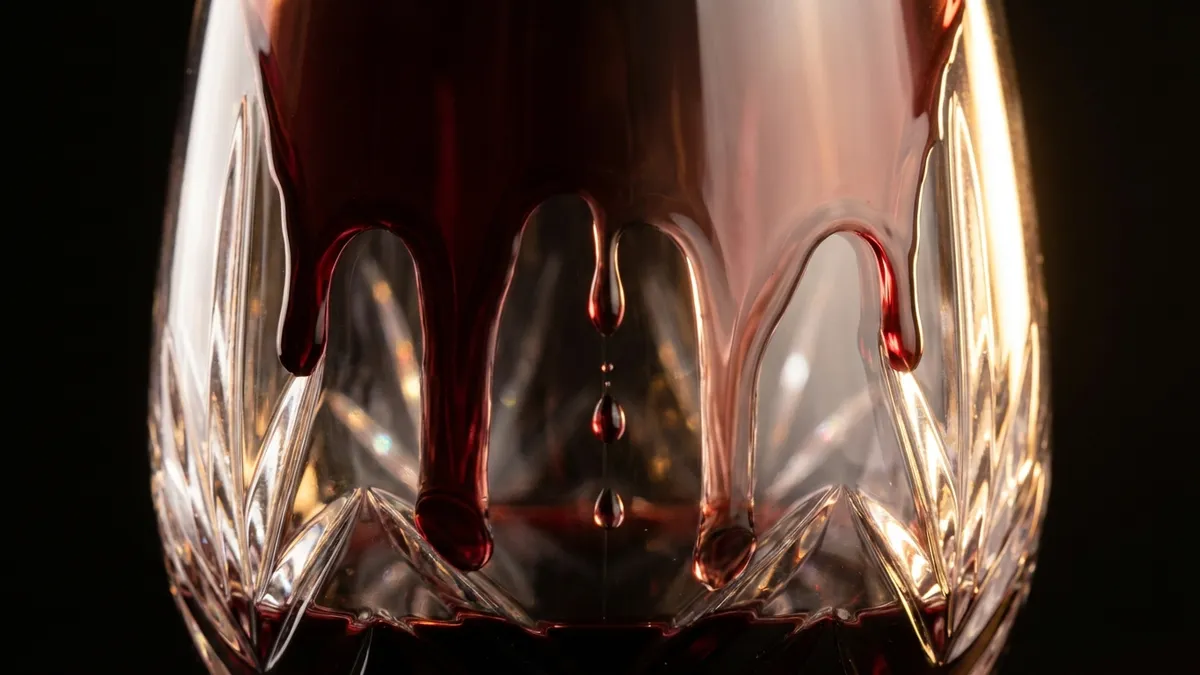
Understanding Tannins, Acidity, and Body in Wine
Learn what tannins, acidity, and body actually are, how to identify them on your palate, and why they matter for food pairing and aging.
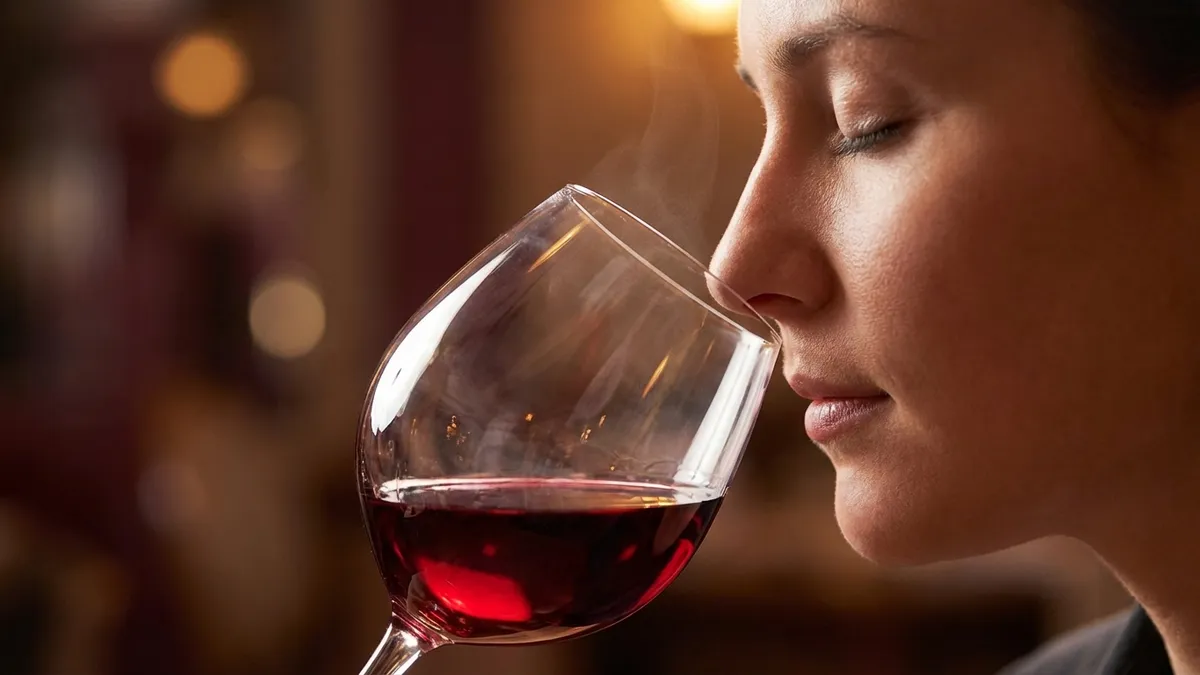
How to Smell Wine: A Beginner's Guide to Wine Aromas
Most wine flavor comes from your nose, not your tongue. Here is how to smell wine properly, what to look for, and how to build an aroma vocabulary from scratch.