How to Smell Wine: A Beginner's Guide to Wine Aromas
Sommy Team
Founder & Wine Educator
April 9, 2026
11 min read
TL;DR
Most of what people call wine flavor is actually smell. Learning how to smell wine properly is the single biggest unlock for beginners. Swirl, pause, sniff in short bursts, and name one thing. That simple four-step loop trains your nose faster than any other technique and works on any wine in any glass.
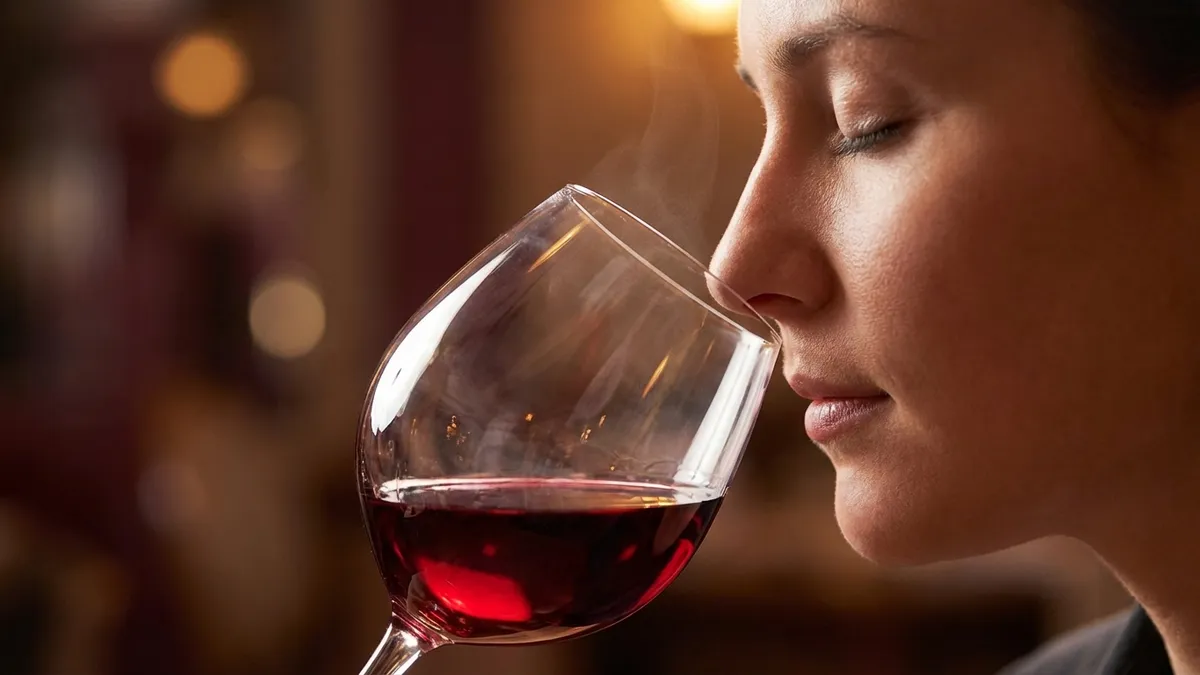
The Biggest Secret About Wine Flavor
Ask any sommelier what the single most important tasting skill is and the answer is almost always the same: the nose. Not the palate. Not the swirl. The nose. Most beginners focus their attention on the sip — how the wine feels in the mouth, whether it is sweet or bitter, whether the finish is long or short. That is all useful, but it is the smaller half of the picture. Learning how to smell wine is the single biggest unlock for anyone who wants to go from drinking wine to actually tasting it.
Up to 80 percent of what people describe as flavor is actually aroma. Your tongue only detects five basic tastes — sweet, salty, sour, bitter, and umami. Everything else you experience in a glass of wine — cherry, vanilla, leather, violet, wet stone, green bell pepper — comes from volatile molecules rising out of the wine and into your nasal passages. Close your nose with your fingers and take a sip of any wine. It will taste like slightly sour, slightly alcoholic water. Release your nose and the entire experience opens up. That moment is worth understanding.
This guide walks through exactly how to smell wine properly — the technique, the physiology, the three categories of aromas, how to train your nose from scratch, and a set of simple at-home drills that build an aroma vocabulary faster than any book can. By the end you will have a tool sommeliers spend years perfecting, ready to use on the next bottle you open.
How Smelling Wine Actually Works
Before the technique, a little physiology. Your olfactory system has roughly 400 types of smell receptors, compared to just 5 taste receptors on your tongue. Those receptors sit in a small patch of tissue at the top of your nasal cavity called the olfactory epithelium. When you sniff, aromatic molecules from the air bind to those receptors, which send electrical signals directly to the limbic system of your brain — the same area that handles memory and emotion.
This is why smelling wine can feel so evocative. A single whiff of an old Bordeaux can pull up a specific memory from ten years ago. That is not poetic exaggeration — it is neuroanatomy. The olfactory system has a direct wire to your memory centers that no other sense shares.
Orthonasal vs Retronasal Smelling
There are two different ways the same olfactory receptors can do their job, and both matter for wine:
- Orthonasal olfaction is what most people think of as smelling. Aromatic molecules enter through your nostrils from outside. This is what happens when you bring a wine glass to your nose and sniff.
- Retronasal olfaction is smelling from inside your mouth. When you drink wine and swallow, volatile aromas rise from your palate up through the back of your throat and reach the same olfactory receptors from the other direction.
Retronasal smelling is why wine tastes different in your mouth than it smells in the glass. Holding a sip on your palate for five seconds before swallowing opens up a second layer of aromas that never reached your nose through your nostrils. Sommeliers train both pathways deliberately. Beginners usually only use the first one and wonder why they are missing half the wine.
How to Smell Wine, Step by Step
Here is the full technique, broken down into five steps you can practice on any bottle. Once the sequence becomes muscle memory, the whole process takes about twenty seconds.
1. Use a Proper Glass
This one is non-negotiable. A proper wine glass has a tulip-shaped bowl that tapers at the rim, which concentrates aromatics into a narrow band right where your nose sits. A juice tumbler or water glass lets the aromatics escape sideways and disperse into the air. You will get 10 percent of the aroma out of a bad glass compared to a proper one.
A single all-purpose wine glass is all you need. You do not need a dozen specialty shapes. Pour about a third full — enough room to swirl without spilling, enough wine to release a meaningful bouquet.
2. Smell Before You Swirl
Before doing anything else, bring the glass to your nose and take one gentle sniff. This is your baseline — the aromatics that rise up from the wine at rest, without any agitation. You might catch very subtle notes here that get overwhelmed after swirling. It takes two seconds and experienced tasters never skip it.
3. Swirl to Release Aromatics
Put the glass on a flat surface, hold the base or the stem, and make small circles. Three or four seconds of gentle swirling coats the inside of the glass with a thin film of wine and releases volatile compounds into the air above. You will see the legs (the streaks that form on the side of the glass) and the wine will change color subtly as the film thins.
Swirling is not decorative. It is a mechanical way of exposing more of the wine's surface area to air so more aroma molecules can escape. A properly swirled glass smells two or three times stronger than an unswirled one.
4. Take Short Bursts, Not Long Draws
Bring the glass back to your nose and take two or three short, gentle sniffs — not one big inhale. Your olfactory receptors fatigue within a few seconds, which means a long dramatic inhale actually gives you less information than several short sniffs. The first short sniff captures the brightest top notes. Pause, sniff again for the middle notes. Pause once more for the deeper base notes.
This staccato approach is exactly how professional tasters work. It looks less elegant than a single theatrical inhale, but it gives you far more data.
5. Name One Thing
This is the step beginners always skip, and it is the most important. Force yourself to name one specific thing in the glass. Not a category like "fruit" — a specific fruit. Cherry. Blackberry. Lemon peel. Dried apricot. It does not need to be right. It just needs to be specific.
Naming creates a memory. The next time you encounter a similar aroma, your brain has a reference point to compare it to. Over time, one name turns into three, then ten, then a whole vocabulary. Skipping this step is why some people drink wine for twenty years without ever learning to identify a single aroma.
A sommelier with a 500-aroma vocabulary started exactly where you are. The only difference is that they named something new every time they drank a glass. You can do the same.
This is the same structured approach that powers the full four-step tasting framework in how to taste wine — look, swirl, sniff, sip. The nose is step three of four, and it is where most of the action actually happens.
The Three Layers: Primary, Secondary, and Tertiary Aromas
Once you start smelling wine intentionally, the next question is: what am I supposed to be finding? Sommeliers organize wine aromas into three broad categories based on where the smell came from in the wine's life cycle.
Primary Aromas: From the Grape
Primary aromas are the smells that come directly from the grape variety and the vineyard. They are the most intuitive aromas for beginners because they smell like recognizable things from the grocery store. Typical primary aroma families include:
- Fruit — cherry, raspberry, blackberry, apple, pear, citrus peel, peach, pineapple, tropical fruits
- Floral — rose, violet, jasmine, orange blossom, elderflower
- Herbal — mint, eucalyptus, fresh grass, tomato leaf, bell pepper
- Mineral and earthy — wet stone, flint, chalk, slate
- Spice — black pepper, white pepper, licorice, anise
Primary aromas are typically strongest in young wines. A one-year-old Sauvignon Blanc is essentially all primary aroma: grapefruit, lime, cut grass, elderflower. The grape is speaking directly through the glass.
Secondary Aromas: From Winemaking
Secondary aromas come from the winemaking process itself, especially from fermentation and any post-fermentation handling. They include:
- Yeasty and bready notes — fresh bread, brioche, biscuit, toast
- Dairy notes — butter, cream, yogurt
- Lees aromas — from aging on dead yeast cells, often nutty and savory
- Malolactic fermentation — buttery, creamy (especially in oaked whites)
A buttery Chardonnay or a yeasty Champagne shows secondary aromas prominently. These smells are not in the grape — they are what the winemaker added through technique.
Tertiary Aromas: From Age
Tertiary aromas — sometimes called the wine's bouquet — develop as the wine ages in barrel and bottle. They replace the fresh fruit of a young wine with darker, more complex notes:
- Wood-derived — vanilla, coconut, cedar, smoke, toast, coffee
- Oxidative — hazelnut, almond, dried fruit, sherry, caramel
- Reductive and meaty — leather, tobacco, forest floor, mushroom, truffle
- Dried fruit — raisin, prune, fig
A twenty-year-old Bordeaux smells almost nothing like a one-year-old one. The primary black fruit has faded into cedar, leather, tobacco, and forest floor. That slow transformation is why aged wine is such a different experience from young wine, and why bouquet is one of the most prized qualities in serious wines.
How to Train Your Nose From Zero
The single biggest myth about wine is that some people are "born tasters" and the rest of us are stuck. The truth is that smelling is a vocabulary problem, not a talent problem. If you have not thought consciously about what a cherry smells like in the last five years, you will not be able to identify cherry in a Pinot Noir. The receptors work fine. The word is missing.
Here are the highest-leverage drills for building a nose fast:
- Smell your spice rack deliberately. Open every jar, close your eyes, and sniff. Say the name out loud. Do this once a week for a month. You will suddenly start picking up cinnamon, clove, black pepper, anise, and cardamom in wines you used to describe as "spicy."
- Smell the produce aisle. Next grocery run, lift a strawberry, a peach, a lemon, a bunch of herbs, a cucumber, a bell pepper to your nose. Pay attention. These are the exact aromas you will meet in wine.
- Save corks and scraps. The next time you open a bottle, sniff the cork. Save a clean cork from a wine you liked and use it as a reference for similar bottles.
- Smell with your eyes closed. Vision overrides smell. Closing your eyes focuses all your attention on the olfactory signal and improves accuracy dramatically.
- Use an aroma kit or the Sommy app. A structured set of reference smells — either a physical kit or a guided digital tasting — gives you named, consistent reference points. The Sommy app walks you through aroma identification drills with real-time feedback so you can calibrate your nose against what experts actually smell.
The goal is not to memorize 400 aromas. It is to build a personal reference library of 20 or 30 specific smells you can reliably name. That is enough to describe almost any wine you encounter.
Common Mistakes That Kill Your Ability to Smell Wine
A few small habits quietly ruin most beginners' ability to smell a wine fairly. Avoid these and your nose immediately gets better:
- Serving wine too cold. Chill mutes aromatics. A Cabernet straight from a 40°F fridge will smell like almost nothing for the first ten minutes. For serving ranges by style, see our wine serving temperature chart.
- Wearing cologne, perfume, or strong lotion. Your nose can only process so much input at once. A heavily perfumed taster is masking every aroma in the glass.
- Taking one giant inhale. Olfactory fatigue sets in within seconds. Short, gentle sniffs beat dramatic draws every time.
- Holding the glass by the bowl. Your body heat warms the wine and changes the aromatics. Hold by the stem or the base.
- Rushing. Wine opens up over time. The first sniff tells you one story; the fifth sniff, ten minutes later, tells you another. Patience reveals more than any single sniff can.
- Ignoring faults. A musty, wet-cardboard note is cork taint, not "earthy" or "terroir." If a wine smells like a damp basement, it is faulty. Our guide to how to tell if wine is corked covers this in detail.
Put It All Together
Learning how to smell wine is not about becoming a sommelier overnight. It is about making your drinking experience richer, one glass at a time. The technique is simple, the physiology is well understood, and the only real barrier is paying deliberate attention. Spend twenty seconds with the next bottle you open, use the five-step sequence above, and name one specific thing before you sip. That single discipline will change how you experience wine forever.
Structured practice beats random exposure. Visit sommy.wine to start working through the Sommy app's guided tasting courses, where every lesson includes aroma drills with real feedback on what to look for and how to describe it. A little regular practice turns a passive drinker into an active taster faster than almost anyone expects.
Frequently Asked Questions
Why does smelling wine matter so much?
Up to 80 percent of what people call flavor actually comes from the nose, not the tongue. Your tongue only detects five basic tastes — sweet, salty, sour, bitter, and umami. Everything else — cherry, oak, leather, jasmine — comes from volatile aromatic compounds rising into your nasal passages. Skip smelling the wine and you miss almost everything interesting about it.
How do you actually smell wine the right way?
Use a proper wine glass. Pour about a third full. Swirl for three or four seconds to release aromatics. Bring the glass to your nose and take two or three short, gentle sniffs — not one deep inhale. Pause, swirl again, and sniff once more. Short bursts reveal more than long draws because your nose fatigues within seconds.
What are primary, secondary, and tertiary aromas?
Primary aromas come from the grape itself — fruit, flowers, and vegetal notes. Secondary aromas come from winemaking, especially fermentation — bread, yeast, butter, or dairy. Tertiary aromas come from aging, in barrel or bottle — leather, tobacco, mushroom, nuts, dried fruit. Together they form the wine's full aromatic profile.
What is the difference between aroma and bouquet?
Aroma refers to the wine's primary and secondary smells — fresh fruit, florals, fermentation notes. Bouquet refers specifically to the tertiary smells that develop with age. An unaged young wine has aroma but no bouquet. A twenty-year-old Barolo has a full bouquet layered on top of its remaining aromas.
What if I cannot smell anything in the wine?
Three possible reasons. First, the wine is too cold — chill mutes aromatics. Let it warm up. Second, the glass is the wrong shape — a narrow tumbler kills the nose. Use a proper wine glass with a bowl. Third, your nose is fatigued or congested. Step away for a minute, smell the crook of your elbow to reset, and try again.
How do I build a wine aroma vocabulary from scratch?
Smell everything around you deliberately. Open your spice rack and sniff each jar. Walk through the produce section and smell fruits and herbs. The words you can name are the ones you will notice in wine. Beginners cannot identify cherries in a Pinot Noir because they have never thought consciously about what a cherry smells like. Smelling is a vocabulary problem, not a talent problem.
What is retronasal olfaction?
Retronasal olfaction is smelling from the back of your mouth up through your nasal passages while you drink. When you sip wine and swallow, volatile aromas travel from the palate up to the olfactory receptors through the back of your throat. This is why wine tastes different in your mouth than it smells in the glass, and why holding the wine on your palate for a few seconds reveals new layers.
Do I need a special wine glass to smell wine properly?
Not a special one, but a proper one. A basic all-purpose wine glass with a tulip-shaped bowl and enough room to swirl is all you need. The bowl shape concentrates aromatics at the rim. A juice tumbler or water glass scatters them and makes it almost impossible to smell the wine. This single piece of gear is the cheapest wine upgrade you can make.
Get the free Wine 101 course
Start learning to taste wine like a pro with structured lessons and AI-guided practice.
Sommy Team
LinkedInFounder & Wine Educator
The Sommy Team is building the world's most approachable wine education app, helping beginners develop real tasting skills through structured courses and AI-guided practice.
Keep Reading
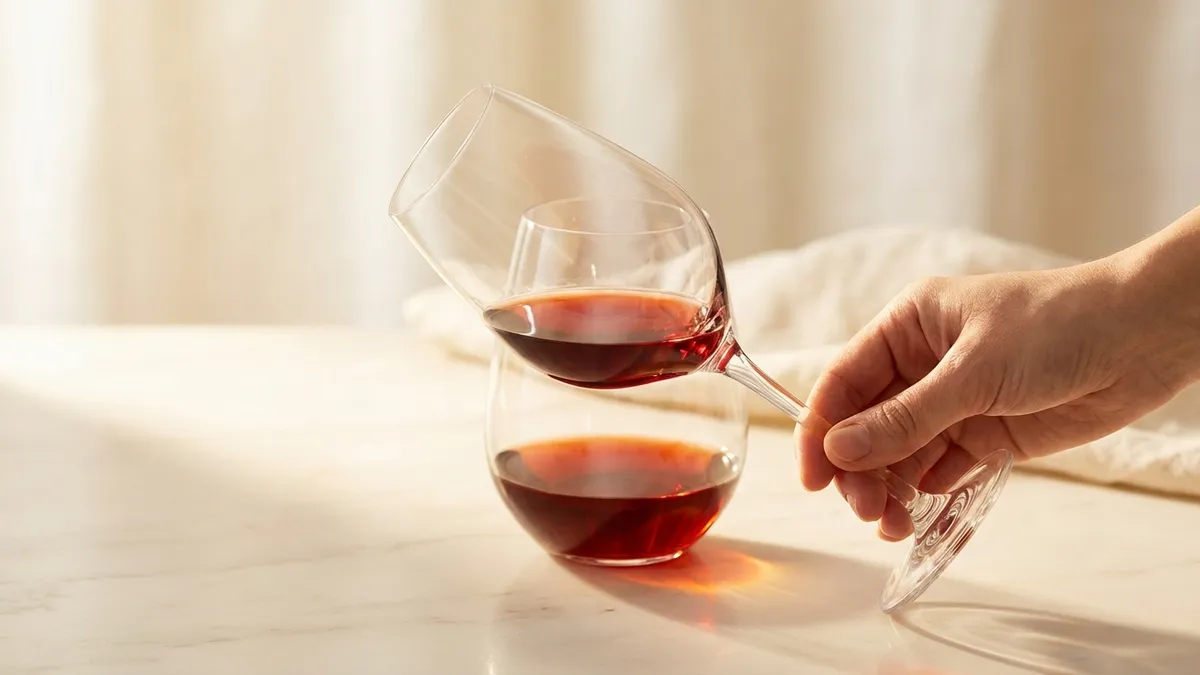
How to Taste Wine: The Complete Beginner's Guide
Learn the four-step method that sommeliers use to evaluate every glass. Master the look, swirl, sniff, and sip technique with this comprehensive guide.
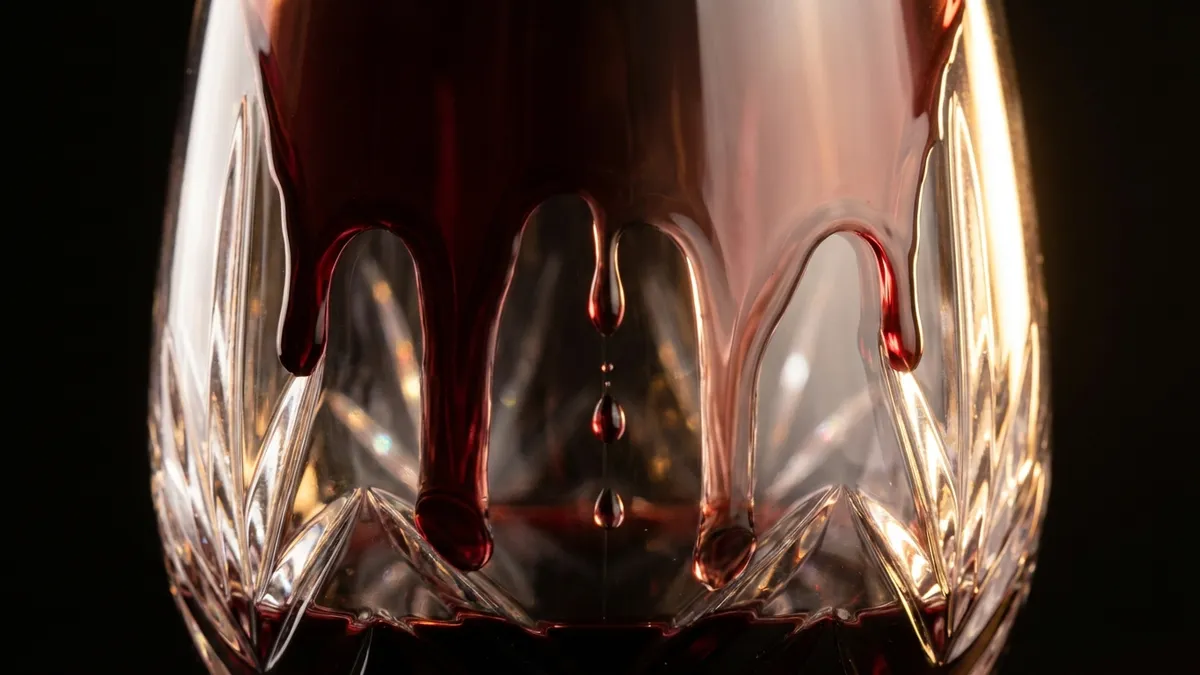
Understanding Tannins, Acidity, and Body in Wine
Learn what tannins, acidity, and body actually are, how to identify them on your palate, and why they matter for food pairing and aging.
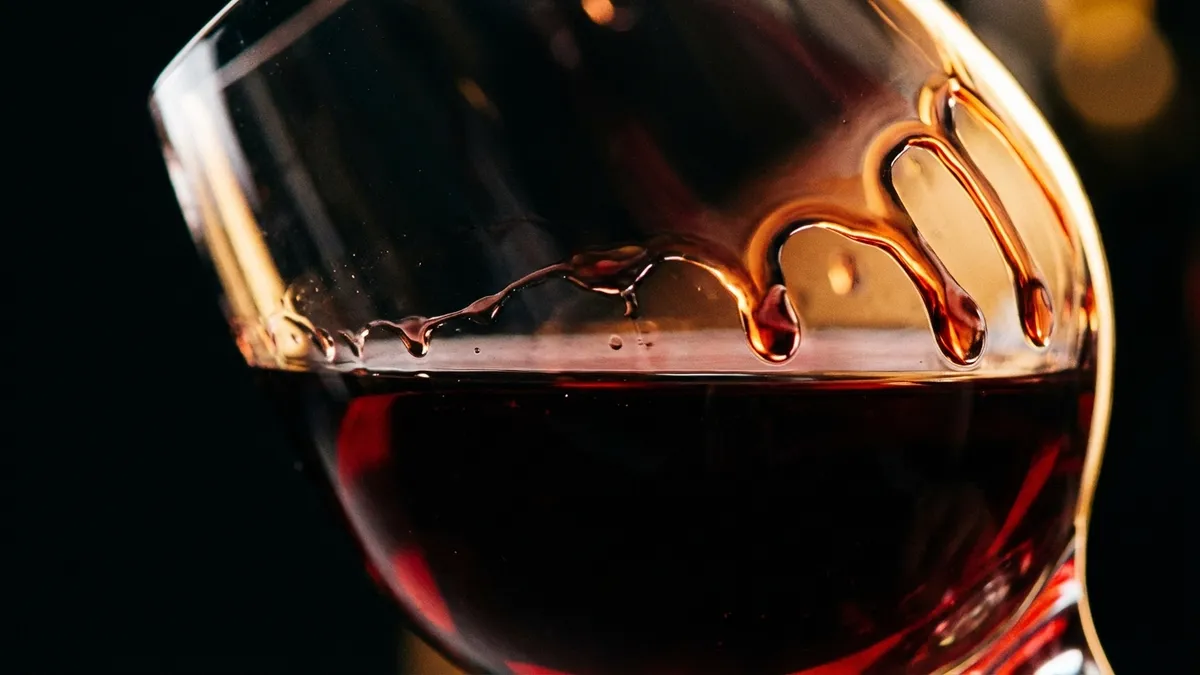
What Do Wine Legs Mean? The Truth About Tears on Your Glass
Wine legs are one of the most misunderstood visual cues in wine. Here is what those tears on your glass actually mean, the physics behind them, and what sommeliers really look for.