Wine Regions
Wine regions explained — Old World vs New World, terroir, and how to read any label by place. Your map from Bordeaux to Napa, region by region.
101 articlesStart here
Barolo vs Chianti: Nebbiolo, Sangiovese, and Which to OpenBarolo vs Chianti: pale, grippy Nebbiolo from Piedmont that needs years, against brighter Sangiovese from Tuscany that is ready on release. Grapes, label ladders, food and when to open each.
The major wine regions of the world fall into two broad families. The Old World covers Europe's classic regions — Bordeaux and Burgundy in France, Tuscany and Piedmont in Italy, Rioja in Spain, the Mosel in Germany. The New World covers everywhere wine spread later — Napa Valley in California, Mendoza in Argentina, the Barossa in Australia, Marlborough in New Zealand. What unites all of them is one idea: place shapes style. The same grape grown in two different regions makes two recognisably different wines, because climate, soil, and local tradition each leave fingerprints on the glass. Learn a handful of anchor regions — Bordeaux, Burgundy, Tuscany, Rioja, Napa, Marlborough — and you have a mental map that makes every wine list easier to read.
That map is smaller than it looks. According to the OIV — the International Organisation of Vine and Wine, the sector's intergovernmental reference body — Italy, France, and Spain together produced roughly half of the world's wine in 2024, with Italy leading at around 44 million hectolitres. Learn three countries well and you already understand half of what sits on the shelf.
This page is the front door to our full collection of region guides. It answers the big questions first — Old World versus New World, terroir, climate, labels — then points you to the deep dives on individual countries and regions. You do not need to memorise maps or recite appellations. You need a framework, and that starts here.
What is the difference between Old World and New World wine?
Old World wine comes from Europe's traditional regions — France, Italy, Spain, Germany, Portugal — and tends toward higher acidity, moderate alcohol, and earthier, more restrained flavours. New World wine comes from everywhere else — the Americas, Australia, New Zealand, South Africa — and tends toward riper fruit, fuller body, and labels that name the grape rather than the place.
The deeper difference is philosophical. Old World regions built their rules around geography: strict laws define which grapes may grow where, how vines are farmed, and what a wine from a given place must be. New World regions inherited the grapes without the rulebook, so winemakers there enjoy far more freedom to plant, blend, and experiment.
For you as a buyer, the practical consequence is simple. An Old World label asks you to know the place — Chianti, Rioja, Chablis — and trust that the place implies the style. A New World label tells you the grape up front and lets the region play a supporting role. Neither approach is better; they are two different ways of answering the same question about what is in the bottle.
The line is blurring — European winemakers now travel and borrow techniques, and plenty of New World producers farm with an Old World mindset. But as a starting framework it still works, and it explains why two bottles of the same grape can feel like different drinks. Our guide to Old World vs New World wine unpacks the style differences glass by glass.
What is terroir and why does it matter?
Terroir is the complete natural environment a grape grows in — soil, climate, altitude, slope, and sunlight — together with the local traditions that shape how the vines are farmed. It matters because terroir is the reason the same grape variety tastes different in different places, and the reason a wine can carry a genuine sense of somewhere.
No region takes the idea further than Burgundy, where a single grape — Pinot Noir — is grown on a patchwork of small plots, and neighbouring vineyards separated by a footpath sell for wildly different prices because the wines genuinely taste different. Limestone here, a touch more clay there, a slope that catches the morning sun: each shift shows up in the glass. Our Burgundy guide walks through how that patchwork works.
You do not have to accept terroir on faith, either. It is a testable claim: taste two wines from the same grape and the same vintage, grown a few kilometres apart, and notice what changes. The full story — what science supports, what remains romance — is in our explainer on what terroir actually is.
What makes a wine region famous?
Wine regions become famous through a combination of consistent quality, a signature style tied to one or two grapes, and time — usually centuries of trade, classification, and reputation-building. Fame tends to attach to a region that does one thing better than anywhere else, from Champagne's sparkling wines to Napa Valley's Cabernet Sauvignon.
Bordeaux is the template. Its position on an Atlantic estuary made it an export hub for centuries, its merchants built classification systems that ranked quality publicly, and its signature blend became the model that half the wine world still imitates. The full machinery — Left Bank, Right Bank, and why the blend matters — is covered in our Bordeaux guide.
Fame can also arrive fast. Napa Valley went from obscurity to global benchmark within a single generation, helped by a famous 1976 blind tasting in Paris where Californian wines outscored French classics in front of French judges. Reputation follows quality — but quality has to be proven somewhere first, and blind tastings remain the great equaliser.
Notice what fame is not built on: size. Some of the world's largest vineyard areas are barely known abroad, while tiny regions punch far above their acreage because they own a style completely. When a region's name alone tells you what the wine will taste like, that region has won the only contest that matters.
Why does climate matter more than country?
Climate sets the boundaries of what a region can grow and how its wine tastes. Cool climates preserve acidity and give lighter, fresher, lower-alcohol wines; warm climates build sugar and give riper, fuller, higher-alcohol wines. Two regions in the same country can differ more than two different countries — northern Italy and Sicily prove it every vintage.
This is why wine education bodies such as WSET teach climate in broad bands — cool, moderate, and warm — rather than by nationality. A cool-climate Riesling from the Mosel and a warm-climate Shiraz from the Barossa sit at opposite ends of the flavour spectrum, yet each is the honest product of its weather. See how steep slate slopes ripen grapes at the cold margin in our German wine regions guide, then compare the sun-soaked opposite extreme in our Australian wine guide.
Climate also explains a statistical oddity. Spain holds the world's largest vineyard area — about 13 percent of the OIV's 7.1 million global hectares of vines — yet ranks only third in production, because much of that land is hot, dry plateau where vines are planted sparsely and yield little. Fewer grapes per vine often means more concentration per glass, which is part of Spain's charm.
One practical takeaway: when you read a wine region's name, think temperature before nationality. "Cool or warm?" predicts what is in the glass better than "France or Chile?" ever will.
Which wine regions should a beginner learn first?
Start with France, Italy, and Spain — between them they define the templates most other regions follow — then add one New World benchmark such as California. Within those countries, five regions carry the most signal for a beginner: Bordeaux, Burgundy, Tuscany, Rioja, and Napa Valley. Learn their signature grapes and styles before anything else.
Each anchor region teaches a different lesson:
- Bordeaux teaches blending — how Cabernet Sauvignon and Merlot combine into something neither achieves alone.
- Burgundy teaches terroir — one grape, many places, endless variation.
- Tuscany teaches food and structure — Sangiovese's bright acidity explains why Italian wine begs for a table. Start with our Tuscany guide.
- Rioja teaches ageing — Spain's flagship region classifies wines by time in barrel and bottle, so the label tells you how mellow the wine will feel.
- Napa Valley teaches ripeness — California sunshine expressed as generous, polished Cabernet.
From there, widen the circle country by country. Our French wine regions overview connects Bordeaux and Burgundy to Champagne, the Loire, and beyond; the Italian wine guide does the same for Piedmont, Veneto, and the south; and the Spanish wine regions guide maps everything from green Atlantic coastline to sherry country. None of this is homework — each guide is built to be read with a glass in hand.
How do you read a wine label by region?
Old World labels lead with place: the region or appellation name legally implies the grape and style, so a label that says Chablis means Chardonnay and one that says Sancerre means Sauvignon Blanc. New World labels lead with grape: variety, brand, and region are stated plainly. Either way, the region name is the most information-dense word on the bottle.
The key term to know is appellation — a legally defined and protected wine-growing area with rules about which grapes can be planted and how the wine must be made. France's AOC system, Italy's DOC and DOCG, and Spain's DO all work on this principle, and our appellation explainer decodes the acronyms in plain language.
Most Old World regions also stack appellations into a pyramid: the broader the place name, the looser the rules; the more specific the name, the stricter the standards. The Rhône Valley is the cleanest example — regional Côtes du Rhône at the base, named villages in the middle, single crus at the top — and our Rhône Valley guide shows how each step up the pyramid changes what is in your glass.
An honest caveat: more specific does not automatically mean better, and label law measures origin, not pleasure. What the pyramid really tells you is how narrowly the wine's birthplace is defined — the rest is up to your palate.
Germany runs a different but equally logical system, ranking wines partly by the ripeness of the grapes at harvest — useful to know, because it is the fastest way to predict how sweet a Riesling will be before you pull the cork. Every regional guide in this collection includes a plain-language walkthrough of its local label conventions, so you never have to decode one cold.
How do you taste the difference between regions?
Taste the same grape from two or three regions side by side. Pour a Pinot Noir from Burgundy next to one from Oregon and one from Central Otago: the variety is identical, but the balance of fruit, acidity, and earthiness shifts with every glass. Comparative tasting turns abstract geography into something you can actually smell and sip.
This works with almost any well-travelled grape. Sauvignon Blanc from the Loire against Marlborough's pungent, gooseberry-scented version — mapped in our New Zealand wine guide — is the most dramatic pairing in wine. Chardonnay from Chablis against a barrel-aged Californian shows how climate and winemaking stack. Chenin Blanc from the Loire against the old-vine bottlings covered in our South African wine guide reveals a grape with two home countries. And cool-climate Pinot from the Willamette Valley — the heart of our Oregon wine guide — sits beautifully between Burgundy's restraint and Otago's intensity.
You do not need six bottles open at once. Two is enough, tasted in the same sitting with a note or two about what differs. If you want structure, Sommy's guided tastings walk you through exactly this kind of side-by-side comparison — colour, aroma, palate — and help you build a memory bank of regional styles one glass at a time.
Regional tasting is pattern recognition, and patterns need repetition. The second time you meet a Mosel Riesling, you will recognise it. The fifth time, you will be able to place it blind — and that moment is one of wine's genuine thrills.
Where should you go next?
Pick the region that already interests you — the place you have visited, the bottle you loved, the cuisine you cook — and start with its guide. Curiosity is a better syllabus than any official order.
If nothing pulls at you yet, start with France and work outward: its regions supplied the vocabulary, the classification logic, and the benchmark styles that the rest of the wine world still measures itself against. Then let the collection carry you further — through Italy's twenty regions, Spain's high plateaus, Germany's river valleys, and on to the southern hemisphere.
The list of guides below keeps growing. Every one of them is written for curious drinkers, not exam candidates — practical, plain-spoken, and built around what actually shows up in the glass. The world of wine is a map. Here is where you start reading it.
Articles in this topic
Barolo vs Chianti: Nebbiolo, Sangiovese, and Which to Open
Barolo vs Chianti: pale, grippy Nebbiolo from Piedmont that needs years, against brighter Sangiovese from Tuscany that is ready on release. Grapes, label ladders, food and when to open each.
Cava vs Prosecco: Method, Taste and Which One to Pick
Cava is fermented in the bottle and rests on yeast for at least nine months; Prosecco is usually fermented in a steel tank. That one step sets the flavour, the bubbles, the label words and the best use for each.
Eden Valley Wine Guide: Australia's Other Great Riesling
An Eden Valley wine guide: how this cool South Australian region differs from the Barossa Valley and Clare Valley, what its riesling tastes like young and old, and how to buy it.
Emerging Wine Regions: 10 Places Redrawing the Wine Map
Ten emerging wine regions, from England and Sweden to Ningxia, Thailand and Uruguay, grouped by the four routes that put them on the map, with what to pour first from each.
Kakheti Wine Guide: Georgia's Qvevri and Saperavi Region
A Kakheti wine guide for beginners: the Georgian region's appellations, its grapes, the six-month qvevri method behind its amber wines, and how to serve and pair them.
Michigan Wine Guide: Lake-Effect Riesling and Five AVAs
A Michigan wine guide to the five AVAs, the lake effect that makes vineyards possible, which grapes to buy first, ice wine, and how to serve and pair the wines.
Morocco Wine Guide: North Africa's Surprising Wine Scene
A Morocco wine guide for curious drinkers: what the Cinsault-led reds and pale vin gris taste like, what to eat with them, the five regions, AOG vs AOC labels, and how visitors can buy wine.
Casablanca Valley Wine Guide: Chile Cool-Climate Whites
A Casablanca Valley wine guide to Chile's pioneering cool-climate coast: why fog and the Humboldt Current chill it, Pablo Morandé's 1982 founding, DO and Costa labeling, and how it compares to Leyda.
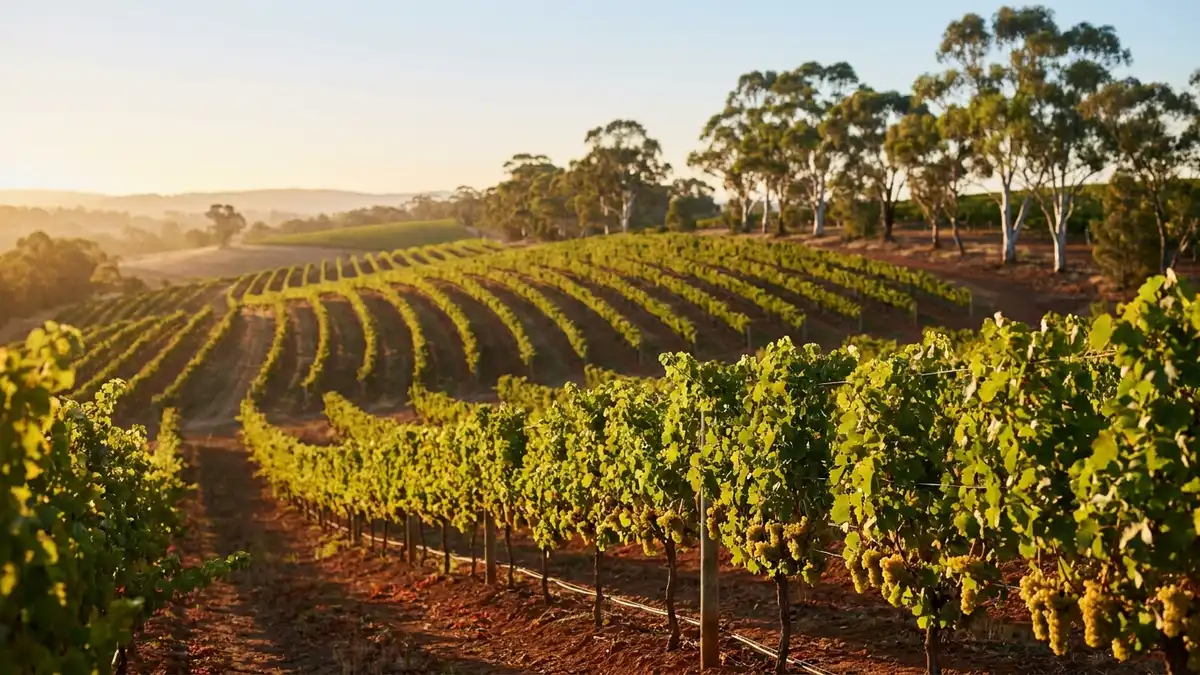
Clare Valley Wine Guide: Australia's Home of Dry Riesling
A Clare Valley wine guide for curious drinkers: why its riesling is bone-dry and lime-scented, what else grows there, the sub-regions, ageing, food, screw caps and the Riesling Trail.
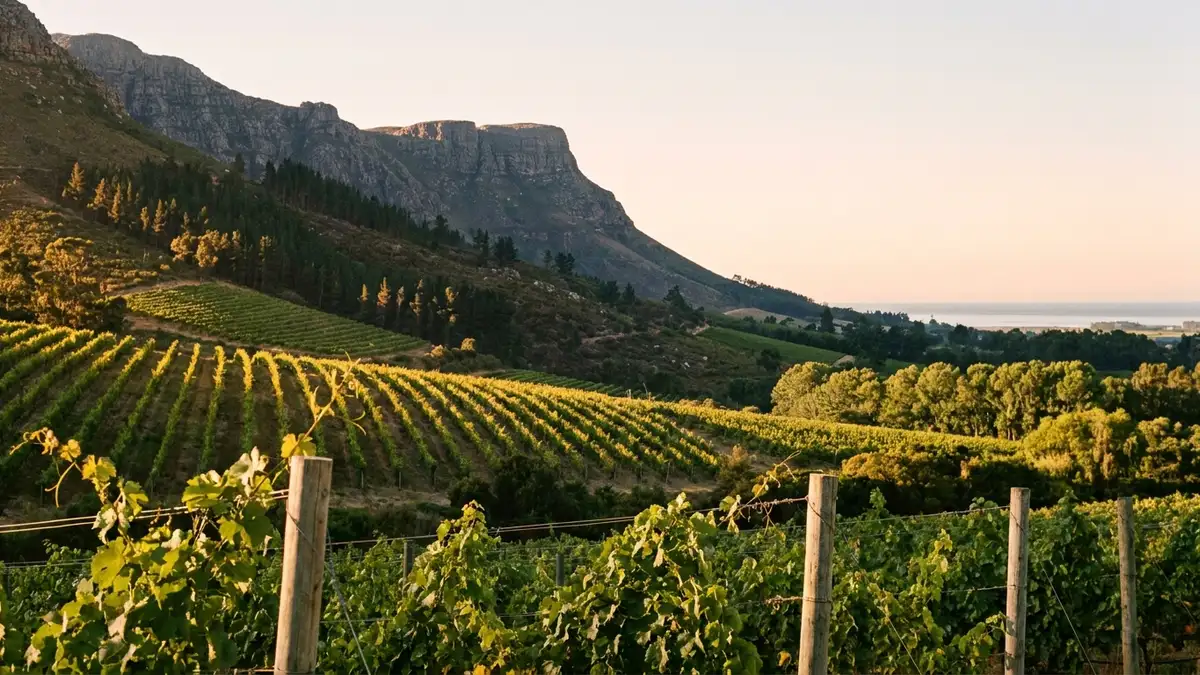
Constantia Wine Guide: South Africa's Oldest Wine Region
A Constantia wine guide: the cool Cape Town valley that made Napoleon's sweet wine, why its Muscat is raisined rather than noble-rotted, and why Sauvignon Blanc now fills nearly half its vineyards.
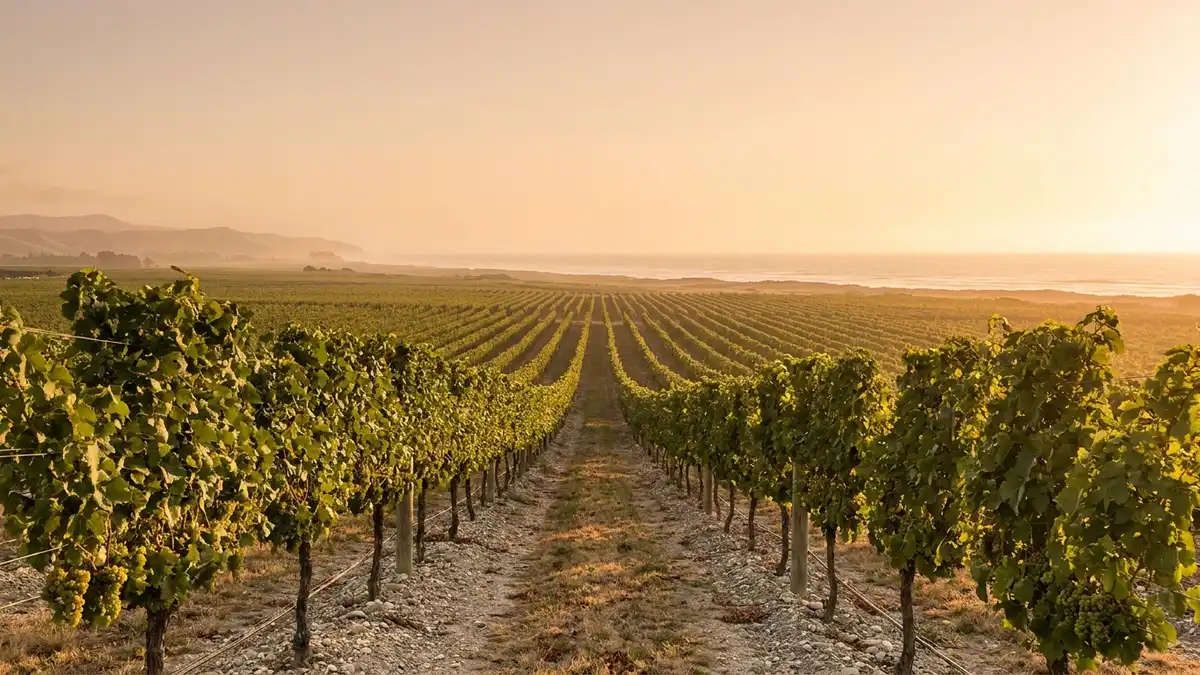
Hawke's Bay Wine Guide: New Zealand Red Wine Region
A Hawke's Bay wine guide to New Zealand's oldest and second-largest wine region: the Gimblett Gravels soil story, Bordeaux-style reds, cool-climate Syrah, and the real grape numbers.
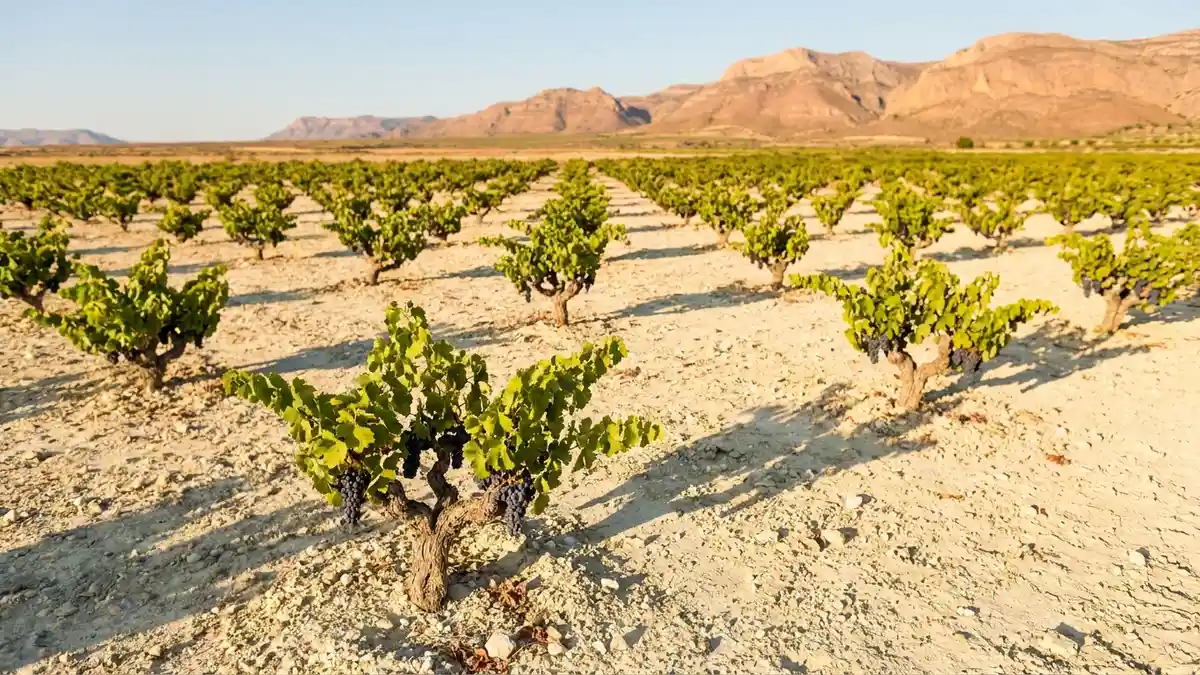
Jumilla Wine Guide: Spain's Big Monastrell Reds for Less
A Jumilla wine guide for curious drinkers: the Monastrell grape, what the wines taste like, how Jumilla compares with Yecla, Alicante and Bullas, label words, food and serving.
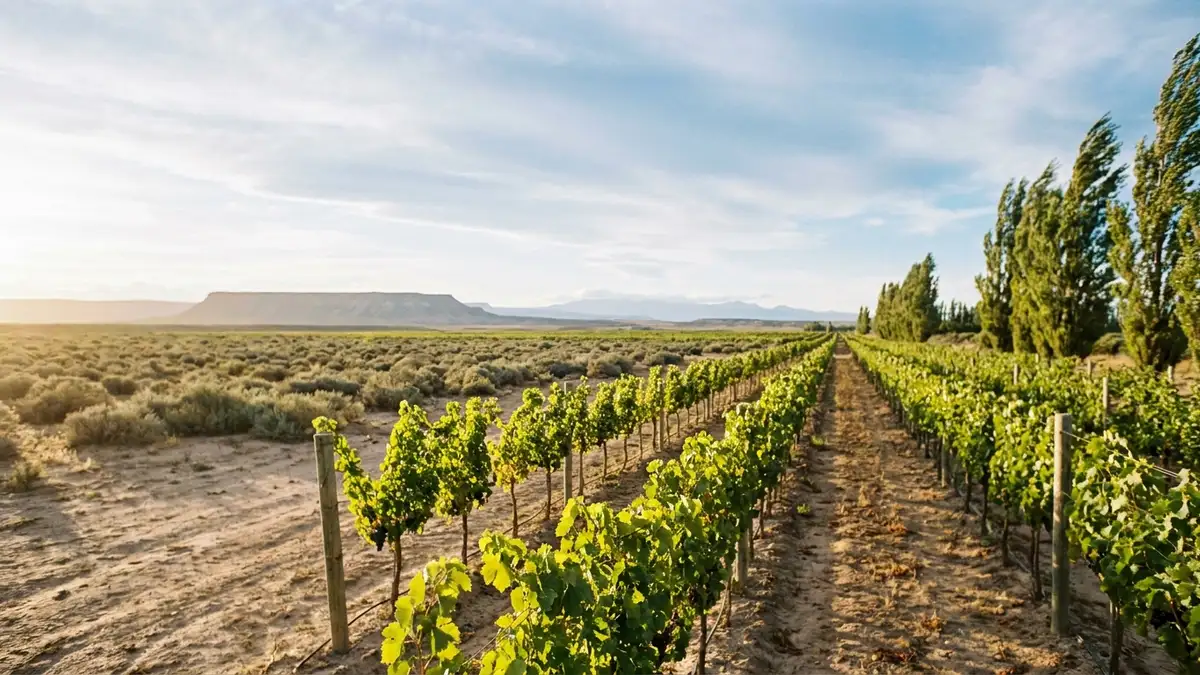
Patagonia Wine Guide: Desert Vineyards of the Far South
A Patagonia wine guide: where Río Negro, Neuquén and Chubut sit, why a desert steppe grows fresh Pinot Noir, which grapes to buy and how to serve them.
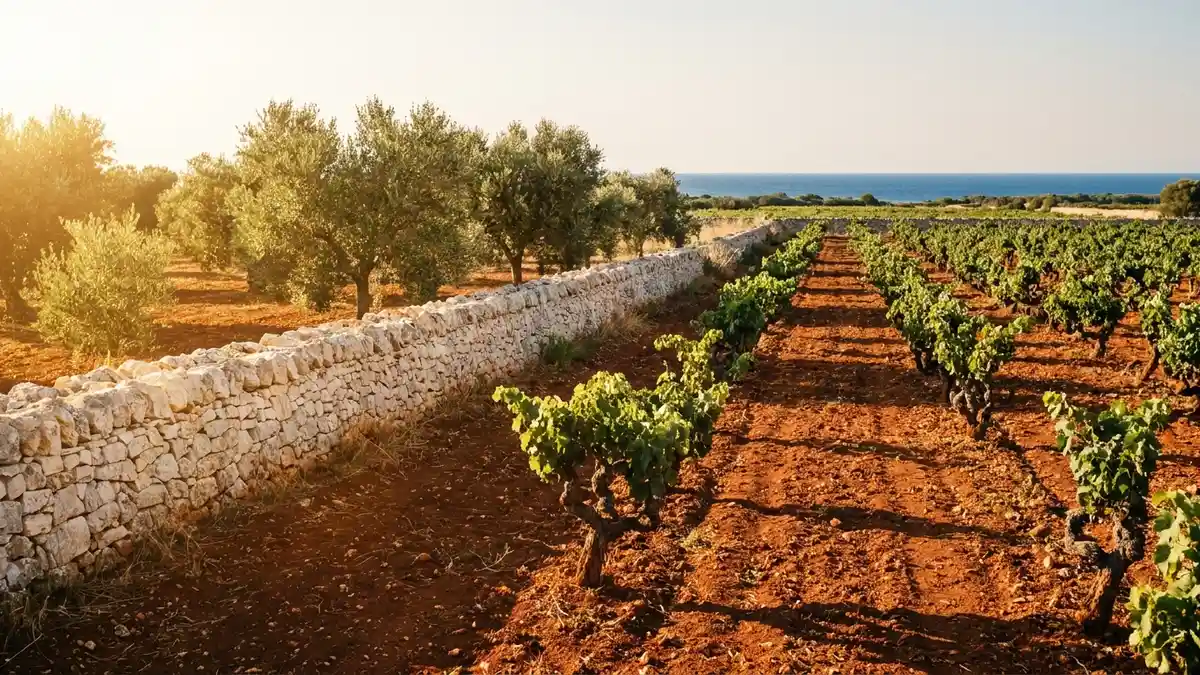
Puglia Wine Guide: Primitivo, Negroamaro, Nero di Troia
A Puglia wine guide for curious drinkers: what Primitivo, Negroamaro and Nero di Troia taste like, which label words to look for, the four DOCGs, and what to eat with each.
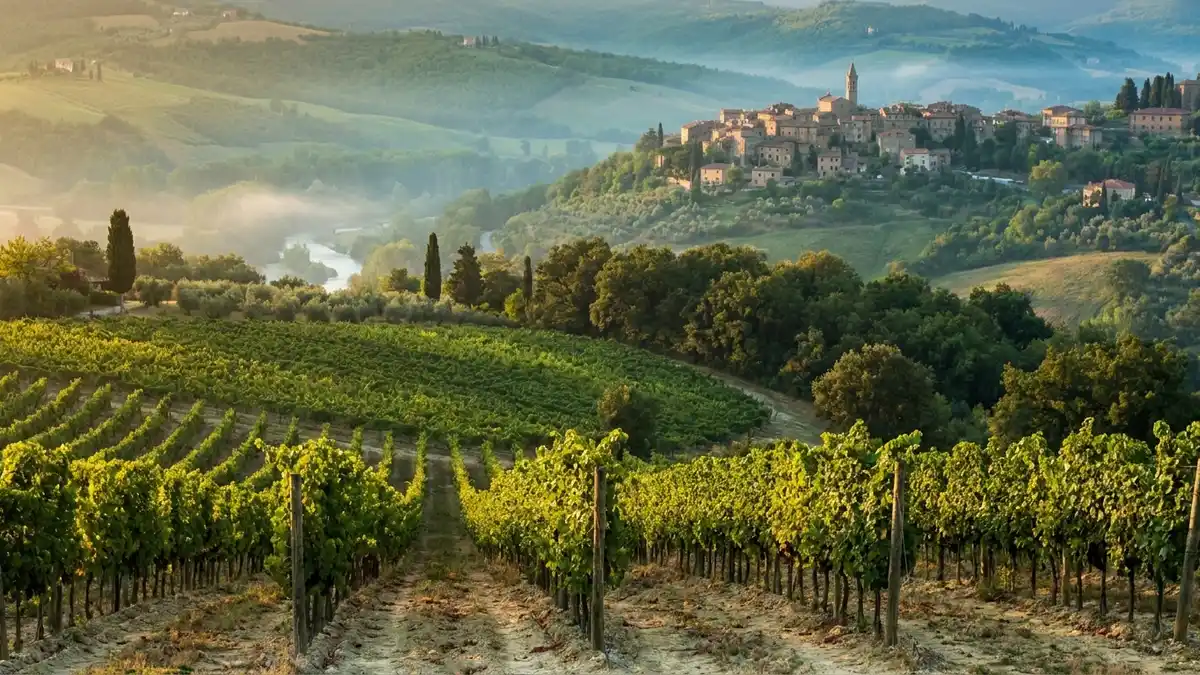
Umbria Wine Guide: Sagrantino, Orvieto and Torgiano
An Umbria wine guide for curious drinkers: Montefalco Sagrantino and why it grips, dry Orvieto and its sweet past, Torgiano, Montefalco Rosso, and what to eat with each.
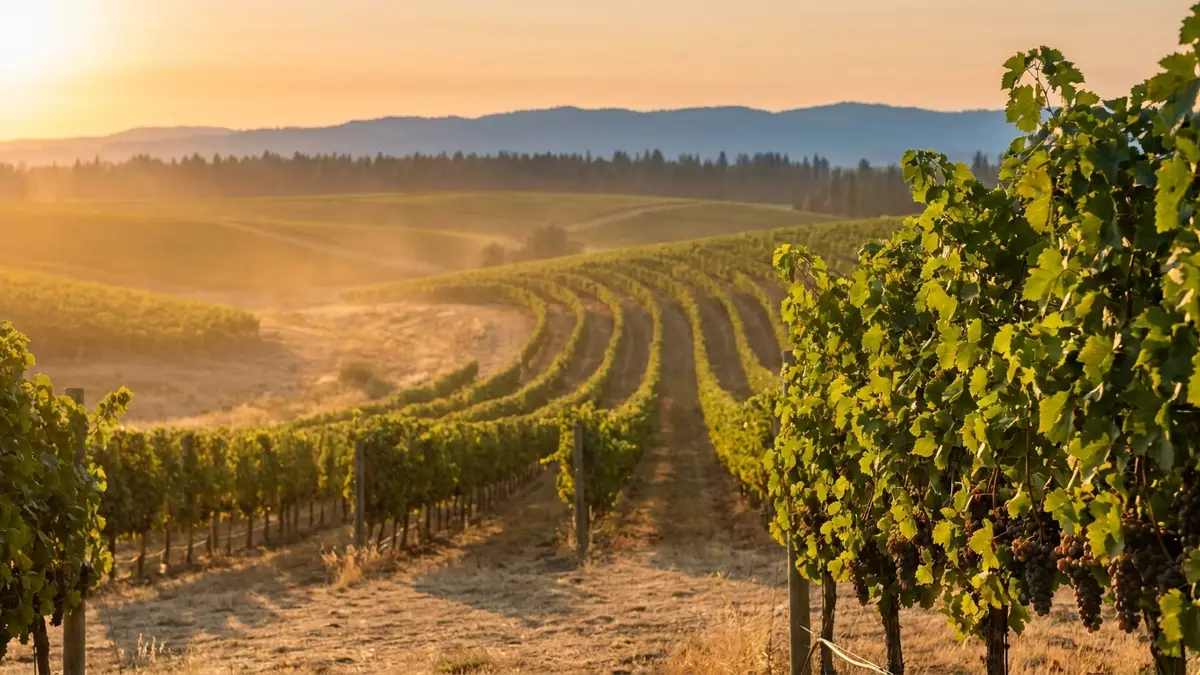
Walla Walla Wine Guide: Rocks, Loess and Washington Reds
A Walla Walla wine guide for curious drinkers: the Cabernet, Merlot and Syrah it is known for, how to read the label, what to eat with it, and why its soils make it taste different.
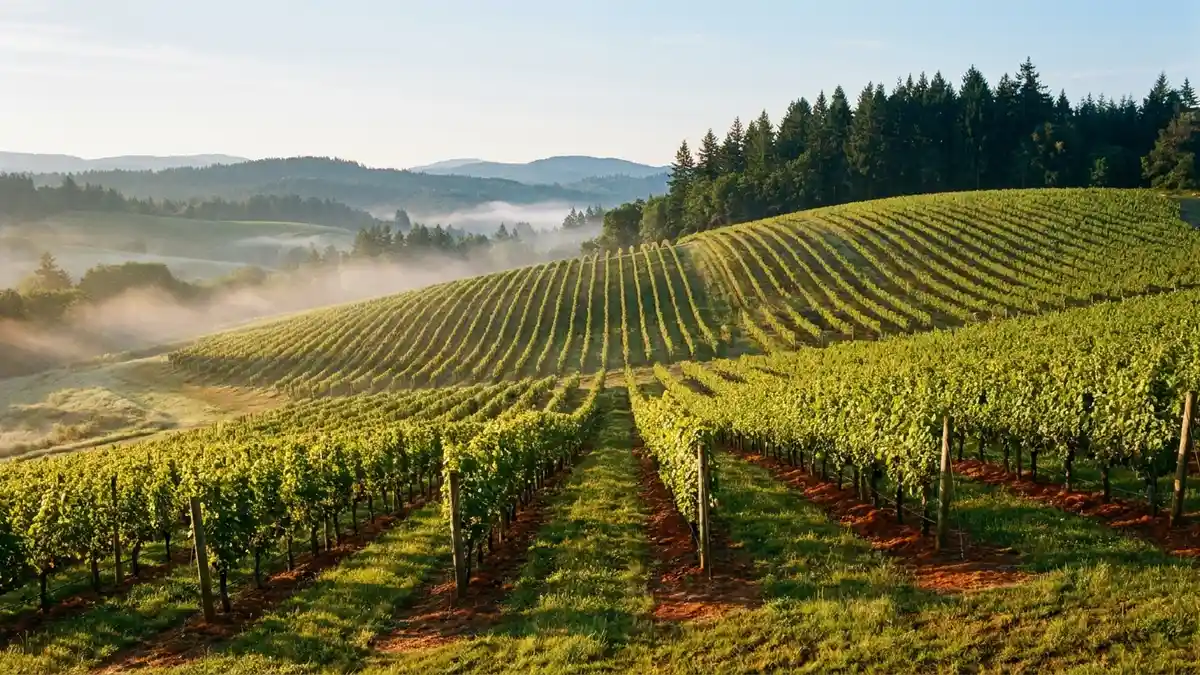
Willamette Valley Sub-AVAs: Dundee Hills to Eola-Amity
All 11 Willamette Valley sub-AVAs in one table: what red basalt clay, old seabed soils and Pacific wind do to Oregon Pinot Noir, and what the label name guarantees.
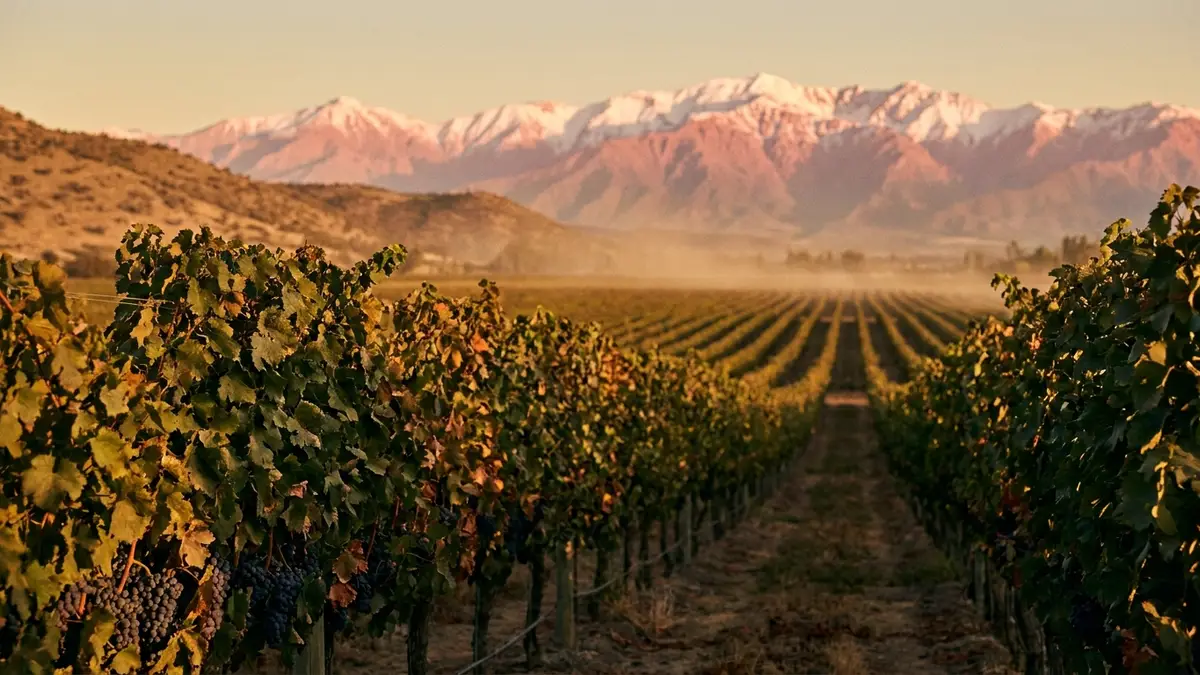
Colchagua Valley Wine Guide: Chile's Red Wine Powerhouse
A plain-spoken Colchagua Valley wine guide: where the valley sits, how its Costa, Entre Cordilleras and Andes sub-zones differ, why Carménère calls it home, what Apalta is, and how its Cabernet, Syrah and Malbec taste.
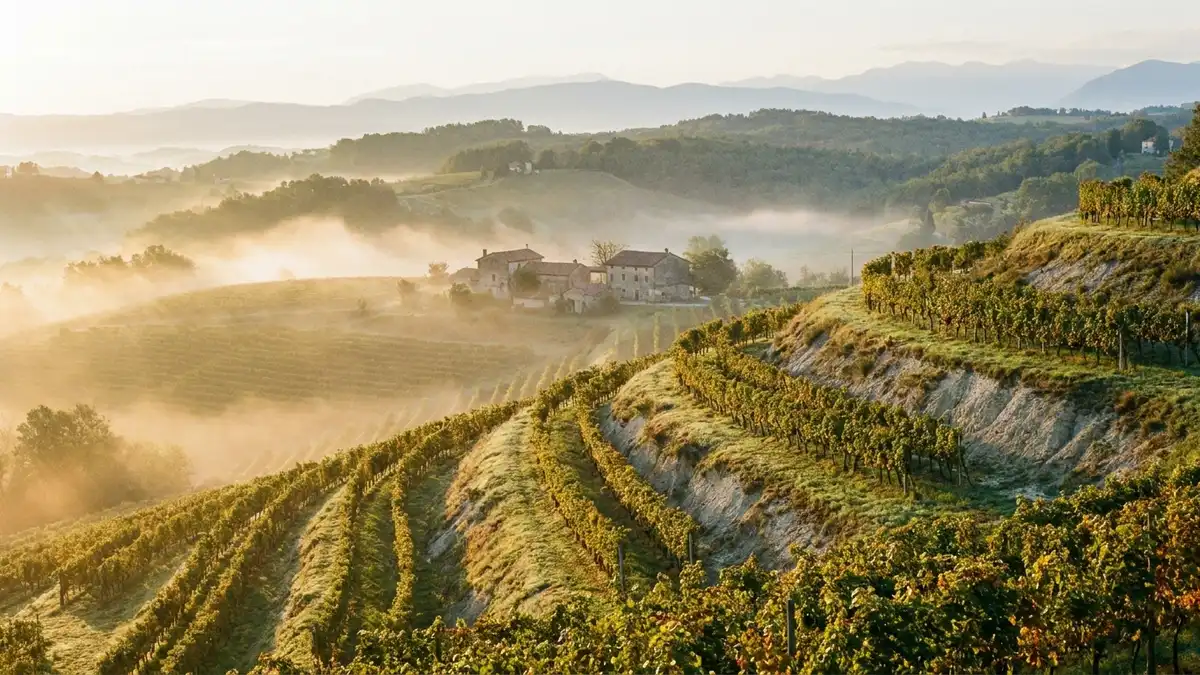
Friuli Wine Guide: Italy's White Wine Heartland Explained
A plain-spoken Friuli wine guide: the grapes (Friulano, Ribolla Gialla, Refosco), the DOC zones compared, ponca soil, the Tocai name change, and why orange wine started here.
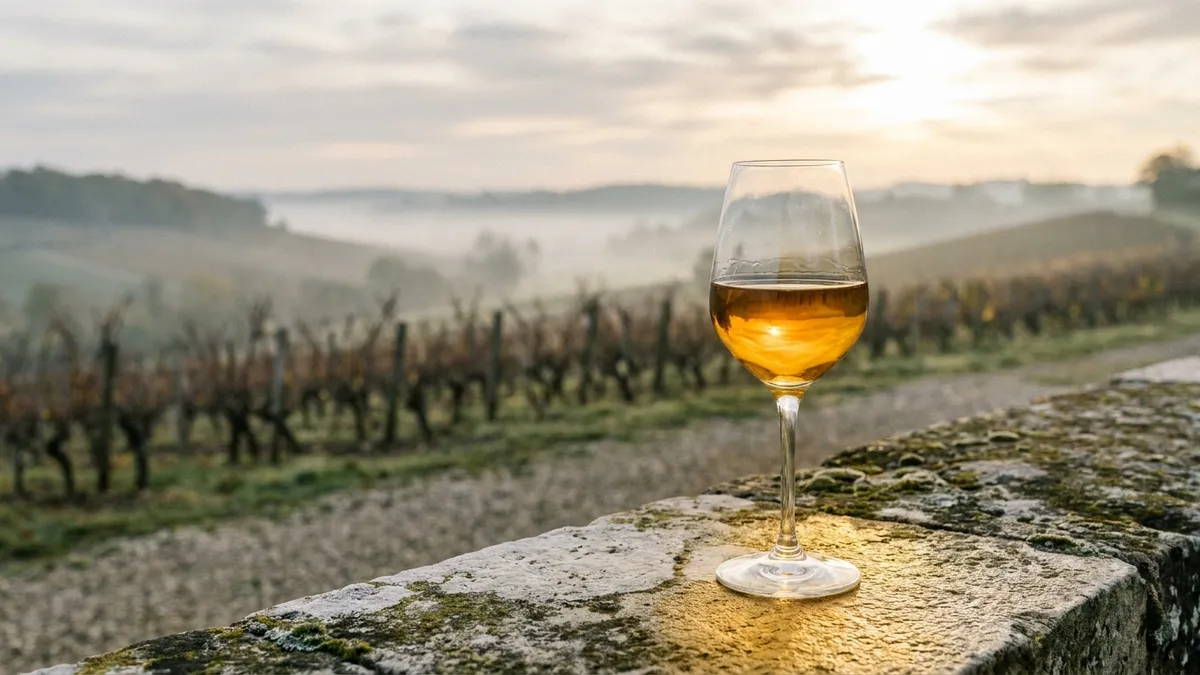
Sauternes Wine: Grapes, Taste, Sweetness and Pairings
Sauternes wine explained: the five villages, the four legal grapes, how noble rot makes it sweet, why it is not fortified, what it tastes like and what to serve with it.
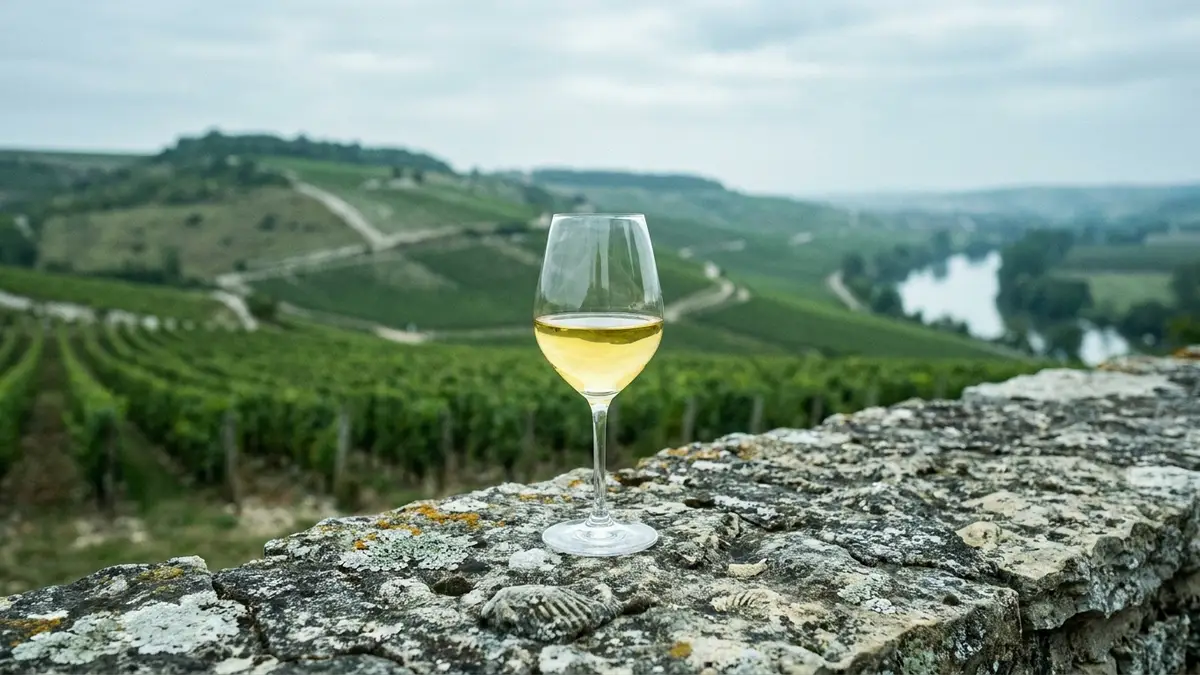
Chablis Wine Guide: Lean, Mineral Chardonnay at Its Purest
A beginner-friendly Chablis wine guide to the coolest corner of Burgundy — unoaked Chardonnay, Kimmeridgian soil, the four quality tiers, and how to taste it.
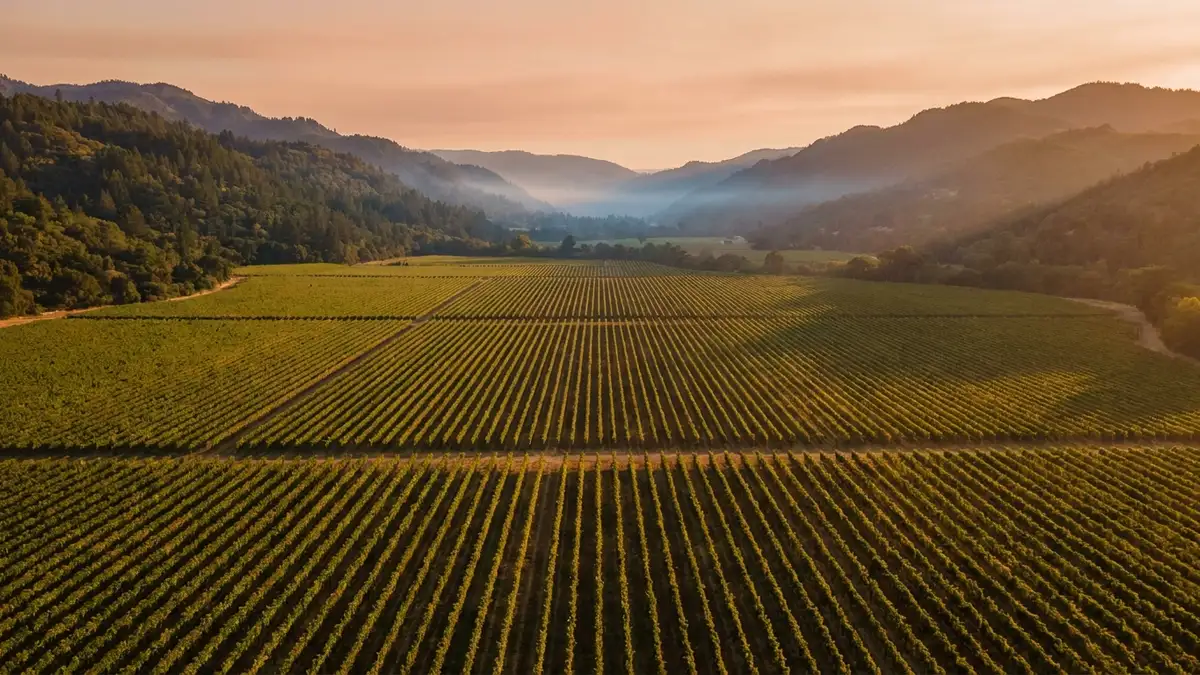
Napa Valley Sub-AVAs: Oakville, Rutherford, Stags Leap, and More
A tour of Napa Valley's 16 nested sub-AVAs — from the valley-floor Cabernet of Oakville and Rutherford to the mountain reds of Howell Mountain and Mount Veeder — and how to read them on a label.
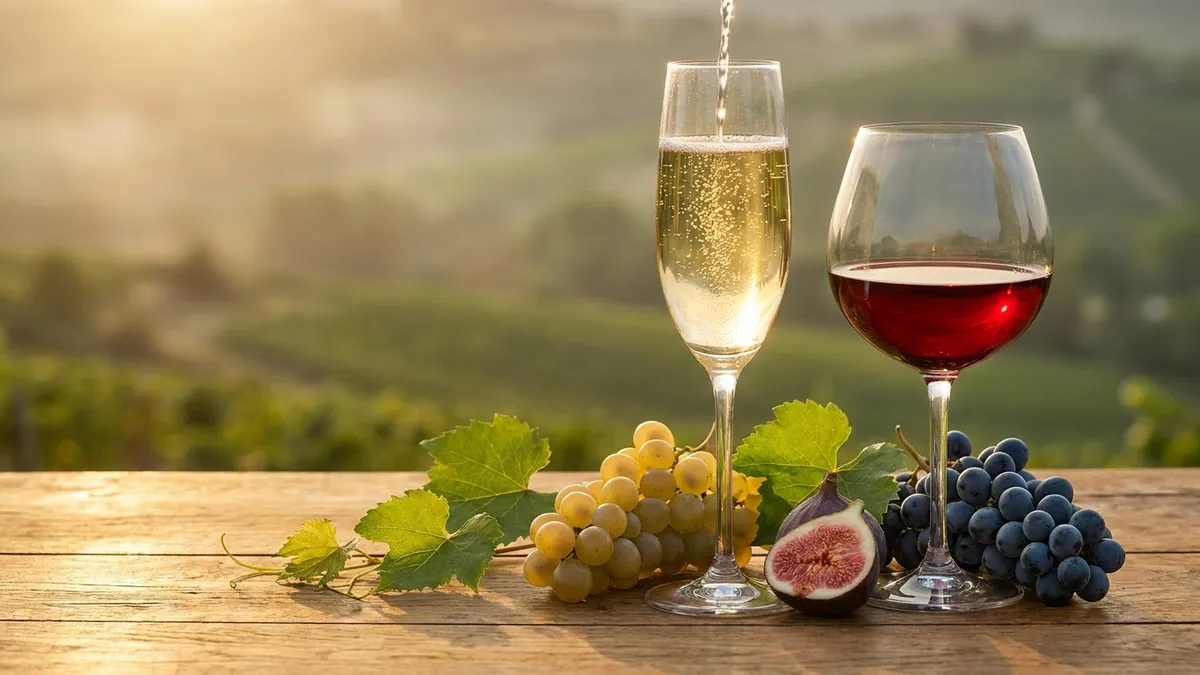
Brazilian Wine Guide: From Serra Gaúcha to the Vale do São Francisco
A beginner-friendly Brazil wine guide to a country of two climates — cool-mountain Serra Gaúcha sparkling and tropical Vale do São Francisco reds — plus the grapes and where to start.
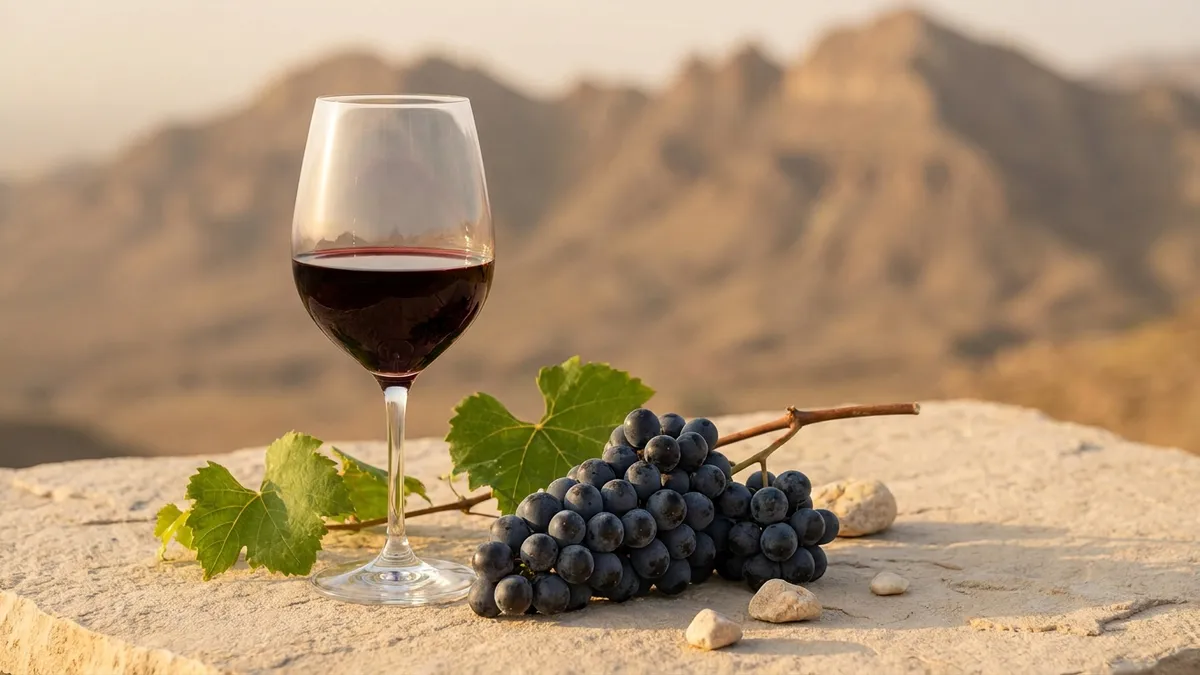
Chinese Wine Guide — Ningxia, Marselan, and Buried Vines
A beginner-friendly Chinese wine guide to Ningxia and the Helan Mountains, Cabernet and Marselan, why growers bury their vines each winter, and where to start.
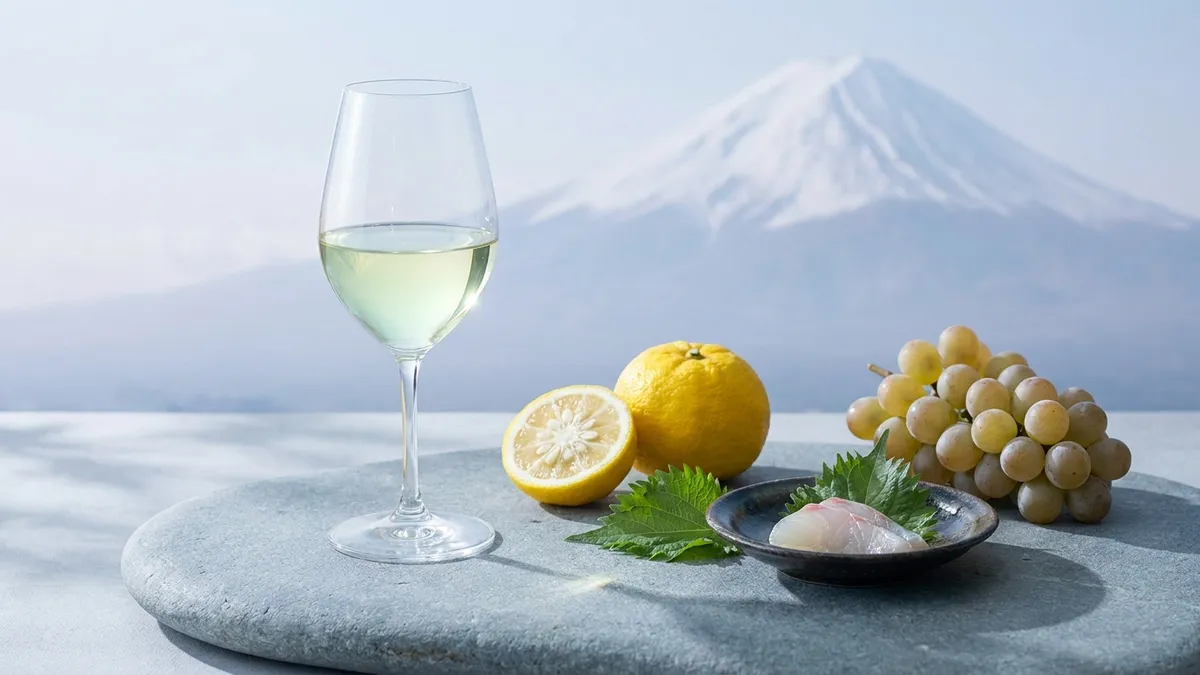
Japanese Wine Guide: Koshu, Muscat Bailey A, and Beyond
A beginner-friendly Japanese wine guide to Koshu, Muscat Bailey A, the four main regions, why rain shapes every vintage, and where to start tasting.
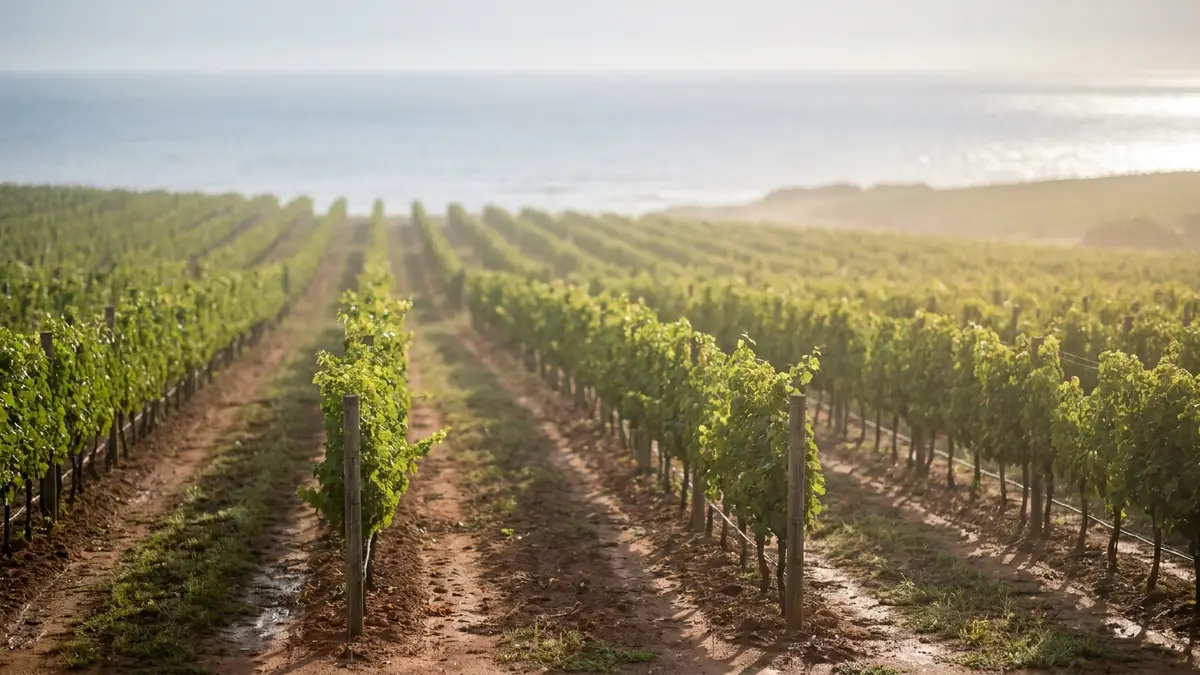
Uruguayan Wine Guide: Tannat and the Atlantic Coast
Uruguay is South America's quiet wine star — a small, sea-cooled country famous for bold Tannat and rising Albariño. This beginner-friendly guide covers its maritime terroir, key regions, grapes, and how to start tasting.
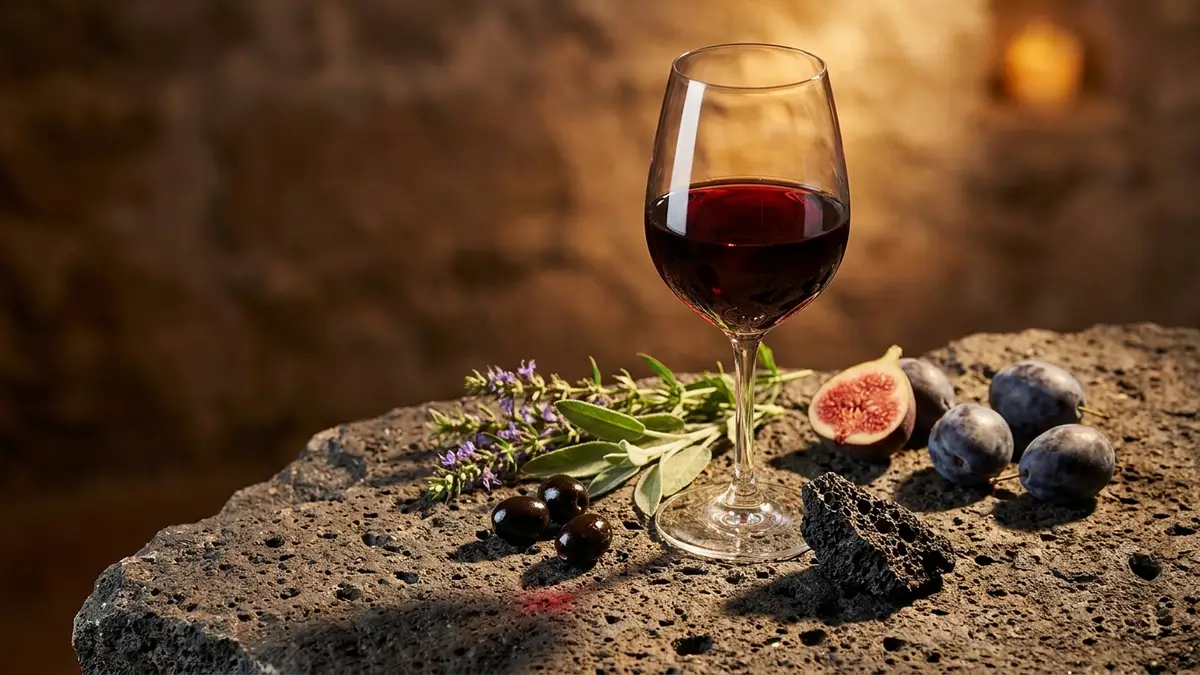
Israeli Wine Guide: Modern Winemaking in an Ancient Land
A beginner-friendly Israeli wine guide to five regions, high-altitude vineyards, the grapes that dominate the harvest, what kosher production actually involves, and how to start tasting.
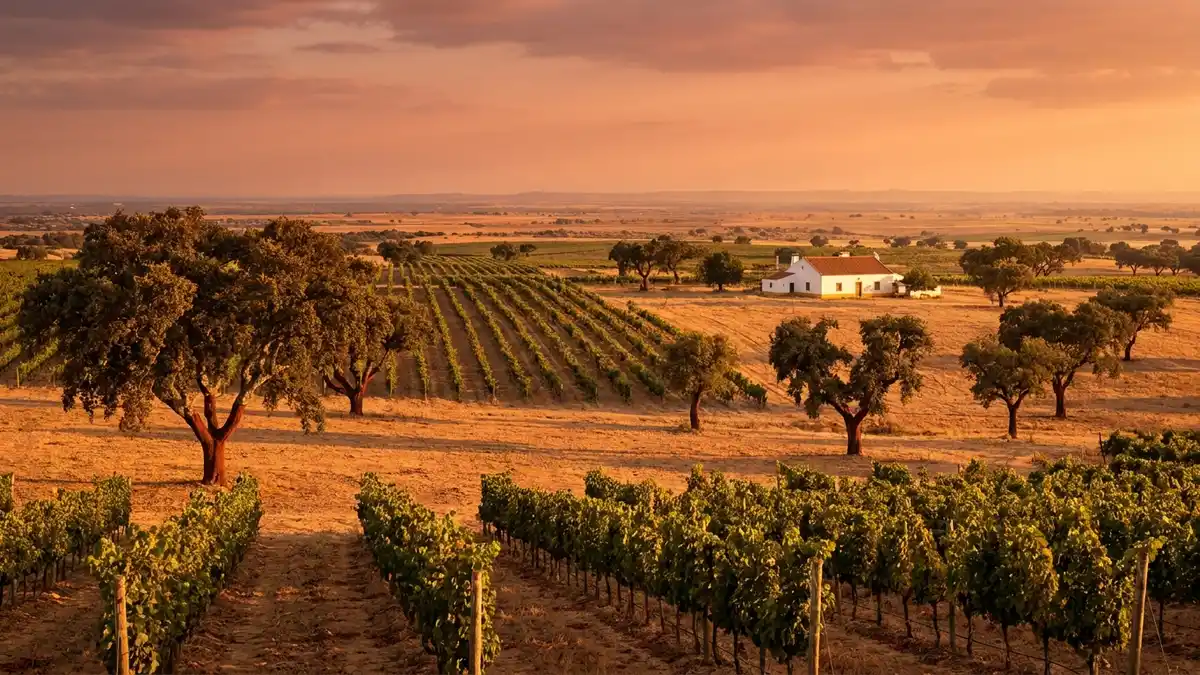
Alentejo Wine Guide: Portugal's Sunny Southern Region
A beginner-friendly Alentejo wine guide to southern Portugal — ripe, approachable reds and whites, the ancient talha clay-amphora tradition, the cork-oak landscape, and how to start.
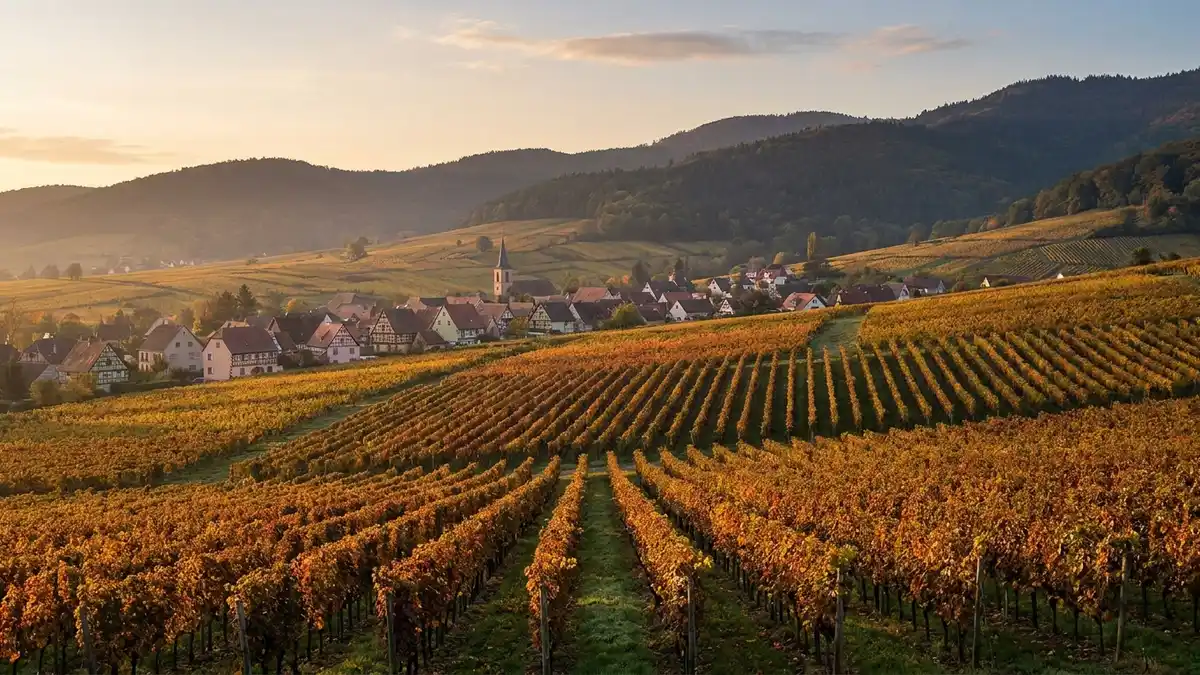
Alsace Wine Guide: France's Most Germanic Wine Region
A beginner-friendly Alsace wine guide to France's most Germanic region — varietal labeling, the four noble grapes, dry to lusciously sweet styles, the Grand Cru system, and Crémant.
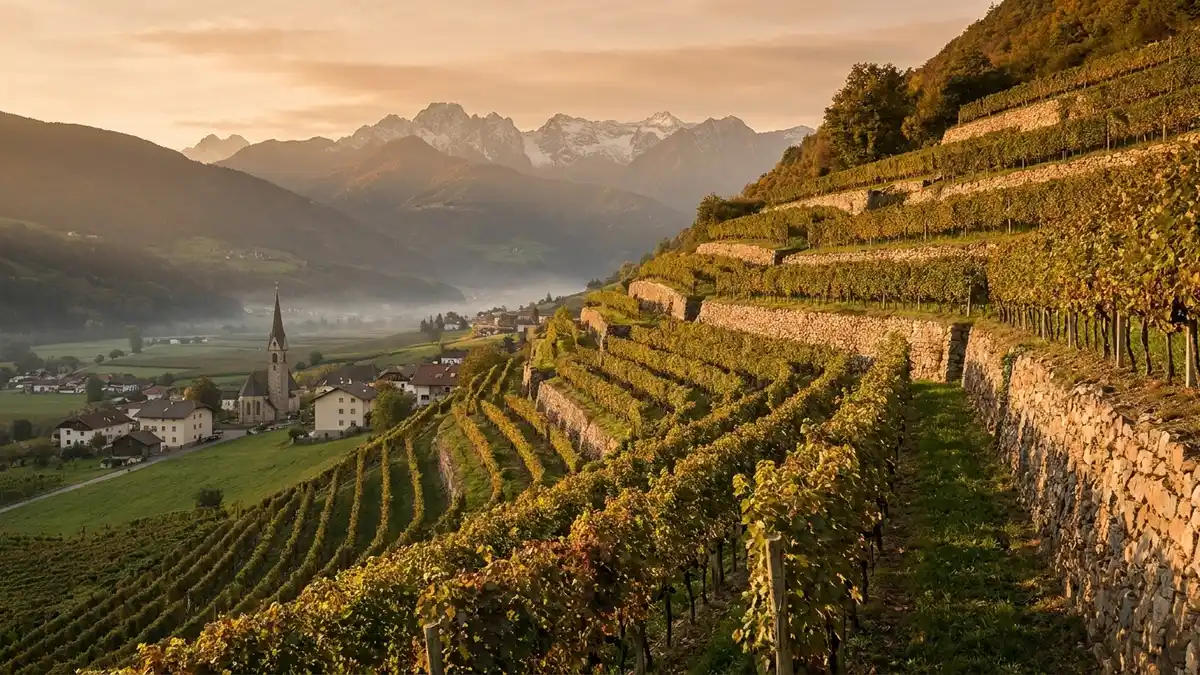
Alto Adige Wine Guide: Italy's Alpine Wine Paradise
A beginner-friendly alto adige wine guide to Italy's German-speaking Südtirol — crisp aromatic whites like Pinot Grigio and Gewürztraminer, local reds Schiava and Lagrein, and how to start.
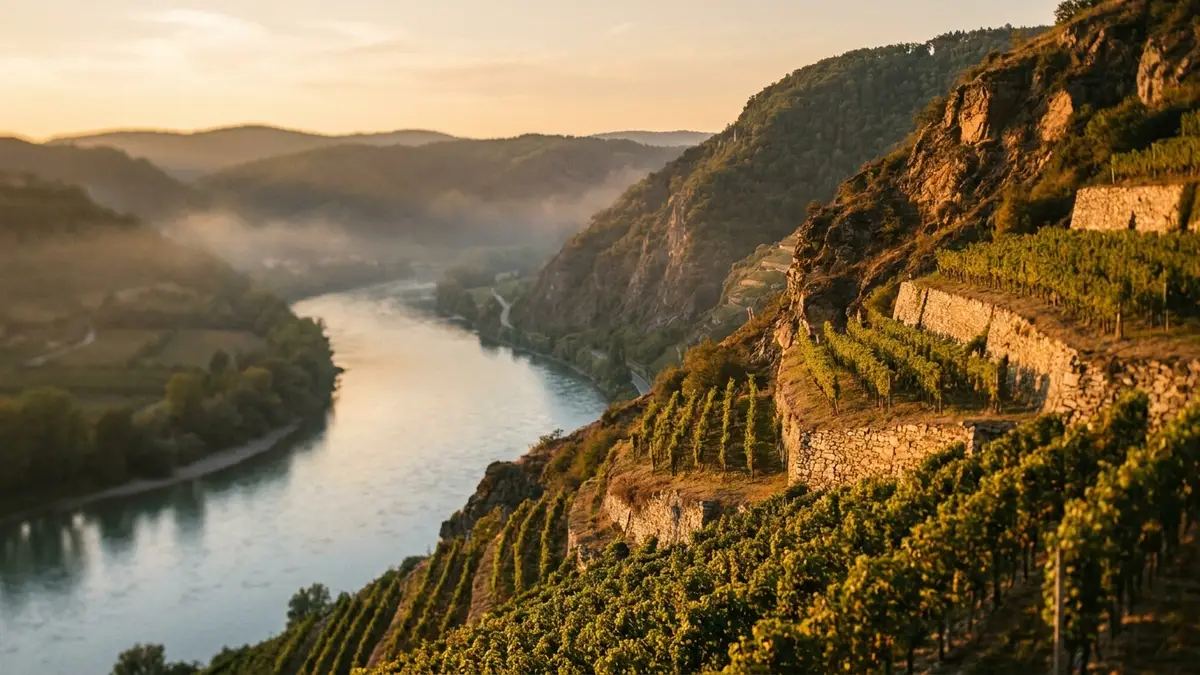
Austrian Wine Guide: Grüner Veltliner, Riesling, and Beyond
A beginner-friendly Austrian wine guide to Grüner Veltliner, world-class dry Riesling along the Danube, Burgenland reds, the DAC system, and where to start.
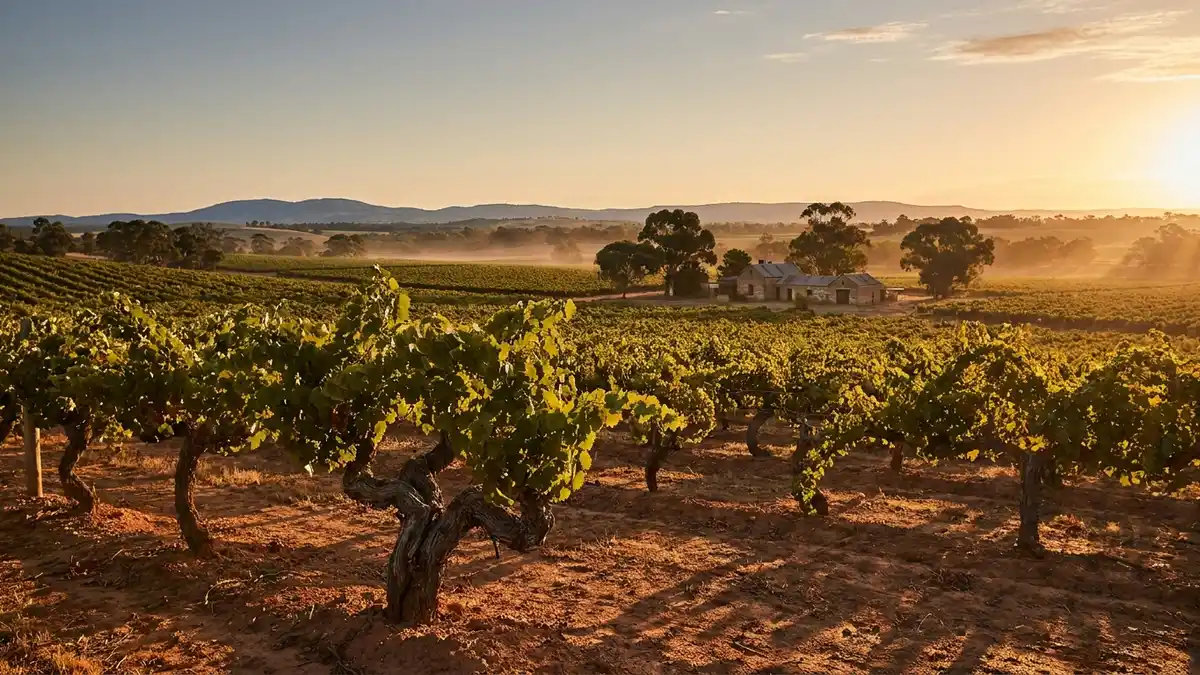
Barossa Valley Wine Guide: Australia's Shiraz Heartland
A beginner-friendly Barossa Valley wine guide to South Australia's warm-climate Shiraz heartland — old vines, rich GSM blends, cool Eden Valley Riesling, and how to start.
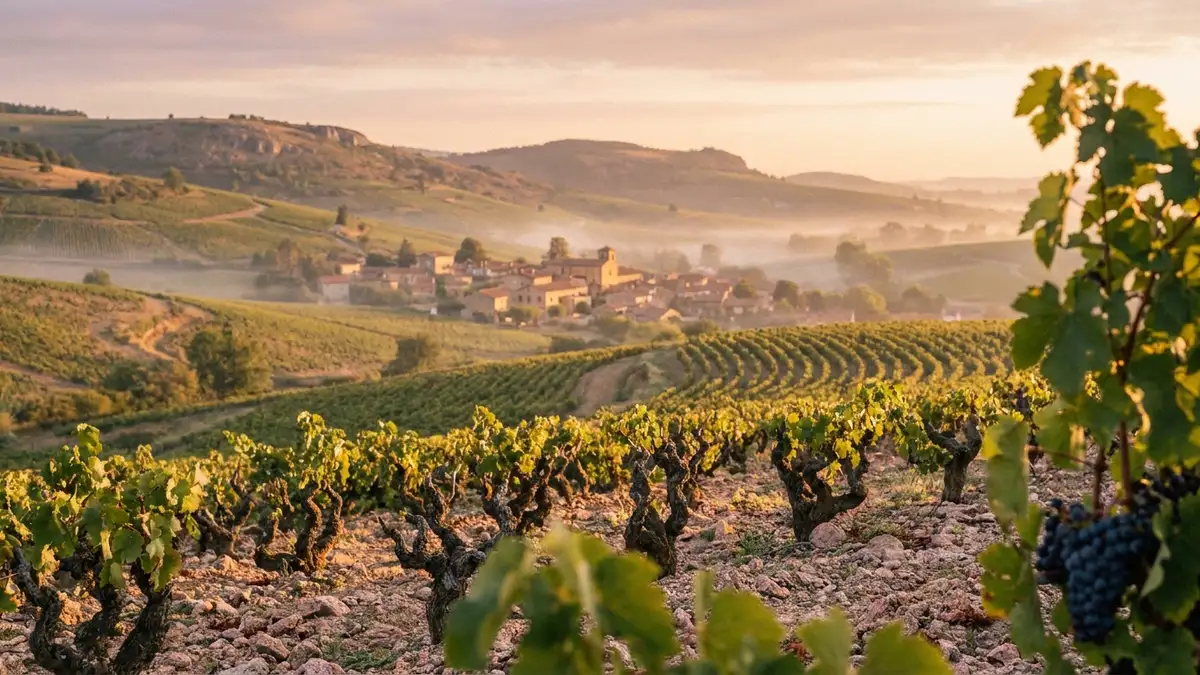
Beaujolais Wine Guide: Far More Than Nouveau
A beginner-friendly beaujolais wine guide to Gamay on granite — carbonic maceration, the three-tier quality ladder, the 10 Crus, and how to start.
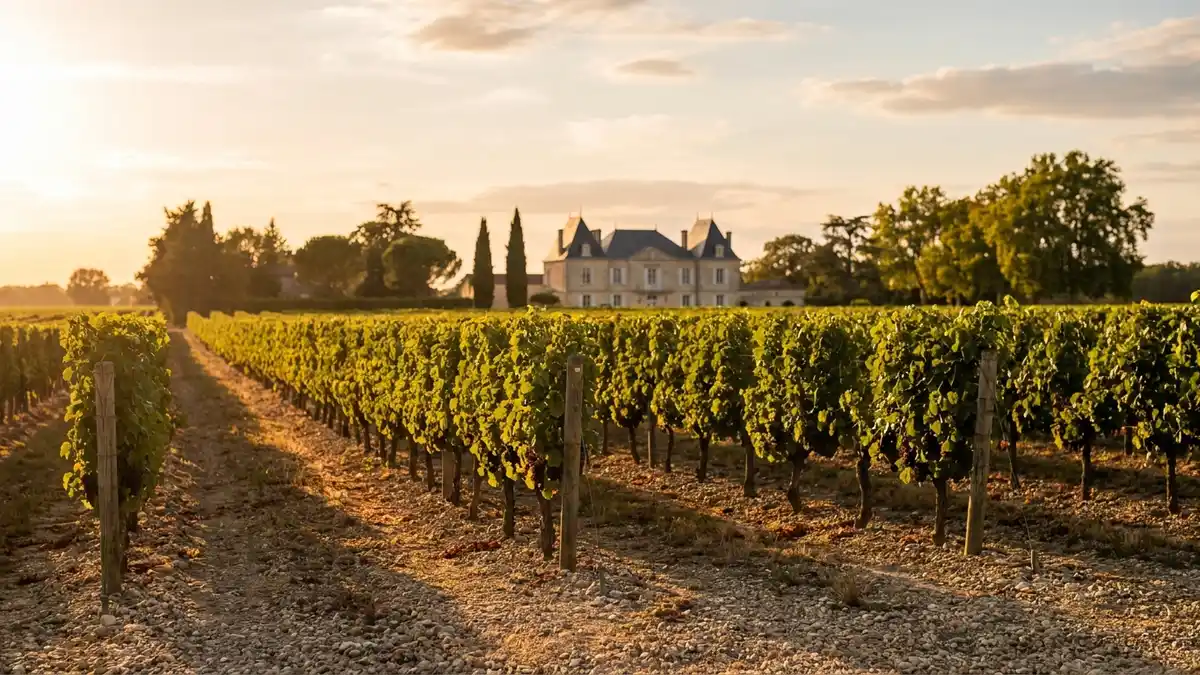
Bordeaux Left Bank vs Right Bank: A Beginner Wine Guide
Bordeaux Left Bank vs Right Bank, side by side: Cabernet Sauvignon on gravel for firm reds built to age, Merlot on clay for plusher reds ready sooner, plus the 1855 Classification, the whites and where to start.
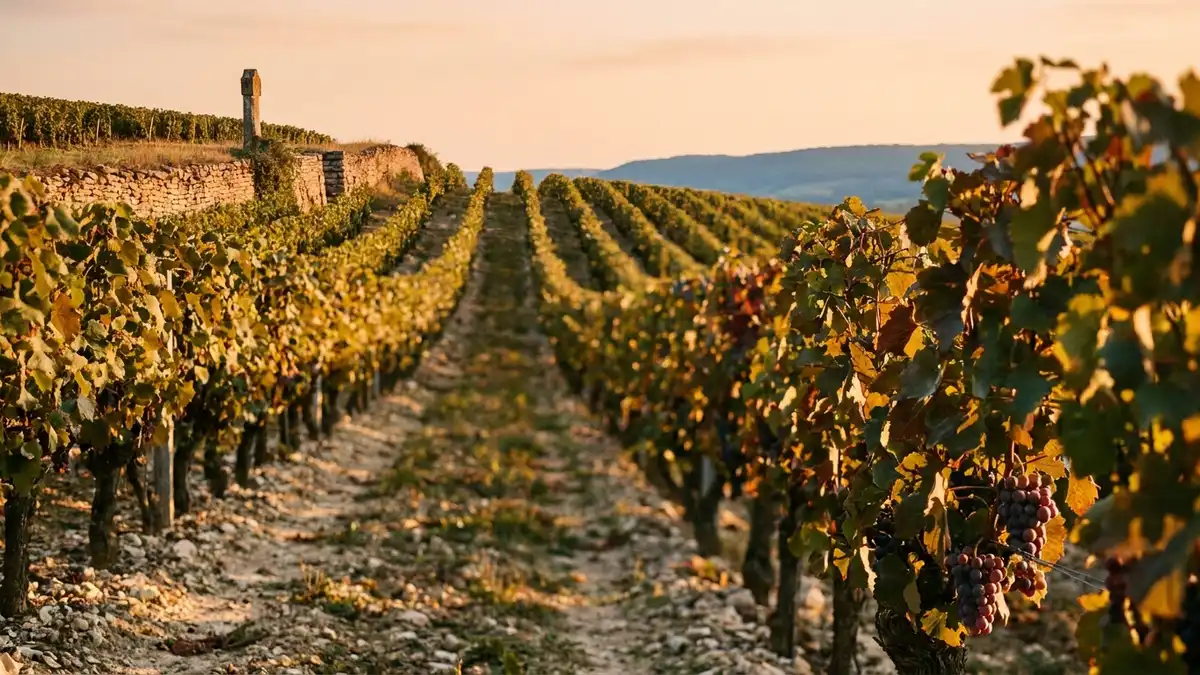
Burgundy Wine Guide: Understanding the Most Complex Region on Earth
A beginner-friendly burgundy wine guide to Bourgogne — Pinot Noir, Chardonnay, the four-tier classification, the sub-regions, and how to start without getting lost.
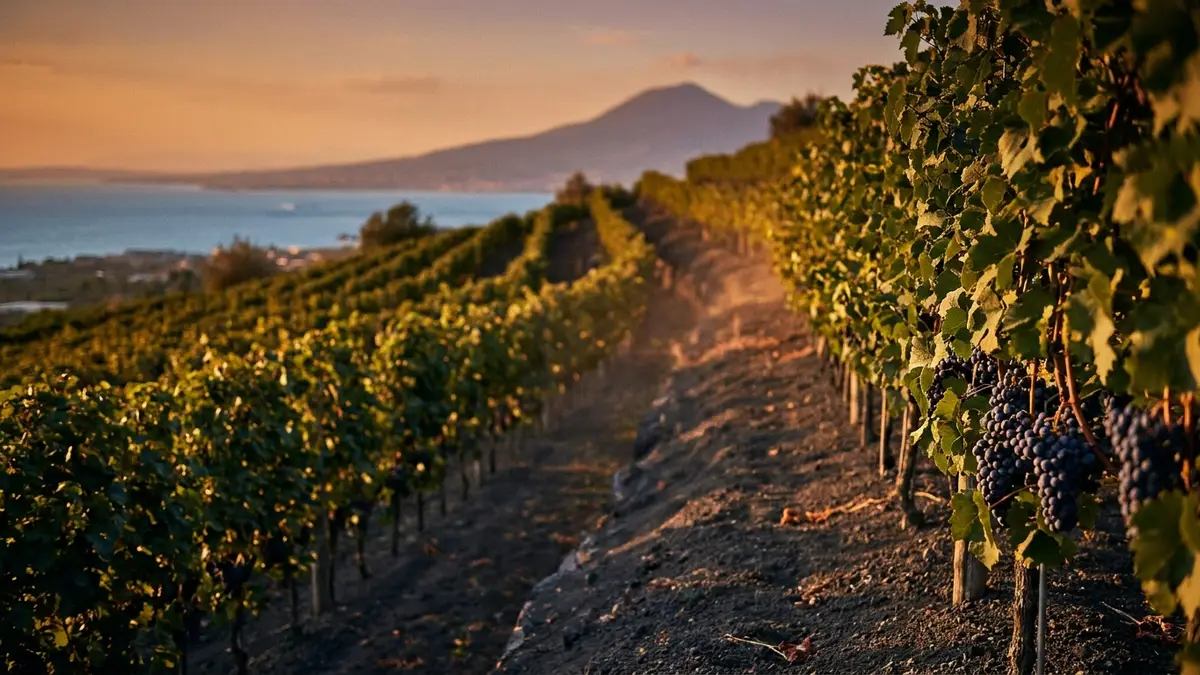
Campania Wine Guide: Aglianico, Fiano, and Greco
A beginner-friendly Campania wine guide to southern Italy's ancient grapes — tannic Aglianico, mineral Fiano and Greco di Tufo, volcanic Lacryma Christi, and how to start.
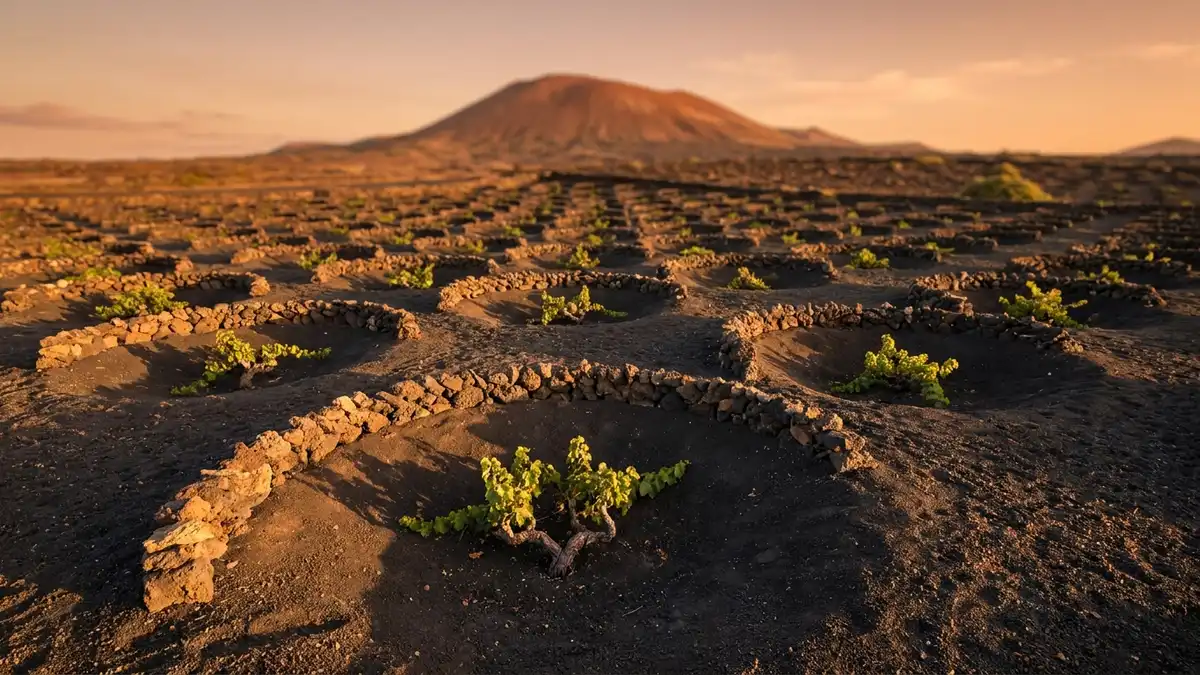
Canary Islands Wine Guide: Volcanic Terroir Like Nowhere Else
A beginner-friendly Canary Islands wine guide to Spain's Atlantic volcanic archipelago — Listán Negro and Malvasía Volcánica, ungrafted old vines, Lanzarote's vine pits, and how to start tasting smoky, saline island wines.
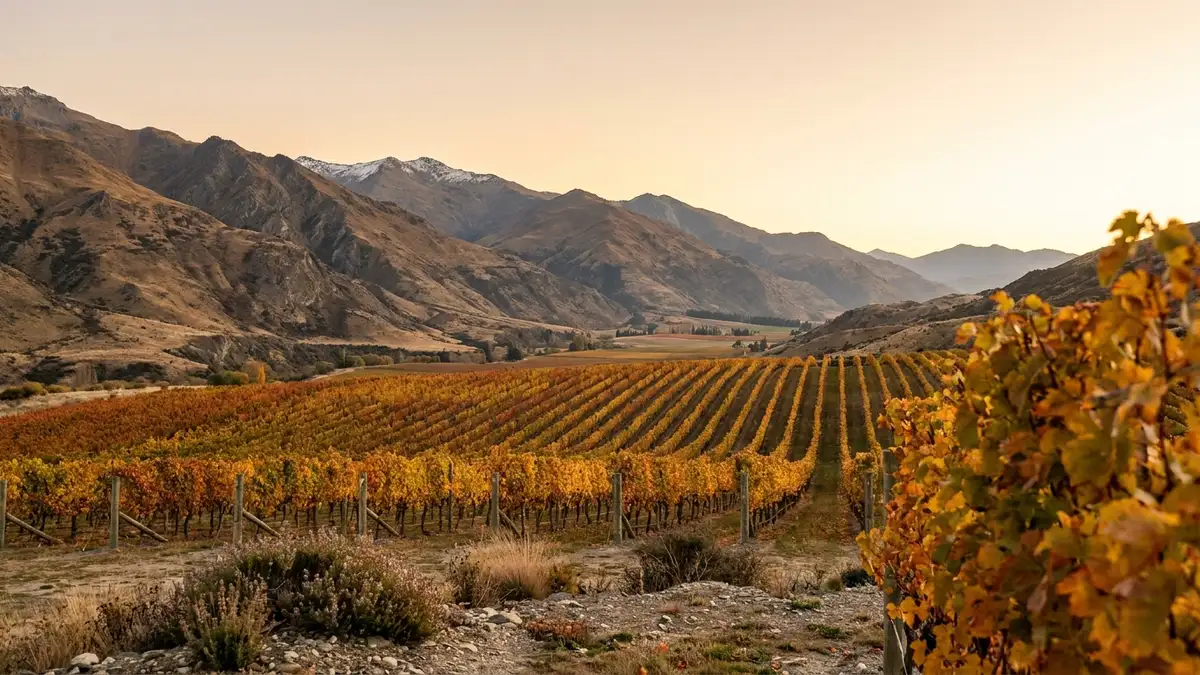
Central Otago Wine Guide: The World's Southernmost Pinot Noir
A beginner-friendly central otago wine guide to New Zealand's high-country region — its rare continental climate, perfumed Pinot Noir, aromatic whites, the key sub-areas, and how to start.
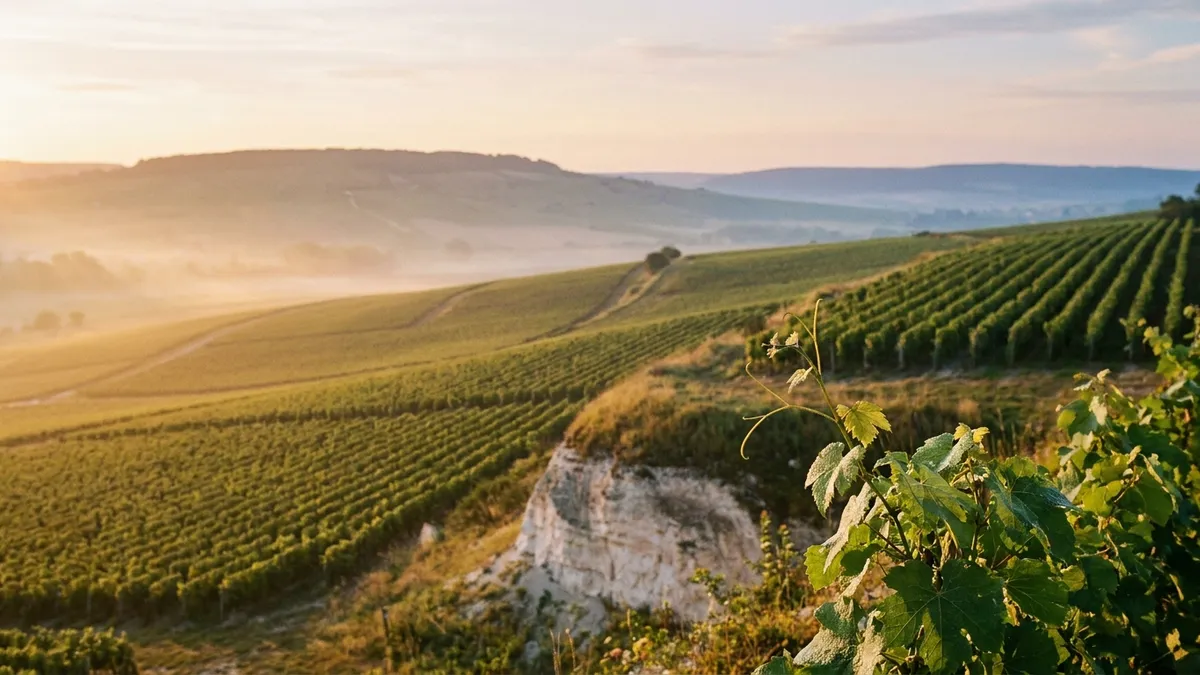
Champagne Region Guide: Terroir, Grapes, Grower vs House
What grower champagne means and how to spot RM on the label, plus the Champagne region's chalk terroir, three grapes, sub-areas, cru villages, styles and sweetness scale.
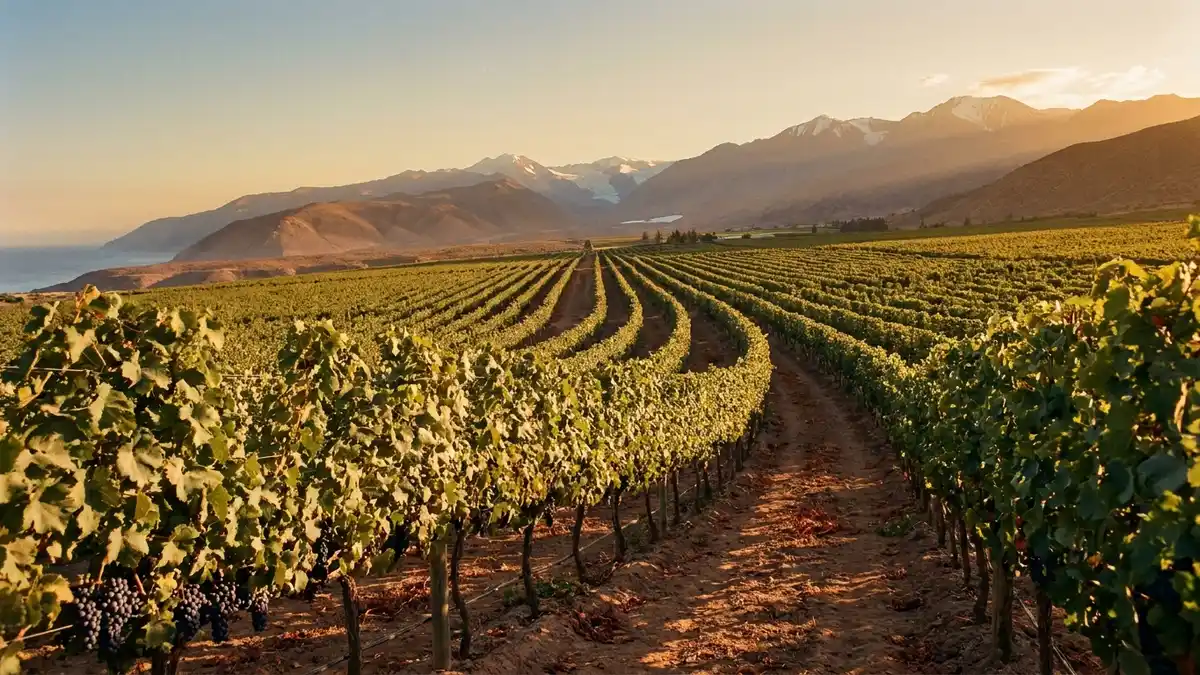
Chilean Wine Guide: From the Andes to the Pacific
A beginner-friendly Chilean wine guide to a country squeezed between the Andes and the Pacific — Carmenère, Cabernet, cool-coast whites, old-vine País, and how to start.
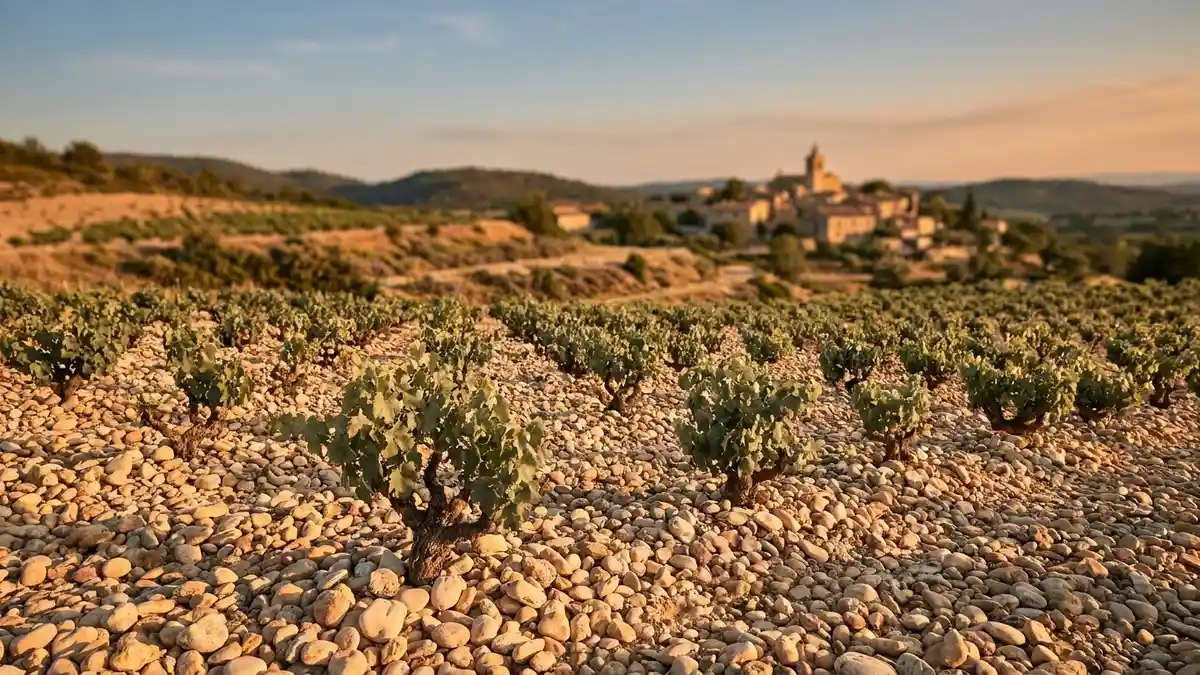
Côtes du Rhône: France's Best-Value Red Wine
A beginner-friendly Côtes du Rhône wine guide — the four-tier value pyramid, the Grenache-Syrah-Mourvèdre blend, the warm southern climate, and how to read the label.
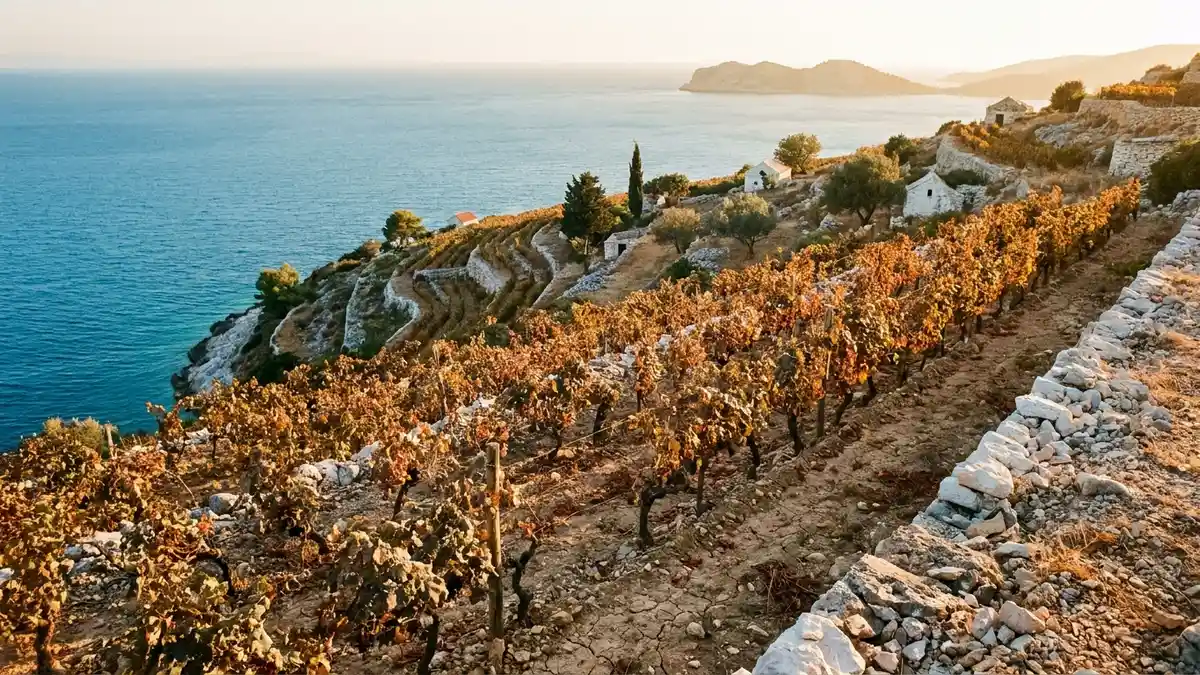
Croatian Wine Guide: Istria, Dalmatia, and Ancient Grapes
A beginner-friendly croatia wine guide to Istria's Malvazija and Teran, Dalmatia's Plavac Mali and Pošip, continental Graševina, and the Zinfandel homeland story.
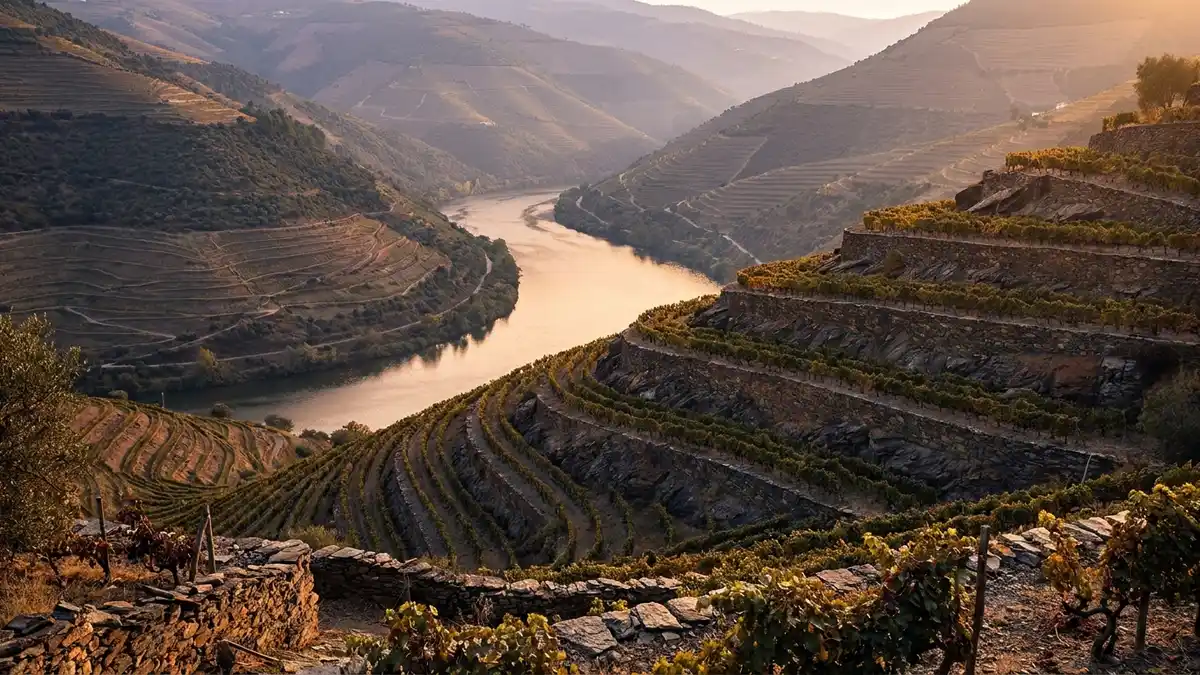
Douro Valley Wine Guide: Port Country's Table Wines
A beginner-friendly Douro Valley wine guide to northern Portugal's schist terraces — the field-blend grapes, the dry Douro reds and whites, the vineyard classification, and a quick map of Port styles.
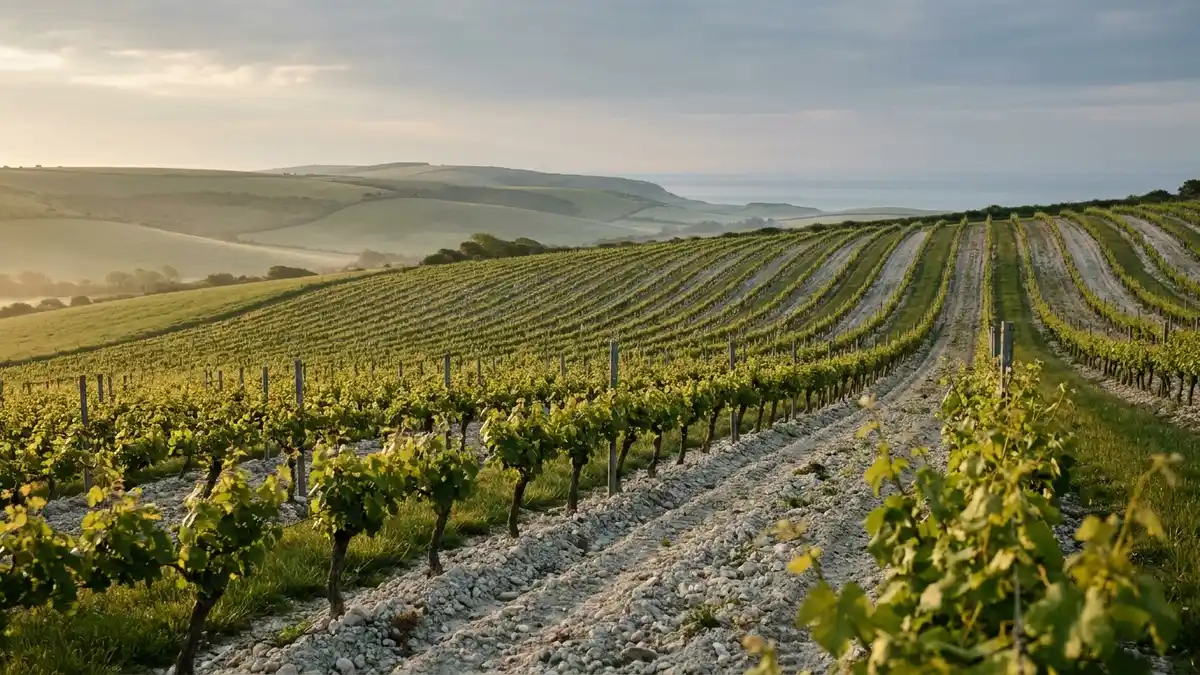
English Wine Guide: Sparkling Success and Beyond
A beginner-friendly english wine guide to England's rise as a sparkling powerhouse — chalk soils, the three Champagne grapes, Bacchus whites, key counties, and how to start.
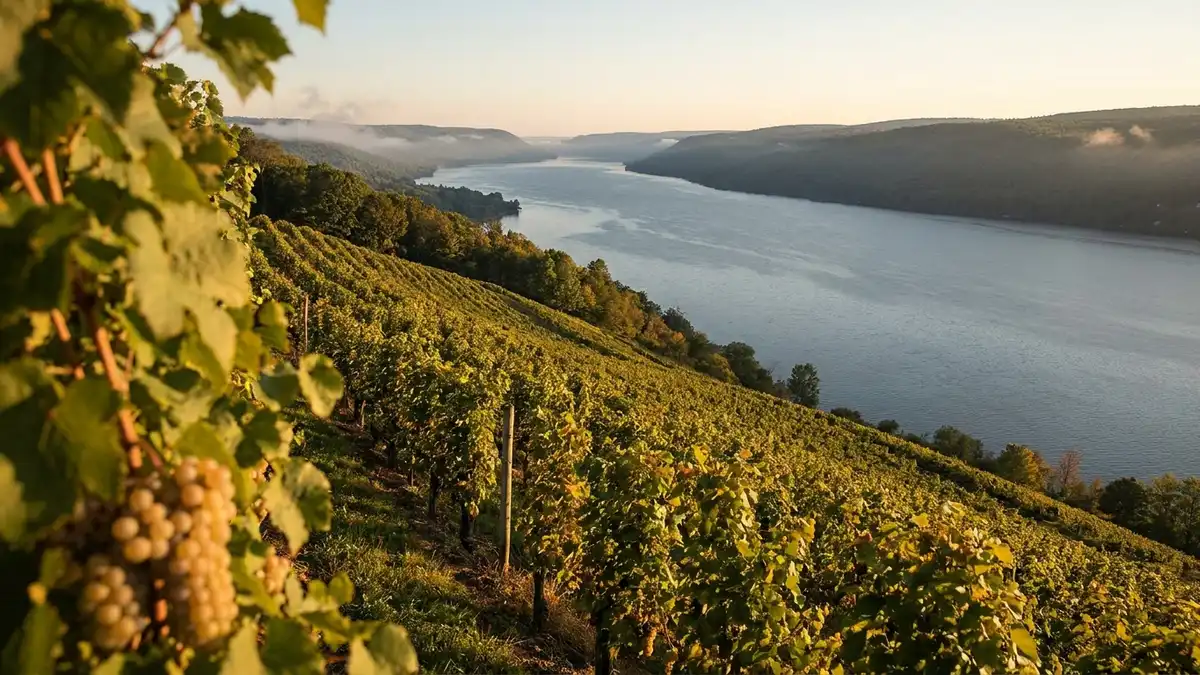
Finger Lakes Wine Guide: New York Riesling Country
A beginner-friendly Finger Lakes wine guide to upstate New York — Riesling from dry to sweet, Cabernet Franc, Grüner, hybrids, the steep lake slopes, and how to start.
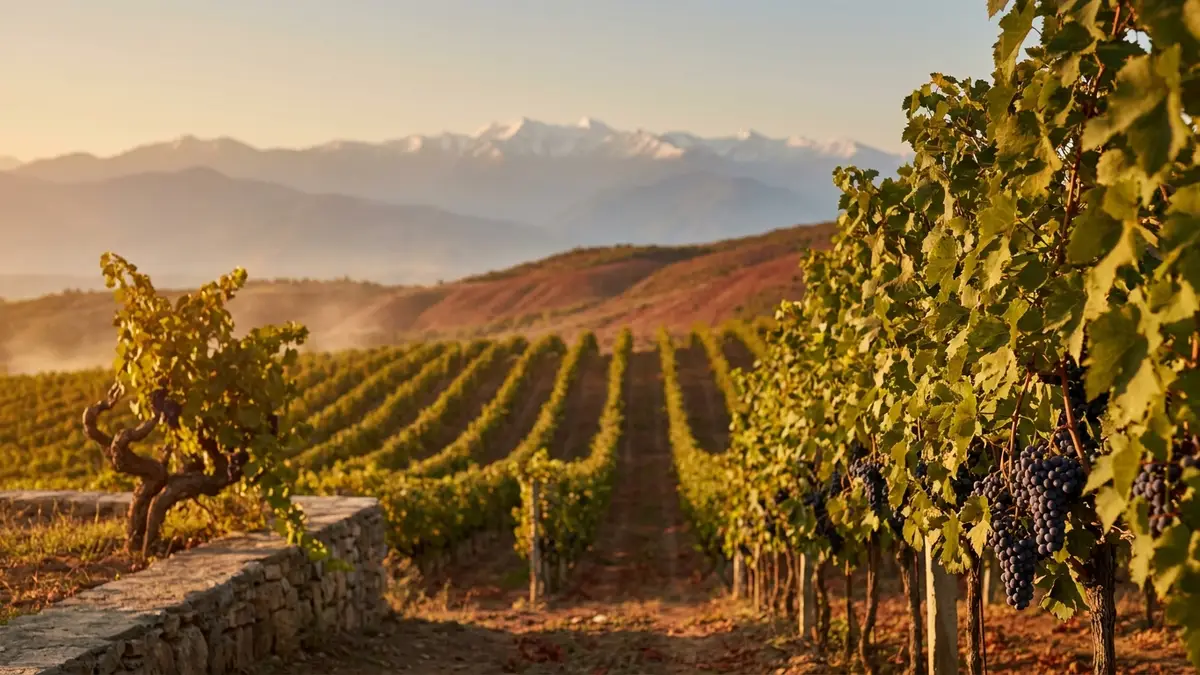
Georgian Wine Guide: 8,000 Years of Winemaking in Qvevri
A beginner-friendly Georgian wine guide to the cradle of wine — the 8,000-year qvevri tradition, amber wine, Saperavi and Rkatsiteli grapes, Kakheti, and how to start tasting.
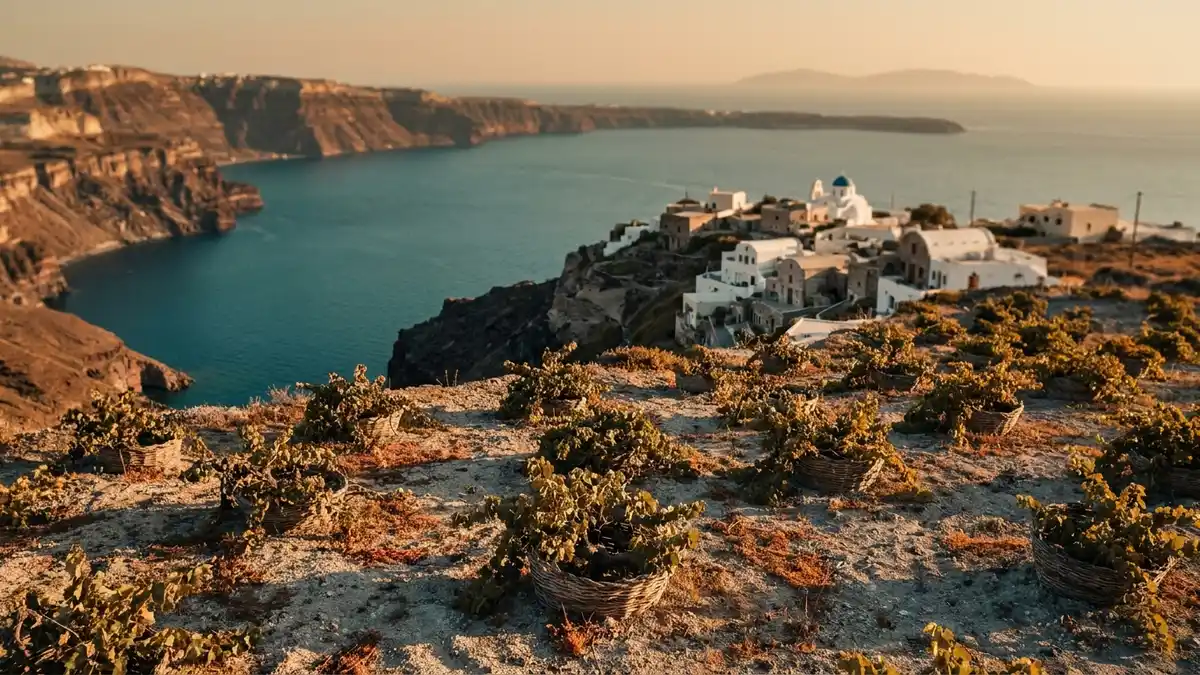
Greek Wine Guide: Ancient Grapes, Modern Wines
A beginner-friendly greek wine guide to Santorini's Assyrtiko, Naoussa's Xinomavro, Nemea's Agiorgitiko, and Mantinia's Moschofilero — plus Retsina, terroir, and where to start.
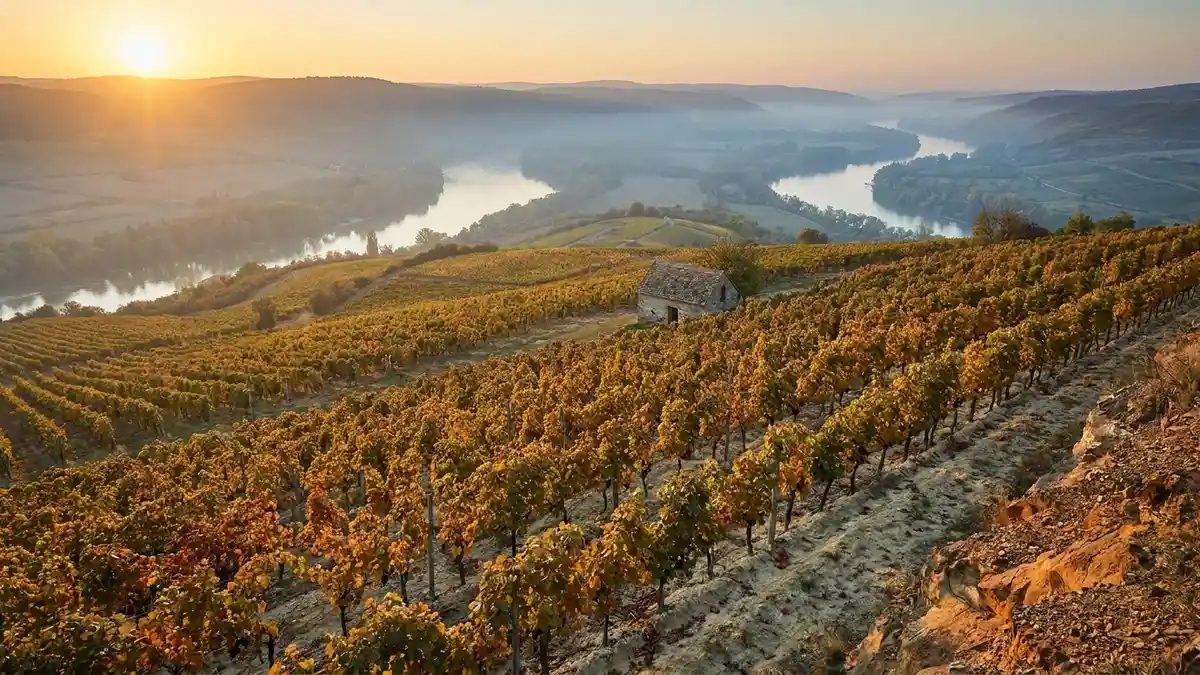
Hungarian Wine Guide: Tokaji, Bull's Blood, and More
A beginner-friendly hungarian wine guide to Tokaji aszú, dry Furmint, Egri Bikavér, the bold reds of Villány, and the indigenous-grape revival reshaping Hungary.
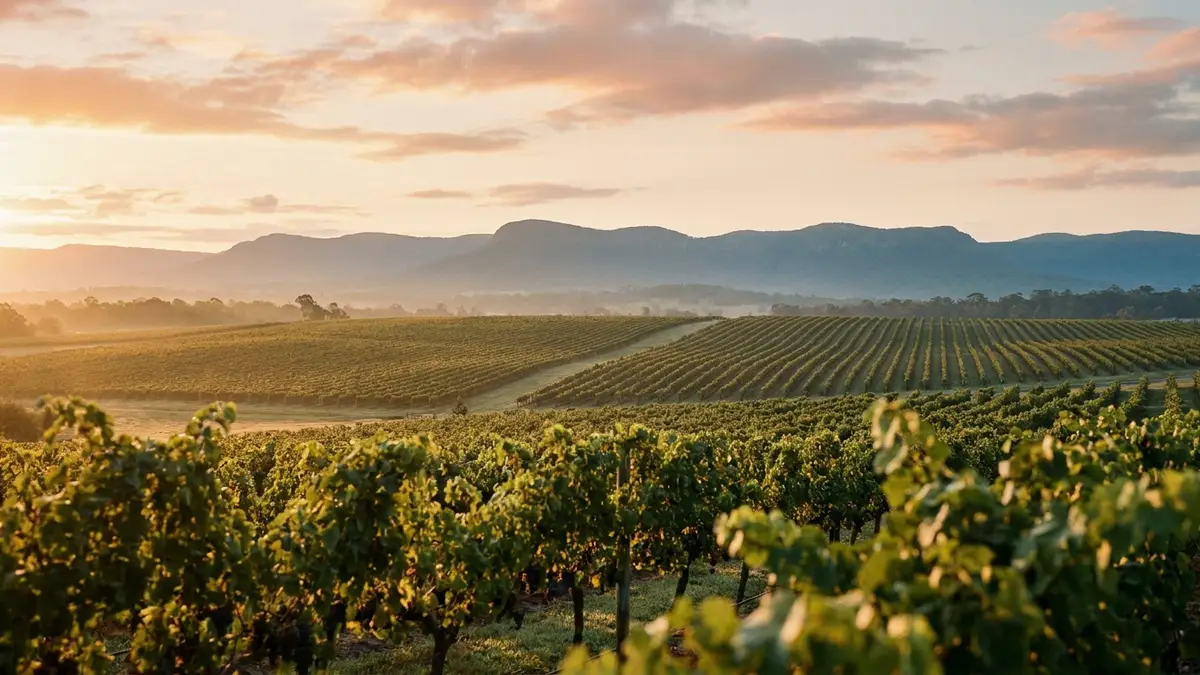
Hunter Valley Wine Guide: Sémillon and Shiraz Country
A beginner-friendly Hunter Valley wine guide to Australia's oldest wine region — ageworthy low-alcohol Sémillon, earthy medium-bodied Shiraz, the humid subtropical climate, and how to start.
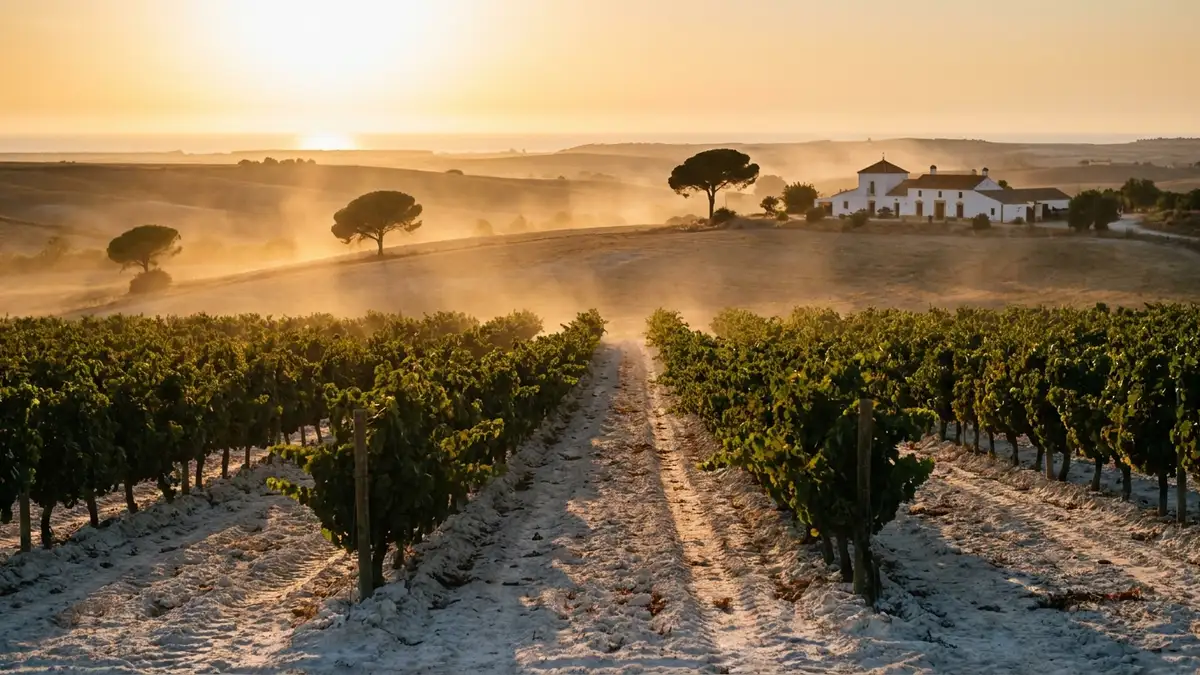
Jerez: The Sherry Triangle and Its Unique Winemaking
A beginner-friendly guide to the Jerez sherry region in Andalucía — the Sherry Triangle, albariza soils, Palomino and Pedro Ximénez, flor aging, the solera system, and the full style spectrum.
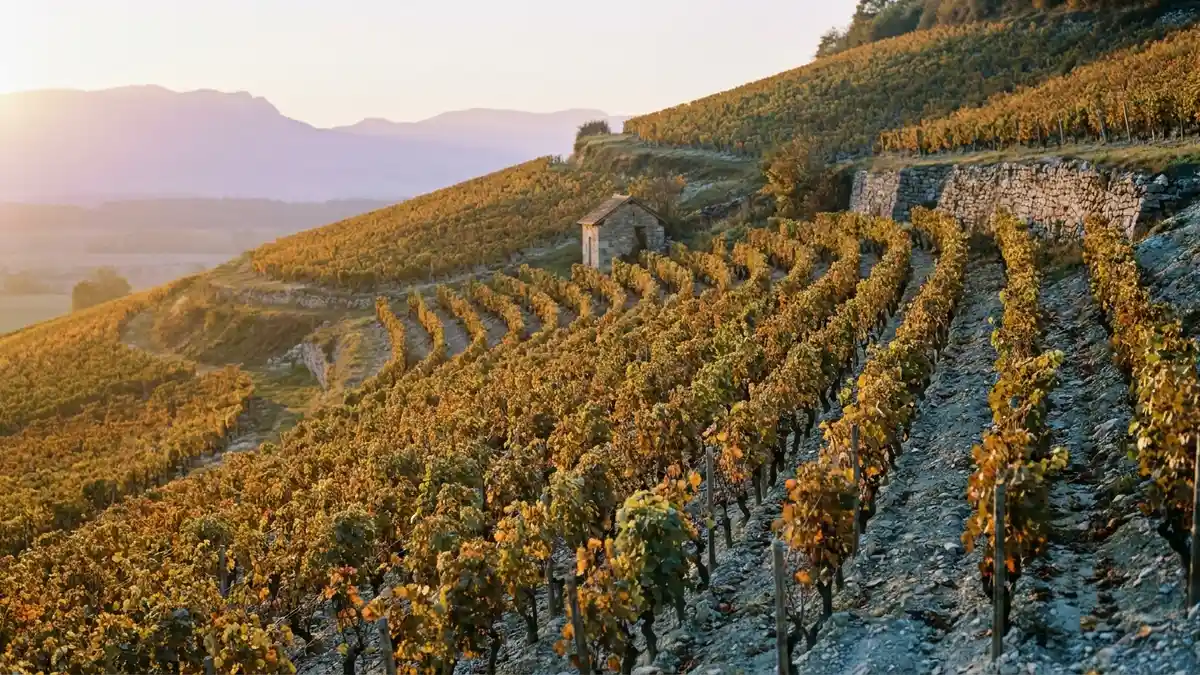
Jura Wine Guide: Vin Jaune, Vin de Paille, and Natural Wines
A beginner-friendly jura wine guide to eastern France's smallest cult region — Vin Jaune, Vin de Paille, oxidative Savagnin, Poulsard and Trousseau reds, and how to start.
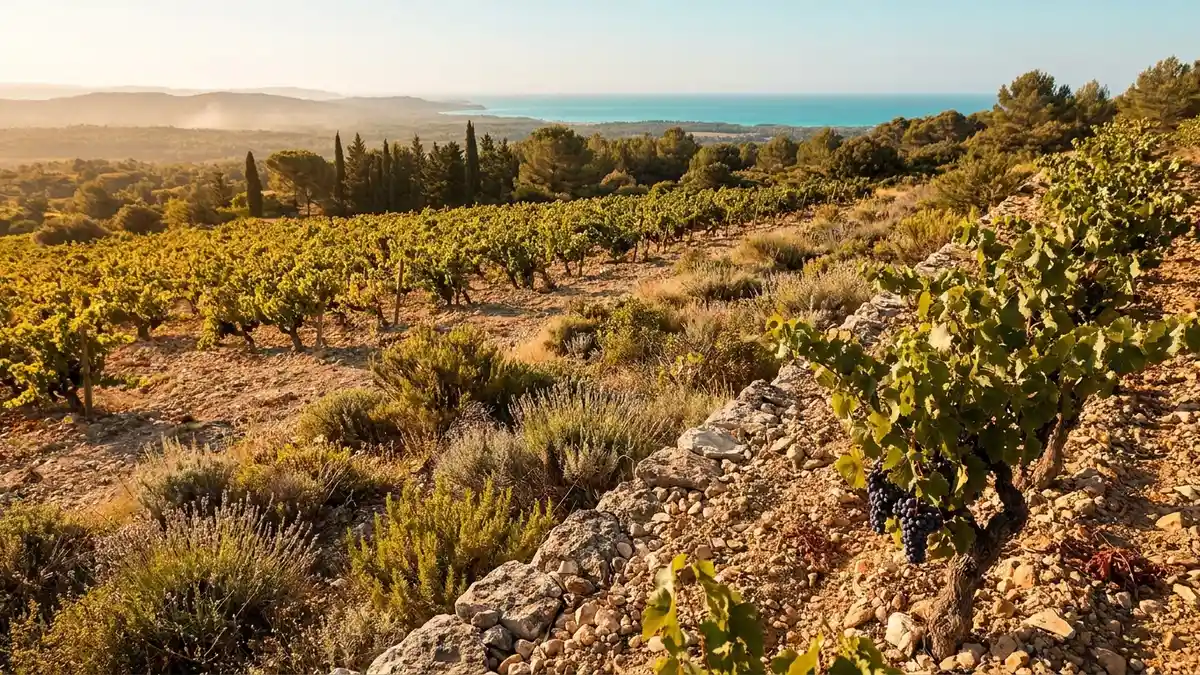
Languedoc Wine Guide: France's Best-Value Region
A beginner-friendly Languedoc wine guide to France's largest wine region — GSM and Carignan reds, garrigue character, Picpoul whites, Limoux sparkling, fortified Maury, and how to find value.
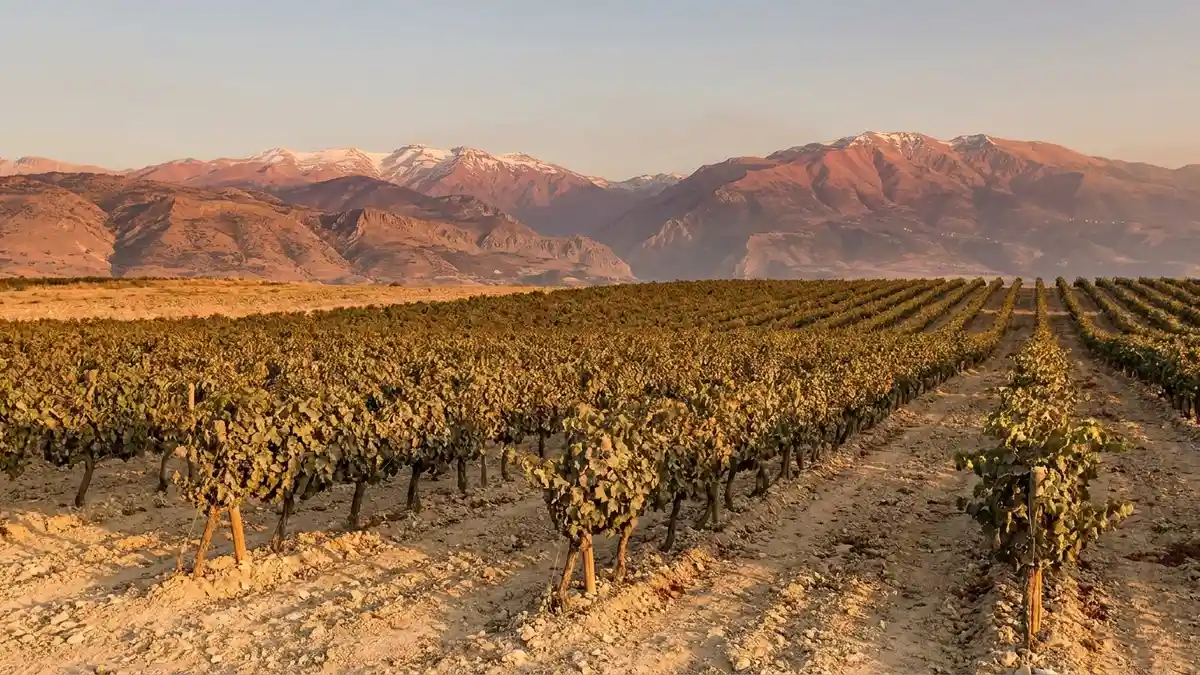
Lebanese Wine Guide: One of the Oldest Wine Regions on Earth
A beginner-friendly Lebanese wine guide to the Bekaa Valley — Phoenician heritage, high-altitude reds of Cinsault and Cabernet, native whites from Obeidi and Merwah, and how to start.
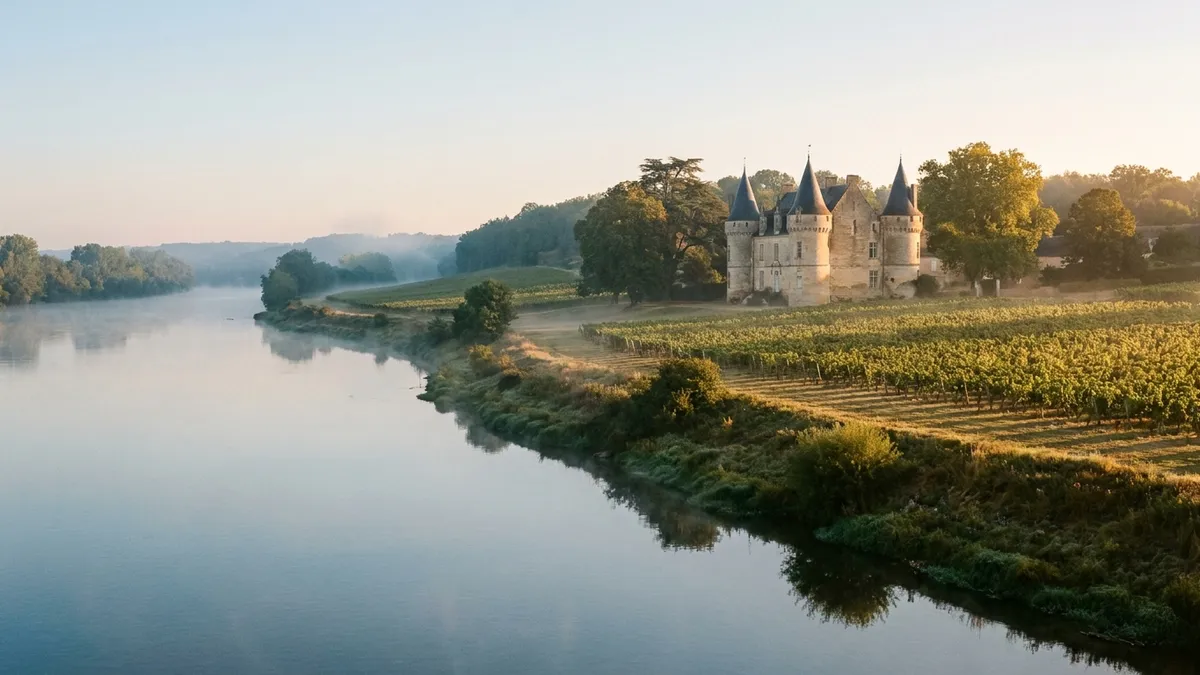
Loire Valley Wine Guide: From Muscadet to Sancerre
A beginner-friendly Loire Valley wine guide to France's most diverse cool-climate region — Muscadet, Chenin Blanc, Cabernet Franc, Sancerre, and how to start tasting your way along the river.
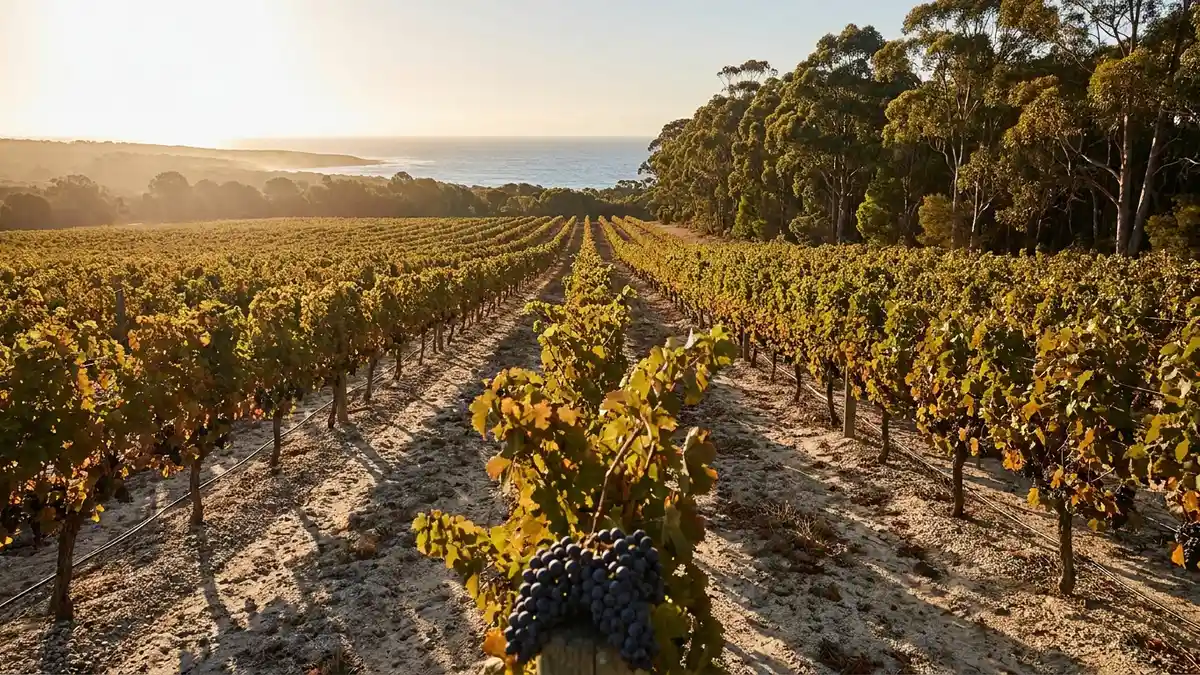
Margaret River Wine Guide: Australia's Premium Cabernet Region
A beginner-friendly Margaret River wine guide to Western Australia's premium region — elegant Cabernet, top-tier Chardonnay, the SSB blend, sub-regions, and how to start.
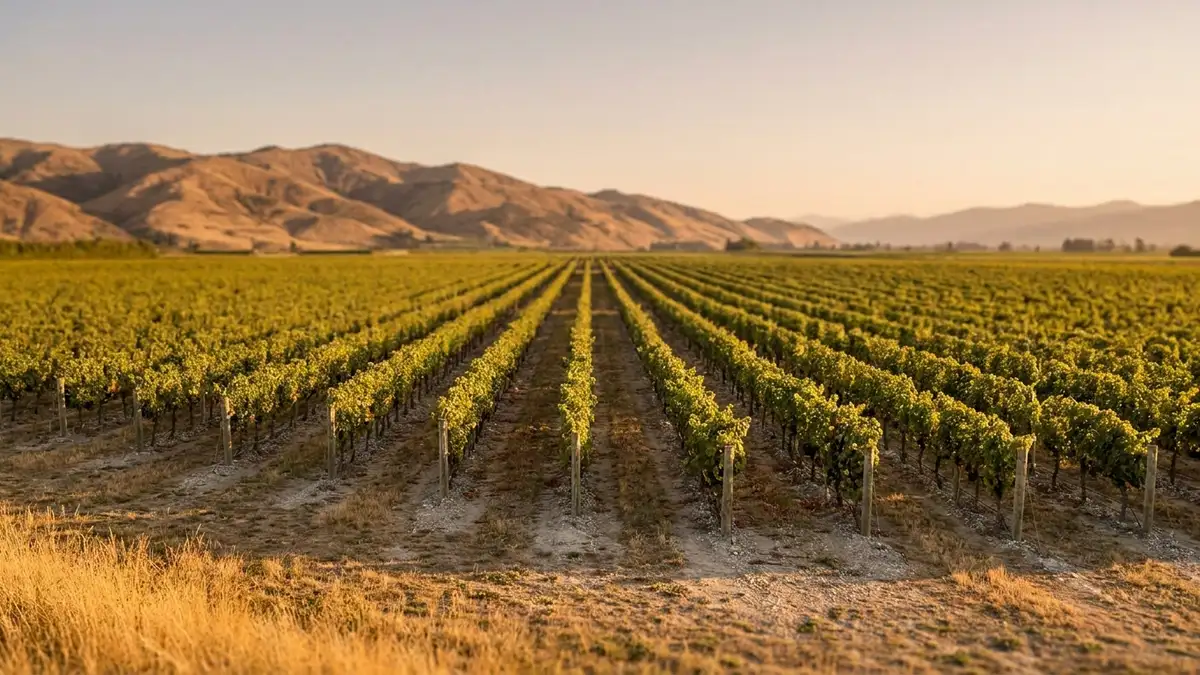
Marlborough Wine Guide: The Sauvignon Blanc Capital of the World
A beginner-friendly marlborough wine guide to New Zealand's flagship region — the pungent, zesty Sauvignon Blanc style, the Wairau and Awatere valleys, Pinot Noir, and how to start.
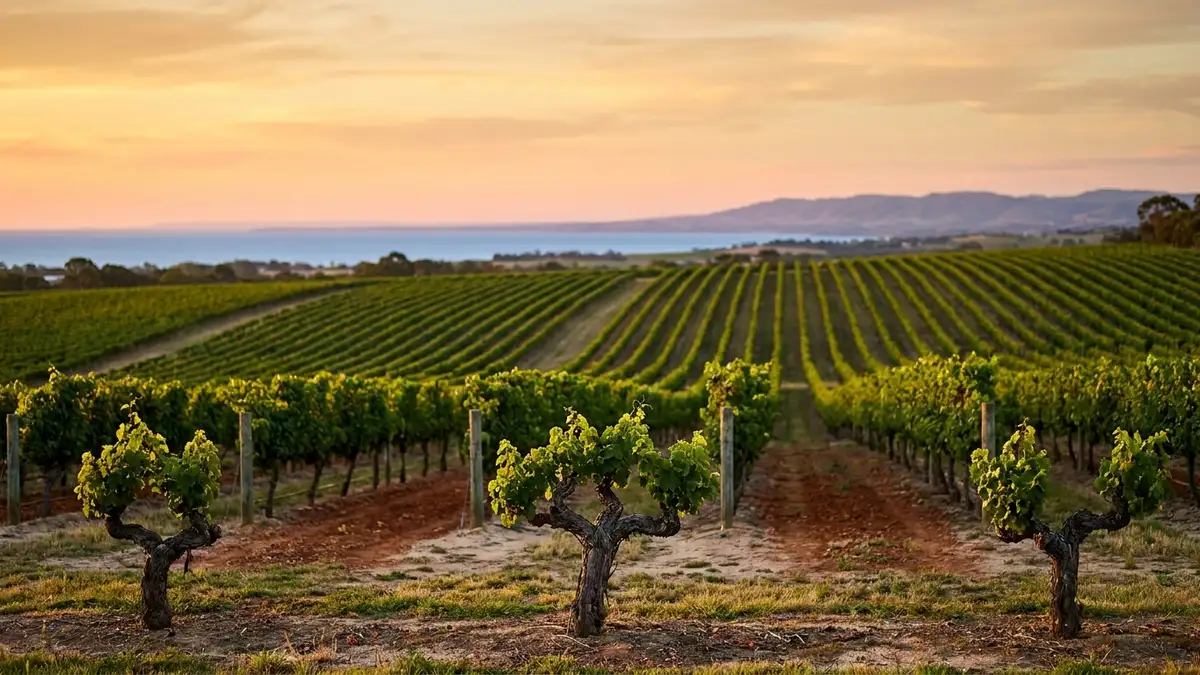
McLaren Vale Wine Guide: Shiraz, Grenache, and Sea Breezes
A beginner-friendly McLaren Vale wine guide to South Australia's maritime region — plush Shiraz, old-vine Grenache, GSM blends, Mediterranean grapes, and how to start.
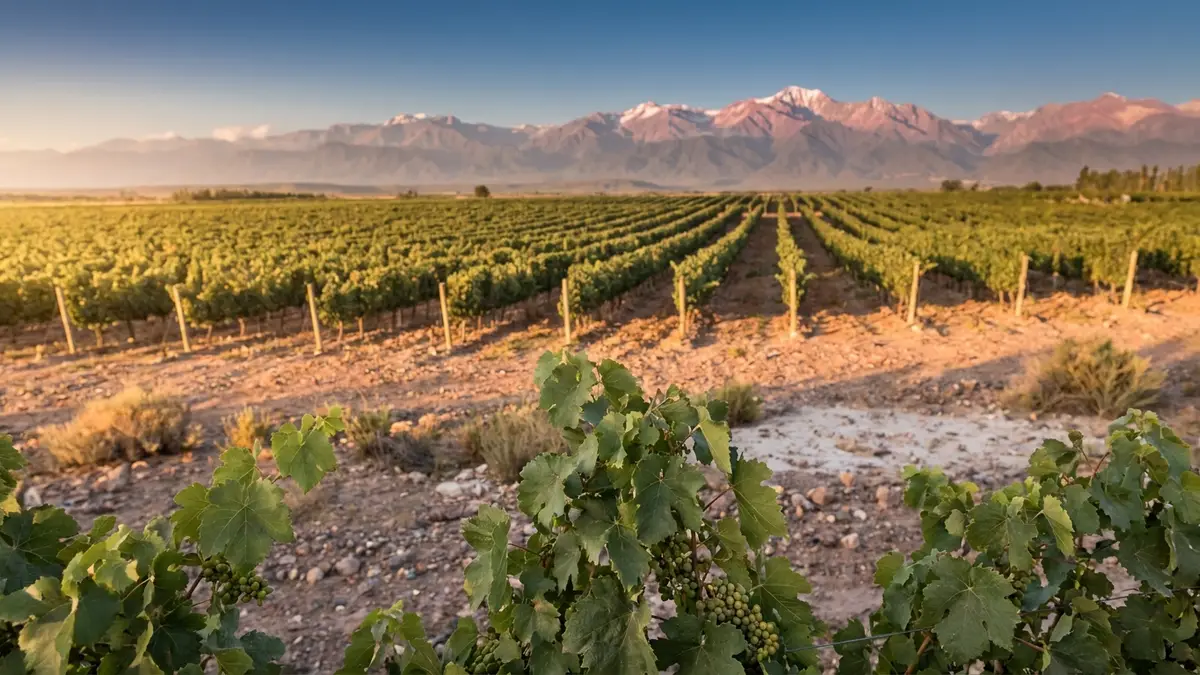
Mendoza Wine Guide: High-Altitude Winemaking at Its Best
A beginner-friendly Mendoza wine guide to Argentina's flagship region — Malbec, the Andes rain shadow, high-altitude vineyards, the key sub-zones, and how to start tasting.
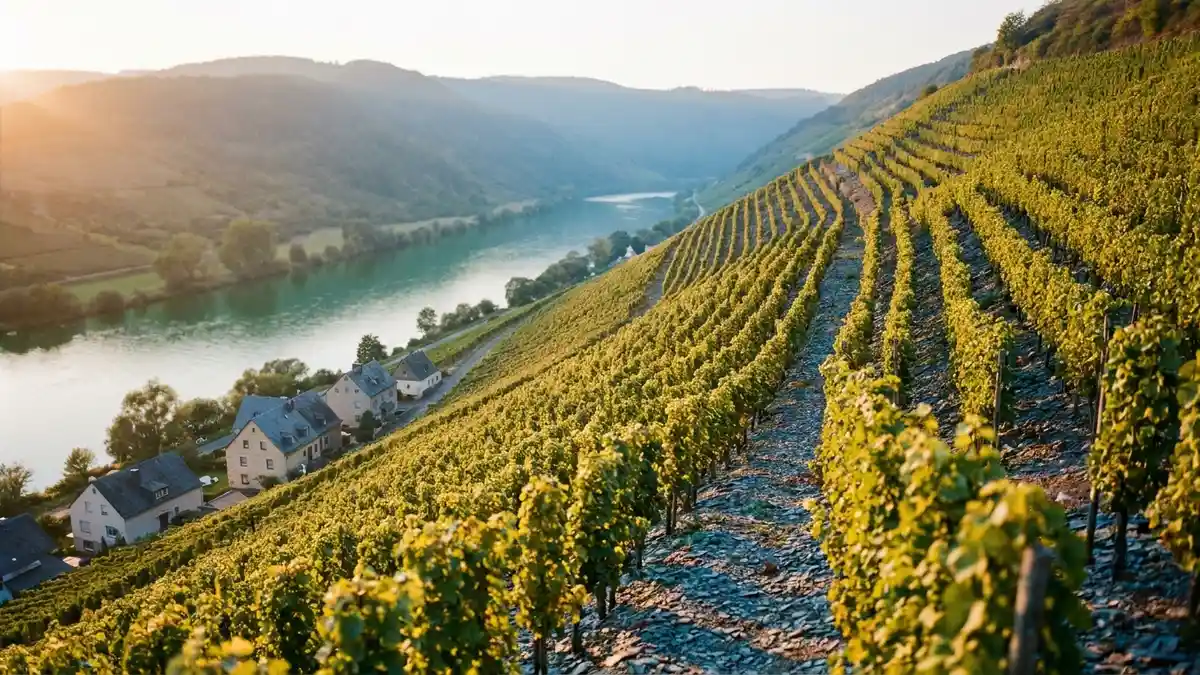
Mosel Wine Guide: Steep Slopes and Stunning Riesling
A beginner-friendly mosel wine guide to Germany's steepest vineyards — racy low-alcohol Riesling, the Prädikat ripeness ladder, dry vs sweet styles, the Saar and Ruwer, and how to read a German label.
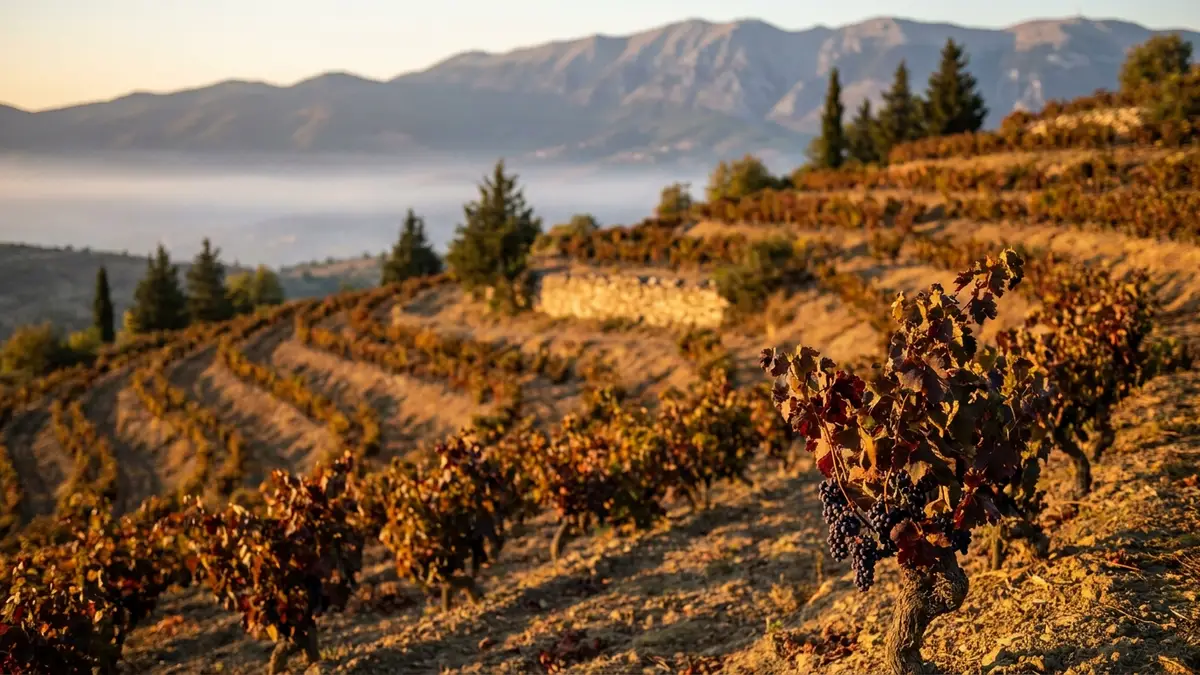
Naoussa Wine Guide: Greece's Xinomavro Heartland
A beginner-friendly Naoussa wine guide to northern Greece — Xinomavro, the pale, high-acid, high-tannin red often compared to Nebbiolo, plus the Mount Vermio terroir and how to start tasting it.
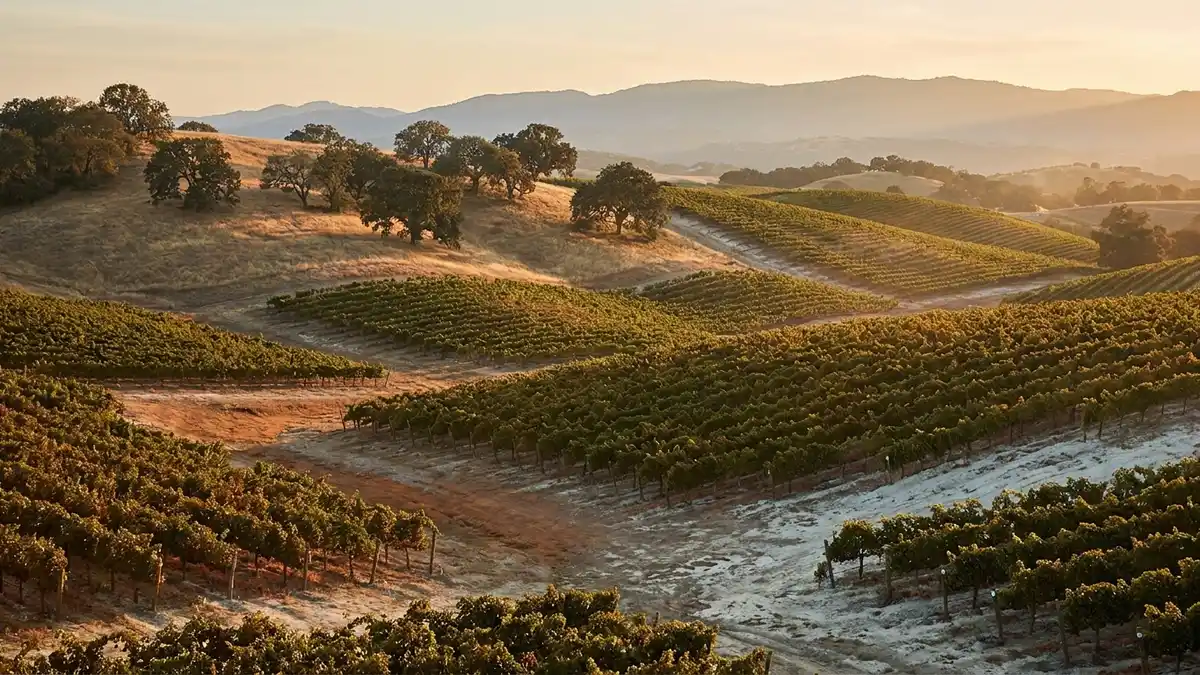
Paso Robles Wine Guide: California's Emerging Star
A beginner-friendly paso robles wine guide to California's Central Coast — Rhône varieties, bold Cabernet, Zinfandel heritage, the 11 sub-AVAs, and how to start.
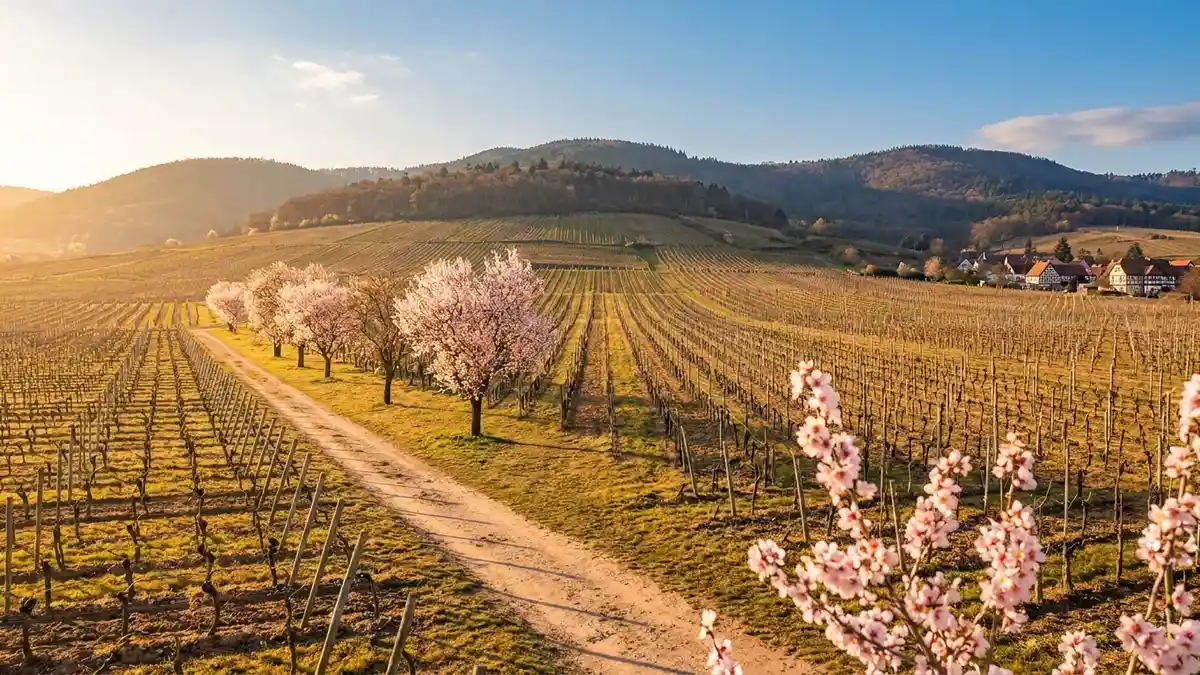
Pfalz Wine Guide: Germany's Sunniest Wine Region
A beginner-friendly Pfalz wine guide to Germany's warm, sunny Palatinate — ripe dry Riesling, the Pinot family, Dornfelder, the German Wine Route, and GG classification.
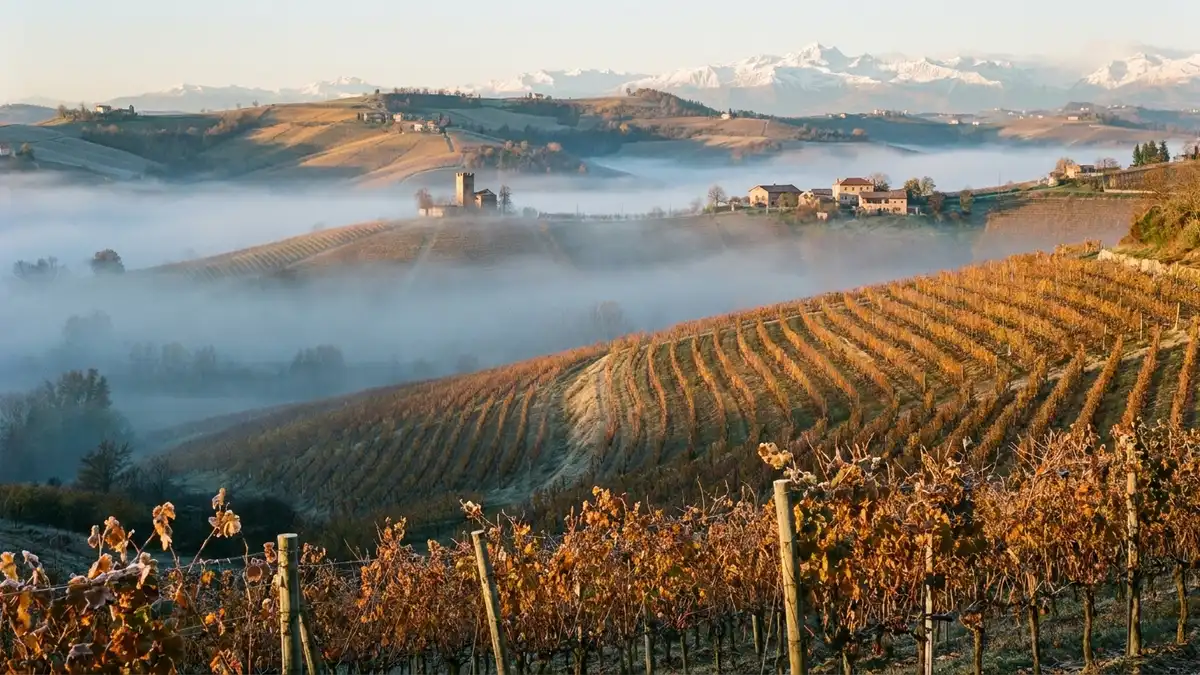
Piedmont Wine Guide: Barolo, Barbaresco, and Barbera
A beginner-friendly piedmont wine guide to northwest Italy — Nebbiolo's Barolo and Barbaresco, everyday Barbera and Dolcetto, sweet Moscato d'Asti, and where to start.
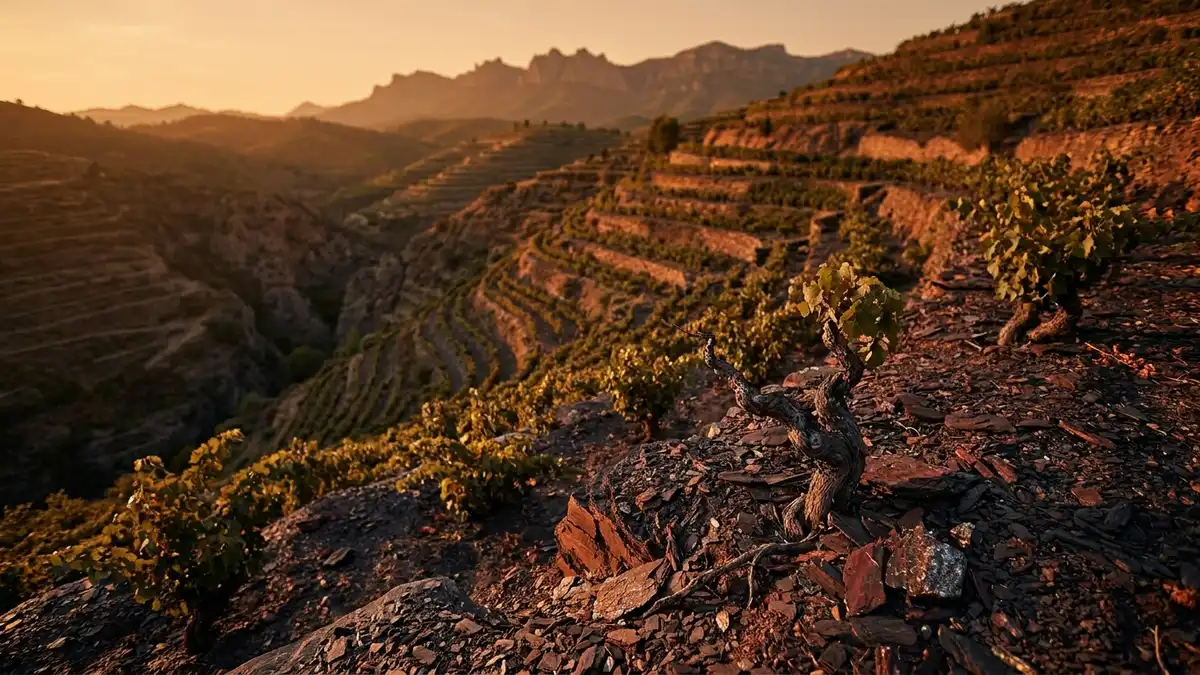
Priorat Wine Guide: Spain's Cult Wine Region
A beginner-friendly priorat wine guide to Catalonia's cult region — the llicorella slate soils, steep costers terraces, old-vine Garnacha and Cariñena, and how to start.
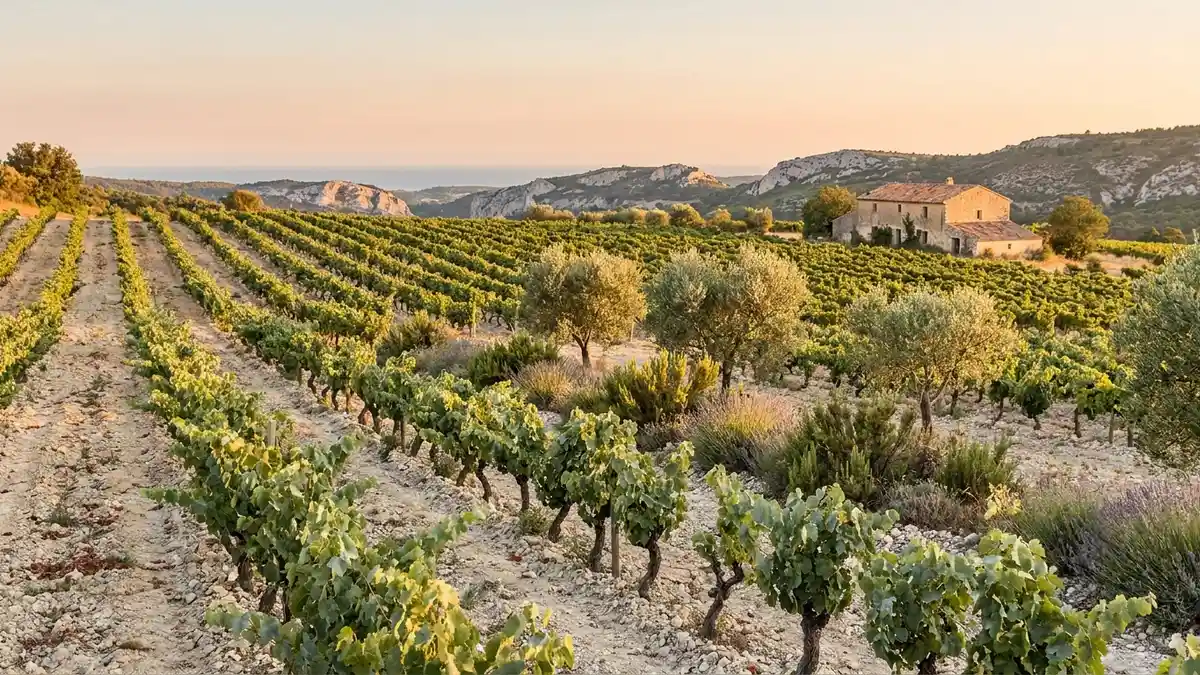
Provence Wine Guide: The Spiritual Home of Rosé
A beginner-friendly provence wine guide to southeast France — the pale dry rosé benchmark, the Grenache-led blends, Côtes de Provence, Bandol, Cassis, and how to start tasting it.
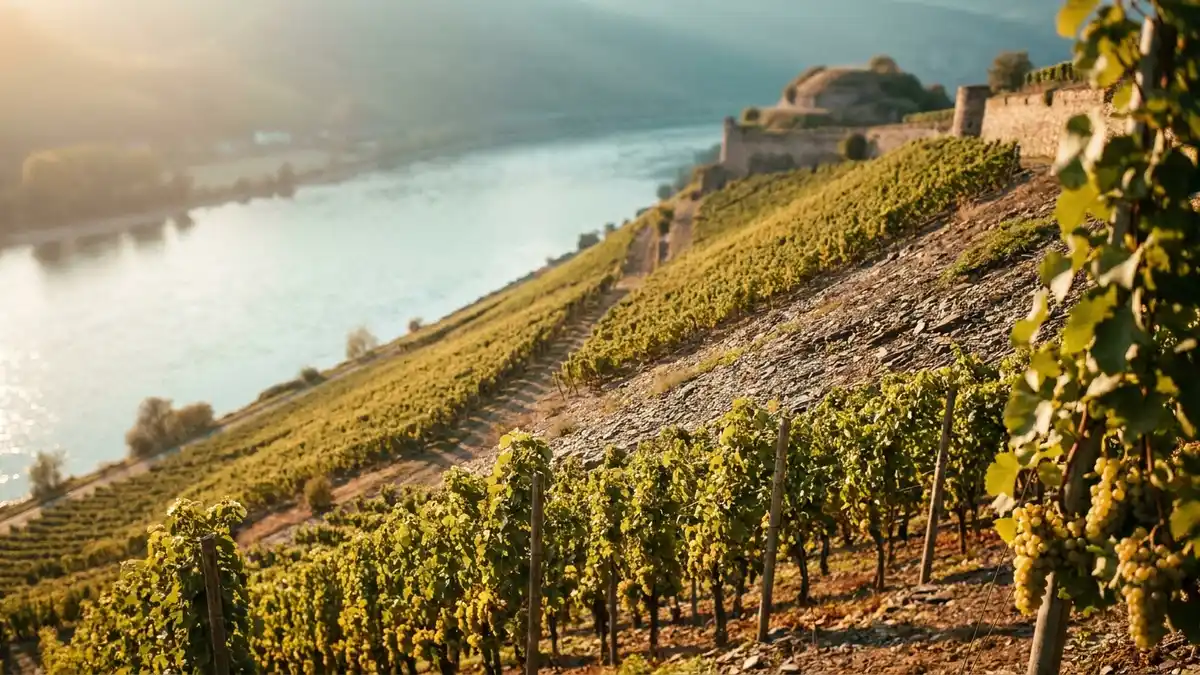
Rheingau Wine Guide: Germany's Most Historic Wine Region
A beginner-friendly rheingau wine guide to Germany's historic Rhine region — fuller, drier Riesling, Assmannshausen Spätburgunder, the GG dry classification, and how to start.
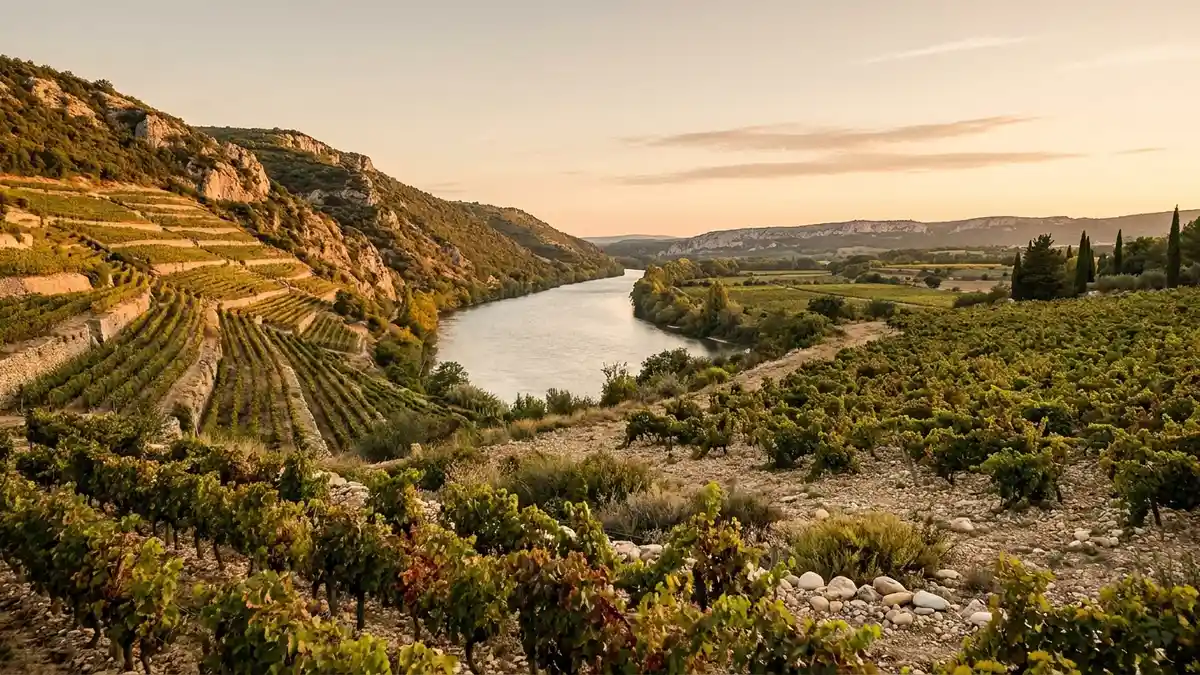
Rhône Valley Wine Guide: Northern vs Southern Rhône
A beginner-friendly Rhône Valley wine guide to the two halves of the region — varietal Syrah in the steep North, GSM blends in the warm South, plus the appellations and how to start.
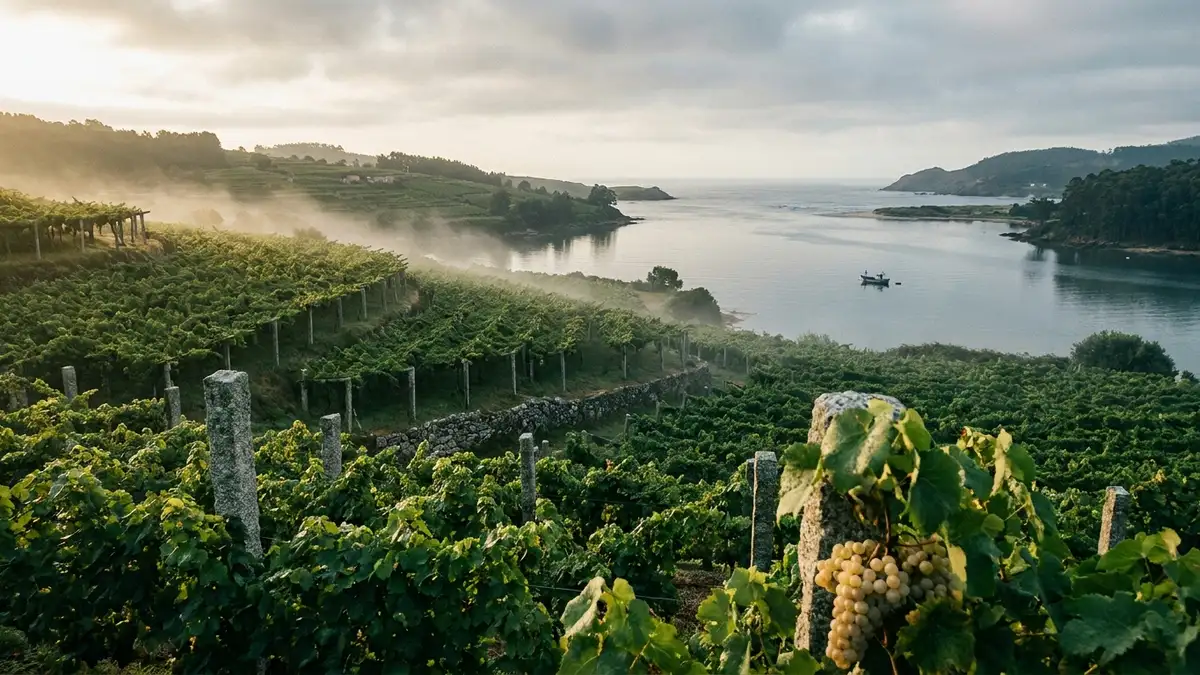
Rías Baixas Wine Guide: Albariño with Atlantic Mist
A beginner-friendly Rías Baixas wine guide to Galicia's Atlantic coast — Albariño, the granite soils and damp maritime climate, the five sub-zones, seafood pairing, and how to start.
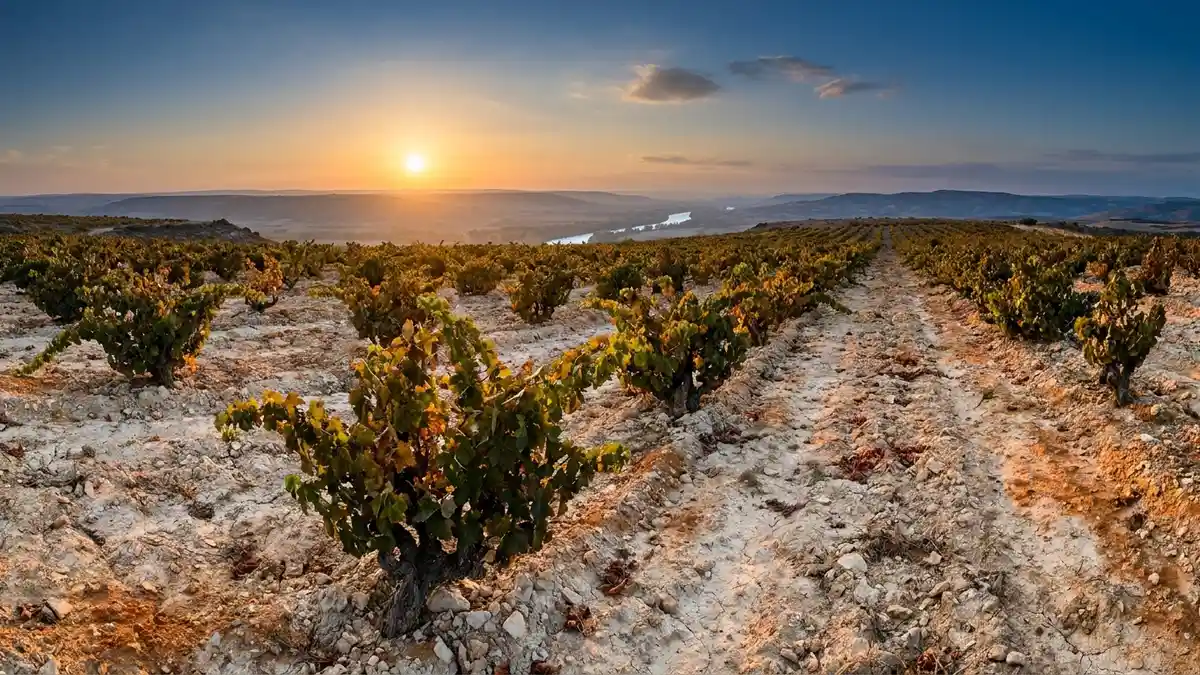
Ribera del Duero Wine Guide: Spain's Other Great Tempranillo Region
A beginner-friendly Ribera del Duero wine guide — the high-altitude Tempranillo (Tinto Fino) plateau, its bold structured reds, the Crianza-to-Gran Reserva aging tiers, and how it differs from Rioja.
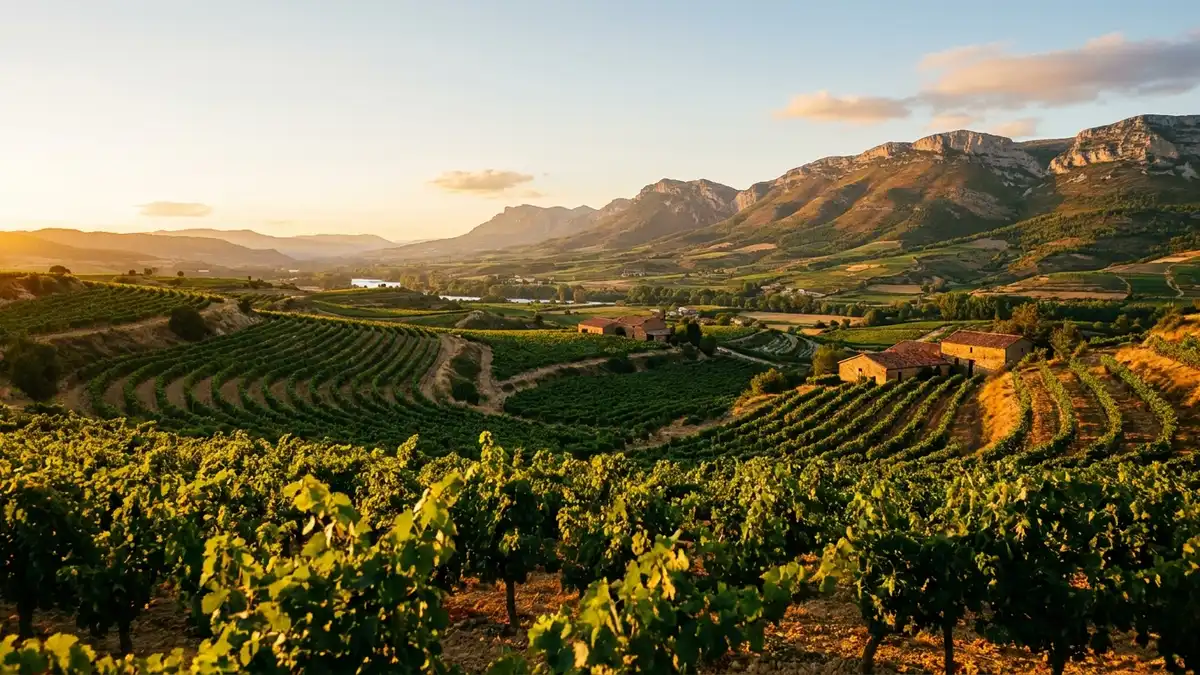
Rioja Wine Guide: Crianza, Reserva, and Gran Reserva
A beginner-friendly Rioja wine guide to northern Spain — Tempranillo-led blends, the oak-aging tiers from Genérico to Gran Reserva, the three zones, white Rioja, and how to start.
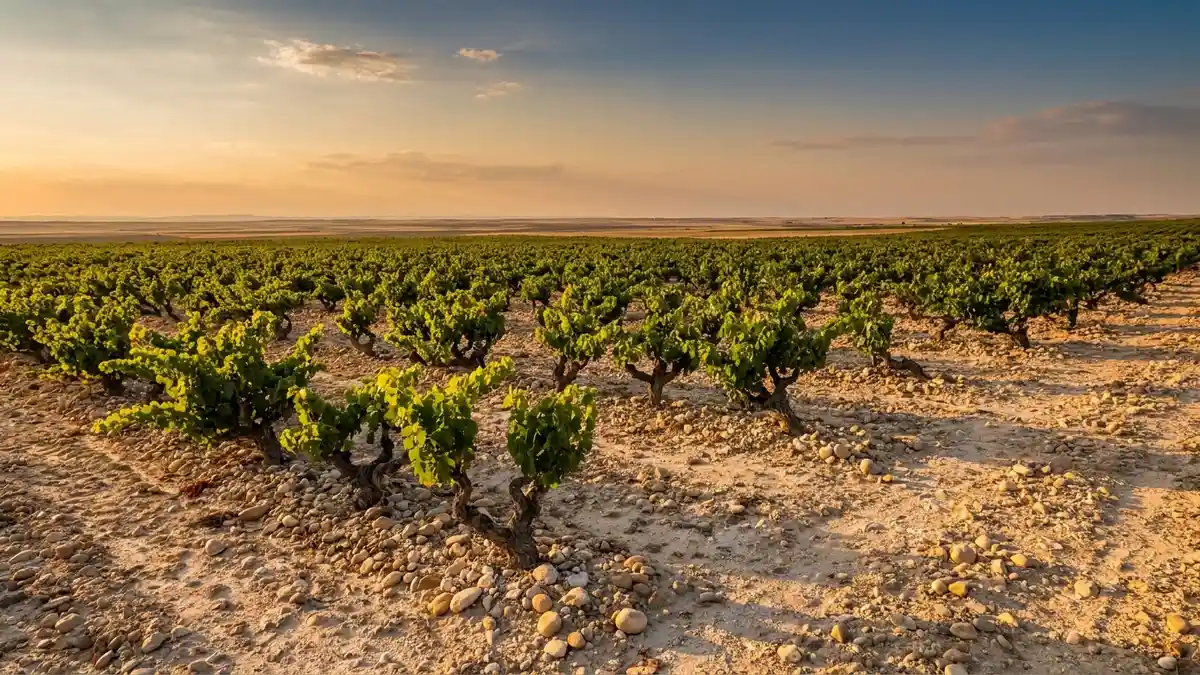
Rueda Wine Guide: Spain's Crisp White Wine Region
A beginner-friendly rueda wine guide to Spain's high-altitude white wine region — the Verdejo grape, the stony Castilla y León plateau, old vines, the historic Dorado style, and how to start.
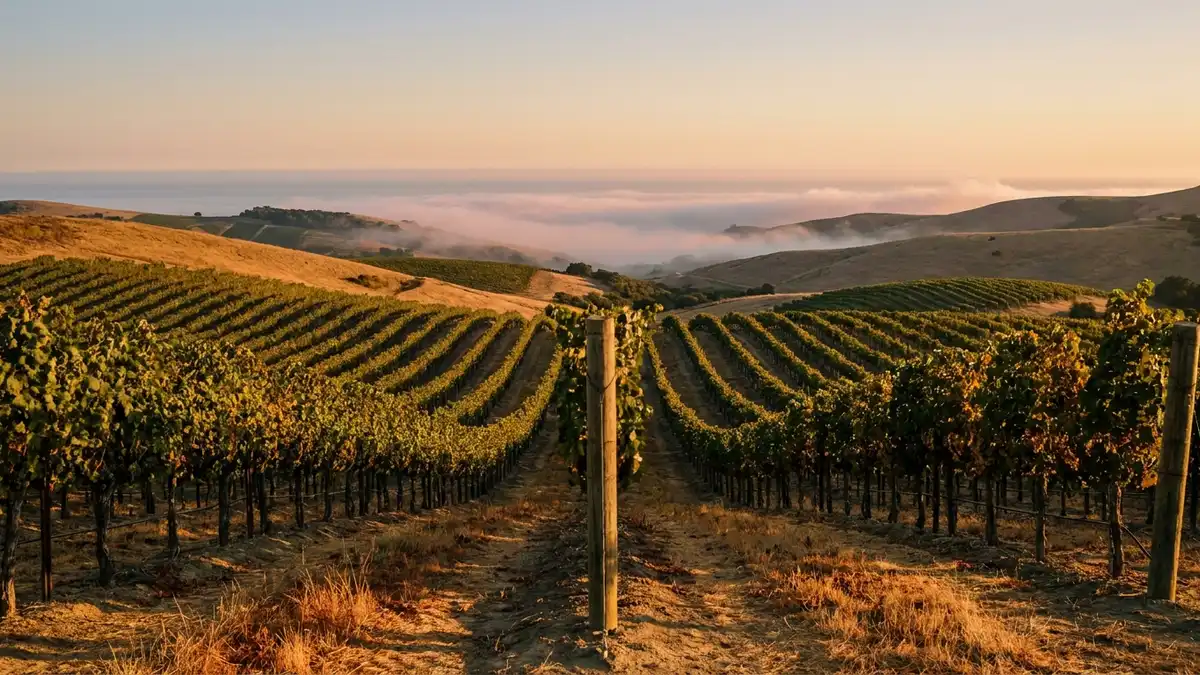
Santa Barbara Wine Guide: Sideways Country and Beyond
A beginner-friendly santa barbara wine guide to California's Central Coast — the cool Sta. Rita Hills, Santa Maria Valley, warmer Ballard Canyon and Happy Canyon, the Sideways effect, and how to start.
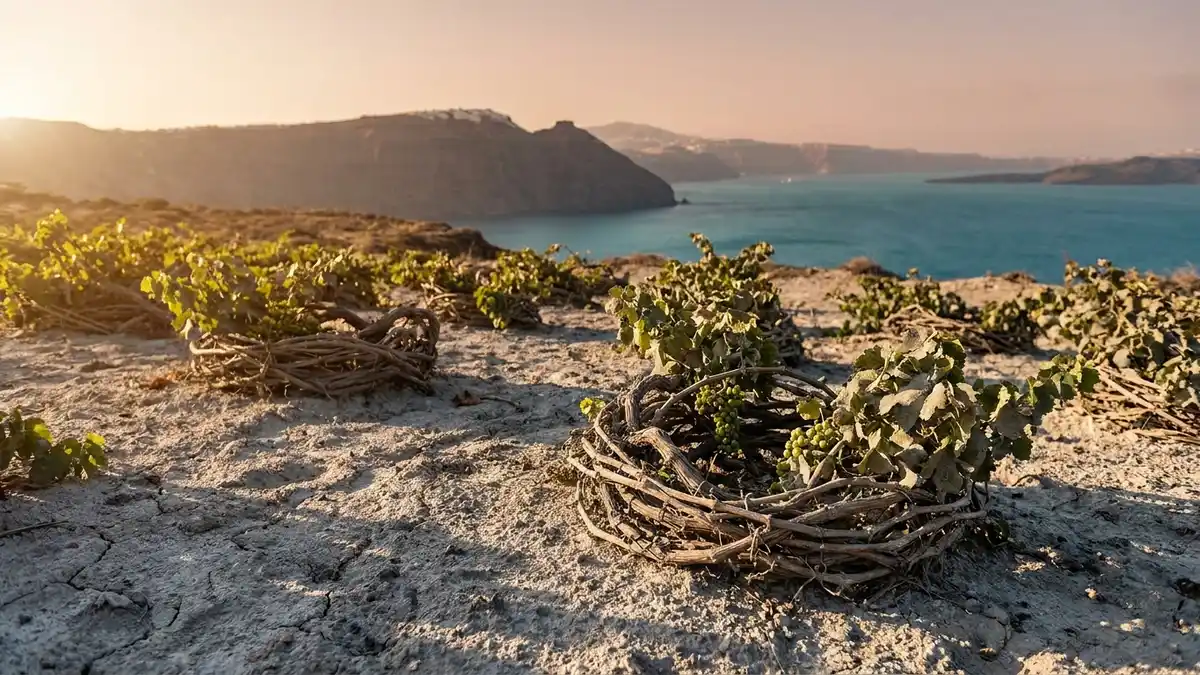
Santorini Wine Guide: Volcanic Vineyards and Assyrtiko
A beginner-friendly Santorini wine guide to the Greek volcanic island — bone-dry Assyrtiko, basket-trained kouloura vines, ungrafted ancient vines, sweet Vinsanto, and how to start.
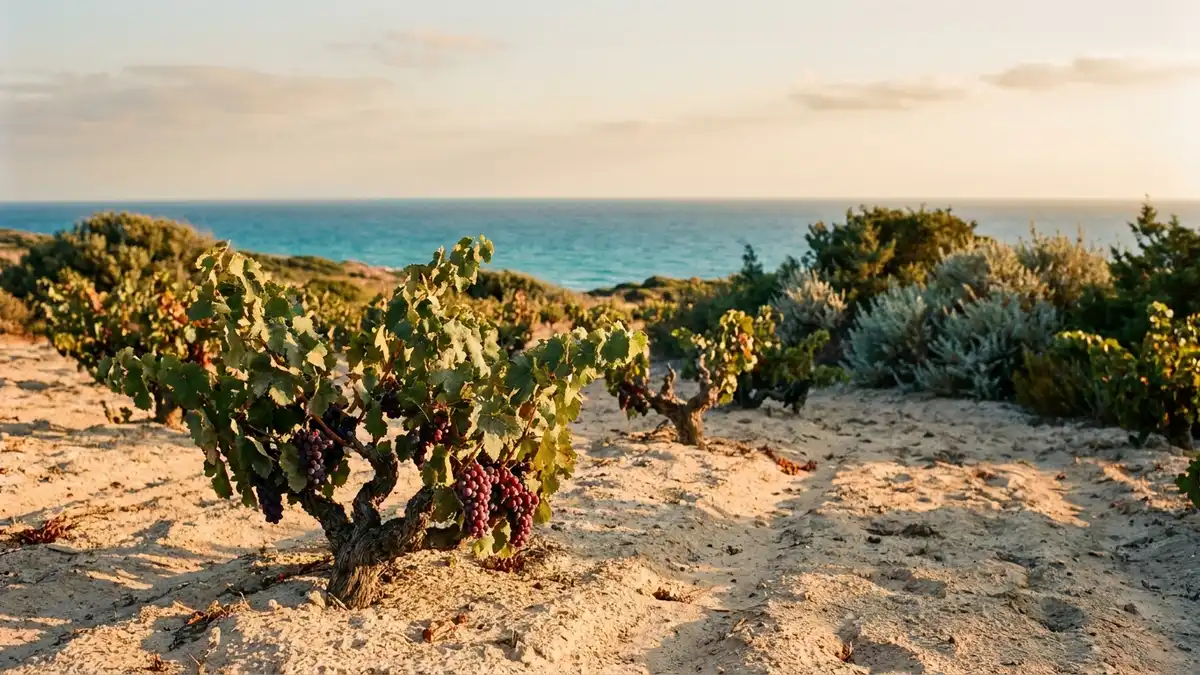
Sardinia Wine Guide: Cannonau, Vermentino, and Island Wines
A beginner-friendly Sardinia wine guide to the Mediterranean island — Cannonau reds, Vermentino di Gallura whites, Carignano del Sulcis, the Spanish and Italian influences, and how to start.
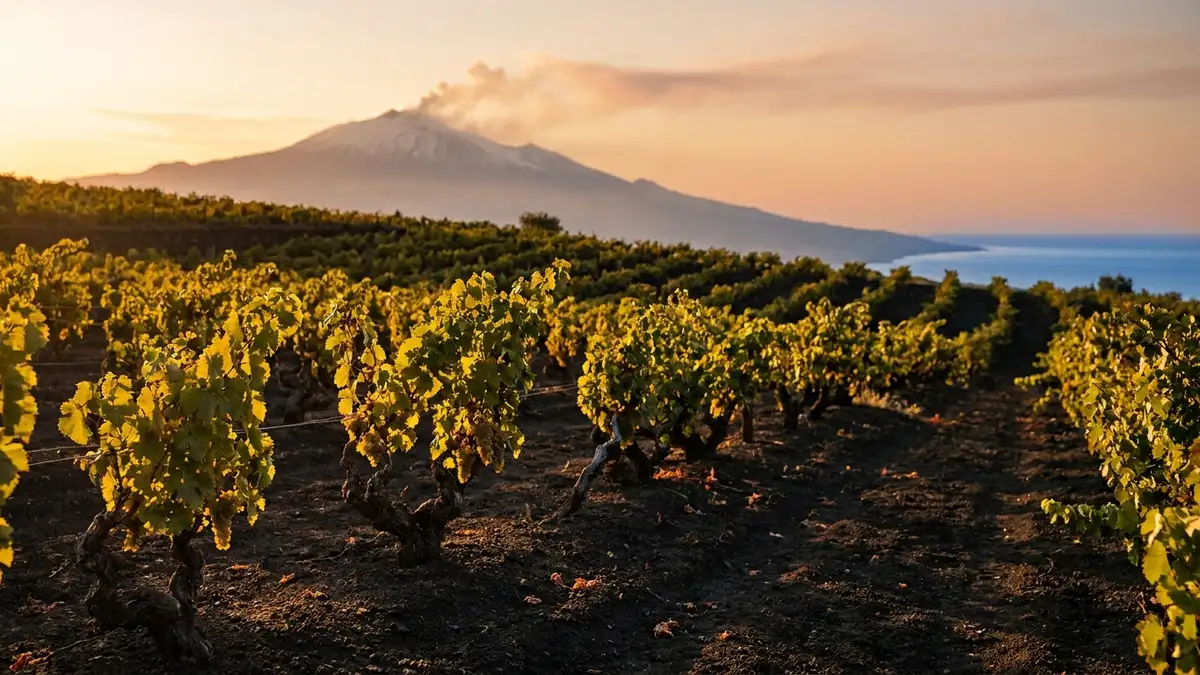
Sicily Wine Guide: Etna, Nero d'Avola, and Volcanic Terroir
A beginner-friendly sicily wine guide to the Mediterranean island — volcanic Etna reds and whites, the flagship Nero d'Avola, Frappato, Grillo, Marsala, and how to start.
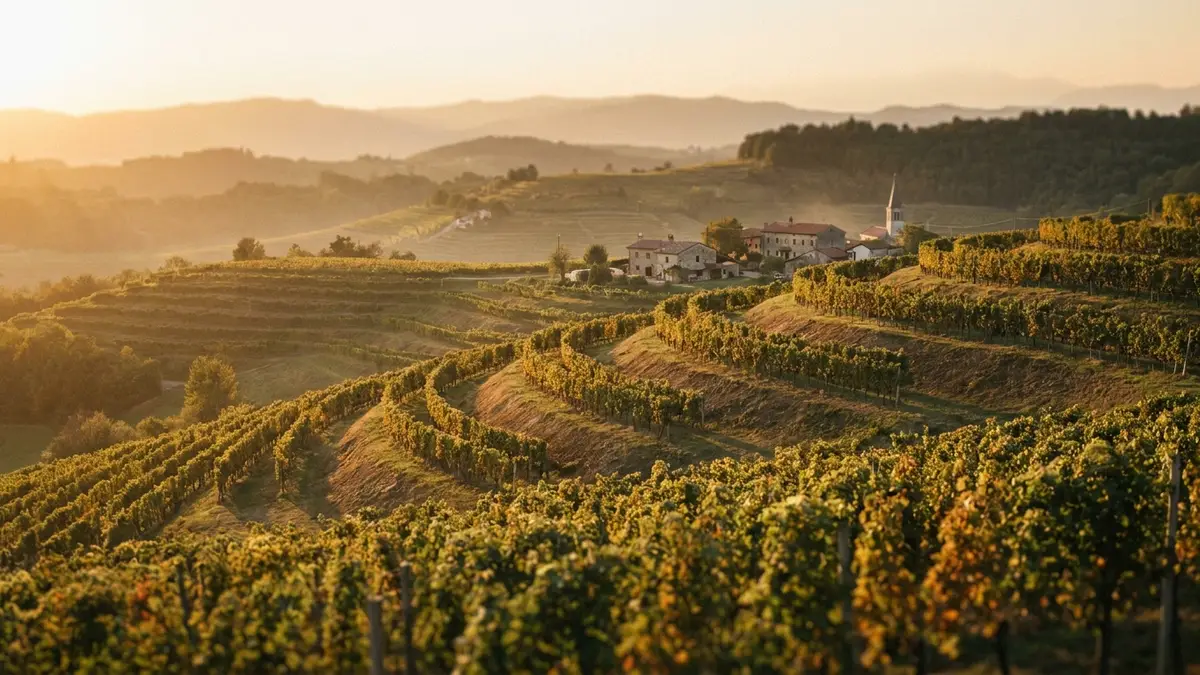
Slovenian Wine Guide: Europe's Best-Kept Wine Secret
A beginner-friendly slovenia wine guide to three regions — Primorska, Podravje, and Posavje — covering Rebula, Šipon, orange wine, and how to start exploring.
Sonoma County Wine Guide: Beyond Napa's Neighbor
A beginner-friendly Sonoma wine guide to California's most diverse county — cool-coast Pinot Noir and Chardonnay, old-vine Zinfandel, Alexander Valley Cabernet, and how to start.
South West France Wine Guide: The Hidden Gem Regions
A beginner-friendly south west france wine guide to the Sud-Ouest — Cahors Malbec, Madiran Tannat, Jurançon's Petit Manseng, plus local grapes, value, and how to start.
Stellenbosch Wine Guide: South Africa's Most Famous Wine Region
A beginner-friendly Stellenbosch wine guide to South Africa's flagship region — Cabernet and Bordeaux blends, the local Pinotage and Cape Blend, old-vine Chenin Blanc, mountain terroir, and how to start.
Swartland Wine Guide: South Africa's Revolutionary Wine Region
A beginner-friendly swartland wine guide to South Africa's dry-farmed frontier — old-vine Chenin Blanc, Syrah and Rhône blends, granite-and-schist soils, and how to start.
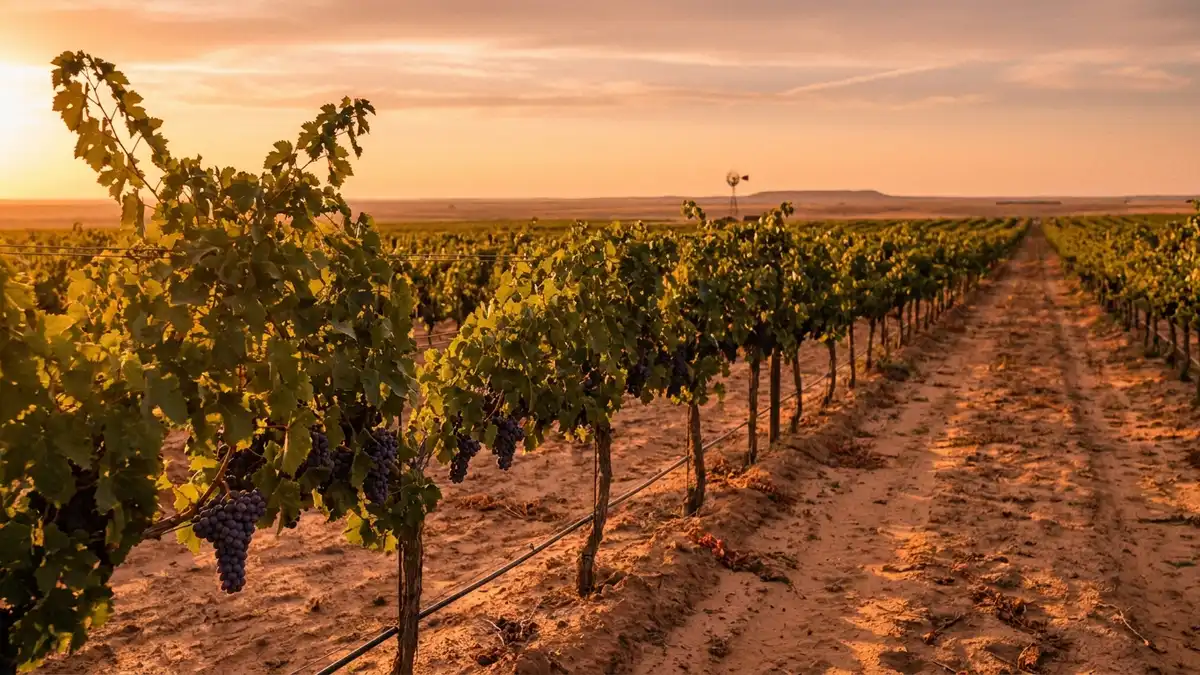
Texas Wine Guide: The Lone Star State's Growing Wine Scene
A beginner-friendly Texas wine guide to the High Plains and Hill Country — the Mediterranean grapes that thrive in the heat, the spring-frost challenge, and how to start tasting.
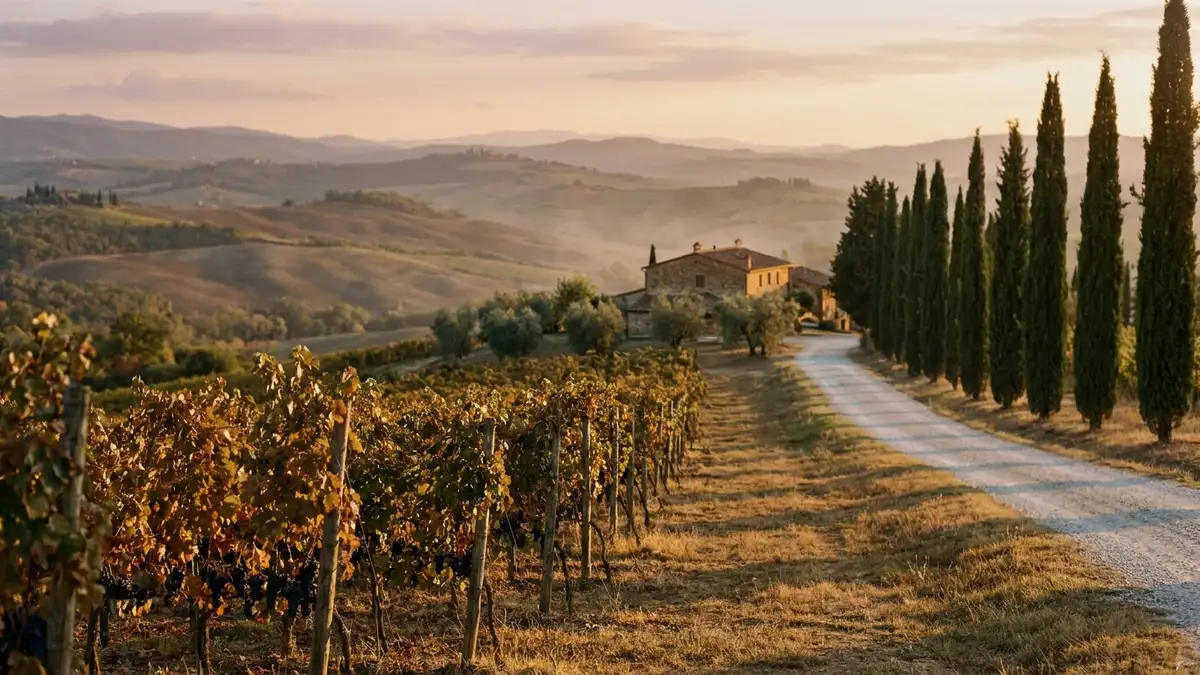
Tuscany Wine Guide: Chianti, Brunello, and Super Tuscans
A beginner-friendly tuscany wine guide to Sangiovese country — Chianti Classico, Brunello di Montalcino, Vino Nobile, Super Tuscans, and the DOC, DOCG, and IGT system.
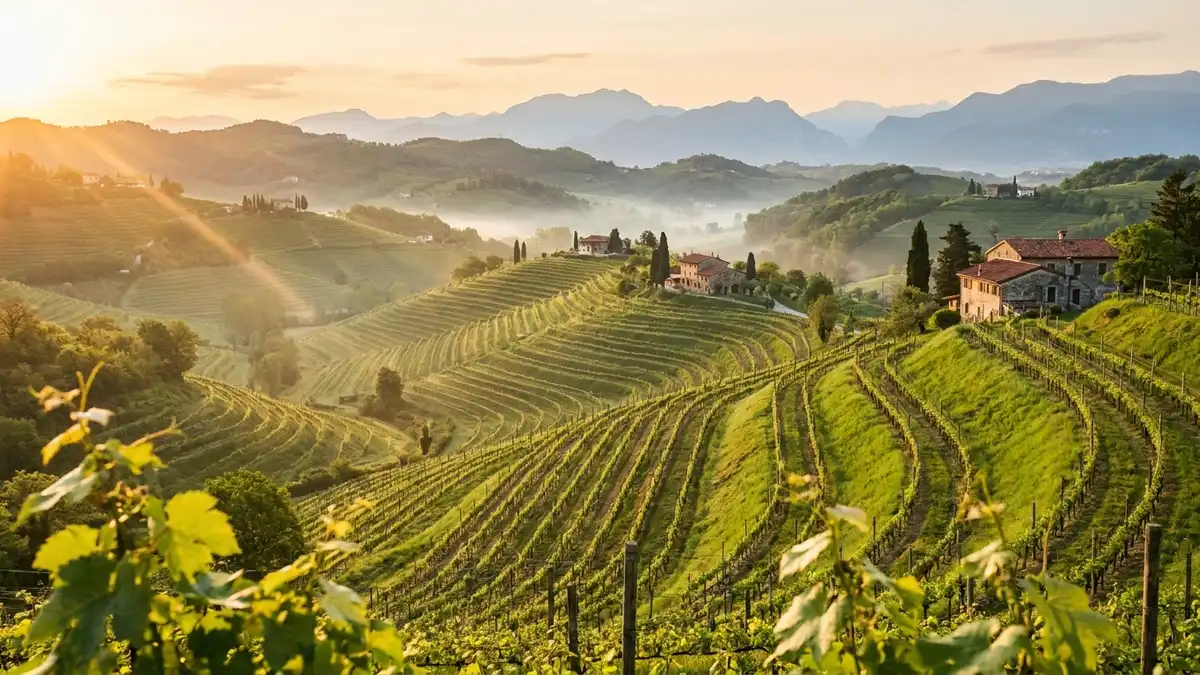
Veneto Wine Guide: Prosecco, Soave, Valpolicella, and Amarone
A beginner-friendly veneto wine guide to northeast Italy's biggest wine region — Prosecco, Soave, the Valpolicella family, Amarone, Bardolino, and how to start.
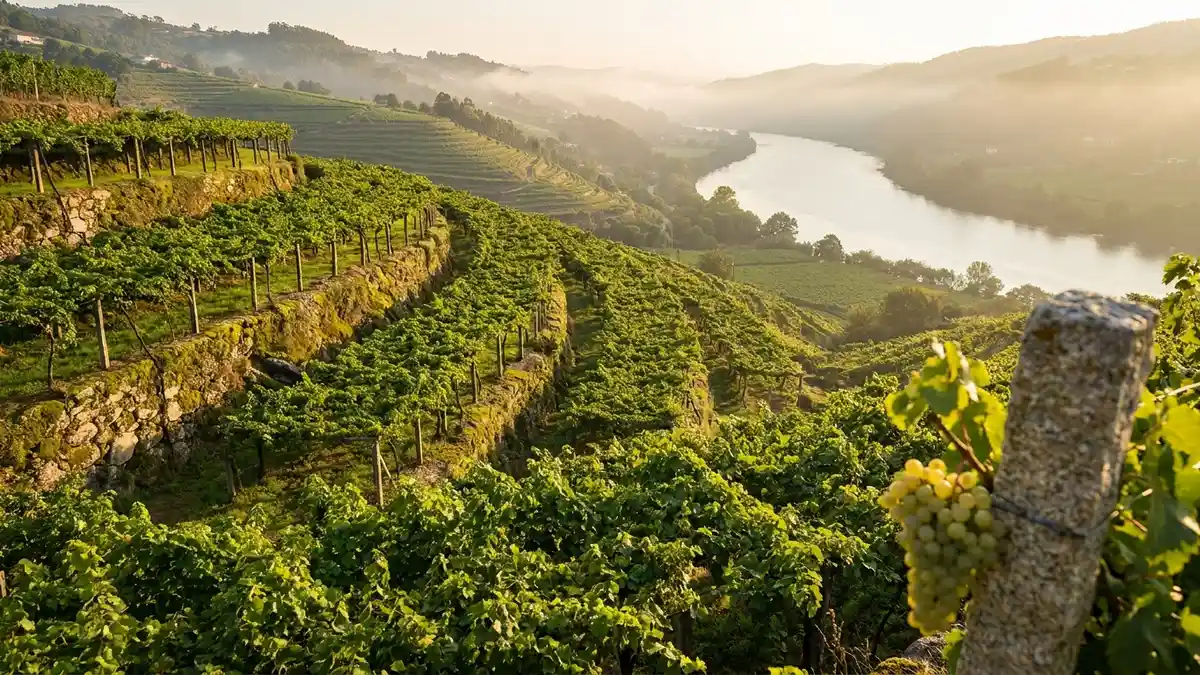
Vinho Verde: Portugal's Young, Fresh, and Fizzy Wine
A beginner-friendly guide to the Vinho Verde wine region in northwest Portugal — its light, high-acid spritzy whites, the grapes Alvarinho and Loureiro, the Monção e Melgaço sub-region, and how to start.
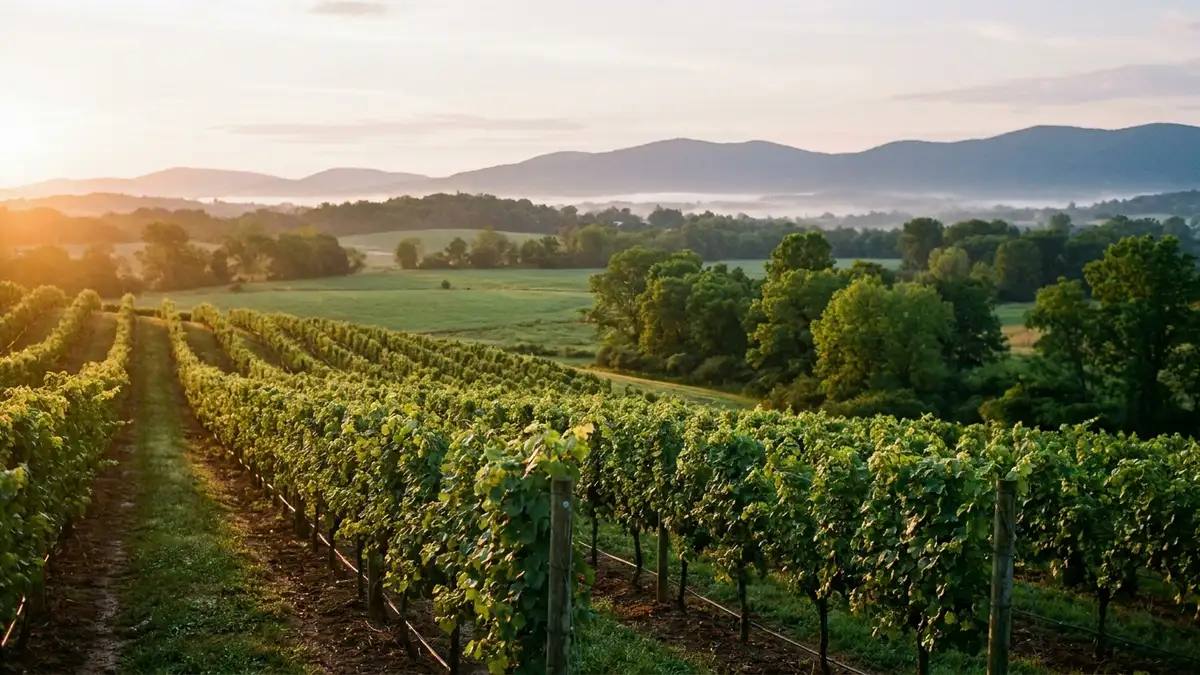
Virginia Wine Guide: The East Coast Wine Region to Watch
A beginner-friendly Virginia wine guide to America's mid-Atlantic region — Viognier, Cabernet Franc, Petit Verdot, Petit Manseng, the Monticello heritage, and how to start tasting.
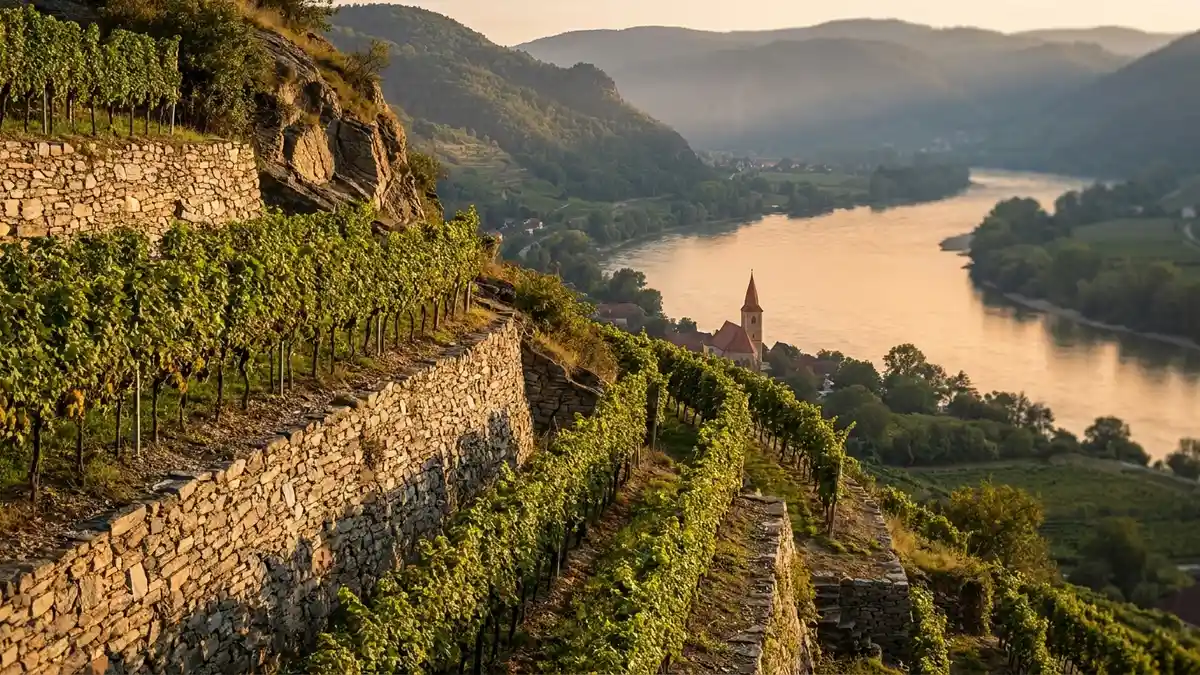
Wachau Wine Guide: Austria's Riesling and Grüner Veltliner Terraces
A beginner-friendly Wachau wine guide to Austria's steep Danube terraces — dry Grüner Veltliner and Riesling on gneiss, the Steinfeder–Federspiel–Smaragd classification, and how to start.
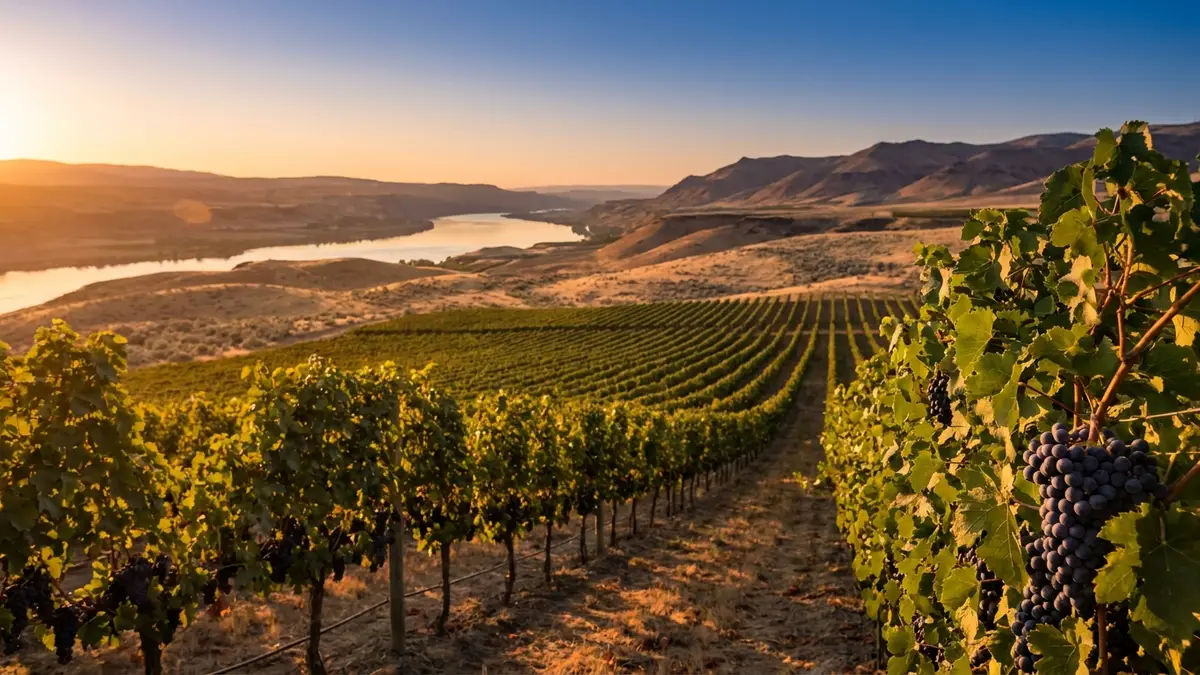
Washington State Wine Guide: Walla Walla, Columbia Valley, and More
A beginner-friendly washington state wine guide to the Columbia Valley and its sub-AVAs — Walla Walla, Red Mountain, Yakima Valley, Cabernet, Merlot, Syrah, and Riesling.
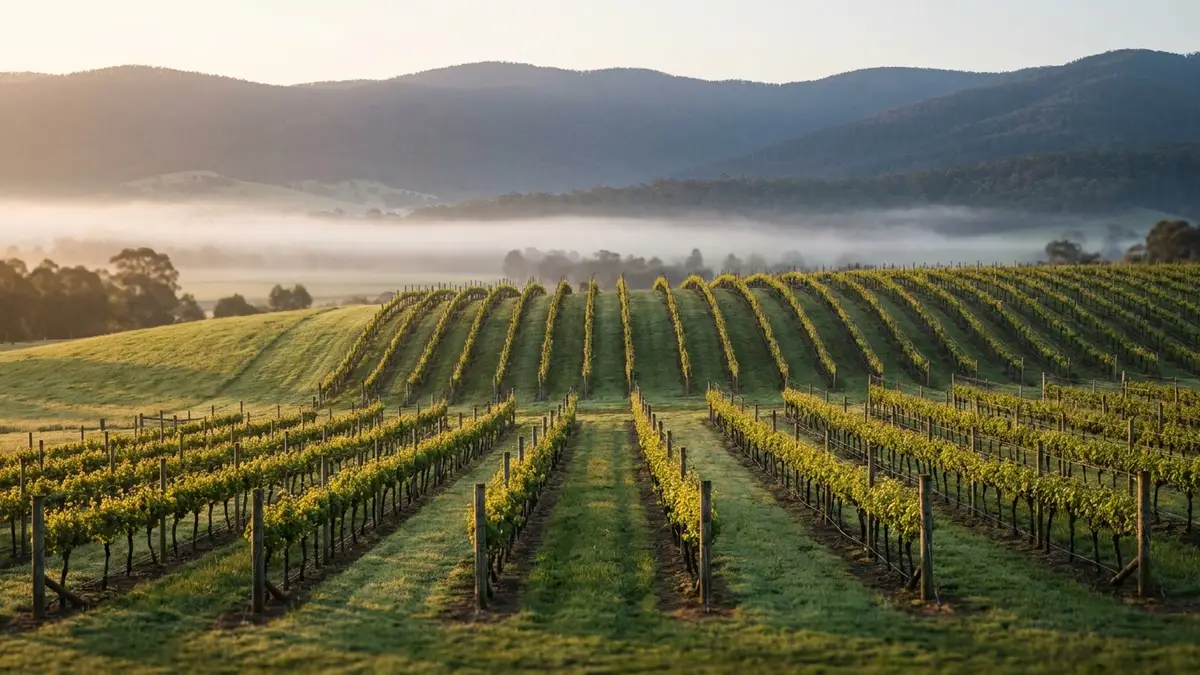
Yarra Valley Wine Guide: Cool-Climate Pinot and Chardonnay
A beginner-friendly Yarra Valley wine guide to Victoria's coolest classic region — elegant Pinot Noir, restrained Chardonnay, traditional-method sparkling, and how to start.
Wine Tourism Guide: How to Plan a Vineyard Visit
A practical wine tourism guide for first-time travelers — top regions, when to go, how to book, what to budget, and how to behave at the cellar door.
Australian Wine Guide: Shiraz, Barossa Valley, and Beyond
Australia produces some of the world's most distinctive wines, from blockbuster Barossa Shiraz to elegant Tasmanian sparkling. This guide covers the key regions, grapes, styles, and food pairings.
South African Wine: Stellenbosch, Chenin Blanc, and Pinotage
South Africa makes some of the world's most distinctive wines — fresh Chenin Blanc, structured Cabernet from Stellenbosch, and Pinotage like nowhere else. This guide covers the regions, grapes, styles, and food pairings.
Portuguese Wine Guide: From Vinho Verde to Port
Portugal is one of the world's most exciting wine countries — home to Port, Vinho Verde, and hundreds of indigenous grape varieties. This guide covers the key regions, grapes, styles, and food pairings.
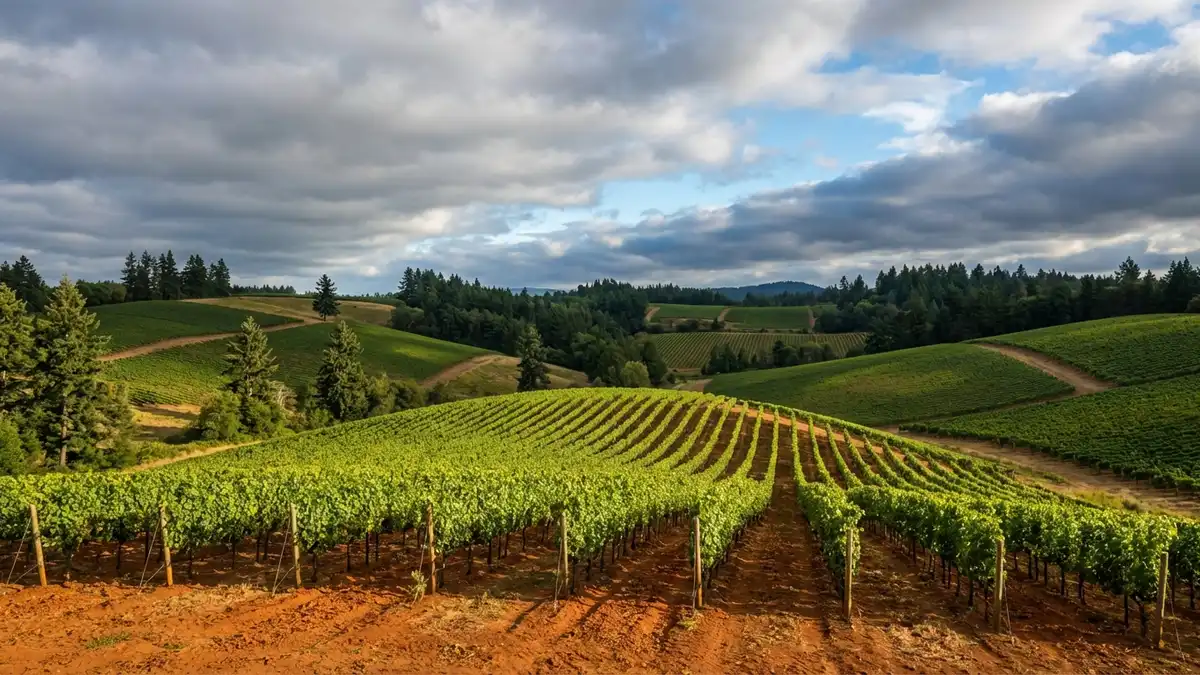
Oregon Wine Guide: Willamette Valley Pinot Noir and More
Oregon has become one of the world's top Pinot Noir regions. This guide covers the Willamette Valley's 11 AVAs, key grapes, soil types, sparkling wine, food pairings, and what makes Oregon wine unique.
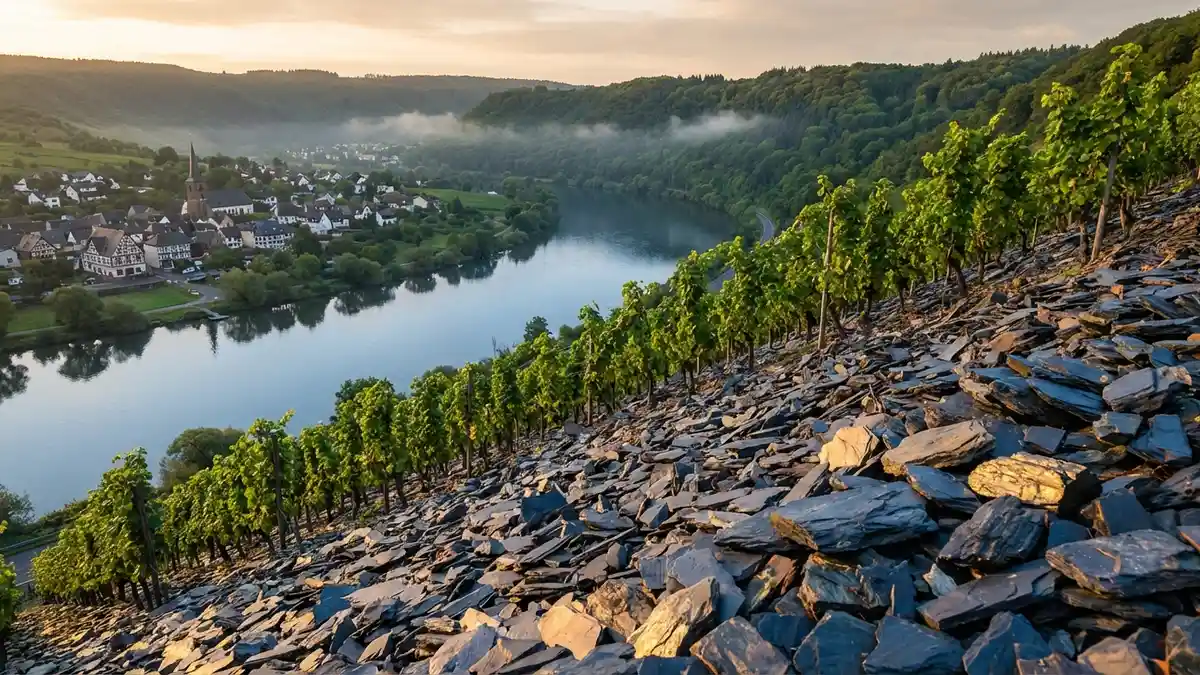
German Wine Regions: A Guide to Riesling Country
Germany is home to some of the world's finest Riesling and 13 distinct wine regions. This guide covers the key regions, the Prädikat classification system, grape varieties, and how to read a German wine label.
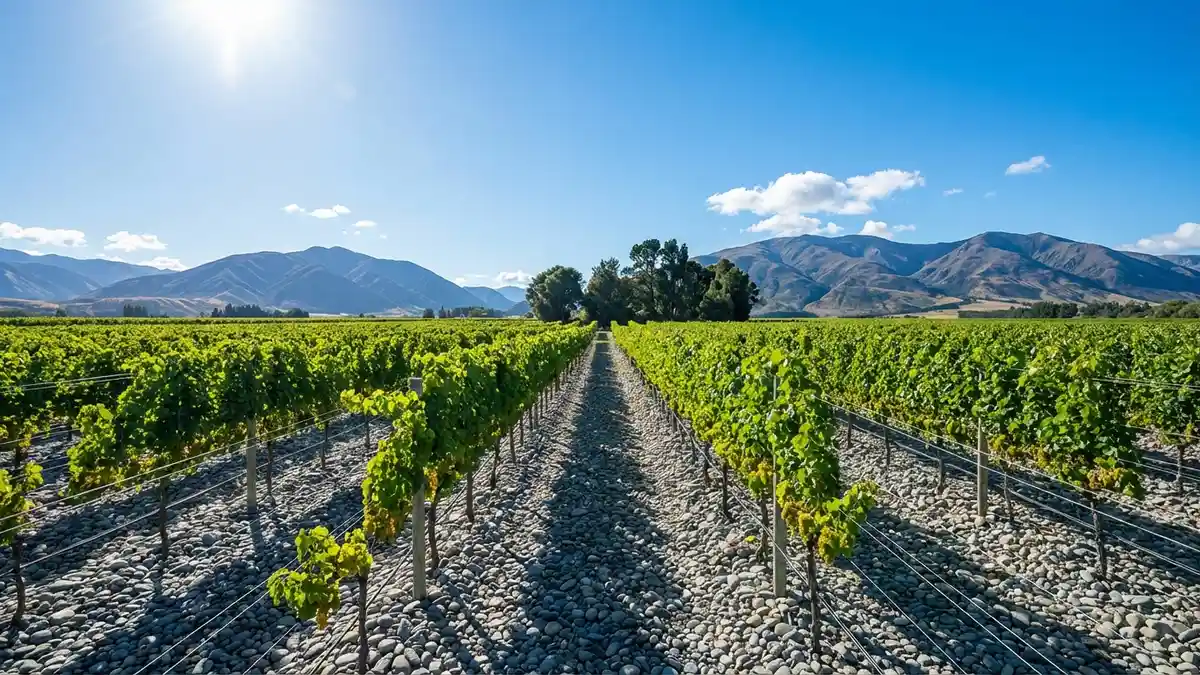
New Zealand Wine Guide: Sauvignon Blanc and Beyond
New Zealand transformed the world's expectations for Sauvignon Blanc and now produces world-class Pinot Noir, Chardonnay, and Syrah. This guide covers the key regions, grapes, styles, and food pairings.
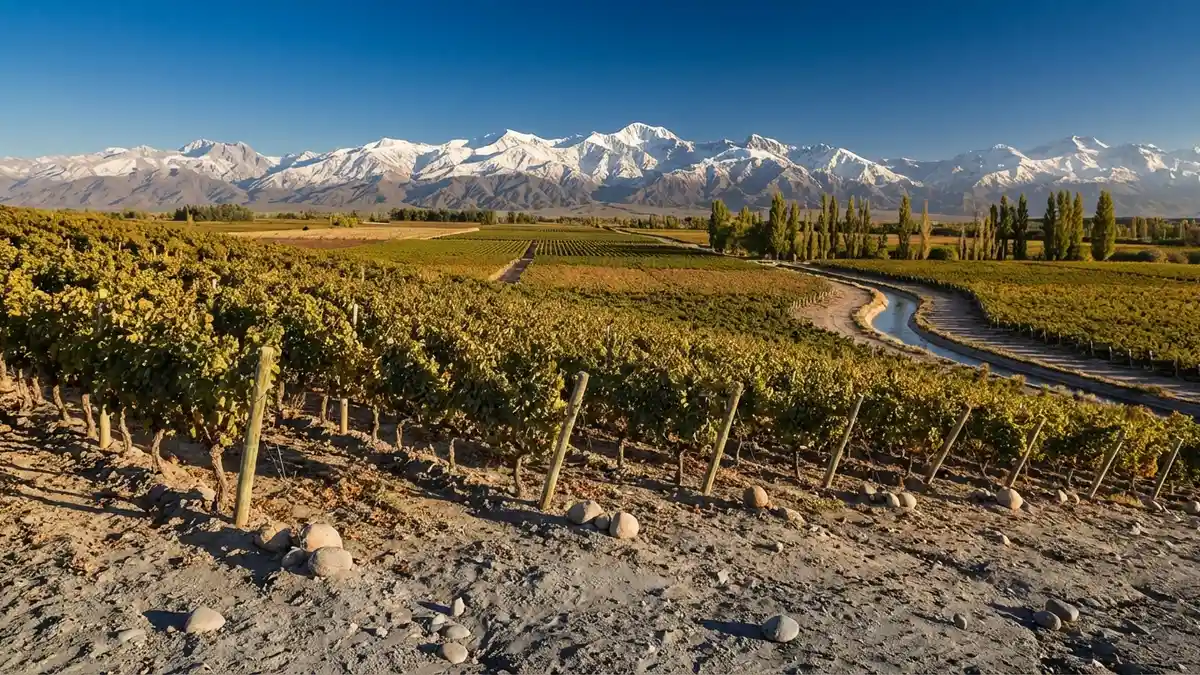
Argentine Wine Guide: From Mendoza Malbec to Patagonia
Argentina is the world's capital of Malbec and home to some of the highest vineyards on earth. This guide covers the key regions — Mendoza, Salta, Patagonia — along with grapes, styles, and food pairings.
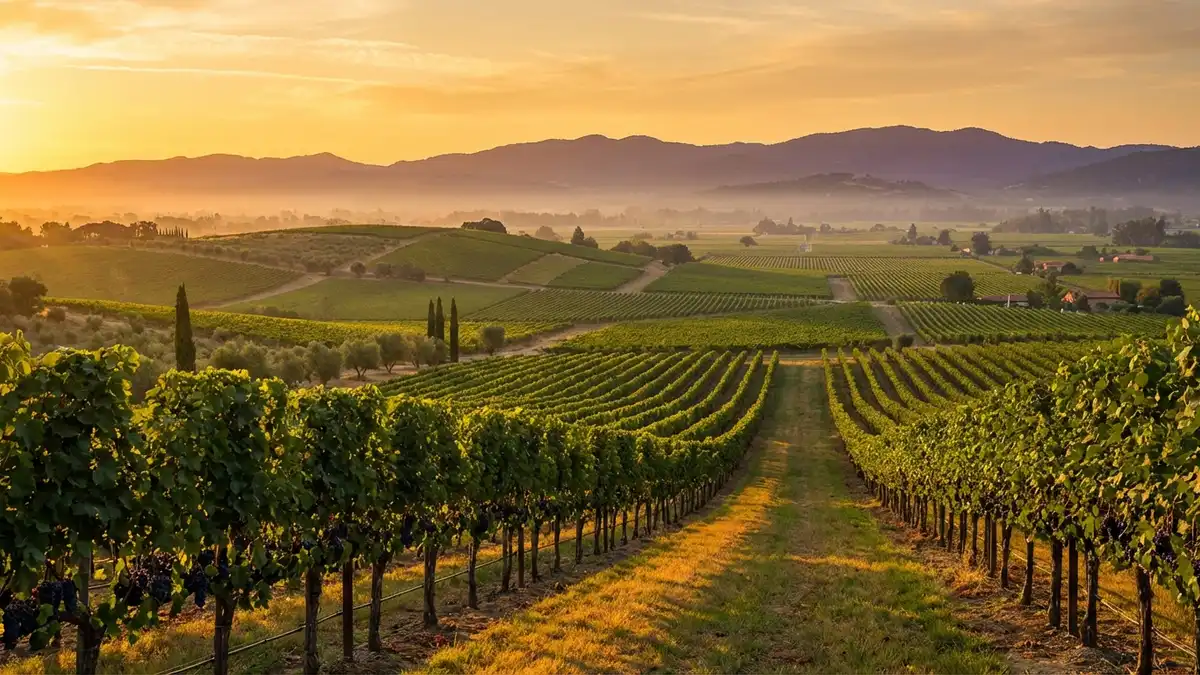
Napa Valley Wine Guide: Regions, Grapes, and What to Try
Napa Valley is California's most celebrated wine region — home to world-class Cabernet Sauvignon and 16 distinct AVAs. This guide covers the key sub-regions, grapes, wine styles, and what to look for on the label.
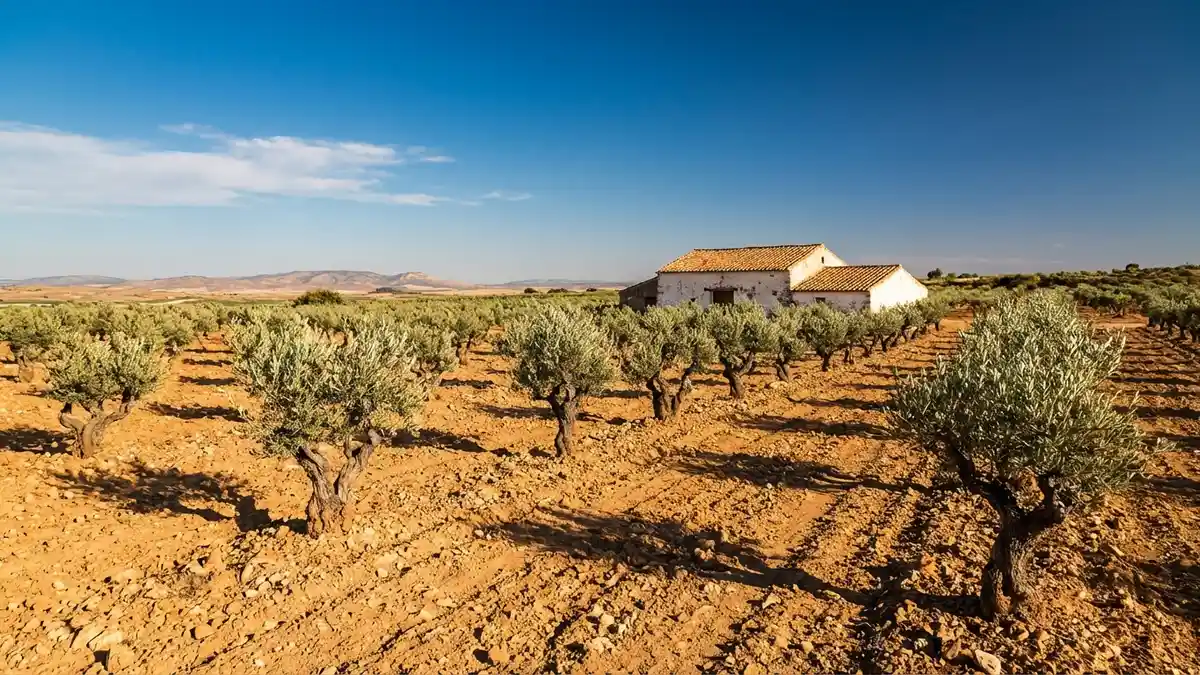
Spanish Wine Regions: From Rioja to Sherry
Explore Spain's major wine regions, from the legendary Rioja to the unique world of Sherry. Learn the DO system, key grapes, and aging classifications.

Champagne vs Prosecco vs Cava (Taste, Method, Price)
Champagne vs Prosecco vs Cava, compared pair by pair: production method, grapes, sweetness labels, and price — plus which bottle fits which occasion.
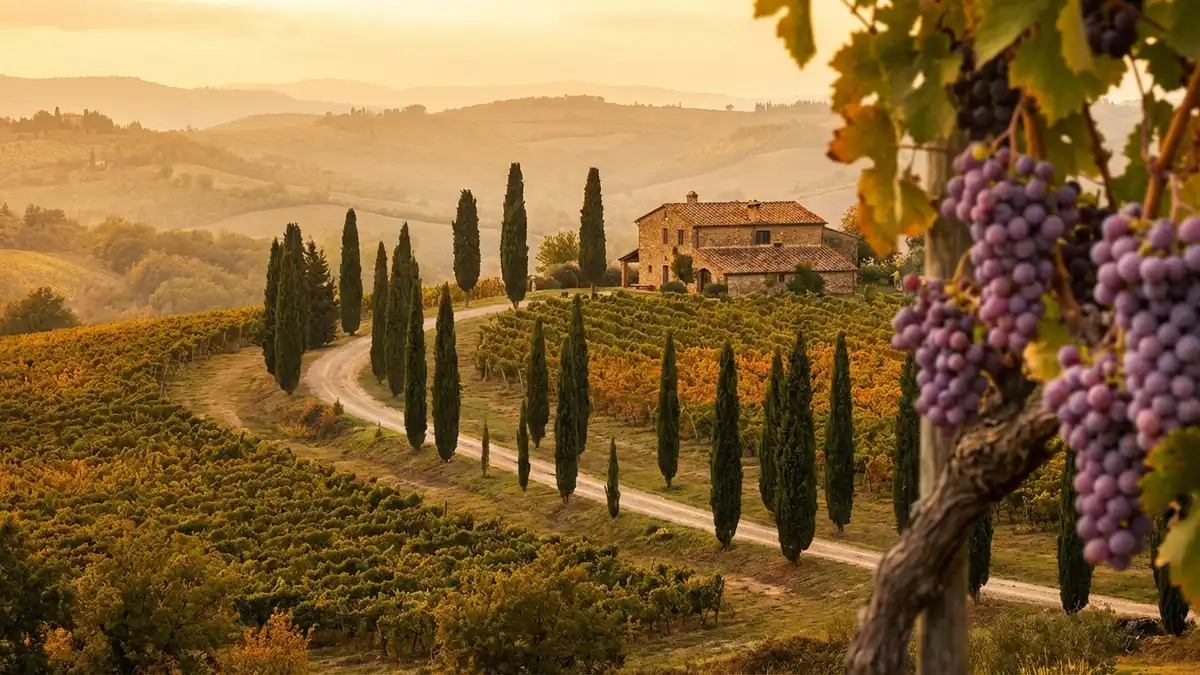
Italian Wine: From Chianti to Barolo
Discover Italian wine from north to south. Learn the key regions, native grapes, classification system, and why Italian wine and food are inseparable.
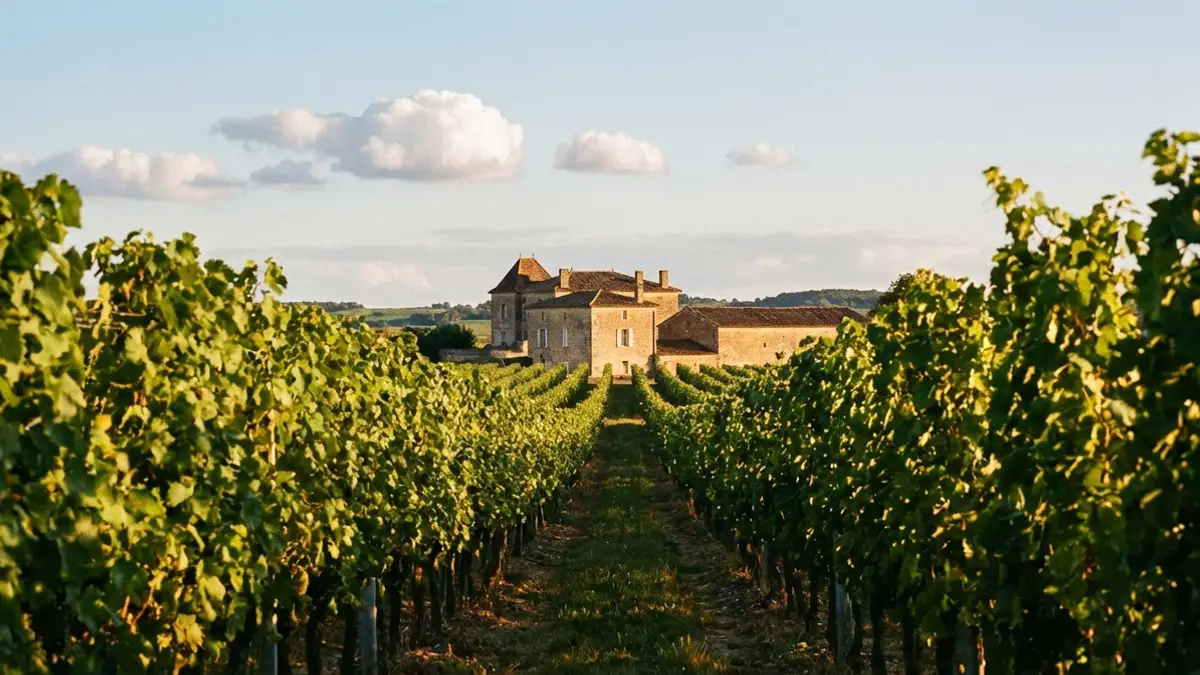
French Wine Regions: A Complete Guide
Explore the major French wine regions from Bordeaux to Provence. Understand the AOC system, signature grapes, and what makes each region unique.