Slovenian Wine Guide: Europe's Best-Kept Wine Secret

By the Sommy Team — AI-assisted, human-edited.
Updated Jun 17, 2026
Contents (8)
- What Is Slovenian Wine?
- Where Slovenia Sits: Three Regions, Three Climates
- Primorska: The Coast, Rebula, and Orange Wine
- Podravje: Aromatic Whites and Šipon
- Posavje: The Quiet Southeast
- What Makes Slovenian Wine Distinctive
- How a Beginner Should Start with Slovenian Wine
- The Reward of Learning Slovenian Wine
TL;DR
Slovenia makes wine across three regions: coastal Primorska, home of Rebula and the orange-wine movement; cool Podravje, where aromatic whites and Šipon shine; and inland Posavje. This slovenia wine guide explains the grapes, the styles, the skin-contact tradition, and where a curious beginner should start.
What Is Slovenian Wine?
This slovenia wine guide begins with a country most drinkers overlook, even though it sits in the middle of Europe's oldest wine traditions. Slovenia is a small nation wedged between Italy, Austria, Hungary, and Croatia, and it makes wine across three official regions: Primorska on the western coast, Podravje in the cool northeast, and Posavje in the southeast. Its calling cards are vivid aromatic whites, native grapes like Rebula and Šipon, and a global reputation as a pioneer of orange wine — white grapes fermented on their skins until they turn amber. The styles range from crisp and friendly to deeply savory, and almost all of it pairs beautifully with food.
Where Slovenia Sits: Three Regions, Three Climates
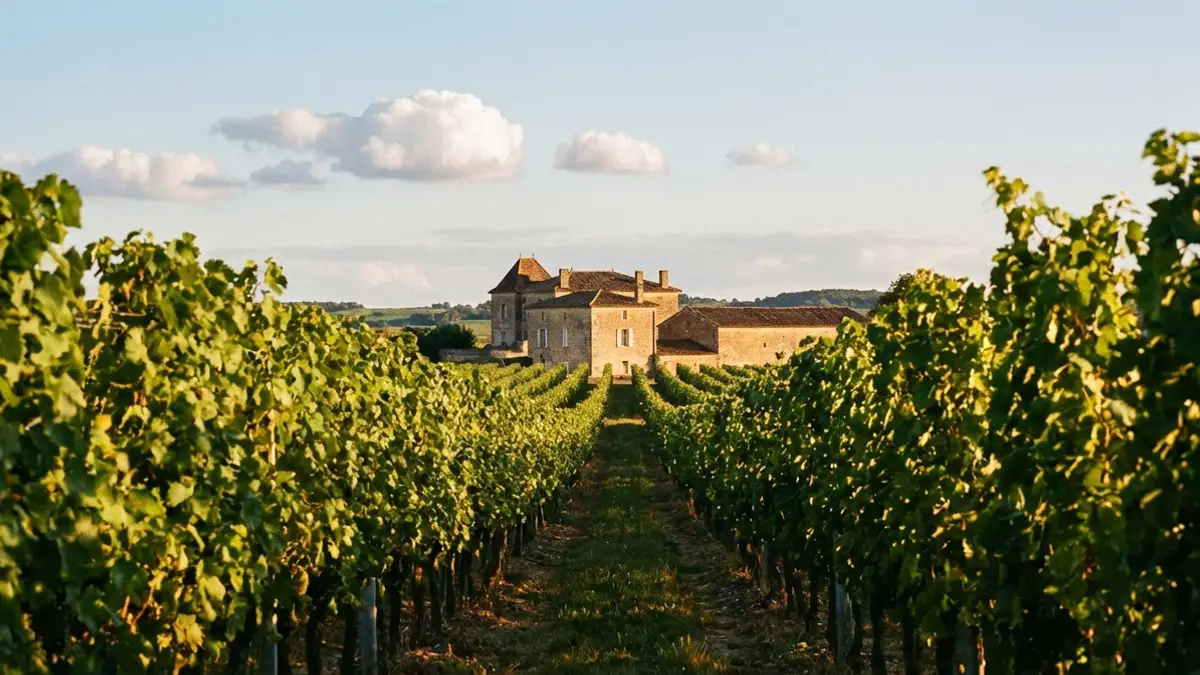
Slovenia is tiny, but its wine map covers a surprising range of climates because it straddles two worlds. To the west, warm Adriatic air reaches inland and gives Primorska an almost Mediterranean character. To the northeast, Podravje feels Central European — cooler, with a continental rhythm of hot summers and cold winters that locks bright acidity into the grapes. The southeast region of Posavje sits between the two, sheltered and humble, making lighter wines for everyday tables.
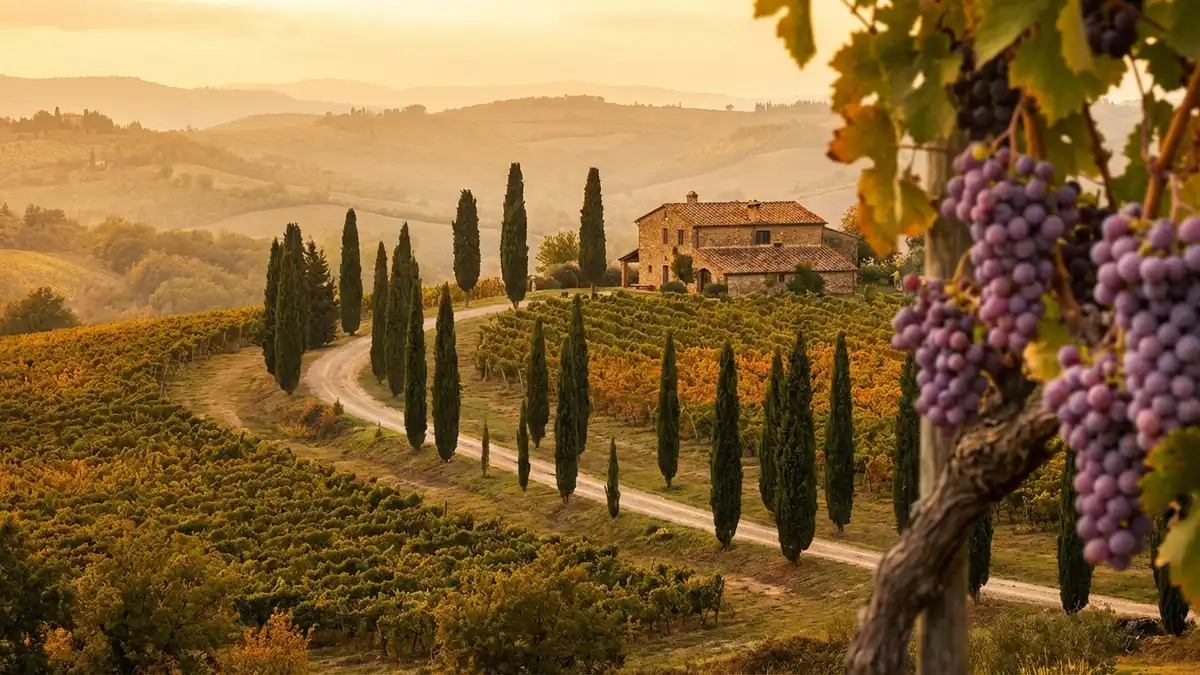
Vineyards here climb hills and terraces rather than spread across flat plains, which keeps yields modest and flavors concentrated. The same proximity to Italy, Austria, and Hungary means Slovenia shares grapes and techniques with all three neighbors, so a Slovenian bottle often tastes like a familiar style seen from a slightly different angle.
Primorska: The Coast, Rebula, and Orange Wine
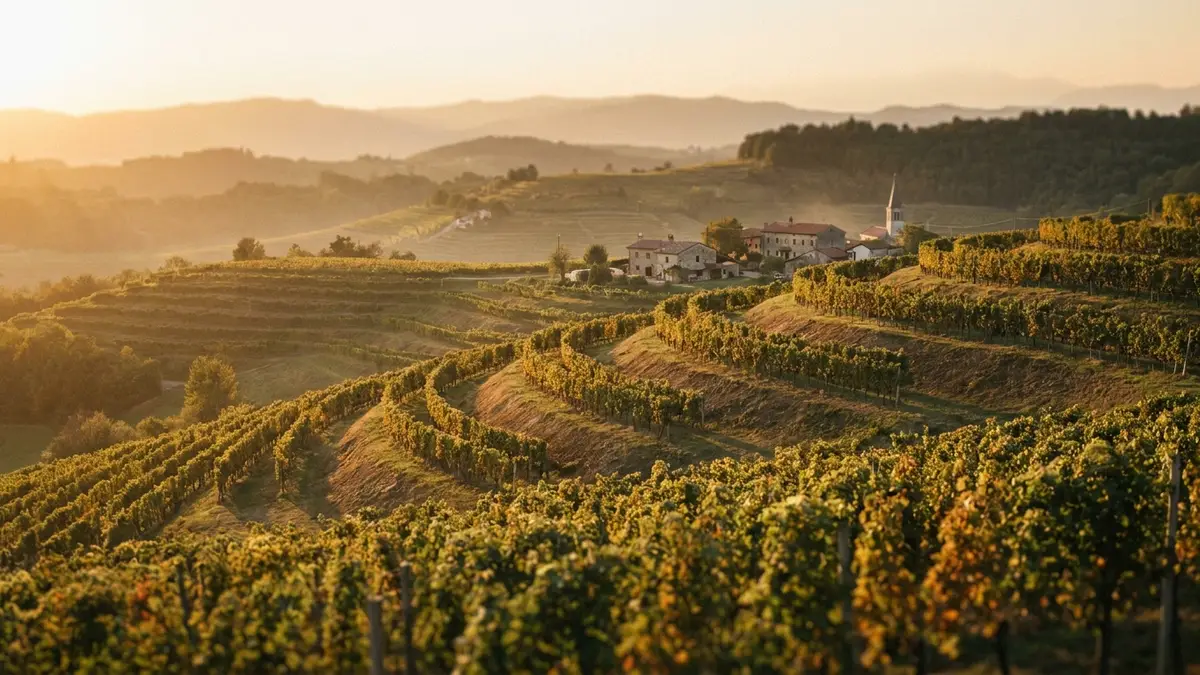
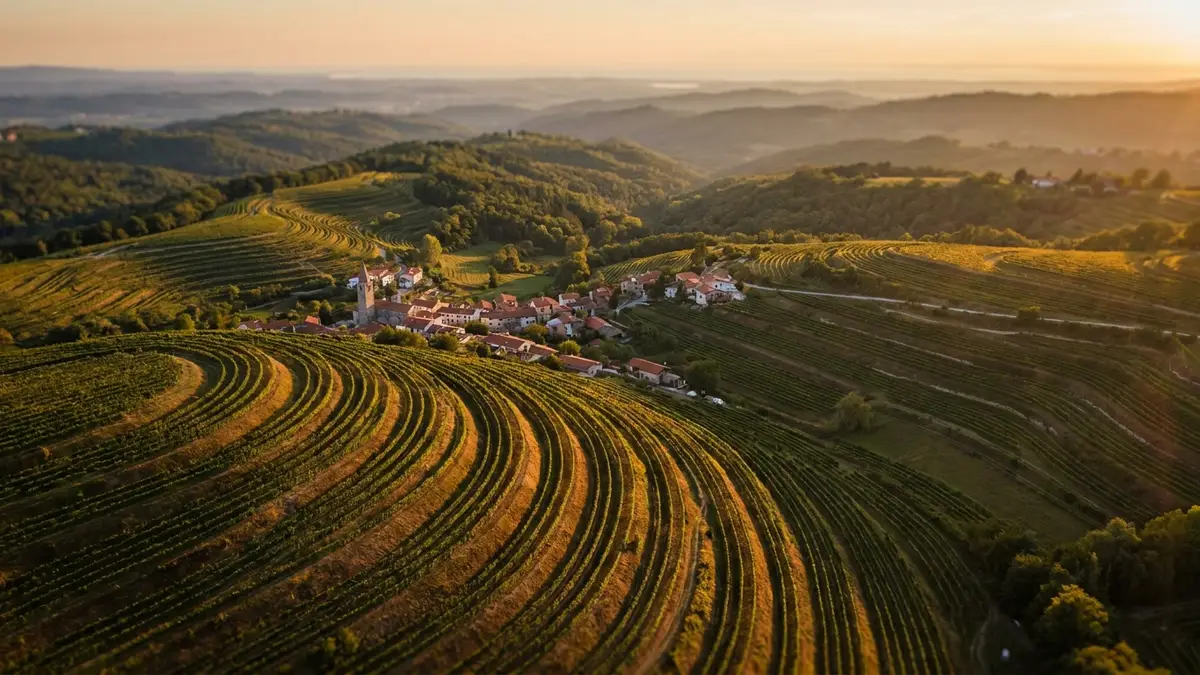
If Slovenia has a wine heartland with international fame, it is Primorska, the western coastal region that shares a border — and a geology — with Italy's celebrated Friuli. The standout district is Brda (often called Goriška Brda), a rolling patchwork of terraced vineyards that sits directly against the Italian frontier. Wines made a few hundred meters apart on either side of that line can be near-identical, because the grapes and soils do not stop at a political border.
Rebula: The Signature Grape
The grape that defines Brda is Rebula, known across the border as Ribolla Gialla. It is a high-acid white with flavors of citrus, pear, and white blossom, and a structure firm enough to age for years. Typical aromas: lemon, green apple, pear, almond, and a chalky, mineral edge. Made as a fresh, modern white it is bright and food-friendly. But Rebula is also the grape most often chosen for Slovenia's most famous export style.
Orange Wine: White Grapes Made Like Reds
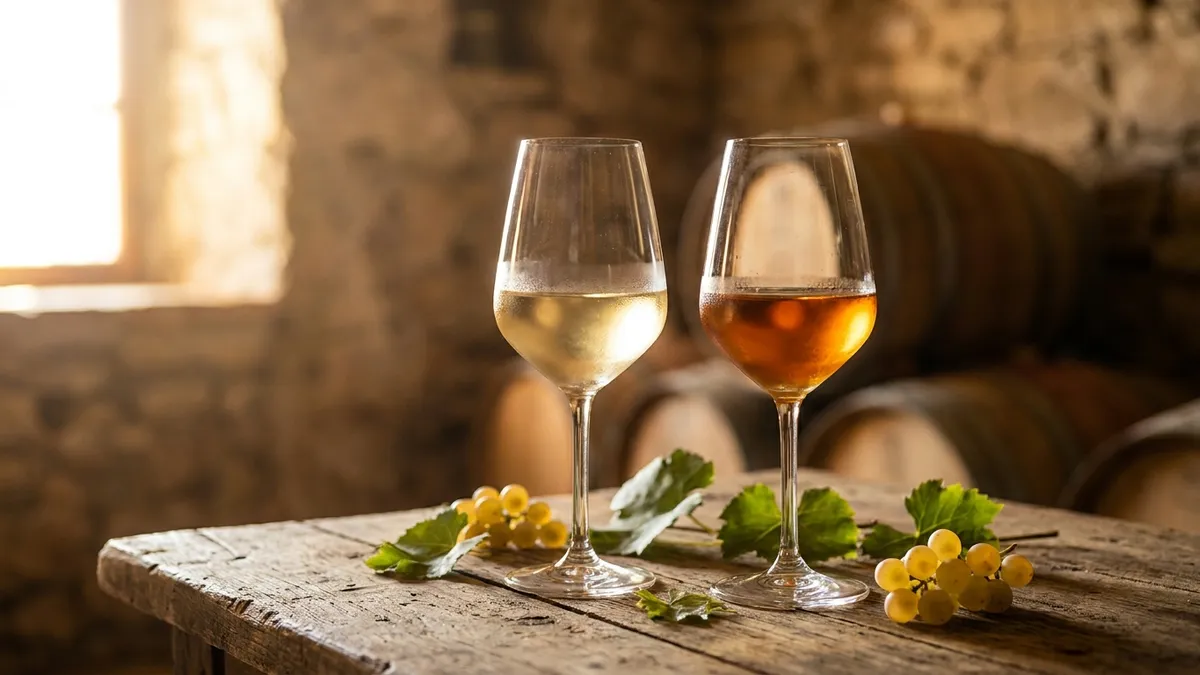
Brda is one of the founding centers of the modern orange wine movement — also called skin-contact or amber wine. The idea is simple to state and transformative to taste: instead of pressing white grapes and fermenting only the juice, the winemaker lets the juice ferment in contact with the skins for days, weeks, or even months. The skins give up color, tannins (the drying, grippy sensation usually found in reds), and a deep savory complexity. The result is amber-hued, textured, and unlike anything in the conventional white aisle.
This is not a marketing gimmick — it revives an ancient method and connects Slovenia to the broader natural-wine world. For the full mechanics of the style, our orange wine guide breaks down how skin contact works, and orange wine explained covers what to expect in the glass. Because many producers here work with minimal intervention, the region also overlaps with the natural wine movement.
Here is how the two Rebula expressions compare:
- Fresh Rebula: Style: crisp dry white · Color: pale lemon-gold · Aromas: citrus, pear, blossom · Body: light-to-medium (2-3/5) · Tannins: none · Best for: a friendly first taste of the region.
- Orange Rebula: Style: skin-contact amber · Color: copper to deep amber · Aromas: dried apricot, orange peel, walnut, tea · Body: medium-to-full (4/5) · Tannins: noticeable (3/5) · Best for: adventurous drinkers ready for savory, grippy whites.
The Rest of Primorska
Brda is the headline, but Primorska has three other districts worth knowing, each shaped by warm coastal air:
- Vipava Valley: A windswept inland valley reviving rare native grapes like the white Zelen and Pinela, alongside fresh, energetic whites and reds.
- Karst (Kras): Famous for its iron-rich red soil that grows Teran, a deeply colored, tart, high-acid red made from the Refošk grape. It is the regional partner to the cured pork that the Karst plateau is known for.
- Slovenian Istria: The Adriatic-facing tip, planted to the aromatic white Malvazija and the structured red Refošk (Refosco). These are sun-soaked, savory wines built for seafood.
Podravje: Aromatic Whites and Šipon
Cross to the opposite corner of the country and the mood changes completely. Podravje, in the northeast near the Austrian border, is Slovenia's largest wine region and its white-wine engine. Its main district, Štajerska (Slovenian Styria), is a continuation of Austrian Styria across the frontier, with the same cool hillsides and the same talent for high-acid, perfumed whites.
This is the place for aromatic wines — varieties that announce themselves with floral, fruity perfume before you even sip. Podravje grows a roster of them: Sauvignon Blanc, Riesling (Renski Rizling), the spicy Traminer (Gewürztraminer's relative), Yellow Muscat, and the crisp local Furmint, which Slovenians call Šipon. If you want to understand the difference between these expressive grapes and quieter ones, our guide to aromatic versus neutral grapes explains exactly what to smell for.
Šipon Is Furmint
The name to remember is Šipon — the Slovenian name for Furmint, the same high-acid grape that makes Hungary's legendary sweet Tokaji wines just over the border. In Podravje, Šipon swings two ways: bone-dry and zippy, all green apple and lemon, or richly sweet when picked late and touched by noble rot (a benevolent fungus that shrivels grapes and concentrates their sugar). The shared grape is a reminder that Slovenia sits at a true crossroads — these vineyards are closer to Vienna and Budapest than to Rome.
Podravje's whites tend toward racy acidity, modest alcohol, and clean fruit, which makes them some of the easiest Slovenian wines for a newcomer to love. For the wider family of white varieties they belong to, see our white grapes overview.
- Šipon (Furmint): dry to sweet white · high acidity · green apple, lemon, beeswax · ages remarkably well.
- Sauvignon Blanc: dry white · high acidity · gooseberry, elderflower, grass · a Štajerska specialty.
- Renski Rizling (Riesling): dry to off-dry · very high acidity · lime, peach, petrol with age · pristine and long-lived.
- Šipon late-harvest: sweet white · concentrated apricot, honey, marmalade · the region's dessert showpiece.
Posavje: The Quiet Southeast
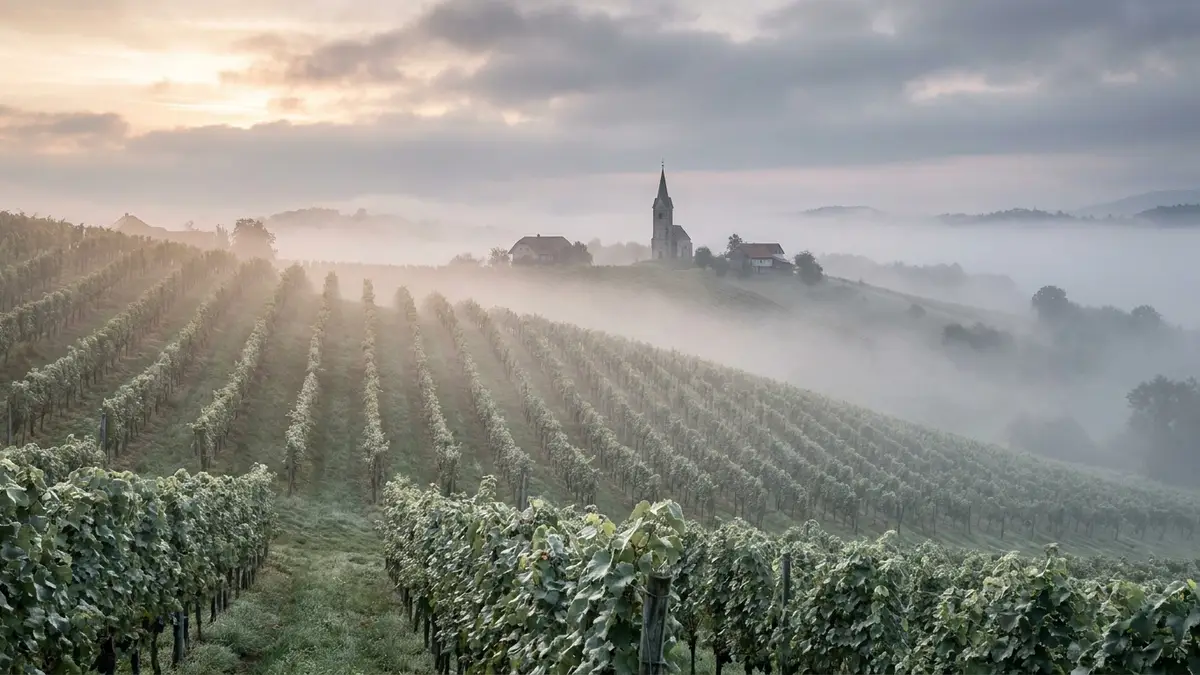
The third region, Posavje, in the southeast along the Sava River, is the least known of the three and the most everyday. It is cooler and wetter, so it leans toward lighter wines: pale reds, fresh whites, and one local curiosity worth tasting for its history.
That curiosity is Cviček, a traditional low-alcohol blend of red and white grapes fermented together into a tart, pale, refreshing wine. It is light, sharp, and unapologetically rustic — closer to a dark rosé than a serious red, and a window into how wine was drunk here for centuries before modern winemaking arrived. Posavje will not headline a tasting, but it rounds out the picture of a country whose wine culture runs from cutting-edge to deeply traditional.
What Makes Slovenian Wine Distinctive
Pull the three regions together and a few traits define the country as a whole. These are the things that set a Slovenian bottle apart from its neighbors:
- Native grapes with personality: Beyond Rebula and Šipon, Slovenia preserves rare varieties like Zelen, Pinela, and Refošk that grow almost nowhere else. For why these matter, our piece on indigenous grapes worth trying makes the case for seeking them out.
- The orange-wine reputation: Few small countries have shaped a global style the way Slovenia and neighboring Friuli shaped skin-contact wine. It is the most-cited reason wine lovers cross the border to taste here.
- A crossroads of traditions: Sitting between Italy, Austria, and Hungary, Slovenia blends Mediterranean richness, Central European freshness, and Pannonian sweetness in a single small map.
- Quality at gentle prices: Because the country is still under the radar abroad, wines that would cost far more under an Italian label often arrive at friendlier prices. It is one of Europe's best values.
The Sommy app builds this kind of regional comparison into guided tasting exercises, so you can taste a Rebula and a Friulian Ribolla Gialla side by side and feel exactly how the same grape shifts across a border. The country also rewards anyone tracking up-and-coming varieties — our list of grapes to watch features several with Slovenian roots.
How a Beginner Should Start with Slovenian Wine
You do not need to begin with the most extreme bottle. The smartest path is to climb from the familiar to the adventurous, tasting deliberately along the way. Here is a practical order:
- Start with an aromatic white. A dry Sauvignon Blanc or Renski Rizling from Podravje is bright, perfumed, and instantly likeable — the gentlest door into the country.
- Try a fresh, dry Rebula next. This introduces Primorska's signature grape in its easiest form, all citrus and minerality, before any skin contact.
- Then taste an orange wine. Once your palate is warmed up, open a skin-contact Rebula and notice the amber color, the tannin, and the savory dried-fruit notes. This is the flavor that put Slovenia on the map.
- Compare across the border. Set a Slovenian Rebula beside an Italian Ribolla Gialla, or read our Italian wine guide to see how Friuli's whites mirror Brda's. The shared grape, different reputation, is the lesson.
- Build the tasting habit. Note the high acidity, the savory edge, and how tannin feels in a white wine for the first time. Our guide to how to taste wine gives you the step-by-step method to do this well.
Slovenia's closest relative in skin-contact and ancient methods is the Caucasus — our Georgia wine guide covers the country that invented amber wine thousands of years ago, and the two make a fascinating pair to taste together. To see where Rebula and Šipon fit among the most important grapes, our overview of the noble grapes sets the wider scene.
The Reward of Learning Slovenian Wine
Slovenia asks a little curiosity from a learner and gives a lot back. It is the rare place where a beginner can taste a brand-new style — savory, amber, skin-contact wine — without traveling far from familiar flavors, all at prices that stay reasonable. Start with the bright whites, work up to the orange wines, and let each bottle teach you how a tiny country at the crossroads of Europe quietly became one of wine's most interesting frontiers.
Sommy turns those comparisons into short, guided lessons — naming the aromas, scoring the structure, and building the vocabulary to describe what you sense. You can start practicing free at sommy.wine, then bring the method to your next glass of Rebula.
Sources
Frequently Asked Questions
What is Slovenian wine known for?
Slovenia is known for crisp aromatic whites, native grapes like Rebula and Šipon, and being a global pioneer of orange wine — white grapes fermented on their skins for an amber, tannic style. The country sits between Italy and Austria, so its wines blend Central European freshness with Mediterranean richness depending on the region.
What are the three wine regions of Slovenia?
Slovenia has three official wine regions. Primorska runs along the western coast and borders Italy's Friuli, making Rebula and skin-contact whites. Podravje sits in the northeast near Austria and specializes in aromatic and sweet whites. Posavje lies in the southeast and produces lighter reds, whites, and the traditional rosé-style blend Cviček.
What is Slovenian orange wine?
Orange wine is white wine made like a red — the juice ferments in contact with the grape skins for days, weeks, or months. This extracts color, tannin, and savory depth, turning the wine amber. The Brda district in Primorska, next to Italy's Friuli, is one of the movements early centers, often using the Rebula grape.
What is Rebula wine?
Rebula is the signature white grape of Brda in western Slovenia, known across the border in Italy as Ribolla Gialla. It produces high-acid, citrus-and-pear flavored whites that age well. Rebula is the grape most often used for Slovenian skin-contact orange wines, where it gains tannin, texture, and amber color from extended skin contact.
What is Šipon and how does it relate to Furmint?
Šipon is the Slovenian name for Furmint, the same high-acid white grape famous in Hungary's Tokaj. In Podravje it makes both crisp dry whites and lusciously sweet late-harvest wines. The shared grape reflects how Slovenia sits at a crossroads of Central European wine traditions, with vineyards close to the Austrian and Hungarian borders.
Is Slovenian wine good for beginners?
Yes, with a clear starting point. Begin with a fresh aromatic white from Podravje or a dry Rebula from Primorska before trying the more challenging orange wines. These entry styles are bright, food-friendly, and easy to enjoy. Once your palate adjusts, a skin-contact orange wine shows the countrys most distinctive and adventurous side.
How does Slovenian wine compare to Italian wine?
Slovenia and neighboring Friuli in Italy share grapes, soils, and a border, so their best whites taste like cousins — high in acidity, mineral, and textured. Rebula in Slovenia is Ribolla Gialla in Italy. The main difference is reputation and price: Slovenian wines often deliver similar quality at gentler prices because the region is less famous abroad.
Sommy Team
LinkedInFounder & Wine Educator
The Sommy Team is building the world's most approachable wine education app, helping beginners develop real tasting skills through structured courses and AI-guided practice.