10 Up-and-Coming Wine Grapes to Watch in the Next Decade

By the Sommy Team — AI-assisted, human-edited.
Updated Jun 17, 2026
Contents (8)
- What Are the Up and Coming Wine Grapes Right Now?
- Why a Warming Climate Is Reshaping the Wine Aisle
- 10 Up and Coming Wine Grapes, Profiled
- Climate Adaptation: Grapes Built for Heat and Altitude
- Indigenous Revival: Old Grapes, New Momentum
- Disease Resistance: The Quiet Revolution in the Vineyard
- How to Taste and Track These Emerging Grapes
- The Next Decade Will Taste More Diverse
TL;DR
The up and coming wine grapes worth watching include Assyrtiko, Xinomavro, Furmint, Nerello Mascalese, Godello, Listán Negro, País, Trousseau, Mencía, and the disease-resistant hybrid Souvignier Gris. They are rising because a warming climate and a revival of indigenous varieties are rewarding grapes built for heat, altitude, and resilience.
What Are the Up and Coming Wine Grapes Right Now?
The up and coming wine grapes worth watching over the next decade are a cluster of indigenous and resilient varieties: Assyrtiko, Xinomavro, Furmint, Nerello Mascalese, Godello, Listán Negro, País, Trousseau, Mencía, and the disease-resistant hybrid Souvignier Gris. Two forces drive their rise. First, a warming climate rewards grapes that hold acidity in heat and ripen on dry, high-altitude, or volcanic sites. Second, a global revival of native varieties is bringing grapes back from near-extinction — some with plantings that have grown tenfold in twenty years. Together they signal a wider, more diverse wine aisle ahead.
Why a Warming Climate Is Reshaping the Wine Aisle
For most of the modern era, the wine world revolved around six noble grapes and a handful of celebrated regions. That settled order is loosening. As average temperatures climb, grapes ripen faster, which sounds positive but carries a hidden cost: acidity drops, sugar spikes, and alcohol rises before the flavors fully develop. A wine can end up rich and high in alcohol yet flat and unbalanced.
This is why the conversation around climate change and wine has shifted from a distant worry to a planting decision growers make today. The details of how heat changes a wine's flavor are worth understanding on their own, and we cover them in depth in our guide to climate and wine flavor.
Grapes that evolved in hot, dry, or windswept places have a built-in answer. They ripen slowly, retain natural acidity, and shrug off the sun. Many are indigenous varieties — grapes native to one region that adapted to its conditions over centuries. The revival of these grapes is the wine story of the decade, and we explore the broader movement in our roundup of indigenous grapes worth trying.
There is a second resilience story, too: disease pressure. Wetter, more humid growing seasons in some regions favor mildew and rot, pushing growers toward grapes bred to resist fungal disease without constant spraying. Below, ten grapes that answer one or both of these challenges.
10 Up and Coming Wine Grapes, Profiled
Here are the ten varieties, each with where it grows, why it is rising, and its flavor signature. We have grouped the reasons into three threads — climate adaptation, regional revival, and disease resistance — though several grapes belong to more than one.
- Assyrtiko (white, Greece) · Where: Santorini and mainland Greece, now planted in Australia and California · Why it is rising: thrives in brutal heat and drought, holding searing acidity where other whites collapse · Flavor signature: lemon, lime, crushed seashell, and a saline, almost smoky minerality. The benchmark heat-proof white.
- Xinomavro (red, Greece) · Where: Naoussa and Amyndeon in northern Greece · Why it is rising: high acidity and firm structure give it Nebbiolo-like aging potential, with growing critical acclaim · Flavor signature: red cherry, dried tomato, olive, and rose, wrapped in grippy tannins. Pale in color, powerful on the palate.
- Furmint (white, Hungary) · Where: Tokaj, where it makes both legendary sweet wine and a fast-growing dry style · Why it is rising: the dry version is winning attention for its texture, minerality, and decades-long aging ability · Flavor signature: green apple, pear, honey, and a flinty, smoky edge. Discover more in our Furmint wine guide.
- Nerello Mascalese (red, Italy) · Where: the volcanic slopes of Mount Etna in Sicily · Why it is rising: high-altitude vineyards stay cool even in a warming south, producing elegant reds from one of wine's hottest islands · Flavor signature: red cherry, orange peel, dried herbs, and ashy volcanic minerality. Often compared to Pinot Noir with a smoky twist.
- Godello (white, Spain) · Where: Valdeorras and Ribeira Sacra in Galicia, northwest Spain · Why it is rising: rescued from near-extinction in the 1970s and now Spain's most exciting white · Flavor signature: stone fruit, citrus, fennel, and a creamy, mineral texture. Full profile in our Godello wine guide.
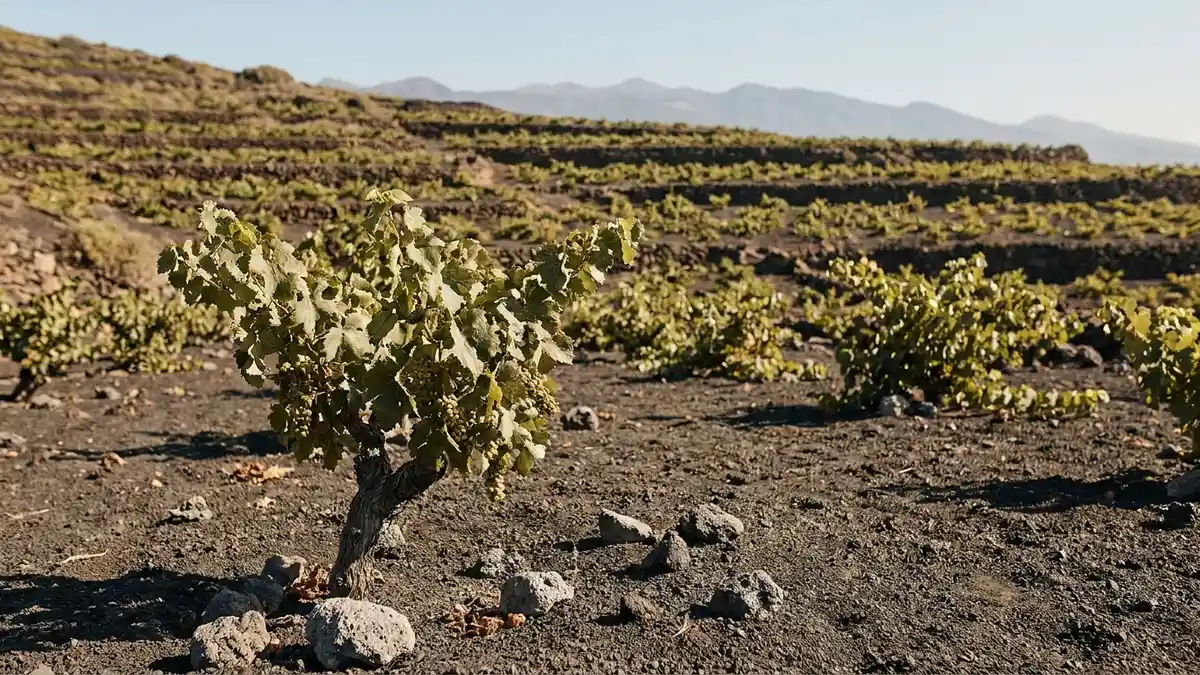
- Listán Negro (red, Spain) · Where: the volcanic Canary Islands, on ungrafted, often centuries-old vines · Why it is rising: unique volcanic terroir and old-vine character are drawing serious attention to a once-overlooked island grape · Flavor signature: red berries, dried herbs, black pepper, and a smoky, volcanic lift. Light-bodied and distinctive.
- País (red, Chile) · Where: Chile's Maule and Itata Valleys, on old dry-farmed vines · Why it is rising: long dismissed as a bulk grape, it is being reborn as a fresh, lighter-style red led by a new generation of growers · Flavor signature: tart red cherry, cranberry, and earthy spice. See our País grape wine guide.
- Trousseau (red, France) · Where: the Jura in eastern France, plus scattered new-world plantings · Why it is rising: the demand for pale, perfumed, lower-alcohol reds suits this delicate variety perfectly · Flavor signature: strawberry, cranberry, dried orange, and a whisper of forest floor. Light, aromatic, and food-friendly.
- Mencía (red, Spain) · Where: Bierzo and Ribeira Sacra in northwest Spain · Why it is rising: steep, slate-soiled vineyards yield fresh, mineral reds that drink like cool-climate wine from a warm country · Flavor signature: black cherry, pomegranate, graphite, and floral lift. Learn more in our Mencía wine guide.
- Souvignier Gris (white, Germany/PIWI) · Where: spreading across Germany, Switzerland, and beyond as a disease-resistant cross · Why it is rising: it resists mildew with little or no spraying, making it a flagship for low-chemical, climate-conscious farming · Flavor signature: pear, white peach, citrus, and a gentle herbal note. A glimpse of wine's resilient future.
The thread running through every one of these grapes is the same: they answer a question the classic varieties increasingly struggle with. How do you make balanced wine in a hotter, more volatile world? The next sections unpack the three answers in turn.
Climate Adaptation: Grapes Built for Heat and Altitude
The clearest winners of a warming climate are grapes that evolved where heat was never optional. Assyrtiko is the headline. Born on the wind-scoured volcanic island of Santorini, it copes with drought, salt spray, and relentless sun, yet still delivers piercing acidity. Where a Sauvignon Blanc would go flabby in that heat, Assyrtiko stays taut and electric. Growers in Australia and California are now planting it as insurance against their own rising temperatures.
Xinomavro offers the same lesson in red. Its name means "acid-black" in Greek, and that acidity is exactly what keeps it fresh as summers lengthen. The variety has structure and tannin to spare, which is why it ages for decades and earns comparisons to top Barolo.
Altitude is the other half of the climate answer. On Sicily's Mount Etna, vineyards climb above 900 meters, where cool nights preserve the acidity and perfume of Nerello Mascalese even on one of the Mediterranean's hottest islands. The same logic drives interest in high-altitude reds across Spain, Greece, and South America. When the valley floor gets too warm, the mountainside becomes the new prime vineyard.
These grapes also tend to carry firmer tannins (the drying, gripping sensation in red wines) and brighter acidity (the tart, mouth-watering quality that keeps a wine lively) — the two structural traits that hold a wine together as the climate pushes ripeness higher. If those terms feel fuzzy, our guide to tannins, acidity, and body breaks them down with tasting cues you can practice at home.
Indigenous Revival: Old Grapes, New Momentum
The second engine behind these emerging wine grapes is a cultural one. For much of the twentieth century, growers ripped out quirky local varieties and replanted with internationally famous grapes that were easier to sell. Whole genetic libraries nearly vanished. Now the tide has reversed, and reviving a region's native grape has become a point of pride and a market advantage.
Godello is the textbook case. By the 1970s it had dwindled to a few hundred vines in Galicia before a determined recovery project brought it back. Today it is one of Spain's most sought-after whites, prized for a texture that rivals fine Chardonnay. País, Chile's oldest grape, followed a similar arc — written off as a bulk-wine workhorse for generations, it is now the darling of growers making fresh, transparent reds from gnarled old vines.
This revival reaches back further than most drinkers realize. Some of these varieties number among the oldest grape varieties still in commercial production, with histories that predate many famous appellations by centuries.
The common pattern: a native grape, a distinctive local soil, and a new generation of growers who see the variety's quirks as a feature rather than a flaw.
- Mencía in Bierzo: rescued from anonymity, now making mineral, perfumed reds from slate slopes.
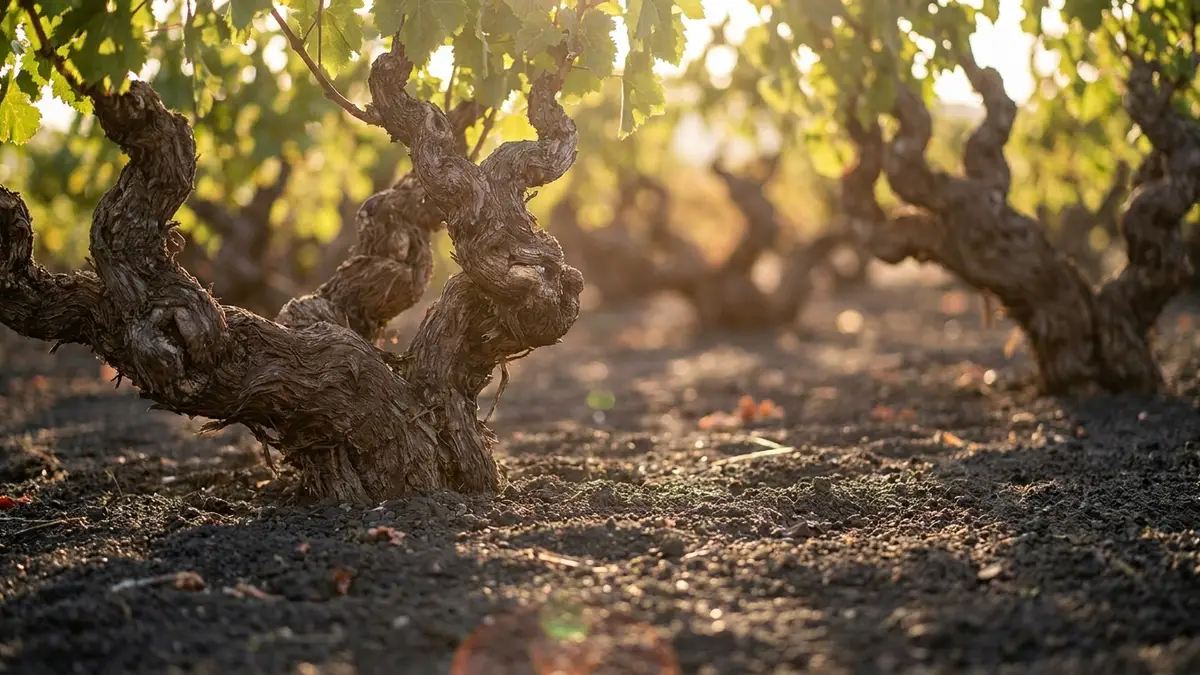
- Listán Negro in the Canary Islands: ungrafted volcanic vines that survived the phylloxera louse, producing reds found nowhere else.
- Trousseau in the Jura: a tiny-production grape riding the wave of demand for pale, fragrant, lower-alcohol reds.
What makes these wines exciting is that they taste of somewhere specific. They are an antidote to the homogenized, internationally styled wines that dominated the 1990s. For drinkers building a palate, they are also a gift: each one teaches you a new flavor reference point. Our broader survey of indigenous grapes worth trying maps out where to start.
The grapes rising fastest are not new at all. They are ancient varieties that were always built for the conditions we are only now facing.
Disease Resistance: The Quiet Revolution in the Vineyard
The third thread is the least glamorous and arguably the most consequential. As growing seasons grow warmer and, in many places, wetter, fungal diseases like powdery and downy mildew spread more aggressively. The conventional response — frequent chemical spraying — is costly, labor-intensive, and increasingly out of step with what drinkers and regulators want.
Enter the PIWI grapes, from the German pilzwiderstandsfähig, meaning fungus-resistant. These are modern crosses bred specifically to fight disease with little or no spraying, while still tasting like fine wine rather than the harsh hybrids of the past. The category overlaps with the long history of hybrid grapes in wine, but the new generation is far more refined.
Souvignier Gris is the breakout star. A cross developed in Germany, it shrugs off mildew so effectively that growers can farm it with a fraction of the usual treatments, and its fresh, pear-and-citrus profile makes it genuinely enjoyable to drink. For organic and biodynamic producers, and for anyone in a damp climate, grapes like this are not a compromise. They are a way to keep making wine sustainably as conditions shift.
The disease-resistant story is still early, and these grapes occupy a sliver of global plantings. But the direction of travel is clear. A grape that needs five sprays instead of fifteen changes the economics and the environmental footprint of a vineyard, and that is exactly the kind of shift that compounds over a decade.
How to Taste and Track These Emerging Grapes
You do not need a cellar or a sommelier diploma to follow this story. You need a method. The most efficient way to learn a new grape is to taste it deliberately against a known reference, paying attention to four things: color, aroma, structure, and finish. Our step-by-step guide to how to taste wine walks through the full routine.
Here is a practical plan for getting to know the up and coming grapes:
- Pair a newcomer with a classic. Taste Assyrtiko beside a Sauvignon Blanc, or Mencía beside a Pinot Noir. The contrast teaches you faster than either wine alone.
- Start with the gateways. Godello and Furmint are approachable whites; Mencía and País are gentle, food-friendly reds. They reward curiosity without demanding patience.
- Note the structure, not just the fruit. Many of these grapes win on acidity and minerality rather than ripe fruit. Train yourself to feel where the wine grips and where it refreshes.
- Keep a record. Write down what you smell and taste each time. Over a few months you build a personal library of flavor reference points.
The Sommy app is built for exactly this kind of structured exploration. It guides you through each tasting step, suggests comparisons, and helps you put precise words to what you sense — so an unfamiliar grape like Xinomavro becomes a wine you can describe with confidence rather than a label you cannot pronounce.
The Next Decade Will Taste More Diverse
The familiar names are not disappearing. Cabernet and Chardonnay will still anchor wine lists for a long time. But the edges of the wine world are where the energy is now, and those edges are filling with grapes that were either nearly forgotten or freshly bred for resilience.
The unifying thread is adaptation. A warming climate rewards grapes that hold acidity in heat and ripen on high or volcanic ground. A cultural revival rewards grapes that taste of a specific place. And a quieter agricultural shift rewards grapes that resist disease with less intervention. Assyrtiko, Xinomavro, Furmint, Nerello Mascalese, Godello, Listán Negro, País, Trousseau, Mencía, and Souvignier Gris each answer at least one of those calls — which is why the next decade of wine will taste more varied, more regional, and more interesting than the last.
The best response as a drinker is simple curiosity. Try one new grape this month, taste it against something you already know, and write down the difference. That habit, more than any single bottle, is what turns a casual drinker into a confident one.
Sources
Frequently Asked Questions
What does 'up and coming wine grapes' actually mean?
It refers to grape varieties whose plantings, prices, and shelf presence are rising faster than the established noble grapes. Many are indigenous varieties being revived after decades of neglect, and a few are new disease-resistant crosses. They share an advantage in a warming climate: natural heat tolerance, high acidity, or built-in disease resistance that cuts the need for spraying.
Why is climate change pushing these grapes forward?
A warmer climate ripens grapes faster, often draining acidity and lifting alcohol before flavors mature. Varieties like Assyrtiko, Xinomavro, and high-altitude reds evolved in hot, dry places and hold their acidity in heat. Cooler-climate classics now struggle in regions where they once thrived, so growers are turning to grapes built for the conditions ahead.
Are these emerging grapes good for beginners?
Many are. Godello and Furmint give whites with the freshness of Sauvignon Blanc but more texture, while Mencía and País offer lighter, food-friendly reds without heavy tannins. The best approach is to taste one new grape beside a familiar one, noting differences in acidity, body, and fruit. That side-by-side method builds a real palate fast.
What are PIWI or disease-resistant grapes?
PIWI is a German abbreviation for fungus-resistant grape varieties — modern crosses bred to fight mildew without heavy chemical spraying. Souvignier Gris is a leading example, producing a fresh, pear-and-citrus white. They matter because they let growers farm with far fewer treatments, which suits both organic ambitions and a wetter, more disease-prone future in many regions.
Which up and coming white grape should I try first?
Assyrtiko is the headline act — a Greek white with searing acidity, salty minerality, and notes of lemon and crushed stone that hold up beautifully in heat. If you prefer something rounder, Godello from northwest Spain offers stone fruit and a creamy texture. Furmint, from Hungary, bridges the two with green apple, smoke, and remarkable aging potential.
Are indigenous grapes the same as natural wine?
No. Indigenous grapes are varieties native to a specific region, like Nerello Mascalese on Mount Etna or Xinomavro in northern Greece. Natural wine is a winemaking philosophy involving minimal intervention. The two often overlap because growers reviving old local grapes tend to favor low-intervention methods, but a wine can be indigenous and conventionally made, or natural and made from international grapes.
Will these grapes replace Cabernet and Chardonnay?
Not entirely. The noble grapes remain dominant because they are reliable and widely understood. But the next decade will see indigenous and resilient varieties claim more shelf space, especially as warming climates make some classic regions harder for traditional grapes. Expect a wider, more diverse wine aisle rather than a wholesale replacement of the familiar names.
Sommy Team
LinkedInFounder & Wine Educator
The Sommy Team is building the world's most approachable wine education app, helping beginners develop real tasting skills through structured courses and AI-guided practice.