15 Indigenous Grapes You've Never Heard of but Should Try

By the Sommy Team — AI-assisted, human-edited.
Updated Jun 16, 2026
Contents (7)
TL;DR
Indigenous wine grapes are varieties native to one place, like Assyrtiko in Greece or Saperavi in Georgia. They taste of where they grow, often cost less than famous international grapes, and reward curious drinkers with flavors no Cabernet or Chardonnay can offer.
What Are Indigenous Grapes, in 60 Words
Indigenous wine grapes — also called autochthonous grapes — are varieties native to one specific region, grown there for generations rather than imported. Greece counts over 300 of them, Italy more than 500, and Georgia traces winemaking back roughly 8,000 years. Unlike international grapes such as Cabernet Sauvignon or Chardonnay, which taste similar everywhere, indigenous grapes express their home soil and climate with unusual clarity, often at a fraction of the price.
Why Indigenous Wine Grapes Are Worth Seeking Out
Walk into most wine shops and the shelves repeat themselves: Cabernet Sauvignon, Merlot, Chardonnay, Pinot Grigio. These are the international varieties, the grapes that grow well almost anywhere and form the backbone of the six noble grapes that anchor wine education. They are reliable, recognizable, and easy to sell.
But there is a quieter category that rewards curiosity far more. Indigenous wine grapes are varieties that evolved in one place and stayed there. Greece grows more than 300 of them. Italy claims over 500. Georgia, often called the cradle of wine, has cultivated grapes for roughly 8,000 years and still bottles dozens of varieties found nowhere else.
The case for seeking them out comes down to three concrete advantages.
They taste of somewhere specific
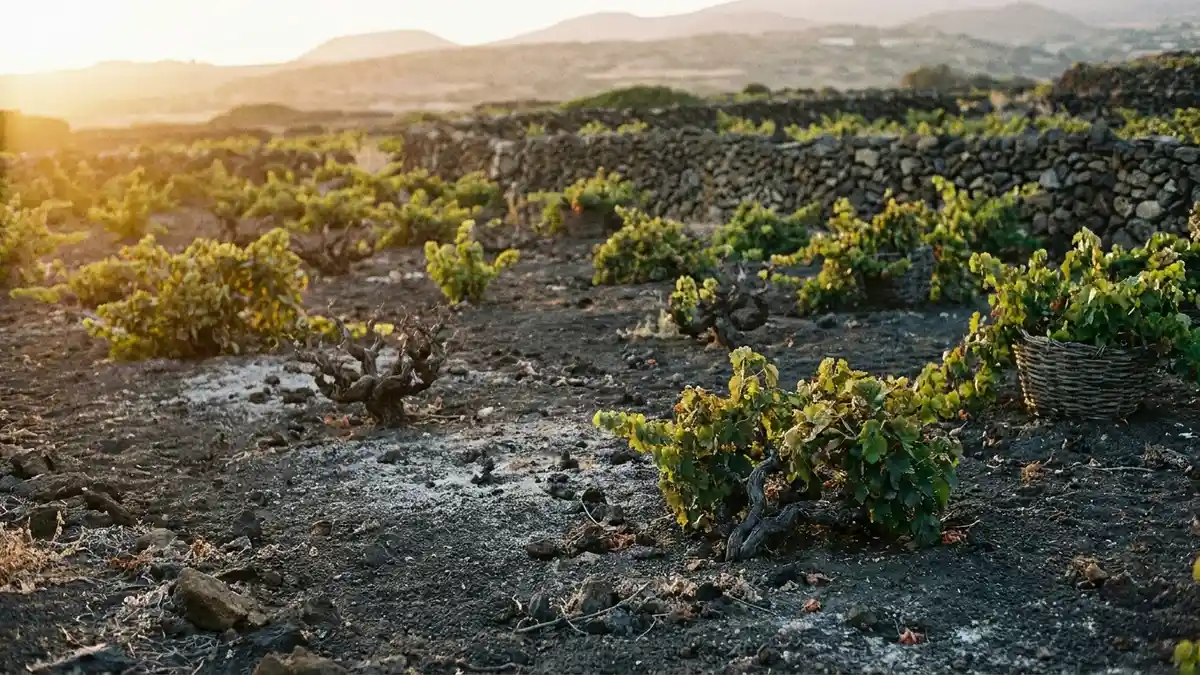
International grapes are bred for adaptability, so a Chardonnay from Chile and one from Australia share a family resemblance. Indigenous grapes are the opposite. Assyrtiko grown on Santorini's volcanic ash tastes of sea salt and smoke in a way no other white can copy, because no other white grows in that ground. This sense of place — what wine people call terroir (the soil, climate, and geography that shape a grape) — comes through with rare honesty in native varieties.
They cost less for what you get
Price follows fame. A famous grape from a prestigious appellation commands a premium because buyers recognize the name on the label. An indigenous grape from Greece, Georgia, or Portugal often sells for half the price of a comparable international bottle simply because fewer people are hunting for it. The quality gap rarely matches the price gap, which makes these grapes some of the best value in any shop.
They expand your palate faster
Tasting your tenth Pinot Grigio teaches you little. Tasting your first Saperavi — inky, tannic, and tart with sour cherry — recalibrates what red wine can be. Each new grape gives your palate a fresh reference point, which is exactly how tasting skill grows. If you want a structured way to log these new flavors, Sommy guides you through aroma and structure one grape at a time.
Indigenous vs International Grapes: The Quick Version
Before the grape profiles, it helps to see the contrast side by side. The distinction is not about quality — plenty of indigenous grapes make world-class wine — but about how widely a grape travels and how strongly it carries a single region's signature.
How indigenous and international grapes differ at a glance.
- Native range: indigenous grapes come from one region or country; international grapes are grown worldwide.
- Examples: indigenous — Assyrtiko, Saperavi, Furmint; international — Cabernet, Chardonnay, Merlot.
- Flavor consistency: indigenous grapes are strongly tied to place; international grapes taste broadly similar everywhere.
- Name recognition: indigenous grapes range from low to moderate; international grapes are universal.
- Typical price: indigenous grapes are often excellent value; international grapes carry a premium for famous names.
- Best for: indigenous grapes suit exploring and palate-building; international grapes are reliable, familiar pours.
15 Indigenous Grapes Worth Trying
The grapes below span eight countries and every color of wine. They are organized loosely from approachable to intense, so you can start where your palate is comfortable and work toward the bolder names. Each profile gives you the grape's home, its color, and its flavor signature — enough to recognize it on a shelf and predict how it will taste.
Whites Worth Knowing
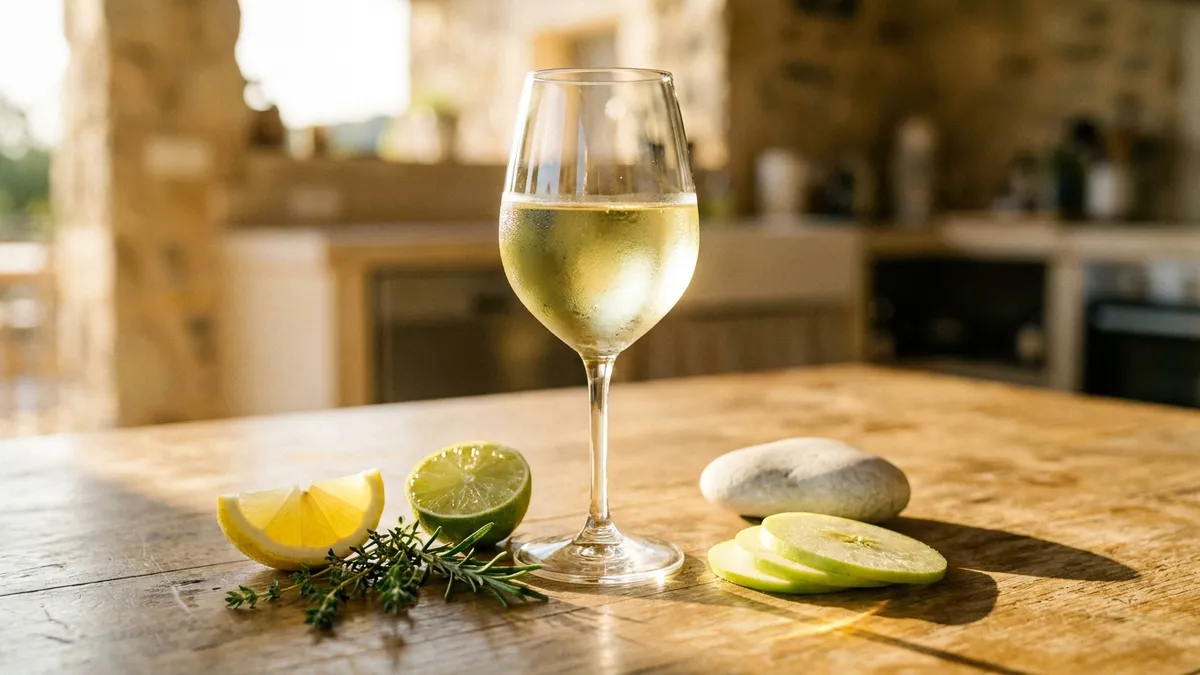
Assyrtiko (Greece, white) is the flagship of Santorini, grown in basket-trained vines on volcanic ash. Expect razor-sharp acidity, lemon and lime, crushed stone, and a saline, almost smoky finish. It is one of the few whites with the structure to age for years. Pair it with grilled octopus or anything from the sea. If it sparks your interest, the dedicated Assyrtiko wine guide goes deeper on its volcanic home.
Fiano (Italy, white) hails from Campania in the south. It offers a richer, rounder white than Assyrtiko, with honey, ripe pear, hazelnut, and a gentle herbal note. Medium-bodied and only moderately acidic, Fiano is one of the most beginner-friendly grapes on this list — easy to like, hard to forget.
Furmint (Hungary, white) is the grape behind the legendary sweet wines of Tokaj, but its dry versions are the discovery. Dry Furmint is taut and mineral, with green apple, quince, pear, and a smoky, waxy texture. High acidity makes it food-flexible and age-worthy, while its sweet form rivals the world's great dessert wines.
Grüner Veltliner (Austria, white) is Austria's signature white and a darling of sommeliers. It delivers green apple, grapefruit, fresh herbs, and a peppery, almost radish-like spice that no other white quite matches. Bright and refreshing in its everyday form, it gains weight and depth in top sites along the Danube.
Carricante (Italy, white) grows on the volcanic slopes of Mount Etna in Sicily, often at high altitude. The wines are lean and electric, with lemon, green apple, anise, and a flinty mineral edge from the lava soils. Like Assyrtiko, Carricante can age, gaining a waxy, honeyed complexity that surprises newcomers.
Savagnin (France, white) is the white grape of the Jura, a small region in eastern France. Made in the oxidative vin jaune style, it turns nutty, savory, and curry-spiced, unlike any other white. Made fresh and protected from air, it is crisp and floral. Few grapes offer two such different faces.
Reds With Real Character
Mencía (Spain, red) comes from the cool, slate-soiled hills of Bierzo and Ribeira Sacra in northwest Spain. The wines are fragrant and lifted, with red cherry, raspberry, violet, and a graphite, peppery streak that recalls cool-climate Syrah. Medium-bodied with fine tannins, Mencía is an easy red to fall for.
Nerello Mascalese (Italy, red) is the great red grape of Mount Etna. Pale in color but high in acidity and tannin, it tastes of red cherry, dried herbs, orange peel, and volcanic ash. Comparisons to Nebbiolo and Pinot Noir are common, and well earned — this is an elegant, age-worthy red disguised as a light one.
Blaufränkisch (Austria, red) is central Europe's underrated red star, also grown across Hungary and Germany. Expect dark cherry, blackberry, black pepper, and a spicy, mineral backbone with brisk acidity and firm tannins. It can taste like a peppery cross between Cabernet Franc and Syrah, and it ages beautifully.
Trousseau (France, red) is a Jura red, pale and perfumed, with cranberry, strawberry, rose, and a savory, earthy underside. Light-bodied and high in acidity, it sits closer to Pinot Noir than to anything bold. Rare even in France, it is a treat when you find it.
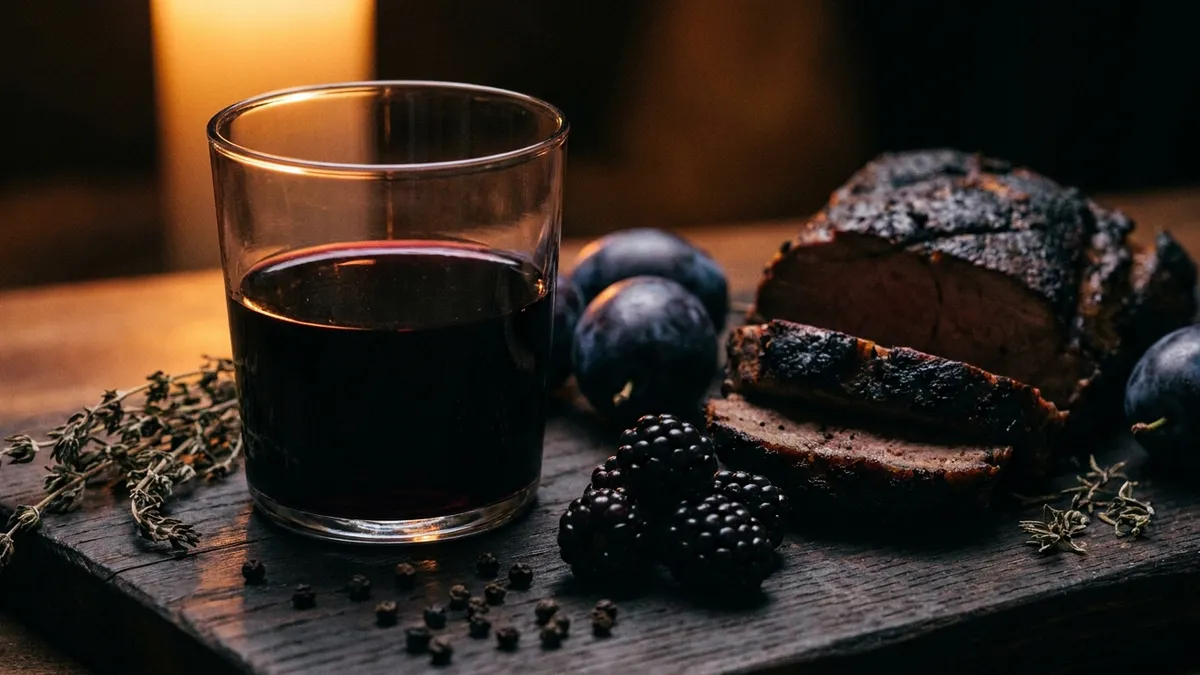
Saperavi (Georgia, red) is one of the few grapes in the world with red flesh as well as red skin, which makes its wines almost black. Powerful and tannic, Saperavi tastes of blackberry, blueberry, licorice, and dark plum with bracing acidity. Traditional Georgian versions, fermented in buried clay qvevri, add a savory, earthy grip. This is a red for roasted meat.
Plavac Mali (Croatia, red) thrives on the steep, sun-baked Dalmatian coast and is a genetic cousin of Zinfandel. The wines are full-bodied and ripe, with blackberry, dried fig, carob, pepper, and a warming alcohol lift. Bold and rustic, Plavac Mali rewards drinkers who like their reds generous.
Schioppettino (Italy, red) is a near-extinct grape from Friuli in Italy's northeast, saved by a handful of growers. It produces a medium-bodied red bursting with black pepper, wild blackberry, and a floral, spicy lift — the pepper note is so striking it earned a local reputation as a peppercorn in a glass.
The High-Intensity Pair
Xinomavro (Greece, red) is the noble red of northern Greece, grown around Naoussa. Pale and deceptively light-looking, it packs ferocious tannins and acidity alongside sour cherry, tomato, dried herbs, olive, and leather. The likeness to Nebbiolo is so strong it is nicknamed the Greek Nebbiolo, and the best examples age for decades.
Bobal (Spain, red) is a workhorse grape from eastern Spain finally getting respect from quality-minded producers. Deeply colored and high in acidity, it offers blackberry, black plum, licorice, and a fresh, mineral edge. Old-vine Bobal makes structured, vibrant reds at prices that still feel like a secret.
Baga (Portugal, red) from the Bairrada region is famous for its tannins — firm, mouth-coating, and built for the long haul. Baga tastes of sour red cherry, plum, dried herbs, and a smoky, earthy depth. Young Baga can be austere; aged Baga becomes one of Portugal's great reds, savory and complex.
To understand why grapes like Xinomavro, Saperavi, and Baga feel so different from a soft Merlot, it helps to know how tannins, acidity, and body shape a wine's structure. These three grapes are high in all the gripping, mouth-watering elements that make a red feel firm and alive.
Indigenous Grapes at a Glance
Here are eight of the standouts in a single view, so you can scan for a country, color, or flavor that calls to you. Use it as a shopping crib sheet next time you face an unfamiliar shelf.
Eight indigenous grapes with their home, color, and flavor signature.
- Assyrtiko — Country: Greece · Color: white · Lemon, sea salt, crushed stone
- Furmint — Country: Hungary · Color: white · Green apple, quince, smoky wax
- Grüner Veltliner — Country: Austria · Color: white · Green apple, grapefruit, white pepper
- Carricante — Country: Italy (Etna) · Color: white · Lemon, anise, volcanic flint
- Xinomavro — Country: Greece · Color: red · Sour cherry, tomato, dried herbs
- Saperavi — Country: Georgia · Color: red · Blackberry, licorice, dark plum
- Mencía — Country: Spain · Color: red · Red cherry, violet, graphite
- Baga — Country: Portugal · Color: red · Sour cherry, smoke, firm tannin
How to Start Tasting Indigenous Grapes
The fastest way to learn these grapes is to taste them against something you already know. Pour a glass of Xinomavro next to a Nebbiolo and the family resemblance — pale color, high acidity, tomato-leather savor — clicks immediately. Set a dry Furmint beside a Riesling and the shared mineral tension teaches you both grapes at once.
Work through them in a sensible order rather than jumping straight to the most intense:
- Begin with friendly whites. Fiano and Grüner Veltliner give you fruit, freshness, and gentle structure with nothing to brace against.
- Add a savory red. Mencía or Nerello Mascalese introduce earthy, peppery notes without overwhelming tannin.
- Graduate to the giants. Once your palate knows what high acidity and grip feel like, take on Saperavi, Xinomavro, and Baga.
- Taste in pairs. Comparing two wines side by side reveals differences you would miss tasting one alone — a method explained in our guide to tasting wine like a sommelier.
Where These Grapes Fit in the Bigger Picture
Indigenous grapes are not a fringe curiosity. They are a parallel wine universe, often older than the famous one. Many of the varieties here, like Saperavi and Furmint, count among the oldest grape varieties still in commercial production, carrying genetic lines that predate the international grapes by centuries.
Exploring them does not mean abandoning the classics. The noble grapes remain the most efficient foundation for wine knowledge, and a grape like Blaufränkisch makes more sense once you know how Cabernet Franc and Syrah behave. Think of indigenous varieties as the reward for building that base — the wines that turn a competent drinker into a genuinely curious one.
The next time a shelf offers an unfamiliar name from Greece, Georgia, Hungary, Portugal, or even Japan — where the ancient Koshu grape has made delicate whites for over a thousand years — treat it as an invitation. You will likely pay less, taste something no international grape can imitate, and add a fresh reference point to your palate. That is the quiet payoff of drinking indigenous: more discovery, more value, and a wine list that finally stops repeating itself.
Sources
- Wine Grapes: A Complete Guide to 1,368 Vine Varieties — Jancis Robinson, Julia Harding, José Vouillamoz, 2012
- The Oxford Companion to Wine — Jancis Robinson (ed.), Oxford University Press, 2023
- Native Grapes of Greece — Wines of Greece, 2024
- Georgian Wine and Qvevri Winemaking — National Wine Agency of Georgia, 2024
Frequently Asked Questions
What does indigenous mean for a wine grape?
An indigenous grape, also called autochthonous, evolved and has been grown for generations in one specific region rather than being imported. Assyrtiko on Santorini and Saperavi in Georgia are classic examples. These grapes adapted to local soil and climate over centuries, which is why they often express their home region with unusual clarity.
How are indigenous grapes different from international varieties?
International varieties like Cabernet Sauvignon, Merlot, and Chardonnay grow successfully almost everywhere and taste broadly similar across regions. Indigenous grapes are tied to one place and rarely travel well, so they carry distinct local flavors. They also tend to cost less because they lack global brand recognition, making them excellent value for curious drinkers.
Are indigenous grape wines good for beginners?
Yes, with one tip: start with the approachable ones. Fiano, Furmint, and Mencía offer friendly fruit and gentle structure that beginners enjoy immediately. More intense grapes like Xinomavro and Baga, with their firm tannins and high acidity, reward a bit more tasting experience. Either way, they build your palate faster than sticking to familiar grapes.
Which indigenous grape is most like a famous international one?
Xinomavro from Greece and Nebbiolo from Italy share pale color, high acidity, firm tannins, and savory tomato-and-herb notes, so Xinomavro is often called the Greek Nebbiolo. Mencía echoes cool-climate Syrah, while Blaufränkisch can recall a peppery Cabernet Franc. These comparisons help you predict the style before you pour.
Why are indigenous grapes often cheaper than famous grapes?
Price follows demand and recognition, not always quality. Famous grapes from prestigious regions command high prices because buyers know the names. Indigenous grapes from less-marketed regions like Greece, Georgia, Hungary, and Portugal sell for less simply because fewer drinkers seek them out. That gap means you frequently pay less for more distinctive, characterful wine.
What food pairs with indigenous grape wines?
Match the structure to the dish. High-acid whites like Assyrtiko and Carricante love grilled fish, lemon, and salt. Tannic reds like Saperavi and Baga want roasted meat and aged cheese. Lighter, savory reds like Xinomavro and Mencía suit tomato-based dishes, cured meats, and mushrooms. The flavors evolved alongside regional cooking, so local pairings rarely miss.
Where can I buy wines from indigenous grapes?
Independent wine shops and importers focused on small producers carry far more indigenous grapes than supermarkets. Look in the Greek, Georgian, Hungarian, Austrian, and Portuguese sections, which are growing fast. Online retailers specializing in lesser-known regions are another reliable source. Ask staff for a high-acid white or a savory red and name the grape you read about here.
Sommy Team
LinkedInFounder & Wine Educator
The Sommy Team is building the world's most approachable wine education app, helping beginners develop real tasting skills through structured courses and AI-guided practice.