How to Taste Wine
How to taste wine in four steps — look, swirl, sniff, and sip. Learn the method sommeliers use, then go deeper on every stage with our guides.
103 articlesStart here
Building Your Personal Wine Flavor LibraryA wine flavor library is the curated set of reference smells and tastes you train your brain to recognize instantly. Build one with jars, real wines, and five minutes a day.
To taste wine, work through four steps: look, swirl, sniff, and sip. Look at the wine against a white background to read its color, intensity, and clarity — visual clues to grape variety, age, and style. Swirl the glass to draw oxygen into the wine and release the volatile compounds that carry aroma. Sniff, first from a few inches away and then with your nose just inside the rim, and try to name what you find. Finally, sip a small amount, let it coat your whole palate, and pay attention to sweetness, acidity, tannin, and body before you swallow. The full sequence takes less than a minute, and it works exactly the same on a weeknight bottle as it does on a grand cru. Everything else in wine tasting — the vocabulary, the blind-tasting party tricks, the poetic tasting notes — is built on those four moves.
None of this requires talent, expensive glassware, or a certificate. Tasting is a skill, and skills respond to method and repetition. This page is the home base for that method: each section below answers one of the questions beginners actually ask, then points you toward a deeper guide on that exact topic. If you would rather learn the whole method in one sitting, start with the complete step-by-step walkthrough in our beginner's guide to tasting wine — it is the flagship article this entire section is built around.
What are the four steps of wine tasting?
The four steps of wine tasting are look, swirl, sniff, and sip. Looking reveals color, clarity, and intensity. Swirling aerates the wine so it releases more aroma. Sniffing identifies those aromas before your palate gets involved. Sipping confirms what your nose found and adds structure — sweetness, acidity, tannin, and body.
The order is not arbitrary. Your eyes set expectations before you commit your senses of smell and taste, which fatigue quickly and deserve a wine at its most expressive. Swirling immediately before sniffing catches aromas at their peak, and smelling before sipping matters because most of what you will perceive as flavor is detected by your nose, not your tongue.
In practice, the sequence looks like this:
- Look — tilt the glass over something white and note color, intensity, and clarity.
- Swirl — five seconds of gentle circles, glass on the table if you like.
- Sniff — short, deliberate bursts; name broad categories before specifics.
- Sip — a small mouthful, moved across the whole palate, assessed before and after you swallow.
The sip step hides one detail worth learning early: after you swallow, breathe out gently through your nose. Aromas travel from the back of your mouth up to your olfactory receptors — a pathway called retronasal olfaction — which is why a wine seems to "taste" of strawberries or smoke even though your tongue can only detect basics like sweet, sour, and bitter. Once you notice this second wave of aroma, no glass of wine is ever quite so simple again.
One more sequencing decision sits upstream of the four steps: if you are tasting several bottles in one session, what you pour first changes how everything after it tastes. Our guide to the right order to taste wines in explains why light before bold and dry before sweet keeps your palate honest.
How do you taste wine like a sommelier?
Sommeliers taste wine with the same four steps beginners use — they simply attach a structured checklist to each step and record conclusions in consistent language. Professional frameworks such as WSET's Systematic Approach to Tasting turn a vague impression into a repeatable assessment of appearance, nose, palate, and overall quality.
The Wine & Spirit Education Trust, which has examined more than 100,000 candidates in a single academic year across 70-plus countries, trains every student on that framework from its first qualification onward. The idea is disarmingly simple: assess the same attributes, in the same order, in the same words, every single time. When your notes for a Tuesday Beaujolais and a birthday Barolo use the same scale, comparison becomes possible — and comparison is how a palate actually learns. We break down each stage of the framework in our guide to WSET's Systematic Approach to Tasting.
The gap between amateur and professional is narrower than the mystique suggests, and it is made of habits rather than gifts: tasting attentively, writing things down, and occasionally tasting blind so the label cannot do your thinking for you. Even the exam that fewer than 300 people have passed since its introduction in 1969 — the Master Sommelier diploma from the Court of Master Sommeliers — rests on the same deductive routine, applied thousands of times. If you want to borrow those habits without the exam pressure, start with tasting the way sommeliers are trained to.
What should you look for in a wine's appearance?
Tilt the glass against a white background and check three things: color, intensity, and clarity. Color hints at grape variety and age — white wines deepen toward gold as they mature, while reds fade from purple toward brick. Intensity suggests concentration, and haziness can signal an unfiltered style or, occasionally, a fault.
Appearance is the most undervalued step because it feels too easy to matter. It is also the only step where the evidence sits still. A youthful ruby core with a watery rim, a lemon-green glint in a cool-climate white, the slow tears sliding down the glass — each is a data point you can collect before the wine touches your nose. Those tears, by the way, are called legs — droplets that reflect alcohol and sugar content, not quality, despite generations of dinner-party lore.
While you are looking, scan for the smaller clues too. A few tiny bubbles in a still white usually mean a touch of trapped carbon dioxide, kept deliberately for freshness. Sediment in an older red is harmless — evidence of age, not neglect. Neither is a reason to send a bottle back.
Give the color a precise name rather than a generic one. "Red" tells you nothing later; "medium ruby, fading at the rim" tells future-you quite a lot. The same goes for whites: lemon, gold, and amber describe three different stories about ripeness, oak, and time. For a full tour of hues, rim variation, sediment, and what each one means, see our guide to reading a wine's appearance.
Why do you swirl wine?
Swirling coats the inside of the glass with a thin film of wine and pulls oxygen into the liquid. Both effects accelerate the evaporation of volatile aroma compounds — the molecules light enough to leave the wine and reach your nose. A five-second swirl noticeably amplifies what you can smell.
There is real chemistry behind the ritual. Wine chemists have identified more than 800 volatile aroma compounds in wine — a catalogue that goes back to Adolf Rapp and Hans Mandery's landmark 1986 survey of wine aroma research — but those compounds only matter once they are airborne. Sitting undisturbed in the glass, most of them stay dissolved. Swirling multiplies the wine's surface area and hands them an exit.
The technique is easier than it looks in the movies. Keep the base of the glass on the table, make three to five small circles, and stop. Aggressive swirling gains you nothing except dry-cleaning bills. Whites and sparkling wines need less agitation than reds — bubbles carry aroma upward on their own. If your swirl still feels more like a spill hazard than a skill, the mechanics of swirling are worth two minutes of practice with water.
How do you identify aromas in wine?
Sniff in short bursts rather than one long inhale, and name what you find in broad categories first — fruit, floral, spice, earth — before hunting for specifics. Working from general to precise turns a shrug of "smells like wine" into "red cherry, violet, black pepper" within a few weeks of practice.
Your equipment is better than you think. In a 2014 study published in Science, researchers at Rockefeller University estimated that the human nose can discriminate more than one trillion different scent combinations. Humans carry roughly 400 types of functional olfactory receptors — the discovery of this receptor family earned Linda Buck and Richard Axel the 2004 Nobel Prize in Physiology or Medicine. What beginners lack is not hardware; it is a mental index that connects a smell to a name. That index is exactly what deliberate tasting builds.
Two tools make the indexing faster. The first is the aroma wheel, which arranges scents from broad families at the center to specific descriptors at the edge — follow the spokes outward in our walkthrough of the wine aroma wheel. The second is knowing where a smell comes from: grape-derived fruit and floral notes, winemaking notes like butter and vanilla, and age-derived notes like leather and dried fig each tell a different part of the wine's story, as we unpack in primary, secondary, and tertiary aromas. And when a wine seems mute, the fault is often technique rather than the bottle — how to smell wine properly covers distance, burst length, and resetting your nose between sniffs.
What do tannins, acidity, and body feel like?
Tannins dry and grip your gums and cheeks, like over-steeped black tea. Acidity makes your mouth water — feel for it along the sides of your tongue. Body is the wine's weight on your palate, from skim-milk light to cream heavy. Together they form a wine's structure: the architecture underneath the flavors.
Each one has a simple isolation test. After you swallow, notice whether your mouth floods with saliva — that is acidity at work. Notice whether your gums feel suede-dry a few seconds later — that is tannin, found almost exclusively in reds. Then ask how heavy the liquid felt, independent of flavor: that is body, driven mostly by alcohol and sugar. Sweetness is the one that fools people — a wine can smell of ripe peaches and still be bone dry, because fruity aromas and actual sugar are different things.
Structure matters because it, more than flavor, decides what a wine pairs with, how it ages, and whether you will want a second glass. It also explains the finish — how long flavors persist after you swallow, one of the most reliable quality markers there is; we cover why in what a wine's finish tells you. For the feel of it all in one place, start with our deep dive on tannins, acidity, and body, then go further into texture with wine mouthfeel, explained.
How long does it take to develop a palate?
There is no fixed timeline, but deliberate tasters usually surprise themselves within a few months. Tasting one or two bottles a week with full attention — notes written, wines compared side by side — builds a working palate faster than years of drinking passively ever will. The method compounds; wandering does not.
The key word is deliberate. Your brain files away aromas and structures only when you make it name them, which is why two habits do most of the heavy lifting: writing notes in a consistent format, and tasting two wines against each other so differences become obvious. A blank page makes the first habit harder than it needs to be — our tasting notes template gives you a repeatable structure to fill in. It also helps to know the traps in advance: sniffing a freshly poured, ice-cold white, judging a wine on the first sip, or letting the price tag write your review. We collect the full list in the most common wine tasting mistakes.
This is also where a guided practice loop earns its keep. Sommy's guided tastings walk you through the four steps with a real glass in hand, prompt you to name what you notice at each stage, and keep your observations in one place so you can watch your own palate sharpen over time — the same deliberate repetition described above, with the structure built in.
Where to go next
Every guide below belongs to this pillar, and each one goes deep on a single question you will eventually ask — from decoding a specific aroma to handling a specific style. Pick the article that matches where you are this week, pour something you are curious about, and run the four steps. The method is the easy part; the pleasure is in the repetitions.
Articles in this topic
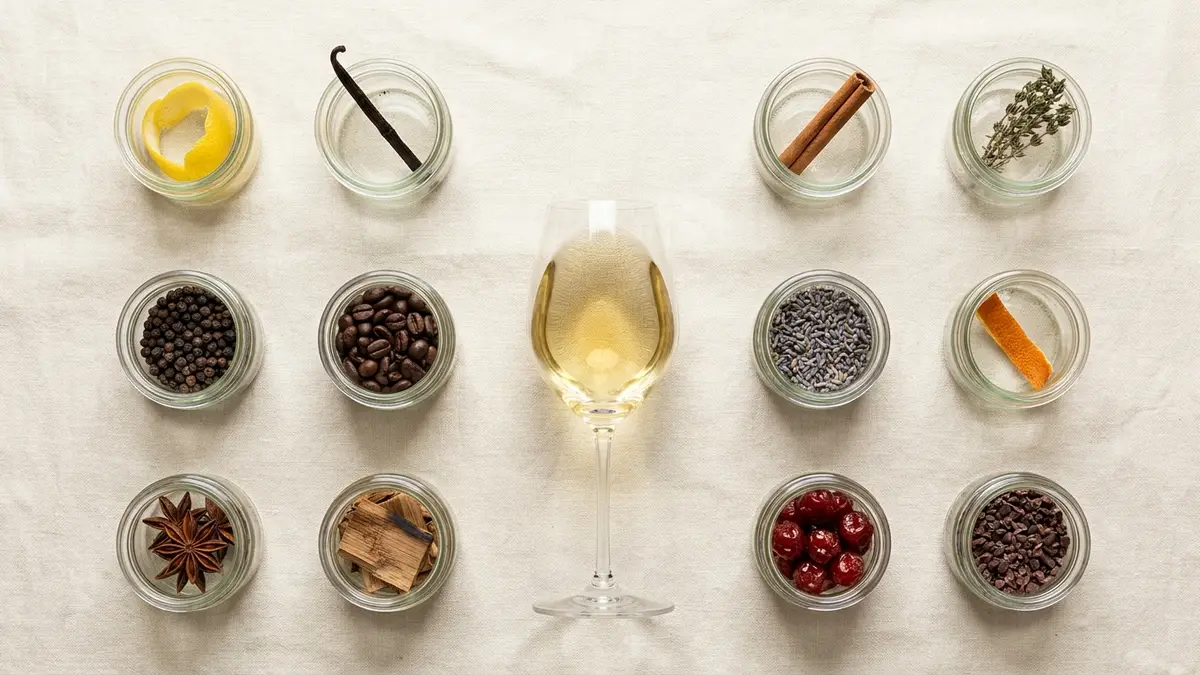
Building Your Personal Wine Flavor Library
A wine flavor library is the curated set of reference smells and tastes you train your brain to recognize instantly. Build one with jars, real wines, and five minutes a day.
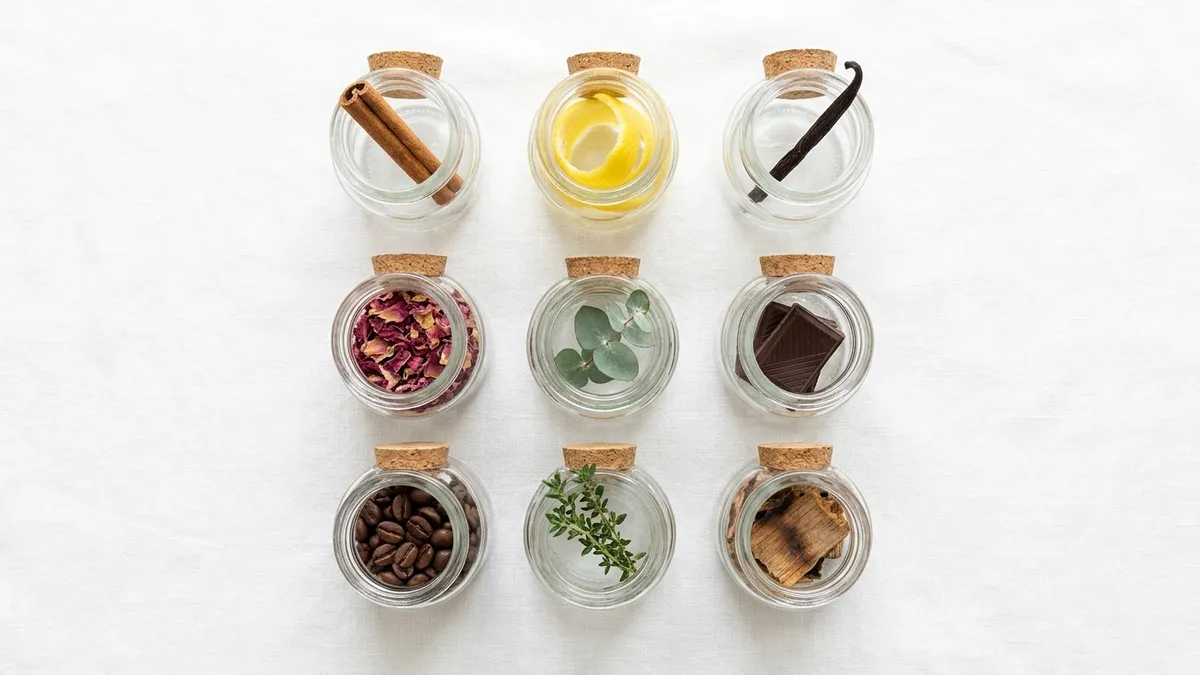
Can You Train Your Sense of Smell for Wine? Yes, and Here Is How
Olfactory training is real, measurable, and works at any age. A complete protocol — science, kitchen drills, wine-specific reps — to train your sense of smell for wine.
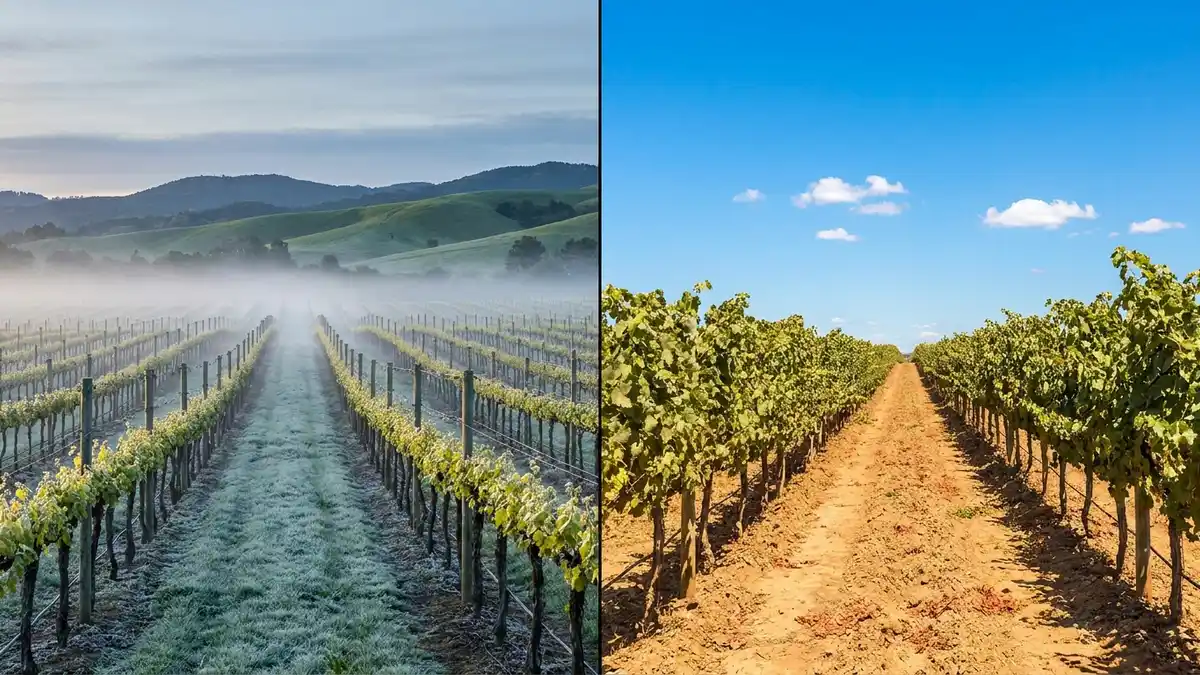
How Climate Shapes Wine Flavor: Warm vs Cool Climate Wines
Warm vs cool climate wine taste differs by acid, alcohol, color, and fruit profile. Here's how to read climate from the glass and predict what the bottle will taste like.
Does Decanting Actually Change How Wine Tastes?
Decanting is more than ceremony — it changes wine chemistry in measurable ways. Here is what decanting actually does, when it helps, and when it ruins a bottle.
Earthy Flavors in Wine: Mushroom, Forest Floor, and Beyond
Earthy flavors in wine include forest floor, mushroom, truffle, leather, and damp soil. Learn where they come from and how to taste them with confidence.
Floral Notes in Wine: How to Detect Rose, Violet, and Jasmine
Floral notes in wine come from real aromatic compounds. Learn how to detect rose, violet, jasmine, and elderflower across grape varieties — and how to train your nose to find them.
From Casual Drinker to Serious Taster: A 30-Day Plan
Become a better wine taster in 30 days with a structured plan — sense building, method, comparison, and integration. Thirty minutes a day, three to four wines a week.
Herbal and Green Notes in Wine: From Bell Pepper to Eucalyptus
Herbal notes in wine fall into three families — pyrazine greens, Mediterranean dried herbs, and menthol-eucalyptus. Here's how to tell them apart and what each one says about the grape, the climate, and the place.
How Your Age Affects Your Wine Palate
Taste buds shrink, smell slows, and bitter sensitivity fades — but trained noses outrun untrained ones at any age. What changes by decade and how to keep your palate sharp.
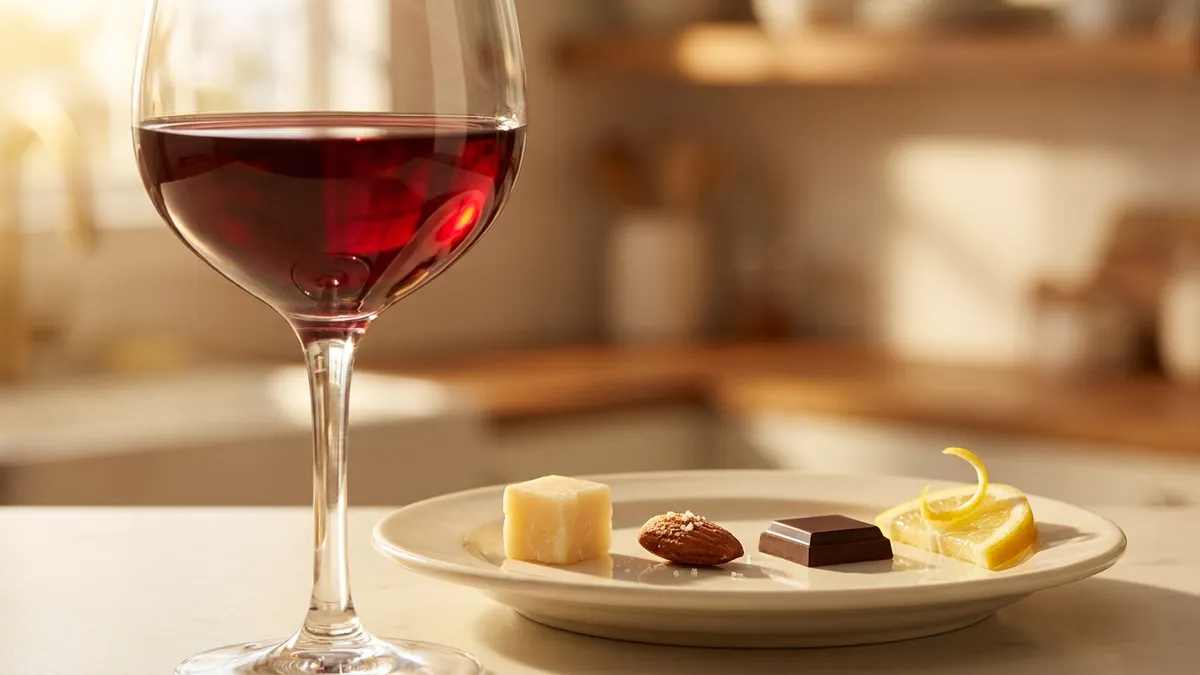
How Food Changes the Way Wine Tastes: A Tasting Exercise
Run a hands-on tasting that reveals how four common foods reshape the same wine. See acidity, tannin, sweetness, and fruit shift in your glass.
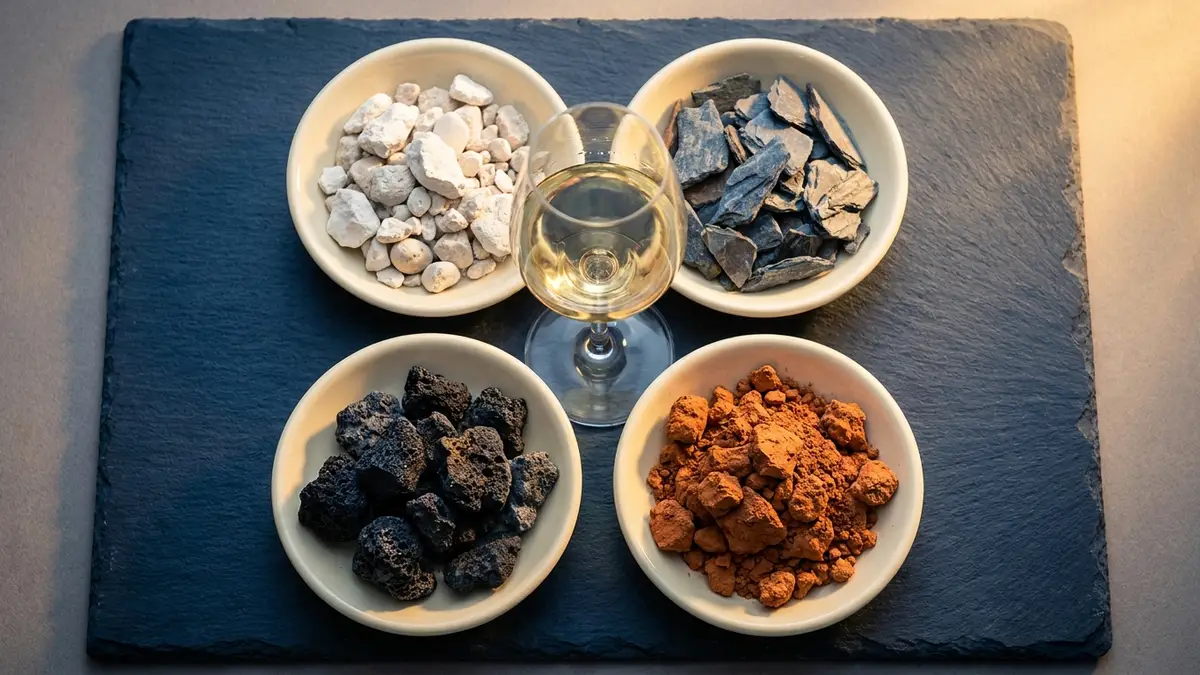
How Soil Type Affects Wine Taste: Limestone, Clay, Slate, and More
How soil affects wine taste — limestone gives chiseled acidity, slate gives steely Riesling, volcanic gives saline edge. A plain-English guide to six soil types.
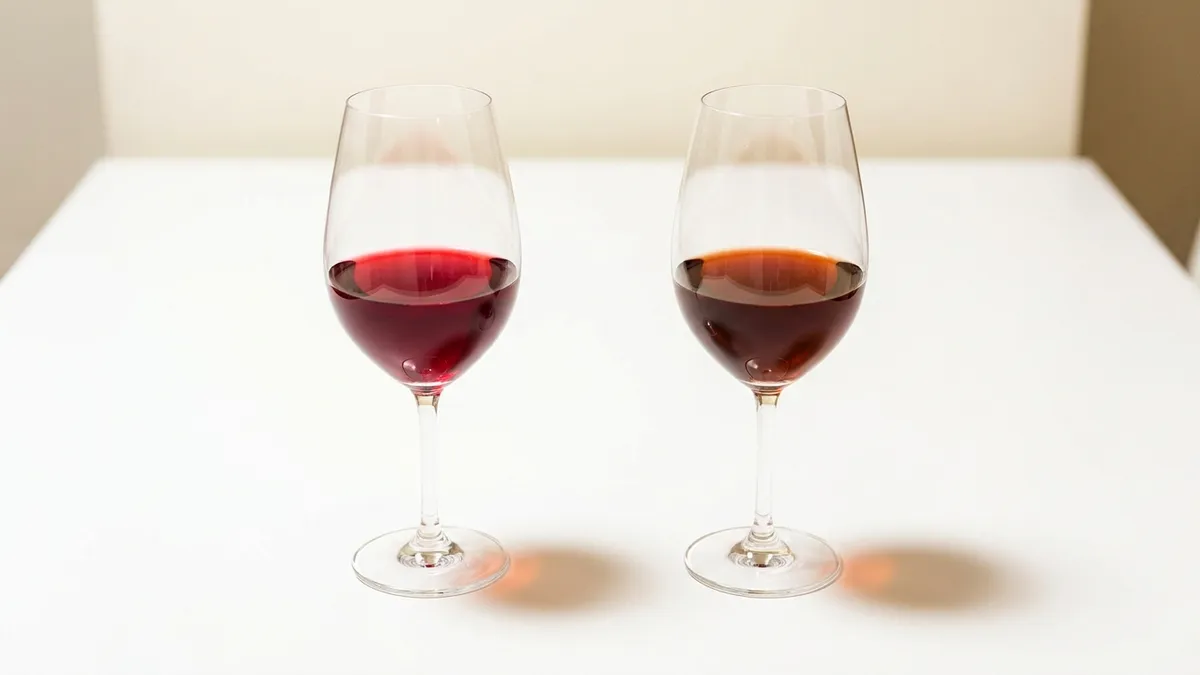
How to Compare Two Wines Side by Side: A Practical Method
How to compare two wines side by side, what to hold constant, what to vary, and how to write notes that show contrast rather than describe one glass at a time.
How to Evaluate Wine Quality: Beyond "I Like It"
Wine quality is not the same as wine preference. Here is the five-dimension framework sommeliers use to evaluate wine quality, and how to apply it the next time you pour a glass.
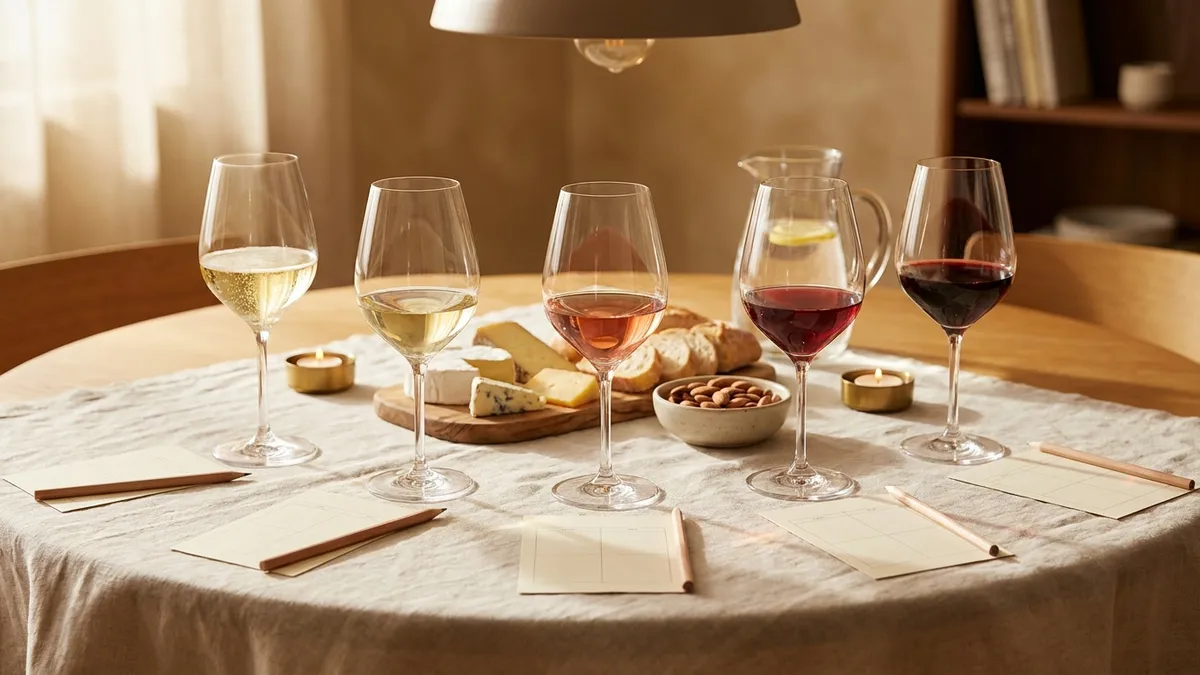
How to Host a Wine Tasting at Home: A Practical Guide
How to host a wine tasting at home — themes, bottle math, the four-step host prep timeline, conversation prompts, and the small rituals that turn a dinner into an experience.
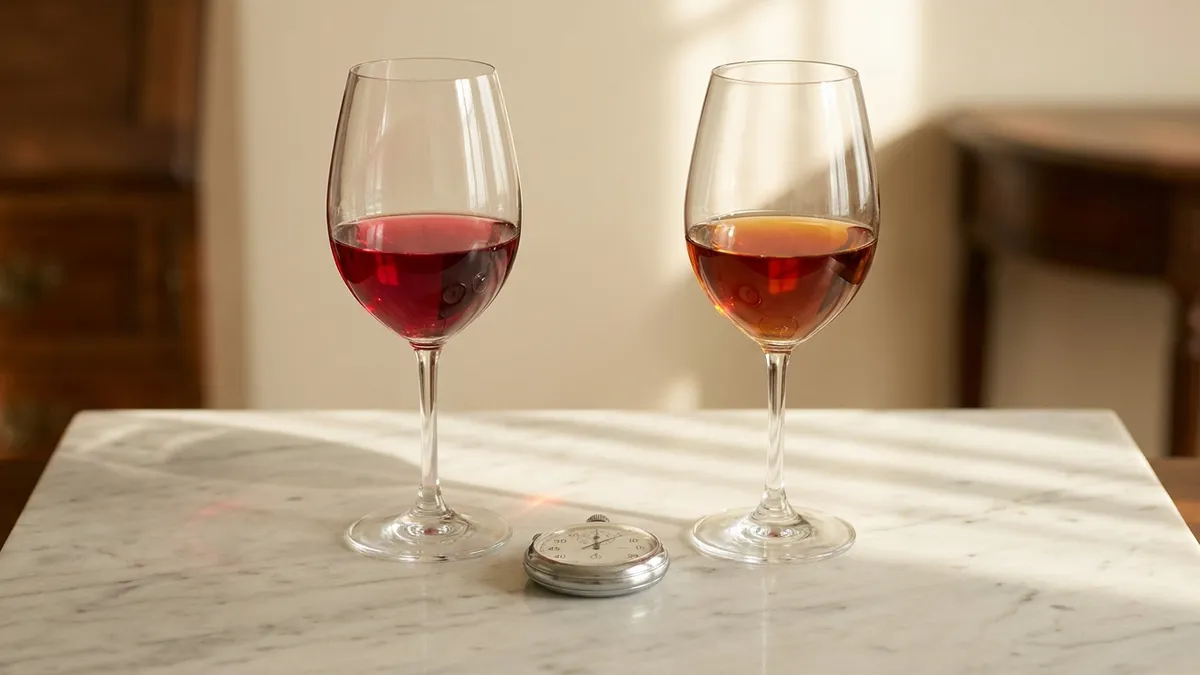
How to Re-Taste a Wine: Getting More from a Second Pour
Learning how to retaste wine — a second pour 30 to 60 minutes later, or the next day — reveals which bottles open up, which fade, and which deserve a different drinking strategy.
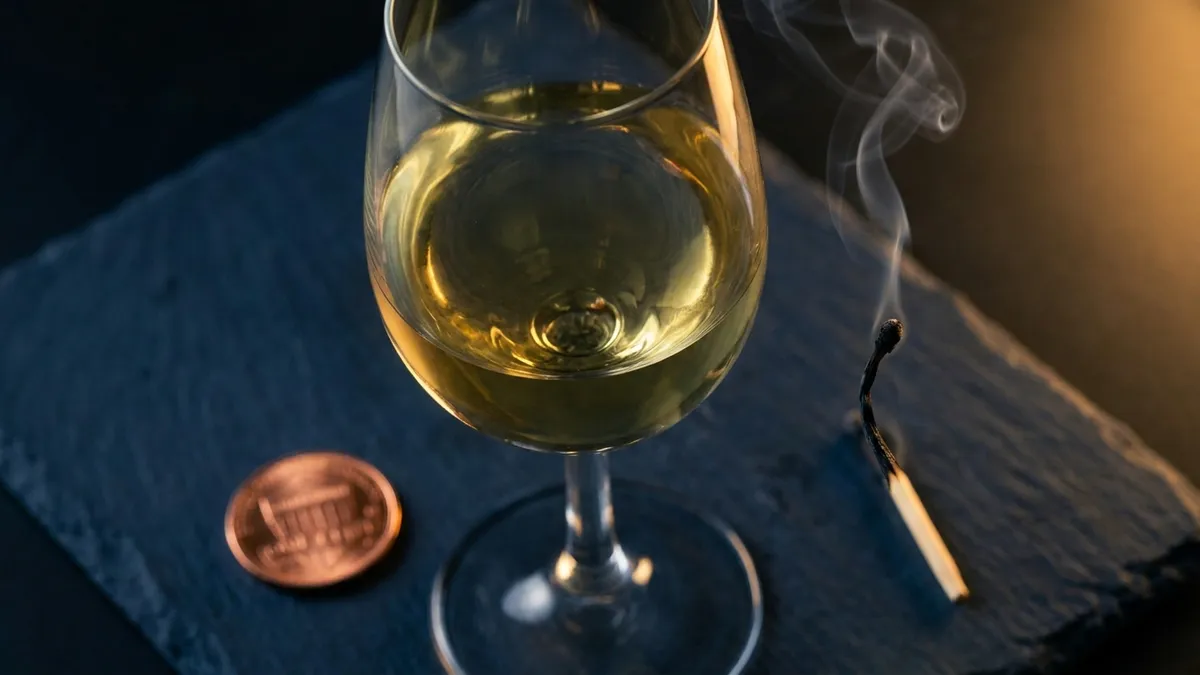
How to Detect Reduction in Wine: Struck Match, Rubber, and Fixes
Reduction in wine smells like a struck match, burnt rubber, or rotten egg — sometimes a stylistic feature, sometimes a fault. Here is how to recognize wine reduction smell, fix the mild kind with air or a copper coin, and tell it apart from cork taint.
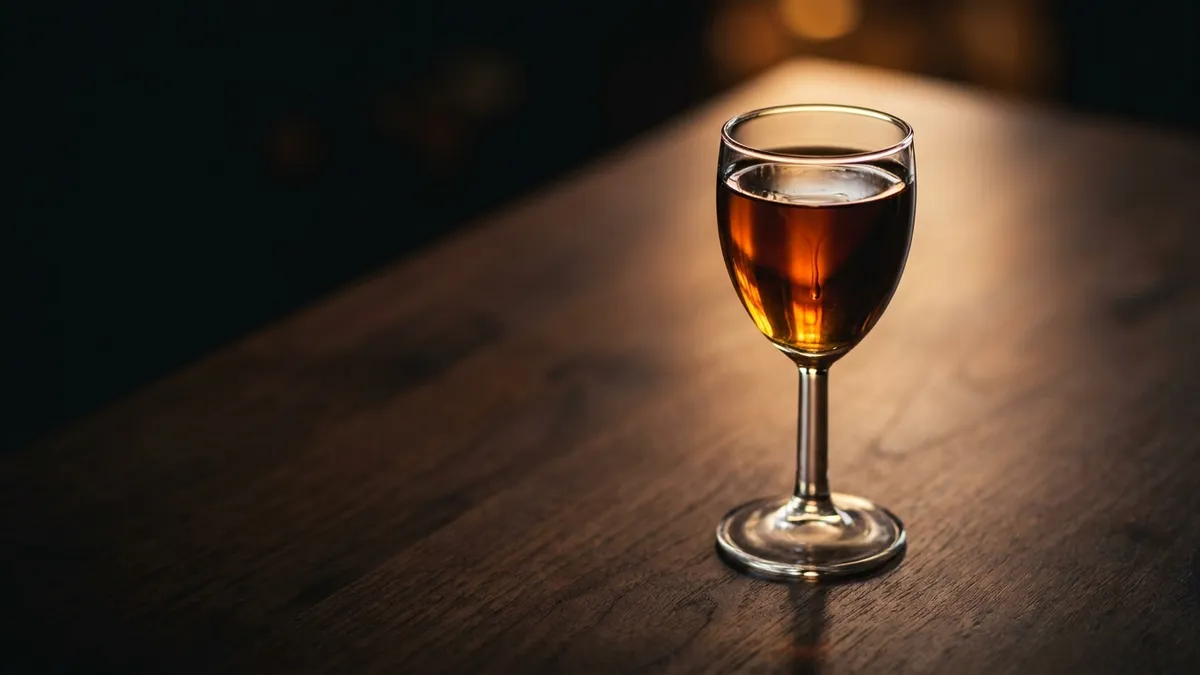
How to Taste Fortified Wine: Port, Sherry, and Madeira
Learn how to taste fortified wine — Port, Sherry, Madeira, and more — with a method built around higher alcohol, oxidative aging, and the full sweetness spectrum.
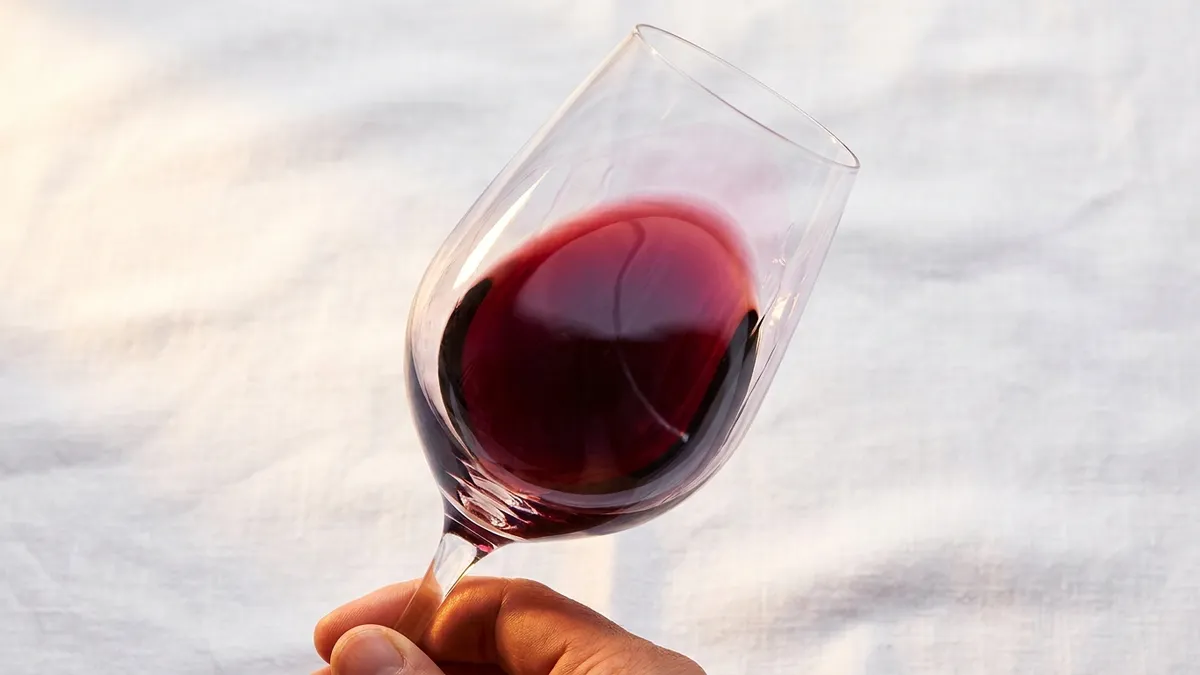
How to Taste Red Wine: A Step-by-Step Method
A complete step-by-step method for tasting red wine — read the rim for age, identify red and black fruit, assess tannin grip, and judge balance and length.
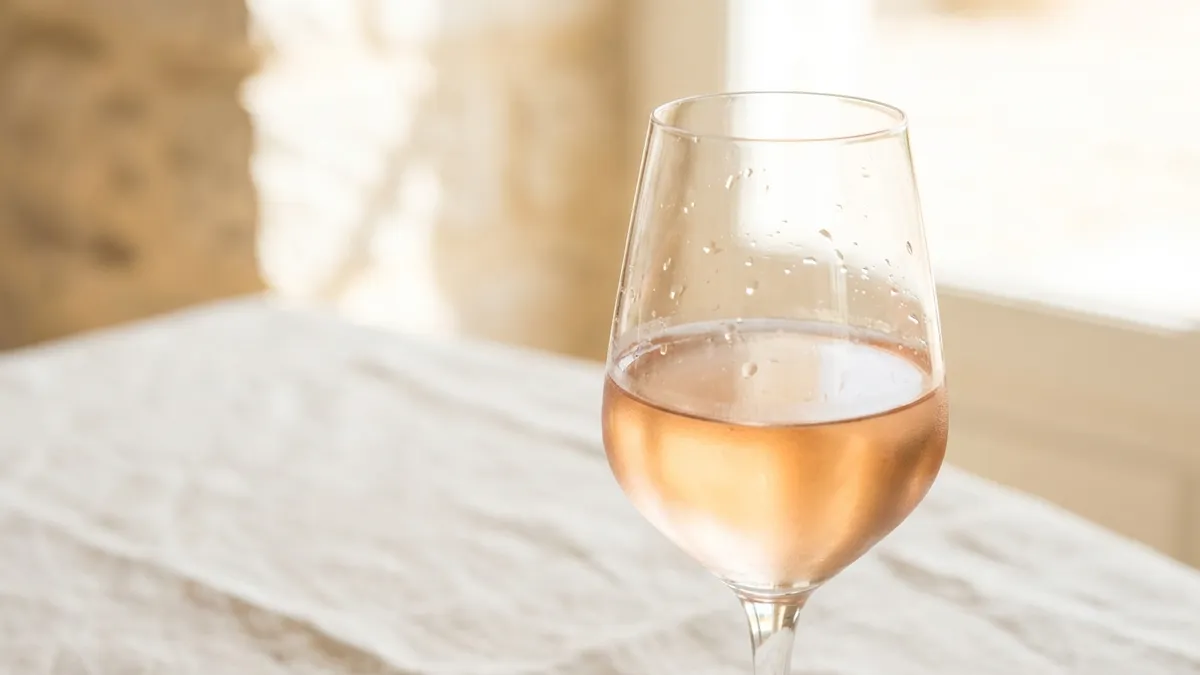
How to Taste Rosé: Beyond "Pink and Refreshing"
A structured five-step method for tasting rosé wine — read the color, swirl, smell the fruit and herbal notes, sip for acidity and weight, then reflect on style.
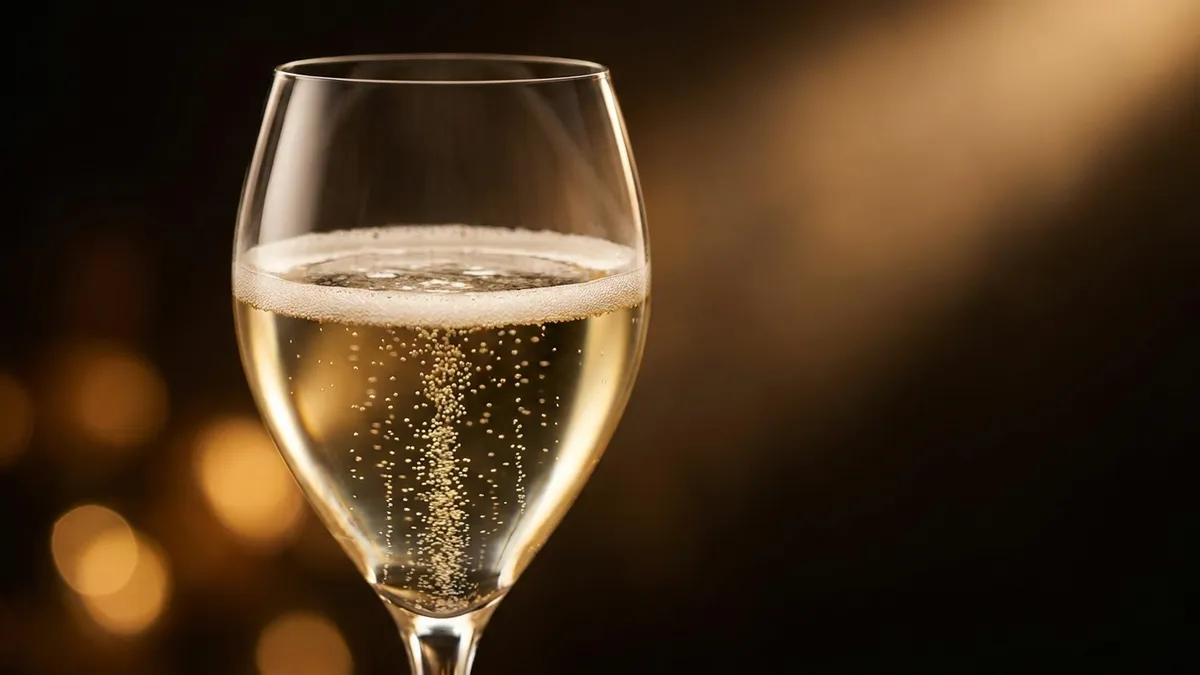
How to Taste Sparkling Wine: Bubbles, Mousse, and More
Learn how to taste sparkling wine like a pro — assess bubble size, mousse texture, autolytic notes, and dosage sweetness across Champagne, Prosecco, Cava, and more.
How to Taste White Wine: Focus on Acidity and Aromatics
Learn how to taste white wine with a five-step method that highlights acidity, aromatic intensity, oak, and color depth — adapted for whites from the classic tasting framework.
How to Taste Natural Wine: Adjusting Your Expectations
Natural wine breaks the rules conventional wine taught you. This guide explains how to taste natural wine — what to expect in the glass, what counts as in-style funk, and how to tell character from a real fault.
How to Detect Oak Flavors When Tasting Wine
Learn how to identify oak flavors in wine — vanilla, clove, coconut, toast — and tell French oak from American oak, new from neutral, and oak from age.
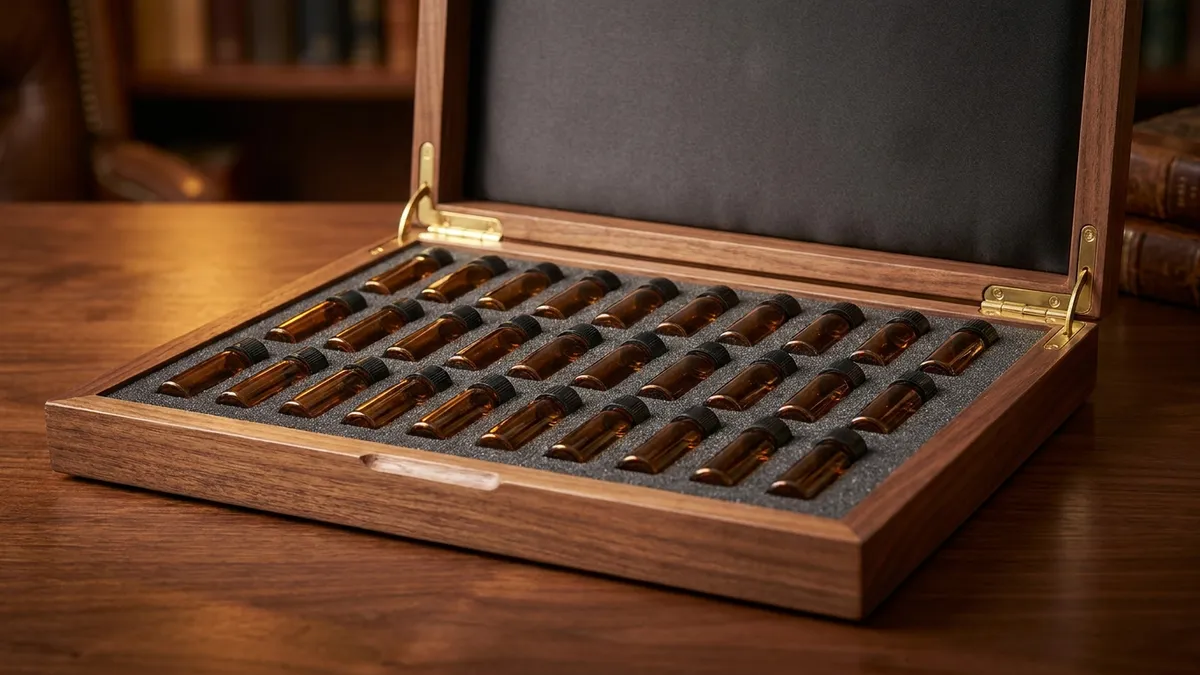
Wine Aroma Kits: Are Le Nez du Vin and Others Worth Buying?
An honest wine aroma kit review — what Le Nez du Vin, Aromaster, and the Wine Aroma Library actually include, what they cost, and when a $20 DIY kit beats them.
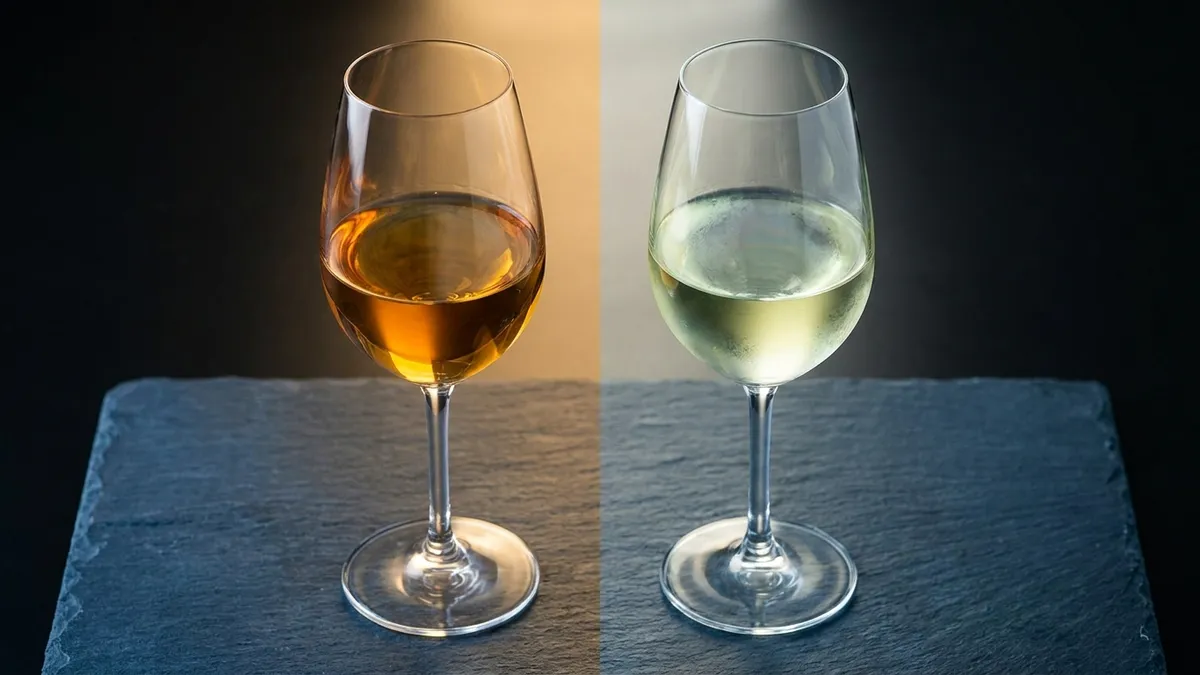
Oxidative vs Reductive Winemaking: How They Change the Taste
Oxidative and reductive winemaking shape every bottle you drink. Learn how oxygen contact creates nutty, salty, dried-fruit notes — and how strict oxygen exclusion locks in fresh fruit, citrus, and flintiness.
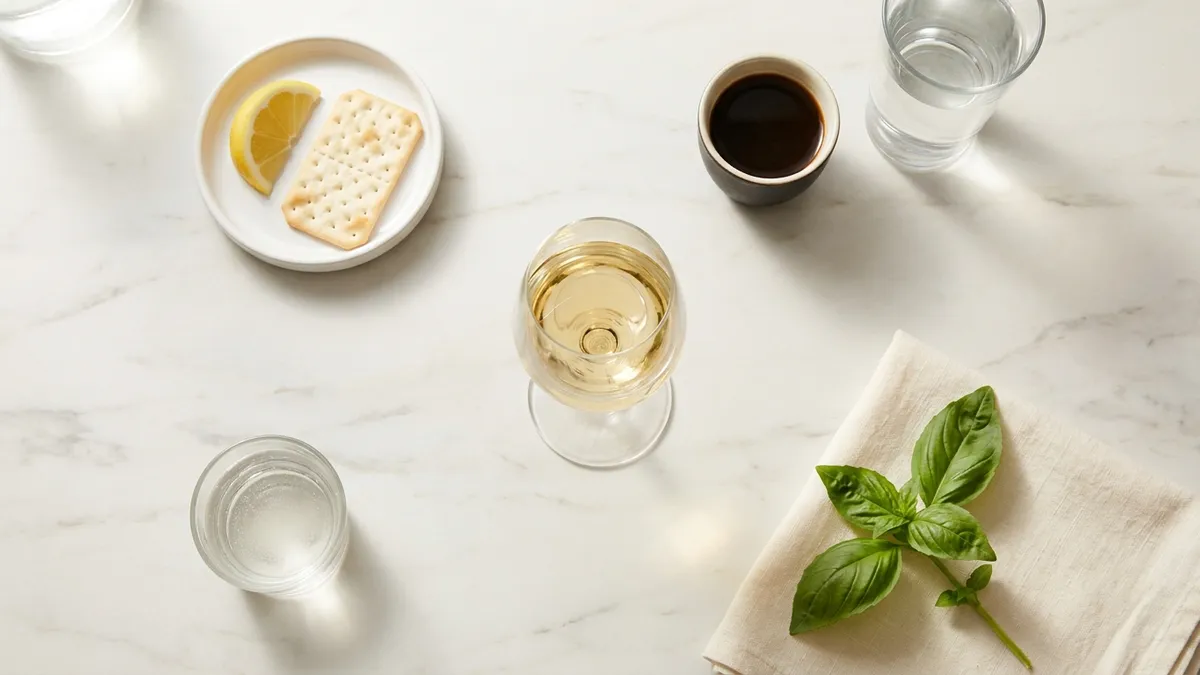
Palate Calibration: Quick Exercises Before Any Tasting
Five short palate calibration exercises that prime your senses before tasting wine — anchor acid, bitter, sweet, aroma, and clear the palate in under ten minutes.
The Science of Sensory Evaluation in Wine
Sensory evaluation is the disciplined science behind serious wine tasting. Here is how olfaction, taste, trigeminal touch, and trained-panel methodology turn subjective sips into reproducible data.
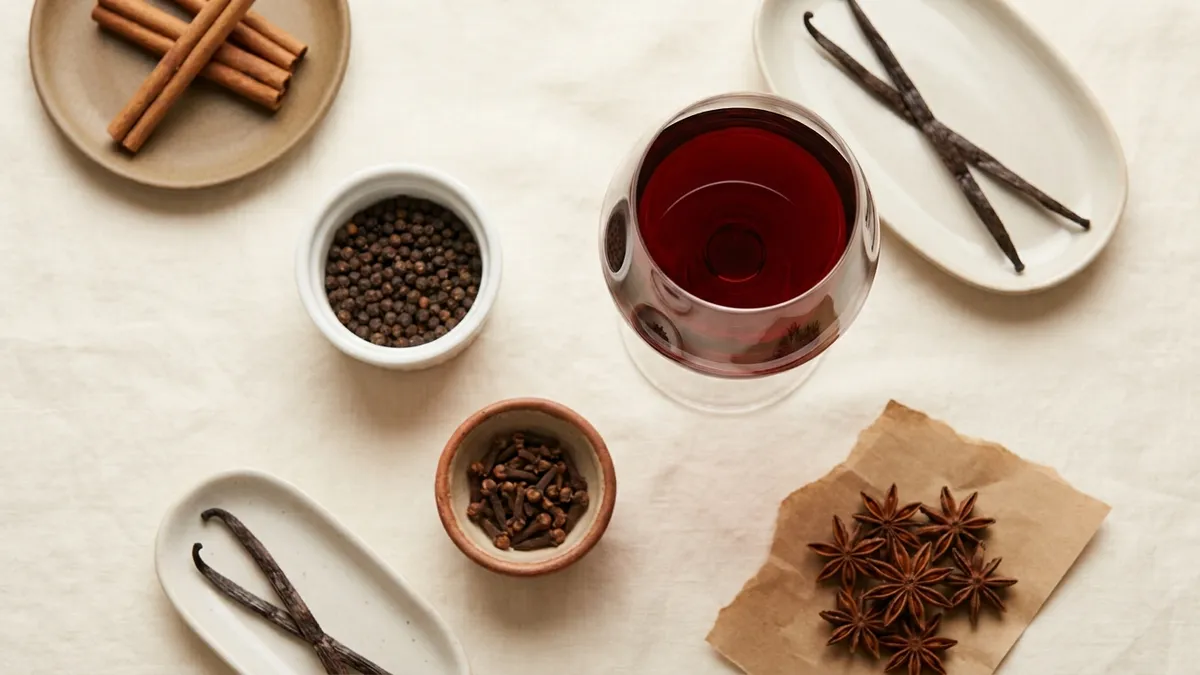
Spice Notes in Wine: Pepper, Clove, Vanilla, and More
Spice notes in wine come from the grape, the oak barrel, or the stems. Learn how to tell them apart and what each spice tells you about the wine.
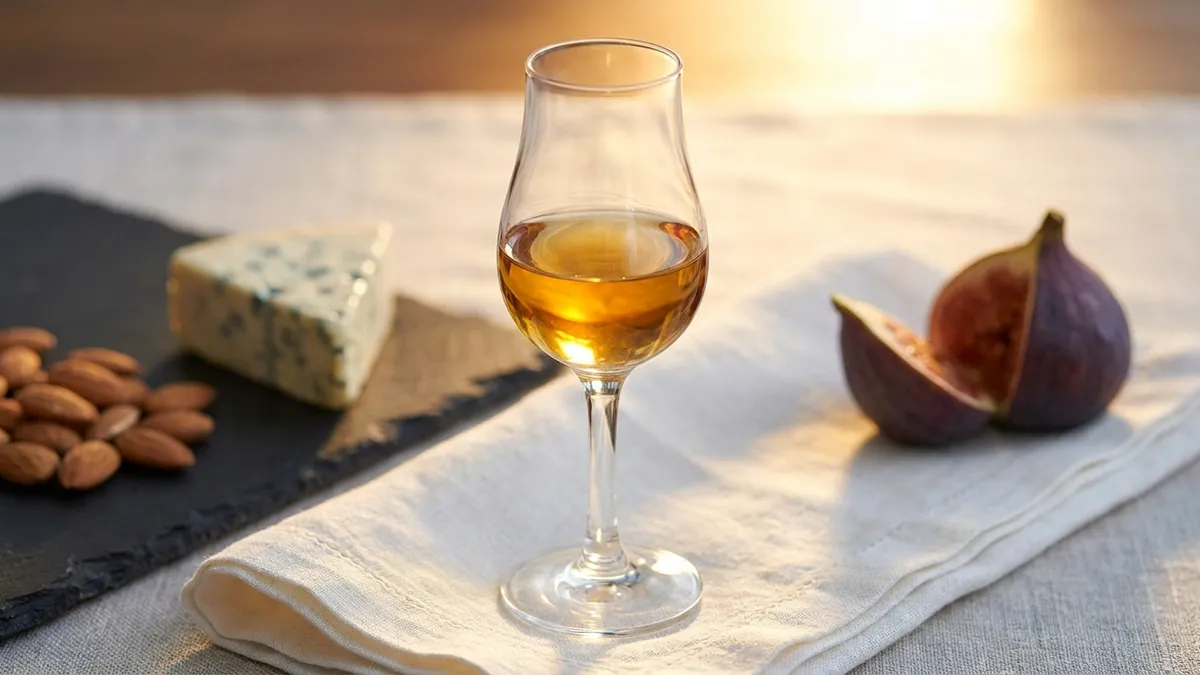
How to Taste Dessert Wines: Sweetness, Acidity, and Balance
Learn how to taste dessert wine properly — small pours, the right temperature, the balance test between sugar and acid, and pairings that make sweet wines sing.
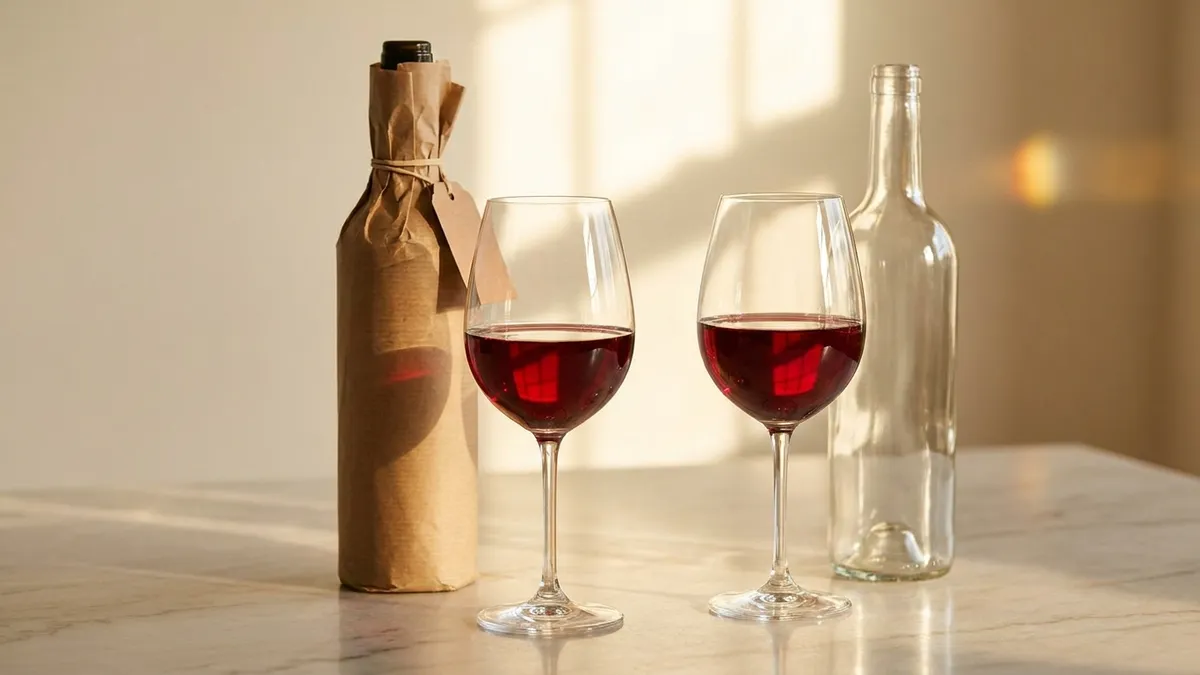
Blind vs Sighted Tasting: How Labels Bias Your Perception
Blind vs sighted wine tasting changes what you actually taste. Three famous studies show how labels, price tags, and color cues shift perception by up to 30 percent.
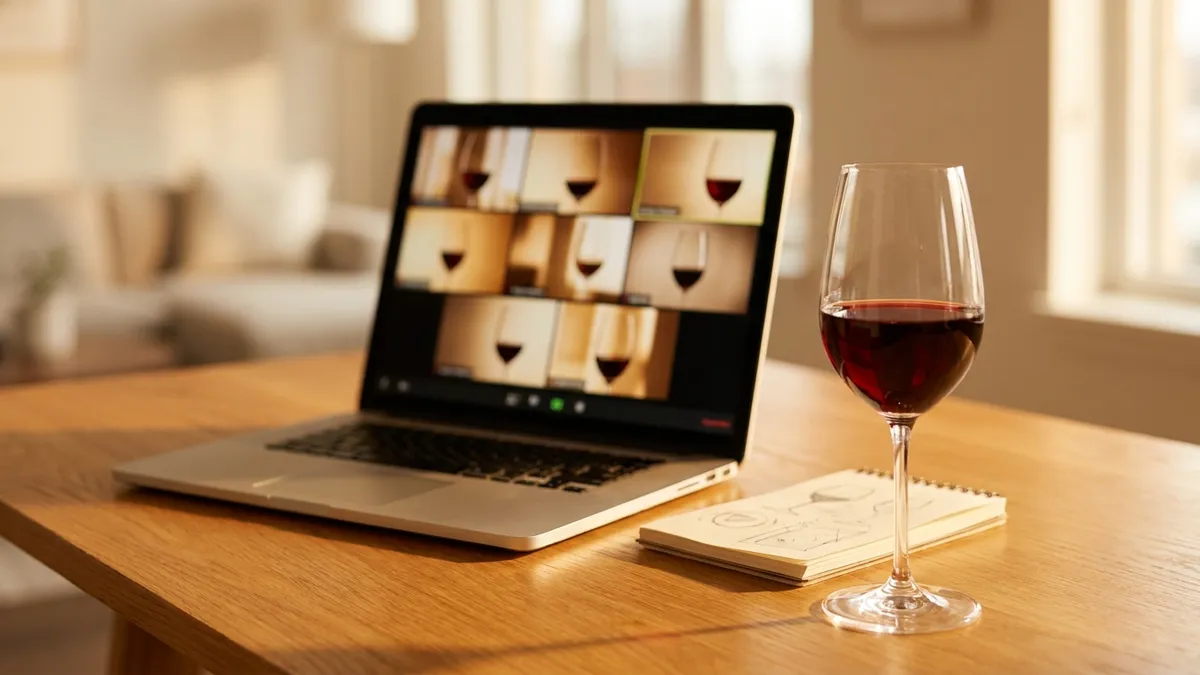
How to Host a Virtual Wine Tasting That Actually Works
A practical virtual wine tasting guide — how to align bottles, structure a 60-90 minute schedule, fix audio and shipping, and host like a pro on Zoom or Google Meet.
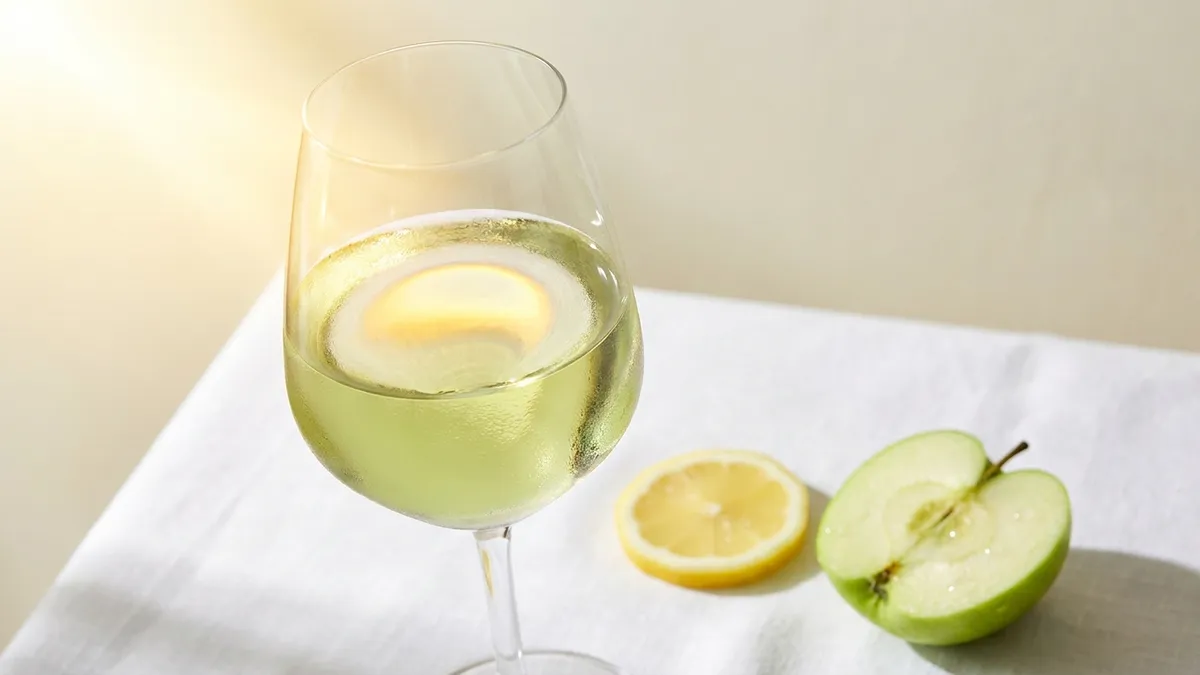
What Does "Bright" Mean in Wine? Acidity and Freshness
Bright in wine means lively, fresh, vivid — driven by high acidity, pure primary fruit, and a faintly luminous color. Learn what creates brightness and how to spot it.
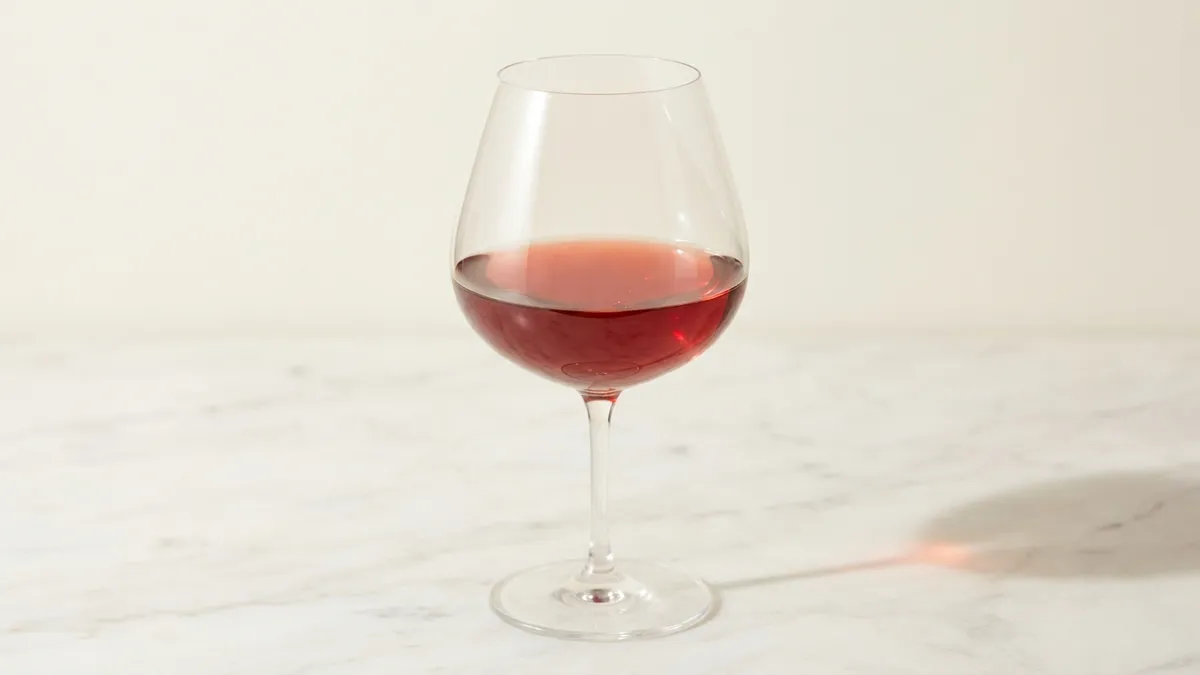
What Does "Elegant" Mean When Describing Wine?
Sommeliers reach for the word elegant the way poets reach for grace — often, and rarely with a clear definition. Here is what elegance in wine actually means, how it differs from power, and how to taste it in the glass.
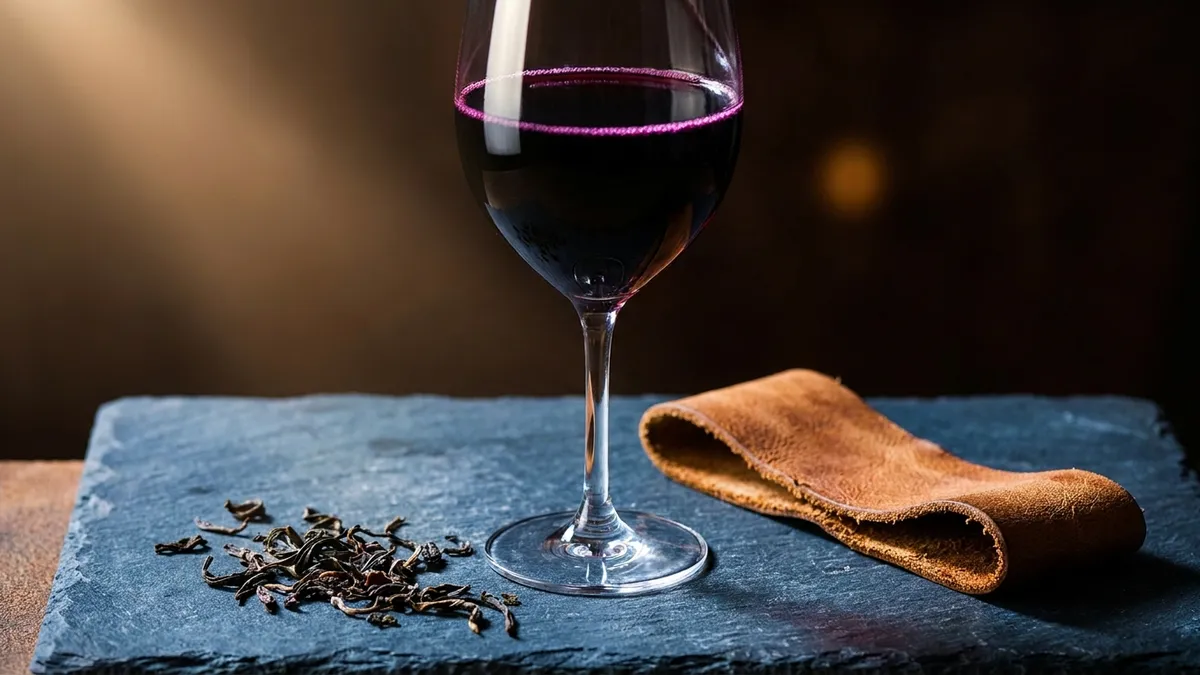
What Does "Grippy" Mean in Wine? Tannin Texture Explained
Grippy wine means tannins are leaving a noticeable, drying, slightly chewy hold on your cheeks and gums. Here is what causes it, when it is a virtue, and when it is a flaw.
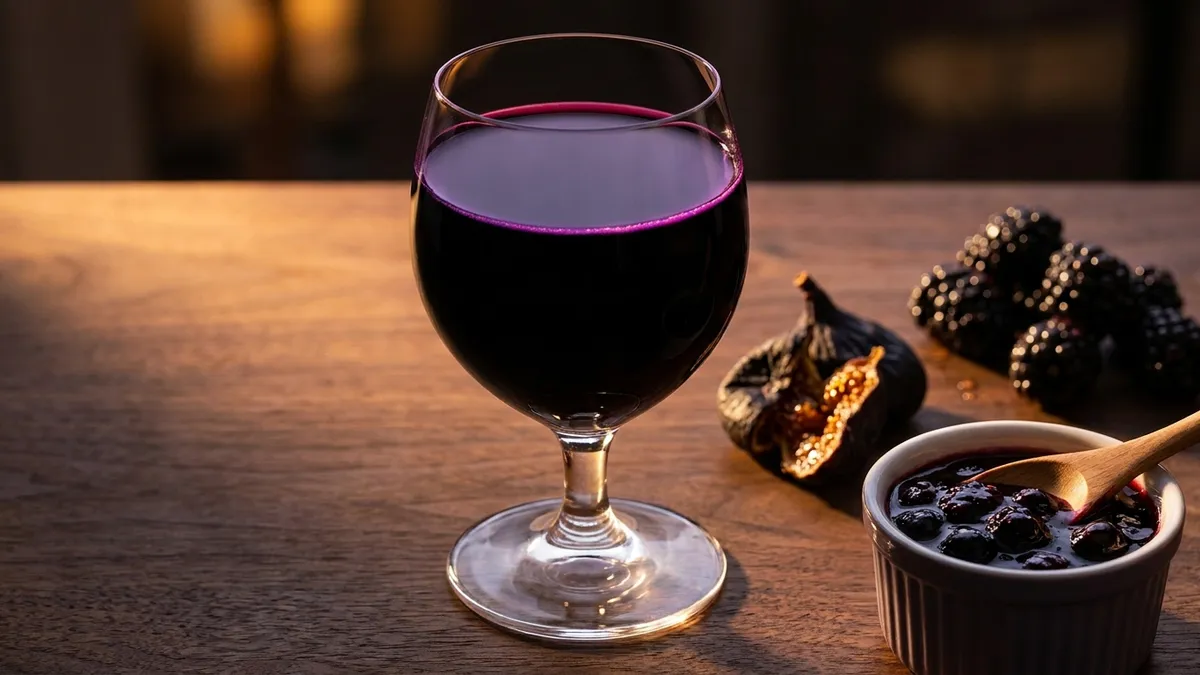
What Does "Jammy" Mean in Wine Tasting?
Jammy in wine means cooked-down, syrupy, overripe black-fruit character — like blackberry preserves and fig. Here is what causes it, where it shows up, and why tasters love or critique it.
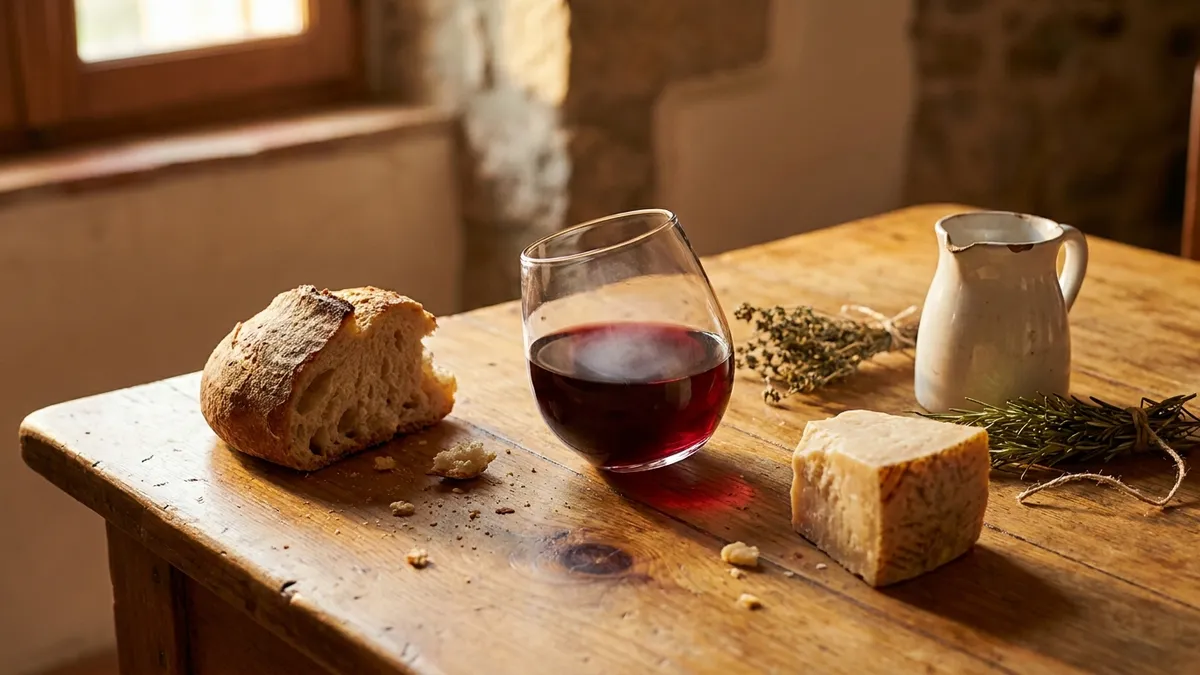
What Does "Rustic" Mean in Wine? Charm or Fault?
Rustic wine sits between charm and fault. Learn what rustic wine means, where it shines, and how to tell honest village character from poor winemaking.
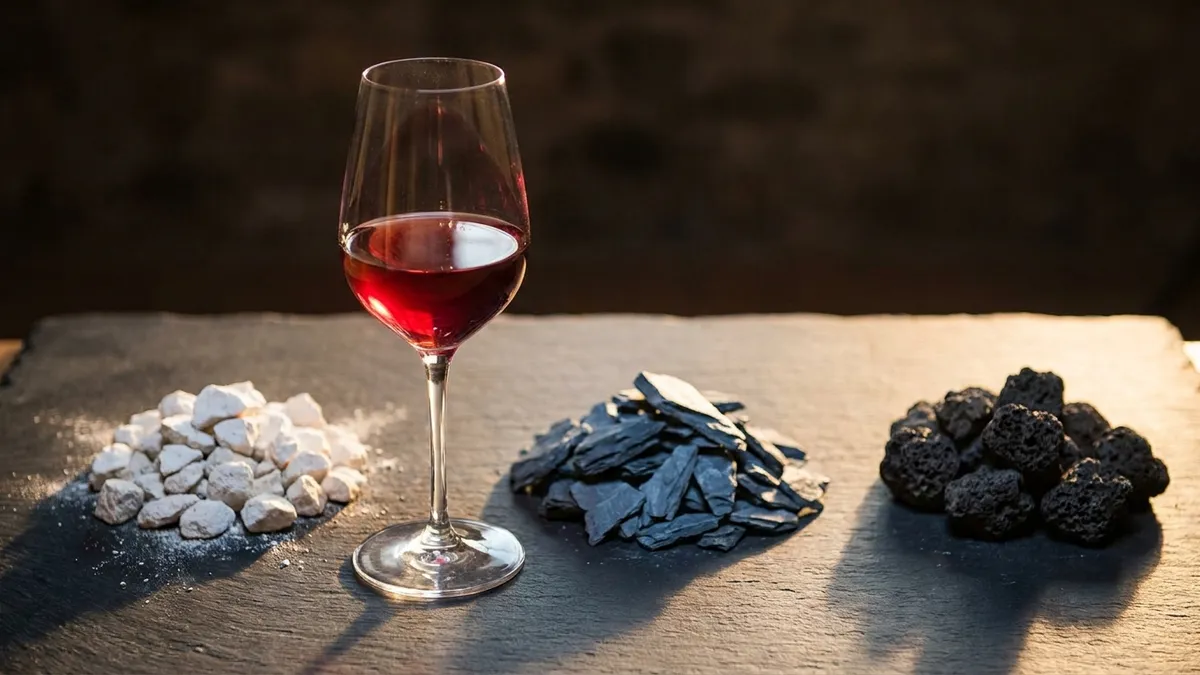
What Does Terroir Actually Taste Like?
Terroir is not abstract — it shows up as specific sensory markers. Here is what limestone, slate, volcanic, granite, and clay soils taste like in real wines you can buy.
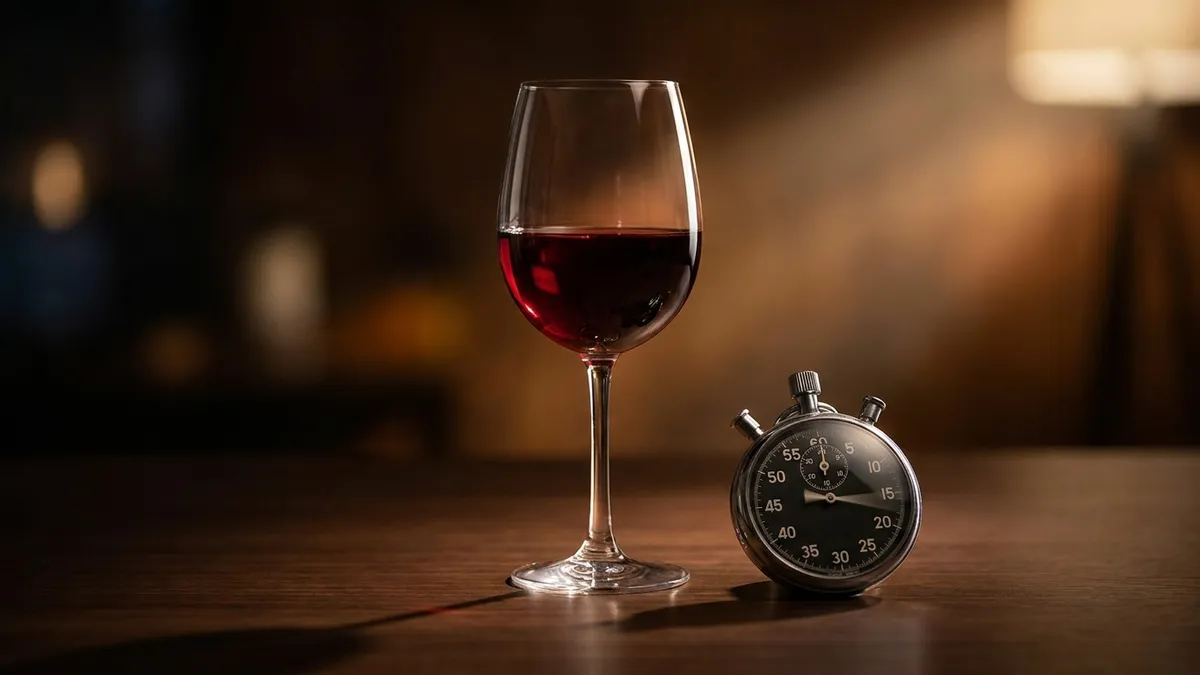
What Is Length in Wine? Why the Finish Lingers
Wine length is the duration of flavor after you swallow — and one of the clearest signals of quality. Here is how to time it, count caudalies, and read what the seconds reveal.
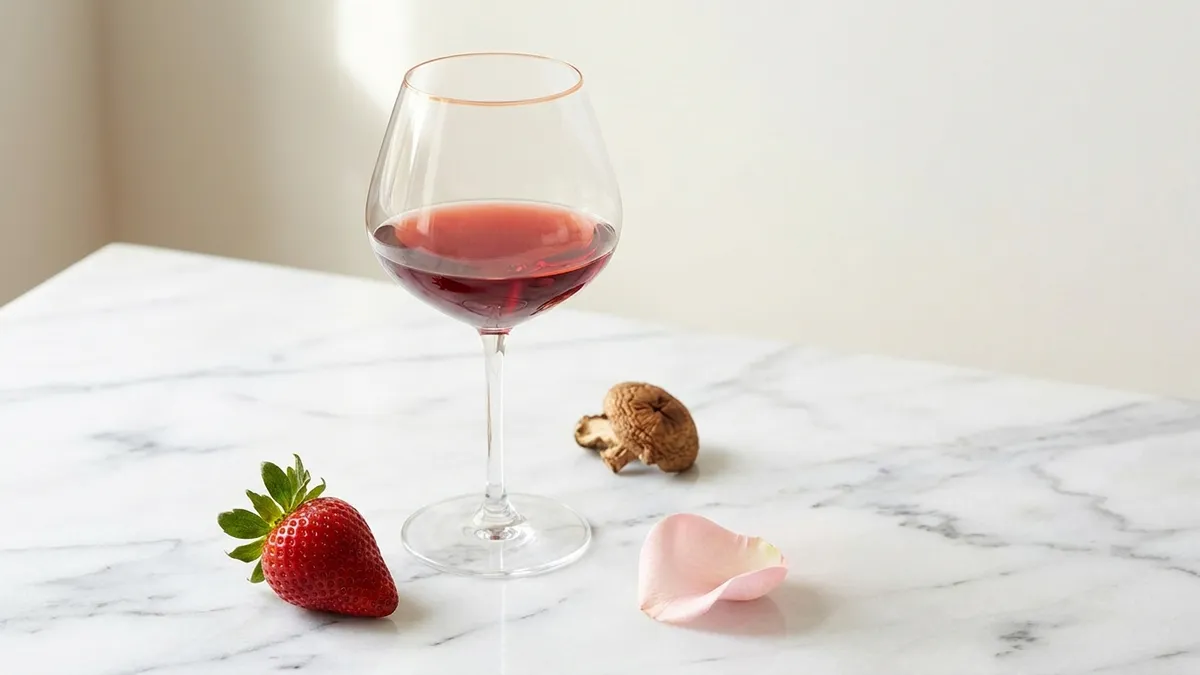
What Is Typicity in Wine? Recognizing a Grape's True Character
Typicity is how faithfully a wine expresses the expected character of its grape and region. Learn what wine typicity means and how to taste for it.
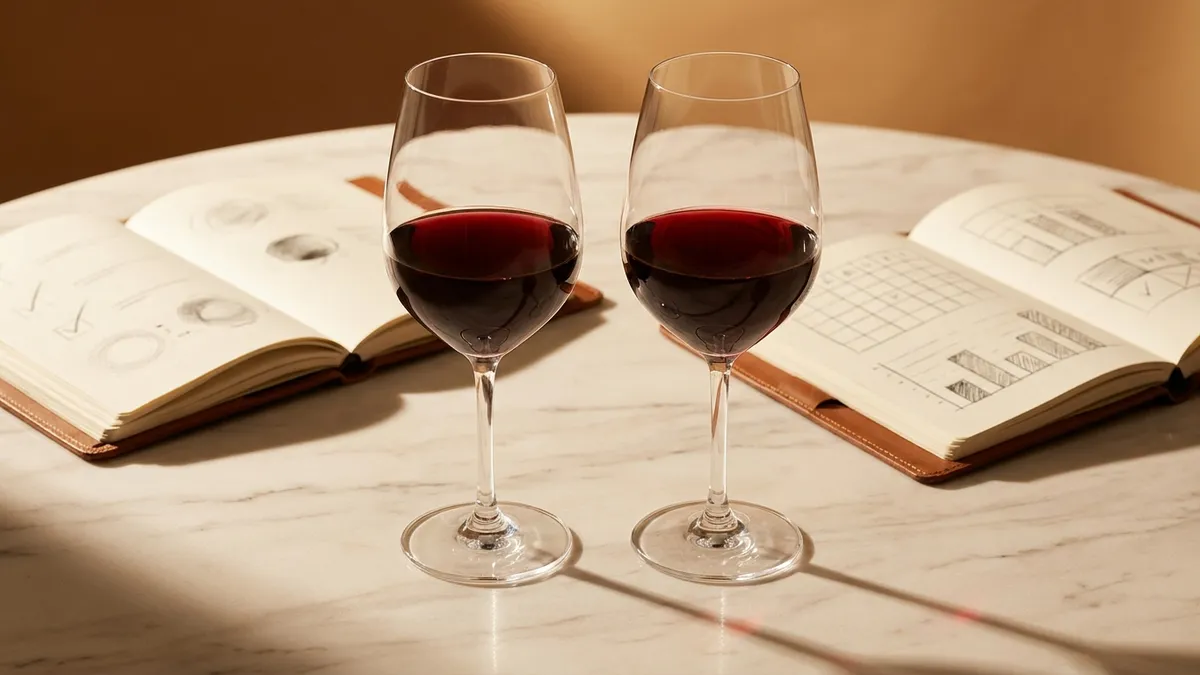
Why Wine Experts Disagree: The Subjectivity of Tasting
Why wine experts disagree even when tasting the same bottle blind — genetic taste differences, palate calibration drift, school-of-thought traditions, regional aesthetics, and point inflation explained.
Why the Same Wine Tastes Different Every Time You Open It
The same wine can taste like a different bottle from one night to the next. Six reasons explain why wine tastes different each time — bottle variation, temperature, glassware, food, palate state, and context.
Wine and Meditation: A Mindful Tasting Practice
Most wine drinking is rushed and distracted. Mindful wine tasting uses meditation principles to slow the glass down, train the palate, and turn one pour into a fuller experience than four hurried ones.
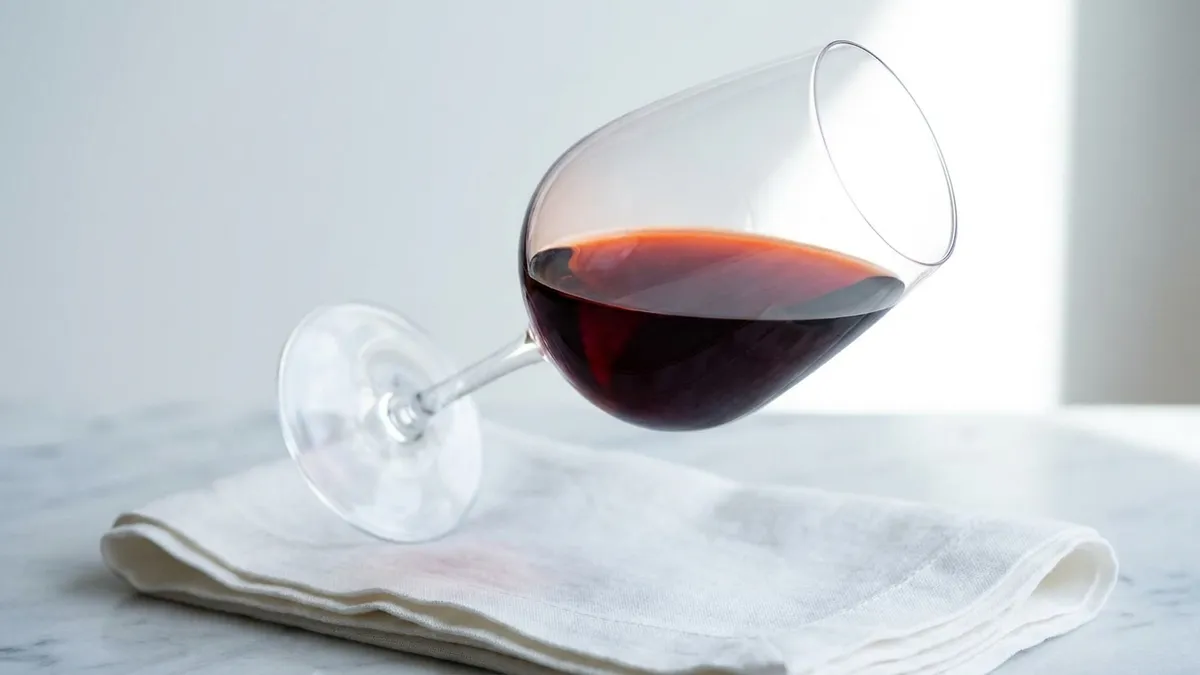
Reading Wine by Appearance: Clues Before Your First Sip
A complete wine appearance guide to reading the glass before you smell or sip — depth, hue, clarity, rim, legs, and bubbles, and what each one really tells you.
Astringency vs Bitterness in Wine: How to Tell Them Apart
Astringency is a drying tactile grip. Bitterness is a basic taste at the back of the tongue. Here is how to feel the difference, why it matters, and which compounds cause each.
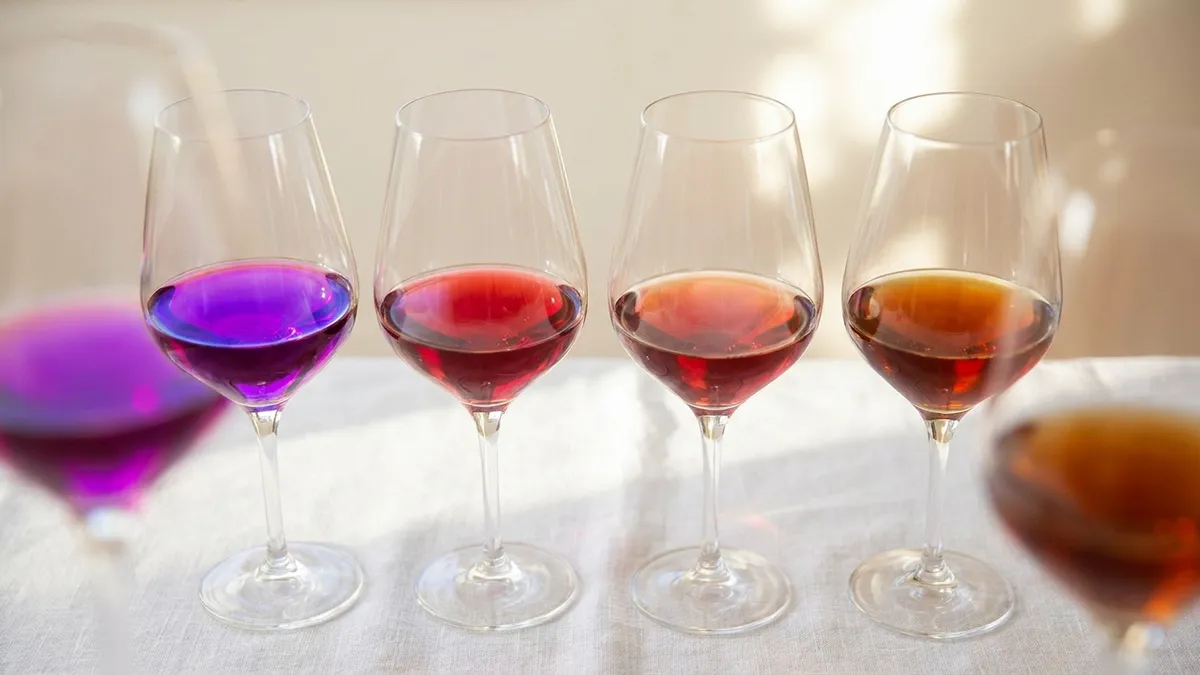
How Wine Color Changes with Age: A Visual Guide
Wine color age shifts are the fastest way to date a bottle by eye. See how reds fade from purple to tawny and whites darken from lemon to amber, and learn to read it.
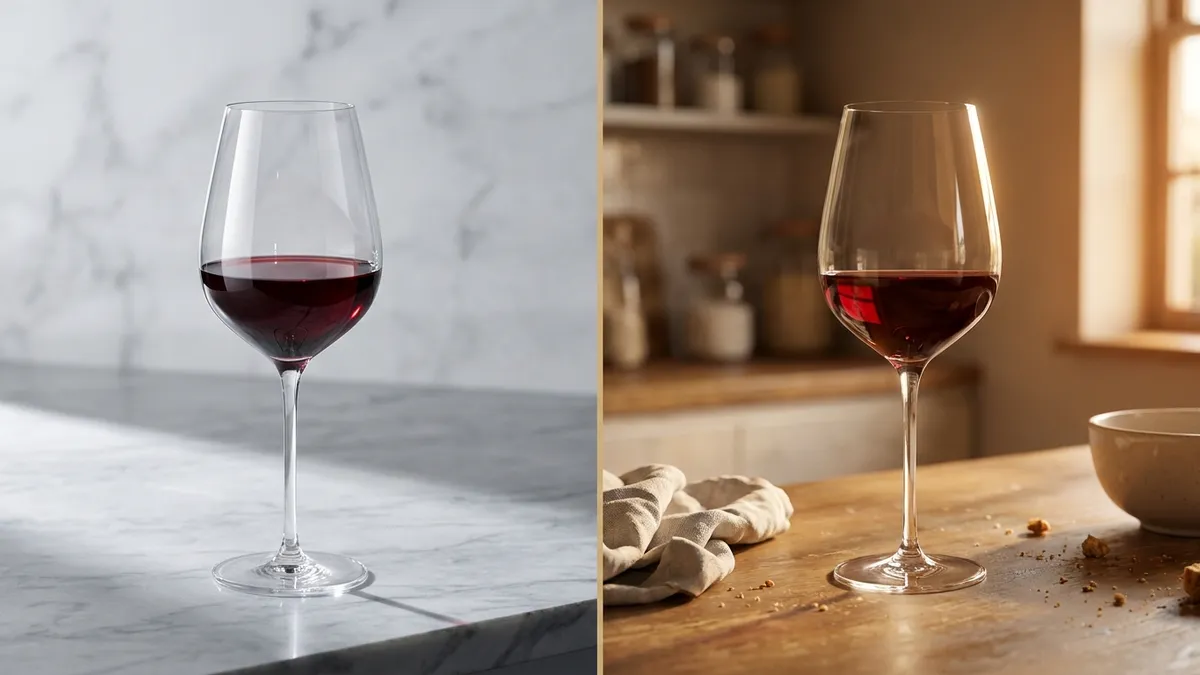
Wine Expectations vs Reality: Why Reviews Rarely Match Your Experience
Why a 95-point reviewer's tasting note rarely matches the bottle in your glass — bottle variation, palate calibration, context, expectations, fatigue, point inflation, and palate drift.
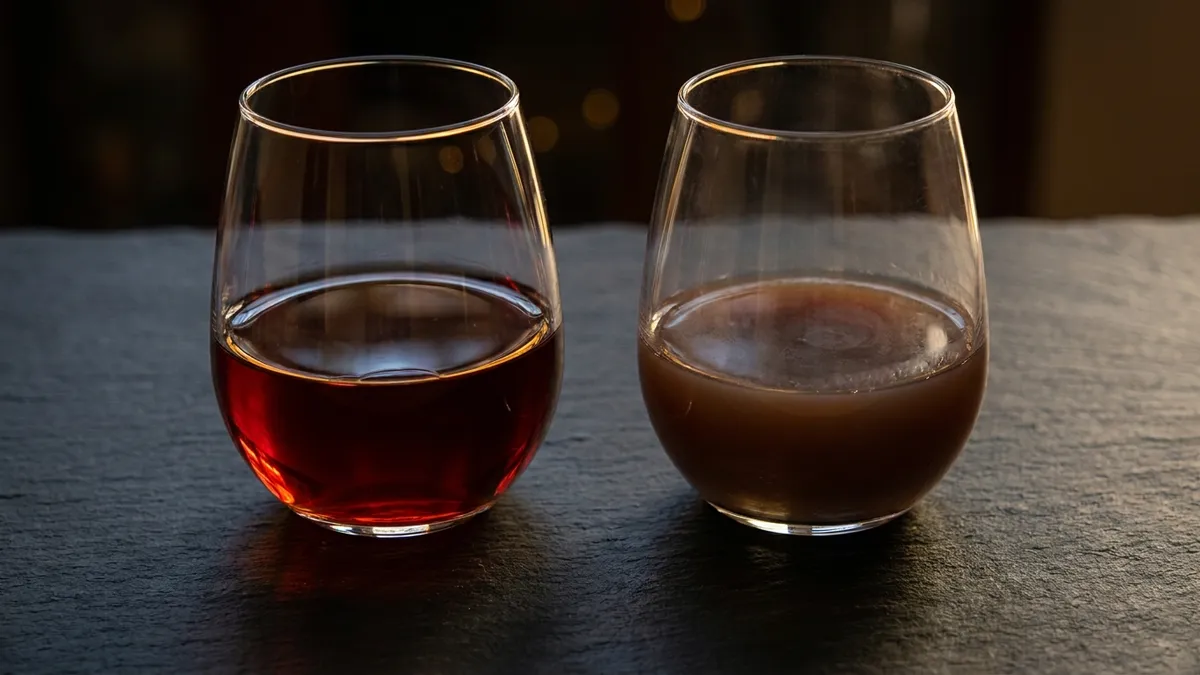
Wine Flaws vs Faults: When "Off" Is Actually Interesting
Not every off-note is a defect. This guide explains wine flaws vs faults — the dose-dependent line between character-shaping imperfections and bottles that should go back to the shop.
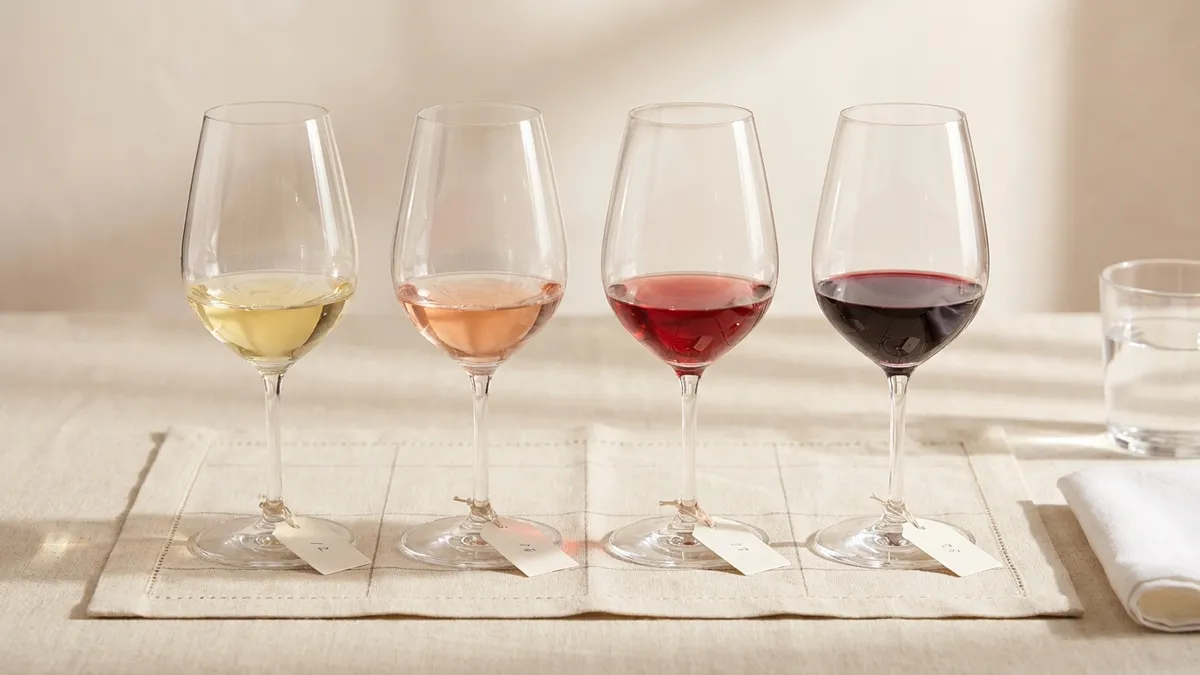
How to Run a Wine Flight: A Practical Comparison Tasting Guide
Wine flight tasting compares 3 to 6 wines side by side in small pours. Here is how to plan one at home — formats, glassware, order, and mistakes to avoid.
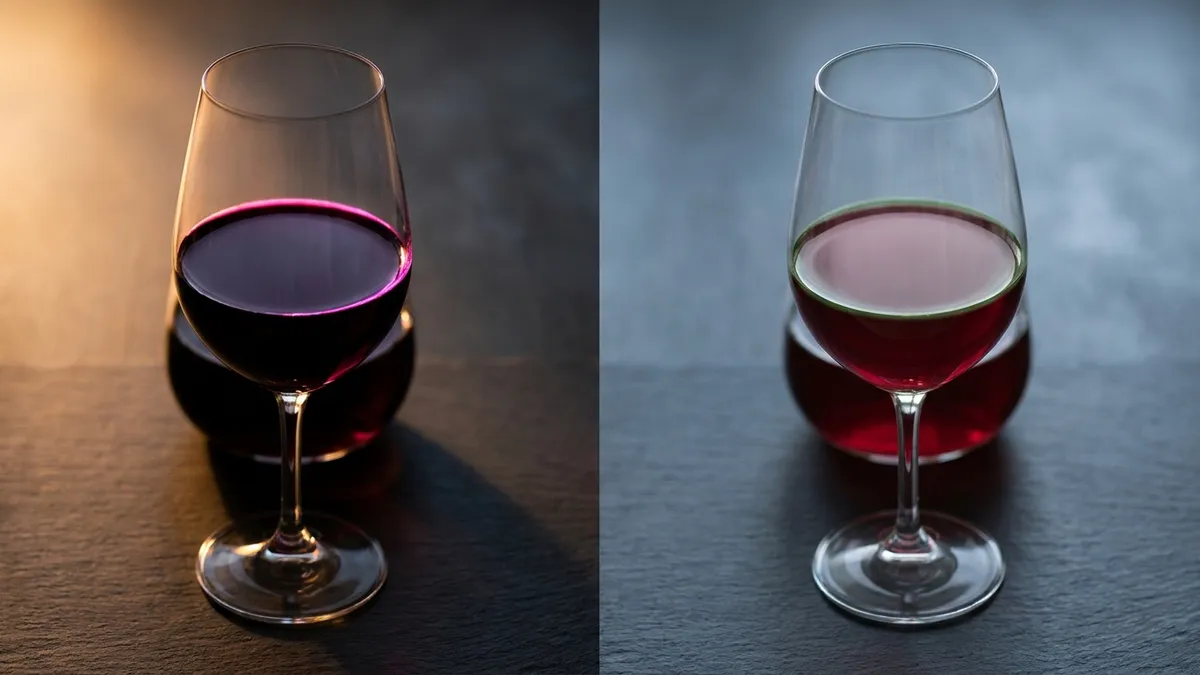
Ripe vs Green Fruit in Wine: What the Fruit Character Tells You
Ripe vs green fruit in wine reveals climate, vintage, and harvest timing. Here's how to read the spectrum from green pepper to jammy fig and what each tier signals about the bottle.
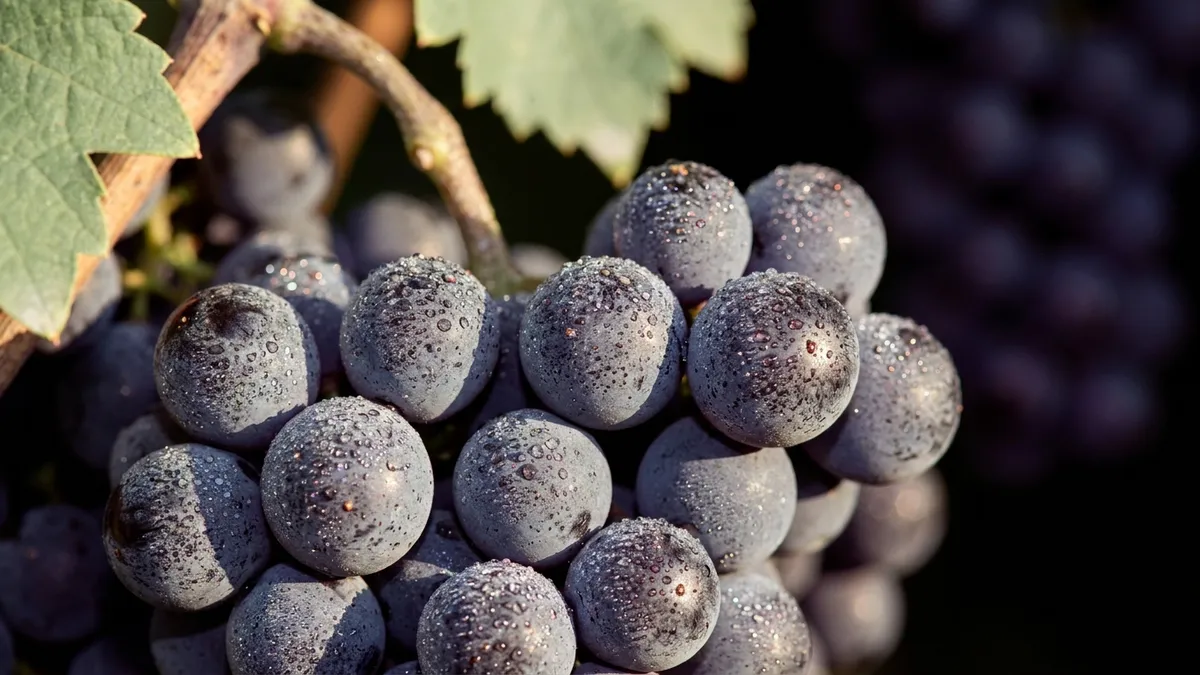
Wine Phenolics: What They Are and How They Affect Taste
Wine phenolics are the molecular family behind color, tannin, mouthfeel, and age potential. Here is what they are, how each family tastes, and why reds carry roughly ten times more than whites.
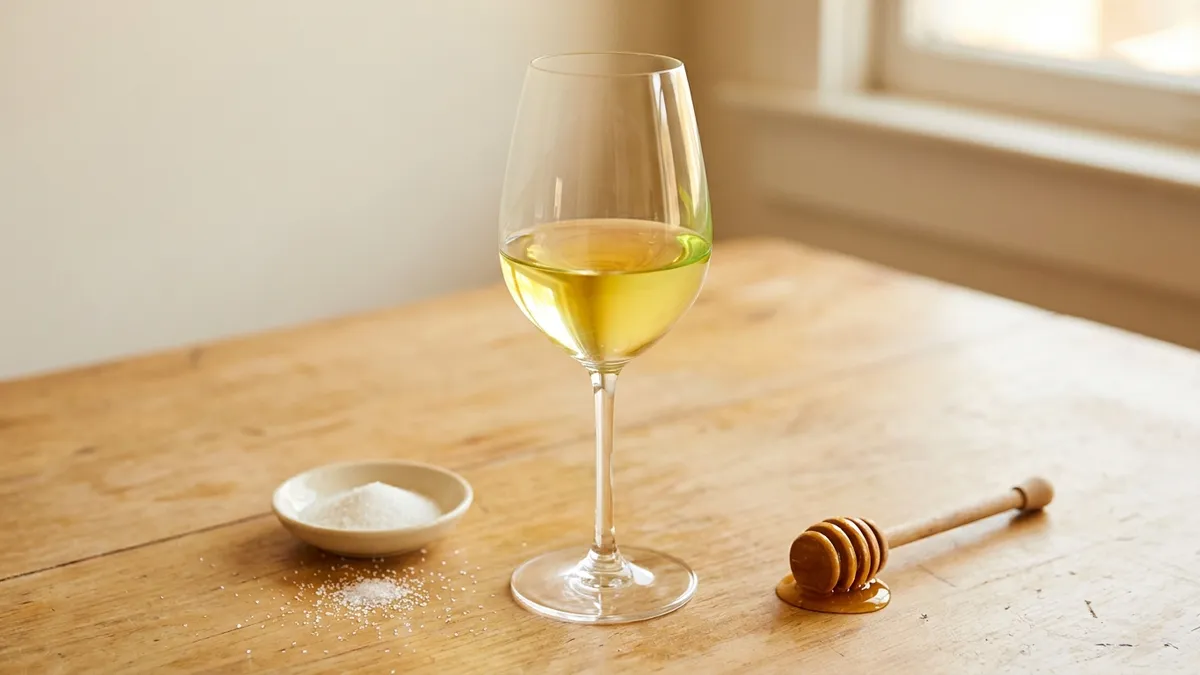
How to Detect Residual Sugar in Wine by Taste
Most wines labeled dry are not actually dry — they hide 4-12 g/L of residual sugar. Here is how to taste RS, decode labels, and tell why high-acid sweet wines fool the palate.
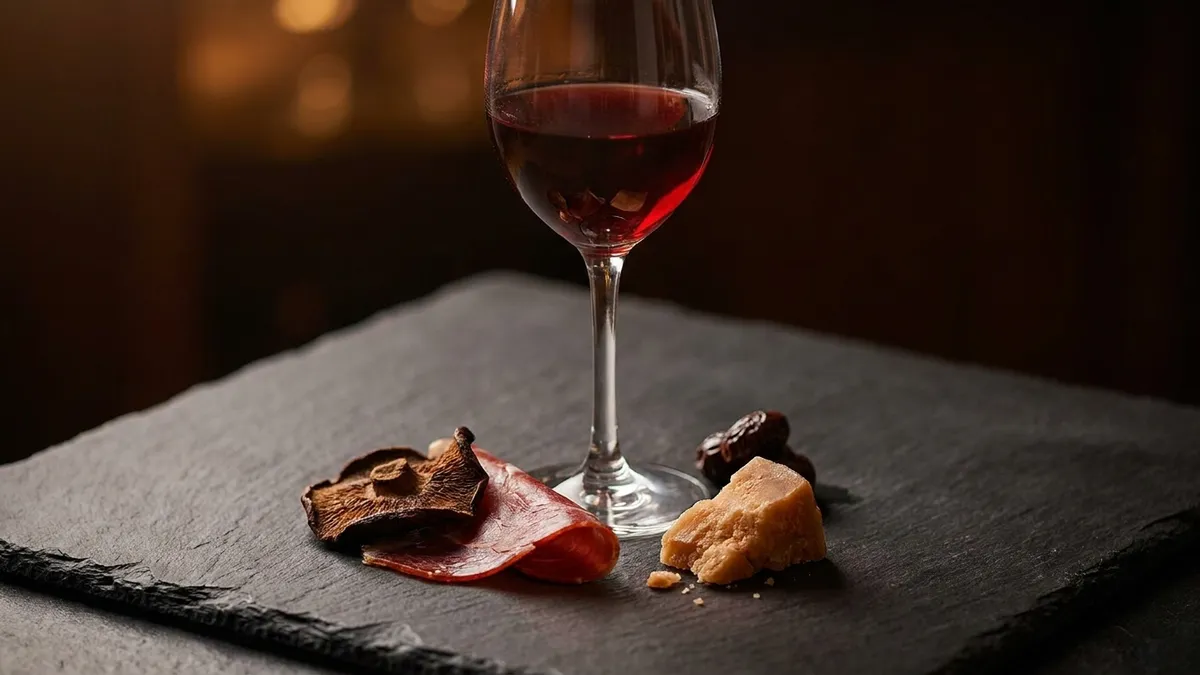
Savory and Umami Flavors in Wine: What to Look For
Umami in wine shows up as broth, mushroom, miso, soy, and cured meat. Learn where these savory wine flavors come from and how to taste them with confidence.
The 100-Point Wine Scale: How to Score Wine Yourself
How the 100-point wine scale really works — its origins, rubric, tier breaks, and a practical way to score wine yourself without pretending to be a critic.
Wine Tasting Etiquette: The Unwritten Rules
The unwritten rules of wine tasting etiquette — how to hold the glass, when to spit, how to comment, and how to fit in across restaurants, dinners, and tastings.
Wine Tasting for Introverts: How to Enjoy Without the Pressure
A quiet, depth-first guide to wine tasting for introverts — solo practice, journaling, online courses, and small structured tastings instead of crowded wine bars and small talk.
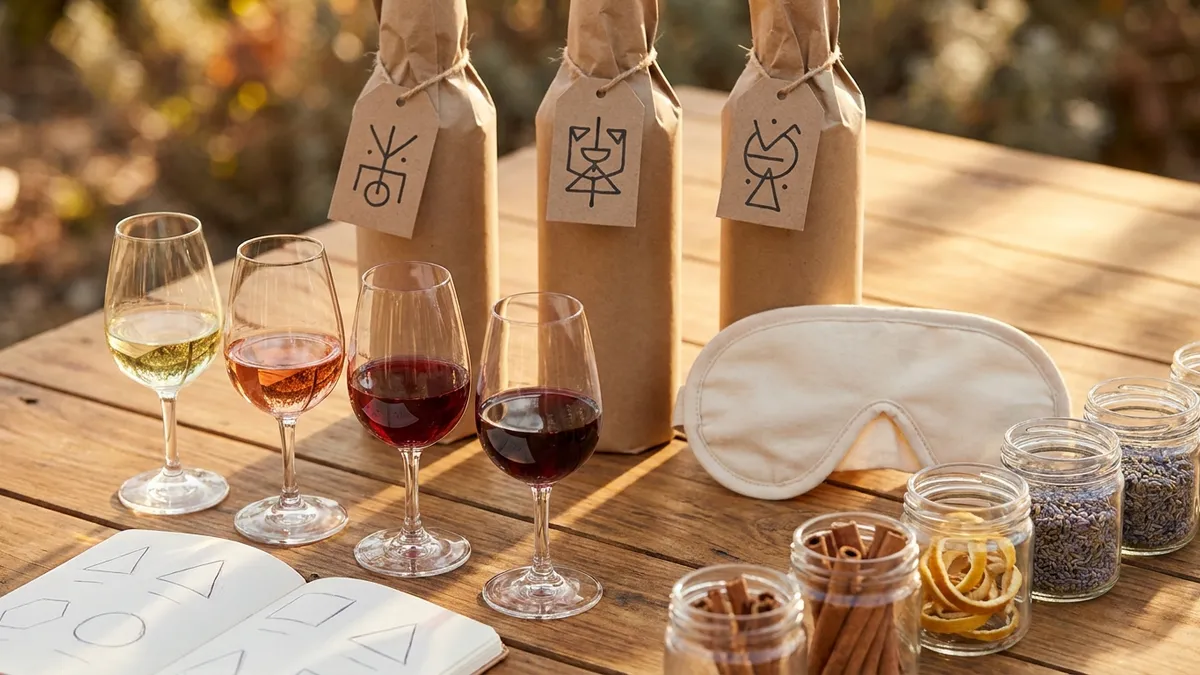
8 Wine Tasting Games That Make Learning Fun
Eight wine tasting games that turn study into play — blindfolded color matches, Old World vs New World ID, aroma jar challenges, and palate-calibration drills you can run at home.
How to Keep a Wine Tasting Journal That Is Actually Useful
How to keep a wine tasting journal that pays you back — what to record, how to organize entries, paper vs digital, and the weekly review habit that turns notes into a real palate map.
7 Wine Tasting Myths Debunked: Legs, Temperature, and Glassware
Seven wine tasting myths about technique — reading legs, serving temperature, glassware, price calibration, aging, and pairing levers — corrected with what actually improves how you taste.
20 Fun Wine Tasting Theme Ideas for Your Next Get-Together
Twenty wine tasting theme ideas — from beginner grape comparisons to old world vs new world, verticals, sparkling showdowns, and seasonal flights — with grapes, formats, and bottle counts.
Teaching Kids About Wine Tasting (Using Juice and Snacks)
A parent-friendly framework for teaching kids the sensory skills of wine tasting using juices, herbal teas, and snacks — no alcohol involved.
Does Music Change How Wine Tastes? What Research Shows
Charles Spence's Oxford research shows music affects wine taste in measurable ways — pitch shifts sweetness, key shifts astringency, tempo shifts perceived alcohol heat. Here is what the science actually says.
Wine Tasting Without the Snobbery: A Relaxed Approach
A friendly approach to wine tasting that ditches the performance and keeps the parts that actually help — proper temperature, a decent glass, plain-language notes, and curiosity.
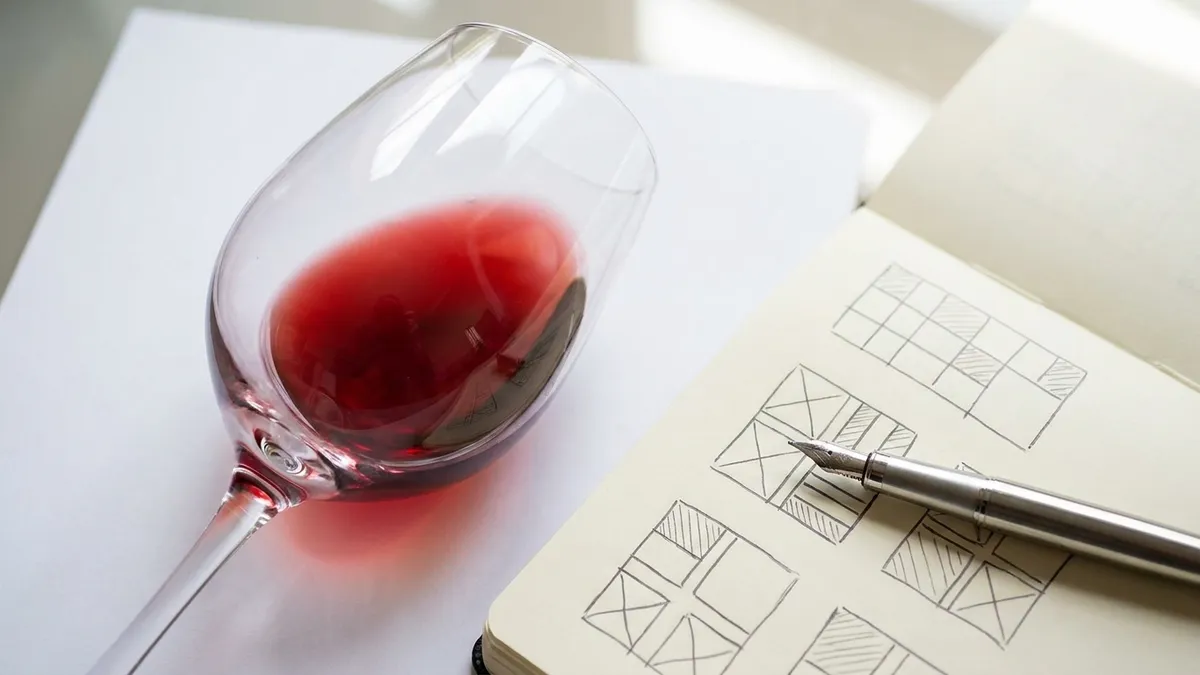
The WSET Systematic Approach to Tasting: An Overview
The WSET Systematic Approach to Tasting (SAT) explained — appearance, nose, palate, quality, and readiness — with the BLIC framework and Level 2, 3, and 4 grids.
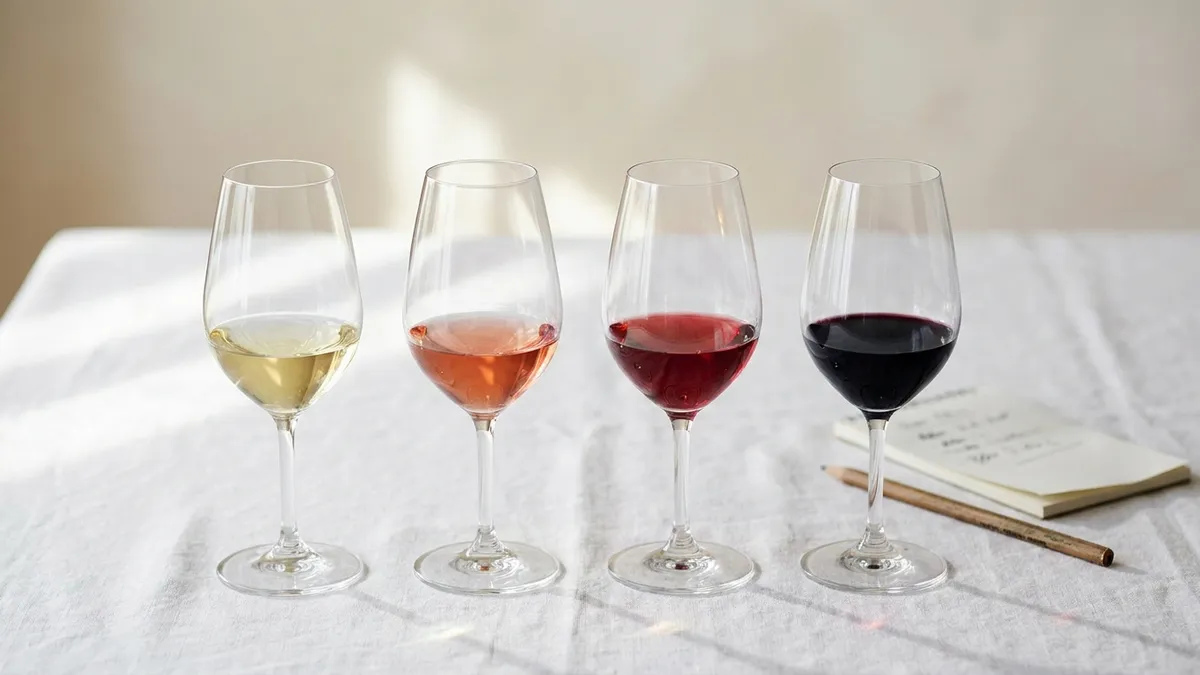
The Deductive Tasting Method: A Step-by-Step Framework
The deductive tasting method explained step by step — sight, smell, palate, and conclusions — with the assess-describe-conclude logic sommeliers use to identify any wine.
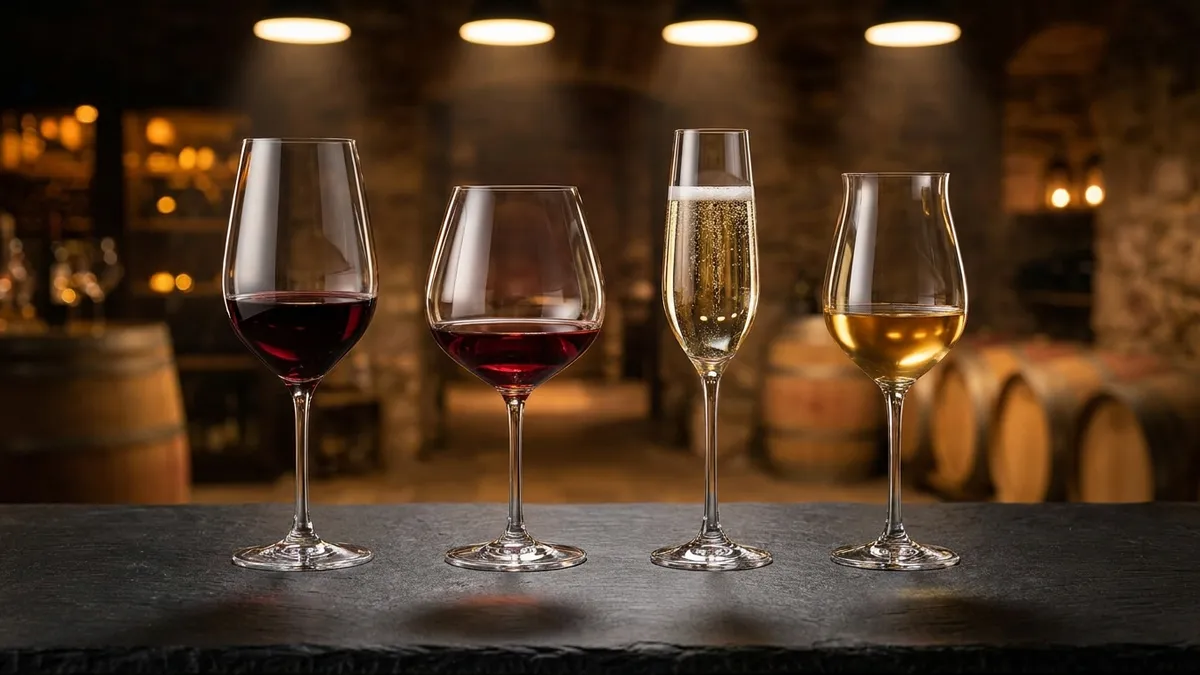
Does Wine Glass Shape Affect Taste? The Science
Wine glass shape changes how a wine smells and tastes — but the effect is smaller than marketing claims. Here is what the science actually shows.
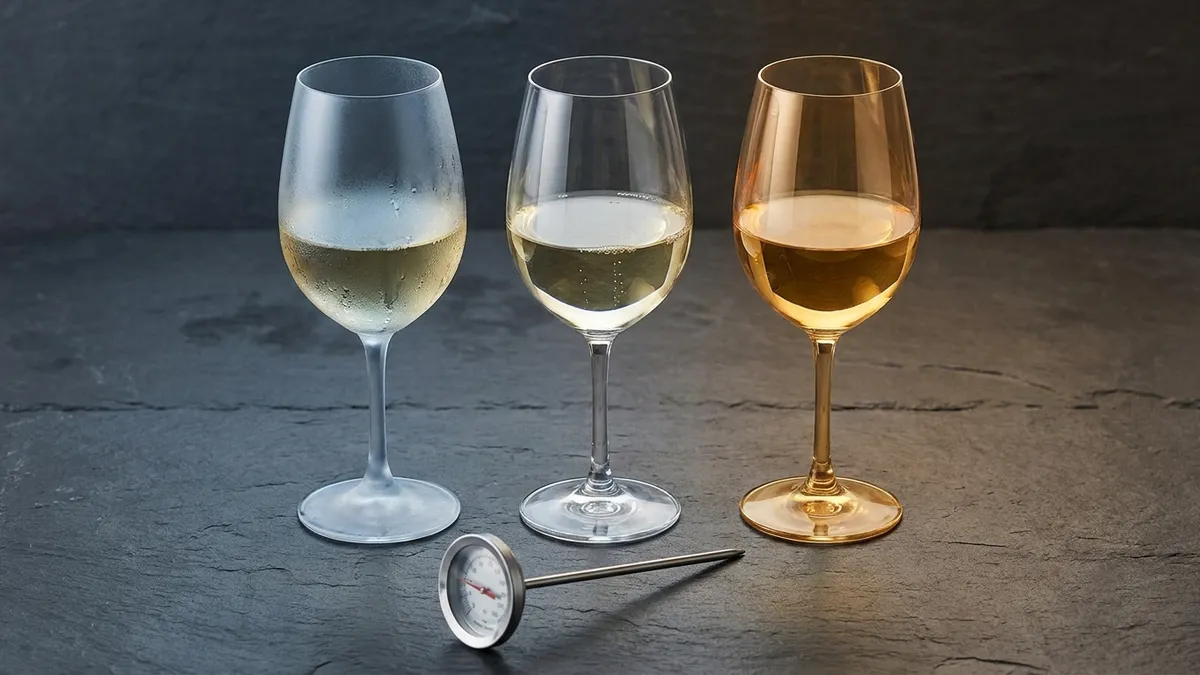
How Temperature Affects Wine Taste: A Tasting Experiment
Pour the same Sauvignon Blanc and Cabernet at three temperatures and the wine seems to change shape. A hands-on tasting experiment that proves how temperature affects wine taste — and why your fridge is probably lying to you.
How to Identify Wine Faults by Smell Alone
Most wine faults give themselves away on the nose long before you take a sip. Here is how to identify wine faults by smell — TCA, oxidation, brett, VA, reduction, and heat damage — in under a minute.
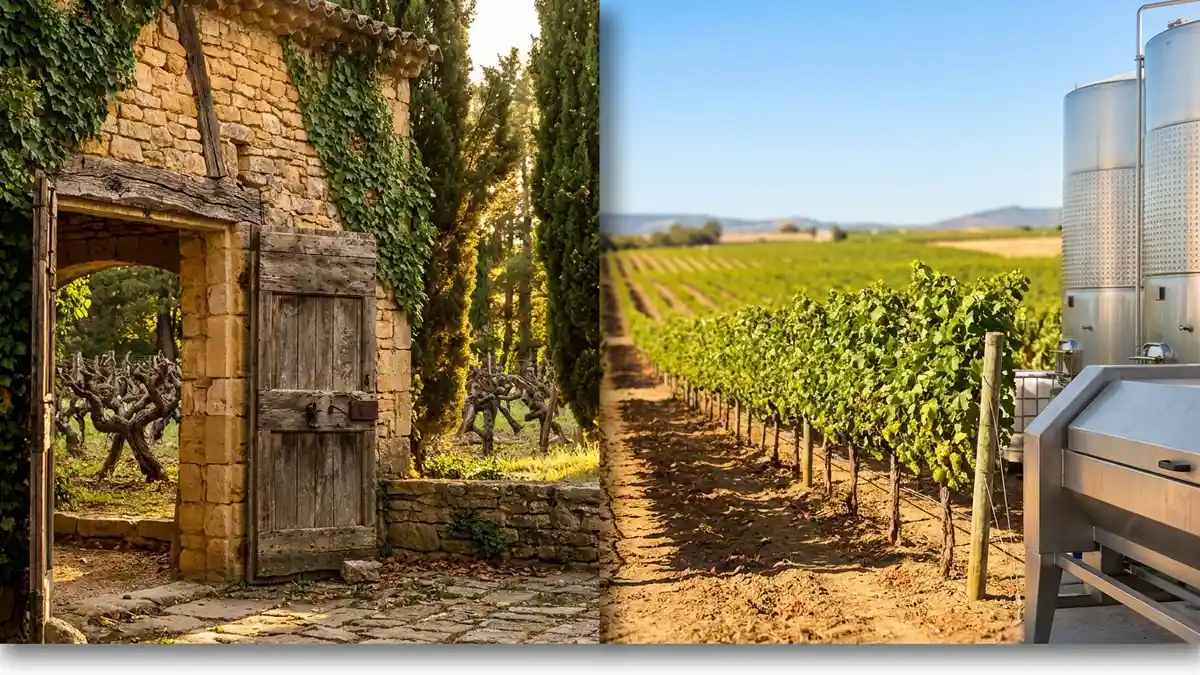
How to Taste the Difference Between Old World and New World Wine
Old World and New World wines come from the same grapes but taste completely different. Learn the structural cues that let you tell them apart blind — alcohol, acid, oak, fruit ripeness, and savory undertones.
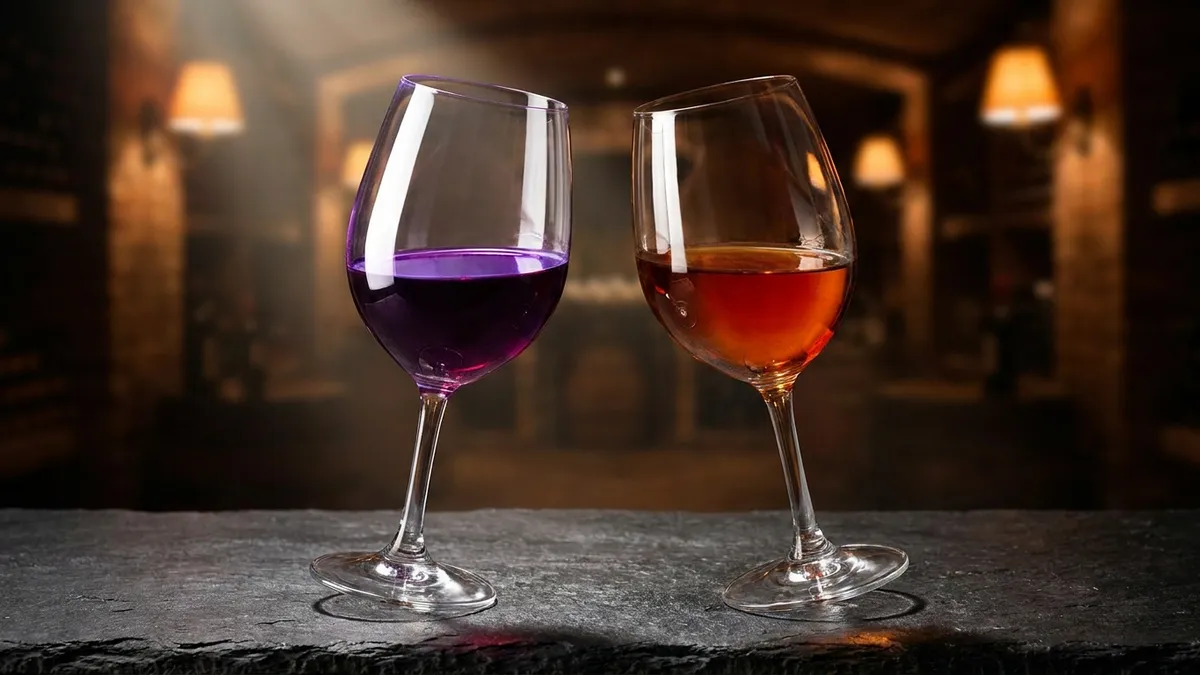
Tasting Young vs Aged Wine: How Flavors Change Over Time
Tasting young vs aged wine side by side reveals how fruit, color, tannin, and aromatics transform with bottle age. Here is exactly what shifts, and why.
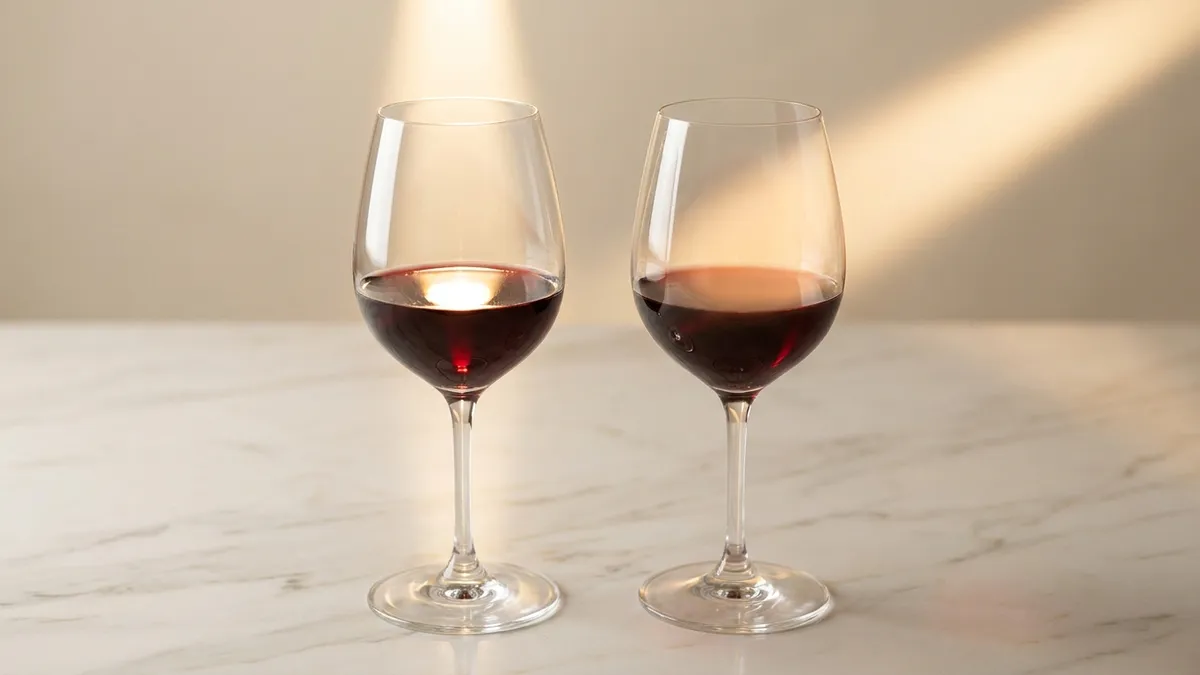
Wine Flavor vs Aroma: Understanding the Difference
Wine flavor and wine aroma are not the same thing. Here is the precise difference, why it matters for tasting, and how to use both deliberately.
Wine Palate Fatigue: How to Reset Your Taste Buds Mid-Tasting
Wine palate fatigue is the silent reason your last three wines all tasted the same. Learn how to spot it, slow it down, and reset between glasses.
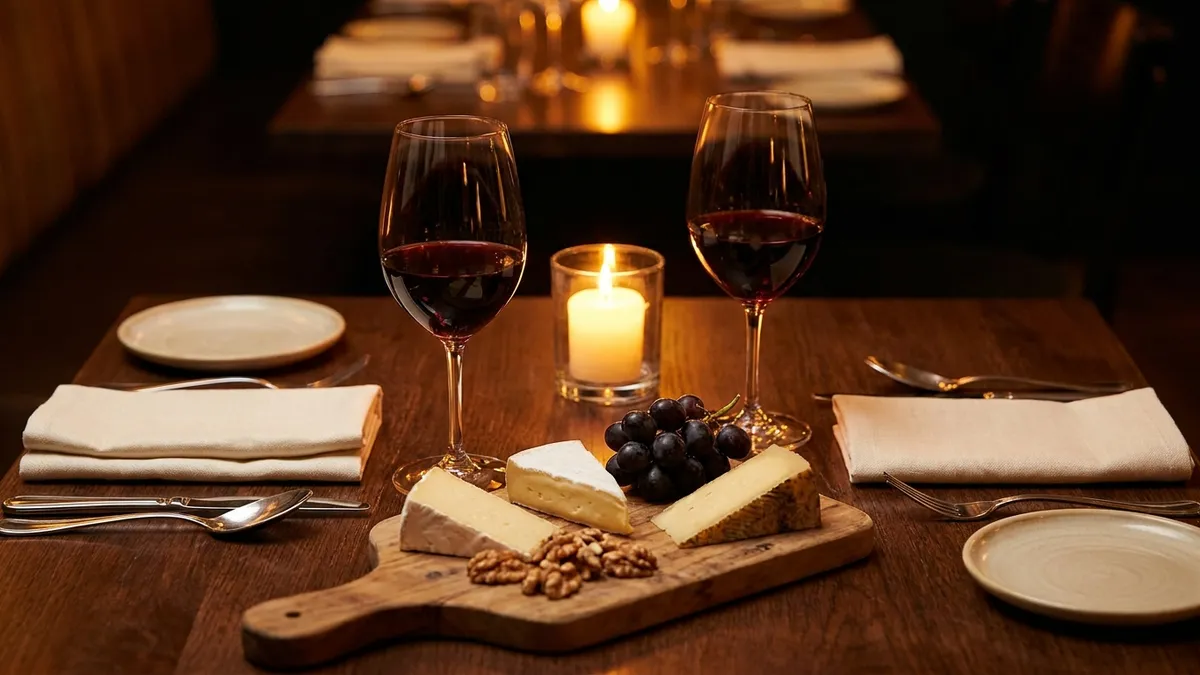
Wine Tasting for Couples: A Date Night Guide
A wine tasting date night for two: two bottles, four glasses, ninety minutes, one simple theme. The setup, conversation prompts, and scoring that turn a quiet evening at home into a small ritual you will want to repeat.
Wine Tasting Vocabulary: 50 Words You Actually Need
A printable wine tasting vocabulary cheat sheet — 50 essential terms grouped by sight, smell, palate, flavor, finish, winemaking, and faults. Plain-language definitions, real usage examples.
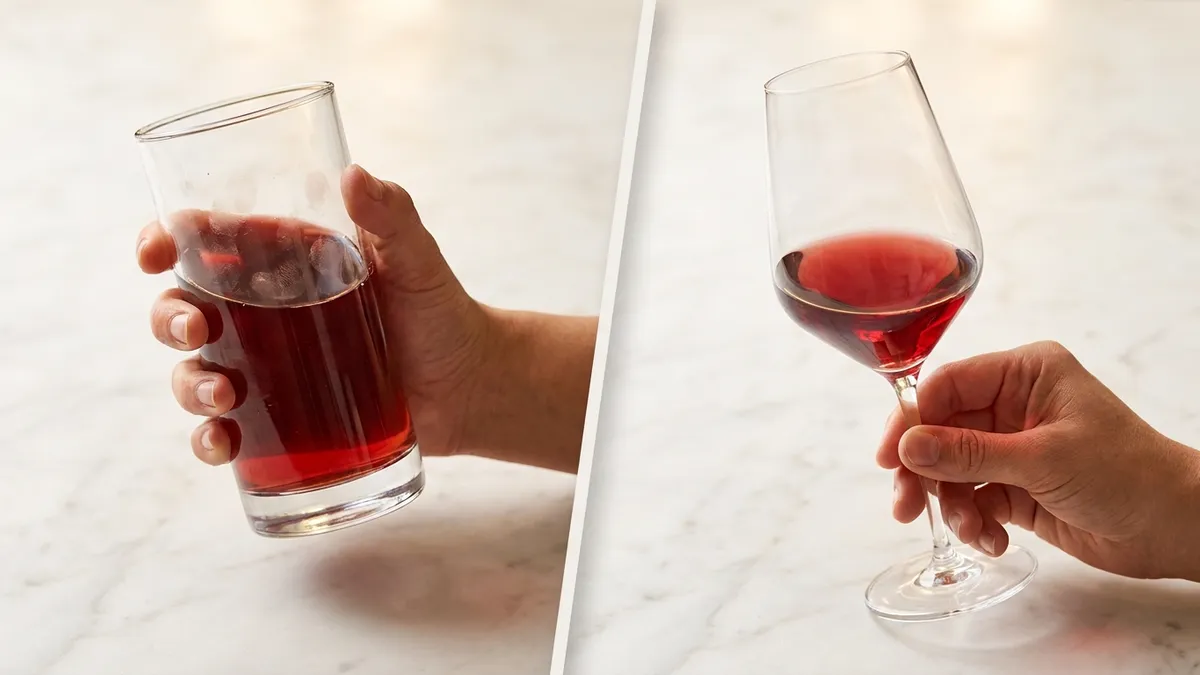
10 Common Wine Tasting Mistakes (and How to Fix Them)
The ten wine tasting mistakes that quietly stall most beginners, with a specific fix for each. From wrong glass temperature to over-sniffing, every fix takes under a minute.
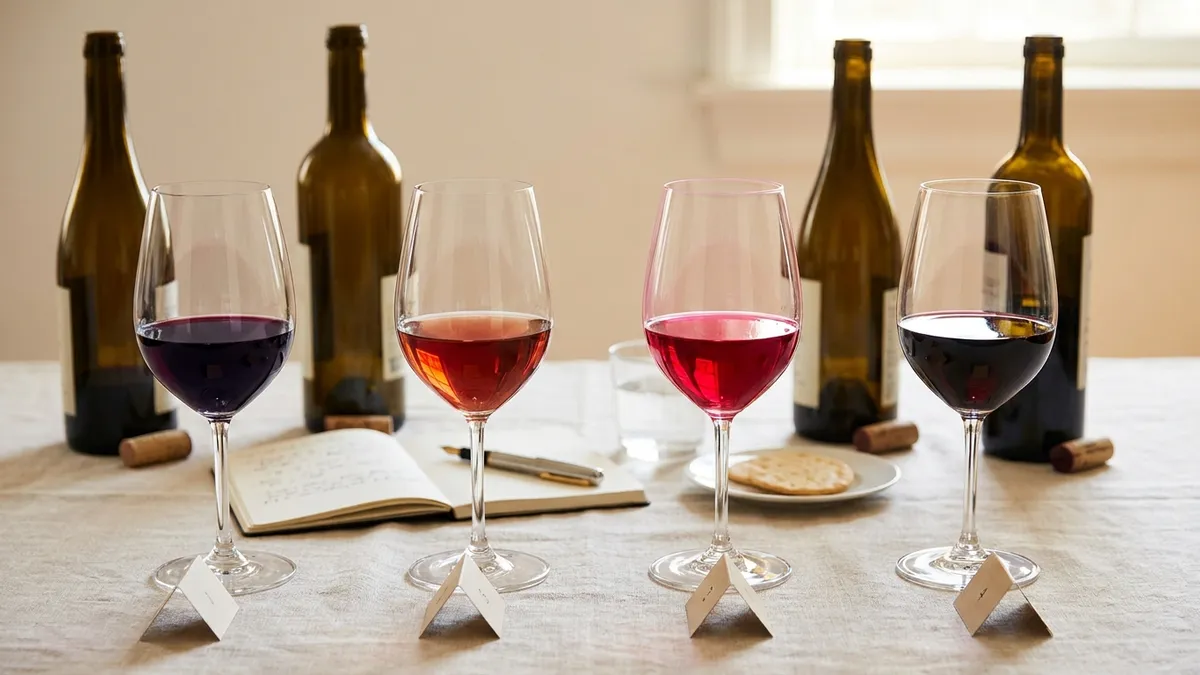
Horizontal Wine Tasting: Compare the Same Vintage Across Producers
A horizontal wine tasting compares different producers from the same vintage. Here's how to plan one, what to taste for, and why it is the fastest way to understand regional style and winemaker signature.
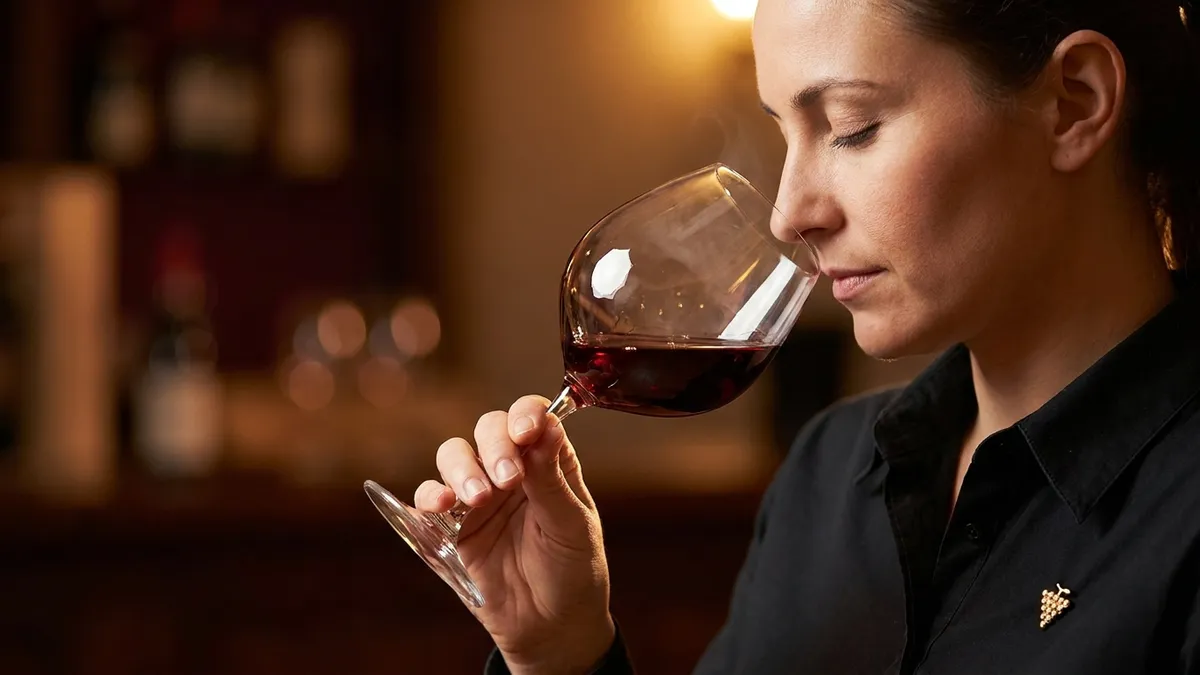
How to Taste Wine Like a Sommelier: The 6-Step Method
The exact 6-step method Master Sommeliers use on every wine: sight, swirl, smell, sip, structure, conclusion — plus the deduction grid for blind tasting.
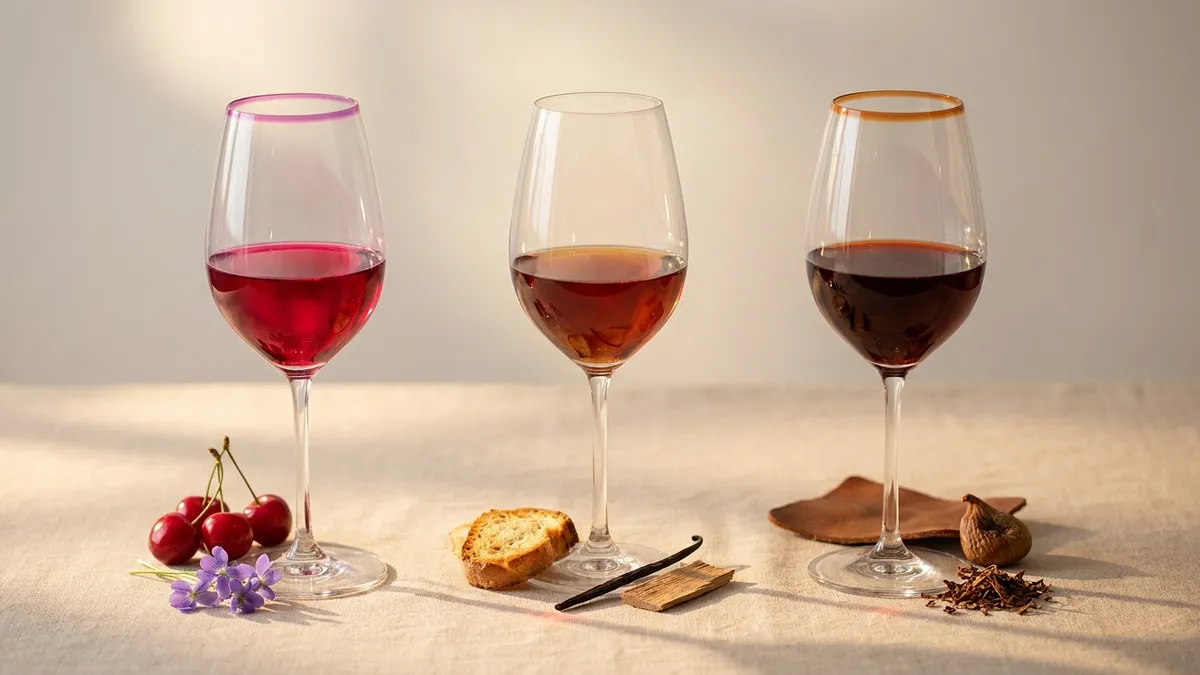
Primary, Secondary, and Tertiary Aromas in Wine Explained
Primary, secondary, and tertiary aromas in wine come from different stages of a wine's life. Here's what each category smells like, where it comes from, and how to tell them apart in the glass.
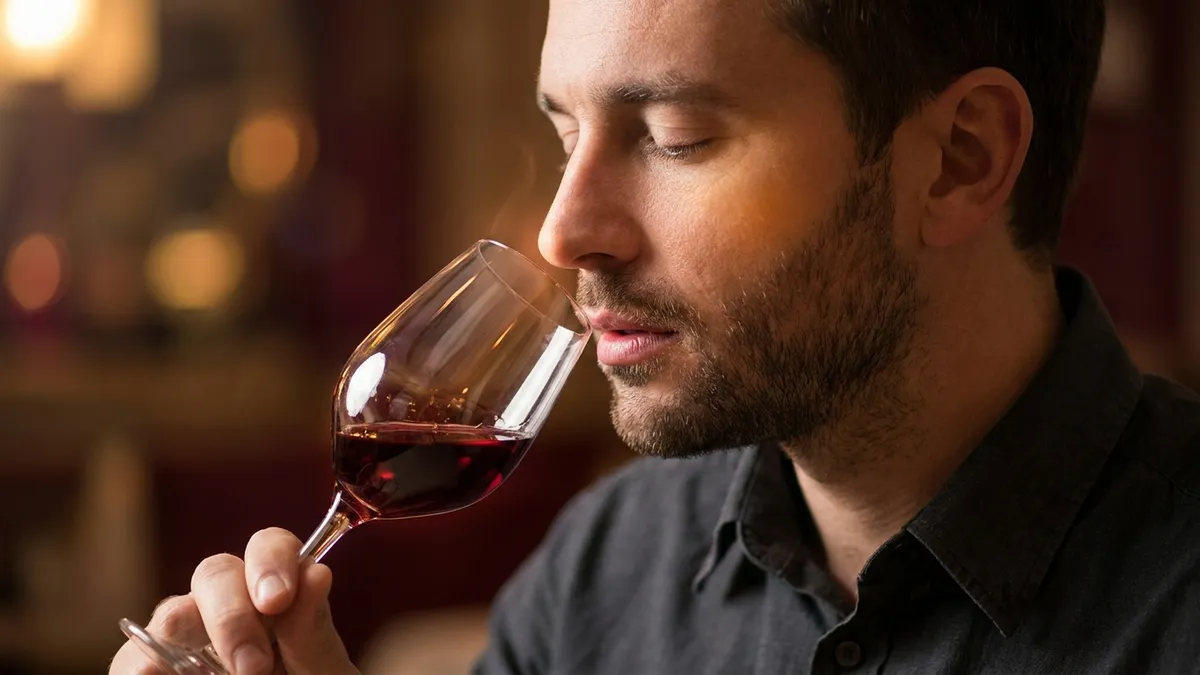
Retronasal Smell: The Secret to Tasting More Flavors in Wine
Retronasal smell is how you actually taste wine. Here's what it is, why it matters more than the nose in the glass, and the exact sommelier technique that puts it to work.
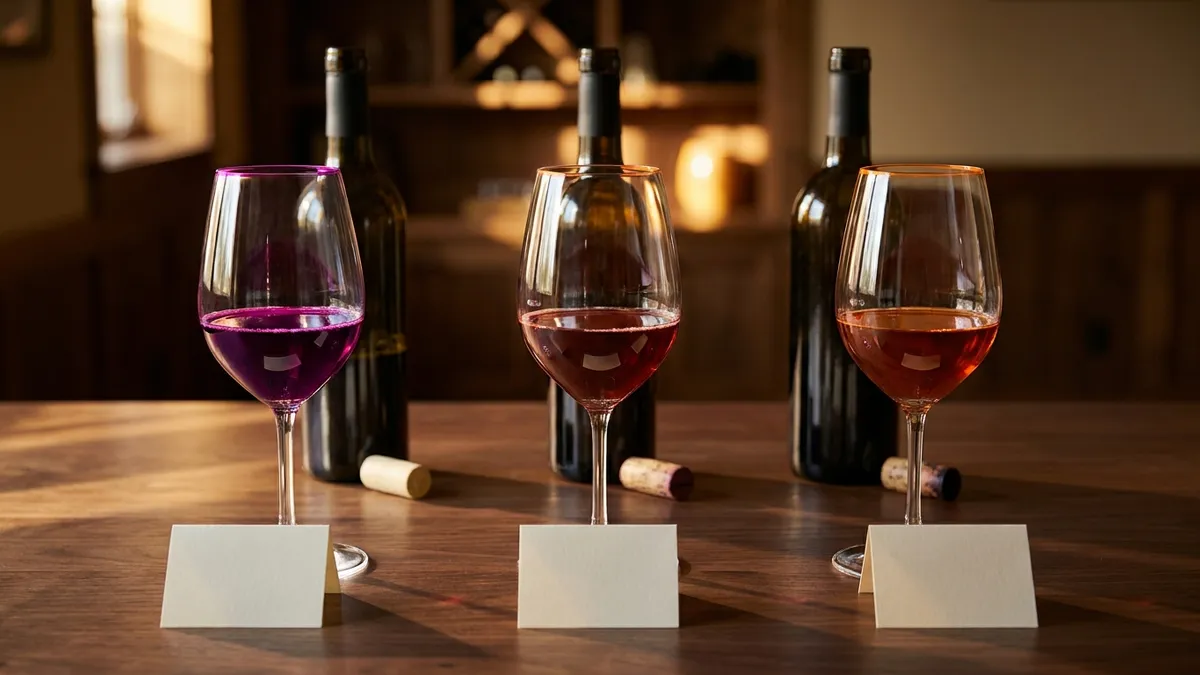
Vertical Wine Tasting: What It Is and How to Host One
A vertical wine tasting compares the same wine across different vintages. Here's how to plan one, what to look for, and why it is the single fastest way to understand how wine ages.
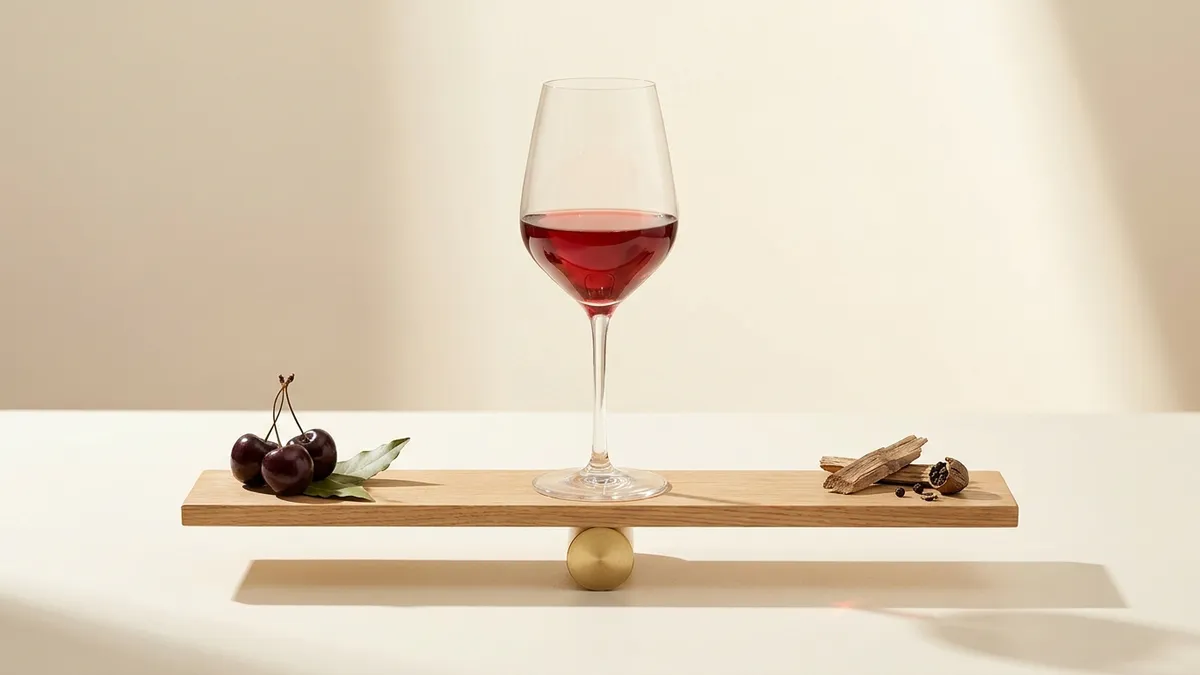
What Is Balance in Wine? The Key to Quality
Wine balance is the quiet marker of quality every sommelier reaches for but rarely defines. Here's what balance actually is, how to taste it, and why it separates great wines from merely correct ones.
What Makes a Wine Complex? Understanding Depth and Layers
Wine complexity is more than a long list of aromas. Here's what complex really means, how to identify it in the glass, and why it is one of the clearest markers of a great wine.
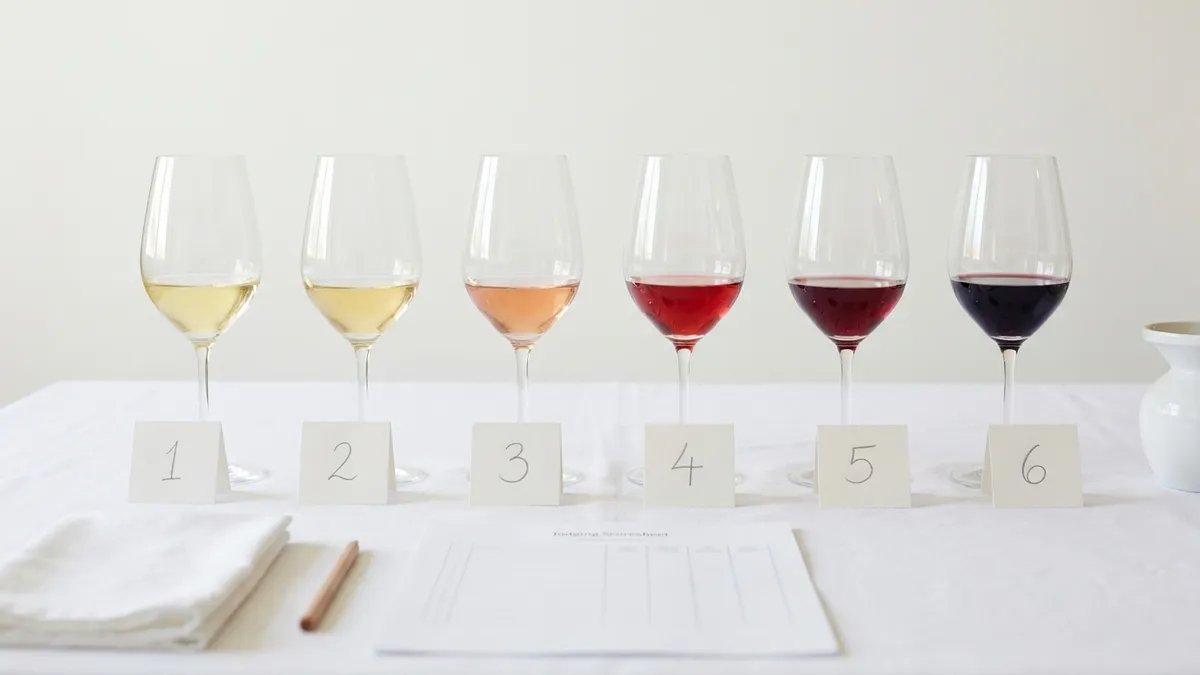
Wine Judging Criteria — How Wine Judges Score a Glass
Wine judging criteria explained: how wine judges score a glass on the 100-point, OIV, and WSET frameworks, why panels taste blind, and what a medal means.
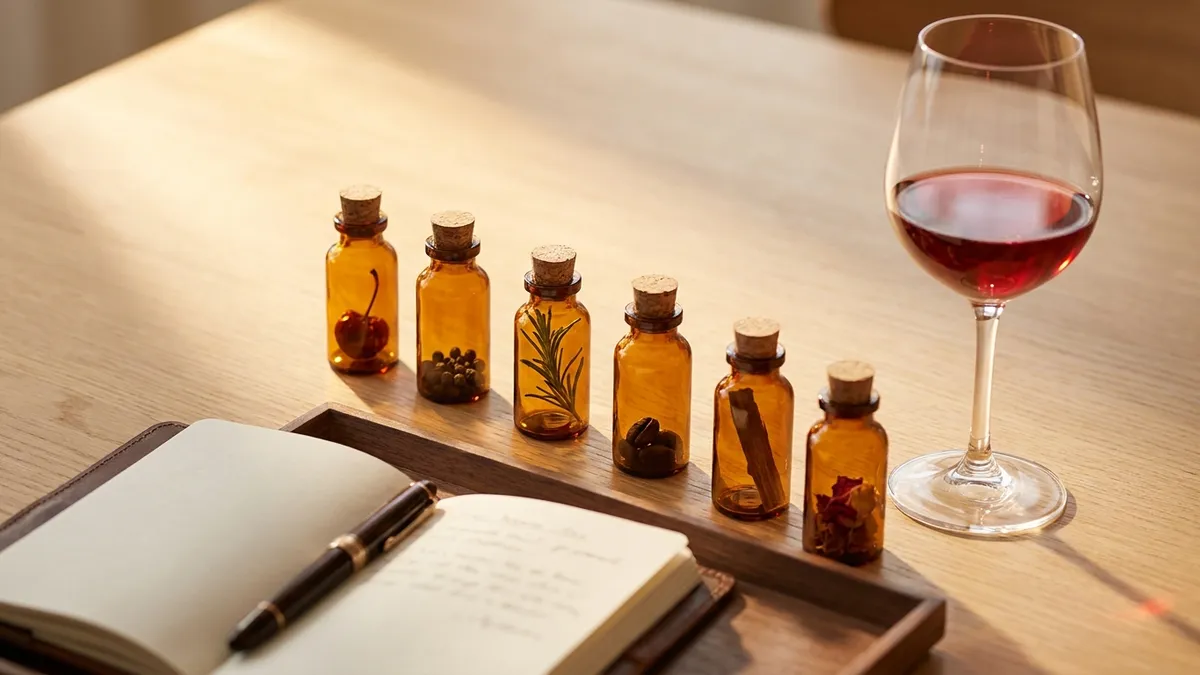
Wine Memory Training: How Sommeliers Remember Hundreds of Wines
How top sommeliers remember hundreds of wines — and the evidence-backed memory techniques you can steal. Six drills that build recall without demanding a cellar or a classroom.
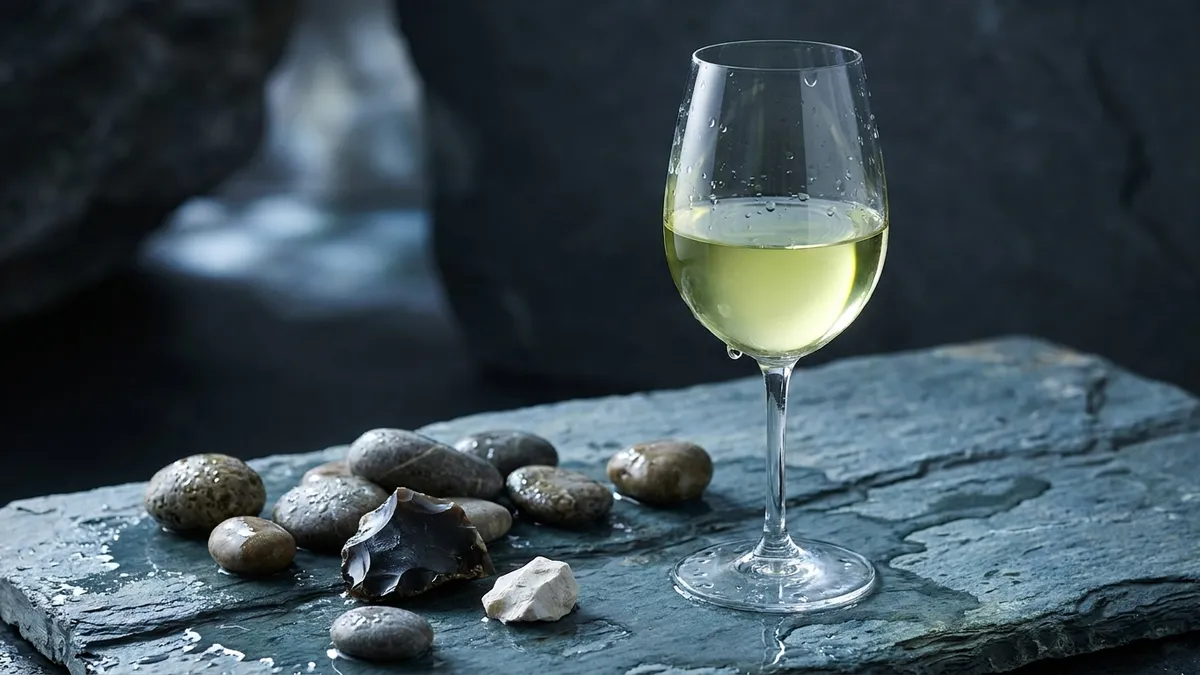
What Is Minerality in Wine? The Controversial Tasting Term
Minerality in wine is one of the most argued-over tasting terms. Here's what tasters actually mean when they say it, what science has (and hasn't) confirmed, and how to identify it in the glass.
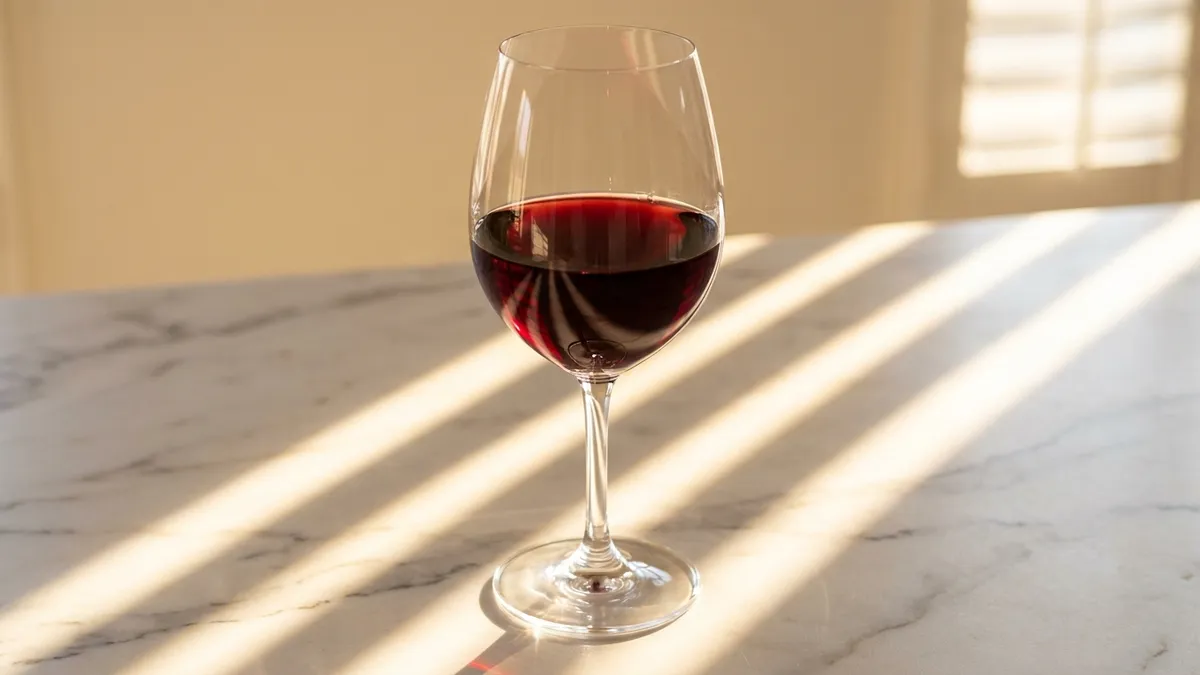
Wine Structure Meaning: What Makes a Wine Structured
Wine structure is the frame under the flavor: acidity, tannin, alcohol, body and sweetness. What a structured wine is, and how to feel each part in one sip.
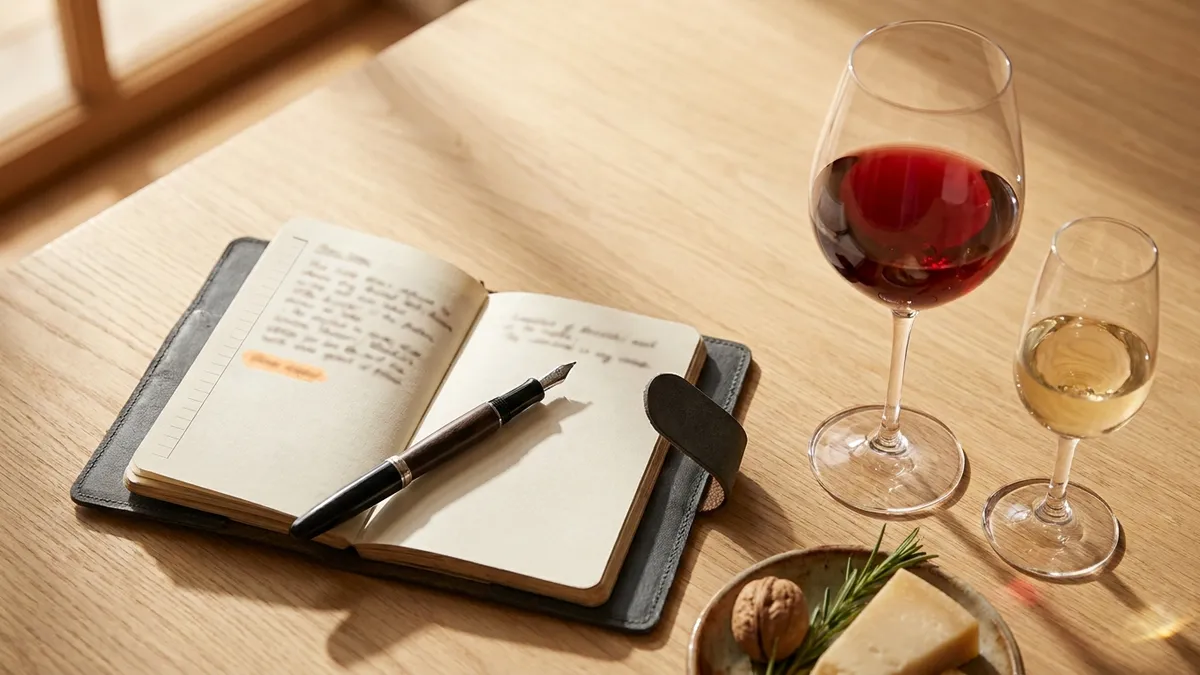
Wine Tasting Notes Template: What to Write Down and Why
A ready-to-use wine tasting notes template plus the reasoning behind every field. Five short sections, ten minutes per wine, and a record you can actually use six months later.
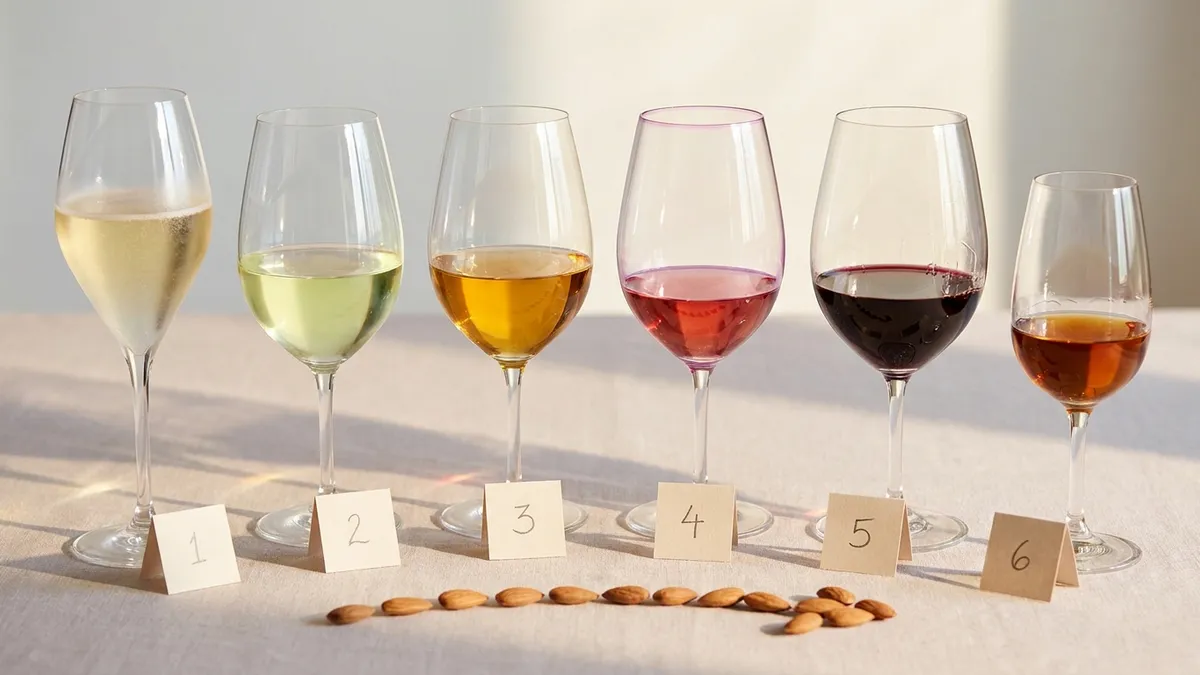
Wine Tasting Order: The Sommelier Rules (With a Chart)
Wine tasting order with a chart: sparkling, light white, full white, rosé, light red, full red, sweet last — plus white-only and red-only flights and the exceptions.
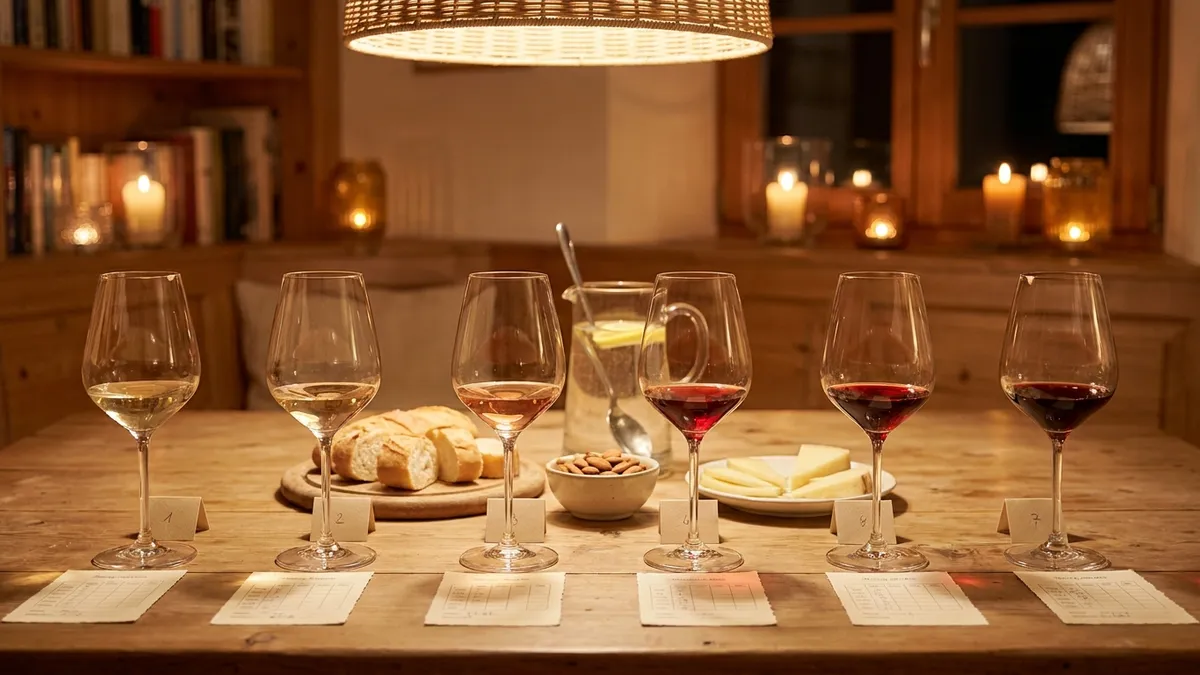
How to Host a Wine Tasting Party at Home
Host a wine tasting party at home that feels like a proper experience, not a free-for-all. Theme picks, pour sizes, food, order, and the small rituals that make guests leave smarter.
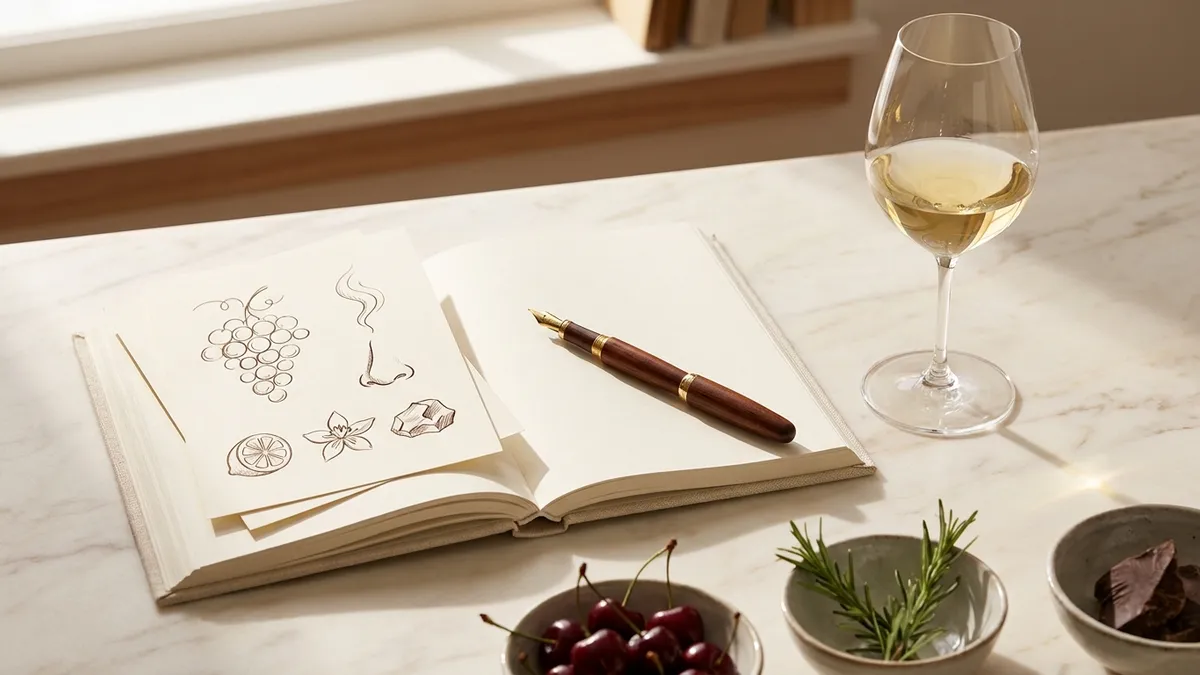
How to Develop Your Wine Palate: Exercises That Work
Your palate is trainable — but most advice wastes your time. Seven evidence-backed exercises that actually build recall, from scent libraries to 10-minute comparison drills.
How to Spit Wine at a Tasting (Without Embarrassing Yourself)
Spitting is standard at wine tastings — not rude. Learn the technique, why professionals do it, and how to spit confidently at your next tasting event.
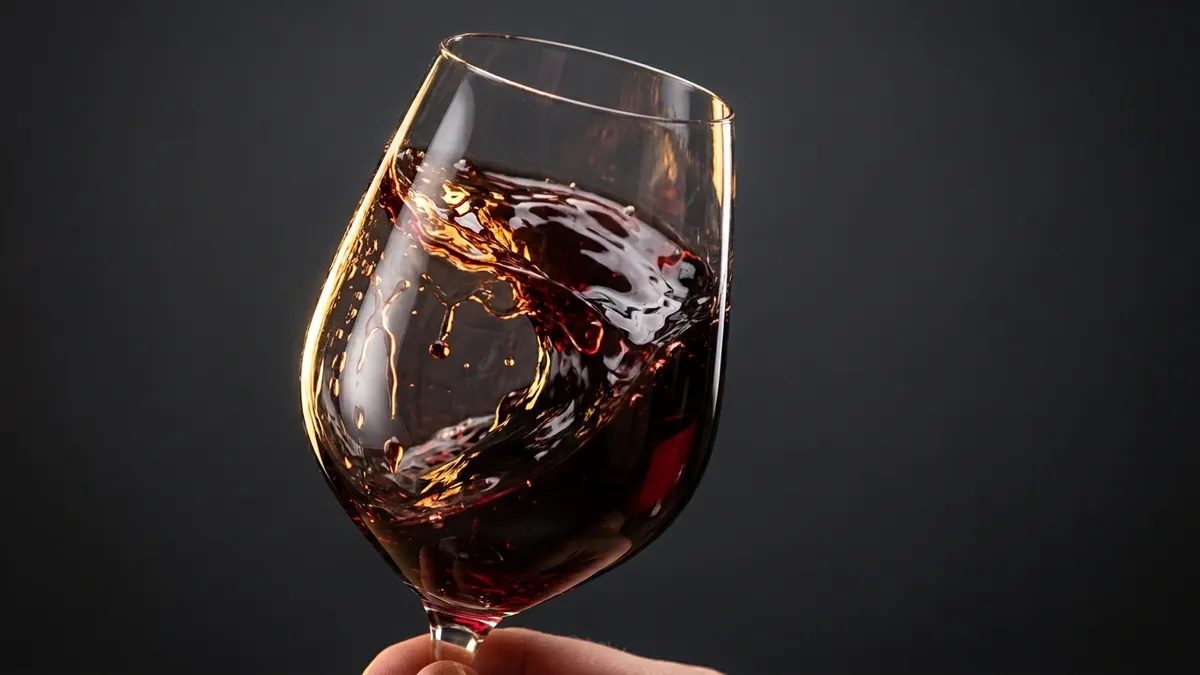
How to Swirl Wine: The Technique That Unlocks Aromas
Swirling wine is not a pretentious move — it is science. Learn the technique, why it works, and when swirling actually helps versus hurts your tasting.
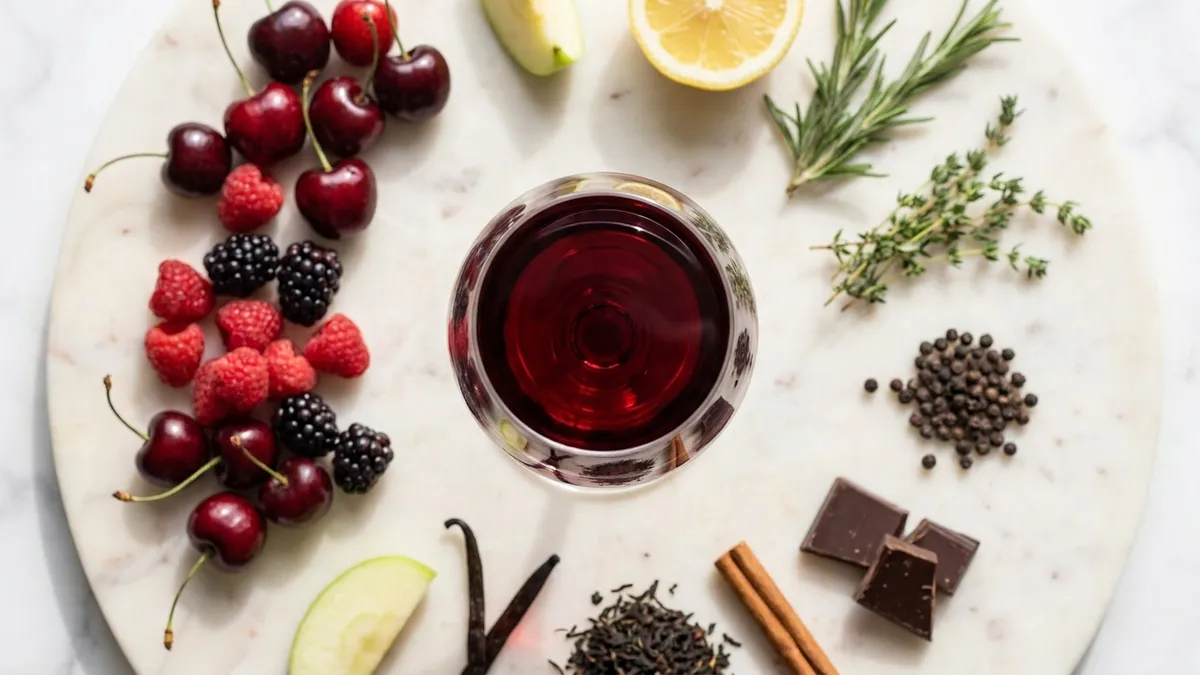
The Wine Aroma Wheel: A Beginner's Guide to Using It
The wine aroma wheel sorts wine smells into 12 categories across three rings. Learn how to read it, how it differs from a flavor wheel, and how to use it.
Wine Tasting at Wineries: Etiquette, Tips, and What to Expect
A first-timer's guide to visiting a winery — what to wear, what to expect, how to taste without getting drunk, and how to not embarrass yourself at the counter.
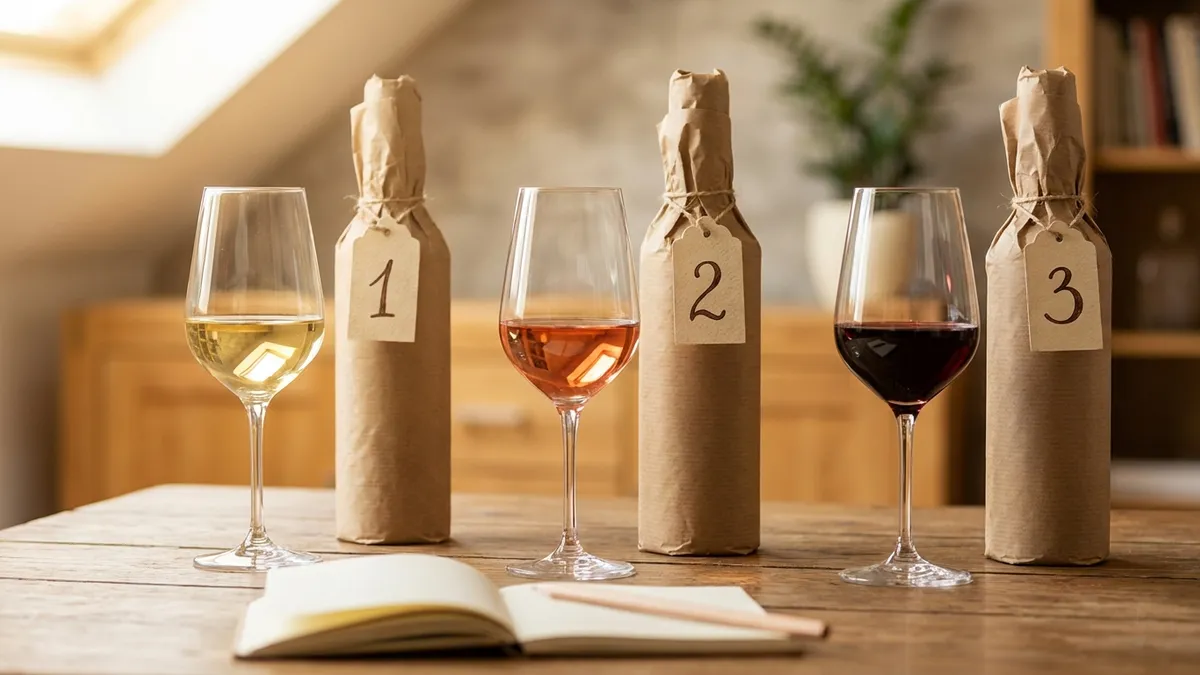
Blind Wine Tasting: How to Host and What to Look For
Blind wine tasting is the single fastest way to sharpen your palate. Here is how to host one, what to look for in each glass, and the deduction grid sommeliers use to guess a wine's identity.
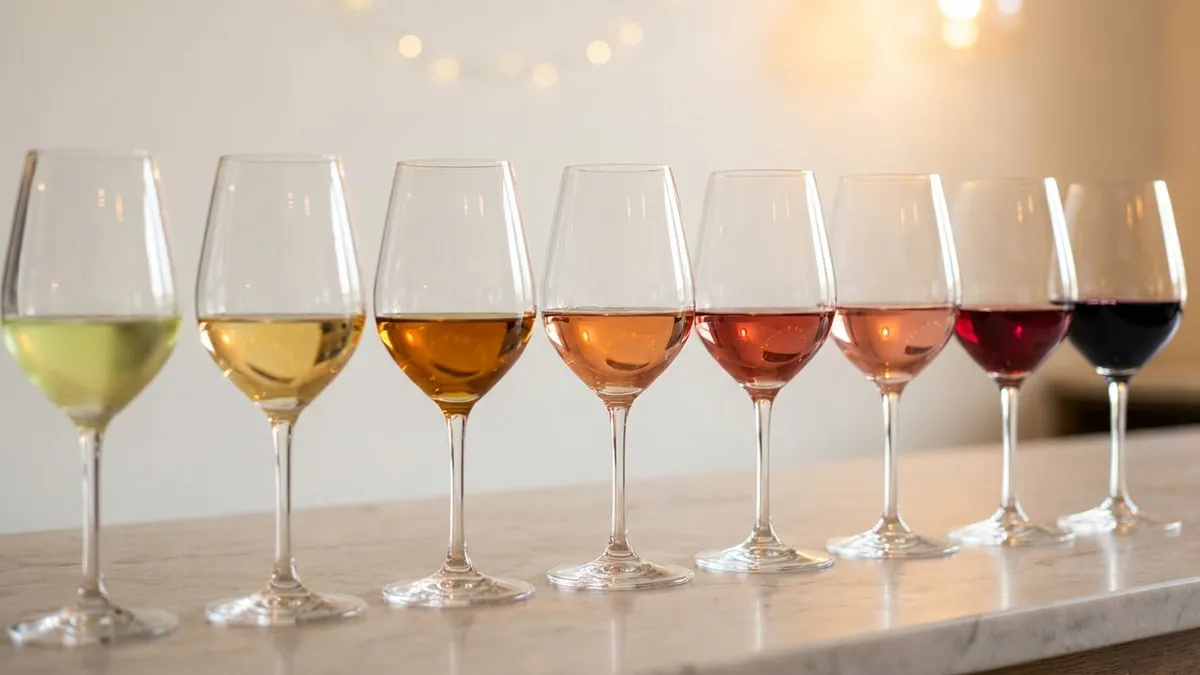
Wine Color Guide: What the Color of Wine Tells You
Wine color is the first information your senses pick up, and most beginners ignore it. Here is what wine color actually reveals about age, grape variety, climate, and style — before you even take a sniff.
Wine Mouthfeel Explained: Body, Texture, and Balance
Wine mouthfeel is the physical sensation of wine in your mouth — weight, grip, warmth, and texture. Here is how to identify it, what causes it, and why sommeliers consider it as important as flavor.
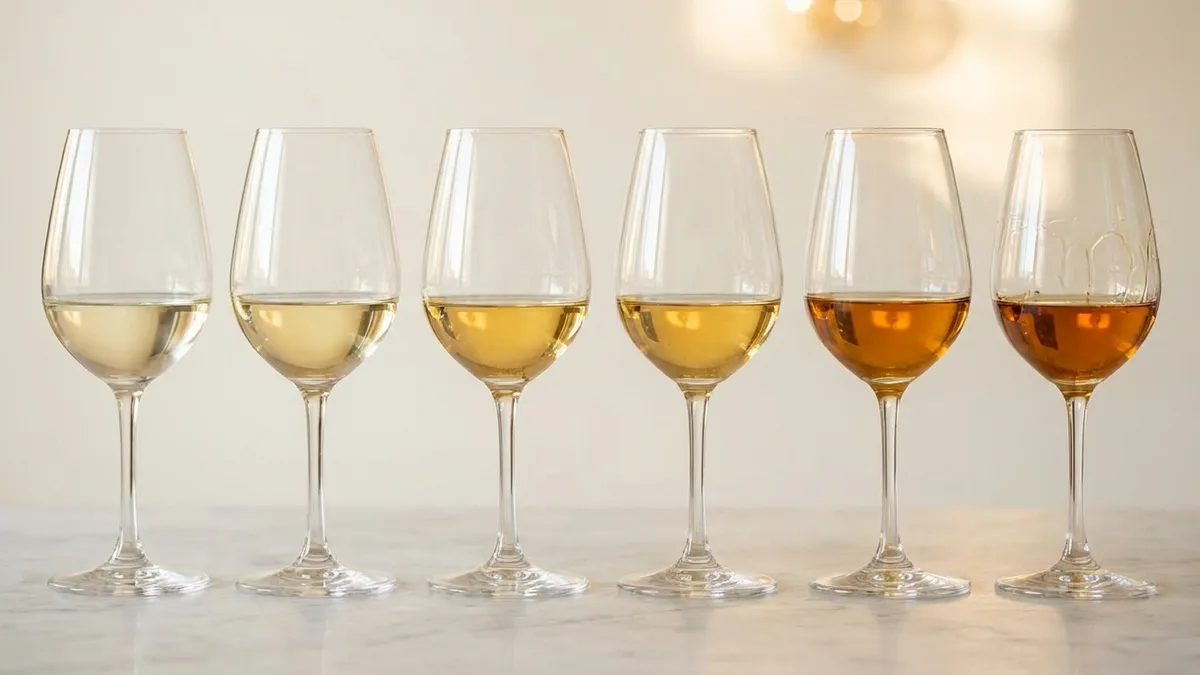
Wine Sweetness Scale: From Bone Dry to Dessert Sweet
The wine sweetness scale is one of the most misunderstood concepts in wine. Here is a plain-English breakdown of every level, with real residual sugar numbers and label vocabulary for still and sparkling wines.
How to Describe Wine: Tasting Notes Made Simple
Describing wine feels impossible until you have a framework. Here is the one sommeliers use, the vocabulary to start with, and how to go from 'I don't know how to say it' to a real tasting note in one session.
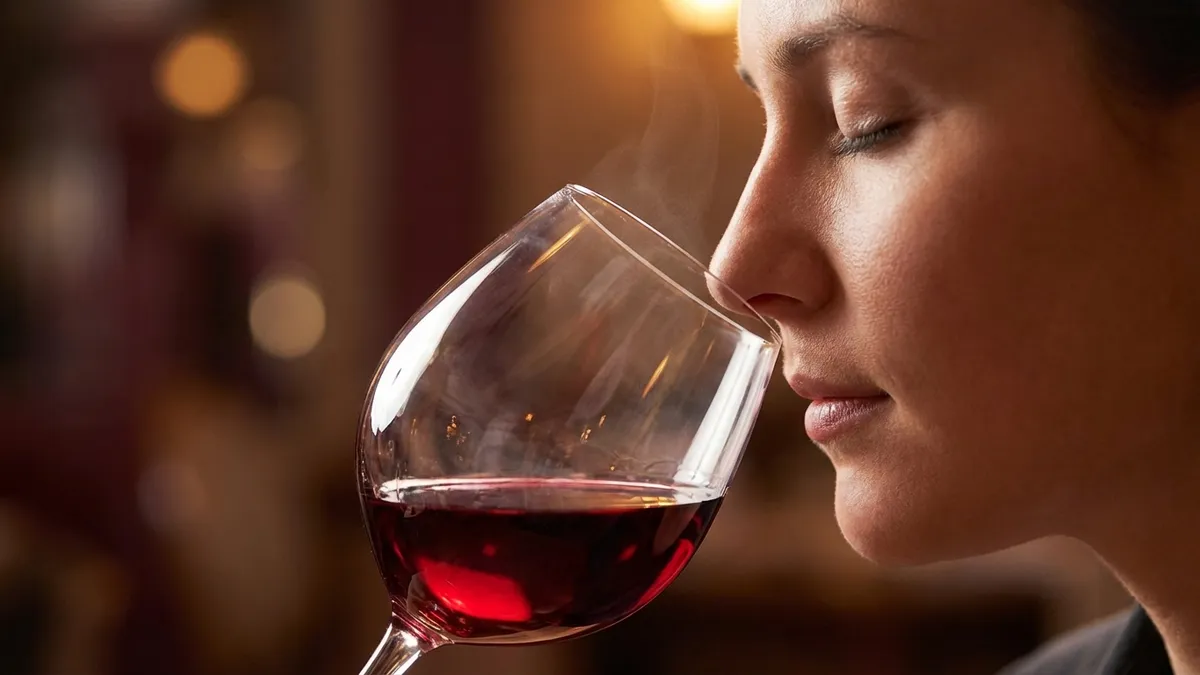
How to Smell Wine: A Beginner's Guide to Wine Aromas
Most wine flavor comes from your nose, not your tongue. Here is how to smell wine properly, what to look for, and how to build an aroma vocabulary from scratch.
What Is the Finish of a Wine? Length, Flavor, and Quality
The finish is the most overlooked part of wine tasting and the single best signal of quality. Here is what wine finish actually means, how to measure it, and why sommeliers rate it in seconds.
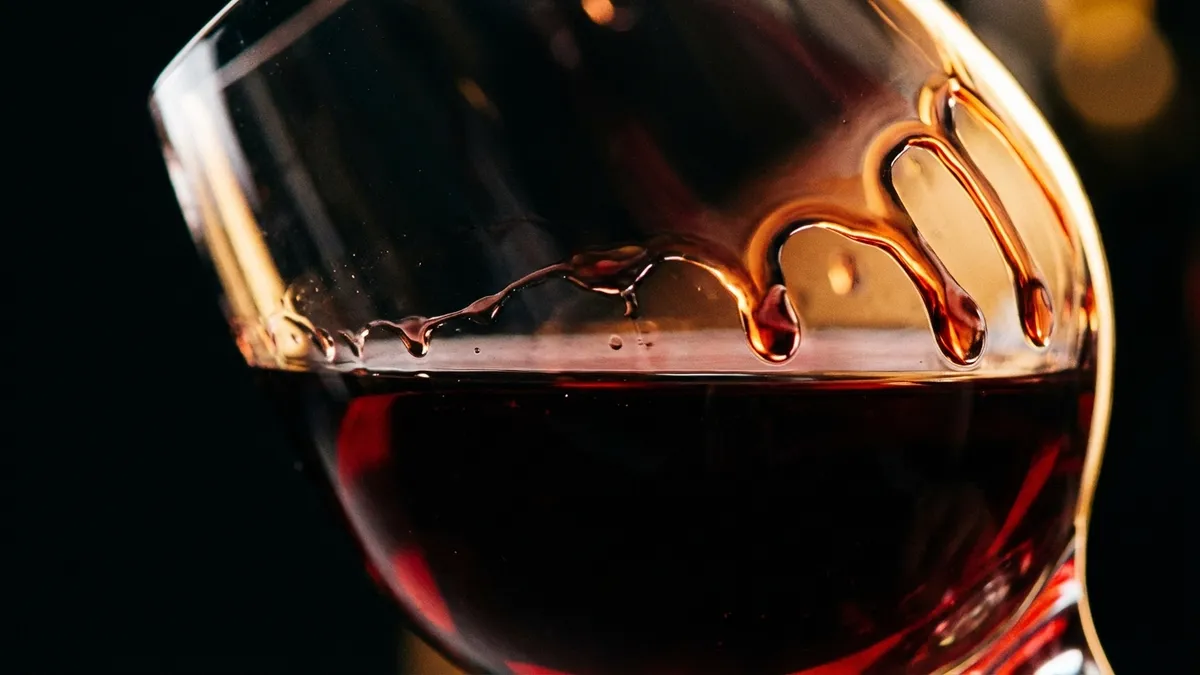
What Do Wine Legs Mean? The Truth About Tears on Your Glass
Wine legs are one of the most misunderstood visual cues in wine. Here is what those tears on your glass actually mean, the physics behind them, and what sommeliers really look for.
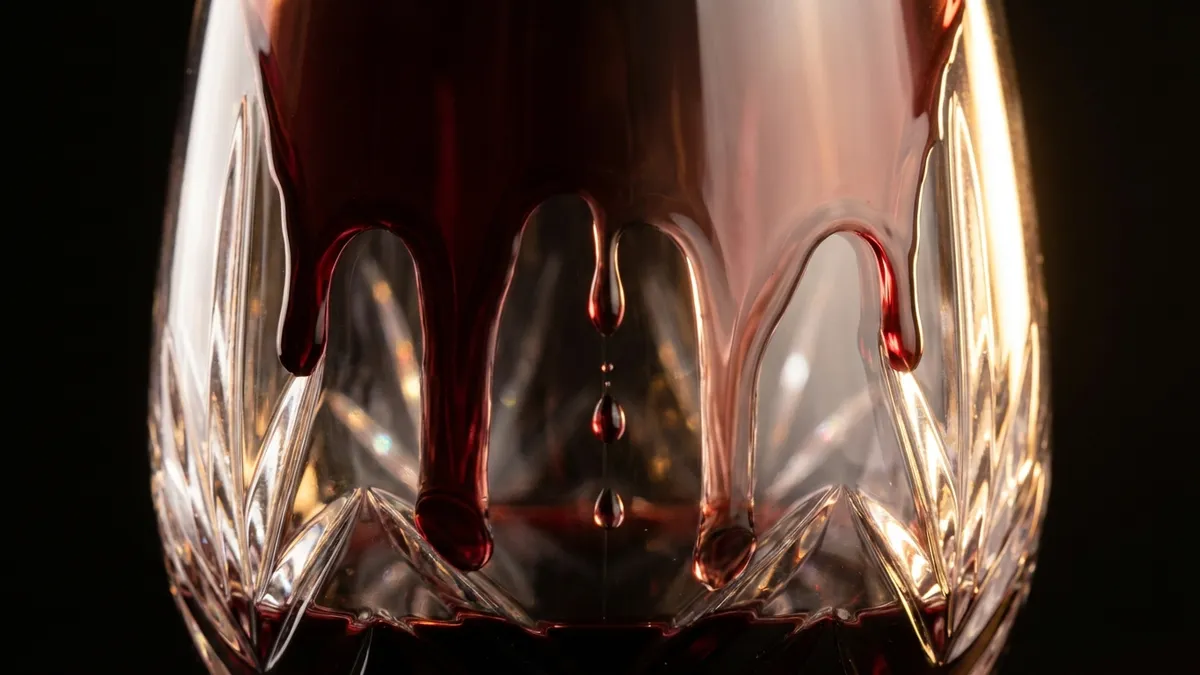
Understanding Tannins, Acidity, and Body in Wine
Learn what tannins, acidity, and body actually are, how to identify them on your palate, and why they matter for food pairing and aging.
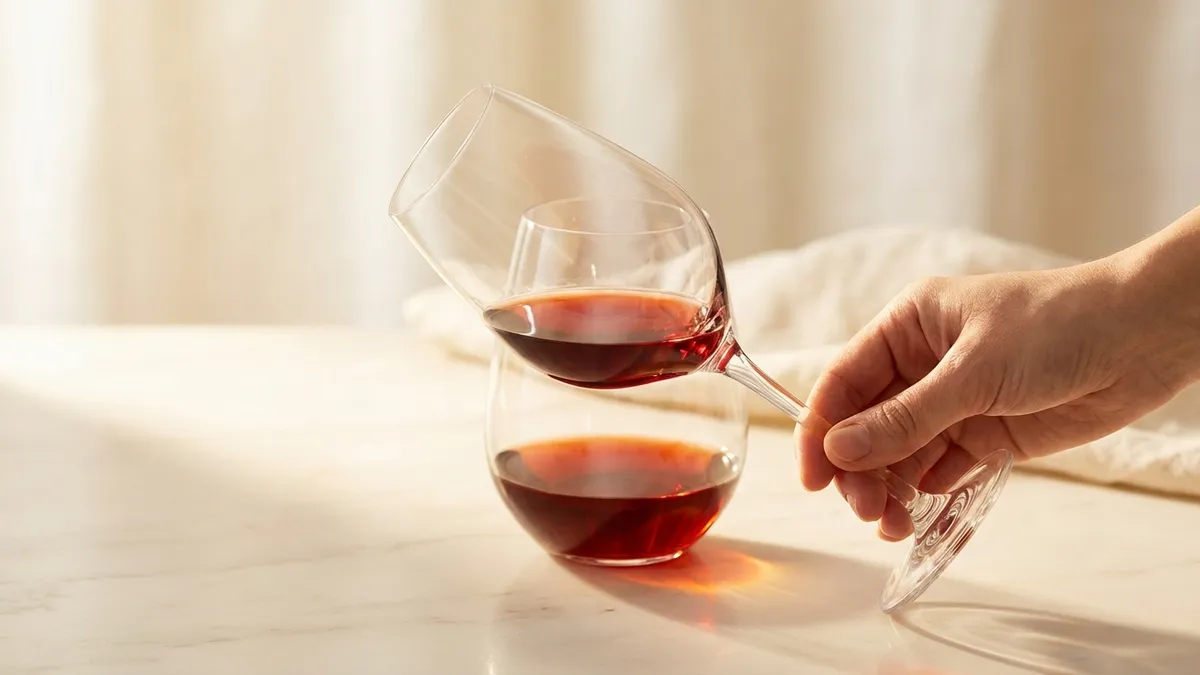
How to Taste Wine: The Complete Beginner's Guide
Learn the four-step method that sommeliers use to evaluate every glass. Master the look, swirl, sniff, and sip technique with this comprehensive guide.