How to Taste White Wine: Focus on Acidity and Aromatics
By the Sommy Team — AI-assisted, human-edited.
Updated Apr 29, 2026
Contents (12)
- Why White Wine Deserves Its Own Tasting Approach
- How to Taste White Wine, in One Paragraph
- Step One: Sight — What Color Depth Reveals in White Wine
- Step Two: Swirl — Gentler Than With Reds
- Step Three: Smell — Aromatic vs Neutral Whites
- Step Four: Sip — Acidity First, Then Everything Else
- Step Five: Reflect — Style, Balance, and Context
- Serving Setup: Temperature and Glassware
- Comparing White Wines: The Fastest Way to Learn
- Common Mistakes When Tasting White Wine
- Building Your White Wine Palate Over Time
- Putting the Method Into Practice
TL;DR
Tasting white wine well means tuning your senses to acidity and aromatic intensity. Use a five-step method: check color depth for age and oak clues, swirl gently, smell for aromatic versus neutral character, sip to feel acid first then sweetness body and finish, and reflect on balance.
Why White Wine Deserves Its Own Tasting Approach
Learning how to taste white wine is not the same as learning to taste reds. Whites carry their structure through acidity (the bright, mouth-watering sensation on the sides of your tongue) rather than tannin, and their aromatics range from almost silent to wildly perfumed depending on the grape. The classic four-step tasting method still applies, but the things you pay attention to shift.
This guide walks through a five-step method tuned for whites, with extra focus on acidity, aromatic intensity, oak influence, and what color depth tells you before the glass even reaches your nose. By the end, you will know how to serve, swirl, and assess any white wine with intention.
How to Taste White Wine, in One Paragraph
To taste white wine well, follow five steps. Sight: pour into a tulip glass and check color depth — pale lemon-green signals a young unoaked wine, straw-yellow a moderate style, deep gold an oaked or aged one. Swirl: gently rotate the glass, watch for thin legs that suggest a lighter body. Smell: identify the aromatic family — aromatic grapes like Riesling and Sauvignon Blanc shout, neutral grapes like Pinot Grigio whisper. Sip at 8 to 12 degrees Celsius and assess in this order: acidity, sweetness, body, finish. Reflect: is the wine balanced, simple or complex, fresh or evolved. That five-step framework works for every white wine you will ever pour.
Step One: Sight — What Color Depth Reveals in White Wine
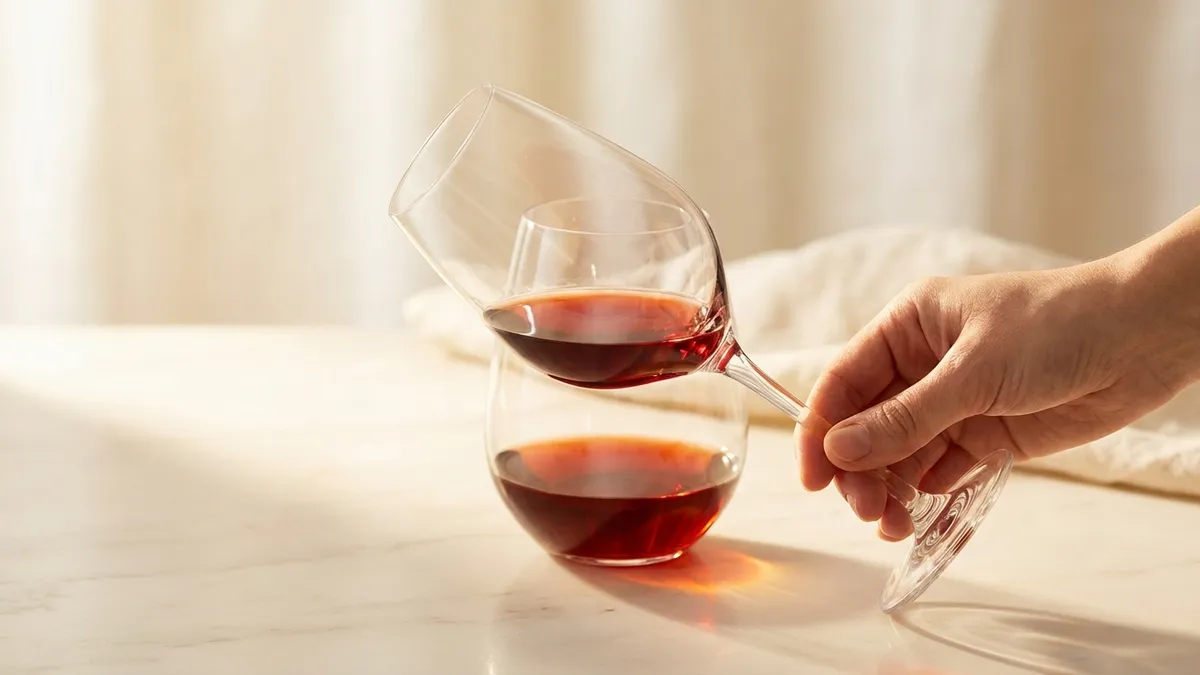
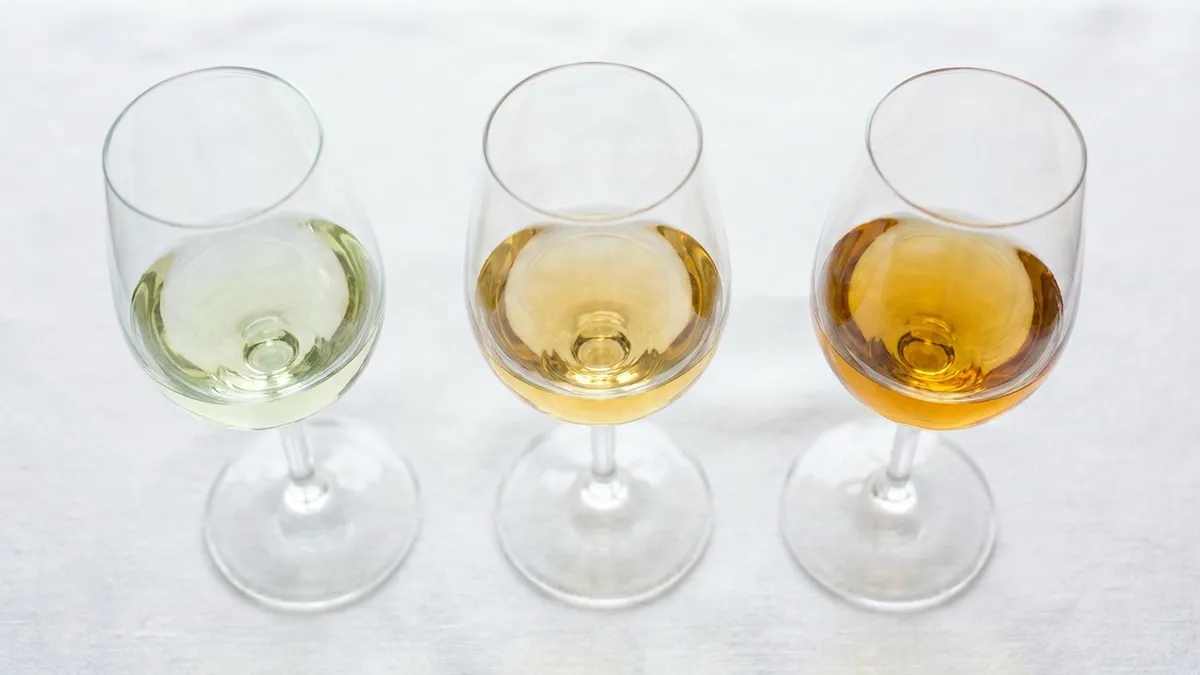
White wine color is a quiet but reliable storyteller. Pour about two ounces into a clean tulip glass and tilt it 45 degrees against a white napkin or sheet of paper. Look both straight down through the bowl and across the rim.
Reading Hue and Intensity
White wine hue (the actual color tone) usually falls along a single axis from pale lemon-green through straw, gold, and amber. Younger, cool-climate, unoaked whites tend to show a touch of green at the rim. Riper or warmer-climate whites lean toward straw and pale gold. Oak-aged or older whites turn deep gold. Anything moving toward amber or orange suggests substantial age, oxidative winemaking, or a dessert style.
Intensity describes how saturated the color looks. A nearly water-clear white usually points to a lean, fresh style with minimal lees contact and no oak. A deeper, more saturated yellow often signals lees aging, malolactic conversion, or oak influence — all of which add weight and complexity.
What Greener Edges and Golden Cores Mean
Hold the glass over white paper and look at the wine where it meets the rim. A green-tinged rim almost always indicates youth and freshness. A golden or honeyed core with a clear watery edge often means the wine has spent time in oak or bottle. None of these clues replace tasting, but they give you a hypothesis to test with the nose and palate. For a deeper read on what hues mean across all wine styles, see our guide to wine color meaning.
Step Two: Swirl — Gentler Than With Reds
Swirling a white wine works the same as swirling a red, with one tweak: be gentle. Whites tend to be thinner and lower in alcohol than full reds, so an aggressive swirl warms them and risks splashing the cooler liquid out of the glass.
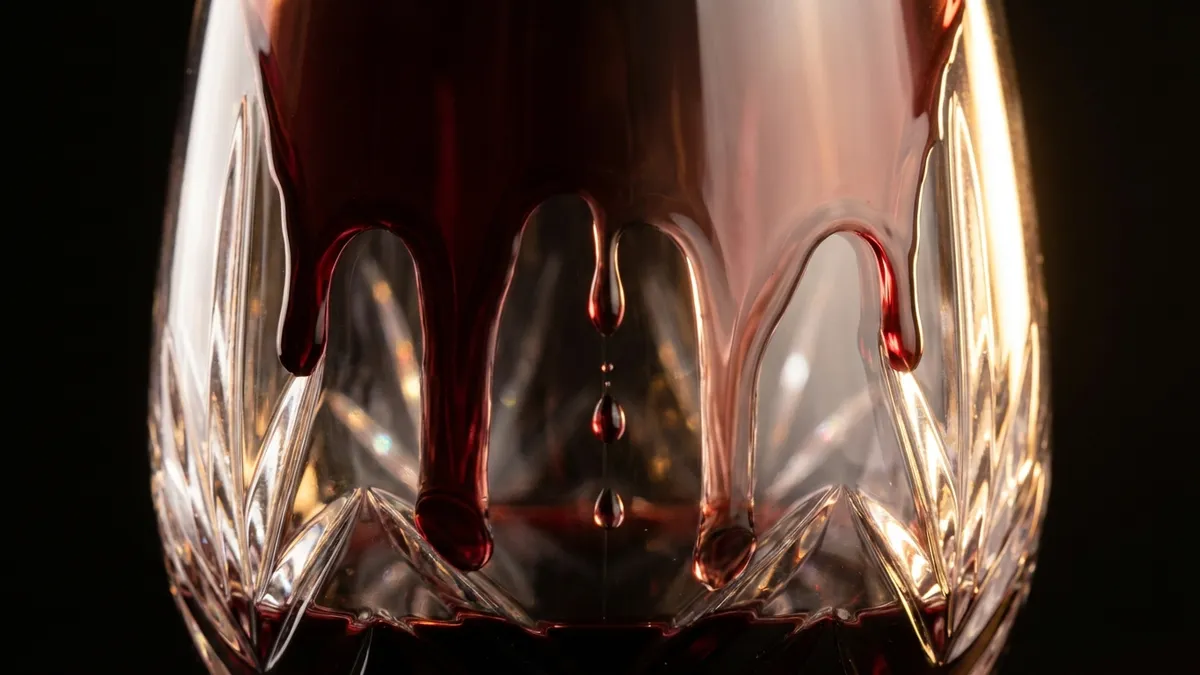
Keep the base of the glass on the table and rotate it in small circles. Watch how the wine coats the inside. Thin, fast-moving legs (the droplets that slide back down) usually point to a lighter body and lower alcohol. Slower, thicker legs suggest more alcohol, residual sugar, or extract — which tracks with richer whites like oaked Chardonnay or Viognier. Legs are not a quality signal, just a body preview. For more, read our deep dive on wine legs and what they mean.
Step Three: Smell — Aromatic vs Neutral Whites
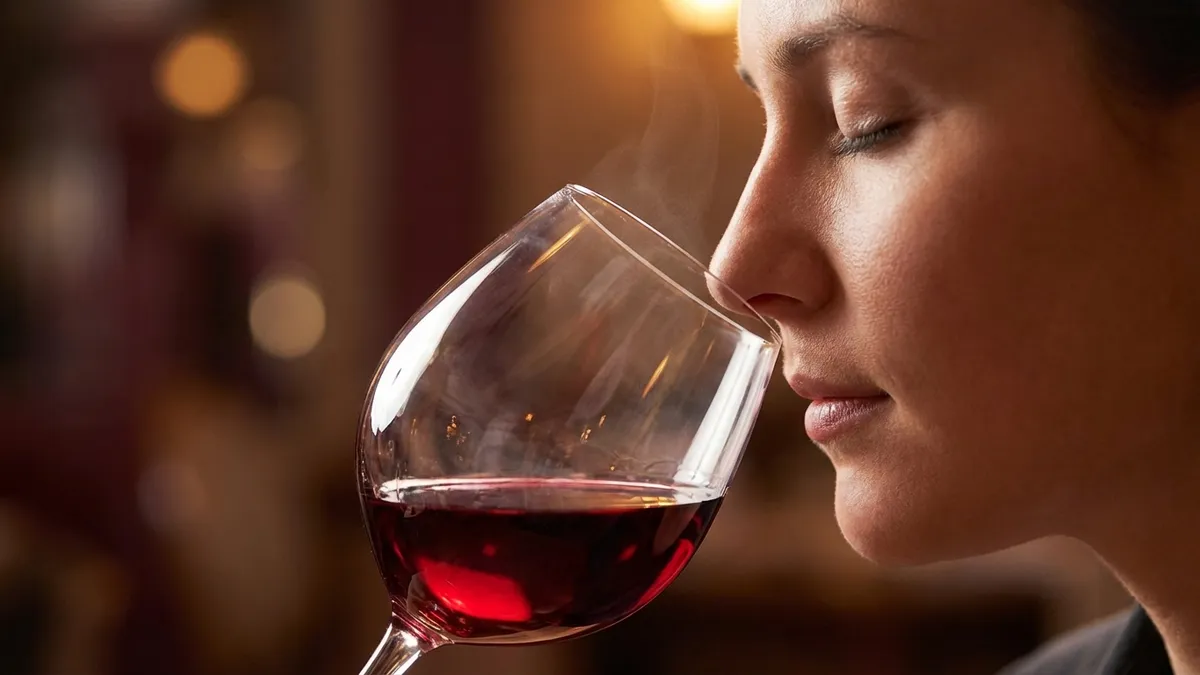
The nose is where white wines split into two camps. Knowing which camp you are in before you sniff sets your expectations correctly and trains your senses faster.
The Aromatic Whites
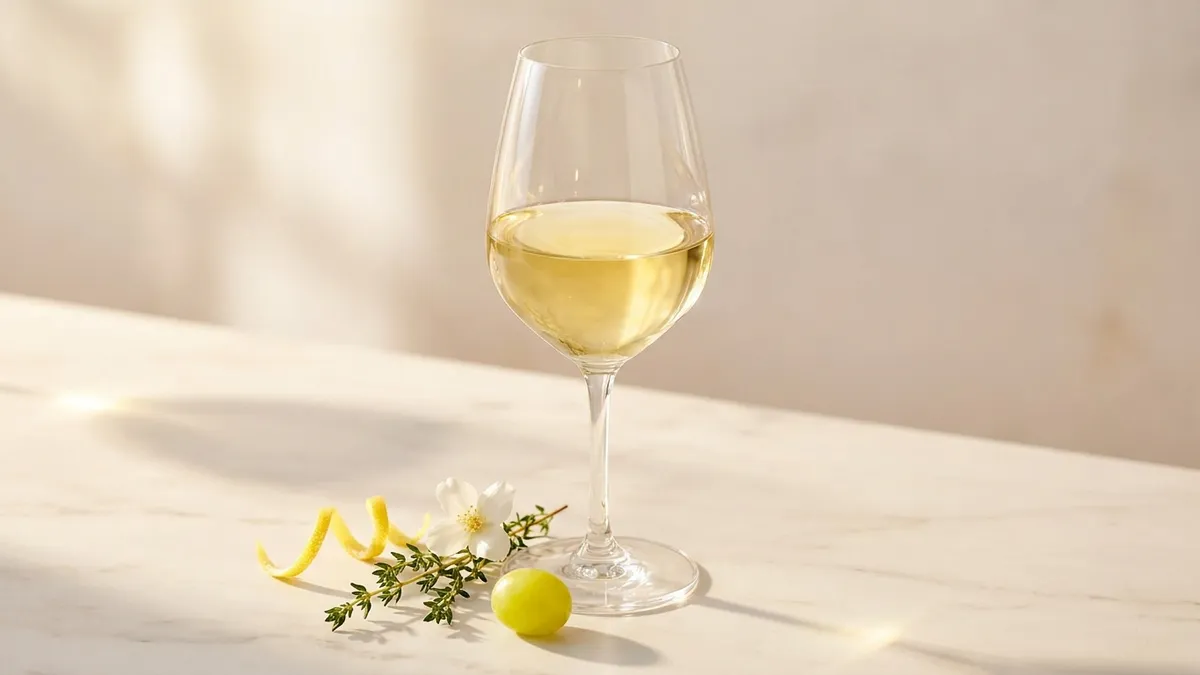
Aromatic whites carry a high concentration of fragrance compounds — terpenes, thiols, and esters — that make them smell intense even before swirling. Classic examples include:
- Riesling — lime, green apple, white peach, petrol with age
- Gewürztraminer — lychee, rose petal, ginger, allspice
- Sauvignon Blanc — grapefruit, gooseberry, fresh-cut grass, passion fruit
- Muscat — orange blossom, table grape, honeysuckle
- Torrontés — jasmine, peach, citrus zest
If you smell these wines and identify a clear, named aroma in the first ten seconds, you are working with an aromatic grape. Take that first impression seriously — it is the wine telling you what it is.
The Neutral Whites
Neutral whites show subtler, more diffuse aromas that emerge gradually with swirling and warming. Common examples include:
- Pinot Grigio — pear, lemon pith, almond skin
- Trebbiano (Ugni Blanc) — green apple, lemon, faint floral
- Unoaked Chardonnay — green apple, pear, lemon curd
- Albariño — saline, white peach, light grapefruit
- Pinot Blanc — apple, pear, soft floral
With neutral whites, give the glass a few extra moments and a couple of gentle swirls before judging. Their character also reveals more on the palate than on the nose, so do not write them off too quickly.
Spotting Oak on the Nose
Oak-aged whites add a layer of secondary scents on top of fruit: vanilla, toast, baking spice, butter, hazelnut, sometimes coconut for American oak. If you smell those notes, you are tasting an oaked white. To go deeper on what oak adds and how to recognize it, read our guide on what oaked means in wine and the breakdown of primary, secondary, and tertiary aromas.
Step Four: Sip — Acidity First, Then Everything Else
This is where tasting white wine differs most clearly from tasting red. With reds, tannin dominates the structural read. With whites, acidity is the first thing to assess and the structural element that holds everything together.
Read Acidity First
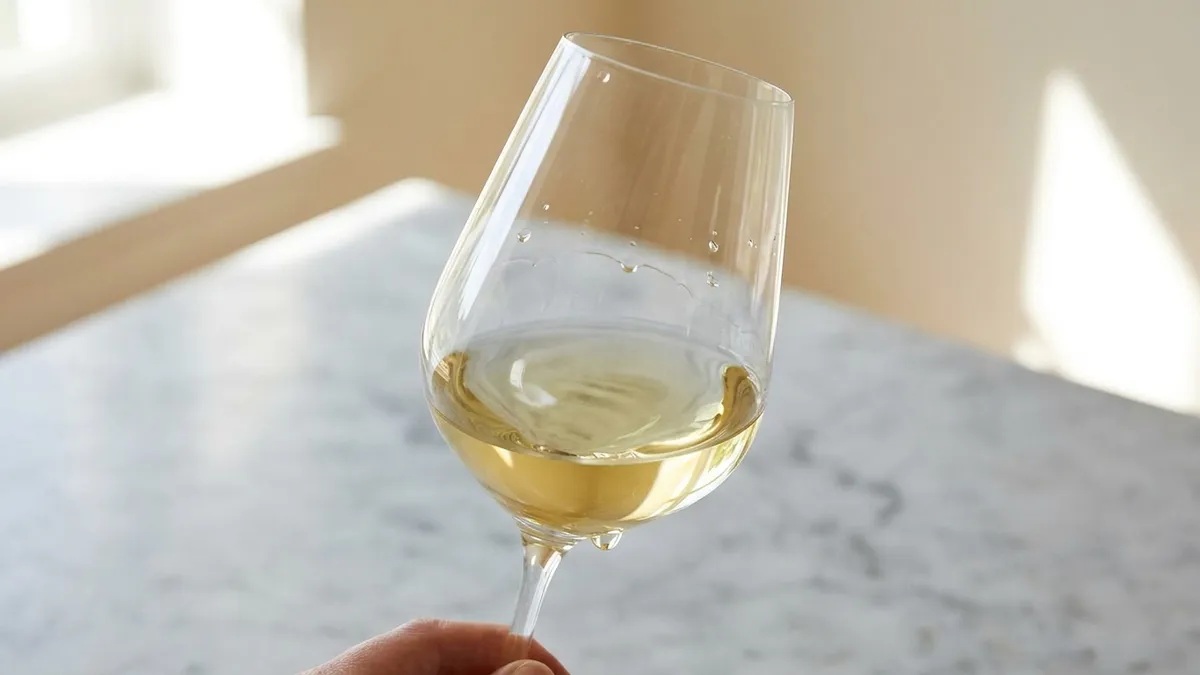
Take a small sip — enough to coat the tongue without flooding the palate. Hold the wine on your tongue for two or three seconds. Acidity registers as a tingling, watering sensation on the sides and underneath the tongue. Rate it on a five-point scale:
- Low — soft, round, almost flat
- Medium-minus — gentle, easy
- Medium — refreshing, balanced
- Medium-plus — crisp, lively
- High — sharp, mouth-watering, sometimes called racy
Cool-climate whites such as German Riesling, Chablis, and Sancerre often land at medium-plus or high. Warm-climate whites such as Californian Viognier or Australian unoaked Chardonnay sit lower. For a fuller reference, see our piece on what wine acidity is.
Then Sweetness, Body, and Alcohol
Once you have the acidity reading, layer in the rest:
- Sweetness — perceived on the tip of the tongue. Most table whites are dry, but Riesling, Chenin Blanc, and Gewürztraminer span a wide range from bone-dry to lusciously sweet.
- Body — light, medium, or full. Pinot Grigio is usually light. Unoaked Chardonnay and Albariño sit medium. Oaked Chardonnay, Viognier, and white Rhône blends climb into full body.
- Alcohol — felt as warmth at the back of the throat. Most whites range from 10 to 14 percent. A Mosel Kabinett can dip below 9 percent. A Napa Chardonnay can push 14.5 percent.
A useful sanity check: high acidity plus low residual sugar plus light body equals a crisp, refreshing style. The whites that taste driest by that test are compared in our guide to dry white wine. Lower acidity plus oak plus higher alcohol equals a rich, weighty style. Extremes between those two anchors cover most of the white wine world.
The Finish
Pay attention to what lingers. A short finish that fades in a few seconds is normal for everyday whites. A long, evolving finish — fruit giving way to mineral, citrus, or a subtle saline note — is a quality marker. The finish often tells you more about a wine's pedigree than the first sip does.
Step Five: Reflect — Style, Balance, and Context
After the sip, hold the wine in your mind for a moment before pouring more. Ask three short questions:
- What style is this — crisp and unoaked, rich and oaked, off-dry and aromatic, or sweet?
- Is it balanced — does any single element (alcohol, sweetness, oak) dominate?
- Where would you place it in the broader white wine map?
Reflection is the step most beginners skip, and it is the step that builds a tasting memory you can actually use. Writing one or two sentences in a journal — or letting the Sommy app capture the structured tasting note for you — locks the experience in.
Serving Setup: Temperature and Glassware
Tasting white wine accurately depends on serving conditions almost as much as on technique. Get these wrong and even an excellent wine reads flat or muted.
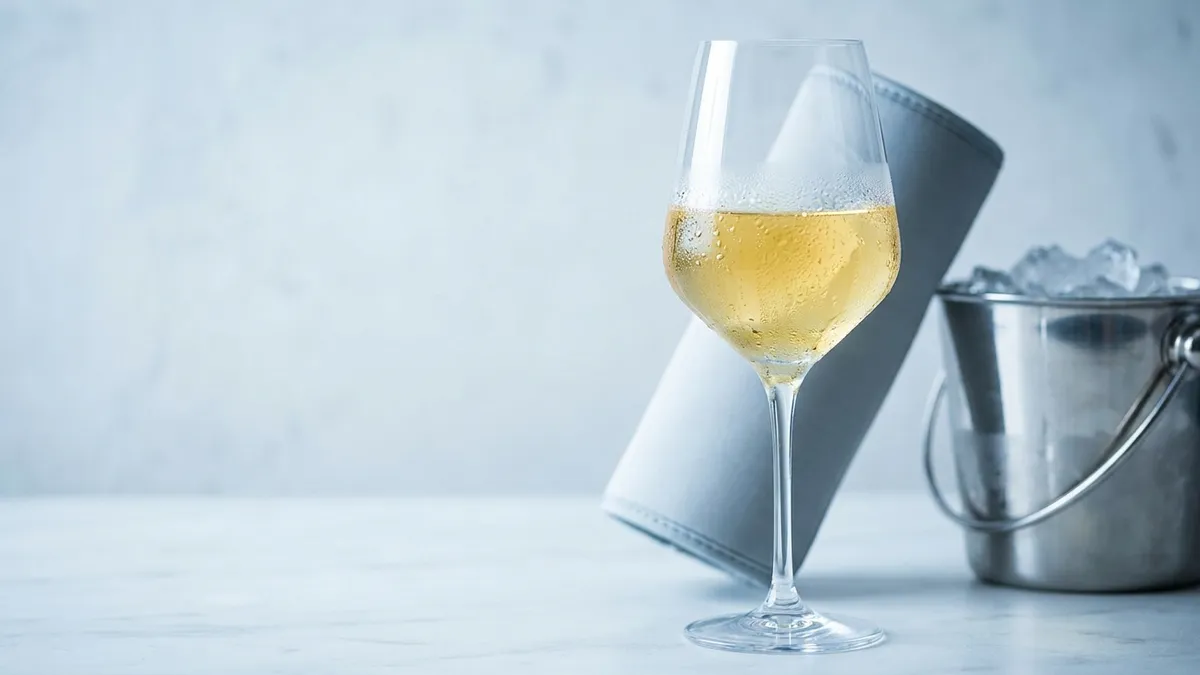
Temperature
A general rule for tasting:
- Light aromatic whites — Riesling, Sauvignon Blanc, Pinot Grigio, Albariño — at 7 to 10 degrees Celsius (45 to 50 °F)
- Fuller-bodied whites — oaked Chardonnay, Viognier, white Rhône blends — at 10 to 13 degrees Celsius (50 to 55 °F)
Too cold mutes both aromatics and acidity. Too warm flattens the wine and exaggerates alcohol. If a bottle comes straight out of a fridge at 4 °C, pour a small measure and let it warm for five to seven minutes before serious tasting. For specific cellar and serving numbers, check our wine serving temperature chart.
Glassware
Use a tulip-shaped glass with a smaller bowl than a red wine glass. The narrower opening focuses delicate aromatics, and the smaller bowl keeps the wine cooler longer. Stemless glasses warm the wine through your hand. Wide-rimmed coupes let aromatics escape. For a quick tour of how shape changes the taste, see does wine glass shape affect taste.
Comparing White Wines: The Fastest Way to Learn
Tasting two whites side by side accelerates palate development more than any single bottle ever can. Try these contrasting flights:
- Cool-climate Riesling next to warm-climate Chardonnay — extreme acidity contrast
- Unoaked Chardonnay next to oaked Chardonnay — same grape, different winemaking
- Sauvignon Blanc from a cool region next to one from a warm region — same grape, different ripeness
- Aromatic Gewürztraminer next to neutral Pinot Grigio — opposite ends of intensity
Pour both, swirl both, sniff both, then sip back and forth. Differences in acidity, body, aromatic intensity, and finish jump out in seconds when you have a direct comparison. If you want to go deeper on this kind of structured comparison, see our guide to horizontal wine tasting and chardonnay vs sauvignon blanc.
Common Mistakes When Tasting White Wine
A few avoidable habits dull the experience.
Pouring too cold. Fridge-cold wine hides acidity and aromatics. Warm slightly before judging.
Skipping the swirl. Even aromatic whites open up more after a gentle swirl. Neutral whites need it even more.
Ignoring the rim color. That pale-green or deep-gold edge gives you a hypothesis before you smell anything.
Confusing oak with sweetness. Vanilla, butter, and toast are oak signals, not sugar. A bone-dry oaked Chardonnay can read as sweet to an untrained palate. Read sweet vs dry wine if this trips you up.
Comparing reds and whites side by side. Mixing categories fatigues the palate quickly. Taste whites together, reds together. For more on this kind of pacing, see our piece on wine palate fatigue.
Building Your White Wine Palate Over Time
White wine tasting rewards repetition. Every flight you do — even a casual two-glass comparison at home — sharpens the calibration between your nose, your palate, and the language you use to describe what you sense.
The Sommy app structures this practice for you, walking through color, aroma, and palate with prompts tuned to white wine specifically. The interactive tasting flow at sommy.wine covers acidity scoring, aromatic family identification, and finish notes, then mirrors back what your tasting note says about the style. It is a small, consistent way to build the white wine instincts that take pros years to develop. For broader practice ideas, our guide on developing your wine palate lays out a longer training arc.
Putting the Method Into Practice
The next time you open a white wine, run the five steps in order: sight, swirl, smell, sip, reflect. Take a minute, not a second. Pay attention to acidity first on the palate, aromatic intensity first on the nose, and color depth first in the glass. Note whether oak shows up. Decide if the wine is balanced.
That single minute is the difference between drinking white wine and tasting it. Once the framework feels natural, extend it by tasting two whites side by side, and then by trying the same grape from two regions. Each comparison stretches your sensory vocabulary a little further — and every glass becomes a small lesson worth remembering.
Frequently Asked Questions
How do you taste white wine the right way?
Pour a small measure into a tulip glass at 8 to 12 degrees Celsius. Look at the color depth, swirl gently, smell for fruit floral and oak notes, then sip and pay attention to acidity first, followed by sweetness, body, and finish. Compare what you sense against the grape variety and style.
What temperature should white wine be served for tasting?
Serve light aromatic whites such as Riesling or Sauvignon Blanc at 7 to 10 degrees Celsius and fuller oaked whites such as Chardonnay at 10 to 13 degrees Celsius. Wine that is too cold mutes aromatics and acidity. Let an over-chilled bottle warm in the glass for a few minutes before tasting.
Why does acidity matter so much in white wine?
White wines have little to no tannin, so acidity carries the structure and freshness. It controls how the wine feels in the mouth, how long the finish lasts, and how the wine pairs with food. Tasting whites well means learning to feel acidity on the sides of the tongue and rate it from soft to crisp to racy.
What does the color of a white wine tell you?
Pale lemon-green usually signals a young unoaked wine made from a cool-climate grape. Straw and pale gold suggest a riper style or some lees aging. Deep gold to amber points to oak aging, extended bottle age, or a sweet style. Color depth alone gives you a strong first guess about age and winemaking before you even smell.
What is the difference between aromatic and neutral white wines?
Aromatic whites like Riesling, Gewürztraminer, Sauvignon Blanc, and Muscat smell intense and recognizable straight from the glass. Neutral whites like Pinot Grigio, Trebbiano, and many unoaked Chardonnays show subtle aromas that emerge slowly. Knowing this category helps you set the right expectation before sniffing.
How can you tell if a white wine is oaked?
Oaked whites show vanilla, toast, baking spice, butter, or coconut on the nose, often with a deeper gold color and a richer mouthfeel. Unoaked whites taste cleaner and more fruit-driven, with a paler color and a leaner texture. Oak influence also tends to soften acidity and add weight to the body.
Which glass works best for tasting white wine?
A tulip-shaped glass with a smaller bowl than a red wine glass works best. The narrower opening concentrates delicate aromatics and the smaller bowl helps the wine stay cool. Avoid stemless or wide-rimmed glasses for tasting, since they warm the wine quickly and let aromatics escape too fast.
Sommy Team
LinkedInFounder & Wine Educator
The Sommy Team is building the world's most approachable wine education app, helping beginners develop real tasting skills through structured courses and AI-guided practice.