Wine Palate Fatigue: How to Reset Your Taste Buds Mid-Tasting

By the Sommy Team — AI-assisted, human-edited.
Updated Apr 28, 2026
Contents (12)
- TLDR
- What Wine Palate Fatigue Actually Is
- Why Your Palate Gets Tired
- How to Spot Palate Fatigue Mid-Tasting
- How to Reset Between Wines
- Pacing a Flight to Avoid Fatigue
- Hidden Causes Most Beginners Miss
- Training Your Palate to Resist Fatigue
- A Sample Reset Routine for Your Next Tasting
- Common Mistakes That Make Fatigue Worse
- What Recovery Actually Looks Like
- The Bottom Line on Wine Palate Fatigue
TL;DR
Wine palate fatigue is the gradual dulling of taste and smell that hits after several wines in a row. Tannin, acid, and alcohol numb receptors, while your nose adapts to repeated aromas. Reset by spitting, sipping room-temperature water, eating plain bread or unsalted crackers, taking ninety-second breaks, and pacing flights with structured order.
TLDR
Wine palate fatigue is the slow flattening of taste and smell that creeps in after several wines. Tannin, acid, and alcohol numb the receptors, while your nose adapts to repeated aromas. The fix is not heroic willpower — it is small habits between glasses. Spit, sip room-temperature water, eat plain crackers, breathe clean air, and follow a sensible order.
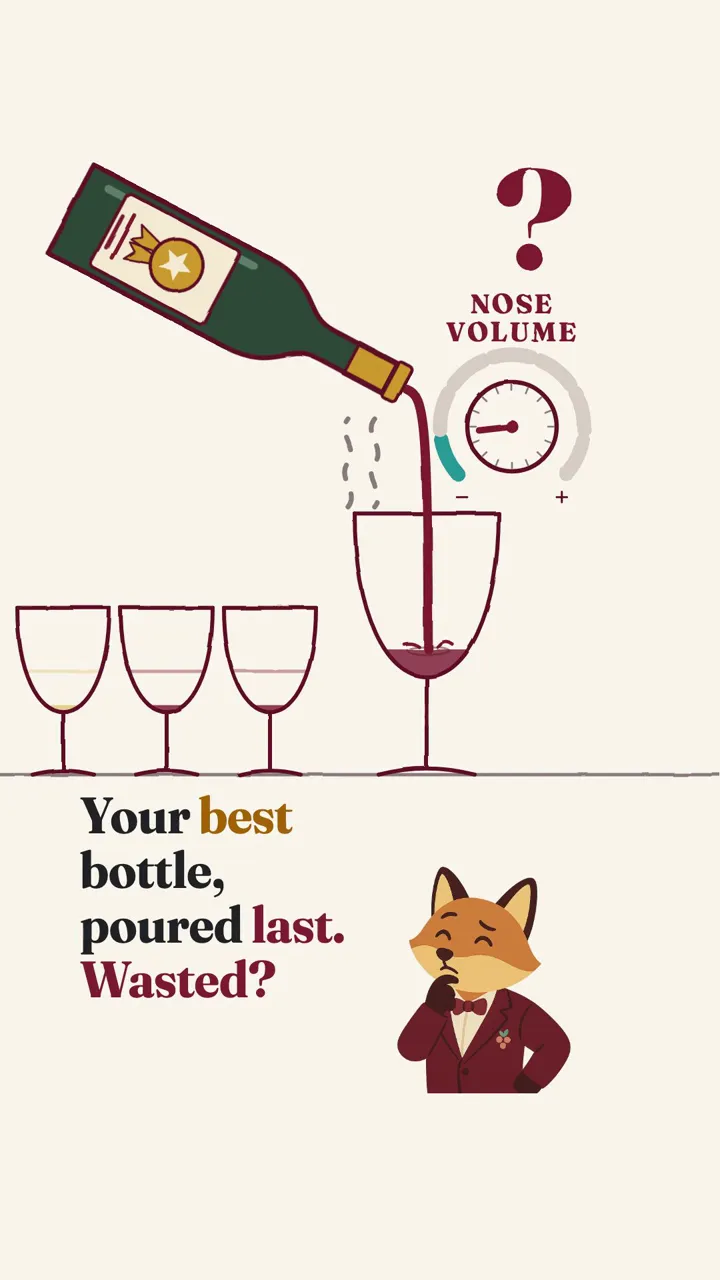
Your best bottle, poured last. Wasted? Not the wine. Your nose.
Sommy's voice is made with AI.
Read the script
Your best bottle, poured last. Wasted? Not the wine. Your nose. Smell one thing again and again, and your nose turns it down. Wines share many smells, so the last bottle meets your most tired nose. Send this to the host who saves the best for last. Try it: sniff your coffee jar five times. The fifth is fainter. So... still saving it for last?
What Wine Palate Fatigue Actually Is
Wine palate fatigue is the gradual loss of sensitivity that builds up over a tasting session. Your tongue stops registering subtle acidity. Tannin starts feeling identical from one wine to the next. Aromas blur into a generic "wine smell." The wine has not changed — your perception has.
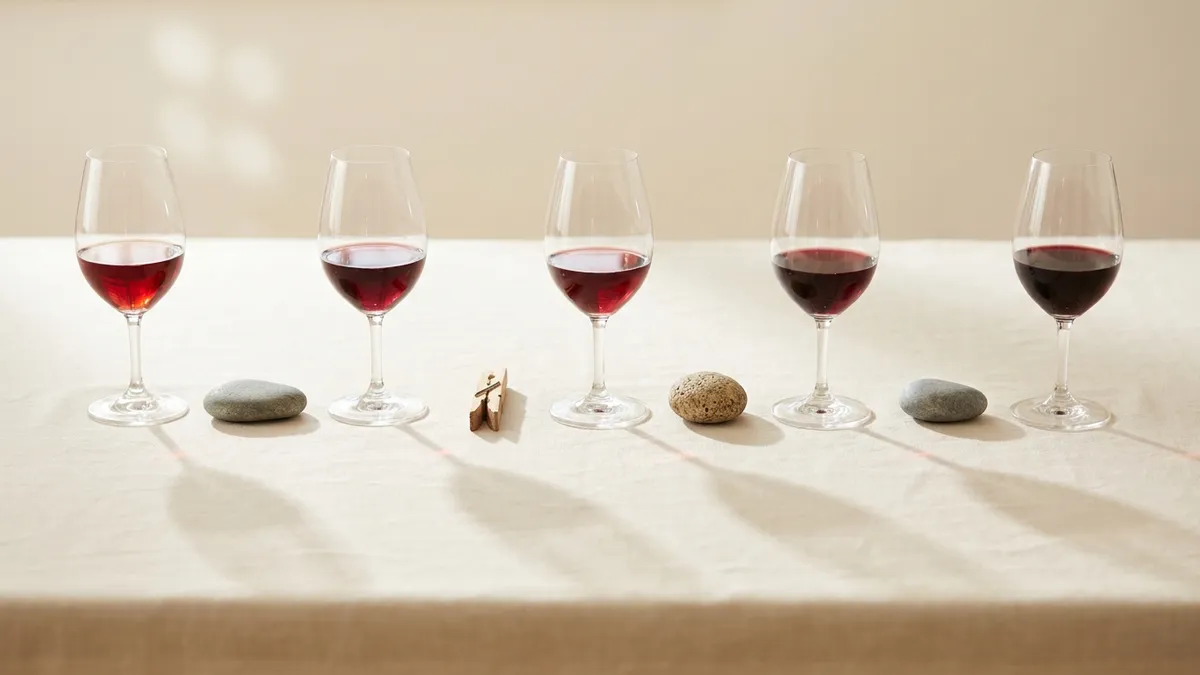
Three things drive it. Tannin (the drying, gripping compound in red wines) leaves a protein film on your tongue that takes minutes to clear. Acid wears down your discrimination of brightness — after several high-acid whites, even a sharp Sauvignon Blanc feels rounded. Alcohol slowly dulls both receptors and attention. On top of that, your nose adapts to repeated aromas in a process called olfactory habituation — the brain literally turns down the volume on smells it has already cataloged. Past six to eight wines, even trained tasters lose precision unless they reset between glasses. The fix is structural, not heroic — pacing, palate cleansers, and short breaks beat any amount of willpower.
Why Your Palate Gets Tired
A fresh palate is a precise instrument. A tired one is a blunt one. Three biological systems are at play, and each one fatigues on a different timeline.
Tannin Buildup on the Tongue
Tannin binds to proteins in your saliva and coats the surface of your tongue. After a high-tannin red — think Cabernet Sauvignon, Nebbiolo, young Syrah — that coating muffles the next wine's structure. The tongue still works; it just has a thin film over it. This is why a delicate Pinot Noir following a dense Cabernet always feels lighter than it really is.
The film clears within five to ten minutes if you eat a plain cracker and drink water. It clears faster than that if you also skip an extra pour. Tannin builds linearly across a session — each red adds to the layer.
Acid Adaptation
Your tongue's sensitivity to acid drops with repeated exposure. After three high-acid whites, your fourth feels rounder than it really is. The same wine tasted first thing in the morning would punch much harder. This adaptation reverses within thirty to sixty seconds of clean water and air, but only if you actually pause.
Alcohol's Slow Drag
Alcohol is the silent killer of tasting accuracy. It dulls receptors in the mouth, slows pattern recognition in the brain, and makes the warmth of every wine seem more pronounced than it is. Two glasses in, a 13.5% Chardonnay starts feeling like a 14.5% one because your tolerance for warmth has dropped. The only reliable solution is to swallow less wine. Our how to spit wine at a tasting guide covers the technique end to end.
Olfactory Habituation
Smell adapts faster than any other sense. After ten seconds in a room with a strong scent, you stop noticing it. The same effect runs in tasting: after several glasses of oaky Chardonnay, vanilla notes vanish from your perception even when they are still in the wine. Stepping out for a minute of fresh air resets this almost completely.
How to Spot Palate Fatigue Mid-Tasting
The trickiest thing about fatigue is that it sneaks up. You feel sharp until suddenly you do not — and by then you are several wines deep with notes that all sound the same.
Watch for these signs:
- Your tasting notes start repeating phrases — "ripe red fruit, medium body, soft tannins" three wines in a row
- Acid distinctions blur — you cannot tell whether wine four is brighter or duller than wine three
- Aromas feel generic — "fruity" replaces specific descriptors like cherry, plum, or cassis
- Tannin all feels "medium" — even when one wine is silky and the next is grippy
- The room starts feeling warm — alcohol perception rising
- You stop being curious — interest fading is a strong fatigue signal
Two or three of these in a row means stop. The next wine evaluated through a tired palate is wasted information at best, and misleading information at worst. A short break is cheaper than re-tasting a wine you already opened.
How to Reset Between Wines
A proper reset takes about ninety seconds. It is short enough to fit between glasses and powerful enough to undo most of the damage from the previous wine.
Step 1: Spit
If the goal is evaluation rather than enjoyment, spit. Spitting is the single biggest lever you have against fatigue because it removes alcohol from the equation almost entirely. Sommeliers, winemakers, and critics spit at every serious tasting. Two ounces of wine swallowed across ten wines is a glass and a half — enough to noticeably degrade your palate. Two ounces spat across ten wines barely registers in your bloodstream.
Step 2: Sip Room-Temperature Water
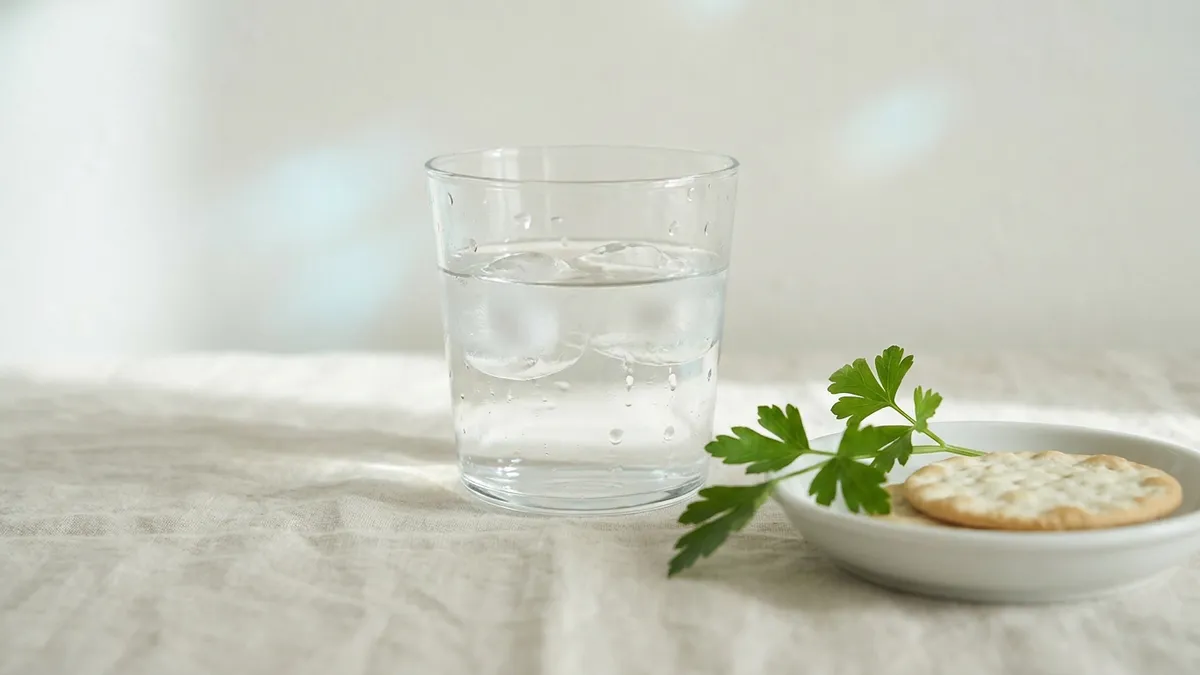
Cold water shocks the receptors and dulls them temporarily. Room-temperature still water is the standard. A small sip — about a tablespoon — rinses sugars, acids, and the front of the tannin film off your tongue. Sparkling water also works, especially before sweet wines, but skip anything flavored.
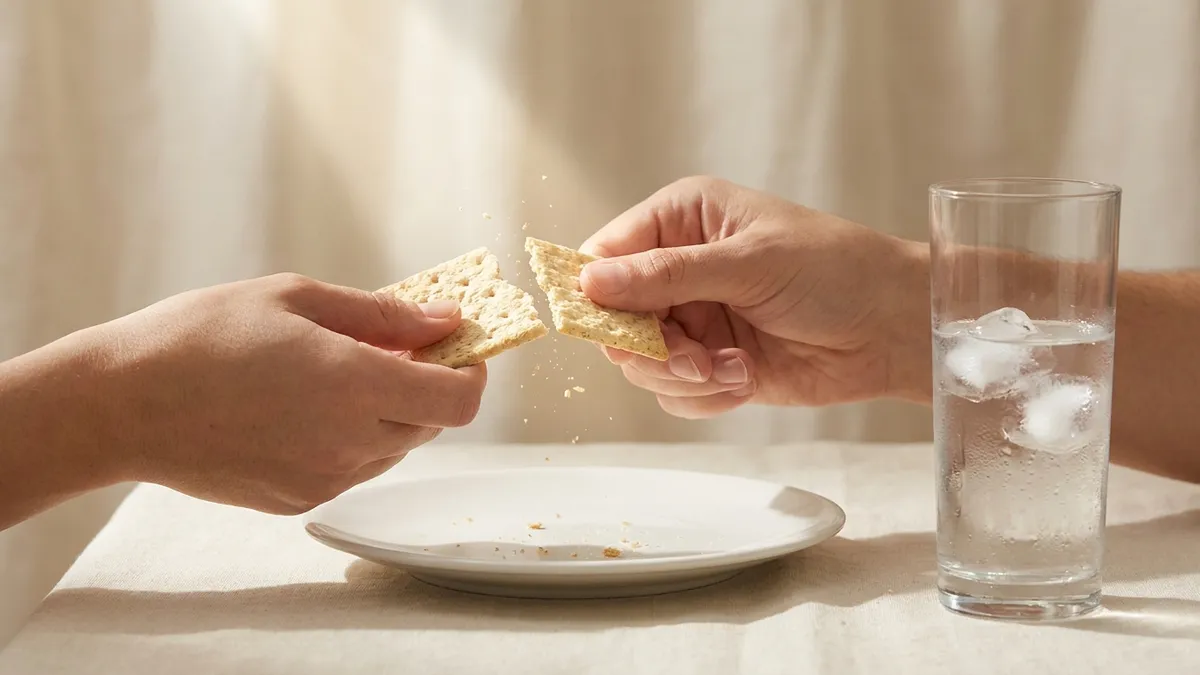
Step 3: Eat a Plain Cracker or Bread
Plain, low-flavor carbohydrates are the gold standard palate cleanser. Unsalted water crackers, slices of plain baguette, or plain rice cakes lift tannin off the tongue without adding fat or salt that lingers. Avoid cheese during evaluation — it coats the palate with fat and makes the next wine seem artificially smoother. Save the cheese plate for the enjoyment phase, not the assessment phase.
Step 4: Take a Ninety-Second Nose Break
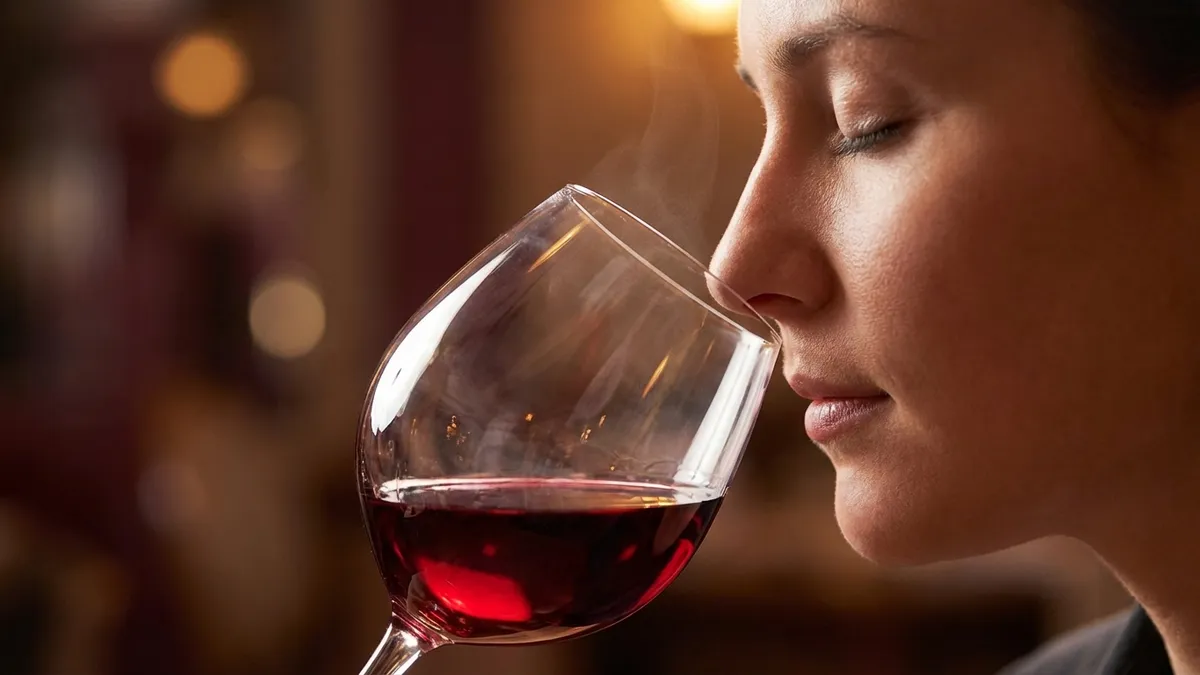
Step away from the glasses. Smell something neutral — the back of your hand, a coffee bean, plain bread, or simply the air outside. This breaks olfactory habituation and lets your nose recalibrate. Coffee beans are popular but mixed: they reset some adaptations but introduce a new strong scent. Plain air or your sleeve works just as well.
Step 5: Breathe Through Your Nose
Three slow, deep nasal breaths reset attention and clear residual aromas from your sinuses. Combined with the previous steps, this is enough for the next wine to register honestly.
Pacing a Flight to Avoid Fatigue
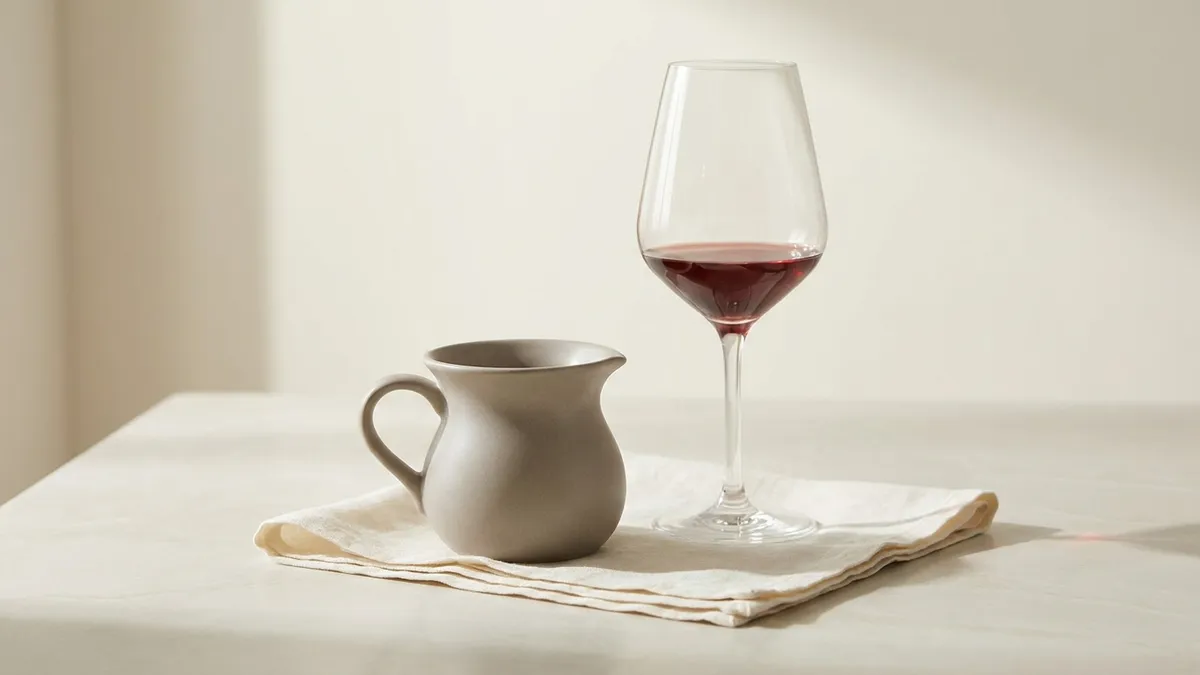
The order you taste in matters as much as what you taste. A well-paced flight can carry you through eight or ten wines with surprisingly little fatigue. A poorly ordered one falls apart by glass four.
The Classic Order
The standard sequence preserves your palate at every step:
- Sparkling before still — bubbles wake up the palate without dulling it
- Light before heavy — start with crisp whites before moving to fuller bodies
- Dry before sweet — sugar coats the palate; once you taste a sweet wine, the next dry one tastes thin
- Young before old — older wines have softer structure that gets buried under bolder youth
- White before red — tannin film makes the reverse order brutal
Our wine tasting order guide goes deeper on each rule with examples. Following this sequence is the cheapest fatigue intervention available — it costs nothing and adds zero time.
The Two-Wine Side-by-Side
If you are training rather than entertaining, cap yourself at two wines. Side-by-side comparison keeps fatigue almost completely out of the picture because you finish the meaningful work in ten minutes. Pour both at once, smell, sip, write a single sentence per wine, and stop. Pour-outs are not failures; they are the price of accuracy. The develop your wine palate guide walks through this drill in detail.
The Six-Wine Cap for Casual Tastings
For a dinner party or wine club, six wines is the practical maximum before fatigue overtakes the conversation. Past six, your guests are tasting their own buzz, not the wine. If you want to taste twelve, split into two sessions on different days.
The Eight-Wine Limit Even for Pros
Trained tasters can push to eight or ten wines with discipline, but past twelve, even decades of experience cannot rescue precision. Trade tastings of fifty or more wines work only because pros spit aggressively, take breaks, and use scorecards rather than memory.
Hidden Causes Most Beginners Miss
Some palate fatigue does not come from the wine at all.
Caffeine and Coffee
A coffee within an hour of tasting flattens your sensitivity to acid and adds a stubborn aroma layer that lingers in your sinuses. If you taste seriously, skip the post-lunch espresso.
Toothpaste and Mints
Toothpaste contains sodium lauryl sulfate, which suppresses sweet receptors and amplifies bitterness for up to an hour. Brushing your teeth before a tasting is one of the worst things you can do for accuracy. Floss and rinse with water instead.
Strong Smells in the Room
Perfume, scented candles, kitchen smells, and cleaning products all compete for the same olfactory bandwidth. A neutral, well-ventilated room is part of the setup. The first wine after a heavy-cologne arrival never tastes the same as the second.
Spicy Food
A spicy lunch leaves capsaicin in your mouth that distorts heat perception. A 13% wine will taste warmer than it is for hours afterward. Save spicy food for after the tasting.
Dehydration
A dry mouth taints flavor delivery because flavor needs the saliva film to reach receptors. Drink a glass of water before the tasting starts, not just during it.
Training Your Palate to Resist Fatigue
Fatigue resistance is partly trainable. The more familiar you are with structure — acidity, tannin, body — the longer you stay accurate before your perception breaks. Trained tasters do not have magical receptors; they have stronger pattern recognition that holds up while sensitivity drops.
A few habits build this resistance:
- Use a structure scorecard. Rating sweetness, acidity, tannin, body, and alcohol on a 1-5 scale every time forces you to commit to specific values rather than vague impressions. The Sommy app ships with a built-in palate scorecard for exactly this. Tracking your ratings across tastings shows when fatigue is starting to compress your scores into a narrow middle band.
- Train short and often. Five focused minutes a day beats a two-hour weekend session. Short sessions never reach fatigue, so every drop of practice goes into pattern memory rather than fighting noise.
- Keep a tasting notebook. Re-reading old notes shows you exactly when your descriptions started flattening. That is your personal fatigue threshold — and once you know yours, you can plan flights around it.
- Vary the wines. Repeating the same grape four times in a row is a fast track to habituation. Alternating reds and whites, or oaked and unoaked styles, keeps your nose engaged longer.
The Sommy app's tasting flow is built around the same logic: short, structured sessions with prompts that force specificity, so your training time produces fresh observations instead of recycled phrases.
A Sample Reset Routine for Your Next Tasting
Put this on a card for your next dinner party or flight:
- Pour two ounces, not five
- Smell, then sip
- Hold the wine for five seconds, then spit if evaluating
- Write one sentence — specific words, not generic ones
- Sip room-temperature water
- Eat half a plain cracker
- Step away for ninety seconds
- Smell your sleeve or step into fresh air
- Move to the next glass
Total time: about three minutes per wine. That sounds slow until you realize that without it, every wine after the third gets the same generic note and you lose half the tasting to fatigue. Slow tasting is fast tasting; fast tasting is wasted tasting.
Common Mistakes That Make Fatigue Worse
A few habits actively accelerate fatigue. Watch for these and skip them:
- Big pours. Five-ounce restaurant pours are for drinking, not tasting. Two ounces is plenty for evaluation.
- Cheese between flights. Fat coats the tongue and softens the next wine artificially. Save it for after.
- Cold water with ice. Shocks receptors and slows recovery. Use room-temperature water.
- Phone breaks instead of nose breaks. Looking at your screen does not reset your nose; stepping away from the glasses does.
- Pushing through. If notes are blurring, stop. The next wine will not be honest, and you will misjudge it.
- Heavy meals beforehand. A full stomach slows alcohol absorption but also dulls smell. Eat lightly.
- Skipping the order. Going from a powerful Cabernet to a delicate Riesling is a guaranteed bad note.
If you spot common errors in your own routine, our common wine tasting mistakes guide collects the rest in one place, and the how to taste wine guide walks through the full sequence with fatigue-aware pacing built in.
What Recovery Actually Looks Like
A short break helps within minutes. A full reset to a fresh starting point usually takes thirty to sixty minutes of no wine, plain food, and water. Heavy tannin or high alcohol can leave traces for hours, which is why a second tasting later the same day rarely works as well as the first one.
If you have an evening tasting and a morning tasting on the same day, reverse the rule: the morning palate is sharper, so do the more delicate flight in the morning and the bolder one at night. Schedule with your senses in mind, not your calendar.
The Bottom Line on Wine Palate Fatigue
Wine palate fatigue is not a flaw — it is biology. Every taster, beginner or master sommelier, runs into it. The difference between accurate notes and wasted ones is small habits between glasses: spit when evaluating, drink room-temperature water, eat plain crackers, take ninety-second breaks, follow a sensible order, and cap your flights honestly.
A flight tasted with a fresh palate teaches you more than a marathon tasted through a tired one. Short, well-paced sessions beat long, ambitious ones every time. Train the routine, not the willpower — and the next time someone pours you the eighth wine of the night, you will know exactly when to stop and exactly how to reset before you start again.
Frequently Asked Questions
What causes wine palate fatigue?
Three things stack up. Tannin proteins coat your tongue, acid wears down your sensitivity to brightness, and alcohol slowly dulls receptors and shortens attention. Your nose also adapts to repeated aromas — a phenomenon called olfactory habituation — so familiar scents fade faster than new ones. After about six to eight wines, even trained tasters lose precision unless they reset between glasses.
How many wines can you taste before palate fatigue sets in?
Most beginners notice flattening between wines four and six. Trained tasters push that to eight or ten before precision drops. Past twelve wines in a single session, even professionals lose discrimination on body and tannin. Cap a casual flight at six, a focused training session at four, and a serious comparison at two. Short, well-paced sessions teach more than long ones.
Does drinking water actually reset your palate?
Partially. Room-temperature still water rinses sugars and acids off the tongue and rehydrates the saliva film that carries flavor. Cold water shocks the receptors and dulls them temporarily, so skip the ice. Water alone will not strip tannin or break aromatic adaptation — pair it with a plain cracker and a ninety-second nose break for a real reset.
What food works best as a palate cleanser between wines?
Plain, low-flavor carbohydrates work best. Unsalted water crackers, slices of baguette, or plain rice cakes lift tannin off the tongue without adding fat or salt that lingers. Avoid cheese during evaluation — it coats the palate and makes the next wine taste artificially smoother. Save cheese for the post-tasting enjoyment portion.
Should you spit to avoid palate fatigue?
Yes, when the goal is evaluation rather than enjoyment. Alcohol is a major driver of fatigue, and spitting keeps almost all of it out of your bloodstream. Sommeliers, critics, and winemakers spit at every serious tasting for this reason. You still pick up the full structure of a wine in the few seconds it sits on your tongue — swallowing mainly adds the finish.
How long does it take to recover from a tired palate?
A short rest helps within minutes. A full reset to a fresh starting point usually takes thirty to sixty minutes of no wine, plain food, and water. Heavy tannin or high alcohol can leave traces for hours, which is why a second tasting later in the same day rarely works as well as the first one.
Does the order of wines change how fast you fatigue?
Yes. Light before heavy, dry before sweet, and young before old reduces fatigue at every step. Starting with a powerful red Cabernet and following with a delicate Pinot Grigio guarantees the white tastes washed out. The classic tasting order exists because each step prepares your palate rather than burning it out.
Can palate fatigue happen at home with just two or three wines?
Yes, especially if the wines are high in tannin, alcohol, or oak. A single high-tannin red can flatten your palate enough that the next wine tastes muted. Three big bottles in a row can produce real fatigue even at a small dinner. Pace, water, and a plain cracker between glasses keep the second and third wine honest.
Sommy Team
LinkedInFounder & Wine Educator
The Sommy Team is building the world's most approachable wine education app, helping beginners develop real tasting skills through structured courses and AI-guided practice.