How to Spit Wine at a Tasting (Without Embarrassing Yourself)

By the Sommy Team — AI-assisted, human-edited.
Updated Apr 16, 2026
Contents (9)
TL;DR
Spitting lets you taste many wines at an event without getting drunk. The technique: tilt the glass to the front of your mouth, purse your lips, and direct the stream toward a spittoon. Do not be embarrassed — every serious wine professional spits. Swallowing at a multi-wine tasting is an amateur move.
Why How to Spit Wine at a Tasting Matters
Learning how to spit wine at a tasting is one of those wine skills that separates confident tasters from apologetic ones. It is also one of the most misunderstood — many beginners think spitting is rude, unnecessary, or showy. None of those are true.
Spitting is the standard practice at every serious wine event where more than a handful of wines are being evaluated. Sommeliers spit. Wine critics spit. Winemakers spit while they taste their own work. The reason is simple math: if you swallow every sip at a tasting of 40 wines, you will consume roughly a bottle of wine. You will also be drunk halfway through, and your palate and judgment will both collapse.
This guide covers the technique, the etiquette, and the practical considerations that make spitting a normal part of wine appreciation rather than something to be embarrassed about.
Why Professionals Spit
You Taste More Accurately
A tired, buzzed palate is a bad palate. Alcohol dulls your senses — it literally reduces the sensitivity of your taste receptors and your olfactory system. Four or five glasses in, you start detecting less, your discrimination between similar wines weakens, and your memory of earlier wines degrades.
Spitting keeps your palate sharp. A professional taster can evaluate 100+ wines in a morning at the same level of precision on the first wine and the last, because almost none of that alcohol has entered their bloodstream.
You Stay Safe and Functional
Wine tastings often happen at noon. Wine professionals need to work afterward. If you are at a winery visit, you may need to drive. If you are at a trade tasting, you may have another tasting that afternoon. Swallowing makes all of this impossible.
It Is What Everyone Else Is Doing
At any serious tasting event, spittoons are prominently placed and universally used. The only people swallowing are the occasional uninformed guest. Spitting is not the exception — it is the default.
The Technique
Step 1: Take a Proper Sip
You want enough wine to fully coat your palate but not so much that you cannot control it. About a tablespoon (15ml) is ideal. Take the sip, and let it pool at the front of your mouth briefly — do not let it slide straight down.
Step 2: Evaluate While Holding
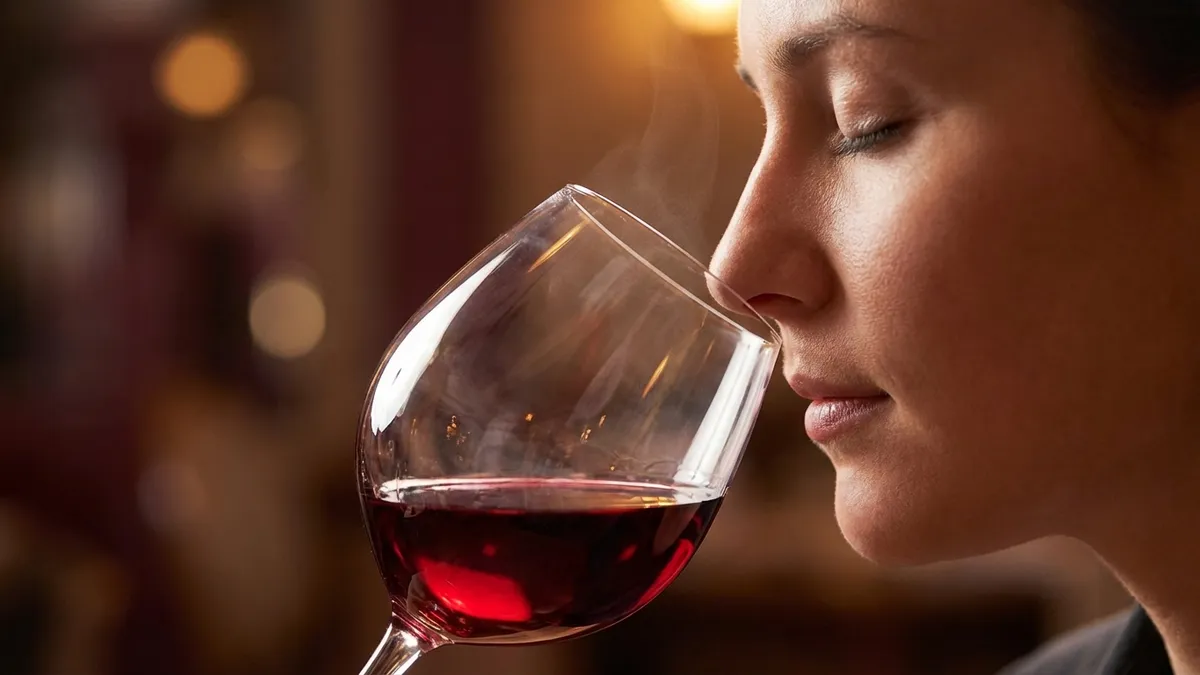
This is where the actual tasting happens. Roll the wine across your tongue to hit all the taste receptors. Breathe through your nose to detect aromatic compounds. Notice acidity (the mouth-watering response), tannin (the gripping sensation), body (the weight), sweetness, and flavor. This takes 5-10 seconds.
Step 3: Position for the Spit
Before you spit, decide where the spittoon is and how close you will get to it. The cleaner approach is getting close — 6-12 inches away — and aiming down into the container. This minimizes the distance the stream travels and reduces splashing.
Step 4: Execute the Spit
- Purse your lips into a small, controlled opening — not a wide "bleh" motion but a focused "whoosh" shape
- Tilt your head slightly forward — gravity helps; vertical dribbles are unflattering
- Expel in a single stream — not a spray; use your tongue to help push the wine out cleanly
- Aim for the center of the spittoon — not the rim; misses splash
Step 5: Clean Up
After the spit, dab your lips with a cloth napkin or paper towel if anything remains. Take a small sip of water if you want to reset between wines. Move to the next glass.
Sommelier tip: Practice at home with water. Seriously. Fill a glass with water, take a small sip, and practice spitting into the sink. Work on your aim, your stream control, and your confidence. Thirty minutes of practice makes a permanent difference.
Different Types of Tastings, Different Spitting Norms
Professional Trade Tasting
- Spitting: mandatory — not optional
- Spittoons: everywhere, usually one per taster or table
- Etiquette: silent, efficient spitting; move on quickly
- Your approach: spit every wine
Winery Visit / Tasting Room
- Spitting: expected at serious wineries; optional at casual ones
- Spittoons: usually a shared bucket on the tasting counter
- Etiquette: normal to spit; nobody judges
- Your approach: spit if you are tasting more than 3-4 wines, or if you are driving
Wine Club or Group Tasting
- Spitting: optional; depends on the group
- Spittoons: often small cups at each seat
- Etiquette: some people spit, some swallow; both are accepted
- Your approach: decide based on the number of wines and whether you are driving
Dinner with Wine Pairings
- Spitting: unusual — this is a drinking event, not an evaluation event
- Spittoons: none provided
- Etiquette: swallow as part of the dining experience
- Your approach: drink normally
The rule: spit when the purpose is evaluation; drink when the purpose is enjoyment.
Where to Spit
Proper Spittoons
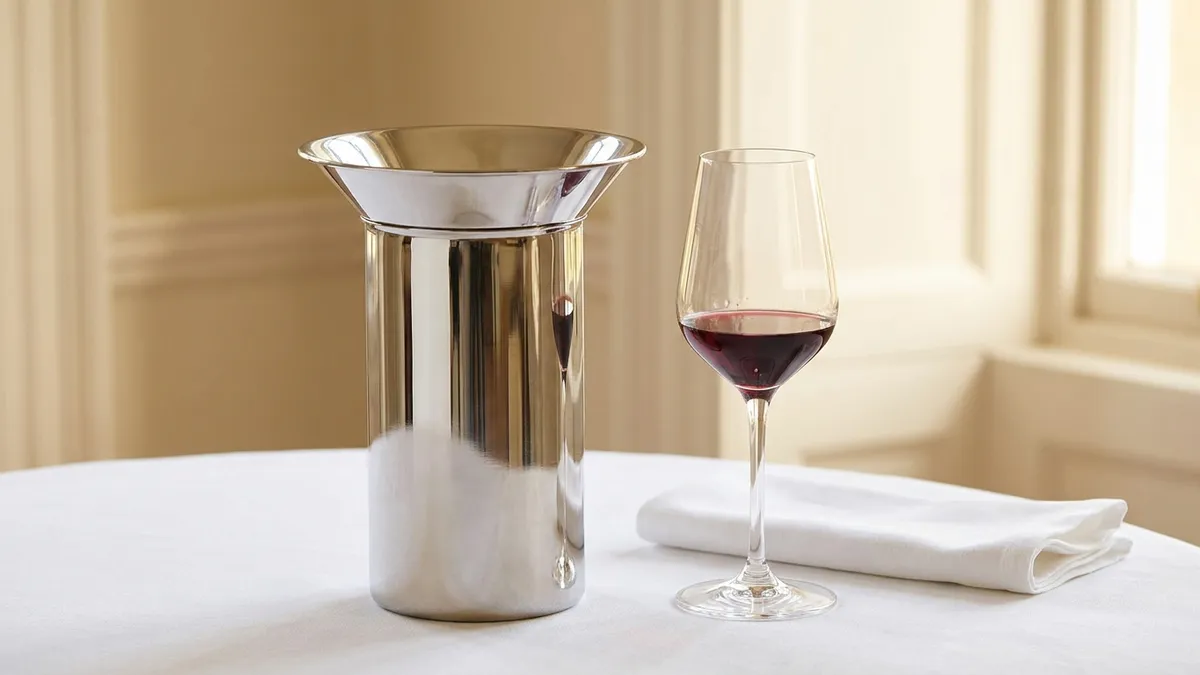
The standard container is a sturdy bucket or funnel with a wide opening, often filled with sawdust, coffee grounds, or wood shavings to absorb liquid and prevent splashing. Professional spittoons are designed for efficient, mess-free use.
Personal Cups
At seated tastings, you may have a small plastic or paper cup at your place setting. This is your personal spittoon. Spit into it throughout the tasting and dispose of it at the end. Do not share personal cups.
DIY Alternatives
At an informal setting without provided containers, any opaque cup works. Coffee cups, empty water bottles, or small jars can all function as spittoons. The important thing is that it contains the liquid and can be disposed of discretely.
What Not to Do
- Do not spit on the floor — this is actually rude and happens at some casual events; avoid it
- Do not spit in a shared glass — obviously
- Do not spit into your empty wine glass — this wastes the glass for the next wine and looks amateurish
- Do not spit at people — ever
Common Spitting Mistakes
The Dribble
The failure mode where the wine comes out in a weak stream that dribbles down your chin. Cause: insufficient lip pressure and too much wine in the mouth. Fix: smaller sips, firmer lip pursing, more forward body lean.
The Spray
The failure mode where the wine atomizes into a fine mist. Cause: lips too loose, too much air in the expulsion. Fix: purse lips tighter, use your tongue to push the wine out in a focused stream.
The Miss
The failure mode where the wine goes somewhere other than the spittoon. Cause: aiming from too far away, inadequate body positioning. Fix: get closer to the container — 6-12 inches is ideal.
The Awkward Pause
The failure mode where you clearly do not know how to spit and everyone notices. Cause: lack of practice. Fix: practice at home. Spitting confidently makes everyone around you more comfortable.
The Psychology of Spitting
It Feels Weird at First
The first few times you spit wine feel strange. Humans are conditioned not to spit — it feels rude, undignified, or wasteful. These feelings are cultural, not functional. In the context of wine tasting, spitting is the correct behavior.
Other Tasters Want You to Spit
When you are at a tasting with other people, your spitting signals that you are engaged with the wine, taking the tasting seriously, and respecting the purpose of the event. Other tasters — especially experienced ones — will notice and be subtly more inclined to engage with you as a peer.
The "Am I Doing This Right?" Feeling Goes Away
After 20-30 tastings where you spit, it becomes automatic. You stop thinking about the mechanics and focus on the wine. The self-consciousness disappears.
Building the Habit
Start Small
If spitting feels intimidating, start at home with a single wine. Pour a glass, take a sip, evaluate it, and spit into the sink. Do this with every wine you drink for a week. The habit builds quickly.
Go to Tastings
Nothing replaces actual practice. Free tastings at wine shops are perfect for this — low stakes, spittoons provided, other people spitting around you. Attend a few, practice your technique, and watch how experienced tasters do it.
Use It Selectively
You do not have to spit every time you drink wine. In fact, you should not — that defeats the pleasure of drinking wine. But in contexts where tasting multiple wines or staying sober is the goal, spitting is the correct choice.
Other Tasting Technique Considerations
Spitting is one component of a full tasting approach. Our how to taste wine guide covers the complete sequence — look, swirl, smell, sip, evaluate. Within that sequence, spitting happens between "evaluate" and moving to the next wine. Understanding how to smell wine and the aroma wheel helps you make the most of each small sip before you spit.
The Sommy app includes structured tasting exercises that build the full set of tasting skills — recognizing acidity, tannin, and body levels from small evaluations, so that spitting does not cost you information. With practice, a single controlled sip gives you as much data as a full swallow would.
Spitting is a professional skill that is worth learning. It keeps your palate sharp, your judgment intact, and your head clear — and it lets you fully participate in the tasting culture where this practice has been standard for centuries. The only people embarrassed by spitting are people who have not yet learned how. Once you know the technique, it becomes one of the most normal parts of wine appreciation.
Frequently Asked Questions
Is it rude to spit wine at a tasting?
No — the opposite. At serious wine tastings, spitting is expected and often required. Every professional sommelier, wine critic, and winemaker spits during tasting sessions. Swallowing every sip at an event with more than a few wines would leave you drunk and unable to evaluate the last wines accurately. Spittoons are provided for exactly this purpose.
How do you spit wine without making a mess?
Take a moderate sip — about a tablespoon — and hold it in your mouth while you evaluate. When ready, purse your lips into a small opening, aim at the spittoon from close range (6-12 inches), and expel the wine in a concentrated stream. Lean slightly forward to keep drips from your chin. Practice with water at home.
What is a spittoon?
A spittoon is a container used to collect spit wine at tastings. They range from small personal cups at the table to large funnel-style buckets with sawdust or wood shavings inside to absorb the liquid and prevent splashing. At formal tastings, every taster has their own spittoon or access to one within easy reach.
Do you lose any tasting information by spitting?
Very little. The palate perceives sweetness, acidity, tannin, body, and flavor within seconds of the wine hitting your tongue. Swallowing adds mainly the throat and finish sensation, but by the time you spit, you have already assessed most of what matters. Professional tasters consistently identify wine characteristics accurately while spitting.
When do you not need to spit?
At a dinner with wine pairings, at a casual tasting with only a few wines, or at a social gathering where wine is a backdrop rather than the focus. Spit when you are evaluating many wines in sequence, when you need to stay sharp (driving, working), or when the tasting is explicitly educational or professional.
Is spitting wine an acquired skill?
Yes, but it is learned quickly. Most people can execute a clean spit after 10-20 practice attempts. Start at home with water. Focus on lip control, aim, and confidence. After a few sessions, it becomes automatic. Do not let fear of looking awkward prevent you from learning — the alternative is inaccurate tasting or getting drunk at every event.
Can you spit wine into a regular cup?
Yes — at informal tastings, a plastic cup or paper coffee cup works perfectly well. Keep it at your seat, spit into it privately, and dispose of it at the end. For larger events, use the provided spittoons. The container matters less than the act of spitting itself.
Sommy Team
LinkedInFounder & Wine Educator
The Sommy Team is building the world's most approachable wine education app, helping beginners develop real tasting skills through structured courses and AI-guided practice.