Young vs Aged Wine: Side by Side (Color, Aroma, Tannin)

By the Sommy Team — AI-assisted, human-edited.
Updated Oct 21, 2026
Contents (7)
TL;DR
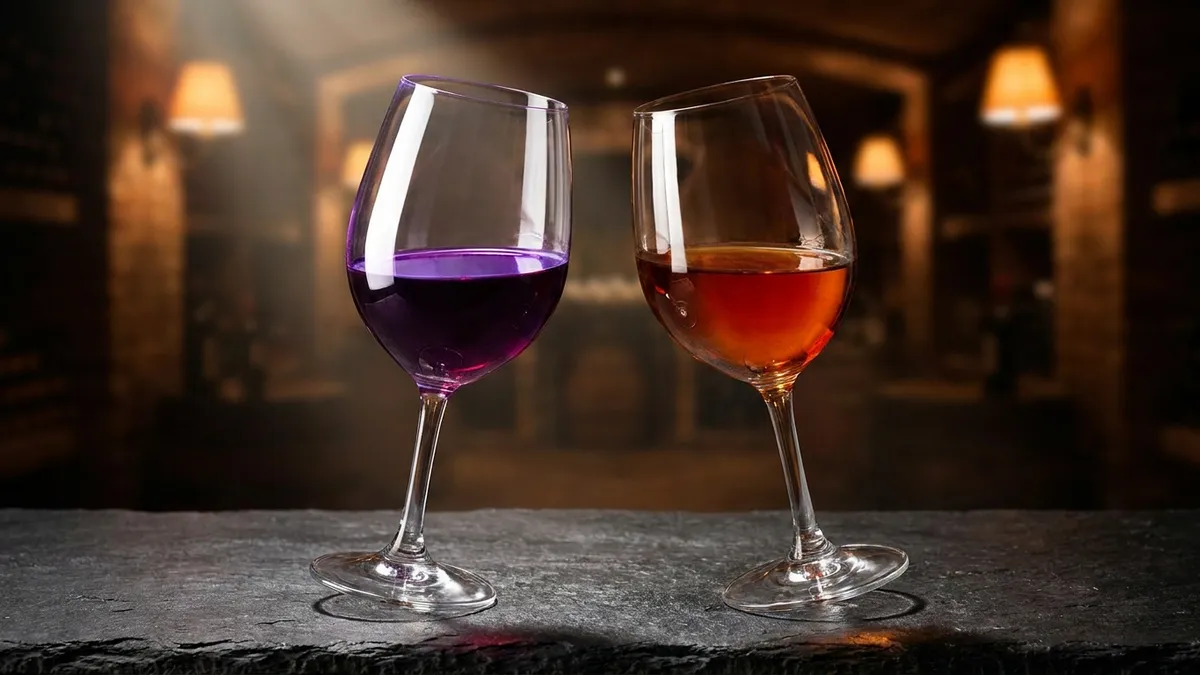
Young wine tastes of fresh fruit, with grippy tannin, sharp acidity and a purple or lemon-green color. Aged wine of the same grape trades that for dried fruit and tertiary aromas such as leather, mushroom, honey or petrol, with softer tannin and a garnet, tawny or gold color. Most wine is made to drink young.
Young wine tastes of fresh fruit, with grippy tannin and sharp acidity, and looks purple in reds or lemon-green in whites. Aged wine of the same grape tastes of dried fruit, leather, mushroom or honey, with softer tannin, and looks garnet, tawny or gold. The table shows each change and how to check it in your own glass.
How Wine Changes With Age, Side by Side
| What to check | Young wine | Aged wine | How to check it |
|---|---|---|---|
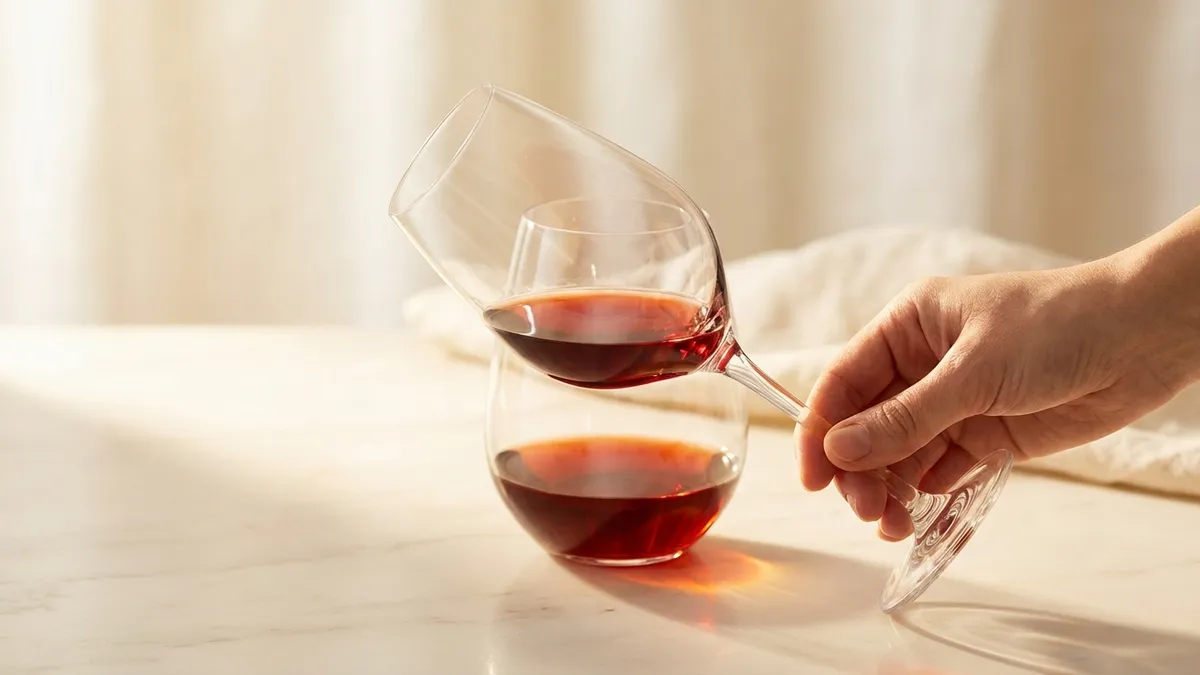
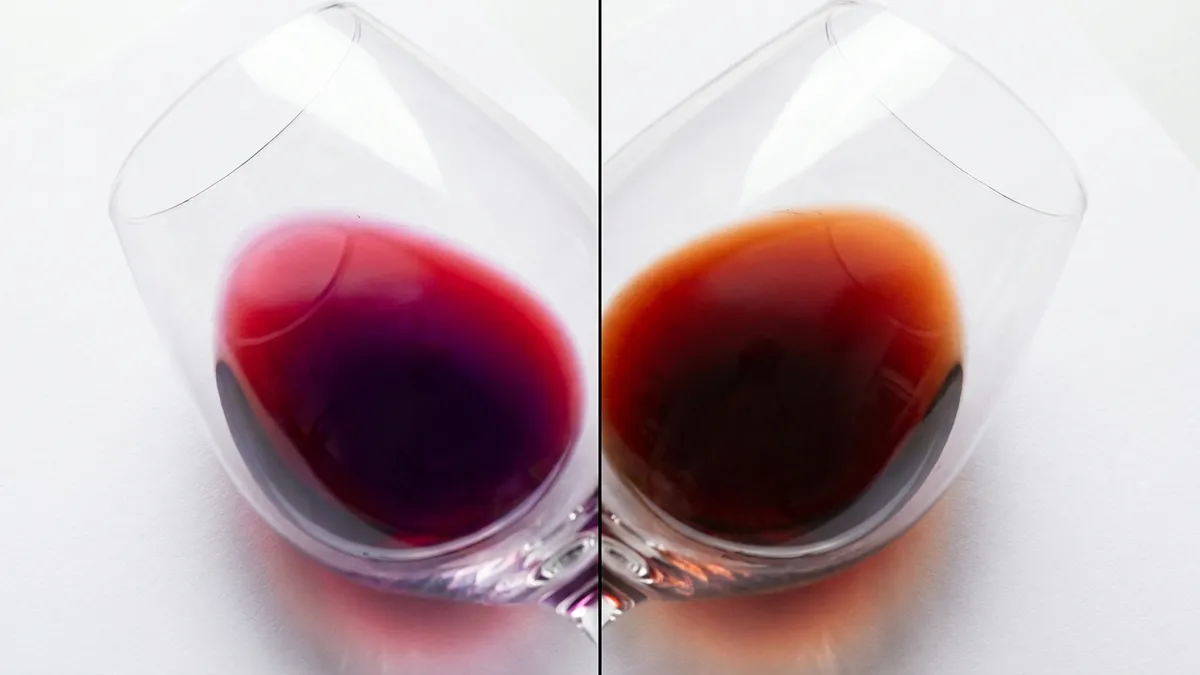
| Color of a red | Purple to ruby, saturated to the rim | Garnet to tawny, brown when very old; the rim pales first | Tilt the glass over white paper and look at the edge |
| Color of a white | Lemon-green to lemon | Gold to amber | Hold it against white and judge how deep the color is |
| Fruit | Fresh: blackcurrant, red cherry, lime, green apple | Dried or cooked: fig, prune, dried apricot, marmalade | Ask whether the fruit smells fresh-picked or dried |
| Aromas from age | None yet; oak adds vanilla or toast | Reds: leather, earth, mushroom, tobacco. Whites: honey, nuts, petrol in Riesling | Smell for savory notes under the fruit |
| Tannin (reds) | Grippy and drying on the gums | Softer and finer | Sip, then feel your gums after a few seconds |
| Acidity | Sharp and mouth-watering | Gentler, though the measured amount barely changes | Notice how fast your mouth waters |
| Sediment (reds) | Usually none | A dark deposit is common | Pour slowly and stop when the deposit reaches the neck |
Does Wine Get Better With Age?
Mostly no: wine changes with age, and only some wines change for the better. "Wine doesn't really get better with age; it just changes," as BBC Science Focus puts it. An estimate quoted in Wikipedia's article on wine ageing says 90% of wine is meant for drinking within a year of production, and 99% within five years.
Wine Folly estimates that only about 3% of the market is built to last. Those wines share the structure that slows decline: high acidity, firm tannin in reds, concentrated fruit or high sugar. Acidity protects a white the way tannin protects a red. Top Bordeaux, Barolo, Rioja Gran Reserva, dry and sweet Riesling, vintage Champagne, Sauternes and Vintage Port are built to age. Fresh rosé, light unoaked whites and Beaujolais Nouveau lose fruit and gain nothing, so open them within the year. Which wines age well sorts the styles by the traits that protect them.
Youthful, Developing or Tired? How to Read an Older Bottle
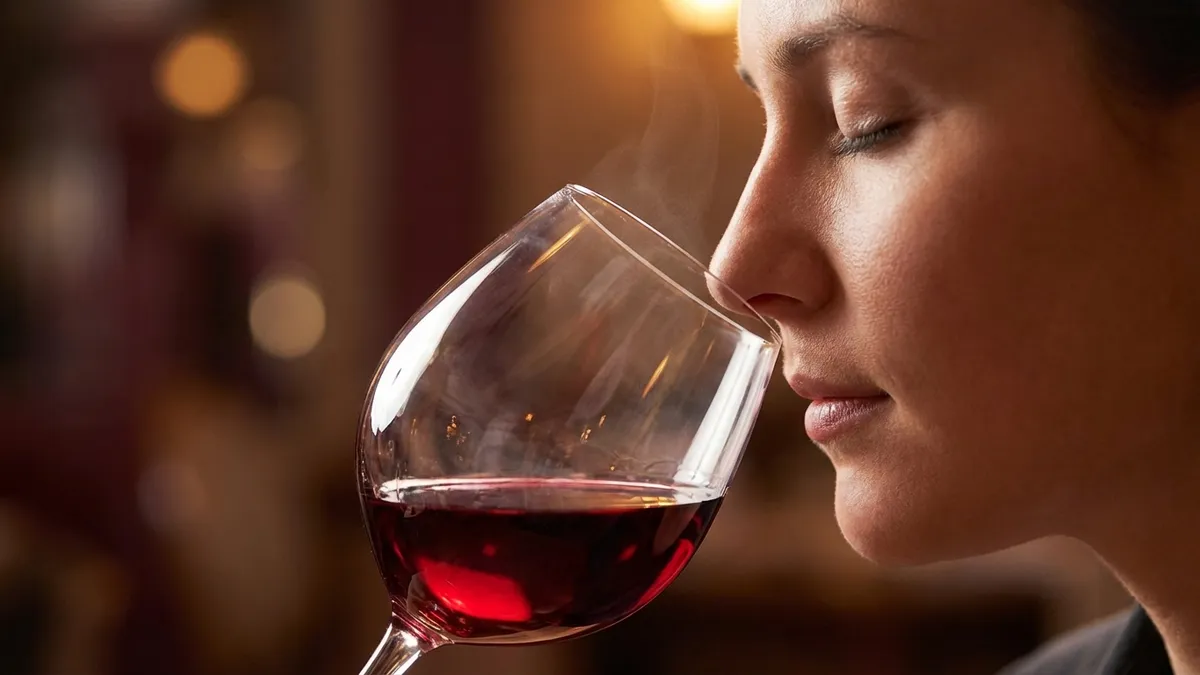
WSET's Level 3 tasting grid rates a wine's development in four steps: youthful, developing, fully developed, and tired or past its best. The nose decides the step, so smell before you sip. The balance between fresh fruit and aromas from age places the wine, and a fading finish marks the end.
- Youthful: fresh fruit only, plus vanilla or toast if the wine saw oak.
- Developing: fresh fruit still leads, with a first savory smell of leather, mushroom or honey.
- Fully developed: dried fruit and savory notes lead, and the tannin feels soft.
- Tired: the fruit has faded, the finish drops away quickly, and a red looks brown at the edge.
If a bottle from a case tastes fully developed, open the rest soon. If it already tastes tired, the others will not recover with more time.
What Changes in the Color?
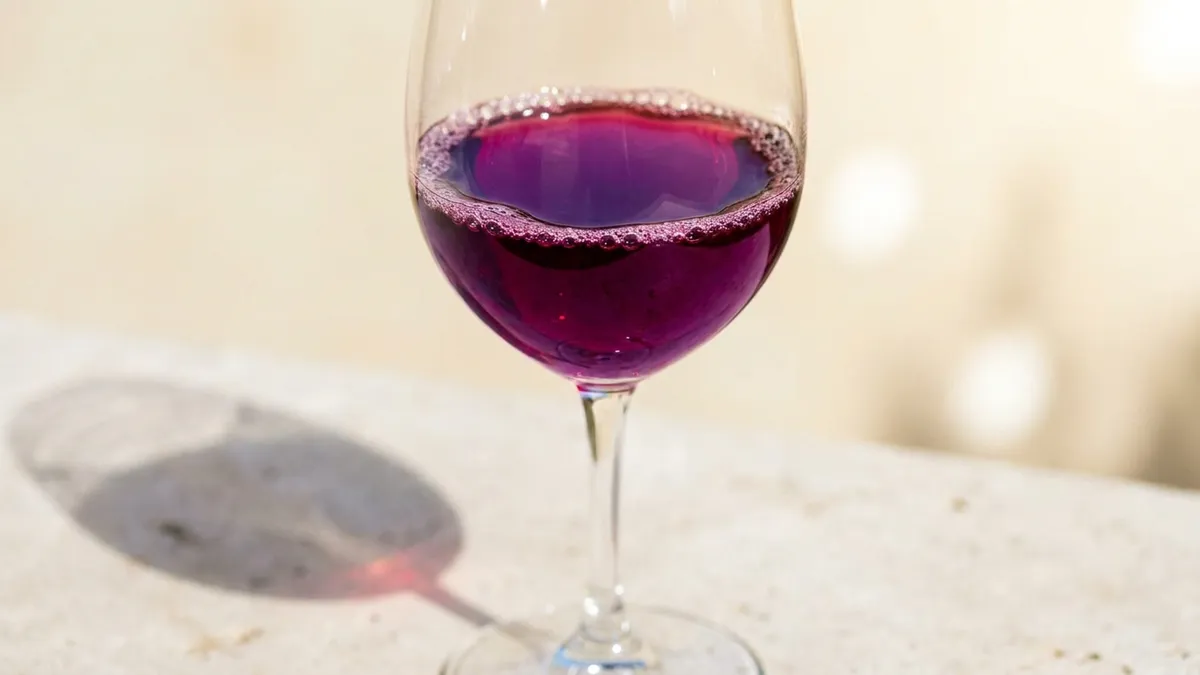
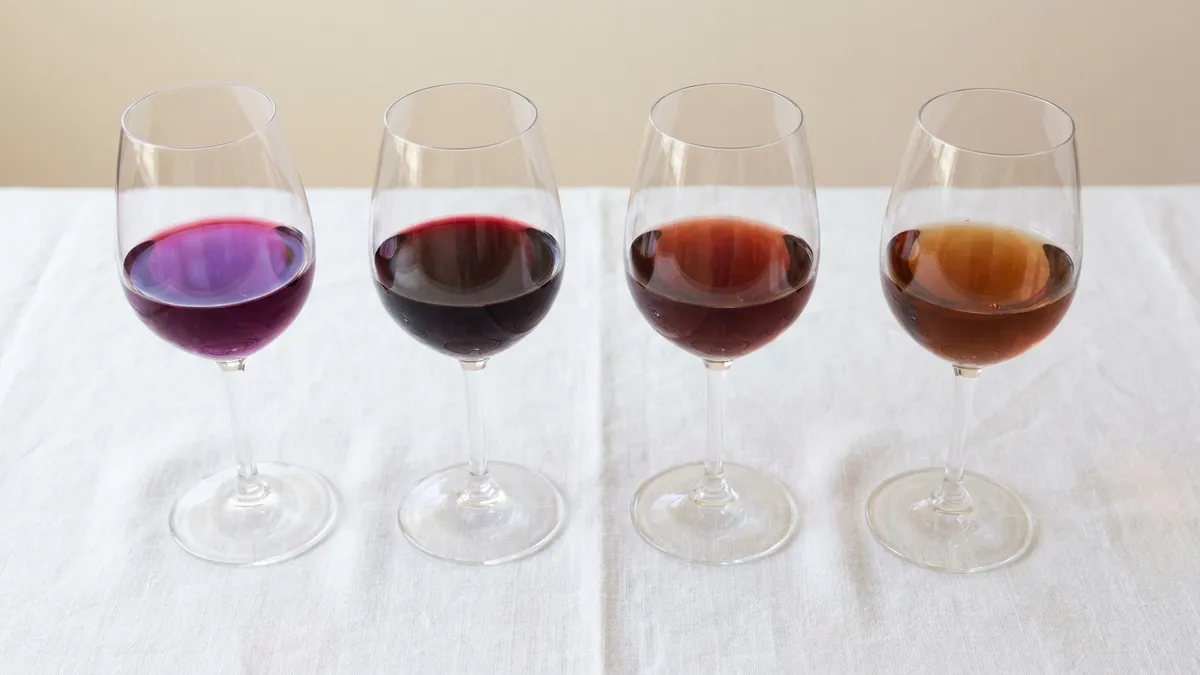
Reds lose color and whites gain it. On WSET's scale, reds move from purple through ruby and garnet to tawny and brown, and whites from lemon-green through lemon and gold to amber and brown. The rim, the thin edge of wine in a tilted glass, shows the change first.
Wine Folly's tasting of one Merlot across vintages shows the pace. The 2011 had a ruby to ruby-garnet rim, the 1999 a red-ruby to red-brick rim, and the 1987 a red to pale orange-brick rim. Grape and storage speed or slow that shift, so color gives a rough age, never a vintage. How wine color changes with age covers the full scale, and the wine color guide explains what color says about grape and climate.
Whites darken through slow oxidation. A dry Riesling that pours pale lemon-green in its first year can turn gold by its tenth, deep enough to pass for a sweet wine.
What Do Tertiary Aromas Smell Like?
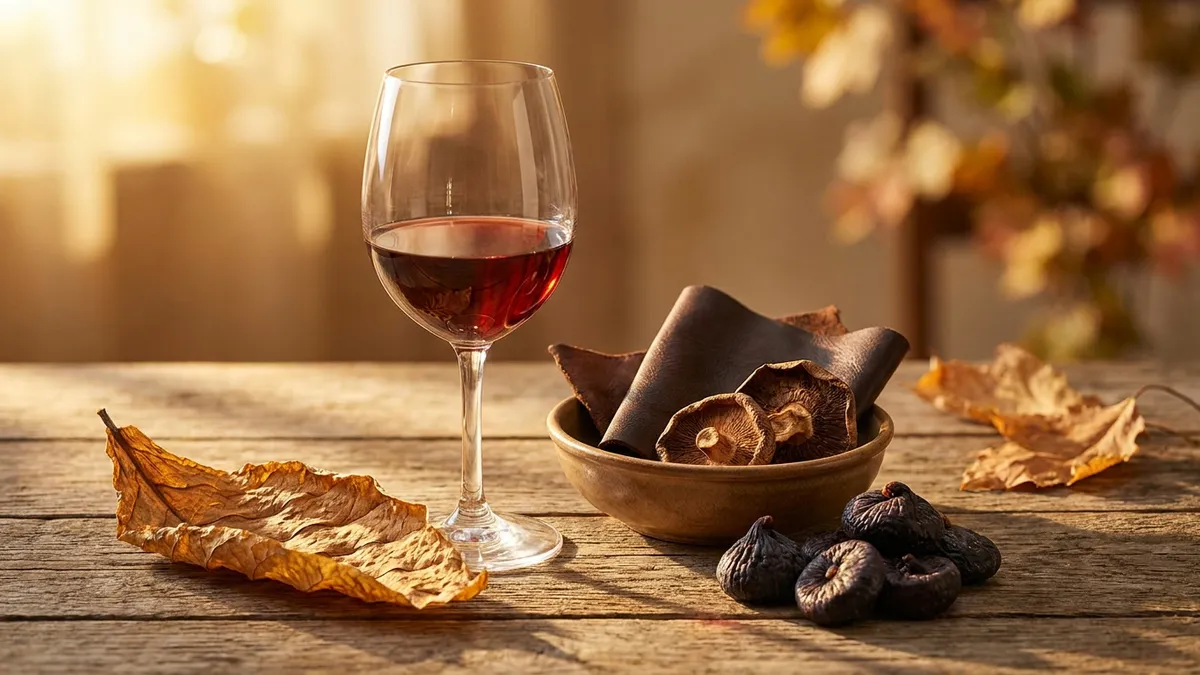
Tertiary aromas are the smells that come from age rather than from the grape or the winemaking. WSET's Level 3 lexicon lists leather, earth, mushroom and tobacco for reds with bottle age, and petrol, honey, nuts and hay for whites. Fresh fruit turns to fig and prune in reds, and to dried apricot and marmalade in whites.
A young wine smells of primary aromas, the ones from the grape: blackcurrant and violet in a young Cabernet Sauvignon, lime and green apple in a young Riesling. Oak adds secondary aromas such as vanilla and toast. The primary, secondary and tertiary aromas guide sorts the common smells into their layers.
Two slow reactions drive the change. Acids and alcohol combine into esters, which bring new aromas and make the wine taste less acidic; Wikipedia's ageing article notes that they take years to build up. Slow oxidation turns fresh fruit dried or stewed and adds spice, according to Wine Folly. In Riesling, the petrol smell comes from a compound called TDN, found particularly in aged bottles.
What Happens to Tannin and Acidity?
Tannin softens and acidity feels gentler. In red wine, tannins bind together over the years and slowly settle out, BBC Science Focus explains, so the drying grip of youth turns soft and fine. The measured acidity stays roughly constant through a wine's life, Wikipedia notes, yet it can taste milder as esters form.
The settled tannin is the dark deposit in an old red. Stand the bottle upright for a day before opening so the sediment slides to the bottom; how to decant wine covers the pour step by step. For how each of these feels in the mouth, see understanding tannins, acidity and body.
How to Taste Young and Aged Wine Side by Side
Buy two bottles of the same grape from the same region, one current and one at least five years older. Pour the same amount into identical glasses, reds at about 16°C and whites at 10 to 12°C. Compare four things in order: color and rim, smell, tannin and acidity, then finish.
- Rioja Crianza and Gran Reserva. A red Gran Reserva ages at least five years before release, with at least two in barrel and two in bottle; a Crianza ages two years in all. Expect fresh red cherry against dried fruit, leather and a garnet rim.
- Dry Riesling, current and 5 to 10 years older. Pale lemon-green with lime and green apple against gold with honey, dried apricot and petrol.
- Cabernet Sauvignon, 2 and 15 years old. Purple, with blackcurrant, mint and grippy tannin, against a garnet-to-brick rim, dried blackcurrant, cedar, tobacco and powdery tannin.
Rushing the nose and serving too cold hide the change, two of the common wine tasting mistakes. Several vintages of one wine make a vertical wine tasting, the formal version of this exercise, and the how to taste wine hub has the other core skills.
Sommy's AI-guided tasting mode walks you through look, smell and taste for each glass and saves both notes to your tasting journal. Pour the two glasses tonight, tilt them over a sheet of white paper and compare the rims before you smell either one.
Sources
- WSET: Level 3 Systematic Approach to Tasting Wine and Wine-Lexicon (Issue 2, 2022)
- Wine Folly: How wines age
- BBC Science Focus: Can wine get worse with age?
- Wikipedia: Aging of wine
- Wikipedia: 1,1,6-Trimethyl-1,2-dihydronaphthalene (TDN)
- Consejo Regulador DOCa Rioja: Pliego de condiciones (ageing rules for Crianza, Reserva, Gran Reserva)
Frequently Asked Questions
Does wine get better with age?
Most wine does not. Wine changes with age rather than simply improving, and an estimate quoted on Wikipedia puts 90% of wine as meant for drinking within a year of production. Only wines with high acidity, firm tannin, concentrated fruit or high sugar gain from years in bottle. A light white or a fresh rosé loses its fruit and gains nothing in return.
What does aged wine taste like?
Aged red wine tastes of dried fruit such as fig and prune, with leather, earth, mushroom or tobacco, and its tannin feels softer and finer. Aged white wine tastes of dried apricot, marmalade, honey and nuts, and aged Riesling often smells of petrol. Both often taste less sharp than they did young, because esters formed in the bottle make the acidity taste softer.
What are tertiary aromas in wine?
Tertiary aromas are the smells that come from ageing rather than from the grape or fermentation. WSET's Level 3 lexicon groups them as deliberate-oxidation notes (almond, hazelnut, toffee), developed fruit (fig and prune in reds, dried apricot and marmalade in whites) and bottle-age notes: leather, mushroom, earth and tobacco in reds; petrol, honey, nuts and hay in whites.
How can you tell if a wine is aged?
Look at the rim first. Tilt the glass over white paper: a red with a garnet, tawny or brown edge, or a white that has turned gold or amber, has aged. Then smell for dried fruit and savory notes in place of fresh fruit, and feel for softer tannin on your gums. A dark deposit in the bottle of an old red is another sign.
Why does red wine turn brown with age?
Red color comes from grape-skin pigments called anthocyanins. Over the years they change and combine with tannin, and part of that pigment settles out as sediment, so the wine grows paler. The color moves from purple and ruby toward garnet and orange, starting at the rim, and very old reds turn brown. Whites go the other way, darkening from lemon to gold and amber.
How long does it take for wine to taste aged?
There is no fixed year, because grape, structure and storage set the pace. A red with firm tannin and high acidity can still taste young at five years, while most everyday wine is made to drink within a year of production. Rioja's rules give a feel for it: a red Gran Reserva ages at least five years before release, a Crianza at least two.
Can I taste young and aged wine side by side at home?
Yes. Buy a young and an older bottle of the same grape and region, such as a Rioja Crianza and a Gran Reserva, or a current dry Riesling and one five to ten years older. Pour the same amount into identical glasses at the same temperature, then compare color, smell, tannin and finish line by line, writing one note per glass.
Sommy Team
LinkedInFounder & Wine Educator
The Sommy Team is building the world's most approachable wine education app, helping beginners develop real tasting skills through structured courses and AI-guided practice.