Wine Structure Meaning: What Makes a Wine Structured

By the Sommy Team — AI-assisted, human-edited.
Updated Oct 1, 2026
Contents (8)
- What Is a Structured Wine?
- What Are the Five Components of Wine Structure?
- Is Structure the Same as Flavor?
- How Do You Taste Structure in Five Seconds?
- How Do the Structural Parts Balance Each Other?
- What Does Structure Tell You About Aging and Food?
- Does Structure Change in the Glass?
- How to Train Your Structural Palate
TL;DR
Wine structure is the frame of a wine: acidity, tannin, alcohol, body and sweetness, the parts you feel rather than smell. A structured wine has firm acidity or tannin under its fruit, which usually means it stands up to food and can age. Each part shows up in a different spot, so five quick checks read any glass.
Wine structure is the set of parts you feel in your mouth rather than smell: acidity, tannin, alcohol, body and sweetness. Together they form the frame the fruit flavors sit on. When a taster calls a wine structured, it is usually praise: at least one firm part, most often tannin or acidity, gives the wine grip and the build to age.
What Is a Structured Wine?
A structured wine has enough acidity, tannin or both to feel firm under the fruit. It grips the gums or makes the mouth water after you swallow. Wine Spectator calls structure the relationship between a wine's components, and says structured wines are "thought to age well, while wines lacking in structure are unlikely to get better over time."
"Structure" is the five parts every wine has in some amount. "Structured" is a judgment that those parts are firm and in proportion. The words around it on a tasting note each describe a feeling you can check in the glass.
| Word on a note | What you feel | What it tells you | What to do |
|---|---|---|---|
| Structured | Firm tannin or bright acidity under the fruit | Built to hold, often for several years | Serve it with food that has fat or protein, or keep a bottle back |
| Austere | Acid or tannin outweighs the fruit | Young and tight, or short of fruit | Pour it into a jug an hour ahead, or serve it with salty, fatty food |
| Flabby | Low acidity: heavy, flat and short | Drink it now; it will not improve | Serve it cool so it tastes fresher |
| Soft | Low tannin and gentle acidity | Easy now, little reason to wait | Drink it this year, alone or with light dishes |
| Balanced | No single part sticks out | The parts are in proportion | Retaste it over an hour and note what changes |
Acidity alone can provide the frame. A dry Riesling with high acidity and no tannin can be as structured as a tannic red, which is why the word turns up on white-wine notes too.
On a note, the word sits next to the part that earns it: "Structured, with firm, fine tannin and high acidity; needs food or a few years." A beginner's note on the same glass often reads "cherry, a bit dry," which records the flavor and misses the frame.
What Are the Five Components of Wine Structure?
The five components of wine structure are acidity, tannin, alcohol, body and sweetness. VinePair lists these as "the major elements that can be assessed when tasting a wine," and the WSET Level 2 tasting sheet scores the same five on simple scales. Each one is felt in a different way, which makes them easy to separate with practice.
| Component | What you feel | WSET scale | Quick test |
|---|---|---|---|
| Acidity | Tartness, then saliva flowing after you swallow | Low, medium, high | Count how long your mouth keeps watering |
| Tannin | Gums and inner cheeks drying and gripping | Low, medium, high | Run your tongue over your gums after the sip |
| Alcohol | Warmth at the back of the throat | Low, medium, high | Breathe out through your mouth after swallowing |
| Body | Weight across the tongue | Light, medium, full | Compare it with skimmed milk, whole milk or cream |
| Sweetness | Sugar you can taste, with a slightly thicker feel | Dry, off-dry, medium, sweet | Ask whether the fruit tastes sugary or only ripe |
Not every list matches. Wine Spectator names acidity, tannin, alcohol, body and glycerol, and leaves sweetness out. The gap is smaller than it looks. Glycerol tastes faintly sweet, so it overlaps with sugar, though at normal wine levels it does little to texture.
Acidity
Acidity (the tartness that makes your mouth water) is the part to check first. After you swallow, saliva floods the mouth; the longer it keeps flowing, the higher the acidity. Low acidity feels flat and heavy. High acidity feels fresh and sharp, like biting a green apple.
High-acidity styles include Riesling, Chablis, Sauvignon Blanc, Champagne, Nebbiolo and Sangiovese. Lower-acidity styles include ripe warm-climate Chardonnay and Viognier.
Tannin
Tannin (the drying grip on your gums) comes from grape skins, seeds, stems and oak barrels. It is mostly a red-wine part, though skin-contact whites and heavily oaked whites show a little.
Tannin has an amount and a texture. Fine-grained tannin can be plentiful and still feel like velvet, while coarse tannin feels rough even in small doses. Tannin is a touch and bitterness is a taste, and the two often arrive together in young reds. The split between astringency and bitterness is easy to learn with one cup of tea. The tannins, acidity and body breakdown covers all three in more depth.
Alcohol
Alcohol shows up as warmth at the back of the throat, sometimes reaching the chest. The label gives the measurement, but the feel changes with what surrounds it. A 13% wine with thin fruit and low acidity can taste hot. A 15% wine with ripe fruit and firm acidity can hide its strength. The Wine With Seth tasting wiki notes that the warmth becomes "more prominent above around 14% ABV."
Body
Body is the weight of the wine on your tongue: light feels like skimmed milk, medium like whole milk, full like cream. It comes from alcohol, sugar, extract and glycerol together, so body is an outcome of the other parts.
Body and alcohol usually rise together, but extract can break the link. Amarone, made from dried grapes, feels far heavier than a Pinot Noir of similar strength. Light-bodied styles include Pinot Grigio, Muscadet, most rosé and Beaujolais. Medium: Chianti and Rioja. Full: Napa Cabernet Sauvignon, Syrah, Amarone and oaked warm-climate Chardonnay. Texture beyond weight, from silky to chewy, is the subject of wine mouthfeel.
Sweetness
Sweetness is the sugar left after fermentation, which you taste across the tongue rather than only at the tip. A dry wine has no sugar you can taste; fruity is not sweet. WSET scales it from dry through off-dry and medium to sweet.
Acidity changes how much sugar you notice. An off-dry Riesling with very high acidity can taste drier than a low-acid Chardonnay with no sugar at all. Judge sweetness after you have judged acidity.
Is Structure the Same as Flavor?
No. Flavor is mostly smell: cherry, citrus, vanilla and toast reach you through the nose, even while the wine sits on your tongue. Structure is touch and basic taste: sourness, sugar, drying, warmth and weight. A wine with pleasant flavor and weak structure fades after one sip. Firm structure can carry modest flavor through a long finish.
Beginners notice flavor first because the words are familiar. Professional sheets reverse the order. The WSET Level 2 palate section asks for sweetness, acidity, tannin, alcohol and body before it asks about flavor intensity and flavor characteristics. The WSET systematic tasting approach walks through the full sheet.
How Do You Taste Structure in Five Seconds?
Take a normal sip, hold it for two seconds and swallow. Then run five checks in order: mouth watering for acidity, gums drying for tannin, throat warming for alcohol, weight for body, and sugar for sweetness. Each check takes about a second. Write the structure down first and the flavors after.
WSET's low, medium and high is the standard scale. A 1-to-5 scale adds two in-between steps, which helps once you taste often. Write the five numbers in the same order every time.
| Component | Burgundy Pinot Noir | Napa Cabernet Sauvignon |
|---|---|---|
| Sweetness | 1 (bone dry) | 1 to 2 (dry; ripe fruit can seem sweet) |
| Acidity | 4 (high) | 3 (medium) |
| Tannin | 2 to 3 (low to medium) | 4 (high) |
| Alcohol | 3 (medium) | 4 (high) |
| Body | 3 (medium) | 5 (full) |
These are typical readings, and a single bottle can differ. After a few dozen notes the numbers start to sort wines on their own. High acid with medium body points toward a cool climate; full body with high alcohol points toward a warm one. The six-step tasting method places this check inside a full tasting.
How Do the Structural Parts Balance Each Other?
The five parts change how each other feel. Acidity offsets sweetness, ripe fruit hides tannin and alcohol, and body grows out of alcohol and sugar. When one part outweighs the rest, tasters call the wine unbalanced, and that part is usually the first thing you notice on the sip.
- Acidity and sweetness. A sweet wine with low acidity tastes cloying; the same sugar with high acidity tastes lively.
- Tannin and fruit. High tannin over thin fruit feels harsh; over ripe fruit it feels firm and polished.
- Alcohol and fruit. High alcohol over thin fruit burns; over ripe, concentrated fruit it reads as gentle warmth.
In young reds built to age, the fruit can fade before the tannin softens, so some need years in the bottle. If the tannin sticks out tonight, eat a bite of hard cheese and taste again: fat and protein soften the grip. Proportion between the parts is the subject of wine balance.
What Does Structure Tell You About Aging and Food?
Structure is the best single clue to how long a wine will last and what it will go with. Acidity and tannin help a wine hold together, so wines with plenty of both usually age longer, while soft, low-acid wines are best drunk young. At the table, each structural part answers one part of the dish.
- If the dish is fatty or creamy, choose high acidity, which cuts through the fat.
- If the dish is red meat with fat and protein, choose firm tannin, which the fat softens.
- If the dish is sweet, choose a wine at least as sweet, or the wine tastes thin and sour.
- If the dish is rich and heavy, choose full body; delicate dishes need light body.
How tannin and acidity change over years in the bottle is traced in wine aging.
Does Structure Change in the Glass?
Often. Many tasters find a young red feels tighter at the first pour than an hour later, though studies suggest air mainly changes the aromas, not the tannin itself. If it feels hard at the pour, give it 30 minutes in a jug. Over years in bottle the tannin does soften and the fruit slowly fades.
How to Train Your Structural Palate
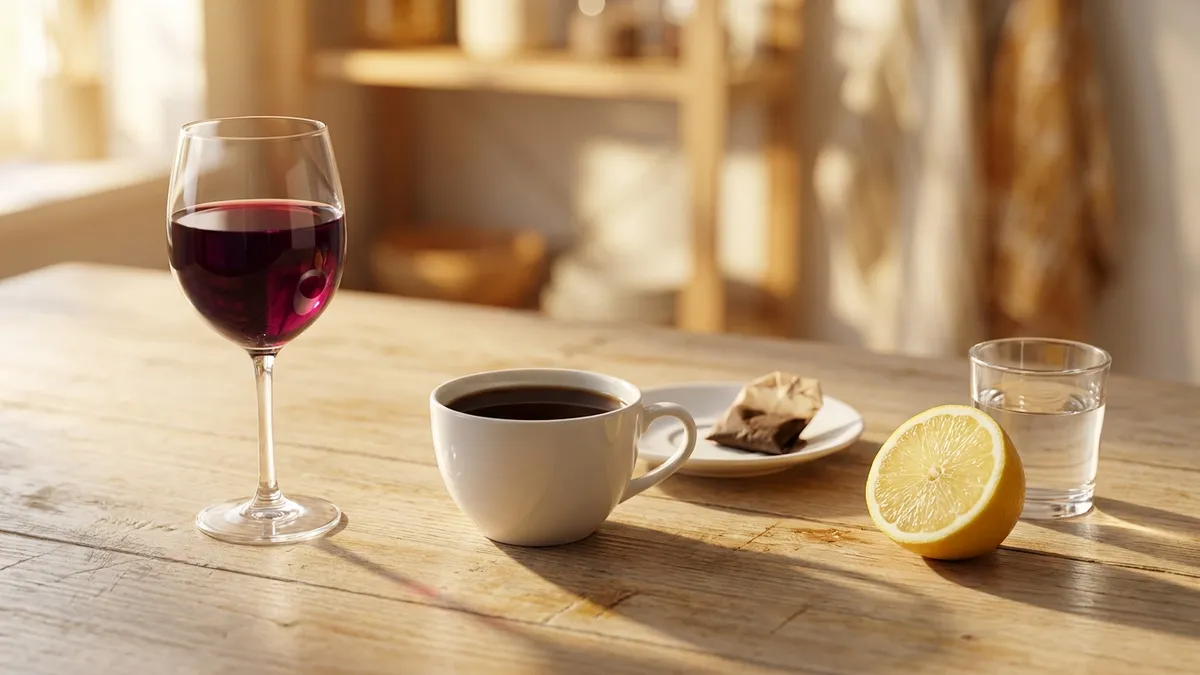
Start with references from the kitchen. Brew a cup of strong black tea and leave the bag in too long: the drying on your gums is tannin. Sip water with a squeeze of lemon: the rush of saliva is acidity. Then taste a red and find both feelings in the glass.
Next, pour two wines of the same grape side by side, one from a cool region and one from a warm one, and score both. Name two clear structural differences before you name a single flavor. Once that feels easy, have a friend pour one wine blind and score it before you guess what it is.
Sommy builds the same habit into its AI-guided tasting mode: photograph the label, and it walks you through look, smell and taste, then saves your notes to a tasting journal. More tasting skills sit in the how to taste wine hub. Pour one red tonight, run the five checks, and write down the number that surprised you most.
Sources
Frequently Asked Questions
What does structure mean in wine?
Structure means the parts of a wine you feel in your mouth rather than smell: acidity, tannin, alcohol, body and sweetness. Flavors such as cherry or vanilla sit on top of that frame. Wine Spectator describes structure as the relationship between a wine's components, so the word covers both how much of each part there is and how well they fit together.
What is a structured wine, and is it a good thing?
A structured wine has firm acidity, tannin or both under the fruit, so it grips the gums or makes the mouth water. Tasters usually mean it as praise. Structured wines tend to stand up to food and are thought to age well. The word turns negative only when the structure outweighs the fruit, which tasters call austere.
What are the 5 components of wine structure?
The five components most lists use are acidity, tannin, alcohol, body and sweetness, the same five on the palate section of the WSET Level 2 tasting sheet. Wine Spectator swaps sweetness for glycerol. The difference is small: glycerol tastes faintly sweet, so it overlaps with sugar, though at normal wine levels it adds little to the feel.
What is the difference between structure and body?
Body is one part of structure: the weight of the wine on your tongue, from light like skimmed milk to full like cream. Structure is all five parts together. Body grows out of alcohol, sugar, extract and glycerol, so a full-bodied wine usually also has high alcohol, though a wine made from dried grapes can feel heavier than its strength suggests.
Do white wines have structure?
Yes. Most whites have little or no tannin, so acidity and body carry their structure. A dry Riesling with high acidity can feel as firm as a tannic red. Skin-contact or orange whites, fermented with the grape skins, do show real tannin, and whites aged in new oak can pick up a light drying grip from the barrel.
Can a wine have too much structure?
Yes. A wine with very high acidity or tannin and too little fruit to cover it feels hard and drying, and tasters call it austere. Young wines built to age can taste this way for their first few years. Food helps: a fatty or salty dish softens the grip of tannin and makes high acidity taste fresh instead of sharp.
Does a structured wine age better?
Usually. Acidity and tannin help a wine hold together over years, and Wine Spectator notes that wines lacking structure are unlikely to improve with time. Structure alone is not enough: the wine also needs enough fruit to last while the tannin softens. Soft, low-acid wines are best opened within a year or two of release.
Sommy Team
LinkedInFounder & Wine Educator
The Sommy Team is building the world's most approachable wine education app, helping beginners develop real tasting skills through structured courses and AI-guided practice.