Wine Mouthfeel Explained: Body, Texture, and Balance
Sommy Team
Founder & Wine Educator
April 10, 2026
10 min read
TL;DR
Wine mouthfeel is the physical sensation of wine in your mouth — weight, grip, creaminess, warmth, and astringency. It is driven by alcohol, tannin, acidity, sugar, and glycerol working together. Beginners who learn to feel mouthfeel separately from flavor unlock the fastest shortcut to understanding wine quality and style.
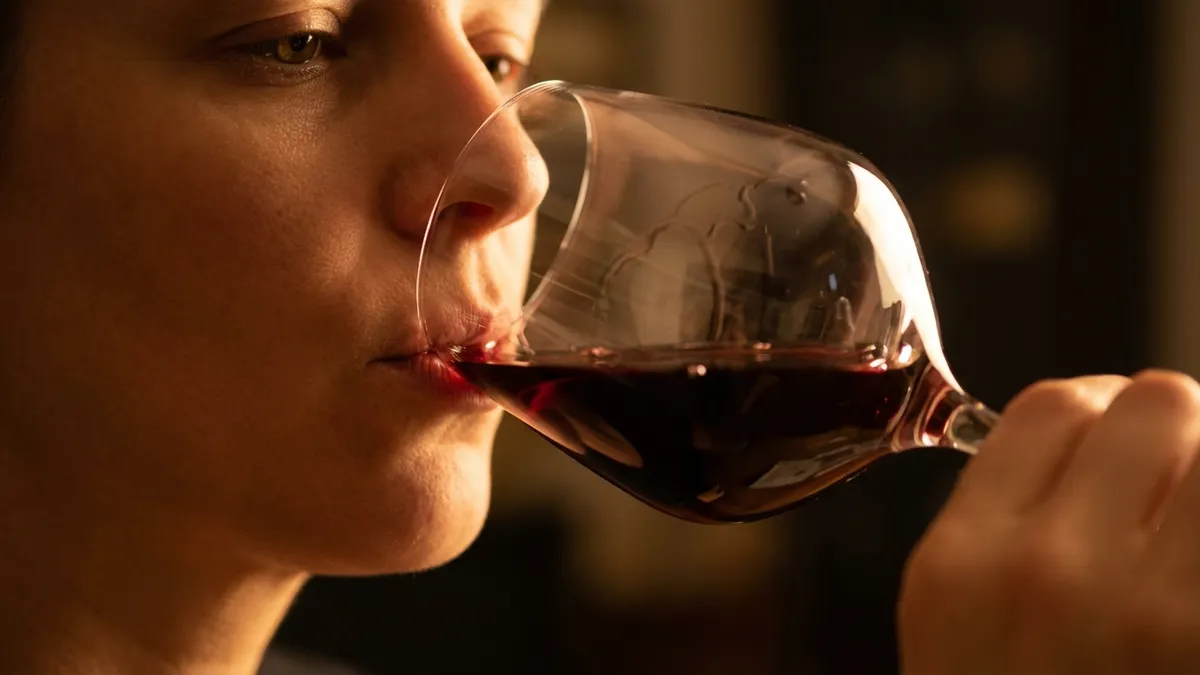
The Sense Most Beginners Completely Ignore
Ask a beginner what a wine tastes like and they will talk about flavor — cherry, vanilla, pepper. Ask a sommelier the same question and they will spend just as long talking about what the wine feels like — the weight of it, the grip, the warmth, whether the texture is silky or chalky, how the acid lifts the mid-palate. That set of physical, tactile sensations is wine mouthfeel, and learning to notice it is one of the most powerful upgrades a beginner can make.
Mouthfeel is not flavor. It is not aroma. It is the physical presence of the wine in your mouth — what you would still notice if you had a cold and could not smell anything at all. Think of the difference between drinking water and drinking whole milk. Same temperature, same cup, completely different physical sensation. That difference is mouthfeel, and wine has a version of it that is far more varied and interesting than either water or milk.
This guide walks through exactly what wine mouthfeel is, the five components that create it, how to identify each one on your palate, why it matters for food pairing and quality assessment, and a set of simple at-home exercises that build real texture awareness in a few sessions. By the end, you will have a language for the physical side of wine that most drinkers never develop.
What Wine Mouthfeel Actually Is
Wine mouthfeel is the collective term for every physical sensation wine produces on your palate, tongue, gums, and throat. It is distinct from taste (sweet, sour, bitter, salty, umami) and from aroma (the hundreds of volatile molecules you smell). Mouthfeel lives in a third sensory channel — the tactile channel — and it includes sensations like weight, viscosity, grip, warmth, creaminess, prickliness, and astringency.
Professional tasting frameworks like the WSET Systematic Approach to Tasting evaluate mouthfeel as a separate section, distinct from aroma and flavor. The reason is simple: two wines can have identical flavors but completely different mouthfeels, and that difference changes how each one pairs with food, how long each one can age, and how pleasurable each one feels to drink.
The Five Components of Wine Mouthfeel
Every mouthfeel sensation in wine traces back to one of five structural components. Learning to identify each one separately is the key to reading mouthfeel like a professional.
1. Body (Weight and Viscosity)
Body is the weight and fullness of the wine in your mouth. Light-bodied wines feel like water — thin, refreshing, easy to swirl around your tongue. Full-bodied wines feel like cream — thick, heavy, coating. Medium-bodied wines sit between the two.
The primary driver of body is alcohol by volume (ABV). Higher alcohol means higher viscosity and a heavier sensation. A 15 percent Shiraz feels dramatically heavier than an 11 percent Mosel Riesling, even before you consider tannin or flavor. Residual sugar and glycerol also contribute to body, but alcohol is the lead instrument.
A quick body-reading trick: swirl the glass and watch the wine legs. Thick, slow legs generally signal higher alcohol and fuller body. Thin, fast legs signal lighter body. It is an imprecise read but a useful first calibration.
2. Tannin (Grip and Astringency)
Tannin is the drying, gripping, slightly rough sensation that makes your gums feel like they have been scrubbed. It is caused by phenolic compounds from grape skins, seeds, and stems (and sometimes from oak barrels) that bind to proteins in your saliva and pull moisture out of the soft tissues of your mouth.
Tannin is mostly a red-wine phenomenon because reds ferment in contact with their skins. The amount and character of tannin depends on the grape variety, how ripe the grapes were at harvest, and how long the juice stayed on the skins.
- High-tannin grapes: Cabernet Sauvignon, Nebbiolo, Tannat, Mourvèdre, Syrah
- Medium-tannin grapes: Merlot, Sangiovese, Tempranillo, Malbec
- Low-tannin grapes: Pinot Noir, Gamay, Grenache
Tannin quality matters as much as tannin quantity. Ripe tannins from fully mature grapes feel silky and fine-grained. Unripe or "green" tannins from underripe fruit feel coarse, bitter, and scratchy. The difference between a well-made young Cabernet and a poorly made one is often tannin quality more than anything else.
For a full breakdown of how tannin works alongside the other structural components, see our guide to understanding tannins, acidity, and body.
3. Acidity (Freshness and Lift)
Acidity is the sharp, bright, mouth-watering sensation that makes you salivate. It lives on the sides of your tongue and the back of your jaw. High-acid wines feel lively, energetic, and fresh. Low-acid wines feel soft, round, and sometimes flat.
Acidity is the structural backbone of white wines (which usually lack tannin) and the balancing counterweight to sweetness in off-dry and sweet styles. Without enough acidity, a sweet wine tastes cloying. Without enough acidity, a dry white tastes flabby. The right amount of acid gives a wine lift and focus.
The easiest way to detect acidity is to notice how much you salivate after a sip. High-acid wines make your mouth flood with saliva. Low-acid wines leave your mouth still. That salivary response is the most reliable acidity indicator you have. For more on sweetness and how it interacts with acid, see our guide to the wine sweetness scale.
4. Alcohol (Warmth and Heat)
Alcohol produces a warm, sometimes hot sensation at the back of the throat and in the chest. At moderate levels (12 to 13 percent ABV), this warmth is gentle and barely noticeable. At high levels (14.5 percent and above), it can feel like a burn — a clear sensation that most people describe as "hot."
Alcohol contributes to both body and warmth simultaneously. A high-alcohol wine is automatically heavier-bodied and warmer on the finish. A low-alcohol wine is lighter-bodied and cooler. This is why alcohol level is such a powerful diagnostic tool in blind tasting: it tells you body, warmth, and probable grape climate all at once.
5. Texture (Creaminess, Smoothness, Grit)
Texture is the catch-all term for subtler mouthfeel qualities that fall outside body, tannin, acidity, and alcohol. Texture includes:
- Creamy — a lush, smooth, almost buttery feel (common in oaked Chardonnay and malolactic-fermented whites)
- Silky — soft and slippery, without any roughness (well-made Pinot Noir, aged Merlot)
- Chalky — a dry, fine-grained minerality that feels almost powdery (certain Italian reds, some Albariño)
- Oily — a viscous, almost slick sensation (Gewürztraminer, Viognier, some Rieslings)
- Prickly — a faint fizz or tingle from dissolved carbon dioxide (common in very young whites and some natural wines)
Texture is the hardest component for beginners to isolate because it overlaps with tannin and body. The trick is to focus on the middle of the palate after the initial impact: how does the wine feel as it slides across your tongue? That sliding sensation — smooth, grippy, chalky, oily — is texture.
Why Mouthfeel Matters More Than Most Beginners Think
Mouthfeel is where wine meets food. When sommeliers choose a wine to pair with a dish, they start with mouthfeel before they consider flavor. The logic is simple: texture has to match before flavor can matter. A full-bodied, tannic red overwhelms a delicate piece of fish regardless of whether their flavors are compatible. A light, high-acid white gets crushed by a rich, fatty steak regardless of how well the aromas pair.
Here are the core mouthfeel-to-food matching principles that make pairing intuitive:
- Tannin cuts fat. A grippy Cabernet through a fatty ribeye steak is one of the great food-wine interactions. The tannin scrubs the fat off your palate and resets it for the next bite.
- Acidity refreshes richness. A high-acid white through a cream sauce or buttery lobster works for the same reason. The acid cuts through the richness and keeps the palate alert.
- Body matches body. Light wines with light food. Full wines with full food. A light Pinot Grigio with a delicate ceviche. A full Barolo with a braised short rib. When the weights match, neither one overwhelms the other.
- Sweetness balances spice. An off-dry Riesling with Thai curry uses residual sugar to cool the heat. The mouthfeel interaction is more important than the flavor overlap.
These are mouthfeel rules, not flavor rules. Once they click, pairing becomes much less intimidating. For a broader guide to pairing, see our wine food pairing guide.
How to Train Your Mouthfeel Awareness
Mouthfeel is the most trainable tasting skill because it does not require specialized knowledge — it requires paying attention to something you already feel. Here are the highest-leverage exercises.
The Milk Comparison (Body Training)
Line up three glasses: one with skim milk, one with whole milk, one with heavy cream. Take a sip of each, in order, and focus entirely on weight and viscosity. Notice how much heavier the cream feels. That difference — thin vs thick — is exactly the body difference between a light Vinho Verde and a full-bodied Napa Chardonnay.
The Two-Red Comparison (Tannin Training)
Open a bottle of Pinot Noir and a bottle of Cabernet Sauvignon. Pour a small glass of each. Taste the Pinot first — notice the light grip, the gentle texture. Then taste the Cabernet — notice the much stronger drying sensation on your gums. The difference is tannin, and after one direct comparison you will never confuse the two sensations again.
The Lemon Water Trick (Acidity Training)
Squeeze half a lemon into a glass of water. Take a sip. Feel how your cheeks pull in and your saliva floods. That is high acidity. Now drink plain water. That is low acidity. A high-acid Sauvignon Blanc sits somewhere between the two. Training yourself to notice the salivary response after every sip of wine is the fastest way to calibrate your acidity radar.
The Eyes-Closed Approach
Close your eyes after every sip and ask yourself: how heavy does this feel? How much does my mouth grip? How much do I salivate? How warm is the finish? Answering those four questions with your eyes closed — removing the visual bias — forces your attention onto the tactile channel where mouthfeel lives.
The Sommy app builds mouthfeel calibration into its structured tasting courses, with guided exercises that walk you through body, tannin, acidity, and texture evaluation with real feedback. It is the fastest way to develop mouthfeel awareness without needing a second taster to calibrate against.
A good wine has flavor. A great wine has mouthfeel that makes the flavor feel inevitable. Learn to feel first, then taste.
Common Mouthfeel Mistakes
A few habits quietly sabotage beginner mouthfeel evaluations:
- Confusing tannin with dryness. "Dry" in wine means low residual sugar. The drying, gripping feeling in your mouth is tannin, not dryness. Read what does dry wine mean for the full distinction.
- Ignoring alcohol warmth. If a wine feels hot on the finish, it is high-alcohol, not "spicy." Alcohol warmth is a mouthfeel signal, not a flavor.
- Evaluating mouthfeel on a cold wine. Cold temperatures mute body and soften tannin perception. Evaluate at proper serving temperature. See the wine serving temperature chart for guidance.
- Treating body as quality. Full-bodied does not mean better. A perfectly made light-bodied Pinot Noir is not inferior to a full-bodied Cabernet. They are different instruments, not different grades.
- Skipping the mid-palate. The first sip hits you with impact. The mid-palate — the three-second window after the initial impact — is where texture really lives. Slow down and pay attention to that middle zone.
The Missing Language, Found
Most wine beginners have a flavor vocabulary (cherry, pepper, vanilla) but no mouthfeel vocabulary. They can describe what a wine smells like but not what it feels like. That gap is exactly where the Sommy app adds the most value — guided tasting sessions specifically train you to separate mouthfeel from flavor, name the structural components, and use them as the foundation for both tasting notes and food pairing.
Visit sommy.wine to start building a real mouthfeel vocabulary through structured practice. A few weeks of deliberate tactile attention transforms how you drink wine — not because the wine changes, but because you start noticing the half of the experience you were always missing.
Frequently Asked Questions
What does mouthfeel mean in wine?
Mouthfeel is the physical tactile sensation of wine on your palate — separate from flavor and aroma. It includes body (weight and fullness), texture (smooth, silky, rough, chalky), grip (from tannin), warmth (from alcohol), and the overall sense of balance between all structural components.
What is the difference between wine body and wine mouthfeel?
Body is one component of mouthfeel. Body refers specifically to the weight and viscosity of the wine — how heavy or light it feels, like the difference between skim milk and whole cream. Mouthfeel is the broader category that includes body plus tannin grip, acidity sharpness, alcohol warmth, and texture.
What causes a wine to feel full-bodied?
Alcohol is the primary driver of body. Higher alcohol wines feel heavier and warmer. Residual sugar, glycerol (a fermentation byproduct), and extract (dissolved solids from the grape skins) also contribute. A 15 percent Zinfandel feels dramatically heavier than an 11 percent Riesling because of the alcohol difference alone.
What makes wine feel silky vs rough?
Tannin quality. Ripe, well-integrated tannins from fully mature grapes feel silky and smooth. Unripe or green tannins feel rough, dry, and sometimes bitter. Tannin from grape seeds tends to feel harsher than tannin from grape skins. Aging softens tannin over time as the molecules polymerize and precipitate.
Why does some wine dry out my mouth?
That drying sensation is tannin binding to proteins in your saliva. It is called astringency. Red wines have more tannin than whites because they ferment with their skins. The effect is strongest in young, tannic reds like Cabernet Sauvignon, Nebbiolo, and Tannat. It softens as the wine ages or when paired with fatty food.
How does acidity affect mouthfeel?
High acidity makes your mouth water and gives wine a fresh, lively, almost electric sensation. Low acidity makes wine feel soft, round, and sometimes flat. Acidity is the counterbalance to sweetness and alcohol — without it, a wine feels heavy and dull. With too much, it feels sharp and lean.
Can I train myself to evaluate wine mouthfeel?
Yes, and faster than you might expect. The simplest exercise is to compare skim milk, whole milk, and heavy cream side by side — that teaches body. Then compare a low-tannin red like Pinot Noir with a high-tannin red like Cabernet Sauvignon — that teaches grip. Structured comparisons build mouthfeel awareness in a few sessions.
Why do sommeliers care so much about mouthfeel?
Because mouthfeel is where food pairing decisions live. A tannic red cuts through fatty meat. A high-acid white refreshes against rich cream sauces. A full-bodied wine overwhelms a delicate fish. Matching mouthfeel to food is the single most practical wine skill you can learn, and it matters more than matching flavors.
Get the free Wine 101 course
Start learning to taste wine like a pro with structured lessons and AI-guided practice.
Sommy Team
LinkedInFounder & Wine Educator
The Sommy Team is building the world's most approachable wine education app, helping beginners develop real tasting skills through structured courses and AI-guided practice.
Keep Reading
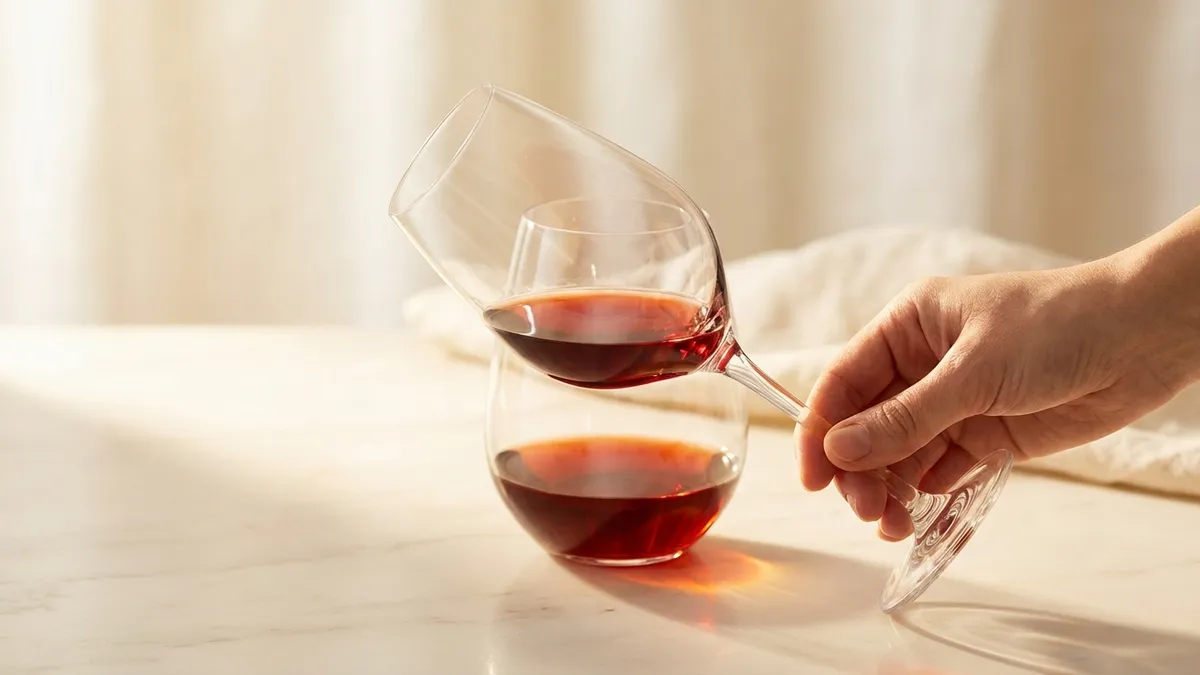
How to Taste Wine: The Complete Beginner's Guide
Learn the four-step method that sommeliers use to evaluate every glass. Master the look, swirl, sniff, and sip technique with this comprehensive guide.
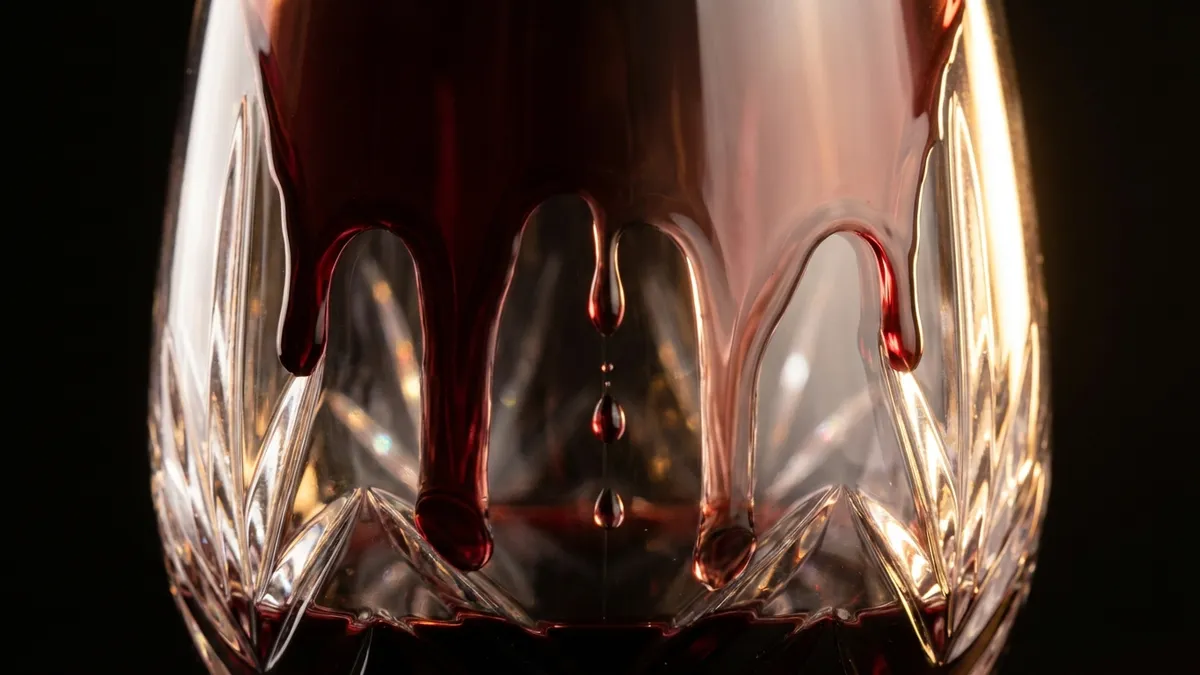
Understanding Tannins, Acidity, and Body in Wine
Learn what tannins, acidity, and body actually are, how to identify them on your palate, and why they matter for food pairing and aging.
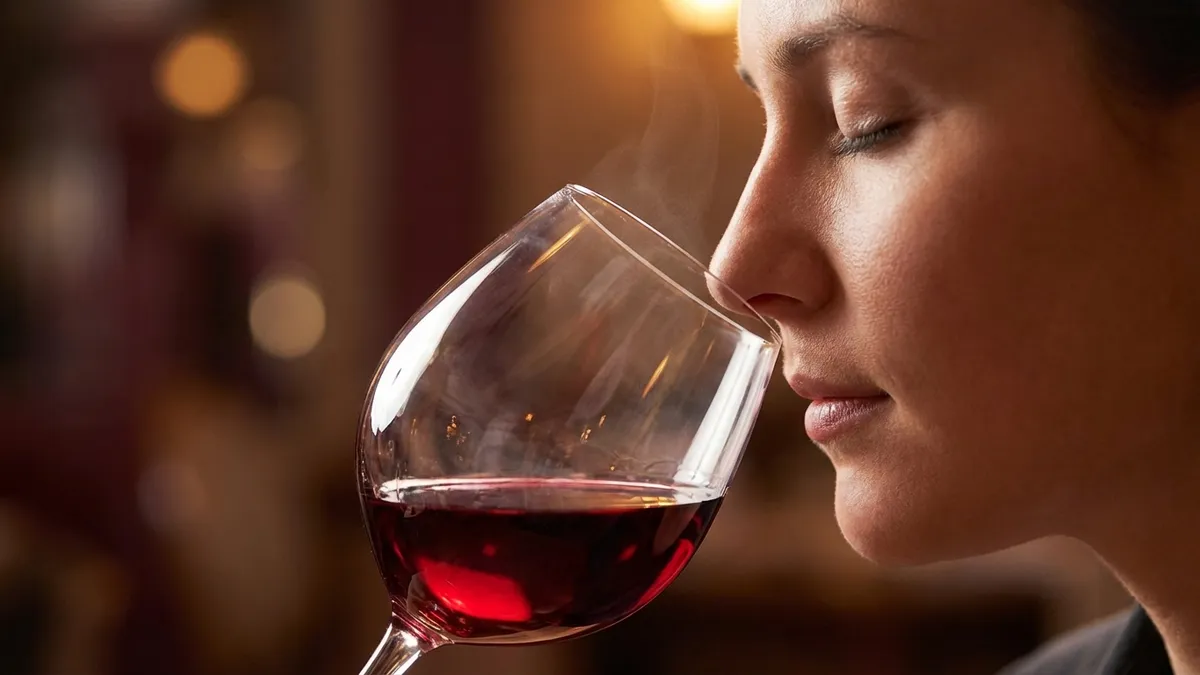
How to Smell Wine: A Beginner's Guide to Wine Aromas
Most wine flavor comes from your nose, not your tongue. Here is how to smell wine properly, what to look for, and how to build an aroma vocabulary from scratch.