Wine Serving Temperature Chart: The Complete Guide for Every Style
Sommy Team
Founder & Wine Educator
April 9, 2026
12 min read
TL;DR
Every wine has a temperature sweet spot. Serve reds too warm and alcohol takes over; serve whites too cold and flavor disappears. The right wine serving temperature ranges from 43°F for sparkling to 65°F for full-bodied reds. The 20/20 rule is the fastest way to get there without a thermometer.
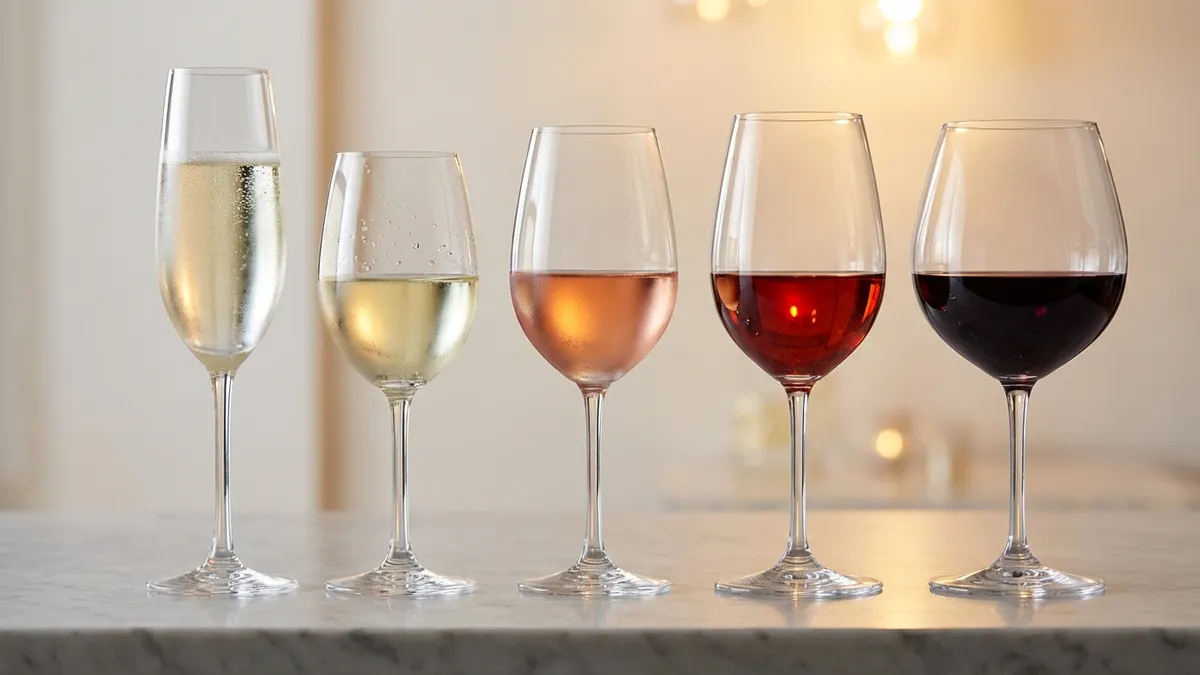
The Single Biggest Mistake People Make With Wine
Most people pour wine at the wrong temperature, and it is the single biggest reason a good bottle underdelivers at home. The right wine serving temperature is rarely room temperature for reds and rarely fridge temperature for whites — yet those are the two defaults almost every household falls into. A red served at modern room temperature tastes hot and flabby. A white straight out of the fridge tastes like cold water with a hint of fruit. Neither one is how the winemaker intended the bottle to taste.
Getting serving temperature right is the single fastest upgrade you can make to your home drinking experience. It costs nothing, it requires no new gear, and it changes everything in the glass. A bottle you thought was mediocre at 72°F can turn into your new favorite at 60°F.
This guide walks through the full chart for red, white, rosé, orange, and sparkling wines. It explains why temperature matters, where the "room temperature" myth came from, the 20/20 rule that fixes almost every common mistake, and a simple at-home experiment that proves the point in a single sip.
Wine Serving Temperature Chart at a Glance
Here is the full range, from coldest to warmest. Pin it to your fridge if you want a quick reference.
- Sparkling wine (Champagne, Prosecco, Cava, Crémant): 43–48°F / 6–9°C
- Light aromatic whites (Sauvignon Blanc, Pinot Grigio, Albariño, Riesling): 45–50°F / 7–10°C
- Sweet and dessert whites (Sauternes, late-harvest Riesling, Moscato): 45–50°F / 7–10°C
- Dry rosé (Provence, Tavel, most pink wines): 48–53°F / 9–12°C
- Full-bodied whites (oaked Chardonnay, white Burgundy, Viognier): 50–55°F / 10–13°C
- Orange wine (skin-contact whites): 50–55°F / 10–13°C
- Light-bodied reds (Pinot Noir, Gamay, Frappato, Schiava): 55–60°F / 13–16°C
- Medium-bodied reds (Chianti, Merlot, Grenache, Sangiovese): 58–63°F / 14–17°C
- Full-bodied reds (Cabernet Sauvignon, Syrah, Malbec, Nebbiolo): 60–65°F / 16–18°C
- Fortified wines (Port, Madeira, Sherry): 55–60°F / 13–16°C for tawny and oloroso, 45–50°F / 7–10°C for fino and manzanilla
The full span — from a 43°F flute of Champagne to a 65°F pour of Barolo — covers about 22°F. Most households wobble between 38°F in the fridge and 72°F on the counter, which means almost every bottle at home needs a temperature adjustment before it is poured.
Why Temperature Changes Everything in the Glass
Wine is a solution of water, alcohol, acid, sugar, tannin, and hundreds of aromatic compounds. Each of those components reacts to temperature differently, and the balance the winemaker built into the bottle only works in a specific window.
Warm Wine Pushes Alcohol and Sweetness Forward
Heat volatilizes ethanol. That is a technical way of saying warm wine smells more like alcohol, because more of the ethanol is evaporating into the air above the glass. At 72°F, a 14 percent Cabernet Sauvignon can smell almost fiery. At 62°F, the same bottle smells like blackberry, tobacco, and cedar.
Warmth also emphasizes any perceived sweetness in the wine. A dry red that tastes balanced at 60°F can feel jammy and syrupy at 72°F, even though nothing about the residual sugar has changed. (For more on why "dry" does not mean what most people think, see what does dry wine mean.)
Cold Wine Mutes Aroma and Sharpens Acidity
Cold has the opposite effect. At 38°F, fragrant molecules stay locked in the liquid instead of rising into the air, and aroma is where most of a wine's flavor actually lives. A too-cold Sauvignon Blanc tastes flat and one-note not because it is a bad wine, but because its grapefruit and passionfruit aromas cannot escape the glass yet.
Cold temperatures also sharpen the sensation of acidity on your palate, while masking sweetness. That is useful for certain wines (it is why we serve sweet Rieslings cold — the chill keeps the sugar from feeling cloying) and a problem for others. A fuller-bodied white served at fridge temperature will taste lean and austere when it should taste rich and textured.
The Sweet Spot Is Narrower Than You Think
The difference between "too cold" and "just right" for most whites is about 8°F. The difference between "just right" and "too warm" for most reds is also about 8°F. That is a tight window, which is why small adjustments matter so much. A five-minute extra chill can turn a good pour into a great one, and a half-hour on a warm countertop can turn that same bottle into a chore to drink.
A good sommelier tastes a wine warmer than most of us would. A great sommelier tastes it in the exact middle of its window, every time. Temperature discipline is half the job.
Red Wine: Why "Room Temperature" Is a Trap
The phrase room temperature for red wine is a ghost from a very different era. It was coined in pre-central-heating European cellars and parlors, where the actual ambient temperature of a dining room in winter was about 60°F to 65°F. That happens to be the correct temperature to serve most reds.
Fast forward to a modern home with central heating. The "room" in "room temperature" now means 70°F to 74°F. At that temperature, almost every red wine tastes heavy, alcoholic, and slightly out of focus. The old rule has become a trap.
Light Reds Like Pinot Noir Need a Real Chill
Light-bodied reds like Pinot Noir, Gamay (the grape of Beaujolais), and Schiava should be served between 55°F and 60°F — cool enough to feel refreshing without dulling the aromatics. If the label says "chill lightly for best results," take it seriously. Twenty minutes in the fridge gets you there from a warm kitchen.
These wines often have delicate red-fruit aromas and low tannin, which means there is no heavy structure to hide behind if the temperature is off. Serve them too warm and they fall apart. Serve them at the right temperature and they are some of the most food-friendly reds in the world.
Medium Reds Want a Middle Ground
Medium-bodied reds like Merlot, Sangiovese (the main grape of Chianti), Grenache, and many Spanish Tempranillos want 58°F to 63°F. That is slightly cooler than a centrally heated living room and slightly warmer than the fridge. A ten-minute trip to the refrigerator, or a quick dip in a bowl of cool water, usually does the trick.
Full Reds Need More Warmth, Not Less
Full-bodied reds with strong tannin and higher alcohol — Cabernet Sauvignon, Syrah/Shiraz, Malbec, Nebbiolo, Amarone — do best at 60°F to 65°F. Any warmer and the alcohol dominates. Any cooler and the tannins clamp down and taste bitter.
Tannins (the drying, astringent grip that comes from grape skins and seeds) are temperature-sensitive. Cold makes them feel harder and more aggressive. If you have ever poured a young Cabernet straight from a cool cellar and thought "this is way too tannic," the wine was probably fine — it just needed ten more minutes in the glass. For a deeper look at how tannin interacts with other structural elements, read our guide to understanding tannins, acidity, and body.
White Wine: Why the Fridge Is Almost Always Too Cold
A standard refrigerator runs at 37–40°F. That is a great temperature for lettuce and leftover pizza. It is a terrible temperature for most white wines. At 38°F, nearly every aromatic compound stays bound inside the liquid, and the wine tastes closed and one-dimensional.
Light Aromatic Whites
Sauvignon Blanc, Pinot Grigio, Albariño, dry Riesling, and Vermentino all belong in the 45°F to 50°F window. That is cool enough to keep acidity crisp and sugar restrained, but warm enough to let citrus, green apple, and floral aromas escape the glass. Pull these bottles out of the fridge about 15 minutes before you plan to pour.
Full-Bodied and Oaked Whites
Oaked Chardonnay, white Burgundy, Viognier, Marsanne, and Roussanne are different creatures. They carry more weight, more texture, and more subtle flavor layers that only emerge at 50°F to 55°F. Serving them at fridge temperature flattens everything. If you pull them from a cold fridge, give them 25 to 30 minutes on the counter before the first pour.
Sweet and Dessert Whites
Sweet whites like Sauternes, Tokaji, and late-harvest Riesling need to stay cool — around 45°F to 50°F — so the sugar reads as balanced rather than syrupy. The cold tightens the wine up and lets the acidity do its job.
Rosé, Orange, and Sparkling Wines
Dry rosé is best between 48°F and 53°F, slightly warmer than a crisp white. At that temperature, the red-fruit aromas stay present without the alcohol turning hot. Very cold rosé tastes thin; very warm rosé tastes like sad red wine.
Orange wine — white grapes fermented on their skins — has a little tannin and a more savory profile than a standard white. Serve it at 50°F to 55°F to let the oxidative and nutty notes show through. Too cold and the texture disappears.
Sparkling wine is the one category where colder really is better. Champagne, Prosecco, Cava, and Crémant belong between 43°F and 48°F. The cold keeps the bubbles fine and the mousse creamy. At 55°F, sparkling wine tastes flabby and starts to foam over aggressively when you pour it.
The fastest way to chill a bottle of sparkling? A bucket with half ice and half water, not ice alone. The liquid is a much better conductor of heat than air or ice shards. Fifteen minutes in an ice-water bath will take a warm bottle to serving temperature, compared to well over an hour in the fridge.
The 20/20 Rule: Your No-Thermometer Shortcut
If you remember only one thing from this entire guide, remember the 20/20 rule. It is the home sommelier's shortcut for hitting the right temperature without owning a single piece of equipment:
- Take white wine out of the fridge 20 minutes before pouring.
- Put red wine into the fridge 20 minutes before pouring.
The logic is simple. Most home kitchens sit near 70°F and most fridges sit near 38°F. A standard 750 ml bottle of wine shifts roughly 4 to 6°F over a 20-minute window in either direction. That moves a too-cold white into the 45–50°F zone and a too-warm red into the 60–65°F zone — exactly where both belong.
Tasting skill starts with accurate inputs. The Sommy app walks you through real-time practice sessions where temperature cues are part of the feedback, so you can train your palate to notice when a wine is out of its window.
Practical Tools: How to Actually Hit the Numbers
You do not need a dedicated wine fridge to serve wine at the right temperature. A few simple tools cover almost every situation:
- An instant-read probe thermometer — the same one you use for steak. A quick dip into the glass tells you within seconds whether a wine is too warm or too cold.
- An ice-water bath — half ice, half water in a tall bucket or a deep pot. It chills a bottle about four times faster than an empty ice bucket.
- A timer on your phone — the 20/20 rule only works if you actually remember to start the clock.
- A marble or stainless steel chilling stick — frozen in the freezer, dropped into an already-open bottle, cools the wine without diluting it the way an ice cube would.
For most households, the combination of a probe thermometer and the 20/20 rule is plenty. Anything beyond that is a comfort, not a requirement.
A Simple At-Home Experiment to Feel the Difference
If any of this sounds abstract, the fastest way to prove it to yourself is a side-by-side test. It takes one bottle and about thirty minutes.
- Open a bottle of medium-bodied red — Merlot, Sangiovese, Grenache, or similar.
- Pour two small glasses. Set one aside on the counter.
- Put the second glass into the fridge for 15 minutes.
- After 15 minutes, pull the cold glass out and taste both side by side.
The counter glass will taste warmer, fuller, slightly jammy, and a little alcoholic on the finish. The fridge glass will taste cooler, tighter, fresher, and more focused. Same wine, same pour, wildly different experiences — all because of a 10°F swing.
This kind of comparison is the fastest way to build temperature intuition. Once you have felt the difference once, you will start noticing it in every glass. Structured practice with how to taste wine and a few deliberate temperature experiments is what separates guessing from knowing.
Common Mistakes to Avoid
A few temperature habits come up again and again. Each one is easy to fix once you know about it:
- Storing reds above the stove or on top of the fridge. These spots run warm, often in the mid-70s. The wine ages faster and is already too warm to drink when you open it.
- Serving whites straight from a 37°F fridge. The wine is muted and one-dimensional for the first 15 minutes. Let it breathe on the counter before pouring.
- Using a bucket of pure ice with no water. Ice alone chills slowly because air gaps insulate the bottle. Add cold water until the bottle is submerged for four-times-faster results.
- Ignoring the difference between light and full reds. Pinot Noir and Cabernet Sauvignon need different serving temperatures. Treating them the same is like serving both hot and iced coffee at the same temperature.
- Reheating a cold wine by cupping the glass. This works in an emergency, but it is slow and uneven. A few minutes on a warm counter is more effective than holding the bowl of the glass.
Make Temperature Part of Your Tasting Routine
Serving temperature is not a trivia fact — it is a performance variable. It changes how much of the wine you can actually taste. Adjust it consistently and your entire sense of what wines you like will start to shift, because you will finally be meeting each bottle at its best.
The good news is that the skill transfers fast. Once you start paying attention, you will calibrate within a few bottles. The Sommy app's structured tasting courses build temperature awareness into the practice loop, so the reflex becomes automatic rather than something you have to think about. Visit sommy.wine to start learning how to taste, swirl, and serve like a pro — one glass at a time.
Frequently Asked Questions
What is the correct wine serving temperature for red wine?
Most red wines taste best between 55°F and 65°F (13°C to 18°C). Light reds like Pinot Noir or Gamay shine at the cooler end, around 55°F. Full-bodied reds like Cabernet Sauvignon and Syrah open up at 63°F to 65°F. Anything warmer starts to taste heavy and alcoholic.
Is room temperature the right temperature for red wine?
No. The phrase came from 18th-century European cellars, where room temperature meant about 60°F to 65°F. A modern centrally heated home is closer to 70°F to 74°F, which is too warm for almost every red wine. Follow the chart, not the old saying.
How cold should white wine be served?
Light and aromatic whites like Sauvignon Blanc and Pinot Grigio taste best at 45°F to 50°F. Fuller-bodied whites like oaked Chardonnay need a warmer 50°F to 55°F to show their texture. Fridge temperature is often 38°F, which is too cold for most whites.
What is the 20/20 rule for wine temperature?
Take white wine out of the fridge 20 minutes before you plan to drink it, and put red wine into the fridge 20 minutes before you pour. Most home kitchens are about 70°F, and most fridges sit around 38°F, so 20 minutes nudges each bottle toward the correct serving range.
How should sparkling wine and Champagne be served?
Sparkling wines are best between 43°F and 48°F. Cold temperatures keep the bubbles fine and the acidity crisp. A 30-minute dunk in a bucket of half ice and half water is the fastest way to reach that range, and it is actually quicker than a full hour in the fridge.
Does serving temperature really change how wine tastes?
Yes, dramatically. Warmer temperatures push alcohol and sweetness forward while muting acidity. Colder temperatures sharpen acidity and mute aroma. A 10°F swing can make the same wine feel flabby, balanced, or lean depending on where you land.
What about rosé and orange wine temperatures?
Dry rosé is happiest between 48°F and 53°F, slightly warmer than a crisp white. Orange wines, with their light tannin and oxidative character, do best at 50°F to 55°F so the savory notes stay in focus.
Do I need a wine thermometer at home?
Not for most drinkers. The 20/20 rule and a basic instant-read probe thermometer will cover almost everything. Dedicated wine thermometers or temperature cuffs are useful if you host tastings often, but they are a comfort, not a requirement.
Get the free Wine 101 course
Start learning to taste wine like a pro with structured lessons and AI-guided practice.
Sommy Team
LinkedInFounder & Wine Educator
The Sommy Team is building the world's most approachable wine education app, helping beginners develop real tasting skills through structured courses and AI-guided practice.