Serving & Storage
Get the practical details right: temperature, decanting, glassware, and cellaring basics.
40 articlesStart here
Half Bottle Wine (375ml): When a Full Bottle Is Too MuchA half bottle of wine holds 375 ml, about two and a half glasses. When it beats a full bottle, why it costs more per glass, how it ages, and how to order one.
The way you serve and store wine has a measurable impact on how it tastes. A great bottle served too warm, in the wrong glass, or after years of improper storage will underperform — and you may never know what you missed. The good news is that the fundamentals are simple, and getting them right costs almost nothing.
This section covers the practical side of wine enjoyment: the details that happen between the shop and your glass. Temperature, glassware, decanting, and storage are not fussy rituals — they are straightforward adjustments that let each wine show its best.
Temperature Matters More Than You Think
Most people serve white wine too cold and red wine too warm. A white wine pulled straight from the refrigerator (around 4 degrees Celsius) will have its aromas muted and its acidity amplified to the point of harshness. A red wine sitting on a kitchen counter in a warm house (around 24 degrees) will taste flabby, with alcohol dominating the fruit.
The general guideline is simpler than it sounds: light whites and sparkling wines at 7 to 10 degrees, fuller whites and light reds at 12 to 14 degrees, and medium to full-bodied reds at 16 to 18 degrees. In practice, this means pulling your white wine out of the fridge 15 minutes before serving, and putting your red wine in the fridge for 15 minutes before serving. That single adjustment improves nearly every bottle.
Glassware Basics
You do not need a different glass for every grape variety. A single tulip-shaped glass with a stem works for almost everything. The shape concentrates aromas at the rim, and the stem lets you hold the glass without warming the wine with your hand.
That said, there are a few cases where glass shape makes a noticeable difference. Sparkling wine benefits from a tall, narrow flute or a tulip glass that preserves the bubbles. Very aromatic whites like Riesling benefit from a smaller bowl that focuses the delicate scents. And broad-shouldered reds like Cabernet Sauvignon open up in a larger bowl that gives them room to breathe.
If you are building a collection, start with a set of good all-purpose wine glasses and expand from there as your interest grows.
Decanting
Decanting serves two purposes: separating wine from sediment and exposing it to air. Young, tannic red wines often benefit from an hour in a decanter — the oxygen softens harsh tannins and opens up aromas that are locked away in the bottle. Older wines with sediment should be decanted carefully, pouring slowly to leave the gritty deposit behind.
Not every wine needs decanting. Most whites, roses, and light reds are ready to drink straight from the bottle. But if you open a young Barolo, Cabernet, or Syrah and it tastes tight and closed, a decanter is the simplest fix.
Storage Fundamentals
If you are drinking wine within a few weeks of buying it, storage barely matters — a cool, dark spot in your home is fine. But if you want to age wine for months or years, a few conditions become important: consistent temperature around 12 to 14 degrees Celsius, moderate humidity to keep corks from drying out, darkness to prevent UV damage, and stillness to avoid disturbing sediment.
You do not need a dedicated wine cellar. A temperature-controlled wine fridge is the most practical option for most people. Avoid storing wine in the kitchen (too warm and variable), in direct sunlight, or near appliances that vibrate.
Practical, Not Precious
The articles in this section are written for people who want to enjoy wine at its best without overthinking it. Every recommendation is tied to a reason: you serve wine at a specific temperature because it affects how the aromas and flavors present themselves. You decant because it changes the wine's texture. You store properly because temperature swings accelerate aging in unpredictable ways.
Sommy's app includes serving suggestions alongside tasting notes, so you can make quick adjustments before you pour. The articles here go deeper into the why behind each recommendation.
Start with temperature — it is the single highest-impact adjustment you can make, and it takes less than a minute.
Articles in this topic
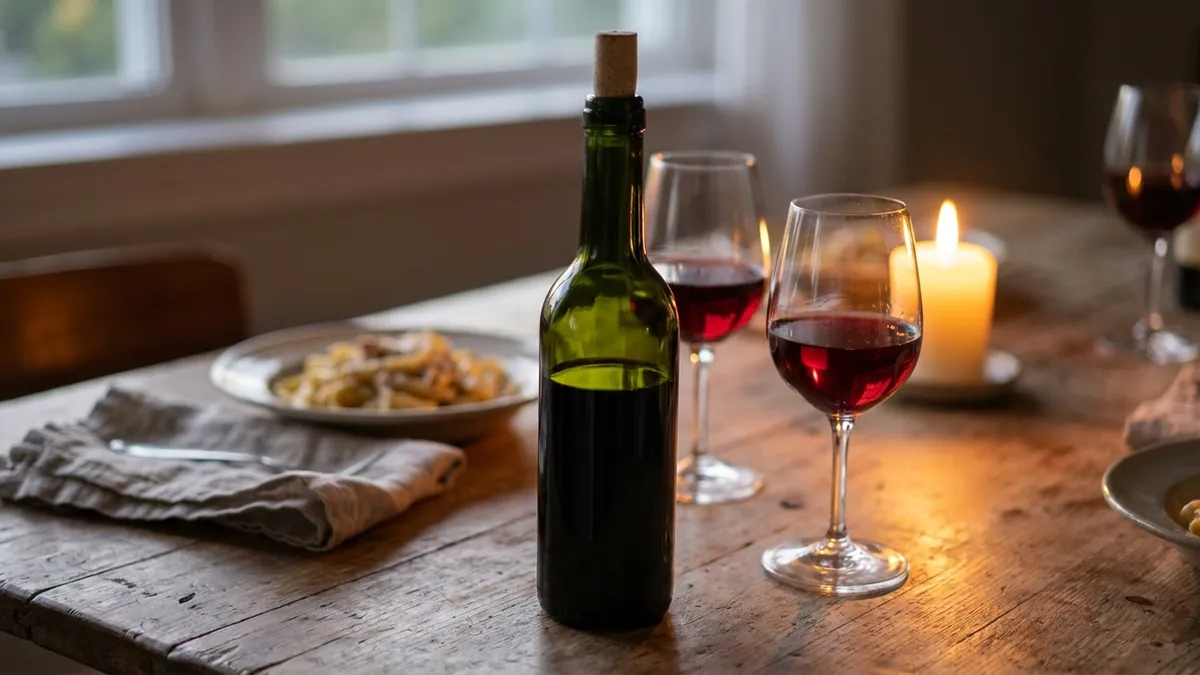
Half Bottle Wine (375ml): When a Full Bottle Is Too Much
A half bottle of wine holds 375 ml, about two and a half glasses. When it beats a full bottle, why it costs more per glass, how it ages, and how to order one.
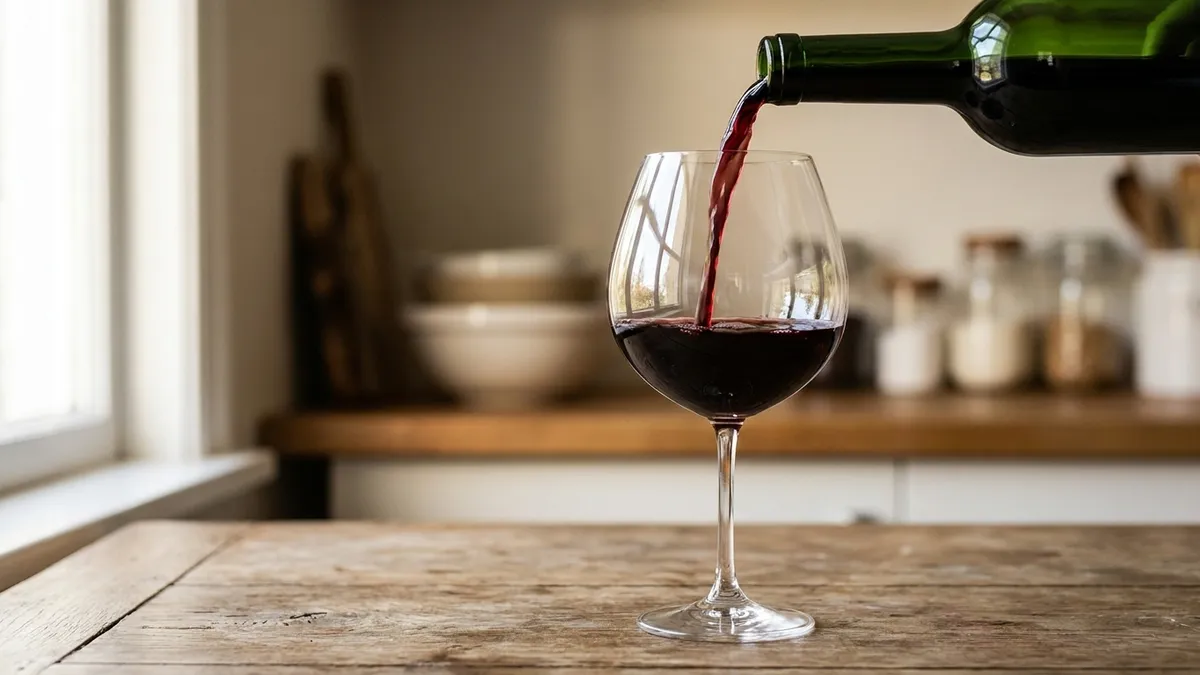
How Much Wine to Pour: The Standard Pour, Glass by Glass
How much wine to pour: 5 oz (150 ml) for still wine, about a third of the glass for red, half for white, half to two-thirds for sparkling, and half a pour for tastings.
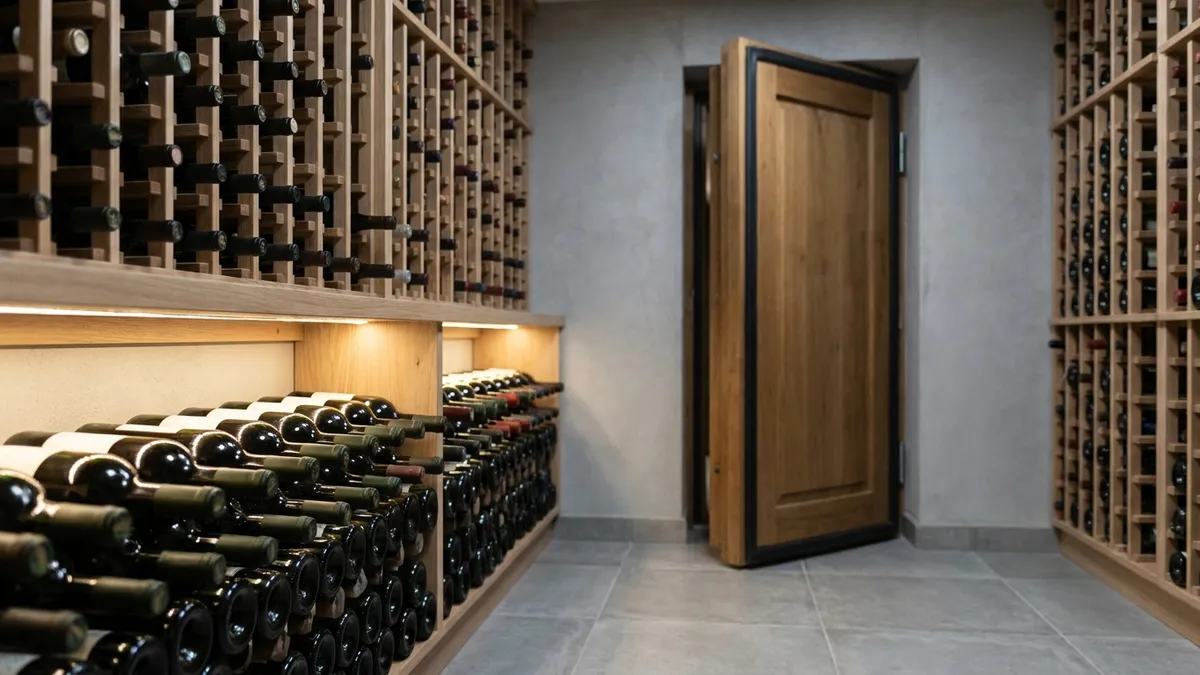
How to Build a Home Wine Cellar: A Step-by-Step Guide
A home wine cellar is a dark, insulated room that holds about 13°C with slow changes. Build it in order: test the spot, insulate and seal, add cooling only if needed, then rack and check.
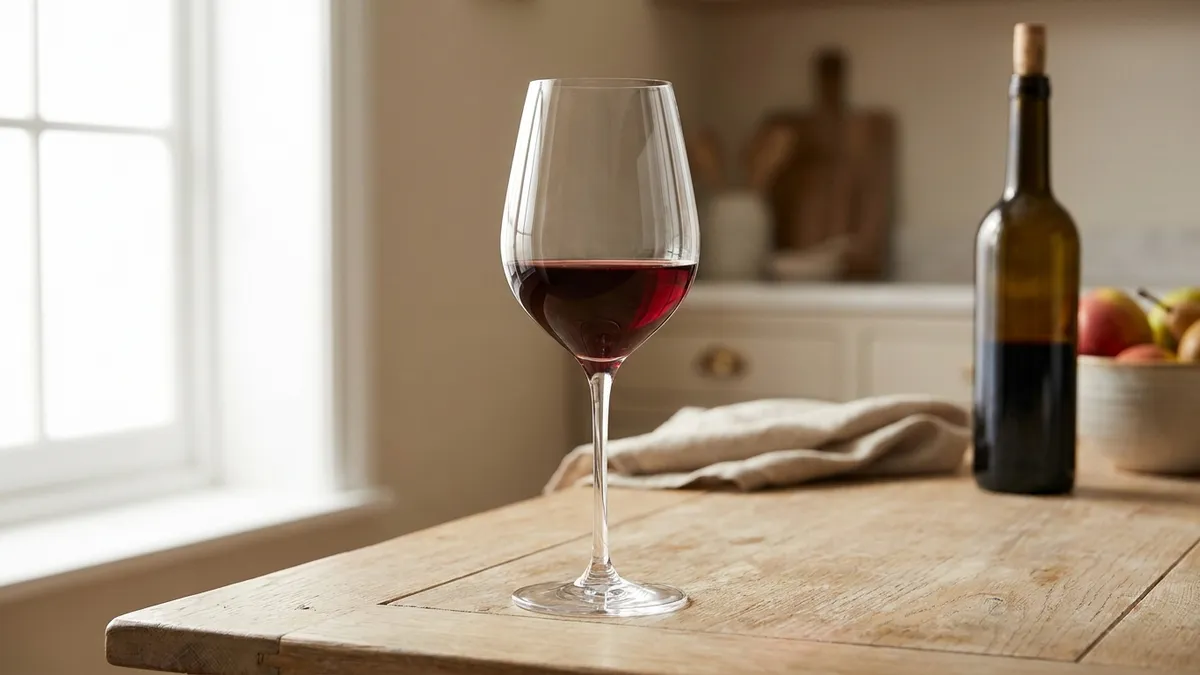
How to Hold a Wine Glass — Stem, Foot or Bowl, and Why
How to hold a wine glass by the stem, the foot or the bowl, why the stem matters more for a clear view than for temperature, and when cupping the bowl is the right call.
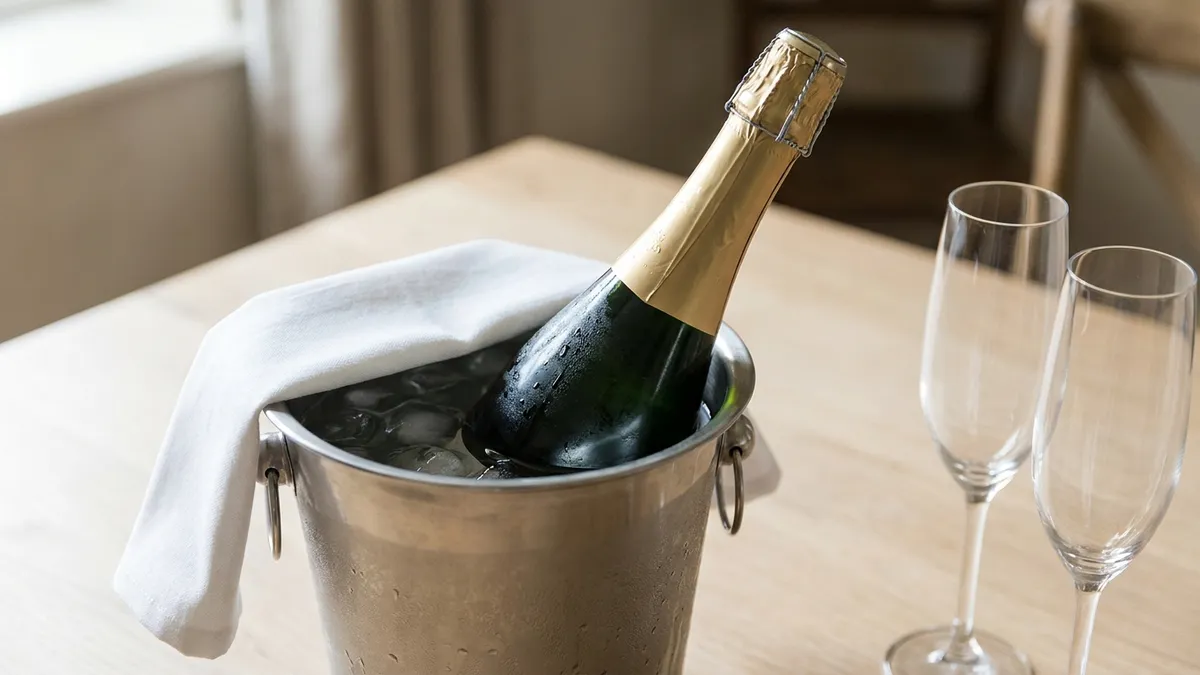
How to Open Sparkling Wine Safely: Sabering Not Required
How to open sparkling wine without a flying cork or a fountain of foam: chill it to 7°C, keep the cage on, hold the cork, turn the bottle, and let the gas out with a quiet hiss.
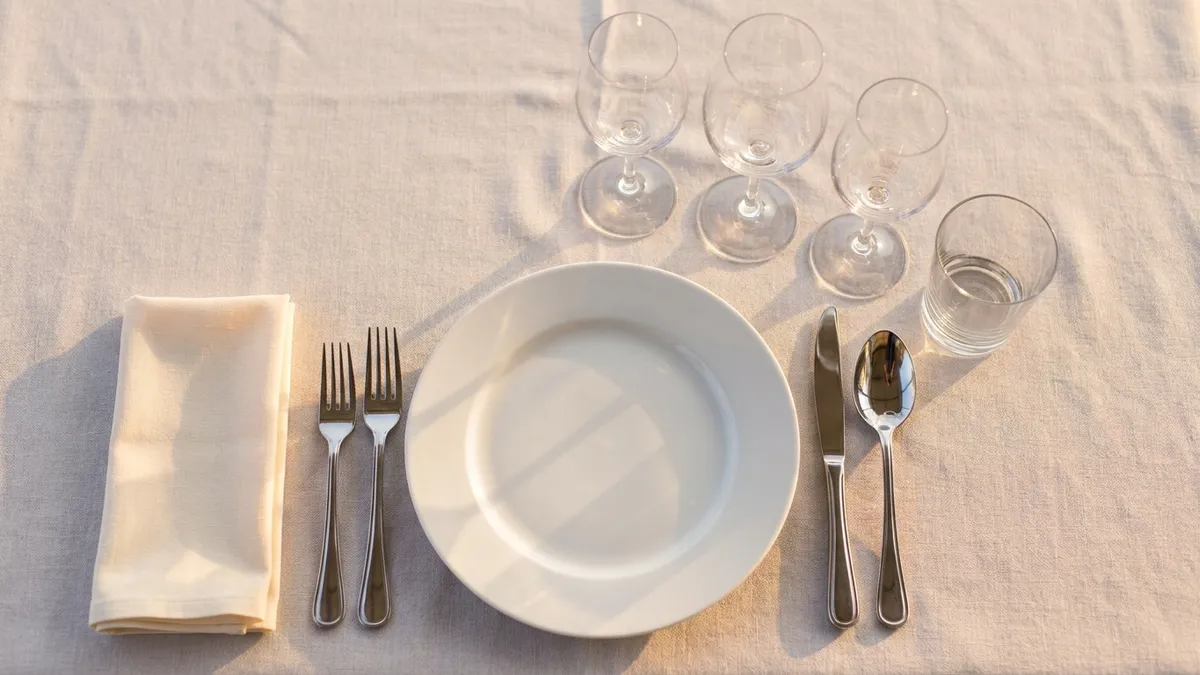
Wine Table Setting: Glass Placement, Order and Etiquette
Wine glasses go on the right, just above the knife, one for each wine you pour, lined up in pouring order. Where the water glass goes, how full to pour, and what a casual table can skip.
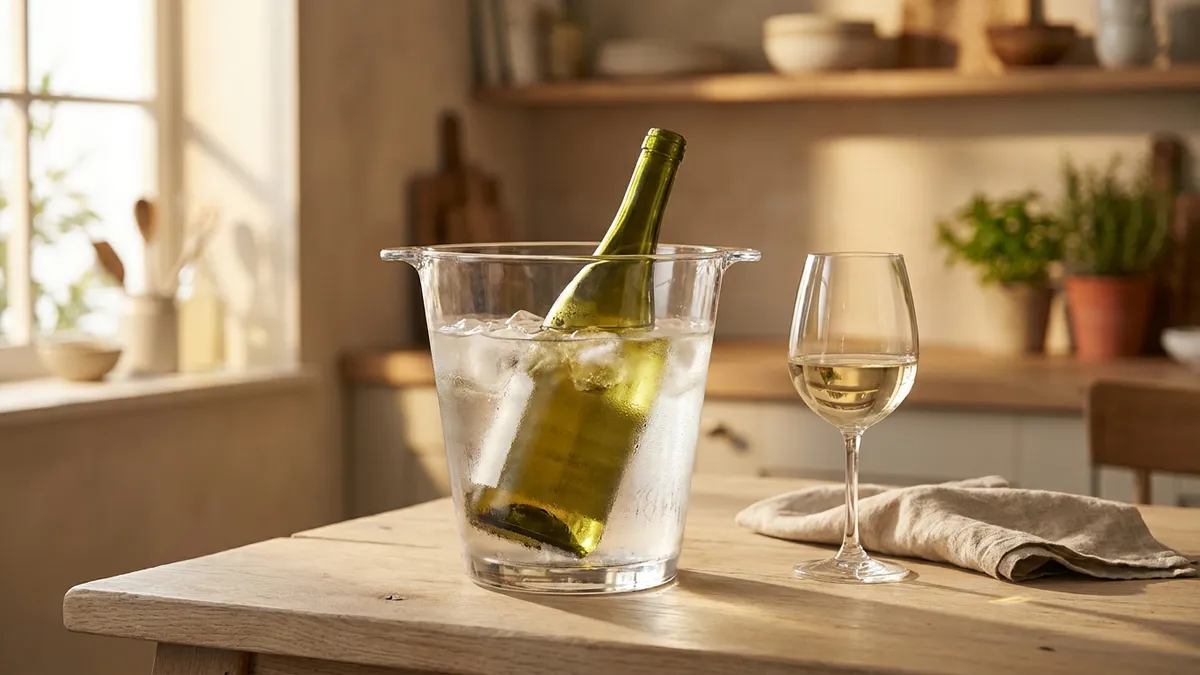
Wine Chiller Bucket and Sleeve Guide: Keep Bottles Cold
A wine chiller bucket chills only when it holds water as well as ice. How to fill one, how long each wine needs, when salt helps, and when a frozen sleeve is the better tool.
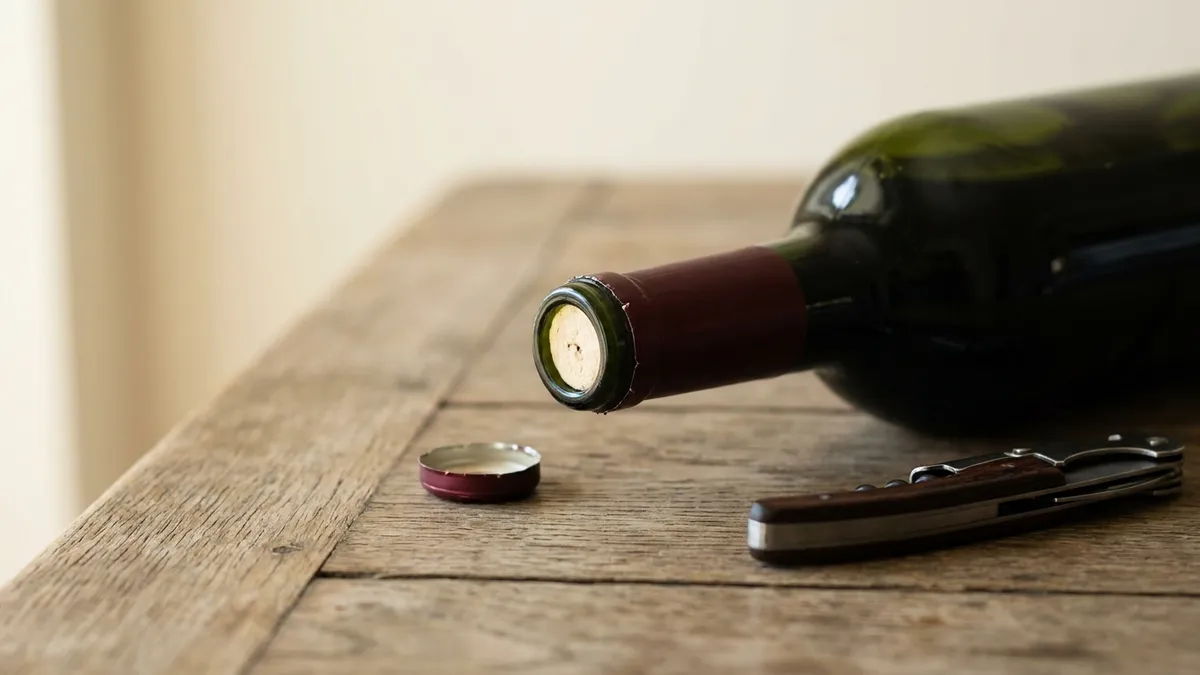
Wine Foil Cutter: Do You Need One? Opening Tools Ranked
A wine foil cutter is optional: the blade on a waiter's corkscrew does the same job. What matters is cutting below the lip, and handling wax, plastic and sparkling capsules the right way.
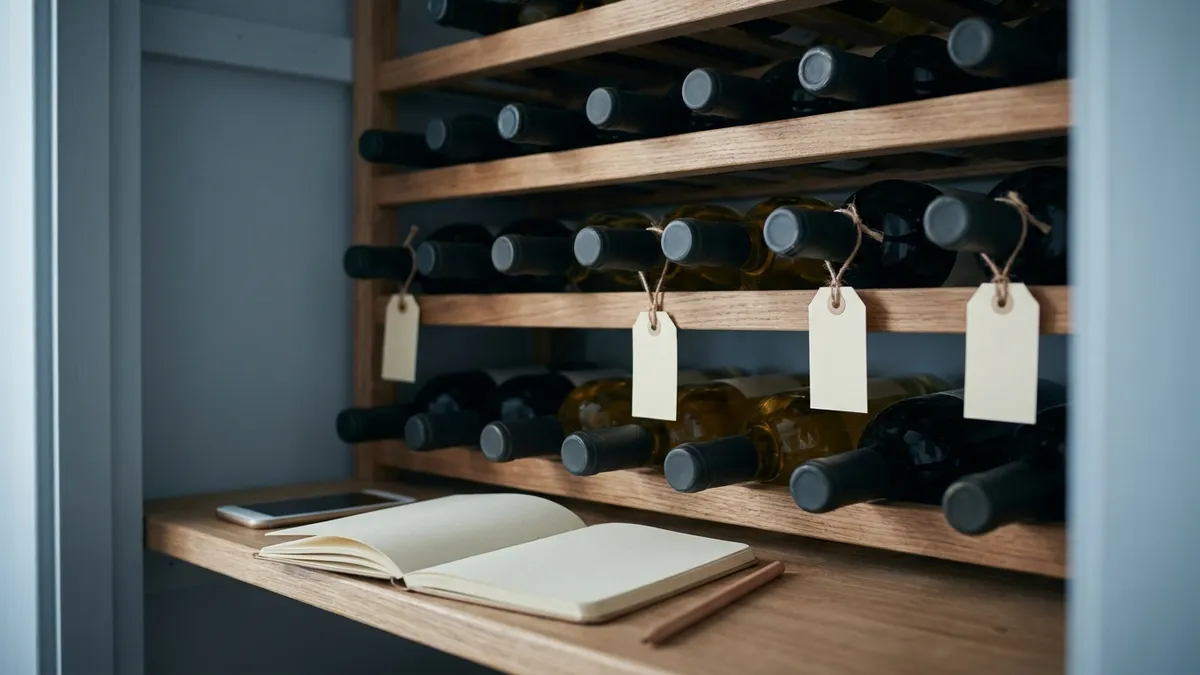
Wine Inventory App Guide: Track and Organize Your Bottles
Most buyers open a bottle within two weeks of purchase, so a wine inventory matters only for the bottles you hold. Seven fields, a location code and an estimated drinking window cover it.
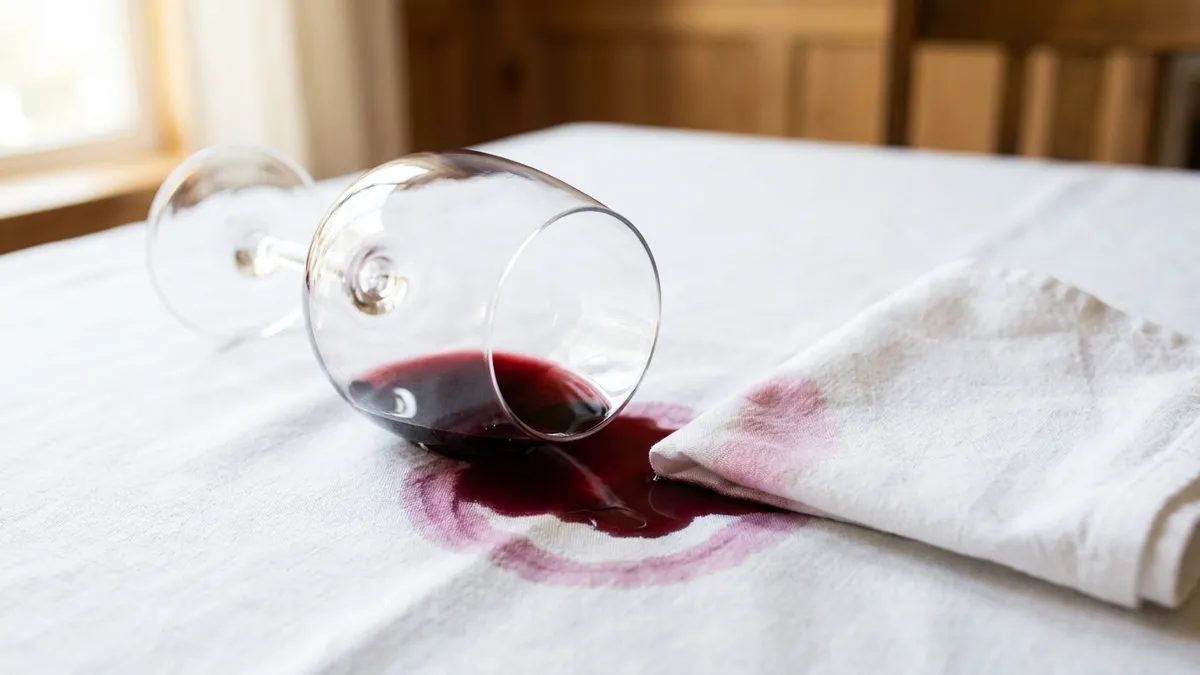
Red Wine Stain Removal: What Works, From Salt to Peroxide
Blot fresh red wine with cool water, then lift the pigment with hydrogen peroxide and liquid soap. A UC Davis test found salt, white wine and commercial removers did far less.
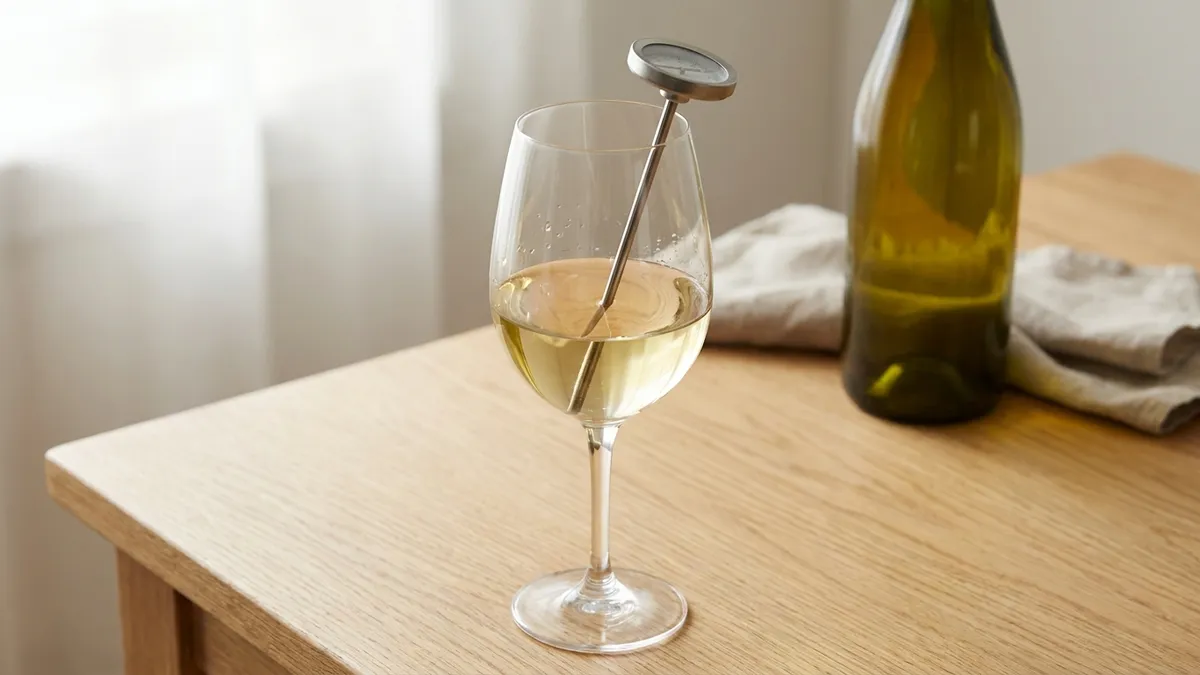
Wine Thermometer Guide: Measure the Glass, Not the Bottle
A wine thermometer is only as good as where it reads. Probes in the glass give the true number, bottle straps give an estimate, and infrared guns read the glass surface. Measure the poured wine, then chill or rest it to close the gap.
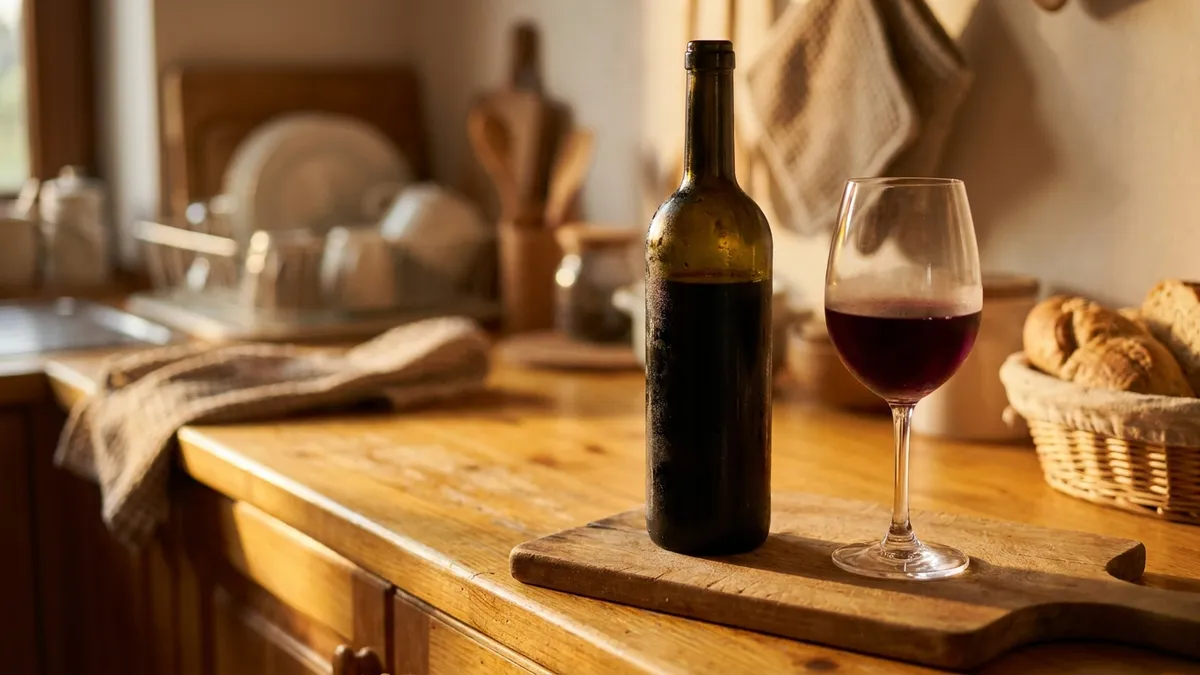
How to Warm Up Red Wine: 4 Gentle Ways to Fix a Cold Bottle
A red poured too cold smells faint and tastes hard. Four gentle ways to warm up red wine, how cold is too cold, and why the microwave is a bad idea.
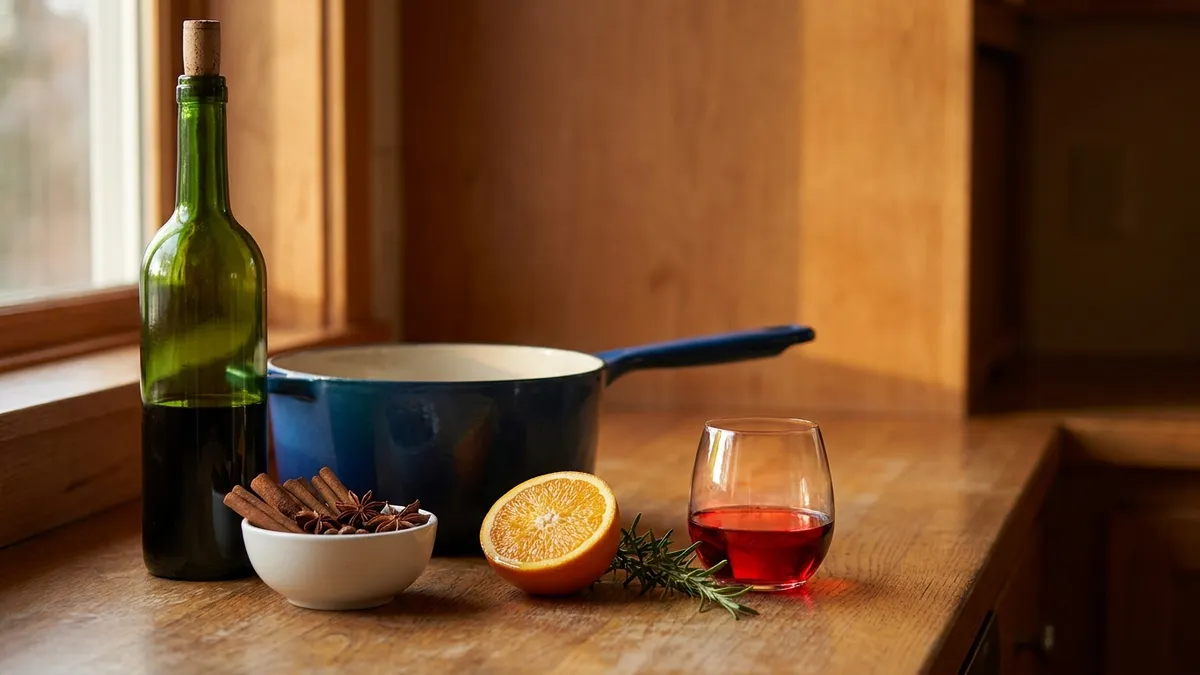
Leftover Wine Uses: 12 Things to Do Besides Drinking It
Twelve leftover wine uses, sorted by how far gone the bottle is: pan sauces, braises, marinades, mulled wine, sangria, poached fruit, vinegar and more, with the food-safety rules that matter.
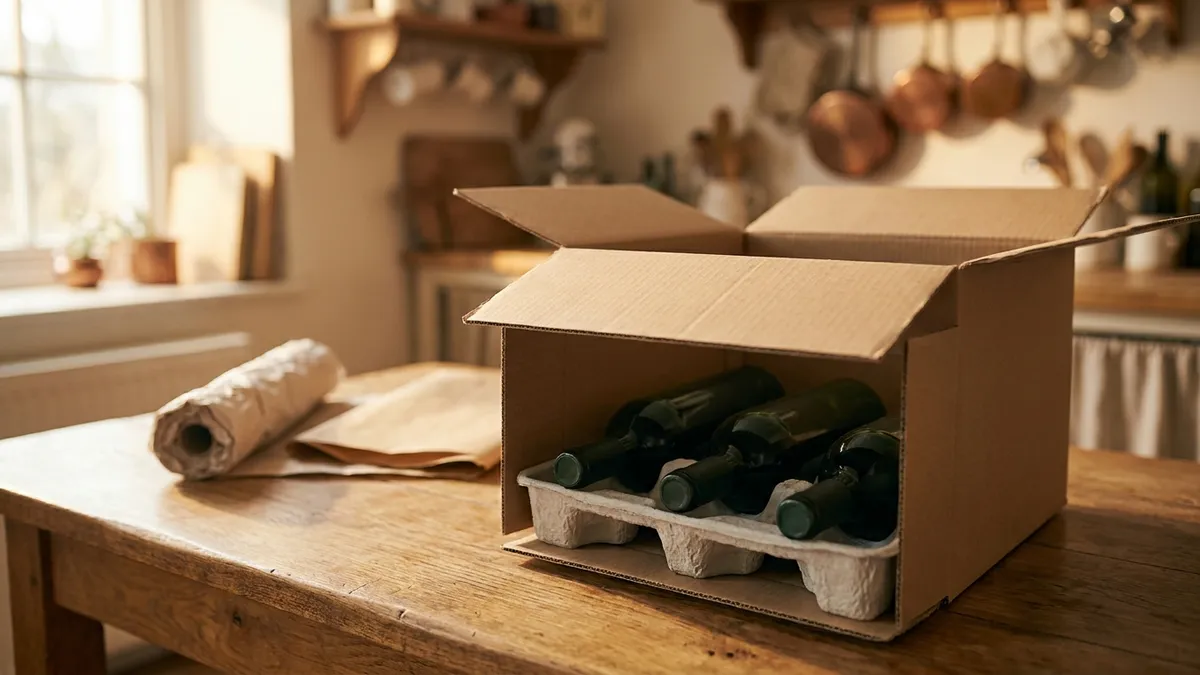
How to Ship Wine Safely: The Legal Routes and Packing
How to ship wine in the US: why you cannot post a bottle yourself, the legal routes through wineries, shops and your own luggage, how to pack, and how to keep heat out.
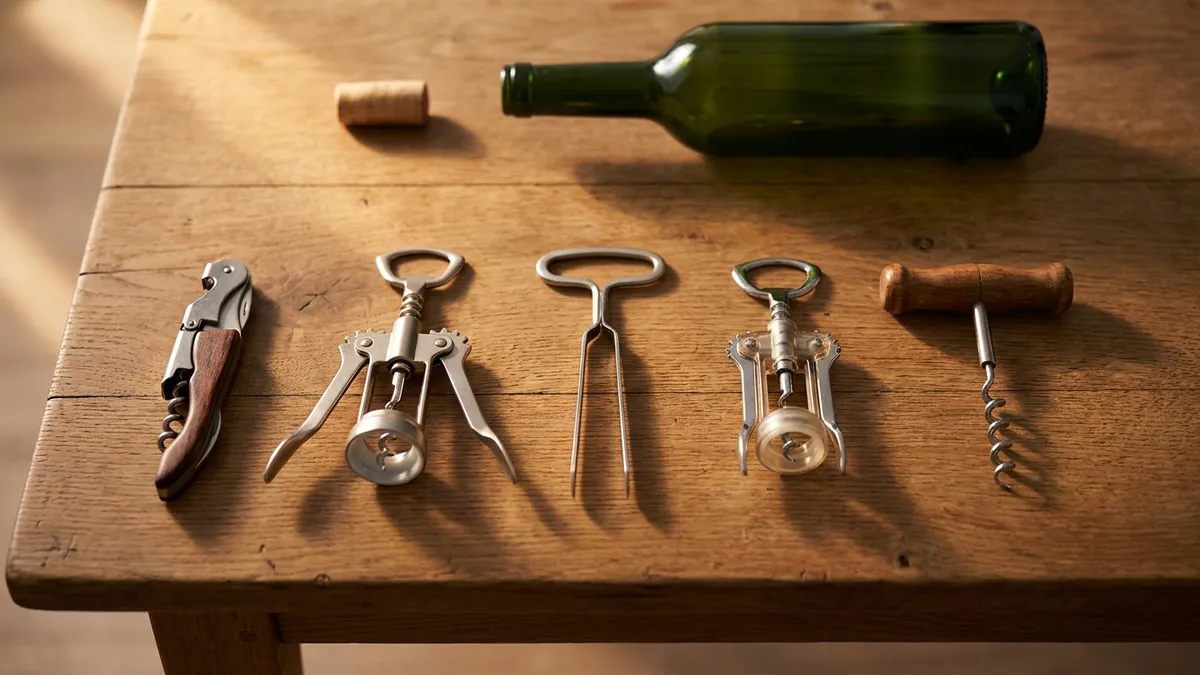
Types of Corkscrews: Waiter's Friend, Wing, Lever and More
The main types of corkscrews compared: waiter's friend, winged, lever, Ah-So, electric, self-pulling and mounted, with the cork each one suits and the one to buy first.
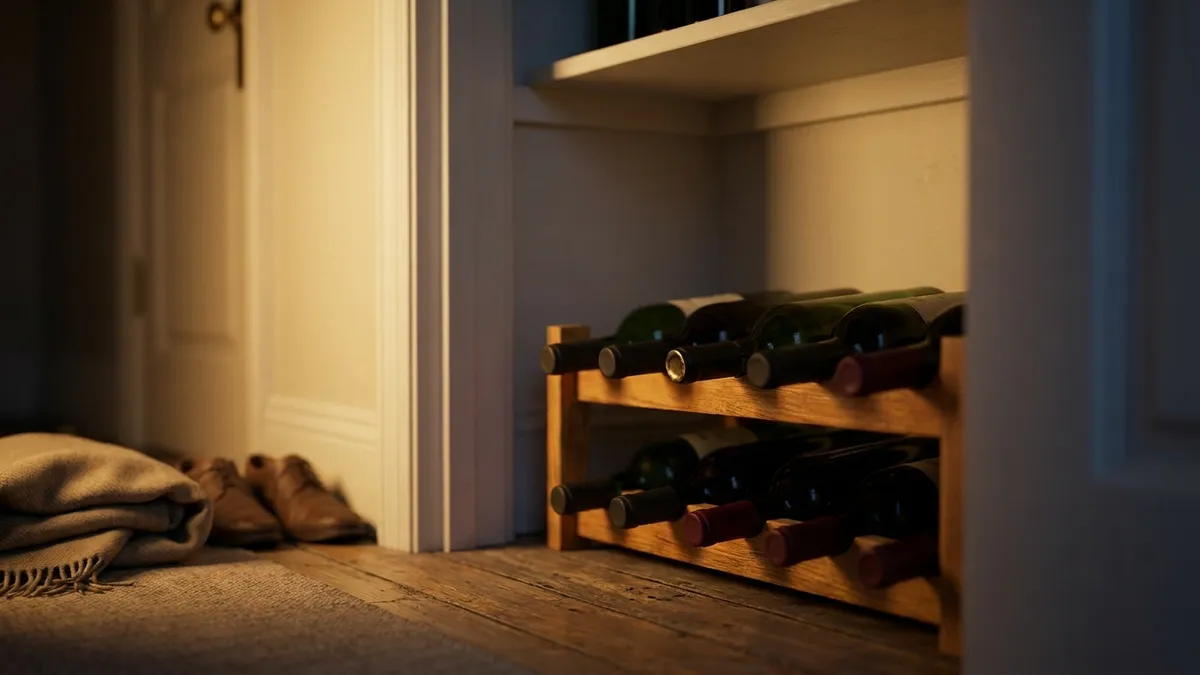
Wine Cellar Alternatives: Where to Keep Wine Without One
The best wine cellar alternatives for a flat or house with no basement, ranked by how long your bottles will wait: closets, cupboards, wine fridges and the spots to avoid.
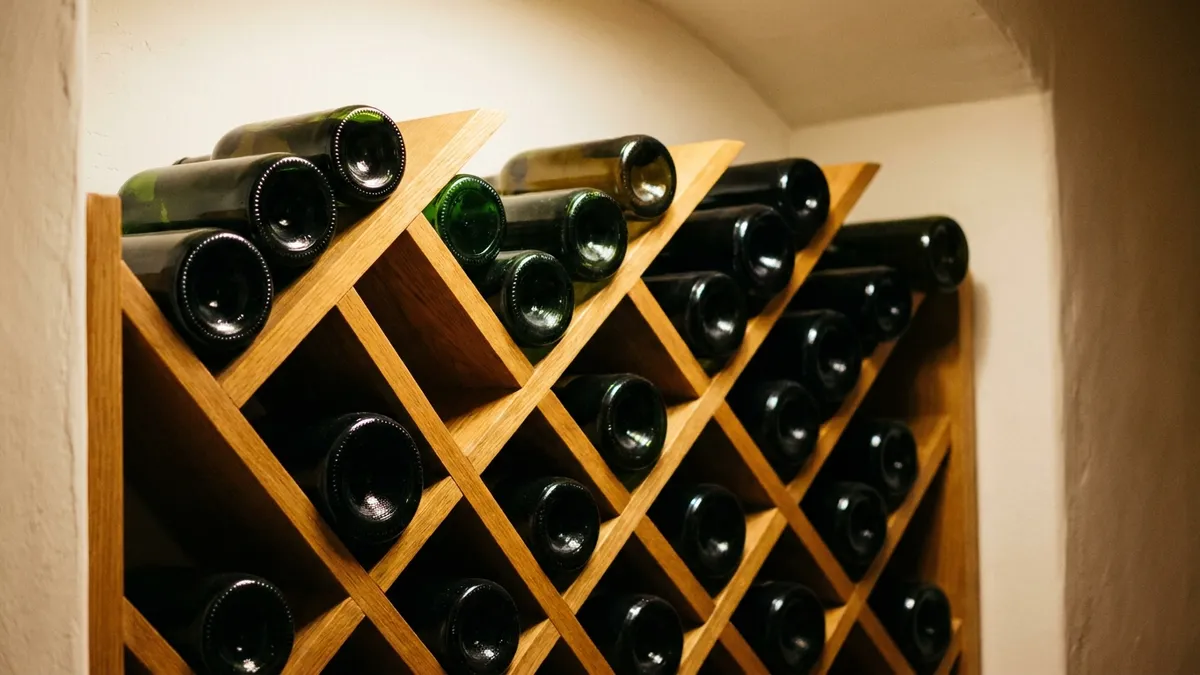
Wine Rack Guide: Types, Materials and How to Choose
A practical wine rack guide: the six rack types, which material suits which room, where to put the rack, how big to buy, and when a wine fridge does the job better.
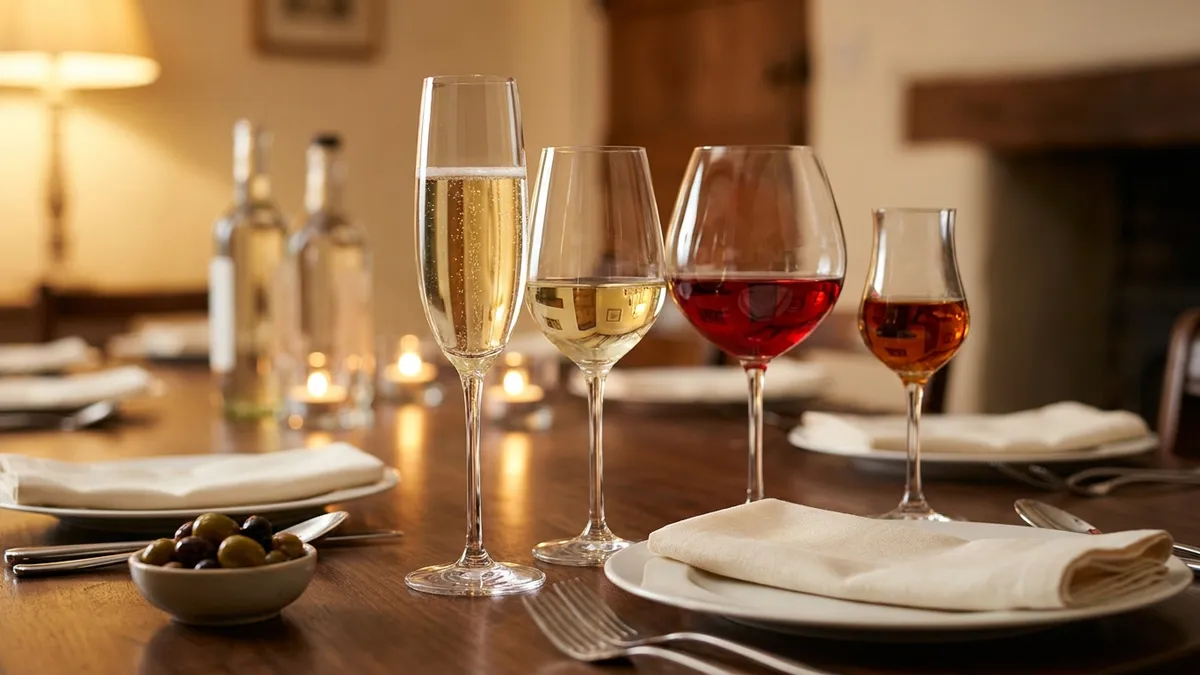
Wine Serving Order at Dinner: Light to Heavy, Dry to Sweet
The wine serving order at dinner, course by course: dry sparkling first, light whites, fuller whites and reds with the main, sweet wine with dessert, port after, plus which rule wins when two clash.
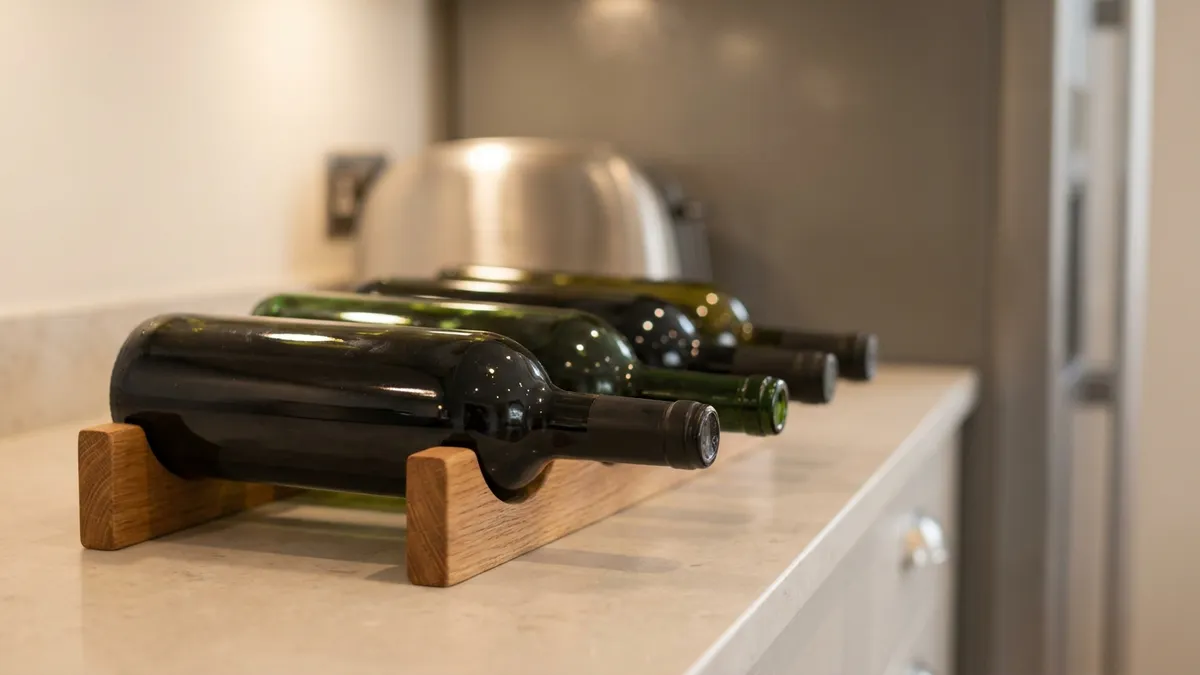
Does Vibration Affect Wine Storage? Appliances and Moves
Does vibration affect wine storage? What fridge hum, washing machines, shipping and house moves really do to a bottle, why sparkling wine is shaken on purpose, and where to keep wine instead.
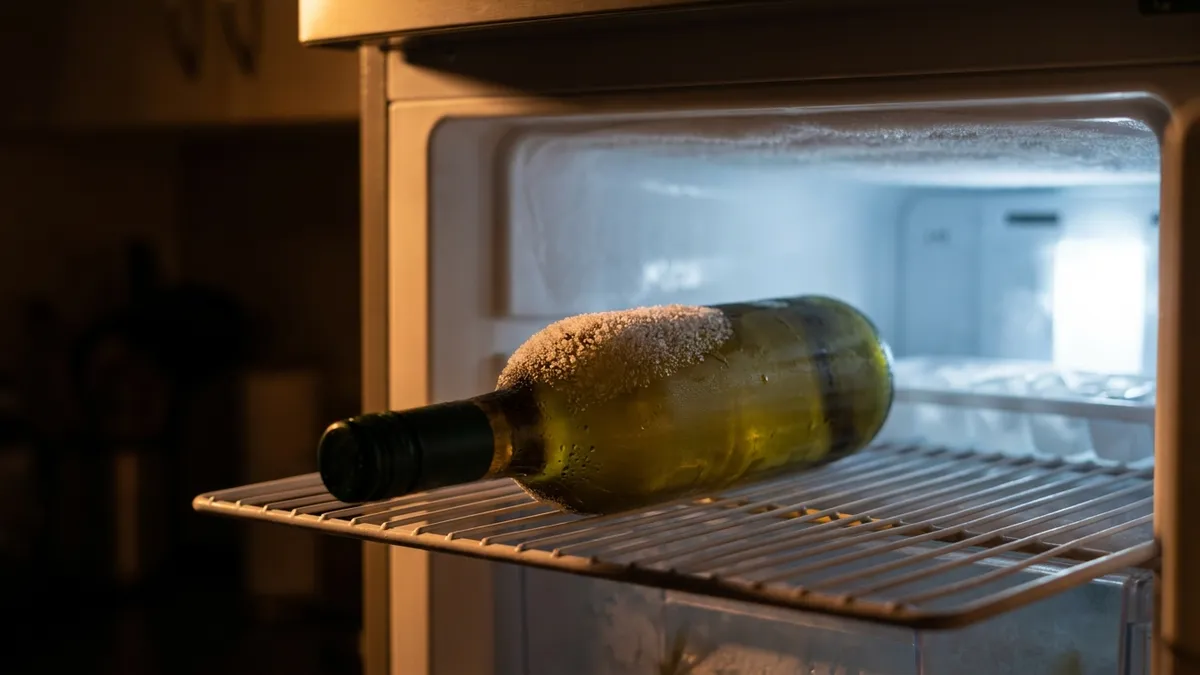
Wine in the Freezer: What Happens, and When It Helps
Can you put wine in the freezer? Yes, with a timer. What temperature wine freezes at, why bottles crack and corks pop, whether thawed wine is safe, and faster ways to chill.
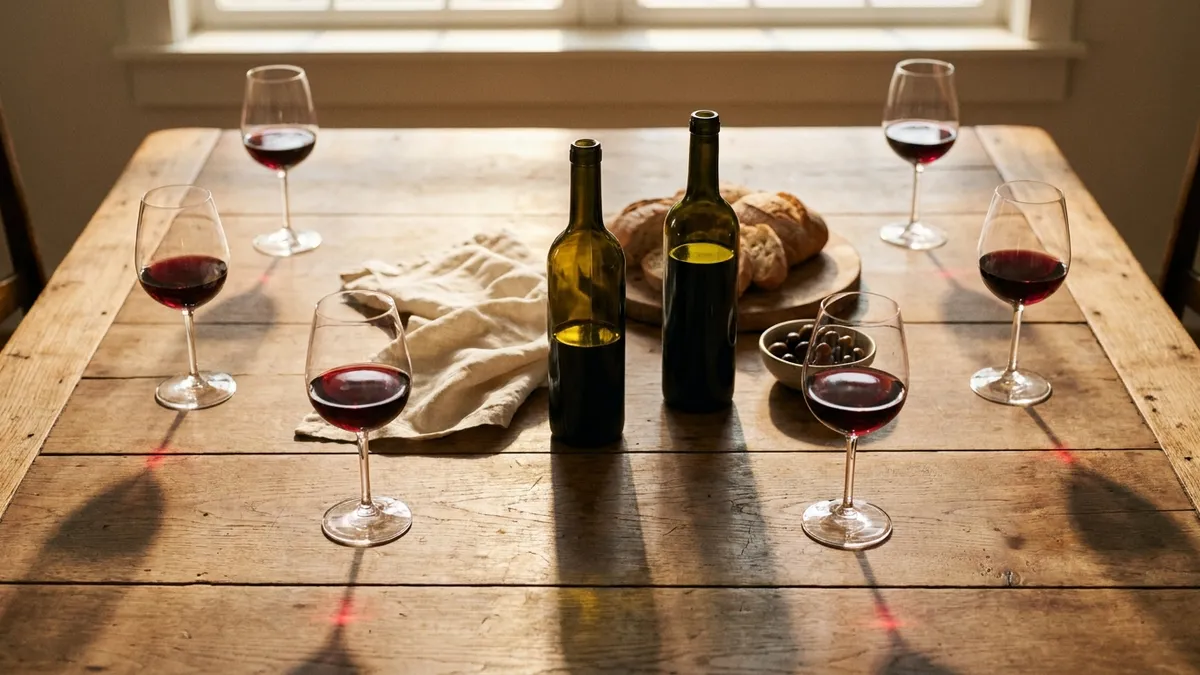
How Many Glasses in a Bottle of Wine? A Pour-Size Guide
How many glasses in a bottle of wine: five at a 150 ml pour, six at 125 ml. Pour sizes, sparkling and dessert wine, magnums, and party bottle math.
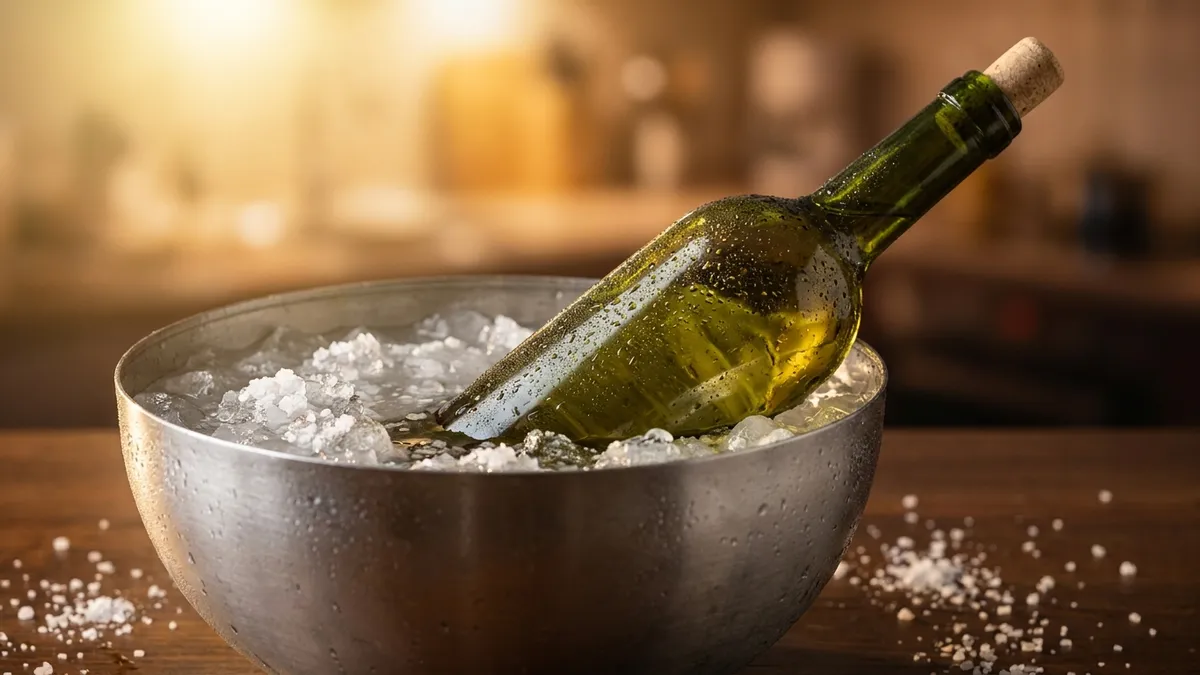
How to Chill Wine Fast: 5 Methods That Actually Work
How to chill wine fast with salted ice water, an ice bucket, a wet towel, the freezer or the fridge, ranked by the physics of how each one pulls heat out of the bottle.
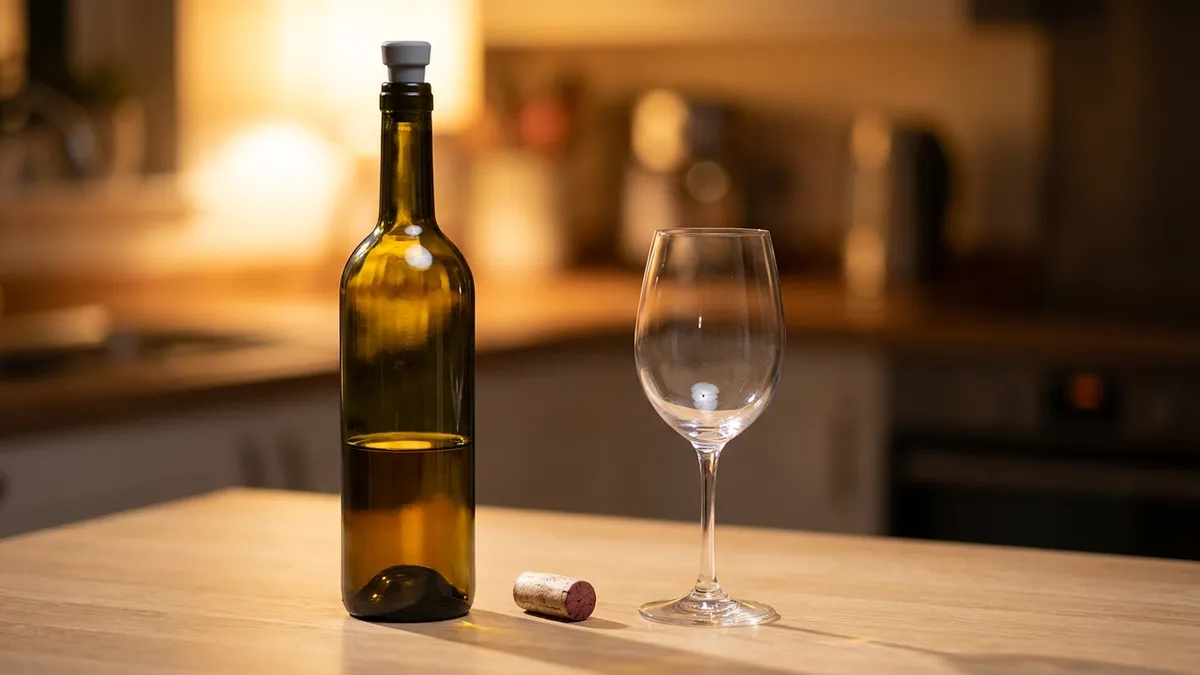
How to Reseal a Wine Bottle: Stoppers, Pumps and Gas Sprays
How to reseal a wine bottle with its cork, a screw cap, a stopper, a vacuum pump, a gas spray or a sparkling clamp, and which one each bottle needs tonight.
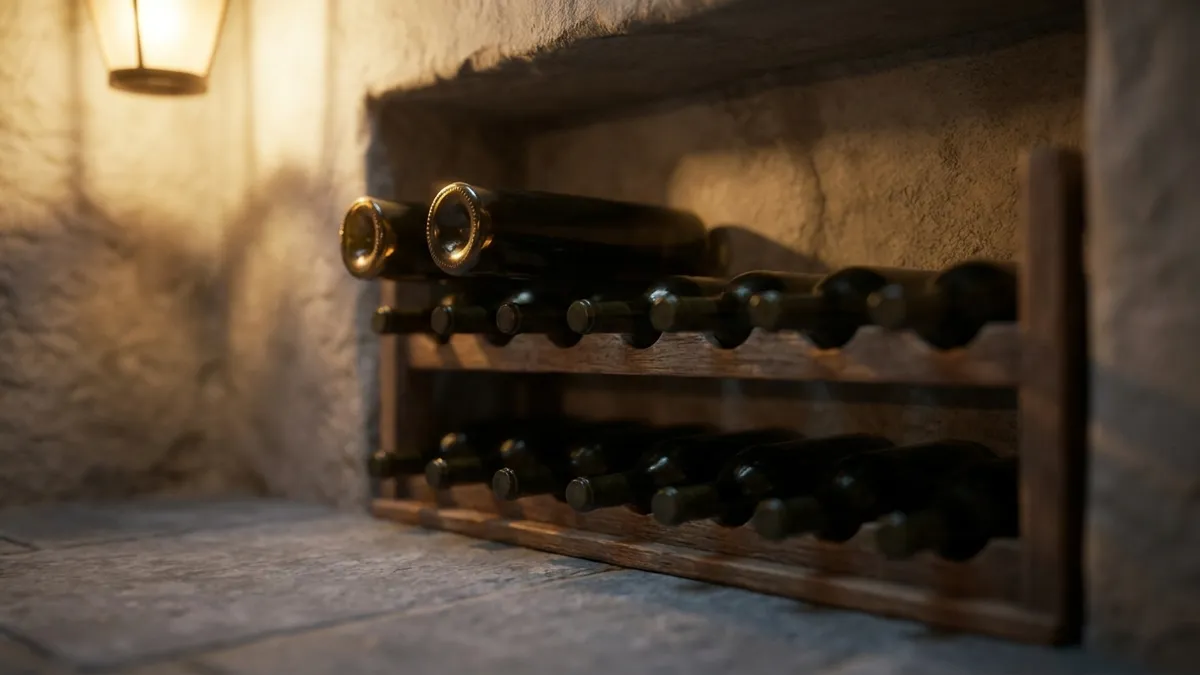
Wine Cellar Temperature and Humidity: The Ideal Range
The real wine cellar temperature and humidity range, reconciled from four named sources, plus the science of why heat and dry air actually damage a bottle.
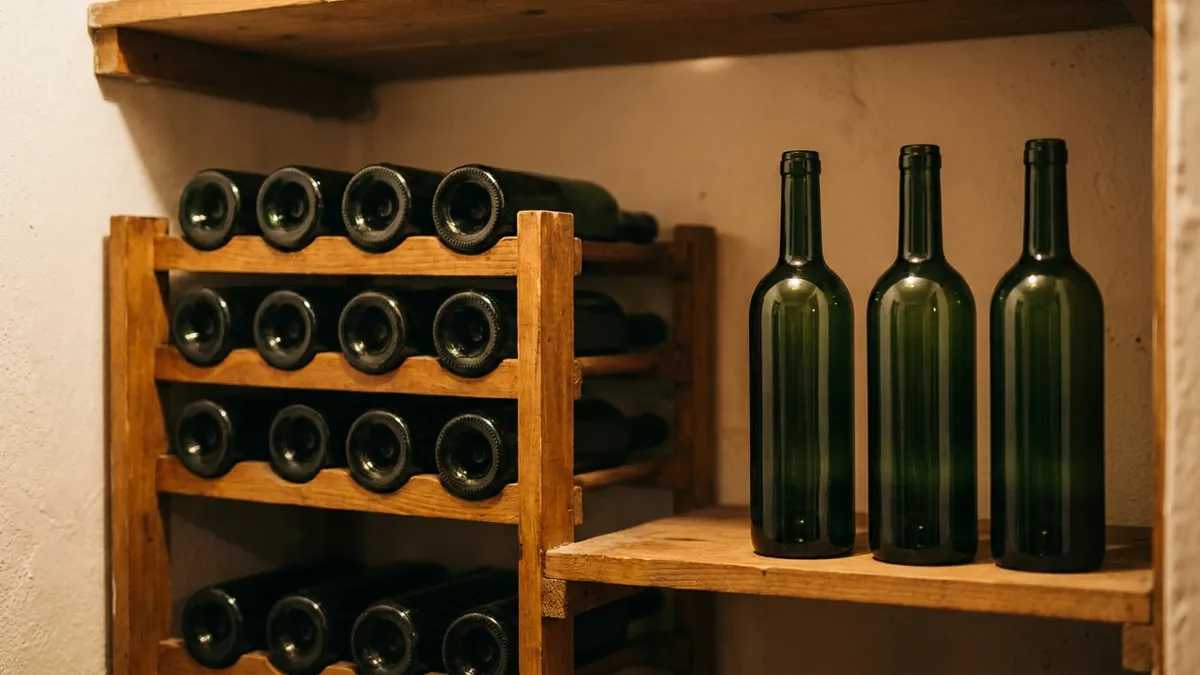
Store Wine Horizontal or Vertical? What the Research Says
Should you store wine horizontal or vertical? Lay cork-sealed bottles down for long holds; screw caps and sparkling wine can stand. Heat matters far more than angle.
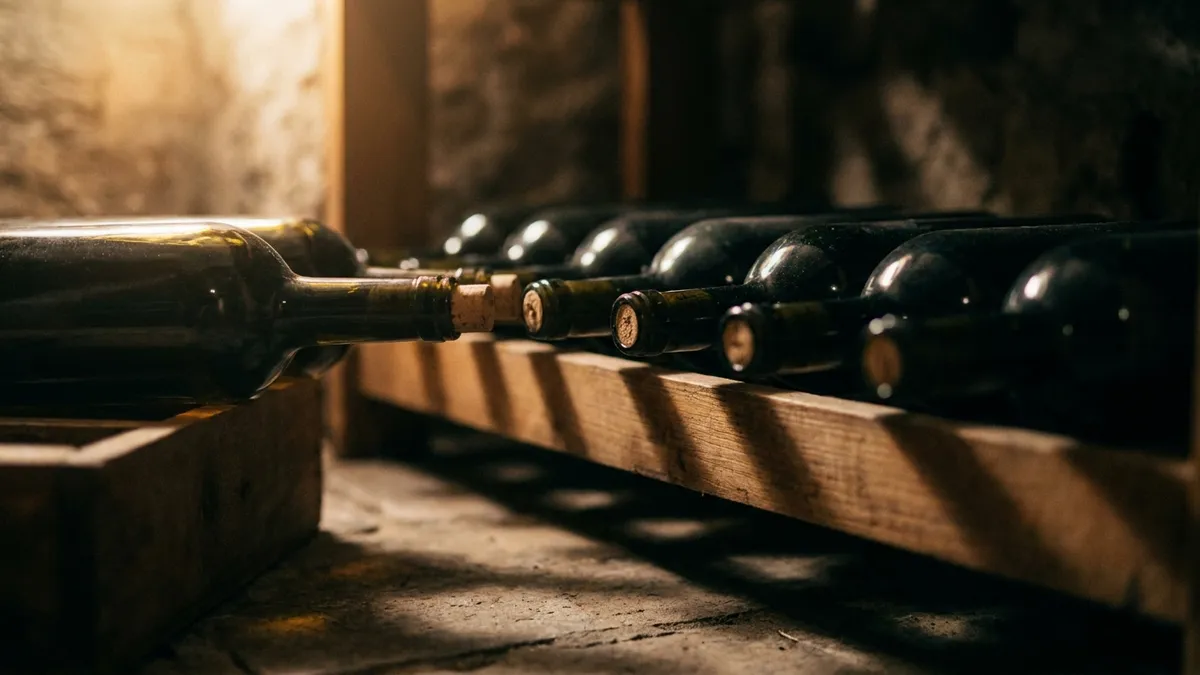
10 Wine Storage Mistakes That Quietly Ruin Good Bottles
Ten wine storage mistakes ranked by how much damage they actually do, from heat and light that ruin a bottle in days to humidity and vibration that only matter over years.
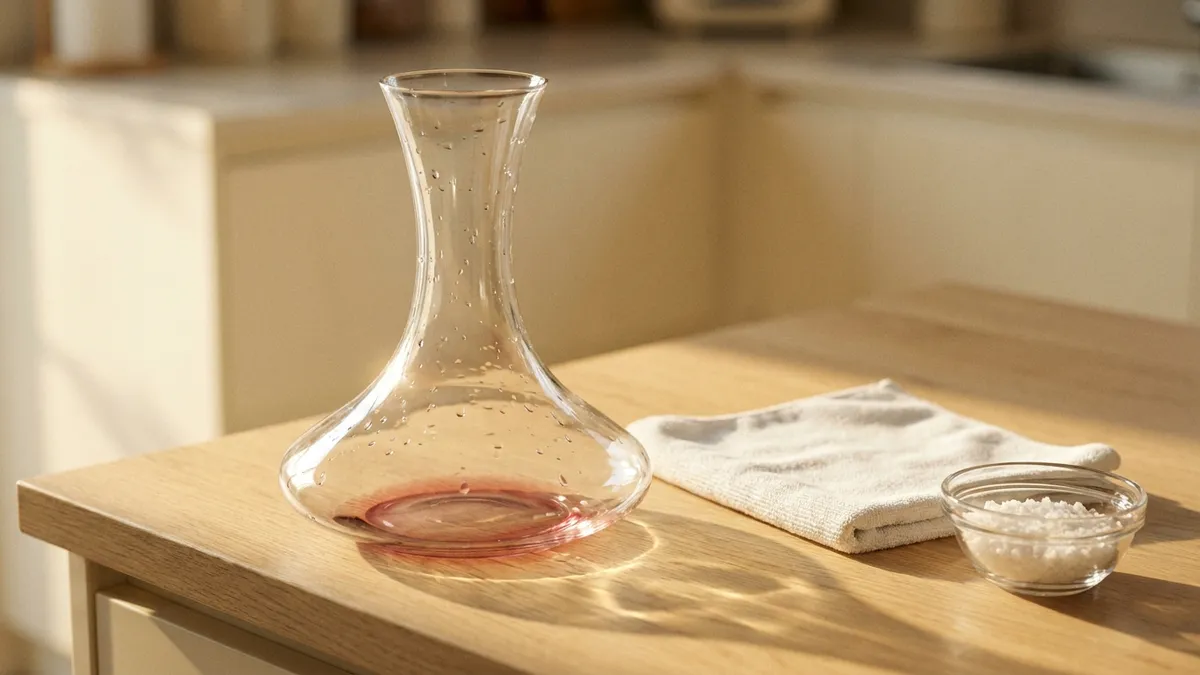
How to Clean a Wine Decanter: Stains, Haze, and Crystal Care
How to clean a wine decanter properly: the 60-second rinse that prevents stains, why vinegar, salt, rice and cleaning beads each work, how to tell haze from residue, and how to care for lead crystal.
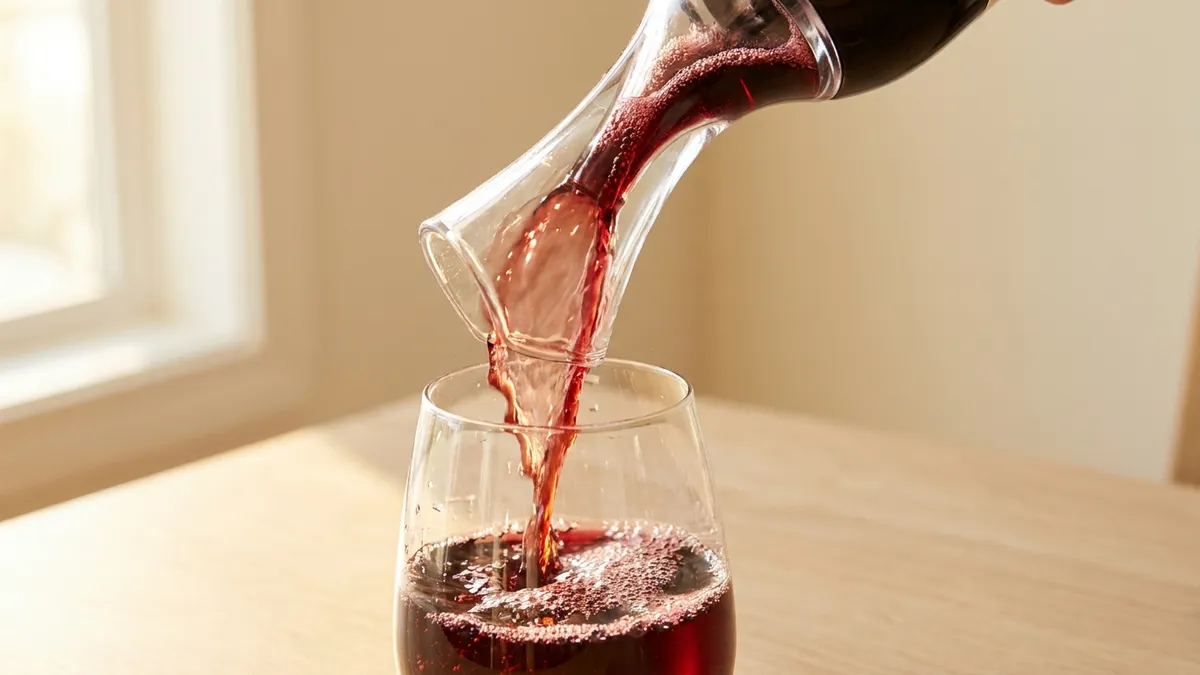
Wine Aerators: Do They Work and Which Should You Buy?
Wine aerators promise instant decanting in a single pour. Here is how they actually work, which wines benefit, the types worth owning, and whether you need one at all.
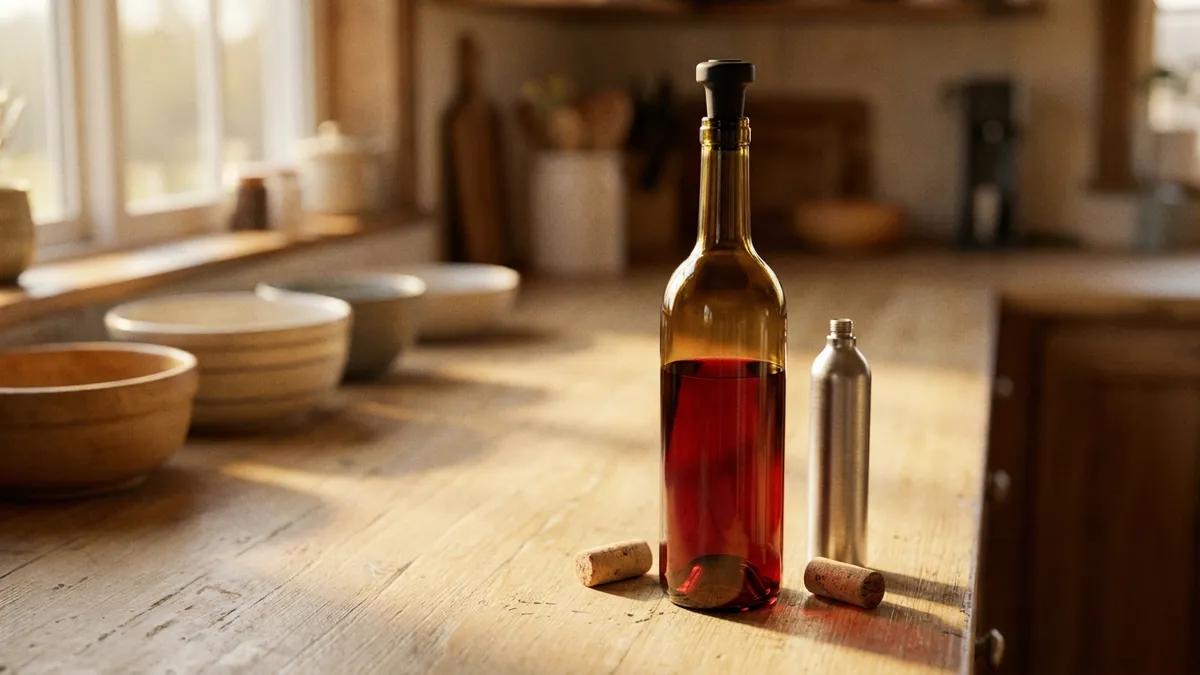
Wine Preservation Tools: What Works and What to Skip
A head-to-head comparison of the five wine preservation tools — vacuum pumps, inert gas sprays, argon needle systems, and more — with how each works and how many days it buys you.
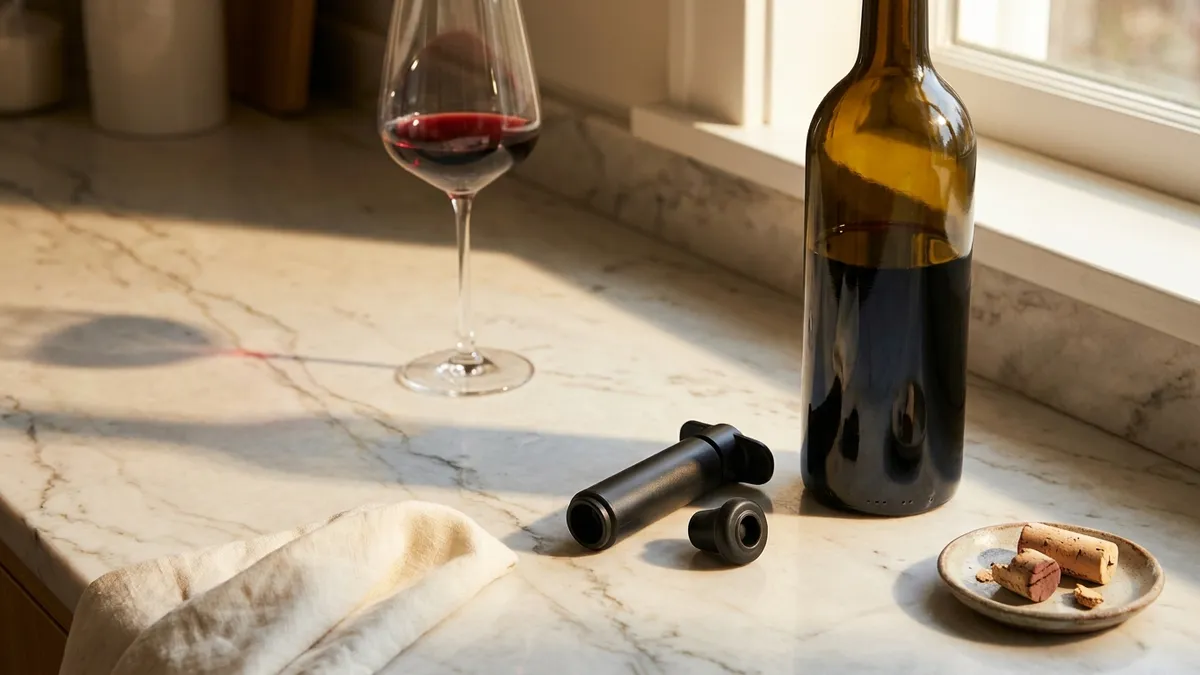
How Long Does Wine Last After Opening? A Type-by-Type Guide
How long does wine last after opening? A type-by-type guide with day counts for sparkling, white, rosé, red, sweet, and fortified wines, plus storage tips.
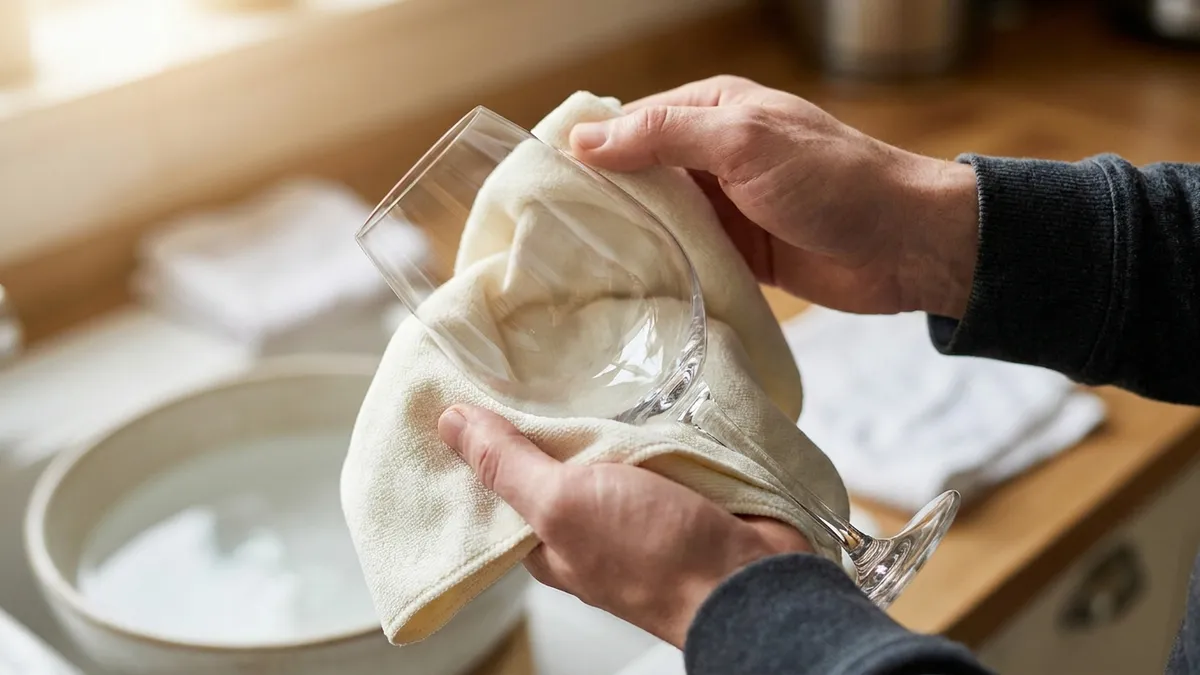
How to Clean Wine Glasses: The Right Way to Wash, Dry, and Store
How to clean wine glasses without leaving detergent film, water spots, or off-smells. The 5-step protocol, dishwasher pitfalls, and the polish that protects every pour.
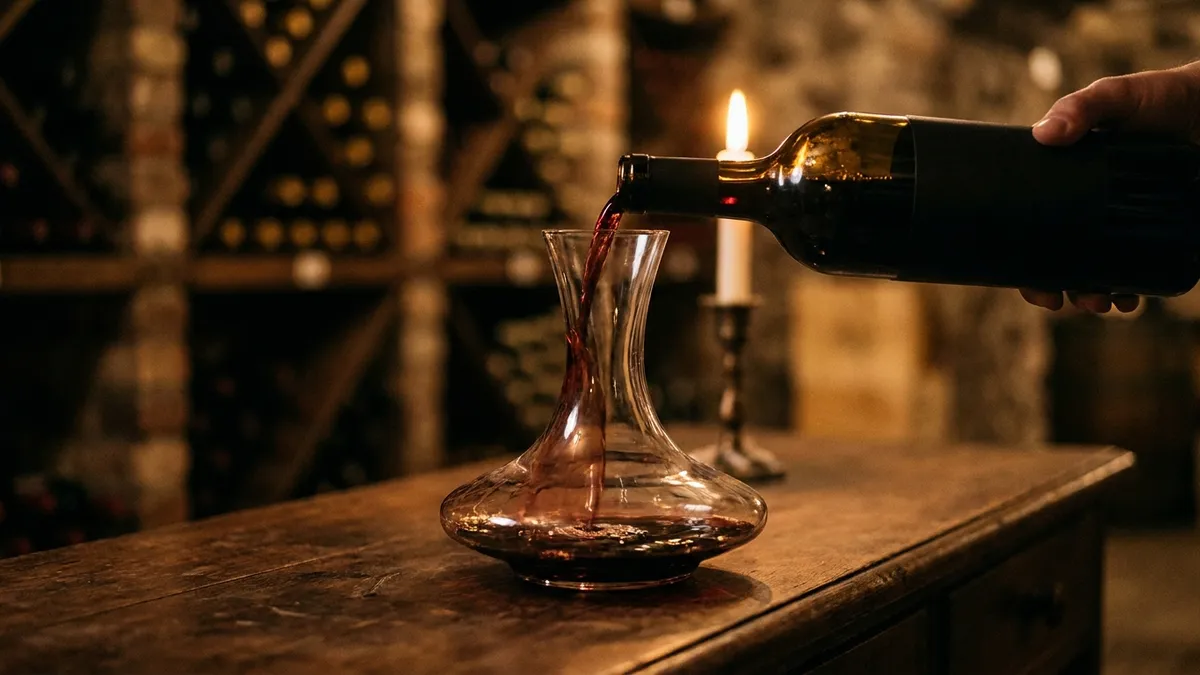
How to Decant Wine: When, Why, and How Long
A practical guide to how to decant wine — when it actually helps, when it ruins a bottle, and exact decant times for Cabernet, Bordeaux, Barolo, Burgundy, and aged reds.
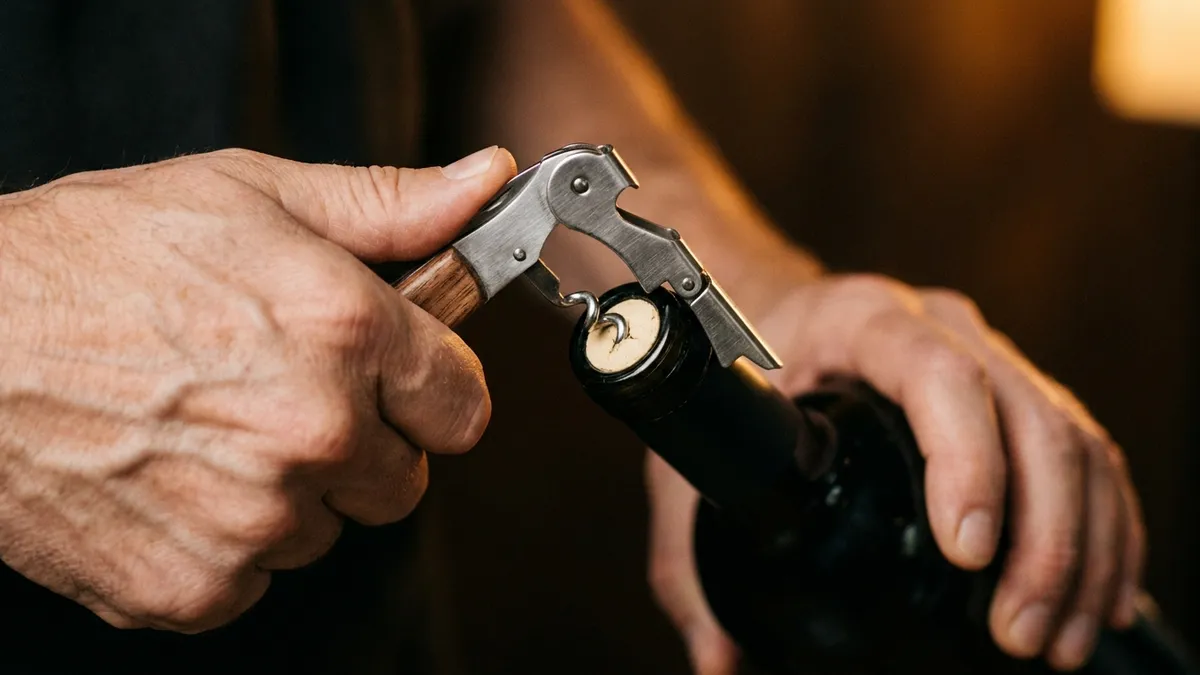
How to Open a Wine Bottle: Corkscrew, Key, and No-Tool Methods
How to open a wine bottle the right way — the four corkscrew types, the waiter's-friend technique, sparkling without the loud pop, and what to do when you have no tools.
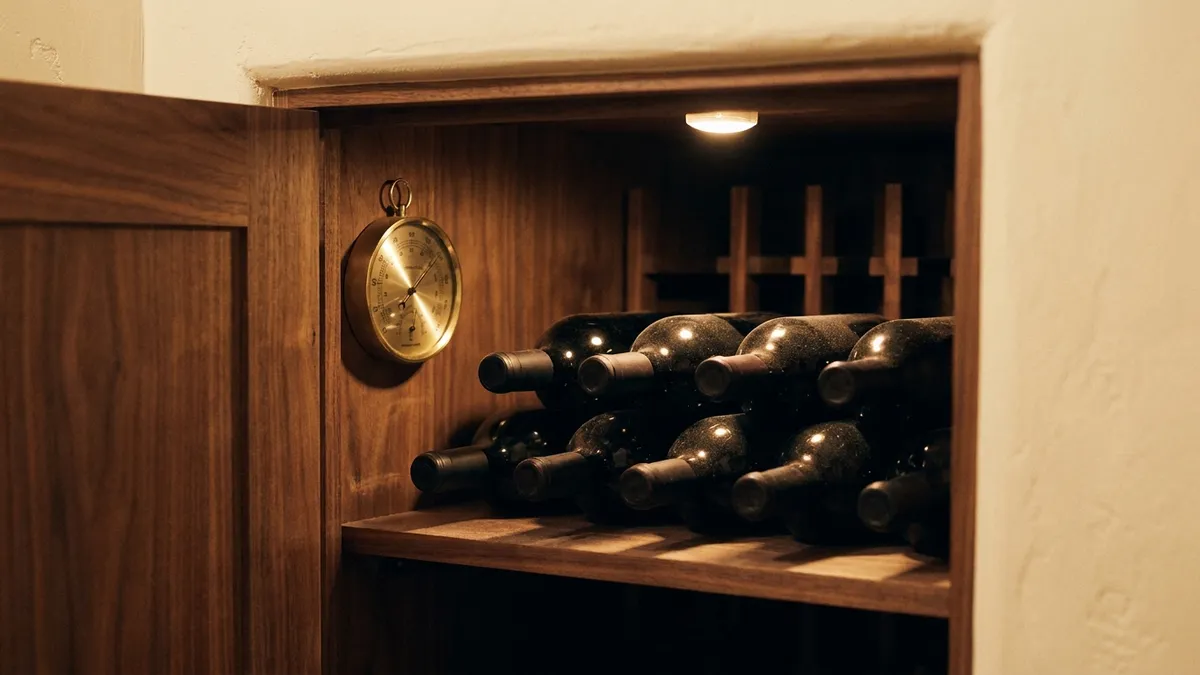
How to Store Wine at Home Without a Cellar
How to store wine at home without a dedicated cellar. The five enemies of wine, the realistic apartment-friendly setup, and the cheap upgrades that actually move the needle.
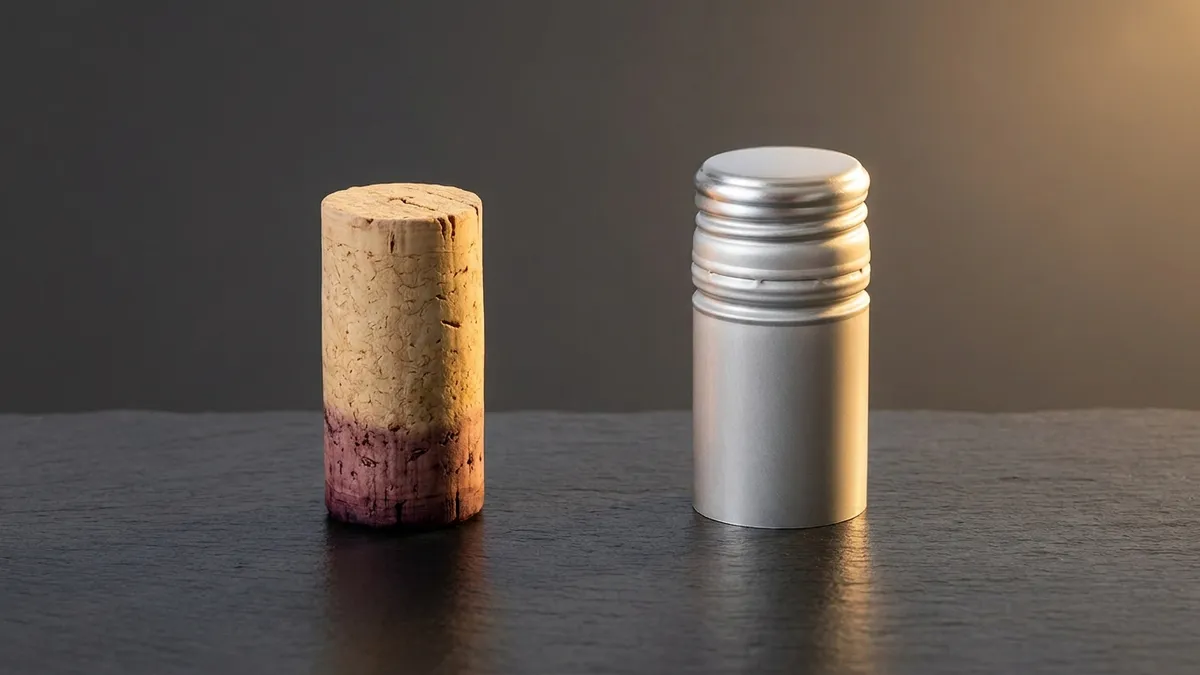
Screw Cap vs Cork: Does the Closure Affect Wine Quality?
Screw cap vs cork wine — does the closure actually change quality, aging, or flavor? An honest, science-backed look at TCA, oxygen exchange, and which seal works best for which style.
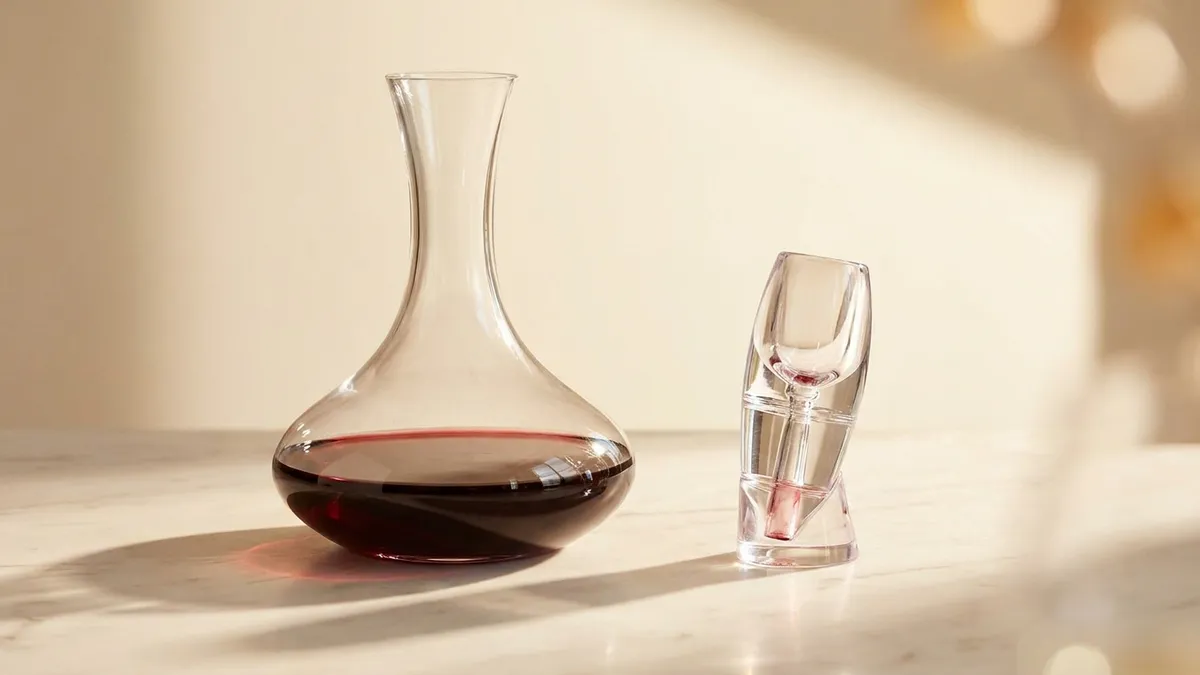
Wine Decanter vs Aerator: Which Do You Need?
Decanter vs aerator — which one actually belongs on your shelf? A practical comparison of speed, aeration, sediment handling, and which wines each tool helps or hurts.
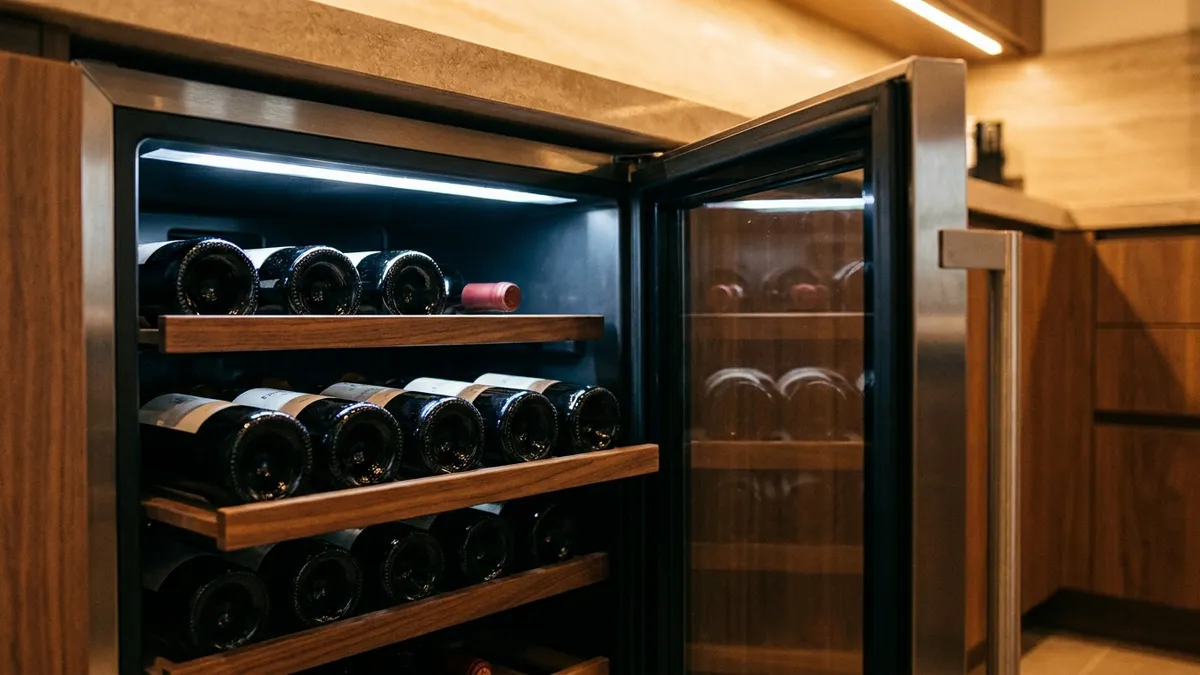
Do You Need a Wine Fridge? A Practical Buying Guide
An honest wine fridge guide for home drinkers — when you actually need one, compressor vs thermoelectric, single vs dual zone, the right capacity, and what to skip.
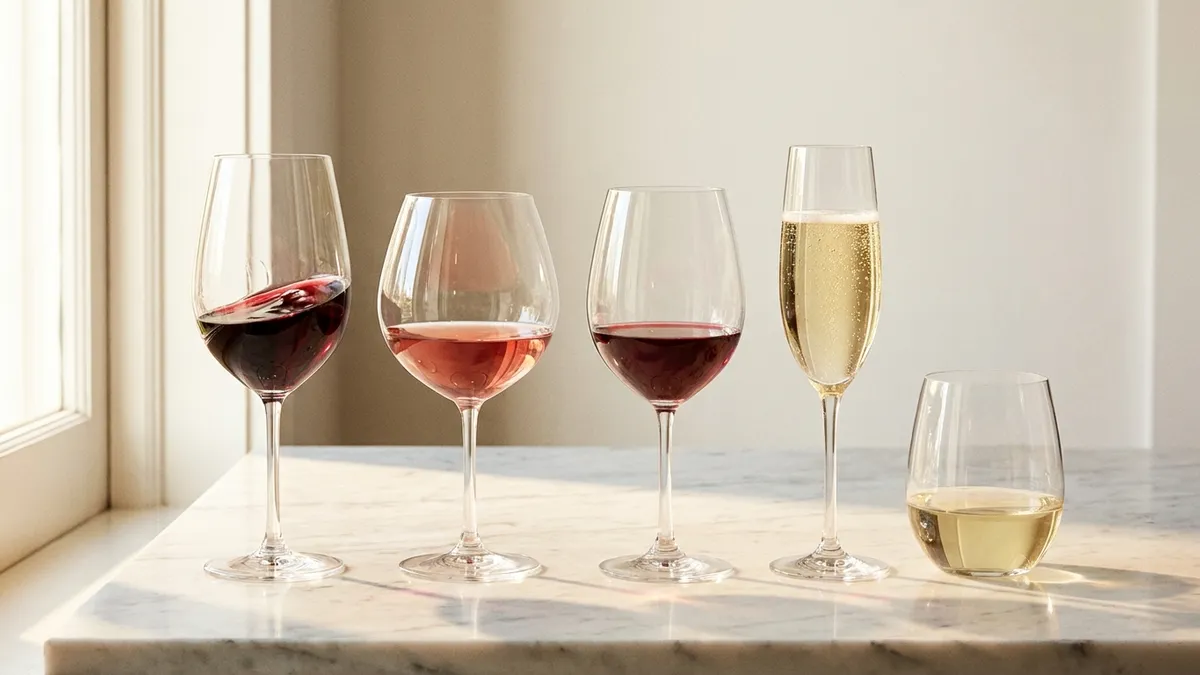
Wine Glass Guide: Does the Shape Really Matter?
An honest look at wine glass types — what shape actually changes about wine, what marketing exaggerates, and the five glasses most homes really need.
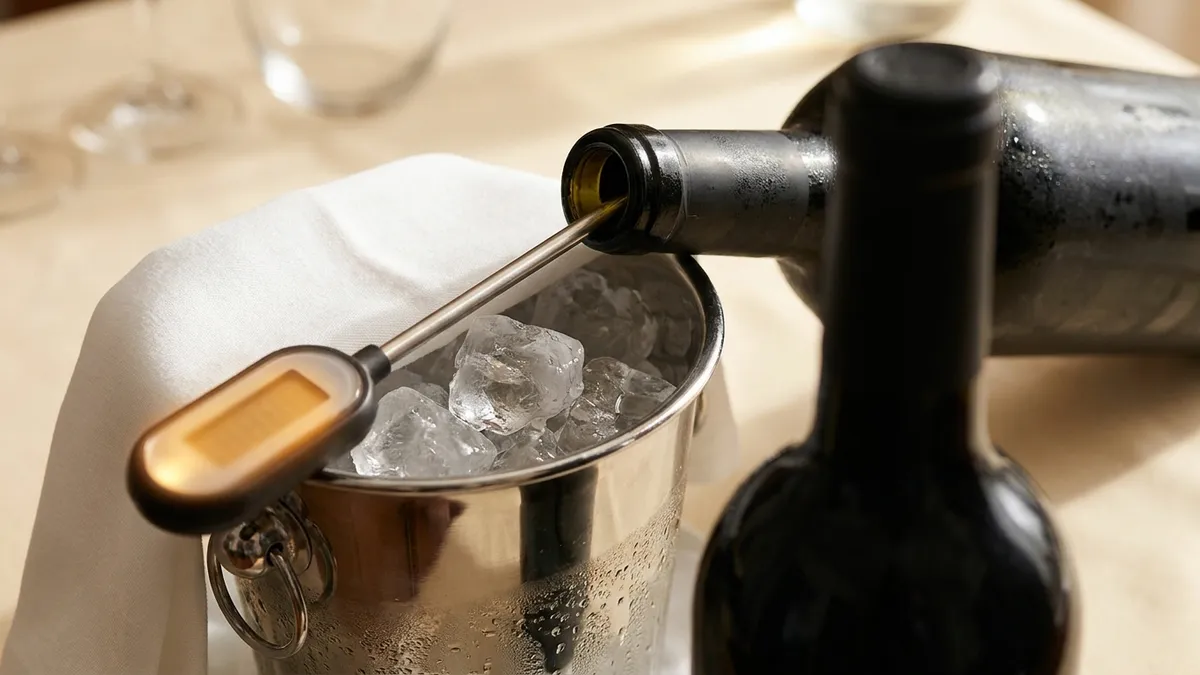
Wine Serving Temperature Cheat Sheet by Style
A by-style wine serving temperature cheat sheet — exact ranges for Champagne, Riesling, Chardonnay, Pinot Noir, Cabernet, Port, Sherry, and dessert wines, plus quick-chill tricks.
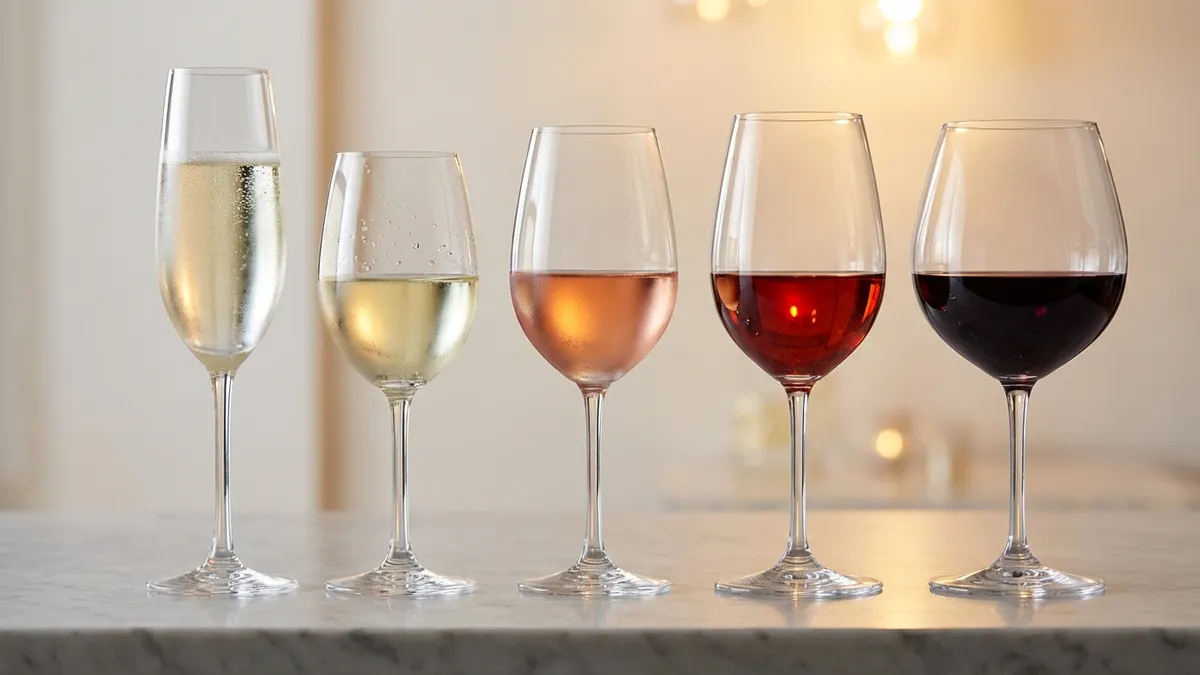
Wine Serving Temperature Chart: The Complete Guide for Every Style
A plain-English wine serving temperature chart for red, white, rosé, and sparkling. The 20/20 rule, the room temperature myth, and why serving temp changes everything in the glass.