Wine Serving Temperature Cheat Sheet by Style

By the Sommy Team — AI-assisted, human-edited.
Updated Apr 29, 2026
Contents (13)
- Wine Serving Temperature, in 90 Seconds
- The Cheat Sheet at a Glance
- The "Room Temperature" Myth, Busted
- The Rest-Time Rule
- Quick-Chill Tricks When You Forgot
- How a Bottle Drifts in the Glass
- Avoid These Five Mistakes
- Symptoms — How to Diagnose a Bad Pour
- Tools That Earn Their Spot in the Drawer
- When to Send a Wine Back at a Restaurant
- Style-Specific Notes That Matter
- A Note on Glass Shape
- Why This Matters More Than Most Wine Tips
TL;DR
The right wine serving temperature depends on style, not color. Sparkling and Fino Sherry want 6–8°C, crisp whites 7–10°C, full whites 10–14°C, light reds 12–14°C, bold reds 16–18°C, and most dessert wines around 8–10°C. Use the rest-time rule and a $10 thermometer to land in the window every time.
Wine Serving Temperature, in 90 Seconds
The right wine serving temperature depends on the style of wine, not just the color. Sparkling and Fino Sherry want 6–8°C. Crisp whites land at 7–10°C. Full-bodied whites and most dessert wines climb to 8–14°C. Light reds and Tawny Port sit at 12–14°C. Medium reds settle at 14–16°C. Bold reds, aged Bordeaux, and Vintage Port peak at 16–18°C. Take red out 30 minutes before pouring, white out 10 to 15 minutes before, and sparkling out 5 minutes before. A $10 thermometer and that rest-time rule will land you inside the window every time, no guesswork required.
For the longer story behind these numbers — why temperature changes the way alcohol, acid, and aroma behave in the glass — see our wine serving temperature chart. This page is the at-a-glance companion. Print it, screenshot it, or pin it to the inside of a cabinet door.
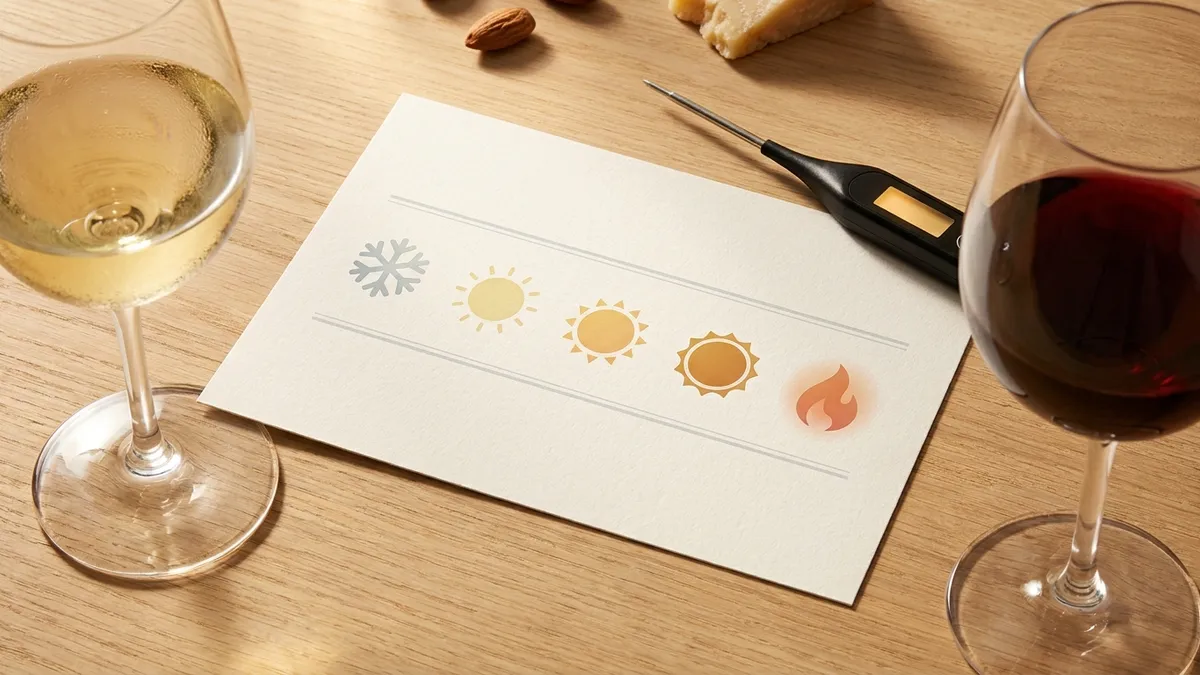
The Cheat Sheet at a Glance
Here is the full by-style reference. Glance, pour, drink.
| Style | Examples | Celsius | Fahrenheit |
|---|---|---|---|
| Sparkling Brut | Champagne, Cava, Crémant | 6–8°C | 43–46°F |
| Sparkling Rosé | Champagne Rosé, Crémant Rosé | 7–9°C | 45–48°F |
| Crisp white | Sauvignon Blanc, Vinho Verde, Albariño | 7–10°C | 45–50°F |
| Aromatic white | Riesling, Chenin Blanc, Gewürztraminer | 8–12°C | 46–54°F |
| Full-bodied white | Oaked Chardonnay, white Burgundy | 10–14°C | 50–57°F |
| Light rosé | Provence, Bandol Rosé | 8–10°C | 46–50°F |
| Light red | Beaujolais, Pinot Noir | 12–14°C | 54–57°F |
| Medium red | Sangiovese, Tempranillo, Merlot | 14–16°C | 57–61°F |
| Bold red | Cabernet Sauvignon, Syrah, Malbec | 16–18°C | 61–65°F |
| Aged red (15+ yrs) | Bordeaux, Barolo | 16–18°C | 61–65°F |
| Dessert wine | Sauternes, late-harvest Riesling | 8–10°C | 46–50°F |
| Tawny Port | 10–40 year Tawny | 12–14°C | 54–57°F |
| Vintage Port | Vintage and LBV Port | 16–18°C | 61–65°F |
| Sherry — Fino/Manzanilla | Bone-dry Sherry | 6–8°C | 43–46°F |
| Sherry — Oloroso/PX | Nutty and sweet Sherry | 12–14°C | 54–57°F |
A 12-degree spread covers almost everything you will ever pour. The two extremes — Fino Sherry on the cold side and bold red on the warm side — sit roughly 12°C apart. Knowing where on that spectrum each style lives is most of the battle.
The "Room Temperature" Myth, Busted
The phrase room temperature for red wine is a leftover from a different climate. In old French and British castles before central heating, a dining room in winter sat near 18°C. That happens to be the upper end of the bold-red window.
A modern American or Asian apartment with central HVAC runs at 22 to 25°C. At that temperature, every red wine tastes hot, jammy, and slightly out of focus. The phrase has not aged well — but the rule has not been updated, and it is the single biggest reason home pours underdeliver.
The corrected rule is simple. Always serve red below your home's room temperature, never at it. If your thermostat reads 22°C, a Cabernet poured at that temperature is already 4°C too warm. A short rest in the fridge or a wine cooler fixes it.
This applies to bold reds especially. The bigger the wine, the more the alcohol takes over when it warms up. A 15 percent ABV Zinfandel at 22°C tastes like fortified jam. The same bottle at 17°C tastes like balanced fruit, spice, and structure.
The Rest-Time Rule
If a thermometer feels like overkill, the rest-time rule will get you most of the way there. It assumes a typical 4°C fridge and a typical 12°C cellar or wine fridge.
- Red wine — out of the cellar or fridge about 30 minutes before serving
- White wine — out of the fridge about 10 to 15 minutes before serving
- Sparkling — out of the fridge about 5 minutes before serving
- Dessert wine — out of the fridge about 10 minutes before serving
- Vintage Port — out of the cellar about 30 to 45 minutes before serving
The bottle warms by roughly 1°C every 5 to 7 minutes once it leaves the fridge. The first pour from a freshly rested bottle hits the window. The second pour, half an hour later, drifts upward — which is why slow-sipped reds often peak in the glass after 10 minutes and slow-sipped whites do the opposite.
The Sommy app builds these timing cues into structured tasting practice, so the reflex becomes automatic rather than something to track on a phone timer.
Quick-Chill Tricks When You Forgot
Guests are at the door, the white is at room temperature, and the rest-time rule is no longer your friend. A few methods cover the gap.
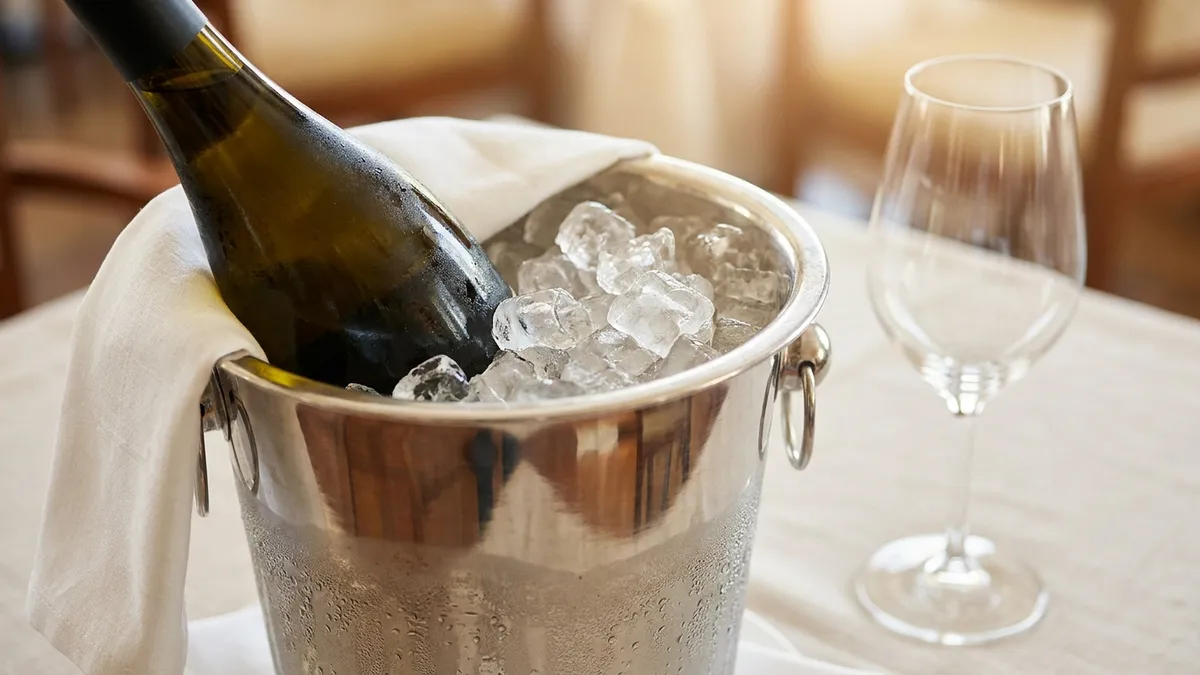
The fastest is a salted ice bath. Fill a bucket with 50 percent ice and 50 percent cold water, then stir in two tablespoons of salt. The salt drops the bath below freezing — typically to about minus 4°C — and chills a 750ml bottle from room temperature to serving in 8 to 10 minutes. Plain ice alone takes nearly twice as long, because air gaps between cubes insulate the glass.
The freezer trick is faster still but riskier. A bottle laid flat in the freezer chills to white-wine temperature in 20 to 25 minutes. Set a phone timer. A forgotten bottle freezes solid within an hour, which can crack the glass and ruin the wine. Sparkling is especially dangerous — frozen Champagne can blow the cork.
The wet paper towel method is the elegant compromise. Wrap the bottle in a wet paper towel and place it in the freezer. The evaporating water pulls heat off the glass, chilling a warm bottle in 10 to 15 minutes. Our guide on how to chill wine fast explains the physics behind each method. No salt, no melted-ice puddles, and very little risk of freezing.
How a Bottle Drifts in the Glass
Once the wine is poured, the glass takes over. A wine in a stemmed glass warms by about 1°C every 10 minutes at typical room temperature. That sounds slow, but over the course of a 30-minute pour, a red can drift from 16°C to 19°C — out of the window and into "too warm" territory.
This is why wine peaks at different moments depending on style:
- Red wine — best 5 to 15 minutes after pouring, when the chill has lifted and the aromatics are open
- White wine — best 5 to 10 minutes after pouring, before warmth dulls the acid
- Sparkling — best within 10 to 15 minutes, while the bubbles are still fine and the temperature is still cold
- Dessert wine — best in small pours of 60 to 90ml, refilled often, so the glass never warms past the window
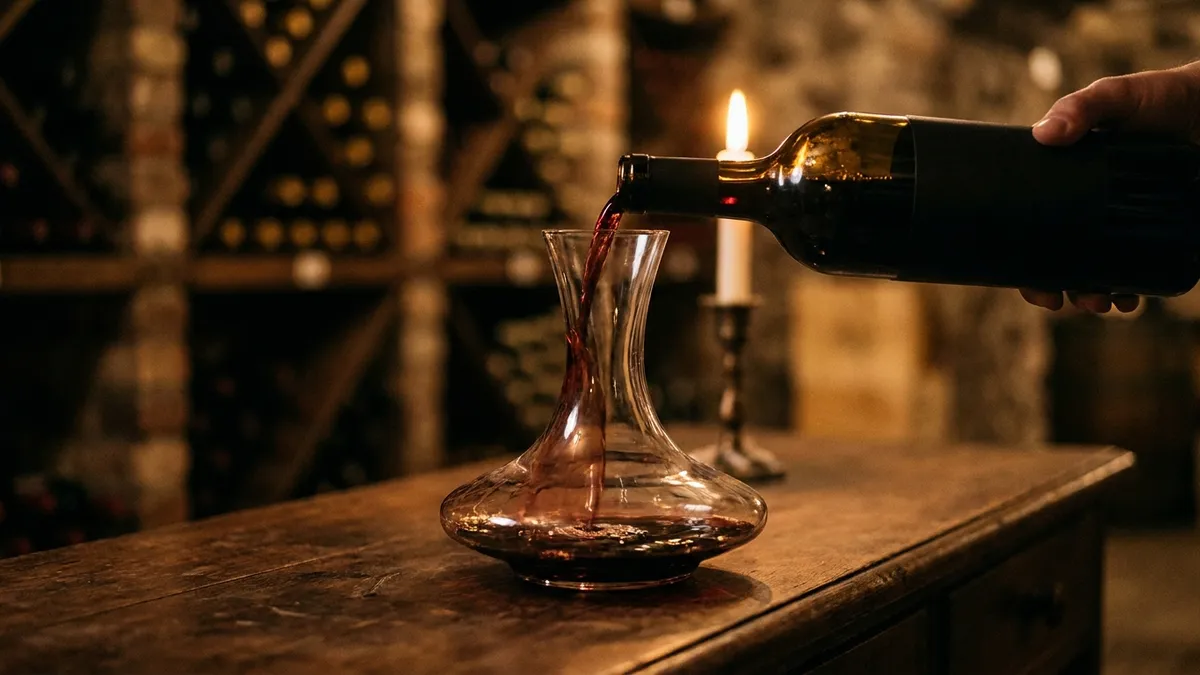
A decanter at room temperature also matters. A red poured at 14°C from the fridge into a decanter will warm to about 16°C during a 20-minute decant, landing exactly in the bold-red window. This is the trick behind the old sommelier line "decant to wake it up" — the warming is doing as much work as the aeration.
Avoid These Five Mistakes
Five temperature habits show up over and over. Each is easy to fix.
- Champagne straight from the fridge — at 4°C, sparkling tastes closed and the bubbles foam aggressively. Five minutes on the counter solves it.
- Pinot Noir at 22°C — the alcohol burns and the delicate red fruit dulls. Twenty minutes in the fridge brings it back into the window.
- White wine in an ice bucket too long — below 5°C, aromas mute completely. Pull the bottle out once the wine reaches its window and leave it on the table.
- Bold red poured straight from a 12°C cellar — the tannins clamp down and feel bitter. Thirty minutes on the counter rounds them out.
- Dessert wine at room temperature — the sugar reads as syrupy and the acid disappears. A 10-minute fridge rest tightens the wine right up.
The pattern repeats: when a wine tastes off, suspect temperature first.
Symptoms — How to Diagnose a Bad Pour
When a glass tastes wrong, the symptoms point to the cause. Use this as a diagnostic checklist before blaming the wine itself.
A red wine served too cold shows harsh tannins, muted fruit, sour edges, and a thin texture. Cup the glass with both hands for 5 minutes. The heat from your palms warms the wine into the window. For a whole cold bottle, how to warm up red wine covers the lukewarm water bath.
A red wine served too warm feels alcoholic on the nose, jammy and flat on the palate, and short on the finish. The fix is harder mid-pour — a 15-minute fridge rest with the bottle (not the glass) is the cleanest reset. A few ice cubes in the glass dilutes the wine and is generally a last resort.
A white wine served too cold smells of nothing, tastes watery, and the acid feels sharp without the fruit to balance it. Five to ten minutes on the counter unlocks the aromatics.
A white wine served too warm feels heavy, slightly oily, and faintly oxidized. The bottle has likely been out too long. Tuck it back in an ice bucket for 10 minutes.
For more on how aroma and palate change as wine warms or cools, see our deeper guide on how temperature affects wine taste.
Tools That Earn Their Spot in the Drawer
You do not need a temperature-controlled cellar to serve wine well. A few inexpensive tools cover most situations.
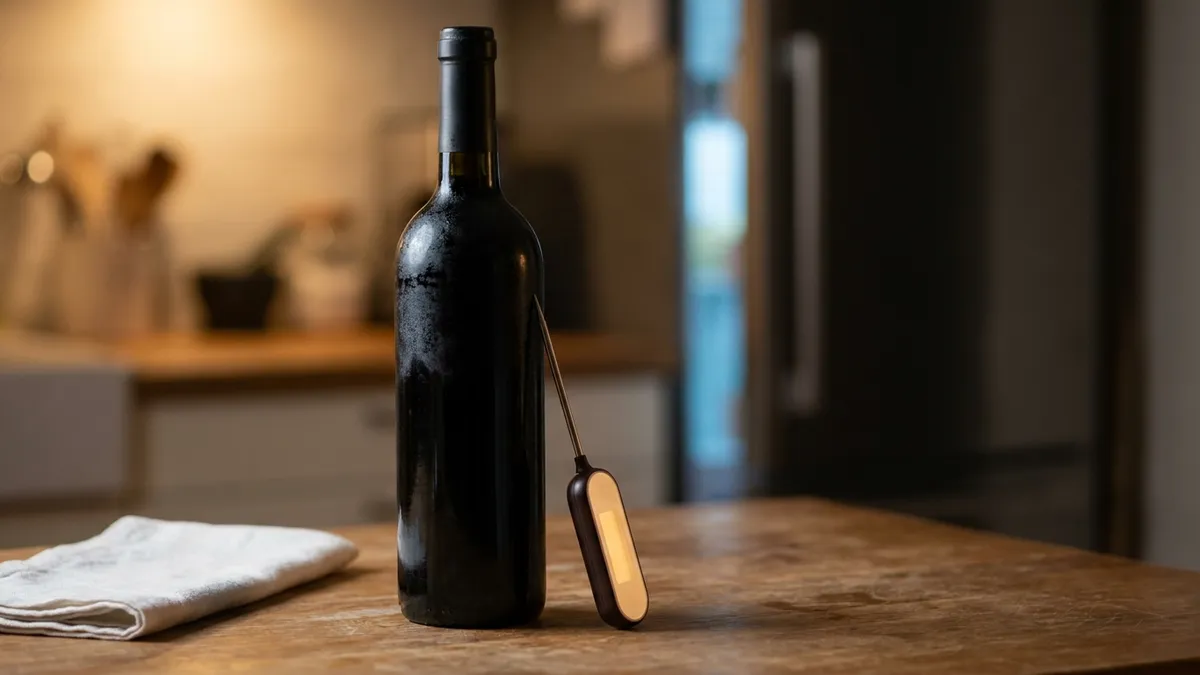
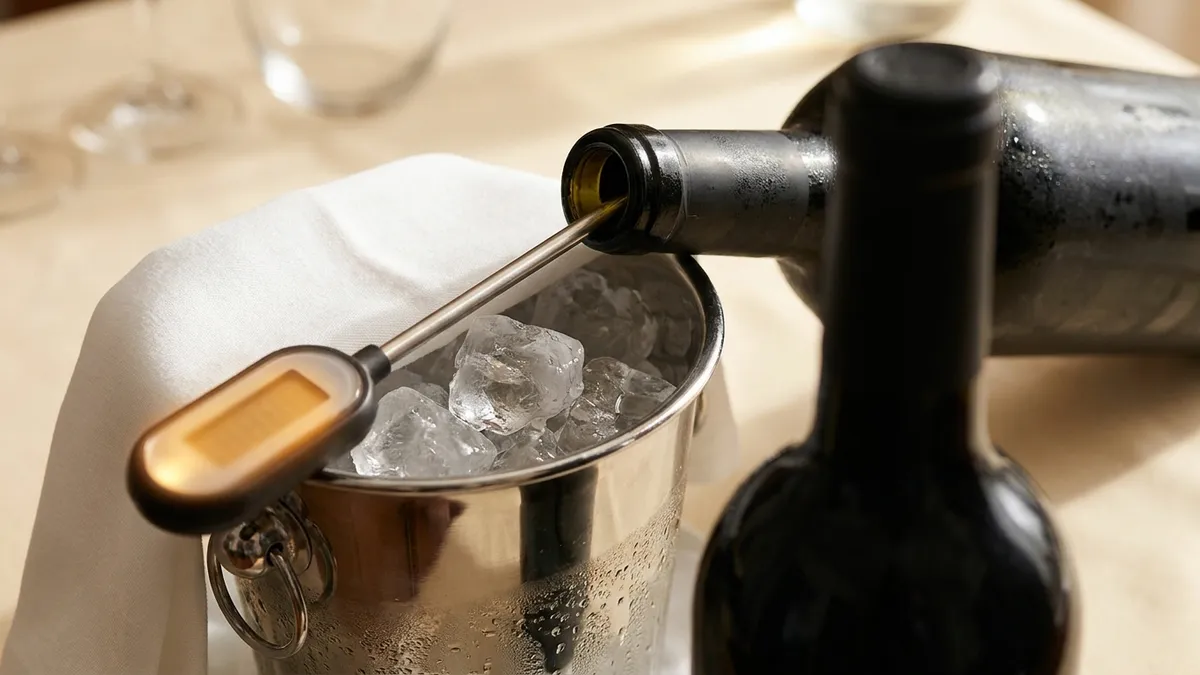
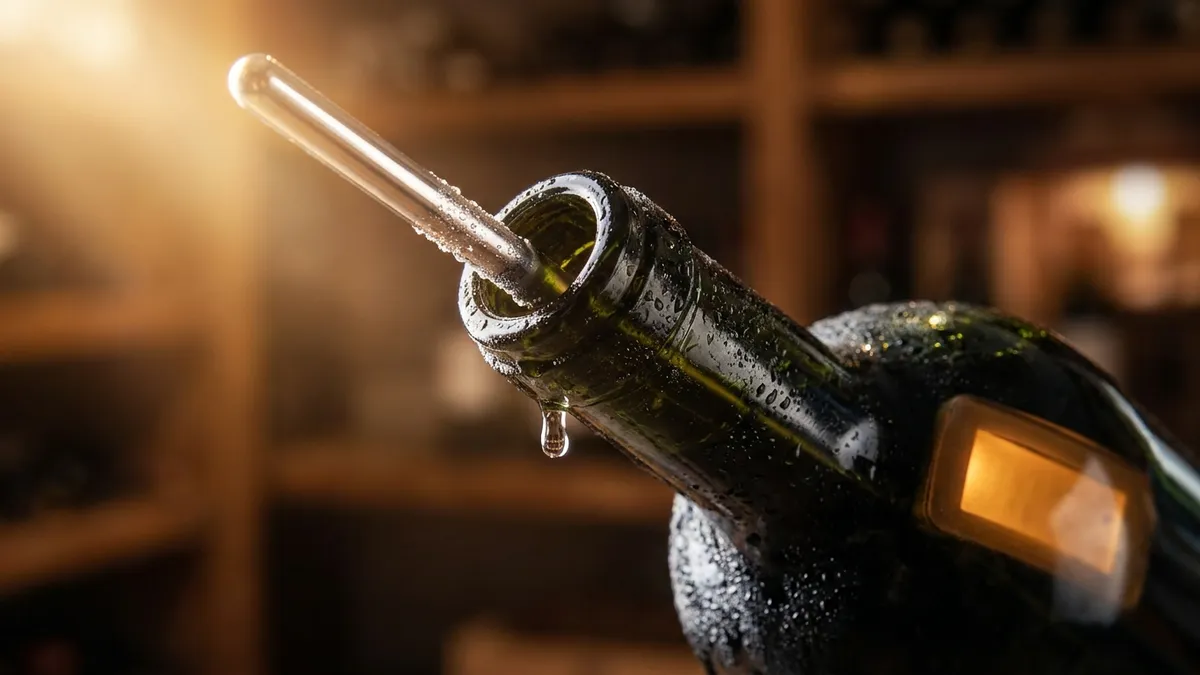
A wine probe thermometer ($10 to $20) is the single best buy, and the wine thermometer guide compares it with strap and infrared types. It reads in 3 to 5 seconds and removes all guesswork. Dip it in the glass before the first sip, and the question is answered.
A dual-zone wine fridge is the next-level upgrade — whites at 8°C, reds at 14°C, both ready to pour with minimal rest. Compact 12-bottle units run $200 to $400 and pay for themselves in salvaged bottles. For a deeper look at fridge sizing and features, see our wine fridge guide.
An insulated ice bucket keeps already-chilled wine in its window for the duration of a meal. A simple stainless steel design with a footprint smaller than a dinner plate is plenty.
A decanter at room temperature lets a fridge-cool red warm by 2 to 3°C while it aerates. A 750ml carafe is the most useful size for everyday pours.
For longer-term storage — months or years, not hours — temperature matters even more than for serving. Our guide on how to store wine at home covers the differences.
When to Send a Wine Back at a Restaurant
Restaurant temperature complaints are often borderline. A clearly hot Champagne or an ice-cold heavy red is a fair return. Minor variation usually corrects itself in the glass.
The rule of thumb: if the bottle is unrecoverable in the next 5 minutes, send it back. If a quick rest in the ice bucket or 10 minutes of warming in the glass will fix it, drink and adjust.
For the broader etiquette around quality issues — corked wine, oxidation, and temperature — see our guide on when to send wine back.
Style-Specific Notes That Matter
A few styles deserve a closer look because they break the simple "red warm, white cold" model.
Sparkling — Colder Than You Think, but Not Too Cold
Champagne, Cava, and Crémant taste best at 6–8°C. Below 5°C, the bubbles get aggressive and the aromas close down. Above 10°C, the mousse foams over and the acidity goes flabby. A 5-minute counter rest after the fridge is the difference between "fizzy water" and "Champagne." For more on the major styles, see our breakdown on Champagne vs Prosecco vs Cava.
Sherry — Two Different Temperatures Under One Name
Fino and Manzanilla Sherry are bone-dry, biologically aged whites that want to be cold — 6–8°C, the same as Champagne. Oloroso and Pedro Ximénez are oxidatively aged and need 12–14°C to show their nutty, raisined character. Treating all Sherry the same is a common mistake.
Aged Reds — Slightly Cooler Than Young Bold Reds
A 15-year-old Bordeaux drinks best at 16–17°C, slightly below the upper end of the bold-red window. The tertiary aromas of leather, cigar box, and dried fruit are delicate and warm too quickly. Pour a touch cool and let the glass do the rest. For a feel of how aged Cabernet differs from a younger Merlot, see our Cabernet Sauvignon vs Merlot comparison.
Dessert Wines — Cool but Not Cold
Sauternes and late-harvest Riesling sit at 8–10°C, cooler than a full white but warmer than Champagne. Too cold and the sugar dominates. Too warm and the alcohol pushes through the fruit. Our dessert wine guide covers the styles in more depth.
Whites With Real Body
Oaked Chardonnay, Viognier, and white Burgundy carry weight, texture, and oak-influenced flavor that only show up at 10–14°C. Serving them at fridge temperature flattens everything that makes them interesting. The deeper differences between aromatic and full whites are covered in our Chardonnay vs Sauvignon Blanc guide.
A Note on Glass Shape
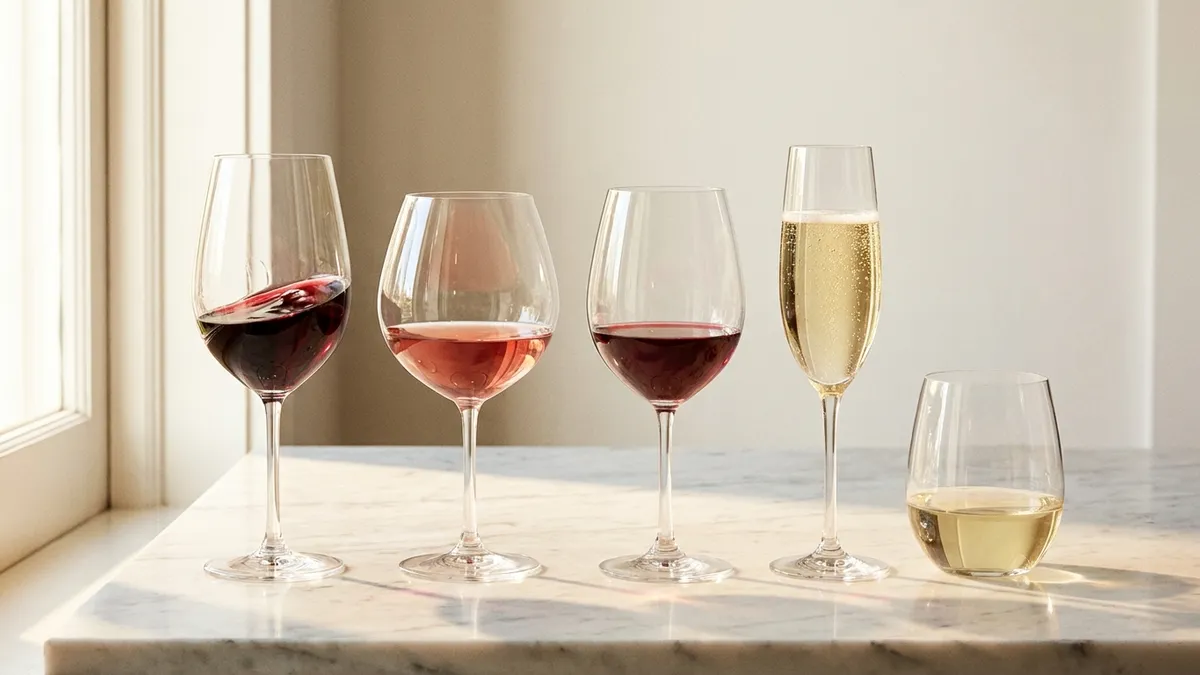
Temperature is the single biggest variable, but glass shape comes a close second. The bowl size and rim taper affect how aromas concentrate and how fast the wine warms in the hand. Our wine glass guide covers which shape suits which style — and explains why the same wine in a thin flute and a wide bowl tastes like two different bottles.
For the broader study path on storing, serving, and pouring wine well at home, see the serving and storage learning hub.
Why This Matters More Than Most Wine Tips
Temperature is the easiest correction in wine. It costs nothing. It requires no new gear beyond a $10 thermometer. And it produces the largest single jump in quality between a mediocre home pour and a great one.
The Sommy app builds temperature awareness into structured tasting courses, so noticing when a wine is out of its window becomes second nature rather than a check-the-chart moment. Visit sommy.wine to start practicing the full chain — swirl, sniff, sip, and serve — one glass at a time.
Print this cheat sheet, hang it inside a cabinet door, and use it for the next month. By the end, the rest-time rule will be muscle memory, the symptoms will be obvious in the glass, and "wine served at the wrong temperature" will be a problem that mostly happens to other people.
Frequently Asked Questions
What is the ideal wine serving temperature for each style?
Sparkling Brut sits at 6–8°C (43–46°F). Crisp whites like Sauvignon Blanc want 7–10°C (45–50°F). Full whites like oaked Chardonnay open up at 10–14°C (50–57°F). Light reds like Pinot Noir shine at 12–14°C (54–57°F), medium reds at 14–16°C (57–61°F), and bold reds at 16–18°C (61–65°F).
Why is room temperature wrong for red wine?
The phrase came from 18th-century European cellars where rooms sat near 18°C (64°F). Modern centrally heated homes run at 22–25°C (72–77°F), which is too warm for every red wine. Always serve red below your home's room temperature, never at it.
How long should I rest a bottle before pouring?
Take red from the cellar or fridge about 30 minutes before serving. Take white from the fridge 10 to 15 minutes before. Take sparkling from the fridge about 5 minutes before. These rest times let the bottle drift toward its target window from typical fridge or cellar starting points.
What is the fastest way to chill a warm bottle?
An ice bucket with 50 percent ice, 50 percent water, and two tablespoons of salt chills a 750ml bottle from room temperature to serving in 8 to 10 minutes. The salt drops the bath below freezing point and accelerates heat transfer. A wet paper towel wrapped around the bottle and placed in the freezer takes 10 to 15 minutes.
How can you tell if a wine was served too cold or too warm?
Too-cold red shows harsh tannins, muted fruit, and sour edges. Too-warm red feels alcoholic, jammy, and flat. Too-cold white smells of nothing and tastes watery. Too-warm white feels heavy, oily, and slightly oxidized. The correction is always temperature, never the glass.
What temperature should Port and Sherry be served at?
Tawny Port sits at 12–14°C (54–57°F), close to a light red. Vintage Port wants 16–18°C (61–65°F), the same as a bold red. Fino and Manzanilla Sherry need to be cold, 6–8°C (43–46°F). Oloroso and Pedro Ximénez Sherry are best at 12–14°C (54–57°F).
Do I need a wine thermometer?
Not strictly, but a $10 to $20 probe thermometer removes all guesswork. The rest-time rule covers most situations without one — 30 minutes out for red, 10 to 15 minutes out for white, 5 minutes out for sparkling. A dual-zone wine fridge (whites at 8°C, reds at 14°C) is the next-level upgrade for households that drink often.
Can I send a wine back at a restaurant if it is the wrong temperature?
Yes, if it is clearly off — a warm Champagne or an ice-cold heavy red is a fair return. Minor variation is not. A red poured slightly cool will warm up in the glass within 5 to 10 minutes, and a white poured slightly warm can be tucked back in an ice bucket. Send back only when the bottle is unrecoverable in the glass.
Sommy Team
LinkedInFounder & Wine Educator
The Sommy Team is building the world's most approachable wine education app, helping beginners develop real tasting skills through structured courses and AI-guided practice.