When to Send Wine Back at a Restaurant (and How to Do It)

By the Sommy Team — AI-assisted, human-edited.
Updated Apr 29, 2026
Contents (13)
- TLDR
- Sending Wine Back, in 90 Seconds
- The Polite Reality of Sending Wine Back
- The Three Valid Reasons to Send Wine Back
- The Three Invalid Reasons to Send Wine Back
- The Restaurant Tasting Ritual, Decoded
- Exact Words for Sending Wine Back
- What Restaurants Do With Returned Bottles
- What to Do When the Sommelier Disagrees
- The Ethical Lines Around Sending Wine Back
- A Practical 30-Second Tasting Routine
- Building the Palate That Sends Wine Back Confidently
- The Quiet Confidence of Knowing the Rules
TL;DR
You can send wine back when the bottle has a real fault — corked (wet cardboard), oxidized (bruised apple, brown color), or heat-damaged (stewed fruit, pushed cork). You cannot return it because you dislike the style. The small tasting pour is a fault check, not a preference vote. Name the fault and let the sommelier confirm.
TLDR
You can send wine back when the bottle has a real fault — corked (wet cardboard), oxidized (bruised apple, brown color), or heat-damaged (stewed fruit, pushed cork). You cannot return it because you dislike the style. The small tasting pour is a fault check, not a preference vote. Name the fault and let the sommelier confirm.
Sending Wine Back, in 90 Seconds
You can absolutely send wine back at a restaurant — but only for a genuine fault, not because the wine surprised your palate. The three classic reasons to send wine back are corked (TCA taint that smells of wet cardboard), oxidized (bruised apple, brown color, flat lifeless palate), and heat-damaged (stewed fruit, pushed cork, jammy mess). The small tasting pour is a fault check, not a preference vote. To send wine back politely, name the fault — "this smells corked" or "this tastes oxidized" — and ask the server to taste it. A trained sommelier will confirm and replace the bottle without drama. Disliking a correctly described style is on you. Sending wine back is a right reserved for real defects, exercised quietly and quickly.
The Polite Reality of Sending Wine Back
Sending wine back at a restaurant is a right, not a power play. Restaurants build the possibility into the price, distributors usually refund confirmed faults, and any decent sommelier would rather replace a bad bottle than watch you choke through it. The catch is that this right exists for genuine faults — and not for second-guessing your own order.
This single distinction trips up almost everyone. People send wine back because the Pinot Noir was lighter than expected, because the Cabernet was tannic, because a Riesling tasted sweet. None of those are faults. They are descriptions of the wine working exactly as it was meant to.
A fault is something the wine is not supposed to do. A wet-cardboard nose, a brown color, a vinegar finish, a bottle that smells like jam after a hot warehouse — those are faults. Knowing the difference is the entire game.
The Three Valid Reasons to Send Wine Back
There are exactly three faults that show up often enough at restaurant tables to deserve a clear playbook. Together they account for the vast majority of legitimate returns.
1. The wine is corked
A corked wine has been contaminated by TCA — 2,4,6-trichloroanisole, a chemical compound formed when natural cork meets certain fungi and chlorine residues. TCA is one of the most powerful smells humans can detect, and it does not improve with air. It silently strips fruit out of a wine and replaces it with damp, musty notes.
What corked wine smells like:
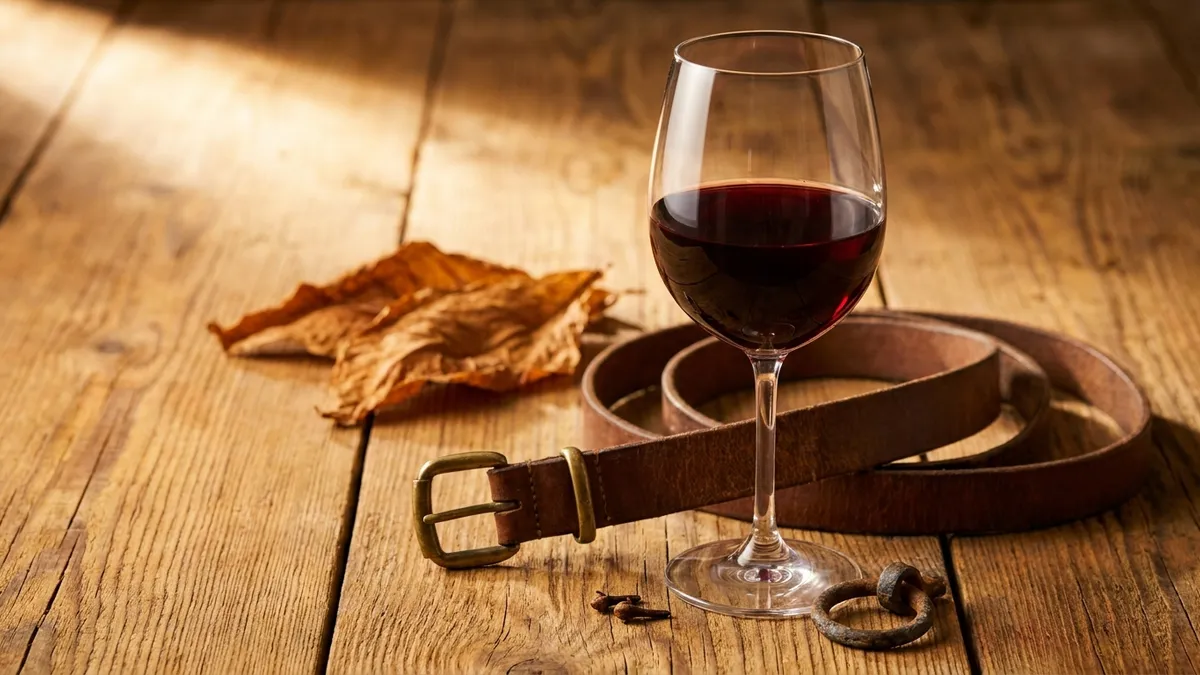
- Wet cardboard or wet newspaper
- Damp basement, musty cellar
- Mouldy old books
- A wet dog or a damp gym bag
Industry estimates put TCA contamination at roughly 2 to 3 percent of cork-sealed bottles, which makes it the most common fault you will meet in a restaurant. Our guide to spotting corked wine walks through the smell in detail.
2. The wine is oxidized
An oxidized wine has been ruined by too much oxygen — usually a failed cork, warm storage, or a bottle that sat too long. The chemistry runs in one direction: ethanol becomes acetaldehyde, then acetic acid, then ethyl acetate. Each step adds a recognizable smell.
What oxidized wine smells and looks like:
- Bruised apple and dried apricot
- Roasted hazelnut or walnut
- Caramel or sherry-like nuttiness
- A flat, lifeless palate with no fresh fruit
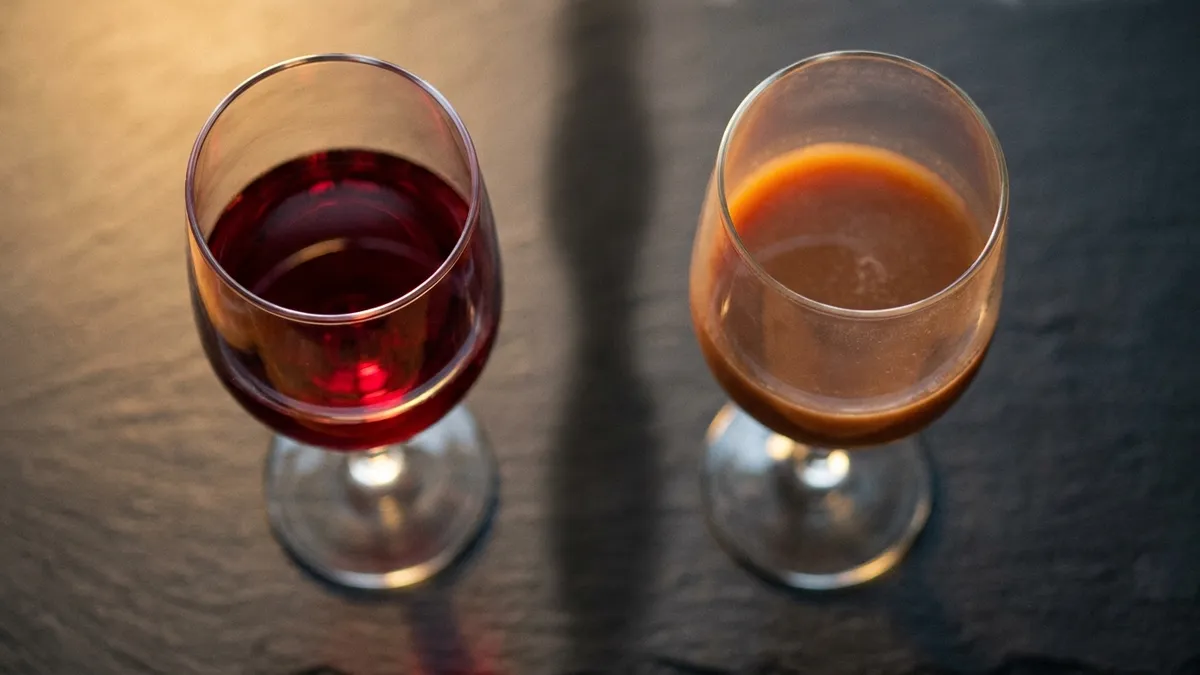
- A color shift — whites turn deep gold or amber, reds turn brick or rust
Oxidation is sometimes intentional in fortified styles like Sherry, Madeira, and Tawny Port, but in a young still wine those notes are a fault. Our oxidized wine explainer goes deeper into the three-stage progression and how to tell a fault from a style.
3. The wine is heat-damaged or cooked
Wine cooks when a bottle sits in the sun on a delivery truck, in a warm warehouse, or behind a hot bar. Heat accelerates oxidation and pushes the cork upward as the liquid expands. The aromas turn jammy and stewed; the wine loses its shape.
What cooked wine looks and smells like:
- Stewed fruit — prune, fig, raisin where there should be fresh cherry or plum
- A jammy, syrupy quality with no lift
- A cork that has been pushed up against the foil capsule
- Sometimes a sticky residue at the top of the bottle from leaked wine
A cooked bottle is undrinkable as the producer intended it. Restaurants that store wine carelessly — too close to a kitchen line, in an unconditioned room, on a sunny window shelf — produce more cooked bottles, and those bottles are fair game for return.

Bonus: severe Brett or volatile acidity
Two more faults occasionally cross the threshold. Brettanomyces is a yeast that adds barnyard, bandage, or sweaty leather notes. A trace can be charming; a wave of it overwhelms the wine. Volatile acidity smells like nail polish remover or sharp vinegar. Both are legitimate returns when severe — but they are subtle, and most diners will never need to call them out.
The Three Invalid Reasons to Send Wine Back
The flip side of the rule is just as important. Restaurants will not — and should not — replace a wine for any of the following reasons.
1. "I just do not like the style"
If the wine is correctly described, fault-free, and matches what was on the list, your preference is your responsibility. Burgundy is light. Barolo is tannic. German Riesling is often off-dry. None of those are faults. Taste before ordering, ask the sommelier for a steer, or read a quick guide on how to describe wine so you can tell the staff what you actually want next time.
2. "It is not what I expected"
A wine that does not match your expectations is not a faulty wine. Expectation gaps come from unfamiliar styles, unfamiliar producers, or vintages that drink differently. The cure is information up front, not a return after the fact. Asking three short questions — "is this fruity or savory?", "is this light or full?", "is this dry or off-dry?" — solves most expectation problems before the cork comes out.
3. "It is too expensive"
Money concerns belong before ordering, not after pouring. Once the bottle is open, the restaurant cannot resell it. If a list is unfamiliar, ask the sommelier for a recommendation under a number you actually want to spend — that conversation happens cleanly only before the bottle is opened.
The Restaurant Tasting Ritual, Decoded
Most diners feel awkward during the small tasting pour because nobody ever explained what it is for. Here is the ritual translated step by step.
Step 1 — The bottle is presented
The server brings the bottle to the table, label facing you. Confirm three things: producer, vintage, and bottling. If anything looks wrong — wrong year, wrong cuvée — say so before the cork is pulled. Once it is open, the conversation gets harder.
Step 2 — The cork is pulled
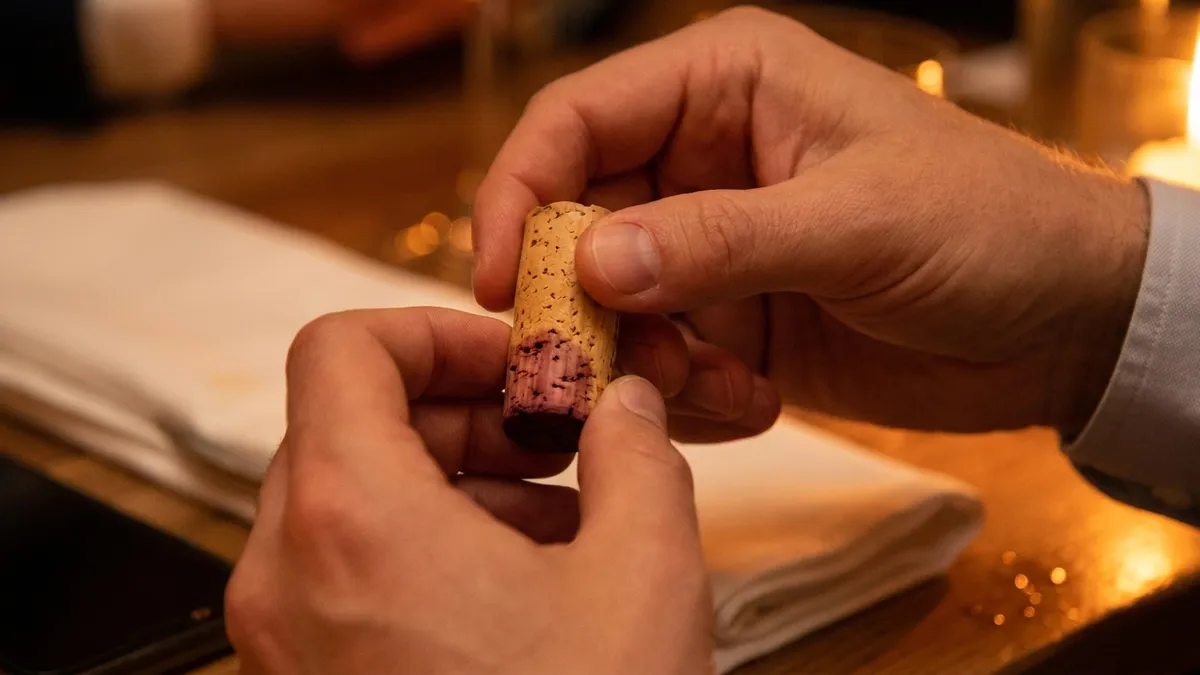
Many sommeliers will sniff the cork briefly. You do not need to. The cork tells you almost nothing about whether the wine is corked. The aroma in the glass tells you everything.
Step 3 — The host pour
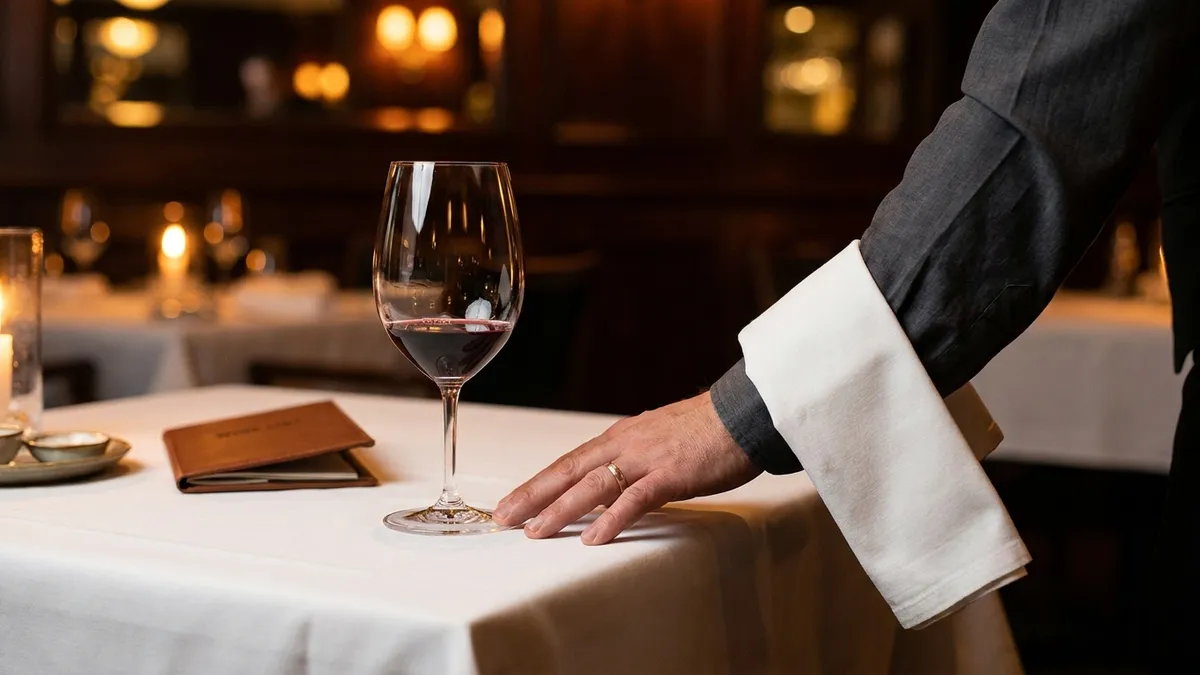
The server pours roughly an ounce into your glass. This is a fault check, not a preference vote. Smell first — swirl gently for ten seconds, lower your nose into the glass, inhale. Then take a small sip. You are answering a single question: is this wine sound?
If you smell wet cardboard, bruised apple, or stewed fruit, you have permission to flag it. If the wine smells like cherries and pepper and you simply do not love cherries and pepper, the wine is sound and the moment is closed.
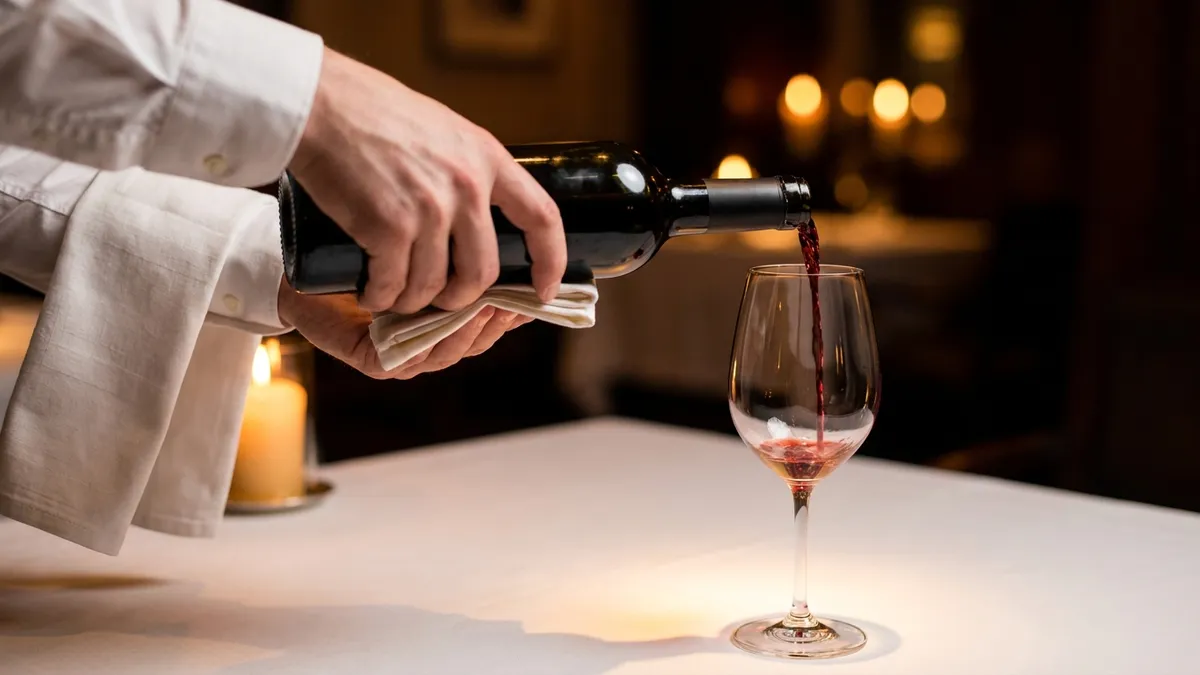
Step 4 — Approve or flag
Approving is simple: a quick nod or a single phrase like "thank you, this is fine." The server pours the table. Flagging is just as simple: "I think this might be corked — could you taste it?" That single sentence triggers everything that follows.
Exact Words for Sending Wine Back
The right script is short, specific, and matter-of-fact. Specificity is what separates a credible flag from a vague complaint.
Corked
"Excuse me, I think this wine might be corked. It smells of wet cardboard, and the fruit feels muted. Would you mind tasting it?"
Oxidized
"I think this bottle might be oxidized. The color looks brown, and I am getting bruised apple instead of fresh fruit. Could you check?"
Heat-damaged
"This wine smells cooked to me — stewed fruit, almost jammy. The cork looks slightly pushed too. Could you taste it?"
The pattern is the same in every case: name the fault, give one or two sensory clues, hand the wine to the staff to confirm. No apology, no anger. Sommy's free guides on smelling wine and identifying faults by smell build the vocabulary that makes these sentences feel natural rather than rehearsed.
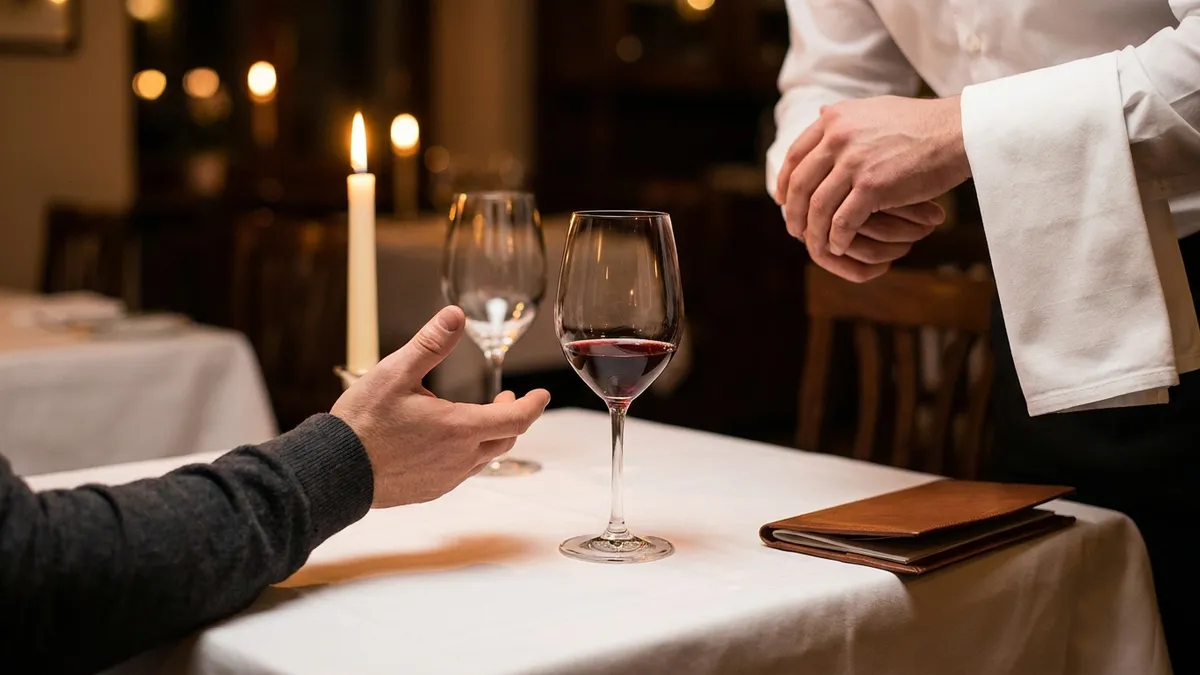
What Restaurants Do With Returned Bottles
Diners often hesitate to send wine back because they imagine the bottle being a total loss for the restaurant. The reality is gentler.
A confirmed corked or oxidized bottle usually goes to the dump bucket. The restaurant pulls a fresh one and logs the original for the importer. Many distributor agreements credit the restaurant for documented cork-taint returns, so the financial hit is often partial or zero.
Sound bottles that come back for non-fault reasons are harder to absorb. They end up as staff education, by-the-glass product, or a write-off. That asymmetry is why faulty returns are accepted gracefully and preference returns are not.
What to Do When the Sommelier Disagrees
Disagreement is rare in good restaurants because the upside of replacing a bottle dwarfs the downside of losing a guest. When it happens, stay calm and walk through it cleanly.
First, ask the sommelier to taste again with full attention. Some lighter cork taint sharpens with the second pass. Second, describe exactly what you are smelling — wet cardboard, bruised apple, stewed fruit — instead of saying "it just tastes weird." Third, if the sommelier still disagrees and you still believe the wine is faulty, ask for the manager. The manager almost always swaps the bottle.
If the disagreement persists and you are forced to decide whether to drink the wine or accept the charge, trust your nose. Reading our notes on common tasting mistakes helps you separate genuine fault-flag confidence from over-reading a wine you simply did not enjoy.
The Ethical Lines Around Sending Wine Back
A few situations sit at the edge of the rule. They deserve their own boundaries.
Half-empty bottles
A bottle that is now half-empty is hard to send back, unless the fault was masked at first and only revealed itself later. If a hidden fault genuinely emerged — a quiet TCA taint that became obvious as the wine warmed — flag it immediately, but expect a more careful conversation.
Pairing problems
A wine that clashes with the dish is a pairing failure, not a wine fault. The pairing collapse is on the diner or on the recommender. Asking the sommelier for a glass that bridges the dish helps far more than sending the bottle back.
BYOB and corkage
A bottle you brought yourself is your bottle. If it is corked, that is your bad luck. Restaurants charge corkage for service — opening, glassware, pouring — not for sourcing or storage. The exception is a flat-out service mistake, like a server who knocked the bottle over.
A Practical 30-Second Tasting Routine
The single best thing you can do at a restaurant table is run the same short routine on every bottle. With a few months of practice, the whole thing takes less than a minute.
- Look — check the color in the glass against a white surface. Brown where there should be ruby is a warning sign.
- Swirl — three rotations on the table to release aroma.
- Smell — lower your nose into the glass and inhale gently. Look for fresh fruit. Flag wet cardboard, bruised apple, or stewed jam.
- Sip — a small sip to confirm the palate matches the nose. Sound wines are clean, lively, and balanced.
- Decide — nod to approve, or name the fault and ask the server to taste.
The routine is the entire skill. Building it once gives you the confidence to send wine back when you should and to leave it alone when you should not.
Building the Palate That Sends Wine Back Confidently
Most diners avoid sending wine back because they do not trust their own nose. That is fixable. Sommy's faults learning track and our wider tasting vocabulary cheat sheet cover the faults you actually meet at the table — not theoretical ones from a textbook.
Confidence at the restaurant table is a downstream effect of a trained palate. Spend an hour with a structured course and the moment a corked bottle lands in front of you, the answer comes automatically. The Sommy app turns the same skill into a guided, ten-minute practice loop you can run any evening at home. The full curriculum is at sommy.wine.
The Quiet Confidence of Knowing the Rules
Sending wine back is one of those small restaurant moments that separates confident drinkers from anxious ones. The confident table flags a fault in fifteen seconds and gets back to dinner. The anxious table either drinks a bad wine in silence or argues over a sound one out of distrust.
The path between the two is exactly the routine in this guide. Know the three faults that justify a return. Know the three reasons that do not. Use the small tasting pour as the fault check it was designed to be. Trust your nose, and let the sommelier do their job.
The right to send wine back belongs to every diner. Use it well, use it rarely, and the rest of the meal will reward you.
Frequently Asked Questions
Can I send wine back at a restaurant if I just do not like it?
No, not honourably. The small tasting pour is for fault-checking, not preference. Once the wine is open, the restaurant cannot resell it, and the cost lands somewhere — either on staff training, on you eventually, or on other guests through higher prices. If style matters to you, taste before ordering or ask the sommelier for a recommendation. Disliking a correctly described wine is on you, not the bottle.
What are the actual valid reasons to send a wine back?
Three classic faults justify a return. First, corked wine — TCA contamination that smells of wet cardboard or damp basement and strips out fruit. Second, oxidized wine — bruised apple, brown color, flat dead palate, where oxygen has wrecked the bottle. Third, heat-damaged or cooked wine, where stewed-fruit aromas and a pushed cork show the bottle has been baked in transit or storage. Severe brett or volatile acidity that overwhelms the wine also counts.
How do I politely tell a server the wine is faulty?
Stay matter-of-fact and specific. Try: 'Excuse me, I think this wine might be corked — it smells of wet cardboard. Could you taste it?' Naming the fault and asking the server to confirm is more constructive than a vague 'something is off.' A trained sommelier or server will taste, agree or disagree, and replace the bottle. Apologetic mumbling and aggressive complaining both make the moment harder than it needs to be.
What does the small tasting pour at the start actually mean?
The host pour is a fault check, not a preference vote. The server pours an ounce so you can confirm three things: that the wine is the bottle you ordered, that it is not corked, and that it is not oxidized or cooked. A nod or a quick 'thank you, this is fine' approves the pour. It is not the moment to renegotiate based on whether you wanted something fruitier.
What happens to a bottle after it is returned for a fault?
Most restaurants pour faulty bottles into the dump bucket and reach for a fresh one. Importers and distributors often credit the restaurant for confirmed cork-taint returns, so the financial hit is smaller than diners imagine. A perfectly drinkable wine you simply disliked is harder for the restaurant to absorb, which is why faulty returns are accepted gracefully and preference returns are not.
What if the sommelier disagrees that the wine is faulty?
Ask them to taste again, calmly, and describe what you smell — wet cardboard, bruised apple, stewed fruit. A second taste with fresh attention often resolves the disagreement. If the sommelier still disagrees and you still believe the wine is faulty, you can ask for a manager. In good restaurants this almost never happens, because the upside of replacing a $40 bottle is far smaller than the downside of losing a guest.
Can I send a wine back if I brought it as BYOB or paid corkage?
If you brought the bottle yourself, the fault is your problem, not the restaurant's. The kitchen had no role in storing, sourcing, or selecting the bottle, and a corkage fee covers service, not curation. The same goes for bottles bought at a wine shop and opened at home. Faults are part of the small statistical risk of buying wine, and only restaurants that sold you the bottle owe you a replacement.
Are sending-back norms different in Europe versus the United States?
Lightly, yes. In France and Italy, sommeliers often catch faults before serving and quietly replace the bottle without involving the diner. In casual American dining where staff training varies, fewer servers know how to detect TCA, so the diner has to be the first checkpoint. The mechanics are the same everywhere — only the question of who notices first changes by context.
Sommy Team
LinkedInFounder & Wine Educator
The Sommy Team is building the world's most approachable wine education app, helping beginners develop real tasting skills through structured courses and AI-guided practice.