Oxidized Wine: What It Smells Like and How It Happens

By the Sommy Team — AI-assisted, human-edited.
Updated Apr 29, 2026
Contents (11)
- The Bottle That Smells Like Bruised Apple Instead of Fruit
- Oxidized Wine, in 90 Seconds
- What Is Actually Happening Inside the Bottle
- The Three Stages of Oxidation
- The Visible Color Change
- The Four Main Causes of Oxidation
- Style or Fault: The Crucial Distinction
- A Practical At-Home Test
- Telling Oxidation Apart from Other Faults
- What to Do When You Find an Oxidized Bottle
- Building the Reflex Once, Keep It Forever
TL;DR
Oxidized wine is the result of too much oxygen reacting with alcohol to form acetaldehyde, then acetic acid, then ethyl acetate. Mild oxidation smells of bruised apple and sherry. Moderate oxidation smells vinegary. Severe oxidation smells like nail polish remover. Sherry, Madeira, and Tawny Port are intentionally oxidative styles.
The Bottle That Smells Like Bruised Apple Instead of Fruit
Sooner or later, every wine drinker pours a glass and finds something cooked where the fruit should be. The cherries are gone. There is a nutty, almost sherry-like quality, and the wine feels flat in a way that is hard to name. That bottle is oxidized wine, and learning to recognize it is one of the most useful skills a beginner can build — partly because the fault is so common, and partly because the same chemistry, in different hands, makes some of the most prized wines in the world.
Oxidation is not microbial spoilage. It is chemistry. Oxygen meets ethanol, ethanol becomes acetaldehyde, and a fresh wine begins to taste like bruised apple. Push the reaction further and you get acetic acid, which smells like vinegar. Push it further still and you get ethyl acetate, which smells like nail polish remover. The same three-step ladder explains every oxidized bottle you will meet.
Oxidized Wine, in 90 Seconds
Oxidized wine is wine that has been exposed to too much oxygen. The reaction starts as soon as oxygen reaches the liquid, and it produces a recognizable progression of smells: first bruised apple, sherry, and roasted hazelnut, then vinegar and pickle juice, finally nail polish remover and harsh solvent. Color shifts in parallel — whites turn deep gold, amber, then brown; reds shift from ruby to brick to rust. Mild oxidation reads as flat, dried, and sherry-like. Moderate oxidation reads as sour and raisiny. Severe oxidation is undrinkable. The fault is most often caused by a failed cork, warm storage, or a bottle left open too long, but Sherry, Madeira, and Tawny Port use the same chemistry on purpose to create their signature nutty, dried-fruit character.
What Is Actually Happening Inside the Bottle
Wine is alive with reactive molecules, and oxygen is the most consequential of them. A wine exposed to excess oxygen evolves through a predictable chemical sequence in the wrong direction.
The first reaction turns ethanol (the alcohol in wine) into acetaldehyde (the compound responsible for the bruised-apple, sherry-like aroma). A clean wine has a small, balanced amount of it, mostly bound up by sulfur dioxide. An oxidizing wine accumulates free acetaldehyde fast, and the smell rises out of the glass as cooked apple and warm hazelnut.
Push the reaction further and acetaldehyde converts into acetic acid — the same compound that defines vinegar. Push it further still and acetic acid combines with the remaining ethanol to form ethyl acetate, which smells like nail polish remover. The ladder is one-way.
Why Sulfur Dioxide Matters Here
Most wines are bottled with a small dose of sulfur dioxide (SO2 — a preservative that binds with acetaldehyde and slows oxidation). SO2 is the reason a bottle of Chardonnay does not taste like sherry the day after pressing. Low-sulfite natural wines are more vulnerable to oxidation, which is part of why many natural-wine bottles read as funky or sherry-like even when fresh.
The Three Stages of Oxidation
Oxidation is not a single fault but a progression. Recognizing the stage tells you whether the bottle can still be useful in the kitchen, whether it should go back to the shop, or whether it just needs to go down the sink.
Stage 1: Mild Oxidation (Acetaldehyde Dominant)
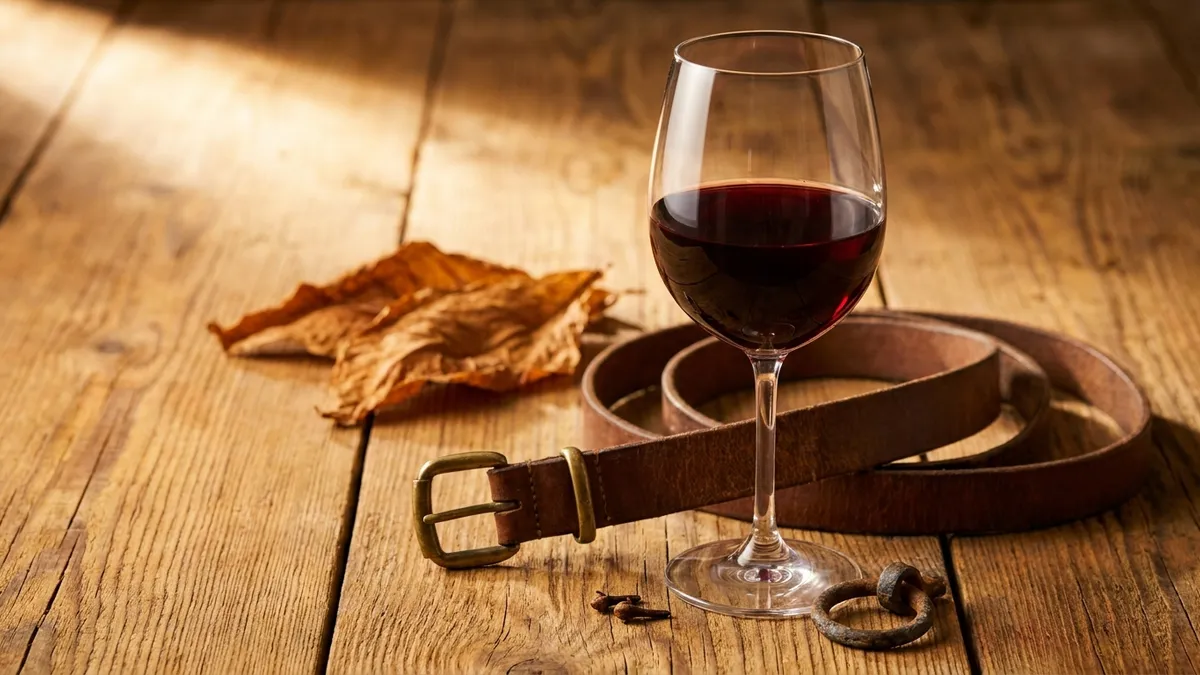
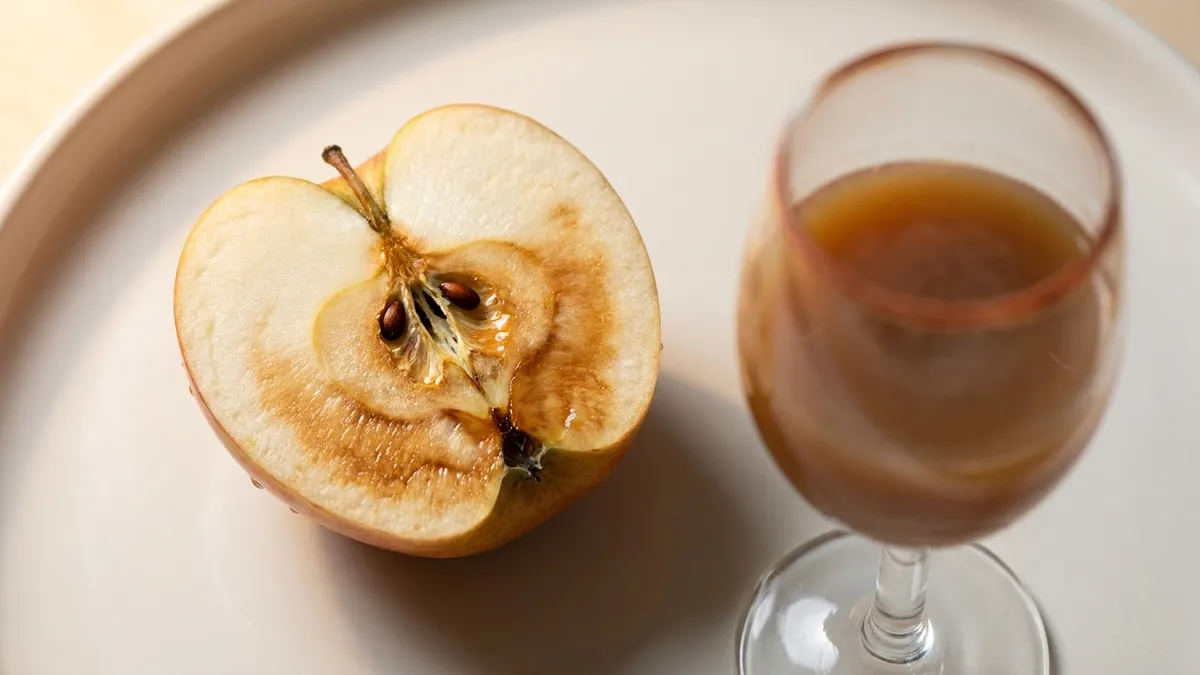
The wine still tastes like a wine, but the fruit has flattened. The nose moves toward bruised apple, dried apricot, walnut, almond paste, candle wax, and a soft sherry-like edge. The palate feels dried out — the acidity is dulled and the finish drops away. A mildly oxidized wine is rarely actively unpleasant, just flat and lifeless compared to a clean version of the same bottle.
This stage is what you find in a bottle that has been open three or four days too long, in a wine with a slightly compromised cork, or in a bottle stored a little too warm. Mild oxidation is also exactly what you want in a Fino Sherry or a 10-year Tawny Port. Same chemistry, different intent.
Stage 2: Moderate Oxidation (Acetic Acid Creeping In)
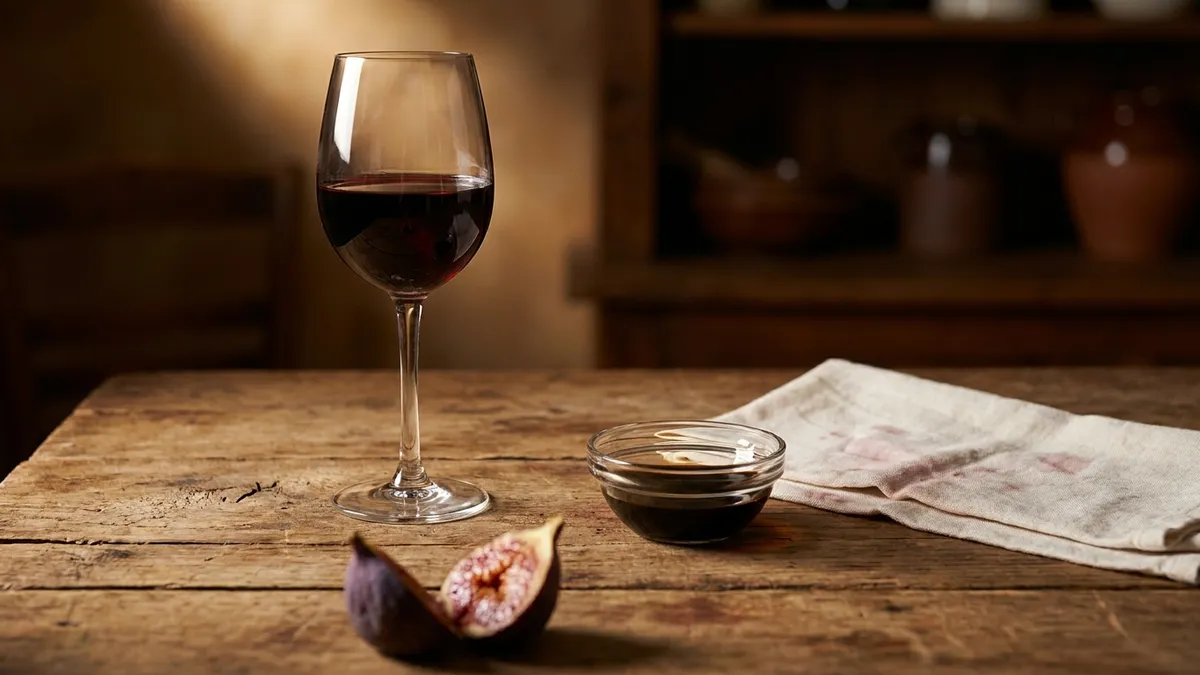
Now the wine smells sour. The bruised-apple note is still there but a sharper, vinegary edge has joined it. Raisin, prune, and dried fig take over from fresh fruit. The palate feels both flat and sharp at the same time. A wine at this stage is usually undrinkable, though traditional Tokaj or long-aged Madeira can carry surprisingly volatile, pickled notes and still feel intentional.
Stage 3: Severe Oxidation (Ethyl Acetate)
The nose hits you with nail polish remover, a chemical solvent edge that stings. Some bottles smell of model glue or paint thinner. The fruit is completely gone. There is no rescue path here. Pour it out. Severe oxidation is rare in commercially sealed bottles unless storage has been bad for a long time, but it is common in any wine left open for weeks without refrigeration.
The Visible Color Change
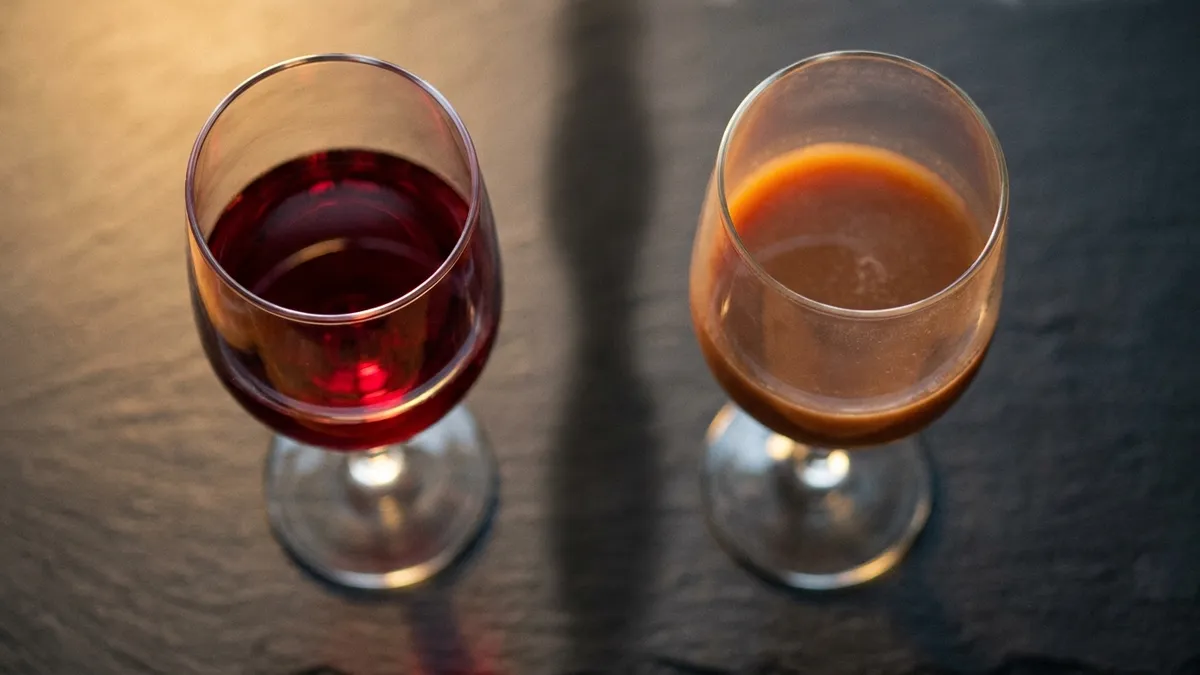
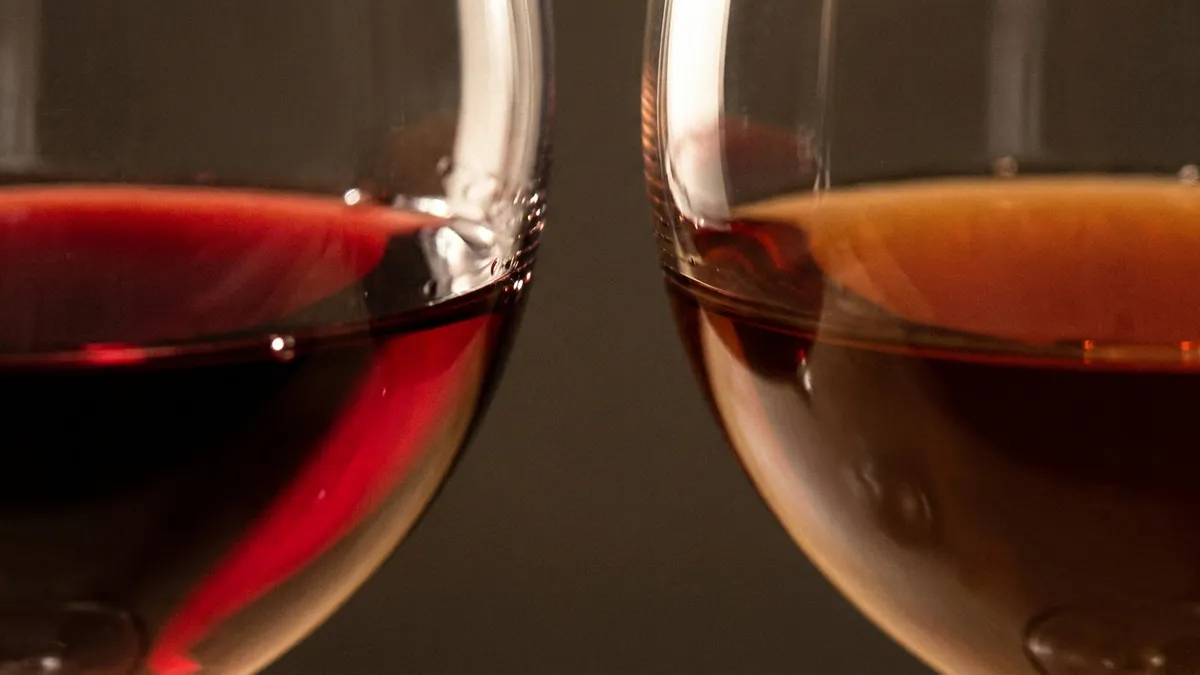
Oxidation changes how a wine looks long before you sniff. White wines move from pale lemon toward deep gold, then amber, then brown. Reds move from ruby and purple toward brick, garnet, and finally a dull rust-orange. The shift is gradual but unmistakable when you see it side by side.
Color alone is not a verdict. Aged wines naturally darken (whites) and lighten toward brick (reds) over the decades, and a brick-rim Burgundy at thirty years old can be perfectly clean. The combination of color change plus dried fruit and nutty aroma is what tells you the bottle has gone too far. For a deeper walkthrough of what hue and rim mean in tasting, see our guide to wine color and age — color is one of the four pillars of structured evaluation alongside aroma, palate, and finish.
A bottle that has shifted color and lost its fresh fruit is oxidized. A bottle with a darker color but bright fruit is just old. The two are not the same.
The Four Main Causes of Oxidation
Oxidation can sneak in through several different doors. Knowing which one is which helps you trace the problem and adjust your buying or storage habits.
1. Cork Failure
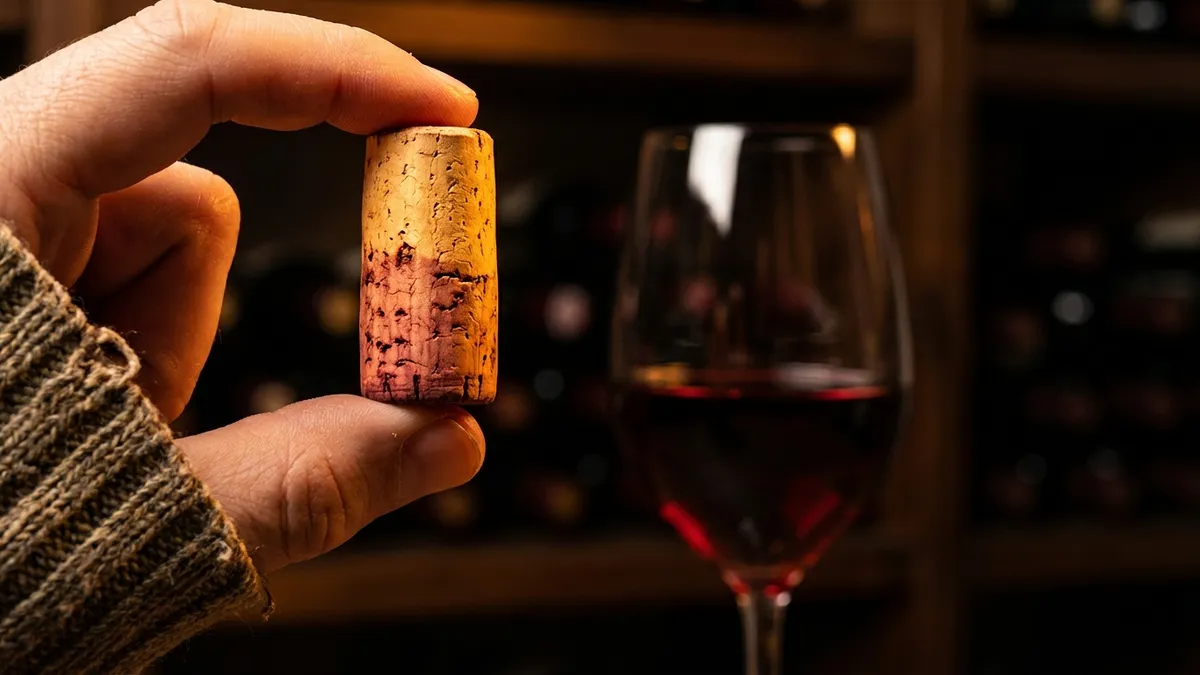
A natural cork is meant to seal almost perfectly while still allowing a tiny, slow exchange of air. When a cork dries out, breaks, or is poorly made, the seal fails and oxygen flows in faster than the wine can absorb. A pushed-up cork, wine seeping past the foil, or a low fill level after only a few years of cellaring are all warning signs.
Stored on its side, a cork stays moist and supple. Stored upright in a warm room for years, it dries and shrinks. This is why proper bottle storage is on its side or near-horizontal.
2. Improper Storage
Heat, light, and vibration all accelerate oxidation reactions. A bottle that spends a summer in a sunny kitchen or a car trunk can develop a "Madeirized" character — flat, cooked, dried-fruit notes from oxidation plus heat damage running together. The name comes from real Madeira wine, which is intentionally heat-aged in attics to develop those exact flavors. The trick is that Madeira producers control the process. A bottle of Pinot Noir that bakes in a car does not.
A proper wine cellar holds steady at 12 to 15 degrees Celsius, away from direct light. Most home drinkers can approximate that with a closet on an interior wall or a small wine fridge.
3. Open Bottle Sitting Too Long
Once you pull the cork, oxygen reaches every drop. A still wine in the fridge with a tight stopper holds up two to five days for most styles. Tannic reds and sweet wines last longer because tannin and sugar slow the reaction. Aromatic whites and light reds fade fastest. A small vacuum pump or inert-gas spray slows oxidation by reducing the oxygen in the headspace. Leave that headspace for a week or more and a thin white film yeast can grow on the surface.
4. Bad Winemaking
Sloppy bottling, inadequate sulfite levels, and exposed barrel headspace can all leave a wine oxidized before it ever leaves the winery. Grapes with grey rot add another route: they carry the laccase enzyme, which browns juice even through a normal sulfite dose. When a white built to age browns within a few years of harvest, the fault is called premature oxidation. Low-sulfite natural wines are particularly exposed because their preservation system is thin by design. The chemistry happens regardless of philosophy.

Style or Fault: The Crucial Distinction
This is where beginners get tangled. Oxidation is sometimes the entire point. Sherry, Madeira, Tawny Port, Vin Jaune from the Jura, and many traditional Tokaj wines are intentionally oxidative styles. The bruised-apple, hazelnut, walnut, and dried-apricot notes that signal a fault in a fresh white Burgundy are the signature profile of a Fino, a 20-year Tawny, or a Madeira.
A few quick markers:
- Sherry — Fino and Manzanilla age under a layer of yeast called flor and read fresh, salty, almond-like; Amontillado and Oloroso age with full oxygen and read deeply nutty, raisined, and caramelized.
- Tawny Port — aged in barrel for 10, 20, 30, or 40 years, building dried-fruit, walnut, and toffee notes.
- Madeira — heat-aged and oxidatively aged at the same time; an open bottle can last months.
- Vin Jaune — aged six years under flor in the Jura; curry, walnut, and dried apple.
- Some orange wines — extended skin contact and minimal sulfites push toward a controlled oxidative profile.
For more on the fortified end of this spectrum, see our dessert wine guide and the breakdown of Champagne vs Prosecco vs Cava for the opposite end — a category where oxidation is fought hardest of all.
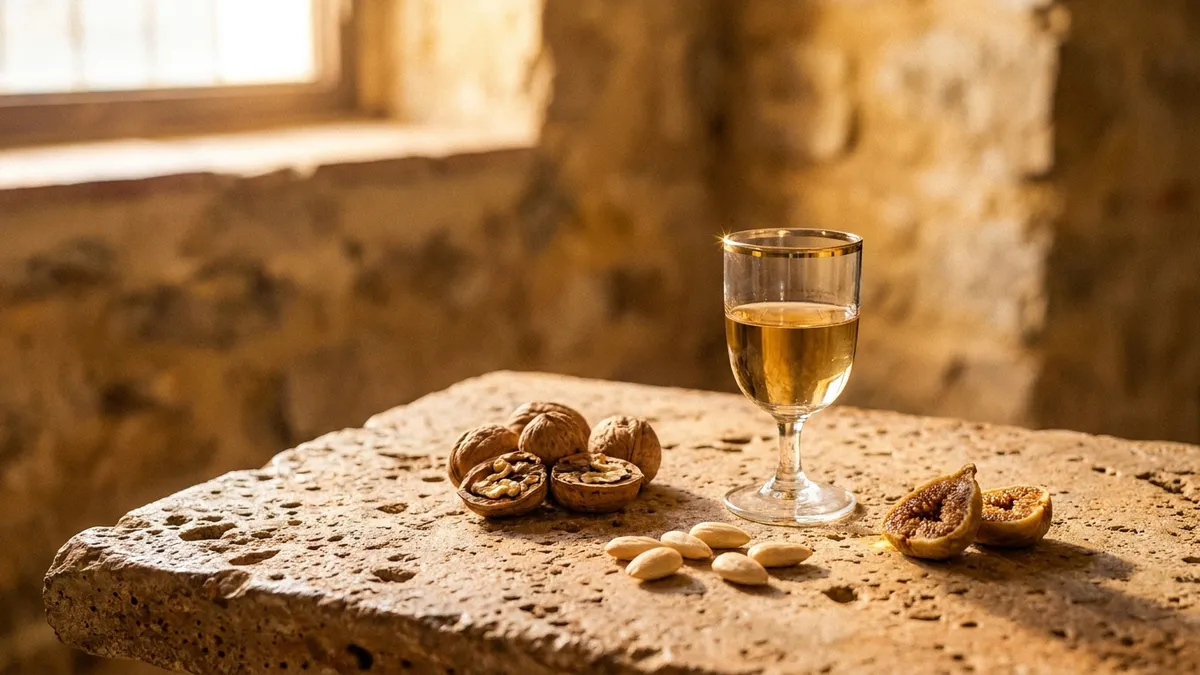
The rule of thumb is simple. If a wine is meant to be fresh and tastes oxidized, it is faulty. If a wine is meant to be oxidative and tastes oxidative, it is doing its job. Sommy walks beginners through both sides of that line in the fault-recognition lessons, so the same nutty note becomes a fault flag in one glass and a style marker in another.
A Practical At-Home Test
The fastest way to lock the smell of oxidation into memory is to make some on purpose. Pour a small amount of any clean white wine into a glass and leave it on the counter, uncovered, for 48 hours. Then sniff it next to a fresh pour of the same bottle.
The shift is dramatic. The fresh glass smells of citrus and orchard fruit. The exposed glass smells of bruised apple, almond, and a soft sherry-like edge. That is mild oxidation in real time. To sharpen the underlying technique that makes any drill work, walk through how to smell wine and the wine tasting vocabulary cheat sheet to put names on what you are catching.
Telling Oxidation Apart from Other Faults
A faulty wine often has more than one thing going on, which makes naming the problem harder for beginners. Oxidation has a clear fingerprint that separates it from the other common faults.
- Oxidation vs cork taint — oxidation is cooked and dried (bruised apple, sherry, nuts); cork taint is musty and damp (wet cardboard, basement, mouldy books). Different temperature words.
- Oxidation vs heat damage — both kill freshness, but oxidation reads as nutty and sherry-like, while heat damage reads as stewed and jammy. Heat damage often pairs with a pushed-up cork; oxidation can show with a normal-looking cork.
- Oxidation vs reduction — these are chemical opposites. Reduction smells of struck matches, rotten eggs, or burnt rubber and often blows off with air. Oxidation smells of bruised apple and gets worse with more air.
The "blows off with air" test is the cleanest way to separate reduction from oxidation. If a wine smells off when you first pour it, swirl vigorously for thirty seconds and wait ten minutes. If the off-note fades and fruit appears, it was reduction. If the off-note holds steady or deepens into more bruised apple, it was oxidation.
What to Do When You Find an Oxidized Bottle
At Home
If the wine is mildly oxidized and the bottle is fresh from a shop, take it back. Most reputable wine shops will replace it, especially if you bring the cork. If the bottle has been open for several days, pour it into a stew, deglaze a pan with it, or work it into a vinaigrette. Mild oxidation cooks beautifully because the bruised-apple character disappears under heat and the acidity remains useful. If the wine has gone vinegary or further, pour it down the sink — no kitchen trick reverses moderate or severe oxidation.
At a Restaurant
When a sommelier pours you a small taste, that ritual exists for exactly this moment. Swirl, sniff, and run through the fault profiles. If the wine smells of bruised apple, sherry, or nuts where it should smell of fresh fruit, name it calmly:
"This wine smells oxidized to me. The fruit is missing and there is a sherry note where I would expect freshness."
Do not call an oxidized wine corked. The two faults are different, and a sommelier will respect a precise diagnosis far more than a generic complaint. Cork taint is wet basement; oxidation is bruised apple. Use the right word and the bottle goes back without friction. For the broader pillar overview of every fault you might meet, the faults learning hub walks through each one with side-by-side comparisons.
Building the Reflex Once, Keep It Forever
Recognizing oxidation feels mysterious the first few times. After two or three encounters, the bruised-apple note jumps out of the glass before you have finished swirling. Beginners often go from "something is wrong, I cannot name it" to "this is oxidized" within a few months of deliberate practice.
Structured aroma training is the shortcut. The Sommy app walks you through fault recognition with real-time feedback, and the underlying technique transfers to every clean wine you taste afterward. To round out the framework — color, aroma, palate, finish — work through how to describe wine and develop your wine palate, which share the nose-first methodology used here.
Visit sommy.wine to start training your nose for every fault, flavor, and style you will meet in a glass. Bruised apple plus missing fruit plus a dulled palate is the entire signature. Once it is in your memory, it is in your memory for good.
Frequently Asked Questions
What does oxidized wine actually smell like?
Oxidized wine smells of bruised apple, sherry-style nuttiness, roasted hazelnut or walnut, dried apricot, candle wax, and caramel. As oxidation deepens, the wine moves toward sour vinegar and finally toward nail polish remover. The fruit you would normally expect is muted or missing, and a flat, dried-out quality takes over the glass.
Is oxidized wine safe to drink?
Yes. Oxidation is a chemical change, not a microbial one, and the resulting compounds are harmless. The wine simply tastes flat, dull, or sherry-like depending on the severity. Even a heavily oxidized wine that has gone toward vinegar is safe to swallow. The only reason to pour it out is that it tastes bad, not because it is dangerous.
Why do some wines smell oxidized on purpose?
Sherry, Madeira, Tawny Port, Vin Jaune, and many traditional Tokaj styles are made through deliberate, controlled oxygen exposure. The bruised apple and nutty notes that signal a fault in a fresh white Burgundy are the entire flavor profile of a Fino or a 20-year Tawny. The same molecules become a feature when the winemaker designs around them.
What causes a wine to oxidize after opening?
Once the cork comes out, oxygen reaches every drop in the bottle. Ethanol slowly oxidizes into acetaldehyde, which is responsible for the bruised-apple character. Heat, light, and a half-empty bottle accelerate the reaction. Most still wines hold up for two to five days in the fridge with a tight stopper before oxidation becomes obvious.
How do you tell oxidation from cork taint?
Cork taint smells musty and damp — wet cardboard, basement, mouldy books. Oxidation smells cooked and dried — bruised apple, sherry, nuts, caramel. Cork taint strips the fruit and leaves nothing in its place. Oxidation strips the fruit and replaces it with nutty, sherry-like notes. They are different faults with different fingerprints.
Can an oxidized wine be saved?
Mildly oxidized wine can still cook well. The bruised-apple character disappears in a stew, deglazes a pan beautifully, or finishes a vinaigrette. Moderately or severely oxidized wine — anything that has crossed into vinegar or nail polish remover — is finished and should go down the sink. There is no kitchen trick that reverses oxidation.
What is the difference between oxidation and reduction?
They are chemical opposites. Reduction comes from too little oxygen and produces sulfur compounds that smell of struck matches, rotten eggs, or burnt rubber. Reduction often blows off with air. Oxidation comes from too much oxygen and produces acetaldehyde and acetic acid that smell of bruised apple and vinegar. Oxidation does not blow off — it gets worse with more air.
Which wines oxidize the fastest after opening?
Low-sulfite natural wines, light reds like Pinot Noir, and aromatic whites like Sauvignon Blanc oxidize within a day or two. High-acid whites with normal sulfite levels last three to five days in the fridge. Tannic reds and sweet wines hold the longest because tannin and sugar both slow the oxygen reaction. Fortified wines can stay open for weeks.
Sommy Team
LinkedInFounder & Wine Educator
The Sommy Team is building the world's most approachable wine education app, helping beginners develop real tasting skills through structured courses and AI-guided practice.