Champagne vs Prosecco vs Cava (Taste, Method, Price)

By the Sommy Team — AI-assisted, human-edited.
Updated Jul 21, 2026

Contents (8)
TL;DR
Cava and Prosecco are both affordable, but Cava is bottle-fermented like Champagne, giving finer bubbles and a drier, nuttier taste, while tank-fermented Prosecco stays lighter and fruitier. Champagne adds long lees aging and a cool-climate pedigree at three to five times the price. Pick Prosecco for brunch, Cava for value bubbles, Champagne for landmark moments.
Champagne vs Prosecco vs Cava: The Quick Answer
The difference between Cava and Prosecco — the pairing most shoppers actually weigh — comes down to method. Cava is bottle-fermented the same way as Champagne, so it pours with fine, persistent bubbles and a dry, citrus-and-almond character. Prosecco ferments in pressurized tanks, which keeps it softer, fruitier, and more floral. Champagne shares Cava's method but adds longer aging, cool-climate acidity, and a famous name — at three to five times the price.
In one line: buy Prosecco to sip something light and fruity, Cava for Champagne-style bubbles on a budget, and Champagne when the occasion deserves the benchmark. These three dominate the shelf, but they are not the whole family — our guide to sparkling wine types maps the rest.
The Master Comparison
| | Champagne | Prosecco | Cava | |---|-----------|----------|------| | Country | France (Champagne region) | Italy (Veneto, Friuli) | Spain (mostly Penedès, Catalonia) | | Method | Traditional (bottle-fermented) | Charmat (tank-fermented) | Traditional (bottle-fermented) | | Main grapes | Chardonnay, Pinot Noir, Pinot Meunier | Glera (minimum 85%) | Macabeo, Xarel-lo, Parellada | | Bubbles | Fine, persistent, creamy | Soft, frothy, lighter | Fine, persistent, creamy | | Signature flavors | Citrus, green apple, brioche, toast | Green apple, pear, white peach, florals | Citrus, almond, earthy, saline | | Sweetness label to seek | Brut or Extra Brut | Brut (Extra Dry is sweeter) | Brut or Brut Nature | | Minimum lees aging | 15 months (36 for vintage) | Weeks, by design | 9 months (18 for Reserva) | | Typical price band | $40–$70 for non-vintage | $8–$15 for DOC | $6–$12 for Cava de Guarda | | Reach for it when | Milestones, fine food, gifts | Brunch, spritzes, aperitivo | Tapas, parties, everyday value |
The rest of this guide takes each pairing head to head — because "which sparkling wine is best" is rarely the real question. The real question is which of two bottles in your hand should go in the cart.
One Method Question Behind Everything
The single most important line in that table is the method row. How a sparkling wine gets its bubbles shapes its texture, flavor, and price more than any other factor.
The traditional method — used for Champagne and Cava — triggers a second fermentation inside each sealed bottle. Winemakers add a dose of yeast and sugar called the liqueur de tirage, and the trapped carbon dioxide dissolves into the wine as fine bubbles. The wine then rests on its spent yeast cells, called lees, where a slow breakdown known as autolysis builds bready, biscuity depth and a creamy mousse. WSET's Level 3 tasting framework files these autolytic aromas under biscuit, bread, and brioche — the signature scents of bottle-fermented wine. Before release, bottles are tilted and turned to collect the lees (riddling), the frozen yeast plug is ejected (disgorgement), and a final sugar adjustment (dosage) sets the sweetness level. The traditional method, step by step, shows how long each stage takes.
The Charmat method — Prosecco's approach, also called the tank or Martinotti method — runs that second fermentation in large pressurized steel tanks instead. Contact with the yeast lasts weeks rather than years, so the wine keeps the fresh, fruity, floral character of the grape (the Charmat method guide explains how the sealed tank works). That is not a shortcut or a flaw: Glera's delicate aromatics are exactly what long lees aging would erase, so the tank method suits the grape better.

The aging minimums are written into law, and they are worth knowing because they explain the price tags. According to the Comité Champagne, the appellation's rules require every non-vintage Champagne to spend at least 15 months in the producer's cellar — including 12 months on lees — and vintage Champagne at least 36 months. Under the Consejo Regulador del Cava's quality framework, updated in 2020, entry-level Cava de Guarda ages a minimum of 9 months on lees, Reserva 18 months, Gran Reserva 30 months, and the single-estate Cava de Paraje Calificado 36 months. Prosecco DOC rules, set by the Consorzio di Tutela della DOC Prosecco, focus on the grape instead: at least 85% of the blend must be Glera.
A third technique worth a nod is the ancestral method, the oldest of all — bottling the wine before its first fermentation finishes, which produces the cloudy, characterful style known as pét-nat.
Cava vs Prosecco: Which Should You Buy?
Cava and Prosecco cost about the same, so choose by style. Cava is bottle-fermented like Champagne: fine persistent bubbles, a drier profile, and citrus-almond-savory flavors that flatter food. Prosecco is tank-fermented: softer bubbles, fresh pear and apple fruit, and an easy floral charm built for casual sipping and cocktails.
| Deciding difference | Cava | Prosecco | |---|------|----------| | Method | Traditional, in the bottle | Charmat, in the tank | | Bubble texture | Fine, steady, creamy mousse | Soft, frothy, lighter fizz | | Flavor direction | Dry, citrus, almond, earthy | Fruity, pear, apple, floral | | Natural habitat | Tapas, seafood, fried food, dinner | Aperitivo, brunch, spritzes |
This is the most common head-to-head at the store shelf, and the pattern to remember is texture versus fruit. Because Cava spends at least 9 months on lees, it picks up a subtle nutty, savory depth and the kind of fine bubble that pricks rather than foams. Poured blind next to Champagne, an aged Cava can be genuinely hard to place. Prosecco plays a different game entirely: it is bottled young precisely so that its orchard-fruit aromatics arrive intact, and its gentle fizz makes it the most refreshing of the three on a warm afternoon.
Sweetness tips the choice too. Most Cava on shelves is Brut — dry — while a large share of Prosecco is Extra Dry, which despite the name carries a touch more sugar and reads noticeably softer. If a bone-dry glass is the goal, Cava Brut Nature is the safer grab; if you want a rounder, friendlier sip, Extra Dry Prosecco delivers it.
So: Cava or Prosecco? For a meal, a toast with dinner, or anyone who loves Champagne's texture, Cava. For a spritz, a mimosa, a picnic, or a crowd of casual drinkers, Prosecco. Our guide to wine for brunch matches each style to eggs, pancakes and smoked salmon. Since the price gap is negligible, keeping one of each on hand is the honest answer.
Prosecco vs Champagne: What Actually Differs?
Prosecco and Champagne differ in method, grape, and ambition. Champagne is bottle-fermented from Chardonnay, Pinot Noir, and Pinot Meunier, aged at least 15 months to build toasty complexity, and priced accordingly. Prosecco is tank-fermented from Glera and released young, trading depth for freshness at roughly a quarter of the price.
| Deciding difference | Champagne | Prosecco | |---|-----------|----------| | Method | Traditional, long lees aging | Charmat, weeks in tank | | Flavor profile | Toast, brioche, citrus, depth | Green apple, pear, florals | | Aging potential | Can improve for years | Made to drink within 1–2 years | | Typical price | $40–$70 non-vintage | $8–$15 DOC |
These two are less rivals than different tools. Champagne's cool northern climate — vineyards sitting about 90 miles northeast of Paris on chalk soils — locks in the high acidity that lets the wine age and carry rich food. Its lees-born brioche and toast character rewards slow sipping from a proper glass. Prosecco's job is immediacy: the best examples from the steep Conegliano Valdobbiadene DOCG hills add minerality and finesse, but even they are built around fresh fruit, not cellar time.
Scale tells the story of how differently the world uses them. The Consorzio di Tutela della DOC Prosecco certified more than 600 million bottles in 2023, roughly double the shipments the Comité Champagne reported for Champagne in the same year — just under 300 million. Prosecco is the everyday pour and the world's cocktail engine; Champagne is the marker of occasions.
One label trap to dodge on both: "Extra Dry" is sweeter than Brut, not drier. The full ladder is covered in our wine sweetness scale guide, and the short version appears below.
Practical verdict: mixing a Bellini, filling glasses for twenty people, or drinking something chilled on a Tuesday — Prosecco, without hesitation. Marking a promotion, pairing with oysters or fried chicken, or giving a bottle that says something — Champagne earns its premium.
Cava vs Champagne: The Value Question
Cava and Champagne share the same traditional method, so their bubbles and creamy texture are close cousins. The differences are grapes, climate, and cost: Cava's Spanish varieties ripen in a warm Mediterranean climate, giving softer acidity and citrus-almond flavors, and its price runs a third or less of Champagne's for comparable aging.
| Deciding difference | Cava | Champagne | |---|------|-----------| | Grapes | Macabeo, Xarel-lo, Parellada | Chardonnay, Pinot Noir, Pinot Meunier | | Climate | Warm Mediterranean | Cool continental, chalk soils | | Aging tiers | 9 / 18 / 30 / 36 months | 15 months minimum, 36 for vintage | | Price for the method | $6–$40 across all tiers | $40–$150+ across NV and vintage |
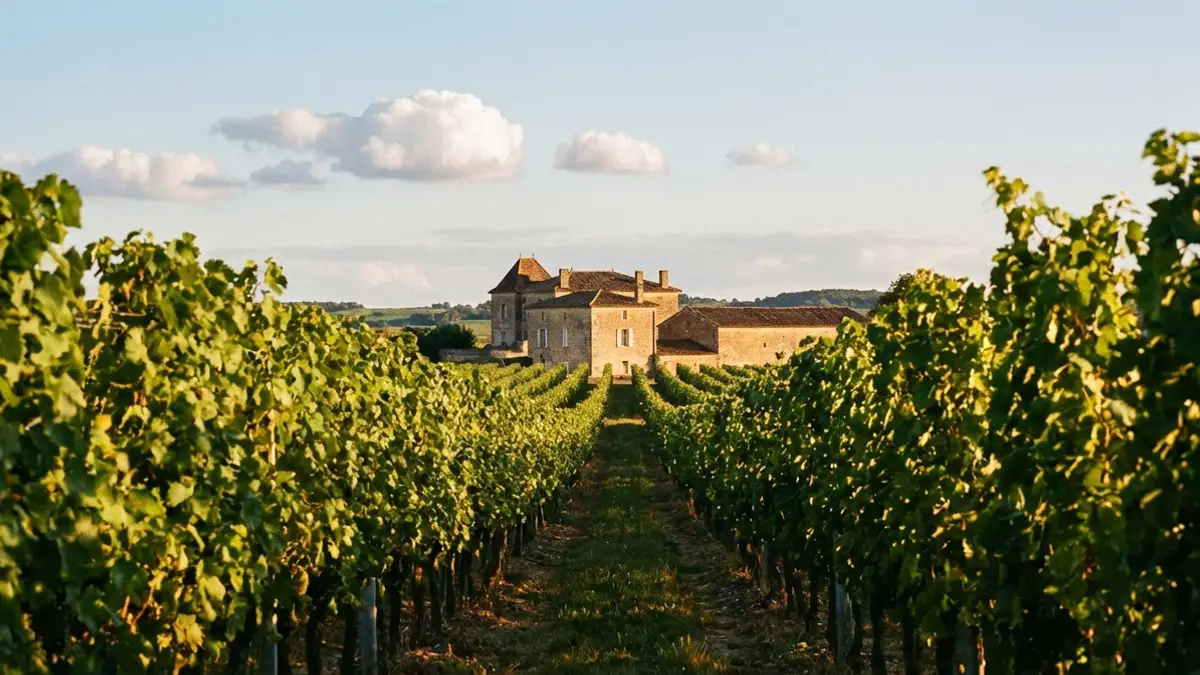
Calling Cava "cheap Champagne" gets it backwards — it is the same technique speaking Spanish. Around Sant Sadurní d'Anoia in Catalonia, where roughly 95% of Cava is made, producers run the full bottle-fermentation playbook: tirage, lees aging, riddling, disgorgement. What changes is the raw material. Xarel-lo, the backbone grape, brings an earthy, faintly saline character you will not find in France, and the sunnier climate means Cava rarely matches Champagne's piercing acidity.
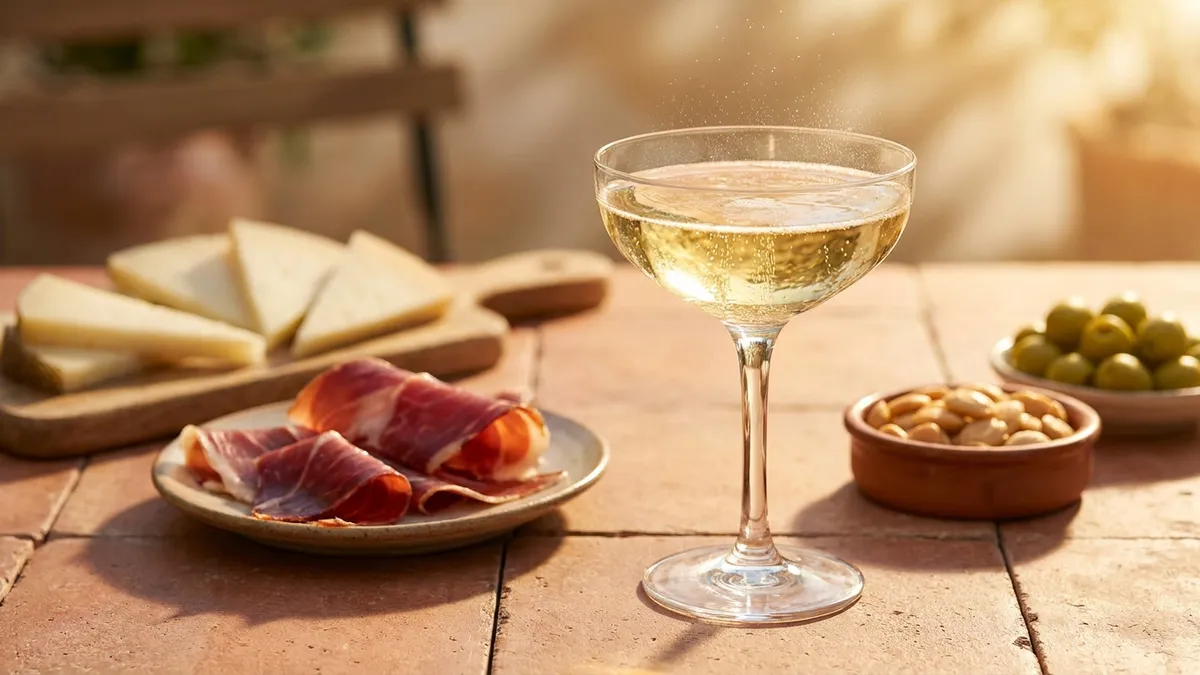
Why is the gap so large if the labor is similar? Vineyard land in Champagne trades at famously extreme prices, its grapes command the highest per-kilo rates in sparkling wine, and non-vintage stock sits in cellars for over a year before earning a cent — costs that Penedès simply does not carry. None of that money is flavor, though the aging is. Which is why the smart-value move sits at the top of Cava's ladder: a Gran Reserva, with its minimum 30 months on lees, offers toasted, nutty, fully mature traditional-method character in the $20–$40 range, where Champagne of equivalent age starts at three figures. For how Champagne's terroir justifies its own case, see our Champagne region guide.
Verdict: for weekly bubbles, big parties, and food-friendly pours, Cava wins on value every time. For maximum acidity, aging potential, and the intangible weight of the name, Champagne remains the benchmark.
The Three Profiles in Brief
Champagne
Made only in the Champagne region of northern France, from Chardonnay (elegance and citrus), Pinot Noir (structure and red fruit), and Pinot Meunier (approachable fruitiness). Styles range from consistent non-vintage blends through single-year vintage bottlings to Blanc de Blancs (all Chardonnay) and Blanc de Noirs (all dark grapes). Expect lemon, green apple, white peach, and the biscuity, toasty depth of long lees aging. Non-vintage typically runs $40–$70; vintage and prestige bottlings climb from there.
Prosecco
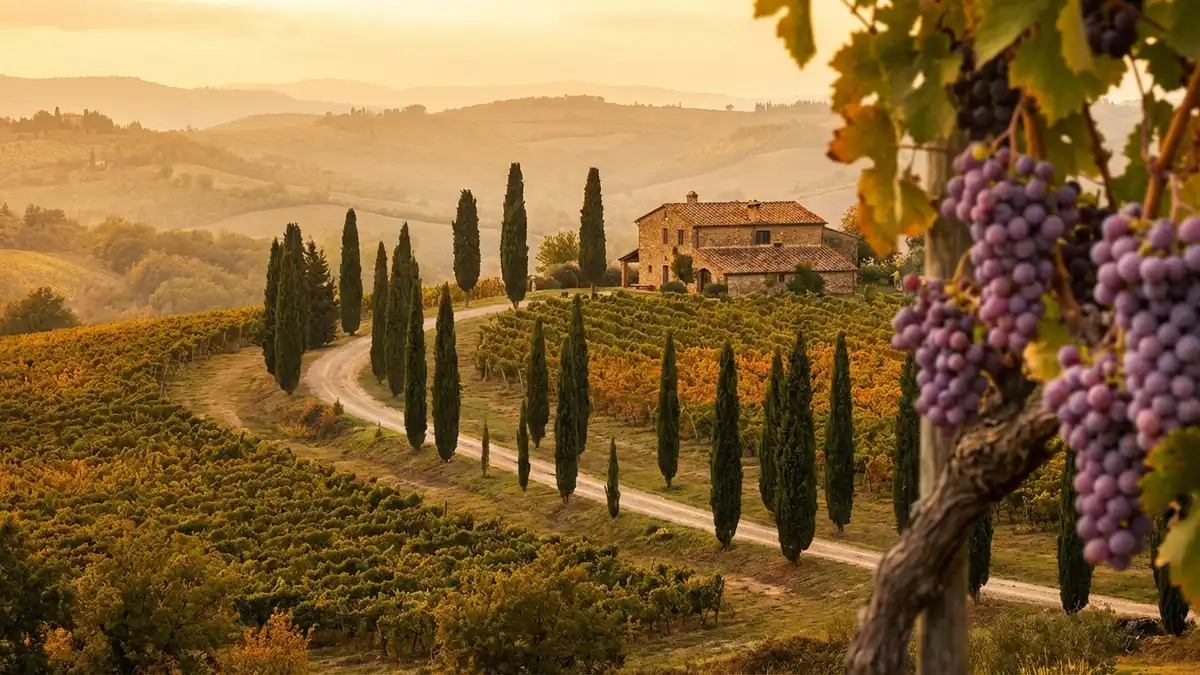
From northeastern Italy, made at least 85% from Glera, an aromatic variety that until 2009 was itself called Prosecco. The broad DOC delivers the familiar fresh, fruity style at $8–$15; the hillside Conegliano Valdobbiadene and Asolo DOCG zones add concentration and mineral lift at $15–$30. Most bottles are fully sparkling Spumante; gently fizzy Frizzante exists too. Expect green apple, pear, white peach, and honeysuckle — light, floral, and immediate.
Cava
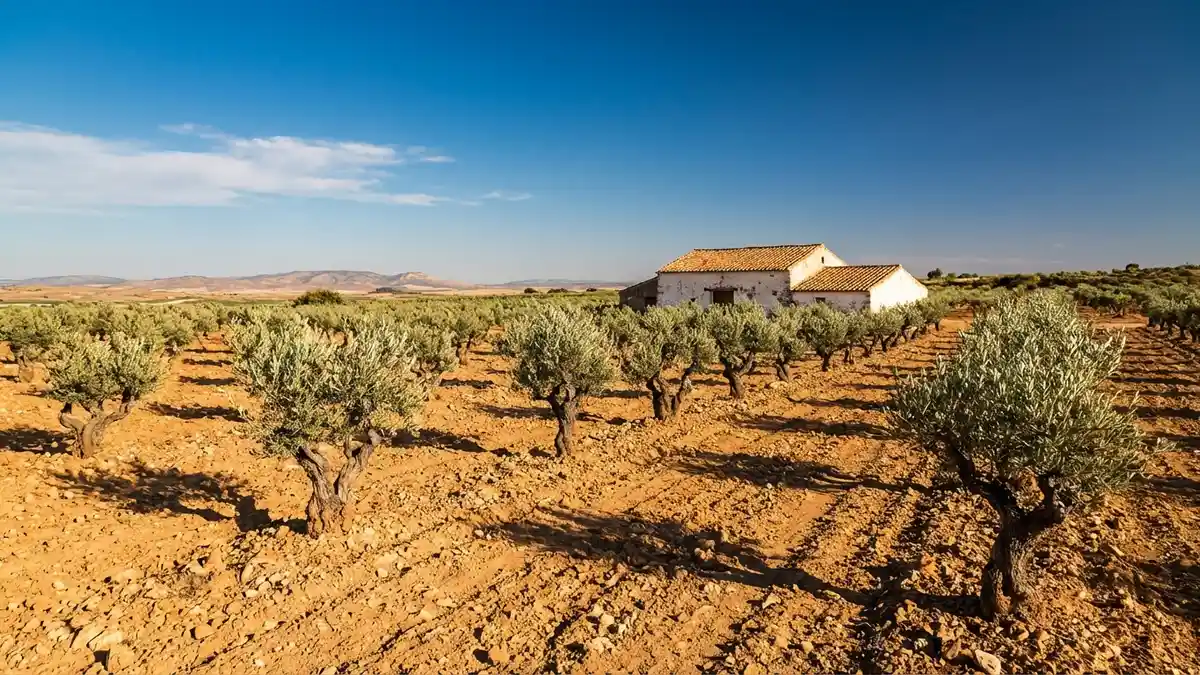
Spain's traditional-method sparkler, overwhelmingly from Penedès in Catalonia, built on Macabeo (freshness), Xarel-lo (body and earthy character), and Parellada (delicacy and citrus). The aging ladder runs Cava de Guarda (9 months, $6–$12), Reserva (18 months, $12–$20), and Gran Reserva (30 months, $20–$40). Expect citrus, green apple, marcona almond, and a dry, faintly saline finish. For a deeper look at the grapes behind all three wines, see which grapes make sparkling wine.
Reading the Label: The Sweetness Codes
All three wines use the same EU-regulated sweetness ladder, and it contains the single most confusing term in sparkling wine: Extra Dry, which is not the driest.
| Label term | Sugar (g/L) | What it tastes like | |---|---|---| | Brut Nature | 0–3, none added | Bone dry, raw and mineral | | Extra Brut | 0–6 | Very dry | | Brut | Under 12 | Dry — the default style | | Extra Dry | 12–17 | Off-dry, softly rounded | | Dry / Sec | 17–32 | Noticeably sweet | | Demi-Sec | 32–50 | Dessert territory |
These bands are fixed by EU sparkling wine labelling rules, so they mean the same thing on a bottle from Reims, Valdobbiadene, or Penedès. If the word "dry" on a wine label has ever felt slippery, our explainer on what dry wine actually means untangles it.
Which One for Your Occasion?
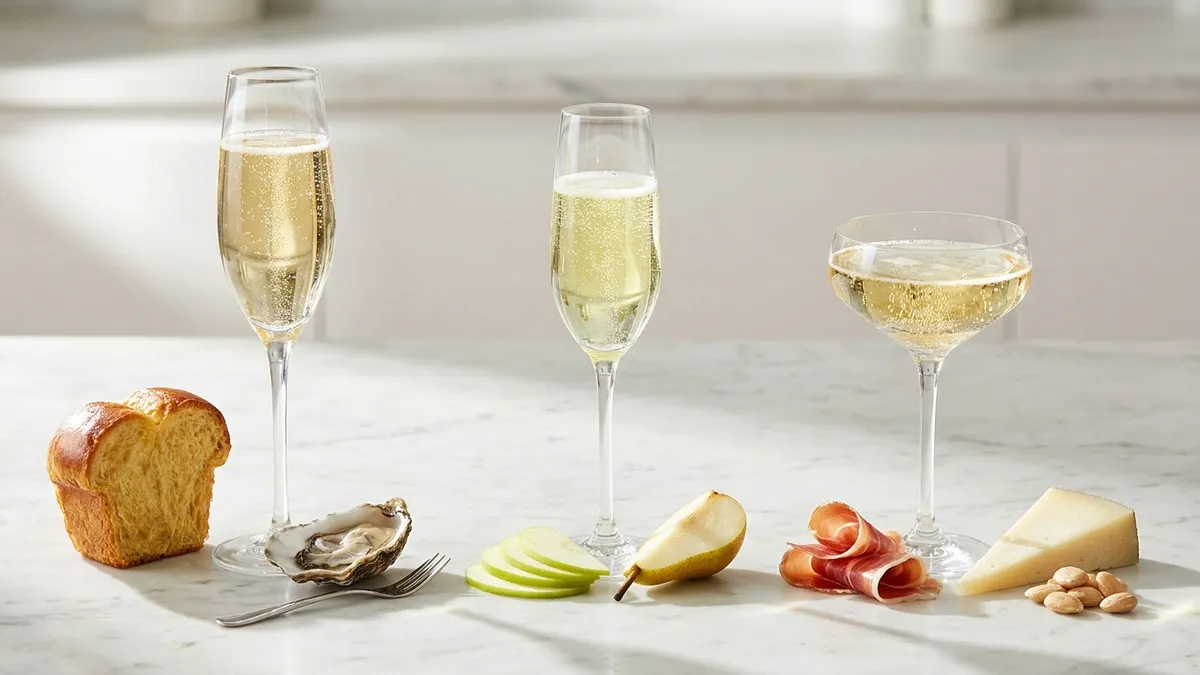
Food on the table. Champagne is the most versatile food partner of the three — its acidity and fine mousse cut through oysters, sushi, fried foods, and aged cheeses. Cava was practically engineered for Spanish plates: jamón, manchego, patatas bravas, grilled seafood, paella. Prosecco keeps to lighter fare — aperitivo snacks, prosciutto and melon, fruit desserts. The logic behind these matches lives in our wine and food pairing guide.
Cocktails. Prosecco, full stop. The Aperol Spritz, the Bellini, and the mimosa were all built around its fruity profile and friendly price. Using Champagne in a mixed drink buries everything you paid for.
Serving. All three want a proper chill — roughly 6–10°C, with simpler Prosecco and Cava at the colder end and complex Champagne slightly warmer so its aromas open. Our wine serving temperature chart has the full breakdown.
Beyond the big three, the same method split organizes the whole category: France's Crémant and Italy's Franciacorta apply the traditional method outside Champagne, England's chalk-soil sparklers now rival the original, and Germany's best Sekt is quietly excellent — all covered in our tour of sparkling wine types.
The fastest way to make these differences stick is not reading — it is tasting them side by side and putting words to what you notice. That guided comparison is exactly what Sommy walks you through: structured tastings that turn "this one feels different" into "this one is bottle-fermented, and here is how I can tell."
Sources
Frequently Asked Questions
What is the difference between Cava and Prosecco?
Cava and Prosecco sit in the same price range but are made differently. Cava is bottle-fermented using the traditional method, the same as Champagne, which gives it finer, more persistent bubbles and a drier, nuttier, more savory character. Prosecco uses the tank (Charmat) method, which preserves fresh green apple, pear, and floral notes with softer, frothier bubbles. Cava tastes closer to Champagne; Prosecco tastes lighter and fruitier.
Cava or Prosecco — which should I buy?
Buy Cava when you want fine, Champagne-style bubbles and a crisp, savory profile for food — tapas, paella, fried dishes, or a dinner toast. Buy Prosecco when you want a light, fruity, easy-drinking sparkler for aperitivo hour, brunch, or cocktails like the Aperol Spritz and Bellini. Prices overlap almost completely, so the decision is about style, not budget.
What is the difference between Prosecco and Champagne?
They differ in method, grapes, and place. Champagne is bottle-fermented in northern France from Chardonnay, Pinot Noir, and Pinot Meunier, then aged on yeast for a minimum of 15 months, which builds toasty, brioche-like complexity. Prosecco is tank-fermented in northeastern Italy from Glera and bottled young to keep its fresh apple, pear, and floral character. Champagne is deeper and creamier; Prosecco is lighter and fruitier.
Is Cava as good as Champagne?
Cava is made with the same traditional bottle-fermentation method as Champagne, so its bubbles and texture can be remarkably close. The differences are grapes and climate: Cava's Macabeo, Xarel-lo, and Parellada grown in a warm Mediterranean climate give citrus, almond, and earthy notes, while Champagne's cool-climate fruit brings sharper acidity and more aging potential. An aged Gran Reserva Cava rivals many Champagnes at a fraction of the price.
Why is Champagne so much more expensive than Prosecco and Cava?
Three reasons stack up: land, labor, and time. Vineyard land in Champagne is among the most expensive in the world, the traditional method requires hand-riddling or machine-assisted bottle aging, and the appellation's rules require at least 15 months of cellar aging before release — 36 for vintage bottlings. Prosecco's tank method takes weeks, not years, and Spanish vineyard land costs far less, so those savings reach the shelf price.
Is Prosecco sweeter than Cava?
Usually, yes. Most Cava is labeled Brut, meaning under 12 grams of sugar per liter, while a large share of Prosecco is labeled Extra Dry, which confusingly means slightly sweeter than Brut at 12 to 17 grams. Prosecco's ripe pear and apple fruit also reads sweeter on the palate even at the same sugar level. If you want the driest style of either, look for Brut or Brut Nature on the label.
Which sparkling wine is best for mimosas?
Prosecco is the classic choice for mimosas because its fresh, fruity profile complements orange juice without being overpowered, and its lower price makes it practical for pitchers. Cava works well too and adds a drier, crisper edge. Champagne is wasted in a mimosa — its subtle toasty complexity disappears under the juice, so save it for drinking on its own.
Sommy Team
LinkedInFounder & Wine Educator
The Sommy Team is building the world's most approachable wine education app, helping beginners develop real tasting skills through structured courses and AI-guided practice.