How to Open a Wine Bottle: Corkscrew, Key, and No-Tool Methods

By the Sommy Team — AI-assisted, human-edited.
Updated Apr 29, 2026
Contents (11)
- The Most Common Wine Mistake Happens Before the First Sip
- How to Open a Wine Bottle, in 90 Seconds
- The Four Corkscrew Types (and Which One to Buy First)
- The Waiter's Friend Technique, Step by Step
- Sparkling Wine Is a Different Sport
- What to Do When You Have No Corkscrew
- Old, Fragile Corks Get the Ah-So
- When the Cork Breaks Anyway
- Common Mistakes That Tear Corks
- A Quick Word on Caring for the Corkscrew
- From Mechanics to Tasting
TL;DR
Knowing how to open a wine bottle starts with cutting the foil cleanly, centering the worm, and using a double-hinge waiter's friend in two smooth lifts. Sparkling wine is the exception — twist the bottle, not the cork, and aim for a soft sigh. With no corkscrew, a long screw and pliers is the safest backup.
The Most Common Wine Mistake Happens Before the First Sip
Most people pour wine before they have actually opened it well. The cork tears, foil ends up in the glass, the Champagne soaks the ceiling, or the worm goes in at a slight angle and shreds the cork into floating crumbs. None of those are catastrophes — but each one is a small tax on the bottle. Knowing how to open a wine bottle with confidence is the first real skill of being a thoughtful host.
The technique transfers fast. After five or six bottles done the right way, it becomes a reflex. You cut foil cleanly, sink the worm straight, lift the cork in one smooth motion, and pour without ceremony. Sparkling wines stop being scary. Old bottles stop being a gamble.
This guide covers the four corkscrew types, the step-by-step technique sommeliers use thousands of times a year, the safe way to handle Champagne, what to do when the cork breaks, and the no-corkscrew backups that actually work.
How to Open a Wine Bottle, in 90 Seconds
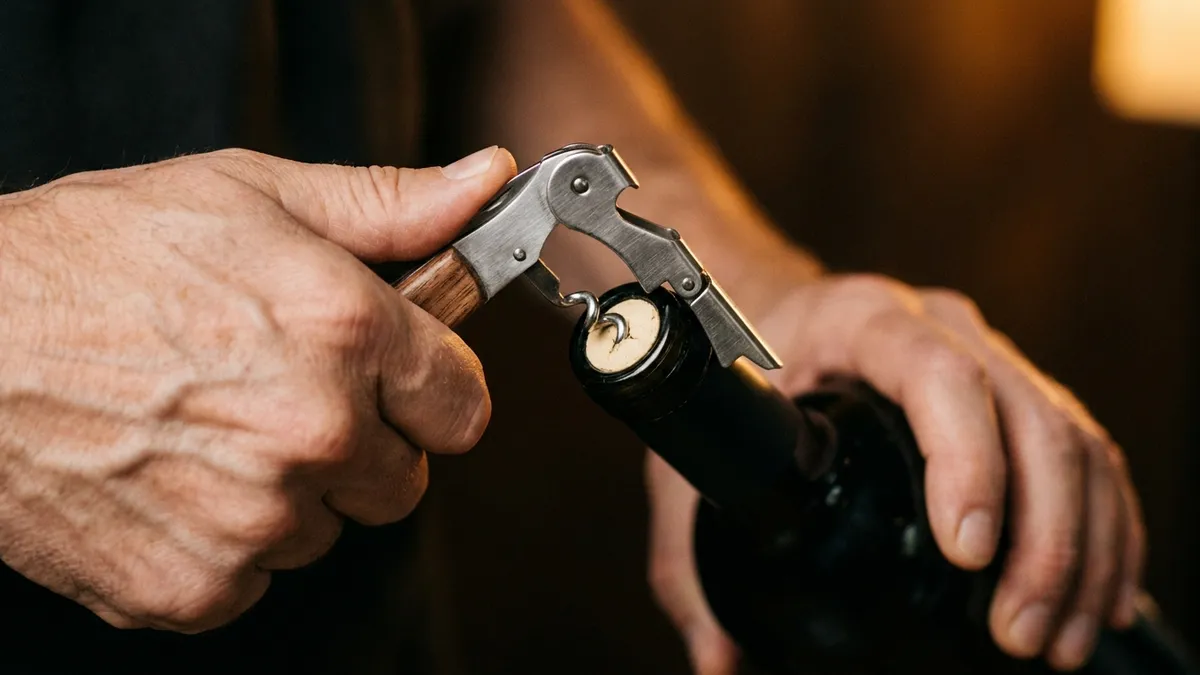
Here is the fast version of how to open a wine bottle for anyone who needs the answer right now. Use a double-hinged waiter's friend. Cut the foil below the lip in two short strokes and lift the cap. Center the worm on the cork and twist straight down until one spiral is still visible. Hook the first notch of the hinge on the lip and lift the cork halfway. Drop to the second notch and lift the rest. Wiggle the cork off the worm. Six steps, under a minute, and it works on 95 percent of still wines. Sparkling and old fragile bottles get their own technique below.

Quick check
One question on what you just read
You are twisting a waiter's friend into a cork. When do you stop?
Tap an answer to see how you did.
The Four Corkscrew Types (and Which One to Buy First)
Four corkscrew families show up on kitchen-store shelves. For electric, self-pulling and mounted models too, see our guide to the types of corkscrews. They work differently and are not equally good. If you only own one for the next decade, the answer is almost always the first on this list.
Waiter's Friend (Sommelier Knife)
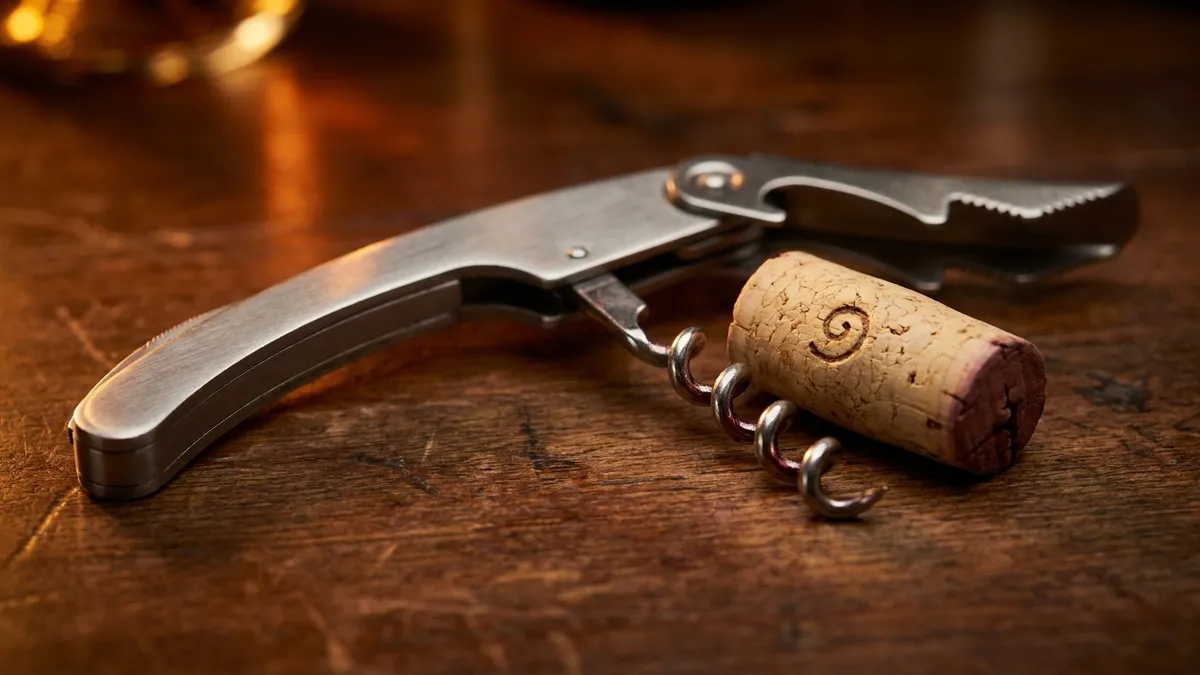
The waiter's friend is the small folding tool every restaurant server keeps in a pocket. Three parts: a small foil cutter, a spiral worm, and a hinged lever that hooks onto the bottle lip. The best ones use a double-hinge design that lifts the cork in two stages — gentler on the cork, easier on your wrist, almost impossible to break.
A quality waiter's friend costs about the price of a decent bottle and lasts decades. Compact, fast, and able to handle any cork length. If you only buy one corkscrew for the next ten years, buy this one.
Winged Corkscrew
The winged corkscrew has two arms that rise as you twist the top. Push the wings back down and the cork extracts. It feels easy because the leverage is built in.
The worm is usually short and aggressive, which tears older or drier corks in half. You also cannot feel what is happening through the arms. Fine for young, cheap wines. Not the tool for anything serious.
Lever / Rabbit-Style Corkscrew
A lever corkscrew (or rabbit) clamps onto the neck, drives the worm in with one downstroke, and pulls the cork on the upstroke. Fast, dramatic, and removes most of the manual technique.
Trade-offs are real: bulky, expensive, and the speed hides a cork that is starting to crumble. Useful at a high-volume tasting party. Overkill for a Tuesday-night bottle.
Ah-So (Two-Pronged Cork Puller)
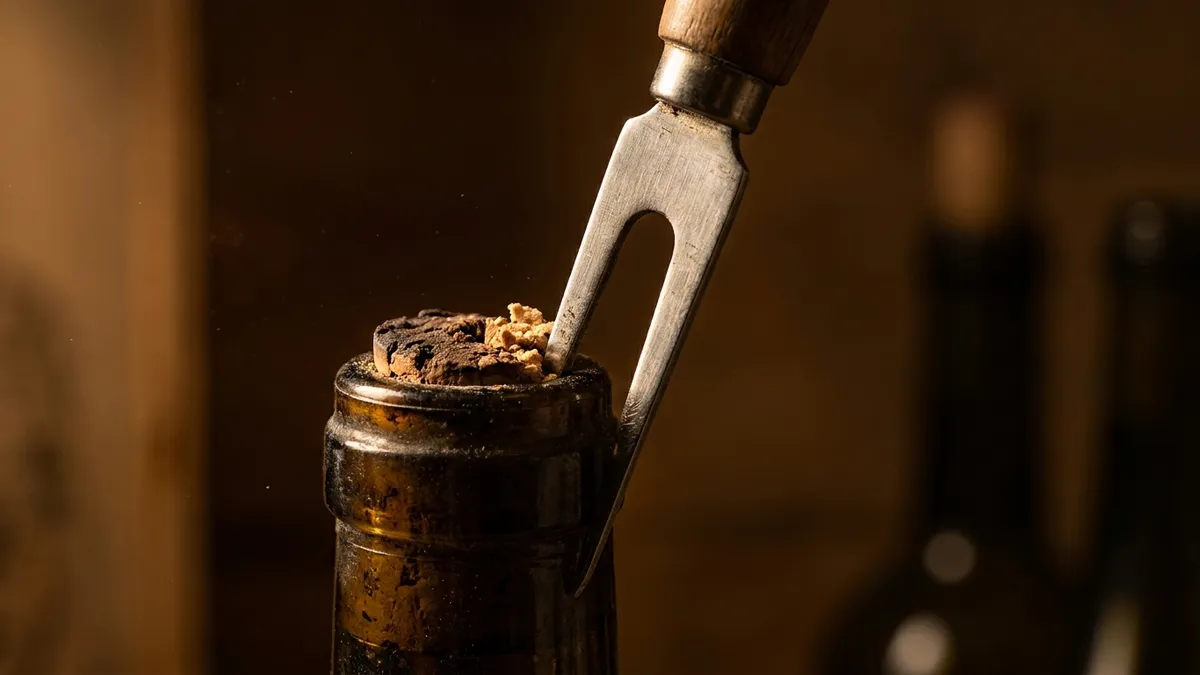
The Ah-So is two thin metal prongs joined by a handle — no worm at all. Slide one prong down each side of the cork, work it loose by friction, twist and lift. The cork comes out whole, never punctured.
This is the right tool for old, fragile corks — wines 15 years and older where the cork has dried and brittled. A worm-style corkscrew shreds a fragile cork. An Ah-So extracts it whole.
The Waiter's Friend Technique, Step by Step
The waiter's friend is the workhorse. The technique below is what restaurant servers practice on hundreds of bottles a year — it works on natural cork, agglomerated cork, and synthetic stoppers alike.
Step 1: Cut the Foil Below the Lip
Open the small blade and rotate it around the bottle just below the second lip — the small ridge at the top of the neck. Two short strokes: once around the front, once around the back. Lift the disc off.
Cutting below the lip matters for two reasons: sanitation (wine will not flow over a torn foil edge) and looks. A separate wine foil cutter makes the same cut in one twist if your corkscrew has no blade. Never cut above the lip and never strip the whole foil off — the collar stays.
Step 2: Center the Worm on the Cork
Fold the blade away. Place the worm tip at the exact center of the cork. This is the single biggest cause of crumbled corks — a worm that goes in even slightly off-center rips the cork sideways as it lifts.
Press the tip in, then twist straight down. Two turns will set it. Check the angle from the side. If the corkscrew is leaning, back it out and restart. A leaning start always gets worse.
Step 3: Drive the Worm to One Spiral Left
Keep twisting until only one spiral is still visible above the cork. Stop there. Do not drive the worm fully through the bottom of the cork.
A worm that pierces the cork pushes cork dust into the wine. You will see it in the glass, and the dust carries an off-flavor of dried wood. One spiral visible keeps the worm gripping nearly the full cork without breaking through.
Step 4: First-Notch Lift, Halfway
Hook the first notch of the double-hinge onto the bottle lip. Hold the bottle steady. Lift the lever straight up. The cork rises halfway out with even resistance.
If the lever twists or slips, reset. The notch should sit flat on the lip. Lifting at an angle tears the cork or chips the lip's edge.
Step 5: Second-Notch Lift, Finish
Drop the lever to the second notch — closer to the worm. Re-hook on the lip and lift the rest. The cork comes free with a soft pop, not a jerky pull.
The two-stage lift is the whole point of a double-hinge. It cuts the force needed in half and gives the cork room to flex without snapping.
Step 6: Wipe the Lip and Pour
Twist the cork off the worm. Wipe the inside of the bottle lip with a clean cloth. Pour.
Six steps, well under a minute. The Sommy app's serving guides walk through the same workflow with feedback on grip and angle.
Sparkling Wine Is a Different Sport
Champagne, Prosecco, Cava, and other sparkling wines should never be opened with a corkscrew. The cork is held in by pressure — about 5–6 atmospheres, roughly the pressure of a city bus tire. A flying cork can cross a room in under half a second and cause serious eye injuries. The technique below is the slow, controlled, sommelier version.
Our guide on Champagne vs Prosecco vs Cava covers the regional context for the sparkling-wine family. For stuck corks, gushing bottles and crown caps, see how to open sparkling wine safely.

The Twist-the-Bottle Technique
- Remove the foil, exposing the wire cage and cork.
- Point the bottle at a 45-degree angle away from people. The angle slows the pressure release.
- Loosen the cage with six half-turns of the wire loop. Do not fully remove it — leave it loose around the cork for grip and as a safety net.
- Cover the cork and cage with one hand and press down firmly so the cork cannot move on its own.
- Grip the base of the bottle with the other hand and slowly twist the bottle, not the cork.
- The cork eases out under your hand. Aim for a soft sigh, not a loud pop.
A loud pop wastes the carbon dioxide that makes the wine sparkle, and the slow release keeps the bubbles fine and prevents the geyser effect.
Why the Soft Sigh Matters
The carbon dioxide dissolved in sparkling wine creates the mousse — the fine, creamy bead on the palate. Every loud pop is CO2 racing out of the bottle. The slower the cork comes out, the more CO2 stays in solution, and the longer the wine bubbles in the glass.
What to Do When You Have No Corkscrew
The internet is full of viral cork-removal tricks. Most are dangerous, slow, or both. The methods below are ranked safest to most desperate.

The Long-Screw Method (Safest Backup)
You need a long wood screw (about 2 inches), a screwdriver, and pliers or the back claw of a hammer.
- Drive the screw straight down into the center of the cork until about 1 inch is still sticking out.
- Brace the bottle on a sturdy surface, gripped by the neck, not the body.
- Clamp the pliers or hammer claw onto the screw head and pull straight up with arm strength — do not lever against the bottle.
This is the closest no-tool method to a real corkscrew and works on almost any cork.
The Wooden-Spoon Push
If you can accept floating fragments, push the cork straight down into the bottle with the handle of a wooden spoon. Pour through a fine mesh strainer or a coffee filter. The wine is fine to drink, but oxidation accelerates — finish the bottle the same day. Never use a metal handle; it can crack the inside of the neck.
The Key Method
Push a sturdy key into the cork at a 45-degree angle, about an inch from the top edge. Twist while pulling steadily up. The key acts as a small lever and grip combined.
The cork comes out chipped and the key gets coated in wine. Keep your free hand braced low on the bottle, never above the cork, in case it pops free suddenly. A pinch-only technique, not a dinner-table one.
The Heat Method (Use With Care)
Warm the neck of the bottle just below the cork with a lighter, rotating the bottle continuously. The trapped air expands and eases the cork out.
The risk is real. Glass under uneven heat can shatter, and the cork can launch without warning. Last resort, aimed away from anything breakable.
Methods to Skip
The shoe-against-a-wall trick goes viral every few years and breaks bottles, sprays wine, and risks glass injuries. Same with the bicycle-pump method — pressure can fracture the shoulder of the bottle. Skip both.
Old, Fragile Corks Get the Ah-So
Once a cork is more than 15 years old, it dries from the inside out. A standard worm tears it in half on the way up. The right tool is the Ah-So.
The Ah-So Technique
- Stand the bottle upright at least 24 hours before opening so sediment settles.
- Remove the foil, exposing the cork.
- Slide the longer prong down one side of the cork, between the cork and the glass. Push gently and rock side to side.
- Slide the shorter prong down the other side, rocking gently.
- Once both prongs are fully inserted, twist and lift in one smooth motion.
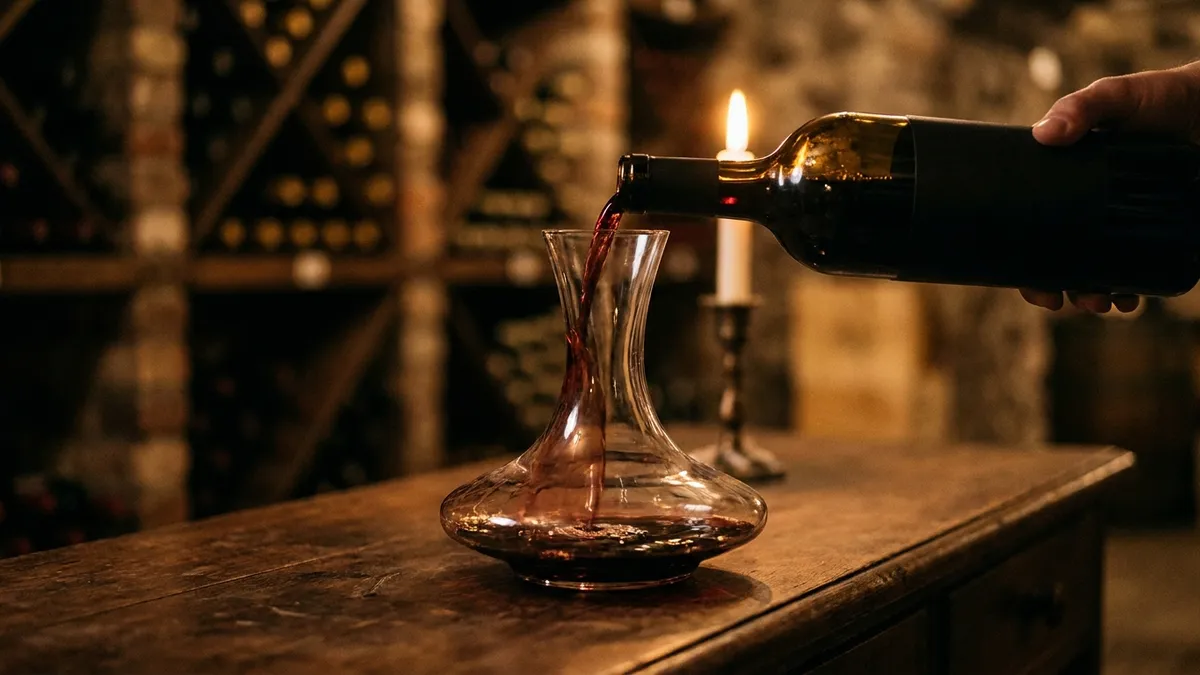
- Decant the wine off the sediment, ideally over a candle so you can see the dark line approach the neck.
Aged wines reward patience. Our deep dive on how to taste wine like a sommelier covers what to look for in the glass once the cork is out.
When the Cork Breaks Anyway
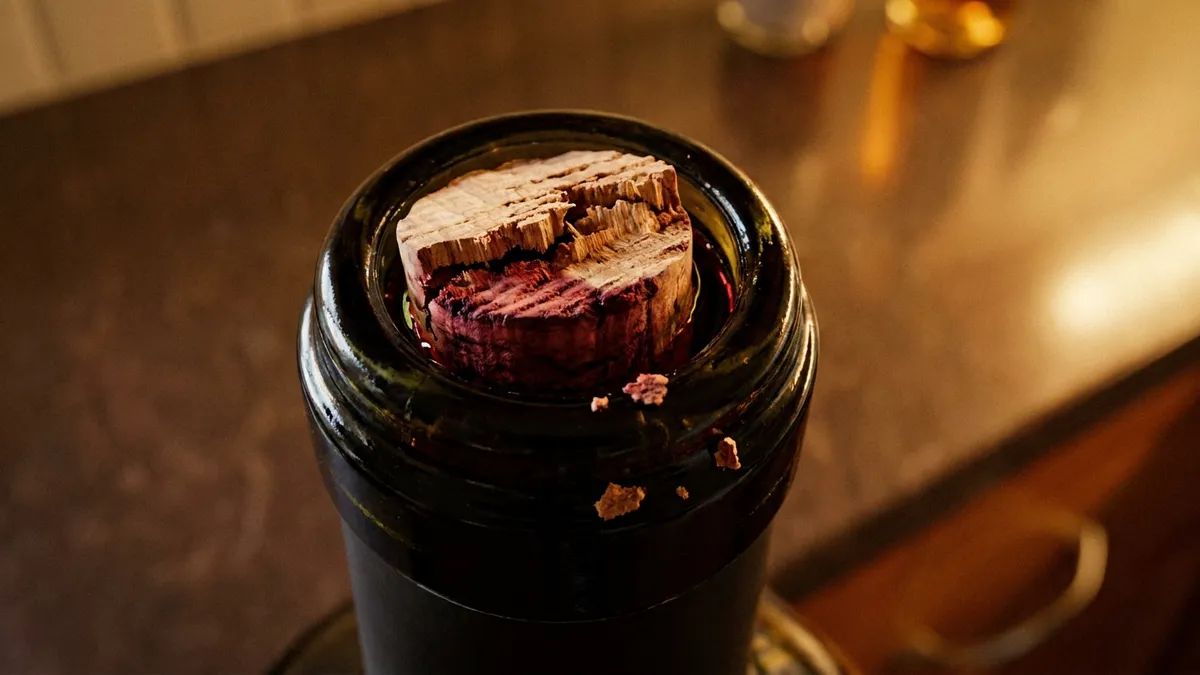
Even with perfect technique, corks sometimes split. Usually a sign of a stored-upright bottle, a previous bad opening, or simple age. Two recovery options.
Re-engage the Worm at an Angle
If half the cork came out and half is still in the bottle, drive the worm back into the remaining cork at a slight angle so the spiral catches new material. Lift in a short steady pull, not a jerk. The second try usually works because the remaining cork is shorter and less force is needed.
Push the Cork Through
If the cork is crumbly or shredded, push it into the bottle with the back of a wooden spoon. Pour through a fine mesh strainer or coffee filter. Drink the bottle the same day — cork-dust contact and oxidation dull the wine over the next 24 hours. The fragments themselves are inert, so the wine is safe.
Common Mistakes That Tear Corks
A handful of small habits cause most problems. Each is easy to fix.
- Worm goes in at an angle. Check from the side after two turns. If leaning, back out and restart. An angled worm always gets worse.
- Worm goes too deep. Stop with one spiral visible. Going through the bottom punches cork dust into the wine.
- Single-hinge lift. Upgrade to a double-hinge — the two-notch lift protects fragile corks.
- Foil left on the lip. Cut below the second ridge. Wine flowing over a torn edge picks up metallic flavors.
- Twisting the cork on sparkling wine. Twist the bottle, not the cork. Always.
- Jerking the cork at the end. A steady pull is faster and gentler than three short jerks.
Building these reflexes is what separates an average host from a confident one. Sommy.wine walks beginners through the full serve, swirl, smell, sip workflow so the mechanics fade and the wine becomes the focus.
A Quick Word on Caring for the Corkscrew
Wipe a waiter's friend dry after each use. The small foil blade dulls over time — a dull blade is the leading cause of foil scraps in the glass. A nicked worm is the leading cause of stuck corks. Both signs mean a replacement is due. A good waiter's friend costs less than a mid-range bottle and pays for itself in the first dozen openings.
From Mechanics to Tasting
Opening the bottle well is the first half of the ritual; tasting is the second. Once the mechanics are automatic, attention lands on the wine itself — the color, the aroma, the structure on the palate.
The Sommy app's serving and storage hub covers the full chain from cellar to glass: opening, decanting, temperature, glassware, and pouring. Pair it with how to develop your wine palate and every bottle becomes a small learning loop. For deeper context on individual styles, our companion reads on Cabernet Sauvignon vs Merlot and how to smell wine cover what comes next once the first pour is in the glass.
Frequently Asked Questions
What is the easiest way to open a wine bottle for beginners?
A double-hinged waiter's friend is the easiest tool for almost anyone. Cut the foil with the small blade, center the worm on the cork, twist straight down until one spiral is left visible, hook the first notch on the lip and lift halfway, then drop to the second notch and lift the rest. Two smooth pulls, no jerking.
How do you open a wine bottle without a corkscrew?
The safest no-tool method is a long screw, screwdriver, and pliers. Drive a 2-inch screw into the cork, leave about 1 inch sticking out, grip the head with pliers, and pull straight up while bracing the bottle. The wooden-spoon method (pushing the cork into the bottle) also works, though it floats fragments you will want to filter out.
How do you open a Champagne or sparkling wine bottle safely?
Loosen but never fully remove the wire cage, point the bottle 45 degrees away from people, hold the cork firmly with one hand, and twist the bottle, not the cork, with the other. The goal is a soft sigh, not a loud pop. The cage stays partially on for grip, and the slow release keeps the bubbles fine and the wine in the bottle.
What is the best type of corkscrew?
For everyday use, a double-hinged waiter's friend is the universal best choice. It is compact, has a foil cutter, works on every cork length, and a quality one lasts decades. Lever-style rabbit corkscrews are faster, but bulkier and overkill for home. Winged corkscrews are common but tend to tear old or fragile corks.
What do you do if the cork breaks or crumbles?
If half the cork comes out, drive the worm back into the remaining piece at a slight angle and pull again gently. If the cork is too crumbly, push it fully into the bottle with the back of a wooden spoon, then decant the wine through a fine mesh strainer or a coffee filter to catch the fragments. Drink the wine the same day.
How do you open an old or fragile bottle of wine?
For wines older than 15 years, use an Ah-So (a two-pronged extractor). Slide each prong between the cork and the bottle in alternating motions, then twist and lift the cork out whole. A worm-style corkscrew is more likely to shred a fragile cork. Stand the bottle upright a day before opening so any sediment settles to the bottom.
Is it safe to open a wine bottle with a key?
It works, but it is messy and slightly risky. Push the key in at a 45-degree angle below the cork, twist while pulling steadily, and accept that the cork will likely come out chipped. Keep your free hand braced low on the bottle, never under the cork. It is a legitimate backup, but not something to do at a dinner table.
Why does my cork keep crumbling when I open the bottle?
Crumbly corks usually come from an angled worm — the corkscrew was not driven straight down — or from a wine stored badly so the cork dried out. Always center the worm on the cork, drive it straight, and stop one spiral before the worm punches through the bottom of the cork. Stored upright for years, even a young cork can dry and crumble.
Sommy Team
LinkedInFounder & Wine Educator
The Sommy Team is building the world's most approachable wine education app, helping beginners develop real tasting skills through structured courses and AI-guided practice.