How to Hold a Wine Glass — Stem, Foot or Bowl, and Why

By the Sommy Team — AI-assisted, human-edited.
Updated Oct 1, 2026
Contents (10)
- How to Hold a Wine Glass, in One Paragraph
- What Is the Proper Way to Hold a Wine Glass?
- How Do You Hold Each Type of Glass?
- Does Holding the Bowl Really Warm the Wine?
- Why Hold the Stem, Then?
- How Do You Hold a Glass While Swirling?
- How Do You Hold a Stemless Glass?
- When Is It Fine to Hold the Bowl?
- How Should You Hold a Glass at a Tasting or Party?
- Why Do Wine Glasses Have Stems?
TL;DR
Hold a stemmed wine glass with your thumb, index and middle finger on the stem and your ring finger under the foot. The stem keeps the bowl clean for reading colour and makes swirling easy. Hand heat is slow, so the grip matters most for cold sparkling and white wine sipped over a long time.
How to hold a wine glass comes down to one grip: fingers on the stem, ring finger under the foot. That grip keeps the bowl clean enough to read the wine's colour and steady enough to swirl. Your hand warms the wine slowly, and in one test the room did more, so the stem matters most for cold sparkling and white wine sipped over a long time.
How to Hold a Wine Glass, in One Paragraph
Pinch the stem of the glass between thumb, index and middle finger, about halfway between bowl and foot, with the ring finger under the foot for balance. At a tasting, switch to the foot: thumb on top, index finger underneath. Hold a stemless glass low with your fingertips, a flute low on its stem, and a brandy snifter in a cupped palm.
Hand heat is slow. In one test, holding the bowl for 1 minute 42 seconds added 0.6°F, the same as the room did to an untouched glass. If the wine is served at 38 to 45°F, like sparkling and light whites, and you sip slowly, stay on the stem.
What Is the Proper Way to Hold a Wine Glass?
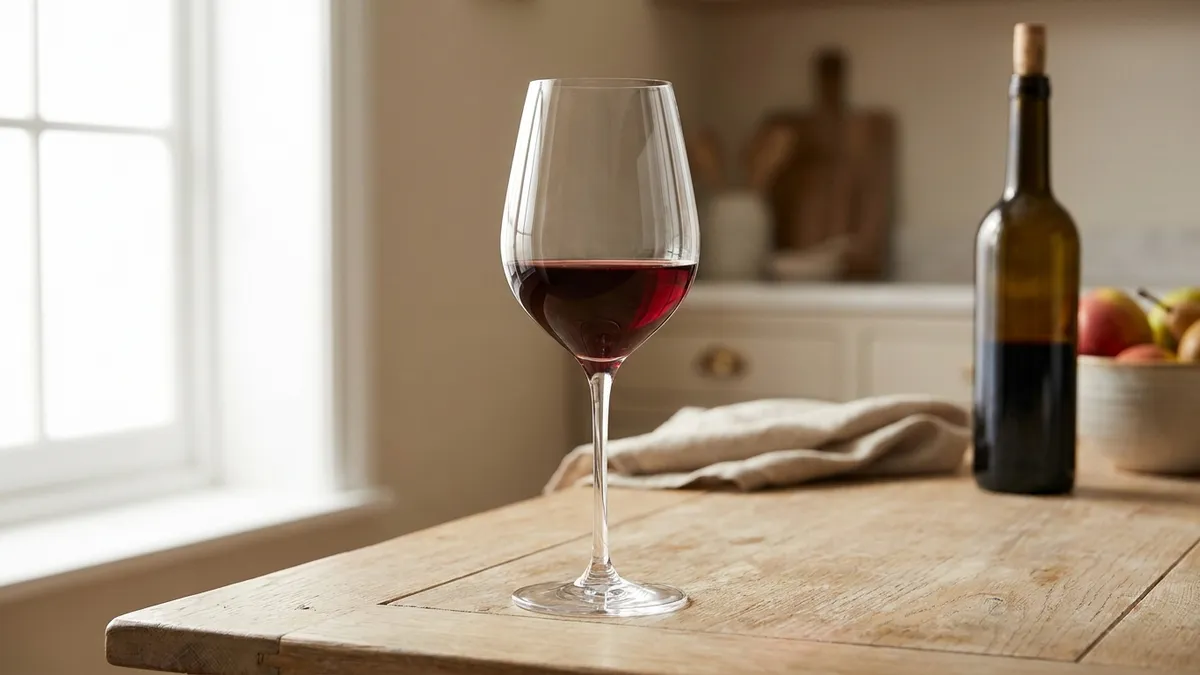
Pinch the stem between your thumb, index and middle finger, about halfway down, and rest your ring finger under the foot. The thumb and two fingers steady the glass while the ring finger braces it from below, so no skin touches the wine.
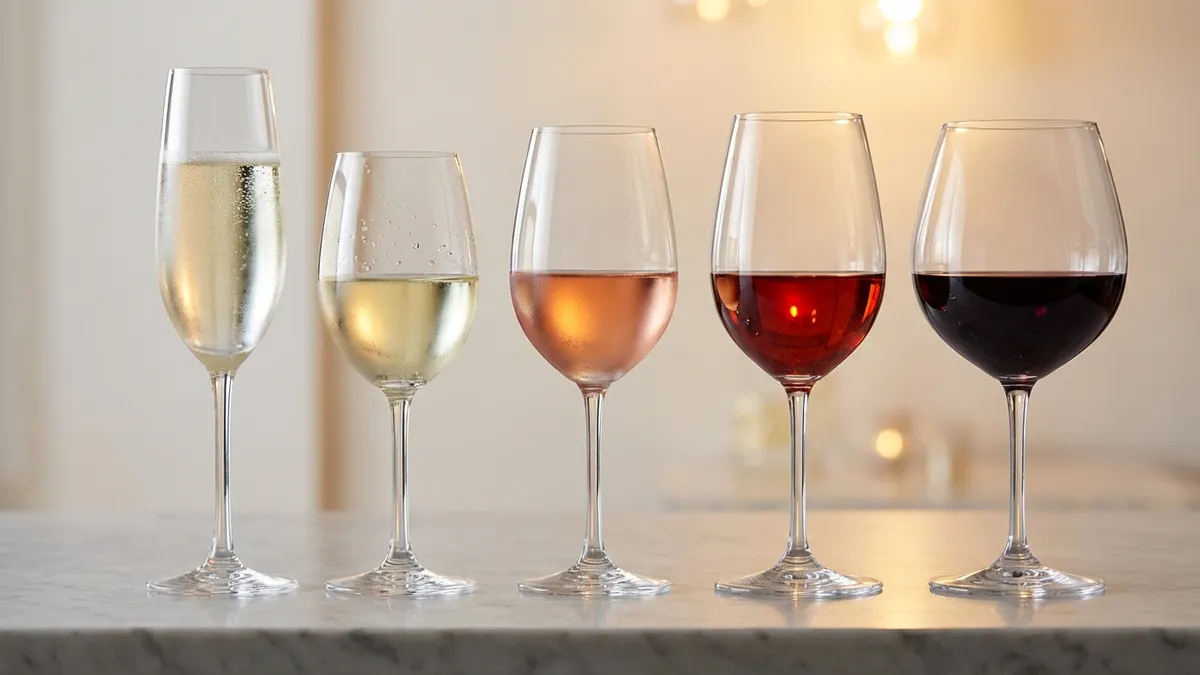
A wine glass has a bowl (the cup that holds the wine) on a stem (the thin column under it). The stem rises from the foot, the flat disc the glass stands on.
The ring finger does more work than it looks. Under the foot, it stops the glass tipping forward when you lift it to your nose. Without it, a full red glass is top-heavy, and a three-finger pinch on a thin stem feels nervous.
Two variations cover the other cases. The foot pinch puts the thumb flat on top of the foot and the index finger underneath. It is the steadiest way to tilt a glass and look through it, so it is the tasting-room grip. The high stem puts the fingers just under the bowl, for a short, heavy stem or a glass carried through a crowd. If you need to look through the wine, use the foot; if you need to carry it, use the high stem.
Avoid gripping the very top of the stem with your fingertips pressed into the bowl's base. It feels secure, but it puts fingerprints exactly where you look through the wine. The full sequence of looking, smelling and tasting is laid out in how to taste wine.
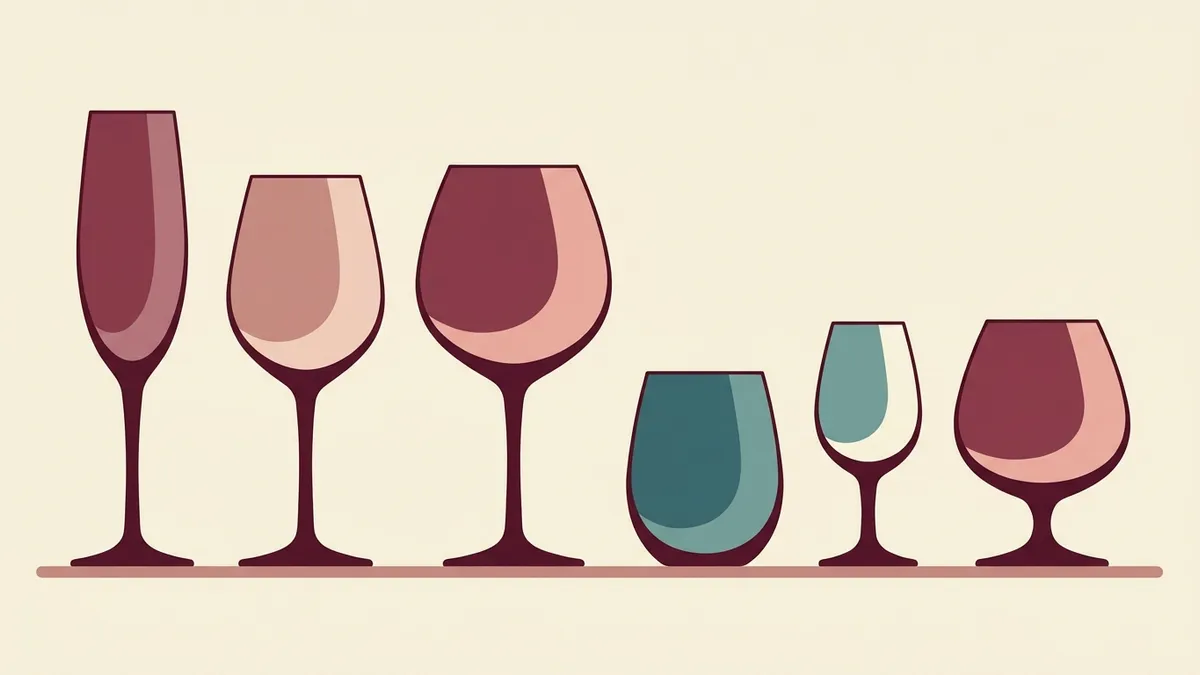
How Do You Hold Each Type of Glass?
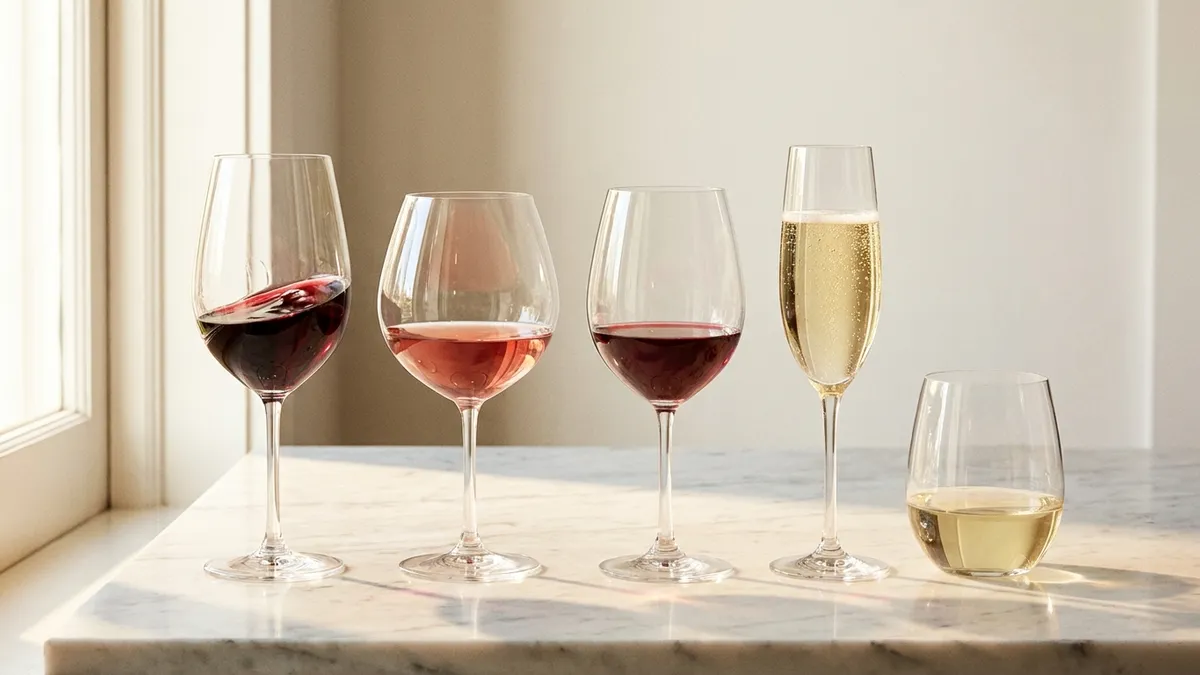
Hold any stemmed glass by the stem, a tasting glass by its foot, a stemless glass low on the bowl, and a snifter in your palm. The colder the wine poured into it, the more the grip matters. If the glass has a stem, use it; if it has none, hold it as low as you can.
An ISO tasting glass is the small, egg-shaped glass with a short stem used at trade tastings. A snifter is the wide, short-stemmed glass made for brandy.
| Glass | Usually holds | Serve at | Hold it by | Why |
|---|---|---|---|---|
| Flute or sparkling tulip | Sparkling wine | 3-7°C (38-45°F) | Stem, low down | Coldest pour, so any warmth shows first |
| White wine glass | Light to full whites, rosé | 3-12°C (38-55°F) | Stem | Cold wine, often sipped slowly |
| Red wine glass | Light to full-bodied reds | 12-20°C (55-68°F) | Stem, ring finger under foot | Large bowl is top-heavy; keeps bowl clean |
| ISO tasting glass | Tasting flights | Style's own range | Foot, thumb on top | Clear view of colour, easy tilt |
| Stemless tumbler | Anything casual | Style's own range | Lower bowl, fingertips | No stem; keep the palm off |
| Snifter | Brandy and other spirits | Warmed in the hand | Palm cupped under the bowl | Built for hand warmth |
Choosing which glasses to own in the first place is covered in our wine glass guide, and the full temperature ladder by grape sits in the wine serving temperature chart.
Does Holding the Bowl Really Warm the Wine?
A little, and slowly. Glass passes heat poorly, so your fingertips add little next to the air around it. The common warning that a palm "cooks" a wine in seconds is overstated. Over a slow glass of a cold style, a full palm does add some warmth.
One informal test, written up by the International Wine & Food Society, makes the point. Two identical glasses got the same cold wine at 46.9°F. One was held by the bowl, thumb and three fingertips, for 1 minute 42 seconds, and rose to 47.5°F. The untouched glass beside it also read 47.5°F. The room warmed both, and the hand added nothing measurable. It was one test, with fingertips rather than a full palm, so treat it as an illustration. Its author noted that a longer hold might show a difference.
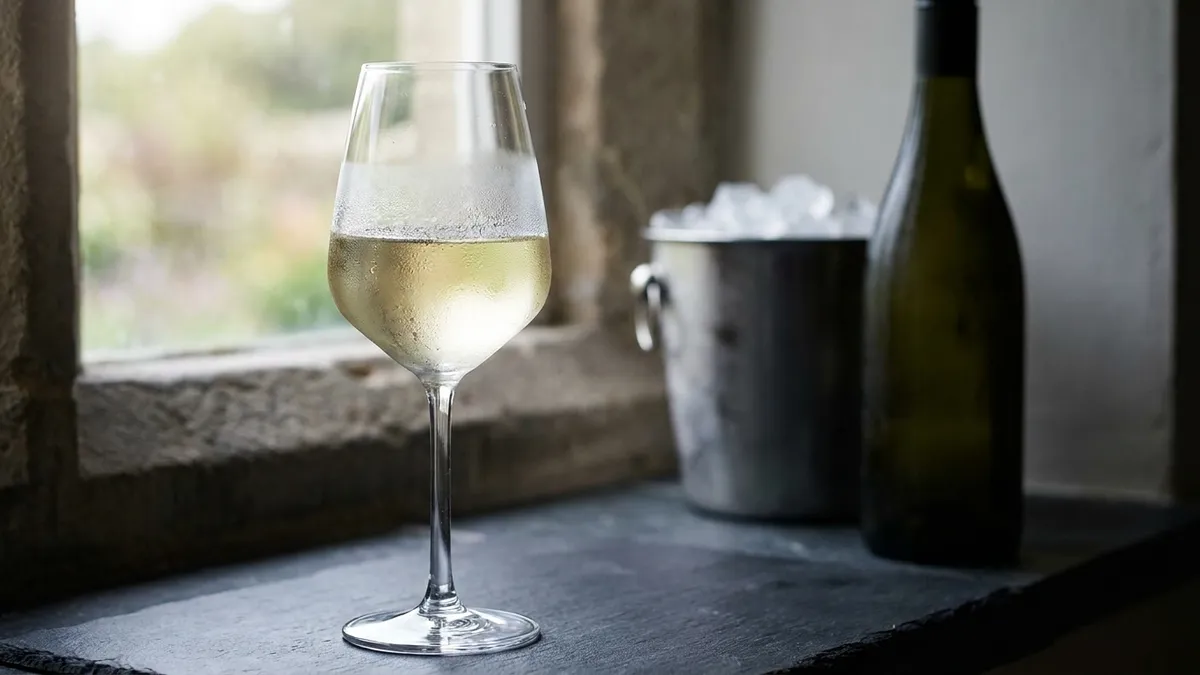
Riedel, which makes stemless glasses, puts the limit at time: temperature "could be a potential problem" only if you hold the glass for hours. The real enemy of a chilled wine is the warm room. A sparkling wine served at 40°F has the furthest to drift.
If the wine is sparkling or a light white and you sip slowly, stay on the stem and keep the bottle cold between pours. If it is a red you will finish in ten minutes, the grip barely changes the wine. When a bottle needs bringing back down, how to chill wine fast has the quickest methods.
Why Hold the Stem, Then?
Because it keeps the bowl clean for reading colour and steady for swirling, which matter on every pour. Wine Spectator's 2004 report on stemless glasses summed up the habit: serious wine drinkers hold and swirl by the stem "to minimize greasy fingerprints and prevent wine from warming above its target temperature." Fingerprints are the bigger daily cost.
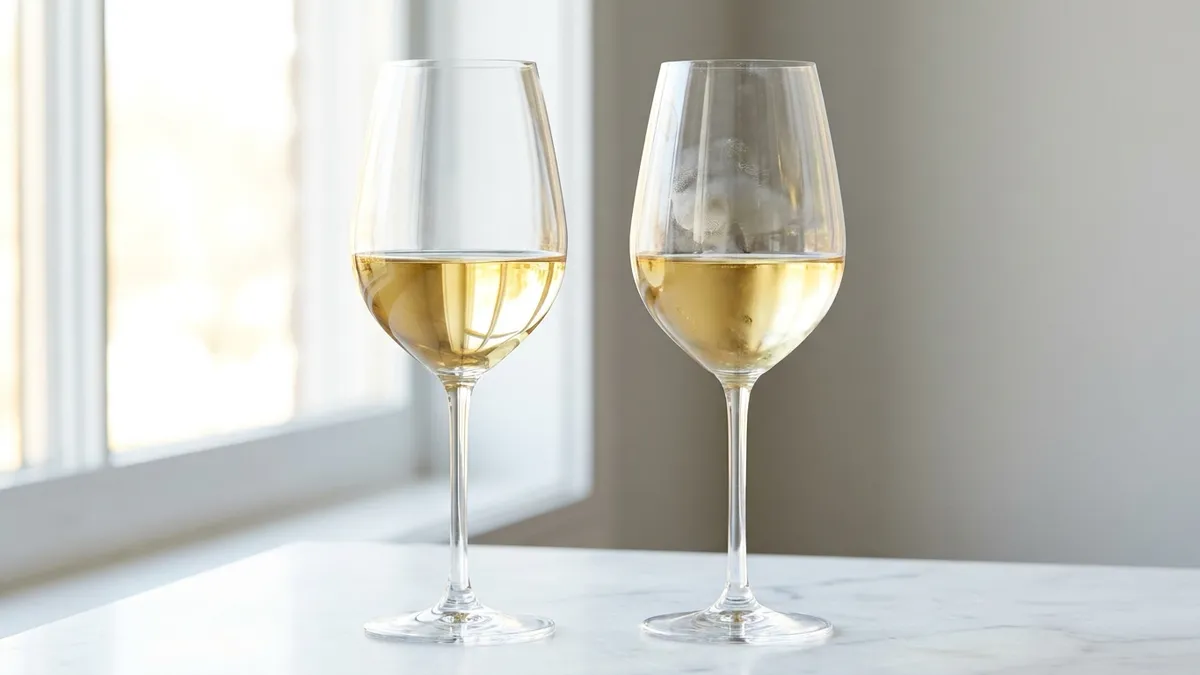
Colour tells you about grape, age and condition. A smudged bowl hides it. Reading the shade at the rim, from purple in a young red to brick in an old one, needs clear glass and a white background; what wine colour means explains what each shade tells you. A held stem also gives the glass a pivot to swirl around.
If you are comparing wines side by side, the clean bowl matters more than the temperature. Wash and polish glasses before a tasting so the only marks on them are yours; how to clean wine glasses covers streak-free drying.
How Do You Hold a Glass While Swirling?
Keep your fingers on the stem and swirl with the foot on the table until the circle is even. Draw small circles with your wrist; the wine should climb the sides without splashing. Once that feels easy, lift the glass and repeat the same small circle in the air.
Swirling by the bowl is harder. Your palm adds weight on one side, and the circle wobbles. Swirling by the foot works on a table but is unsteady in the air, because the pivot sits too far from the wine.
If the glass is a flute, skip the hard swirl. The narrow shape is built to hold a stream of bubbles, and swirling it mostly spills wine and flattens fizz. Our guide to how to taste sparkling wine covers what to look for instead. The swirl itself, from wrist motion to how long to keep it going, is broken down in how to swirl wine.
How Do You Hold a Stemless Glass?
Hold it low, near the base, with your fingertips rather than a full palm. That keeps most of your hand off the wine and puts any smudges below the level you look through. Three fingertips on the lower third of the bowl are enough to steady a tumbler.
Stemless glasses are a modern answer to small kitchens. Riedel launched its stemless O series in January 2004, six shapes from its Vinum range with the stem removed. The designer, Maximilian Riedel, then 27, said his small apartment had no room to store all his glasses.
The trade-off is warmth over a long pour and fingerprints you will see on the bowl. If the wine is cold, pour less and top up more often, so each pour is finished before it drifts. If you plan to study the colour of a wine, reach for a stemmed glass instead.
When Is It Fine to Hold the Bowl?
When the wine is too cold, when the glass is a snifter, or when the pour will be gone in a few minutes. Holding the stem is a convention with practical reasons, not a rule of manners. These three cases are where those reasons stop applying.
A red served straight from a cold cellar or fridge can taste thin and sharp, its fruit muted. Wine Spectator puts reds at their best around 60 to 65°F and whites at 40 to 50°F. If a red tastes thin and cold, cup the bowl in both hands for a minute and swirl. For a whole bottle, its advice is a short spell under warm tap water, never hot.
A snifter is built for the opposite of a wine glass. Its short stem lets the bowl sit in a cupped hand, and warming the drink is the point. Keep that full-palm brandy grip away from a chilled sparkling wine, the style with the least room to warm.
How Should You Hold a Glass at a Tasting or Party?
Hold the glass in your left hand by the stem or foot, so your right hand stays dry and free for handshakes and food. At a tasting, use the foot pinch whenever you are judging colour, and set the glass down to write notes rather than balancing it.
If you are holding a plate as well, rest the foot of the glass on the plate's rim and pinch the stem against it with your thumb. That frees a hand without putting the glass down.
At a standing event, pour or accept smaller amounts; a half-full glass is easier to keep steady in a crowd. For the rest of the unwritten rules, from spitting to commenting on a wine, read wine tasting etiquette, and for bars specifically see wine bar etiquette.
Why Do Wine Glasses Have Stems?
Stems let you hold a drink without touching it. Wikipedia's account of stemware dates glass stemware with flat or domed feet to the Middle Ages. The plain flat foot under your ring finger today has a tax behind it. Simple flat bases spread after England taxed glass by weight in 1745, which rewarded lighter glass.
More on glasses, temperature and storage sits in the serving and storage hub. Pour a glass tonight, pinch it by the foot over a white napkin and tilt it to read the rim. Then log what you see in the Sommy app.
Sources
Frequently Asked Questions
What is the proper way to hold a wine glass?
Pinch the stem between your thumb, index finger and middle finger, about halfway down, and rest your ring finger under the foot for balance. This keeps fingerprints off the bowl, keeps your hand away from the wine, and gives you a steady pivot for swirling. At tastings, many people hold the flat foot instead, which leaves the bowl completely clear for reading colour.
Is it rude to hold a wine glass by the bowl?
No. Holding the stem is a convention with practical reasons behind it, not a rule of manners. Fingerprints smudge the bowl and a warm palm slowly warms a chilled wine. At a casual dinner with a red you will finish in ten minutes, cupping the bowl changes very little. At a tasting or with a cold sparkling wine, the stem is the better habit.
Does holding the bowl really warm the wine?
A little, and slowly. In one informal test, a glass held by the bowl for 1 minute 42 seconds rose from 46.9°F to 47.5°F, and an untouched control glass in the same room read 47.5°F too. Glass passes heat poorly, so the room does most of the warming. Over a long, slow glass a palm wrapped round the bowl adds more.
How do you hold a stemless wine glass?
Hold it low, near the base, with your fingertips rather than a full palm. That keeps most of your hand off the wine and the smudges below the level you look through. Pour smaller amounts of cold wine and top up more often, so each pour is finished before it warms. Stemless glasses suit casual meals; use a stemmed glass when you want to judge colour.
How do you hold a champagne flute?
Hold a flute by the stem, low down near the foot. Sparkling wine is served as cold as any style, around 38 to 45°F, so it shows warmth first, and the narrow bowl holds only a small amount of wine. Do not swirl a flute hard; the shape is built to keep a stream of bubbles, and swirling spills wine and flattens the fizz.
Can you warm a cold wine with your hands?
Yes, and it is the one time cupping the bowl is the right grip. If a red tastes thin, sharp or flavourless because it came out too cold, wrap both hands round the bowl for a minute or two and swirl. For a faster fix, run the outside of the bottle under warm, not hot, water for a short while, then pour.
Sommy Team
LinkedInFounder & Wine Educator
The Sommy Team is building the world's most approachable wine education app, helping beginners develop real tasting skills through structured courses and AI-guided practice.