How to Swirl Wine: The Technique That Unlocks Aromas

By the Sommy Team — AI-assisted, human-edited.
Updated Apr 16, 2026
Contents (8)
TL;DR
Swirling wine aerates it, releasing aromatic compounds and making the wine easier to smell and taste. Keep the glass on the table, grip by the stem, and rotate in small circles. Swirl longer for young tannic reds, shorter for delicate whites and aged wines. Skip swirling entirely for sparkling wines.
Why How to Swirl Wine Matters
If you have ever watched someone at a wine tasting rotate their glass in small circles before sniffing, you have seen swirling in action. It looks a little performative — part of the reason wine culture intimidates beginners. But how to swirl wine is actually one of the most practical techniques in tasting, and it does something real.
Swirling exposes the wine to oxygen and encourages its aromatic compounds to release into the air above the glass. Since roughly 80% of what we perceive as "taste" is actually smell, getting more aromas into your nose directly translates to tasting more of what the wine has to offer. A wine you swirl smells and tastes different — richer, more complex, more open — than the same wine straight from the bottle.
This guide covers the technique, the science, and the practical considerations: when to swirl aggressively, when to swirl gently, and when not to swirl at all.
The Basic Technique
Table Swirling (Start Here)
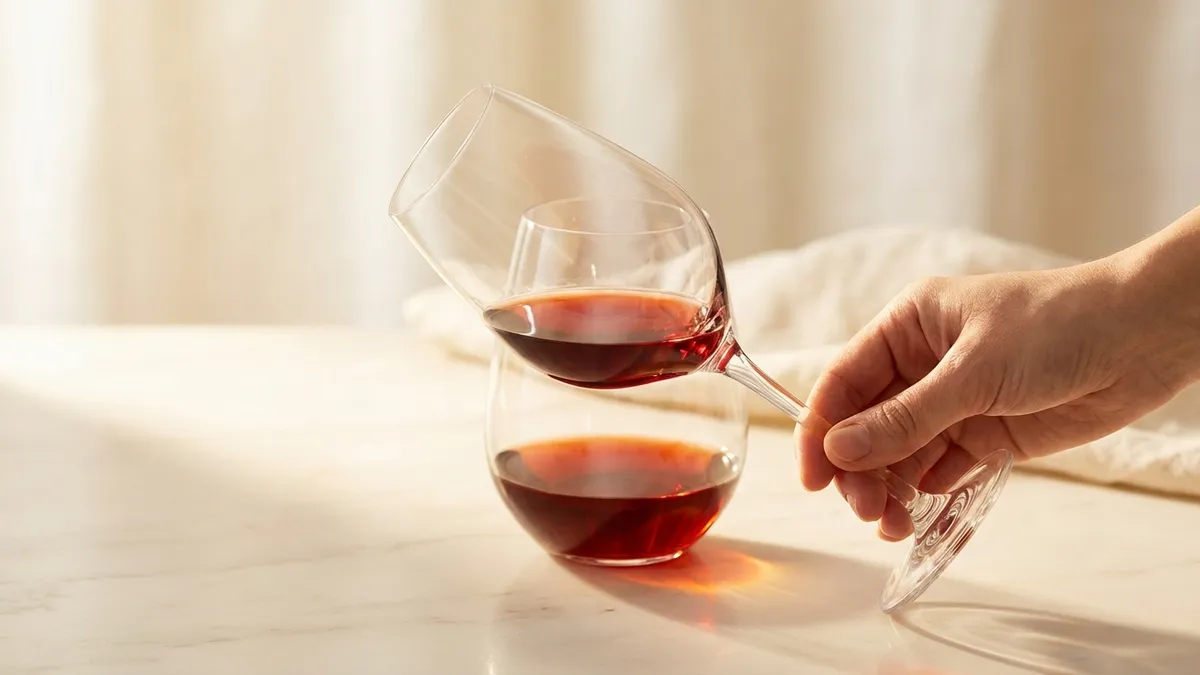
The easiest way to swirl wine is with the glass resting on a flat surface.
- Pour the wine — about one-third of the way up the glass; no more. Empty space is a feature, not a bug
- Grip the stem — hold the stem between your thumb and first two fingers, near the base
- Start rotating — move your wrist in small circles, keeping the glass base on the table
- Watch the wine — it should climb the sides of the glass about 1-2 centimeters without splashing over
- Rotate 4-8 times, then stop and bring the glass to your nose
The motion is compact. You are not whisking eggs — you are nudging the wine to kiss the sides of the glass in a rhythmic pattern.
Free Swirling (In the Air)
Once you are comfortable with table swirling, try doing it without the table.
- Hold the stem — same grip
- Start the motion — small, steady circles with your wrist only, not your whole arm
- Let gravity help — the wine wants to stay level; your small circular movements tilt the glass to brush the sides
- Keep it gentle — over-vigorous motion causes splashing
Free swirling takes more practice. Most experienced wine drinkers can do both comfortably, but for beginners, table swirling delivers the same benefits without the risk of wearing your Cabernet.
The Science of What Swirling Does
Releasing Volatile Aromatics
Wine contains hundreds of volatile aromatic compounds — molecules that evaporate at room temperature and carry the smells we associate with wine. Before swirling, these compounds are partly locked in the liquid. The surface area of a still glass of wine is small, and aromatic release is slow.
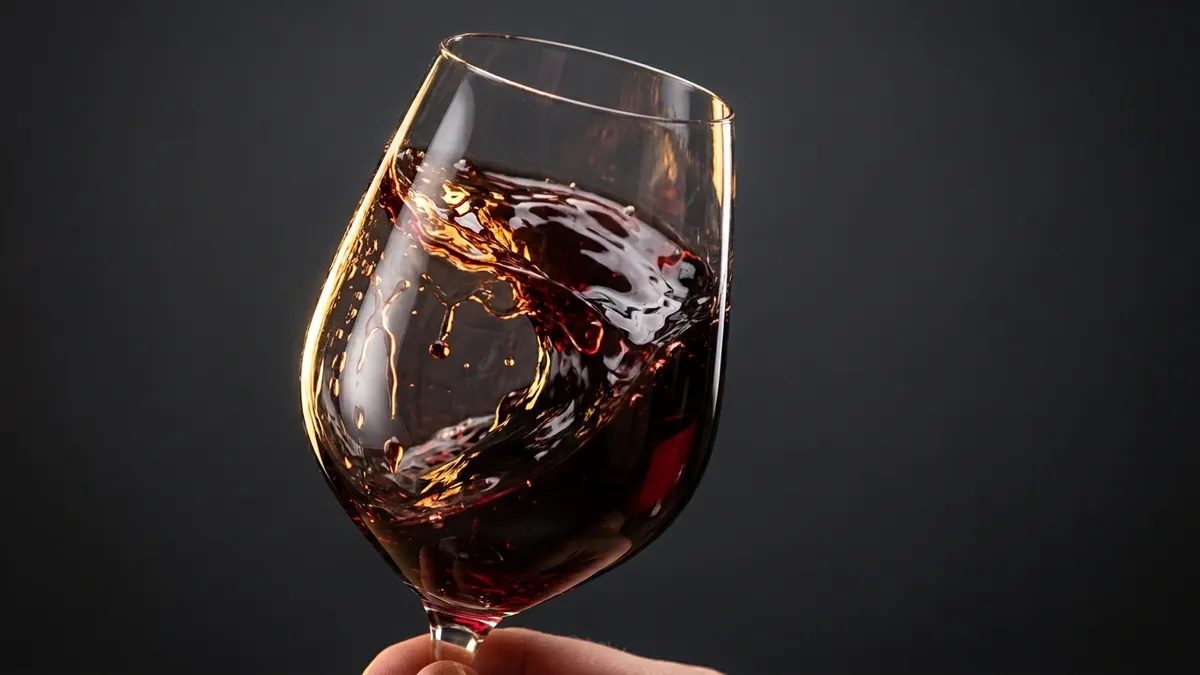
Swirling increases the surface area dramatically. The wine climbing the sides of the glass forms a thin film where volatile compounds evaporate rapidly. When you stop swirling, these compounds float in the concentrated air space above the wine — exactly where your nose goes when you smell the glass.
This is why swirled wine smells more intensely than unswirled wine. You are not imagining it — you are smelling roughly three times more aromatic compounds per sniff.
Dissipating Alcohol
Alcohol is also volatile, and it evaporates faster than many aromatic compounds when the wine is agitated. Swirling briefly releases alcohol vapor, which can mask subtler aromas if left trapped in the glass. A few seconds of swirling sends the sharpest alcoholic vapor off, leaving the more delicate fruit, floral, and earthy notes accessible.
For high-alcohol wines (14%+ ABV), this effect is particularly noticeable. An unswirled 15% Zinfandel can smell hot and alcoholic on the first sniff. Swirled, the fruit comes forward and the alcohol recedes.
Oxygen Exposure
Oxygen does complex chemistry with wine. Over seconds to minutes of exposure, oxygen softens harsh tannins, integrates flavors, and lets reductive or sulfurous notes blow off. This is the same principle that underlies decanting — swirling is simply a rapid, localized version of the same process.
Young, tight, tannic wines benefit most from oxygen exposure. A young Barolo straight from the bottle can smell closed and almost dusty. Five minutes of on-and-off swirling opens it up. Very old wines have already had decades of slow oxidation and do not need or want aggressive aeration — gentle swirling or none at all is better.
Our guide on how to taste wine covers the full tasting sequence, including where swirling fits in the process.
When to Swirl (and When Not To)
Swirl Vigorously
- Young, tannic red wines — Barolo, young Bordeaux, young Napa Cabernet; these need oxygen to open up
- High-alcohol wines — Zinfandel, Amarone, big Shiraz; swirling dissipates the alcoholic heat
- Wines from the bottle (not decanted) — especially the first pour; the wine has been anaerobic for years
- Reductive wines — if the wine smells slightly "struck match" or "rubber," vigorous swirling (or decanting) can eliminate the reduction
Swirl Gently
- Aged wines — old Burgundy, mature Bordeaux, classic Barolo; their aromas are fragile and fade with aggressive aeration
- Delicate aromatic whites — fine Riesling, Gewurztraminer, top Chardonnay; over-swirling can blow off the subtler floral and fruit aromas
- Light reds — Pinot Noir, Gamay; their character is in the delicate red fruit notes, which need gentle handling
Do Not Swirl
- Sparkling wine — Champagne, Cava, Prosecco, any bubbly; swirling destroys the bubbles, which are integral to the wine's character and texture
- Very old, fragile wines — 40+ year old bottles that are at the edge of their life; any aeration accelerates the loss of fleeting aromas
Sommelier tip: When in doubt, swirl gently first and evaluate. If the wine seems closed or harsh, swirl more. If it is already expressive, you are done. Swirling is a dial, not a switch — adjust based on what the wine is telling you.
Wine Legs: What They Mean (and Do Not Mean)
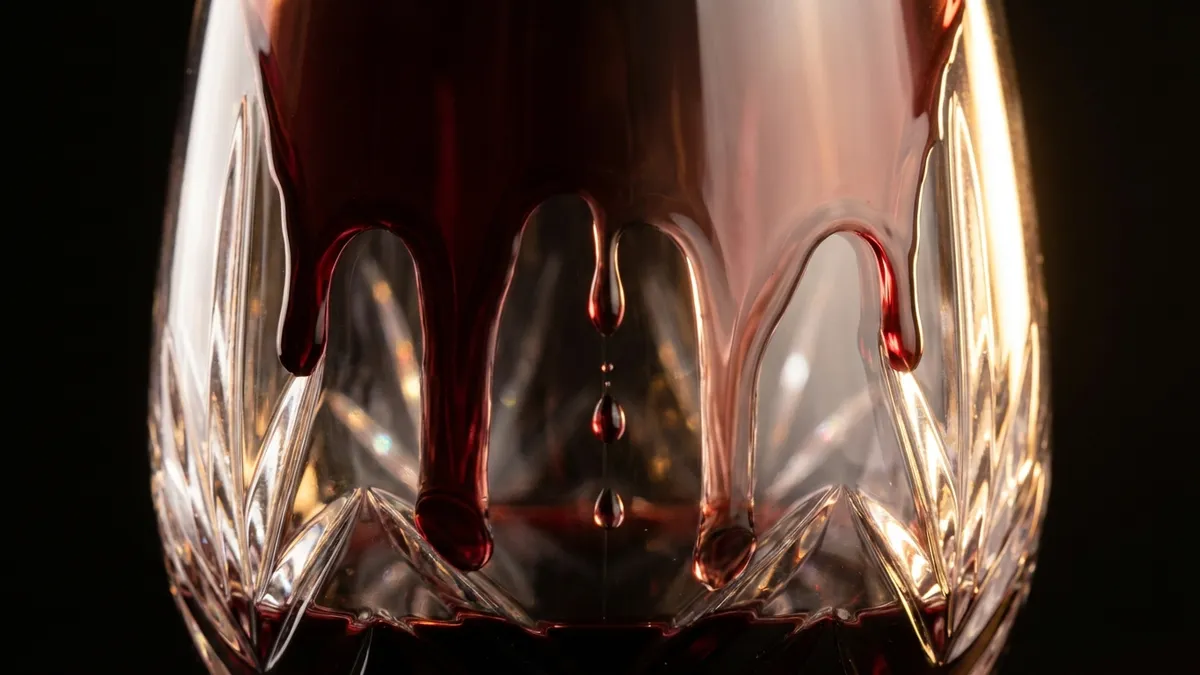
After you swirl, you will notice streaks of wine running down the inside of the glass. These are called legs or tears, and they are the subject of one of the most persistent myths in wine.
The Science
Legs are created by the Marangoni effect — a physics phenomenon involving the different evaporation rates of water and alcohol. As the wine film on the glass evaporates, alcohol evaporates faster than water. This changes the surface tension at the edges, causing the remaining liquid to bead up and drip down.
- Thicker, slower legs = higher alcohol content and/or higher sugar content
- Thinner, faster legs = lower alcohol and/or lower extract
The Myth
Legs do not indicate quality. A cheap Port has massive legs because it has 20% alcohol and significant residual sugar. A great Champagne has barely visible legs because it has moderate alcohol and minimal sugar. Neither is "better" based on leg thickness.
What legs do tell you is useful information about the wine's structure — alcohol, body, and dissolved solids. For predicting wine body before tasting, legs are a decent indicator. For predicting wine quality, they are meaningless.
Common Swirling Mistakes
Swirling Too Much Wine
If the glass is more than one-third full, swirling will splash. Wine glasses are designed to be underfilled — the empty space is where aromas concentrate after swirling. Pour less, swirl more.
Using the Wrong Glass
A narrow flute or a straight-sided glass restricts the swirling motion and does not concentrate aromas effectively. Use a proper wine glass with a bowl shape that narrows at the rim. The standard ISO tasting glass is designed specifically for this purpose.
Swirling Too Fast
Over-vigorous swirling splashes wine, over-aerates young wines (potentially blowing off aromas), and just looks wild. A controlled, steady circular motion is what you want — think pendulum, not blender.
Not Pausing to Smell
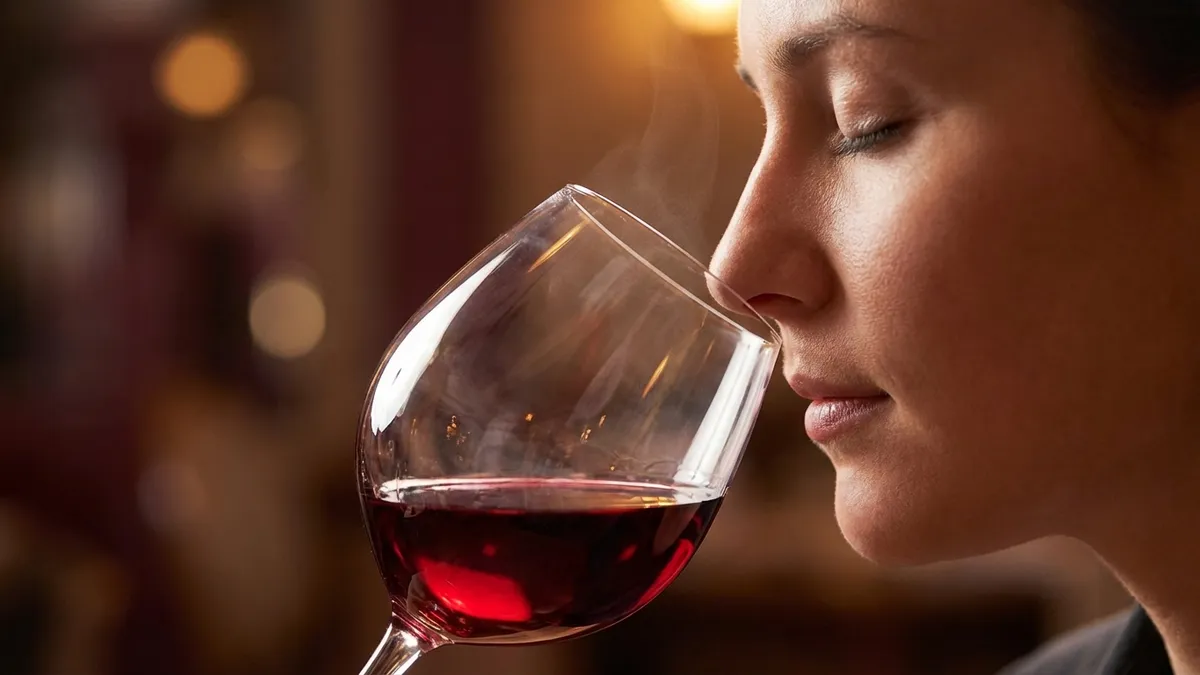
The point of swirling is to smell the wine. If you swirl and then immediately sip without smelling, you have done the work without collecting the reward. Always swirl, then bring the glass to your nose, then smell — before drinking.
How Swirling Fits Into a Full Tasting
Swirling is step three in the standard tasting sequence:
- Look — assess the wine's color and clarity
- Swirl — release aromatic compounds
- Smell — identify aromas (this is where most of the information lives)
- Sip — taste and feel the wine
- Evaluate — note structural elements (acidity, tannin, body, sweetness)
Each step builds on the last. Swirling without smelling afterward wastes the technique. Smelling without swirling first gives you only a fraction of the information available.
For the full methodology, our how to taste wine guide walks through each step in detail. And for identifying what you smell after swirling, our wine aroma wheel guide gives you the vocabulary to name what your nose is picking up.
Practical Swirling Tips
- Start with table swirling — it is easier and works just as well as free swirling
- Use stemmed glasses — the stem is not decorative; it gives you leverage and keeps your hand temperature off the wine (see how to hold a wine glass for the three-finger grip)
- Keep the motion compact — big circles splash; small circles release aromas efficiently
- Swirl in bursts — 4-8 rotations, then stop and smell; repeat if the wine needs more opening
- Watch the wine's reaction — some wines open quickly; others take 10-20 minutes of repeated swirling
- Practice with water before wine — learning the motion with water in a glass at home is embarrassment-free and builds muscle memory
The Sommy app includes interactive tasting exercises that walk you through the full tasting sequence, including swirling technique and what to notice at each step. Building a consistent tasting practice — where swirling is automatic rather than self-conscious — is the fastest way to develop a confident, accurate palate.
Swirling is one of the simplest, most impactful things you can do to improve how wine tastes. It is pure technique — no talent, no equipment, just a small circular motion that triples your access to a wine's aromatic personality. Once the motion becomes automatic, you stop thinking about it and start getting more from every bottle you open.
Frequently Asked Questions
Why do people swirl wine?
Swirling wine exposes it to oxygen, which releases aromatic compounds locked in the liquid. This makes the wine easier to smell — and since most of what we 'taste' is actually smell, swirling directly improves the flavor experience. It also allows volatile alcohol to dissipate, reducing the harsh bite and letting fruit and complexity come forward.
How do you swirl wine as a beginner?
Rest the glass on a flat surface, hold the stem between your thumb and first two fingers, and rotate your wrist in small, steady circles. Start slow. The wine should climb the inside of the glass a bit but not splash. If you want to swirl in the air, use the same circular motion but keep it compact — 1-2 inches of movement is plenty.
Should you swirl all wines?
Most still wines benefit from swirling. Sparkling wines should never be swirled — it destroys the bubbles. Aged, delicate wines (like old Burgundy) need only gentle swirling to avoid shocking the aromas. Young, tannic reds benefit from more vigorous swirling to open up. The general rule: the younger and bigger the wine, the more it wants swirling.
What are wine legs and do they matter?
Wine legs (or tears) are the streaks that drip down the inside of the glass after swirling. They are created by the Marangoni effect — the interplay between water and alcohol evaporation. Thicker, slower legs generally indicate higher alcohol content. They do not indicate quality, despite what some people claim.
Can you swirl wine in the air without the table?
Yes — this is called 'free swirling.' Hold the glass by the stem and make small circular motions with your wrist. It is harder than table swirling because you have less support, but with practice it becomes second nature. Start with table swirling until you have the motion down.
Why does my wine splash when I swirl?
You are swirling too fast or with too much liquid in the glass. Solutions: slow down your circular motion, keep the glass on a flat surface, and only fill the glass about one-third full. Wine glasses are designed to be underfilled — the empty space above the wine is where aromas collect.
Does swirling really change how wine tastes?
Yes, measurably. Swirling releases volatile aromatic compounds and allows oxygen to interact with the wine. Young, tight wines can transform from closed and harsh to open and expressive in minutes. Tasters can consistently identify swirled versus unswirled wines in controlled tests. It is a real effect, not just ritual.
Sommy Team
LinkedInFounder & Wine Educator
The Sommy Team is building the world's most approachable wine education app, helping beginners develop real tasting skills through structured courses and AI-guided practice.