How Long Does Wine Last After Opening? A Type-by-Type Guide

By the Sommy Team — AI-assisted, human-edited.
Updated Apr 29, 2026
Contents (10)
- The Half-Empty Bottle Problem
- How Long Wine Lasts After Opening, in 90 Seconds
- The Science: What Oxygen Actually Does to Open Wine
- Day-by-Day: How Long Each Wine Style Lasts After Opening
- Storage Essentials After Opening
- The Tools That Actually Work
- How to Tell If Your Wine Has Gone Bad
- "Bad" vs "Just Reductive": A Note on Funky Smells
- Cooking With Leftover Wine
- Putting It All Together
TL;DR
How long wine lasts after opening depends on style. Sparkling fades in 1-3 days, light whites and rosés 3-5 days, aromatic and oaked whites 5-7 days, most reds 3-5 days, sweet wines 7-14 days, and fortified wines 2-4 weeks or longer. Always re-stopper and refrigerate, even reds.
The Half-Empty Bottle Problem
Almost every wine drinker has stood in front of the fridge holding a half-finished bottle from three nights ago, wondering whether it is still worth pouring. So how long does wine last after opening, really? The answer depends on the style, alcohol level, and how you stored it — but the day counts for each type of wine are clearer and more reliable than the internet makes them sound.
This guide covers the science of why open wine fades, the day-by-day window for every common style, the tools that keep a bottle alive longer, and how to tell when a wine has crossed from "tired" to "ruined."
How Long Wine Lasts After Opening, in 90 Seconds
The short answer to how long does wine last after opening: sparkling wines (Champagne, Prosecco, Cava) keep their fizz for about 2 days with a sparkling-specific stopper. Light whites like Pinot Grigio and Sauvignon Blanc keep 3 to 5 days in the fridge with a stopper, and so do rosés. Aromatic whites like Riesling and Gewürztraminer can stretch to 5 to 7 days. Light reds (Pinot Noir, Beaujolais) hold 2 to 3 days when re-stoppered and chilled, while medium and bold reds (Sangiovese, Merlot, Cabernet, Syrah, Malbec) hold 3 to 5 days. Sweet wines like Sauternes and late-harvest Riesling last 7 to 14 days thanks to their sugar. Fortified wines (Tawny Port, Sherry) keep 2 to 4 weeks, and Madeira can last for months. Re-stopper, fridge, away from light — every time.
The Science: What Oxygen Actually Does to Open Wine
Wine in a sealed bottle is a stable system. Wine in an open bottle is a chemistry experiment with oxygen as the lead reagent.
A small splash of air during a tasting is good — it softens tannin and helps aroma compounds rise out of the glass. Continuous, hours-long exposure is something else entirely. Once a bottle is open, oxygen begins to oxidize alcohol into acetaldehyde (a chemical that smells like bruised apple, stale sherry, or wet cardboard). Given more time, that acetaldehyde converts into acetic acid, which is the active ingredient in vinegar.
In parallel, the bright fruit aromas — esters and thiols, the molecules behind grapefruit, raspberry, and tropical fruit — break down and lose their lift.
Three factors decide how fast all this happens. Alcohol level matters because higher alcohol slows microbial spoilage. Acidity matters because high-acid wines tend to age more gracefully in the open. Sulfites matter because sulfur dioxide is the antioxidant winemakers add to keep wine stable, and low-sulfite or "natural" wines fade faster than conventional bottles. Sweet and fortified wines win on all three counts, which is why they last so much longer than a Pinot Noir.
Day-by-Day: How Long Each Wine Style Lasts After Opening
The day counts below assume you re-stopper the bottle, keep it in the fridge, and store it upright. Skip those steps and shave a day off everything.
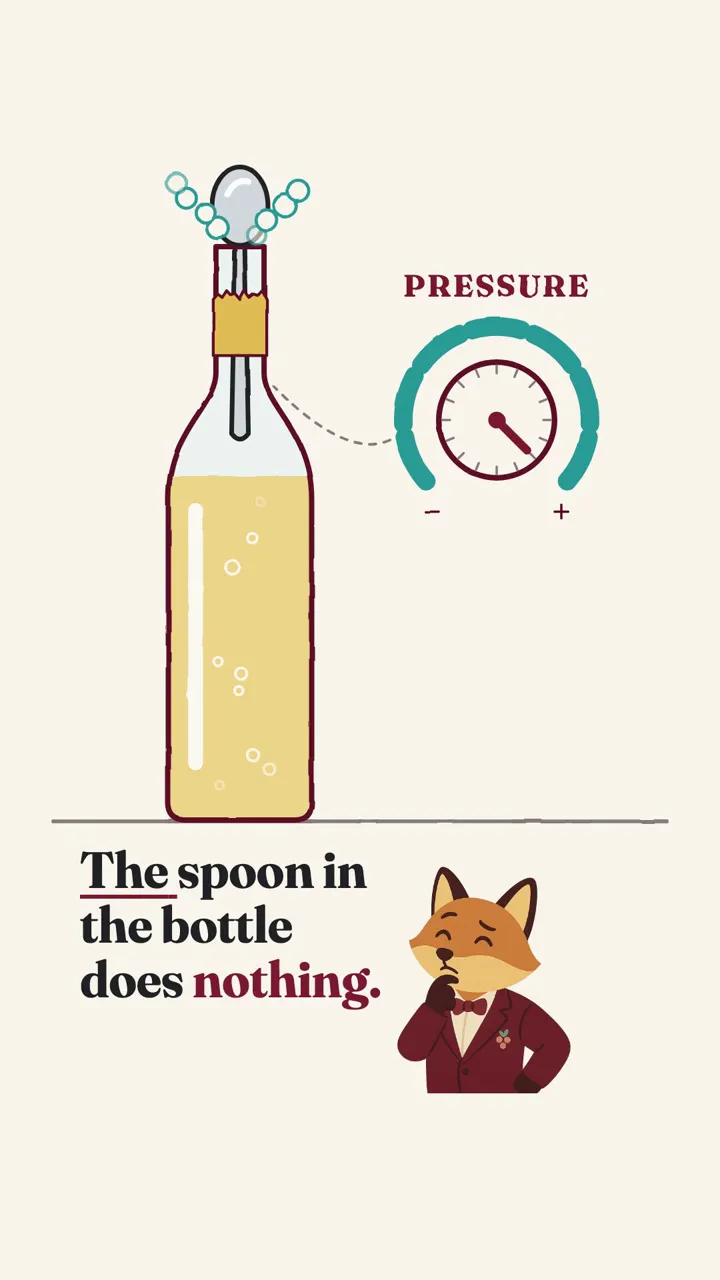
The spoon in the bottle does nothing.
Sommy's voice is made with AI.
Read the script
The spoon in the bottle does nothing. Champagne researchers tested it. Spoon or no spoon, open bottles lost half their fizz in two days. Sealed ones kept nearly all of it. The gas slips right past the spoon. Send this to the partner who drops a teaspoon in the bottle. Clamp on a proper stopper, then into the fridge. Cold keeps more bubbles in. So... spoon or stopper?
Sparkling Wine: 1 to 3 Days
Champagne, Prosecco, Cava, and other sparkling wines lose carbonation faster than they oxidize. With a proper sparkling stopper (the metal-clamp kind, not the original cork) and the fridge, an opened bottle keeps nearly all its fizz for about 2 days.
For how Champagne, Prosecco and Cava differ, see our Champagne vs Prosecco vs Cava comparison.
Light White Wines: 3 to 5 Days
Pinot Grigio, Sauvignon Blanc, Albariño, Vermentino, and unoaked Chardonnay all sit in the 3 to 5 day window when fridged with a stopper. Their fresh, citrusy character comes from delicate aromatic compounds that fade fast once oxygen gets to them. If you find yourself losing track of which white is which, our Chardonnay vs Sauvignon Blanc guide breaks down the differences.
Full-Bodied and Oaked White Wines: 3 to 5 Days
Oaked Chardonnay, white Burgundy, Viognier, Marsanne, and Roussanne also keep 3 to 5 days in the fridge, though their richer texture and oak-derived flavors tend to mask early oxidation. A day-three oaked Chardonnay can taste rounder and softer than the day-one pour.
Aromatic White Wines: 5 to 7 Days
Riesling, Gewürztraminer, off-dry Chenin Blanc, and Muscat are the long-distance runners of white wine. Their high acidity and (often) residual sugar give them an extra few days. Expect 5 to 7 days of solid drinking from a fridged, re-stoppered bottle.
Rosé: 3 to 5 Days
Most dry rosés follow the same window as light whites: 3 to 5 days fridged with a stopper. Provence-style pink wines drift toward the lower end of that range. Darker, fuller rosés like Tavel can stretch to five days comfortably.
Light Red Wines: 2 to 3 Days
Pinot Noir, Gamay (the grape of Beaujolais), Schiava, and other light reds are the most fragile of the red category. Their delicate aromas and low tannin (the drying, gripping sensation that comes from grape skins and seeds) leave nothing to hide behind once oxidation starts. Expect 2 to 3 days of good drinking when re-stoppered and chilled. Pull the bottle out 20 to 30 minutes before pouring to warm back to serving temperature.
Our Pinot Noir wine guide covers the regional differences, and our develop your wine palate guide explains why fragile wines fade so fast.
Medium-Bodied Red Wines: 3 to 5 Days
Sangiovese, Merlot, Tempranillo, Grenache, and most southern Italian reds sit in the 3 to 5 day window. Their moderate tannin and acidity give them a buffer light reds lack. The fruit will fade first, then the structure, but you will still recognize the wine on day four. Our Cabernet Sauvignon vs Merlot guide compares two of the most common medium-to-bold styles.
Bold and Tannic Red Wines: 3 to 5 Days
Cabernet Sauvignon, Syrah/Shiraz, Malbec, Nebbiolo, and Petite Sirah hold 3 to 5 days in the fridge with a stopper. The high tannin and concentrated fruit help them weather oxidation better than a delicate Pinot, but they fade in a different way: the tannin can start to taste harsher and more bitter as the fruit fades around it.
Counter-intuitive note: very young, very tannic wines sometimes taste better on day two than day one, because a few hours of slow oxidation softens aggressive tannin. After that, it is downhill.
Sweet Wines and Dessert Wines: 7 to 14 Days
Sauternes, late-harvest Riesling, Tokaji, and other genuinely sweet wines are surprisingly resilient. Their high residual sugar acts as a natural preservative, slowing both microbial spoilage and aroma loss. Expect 7 to 14 days of solid drinking when fridged and re-stoppered. Ice wine usually lands at the lower end of that range. Pour in small servings (2 to 3 ounces) and a single 375 ml bottle can last most of a fortnight. Our dessert wine guide covers the major sweet wine styles.
Fortified Wines: 2 to 4 Weeks (and Madeira: Months)
Fortified wines are the open-bottle champions. Tawny Port, oloroso Sherry, and dry Marsala all keep 2 to 4 weeks in the fridge — the high alcohol (typically 17 to 20 percent) suppresses microbial activity, and the production style already involved deliberate oxidation.
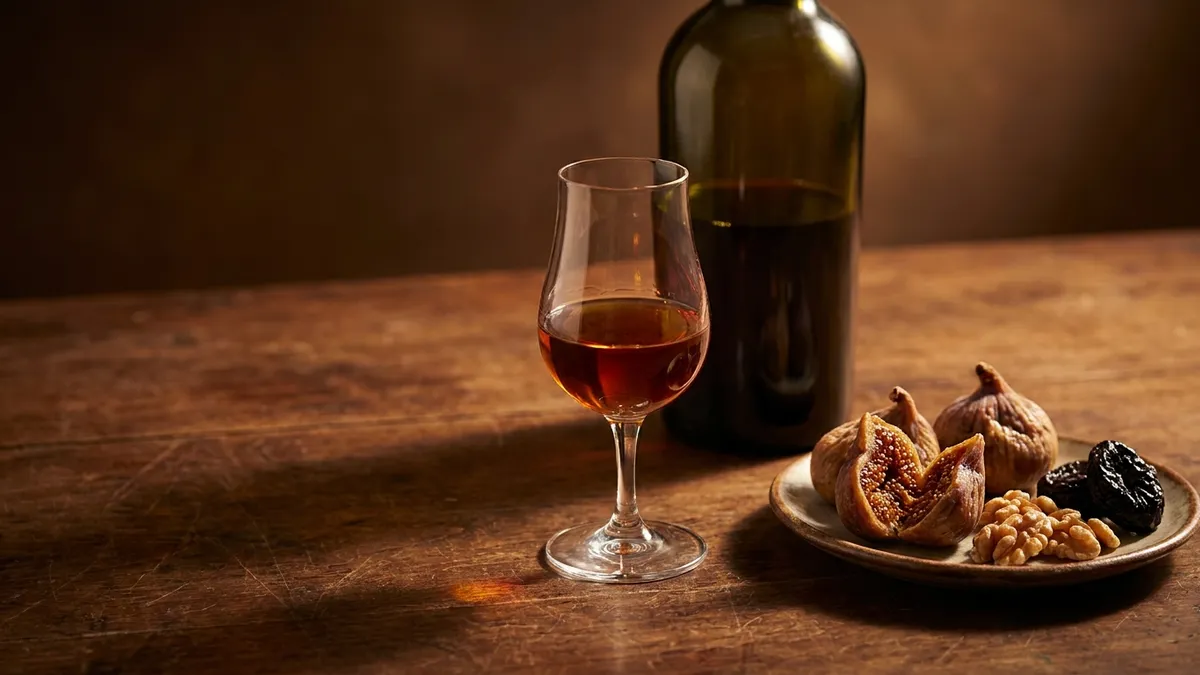
Madeira is the outlier of outliers. Because it is intentionally cooked and oxidized during production, an open bottle can keep for months — even up to a year (our Madeira wine guide explains why). Vintage Port is the exception in the other direction: once opened, drink within 3 to 5 days because it has not been pre-oxidized.
Storage Essentials After Opening
Three rules cover most of the variance between a wine that holds and a wine that crashes.
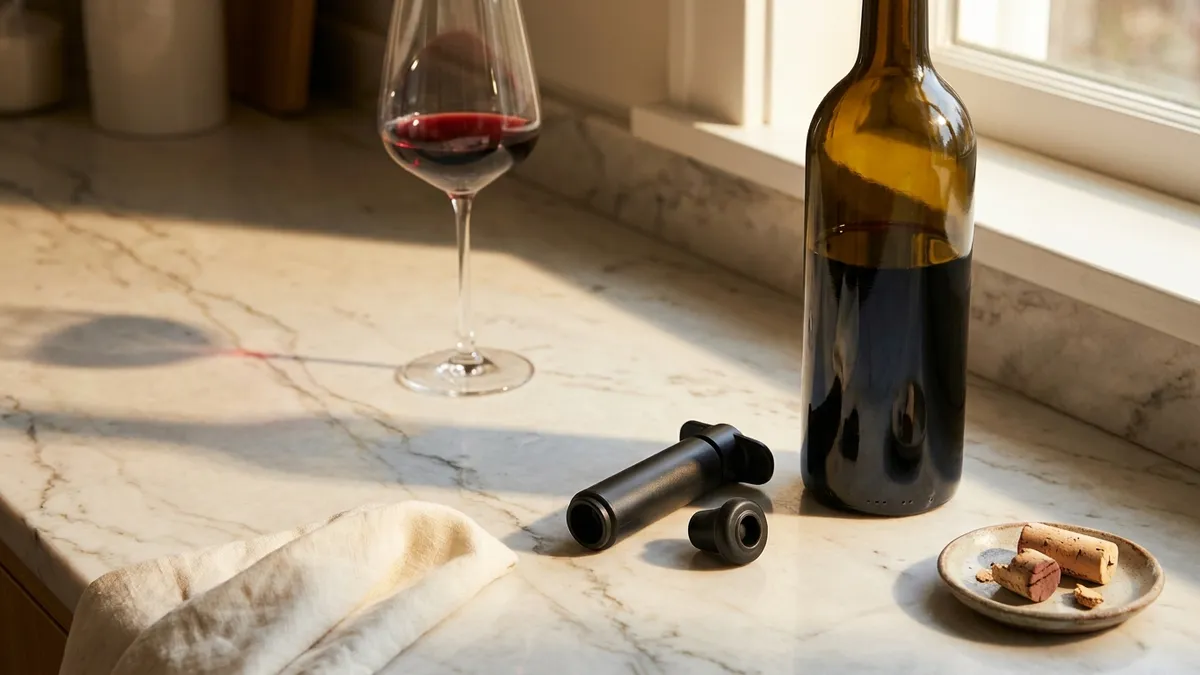
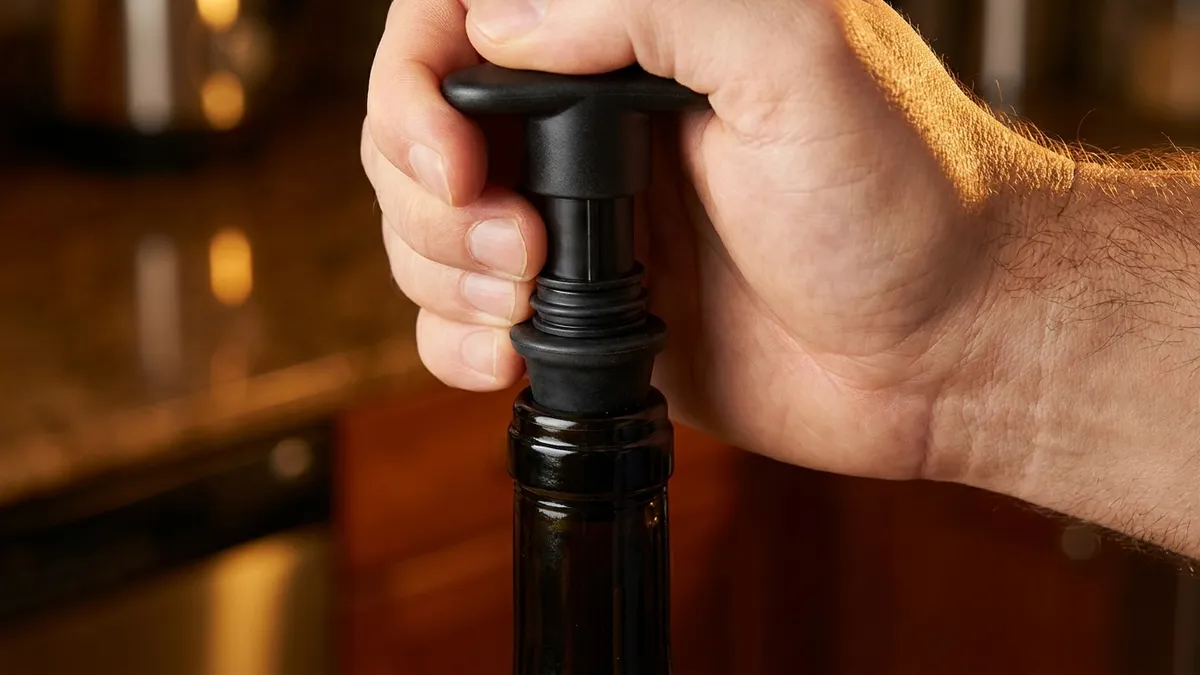
Re-stopper, every time. The original cork (upside down) works in a pinch but seals poorly because the cork has expanded against the bottle. A vacuum pump or a silicone wine stopper does a noticeably better job. For sparkling, you need a dedicated sparkling-wine stopper — the kind with metal clamps that grip the lip. Our guide on how to reseal a wine bottle walks through the right closure for each type of bottle.
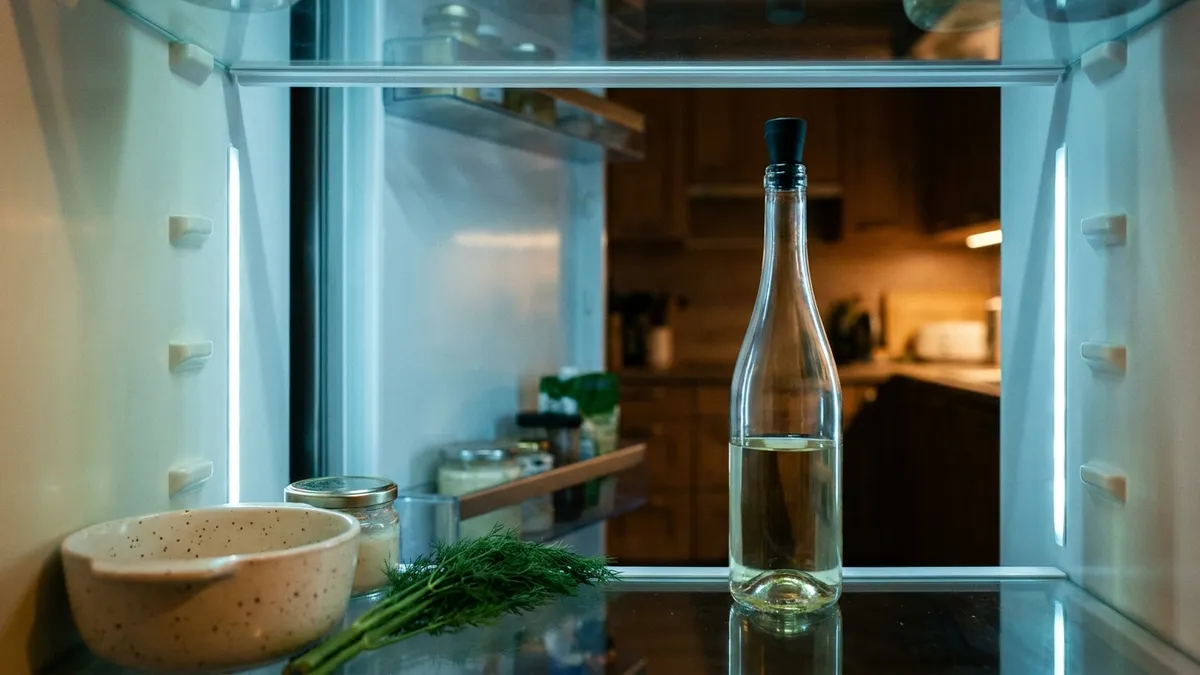
Refrigerate, even reds. Cold roughly halves the rate of every chemical reaction in the bottle. A red kept in the fridge for three days tastes fresher than one left on the counter for two. Pull it out 20 to 30 minutes before pouring to reach serving temperature. (For more on those temperatures, see our wine serving temperature chart.)
Store upright, away from light. Once a bottle is open, upright storage minimizes the surface area of wine in contact with air, which also leaves less room for the white film that grows on old leftovers. UV degrades wine faster than most people realize, especially in clear-glass bottles — the fridge handles this by default.
The Tools That Actually Work
The accessories aisle is full of preservation gadgets that range from "useful" to "marketing." Here is what actually matters.

Vacuum pumps (Vacu-Vin and similar) are the most common preservation tool. They suck a portion of the air out of the bottle through a one-way valve in a rubber stopper. Useful, modest impact — they probably buy you one extra day for table wines. They do not work for sparkling, because vacuum strips out the dissolved CO2.
Inert gas systems (Coravin and similar) are the gold standard. A Coravin pierces the cork with a thin needle, draws out a glass, and replaces the volume with argon gas. The cork reseals around the needle, and the wine never sees oxygen. This can preserve a bottle for weeks or even months — the right tool if you drink one glass at a time.
Argon spray cans (Private Preserve and similar) are the budget version. You spray a layer of inert gas on top of the wine before re-corking. Less effective than Coravin, but a noticeable upgrade over plain re-corking.
The original cork, upside down. Cheap and available, but the worst of the practical options. Once cork has expanded against bottle glass, it does not return to its original shape. Better than nothing, worse than a $2 silicone stopper.
Skip the bottle entirely. If you routinely drink one glass at a time, the simplest fix is a bag-in-box. The bag collapses as you pour, so almost no air ever touches the wine, and an opened box stays fresh for three to six weeks with no gadget at all. Our boxed wine guide explains how the format works and which styles suit it.
For a head-to-head breakdown of every option — how each one works, how many days it buys you, and which to buy for your drinking habits — see our full guide to wine preservation tools.
This is exactly the kind of practical decision the Sommy app helps with: matching the wine in your hand to a sensible action plan, instead of leaving you guessing.
How to Tell If Your Wine Has Gone Bad
A wine past its window will tell you, often quite clearly. Look, smell, and taste in that order.
Color. White wines turn from pale lemon or straw to deep gold and eventually brown as they oxidize. Reds turn from purple-ruby to brick, then brown, with the rim going pale and dull. A normally bright Sauvignon Blanc that has gone the color of apple juice is past its window.
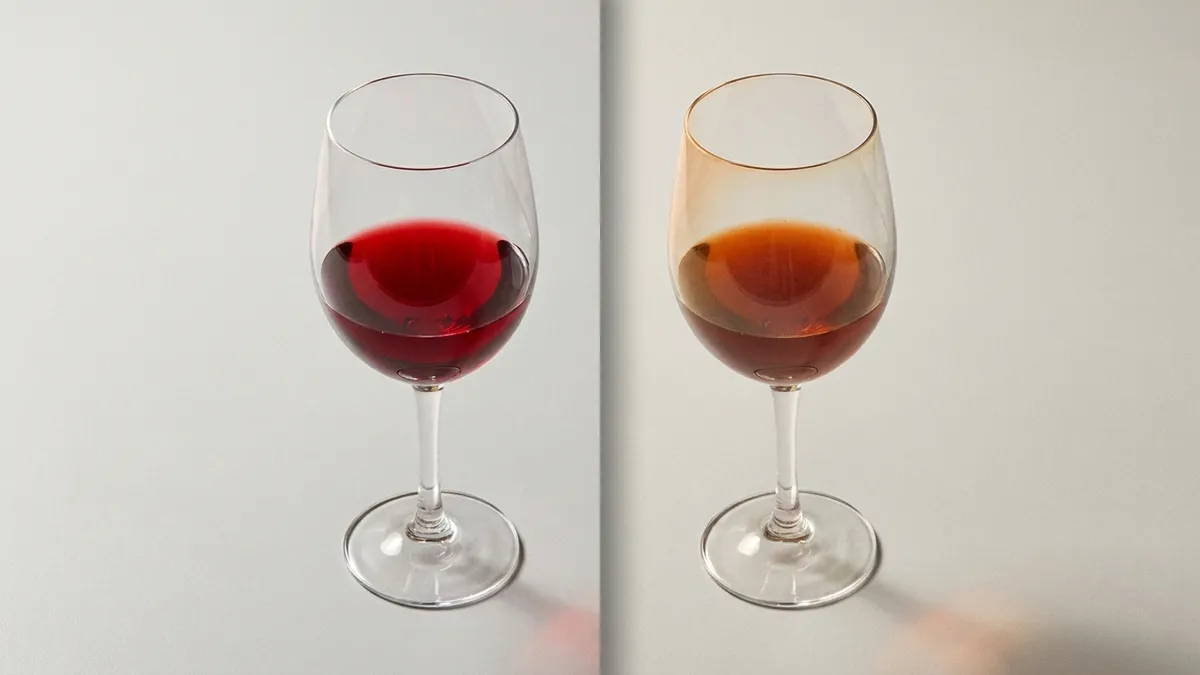
Aroma. This is the most reliable test. A wine that has tipped into oxidation smells like bruised apple, stewed fruit, wet cardboard, or stale sherry. A wine that has gone fully vinegary smells sharp and acidic — like a salad dressing in a glass. If the bright fruit aromas are simply gone but nothing weird is in their place, the wine is just tired. If something off is in their place, the wine is done.
Palate. The final test. Tired wine tastes flat and hollow — the structure is there but the fruit is missing. Oxidized wine tastes nutty, bruised, or sherry-like. Acetic wine tastes like vinegar. Any one of those is enough to stop drinking and reach for a fresh bottle.
A practical at-home test: pour a small splash, smell it, taste it, decide. Trust your nose. If a wine still smells like the wine, it almost certainly tastes like the wine.
"Bad" vs "Just Reductive": A Note on Funky Smells
Not every off-smell means the wine has gone bad. Some bottles, especially screw-cap whites and natural wines, can smell briefly like burnt match, wet wool, or struck flint right after opening. That is reduction — the opposite of oxidation, caused by sulfur compounds that built up under a tight seal.
Reduction usually blows off in 5 to 10 minutes of swirling, or with a quick decant. Oxidation does not — once a wine has gone bruised-apple, no amount of swirling will pull it back. The Sommy app's interactive aroma trainer covers both fault types so you learn to tell the difference.
Cooking With Leftover Wine
Even a wine that has crossed the line for drinking is rarely useless. Mildly oxidized white deglazes a pan beautifully — heat drives off the volatile off-notes and concentrates whatever fruit and acidity remain. Tired red is excellent in braises, beef stews, risotto, and pan sauces, and the cooking with wine guide shows when in the recipe to add it. Vinegary wine can stand in for red or white wine vinegar in a vinaigrette.
A useful kitchen habit: pour the last inch of any open bottle into an ice cube tray. Frozen wine cubes keep for months and drop straight into a hot pan when you need an ounce of acid for a sauce. For marinades, mulled wine, sangria, poached fruit and homemade vinegar, see our list of leftover wine uses.
Putting It All Together
How long wine lasts after opening comes down to four numbers worth memorizing: 1 to 3 days for sparkling, 3 to 5 days for most table wines, 7 to 14 days for sweet wines, 2 to 4 weeks for fortified wines. Re-stopper, refrigerate, store upright, and trust your nose more than the calendar.
If you want a system that goes deeper, the Sommy app walks through serving, storing, and tasting lesson by lesson with interactive guides and AI-supported feedback. The serving and storage learning hub covers everything from temperature to glassware to opened-bottle preservation.
A half-finished bottle is not a waste. It is a wine on a slightly tighter clock — and knowing the clock is most of the battle.
Frequently Asked Questions
How long does wine last after opening, in general?
Most table wines last 3 to 5 days after opening if you re-stopper them and put them in the fridge. Sparkling wine fades fastest at 1 to 3 days. Sweet and late-harvest wines stretch to 7 to 14 days. Fortified wines like Port and Sherry hold for 2 to 4 weeks, and Madeira can last for months.
Can I drink wine that has been open for a week?
It depends on the style. A week-old fortified wine, sweet wine, or aromatic Riesling will usually still taste fine. A week-old Pinot Noir or Sauvignon Blanc will probably taste flat, vinegary, or bruised. Pour a small splash, smell it for bruised apple or vinegar, and trust your nose more than the calendar.
Does wine go bad or just taste worse over time?
Both, gradually. Oxygen first dulls the fresh fruit and softens the structure, which simply tastes worse. Given enough time, oxygen converts alcohol into acetaldehyde (the bruised-apple smell) and then into acetic acid, which is literally vinegar. Wine does not become unsafe to drink, but it stops being enjoyable well before that.
Should I refrigerate red wine after opening?
Yes. Cold slows the chemical reactions that ruin wine. Re-stopper any opened red and put it in the fridge, even if you plan to drink it again the next night. Pull it out 20 to 30 minutes before pouring so it warms back up to its proper serving temperature, and it will taste noticeably fresher than a bottle left on the counter.
Does a vacuum pump or wine stopper actually work?
A vacuum pump like the Vacu-Vin removes some headspace air and buys you an extra day or two compared with no stopper at all. It is not magic, and it does not work well on sparkling wine because the suction strips the bubbles. For one-glass-at-a-time drinking, a Coravin argon system is far more effective and can preserve a wine for months.
How can I tell if my wine has gone bad?
Look for a brown or dull color, especially in whites that should be pale. Smell for bruised apple, sherry-like nuttiness in a wine that should be fresh, or sharp vinegar. Taste for a flat, hollow, or sour-acidic profile. Any one of these is a sign the wine is past its window. Two of them and it is definitely time to pour it into the cooking pot.
Can I cook with wine that has gone past its drinking window?
Yes, and this is one of the best uses for a half-finished bottle. Mildly oxidized wine works well for braises, stews, risotto, pan sauces, and deglazing. Heat drives off the volatile faults and concentrates whatever fruit remains. Even wine that has turned slightly vinegary can stand in for red or white wine vinegar in a pinch.
Why does my wine smell like vinegar after a few days?
Acetic acid bacteria in the air convert ethanol into acetic acid (vinegar) once a wine is exposed to oxygen for long enough. This usually starts to become noticeable around day 5 to 7 for most table wines, and faster for low-alcohol or low-sulfite wines. It cannot be reversed, but the wine can still be used in cooking.
Sommy Team
LinkedInFounder & Wine Educator
The Sommy Team is building the world's most approachable wine education app, helping beginners develop real tasting skills through structured courses and AI-guided practice.