How to Ship Wine Safely: The Legal Routes and Packing

By the Sommy Team — AI-assisted, human-edited.
Updated Sep 25, 2026
Contents (8)
- How to Ship Wine, in One Paragraph
- Can You Legally Ship Wine Yourself?
- What Are Your Options for Sending Wine?
- How Do You Pack Wine for a Suitcase or a Car?
- Why Is Heat the Biggest Risk in Transit?
- What Should You Check When Shipped Wine Arrives?
- Why Are Wine Shipping Laws So Complicated?
- What to Do Before Your Next Wine Trip
TL;DR
In the US a private person cannot legally ship wine: the Postal Service will not carry it and FedEx and UPS refuse it from individuals. Have a licensed winery or shop ship it, or carry it in checked luggage or a car. Pack bottles so they never touch, and keep them cool.
How to ship wine in the US starts with a surprise: a private person cannot legally send it. The Postal Service will not carry a bottle, and the big couriers refuse alcohol from private people. So wine travels one of two ways: a licensed winery or shop ships it, or it rides with its owner in a car or a suitcase. On both routes, heat is harder to spot than breakage, because it can spoil a bottle without a crack or a leak.
How to Ship Wine, in One Paragraph
To ship wine legally in the US, have a licensed winery or wine shop send it. The Postal Service will not carry alcohol, and FedEx and UPS refuse it from individuals.
If the seller cannot ship to the recipient's state, buy from a licensed seller inside that state. To move wine yourself, pack it in checked luggage, where wine at 24% alcohol or less has no TSA quantity limit, or drive it in the cool cabin of a car. Wrap each bottle so it never touches glass or a hard wall. Avoid heat: wine keeps best near 12 to 13°C (54 to 55°F), and a hot truck, trunk or doorstep can cook it. Someone 21 or older must sign for a delivery.
Can You Legally Ship Wine Yourself?
No. The Wine Institute, a wine-industry trade group, puts it plainly: "it is never legal for an individual to ship wine." Three separate barriers stand in the way, and each one would be enough on its own to stop a parcel.
- The mail: federal law, 18 U.S.C. §1716(f), declares all "vinous" and other intoxicating liquors nonmailable, so the US Postal Service will not carry wine at all.
- The couriers: FedEx and UPS have company policies that refuse alcohol shipments from individuals.
- The states: each state decides who may deliver alcohol to its residents, and those rules are written for licensed businesses.
The businesses that can ship use direct-to-consumer (DTC) shipping, meaning the seller sends wine straight to your door. To do it they hold state permits and a wine shipper's agreement with the carrier. A common carrier (a company that moves parcels for the public, like FedEx or UPS) will accept wine only from those accounts.
A shipping counter that takes your box has not made it legal. Carrier acceptance and state law are two different gates, and a shipment can pass the first and still break the second. If you want to send wine as a gift, the fix is simple: let the seller be the shipper. Our wine gift guide helps you choose what to send.
What Are Your Options for Sending Wine?
There are two legal routes: a licensed winery or shop ships the wine, or the owner carries it by car or in checked luggage. Bottles already at a winery or shop should ship from there; bottles already in your hands should travel with you.
| Situation | Legal route | Main risk | What to do |
|---|---|---|---|
| Gift to someone in another state | Seller ships it | Seller not licensed for that state | Order from a winery or shop that ships there, or from a licensed shop in their state |
| Bottles bought at a winery on holiday | Winery ships it home | Heat on the truck | Ask the winery to ship, and to hold the box until the weather cools |
| Flying home with wine | Checked luggage | Breakage and leaks | Wrap each bottle in clothes and a sealed bag, in the middle of the case |
| Driving home or moving house | Your own car | A hot trunk | Ride bottles in the air-conditioned cabin and unload them first |
| Wine club or online order | Seller ships it | A box left on a sunny doorstep | Have the carrier hold it for pickup, or deliver when someone 21+ is home |
If the winery or shop cannot ship to the recipient's state, buy from a licensed seller inside that state instead. Local shops can deliver under their own state's rules, and that is often the fastest legal route for a gift.
For the wine you order for yourself, the buying side has its own checklist, from spotting a licensed seller to timing a summer delivery, in our guide to buying wine online.
How Do You Pack Wine for a Suitcase or a Car?
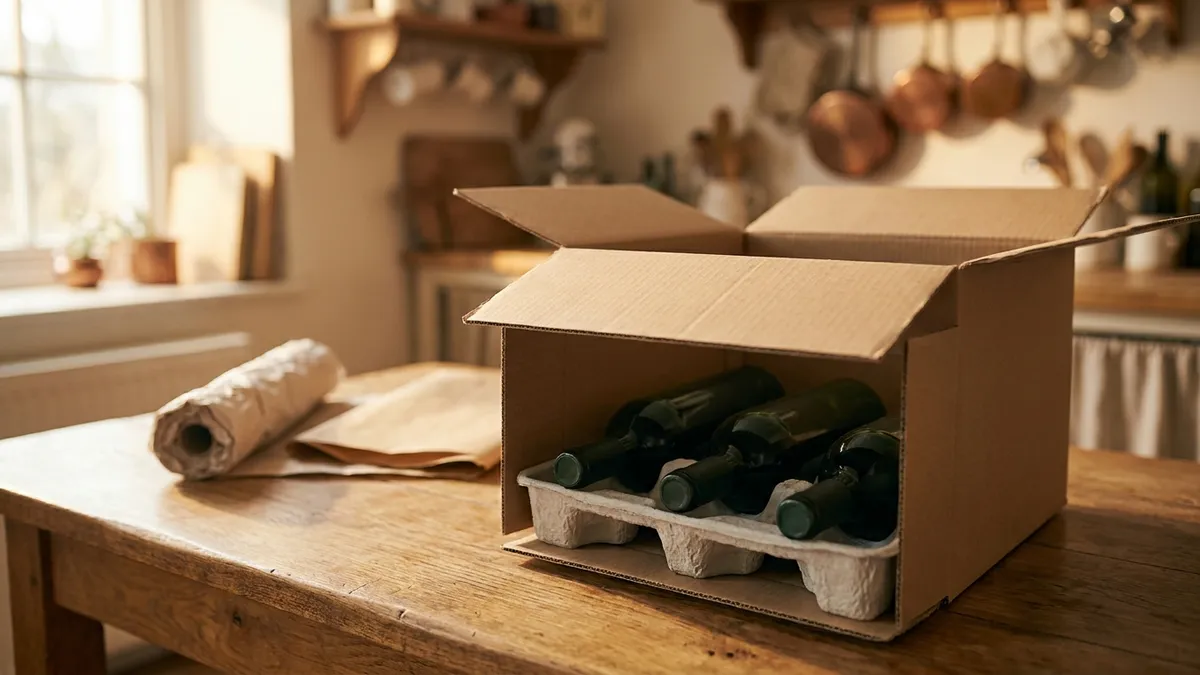
Pack each bottle so it cannot touch another bottle or a hard wall, and keep it in the coolest part of the trip. Glass breaks when it knocks against glass or a rigid shell, and a cushion of soft material between them absorbs the jolt.
For checked luggage, TSA rules set the limits. Wine and other drinks at 24% alcohol or less have no quantity limit in checked bags. Drinks above 24% and up to 70% are limited to 5 liters per passenger, in unopened retail packaging. In a carry-on bag, the limit is containers of 3.4 ounces (100 ml) or less, so a full bottle must go in the hold. If the drink is over 24% alcohol, keep it in its sealed retail box and within the 5 liters. Your airline can set its own rules on top.
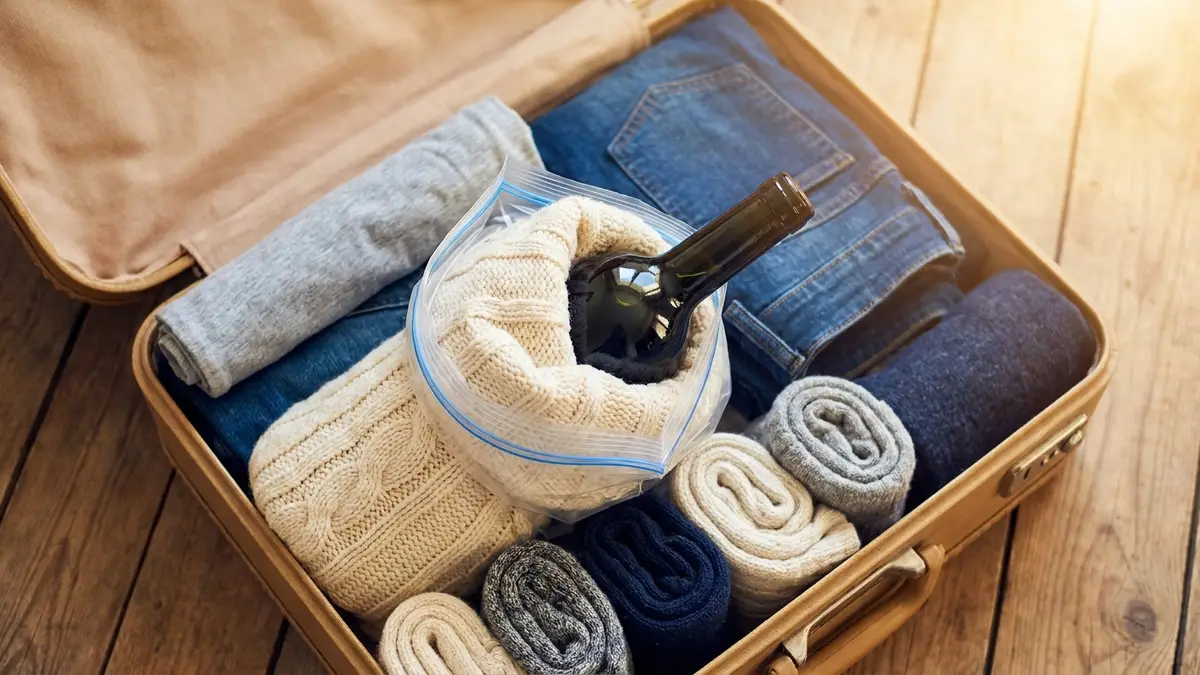
For a suitcase, a simple routine works:
- Seal: put each bottle in its own resealable plastic bag, so a break stays contained.
- Wrap: roll it in a thick sweater or towel, or use an inflatable or foam wine sleeve.
- Center: place it in the middle of the case, surrounded on every side by soft clothes.
- Fill: pack the case full so nothing can shift, and choose a hard-shell case if you have one.
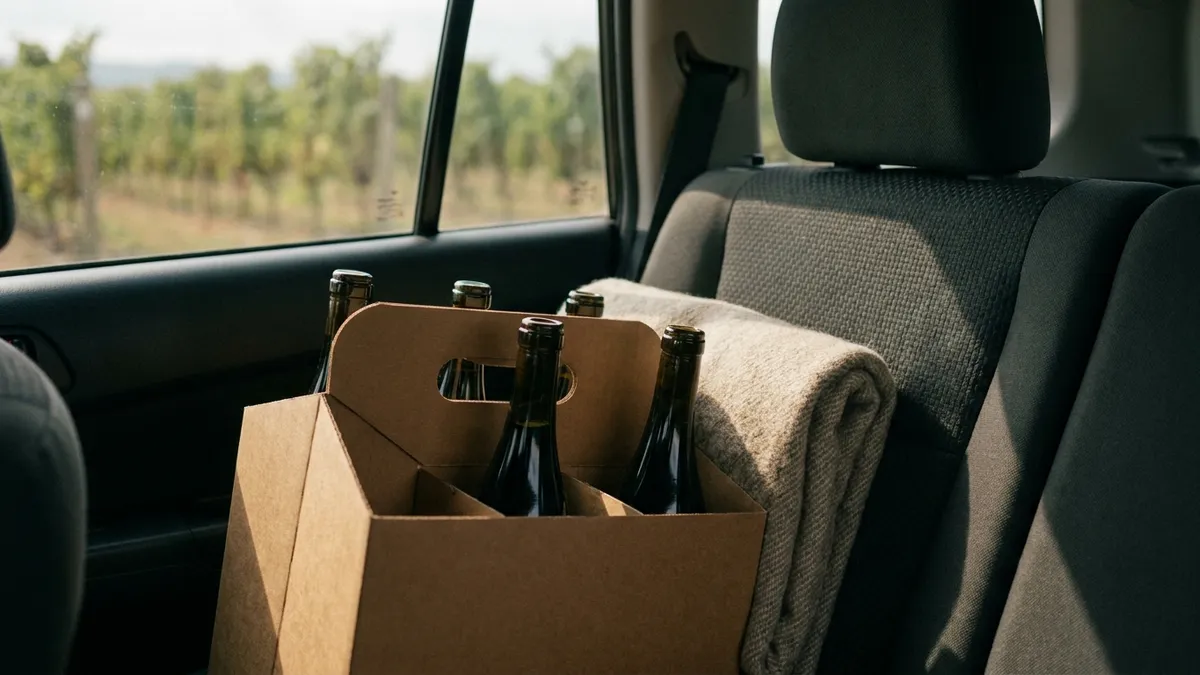
A car is easier, because you control the temperature. Stand the bottles in the cardboard carrier the winery gave you, with its dividers, and wedge the carrier so it cannot slide. Put it in the passenger footwell rather than the trunk. On a hot day the trunk heats far faster than the air-conditioned cabin, and our guide to wine storage mistakes explains how quickly a parked car can damage wine.
Why Is Heat the Biggest Risk in Transit?
Heat makes wine expand and age faster, and it can ruin a bottle that still looks perfect from the outside. Breakage is easy to see and rare with good packing; heat damage is common and often invisible until you taste.
The first effect is thermal expansion, the way a liquid grows in volume as it warms. Warm wine pushes upward between the cork and the glass, and can leak from the top. The second effect is faster oxidation (wine reacting with oxygen, which dulls fresh fruit into flat, bruised flavours). Wikipedia's summary of wine faults says heat damage is reputedly "the most widespread and common problem found in wines."
The damage does not need extreme temperatures. Every swing from cool to warm changes the pressure inside the bottle. Since all corks let a little air through, repeated swings "pump" air in faster than steady storage would. A box that spends days moving between hot trucks and cool warehouses gets that treatment on repeat.
A bottle with no leak and a flush cork can still be cooked wine, meaning wine that heat has flattened, with stewed, jammy fruit where fresh fruit should be. Heat-damaged reds can also turn brick-coloured early. For the full chemistry and the taste signs, read our guide to cooked wine and heat damage, and for how oxygen changes flavour, see oxidized wine explained.
The target is cellar temperature. Wine keeps best at about 12 to 13°C (54 to 55°F), with humidity of 65 to 70%, and our guide to wine cellar temperature and humidity covers how to hold it there at home. In transit you cannot hit that number, but you can avoid the peaks. If the forecast along the route is hot, ask the seller to hold the shipment, or drive the wine yourself with the cabin air on.
What Should You Check When Shipped Wine Arrives?
Someone 21 or older has to sign for it, and then the cork tells you most of what happened on the road. The Wine Institute notes that legal wine deliveries need an adult signature from someone over 21, and "there can be no signature waiver."
A special label marks the box as Adult Signature Required, so nobody can tell the driver to leave it.
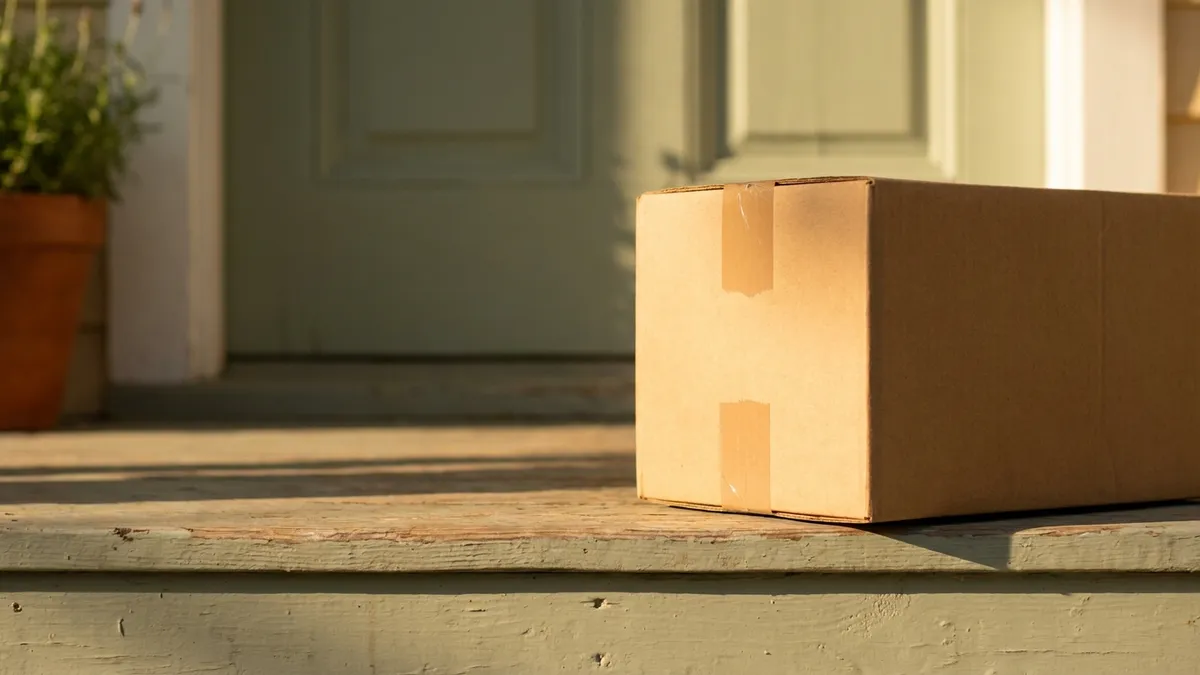
That rule also protects the wine. A box that cannot be left on the step spends less time in the sun, but only if someone is home. Plan the delivery for a day when an adult will be there, or ask the carrier to hold it for pickup.
When the box is open, check each neck before you store anything:
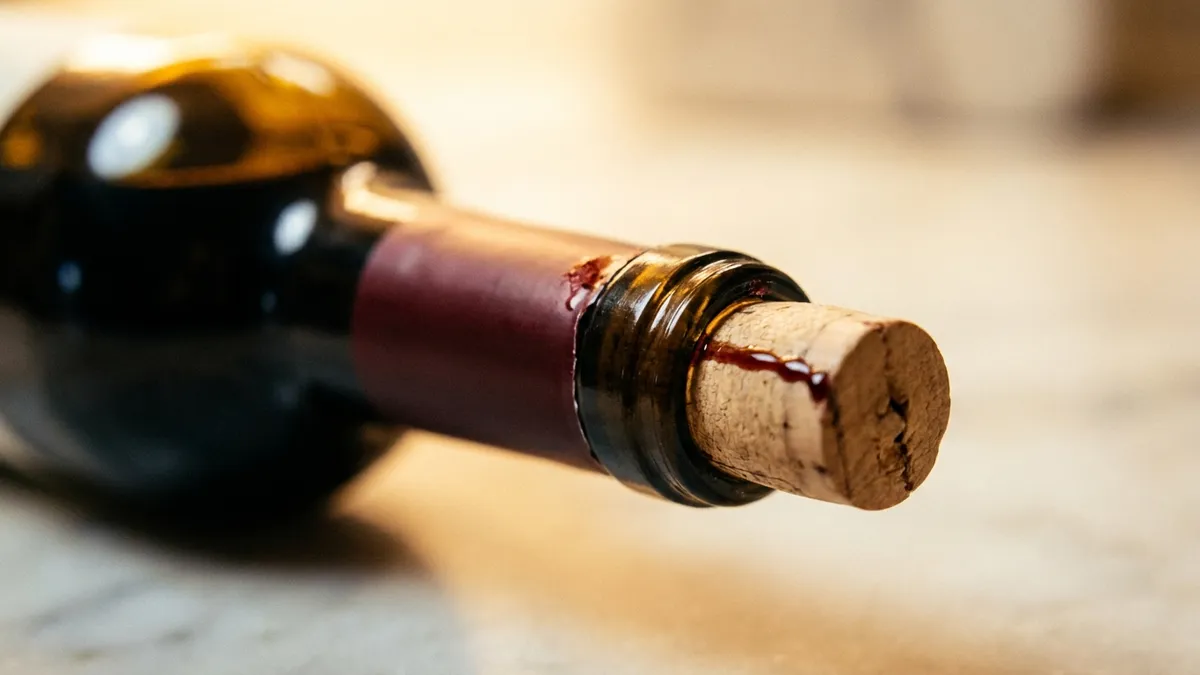
- Cork height: a cork pushed up above the lip means the wine expanded against it.
- Wine trail: a line of wine down the side of the cork, or a sticky stain on the rim, means wine was forced past it.
- Fill level: wine sitting lower in the neck than in its twin bottles means some leaked out.
If wine has crept up the side of the cork, drink that bottle soon instead of keeping it for years. A cork is not always a verdict, because a bottle can pass all three checks and still taste stewed. Only the glass tells you for sure. Then move the rest somewhere cool, dark and steady, and see how temperature affects wine taste for why a stable spot matters more than a perfect number.
Why Are Wine Shipping Laws So Complicated?
Each state writes its own alcohol rules, a power the 21st Amendment gave it when Prohibition ended. Section 2 of that amendment bans bringing liquor into any state "in violation of the laws thereof." So every state built its own system, and that is why the answer to "can this winery ship here?" changes at each state line.
A short timeline shows how the rules shifted, and each step still decides whether a checkout accepts an address:
- November 2002: a federal provision let wineries ship wine bought on site, in the tasting room, under certain conditions.
- 2005: in Granholm v. Heald, a 5-4 Supreme Court decision, states lost the right to let their own wineries ship to residents while barring out-of-state wineries. The court used the dormant commerce clause, the principle that states cannot discriminate against trade from other states.
- July 1, 2011: the "reciprocal shipping" category, where states swapped shipping rights with each other, was eliminated.
- October 1, 2018: the federal on-site provision applied only to Delaware.
What States Require Today
Granholm forced equal treatment, but it did not force any state to allow shipping at all. States that do allow it usually require the winery to get a license first, collect taxes, respect limits on quantities, use packaging that keeps wine from minors, and report its shipments. Utah prohibits shipments, while New Hampshire permits them, and many states sit somewhere between.
That is why a winery might happily ship to one friend and refuse the next. When a checkout rejects an address, it is the seller following that state's law. Our buying wine online guide lists the states with the tightest limits.
What to Do Before Your Next Wine Trip
Decide the route before you buy. At a winery, ask whether it ships to your state and whether it will hold the box in hot weather. For a flight, leave room in the checked case and pack one sweater per bottle. For a drive, clear space in the cabin footwell before the first stop.
The Sommy app at sommy.wine has bite-sized courses on Spain, Italy, France and California, useful before a visit to any of them. More guides on keeping wine in good shape live in our serving and storage hub. Tonight, pick the bottle that travelled furthest, check its cork, then pour a glass and taste for fresh fruit or stewed jam.
Sources
Frequently Asked Questions
Can I ship wine to a friend in another state?
Not by sending it yourself. In the US it is never legal for a private individual to ship wine, the Postal Service will not carry alcohol, and FedEx and UPS refuse alcohol from individuals. The legal route is to buy the wine from a winery or licensed shop that ships to your friend's state, and have the seller send it directly as a gift.
Can you mail wine through USPS?
No. Federal law, 18 U.S.C. §1716(f), makes all spirituous, vinous, malted, fermented or other intoxicating liquors nonmailable, so wine cannot go through the US mail. That applies to a single bottle for a birthday exactly as it does to a case. Licensed wineries and retailers ship through FedEx or UPS instead, under accounts set up for alcohol.
Can I bring wine home in my checked luggage?
Yes. Under TSA rules, wine and other drinks at 24% alcohol or less have no quantity limit in checked bags. Drinks above 24% and up to 70% are limited to 5 liters per passenger in unopened retail packaging. In carry-on bags you are limited to containers of 3.4 ounces (100 ml) or less. Check your airline's own rules too.
Does wine get ruined if it gets hot during shipping?
It can. Heat makes wine expand and push past the cork, and it speeds up oxidation, which dulls fresh fruit into a stewed, cooked character. Even without extreme heat, daily temperature swings pump air through the cork faster. Aim to keep shipped wine near cellar temperature, about 12 to 13°C (54 to 55°F), and avoid hot trucks, trunks and doorsteps.
Do you need to be 21 to receive a wine delivery?
Yes. Wine shipped legally in the US requires an adult signature from someone over 21 at delivery, and there can be no signature waiver. The package carries a special label marking it as Adult Signature Required, and the driver will check ID. If nobody of age is home, the carrier takes the box back, so plan for someone to be there.
Why can a winery ship wine to some states but not others?
Because each state built its own alcohol rules after Prohibition, under Section 2 of the 21st Amendment. States that allow shipping usually require the winery to hold a permit, collect taxes, respect quantity limits and report shipments. Some states add rules that stop many wineries from bothering, and Utah prohibits direct shipments entirely.
Sommy Team
LinkedInFounder & Wine Educator
The Sommy Team is building the world's most approachable wine education app, helping beginners develop real tasting skills through structured courses and AI-guided practice.