Cooked Wine: What It Means and 5 Signs of Heat Damage

By the Sommy Team — AI-assisted, human-edited.
Updated Oct 21, 2026
Contents (6)
TL;DR
Cooked wine is wine damaged by heat. It smells of stewed jam or prunes where fresh fruit should be, and it tastes flat. Check for a pushed-up cork, a sticky capsule, a gap under the cork and a brown tint, then smell it. Lab tests found lasting damage after 36 hours at 27°C (80°F).
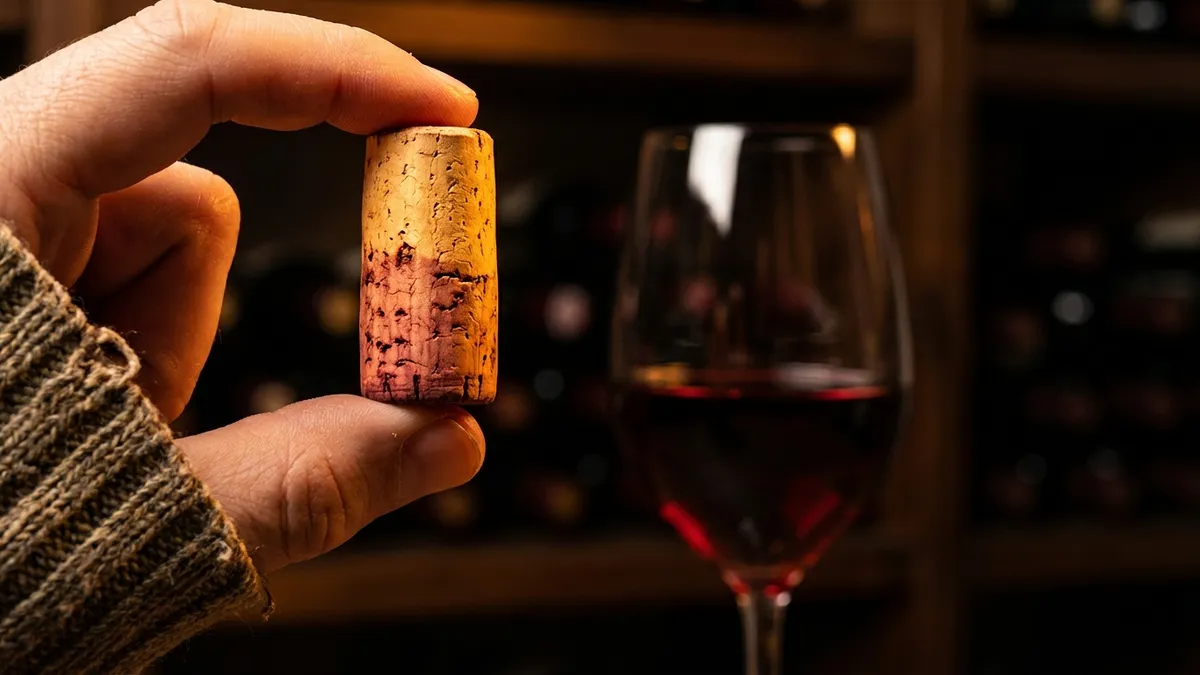
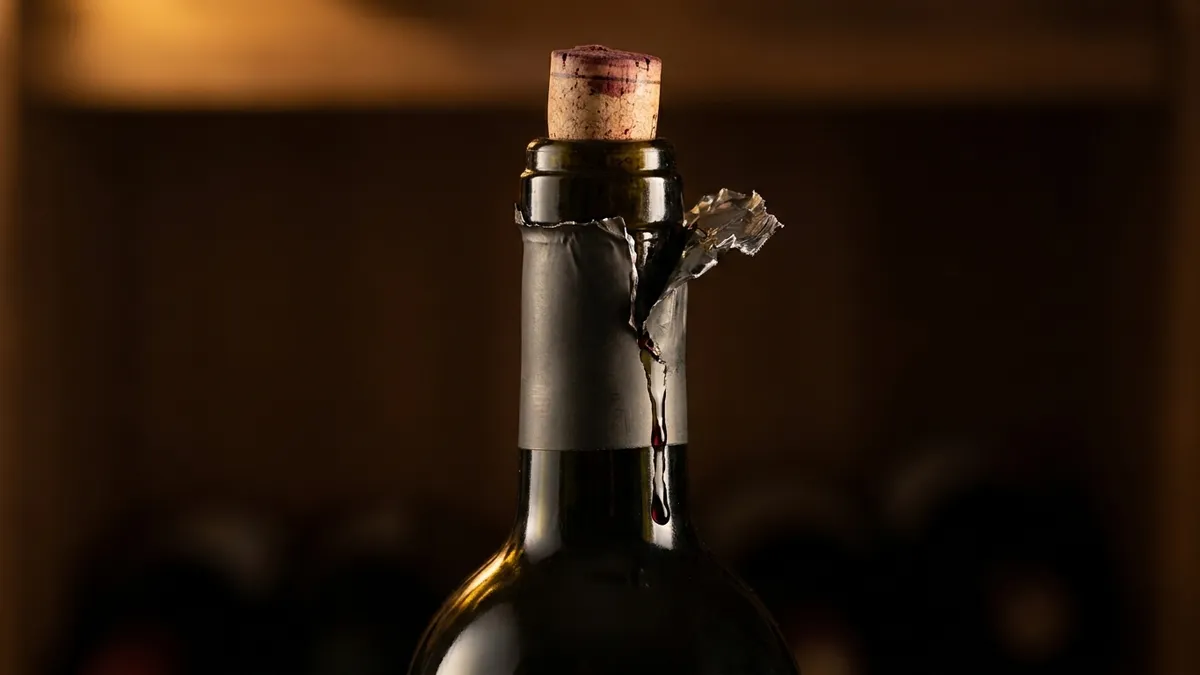
Cooked wine is wine damaged by heat in a hot car, a shipping box or a warm room. It smells of stewed jam or prunes where fresh fruit should be, and it tastes flat. The visible signs are a pushed-up cork, sticky leakage at the capsule edge, a wine-stained label, and sometimes a low fill level.
The phrase also names two drinks made with heat on purpose. Vin cuit (French for "cooked wine") is a sweet dessert wine from Provence, made by heating grape juice until it turns syrupy. Mulled wine is wine warmed with spices.
How to Tell If Wine Is Heat Damaged
Check the bottle from the outside in: cork, capsule, fill level, colour, then smell. The first four show that a bottle got hot enough to expand or change. Only the smell proves the wine is cooked. Wine Spectator calls a leaking cork evidence of heat that "doesn't always mean that your wine is toast."
| Check | Warning sign | What to do |
|---|---|---|
| Cork | Pushed above the rim, even by a millimetre | Shop: pick another. Home: smell before serving |
| Capsule and label | Sticky wine under the foil, a stained cork top or label | Treat it as suspect; smell it first |
| Fill level | A gap under the cork on a young wine | Pick another: wine was pushed out |
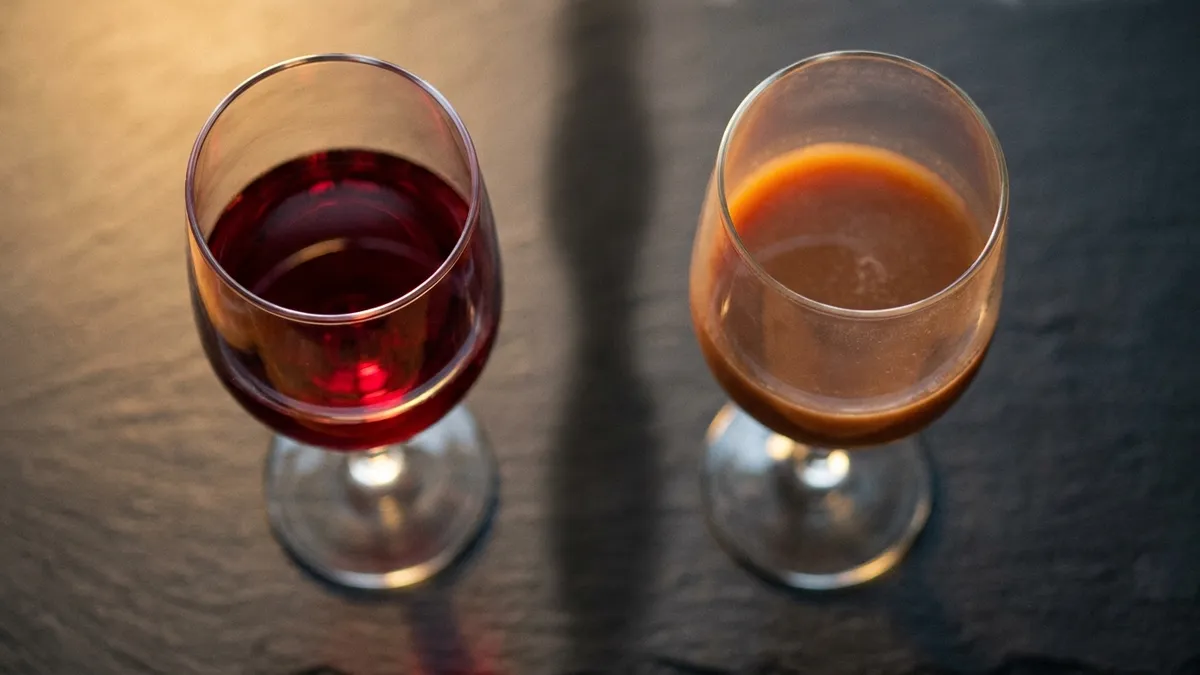
| Colour | A young red turning brown or brick | Smell it next: brown plus stewed fruit means cooked |
| Smell | Stewed jam, prune, baked or caramel notes, no fresh fruit | It is cooked: return it with the cork |
Read the signs together, because each one alone can mislead. Eric Vogt of eProvenance ran heat tests with ETS Laboratories. He notes that a bottle that spiked to 40°C and cooled quickly may leak and push its cork while the wine stays undamaged. The reverse also happens: 30°C for a day or two can cook a wine with a flush cork and no leak.
If the cork is pushed but the wine smells fresh, drink it soon. If the nose is stewed, the wine is cooked, whatever the outside shows. A pushed cork on a wine that fizzes has a different cause, set out in why a wine bottle explodes.
Does Heat Ruin Wine?
Yes, once heat and time add up. Wine Folly says temperatures over 70°F (21°C) for a significant time can permanently taint wine, and that above about 80°F (27°C) the wine starts to cook. In ETS Laboratories tests reported by Wine Enthusiast, 36 hours at 80°F caused permanent chemical changes.
| Temperature | Time to lasting change | Where bottles meet it |
|---|---|---|
| 13–15°C (55–59°F) | Slow, normal ageing | Natural cellar, wine fridge |
| Over 21°C (70°F) | A long stay can taint the flavour | Warm flat in summer, a shelf above the fridge |
| 27°C (80°F) | 36 hours | Attic, garage, delivery van in summer |
| 30°C (86°F) | 18 hours | Sunny windowsill, car boot on a warm day |
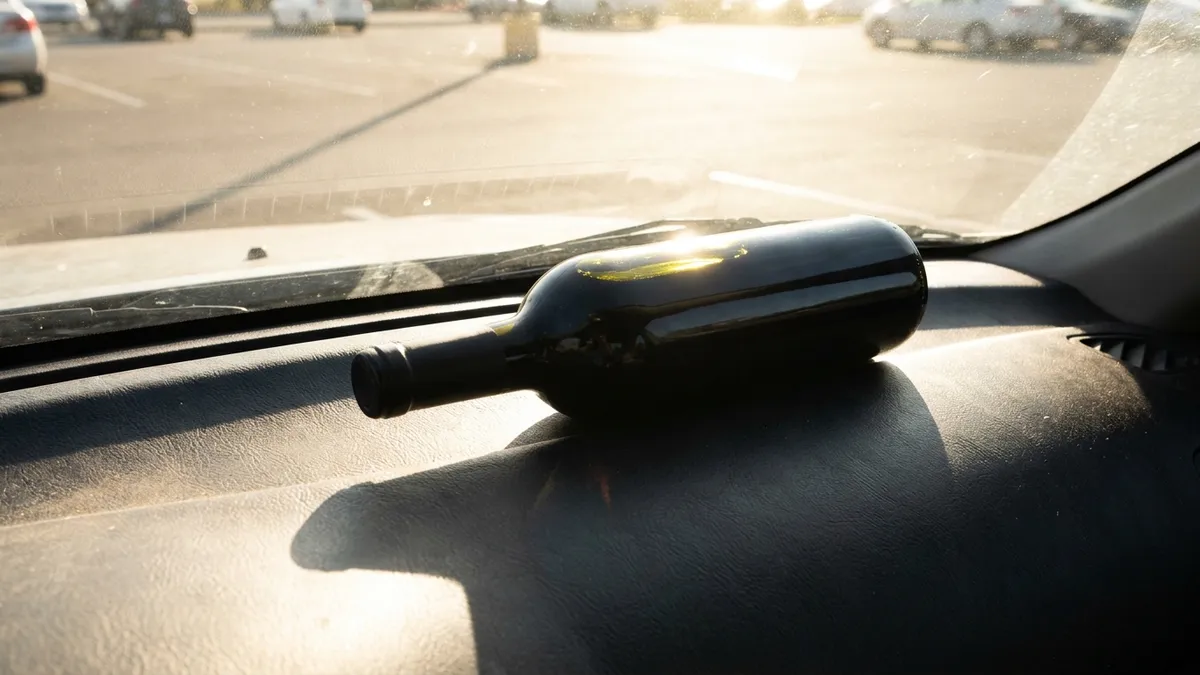
| 39°C (102°F) | 6 hours | Parked car on a summer afternoon |
Sources disagree on the line because they measure different things. Around 70°F is where slow damage begins. At 80 to 90°F a wine cooks in hours or days, and Wine Folly's own page gives both 80°F and 90°F for that point. In the eProvenance study, professional tasters noticed the change after just over two days in total at 30°C (86°F).
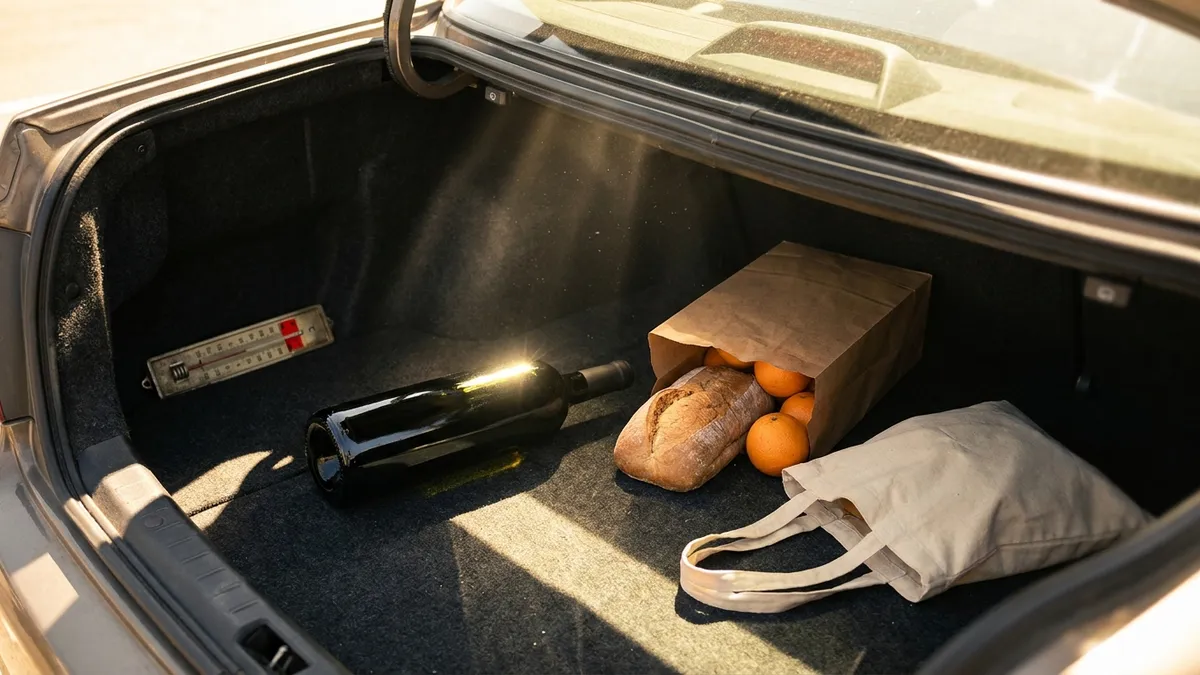
A parked car crosses every line fast. On an 83°F (28°C) day a car can reach 109°F (43°C) in 15 minutes, according to the US National Highway Traffic Safety Administration figure that Wine Enthusiast cites. If a bottle spent a summer afternoon in a parked car, treat it as suspect and smell it before serving.

Quick check
One question on what you just read
A young red smells of stewed jam, and its cork sat pushed up. Which fault fits best?
Tap an answer to see how you did.
What Does Cooked Wine Taste Like?
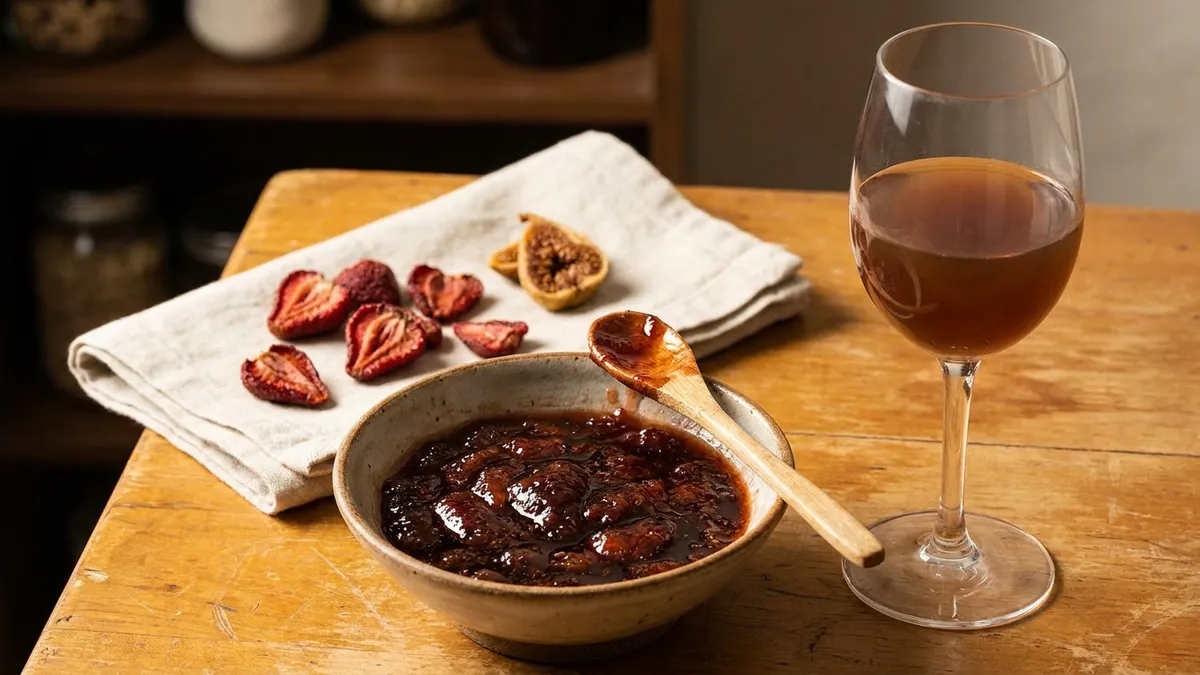
Cooked wine tastes stewed where it should taste fresh. Wine Spectator lists stewed fruit plus "baked, burnt or caramel notes", and Wine Folly describes heat damage as sour and jammy, "sort of like canned prunes." The fresh cherry or lemon is gone, and the wine tastes flat and faded.
- Stewed strawberry jam in reds, where fresh cherry or raspberry should be.
- Prune and raisin, with fresh fruit turned dried.
- Baked apple in whites, where crisp apple or citrus should be.
- Caramel or burnt sugar in badly damaged bottles.
The age of the wine is the tell. Sommelier Ren Peir told VinePair that wines from recent vintages should have fresh, bright fruit, so "jammy fruits that border on the rotten side" in a young bottle point to heat.
Practise naming these smells with how to smell wine, the tasting vocabulary cheat sheet, developing your palate and common tasting mistakes.
Cooked, Corked or Oxidized?
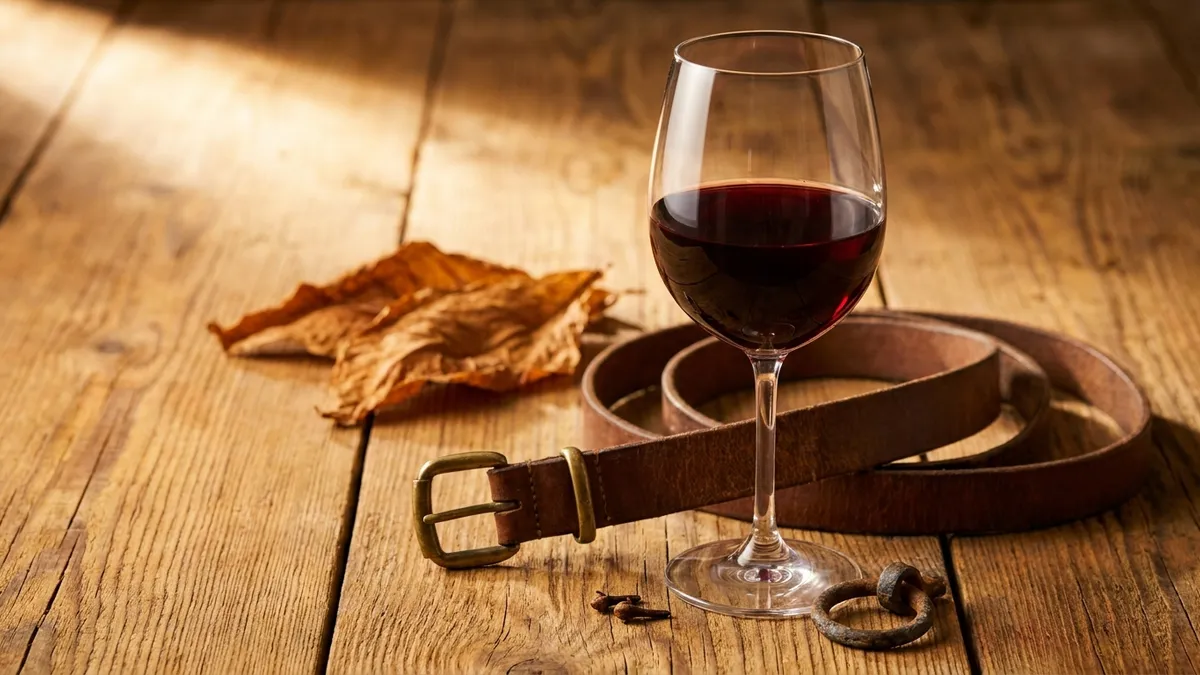
Cooked, corked and oxidized wines all lose their fresh fruit, but each fault leaves its own smell and its own clue on the bottle. One sniff and one look at the cork usually tell them apart. A well-aged wine has dried fruit too, with its acidity and tannin still there.
| Wine | Smells of | Bottle clue | Cause |
|---|---|---|---|
| Cooked | Stewed jam, prune, caramel | Pushed cork, sticky capsule | Heat |
| Corked | Wet cardboard, damp cellar | Cork usually looks normal | TCA, a chemical taint from the cork |
| Oxidized | Bruised apple, sherry, walnut | Low fill or a dried-out cork | Too much oxygen |
| Well aged | Dried fruit and leather, with fresh acidity | An older vintage on the label | Years in bottle |
Corked wine has its own sniff test in how to tell if wine is corked, the air-damage chemistry is in oxidized wine explained, and the faults learning hub puts every fault side by side.
Madeira is cooked on purpose. In the estufagem method the wine sits in heated tanks, most often around 46°C (115°F), for at least 90 days. Canteiro wines age for years on the warm upper floors of the lodges, with no artificial heat. Those caramel and dried-fruit notes would be a fault in a table wine, which is why tasters call an overheated bottle "maderized". The Madeira wine guide and the dessert wine guide cover the deliberate styles.
What to Do With a Cooked Bottle
Take it back. Bring the bottle and its cork to the shop, since the pushed cork or sticky capsule is the evidence. In a restaurant, say "this smells cooked" when the sommelier pours the taste. Ren Peir told VinePair that guests are entirely welcome to send it back and should call out a flaw as soon as possible.
If wine arrives by courier in hot weather, check it on the doorstep. Feel the box for warmth, photograph the cork and capsule, and contact the seller the same day if either shows a leak. The buying wine online checklist covers the checks to run before you pay. For sending bottles yourself, how to ship wine covers keeping the box cool.
A cooked bottle that cannot go back still works in a stew or a braise, where long cooking covers the stewed fruit. For a bottle left open too long, see how long wine lasts after opening.
How to Keep Bottles From Cooking
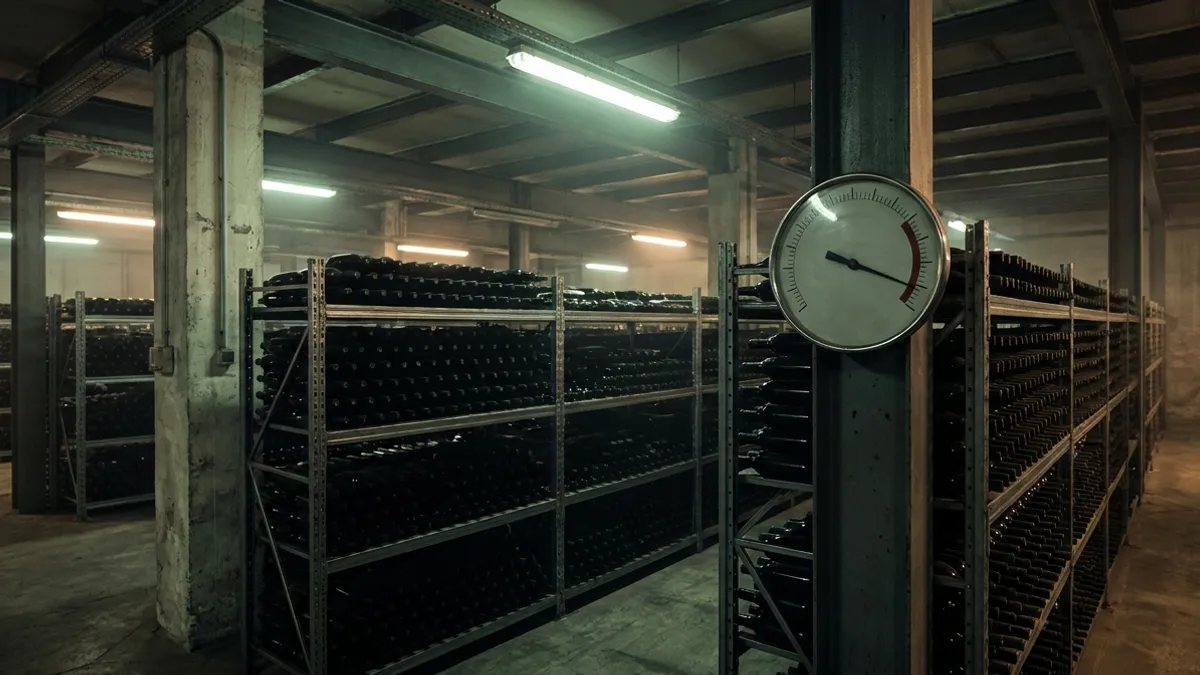
Keep wine in a cool, dark place that does not get above 70°F (21°C), as Ren Peir advises. For a short stop when proper storage is impossible, Wine Enthusiast sets the limit at 75°F (24°C), away from sunlight. It also warns that heat rises, so an attic that is cool in winter can be a sauna in summer.
Many cooked bottles meet their heat before they reach home: in a summer delivery van, a sunny shop window or a car boot. If a shop displays wine in the window or under hot lights, buy from the shelves further back. If you order online in summer, choose insulated shipping or wait for cooler weather, as Wine Enthusiast advises.
At home, a wine fridge or the coolest dark cupboard does the job. How to store wine at home covers the set-up, the cellar temperature and humidity guide gives the numbers, and wine storage mistakes ranks the other risks.
Tonight, find any bottles above the fridge, near the oven or in a sunny window, and move them to the floor of a cool cupboard. Open the one that sat warmest first and smell it before you pour a full glass. Photograph its label in Sommy's AI-guided tasting mode to be walked through look, smell and taste, with your notes saved to a tasting journal.
Sources
- Wine Spectator: What does a cooked wine taste like?
- Wine Folly: Wine heat damage
- Wine Enthusiast: Bummer in the Summer (ETS Laboratories heat tests and NHTSA car temperatures)
- Wine Industry Advisor: Eric Vogt (eProvenance) on heat damage and fine wine
- VinePair: Ask a Sommelier, what does it mean if a wine is cooked?
- Wikipedia: Madeira wine
Frequently Asked Questions
What does it mean when a wine is cooked?
It means heat has damaged the wine, usually in a hot car, a summer delivery or a warm room. The fruit smells stewed or jammy where it should smell fresh, and the wine tastes flat. The same phrase can also mean vin cuit, a sweet Provence dessert wine made by heating grape juice, or mulled wine, which is warmed with spices on purpose.
Does heat ruin wine?
Yes, once heat and time add up. Wine Folly says wine held over 70°F (21°C) for a significant time can be permanently tainted. ETS Laboratories found lasting chemical change after 36 hours at 80°F (27°C), 18 hours at 86°F (30°C) and six hours at 102°F (39°C). A short spike that cools quickly may leave the wine unharmed.
How can you tell if wine is heat damaged?
Check the cork, the capsule, the fill level, the colour and the smell. A cork pushed above the rim, sticky wine under the foil or a gap under the cork on a young wine show the bottle got hot. A young red turning brown or brick and a stewed-jam smell confirm it. The smell decides, because heat can cook a wine without moving the cork.
Is wine ruined if left in a hot car?
Often, if it stays there for hours. On an 83°F (28°C) day a parked car can reach 109°F (43°C) in 15 minutes, according to the US National Highway Traffic Safety Administration, and ETS Laboratories found lasting change after six hours at 102°F (39°C). A short errand may do no harm, but a summer afternoon is risky. Smell the wine before serving it.
What is the difference between cooked wine and corked wine?
Cooked wine was damaged by heat and smells of stewed jam, prunes or caramel, often with a pushed-up cork. Corked wine was tainted by a chemical called TCA from the cork and smells musty, like wet cardboard or a damp cellar. The cork of a corked bottle usually looks normal. Both are good reasons to return a bottle to the shop.
What is the difference between cooked wine and oxidized wine?
Both faults strip out fresh fruit, but they smell different. Oxidized wine smells of bruised apple, sherry and roasted nuts, and comes from too much oxygen. Cooked wine smells of stewed jam, prune and baked fruit, and comes from heat. Heat damage often shows on the outside as a pushed-up cork or a sticky capsule, while an oxidized bottle can look normal.
Why does Madeira taste cooked on purpose?
Madeira is heated deliberately. In the estufagem method the wine sits in heated tanks, most often around 46°C (115°F), for at least 90 days. Canteiro wines age for years in warm lodges with no artificial heat. That controlled heat builds the caramel and dried-fruit notes that would be a fault in a table wine, which is why an overheated bottle is called maderized.
Sommy Team
LinkedInFounder & Wine Educator
The Sommy Team is building the world's most approachable wine education app, helping beginners develop real tasting skills through structured courses and AI-guided practice.