How to Detect Oak Flavors When Tasting Wine

By the Sommy Team — AI-assisted, human-edited.
Updated Apr 29, 2026
Contents (13)
- Detecting Oak Flavors in Wine Tasting
- Oak in Wine, in 100 Words
- The Three Tasting Channels Where Oak Hides
- French vs. American vs. Hungarian Oak
- Toast Levels — From Light to Char
- New Oak vs. Once-Used vs. Neutral
- Barrel Size Matters Too
- Oak in White Wine — Three Different Effects
- Telling Oak Apart from Bottle Age
- Oak Influence Without Barrels
- A Sommy Drill — Tasting for Oak
- When Oak Goes Wrong
- Building Your Oak Vocabulary
TL;DR
Oak flavors in wine tasting show up as vanilla, coconut, and dill from American oak, and clove, cinnamon, cedar, and baking spice from French oak. Heavy toast adds smoke and mocha. New oak feels firm and drying; neutral oak adds only texture. Whites also show creaminess from lees stirring and a faster shift to gold.
Detecting Oak Flavors in Wine Tasting
Oak flavors in wine tasting are everything the barrel adds on top of the grape — vanilla, toast, baking spice, coconut, smoke, cedar, and a creamier, longer finish. They are not a mystery, and they are not random. Each note maps to a specific cooper's choice: which oak species, which forest, which toast level, which barrel age, and how long the wine sat inside.
This guide walks through how to detect oak in the glass, separate French from American oak, tell new oak from neutral, and — most usefully — distinguish oak's vanilla and clove from the leather and tobacco that come with bottle age. The two often share space in the same wine, but they are different signatures.
If you are still working out what oaked even means as a category, our oaked wine explainer covers the basics. This piece is the tasting method.
Oak in Wine, in 100 Words
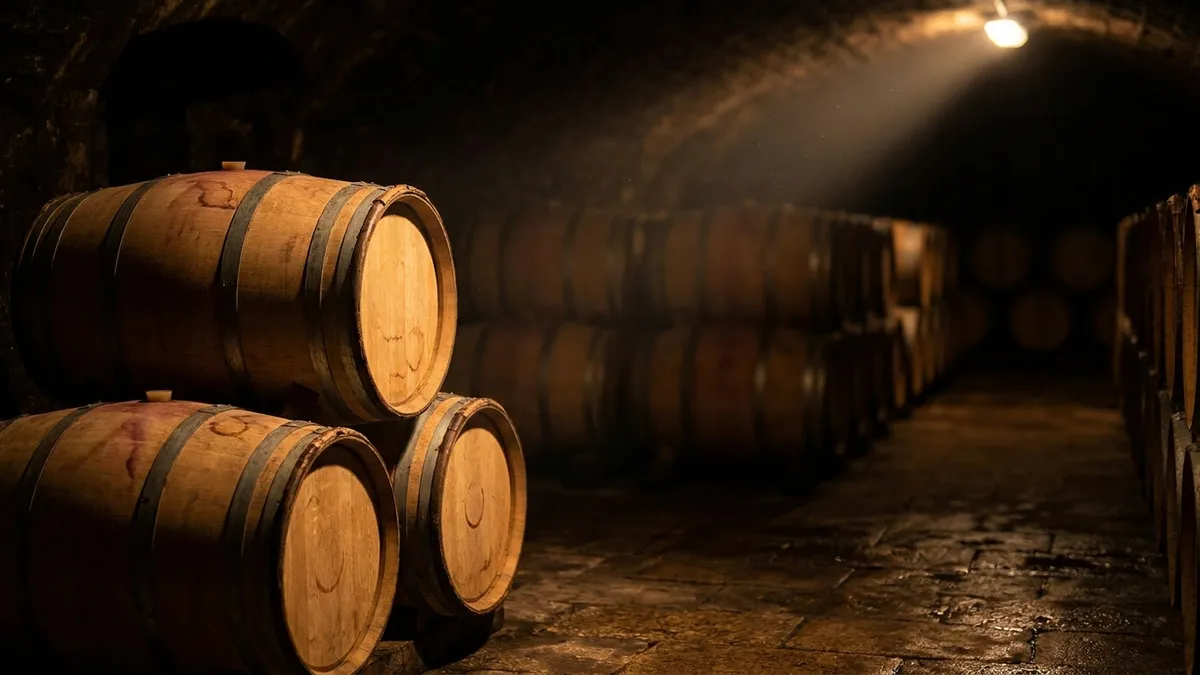
Oak shows up on the nose as vanilla, coconut, and dill from American oak, and as clove, cinnamon, cedar, and dried herbs from French oak. Heavy char adds smoke, mocha, and dark coffee. On the palate, malolactic fermentation and lees stirring give a creamy texture; new oak adds firmer, drying tannin and a longer finish. On color, oaked whites turn deeper gold faster than stainless-steel-aged whites. New oak is bold and obvious; neutral oak adds only texture and structure. The trick is telling oak's vanilla from age's leather — barrel notes versus time notes.
The Three Tasting Channels Where Oak Hides
Oak influence is not just an aroma. It changes color, aroma, and palate at once. Train your nose, your eye, and your tongue to triangulate.
Channel 1 — Color
Oaked white wines move toward gold faster than stainless-steel whites. A two-year-old oaked Chardonnay can already show medium straw to light gold; an unoaked version of the same age sits in pale lemon territory. The micro-oxygenation through the barrel staves accelerates color development.
For young reds, the signal is subtler. Heavily oaked young reds can show a slightly softer, less purple rim — a hint of brick at the very edge — because the same micro-oxygen exchange softens anthocyanin pigments. Our wine color meaning guide goes deeper on what color tells you.
Channel 2 — Aroma
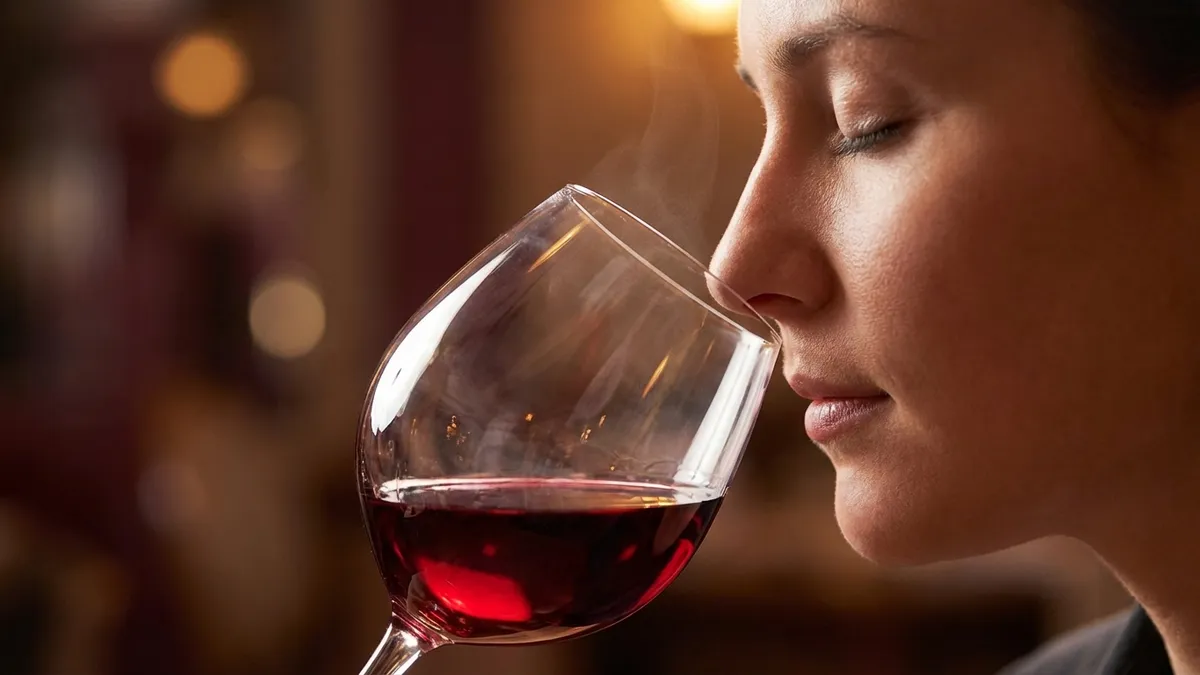
Aroma is where oak speaks loudest. Swirl, smell, and listen for two layers — fruit underneath, oak on top.
The clearest oak markers on the nose:
- Vanilla — vanillin compounds extracted from any oak; the single most reliable sign
- Clove and cinnamon — eugenol and related phenols, especially from French oak
- Coconut — lactones, dramatically higher in American oak
- Dill or fresh sawdust — a tell-tale American oak signature in younger wines
- Cedar and pencil shavings — fine-grained French oak in serious reds
- Toast and warm bread — Maillard compounds from medium toast levels
- Mocha, dark coffee, smoke — heavy toast or char
- Dried herbs and walnut — older or neutral oak in extended aging
If you swirl and find pure citrus, green apple, white flowers, and wet stone with no warm spice or vanilla, the wine is almost certainly unoaked. Our how to smell wine guide covers the systematic sniff method that makes these layers easier to separate.
Channel 3 — Palate
The palate adds two more oak fingerprints — texture and finish.
A wine aged in new oak feels firmer and a little drying on the gums and inside of the cheeks. That is oak tannin, which is structurally different from grape tannin — drier, more tea-like, and less juicy. New oak tannin lingers into a longer finish.
A wine aged in oak with malolactic fermentation (a secondary fermentation that converts malic acid into softer lactic acid) and lees stirring (keeping spent yeast in contact with the wine) feels creamy, almost buttery. The grape gives the fruit; cellar choices give the texture.
If the wine is rich, rounded, and finishes long with a faint warmth of vanilla and spice, oak is doing real work. If the finish is short, crisp, and citrusy, oak is either absent or whispering from a third-fill barrel.
French vs. American vs. Hungarian Oak
The species and origin of the oak set the wine's accent before the cooper even fires the toaster.
French Oak — Quiet, Fine-Grained, Spice-Forward
French oak (Quercus robur and Quercus petraea) from forests in Allier, Tronçais, Nevers, Vosges, and Limousin has a tight grain. The compounds release slowly and elegantly. Expect:
- Subtle vanilla rather than candied vanilla
- Clove, cinnamon, and allspice as a backbone
- Cedar, pencil shavings, and toasted hazelnut
- Fine, silky tannin that integrates with the grape
French oak is the standard in Burgundy, Bordeaux, and most premium wines worldwide. A new French oak barrique runs roughly $1,000-$1,500.
American Oak — Loud, Wide-Grained, Sweet
American oak (Quercus alba) from the Midwest and Appalachians has a wider grain. The compounds release fast and sweet. Expect:
- Bold, sometimes candied vanilla
- Coconut and dill — high lactone content
- Sweet baking spice — louder than French
- Firmer, coarser tannin
American oak is the signature of traditional Rioja, Australian Shiraz, and many California wines. A new American oak barrel costs roughly half a French one, for reasons covered in our French oak vs American oak guide.
Hungarian and Slavonian Oak — The Middle Path
Hungarian oak sits between the two — finer grain than American, slightly more assertive than French. Slavonian oak, used heavily in Italian wines like Barolo and Brunello, is large-format and gentle, contributing structure and texture more than overt flavor. A wine aged in a 25-hectoliter Slavonian botte tastes more of the grape than of the wood.
When you taste a wine and the oak feels neither overt nor invisible — present but never the lead — Hungarian or large-format Slavonian oak is a good guess.
Toast Levels — From Light to Char
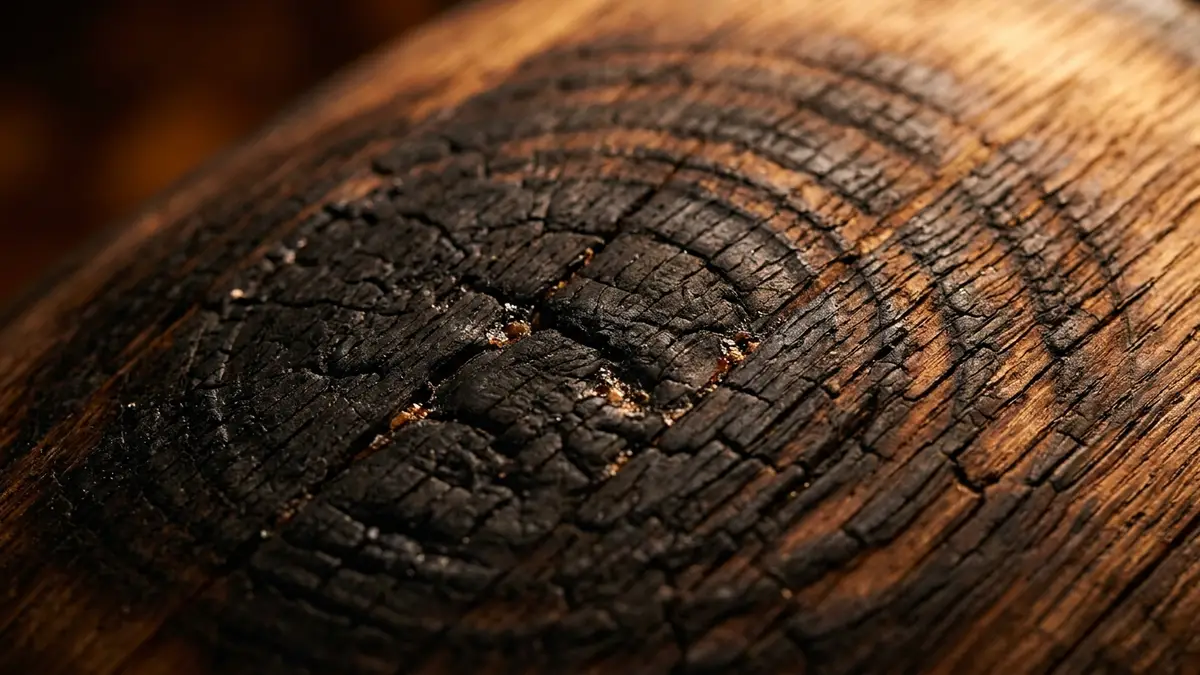
Before assembling a barrel, the cooper toasts the inside over an open flame. The toast level changes the chemistry of every compound the wine extracts.
- Light toast — preserves raw wood character; light vanilla, fresh sawdust, floral lift
- Medium toast — the common standard; classic vanilla, toasted bread, baking spice
- Medium-plus or heavy toast — caramelized; mocha, espresso, dark chocolate, smoke
- Char (American whiskey-style) — almost never on wine, but heavy toast verges on it; brings smoky, ashy notes
If a wine smells of dark coffee and burnt caramel, the cooper went heavy on the toaster. If it smells of fresh-cut oak and lemon zest, the toast was light or the barrel was neutral.
New Oak vs. Once-Used vs. Neutral
The age of the barrel is the single biggest dial on oak intensity.
100% New Oak
A first-fill barrel gives the wine the maximum dose — pronounced vanilla, sweet spice, oak tannin, and toast. Wines aged in 100% new French oak, like flagship Bordeaux or top California Cabernet, often need a few years for the oak to integrate with the fruit.
Once-Used and Twice-Used
By the second fill, roughly half the extractable compounds are gone. By the third fill, oak's flavor signature is faint. Wines aged here taste fruit-forward with a quiet wash of spice and a creamier texture from the residual micro-oxygenation.
Neutral Oak — Texture Only
A barrel on its fourth fill or beyond is neutral. It contributes almost no flavor, but it still allows the slow oxygen exchange that polishes texture and softens tannin. Many top white Burgundies and serious Pinot Noirs use a high percentage of neutral oak intentionally — the cellar wants the structure of the barrel without the flavor overlay. The wine ends up with length and refinement, but no vanilla on top.
If a wine is described as "barrel-aged" but tastes nothing like vanilla and toast, neutral oak is doing its job.
Barrel Size Matters Too
Oak influence is mostly a surface-area calculation. Smaller barrel, more wood per liter of wine, more flavor extraction.
- Barrique — 225 liters, the Bordeaux standard; the loudest oak influence at any given fill level
- Burgundy barrel (pièce) — 228 liters, similar to barrique
- Hogshead — 300 liters; medium oak influence
- Puncheon — 500 liters; quieter, smoother oak influence
- Foudre and botte — 2,000-10,000 liters; minimal flavor transfer, mostly textural and oxidative
A wine aged 24 months in a 5,000-liter Slavonian foudre will show far less oak character than the same wine aged 12 months in a new French barrique. When tasting, the question is never just "was it in oak" but "how much oak surface, for how long, at what fill."
Oak in White Wine — Three Different Effects
White wine and oak have a more layered relationship than reds. Three separate cellar choices stack to create the "oaked white" style:
Fermentation in Oak
If the entire fermentation happens inside the barrel rather than in stainless steel, the yeast interacts with the wood. The result is integrated, savory, and less candied than aging-only oak — toasted nuts, savory bread crust, a quiet vanilla. White Burgundy is the textbook reference.
Aging in Oak
If the wine ferments in steel and then ages in oak, the oak signature sits more obviously on top — vanilla, butter, baking spice. All four ways to combine the two vessels are laid out in stainless steel vs oak. This is closer to the bold California Chardonnay style.
Malolactic Fermentation and Lees Stirring
These two choices are independent of oak but usually run alongside it. Malolactic fermentation turns sharp malic acid into softer lactic acid, giving a buttery sensation. Lees stirring (bâtonnage) rolls dead yeast cells back into suspension, building a creamier, glycerol-like texture.
A white wine that smells of butter and tastes round and creamy may not even have seen new oak. Malolactic and lees stirring can deliver most of the texture on their own. Our Chardonnay vs. Sauvignon Blanc piece walks through how these choices reshape the same grape into very different wines.
Telling Oak Apart from Bottle Age
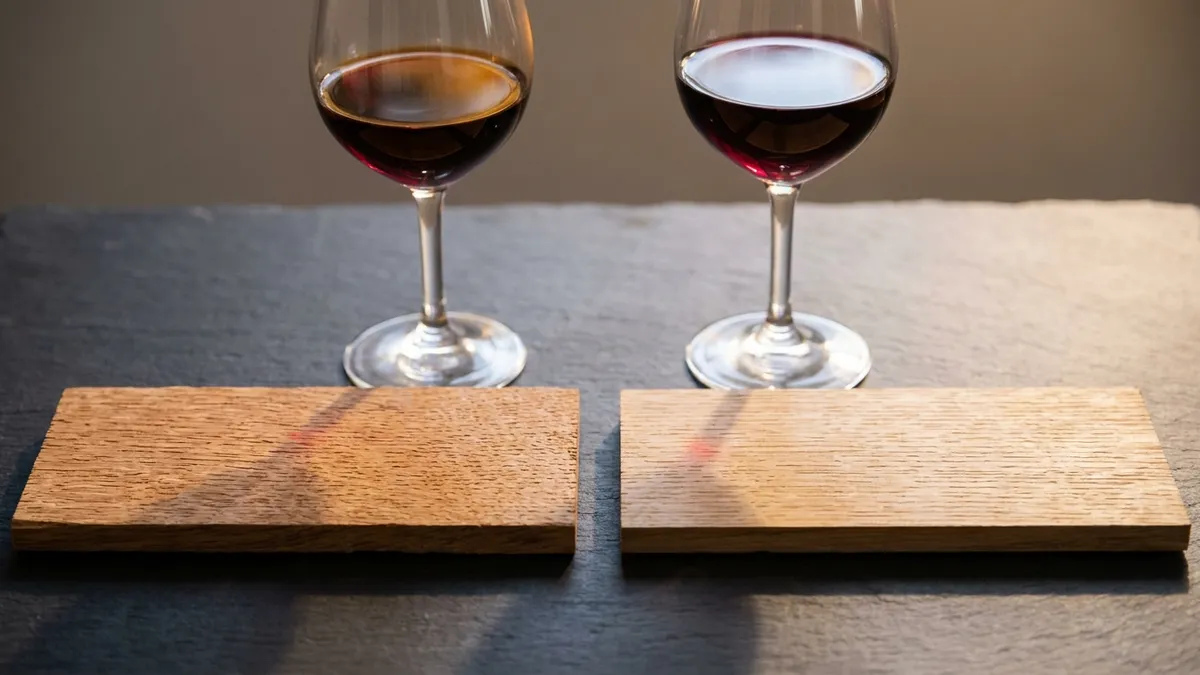
This is where most beginners get tangled. Oak and age both add complexity, both layer on top of the fruit, and both show up in serious wine. But they leave different fingerprints.
Oak adds, in young wines:
- Vanilla, clove, cinnamon, cedar, coconut, dill
- Toast, mocha, smoke, dark coffee
- A sweet, slightly caramelized warmth
Bottle age adds, over years:
- Leather, tobacco, dried tea leaf
- Mushroom, forest floor, dried mushroom (sous bois)
- Dried fig, prune, dried cherry — the fruit drying out
- A savory, library-like quality
A young Bordeaux smells of vanilla, cedar, blackcurrant, and pencil shavings — that is oak plus fruit. A 20-year-old Bordeaux smells of leather, tobacco, dried fig, and forest floor — that is age. Both can show oak's cedar and clove, because oak compounds persist; but only age delivers the leather and the tobacco. Our primary, secondary, tertiary aromas guide breaks down the three families with more precision, and our aged versus young wine piece shows how the curve shifts over years.
The shortcut: vanilla and toast = barrel; leather and dried herbs = time.
Oak Influence Without Barrels
Many affordable wines use oak alternatives to deliver oak character at a lower cost:
- Oak chips — small fragments dropped into stainless tanks
- Oak staves — planks suspended inside tanks
- Oak spirals or cubes — shaped pieces with high surface area
- Inner staves with toast specifications — for closer barrel mimicry
These methods extract oak flavor effectively, but they cannot replicate the slow micro-oxygenation a real barrel provides. The tasting fingerprint is usually a flat, surface-level vanilla with a short finish — the wine smells oaked but does not feel structured. If you smell strong toast and vanilla on a wine under $15 with a thin, quick-fading palate, oak alternatives are a fair guess.
A Sommy Drill — Tasting for Oak
A practical exercise to wire your nose for oak signatures:
- Pour two Chardonnays of similar price — one labeled "unoaked" or "stainless steel," one labeled "barrel-aged" or "barrel-fermented"
- Note the colors. The oaked version should sit slightly deeper on the gold side
- Smell each one cold from the fridge. Lower temperature mutes oak; the unoaked wine will dominate aromatically
- Warm both glasses to about 12-14 °C and smell again. Vanilla, butter, and toast should bloom in the oaked glass
- Sip both. Track texture — the oaked version feels rounder; the unoaked feels lean and crisp
- Hold each on the mid-palate and exhale through your nose. Retronasal smell makes vanilla and clove far more obvious
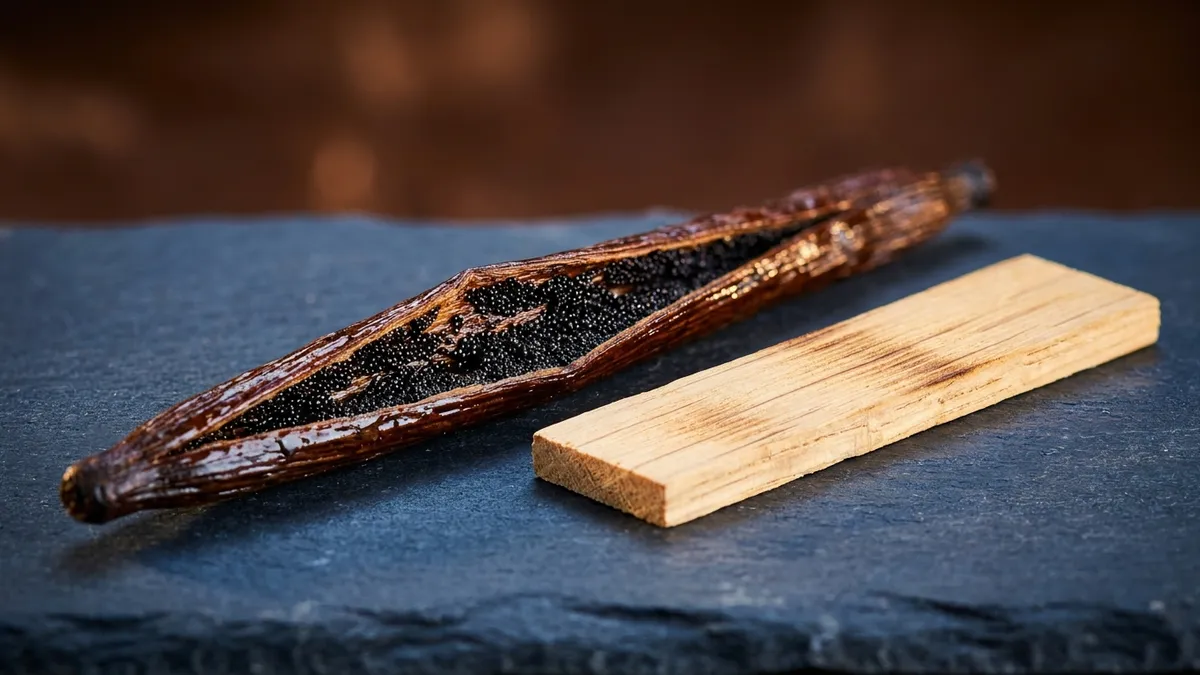
Sommy tip: A great way to lock oak signatures into memory is to keep a small set of references in the kitchen — a vanilla pod, a cinnamon stick, a clove, a piece of cedar, a stick of fresh dill. Sniff the spice, then sniff the wine. The mental match arrives faster than you expect.
The Sommy app walks you through these comparison drills as part of structured practice — the same kind of side-by-side training that turns "this wine is oaky" into "this is American oak, medium toast, second fill, with malolactic." For more on building a tasting vocabulary, see our tasting vocabulary cheat sheet and the wine flavor versus aroma guide.
When Oak Goes Wrong
Heavy-handed oak is a real flaw, even though it is not technically a fault. The signs are clear once you know them:
- The wine smells of vanilla and almost nothing else
- The fruit is buried under sawdust or fresh lumber
- The finish is bitter and drying rather than long and warm
- A young wine tastes like a campfire — ashy, harsh smoke
The best oaked wines integrate oak into the whole. You taste fruit, terroir, and oak as a single experience, not as a vanilla coating on top of the grape. When in doubt, give a young, heavily oaked wine a year or two in the cellar — oak often softens and integrates with bottle time, even when it shouts on release.
Building Your Oak Vocabulary
Start by tasting wines that wear their oak openly — California Chardonnay, traditional Rioja Reserva, Australian Shiraz, top-end Bordeaux, Napa Cabernet. Note which oak signatures land for you and which feel overdone. Then taste wines built around restraint — Chablis, Loire Sauvignon Blanc, Beaujolais, Muscadet, Vinho Verde — to lock in what unoaked actually smells like.
The goal is not to prefer oaked or unoaked. The goal is to taste a wine, recognize the oak signature in seconds, and know exactly which cellar choices put it there. That is the level where wine starts feeling like a language rather than a guessing game.
Frequently Asked Questions
How can you tell if a wine has been aged in oak?
Smell for vanilla, clove, cedar, toast, coconut, or smoke layered above the fruit. Feel for a creamy, rounded texture and a longer, drying finish. Look for deeper gold in young whites and a softer, brick-tinged rim in young reds. If pure fruit and floral notes dominate with a clean, crisp finish, the wine is most likely unoaked.
What does French oak taste like compared to American oak?
French oak shows fine-grained, restrained notes — clove, cinnamon, cedar, allspice, toasted bread, and a silky texture. American oak is louder and sweeter — bold vanilla, coconut, dill, sweet baking spice, and a firmer, more drying tannin. French oak whispers, American oak announces itself. Hungarian oak sits in between, with quiet vanilla and a fine spice line.
How do you tell oak flavors from age flavors in wine?
Oak gives vanilla, coconut, clove, cedar, toast, mocha, and smoke — barrel-derived. Bottle age gives leather, tobacco, dried herbs, mushroom, forest floor, and dried fruit — time-derived. A young oaked wine smells of vanilla and toasted bread; an old wine smells of a library and a damp forest. The two often coexist in serious reds.
What does heavy toast oak taste like?
Heavy toast caramelizes the wood sugars deep into the stave, so the wine pulls notes of dark roast coffee, mocha, espresso, smoke, char, and bitter cocoa. Lighter toasts contribute fresh wood, light vanilla, and floral lift. Medium toast — the most common — sits at the classic vanilla, baking spice, and toasted bread profile that most drinkers recognize as oaked wine.
Why does oaked Chardonnay taste creamy?
Two things make oaked Chardonnay creamy. First, malolactic fermentation converts sharp malic acid into softer lactic acid, which the palate reads as buttery. Second, lees stirring (bâtonnage) keeps spent yeast cells in contact with the wine, releasing compounds that build a richer, glycerol-like texture. Oak alone does not make a wine creamy — these two cellar choices do.
Can a wine taste of oak without ever seeing a barrel?
Yes. Many affordable wines use oak chips, staves, or spirals inside stainless steel tanks to imitate barrel character. The flavor fingerprint is similar — vanilla and toast — but the texture is leaner and the finish shorter, because there is no slow micro-oxygenation softening the wine. Look for short, surface-level oak notes that fade quickly on the finish.
What is neutral oak and can you taste it?
Neutral oak is a barrel that has already been used three or four times, so its extractable flavor compounds are mostly spent. Wine aged in neutral oak picks up texture from slow oxygen exchange, but minimal vanilla, toast, or spice. The result tastes structured and rounded but fruit-forward, with no overt oak signature on the nose. Many top Burgundies favor neutral oak.
Sommy Team
LinkedInFounder & Wine Educator
The Sommy Team is building the world's most approachable wine education app, helping beginners develop real tasting skills through structured courses and AI-guided practice.