How to Run a Wine Flight: A Practical Comparison Tasting Guide

By the Sommy Team — AI-assisted, human-edited.
Updated Apr 29, 2026
Contents (13)
- TLDR
- How to Run a Wine Flight, in 90 Seconds
- Why Flights Beat Tasting One Wine at a Time
- The Five Most Useful Flight Formats
- Setup Checklist
- Flight Order Matters
- The Blind Version (and Why It Matters)
- The Tasting Protocol
- Common Mistakes That Flatten the Comparison
- The Home Wine Flight: A Friday Night Ritual
- Restaurant Flights and the One-Bottle Workaround
- Building a Tasting Library
- The Bottom Line
TL;DR
A wine flight tasting compares 3 to 6 wines side by side in small 1.5 to 2 ounce pours. Side-by-side compresses tasting time, sharpens memory, and reveals patterns single bottles cannot. Pick a theme, use identical glasses, pour light to dark, taste blind when possible, and stop at six wines before palate fatigue flattens distinctions.
TLDR
A wine flight tasting compares three to six wines side by side in small 1.5 to 2 ounce pours. Side-by-side compresses tasting time, sharpens memory, and reveals patterns that single bottles never show. Pick a theme, use identical glasses, pour light to dark, taste blind when possible, and stop at six wines before palate fatigue flattens distinctions.
How to Run a Wine Flight, in 90 Seconds
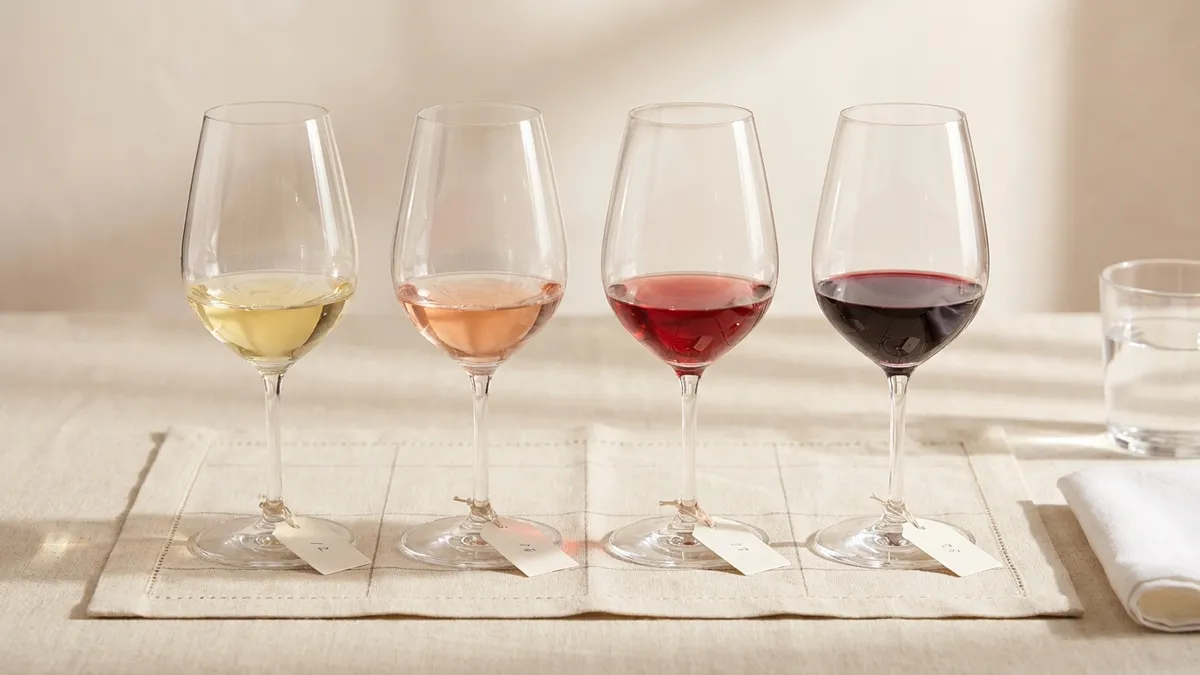
A wine flight tasting is three to six wines poured side by side in matching glasses, each pour around 1.5 to 2 ounces. Pick a theme that holds most variables constant — same grape, same vintage, or same region — so the remaining differences are easy to spot. Number the glasses one through six, ideally without the bottles visible. Pour light wines first and heavier wines last. Smell every glass before sipping any. Compare each wine to its neighbors, write a one-line note per glass, and rank from favorite to least. A complete four-wine flight runs about an hour and teaches more than a week of casual single-bottle drinking.
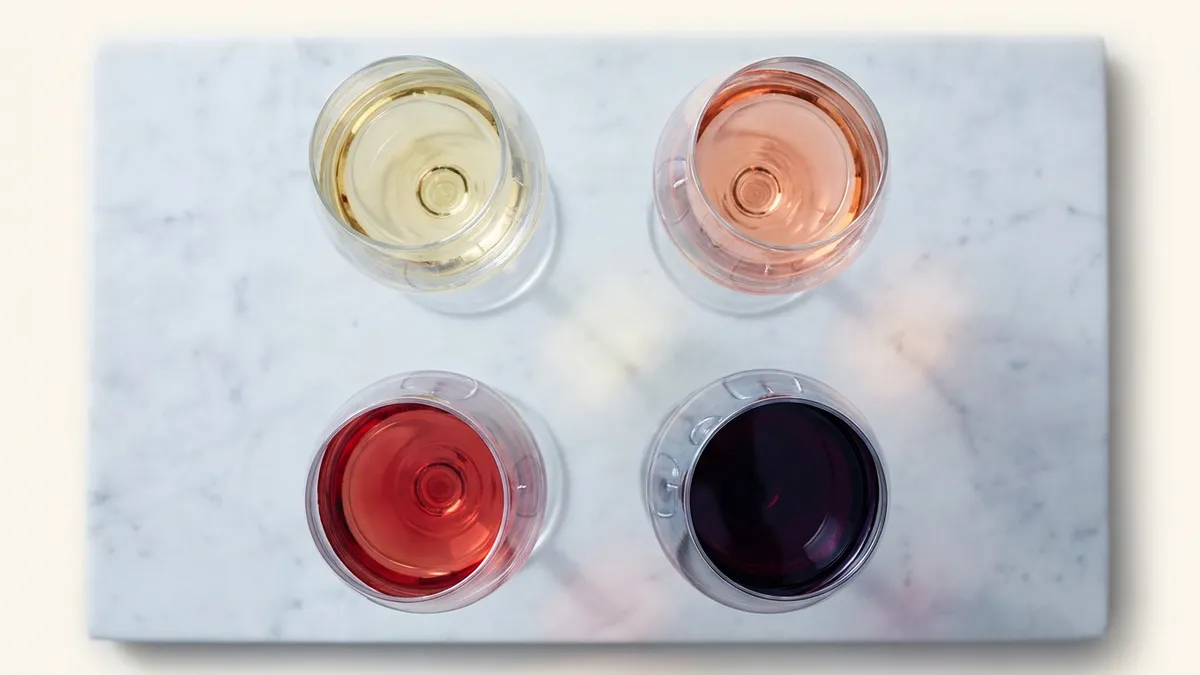
Why Flights Beat Tasting One Wine at a Time
Three forces make side-by-side comparison so much more powerful than serial tasting.
Calibration. A single wine offers no reference point. Is the acidity high or low? You cannot know without something to compare it to. A flight gives you instant calibration — wine number 2 is sharper than wine number 1, wine number 3 has a longer finish than wine number 2 — and the differences become obvious within seconds.
Memory. Wine memory degrades fast. By the time you finish a bottle on Tuesday and open another on Friday, the Tuesday bottle is mostly a vague impression. A flight compresses tasting into a 30-minute window, which gives the brain a much sharper memory imprint and lets you actually compare what you tasted.
Pattern. Tasting in groups makes themes emerge. Four Cabernet Sauvignons across regions all show some version of dark fruit and grippy tannin — the variety's signature. Four Pinot Noirs all show red fruit and lower tannin. The pattern teaches what the grape really is, in a way no single bottle can. Our develop your wine palate guide goes deeper into how comparison builds the underlying recognition skill.
The Five Most Useful Flight Formats
Choosing a format is the most important decision of a flight. The format determines what you will learn.
1. Varietal flight
Same grape variety, different regions or producers. This is the easiest entry point because the grape gives you a shared anchor and the regional differences become the lesson. A four-wine Pinot Noir flight pulling from Burgundy, Oregon, New Zealand, and Germany teaches climate-driven style differences in one sitting. A Chardonnay flight comparing oaked and unoaked styles teaches the effect of winemaking choice on the same grape — see our Chardonnay vs Sauvignon Blanc guide for the broader varietal contrast.
2. Vertical flight
Same producer, same wine, different vintages. A three-wine vertical of 2018, 2019, and 2020 from one estate isolates the year as the only variable. Vertical flights teach how aging and weather change a wine. They also reward patience — the same producer's style is the constant, and you start hearing the producer's signature underneath the vintage variation.
3. Horizontal flight
Same vintage, same region, different producers. Hold grape, region, and year constant, and the only remaining variable is the winemaker's hand. Horizontal flights are a fast track to producer-style fluency within a region. Our dedicated horizontal wine tasting article covers the format in full depth.
4. Old World vs New World flight
Same grape, two contrasting climates. A classic version pairs a cool-climate Chablis (oak-restrained, mineral, French) against a warmer Napa Chardonnay (oak-influenced, riper fruit, Californian). The contrast is dramatic and teaches the climate-style axis faster than any other format. The same exercise works for Cabernet Sauvignon (Bordeaux vs Napa), Pinot Noir (Burgundy vs Oregon), and Syrah (Northern Rhône vs Australia) — the Cabernet vs Merlot comparison is a cousin of this format on the variety axis.
5. Theme flight
Wines connected by a concept rather than a variable. A sparkling theme might pair Champagne, Cava, and Crémant. A texture theme might compare three "skin contact" wines. A region theme might cover Italian whites from north to south. Theme flights are the most flexible format and the easiest one to dream up for a dinner party.
Setup Checklist
Equipment matters more than budget for a flight. The cheapest bottle in matching glassware tastes more honestly than an expensive bottle in mismatched cups.
- Four to six identical glasses — a universal or Bordeaux shape covers almost every flight. Different shapes change aroma release and ruin the comparison.
- Small pours — 1.5 to 2 ounces (45 to 60 ml) per glass. Use a measured pour or a tasting jigger.
- Spit cup — opaque if possible, one per taster. Spitting is non-negotiable for flights of more than three wines.
- Plain crackers and water — to cleanse the palate between wines. Avoid anything sweet, salty, or fatty.
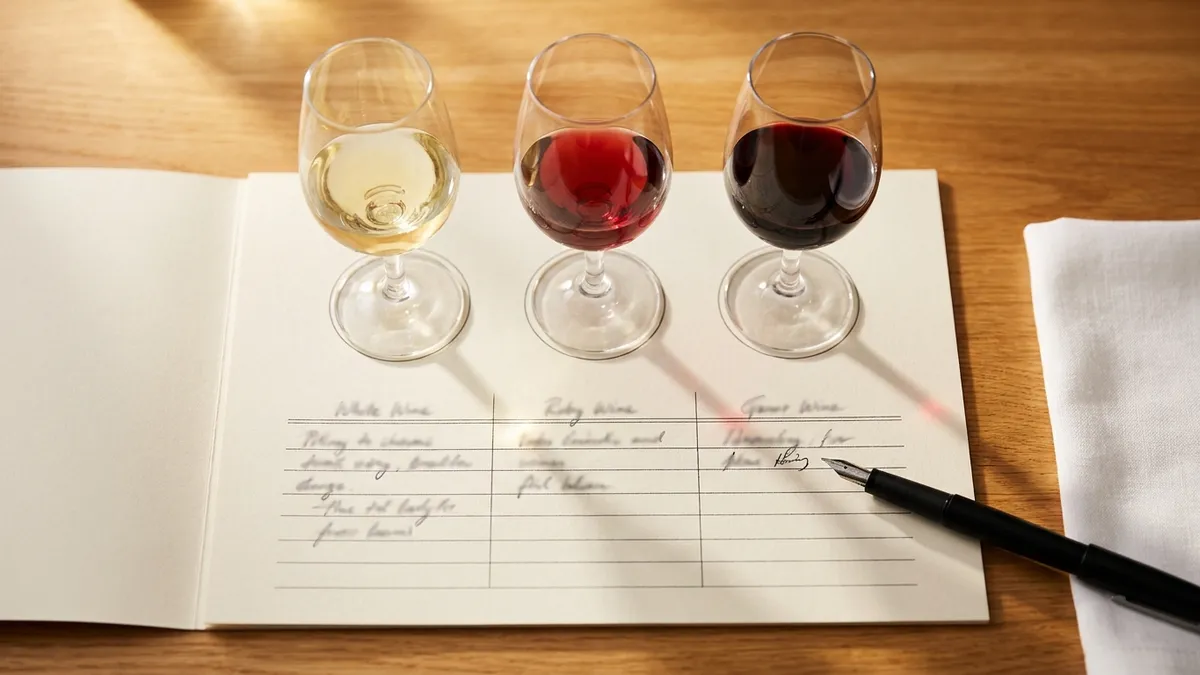
- A pencil and a notebook — or a wine journal app. Notes capture what memory cannot.
- A white surface — a sheet of paper, a napkin, or a pale tablecloth — for color comparison against a neutral background.
- Numbered glass tags — one through six. Crucially, do not write the wine name on the tasting mat. Write only the number.
If you want a quick reference for the language to put in those notes, our wine tasting vocabulary cheat sheet is handy to keep open during a flight.
A note on glassware
Glass shape is the most under-rated variable in tasting. A narrow tumbler or shallow coupe hides aromas. A tulip-shaped stemmed glass reveals them. For a flight, the absolute requirement is that all glasses match each other — six of one shape beats four of one and two of another. Our wine glass guide walks through which shapes do what.
Flight Order Matters
Pour order is not arbitrary. Heavier or sweeter wines coat the palate and dull what comes after.
The five rules:
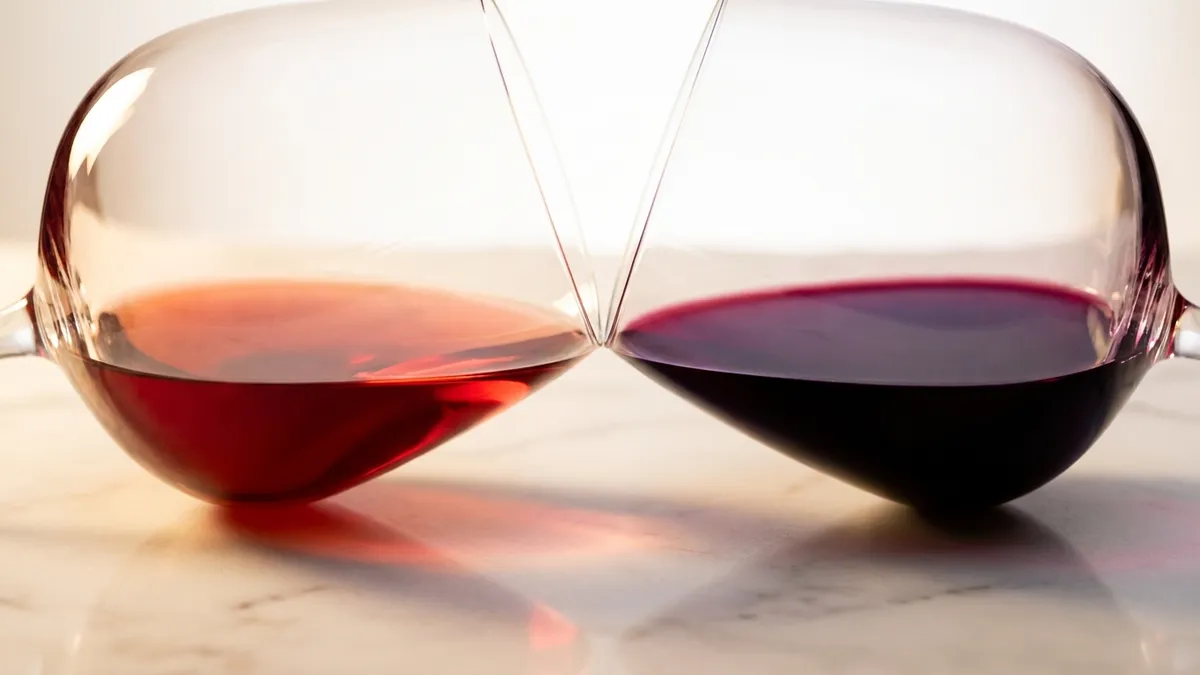
- Light before dark — a delicate Pinot Noir struggles after a Cabernet. Pour the lighter wine first.
- Dry before sweet — sweetness lingers and makes dry wines taste lean afterward.
- Young before old — generally. Young wines have brighter primary fruit; older wines have softer, more developed notes.
- Whites before reds — for mixed flights. Reds leave behind tannin grip that hurts white-wine perception.
- Less complex before more complex — simple wines first, layered wines last.
For a vertical, either order works: pour oldest to youngest if you want to feel the wines getting fresher, or youngest to oldest if you want to feel them gaining complexity. Pick your story before the flight starts.
Pour all glasses 5 to 10 minutes ahead of tasting so the wine reaches a consistent temperature and the most volatile aromas have a chance to open up. Our how to taste wine like a sommelier guide covers the underlying tasting method you apply to each glass within the flight.
The Blind Version (and Why It Matters)
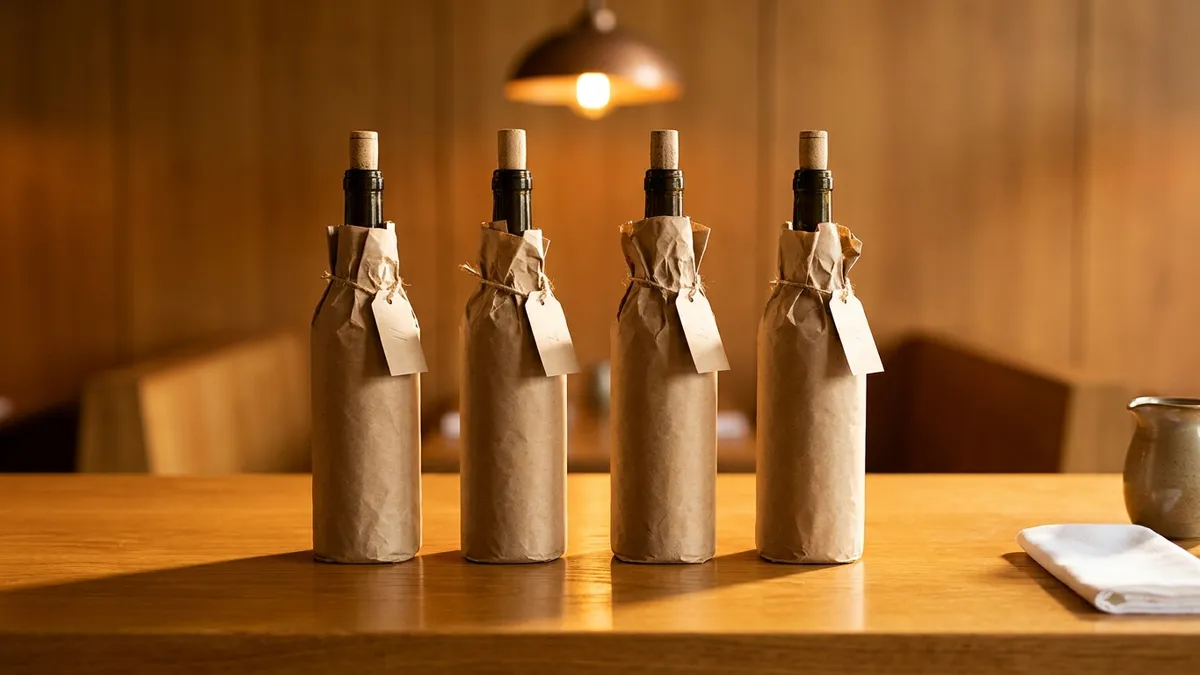
The strongest version of a flight is blind. Cover each bottle in foil or a paper bag. Number the bags. Pour without the labels visible. Reveal only at the end.
Blind tasting strips out two enormous biases:
- Label bias — knowing a wine is from a famous producer makes it taste better than a blind tasting reveals.
- Price bias — knowing one wine costs $80 and another $20 distorts perception in favor of the expensive one, often inaccurately.
Tasters who think they are immune to these effects almost always fail blind comparisons. Run the flight blind, take notes, rank the wines, then reveal. The disconnect between blind ranking and revealed expectation is where most learning happens.
A common practical compromise: taste blind, write the notes, do the reveal, then re-taste with labels visible. The second pass lets you connect a producer name to a style impression for future buying. You get the blind honesty plus the labeled memory in one evening.
The Tasting Protocol
Once the flight is poured, the procedure runs in five steps.
- Smell every glass first, in order. Resist the urge to sip. Two passes — a broad pass for intensity differences, then a second pass for specific aromas. Note which glass smells most intense and which most muted.
- Sip each wine in order. Small mouthful, swirl across the tongue, spit or swallow. Note the structural impressions — acidity, tannin, body, sweetness, alcohol — on a 1-to-5 scale.
- Compare neighbors. Wine 1 against wine 2. Wine 2 against wine 3. Wine 3 against wine 4. Pairwise comparison surfaces differences that are invisible when wines are tasted in isolation.
- Pick a favorite and a least favorite. Force a ranking. Write one sentence per wine explaining why.
- Reveal the labels and re-taste. Compare your blind notes to the labels. Note any surprises, especially when a cheaper bottle outranked an expensive one.
This is the place to use a structured tasting framework. Our how to describe wine guide gives you the vocabulary scaffold for the per-glass note.
Sommelier tip: After ranking on preference, do a second ranking on perceived quality. Preference is what you like; quality is what you would call objectively well-made. The two often diverge, and the gap is one of the most useful things a flight can teach.
Common Mistakes That Flatten the Comparison
Five errors collapse the format.
Pouring too much. Two ounces is the maximum. A 4-ounce pour across four wines is a full bottle of wine, and you will be in no shape to taste honestly by glass three. Small pours are the discipline that makes flights work.
Comparing wildly different wines. A "flight" of Champagne, Bordeaux, Riesling, and Port is a confused jumble, not a comparison. The point of a flight is to hold most variables constant. Pick one theme.
Tasting too many at once. Six is the firm upper limit. Beyond that, palate fatigue flattens every distinction and the late wines blur into the same impression. If you want to taste eight wines, split into two flights with a 15-minute break in between.
Skipping the spit cup. Alcohol crosses the bloodstream within minutes and erodes perception sharply by the third or fourth swallow. Spitting is not for puritans — it is what makes serious flights possible.
Tasting hungry. An empty stomach amplifies sweet and savory perception unevenly. Eat something light an hour before. Avoid heavy food during the flight, but a few plain crackers between wines reset the palate without skewing taste.
If you are also new to the comparison habit in general, our common wine tasting mistakes guide covers the broader set of pitfalls beyond flights.
The Home Wine Flight: A Friday Night Ritual
Flights are the single best home wine ritual a small group can build. Three bottles among three or four friends, a Friday evening, a written ranking at the end. The total cost ranges from $25 to $60 for an entry-level flight to $80 to $200 for a more serious one.
A repeatable format:
- Bring three bottles — one per person, around the same price, around the same theme.
- Pour blind — wrap the bottles, number them.
- Taste and rank — written notes, written ranking.
- Reveal and discuss — every taster reads their ranking before the labels come off, then compare.
The pattern works because it builds shared reference points across a group. Five flights into a Pinot Noir habit and the group has a working vocabulary for what each member actually likes.
The Sommy app's tasting journal is built for exactly this kind of session. You log each wine in its flight slot, capture color, aroma, structure, and a finish score, and the entries become searchable months later when you want to revisit which Friday-night winners you actually want to buy again.

Restaurant Flights and the One-Bottle Workaround
Most wine bars and many restaurants offer pre-curated flights — typically three or four 2-ounce pours grouped by theme, region, or grape. They are a low-cost tour, a calibration exercise, and a pre-purchase test all at once. Order the flight first, decide which wine the table loves, then commit to a full bottle of the winner.
If you only have one bottle at home, you can still capture a fraction of the flight benefit. Pour 2 ounces of bottle A into a glass and set it aside, then pour 2 ounces of any other wine — even a cheap reference bottle — alongside. The two-wine comparison is not a true flight, but it is dramatically more educational than tasting bottle A alone, and it works especially well alongside our tasting young vs aged wine and Pinot Noir guide articles when you want a structured prompt.
Building a Tasting Library
Every flight produces data points about your palate. The wines you ranked high, the styles you keep choosing, the producers that show up twice in your top three across different sessions — these are the patterns that, over months, define your actual style preference.
The discipline that turns this into progress is writing it down. Logged flights become a searchable record of what you have liked and why. Sommy's tasting journal is purpose-built for this — it captures multiple wines in one session, tags them by flight type, and surfaces patterns across dozens of entries. The full skill arc of how to taste wine is built on exactly this kind of accumulated practice.
The Bottom Line
A wine flight tasting is the highest learning-rate format for a casual evening with wine. Three to six wines, small pours, matched glasses, a chosen theme, ideally blind, ranked at the end. The format compresses what would take weeks of single-bottle tasting into one hour, and the pattern recognition it builds is what every serious taster eventually relies on. Run one flight a month for a year and the wine world becomes legibly yours.
Frequently Asked Questions
What is a wine flight, exactly?
A wine flight is a small group of wines — usually three to six — tasted side by side in matching glasses, with each pour around 1.5 to 2 ounces. The point is direct comparison rather than full enjoyment of each bottle. Restaurant flights work the same way and let guests sample several wines before committing to a full glass or bottle.
How many wines should I include in a home flight?
Three is the practical minimum because you need at least two pairs to compare. Four is the sweet spot for variety without overload. Six is a firm upper limit for one session, because palate fatigue starts flattening distinctions after that. Beyond six wines, plan a 15-minute break or split the flight across two evenings.
Should I taste a wine flight blind or with labels visible?
Tasting blind is strongly recommended. Knowing the producer, region, or price changes how the wine tastes — reputation bias is real and surprisingly large. A common compromise is to taste blind, write notes, rank the wines, then reveal the labels and re-taste. You get honest impressions and producer recall in the same evening.
What is the right pour size for a flight?
About 1.5 to 2 ounces, or 45 to 60 milliliters per wine. Small pours keep your palate sharp, prevent quick intoxication, and let you compare aromas without needing to commit to a full glass. A standard wine bottle holds 25 ounces, so one bottle gives you twelve to sixteen flight pours — enough to share a four-wine flight among three or four people.
What order should I pour the wines in?
Light to dark, dry to sweet, young to old, whites before reds, and less complex before more complex. The order matters because heavy or sweet wines coat the palate and dull perception of lighter wines that follow. For verticals (same wine, different years) you can pour youngest to oldest or oldest to youngest depending on which reveal you want.
What if I only have one bottle? Can I still do a flight?
Yes, with a workaround. Pour 2 ounces of the bottle into a glass and set it aside, then pour 2 ounces of a different wine alongside. You will not get a true flight, but you can still compare two wines side by side. The lessons are smaller than a real flight but still much sharper than tasting one wine in isolation.
How long does a home wine flight take?
Plan about 60 minutes for a four-wine flight and around 90 minutes for six wines, including written notes and a final ranking. Rushing a flight wastes the comparison because the notes do not capture what you actually perceived in the moment. Slower, deliberate pacing is what makes the format genuinely educational.
What is the difference between a wine flight and a wine tasting?
A wine flight is one specific format of tasting — a tightly themed, side-by-side comparison of small pours. A wine tasting is the broader category and can mean anything from a single-bottle exercise to a 12-wine professional exam. Every flight is a tasting, but not every tasting is a flight. The flight format adds structure and direct comparison.
Sommy Team
LinkedInFounder & Wine Educator
The Sommy Team is building the world's most approachable wine education app, helping beginners develop real tasting skills through structured courses and AI-guided practice.