How to Taste the Difference Between Old World and New World Wine

By the Sommy Team — AI-assisted, human-edited.
Updated Apr 28, 2026
Contents (9)
- Why Old World vs New World Is the Most Useful Frame in Wine
- The Short Answer — Old World vs New World in One Paragraph
- The Five Sensory Cues That Tell You Which World
- A Grape-by-Grape Comparison Table
- Region by Region — Where the Stereotypes Hold and Where They Break
- How to Run a Side-by-Side Tasting at Home
- Why the Old World vs New World Line Is Blurring
- Where the Framework Helps Most
- Build the Comparison Habit
TL;DR
Old World wines from Europe lean cooler, lower in alcohol, higher in acid, and savory or mineral. New World wines from the Americas, Australia, and South Africa tend to be riper, fruitier, fuller-bodied, and oakier. The cues that matter blind are alcohol, fruit ripeness, oak character, acid, and how savory the wine feels on the finish.
Why Old World vs New World Is the Most Useful Frame in Wine
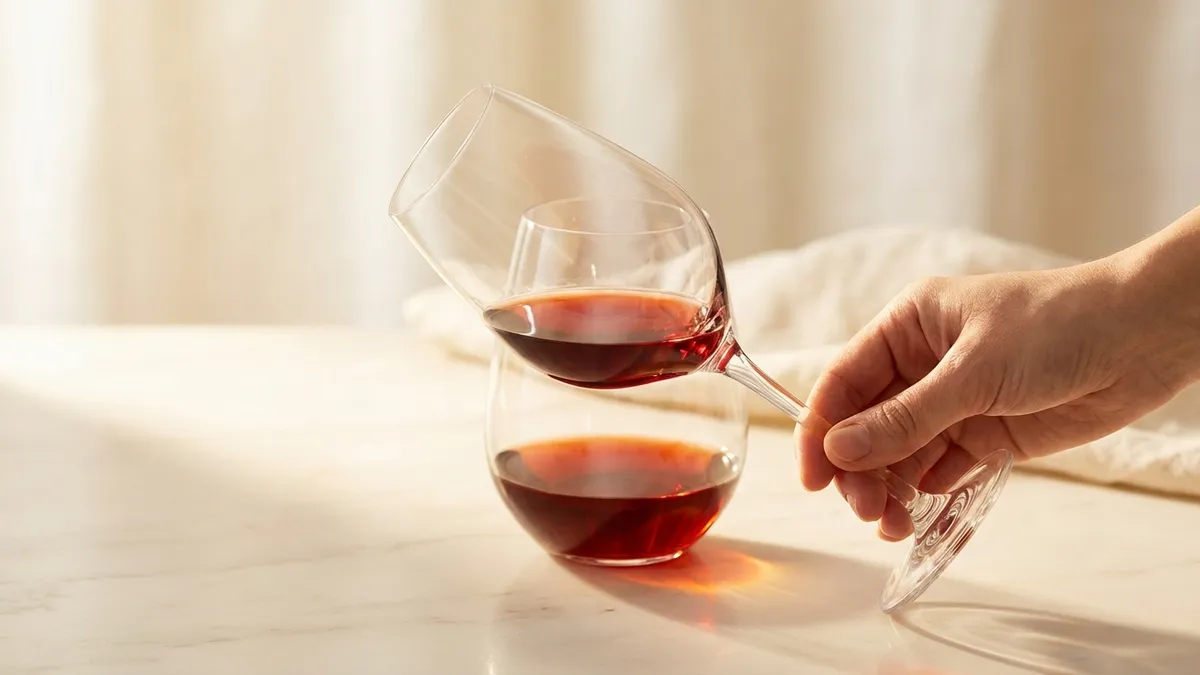
Pour two glasses of Cabernet from the same vintage — one from Bordeaux, one from Napa — and a beginner will almost always think they are tasting two different grapes. The Bordeaux is leaner and savory, with cedar, graphite, and a finish that tastes faintly of pencil shavings. The Napa is rounder and riper, with cassis jam, vanilla, and a long, generous finish. Same grape. Same vintage. Two distinct wine experiences.
That gap is what old world new world wine terminology tries to capture. Old World means the traditional European wine countries — France, Italy, Spain, Germany, Portugal, Austria. New World means the rest of the wine-producing globe — the United States, Australia, Argentina, Chile, South Africa, New Zealand. The terms describe geography, but they also imply distinct stylistic traditions that show up reliably in the glass.
Learning to taste this difference is one of the highest-leverage skills in wine. Once you internalize the cues, you can guess a wine's hemisphere within the first thirty seconds of tasting, even with the label hidden.
The Short Answer — Old World vs New World in One Paragraph
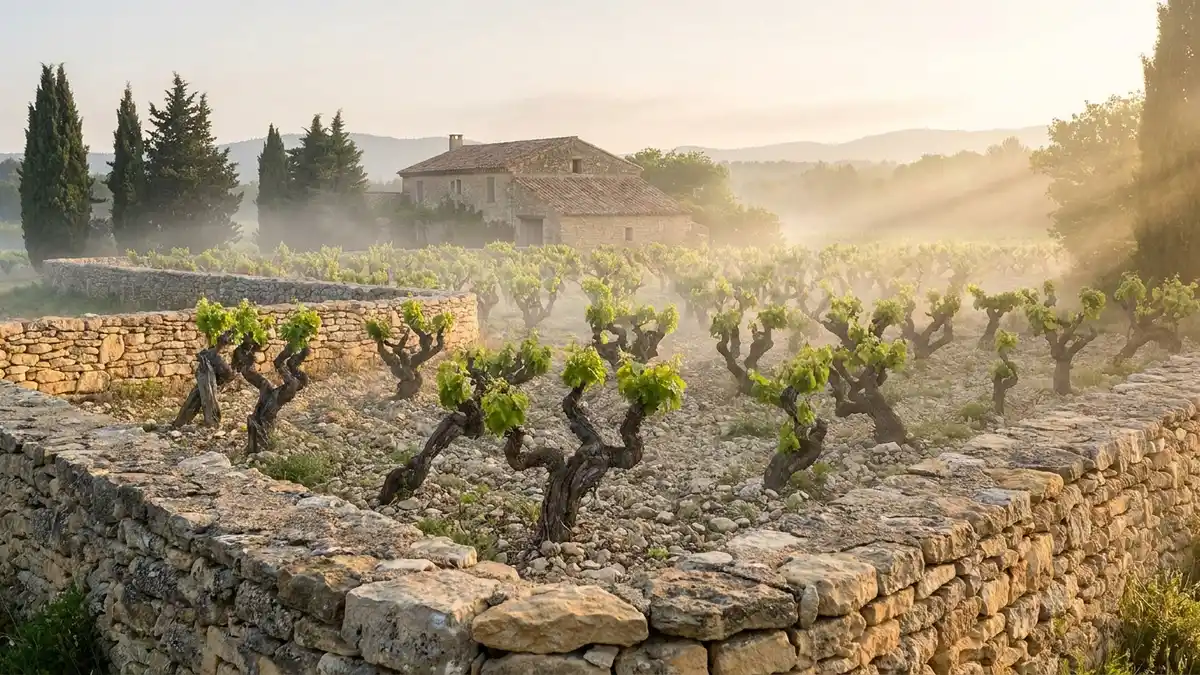
Old World wines from Europe tend to be cooler-climate driven — higher acid, lower alcohol, more restrained fruit, and savory or mineral undertones like dried herbs, wet stone, leather, and forest floor. Labels lead with place: Chablis, Sancerre, Barolo, Rioja. New World wines from the Americas, Australia, South Africa, and New Zealand tend to be warmer — riper fruit, fuller body, higher alcohol, more upfront oak, and labels that lead with the grape variety. The dividing line used to be sharp. It is no longer — cool-climate New World sites like Sonoma Coast, Marlborough, Margaret River, and the Uco Valley make wines that feel structurally Old World, while warm Old World corners like the southern Rhone or Sicily make wines that feel New World. Treat the framework as a useful first guess, not a rule.
The Five Sensory Cues That Tell You Which World
When you taste blind, you cannot rely on a label or a price tag — you only have what is in the glass. Five structural cues do most of the work for separating Old World from New World style. Master these and the rest follows.
Cue 1: Alcohol
Alcohol is the most reliable single tell because it is a direct readout of how warm the growing season was. Warmer climates produce riper grapes with more sugar, which ferments into higher alcohol.
- Old World tendency — 12% to 13.5% for most reds, 11% to 13% for whites
- New World tendency — 14% to 15.5% for most reds, 13.5% to 14.5% for whites
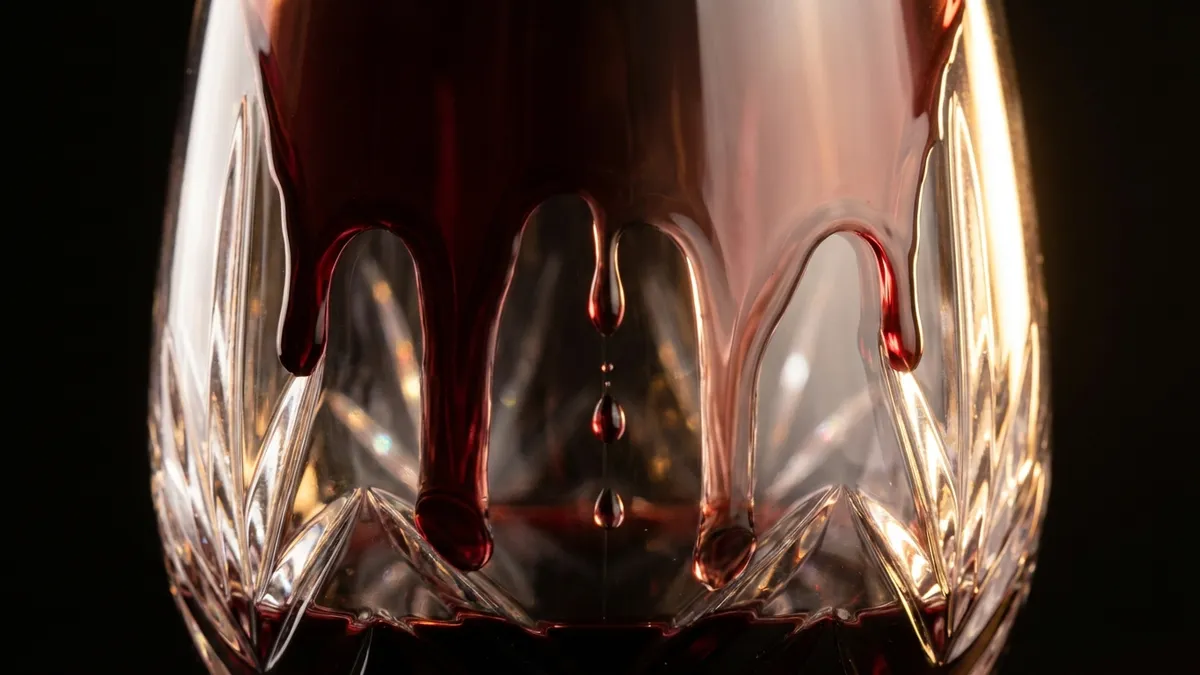
You can sense alcohol two ways. First, swirl the glass and look for slow-moving legs (the streaks of liquid that fall back down the glass) — fatter, slower legs usually point to higher alcohol. See our wine legs meaning guide. Second, take a sip and feel where the heat lands. A warm, burning sensation at the back of the throat means high alcohol; a clean finish with no heat means lower alcohol.
Cue 2: Fruit Ripeness
Fruit ripeness is the most obvious flavor cue once you know what you are tasting for.
- Old World tendency — fresher, tarter fruit notes. Red cherry rather than black cherry. Lemon rather than pineapple. Cranberry, redcurrant, sour plum, green apple, white peach.
- New World tendency — riper, jammier, sometimes candied fruit. Black cherry, blackberry, fig, mango, ripe pineapple, baked plum.
A simple shorthand — Old World fruit tastes like fruit you would pick early to make a tart. New World fruit tastes like fruit at peak summer ripeness sitting on the kitchen counter. The difference is the average growing-season temperature, the picking decision, and the local stylistic preference.
Cue 3: Oak Character
Both worlds use oak, but the way they use it differs.
- Old World tendency — older, neutral French oak that adds subtle texture, integrated spice, and a slightly drying finish without obvious sweet flavors. Some Old World wines see no oak at all.
- New World tendency — newer oak, sometimes American oak, that contributes vanilla, coconut, dill, mocha, and toasted coffee. The oak signature is often more apparent.
When a wine smells distinctly of vanilla, coconut, or sweet baking spice, that is usually new oak — a more common New World marker. When the wood feels like a structural background note rather than a flavor in its own right, that is the Old World approach. Modern winemaking has narrowed this gap, especially in premium New World wines, but obvious sweet oak is still a useful tell. The full primer on this lives in our guide to what oaked means.
Cue 4: Acidity
Acidity tracks climate almost as reliably as alcohol does. Cooler grapes hold onto more natural acid; warmer grapes lose it.
- Old World tendency — high acidity. Your mouth waters at the sides of the tongue. The wine feels bright, lifted, and food-friendly.
- New World tendency — moderate to lower acidity. The wine feels rounder, softer, and more immediately drinkable on its own.
Acid is one of the cues beginners notice last because it is a sensation rather than a flavor. The trick is to pay attention to your mouth right after you swallow. If your salivary glands kick in hard, you are tasting high acid — a strong Old World signal. If the wine feels mellow and your mouth stays still, the acid is lower — a more typical New World signal. The deeper read lives in our wine acidity guide.
Cue 5: Savory and Earthy Undertones
This cue is less about a single sensation and more about the overall flavor footprint.
- Old World tendency — savory, earthy, mineral undertones. Dried herbs, wet stone, mushroom, leather, forest floor, cured meat, tobacco.
- New World tendency — fruit-forward, with sweet spice and toasty oak rounding out the profile rather than savory or earthy notes.
Old World wines often taste like a wine that wants food at the table. New World wines often taste complete on their own. Neither is better — they are different design philosophies. For more on the savory mineral side, see our wine minerality meaning guide.
A Grape-by-Grape Comparison Table
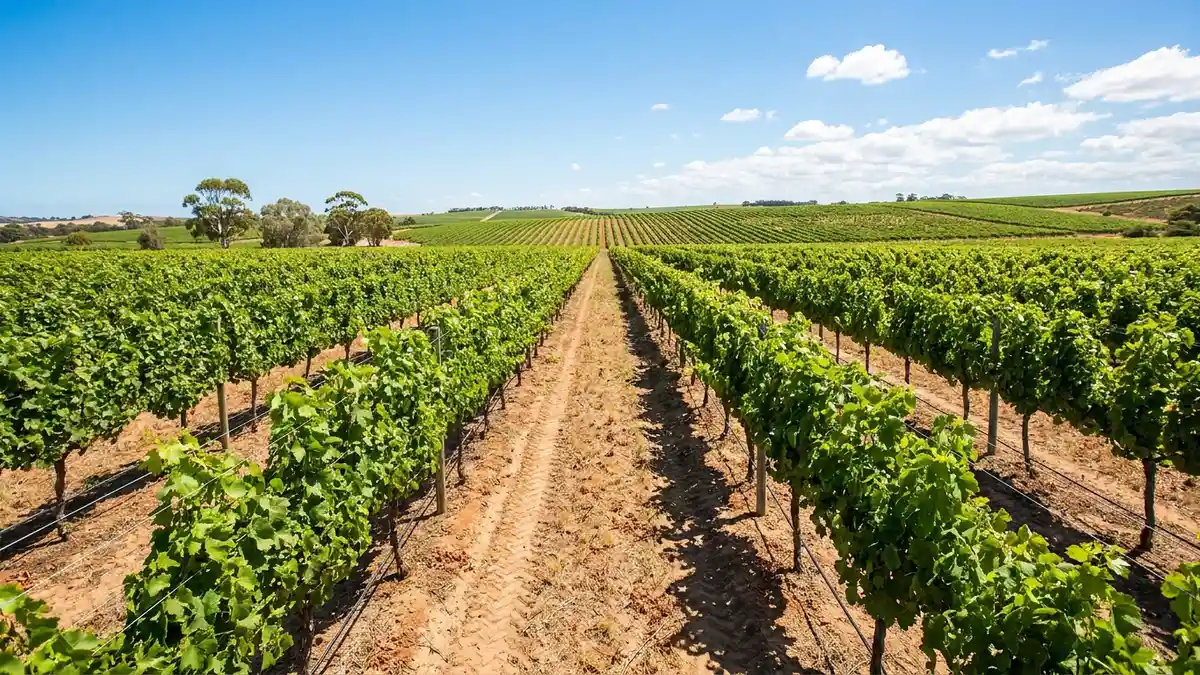
The framework gets practical when you apply it to specific grapes. Here are four comparisons every taster should internalize.
| Grape | Old World style | New World style |
|---|---|---|
| Pinot Noir | Burgundy: red cherry, mushroom, forest floor, high acid, 12.5–13.5% alcohol, restrained oak | Sonoma / Oregon: black cherry, baking spice, vanilla, lower acid, 13.5–14.5% alcohol, fuller body |
| Chardonnay | Chablis / White Burgundy: green apple, lemon, oyster shell, steely, often unoaked or subtle oak, 12–13% | California: yellow apple, pineapple, butter, vanilla, full body, often new oak, 13.5–14.5% |
| Cabernet Sauvignon | Bordeaux: blackcurrant, cedar, graphite, tobacco, firm tannin, savory, 12.5–13.5% | Napa: cassis jam, vanilla, mocha, plush tannin, riper fruit, 14–15% |
| Riesling | Mosel / Rheingau: lime, green apple, slate, often off-dry to sweet, 8–11%, electric acid | Australia / NZ: lime peel, ginger, riper apple, almost always dry, 11.5–13%, slightly softer acid |
Each row is a teachable comparison tasting. Open one bottle from each side, pour them into identical glasses, and the structural differences become obvious within a few minutes. This is the same approach used in our vertical wine tasting and horizontal wine tasting formats — controlled comparison strips out distractions and lets the structural cues speak.
Region by Region — Where the Stereotypes Hold and Where They Break
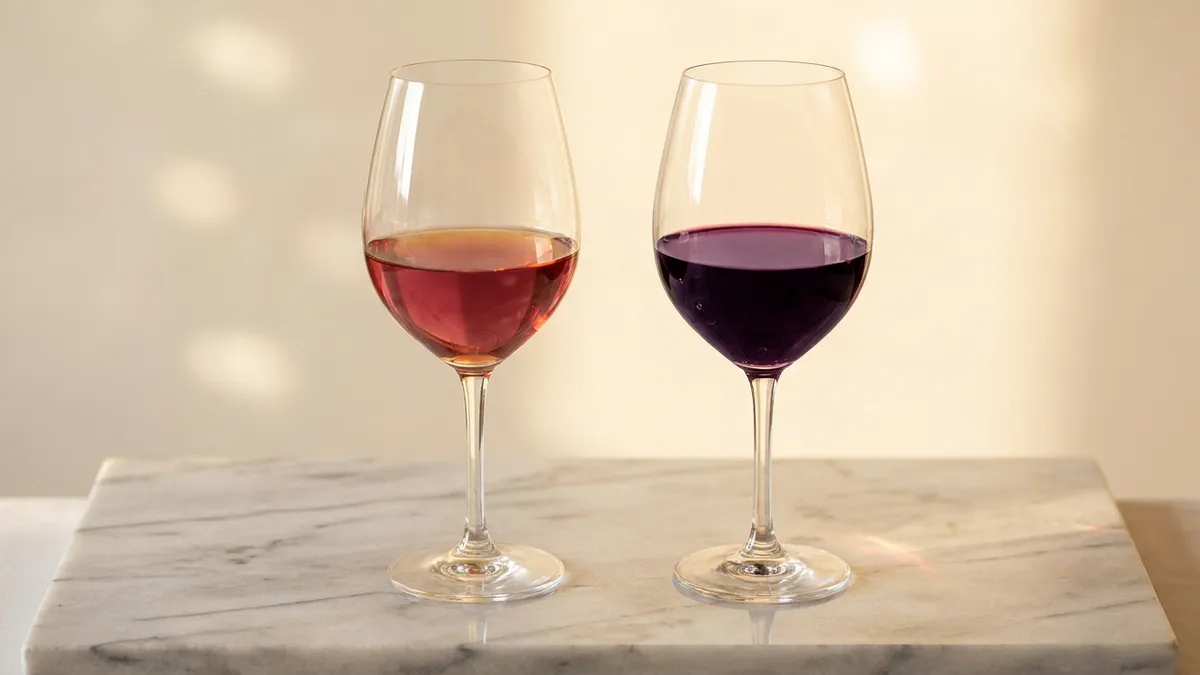
The Old World / New World labels work best as starting heuristics. The longer you taste, the more you notice the exceptions.
Old World Regions That Match the Stereotype
- Northern France — Burgundy, Loire, Champagne, northern Rhone. Cool, classic, restrained. The textbook Old World playbook lives here.
- Northern Italy — Piedmont, Friuli, Trentino-Alto Adige. High acid, savory, mineral.
- Germany and Austria — Riesling country, Gruner Veltliner, low alcohol, electric acid, often off-dry.
The full regional breakdowns live in our French wine regions guide, Italian wine guide, Spanish wine regions guide, German wine regions guide, and Portuguese wine guide.
Old World Regions That Feel New World
- Southern Rhone, Languedoc, Provence — warm, sun-drenched, often higher in alcohol and richer in fruit than the Old World stereotype suggests.
- Sicily and southern Italy — Etna can feel cool and Old World, but Nero d'Avola from the lowlands often drinks like a fruit-forward New World red.
- Southern Spain — Jumilla, Yecla, parts of La Mancha. Warm Mediterranean climate, ripe fruit, generous alcohol.
New World Regions That Match the Stereotype
- Napa Valley — the textbook New World Cabernet style. Ripe, plush, oak-influenced. See the Napa Valley wine guide.
- Barossa Valley, Australia — bold, jammy Shiraz from old vines.
- Mendoza, Argentina — high-altitude Malbec with ripe black fruit and soft tannins. The full picture is in the Argentina wine guide.
- Stellenbosch, South Africa — warm-climate Cabernet and Chenin Blanc that lean into ripe fruit. The South African wine guide covers the cool exceptions.
New World Regions That Feel Old World
Cool-climate New World sites are increasingly making wines that mirror Old World restraint.
- Sonoma Coast, California — fog-cooled Pinot Noir and Chardonnay that drink like Burgundy.
- Margaret River, Australia — maritime Cabernet and Chardonnay closer to Bordeaux and Chablis than to Napa.
- Marlborough, New Zealand — bracingly acidic Sauvignon Blanc; the New Zealand wine guide goes deeper.
- Yarra Valley and Tasmania, Australia — cool, lifted, structural. The Australian wine guide covers the spread.
- Uco Valley, Argentina — high-elevation vineyards above 1,000 meters produce Malbec with lifted acid and lower alcohol than Lujan de Cuyo.
- Willamette Valley, Oregon — Pinot Noir that reliably gets compared to village-level Burgundy.
How to Run a Side-by-Side Tasting at Home
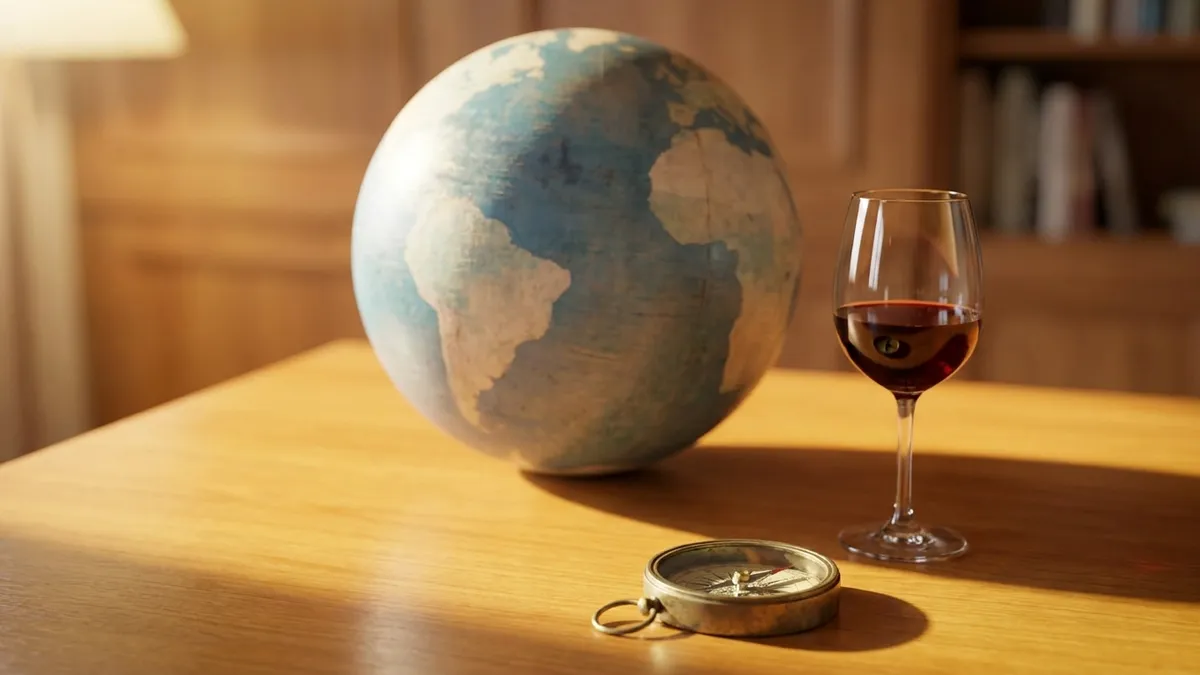
The fastest way to internalize the difference is to taste it. Set up a controlled comparison with one Old World wine and one New World wine made from the same grape.
The Setup
- Pick one grape — Cabernet Sauvignon, Pinot Noir, Chardonnay, or Riesling work especially well.
- Source one bottle from a classic Old World region and one from a classic New World region. Aim for similar quality tier and similar vintage so the comparison is fair.
- Pour both into identical glasses at the right serving temperature.
- Taste them silently for two minutes before discussing.
- Then walk through the five cues above in order — alcohol, fruit ripeness, oak, acidity, savory undertones — and note which is which.
For a deeper deduction process, the framework in our blind wine tasting tips guide walks through how to extend this approach into a full sommelier-style structured tasting.
What You Should Notice First
For most people, alcohol and fruit ripeness register first — the New World wine simply feels bigger and riper in the mouth. Acidity becomes obvious after a few sips, especially if you eat a piece of plain cracker between glasses. Oak character is the trickiest cue because modern winemakers blur the gap, but pronounced vanilla or coconut still tilts strongly New World.
Beginners often grab for the more obvious wine — bigger, fruitier, oakier. After a year of tasting, most palates start to crave the leaner, more savory side. The Old World grows on you because its complexity unfolds over the course of a meal rather than the first sip.
The Sommy app includes guided structural tasting exercises that calibrate your perception of acid, alcohol, and oak using paired examples from each world.
Why the Old World vs New World Line Is Blurring
Three forces have narrowed the stylistic gap over the past two decades.
- Climate change — warmer growing seasons have shifted alcohol and ripeness curves across Old World regions. Bordeaux Cabernets from 2018 and 2020 routinely sit at 14%, a level that would have been considered extreme in the 1990s.
- Modern winemaking — New World producers chasing critical acclaim have shifted toward older oak, earlier picking, and lighter overall hands. Many premium California, Oregon, and Australian wines now drink closer to their Old World counterparts than to the jammy New World style of the early 2000s.
- Global training — winemakers train, intern, and consult across borders. A young Argentine winemaker might do a vintage in Burgundy and bring that sensibility home. The result is hybrid styles that resist the two-bucket label.
The framework still works as a starting point, and the cues above still apply when you taste a wine blind. The difference is that the typical wine of 2026 is a tighter cluster of styles than the typical wine of 2006.
Where the Framework Helps Most
The Old World vs New World frame is most useful in three situations.
- Reading restaurant lists — knowing that a Sancerre will be leaner than a Marlborough Sauvignon Blanc helps you match a wine to a dish on the spot.
- Buying for a dinner party — Old World wines tend to be more food-friendly across a wider range of dishes. New World wines often shine on their own as a sipping wine.
- Practicing blind tasting — the structural cues give you a reliable framework even when you cannot identify a specific grape.
The most valuable daily habit is to keep one Old World and one New World version of your favorite grape in the house. Over time, your palate develops a clear preference map — a mental atlas of which world your favorite version of each grape comes from. The full framework for building that map is in our develop your wine palate guide.
Build the Comparison Habit
A single Old World versus New World tasting is informative. A regular comparison habit is transformative. Visit sommy.wine to start building that habit with the Sommy app's structured tasting courses, which include calibrated comparison flights for every major grape and region. The built-in tasting journal tracks your impressions over time and surfaces the structural patterns your palate is starting to recognize. Within a few months of deliberate practice, the Old World versus New World distinction stops being a textbook concept and becomes a reliable tasting reflex.
The framework is not a rule — it is a set of patterns. They hold often enough to be useful and break often enough to keep wine worth studying.
Frequently Asked Questions
What is the difference between Old World and New World wine?
Old World refers to traditional European wine regions — France, Italy, Spain, Germany, Portugal, and Austria — where winemaking has been practiced for centuries. New World refers to everywhere else that took up wine seriously later, primarily the United States, Australia, Argentina, Chile, South Africa, and New Zealand. The labels also imply distinct stylistic tendencies, though modern winemakers blur those lines.
How can you tell Old World from New World wine blind?
Focus on structure first. Old World wines usually feel leaner, with higher acid, lower alcohol, less obvious oak, and a savory or mineral undertone — think dried herbs, wet stone, or forest floor. New World wines feel rounder, with riper fruit, higher alcohol, fuller body, and often a sweeter oak signature like vanilla, coconut, or toasted coffee. Acid and alcohol are the most reliable tells.
Are New World wines sweeter than Old World wines?
Both styles produce dry wines, but New World wines often taste sweeter because the riper fruit reads as sweetness even when there is no residual sugar. Warmer climates produce grapes with more sugar at harvest, which ferments to higher alcohol and leaves bolder fruit flavors. The wine itself is dry — the fruit just feels more candied.
Why do Old World wines have lower alcohol?
Cooler average temperatures across most of Europe mean grapes ripen more slowly and accumulate less sugar before harvest. Less sugar at harvest means less alcohol after fermentation. Old World reds often sit between 12 and 13.5 percent alcohol, while New World counterparts frequently land at 14 to 15.5 percent. Climate is the primary driver, with picking decisions adding the rest.
Is Old World wine better than New World wine?
Neither is better — they are different stylistic schools. Old World tradition favors restraint, food friendliness, and a sense of place. New World tradition favors fruit expression, varietal clarity, and immediate drinkability. The right answer depends on the meal, the moment, and personal taste. Many of the most acclaimed wines in the world come from each camp.
Which regions break the Old World versus New World rule?
Plenty. Cool New World sites like Sonoma Coast, Margaret River, Marlborough, and Mendoza's Uco Valley produce wines with structure and restraint that feel Old World. Warm Old World corners like southern Spain, southern Italy, and the southern Rhone produce wines with ripe fruit and full body that feel New World. The label is a starting hint, not a guarantee.
How does oak use differ between Old World and New World wine?
Old World producers often use older, neutral French oak that adds subtle texture without strong vanilla or coconut flavors. New World producers historically used more new oak, including American oak, which contributes vanilla, dill, and coconut signatures. Many modern New World winemakers have shifted toward gentler oak, narrowing the gap, but obvious sweet oak remains a common New World tell.
Why do Old World wines name regions instead of grapes?
European wine law puts place above variety. A label that says Chablis means Chardonnay from a specific French village; a label that says Rioja means Tempranillo from a specific Spanish region. The grape is implied by the appellation. New World labels lead with the grape — Chardonnay from Napa, Pinot Noir from Oregon — because those regions are younger and varietal identity is the simpler shortcut.
Sommy Team
LinkedInFounder & Wine Educator
The Sommy Team is building the world's most approachable wine education app, helping beginners develop real tasting skills through structured courses and AI-guided practice.