How to Taste Rosé: Beyond "Pink and Refreshing"

By the Sommy Team — AI-assisted, human-edited.
Updated Apr 29, 2026
Contents (11)
- Why Tasting Rosé Deserves Its Own Method
- The Five-Step Rosé Tasting Method, in One Paragraph
- Step One: Sight — Color Reveals the Method
- Step Two: Swirl — Gently
- Step Three: Smell — Three Aroma Families
- Step Four: Sip — Acidity Before Fruit
- Step Five: Reflect — Place the Wine
- Serving Conditions That Make Tasting Easier
- Common Rosé Tasting Mistakes
- Practicing the Method
- A Final Note on Confidence
TL;DR
Tasting rosé well means reading color saturation as a clue to production method, then walking through swirl, smell, and sip to assess acidity, fruit weight, and finish. Most quality rosé is dry and acid-driven, not sweet — and the same five-step framework reveals whether a pink wine is delicate, structured, or somewhere in between.
Why Tasting Rosé Deserves Its Own Method
Most drinkers treat rosé as a casual wine — a chilled glass for the patio, no thinking required. That habit hides a lot. Learning how to taste rosé with the same structured attention you bring to red and white wine reveals an enormous range, from feather-light Provençal salmon to deep, savory Tavel that can stand up to grilled lamb.
The four-step look-swirl-smell-sip framework that works for how to taste wine still applies, but rosé asks you to read specific signals at each step. Color tells you about production method. The fruit profile spans red, pink, and citrus families. Acidity does the heavy lifting that tannin does in red wine. And the finish reveals whether you are holding a delicate aperitif or a serious dinner wine.
This guide walks through a five-step method specialized for pink wine, with the cues that let you predict style from the first glance.
The Five-Step Rosé Tasting Method, in One Paragraph
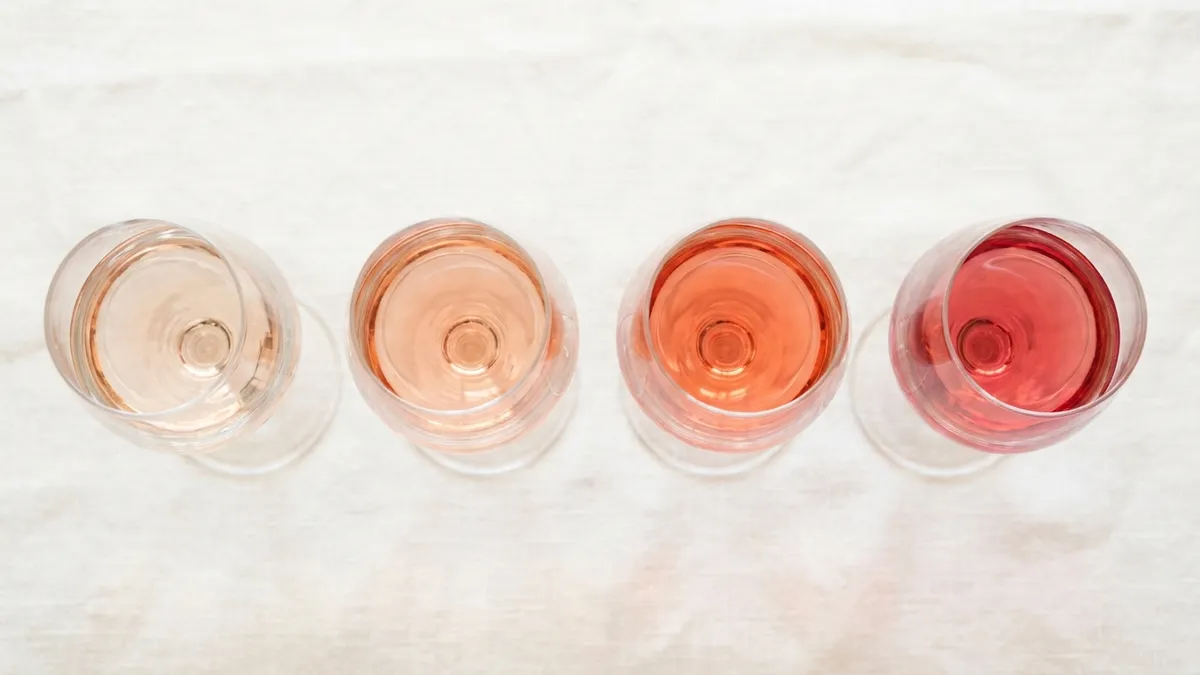
Here is how to taste rosé in roughly two minutes per glass. Sight comes first: examine color saturation in good light because pale Provençal salmon usually signals direct-press winemaking and a delicate style, while deeper coral or raspberry points to saignée or longer skin contact and more weight. Swirl gently — rosé is fragile and easy to bruise. Smell for three aroma families: red and pink fruits, citrus and stone fruit, and herbal or mineral notes. Sip with attention to acidity first, then fruit weight, body, and length — most dry rosé is acid-driven, not sweet. Reflect on style: did the wine match a Provence profile, a Tavel profile, or something in between? Serve at 8-10°C in a standard white wine glass for accurate results.

Quick check
One question on what you just read
A rosé pours deep coral, not pale salmon. What does that colour suggest?
Tap an answer to see how you did.
Step One: Sight — Color Reveals the Method
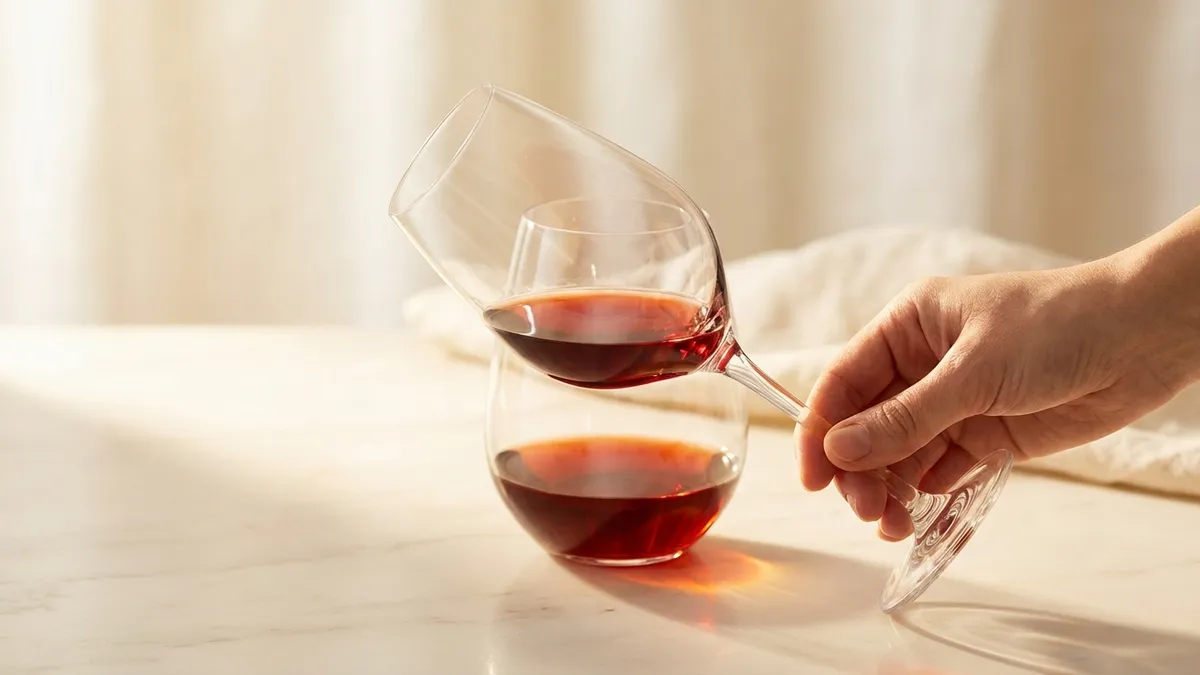
Pour about two ounces of rosé into a stemmed glass. Tilt it at forty-five degrees against a white surface and look down through the bowl, then through the side. Two things matter most: hue and intensity.
Reading Saturation as a Style Clue
Rosé color sits on a spectrum that maps directly to winemaking choices.
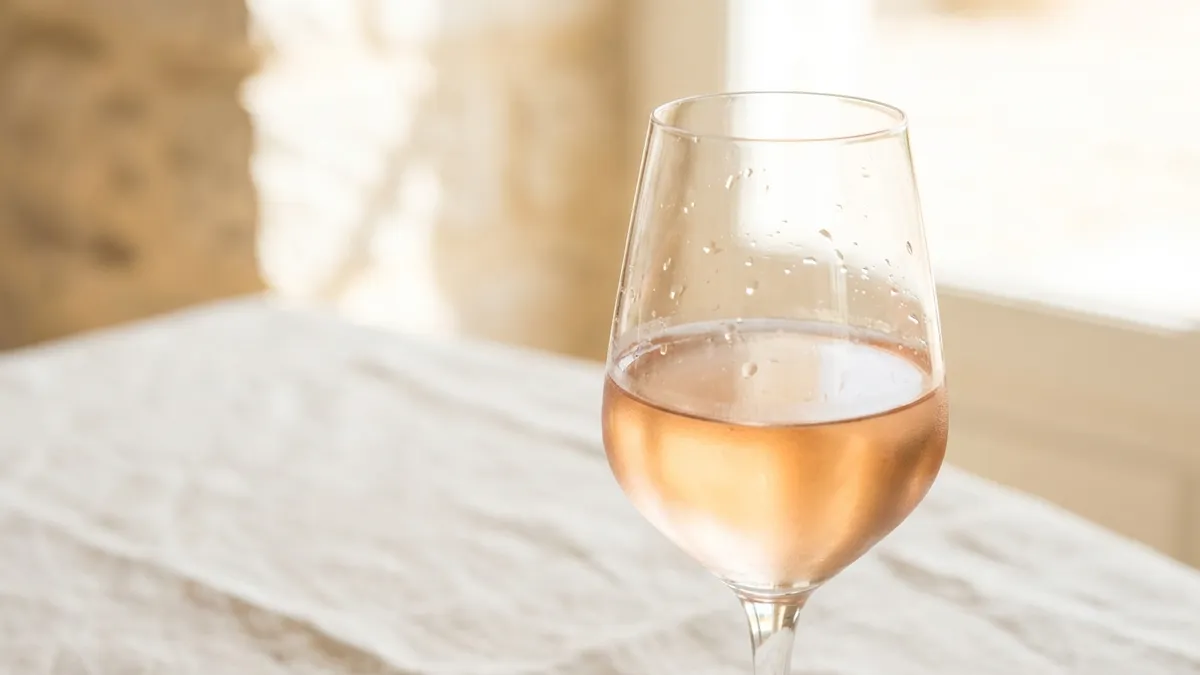
Very pale salmon or onion-skin pink — almost transparent, with a faint copper edge. This is the signature of direct press (pressurage direct), where red grapes are pressed almost immediately and the juice picks up only a whisper of pigment. Common in Provence. Predicts a light-bodied, dry, citrus-and-herb-driven wine.
Light salmon to pale rose — a clean pink with no orange tint. Slightly longer juice contact during pressing, still in the dry, delicate Provence family but with a touch more fruit weight on the palate.
Coral, raspberry, or watermelon pink — visibly saturated. This usually points to saignée, where juice is bled off a red wine fermentation after several hours of skin contact. Saignée rosé carries more fruit intensity, fuller body, and sometimes faint tannin grip. Tavel sits here, as do many richer New World styles.
Cherry or near-light-red pink — deepest end of the spectrum. Long maceration, often Tavel or Cerasuolo d'Abruzzo. Expect a wine that drinks closer to a light red than to a white.
Hue, Rim, and Clarity
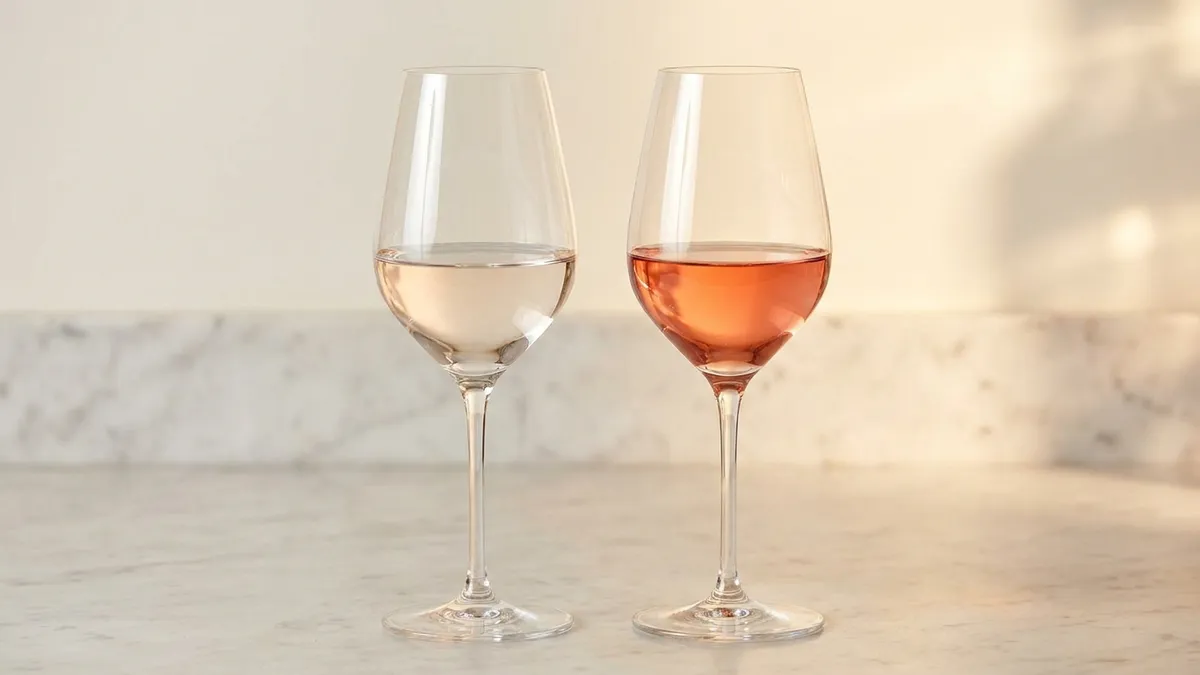
Beyond saturation, look at the hue itself. A pure pink suggests a young wine and grapes like Pinot Noir or Cinsault. A salmon or onion-skin tone with copper hints points to Grenache or to a wine that has had a few months of development. A bright cherry tone often signals Mourvèdre or Sangiovese, two of the red grapes that make rosé.
The rim — the outer edge of the wine where it meets the glass — should be vibrant on a young rosé. Any orange or brown shade suggests the wine is past its peak; rosé rarely benefits from age, and a 2024 vintage tasted in 2026 has likely lost its freshness.
Clarity should be brilliant. Most rosé is filtered before bottling. A faintly hazy natural rosé is not a fault, but unexpected cloudiness on a conventional wine can signal a problem.
Step Two: Swirl — Gently
Swirling rosé works the same way as swirling any other wine — the goal is to release volatile aroma compounds by exposing the liquid to air. The mechanics are covered in detail in how to swirl wine, but rosé deserves a softer hand.
Pink wines are aromatic but fragile. A vigorous swirl can blow off the most delicate citrus zest and herb notes within seconds. Keep the base on the table, make small even circles, and stop after two or three rotations. The wine should coat the bowl without sloshing.
If the wine is sparkling rosé, skip the swirl entirely. The bubbles do the aerating for you, and swirling kills them.
Step Three: Smell — Three Aroma Families
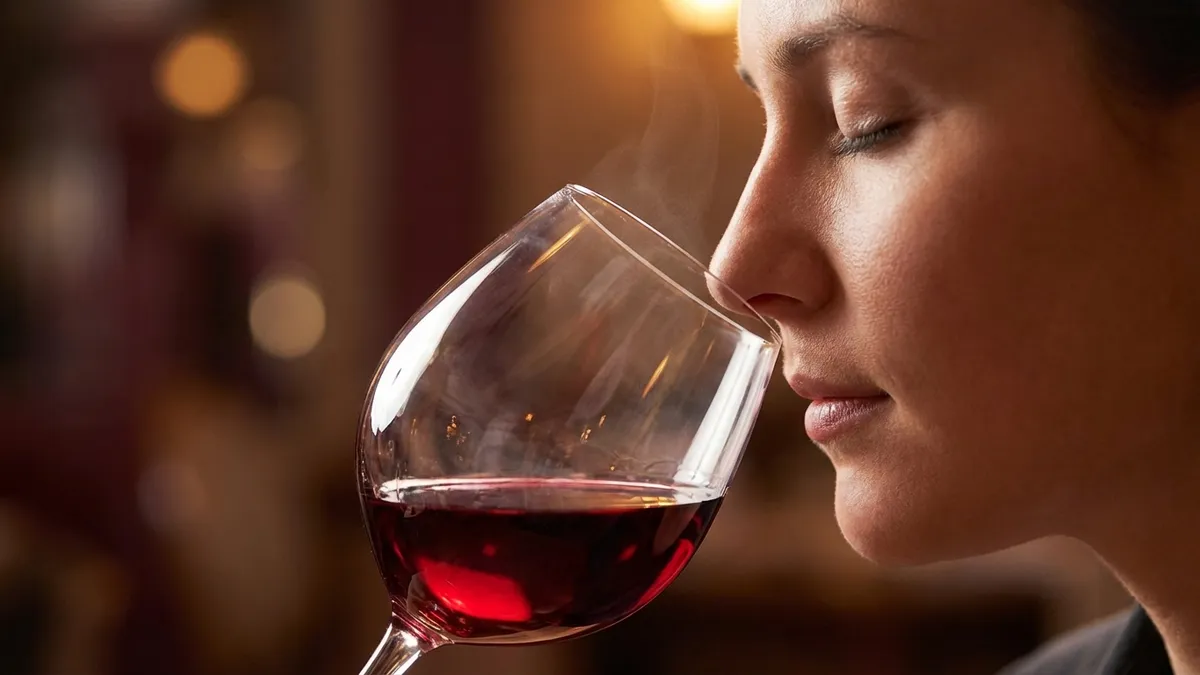
Bring the glass to your nose with the rim just below your nostrils. Inhale gently — rosé does not reward deep sniffs. Most pink wines fall into three overlapping aroma groups.
Red and Pink Fruits
The defining aroma family. Look for strawberry, raspberry, red cherry, watermelon, and pomegranate. Lighter rosé tends toward fresh strawberry and watermelon. Deeper rosé leans toward raspberry, red cherry, and red plum. Tavel and Bandol often add pink grapefruit and red currant.
Citrus and Stone Fruit
The lift that keeps rosé fresh on the nose. Provençal rosé typically shows grapefruit zest, lemon peel, and white peach. Pinot Noir rosé adds pink grapefruit and tangerine. Sangiovese rosato can show apricot and sour cherry.
Herbal, Floral, and Mineral
The character notes. Garrigue — the dried Mediterranean herb scrub of southern France — appears in serious Provence and Tavel rosé as dried thyme, rosemary, fennel seed, and bay leaf. Floral notes like rose petal, violet, and orange blossom show up in Pinot Noir and Grenache rosé. Mineral or saline notes — wet stone, chalk, sea salt — are the signature of better Provençal wines and a clue to coastal terroir.
The full aroma vocabulary is in the wine aroma wheel guide, and the distinction between fresh fruit (primary) and aged-leather (tertiary) notes lives in primary, secondary, and tertiary aromas.
Step Four: Sip — Acidity Before Fruit
Take a small sip and let the wine cover your tongue. Pause. The order in which you read the components matters because rosé reveals itself differently from red wine.
Acidity First
In red wine, you tend to read tannin first because it dominates. In rosé, acidity is the structural backbone — the sensation of mouthwatering sharpness, similar to biting into a fresh lemon or a Granny Smith apple. High-acid rosé feels lively, electric, and almost saliva-summoning. Low-acid rosé feels flabby and rounded but loses its lift quickly.
Quality dry rosé is built on bright acidity. If the wine tastes "fresh" rather than "sweet," what you are perceiving is acid carrying ripe fruit. A deeper read of how acidity works lives in what is wine acidity.
Fruit Weight and Body
Next, feel the body — how heavy the wine sits on your tongue. Light-bodied rosé feels closer to skim milk; full-bodied rosé feels closer to whole milk. Provence rosé is almost always light-bodied. Tavel and saignée rosé are medium-bodied. Bandol can push toward medium-plus with light tannin grip.
Fruit weight tracks with body. A pale Provençal wine carries fresh, almost airborne fruit. A deeper saignée rosé carries denser, juicier fruit that lingers. The framework for reading body across all wines is in what is wine body.
Sweetness — The Honest Read
Most quality rosé is dry. Run your tongue across your teeth a few seconds after swallowing — sweet wines leave a lingering sugar coating; dry wines leave clean acidity. The detailed test is in sweet vs dry wine.
A few rosé categories run off-dry (faintly sweet) by tradition: some entry-level White Zinfandel, certain Anjou rosé from the Loire, demi-sec Champagne rosé. These taste sweet because they were fermented to leave residual sugar, not because pink wine is inherently sweet.
Tannin — Light or Absent
Most rosé has very little tannin. The brief skin contact that gives the wine its color also extracts a small amount of grape skin compounds, but rarely enough to feel as drying grip on the gums. If you sense any astringency, you are probably tasting a darker saignée rosé from Mourvèdre or Cabernet Franc — or the wine has had unusual oak treatment.
Finish
Hold the wine on your tongue, then swallow. Count silently. A long finish lingers ten to fifteen seconds with fruit and herb echoes. A short finish disappears in three to four seconds. Better rosé carries a finish that picks up saline, herbal, or red fruit notes after the wine is gone — this is what separates everyday pink from serious pink. More on finish length in wine finish meaning.
Step Five: Reflect — Place the Wine
The final step is the one most drinkers skip. Pause and ask: what style was that?
- Provence-style — pale, dry, light-bodied, mineral, herbal. Pairs with salads, oysters, goat cheese, grilled vegetables.
- Tavel-style — deeper coral, dry, medium-bodied, fruit and garrigue, savory finish. Pairs with grilled chicken, charcuterie, paella, lamb.
- Spanish rosado — deeper, fruit-forward, sometimes off-dry, cherry and pomegranate. Pairs with tapas, paella, chorizo.
- Italian rosato — varies wildly by region; expect medium body and stone-fruit character from Cerasuolo d'Abruzzo or lighter cherry from Bardolino.
- Sparkling rosé — bubbles change the texture; the same fruit families apply but the acid feels sharper. The styles are unpacked in champagne vs prosecco vs cava and sparkling wine types.
- New World rosé — broader range, often fruit-forward, sometimes Provence-imitating. Read the color first.
For deeper context on how rosé is made and the regions that define each style, the rosé wine guide walks through production methods and regional profiles in detail.
Serving Conditions That Make Tasting Easier
A few small choices change what you can perceive.
Temperature
Serve rosé at 8-10°C (about 46-50°F). Too cold and the aromas vanish; too warm and the alcohol pokes through. If the bottle is fridge-cold, pour and wait ten minutes before evaluating. The full chart for chill points across styles lives in wine serving temperature chart, and the why behind it is in how temperature affects wine taste.
Glassware
A standard stemmed white wine glass with a tulip bowl is the right tool. The narrower bowl concentrates aromas; the stem keeps your hand off the wine so it stays at temperature. Avoid stemless tumblers and oversized red wine glasses for serious tasting. The trade-offs across glass shapes are covered in does wine glass shape affect taste.
Light and Background
A white napkin, a sheet of paper, or a pale tablecloth is essential for reading color accurately. Tinted candle light or warm restaurant lighting can shift a pale Provence rosé toward apricot, hiding the actual hue.
Common Rosé Tasting Mistakes
A few habits hold most drinkers back from reading rosé well.
- Over-chilling — fridge-fresh rosé tastes muted; aromas only emerge above 8°C
- Skipping the visual step — color is the single biggest predictor of style and you lose half the information by going straight to the sip
- Expecting sweetness — most quality rosé is dry; the freshness is acid, not sugar
- Pairing with heavy red-meat dishes by default — light Provence rosé gets crushed; pick Tavel, Bandol, or a saignée for richer plates
- Buying old vintages — rosé loses its freshness within a year or two; always pick the most recent vintage on the shelf
A broader list of errors that apply to every wine style is in common wine tasting mistakes.
Practicing the Method
Side-by-side tasting accelerates learning more than any single bottle ever can. Pour a pale Provence rosé and a deeper Tavel or Spanish rosado at the same time, in identical glasses, at the same temperature. Walk through the five steps for each.
You will see the color difference immediately. The Provence wine smells more delicate — citrus, white peach, fennel. The Tavel smells deeper — red cherry, garrigue, spice. On the palate, the Provence runs lighter and finishes saline; the Tavel runs medium-bodied and finishes savory. Within ten minutes of structured comparison you will have the whole rosé spectrum mapped.
The Sommy app guides you through this kind of side-by-side practice with prompts at each step, so the method becomes automatic rather than something to remember. Over a few sessions, reading color saturation, reading acidity before fruit, and placing a wine on the Provence-to-Tavel spectrum stop being conscious effort.
A Final Note on Confidence
The most useful thing you can do with rosé is take it seriously. Reading the color, slowing down on the swirl, sniffing for three distinct aroma families, and tasting acid before fruit puts you ahead of nearly every casual drinker. Within a handful of bottles, you will start to predict whether a wine will be light or structured before you even open it — a small win that makes every glass more interesting.
If you want to go further, Sommy offers structured courses on tasting technique, palate development, and the regional differences across rosé styles. Start with develop your wine palate for a broader skill-building plan, and then return to your next pink bottle with a real method in hand.
Frequently Asked Questions
How do you taste rosé wine properly?
Use a five-step method: examine the color in good light to judge saturation and hue, swirl gently to release aromas, smell for red berry, citrus, and herbal notes, sip slowly to assess acidity and fruit weight, then reflect on the overall style. Serving the wine at 8-10°C and using a stemmed glass with a tulip bowl makes every step easier and more accurate.
What does the color of a rosé tell you?
Color is a strong clue to production method and likely flavor weight. A very pale salmon or near-transparent pink usually points to direct-press winemaking, common in Provence, and predicts a delicate, mineral-driven style. A deeper coral, raspberry, or cherry pink suggests longer skin contact or saignée, predicting more fruit intensity, body, and savory grip on the palate.
Is most rosé sweet or dry?
Most quality rosé is bone-dry, with residual sugar similar to a typical Sauvignon Blanc. The pink color subconsciously signals sweetness, and mass-market blush wines reinforce that association, but Provence, Tavel, Bandol, Spanish rosado, and most New World rosé from serious producers ferment to dryness. The freshness you taste is acidity carrying ripe fruit, not added sugar.
What aromas should you look for in rosé?
Expect three aroma families. Red and pink fruits like strawberry, raspberry, watermelon, and red cherry sit at the front. Citrus and stone fruit notes like grapefruit zest, white peach, and pink grapefruit add lift. Herbal and savory notes like garrigue herbs, dried thyme, fennel, and mineral salinity appear in the better bottles, especially from Provence, Tavel, and southern France.
What temperature is best for tasting rosé?
Serve rosé between 8-10°C, which is roughly forty-five to fifty degrees Fahrenheit. Lighter Provence styles can sit at the cooler end of that range, while fuller Tavel or saignée rosés show more aroma and texture closer to ten degrees. Over-chilling mutes the fruit and herbal notes that define the style, so pull the bottle from the fridge ten minutes before pouring.
Does rosé need a special glass?
A standard white wine glass works perfectly for still rosé. The narrower bowl concentrates the delicate aromas without losing them, and the stem keeps your hand off the bowl so the wine stays cool. For sparkling rosé, a tulip-shaped flute or a regular white wine glass both work better than a wide-rimmed coupe, which lets bubbles and aromas escape too quickly.
How can you tell a Provence rosé from a Tavel?
Color and weight separate them clearly. Provence rosé pours very pale, almost transparent salmon, with a light body and a saline, mineral finish. Tavel pours deeper coral or cherry pink, carries medium body with a savory grip from longer skin contact, and finishes with red fruit and herb notes. Side by side, the Tavel feels more like a light red than a delicate white.
Sommy Team
LinkedInFounder & Wine Educator
The Sommy Team is building the world's most approachable wine education app, helping beginners develop real tasting skills through structured courses and AI-guided practice.