Wine Flaws vs Faults: When "Off" Is Actually Interesting

By the Sommy Team — AI-assisted, human-edited.
Updated Apr 29, 2026
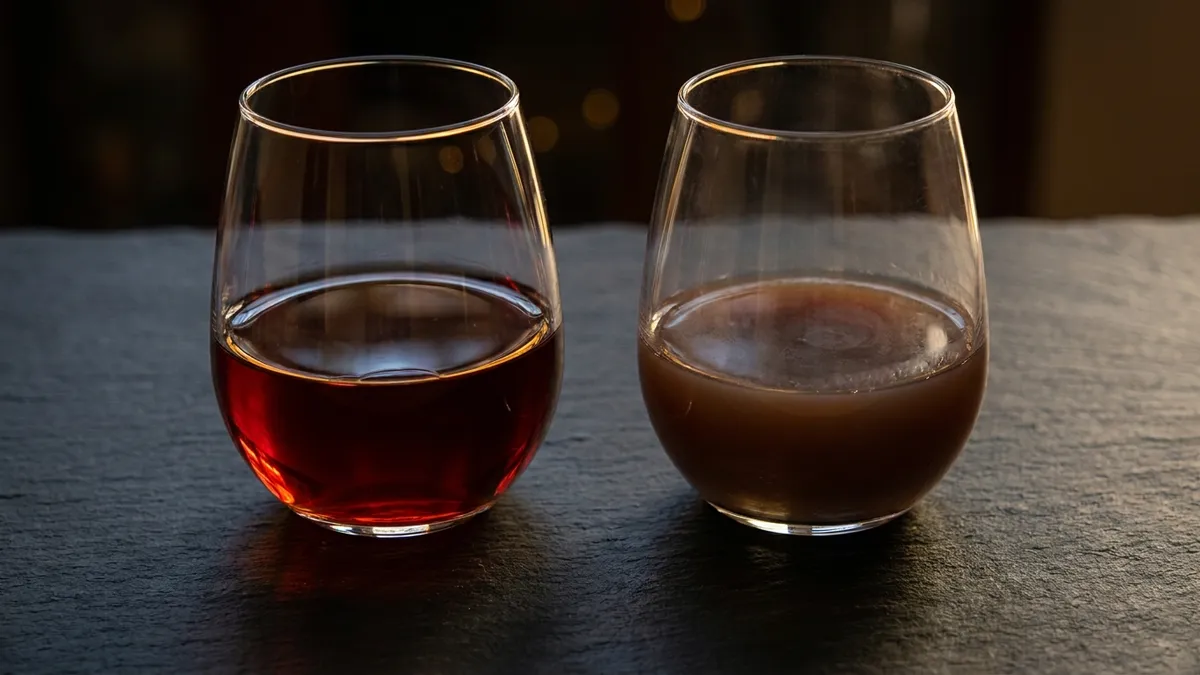
Contents (9)
- The Bottle That Smells Funky But Tastes Right
- Wine Flaws vs Faults, in 100 Words
- Why the Line Is Dose-Dependent
- Six Character-vs-Defect Pairs Every Drinker Should Know
- Faults With No Flaw Side: Always Send the Bottle Back
- Regional Aesthetics: Burgundy Embraces, Bordeaux Rejects
- When to Embrace and When to Send Back
- Why This Matters for Beginners
- Building a Funk-Tolerant Palate
TL;DR
Wine flaws are small, character-shaping imperfections that can add complexity — a touch of brett funk, a whiff of struck match, a little volatile lift, or gentle oxidation in a fortified wine. Wine faults are objective defects that ruin the bottle — TCA cork taint, severe brett, hard oxidation, mousiness. The difference is dose, context, and regional taste.
The Bottle That Smells Funky But Tastes Right
Sooner or later, every curious wine drinker pours a glass that is not quite clean and not quite broken. There is a whiff of barnyard. A trace of struck match. A nutty edge in a wine that should taste fresh. Most beginners panic and ask whether the bottle is faulty. Most of the time, the honest answer is more interesting: the wine has a flaw, not a fault — and depending on the region, the style, and the winemaker, that flaw might be the entire point.
Understanding wine flaws vs faults is one of the more grown-up skills in tasting. It is the difference between a bottle that tells a story and a bottle that needs to go back to the shop. The line is not chemistry alone, because the same molecule can be a feature in one wine and a defect in another. The line is dose, context, and what the wine was trying to be in the first place.
This guide walks through the difference, the most common character-versus-defect pairs, and the regional aesthetics that decide where the line falls. By the end you will know when to embrace a quirky bottle and when to ask the sommelier for another.
Wine Flaws vs Faults, in 100 Words
A wine flaw is a small, character-shaping imperfection that does not ruin the wine and may actively define its style. A whisper of brett funk in old-world Syrah, a struck-match lift in white Burgundy, a hint of volatile acidity in a ripe Italian red, or a soft oxidative note in an aged Rioja are all flaws — features, not defects. A wine fault is an objective defect that overrides whatever the wine was meant to be. TCA cork taint, severe brett, hard oxidation in a young wine, mousiness, geosmin earth-bin contamination, and ladybug taint are all faults — send-back-worthy regardless of style. The line is dose, context, and regional aesthetic.
Why the Line Is Dose-Dependent
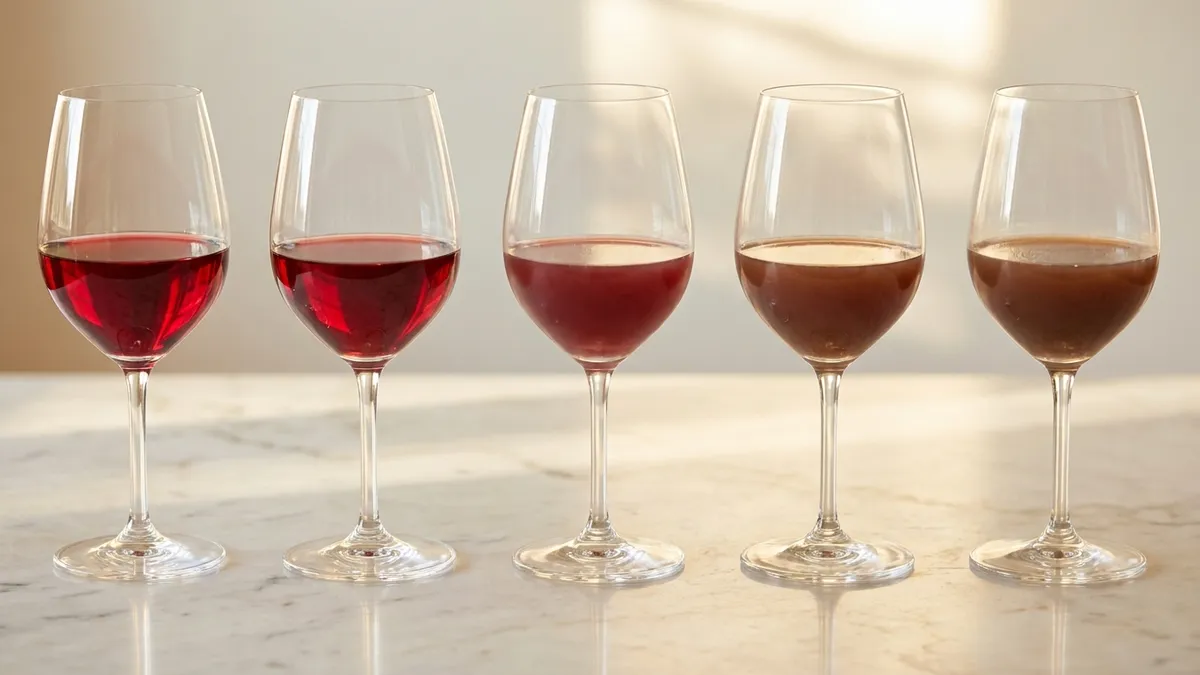
Almost every "fault" molecule in wine exists on a spectrum. Brettanomyces yeast is in many wineries. Sulfur compounds form in any low-oxygen environment. Acetic acid sits in trace amounts in every bottle. Oxidation begins the moment you pull the cork. The question is never whether these are present. The question is how much.
A trace of brett at a few hundred micrograms per liter reads as savory leather and smoke. The same yeast at a thousand-plus micrograms reads as sweaty saddle and dominates the fruit. A small amount of volatile acidity adds aromatic lift. A larger amount smells of vinegar. The molecules are the same. The dose decides whether you have a flaw or a fault.
The second variable is context. A bruised-apple oxidative note in a young Sauvignon Blanc that should taste of grapefruit is a defect. The same note in a thirty-year-old white Rioja is the wine doing what it was built to do. The Sommy app's aroma-recognition drills include flaw-versus-fault reference samples so the dose calibration becomes muscle memory rather than guesswork. To get the basics right first, work through how to smell wine and the broader how to identify wine faults by smell guide. This piece picks up where those leave off.
Six Character-vs-Defect Pairs Every Drinker Should Know
Here are the six places where the line between flaw and fault gets argued most often, with rough thresholds for where the funk stops being a feature.
Brett Funk vs Severe Brett
Brettanomyces — almost always shortened to brett — is a wild yeast that thrives in barrels and bottles, especially in older, less sterile cellars. In small doses it produces savory phenolic compounds that read as leather, smoked meat, gamey notes, and a hint of stable. In larger doses those compounds bury the fruit under sweaty saddle, plastic Band-Aid, and barnyard funk.
- Flaw threshold: a hint of leather or smoke that adds savory complexity without crowding the fruit. Common in northern Rhône Syrah, traditional Bordeaux, certain old-school Italian reds.
- Fault threshold: brett dominates the glass, the fruit has gone missing, and the wine smells more like a stable than a vineyard.
The classic mismatch: a brett-loving drinker tries a clean modern red and calls it boring, while a brett-averse drinker tries old-school Burgundy and calls it broken. Both are reading the same molecule against different baselines.

Volatile Acidity Lift vs Vinegar
Volatile acidity, often abbreviated VA, is acetic acid and ethyl acetate produced when bacteria convert wine alcohol. Every wine has some. Italian whites and warm-climate reds often carry a little extra as part of the regional aesthetic.
- Flaw threshold: a high-toned aromatic lift, a whisper of fresh cider or balsamic, an extra aromatic dimension that does not sting.
- Fault threshold: nail polish or sharp vinegar replaces the fruit, the nose stings, the wine reads as solvent rather than wine.
Italian regions in particular have a long tradition of slightly elevated VA as a stylistic signature. A New World tasting panel might mark the same wine down for the same note. Both readings are technically correct.
Reduction Match-Strike vs Rotten Egg
Reduction is the build-up of sulfur compounds in low-oxygen winemaking. White Burgundy producers chase a flinty, struck-match note as part of the house style, and many top Chardonnay estates engineer reductive ferments deliberately.
- Flaw threshold: a clean struck-match or flint note that adds mineral complexity, often blowing off after a few minutes of air.
- Fault threshold: rotten egg, burnt rubber, or cooked cabbage that does not resolve with aeration and overwhelms the fruit.
A simple test: if a quick decant or twenty minutes of swirling in the glass clears the off-note and the fruit comes forward, the wine had a stylistic reductive lift, not a fault. If the smell deepens or shifts toward sulfur, the bottle is faulty.
Gentle Oxidation vs Hard Oxidation
Oxidation is exposure to too much air. Fortified wines like Sherry, Madeira, and Tawny Port are made oxidatively on purpose. Aged whites and reds often carry a soft nutty edge as part of their maturity.
- Flaw threshold: a warm nutty note in an old wine, a slight orange tinge, a gentle bruised-apple character that sits alongside fruit rather than replacing it. Standard in fortified wines and orange wine.
- Fault threshold: in a wine that should be fresh, the fruit collapses, the wine reads of sherry, applesauce, or flat caramel, and the color has shifted unmistakably toward brown.
Context decides this one. A nutty, slightly oxidative twenty-year-old white Rioja is a feature. The same nuttiness in a one-year-old Sauvignon Blanc is a defect.
Residual Sulfur vs Burnt-Match Sulfur
A small amount of residual sulfur is normal in just-opened bottles, especially organic and biodynamic wines that rely on sulfur for stability.
- Flaw threshold: a faint match-strike on opening that disappears within minutes of pouring or decanting.
- Fault threshold: a heavy burnt-match smell that still dominates after thirty minutes of air, sometimes with a sharp nose-stinging edge.
The simple rule: pour a small taste, wait ten minutes, and try again. Residual sulfur lifts. Sulfur dioxide overload does not.
Trace Geosmin vs Earth-Bin Contamination
Geosmin is the molecule that makes beetroot and damp soil smell the way they do. Trace amounts can be part of a savory, earthy old-world profile.
- Flaw threshold: a soft beetroot or forest-floor note that sits inside an otherwise clean wine.
- Fault threshold: a heavy earth-bin or compost smell that buries the fruit, often from grape contamination by certain moulds or infected vineyards.
Geosmin contamination, sometimes called earth-bin taint, is a clear fault when the earthy character has eaten the fruit. A whisper of beetroot in a Pinot Noir is not.

Faults With No Flaw Side: Always Send the Bottle Back
A few faults have no acceptable dose. There is no level at which they read as character. For the measured thresholds of the smells that do have a safe dose, see wine fault vs style. If you find one of these, the bottle is broken regardless of style or region.
- TCA cork taint — wet cardboard, damp basement, mouldy attic. Strips fruit and freshness at sub-nanogram levels. Always a fault. See how to tell if wine is corked for the full picture.
- Mousiness — a stale popcorn or mouse-cage after-taste that builds in the back of the palate, especially in low-sulfite natural wines. Always a fault, even when fans of natural wine tolerate it.
- Heat damage — stewed, jammy, raisined fruit with no freshness, often paired with a pushed-up cork. Cannot be reversed.
- Ladybug taint — a sharp green pepper or peanut-shell smell from beetles caught in the press. Always a fault.
- Severe brett — when brett buries the fruit and the wine smells more of stable than grape, the dose has crossed from flaw into fault.
- Hard oxidation in young wine — collapsed fruit and brown colour in a bottle that should be fresh. Different from intentional oxidative styles.
When any of these show up, the wine is not interesting. It is finished.
Regional Aesthetics: Burgundy Embraces, Bordeaux Rejects
The most useful lens on flaws vs faults is regional. Wine regions have spent centuries deciding which imperfections add character and which do not. Those judgments shape what gets called a flaw versus a fault on the same chemistry.
- Burgundy — embraces a hint of brett funk in older reds and a clear struck-match reduction in whites. Both are part of the regional identity.
- Classic Bordeaux — has spent decades engineering brett out of cellars and reads any noticeable brett as a flaw or fault depending on dose. Cleaner, fruit-forward Cabernet expression is the goal. Compare profiles in the Cabernet vs Merlot guide.
- Northern Rhône — accepts elevated brett and savory funk as Syrah's signature, especially in older bottlings.
- Italy — many regions tolerate higher volatile acidity as aromatic lift. A note that reads as flawed in Napa Cabernet might be considered correct in Sangiovese.
- Sherry and Port — built around oxidation and other "faults" by design.
- New World — generally favors bright, clean fruit expression and treats any funk above trace levels as a defect.
This is why a single tasting note can read one way to a Burgundy lover and another way to a Napa drinker. They are not arguing about chemistry. They are arguing about taste. To dig deeper into the divide, work through the new world vs old world tasting style guide.
When to Embrace and When to Send Back
A practical decision tree, run silently each time a glass is poured.
- Is the fruit there at all? If the fruit you would expect is buried or gone, that is a fault signal regardless of style.
- Is the off-note adding to the wine or replacing it? A note that sits alongside fruit is usually a flaw. A note that has eaten the fruit is usually a fault.
- Does air help? Pour a small amount, swirl, wait ten minutes. If the off-note fades, the wine had a flaw or a passing reductive moment. If it deepens or holds steady at a fault profile, the bottle is broken.
- Is the off-note typical for this style? A struck match in white Burgundy is correct. The same note in a New World Sauvignon is suspect.
- Would another taster from the same region agree the wine is broken? If the answer is "no, they would call this classic," your discomfort is a taste mismatch, not a fault.
If the bottle clears those five questions, the funk is part of the experience. Pour another glass and lean in. If it fails one or more, especially the first two, the wine is faulty. At a restaurant, say so calmly: "This wine smells more of barnyard than fruit, I think it is brett-faulty," or "There is no fresh fruit here, only sherry — I think the bottle is oxidized." A well-run restaurant will replace the bottle without hesitation. Pointing out a fault is exactly what the tasting ritual exists for. For the broader send-back framework, see the common wine tasting mistakes guide.
Why This Matters for Beginners
The flaw-versus-fault spectrum is where wine education stops being a checklist and starts being a conversation. A beginner who knows only the textbook fault list will reject any bottle with a touch of funk and miss out on entire categories of complex, characterful wine. A beginner who calls every imperfection a flaw and tolerates everything will get pushed around by faulty bottles and never learn to trust their nose.
The middle path is the goal. Recognize the fault floors that are non-negotiable — TCA, mousiness, hard oxidation, heat damage, severe brett, ladybug taint — and send those bottles back without apology. For everything else, ask whether the off-note is adding to the wine or replacing it, and let the answer guide you. The Sommy app's aroma-recognition drills calibrate the nose against named reference smells, so the difference between a flaw and a fault becomes a reflex instead of a judgment call.
Flaws shape character. Faults override it. The dose decides which one you have, and the region decides whether the dose was the point.
Once you have met each fault and each flaw a few times, the entire spectrum becomes legible. A whisper of brett in a glass of old-world Syrah will read as savory complexity rather than spoilage. A struck-match Chardonnay will read as flinty rather than broken. And a TCA-corked bottle will get sent back in thirty seconds, because the cardboard note has nothing in common with funk that adds character. To put the framework into structured practice with guided drills and full tastings, visit sommy.wine and work through the fault-recognition lessons inside the app.
Building a Funk-Tolerant Palate
The fastest way to develop the flaw-versus-fault instinct is deliberate exposure to both sides. Taste a clean New World Pinot beside an old-world Burgundy with a touch of brett. Try a fresh young Sauvignon next to an aged white Rioja with soft oxidation. Compare a high-VA Italian red with a clean, modern Cabernet. The contrasts teach the spectrum faster than any tasting note.
Pair this work with the how to taste wine like a sommelier framework and the how to describe wine vocabulary. With a few hundred bottles of careful attention, the question of whether an off-note is a flaw or a fault stops being an anxious guess and turns into a quiet, confident judgment.
Frequently Asked Questions
What is the difference between a wine flaw and a wine fault?
A wine flaw is a small imperfection that shapes the character of the bottle without ruining it — a trace of brett, a whiff of struck match, a little volatile lift. A wine fault is an objective defect that overrides whatever the wine was meant to be — TCA cork taint, severe brett, hard oxidation, mousiness, or geosmin contamination. Flaws are stylistic, faults are send-back-worthy.
Is brett always a wine fault?
No. In trace amounts, brett adds savory leather, smoke, and gamey complexity that fans of certain old-world reds actively seek out. In larger amounts, it overwhelms the fruit with sweaty saddle, plastic Band-Aid, or barnyard, which crosses into fault territory. Most professional tasters call it a fault when brett dominates everything else in the glass and the wine no longer tastes like its grape or place.
Can a slightly oxidized wine still be good?
Yes, in the right context. Fortified wines like dry Sherry and Madeira are intentionally oxidative, and a touch of oxidation in an aged red or white can read as warm, nutty complexity. The fault threshold is when fresh fruit collapses entirely and the wine smells of bruised apple, sherry-like nuttiness, or flat caramel where freshness should be. A faintly nutty old wine is fine; a sherry-smelling young wine is broken.
Why do some wine drinkers love struck-match notes?
A whiff of struck match in white Burgundy and other reductive Chardonnay styles reads as flinty, mineral complexity. It comes from sulfur compounds that build up in low-oxygen winemaking and is considered part of the house style for many top producers. The line is volume. A subtle matchstick lift on the nose is a flaw that adds character. A heavy rotten-egg or burnt-rubber note is a reduction fault that needs to be sent back.
When should you send a bottle back at a restaurant?
Send a bottle back when the wine has an objective defect, not when you simply do not like it. Clear send-back faults include TCA cork taint, hard oxidation when the wine should be fresh, severe brett that has buried the fruit, mousy after-taste, geosmin earth-bin contamination, or volatile acidity that smells more of vinegar than wine. A wine that is just bigger, drier, or funkier than expected is your taste, not a fault.
Do wine regions disagree about what counts as a fault?
Yes, and this is a big reason flaws and faults are confusing. Burgundy traditionally embraces a hint of brett funk and reductive struck-match character as part of regional identity. Classic Bordeaux estates have spent decades engineering brett out of their wines and treat any whiff as a flaw. Italian whites often carry a touch of volatile acidity as lift, where a New World sommelier might read the same note as borderline faulty.
Is mousiness in natural wine a flaw or a fault?
Mousiness is a fault, not a flaw, even though it is famously common in low-intervention natural wines. The character — a stale popcorn, mouse-cage, or sour milk after-taste that builds on the palate — comes from microbial spoilage by lactic and Brettanomyces strains in low-sulfite environments. Some natural-wine fans tolerate it, but the consensus across wine science and most sommeliers is that mousiness is a defect that ruins the bottle.
Can a wine flaw improve with age or air?
Some can. Mild reduction often blows off with twenty minutes of air or a quick decant, turning a flawed bottle into a clean one. A trace of volatile acidity can integrate over years and add lift to a complex wine. But cork taint, mousiness, severe brett, hard oxidation, and heat damage do not improve. They are faults rather than flaws because they get worse over time, not better.
Sommy Team
LinkedInFounder & Wine Educator
The Sommy Team is building the world's most approachable wine education app, helping beginners develop real tasting skills through structured courses and AI-guided practice.