What Is Orange Wine? Skin Contact Wine vs Rosé Explained

By the Sommy Team — AI-assisted, human-edited.
Updated Oct 2, 2026
Contents (9)
TL;DR
Orange wine, also called skin contact wine or amber wine, is white wine fermented with its grape skins for days to months, the way red wine is made. Rosé uses the same skin contact with black grapes for only hours. The skins give orange wine an amber color, a light drying grip and flavors of dried apricot and tea.
What Is Orange Wine?
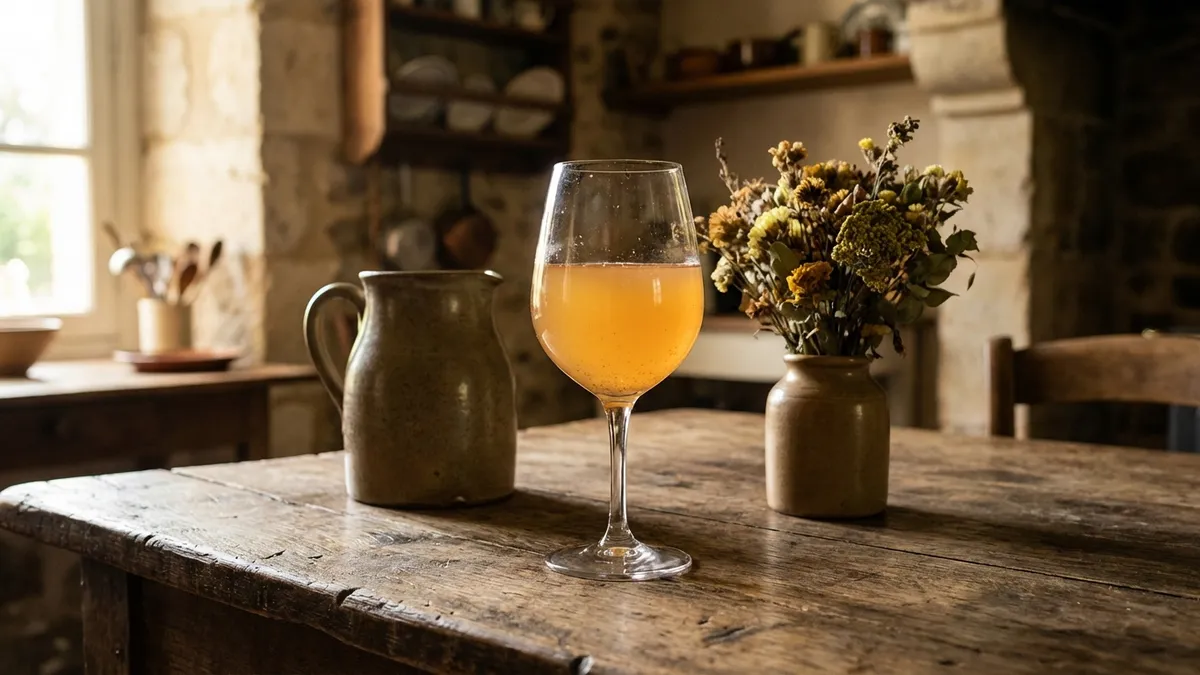
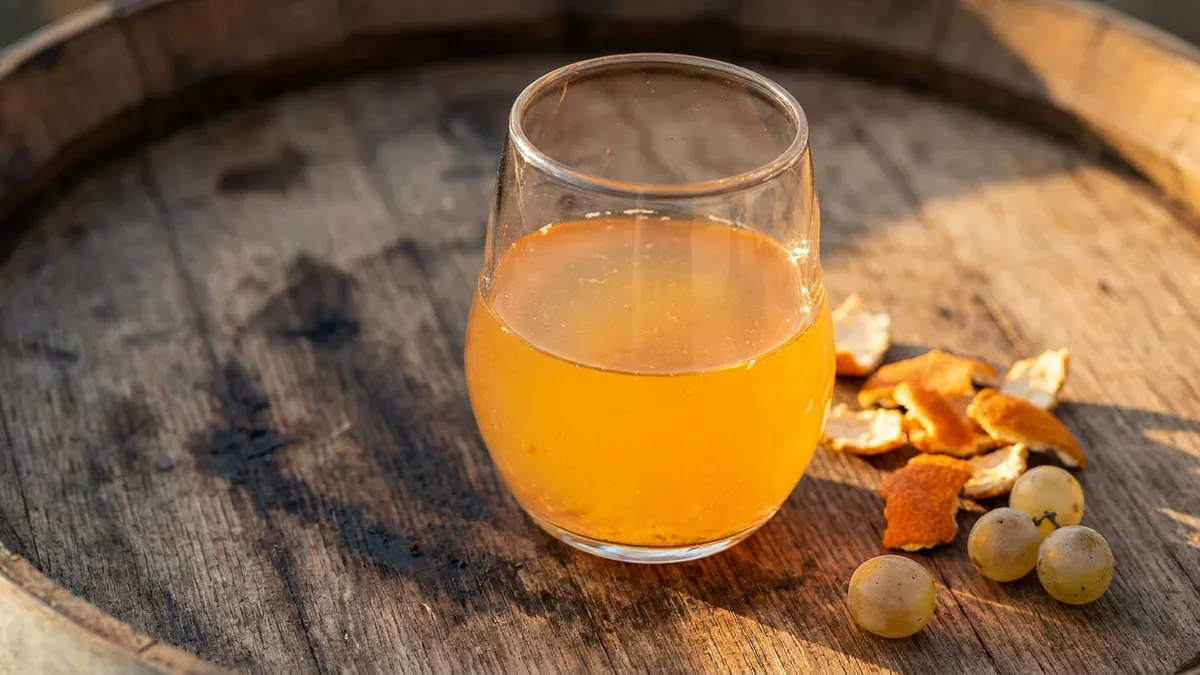
Orange wine, also called skin contact wine or amber wine, is white wine made the way red wine is made. White grape juice ferments with the skins for days or months instead of being pressed off them at once. The skins give the wine an amber color, a light drying grip and flavors of dried apricot and tea.
The name is young. British wine importer David A. Harvey coined "orange wine" in 2004, according to Wikipedia's entry on the style. Labels and wine lists use several other names for it: skin-contact white, skin-fermented white, amber wine (the usual term in Georgia), macerated white, and ramato, the Italian word for a copper-colored Pinot Grigio. None of them involve oranges. The name describes the color.
The method is far older than the name. Georgia has made wine for about 8,000 years, and its traditional qvevri wine still ferments white grapes with their skins. Because it fits none of the white, rosé or red categories, orange wine is often called the fourth color of wine.
Skin Contact Wine vs Rosé: What Is the Difference?
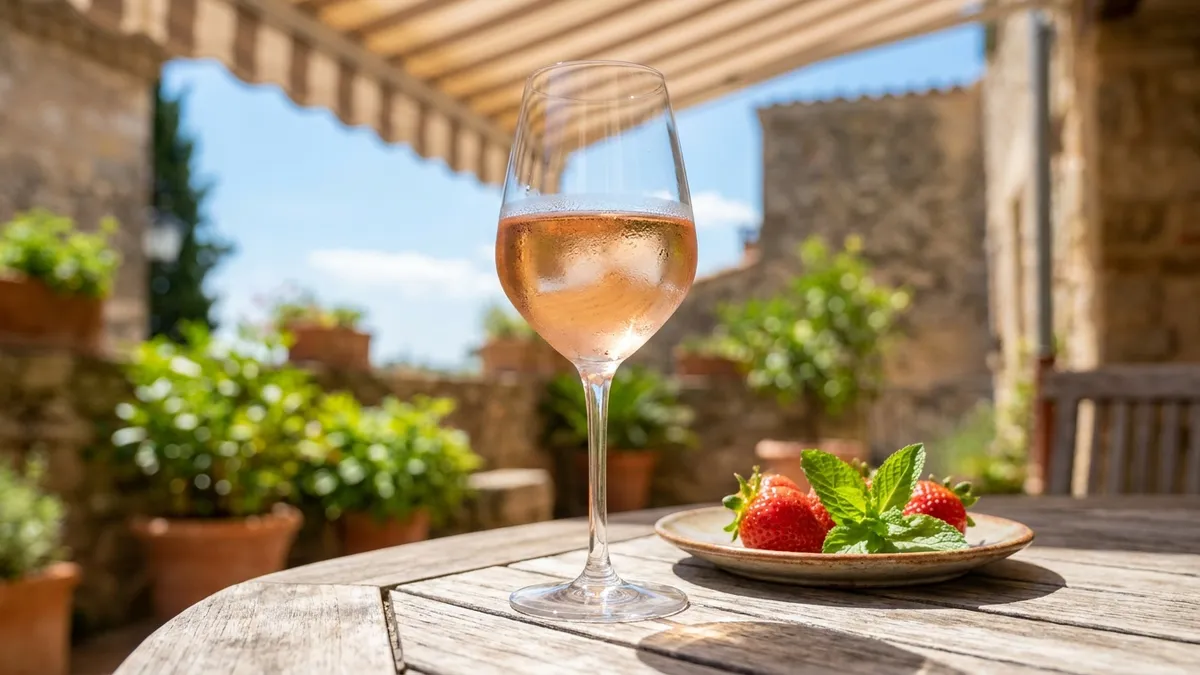
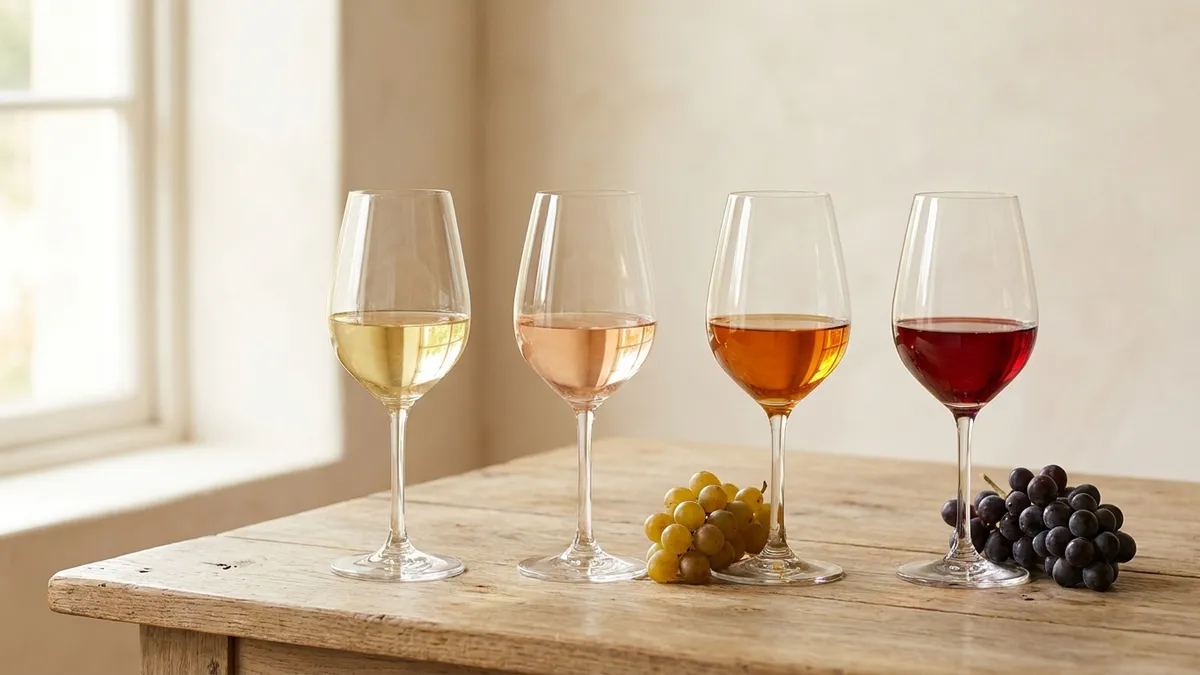
Skin contact wine and rosé use the same step: juice rests on grape skins for color. The difference is the grape and the clock. Rosé comes from black grapes whose skins stay in the juice typically two to twenty hours, according to Wikipedia's rosé entry. Orange wine comes from white grapes left on their skins for days to months.
| Wine | Grape skins | Time on skins | Color in the glass | Grip on the gums | Serve it |
|---|---|---|---|---|---|
| White | White (or pale-juiced black grapes) | Pressed off before fermentation | Pale straw to gold | Almost none | Fridge-cold |
| Rosé | Black | Typically 2 to 20 hours | Pale onionskin orange to vivid pink | Almost none | Fridge-cold |
| Orange (skin contact white) | White | Days to months: often 15 to 30 days in Imereti, about 6 months in Kakheti | Gold to deep amber | Light to firm | Cool, 13 to 16°C, like a light red |
| Red | Black | Through fermentation | Ruby to purple | Medium to firm | Slightly cool |
The words "skin contact" name a process, so they say little until you know the grape. A rosé has skin contact too. Wikipedia notes that rosé can be as pale as "onionskin" orange, so the two styles can look alike in the glass. If a label says skin contact and names a white grape such as Ribolla Gialla, Rkatsiteli or Pinot Grigio, the wine is an orange wine. If it names a red grape, it is a rosé or a light red.
When shopping, ask for a "skin-contact white" or "amber wine", because shops file the style under different names. The pink side of skin contact is covered in our rosé wine guide.
How Is Orange Wine Made?
Orange wine is made by crushing white grapes and fermenting the juice with the skins, as for red wine. The skins float up and form a cap, which the winemaker pushes down or leaves alone. When the skins come out sets the style: weeks give a lighter wine, months a darker, more tannic one.
All grape juice starts out nearly clear, whatever the skin color, because the pigment sits in the skins. In normal white winemaking the skins are removed right after pressing. Leaving them in works like steeping tea: the longer they stay, the more color and tannin reach the wine.
Georgia shows both ends of the range, according to Wikipedia's orange wine entry. In the western Imeretian method, maceration often lasts 15 to 30 days. In the eastern Kakhetian method it often lasts about six months, which gives deep amber wines with a firm grip.
Qvevri and Clay Vessels
The traditional Georgian vessel is the qvevri, which UNESCO describes as an egg-shaped earthenware vessel for making, ageing and storing wine. The juice goes in with its skins, stalks and pips, and the qvevri is sealed and buried in the ground. UNESCO inscribed the qvevri method on its Intangible Cultural Heritage list in 2013. Our page on how qvevri wine is made walks through the method step by step.
Some winemakers outside Georgia ferment skin-contact whites in clay amphorae as well. Clay is compared with concrete, oak and steel in our guide to concrete egg and amphora wine.
The Natural Wine Connection
The modern revival of skin-contact whites grew in Friuli's Collio and across the border in Slovenia's Brda and Vipava Valley, where winemakers ferment Ribolla Gialla on its skins. Many of them also follow natural wine principles: organic farming, native yeast, little or no added sulfur and no filtering. Skin contact does not require any of these. An orange wine can be conventional, and a natural wine can be a plain white.
What Does Orange Wine Taste Like?
Orange wine tastes like a white wine with some of a red wine's grip. The skins add tannin, the drying feel on your gums, which few drinkers expect from white grapes. Most orange wines are dry, with fresh acidity, a medium body and flavors of dried apricot, orange peel, black tea and toasted almond.
- Fruit: dried apricot, bruised apple, quince, marmalade
- Floral and herbal: chamomile, dried flowers, hay
- Nutty: toasted almond, hazelnut, walnut skin
- Savory: honey, beeswax, sourdough
The grip is usually lighter than in a young red, closer to strong black tea. Our guide to what tannins are explains where that drying feel comes from.
The Oxidative Character
Many orange wines show an oxidative character: some contact with air during winemaking brings nutty, honeyed, sherry-like smells. In a crisp white these smells would mark a fault, but in orange wine they are often deliberate. If a glass smells of walnut and honey and still tastes fresh, that is the style. If it smells of vinegar or nail polish remover, the wine is faulty.
Which Grapes Make Orange Wine?
Almost any white grape can be fermented on its skins. Four grapes are tied most closely to the style: Rkatsiteli from Georgia, Ribolla Gialla and Malvasia from the Italian-Slovenian border, and Pinot Grigio from northeast Italy. On a label, the grape predicts how an orange wine tastes better than the country does.
- Rkatsiteli: the classic Georgian white for qvevri amber wine, with high acidity and a resinous, herbal edge
- Ribolla Gialla: called Rebula in Slovenia, the grape of the Friuli border, which skin fermentation turns fuller, with dried fruit and honey
- Pinot Grigio: its grayish-pink skins (grigio means gray) turn skin-contact versions copper, sold in Italy as ramato and the gentlest place to start
- Malvasia: an aromatic grape whose apricot and orange-blossom scents grow stronger on the skins
Where Does Orange Wine Come From?
Orange wine comes first from Georgia, whose qvevri method is on UNESCO's heritage list. The Kakheti region in the east keeps white grapes on their skins, seeds and stems for about six months, as our Kakheti wine guide explains. These are the darkest and most tannic orange wines, and they need food.
The modern revival centers on the border between Italy and Slovenia. Friuli's Collio and Carso zones work mainly with Ribolla Gialla, Friulano, Malvasia, Vitovska and Pinot Grigio, as the Friuli wine guide shows. Across the border, the Brda and Vipava Valley wines in our Slovenia wine guide use the same grapes under Slovenian names such as Rebula and Malvazija. The Italian wine guide places Friuli in the wider country. Skin-contact whites are now made in Austria, France, Spain, Australia and the United States too.
How Should You Serve Orange Wine?
Serve orange wine cool, around 13 to 16°C (55 to 60°F), like a light red. Colder than that, the aromas fade and the tannin tastes harsher. If the bottle comes from the fridge, leave it on the counter for ten to fifteen minutes before pouring. Use a medium-sized wine glass with room to swirl.
If the wine is deep amber and grippy, pour it into a jug or decanter 30 minutes before drinking to soften the tannin. A pale orange wine with a short time on skins can go straight into the glass.
What Food Goes With Orange Wine?
Orange wine goes with dishes too strong for a crisp white and too light for a big red. Its tannin handles fat and salt, and its dried-fruit and nutty flavors stand up to spice. If a dish feels too heavy for white wine but too delicate for red, choose an orange wine.
- Aged hard cheese: fat and salt soften the tannin, and the nutty flavors echo the rind
- Charcuterie and cured meats: the salt tames the grip, and the oxidative notes match cured flavors
- Mushroom dishes: earthy, savory flavors meet the wine's tea and nut side
- Spiced Middle Eastern and North African food: tagines, falafel and spiced rice match its weight
- Roasted root vegetables: caramelized sweetness meets dried apricot and honey
- Oily fish such as mackerel and sardines: the fat cushions the tannin
Avoid very delicate raw fish, where the pairing can turn metallic, and light green salads, which the wine overpowers. Our wine color meaning guide explains how the amber in the glass hints at a wine's weight and pairing range.
Is Orange Wine Worth Trying?
Yes, to taste how much one winemaking step changes a wine. Many drinkers find the first glass strange because it looks like a white and grips like a red. Start light, with a ramato Pinot Grigio or a Ribolla Gialla given a few weeks on its skins. Save a months-long Kakhetian amber wine for later.
Skin contact, drying and other style-making steps sit together in the wine styles hub. The Sommy app at sommy.wine has bite-sized wine courses and an AI-guided tasting mode. Pour an orange wine tonight, photograph the label, and taste it through the look, smell and taste steps.
Sources
Frequently Asked Questions
What is skin contact wine?
Skin contact wine is another name for orange wine: white wine made from white grapes that ferment with their skins for days or months instead of being pressed off them at once. The skins add an amber color, a light tannic grip and flavors of dried apricot, tea and nuts. Labels also call it skin-contact white, amber wine or, for Pinot Grigio, ramato.
What is the difference between skin contact wine and rosé?
Both get their color from grape skins, but the grape and the time differ. Rosé is made from black grapes whose skins stay in the juice typically two to twenty hours, so it turns pink with almost no tannin. Skin contact wine is made from white grapes left on their skins for days to months, so it turns amber and gains a drying grip.
What does orange wine taste like?
Orange wine tastes like a white wine with some of a red wine's grip. Expect dried apricot, bruised apple, orange peel, black tea and toasted almond, with fresh acidity and a light drying feel on the gums. Longer skin contact gives deeper color, firmer tannin and more nutty, honeyed flavors from contact with air.
Is orange wine made from oranges?
No. Orange wine is made only from white wine grapes fermented with their skins. The skins release amber pigments and tannin, which give the finished wine its orange to copper color. The name describes that color. It was coined in 2004 by British wine importer David A. Harvey, long after the method itself began in Georgia.
Is orange wine natural wine?
Not necessarily. Skin contact is a winemaking step, while natural wine is a farming and cellar approach with native yeast and little or no added sulfur. Many orange wines are made by natural winemakers, because the modern revival grew in that community, but a skin-contact white can be conventional and a natural wine can be a plain white.
How long is orange wine left on the skins?
Anywhere from days to months. In Georgia, the western Imeretian method often macerates for 15 to 30 days and gives lighter, yellow to orange wines. The eastern Kakhetian method often keeps skins, seeds and stems in the qvevri for about six months, giving deep amber wines with a firm grip. More time means more color and tannin.
Should orange wine be served chilled?
Serve orange wine cool rather than cold, around 13 to 16°C (55 to 60°F), like a light red. Fridge-cold orange wine tastes harsher because the cold mutes its aromas and makes the tannin stand out. If the bottle has been in the fridge, leave it on the counter for ten to fifteen minutes before pouring.
Sommy Team
LinkedInFounder & Wine Educator
The Sommy Team is building the world's most approachable wine education app, helping beginners develop real tasting skills through structured courses and AI-guided practice.