Wine Styles
Discover the spectrum of wine styles, from sparkling and natural to fortified and dessert wines.
72 articlesStart here
Beaujolais Nouveau: The Wine That Arrives Every NovemberBeaujolais Nouveau is a Gamay red bottled weeks after harvest and released on the third Thursday of November. How it is made so fast, why it smells of banana, and how to chill, pair and drink it.
Wine is not a single category — it is a spectrum. From bone-dry Champagne to lusciously sweet Sauternes, from skin-contact orange wine to fortified Port, the world of wine styles is broader and more varied than most people realize. Understanding these styles helps you navigate wine lists, try new things with confidence, and appreciate the craftsmanship behind each approach.
This section explores the major wine styles beyond the familiar categories of "red" and "white." You will learn what makes each style distinctive, how it is produced, and when to reach for it.
The Style Spectrum
At the most basic level, wines differ by color (red, white, rose), sweetness (dry to sweet), and effervescence (still to sparkling). But within each of those categories, production method creates enormous variation.
A still red wine made from Pinot Noir in Burgundy and a still red wine made from Shiraz in the Barossa Valley are both "red wine," but they occupy completely different positions on the style spectrum. One is light, elegant, and earthy; the other is bold, fruity, and rich. The grape, the climate, and the winemaker's choices all contribute to where a wine lands on that spectrum.
Natural, Orange, and Everything In Between
The last decade has seen an explosion of interest in wine styles that challenge conventional categories. Natural wine — made with minimal intervention and little or no added sulfites — has moved from niche curiosity to mainstream conversation. Orange wine — white grapes fermented with their skins, producing amber-colored wines with tannic texture — has earned dedicated sections on restaurant wine lists. Pet-nat — petillant naturel, a rustic style of sparkling wine — has become a gateway for younger drinkers entering the wine world.
These styles are not fads. They represent a return to older winemaking traditions and a reaction against the homogenization of industrial wine production. Whether you love them or find them challenging, understanding what they are and how they are made makes you a more informed taster.
Sparkling, Fortified, and Dessert
Sparkling wine is not just Champagne. The category includes Prosecco from Italy, Cava from Spain, Cremant from various French regions, and sparkling wines from around the world, each made using different methods that produce different textures and flavor profiles.
Fortified wines — Port, Sherry, Madeira, Marsala — are wines with added grape spirit, which raises the alcohol level and often preserves residual sweetness. They are some of the most complex and long-lived wines in existence, and they are dramatically underappreciated by modern drinkers.
Dessert wines — from late-harvest Riesling to botrytized Sauternes to ice wine — showcase what happens when concentrated sweetness meets balancing acidity. They are wines for special occasions and adventurous palates.
Exploring With Purpose
The articles in this section give you a clear framework for each style: what it is, how it is made, what it tastes like, and what to try if you want to explore further. They are designed to be read before or alongside tasting, so you can connect the theory to what is in your glass.
Sommy's tasting sessions cover several of these styles, guiding you through the evaluation process with prompts tailored to each category. A sparkling wine tasting is different from a still wine tasting — the bubbles, the mousse, and the dosage level all deserve attention.
Start wherever your curiosity leads. If you have never tried an orange wine, the natural wine article is a good entry point. If you want to understand why Champagne costs what it does, the sparkling wine comparison will give you the answer.
Articles in this topic
Beaujolais Nouveau: The Wine That Arrives Every November
Beaujolais Nouveau is a Gamay red bottled weeks after harvest and released on the third Thursday of November. How it is made so fast, why it smells of banana, and how to chill, pair and drink it.
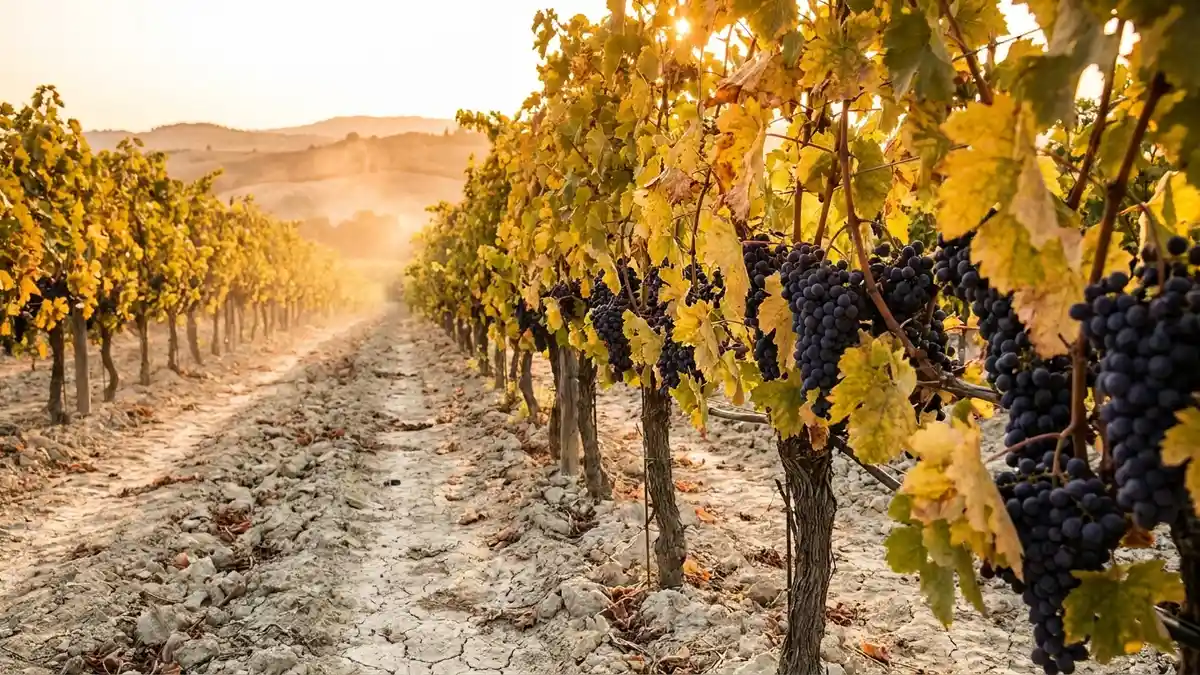
Climate Change and Wine: How the Wine Map Is Being Redrawn
Warmer summers make grapes pile up sugar while their acid burns off. Harvests in France now come about 10 days early, and vineyards are moving uphill and north.
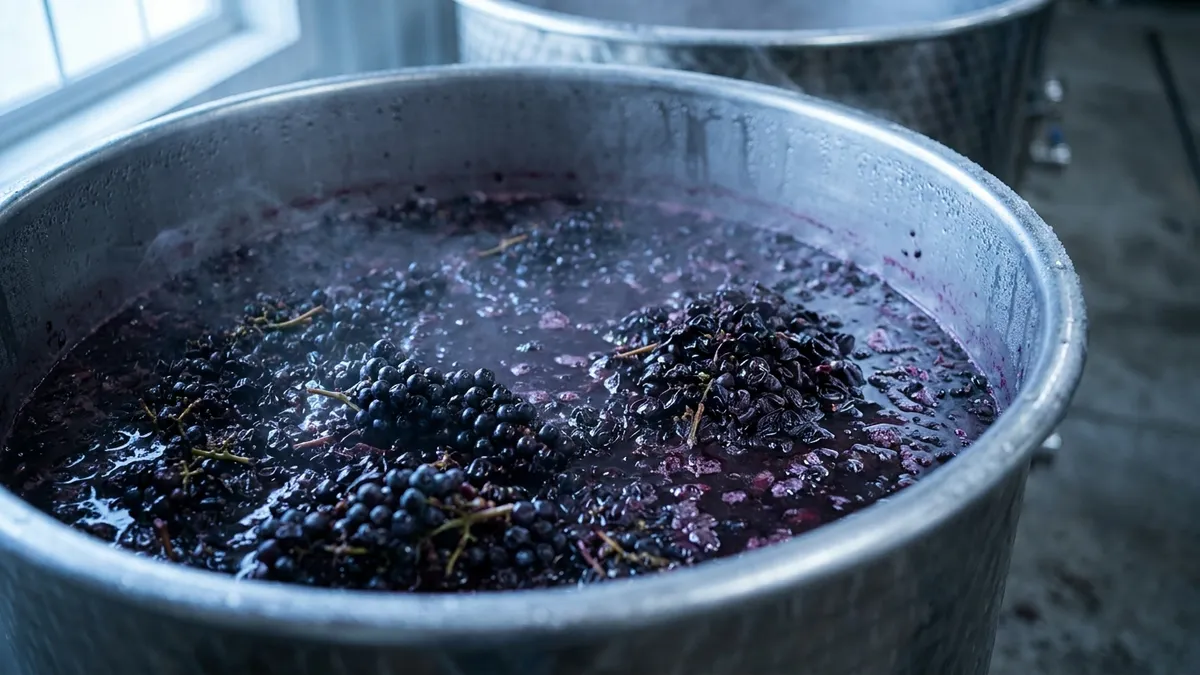
Cold Soak Winemaking: What It Does and Why It Matters
Cold soak winemaking chills crushed red grapes for a few days before fermentation so cold juice pulls colour from the skins. What it changes, how long it lasts, and why studies disagree on whether it works.
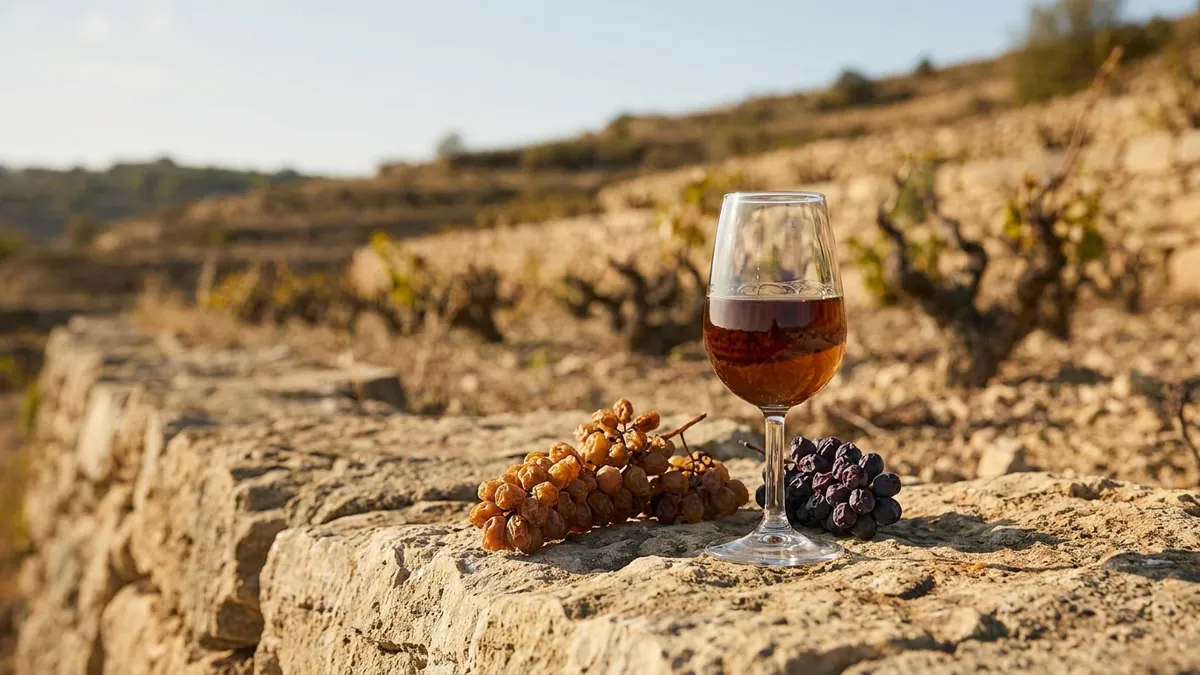
Commandaria Wine: The Oldest Wine Name Still on a Label
Commandaria wine is Cyprus's amber sweet wine from sun-dried Xynisteri and Mavro grapes. Its name dates to the 12th-century crusader knights, and it must age at least two years in oak.
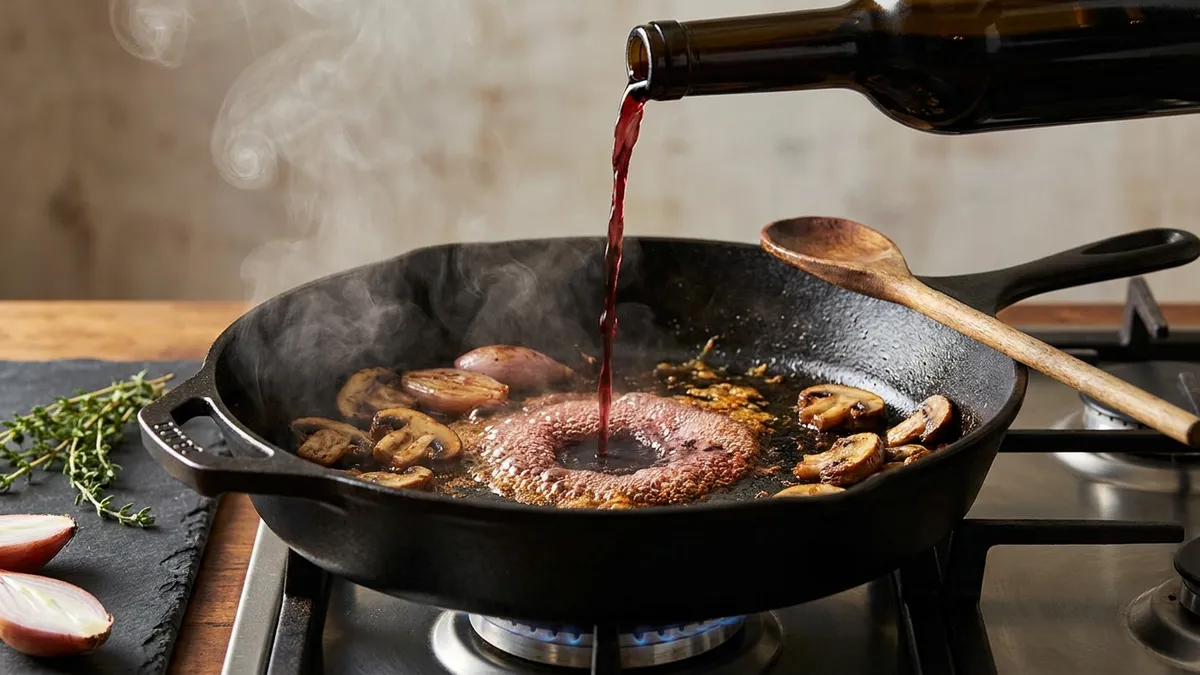
Cooking With Wine Guide: Which Wine to Use and When
Which wine to cook with, when to add it, red or white for each dish, why salted cooking wine stays on the shelf, and how much alcohol is left after simmering.
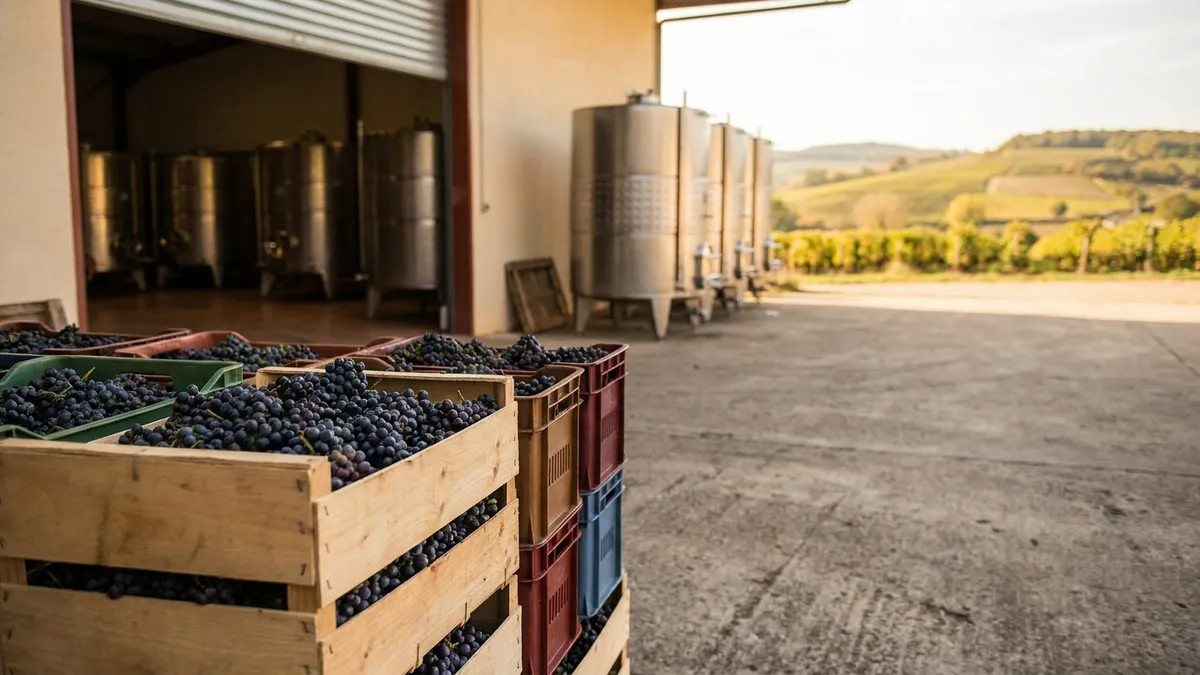
Wine Cooperatives: How Farmer Co-Ops Shape the Wine World
A wine cooperative is a winery owned by the farmers who grow its grapes. Co-ops make most of the wine in Spain and more than half in France, and how they pay their growers decides whether the bottle is bulk or excellent.
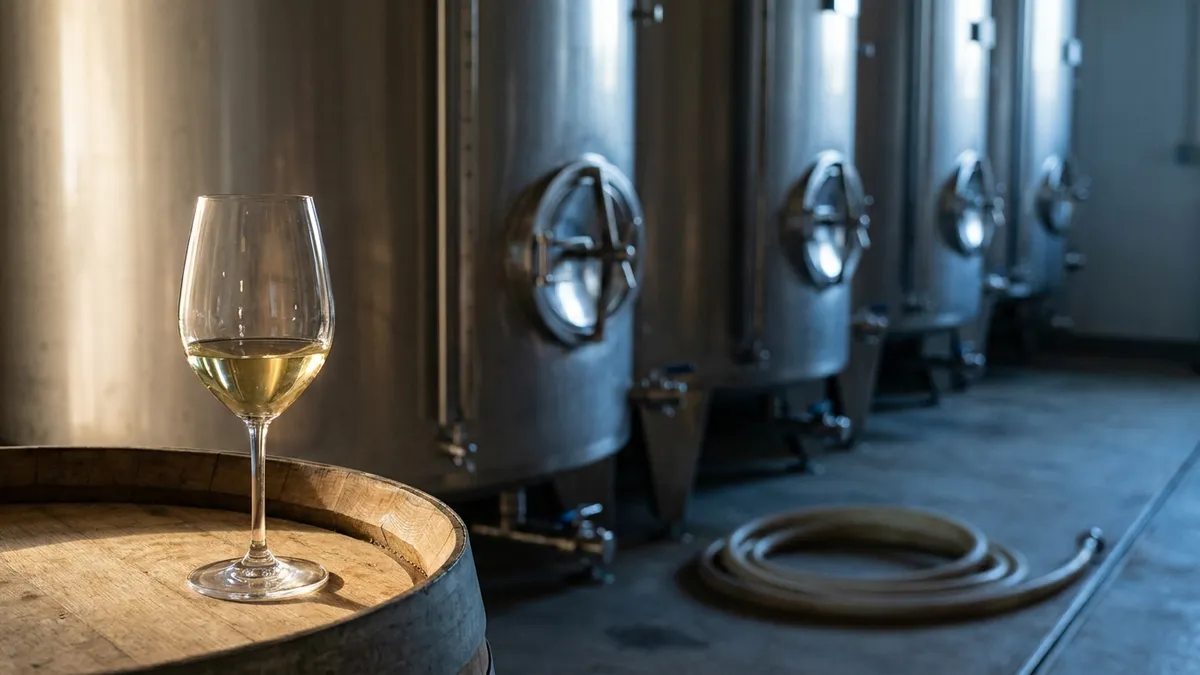
Cuvée Meaning in Wine: What the Label Word Tells You
Cuvée comes from the French word for vat. On a label it names a blend or batch, in Champagne it is the first juice from the press, and on its own it guarantees nothing about quality.
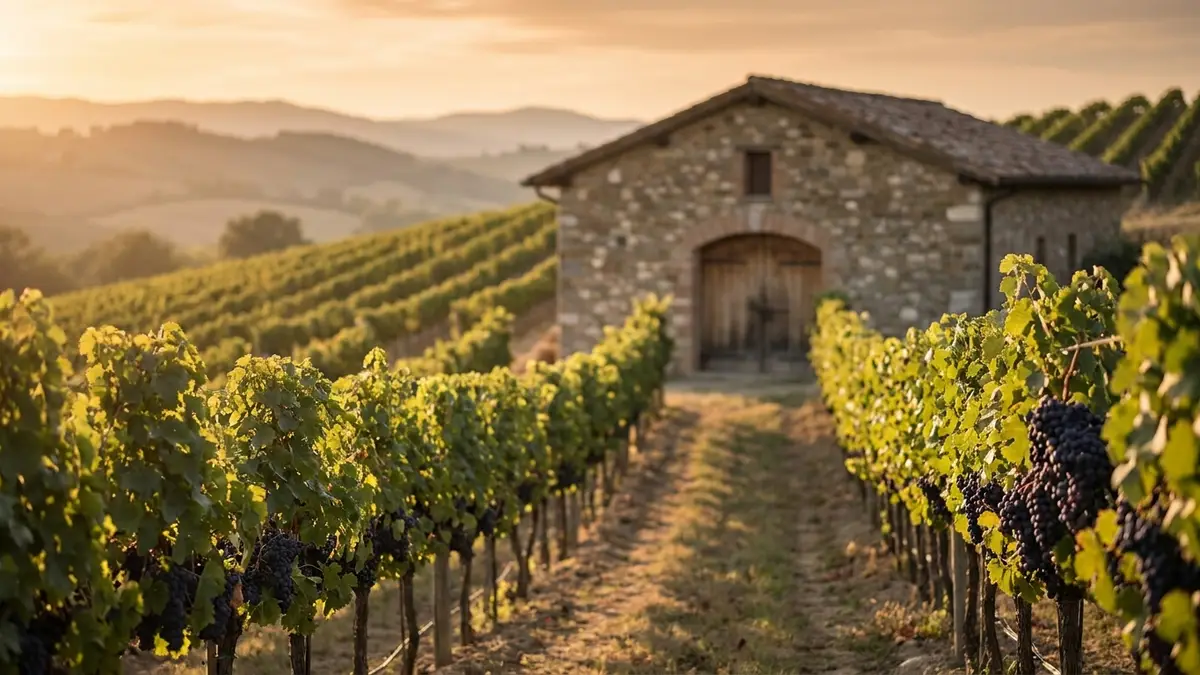
Estate Bottled Wine Meaning: The Four Rules on the Label
Estate bottled wine meaning, decoded: US law lets a winery print it only if it grew every grape inside the named AVA and made the wine there start to finish. It proves control, not quality.
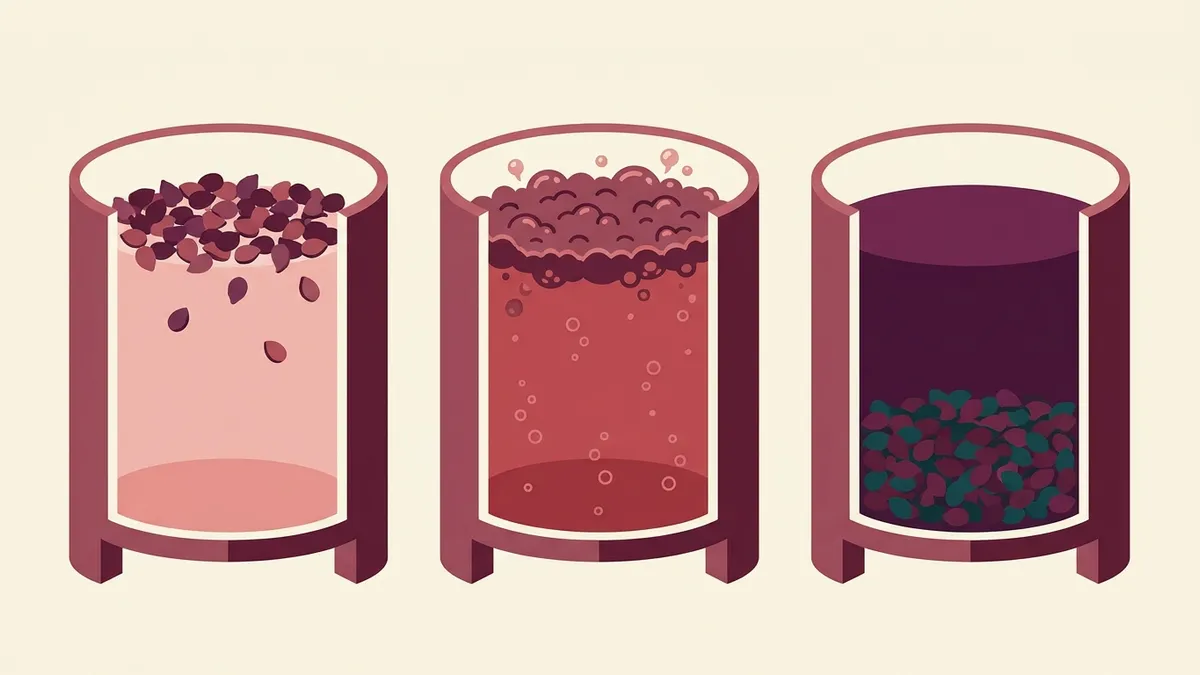
Extended Maceration Wine: What Long Skin Contact Changes
Extended maceration keeps a red wine on its skins after fermentation for days or months. It reshapes tannin and colour, and lab trials show it adds tannin to some grapes and none to others.
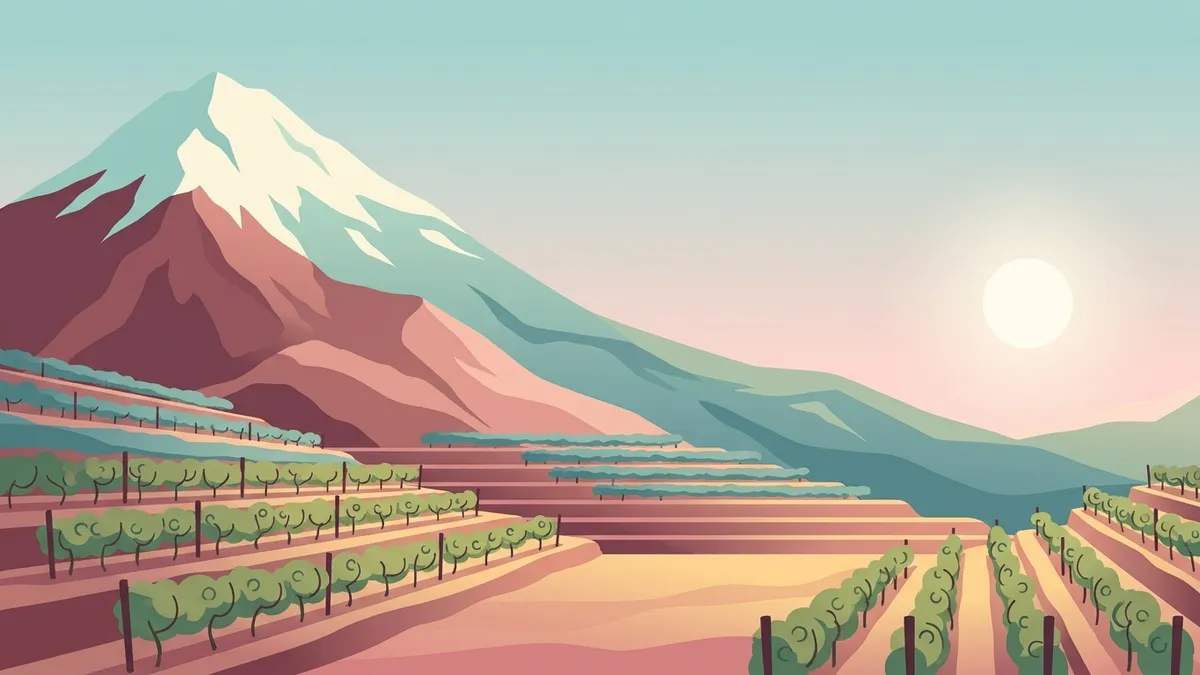
High Altitude Wine: Why Elevation Makes Wine Different
High altitude wine comes from vineyards where the climb cools the air, widens the day-night swing and raises UV light, so grapes keep their acidity while their skins grow darker.
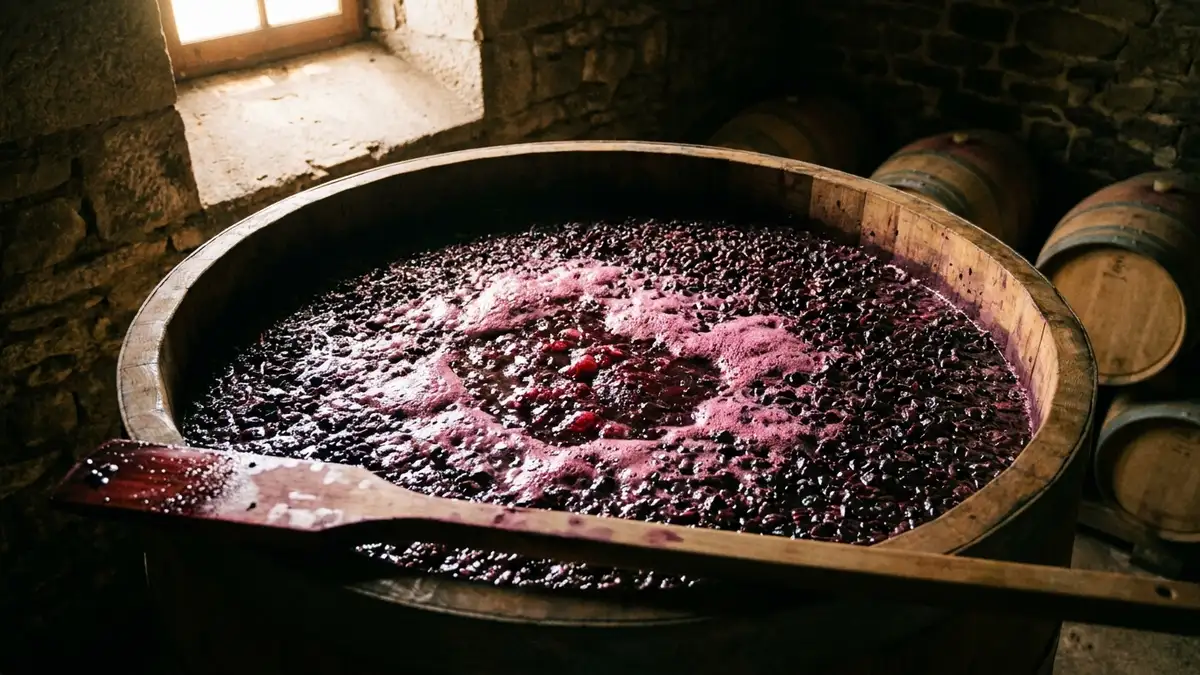
How Red Wine Is Made: From Crush to Bottle, Step by Step
Red wine gets its colour and grip because the juice ferments with the skins before pressing. Each step, from crushing to bottling, and the winemaker choices you can taste in the glass.
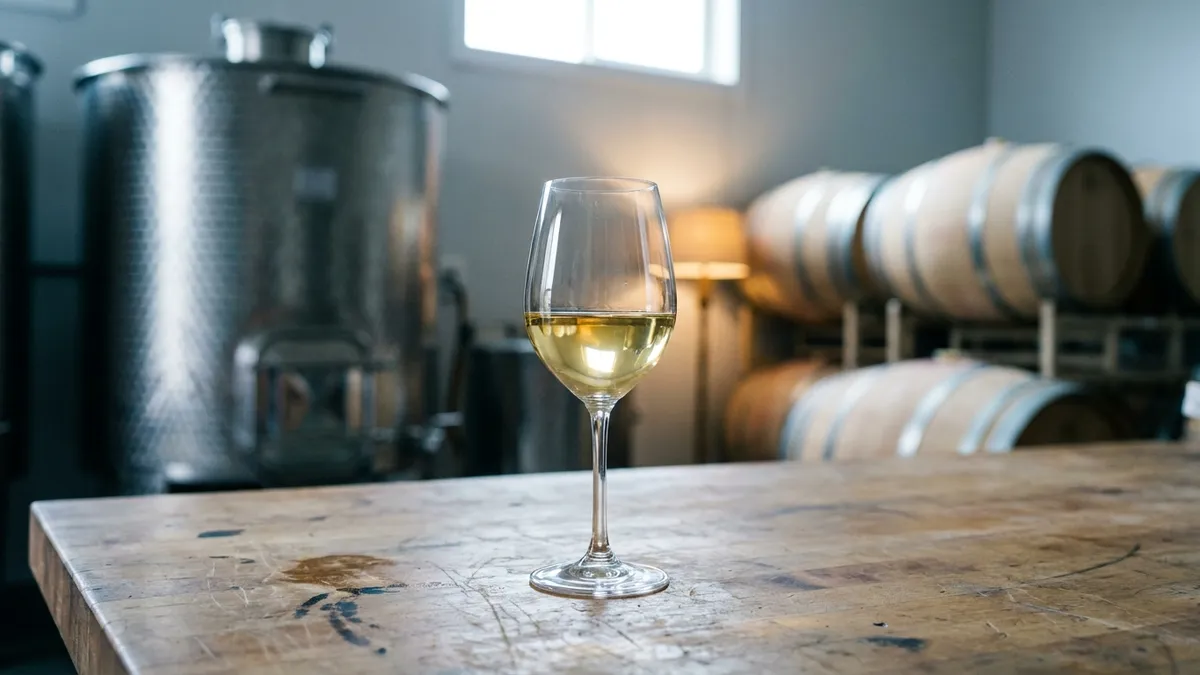
How White Wine Is Made: Pressing, Fermenting, Aging
White wine is juice pressed off its skins, fermented cool, then shaped by three cellar switches: malolactic fermentation, oak and lees. Each one changes the glass and shows up on the label.
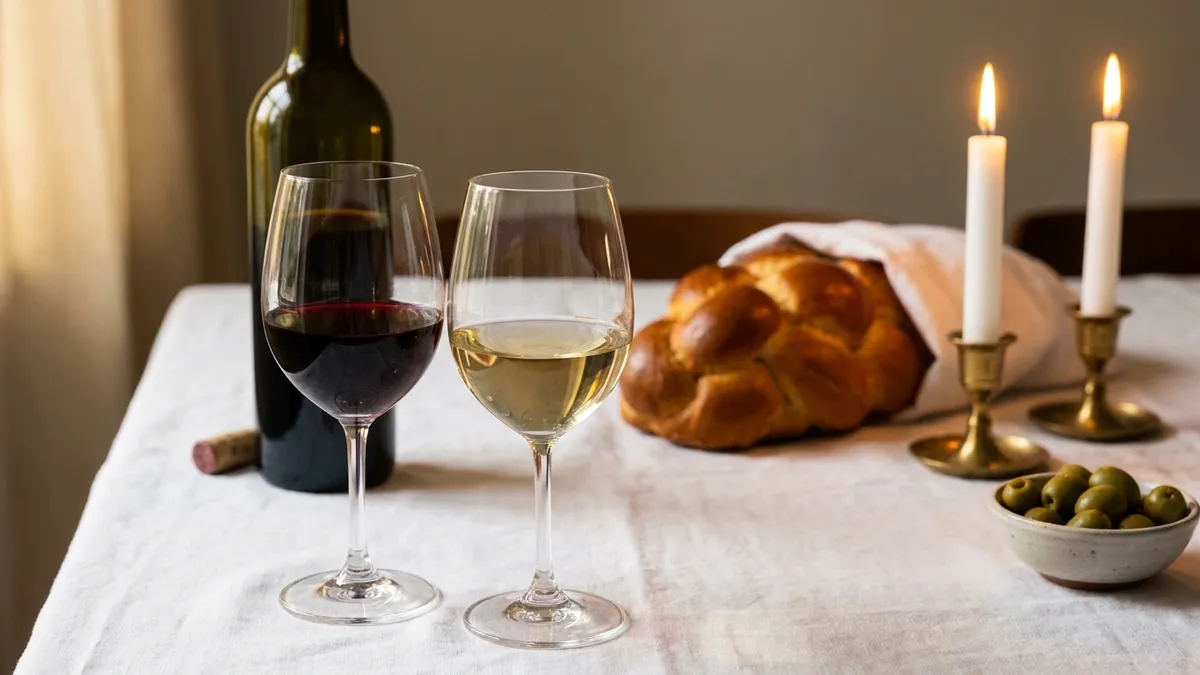
Kosher Wine Explained: Rules, Quality, and What to Try
Kosher wine is defined by who handles it and what goes into it, not by grape or sweetness. The three layers of rules, what mevushal means, when you need it, and how to pick a good dry kosher bottle.
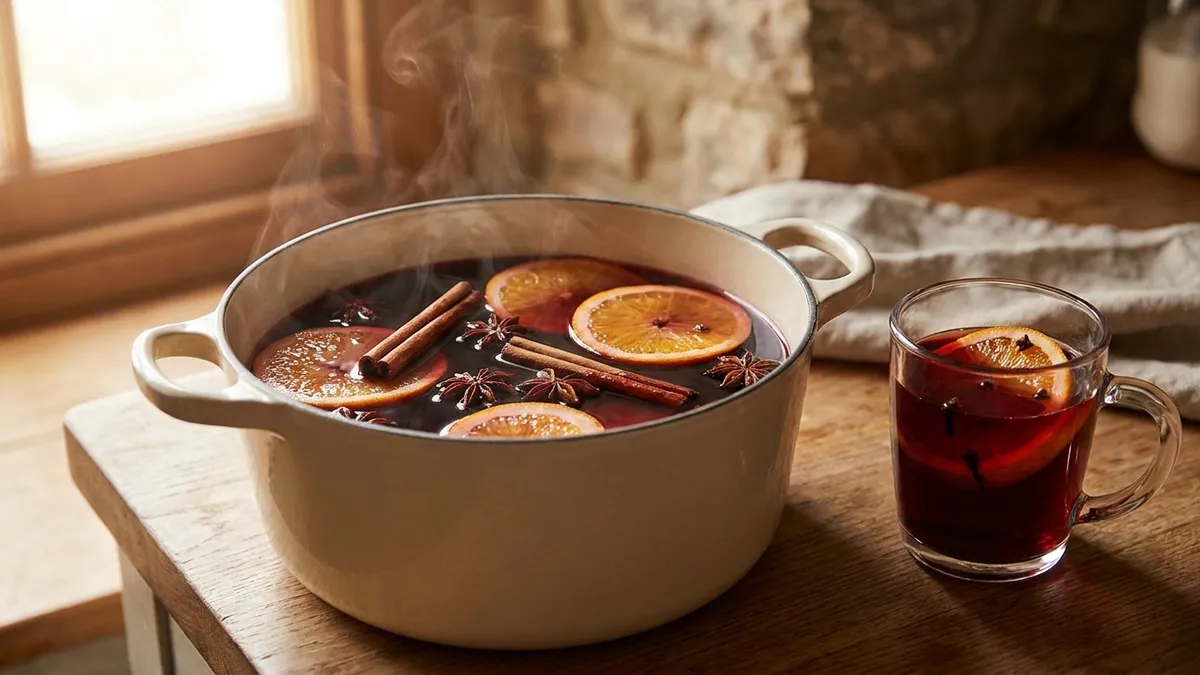
Mulled Wine Recipe: Best Wine, Spices and Heat for Glühwein
A mulled wine recipe built on three choices: a fruity low-tannin red, whole spices, and heat that steams but never bubbles. Plus how much alcohol survives and what EU law says Glühwein must be.
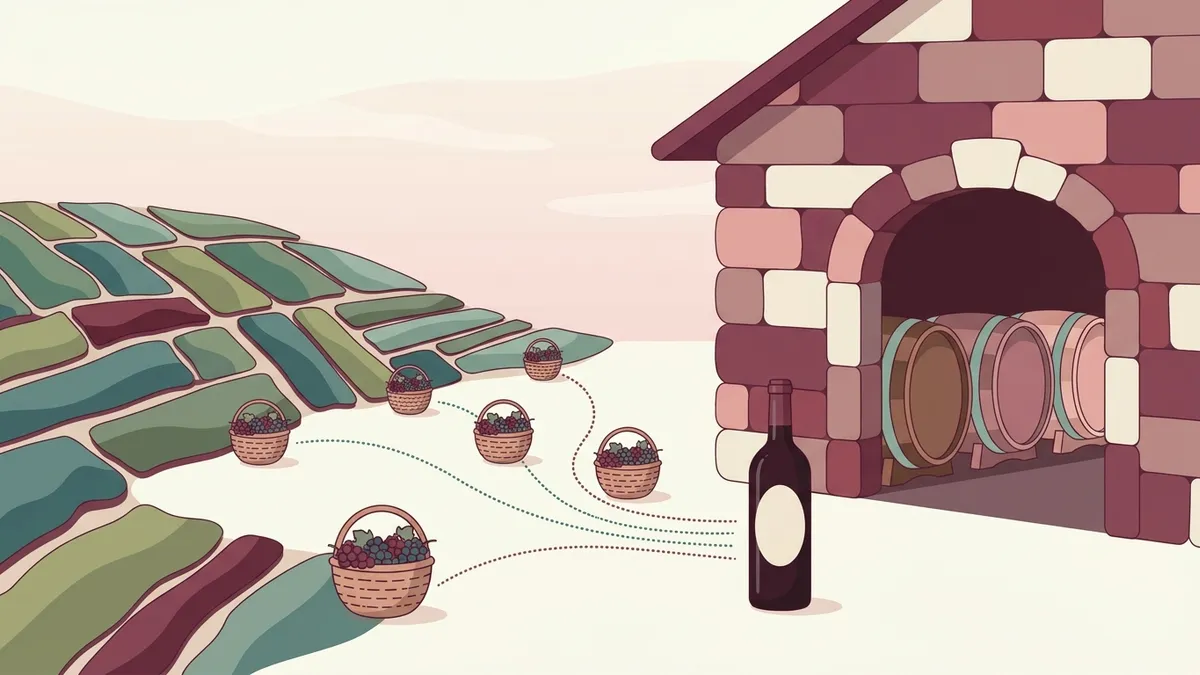
Négociant Wine Explained: What It Means and Why It Matters
Négociant wine is made by a merchant from grapes, juice or wine bought from growers. How it differs from a domaine, how to spot it on a label, and what NM means on Champagne.
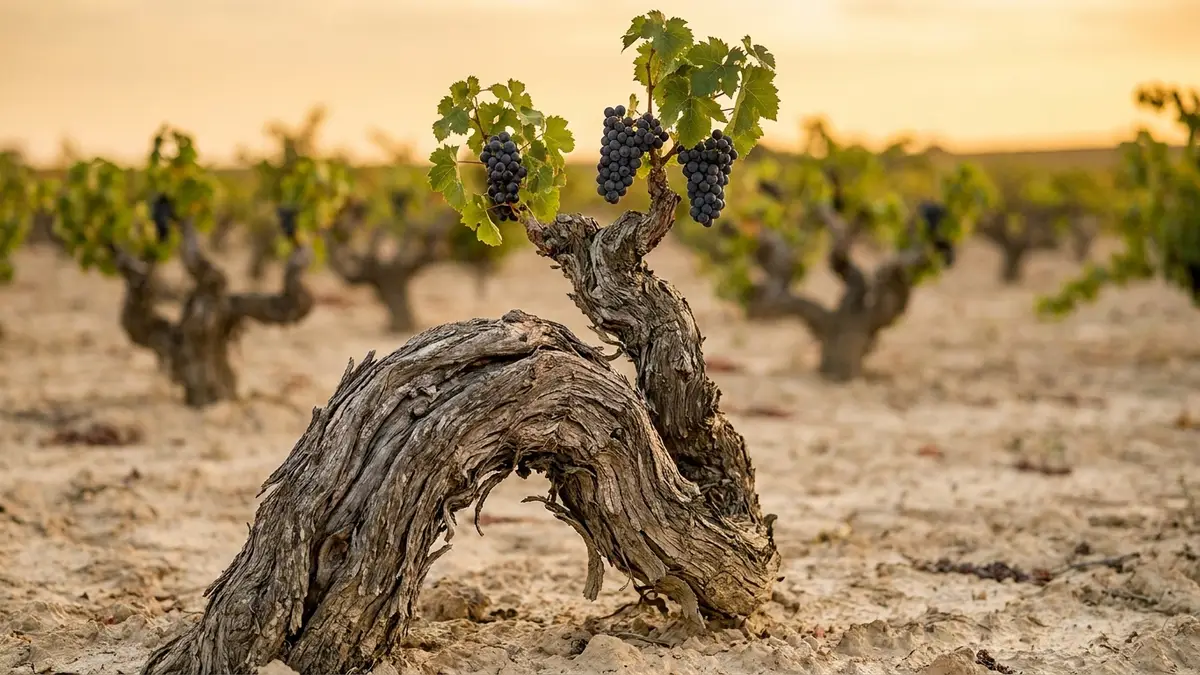
Old Vine Wine: Do Older Vines Really Make Better Wine?
Old vine wine has no legal minimum age in the EU or US. The 2024 world benchmark is 35 years, and a stated vine age on a good site tells you far more than the words alone.
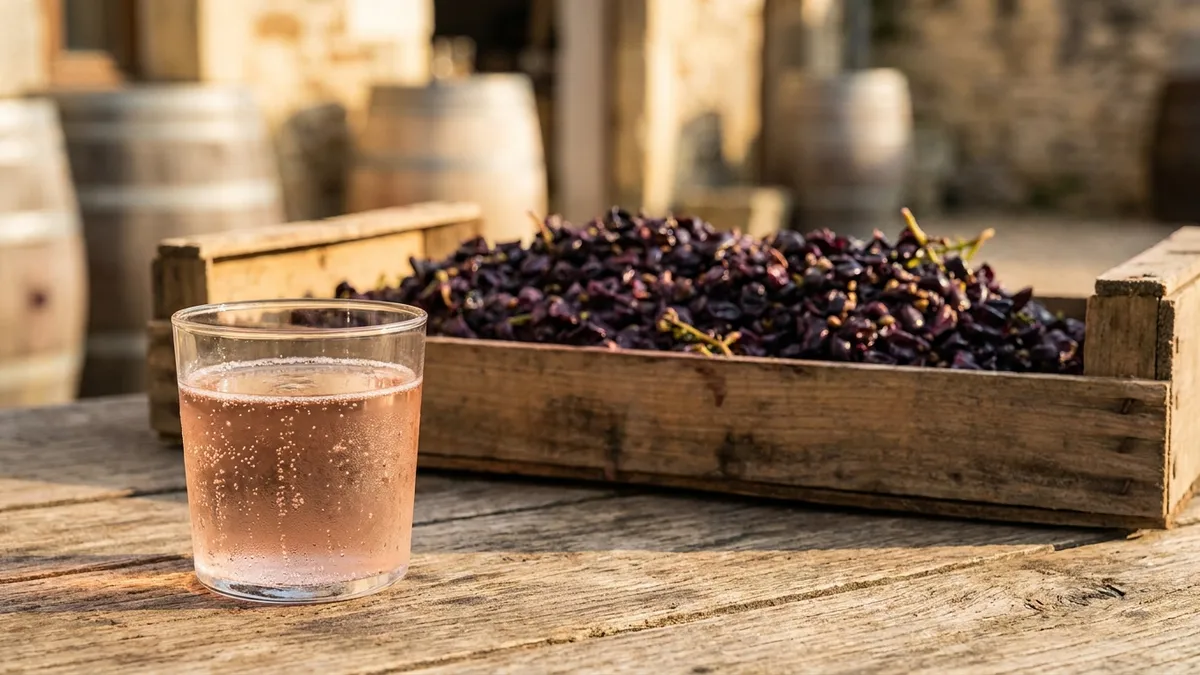
Piquette Wine: The Low-Alcohol Second-Press Wine Trend
Piquette wine is made by soaking pressed grape skins in water and fermenting them again. The result is a light, fizzy drink of about 4 to 9% alcohol that you drink cold and young.
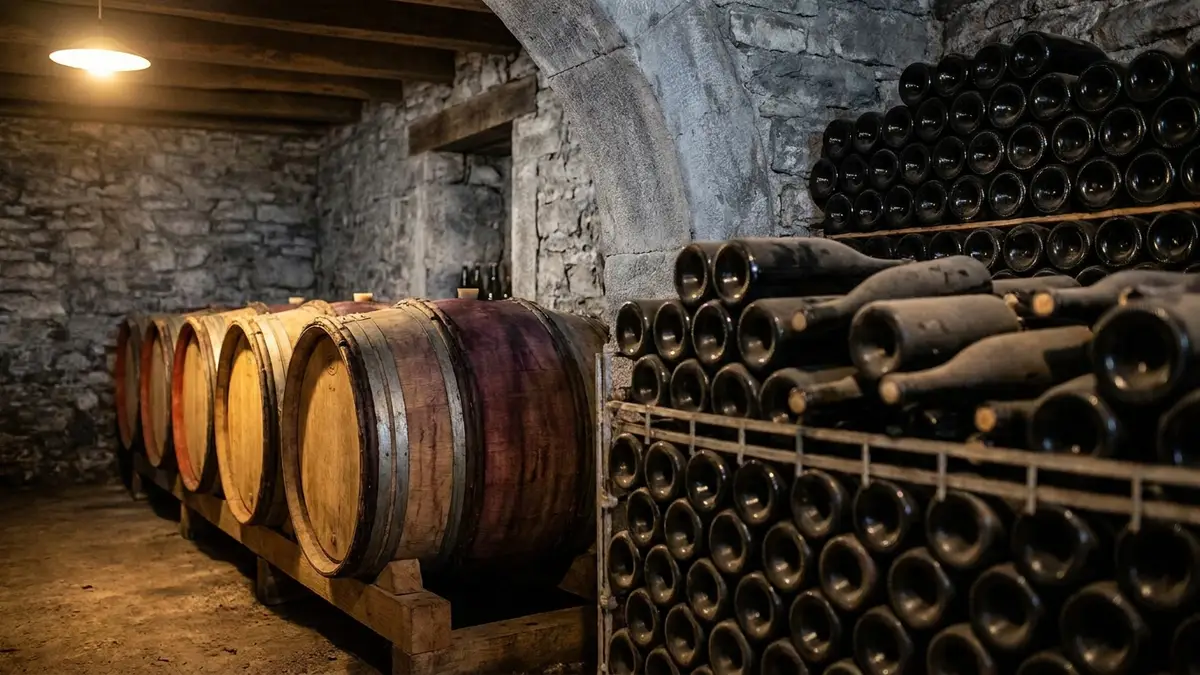
Reserve Wine Meaning: What the Word Promises on a Label
Reserve is a legal ageing minimum in Rioja, Chianti Classico and Barolo, and no legal promise at all on a US label. How to tell which one you are holding.
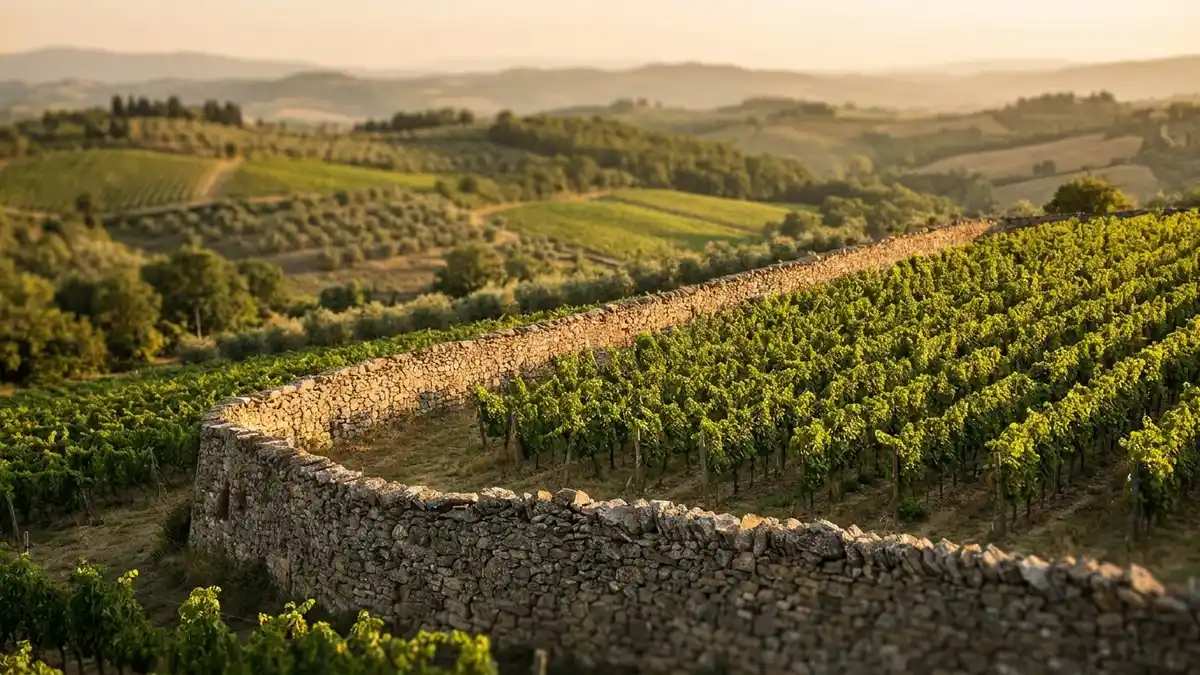
Single Vineyard Wine: What It Means and When It's Worth It
Single vineyard wine promises where the grapes grew, not how good the wine is. What the words mean in the US, South Africa, Germany and Burgundy, and when the higher price makes sense.
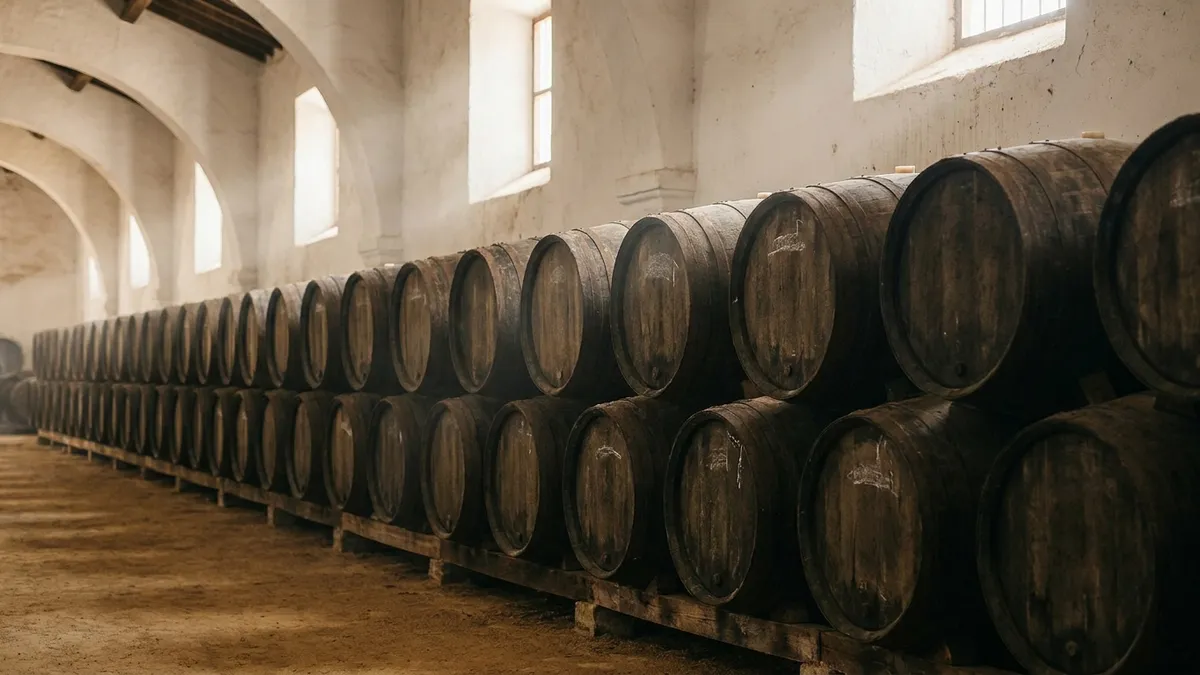
Solera System Wine: How Sherry and Madeira Are Aged
The solera system ages sherry by drawing part of each barrel and topping it up with younger wine. How the tiers work, why the age on the label is an average, and where Madeira fits.
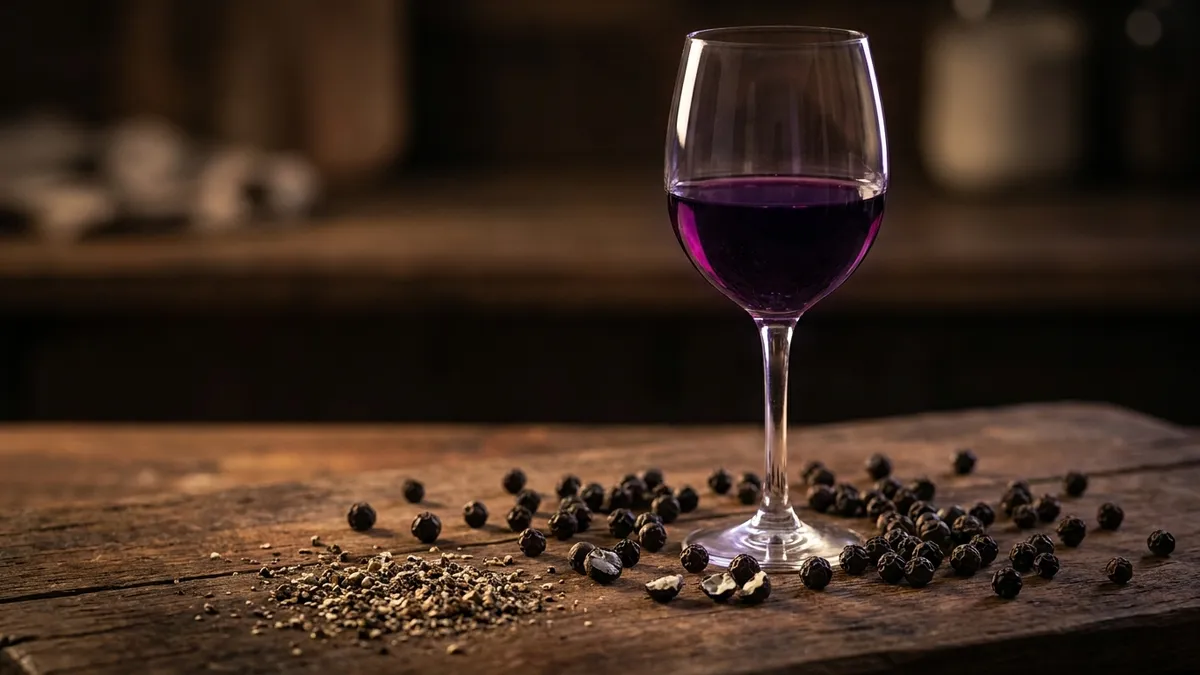
Spicy Red Wine: Which Reds Taste of Pepper, and Why
The black pepper in a spicy red wine is rotundone, made in the grape skins. Which reds carry it, how to find it on a label, and why one in five people cannot smell it.
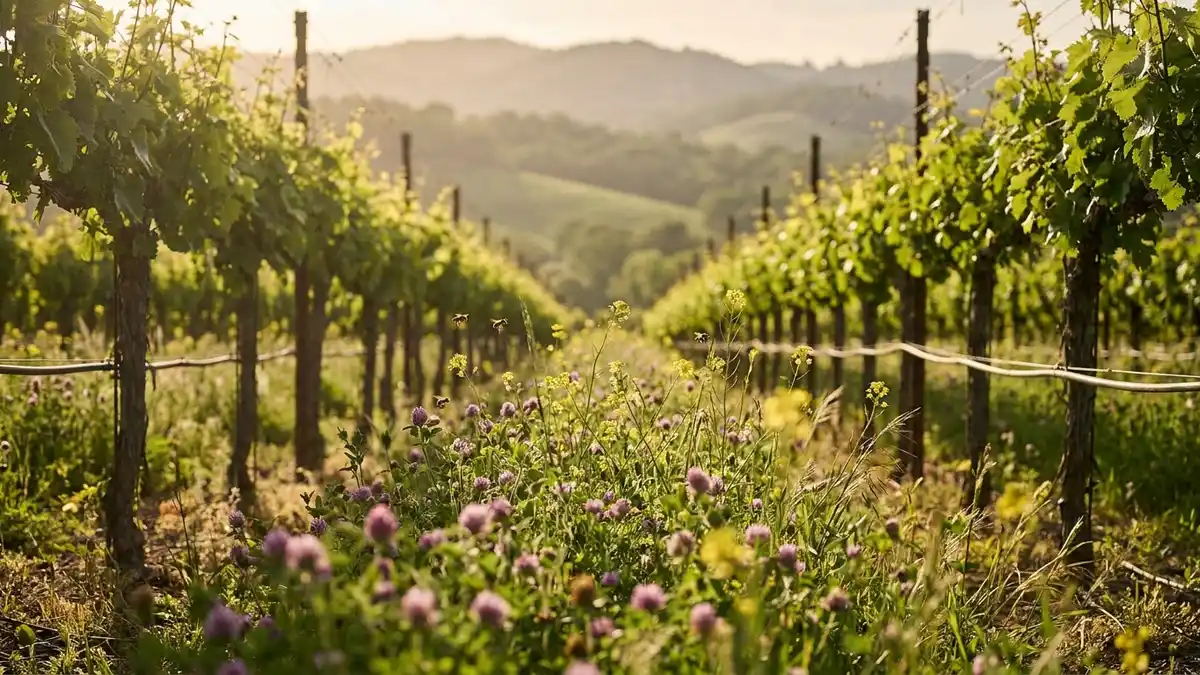
Sustainable Wine Explained: What Each Certification Means
The word sustainable on a wine label is checked by nobody unless a named scheme sits beside it. What audits cover, how sustainable differs from organic and biodynamic, and how to read the seal.
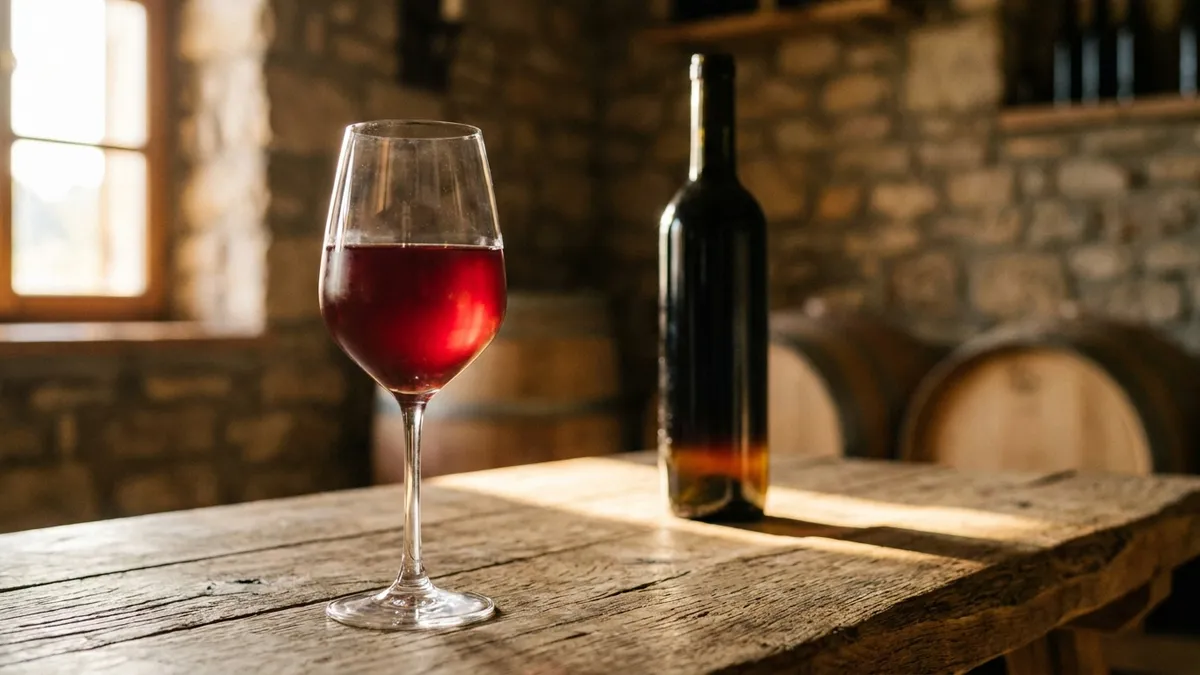
Unfiltered Wine: What It Is and Why Winemakers Skip It
Unfiltered wine skips the last pass through a filter before bottling, so it can show haze or sediment. What filtering removes, why some winemakers skip it, and how to tell a harmless deposit from a fault.
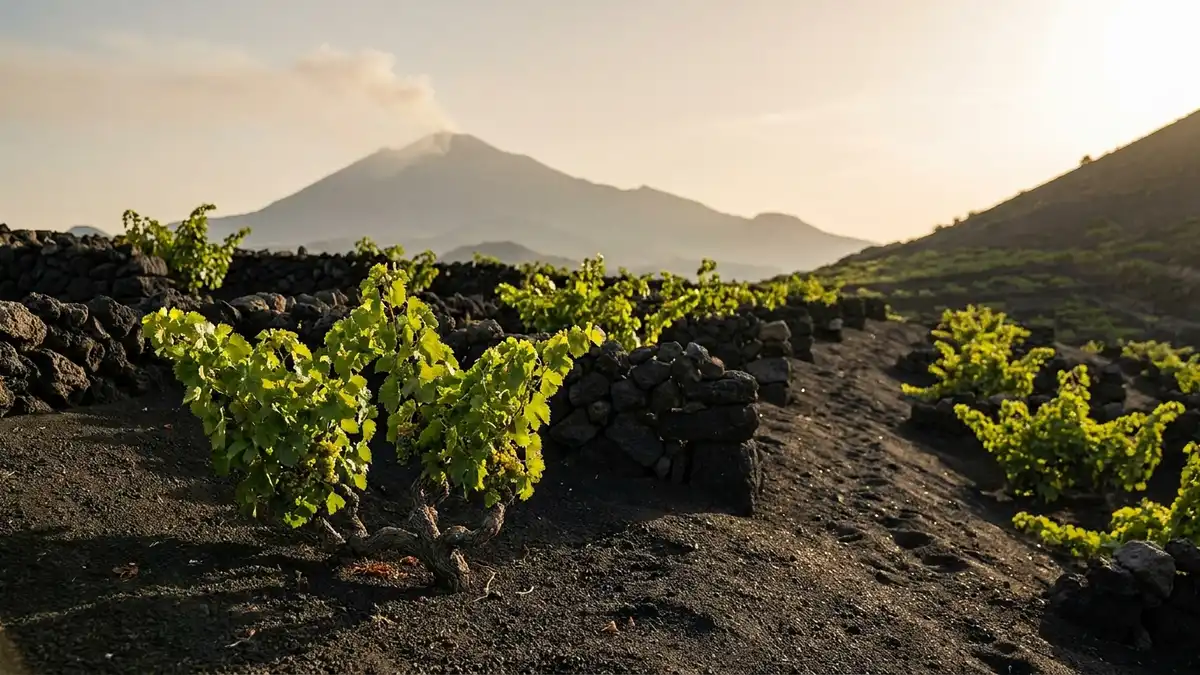
Volcanic Wine Explained: How Volcanic Soil Shapes Flavor
Volcanic wine comes from vines rooted in lava, ash and pumice. The rock adds no taste of its own, but it shapes how the vine grows, which is why Etna and Santorini wines taste tart, salty and lean.
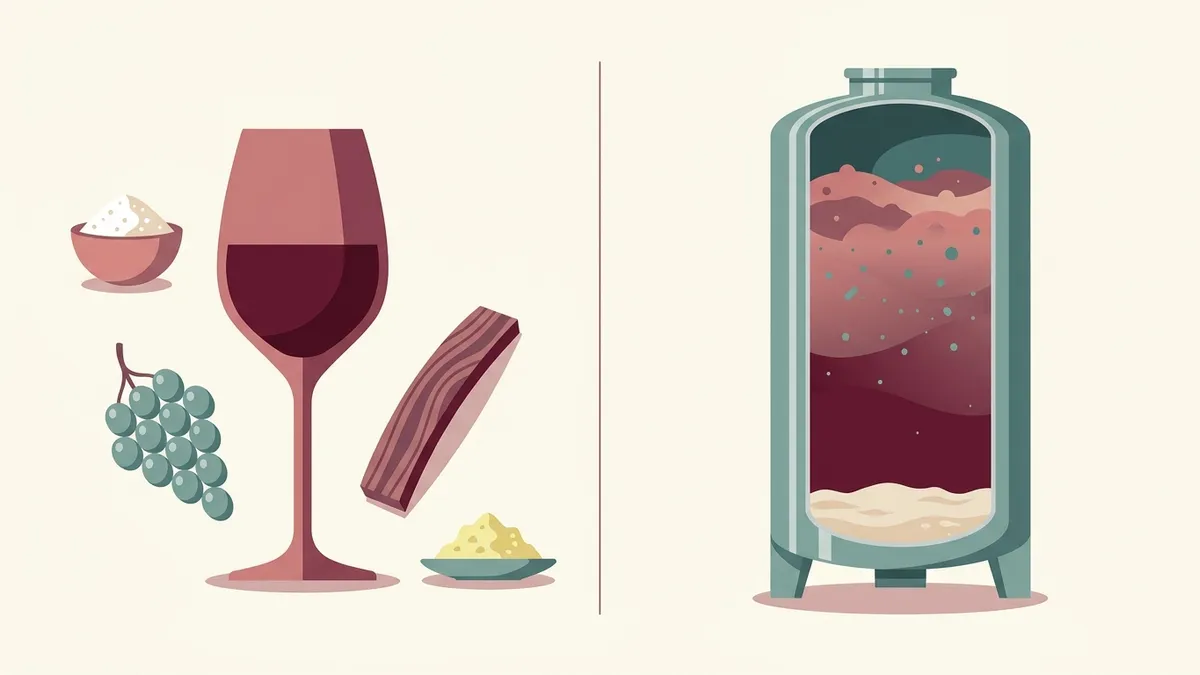
Wine Additives List: What Is Really in Your Wine Glass
The wine additives list is long, but most entries are processing aids that are removed before bottling. Sulfites, sugar, acid, tannin, oak and grape concentrate are what stay, and the label names almost none of them.
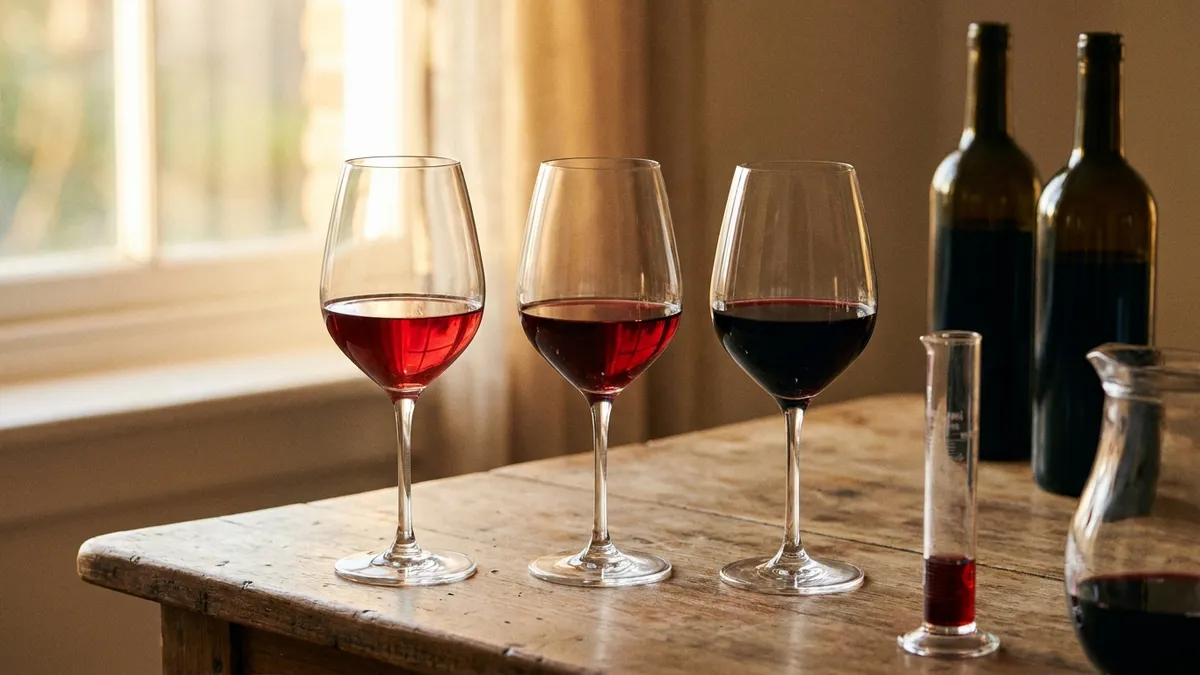
Wine Blending at Home: A Simple Kitchen Bench Trial
Wine blending at home is a measured experiment: a base wine near 70%, a second wine for lift, a splash for spice, mixed in small samples and tasted blind before you pour a full glass.
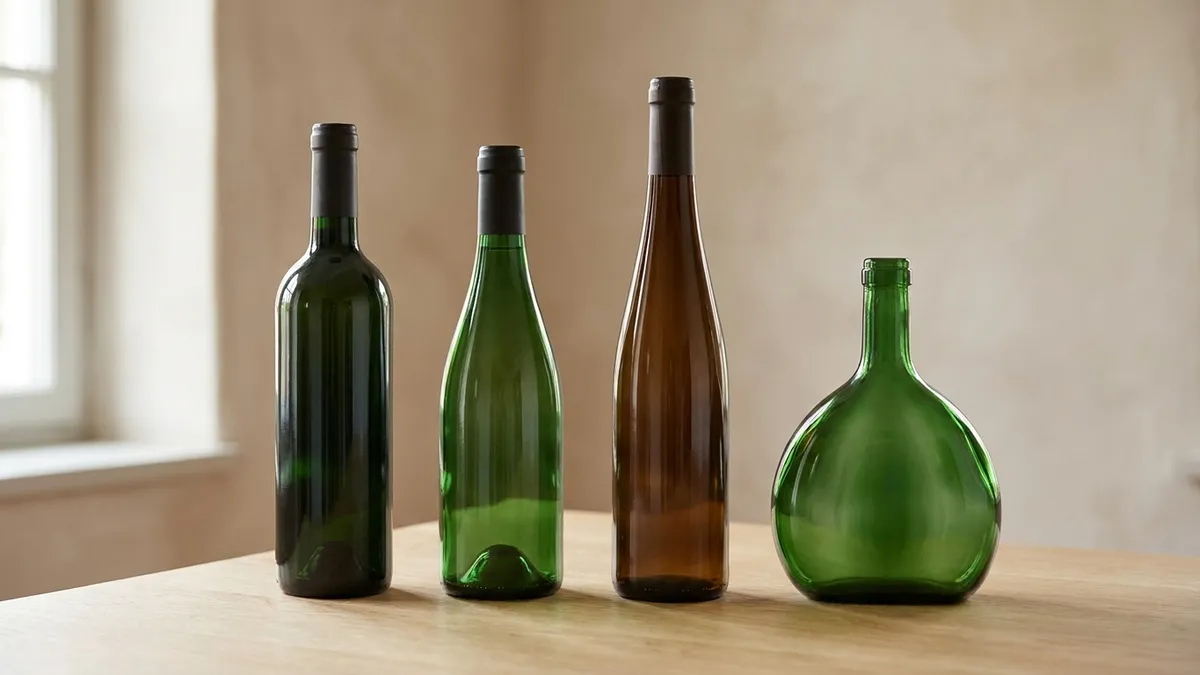
Wine Bottle Shapes: What the Bottle Shape Tells You
Wine bottle shapes follow regional traditions: high shoulders for Bordeaux, sloping ones for Burgundy, a tall flute for Riesling, thick glass for bubbles. Only a few shapes are fixed by law.
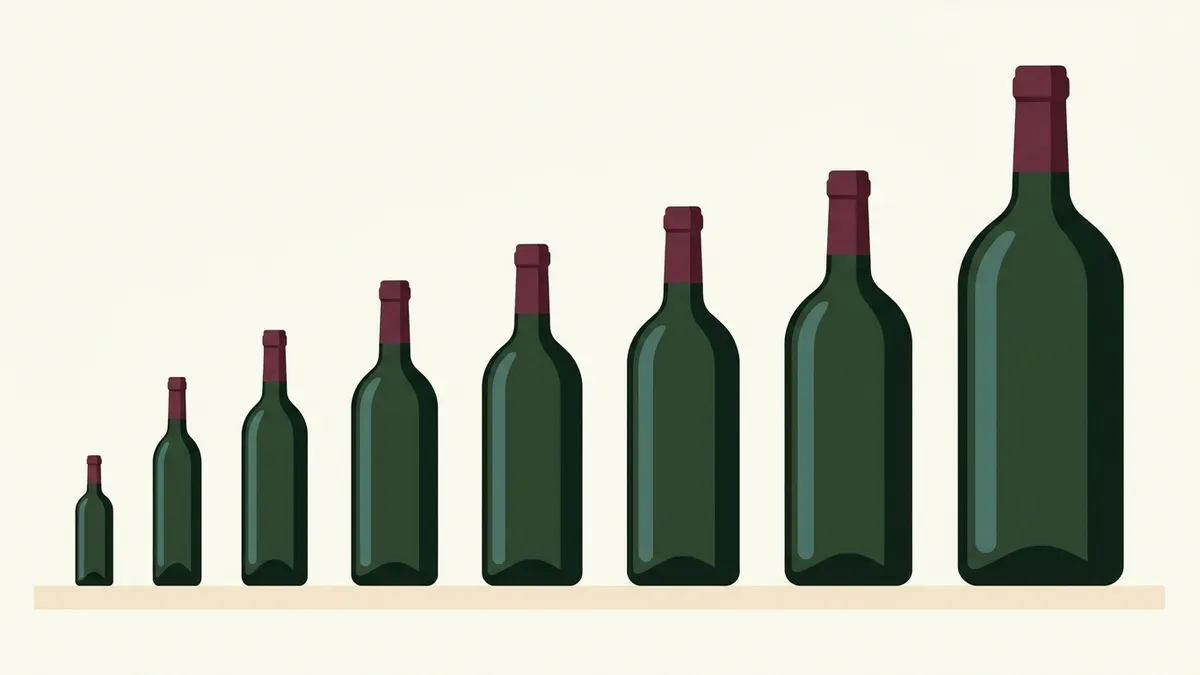
Wine Bottle Sizes: Every Name From Split to Nebuchadnezzar
Wine bottle sizes from the 187.5 ml split to the 15-litre Nebuchadnezzar: litres, bottle counts, why a Jeroboam is 3 litres in Champagne but 5 in Bordeaux, and when a magnum is worth buying.
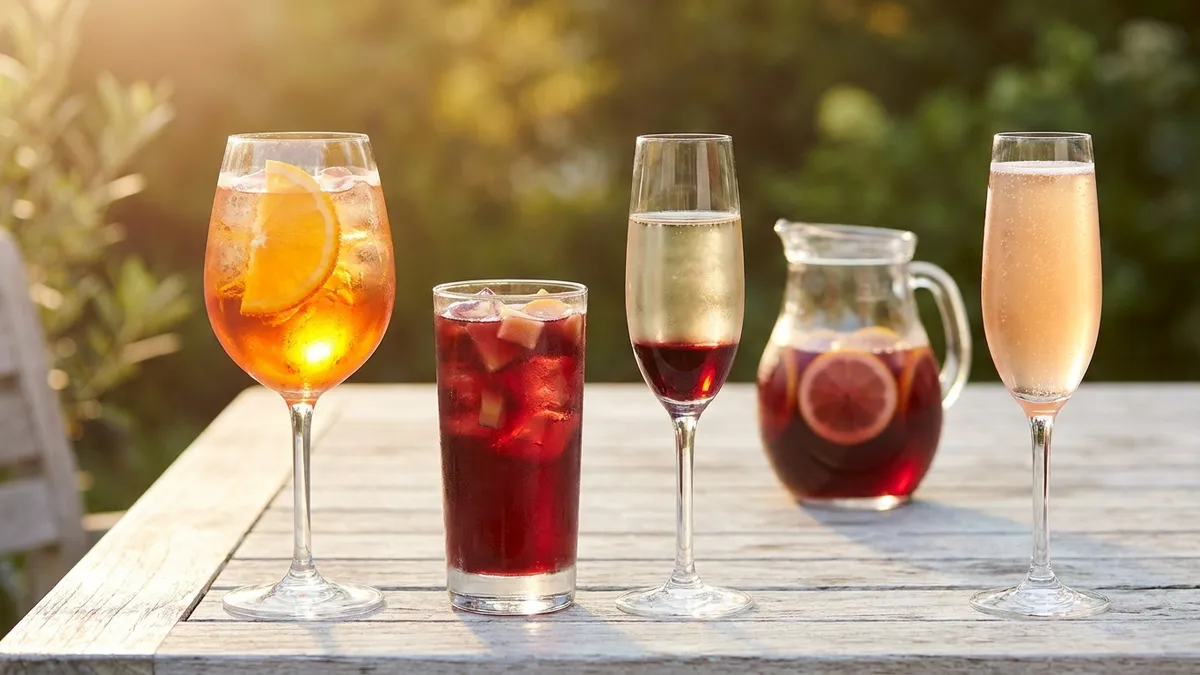
Wine Cocktail Recipes: Sangria, Spritz, Kir and Bellini
Wine cocktail recipes with the real ratios: the 3-to-2 Spritz, the Kir at one part cassis to nine of wine, the 2-to-1 Bellini, homemade sangria, and which wine to pour into each.
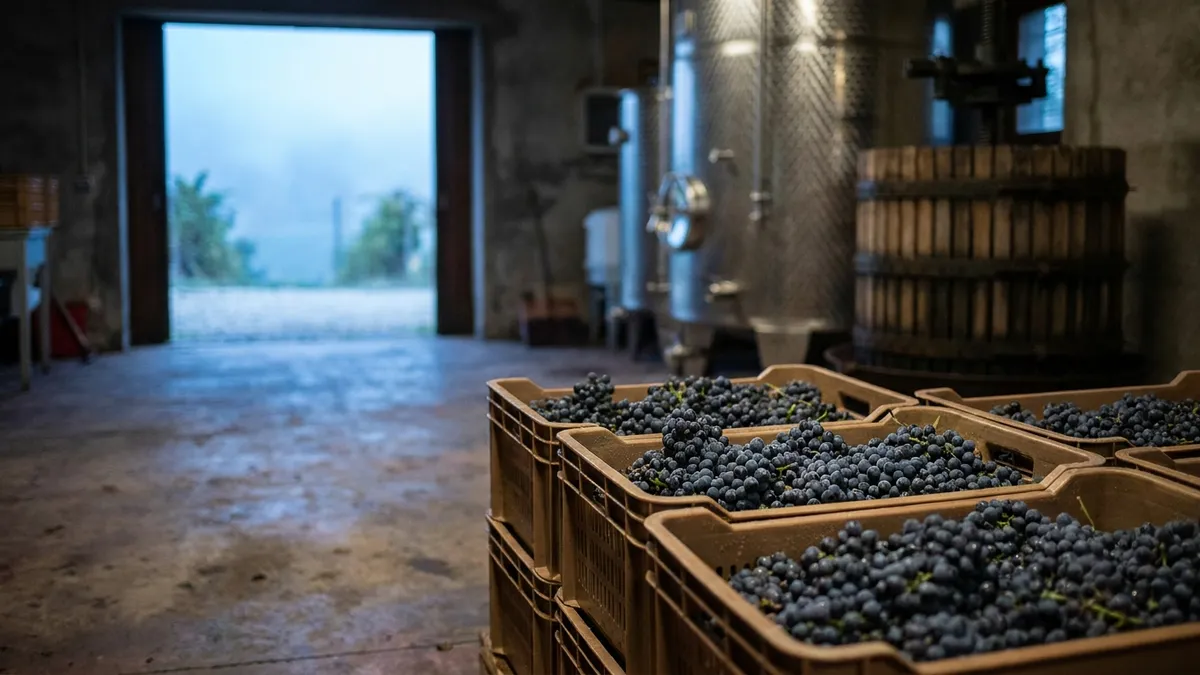
How Wine Is Made: The Winemaking Process from Grape to Glass
How wine is made in five steps: picking, crushing or pressing, fermenting, ageing and bottling. Skin contact sets the colour, and later choices like oak, malolactic fermentation and fining set the taste.
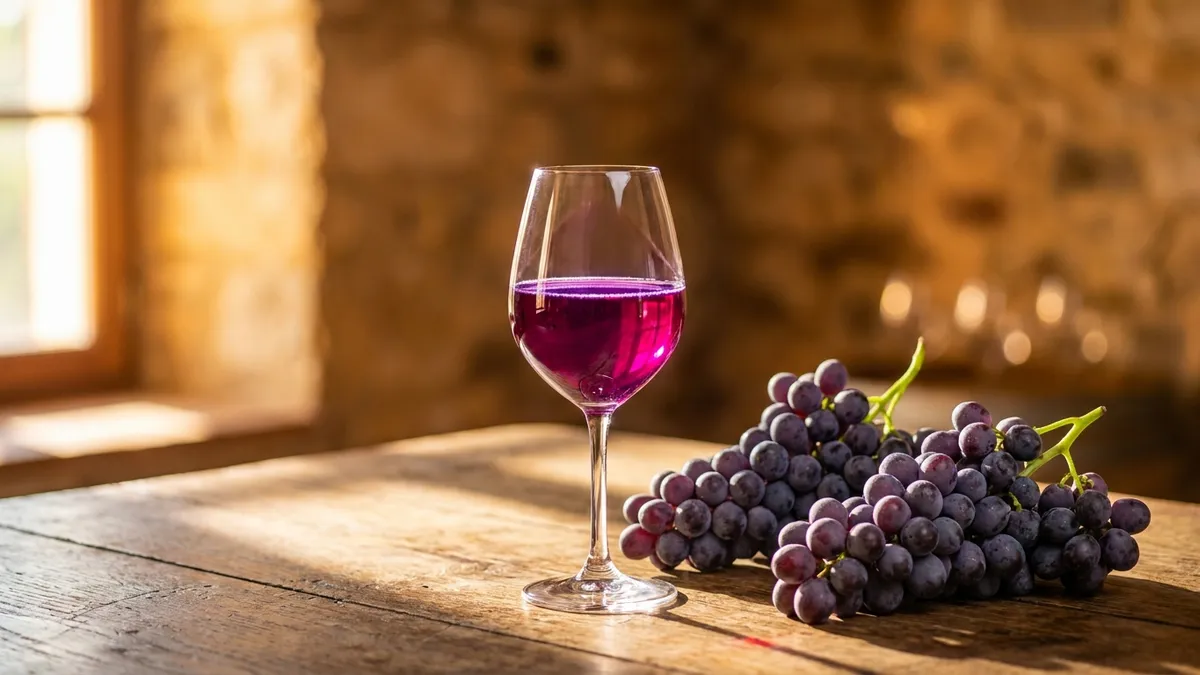
Carbonic Maceration Wine Explained: Fruity, Low-Tannin Reds
How carbonic maceration works, how it differs from semi-carbonic, why the wines taste of crushed strawberry and banana, and how to serve, pair and choose them.
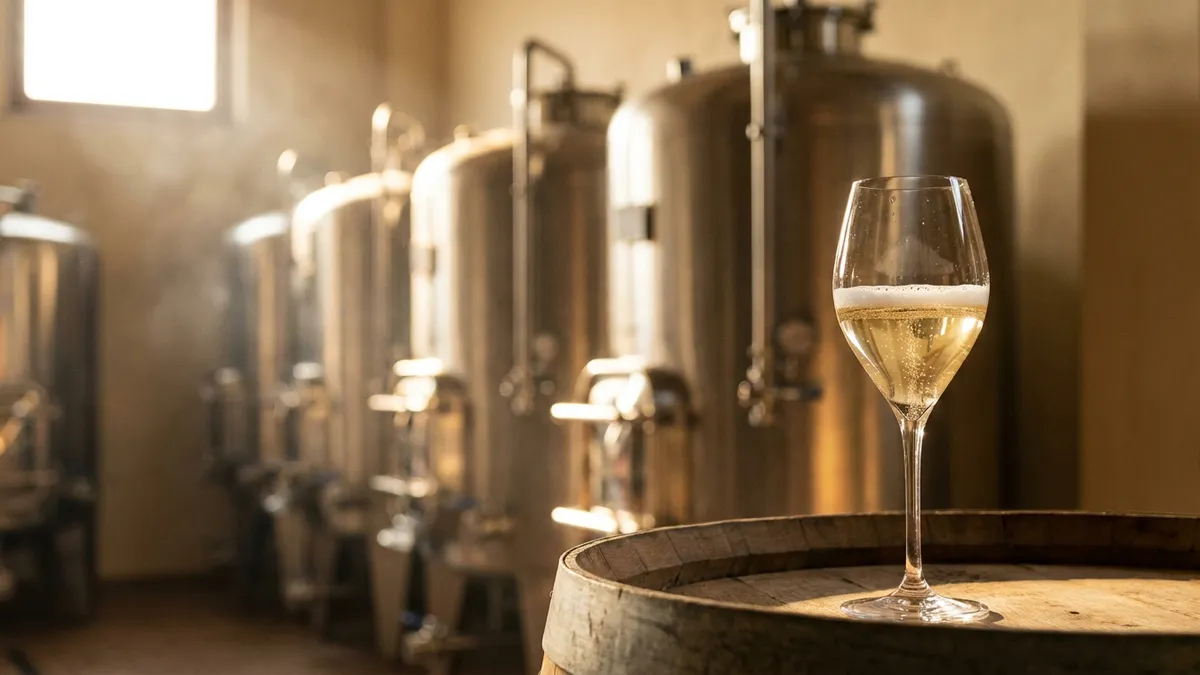
Charmat Method Sparkling Wine: How Prosecco Gets Its Fizz
How the Charmat or tank method puts bubbles in Prosecco, Lambrusco and Asti: the sealed steel tank, legal minimum times, why it tastes fruity, and how to buy and serve it.
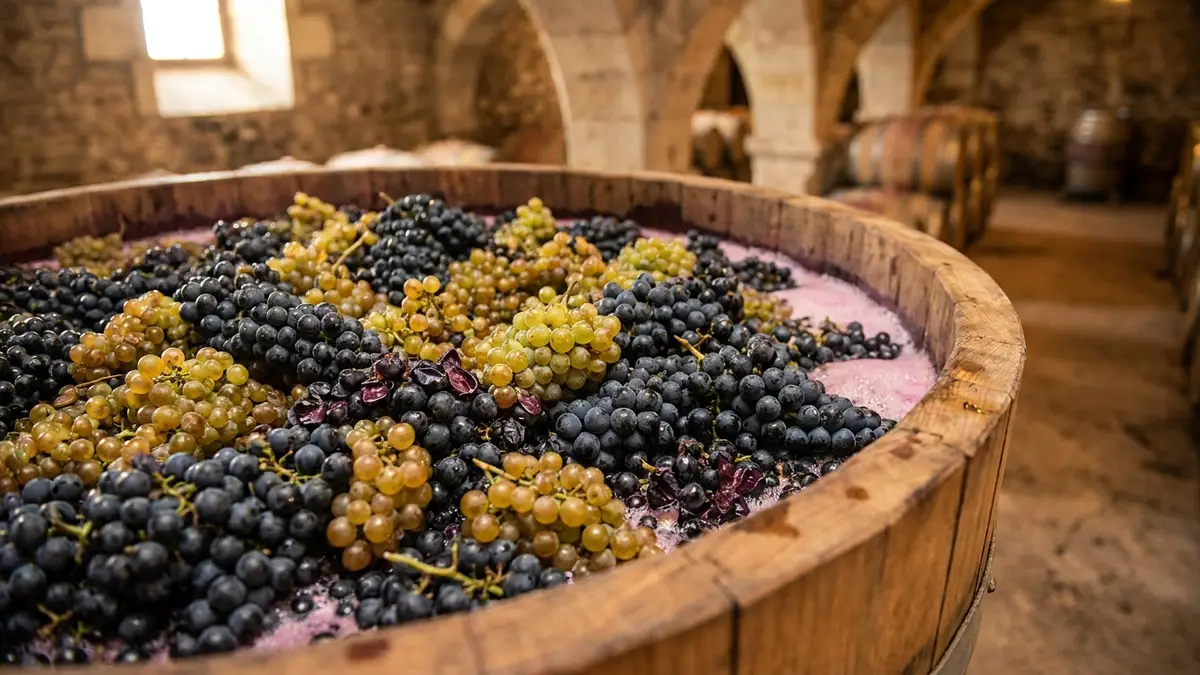
Co-Fermentation Wine: Red and White Grapes in One Tank
What co-fermentation wine is, how it differs from a field blend and a normal blend, why Côte-Rôtie ferments Viognier with Syrah, and where to find co-fermented wines today.
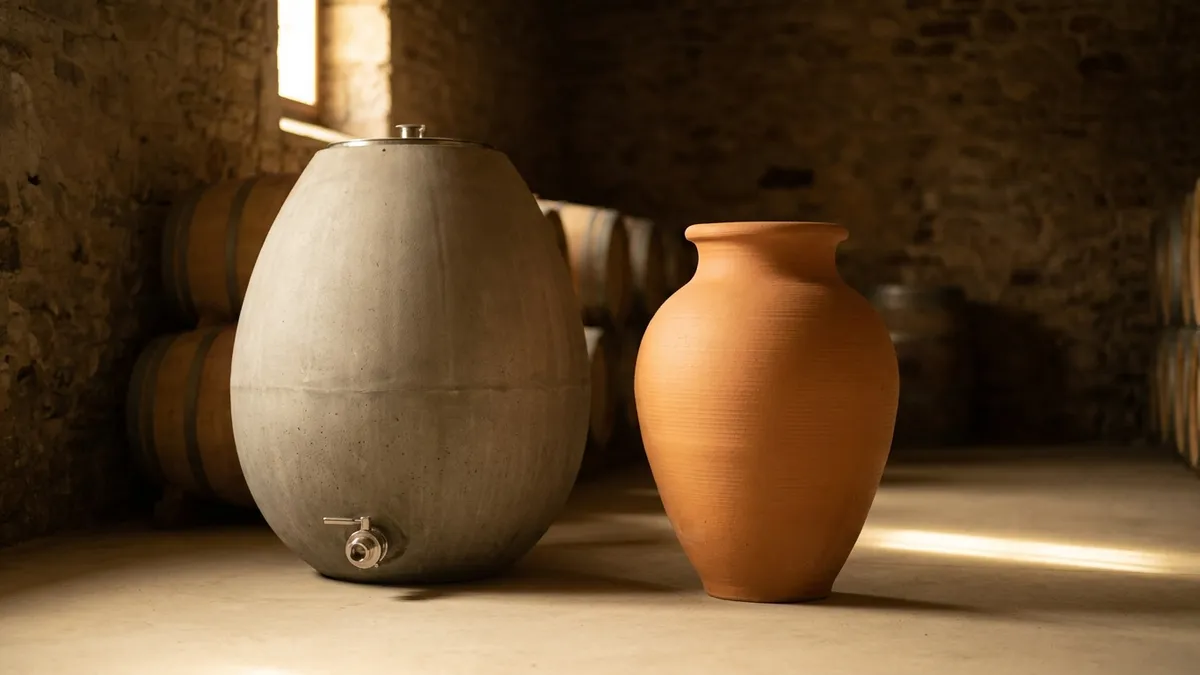
Concrete Egg and Amphora Wine: What the Vessel Changes
How concrete eggs, clay amphorae and Georgian qvevri shape wine compared with oak and stainless steel, what they do to taste and texture, and how to spot them on a label.
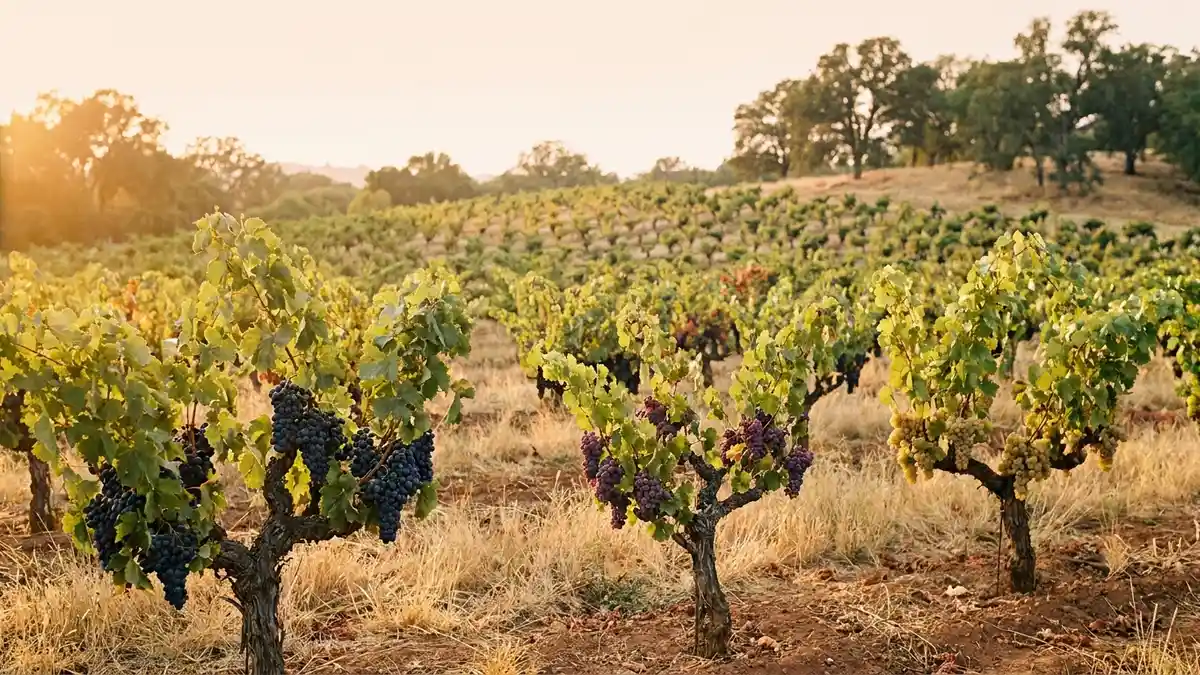
Field Blend Wine: How Grapes Were Blended in the Vineyard
What a field blend wine is, how it differs from a cellar blend and co-fermentation, how to spot one on the shelf, and where the tradition survives: California, Vienna and the Douro.
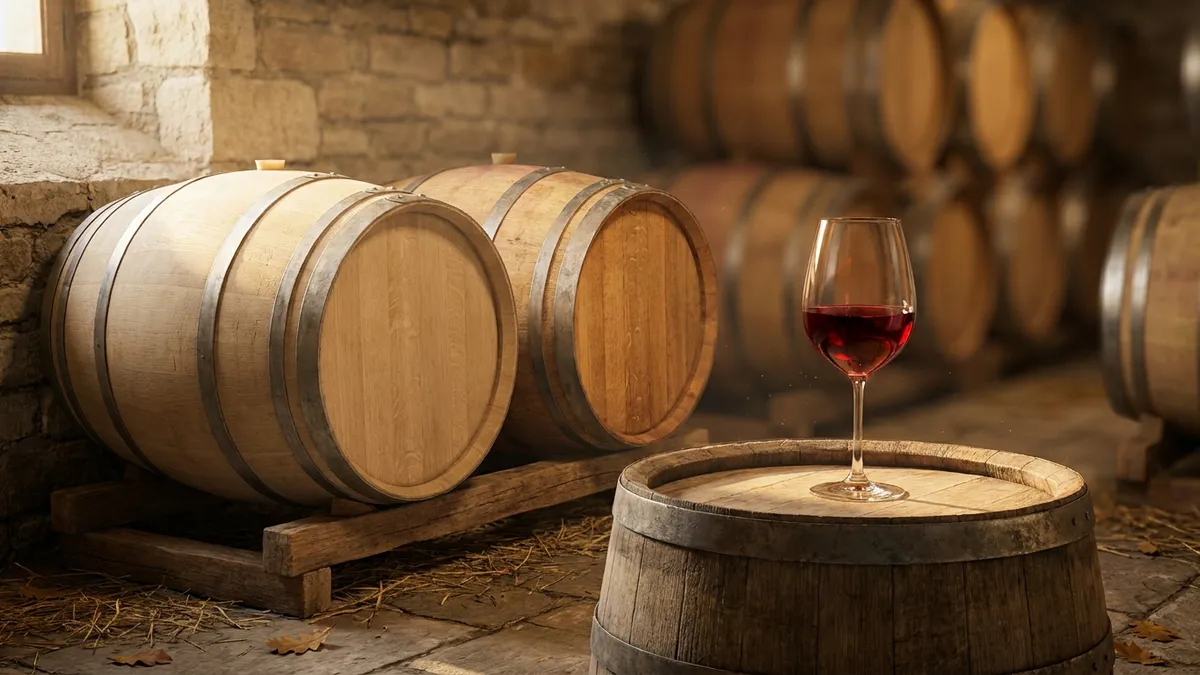
French Oak vs American Oak Wine: The Barrel Flavor Breakdown
French oak vs American oak wine, explained: why American oak smells of vanilla and coconut, why French oak costs more, how toasting works, and which wines use each.
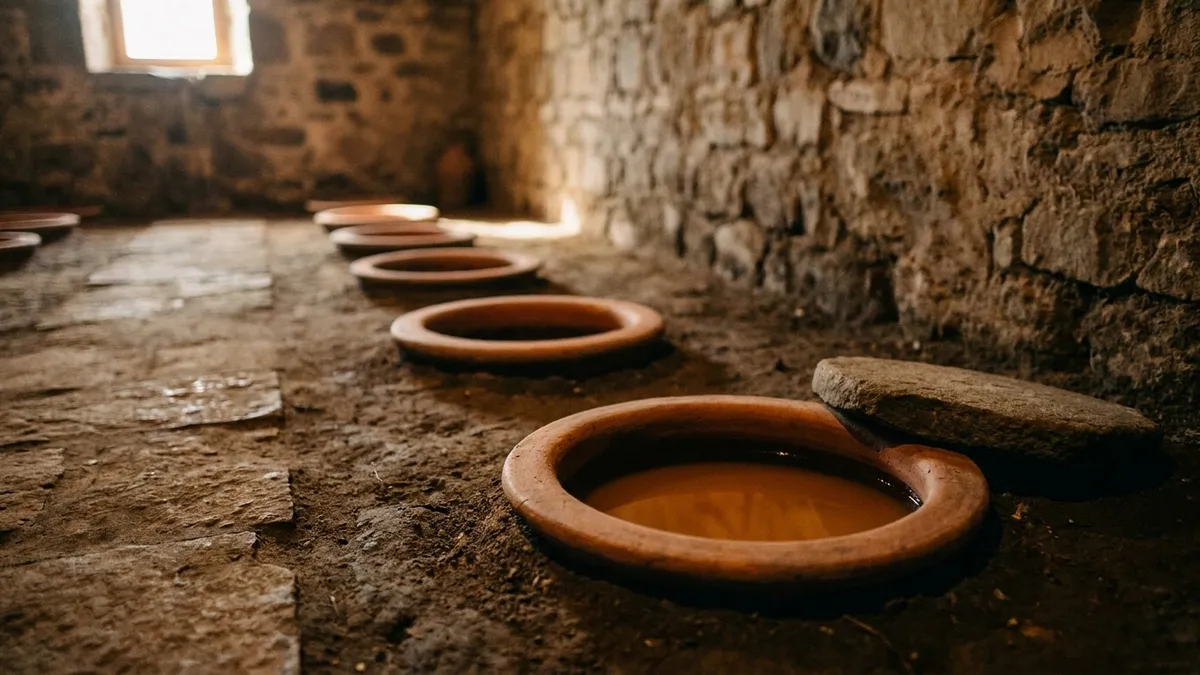
Qvevri Wine Explained: Georgia's Buried Clay Vessels
Qvevri wine is fermented and aged in egg-shaped clay vessels buried in Georgian soil. Learn how it is made, how it differs from orange wine, and how to taste it.
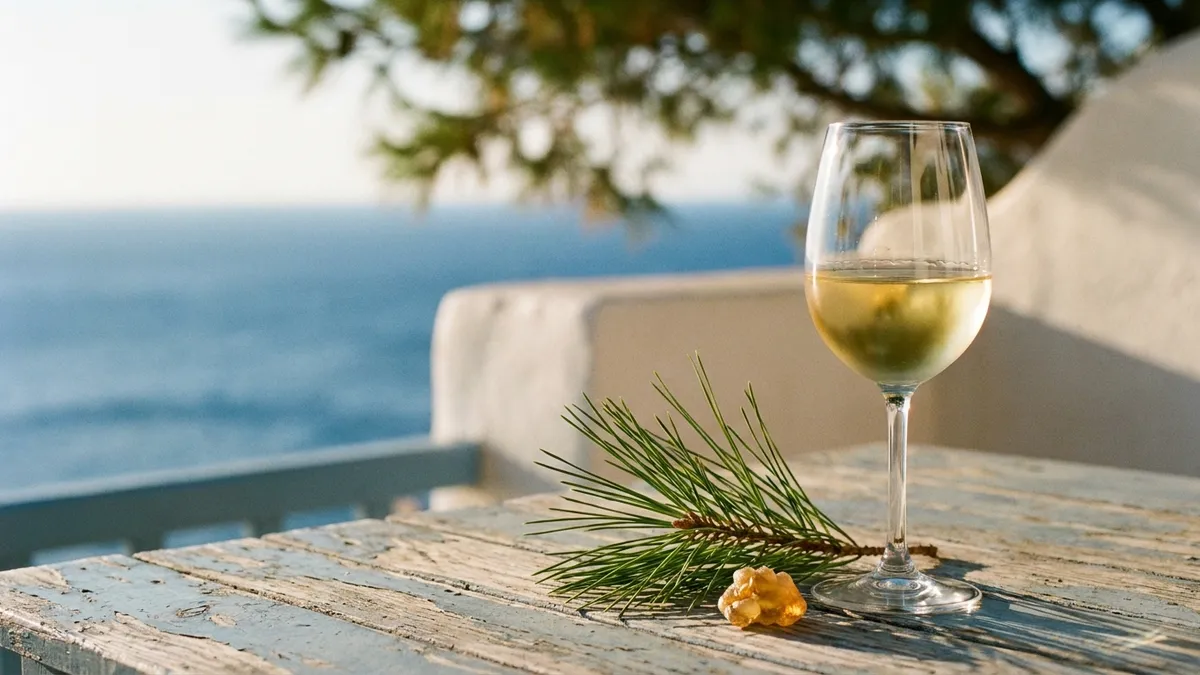
Resinated Wine: What Retsina Is and Why It Tastes of Pine
Resinated wine is wine fermented with pine resin, and Greek retsina is the best-known kind. How it tastes, how it is made, which grapes go into it and what food suits it.
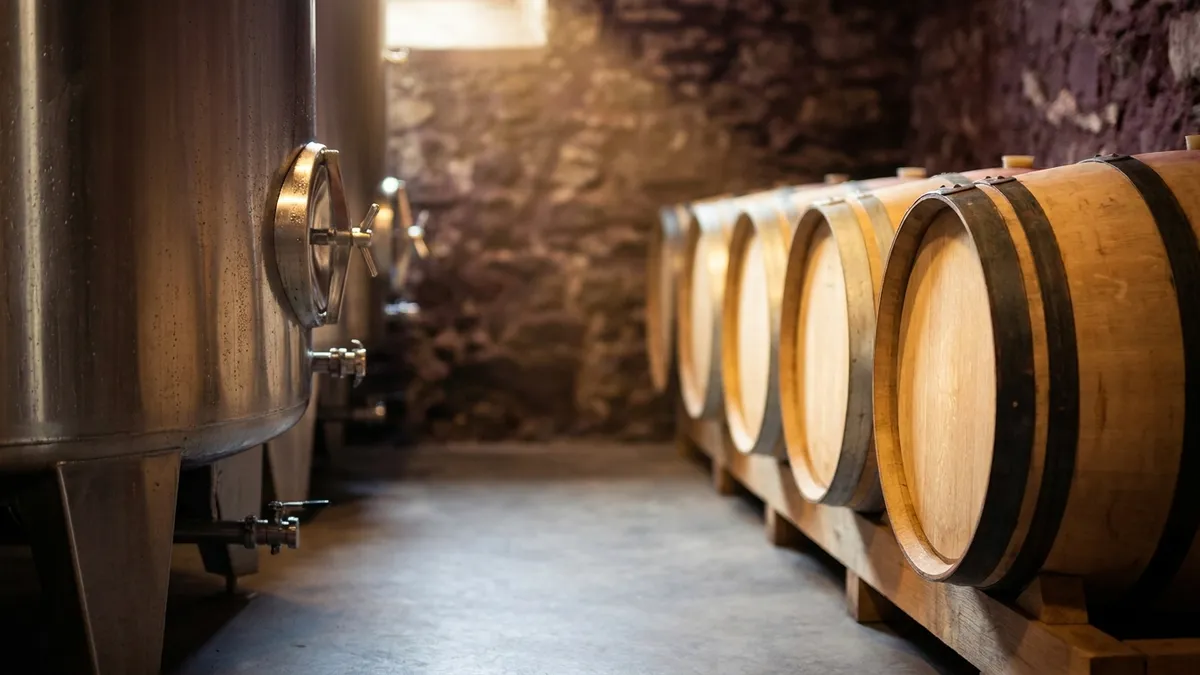
Stainless Steel vs Oak Wine: How the Vessel Shapes Taste
Stainless steel vs oak wine explained: why steel keeps fruit crisp, how oak adds vanilla, toast and softer tannin, and how to spot each on a label or in the glass.
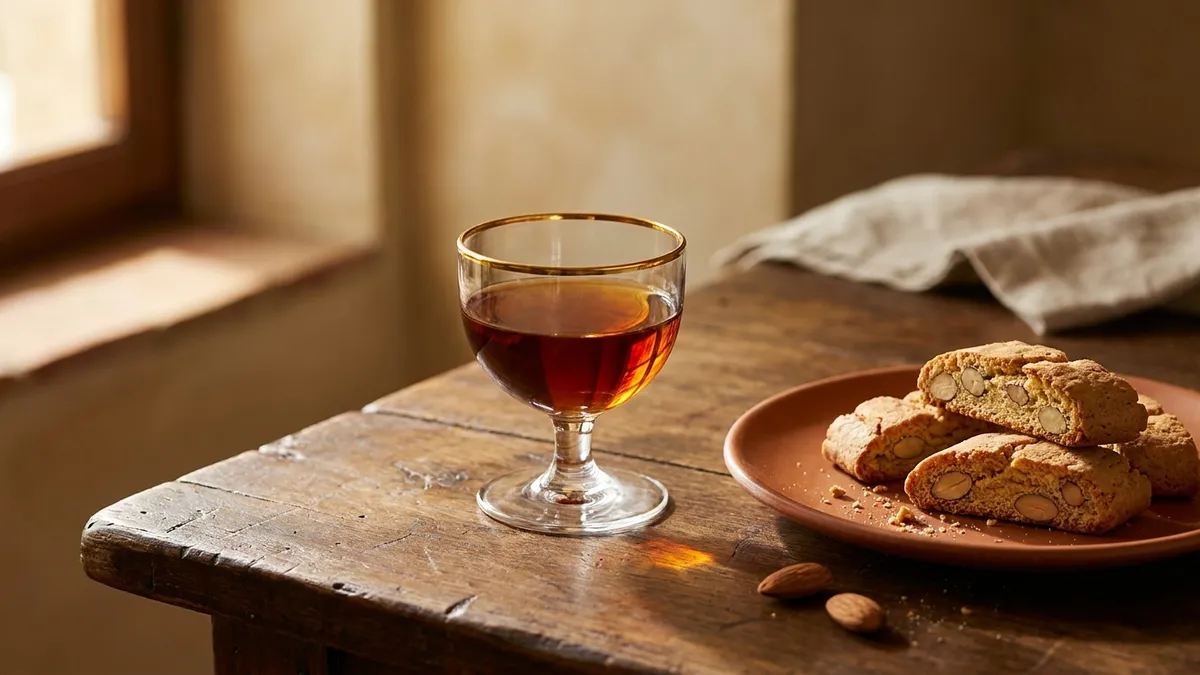
Vin Santo Wine: Tuscany's Holy Sweet Wine, Explained
What vin santo wine is, how drying and years in small sealed barrels shape it, how four main DOCs differ, and what to eat and pour it with tonight.
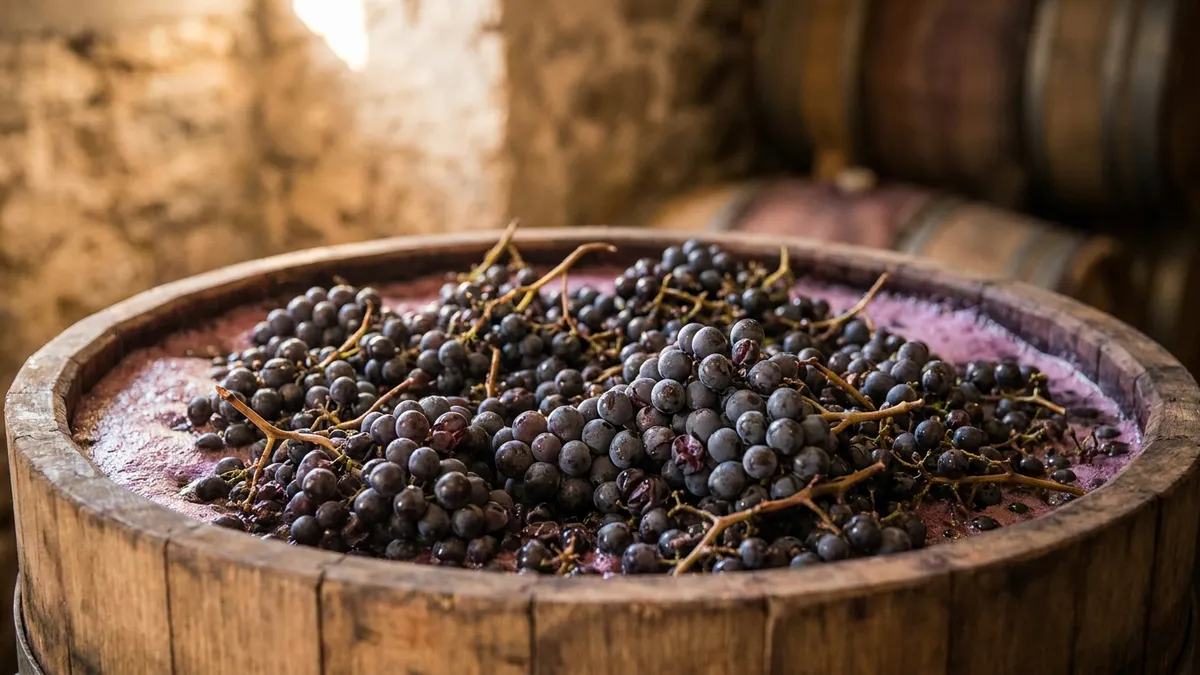
Whole Cluster Fermentation Wine: Stems, Spice, Structure
What whole cluster fermentation does to red wine: why winemakers keep the stems, how it differs from carbonic maceration, when stems turn a wine green, and how to taste for them.
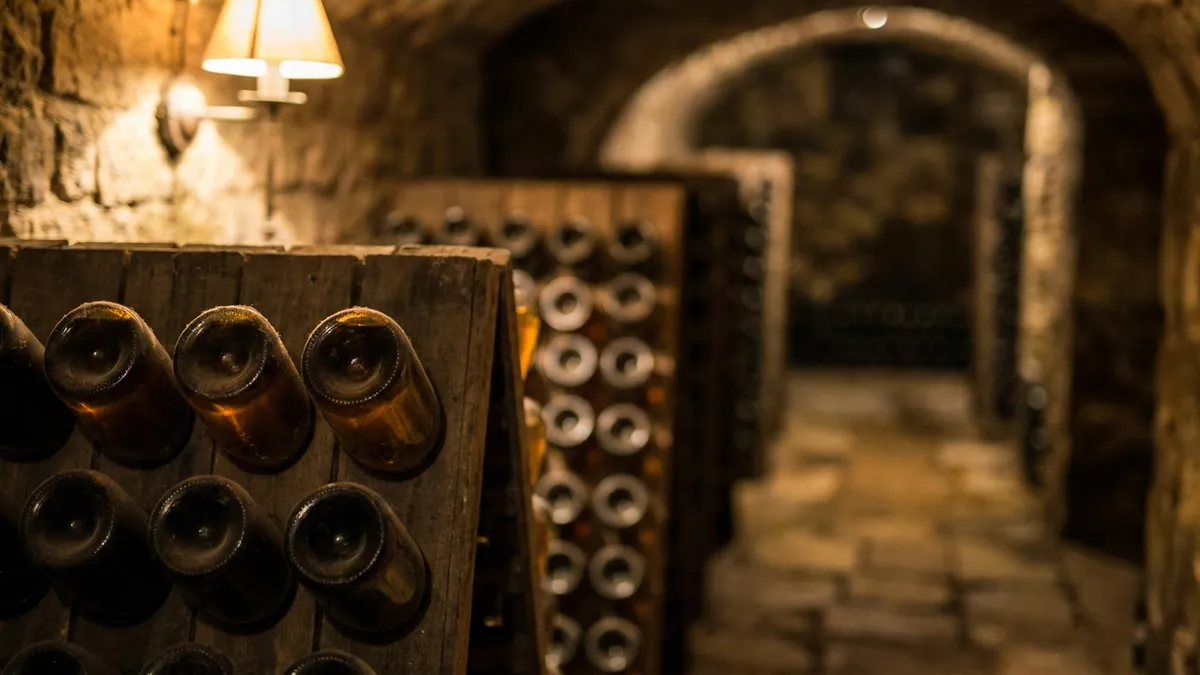
Which Wines Age Well? The Four Traits That Decide It
Which wines age well, and why most do not: the four traits that let a wine improve, a shelf chart of age-worthy styles, and how to store and time them.
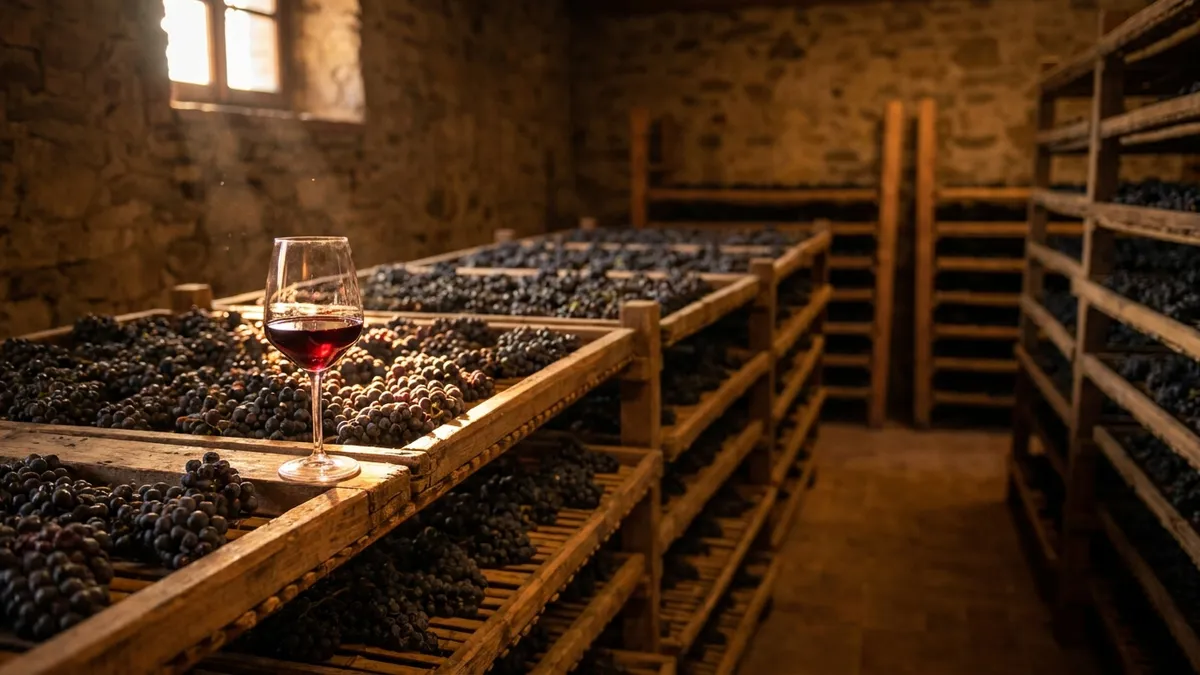
Amarone Wine Guide: Italy's Dried-Grape Red, Explained
Amarone wine explained: how months of grape drying make a dry red of 14% alcohol and up, what the DOCG rules require, why it costs what it does, and how it compares with Ripasso and Recioto.
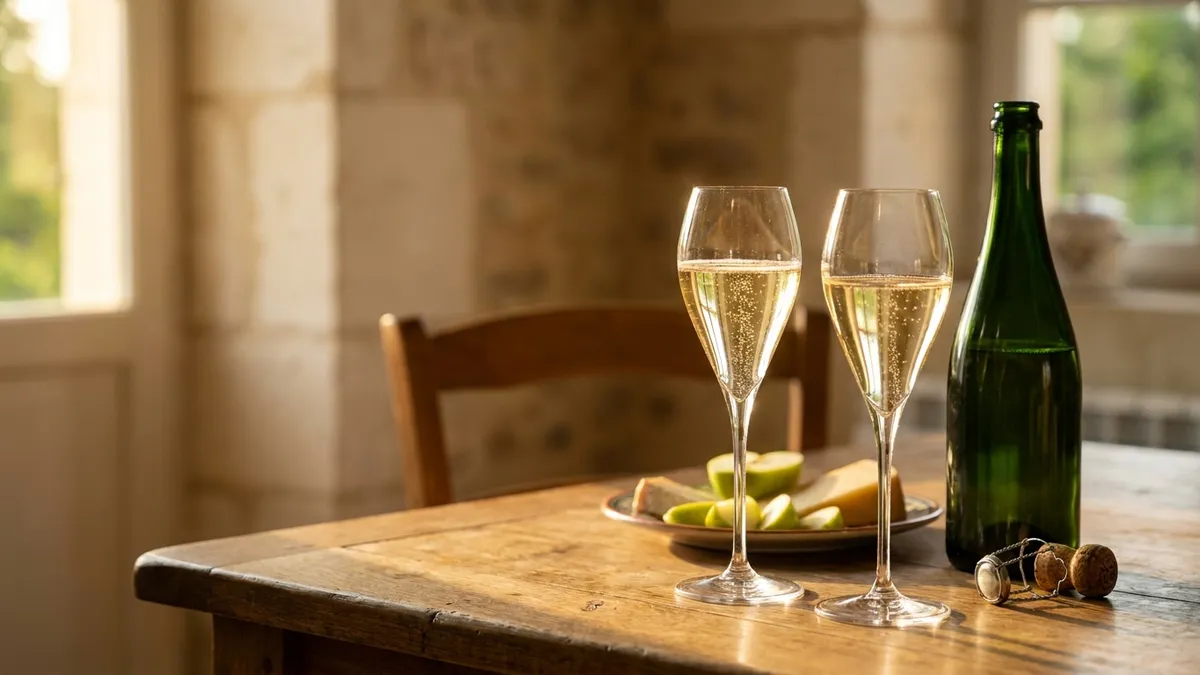
Crémant Wine: France's Other Sparkling Wine (and a Bargain)
A beginner's guide to crémant wine: the eight French regions and their grapes, how it is made, how long it ages, why it costs less than Champagne, and what to eat with it.
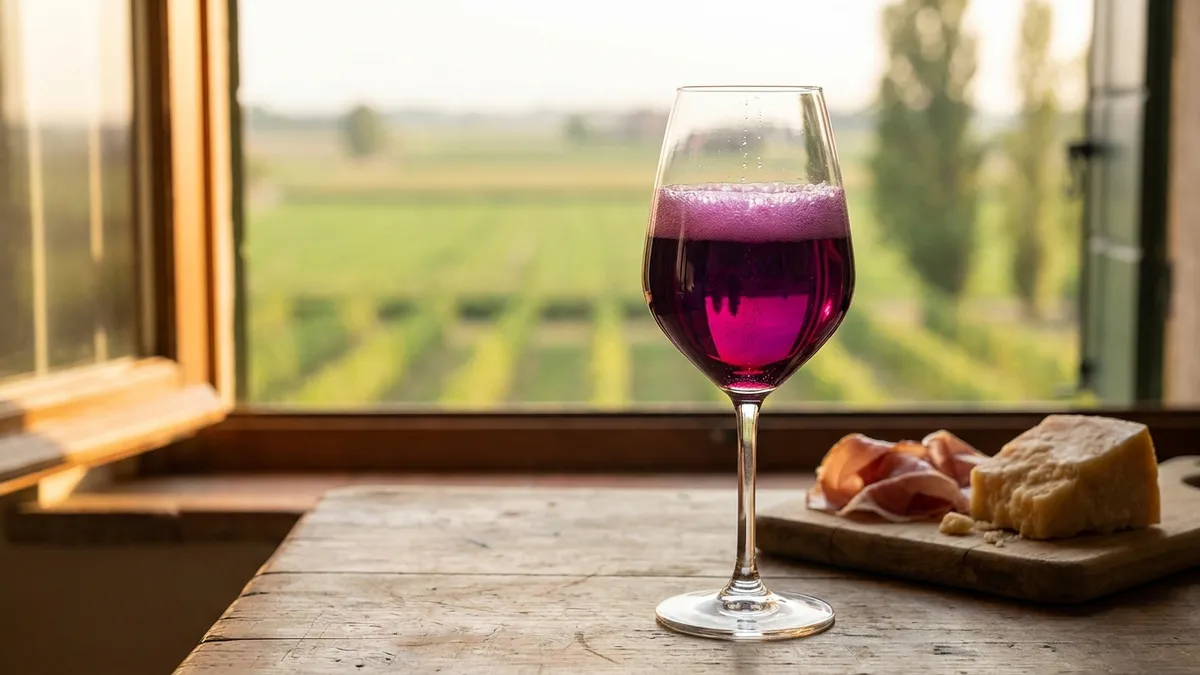
Lambrusco Wine Guide: Italy's Sparkling Red, Reinvented
A Lambrusco wine guide for beginners: the four sweetness words on the label, the main grape zones from pale Sorbara to dark Grasparossa, what to eat with it, and how cold to serve it.
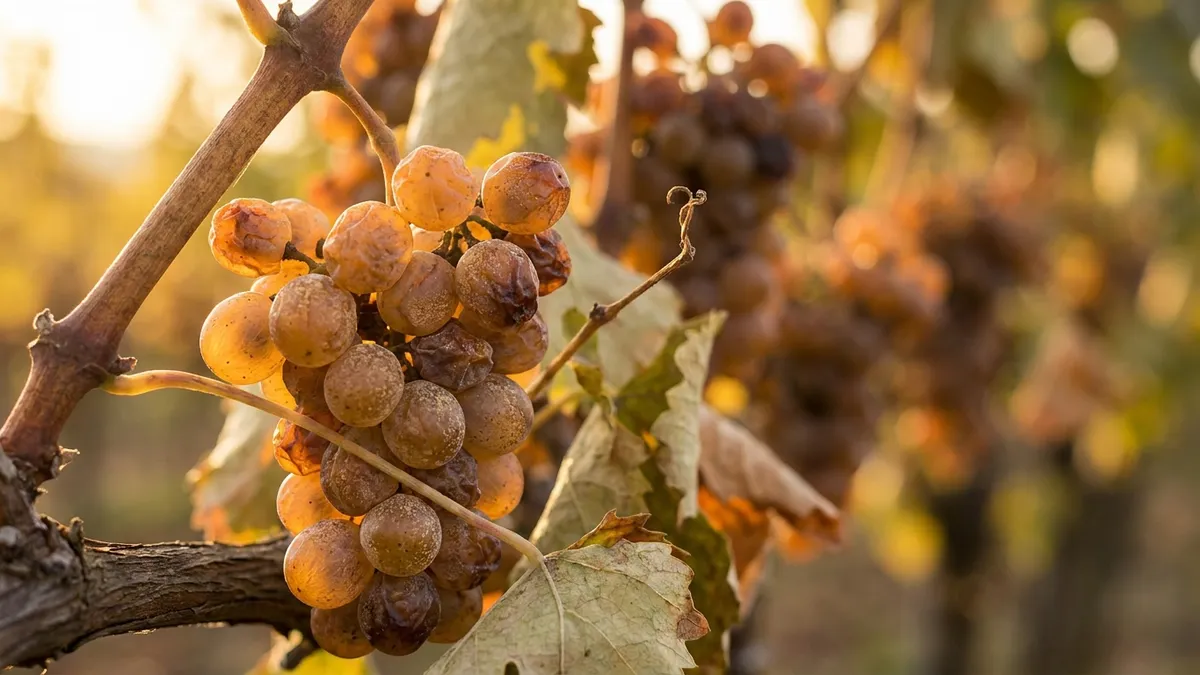
Late Harvest Wine: How Extra Hang Time Builds Sweetness
A late harvest wine guide to the three real paths to sweetness: extended hang time, noble rot, and freezing, plus the German, Tokaji, and Sauternes rules that set how sweet each one is.
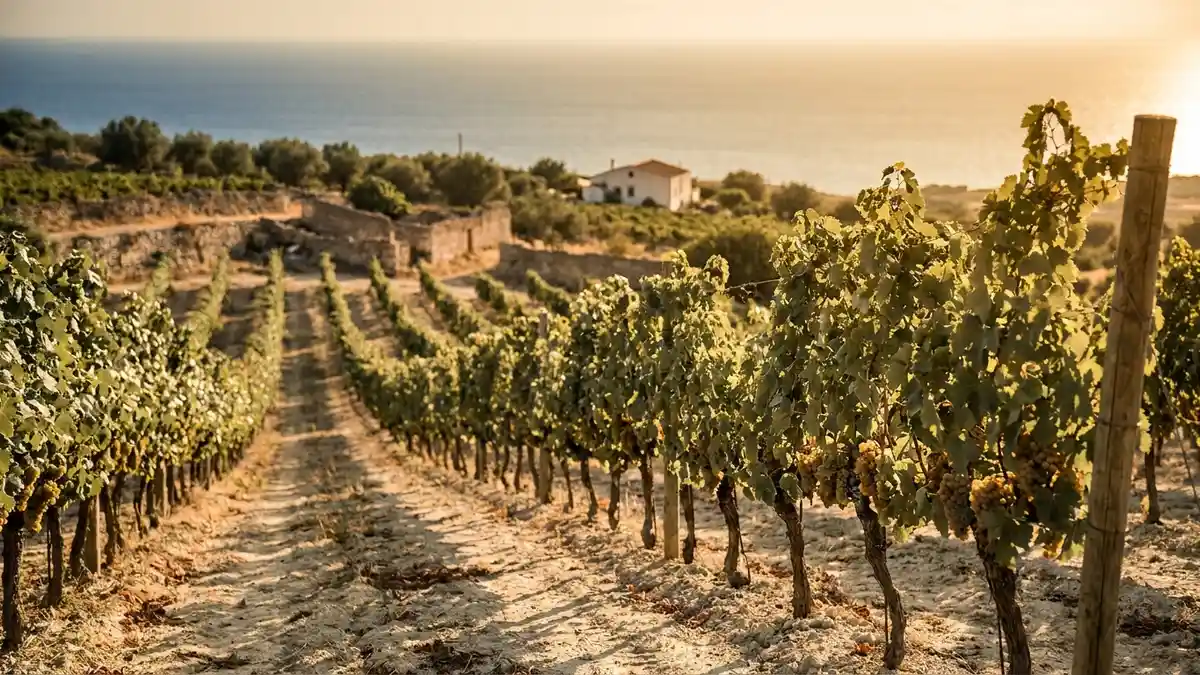
Marsala Wine Guide: The Real Sicilian Fortified Wine
A marsala wine guide to the real DOC classification grid by color, sweetness, and age, why supermarket cooking wine is a different product, and how Marsala compares to sherry and port.
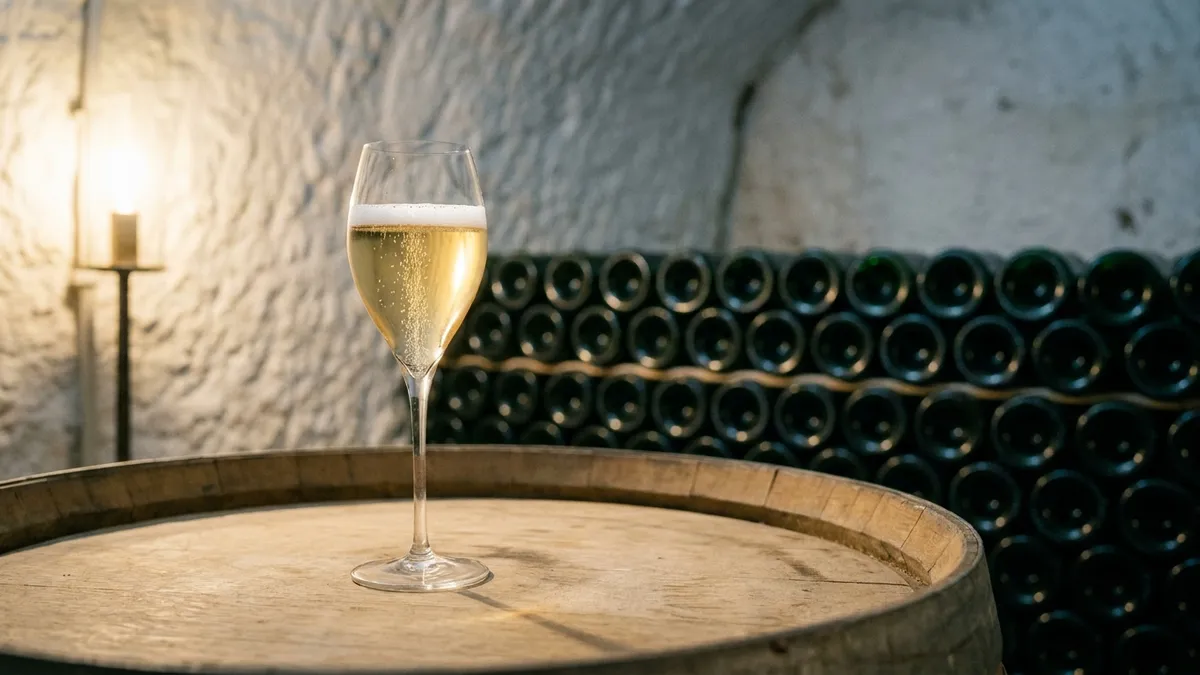
Méthode Champenoise Explained — How the Bubbles Get In
Méthode champenoise explained step by step: tirage, lees ageing, riddling, disgorgement and dosage, the legal names in each country, ageing minimums, and how to taste the method.
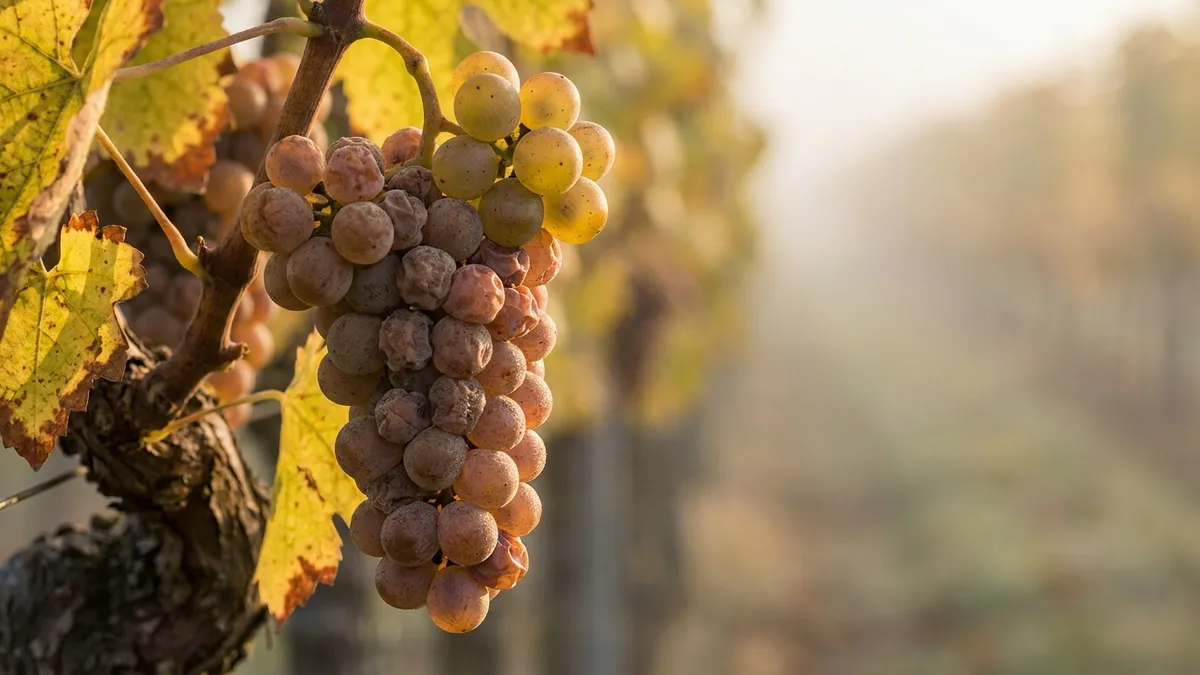
Noble Rot (Botrytis) Wine: How Mold Makes Great Sweet Wine
Noble rot botrytis wine explained: how a gray mold shrivels grapes into Sauternes, Tokaji Aszú and TBA, why wet weather turns it into grey rot, and how to read, serve and pair these sweet wines.
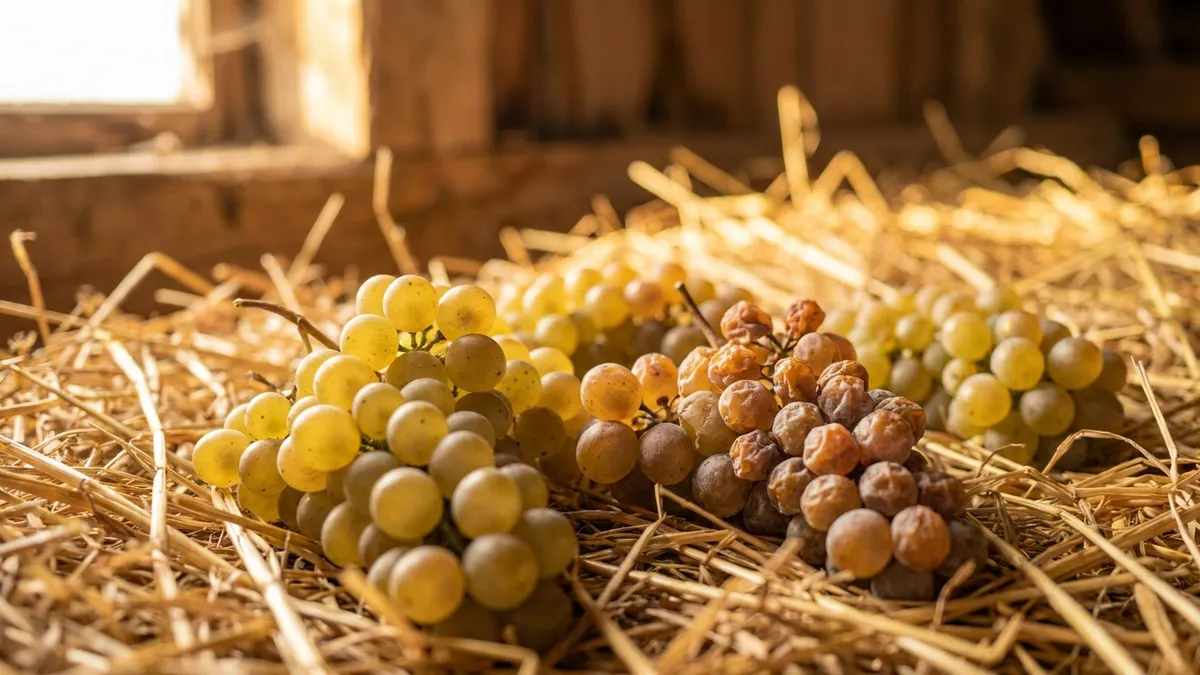
Straw Wine and Passito: Dried Grape Wines Explained
Straw wine and passito explained: how grapes are dried after picking, why it concentrates sugar, how it differs from noble rot and ice wine, and which styles to try.
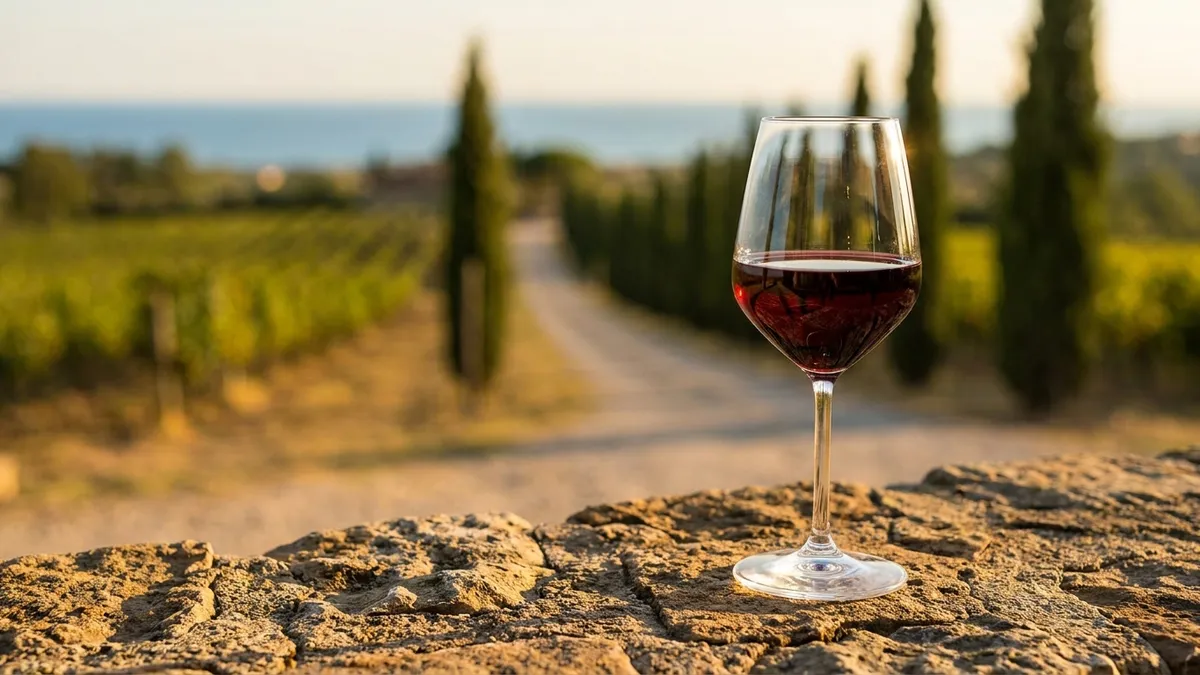
Super Tuscan Wine: How Rule-Breakers Changed Italian Wine
What a Super Tuscan wine is, which grapes go into it, how to spot one on a label, how it differs from Chianti, and why Italy's best reds were once sold as table wine.
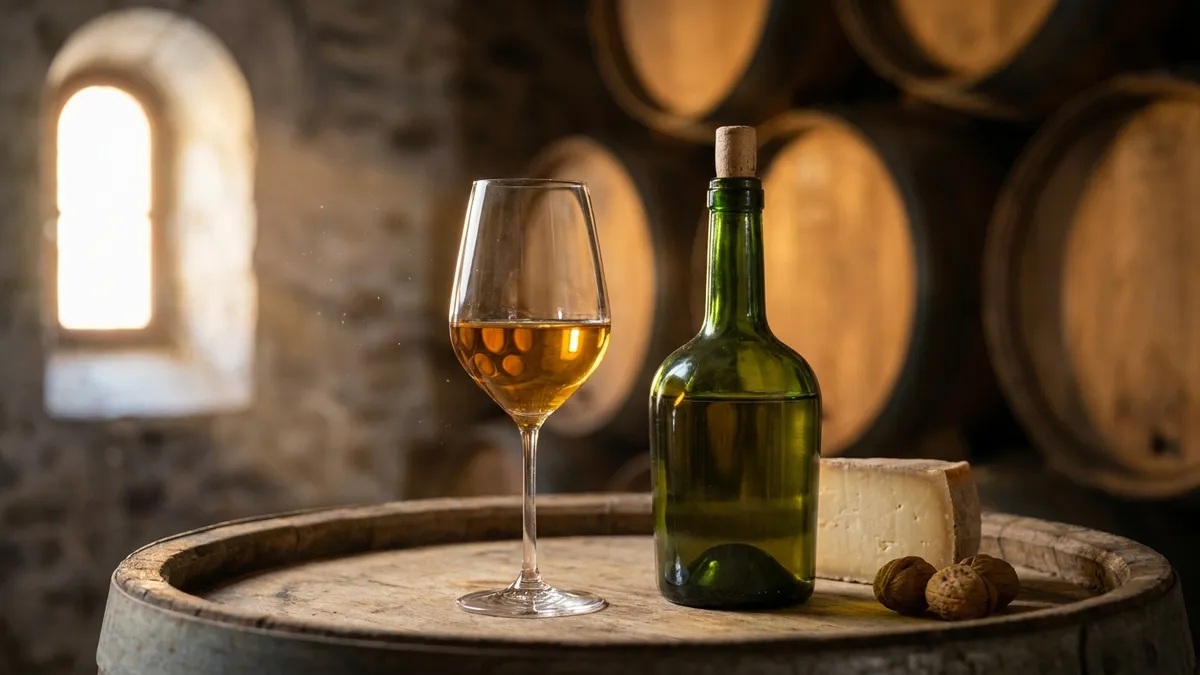
Vin Jaune Wine: France's Unfortified Answer to Fino Sherry
Vin jaune wine explained: how the Jura's yellow wine ages six years under a yeast film like fino sherry, why it smells of curry and walnuts, and how to serve, pair and buy it.
Canned Wine: Everything You Need to Know Before Buying
Canned wine explained without the marketing: the liner science behind the rotten-egg smell, can sizes in standard drinks, shelf life, which styles suit a can, and how it compares with bottle and box.
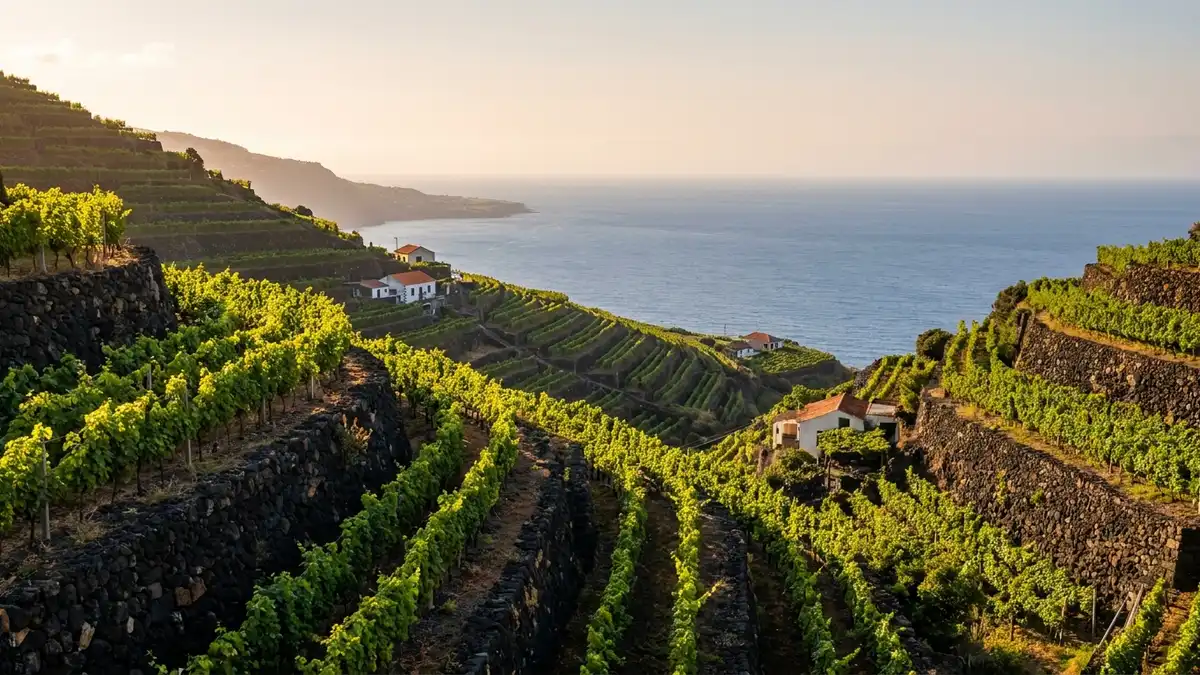
Madeira Wine Guide: The Indestructible Fortified Wine
A beginner's Madeira wine guide: the four noble grapes and their sweetness ladder, Tinta Negra, estufagem vs canteiro aging, label age categories, and why an open bottle lasts for months.
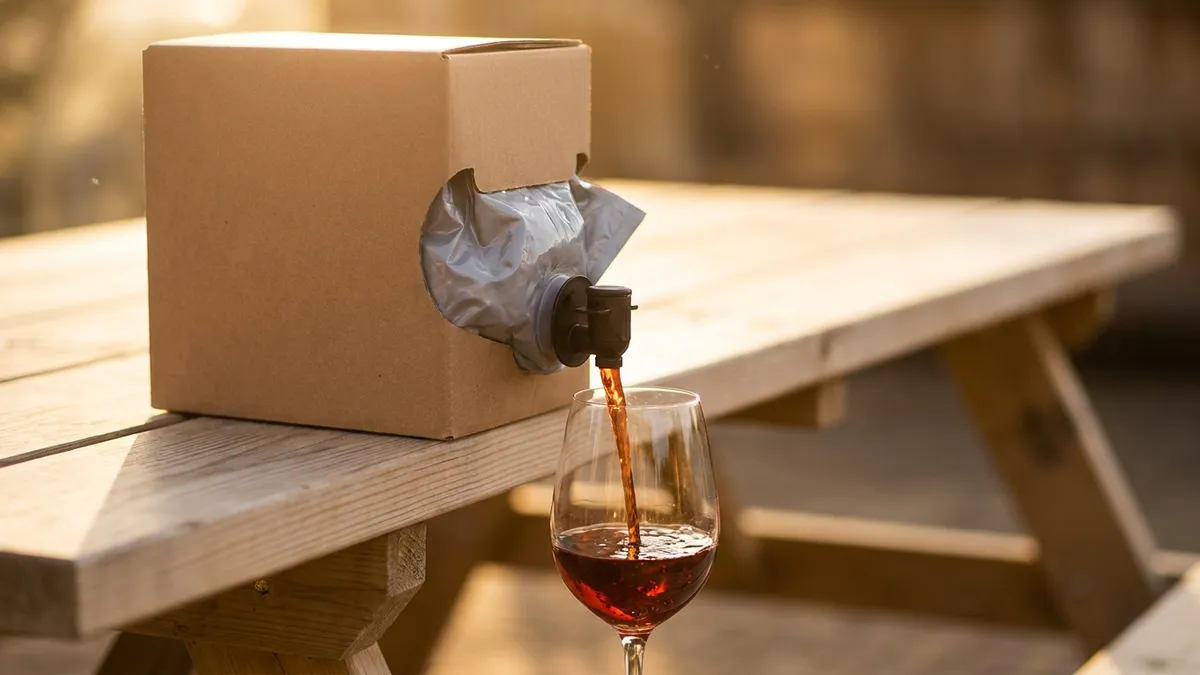
Boxed Wine: Is Box Wine Actually Good Now?
Boxed wine has come a long way since the goon bag. Here is how bag-in-box works, why it stays fresh for weeks, when the quality is genuinely good, and when a bottle still wins.
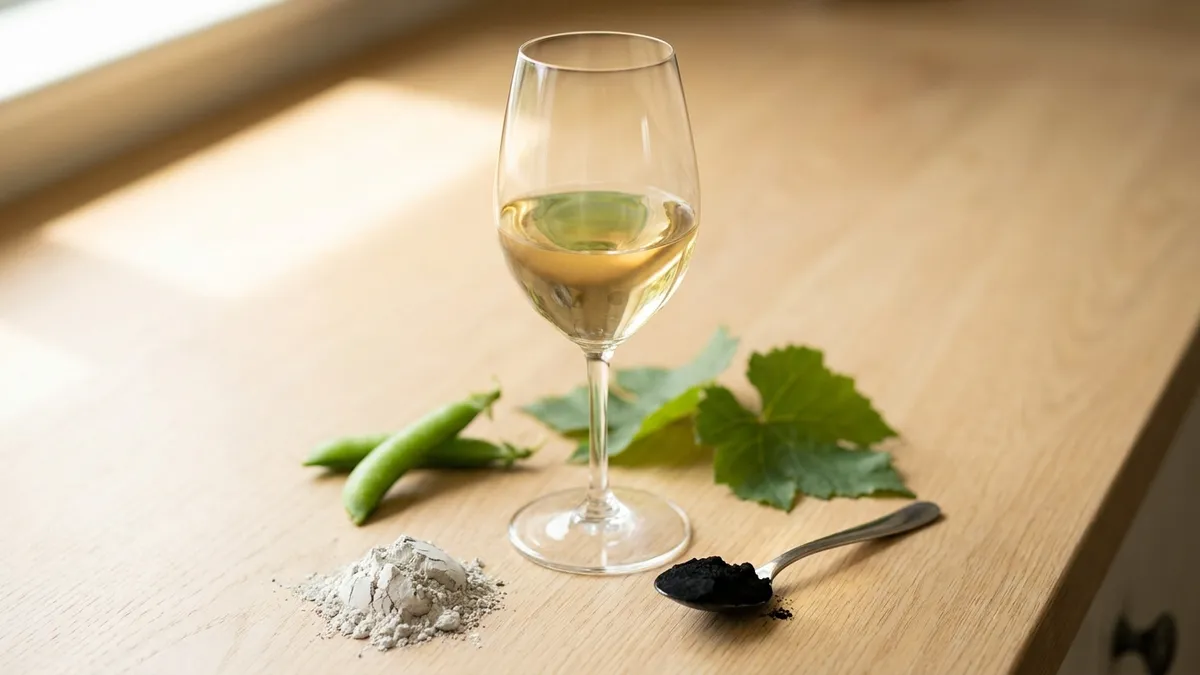
What Is Vegan Wine? Why Not All Wine Is Plant-Based
Wine is made from grapes, so why isn't it all vegan? The answer is fining — and the animal products used to clarify most bottles. Here is what vegan wine really means.
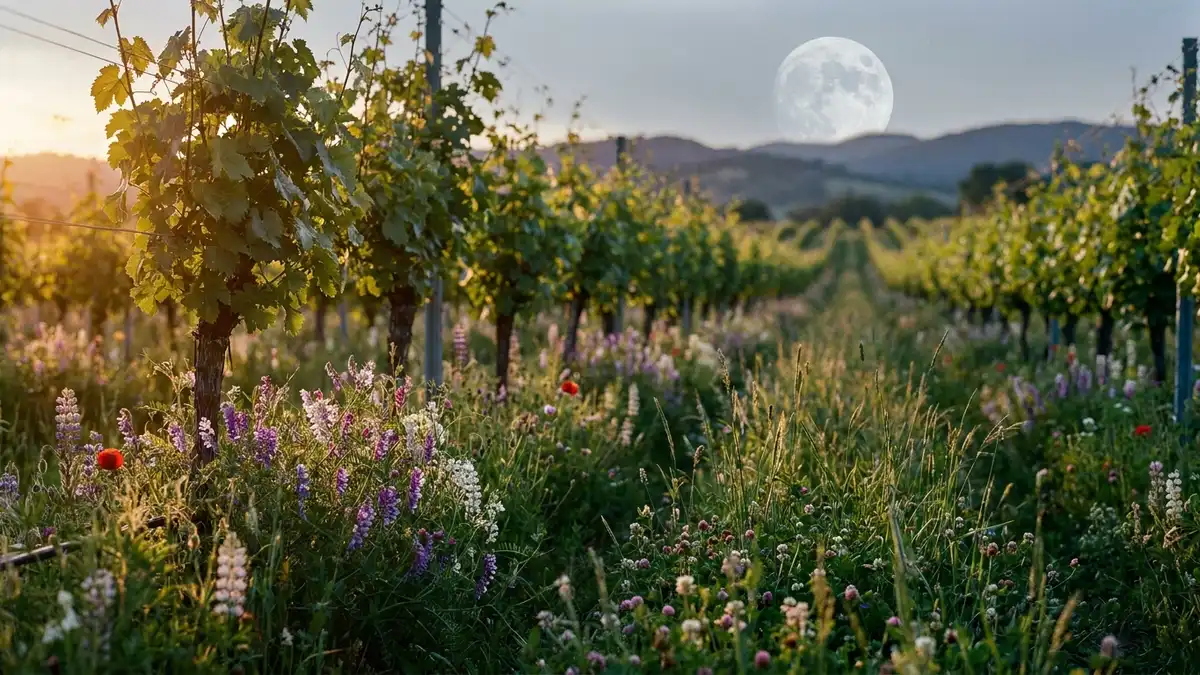
Biodynamic Wine Explained: Certification, Calendar, and Truth
Biodynamic wine takes organic farming further — cow horns, herbal preparations, and a lunar calendar. Here is what it means, whether the science backs it, and how the wine tastes.
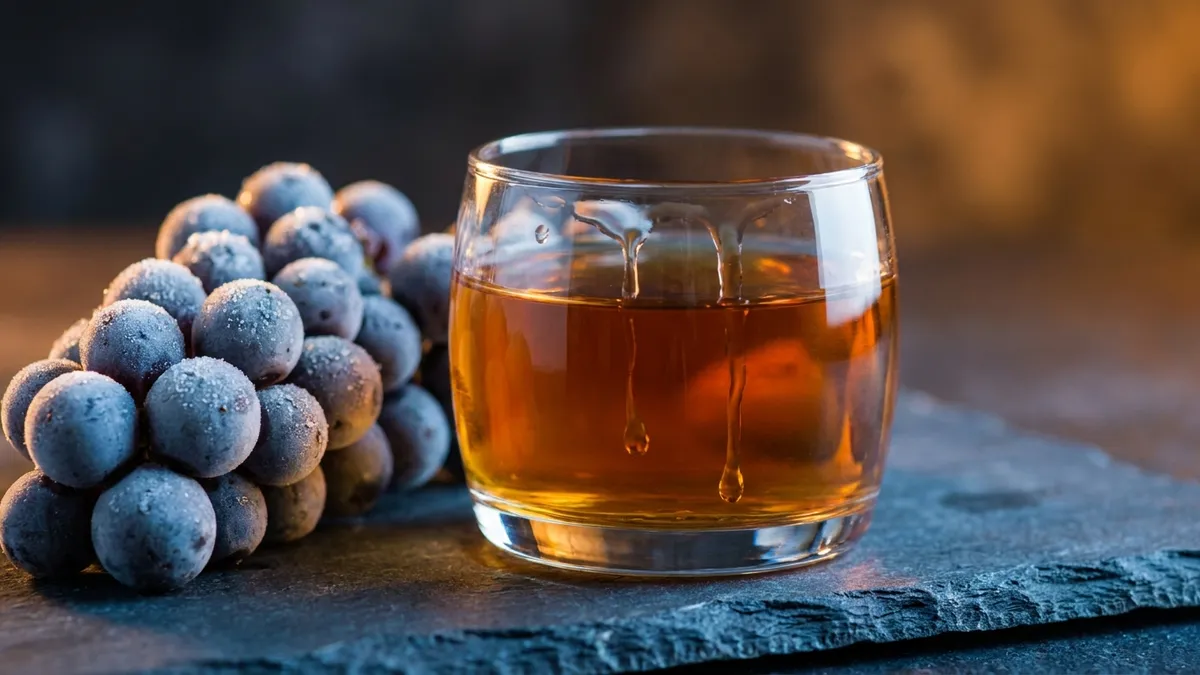
Ice Wine and Eiswein: A Guide to Frozen Grape Dessert Wine
Ice wine and Eiswein come from grapes frozen on the vine and pressed solid. This guide covers the production rules, regions, grapes, taste profile, and pairing logic behind one of wine's most extreme styles.
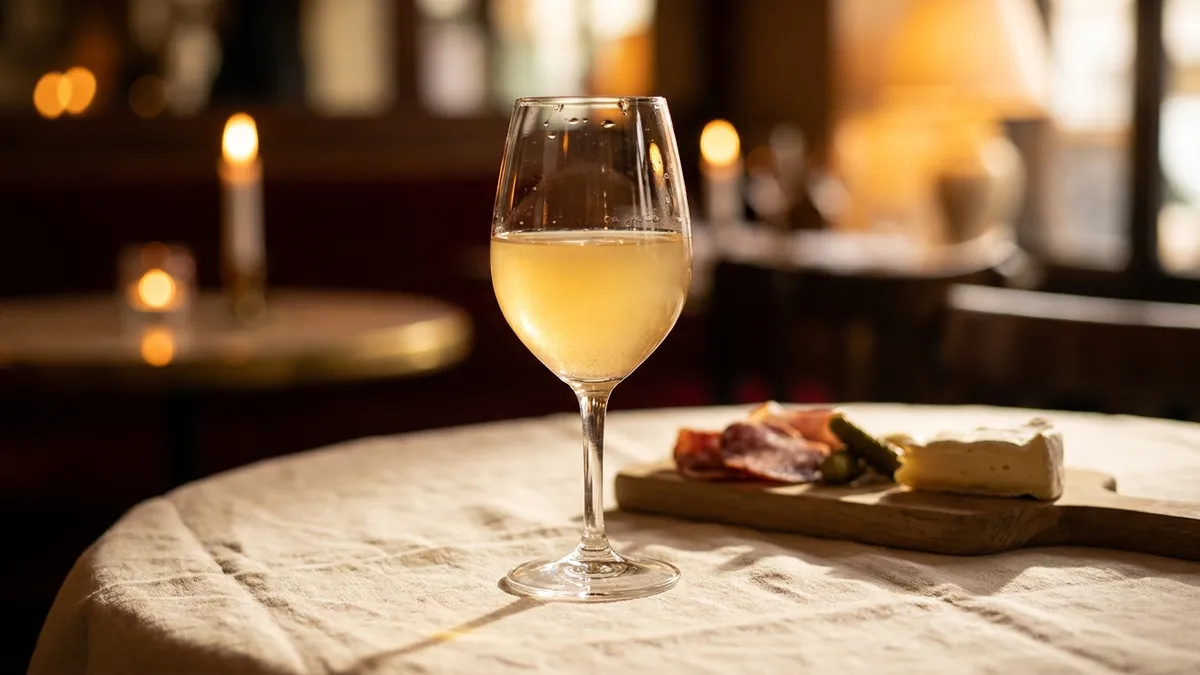
Natural Wine Guide: What It Is and How to Drink It
A practical natural wine guide for drinkers — how to buy it, taste it, pair it, and tell good funk from real faults without the dogma.
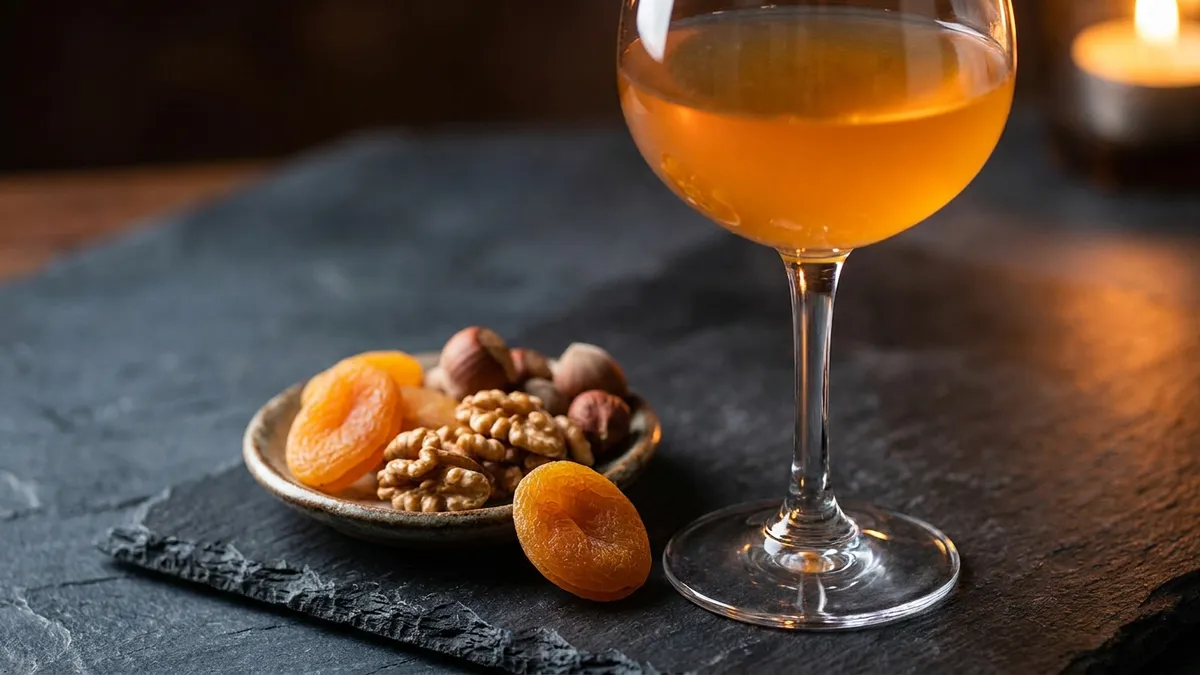
Orange Wine Guide: What It Is and How to Taste It
A practical guide to orange wine — what skin contact does to white grapes, how amber wines taste, and a four-bottle flight for tasting them with confidence.
Pet-Nat Wine: A Beginner's Guide to Pétillant-Naturel
Pet-nat wine is sparkling wine made the old-fashioned way — one fermentation, finished in the bottle. A beginner's guide to pétillant-naturel, its taste, and how to choose a bottle.
Vermouth Guide: Italian, French, and Modern Aromatized Wine
A complete vermouth guide covering Italian rosso, French dry, modern craft styles, classic cocktails, food pairings, and how to drink vermouth like a local.
Dessert Wine Types and Examples: Five Ways Wine Gets Sweet
Dessert wine types and examples in one table: noble rot, ice wine, dried-grape, late harvest and fortified, with the grapes, flavours and food for each.
Low-Alcohol Wine Guide: Types, Labels, and Best Styles
Low-alcohol wine explained: naturally light styles at 5-11% ABV, dealcoholized wine, 0.5% non-alcoholic wine, what the label terms legally mean, and calories per glass.
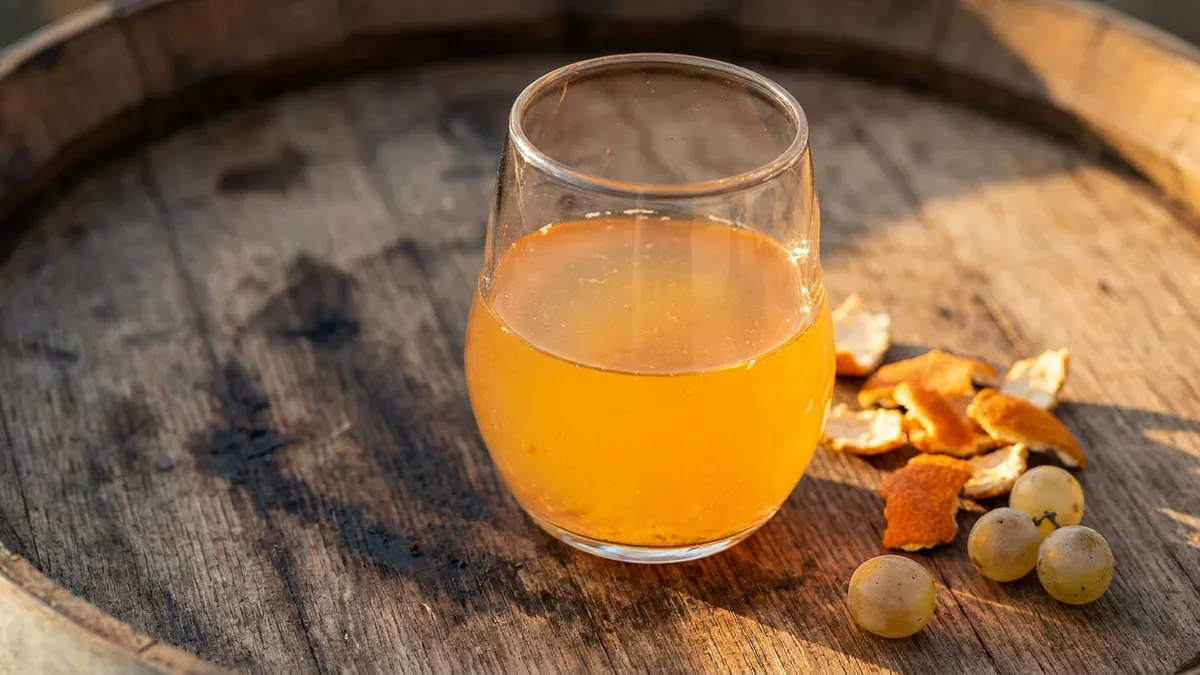
What Is Orange Wine? Skin Contact Wine vs Rosé Explained
Orange wine, also called skin contact wine or amber wine, is white wine fermented on its grape skins for days to months. How it differs from rosé, how it tastes and how to serve it.
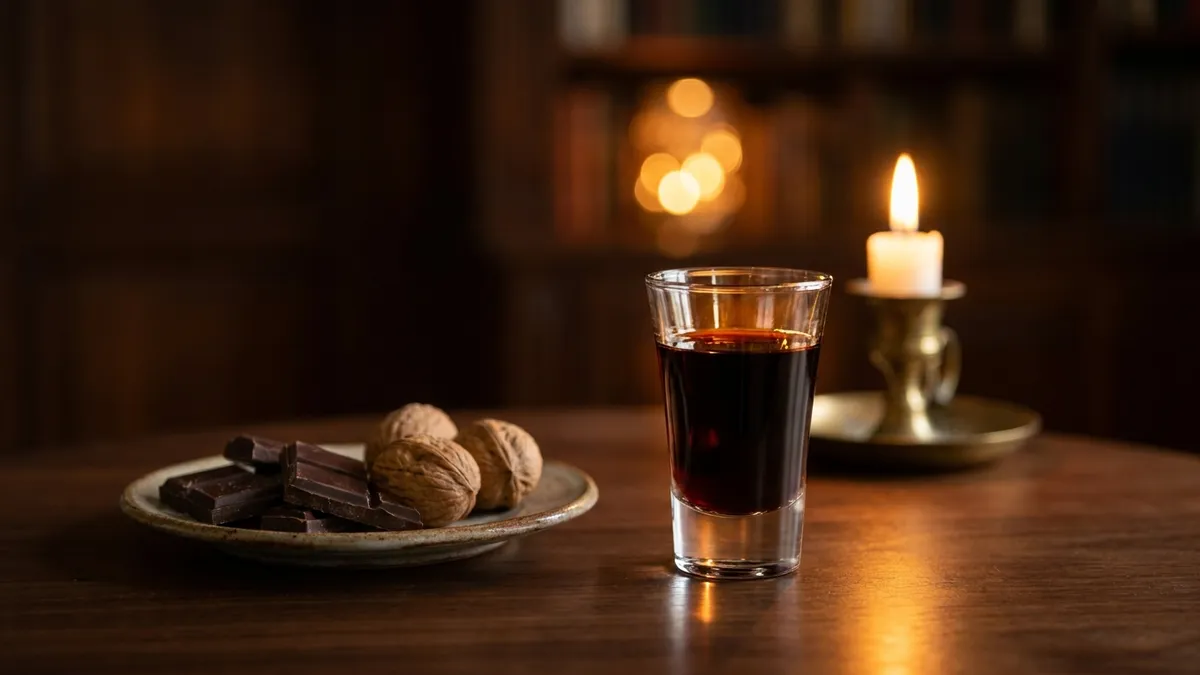
Port Wine Guide: Tawny, Ruby, Vintage, and More
Understand the different styles of Port wine — from ruby to tawny to vintage. Learn how Port is made, how to serve it, and what to pair it with.
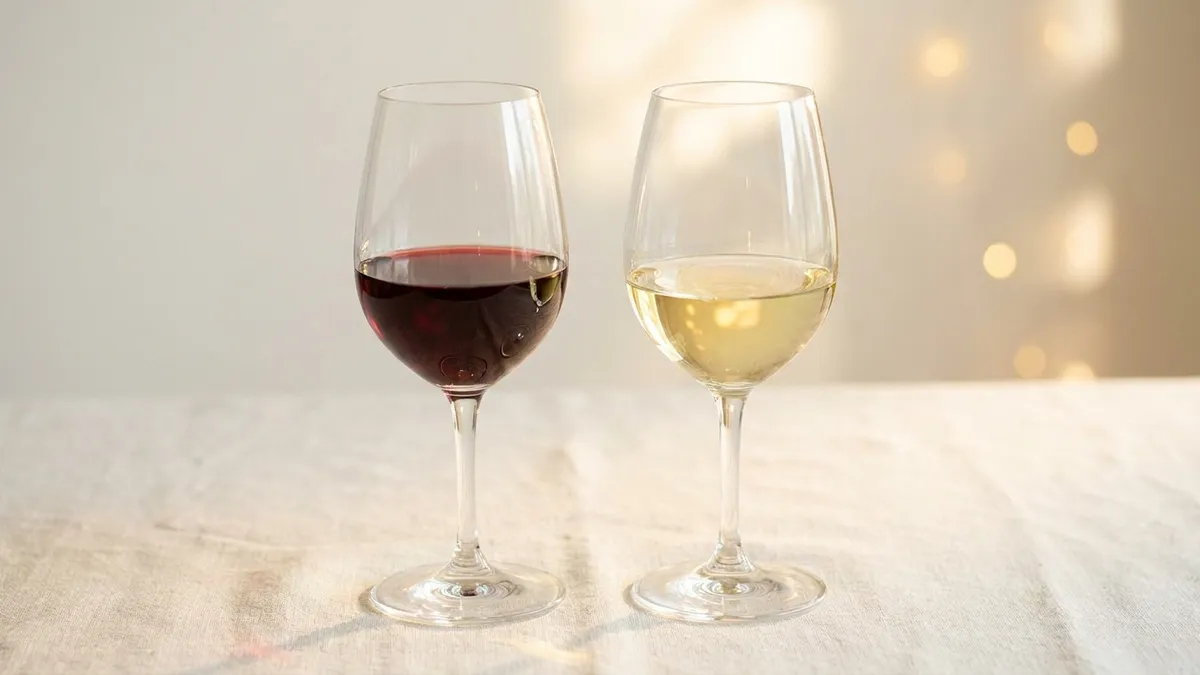
Red Wine vs White Wine: Key Differences Explained
Understand the real differences between red and white wine — from how they are made to how they taste, age, and pair with food. A clear guide for beginners.
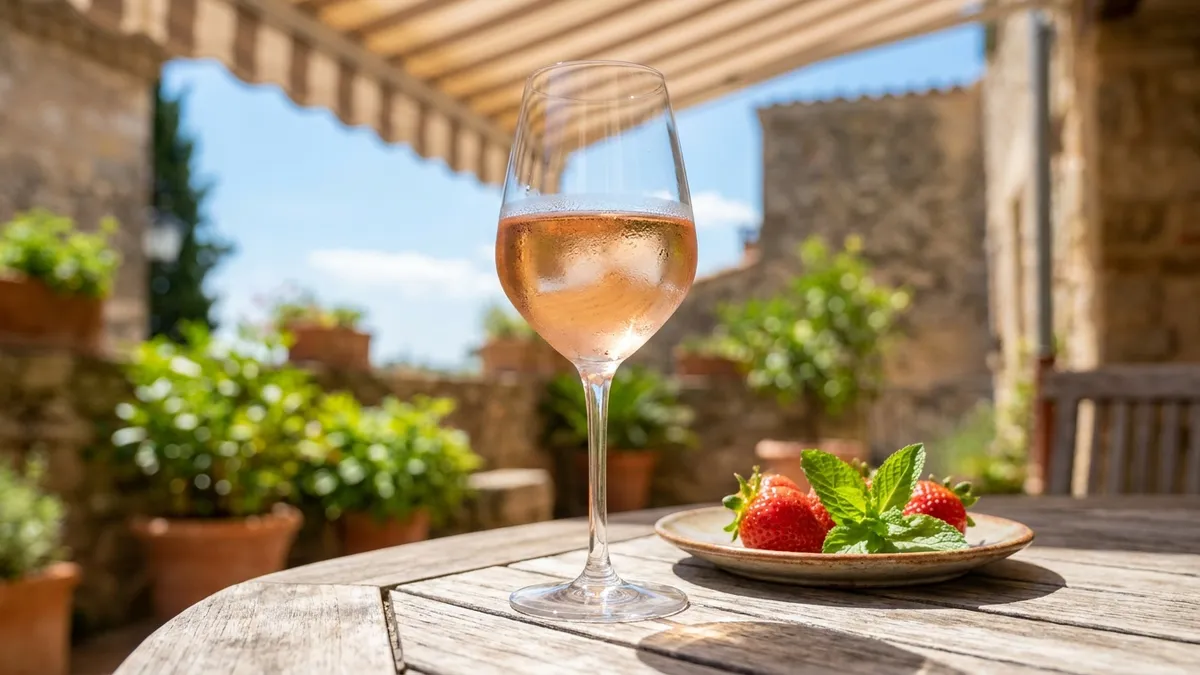
Rosé Wine Guide: How It Is Made and What to Drink
Everything you need to know about rosé wine — how it gets its color, the major styles, and how to choose one you will actually enjoy.
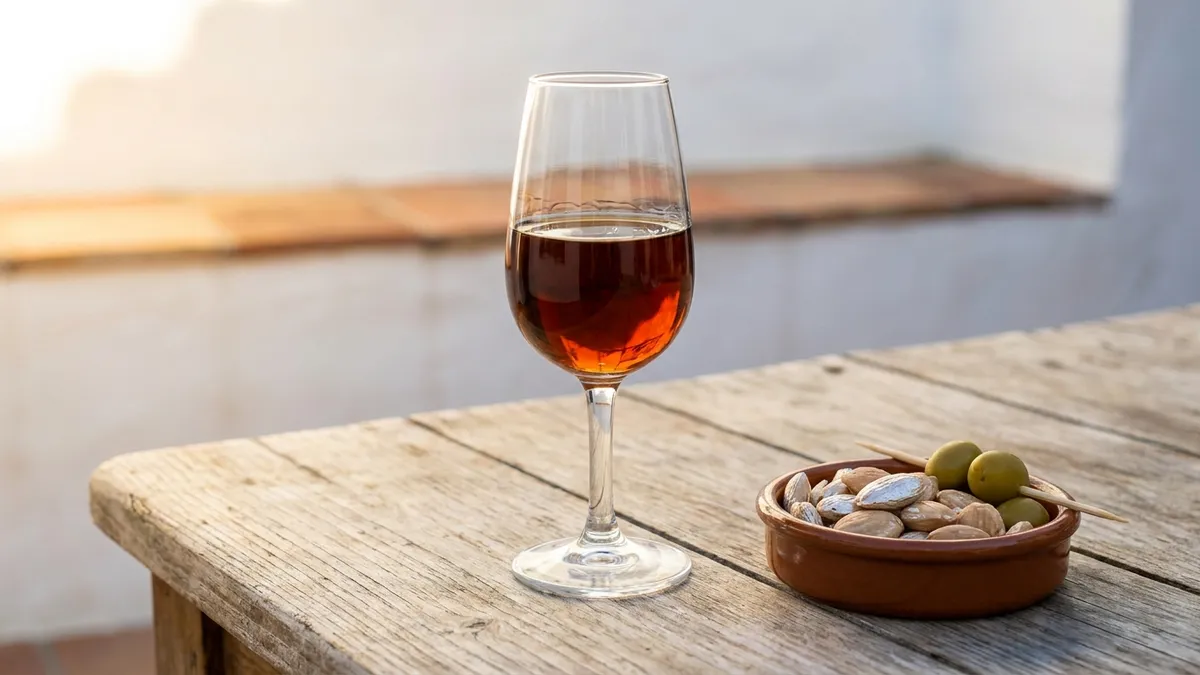
Sherry Wine Guide: Fino, Amontillado, Oloroso Explained
Understand the world of Sherry — from bone-dry Fino to rich Pedro Ximenez. Learn how each style is made, what it tastes like, and how to serve and pair it.
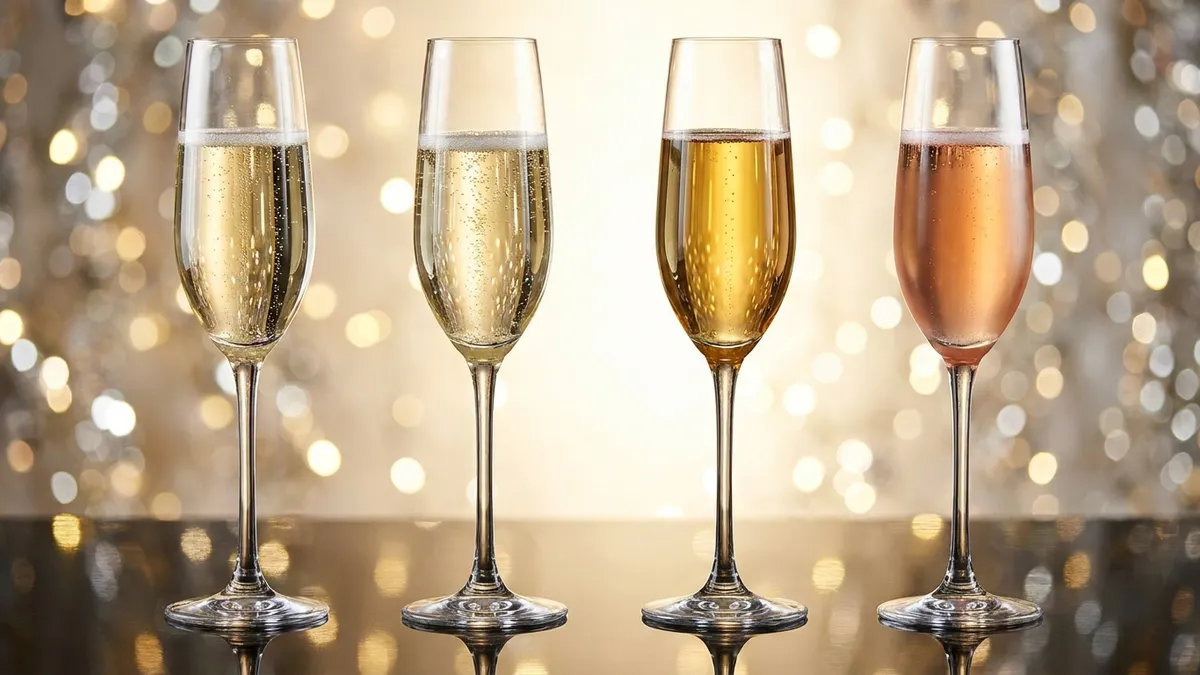
Types of Sparkling Wine — Every Style, Method, and Name
Types of sparkling wine explained: Champagne, Prosecco, Cava, Cremant, Franciacorta, Sekt, Lambrusco, and Pet-Nat, with an 11-style comparison table, legal aging minimums, and sweetness codes.
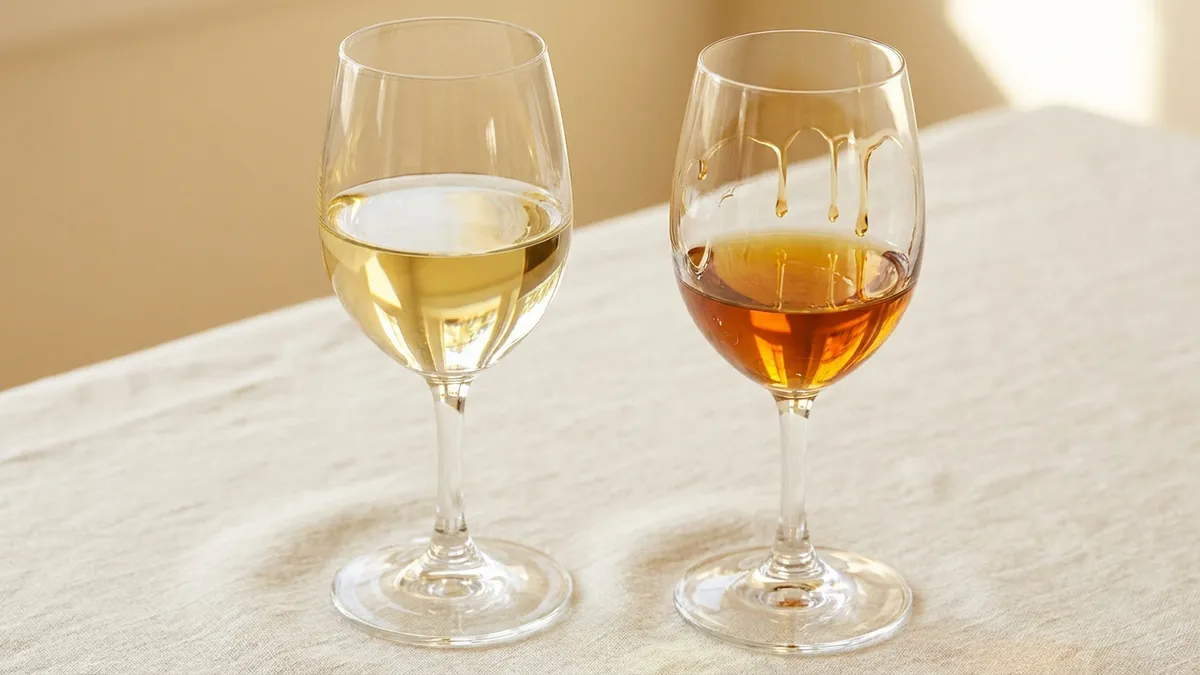
Sweet Wine vs Dry Wine: How to Tell the Difference
Learn the real difference between sweet and dry wine — what causes sweetness, how to identify it, and why your perception might be fooling you.
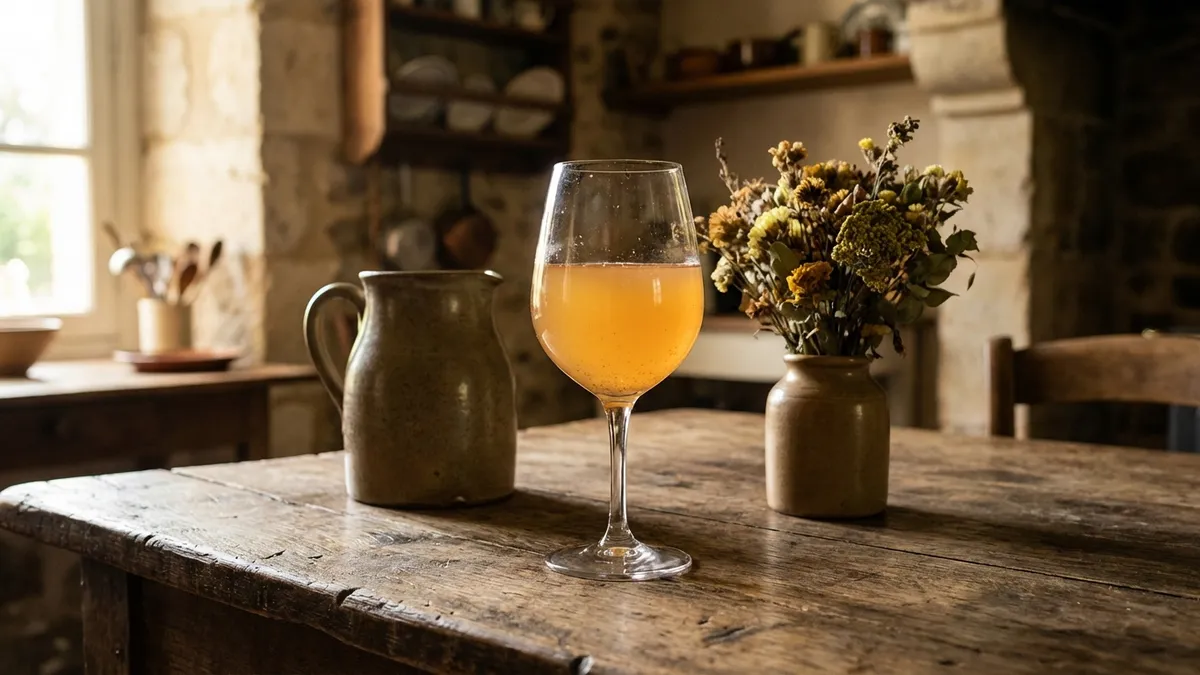
Natural Wine Explained: What It Is and Why It Matters
Understand what natural wine actually means, from orange wine to pet-nat. Learn the difference between organic, biodynamic, and natural winemaking.