Vermouth Guide: Italian, French, and Modern Aromatized Wine

By the Sommy Team — AI-assisted, human-edited.
Updated Apr 29, 2026
Contents (14)
- Why Vermouth Deserves a Second Look
- Vermouth, in 90 Seconds
- A Short History: Turin, Marseille, and the Aperitif
- The Two Classical Styles
- How Vermouth Is Made
- The Botanicals That Define Vermouth
- How to Drink Vermouth
- Italian, French, and Spanish Drinking Cultures
- Storage: The Mistake Almost Everyone Makes
- Vermouth vs Other Fortified or Bitter Drinks
- What to Pair with Vermouth
- Buying Your First Three Bottles
- Glassware and Serving Temperature
- Building Vermouth into Your Wine Education
TL;DR
Vermouth is aromatized fortified wine — a base wine infused with botanicals like wormwood, gentian, citrus peel, and herbs, then fortified to 16-18% alcohol. Italian rosso is sweet and bittersweet. French is dry and herbal. Modern craft styles run wider. Drink it chilled as an aperitif or in classic cocktails like the Negroni, Manhattan, and Martini.
Why Vermouth Deserves a Second Look
Vermouth has lived two lives. For most of the twentieth century, it sat in the back of the liquor cabinet, half-forgotten — used only for the occasional Martini. Then the cocktail revival arrived, and a new generation rediscovered what bartenders in Turin and Marseille have always known. Vermouth is not a supporting ingredient. It is a complete drink.
This vermouth guide walks through what vermouth actually is, the two classic European styles, the modern craft revival, and how to drink it the way it was originally meant to be enjoyed — chilled, before dinner, with something salty on the side. If you are new to fortified styles, our dessert wine guide covers the broader category. Vermouth is not a dessert wine, but it shares the same fortification logic.
Vermouth, in 90 Seconds
Vermouth is aromatized fortified wine. Start with a neutral base wine — usually a quiet white grape like Trebbiano or Catarratto. Macerate dozens of botanicals (herbs, roots, bark, flowers, citrus peel) in spirit. Blend the infusion back into the base wine. Sweeten with sugar or grape must. Fortify with more neutral spirit until the finished wine sits at 16-18% alcohol.
The defining botanical is wormwood — Artemisia absinthium — which gives vermouth both its name (from the German Wermut) and its signature clean bitter edge on the finish.
Two classic styles dominate. Italian rosso is sweet and bittersweet, dark amber, with caramel and orange peel. French dry is pale gold, herbal, and saline. Modern craft producers blur the line between them, but the two-style framework still explains 90% of the bottles on the shelf.
A Short History: Turin, Marseille, and the Aperitif
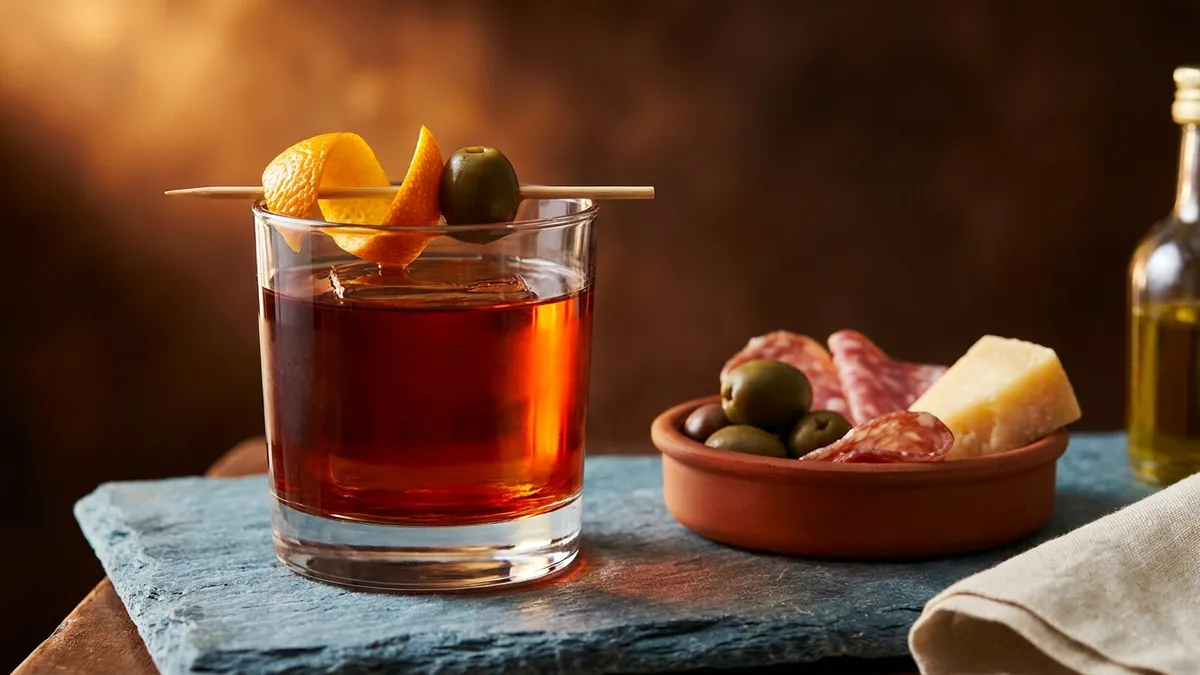
Modern vermouth was born twice. In Turin, in 1786, Antonio Benedetto Carpano formalized the sweet Italian rosso style — a base wine infused with mountain herbs from the surrounding Alps. A generation later, in 1813, the French herbalist Joseph Noilly Prat developed the dry style around Marseille, using base wine aged outdoors in barrels exposed to sun and sea air.
Both traditions evolved hand in hand with the aperitif — the pre-dinner drink meant to stimulate appetite. The bitterness of wormwood and gentian root was understood, even before modern science, to wake up the digestive system. That is still vermouth's primary purpose: a small, cold, slightly bitter glass that signals "the meal is about to begin."
The Two Classical Styles
Italian Rosso (Red, Sweet)
Italian rosso — sometimes labeled vermouth dolce or simply "sweet vermouth" — is the dark amber, bittersweet style most people associate with the word vermouth. Sugar levels typically run 130-150 grams per liter, alcohol sits at 16-18%, and the color comes from caramel and the dark botanicals rather than from red wine (most rosso is built on a white base).
What to expect on the palate:
- Bittersweet entry — sweet caramel and dried fig give way to clean wormwood bitterness
- Tangerine and orange peel running through the middle
- Vanilla, clove, and a touch of cinnamon from the spice botanicals
- A long, slightly drying finish that resets the palate for the next sip
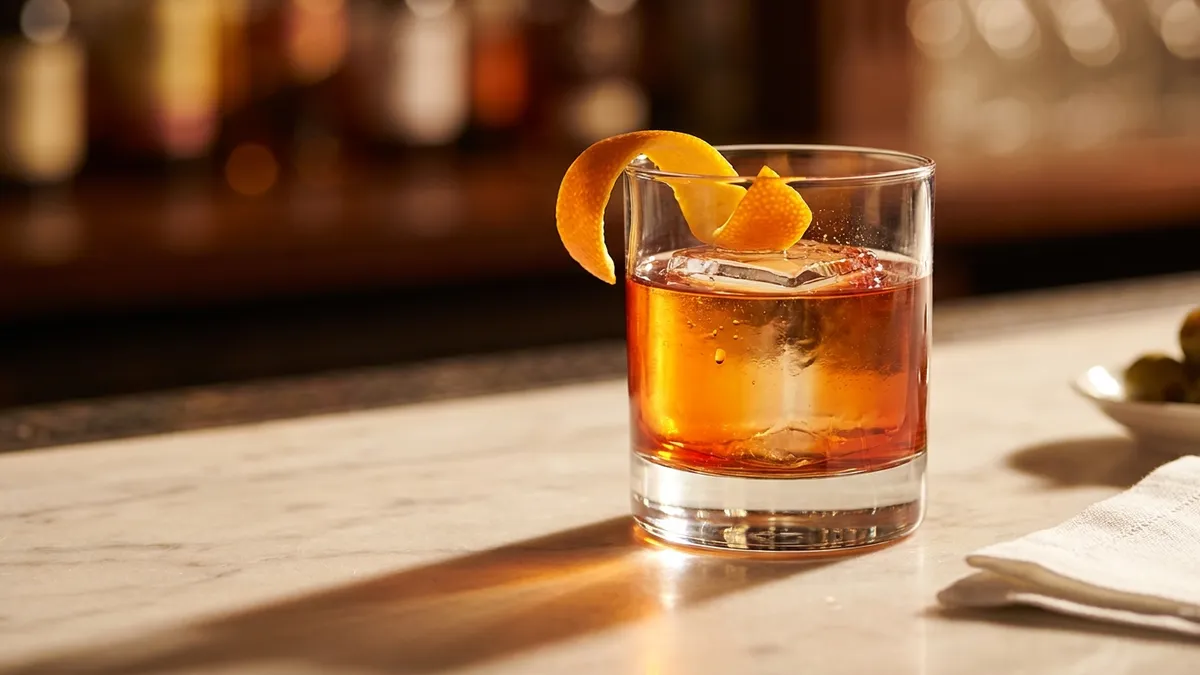
Rosso is the backbone of the Negroni and the Manhattan, but it is also a complete drink on its own — two ounces over ice, a wide strip of orange peel expressed over the top, and you have the classic Italian aperitivo.
French Dry (Pale, Dry)
French dry vermouth — historically also called extra-dry — is the pale gold, herbal style developed in and around Marseille. Sugar levels drop to 30-50 grams per liter (still technically off-dry by table-wine standards, but vastly drier than rosso), and the botanical profile leans toward Mediterranean herbs and citrus.
What to expect on the palate:
- A dry, almost wine-like attack with minimal sugar
- Chamomile, dried thyme, and white flowers on the nose
- Lemon zest and a saline, briny edge
- Subtle bitter herbs on the finish — gentian, wormwood, chinchona
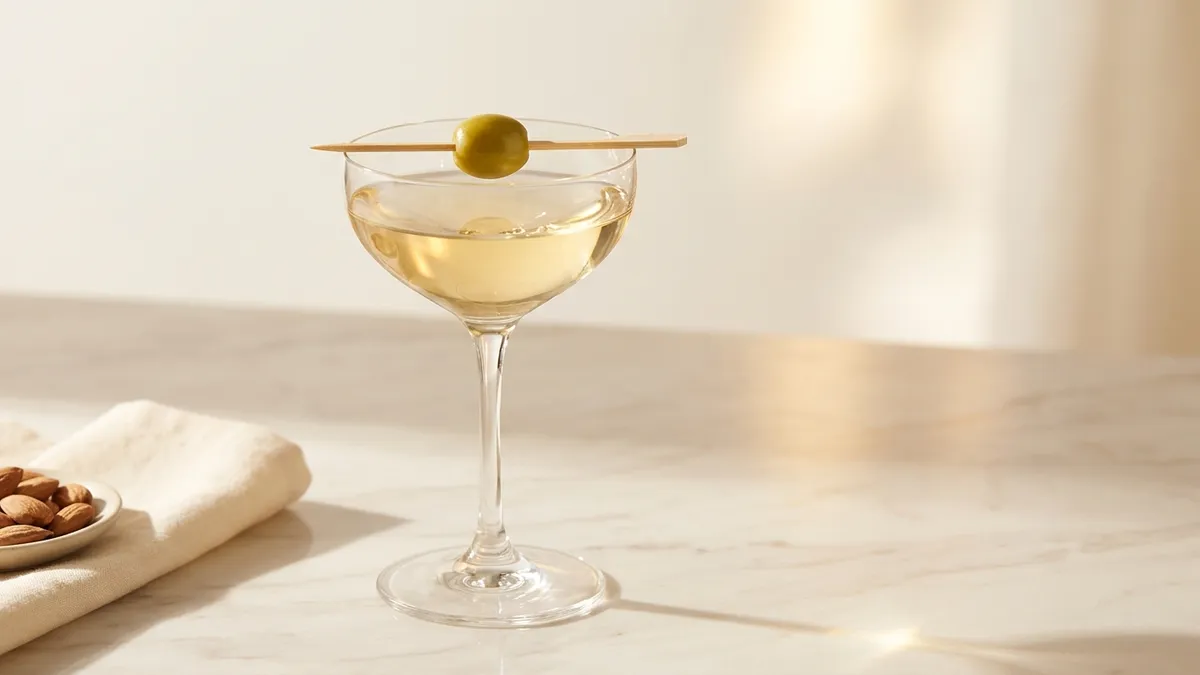
Dry vermouth is the Martini's other half, but it also stands on its own when served very cold, neat, in a small wine glass alongside hard cheese, almonds, or olives.
The Sweetness and Color Map
Beyond the two main camps, vermouth labels split into a handful of recognizable categories:
- Bianco / Blanco — white in color, sweet (around 130 g/L sugar), often Italian, vanilla and floral
- Dry / Extra-dry — pale, lowest sugar (around 30 g/L), French style, herbal and saline
- Rosso / Rouge — reddish-amber, sweet, Italian style, caramel and orange peel
- Rosato / Rosé — pink, semi-sweet, a modern style blending rosso and bianco character
- Ambrato — amber, very dry, traditional Italian style with intense bitter herbs
If you struggle to picture how these sweetness levels feel on the palate, our wine sweetness scale explains residual sugar across all wine categories.
How Vermouth Is Made
Production sits somewhere between winemaking and herbal liqueur production. The general sequence is:
- Base wine — a neutral white wine, often Trebbiano (Italy) or Catarratto (Sicily), chosen for its low aromatic profile so the botanicals can lead
- Mistela / maceration — the botanical mix (often 30-50 ingredients) steeps in a high-proof neutral spirit for several weeks
- Blend — the botanical infusion is blended into the base wine in carefully measured ratios
- Sweeten — sugar, caramel, or concentrated grape must adjusts the final sweetness
- Fortify — additional neutral spirit raises the alcohol to 16-18%
- Rest and bottle — the wine rests for a short period to integrate, then is filtered and bottled
Look for the words macerato or infusione on the label. These signal genuine botanical work rather than mass-market versions that lean on flavor essences. Hand-crushed and macerated specifications are markers of craft production.
The Botanicals That Define Vermouth
Every producer guards its botanical recipe — the secret blend is the brand. But certain ingredients show up across nearly all serious vermouth:
- Wormwood (Artemisia absinthium) — the defining bitter herb; without it, by law in many countries, the wine cannot be called vermouth
- Gentian root — clean, lingering bitterness; the same root that flavors the bitter side of many amari
- Cinchona bark — quinine; the same compound that flavors tonic water
- Vanilla, cardamom, cinnamon — sweet spice for the rosso side
- Citrus peel — bitter orange and lemon peel for top-note brightness
- Cloves and juniper — savory backbone
- Local Alpine or Mediterranean herbs — chamomile, thyme, marjoram, sage; this is where producer style emerges most clearly
Tasting vermouth is essentially tasting a botanical bouquet held together by wine. If you want to develop your nose for individual herbs and citrus notes, our guide to develop your wine palate and our herbal notes in wine breakdown both walk through the techniques sommeliers use to isolate and name what they smell.
How to Drink Vermouth
There are three main ways to enjoy a bottle of good vermouth, and they overlap.
1. As an Aperitif, Solo
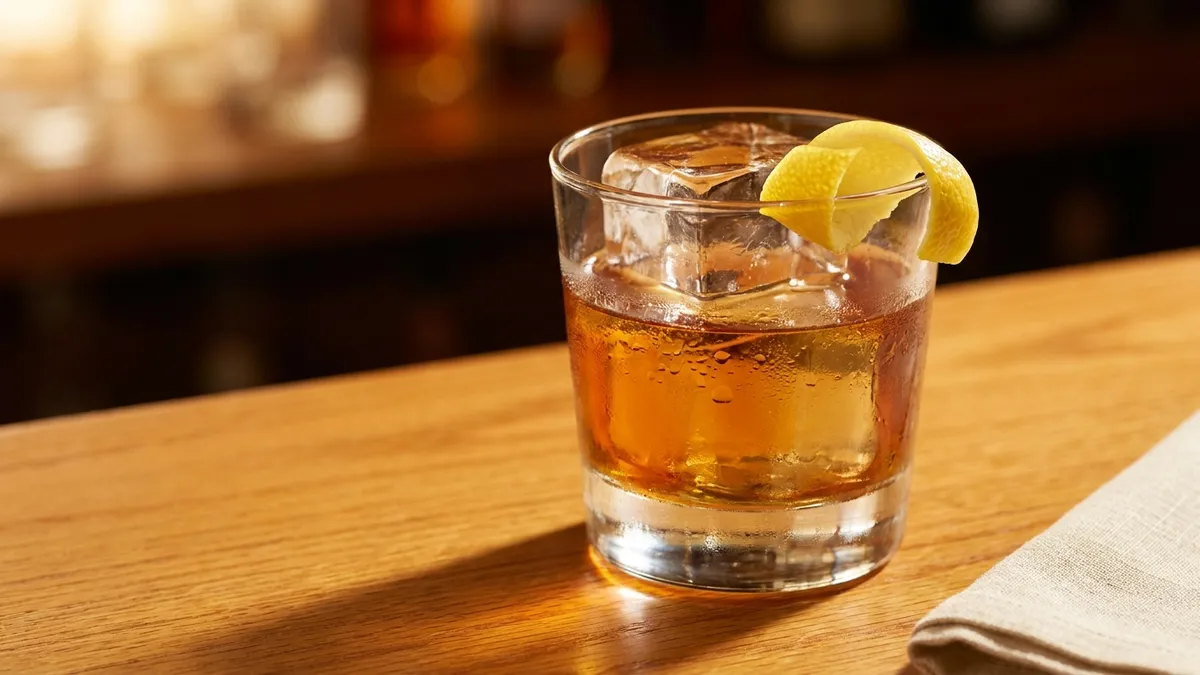
This is the original use. Pour two ounces of well-chilled vermouth over a single large ice cube in a small tumbler. Express a strip of orange peel (for rosso) or lemon peel (for dry) over the top. Add an olive, an almond, or nothing at all. Drink it slowly before dinner.
In Spain, the tradition is so embedded that there is a phrase for it: la hora del vermut — "the vermouth hour" — typically eleven to one, often on a Sunday before lunch. Bars set out olives, anchovies, and small bowls of crisps; regulars drink rosso on the rocks. In Italy, vermouth bars in Turin and Milan have undergone a quiet revival, serving rosso neat or with soda alongside cured meat and aged Parmigiano.
2. As a Spritz
The vermouth spritz is the easiest possible cocktail. Fill a wine glass with ice. Add three ounces of dry or rosso vermouth, three ounces of soda water, and a citrus peel. That is the entire recipe. The soda lifts the wine and stretches a single bottle across many drinks — an excellent introduction for beginners who find straight vermouth too intense.
3. In Three Classic Cocktails
Vermouth is the connective tissue of the classic cocktail canon. Three drinks cover most of the territory:
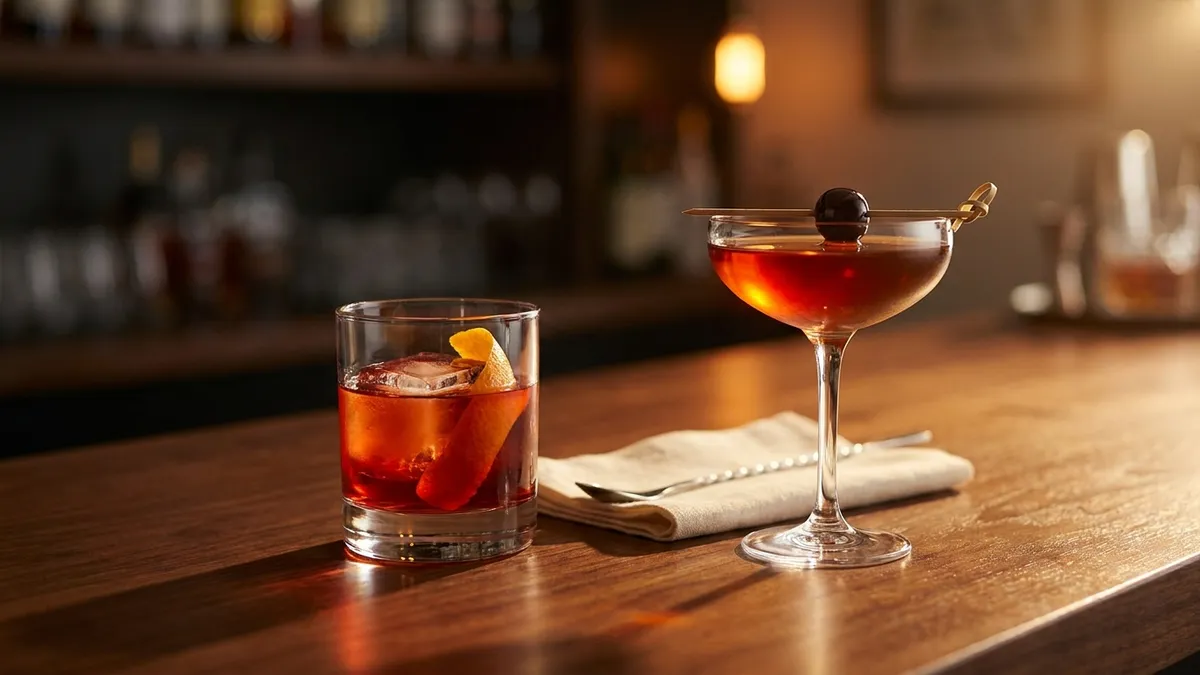
- Manhattan — 2 oz rye whiskey + 1 oz rosso vermouth + 2 dashes Angostura bitters; stirred with ice, strained into a coupe, garnished with a cherry
- Martini — 2.5 oz gin + 0.5-1 oz dry vermouth (the ratio is personal) + a dash of orange bitters if you want; stirred with ice, strained, garnished with an olive or lemon twist
- Negroni — 1 oz gin + 1 oz rosso vermouth + 1 oz Campari; built over ice in a rocks glass with a wide orange peel
Each cocktail leans on a different vermouth style. Get one good rosso and one good dry, and you can make all three.
Italian, French, and Spanish Drinking Cultures
The same wine is treated differently in each country. Italians lean toward sweeter rosso, served before dinner with olives and cured meat. The French treat dry vermouth as a wine course in itself — neat, alongside hard cheeses or charcuterie. The Spanish have made the rosso-on-the-rocks ritual into a cultural institution.
The takeaway for beginners: there is no single "correct" way to drink vermouth. Pour it cold and pair it with something salty.
Storage: The Mistake Almost Everyone Makes
The single most common vermouth error happens at home. People buy a bottle, use one ounce for a Martini, screw the cap back on, and leave it on the shelf next to the gin and vodka — for a year or more. Vermouth is not spirits. It is wine. The bottle on the shelf is slowly oxidizing, and by month six the herbs are flat and the citrus has gone dusty.
The rules:
- Open bottles — refrigerate, drink within four to six weeks
- Unopened bottles — store in a cool dark place; drink within a year of purchase, because even sealed bottles lose vibrancy as the fresh herbs fade
- Buy small — half-bottles or 500ml formats are ideal for home use
The same logic applies to all open wine, which our guide to how long does wine last after opening covers in more detail.
Vermouth vs Other Fortified or Bitter Drinks
Vermouth gets confused with several adjacent categories. The differences matter when you are shopping or ordering:
- Vermouth vs amaro — amaro is a bitter, spirit-based liqueur with no wine, much higher alcohol (often 25-35%), and is meant as a digestif after the meal; vermouth is wine-based and meant before the meal
- Vermouth vs port — port is a sweet fortified wine without botanicals, designed as a dessert pairing; vermouth is aromatized and meant as an aperitif
- Vermouth vs sherry — Fino and Manzanilla sherry overlap functionally with dry vermouth (both work beautifully as aperitifs with olives), but sherry uses biological aging under flor yeast rather than a botanical infusion
For more on these adjacent categories, see our champagne vs prosecco vs cava comparison for sparkling aperitifs and our broader wine tasting vocabulary cheat sheet for the language used to describe all of them.
What to Pair with Vermouth
Vermouth is one of the most food-friendly drinks ever made. Its bitter edge cuts through fat, its sweetness handles salt, and its alcohol is moderate enough for a long lunch.
Classic pairings include:
- Olives — green for dry, oily black for rosso
- Salted almonds and roasted nuts
- Aged hard cheeses — Parmigiano, Manchego, aged Pecorino
- Cured meats — prosciutto, salami, lardo, jamón
- Antipasti and tinned seafood — anchovies, sardines, mussels in escabeche
Avoid sweet desserts — the pairing falls flat in both directions.
Buying Your First Three Bottles
The fastest way to understand vermouth is to taste three styles side by side. A beginner flight:
- One Italian rosso — the bittersweet baseline, sweet enough on the rocks, complex enough for a Negroni or Manhattan
- One French dry — the herbal, saline counterpoint, perfect for Martinis or for sipping next to hard cheese
- One modern craft bottle — local botanicals, lower sugar, fresher style; where the contemporary vermouth scene gets interesting
Entry-level bottles run roughly $15-30. Solid craft producers sit at $30-60. Artisanal small-batch versions climb above $60. A good $20 rosso reveals more about vermouth than a bad $50 one ever will.
The Sommy app teaches the same isolation-and-naming techniques sommeliers use to break down botanical complexity, so the difference between an Italian rosso and a French dry stops feeling abstract. For more on that recognition skill, our guide to how to taste wine like a sommelier walks through the framework step by step.
Glassware and Serving Temperature
Vermouth is always served cold. The exact glass depends on the moment:
- For solo sipping on the rocks — a small tumbler or rocks glass, two ounces, one large cube of ice
- For tasting the wine character — a small white wine glass, no ice; serve at 8-10°C (46-50°F)
- For stirred cocktails (Manhattan, Martini) — a chilled coupe or Nick & Nora glass
- For the Negroni and built drinks — a rocks glass over ice
Our wine glass guide covers the broader stemware logic, but for vermouth specifically the rule is short: cold, small pour, simple glass.
Building Vermouth into Your Wine Education
Vermouth is one of the easiest categories to fall in love with because it teaches several skills at once — fortification (the same logic behind port and sherry), aromatic infusion (the same logic behind gin), and the relationship between bitterness and appetite that drives the entire aperitif tradition.
For a structured path through the broader world of fortified and aromatized wines, Sommy builds the tasting skills needed to recognize the specific botanicals at work — wormwood, gentian, cinchona, citrus peel. Our wine styles learning hub is the right starting point for a wider survey.
Pour yourself a cold glass. Add an orange peel. Sit down before dinner. Vermouth was always meant to be that simple.
Sommelier tip: When tasting a new vermouth for the first time, try it three ways in sequence — neat at room temperature (to read the wine), then chilled neat (the way it ships), then over ice with a citrus peel (the way most people will drink it). The same bottle reveals three different personalities.
Frequently Asked Questions
What is vermouth?
Vermouth is an aromatized fortified wine. A neutral base wine is infused with botanicals — herbs, roots, bark, flowers, and citrus peel — then fortified with neutral spirit to 16-18% alcohol and sweetened with sugar or grape must. The defining botanical is wormwood, which gives vermouth its name and its signature bitter edge.
What is the difference between Italian and French vermouth?
Italian vermouth is traditionally sweeter and richer, with rosso (red) styles carrying 130-150 grams of sugar per liter and notes of caramel, vanilla, and orange peel. French vermouth is traditionally drier and more herbal, with 30-50 grams of sugar per liter and notes of chamomile, citrus zest, and brine. Both styles run 16-18% alcohol.
Is vermouth the same as wine?
No. Vermouth uses wine as a base — usually neutral white grapes like Trebbiano or Catarratto — but is then infused with botanicals and fortified with neutral spirit. The result is closer to a wine-based liqueur than a table wine. It is meant to be sipped in small pours or used in cocktails, not poured by the glass like Chardonnay.
How do you drink vermouth?
The simplest way is chilled, on the rocks, with an orange peel or olive — the Spanish and Italian aperitif tradition. Vermouth is also the backbone of three classic cocktails: the Negroni (rosso), the Manhattan (rosso), and the Martini (dry). Always serve it cold, in a small pour, before a meal to stimulate appetite.
How long does an open bottle of vermouth last?
Open bottles of vermouth should be refrigerated and consumed within four to six weeks. Although vermouth is fortified, the delicate botanicals oxidize quickly once exposed to air. The cabinet bottle that has been open for two years and now tastes flat and dusty is the single most common vermouth mistake. Treat it like an open bottle of wine, not like spirits.
What does vermouth taste like?
Italian rosso tastes bittersweet — caramel, tangerine, vanilla, clove, and a clean wormwood bitterness on the finish. French dry tastes herbal and saline — chamomile, lemon zest, white flowers, and minerality. Modern craft vermouth varies enormously depending on the producer's botanical blend, ranging from floral and citrus-driven to deeply bitter and resinous.
Is vermouth the same as amaro or port?
No. Amaro is a bitter spirit-based liqueur with no wine and much higher alcohol, designed as a digestif after the meal. Port is a sweet fortified wine with no botanicals, designed as a dessert wine. Vermouth sits in its own category — a wine base, lighter alcohol than amaro, and a complex botanical profile that neither port nor amaro shares.
What glass should I use for vermouth?
For solo sipping, a small tumbler or rocks glass works well — pour two ounces over ice with a citrus peel. For tasting the wine character, a small white wine glass concentrates the aromatics. For cocktails, follow the drink: a Nick & Nora or coupe for stirred Martinis and Manhattans, a rocks glass for the Negroni.
Sommy Team
LinkedInFounder & Wine Educator
The Sommy Team is building the world's most approachable wine education app, helping beginners develop real tasting skills through structured courses and AI-guided practice.