7 Wine Tasting Myths Debunked: Legs, Temperature, and Glassware

By the Sommy Team — AI-assisted, human-edited.
Updated Jul 21, 2026
Contents (15)
- TLDR
- The 7 Wine Tasting Myths in One Paragraph
- Why These Myths Stick Around
- Myth 1: Wine Legs Prove Quality
- Myth 2: Older Wine Is Always Better
- Myth 3: Red Wine Should Be Served at Room Temperature
- Myth 4: Cheap Wine Is Bad Wine
- Myth 5: Pairing Rules Are Strict Laws
- Myth 6: Sulfites Cause Wine Headaches
- Myth 7: You Need a Specialty $50 Glass
- Which Myths Cost You the Most
- A Few Honorable Mentions
- How to Practice Spotting Myths in the Wild
- FAQ
- The Bottom Line
TL;DR
Wine tasting myths quietly distort how beginners drink. Legs reflect alcohol, not quality. Most wine peaks in two to five years. Reds belong at 15 to 18 degrees Celsius, not modern room temperature. Cheap is not bad. Pairing rules are guidelines. Sulfites rarely cause headaches. A universal tulip glass works for almost everything.
TLDR
Most wine tasting myths are not harmless folklore — they quietly steer beginners away from the parts of wine that actually matter. Legs reflect alcohol, not quality. Most wine peaks in two to five years. Red wine belongs at 15 to 18 degrees Celsius, not 22. Cheap is not bad. Pairing rules are guidelines. Sulfites rarely cause headaches. A universal tulip glass works for almost everything.
The 7 Wine Tasting Myths in One Paragraph
The seven wine tasting myths worth retiring: (1) wine legs prove quality — false, they reflect alcohol and viscosity through the Gibbs–Marangoni effect; (2) old wine is always better — false, around 90 percent of wine peaks within two to five years; (3) red wine should be served at room temperature — false, the correct range is 15 to 18 degrees Celsius, not the 22 to 25 of a modern apartment; (4) cheap wine is bad wine — false, value lives in style match, not price; (5) pairing rules are strict laws — false, they are weight-and-acidity guidelines; (6) sulfites cause your headache — false, alcohol, tyramine, histamine, and dehydration are bigger culprits; (7) you need a $50 glass — false, a universal tulip works for 99 percent of styles.
Why These Myths Stick Around
Wine education sits in a strange place. Most people learn it from labels, restaurant menus, or scraps from television — there is no school subject for it. Myths spread the way folk wisdom always does, ossifying into "common knowledge" decades after the underlying facts changed.
The cost is real. The fix is not memorizing a counter-list — it is replacing each myth with a short, accurate why you can use in one sentence at a dinner party.
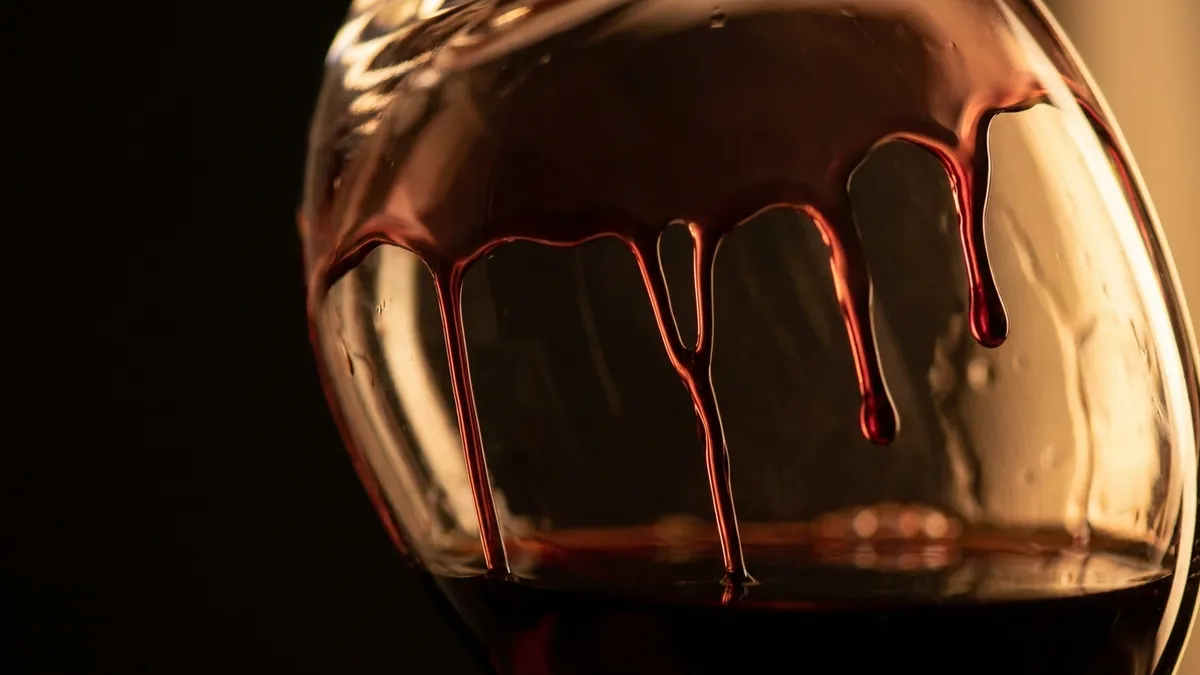
Myth 1: Wine Legs Prove Quality
The myth. Thick, slow-moving tears down the inside of the glass mean a great wine. Thin or fast legs mean a cheap one.
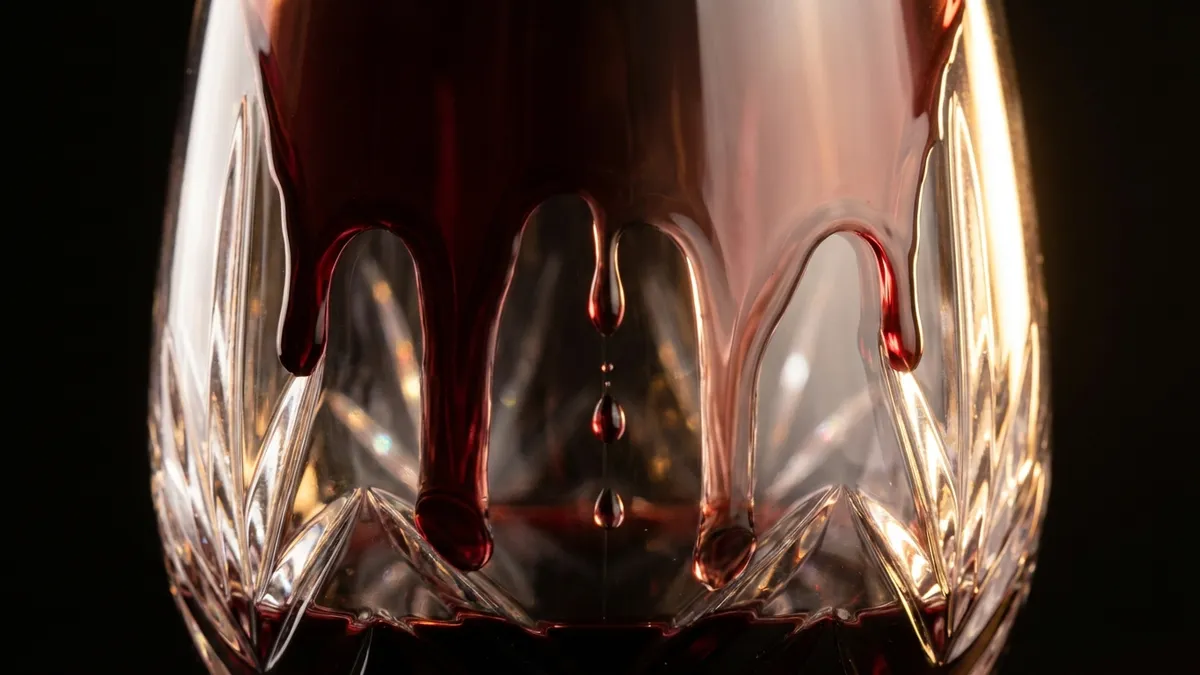
The reality. Wine legs come from the Gibbs–Marangoni effect — a fluid-physics phenomenon caused by the difference in surface tension between water and alcohol. As alcohol evaporates from the film on the glass, surface tension pulls liquid upward until it beads and falls back as visible tears. Prominent legs correlate with alcohol by volume and, slightly, residual sugar. They do not correlate with quality, complexity, or balance.
A budget Zinfandel at 15 percent throws dramatic legs. A 12.5 percent Grand Cru Burgundy may show almost none and still be one of the best wines you ever drink.
Why it persists. Older wine writers linked legs to glycerol — a fermentation byproduct. Modern fluid physics has displaced that explanation, but the legend lives on.
What to do instead. Glance at the legs for two seconds, form a hypothesis about alcohol, then move on to aroma, structure, and finish. Our what wine legs really mean covers the physics and the practical reading.
Myth 2: Older Wine Is Always Better
The myth. A wine in the cellar appreciates over time, like a savings account with bottle dust on top. Older equals better, automatically.
The reality. Roughly 90 percent of wine produced worldwide is made to be drunk within two to five years of release. Most whites, rosés, sparkling wines outside top Champagne, and easy reds peak within three years. Aging them flattens fruit and sometimes oxidizes the wine into something unpleasant.
Only a narrow set of wines benefit from cellaring: tannin-rich structured reds (top Bordeaux, Barolo, Brunello, Northern Rhône Syrah), high-acid sweet wines, and fortified wines like Vintage Port. Push past the peak window and you get a tired wine, not a transcendent one.
Why it persists. Auction-house headlines about century-old Bordeaux create survivorship bias. Nobody writes stories about the Pinot Grigio that turned brown in the basement.
What to do instead. As a default, drink whites and rosés within two years of vintage and most reds within three to five. For bottles built to age, follow the producer's window. The article on tasting young versus aged wine covers what to look for in each.
Myth 3: Red Wine Should Be Served at Room Temperature
The myth. Pour red wine straight from the rack. Whatever your room is at, that is the right temperature.
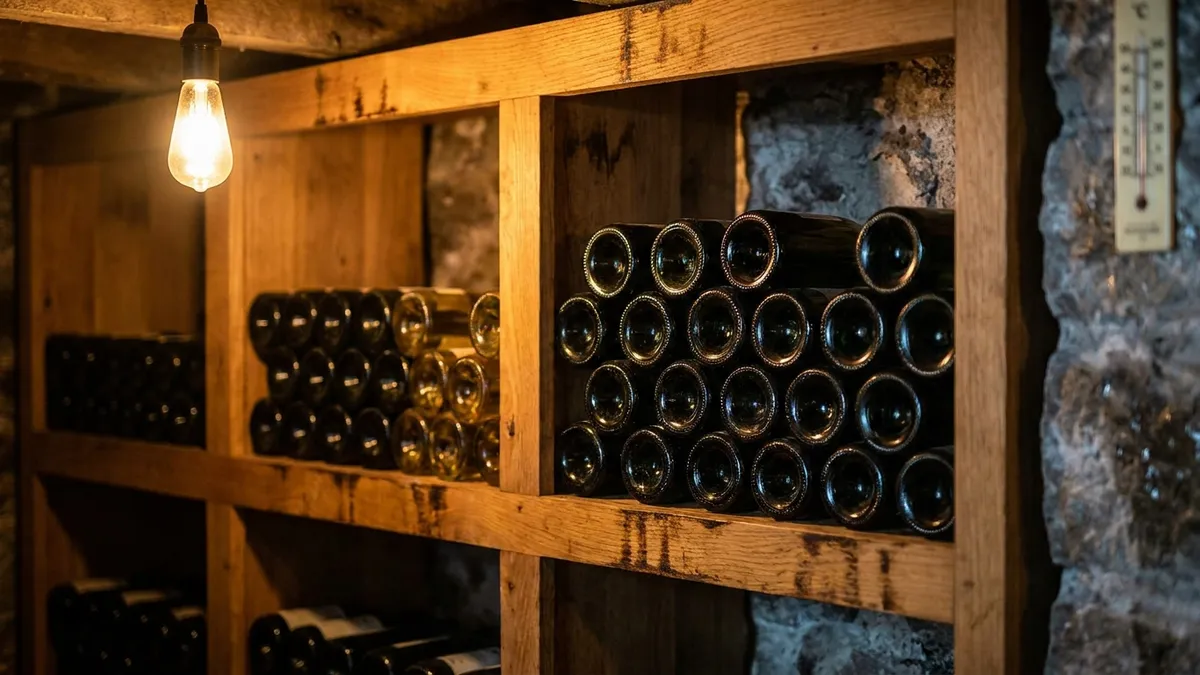
The reality. "Room temperature" as a wine guideline dates from cool stone European houses that sat at about 18 degrees Celsius. A modern centrally-heated apartment sits at 22 to 25 degrees. Red served that warm tastes hot, alcohol burns, fruit goes flabby, and tannin feels coarse. The correct red-wine range is 15 to 18 degrees — cooler than most people expect.
Pull most reds from the fridge 15 to 20 minutes before drinking. Light reds (Pinot Noir, Gamay) prefer the lower end of the range. Big reds (Cabernet, Syrah, Nebbiolo) prefer the upper end.
Why it persists. The phrase "room temperature" entered wine vocabulary before central heating did. Nobody updated it.
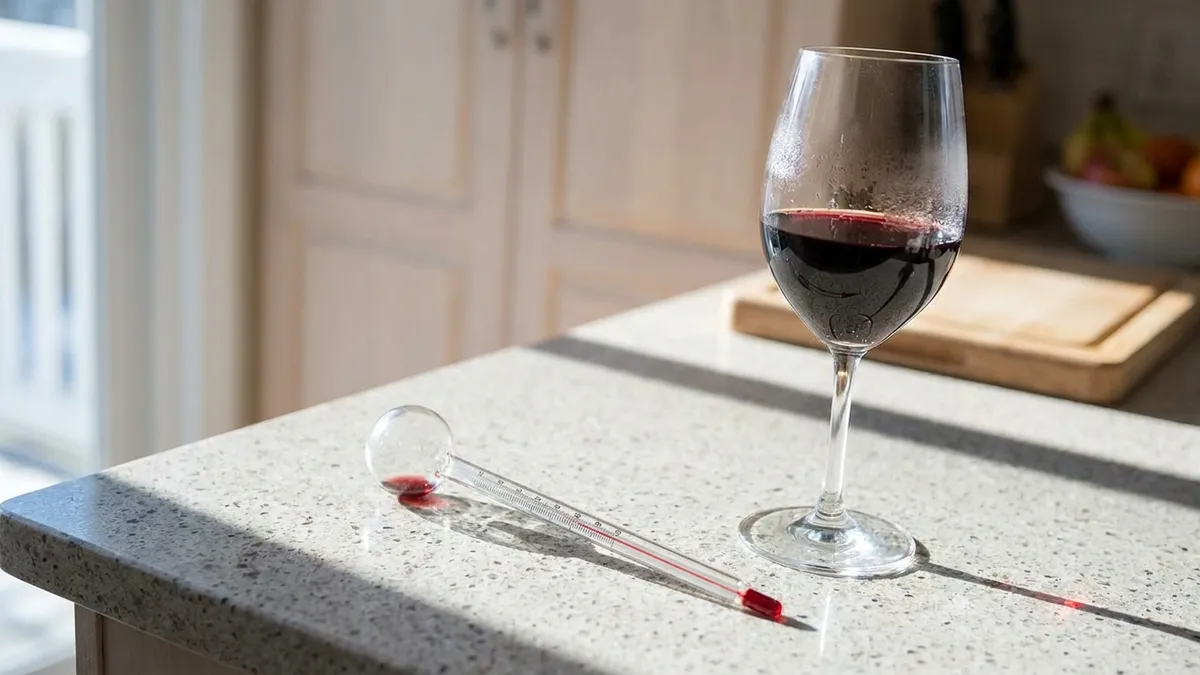
What to do instead. Use a thermometer once to calibrate your fridge timing — after that, fifteen minutes becomes muscle memory. The full breakdown is in our wine serving temperature chart and the related explainer on how temperature affects wine taste.
Myth 4: Cheap Wine Is Bad Wine
The myth. Price tracks quality. The 50-dollar bottle is automatically better than the 12-dollar one.
The reality. Price reflects scarcity, marketing, prestige, oak, and grape costs more than drinkability. Whole regions hide value — southern France, Portugal, southern Italy, Argentina's Mendoza, Chile, parts of Spain — where 12 to 15 dollar bottles regularly outperform 40-dollar versions of more famous styles.
Quality has three components: technical execution, style match, and context. Price barely correlates with the first, weakly with the second, and not at all with the third.
Why it persists. Restaurant anchor pricing and the assumption that producers know more than buyers. The industry profits from the belief that price equals quality, so it does not rush to correct it.
What to do instead. Calibrate against value styles deliberately. Try a Côtes du Rhône, a Portuguese red blend, an Argentine Malbec — write specific notes on each. After ten value bottles, you trust your own palate over a price tag. The Argentina wine guide and Portuguese wine guide point at where the value sits.
Myth 5: Pairing Rules Are Strict Laws
The myth. Red with meat, white with fish, no exceptions. Break the rule and you ruin the meal.
The reality. Pairing rules are useful starting points, not legal requirements. The real drivers of a good match are four:
- Weight. Match the body of the wine to the weight of the food.
- Acidity. High-acid wines cut through fat, salt, and richness.
- Sweetness. A wine should be at least as sweet as the food, or both taste off.
- Heat and tannin. Spicy food clashes with high tannin. Off-dry whites tame chili heat.
Apply those four levers and the colored rule can break whenever it makes sense. A light Pinot Noir works with grilled salmon. A buttery Chardonnay outshines most reds with roast chicken. A high-acid Riesling beats any red with pad thai.
Why it persists. Restaurant traditions and old etiquette books leaned on one rule because it was easier to print.
What to do instead. Learn the four levers and use them. Our wine food pairing guide and the deeper article on how food changes wine taste walk through the mechanics.
Myth 6: Sulfites Cause Wine Headaches
The myth. That dull post-wine headache is the sulfites. Cut sulfite-added wines and the headache goes away.
The reality. Sulfites in wine are a tiny target. Dried apricots contain roughly ten times more sulfites than the average wine and rarely give anyone a headache. People with genuine sulfite sensitivity — about 1 percent of the population, often asthmatic — react first to dried fruit and processed food, not wine.
Real wine headache triggers are almost always a mix of:
- Alcohol. A vasodilator that dehydrates and dilates blood vessels.
- Tyramine and histamine. Naturally present in fermented food and some red wines.
- Biogenic amines. Produced by bacteria during fermentation, more common in poorly-stored bottles.
- Dehydration. Magnifies every other factor.
Why it persists. "Contains sulfites" appears on every wine label by law. The label warning got mistaken for a personal warning.
What to do instead. Drink water between glasses, eat real food, and pace alcohol honestly. Most "sulfite headaches" disappear with those three changes. More in our sulfites in wine explainer.
Myth 7: You Need a Specialty $50 Glass
The myth. Each grape variety needs its own dedicated stem — Bordeaux glass for Cab, Burgundy bowl for Pinot, flute for sparkling. Otherwise you are missing the wine.
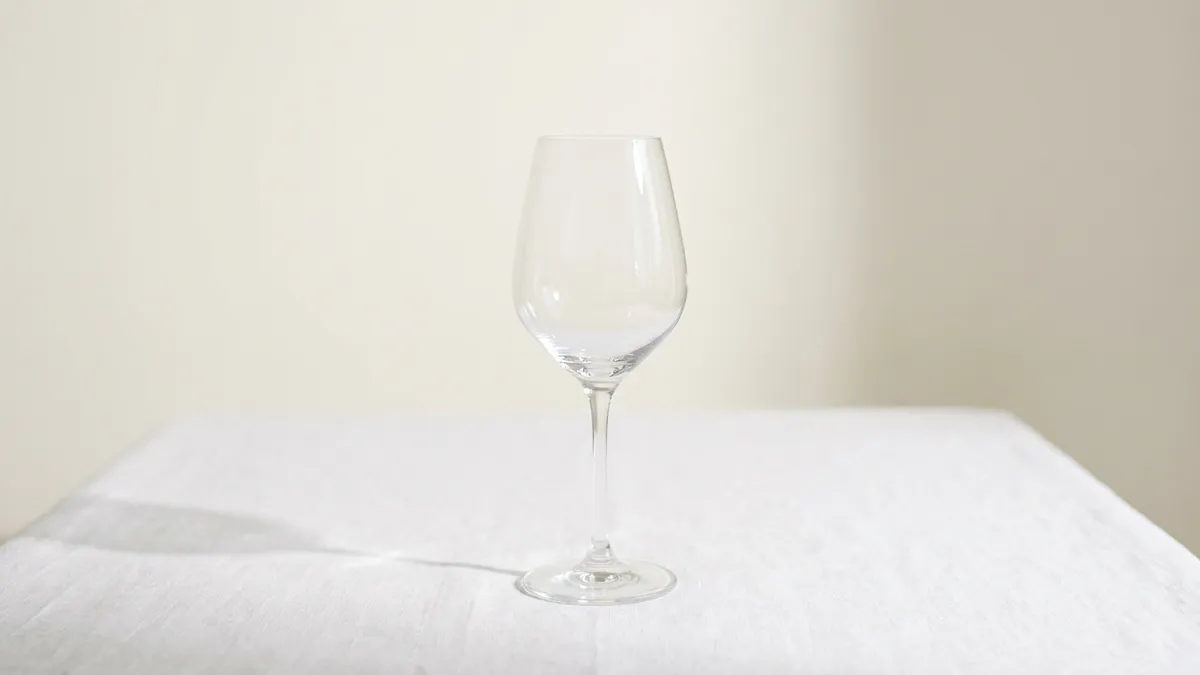
The reality. A single universal tulip-shaped stemmed glass works for 99 percent of styles, sparkling and fortified included. The shape that matters has three features: a medium bowl that holds enough wine to swirl, a slight inward taper at the rim to focus aromas, and a thin rim edge so wine flows cleanly onto the tongue.
Specialty stems offer a small perceptual difference at best — sometimes detectable in a blind test, rarely meaningful in real drinking. Our does wine glass shape affect taste article walks through the evidence.
Why it persists. Crystal manufacturers have a strong commercial interest in selling six stems per house. Wine bars showcase specialty glassware as a visual signal of seriousness.
What to do instead. Buy six universal tulip stems for the price of one specialty pair. Hold by the stem, never the bowl.
Which Myths Cost You the Most
If you want to retire one at a time, prioritize in this order:
- Temperature. Fixes more flavor than any other variable. Costs nothing.
- Pairing rules. Switching from "color matches color" to "weight, acid, sweet, heat" expands your dining range immediately.
- Cheap wine. Calibrating against value styles teaches the palate faster than splurging.
- Legs and quality. Low-stakes once you know the trick, but useful at every glass.
- Specialty glass. A one-time saving — buy universal stems and forget the topic.
- Sulfites. Lifestyle improvement, not a tasting one. Drink water.
- Old wine. The lowest-frequency myth in everyday drinking. Address last.
Get those right and every bottle you open shifts. Wines you used to call "boring" reveal aroma. Wines you avoided as cheap turn into staples. None of this costs more money — only more attention.
A Few Honorable Mentions
Three more wine tasting myths almost made the list:
- "Screw caps mean cheap wine." Modern Stelvin closures are routine on premium New Zealand Sauvignon Blanc and Australian Riesling. Closure type is not a quality signal.
- "Decanting is only for old wine." Young, tannic reds benefit from 30 to 60 minutes in a decanter. Old wine is decanted mainly to separate sediment. See decanting and wine flavor for both cases.
- "Tannin equals dryness." Tannin is the drying, gripping sensation in red wine, often confused with sweetness. A wine can be high-tannin and off-dry, or bone-dry with almost no tannin — see what tannins are.
This article stays deliberately focused on the myths that distort how you taste. For the broader misconceptions beyond technique — sulfite headaches, resveratrol health claims, cork versus screw cap, organic wine, and French superiority — our 15 common wine myths debunked guide covers the full list.
How to Practice Spotting Myths in the Wild
The simplest way to retire these beliefs is to test one per week:
- Compare temperatures. Pour a glass of red at 22 degrees, a second from the same bottle chilled to 16. The difference is louder than any review.
- Compare prices. Buy a 12-dollar Malbec and a 30-dollar Malbec from different regions. Taste blind. You will be wrong in interesting ways.
- Compare glasses. Pour the same wine into a tulip stem and a plain water glass. The tulip wins, but the gap may be smaller than expected.
The Sommy app structures these comparisons inside a logged tasting flow — it prompts the right serving temperature and asks for a structured palate rating, so you can review what surprised you across a month of bottles. The Sommy guide to tasting like a sommelier carries the same idea forward.
FAQ
Are wine legs really not a sign of quality?
Correct. Wine legs come from the Gibbs–Marangoni effect — surface tension differences between water and alcohol as alcohol evaporates from the film on the glass. They reflect alcohol by volume and viscosity, not quality. A 15 percent budget red shows dramatic legs. A 12.5 percent Grand Cru may show almost none.
How long does most wine actually last unopened?
Roughly 90 percent of global wine production is made to be drunk within two to five years of release. Whites and rosés peak within two to three. Easy reds peak within three to five. Only structured tannic reds, high-acid sweet wines, and certain fortified wines benefit from longer cellaring.
What is the right serving temperature for red wine?
Fifteen to eighteen degrees Celsius — about 59 to 64 °F. That is cooler than a centrally-heated apartment at 22 to 25 degrees. Most reds benefit from 15 to 20 minutes in the fridge before serving. Light reds prefer the lower end, big reds the upper.
Does price predict wine quality?
Barely, especially under 30 dollars. Price reflects scarcity, marketing, oak, and prestige more than drinkability. Plenty of wines under 15 dollars from southern Europe, Argentina, Chile, and Portugal outperform 40-dollar versions of better-known styles. Quality lives in style match and execution.
What actually causes a wine headache if not sulfites?
Usually a mix of alcohol, dehydration, tyramine, histamine, and biogenic amines. True sulfite-sensitive people, about 1 percent of the population, react first to dried fruit and processed food. Drinking water between glasses, eating real food, and pacing alcohol prevent most "wine headaches."
Do pairing rules really matter?
The four useful pairing levers — match weight, balance acidity, respect sweetness, tame heat or tannin — matter a lot. The colored "red with meat, white with fish" is a starting point. A light Pinot Noir works with salmon. A rich Chardonnay shines with roast chicken.
Is one universal wine glass really enough?
For 99 percent of practical drinking, yes. A medium-bowl tulip stem with a thin rim handles whites, reds, sparkling, and most fortified wines. Specialty stems offer a small perceptual difference at best. Six universal stems cost less than one specialty pair.
The Bottom Line
Seven wine tasting myths, seven plain replacements. Legs are alcohol, not quality. Most wine peaks young. Reds belong cool. Cheap is not bad. Pairing rules are levers. Sulfites are not the headache. A universal glass is enough. Pour the next bottle with that in mind, and the wine will tell you more than the folklore ever did.
Frequently Asked Questions
Are wine legs really a sign of quality?
No. Wine legs are caused by the Gibbs–Marangoni effect — surface tension as alcohol evaporates from the film of wine on the glass. Prominent legs indicate higher alcohol or residual sugar, not better wine. A 15 percent budget red shows dramatic legs. A 12.5 percent Grand Cru may show almost none. Useful information, never a verdict.
Does wine always get better with age?
No. Roughly 90 percent of wine produced worldwide is made to drink within two to five years of release. Only specific styles — structured reds with firm tannin and acidity, high-acid sweet wines, certain fortified wines — improve with cellaring. Most whites, rosés, and easy reds peak young. Aging an everyday bottle usually flattens it, not deepens it.
What is the correct serving temperature for red wine?
Red wine belongs at 15 to 18 degrees Celsius, not modern room temperature. The phrase 'room temperature' dates from cool stone houses around 18 degrees. Today's apartments sit at 22 to 25 degrees, which makes alcohol taste hot and tannin feel coarse. A 15 to 20 minute chill in the fridge before pouring fixes most reds.
Is cheap wine always bad wine?
No. Price reflects scarcity, marketing, oak, and prestige far more than drinkability. Plenty of well-made wines under 15 dollars from regions like Portugal, southern France, southern Italy, Argentina, and Chile outperform inexperienced spending higher up. Quality lives in style match and balance, not in shelf price. Calibrating to value styles trains a sharper palate than chasing labels.
Is tannin the same as dryness in wine?
No, and confusing them is one of the most common tasting mistakes. Dryness means the absence of residual sugar, while tannin is the drying, gripping sensation grape skins and seeds leave on your gums. A wine can be high in tannin yet off-dry, or bone-dry with almost no tannin at all — think of a soft Pinot Noir next to a firm young Nebbiolo.
What actually makes a wine and food pairing work?
Four levers: match the weight of the wine to the weight of the food, balance acidity against fat and salt, keep the wine at least as sweet as the dish, and keep high tannin away from chili heat. Color rules are just rough shortcuts for these levers — a light Pinot Noir with salmon or a rich Chardonnay with roast chicken breaks the shortcut and works beautifully.
Do you need an expensive glass to enjoy wine?
No. A medium-bowl tulip-shaped stemmed glass works for 99 percent of wines, sparkling and fortified included. Specialty stems for individual grape varieties offer a tiny perceptual difference at best. The factors that actually matter are a thin rim, a tulip taper that focuses aromas, and clean glass held by the stem. Six universal glasses cost less than one specialty pair.
Sommy Team
LinkedInFounder & Wine Educator
The Sommy Team is building the world's most approachable wine education app, helping beginners develop real tasting skills through structured courses and AI-guided practice.