How Food Changes the Way Wine Tastes: A Tasting Exercise

By the Sommy Team — AI-assisted, human-edited.
Updated Apr 29, 2026
Contents (11)
- How Food Changes Wine Taste: The 4 Mechanisms in 60 Seconds
- Why the Same Wine Tastes Different After Every Bite
- What You Need for the Tasting
- The Salted Almond — Salt Softens Tannin
- The Brie — Fat Coats and Softens Edges
- The Green Apple — Acid in Food Flattens Wine
- The Dark Chocolate — Sugar Pushes the Wine Drier
- What This Exercise Teaches About Pairing
- Common Mistakes That Distort the Exercise
- Going Further: Run the Exercise with a White
- The One Sentence Worth Memorizing
TL;DR
The same wine tastes different after every bite. Salt mutes tannin and lifts fruit. Fat coats the palate and softens edges. Acid in food flattens wine acidity. Sugar in food makes wine taste drier and sharper. A four-glass, four-food tasting reveals each shift in minutes.
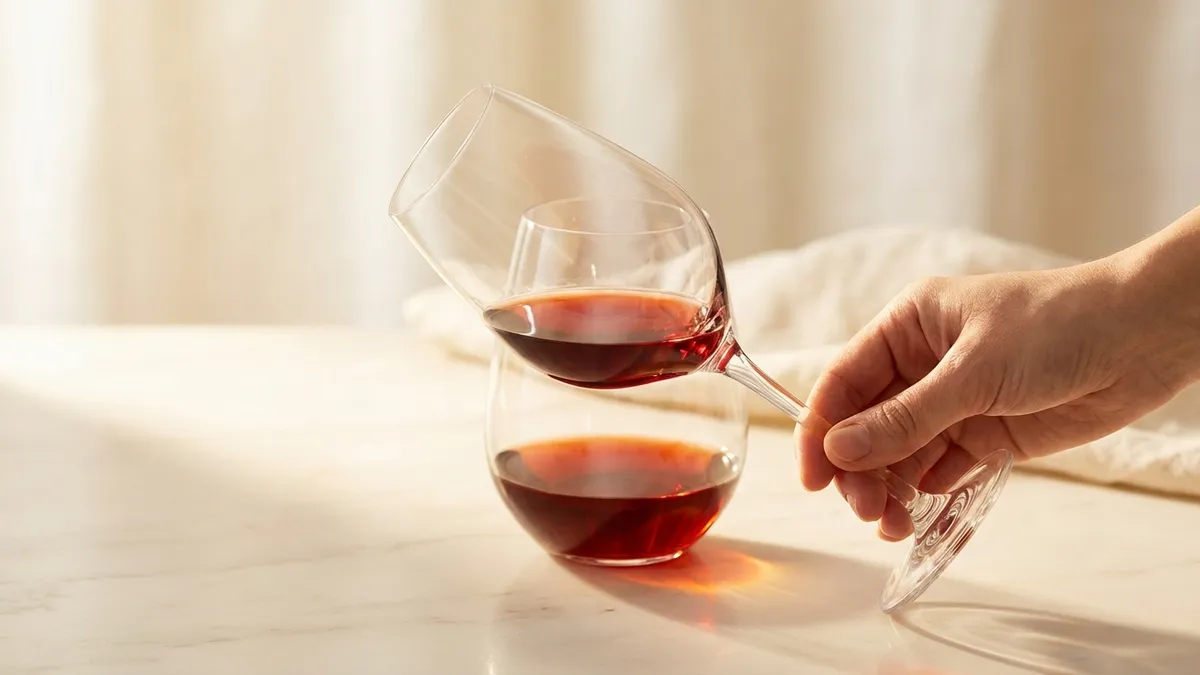
Food changes the way wine tastes more than most beginners expect. The same Cabernet that tasted gripping and tannic on its own can turn round and fruity after a salted almond, then taste thin and sharp after a square of dark chocolate. Nothing about the wine has changed. The change happens on your palate, and learning how food changes the way wine tastes is the single fastest way to understand pairing from the inside out.
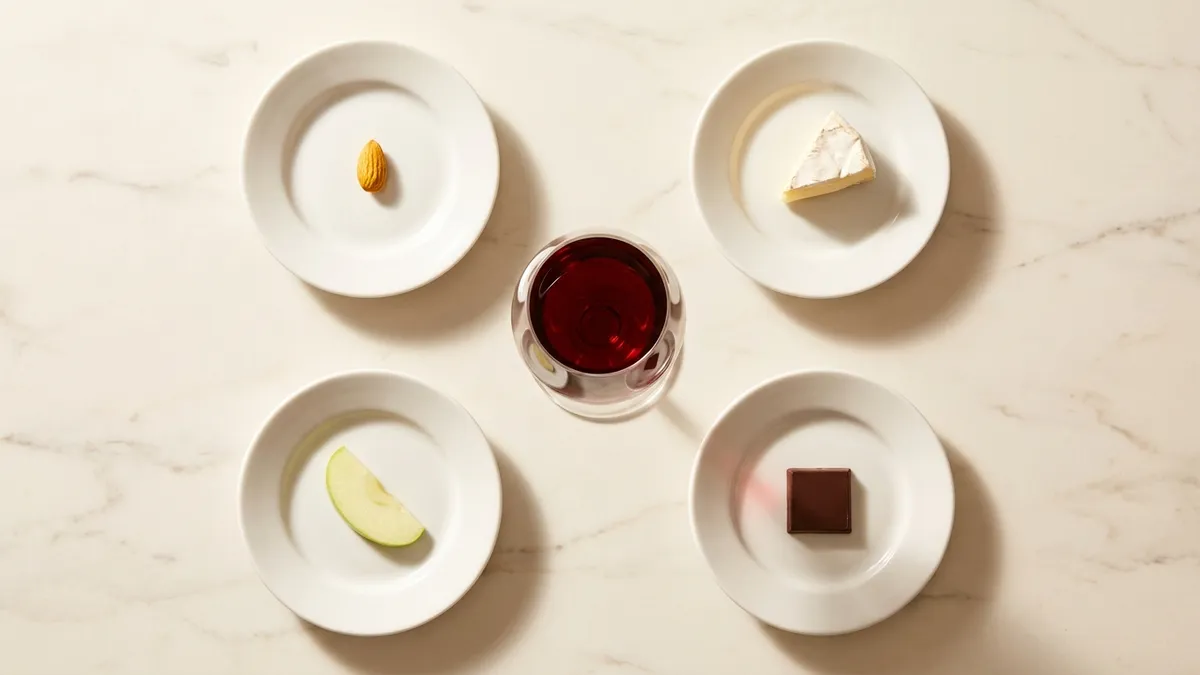
This piece is a hands-on exercise. Pour four small glasses of the same red wine, line up four common foods, and feel four different shifts unfold in real time. By the end you will know exactly why salt, fat, acid, and sugar reshape a glass — and you will pair better forever after.
How Food Changes Wine Taste: The 4 Mechanisms in 60 Seconds
There are four mechanisms behind how food changes the way wine tastes, and a single tasting exercise reveals all of them. Salt suppresses bitterness and tannin (the drying, gripping sensation in red wine) perception, which makes fruit and body taste fuller. Fat coats your tongue and softens both tannin and acidity, taking sharp edges off the wine. Acid in food raises your palate's acid baseline, which makes the wine's natural acidity taste flatter and shorter. Sugar in food shifts your sweetness baseline upward, which makes any drier wine afterward taste drier, more bitter, and more acidic. Pour the same Cabernet Sauvignon four times, taste it after a salted almond, brie, green apple, and dark chocolate, and you will feel each shift in seconds.
Why the Same Wine Tastes Different After Every Bite
Wine is not what you taste. Wine is what your palate is currently calibrated to taste when the wine arrives. That distinction sounds philosophical, but it has a physical basis.
Three things happen between a bite of food and the next sip of wine. Saliva chemistry shifts — fat, salt, and acid each change how much saliva your mouth produces and how it interacts with proteins in wine. Taste-bud adaptation kicks in — receptors that just registered intense sweetness or saltiness become temporarily less sensitive, so the next stimulus is read against a new baseline. And the physical coating of your tongue changes — fat leaves a film, sugar leaves residue, acid strips it away.
When you pair wine and food, you are managing all three at once. The good news is that you do not need to memorize any of it to use it. You only need to feel the four shifts once. After that, pairing becomes a question of asking which of the four buttons a dish is pressing — and choosing a wine that responds well to that pressure.
If you are new to the mechanics of tannin, acidity, and body, it helps to read those primers first. They are the levers food is moving in your glass.
What You Need for the Tasting
The exercise works best as a structured single-wine flight. Here is the setup.
The Wine
One bottle of medium- to full-bodied red wine with noticeable tannin and decent acidity. Cabernet Sauvignon is ideal because the tannin is firm enough to feel shift. Merlot, Syrah, Sangiovese, or a bold Tempranillo all work. Avoid a delicate Pinot Noir for this version — the changes are too subtle to register clearly.
Pour four small portions, about 50ml each. They should all be the same wine, the same temperature, and the same glass shape. The whole point is to keep the wine constant so the food becomes the only variable.
The Four Foods
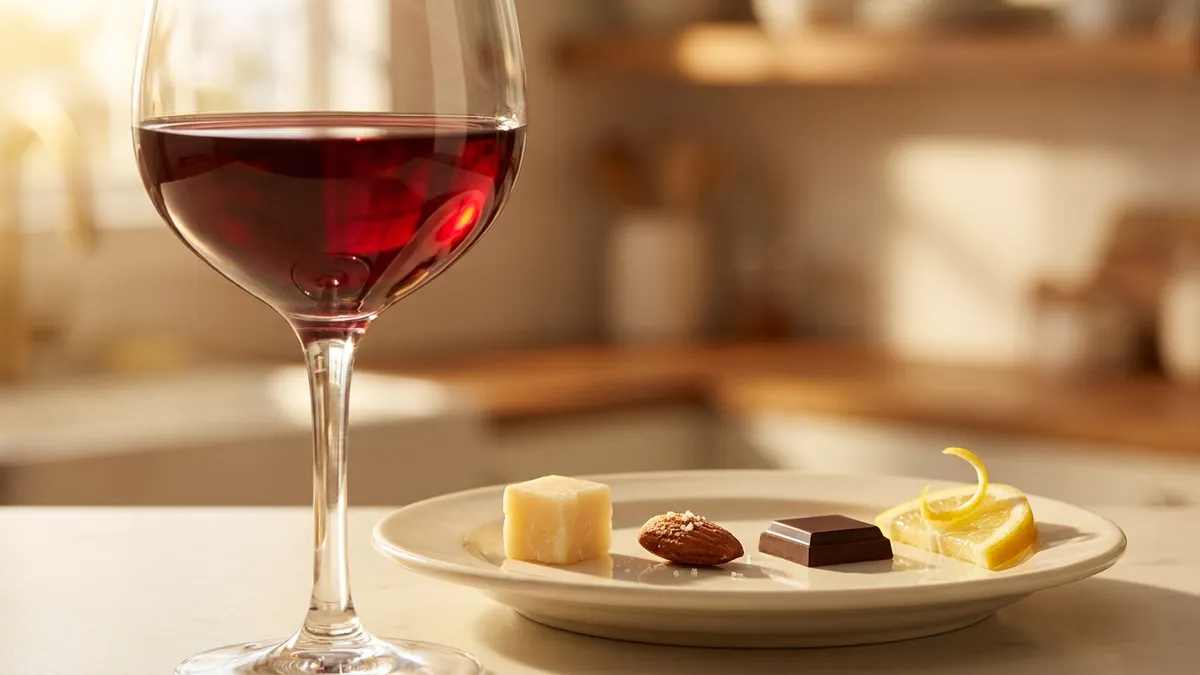
- A salted almond (or any plain salted nut) — pure salt and a touch of fat
- A small wedge of brie — pure fat and protein
- A slice of green apple — pure tart acidity
- A square of dark chocolate, 70% or higher — sugar plus bitterness
These four are not arbitrary. Each one isolates a single mechanism without too many competing flavors. Save the complicated dishes for after you have felt the basics.
The Method
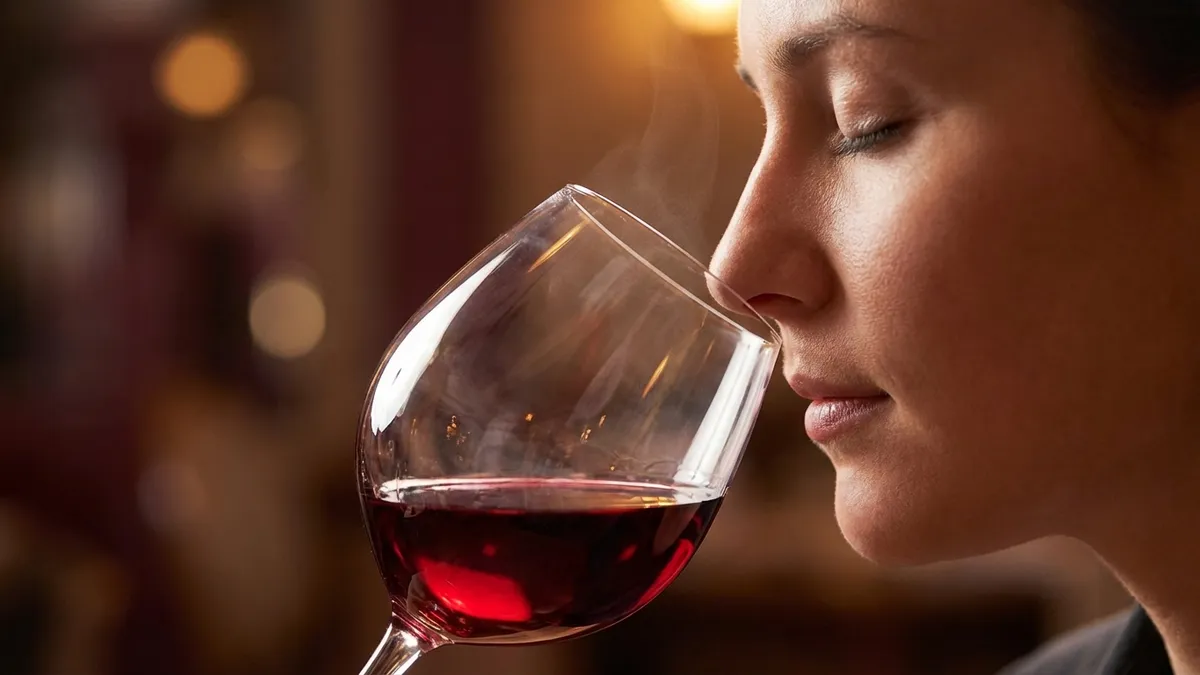
Take one neutral sip first and write down what you notice. Then for each food: take a bite, chew, swallow, wait three seconds, and sip the wine. Pay attention to four things: tannin (drying grip), acidity (mouth-watering brightness), fruit (how round or muted the flavors taste), and finish (how long the wine lingers).
A small notebook helps. So does the Sommy app, which guides you through structured tasting flights and saves your observations side by side.
The Salted Almond — Salt Softens Tannin
Bite the almond. Chew slowly. Swallow. Sip the wine.
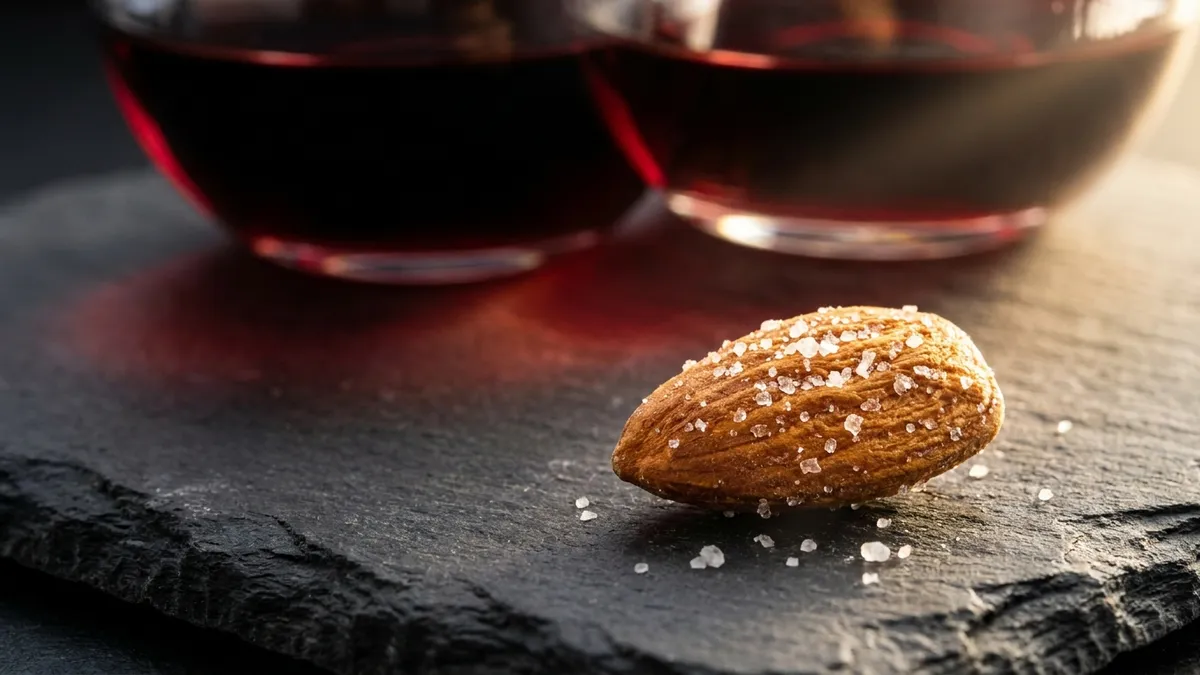
Almost everyone notices the same thing on the first try: the wine feels rounder, fruitier, and less aggressive. The drying grip of the tannin pulls back. The fruit comes forward. Some tasters describe it as the wine "opening up" or feeling more polished.
That shift is the salt working on bitterness perception. Salt suppresses bitter and astringent signals at the receptor level, which reduces how much tannin your palate registers. With tannin partially muted, the fruit, body, and sweetness of the wine have nothing to compete with, so they read as fuller and rounder.
This is why steak and Cabernet is the most reliable pairing in the world. A well-seasoned, salty piece of beef plus the fat in the meat does the same job in the same direction. It is also why a tannic young red can taste suddenly delicious with cured meats, hard cheese, or olives — anything with concentrated salt.
When the dish is salty, you can drink wine with more tannin than you usually enjoy.
The Brie — Fat Coats and Softens Edges
Take a bite of brie. Let it spread across your tongue. Sip.
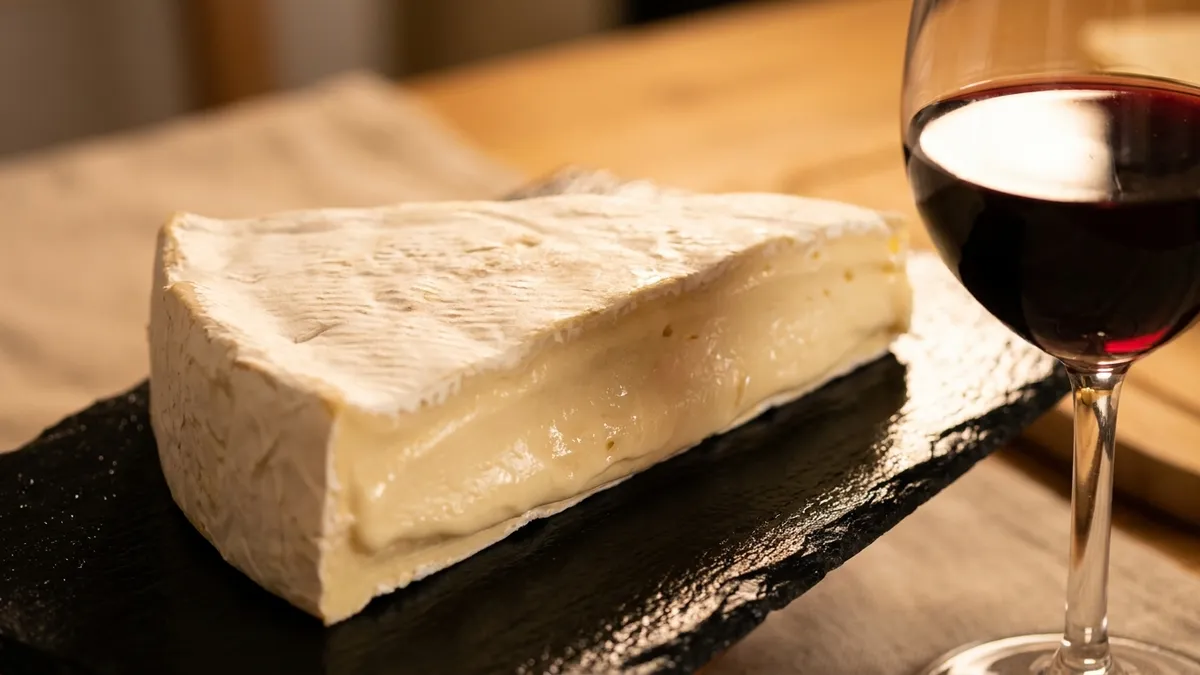
The wine feels softer, almost creamy. Tannin is muted again, but differently from the almond — instead of disappearing, it feels coated. Acidity also rounds off. The wine tastes less bright but also less sharp.
That is fat at work. Fat physically coats the inside of your mouth, leaving a thin film over your tongue and palate. The film acts like an insulating layer between wine and taste receptors. Tannin's grip needs direct contact with proteins in your saliva to feel astringent — coat the surface and the grip disappears. The same goes for acidity: the bright, mouth-watering flash of acid is dampened by the fat film.
This is the mechanism behind every classic creamy-pairing instinct. Goat cheese with Sauvignon Blanc, bone marrow with Bordeaux, butter sauce with oaked Chardonnay. Fat is the great softener. It is also why a mid-tannin red feels suddenly perfect with a fatty pork dish — and why an under-ripe, edgy red improves dramatically with anything cooked in butter.
When the dish is rich and fatty, a wine with sharp acidity or firm tannin actually serves the food. The contrast cleans the palate between bites.
The Green Apple — Acid in Food Flattens Wine
Take a slice of green apple. Chew until tart. Sip the wine.
This one usually surprises people. The wine tastes flat. Shorter. The fruit feels muted in a different way from the brie — not coated, just dull. The finish vanishes. Some people describe the wine as suddenly tasting "watery" or "tired."
That is acid recalibration. Acidic food raises your palate's acid baseline, so by the time the wine arrives, your tongue is reading at a higher reference point. The wine's natural acidity, which felt bright before, now registers as below baseline — flat, flabby, lifeless. Even fruit perception drops, because acid drives perceived freshness in wine.
This is the rule behind one of the most important pairing principles: the wine must be at least as acidic as the food. A vinaigrette-dressed salad, a lemon-butter sauce, or a tomato-based pasta needs a high-acid wine to keep up. If the food is more acidic than the wine, the wine loses every time. Our guide to wine with salad applies this rule dressing by dressing.
A medium-acid Cabernet against a green apple is a deliberately bad pairing — it shows you the failure mode in seconds. The fix is reaching for a high-acid white or a fresh, lifted red. Sangiovese, dry Riesling, Sauvignon Blanc, and Albarino all hold up to acidic food because their own acidity is sky-high.
The Dark Chocolate — Sugar Pushes the Wine Drier
Bite the chocolate. Let it melt. Sip the wine.
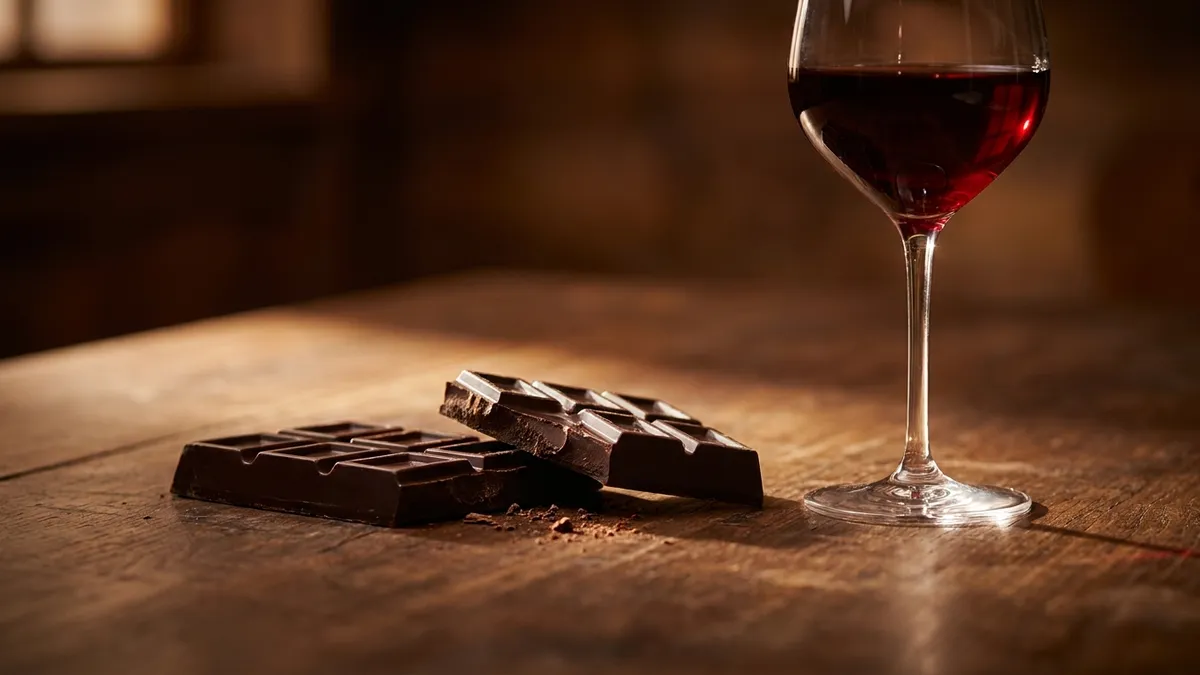
The wine tastes harsh. Drier. More bitter. The tannin comes back with sharper edges. The fruit is gone or reads as sour. For most people, this is the most jarring shift of the four.
That is the sweetness baseline at work. Sugar in food shifts your sweetness reference upward, which means any wine afterward registers as below the new baseline — drier, more astringent, more acidic. Tannin, which was nearly invisible after the almond, now feels like sandpaper. The wine has not changed; your palate's calibration has.
This is the rule behind the universal dessert-pairing principle: the wine must be at least as sweet as the food. A bone-dry red against a sugary dessert is a guaranteed clash. The classic chocolate pairings — Port, Banyuls, late-harvest Zinfandel — all work because they bring sweetness equal to or greater than the chocolate. The same applies to fruit-forward desserts, sweet glazes, and even some Asian sauces with hidden sugar.
For a deeper look at this exact mechanic, the chocolate pairing guide walks through the wine styles that match different cocoa percentages.
What This Exercise Teaches About Pairing
After running the four bites with the same wine, pairing stops feeling like memorization and starts feeling like prediction. Every dish is some combination of the four levers. You learn to ask different questions.
- How salty is the dish? More salt means tannin pulls back. You can reach for a more structured wine.
- How fatty is the dish? More fat softens edges. A wine with bright acidity or grippy tannin will be welcomed, not rejected.
- How acidic is the dish? The wine must match or beat the food's acidity, or the wine collapses.
- How sweet is the dish? The wine must match or beat the food's sweetness, or the wine clashes.
The four-food exercise is the framework behind the pairing rules and the classic principles in the food and wine pairing guide. Every "rule" you have ever read about matching weight, contrasting flavors, or building a bridge is downstream of these four mechanisms. Once you have felt them yourself, the rules read like consequences instead of commands.
The exercise also reveals why some classic pairings are bulletproof. Steak and Cabernet works because steak is salty and fatty — both mechanisms soften the wine. Goat cheese and Sauvignon Blanc works because the cheese is fatty and tangy, and the wine has acidity sky-high enough to hold up. Wine and cheese generally works when fat and salt do the heavy lifting against tannin and structure.
Common Mistakes That Distort the Exercise
A few things will skew the results if you are not careful.
Skipping the neutral sip. Always taste the wine on its own first. That is your reference. Without it you cannot tell what changed.
Using different wines. The whole exercise depends on a single bottle being the constant. If you switch wines between bites, the variable is wrong.
Tasting too fast. The shifts are most dramatic in the first ten to fifteen seconds. Wait three seconds after swallowing the food before you sip — that gives saliva and adaptation time to settle.
Letting palate fatigue creep in. Drink a small sip of water and bite a piece of plain bread between rounds to reset. If the wine starts tasting muddy across the board, your palate is tired. Take a five-minute break. The palate fatigue guide covers this in more detail.
Picking too gentle a wine. Mechanism changes are easier to feel in a wine with more structure. A delicate, low-tannin red mutes the differences. Use something with grip.
For the full picture of what your palate is doing during a tasting, see the broader common tasting mistakes piece.
Going Further: Run the Exercise with a White
The same four mechanisms apply to white wine, but the most visible shifts are different. Run the exercise with an unoaked Chardonnay or a Sauvignon Blanc and watch how the brie blunts the acidity, how the apple flattens the wine almost completely, and how a salted almond brightens the fruit. White wine is more acid-driven than tannin-driven, so the acid mechanism dominates — which is why white wine pairings live or die on matching acidity to the dish.
You can also vary the foods. Try the same four mechanisms with cured ham (salt + fat), with a vinaigrette tomato (acid + a little sugar), with a fig (pure sugar + tannin), with a piece of aged Parmesan (salt + umami). Every combination teaches a slightly different version of the same lesson.
The Sommy app's tasting flights run guided versions of this exercise with structured prompts and a saved record of which mechanism each food triggered. It is the fastest way to internalize the four shifts without forgetting which is which.
The One Sentence Worth Memorizing
If you walk away from this exercise with one rule, make it this: the wine must be at least as acidic and at least as sweet as the food, and salt and fat are your friends. Every great pairing obeys those four conditions. Every clash violates one of them. Once you have felt the mechanism behind each clause, pairing stops being a list of memorized combinations and becomes a single instinct you can carry into any dinner.
Run the four-glass exercise once. The next time you order wine with food, you will be tasting a different way.
Frequently Asked Questions
Why does food change the way wine tastes?
Food rearranges what your palate notices in wine. Salt suppresses bitterness and tannin perception, fat coats the tongue and softens harsh edges, food acidity makes wine acidity register as flatter, and food sugar makes wine taste drier and sharper. Saliva, taste-bud adaptation, and physical coating all play a role in the shift.
What is the simplest way to feel how food changes wine taste?
Pour four small glasses of the same Cabernet Sauvignon. Take one neutral sip. Then taste again after biting a salted almond, after brie, after green apple, and after dark chocolate. Each food rewrites how acidity, tannin, sweetness, and fruit register in the exact same wine.
Does salt really make red wine taste fruitier?
Yes. Salt suppresses your palate's perception of bitterness and tannin, which clears acoustic space for fruit flavors to come forward. The wine has not changed chemically, but the same Cabernet often tastes rounder, riper, and noticeably more fruit-driven for the few seconds after a salted bite.
Why does a vinaigrette or lemon dish make wine taste flat?
Acidic foods recalibrate your palate to a higher acid baseline. Once your tongue is reading at that level, the natural acidity in wine no longer registers as bright. The wine tastes flabby, dull, and short. The fix is choosing a wine with acidity equal to or higher than the food itself.
What does sugar in food do to a dry wine?
Food sugar shifts your sweetness baseline upward, so a dry wine afterward tastes drier, more bitter, and more acidic by contrast. This is why dry red wine clashes with desserts and why sweet dishes need wines that match or exceed the food's sweetness to stay in balance.
Does this exercise work with any wine?
It works best with a medium to full red like Cabernet Sauvignon, Merlot, or Syrah, because tannin and acidity are easy to feel shift. White-wine versions work too, especially with an unoaked Chardonnay or a Sauvignon Blanc. Use one bottle across all four bites to keep the variable consistent.
How does this change real pairing decisions?
Once you have felt the four shifts, pairing becomes a question of which mechanisms the dish triggers. A salty, fatty steak softens a tannic red. A vinaigrette salad needs a high-acid white. A sugary dessert needs a wine sweeter than the plate. The framework replaces guesswork with prediction.
How long does the food's effect on wine last?
The strongest shift is in the first ten to fifteen seconds after swallowing the bite. After that, saliva and palate adaptation start to reset. This is why pairings are dynamic: the second sip of wine after a bite tastes different from the fifth, and a long-lasting sauce keeps reshaping the wine across the whole course.
Sommy Team
LinkedInFounder & Wine Educator
The Sommy Team is building the world's most approachable wine education app, helping beginners develop real tasting skills through structured courses and AI-guided practice.