What Are Tannins in Wine? A Plain-English Explanation

By the Sommy Team — AI-assisted, human-edited.
Updated Apr 16, 2026
Contents (7)
TL;DR
Tannins are natural compounds from grape skins, seeds, and stems that create the drying, gripping sensation in red wine — similar to over-steeped tea. They provide structure, enable aging, and interact with food proteins to create great pairings. White wines have minimal tannin because the juice is separated from skins before fermentation.
What Are Tannins in Wine
If you have ever taken a sip of red wine and felt your mouth go dry — your gums tightening, your tongue feeling rough, the inside of your cheeks puckering — you have met tannins. They are one of the most talked-about concepts in wine, and also one of the most misunderstood.
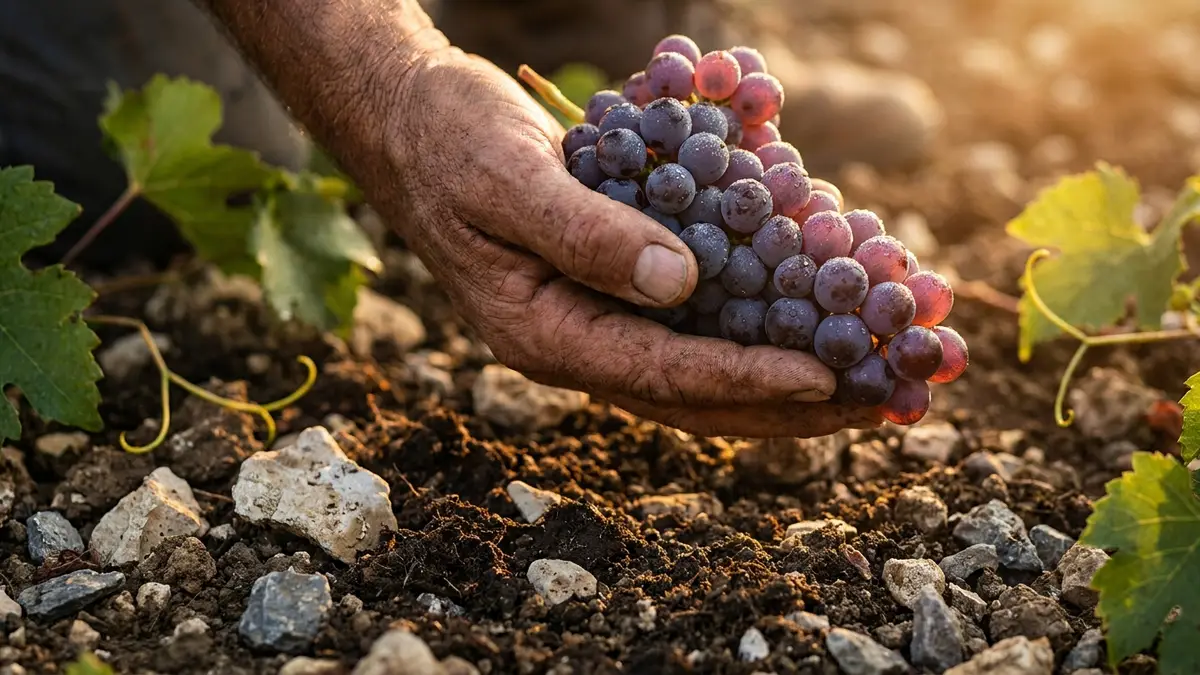
What are tannins in wine? They are natural phenolic compounds found in grape skins, seeds, and stems. When red wine ferments with the grape skins (which is what makes it red), these compounds dissolve into the wine, creating the drying, gripping sensation that distinguishes red wine from white.
Tannins are not a flavor. You cannot taste tannins the way you taste cherry or vanilla. They are a texture — a tactile sensation that you feel rather than taste. Understanding this distinction is the first step toward appreciating what tannins do in wine and why winemakers, sommeliers, and collectors care so much about them.
Where Tannins Come From
Grape Skins
The primary source of tannin in wine. During red wine fermentation, the juice sits in contact with the crushed grape skins for days to weeks — a process called maceration. The longer the maceration, the more tannin (and color) is extracted, though extended maceration after fermentation adds more for some grapes than others. Where maceration sits among the other winemaking steps is shown in how red wine is made.
Different grape varieties have different skin thicknesses, which directly affects tannin levels:
- Thick-skinned grapes (Cabernet Sauvignon, Tannat, Petit Verdot) — high tannin, intense color
- Medium-skinned grapes (Merlot, Syrah, Sangiovese) — moderate tannin
- Thin-skinned grapes (Pinot Noir, Gamay, Grenache) — low tannin, lighter color
This is why a young Cabernet Sauvignon grips your mouth while a Pinot Noir feels silky — the grapes themselves contain different amounts of tannin before the winemaker does anything.
Seeds and Stems
Grape seeds contain tannins that are harsher and more bitter than skin tannins. Most winemakers try to minimize seed tannin extraction by avoiding crushing seeds during pressing. Stems can also contribute tannin — some winemakers include a percentage of whole stems (called whole-cluster fermentation) to add structural complexity, while others remove all stems to keep the wine smoother.
Oak Barrels
Wood contains its own tannins, and wine aged in oak barrels absorbs them — particularly from new oak (barrels being used for the first time). Oak tannins feel different from grape tannins: they tend to be drier and more tea-like, with accompanying flavors of vanilla, spice, and toast.
A wine aged in 100% new French oak for 18 months has picked up significantly more tannin than the same wine aged in stainless steel or old (neutral) oak. This is one reason heavily oaked wines feel firmer and more structured.
Summary: Tannin Sources
- Grape skins — the primary source; extracted during maceration
- Grape seeds — harsher tannin; winemakers try to minimize
- Stems — optional; adds structural complexity
- Oak barrels — wood tannin; drier character with vanilla and toast
How to Identify Tannins When Tasting
Learning to detect and assess tannin is one of the most valuable wine tasting skills. Here is how to do it.
The Physical Sensation
After taking a sip of red wine, pay attention to what you feel on the inside of your cheeks, your gums, and the surface of your tongue. Tannin creates:
- Dryness — your mouth feels less lubricated than before the sip
- Grippiness — a textured, sandpaper-like quality on your gums and palate
- Astringency — a tightening or puckering sensation, most noticeable on the inner cheeks
The Tea Comparison
The easiest way to understand tannin is to experience it outside of wine. Steep a black tea bag in hot water for one minute, and taste it — fresh, aromatic, pleasant. Now steep the same bag for ten minutes and taste again. The second cup is intensely bitter and drying — your mouth puckers and your gums feel stripped. That aggressive dryness is tannin at work, and it is a separate thing from what dry means on a wine label.
Wine tannin operates on the same spectrum. A delicate Pinot Noir is like a one-minute steep. A young Barolo is like a ten-minute steep. Both have tannin, but the intensity is dramatically different.
Assessing Tannin Level
When tasting wine, assess tannin on a simple scale:
- Low tannin — barely noticeable dryness; the wine feels smooth and soft (Pinot Noir, Gamay, Beaujolais)
- Medium tannin — noticeable grip and dryness but not aggressive; balanced and food-friendly (Merlot, Sangiovese, Tempranillo)
- High tannin — intensely grippy; your mouth feels dry and tight; often needs food or aging to become approachable (young Cabernet Sauvignon, Nebbiolo, Tannat)
The Sommy app includes specific exercises that train you to calibrate your tannin perception — an essential skill for describing wine accurately and choosing wines you enjoy. Learning to feel the difference between low, medium, and high tannin transforms how you experience red wine.
For a deeper understanding of how tannins interact with acidity and body, our guide on understanding tannins, acidity, and body covers the structural triangle that defines every wine's character.
Why Tannins Matter
Structure and Balance
Tannins provide the structural backbone of red wine — the skeleton around which fruit, acidity, and alcohol are arranged. A wine without tannin (or with very little, like most whites) feels smooth, soft, and fluid. A wine with significant tannin feels firm, structured, and defined.
The best red wines achieve a balance where tannin is present but not dominant — you feel the structure without being overwhelmed by astringency. When sommeliers describe a wine as "well-structured," they usually mean the tannin is providing enough grip to give the wine shape without being unpleasantly drying.
Aging Potential
Tannin is the primary reason great red wines can age for decades. The compound acts as a natural antioxidant, protecting the wine from premature oxidation and allowing it to develop slowly in the bottle.
Over time, tannin molecules undergo polymerization — they bond together into larger and larger chains. Eventually, these chains become too heavy to remain dissolved in the wine and precipitate out as sediment (the dark particles you find at the bottom of old bottles). As tannin leaves the wine, the texture softens and becomes more elegant.
This is why:
- A 3-year-old Barolo can feel like chewing on a two-by-four — harsh, bitter, unyielding
- The same Barolo at 15 years feels silky, refined, and complex — the tannins have polymerized and softened
- At 30 years, the tannins are almost entirely resolved, leaving a gossamer-light texture with extraordinary aromatic complexity
Not all tannic wines age well — the wine also needs enough acidity and fruit concentration to remain interesting as the tannins soften. A wine with big tannins but weak fruit becomes a dull, astringent ghost as it ages.
Food Pairing
Tannins are the reason red wine pairs so well with protein-rich foods. The same protein-binding mechanism that dries your mouth when you drink wine on its own becomes a feature when there is food involved.
When you eat a bite of steak, the meat proteins coat your mouth. When you then sip a tannic red wine, the tannins bind to the meat proteins instead of your saliva proteins. The wine feels smoother and more fruit-forward because its tannins have found a target other than your mouth.
This is why:
- High-tannin wines + fatty protein = great pairing (Cabernet with ribeye)
- High-tannin wines + no food = aggressively drying
- High-tannin wines + fish = metallic, unpleasant (tannins interact badly with fish oils)
Our wine with steak pairing guide covers this tannin-protein interaction in practical detail.
Tannin Levels by Grape Variety
High Tannin
- Cabernet Sauvignon — the benchmark for firm, structured tannin; dark fruit with a grippy framework
- Nebbiolo — deceptively pale color but intensely tannic; the grape behind Barolo and Barbaresco
- Tannat — named for its tannin; one of the most astringent grapes grown
- Mourvèdre — dense, chewy tannin with earthy, meaty character
- Petit Verdot — used as a blending grape specifically for its tannin contribution
Medium Tannin
- Merlot — softer and rounder than Cabernet; plum fruit with moderate grip
- Syrah / Shiraz — peppery with medium-to-firm tannin depending on climate
- Sangiovese — cherry-driven with bright acidity and medium tannin; the grape of Chianti
- Tempranillo — medium tannin with leather and tobacco notes; Spain's noble grape
- Malbec — plush tannin with dark fruit; softer than Cabernet despite deep color
Low Tannin
- Pinot Noir — silky, barely-there tannin; red berry fruit with delicate structure
- Gamay — juicy and fresh with very gentle tannin; the grape of Beaujolais
- Grenache — ripe, warm fruit with soft tannin; often the base of southern Rhone blends
For detailed comparisons, our guides on Cabernet Sauvignon vs. Merlot and other varietal matchups show how tannin level shapes the personality of each grape.
Common Questions About Tannins
"I Don't Like Tannic Wine — Is That a Problem?"
Not at all. Tannin preference is partly genetic (some people are more sensitive to astringency than others) and partly experiential (palates adapt with exposure). If you find high-tannin wines unpleasant, you have excellent options:
- Light reds — Pinot Noir, Gamay, and Grenache deliver red wine character with minimal tannin
- White wines — virtually zero tannin
- Older reds — the tannins have softened through aging
- Tannic reds with food — pairing with protein-rich foods dramatically reduces the perception of tannin
Many experienced wine drinkers who now love tannic wines started by preferring softer styles. There is no correct preference — only a spectrum of personal taste.
"Can I Soften Tannins in a Wine I Already Opened?"
Yes — decanting exposes wine to oxygen, which accelerates the softening of tannins. Pouring a young, tannic wine into a decanter and letting it breathe for 30-60 minutes can noticeably reduce its astringency. For very young, very tannic wines (like a young Barolo or Napa Cabernet), two to three hours of decanting can make a significant difference.
Temperature also affects tannin perception. Warmer temperatures make tannins feel softer; cooler temperatures make them feel more aggressive. If your red wine tastes too tannic, try letting it warm up slightly. Food and age help too, as our guide to over-tannic wine shows.
"Do Tannins Cause Headaches?"
Some people report headaches from tannic red wines, but the relationship is not well-established scientifically. Other compounds in red wine — histamines, tyramine, sulfites, and alcohol itself — are all potential headache triggers. If red wine consistently gives you headaches but white wine does not, tannins are one possible factor among several.
Building Your Tannin Vocabulary
Once you can identify tannin, the next step is describing its quality — not just its level. Sommeliers use specific terms for different tannin textures:
- Silky — fine-grained, barely perceptible tannin (aged Pinot Noir)
- Velvety — smooth, plush tannin that feels luxurious (good Merlot)
- Firm — noticeable grip that provides structure without aggression (quality Cabernet)
- Chewy — dense, mouth-coating tannin that demands attention (young Mourvèdre)
- Grippy — pronounced, textured tannin that dries the mouth (young Nebbiolo)
- Harsh / Green — bitter, unripe tannin from underripe grapes (a flaw, not a feature)
The Sommy app builds this vocabulary through structured tasting exercises that help you match what you feel in your mouth to precise descriptive language. Developing tannin assessment skills transforms how you taste wine — from vague impressions to specific, communicable observations.
Understanding tannins is foundational to understanding red wine. Once you can feel the difference between a silky Pinot Noir and a grippy young Cabernet, you have one of the most useful tools in wine for choosing bottles you will enjoy, pairing wine with food confidently, and understanding why certain wines improve with age while others are best drunk young.
Frequently Asked Questions
What do tannins taste like in wine?
Tannins are not a flavor — they are a texture. They create a drying, gripping, astringent sensation on your gums, tongue, and the inside of your cheeks. The closest everyday comparison is the feeling of drinking very strong, over-steeped black tea. The sensation ranges from silky and barely noticeable (Pinot Noir) to intensely grippy and mouth-coating (young Cabernet Sauvignon).
Why do tannins make your mouth feel dry?
Tannins bind to the proteins in your saliva, causing them to precipitate out of solution. With less saliva coating your mouth, your oral surfaces feel exposed and dry — similar to how an astringent mouthwash strips the slippery coating from your gums. This protein-binding mechanism is the same reason tannins soften when paired with protein-rich foods like steak.
Do white wines have tannins?
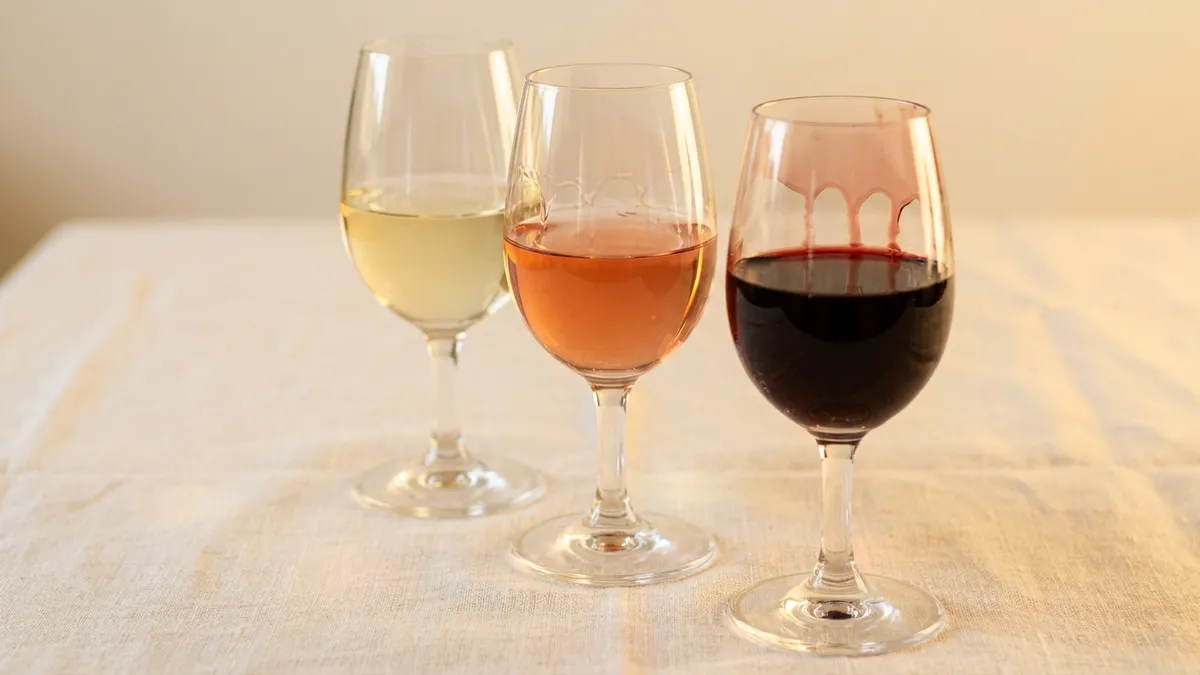
White wines have very little tannin because their juice is separated from the grape skins before fermentation. Since tannins reside primarily in skins, seeds, and stems, removing these before fermentation eliminates most tannin. The exception is orange wine — white grapes fermented with their skins — which can have significant tannin.
Which wines have the most tannins?
Cabernet Sauvignon, Nebbiolo, Tannat, Mourvèdre, and Petit Verdot are among the most tannic red grape varieties. Young wines from these grapes can be intensely astringent. Oak aging also adds tannin — wines aged in new oak barrels pick up additional tannin from the wood.
Are tannins good or bad for you?
Tannins are natural polyphenols with antioxidant properties. Some research suggests they may contribute to the cardiovascular benefits associated with moderate red wine consumption. However, tannins can trigger headaches or digestive discomfort in sensitive individuals. They are neither inherently good nor bad — they are a natural component of wine.
Do tannins change as wine ages?
Yes. Over years of bottle aging, tannin molecules gradually bond together into larger chains (polymerization) that are too heavy to remain dissolved. They fall out of solution as sediment, making the wine taste softer, smoother, and less astringent. This is the primary reason old wines feel more elegant than young ones.
How can I tell if a wine is tannic before buying it?
Grape variety is the most reliable indicator. Cabernet Sauvignon, Nebbiolo, Syrah, and Malbec are high-tannin varieties. Pinot Noir, Gamay, and Grenache are low-tannin. Young wines are more tannic than old. Wines aged in new oak barrels have more tannin than those aged in stainless steel or old oak.
Sommy Team
LinkedInFounder & Wine Educator
The Sommy Team is building the world's most approachable wine education app, helping beginners develop real tasting skills through structured courses and AI-guided practice.