Wine Glossary
Decode wine terminology with plain-language definitions of tasting terms, winemaking jargon, and label vocabulary.
20 articlesStart here
What Is Decanting? Wine Term Explained for BeginnersDecanting explained in plain language — what it means, the two jobs it does, and how it differs from aeration and breathing. A beginner's definition.
Wine has a vocabulary problem. Terms like "terroir," "malolactic fermentation," and "brut nature" are used casually in tasting rooms, on labels, and in reviews — but they are rarely explained in plain language. This glossary section exists to fix that.
Every field has its jargon, and wine is no exception. The difference is that wine jargon often stands between a curious beginner and genuine understanding. You should not need a specialized dictionary to enjoy a glass of wine or to make a confident choice at a shop.
Tasting Terms
The language of wine tasting can sound pretentious, but most of it is genuinely useful once you understand what it refers to. When a sommelier says a wine has "good acidity," they mean it makes your mouth water — a physical sensation you can learn to identify. When they describe "tannins," they are talking about the drying, gripping feeling on your gums. When they say a wine is "full-bodied," they mean it feels heavy and rich in your mouth, like whole milk compared to skim.
The articles in this section break down tasting terms into the physical sensations and flavors they describe. Once you connect the word to the experience, the vocabulary becomes intuitive.
Label Vocabulary
Wine labels are packed with information, but only if you can read them. European labels tend to emphasize geography and classification: AOC, DOCG, DOCa, VDP, and dozens of other abbreviations that indicate where the wine was made and what rules the producer followed. New World labels tend to be more straightforward, listing the grape variety, the region, and the vintage year.
But even straightforward labels contain terms that trip people up. What does "reserve" actually mean? (It depends on the country.) What is the difference between "estate bottled" and "produced and bottled by"? What does "old vines" guarantee? (Less than you might think.)
This section decodes label language so you can extract useful information from any bottle.
Winemaking Jargon
Understanding a few key winemaking terms dramatically improves your appreciation of what is in your glass. Malolactic fermentation converts sharp malic acid to softer lactic acid — that is why some Chardonnays taste buttery. Oak aging adds vanilla, spice, and toast notes. Cold soaking extracts color without tannin. Lees stirring adds texture and richness.
You do not need to become a winemaker to appreciate these processes, but knowing the basics helps you understand why wines taste the way they do and why winemakers make the choices they make.
A Reference You Can Return To
This glossary section is designed as a reference: something you can come back to whenever you encounter a term you do not recognize. The articles here are organized around practical categories — tasting, labels, winemaking — so you can find what you need quickly.
Sommy's app includes an in-context glossary that highlights wine terms during tasting sessions and defines them on tap. The articles in this section go deeper, providing the background and examples that a quick definition cannot.
Start with whatever term sent you here, or browse the categories to build your vocabulary systematically. Either way, the goal is the same: to make the language of wine feel accessible rather than exclusive.
Articles in this topic
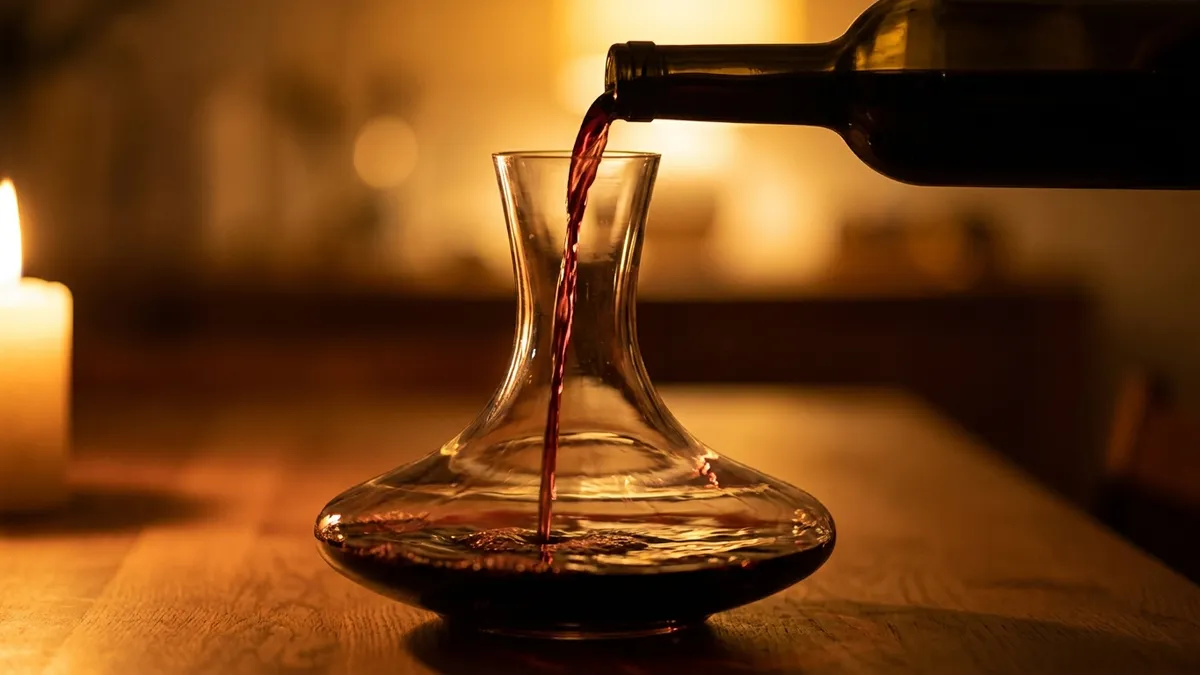
What Is Decanting? Wine Term Explained for Beginners
Decanting explained in plain language — what it means, the two jobs it does, and how it differs from aeration and breathing. A beginner's definition.
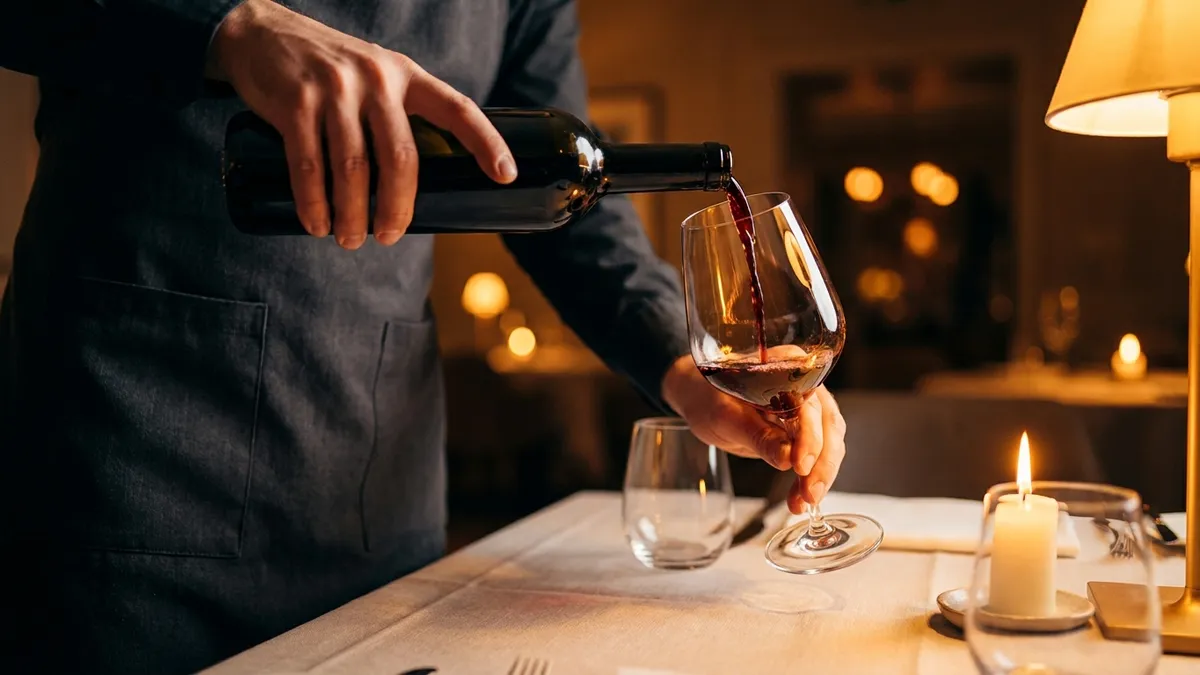
What Is a Sommelier? Roles, Training, and Certifications
What a sommelier actually does — the role, the skills, and the four certification levels from Introductory to Master Sommelier — explained in plain language for beginners.
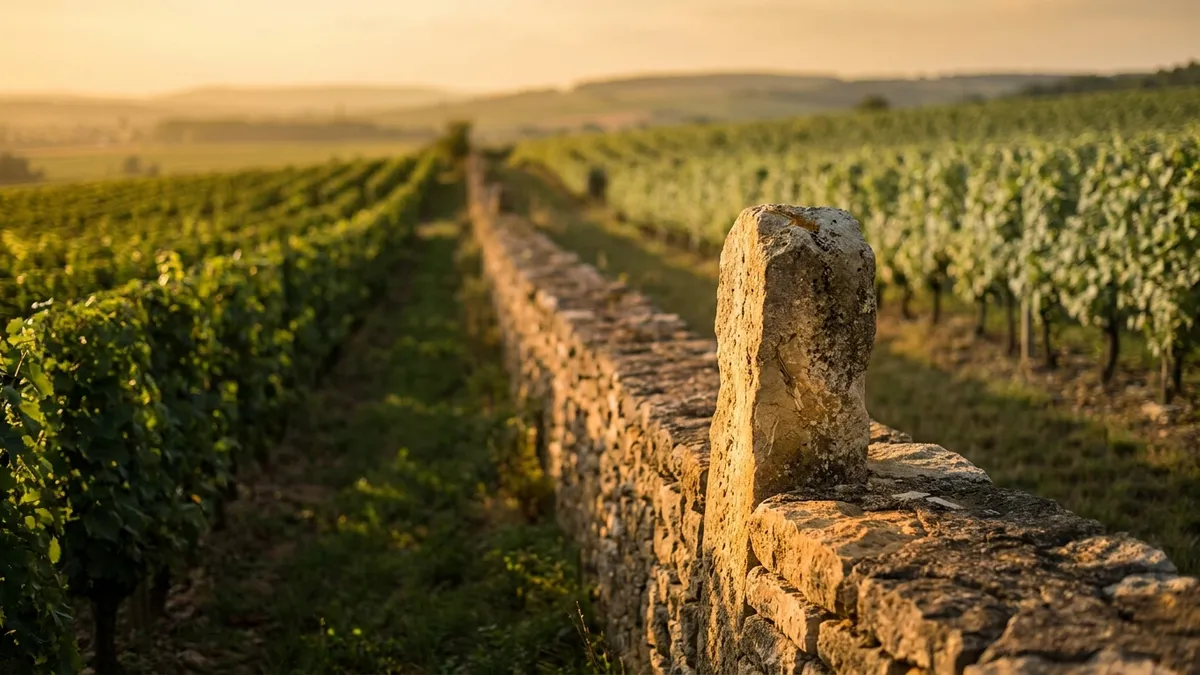
What Is Cru in Wine? Grand Cru, Premier Cru, and Cru Explained
Cru wine meaning, decoded — what Grand Cru and Premier Cru actually rank, why the word changes meaning from Burgundy to Bordeaux to Champagne, and how to read it on a label.
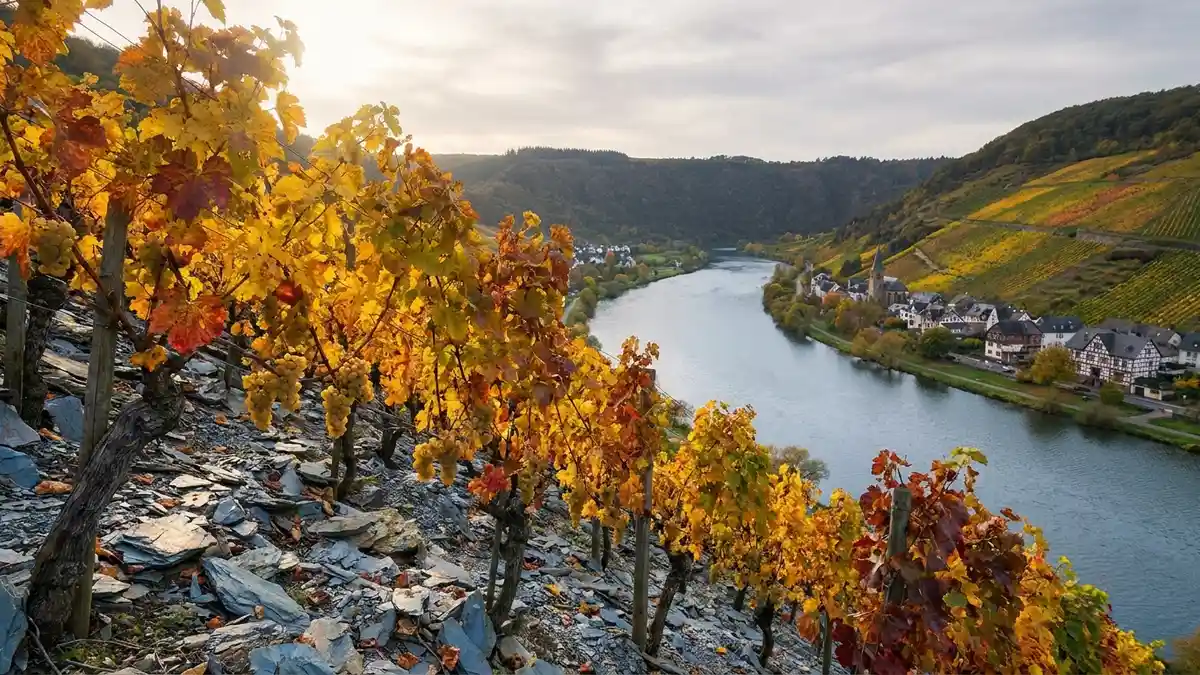
Prädikat Wine Classification: A Guide to German Riesling Levels
The Prädikat wine classification grades Germany's finest Rieslings by grape ripeness at harvest. This guide walks through all six levels, the Oechsle scale, what each tier tastes like, and how to read a label without confusing ripeness with sweetness.
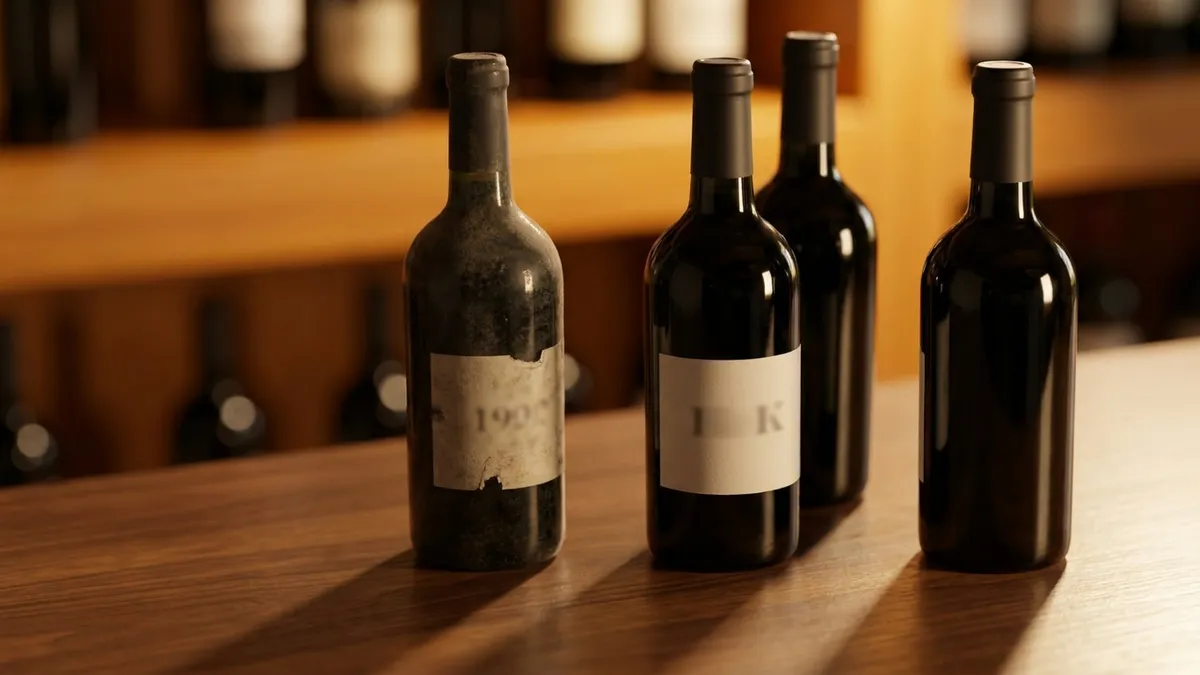
Vintage vs Non-Vintage Wine: What Is the Difference?
Vintage vs non-vintage wine — the difference is one harvest year vs many. Learn when each style matters and how to spot it on Champagne, Port, and Sherry labels.
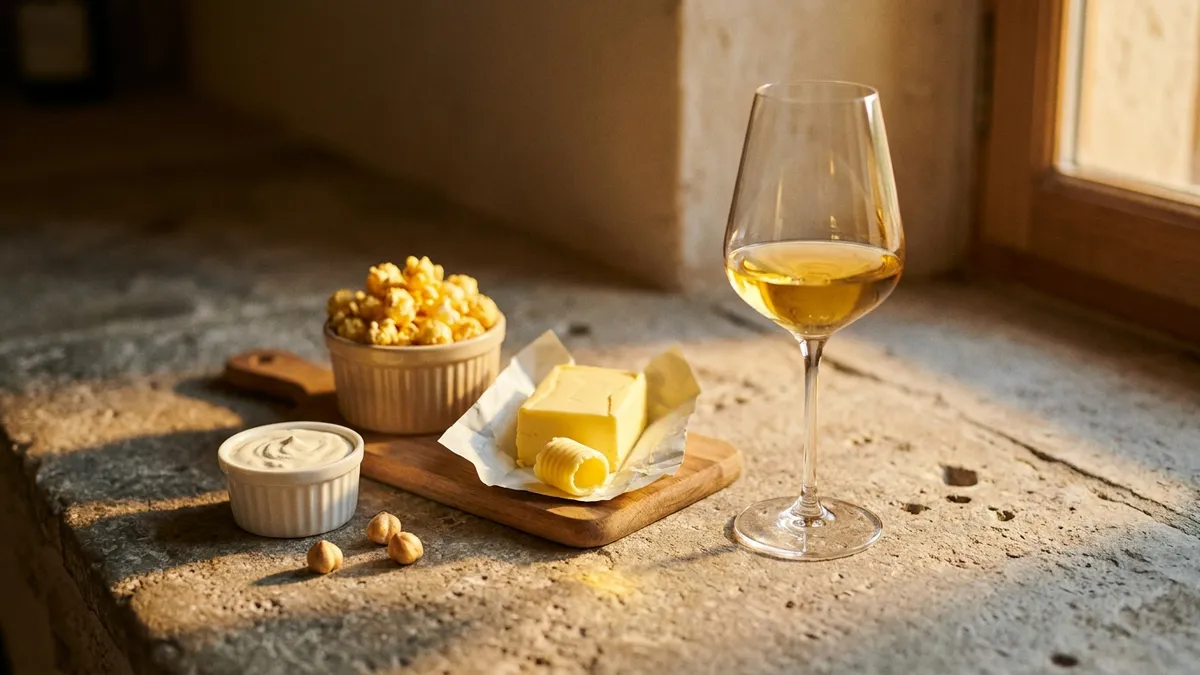
What Is Malolactic Fermentation? The Buttery Chardonnay Secret
Malolactic fermentation is the secondary process that turns sharp green-apple acid into soft, creamy lactic acid — the reason buttery Chardonnay tastes the way it does. Here is how it works, why winemakers choose it, and how to taste it in the glass.
What Is Wine Finish? Length, Persistence, and What It Tells You
Wine finish is the lingering taste, sensation, and impression after you swallow. Here is what it means, how to measure it on the WSET scale, and why it is the single most honest quality signal in the glass.
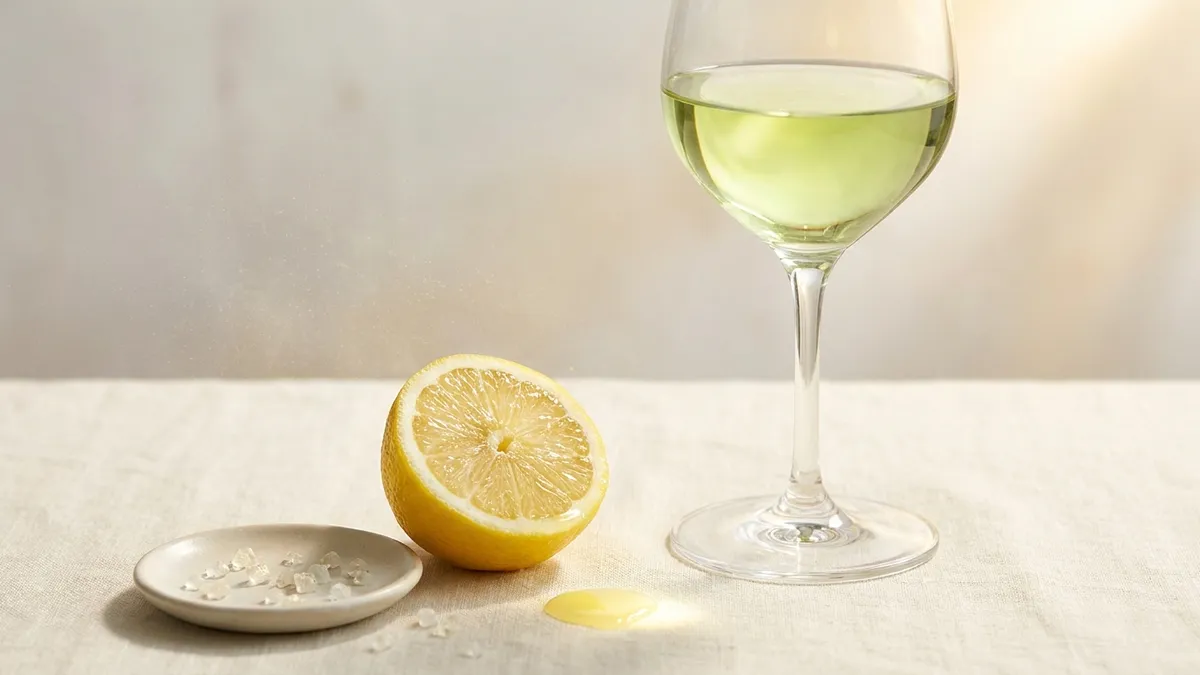
Wine Acidity Explained: How to Taste It and Why It Matters
Wine acidity is the spine of every great glass — the mouthwatering tang that lifts fruit, cuts richness, and keeps wine from tasting flat. Learn how to taste it, what it means, and why balance matters more than maximum.
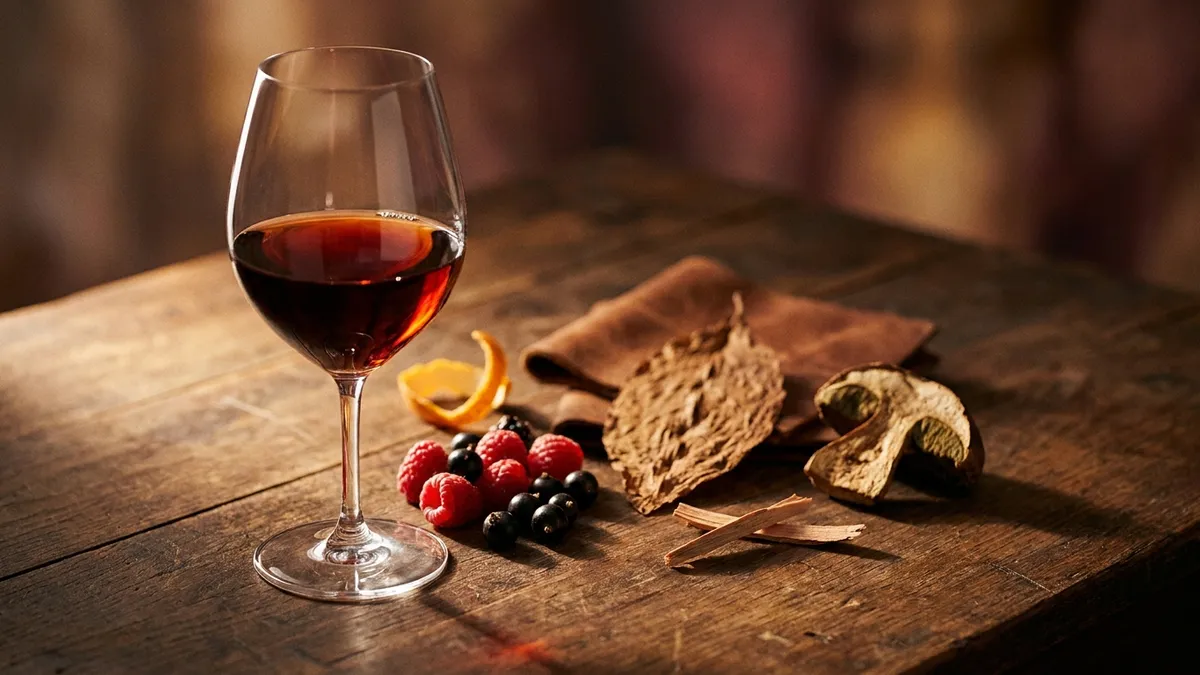
Wine Aroma vs Bouquet: What Is the Difference?
Wine aroma vs bouquet is one of tasting's oldest debates. Here is the historical distinction, the modern usage, and a simple framework for telling fruit-driven smells from age-driven ones in any glass.
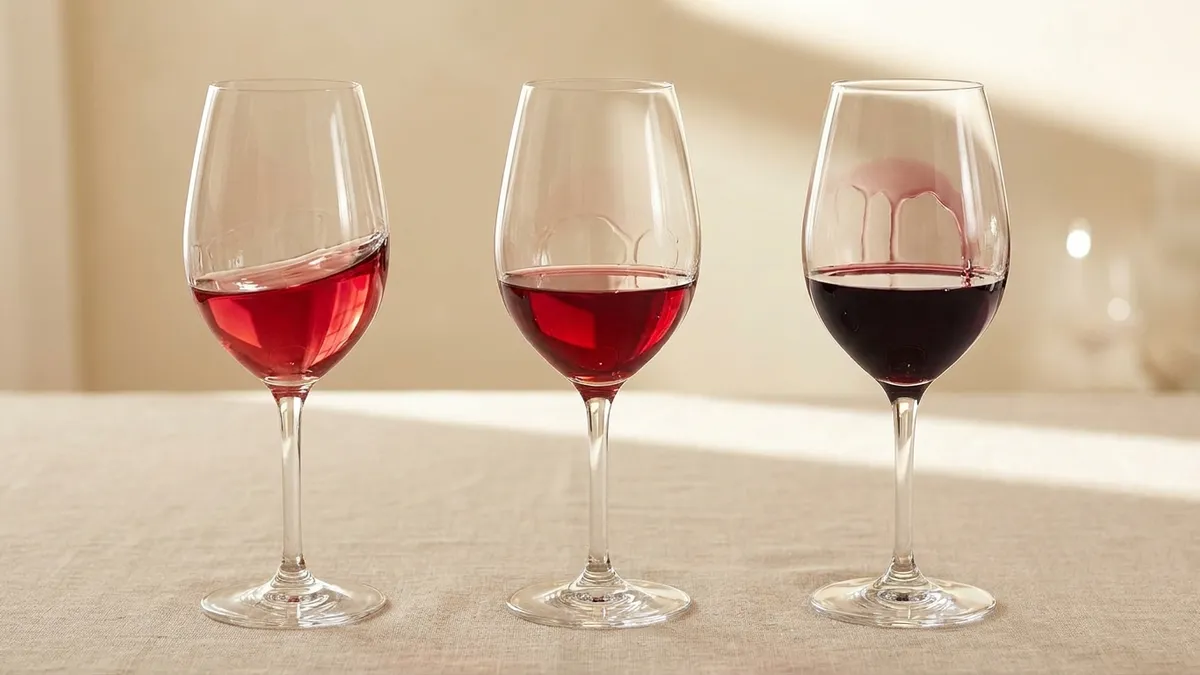
Wine Body Explained: Light, Medium, and Full-Bodied Wines
Wine body is the weight and viscosity wine has in your mouth. Learn the light-medium-full spectrum, what creates it, and how to use it for smarter pairings.
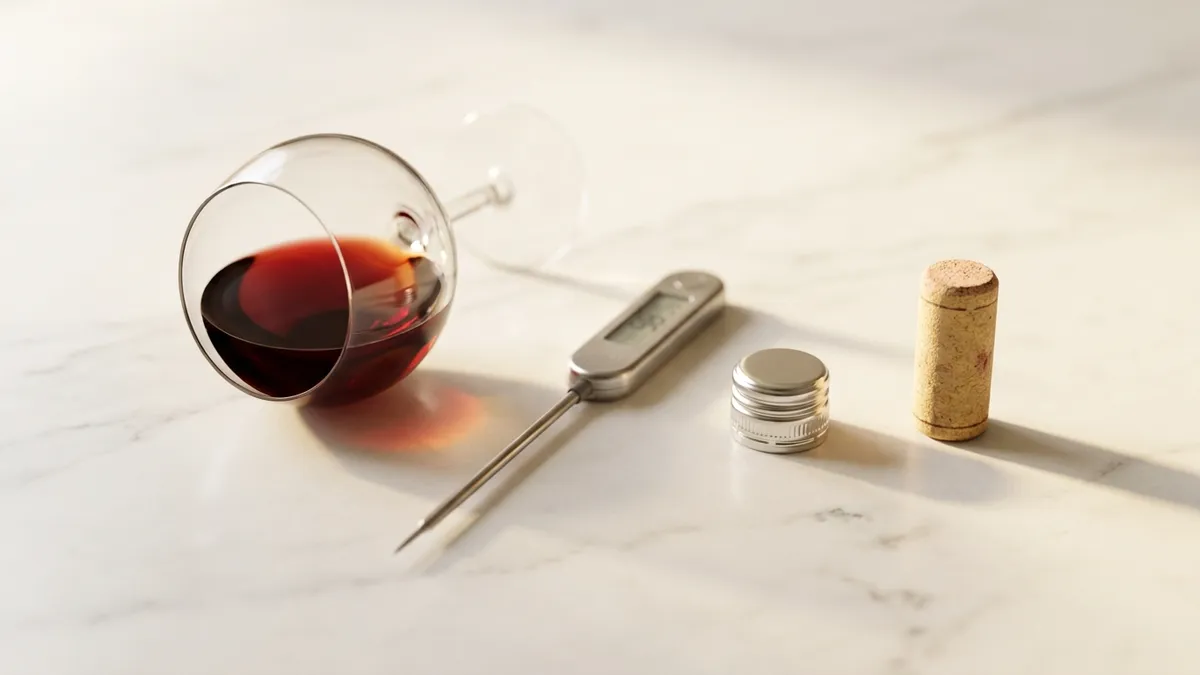
15 Common Wine Myths Debunked: What's True and What Isn't
Fifteen of the most stubborn wine myths debunked — from room temperature reds and sulfite headaches to expensive bottles, French superiority, and corks versus screw caps — with the science behind each.
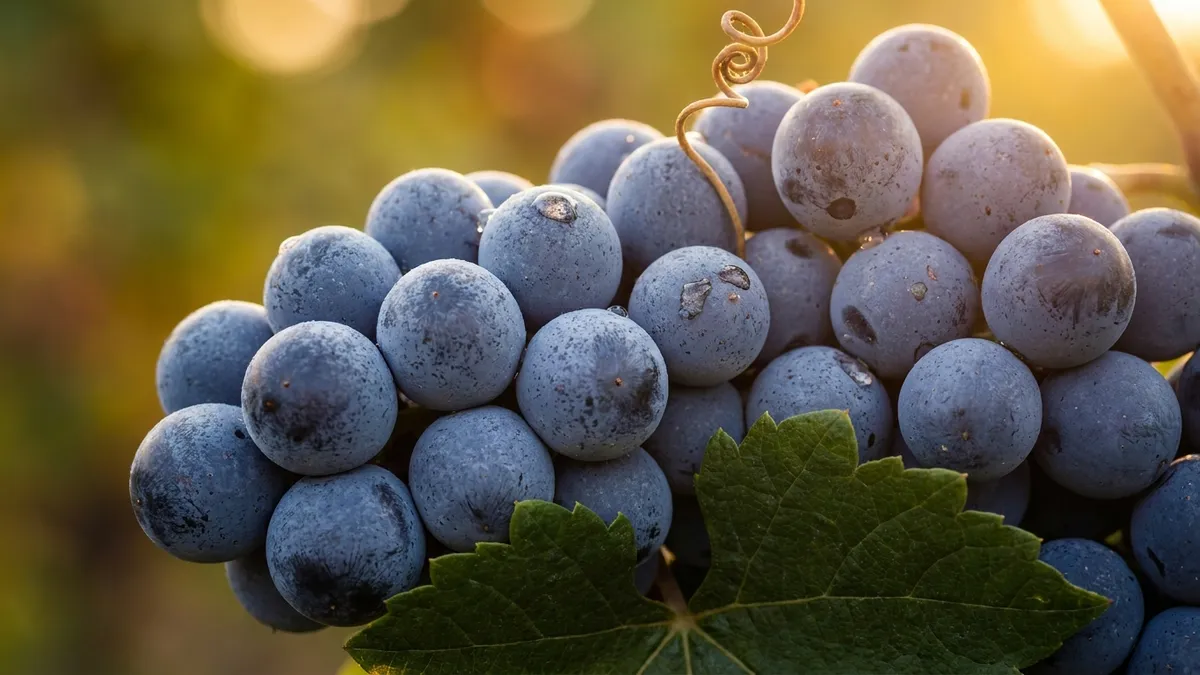
Wine Yeast and Fermentation: How Grapes Become Wine
Wine yeast fermentation is the moment grape juice becomes wine. Learn how sugar, yeast, temperature, and vessel choices shape every flavour in your glass — from crisp Riesling to jammy Zinfandel.
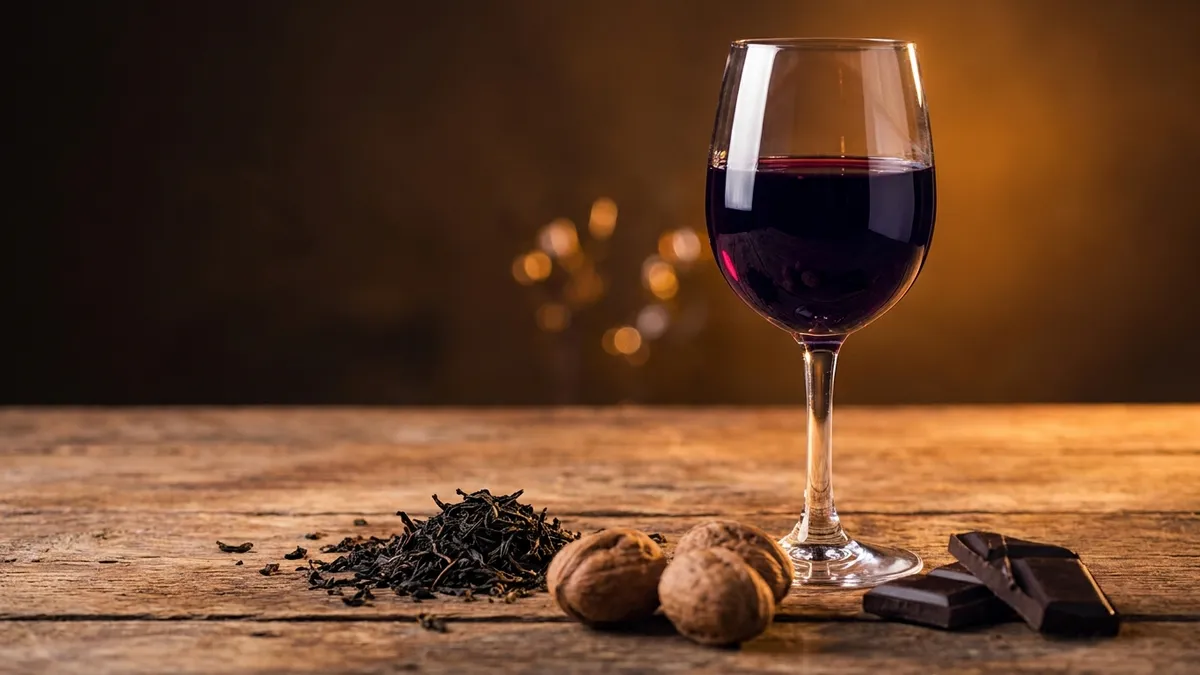
What Are Tannins in Wine? A Plain-English Explanation
Tannins are the compounds that make red wine feel dry and grippy. Learn what they are, where they come from, why they matter, and how to taste them.
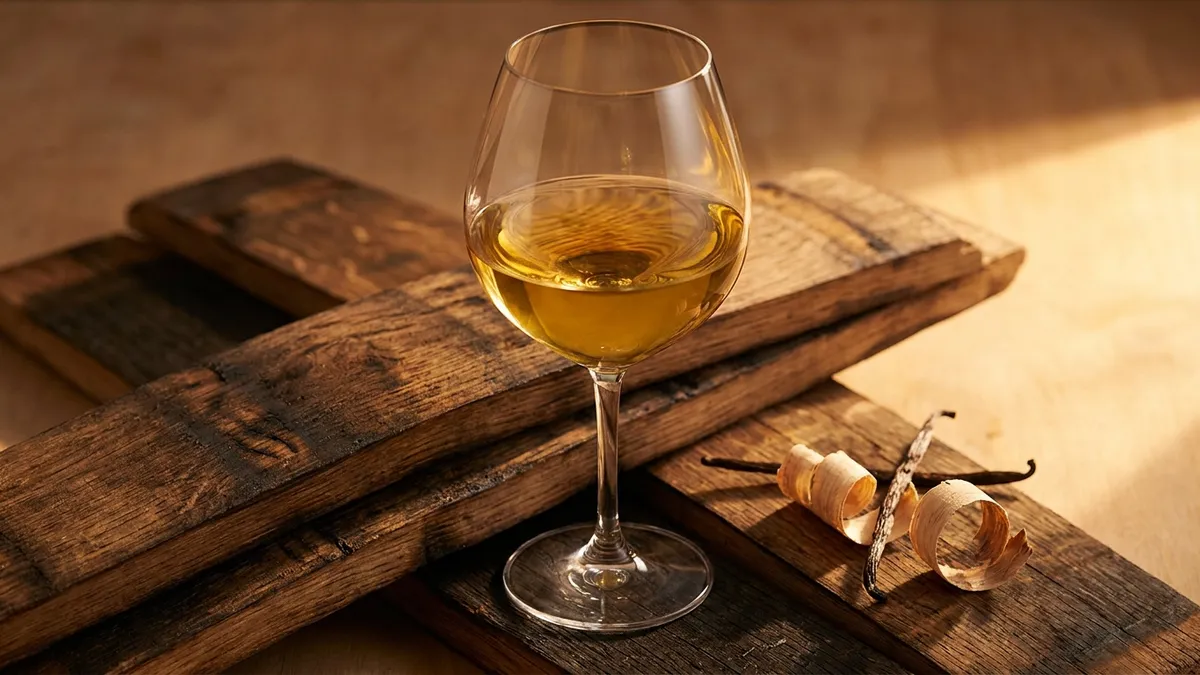
What Does Oaked Mean? How Oak Aging Changes Wine Flavor
Oak aging adds vanilla, spice, and toast to wine — but how does it work? Learn what oaked and unoaked mean, why it matters, and how to tell the difference.
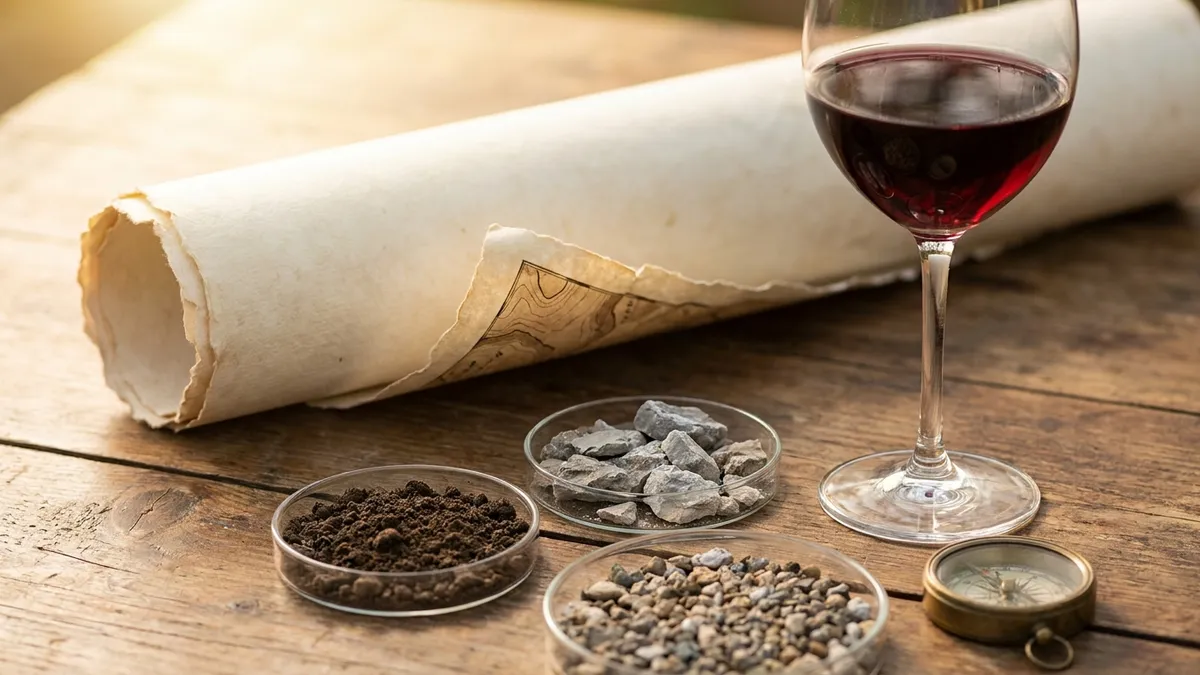
What Is an Appellation? Wine Labels Decoded
An appellation is a legally defined wine region on a bottle's label. Learn what appellations mean, how they work across countries, and what they tell you about the wine inside.
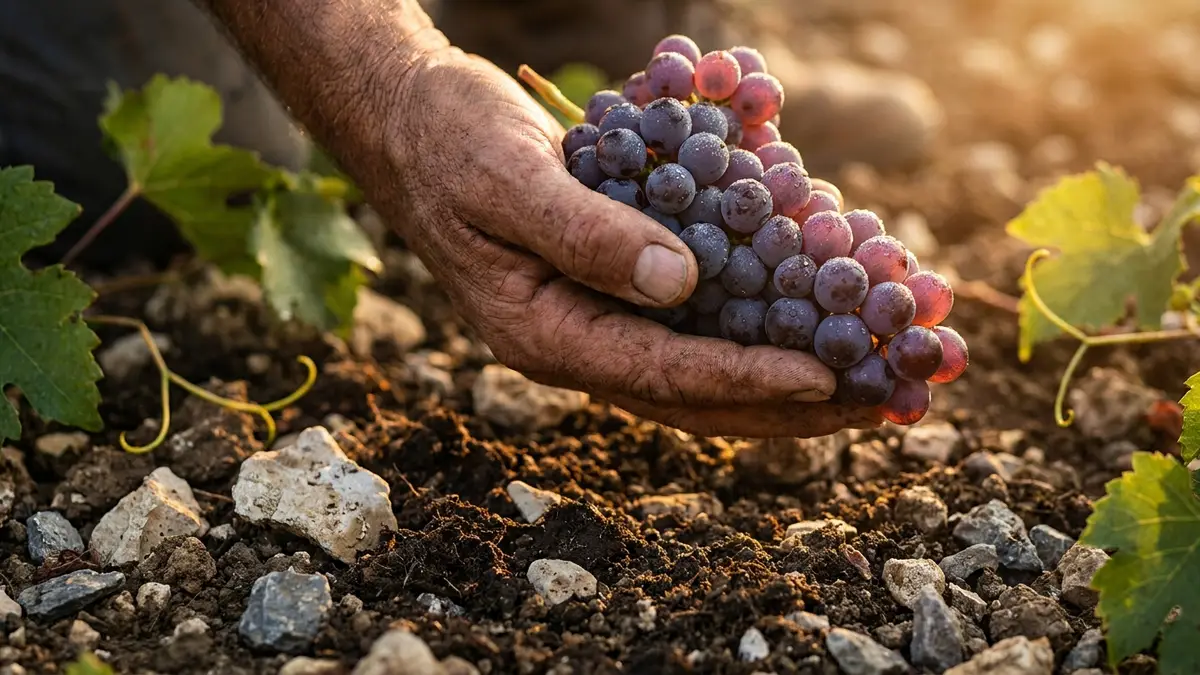
What Is Terroir? Why the Same Grape Tastes Different Everywhere
Terroir explains why Pinot Noir from Burgundy tastes nothing like Pinot Noir from Oregon. Learn what terroir means and why it shapes every wine you drink.
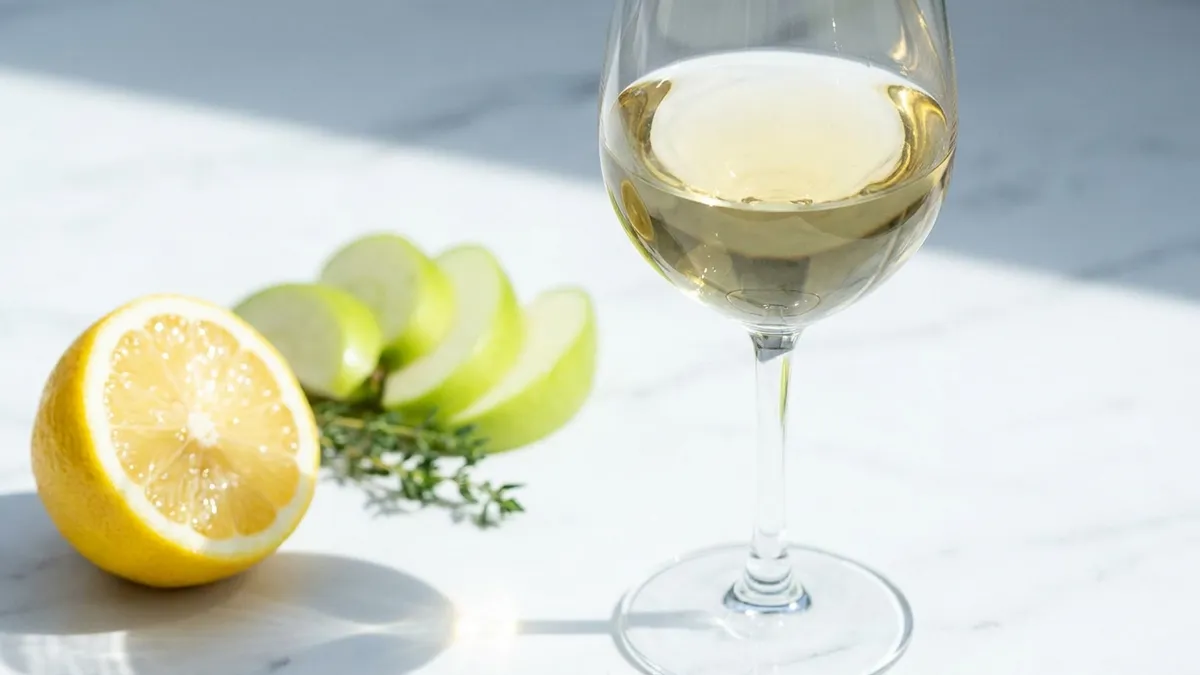
What Is Acidity in Wine and Why Does It Matter?
Acidity makes wine taste fresh, bright, and food-friendly. Learn what acidity is, how to identify it, and why it is one of wine's most important structural elements.
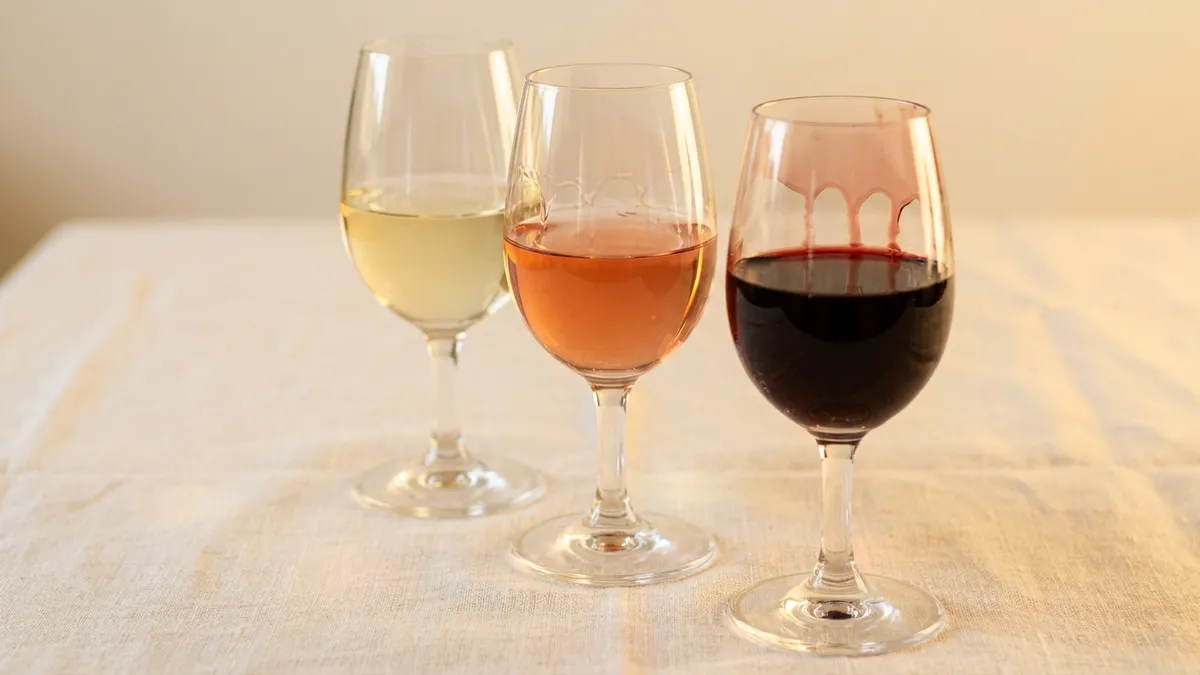
What Is Body in Wine? Light, Medium, and Full Body Explained
Body is how heavy or light wine feels in your mouth. Learn what determines it, how to identify it, and why it matters for choosing wines you enjoy.
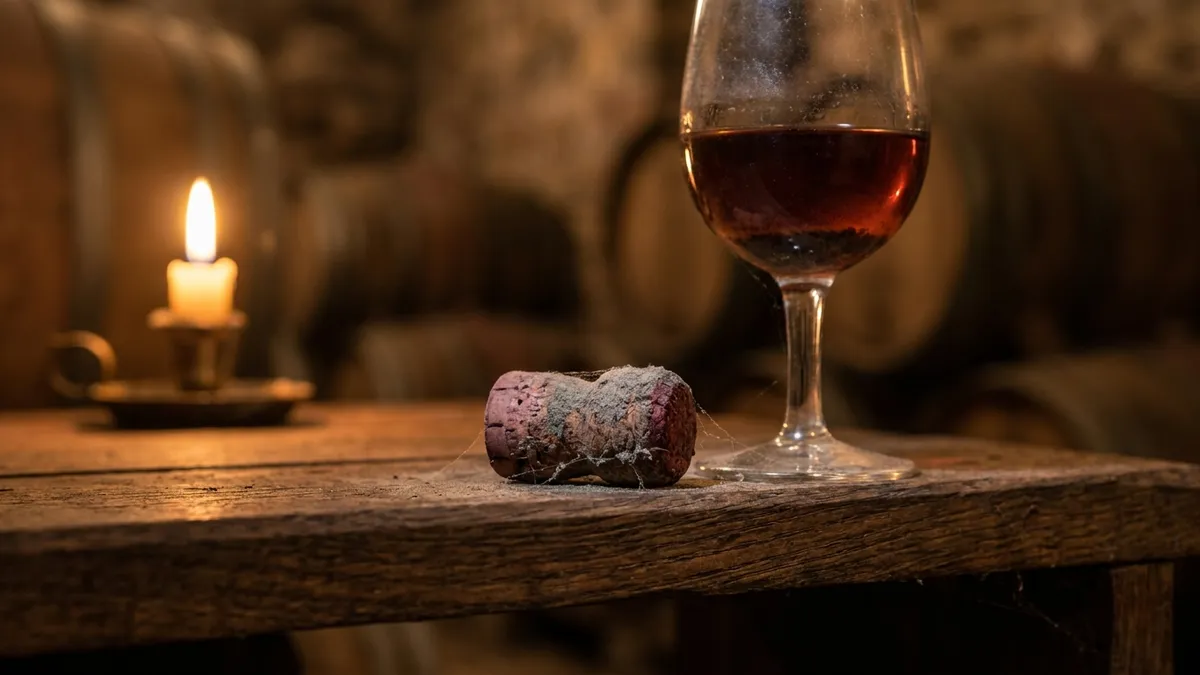
What Does Vintage Mean on a Wine Bottle?
The vintage on a wine bottle tells you the year the grapes were harvested. Learn why vintage matters, when it does not, and how to use it when choosing wine.
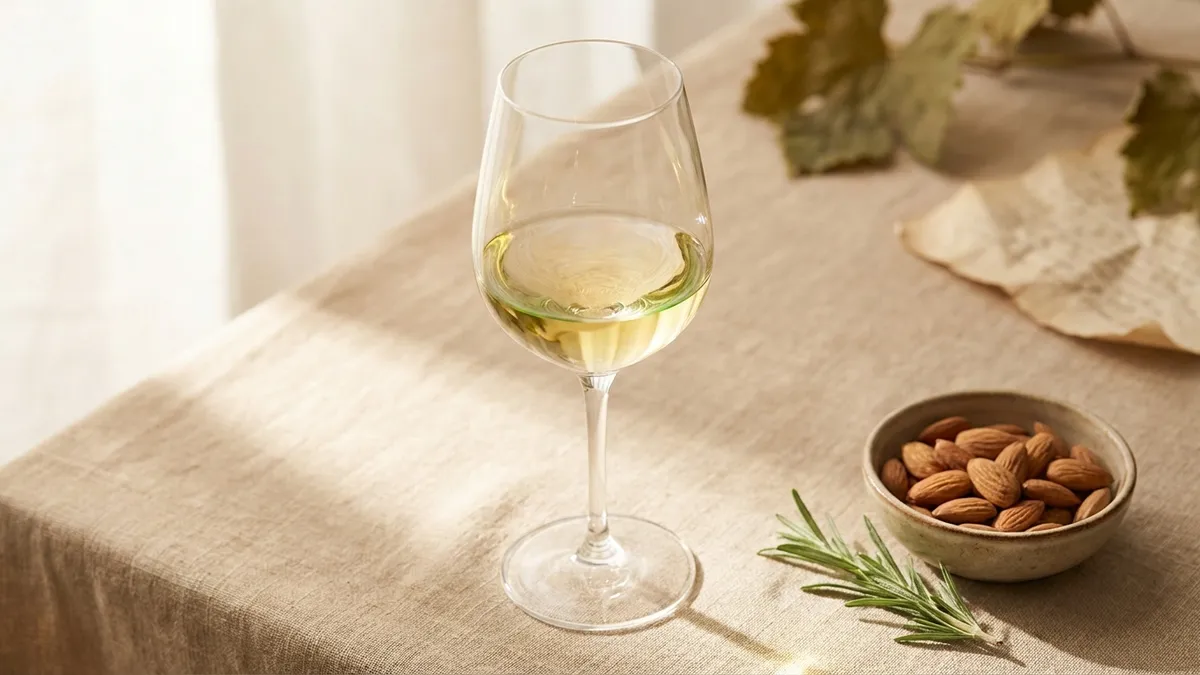
What Does Dry Wine Mean? Sugar Levels and Off-Dry Explained
Dry wine means little or no sugar left after fermentation: up to 4 g/L under EU rules, or 9 g/L with high acidity. What off-dry means, why tannin feels dry, and how to read dry on still and sparkling labels.