Wine Yeast and Fermentation: How Grapes Become Wine

By the Sommy Team — AI-assisted, human-edited.
Updated Apr 29, 2026
Contents (17)
- The Single Step That Turns Juice Into Wine
- Wine Yeast and Fermentation, in 90 Seconds
- What Yeast Actually Is
- Wild Yeast vs Commercial Yeast
- The Fermentation Timeline
- Temperature: The Most Powerful Lever
- Pre-Fermentation Choices
- The Vessel Decides the Texture
- Stuck Fermentation: When Yeast Gives Up
- After the Primary: Malolactic Fermentation
- Sparkling Wine: The Second Fermentation
- Sweet Wines: Stopping the Yeast on Purpose
- Yeast as a Flavour Factory
- Faults Born From Bad Fermentation
- How to Taste Fermentation Choices in the Glass
- Why This Matters Beyond the Cellar
- Build the Skill, One Comparison at a Time
TL;DR
Wine yeast fermentation is the chemical engine that turns grape juice into wine. Yeast eats sugar and produces alcohol, carbon dioxide, heat, and hundreds of flavour compounds. The choice of yeast strain, fermentation temperature, vessel, and timing decides whether a wine ends up crisp and citrus-driven or rich and tropical.
The Single Step That Turns Juice Into Wine
Crush a grape and you have juice. Sweet, slightly acidic, often delicious — but still juice. The moment it becomes wine is the moment yeast wakes up and starts eating the sugar. Everything else in winemaking — pressing, ageing, blending, bottling — is decoration around this one biochemical event. Those other steps, in order, are set out in how wine is made.
Wine yeast fermentation is the engine of the entire wine world. It decides whether a wine ends up bone-dry or honeyed, crisp or creamy, light and floral or dense and brooding. Two wineries can pick the same grape, on the same day, from rows fifty metres apart, and produce wines that taste like they came from different planets — entirely because of how the fermentation was run.
This guide walks through what actually happens during fermentation, the choices winemakers make at each stage, and how to taste those choices in the glass. No chemistry degree needed — just a willingness to think of wine as a living process rather than a finished product.
Wine Yeast and Fermentation, in 90 Seconds
Wine yeast fermentation is the process where yeast — a single-celled fungus — eats the sugar in grape juice and produces three things: ethanol (the alcohol), carbon dioxide (the bubbles in sparkling wine and the hiss of an open ferment), and heat. The simple chemistry is C6H12O6 → 2 CH3CH2OH + 2 CO2 — one sugar molecule becomes two alcohol molecules and two CO2 molecules. Alongside these main products, yeast generates hundreds of secondary flavour compounds: esters that smell like banana and pear, higher alcohols that add weight, and trace sulphur compounds that can read as flint or struck match. The fermentation usually finishes in one to three weeks, and the temperature, vessel, and yeast strain decide what the wine ends up tasting like.
What Yeast Actually Is
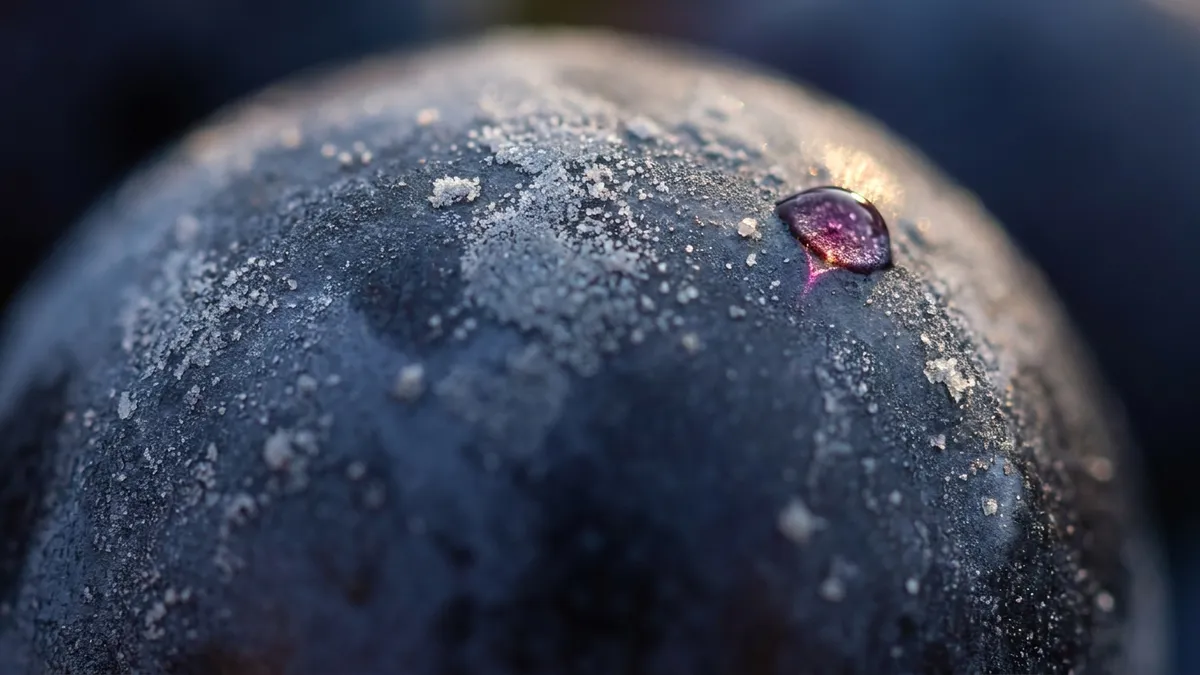
Yeast is a single-celled fungus, microscopic, and absolutely everywhere. It lives on grape skins, on cellar walls, inside wooden barrels, on the hands of cellar workers, and in the air of any winery during harvest. There are hundreds of yeast species, but the one that does most of the heavy lifting in wine is Saccharomyces cerevisiae — the same species used to brew beer and bake bread.
When yeast meets sugar in an oxygen-poor environment, it eats. The cells multiply rapidly, consume the sugar, excrete alcohol and CO2, and generate heat. Once the sugar runs out — or the alcohol becomes high enough to kill the yeast — fermentation stops on its own.
Different yeast strains have different tolerances and personalities. Some die at 12 percent alcohol, others push through to 16 percent. Some produce loads of fruity esters; others stay neutral. Some work fast, others slow. Picking the right yeast is a winemaking decision as consequential as picking the right grape.
Wild Yeast vs Commercial Yeast
There are two main sources of yeast in modern winemaking, and the choice between them is one of the most contested debates in the cellar.
Indigenous (Wild) Yeast
Indigenous yeast — sometimes called native or wild yeast — lives naturally on the grapes and in the winery. When the grapes arrive at the cellar, this yeast population is already on the skins, ready to start fermenting as soon as the juice is pressed. The early stage involves many non-Saccharomyces species, which add complexity and aromatic depth. As alcohol rises, those species die off and Saccharomyces cerevisiae takes over.
Wild ferments are unpredictable. They can take days to start, run hot, stall partway through, or develop unusual aromas — some delightful, some not. Advocates argue this unpredictability is the point. The wine ends up tasting like the place it came from, with layers of complexity that commercial yeast simply cannot produce. The natural wine movement leans heavily on this philosophy — see our guide on natural wine explained for the full picture.
Commercial (Cultured) Yeast
Commercial yeast strains are lab-selected Saccharomyces cerevisiae varieties bred for specific outcomes. Hundreds of strains exist. EC1118, the famous Champagne yeast, tolerates very high alcohol and ferments cleanly even in cold conditions — which is why winemakers often use it to restart stuck fermentations. D254 is chosen for aromatic enhancement, RC212 for spicy Burgundy-style reds. The strain is selected to match the grape, the climate, and the target style.
Commercial yeast is fast, predictable, and clean. The risk of fermentation faults drops sharply. Critics argue that the resulting wines lack the complexity and terroir expression that wild yeast brings.
In practice, many quality producers blend both approaches: they let wild yeast start the fermentation to capture early aromatic complexity, then inoculate with a commercial strain to finish the wine cleanly. This is the modern compromise, and it sits behind a huge percentage of high-end wines.
The Fermentation Timeline
A typical red wine fermentation looks roughly like this:
- Day 1 to 3 — Yeast multiplies. Sugar conversion is minimal, and the must (the juice and skins) sits quiet. CO2 production is slow.
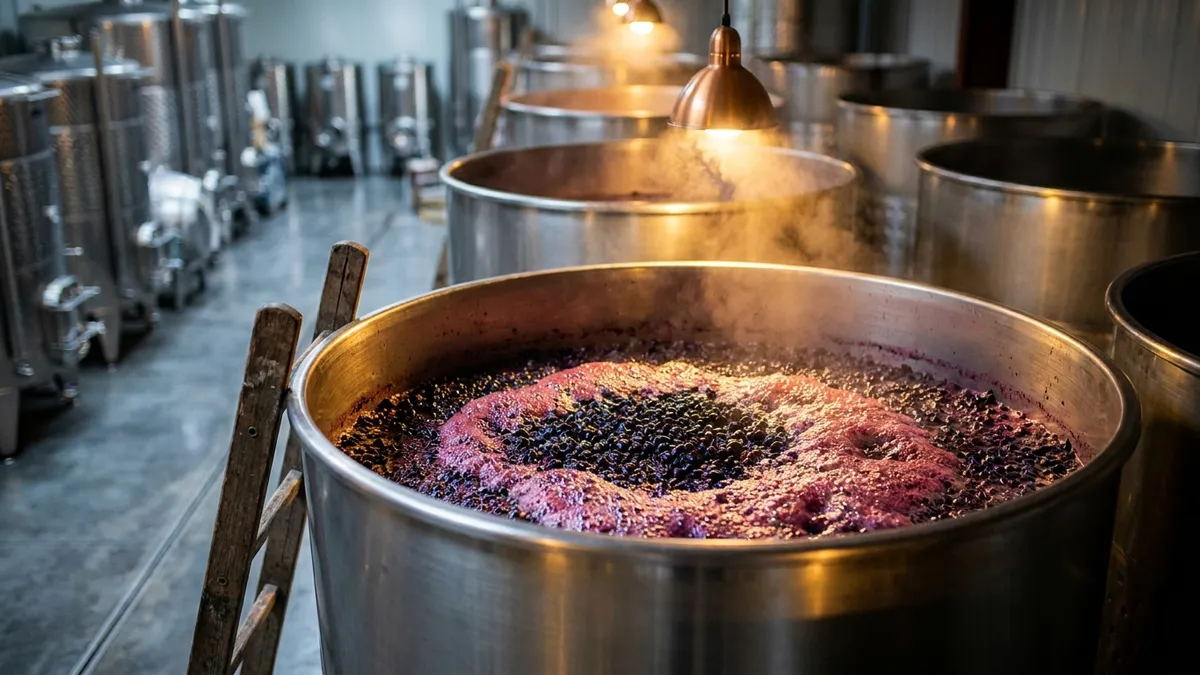
- Day 3 to 10 — Peak activity. Roughly 70 percent of the sugar is converted. CO2 pushes the cap of skins to the top of the tank, where it floats like a thick crust. The cap has to be punched down or the juice pumped over it daily so the extraction stays even.
- Day 10 to 21 — Fermentation slows as alcohol rises. The remaining sugar is finished off. The wine is now technically wine.
- Day 21+ — The wine is dry. For reds, the juice is pressed off the skins. The fermentation is complete, though malolactic fermentation may follow.
White wines move faster because there are no skins to manage and the temperature is cooler. The whole primary fermentation can be wrapped up in seven to fourteen days.
Temperature: The Most Powerful Lever
Temperature is the single most powerful tool a winemaker has during fermentation. It decides which flavour compounds the yeast produces, how much aromatic detail is preserved, and how much extraction happens from the skins.
- White wines ferment cool — typically 12 to 18 degrees Celsius. Cooler ferments preserve delicate floral and citrus aromas, slow the yeast down, and produce esters that read as fresh fruit.
- Red wines ferment warm — typically 22 to 28 degrees Celsius. Warmer ferments extract more colour, tannin, and flavour from the skins, and produce a fuller, riper character.
- Above 32 degrees Celsius — Yeast cells start to die. The fermentation stalls, residual sugar is left in the wine, and the risk of bacterial spoilage rises sharply.
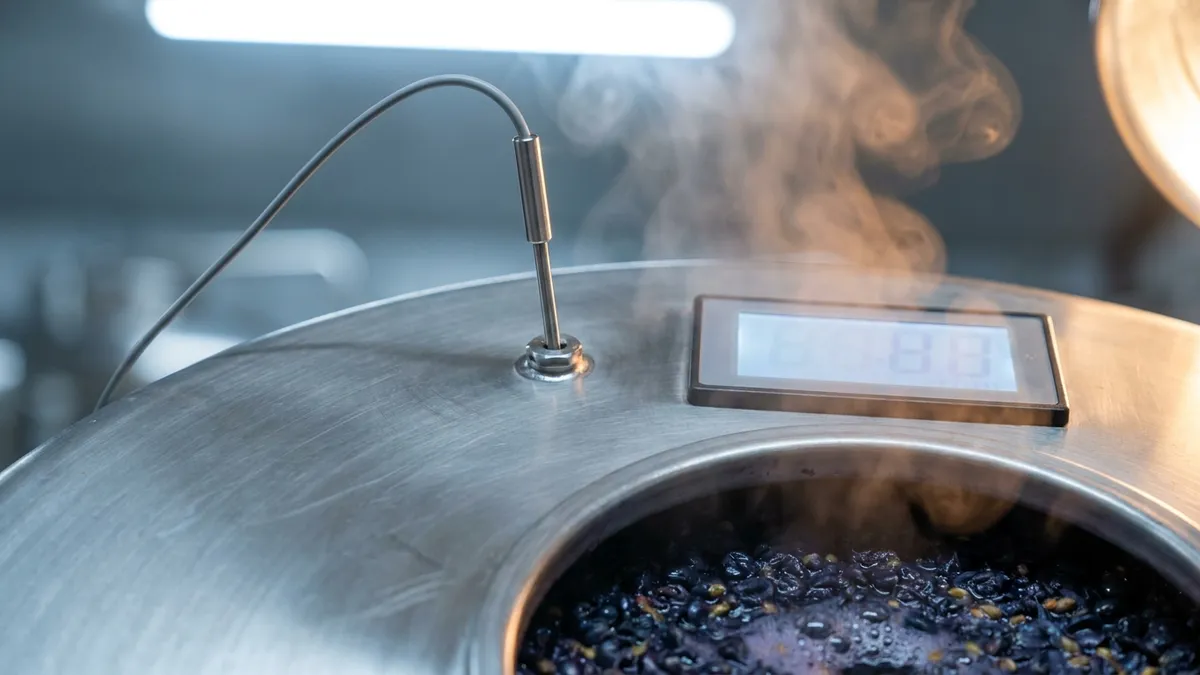
Modern wineries control fermentation temperature with jacketed stainless steel tanks — double-walled tanks with cold (or warm) glycol circulating through the outer jacket. Older or smaller producers use cellar temperature plus heating cables, ice blocks, or simply praying the night gets colder. The result is the same goal: keep the yeast in its happy zone.
Pre-Fermentation Choices
The decisions that shape a wine often start before the yeast even wakes up.
Cold Soak (Cold Maceration)
The freshly crushed grapes sit at 4 to 10 degrees Celsius for two to seven days before fermentation begins. The cool temperature inhibits yeast activity, but extracts colour and flavour from the skins. The result is a wine with deeper colour and softer tannin profile — a popular technique for Pinot Noir, where colour is hard-won. Our Pinot Noir guide covers how this affects style in detail.
Warm Soak
The opposite approach — skip the cold soak and let fermentation start as quickly as possible. The wine is fresher, more fruit-forward, and lighter in extracted character.
Carbonic Maceration
A specialty technique where whole grape clusters are placed in a sealed tank filled with CO2. With no oxygen present, fermentation begins inside each intact berry — an enzymatic, intracellular process completely different from traditional fermentation. The juice that eventually presses out is fruit-forward, low in tannin, and instantly drinkable. This is the signature method behind Beaujolais Nouveau and a growing number of soft, easy-drinking modern reds. See how carbonic maceration works for the full method and how to taste it.
The Vessel Decides the Texture
Where the wine ferments matters almost as much as how. Each vessel imparts different character:
- Stainless steel — Neutral, clean, easy to temperature-control. It preserves fresh fruit and acidity. The default for crisp whites and lighter reds.
- Concrete egg or tank — Slightly porous, allows tiny amounts of oxygen exchange, and adds a subtly mineral, structured texture without imparting wood flavours. Increasingly fashionable for both whites and reds.
- Wood barrel or cask — Allows controlled oxidation and adds toasty, vanilla, spicy notes from the oak compounds. Common for Chardonnay, premium reds, and traditional styles.
- Amphora or qvevri — Ancient earthenware vessels, often buried in the ground. Breathable like concrete, with a distinctive mineral, slightly oxidative profile. The signature of Georgian winemaking and a growing number of natural wine producers.
The same grape, fermented in each of these four vessels, will taste like four different wines. This is one of the cleanest examples of a winemaker's fingerprint on the finished bottle.
Stuck Fermentation: When Yeast Gives Up
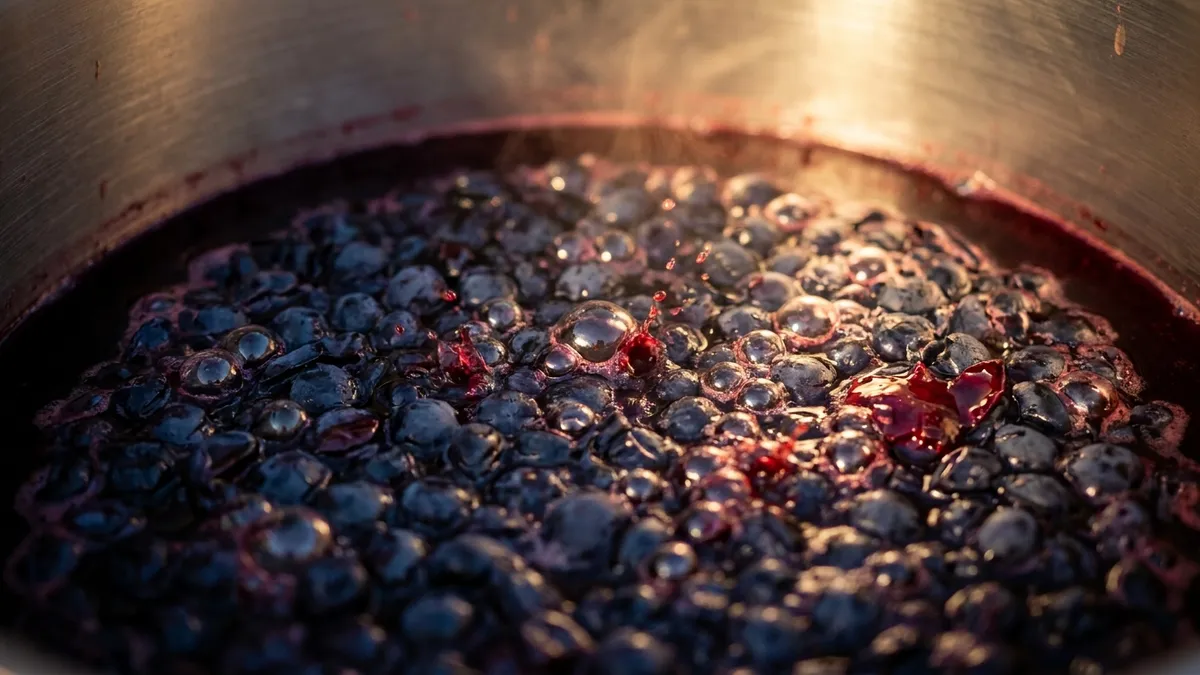
A stuck fermentation is every winemaker's nightmare. The yeast dies before it has finished converting the sugar, leaving the wine sweeter than intended and dangerously unstable in bottle. The most common causes are alcohol rising above the yeast strain's tolerance, temperature spiking too high, or nutrient deficiency in the must.
Recovery is possible but tricky. The winemaker cools the wine down, adds fresh yeast nutrients, and pitches a hardier strain — often EC1118 Champagne yeast, which can tolerate up to 18 percent alcohol. Done quickly, the fermentation restarts and finishes cleanly. Done slowly, bacteria move in and the wine develops faults.
This is one of the reasons commercial yeast is so widely used: it minimises the chance of a stuck ferment and protects the financial investment of a year of vineyard work.
After the Primary: Malolactic Fermentation
Once the alcoholic fermentation finishes, many wines go through a second, completely different fermentation. Malolactic fermentation — driven by lactic acid bacteria rather than yeast — converts the sharp malic acid in young wine into softer lactic acid, with a buttery byproduct called diacetyl. Almost every red wine on earth goes through it. For whites, it is a stylistic choice. Our deep dive on what is malolactic fermentation covers this in full.
Sparkling Wine: The Second Fermentation
Sparkling wines need bubbles, and bubbles come from a deliberate second fermentation. There are three main methods:
- Traditional method (Champagne, Cava, Franciacorta) — A still base wine is bottled with added yeast and sugar. The fermentation happens inside the sealed bottle, trapping the CO2. The lees (dead yeast cells) sit in contact with the wine for months or years, adding bready, brioche-like complexity.
- Tank method (Charmat / Martinotti) — The second fermentation happens in a large pressurised tank rather than in the bottle. The wine is then filtered and bottled under pressure. Faster, cheaper, and the signature method for Prosecco.
- Méthode ancestrale (Pet-Nat) — The wine is bottled before primary fermentation finishes, so the leftover sugar continues fermenting in the bottle. The result is a slightly cloudy, lower-pressure sparkling wine with rustic charm.
For a side-by-side breakdown, see our Champagne vs Prosecco vs Cava comparison.
Sweet Wines: Stopping the Yeast on Purpose
Sweet wines are made by interrupting fermentation before all the sugar is converted, so some natural sweetness remains in the bottle. Three main techniques:
- Stop fermentation early — Chill the wine below the yeast's working temperature, then filter the yeast out. Used for German Spätlese-style Rieslings and many off-dry whites.
- Add unfermented juice — Some producers blend back a small portion of fresh grape juice before bottling. The natural sugar lifts the perceived sweetness without adding sucrose.
- Fortify the wine — Add a neutral grape spirit during fermentation to push alcohol above the yeast's tolerance. The yeast dies, residual sugar stays. This is how Port, Sherry, and many other fortified wines are made.
Yeast as a Flavour Factory
Yeast does not just produce alcohol. As it metabolises sugar, it generates hundreds of secondary compounds that shape aroma and texture:
- Esters — Fruit-forward aromas like banana, pear, apple, pineapple. Cooler ferments produce more of these. The signature of fresh, fruity Sauvignon Blanc and unoaked Chardonnay.
- Higher alcohols (fusel alcohols) — At low levels they add weight and complexity. At high levels they can smell like solvent or nail polish remover.
- Diacetyl — The buttery compound from malolactic fermentation.
- Sulphur compounds — At trace levels they can add savoury, flinty complexity. At higher levels they read as reduction (struck match, rotten egg) and are considered a fault.
This is why the same grape, fermented at different temperatures with different yeasts, can taste tropical, citrus, herbal, or floral. The yeast is not a passive worker — it is an active flavour designer. To explore how to build a vocabulary for these aromas, see our develop your wine palate guide and our wine tasting vocabulary cheat sheet.

Faults Born From Bad Fermentation
When fermentation goes wrong, the resulting faults are some of the most common problems in commercial wine:
- Stuck fermentation — Residual sugar in a wine intended to be dry, often with bacterial activity that produces off-aromas.
- Reduction — Insufficient oxygen during fermentation creates sulphide compounds that smell like struck match, rubber, or rotten egg.
- Volatile acidity (VA) — Bacterial activity converts alcohol to acetic acid. The wine smells of vinegar or nail polish.
- Brettanomyces (Brett) — A wild yeast that colonises barrels and produces barnyard, leather, or band-aid aromas. At low levels some find it complex; at high levels it ruins the wine.
These faults are most common in poorly managed wild ferments and explain why commercial yeast and good cellar hygiene are so important to consistent wine.
How to Taste Fermentation Choices in the Glass
This is where reading about fermentation pays off. Once you know what to look for, the wine tells you a lot about how it was made:
- Banana, pear, bubblegum — Cool, ester-rich fermentation. Common in fresh, unoaked whites and carbonic-style reds.
- Tropical fruit (pineapple, mango) — Warmer fermentation with riper fruit. Common in New World whites.
- Butter, cream, hazelnut — Malolactic fermentation, often combined with lees ageing. The signature of buttery Chardonnay.
- Yeasty, bread, brioche — Extended lees contact or traditional-method sparkling.
- Earthy, savoury, complex — Often a sign of wild yeast fermentation and minimal intervention.
- Vinegar, nail polish — Volatile acidity, usually a fault.
- Struck match, rotten egg — Reduction, often blows off with aeration.
- Barnyard, band-aid — Brettanomyces. See our guide on Brett in wine for more.
Try this with two Chardonnays — one stainless-steel-fermented from a cool climate, one barrel-fermented and full-malolactic from a warm climate. The same grape, two completely different fermentation philosophies, and two distinct sets of aromas in the glass. Our Chardonnay vs Sauvignon Blanc comparison covers another useful pair.
Why This Matters Beyond the Cellar
Understanding wine yeast fermentation is the difference between thinking of wine as a drink and thinking of it as a living process. Two bottles from the same vineyard can taste like different beverages because of yeast strain, temperature, and vessel choice. The label rarely tells you these things directly — but the wine itself does, if you know how to listen.
The next time a Chardonnay tastes buttery and a Sauvignon Blanc tastes electric, you are tasting a fermentation decision. The next time a Pinot Noir feels light and bright while a Syrah feels dense and brooding, you are tasting a fermentation decision. Even the difference between a Champagne and a Prosecco — beyond grape and place — is a fermentation decision. Our wine glossary covers fermentation alongside terms like terroir, lees, and bâtonnage, so the language in tasting notes stops feeling like jargon and starts feeling like a useful map.
Build the Skill, One Comparison at a Time
The fastest way to internalise fermentation is to taste deliberately, side by side, with a single variable isolated. Cool-fermented vs warm-fermented Sauvignon Blanc. Stainless-steel vs barrel-fermented Chardonnay. Carbonic vs traditional Beaujolais. Commercial vs wild-yeast Pinot Noir.
Sommy's structured tasting courses are built around exactly this kind of guided comparison. Each session isolates one variable — fermentation temperature, vessel, yeast philosophy — and turns it into a real reference in your palate library rather than an abstract idea on a page. Visit sommy.wine to start working through the building blocks of style, one calibrated comparison at a time. After a handful of side-by-sides, fermentation stops being a chemistry lesson and becomes something you can taste in any glass, anywhere — the invisible decision behind every bottle of wine ever made.
Frequently Asked Questions
What is wine yeast fermentation in simple terms?
Wine yeast fermentation is the process where yeast — a single-celled fungus — eats the sugar in grape juice and produces alcohol, carbon dioxide, heat, and hundreds of flavour compounds. The chemistry is straightforward: one molecule of grape sugar becomes two molecules of ethanol and two molecules of CO2. The whole process usually takes one to three weeks.
What is the difference between wild and commercial wine yeast?
Wild yeast — also called indigenous or native yeast — lives naturally on grape skins and in the cellar. It includes many species and produces unpredictable, often complex results. Commercial yeast is a lab-selected strain of Saccharomyces cerevisiae chosen for clean, fast, predictable fermentation. Many quality producers blend the two: they let wild yeast start the fermentation for complexity, then add commercial yeast to finish it cleanly.
Why does fermentation temperature matter so much?
Temperature controls which flavour compounds the yeast produces and how quickly it works. Cool fermentation, around 12 to 18 degrees Celsius, preserves delicate fruit and floral notes — ideal for crisp whites. Warm fermentation, around 22 to 28 degrees Celsius, extracts more colour, tannin, and depth — ideal for full-bodied reds. Above 32 degrees, yeast dies and the fermentation can stall.
How long does wine fermentation take?
Primary alcoholic fermentation usually takes one to three weeks. Days one to three are slow as yeast multiplies. Days three to ten are peak activity, when most of the sugar is converted. Days ten to twenty-one slow down as alcohol rises and remaining sugar is finished off. Sweet wines and stuck fermentations can take much longer.
What happens if a fermentation gets stuck?
A stuck fermentation means yeast dies before it has converted all the sugar, usually because alcohol rose too high or temperature spiked. The wine ends up sweeter than intended and unstable in bottle. Winemakers recover by cooling the wine, adding fresh yeast nutrients, and pitching a hardier yeast strain — often Champagne yeast, which tolerates higher alcohol.
Why do reds and whites ferment differently?
Whites ferment without skins, at cooler temperatures, to preserve fresh fruit aromas and acidity. Reds ferment with skins, at warmer temperatures, to extract colour, tannin, and flavour from the skins. The cap of skins floating on top of red ferments has to be punched down or pumped over daily to keep the extraction even.
What is carbonic maceration?
Carbonic maceration is a special form of red wine fermentation where whole grape clusters are placed in a sealed tank filled with CO2. Fermentation begins inside each intact berry rather than in the juice. The result is a soft, fruity, low-tannin red — the classic Beaujolais Nouveau style. Many modern producers use a partial version for added freshness.
Can I taste fermentation choices in the glass?
Yes — and learning to do so is one of the fastest ways to deepen tasting skill. Banana and pear suggest cool fermentation. Butter and cream suggest malolactic fermentation. Bread, brioche, and yeasty notes suggest extended lees contact or bottle fermentation. Tropical fruit can come from warm fermentation, and earthy or savoury complexity often points to wild yeast.
Sommy Team
LinkedInFounder & Wine Educator
The Sommy Team is building the world's most approachable wine education app, helping beginners develop real tasting skills through structured courses and AI-guided practice.