Vintage vs Non-Vintage Wine: What NV Means and Which to Buy

By the Sommy Team — AI-assisted, human-edited.
Updated Oct 21, 2026
Contents (5)
TL;DR
Vintage wine is made from one harvest, and that year is on the label. Non-vintage (NV) wine blends several harvests so it tastes the same every release. Neither is better. Buy vintage to cellar or to taste one year's weather; buy NV for a reliable house style. Most Champagne, Sherry and Tawny Port is non-vintage.
Vintage wine is made from grapes picked in one harvest, and that year is printed on the label. Non-vintage wine, marked NV or showing no year at all, blends wines from several harvests so each release tastes like the last. Neither is better. A vintage shows one year's weather; a non-vintage shows one producer's house style.
| Vintage | Non-vintage (NV) | |
|---|---|---|
| On the label | A four-digit harvest year | No year, or the letters NV |
| Grapes from | One harvest: at least 85% of the grapes in the EU, 95% for a US AVA | Several harvests, with older reserve wines held back for blending |
| Taste from year to year | Changes with each season's weather | Kept the same on purpose |
| Minimum cellar time in Champagne | 3 years | 15 months |
| Where it is the norm | Most still red, white and rosé | Champagne and most traditional-method sparkling, Sherry, Tawny Port, everyday Madeira |
| Price at one Champagne house | Usually the dearer bottle | Usually the entry bottle |
| Buy it for | Cellaring, a milestone, comparing years | Parties, everyday drinking, a taste you already know |
Is Vintage Wine Better Than Non-Vintage?
No. Vintage and non-vintage wines answer different questions. A vintage wine records how one growing season went, which makes it the choice for cellaring and for comparing years. A non-vintage wine is blended to taste the same at every release, which makes it the choice for parties and repeat buys. The producer counts for more than either label.
Still wines carry a year because each harvest is made and sold as its own product. A warm season gives riper fruit, more alcohol and softer tannin (the drying grip on your gums). A cool one keeps acidity (the tartness that makes your mouth water) high and the fruit leaner.
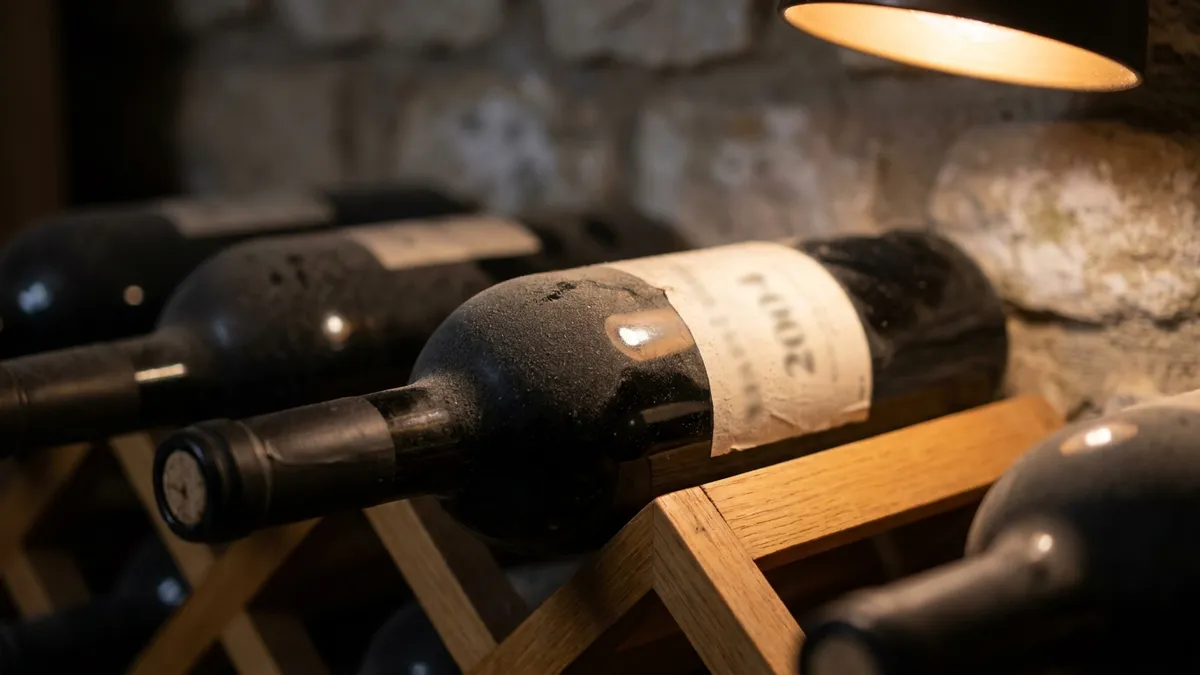
When choosing between two years of one wine, check its drinking window before its reputation. Older is better only for wines built to age, and a 1990 supermarket red is almost certainly worse today than a 2022 from the same source. A skilled producer in an average year often beats a careless one in a great year. Vintage charts rate a region's weather and critic scores one wine, so use both for context.
What wine vintage means explains how to read a vintage chart, and tasting young versus aged wine shows what changes as a bottle matures.
What Does NV Mean on a Wine Label?
NV stands for non-vintage: a blend of grapes from more than one harvest, so the label carries no single year. The letters appear most often on Champagne and other sparkling wines. Port, Sherry and Madeira usually leave them off and print an age or a style name, and there a number may not mean a harvest.
- A four-digit year is the harvest. Under EU Regulation 2019/33, at least 85% of the grapes must come from that year. US federal rules ask for 85%, or 95% when the label names an AVA (American Viticultural Area, a defined growing region).
- NV, or no year at all, means a blend of harvests.
- Millésime or vintage on a sparkling wine marks a single-year bottling.
- If an NV Champagne shows a date on the back label, it is often the disgorgement date, when the spent yeast was removed.
- Cuvée names a batch or a blend and says nothing about the year.
For the rest of the label, how to read a wine label covers producer and appellation, and the wine glossary defines each term.
Why Is Most Champagne Non-Vintage?
Champagne grows at the cool northern edge of reliable ripening, so harvests swing from generous to thin and sharp. Houses even out the swings by blending each new harvest with reserve wines, older wines held back. The appellation rules push the same way: a house may use no more than 80% of a year's harvest for vintage wine.
That cap leaves at least 20% of every harvest for non-vintage blends and reserves. A house declares a vintage only in years it judges exceptional. The appellation also requires at least 15 months in the cellar before any Champagne is sold, and at least three years for a vintage. In practice, says the Comité Champagne, an NV rests about two to three years and a vintage four to ten.
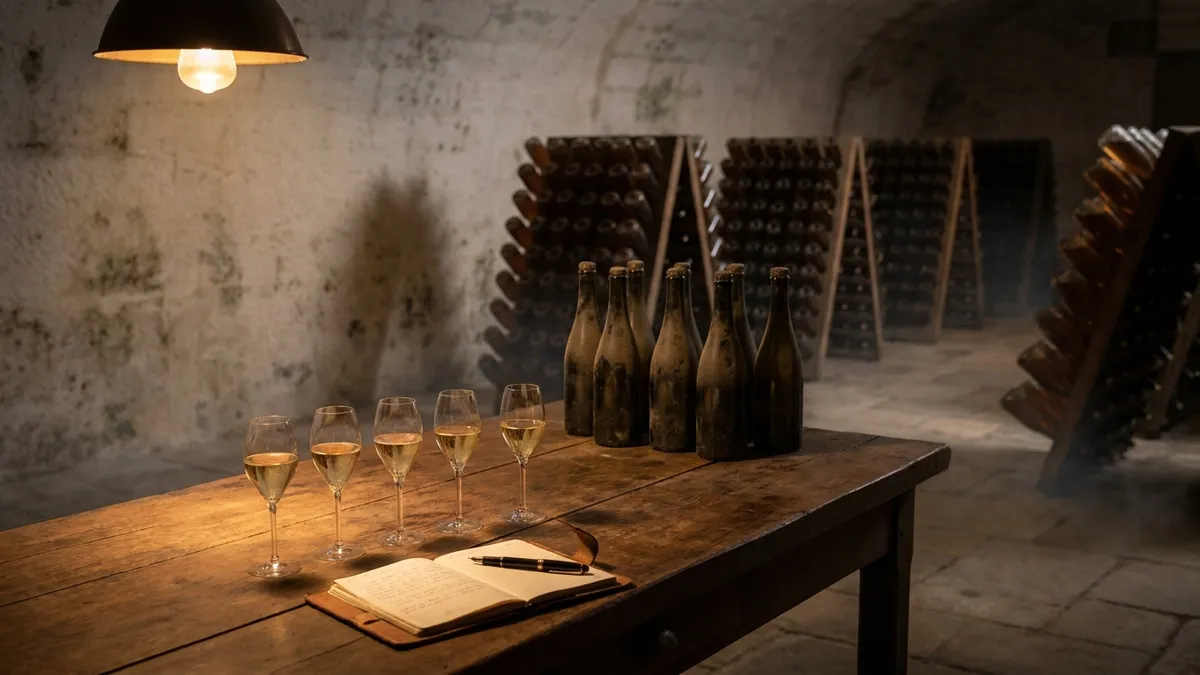
Most Cava and Crémant are non-vintage too, though vintage bottles exist. Champagne vs Prosecco vs Cava compares how each is made.
Port, Sherry and Madeira: Is the Number a Year or an Age?
On fortified wines (spirit added, about 15 to 22% alcohol), a number can be a harvest year or an age. Tawny Port, most Sherry and everyday Madeira blend many years. Vintage Port, Late Bottled Vintage, Colheita and Frasqueira Madeira each come from one harvest. If the label gives an age, the wine is a blend.
| Label says | One harvest or a blend | What the number means | Buy it for |
|---|---|---|---|
| Tawny Port, 10, 20, 30 or 40 Years Old | Blend | A target age profile, in years in wood | After-dinner sipping, the same taste each time |
| Colheita Port plus a year | One harvest | Harvest year; at least 7 years in wood | One year in the nutty Tawny style |
| Late Bottled Vintage (LBV) plus a year | One harvest | Harvest year; bottled 4 to 6 years later | A vintage-style Port to open now |
| Vintage Port plus a year | One declared harvest | Harvest year; at most 2.5 years in wood, then built to age 10 to 40+ years in bottle | Cellaring for a milestone |
| Sherry with no year | Solera blend | No number: old barrels are topped up with younger wine year after year | Everyday Sherry in any style |
| Sherry VOS or VORS | Solera blend | Average age of at least 20 years (VOS) or 30 years (VORS) | A slow sipping glass |
Each Port house decides for itself whether to declare a vintage, early in the second year after the harvest, and most declare only a few times per decade. Tawny ages in wood, where slow contact with air turns it amber and brings walnut, caramel and dried fig. Vintage Port spends most of its life in bottle, so it stays fruitier and grippier. The Port wine guide covers ruby and white Port too.
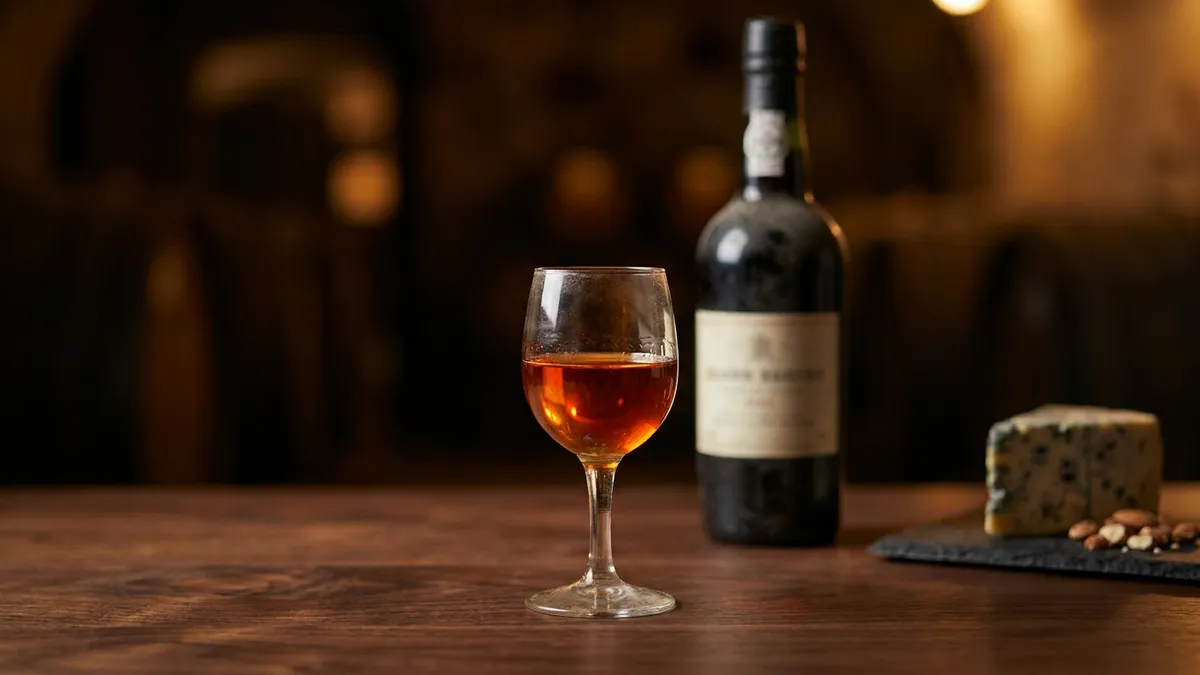
Sherry rarely carries a year because of the solera. Each year some wine is drawn from the oldest barrels, which are refilled from the next oldest row, up to the youngest. Every bottling mixes ages, and the average age keeps rising. How a solera works draws the barrel rows, and the Sherry wine guide maps the styles from Fino to Oloroso.
Standard Madeira is heated on purpose, a process called estufagem, and blended across years; Colheita and Frasqueira are the single-harvest exceptions. The Madeira wine guide explains both, and the dessert wine guide sets the fortified styles beside other sweet wines.
Vintage or Non-Vintage: Which Should You Buy?
- If it is a party or an everyday bottle of bubbles, buy NV Champagne, Cava or Crémant, sold ready to drink.
- If it marks a milestone, buy a vintage Champagne. It spends at least three years in the cellar and costs more.
- If you want to cellar a red, buy a vintage from a strong year in a classic region such as Bordeaux, Burgundy, Barolo or Napa Cabernet.
- If you want a red for tonight, pick an average year over a famous young one. It is usually softer now and better value.
- If you want an after-dinner glass, open a 20-year Tawny Port now and keep Vintage Port for the cellar.
Tonight, pour an NV Champagne next to a vintage one, ideally from the same house, and smell both before tasting. The vintage usually smells more of toast and bread from its extra years on the lees (spent yeast); the NV smells fresher and fruitier. Developing your wine palate shows how to put words to the gap.
Photograph each label in Sommy's AI-guided tasting mode to log look, smell and taste in a tasting journal, then buy the style you would open again.
Sources
- Maturation: at least 15 months in the cellar, three years for vintage cuvées — Comité Champagne
- Regulation (EU) 2019/33, Article 49: vintage year on wine labels — legislation.gov.uk
- 27 CFR 4.27: vintage date on wine labels — Cornell Legal Information Institute
- Champagne (wine): vintage and non-vintage rules — Wikipedia
- Port wine: styles and vintage declarations — Wikipedia
- Sherry: solera ageing and VOS and VORS age dating — Wikipedia
Frequently Asked Questions
What does non-vintage (NV) mean on a wine bottle?
NV means non-vintage: the wine is a blend of grapes from more than one harvest, so no single year goes on the label. Producers mix a young wine with older reserve wines to keep the taste the same from one release to the next. NV appears most often on Champagne and other sparkling wine; Port and Sherry usually print an age or a style name instead.
Is vintage wine better than non-vintage?
No. A vintage wine shows how one growing season went, so it suits cellaring and comparing years. A non-vintage wine is blended for a steady house style, so it suits parties and repeat buying. Quality follows the producer and the year more than the label style, and many Champagne houses treat their NV as the benchmark of their style.
Why is most Champagne non-vintage?
Champagne sits at the cool northern edge of reliable ripening, so its harvests vary a lot. Houses blend each new harvest with reserve wines from earlier years to keep their style steady. The appellation rules also cap vintage wine at 80% of a year's harvest, so at least 20% always goes to non-vintage blends and reserves. A vintage is declared only in years the house judges exceptional.
How long is non-vintage Champagne aged?
According to the Comité Champagne, every Champagne must spend at least 15 months in the producer's cellar before release, and a vintage Champagne at least three years. In practice, non-vintage wines rest about two to three years and vintage wines four to ten. NV Champagne is sold ready to drink, so open it while it is fresh and keep cellar space for vintage bottles.
What is the difference between Tawny Port and Vintage Port?
Tawny Port is a blend aged for years in wood, which turns it amber and brings nutty, dried-fruit flavours. The 10, 20, 30 or 40 on its label is a target age profile in years in wood. Vintage Port comes from one declared harvest, spends at most two and a half years in wood, and is built to age another 10 to 40 years or more in bottle.
Does non-vintage mean cheap?
No. Non-vintage is a style choice made for consistency. Within one Champagne house the NV is usually the entry bottle and the vintage costs more. Yet a 30-year Tawny Port and a VORS Sherry, with an average age of at least 30 years, are both non-vintage blends that take decades to make.
Who decides when a Port or Champagne vintage is declared?
Each producer decides for itself. A Champagne house declares a vintage, or millésime, when it judges its own harvest exceptional. A Port house makes the call early in the second year after the harvest, once the IVDP regulator approves its samples, and most declare only a few times per decade. Some houses declare in all but the worst years.
Sommy Team
LinkedInFounder & Wine Educator
The Sommy Team is building the world's most approachable wine education app, helping beginners develop real tasting skills through structured courses and AI-guided practice.