15 Common Wine Myths Debunked: What's True and What Isn't

By the Sommy Team — AI-assisted, human-edited.
Updated Jul 21, 2026
Contents (8)
TL;DR
Most wine myths quietly mislead beginners. Reds belong at 60-65°F, not modern room temperature. Sulfites rarely cause headaches. Older is not better — most wine peaks within three years. Cork is not superior to screw cap. Expensive does not mean better. Pair flavor profiles, not colors. Calibrate your palate, not your assumptions.
TLDR
Most wine myths quietly mislead beginners and even experienced drinkers. Reds belong at 60-65°F, not modern room temperature. Sulfites rarely cause headaches. Most wine peaks within three years. Cork is not objectively superior to screw cap. Expensive does not mean better in blind tastings. Pair by weight and flavor, not by color. The fix is calibrating your own palate instead of relying on inherited rules.
Wine Myths Debunked, in 90 Seconds
The 15 most common wine myths debunked in one breath: red wine should be served at 60-65°F, not 72°F room temperature; only young tannic reds need to breathe; most wine peaks in 1-3 years, not decades; wine fridges only matter if you cellar long-term; screw caps beat cork for fresh wines; sulfites are not the headache culprit; resveratrol does not extend life at one-glass doses; organic farming is environmentally good but not health-protective; wine has 100-150 calories per 5oz pour; pair by flavor weight, not color; expensive wine rarely tastes objectively better in blind tests; critic ratings are subjective preferences; aerators rescue tannic reds but not delicate ones; all wine has some additives; and French wine is no longer automatically superior to New World peers. Each is rooted in genuine history but fails the modern science test.
Why These Wine Myths Stick Around
Wine education sits in a strange cultural place. Most people learn it from labels, restaurant menus, family habits, or scraps from television — there is no standard subject for it in school. Folk wisdom calcifies into "common knowledge" decades after the underlying facts have moved on.
The cost shows up in real choices. Drinkers serve reds too warm, blame the wrong ingredient for headaches, overpay for prestige, or stick to rigid pairing rules that block better matches. The fix is not memorizing a counter-list — it is understanding the why behind each correction.
The Sommy app builds that understanding through structured tasting practice rather than rote facts. By the time you have logged a dozen wines with guided color, aroma, and palate evaluation, most of these myths quietly dissolve.
Storage and Service Wine Myths
These five myths shape how you handle the bottle from cellar to glass. Get them wrong and even a good wine shows up tasting flat or harsh.
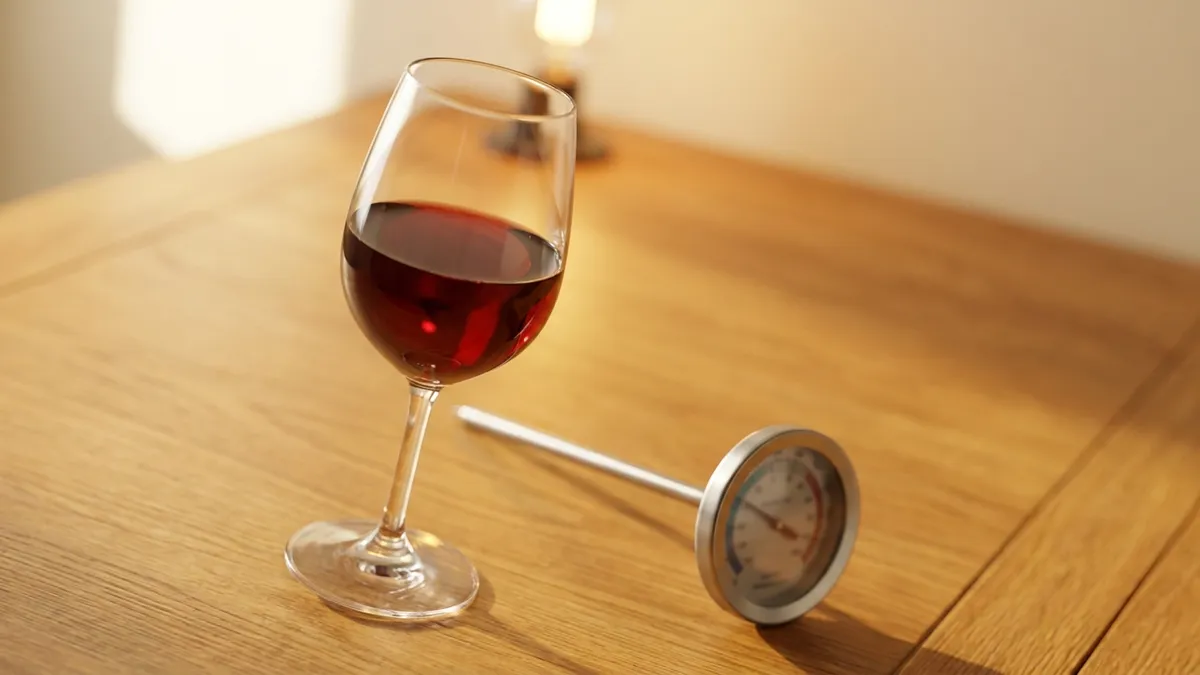
Myth 1: Red Wine Should Be Served at Room Temperature
The myth. Pour reds at whatever the room happens to be. That's what the label means by "room temperature."
The reality. The phrase comes from 18th and 19th-century French country houses with stone walls, sitting at roughly 60-65°F year round. Modern American and European apartments run at 72-75°F. At that temperature, alcohol becomes overpowering, fruit collapses, and tannin feels coarse and drying.
The corrected target for most red wine is 60-65°F. A 15-20 minute trip to the fridge before pouring brings a room-temperature bottle into range. Light reds like Pinot Noir and Gamay actually shine at the cooler end, around 55°F. Our wine serving temperature chart covers the full range for every style.
The takeaway. Always chill reds briefly before serving — never pull them straight off the kitchen counter.
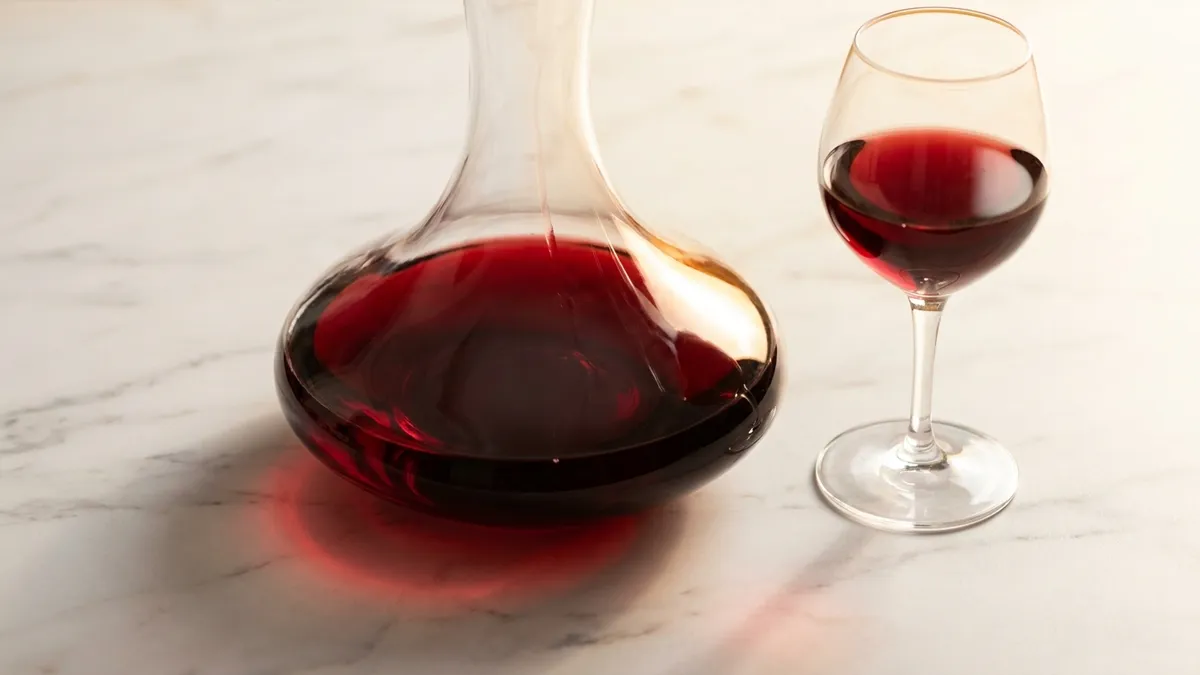
Myth 2: All Wines Need to Breathe
The myth. Open the bottle an hour ahead so the wine "opens up." Better yet, decant everything.
The reality. Only young, tannic reds genuinely benefit from extended air contact — Cabernet Sauvignon, Nebbiolo, young Syrah, structured Bordeaux blends. Oxygen softens the grip of tannin and releases closed aromas. For most whites, rosés, sparkling wines, and aged reds, decanting either does nothing or actively strips delicate aromatics.
A simple test: pour a small taste straight from the bottle. If the wine feels tight, harsh, or muted, decant. If it already smells expressive, drink. The article on whether decanting actually changes wine flavor walks through which styles need it and which don't.
The takeaway. Default to drinking. Decant only when a wine signals it needs more air.
Myth 3: Older Wine Is Always Better Wine
The myth. Bottle dust equals bottle prestige. Age automatically improves wine.
The reality. Roughly 90 percent of wine produced today is made to be drunk within 1-3 years of release. Most whites, rosés, sparkling wines outside top Champagne, and easy everyday reds peak inside that window. Aging them flattens fruit and sometimes oxidizes the wine into something tired and brown.
Only structured tannin-rich reds, high-acid sweet wines, and certain fortified wines reward cellaring. Auction-house headlines create survivorship bias — nobody writes about the cheap Pinot Grigio that turned to vinegar in the basement.
The takeaway. Drink most wine young. Cellar only the styles built for it.
Myth 4: Wine Fridges Are Essential
The myth. A serious wine drinker needs a temperature-controlled fridge.
The reality. Wine fridges only earn their cost if you keep more than 12 bottles for two or more years. For everyday drinking — wines bought to drink within a few months — a cool, dark closet away from heat sources works perfectly. Stable temperature matters more than precise temperature.
The home wine storage guide covers what actually damages wine in a regular kitchen and how to avoid it without specialized equipment.
The takeaway. Skip the fridge unless you genuinely cellar bottles for the long haul.
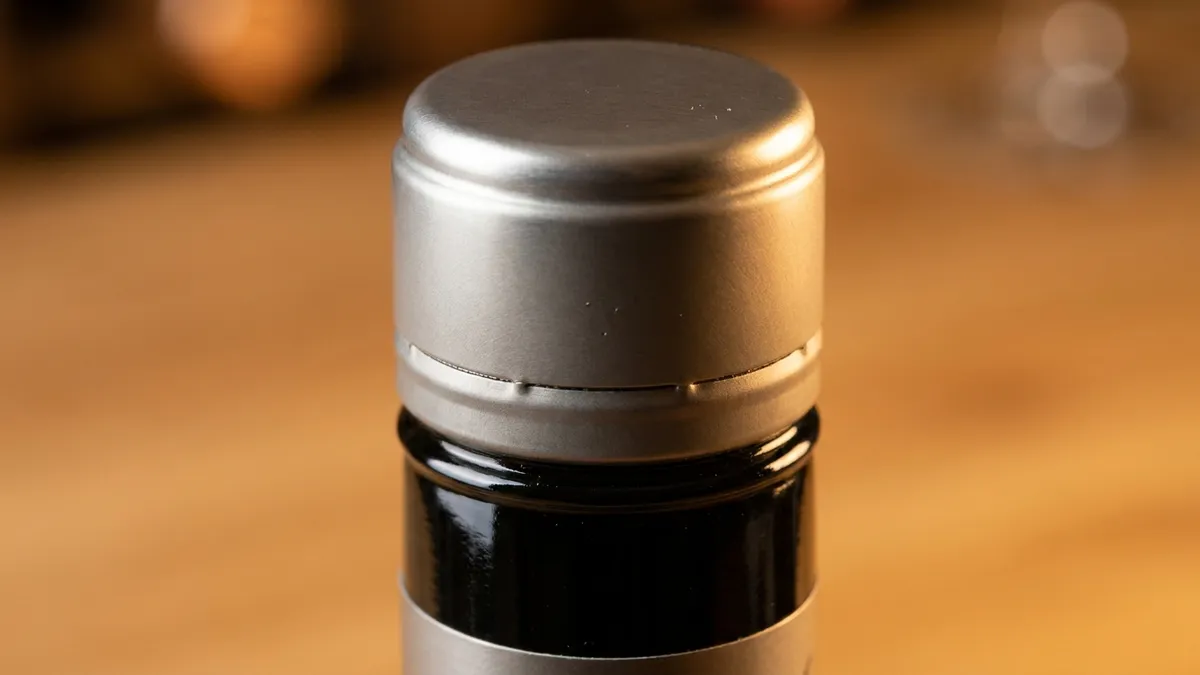
Myth 5: Cork Is Always Better Than Screw Cap
The myth. Cork signals quality. Screw cap signals cheap supermarket plonk.
The reality. Screw caps are objectively more reliable for any wine meant to be drunk within five years. They eliminate cork taint — the musty, wet-cardboard fault caused by TCA contamination — which spoils 2-5 percent of cork-sealed bottles. Top New World producers use screw cap on premium wines for exactly this reason.
Cork still earns its place for long-term cellaring of structured reds because the microscopic oxygen exchange through cork helps complex tannins integrate over decades. For everything else, screw cap is the technically superior closure. Our screw cap vs cork breakdown covers the full trade-off.
The takeaway. Judge the wine in the glass, not the closure on top.
Wine Health Myths
Health claims attract more confused mythology than any other corner of wine. Four of the most stubborn ones, with the actual science.
Myth 6: Sulfites Cause Wine Headaches
The myth. That throbbing morning-after head is the sulfites talking.
The reality. Less than one percent of the population is genuinely sulfite-sensitive, and that group reacts to dried fruit, processed meats, and packaged foods long before wine. Dried apricots contain roughly ten times more sulfites per gram than wine. The actual culprits behind wine headaches are alcohol, dehydration, tyramine, histamine, biogenic amines, and congeners — a complicated cocktail blamed on a single convenient ingredient.
The wine headache causes guide breaks down each suspect and offers practical prevention strategies.
The takeaway. Drink water between glasses. Eat with the wine. Sulfites are almost never the issue.
Myth 7: Red Wine Extends Life Through Resveratrol
The myth. A glass a day keeps the cardiologist away — thanks to resveratrol.
The reality. The doses of resveratrol used in lab and rodent studies translate to hundreds of glasses of wine per day at human scale. The actual amount in a 5oz pour is biologically negligible. The 2023 World Health Organization position is direct: there is no safe level of alcohol for health, and the modest cardiovascular signal in earlier observational studies has been largely attributed to confounding lifestyle factors.
The resveratrol research breakdown covers the full study landscape.
The takeaway. Drink wine for pleasure and learning. Do not drink it for medicine.
Myth 8: Organic Wine Is Healthier
The myth. Organic wine has fewer chemicals, fewer additives, and fewer hangovers.
The reality. Organic farming reduces pesticide and herbicide use, which is genuinely better for soil, vineyard workers, and the environment. The health benefit to drinkers is far less established. Most studies find no meaningful difference in headache rates, hangover severity, or general health outcomes between organic and conventional wine of similar style and alcohol level.
The organic vs conventional wine comparison covers what organic certification actually means and what it does not promise.
The takeaway. Buy organic for environmental reasons, not health claims.
Myth 9: Wine Doesn't Have Calories
The myth. Wine is "just fermented grapes" — practically a salad.
The reality. A standard 5oz pour of dry table wine contains 100-150 calories, primarily from alcohol. A full bottle ranges from 600 to 1,000 calories depending on alcohol level and residual sugar. Sweet wines, fortified wines, and high-alcohol reds sit at the top of that range. The calories in wine breakdown covers every style with specific numbers.
The takeaway. Wine is calorie-dense. Account for it like any other indulgence.
Taste and Pairing Wine Myths
Four of the most rigid taste rules — all of them broken regularly by anyone who actually tastes wine for a living. And if it is the act of tasting itself you want to sharpen — reading legs, glassware, serving technique — our 7 wine tasting myths debunked guide goes deeper on technique.
Myth 10: White Wine With Fish, Red Wine With Meat
The myth. A strict color-matching rule that decides every dinner.
The reality. The actual drivers of a great pairing are matching weight, balancing acidity, taming heat or salt, and respecting sweetness. Salmon and tuna both work beautifully with light, fruit-forward Pinot Noir. Roast chicken with lemon and herbs sings with rich Chardonnay. Spicy Indian curry pairs better with off-dry Riesling than with any red.
Use the color rule as a beginner default and break it deliberately as your palate sharpens. The wine pairing rules guide and the red vs white wine deep dive cover the principles in detail.
The takeaway. Match flavor weight, not bottle color.
Myth 11: Expensive Wine Tastes Objectively Better
The myth. Higher price reliably signals higher quality.
The reality. Repeated blind tasting studies show 40-50 percent of drinkers — including some critics — cannot reliably distinguish $10 wine from $50 wine when labels are hidden. Quality and price correlate loosely up to about $50, after which scarcity, prestige, marketing, and oak treatment drive most of the markup. A trained palate calibrated through deliberate practice matters far more than spend.
This is the entire reason palate calibration exercises are foundational to learning wine.
The takeaway. Buy in the $15-50 sweet spot. Spend the rest on practice and variety.
Myth 12: Wine Ratings Are Objective
The myth. A 92-point wine is reliably better than an 88-point wine.
The reality. Wine ratings reflect the personal preferences of the critic. Robert Parker famously favored ripe, oaky, high-extract wines. Jancis Robinson tends toward restrained, food-friendly styles. The same bottle can score 95 from one and 87 from the other. Modern rating inflation has pushed roughly half of all reviewed wines into the 90+ range, dulling the signal further.
Our wine ratings explained guide and 100-point scale breakdown cover what ratings actually measure and how to read them.
The takeaway. Use ratings as one input, never as a verdict.
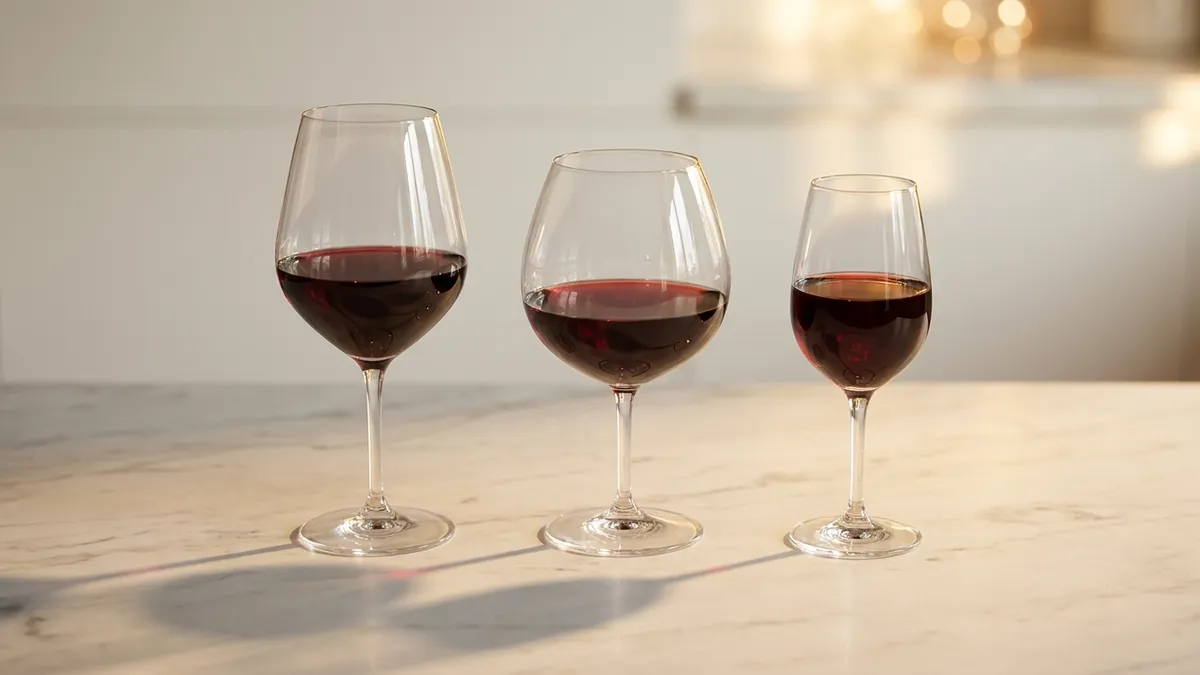
Myth 13: Aerators Turn Cheap Wine Into Expensive Wine
The myth. Pour your $8 bottle through the gadget and it tastes like $30.
The reality. Aerators speed up oxygen exposure, which softens harsh tannin and releases closed aromas in young, tight reds. They do nothing to add complexity, length, depth, or balance the wine never had. A delicate aged wine forced through an aerator can actually deteriorate — losing its fragile aromatic top notes within seconds.
The takeaway. Use aerators as a corrective tool for tannic young reds. Skip them for everything delicate, aged, or already expressive.
Wine Production Myths
Two final myths shape how drinkers think about where wine comes from and what's really inside the bottle.
Myth 14: All Wine Has Chemicals and Additives
The myth. Modern wine is a cocktail of additives. Old-school wine was just grape juice.
The reality. Almost all wine contains some sulfur dioxide as a stabilizer — even most "natural" wine adds a small dose at bottling. Many commercial wines use selected yeast strains, fining agents like egg white or fish bladder for clarification, and acid or tannin adjustments. The real spectrum runs from minimal-intervention wines with one to two additions to heavily manipulated industrial wines with twenty-plus permitted additives.
Our natural wine guide and the sulfites in wine breakdown cover the full picture without the marketing spin.
The takeaway. Wine is rarely pure grape juice. Quality lies in skill, not in zero intervention.
Myth 15: French Wine Is Always Better
The myth. France is the gold standard. Everywhere else is catching up.
The reality. France produces extraordinary wine — but so do California, Oregon, Argentina, Chile, Australia, New Zealand, South Africa, Italy, Spain, Portugal, Germany, and Austria. Top New World producers regularly outperform their French peers in blind tastings. The famous 1976 Judgment of Paris, where California wines beat French legends, broke the assumption decades ago. It is also a favourite quiz question, and our wine trivia questions cover the later recount that made the white result a tie.
The Old World vs New World distinction is now stylistic, not qualitative. The Old World vs New World wine guide breaks down how each tradition expresses character differently.
The takeaway. Geography is a flavor map, not a quality ranking. For more on building a working sense of style, the Sommy wine glossary covers every term that matters.
How to Stop Falling for the Next Wine Myth
Three habits keep you ahead of folk wisdom for the rest of your wine life.
Trust your palate over critics and marketing. Calibration beats opinion. The develop your wine palate guide covers the deliberate practice that builds it.
Drink less, taste more. A 2oz reflective pour with notes teaches more than a 6oz sloshed pour during dinner. Quality of attention matters more than volume.
Ask whether each rule is based on evidence or tradition. Most wine "rules" come from a real fact in a specific historical context — and the context has usually changed. Knowing the why behind a rule lets you apply it where it works and ignore it where it doesn't.
The Sommy app walks you through guided tastings that build palate calibration the way the courses train sensory recall. By the time you have logged a few dozen wines with structured color, aroma, and palate evaluation, the difference between a useful rule and a stale myth becomes obvious. The app turns every glass into a small, deliberate calibration session — and every calibration into a quiet refutation of one of the myths above.
Frequently Asked Questions
Should red wine really be served at room temperature?
Not modern room temperature. The phrase originated in 18th-century French stone houses sitting around 60-65°F. Modern American homes hover at 72-75°F, which makes alcohol taste hot and tannin feel coarse. The actual ideal range for most red wine is 60-65°F. A 15-20 minute chill in the fridge before pouring fixes most reds straight off the rack.
Do sulfites in wine cause headaches?
Almost never. Less than one percent of the population is genuinely sulfite-sensitive, and those people react to dried apricots and processed foods first since both contain far more sulfites than wine. Wine headaches usually come from a mix of dehydration, alcohol, tyramine, histamine, and biogenic amines — sulfites are the convenient scapegoat for a more complicated culprit.
Is expensive wine objectively better than cheap wine?
Not in blind tastings. Studies repeatedly show that 40-50 percent of people cannot reliably distinguish a $10 wine from a $50 one when the labels are hidden. Quality and price loosely correlate up to about $50, after which scarcity, marketing, and prestige drive most of the markup. A trained palate matters far more than a fat wallet.
Does all wine need to breathe before drinking?
No. Decanting helps young, tannic reds — Cabernet Sauvignon, Nebbiolo, Syrah — by softening grip and releasing closed aromas. Most whites, sparkling wines, and aged reds either gain nothing or actively suffer from extended air contact. The default should be: pour and taste first, decant only if the wine feels tight or harsh.
Is cork wine better than screw cap?
No. Screw caps are objectively more reliable for fresh whites, rosés, and most everyday reds — they eliminate cork taint, which spoils 2-5 percent of cork-sealed bottles. Cork still has a role in long-term cellaring of structured reds because it allows microscopic oxygen exchange, but for wines drunk within five years, screw cap is the technically superior closure.
Does red wine extend life because of resveratrol?
No. The amount of resveratrol in a glass of red wine is far below the dose levels used in lab studies. You would need to drink hundreds of glasses daily to approach those concentrations. The World Health Organization's 2023 statement is clear: there is no safe level of alcohol consumption for health. Drink wine for pleasure, not as preventive medicine.
Should you only drink white wine with fish and red wine with meat?
Use it as a starting point, not a rule. The actual driver of a great pairing is matching weight and flavor intensity, balancing acidity, and respecting sweetness. Salmon pairs beautifully with light Pinot Noir. Chicken curry sings with off-dry Riesling. Treat the color rule as a beginner default and break it deliberately as your palate sharpens.
Does an aerator turn cheap wine into expensive wine?
No. Aerators speed up the process of oxygen exposure, which softens harsh tannin and releases volatile aromas in young, tight reds. They do not add complexity, depth, or quality the wine never had. A delicate aged wine can actually deteriorate in an aerator. Treat them as a corrective tool for tannic young reds, never as a quality upgrade.
Sommy Team
LinkedInFounder & Wine Educator
The Sommy Team is building the world's most approachable wine education app, helping beginners develop real tasting skills through structured courses and AI-guided practice.