Palate Calibration: Quick Exercises Before Any Tasting

By the Sommy Team — AI-assisted, human-edited.
Updated Apr 29, 2026
Contents (14)
- TLDR
- What Palate Calibration Is, in 90 Seconds
- Why You Need to Calibrate
- Exercise 1: The Acid Baseline
- Exercise 2: The Bitter Baseline
- Exercise 3: The Sweet Baseline
- Exercise 4: Aroma Priming
- Exercise 5: Palate Clearing
- The Compressed Ninety-Second Version
- The Pre-Exam Protocol
- Common Mistakes That Break Calibration
- How Calibration Fits into a Full Tasting Routine
- What Calibrated Tasting Notes Look Like
- The Bottom Line on Palate Calibration
TL;DR
Palate calibration is a five to ten minute warm-up before any serious tasting that resets your reference points and primes your senses. Five quick exercises anchor acid with lemon water, bitter with black coffee, sweet with sugar water, aroma with a four-scent rotation, and clear the mouth with water and a plain cracker. Skip it and you under-detect structure.
TLDR
Palate calibration is a five to ten minute warm-up before any serious tasting that resets your reference points and primes your senses. Five quick exercises anchor acid with lemon water, bitter with black coffee, sweet with sugar water, aroma with a four-scent rotation, and clear the mouth with water and a plain cracker. Skip it and you under-detect structure.
What Palate Calibration Is, in 90 Seconds
Palate calibration is a short routine you run before any serious wine tasting to give your senses fresh reference points. It is the same thing musicians do when they tune before a concert. Without it, your first wine gets scored on a cold scale and the rest of the flight is judged against a moving target.
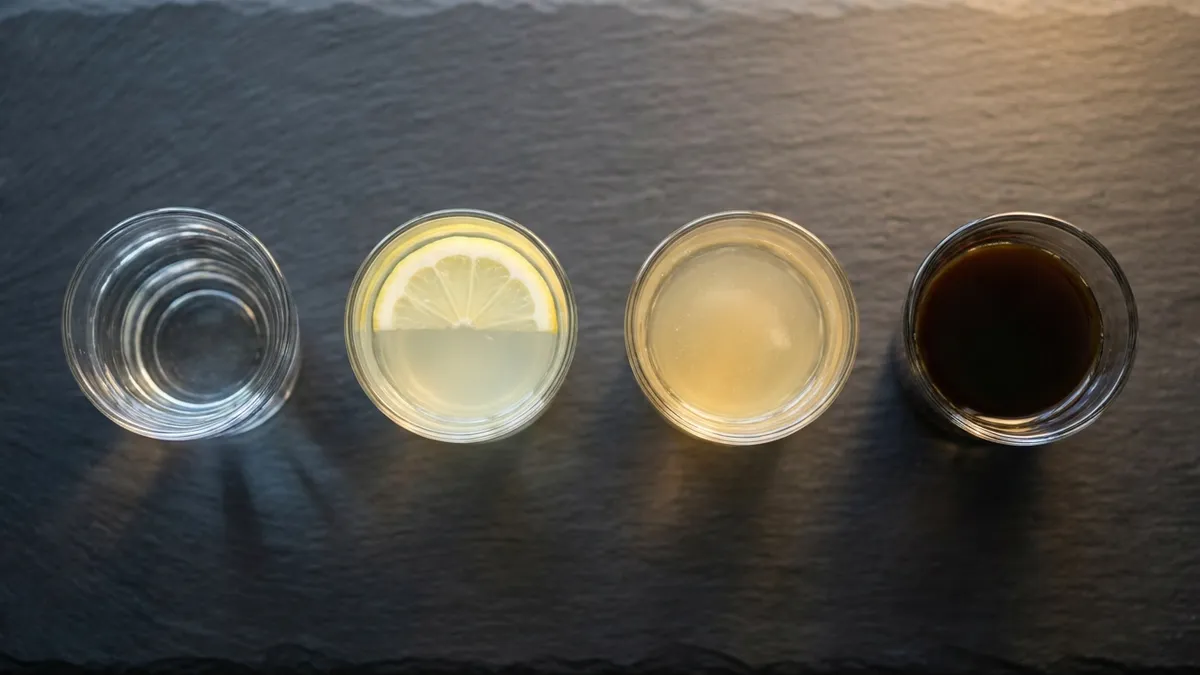
Five quick exercises do the job: an acid baseline with lemon water, a bitter baseline with black coffee or tonic, a sweet baseline with sugar water, an aroma rotation through four common scents, and a palate-clearing sip of water and a plain cracker. The full routine takes eight to ten minutes. A compressed ninety-second version covers the essentials when time is short.
Why You Need to Calibrate
Your senses drift. A morning coffee, a spicy lunch, a flavored toothpaste, even ten minutes in a perfumed room — each one shifts your perception enough to skew the first wine of the night. Trained tasters refuse to start cold. They anchor acid, bitter, and sweet on a known scale before the first pour.
Three problems happen when you skip calibration:
- Acidity gets under-detected. A high-acid Riesling reads as "medium" because your tongue has no fresh comparison.
- Body and alcohol get over-rated because warmth feels stronger when nothing has primed the receptors.
- Subtle aromas get missed — olfactory memory needs recent activation to retrieve specific descriptors.
Calibration fixes all three in under ten minutes. If fatigue resistance is the long-game skill, calibration is the short-game version — see our wine palate fatigue guide for what comes after.
Exercise 1: The Acid Baseline
The first anchor is acidity. Acid is the structural element most beginners under-detect because it lives in a band the tongue easily ignores when nothing else is around to compare it to.
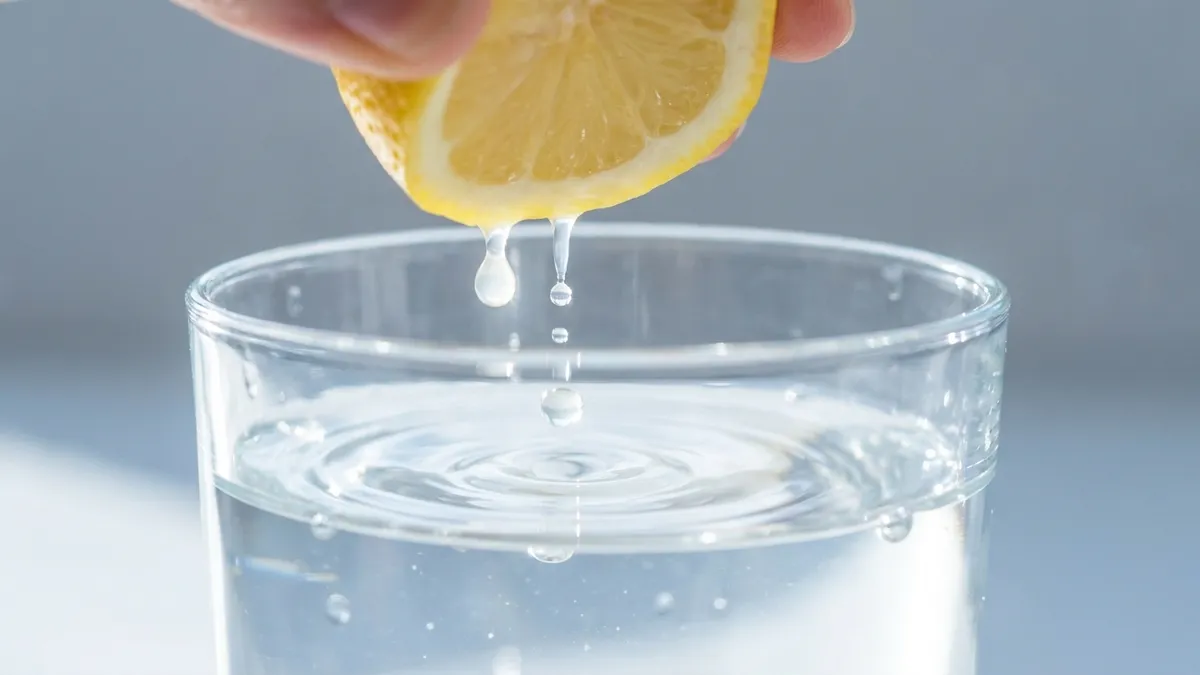
Method: Pour two ounces of room-temperature still water into a small glass. Squeeze in about a quarter teaspoon of fresh lemon juice. Stir. Sip a small amount, hold it on the tongue for three seconds, swallow or spit. Notice the tightening on the sides of your tongue and the salivary response. That sensation is high acid in wine terms — a four or five on a one-to-five scale.
Then sip plain water. Notice the absence of the acid pull. That is your zero-acidity reference. The contrast is the entire calibration.
Why it works: Acid perception is comparative, not absolute. Your brain reads each wine's acidity against the most recent reference it has. A clean high-acid anchor right before the flight prevents the first wine from being scored too low.
Skip it and: the opening wine reads more rounded than it really is. You will write "medium acidity" on a wine that deserved a four out of five — and every later wine gets anchored against that wrong first reading.
Exercise 2: The Bitter Baseline
The second anchor is bitterness. Bitterness shows up in tannin, in oak influence, in skin-contact whites, and in some grape varieties more than others. Without a fresh bitter reference, tannin (the drying, gripping sensation in red wines) often gets confused with astringency or alcohol heat.
Method: Brew one teaspoon of unsweetened black coffee — espresso strength is fine — and take a single small sip. Hold briefly, then swallow or spit. Notice the dry, lingering bitterness at the back of your tongue. That is your high-bitter anchor.
To avoid coffee aroma in your palate, swap in a teaspoon of tonic water — quinine gives the same anchor without the roasted-bean scent. A black tea bag steeped two minutes works too and doubles as a tannin anchor.
Why it works: Bitterness receptors fatigue less quickly than acid receptors. A small bitter dose ten minutes before a flight stays live in reference memory throughout the session.
Skip it and: you mark every red wine the same on tannin — usually "medium" — because nothing has trained your tongue to feel the difference between silky and grippy. Our what are tannins guide goes deeper on the mechanism.
Exercise 3: The Sweet Baseline
The third anchor is sweetness. Most casual tasters confuse fruit-forward wines with sweet wines because their reference for sweetness is whatever they had in their last meal — a piece of fruit, a sip of soda, a bite of dessert. None of those hold a steady reference.
Method: Dissolve half a teaspoon of plain sugar in two ounces of room-temperature water. Stir thoroughly. Sip a small amount, hold for three seconds, then swallow or spit. That is roughly the sweetness level of an off-dry Riesling — your three-on-five anchor.
Sip plain water afterward for the zero reference. For a four or five anchor, use a full teaspoon of sugar — that approximates a dessert wine. Most tastings only need the three-anchor.
Why it works: Sweetness interacts with acidity in a way that tricks beginners into reading high-acid wines as drier than they are. A clean sweet anchor isolates the sensation. See our wine sweetness scale guide for the full vocabulary around dryness levels.
Skip it and: ripe-fruit dry wines get marked "off-dry" or even "sweet," and genuinely off-dry wines get marked "dry." This is the single most common mistake in beginner tasting notes.
Exercise 4: Aroma Priming
The fourth anchor is for the nose. Olfactory recall — the bridge between a smell and a word — fades fast and rebuilds fast. A four-scent rotation right before a tasting wakes up the part of your memory that you will lean on for every aroma description in the flight.
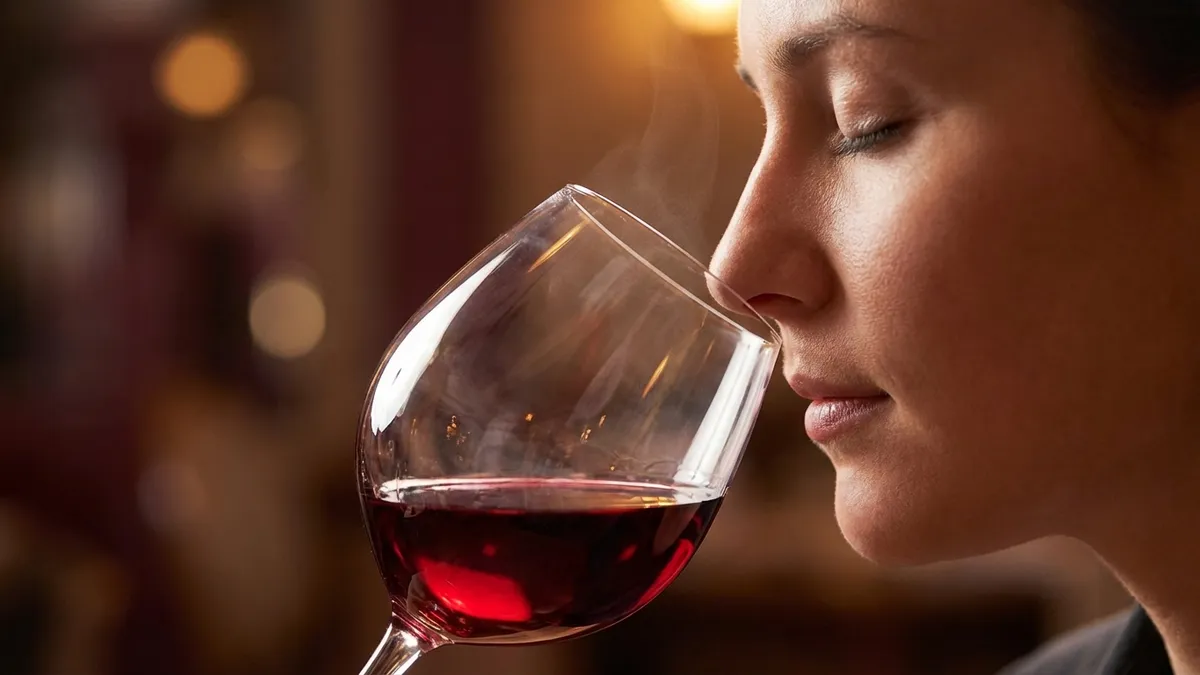
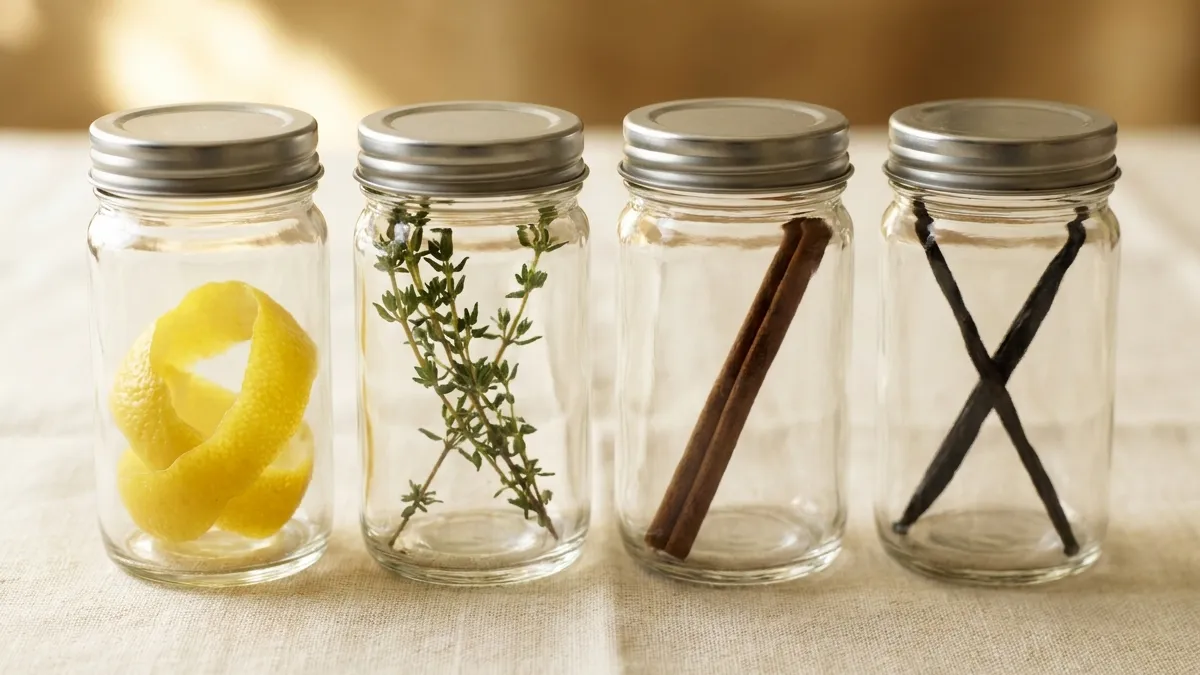
Method: Set out four common, distinct scents. The standard rotation is lemon, fresh mint or basil, cinnamon, and vanilla — one citrus, one herb, one spice, one sweet baking note. They cover four of the largest aroma families in wine.
Smell each one with eyes closed for ten seconds. Say the name out loud. Move to the next. Cycle through all four twice. Total time: about ninety seconds.
If you have a more advanced kit, rotate in black pepper for spice, green apple for orchard fruit, dried tobacco for tertiary notes, and black olive for savory. Our olfactory reference kit guide covers building a longer rotation library.
Why it works: The bottleneck for most beginners is not the nose itself — it is the word retrieval. Your nose works fine; it just cannot find the matching descriptor fast enough during a tasting. Priming the retrieval pathway minutes before pouring shortens the gap between sniff and word.
Skip it and: the first wine's aromas read as "fruity" because that is the only word your memory could pull up in the moment. Specific descriptors like "red cherry, plum, dried herbs" require recent activation.
Exercise 5: Palate Clearing
The fifth and final step is to clear the mouth and stomach so the first wine arrives on a neutral baseline. The previous four exercises have left small traces — a hint of lemon, a thread of coffee, a touch of sugar, herb oils from the aroma rotation. None of those should be in your mouth when wine number one is poured.
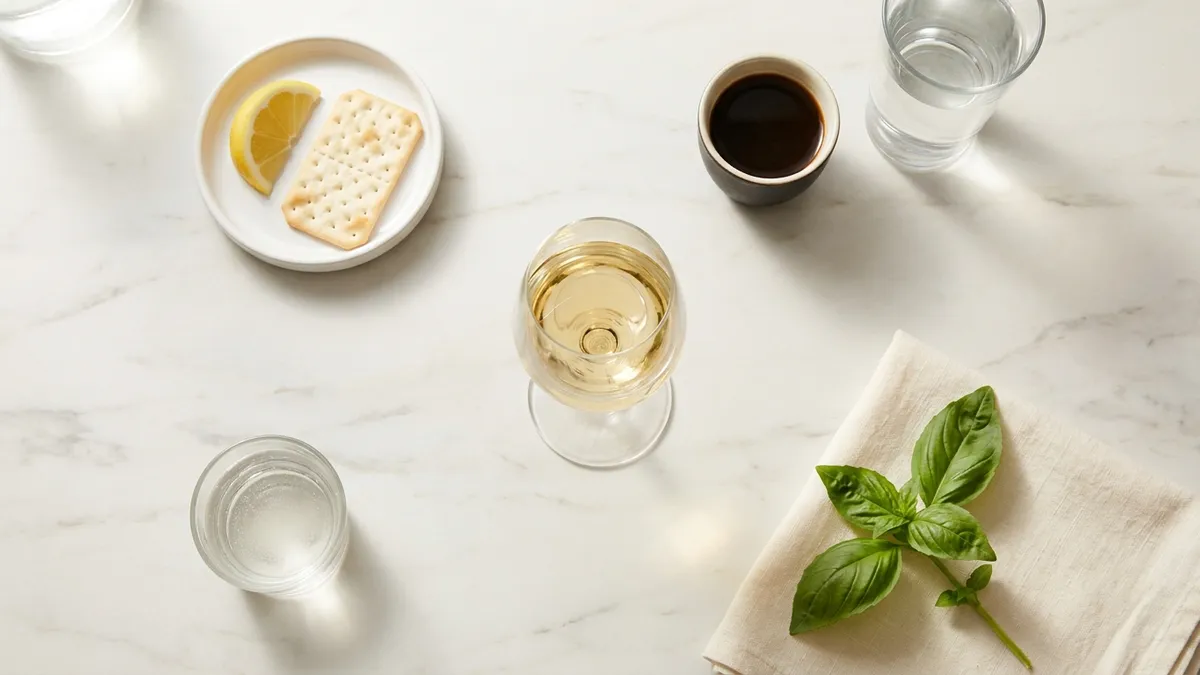
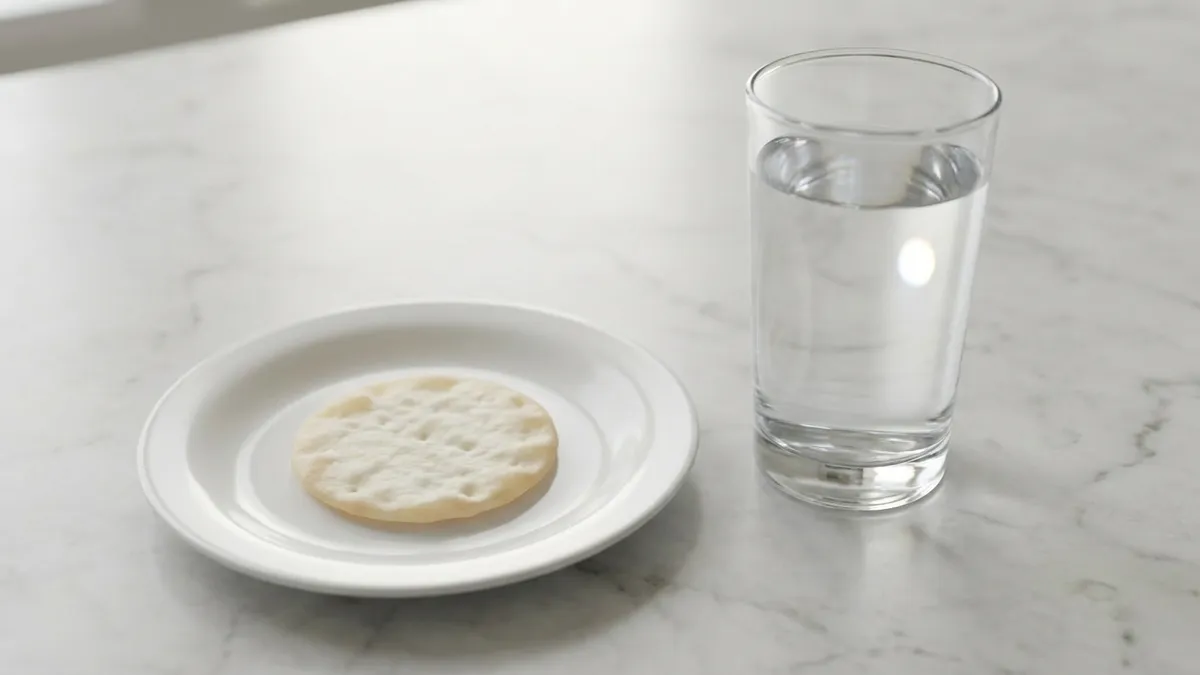
Method: Sip room-temperature still water, hold briefly, swallow or spit. Eat half a plain unsalted water cracker — the kind used in cheese pairings — chewing slowly. Sip water again. Total time: about sixty seconds.
Avoid flavored or salted crackers, anything with cheese, and flavored sparkling water. Salt suppresses bitter receptors and amplifies sweet ones for up to thirty minutes — a saltine undoes the bitter anchor you just built.
Why it works: Calibration anchors live in sensory memory, not on the tongue. Once the references are set, start the flight with a clean physical baseline so each pour is judged against the memory anchor, not residue.
The Compressed Ninety-Second Version
For casual tastings — a dinner party, a wine club, a home flight with friends — the full five-exercise routine is overkill. The compressed version captures most of the benefit in ninety seconds.
- Sip a small amount of lemon water (acid anchor)
- Smell three things in rotation — your hand, a citrus peel, a kitchen herb (aroma anchor)
- Eat half a plain water cracker
- Sip room-temperature water
- Pour the first wine
This skips the bitter and sweet anchors, which are the most exam-relevant of the five. For casual tasting where you are not scoring on a strict scale, you can live without them. For any session where you intend to compare wines, score structure, or take serious notes, run the full version.
The Pre-Exam Protocol
WSET and CMS exam candidates run a longer, more rigorous calibration. The goal is not just to anchor the senses but to confirm that today is a "tasting day" — that diet, sleep, allergies, and stress have not compressed your perception to the point of unreliability.
The standard pre-exam protocol takes about twelve minutes:
- Acid anchor — lemon water, three sips at thirty-second intervals
- Bitter anchor — black tea infusion, one sip
- Sweet anchor — sugar water at the off-dry level, one sip
- Aroma rotation — six scents, two cycles each
- Reference wine — a known wine of known structure, served at the same temperature as the exam wines, sipped and quickly noted in the standard format
- Palate clear — water and a plain cracker
- Five-minute settle — sit quietly, breathe through the nose, do not speak
The reference wine step is the key one. Writing a full tasting note on a wine whose structure you already know confirms that your descriptors today match what they would on a normal day. If the reference reads off, you adjust expectations for the exam flight rather than discovering the problem mid-paper.
The Sommy app's tasting flow can stand in for the reference wine step — a structured tasting on a familiar bottle gives the same self-check, with prompts that force specificity.
Common Mistakes That Break Calibration
A few habits actively undo the warm-up:
- Brushing teeth right before. Toothpaste with sodium lauryl sulfate suppresses sweet receptors and amplifies bitterness for up to an hour. Floss and rinse with water instead.
- Eating mints or chewing gum. Mint oils linger in the sinuses and contaminate every aroma. Skip mints in the four hours before a tasting.
- Drinking a full coffee within thirty minutes. A larger coffee flattens acid sensitivity. The bitter anchor uses one teaspoon, not a full cup.
- Calibrating then waiting twenty minutes. Anchors fade. Pour within ten minutes of finishing calibration. If a flight is delayed, run the compressed version again.
- Heavy meals beforehand. A full stomach dulls smell and slows aroma retrieval. Eat lightly two hours before.
- Strong room scents. Perfume, candles, kitchen smells, and cleaners compete for olfactory bandwidth. Air the room first.
- Skipping the aroma rotation. This is the most often dropped exercise and the most missed in retrospect — descriptor retrieval is what most tasting notes rely on.
For the wider routine errors that follow calibration, see common wine tasting mistakes.
How Calibration Fits into a Full Tasting Routine
Calibration is the pre-flight step. The rest of the routine looks like this:
- Calibrate (five to ten minutes before the first pour)
- Order the flight — sparkling before still, light before heavy, dry before sweet, young before old
- Pour two ounces, not five
- Run the full sensory sequence — sight, smell, taste, structure
- Reset between wines — water, cracker, ninety-second nose break
- Cap the session — six wines for casual flights, eight for trained tasters
Together, these steps protect accuracy from the first sip to the last. Calibration alone helps the first wine; the rest of the routine carries that accuracy through the flight. Our how to taste wine guide walks through the full sequence, and the Sommy app builds the calibration prompt into its tasting flow so you do not need to remember it manually.
What Calibrated Tasting Notes Look Like
After calibration, your notes change in three measurable ways:
- Acidity scores spread out. Where you wrote "medium" on every wine, you now use a wider range — "medium-low," "medium," "medium-high," with confidence.
- Aroma descriptors get specific. "Fruity" becomes "red cherry, plum skin, dried mint" because the priming pulled those words to the surface.
- Sweetness ratings become honest. Off-dry wines stop reading as sweet, and dry wines stop reading as off-dry.
These improvements show up immediately, not over weeks. The same taster, on the same wines, scores differently after a ten-minute warm-up.
For training that compounds across sessions, pair calibration with the drills in our develop your wine palate guide and the structure work in understanding tannins acidity body.
The Bottom Line on Palate Calibration
A ten-minute warm-up changes every tasting note that follows it. Anchor acid with lemon water, bitter with black coffee or tonic, sweet with sugar water, and aroma with a four-scent rotation. Clear with water and a plain cracker. Pour the first wine within ten minutes.
Skip the routine and the opening wine reads cold — under-detected acidity, over-rated body, generic aromas. Run the routine and the same wine reads honestly, on the same scale you will use for every later pour. The cost is small. The accuracy gain is the difference between a flight you remember and a flight you have to re-taste.
Frequently Asked Questions
What is palate calibration in wine tasting?
Palate calibration is a short warm-up routine — usually five to ten minutes — that anchors your perception of acid, bitter, sweet, and aroma before you taste wine. The goal is not to numb your senses but to sharpen them by giving your tongue and nose recent reference points. Without calibration, the first wine often gets scored too low on acidity and too high on body because your reference scale starts cold.
How long should a palate calibration session take?
Five to ten minutes is the standard window. The full version with all five exercises takes about eight minutes, the compressed casual version takes ninety seconds, and the WSET or CMS pre-exam protocol stretches to about twelve minutes. Short and consistent beats long and occasional. The exercises lose their effect if you wait more than fifteen minutes between calibration and the first pour.
Why do you need to calibrate before tasting wine?
Your tongue and nose drift with diet, time of day, recent meals, and even toothpaste. A calibration warm-up gives you fresh anchors so the first wine in the flight is scored on the same scale as the last one. Skipping calibration usually means under-detecting acidity in the opening wine, over-rating body, and missing subtle aromas because you have no recent reference point to compare against.
What do you use for the acid baseline in palate calibration?
A small glass of room-temperature water with a single squeeze of lemon juice — about a quarter teaspoon — works as the high-acid anchor. Sip it, hold it, then sip plain water afterward. The contrast trains your tongue to recognize where acidity sits on a one-to-five scale. Vinegar and citric acid solutions also work but most home tasters keep lemons on hand, so lemon water is the practical default.
Is coffee really useful in palate calibration?
A small sip of unsweetened black coffee — or a tonic-water alternative — works as a bitter anchor. The dose is tiny, around one teaspoon, just enough to register the sensation without lingering. The point is not to introduce coffee aroma into your palate but to remind your tongue what bitterness feels like before you encounter it in tannin, oak, or skin contact. Tonic water with quinine is the clean alternative.
Can you do palate calibration without any food or supplies?
Yes — the compressed ninety-second version uses only water and a cracker. Sip room-temperature water, eat half a plain water cracker, breathe slowly through your nose for thirty seconds while smelling something neutral like the back of your hand, then start tasting. It is less precise than the full five-exercise routine but better than no warm-up at all, especially for casual home tastings.
Should you calibrate before WSET or CMS exam tastings?
Yes. Most exam candidates run a structured pre-exam protocol that mirrors the five-exercise routine but adds a written practice note with a reference wine of known structure. The goal is to enter the exam room with anchors already in place so the first flight does not get marked harder than later wines. Cap the protocol at twelve minutes and finish at least five minutes before the first pour.
Does palate calibration replace palate cleansing between wines?
No — they solve different problems. Calibration is a one-time warm-up before the session that establishes your reference points. Palate cleansing is the between-wine reset that fights fatigue mid-flight. You need both. Calibration sharpens the opening wine; cleansing keeps the fifth and sixth wines as honest as the first. Together they protect accuracy across an entire tasting.
Sommy Team
LinkedInFounder & Wine Educator
The Sommy Team is building the world's most approachable wine education app, helping beginners develop real tasting skills through structured courses and AI-guided practice.